What Is a Solitaire Diamond? Meaning, Quality and Buying Checks
“Solitaire” tells you how a stone is presented. It does not tell you its quality, origin or price. Here is how to separate those decisions before choosing a ring or another single-stone piece.
What does “solitaire diamond” mean?
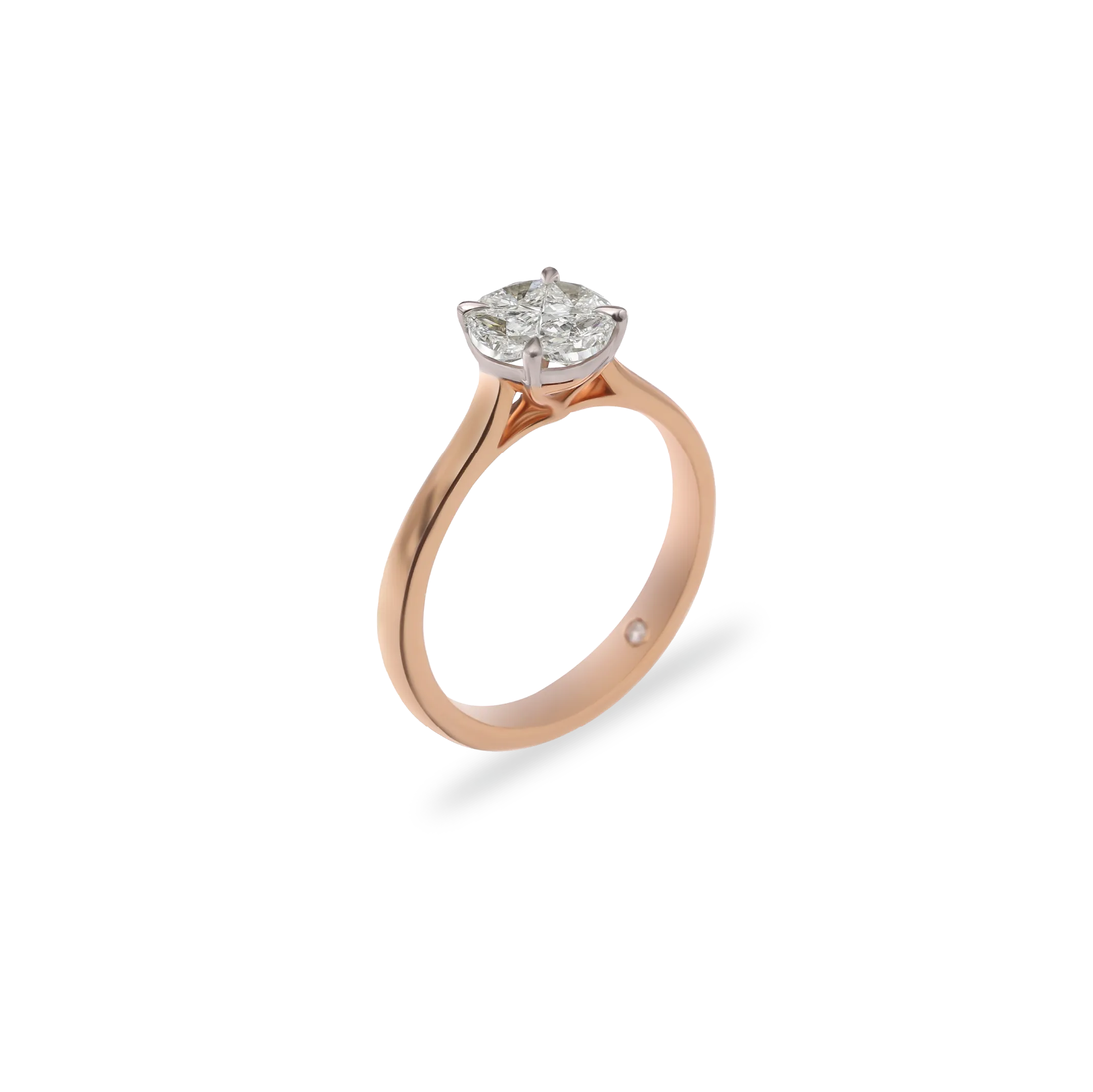
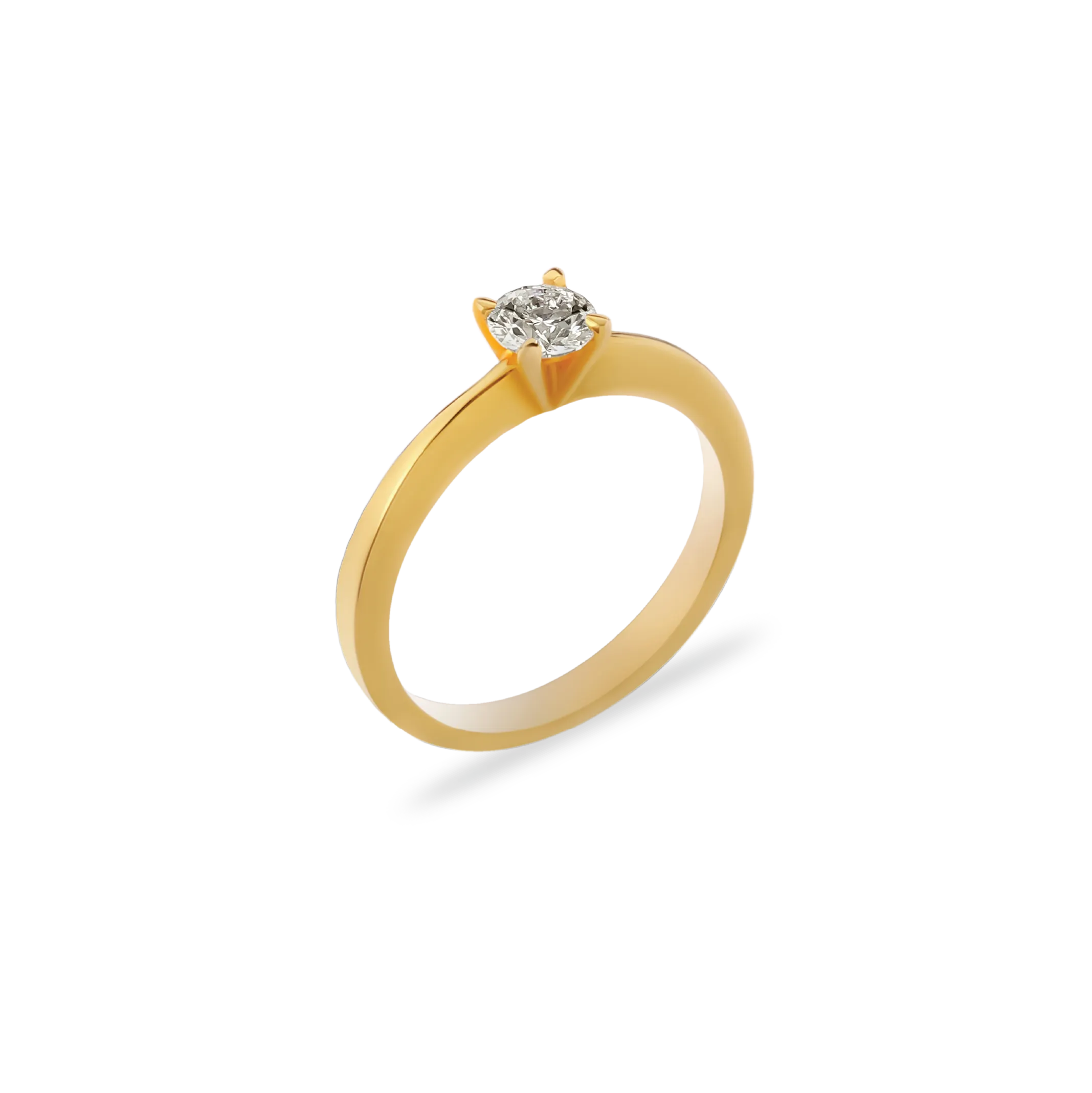
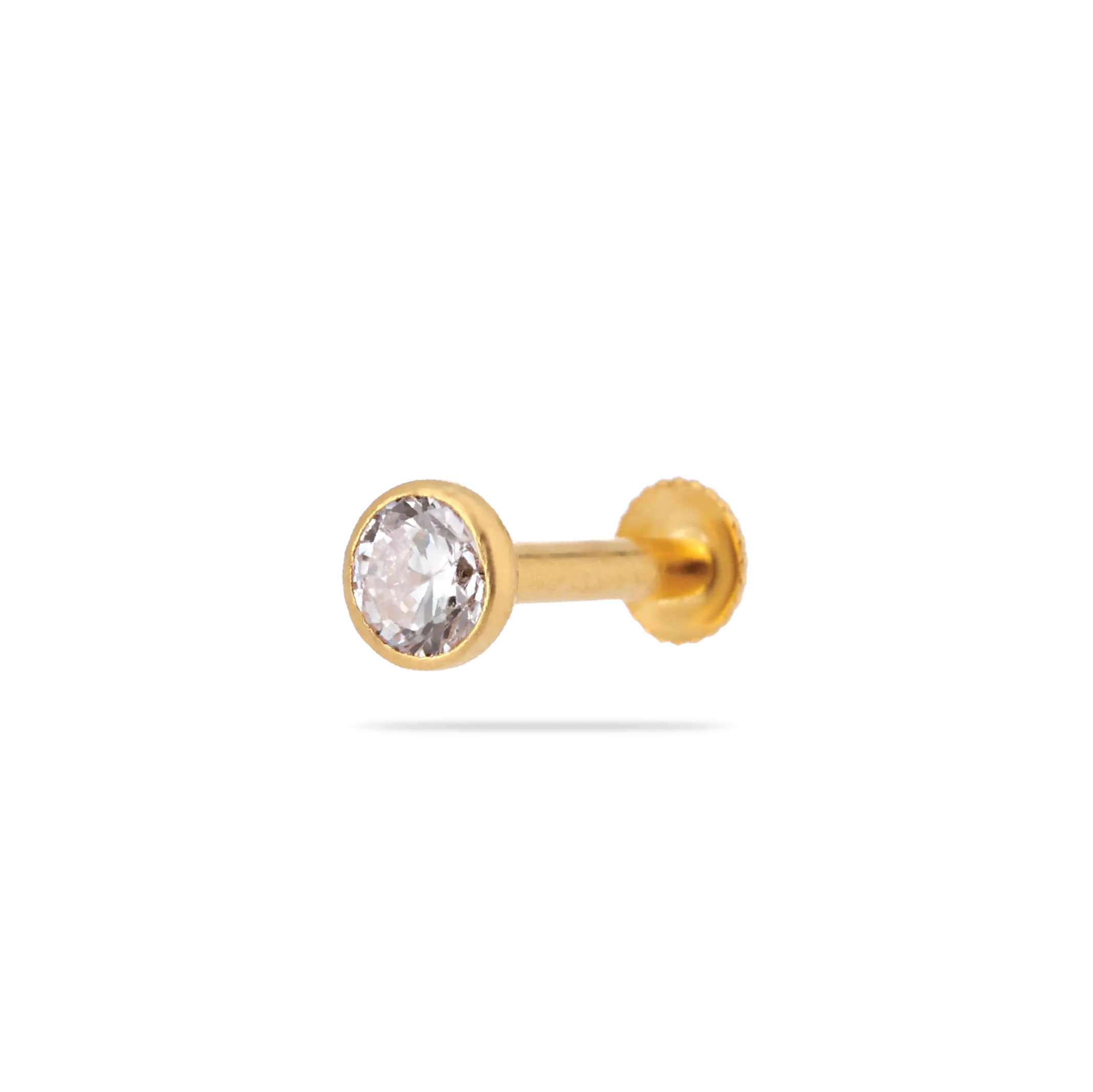
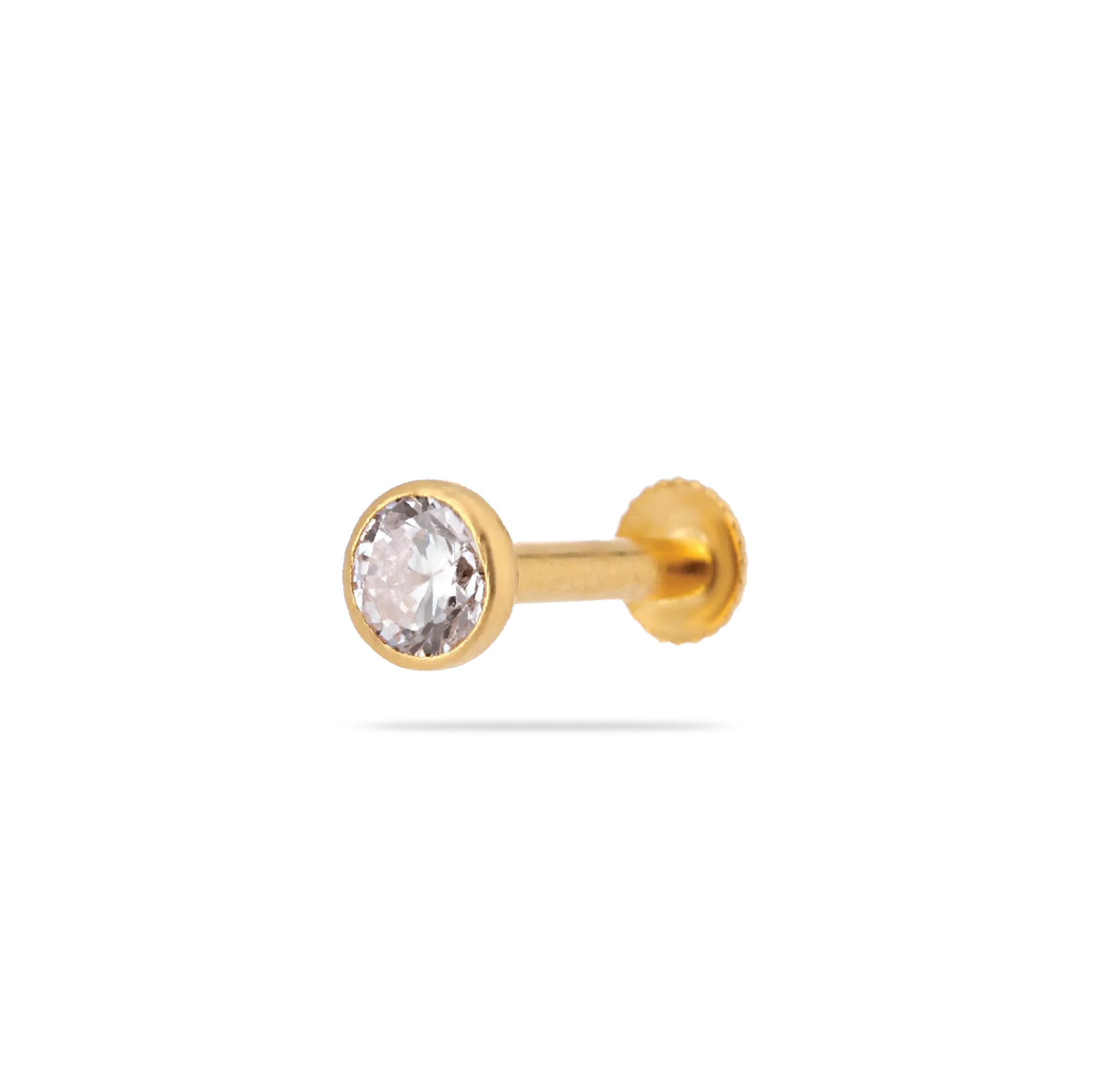
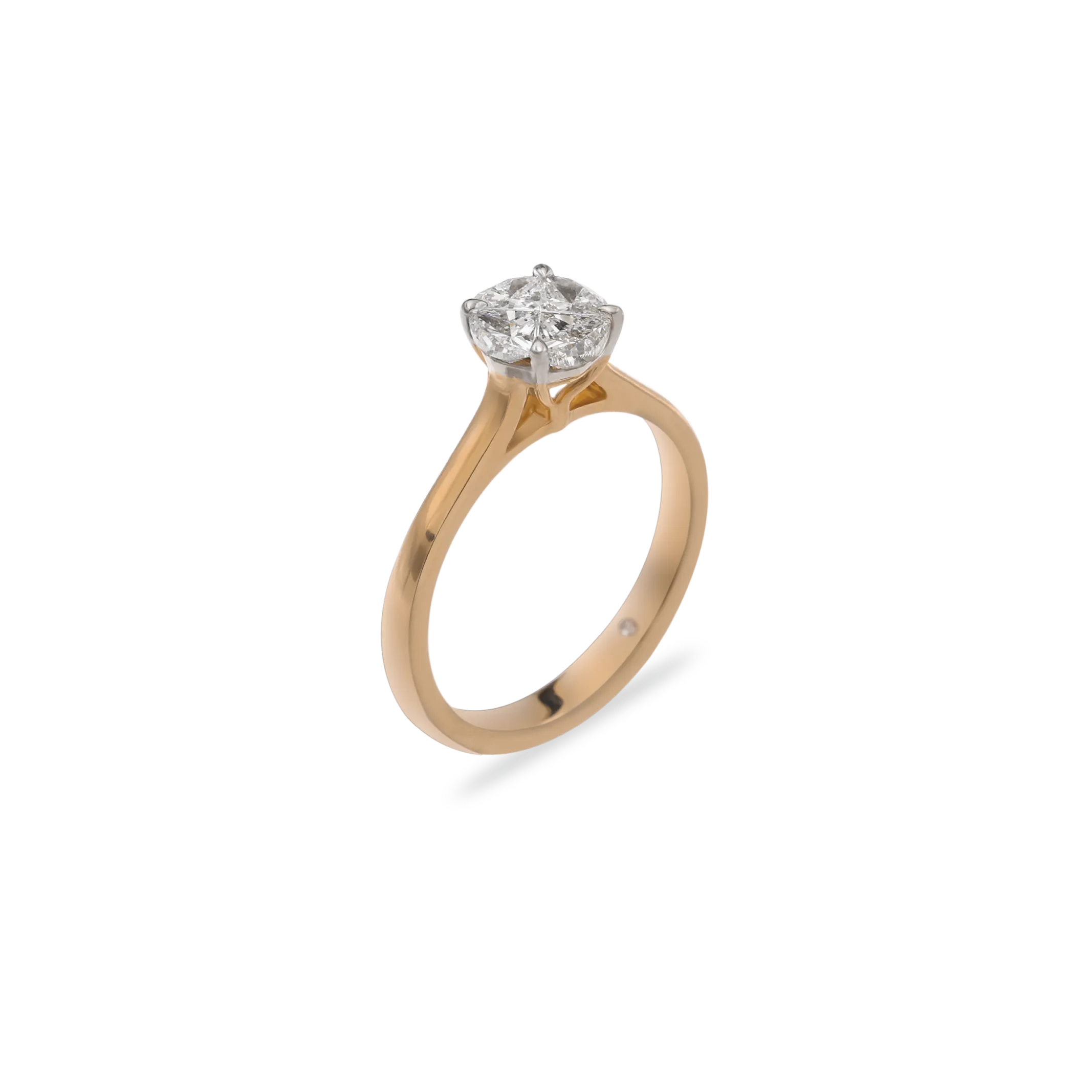
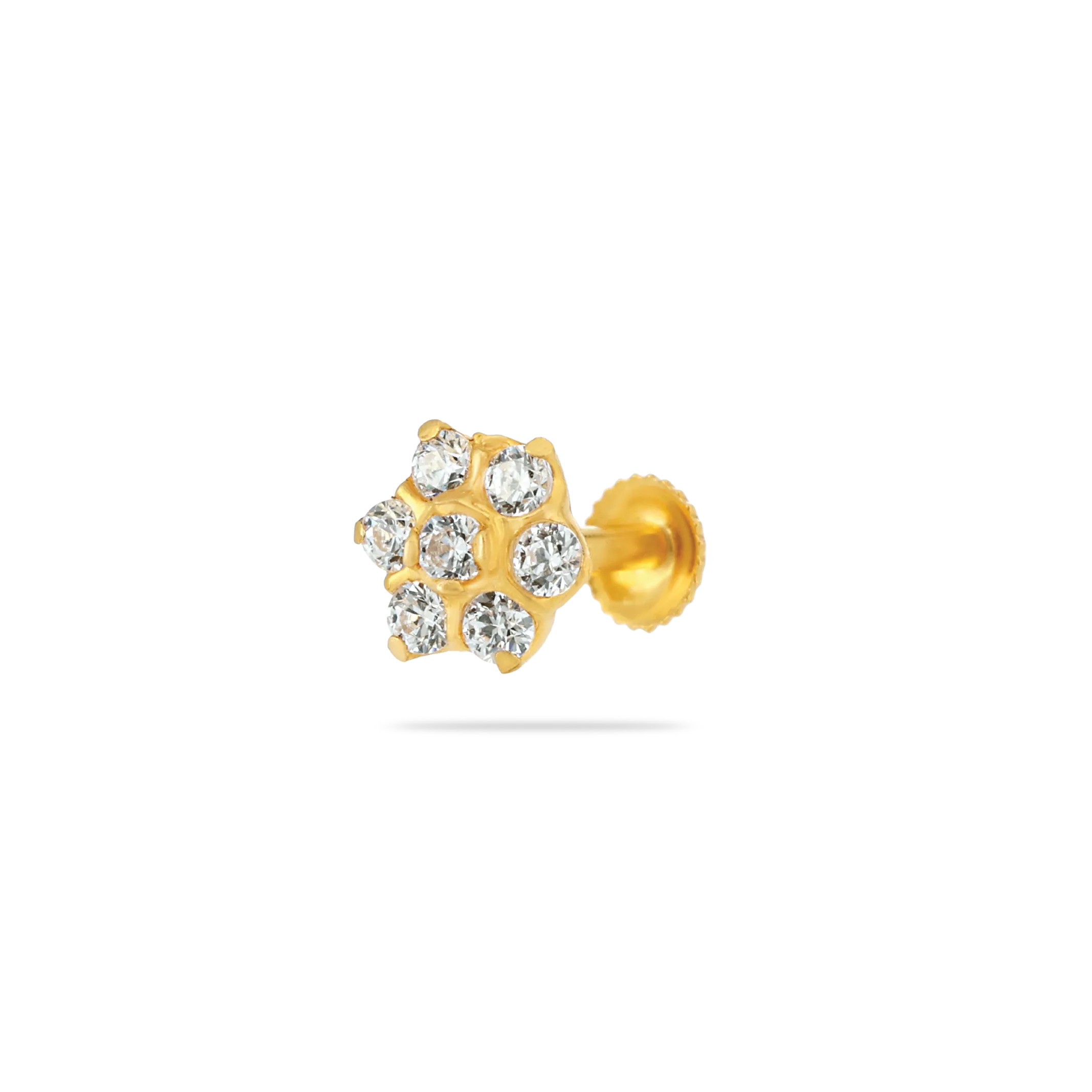
The diamond is the gemstone; solitaire describes the jewellery design. GIA defines a solitaire engagement ring around one focal gem and notes that the stone can have different shapes and cutting styles.GIA
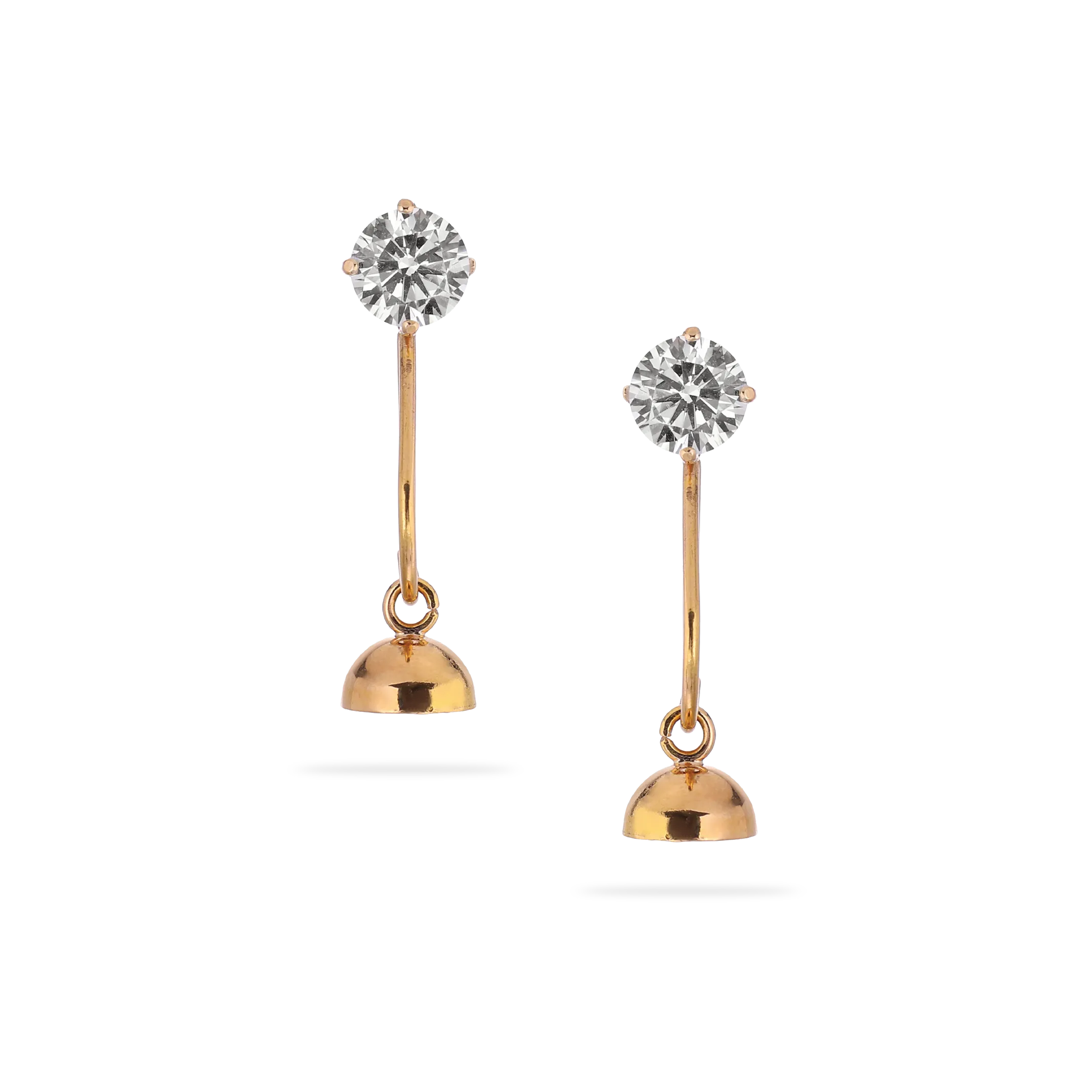
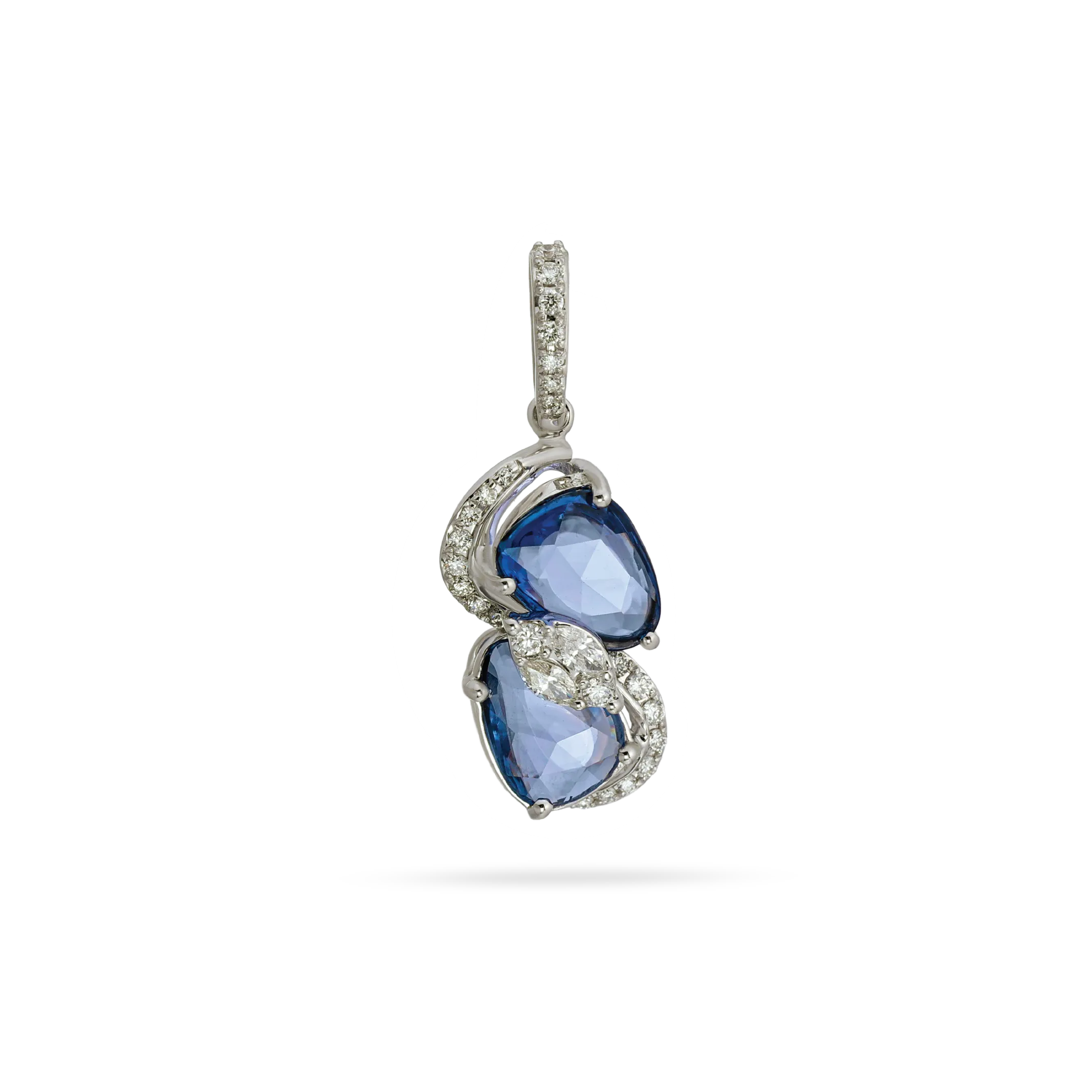
The same idea can apply to a pendant or to each earring in a pair. A solitaire does not have to be round. Nor does the word, by itself, prove that a diamond is natural rather than laboratory-grown.
Solitaire, halo or cluster: what is the difference?
Swipe sideways to see all columns.
| Design | How it is arranged | What to compare |
|---|---|---|
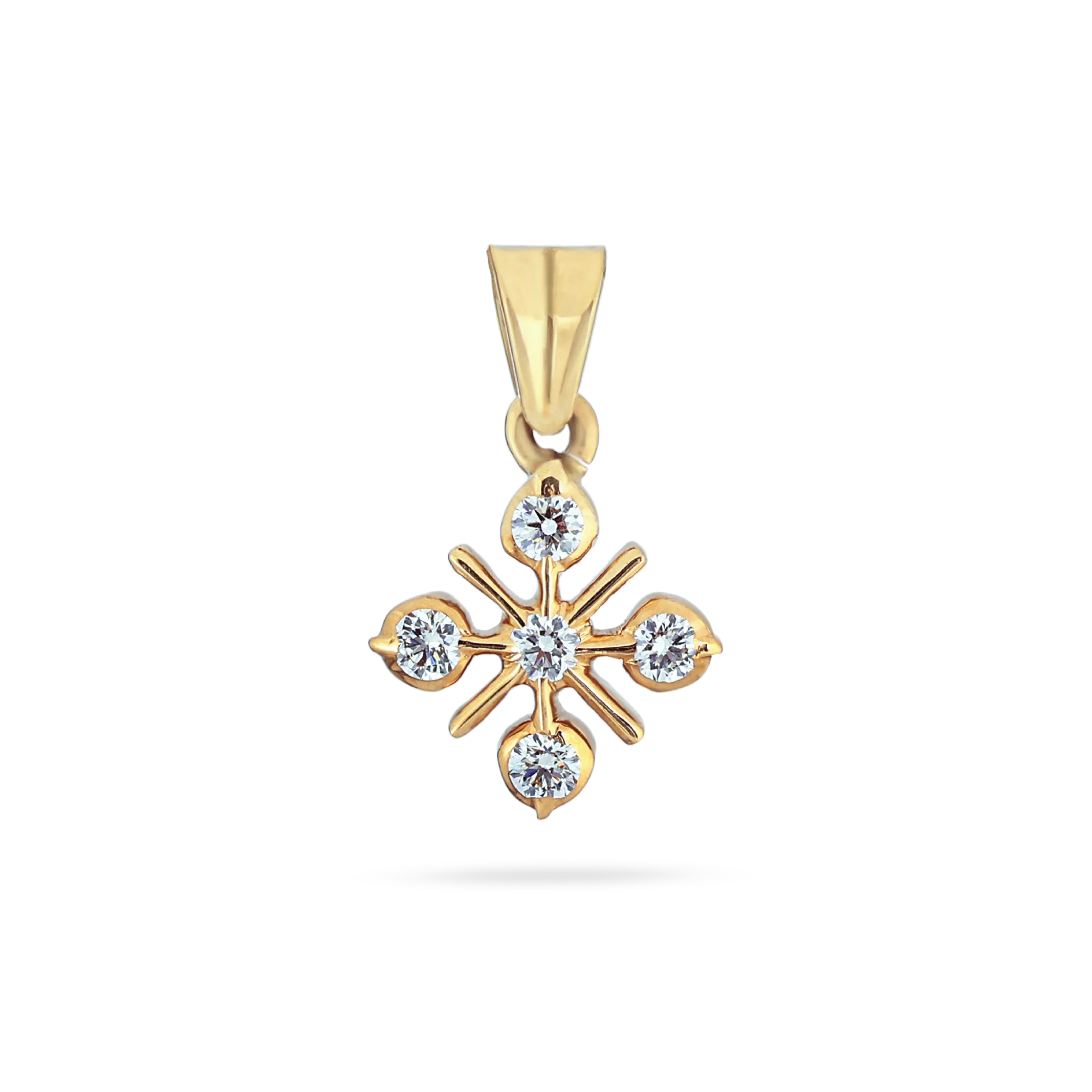
| Classic solitaire | One main gemstone, typically without a surrounding group of stones | The focal stone’s own weight, quality and setting |
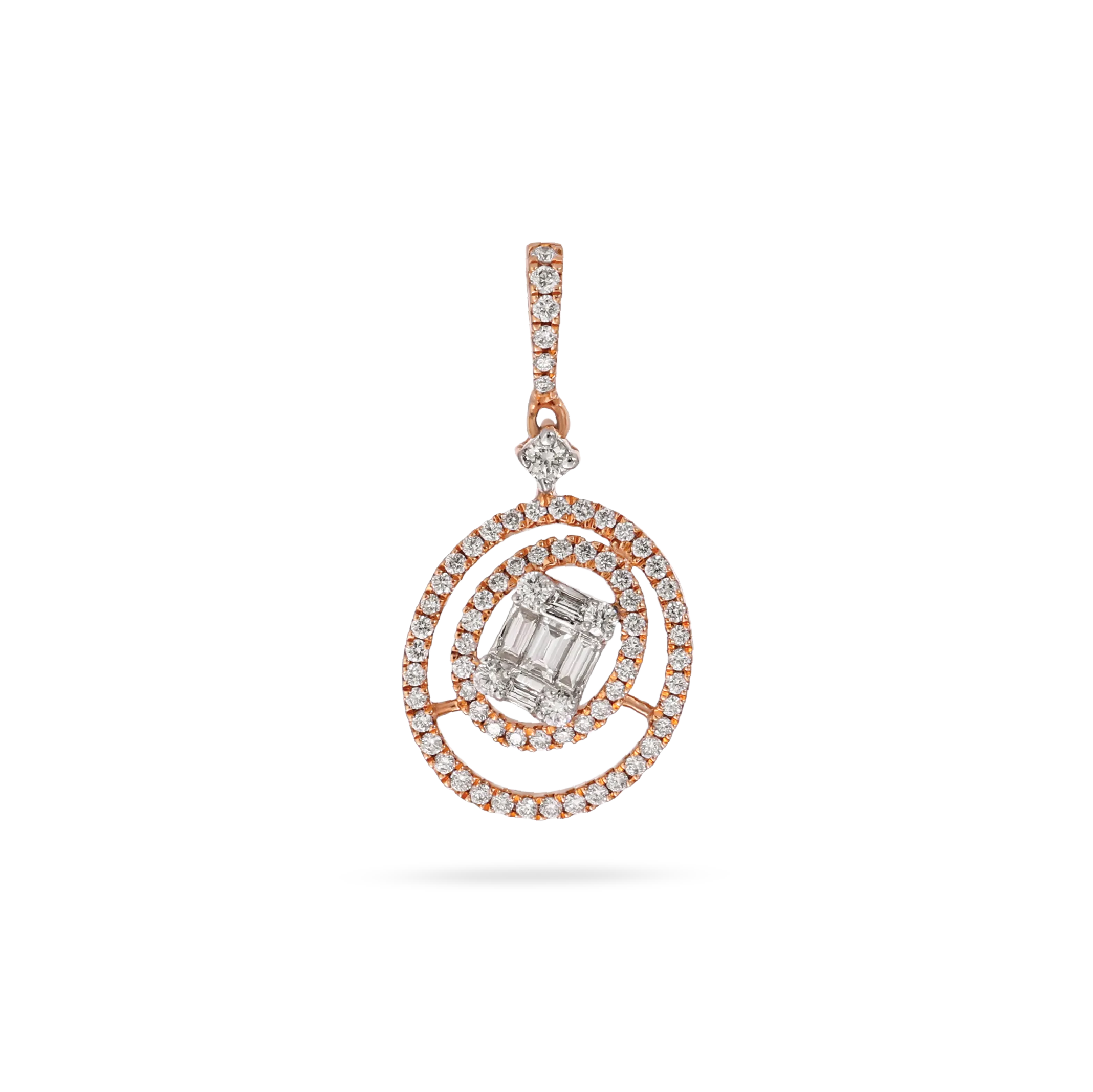
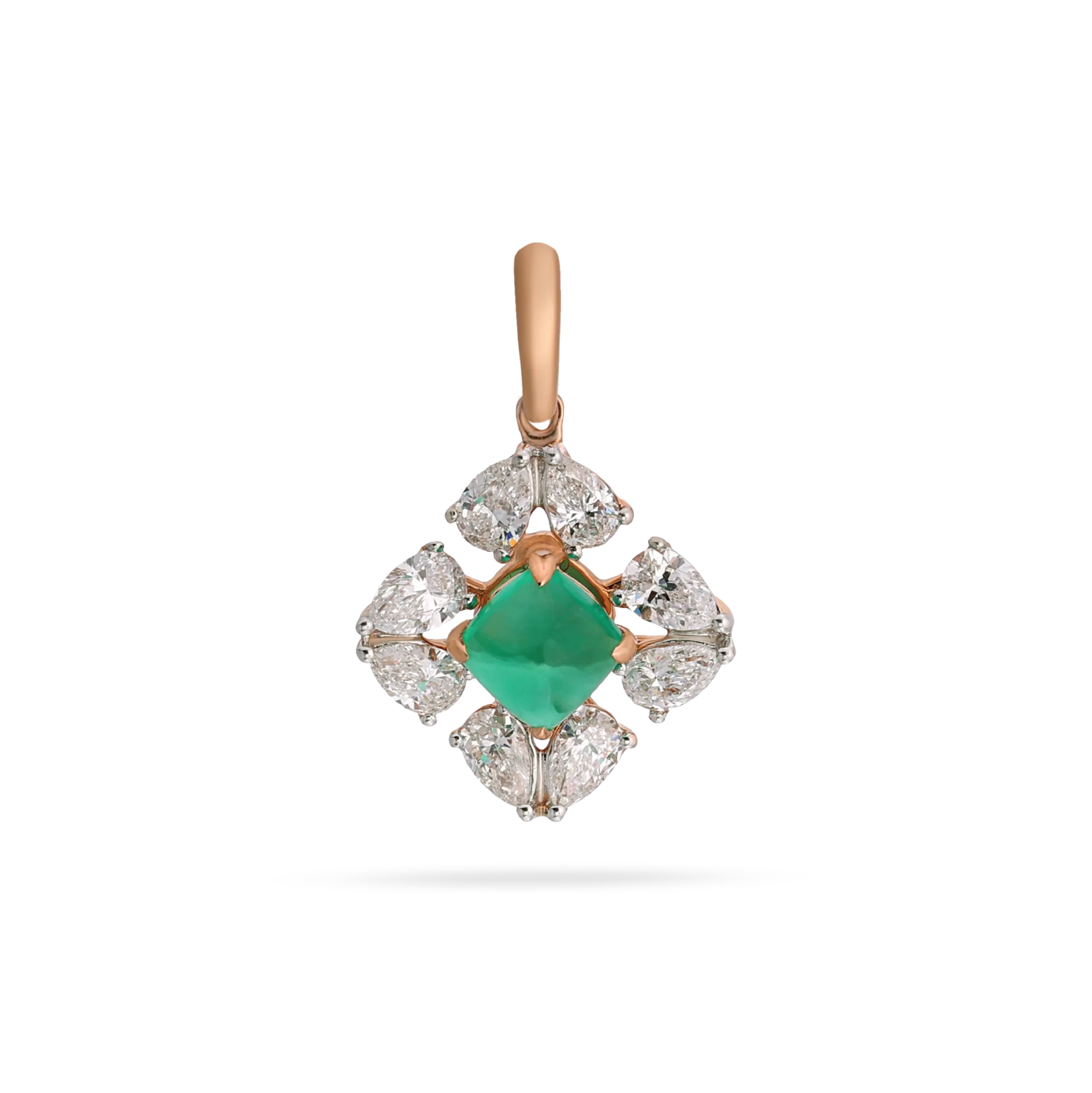
| Halo | A centre stone surrounded by smaller stones | Centre weight separately from the surrounding stones |
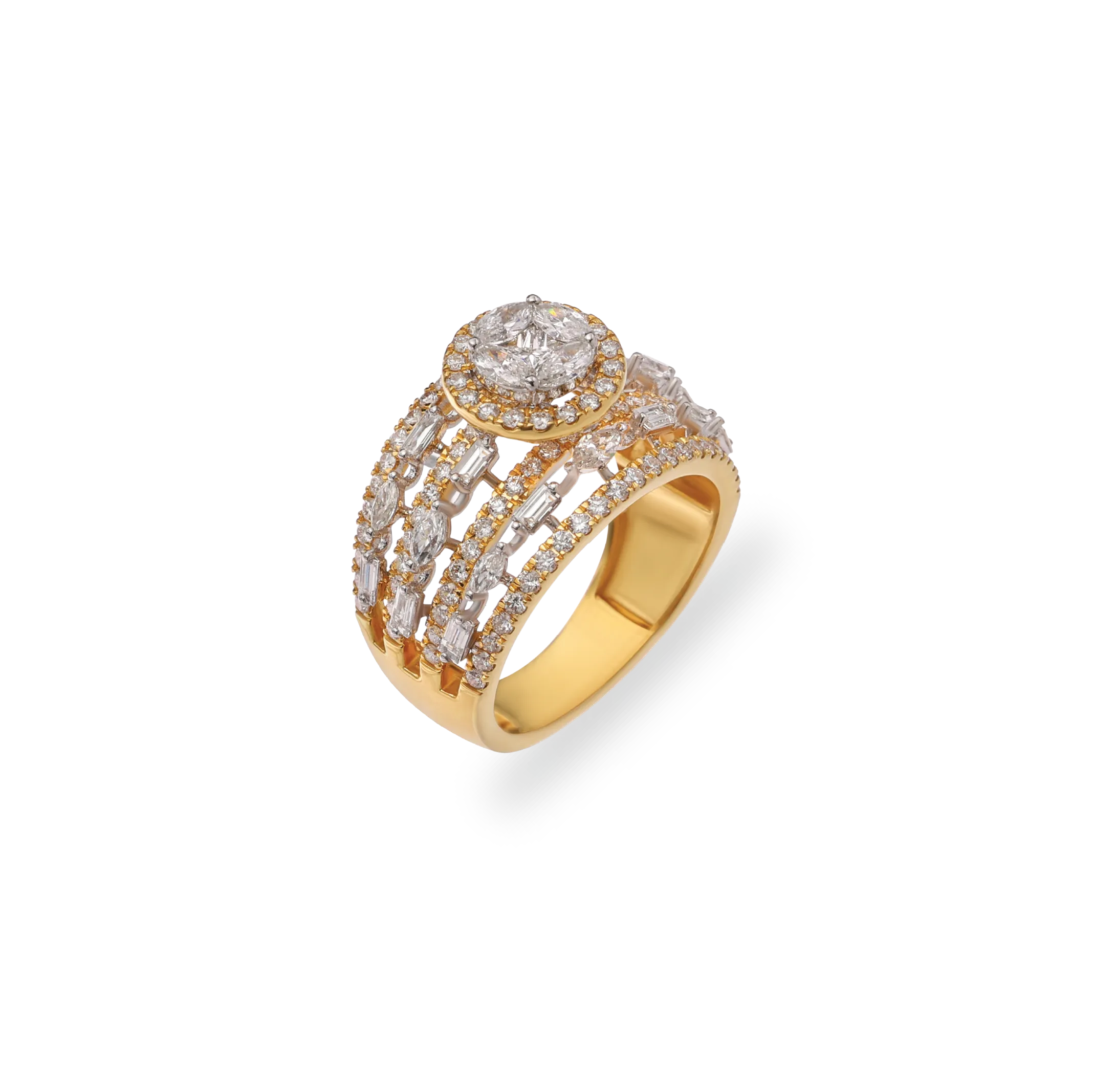
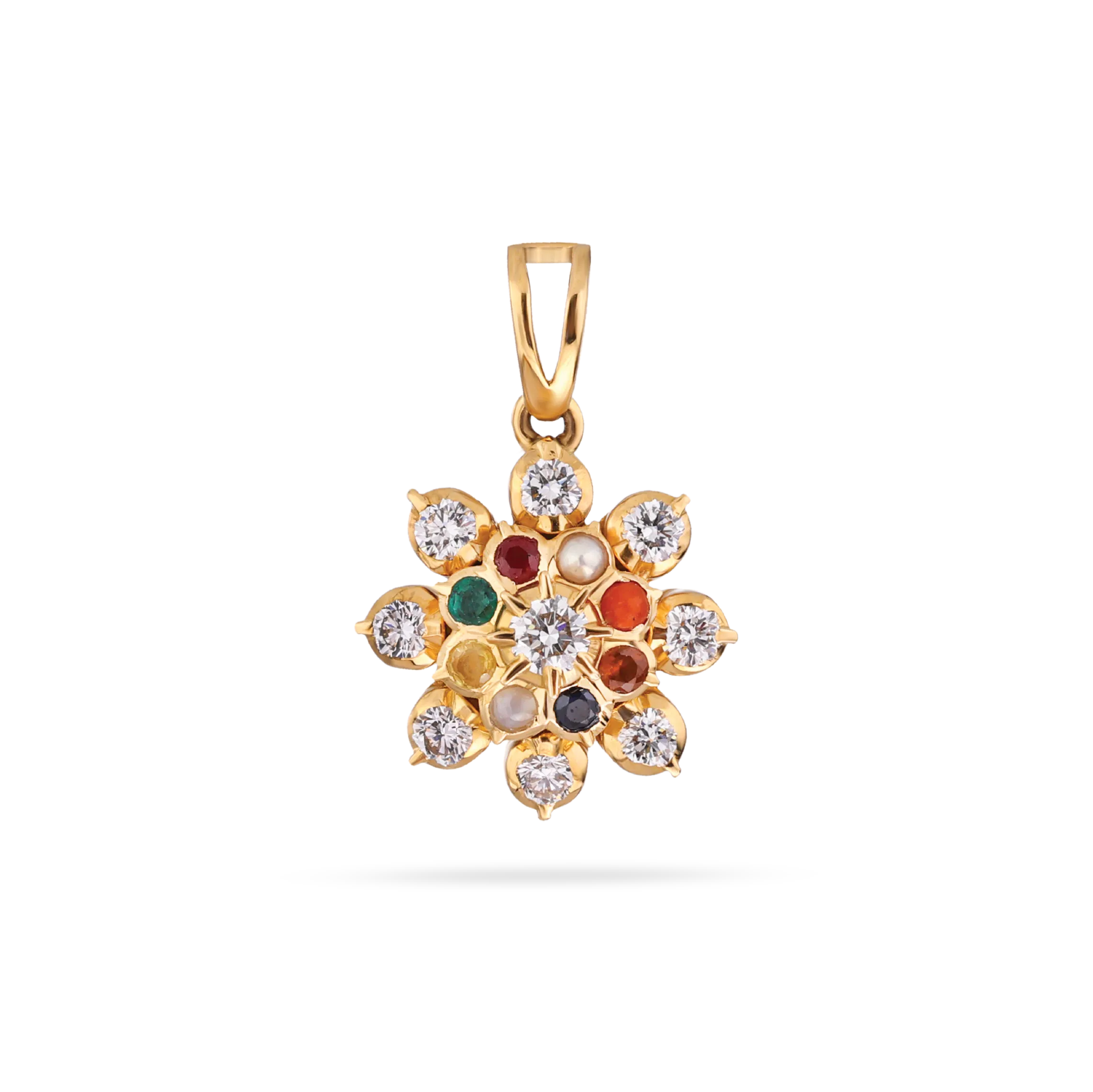
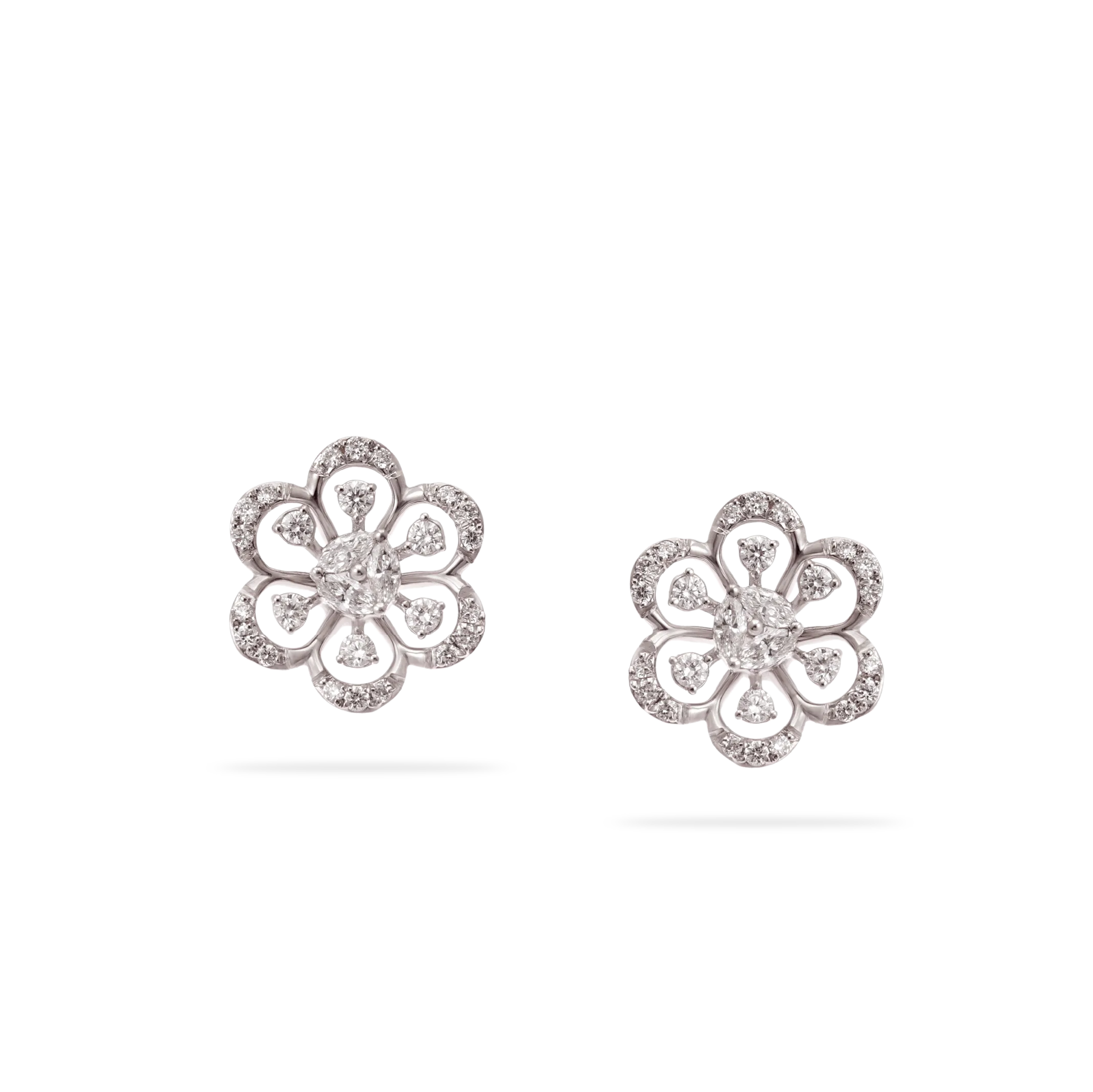
| Cluster | Several stones grouped into a combined design | Number of stones and total weight; do not assume there is one large centre diamond |
| Three-stone ring | Three principal stones in one setting | The specifications of each principal stone |
Choose the appearance you enjoy, then compare the specification behind it. A ring labelled “1 carat total” is not necessarily a ring with a single 1 carat diamond. Ask whether the weight refers to one stone or all the diamonds combined.
Does a solitaire have to be one carat?
No. Solitaire describes the design, not a minimum weight. Carat is a unit of gem weight: 1 carat equals 0.20 grams. Weight is not the same as face-up size; the dimensions and proportions also matter.GIA
Swipe sideways to see all columns.
| Term on a quote | Meaning | Useful follow-up |
|---|---|---|
| Centre stone: 0.50 ct | The main stone weighs half a carat | What are its dimensions and quality details? |
| Total diamond weight: 0.50 ct | All diamonds in the piece together weigh half a carat | How many stones are there and how much does the centre weigh? |
| 18K gold | A specification of the gold alloy, not diamond weight | What is the net metal weight and hallmark? |
For shopping comparisons, write the centre weight and total weight in separate columns. This prevents a cluster ring and a single-stone ring from appearing equivalent simply because their totals match.
How do the 4Cs help you choose?
The 4Cs are cut, colour, clarity and carat weight. Together they describe diamond quality; no single measure supplies the whole answer.GIA
Swipe sideways to see all columns.
| Factor | What it describes | How to use it when comparing |
|---|---|---|
| Cut | How the stone is fashioned and interacts with light | Compare appearance in more than one lighting condition and read the applicable grading information. |
| Colour | The diamond’s colour characteristics | Compare stones side by side, ideally in a similar setting. |
| Clarity | Internal and external characteristics | Ask what is visible to the eye and what the report records. |
| Carat weight | How much the diamond weighs | Compare dimensions as well as weight. |
Shape and cut grade are different. Round, oval and pear describe outlines. GIA’s standard cut grading system applies to standard round brilliant diamonds in the D-to-Z colour range; do not assume a fancy shape should carry the same overall cut grade.GIA
Begin with a total budget and the appearance you like. Ask to compare a few stones within that budget, then inspect the reports alongside the jewellery. There is no need to choose a universal “best” combination of grades without seeing how the stone looks.
Can a solitaire contain a laboratory-grown diamond?
Yes. “Solitaire” does not specify the diamond’s origin. Natural diamonds form geologically; laboratory-grown diamonds are produced through technological processes. GIA explains that laboratory-grown diamonds have essentially the same chemical composition and crystal structure as natural diamonds.GIA
Ask for the origin in writing. Do not use sparkle, size or the word “solitaire” as an origin test. If comparing natural and laboratory-grown options, separate them in your shortlist and compare the documents and terms that actually apply to each.
How do you check the diamond report?
A laboratory report describes the diamond tested. It should be considered alongside the actual stone, not treated as a promise of resale value. GIA recommends using reports when comparing diamonds and paying attention to laboratory standards.GIA
- Identify the issuer and document type. Read what the report actually assesses; document formats can differ.
- Check the report number with the issuing laboratory. For GIA documents, use GIA Report Check.
- Compare the details. The shape, measurements, weight and origin disclosure should match what the seller is offering.
- Ask the jeweller to demonstrate the match. If a laser inscription is present, ask to see it under suitable magnification. Verification of a report number alone does not prove the stone in front of you is that diamond.
- Keep the documents together. Retain the invoice, report and written terms for the jewellery.
What should you check about the setting and price?
The stone is only part of a wearable piece. Try the ring on the intended finger and inspect it from the side. A setting that looks delicate in a photograph may sit higher than you prefer or catch on clothing.
- Security: ask the jeweller to explain how the stone is held and how the setting should be checked over time.
- Comfort: check the inside of the band and how it feels against neighbouring fingers.
- Fit: use the ring-size guide as preparation, then confirm the fit in the actual band width.
- Resizing: confirm whether the exact design can be altered and what limits or costs apply.
- Price: request a breakdown of the main stone, other stones if present, metal, workmanship and applicable taxes.
- Future options: ask separately about repair, exchange and cash buyback. Get the terms in writing.
There is no single dependable price for a “1 carat solitaire” without its origin, quality and setting. Compare like-for-like written quotations instead of using a broad online price range as a promise.
A useful shortlist to take to the jeweller
Record the stone’s shape, origin, centre weight, dimensions, laboratory and report number. Add the metal specification, complete payable price, resizing position and your own comfort notes. Leave room for the reason you prefer each option.
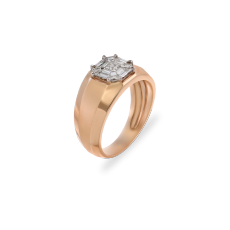
Browse CKC’s solitaire collection to identify the styles you want to discuss. For a wider overview of diamond jewellery, read the existing diamond buying guide.
Frequently asked questions
Is a solitaire different from a diamond?
Diamond is the gemstone. Solitaire describes a design with one focal gemstone, often a diamond. The term does not establish quality, origin or price.
Is a solitaire always a single one-carat diamond?
No. The design can use a stone of different weights. Ask for the individual centre-stone weight; a total diamond weight may include several stones.
Can a solitaire be oval or pear-shaped?
Yes. A solitaire can use different gemstone shapes. Choose the outline you like, then evaluate the stone and setting rather than assuming solitaire means round.
Are laboratory-grown diamonds used in solitaire rings?
They can be. Solitaire describes the design rather than origin. Ask the seller to disclose the stone’s origin and provide the appropriate documentation.
Is a solitaire more expensive than a cluster ring?
There is no universal answer. The number and specifications of the stones, their origin, the metal and workmanship affect the price. Compare centre-stone weight separately from total diamond weight.
Does a grading report guarantee the resale value?
No. A grading report describes the tested diamond; it does not promise a future selling price. Exchange and buyback depend on the written terms and the assessment applicable at that time.
Can a solitaire ring be resized?
Some designs can be resized, but the range and method depend on the band, setting and material. Confirm the specific ring’s limits, charges and timing before purchase.
What should I prioritise when buying my first solitaire?
Start with a comfortable total budget, clear origin disclosure and reliable stone documentation. Then compare appearance, setting security and fit. Keep the invoice and the terms with the report.
Sources and further reading
- GIA: engagement-ring terms, including solitaire
- GIA: diamond quality factors
- GIA: diamond carat weight
- GIA: understanding diamond cut
- GIA: laboratory-grown diamonds
- GIA: comparing diamonds with grading reports
- GIA Report Check
- CKC: warranty, exchange and buyback policy
Diagrams are original educational illustrations prepared for this guide. They are not product photographs, authenticity tests or representations of inventory.