South Indian Bridal Jewellery Sets: A Practical Buying Guide
A bridal set should work with your saree, your ceremony and the jewellery you already own. Start with those three things, then choose the pieces you will enjoy wearing long after the wedding.
What does a South Indian bridal jewellery set include?
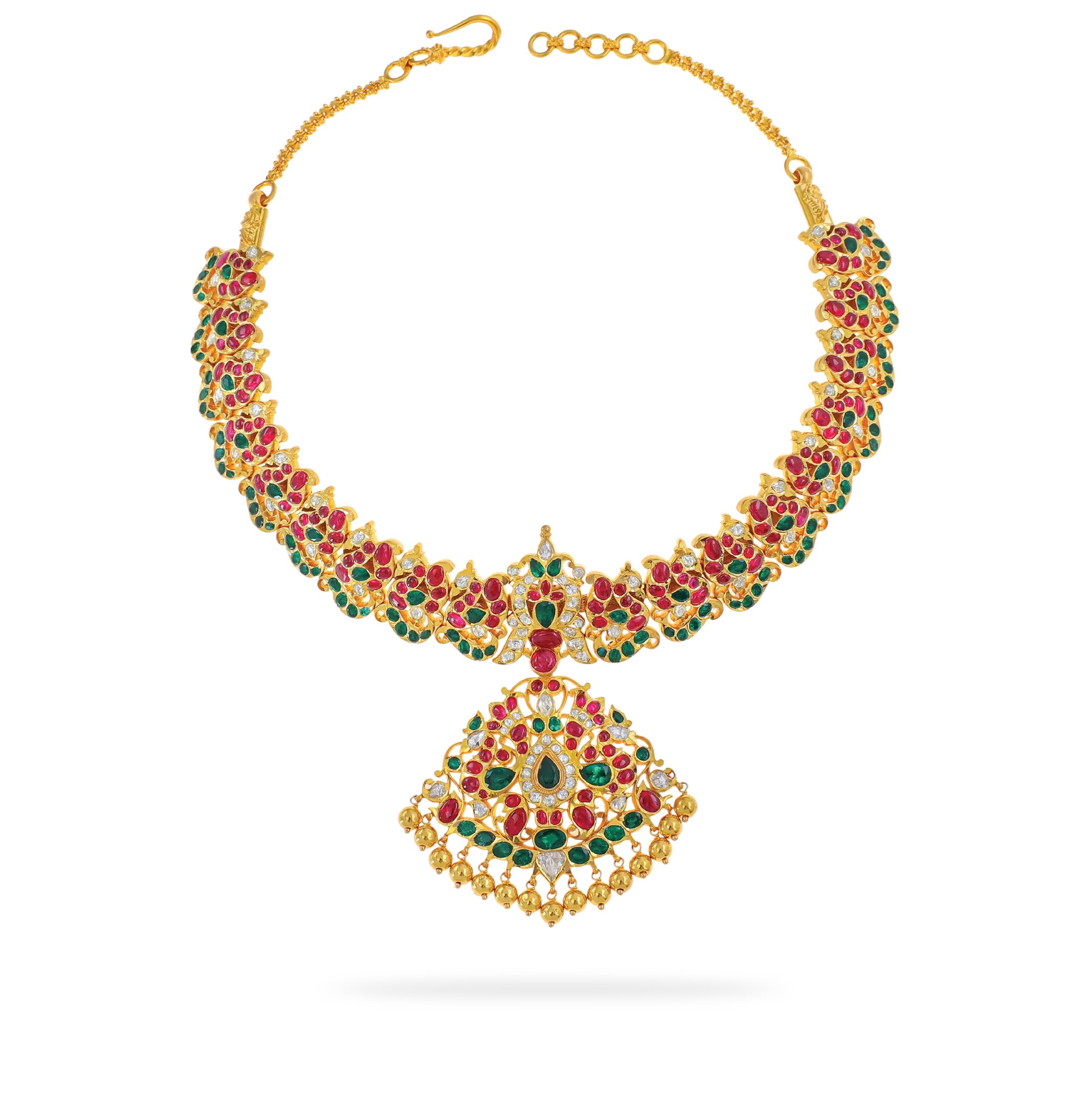
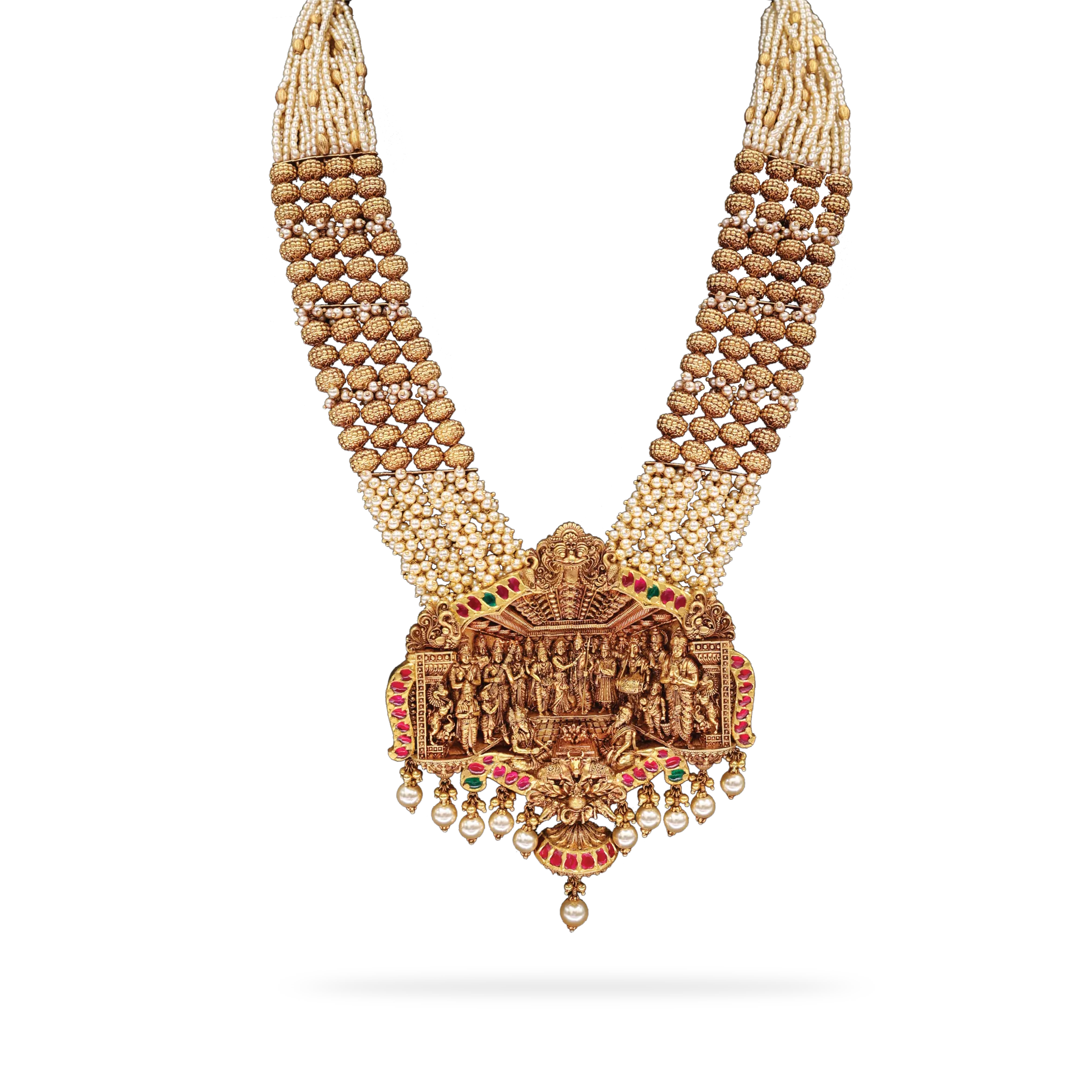
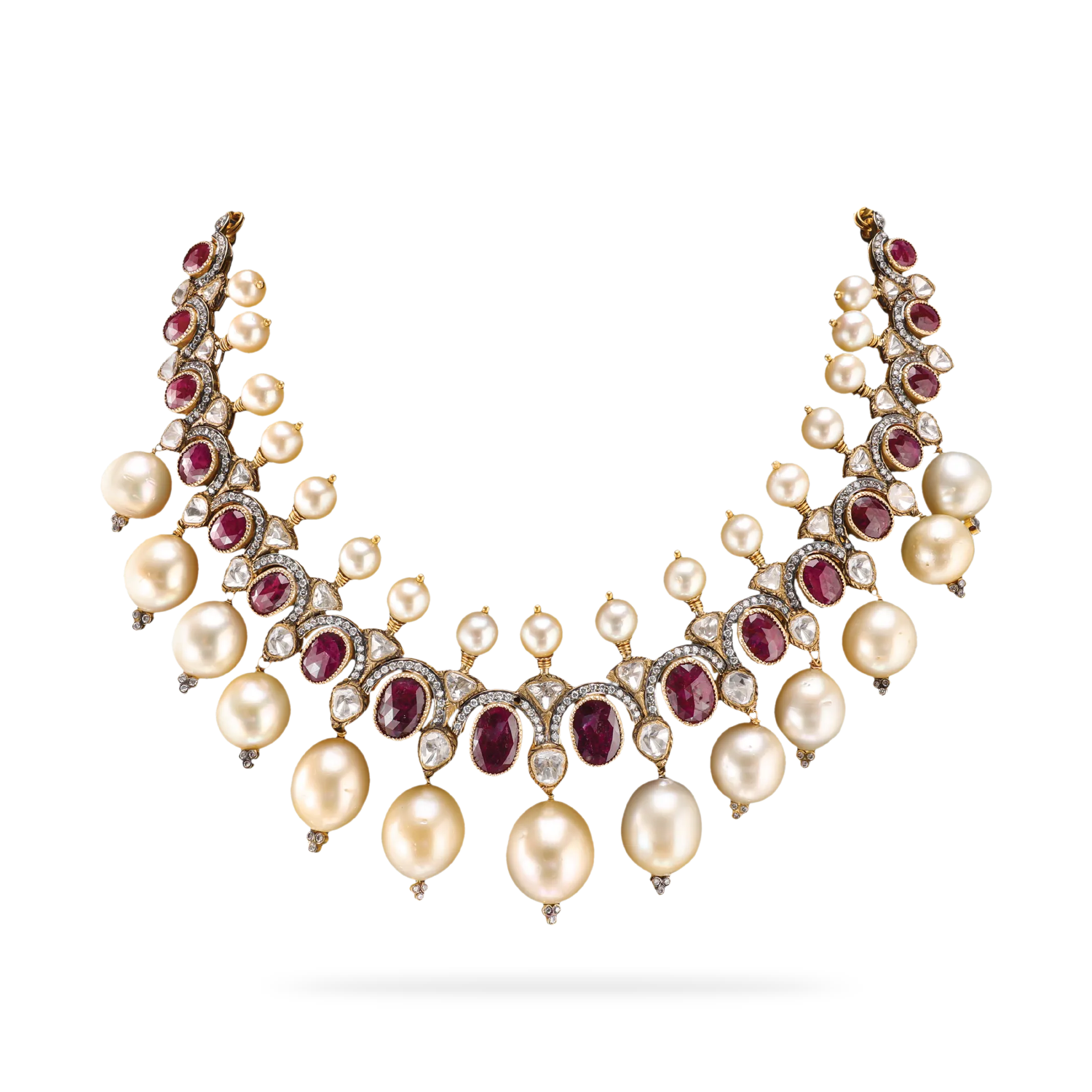
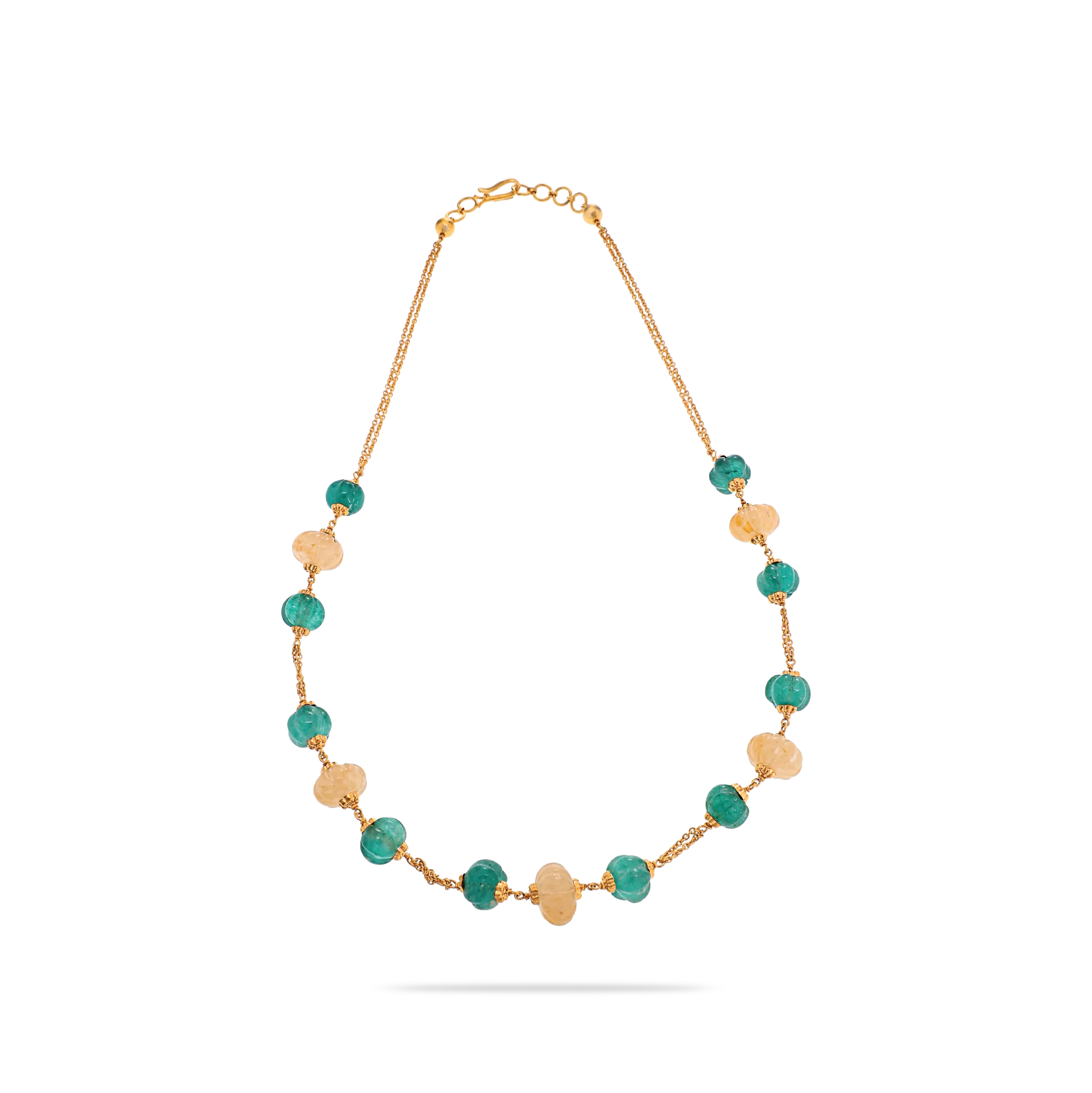
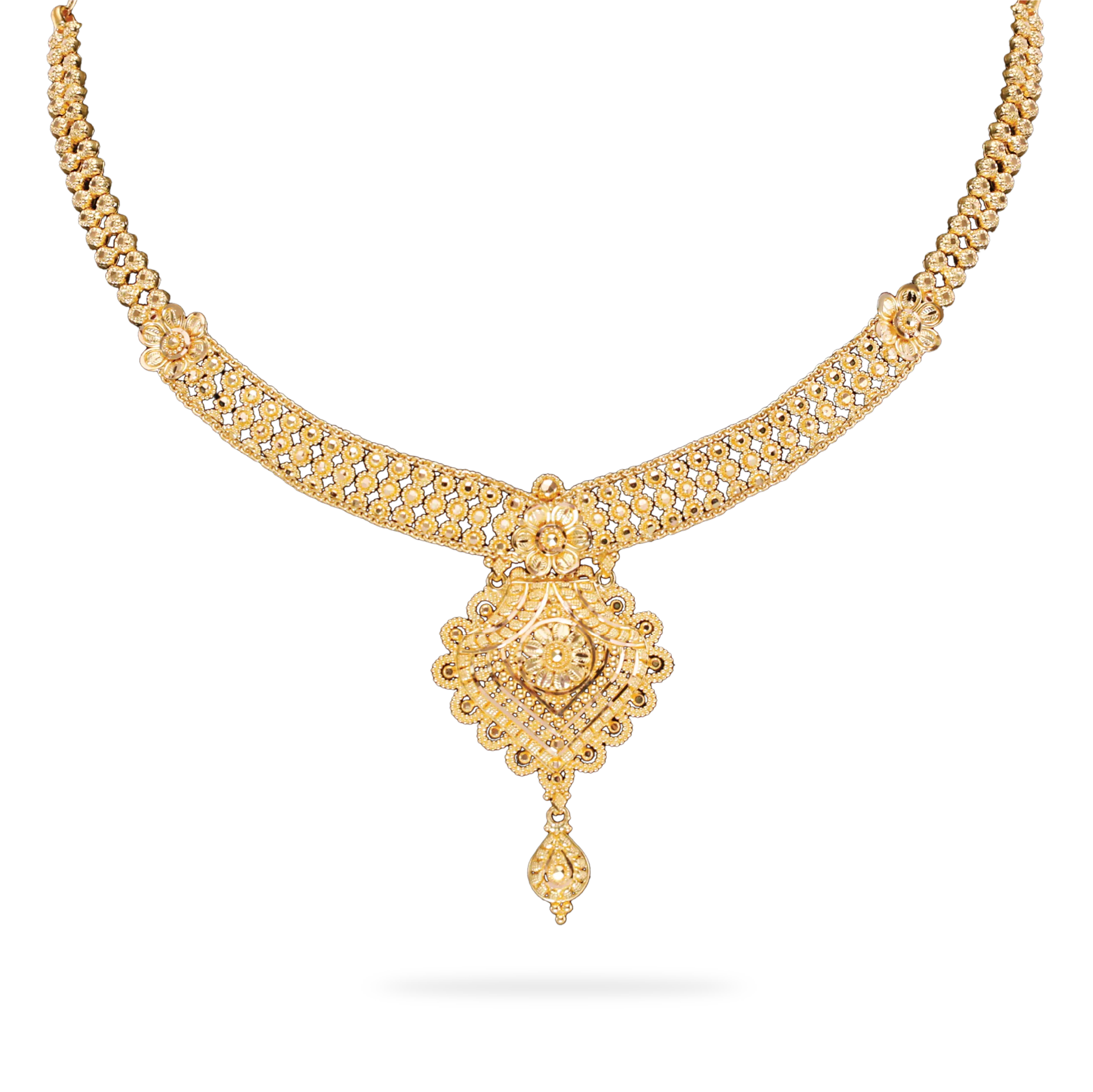
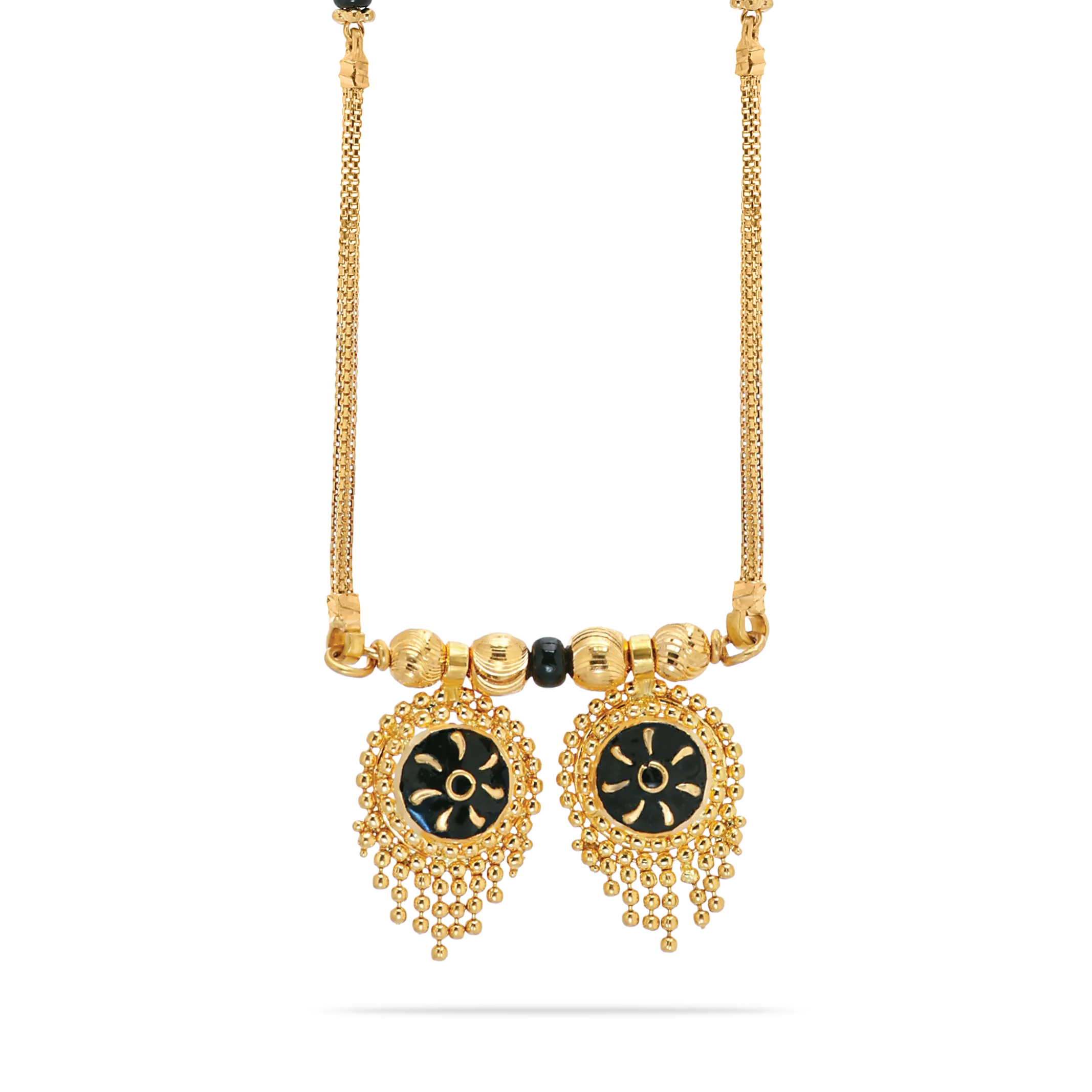
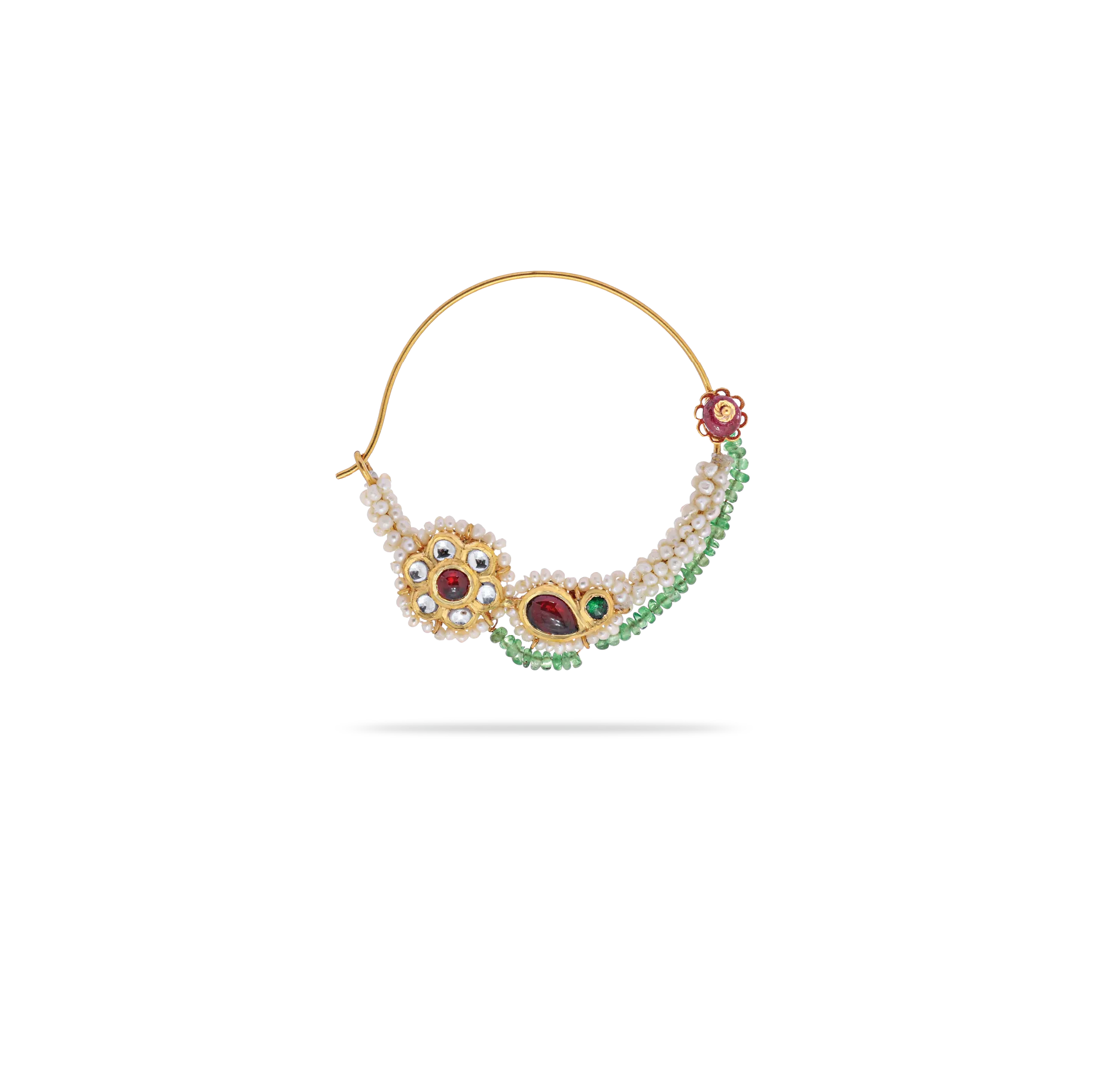
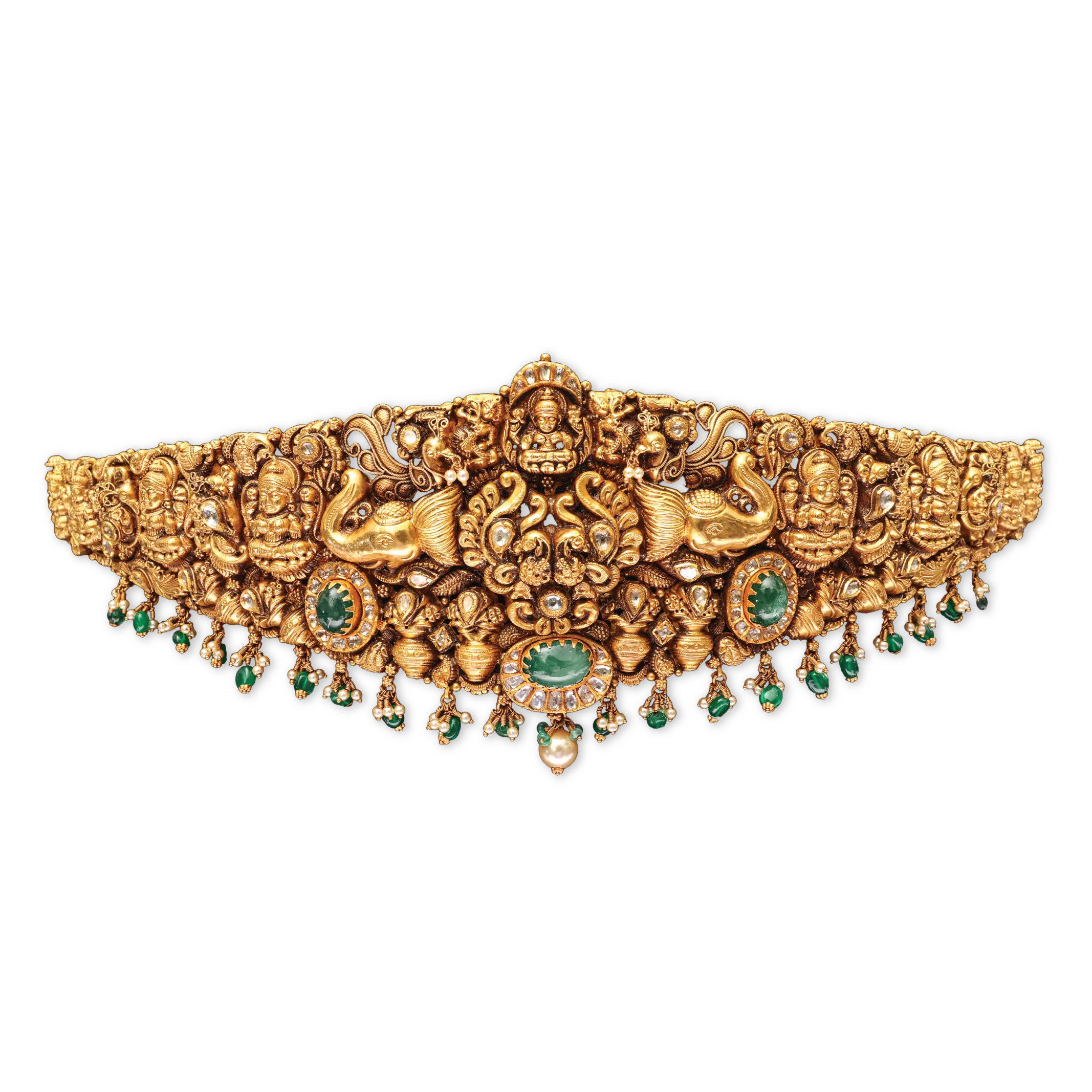
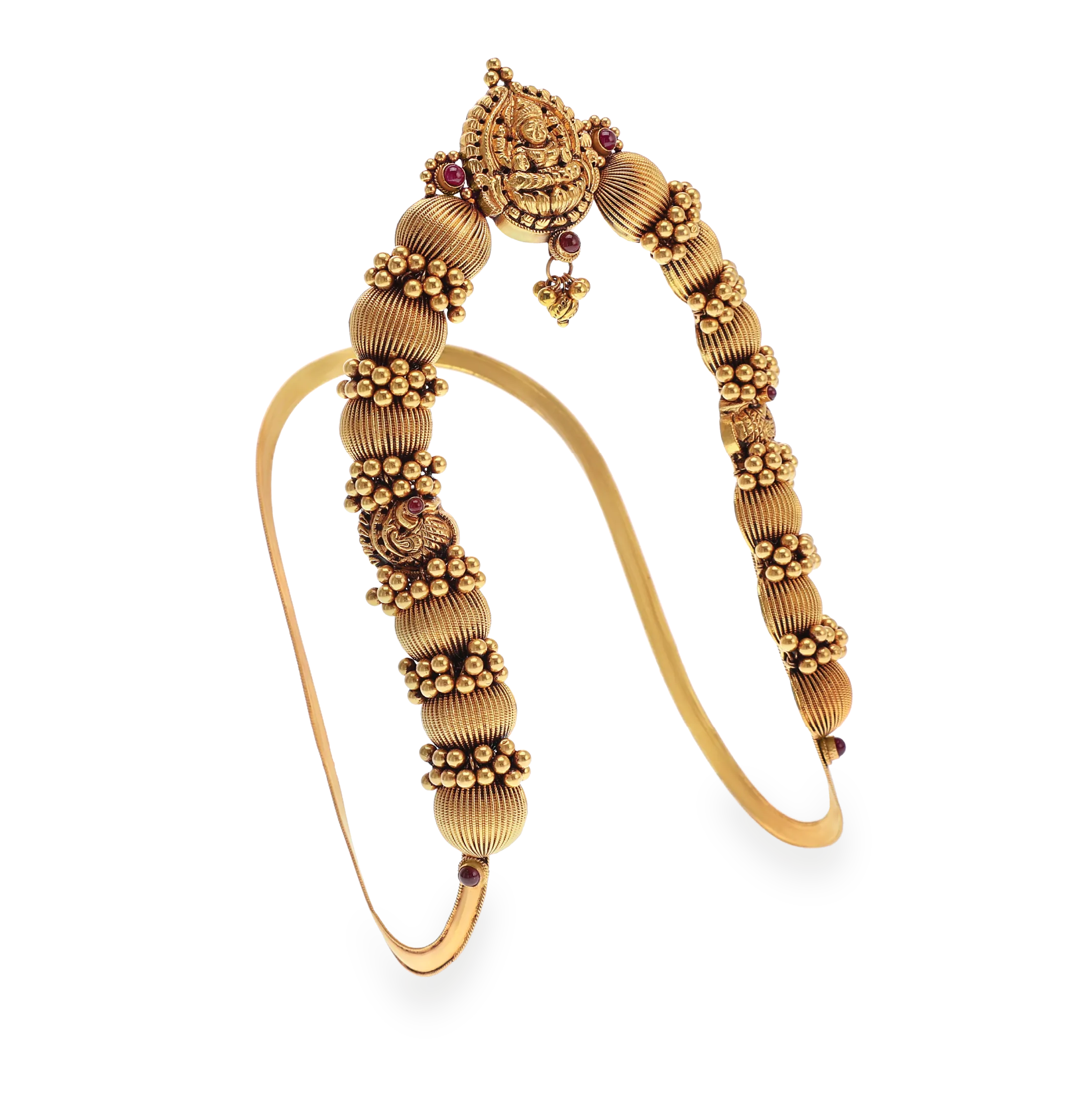
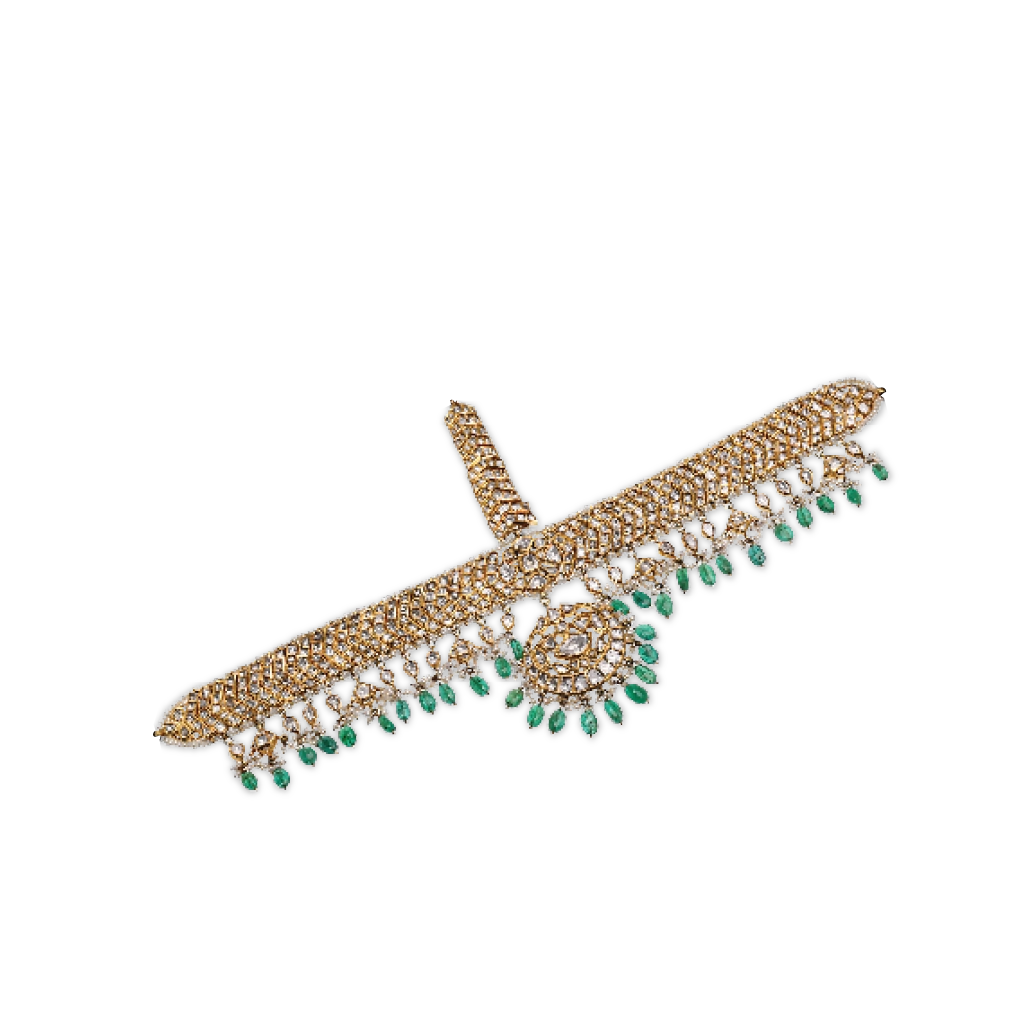
Think of the set as a combination of pieces rather than a single product. Some may be new purchases; others may be family heirlooms. Names and customs vary across families and regions, so use the list below to start a conversation, not to decide what every bride must wear. CKC’s existing bridal article describes several of these ornaments.CKC
Swipe sideways to see all columns.
| Area | Pieces to consider | What to check at the fitting |
|---|---|---|
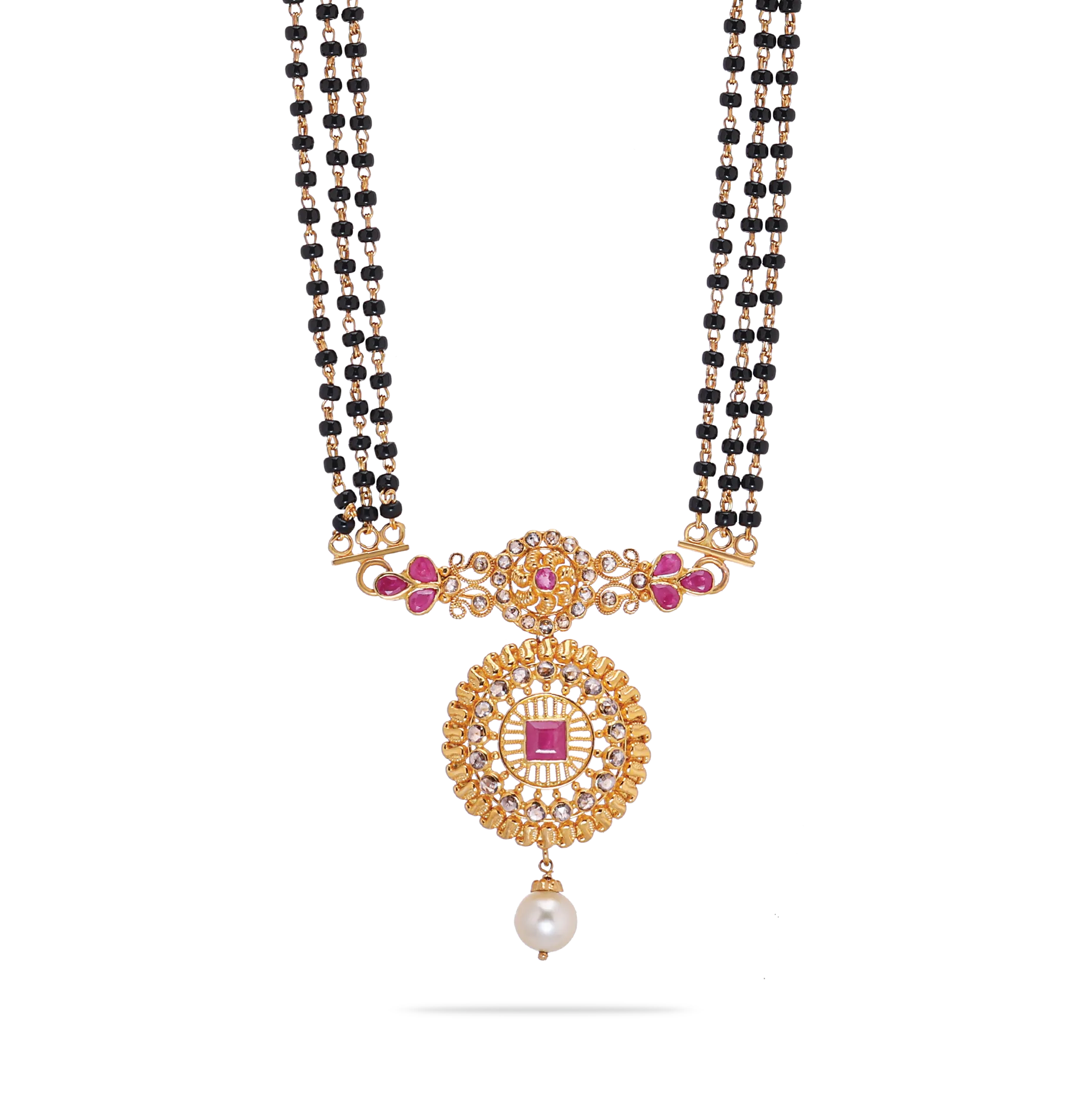
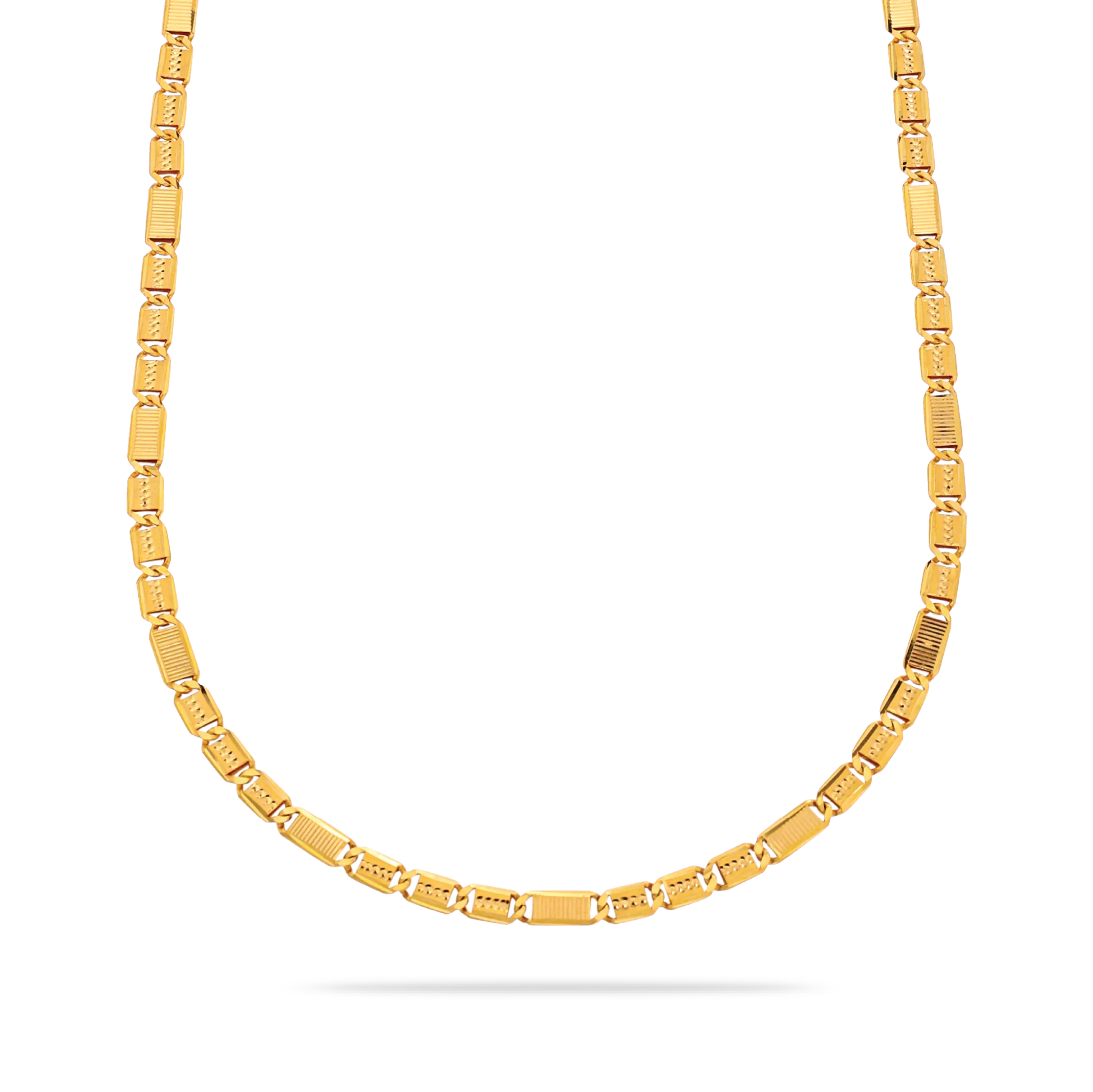
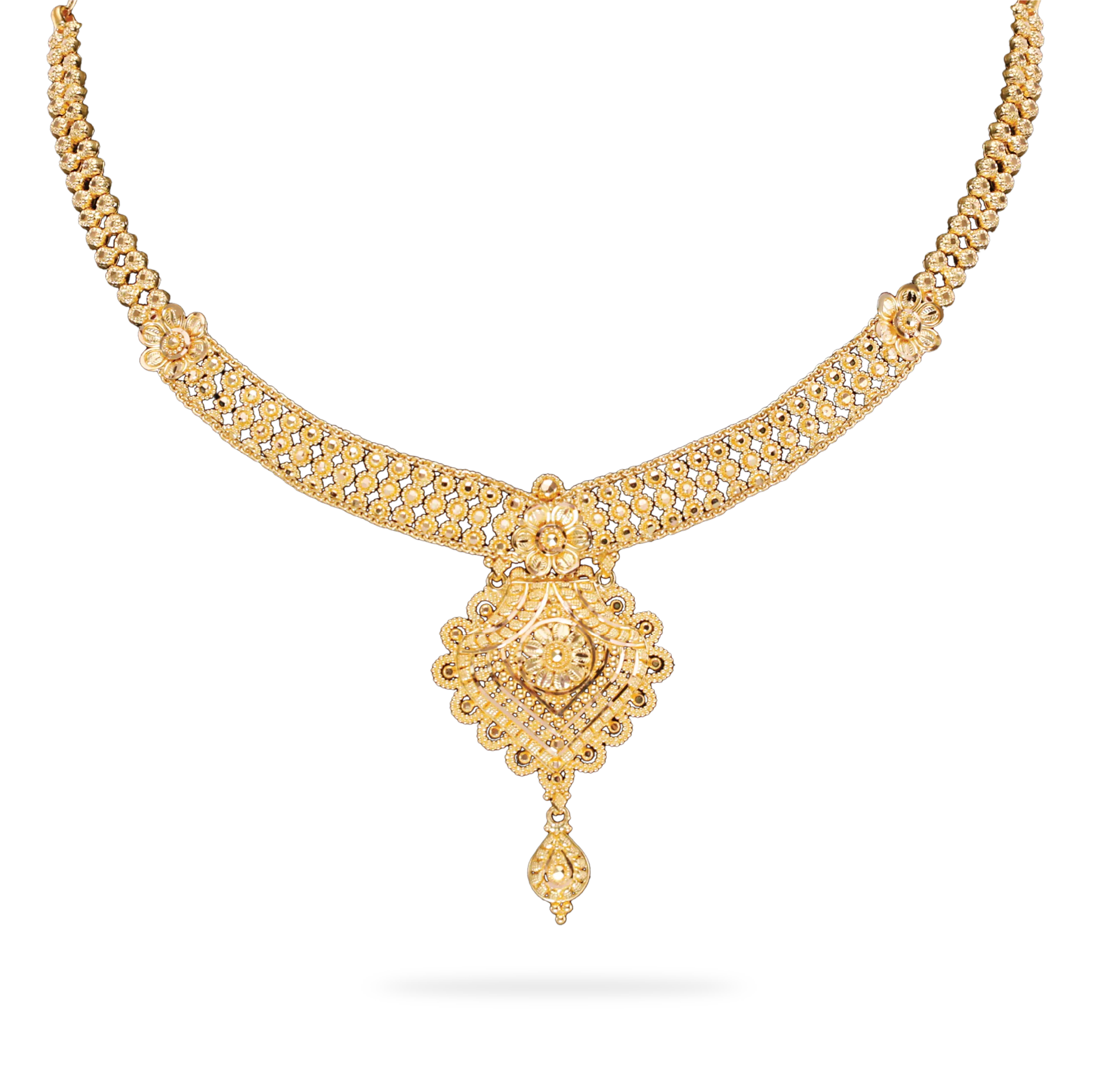
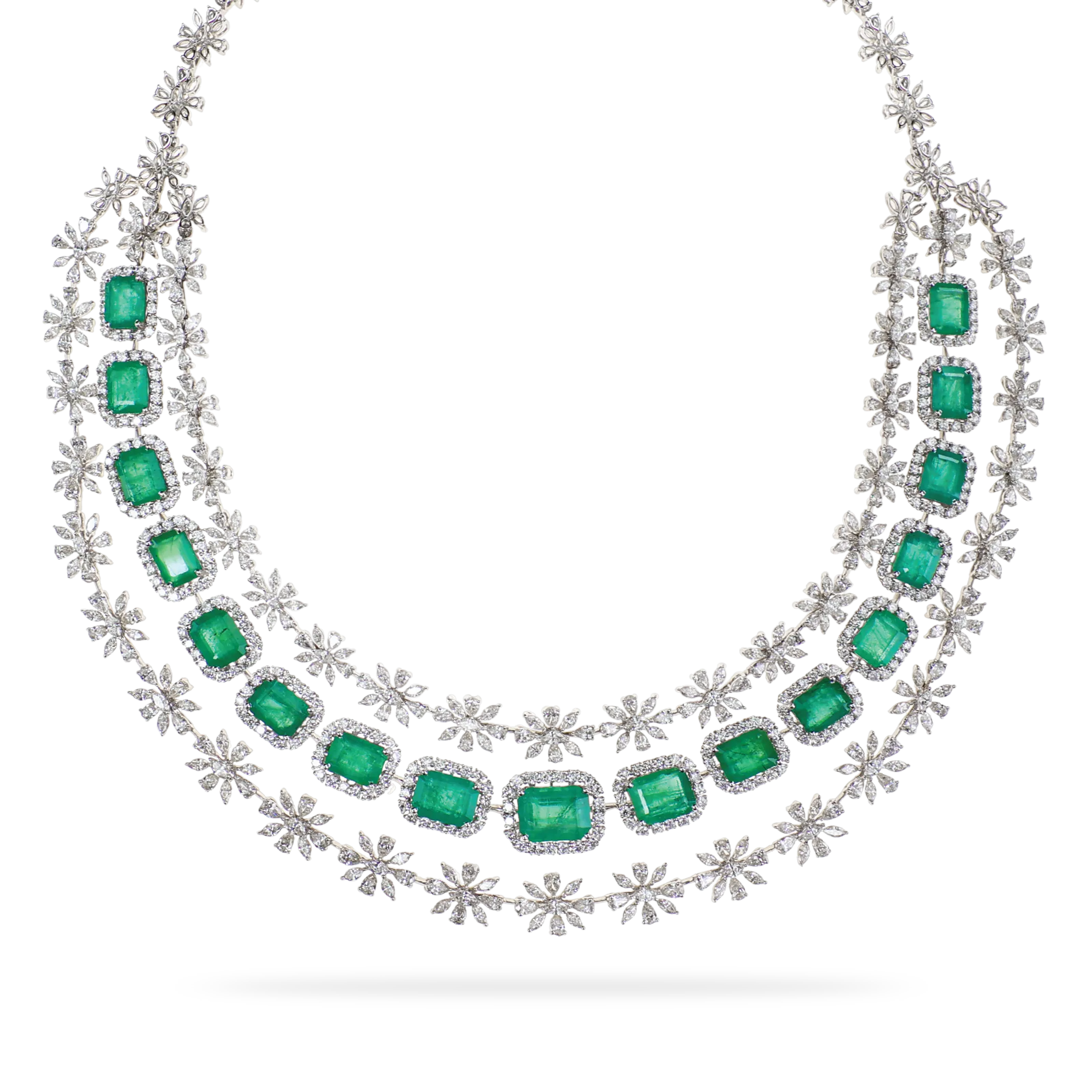
| Neck | Choker or short necklace; longer haram or layered chain | Do the layers sit separately when you move? |
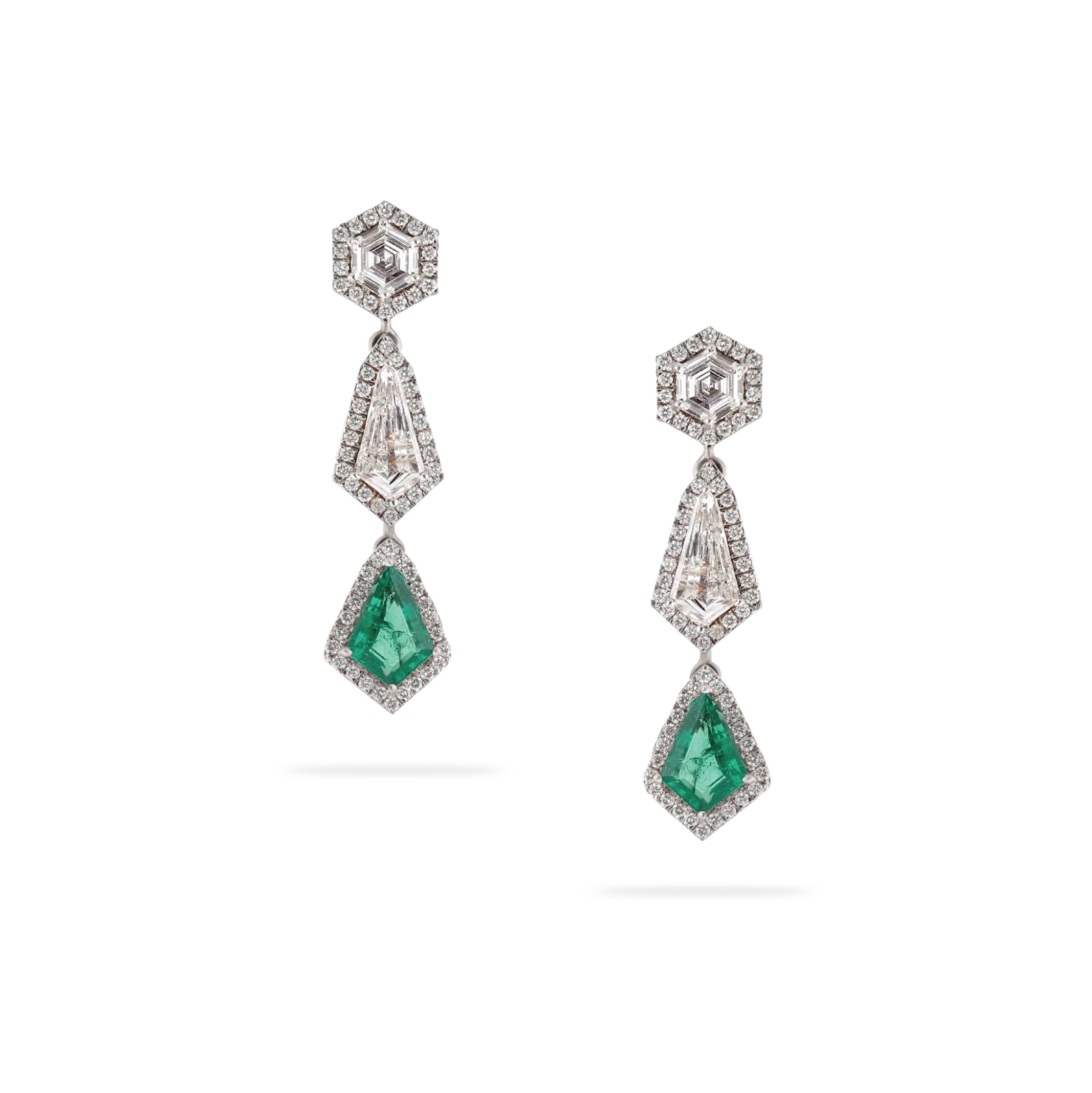
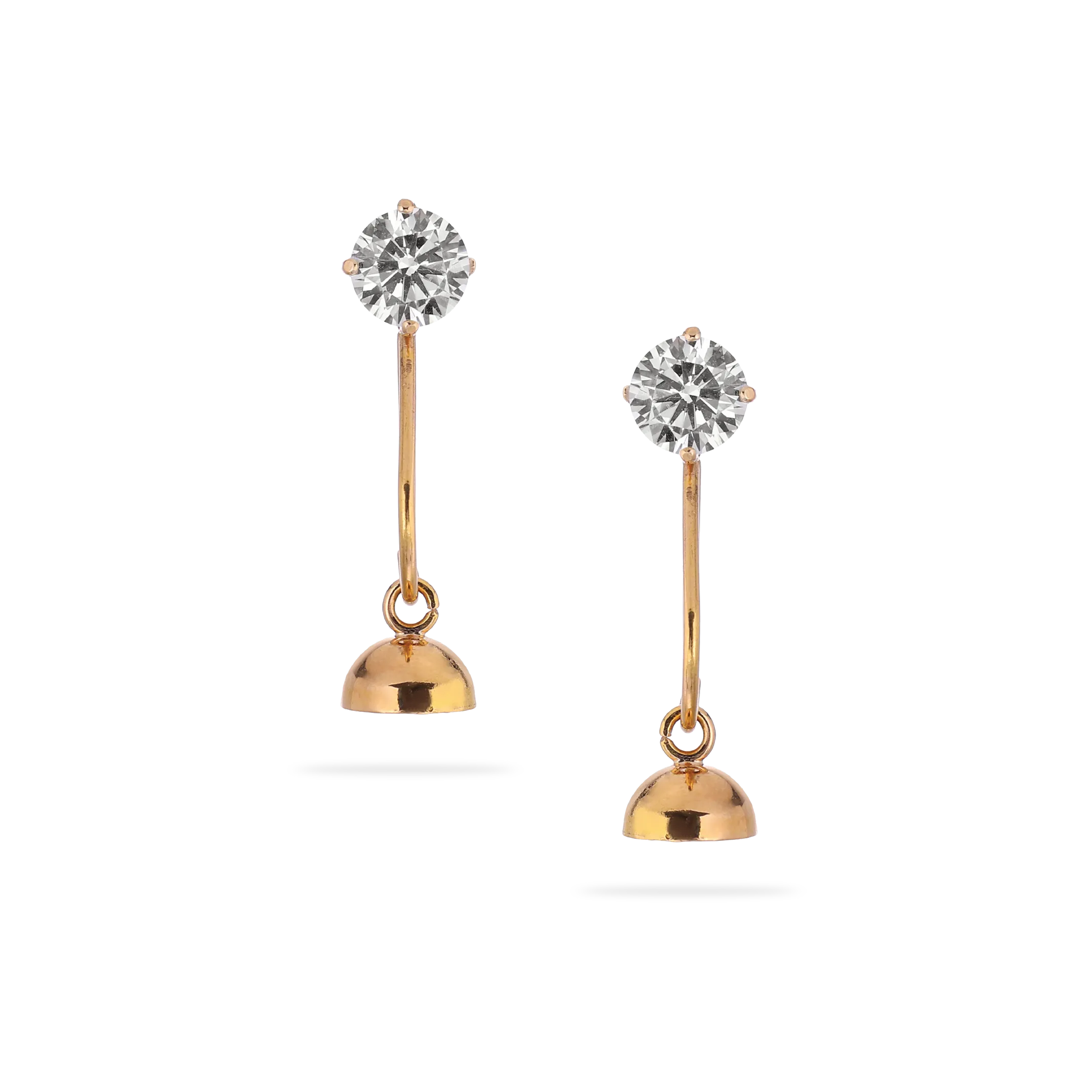
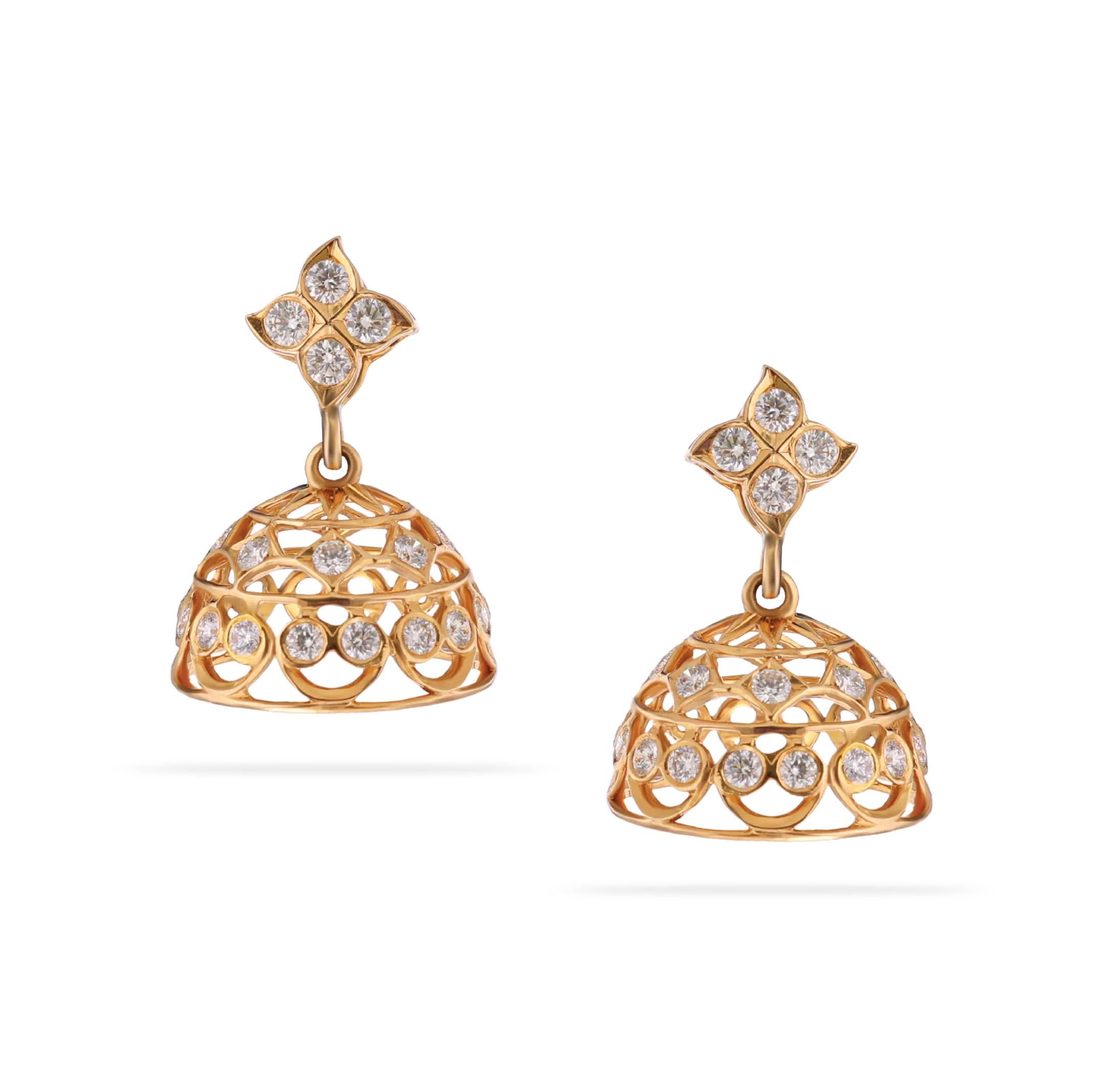
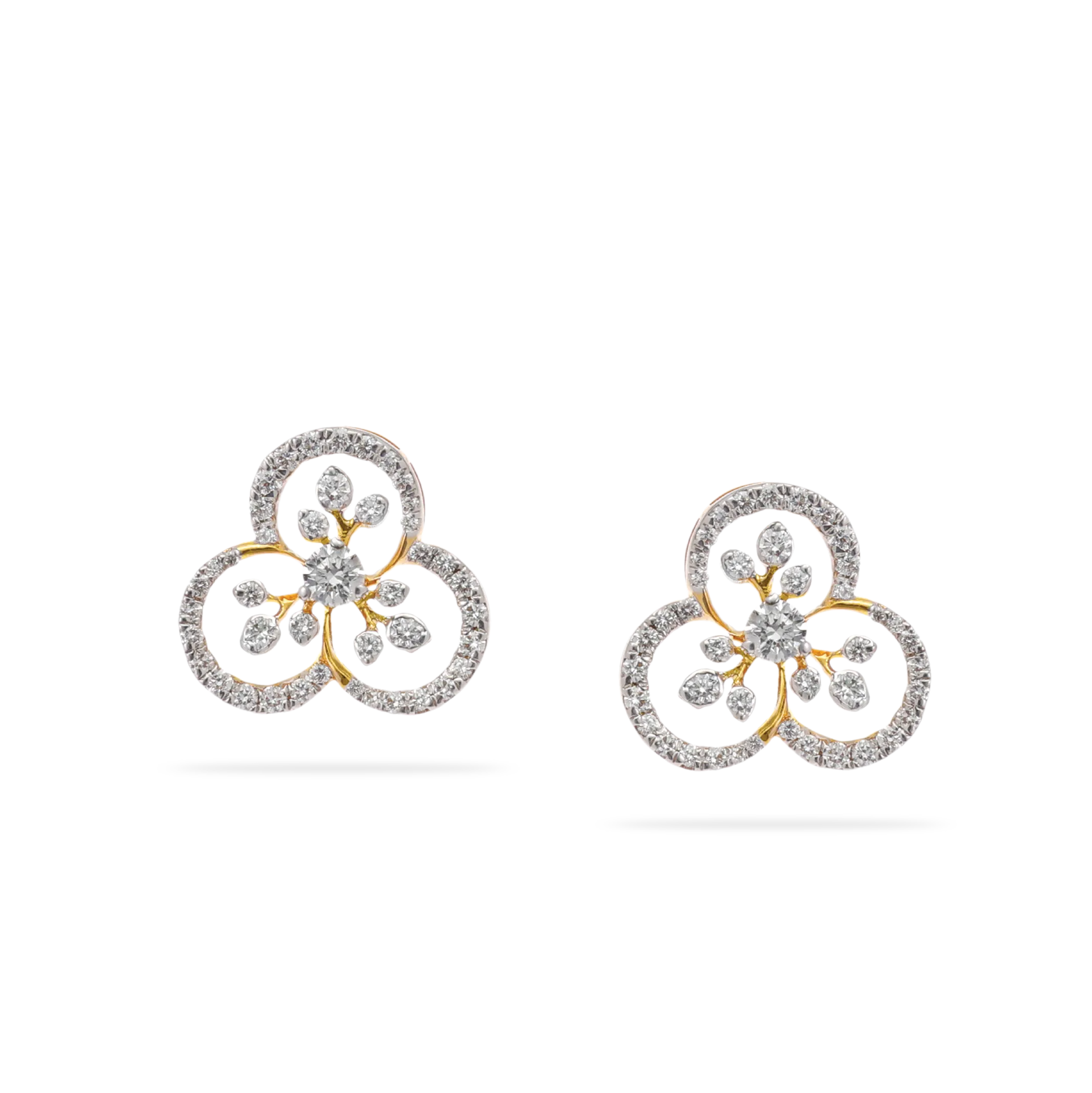
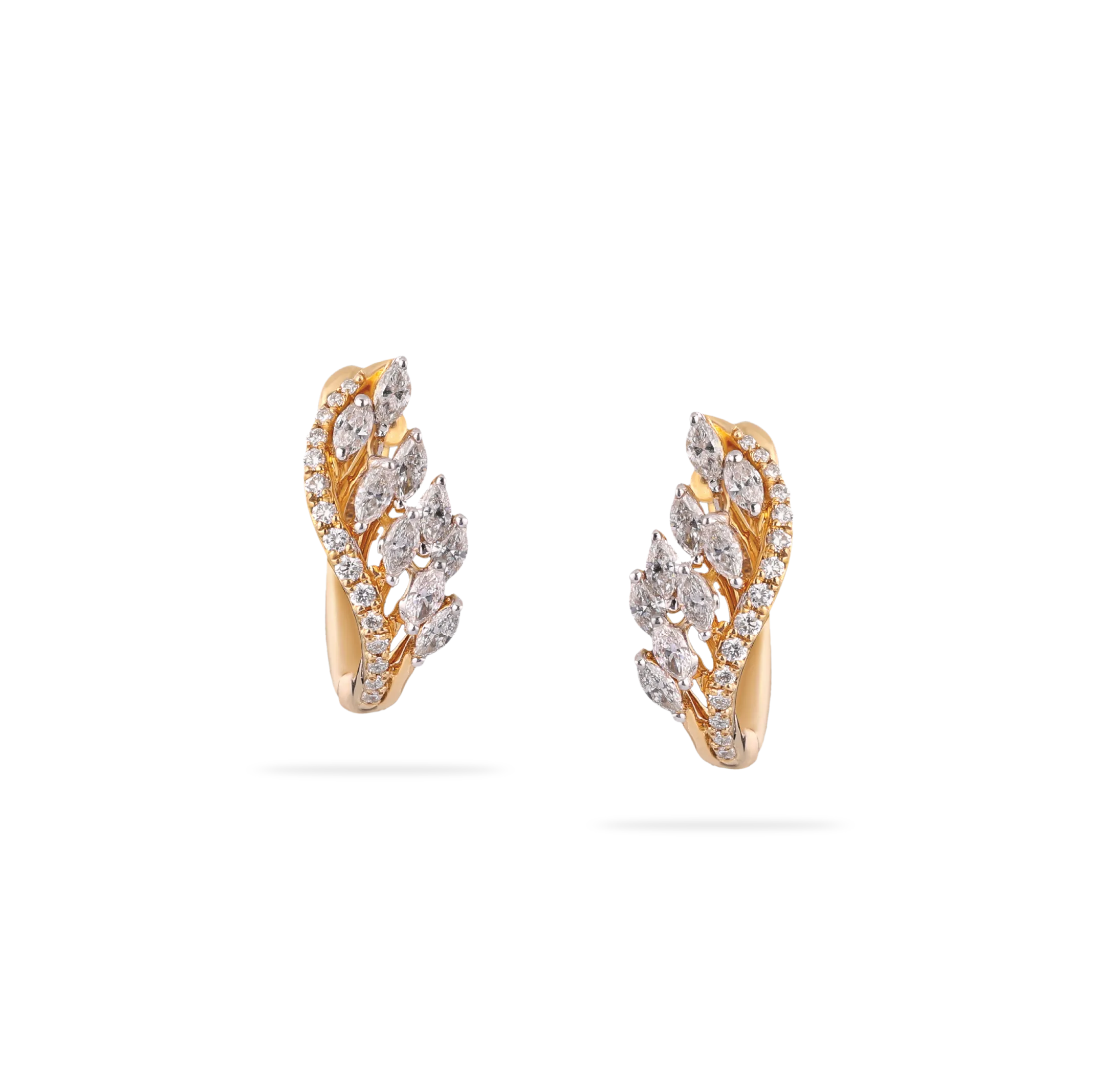
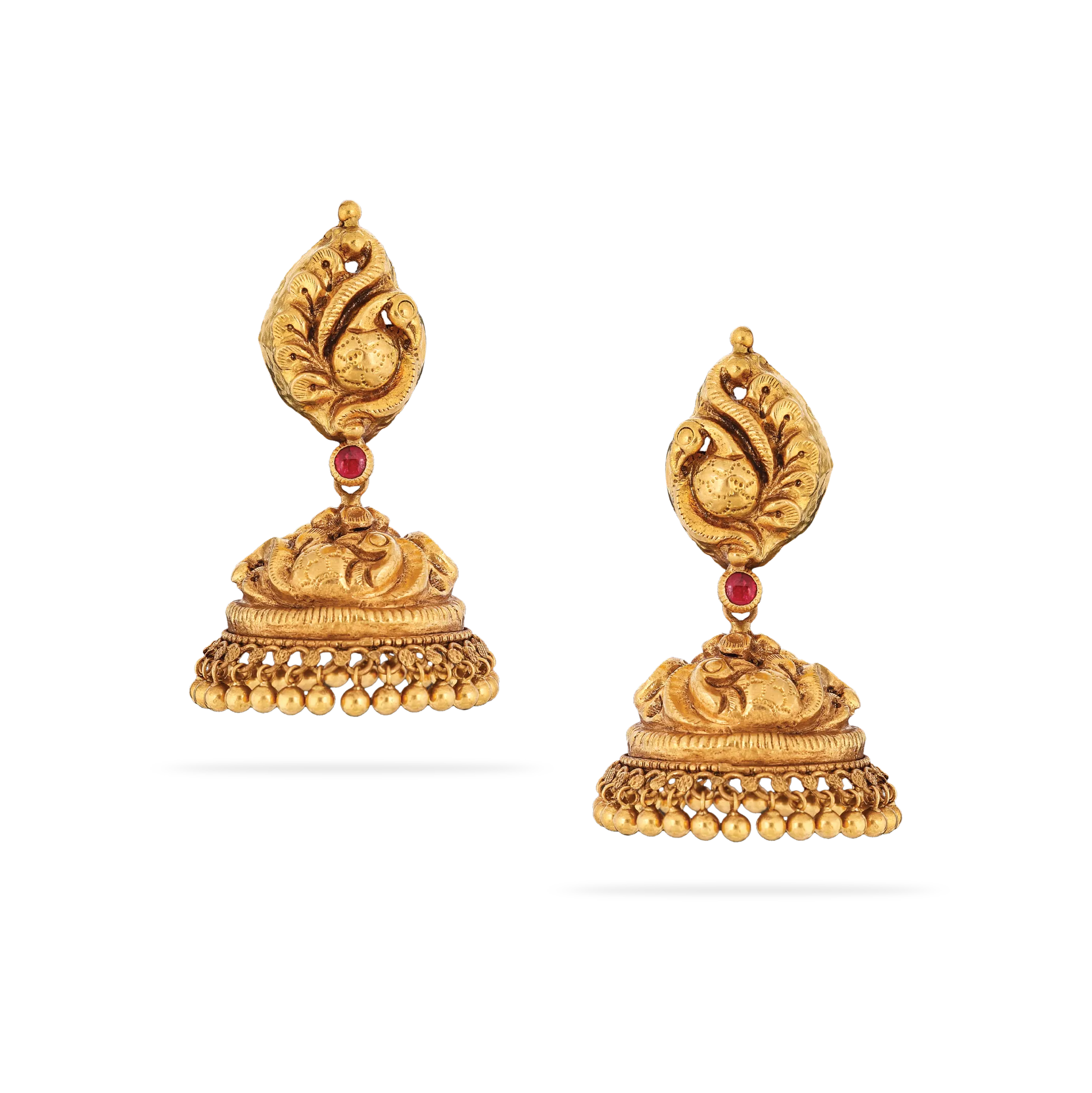
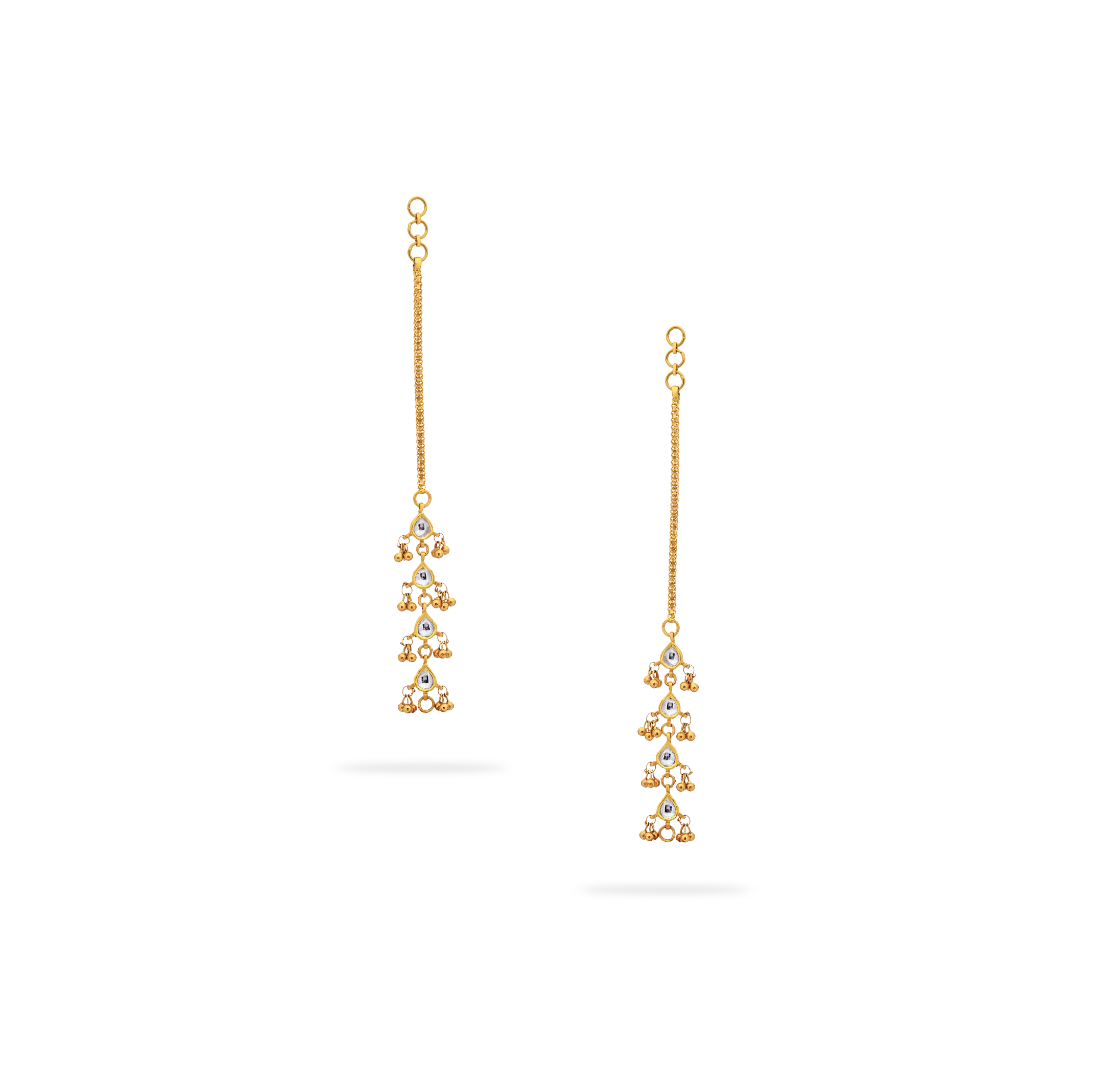
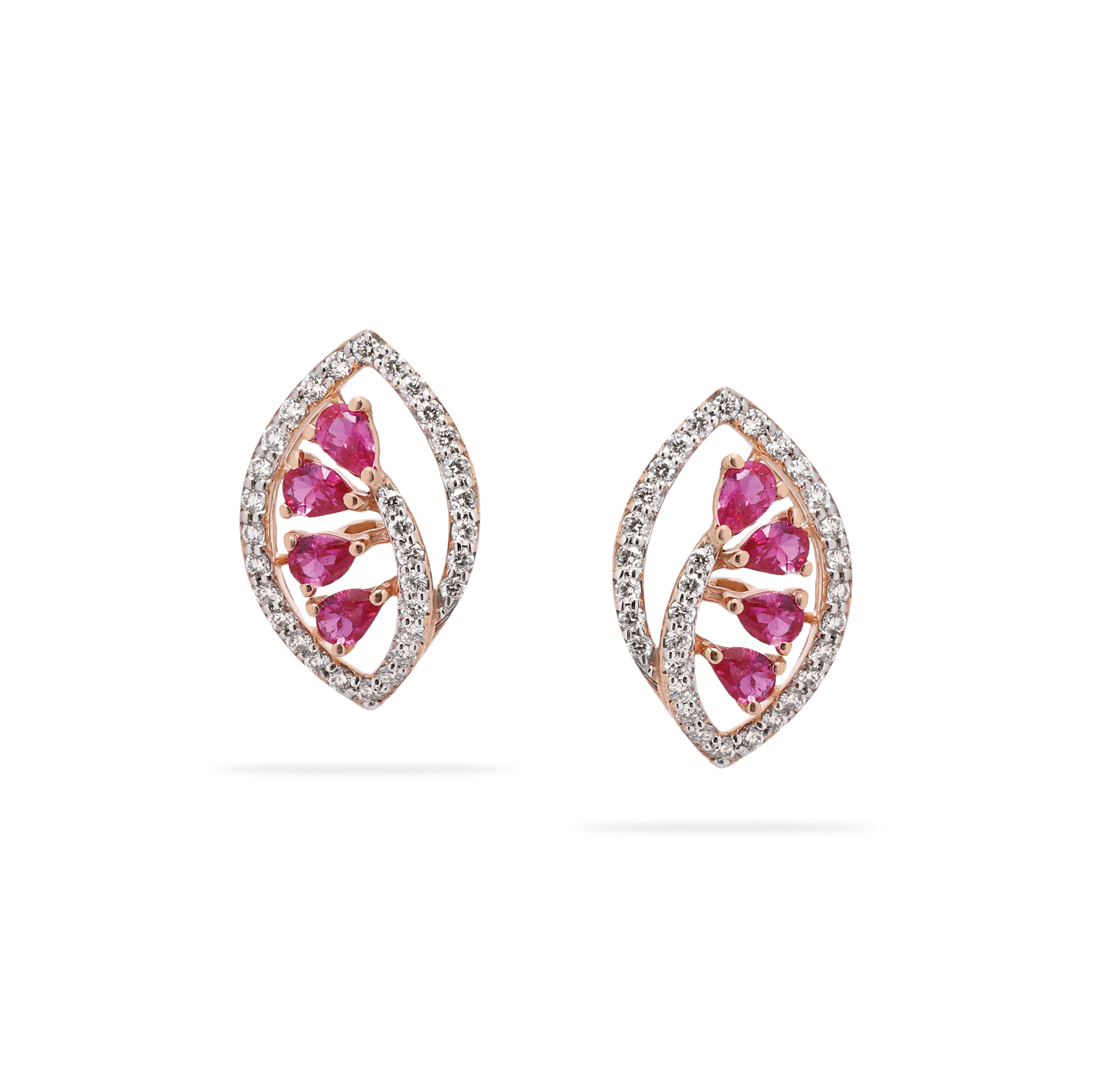
| Ears | Jhumkas or other earrings; supporting ear chains if appropriate | Weight, fastening and comfort on your own ears |
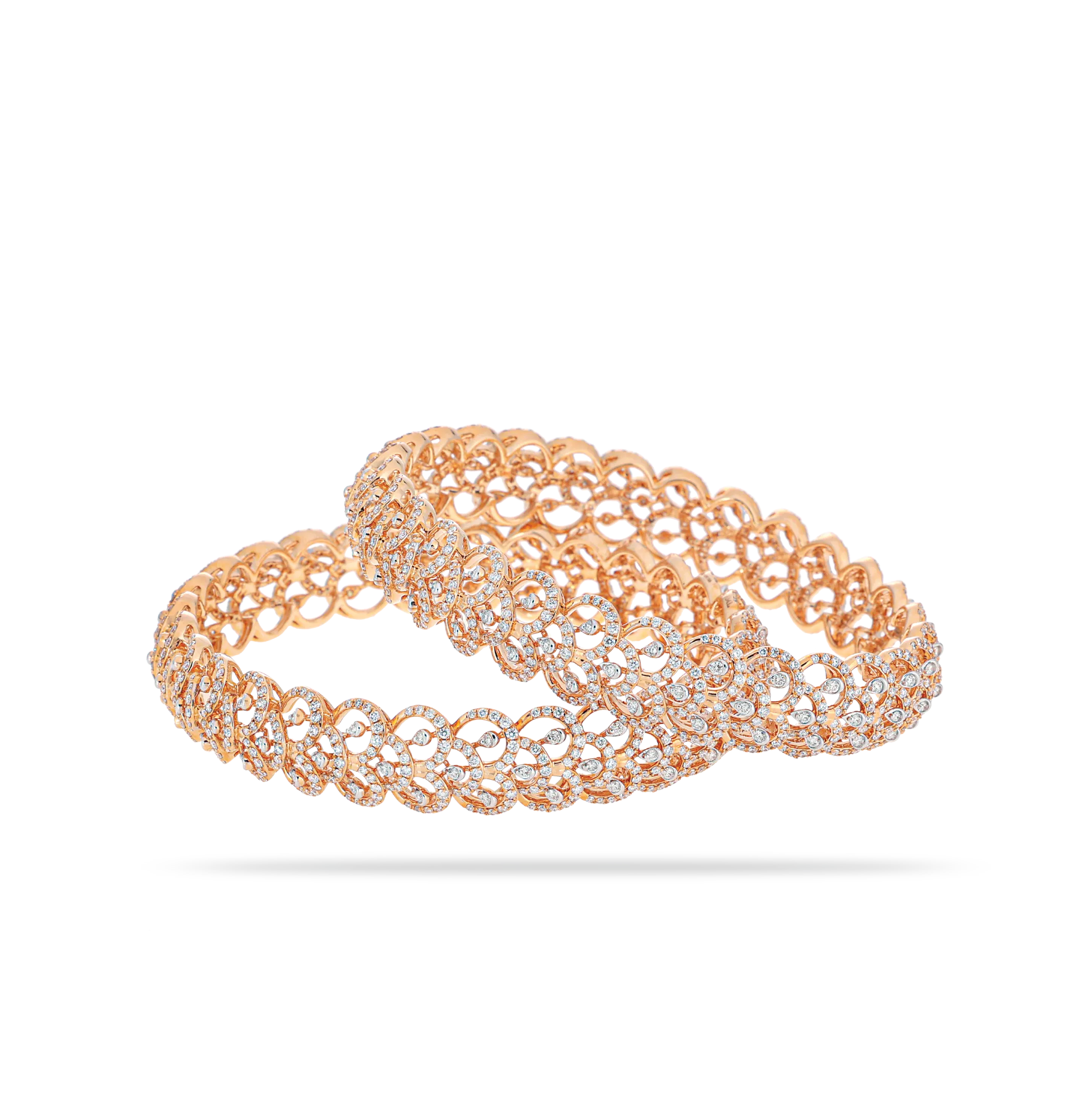
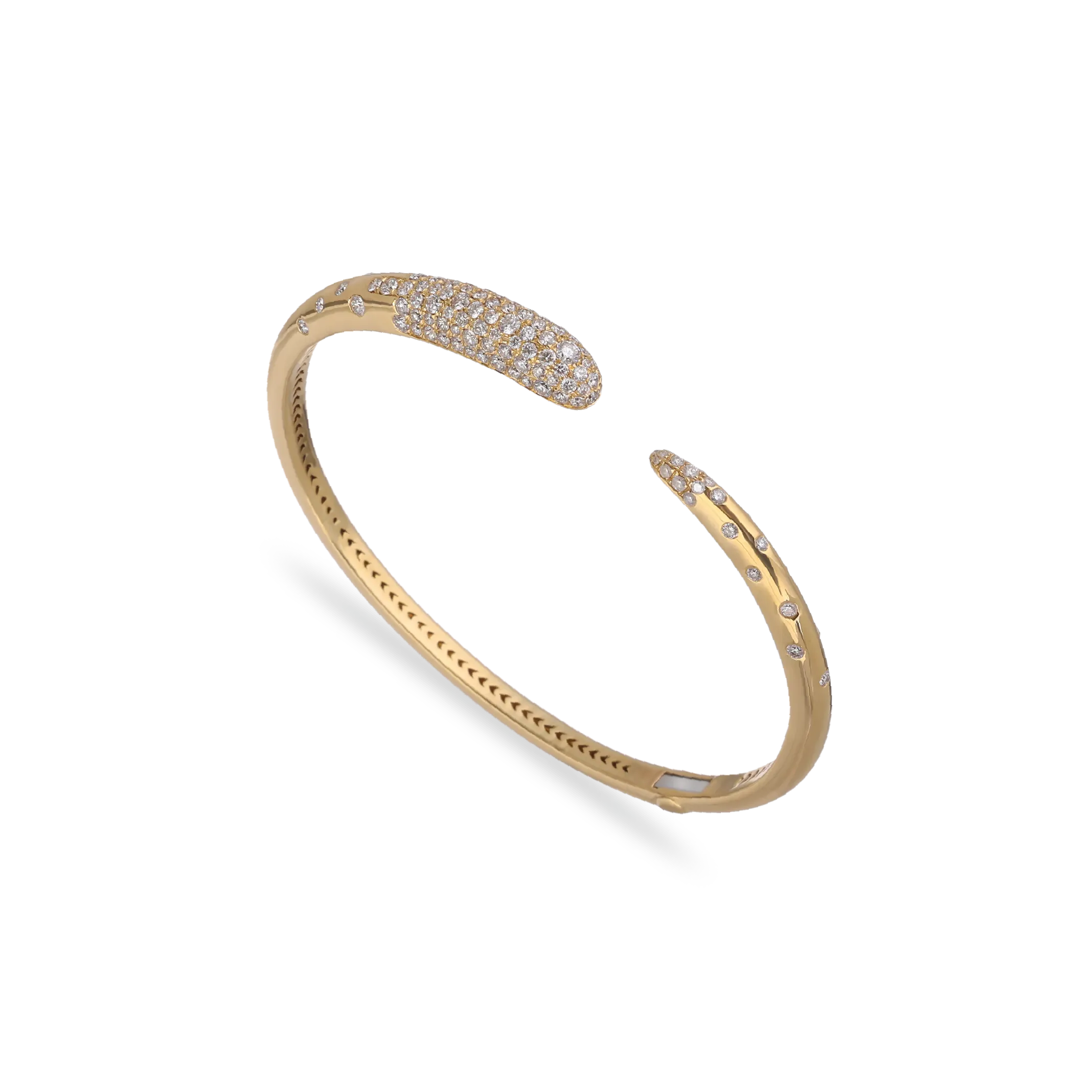
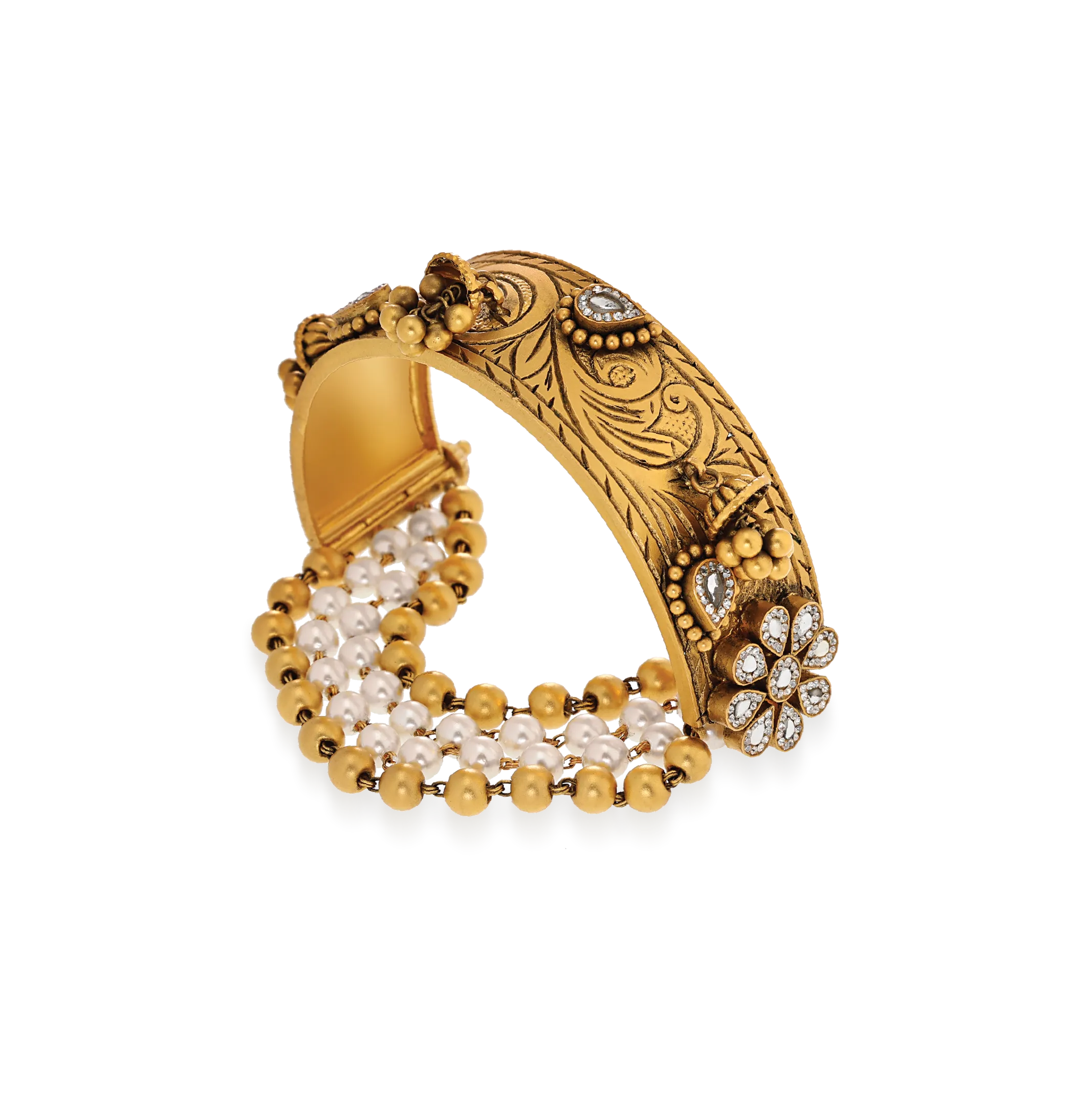
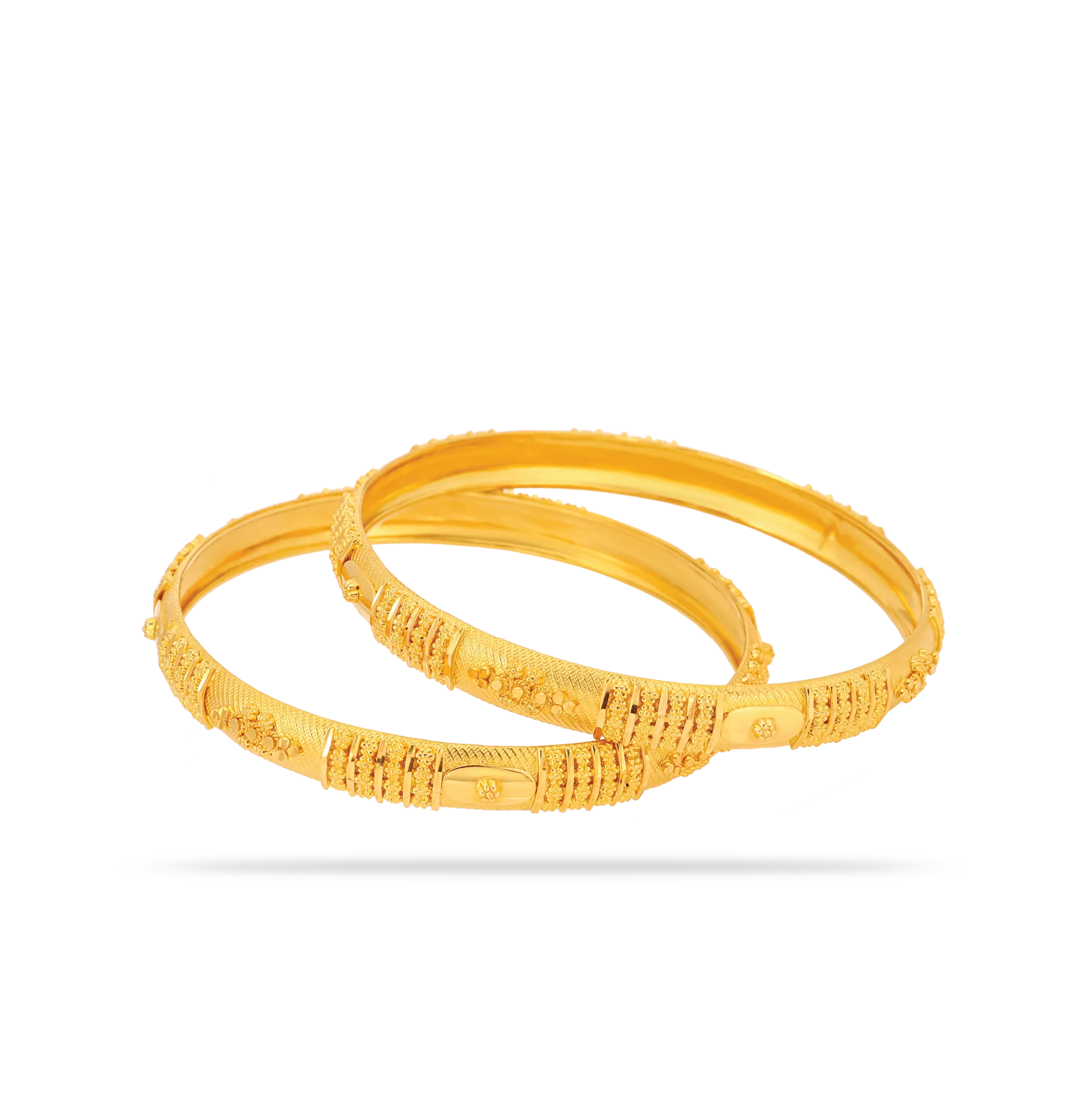
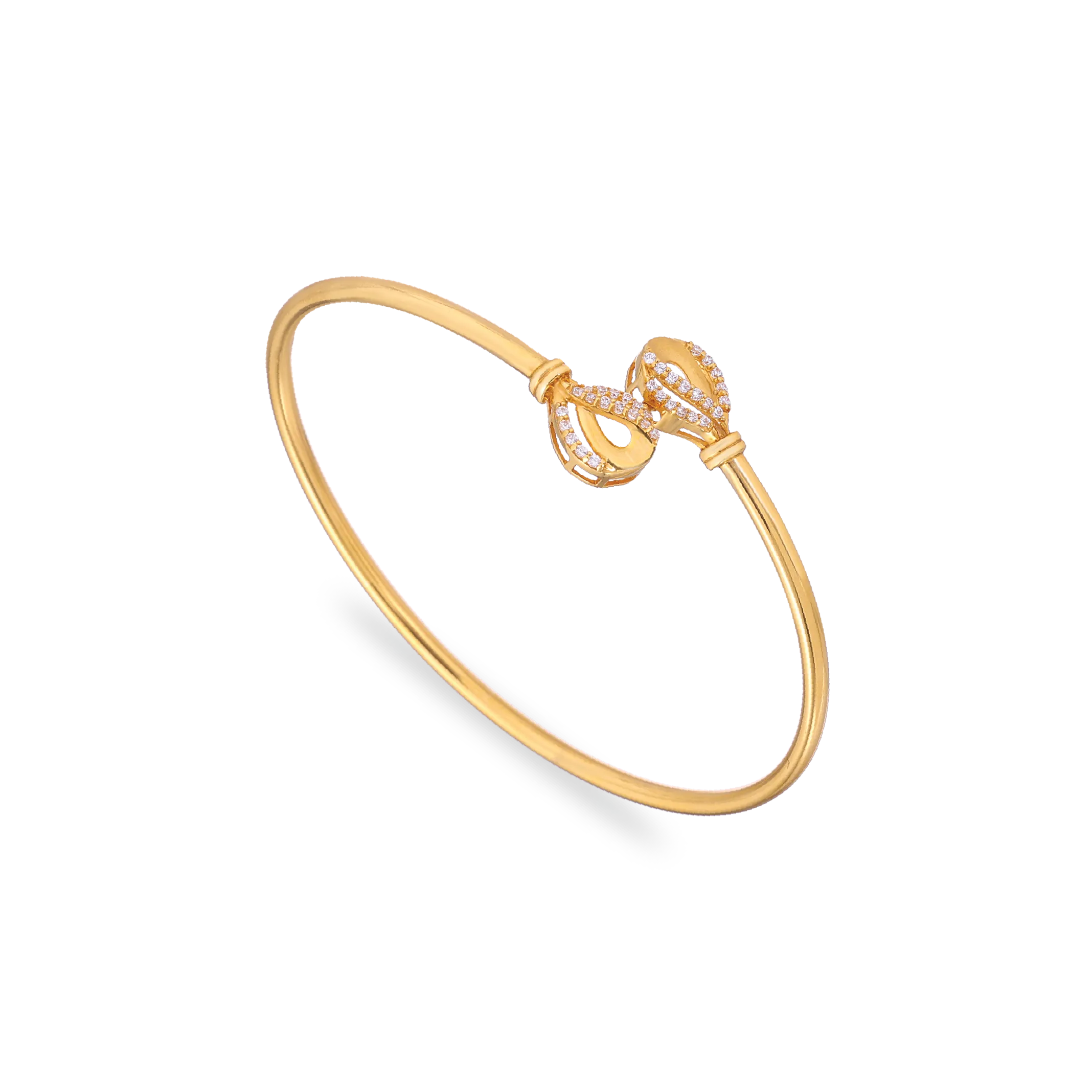
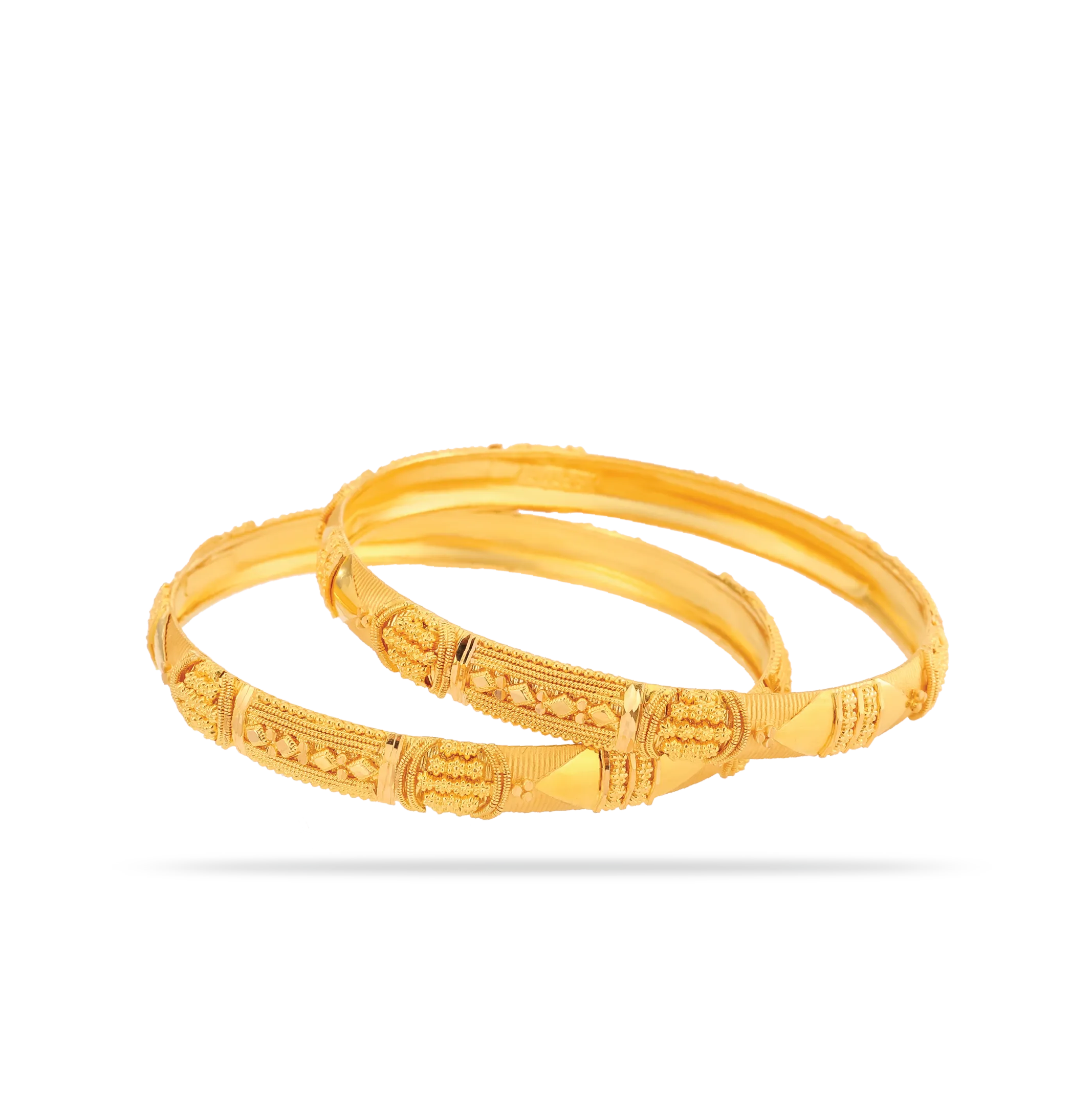
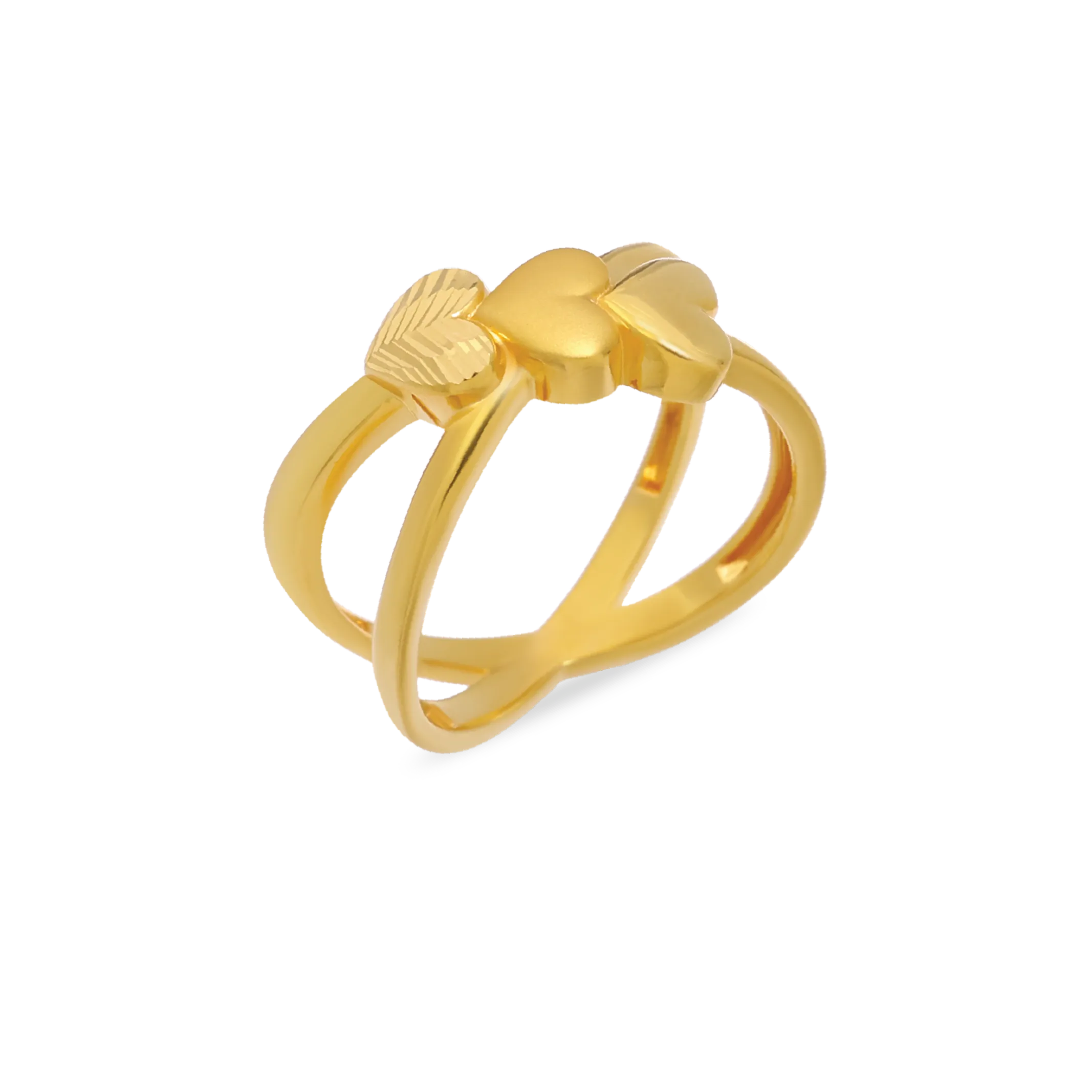
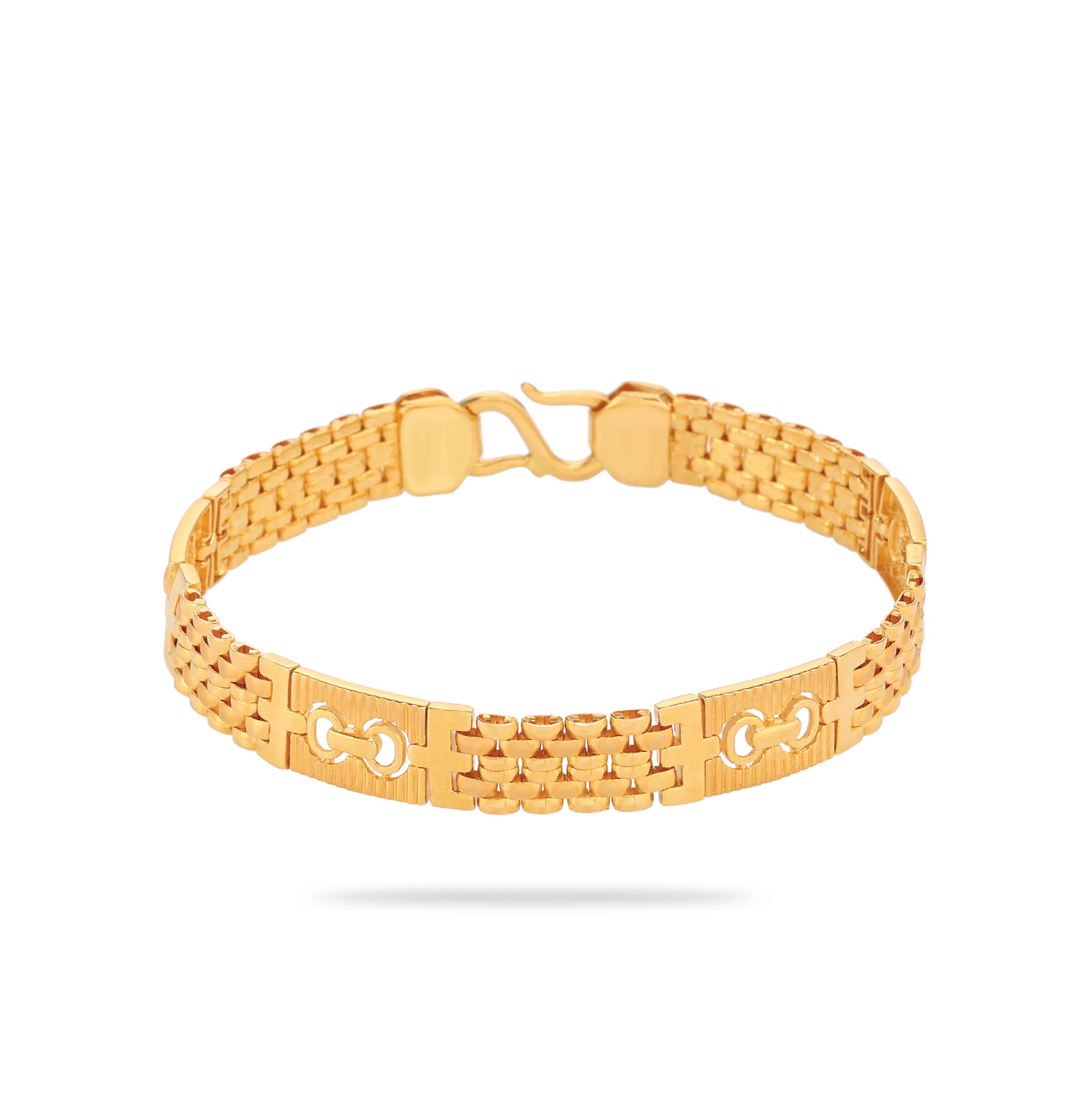
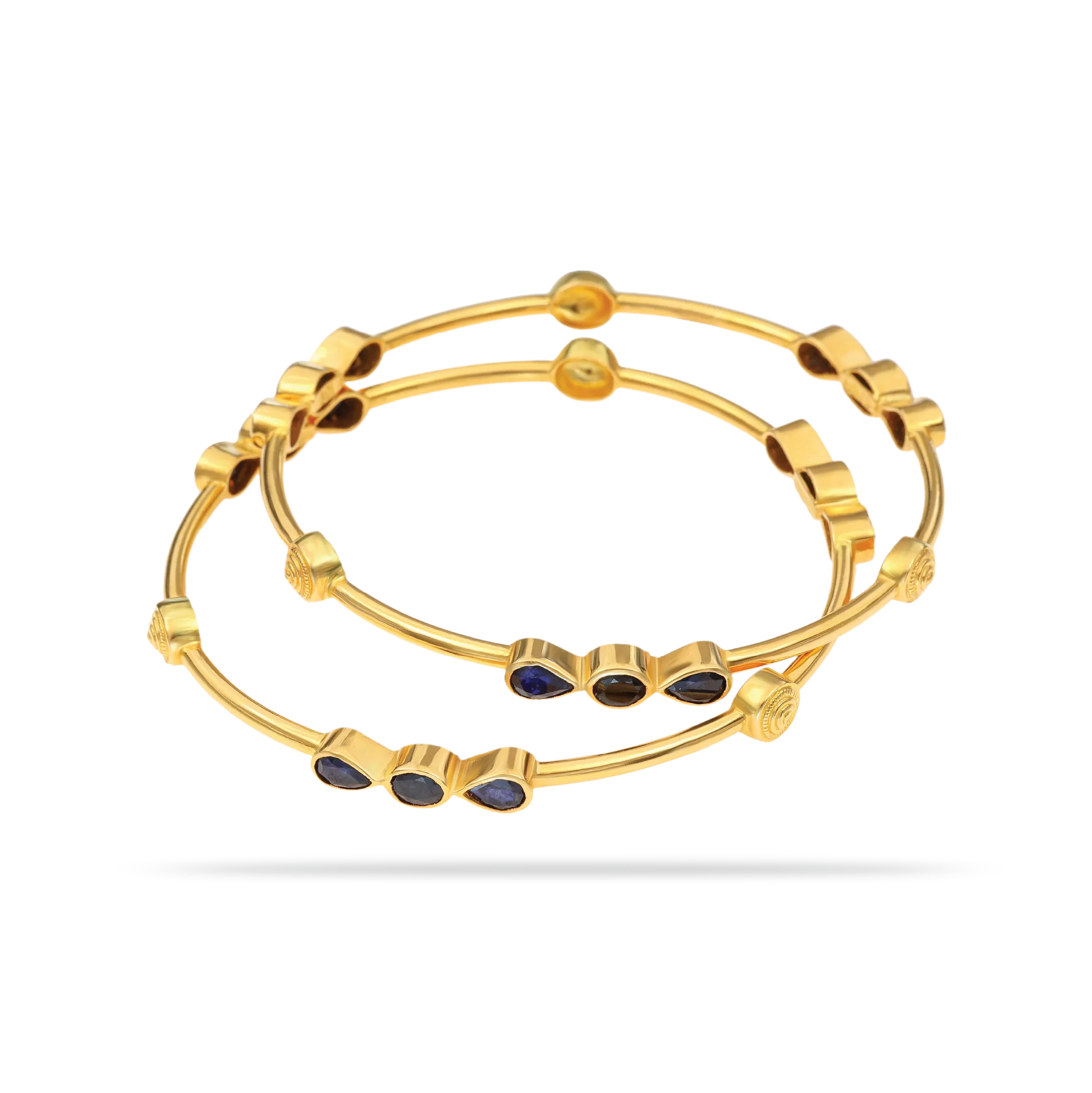
| Hands and wrists | Bangles, bracelets and rings | Bangle opening, secure clasps and ring fit |
| Head and hair | Forehead ornament such as a nethi chutti or maang tikka; hair ornaments | Compatibility with the chosen hairstyle and fastening method |
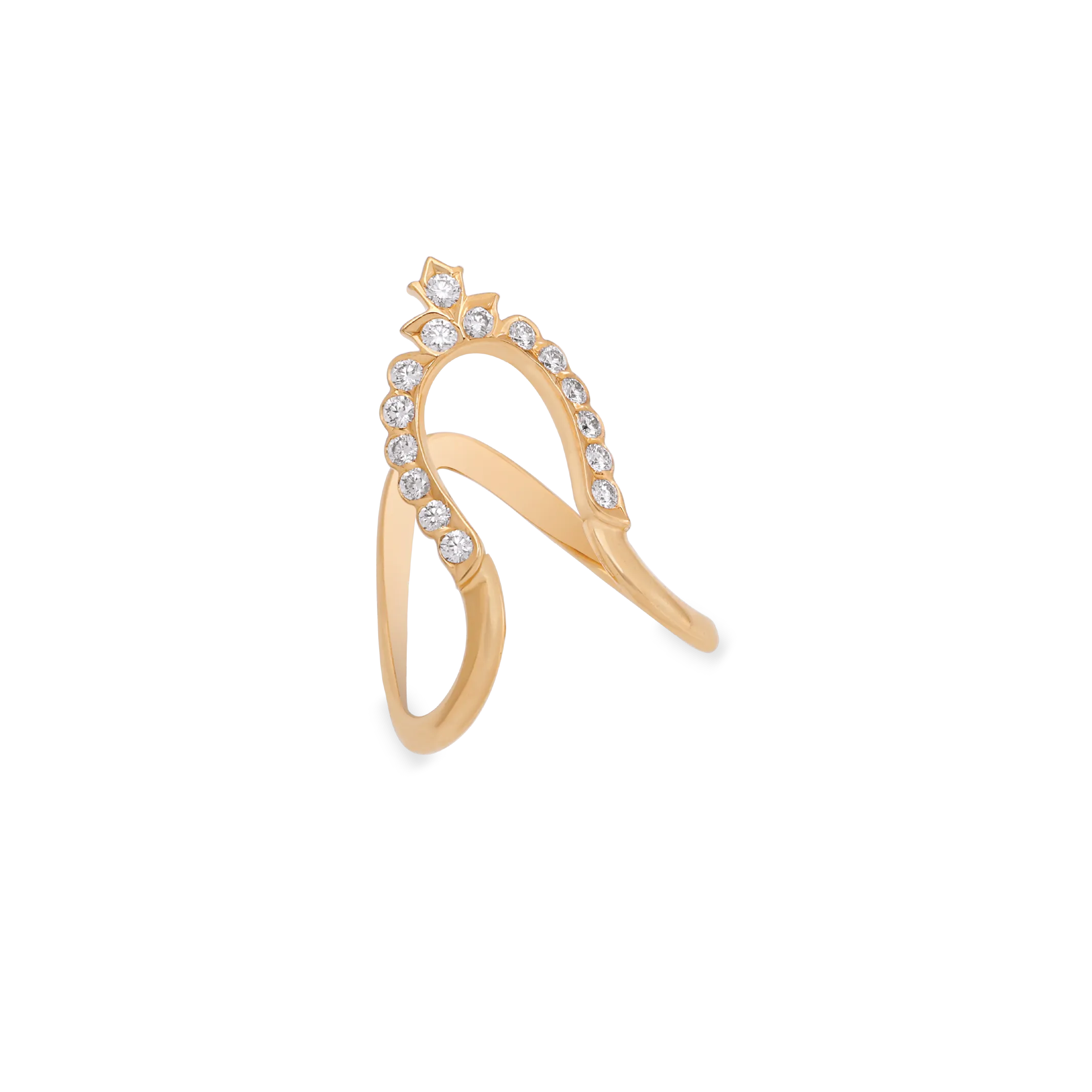
| Upper arms | Vanki or another armlet | Fit without pinching or sliding |
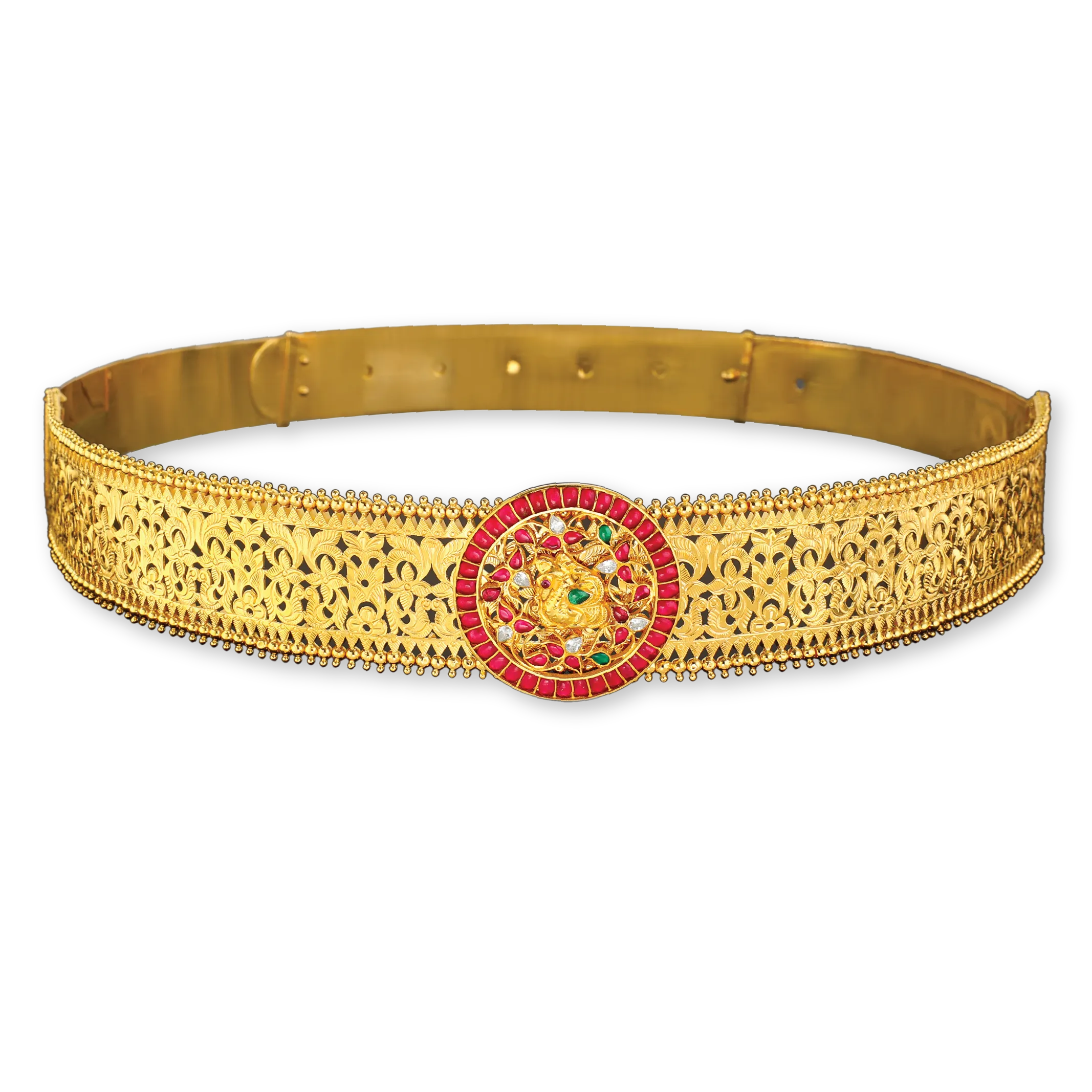
| Waist | Waist belt, often called an oddiyanam or vaddanam | Fit over the actual drape, including when seated |
| Ceremonial pieces | Family-specific marriage ornaments and other required pieces | Design and timing confirmed with the people conducting the ceremony |
Make three columns before shopping: already owned, needed for the ceremony, and optional. This often reveals that one well-chosen necklace or pair of earrings will complete the look more effectively than another full set.
How do you layer bridal necklaces without crowding the neckline?
Choose one main necklace and give each additional layer a distinct place to sit. Try it with the blouse neckline and saree drape you intend to wear. A necklace that looks balanced on a display bust may overlap a blouse border or disappear under the pallu.
- Start with the focal piece. Decide which necklace should draw attention in the wedding photographs.
- Add one contrasting length. Try the shorter and longer pieces together before deciding on a third layer.
- Check movement. Turn your head, raise your arms gently and sit down. Look for chains crossing or pendants catching.
- Choose earrings after the neckline. View the whole combination in a mirror rather than matching every piece independently.
- Photograph the trial. Take a front and side photo in ordinary light so you can compare options later.
How should you choose the jewellery style?
Use a specific piece as your reference. “Traditional” can describe many different designs; a photograph communicates the finish, scale and motifs more clearly. CKC’s bridal collection includes different styles, so ask to compare pieces rather than relying on one broad label.
Swipe sideways to see all columns.
| Your preference | A useful direction | Question to ask |
|---|---|---|
| Sculptural motifs | Temple-inspired or nakshi designs | How does the surface detail feel against the skin and fabric? |
| A coordinated gold look | Pieces with a compatible gold tone and finish | Will these still work with the heirloom I am wearing? |
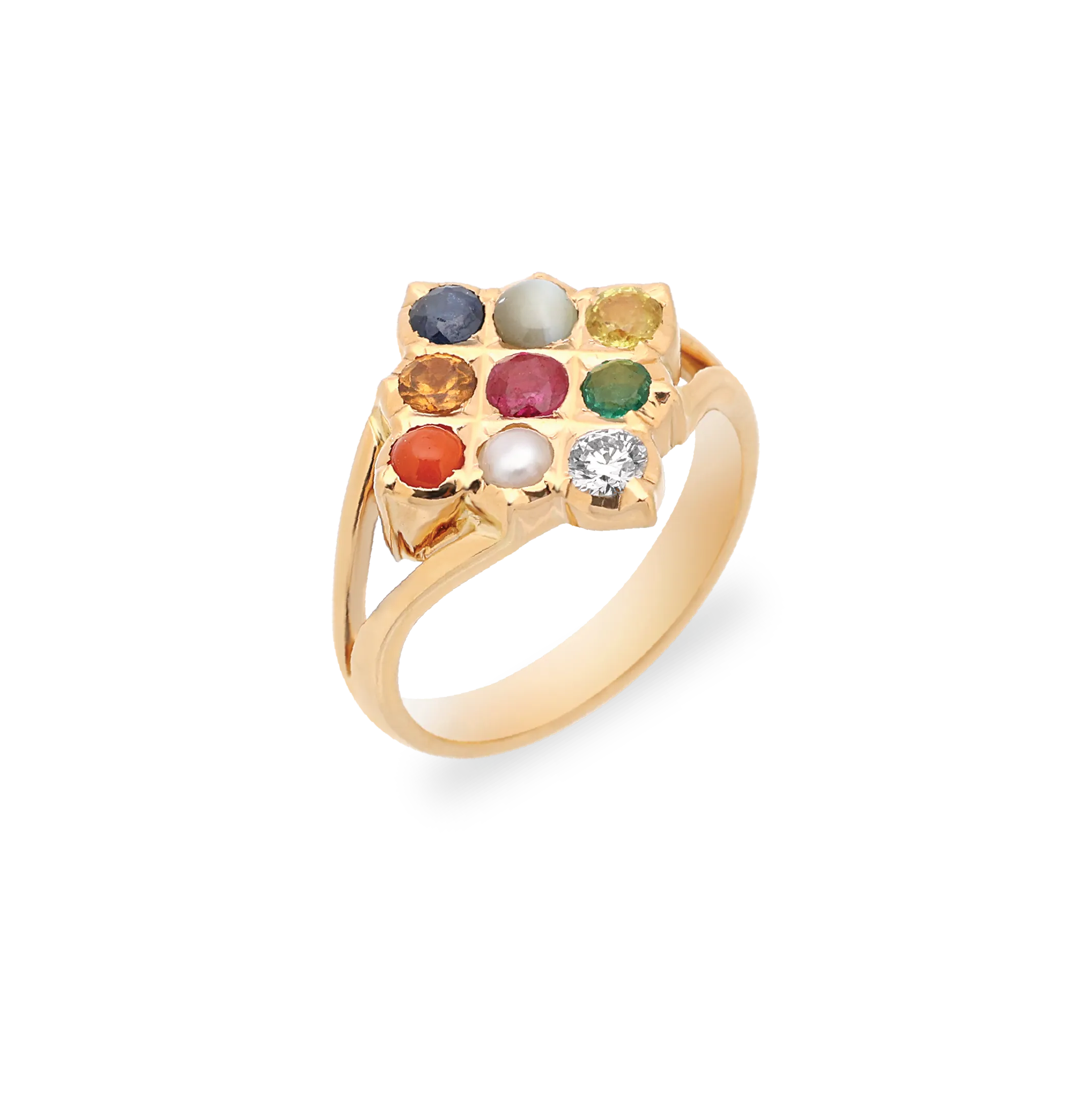
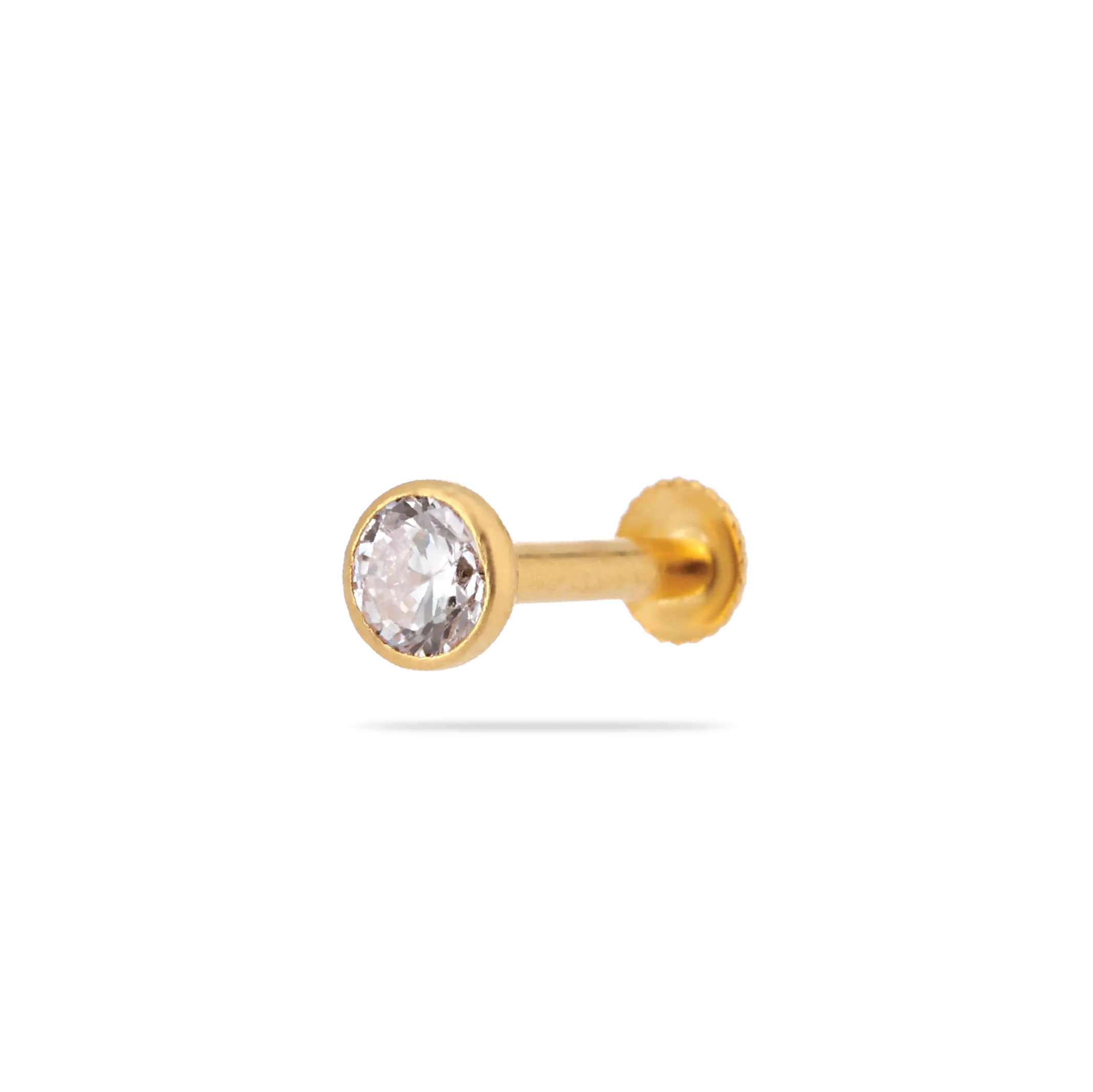
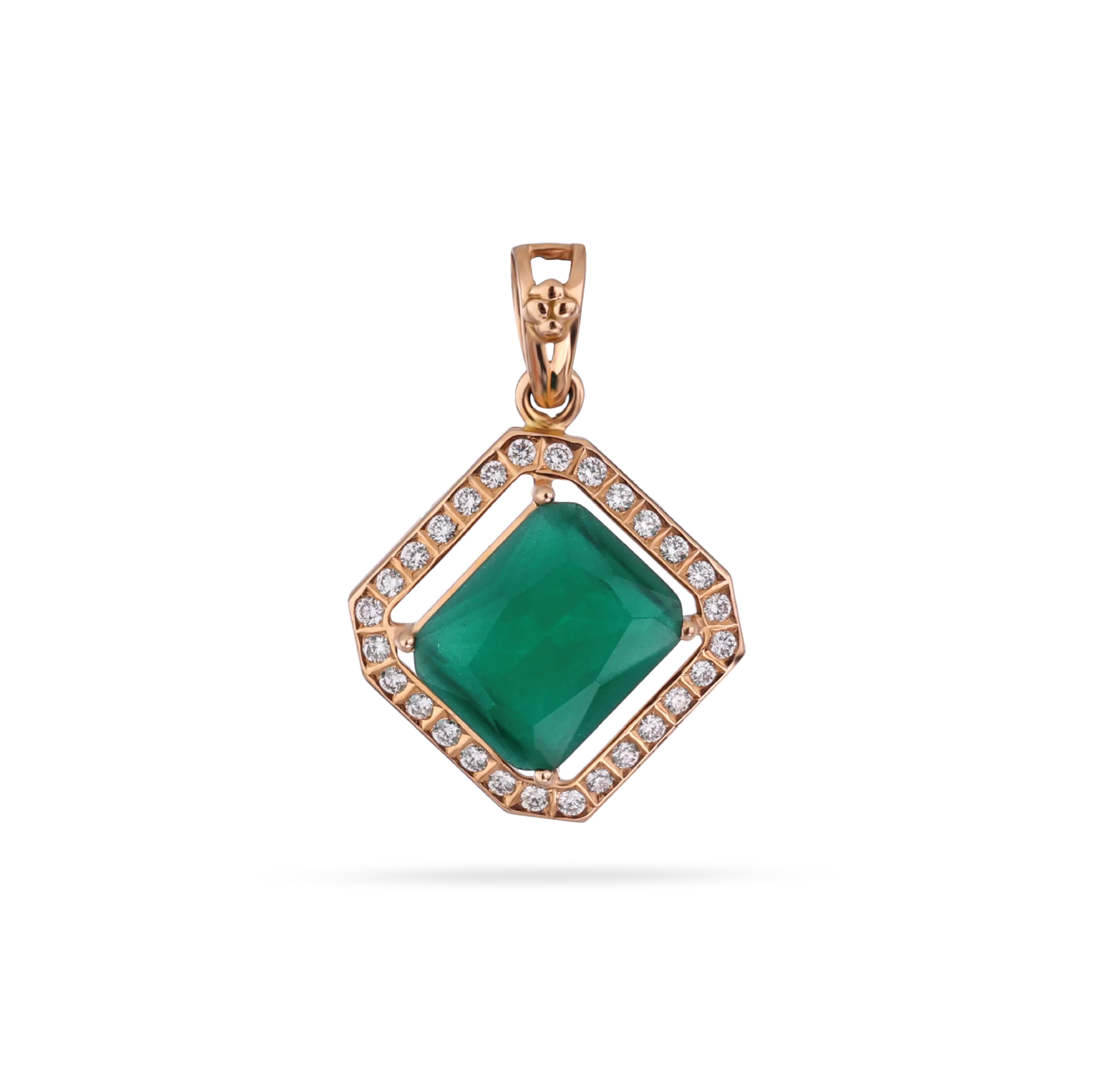
| Colour around the neckline | Gem-set pieces | What are the exact stone identities and any disclosed treatments? |
| Frequent wear after the wedding | Separately wearable pieces | Can I wear the earrings or necklace independently? |
A design name does not establish gold purity or gemstone identity. Ask for the metal and stone details separately. If a piece is described as detachable or convertible, ask for a demonstration and written confirmation of what is included.
How much should you budget for a bridal jewellery set?
There is no reliable single price for a “complete” bridal set. The number of pieces, metal weight and purity, stones, workmanship and applicable charges all affect the quote. Set a comfortable total first, then compare combinations that fit it.
- Ask for a separate line for every piece, including its net precious-metal weight and purity.
- Ask how making charges are calculated and whether any other charges apply.
- Keep stone charges separate so a heavier-looking piece is not mistaken for more gold.
- Request the final payable total, including applicable taxes, rather than comparing only the displayed gold rate.
- Compare two complete baskets: your essential pieces and your essential pieces plus optional additions.
Read the gold making-charges guide for the pricing breakdown and the 22K, 24K and 18K gold guide before comparing different purities. Avoid deciding that one set is better value solely because its making-charge percentage is lower.
What should you check before paying?
For hallmarked gold pieces, check the BIS mark, purity/fineness and HUID. Use the BIS Care app to verify the HUID against the article you are buying.BIS Care The HUID guide explains the verification process in more detail.
- Fit: test bangles over your hand, rings on the intended finger and the waist belt over the outfit.
- Finish: look for rough edges, catches that pull on fabric or fittings that do not close cleanly.
- Stone details: ask what stones are present and what documentation covers them.
- Alterations: write down agreed changes, their cost and the collection date.
- Invoice: keep the item descriptions and price breakdown with the purchase records.
- After-sales terms: distinguish an exchange for jewellery from a cash buyback. Read the policy that applies to your item.
Use CKC’s published warranty, exchange and buyback policy as the starting point, and ask the team to confirm the terms for the selected pieces. Do not assume that custom work, stones and making charges are treated in the same way.
When should you buy and collect the set?
Work backwards from the first event at which you need the jewellery. The right lead time depends on stock availability, alterations and any custom work, so confirm a realistic date for each piece with the jeweller.
Swipe sideways to see all columns.
| Stage | What to finish |
|---|---|
| Before the first visit | Agree the budget, outfit, ceremony requirements and heirlooms to include. |
| At selection | Record product details, complete price, alteration instructions and delivery dates. |
| At the final fitting | Try the whole combination with the intended clothing and check every fastening. |
| At collection | Match the articles to the invoice and documents; confirm care and storage instructions. |
If you will travel with the jewellery, plan secure storage and transport before collection. Keep photographs and purchase records separately from the pieces themselves.
Planning a bridal jewellery visit in Bengaluru
Start by browsing CKC’s wedding jewellery collection and save a small shortlist. Bring your outfit reference, the names of the pieces you need and a clear spending limit. This makes it easier to compare complete looks at the counter.
CKC lists its Bengaluru store at The Touchstone, B Block, Main Guard Cross Road, Shivaji Nagar. Check the store page for current details before visiting.CKC
Frequently asked questions
How many pieces are in a South Indian bridal jewellery set?
There is no fixed number. Start with the pieces needed for your ceremony and the necklaces, earrings and wrist jewellery you want to wear. Head ornaments, an armlet, a waist belt and other additions depend on family custom, outfit, comfort and budget.
Is 22K gold compulsory for bridal jewellery?
No single purity is compulsory for every bridal design. Check the stated purity and construction of each piece, and compare the price on that basis. A stone-set piece and a plain-gold ornament may use different specifications.
Can I combine family jewellery with new pieces?
Yes. Bring the family pieces to the fitting and compare their proportions, finish and colour with the new jewellery. Check the condition of older clasps and settings before wearing them for a long event.
What is the difference between a necklace and a haram?
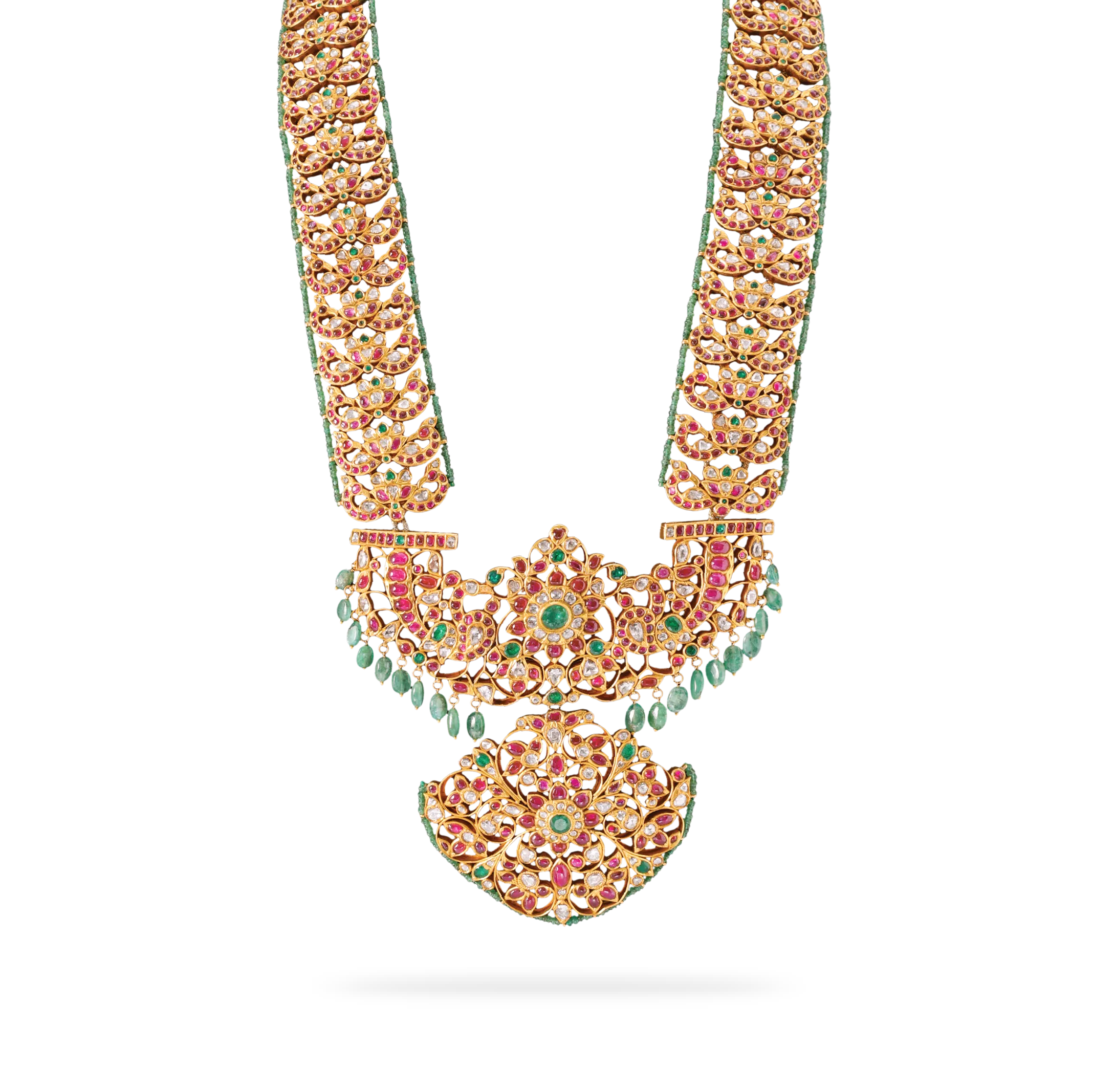
In bridal shopping, a haram generally refers to a longer neck ornament. Exact lengths and names vary, so ask for measurements and try it with the shorter necklace and your actual neckline.
How can I reduce the cost without losing the bridal look?
Prioritise your focal necklace, earrings and essential ceremonial pieces. Reuse suitable heirlooms, compare fewer coordinated pieces and ask for itemised quotes. Buying every item in a checklist is not necessary.
Should I buy every piece from one matching set?
Not necessarily. A coordinated look can combine different pieces if their scale, finish and colours work together. Try the entire combination before deciding; matching a product photograph is less useful than checking the fit on you.
What should I bring to a bridal jewellery appointment?
Bring your budget, event dates, blouse or outfit reference, photographs of preferred designs and any heirlooms you plan to wear. Note which ceremonial pieces are essential and who needs to confirm their design.
Can bridal jewellery be worn after the wedding?
Many pieces can be worn separately, but versatility depends on the design. Ask to see the necklace without its other layers and the earrings on their own. Confirm any detachable features before purchase.
Sources and further reading
- CKC: South Indian bridal jewellery traditions
- BIS Care: Verify HUID
- CKC: warranty, exchange and buyback policy
- CKC: Bengaluru store and contact details
Diagrams are original educational illustrations prepared for this guide. They are not product photographs, authenticity tests or representations of inventory.