Navaratna Jewellery: The Nine Stones, Their Meaning and Buying Checks
Nine colours can make a striking piece of jewellery. Before you choose one, find out which nine gem materials it contains, what has been disclosed about them and how they should be cared for together.
What is Navaratna jewellery?
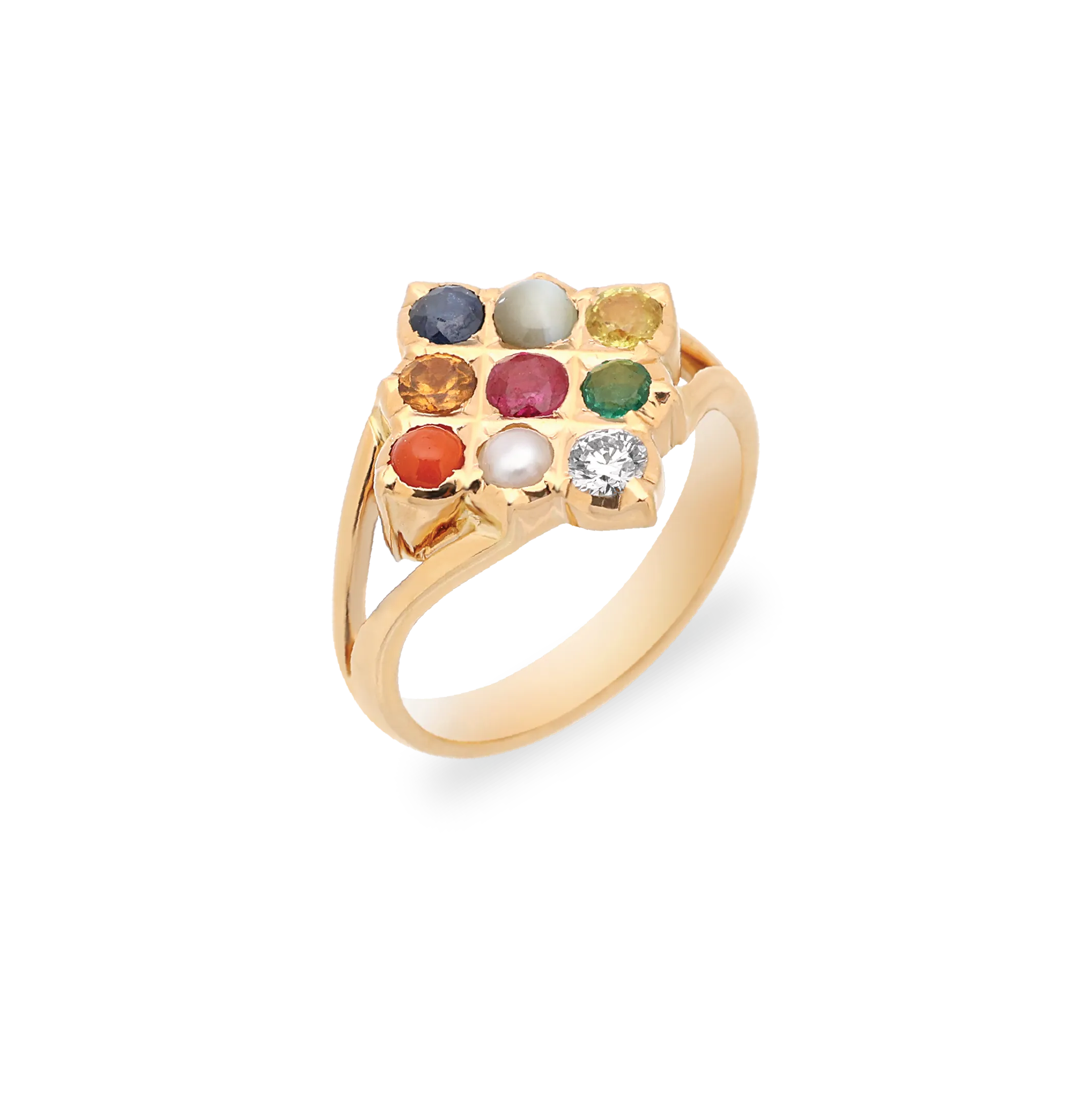
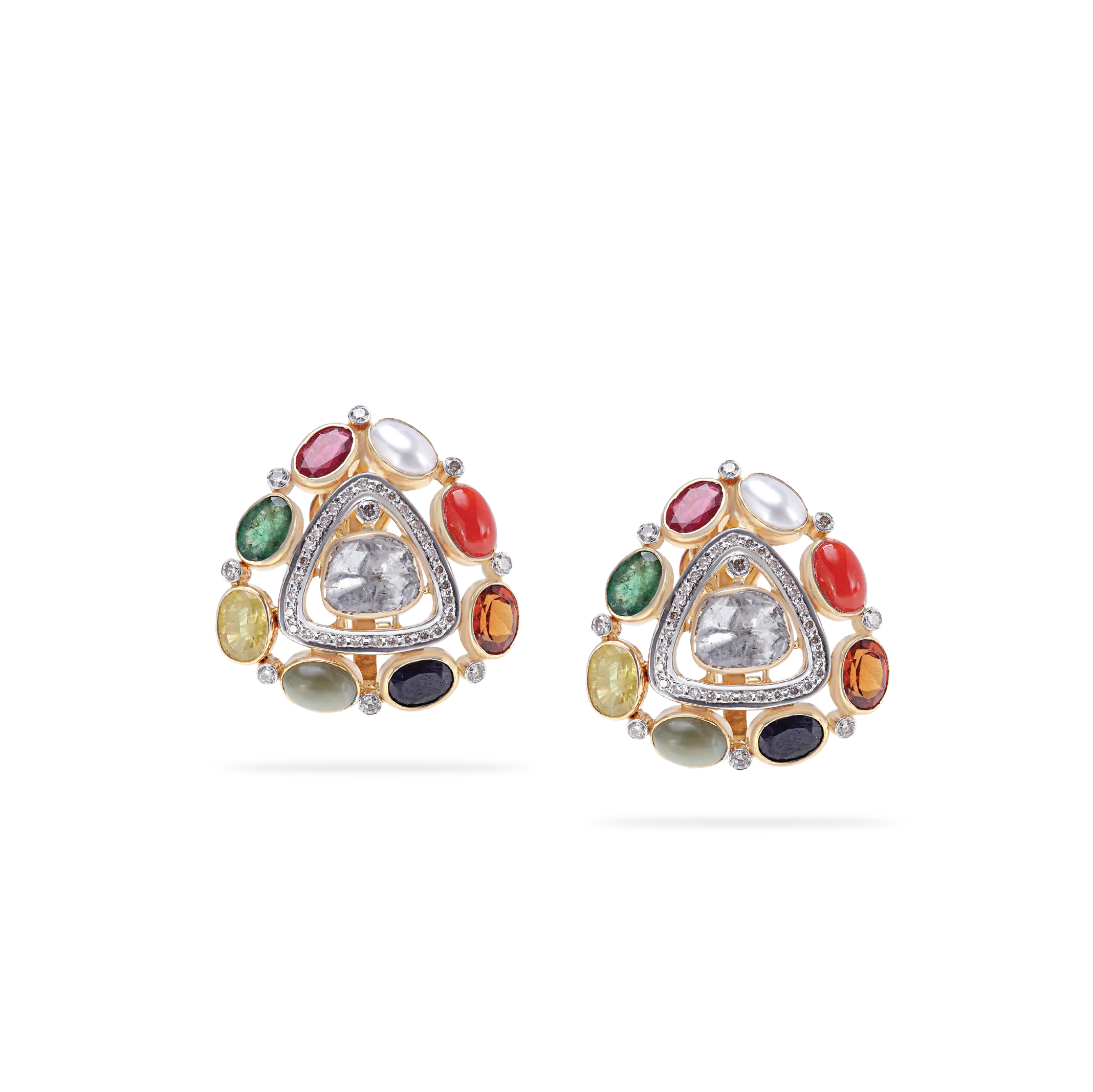
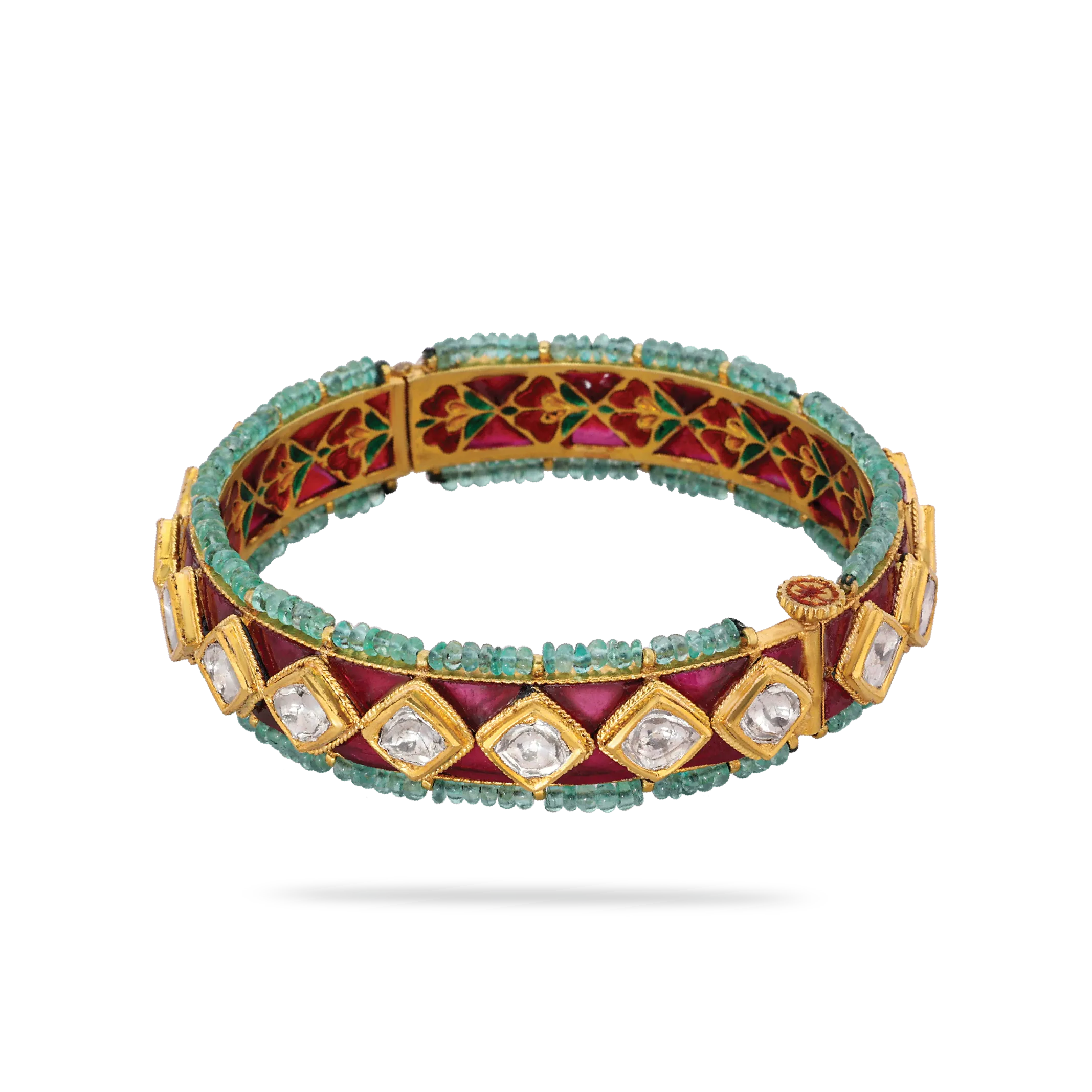
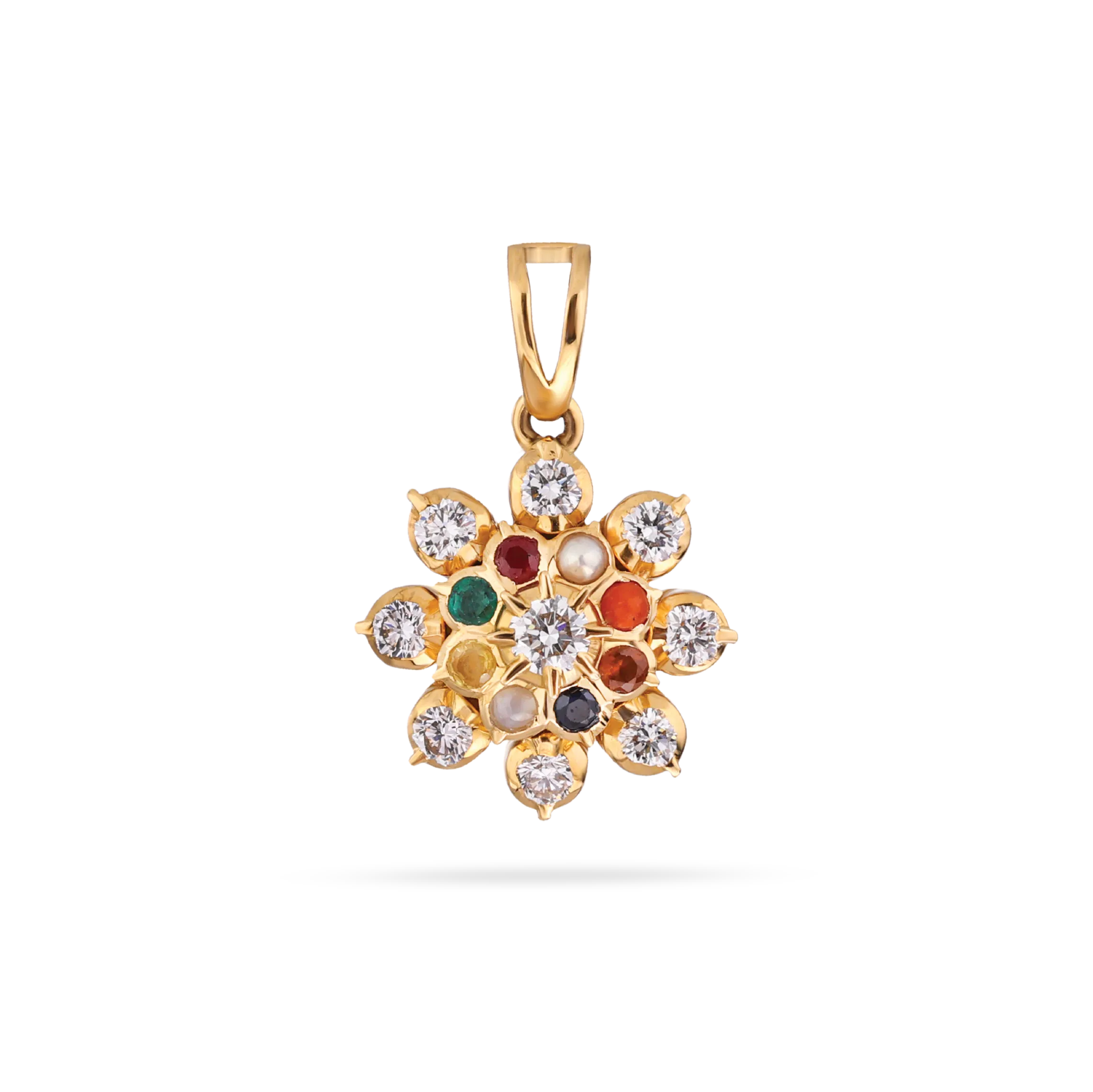
Navaratna jewellery brings nine gem materials together in one design. It is also commonly written as Navratna. GIA’s account of Indian jewellery explains the tradition and its associations with celestial bodies; it also records variations in the materials used historically.GIA
People may choose a Navaratna piece for its colours, craftsmanship, family significance or religious meaning. Decide which of those matters to you before comparing products. A piece chosen mainly for styling may have different requirements from one intended to follow a particular family tradition.
What are the nine Navaratna stones?
Swipe sideways to see all columns.
| Commonly used material | Traditional association | A practical identity question |
|---|---|---|
| Ruby | Sun / Surya | Is the material ruby, and what treatment is disclosed? |
| Pearl | Moon / Chandra | Is it natural, cultured or imitation? |
| Red coral | Mars / Mangala | What is the material and any treatment or colour enhancement? |
| Emerald | Mercury / Budha | What identity and treatment information is available? |
| Yellow sapphire | Jupiter / Brihaspati | Is it sapphire or a disclosed substitute? |
| Diamond | Venus / Shukra | Is it natural, laboratory-grown or another material? |
| Blue sapphire | Saturn / Shani | What identity and treatment information is supplied? |
| Hessonite garnet | Rahu | Is the material identified as hessonite? |
| Cat’s-eye chrysoberyl | Ketu | Which gem material produces the cat’s-eye appearance? |
Do not identify a gem from colour alone. A red stone is not automatically ruby, and a yellow stone is not automatically yellow sapphire. Ask for the material names in writing, especially where a listing uses “Navaratna-style” or other broad design language.
Must the stones follow a particular arrangement?
Traditional layouts exist, but not every contemporary design follows the same arrangement. A listing’s use of “Navaratna” does not explain how closely it follows the custom that matters to your family.
If placement has ceremonial importance, confirm the required arrangement with the appropriate person before ordering. Give the jeweller a clear reference and ask for a design confirmation. If you are choosing it for appearance, focus on balance, comfort and the quality of the setting.
How do you assess the actual gemstones?
Start with identification, then disclosure, then condition. A broad claim such as “original Navaratna” is less useful than a list of the nine materials and the evidence supporting their description.
- Request a stone list. Ask the seller to identify every gem material, not simply the number of colours.
- Clarify natural, laboratory-grown and imitation materials. Ask what those terms mean for each relevant component.
- Ask about treatments. Get the available treatment information and the care implications in writing.
- Understand document coverage. Does a report identify the whole mounted piece, selected stones or one stone only?
- Inspect condition and setting. Ask the jeweller to check for loose stones, damaged edges or fittings that need attention.
- Keep the description with the invoice. Save any report and the agreed specification together.
Why do Navaratna jewellery prices differ?
A count of nine stones does not make two pieces equivalent. The actual materials, their size and quality, any disclosed treatments, the gold specification and the workmanship can all differ.
Swipe sideways to see all columns.
| Compare separately | Why it matters |
|---|---|
| Metal purity and net weight | A large-looking setting may contain a different quantity or purity of gold. |
| Identity of all nine materials | A colourful design and a specified nine-gem composition are not the same description. |
| Gem weights or dimensions, where supplied | Photographs can conceal differences in scale. |
| Documentation and disclosures | Know what has been tested and what the document covers. |
| Workmanship and complete payable total | Compare the assembled piece and all applicable charges. |
| Written exchange or buyback terms | A future assessment may treat metal, stones and workmanship differently. |
For the metal portion, read the gold purity guide and making-charges guide. For hallmarked gold, the HUID check concerns the metal article; it is not a report identifying all nine gemstones.
Ring, pendant, necklace or earrings: which should you choose?
Choose for the way you will wear the piece. Try it with an ordinary outfit as well as occasion clothing, and inspect the reverse, fastenings and edges. A beautiful front view is only part of a useful purchase.
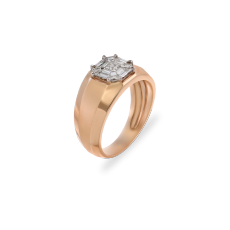
- Ring: ask about stone protection, ring fit, resizing and the care needed for frequent wear.
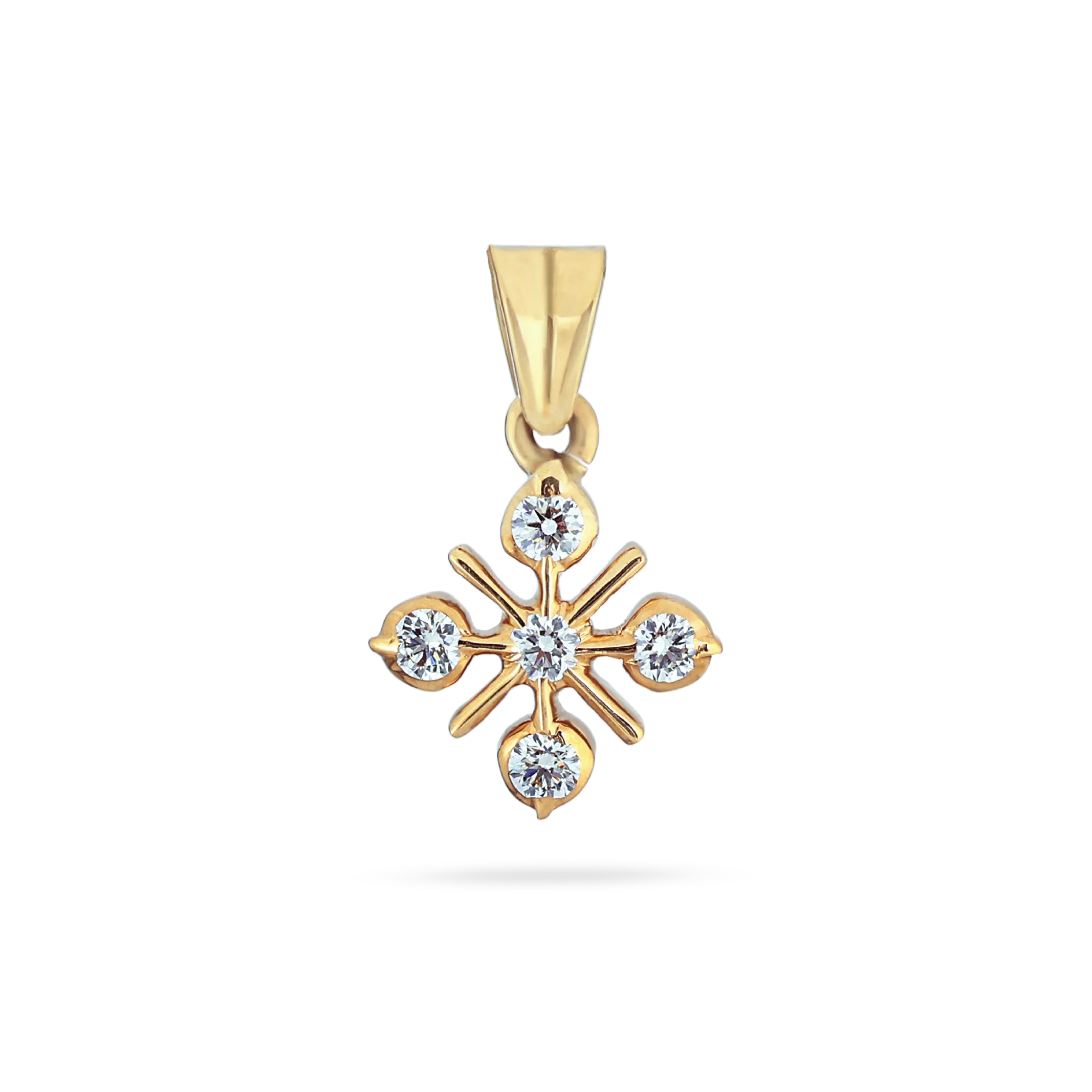
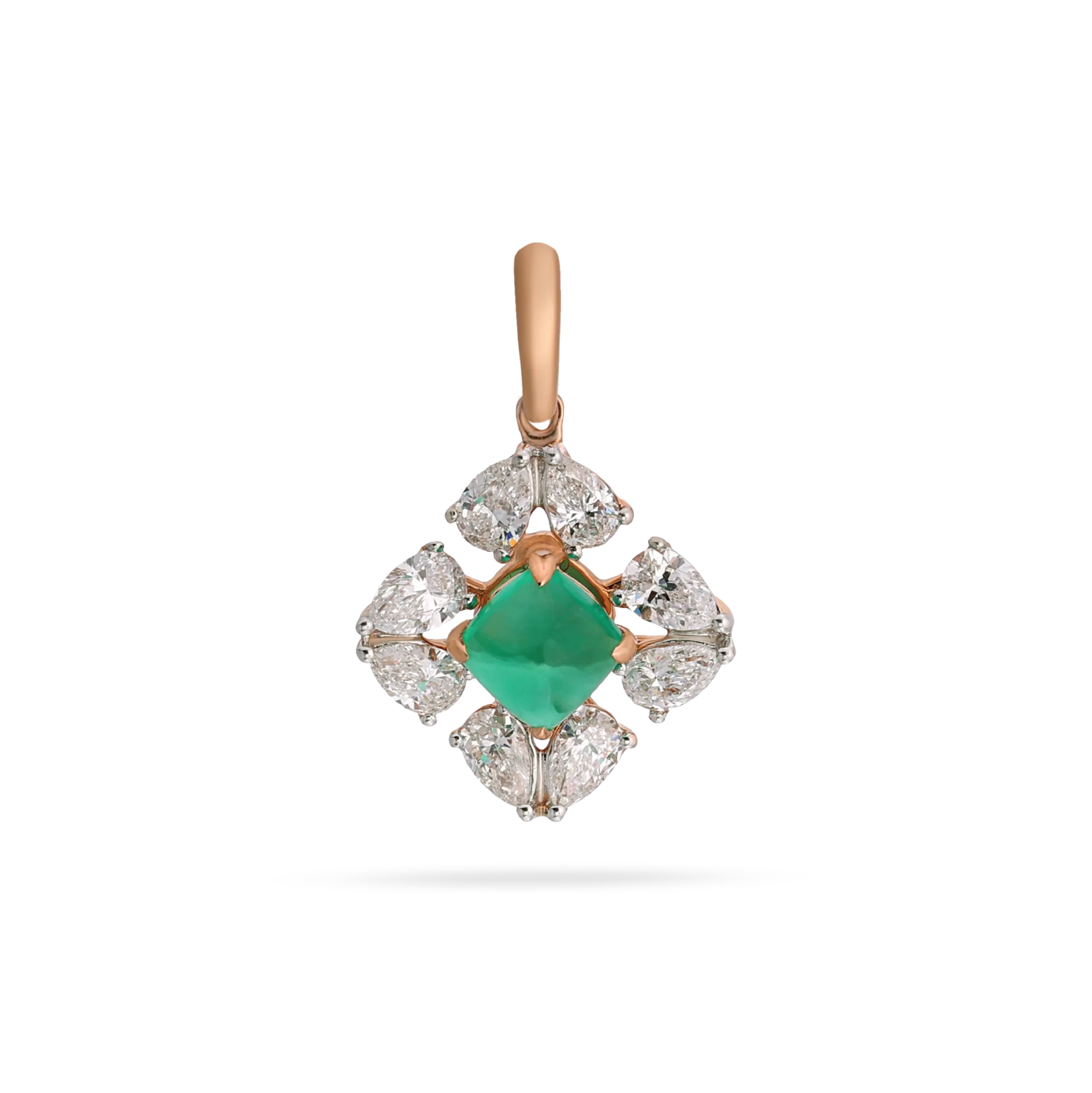
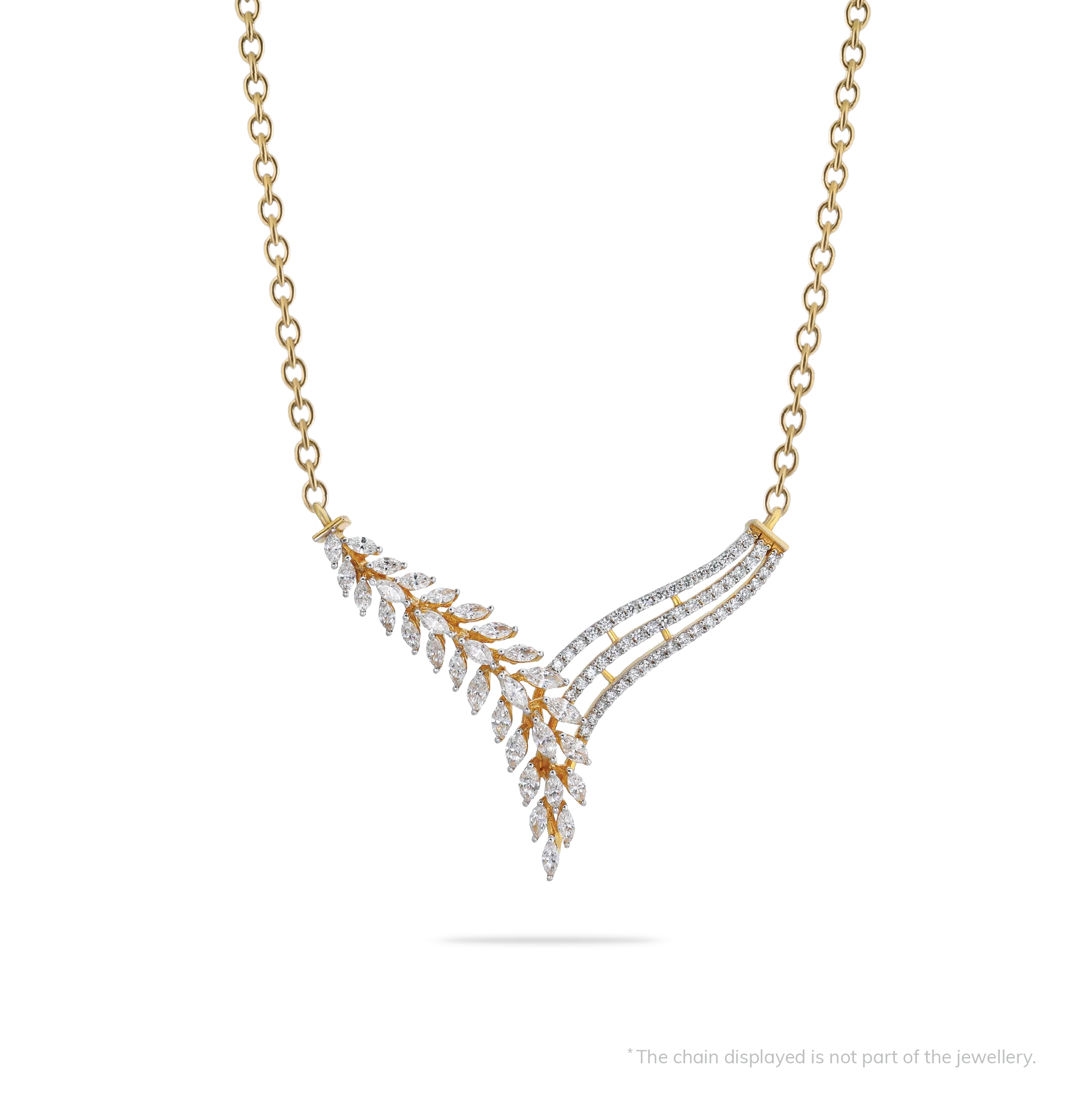
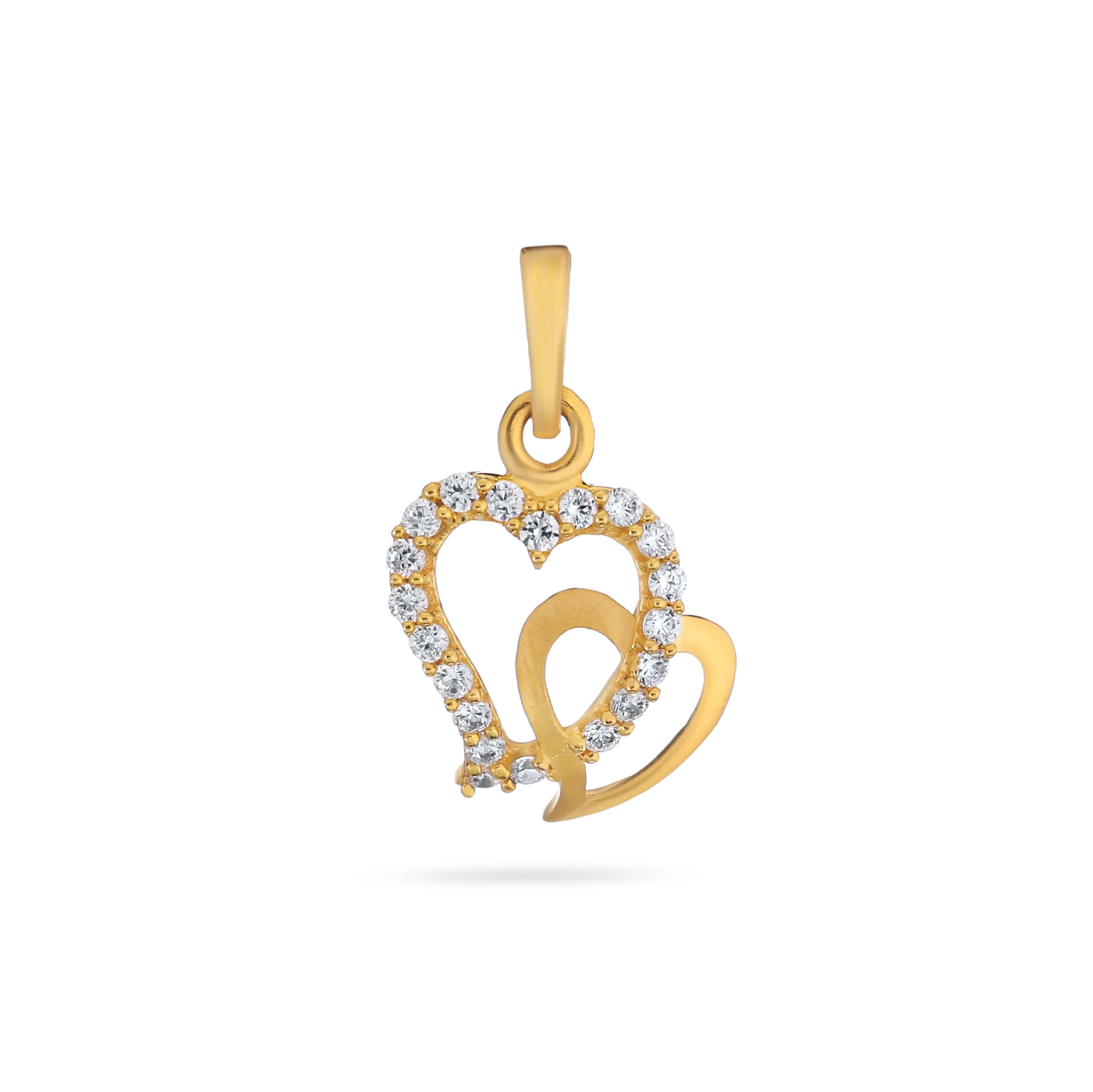
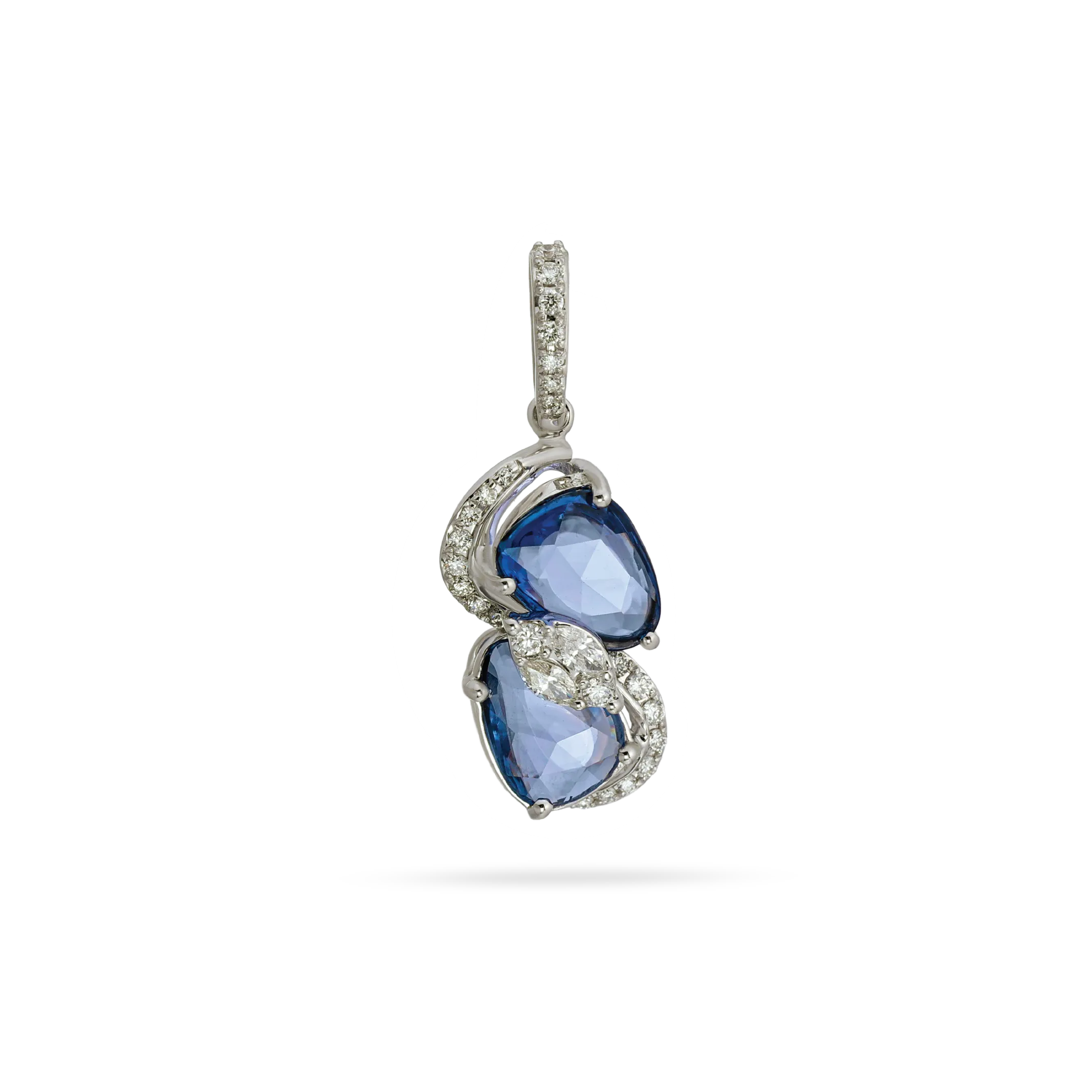
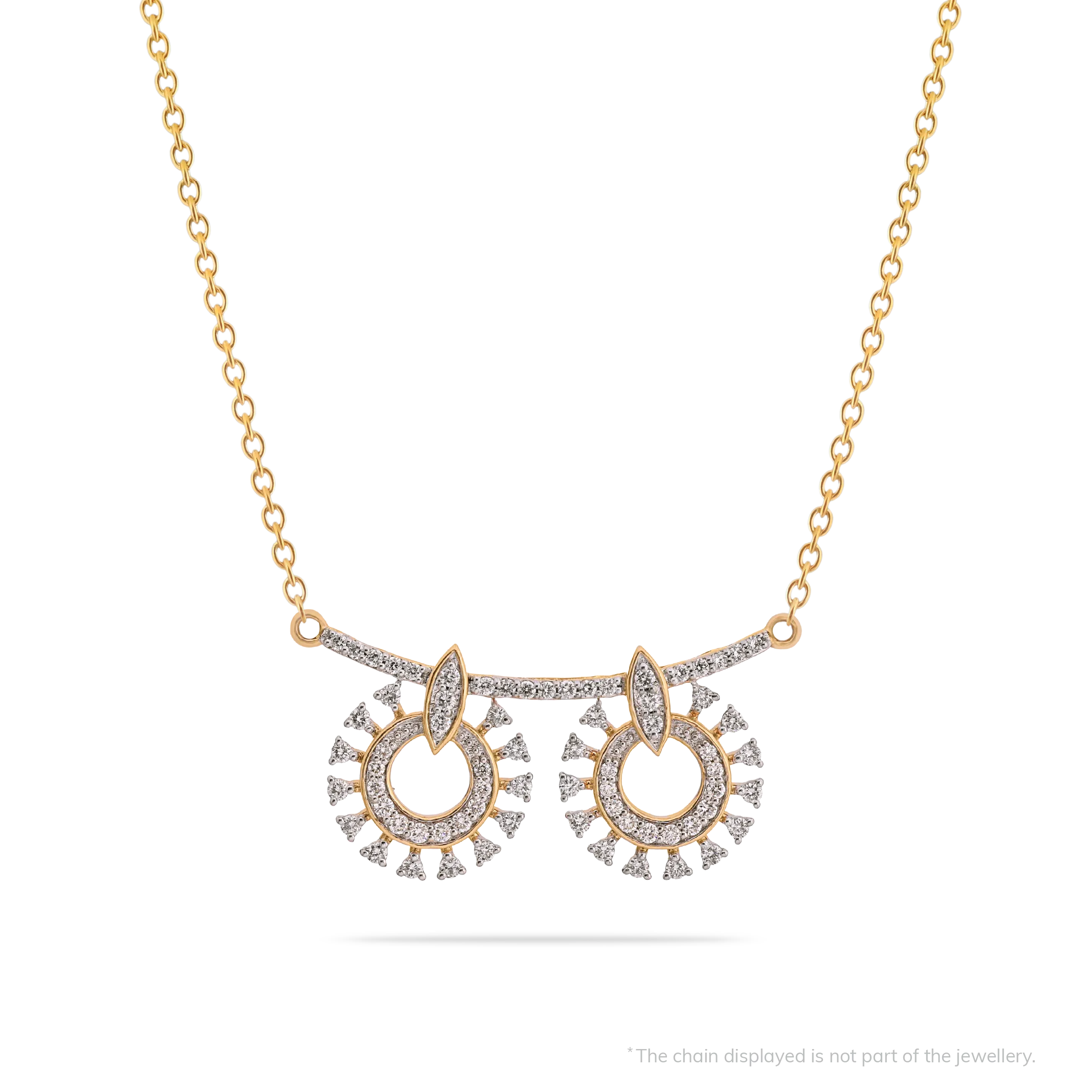
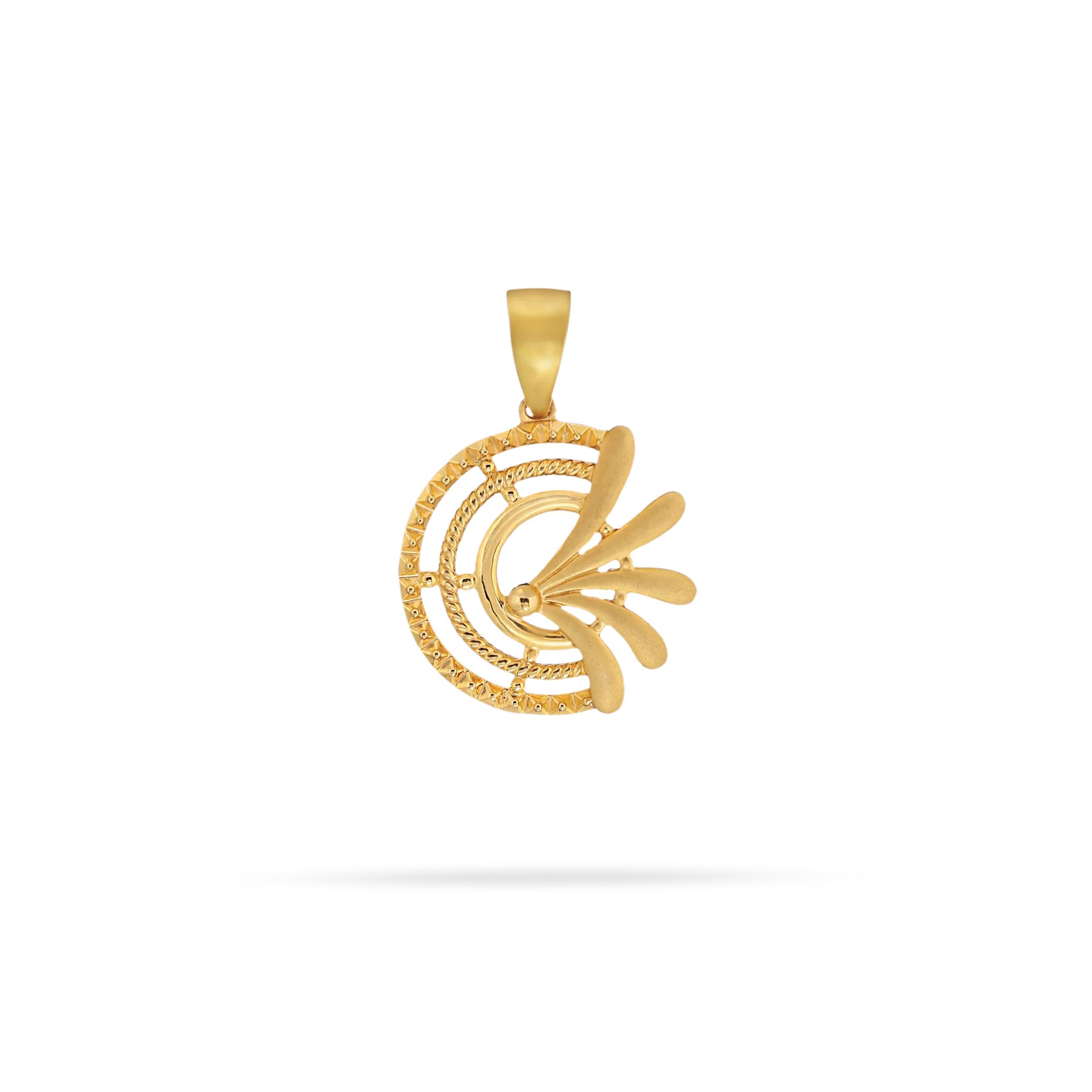
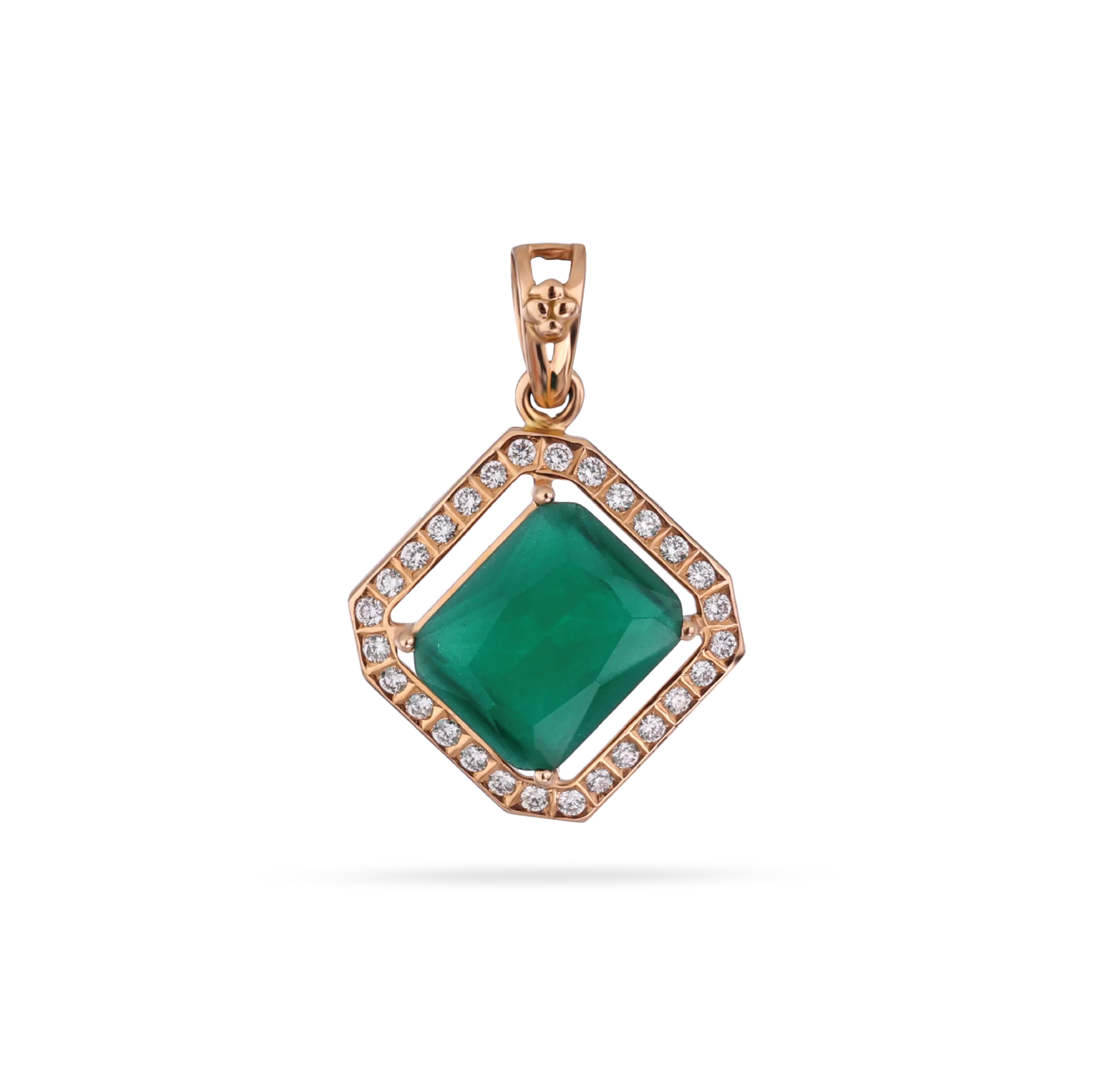
- Pendant: check the bail and whether the chain is included or priced separately.
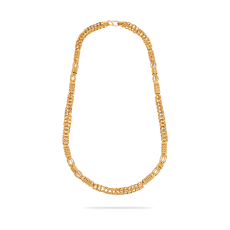
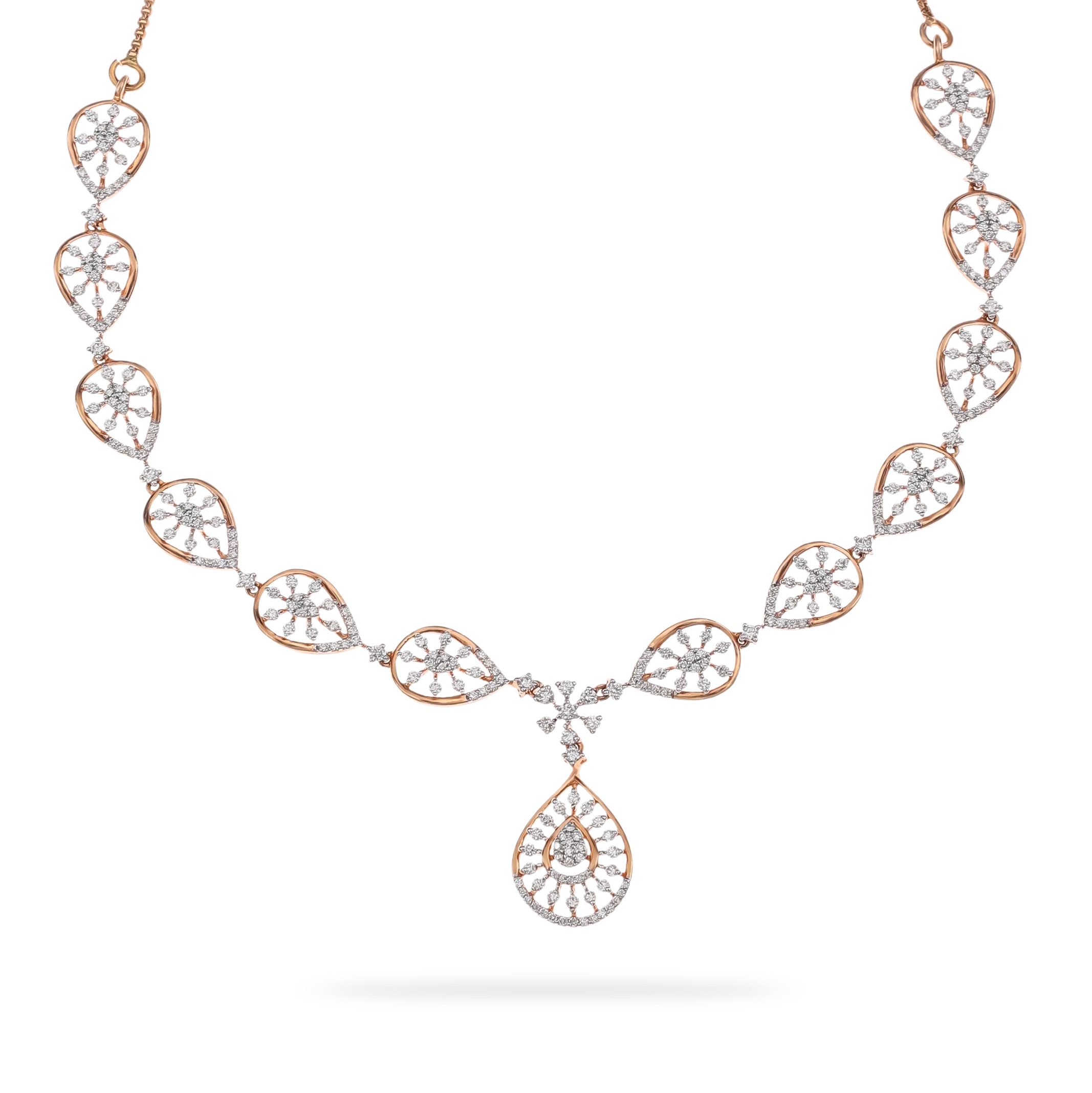
- Necklace: test length, movement and how the centre sits against the neckline.
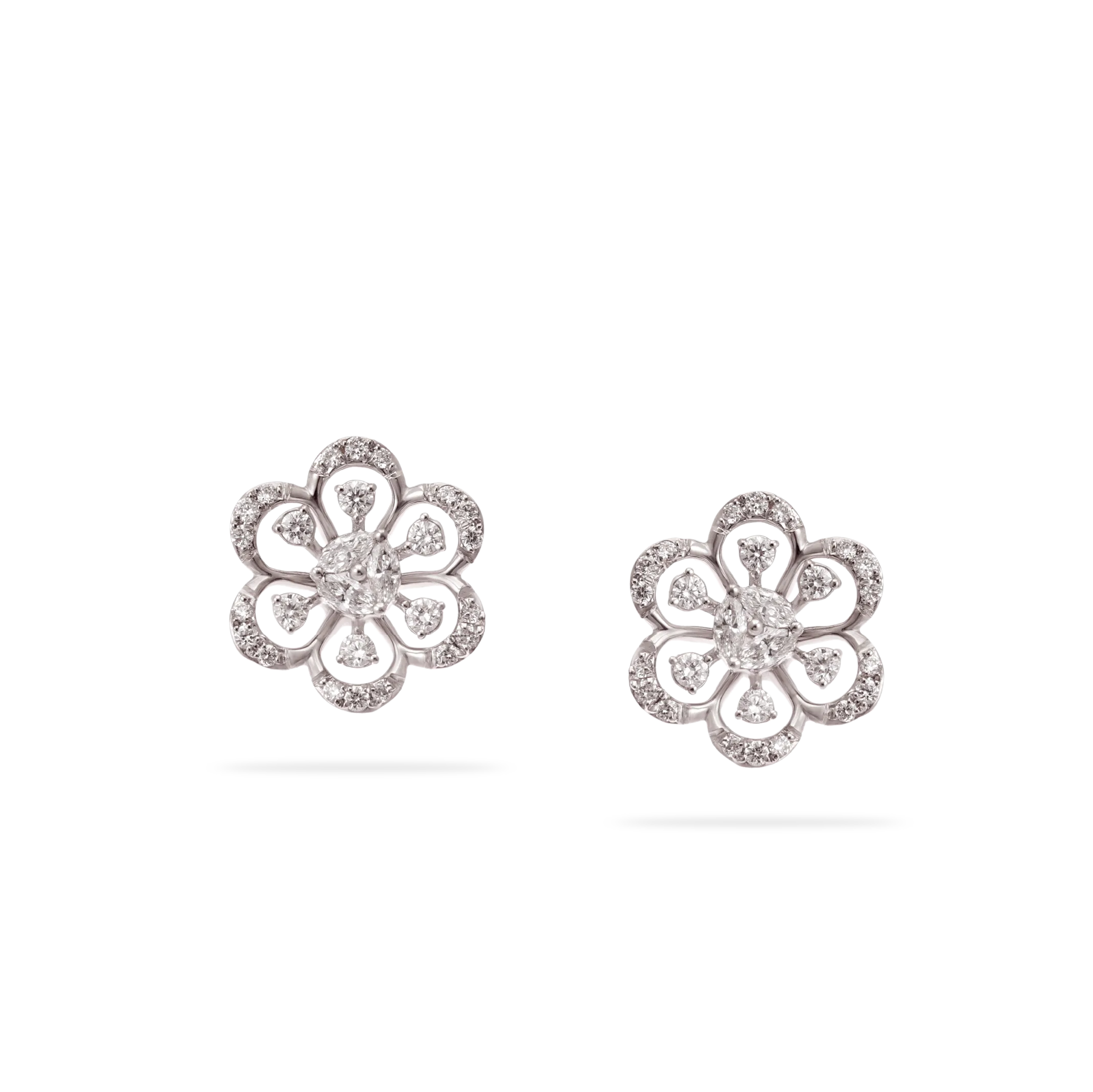
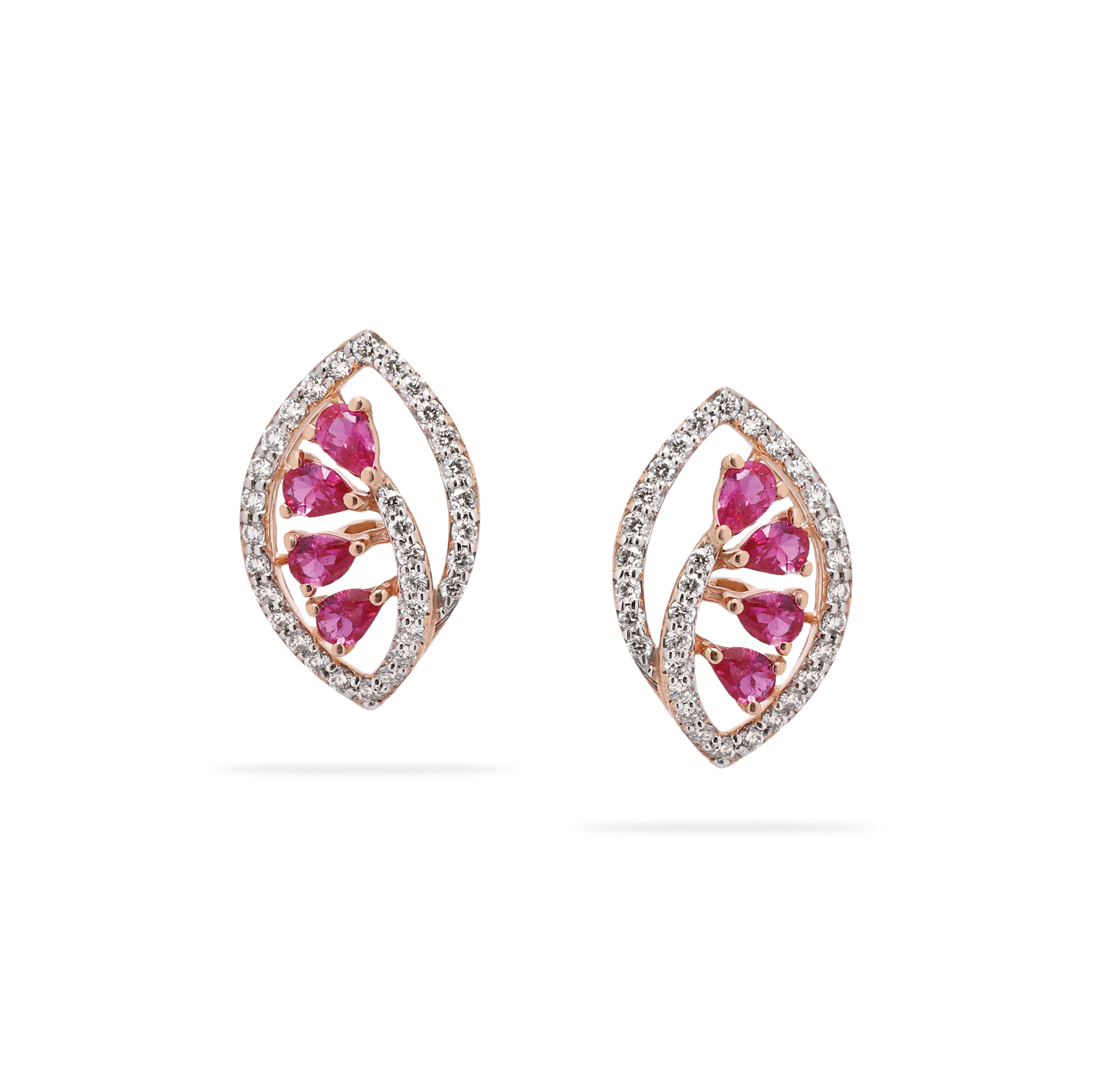
- Earrings: check the weight of each earring, fastening and comfort over time.
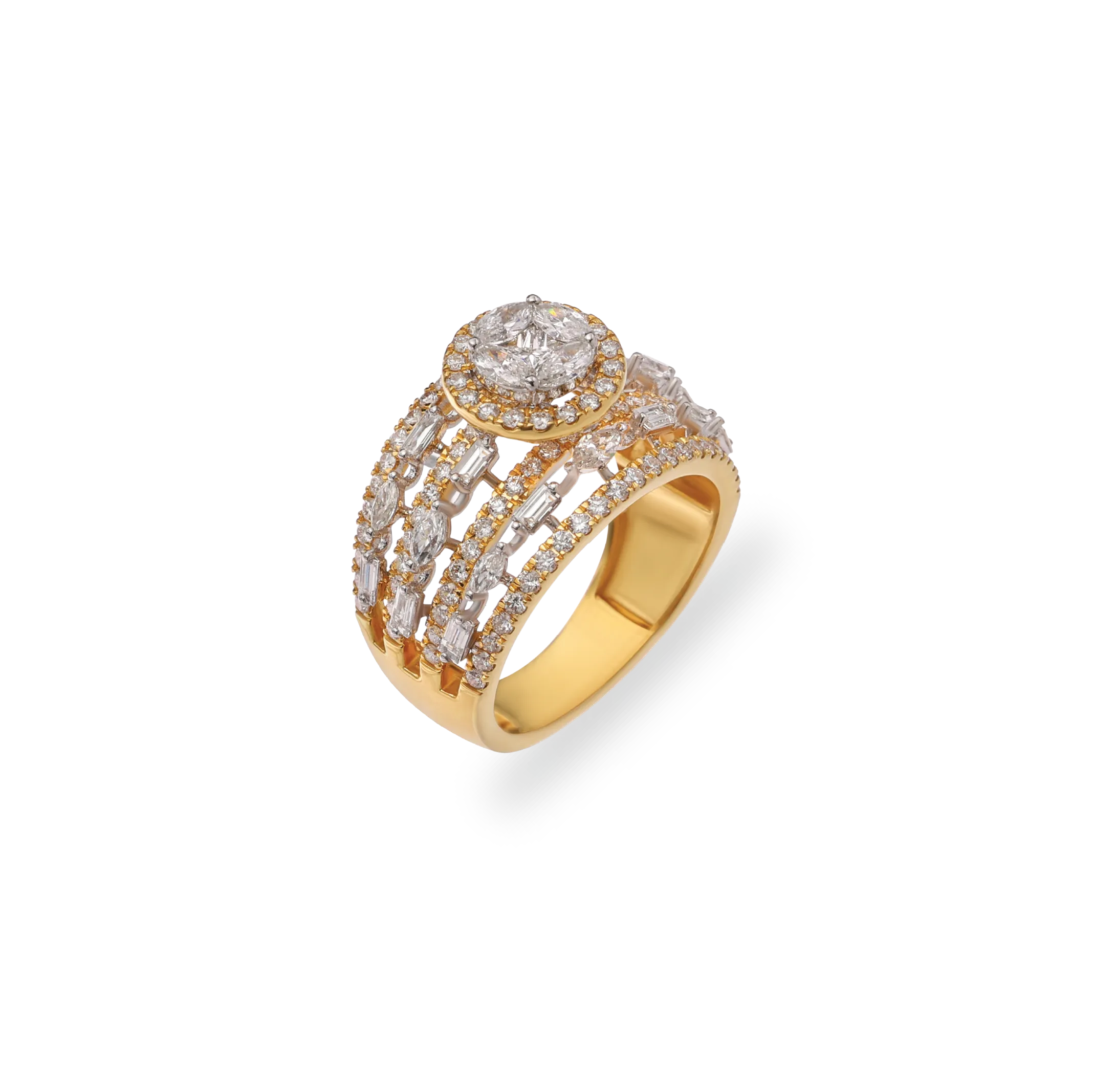
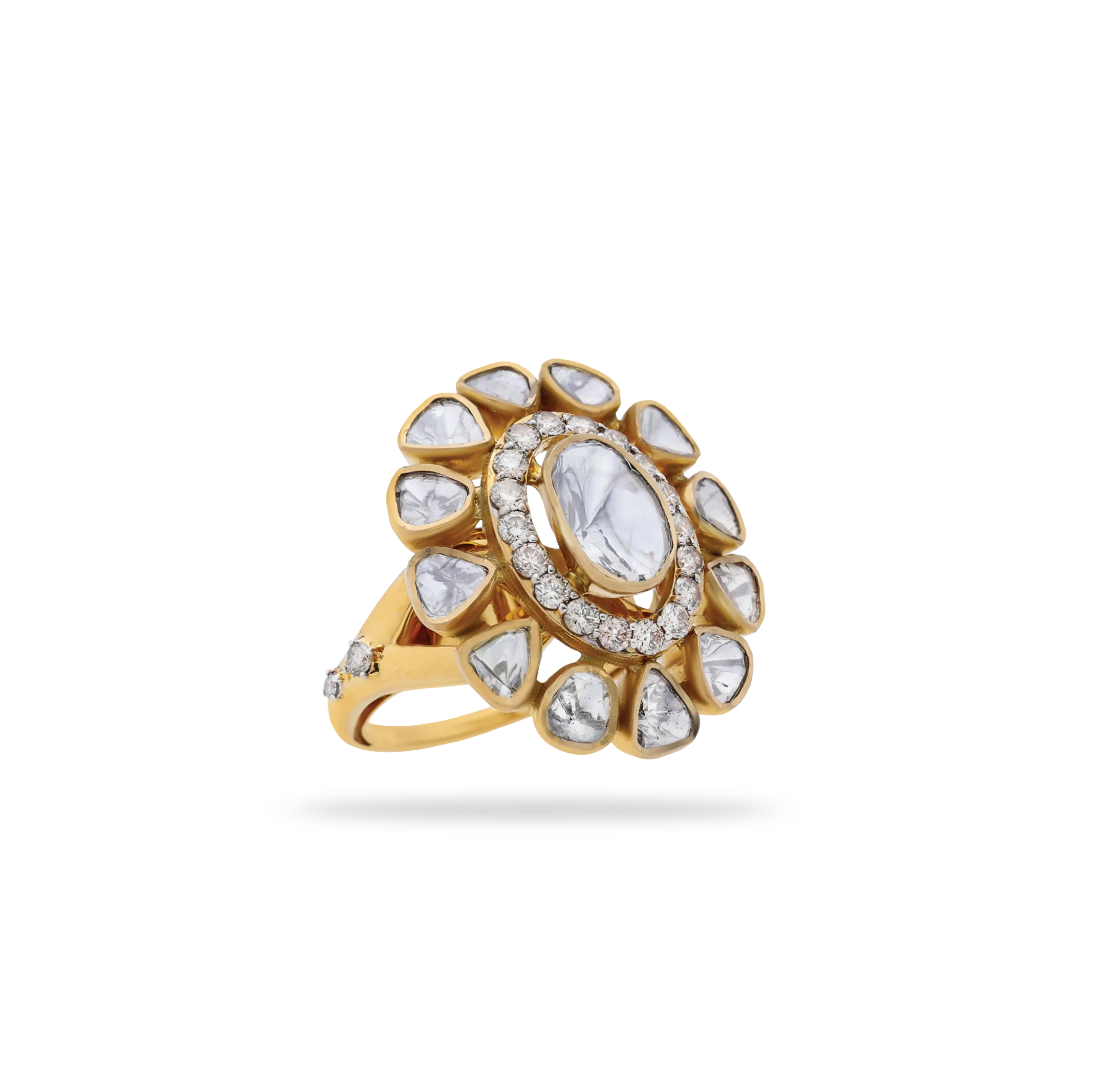
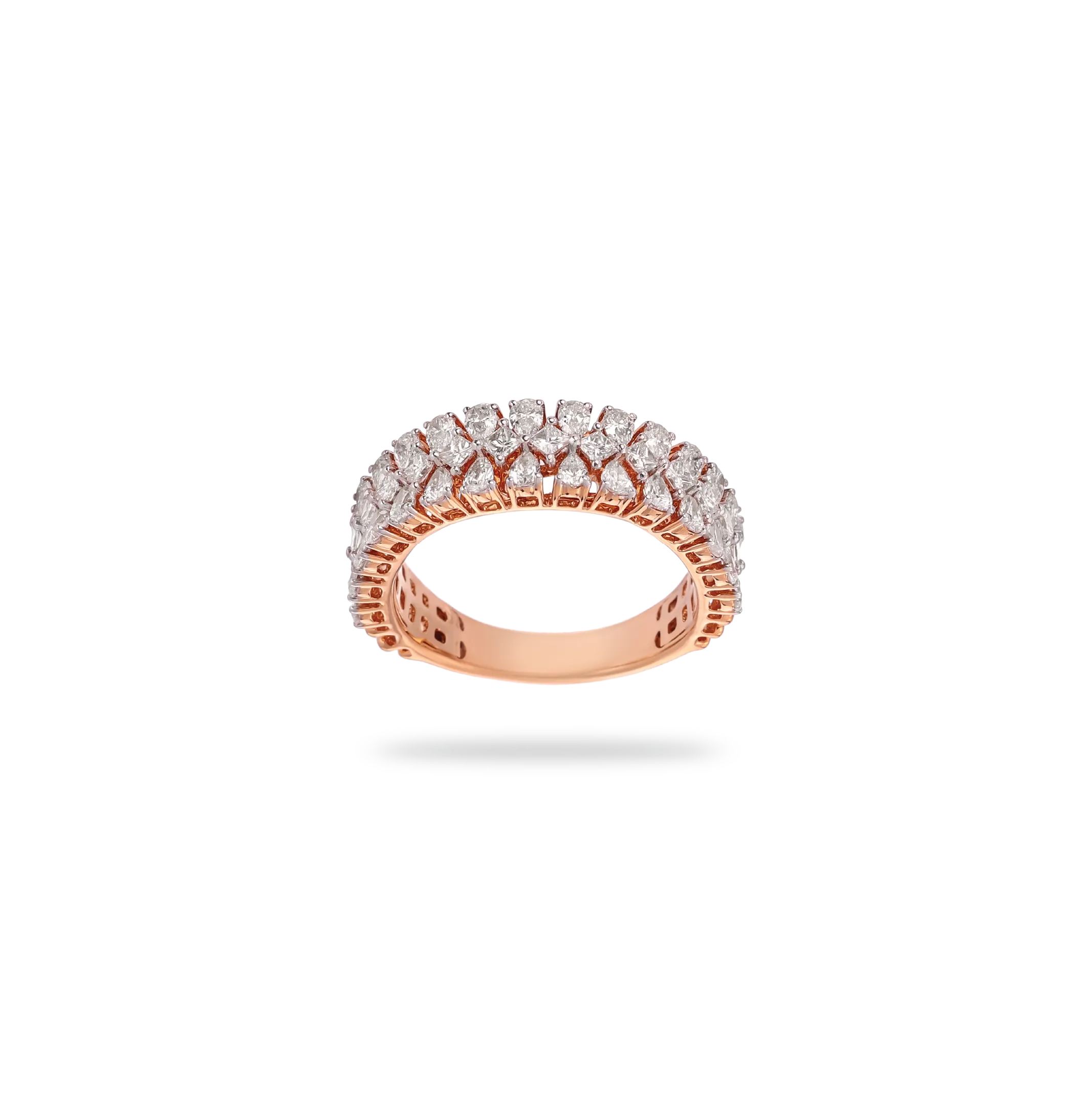
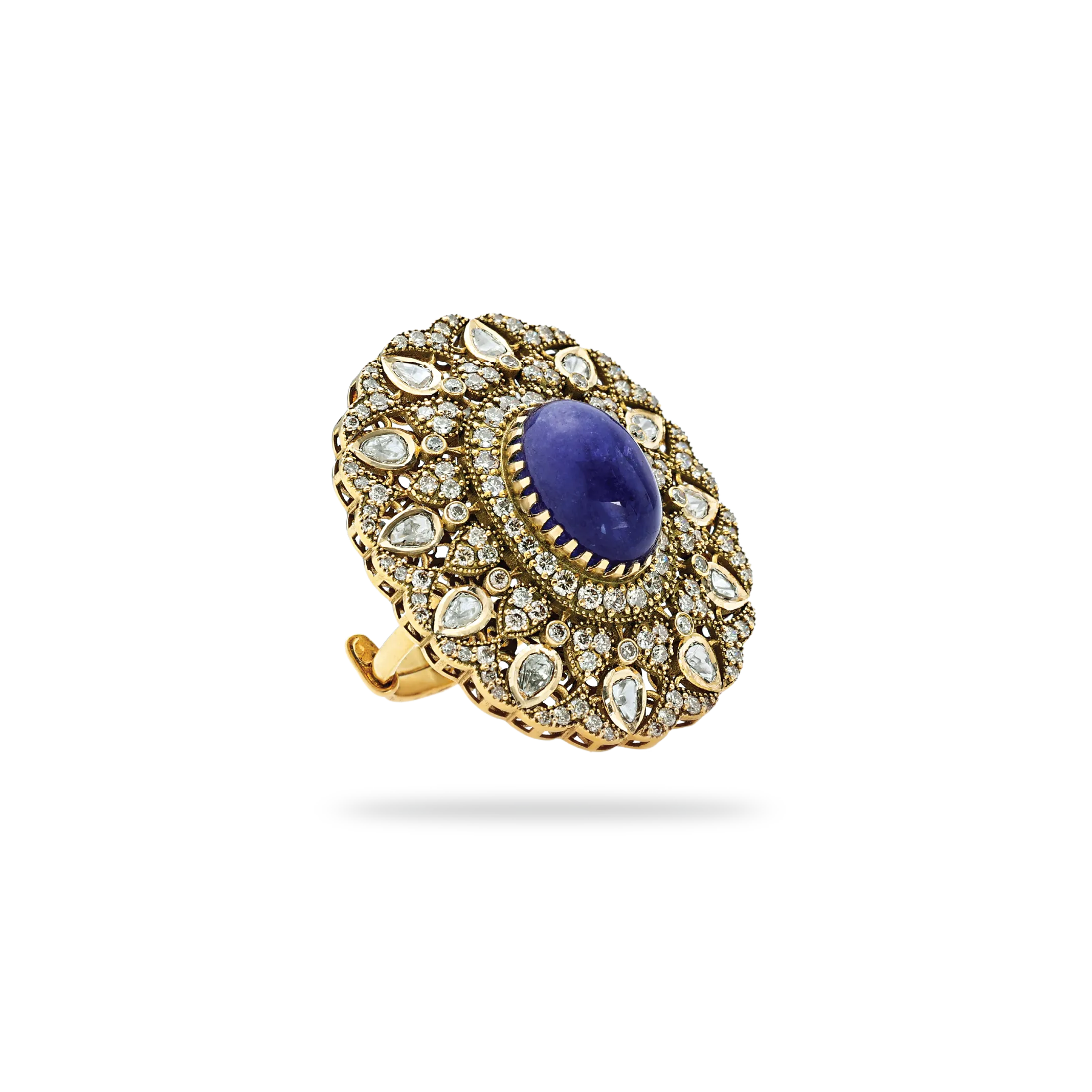
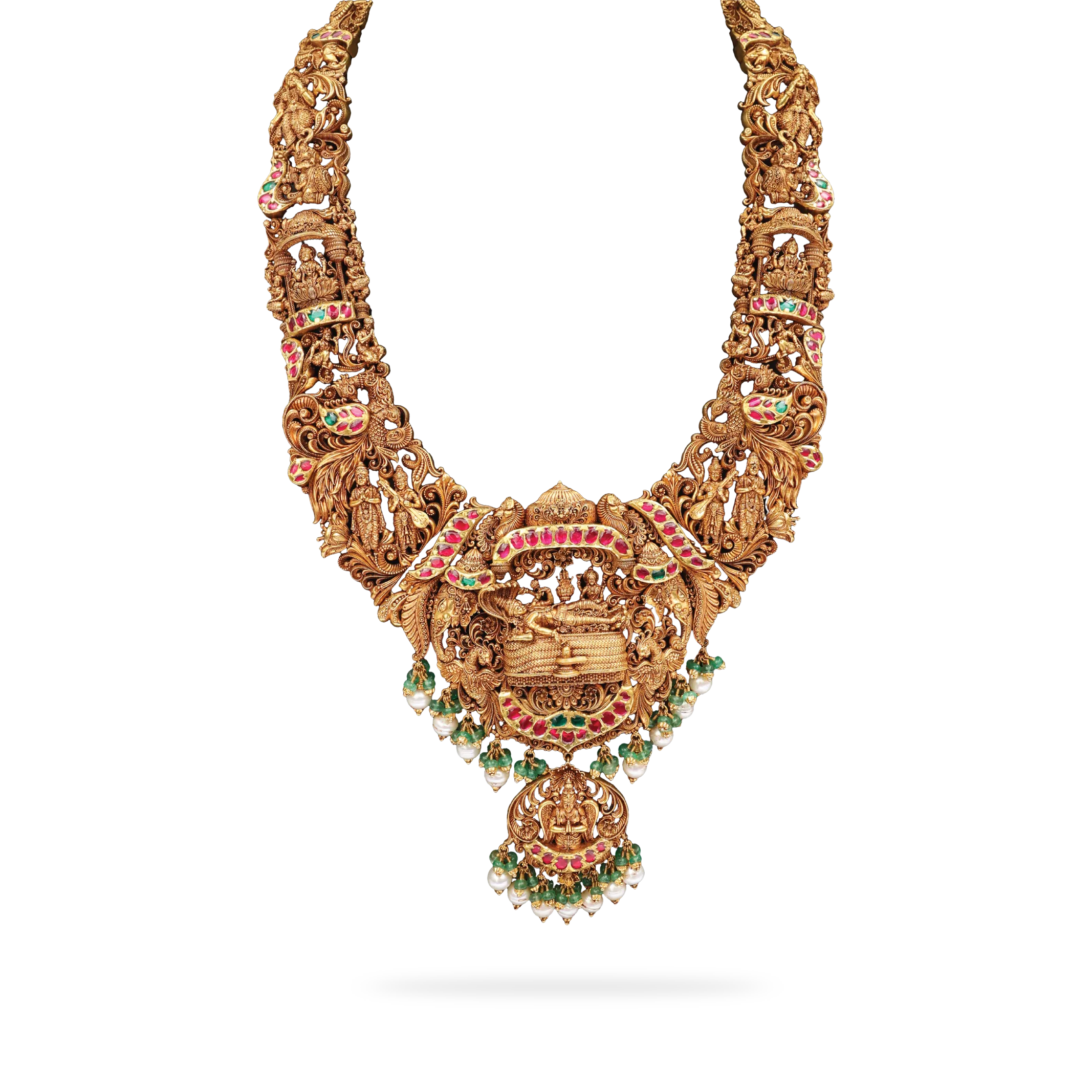
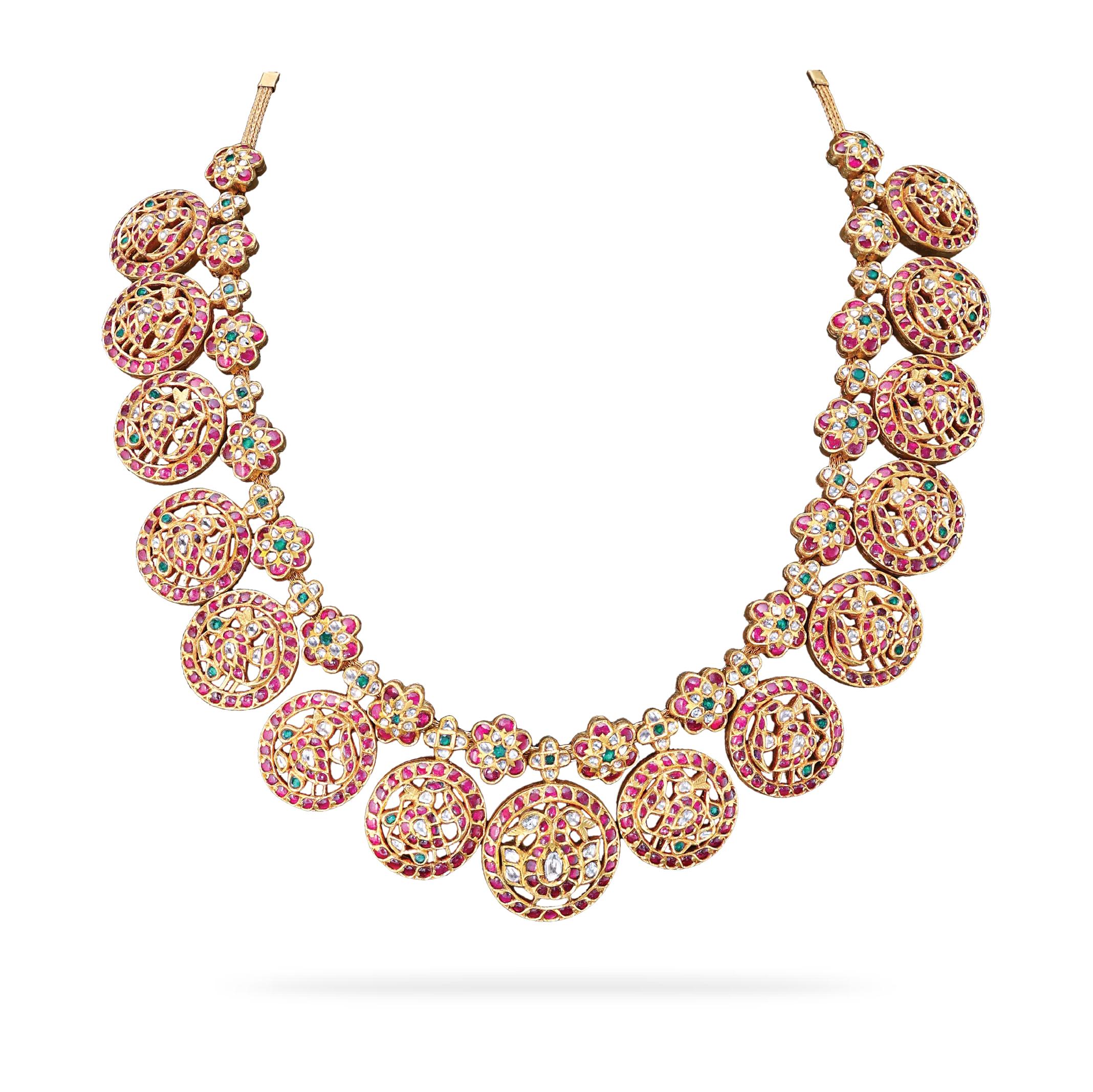
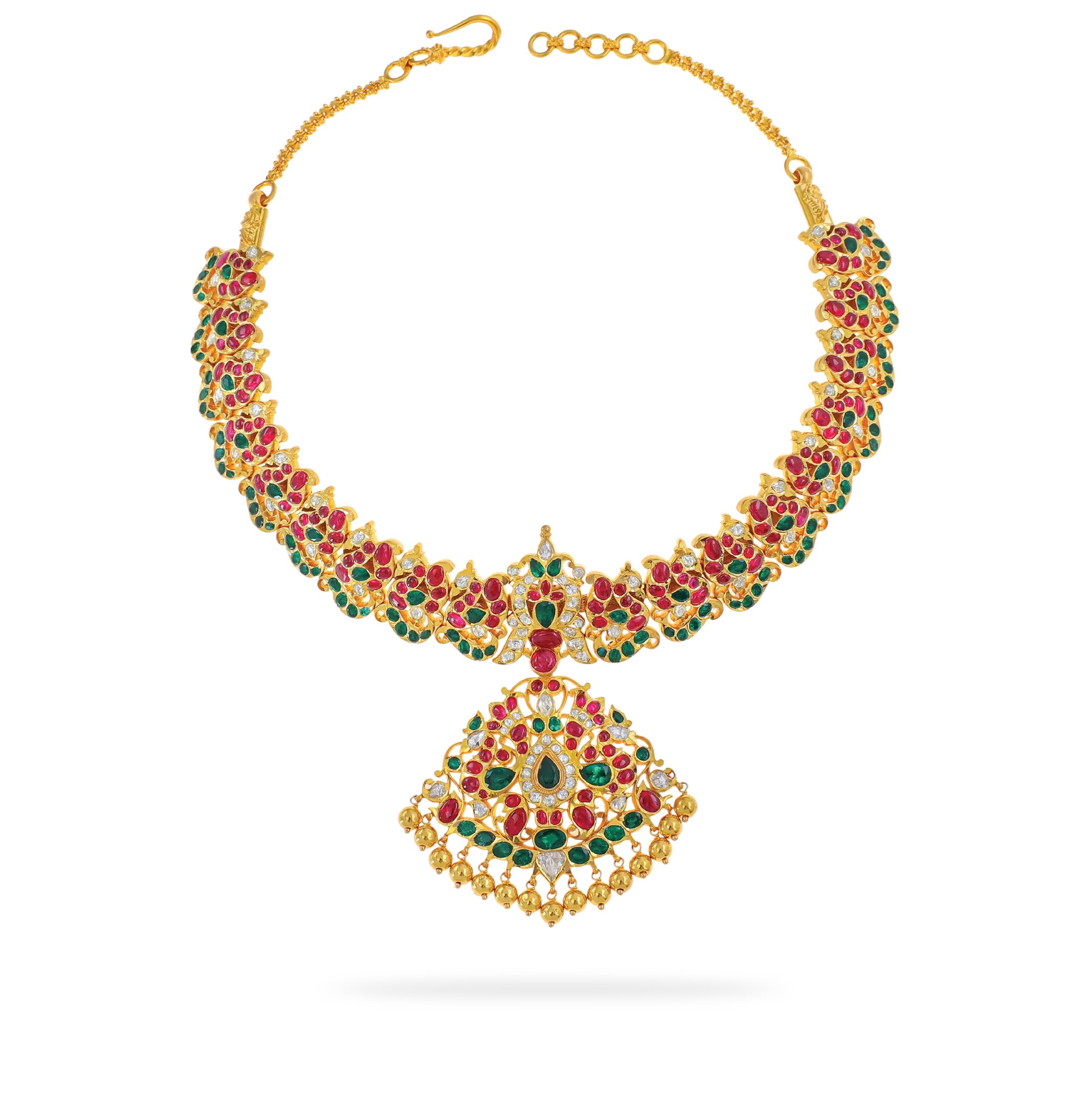
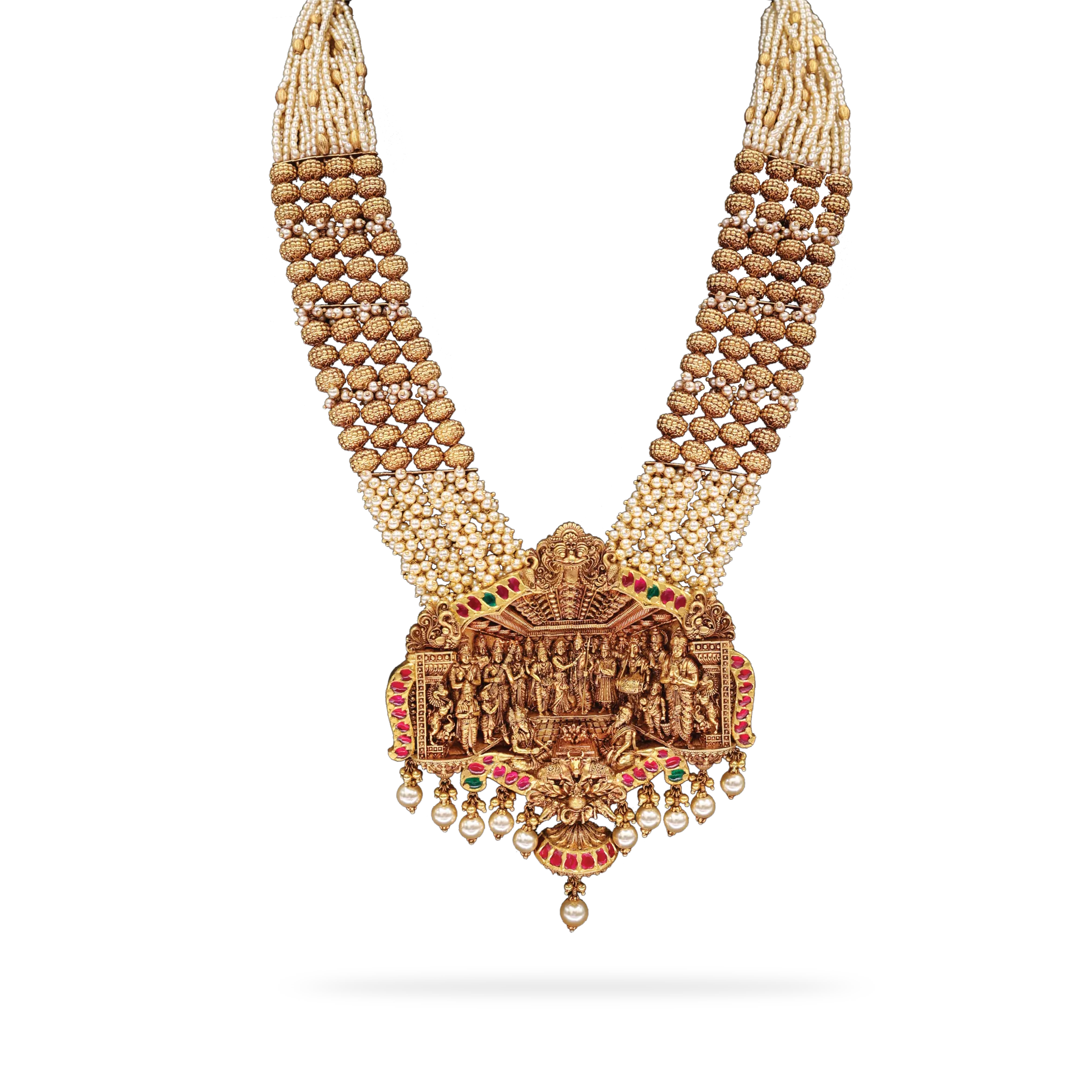
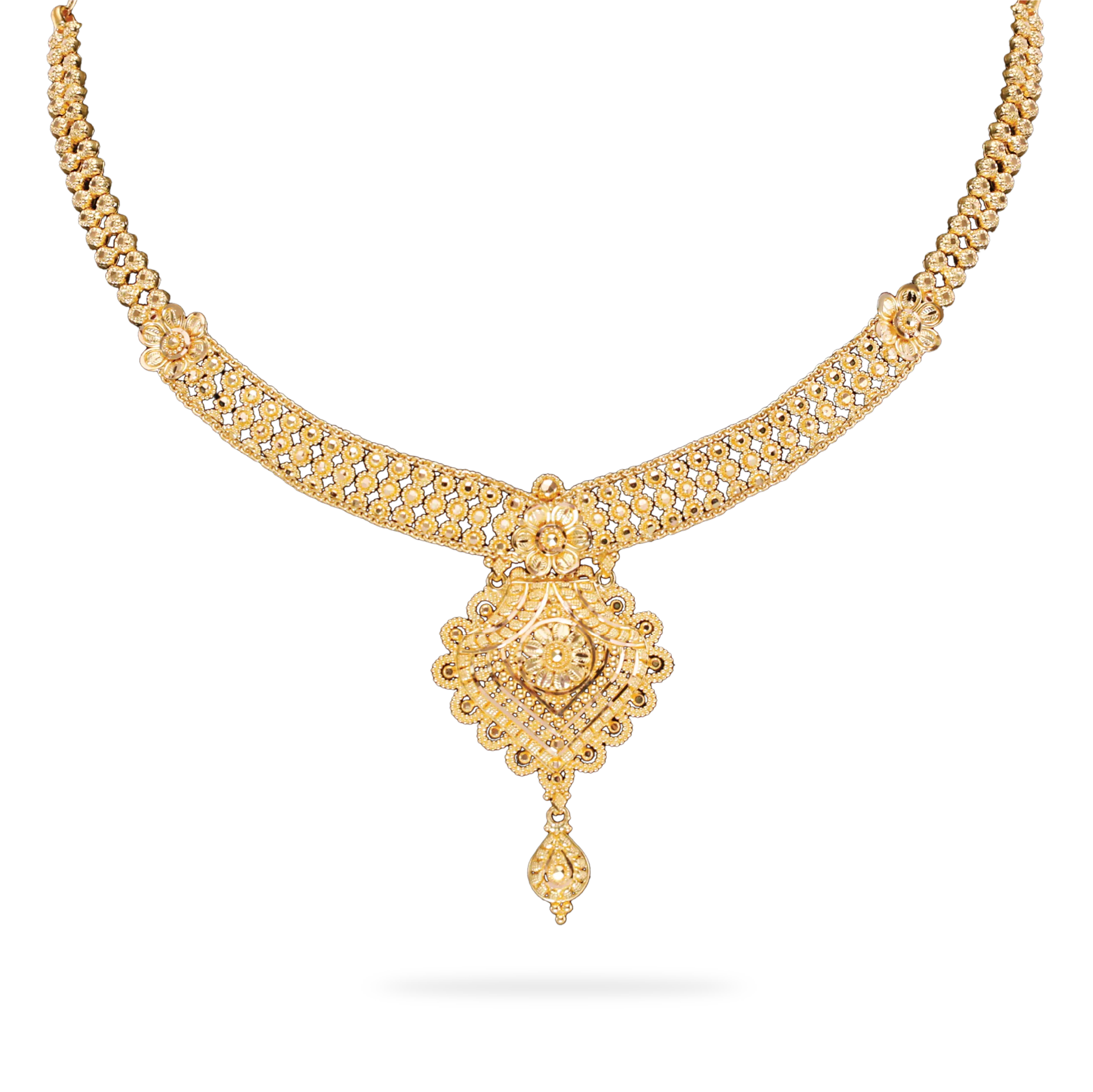
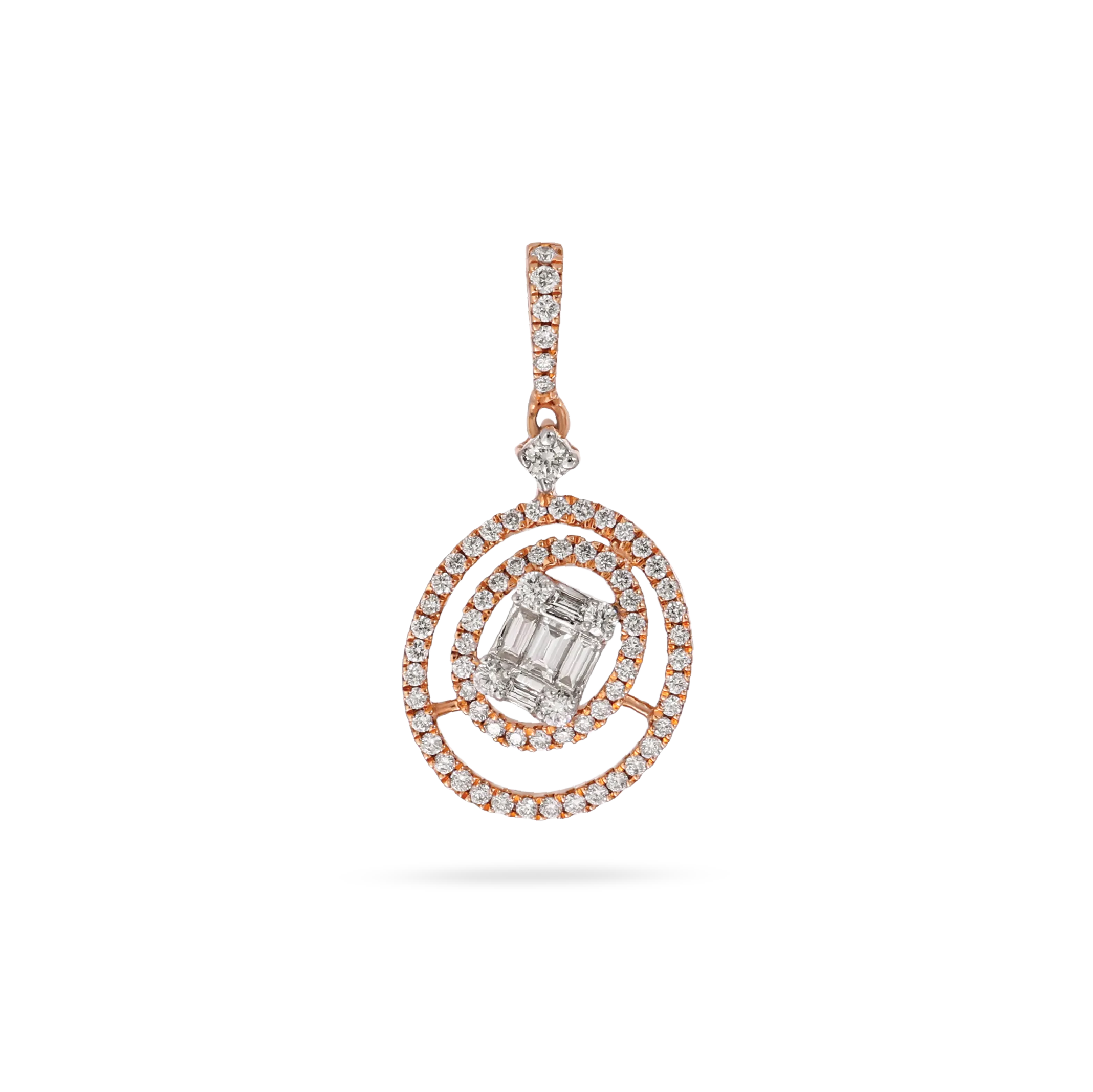
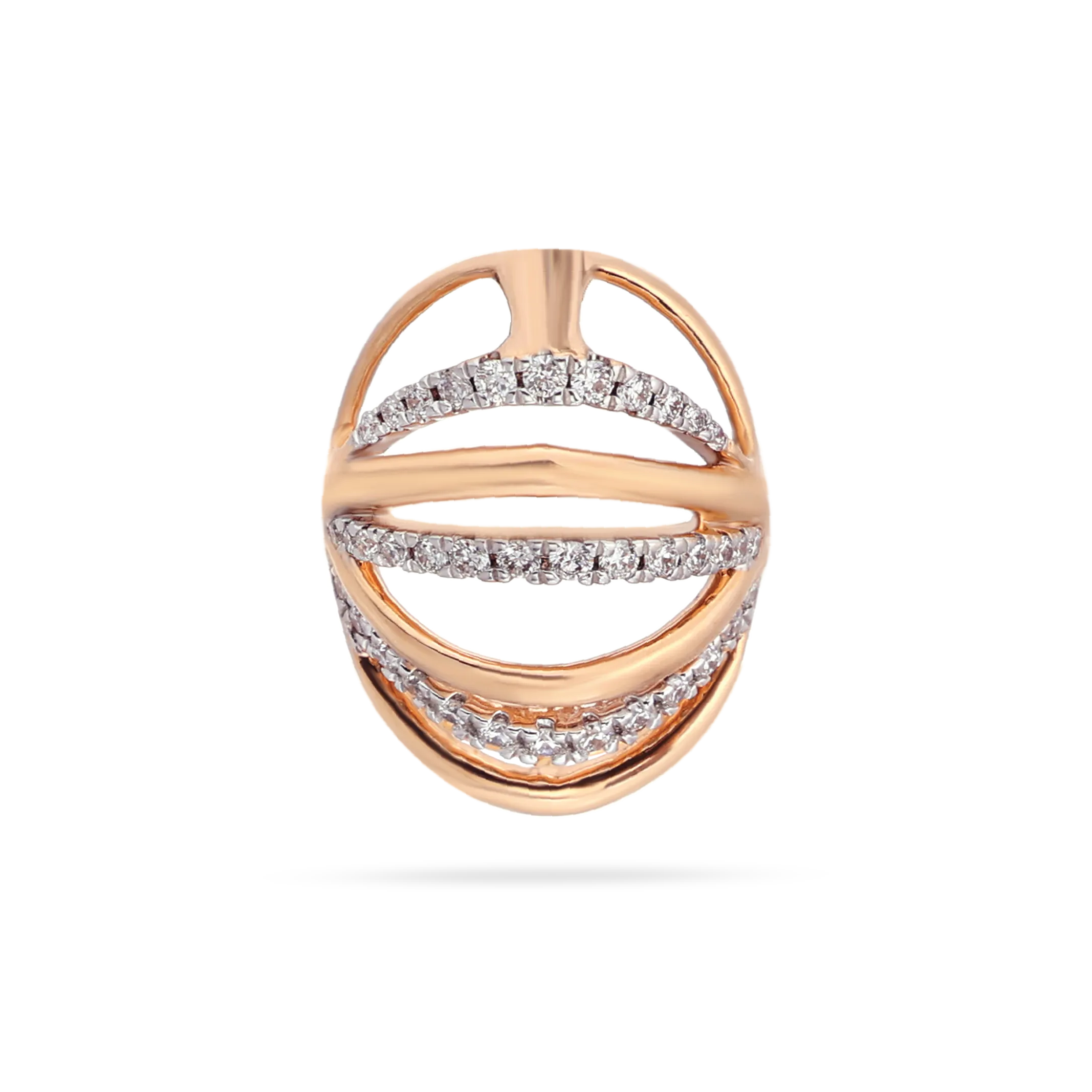
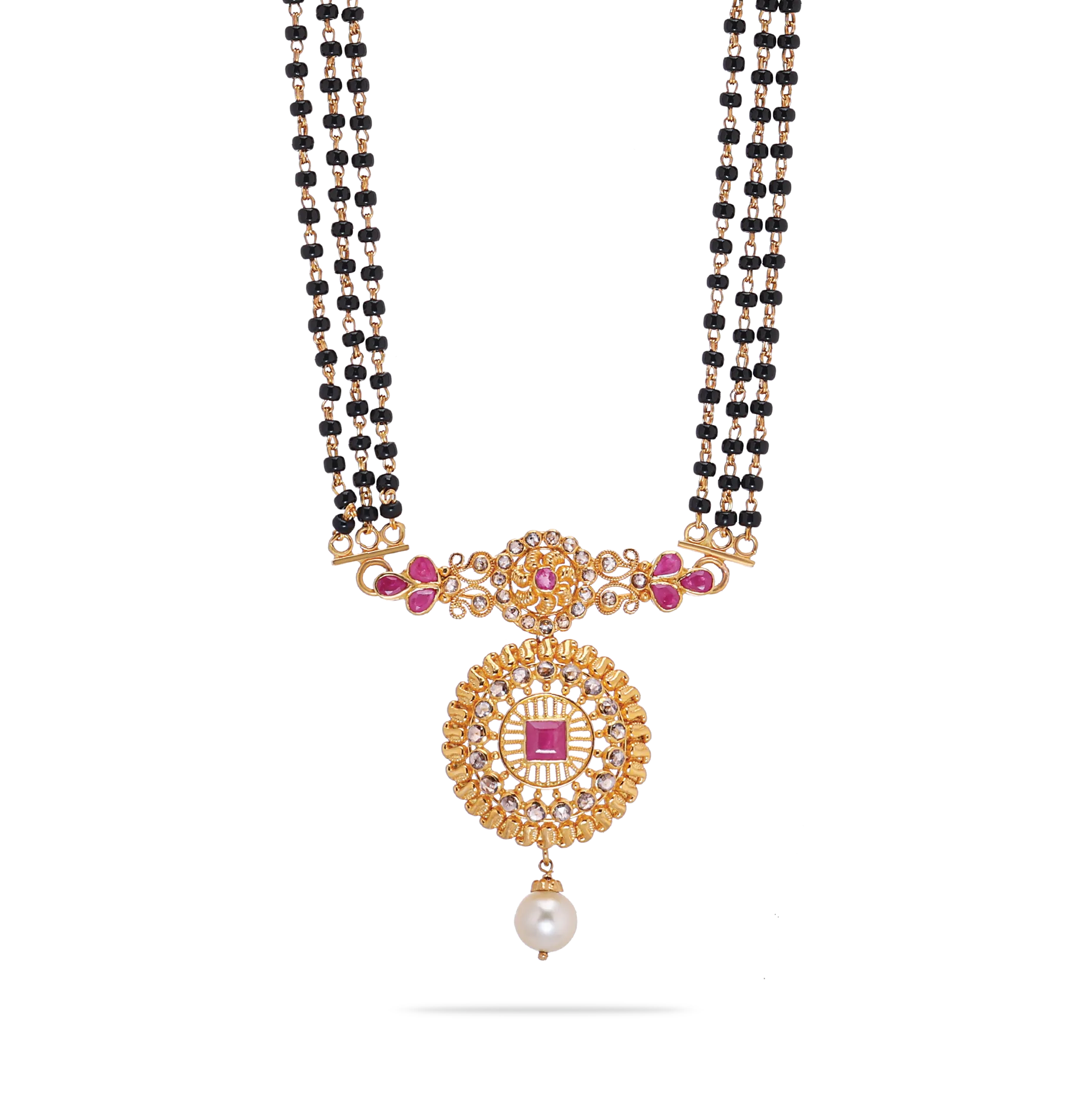
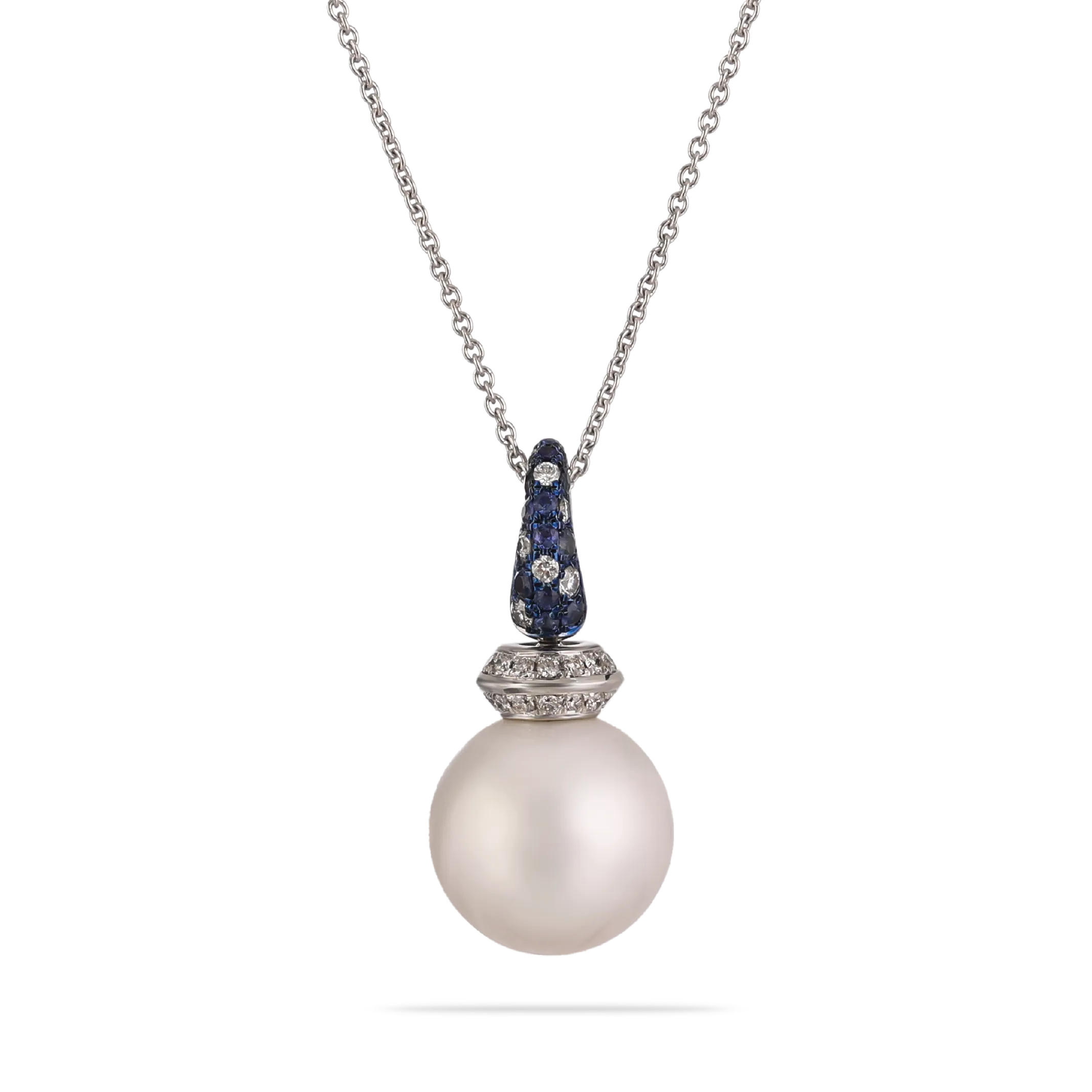
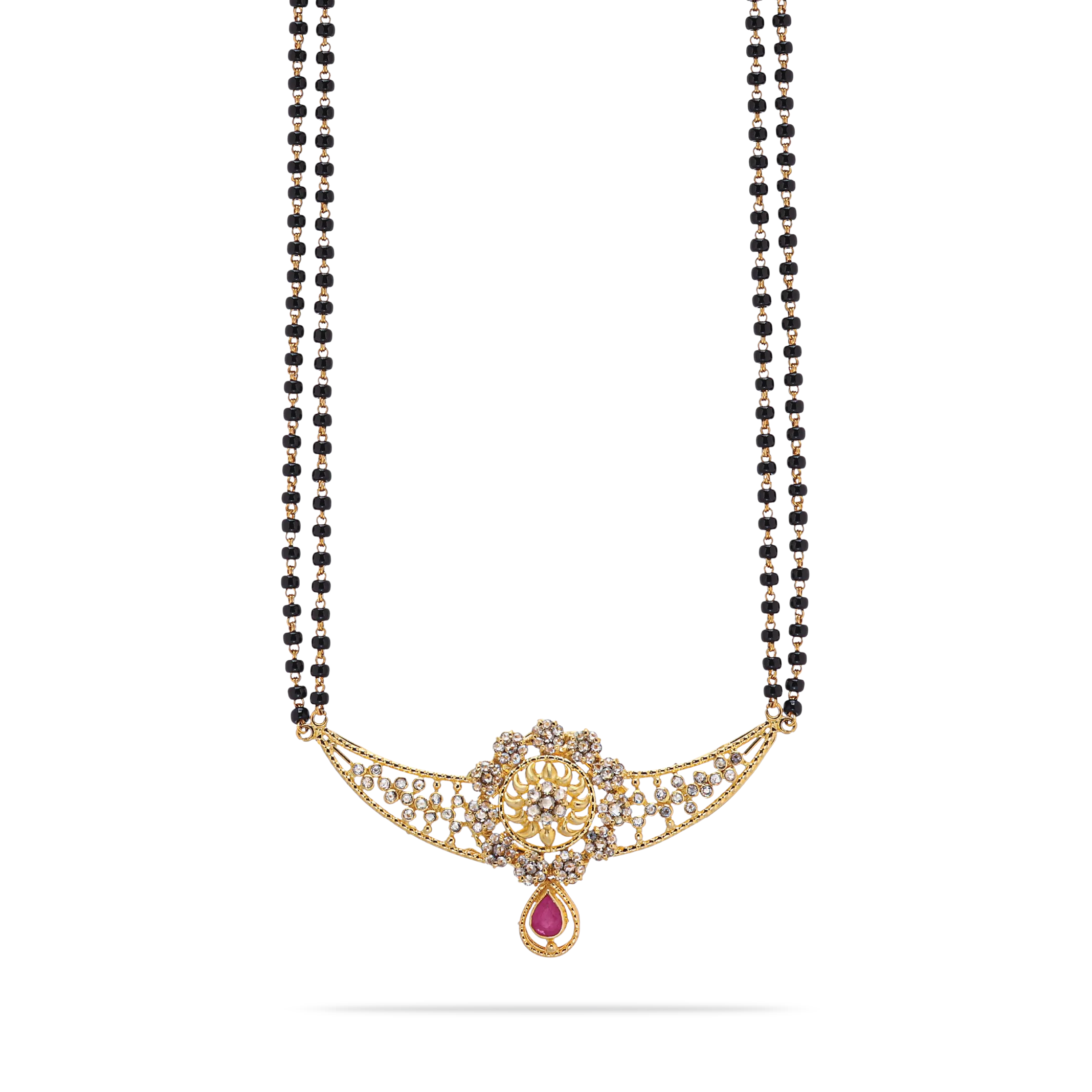
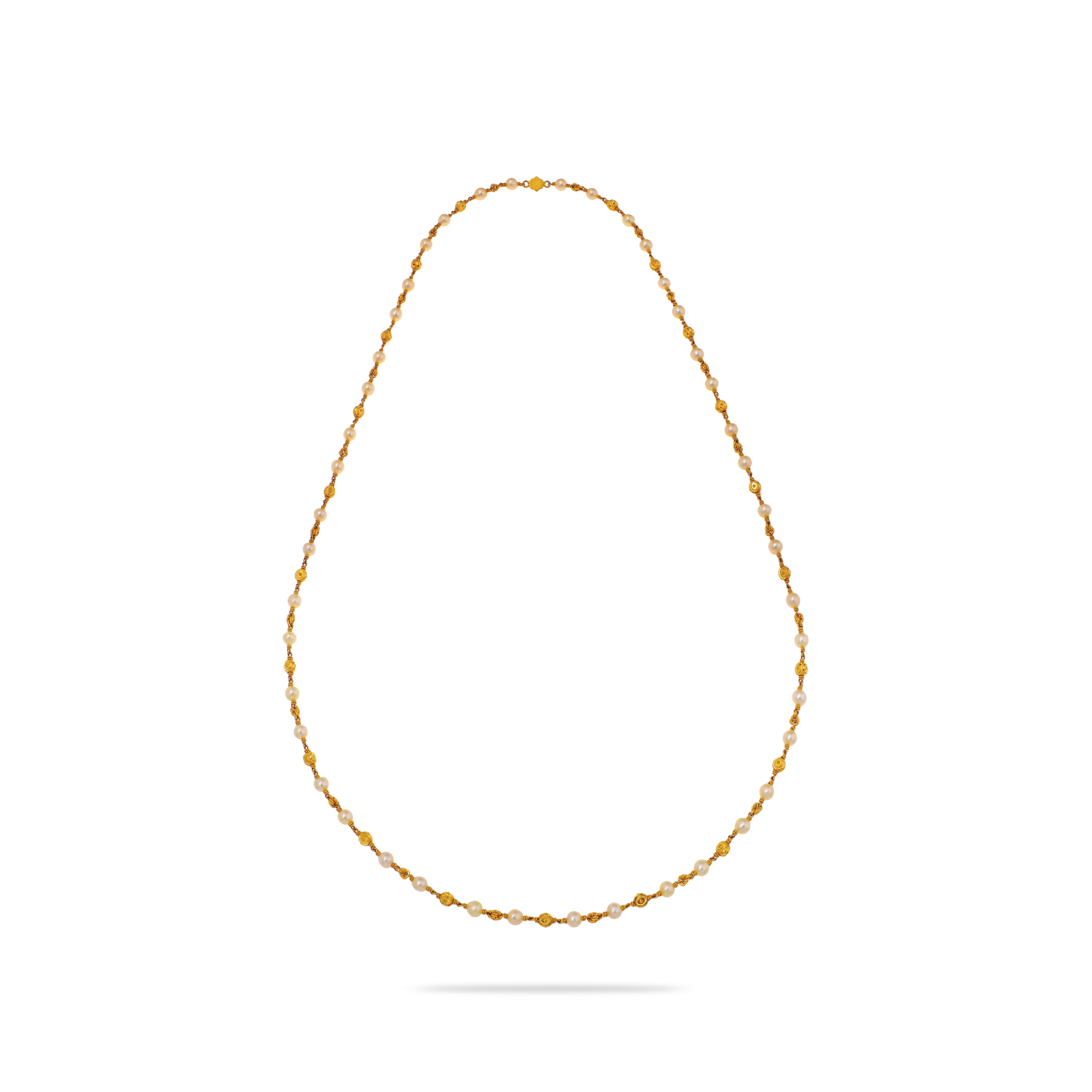
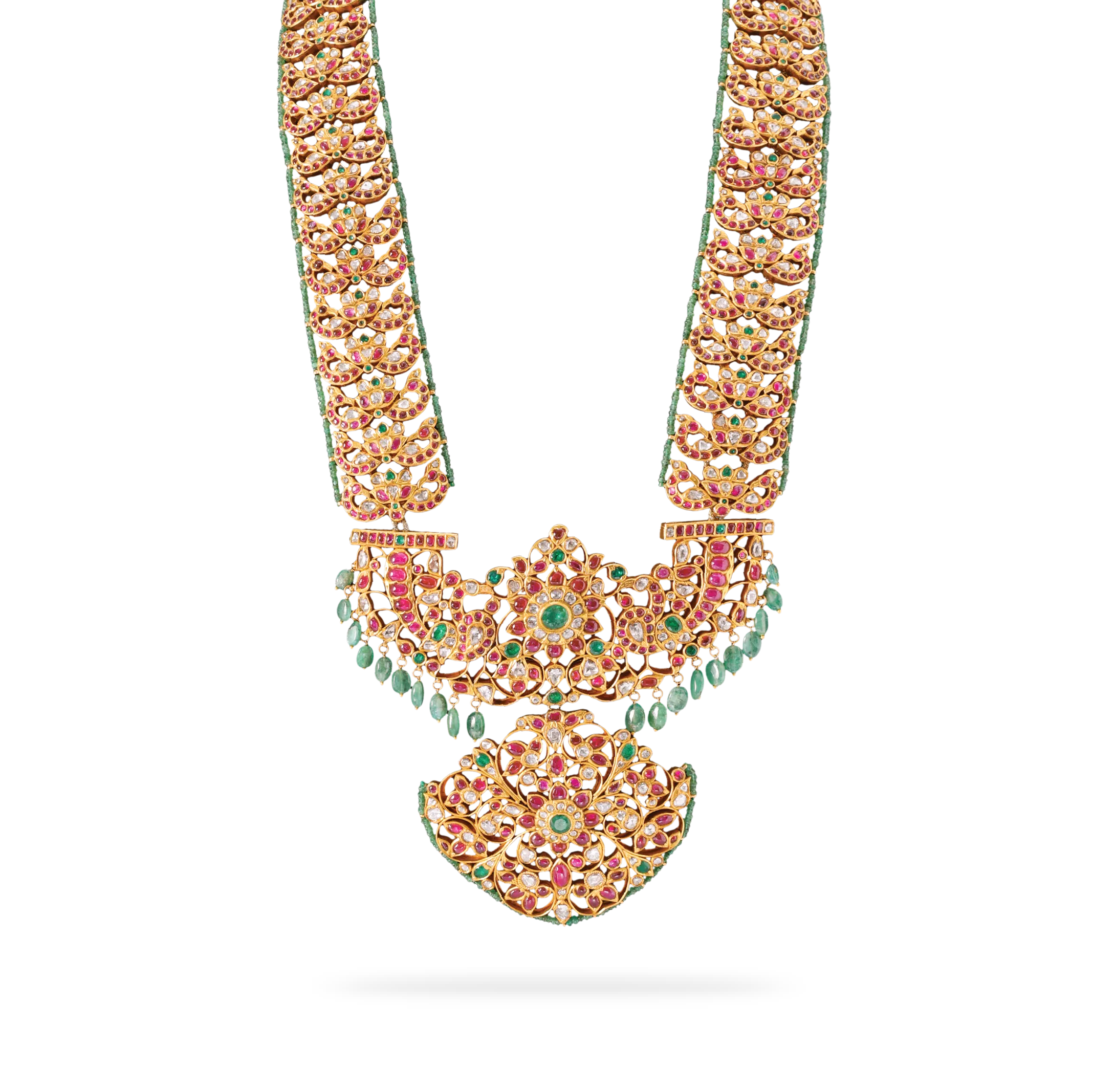
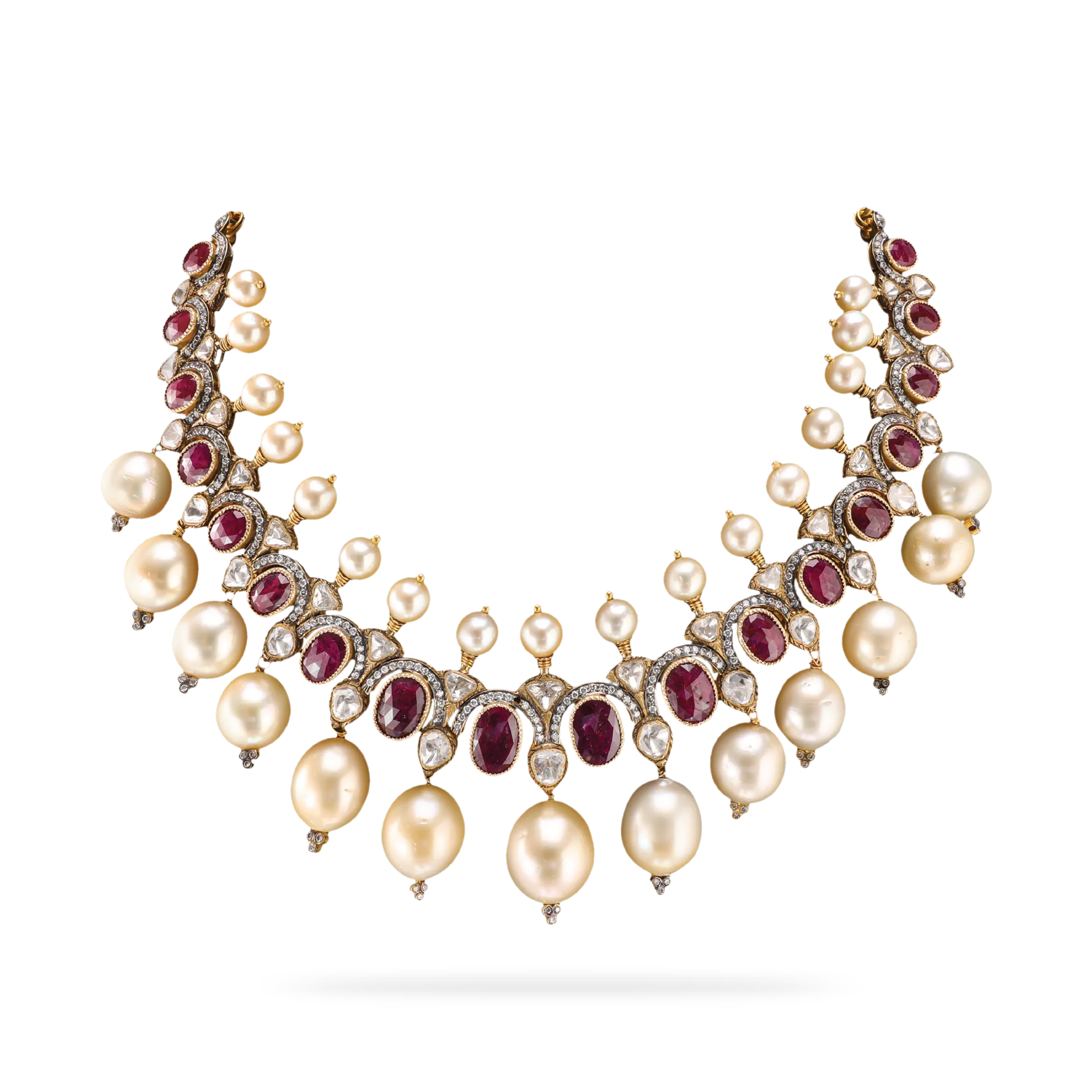
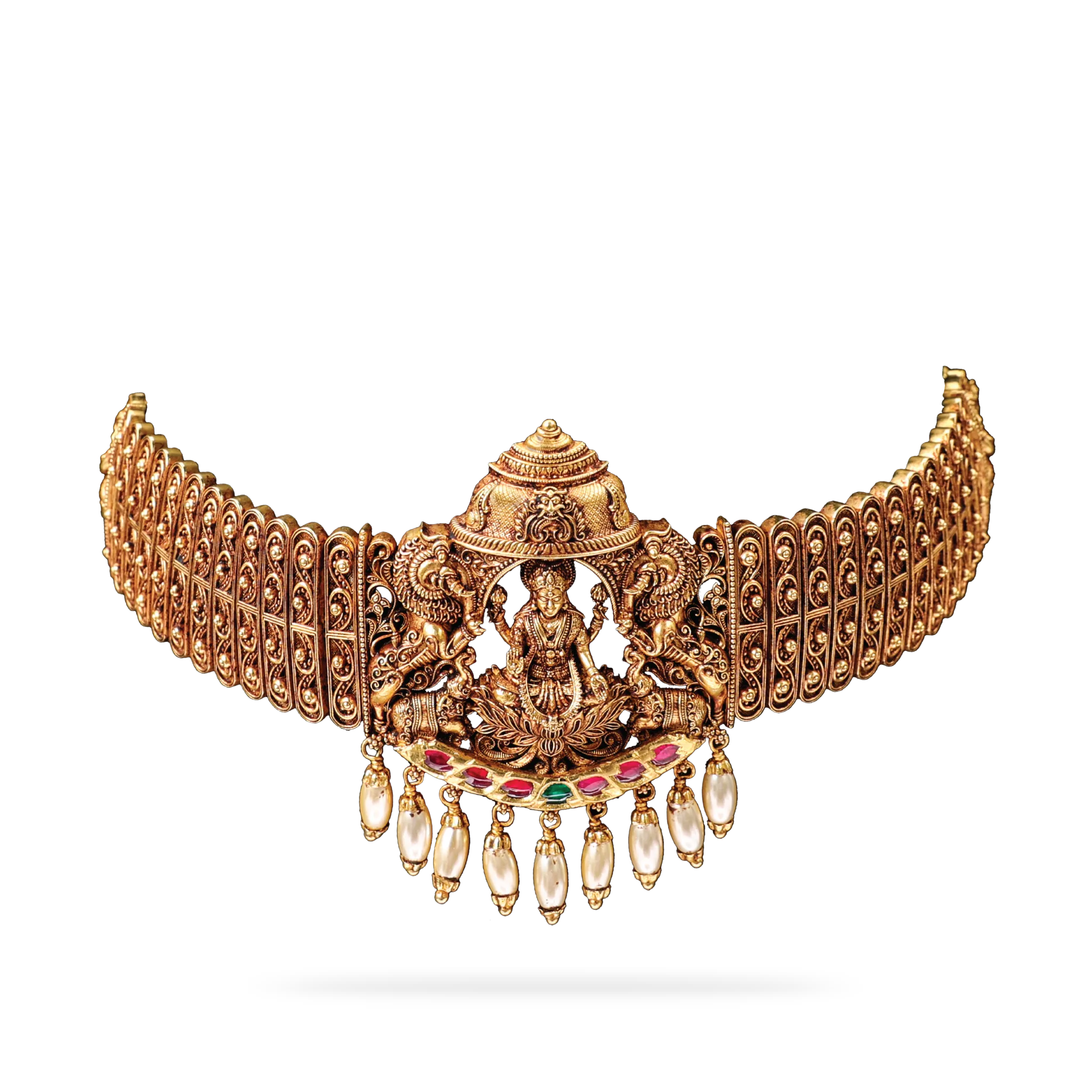
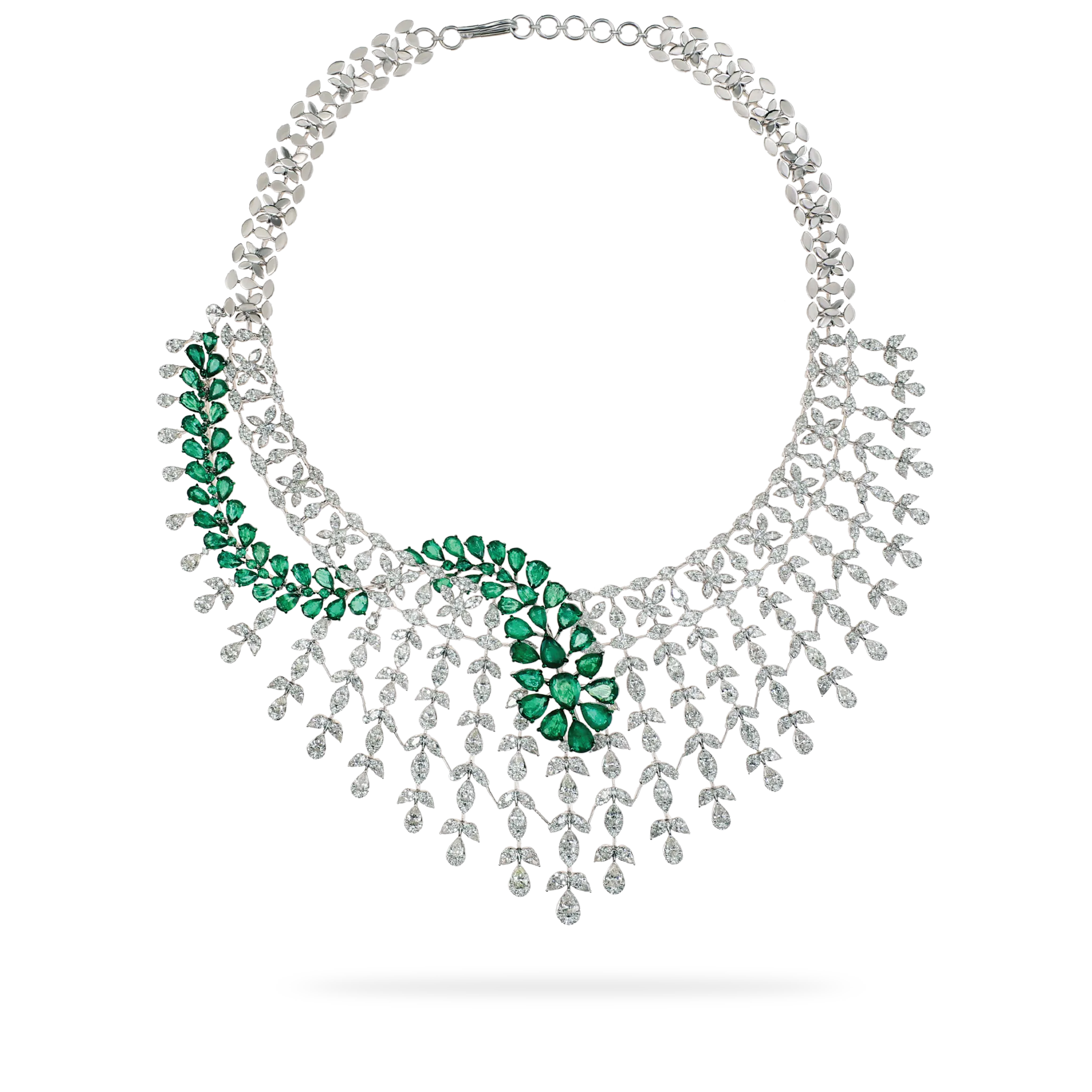
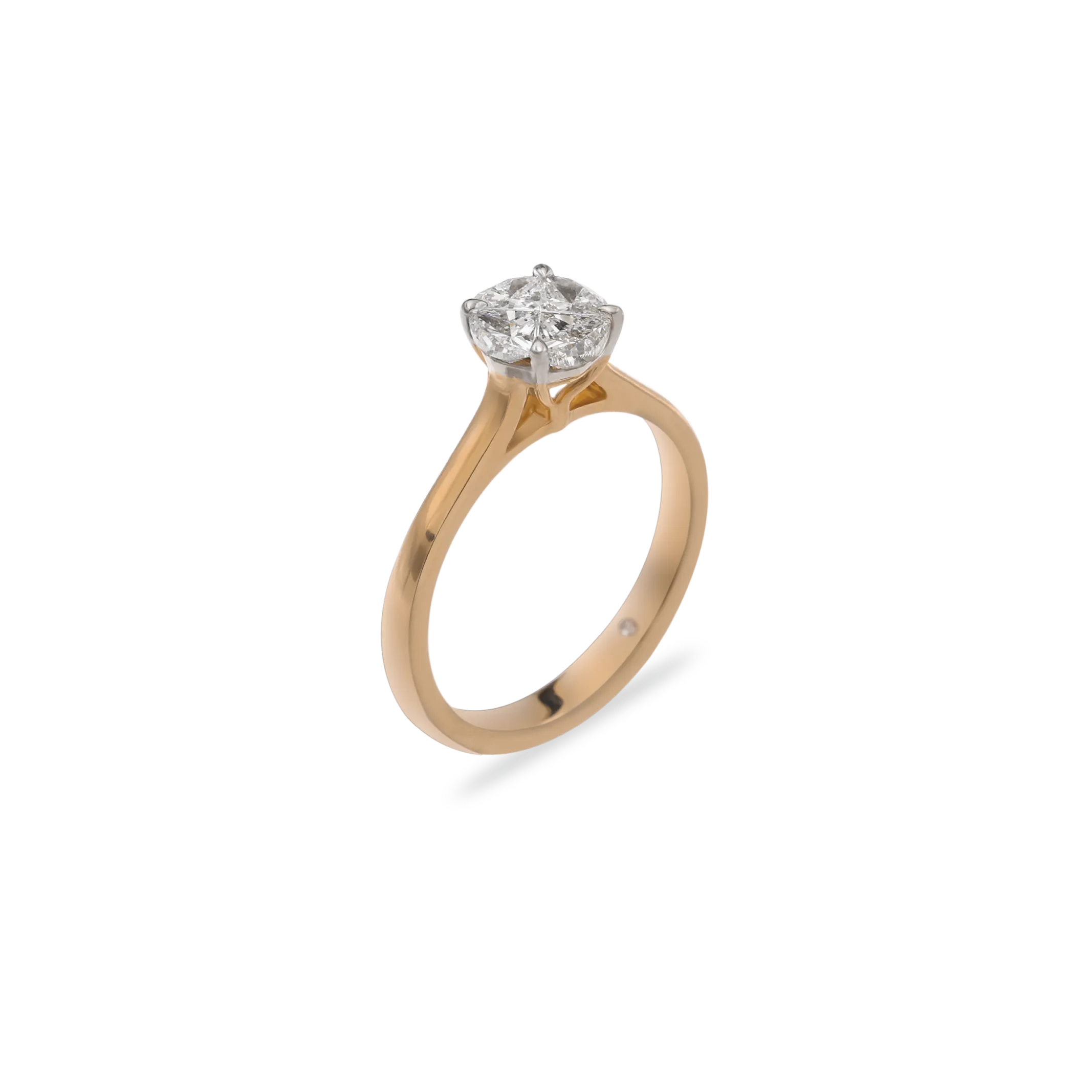
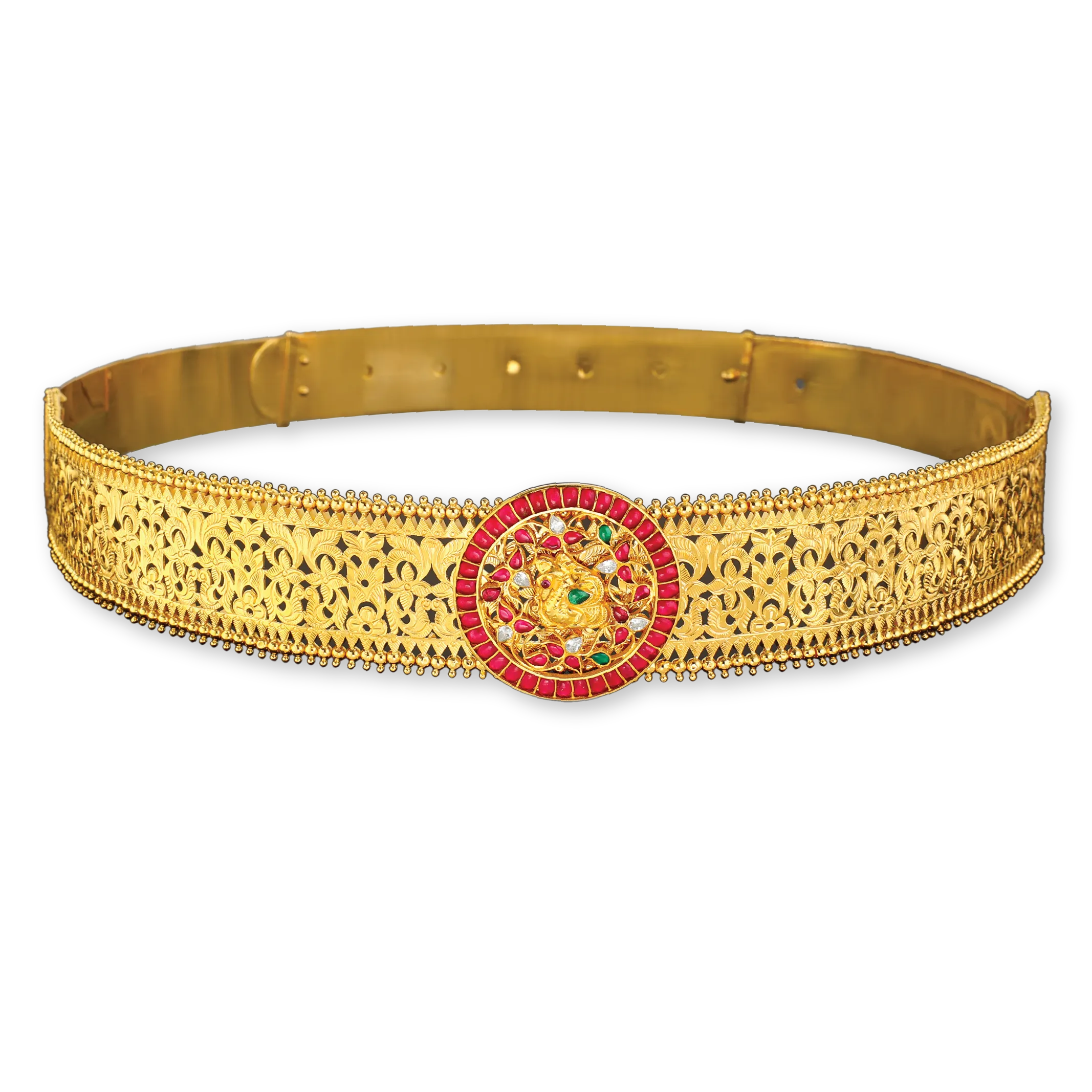
Browse CKC’s Navaratna collection to shortlist the forms and colour combinations you like. Ask for the specification of the exact piece; do not assume every design in a collection uses identical gem materials.
How should you care for jewellery containing different gems?
Use a care method suitable for every material in the piece. A cleaning method suitable for one stone may be unsuitable for another. GIA advises against ultrasonic and steam cleaning for pearls and describes risks from these methods for emeralds.GIAGIA
- Ask for care instructions covering the entire piece, including any treatments, stringing and adhesives.
- Keep it away from harsh household cleaners and remove it before activities likely to knock or damage it.
- Use a clean, soft cloth for a gentle wipe after wear. Confirm with the jeweller before soaking or using a cleaning liquid.
- Store pieces separately so they do not rub against other jewellery.
- If a stone moves or a clasp feels loose, stop wearing the piece until it has been checked.
For a thorough clean, take the piece to a jeweller who can identify its materials first. GIA’s ultrasonic-cleaning guidance explains why a single cleaning rule does not suit every gemstone.
Frequently asked questions
What does Navaratna mean?
Navaratna means nine gems. In jewellery, it commonly refers to a combination of nine gem materials with traditional Navagraha associations. The actual materials should be confirmed for the specific piece.
Are Navaratna and Navratna the same?
They are common spelling variants used for the nine-gem tradition. The spelling alone tells you nothing about the identity or quality of the materials in a product.
Does every Navaratna piece contain natural gemstones?
Do not assume so. Ask for the identity, natural or laboratory-grown status where relevant, imitation materials if any, and available treatment disclosures for each component.
Does a HUID certify the nine gemstones?
No. A gold hallmark and HUID concern the hallmarked gold article. Ask separately for gemstone identification and any reports relevant to the stones.
Does Navaratna jewellery guarantee good luck or health benefits?
No such outcome should be promised. The planetary associations belong to cultural and astrological traditions, rather than scientifically established health, financial or luck benefits.
Can I choose Navaratna jewellery simply for its colours?
Yes. It can be chosen as jewellery for its design and personal meaning. If you also need it to meet a specific ceremonial tradition, confirm those requirements before ordering.
Can I use an ultrasonic cleaner on a Navaratna ring?
Do not do so without a professional assessment of every material and treatment in the piece. Pearls and some treated or fragile gems can be damaged by ultrasonic or steam cleaning.
What should a Navaratna jewellery quote include?
Ask for metal purity and weight, the identity of the nine materials, available gem specifications and disclosures, workmanship charges, the complete payable amount and the applicable written after-sales terms.
Sources and further reading
- GIA: pearl care and cleaning
- GIA: emerald care and cleaning
- GIA: gemstones and ultrasonic cleaners
- BIS: hallmark components and HUID
- CKC: warranty, exchange and buyback policy
Diagrams are original educational illustrations prepared for this guide. They are not product photographs, authenticity tests or representations of inventory.