The ultimate gold jewellery buying guide: How to choose quality pieces
June 25, 2026 | 10 minutes read
Key Takeaways
Investing in fine metals requires a foundational knowledge of how quality is assessed and how the market operates. These insights will help you navigate your next purchase with confidence:
- Gold purity is measured in karats, with 24k being the purest form available on the market.
- Always look for official hallmark stamps to confirm the metal's authenticity and composition.
- Making charges and wastage costs are standard additions to the raw gold price in most retail settings.
- Solid gold offers superior durability and value retention compared to plated or vermeil alternatives.
- Regular, gentle maintenance will keep your pieces looking pristine for decades to come.
Understanding gold purity and karats
Understanding the composition of your purchase is the first step in being an informed consumer. Gold is rarely found in its pure state for jewelry production because it is naturally soft, so it is combined with other metals to provide strength for everyday wear. By educating yourself on how these mixtures work, you can ensure your hard-earned money goes toward a product that matches your personal lifestyle and longevity expectations.
Decoding the meaning of karat (K)
The karat system acts as the global standard for identifying how much pure gold exists within a piece of jewelry. A karat represents one part of gold in twenty-four parts of the alloy, meaning that 24k gold is theoretically pure, while lower numbers like 14k or 18k contain higher percentages of strengthening metals like copper or silver. Learning to decode these numbers is a key part of your gold jewellery buying guide journey.
Solid gold versus gold-plated and vermeil
Distinguishing between solid gold and lower-cost alternatives is vital for long-term satisfaction. Solid gold maintains its value and appearance over time, whereas variations like gold-plated or gold vermeil items rely on thin layers of gold over base metals like brass or sterling silver. These surface-level coats will eventually wear down through regular use, though they may serve as stylish and temporary wardrobe additions if chosen deliberately.
Why 24k gold is rarely used for jewelry
While pure gold sounds desirable, its inherent malleability makes it impractical for intricate designs or items meant for daily wear . Jewelry artisans typically opt for alloys because the inclusion of other metals provides the structural rigidity necessary to keep settings secure. When exploring the timeless allure of gold, you will notice the vast majority of fine pieces are crafted from 18k or 22k alloys to balance richness with resilience.
Determining the value and pricing
Calculating the worth of a piece is more complex than looking at a daily spot price for gold bullion. A reputable jeweler will provide a breakdown of costs that includes the raw material value, the labor required to manufacture the piece, and applicable taxes. Transparency in these numbers is a hallmark of a trustworthy retailer, so ask questions if any fees seem unclear or unexplained.
How international gold rates influence price
Global market fluctuations drive the base cost of gold, which serves as the foundation for the retail pricing of your selection. Because these rates change daily, many retailers base their prices on current fluctuations, meaning that checking the index before your visit is a wise approach. Many local stores in India provide specific breakdowns for this if you follow a gold jewellery guide tailored to that region.
Factoring in making charges and wastage costs
When calculating the final price, retailers add specific fees to cover the labor and artistic effort required to shape the metal into a finished design. These costs vary significantly depending on the complexity of the pattern and the brand's production techniques.
| Cost Component | Description | Typical Impact |
|---|---|---|
| Metal Price | Current market value of gold weight | 70-85% |
| Making Charges | Fees for artisan labor and design | 10-20% |
| Wastage Fee | Estimated loss during metal refinement | 2-5% |
By splitting your invoice into these sections, you can quickly spot if a piece is overpriced relative to its physical gold content.
The difference between item weight and metal value
It is common to confuse the weight of the entire finished item with the weight of the pure gold it contains. Gemstones, decorative enamel , or heavy clasps add total gram weight to the item without contributing to its investment value, so always ask for a clear distinction between these figures.
Checking gold hallmarks and certifications
Authentication provides the final layer of security for a major purchase. Official hallmarks serve as a government-backed or industry-recognized validation that the item meets the standards it claims. Verifying these stamps is non-negotiable, especially when buying online where you cannot physically inspect the item before finalizing the transaction.
Identifying official hallmark stamps
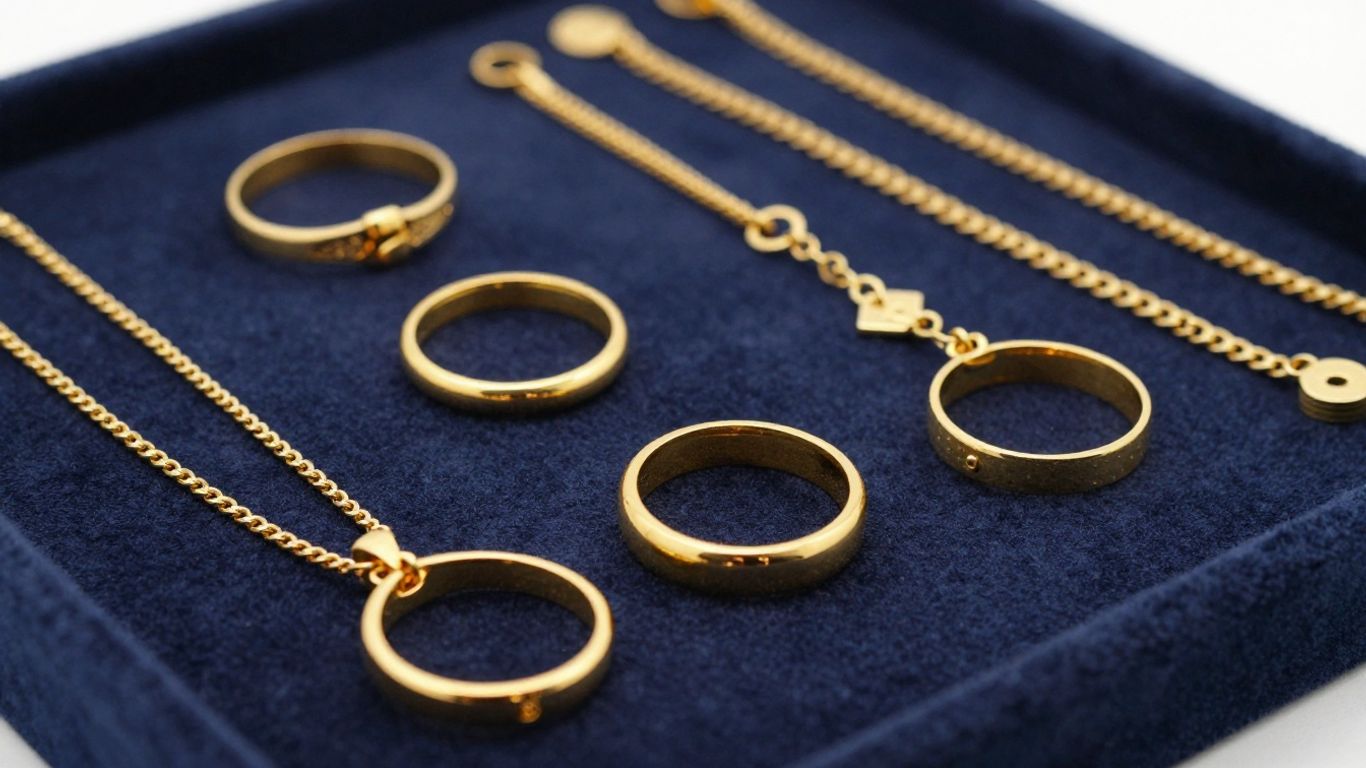
An official hallmark acts as the unique fingerprint of your piece, detailing the fineness and the origin of the metal. These tiny stamps are usually located on the inside of a ring shank or on the back of a pendant, providing you with certainty that the alloy matches its advertised karat rating. Taking the time to locate and verify these marks ensures that your investment aligns with the quality promised by the jeweler.
Understanding the role of independent certification
Independent laboratories provide unbiased reports that confirm the quality of gold and any accompanying gemstones. If a significant monetary investment is involved, having a third-party certificate provides an objective safety net that standard store receipts often lack. Always review these documents closely before deciding to commit to a purchase.
Recognizing forged or misleading hallmarks
Unfortunately, not all stamps are genuine, and some retailers use deceptive practices to misrepresent their jewelry. Be wary of stamps that appear blurry, misaligned, or missing a standard maker's identifying mark, as these are common indicators of a potential forgery. If you are ever in doubt, the dos and don'ts of gold suggests consulting a local appraiser for peace of mind.
Evaluating construction and durability
Quality gold jewelry should be designed to handle the normal stresses of daily life without losing its shape or safety. Whether it is a delicate chain or a heavy wedding band, the structural design choices play as much a role in its longevity as the purity of the gold itself. Inspecting these small mechanical details will save you from future repair bills.
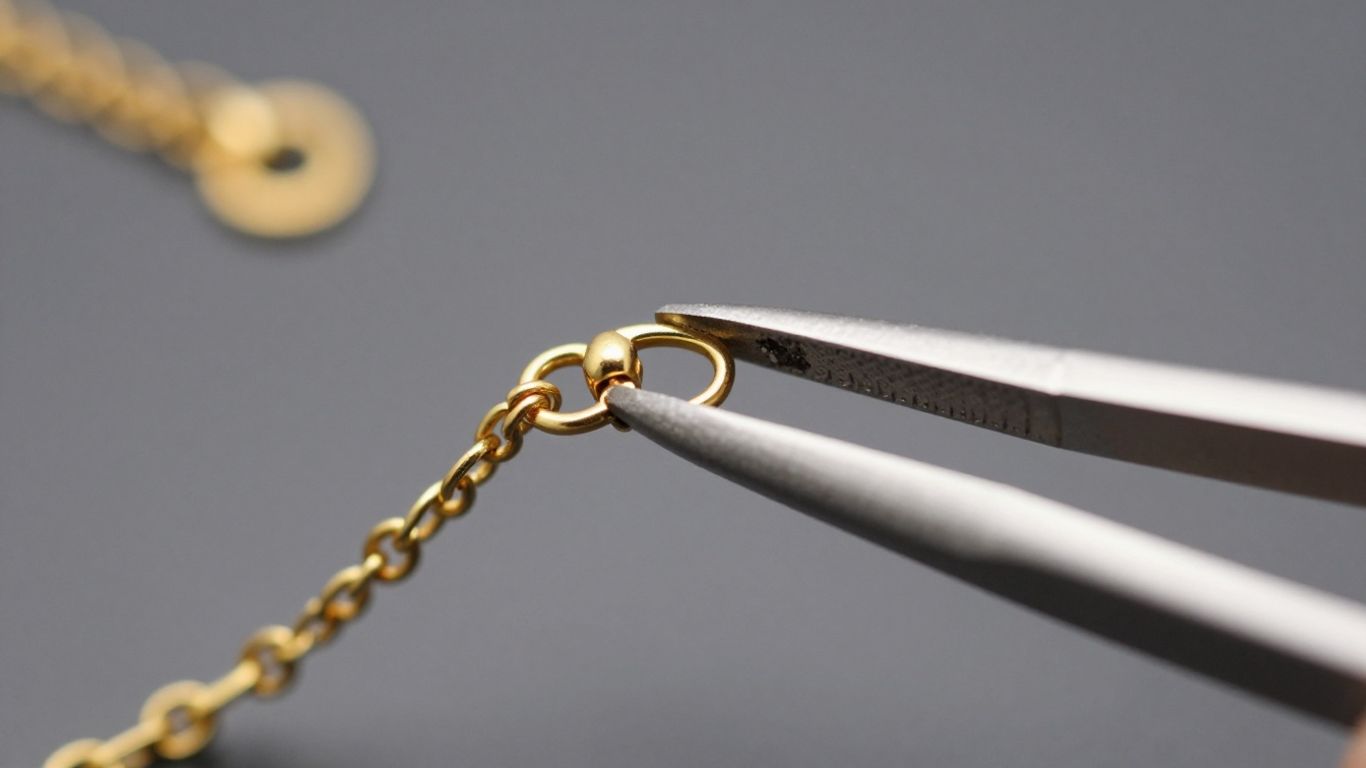
Inspecting clasps and structural integrity
Before finishing a purchase, you should physically test the moving parts to ensure everything operates smoothly and feels secure. A weak clasp is the most common reason for losing a cherished item, so focus your attention on the following:
- The tongue of the clasp should snap firmly into place with a clear, audible click.
- Hinges should move freely without grinding or feeling loose enough to accidentally open.
- Safety latches should be present on heavy necklaces to provide an extra layer of protection.
- All links in a chain should be soldered closed, leaving no gaps where the material could snag.
By confirming these minor details, you protect the structural longevity of your investment against the inevitable wear and tear of daily motion.
Choosing the right gold alloy color
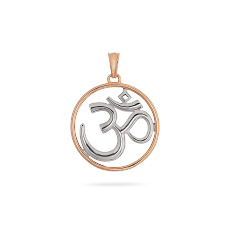
While yellow gold is a classic, white and rose gold are equally popular choices that rely on different metallic alloys. Mixing gold with nickel or palladium creates a bright white hue, while copper-rich mixtures produce that signature pink tone. Remember that white gold may require periodic re-plating with rhodium to maintain its luster, which is a factor to consider for your maintenance plan.
Considerations for embedded gemstones and settings
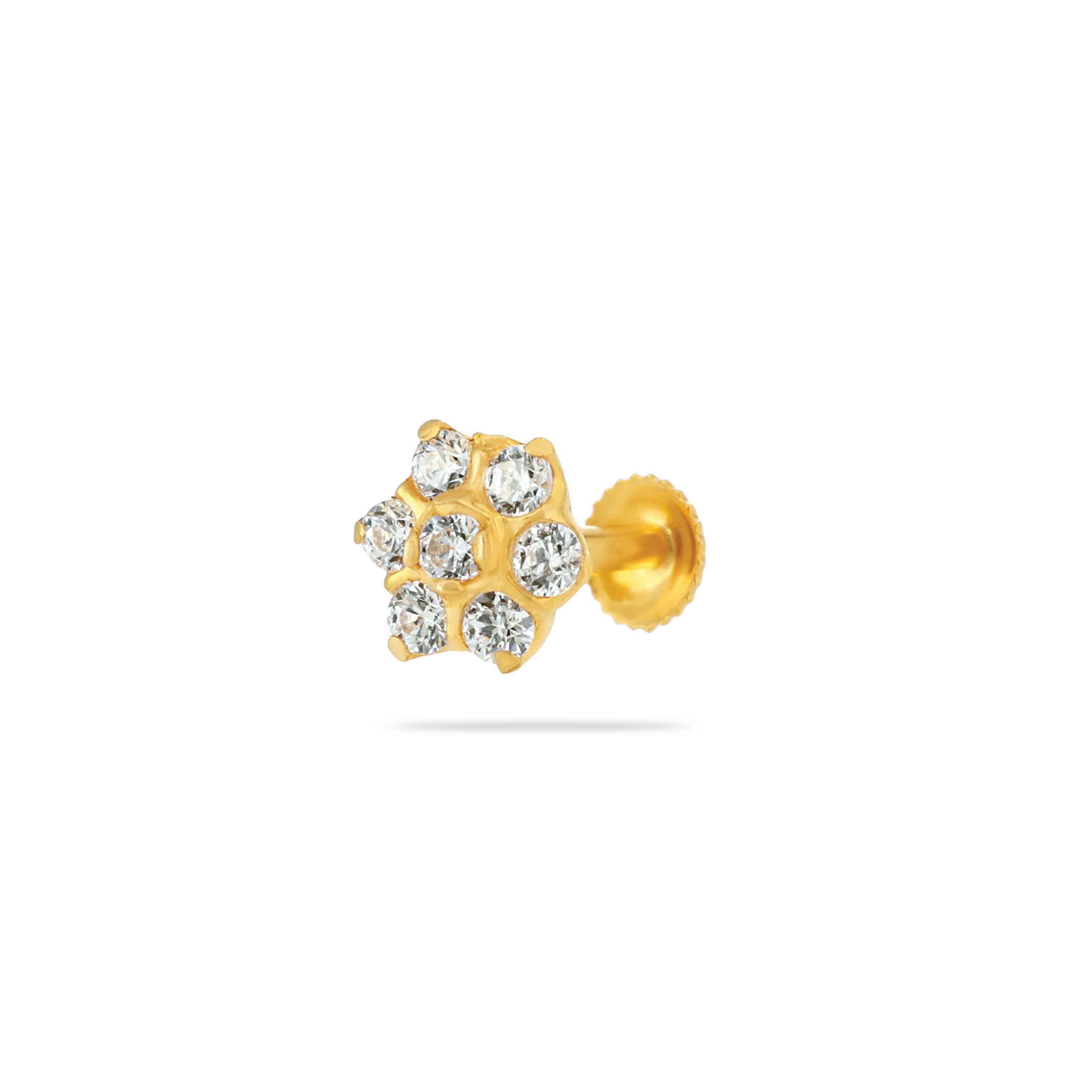
When gemstones are involved, the integrity of the setting becomes just as important as the metal itself. Check that each stone is held by enough metal prongs to keep it from shifting, as even the hardest diamonds can be lost if a setting is poorly constructed. Gently tapping the piece to listen for any rattling is a simple and effective test that you can perform in the store.
Shopping smart and avoiding common scams
Navigating the retail landscape requires vigilance to avoid being taken advantage of by high-pressure sales tactics. Protecting yourself effectively means knowing when to pause, asking the right questions, and relying on reputable sources rather than flashy storefronts or unverified online deals. This calculated approach prevents regret and ensures a satisfying experience.
Assessing the reputation of the jeweler
Long-standing businesses with established histories are generally more reliable than those with little to no online or community presence. Look for reviews that mention customer service, longevity of their pieces, and transparency about their pricing models. A good jeweler should be a partner in your experience, not just someone attempting to push a quick sale.
Understanding return and buy-back policies
Knowing exactly what your rights are if a piece does not meet your expectations is a necessary part of responsible shopping. Ideally, a retailer will provide a clear, written policy concerning refunds, exchanges, or future trade-in programs. Ensure you understand if the buy-back value is based on the current market price or just a flat fraction of your original purchase price.
Comparing prices across different retailers
Do not settle on the first item you see, as prices for comparable karat items can vary significantly due to overhead and brand recognition. By visiting multiple shops or checking trusted online databases, you can establish a baseline for what a fair market price should be. This small effort helps you recognize when you are getting genuine value and when you are merely paying for marketing costs.
Caring for your gold investment
Even the most durable gold jewelry requires consistent care to maintain its shine and integrity over time. Oils from skin, dust from the environment, and chemicals found in soaps or lotions can slowly degrade the appearance of your gold. Developing a routine for cleaning and proper storage will extend the life of your pieces significantly.
Daily maintenance and proper cleaning techniques
For most gold items, a quick rinse with warm water and a very mild soap followed by a soft, lint-free cloth is all that is required. Avoid using harsh chemical cleaners or abrasive brushes, as these can dull the finish or scratch the surface of your gold. Frequent but gentle care is far better for the metal than a deep, aggressive scrub once a year.
Safe storage practices to prevent scratches
Gold is a soft metal and can easily be scratched if stored in a tangled heap with other jewelry. Use individual velvet-lined pouches or separate compartments in your jewelry box to ensure each piece has its own space. This simple storage habit prevents chains from knotting and keeps gemstones from etching a mark on your gold bands.
When to seek professional repairs versus polishing
While light surface maintenance is easy to do at home, structural repairs should always be handled by a professional. If you notice a bent prong, a loose setting, or a thinning clasp, take the piece to a jeweler immediately to prevent catastrophic loss. Professional polishing should only be done occasionally, as it physically removes a tiny layer of metal from the surface of your jewelry every time it is performed.
Conclusion
Investing in gold is a rewarding process that combines aesthetic enjoyment with the practical benefits of owning a valuable asset. By understanding the intricacies of karats, authenticating your purchases through hallmarks, and maintaining your jewelry with care, you ensure that your collection remains beautiful for a lifetime. Trust in your research and prioritize quality as you build your personal jewelry collection.
Frequently Asked Questions
Does high karat gold always mean better quality?
Not necessarily, as higher karat gold is softer and more prone to scratching or bending, so it may actually be less suitable for complex and daily-wear jewelry designs.
Why does my gold jewelry change color over time?
Gold is often mixed with other metals, and the surface can react to sweat, perfumes, or chemicals, leading to a duller look that usually requires a professional cleaning or a soft rinse.
Can I wear my gold jewelry in a swimming pool?
It is strongly advised to avoid wearing gold jewelry in pools, as the chlorine in the water can react with the gold alloys and cause discoloration or structural damage over time.
How can I tell if my jewelry is solid or plated?
Look for a hallmark stamp on the inside of the piece, or take it to a professional jeweler who can perform a simple acid test to determine the metal's true concentration.
Is it normal to pay for making charges on gold?
Yes, these charges are standard in the industry, as they cover the artisan labor, specific design work, and manufacturing costs required to transform raw gold bars into finished pieces.
Should I store my gold with my silver jewelry?
It is generally best to store different metal types in separate compartments, as soft metals like gold can be scratched by harder alloys or stones, and certain metals can react or tarnish when touching.
How often should I have my gold jewelry professionally cleaned?
Depending on how frequently you wear the item, a professional inspection and light cleaning once a year is an excellent habit to ensure settings remain tight and the metal stays in top condition.
Related blogs:
November 20, 2025
The Timeless Elegance of the Tennis Bracelet: A Comprehensive Guide
Read More
November 20, 2025
The Ultimate Guide to Styling and Wearing a Choker Necklace
Read More
November 20, 2025
Find Your Perfect Engagement Ring: A Comprehensive Guide to Styles and Diamonds
Read More
November 20, 2025
The Timeless Elegance of a Diamond Tennis Bracelet: A Buyer's Guide
Read More









.webp)
.webp)