The comprehensive solitaire ring guide: choosing the perfect piece
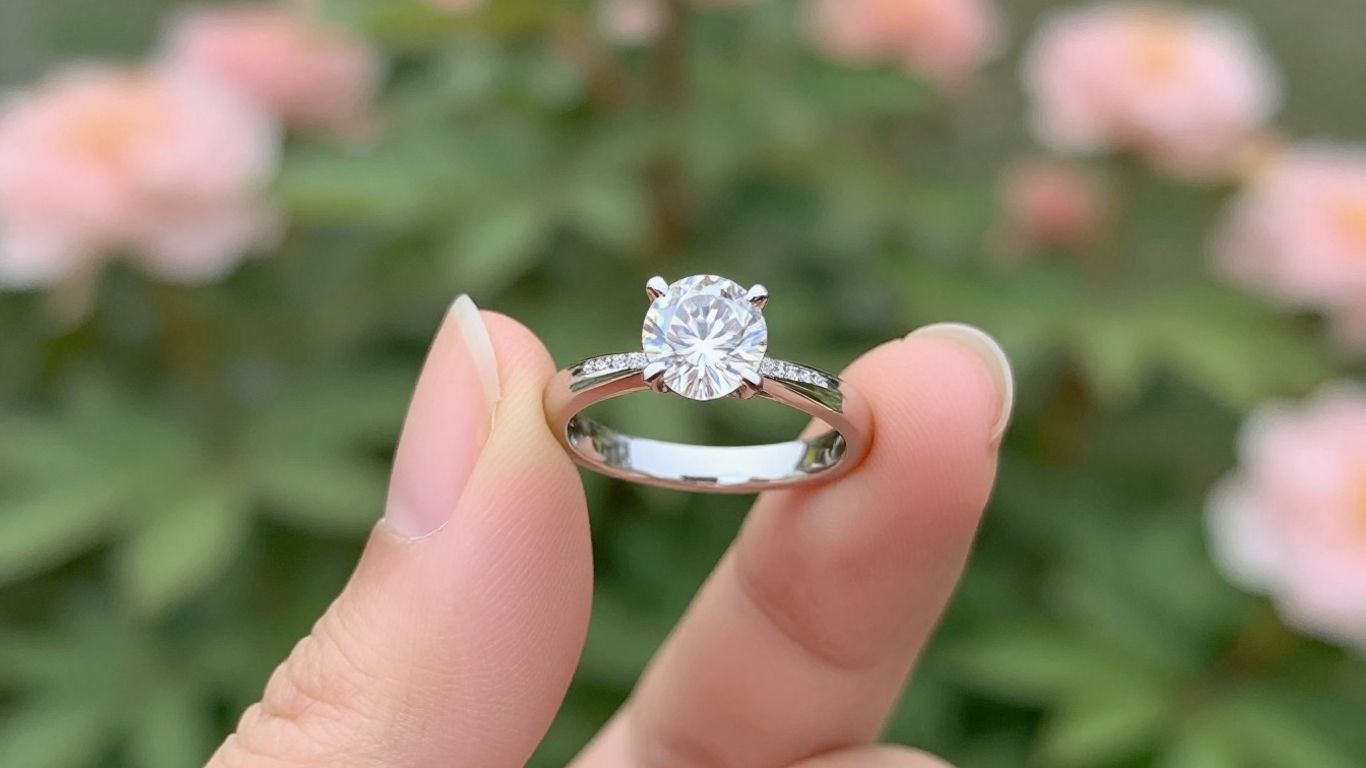
June 26, 2026 | 10 minutes read
Key Takeaways
Navigating the world of engagement rings can feel overwhelming, but focusing on the fundamental components of a minimalist design helps define your personal style. This article breaks down the essential factors of a solitaire, from structural anatomy to long-term care.
- The center stone is the primary visual focus.
- Metal choice impacts both aesthetics and daily durability.
- Diamond shape defines the overall finger silhouette.
- Proper setting height enhances light performance and brilliance.
- Routine professional inspections prevent accidental stone loss.
Understanding solitaire ring anatomy
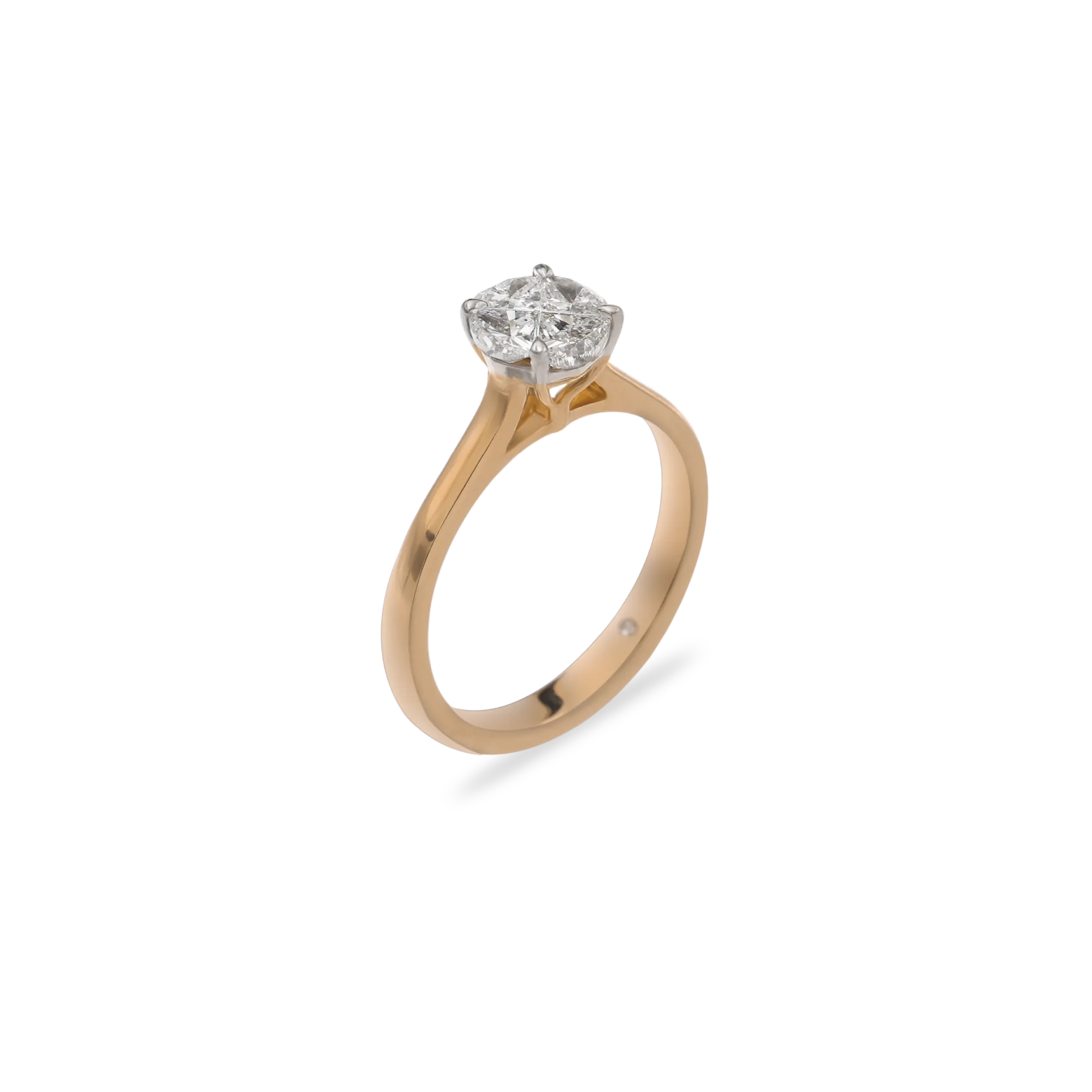
When you commit to a lifelong partner, much like navigating a complex mortgage renewal, it helps to understand the foundational structure of your choice. A solitaire ring is defined by its singularity, placing the center diamond front and center without distraction. The construction of the ring determines how it will withstand daily life while maintaining its aesthetic appeal.
The importance of the center stone
The central gemstone serves as the heart of the ring, dictating the overall character of the piece. Because the stone is exposed, selecting a high-quality cut is critical for maximizing light travel within the facet structure, resulting in the desired brilliance. Buyers often turn to a solitaire engagement ring guide to learn how different cuts dictate the way light interacts with the material, ensuring the stone remains the focal point of the hand.
Evaluating metal types and durability
Choosing the right metal involves balancing your personal style with the practical reality of daily wear . High-karat gold offers a rich tone but is softer than lower-karat options or platinum, which is highly durable and resistant to scratching. When selecting your ring material, keep these characteristics in mind:
| Metal Type | Primary Benefit | Best Use Case |
|---|---|---|
| 14k White Gold | High durability | Daily wear |
| 18k Yellow Gold | Traditional luster | Occasional wear |
| Platinum | Hypoallergenic/Dense | Active lifestyles |
Selecting a durable metal is essential to protect the integrity of your setting over many decades of wear.
Shank and band design variations
While the center stone is the star, the band or shank provides the physical support and comfort needed for all-day wear. Designs range from classic knife-edge shapes to rounded "court" profiles, with thickness often varied to suit individual finger dimensions. A well-designed band should feel balanced on the finger, ensuring the ring does not rotate excessively during movement.
Choosing the right diamond shape
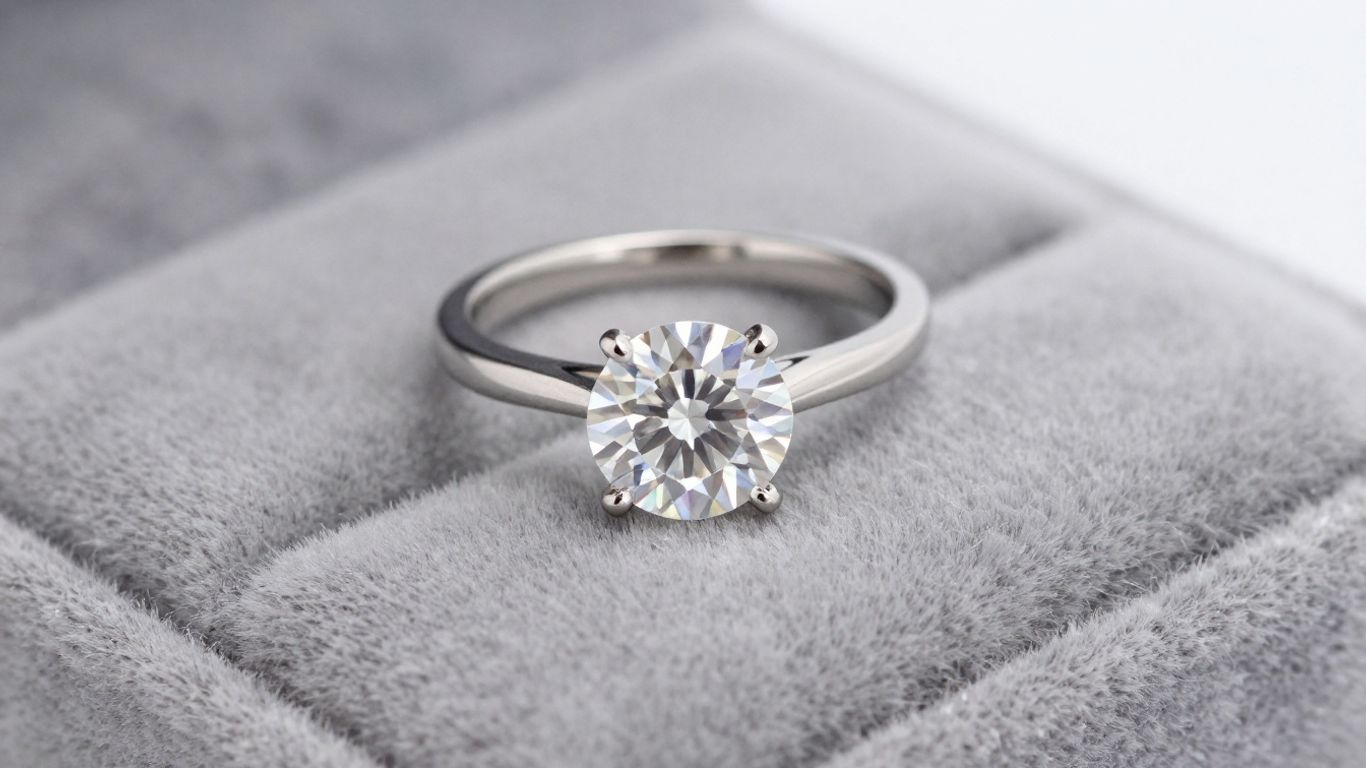
Selecting a diamond shape is a deeply personal decision that balances current fashion with timeless appeal. Each shape reflects light differently and creates a unique interaction with the finger, altering how the stone appears in terms of size and presence.
Traditional round brilliant cuts
The round brilliant cut remains the most popular choice globally because it is engineered to maximize light return. These stones offer an unmatched level of sparkle, making them the standard for those seeking maximum brilliance in their piece. You can find beautiful examples of these at retailers like Washington Diamond, where attention to detail ensures the stone's optics are fully realized.
Geometric alternatives like emerald or princess
For those who prefer a structured, modern look, geometric shapes like the emerald or princess cut provide an elegant departure from rounded styles. These cuts focus on linear reflections and broad flashes of light rather than the pinpoint scintillation of a round stone. They are an excellent way to express a unique design sensibility while maintaining a clean, minimalist profile.
Romantic elongated shapes like oval and pear
Elongated shapes like the oval, pear, and marquise cut have become highly desirable because they offer a flattering effect on the finger. These shapes can make a hand appear longer and more elegant, while providing a larger surface area compared to other stones of the same carat weight. To explore which aesthetic suits you best, it is helpful to use a complete engagement ring guide that compares stone dimensions and finger coverage.
Assessing diamond quality factors
Evaluating a diamond requires looking closely at color, clarity, and cut, which ultimately determine the value and beauty of the stone. Understanding these factors ensures you are making an informed purchase that reflects your budget and preferences.
- Check the GIA grading report for accurate certification.
- Prioritize cut quality to ensure consistent sparkle.
- Balance color grades against your chosen metal.
- Ensure clarity allows for a clean, brilliant appearance.
Proper assessment of these quality factors guarantees that your chosen gemstone remains as stunning years from now as it is today.
Selecting a setting style for your solitaire
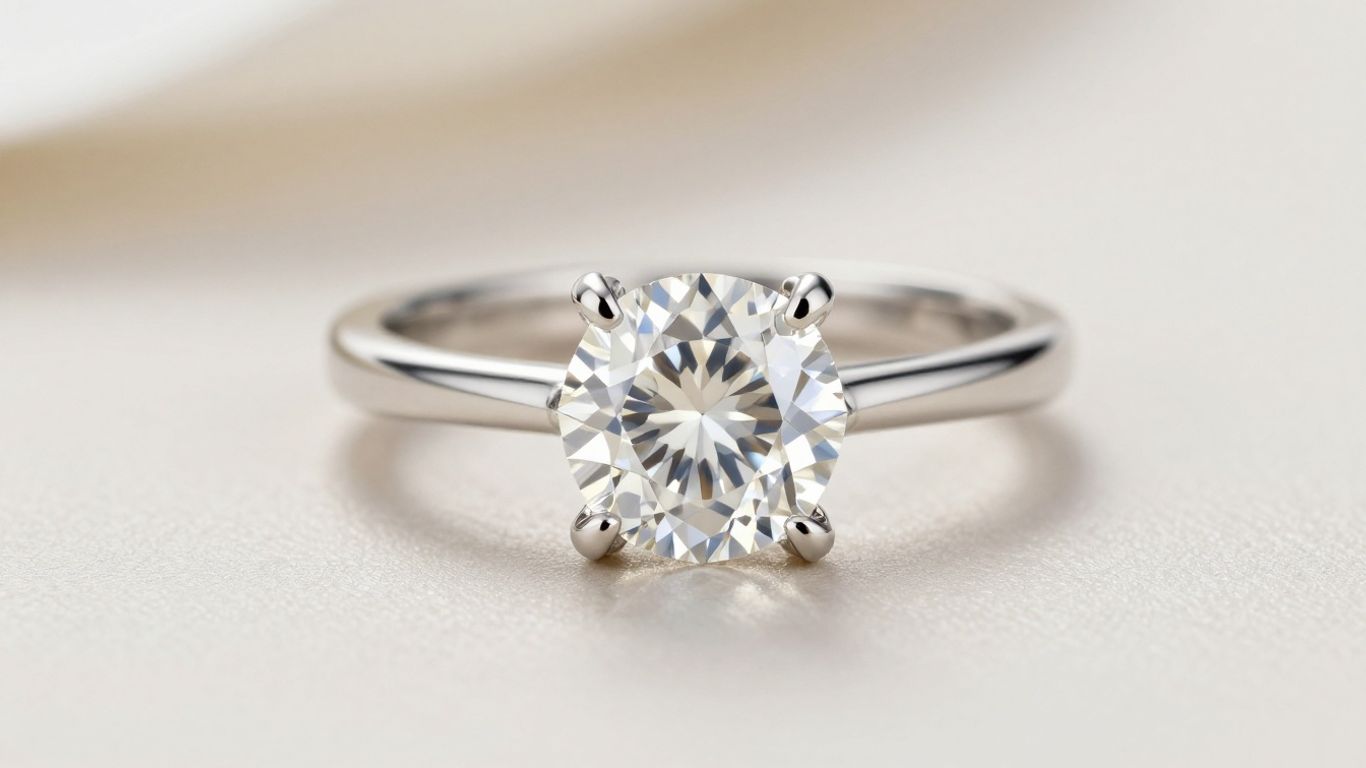
Selecting the right setting is about balancing security with style. Some settings focus on highlighting the stone's profile, while others offer increased protection for active individuals who want to prioritize the longevity of their solitaire setting choice.
Classic prong settings for light reflection
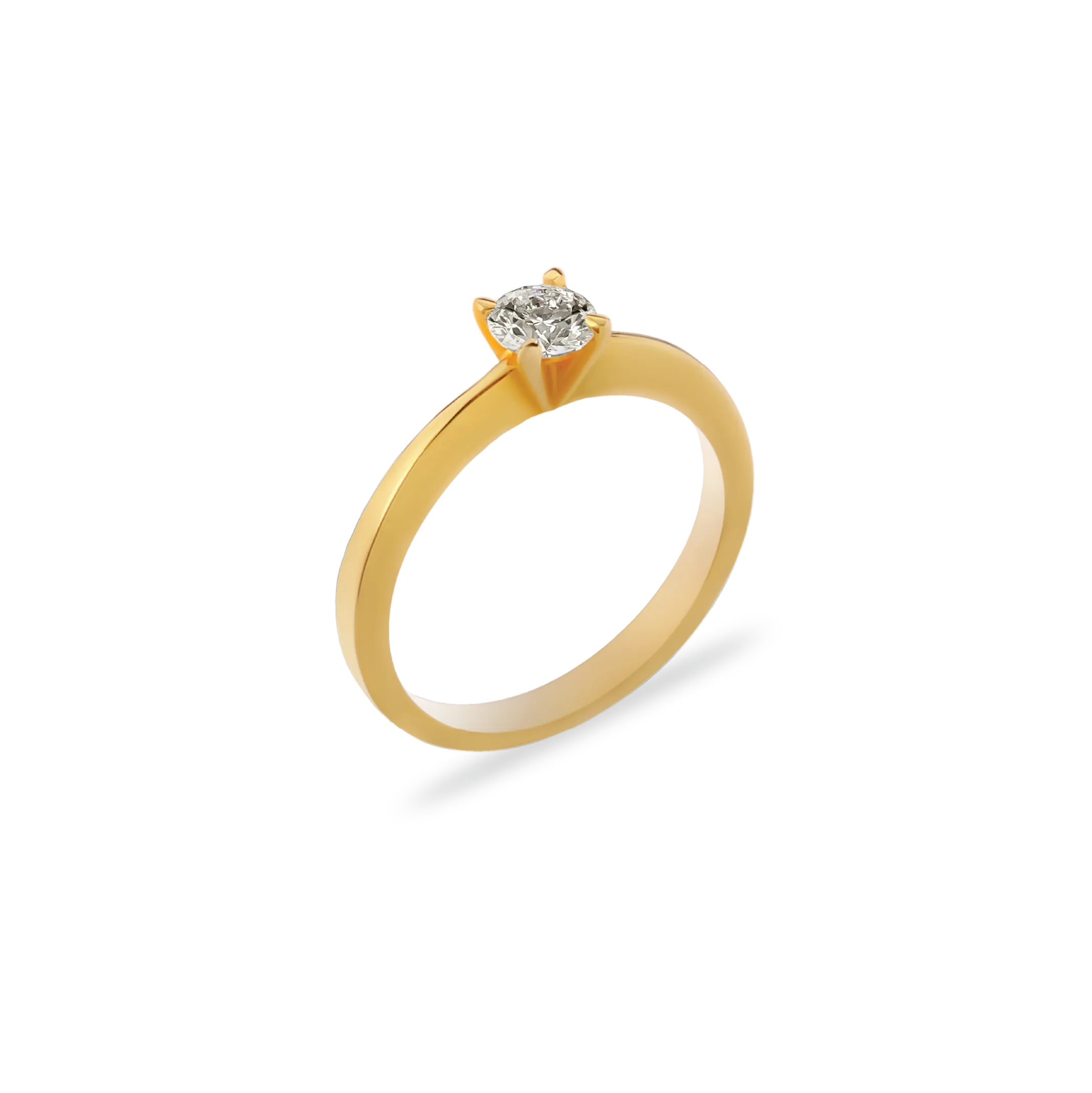
The most common way to hold a stone is the classic prong setting, which uses tiny metal claws to elevate the diamond above the band. This height allows light to hit the stone from the sides, creating a significant boost in brilliance. The delicate appearance of four to six prongs keeps the attention entirely on the gemstone.
Bezel settings for active lifestyles
A bezel setting wraps a thin band of metal entirely around the perimeter of the diamond. This offers the best protection for the stone’s edges, preventing chipping and snagging on clothing or other objects. It is a fantastic choice for those who want a practical design that still feels polished and architectural.
Tension settings for a modern aesthetic
Tension settings create the illusion that the diamond is floating between the two ends of the metal shank. The pressure from the metal itself holds the stone firmly in place, providing a minimalist, contemporary look that is quite striking. While dramatic, these settings require careful craftsmanship to ensure the stone is properly held by the natural spring of the metal.
Cathedral settings for heightened elevation
Cathedral settings use arches of metal, resembling those in classic architecture, to secure the center stone and raise it above the band. This style offers extra height, which creates a more dramatic profile and allows for more complex engagement with light reflection. It is perfect for adding a touch of sophistication to a simple solitaire without adding distracting stones to the band.
Matching wedding bands with a solitaire
Pairing your ring with a wedding band adds layers of meaning to your jewelry collection. Many shoppers find that consulting essential ring settings information helps them decide how a band will sit next to their center stone.
Contoured bands for seamless alignment
A contoured band, or "fitted" band, is designed specifically to follow the curve of your solitaire. This ensures the rings sit flush against each other without leaving an awkward gap. It is a seamless solution for those who want their band and engagement ring to look like a single, cohesive unit on the finger.
Straight bands for a layered look
Those who prefer a more traditional, stackable aesthetic often opt for a straight wedding band. This creates a timeless gap between the two rings that highlights the distinct, bold individual beauty of each piece while maintaining a refined profile. It also allows the wedding band to be worn alone more easily.
Using spacing bands to protect the stone
Sometimes, a simple spacer band is added to prevent two rings from rubbing against each other. By separating the metal surfaces, you reduce wear and tear on the settings of both rings. If you care deeply about sustainability practices such as reducing hardware consumption over time, choosing high-quality metals for these components ensures they stay beautiful for years.
Maintenance and care for your ring
Maintaining the shine of your ring requires consistent habits throughout your life. Even the most durable rings benefit from regular maintenance to address the stresses of daily activity.
Routine cleaning techniques at home
Cleaning your ring at home is simple with warm water, mild soap, and a soft toothbrush. Gently scrubbing the diamond from all sides helps remove the oils and dust that cloud its natural sparkle. Be sure to avoid harsh chemicals which can damage some metal alloys, and always plug the drain before rinsing.
Professional inspection schedules
Even with careful use, you should bring your ring into a professional jeweler every six months to one year for a thorough inspection. They check for loose prongs, worn settings, or potential damage to the diamond itself. Catching these issues early is key to maintaining your jewelry’s condition.
Preventing damage to the center stone
While diamonds are very hard, they can still chip if hit with enough force at a specific angle. When engaging in high-impact activities like sports or heavy gardening, it is wise to remove the ring to prevent accidental contact. Taking your jewelry off in these moments is a simple way to preserve its integrity.
When to seek professional prong retipping
Over many years of wear, the metal in prongs will naturally thin, which eventually puts the diamond at risk of falling out. If you notice that your prongs are no longer flush against the stone, or if you can feel a snagging sensation when touching the setting, it is time to have a professional repair the structure.
Conclusion
Finding the right solitaire ring is a journey that balances aesthetic desire with structural reality, resulting in a piece that serves as an enduring symbol of your commitment. By focusing on quality settings, metal durability, and consistent professional care, you ensure that your ring retains its brilliance for a lifetime of wear.
Frequently Asked Questions
Can I wear a solitaire ring every day?
Yes, solitaire rings are specifically designed for daily wear , provided the setting is secure and the stone is properly seated in the metal.
Does carat weight change how I should clean the ring?
Regardless of carat weight, you should follow the same gentle cleaning process, ensuring that you clean underneath the diamond where oil collects.
Should I choose platinum or gold for a solitaire?
Platinum is denser and more wear-resistant, while gold offers a variety of color options, so the choice depends on your preference for patina versus longevity.
How often should prongs be checked?
It is recommended to have your ring inspected by a professional jeweler at least once every six to twelve months.
Do solitaire rings go out of style?
Solitaire rings are considered timeless classics, meaning they remain popular regardless of shifting decorative trends in the jewelry industry.
Can my solitaire setting be upgraded later?
Most solitaire settings can be modified or reset as your preferences change, making the piece highly adaptable to your evolving personal style.
Will a prong setting catch on my clothes?
Some high-profile prong settings may catch on delicate fabrics, but choosing a lower profile or a bezel setting can effectively mitigate this issue.
Related blogs:
November 20, 2025
The Timeless Elegance of the Tennis Bracelet: A Comprehensive Guide
Read More
November 20, 2025
The Ultimate Guide to Styling and Wearing a Choker Necklace
Read More
November 20, 2025
Find Your Perfect Engagement Ring: A Comprehensive Guide to Styles and Diamonds
Read More
November 20, 2025
The Timeless Elegance of a Diamond Tennis Bracelet: A Buyer's Guide
Read More









.webp)


.webp)