The ultimate diamond buying guide: how to find the perfect stone
June 25, 2026 | 10 minutes read
Key Takeaways
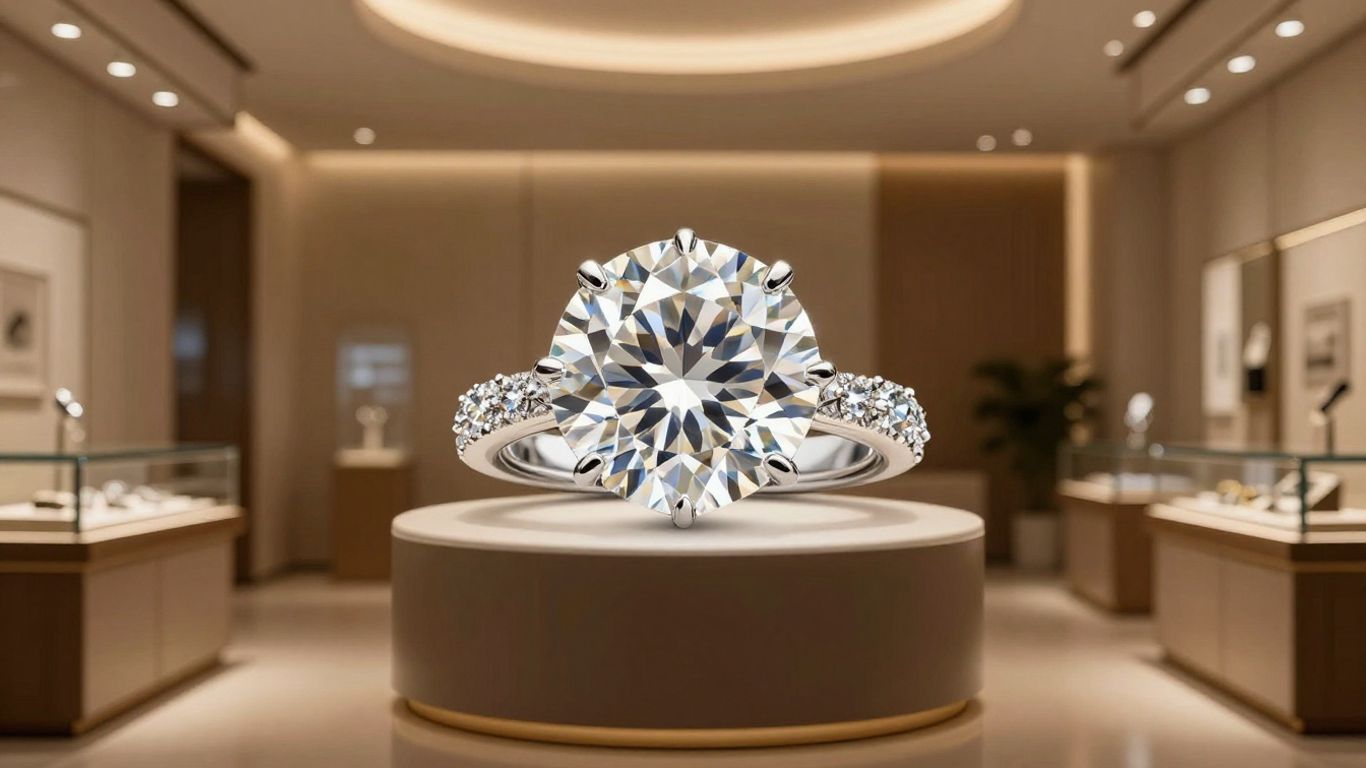
Finding the right diamond requires a mix of technical knowledge and personal preference. This guide simplifies the complex process of selecting a high-quality stone for any occasion.
- Prioritize cut grade above all else to maximize light performance.
- Use independent certification to verify the quality of your specific stone.
- Balance clarity and color grades to find the best value for your budget.
- Consider diamond shape preferences early to influence the ring setting choice.
- Compare different retailer types to find the best support and protection plans.
Understanding the 4Cs of diamond quality
Educated consumers know that the 4Cs serve as the universal language for assessing diamond quality. While every category carries weight, balancing these trade-offs determines the final appearance and cost of the gemstone. Making informed choices helps you invest in a stone that captures light beautifully while remaining within your financial reach.
Cut: the most important factor for brilliance
The cut grade dictates how well a diamond interacts with light across its surface. A masterfully cut stone will return maximum brilliance, whereas a poorly cut one may look dull despite having a high carat weight. Relying on professional insights from the International Gem Society helps explain how facets and angles define the visual impact of a stone.
Color: choosing the right grade for your budget
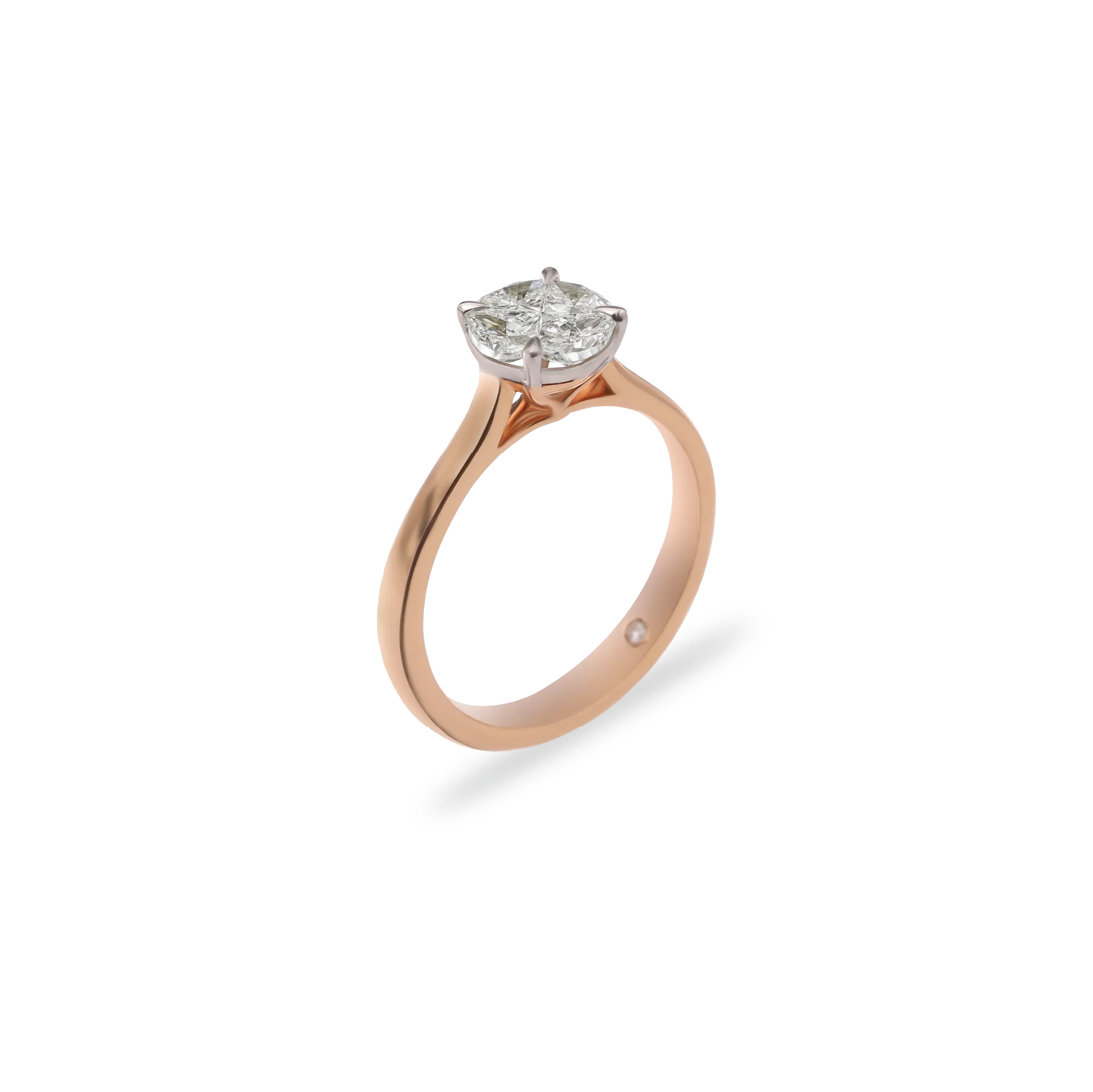
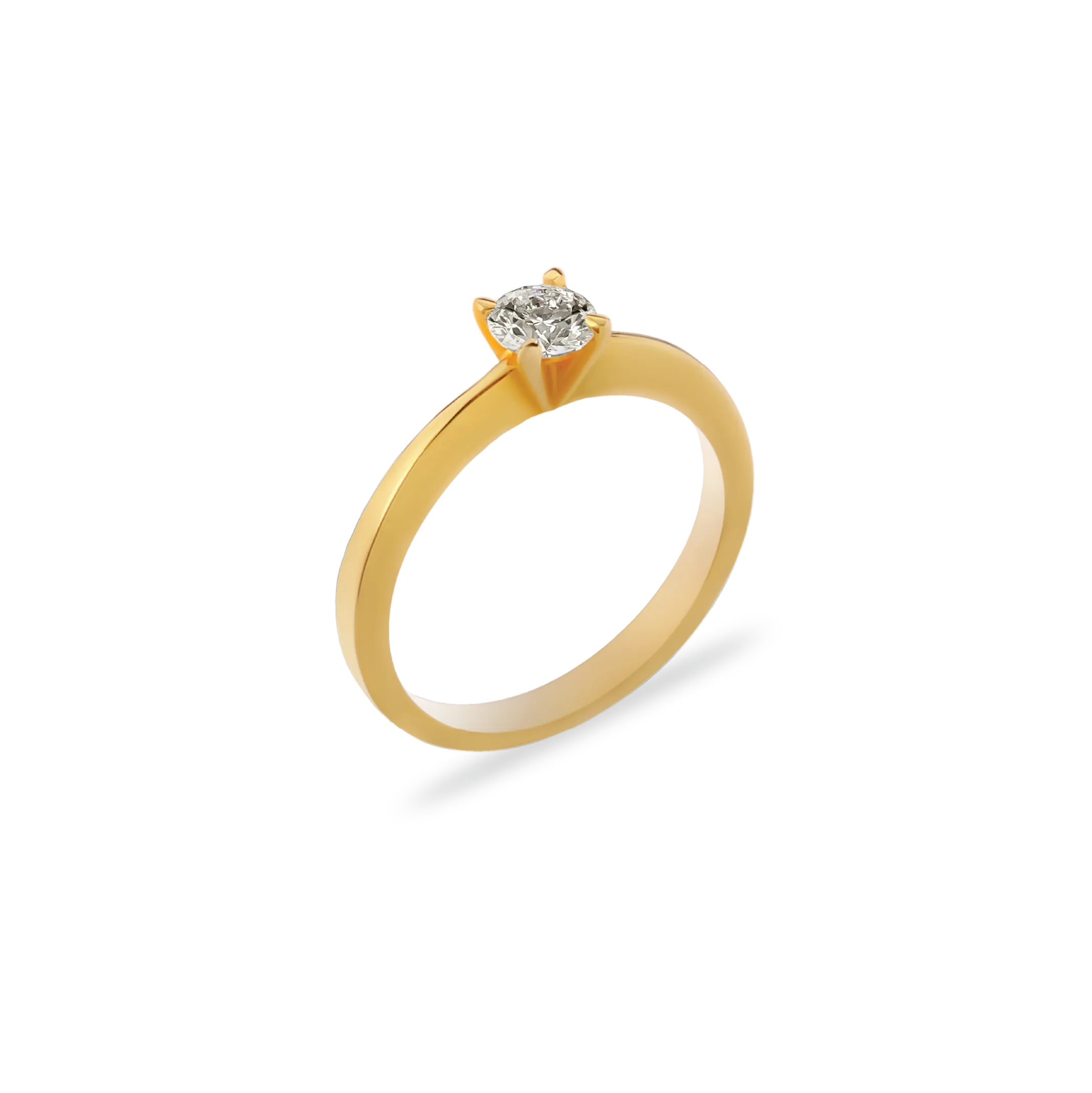
Diamond color is graded on a scale from D to Z, reflecting how colorless a stone appears. Most shoppers find that near-colorless grades offer the appearance of purity without the high cost of the top-tier whiteness categories. It is common to select a grade that looks clean when set in your chosen metal, whether it be platinum or yellow gold .
Clarity: balancing internal imperfections with visible beauty
Clarity evaluates the presence of external blemishes and internal inclusions within the diamond’s structure. Finding a stone where these imperfections are invisible to the naked eye is a smart goal, as many SI1 or SI2 stones provide excellent aesthetic value without the premium price of flawless gems. Understanding grading nuances, as discussed at Midtown Jewelers, reveals why subjective assessment remains essential during the selection process.
Carat weight: understanding size versus perceived value
Carat weight measures a diamond's size, but it does not tell the whole story of how large or impressive the stone appears in a setting. When evaluating carat size, consider the following trade-offs:
- Rounder shapes often look larger per carat than elongated stones.
- The table percentage of the diamond can affect overall surface area.
- Lower weight stones with superior cuts often outperform heavier stones.
- Setting styles can visually enhance or diminish the stone's weight.
Viewing carat weight within the context of total diamond quality is the best way to determine if you are getting reasonable value for your money. A slightly smaller stone with a superior cut grade will often appear more vibrant than a larger, poorly cut counterpart.
Selecting the ideal diamond shape
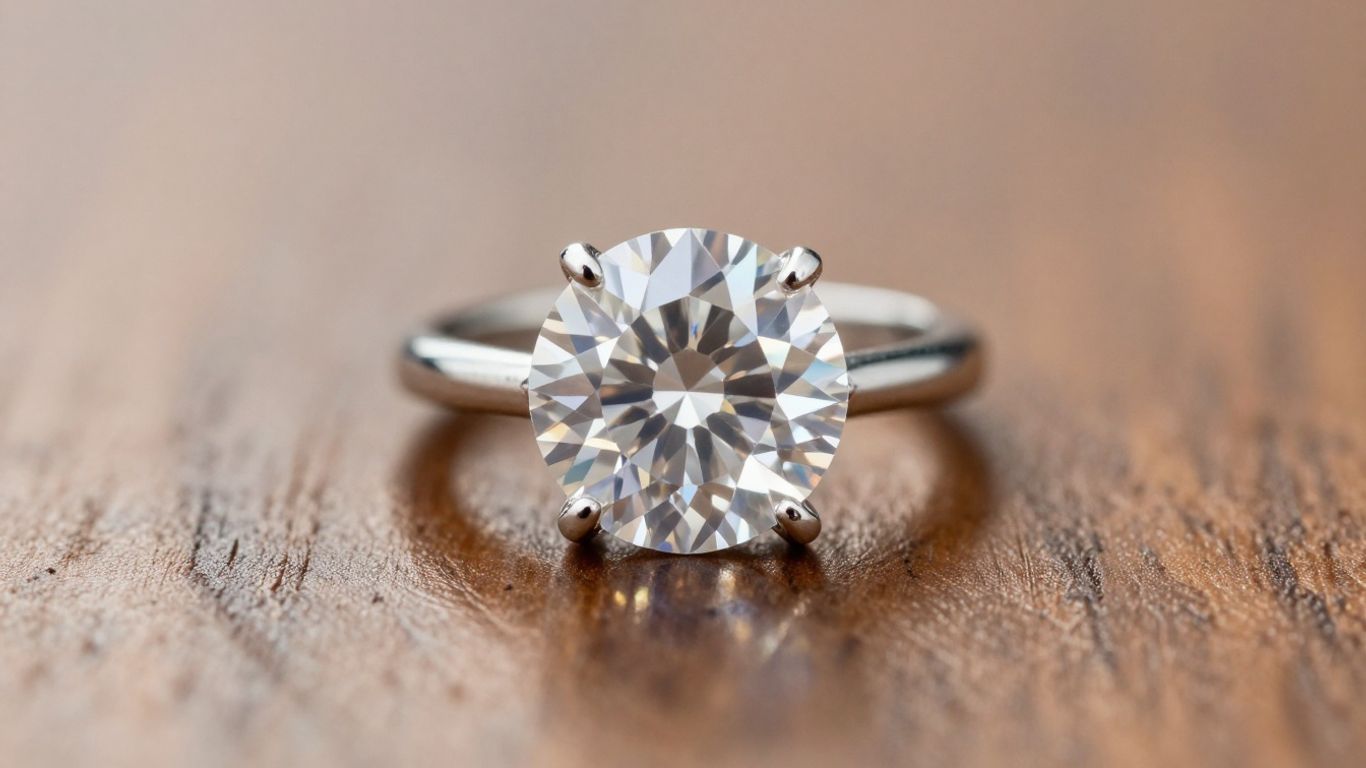
Choosing a shape is an intensely personal decision that changes the entire aesthetic of the jewelry. From traditional rounds to modern fancy shapes, every silhouette carries unique light performance and maintenance characteristics. Understanding these differences ensures your ring fits your lifestyle and design preferences.
Comparing modern versus vintage cutting styles
Modern brilliant cuts are optimized to maximize fire and scintillation through precise faceting. Conversely, vintage styles like the Cushion or Asscher provide a different kind of softer, elegant reflection that many collectors appreciate for their historical charm.
How shape influences the perceived size of a stone
Elongated shapes, such as pear or marquise, often appear larger than a round diamond of the same weight. This visual illusion occurs because the surface area is stretched across a longer profile, making the stone appear more substantial on the finger.
Popular shapes for different ring settings
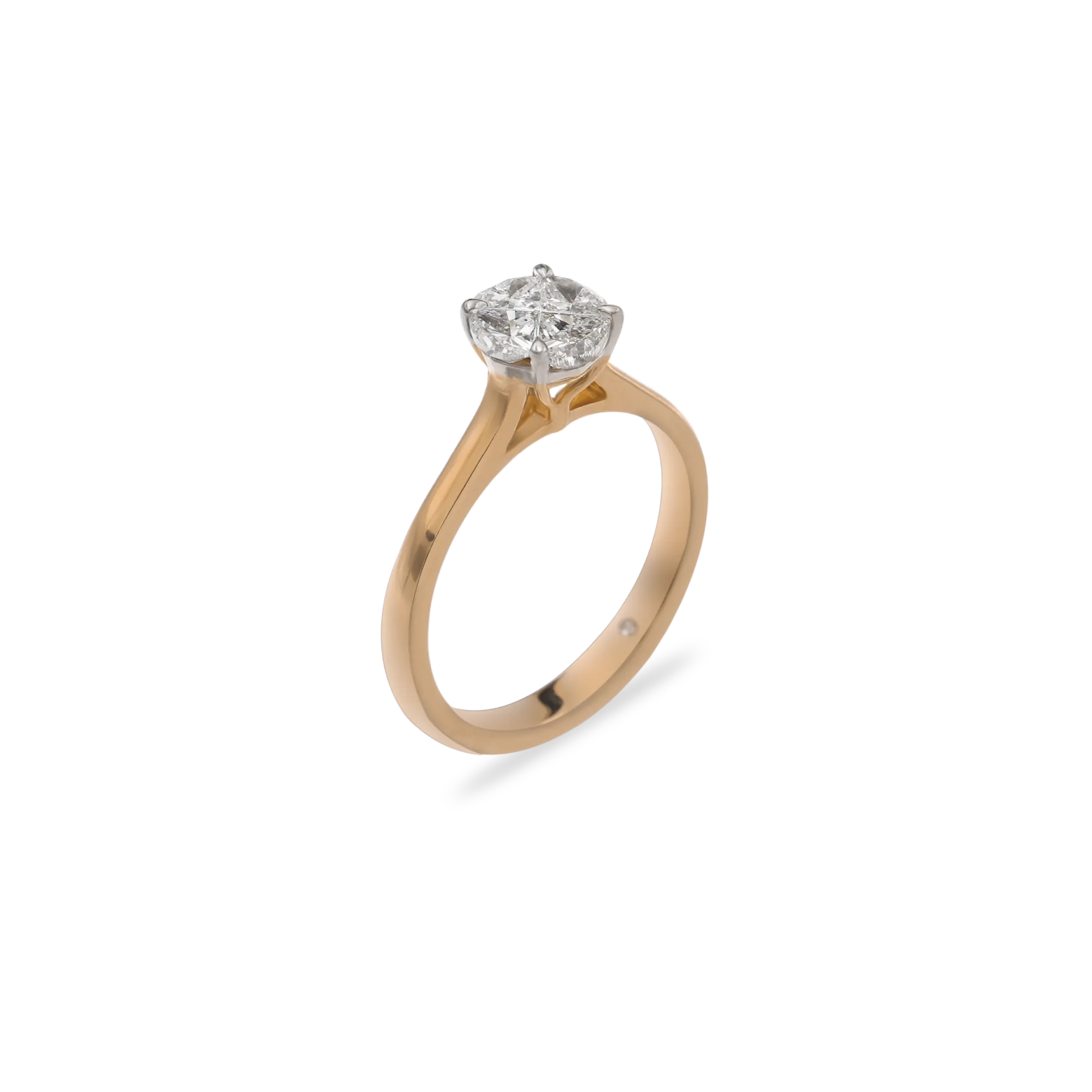
Specific settings are better suited to particular shapes to ensure durability. Prone-free bezel settings work well for protective styles, while classic solitaire four-prong settings are favorites for round or princess shapes.
Durability considerations for various diamond shapes
Careful consideration of a stone’s shape is vital because pointed corners or thin edges are more susceptible to chipping than rounded designs. Selecting a setting that offers extra protection to these exposed areas will significantly extend the life of your diamond.
If you prioritize daily wear , opting for a shape that tucks the corners safely into the metal is a responsible design choice. This simple step minimizes risk while allowing the diamond's beauty to shine brightly for years to come.
The importance of independent gemological certification
Certification acts as a safeguard during your purchase process by providing an unbiased assessment of the stone's characteristics. Without a report from a recognized laboratory, you are essentially relying on vendor claims rather than verified, repeatable standards.
Distinguishing between GIA, AGS, and other grading labs
Leading laboratories like the American Gem Society are held in high esteem for their strict, consistent grading standards. Choosing a stone certified by a reputable lab simplifies comparing diamonds across different vendors.
Key information to verify on a diamond report
Every report should detail the specific dimensions, cut grade, color, and clarity of your stone. Cross-referencing these details against physical observations is the best method to ensure your diamond matches the documentation provided.
Avoiding inflated appraisals from non-accredited sources
Be cautious when an appraisal comes from the same entity selling the diamond. Working with an American Gem Society certified professional provides an extra layer of assistance and verified expertise.
Why certification is vital for insurance and resale
Official documentation is mandatory for accurate insurance coverage and provides essential peace of mind during future appraisals. Having a verifiable record of your diamond's quality establishes its value clearly for any future life event.
Budgeting and smart shopping strategies
Setting a firm budget helps focus your search on what truly matters for your satisfaction. Research suggests there are clear differences in how consumers spend money on stones, often resulting in overpayment for features that go unnoticed. Utilizing a complete diamond buying guide can help you avoid common traps and focus on quality metrics that yield better value.
Real-world price differences between diamond grades
| Grade category | Price factor | Visual impact |
|---|---|---|
| Premium (D-F) | High | Minimal |
| Near-colorless (G-I) | Moderate | Excellent |
| Tinted (J-K) | Low | Notable |
Smart shopping involves choosing a grade that balances your aesthetic goals with your budget needs. Often, picking a near-colorless grade allows you to allocate more of your budget to a larger carat size or a higher cut quality.
Knowing when to compromise on quality for a larger stone
If size is your primary indicator of satisfaction, choosing a slightly lower clarity or color grade is a common strategy. Most buyers find that a larger, eye-clean diamond is preferable to a tiny, technically perfect one.
Evaluating financing options and protection plans
Many modern retailers offer managed payment plans that allow you to spread the cost over several months. Always review the terms of any protection plan to ensure it covers accidental damage or loss of the stone.
Comparing the benefits of online retailers versus local jewelers
Online platforms often provide a wider inventory and cost-effective pricing, while local stores offer immediate physical inspection and personalized service. Evaluate which style of discovery best matches your confidence level as a consumer.
Considering lab-grown diamonds
Technical differences between natural and lab-created stones
Lab-grown diamonds are chemically identical to their mined counterparts, sharing the same crystalline structure. They are created in controlled environments that replicate the intense pressure found deep within the earth.
Understanding composition and physical durability
Since lab-created stones are real diamonds, they possess the same hardness and durability as mined ones. You can expect identical resistance to everyday wear, making them a suitable choice for engagement rings and other fine jewelry.
The impact of lab-grown options on long-term value
Market pricing for lab-grown stones is generally lower than for mined diamonds, which impacts their long-term resale potential. Choose this path if you prioritize the stone's physical beauty and initial affordability rather than investment appreciation.
Ethical and environmental factors driving the market
Many consumers gravitate toward lab-grown options because of concerns regarding the extraction process of natural stones. Growing diamonds in a lab setting creates a transparent supply chain that many buyers find highly appealing.
Inspecting a diamond before purchase
Using a jeweler's loupe for visual assessment
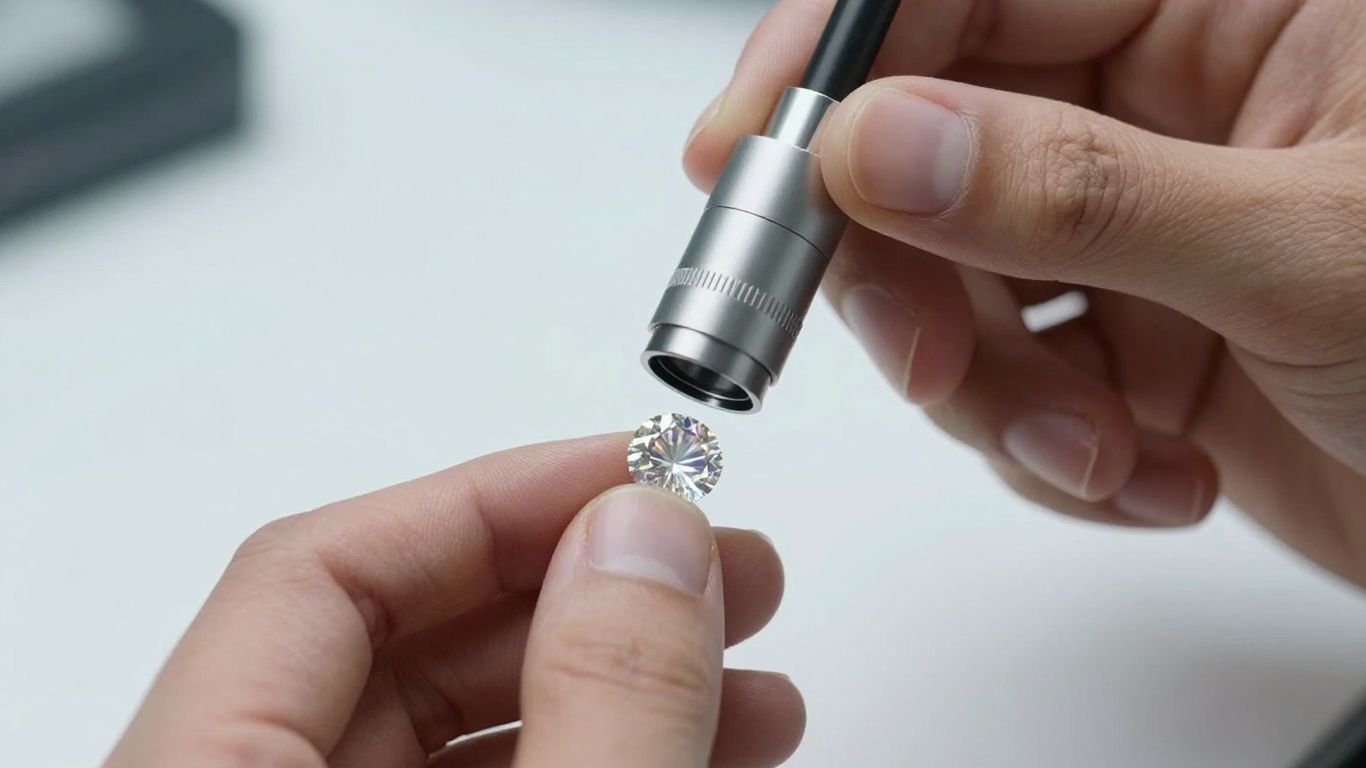
Magnification tools are essential for identifying internal flaws that are not visible to the naked eye. Learning the basics of using a loupe helps you confirm that the diamond matches its report description.
Evaluating fluorescence and its effect on stone appearance
Fluorescence is a reaction to UV light that can make some stones appear hazy or oily in direct sunshine. While this effect is rare in high-quality stones, it is a variable you should ask about before purchasing.
Checking for symmetrical craftsmanship and light leakage
Light leakage occurs when a diamond’s faceting doesn't return light properly, often creating dark windows in the center of the stone. Inspecting the symmetry ensures that the sparkle is even across the entire surface.
Observing the diamond under different lighting conditions
Always view your potential diamond under varied lighting, including office fluorescent and natural sunlight. Stones can behave differently depending on the light source, and you want to be sure you love your purchase in every setting.
Conclusion
Buying a diamond is a journey of discovery that balances science with personal style. By mastering the 4Cs, verifying your stone's quality with independent certification, and carefully weighing your options, you can select the perfect gem that brings joy for generations. Trust in your knowledge, inspect your stone thoroughly, and enjoy the experience of finding the piece that is just right for you.
Frequently Asked Questions
Does a higher clarity grade always mean a better stone?
Not necessarily. A higher clarity grade just indicates that there are fewer visible inclusions, but if those inclusions aren't visible to the naked eye, a more expensive grade may not change your visual enjoyment of the stone.
Can I tell the difference between a natural and lab-grown diamond?
Even trained professionals cannot distinguish between the two without specialized equipment. Chemically and physically, they are the same material, and they perform in exactly the same way.
What is the purpose of a diamond certificate?
A certificate acts as a third-party audit of the diamond's characteristics. It allows you to verify that the stone you are purchasing matches the quality claims made by the seller, providing an objective baseline.
How does fluorescence affect a diamond's shine?
Fluorescence is common and usually harmless, but it can potentially make a diamond appear milky in direct sun if it is very strong. For most diamonds, it does not decrease the sparkle or brilliance under ordinary conditions.
Should I choose a white gold or yellow gold setting?
This is largely personal, but if you choose a slightly lower color grade diamond, a yellow gold band can help hide any slight yellow tint in the stone, making it appear whiter by comparison.
What is the most durable diamond shape for daily wear ?
Round brilliant diamonds are generally the most durable because they lack sharp, vulnerable corners. Shapes with pointed ends, such as the pear or marquise, require protective setting styles to avoid potential breakage.
Is it smarter to buy online or in a store?
Both options have benefits. Online buying allows you to review a massive inventory at lower prices, while local stores allow for immediate, hands-on inspection and professional guidance that some find comforting for such a significant purchase.
Related blogs:
November 20, 2025
The Timeless Elegance of the Tennis Bracelet: A Comprehensive Guide
Read More
November 20, 2025
The Ultimate Guide to Styling and Wearing a Choker Necklace
Read More
November 20, 2025
Find Your Perfect Engagement Ring: A Comprehensive Guide to Styles and Diamonds
Read More
November 20, 2025
The Timeless Elegance of a Diamond Tennis Bracelet: A Buyer's Guide
Read More









.webp)

.webp)