Ruby vs. emerald jewellery: How to choose the right gemstone
October 18, 2026 | 10 minutes read
Key Takeaways
Ruby and emerald jewellery offer distinct color, character, and care considerations. The best choice depends on how you plan to wear it and what matters most to you.
- Ruby brings a vivid range of reds, while emerald is prized for green hues.
- Ruby is harder, but both stones benefit from thoughtful settings and care.
- Color, clarity, size, origin, and treatment can all influence price.
- Ask about enhancements and request a gemstone report when available.
- Choose the stone that fits your style, budget, and everyday routine.
Color and visual appeal
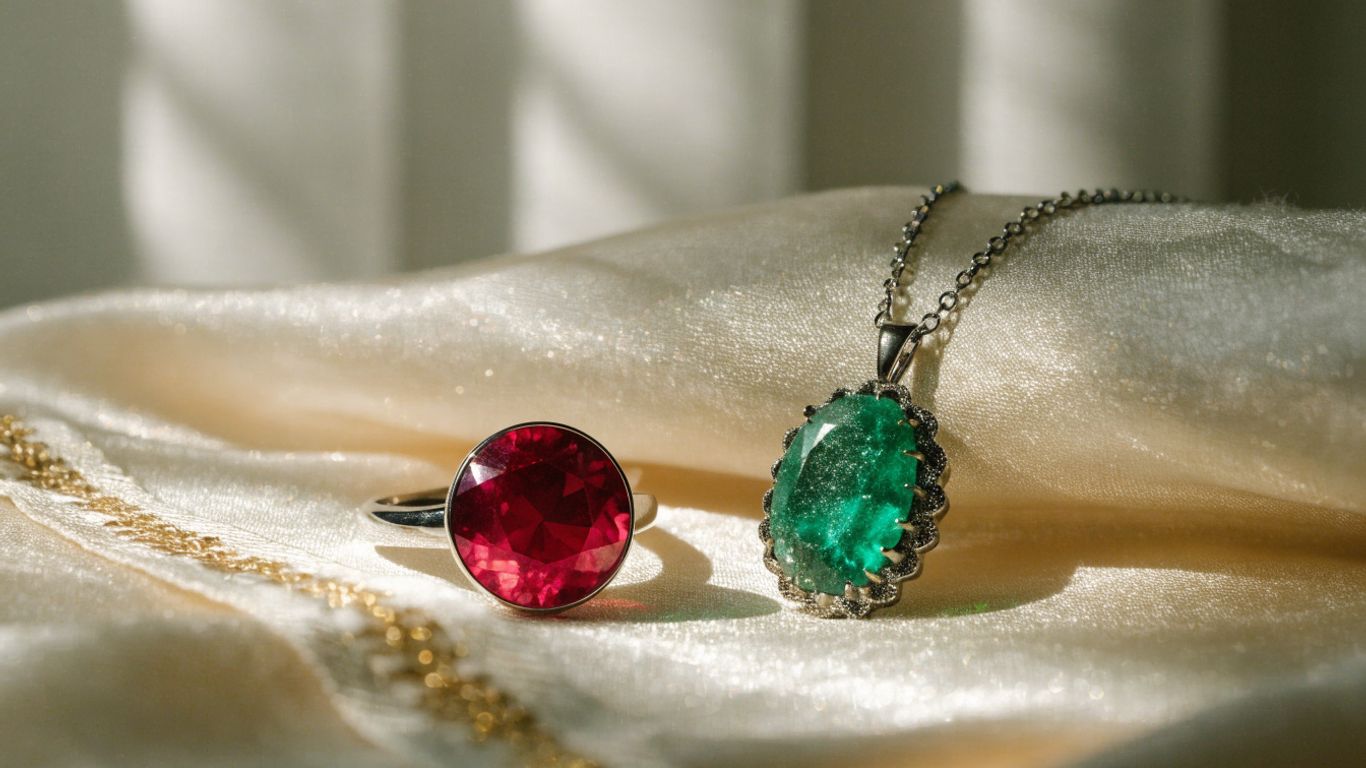
The first difference most people notice in ruby vs emerald jewellery is its color. Ruby offers warmth and intensity, while emerald has a cooler, leafy presence. Each stone varies naturally, so the name alone does not tell the whole story.
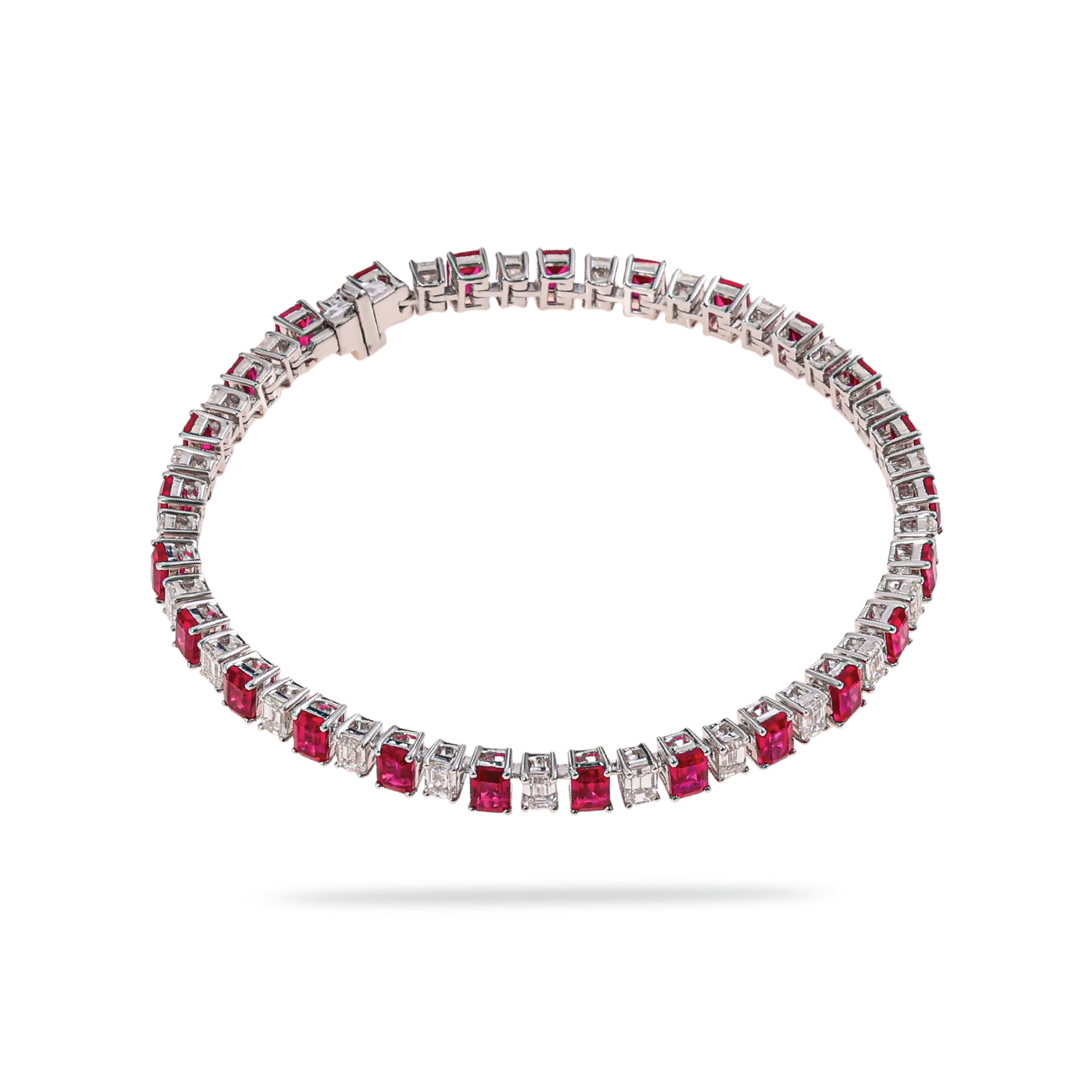
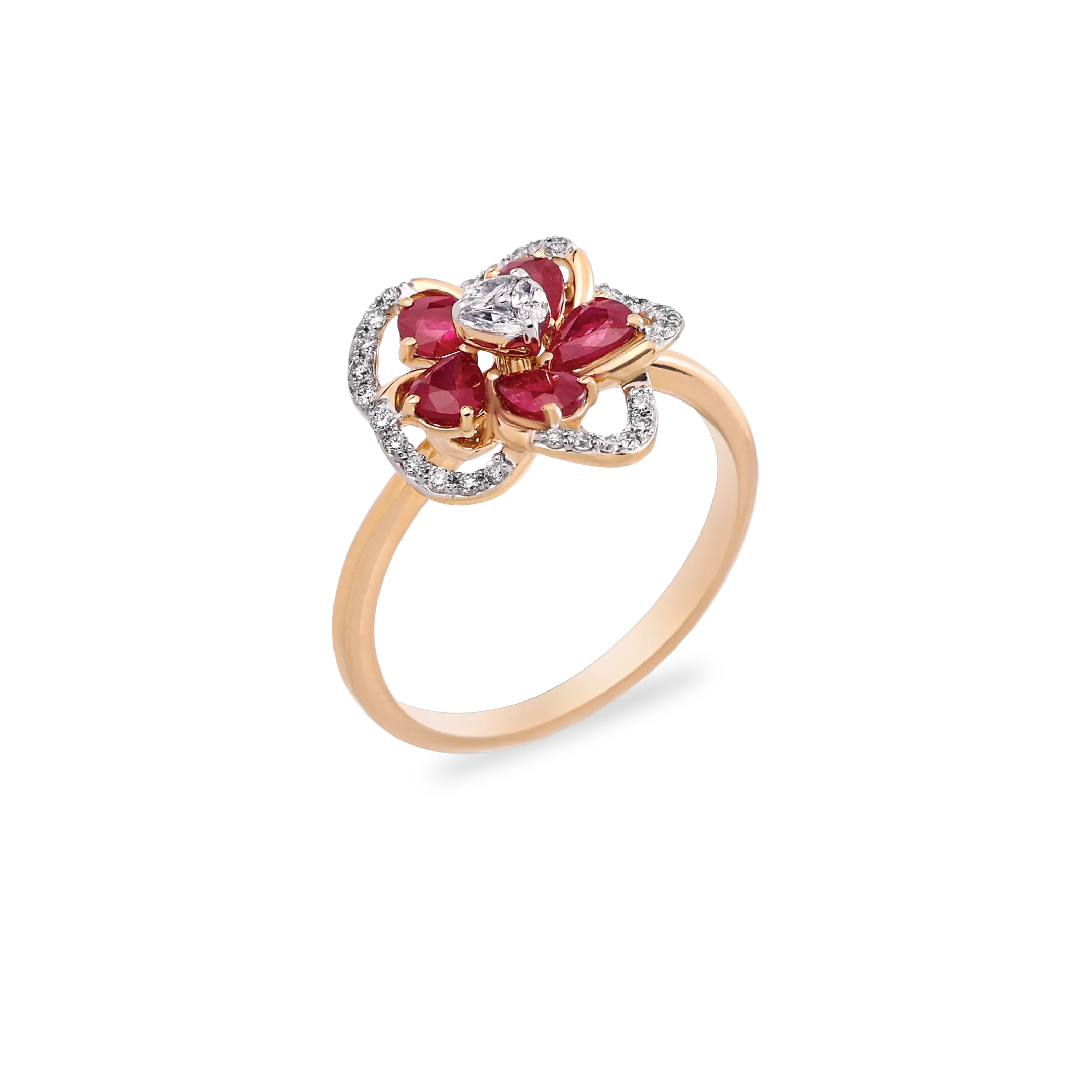
How ruby shades range from pinkish red to deep crimson
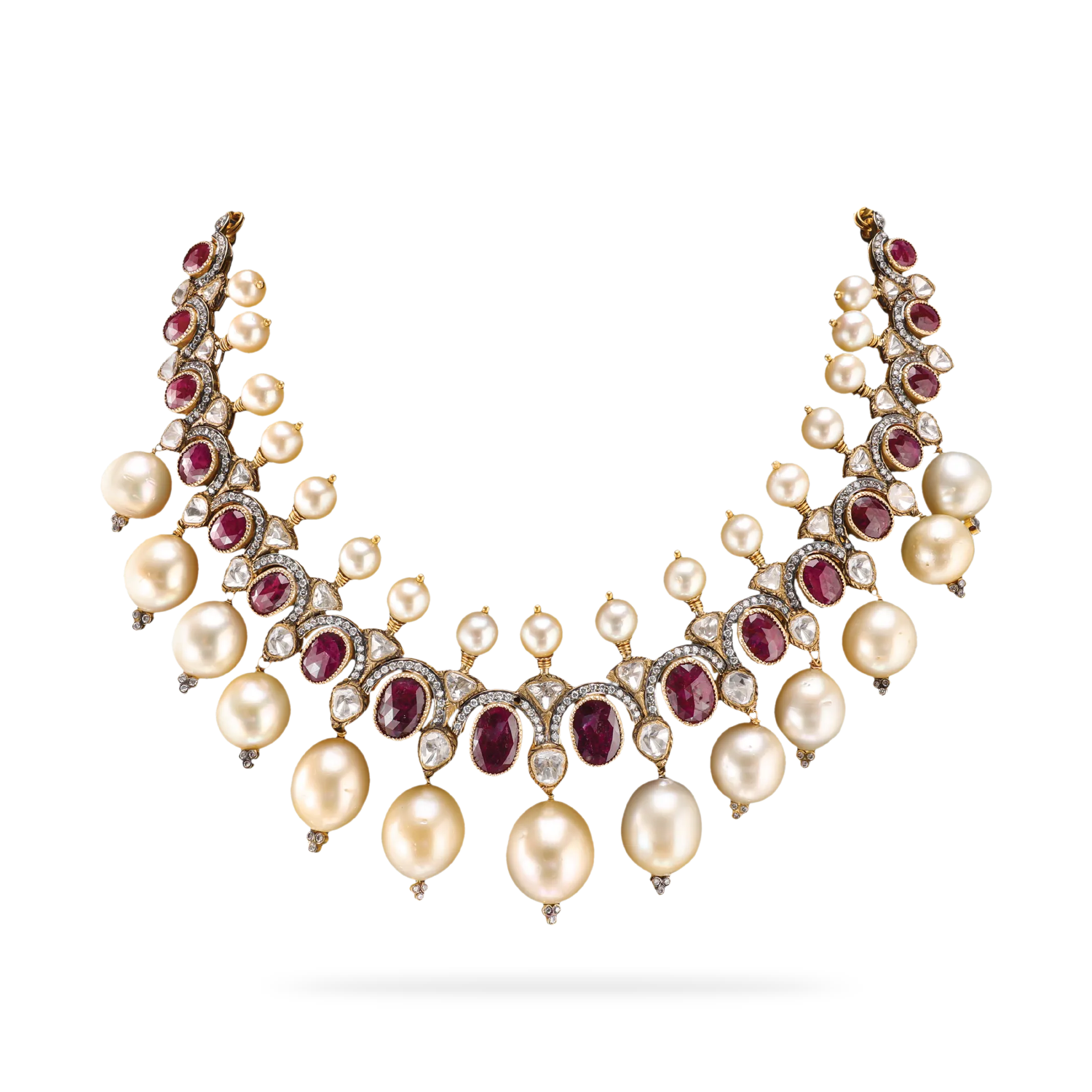
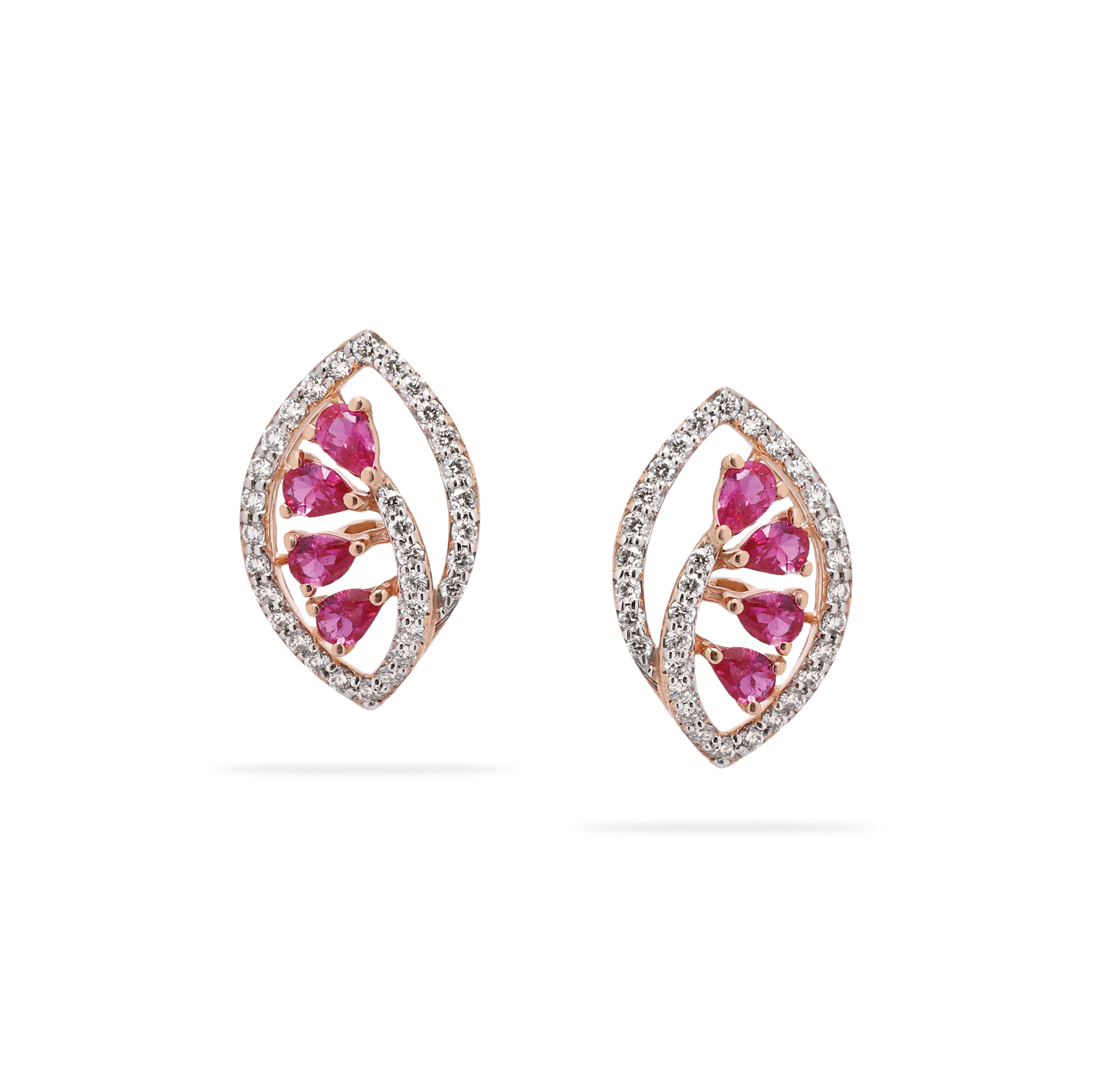
Ruby color can range from pinkish red to rich, saturated crimson. Some stones look bright and lively; others have a darker, more dramatic appearance. The right shade is a matter of taste, though even color and a pleasing balance of brightness and depth often make a ruby especially appealing.
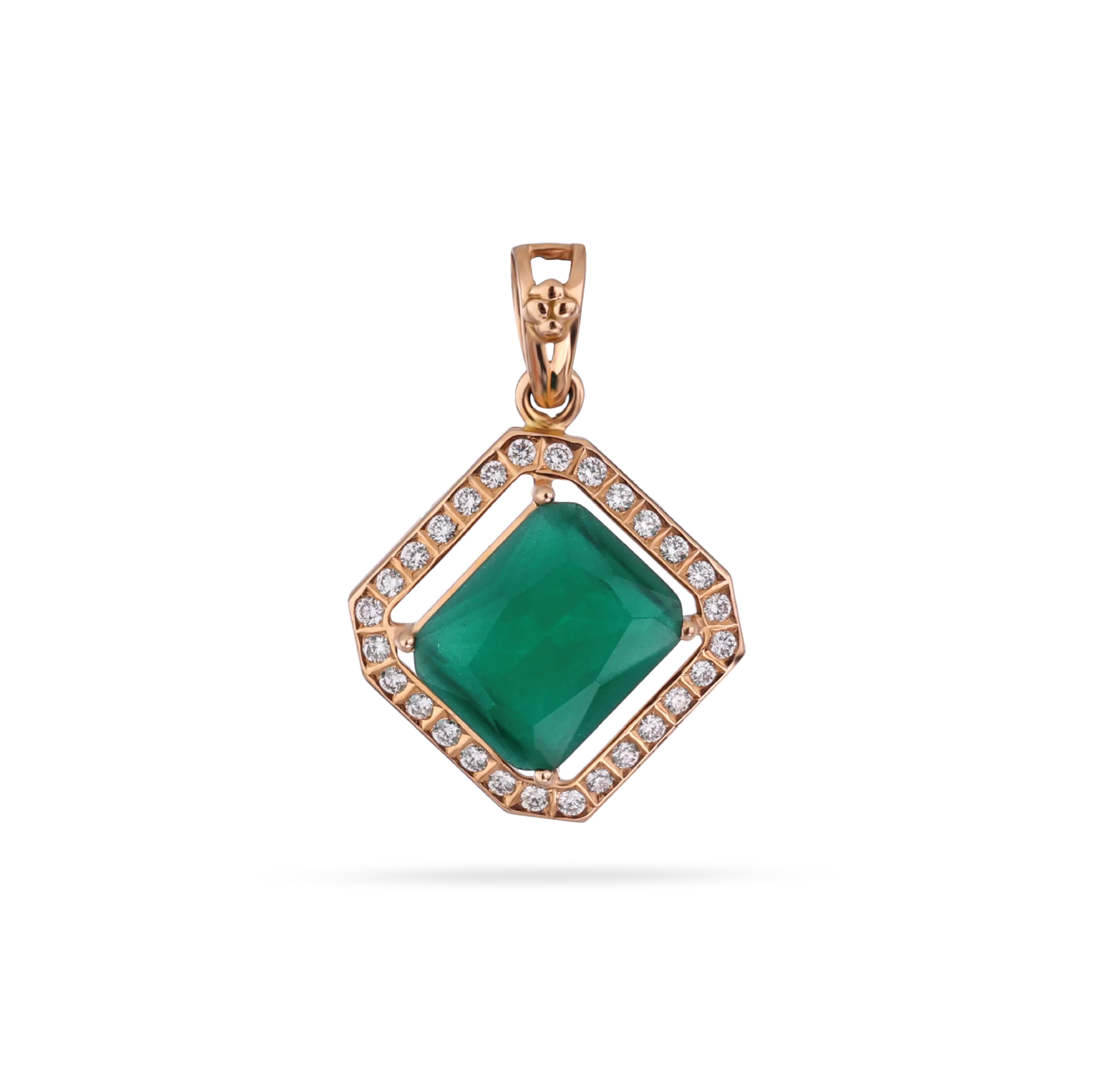
How emerald hues vary from bright green to blue-green
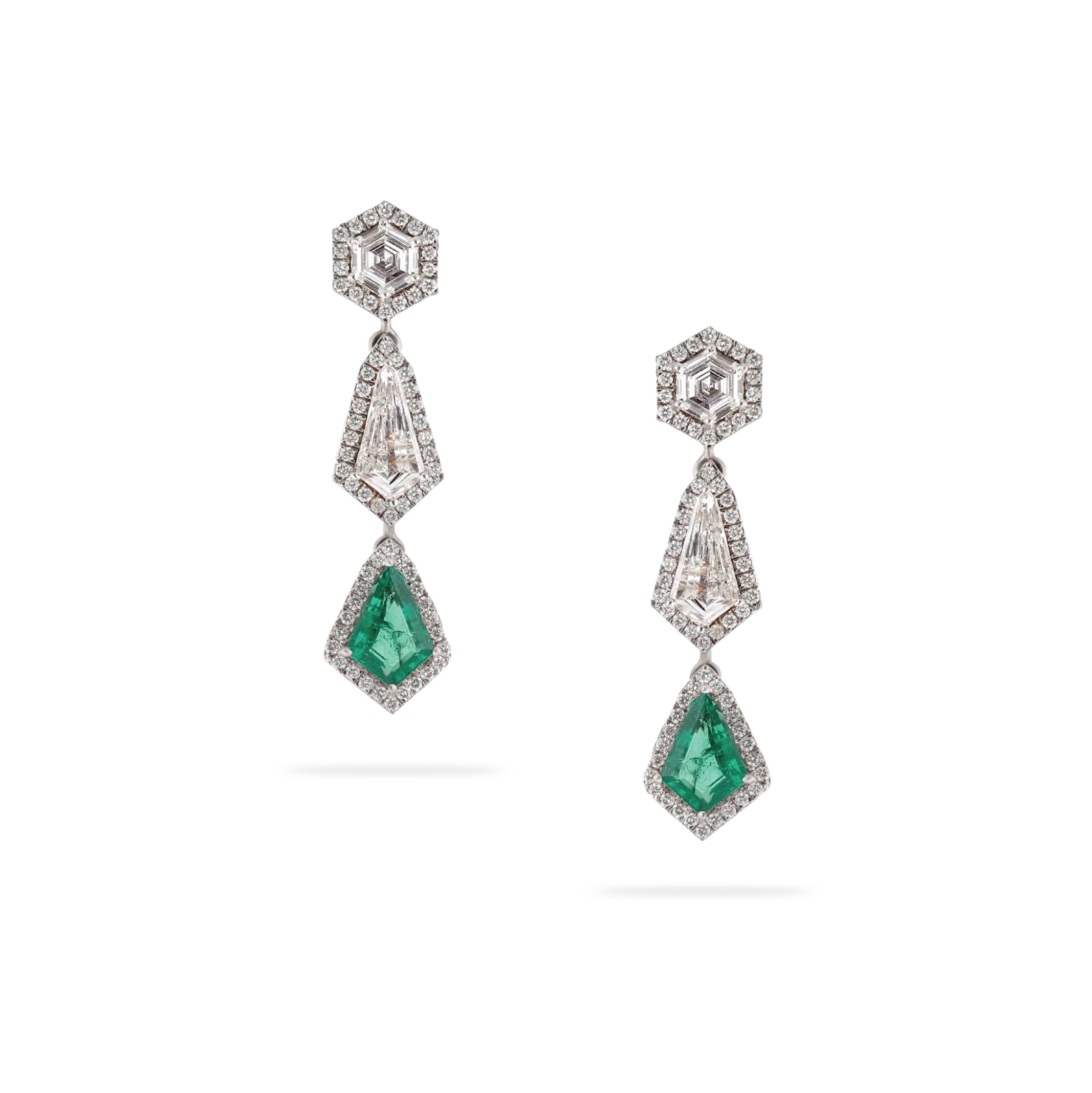
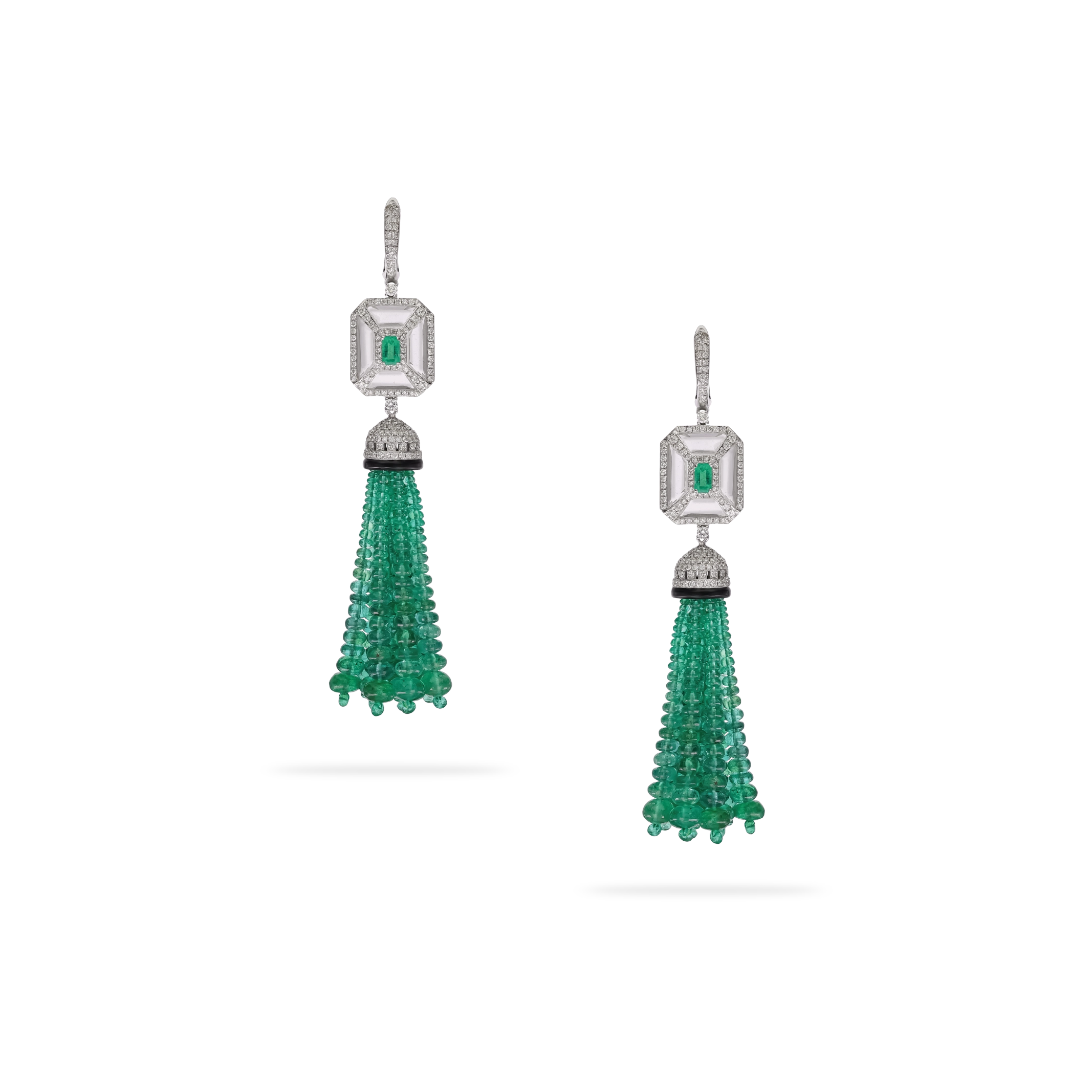
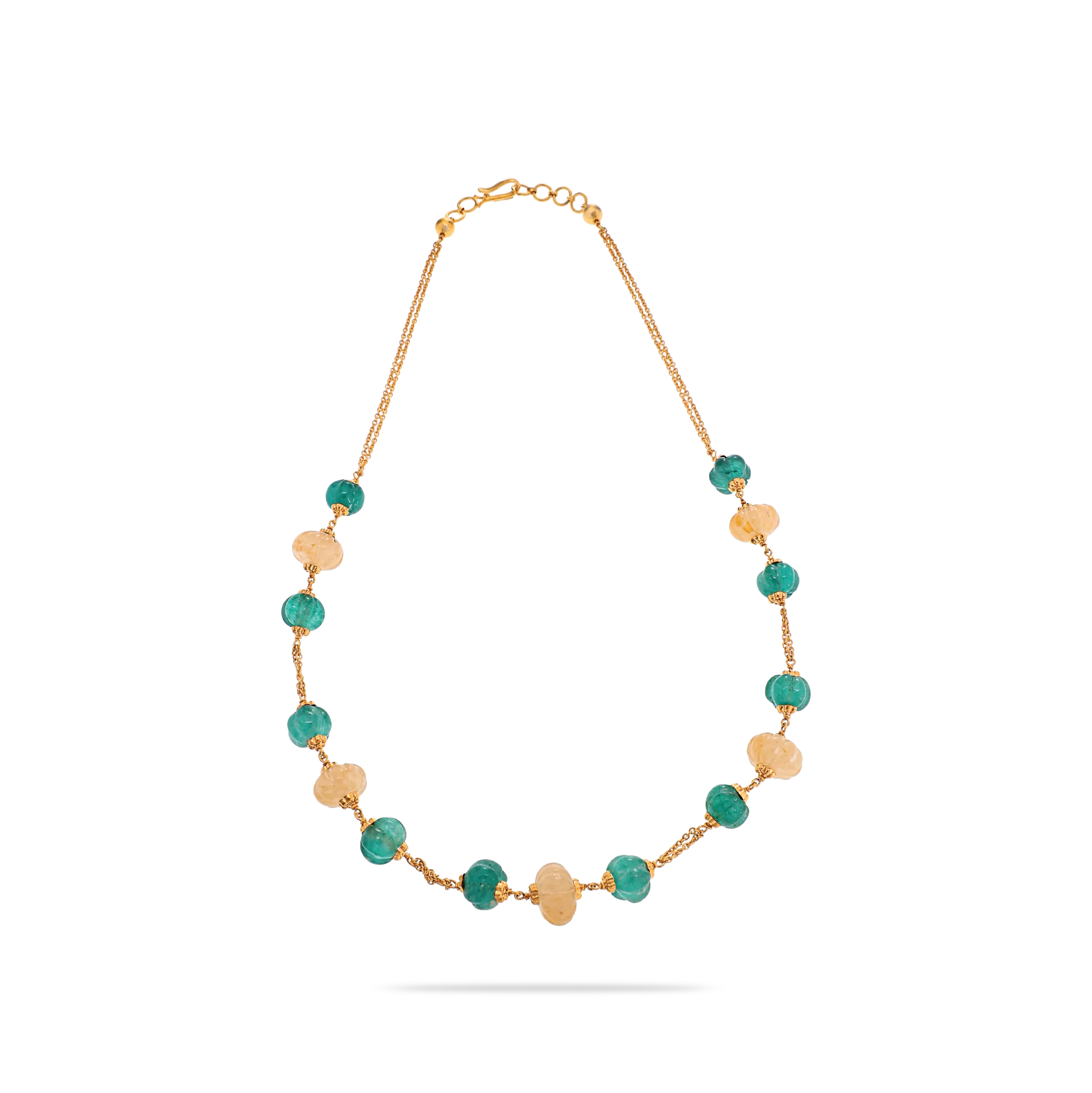
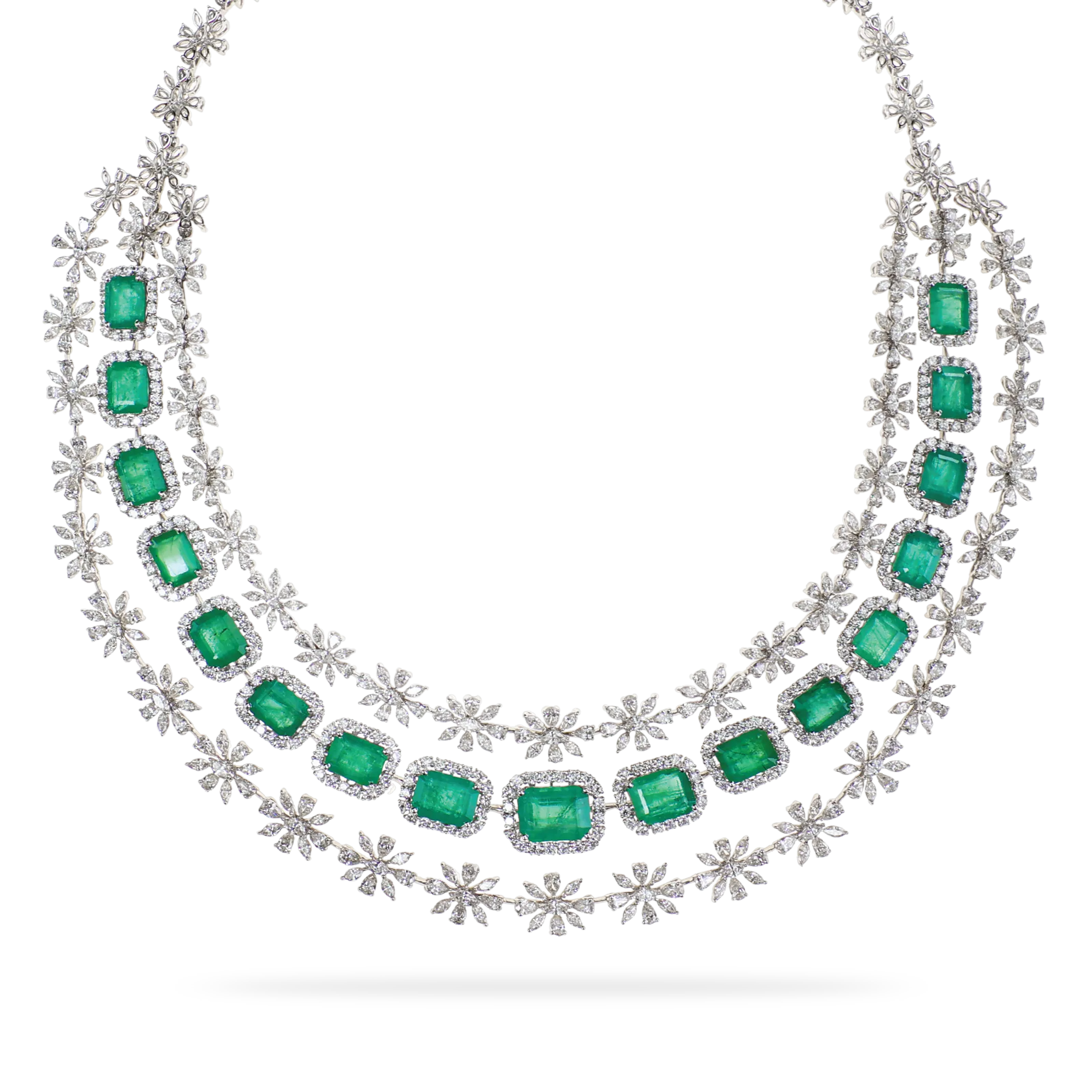
Emeralds span bright, fresh greens through deeper tones with hints of blue. Their color can feel soft and garden-like or bold and formal, depending on the stone and the light around it. For more ideas on the ways emeralds appear in different jewellery styles, explore this guide to emerald jewellery.
The role of clarity, inclusions, and light
Inclusions are common in emeralds and can give each stone an individual, almost garden-like character. Rubies can also contain inclusions, but clarity expectations differ between stones and should be considered alongside color. Lighting changes how both gems appear, so view a stone in more than one setting if you can; color in natural light may feel different from its look under bright shop lighting.
Which gemstone makes a stronger color statement
Ruby tends to stand out through its warm red, while emerald draws attention with a saturated green. Neither is automatically more striking: the result depends on the stone’s size, cut, setting, and the colors worn with it. For a broader comparison of these gems’ qualities, see ruby and emerald qualities.
Durability and everyday wear
Durability matters most when a piece will be worn often or exposed to knocks. Ruby is harder than emerald, but hardness is only one part of how a gemstone holds up. A well-chosen design and sensible care can help either stone remain a pleasure to wear.
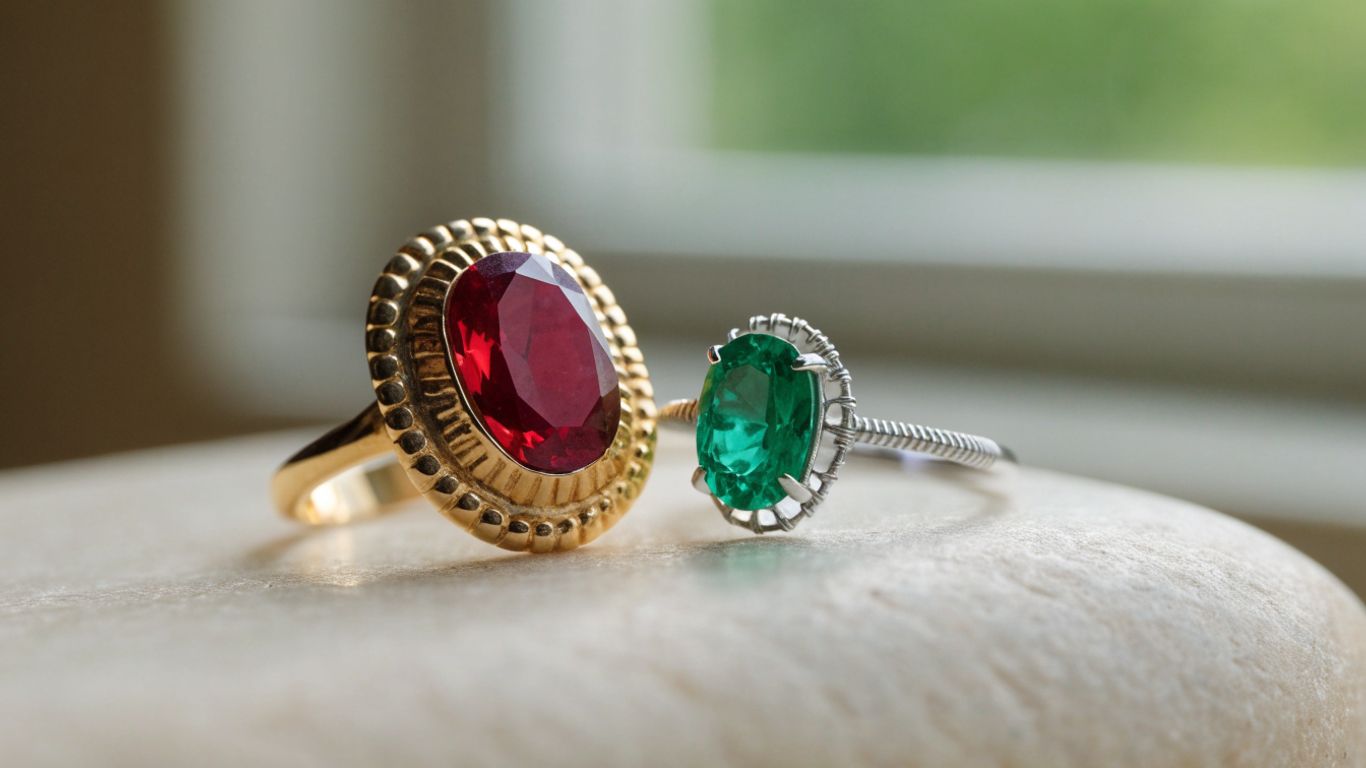
Comparing ruby and emerald hardness
Ruby ranks 9 on the Mohs hardness scale, while emerald generally falls between 7.5 and 8. That makes ruby more resistant to scratching, though hardness does not mean a stone cannot chip or be damaged. Emeralds’ internal features can make them more vulnerable to impact, so the practical difference is worth considering for rings and other frequently worn pieces.
Why emeralds may need more careful handling
Many emeralds have inclusions and may have been treated to improve their apparent clarity. These characteristics call for a little extra care, especially around hard knocks, heat, and household chemicals. Remove emerald jewellery before strenuous tasks, and follow a jeweller’s advice about cleaning rather than assuming every method is suitable.
Choosing a gemstone for rings, necklaces, or earrings
Where a stone sits on the body affects how much contact it is likely to have with daily activity. Rings are exposed to more bumps than necklaces or earrings, making durability and protection especially relevant. These are useful points to weigh when choosing a piece:
- Consider how often the jewellery will be worn.
- Think about whether the stone will catch on clothing or objects.
- Choose a design that feels comfortable for its intended use.
- Ask how to clean and store the finished piece.
That does not rule out emerald rings or ruby earrings; it simply helps match the stone and design to the routine. A necklace or pair of earrings may be a comfortable way to wear a more delicate gem, while a protected setting can make a ring more practical.
How setting style can protect each stone
A setting can help shield a gemstone’s edges from everyday contact. Bezel or protective-prong designs may offer more coverage than exposed settings, though the best choice depends on the cut and the overall design. Ask a jeweller to explain which parts of the stone remain exposed, then balance protection with the look you want.
Price and value
There is no single price rule that makes ruby or emerald the better value. Two stones of similar size can differ substantially in appearance and cost. A careful comparison starts with the qualities that matter to you, rather than carat weight alone.
What affects ruby prices
Ruby prices are influenced by color, clarity, size, cut, origin, and treatment. A stone with vivid, balanced color may be more sought after than one that is too dark, too light, or uneven. Larger rubies of fine quality can be scarce, so compare the actual appearance of the gem rather than assuming that size alone signals value.
What influences emerald prices
Emerald cost also reflects color, clarity, size, and cut, along with origin and any clarity enhancement. Since inclusions are common, shoppers often look for an attractive balance of color and transparency rather than expecting a flawless stone. Treatments and their degree can make a meaningful difference to a comparison between two otherwise similar emeralds.
How color, clarity, origin, and treatments shape cost
These factors work together, and no single label tells you what a stone should cost. A useful first step is to compare the same qualities across the stones you are considering. The table below offers a simple framework for judging what to ask about.
| Factor | What to compare | Why it matters |
|---|---|---|
| Color | Hue, brightness, and evenness | Color strongly shapes the stone’s visual appeal. |
| Clarity | Visible inclusions and overall transparency | Characteristics differ between rubies and emeralds. |
| Origin | Whether a stated origin is documented | Origin may influence interest and pricing. |
| Treatment | Type and extent of enhancement | Treatment affects appearance and value. |
Use the framework to guide questions, not as a formula for ranking stones. The appearance and documentation of the individual gem are more useful than a broad assumption about a gemstone category.
Setting a budget without sacrificing quality
Decide which features matter most before you shop. You might prioritize color over size, or prefer a smaller stone with an appearance you love. Keeping those priorities in view can help you compare options without treating the most expensive stone as the automatic best choice.
Treatments and gemstone buying
Treatments are part of the conversation when buying colored gemstones. They can affect appearance, care, and price, so clear disclosure matters. A report or written description can help you understand what you are considering before making a decision.
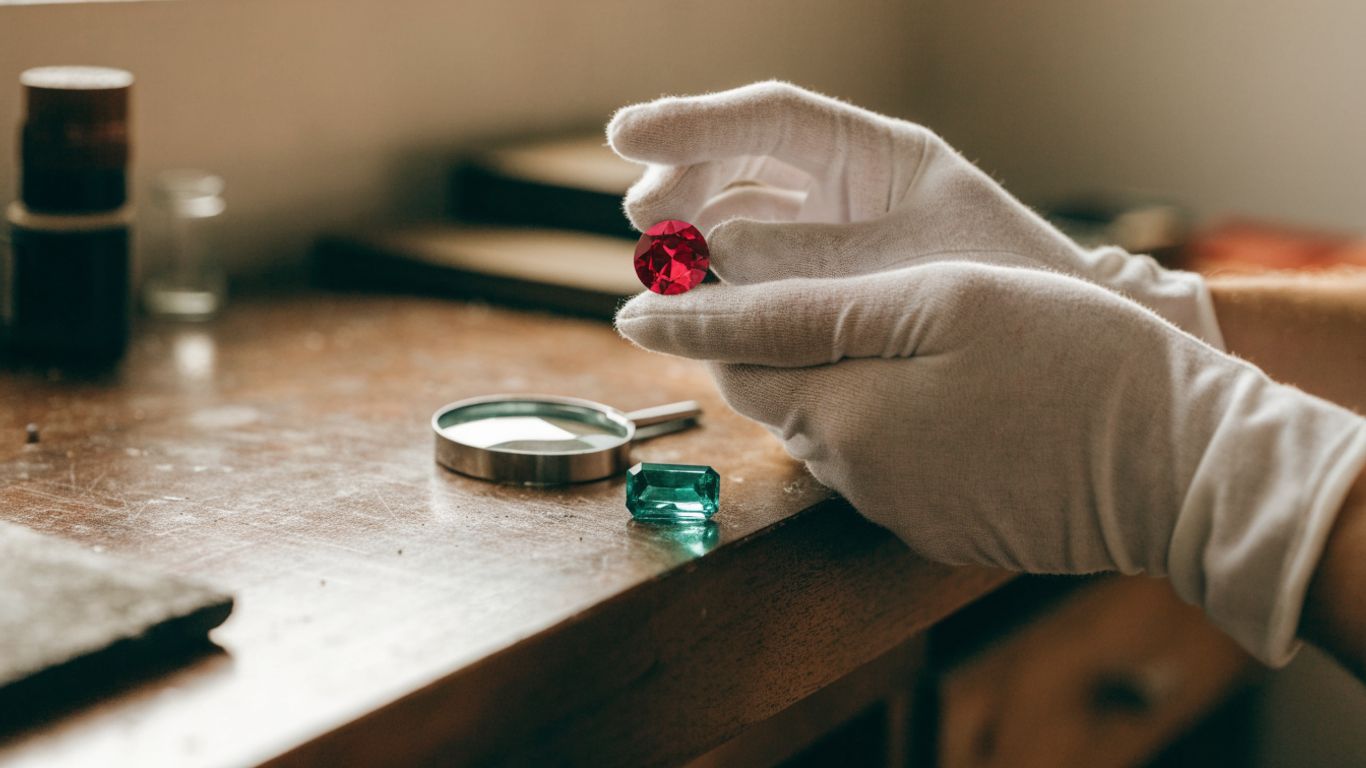
Common ruby enhancements to know about
Some rubies are treated to improve their appearance, and the type and extent of treatment can vary. Ask whether the stone has been treated and how that information is documented. If the answer is unclear, pause and request details before comparing its price with another ruby.
Emerald oiling and other clarity treatments
Oiling is a known clarity treatment for emeralds, and other clarity enhancements may also be used. Ask what treatment has been applied, how significant it is, and whether it affects recommended care. Knowing the details helps set realistic expectations about the stone’s appearance and how to look after it.
What to look for on a gemstone report
A report can identify a gemstone and describe relevant observations, including treatment information when assessed. Check that the report refers to the stone you are buying and that its wording is understandable to you. A report supports informed shopping, but it does not replace seeing the gem and discussing its condition with the seller.
Questions to ask before purchasing
A few direct questions can make a buying conversation clearer and more useful. Ask them before settling on a stone, especially when comparing gems at different prices.
- Has the gemstone been treated, and what treatment was used?
- Is there a report, and does it correspond to this specific stone?
- What care or cleaning methods should I avoid?
- What are the return, repair, and warranty terms?
The answers help you compare like with like and understand what ownership will involve. If buying ruby jewellery for a wedding, you may also find this ruby bridal jewellery guide useful for considering style, comfort, and lasting wear.
Style, symbolism, and occasion
Color is only part of the decision; the meaning and mood of a piece matter too. Ruby and emerald each have long-standing associations, though personal significance is what makes a gift feel individual. Consider how the stone fits the wearer’s taste as well as the occasion.
Traditional meanings associated with rubies
Rubies are often associated with love, passion, courage, and vitality. These traditions can make a red gemstone feel fitting for a romantic gift or a personal milestone. Such meanings are cultural associations rather than rules, and the recipient’s own connection to the color should come first.
Symbolism and associations linked to emeralds
Emeralds are commonly linked with renewal, growth, and a sense of calm. Their green color can feel grounded and distinctive, whether chosen for a special occasion or worn as a personal favorite. The symbolism is a useful starting point, but the stone’s appearance and the wearer’s preferences matter more than any fixed interpretation.
Matching each gemstone to personal style
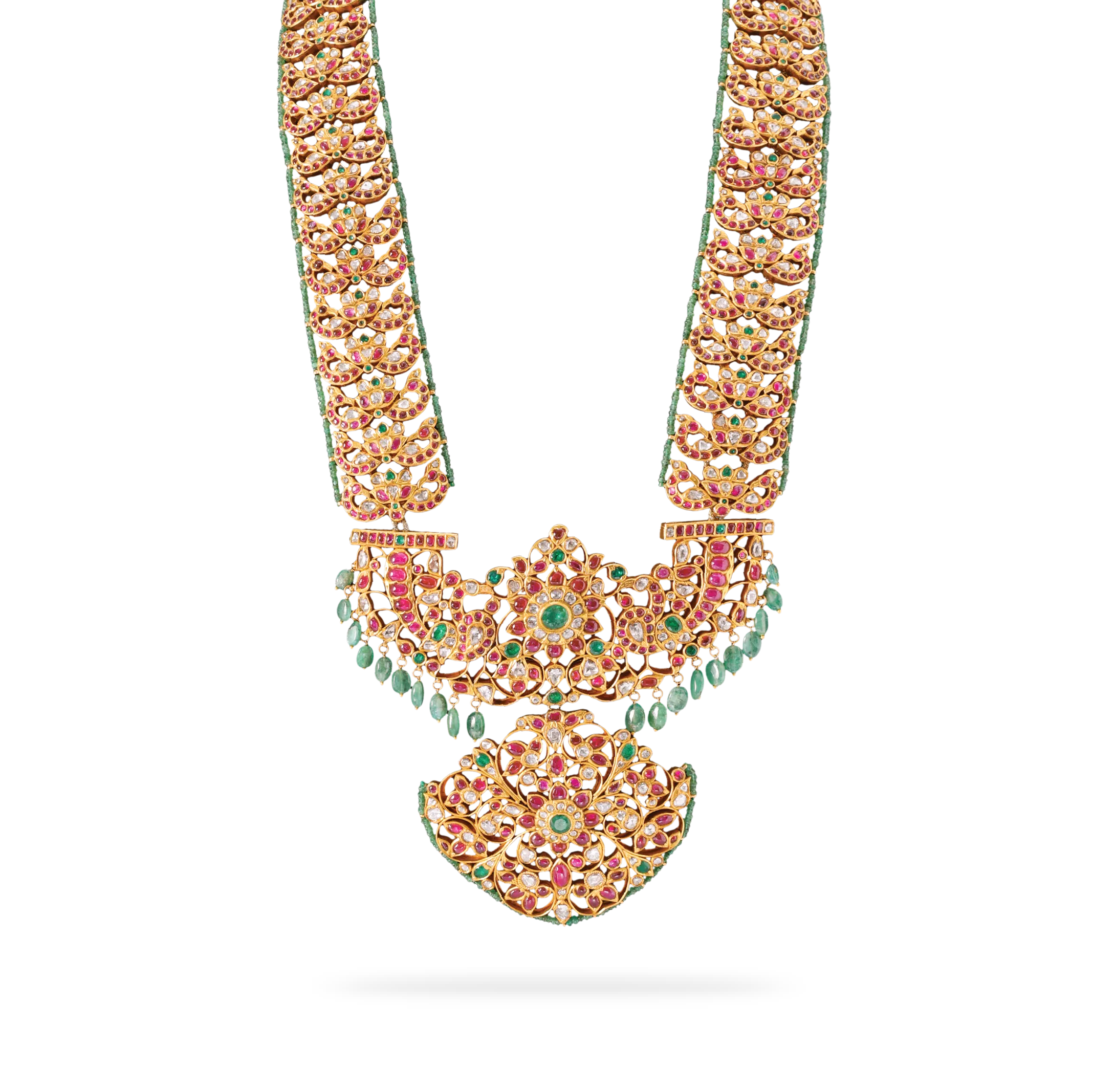
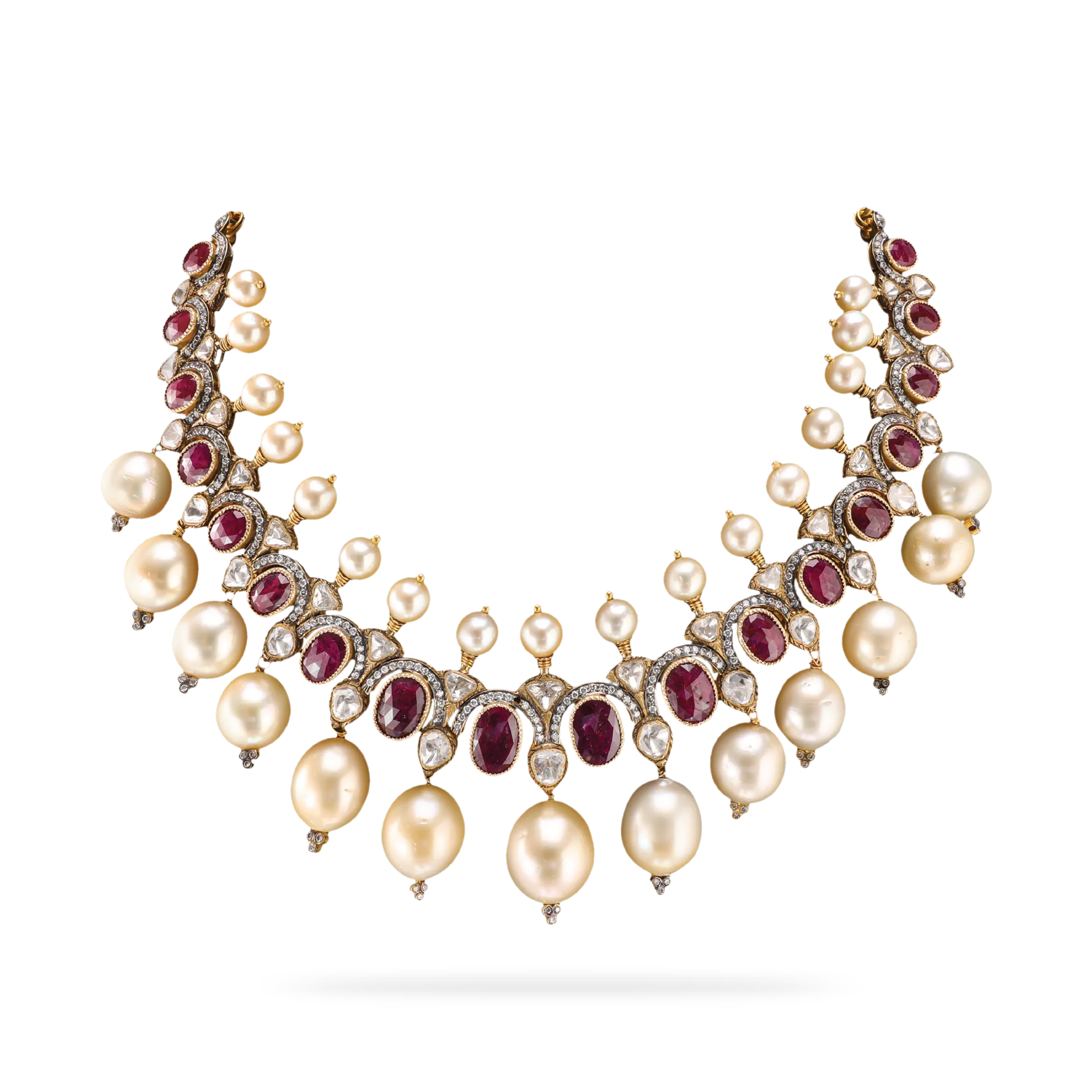
Ruby suits someone drawn to warm, vivid accents, while emerald can appeal to a taste for rich greens and a more botanical feel. Metal color, cut, and setting alter the overall impression, so look at the whole piece rather than the gem in isolation. For more gemstone styling ideas, browse this guide to gemstone earrings.
Choosing a stone for a gift or milestone
For a gift, think about the recipient’s usual colors, jewellery habits, and comfort with care. Birthstone associations and anniversaries can offer a meaningful prompt, but a piece that suits their routine is more likely to be worn. A personal note about why you chose the stone can make the gesture feel especially thoughtful.
Choosing between ruby and emerald jewellery
There is no universal winner in the ruby-versus-emerald choice. Both can be beautiful in a wide range of designs, and their differences are practical as well as visual. Start with how you will wear the piece, then let color, care, and budget guide the final decision.
When ruby may suit your lifestyle better
Ruby may be a good fit if you want a red gemstone and expect to wear the piece regularly. Its greater hardness can be an advantage for jewellery that sees frequent use, though it still deserves care. Consider ruby if its color feels right to you and the setting offers the protection your routine calls for.
When emerald may be the right choice
Emerald may suit you if its green color is the feature you keep returning to and you are comfortable with more attentive handling. It can be especially appealing in pieces that encounter fewer knocks, such as necklaces or earrings. Ask about clarity treatment and care before deciding so that the stone’s needs are clear from the start.
Matching a gemstone to skin tone and wardrobe
Try each color alongside clothes and metals you already wear. Red can add a warm focal point to neutral or dark outfits, while green may complement earth tones, navy, and many other colors. These are starting points, not restrictions: the best match is the one that feels natural in your wardrobe.
Balancing maintenance, budget, and personal preference
A practical decision weighs more than price or hardness alone. Think about care, the setting, how often you will wear the piece, and which color you enjoy seeing. If the choice remains close, comparing a ruby and an emerald in person may make the difference clear.
Conclusion
Ruby and emerald jewellery each offer a distinctive way to wear color, from ruby’s warm red to emerald’s vivid green. Compare the individual stones, ask about treatments, and choose a setting suited to your routine; the right gem is the one whose look and care feel like a good fit for your life.
Frequently Asked Questions
Is ruby harder than emerald?
Yes. Ruby ranks 9 on the Mohs scale, while emerald generally ranks between 7.5 and 8. Hardness helps describe scratch resistance, but neither stone is immune to damage.
Is emerald suitable for an engagement ring?
It can be, particularly when the wearer understands its care needs and the ring has a protective setting. Consider how often the ring will be worn and what activities it may encounter.
Which gemstone is more expensive, ruby or emerald?
Neither is always more expensive. Price depends on qualities such as color, clarity, size, origin, cut, and treatments, so compare individual stones rather than relying on a general ranking.
Do emeralds always have inclusions?
Inclusions are common in emeralds, but they vary from stone to stone. Look at how visible they are and how they affect the gem’s appearance and durability.
Are rubies treated before they are sold?
Some rubies are treated, and the type and extent can vary. Ask the seller to disclose treatments and provide supporting documentation when available.
Can ruby and emerald jewellery be worn every day?
Either can be worn regularly, but the design and the wearer’s routine matter. Ruby is harder, while emerald may call for more careful handling; protective settings and sensible care help.
How should ruby and emerald jewellery be cleaned?
Follow the seller’s care instructions, especially for treated stones. When unsure, avoid harsh chemicals and ask a qualified jeweller which cleaning method is appropriate for that specific piece.
Diamond vs. gemstone engagement ring: how to choose the right center stone
10 minute read
Related blogs:
November 20, 2025
The Timeless Elegance of the Tennis Bracelet: A Comprehensive Guide
Read More
November 20, 2025
The Ultimate Guide to Styling and Wearing a Choker Necklace
Read More
November 20, 2025
Find Your Perfect Engagement Ring: A Comprehensive Guide to Styles and Diamonds
Read More
November 20, 2025
The Timeless Elegance of a Diamond Tennis Bracelet: A Buyer's Guide
Read More