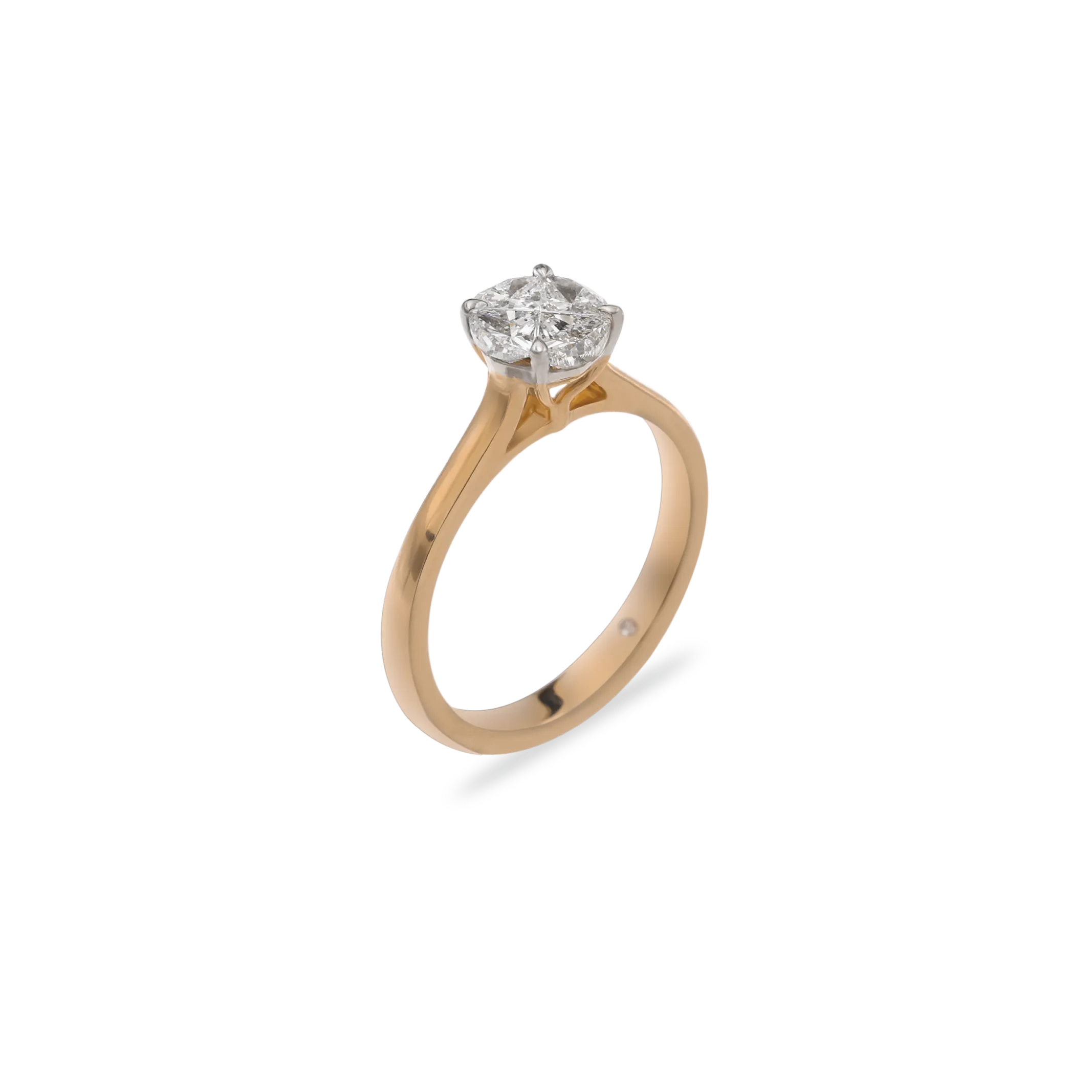
Diamond vs. gemstone engagement ring: how to choose the right center stone
October 18, 2026 | 10 minutes read
Key Takeaways
The right center stone is the one that suits the wearer’s habits as well as their taste. Compare the whole ring, not just the gem.
- Diamonds offer familiar brilliance, while colored gemstones bring a wider range of hues and visual character.
- Hardness helps explain scratch resistance, but toughness and cleavage also affect a stone’s everyday durability.
- Price depends on more than stone type; quality, treatments, origin, and setting all matter.
- Protective settings and sensible care can help a ring stay wearable over time.
- Try stones in different lighting and weigh appearance, budget, durability, and personal meaning together.
How diamond and gemstone engagement rings differ
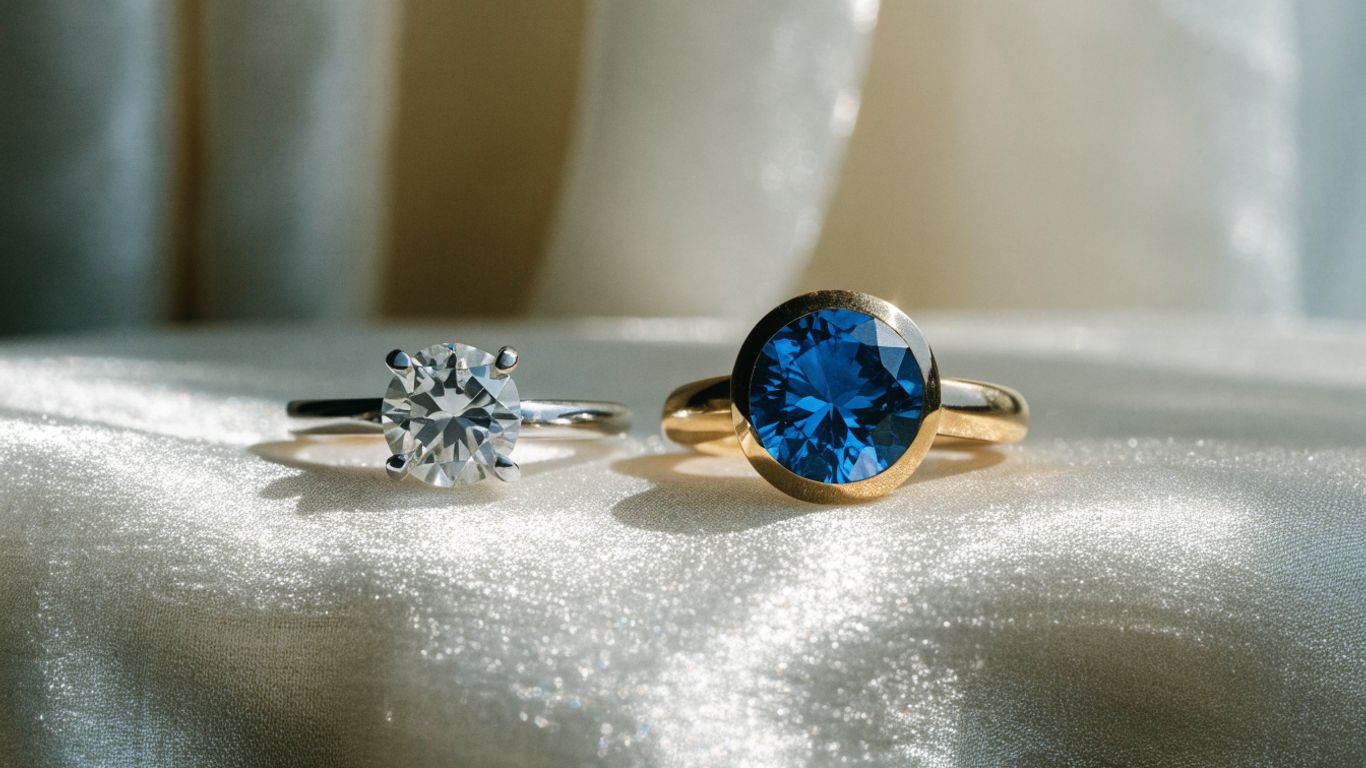
A diamond is one kind of gemstone, but engagement rings commonly use “gemstone” to mean a colored stone other than diamond. That distinction shapes the look: a diamond is often chosen for its bright, lively return of light, while colored gems make hue a central part of the design. Neither choice is inherently more personal or more suitable; the difference is what you want the ring to say and how you want it to wear. A useful gemstone and diamond comparison can help frame the decision before you focus on a particular stone.
What counts as a diamond and a gemstone
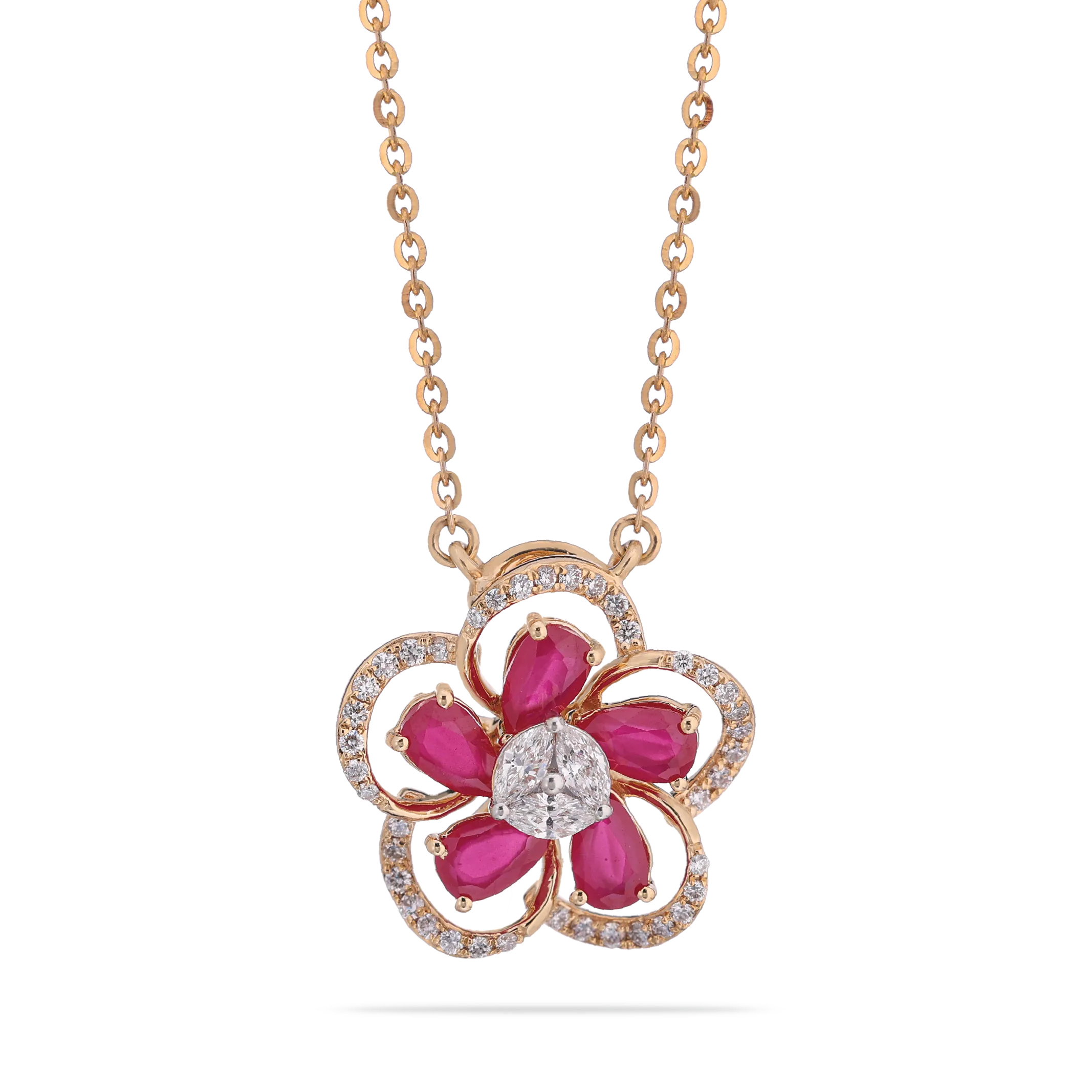
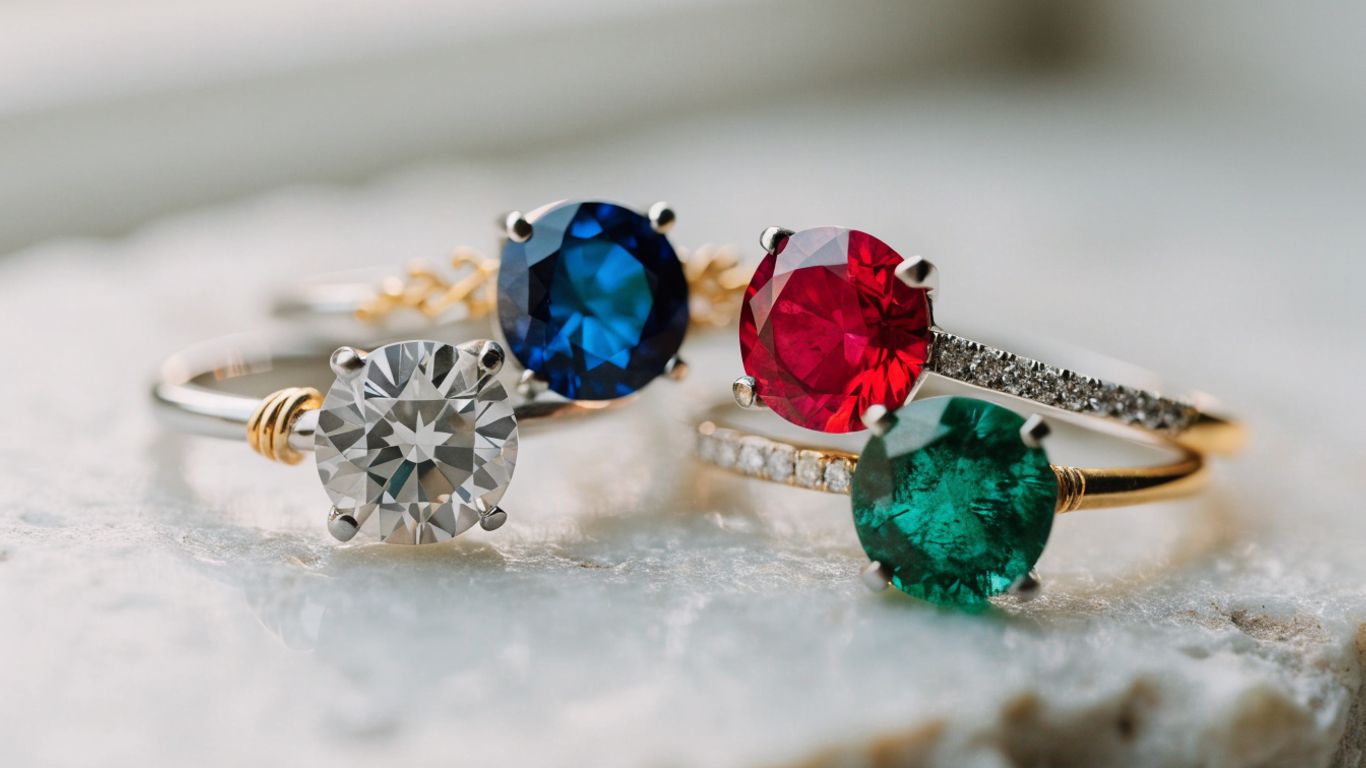
Diamonds are crystals of carbon, while gemstones include many different minerals and materials selected for beauty and durability. Sapphire, ruby, and emerald are familiar colored choices, each with its own visual qualities and care considerations. Since diamond is technically a gemstone too, the phrase “diamond versus gemstone” usually means a diamond compared with a colored gem. If you are considering color, this guide to colored-stone options offers another way to think through types, appearance, and practical fit.
Color, brilliance, and visual character
A diamond’s appearance is shaped by how it reflects and disperses light, as well as by its cut and other quality characteristics. Colored stones are often selected first for hue, although brightness, transparency, and the way a particular cut handles light still matter. Two gems of the same species can look quite different, so a photograph or a brief glance in a display case may not tell the whole story. Look for the kind of color you enjoy seeing on your hand, not only the color that looks striking in isolation.
Natural and lab-grown options
Both diamonds and some colored gemstones are available in natural and laboratory-grown forms, though availability varies by gem. Lab-grown stones are created in controlled settings and can share the same basic material properties as their natural counterparts; they are not simply imitations. Natural stones formed through geological processes, and their appearance and characteristics vary from one stone to another. Ask the seller to identify the stone’s origin clearly and explain any treatments, rather than relying on a general label.
How personal style shapes the choice
A diamond may feel right if you love a bright, familiar look that works easily with many styles. A colored stone can feel more individual, whether you are drawn to a deep blue, a vivid green, or a shade with personal meaning. You do not need to follow a tradition or reject one to make a thoughtful choice. Start with the colors and shapes you actually wear, then consider whether you want the ring to blend in or become a distinctive accent.
Durability for everyday wear
A ring worn every day meets more than occasional contact with a soft cloth. It can catch on clothing, bump against hard surfaces, and encounter grit that gradually affects its finish. Durability depends on several properties of the stone and on how well its setting protects it. The distinction between hardness and toughness is especially useful when comparing a diamond with a colored gem.
How hardness affects scratch resistance
On the Mohs scale, diamond ranks 10, sapphire and ruby rank 9, and emerald is typically around 7.5 to 8. These figures describe resistance to scratching, not a promise that a stone cannot chip or break. A harder stone can still be damaged by a sharp impact, and dust or debris can scratch softer materials around it. Think of the scale as one helpful comparison, not a complete forecast of how a ring will hold up.
Why toughness and cleavage matter
Toughness describes how well a stone resists breaking or chipping, while cleavage refers to a tendency to split along particular planes in its crystal structure. Those traits are different from scratch resistance, and they help explain why two stones with high hardness can still need careful handling. Inclusions, cut, and setting design can also influence vulnerability. For a ring worn often, ask how the stone’s shape and mounting leave its edges and corners exposed.
Comparing popular gemstones such as sapphire, ruby, and emerald
Sapphire and ruby are varieties of corundum, while emerald is a variety of beryl; their different structures and common characteristics affect how they are best worn. The table gives a broad comparison, but individual stones can vary, and a rating alone cannot account for every impact or setting choice.
| Stone | Typical Mohs hardness | Practical consideration |
|---|---|---|
| Diamond | 10 | Scratch-resistant, but can still chip under a hard impact |
| Sapphire | 9 | A durable colored option; protect the stone from sharp knocks |
| Ruby | 9 | Similar hardness to sapphire, with individual quality and setting still relevant |
| Emerald | About 7.5–8 | Often needs more thoughtful protection and gentle care |
These comparisons can help narrow a shortlist, but they should not replace an inspection of the actual gem. A well-designed mounting can reduce exposure, while a fragile shape or vulnerable edge may call for extra care even in a hard stone.
Matching a stone to your daily activities
Consider the moments when you wear rings most: hands-on work, exercise, cooking, or frequent use of tools can increase the chance of bumps and exposure. A ring can also be removed for activities where jewelry may snag or be struck. The right choice depends on what you will realistically do, rather than an idealized promise to be careful all the time. If you want a colored stone but have an active routine, discuss stone choice and protective setting together.
Price and long-term value
The price of a ring is not determined by whether its center is a diamond or a colored gem alone. Stone quality, size, origin, treatments, and the details of the setting can all change the total. It helps to separate the qualities you care about from the features you would accept as trade-offs. That way, a budget becomes a guide for choosing rather than a reason to compromise blindly.
What drives diamond pricing
Diamond pricing commonly reflects carat weight, cut, color, and clarity, along with whether the stone is natural or lab-grown. These qualities interact: a difference in one characteristic may be more noticeable to you than a difference in another. The shape and proportions also affect how a diamond looks, even when two stones have similar measurements. Compare stones in person when possible and decide which visual qualities matter most before focusing on a grade.
How gemstone type, color, and quality affect cost
Colored-gem prices vary substantially by species and by the stone’s hue, saturation, clarity, size, and overall appearance. A vivid, well-balanced color may be a priority for one buyer, while another may prefer a lighter tone or a stone with visible natural character. Treatments and availability can also affect the price. To keep comparisons useful, look at stones of similar size and quality rather than assuming every sapphire, ruby, or emerald falls into one price range.
How origin and treatments can influence value
A stone’s geographic origin may be documented and can matter to some buyers, but origin claims should be supported by appropriate information. Treatments are also common across the gemstone market and can change a stone’s appearance or stability. Their type and extent should be disclosed, since they may influence both price and care. Ask what is known, what is documented, and what remains uncertain before deciding that a premium is justified.
Setting a budget without compromising on priorities
A comfortable budget works best when you decide what matters most before shopping. Rather than trying to maximize every quality at once, identify the compromises you would find acceptable and the ones you would regret. A short priority list can keep a comparison grounded:
- Choose the visual feature you care about most, such as a particular color or lively sparkle.
- Decide how much everyday durability matters for your routine.
- Set a firm total for the ring, including the setting and any required documentation.
- Leave room for care, resizing, or repairs that may come later.
This approach helps you compare complete rings on equal terms. It can also make a slightly different stone or setting feel like a considered choice rather than a fallback.
Choosing a look and setting
The setting is not just a frame for the center stone; it affects the ring’s silhouette, comfort, and protection. Shape, metal, and side stones all influence how the center reads on the hand. A design that looks beautiful in a case may feel too tall or delicate in daily use. Try to judge the full ring rather than choosing a loose stone in isolation.
Pairing stone shape with ring style
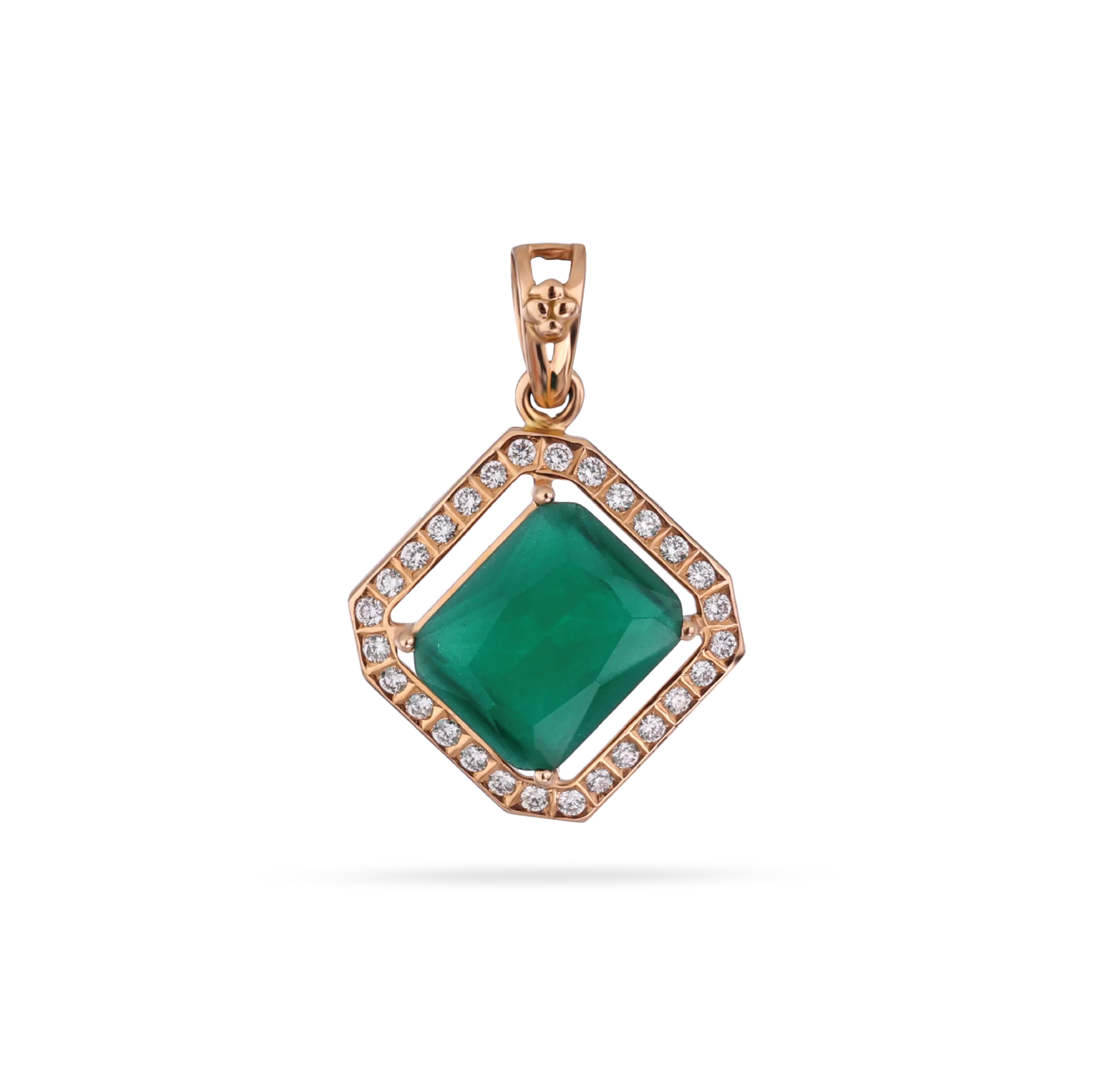
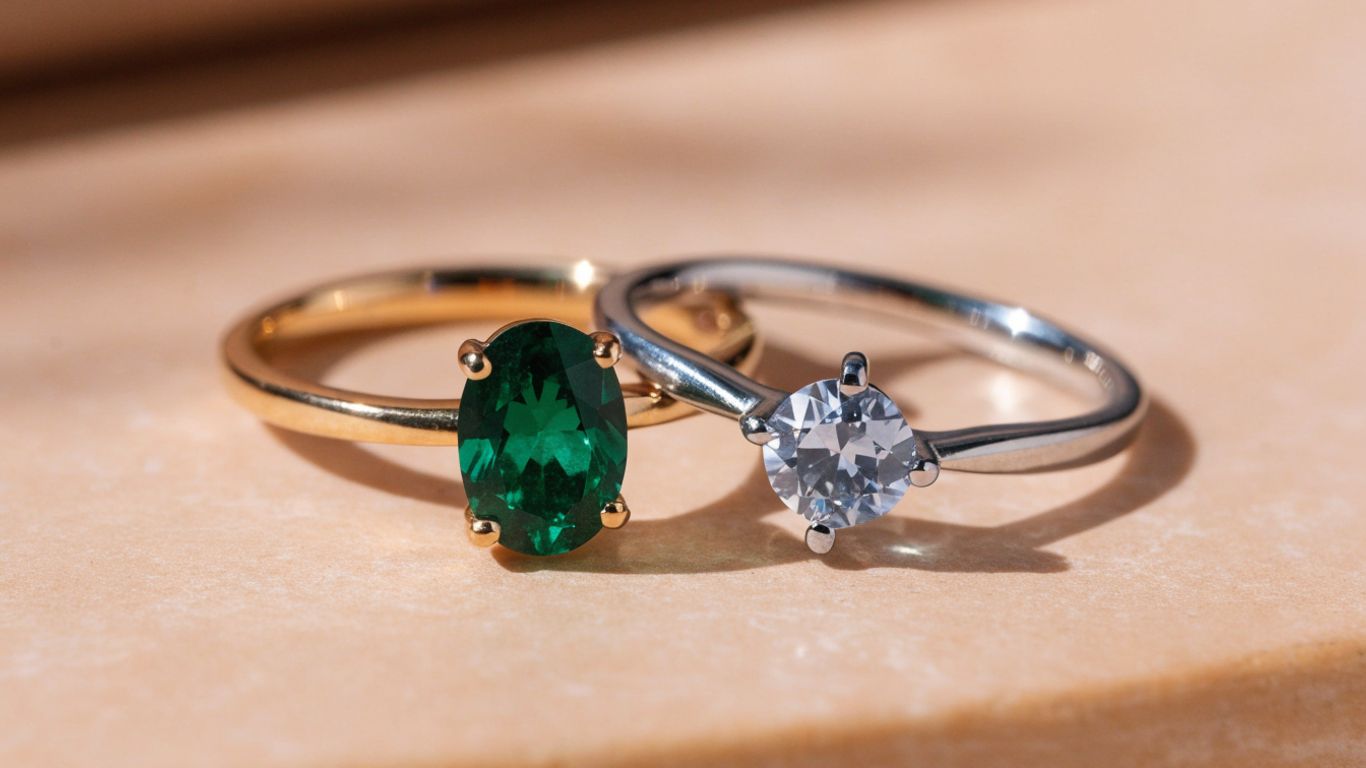
Round stones often suit classic, balanced designs, while elongated shapes can create a more directional look across the finger. Step cuts emphasize clean lines and broad flashes of light; brilliant-style cuts are designed to return light in a different pattern. Shape also affects how exposed a stone’s points or corners may be. If an emerald cut appeals to you, this emerald-cut diamond guide covers proportions and setting considerations that can help you compare styles.
Using metal color to complement the center stone
Metal color can change the impression of both a diamond and a colored gem. Yellow gold may bring warmth, white metals can create a cooler contrast, and rose gold adds a softer tint. The result depends on the stone’s color and the wearer’s skin tone, so a photograph is only a starting point. Try the same stone in more than one metal before deciding which combination feels balanced.
Selecting protective settings for softer gems
A bezel or a setting with protective prongs can help shield a stone’s edges, while a low profile may reduce the chance of catching or striking it. The best design depends on the gem’s shape and its particular vulnerabilities; no setting makes a ring indestructible. For stones with corners or more delicate characteristics, ask how the mounting protects those areas without hiding too much of the stone. Comfort matters, too: a protective ring still needs to feel natural on the hand.
Considering side stones and mixed-stone designs
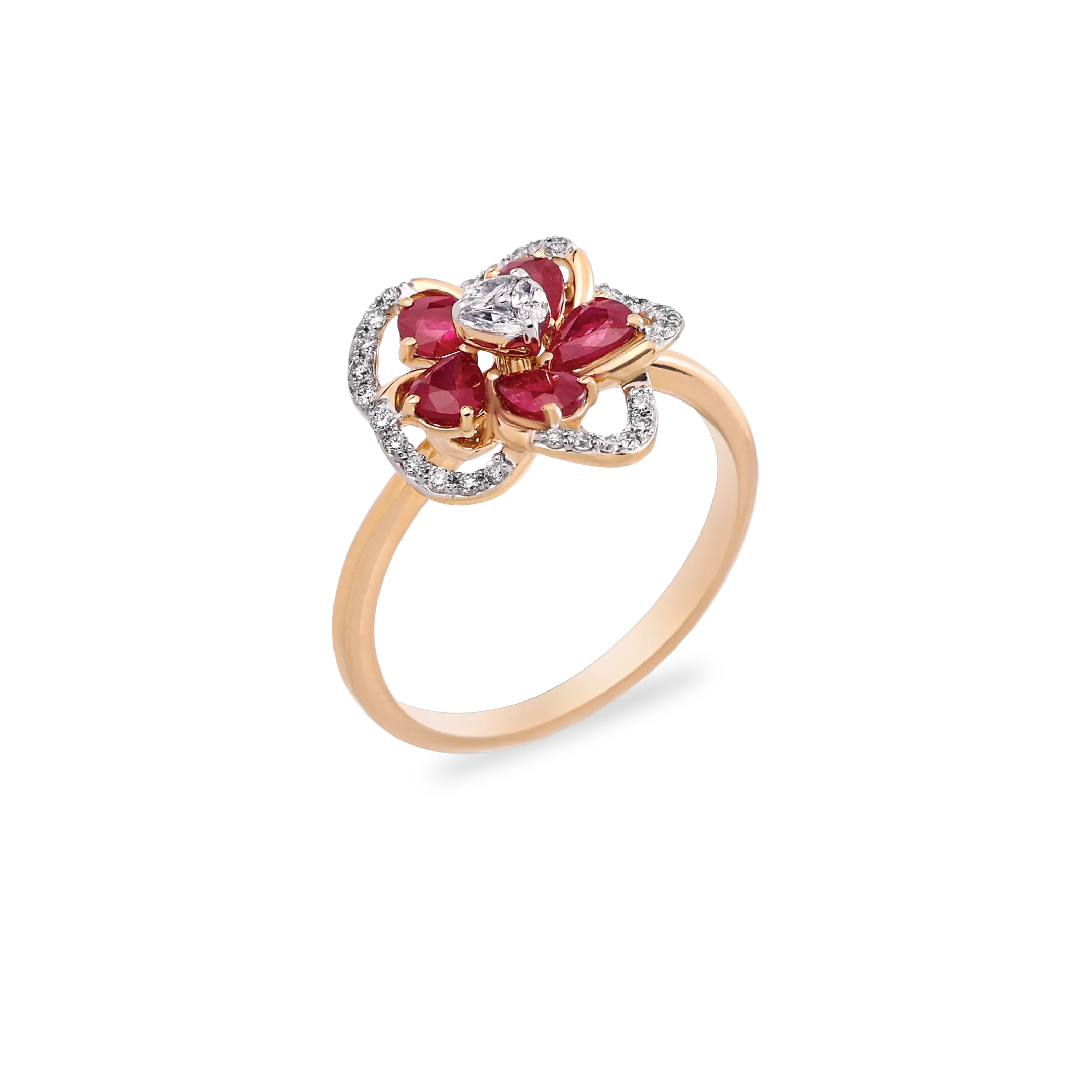
Side stones can frame a center gem, add light, or introduce a second color. A mixed-stone design may pair a colored center with diamond accents, or use several hues for a more expressive look. Small details can shift the mood from understated to ornate, so consider how the ring looks from the top and the side. Make sure the supporting stones and setting suit the same care routine as the center.
Care, maintenance, and practical trade-offs
Care needs vary with the stone, its treatments, and its mounting. A gentle routine is usually a safer starting point than using strong cleaners or assuming every ring can tolerate the same method. Regular attention can also reveal a loose setting before a stone is lost. Ask for care guidance specific to the ring you buy and keep it with the purchase documents.
Cleaning diamonds and colored gemstones safely
For many rings, lukewarm water, mild soap, and a soft brush are a reasonable basic cleaning approach, but not every stone or treatment is suited to every method. Avoid assuming that ultrasonic or steam cleaning is safe, especially for gems with fractures, inclusions, or treatments. Rinse carefully and dry with a soft, lint-free cloth. If you are unsure, have a jeweler identify the stone and recommend a suitable cleaning routine.
Protecting stones from impact, heat, and chemicals
Remove a ring before strenuous tasks or activities where it may be hit, snagged, or exposed to chemicals. Sudden temperature changes and harsh household products can affect some stones, treatments, or settings. Store rings separately so harder stones do not rub against more delicate gems or metal. Small habits are often more useful than trying to make a ring completely immune to wear.
Planning for inspections and repairs
Prongs, bezels, and other parts of a setting can loosen or wear with use. Periodic professional inspections give a jeweler a chance to check for movement, damage, and the need for maintenance. How often to schedule a visit depends on wear and construction, so ask for a practical recommendation rather than assuming one interval suits every ring. Keep a record of repairs and any changes to the setting.
Understanding how treatments affect care
Heat, filling, coating, and other treatments may alter a gemstone’s appearance or how it should be handled. The right care depends on what treatment was used and how stable it is, so a broad label such as “treated” is not enough detail by itself. Request written disclosure and ask whether particular cleaners, heat, or repair processes should be avoided. That information should travel with the ring if it is later resized or serviced.
How to choose the right ring for you
Choosing between a diamond and a colored stone is easier when you treat it as a decision about the whole ring and your real life. Consider what you enjoy looking at, how often you plan to wear it, and what care you are willing to give it. There is no single stone that works best for every person or budget. A few deliberate comparisons can make the choice feel clear without turning it into a technical test.
Rank durability, appearance, budget, and symbolism
Give each priority a rough order rather than insisting that every factor come first. Someone who works with their hands may put protection and durability near the top, while someone drawn to a family color or meaningful gem may make appearance and symbolism central. Budget still matters, but it is easier to apply once you know what you are trying to preserve. Your ranking is personal; it need not match anyone else’s idea of the “right” engagement ring.
Try on stones in different lighting
Look at shortlisted stones in daylight, indoor light, and the lighting where you expect to wear the ring most. Color and sparkle can shift noticeably between settings, and a gem that looks vivid under a display lamp may appear quieter elsewhere. Try it on your hand and move naturally rather than judging it only against a white background. Give yourself enough time to notice which stone you keep returning to.
Check gemstone certifications and treatment disclosures
Ask what grading or identification documents are available and what they establish. Reports can vary in purpose and detail, and not every stone comes with the same type of document. Confirm whether a report identifies the gem, comments on origin, or records treatments rather than assuming it covers everything. If a disclosure is unclear, ask for it in writing before purchase.
Compare the complete ring, including its setting and warranty
Compare the center stone, setting, metal, fit, and stated policies together. Confirm what the warranty covers, how resizing or repairs are handled, and whether routine maintenance is included or charged separately. A ring with a compelling center stone may not be the best fit if the setting feels uncomfortable or its care requirements do not suit your habits. Make the final choice based on the piece you will actually wear, not a stone’s specifications alone.
Conclusion
A diamond and a colored gemstone offer different kinds of beauty, but either can make a meaningful engagement ring. Let your taste lead, then weigh durability, setting, care, documentation, and total cost with clear eyes. The best choice is the one that feels right on your hand and makes sense for the life you live.
Frequently Asked Questions
Is a diamond considered a gemstone?
Yes. A diamond is a gemstone, though people often use “gemstone” in this comparison to mean a colored gem such as sapphire, ruby, or emerald.
Are gemstones durable enough for engagement rings?
Some colored gemstones, including sapphire and ruby, are quite hard, while other stones may need more protection and careful wear. Durability also depends on toughness, cut, setting, and how the ring is used.
Is a diamond always more expensive than a colored gemstone?
No. Prices vary with stone type, size, quality, origin, treatments, and whether a diamond is natural or lab-grown. A high-quality colored gem can cost more than some diamonds.
What is the difference between hardness and toughness?
Hardness describes resistance to scratching, while toughness describes resistance to chipping or breaking. A stone may be hard yet still vulnerable to impact.
Can I wear an emerald engagement ring every day?
It can be worn regularly, but emeralds often benefit from a protective setting and gentler handling than harder stones. Ask about the specific stone and its treatments before settling on a care routine.
Are lab-grown diamonds real diamonds?
Lab-grown diamonds are diamonds created in a laboratory rather than formed naturally underground. Ask the seller to identify the stone’s origin and provide clear documentation.
How should I clean a gemstone engagement ring?
A gentle soap-and-water method may suit many rings, but treatments and inclusions can change what is safe. Confirm the appropriate cleaning method for the particular stone and setting before using specialized equipment or cleaners.
How to choose a necklace for an outfit: a guide to neckline, length, and style
10 minute read
Related blogs:
November 20, 2025
The Timeless Elegance of the Tennis Bracelet: A Comprehensive Guide
Read More
November 20, 2025
The Ultimate Guide to Styling and Wearing a Choker Necklace
Read More
November 20, 2025
Find Your Perfect Engagement Ring: A Comprehensive Guide to Styles and Diamonds
Read More
November 20, 2025
The Timeless Elegance of a Diamond Tennis Bracelet: A Buyer's Guide
Read More