How to choose the perfect solitaire engagement ring for women
September 21, 2026 | 10 minutes read
Key Takeaways
A solitaire engagement ring for women can be both quietly elegant and deeply personal. The best choice balances the center stone, setting, metal, daily comfort, and long-term value.
- Start with the center stone’s shape, quality, and character.
- Choose a metal and setting that suit her daily routine.
- Consider comfort, security, and wedding-band compatibility.
- Review certification, craftsmanship, policies, and total cost.
- Personalize through thoughtful details rather than short-lived trends.
Understand what makes a solitaire engagement ring distinctive
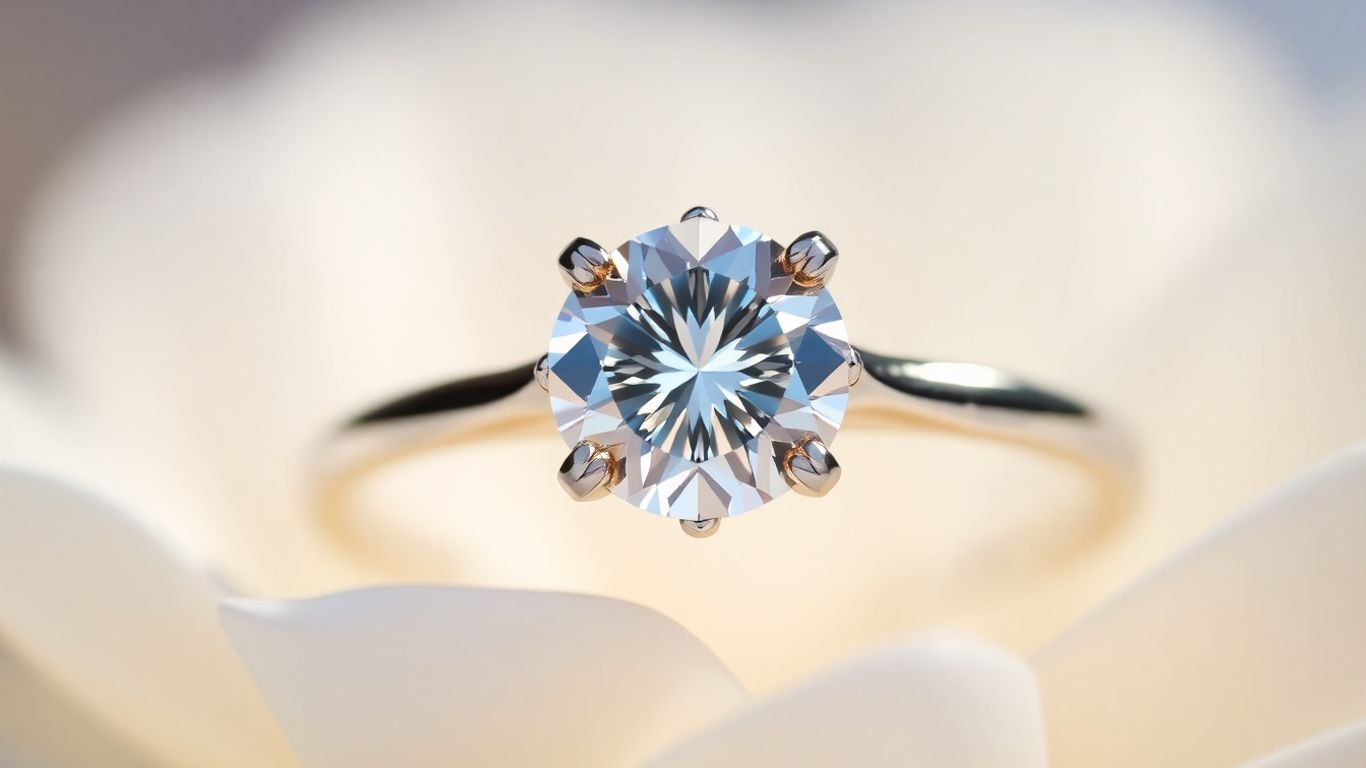
A solitaire ring places one central gemstone at the heart of the design. With fewer surrounding details competing for attention, small decisions about proportion, height, and finish become especially visible. That simplicity is what gives the style its enduring appeal.
The defining features of a solitaire setting
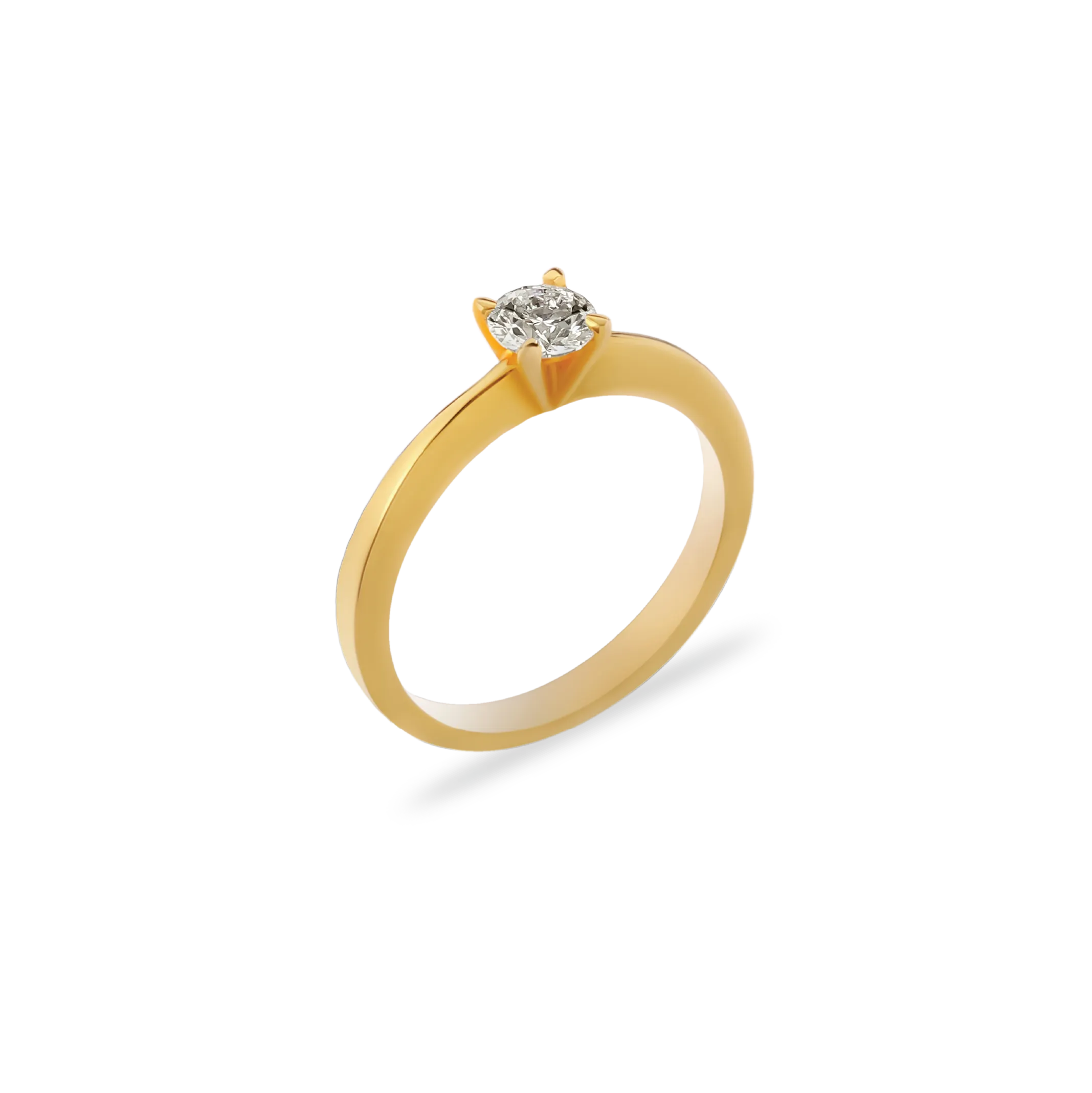
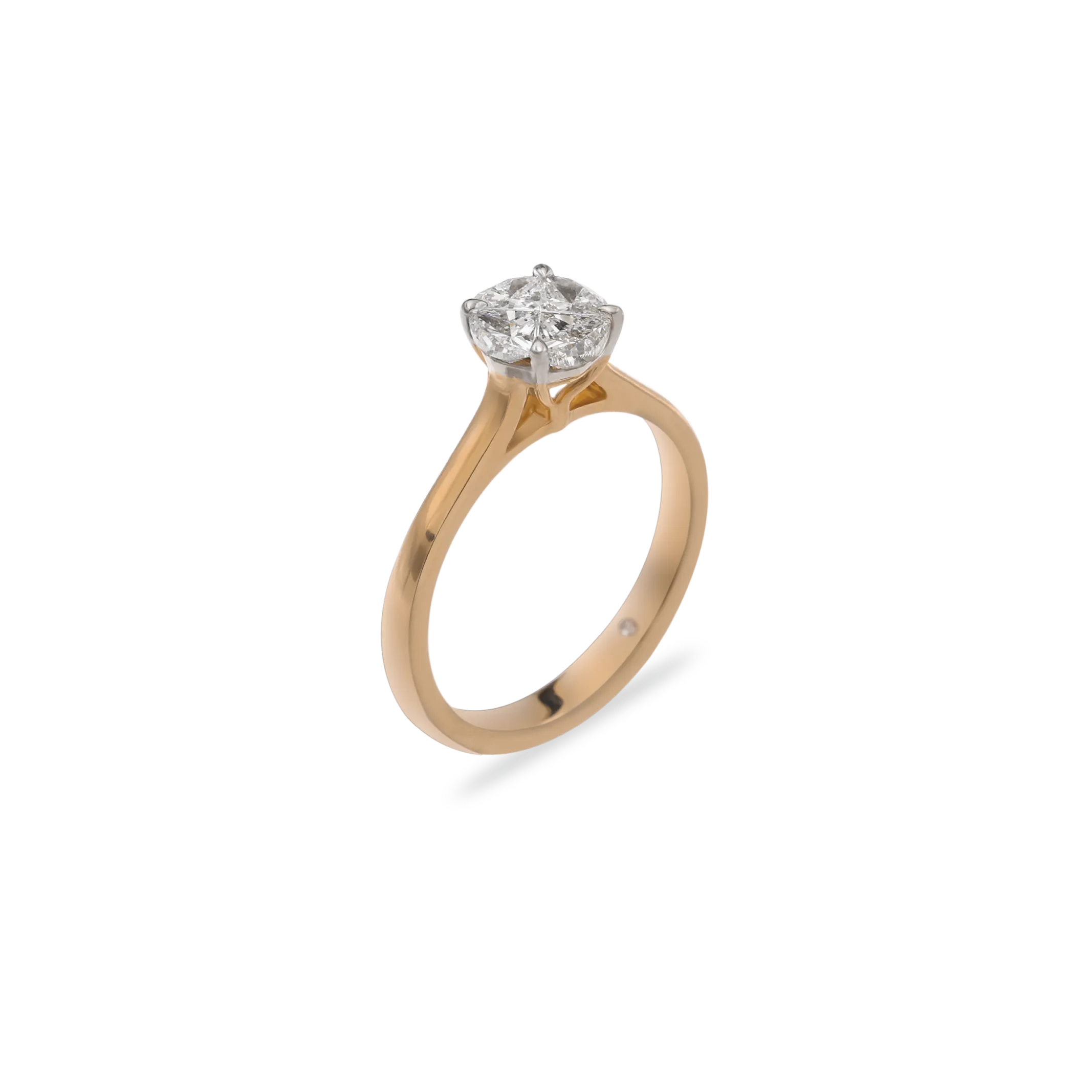
A traditional solitaire usually has one center stone held above a plain band, often by prongs. Some designs use a bezel or a more sculptural basket, but the central idea remains the same: the gemstone is the sole focal point. The band may be delicate or substantial, depending on the stone and the wearer’s taste.
The simplicity does not mean the ring lacks detail. Gallery work, claw-shaped prongs, a tapered shoulder, or a discreet design beneath the stone can change how the ring looks from every angle. Classic solitaire styles can be a useful starting point when comparing proportions, metals, and gemstone combinations.
Why solitaire rings emphasize the center stone
Because there are no side stones to share the visual focus, the center gemstone carries most of the ring’s presence. Its outline, cut quality, color, and setting are easy to see. A lively stone can look especially bright, while an unusual shape can become the defining feature of the entire ring.
This also makes proportion worth considering. A very slender band may make a larger stone feel more dramatic, whereas a wider band can create a grounded, balanced appearance. The right relationship depends on her hand, the stone’s shape, and whether she prefers delicate or substantial jewelry.
Classic, modern, and vintage-inspired solitaire styles
Classic solitaires tend to use round stones, balanced shoulders, and traditional prongs. Modern versions may feature clean geometry, an east-west orientation, a knife-edge band, or a low-profile setting. Vintage-inspired designs can borrow details such as milgrain edges, engraved shoulders, or softly tapered forms without becoming historically ornate.
The important question is not which label sounds most appealing, but which details she would still enjoy years from now. A classic ring can feel fresh in an unusual metal, while a contemporary design can remain timeless when its lines are restrained.
Advantages and potential drawbacks of a minimalist design
A minimalist ring is easy to wear, straightforward to style, and often lets the budget concentrate on one meaningful gemstone. It can also pair gracefully with different wedding bands and other jewelry. Still, the open design may reveal wear, scratches, or an uneven stone more readily than a heavily detailed ring.
A solitaire may also sit higher than expected, depending on the stone and setting. That can give it presence, but it may catch on clothing or feel less practical for someone who works with her hands. Looking at the ring from the side is just as useful as viewing it from above.
Choose the right diamond or gemstone
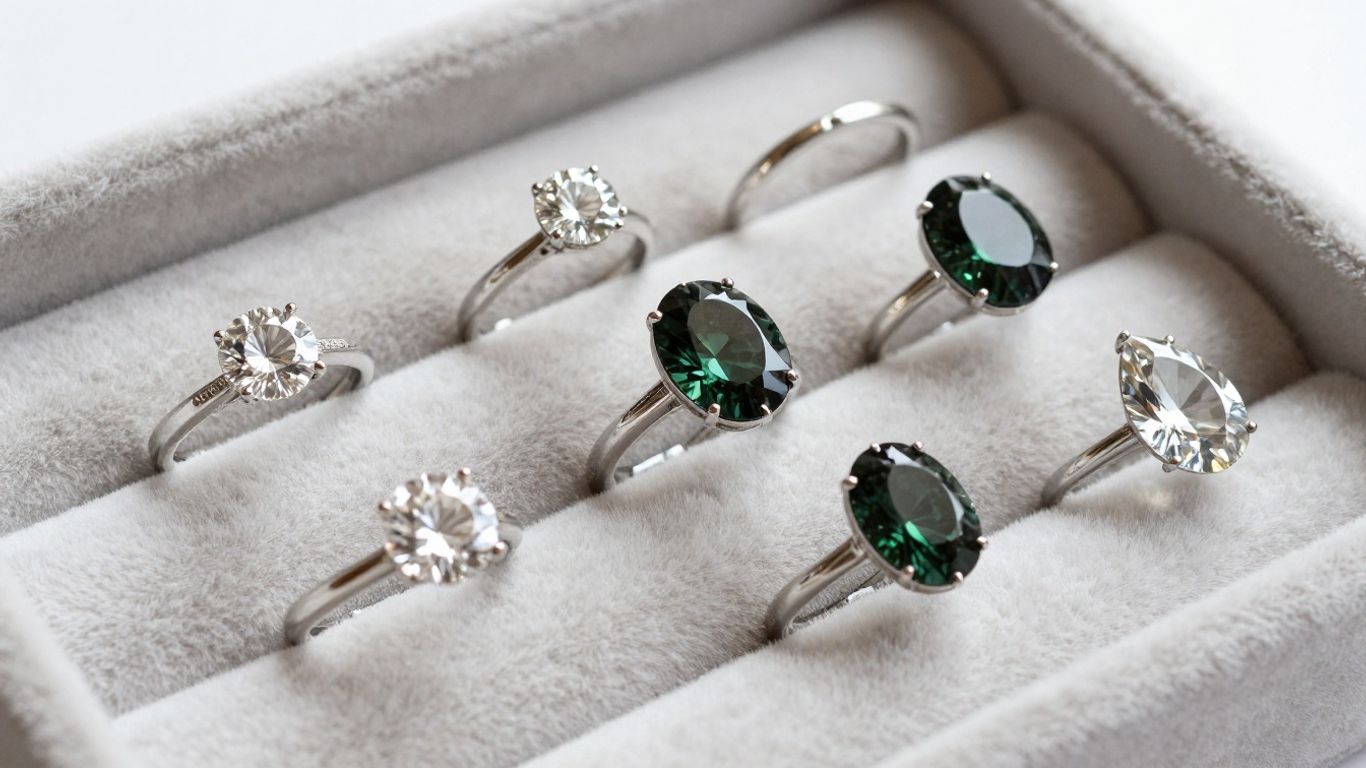
The center stone sets the emotional and visual tone of a solitaire. Diamonds remain a familiar choice, but sapphires, moissanite, and other gemstones can offer different colors, personalities, and price points. Begin with the shape she would love to see on her hand, then compare quality within that preference.
Comparing round, oval, princess, and other popular shapes
Round diamonds are known for a traditional outline and broad versatility. Ovals can create an elongated look on the finger, while princess cuts bring crisp corners and a more geometric impression. Emerald, pear, marquise, cushion, radiant, and Asscher shapes each have their own balance of outline, facet pattern, and visual presence.
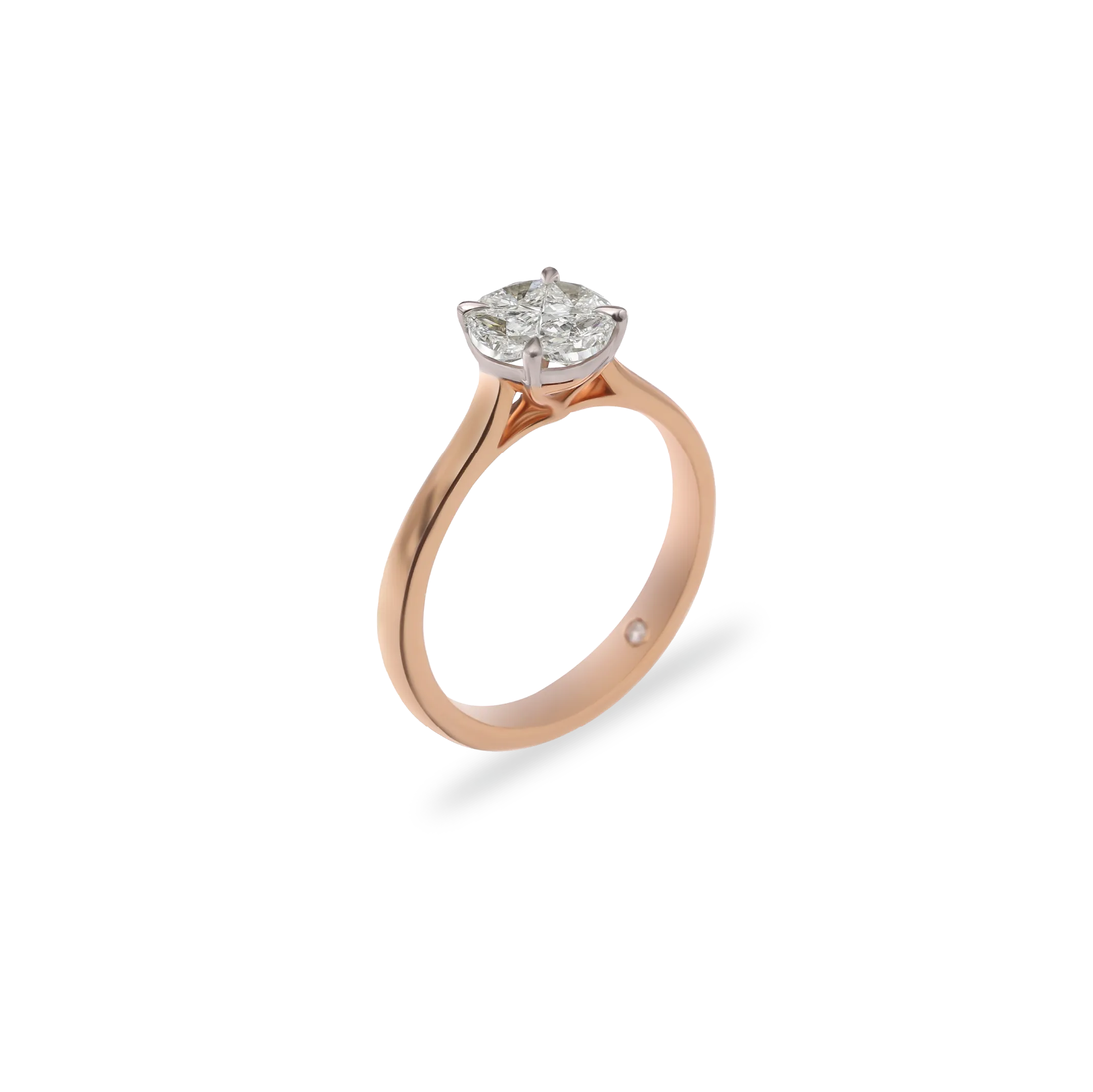
Shape should come before assumptions about what is most popular. Look at several stones in person or through reliable videos, paying attention to how the outline interacts with the band. A solitaire diamond collection can help illustrate how different shapes and setting options change the character of an otherwise simple ring.
How the 4Cs affect beauty and budget
The 4Cs—cut, color, clarity, and carat weight—are a framework, not a substitute for seeing the stone. Cut often has a strong effect on brightness, while color and clarity may be more or less noticeable depending on the shape, setting, and viewing distance. Carat weight affects size, but it does not alone determine beauty.
A practical comparison looks at how each quality change affects the appearance and price of the actual stones under consideration. This simple guide can help keep the conversation focused:
| Factor | What to observe | Budget effect |
|---|---|---|
| Cut | Brightness, contrast, and liveliness | Often significant for diamonds |
| Color | Warmth or whiteness in the stone | Varies by shape and metal |
| Clarity | Visible inclusions and overall transparency | Higher grades usually cost more |
| Carat weight | Face-up size and visual presence | Prices can rise sharply at popular thresholds |
After comparing the stones, choose the one that looks beautiful in ordinary lighting, not only under display lights. A slightly different balance of the 4Cs may offer better value when the visual result remains strong.
Selecting a setting that complements the center stone
The setting should support the gemstone without hiding its best qualities. Prongs can leave more of a diamond visible, while a bezel creates a clean rim around the stone. A cathedral-style rise can add architectural shape, though it may also increase the ring’s height.
Consider the stone’s corners and proportions as well. Pointed shapes may benefit from protective details, while elongated stones need a setting that keeps their orientation intentional. The metal color can also affect how a diamond or colored gemstone appears at its edges.
Diamond alternatives and nontraditional gemstone options
A diamond alternative can make room for a larger stone, a different color, or a more personal story. Moissanite offers a bright appearance, while sapphires bring a range of hues and a traditional association with durability. Other gemstones may be beautiful, but their hardness and care requirements should be reviewed before choosing one for daily wear .
Ask how the gemstone should be cleaned, stored, and protected. A distinctive stone is most successful when its maintenance fits her routine rather than becoming a source of anxiety.
Find the best metal and ring setting
Metal changes the ring’s color, weight, feel, and maintenance needs. The setting affects security, height, and how much light reaches the center stone. These choices are connected, so it helps to assess them together rather than selecting a gemstone first and treating the ring structure as an afterthought.
Comparing platinum, white gold , yellow gold , and rose gold
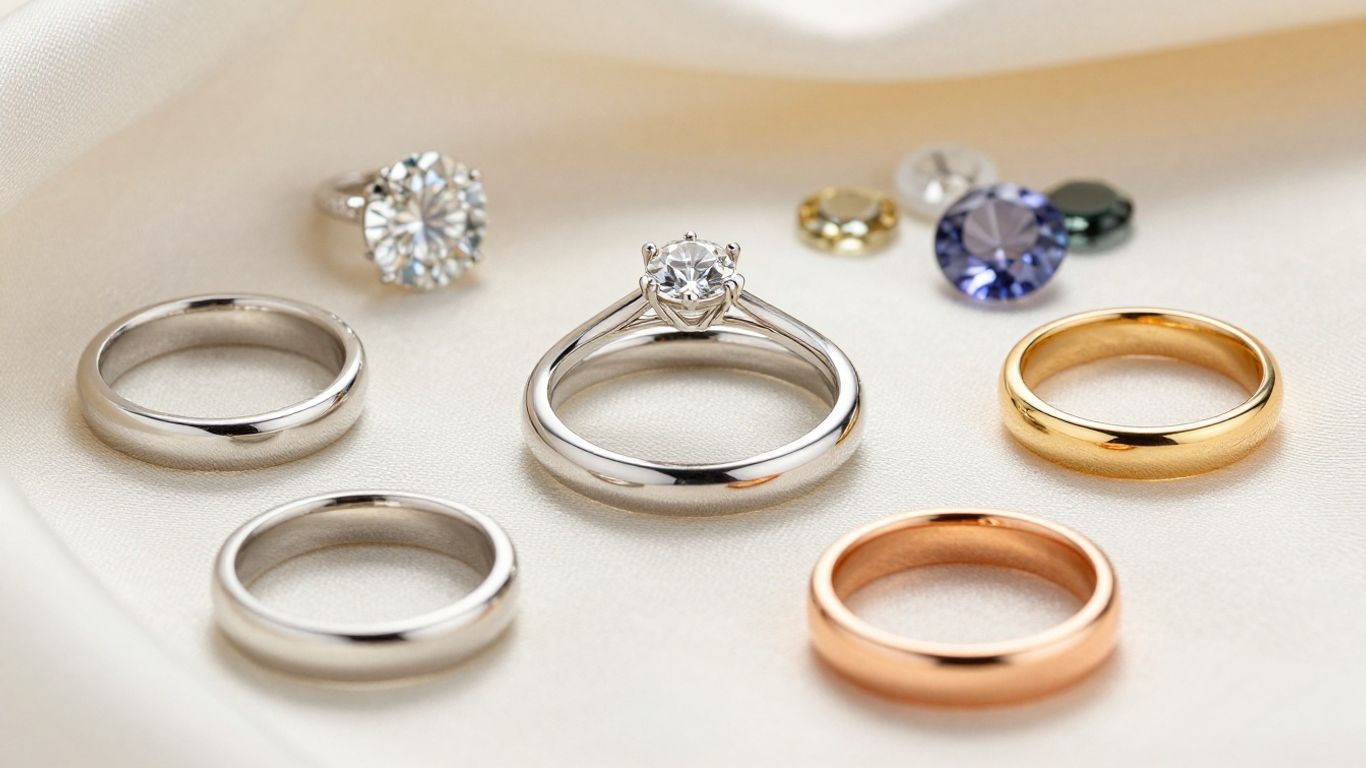
Platinum has a naturally pale appearance and a substantial feel. White gold offers a similar cool look, while yellow gold brings warmth and rose gold adds a pinker tone. Alloy composition, finish, skin sensitivity, and upkeep can all influence which metal feels right.
Her existing jewelry may offer a clue, but it should not dictate the decision. Mixed-metal styling can be attractive when the contrast is deliberate, and a solitaire often provides enough simplicity to make that combination feel natural.
Prong, bezel, and cathedral settings explained
Prong settings use small metal supports around the stone and can create an airy, traditional appearance. Bezel settings surround the gemstone with a metal rim, offering a smooth outline and additional protection for the edges. Cathedral settings lift the center stone above elegantly rising shoulders, creating height and presence.
Each structure has a different visual and practical trade-off. A lower bezel may feel secure and streamlined, while a raised cathedral can make a wedding band more complicated to fit flush. The right answer depends on how she wears jewelry and what she wants the ring to look like from the side.
Matching the band width to the center stone
Band width affects both comfort and proportion. A very fine band can make a modest stone look prominent, but it may not suit someone who prefers a heavier feel. A wider band can balance a larger gemstone and provide a stronger visual foundation.
Try to judge width on the hand rather than against a product photograph alone. Finger length, knuckle shape, and the eventual wedding band all change the impression. Small differences in width can be surprisingly noticeable.
Balancing durability, maintenance, and personal style
A ring for everyday wear needs a setting that feels secure and a finish she will enjoy maintaining. Prongs should be inspected periodically, polished surfaces may show marks more readily, and some white gold rings require periodic refinishing. These are normal ownership considerations, not reasons to avoid a particular style.
Think about the care she will realistically provide. A beautiful ring that suits her habits will usually feel more successful than one chosen only for its showroom appearance.
Select a solitaire ring that suits her lifestyle
The perfect ring should work during ordinary days, not only at the proposal or wedding. Her work, hobbies, exercise routine, and preference for hands-on tasks can all affect the best height and setting. Practicality does not have to make the design plain; it simply guides the details.
Ring features for active or hands-on lifestyles
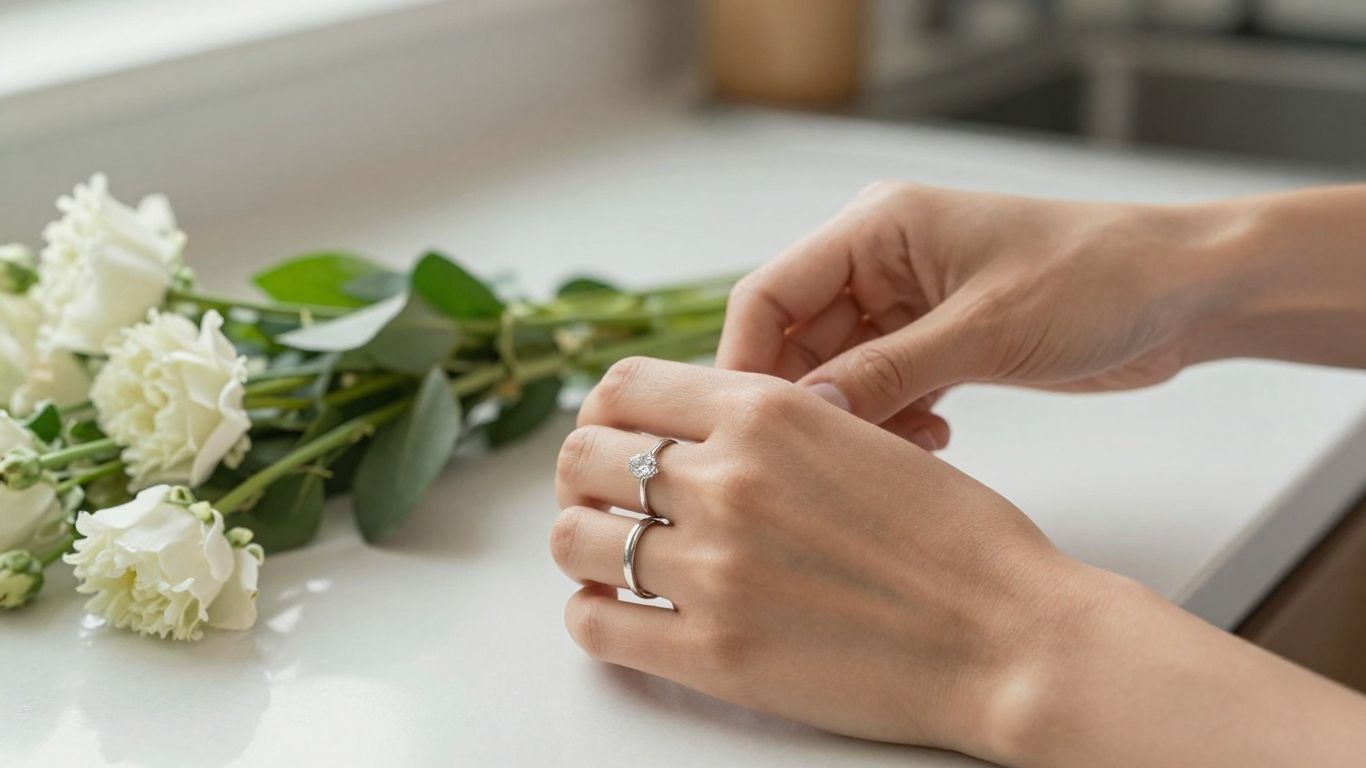
Someone who types, cooks, gardens, plays sports, or works with tools may prefer a smooth profile and a setting with fewer exposed edges. A bezel can reduce snagging, while a lower prong design may feel less intrusive. For frequent exercise or manual work, removing the ring at suitable times may still be sensible.
Before buying, picture the ring in the situations that fill her week. These practical questions can narrow the choices without taking away the romance:
- Does the setting catch on knitwear or hair?
- Can she wear gloves comfortably over it?
- Will the band feel secure during ordinary movement?
- Is she comfortable removing it for work or exercise?
The answers often point toward a lower profile, rounded edges, or a sturdier band. They may also reveal that a more delicate ring is right if she already prefers to remove jewelry during busy activities.
Choosing a practical height and secure setting
Ring height is a balance between visibility and convenience. A high setting can allow a wedding band to sit closely beneath the engagement ring, but it may catch more easily. A low setting can feel discreet and stable, though it may limit which bands sit flush beside it.
Ask to see the ring from the side and gently move your hand as you would in daily life. Prong placement, the basket shape, and the stone’s point or corners all affect security. A qualified jeweler should be able to explain how the design is supported.
Comfort considerations for everyday wear
Comfort comes from more than ring size. The inside edge of the band, the smoothness of the setting, the spacing between rings, and the weight of the gemstone all matter. A ring can be beautiful yet feel distracting if it presses against an adjacent finger or catches when the hand closes.
Have her try comparable widths if possible. The ideal fit should feel secure without being difficult to remove, and it should leave room for normal changes in temperature without becoming painfully tight.
Coordinating the engagement ring with a wedding band
A solitaire is often adaptable because its clean design can sit beside a plain, contoured, textured, or diamond-set band. Still, the setting height and shoulder shape determine whether the bands meet neatly. Metal color and finish can match exactly or contrast intentionally.
It is wise to test the pair together before finalizing the engagement ring. A timeless wedding jewellery guide offers useful inspiration for coordinating metals, finishes, and the broader bridal look without making every piece identical.
Shop for quality and value with confidence
Price is only one part of value. The stone, mounting, documentation, workmanship, aftercare, and return terms all affect what the purchase means over time. A calm comparison process helps keep excitement from rushing decisions that deserve careful thought.
Setting a realistic engagement ring budget
Start with a total budget rather than a target carat weight. Include the center stone, setting, taxes, resizing, insurance, engraving, and any future maintenance that is already foreseeable. Then decide which features matter most to her, such as size, color, craftsmanship, or a particular gemstone.
There is no universal spending rule that can account for every couple. A realistic budget is one that protects financial comfort while still allowing the ring to feel considered and special.
Understanding diamond certifications and ethical sourcing
For a diamond, an independent grading report can document characteristics such as the 4Cs and identifying details. Read the report alongside the stone rather than treating a grade as a complete description of beauty. Ask clear questions about the stone’s origin and the seller’s sourcing practices.
Documentation should be easy to understand and consistent with the item being offered. If an answer is vague, pause and request clarification before paying a deposit or making a final commitment.
Checking craftsmanship, warranties, and return policies
Inspect the symmetry of the setting, the alignment of prongs, the finish inside the band, and the way the stone is held. Ask what the warranty covers, how inspections are handled, and whether resizing or repairs have limitations. Return policies matter especially when buying a ring that has not been tried on.
Keep reports, invoices, appraisal documents, and care instructions together. Good records make future maintenance, insurance, and resale conversations much easier.
Comparing custom, designer, and ready-to-ship rings
A ready-to-ship ring may make sense when the design and size are already clear. A designer ring can offer a distinctive design language, while custom work allows close control over proportions and details. The trade-offs may include lead time, deposits, resizing limits, and how easily the ring can be returned.
For creative reference, handcrafted solitaire designs show how a single center diamond can be given character through setting work and concealed details. The lesson is broader than any one collection: ask what is genuinely different about the construction, not merely what sounds exclusive.
Personalize the ring without losing its timeless appeal
Personalization works best when it grows from her taste and the couple’s story. A solitaire already has a clear visual identity, so one or two considered details can feel more meaningful than a crowded combination of embellishments. The goal is a ring that feels unmistakably hers while remaining easy to live with.
Adding engraving and meaningful details
An engraving inside the band can hold a date, initials, a short phrase, or a private reference. Hidden details beneath the stone can be equally personal without changing the ring’s outward simplicity. Keep the character count and future resizing requirements in mind before approving the design.
Meaning does not have to be obvious to everyone who sees the ring. Often, the most successful detail is one that has significance for the wearer and remains visually quiet.
Choosing a distinctive band profile or finish
A knife-edge, soft comfort-fit interior, brushed surface, or softly tapered shoulder can make a plain solitaire feel individual. Texture changes how the metal catches light, while a rounded profile can improve everyday comfort. These details should be assessed on the hand because photographs can exaggerate them.
Try to make the finish compatible with the jewelry she already wears. A ring that joins her existing pieces naturally may become a more versatile part of her wardrobe.
Considering custom design options
Custom design can adjust the stone orientation, band width, setting height, metal combination, and hidden details. It is especially useful when standard proportions do not suit her hand or when a family gemstone is part of the plan. Before commissioning work, confirm the timeline, number of revisions, payment schedule, and final approval process.
A clear sketch or digital rendering is helpful, but it is not the same as wearing the finished ring. Ask how the maker handles changes if the final proportions differ from expectations.
Avoiding trends that may date the ring over time
Trends can be enjoyable, but they should not overwhelm the qualities that made the ring feel right in the first place. Extremely narrow bands, unusual orientations, or highly specific finishes may need more care or may feel less familiar later. That does not make them wrong; it simply makes personal conviction more important.
A useful test is to remove the trend-driven detail mentally. If the stone, setting, and proportions still feel beautiful, the design is more likely to have staying power. Personal meaning matters most when choosing the final accent.
Conclusion
Choosing a solitaire engagement ring for women becomes less daunting when the decision is treated as a series of connected choices: center stone, setting, metal, lifestyle, value, and personal meaning. Compare the ring on the hand, ask direct questions, and leave enough room in the design for her everyday life. A thoughtful solitaire does not need excess detail to feel extraordinary.
Frequently Asked Questions
What is a solitaire engagement ring?
A solitaire engagement ring has one main center gemstone and usually a plain or lightly detailed band. Its design directs attention toward that single stone .
Is a solitaire ring a good choice for everyday wear?
Yes, provided its height, setting, metal, and fit suit the wearer’s routine. People with active or hands-on lifestyles may prefer a lower profile or more protective setting.
Which diamond shape is best for a solitaire ring?
There is no single best shape. Round, oval, princess, emerald, pear, cushion, marquise, and other shapes create different visual effects, so personal taste should lead the choice.
Are solitaire rings less expensive than rings with side stones?
They can be, because the budget is concentrated on one center stone rather than several gemstones. The final price still depends on the stone’s quality, carat weight, metal, setting, and craftsmanship.
What metal is most durable for a solitaire engagement ring?
Platinum and gold alloys can both be suitable, but durability depends on the alloy, design, and care. The best choice also considers color preference, comfort, maintenance, and skin sensitivity.
Can a wedding band sit flush with a solitaire ring?
Often it can, but the answer depends on the engagement ring’s setting height and shape. Testing the two rings together helps identify whether a straight, curved, or contoured band will fit best.
How can a solitaire ring feel personal?
Engraving, a meaningful gemstone, a distinctive band profile, a special metal combination, or a hidden detail can add character. One or two intentional choices usually preserve the style’s clean appeal.
Statement bridal rings: How to choose a bold, beautiful ring for your big day
10 minute read
Classic engagement ring styles: A guide to timeless cuts, settings, and choosing the right ring
10 minute read
Related blogs:
November 20, 2025
The Timeless Elegance of the Tennis Bracelet: A Comprehensive Guide
Read More
November 20, 2025
The Ultimate Guide to Styling and Wearing a Choker Necklace
Read More
November 20, 2025
Find Your Perfect Engagement Ring: A Comprehensive Guide to Styles and Diamonds
Read More
November 20, 2025
The Timeless Elegance of a Diamond Tennis Bracelet: A Buyer's Guide
Read More