How to Choose Elegant Diamond Jewellery for Women
September 29, 2026 | 10 minutes read
Key Takeaways
Elegant diamond jewellery for women works best when its style feels natural to the wearer and the occasion. A few practical checks can make choosing easier.
- Match necklace length and earring scale to your neckline and hairstyle.
- Consider the 4Cs, diamond origin, and available grading information together.
- Choose a setting and metal for both appearance and everyday practicality.
- Check fit, craftsmanship, and care needs alongside the price.
- Keep styling balanced, and store each piece carefully between wears.
Explore timeless diamond jewellery styles
A versatile collection can be built around a few shapes and proportions that feel comfortable to wear. Think about where a piece sits, how it moves, and whether it suits more than one outfit. Small differences in length or scale can change the overall effect. The best starting point is often the jewellery you already reach for.
Choose necklaces that complement different necklines
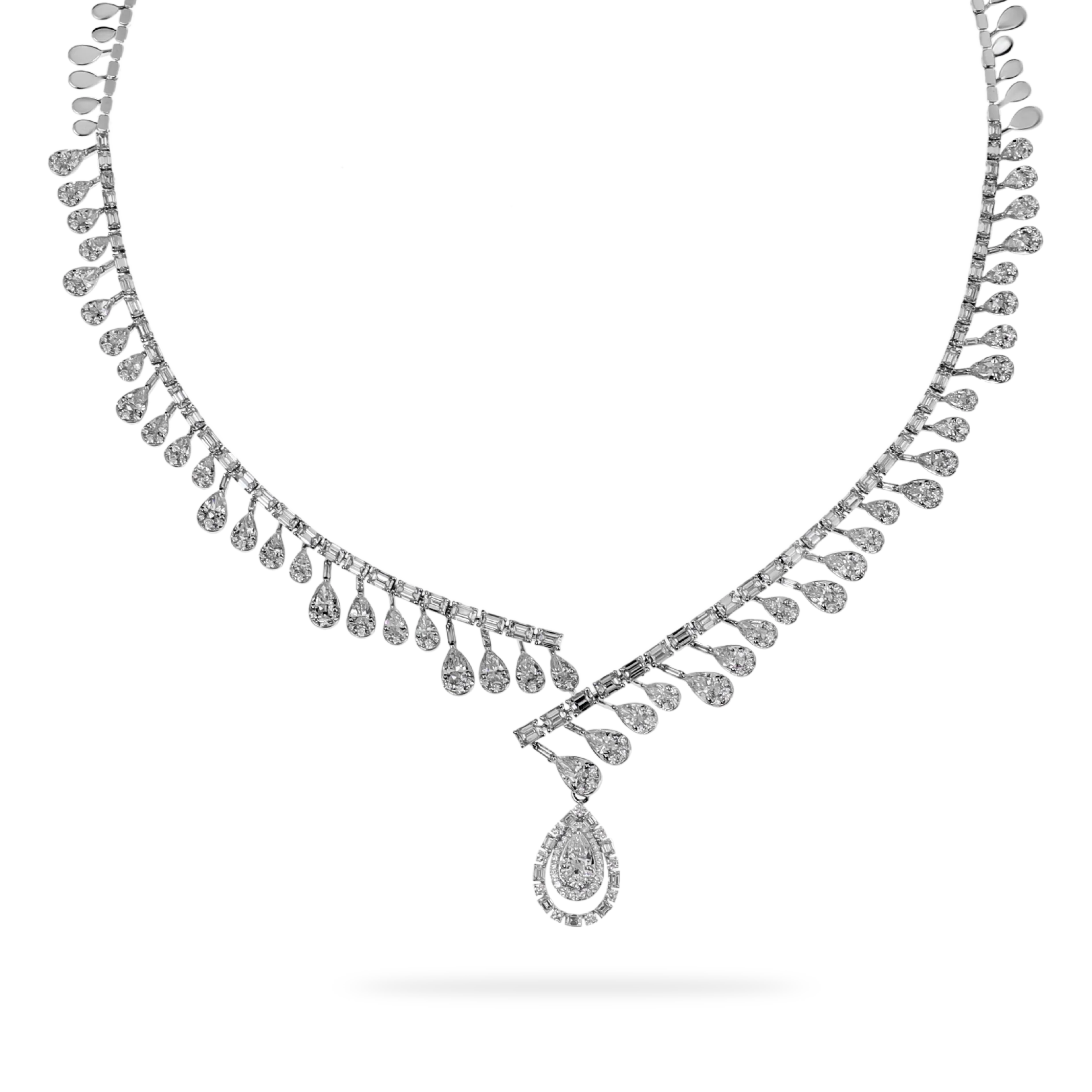
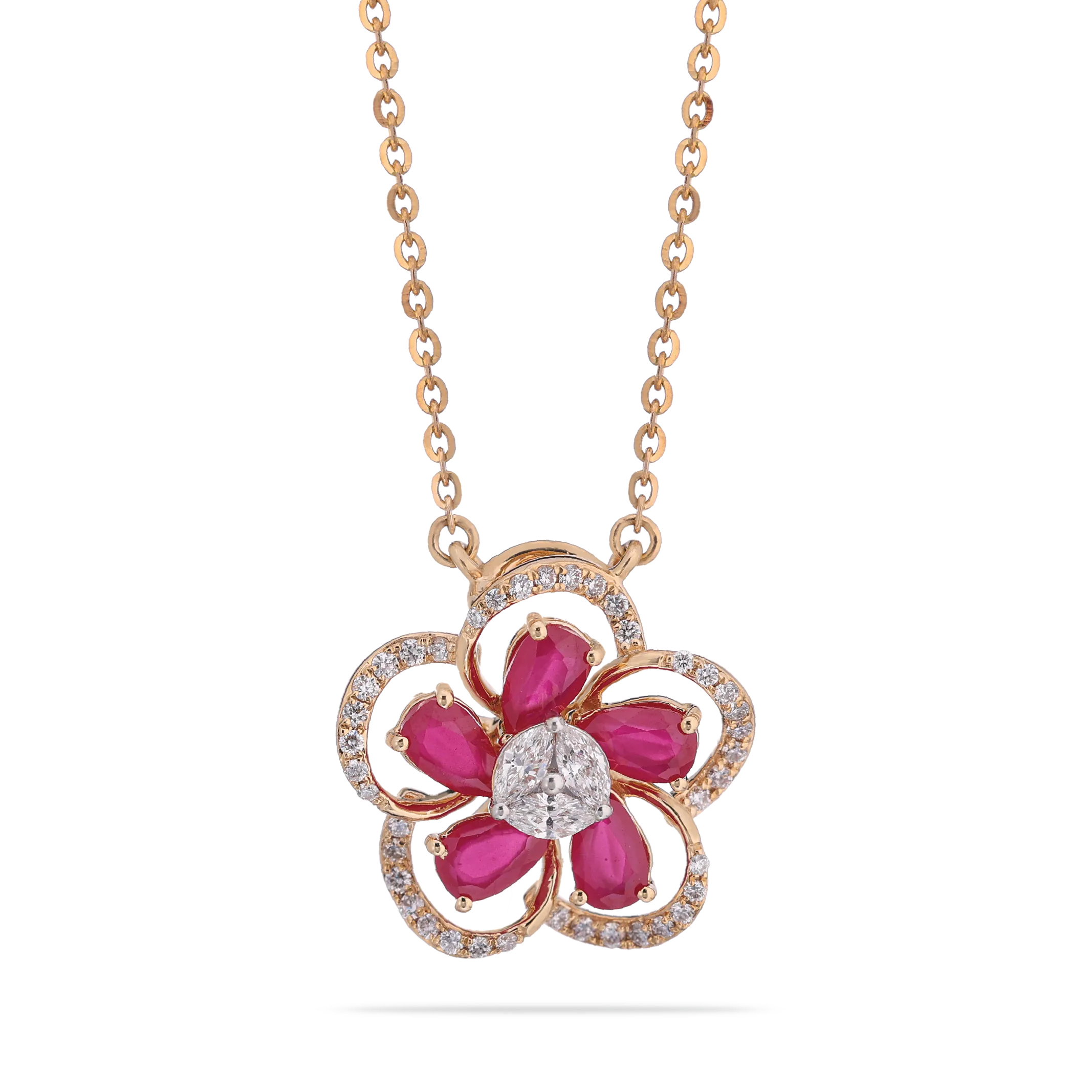
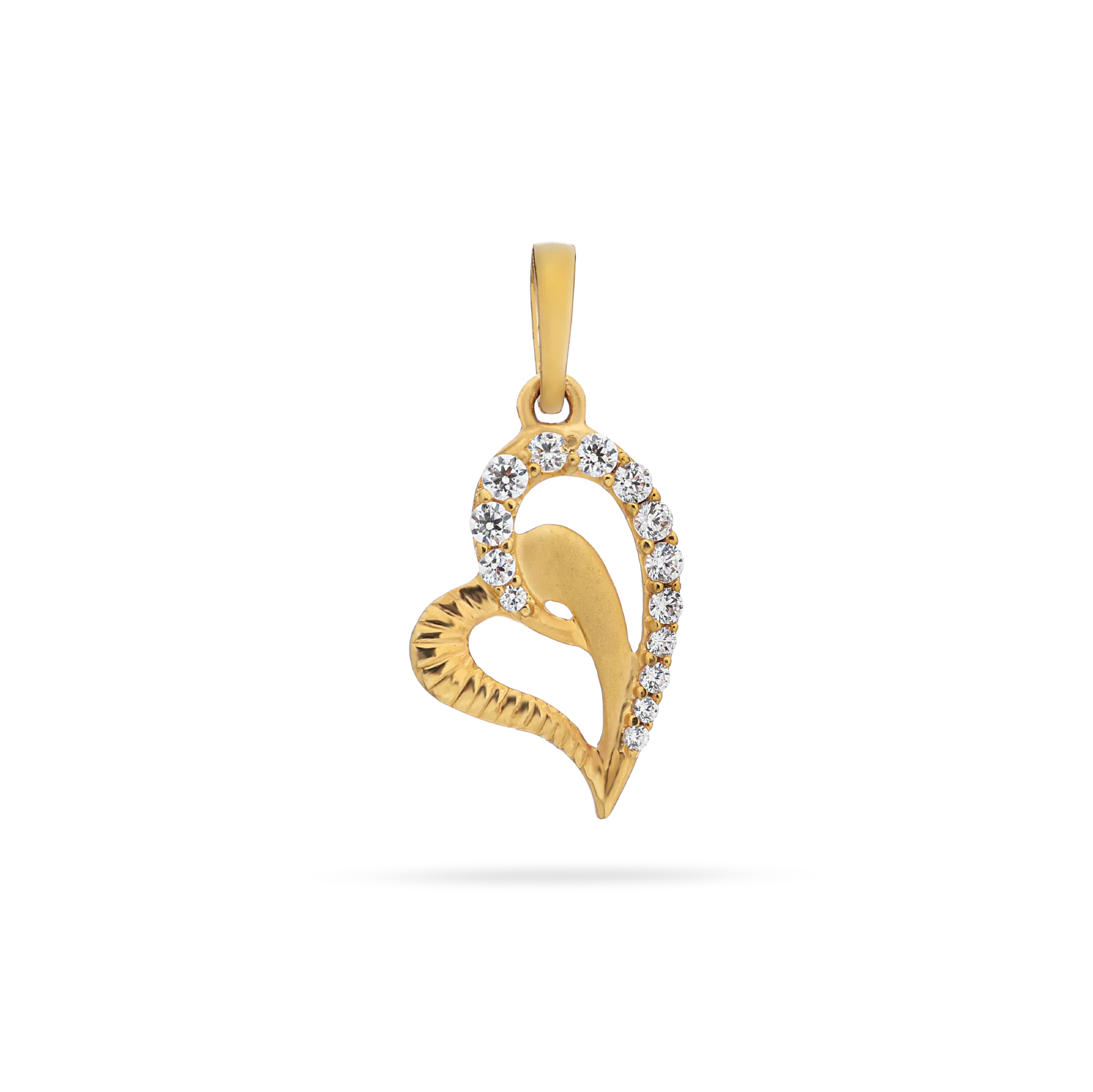
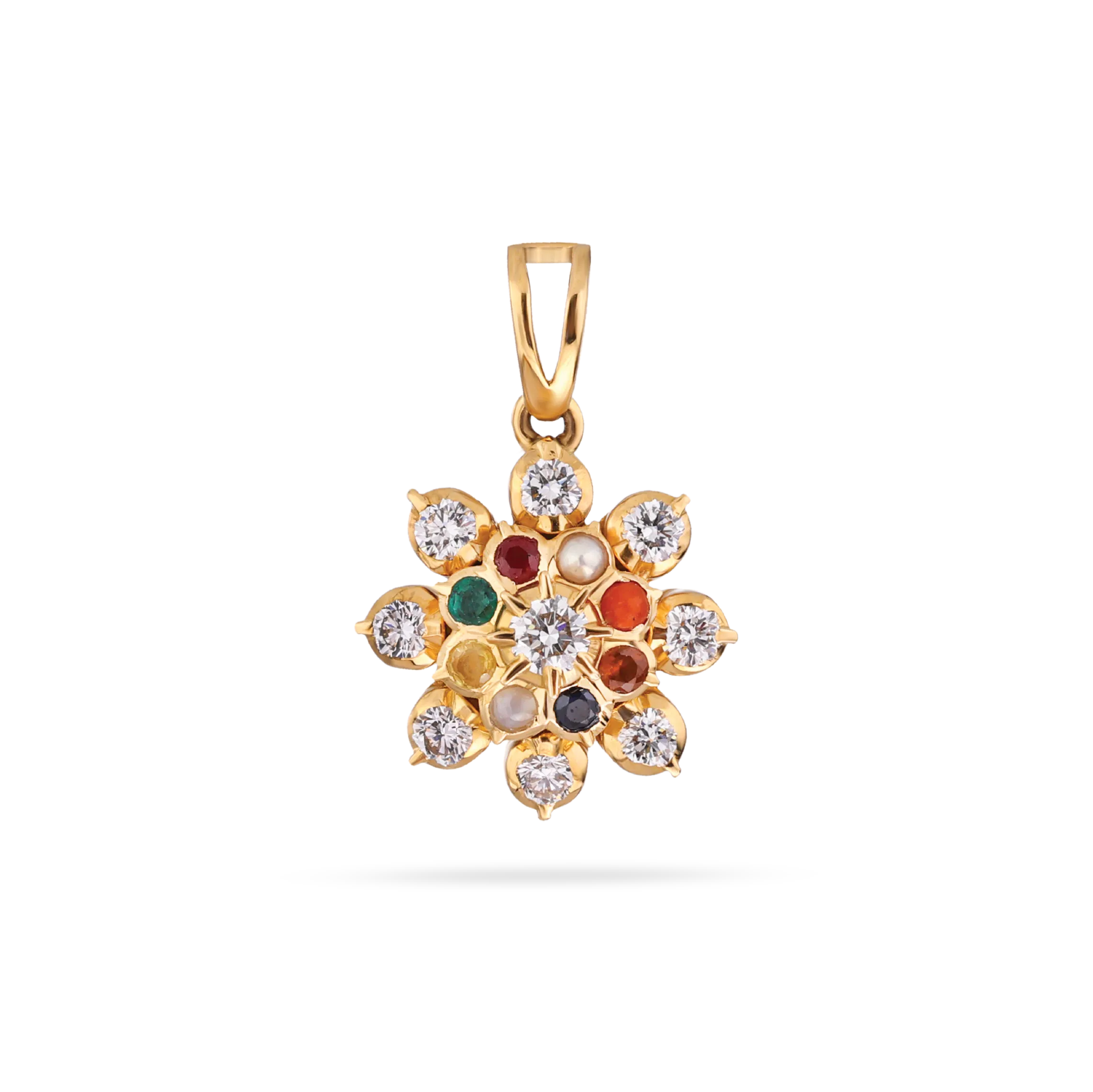
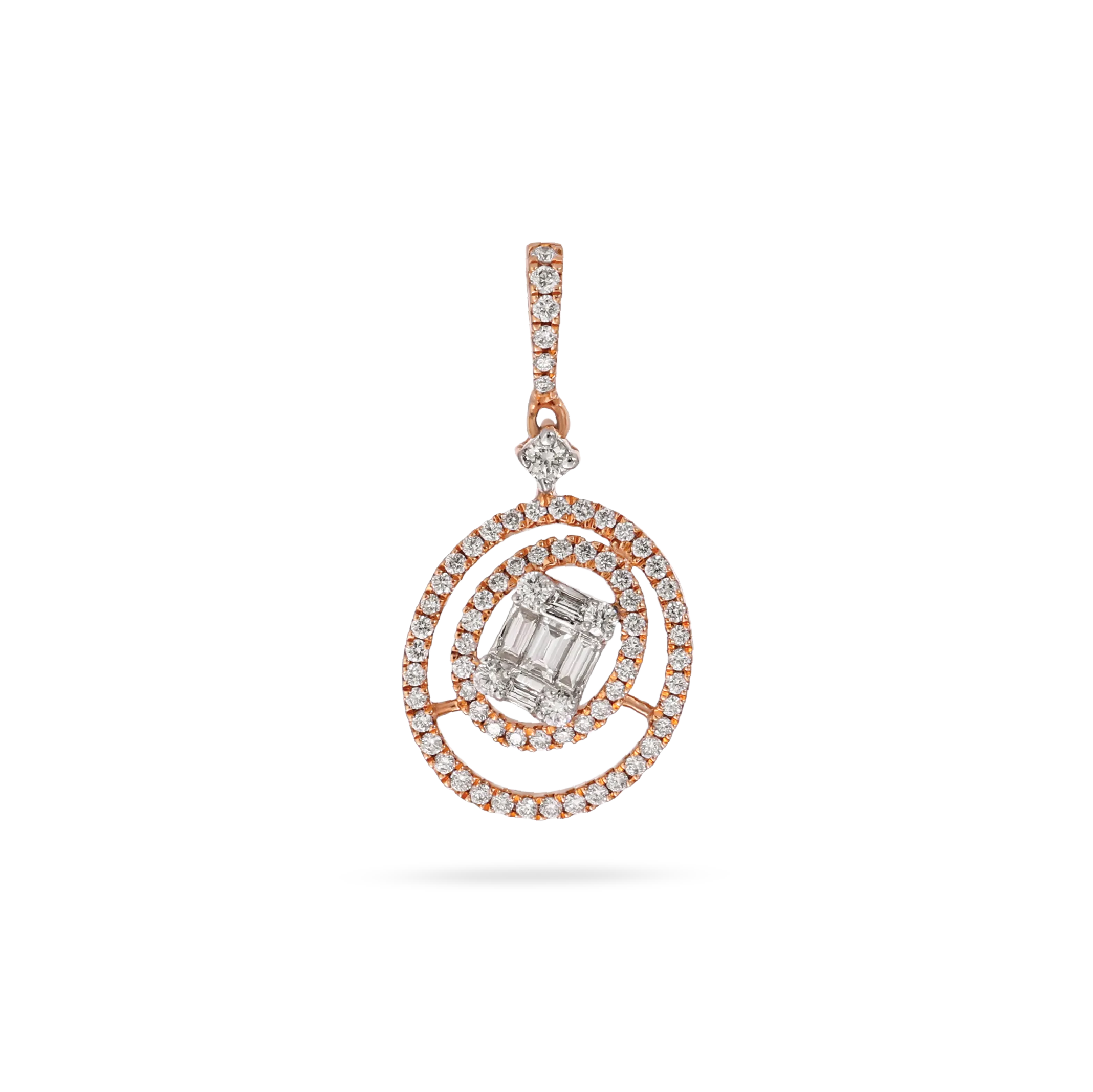
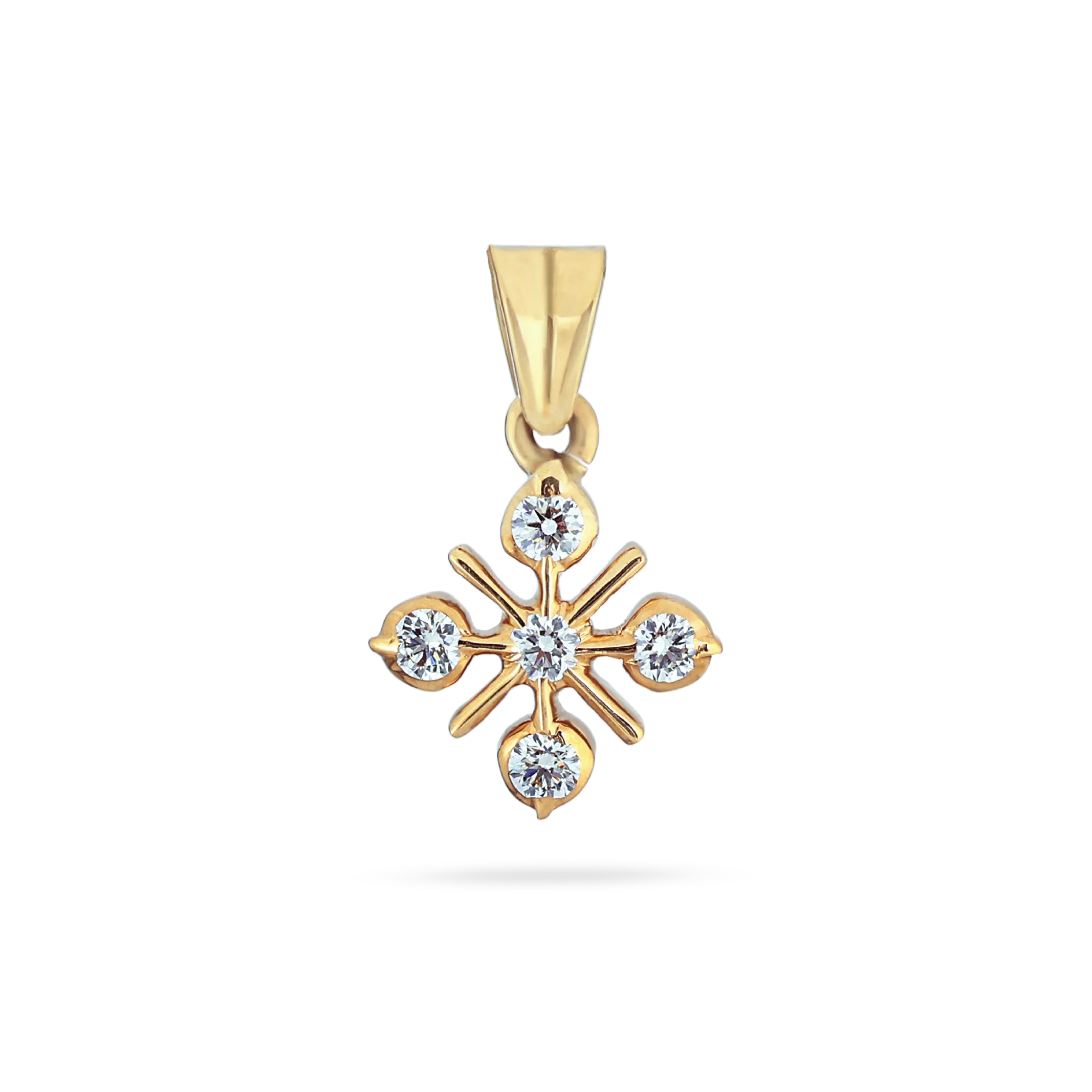
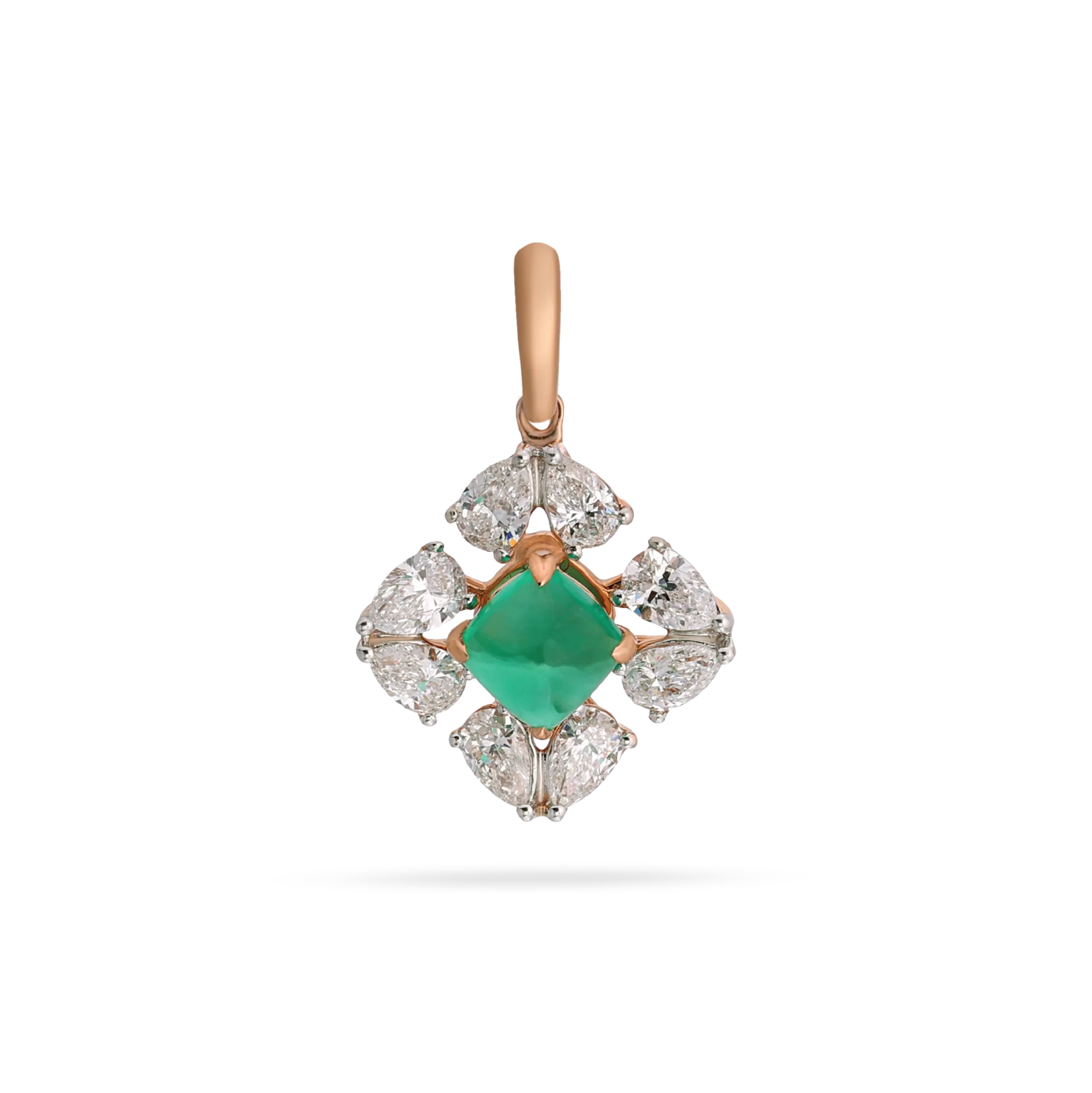
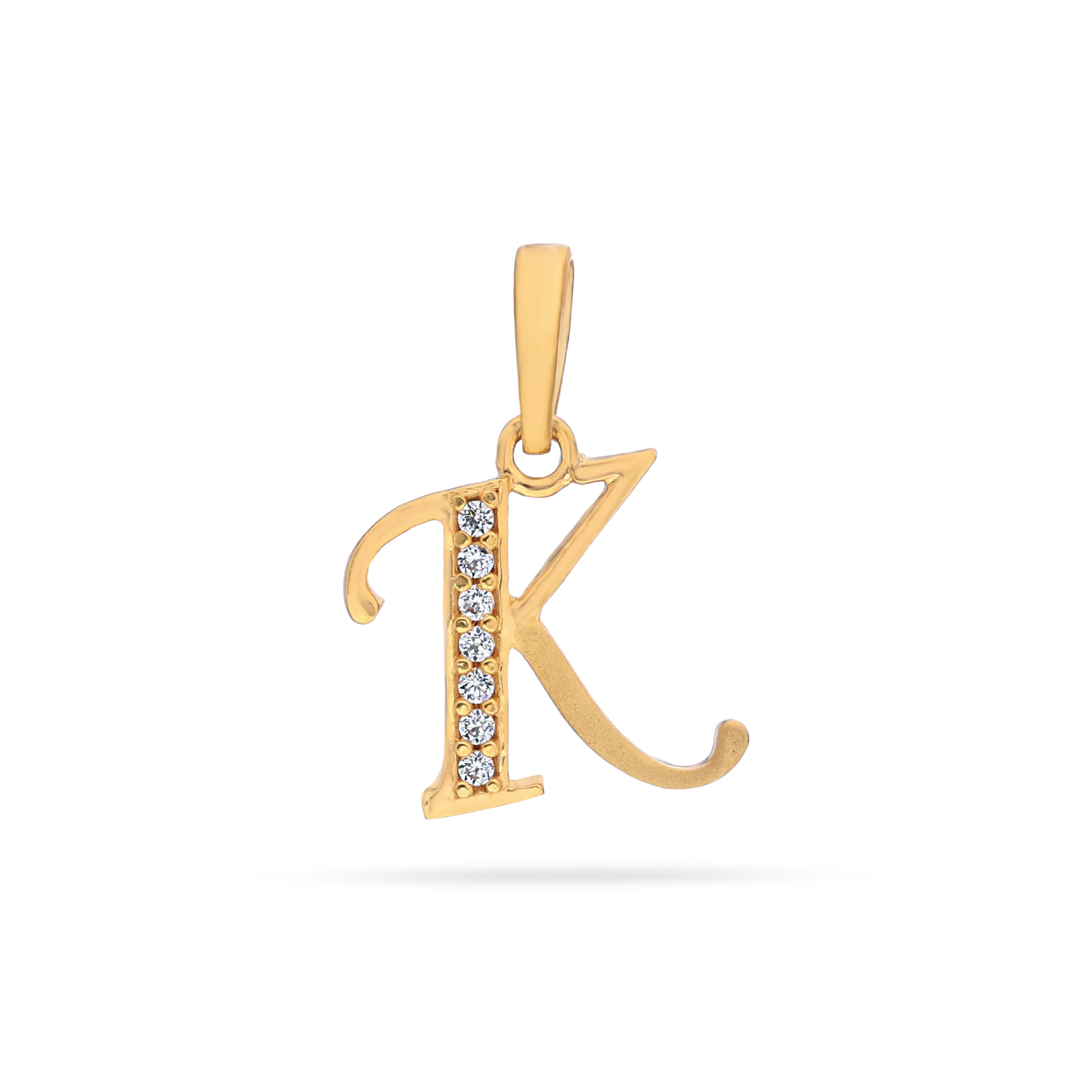
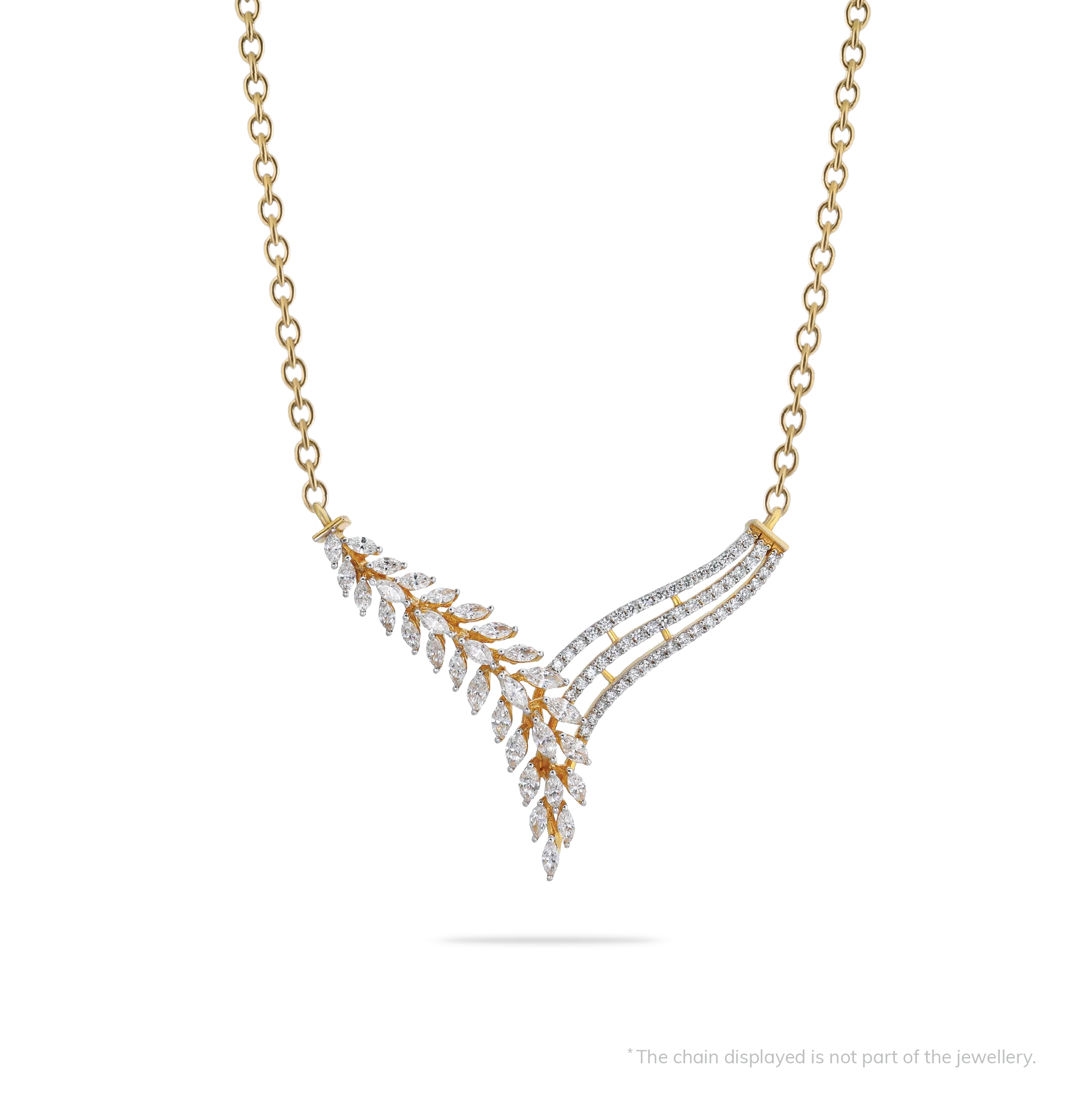
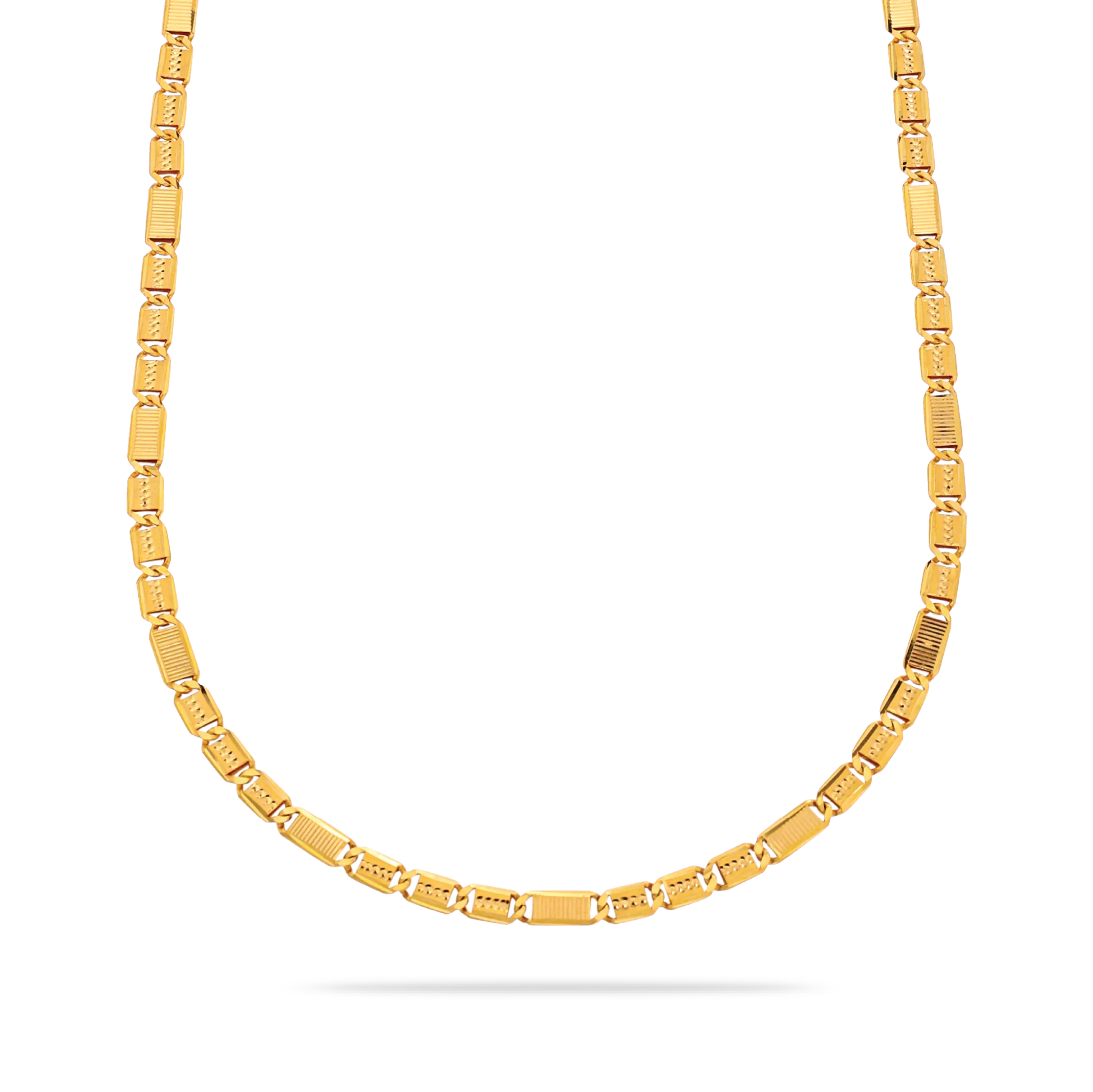
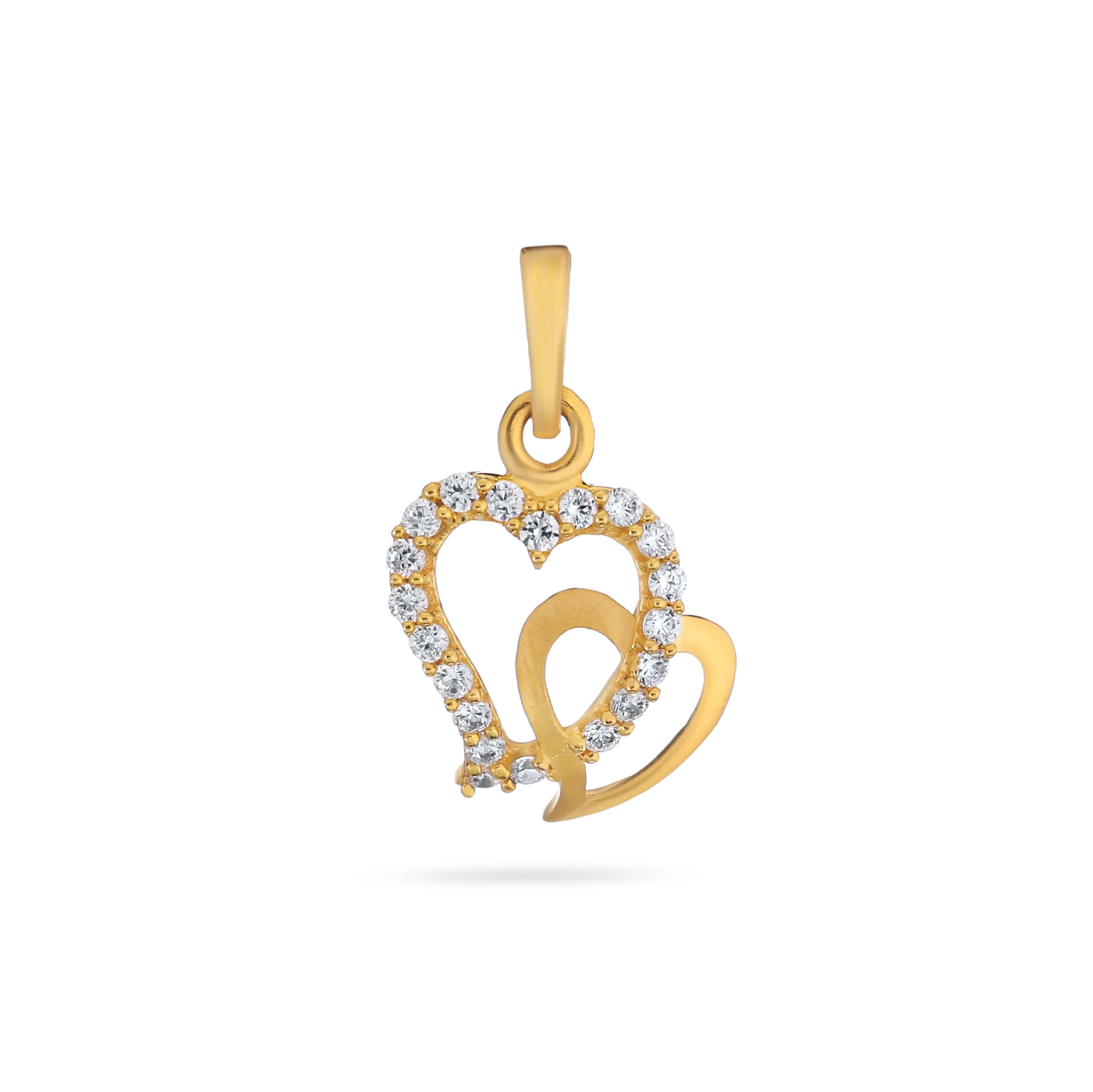
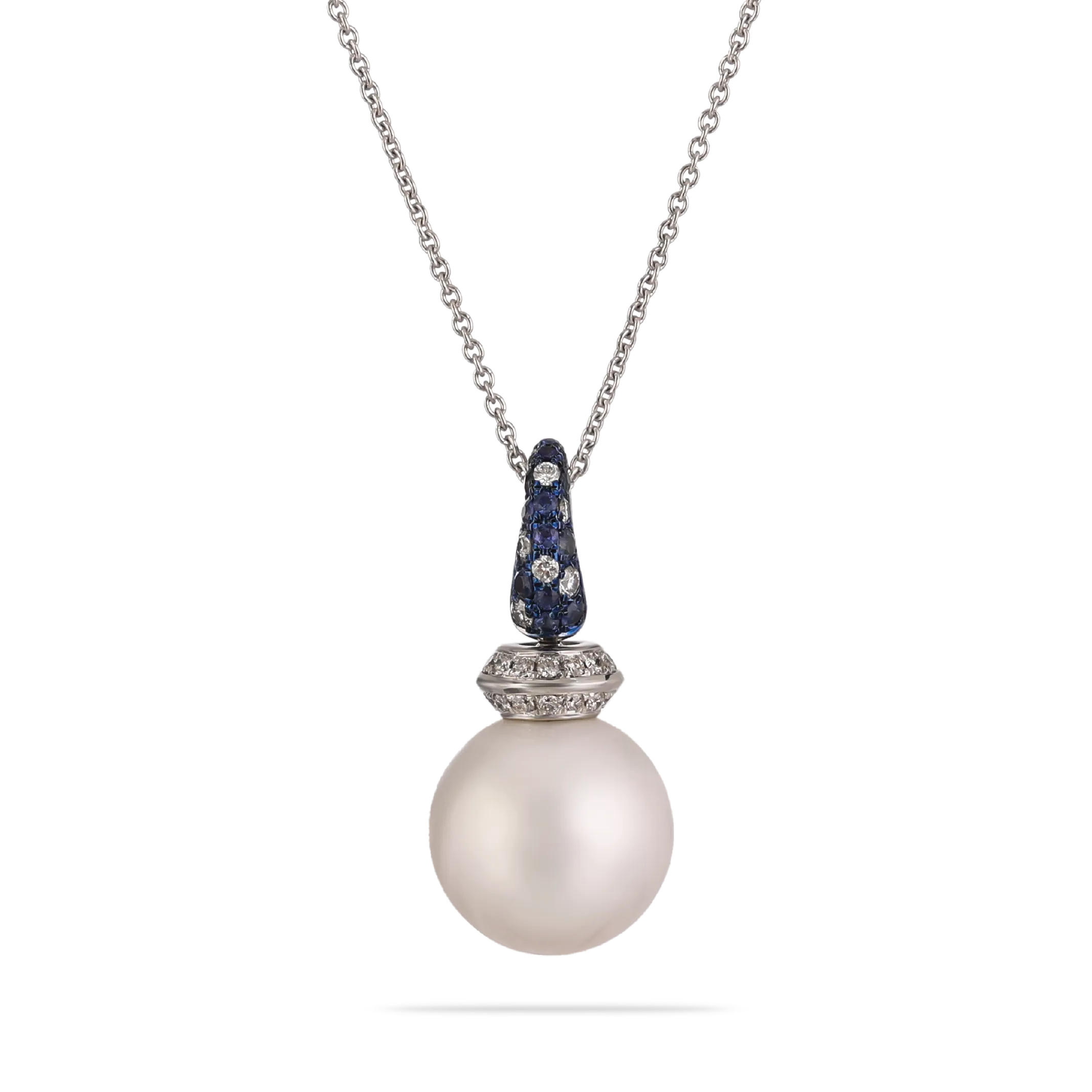
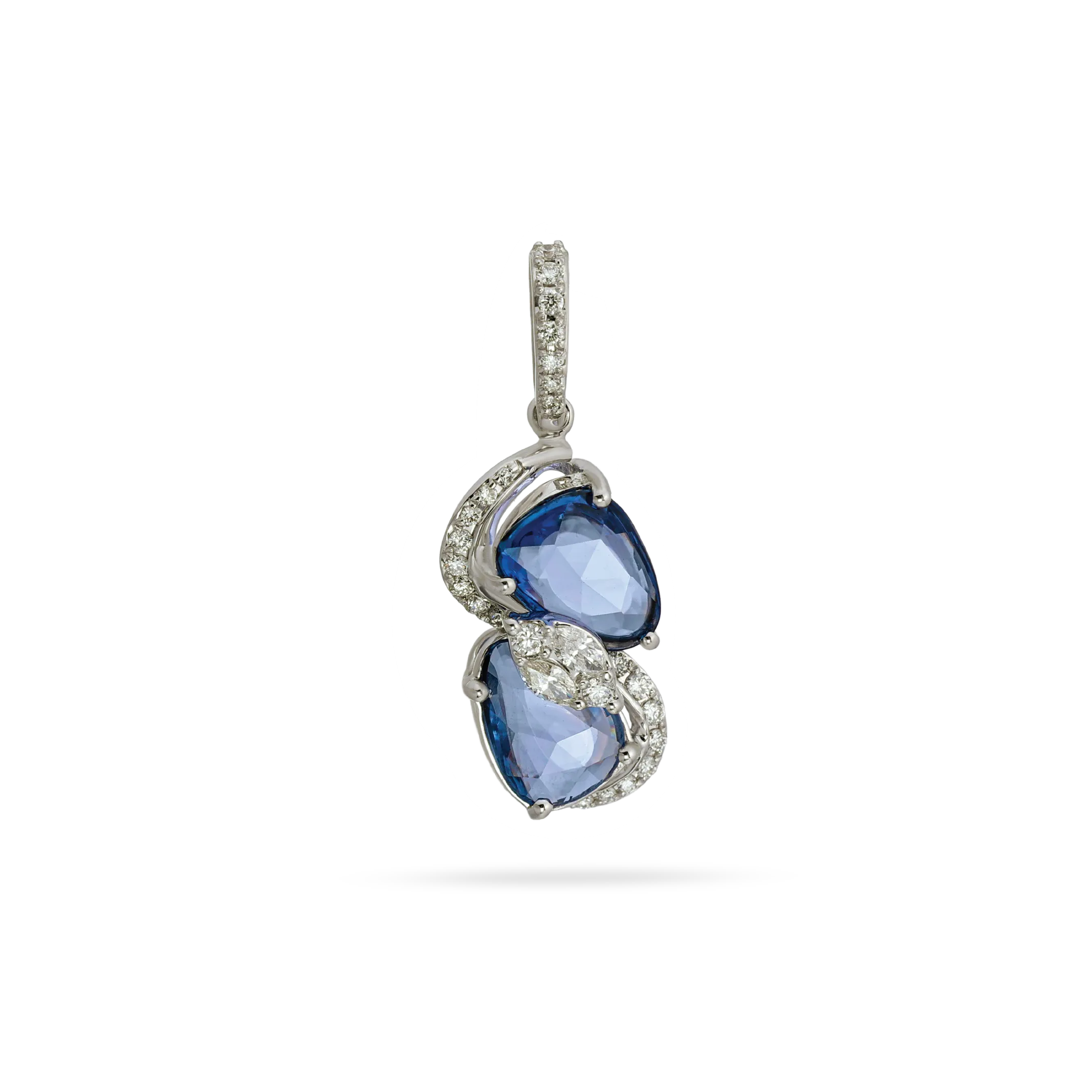
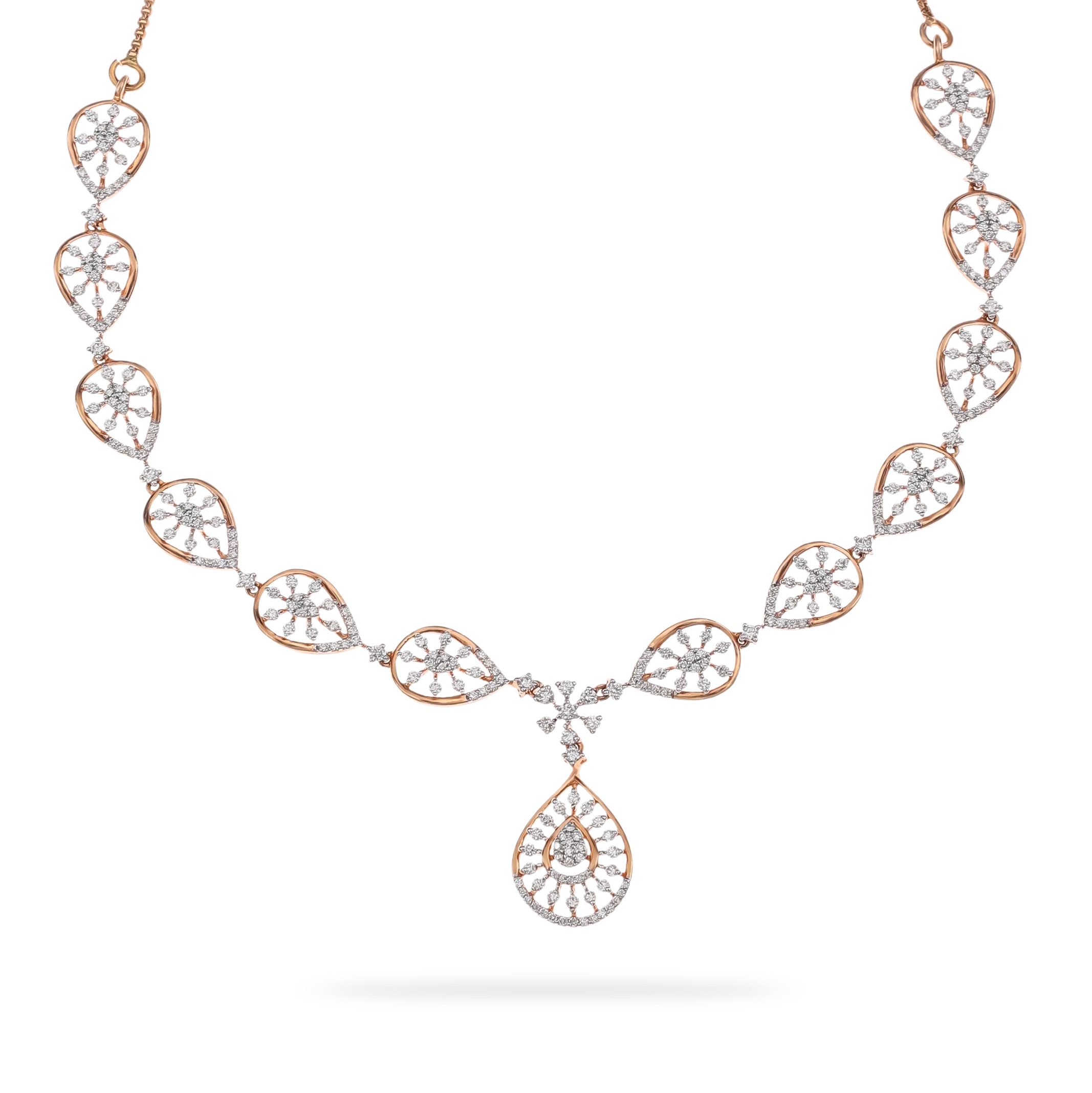
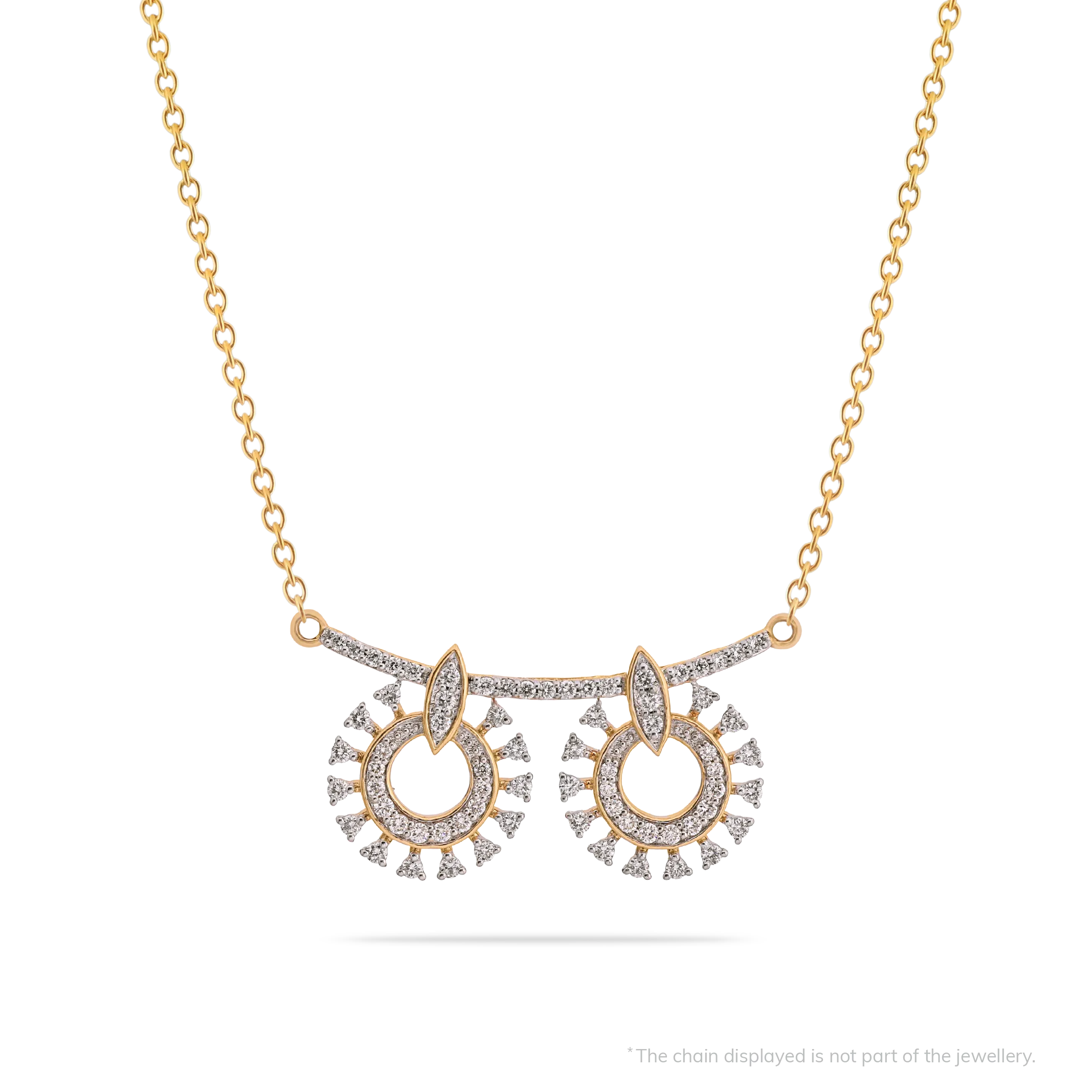
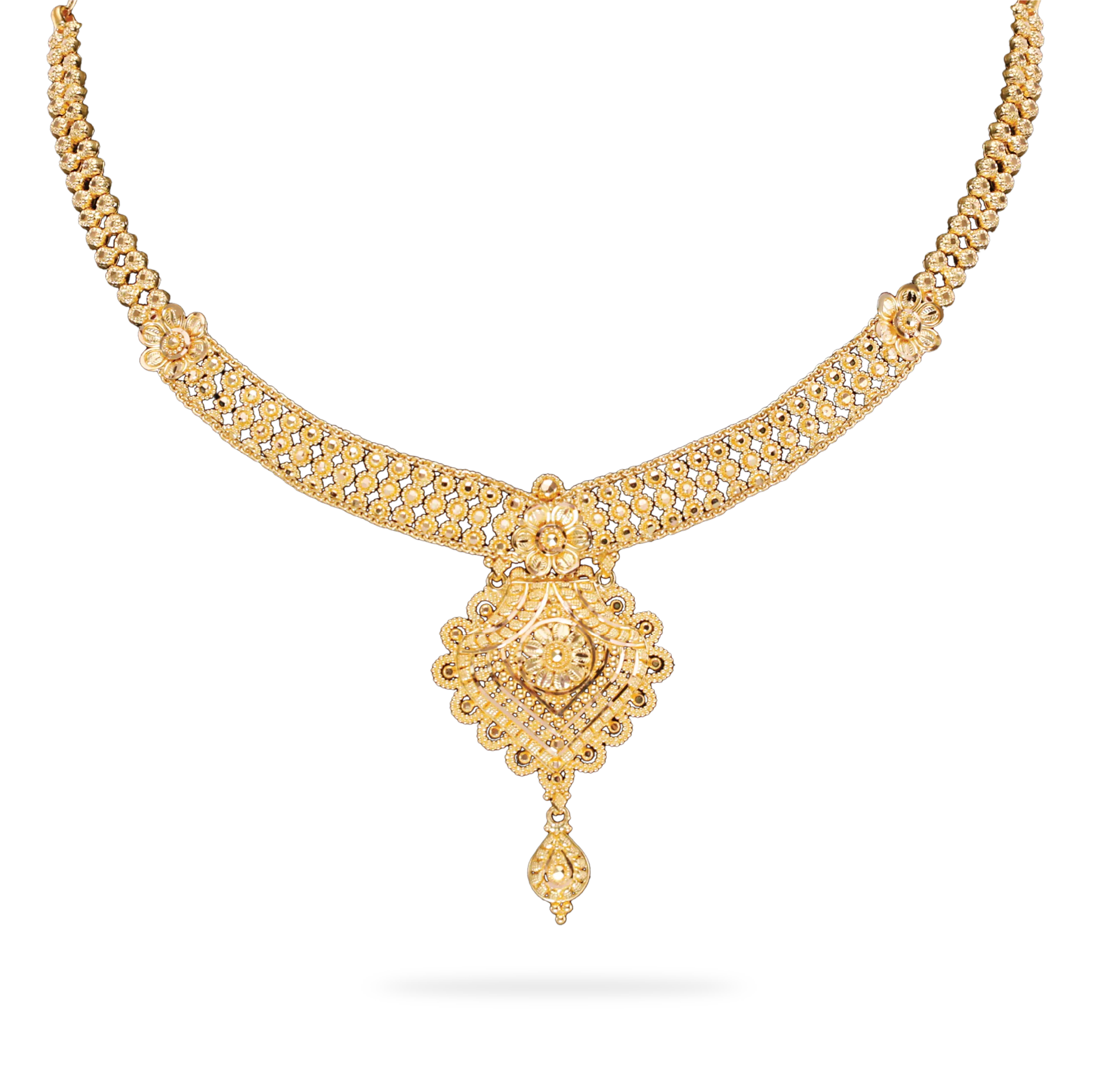
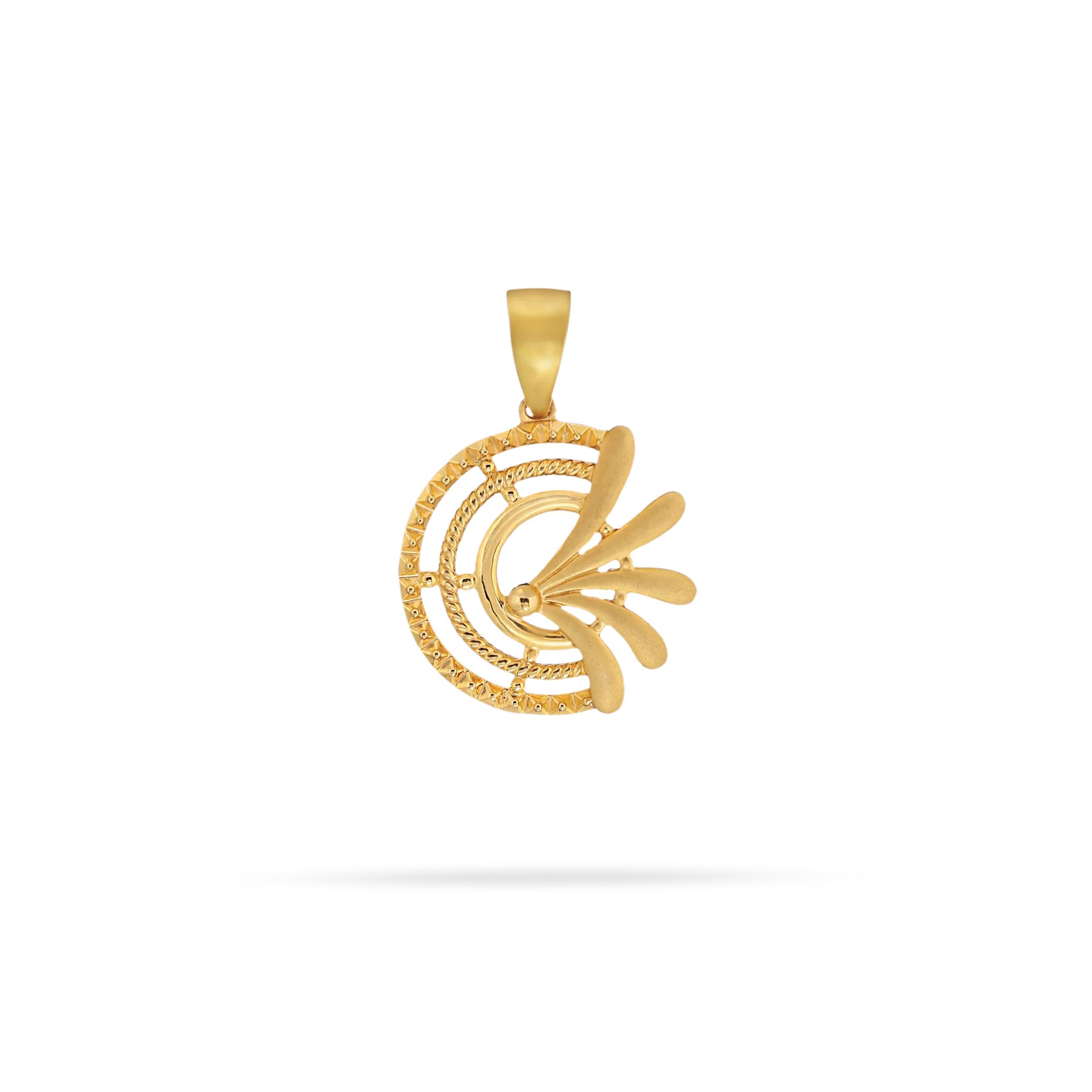
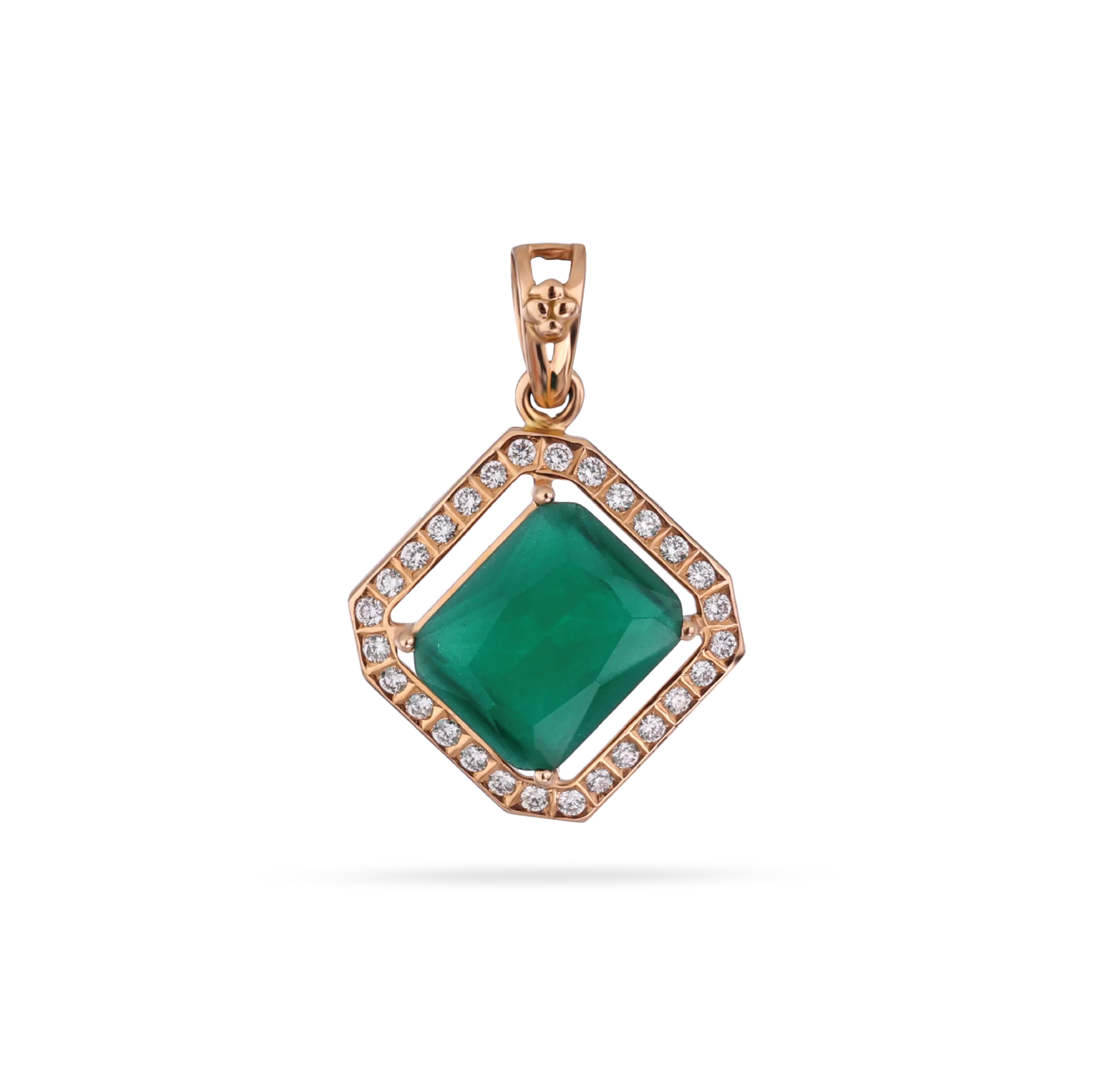
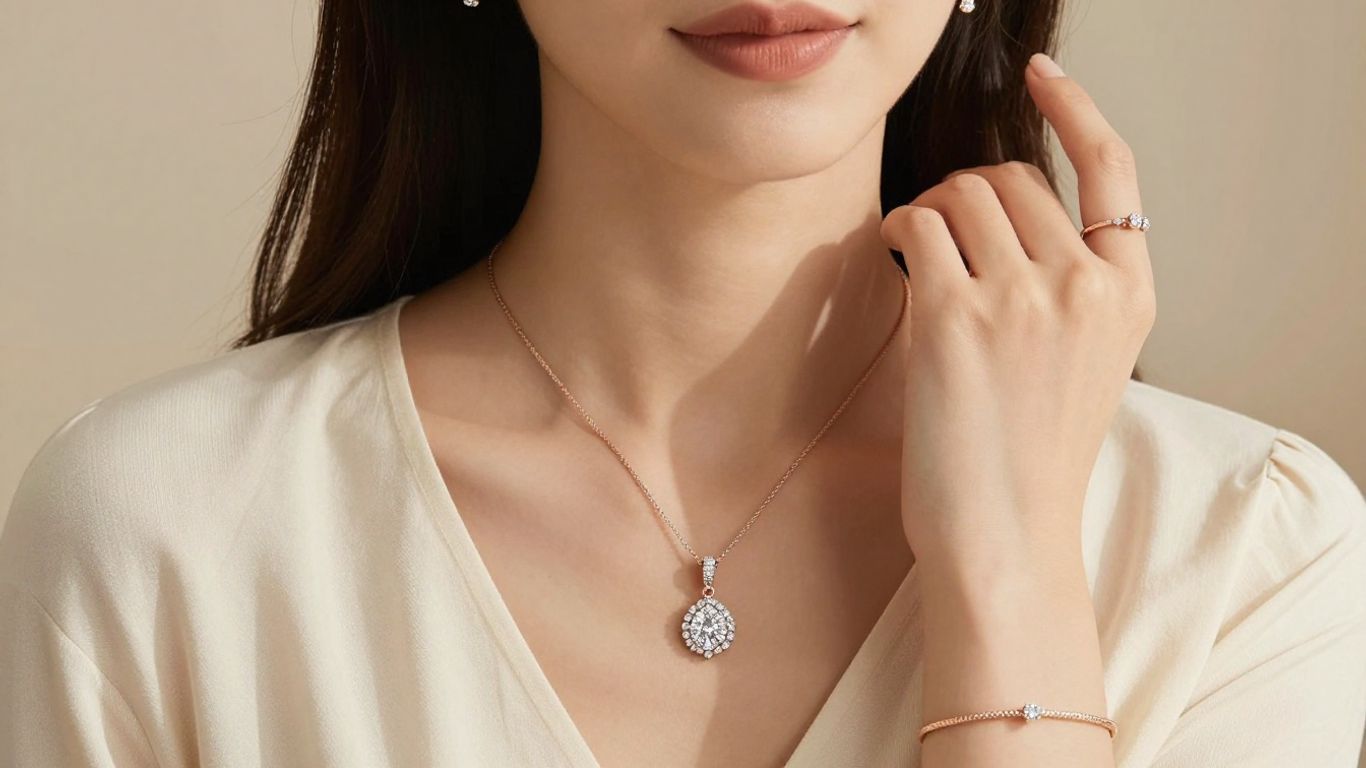
A necklace should sit comfortably against the neckline rather than compete with it. A shorter chain can follow an open collar, while a pendant or longer chain may work well with a simple crew neck. For a high neckline, a longer silhouette can create a clear line without crowding the fabric. A guide to everyday diamond pendants can help you think through chain length, setting, and how a pendant fits into a regular wardrobe.
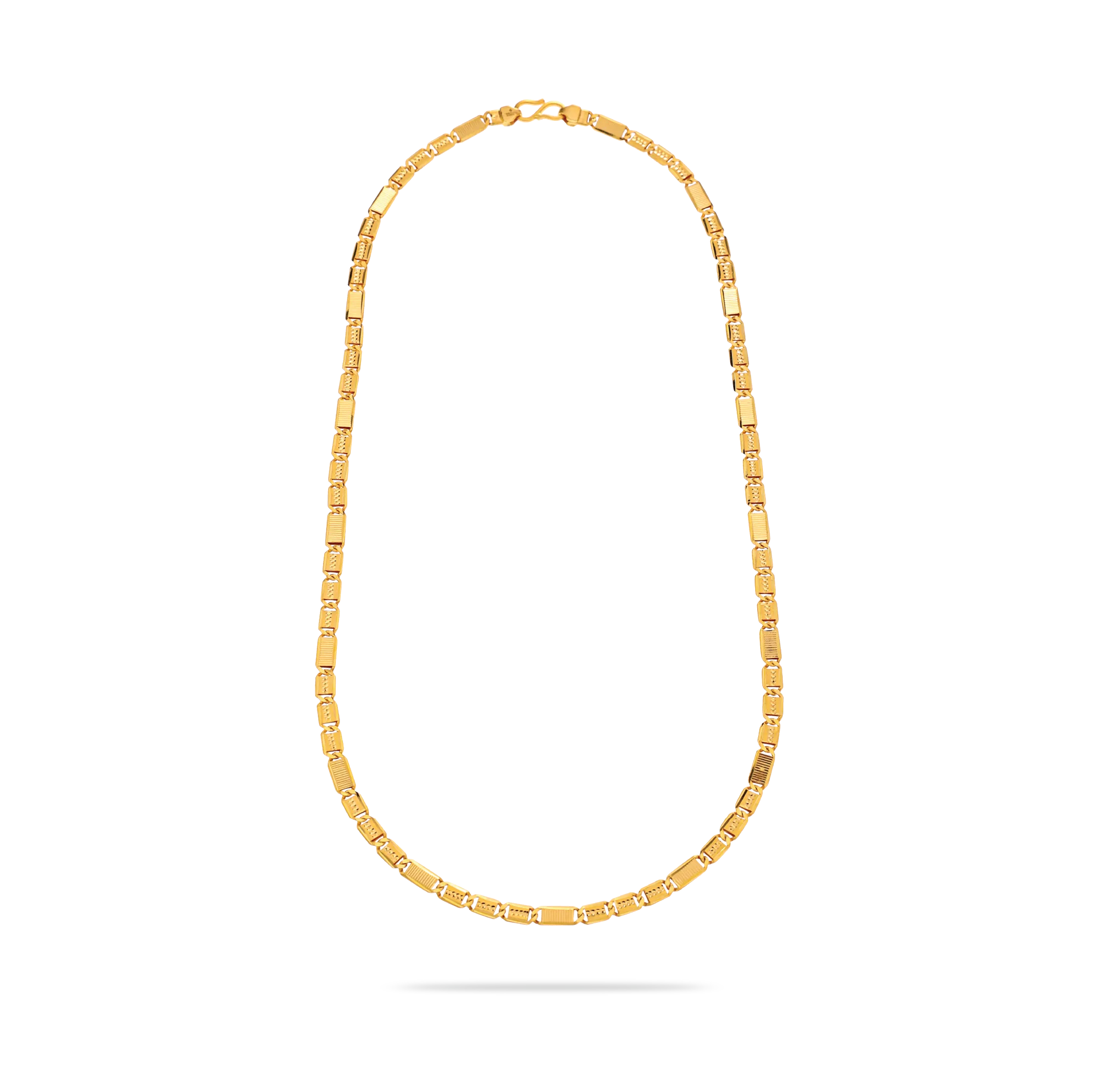
If you like more than one chain, vary their lengths and keep the combination visually light. These necklace layering ideas offer another way to think about spacing and proportion. A single fine chain can also be enough; there is no need to layer if it feels fussy.
Compare classic and contemporary earring designs
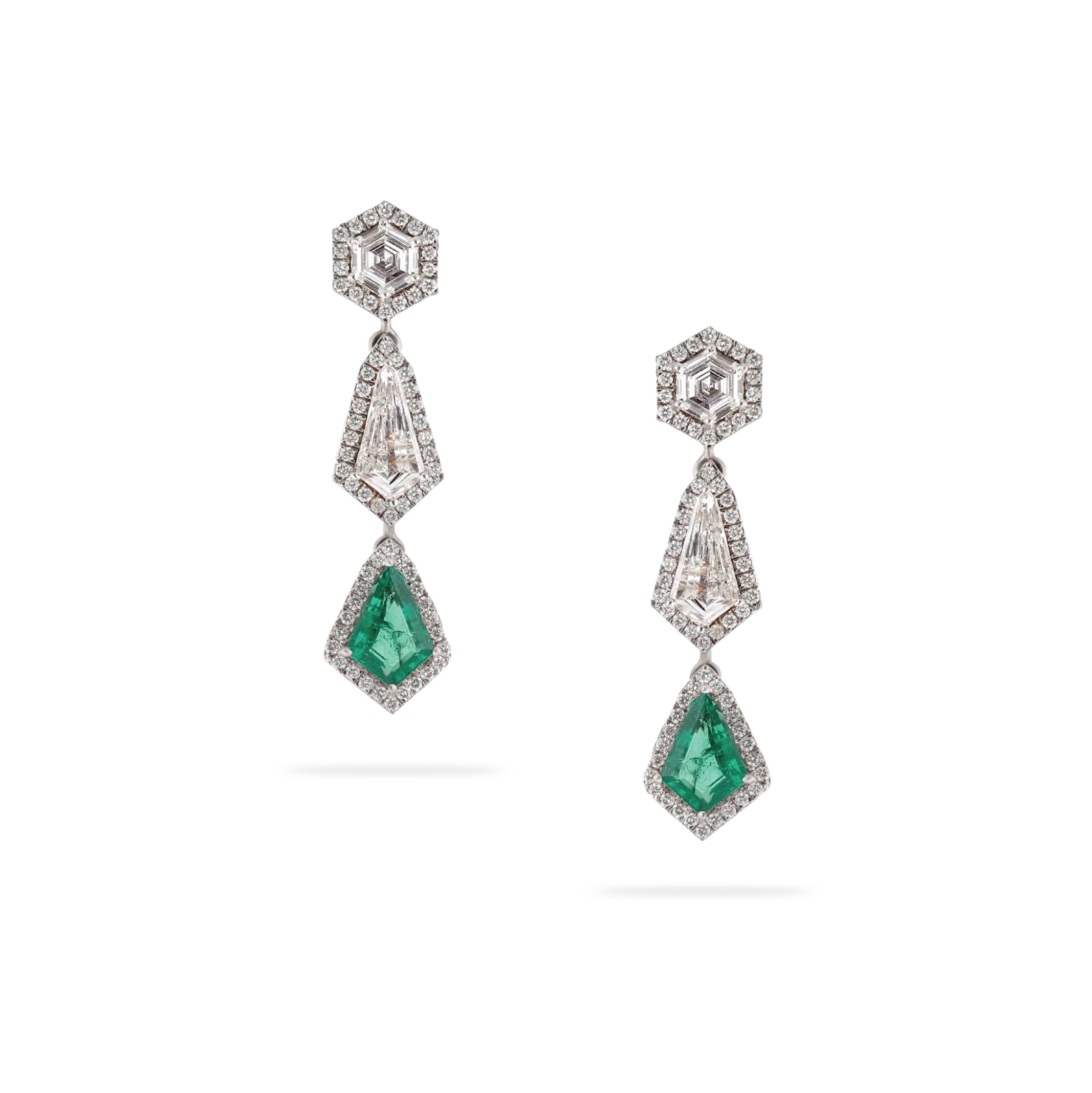
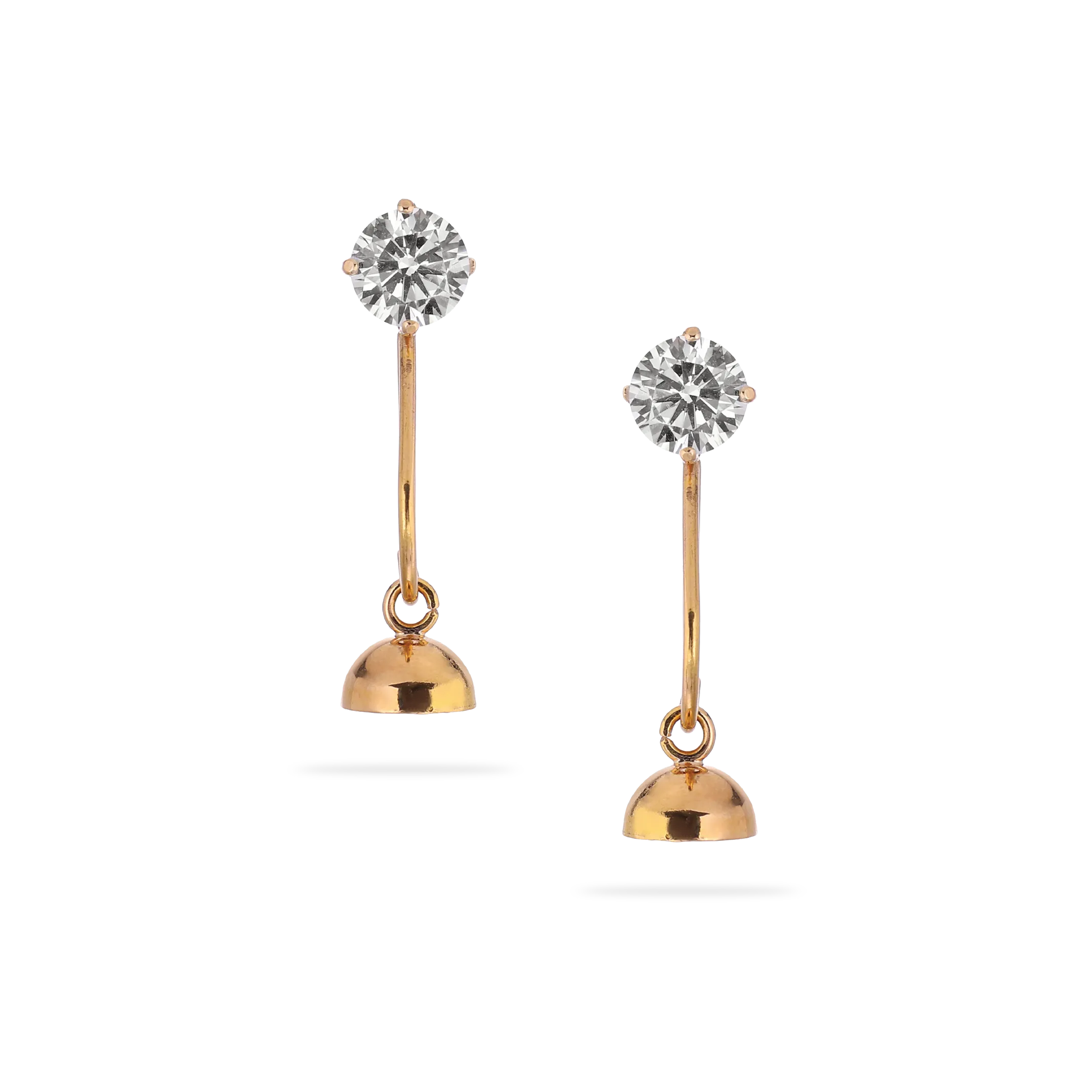
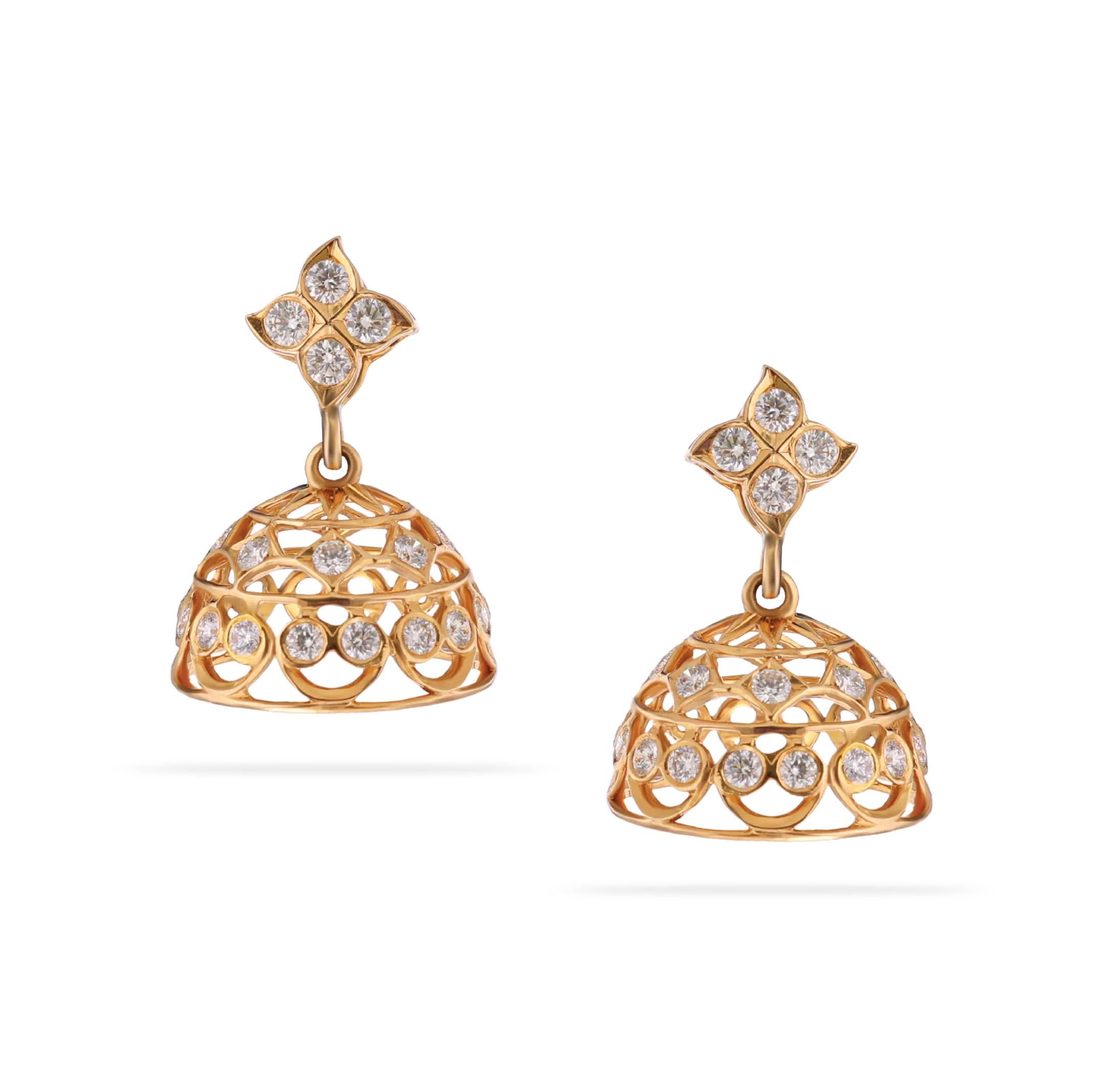
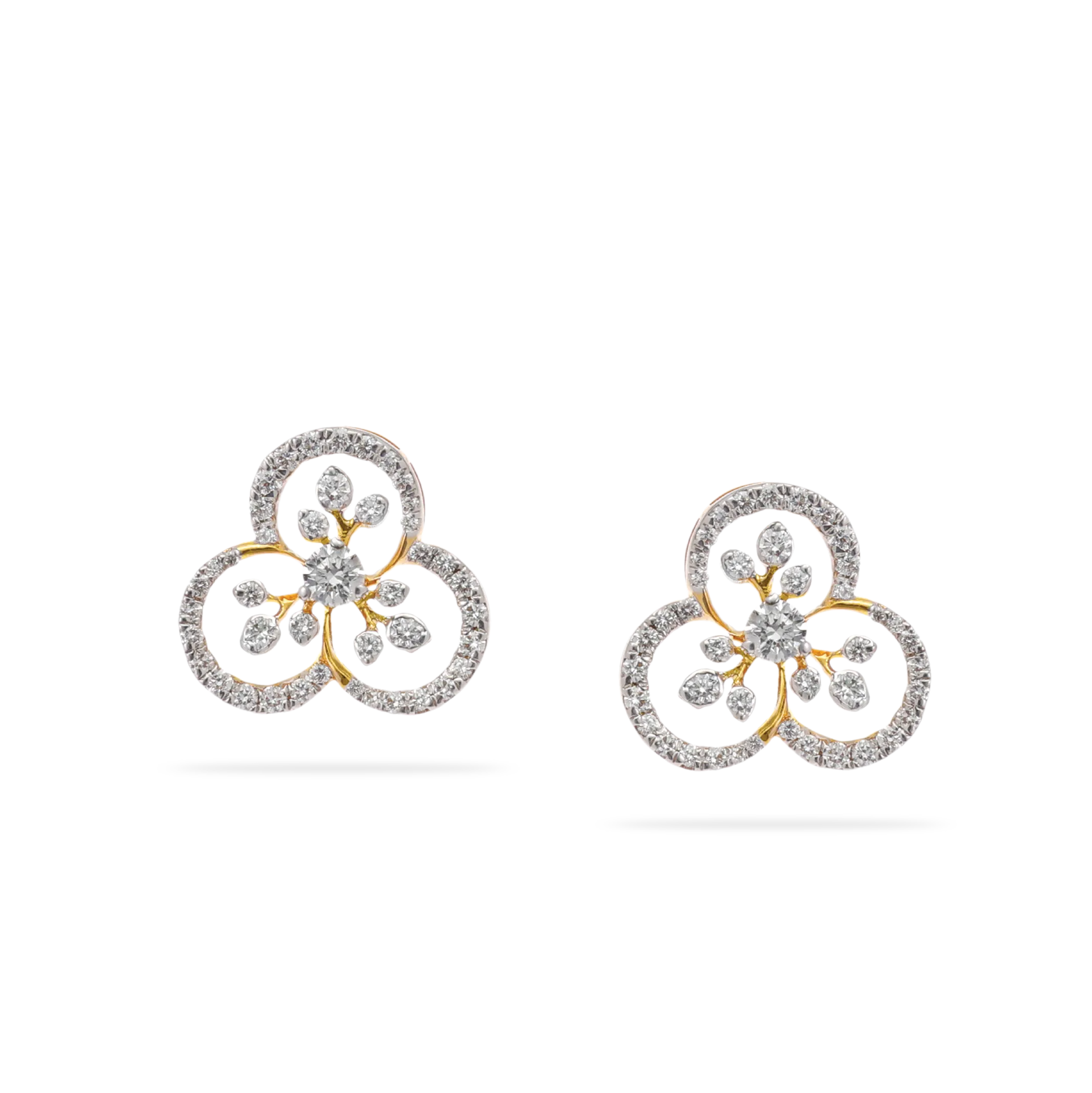
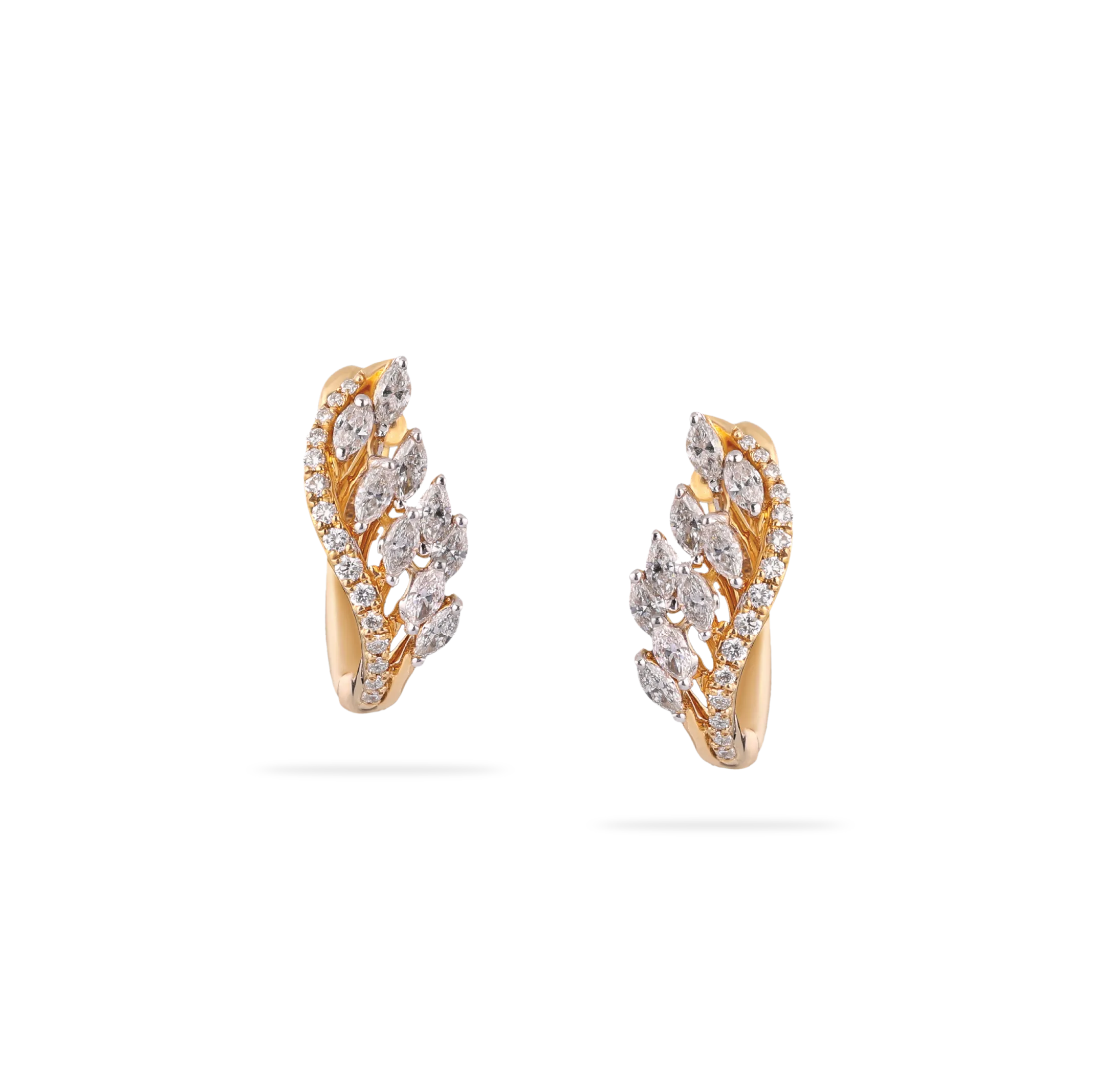
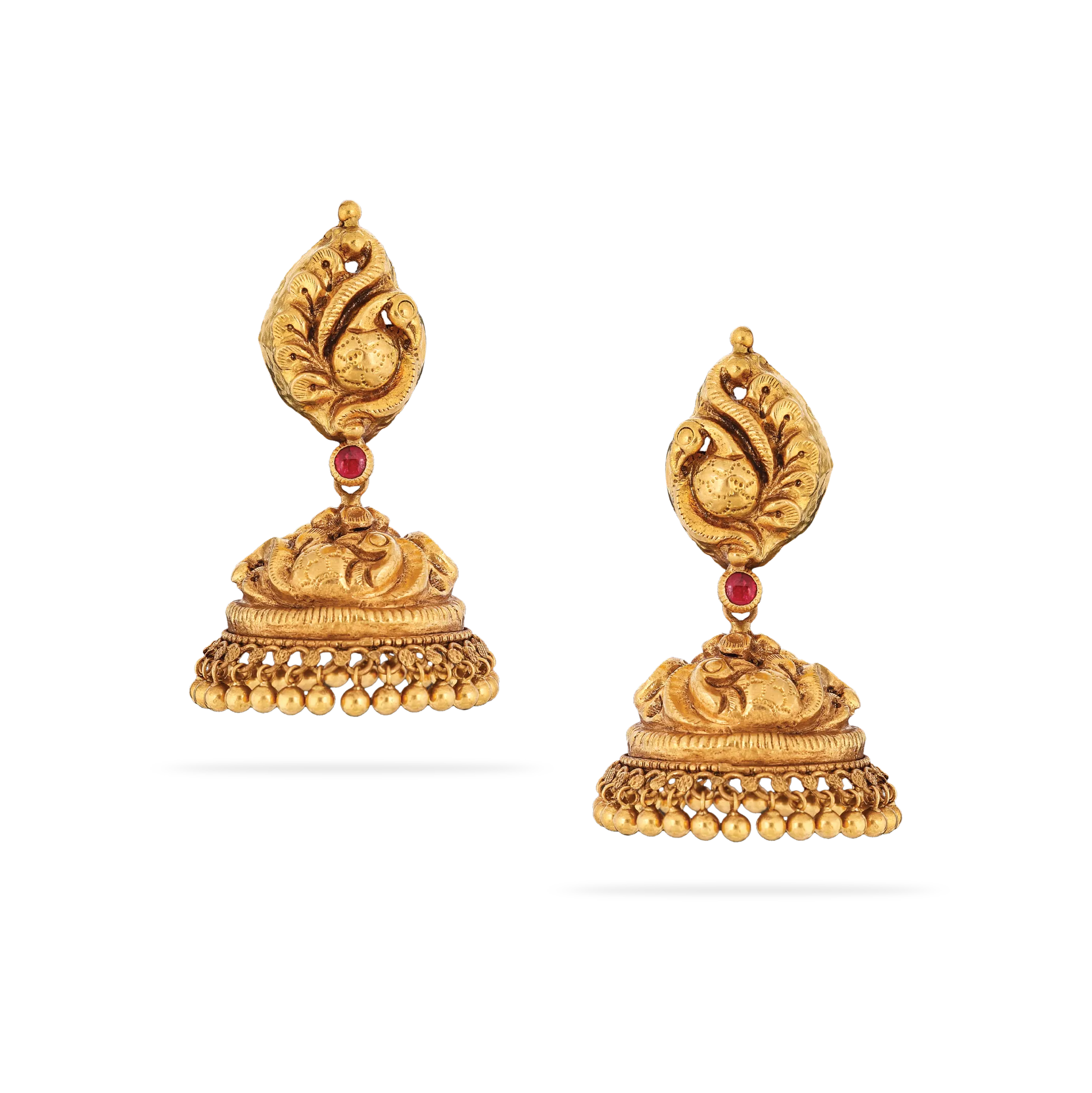
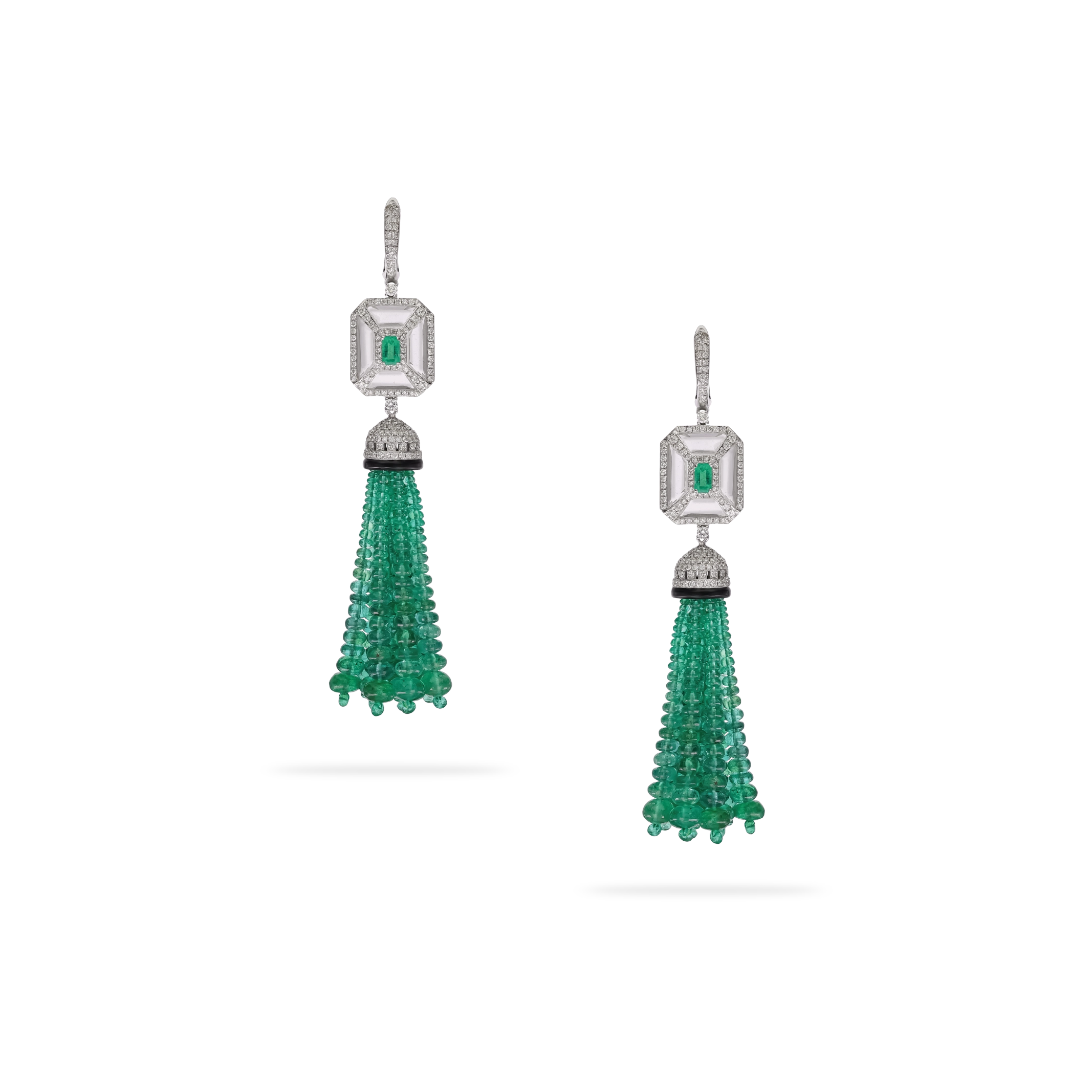
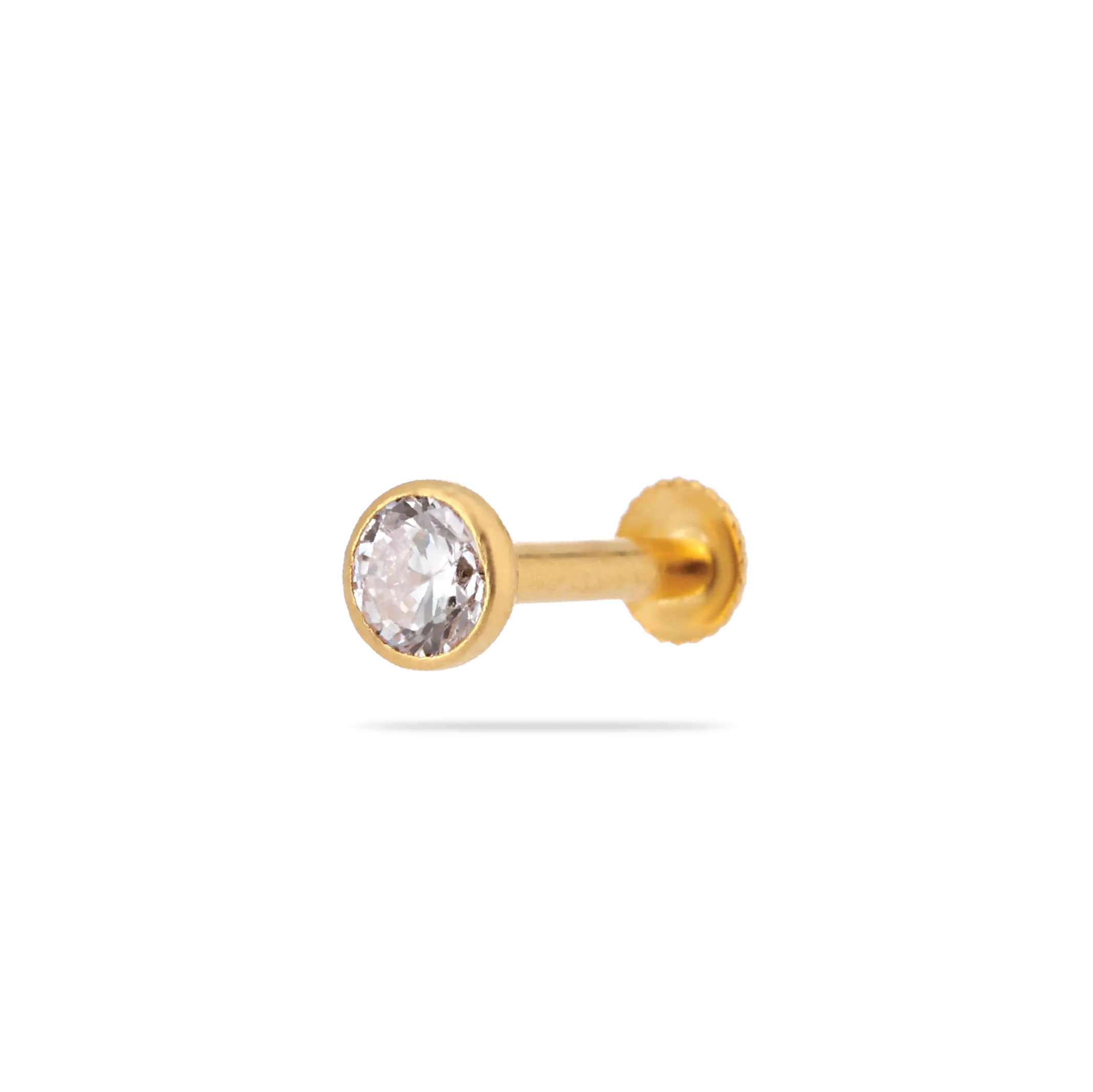
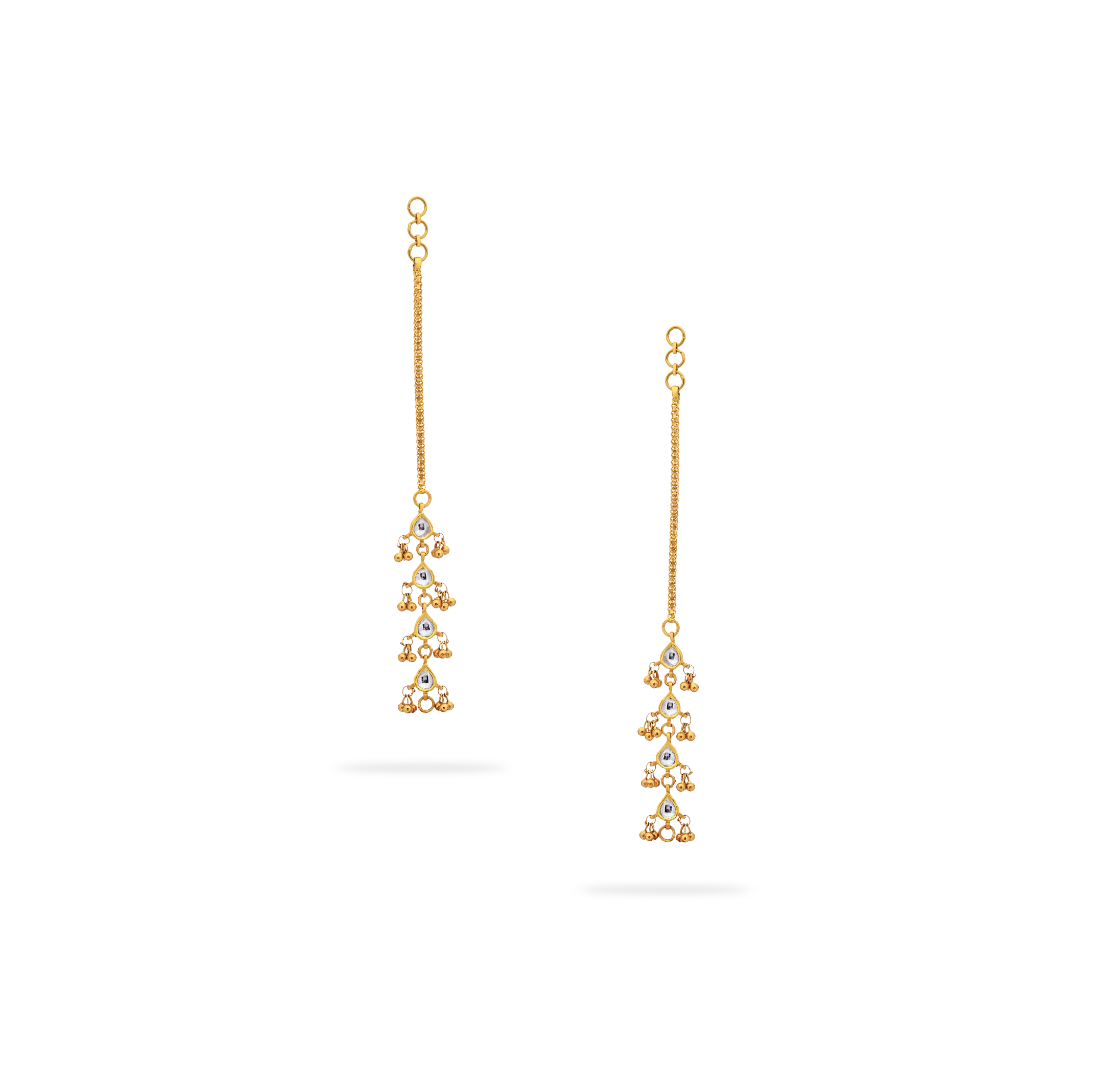
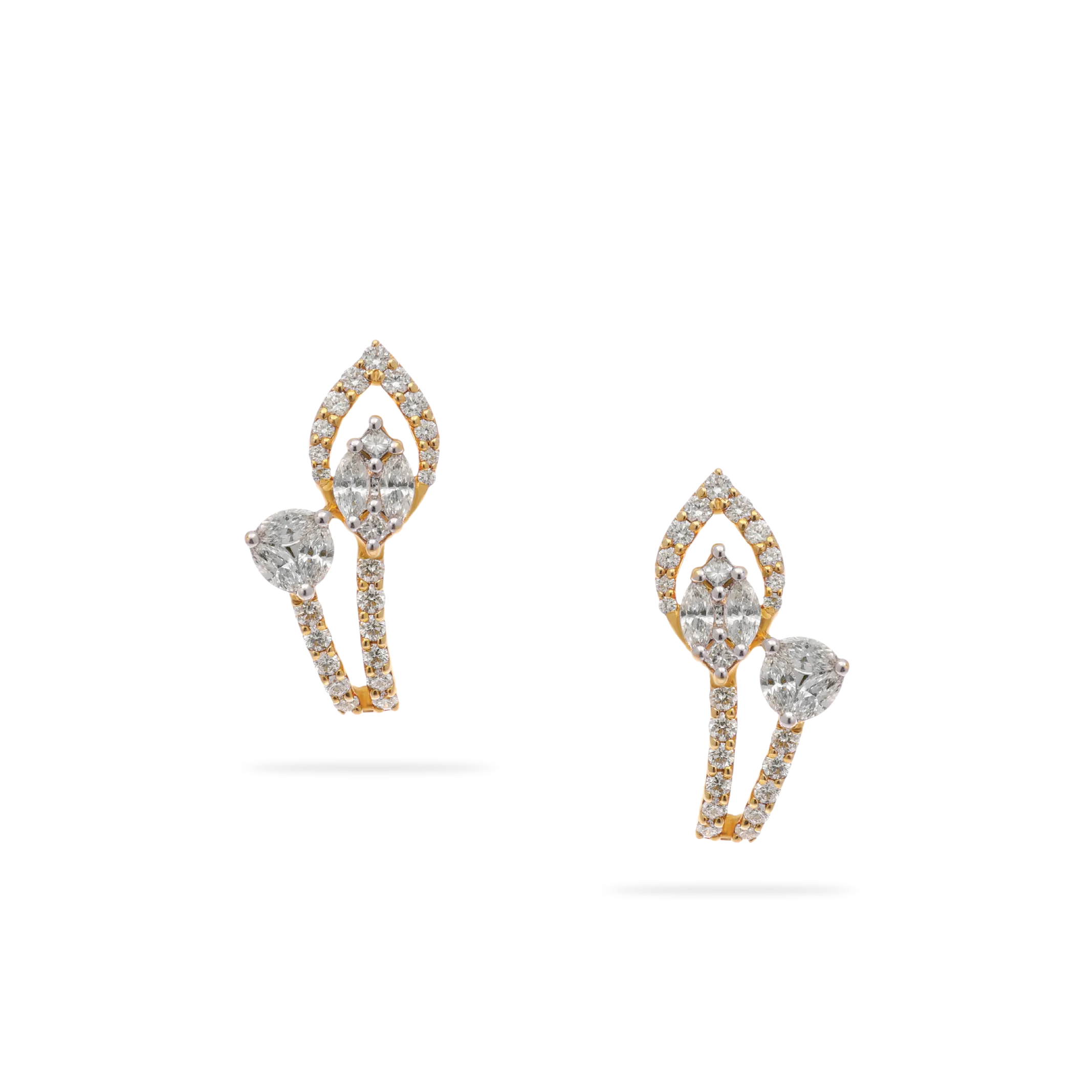
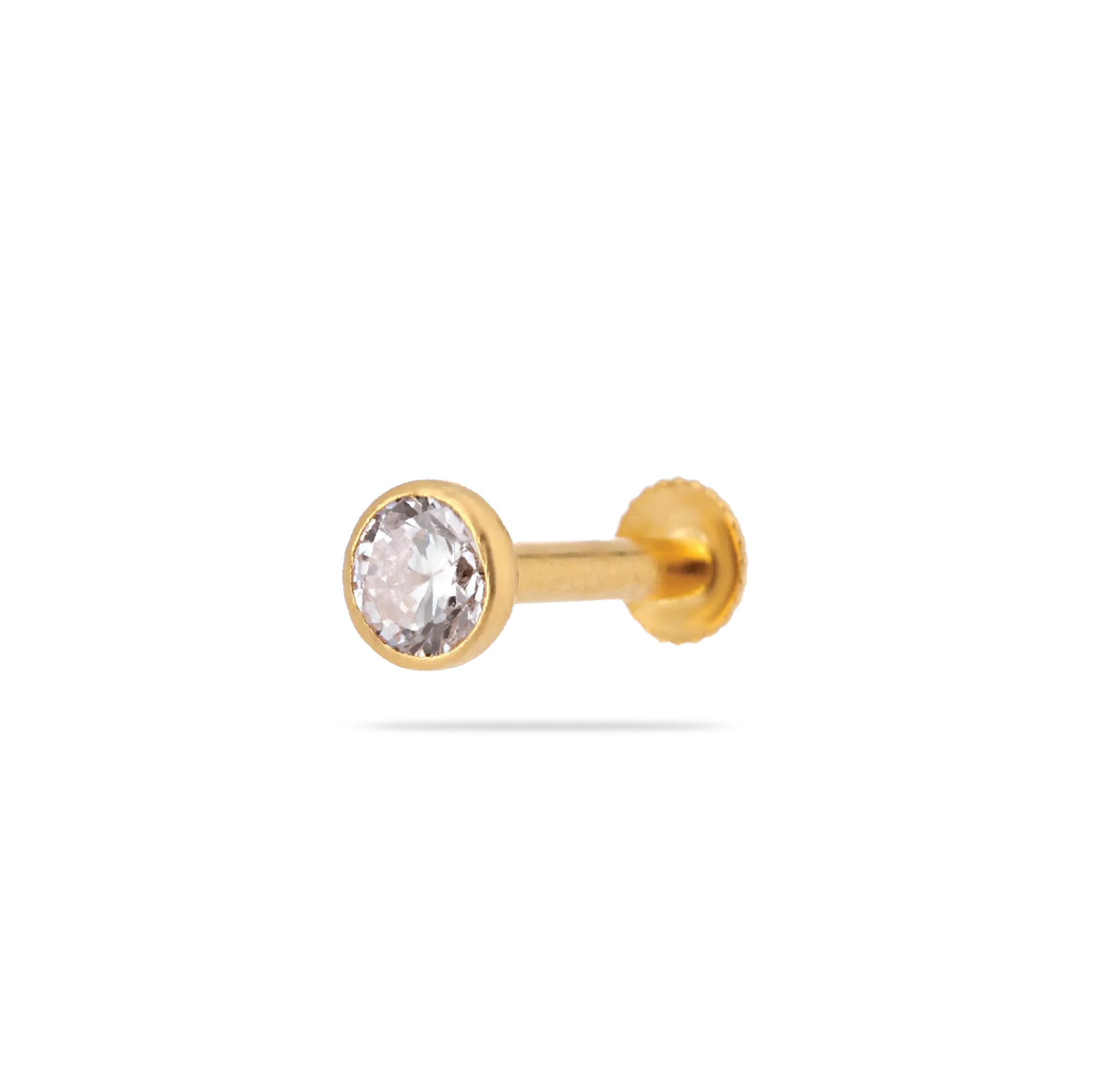
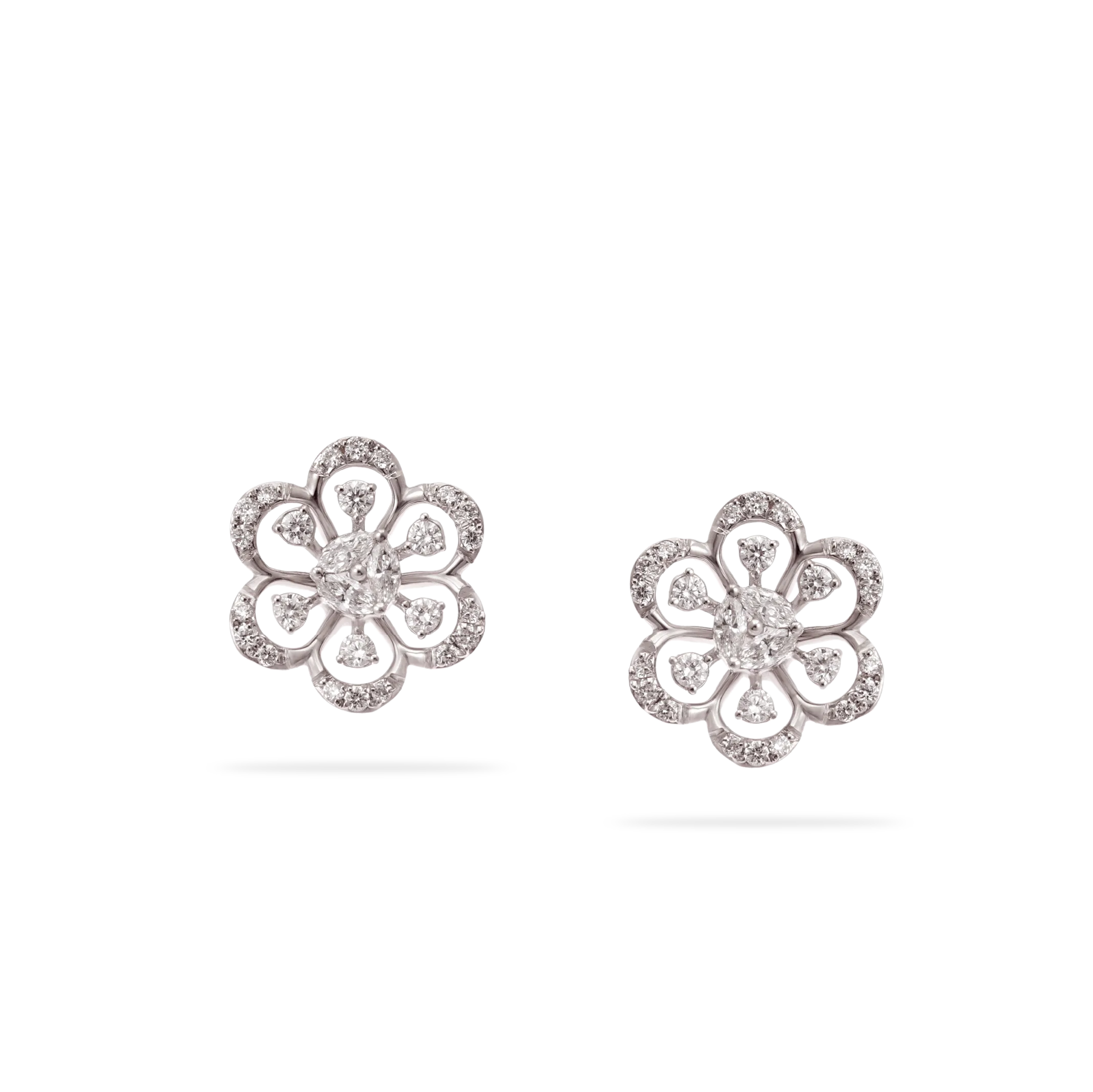
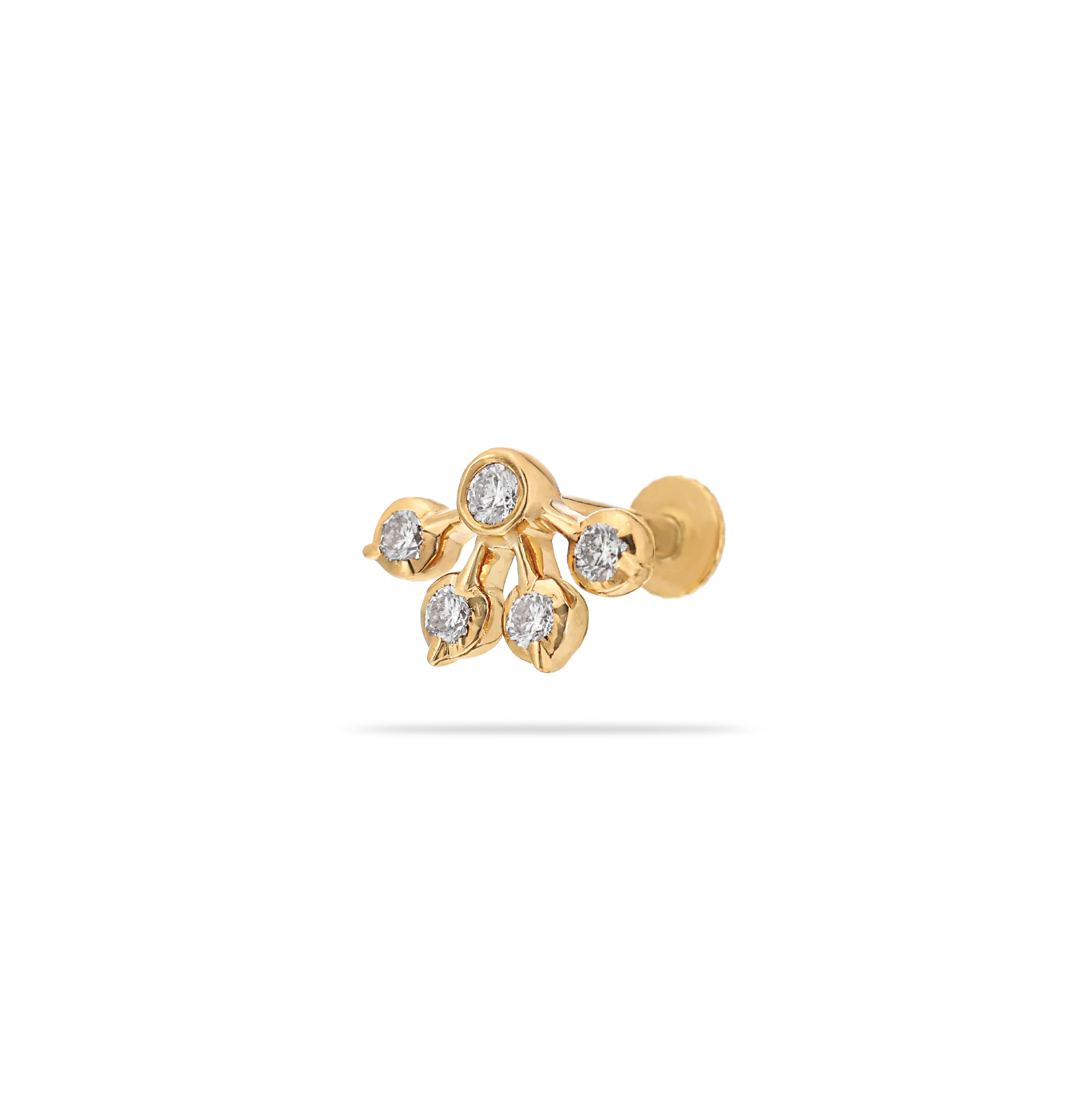
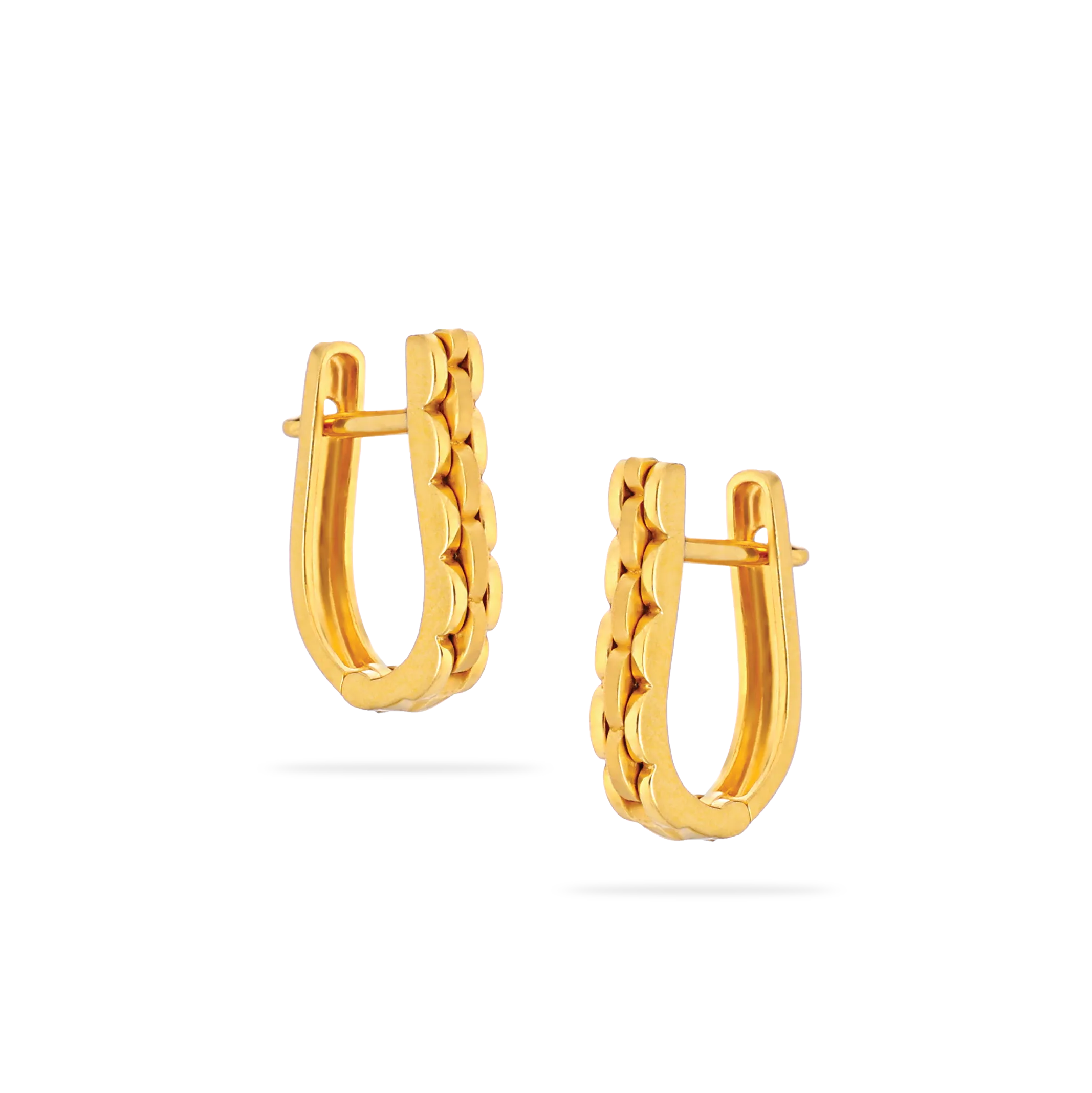
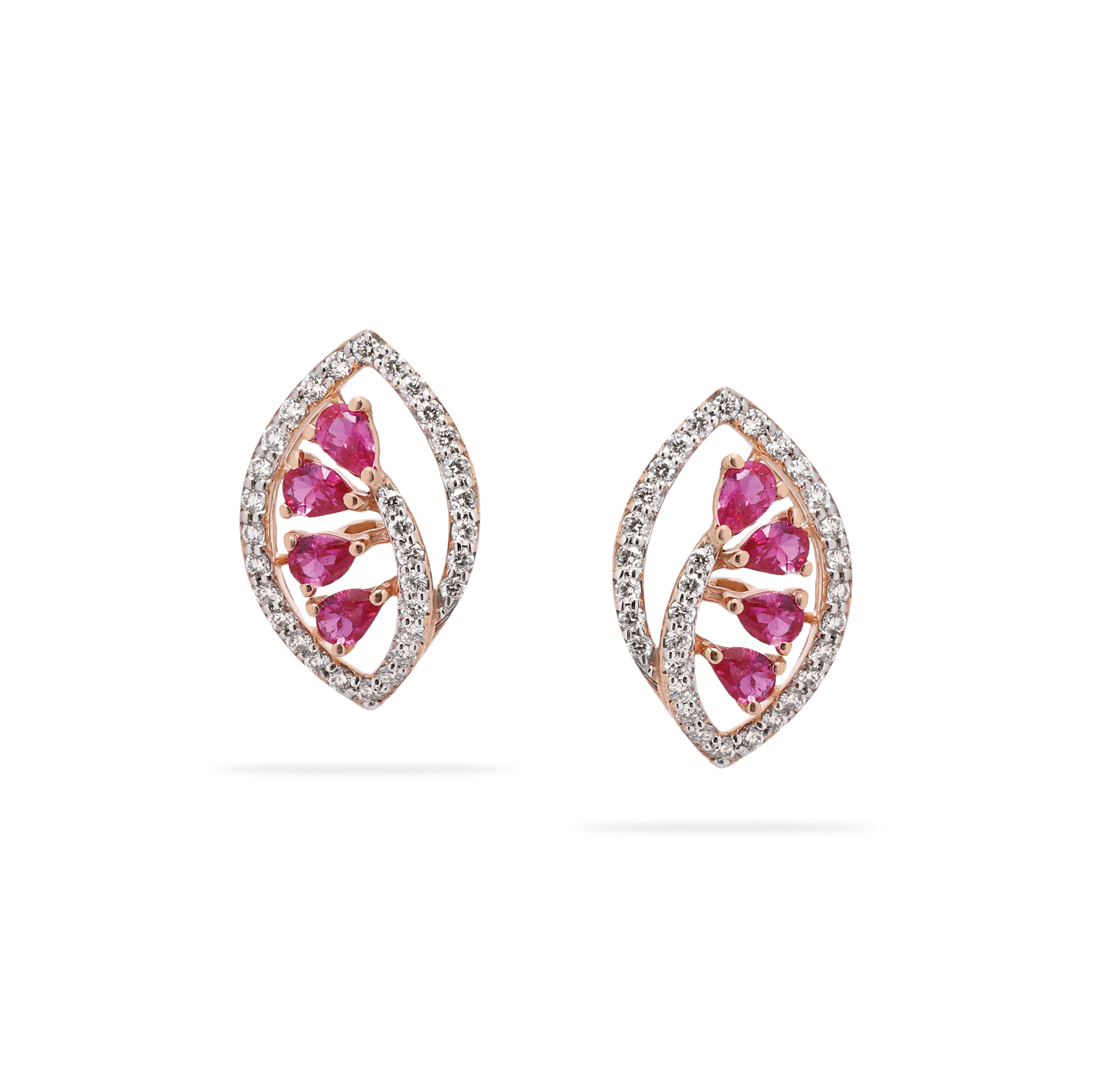
Studs are an easy choice when you want a small, close-to-the-ear accent, while hoops and drops create more movement. Consider how a style works with your hair and glasses, as well as how long you expect to wear it. For day-to-day use, a secure fastening and comfortable weight may matter more than a dramatic silhouette. C Krishniah Chetty & Co publishes guidance on choosing office-wear diamond studs, including considerations such as size, setting, and all-day comfort.
Find rings and bracelets that balance elegance with everyday wear
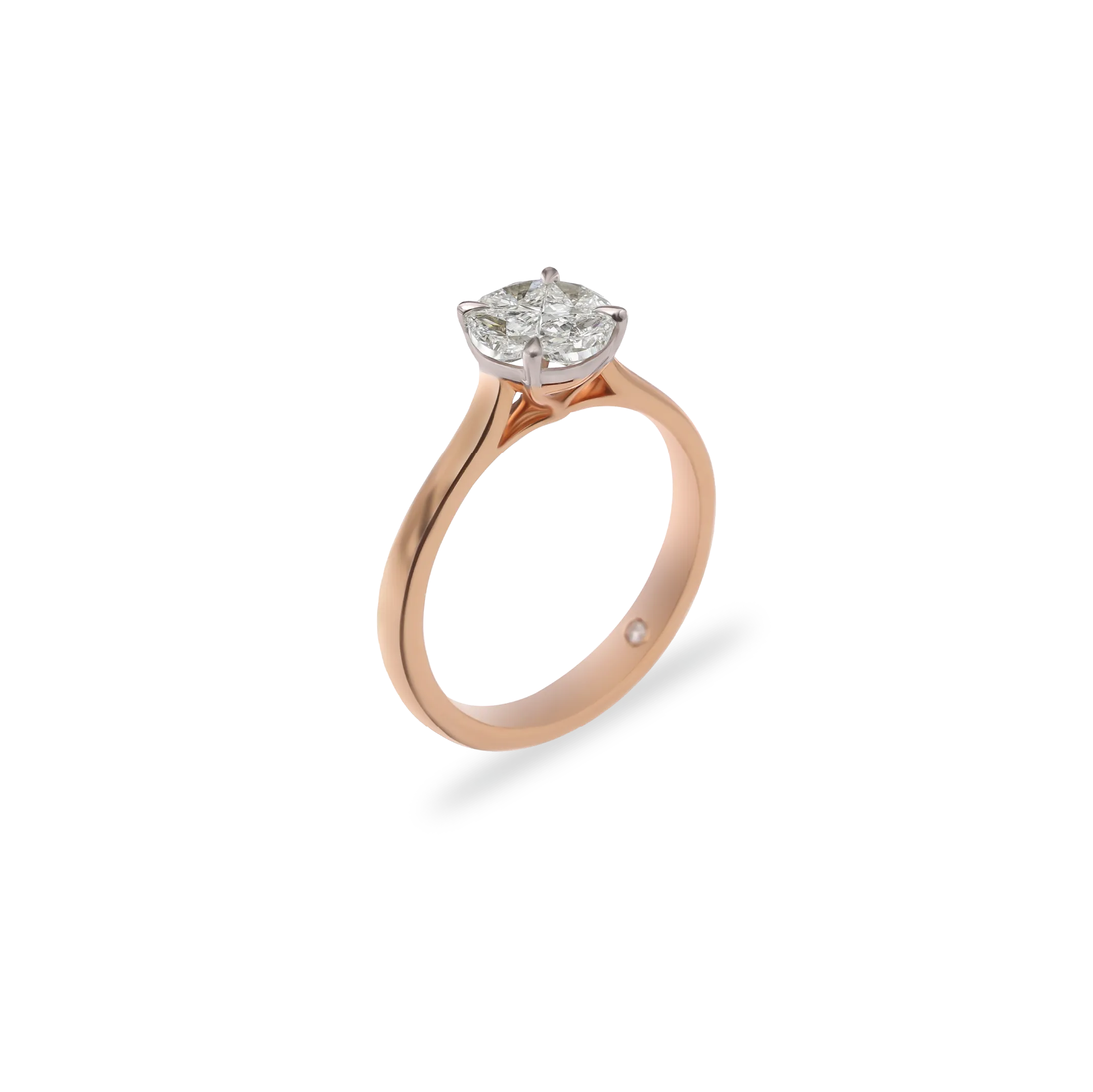
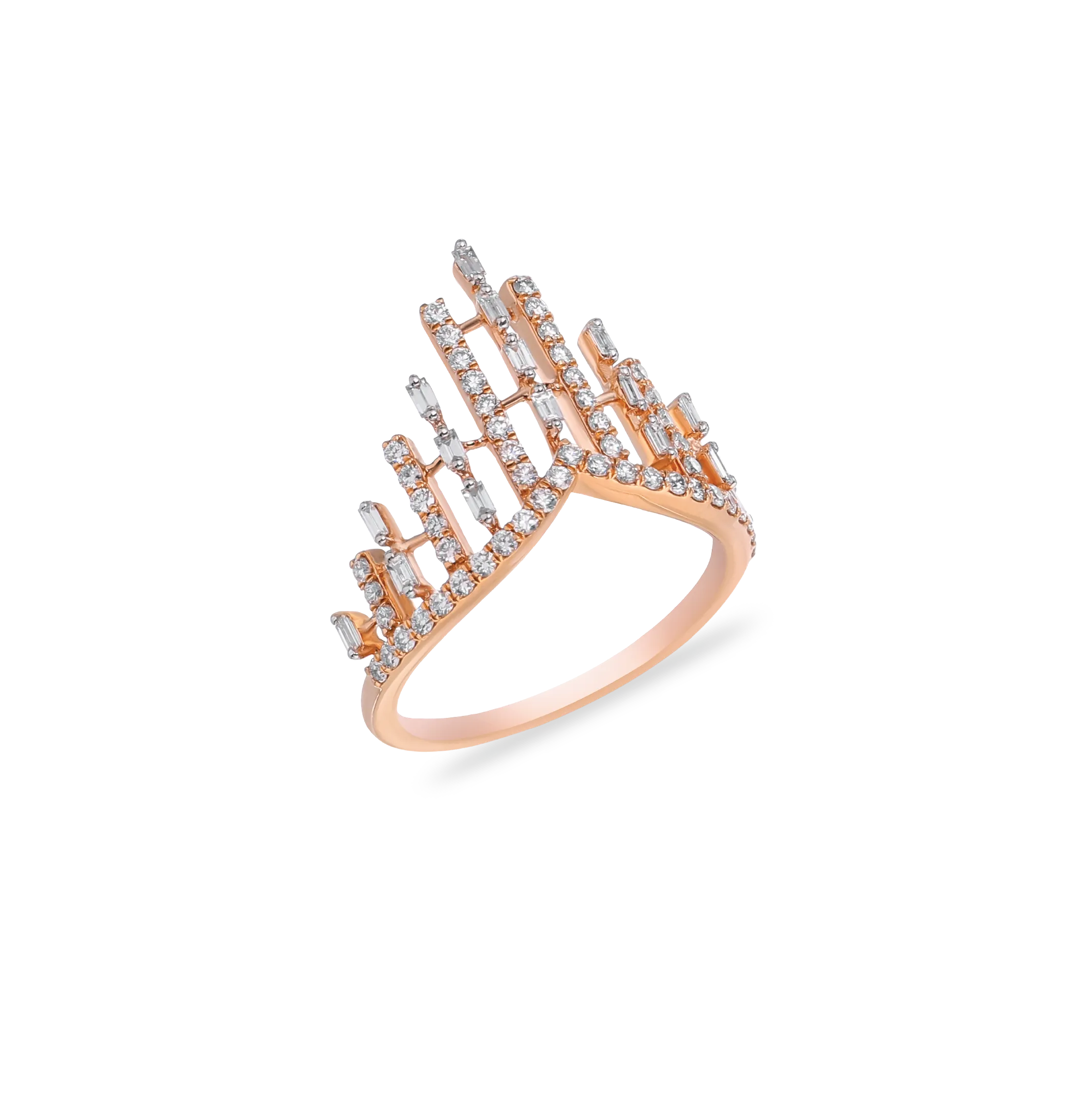
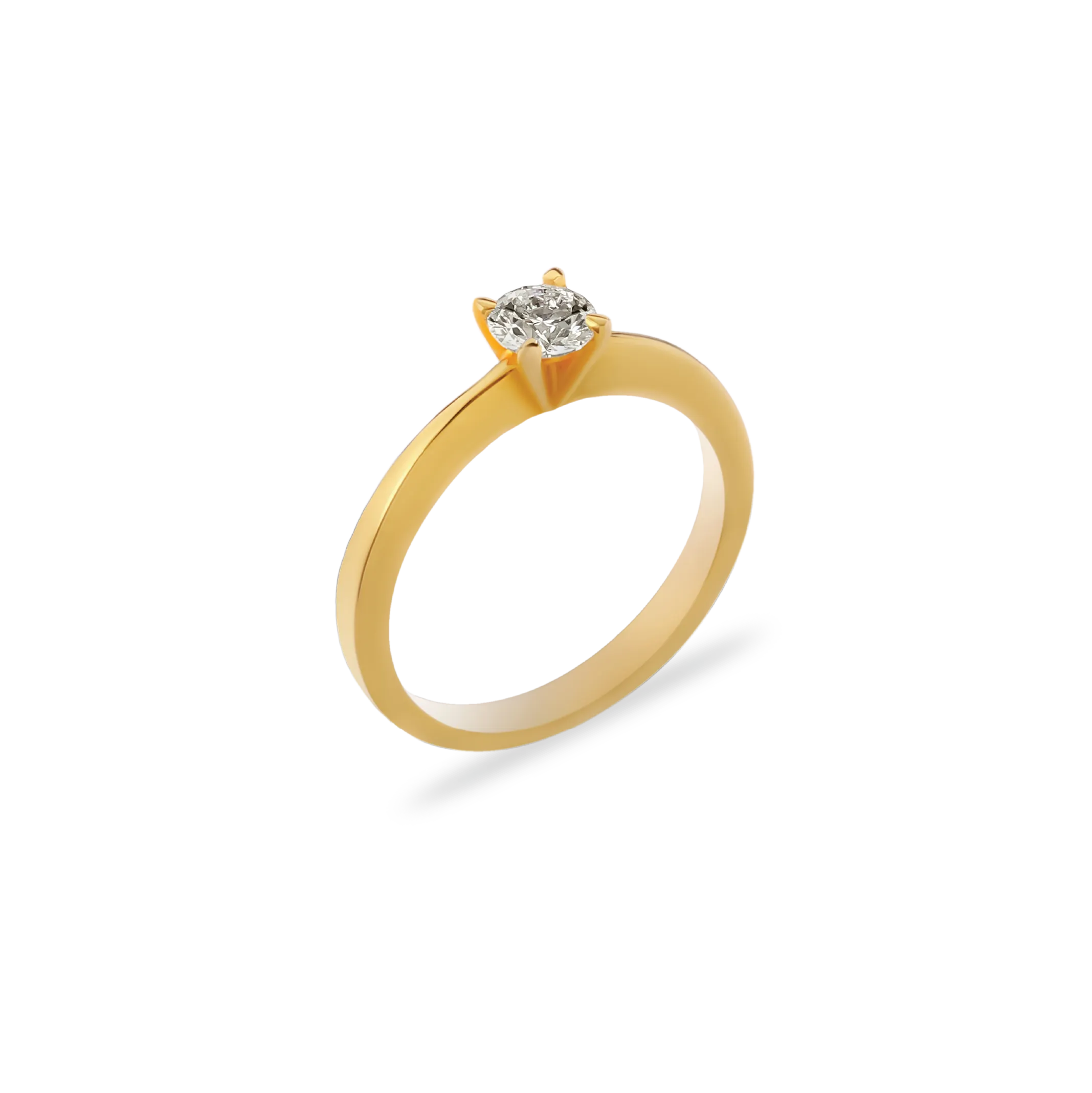
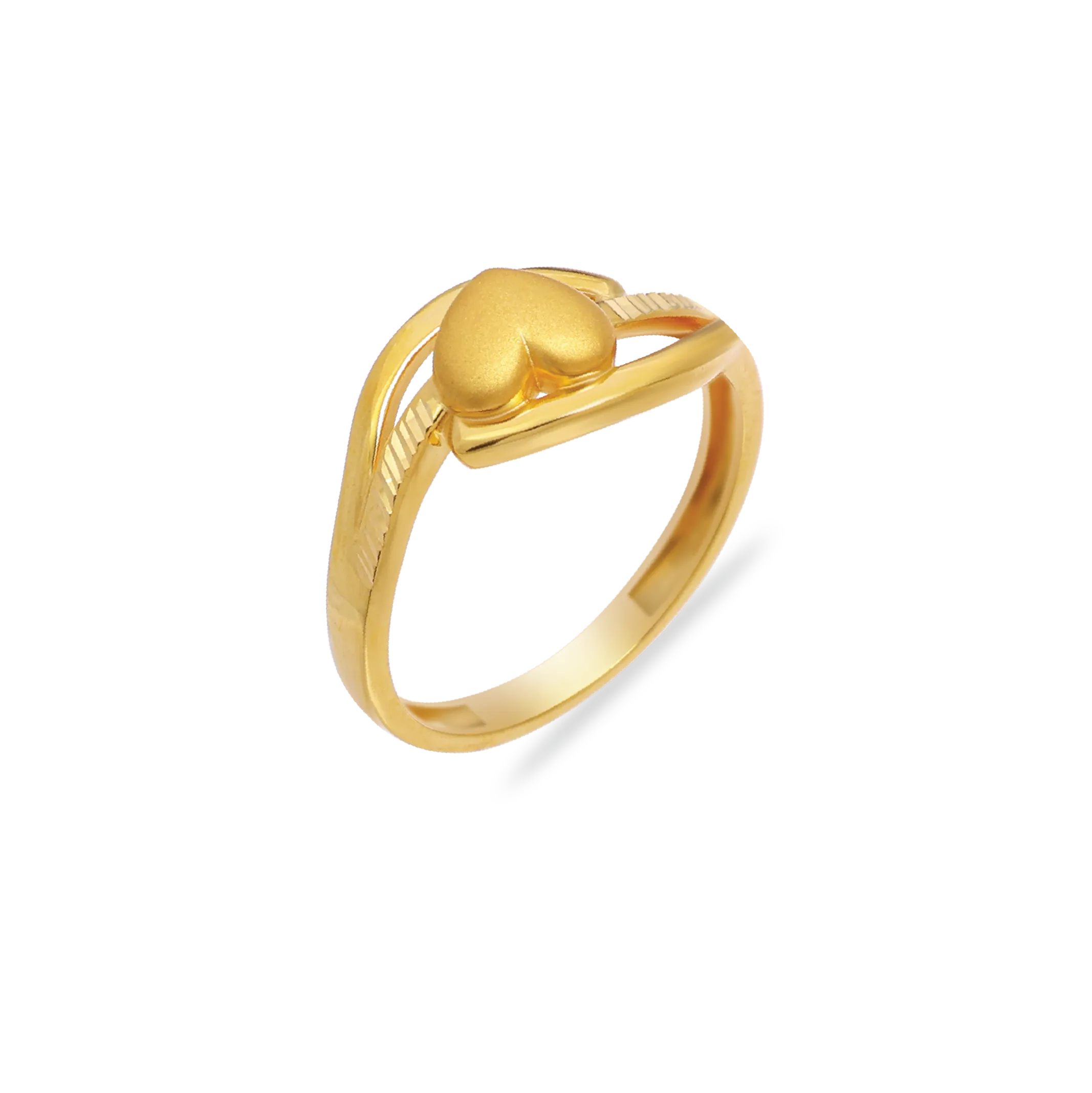
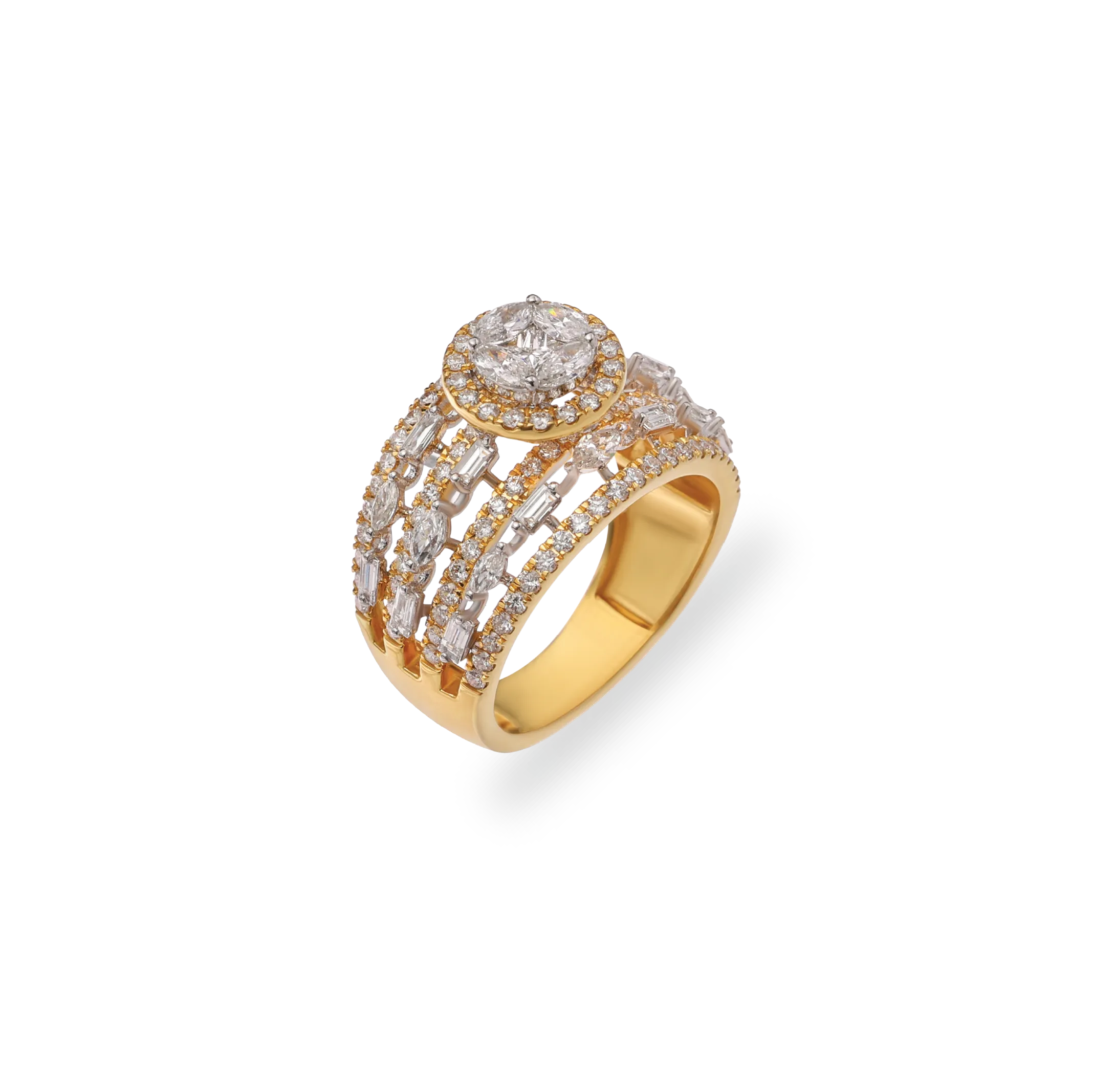
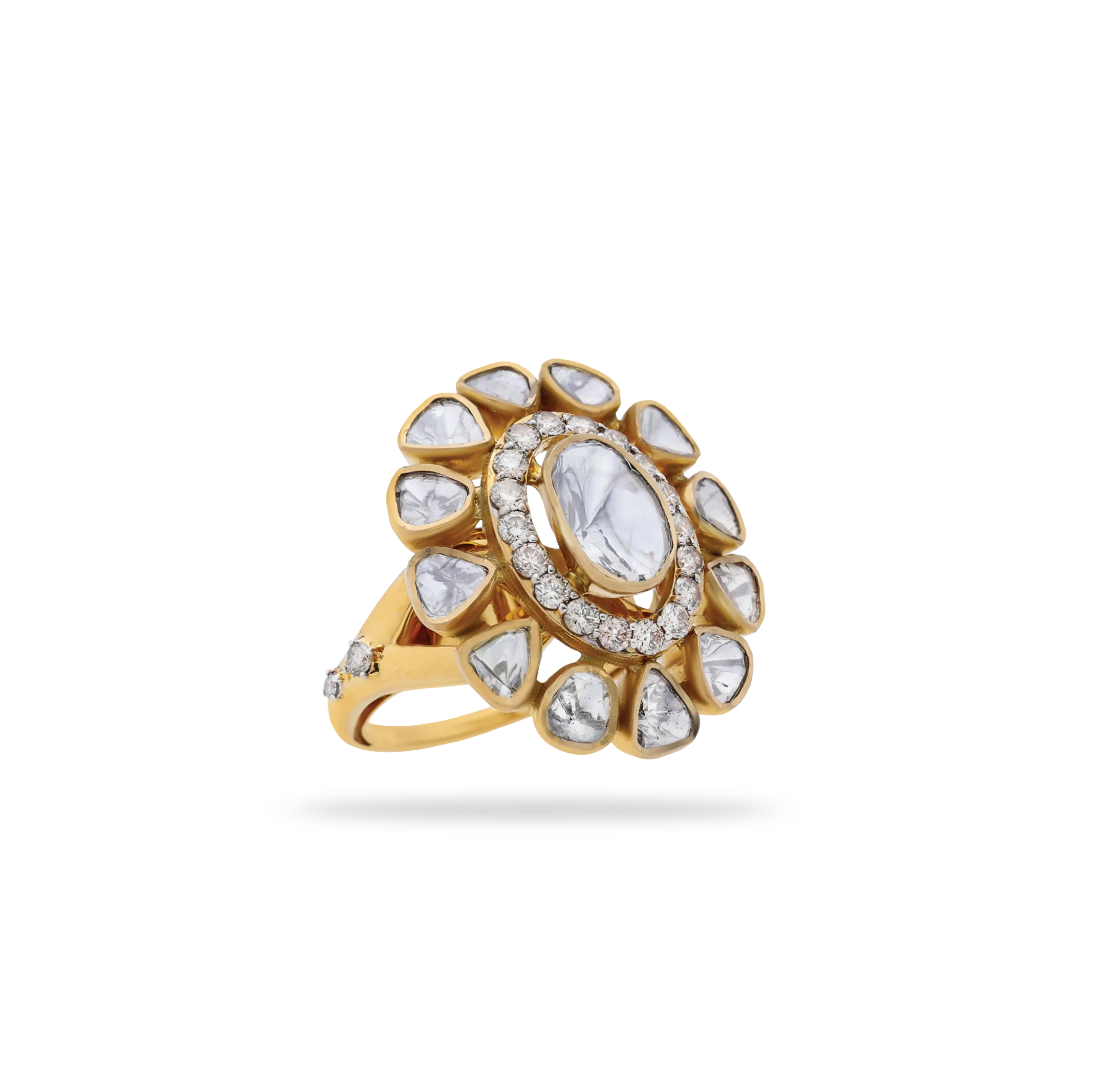
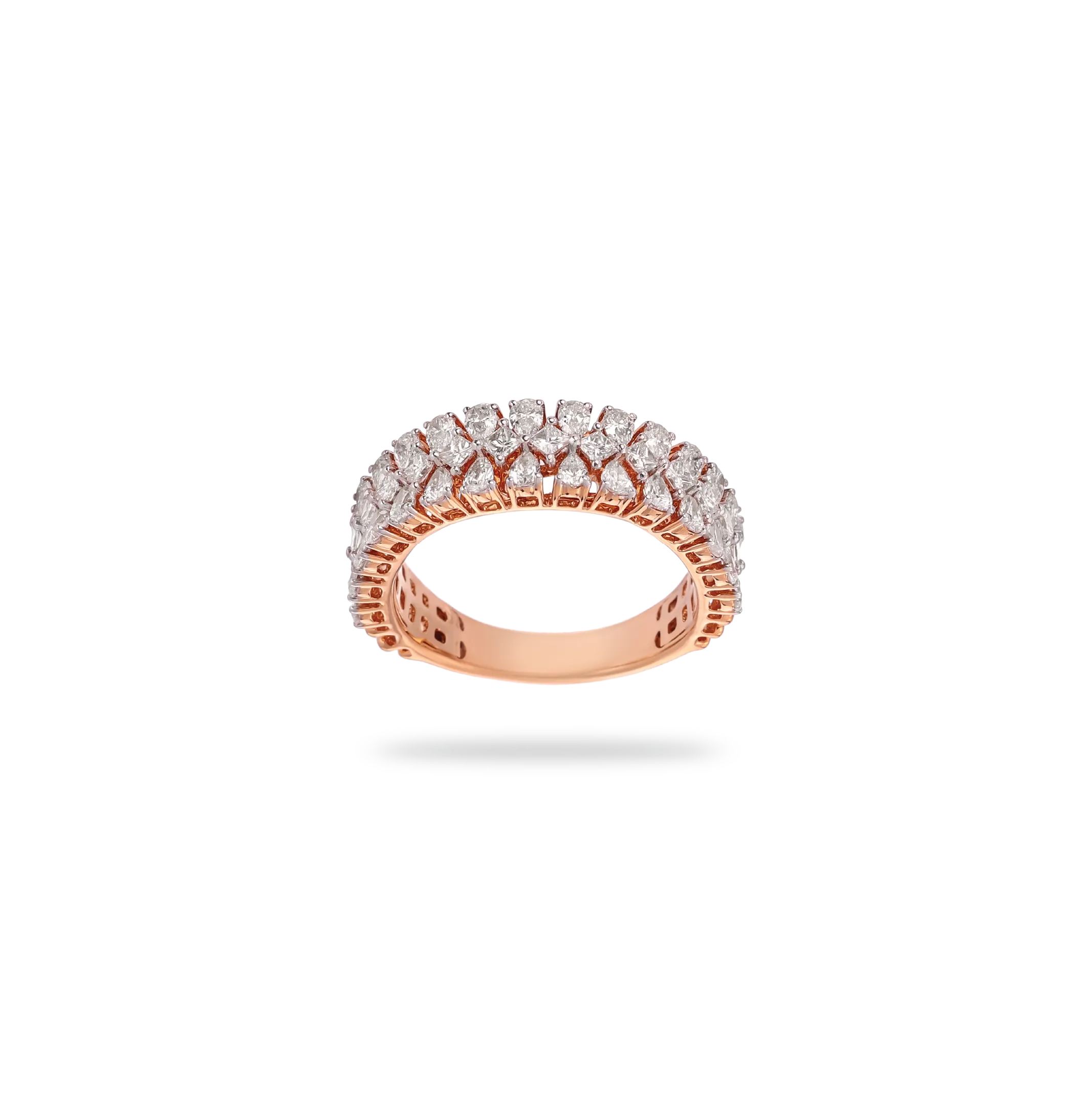
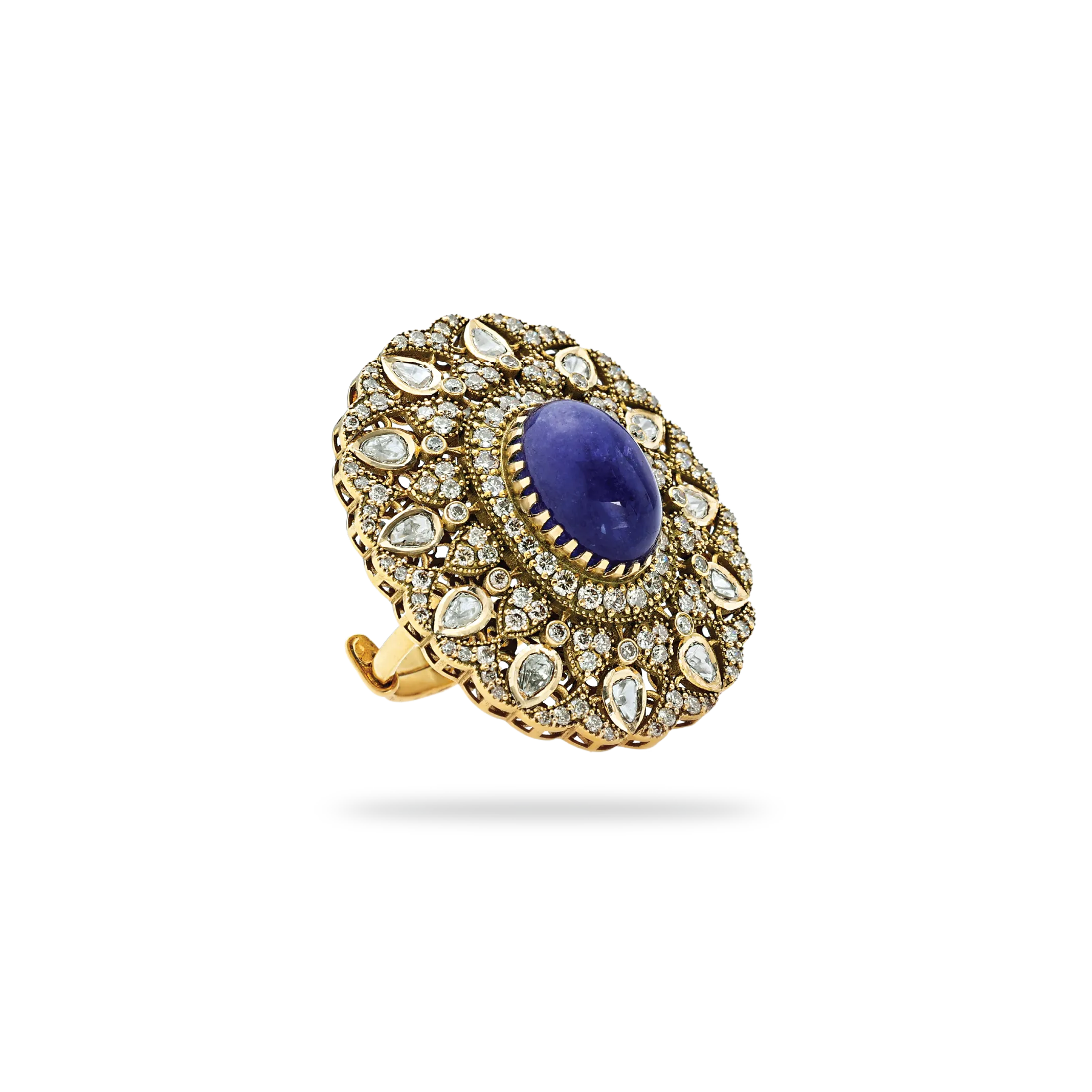
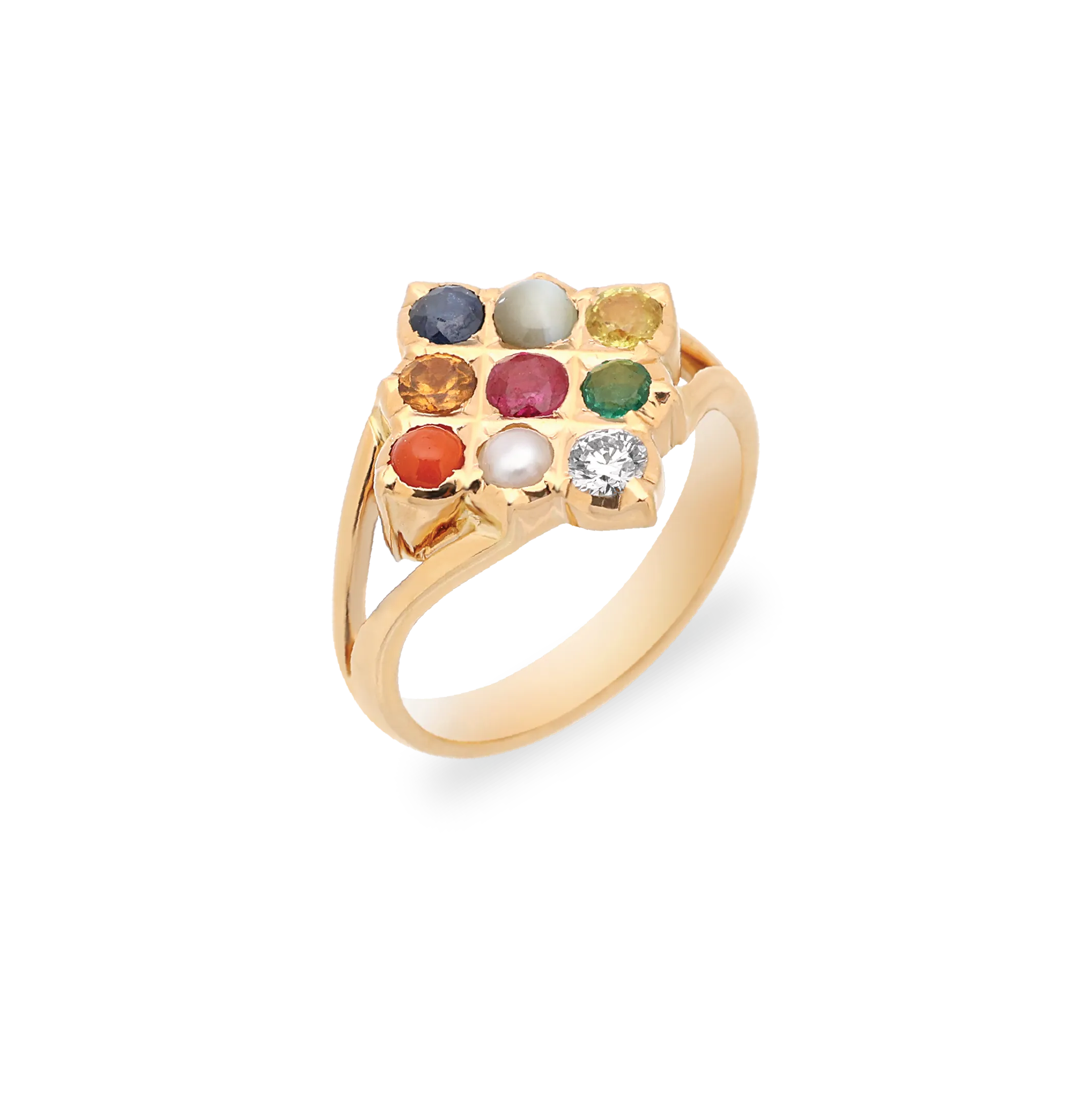
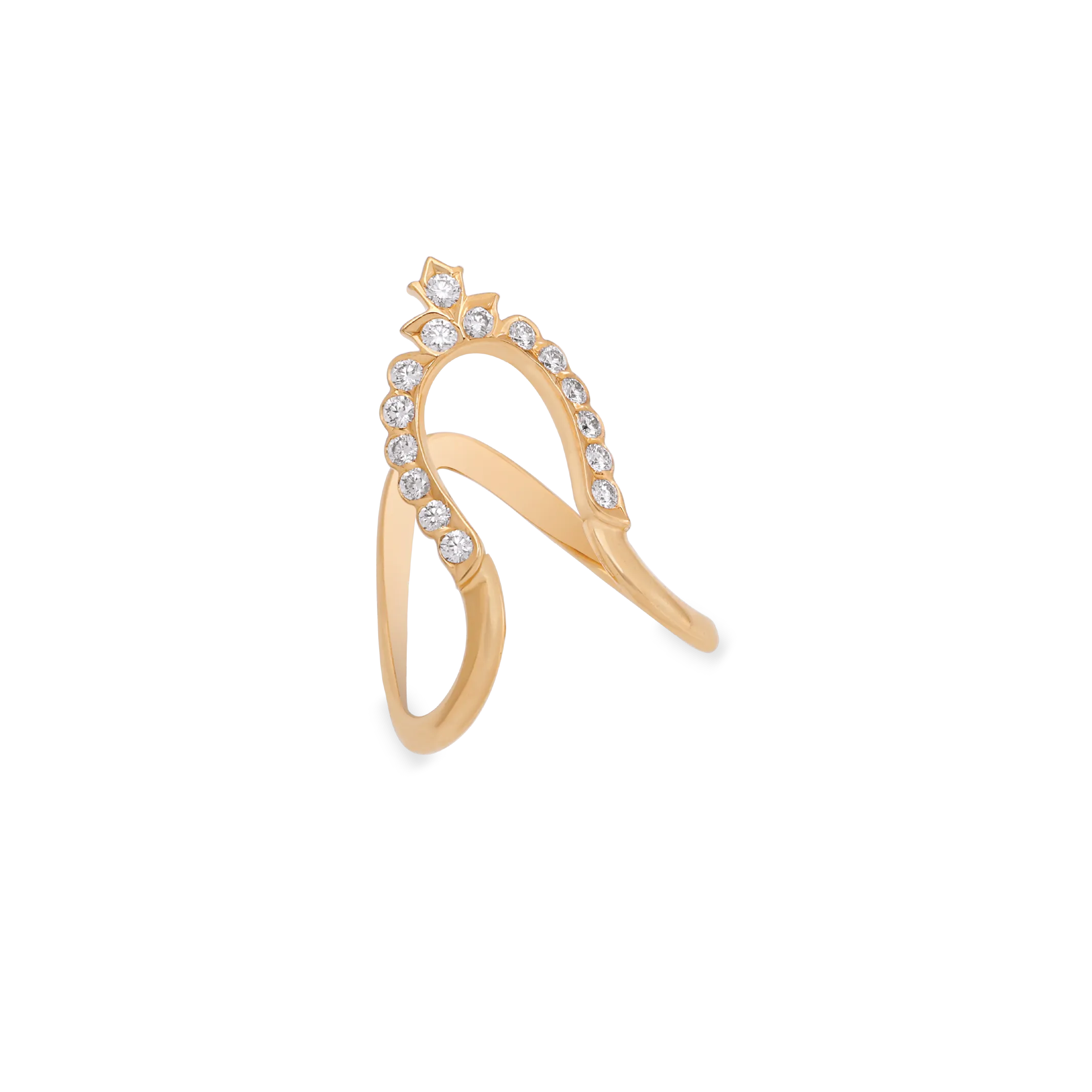
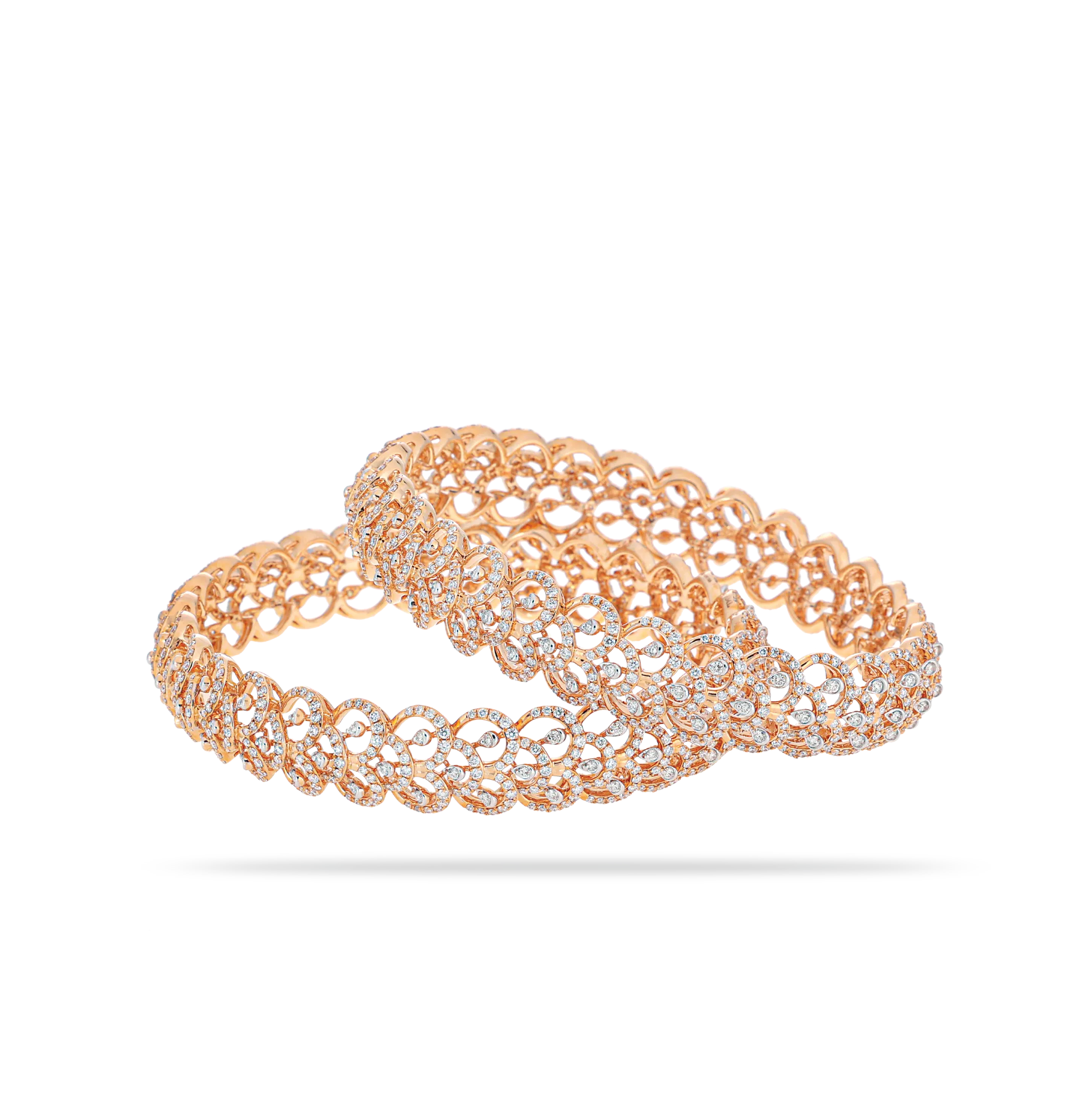
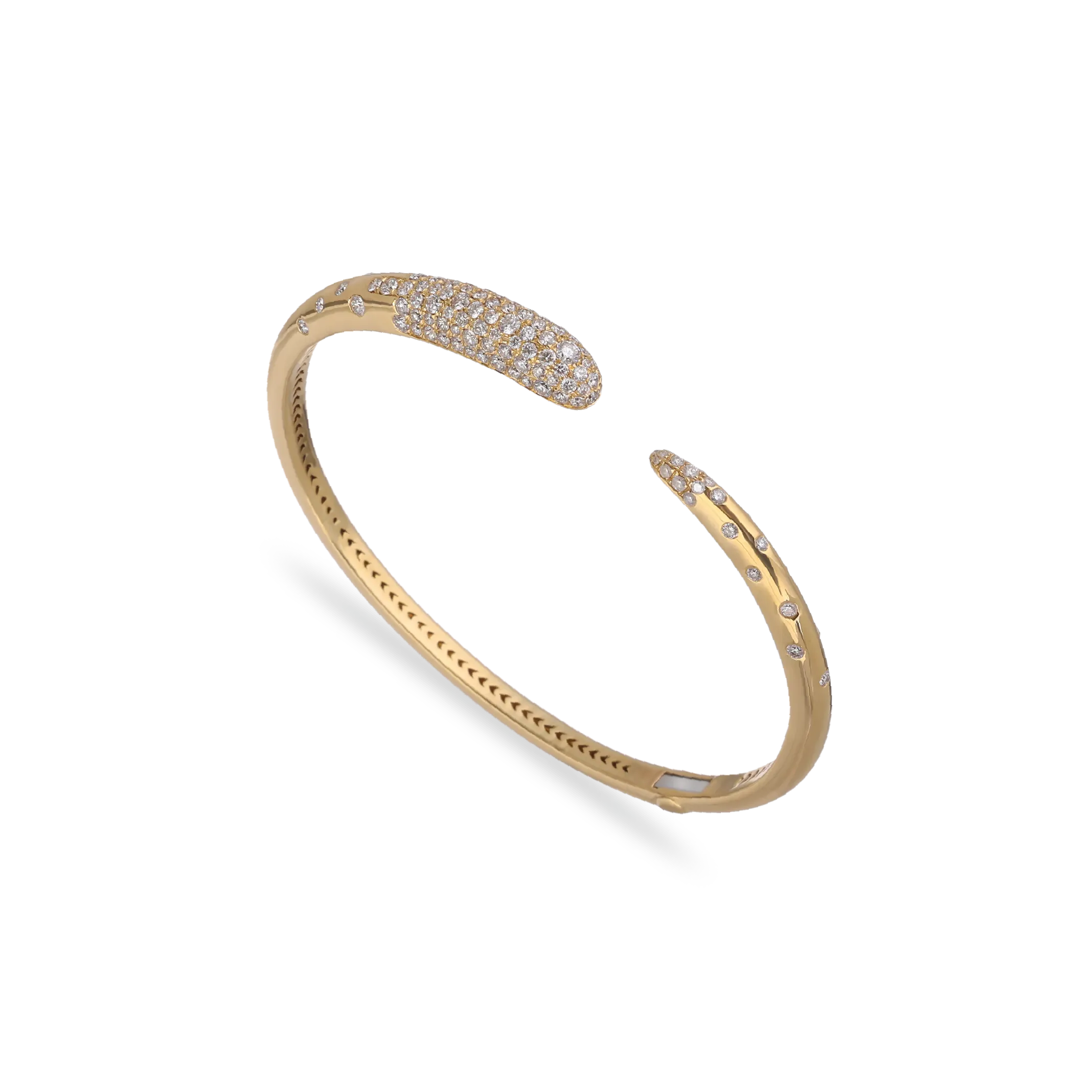
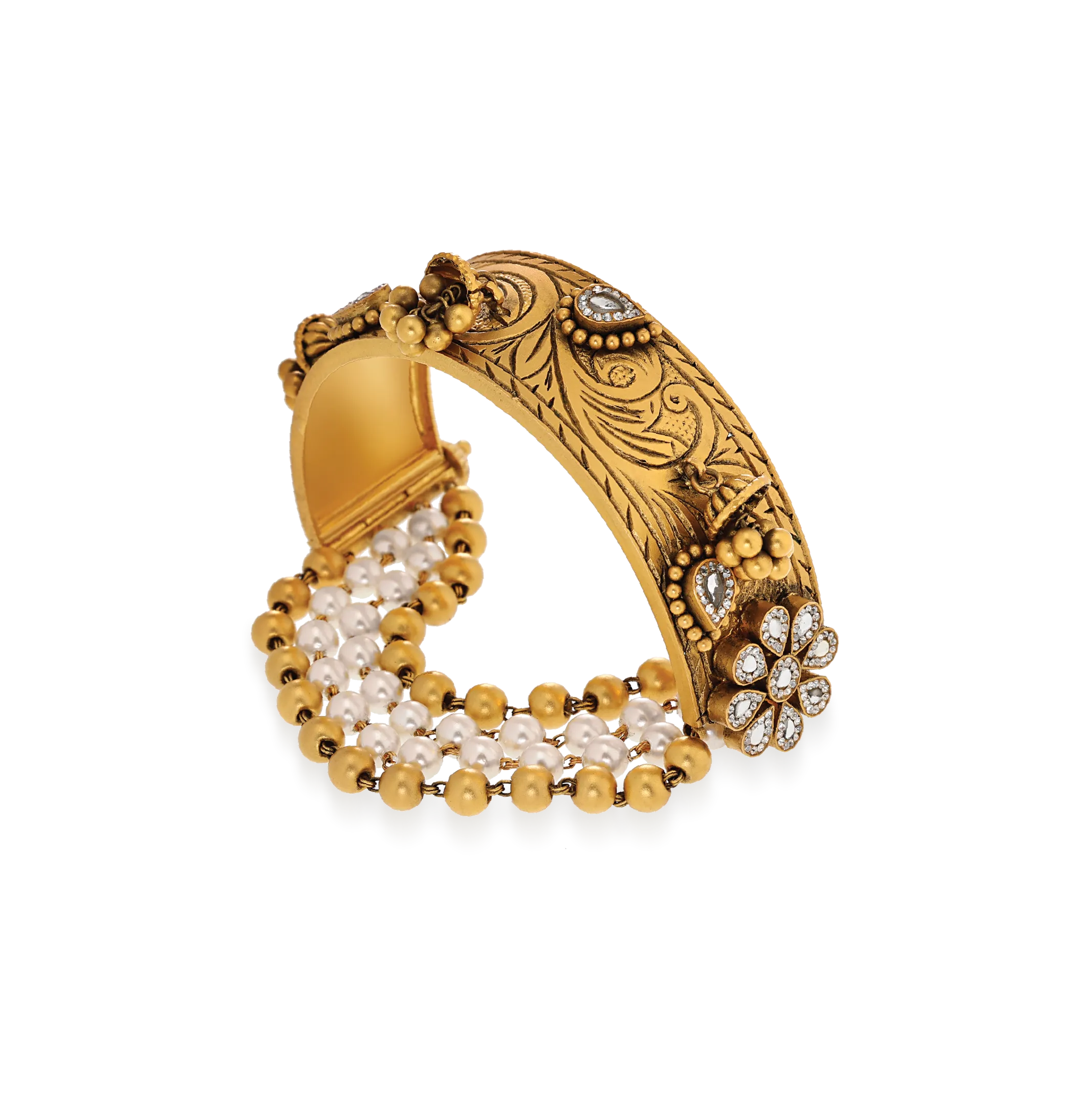
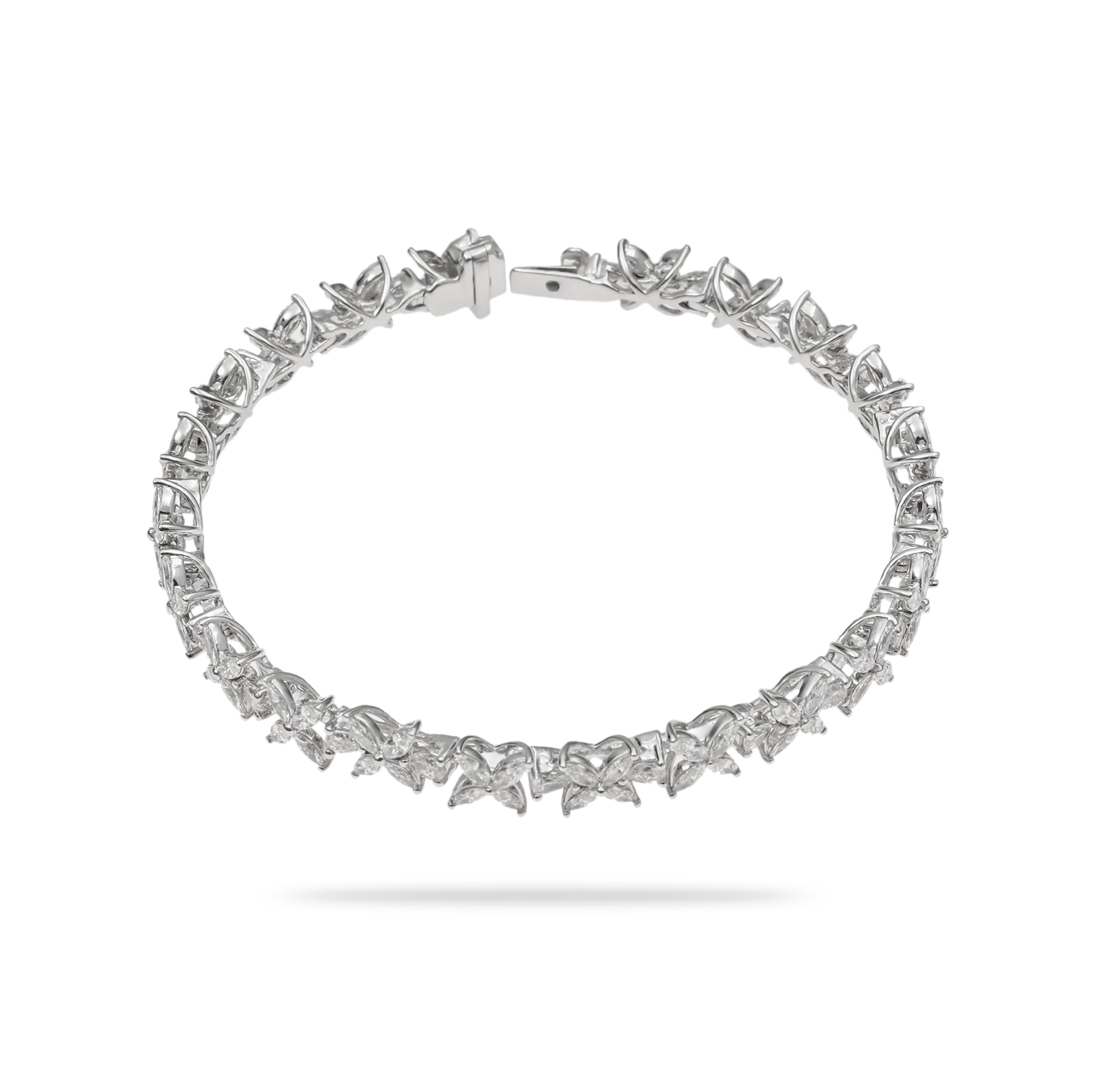
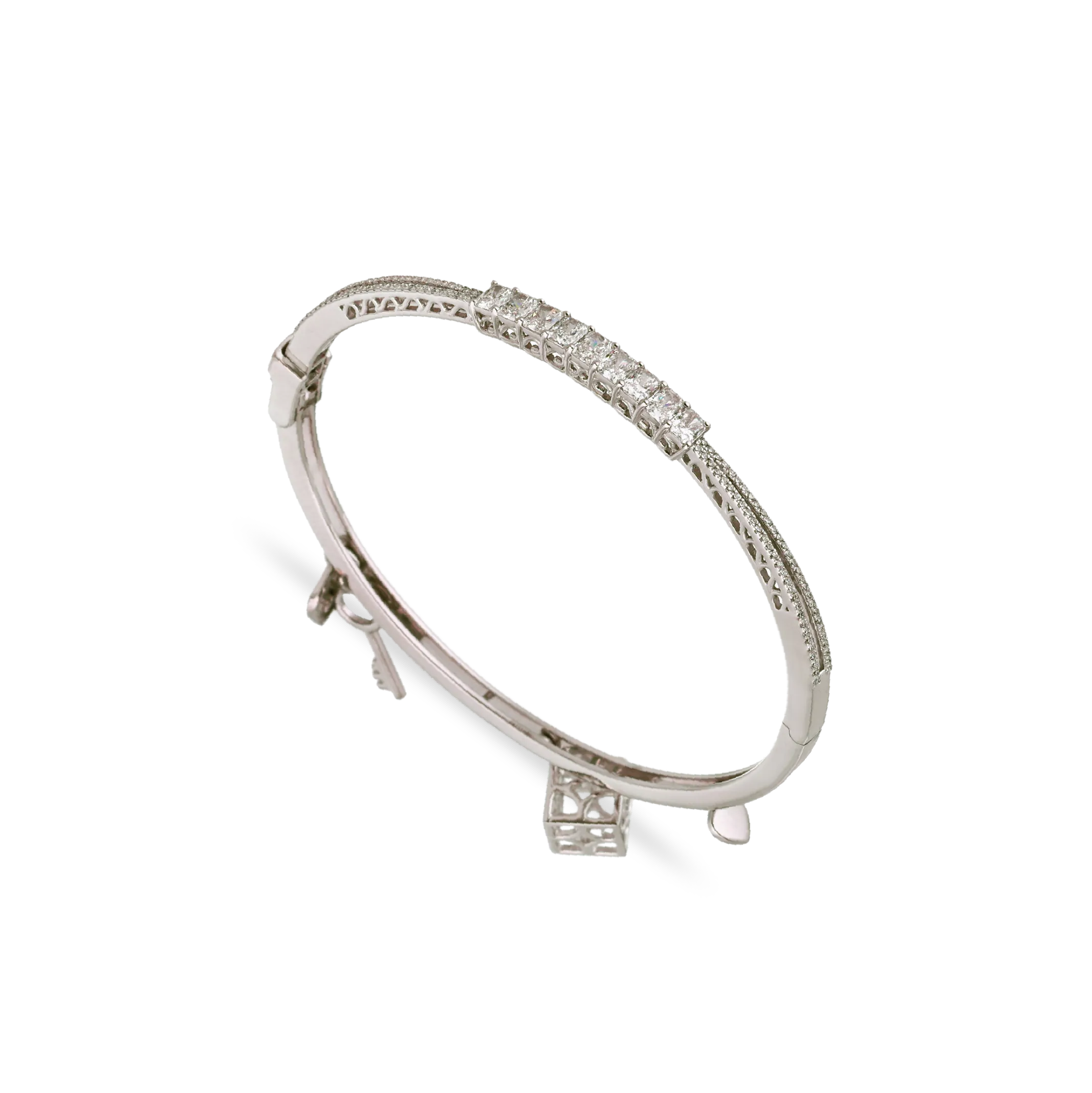
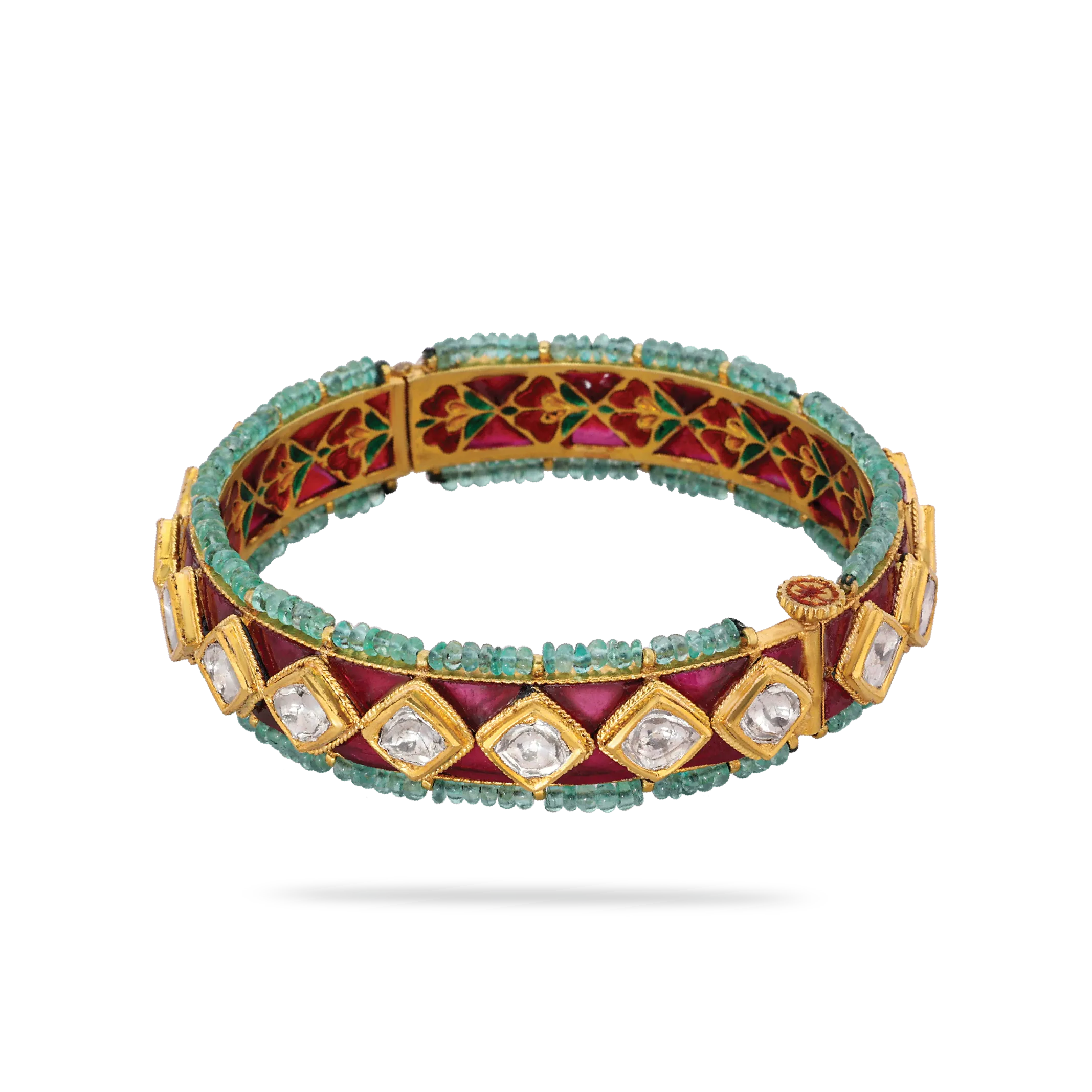
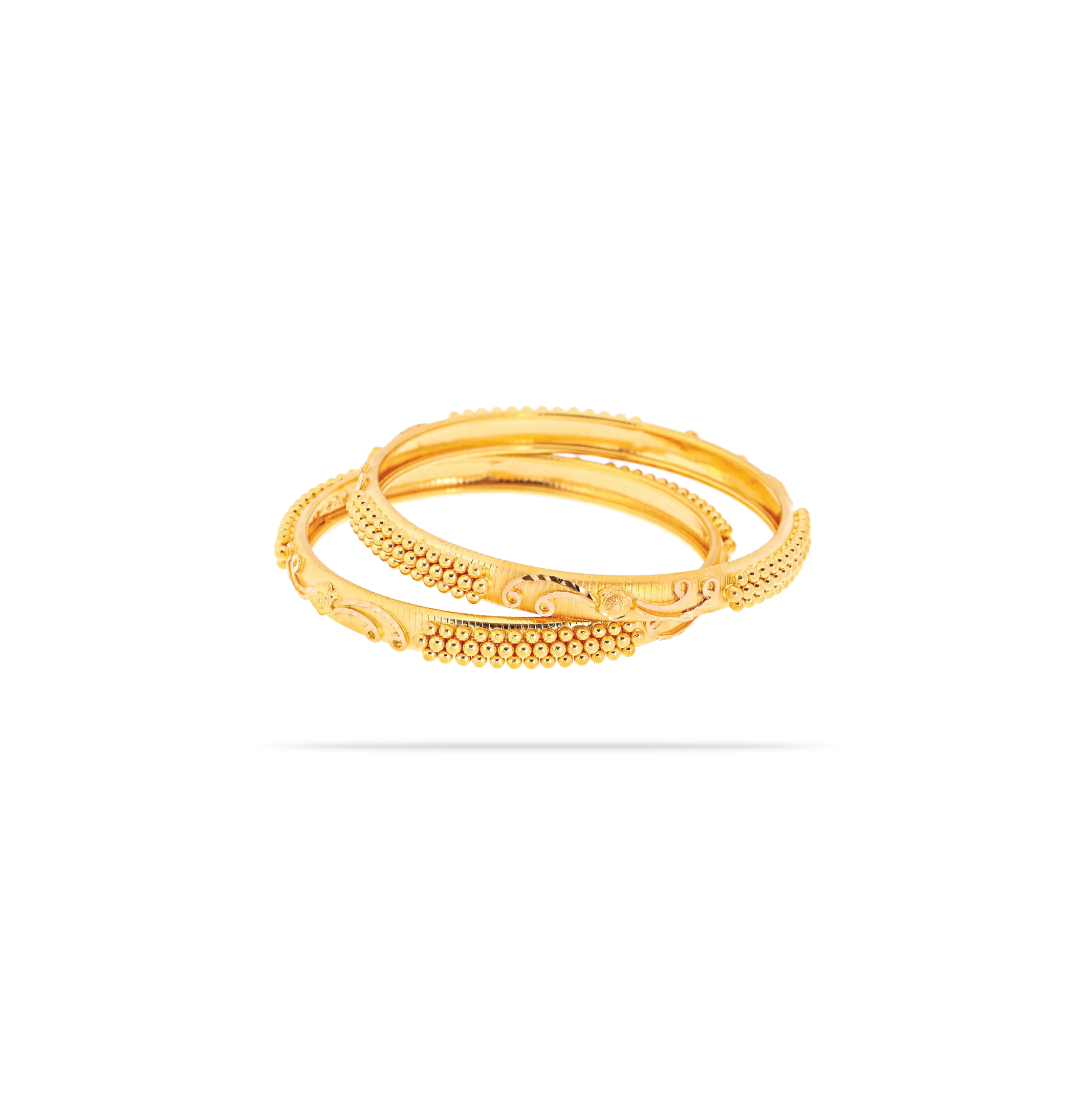
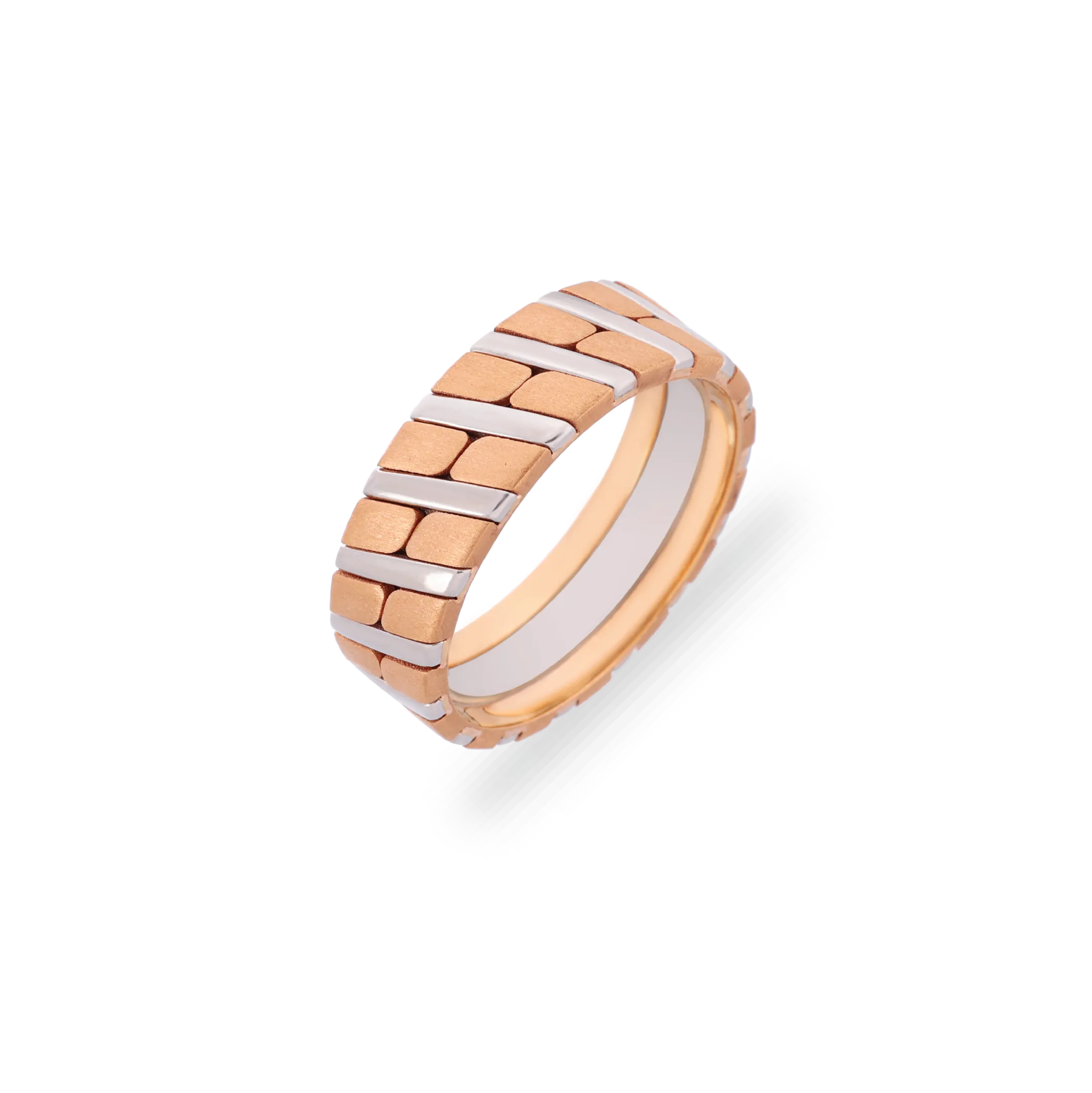
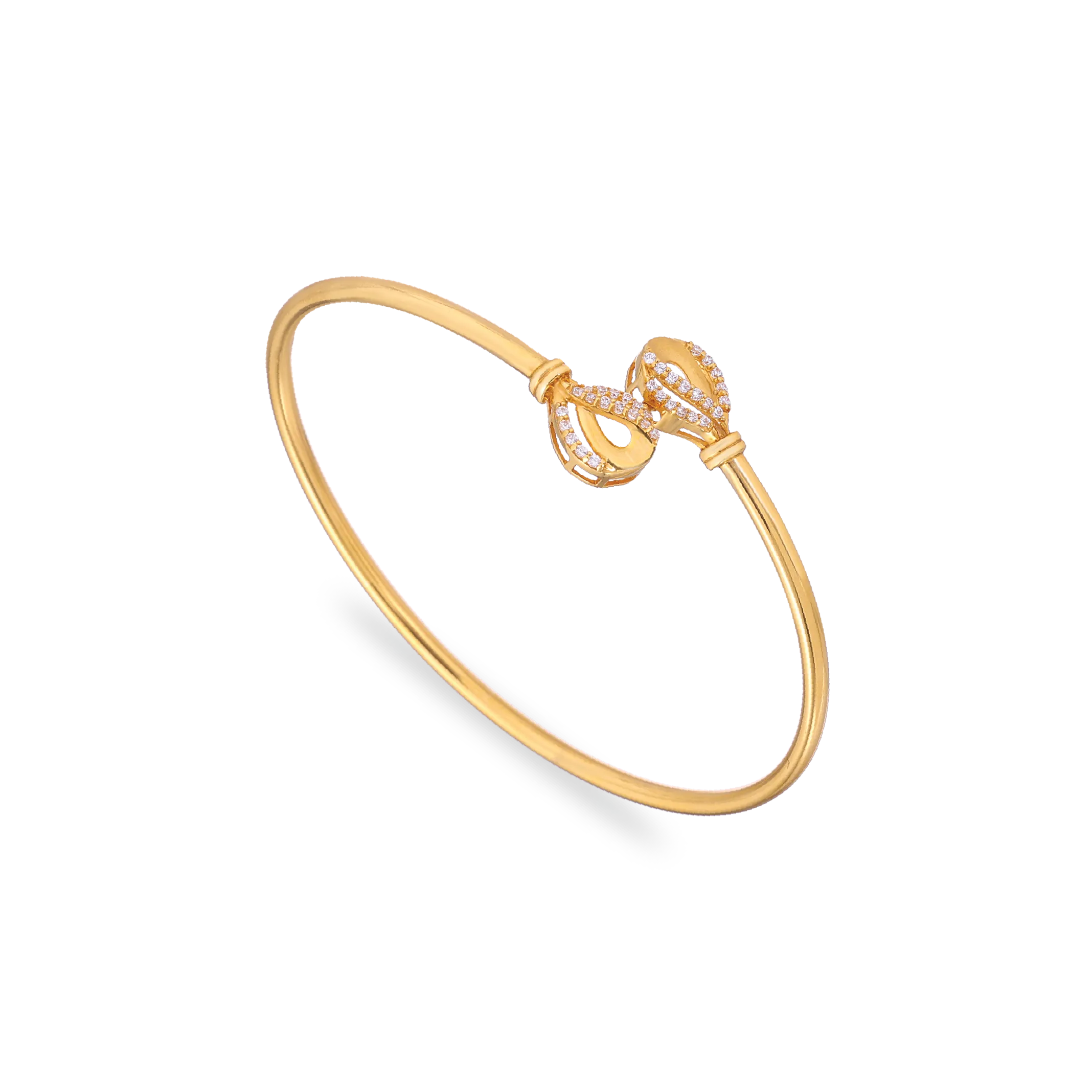
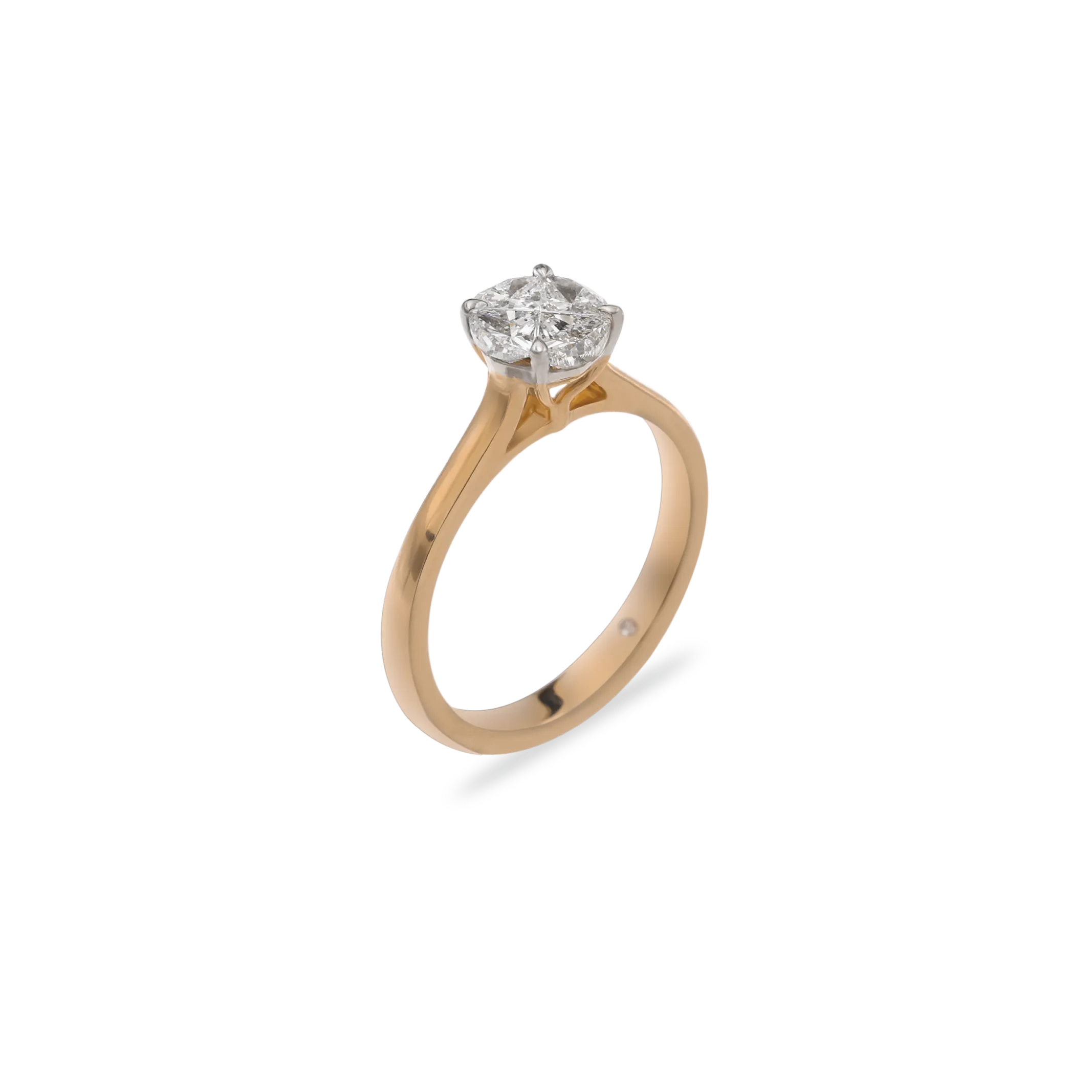
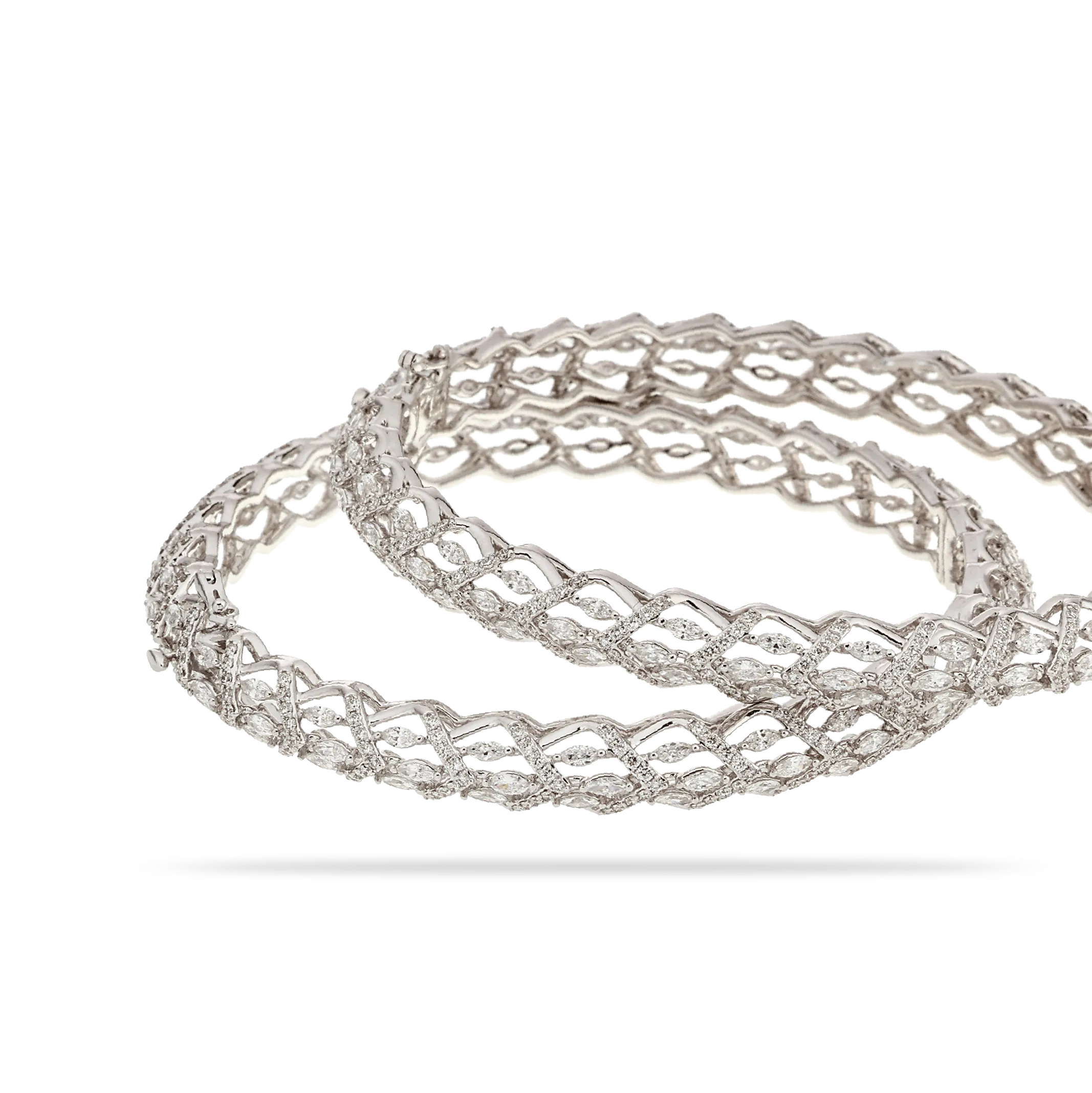
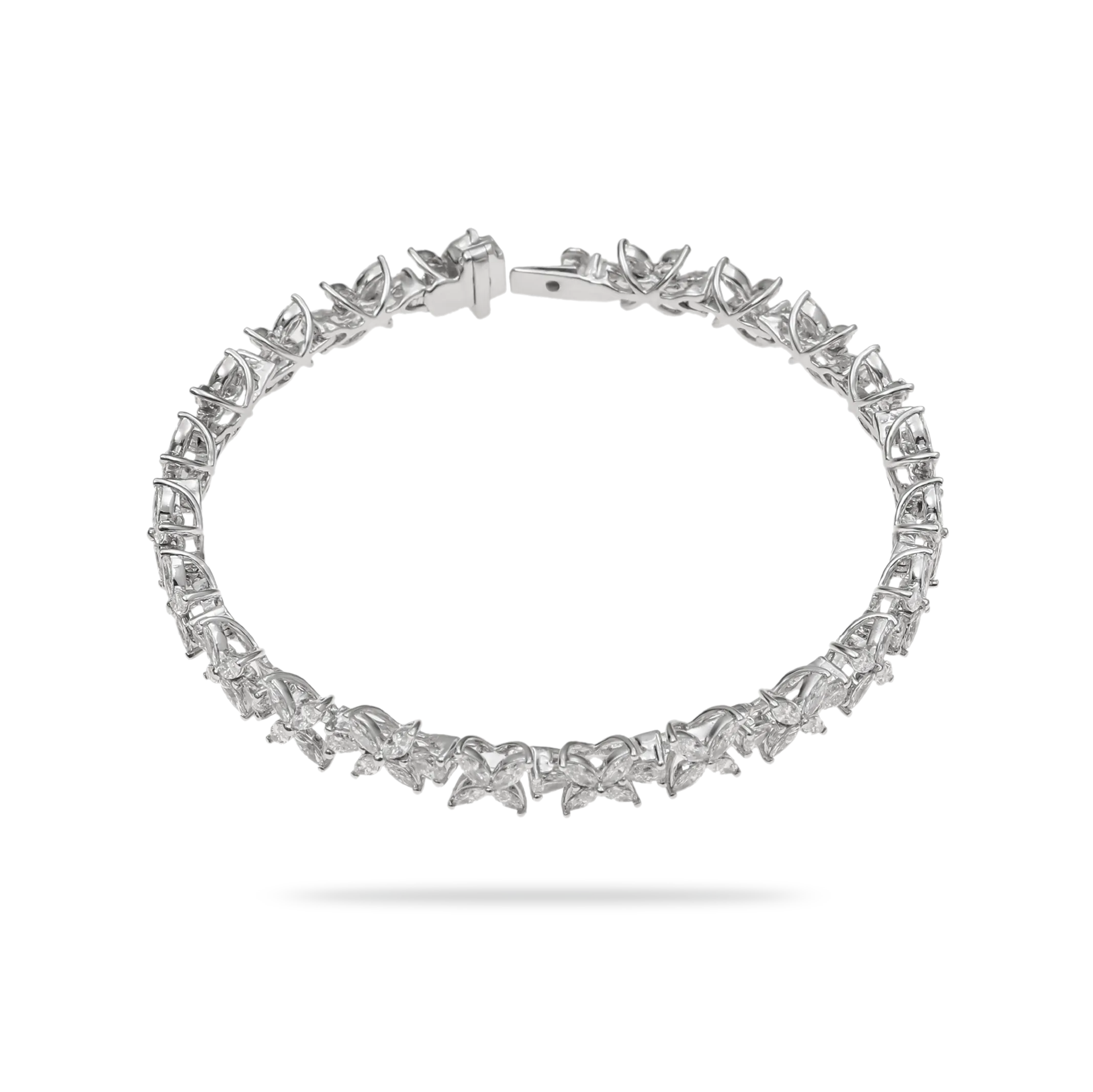
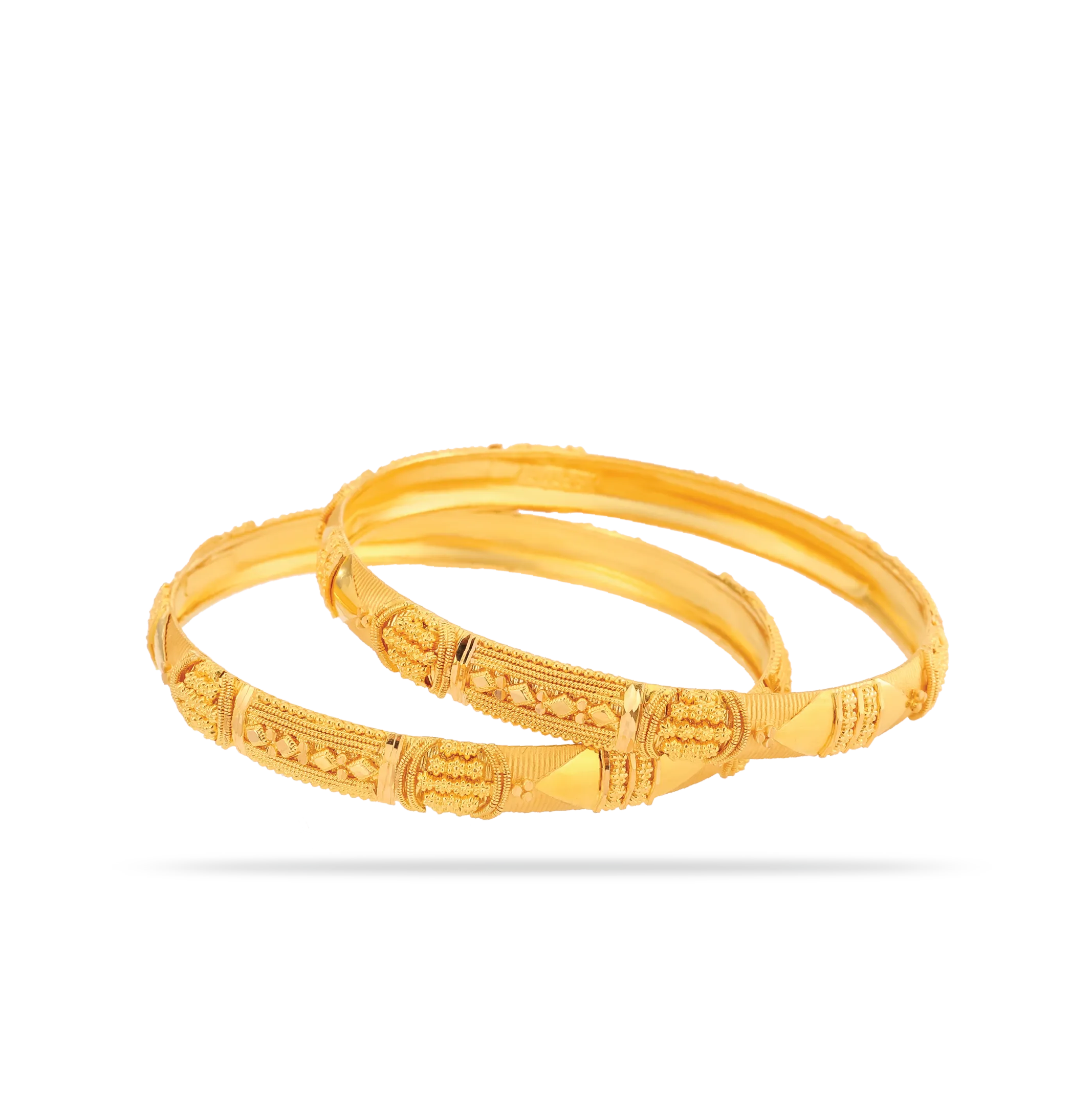
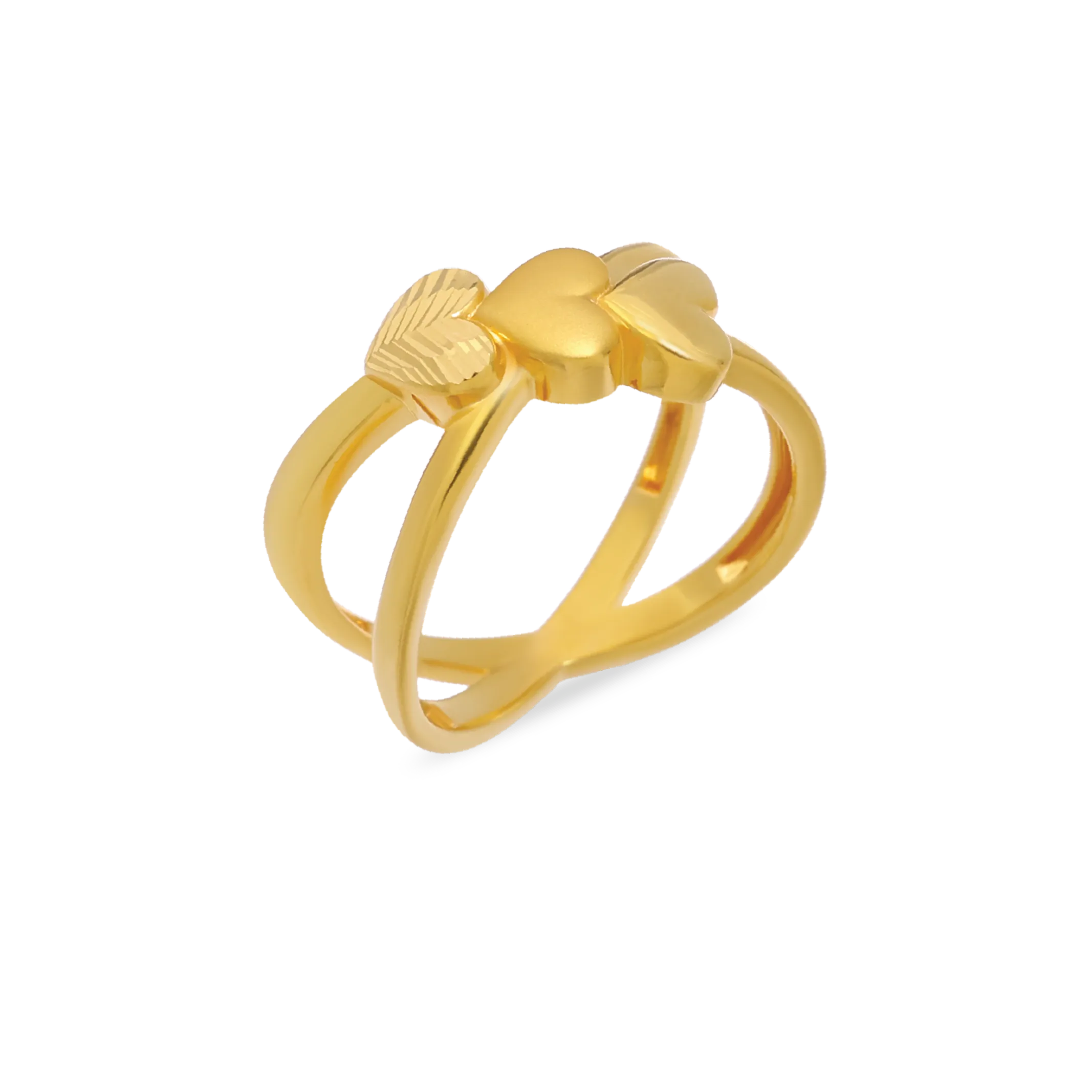
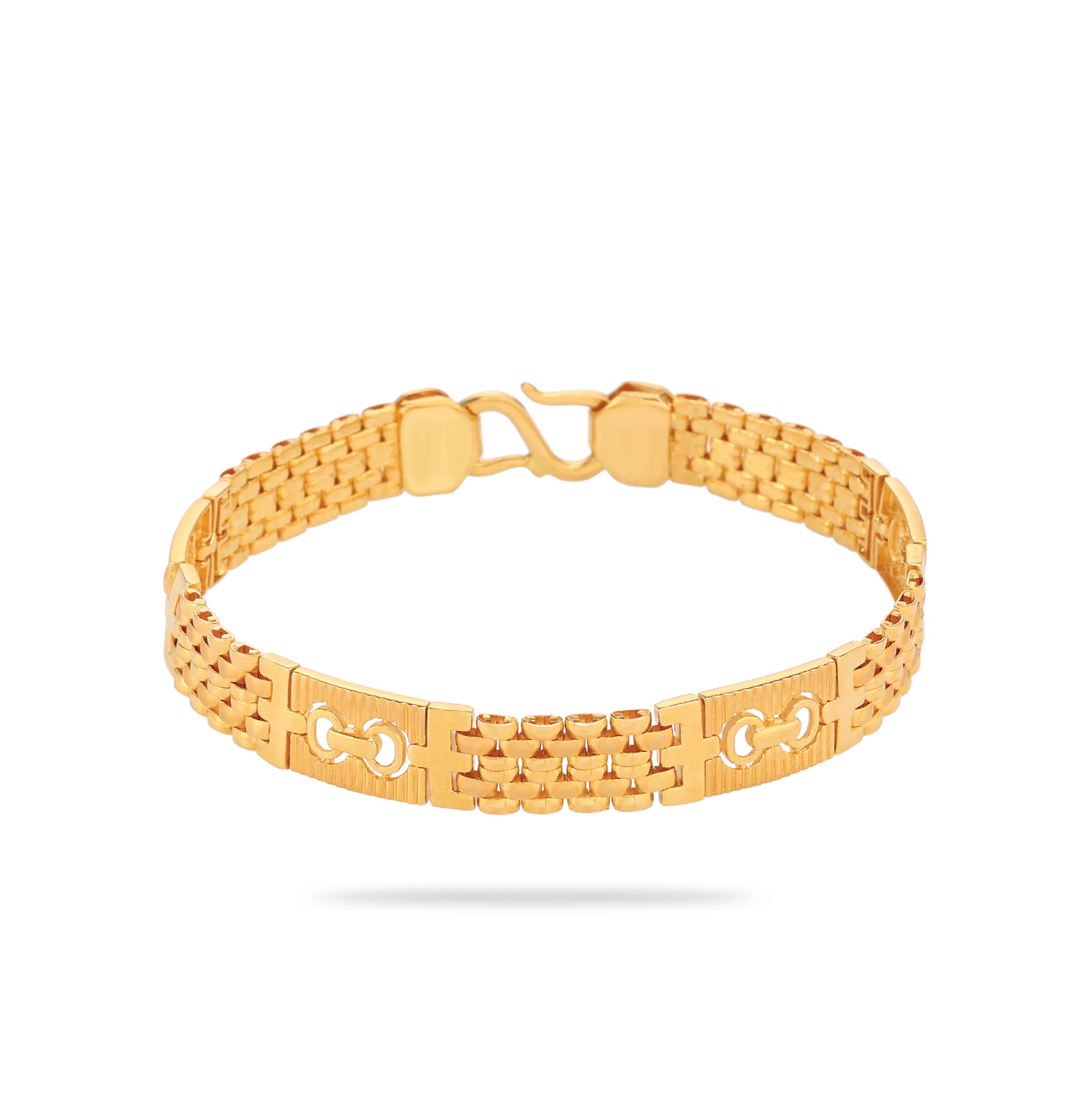
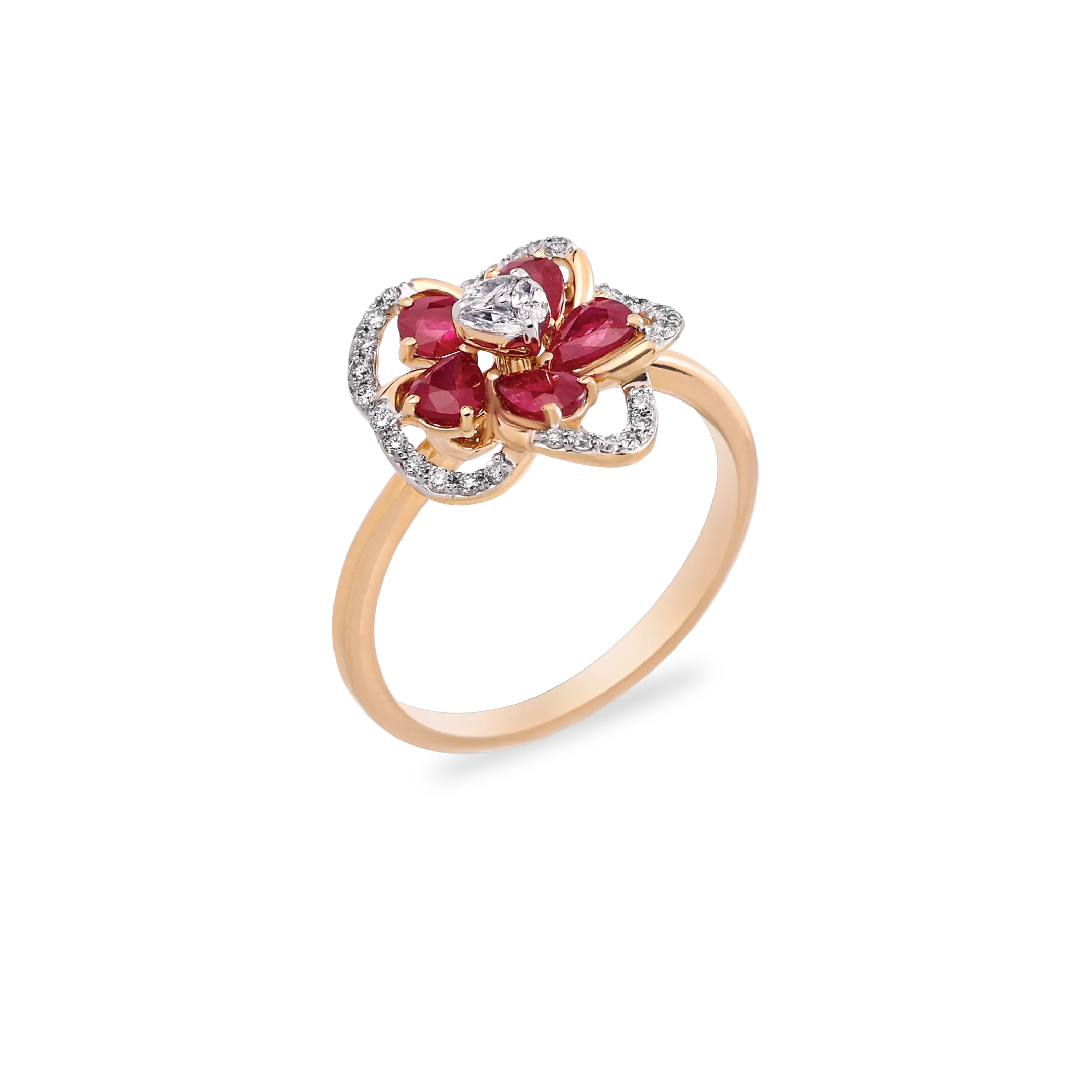
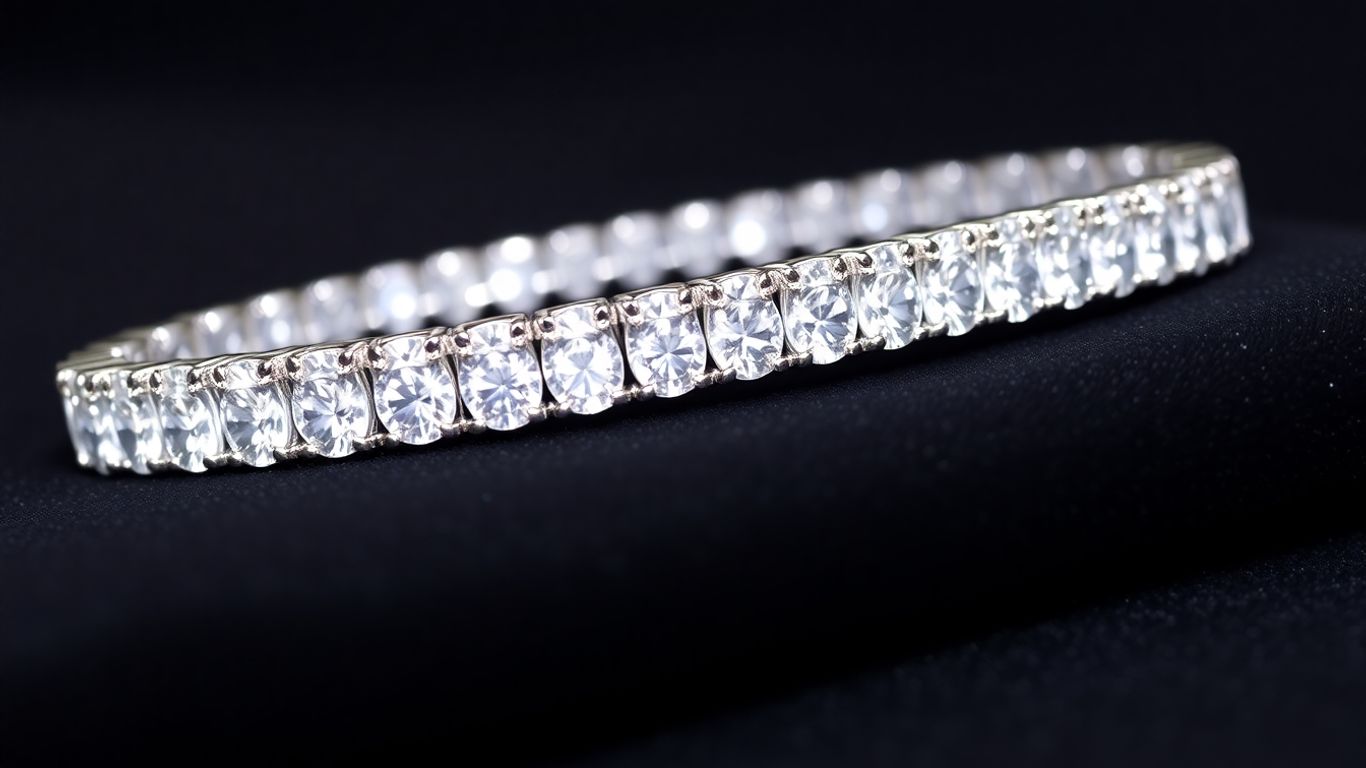
Rings and bracelets sit in frequent contact with desks, bags, and other objects, so consider both their profile and how they feel in motion. A low-profile ring may be easier to wear through ordinary routines, while a bracelet should move comfortably without slipping excessively. For a restrained ring style, minimal diamond ring guidance explores solitaire, subtle cluster, and plain-band approaches. C Krishniah Chetty & Co also discusses diamond jewelry across rings, earrings, necklaces, and bracelets in its diamond jewelry collection.
Match jewellery to the occasion
The occasion can help narrow the choice, but it need not dictate a whole look. Start with the clothes, the expected setting, and how long you will be wearing the piece. A design that feels polished without demanding attention can move between settings with little effort. C Krishniah Chetty & Co's everyday jewelry guidance covers comfort, personal style, and routine as useful considerations when choosing pieces for regular wear.
Select understated pieces for daily outfits
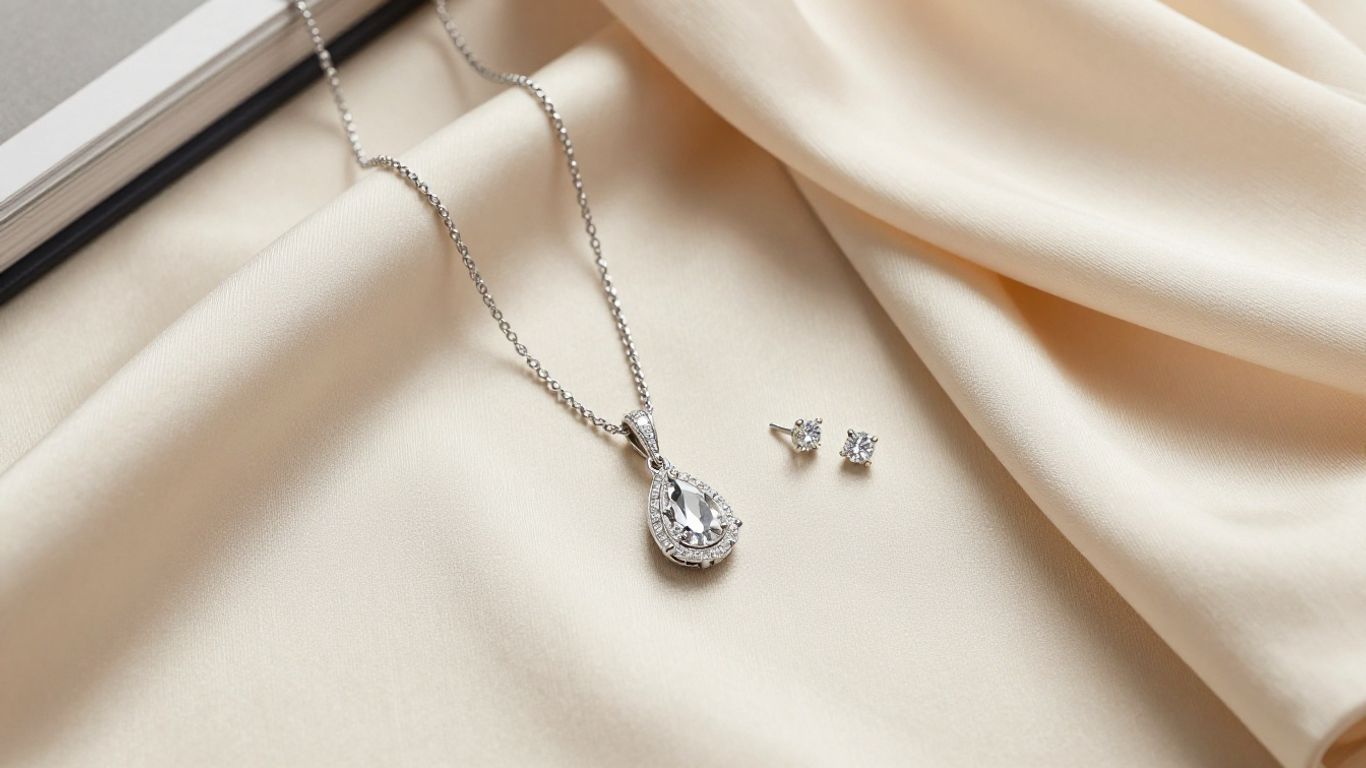
For everyday outfits, a small pendant, simple studs, or a slim bracelet can add a point of light without getting in the way. Think about whether the piece catches on clothing or feels comfortable through a full day. If you are choosing an everyday pendant, look at its chain length and fastening as well as the stone itself. These practical details help a piece feel like part of your wardrobe rather than something reserved for special plans.
Choose refined designs for work and formal events
Work settings often call for jewellery that feels neat and secure; formal occasions leave more room for a statement piece. It can help to choose one focal point, such as noticeable earrings or a pendant, then keep the rest of the look quieter. A balanced scale lets the jewellery sit naturally with the outfit instead of competing with it. For work, take hairstyle, glasses, and neckline into account when choosing earrings.
Consider meaningful details for gifts and milestones
A gift can feel personal through its shape, metal, or connection to a shared memory, not only through its size or price. Before buying, consider the recipient's usual style and whether the piece suits their daily habits. C Krishniah Chetty & Co's anniversary ring guide discusses how to weigh diamond shape, metal, fit, budget, and documentation when choosing a milestone piece. For a gift, those same questions can make the choice more considered.
Understand diamond quality and sourcing
Diamond descriptions can seem technical at first, but a few core terms give you a useful way to compare options. Cut, color, clarity, and carat weight describe different aspects of a stone, and no single grade tells the whole story. Sourcing and grading information can add context to the decision. Read the available details alongside how the diamond looks to you.
Compare cut, color, clarity, and carat weight
The 4Cs describe distinct qualities: cut relates to proportions and appearance, color describes how colorless a stone appears, clarity refers to internal or surface characteristics, and carat is a measure of weight. Their relative importance depends on your preferences and budget. C Krishniah Chetty & Co's guidance on choosing diamond jewellery for daily wear covers the 4Cs alongside comfort and craftsmanship.
A compact comparison can help you keep the terms straight as you browse. Treat it as a starting point, then review the details for each individual stone.
| Quality | What it describes | A useful comparison question |
|---|---|---|
| Cut | Proportions and visual appearance | Does the stone have the look you prefer? |
| Color | The degree of colorlessness | Is the visible tone appealing to you? |
| Clarity | Internal or surface characteristics | Are the listed characteristics clear to you? |
| Carat | The diamond's weight | Does the size suit the design and budget? |
A grading report and a close look at the finished piece can help explain how these factors come together. Compare diamonds on the information actually provided, rather than assuming one number guarantees a particular appearance.
Evaluate natural and lab-grown diamonds
Natural and lab-grown diamonds differ in origin, and shoppers may weigh that distinction alongside appearance, cost, and personal values. Ask what information is available about the specific diamond and how its price compares with similar pieces. Make sure the description clearly states which type you are considering. There is no single choice that suits everyone; the right one is the option whose details and origin align with your priorities.
Review certifications and ethical sourcing information
Look for clear information about grading, the seller's sourcing statements, and any documentation provided with the piece. Read the report details carefully and check that they correspond to the diamond being offered. If sourcing language is broad or unclear, ask specific questions before purchasing. Good documentation helps you understand what you are buying, though it does not replace considering the design and fit.
Choose a setting and metal that suit your style
The setting affects a diamond's appearance and how it is held in place. Metal changes the overall tone of a piece and can influence its care needs. Think about your preferences as well as how the jewellery will be worn. A harmonious choice is one that looks right to you and feels practical for its intended use.
Compare popular diamond settings for appearance and security
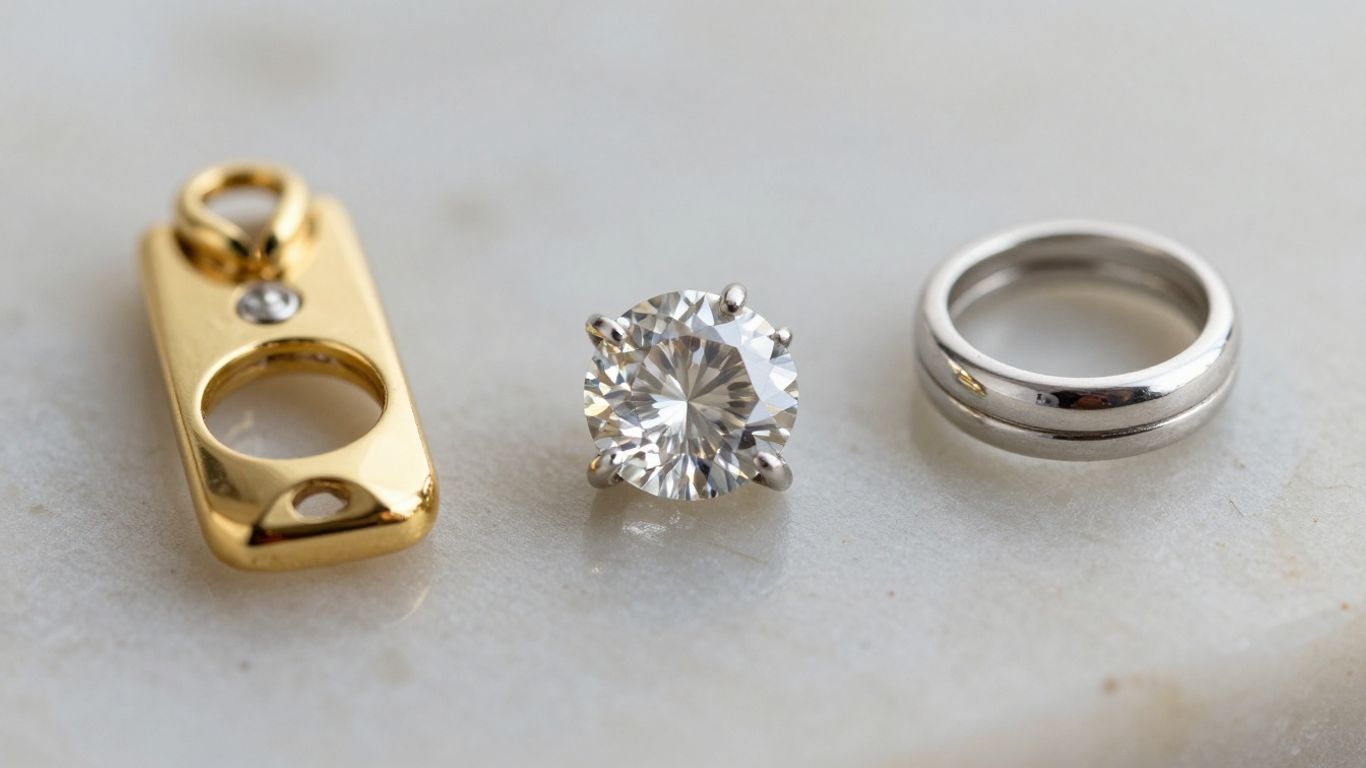
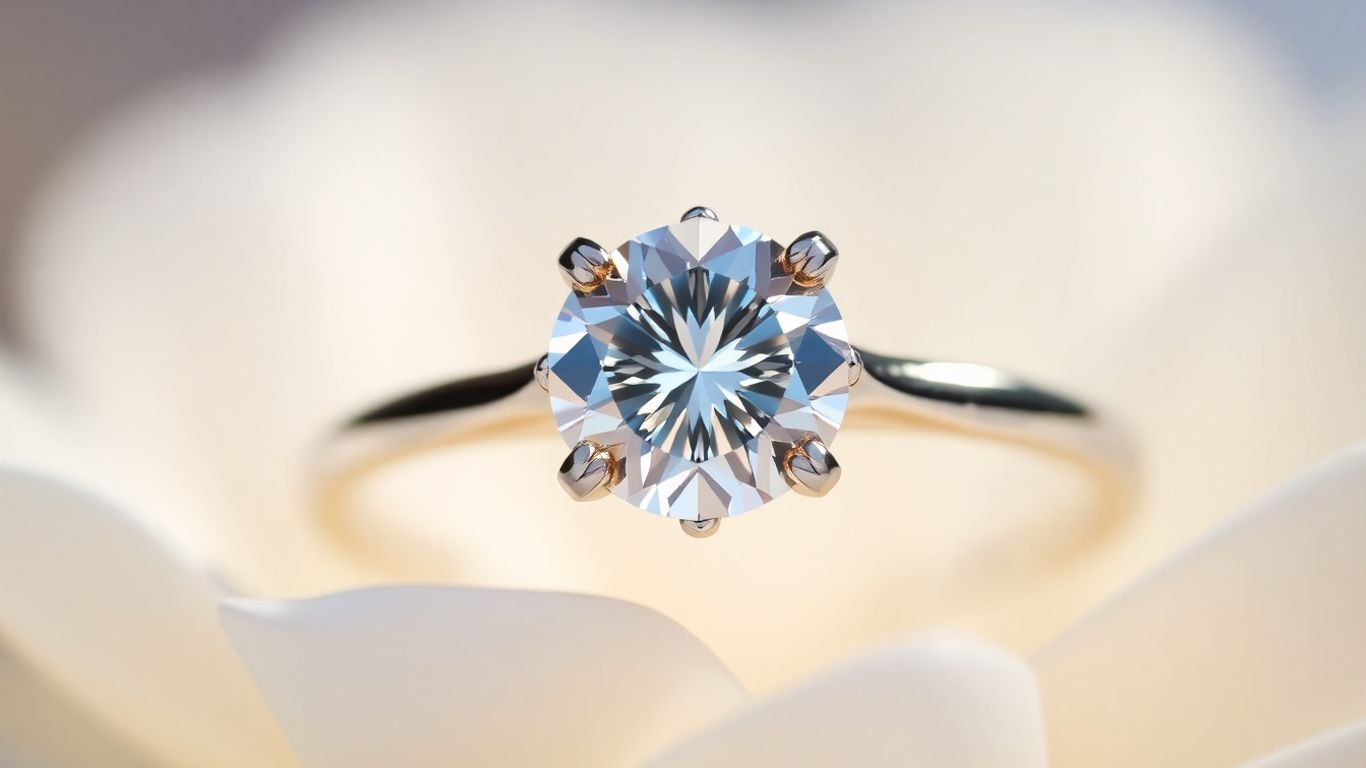
Prong settings leave more of a diamond visible, while bezel settings surround its edge with metal; other designs can create different visual effects. The best option depends on the look you like and how much protection you want around the stone. C Krishniah Chetty & Co's classic engagement ring guide discusses prong and bezel settings alongside diamond selection and fit. Whichever style you consider, inspect the construction and ask how to care for it.
Pair diamond tones with gold, platinum, or silver
Yellow, white, and rose gold each bring a different warmth to a design, while platinum and silver offer their own cool-toned appearance. A metal can complement your wardrobe, other jewellery, or the diamond's visual character. Try to compare pieces in person when possible, because a metal's color can feel different in changing light. Personal preference matters more than following a fixed matching rule.
Balance durability, maintenance, and personal preference
The jewellery's intended use should guide how much maintenance you are comfortable with. A piece worn often may benefit from a setting that feels secure and a design that is easy to clean. Ask about routine inspection and care, particularly for pieces with multiple stones or intricate details. Everyday practicality matters just as much as the first impression when a piece is meant to be worn often.
Find the right fit and budget
A budget is most useful when it reflects what matters most to you, rather than a single number chosen without priorities. Decide which qualities or design details are essential and where you are willing to be flexible. Then compare pieces with similar characteristics and clear descriptions. This keeps the decision grounded in the whole piece, not just one headline detail.
Set priorities before comparing diamond pieces
Before browsing, write down the type of jewellery, preferred metal, and approximate budget you have in mind. It may also help to rank the features you care about, such as diamond size, setting, or versatility. A short list makes it easier to compare options fairly and notice when a higher price reflects a detail you do not value. Keep some room for taxes or adjustments if those apply to the purchase.
Choose ring and bracelet sizes with comfort in mind
A ring should feel secure without pinching, and its fit can vary with temperature and time of day. Bracelet sizing also depends on whether you prefer a close fit or more movement. Measure carefully and, when possible, try the piece on in the conditions in which you expect to wear it. Ask about resizing or adjustment options before making a final choice.
Compare craftsmanship, warranties, and long-term value
Price comparisons are more meaningful when the pieces have similar materials, stone details, and construction. Review the warranty terms, return policy, and any available service information rather than assuming they are alike. These checks are especially helpful for a piece you expect to wear for years. A well-documented purchase can make later care and questions easier to manage.
Style and care for diamond jewellery
Styling is often a matter of proportion: one element can lead while the rest supports it. The neckline, sleeve length, and overall detail of an outfit all affect how jewellery reads. With care, a favorite piece can remain ready for frequent wear. Small habits—taking jewellery off for certain activities and storing it separately—can help protect it.
Layer necklaces without overwhelming an outfit
When wearing several necklaces, vary their lengths enough to keep the chains from sitting on top of one another. Pairing a fine chain with a pendant can provide contrast without making the neckline feel crowded. Consider the garment's pattern and collar before adding more layers. If the outfit already has a lot of detail, a single necklace may be the calmer choice.
Coordinate earrings, rings, and bracelets for a balanced look
Jewellery does not need to match perfectly to feel coordinated. Repeating one metal tone or keeping a similar level of detail can bring different pieces together. If earrings are prominent, a quieter ring or bracelet can keep the overall look balanced. Comfort still matters: remove anything that distracts you or interferes with ordinary movement.
Clean and store diamond pieces to help protect their shine
Follow the care instructions provided with each piece, since construction and materials may call for different treatment. Use a soft, clean storage space that keeps jewellery from rubbing against other items, and have settings checked when appropriate. Avoid assuming that one cleaning method suits every design. A little regular attention can help preserve both the finish and the security of the setting.
Conclusion
Choosing elegant diamond jewellery comes down to a blend of personal taste and practical details. Consider the occasion, diamond information, setting, metal, and fit as parts of the same decision, then choose a piece you will genuinely enjoy wearing and caring for.
Frequently Asked Questions
What makes diamond jewellery feel elegant?
Elegance often comes from proportion, a design that feels comfortable, and details that suit the wearer's style. A piece does not need to be large or ornate to look considered.
Which diamond jewellery is suitable for everyday wear?
Stud earrings, a simple pendant, and a comfortable ring or bracelet can all work for daily use. Choose secure construction and a style that fits your routine.
How should I choose a necklace for a neckline?
Consider where the chain will sit against the garment. Shorter chains often suit open necklines, while longer styles can create a clean line over simpler tops.
What are the 4Cs of diamond quality?
The 4Cs are cut, color, clarity, and carat weight. They describe different qualities, so reviewing them together gives a fuller basis for comparing stones.
Are natural and lab-grown diamonds different in appearance?
Both are diamonds, but they have different origins. Review the specific diamond's description and available documentation, and choose based on the factors that matter to you.
Which setting is best for a diamond ring?
There is no universal best setting. Prong, bezel, and other styles differ in appearance and how they hold the stone, so weigh your preferred look and wearing habits.
How can I care for diamond jewellery?
Follow the care directions for the specific piece, store it separately to reduce contact with other jewellery, and have settings checked when appropriate.
Related blogs:
November 20, 2025
The Timeless Elegance of the Tennis Bracelet: A Comprehensive Guide
Read More
November 20, 2025
The Ultimate Guide to Styling and Wearing a Choker Necklace
Read More
November 20, 2025
Find Your Perfect Engagement Ring: A Comprehensive Guide to Styles and Diamonds
Read More
November 20, 2025
The Timeless Elegance of a Diamond Tennis Bracelet: A Buyer's Guide
Read More