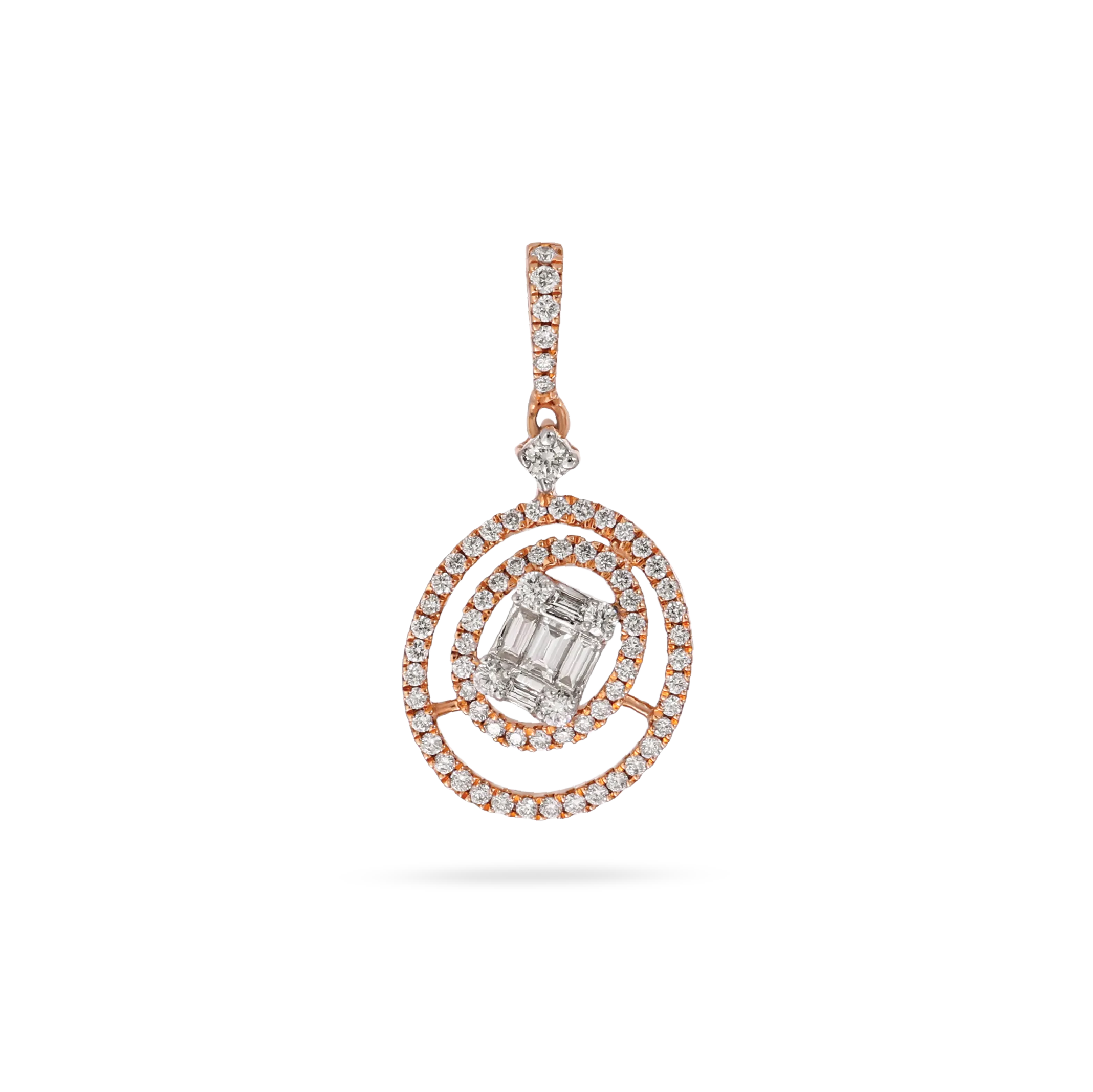
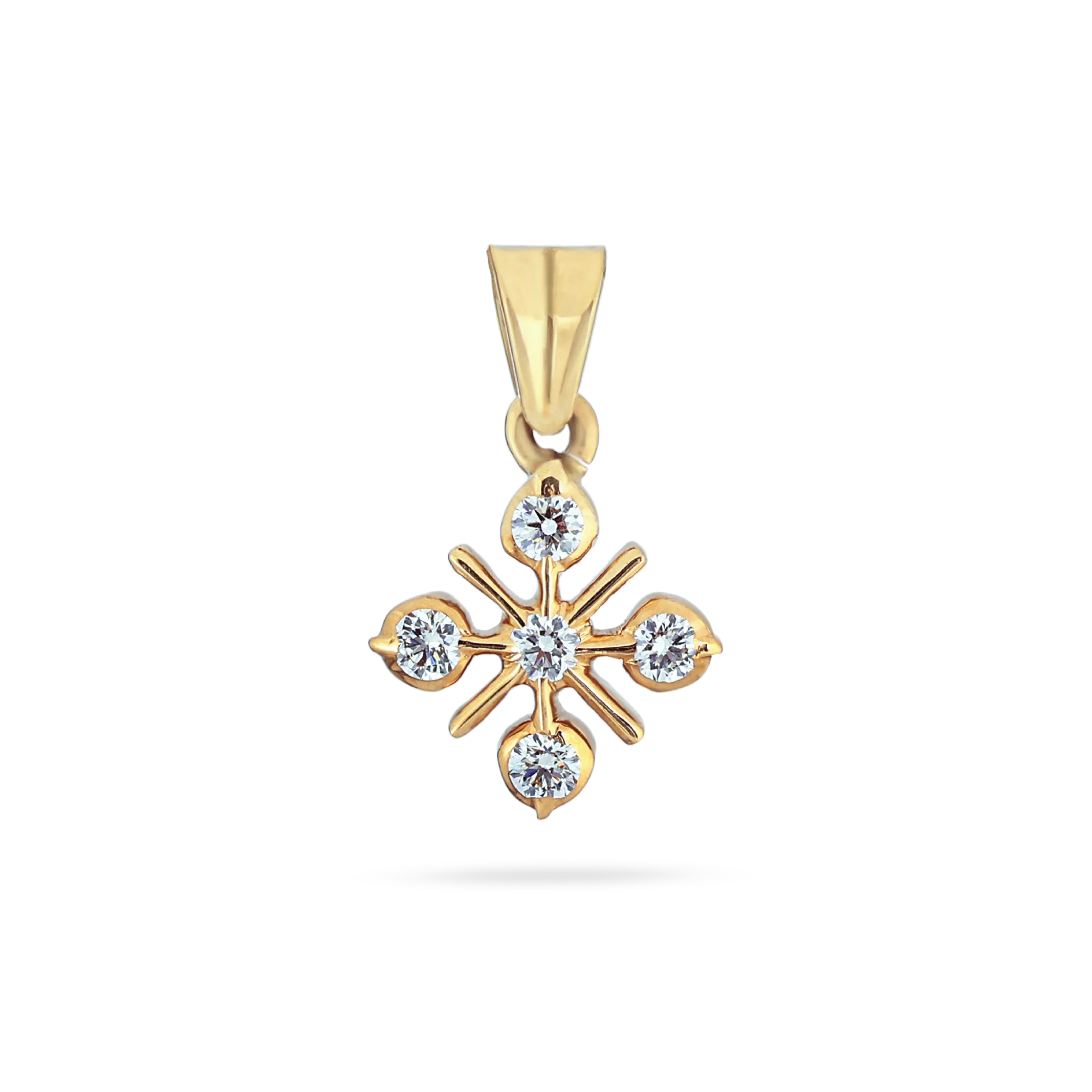
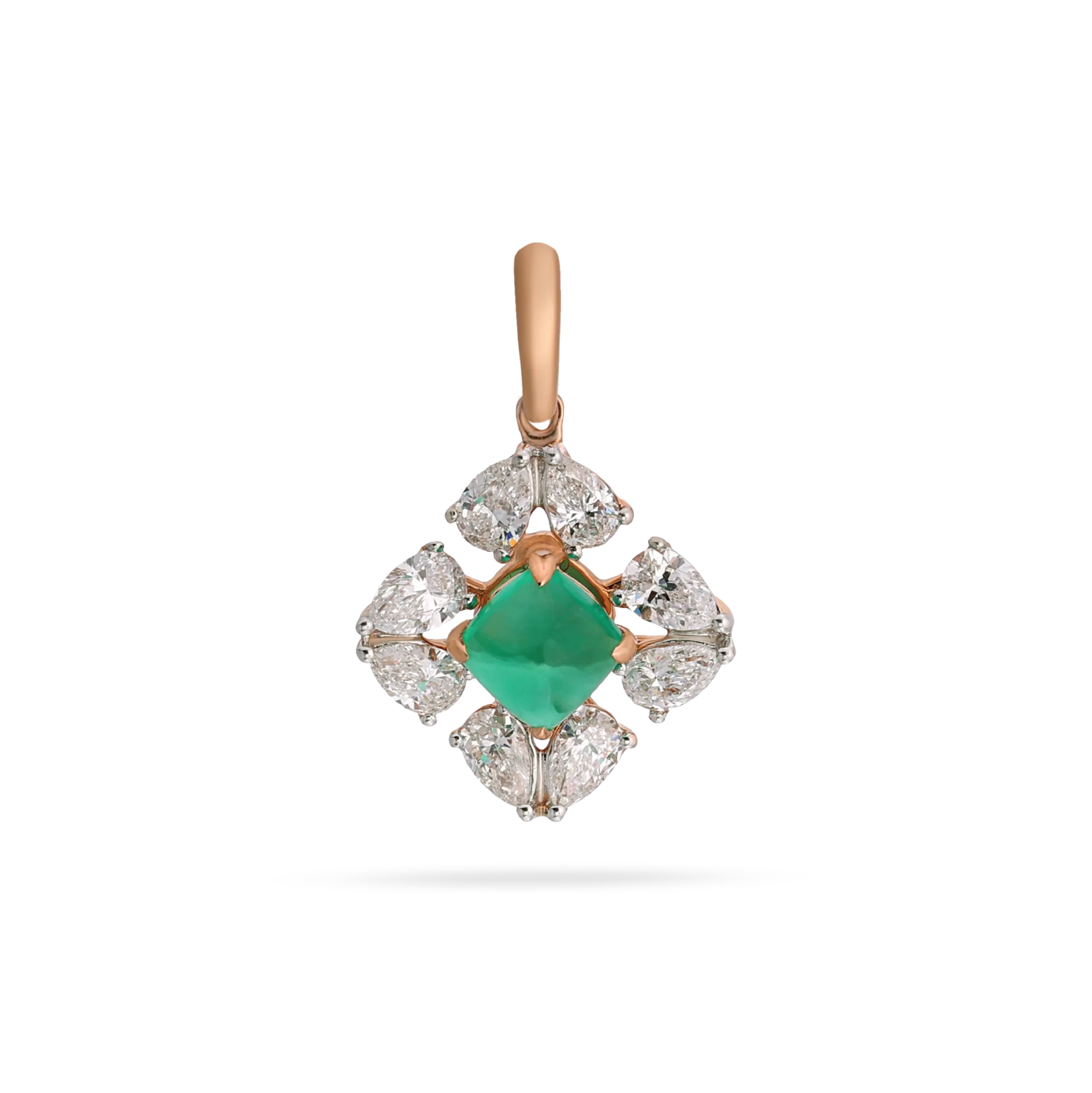
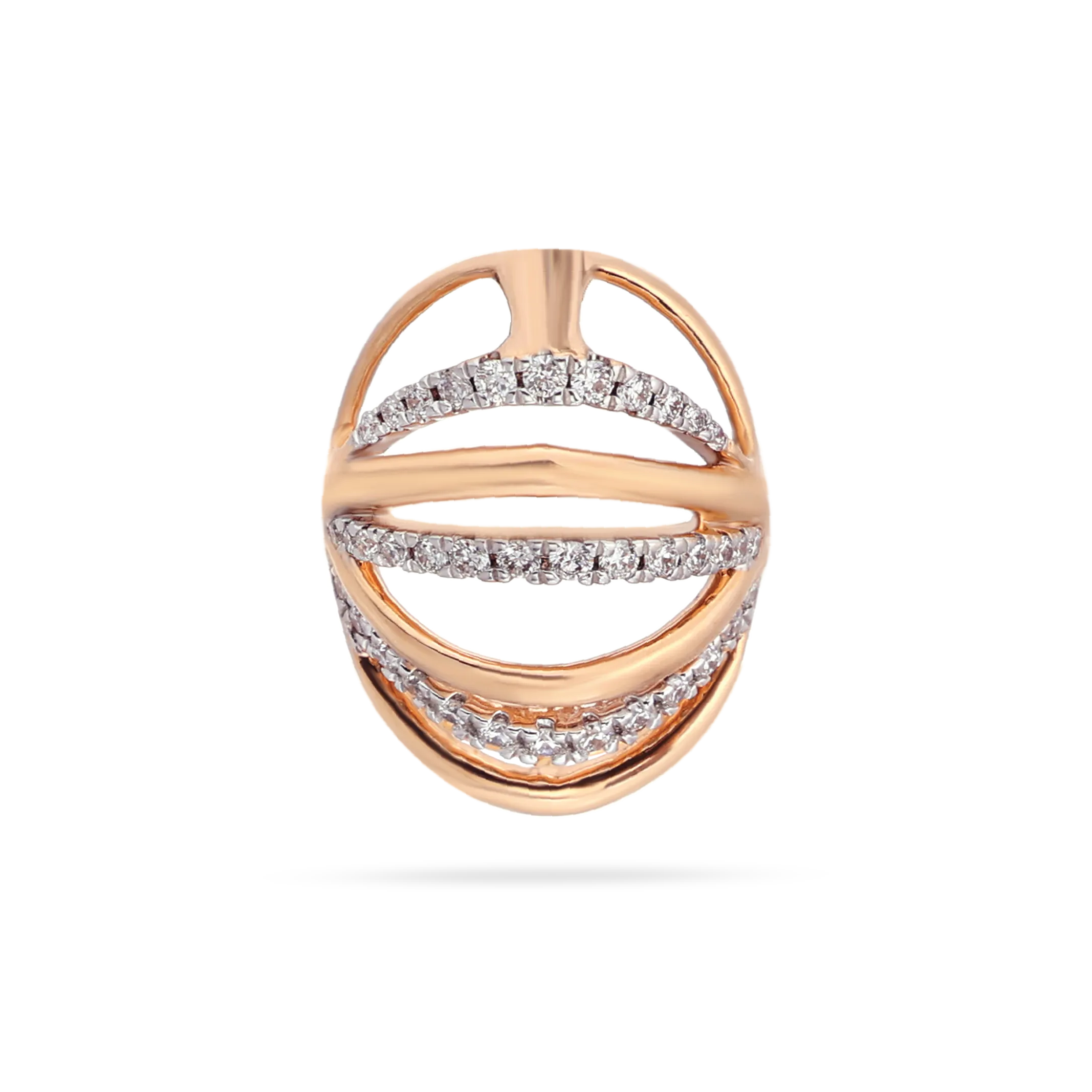
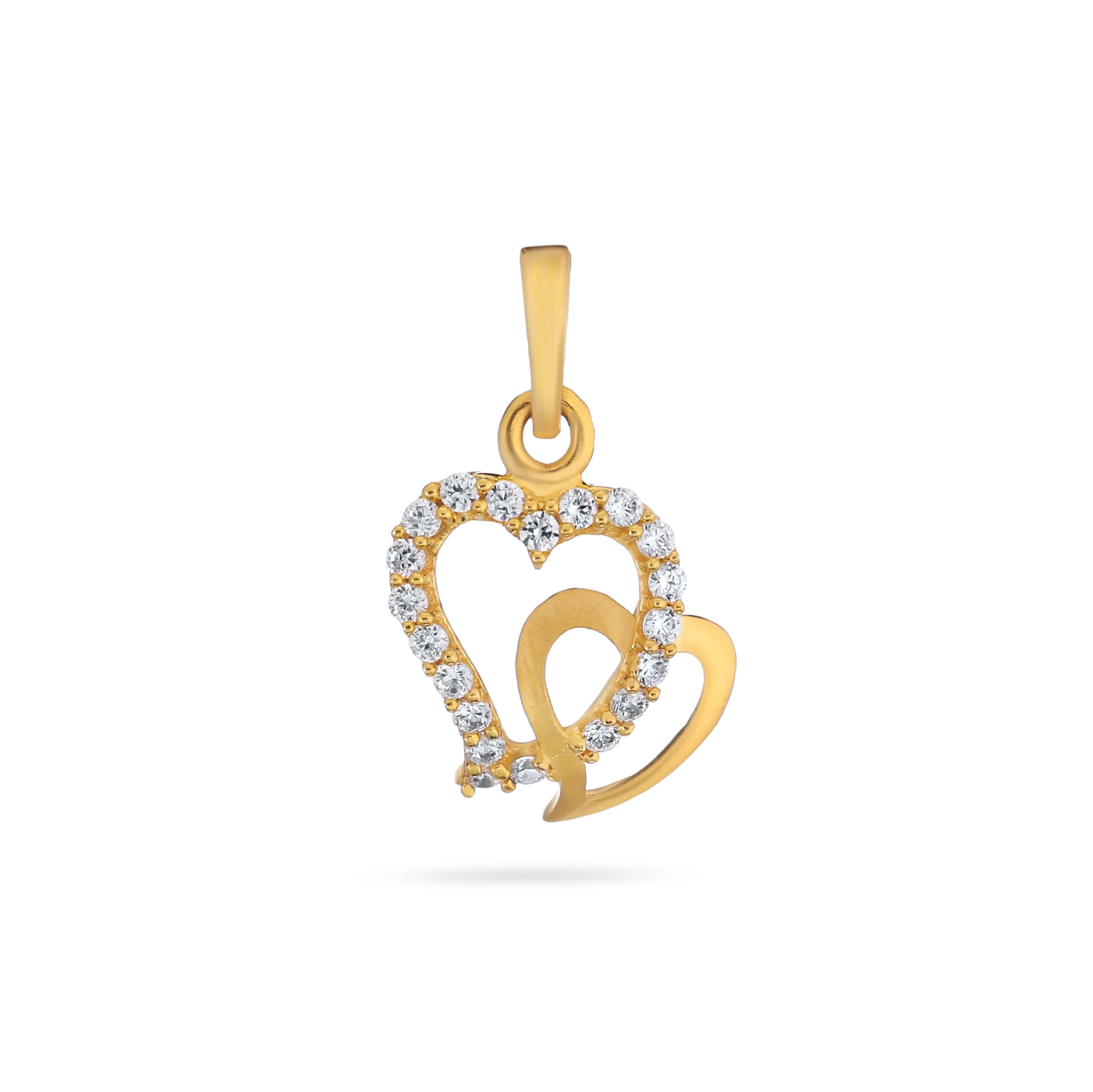
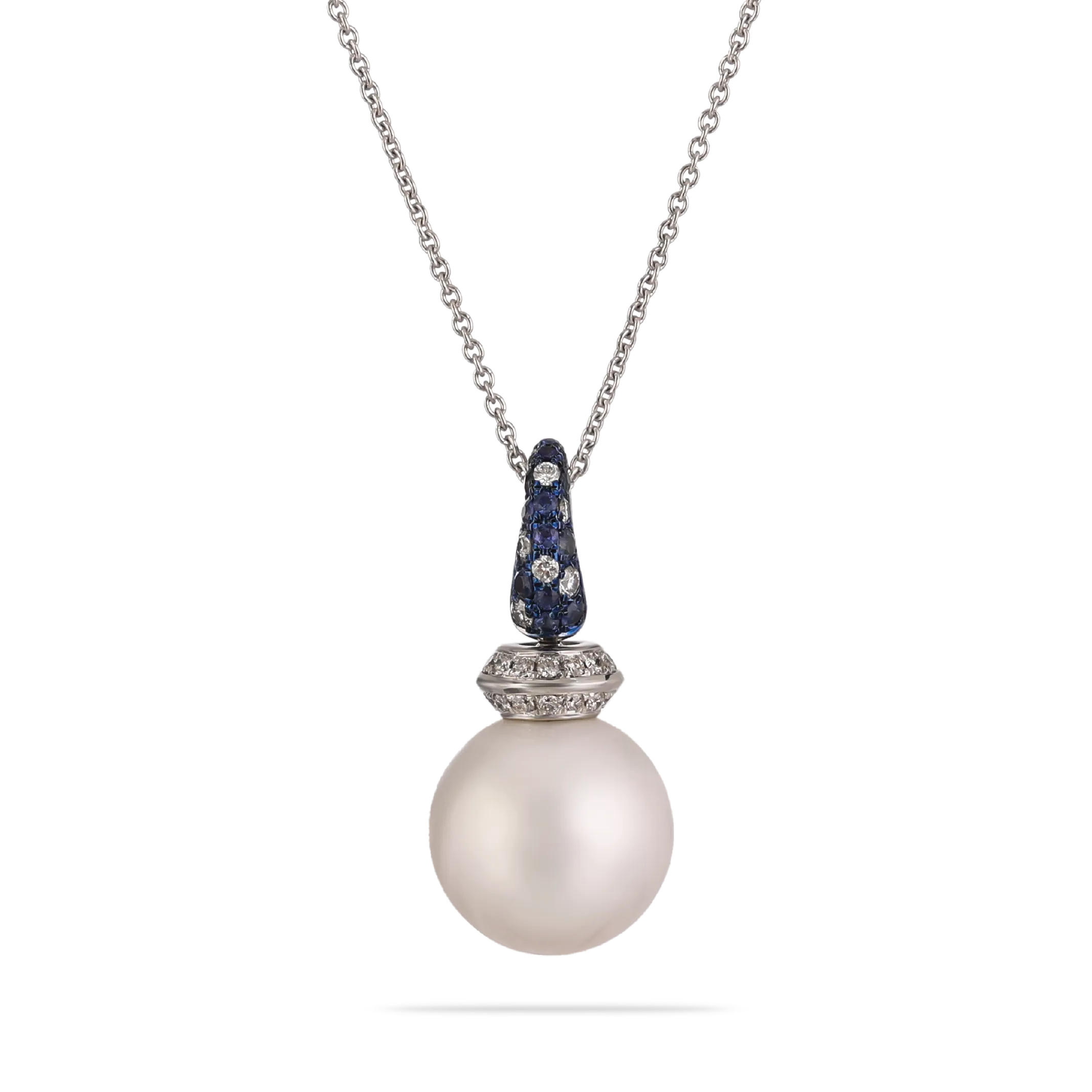
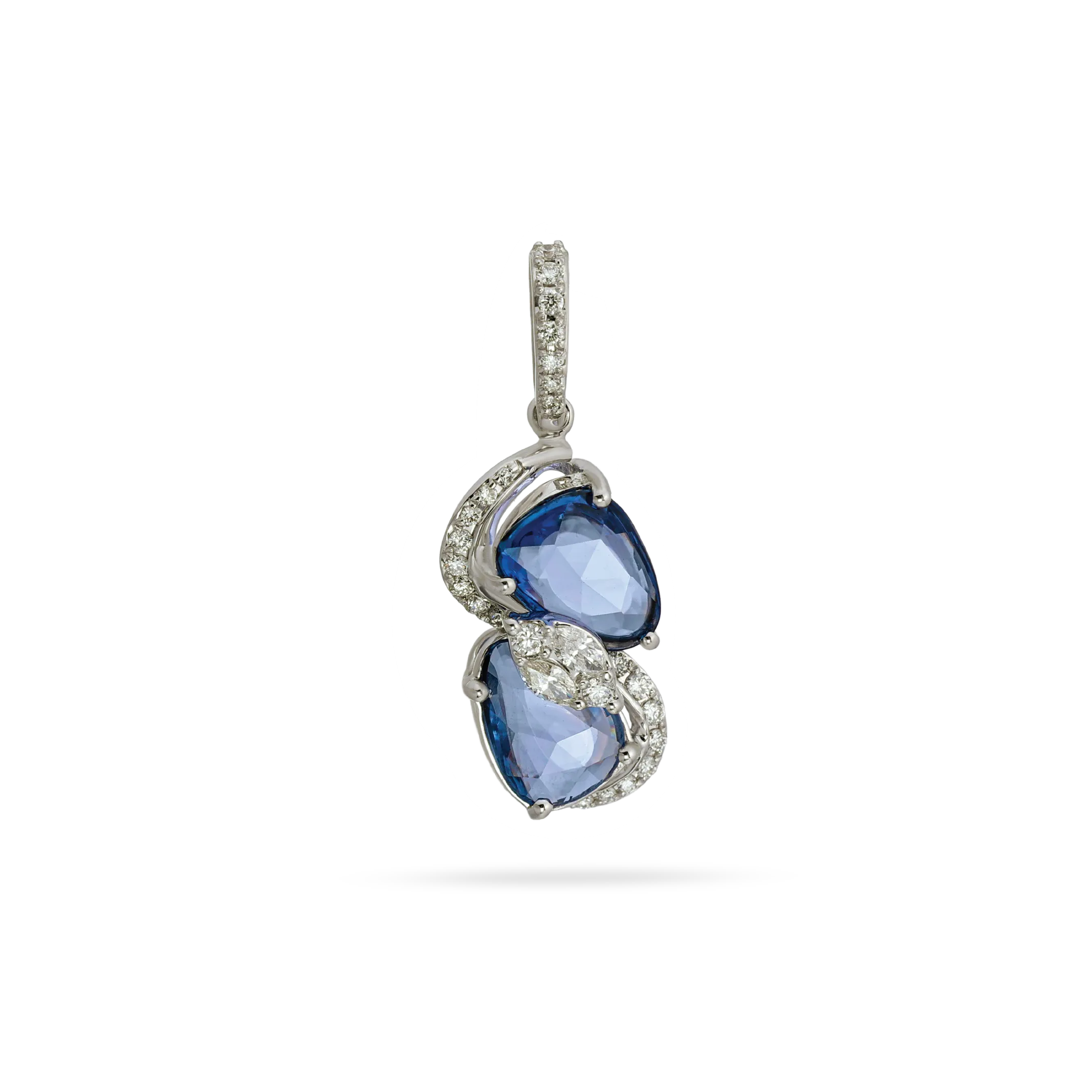
How to choose an everyday diamond pendant that suits your style and routine
September 27, 2026 | 10 minutes read
Key Takeaways
A pendant earns its place in an everyday rotation when it feels comfortable, suits the clothes you actually wear, and is easy to care for. Start with your routine, then compare the details that shape its look and practicality.
- Consider your daily activities, usual necklines, and preferred level of sparkle.
- Compare diamond shape and size in relation to the look you want and your budget.
- Choose a setting with secure construction and edges that feel smooth against clothing.
- Match the metal, chain length, and clasp to how you plan to wear the pendant.
- Clean and store the piece carefully, and have it checked if anything feels loose.
Define what you need from an everyday pendant
An everyday diamond pendant should feel like a natural part of getting dressed, not a piece you have to work around. Think about where you go, what you wear, and whether your jewelry needs to stay discreet or be noticed. Those practical preferences can help narrow the choices before you compare individual designs. A little clarity here makes shopping simpler.
Consider your daily activities and dress code
Start with the parts of your routine that might affect how a necklace sits or moves. If you often change clothes, exercise, or work around equipment, a low-profile pendant may feel less fussy than one with raised details. Workplace expectations matter, too: some settings call for restrained jewelry, while others leave more room for personal style. Aim for a piece that feels comfortable through an ordinary day, and remove it for activities where it could catch or be damaged.
Decide whether you want a subtle or noticeable look
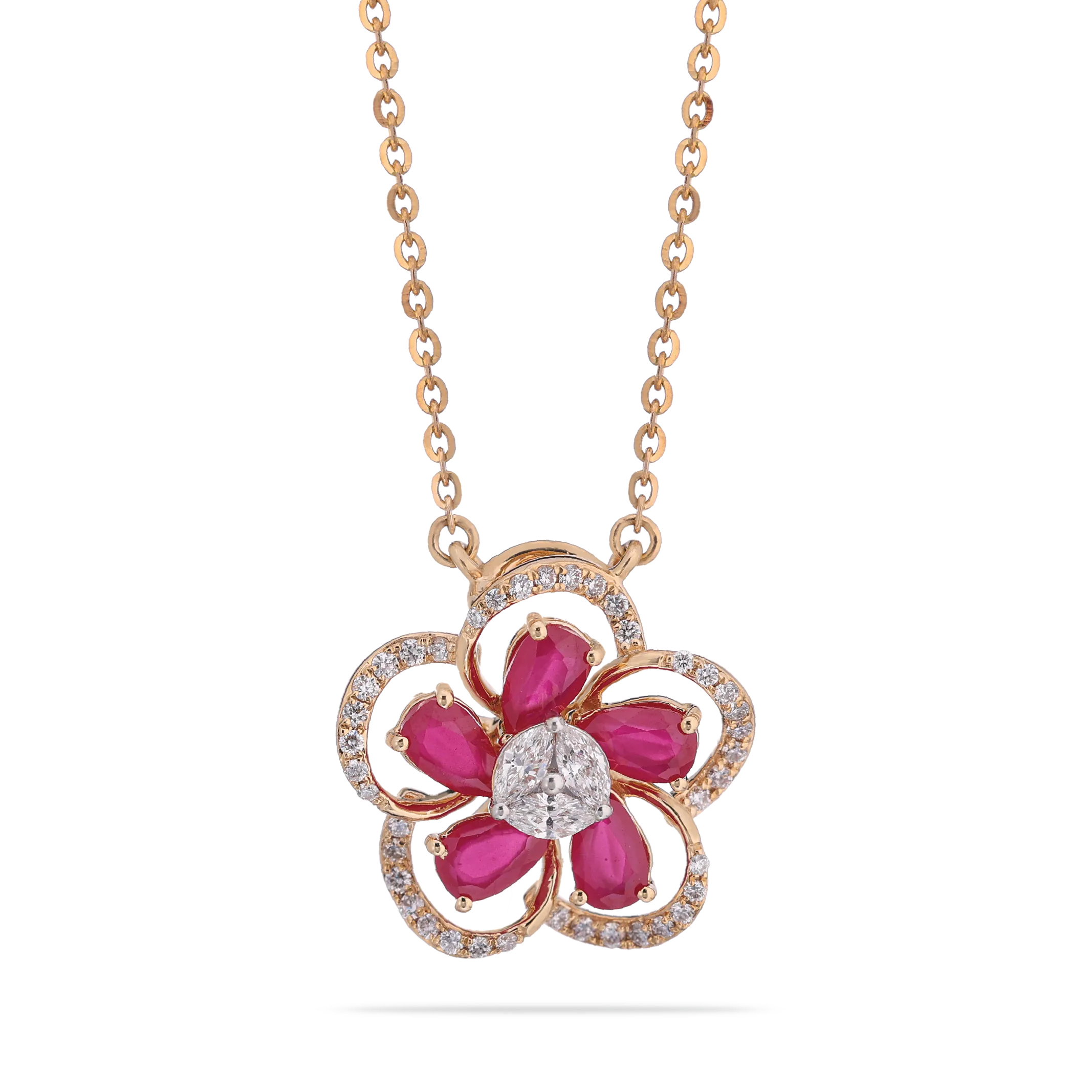
A small diamond can add a quiet point of light, while a larger stone or more elaborate setting draws the eye. Neither is automatically better for daily wear ; the right choice depends on what feels like you and what you enjoy seeing in the mirror. Consider how often you want the pendant to stand out against your clothes. For more ideas on balancing everyday pieces with occasional statement details, browse this guide to a capsule jewelry wardrobe.
Choose a pendant that works with your usual neckline
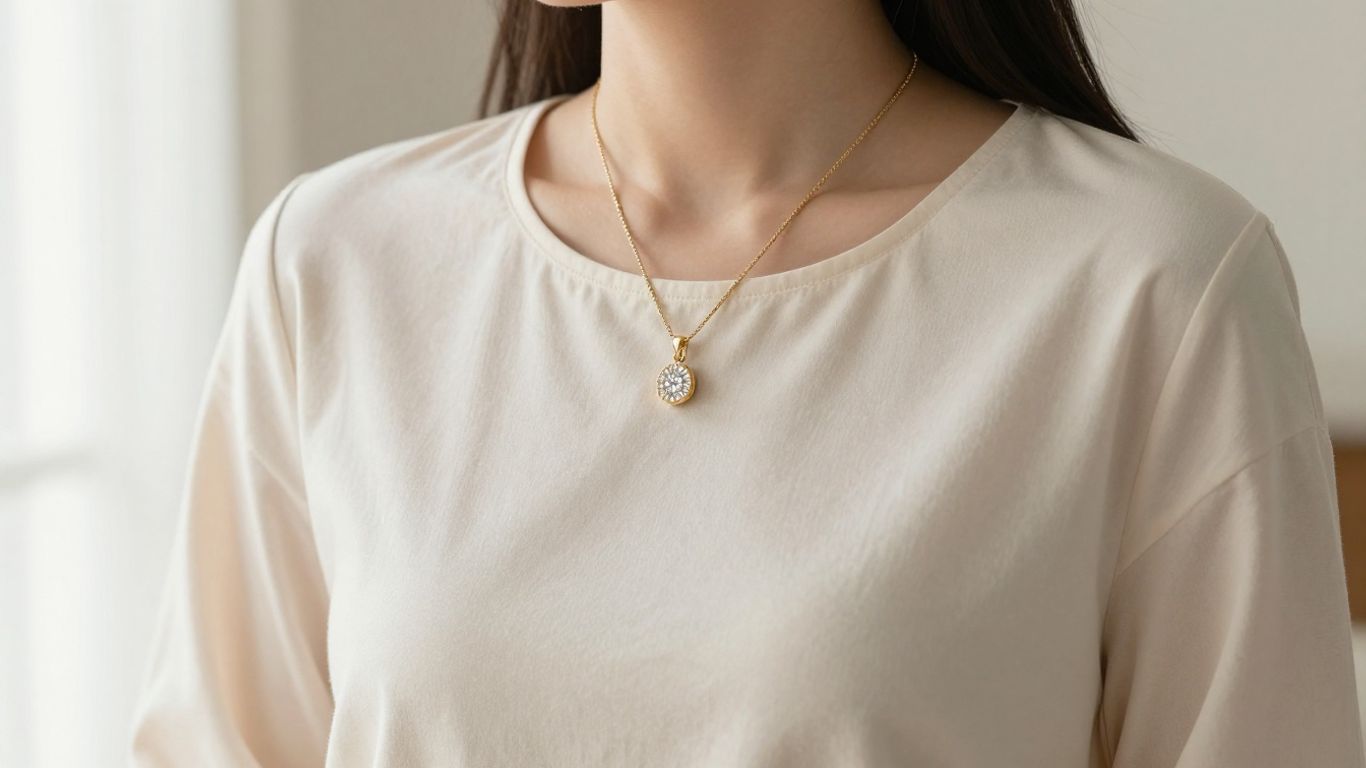
Look at the necklines already in your closet rather than planning around a single outfit. A pendant that lands just above a crew neck may disappear under a higher collar, while the same chain can sit neatly against a V-neck or open shirt. If you rotate between several neckline styles, an adjustable chain or a versatile middle length can offer more flexibility. Notice where the pendant rests when you sit and move, not only when you stand still.
Set a budget before comparing designs
Choose a comfortable spending range before the details start competing for your attention. The total price can reflect the diamond, the metal, the setting, and the chain, so decide which features matter most to you. A budget is a guide rather than a scorecard: it helps you compare options on your own terms. You can also look at everyday diamond jewelry for a sense of the range of styles that can suit regular wear.
Choose a diamond shape and size
The center stone sets much of a pendant’s character, but its shape and scale work together with the chain and setting. A diamond that looks striking in a display case may feel different once it rests against your skin or clothing. Compare designs from a comfortable viewing distance, and consider whether you want a soft, classic outline or a more defined silhouette. There is no single ideal size for every neck or wardrobe.
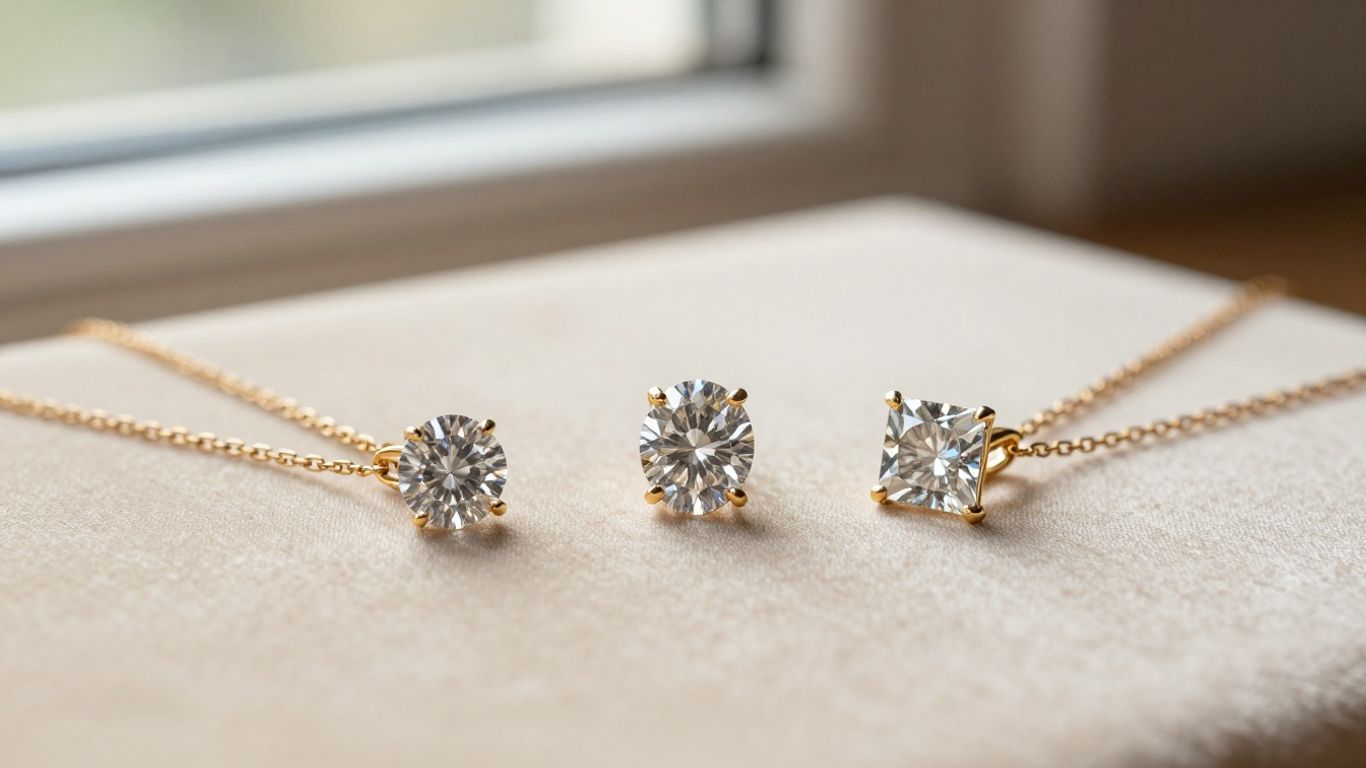
Compare classic shapes such as round, oval, and princess
Round diamonds have a familiar, balanced outline, while oval shapes create a longer profile. Princess cuts are square or nearly square, giving a pendant a more angular look. The setting can change how each shape reads, so compare stones in complete pendant designs when possible. This simple guide can help you think through the differences:
| Shape | General appearance | A detail to consider |
|---|---|---|
| Round | Familiar and symmetrical | Works with many setting styles |
| Oval | Elongated and softly curved | Sits with a directional shape |
| Princess | Square and more angular | Corners need thoughtful protection |
Use the table as a starting point, not a strict rule. The proportions of the stone and the design around it can make two pendants with the same shape feel quite different.
Balance carat weight with the look you want
Carat weight describes a diamond’s weight, not a guaranteed face-up size or visual impact. The shape, proportions, and setting all affect how large the stone appears when worn. Try to view options at a similar distance to how people will see them in everyday conversation. Choosing a size that feels comfortable with your clothing and routine is often more satisfying than choosing a number simply because it is larger.
Check how the diamond’s cut affects its sparkle
A diamond’s cut influences how it handles light, so two stones of similar size can have different levels of brightness and fire. When you can, look at the stone under more than one lighting condition and from several angles. Notice whether it has lively reflections that appeal to you, rather than judging it only by a photograph. The pendant setting also affects how much of the diamond remains visible.
Consider lab-grown and natural diamonds
Lab-grown and natural diamonds are two options to compare when deciding on a pendant. Ask the seller to explain the stone’s documentation, grading details, and price, and consider which factors matter most to you. A clear comparison helps keep the decision grounded in your preferences rather than assumptions. You can also factor in the shape, size, setting, and chain before deciding which stone best fits your budget.
Select a setting for daily wear
The setting affects both the appearance of the pendant and how the diamond is held in place. For regular wear, it is worth considering how the design sits against skin and fabric, as well as whether it feels secure. Look closely at the construction rather than relying on a name or style label alone. Small details can make a piece more comfortable to wear every day.
Compare bezel and prong settings
A bezel setting surrounds the diamond’s edge with a rim of metal, while a prong setting holds the stone with small metal tips. Bezels tend to create a defined outline around the stone; prongs leave more of its sides open to view. Each design has its own look, and the right choice depends on the pendant’s construction and the way you plan to wear it. Examine the finished piece closely, including how the setting meets the chain.
Look for secure construction and smooth edges
Run your eyes over the setting and bail, looking for anything that seems uneven or likely to snag. Ask a jeweler to explain how the diamond is held and what kind of inspection is recommended for that design. A quick check before buying can make it easier to compare how different pendants are built. These details are especially useful to assess in person:
- Check that the stone sits evenly in its setting.
- Look for edges or prongs that catch on a soft cloth.
- Try the clasp and make sure it opens and closes smoothly.
- Confirm that the bail moves freely without looking loose.
These checks cannot replace professional inspection, but they can help you notice questions to ask before you commit. Choose a piece that feels well finished, not merely attractive from the front.
Match the setting style to your personal taste
Some settings make the diamond the main visual feature, while others add more metal or decorative detail around it. Consider whether you prefer a clean outline or a design with a little more presence. It can help to compare the pendant with jewelry you already wear, especially if you tend to favor simple or ornate shapes. The best match is the one you will reach for without needing a special occasion .
Check whether the design is easy to clean
Dirt and residue can collect around the diamond and in small spaces within a setting. A design with fewer tight crevices may be easier to wipe and inspect at home, though no style is maintenance-free. Ask what cleaning method is suitable for the specific pendant and whether any materials or finishes need special care. Understanding that before purchase can make upkeep feel less like guesswork.
Pick a metal and chain
The metal tone and chain determine how the pendant looks when worn and how it works with the rest of your jewelry. Color is a matter of taste, but chain length and construction are practical choices as well. Think about the clothes you wear most often and how much movement feels comfortable. A pendant should sit where you want it without constantly twisting or catching.
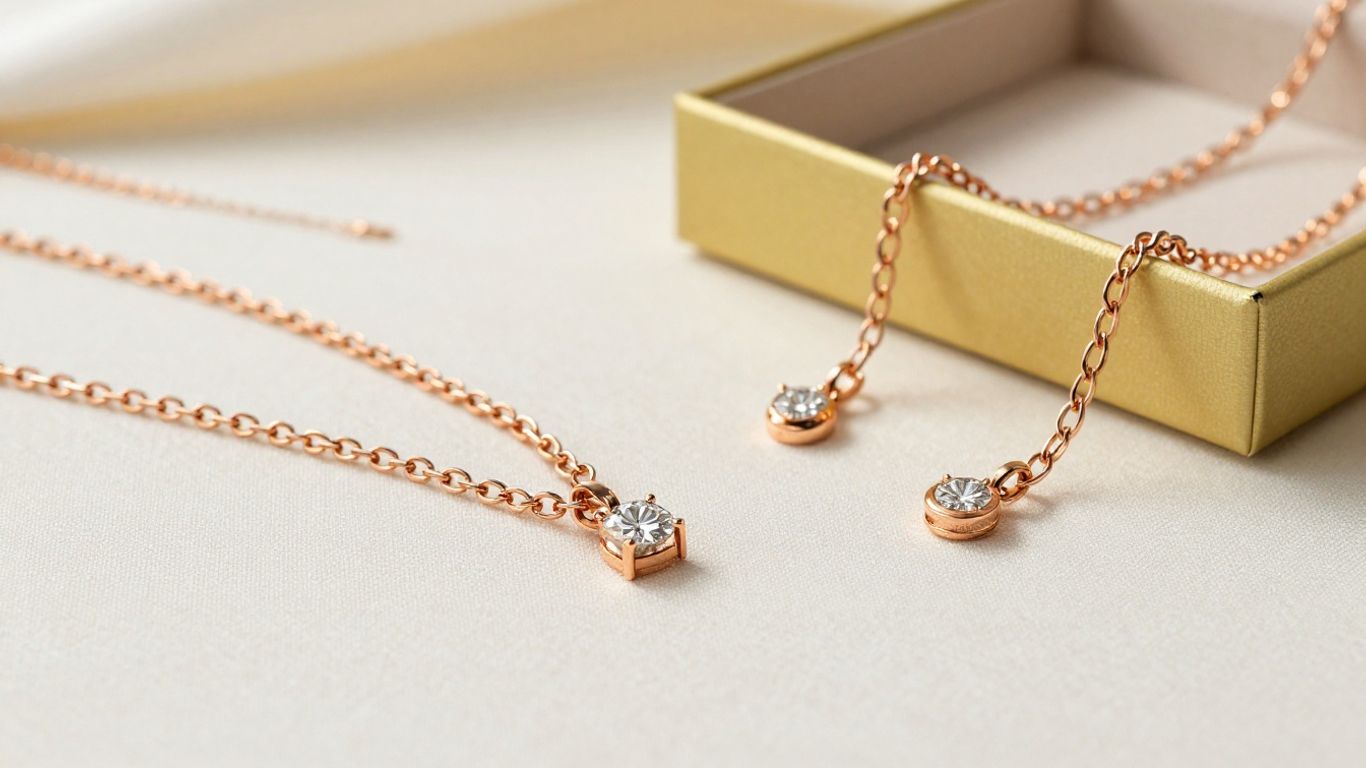
Compare yellow, white, and rose gold
Yellow gold has a warm tone, white gold a cooler appearance, and rose gold a pinkish hue. The metal color can change the overall feel of the pendant, even when the diamond and setting are similar. You might choose a tone that matches pieces you already wear, or use a different color for contrast. If you often wear a gold chain to work, this office chain styling guide offers ideas for coordinating a necklace with professional clothing.
Choose a chain length for your preferred placement
Chain length affects where the diamond rests against your neckline. A shorter chain may sit closer to the base of the neck, while a longer one can place the pendant lower on the chest. Try the length with the necklines you wear most, and check that the stone does not disappear beneath collars or fall into an inconvenient spot. Adjustable chains can be helpful if you like to vary the placement.
Check chain thickness and clasp security
A chain should feel proportionate to the pendant and comfortable against your skin. Very delicate chains may need more careful handling, while a heavier chain can change the look and feel of a small stone. Test the clasp if possible and check that it closes securely. Regularly inspect the connection points, since the pendant’s weight and everyday movement can put stress on them over time.
Make sure the pendant bail fits the chain
The bail is the loop or fitting that connects the pendant to its chain. Check that it slides over the chain easily and that there is enough room for the pendant to move without catching. A mismatch can cause the necklace to sit awkwardly or make it difficult to replace the chain later. If you plan to wear the pendant on a chain you already own, bring it along when comparing designs.
Style an everyday diamond pendant
A diamond pendant can be a quiet finishing touch or the center of a layered look. Its versatility comes from how easily it can work with different necklines, other jewelry, and the mood of an outfit. Keep the overall balance in mind so the pendant has room to show. Small adjustments in chain length or accompanying pieces can change the effect without changing the pendant itself.
Wear it alone for a simple look
Worn on its own, a pendant creates a clean line that works with both casual clothes and more polished outfits. Let the chain length suit the neckline, and avoid adding details that compete with the stone if you want a pared-back finish. This simple approach also makes it easy to notice how the pendant moves throughout the day. A little space around it can be part of the appeal.
Layer it with other necklaces without tangling
Layering works best when the necklaces differ enough in length or weight to fall into separate lines. Start with two pieces and see how they move before adding another. Chains with different textures can help distinguish each strand, but too many similar lengths may cross and twist. Adjust them as you dress and take them off carefully at the end of the day.
Coordinate it with earrings and other jewelry
You do not need to match every piece exactly for the overall look to feel coordinated. Repeating a metal tone or keeping the scale of your jewelry similar can create a sense of connection. For a quieter outfit, let the pendant be the main point of sparkle; if your earrings are more noticeable, a smaller pendant may balance them. The aim is a combination that feels comfortable and personal.
Adapt the pendant for work and special occasions
For work, a simple setting and a chain that sits neatly with your usual neckline can feel polished without demanding attention. For an evening event, the same pendant may look different with an open neckline or alongside more expressive earrings. You can change the styling without needing a separate necklace for every setting. Let the occasion guide the overall balance, not an expectation that the pendant must always be worn the same way.
Care for your pendant over time
Regular, gentle care helps you notice changes before they become bigger concerns. Follow the care advice that comes with the specific piece, since cleaning needs can vary with its metal and setting. Keep the pendant away from situations where it might be knocked, pulled, or exposed to harsh products. A few simple habits can help preserve its appearance and make it easier to wear with confidence.
Clean the diamond and setting safely at home
For routine cleaning, use only a method recommended for the pendant’s materials. A soft cloth can remove fingerprints, while a gentle cleaning approach approved by the jeweler may help with residue around the setting. Avoid harsh chemicals and do not assume that every household cleaner is safe for jewelry. Rinse and dry the piece carefully if the recommended method involves water, taking care not to lose it near a drain.
Inspect the clasp, chain, and setting regularly
Take a moment to look over the necklace every so often, especially if you wear it frequently. Check for kinks, a clasp that no longer closes properly, or a setting that appears to have shifted. If the diamond moves or the chain looks worn at a connection point, stop wearing the pendant until it has been assessed. A small concern is easier to address before it becomes a lost stone or broken chain.
Store the pendant to prevent scratches and tangles
Store the pendant separately from jewelry that could rub against it or pull at the chain. A soft pouch or a compartmented jewelry box can keep the chain from winding around other pieces. Fasten the clasp before putting it away, then lay the chain flat or coil it loosely. These little steps make it easier to retrieve and wear the pendant without untangling it first.
Know when to seek professional cleaning or repair
If the stone feels loose, a prong seems bent, or the clasp fails to close securely, ask a qualified jeweler to inspect the pendant before wearing it again. Professional help is also sensible when buildup remains after safe home cleaning or when you are unsure what method the materials can tolerate. Ask what service is recommended for the specific design and how often it should be checked. When something seems off, avoid trying to bend or tighten the setting yourself.
Conclusion
The right everyday diamond pendant is one that fits your routine as naturally as it fits your style. Compare shape, setting, metal, and chain with the clothes and activities that make up your ordinary week, then choose a piece you will enjoy wearing and caring for over time.
Frequently Asked Questions
What makes a diamond pendant suitable for everyday wear?
A suitable pendant feels comfortable, fits your routine, and has construction that works for how you plan to wear it. Consider the setting, chain, clasp, and whether the design catches on clothing.
Which diamond shape is best for an everyday pendant?
There is no single best shape. Round, oval, and princess diamonds each create a different look, so choose one that suits your taste and works with the setting and chain.
What carat size should I choose for a daily pendant?
Choose a size based on the look you prefer, your budget, and how the pendant feels when worn. Carat weight alone does not determine how large a diamond appears.
Is a bezel or prong setting better for daily wear ?
Both can be appropriate, depending on the design and its construction. Compare how the stone is held, whether the edges feel smooth, and how easy the setting is to inspect and clean.
How long should an everyday pendant chain be?
The best length depends on where you want the pendant to rest and the necklines you wear most. Try a few lengths with your usual clothing before deciding.
Can I wear a diamond pendant while exercising or showering?
It is generally wise to remove jewelry for activities that could pull, knock, or expose it to products and moisture. Follow the care guidance for your specific pendant.
How often should I have a diamond pendant inspected?
Check the chain, clasp, and setting regularly at home, and seek a jeweler’s advice if anything feels loose or damaged. The appropriate professional inspection schedule can depend on the design and how often you wear it.
Related blogs:
November 20, 2025
The Timeless Elegance of the Tennis Bracelet: A Comprehensive Guide
Read More
November 20, 2025
The Ultimate Guide to Styling and Wearing a Choker Necklace
Read More
November 20, 2025
Find Your Perfect Engagement Ring: A Comprehensive Guide to Styles and Diamonds
Read More
November 20, 2025
The Timeless Elegance of a Diamond Tennis Bracelet: A Buyer's Guide
Read More