How to choose a solitaire diamond: A comprehensive buyer's guide
July 26, 2026 | 10 minutes read
Key Takeaways
Learning how to choose solitaire diamond rings involves balancing technical diamond grading with personal preference and long-term durability. By following these steps, you can secure a timeless piece that suits your unique style.
- Prioritize the cut of the diamond above all other factors, as it most directly impacts the stone's brilliance and overall fire.
- Understand that clarity grades are often about what is visible to the naked eye rather than technical perfection under a microscope.
- Select a metal that complements both the diamond's color and the wearer's daily lifestyle, whether it is for durability or aesthetic warmth.
- Verify the diamond’s authenticity through independent laboratory reports from recognized institutions like GIA or AGS.
- Consider how different diamond shapes and setting heights interact with daily activities before finalizing your purchase.
Understanding the 4Cs of diamond quality
When you begin your research on diamond engagement rings, you will inevitably encounter the industry standard known as the 4Cs. Mastering these factors helps you make an informed decision when evaluating individual stones. Choosing a solitaire diamond is a significant emotional, and financial, investment. By taking the time to understand these elements, you can ensure the best possible value for your budget.
The impact of cut on light performance
The cut is arguably the most vital of the 4Cs because it determines how well a diamond interacts with light. A well-cut stone will reflect light back to the observer, creating that famous sparkle. This process involves the precision of faceting, which transforms a raw, dull crystal into a brilliant gem.
Color grading scales and what they mean
Diamond color is graded on a scale ranging from D, which is completely colorless, down to Z, which exhibits noticeable yellow or brown tints. Many buyers find that diamonds in the near-colorless range, such as G through J, offer an excellent visual experience without the premium price tag of a D-grade stone.
Assessing clarity grades for eye-clean diamonds
Clarity refers to the presence of internal inclusions or surface blemishes within the stone. You do not necessarily need a flawless diamond to achieve a stunning look, as many inclusions are invisible without high-powered magnification. Focusing on eye-clean stones allows you to allocate your resources toward size or cut.
Balancing carat weight with your budget
Carat weight measures individual mass rather than the visual size of the diamond. As weight increases, the price per carat rises exponentially, making it essential to weigh size expectations against quality constraints. The following table provides a general summary of how these factors influence your final choice.
| Quality Factor | Effect on Appearance | Primary Budget Impact |
|---|---|---|
| Cut Grade | High Brilliance | Moderate |
| Color Grade | Neutral Appearance | Low to High |
| Clarity Grade | Visible Imperfection | Moderate |
| Carat Weight | Physical Size | Exponential |
By carefully reviewing these metrics through a guide like C Krishniah Chetty & Co, you can discover how to maximize your aesthetic targets without overspending.
Selecting the right diamond shape
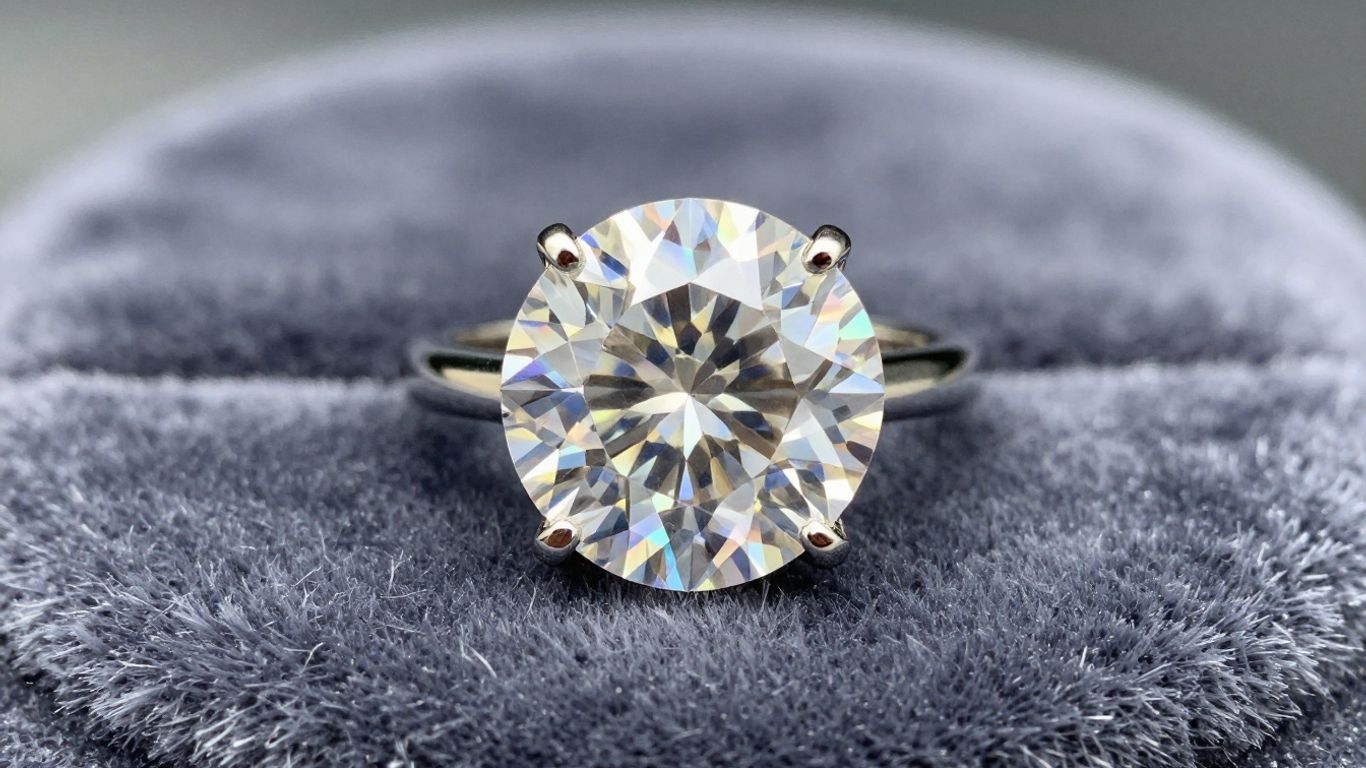
The shape you select defines the entire profile of your ring and significantly influences how it wears on the finger. While traditional round brilliants remain a classic favorite, modern alternatives cater to diverse preferences and hand sizes. Choosing the correct silhouette requires considering how specific cuts handle light and depth appearance.
Classic round brilliant vs. fancy shapes
Round brilliant diamonds are the industry gold standard for light performance due to their symmetrical faceting. Meanwhile, fancy shapes like oval, pear, and marquise offer unique aesthetics that often elongate the appearance of the finger. These shapes are a popular choice when shopping with Fink's Jewelers because they provide variety for every bride.
How shape influences perceived size
Some stones are cut to emphasize surface area over depth, which can make a diamond look larger than its carat weight suggests. Elongated shapes, specifically the oval or marquise, often appear more substantial because they cover a larger portion of the ring finger. Keep this visual trade-off in mind when balancing carat weight against your overall budget goals.
Matching a diamond shape to personal style
Personal style is the ultimate guide when deciding between a vintage-inspired emerald cut or a contemporary cushion shape. Consider the wearer's daily wardrobe and lifestyle, as some shapes are better suited for those who appreciate understated elegance. A timeless solitaire style often acts as the perfect canvas to showcase these unique geometric profiles.
Durability considerations for different cuts
Certain shapes feature pointed corners that are more prone to chipping if subjected to hard impacts. If the ring will be worn during active hobbies, you may want to ensure the setting offers extra protection for the stone's more vulnerable regions. Proper metal choice and setting style can mitigate these risks effectively.
Evaluating setting styles for solitaire rings
The setting is responsible for keeping your diamond secure while defining the overall look, feel, and comfort of the piece. A well-constructed setting should enhance the diamond's beauty without creating unnecessary obstacles in your daily routine. Selecting the right foundation ensures that your ring remains as functional as it is beautiful.
The security of prong settings
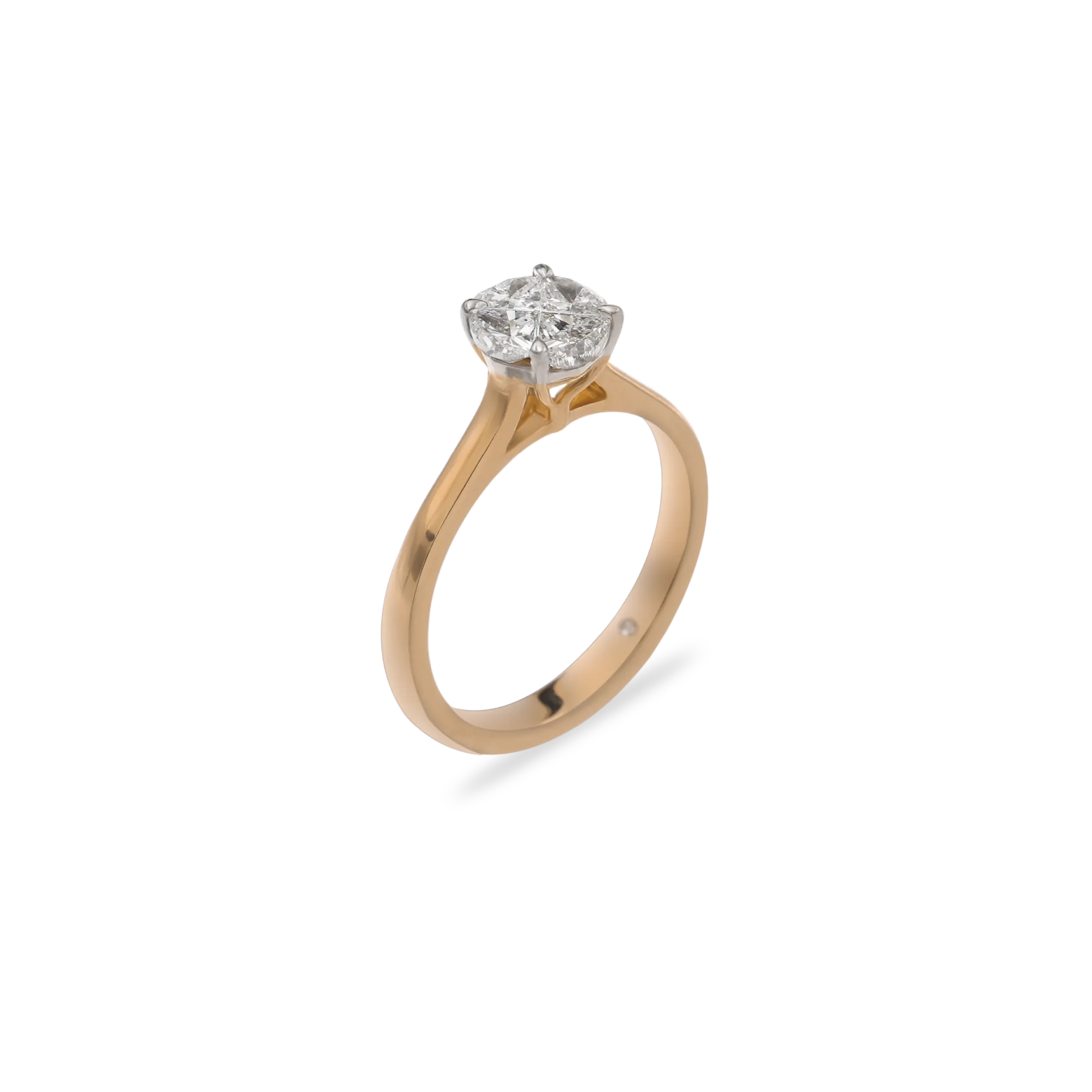
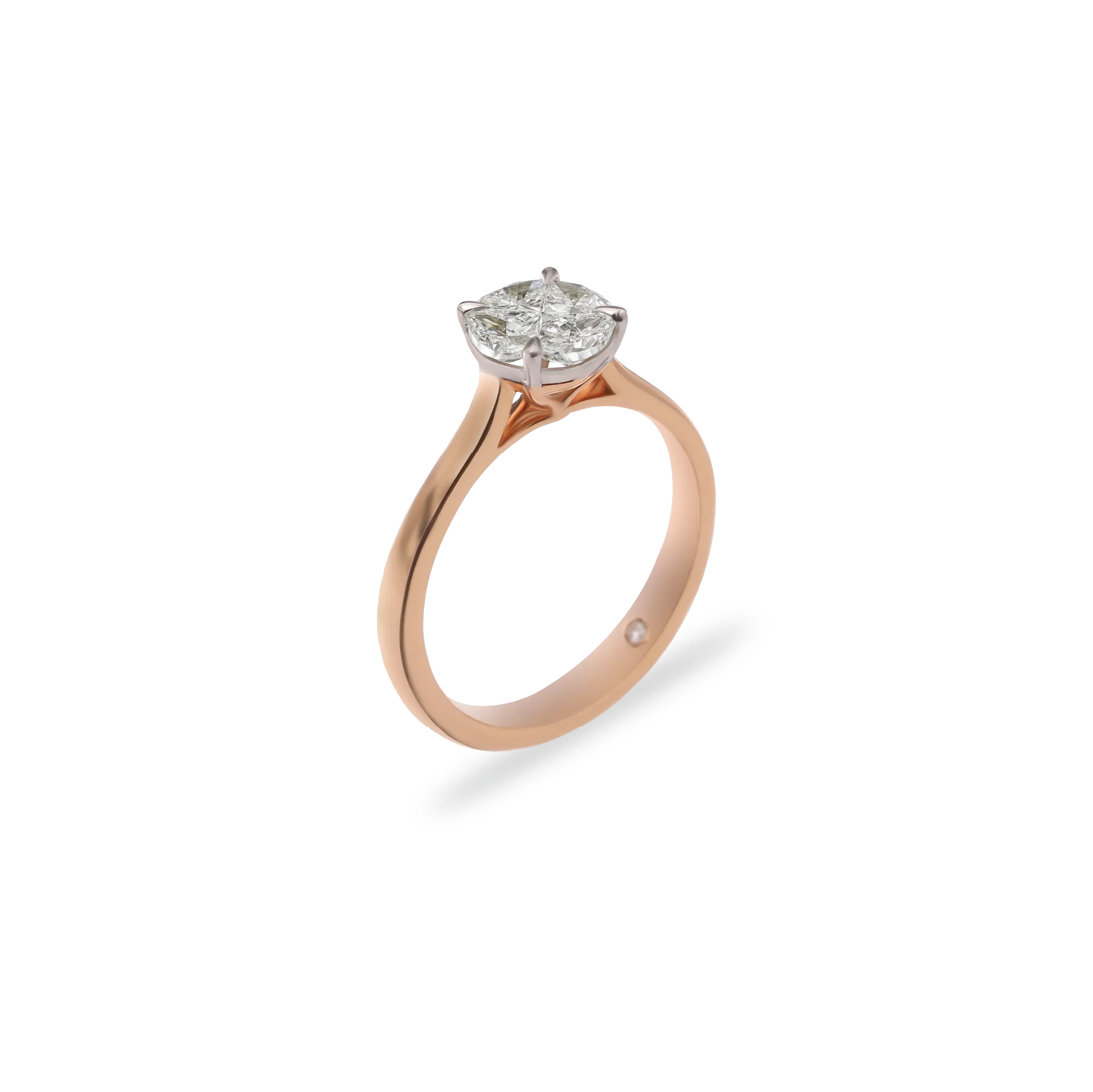
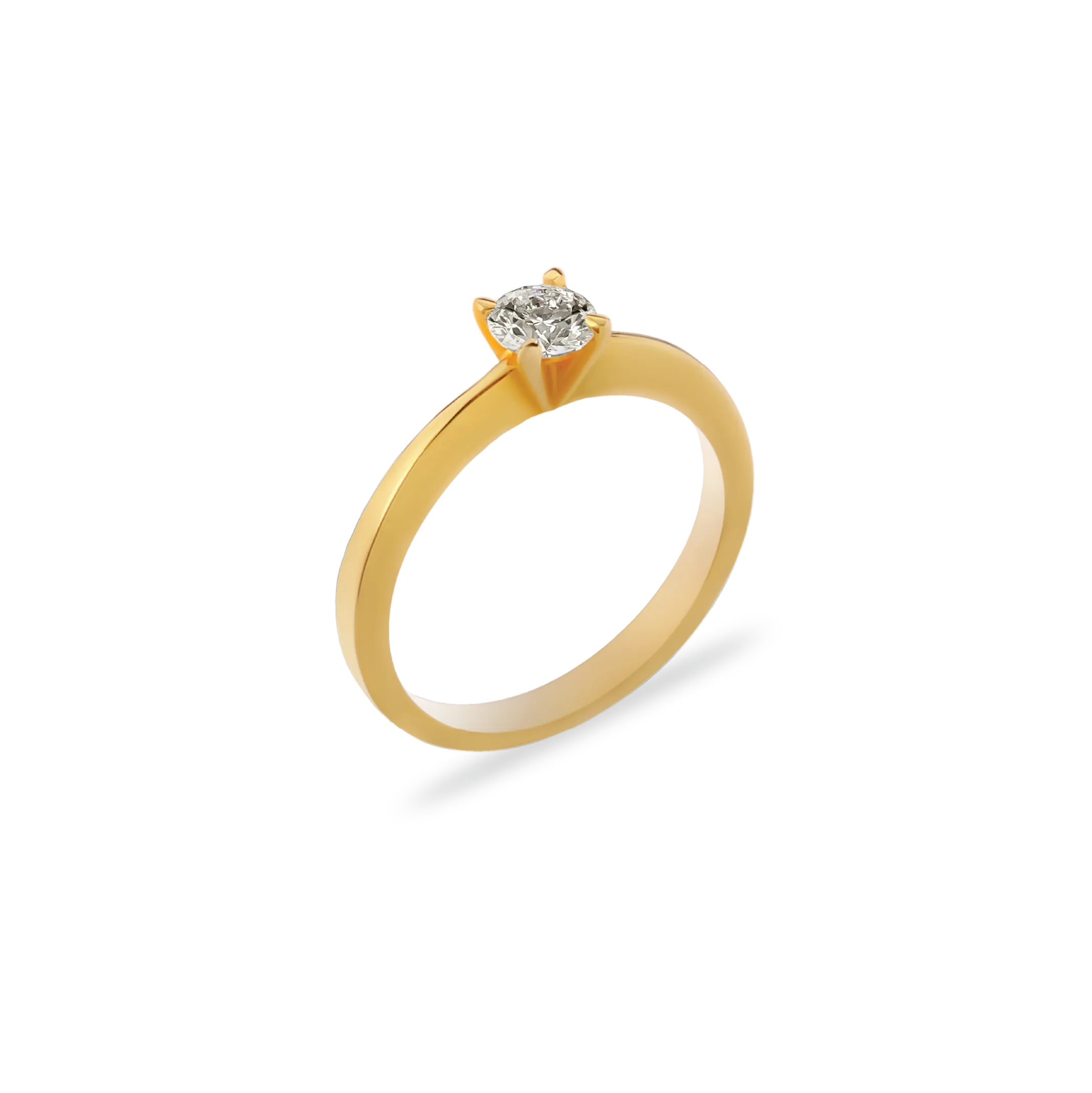
Prong settings use small metal claws to lift the diamond above the band to maximize light entry. This remains the most classic look, as it allows the maximum amount of light to strike the diamond from every angle.
Modern appeal of bezel settings
Bezel settings wrap the diamond in a thin rim of metal, offering exceptional protection for the gemstone’s edges. They provide a refined, smooth profile that is ideal for people working with their hands, as there are no prongs that can snag on clothing.
Choosing between trellis and basket settings
A solid setting choice depends on your specific lifestyle needs and stylistic preferences, making it helpful to evaluate several key factors during your decision-making process:
- Check if the setting height allows for easy layering with a wedding band.
- Ensure the metal weight matches the size for structural integrity.
- Research how the design style impacts long-term maintenance and visibility.
- Opt for a style that minimizes the risk of catching on fabrics.
Following these steps helps you narrow down options like those from A. JAFFE, who focus on clean, secure engineering for every ring design.
How setting height affects daily wearability
The height of the stone above the finger often dictates how much the ring will catch on surfaces or get in the way of everyday tasks. A lower-profile setting is generally more practical for active individuals, whereas a high-set solitaire creates a more dramatic, traditional bridal appearance.
Choosing the right metal for your band
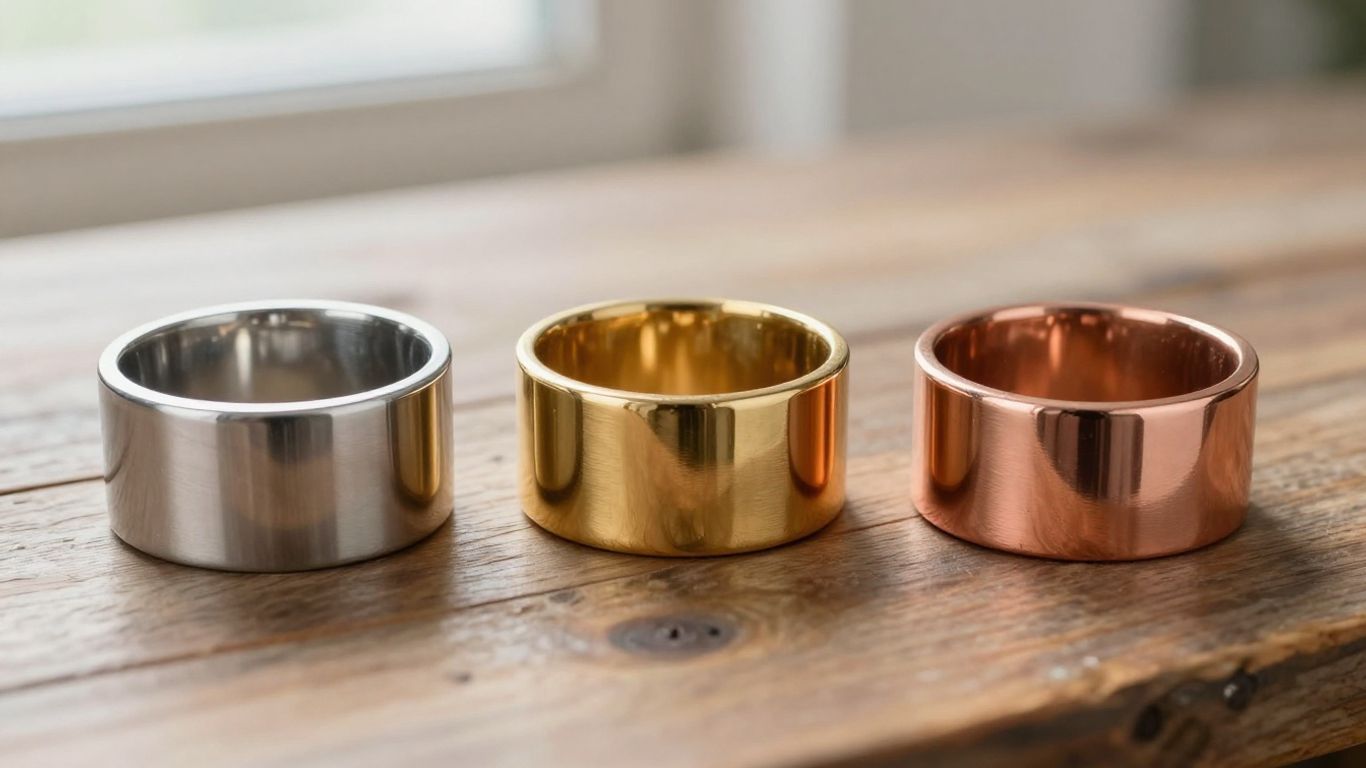
Selecting the correct metal is about balancing desired color, long-term durability, and your specific skin sensitivities. Since the metal will form the main body of your ring, it deserves as much consideration as the center stone itself. There are several popular choices that offer distinct advantages for everyday wear.
Durability and skin sensitivity of platinum
Platinum is highly favored for its density and hypoallergenic properties. It is a naturally white metal that does not require re-plating, making it a reliable choice for long-term usage.
Comparing 14k vs. 18k yellow gold
Yellow gold offers a classic, warm tone that has been favored for generations. 14k gold is often harder and more scratch-resistant than 18k, making it a sensible choice for rings subject to frequent use.
Rose gold for a vintage aesthetic
Rose gold contains copper, providing a distinctive pinkish hue that pairs beautifully with many skin tones. It has gained popularity for those who want a unique, vintage, or soft look for their jewelry collection.
Weighing maintenance requirements for white gold
White gold is essentially yellow gold mixed with alloys to create a silvery appearance. Because it is often plated with rhodium to maintain its bright color, it may eventually require re-plating after years of wear to restore its lustrous finish.
Setting a realistic budget
Establishing a spending limit is one of the most important first steps in the shopping process. You should aim to look for a balance between your financial capabilities and your quality requirements for the stone and setting. By researching beforehand, you avoid the common trap of overpaying for features that might not be visible.
How to prioritize specific quality factors
Deciding which features are non-negotiable helps you allocate your budget efficiently. If you prefer a larger stone, you might reduce your budget for color or clarity grades as long as the diamond remains eye-clean and well-cut. This logical prioritization is the hallmark of a savvy shopper.
Accounting for taxes and appraisal fees
It is easy to overlook service costs like insurance premiums, tax, and potential appraisal fees while focusing on the diamond price. Build these supplementary expenses into your final calculation to ensure the total project remains within your planned range.
Comparing online retailers vs. physical stores
Online retailers frequently provide lower overhead costs and access to vast data inventories. However, visiting a local boutique provides the advantage of seeing real craftsmanship in person. You might investigate several local shops to compare standard industry practices before making your final purchase decision.
Long-term value and insurance considerations
A wedding ring is a permanent investment that should be protected from the start. Once you make your selection, look into jewelry insurance to protect against loss, damage, or theft. This peace of mind is invaluable for a piece that often becomes a future heirloom.
Ensuring diamond certification and authenticity
Authenticity is the final pillar of a secure purchase process. You should never buy an expensive diamond without comprehensive documentation that independently verifies its quality grades. Professional labs are the only way to ensure the vendor's claims match the reality of the stone.
Why GIA or AGS reports are the industry gold standard
Reports from the Gemological Institute of America or the American Gem Society provide objective, third-party assessments of a diamond's quality. Dealers value these reports because they standardize how color and clarity are communicated globally.
How to interpret a diamond grading report
Learning to read a report ensures you understand exactly what you are paying for, including dimensions, fluorescence, and specific grade markers. This document serves as a roadmap of the diamond’s unique identity and physical characteristics.
Identifying reliable retailers and laboratory data
Trustworthy retailers are always transparent about the laboratory data they provide. If a retailer is hesitant to share the grading report or cannot prove the origin of the information, it is often a signal to continue your search elsewhere.
The importance of laser inscription verification
Many modern diamonds feature a microscopic laser inscription on the girdle that matches the report number provided by the lab. Taking the time to verify this number with a jeweler's loupe is a final step in confirming that the stone in your hand is the same one described by the report.
Conclusion
Selecting a solitaire diamond is a deeply personal journey that merges technical evaluation with the desire for a beautiful, lasting symbol of commitment. By understanding the importance of diamond cut, choosing a shape that suits your lifestyle, and verifying authenticity through trusted certification, you can approach this significant purchase with confidence and clarity.
Frequently Asked Questions
What is a solitaire diamond?
A solitaire diamond refers to any ring featuring a single, stand-alone stone set into the band without secondary or side stones.
Are solitaire rings still fashionable today?
Yes, solitaire rings remain the most popular choice for engagement and commitment rings due to their timeless, clean look that transcends shifting fashion trends.
Can I wear a solitaire ring every day?
Because of their simple, classic design, solitaire rings are highly conducive to everyday wear, provided your chosen metal is durable enough for your activity level.
Does the shape of the diamond affect the ring's overall price?
Diamond shapes that require a higher percentage of the original rough stone to be cut away, or those in limited supply, can sometimes cost more per carat than standard shapes.
Why are some diamonds cheaper with the same carat weight?
Prices often reflect differences in color and clarity grades, which may not be visible to the casual observer but have a significant impact on the diamond’s overall market value.
What is the advantage of a platinum band?
Platinum is a dense, hypoallergenic metal that provides excellent security for diamond prongs and does not require re-plating for maintenance.
Do I need to buy a matching wedding band immediately?
While many people purchase the wedding band at the same time to ensure a perfect fit, you can also select your wedding band at a later date, provided the jeweler offers guidance on matching profiles.
Related blogs:
November 20, 2025
The Timeless Elegance of the Tennis Bracelet: A Comprehensive Guide
Read More
November 20, 2025
The Ultimate Guide to Styling and Wearing a Choker Necklace
Read More
November 20, 2025
Find Your Perfect Engagement Ring: A Comprehensive Guide to Styles and Diamonds
Read More
November 20, 2025
The Timeless Elegance of a Diamond Tennis Bracelet: A Buyer's Guide
Read More









.webp)


.webp)