Beyond the Bling: A Comprehensive Guide to Choosing Your Perfect Engagement Jewellery
June 22, 2026 | 10 minutes read
Here are the main things to remember when choosing engagement jewellery to make sure you find the perfect piece.
Key Takeaways
- Understand the meaning behind engagement jewellery as a symbol of commitment.
- Learn about the 4 Cs (Cut, Clarity, Color, Carat) to choose a quality diamond.
- Explore different settings and styles to match your partner's taste.
- Consider alternative gemstones or lab-grown diamonds for unique or budget-friendly options.
- Personalize the ring with engravings or birthstones and ensure a proper fit.
Understanding The Significance Of Engagement Jewellery
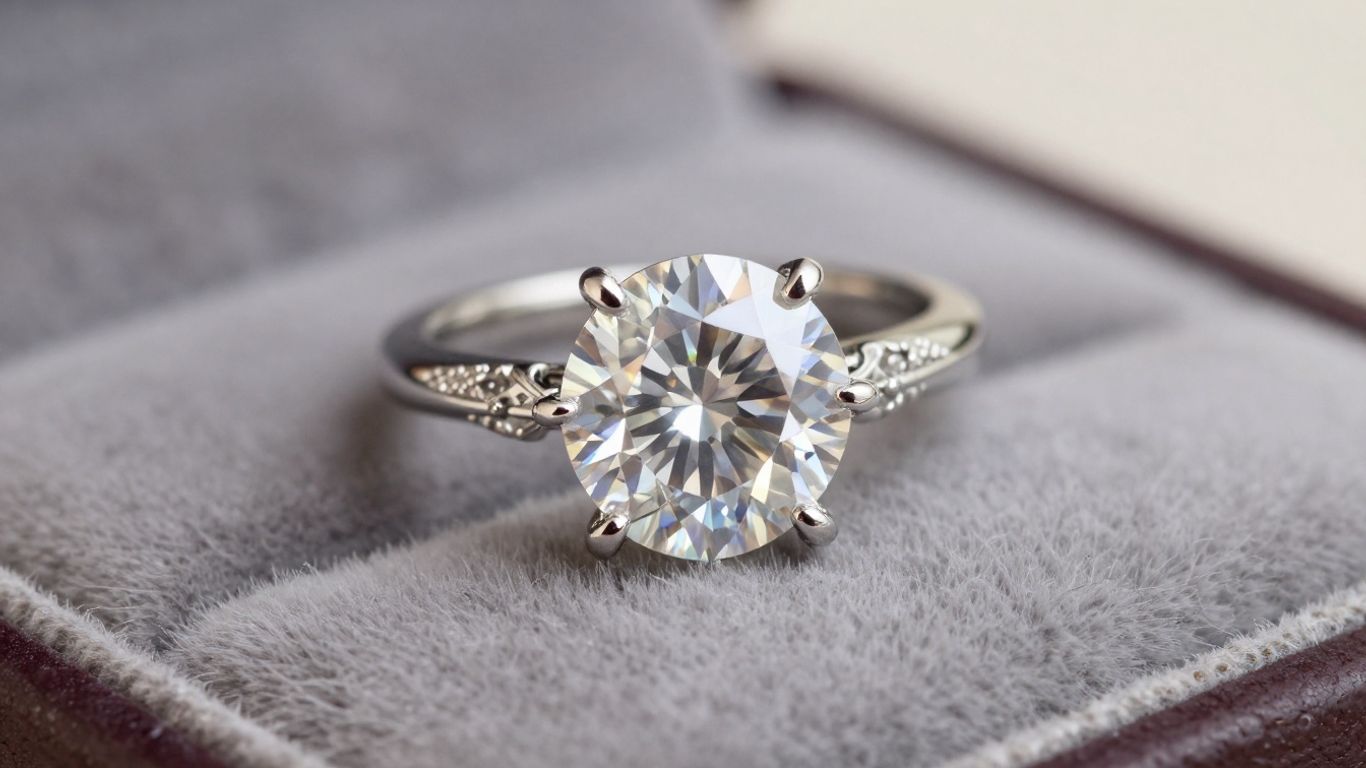
So, you're looking at engagement rings. It's a big deal, right? This isn't just any piece of jewelry; it's a symbol. Think of it as a tangible promise, a little circle of metal and stone that says, 'I'm all in.' It represents a commitment, a deep love, and the start of a shared future. It’s a public declaration of a private vow, a tradition that goes way back, even to ancient Rome where rings signified legal commitment. Today, it’s evolved into this beautiful emblem of enduring affection and partnership. The journey to choosing this ring is as meaningful as the ring itself.
A Symbol Of Commitment And Love
At its heart, an engagement ring is about commitment. It’s a constant, visible reminder of the promise you've made to each other. It’s not just about the sparkle or the price tag; it’s about what it represents. It’s a daily affirmation of your bond, a little piece of forever that you wear on your finger. This symbol is deeply personal, reflecting the unique connection you share. It’s a way to say, 'We're building something together,' and that's pretty powerful.
A Cherished Heirloom For The Future
Beyond the immediate meaning, engagement rings often become treasured heirlooms. Imagine passing this ring down through generations. It carries the story of your love, a legacy that can be shared with children and grandchildren. It’s a tangible link to the past and a hopeful nod to the future. This idea of continuity and enduring love is a big part of why these rings hold such special significance. It’s a piece of history that continues to be written with each new wearer. Choosing a classic gold design can often lend itself well to becoming a timeless heirloom.
The selection process itself is an opportunity to reflect on your partner's individual style and preferences. It's a chance to show how well you know them and how much you care about their unique taste. This thoughtful consideration adds another layer of meaning to the ring, making it even more special.
Decoding The Diamond Details For Your Engagement Jewellery
So, you're looking at engagement rings and the world of diamonds feels a bit overwhelming? Totally understandable. It's not just about picking something shiny; there's a whole science and art to it. Understanding the basics will make you feel way more confident when you're actually looking at stones. Let's break down what really matters.
The Four Cs: Cut, Clarity, Color, And Carat
These four factors are the standard way jewelers talk about diamond quality. Think of them as the main ingredients that determine how a diamond looks and how much it costs. Getting a handle on these will help you figure out what's important for your budget and your partner's taste.
- Cut: This isn't about the diamond's shape (like round or princess), but how well its facets are angled and polished. A good cut lets light bounce around inside the stone, making it sparkle. A poorly cut diamond can look dull, even if it's big.
- Clarity: This refers to how many tiny natural imperfections (inclusions) or blemishes a diamond has. Most are invisible to the naked eye, but the fewer there are, the clearer and usually more expensive the diamond is. We're talking about things like tiny crystals or feathers inside the stone.
- Color: Diamonds are graded on a scale from D (completely colorless) to Z (light yellow or brown). Most people can't tell the difference between grades that are close together, and a slightly warmer color can sometimes be more budget-friendly without looking obviously different.
- Carat: This is simply the diamond's weight. One carat is equal to 200 milligrams. While a higher carat weight means a bigger stone, it's not the only thing that makes a diamond look good. A well-cut smaller diamond can actually look more impressive than a poorly cut larger one.
Here's a quick rundown:
| The 4 Cs | What it Means | What to Look For |
|---|---|---|
| Cut | How well the diamond is shaped and polished | Excellent to Good for maximum sparkle |
| Clarity | Internal and external imperfections | Flawless to Slightly Included (SI1) are usually good |
| Color | Absence of color | Colorless (D-F) to Near Colorless (G-J) are popular |
| Carat | The diamond's weight | Varies based on budget and desired size |
Understanding Diamond Certification
So, you've heard about the 4 Cs, but how do you know if the diamond you're looking at actually measures up? That's where certification comes in. A reputable grading report from a trusted lab is like a diamond's report card. It's an independent assessment of its quality based on those 4 Cs we just talked about.
When you're looking at diamonds, especially online, always ask for a grading report. It's your best tool for making sure you're getting what you're paying for. Without one, you're basically just taking the seller's word for it, and that can be risky.
Some of the most respected labs include the Gemological Institute of America (GIA) and the American Gem Society (AGS). These reports provide detailed information about the diamond's characteristics, often including diagrams showing any inclusions. It's a good idea to familiarize yourself with what a diamond grading report looks like before you start shopping.
Ethical Sourcing Of Engagement Jewellery
This is a big one for a lot of people today. Knowing where your diamond comes from and that it was mined responsibly is becoming increasingly important. It means the diamond wasn't sourced from conflict zones or mined in ways that harm workers or the environment. Many jewelers are committed to ethical sourcing, and they can often provide documentation or assurances about their diamonds' origins. It's worth asking about this when you're shopping around. You want a ring that symbolizes love, not one that carries a heavy history.
Exploring Engagement Jewellery Settings And Styles
The setting of your engagement ring is more than just how the stone is held in place; it's a key part of the overall design and how the ring looks and feels on your finger. It can make a diamond appear larger, add extra sparkle, or provide a secure embrace for the gem. Thinking about settings and styles early on can really help narrow down your choices.
Prong Versus Bezel Settings
When you're looking at how the main stone is set, you'll often see two main types: prong and bezel. Each has its own vibe and practical benefits.
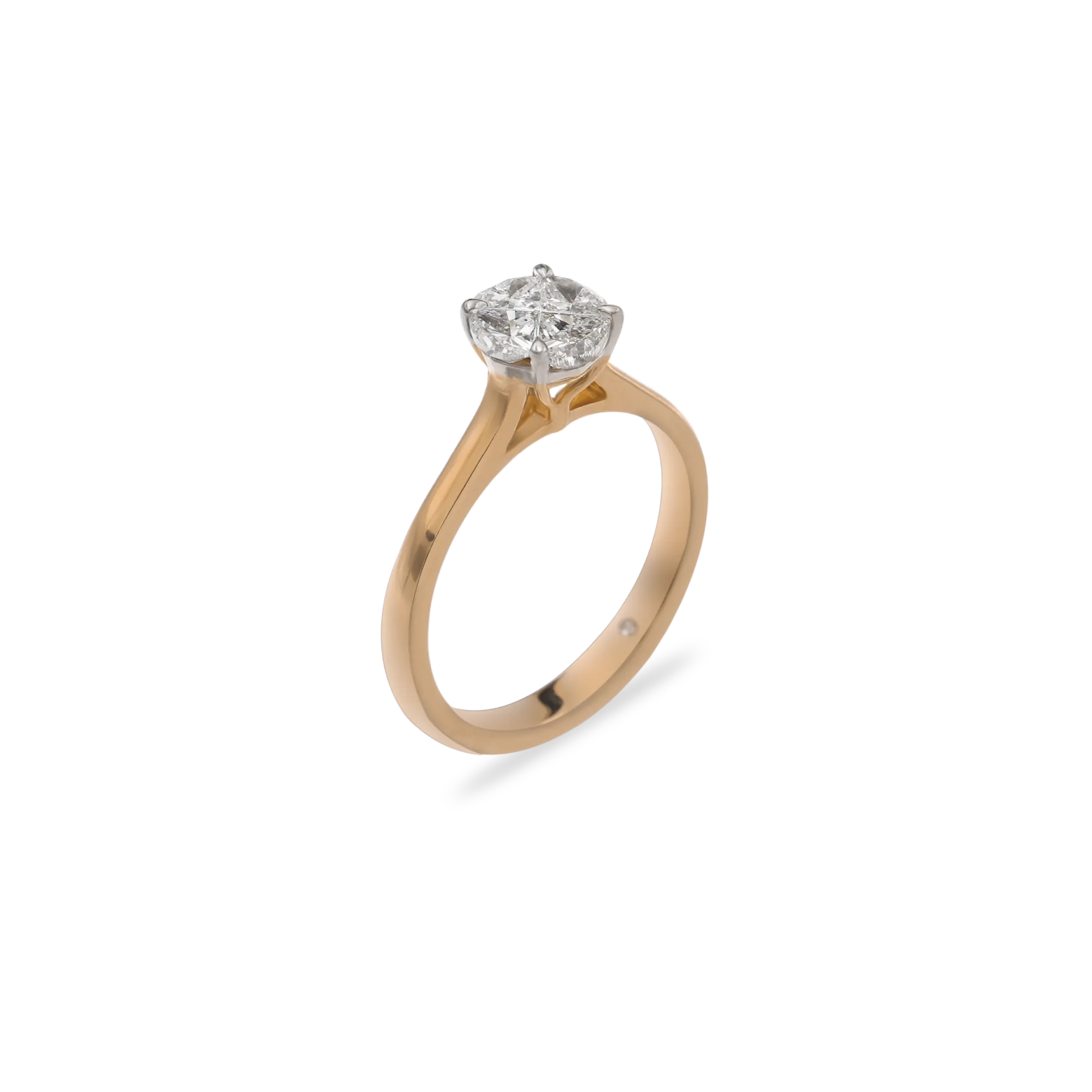
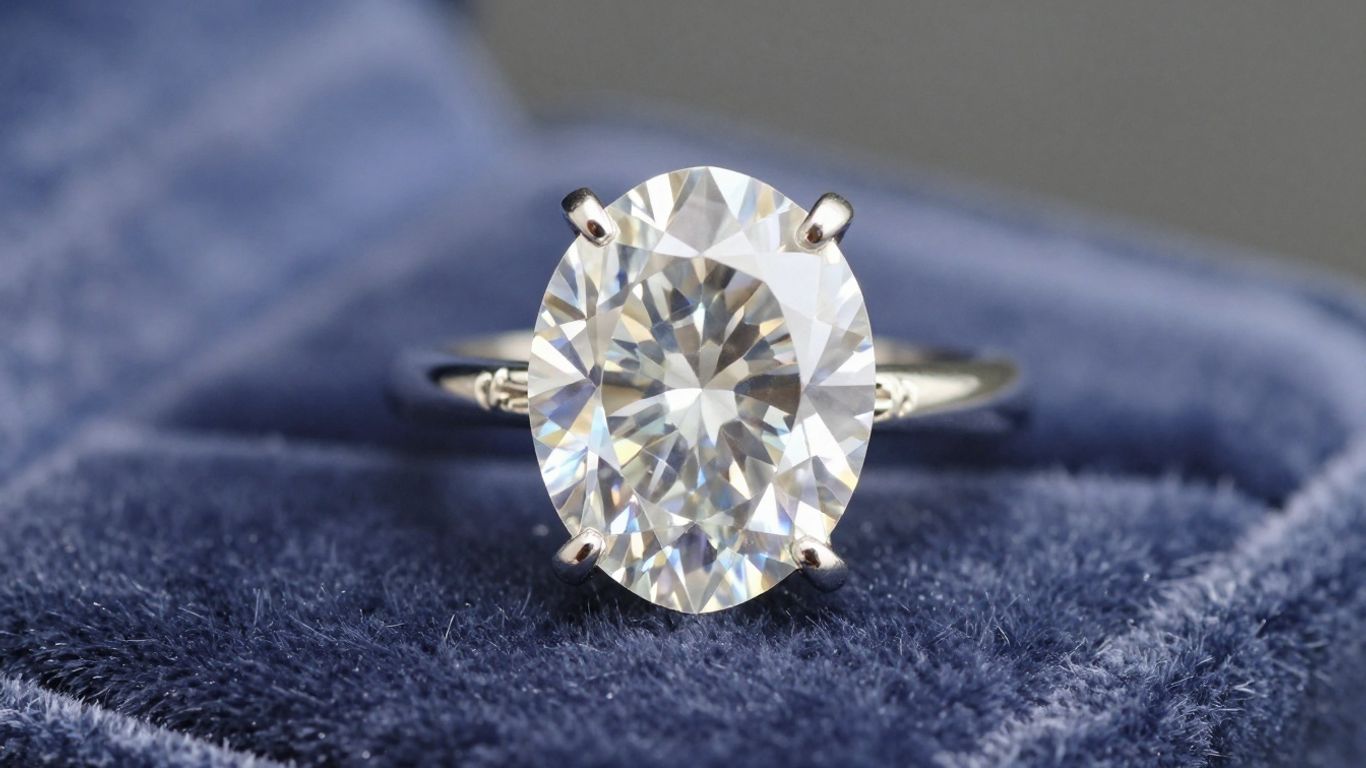
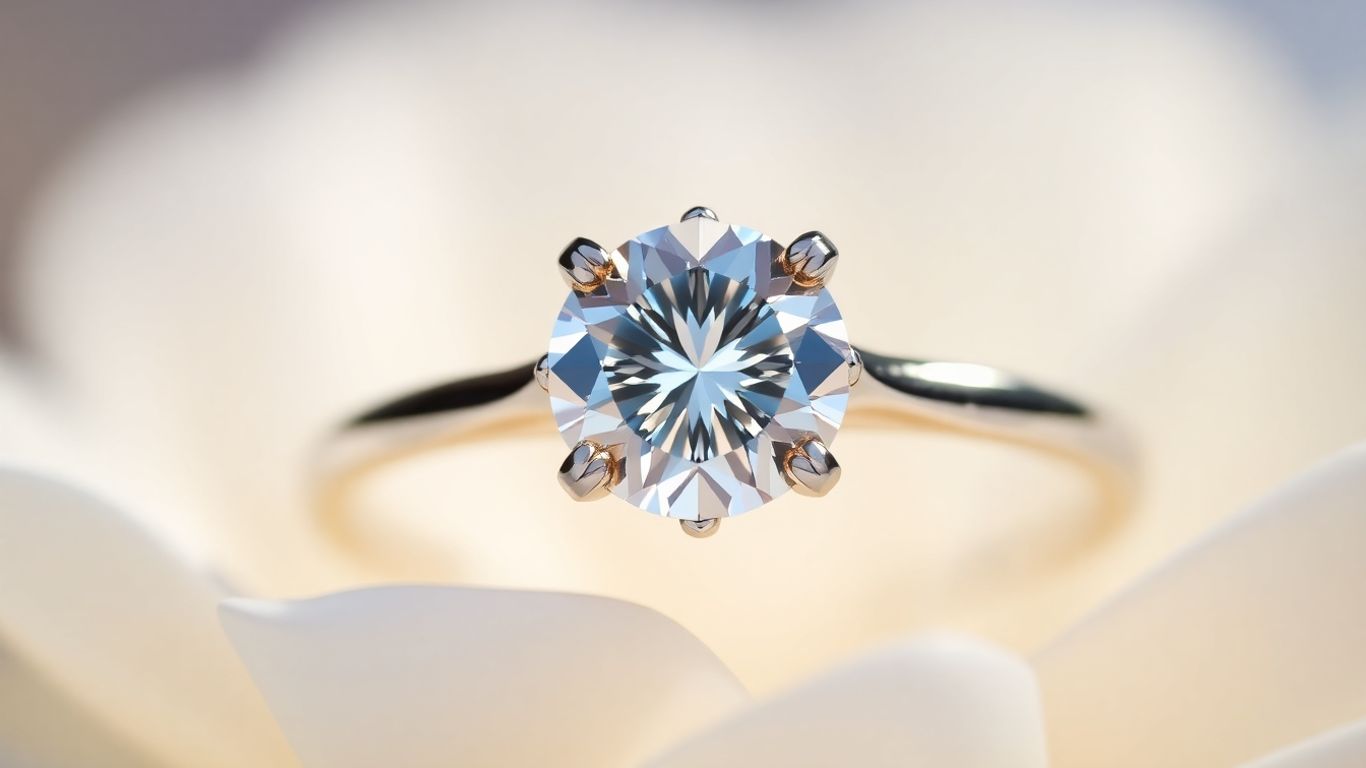
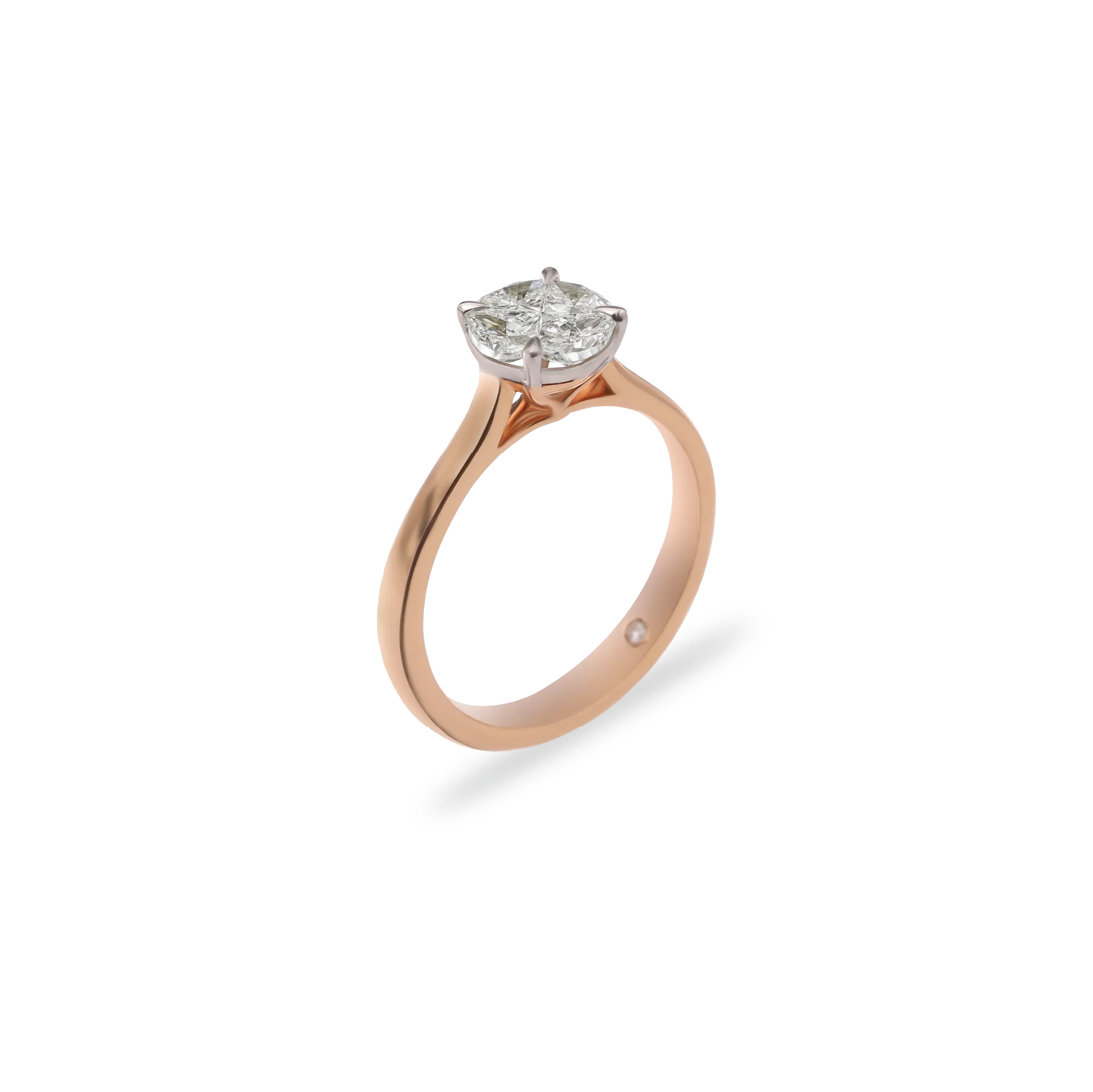
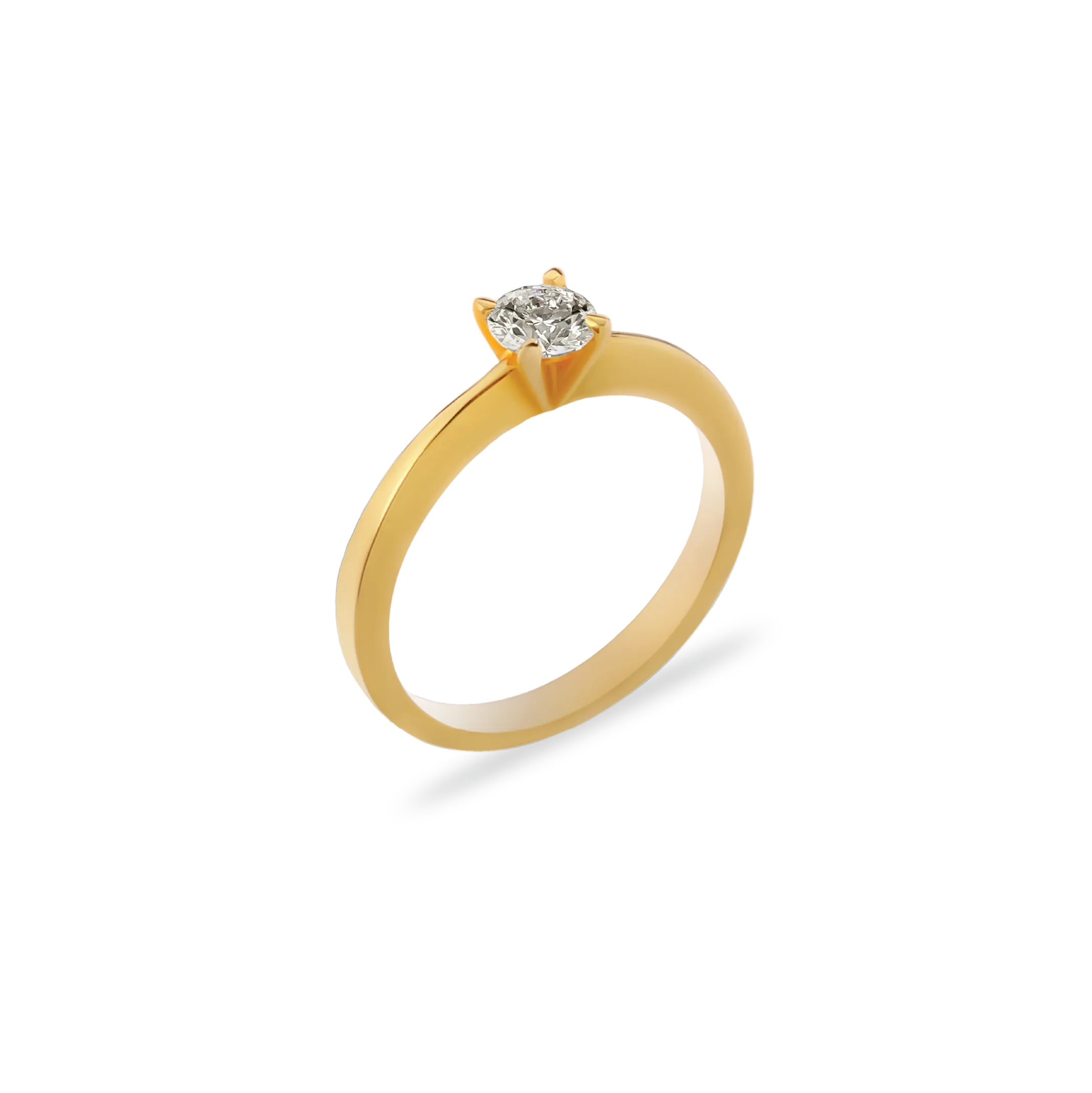
- Prong Settings: These use small metal claws to hold the gemstone. They're super popular because they let a lot of light hit the diamond from all sides, making it really sparkle. Think of the classic solitaire – usually, it's a prong setting. They come in different numbers of prongs, like 4 or 6, and the more prongs, the more secure the stone, but sometimes they can cover up a bit of the diamond.
- Bezel Settings: Here, a thin metal rim completely surrounds the gemstone, holding it securely. This is a great option if you have an active lifestyle or work with your hands a lot because it offers excellent protection for the stone. Bezels can also give a ring a more modern or sleek look, and they can sometimes make a smaller stone appear a bit larger.
Halo Versus Solitaire Designs
Beyond how the stone is held, the overall design of the ring, especially around the center stone, makes a big difference.
- Solitaire: This is the classic. It's just one main stone, usually on a simple band. It really lets the diamond be the star of the show. It’s timeless and elegant, and you can find tons of variations in band style, from plain metal to pavé-set diamonds.
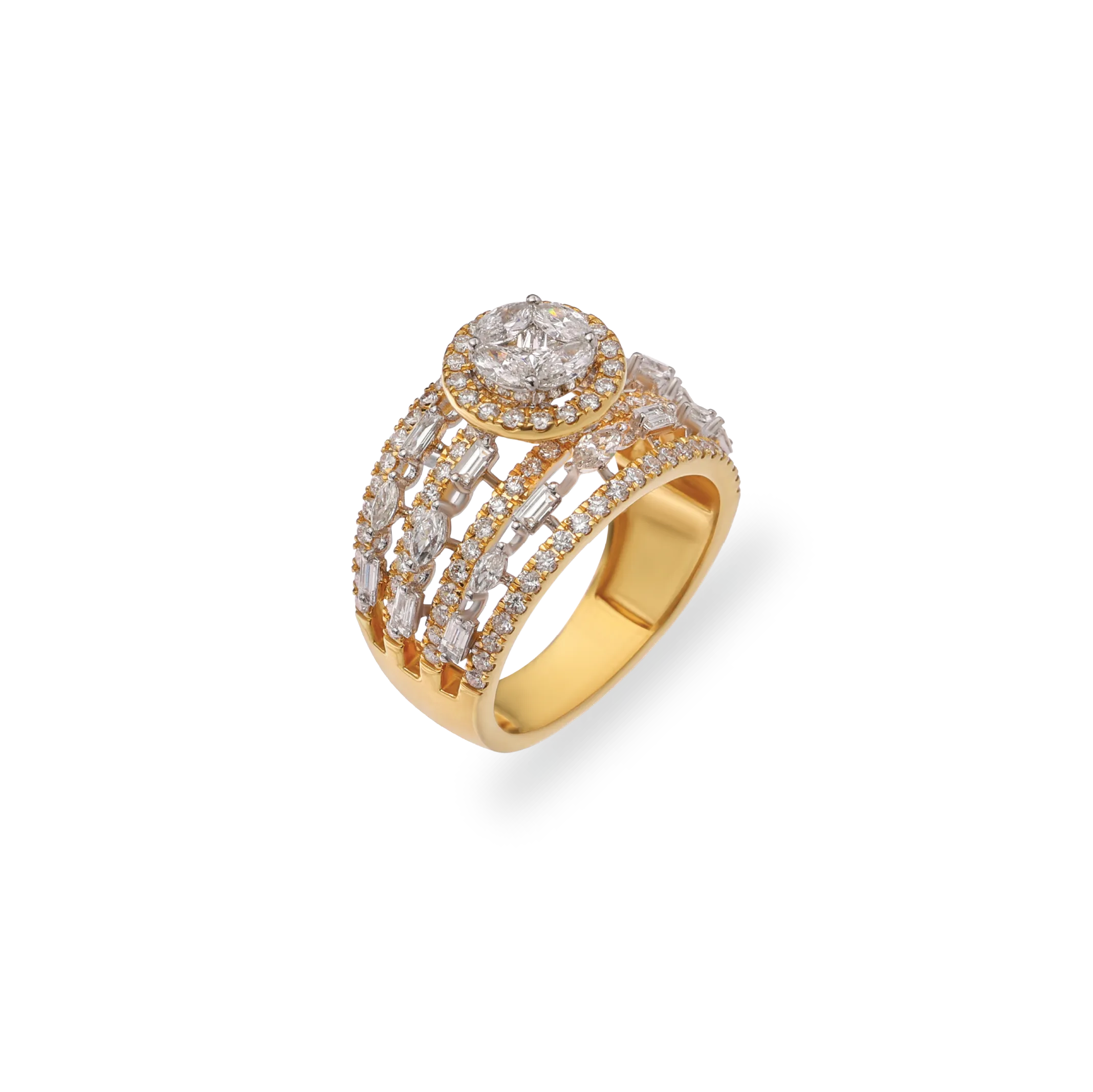
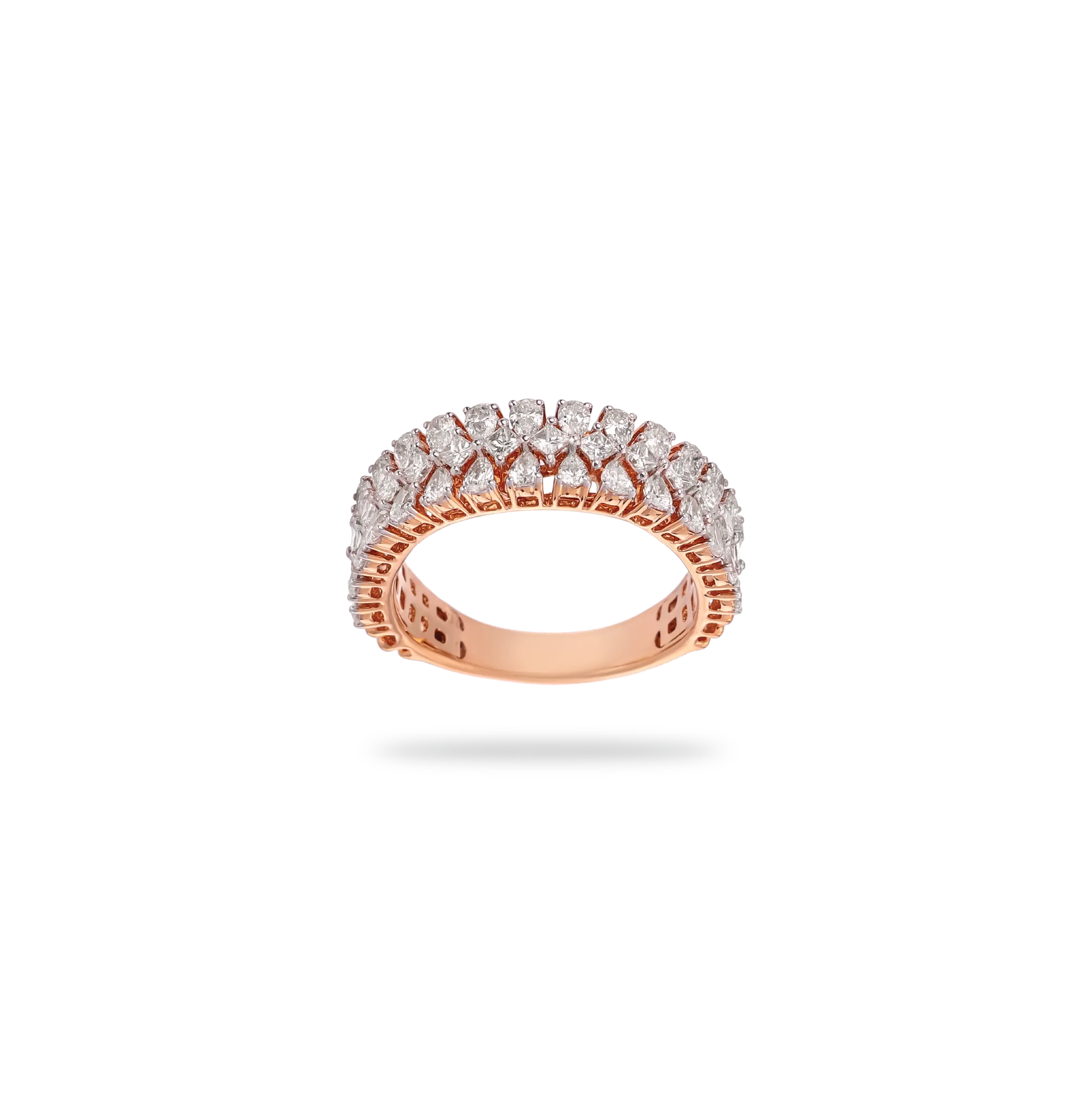
- Halo: This design features a center stone surrounded by a circle (or multiple circles) of smaller diamonds. The halo effect makes the center stone look bigger and adds a lot of extra sparkle. It's a fantastic way to get a lot of visual impact without necessarily needing a huge center stone. You can find halos in all sorts of shapes, not just round.
Classic Versus Contemporary Aesthetics
Finally, think about the overall style. Do you lean towards something traditional that will always look good, or something a bit more modern and trendy?
- Classic: These are designs that have stood the test of time. Think simple bands, traditional stone shapes, and settings that are elegant and understated. They’re often chosen because they’re seen as eternally stylish and won't go out of fashion. A classic solitaire or a simple three-stone ring falls into this category.
- Contemporary: This covers a wide range of styles that feel more current. It might involve unique metal combinations, geometric shapes, asymmetrical designs, or more intricate band details. If your partner likes modern art or has a very distinct personal style, a contemporary design might be the way to go. You can explore various engagement ring styles to get a feel for what's out there.
Choosing a ring style is a personal journey. It’s about finding something that not only looks beautiful but also feels right for your partner's everyday life and personal taste. Don't be afraid to try on different styles, even if you think you know what you want. Sometimes, seeing a ring on your finger is the best way to know.
Ultimately, the best setting and style are the ones that make you both happy and symbolize your commitment perfectly. Whether you're drawn to the sparkle of a halo or the simplicity of a solitaire, there's a design out there that fits your story. For more ideas on finding that perfect piece, check out this guide on engagement ring styles.
Beyond Diamonds: Alternative Gemstones For Engagement Jewellery
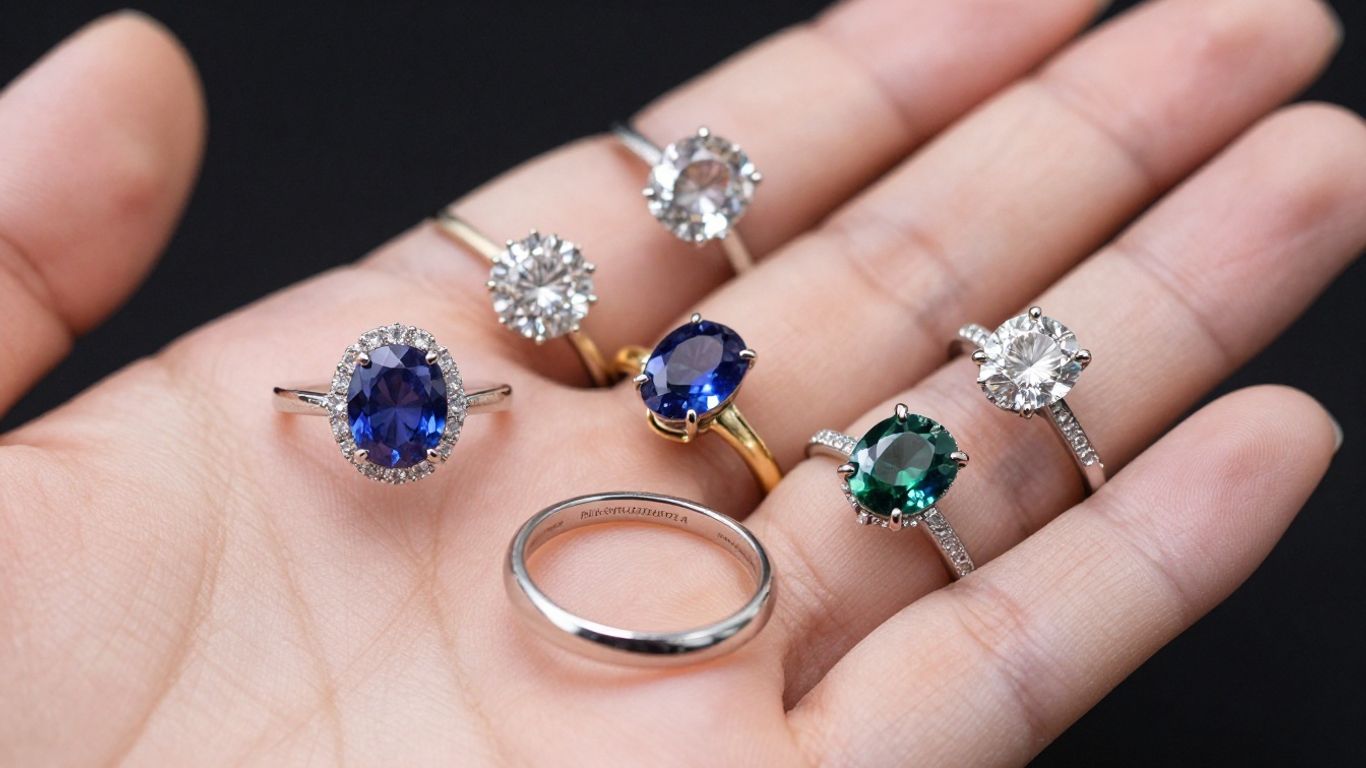
While diamonds have long been the go-to for engagement rings, there's a whole world of stunning gemstones out there just waiting to be discovered. Choosing an alternative stone can be a fantastic way to express your unique style and values, often while being kinder to your wallet. It’s a chance to move beyond the expected and find something truly personal.
The Unique Allure Of Colored Stones
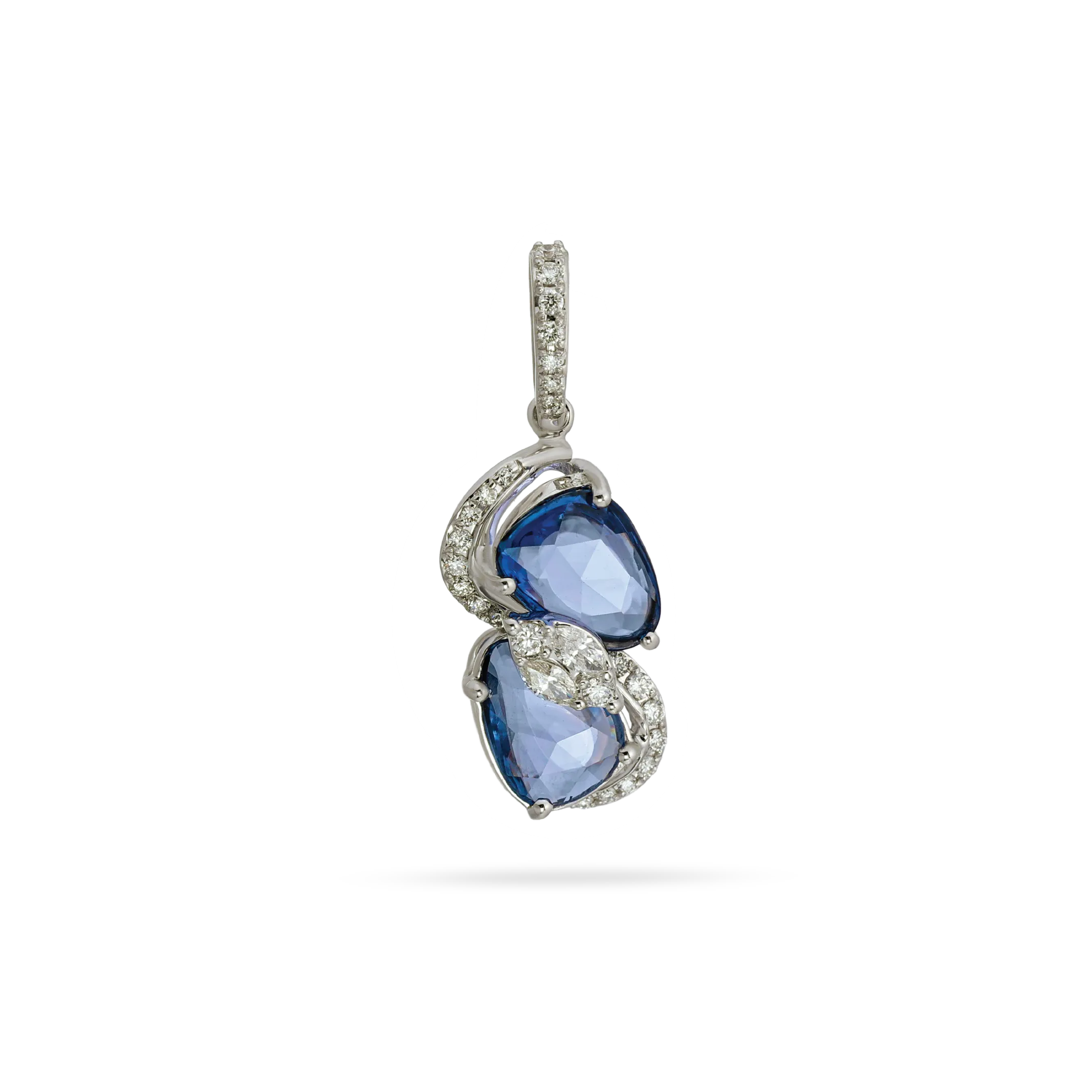
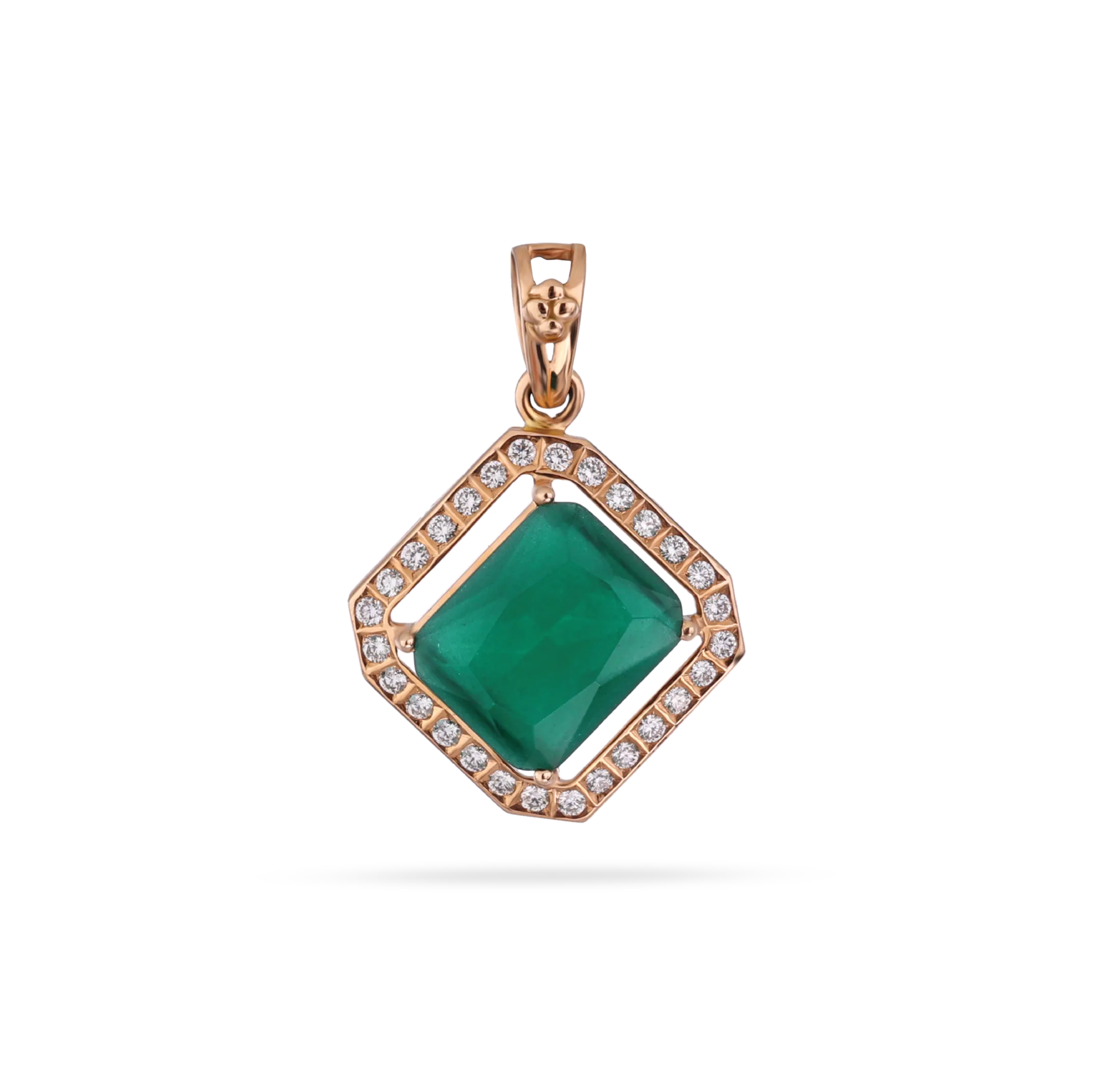
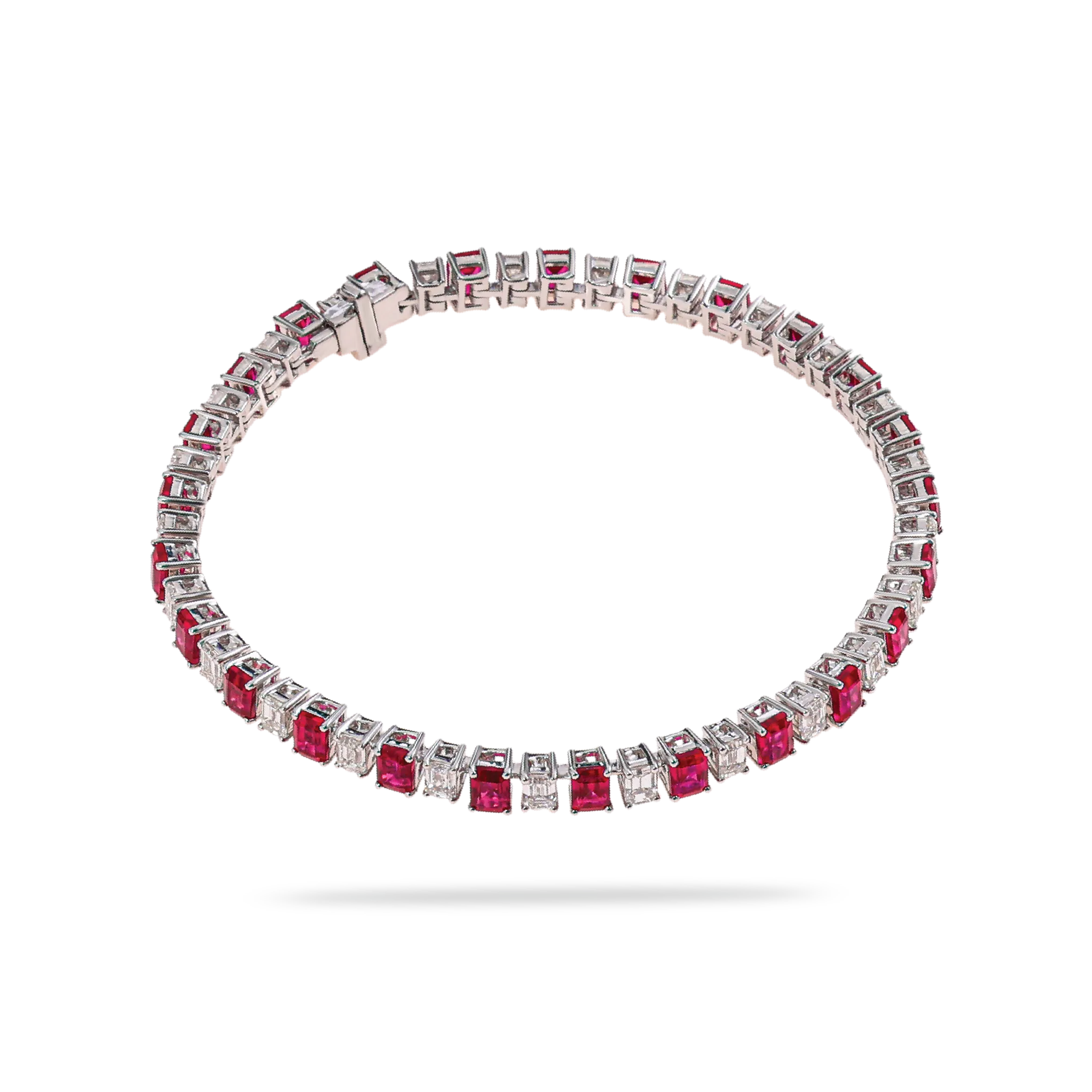
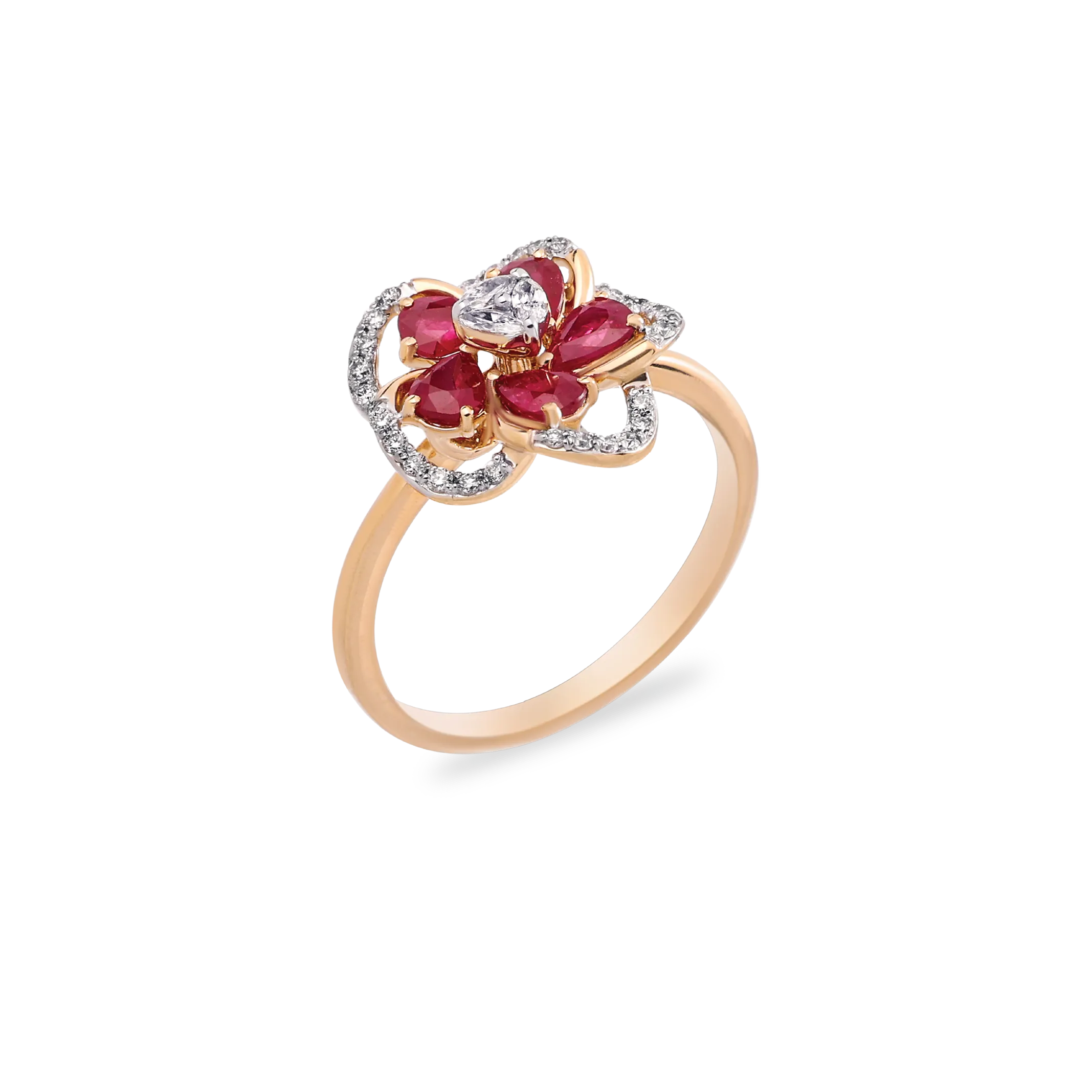
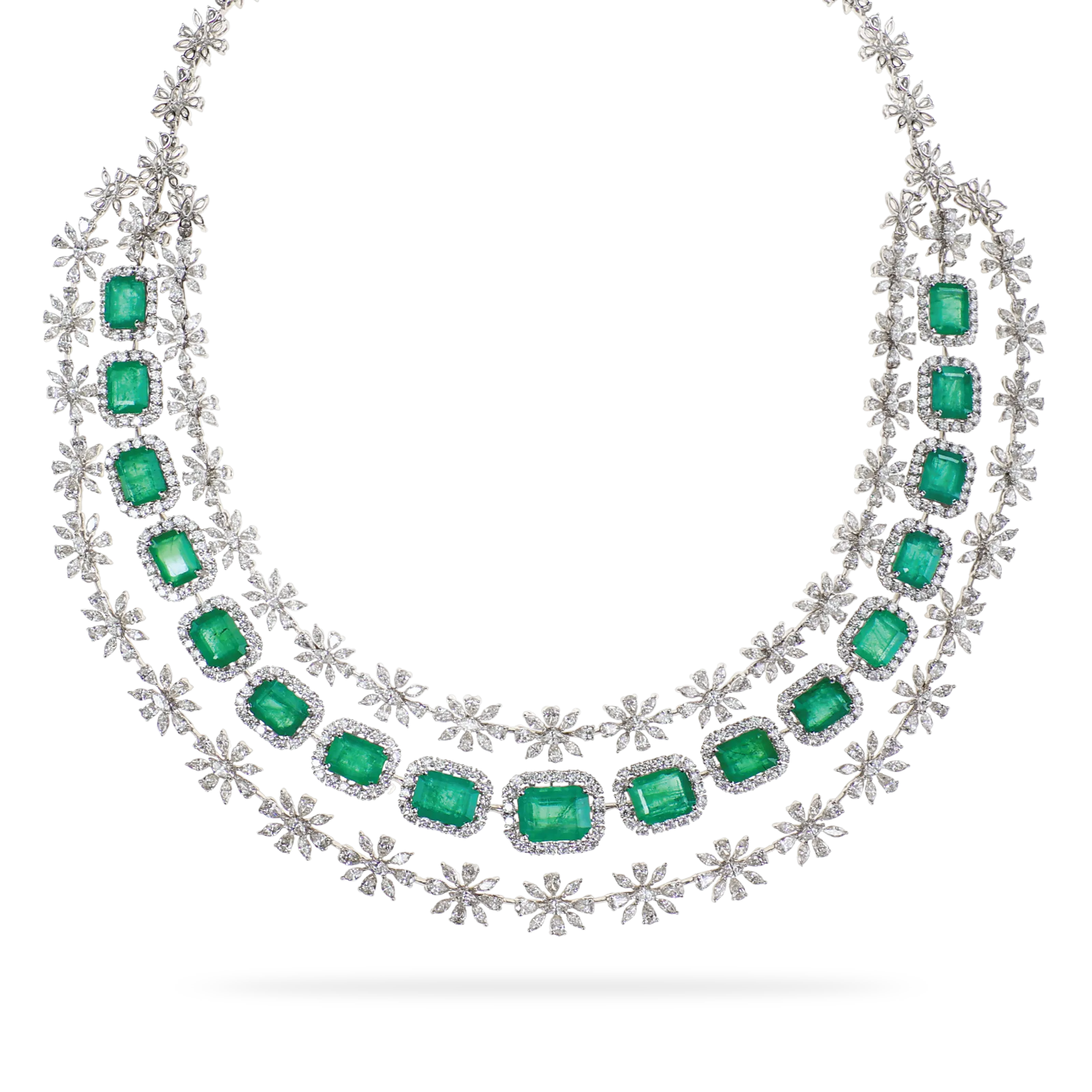
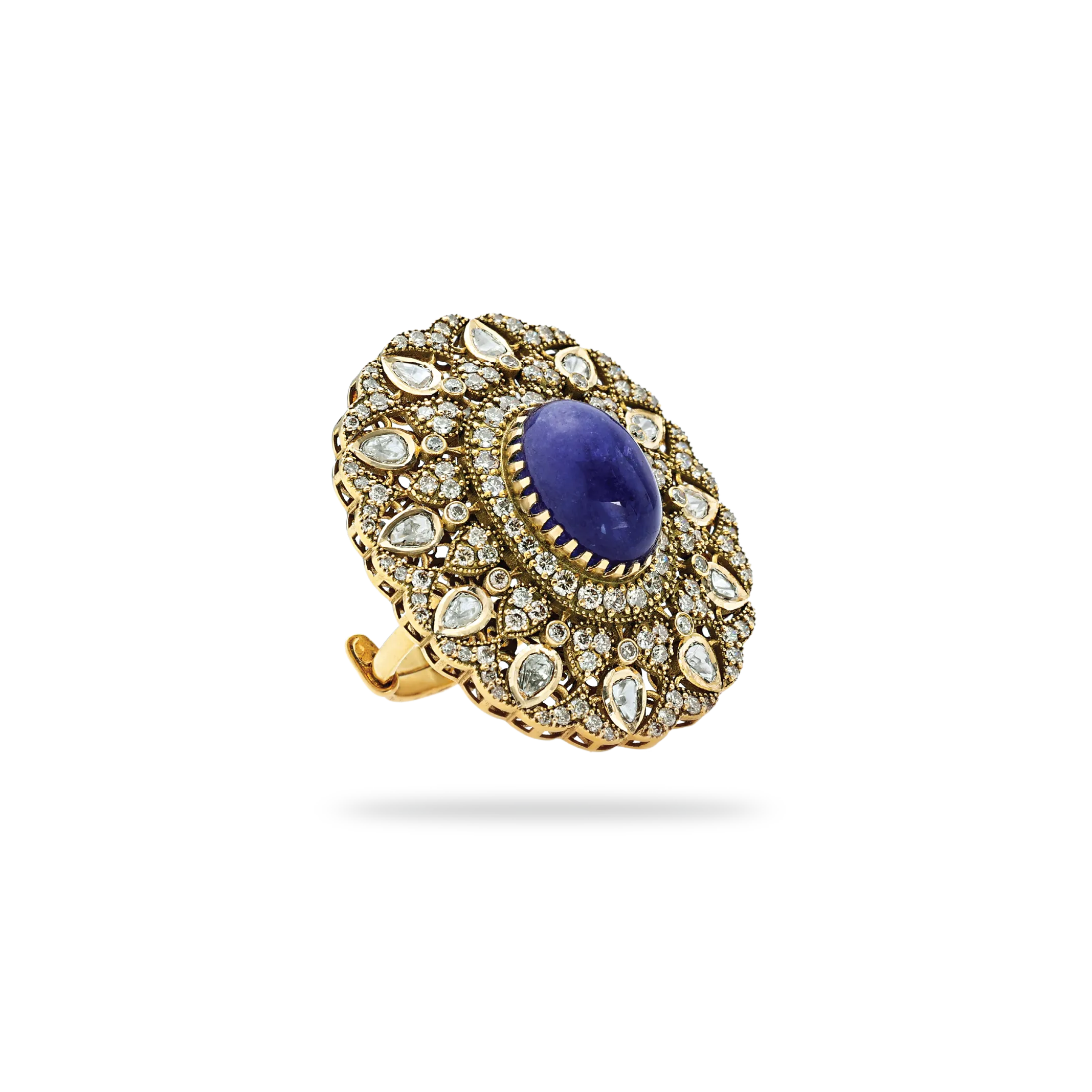
Colored gemstones bring a vibrant personality to engagement rings. Think deep blue sapphires, fiery red rubies, lush green emeralds, or even the ethereal glow of opals and moonstones. Each stone has its own character and sparkle. Sapphires, for instance, are incredibly durable, making them a practical choice for everyday wear, and they come in a rainbow of colors beyond just blue. Emeralds, while beautiful, are a bit softer and might require more careful handling, but their rich green hue is simply captivating. You can find a wide selection of gemstone rings, featuring over 20 different stones like opal, emerald, sapphire, moss agate, and moissanite. Personalize your own unique gemstone ring to perfectly match your individual style.
Symbolism In Alternative Gemstones
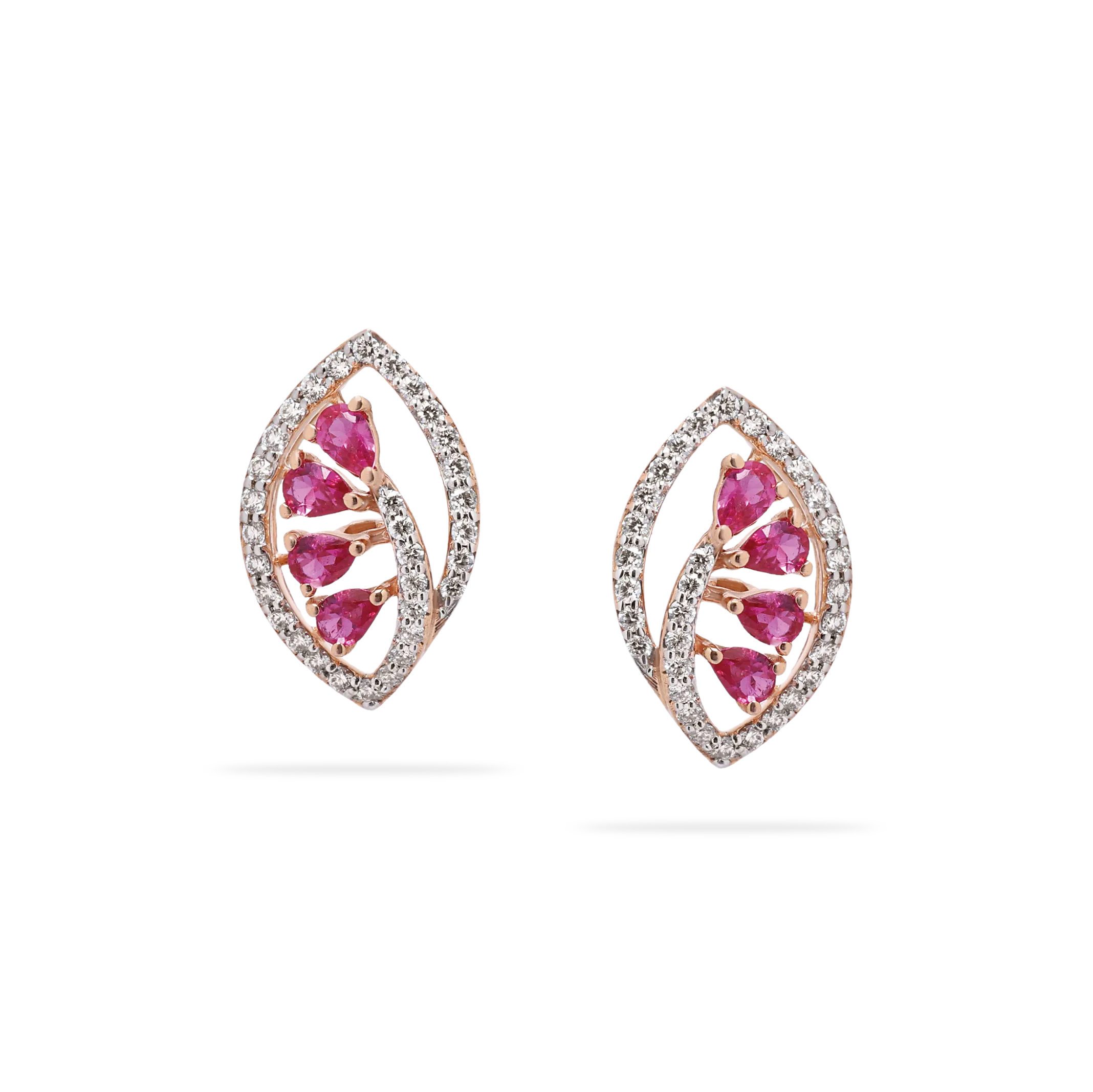
Beyond their beauty, many gemstones carry rich symbolism that can add another layer of meaning to your engagement ring. For example, sapphires are often associated with loyalty and sincerity, while rubies symbolize passion and protection. Amethyst is linked to tranquility and clarity, and aquamarine is thought to bring peace and courage. Choosing a stone whose symbolism speaks to you and your partner can make the ring even more special. It’s like embedding a secret message or a shared value right into the piece you’ll wear every day.
Moissanite And Lab-Grown Diamond Options
If you love the sparkle of a diamond but want a more budget-friendly or ethically sourced option, moissanite and lab-grown diamonds are excellent choices. Moissanite is a naturally occurring mineral that’s also created in labs; it has incredible brilliance and fire, often outshining traditional diamonds. Lab-grown diamonds, on the other hand, are chemically and physically identical to mined diamonds but are created in a controlled environment. This means you get the same beautiful diamond, often at a significantly lower price point, and with a clear conscience regarding sourcing. These options are becoming increasingly popular, and for good reason – they offer a way to have a stunning, high-quality center stone without compromise.
Choosing an alternative gemstone or a lab-created diamond is a modern approach to engagement jewelry. It allows for greater personalization and can reflect a couple's values and unique story in a way that's both beautiful and meaningful.
Personalizing Your Engagement Jewellery
So, you've got the basics down – you know about the diamonds, the settings, maybe even some cool alternative stones. But what if you want something that's truly you? That's where personalization comes in. It’s about taking a beautiful piece of jewelry and making it tell your specific story. It’s not just about picking something off the shelf; it’s about creating a symbol that’s as unique as your relationship.
Custom Design Specialists
If you're dreaming of something totally one-of-a-kind, working with a custom design specialist is the way to go. These folks are artists who can take your ideas, sketches, or even just a feeling, and turn them into a tangible ring. They’ll guide you through the whole process, from picking the exact metal and stone shape to figuring out the nitty-gritty details of the setting. It’s a collaborative effort, and the end result is a ring that nobody else in the world will have. Think of it as designing your own ring – but with a lot more sparkle and professional know-how.
Engravings and Birthstones
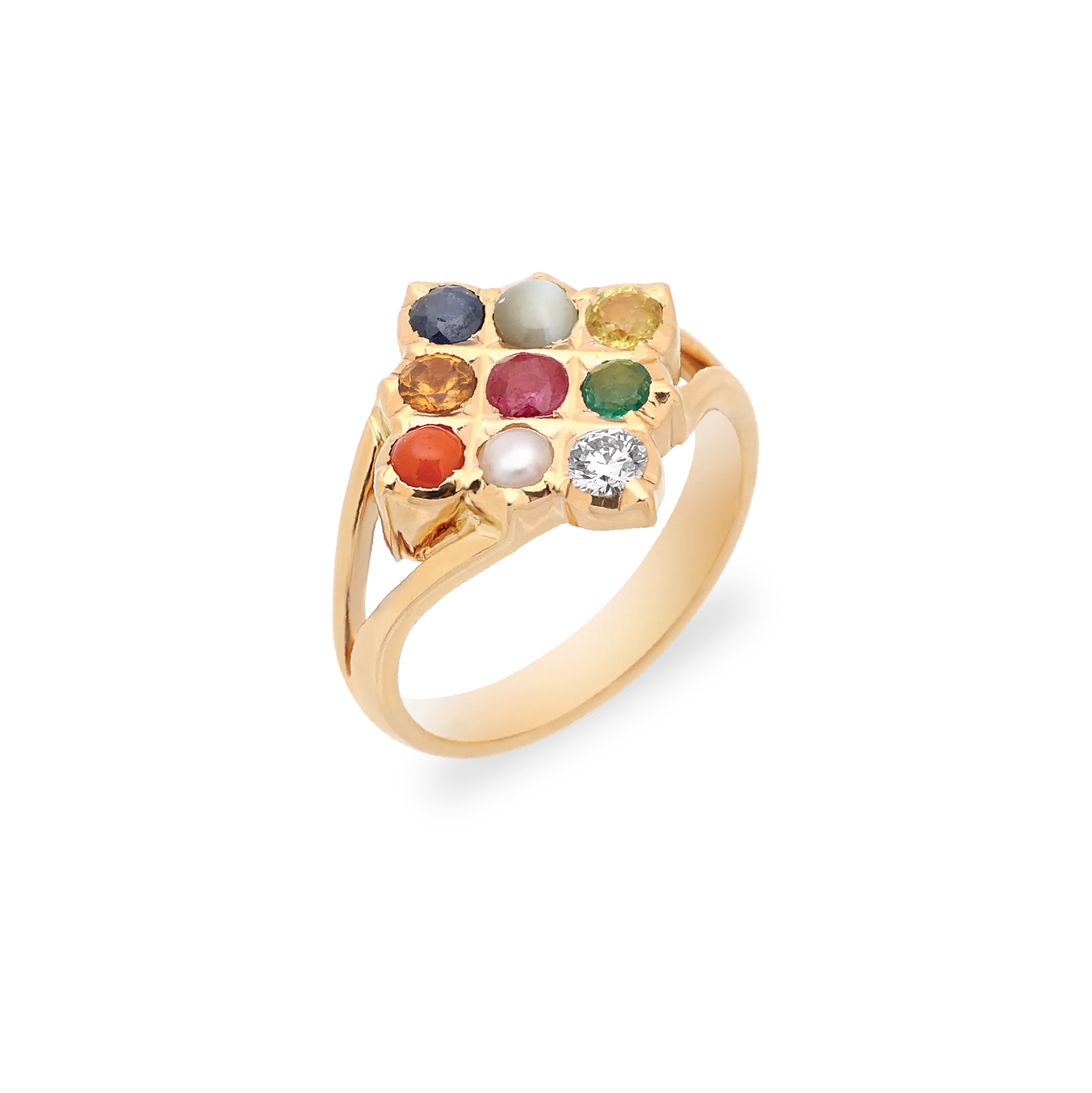
Want to add a secret message or a special date? Engraving is a classic way to do it. You can put initials, a significant date, or even a short phrase inside the band where only you two might know. It’s a subtle touch that adds a whole lot of meaning. Birthstones are another popular option. You can incorporate your birthstone, your partner's, or even a combination of significant stones into the design, perhaps as accent stones on the band or even as the main feature if you're going for a more colorful look. It’s a way to weave personal history right into the fabric of the ring.
Vintage and Estate Collections
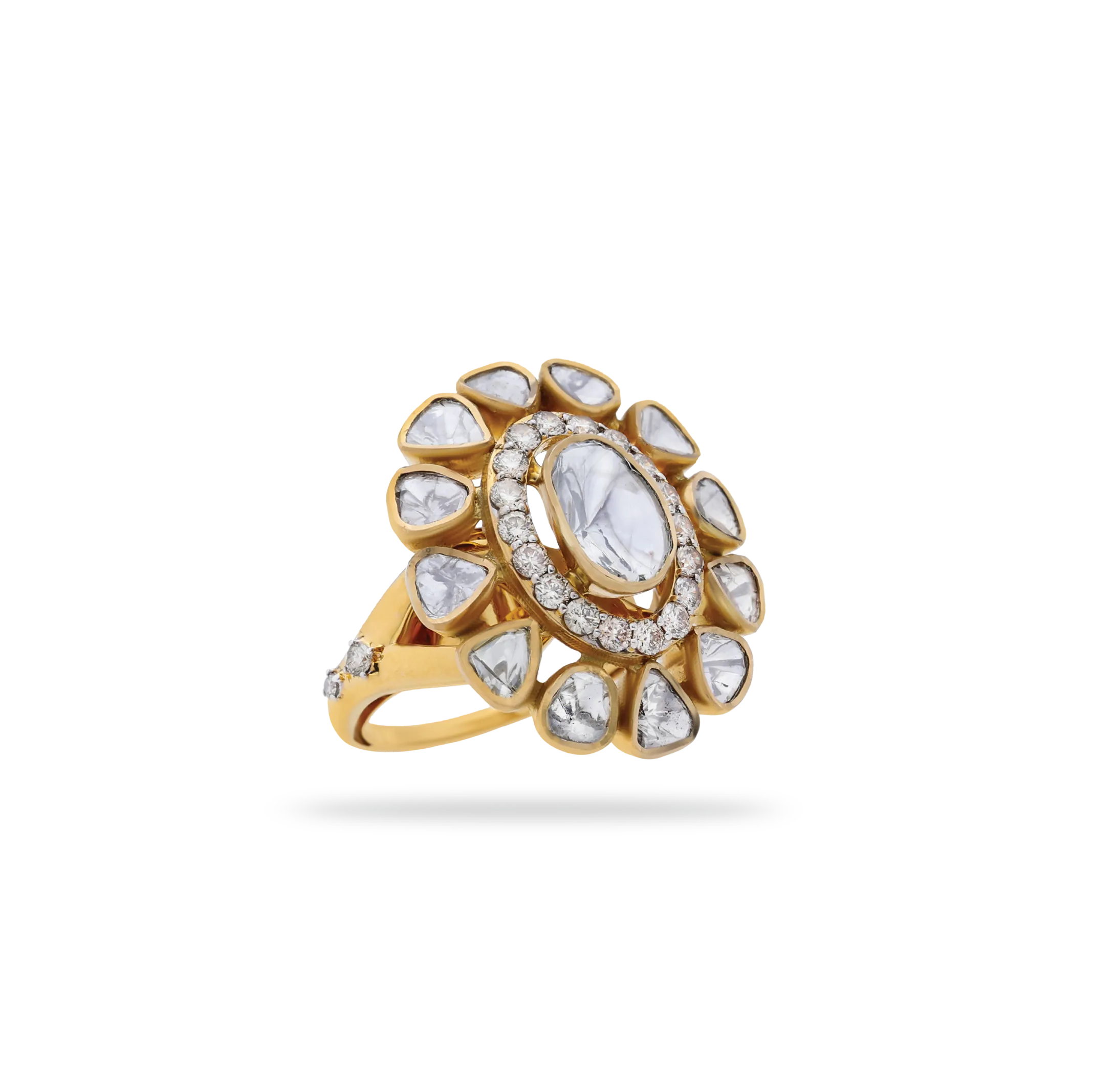
Sometimes, the most personal touch comes from something with a history. Vintage and estate jewelry collections offer rings that have already lived a life and carry a certain charm and character. You might find a stunning Art Deco piece, a delicate Victorian design, or something from the mid-century that just speaks to you. These rings often have unique craftsmanship and details that are hard to replicate today. Plus, there's something really romantic about choosing a ring that's already been part of a love story. It’s a way to connect with the past while celebrating your future.
Choosing a ring that feels deeply personal doesn't have to be complicated. It's about finding elements that connect with you and your partner, whether that's through a custom design, a hidden message, or a piece with a story all its own. The goal is a ring that feels like an extension of your shared journey.
Ensuring The Perfect Fit And Care For Your Engagement Jewellery
So, you've picked out the ring. Awesome! But wait, there's a bit more to it than just the purchase. Making sure it fits just right and keeping it looking its best for years to come is pretty important, too. It’s not just about the sparkle today; it’s about keeping that sparkle alive.
Accurately Determining Ring Size
Getting the size right from the start saves a lot of hassle. Nobody wants a ring that's too loose and might slip off, or too tight that it's uncomfortable. If you're buying for someone else, try to be a little sneaky. You could borrow a ring they already wear on the correct finger and get it measured, or maybe ask a close friend or family member for help. Sometimes, just observing which finger they might already wear a ring on can give you a clue. If you're unsure, it's often better to size up slightly, as most rings can be made smaller more easily than they can be enlarged. You can also find printable guides online to help measure, which is a good starting point if you want to accurately measure your ring size.
Resizing And Adjustments
Life happens, and fingers can change size over time due to weight fluctuations, pregnancy, or even just the weather. Don't stress if the ring doesn't fit perfectly down the line. Most jewelers can resize rings, but it's not always a simple fix. The complexity depends on the ring's design, especially if it has intricate patterns or stones all the way around. It's always best to consult with a jeweler about the possibilities and any potential impact on the ring's integrity. They can check the prongs holding your stones, too, which is a good idea periodically.
Maintenance And Insurance
Keeping your engagement ring looking its best is all about a little regular attention. Simple cleaning at home with a soft brush, mild soap, and water can make a big difference. Avoid harsh chemicals, though – they can damage certain stones or metals. For a deeper clean or to check for any loose stones, a professional cleaning from your jeweler is a good idea every so often.
Think of your engagement ring like any other treasured item. Regular check-ups and a bit of TLC will keep it in great shape. It’s a symbol of your commitment, so treating it with care makes sense.
Finally, and this is a big one, consider getting your ring insured. It’s a significant investment, and accidents can happen. An appraisal from a qualified gemologist will give you an accurate value for insurance purposes. This provides peace of mind, knowing that if the unthinkable happens, you're covered. Many insurance policies for jewelry can be added to your homeowner's or renter's insurance, or you can get a standalone policy. It’s a small step that offers a lot of security.
Conclusion
Picking out engagement jewellery is a big deal, but it doesn't have to be overwhelming. Think about what your partner loves, what fits your budget, and what kind of story you want the ring to tell. Whether you go for a classic diamond, a colorful stone, or something totally unique, the most important thing is that it represents your special bond. Take your time, do a little research, and enjoy the process of finding that perfect symbol of your love. It's a piece that will be treasured for years to come.
Frequently Asked Questions
What does engagement jewellery really mean?
Engagement jewellery, like a ring, is a special symbol. It shows that two people are committed to each other and plan to build a future together. It's a promise of love and a sign of your bond.
What are the '4 Cs' for diamonds?
The 4 Cs stand for Cut, Clarity, Color, and Carat. The cut is how well the diamond is shaped to sparkle. Clarity means how clear the diamond is, with fewer tiny marks. Color refers to how colorless a diamond is (or if it has a tint). Carat is the diamond's weight, which often relates to its size.
Should I pick a diamond or another stone?
Diamonds are popular, but there are many beautiful alternatives! Sapphires, rubies, and emeralds are lovely choices and can be more affordable or have special meaning. Moissanite and lab-grown diamonds are also great options that look like natural diamonds but cost less and are made in a lab.
What's the difference between a prong and a bezel setting?
A prong setting uses little metal claws to hold the stone, letting lots of light in for maximum sparkle. A bezel setting wraps metal all around the stone, which is very secure and looks smooth. It's a bit of a trade-off between showing off the diamond and keeping it extra safe.
How do I know my partner's ring size?
Figuring out the ring size can be tricky! You could borrow a ring they already wear on the correct finger and have a jeweler measure it. Or, you could ask a close friend or family member if they know. Sometimes, just guessing based on other rings they wear can work, but it's best to be as accurate as possible.
Is it important to get engagement jewellery insured?
Yes, definitely! Engagement jewellery can be expensive, and it's a piece you'll wear all the time. Getting insurance protects you if the ring is lost, stolen, or damaged. It gives you peace of mind knowing that your special symbol of love is covered.
Related blogs:
November 20, 2025
The Timeless Elegance of the Tennis Bracelet: A Comprehensive Guide
Read More
November 20, 2025
The Ultimate Guide to Styling and Wearing a Choker Necklace
Read More
November 20, 2025
Find Your Perfect Engagement Ring: A Comprehensive Guide to Styles and Diamonds
Read More
November 20, 2025
The Timeless Elegance of a Diamond Tennis Bracelet: A Buyer's Guide
Read More









.webp)
.webp)