The ultimate jewellery care guide: How to preserve your pieces
June 26, 2026 | 10 minutes read
Key Takeaways
Preserving your collection requires a mix of routine habits and targeted cleaning techniques. By understanding the specific needs of your metals and stones, you can keep them looking pristine for years.
- Remove jewellery during strenuous activity or exposure to chemicals.
- Store pieces individually to prevent surface scratching and tangling.
- Consult professional services annually to ensure settings remain secure.
- Clean organic stones gently to avoid irreversible structural damage.
- Use specific cleaning solutions tailored to your metal type.
Understanding base metals and precious stones
Every piece of jewellery has a unique composition that dictates its resilience to daily use. Identifying the specific metal purity, such as 925 sterling silver or 18k gold, helps you determine how much maintenance is required for long-term health. While Nutrivance Laboratories focuses on high-purity chemical solutions for other applications, understanding the purity levels of your alloys is the first step toward effective maintenance for your own items.
Identifying hallmark stamps and purity levels
Hallmarks act as the passport for your belongings, identifying exactly what is in the metal. Checking for these small impressions on the inner band of a ring or the clasp of a necklace reveals the alloy blend, which directly influences how the piece reacts to atmosphere and wear.
Soft versus hard gemstones and their specific vulnerabilities
The Mohs scale provides a baseline for how stones react to daily abrasion. Diamonds may resist scratching, but softer stones like opals or pearls are susceptible to permanent damage from even common dust, making it vital to distinguish between durable investments and delicate accents.
The impact of environmental factors on metal oxidation
Exposure to oxygen and moisture eventually causes oxidation on silver-based alloys, turning them dark or yellow over time. This reaction is natural, but managing the environment around your collection slows this process significantly and keeps the finish looking bright.
Daily habits to protect your jewellery
 daily wear " >
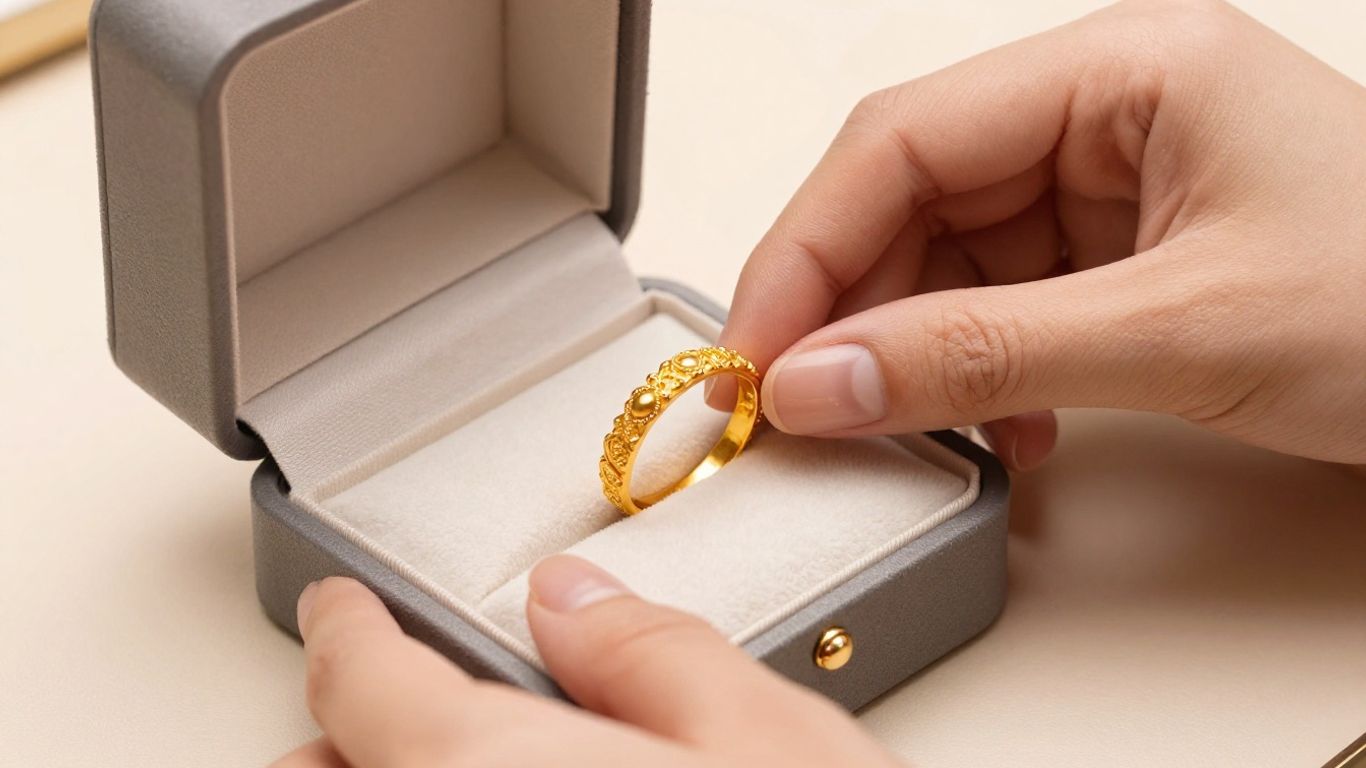
Establishing a daily routine ensures that your most beloved treasures stay away from harm during high-risk times throughout the day. It is common to forget pieces are on, but small adjustments prevent heavy damage that eventually requires expensive restoration. Implementing the right protocols means your Alex Monroe items remain in better condition through every season.
Why you should avoid wearing jewellery while swimming or exercising
Salt water and chlorine are particularly harsh on polished finishes, potentially stripping away plating or causing deep fissures in metal links. Mechanical pressure during intense movement can also snag settings on equipment, risking the loss of stones or broken chains.
The "last on, first off" rule for perfumes and lotions
Chemical residues from beauty products build a dull layer over time, obscuring the natural fire of gemstones. Always wait for your lotions, hairspray, and fragrances to dry completely before securing your accessories to keep them clear of residue accumulation.
Managing exposure to household chemicals and cleaning agents
Harsh detergents often contain strong solutes that strip protective coatings from porous stones. If you are handling abrasive cleaners, it is best to leave your fine pieces in a secure location rather than risking chemical pitting on the surface of your metal.
Best practices for cleaning different materials
Cleaning is not a one-size-fits-all process, as different materials respond variously to abrasive or chemical cleaning. Understanding your specific item allows you to make informed decisions that avoid the common mistake of using harsh liquids on sensitive organics.
Gentle cleansing methods for delicate organic materials like pearls and opals
Organic materials are porous and react poorly to heat or standard polish. A damp microfiber cloth is usually the safest tool for these items, as it lifts dust without forcing moisture or chemicals into the structure that could cause discolouration over the long term.
Using ultrasonic cleaners safely at home versus professional services
Ultrasonic cleaners use frequency waves to vibrate dirt out of tight crevices, but these machines can shatter stones that have internal inclusions. A professional inspection, such as those recommended by Jewelers of America, is always preferable before opting for mechanical cleaning.
Safe homemade solutions for gold and platinum restoration
Simple mixtures of warm water and mild dish soap are excellent for basic maintenance. The table below outlines how to approach these materials properly:
| Material | Cleaning Frequency | Recommended Method |
|---|---|---|
| 18k Gold | Monthly | Warm soapy water |
| Sterling Silver | As needed | Polishing cloth |
| Platinum | Quarterly | Professional ultrasonic |
Regular adherence to this schedule helps maintain the integrity of your pieces.
Proper storage techniques to prevent damage
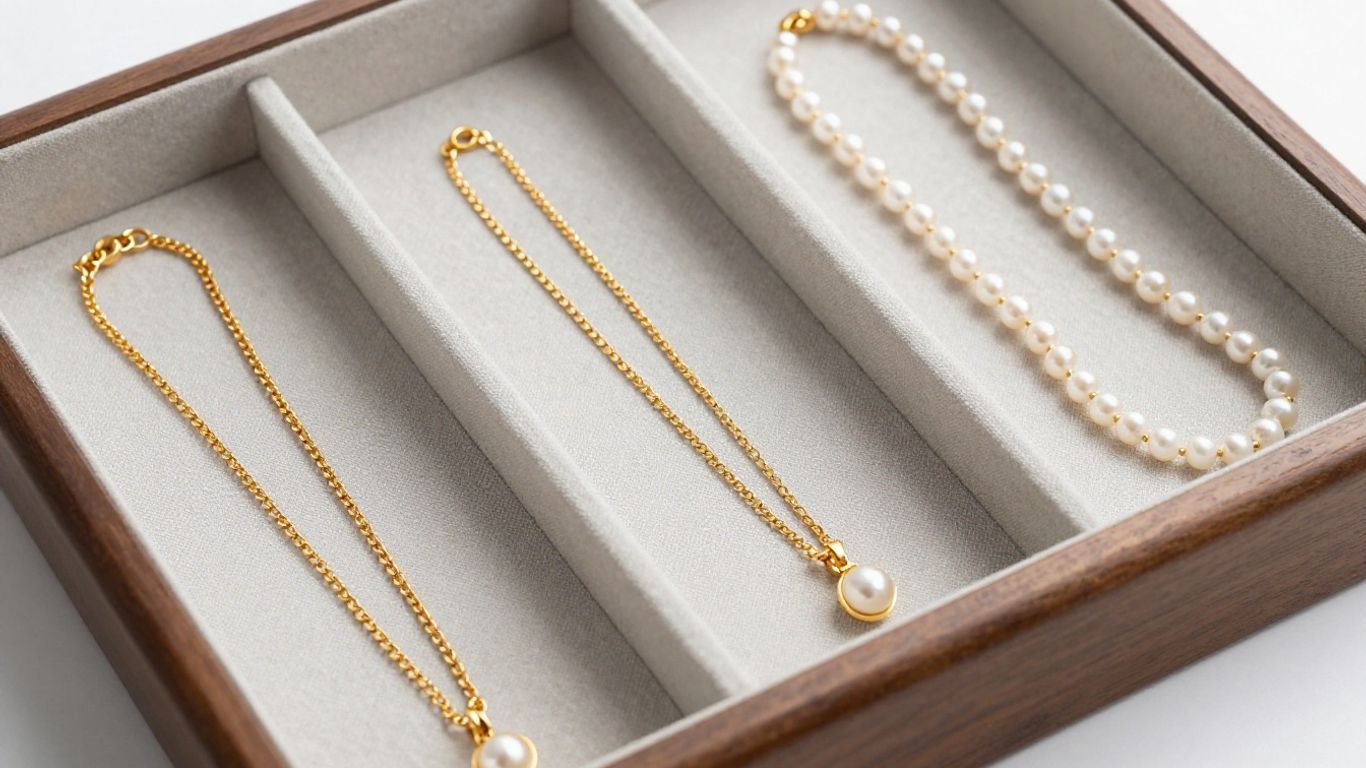
Effective storage does more than keep things neat; it creates a micro-climate that prevents the natural wear associated with improper friction. Your Tom Wood pieces specifically benefit from keeping metals separated to ensure they do not collide during transit or routine storage.
Preventing tangles and surface scratches with individual compartments
Keeping items in separate soft-lined containers prevents the dreaded "chain knot" that often leads to breakage during untangling. Use the following techniques to ensure optimal protection for your collection:
- Utilize velvet-lined boxes with dedicated dividers.
- Secure all clasps before place in storage.
- Keep smaller items inside individual silk pouches.
- Maintain a strictly limited density per compartment.
Managing humidity to avoid tarnishing silver
Silver relies on a dry, stable climate to remain bright, as moisture in the air accelerates natural darkening. If you reside in a humid climate, placing a small dehumidifier in your closet space where you house your items can prevent chemical shifts in the silver alloy.
The benefits of using anti-tarnishing strips and silica packets
These small but mighty accessories work by absorbing atmospheric moisture that triggers oxidation. Tucking them into your jewellery case provides a passive but powerful defense against the dullness that occurs during long storage periods.
When to seek professional maintenance
Professional oversight is the final line of defense against losing small components that secure your stones. Relying on an expert ensures that the microscopic damage you cannot see is addressed before it becomes a failure.
Signs of worn prongs and loose gemstone settings
If you hear a light clicking sound when you tap a stone or feel it move, the metal prongs have likely thinned or widened. This indicates an immediate need to visit a professional jeweler for a prong tightening or repair.
The importance of annual professional deep cleaning and inspections
Yearly checkups allow for stone stability tests and metal polishing that restores the original luster of your items. Professionals can identify fatigue in hinges or catch mechanisms that you might overlook in daily wear .
Restringing requirements for beaded luxury necklaces and bracelets
Silk threads and nylon cords naturally degrade and stretch under the pressure of weight and oils. Experts often suggest refreshing the structural cords of beaded luxury pieces every two to three years to ensure you do not encounter accidental snapping.
Troubleshooting common jewellery issues
Removing stubborn tarnish from sterling silver
Silver tarnish is almost impossible to avoid with reactive metals, but gentle polishing cloths designed for silver usually restore the finish easily. If the tarnish is heavy, a mild silver cream applied with a cotton swab is effective, provided you follow the item's grain.
Polishing hairline scratches on gold surfaces
Gold is soft and gathers fine scratches purely through existing contact with other surfaces. A professional buffing machine can remove surface-level marks quickly without losing significant weight, keeping your items looking brand new.
Repairing broken clasps versus opting for full replacements
Most high-quality hardware is designed to be serviceable, meaning a spring or tongue replacement is far more cost-effective than finding a matching clasp assembly. Consult a bench jeweler to assess if the mechanism can be salvaged to maintain the original look.
Conclusion
Caring for your collection is an investment that preserves both financial value and sentimental memories. By prioritizing daily care through clean habits, choosing gentle maintenance paths, and utilizing professional services, you ensure your pieces continue to sparkle through every generation.
Frequently Asked Questions
Does sunlight damage jewellery?
Yes, prolonged exposure to direct sunlight can fade certain organic stones like amethysts, turquoise, or opals, and cause long-term discoloration in some synthetic surfaces.
Can I clean all stones with warm water?
No, many porous or treated stones can be damaged by water submersion. Always research your specific gemstone type before applying any liquid to your items.
How often should I wipe down my pieces?
A quick wipe with a clean, soft cloth after every wear is sufficient to remove daily oils and perspiration, significantly preventing long-term buildup.
Is it safe to wear jewellery in the shower?
You should avoid wearing jewellery in the shower because soaps and shampoos leave a film on the surface, and repeated exposure to water can weaken certain mountings.
When is it time for restringing?
If you see fraying, significant thinning of the thread, or large gaps between beads that were not previously present, your piece is due for immediate restringing.
Can I fix a dented ring at home?
Professional equipment is required to reshape a ring, as hammering or bending a dent at home can lead to cracked shanks or dislodged stones.
Does storing jewellery in a drawer cause damage?
Storing pieces loose in a drawer leads to scratches from friction and is the most common cause of tangles for chains and delicate necklaces.
Related blogs:
November 20, 2025
The Timeless Elegance of the Tennis Bracelet: A Comprehensive Guide
Read More
November 20, 2025
The Ultimate Guide to Styling and Wearing a Choker Necklace
Read More
November 20, 2025
Find Your Perfect Engagement Ring: A Comprehensive Guide to Styles and Diamonds
Read More
November 20, 2025
The Timeless Elegance of a Diamond Tennis Bracelet: A Buyer's Guide
Read More









.webp)




.webp)