The modern bride's guide to traditional jewellery styling
July 25, 2026 | 10 minutes read
Key Takeaways
Mastering traditional jewellery styling requires a careful balance between your personal aesthetic and the inherent grandeur of heirloom pieces. Follow this guide to harmonize your heritage ornaments with modern bridal attire for a truly unforgettable look.
- Harmonize your jewellery selections with your outfit's neckline and fabric weight.
- Balance statement focal pieces with subtler accents to create a cohesive ensemble.
- Select earring styles that flatter your face shape and jawline structure.
- Coordinate gemstone colors with your skin tone for a radiant, luminous appearance.
- Prioritize comfort and wearability for long ceremonies by testing your accessories during bridal trials.
Blending contemporary outfits with traditional jewellery
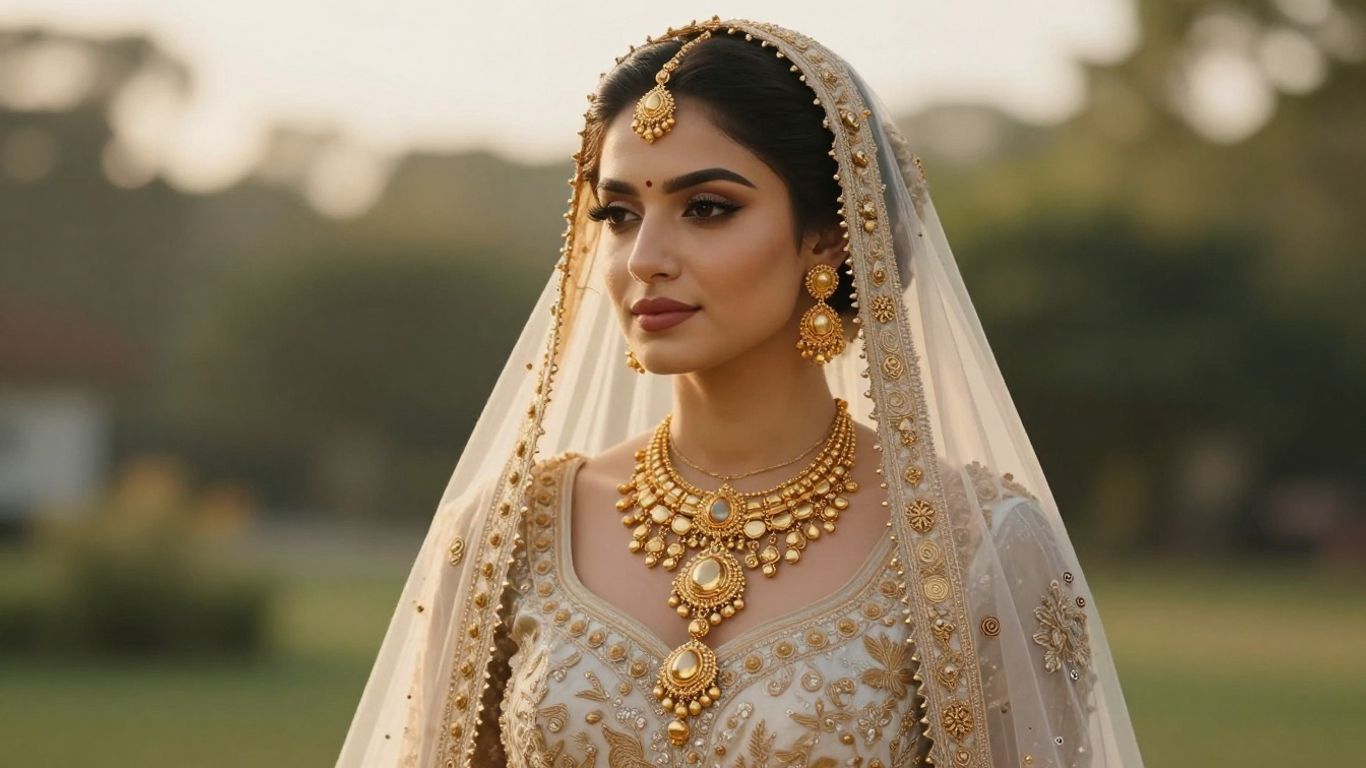
When you approach traditional jewellery styling, the goal is to bridge the gap between historic craftsmanship and the modern bride's desire for individuality. Integrating antique gold or ornate gemstones into a sleek, contemporary gown offers a unique narrative that links past and future. While managing items for a wedding feels as structured as implementing a Business Transformation strategy, the aesthetic results are well worth the effort of careful curation.
Identifying focal point pieces
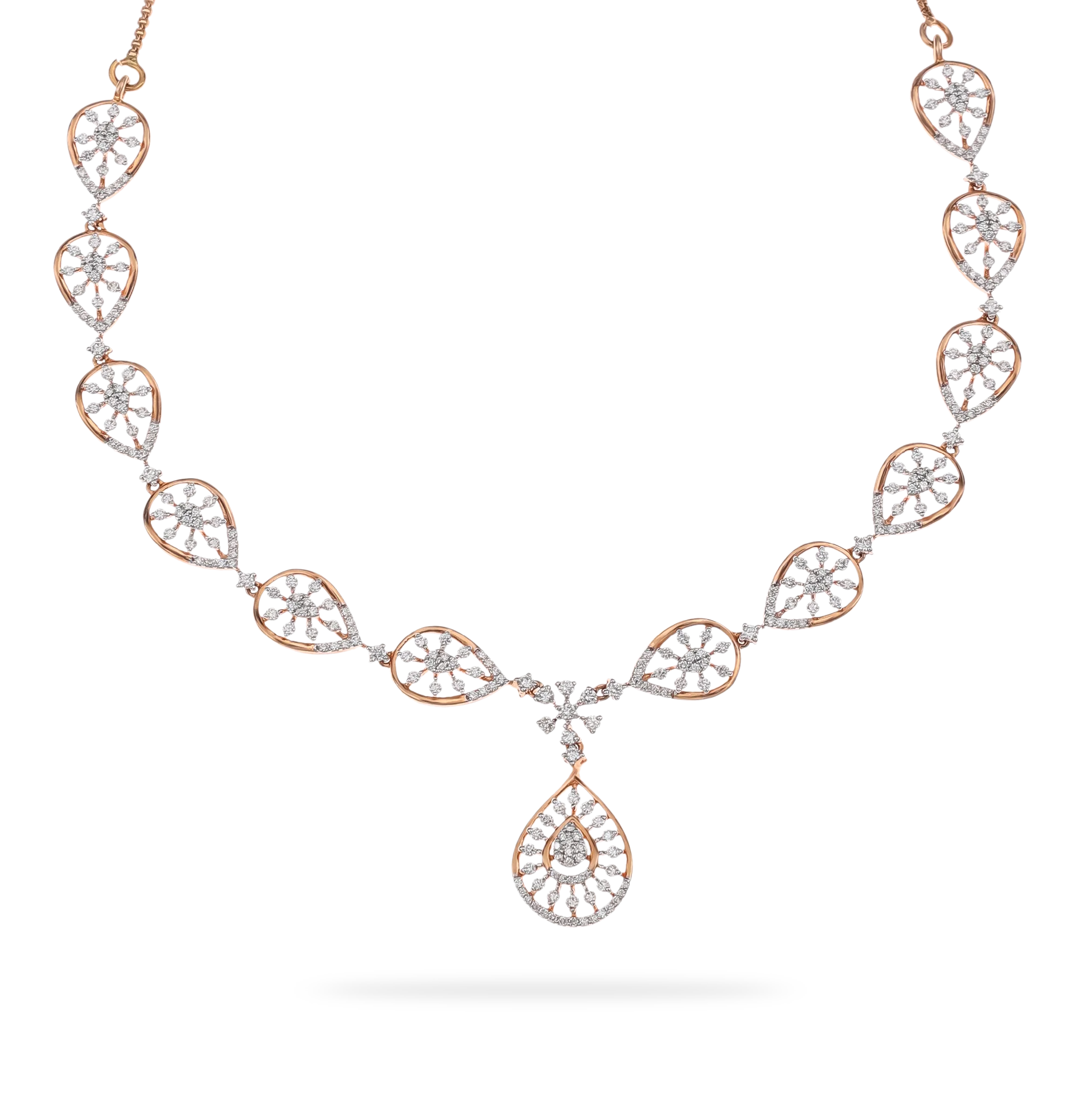
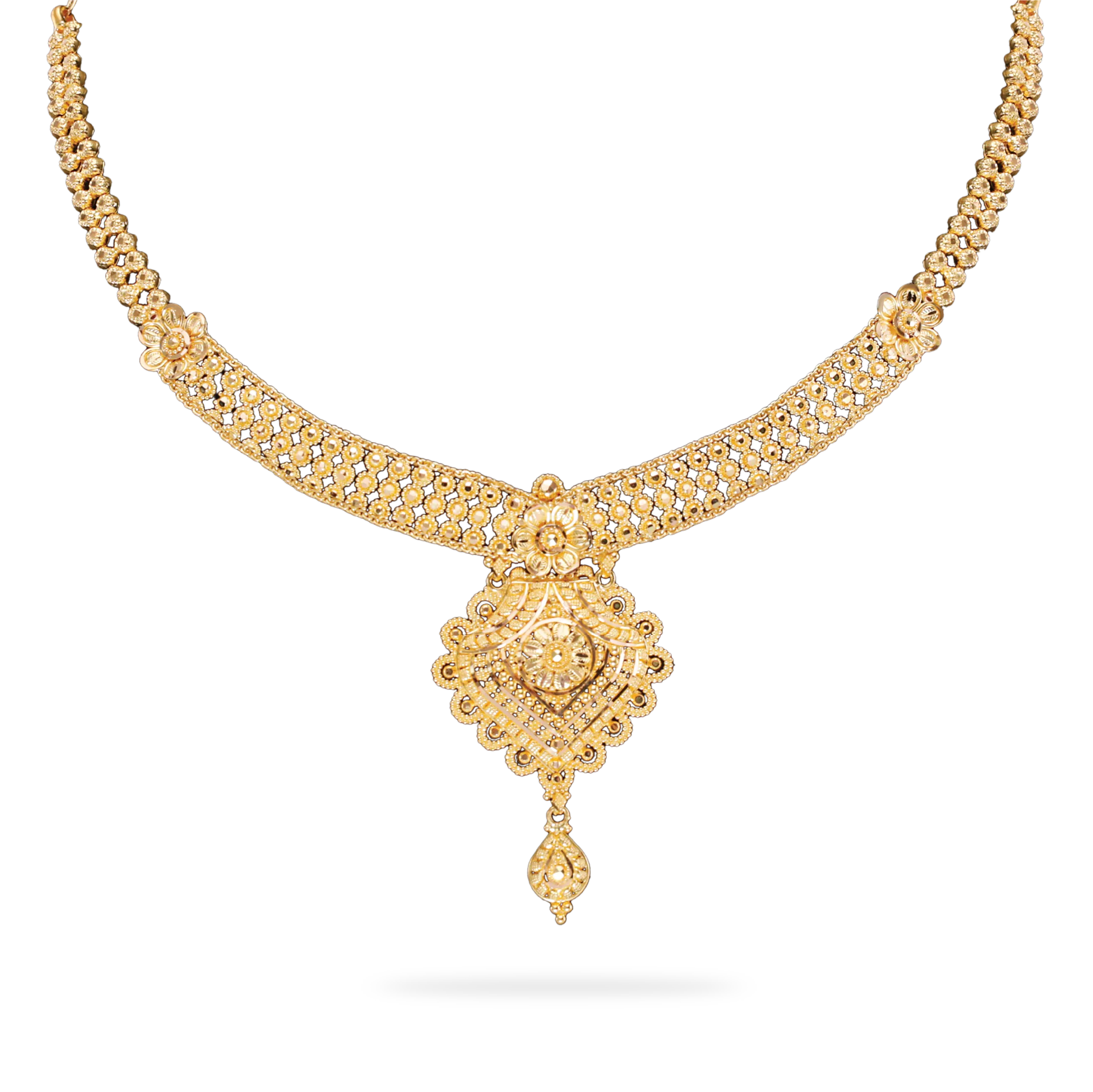
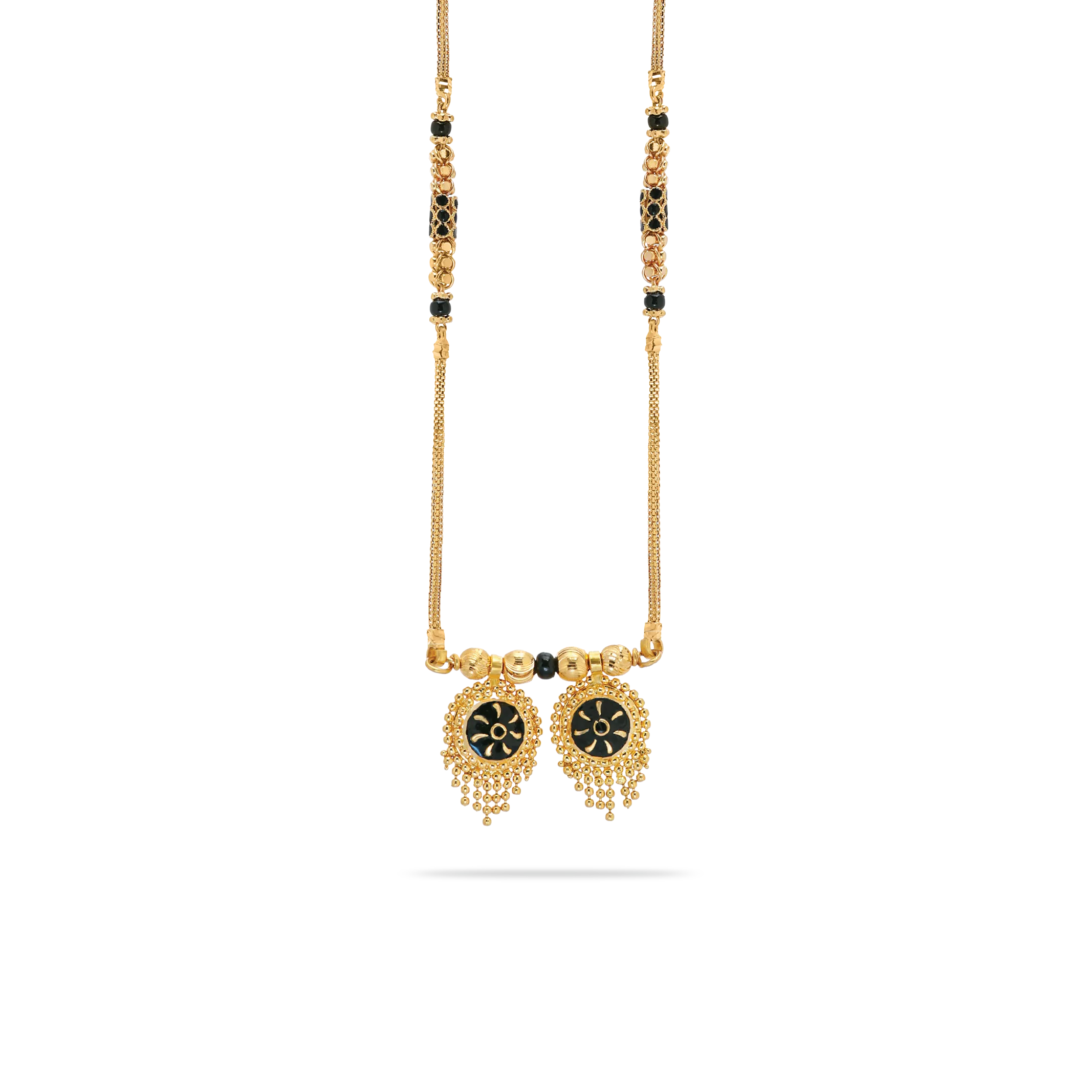
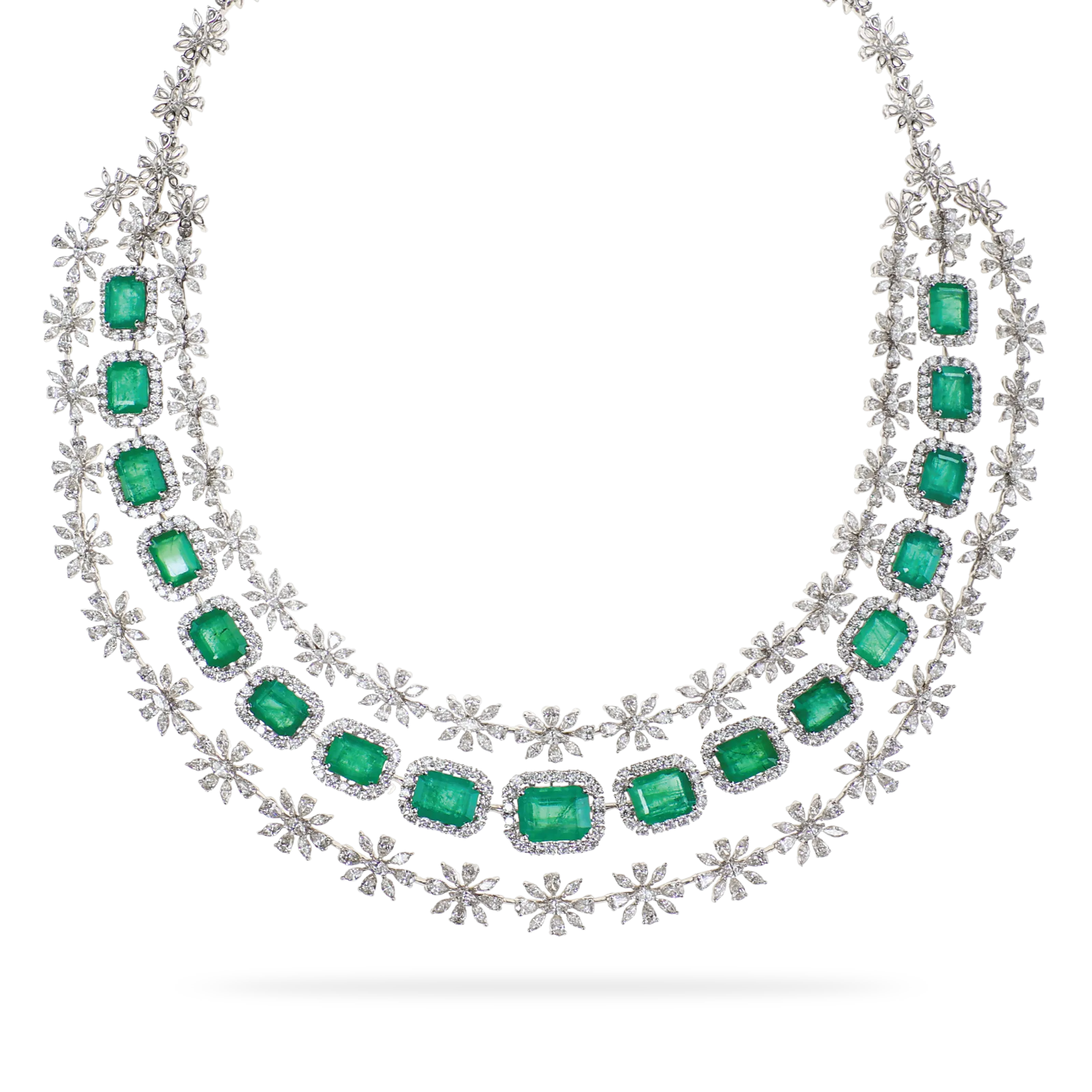
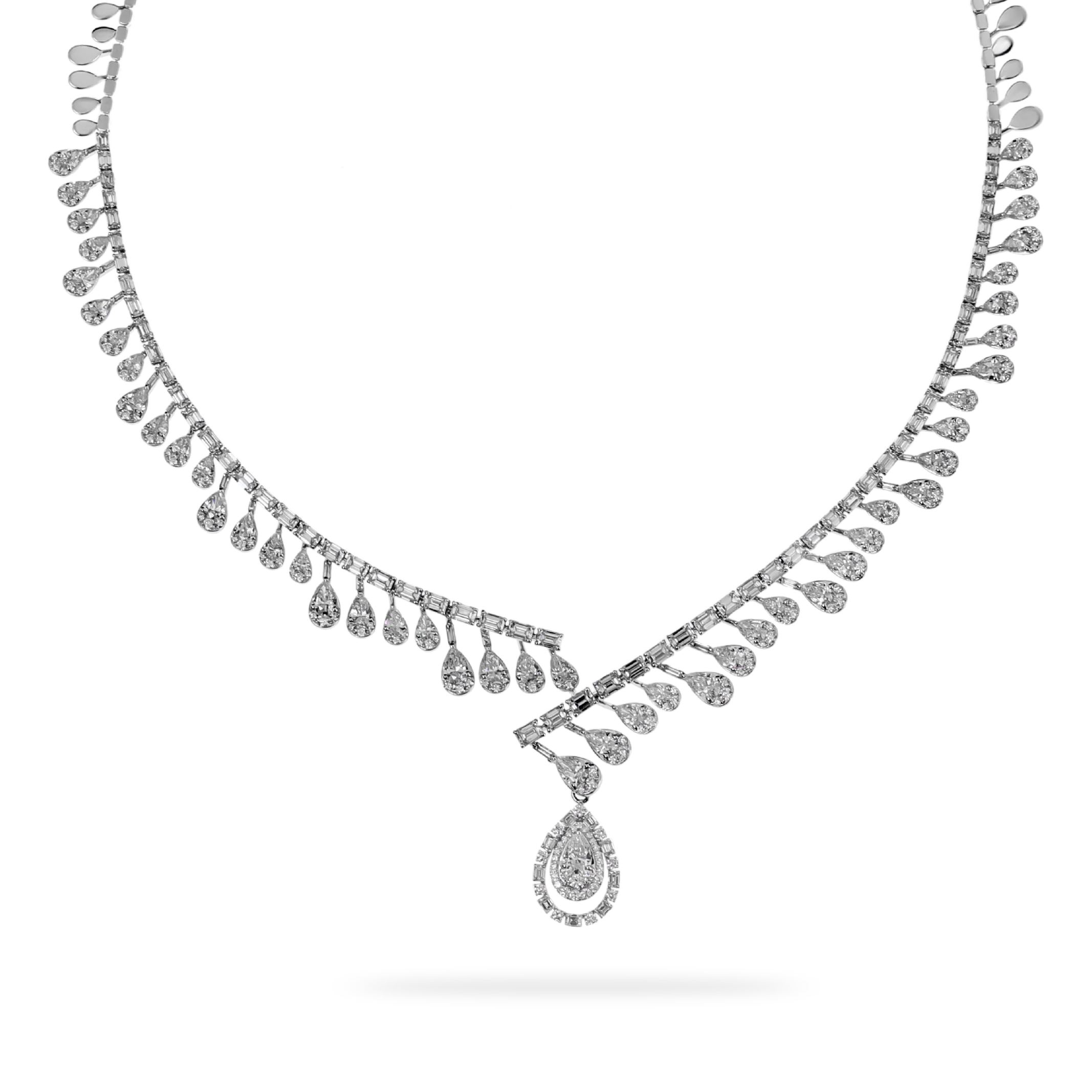
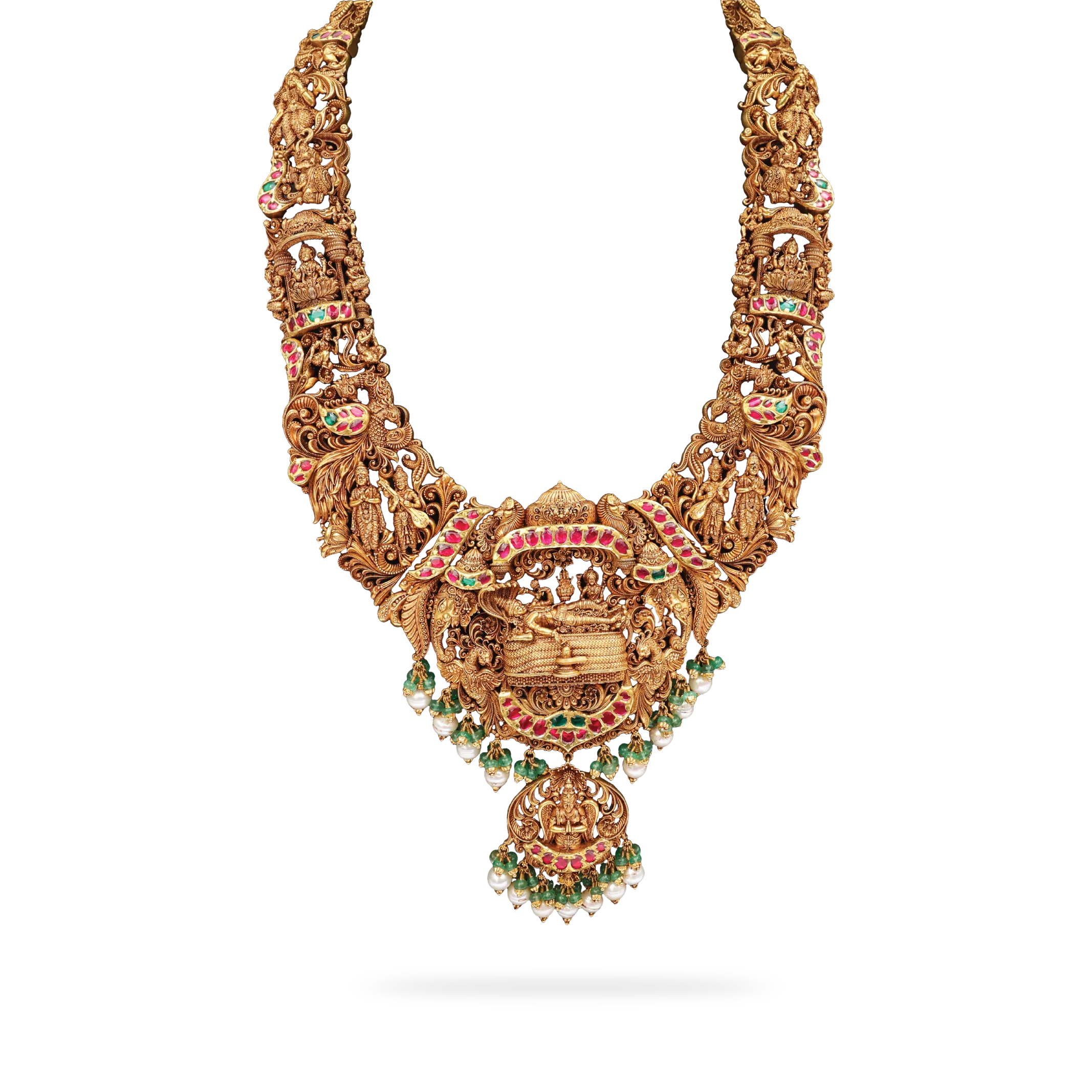
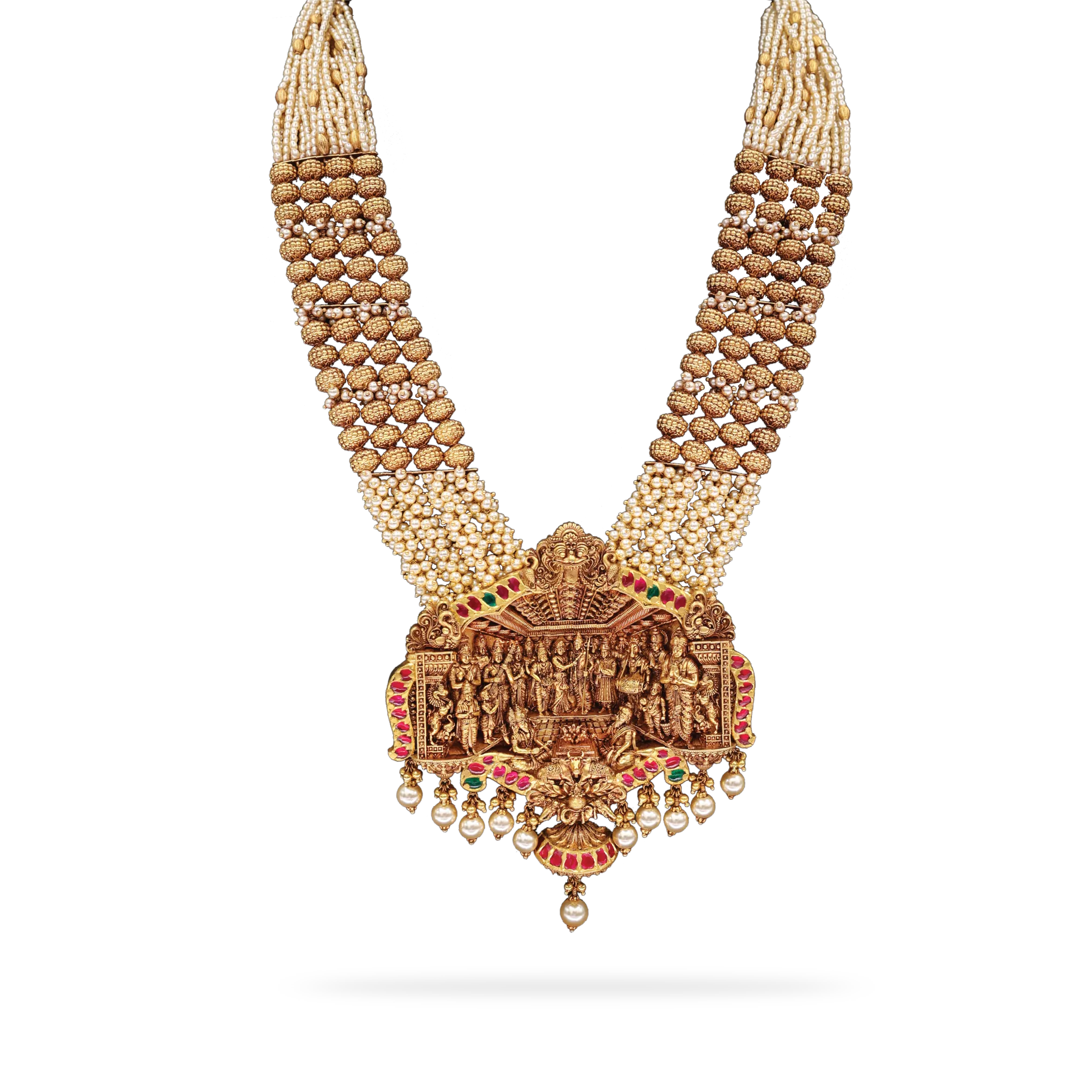
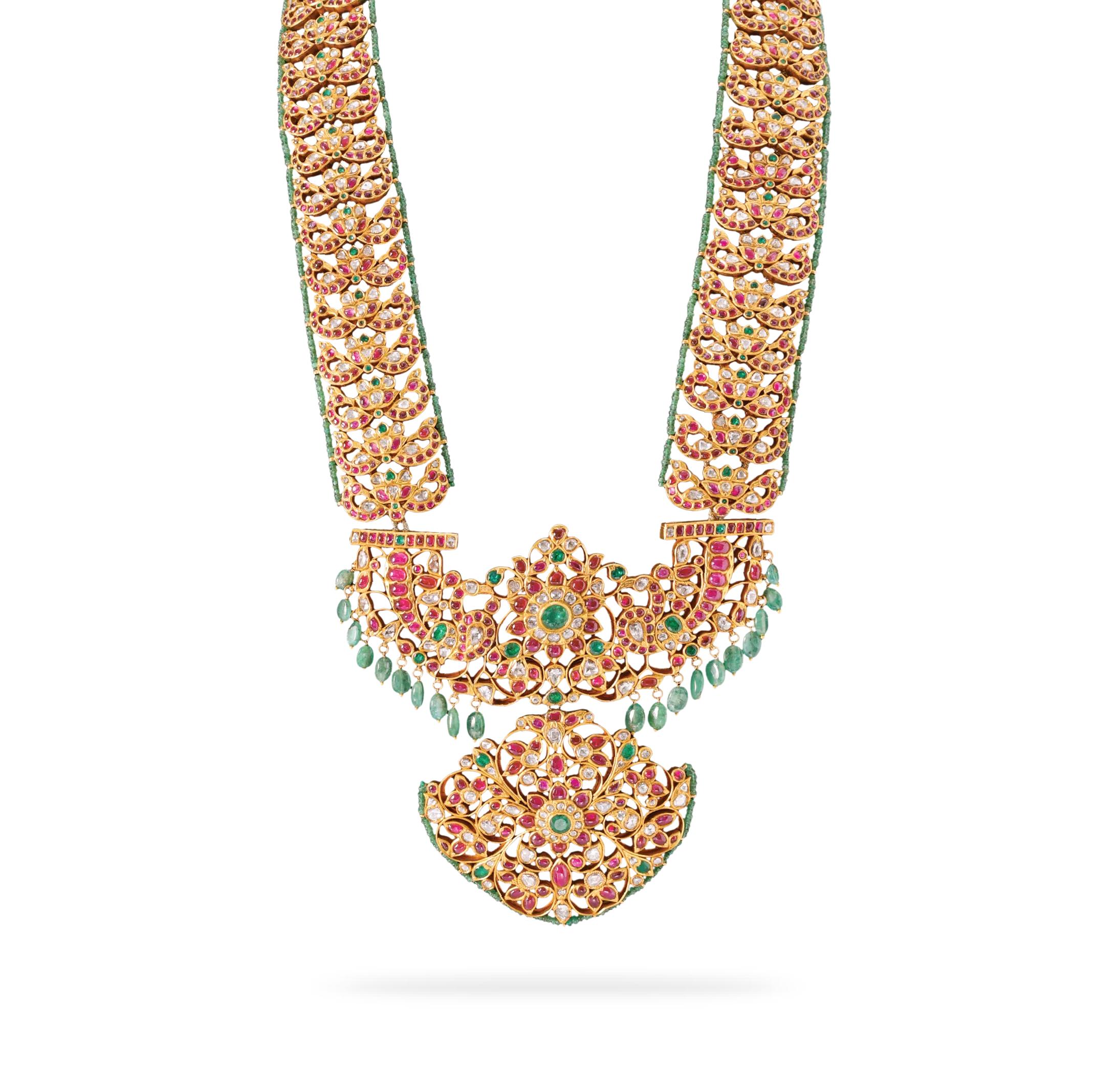
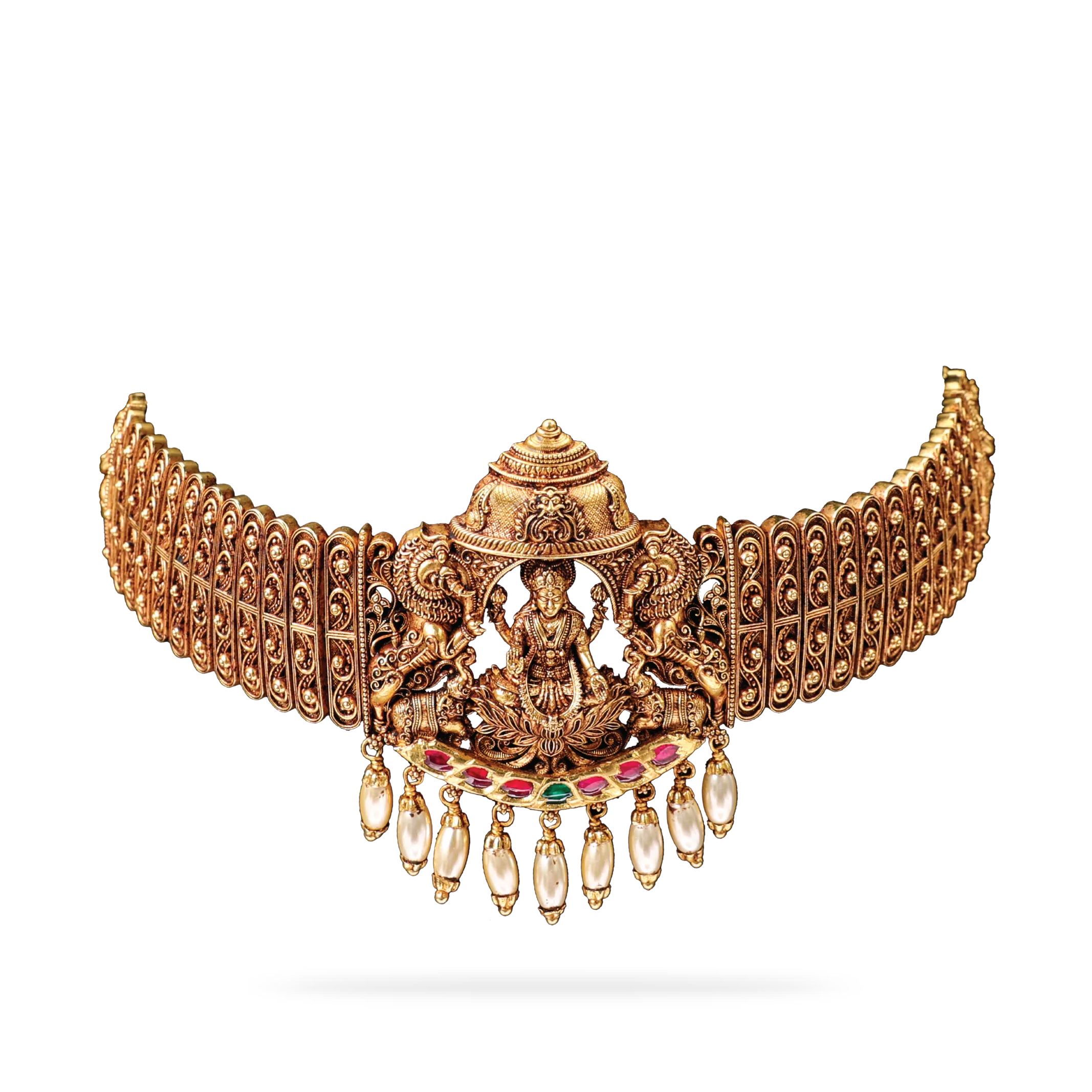
Begin by choosing one hero piece that defines the mood of your entire ensemble. Whether it is a dramatic rani haaram or a structural choker from C Krishniah Chetty & Co, this focal point should anchor the look. Just as it is vital to keep your digital interactions transparent according to a cookies policy, ensuring your lead piece is polished and high-quality sets a theme for the surrounding accessories.
Layering vintage heirlooms with minimal accents
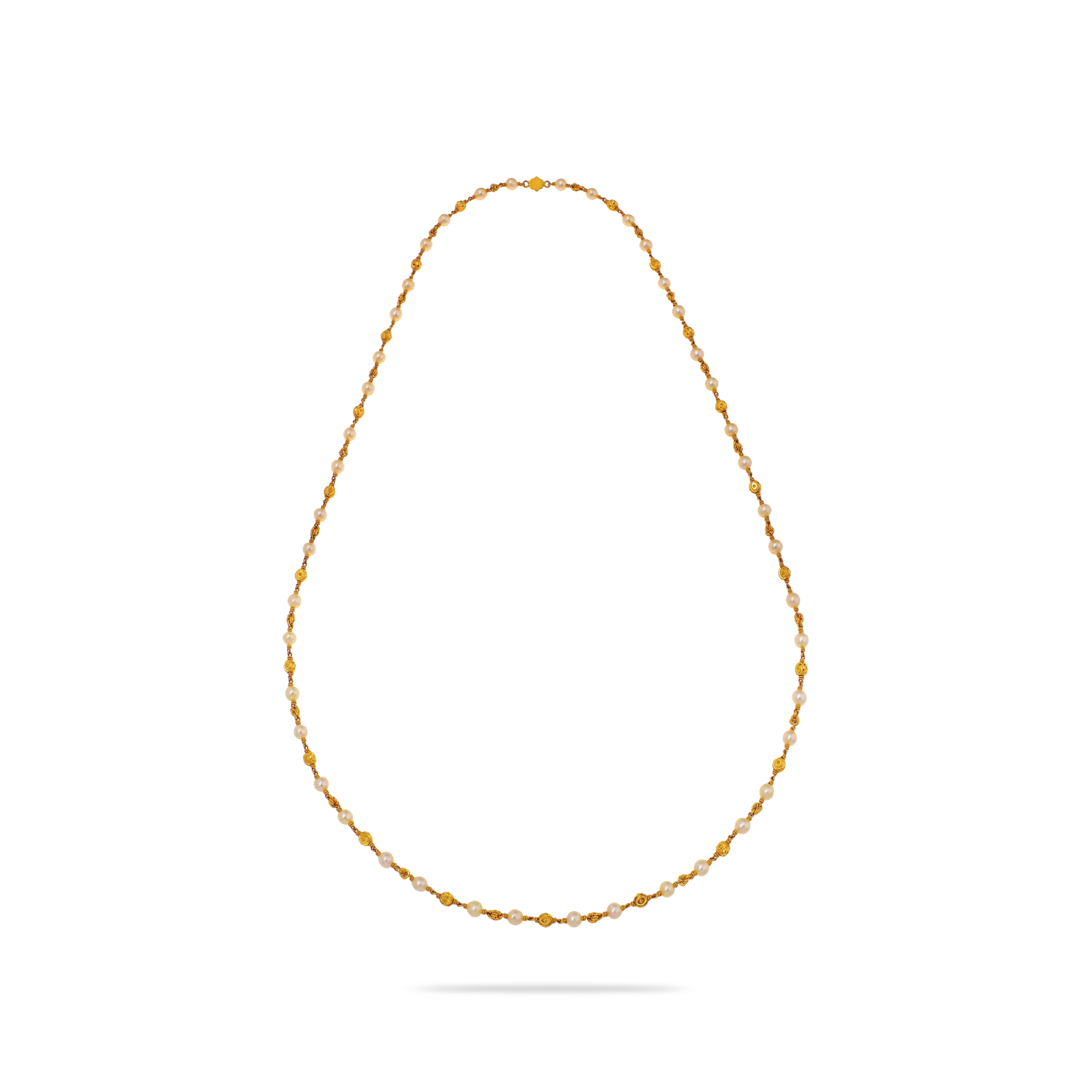
Layering allows you to incorporate family heritage alongside newer, subtler additions. By pairing a cherished vintage pendant with minimalist gold chains, you create depth without cluttering the aesthetic. It is similar to how a well-maintained background screening process protects the integrity of a company; choosing only the most impactful heirlooms protects the visual integrity of your bridal look.
Avoiding over-accessorizing for fusion ensembles
Fusion outfits often feature intricate embroidery or modern cuts that do not require heavy support. Limiting your choices avoids overpowering the design of the clothing itself. Consider your wedding prep journey similar to a Healthpath consultation where focusing on what is essential ensures the most meaningful and balanced outcome for your celebration.
Understanding scale and proportion for your face shape
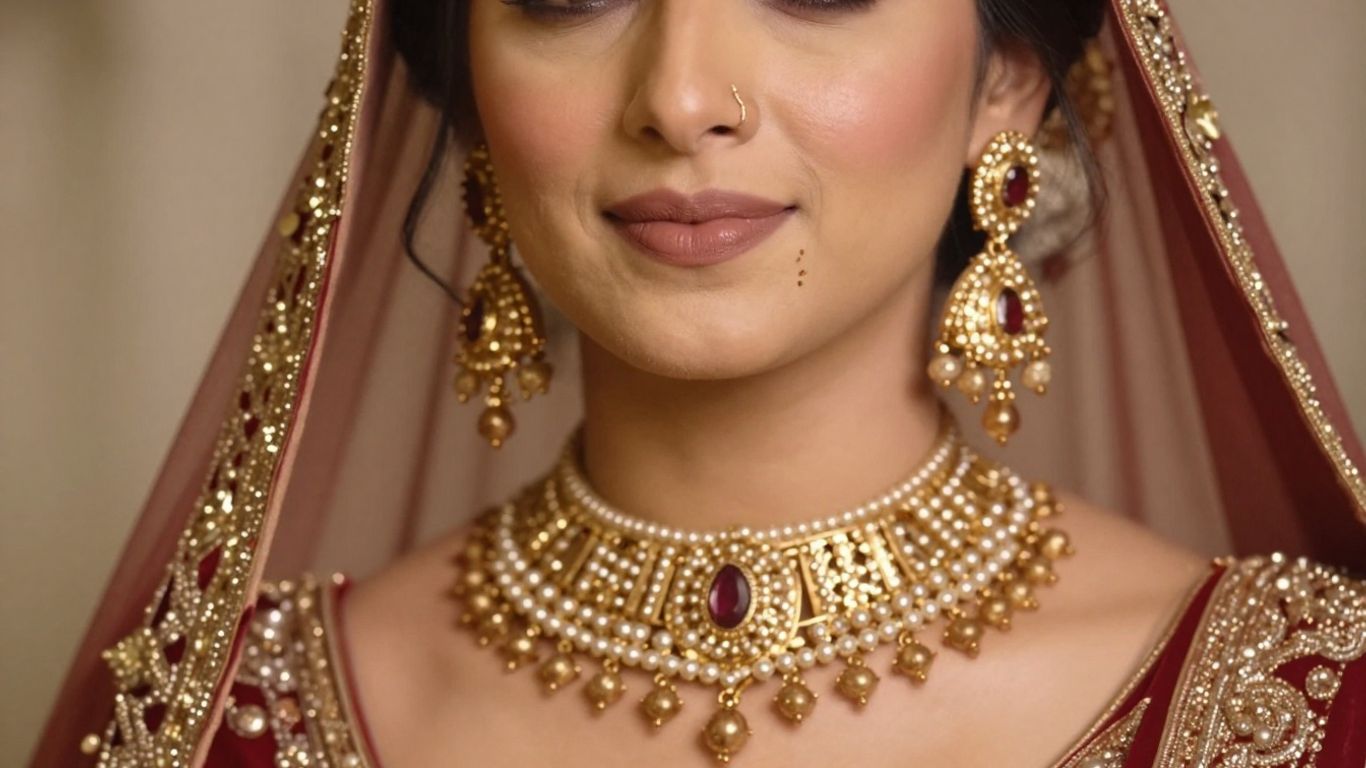
Choosing the right scale for your face shape ensures that your ornaments enhance rather than compete with your natural beauty. Over-sized pieces can overwhelm a petite frame, while overly delicate items might disappear on a larger, more structured silhouette. Careful consideration of these elements ensures you feel confident about your traditional jewellery styling choices throughout your wedding day.
Aligning earring length with jawline structure
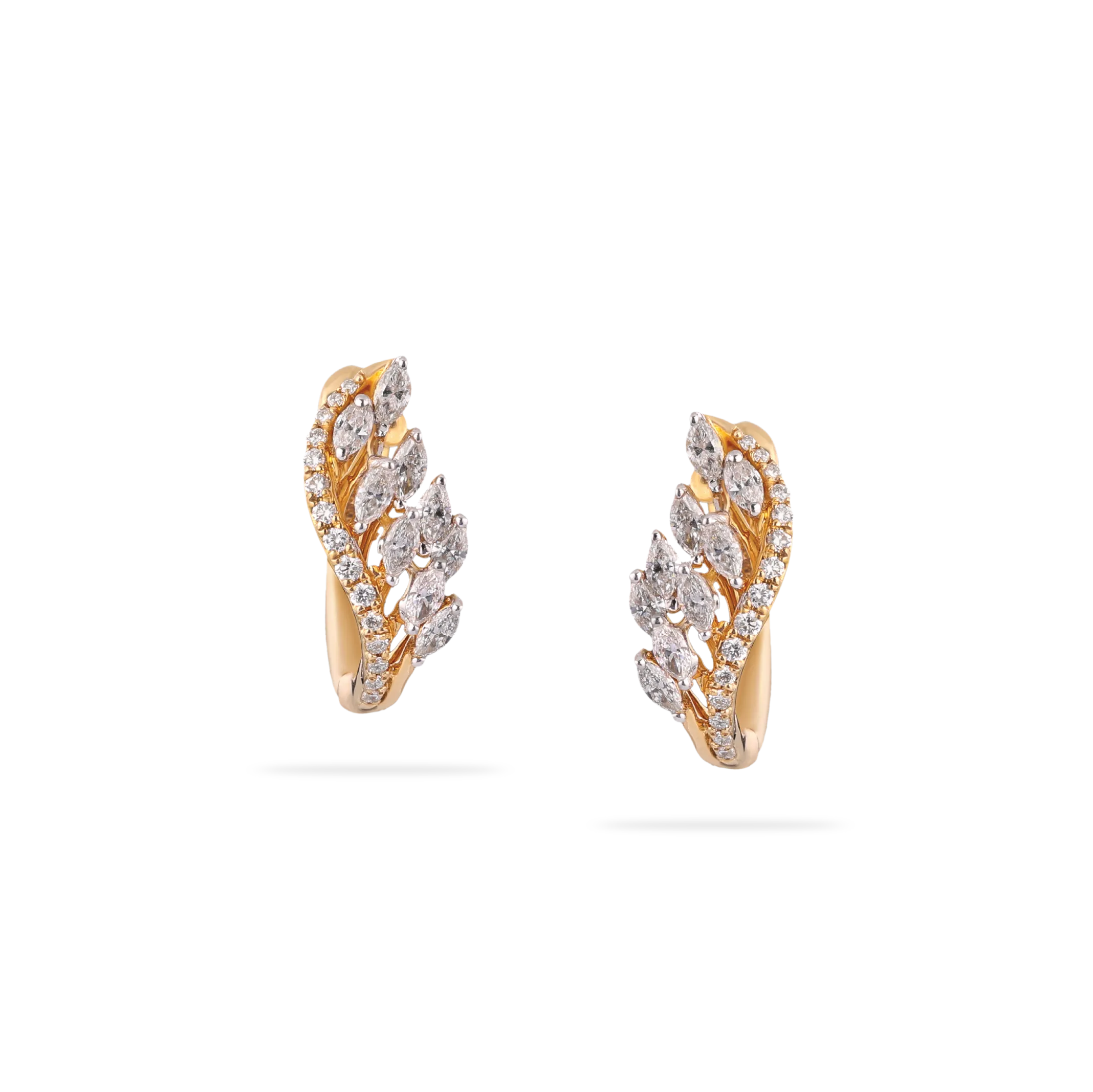
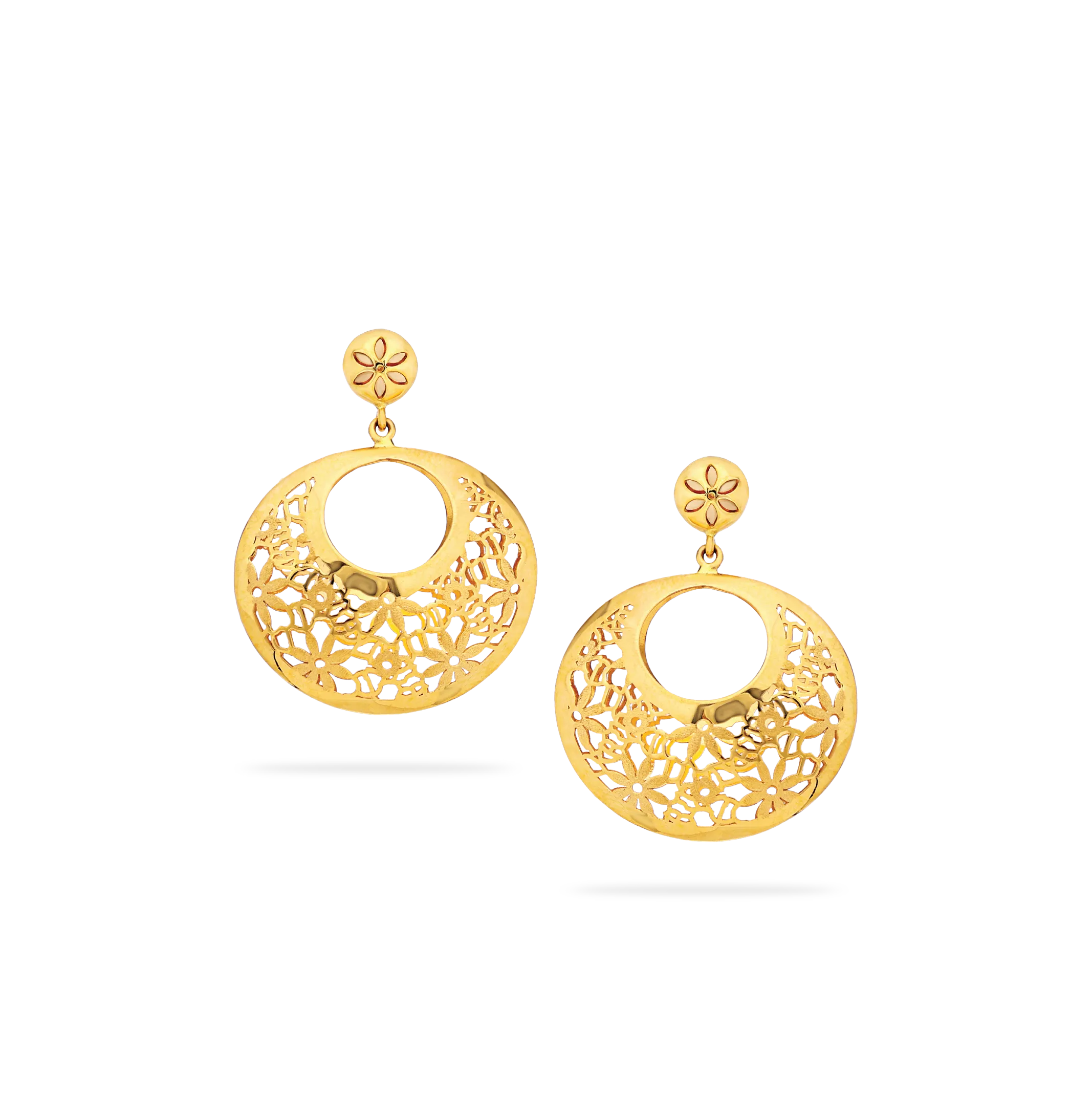
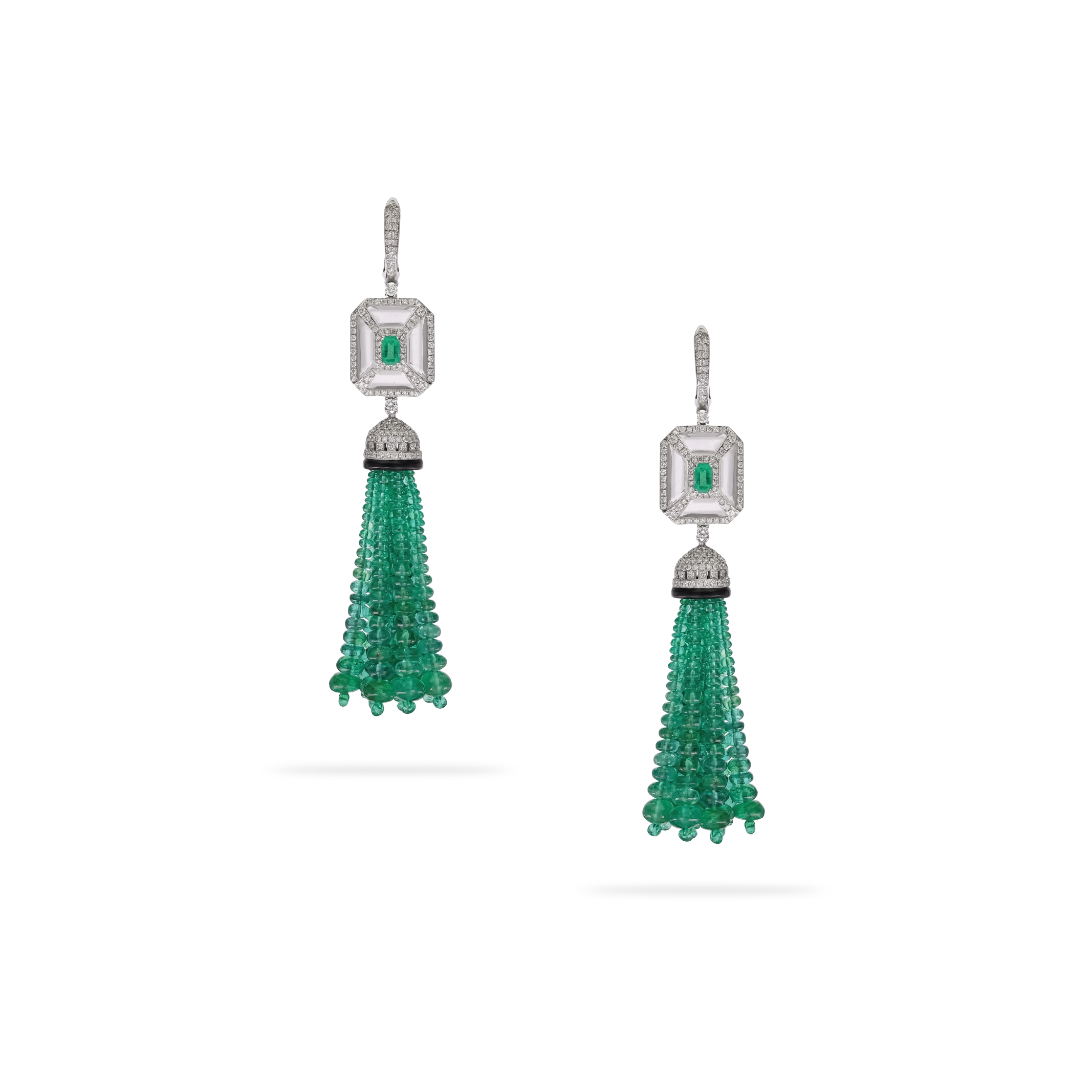
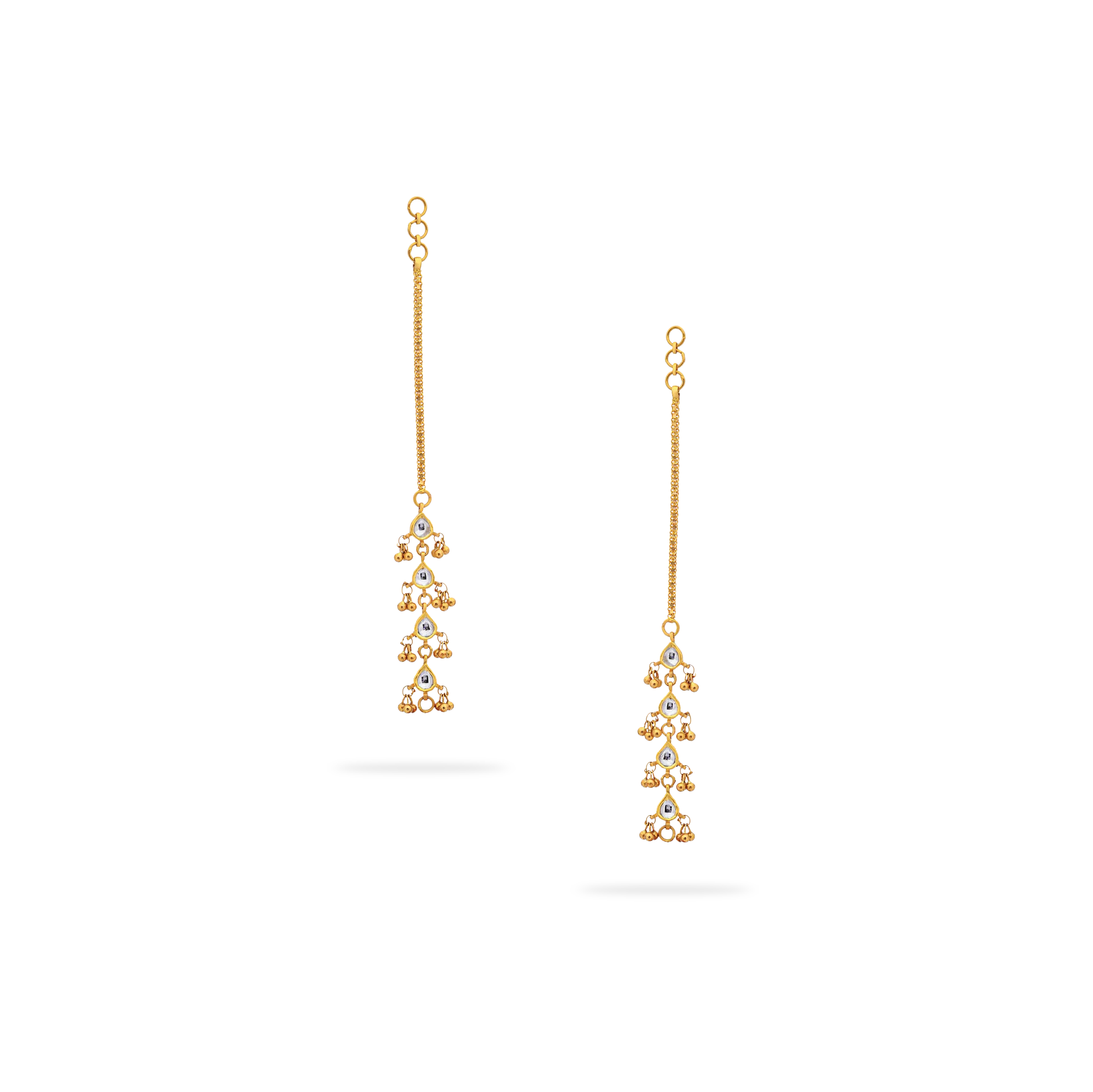
Earrings act as an extension of your face line, and their length should ideally bridge the gap between your chin and collarbone. For an rounder jawline, longer drop earrings can add a vertical balance that elongates the neck area. Square faces might benefit from rounded, softer shapes like chandbalis that pull attention toward the eyes rather than the angles of the jaw.
Selecting statement chokers versus long necklaces
If you have a shorter neck, a long necklace is often more flattering as it creates a sense of openness and verticality. Conversely, those with longer, slender necks can carry off bold, multi-layered chokers that frame the face beautifully. It is about playing with space to create a harmonious silhouette that feels custom-made for your features.
Considering the visual weight of precious metals and stones
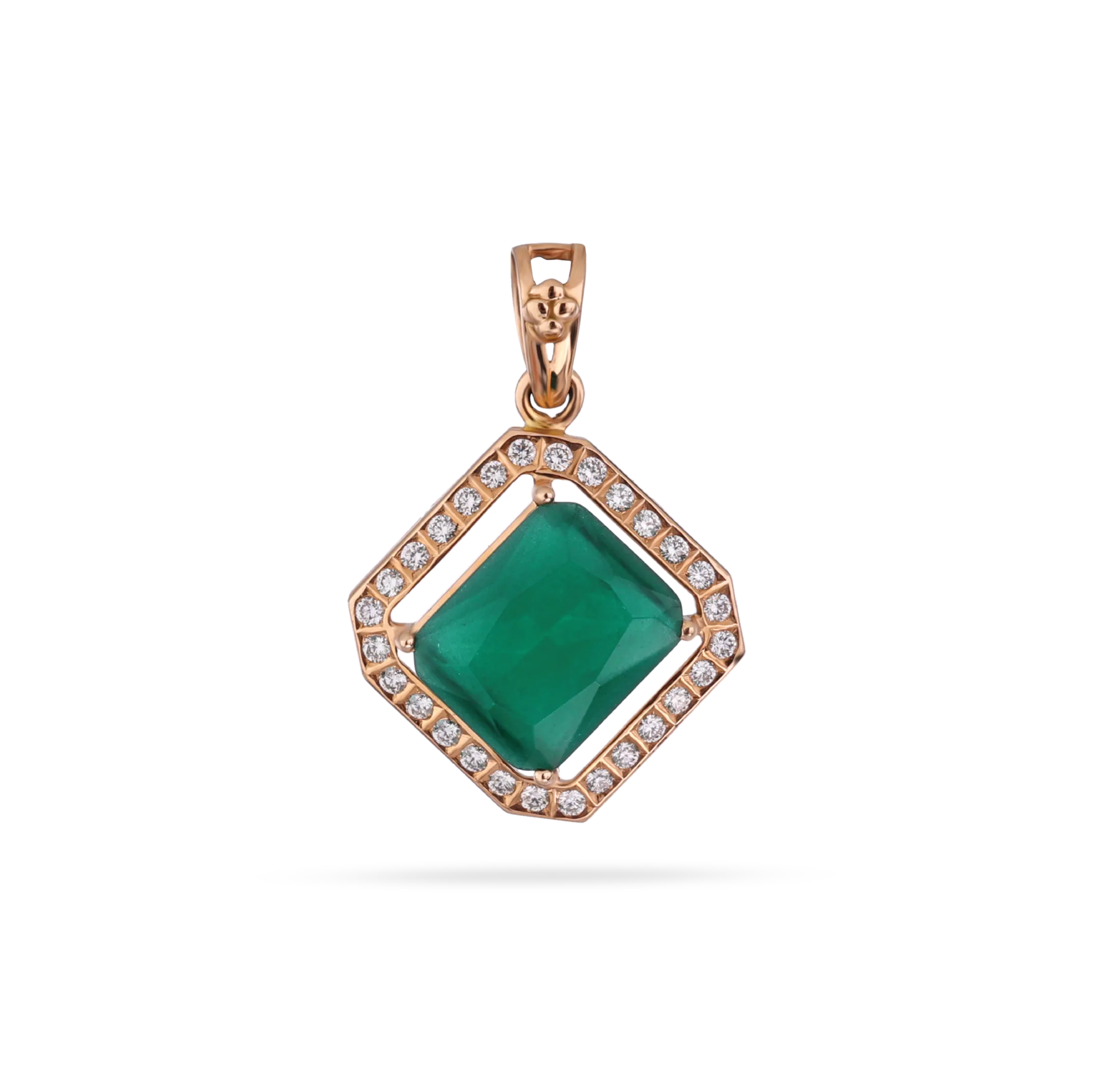
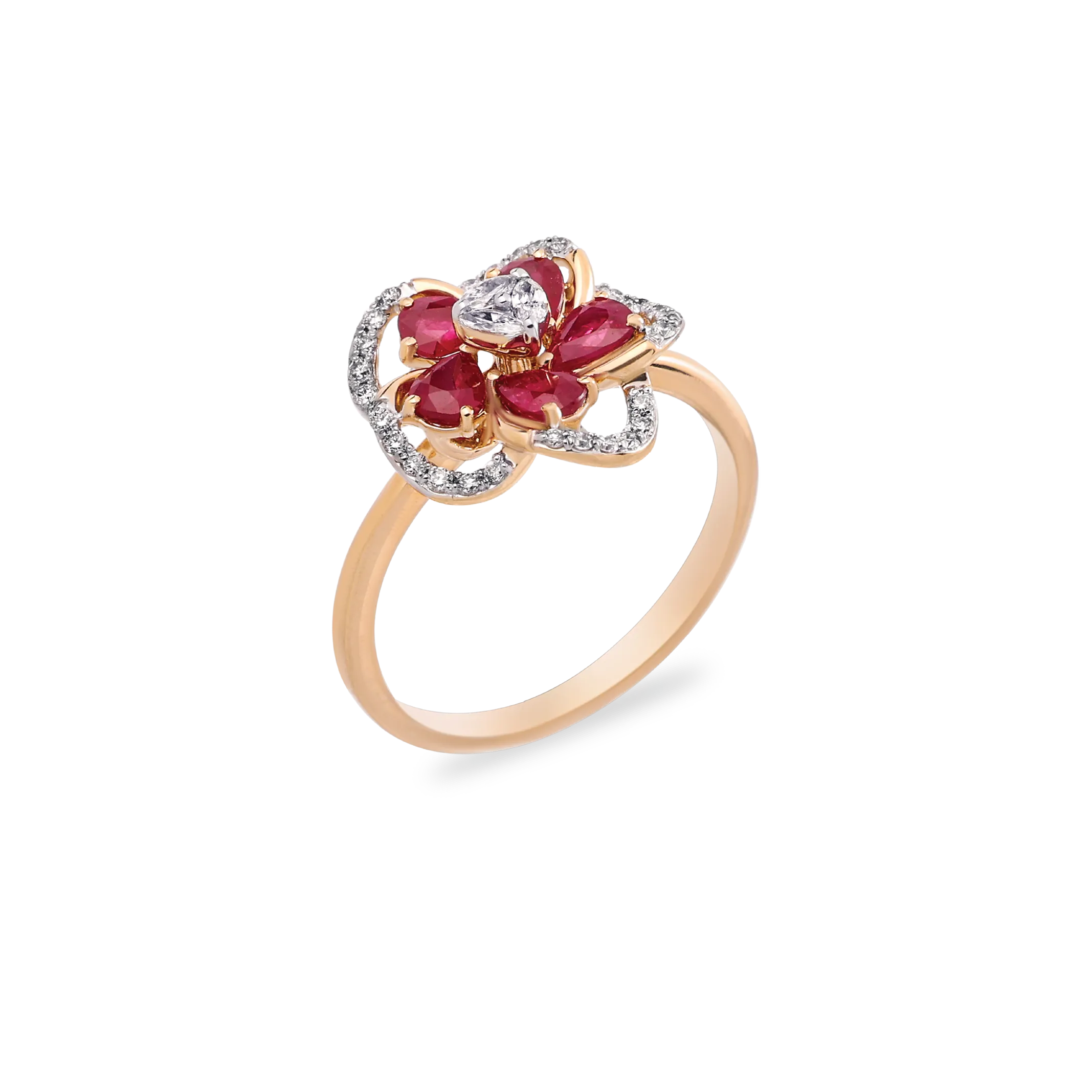
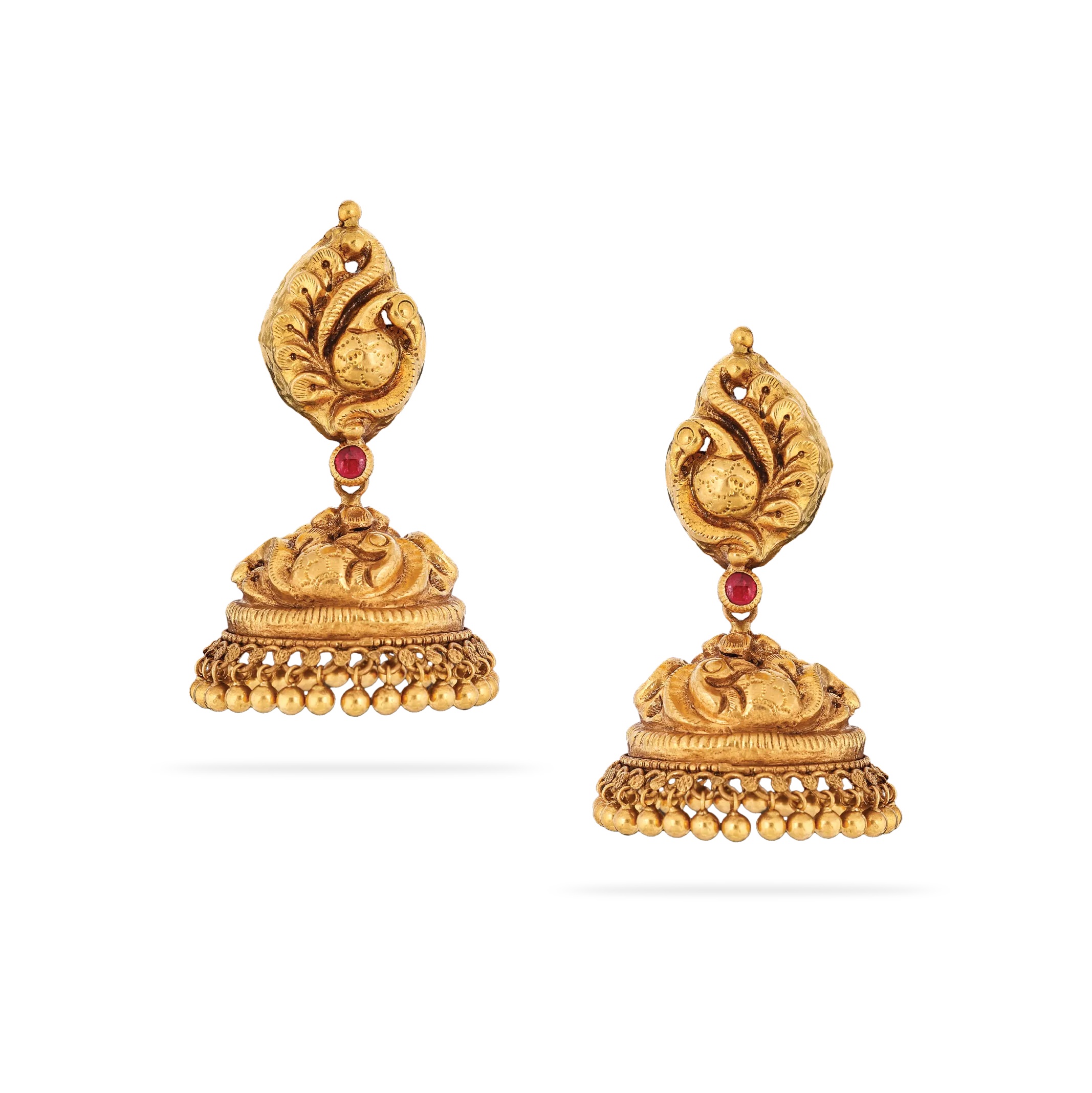
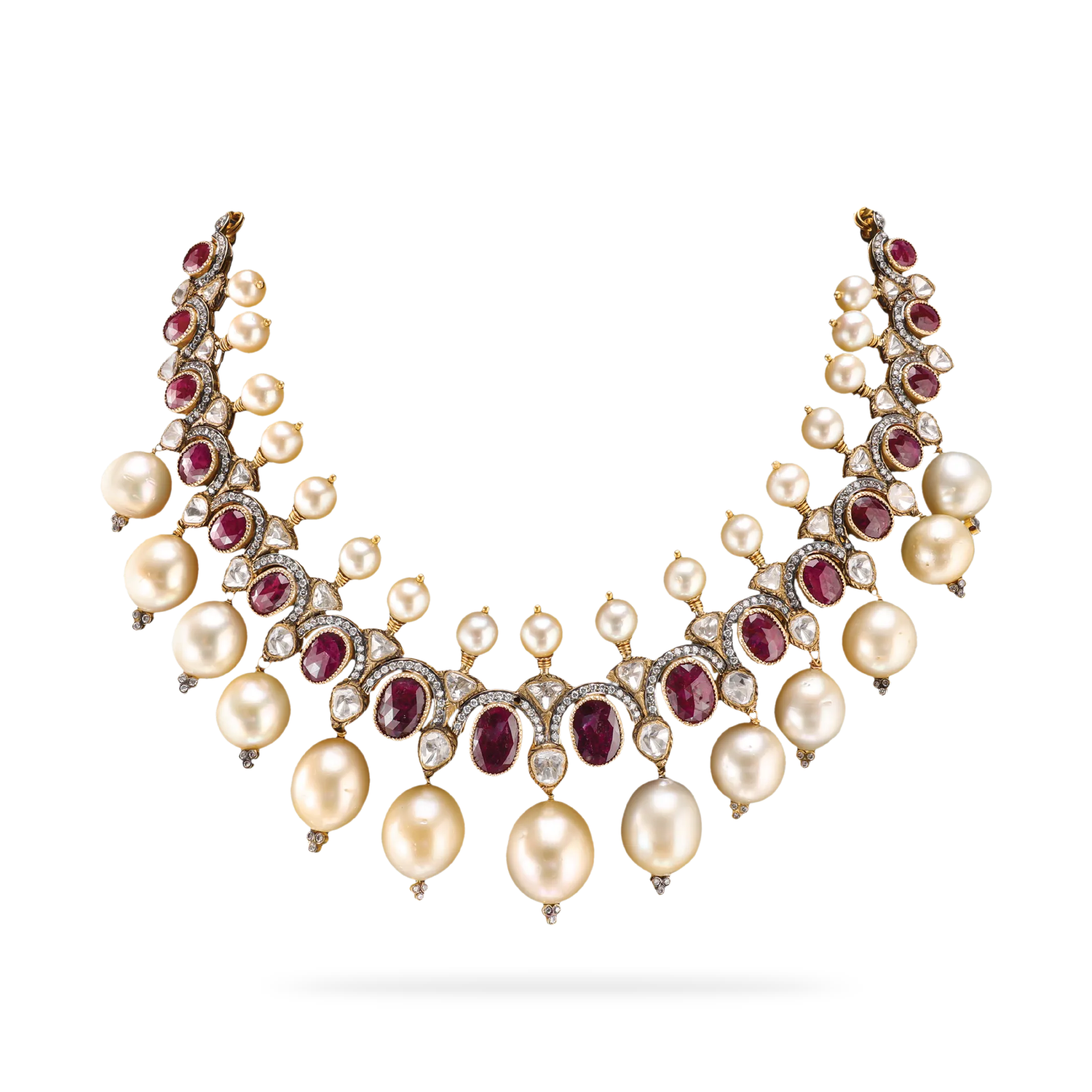
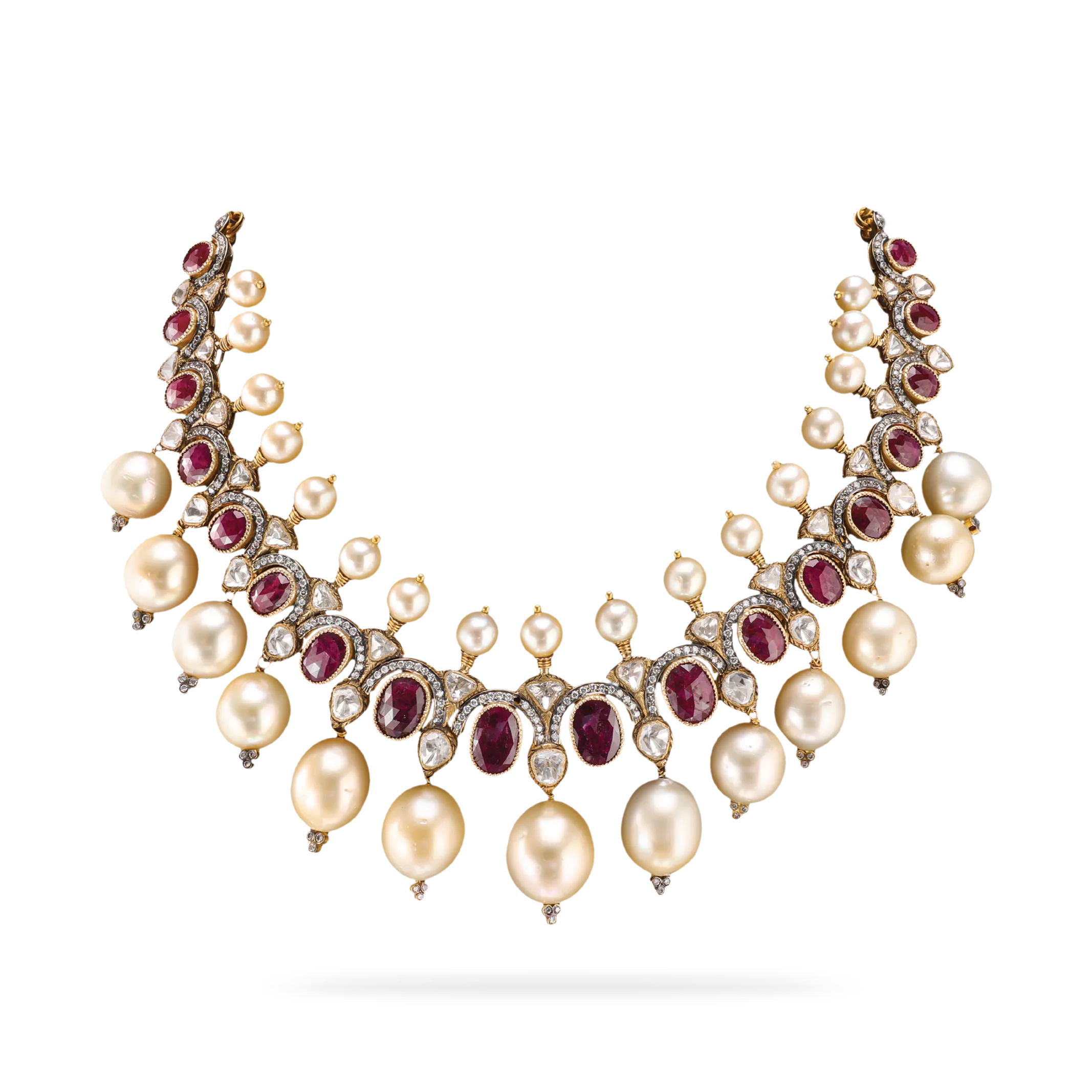
Visual weight is determined by both the size and the saturation of the materials used in your set. A dense, dark stone like deep ruby or emerald requires thinner chains to keep the focus tight and controlled. When you select your accessories for bridal styling, remember that the most successful looks balance the density of these stones against the skin to maintain a refreshing, balanced look.
Mastering color coordination with traditional gemstones
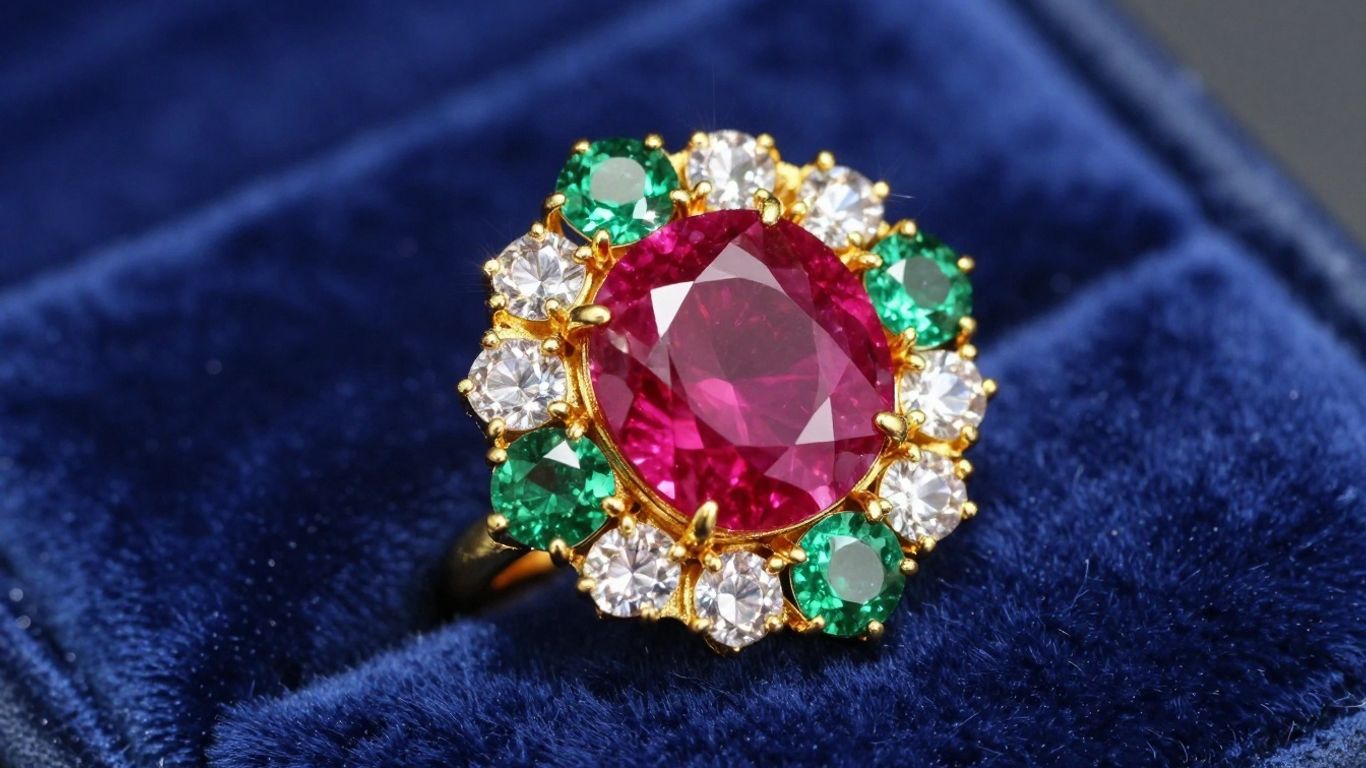
Using color effectively can elevate standard attire into a masterpiece of traditional aesthetic. Strategic color usage transforms bespoke pieces, turning a simple bridal look into an expressive visual statement. Proper color mapping ensures that your choice in jewellery does not clash with the undertones of your gown or saree.
Leveraging the color wheel for complementary contrasts
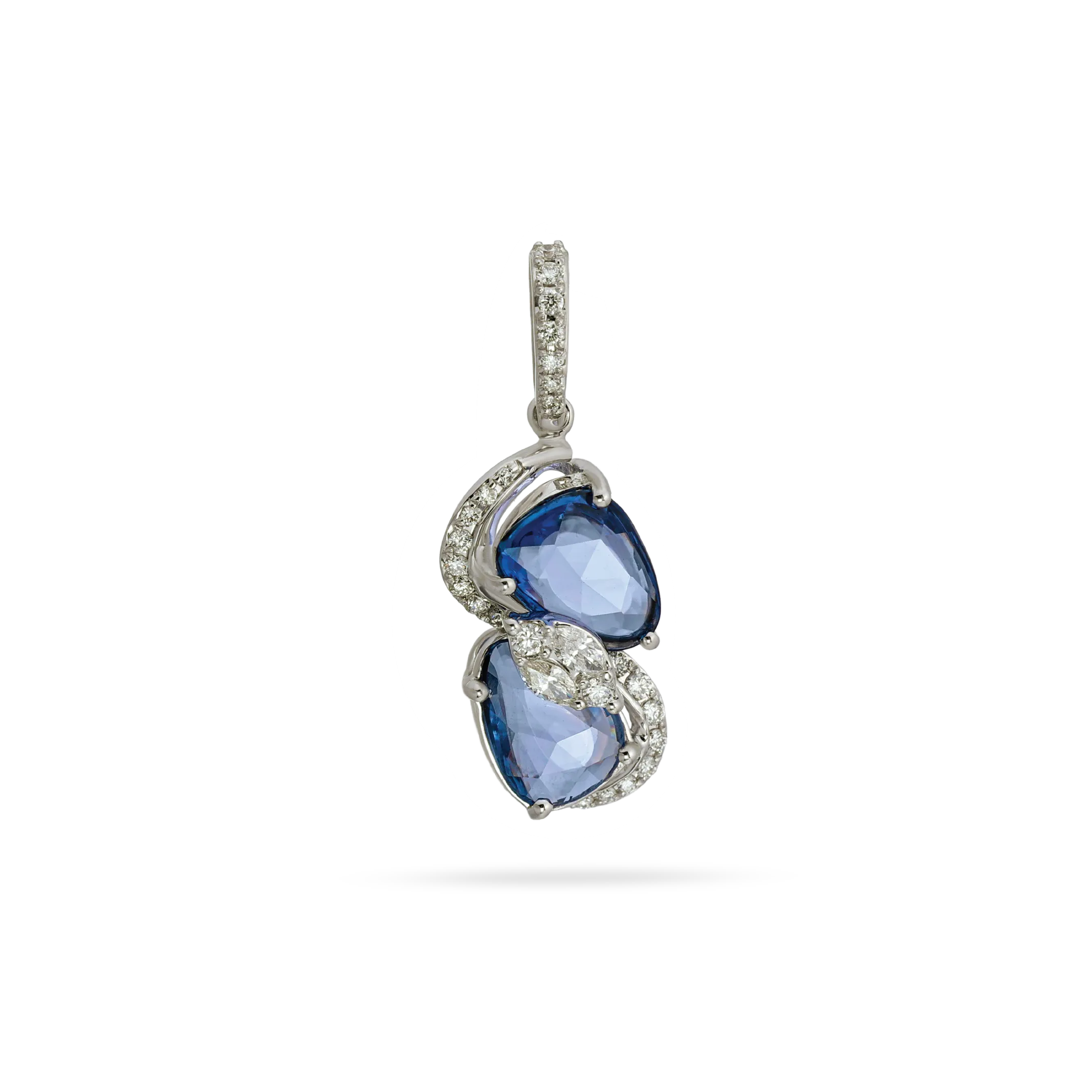
Using contrast is a classic way to ensure your gems stand out against your outfit. If your lehenga is a soft, warm cream, selecting cooler blue or green gemstones like turquoise or sapphires can create a striking and sophisticated pop of color. This intentional contrast allows each piece of jewellery to feel distinct and purposeful.
Matching metal tones to your skin's undertones
Warm skin tones usually pair best with vibrant yellow, vintage gold finishes that complement the sun-kissed depth of the skin. If your skin has cooler, blue-based undertones, silver, platinum, or white gold often provides a more radiant and polished harmony. Always test these metals in daylight to see which hue truly lifts your complexion.
Using polychromatic pieces to anchor neutral outfits
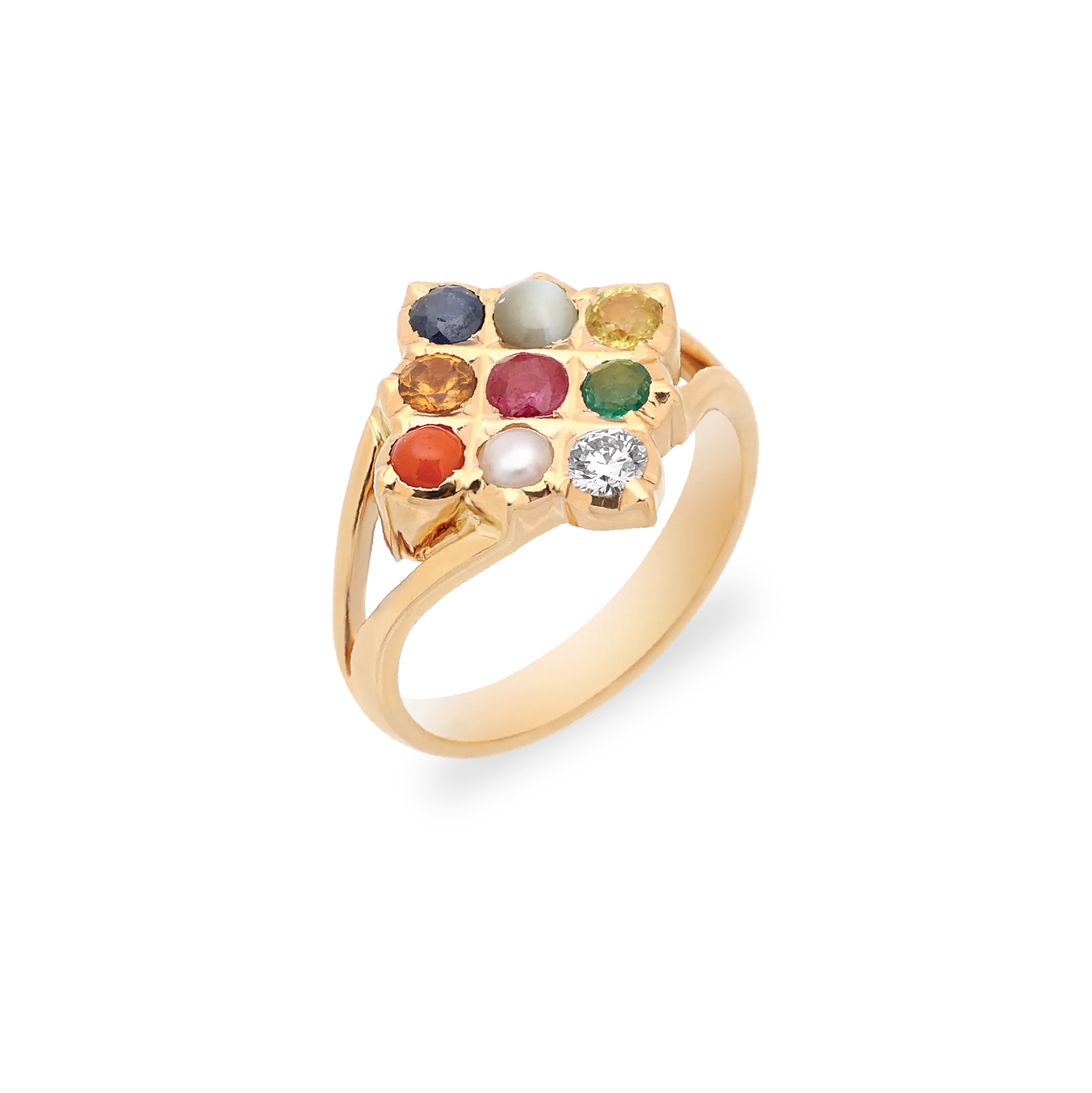
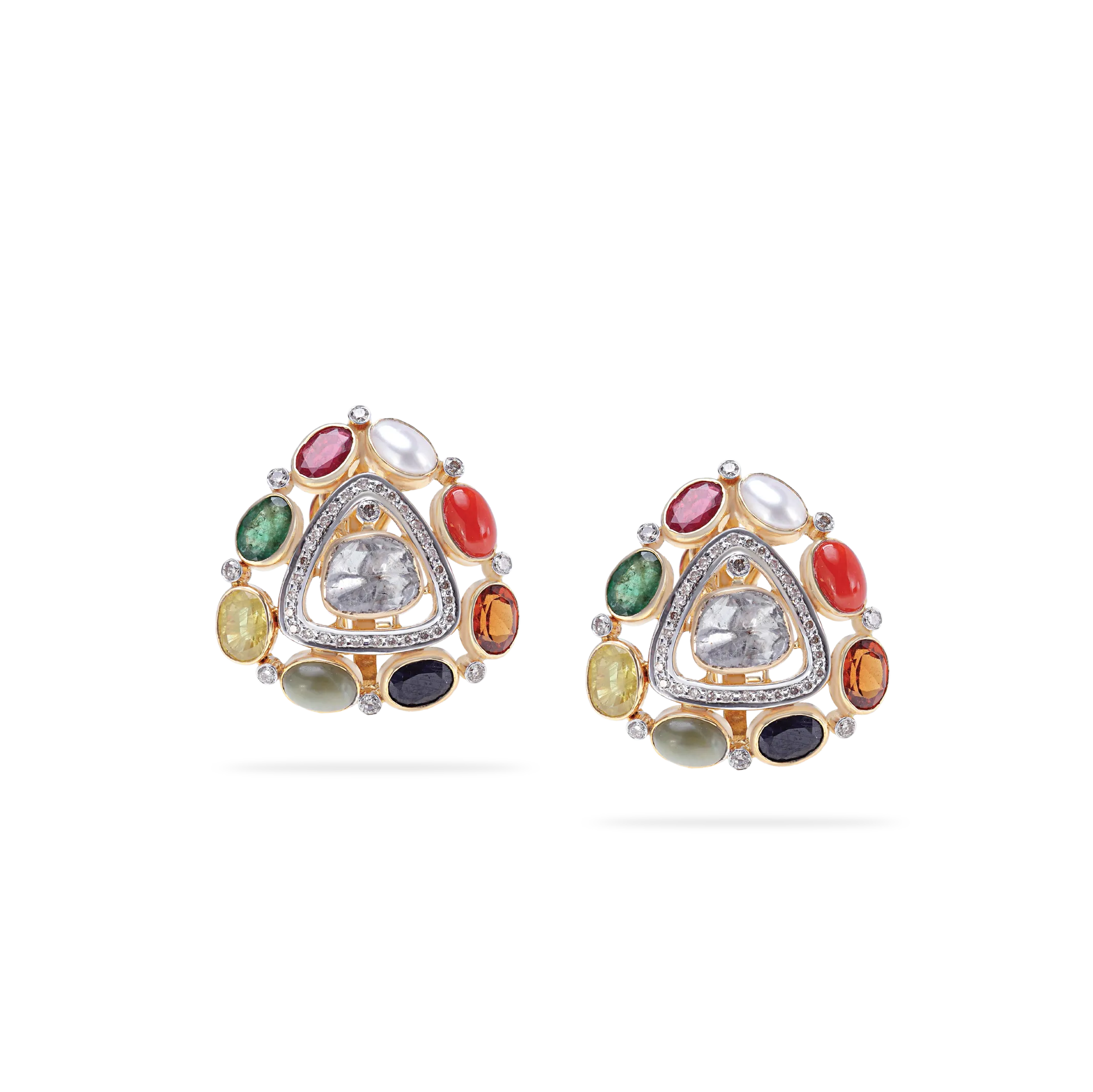
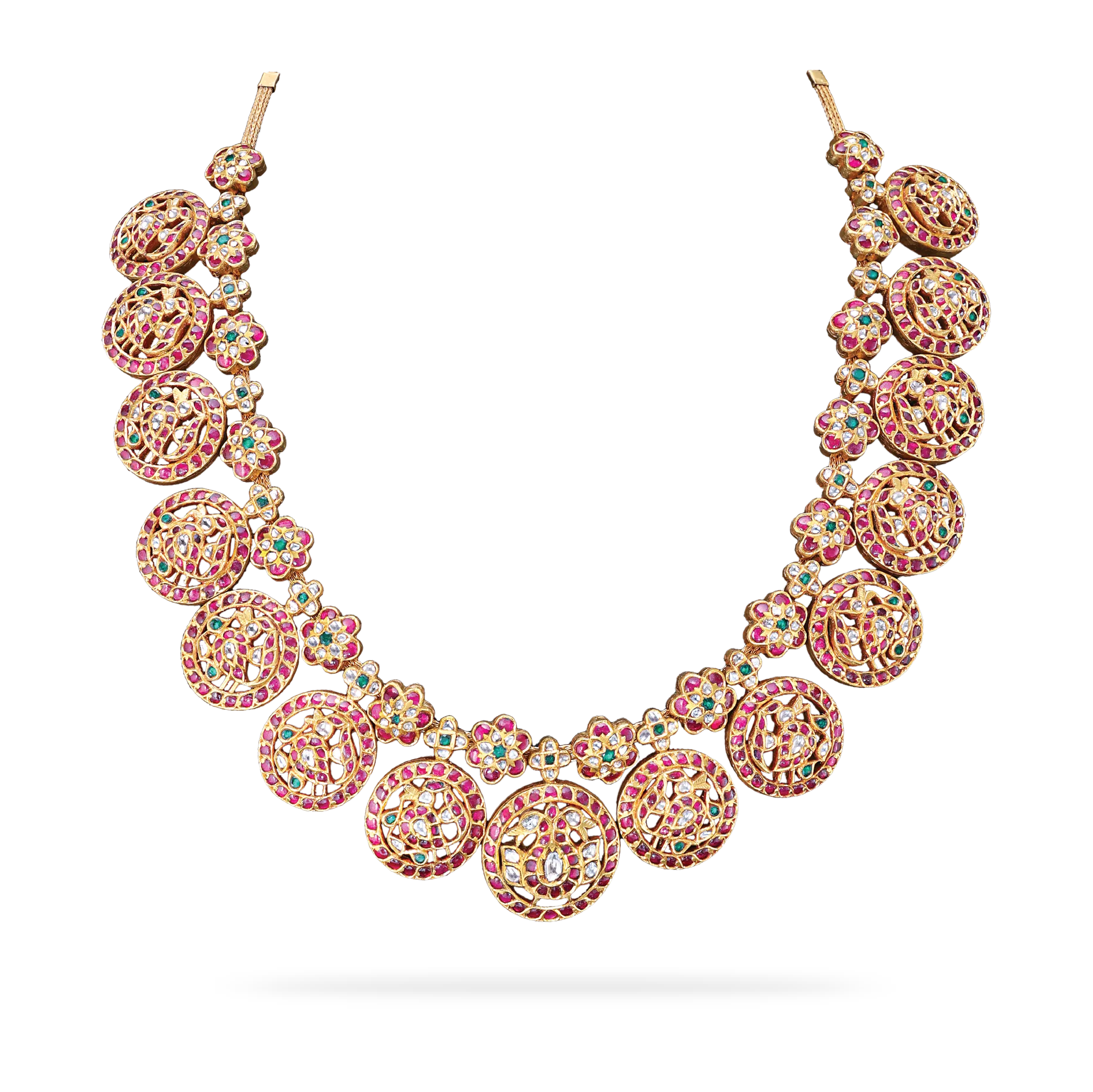
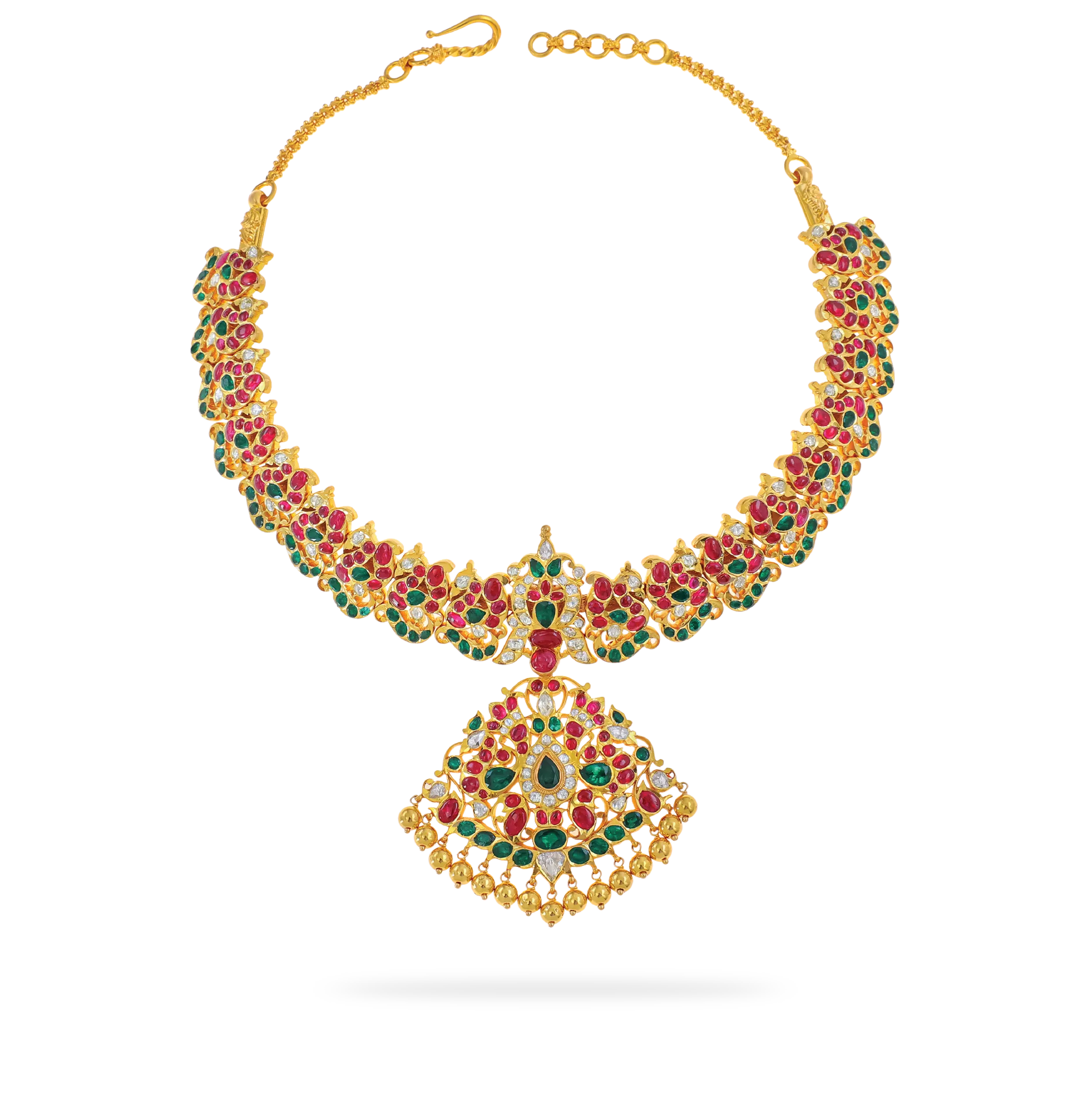
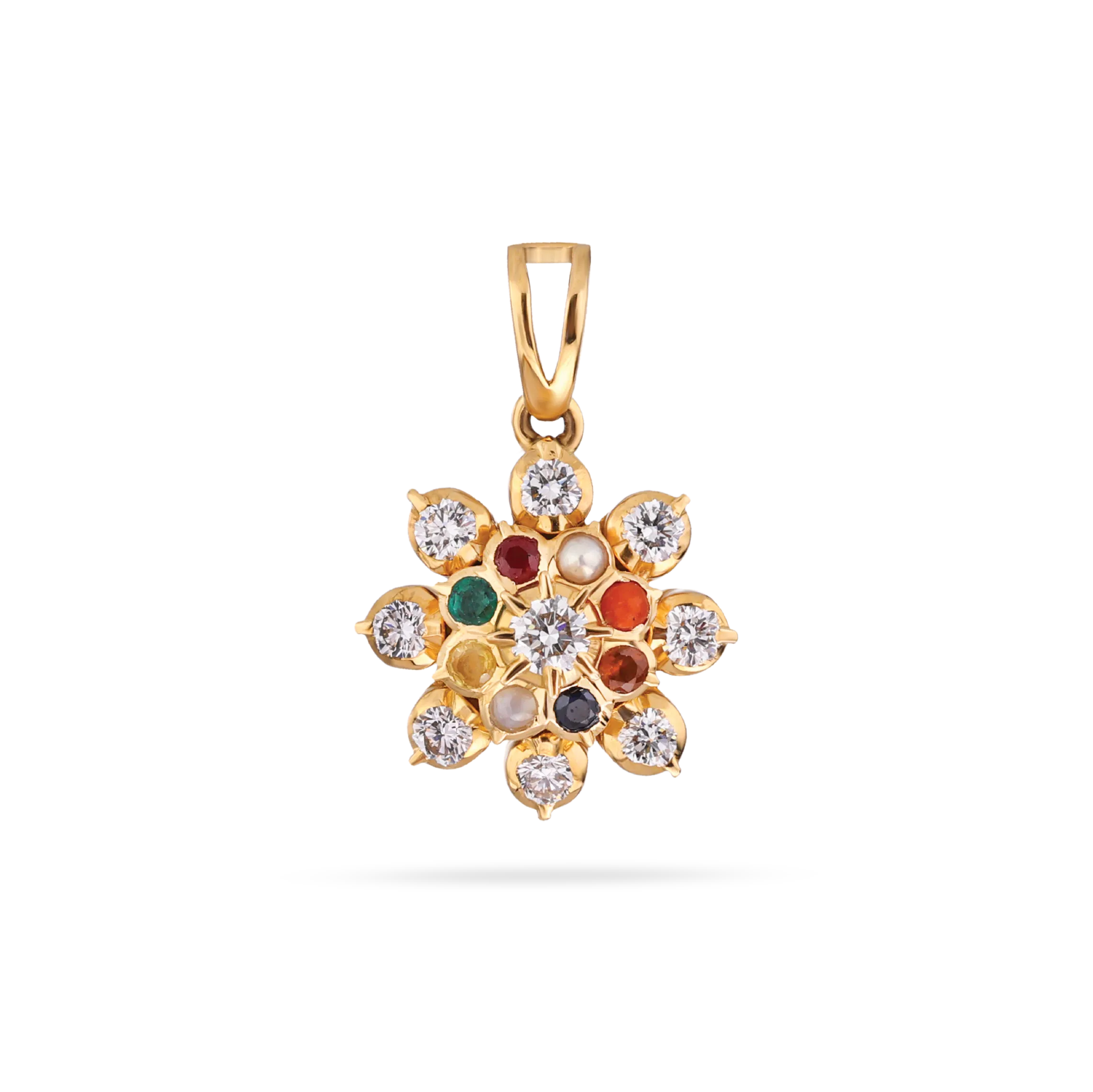
If your outfit features neutral or monotone tones, you have the freedom to use polychromatic jewellery as the primary focal point. A piece incorporating multiple gemstone colors becomes the anchor of your outfit, tying disparate colors together into a cohesive whole. Using a modern bridal jewellery set with varied tones acts like a statement piece that allows you to remain stylishly neutral while adding a touch of personality.
Adapting jewellery styles to outfit silhouettes
Your outfit's silhouette dictates where the eye travels, and your jewellery choices should guide that movement. The key is in understanding which features you want to accentuate versus those you prefer to keep understated. For example, a deep neckline acts as a frame, while a high neck requires you to shift your focus to statement earrings and arm adornments.
Maximizing jewellery impact with deep necklines
Deep necklines provide the perfect canvas for ornate, heavy-impact neckpieces. Using C Krishniah Chetty & Co designs helps maintain a high level of elegance while ensuring your look remains balanced.
| Neckline Type | Ideal Jewellery Style | Recommended Piece Coverage |
|---|---|---|
| Deep V-Neck | Pendant necklace | Mid-chest focus |
| Boat Neck | Long layered strands | Statement drape |
| Strapless | Tight choker set | Collarbone highlight |
Selecting these pieces according to your neckline ensures that the jewellery sits flush against the skin without getting caught in the fabric folds.
Styling high-neck apparel and heavy borders
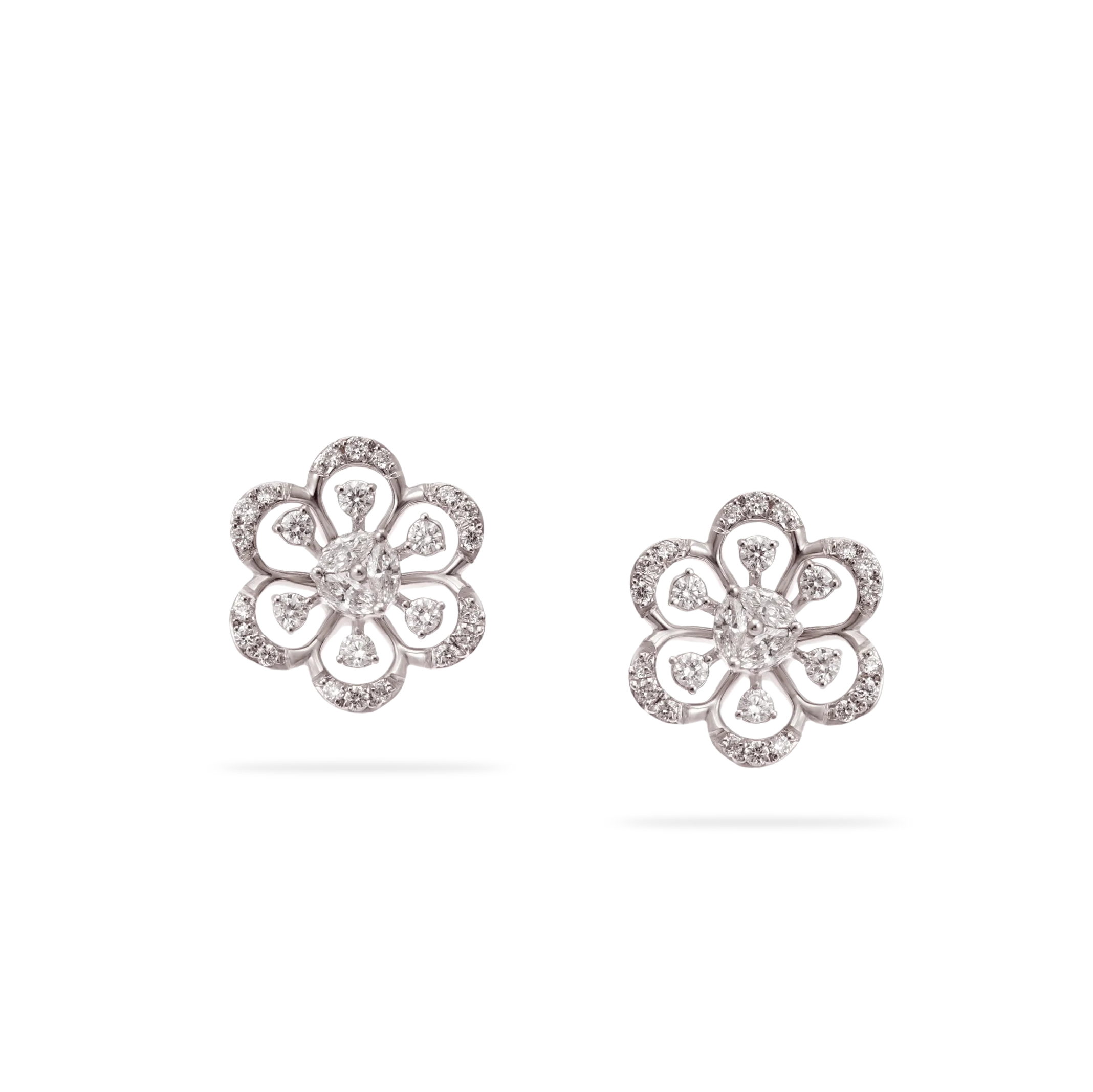
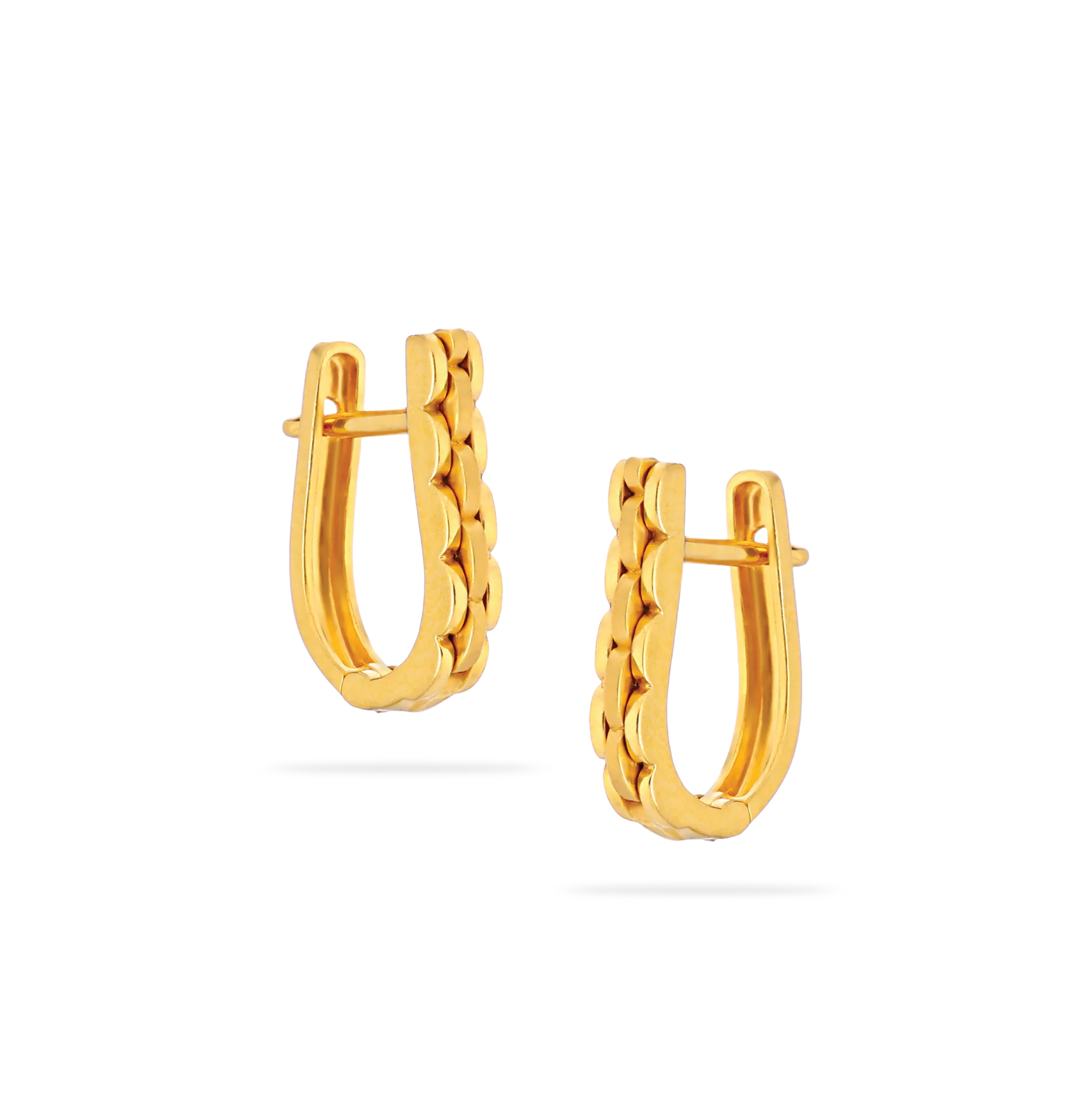
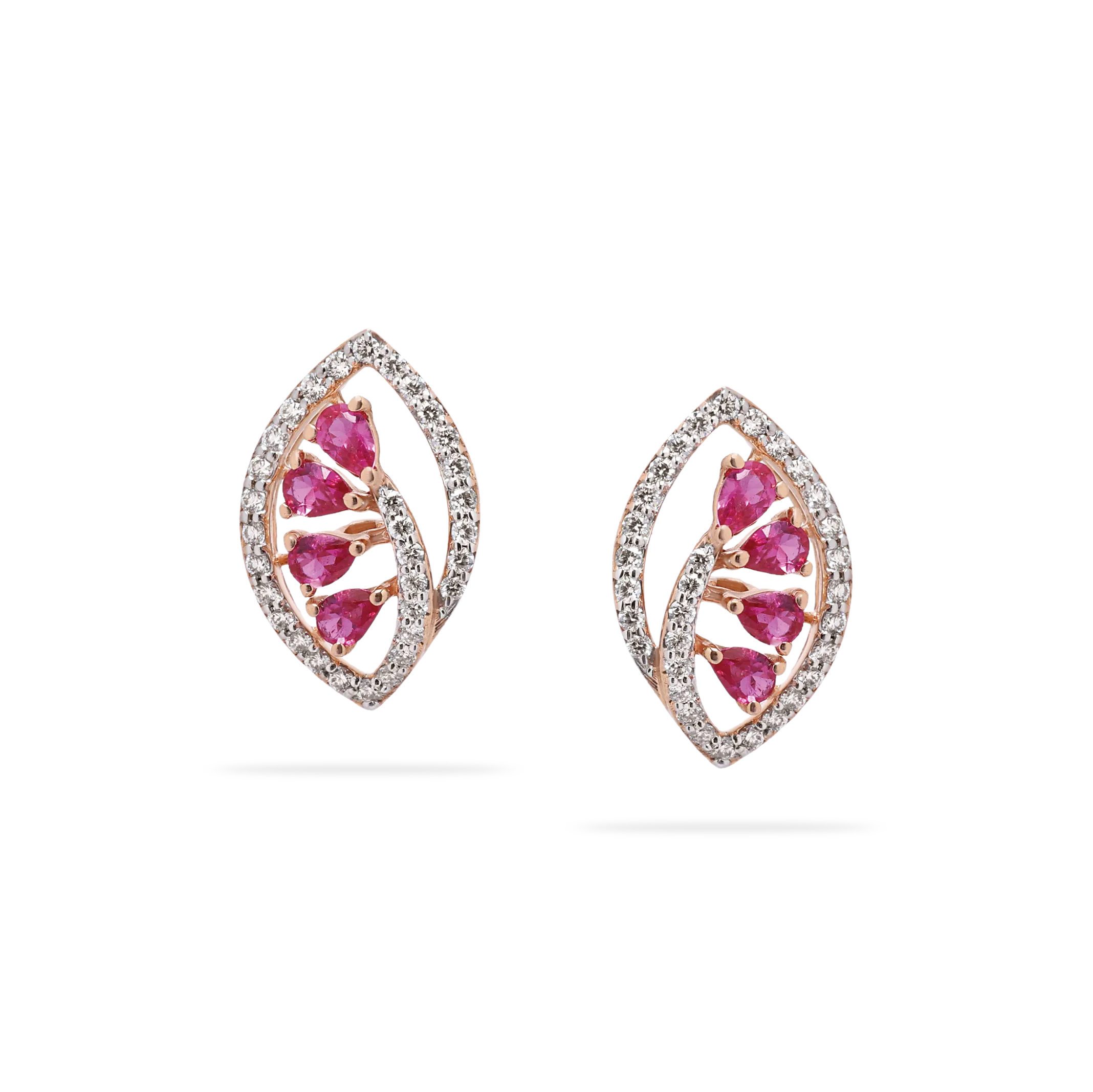
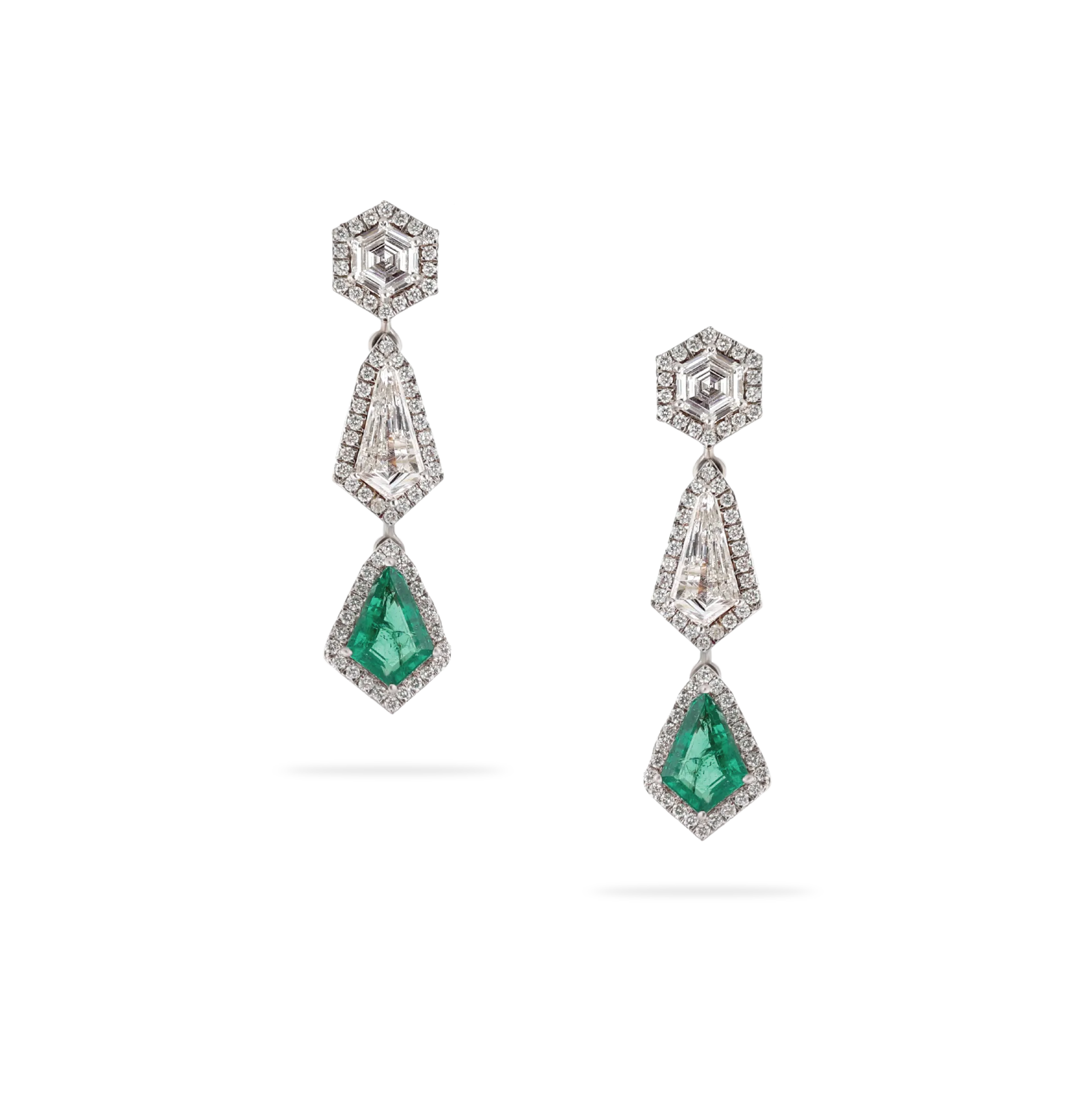
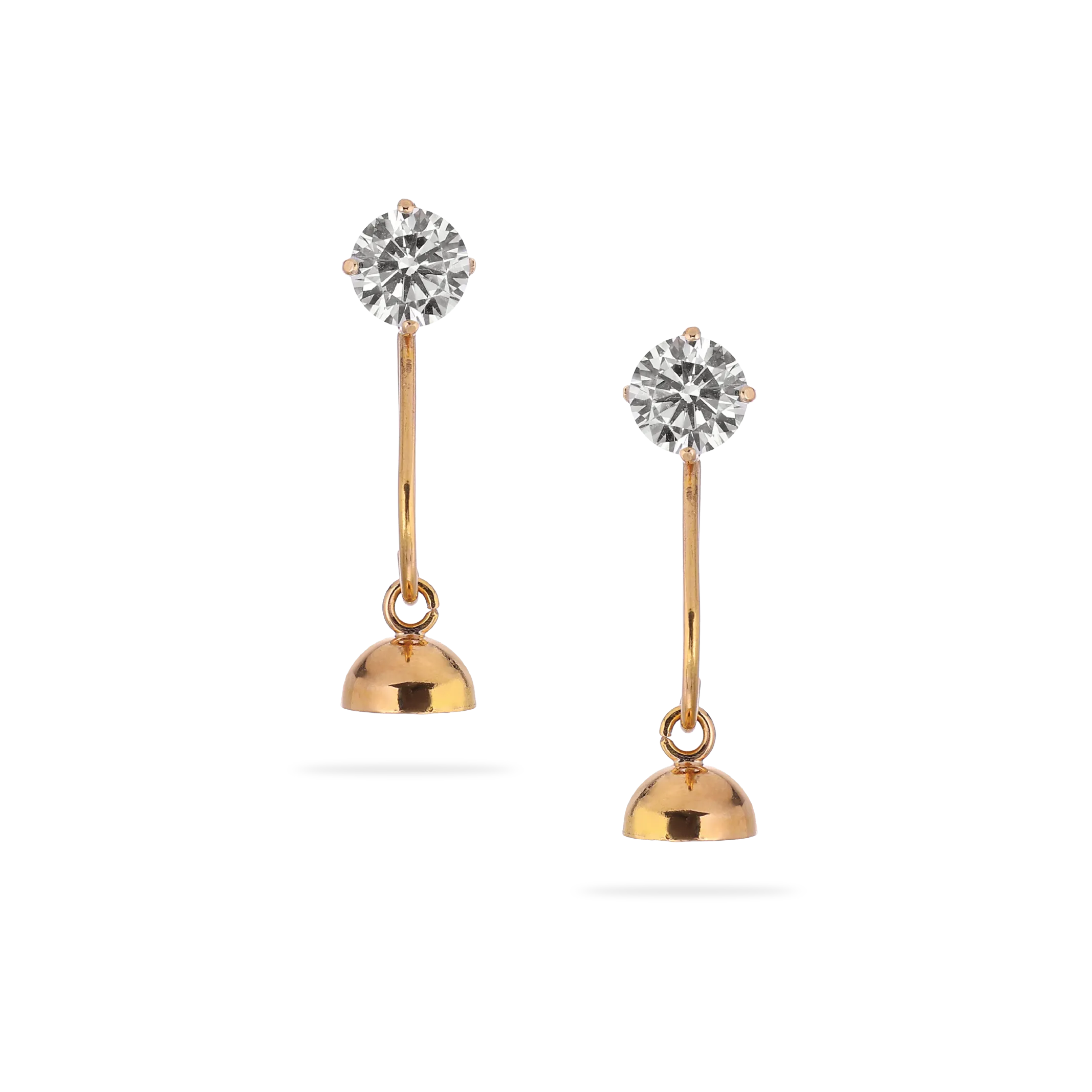
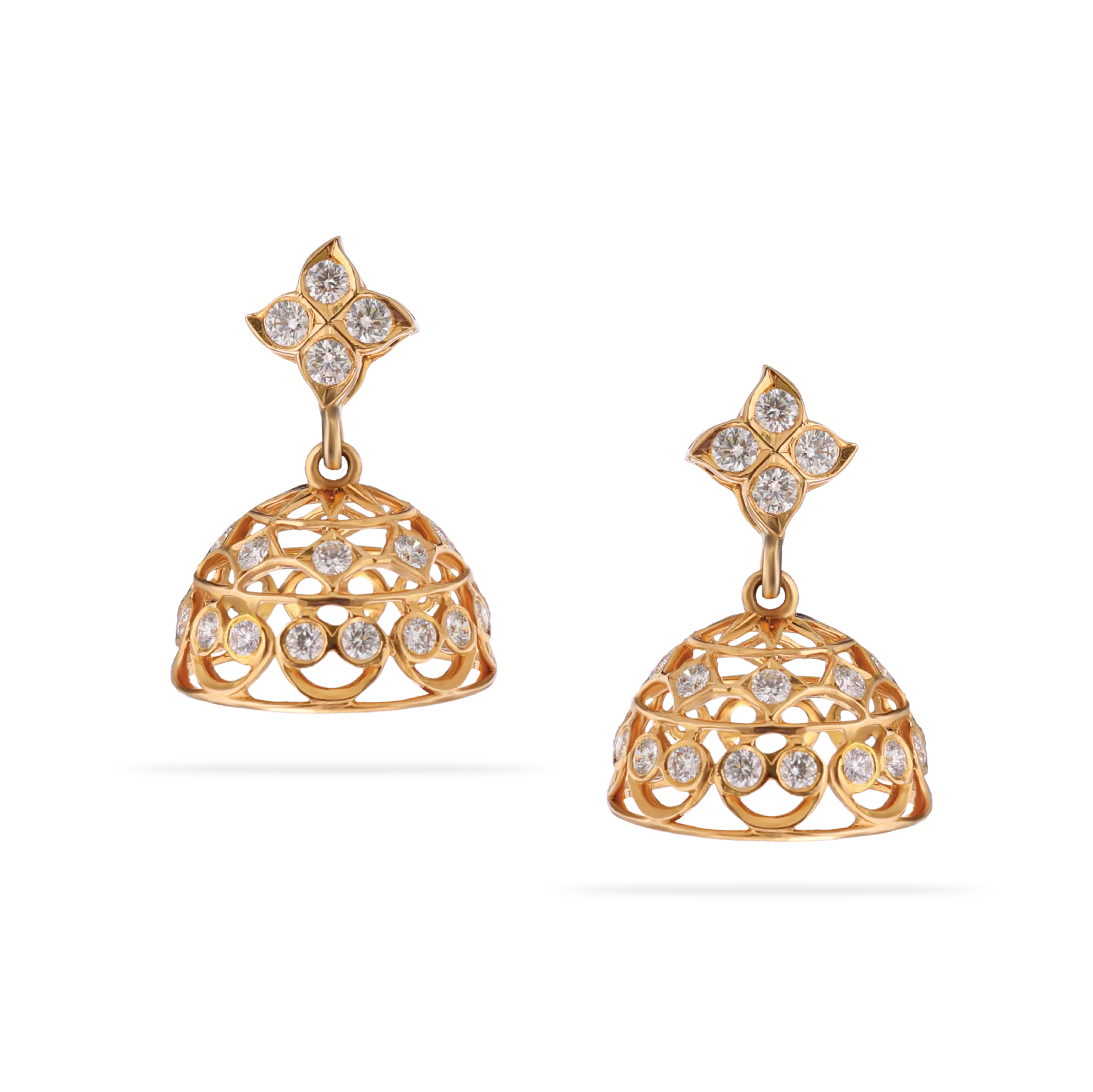
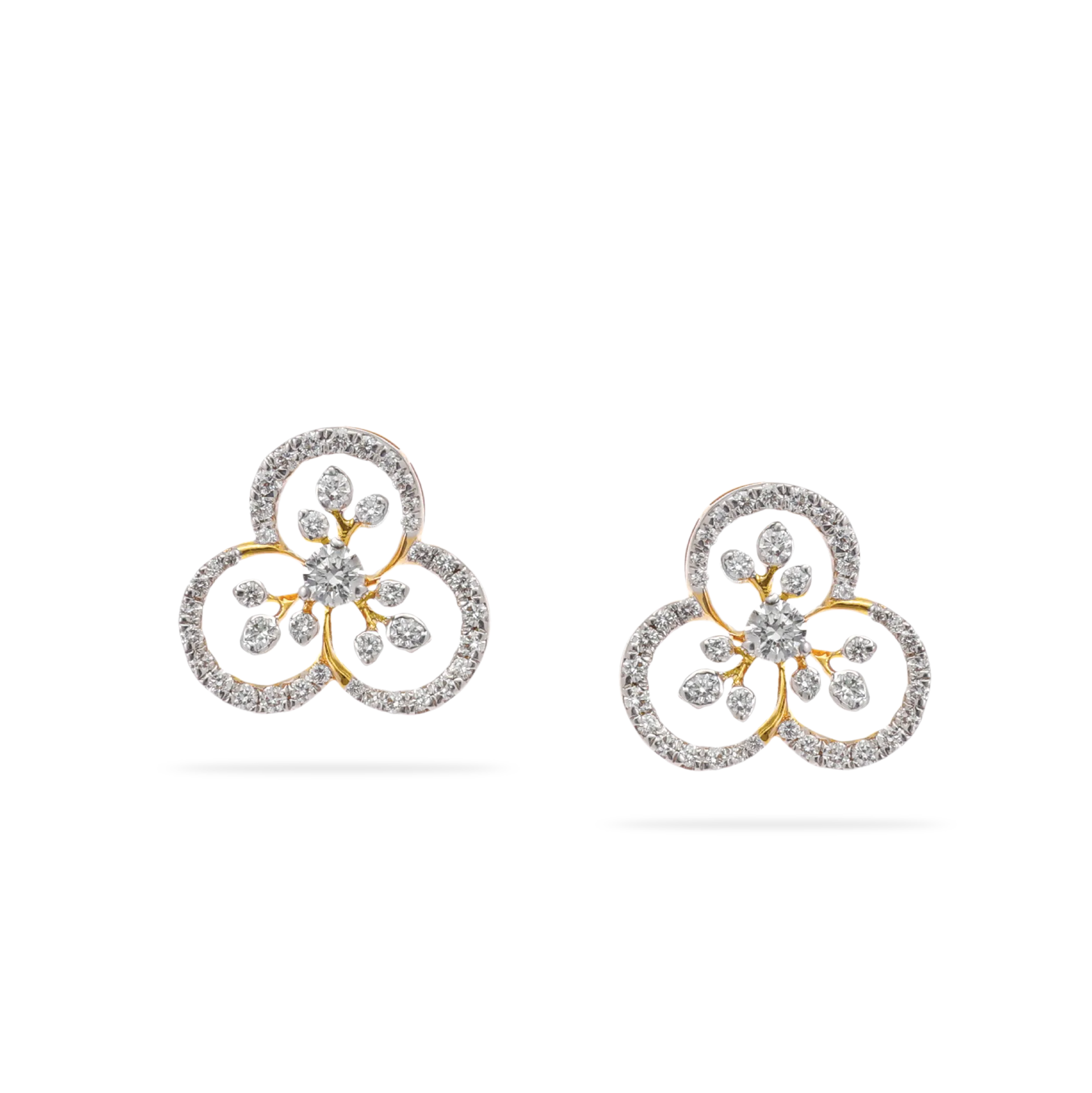
With a high-neck blouse or a dress with heavy embroidery around the border, it is best to avoid necklaces and instead emphasize your ears. Large, chandelier-style earrings or bold studs from C Krishniah Chetty & Co provide the necessary decoration without causing visual congestion near the neck. This technique ensures that your face remains the focus, framed by your hair and earrings, while the heavy embroidery of your garment stands out as a secondary design feature of the overall ensemble.
Selecting appropriate accompaniments for voluminous skirts
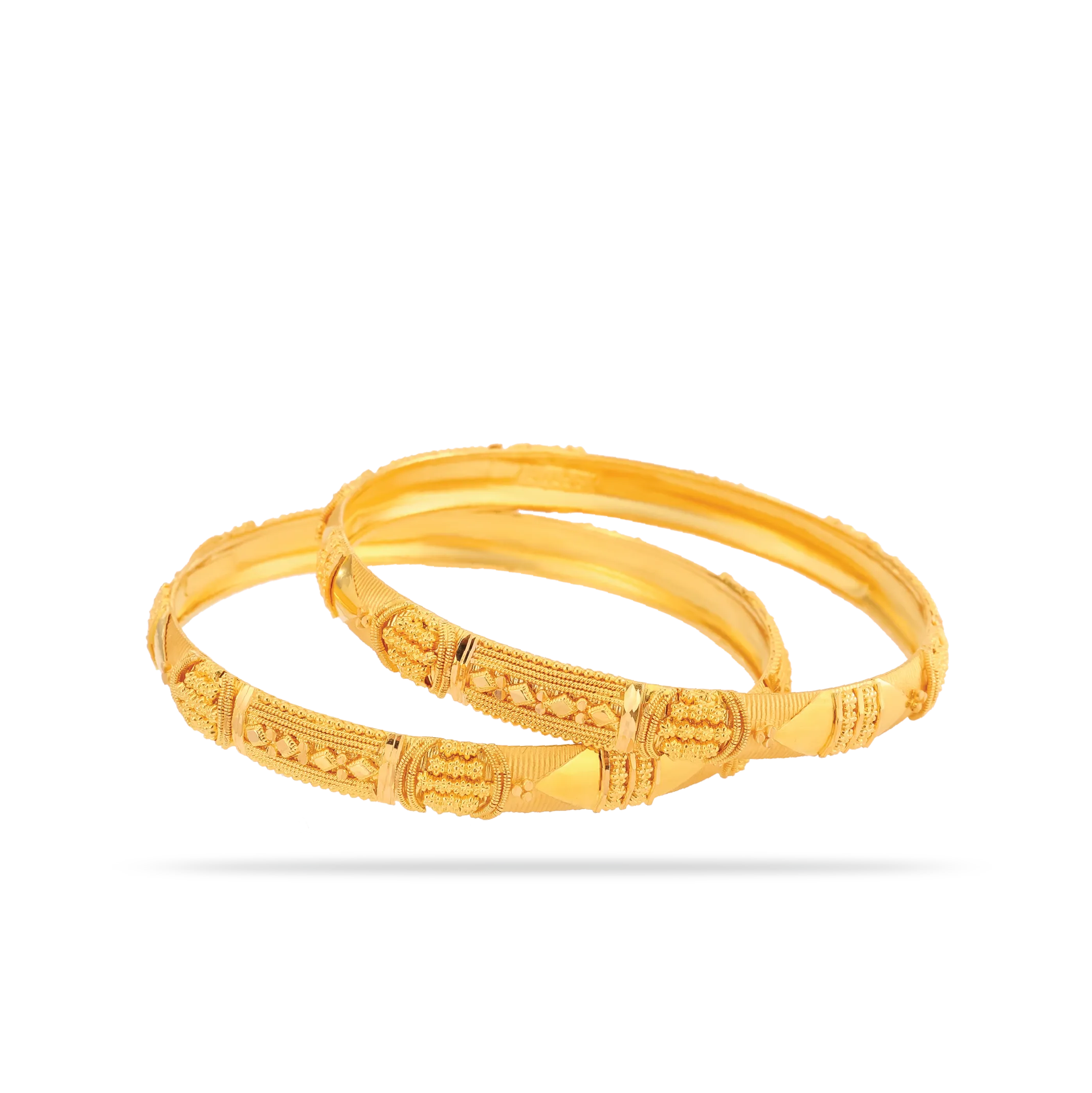
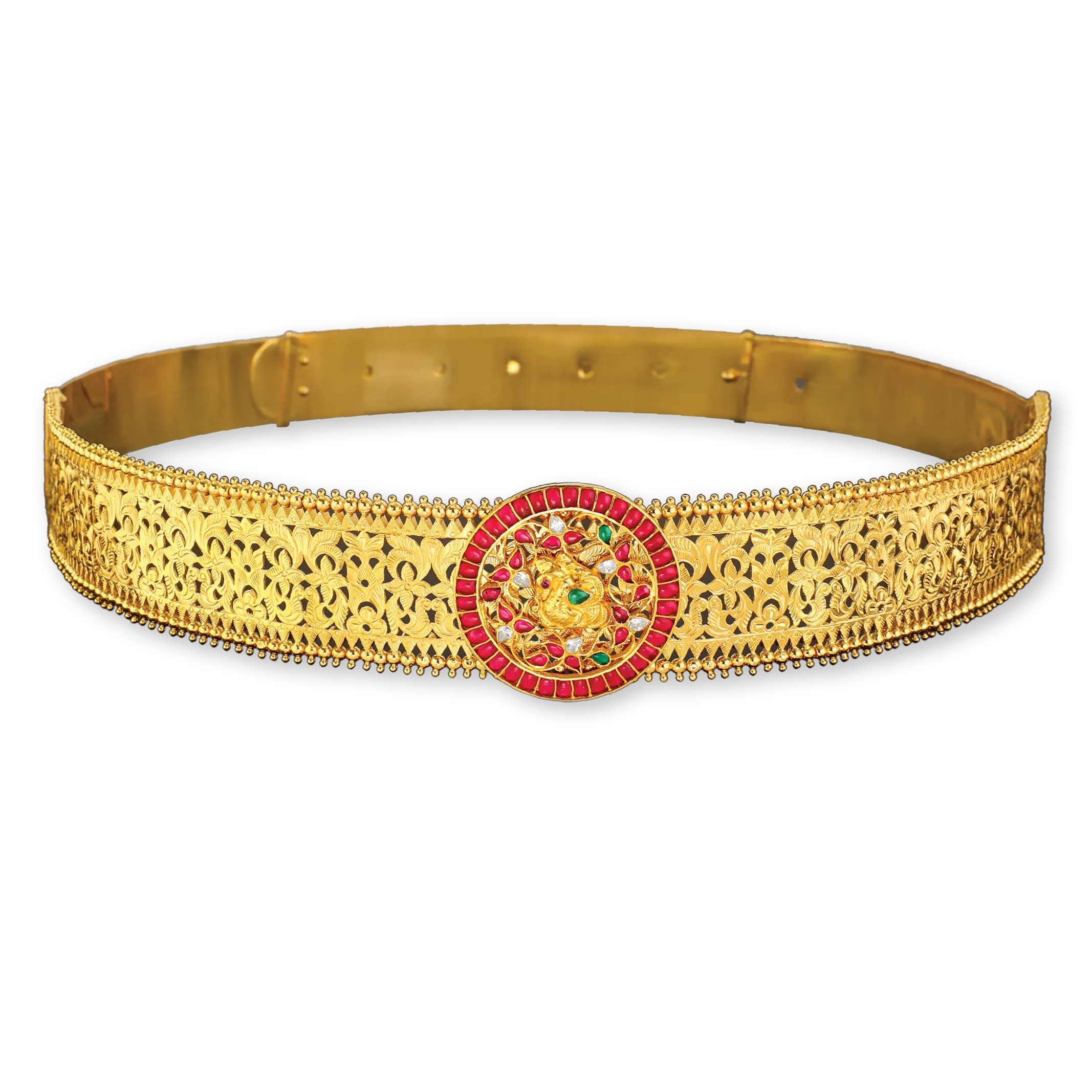
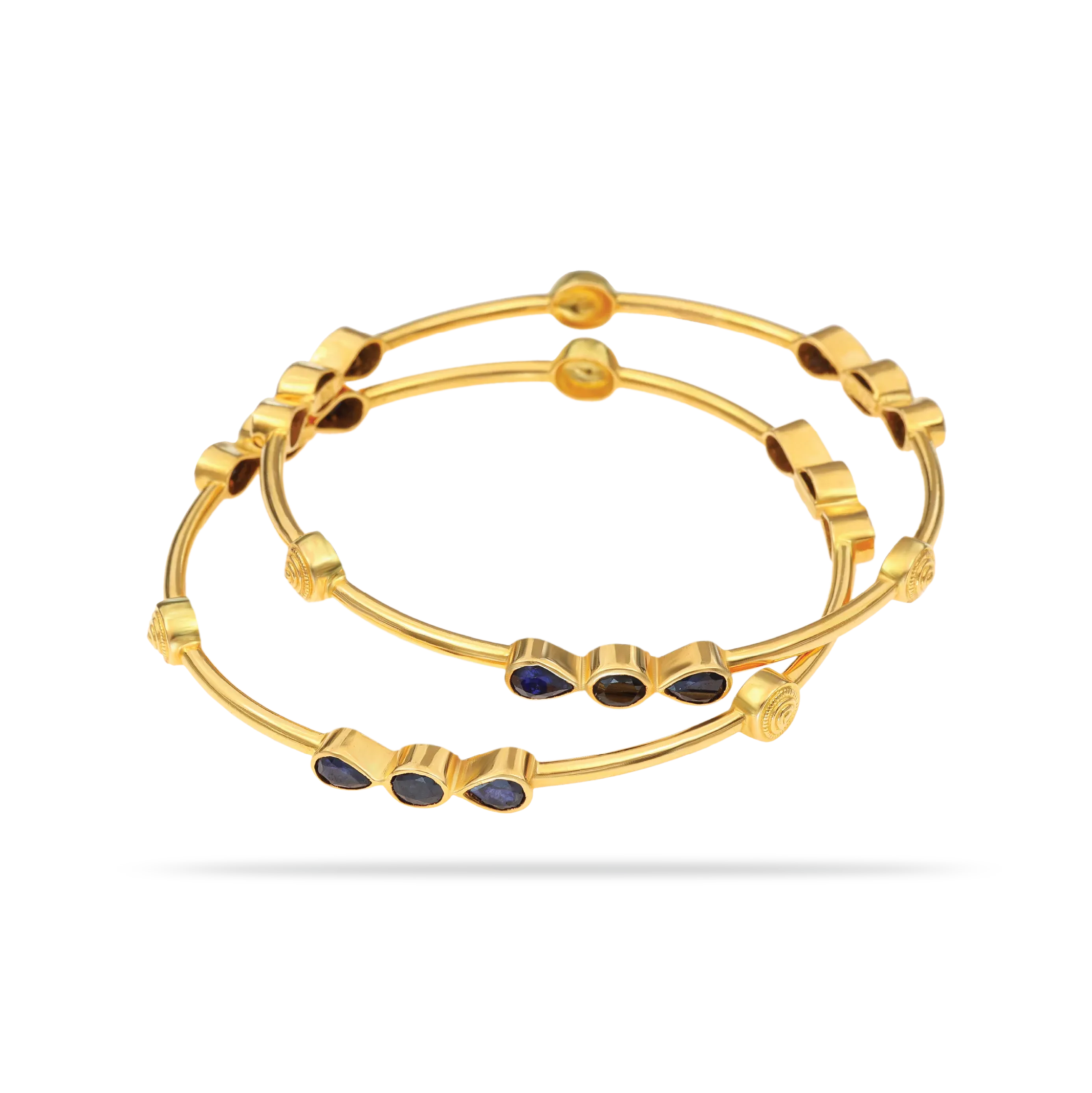
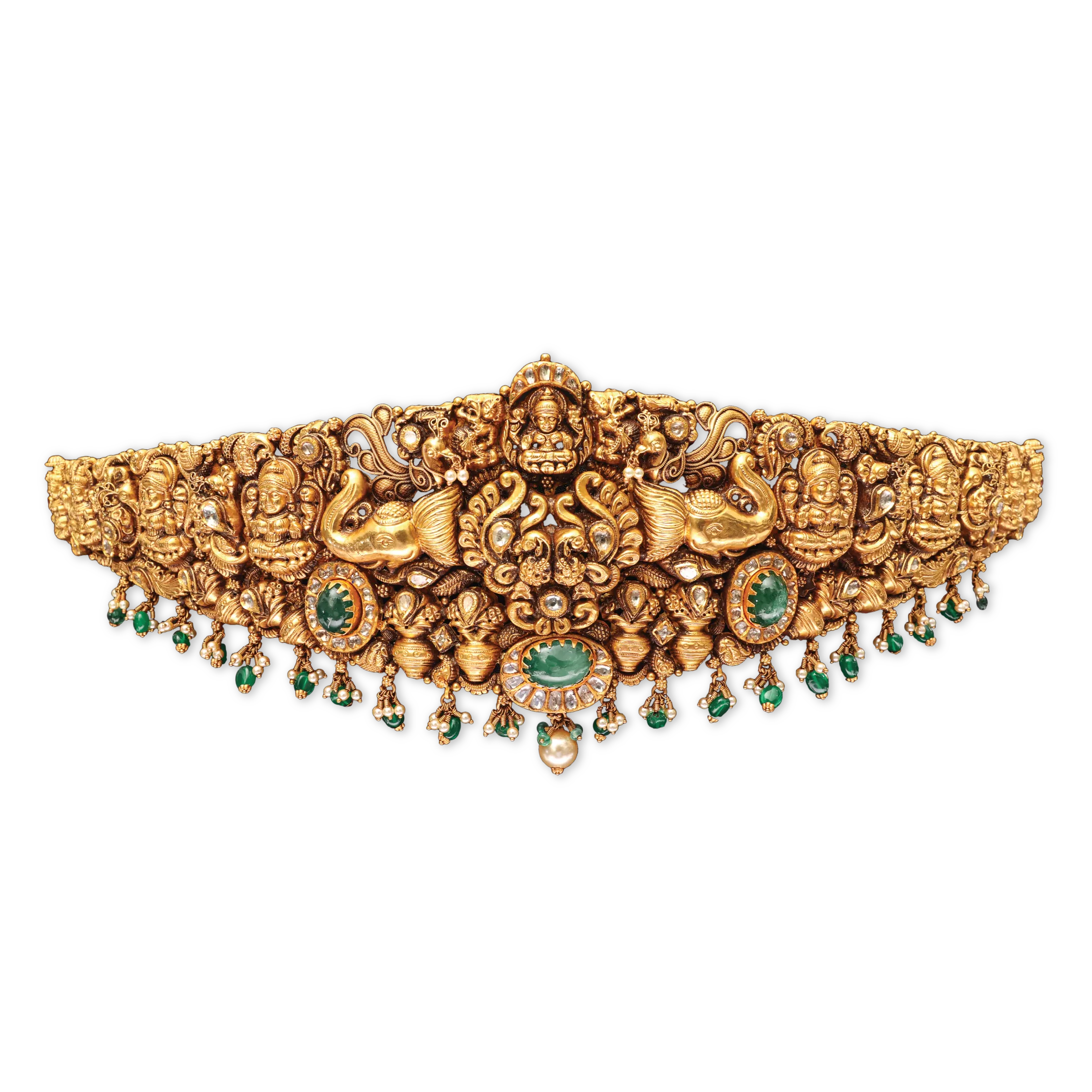
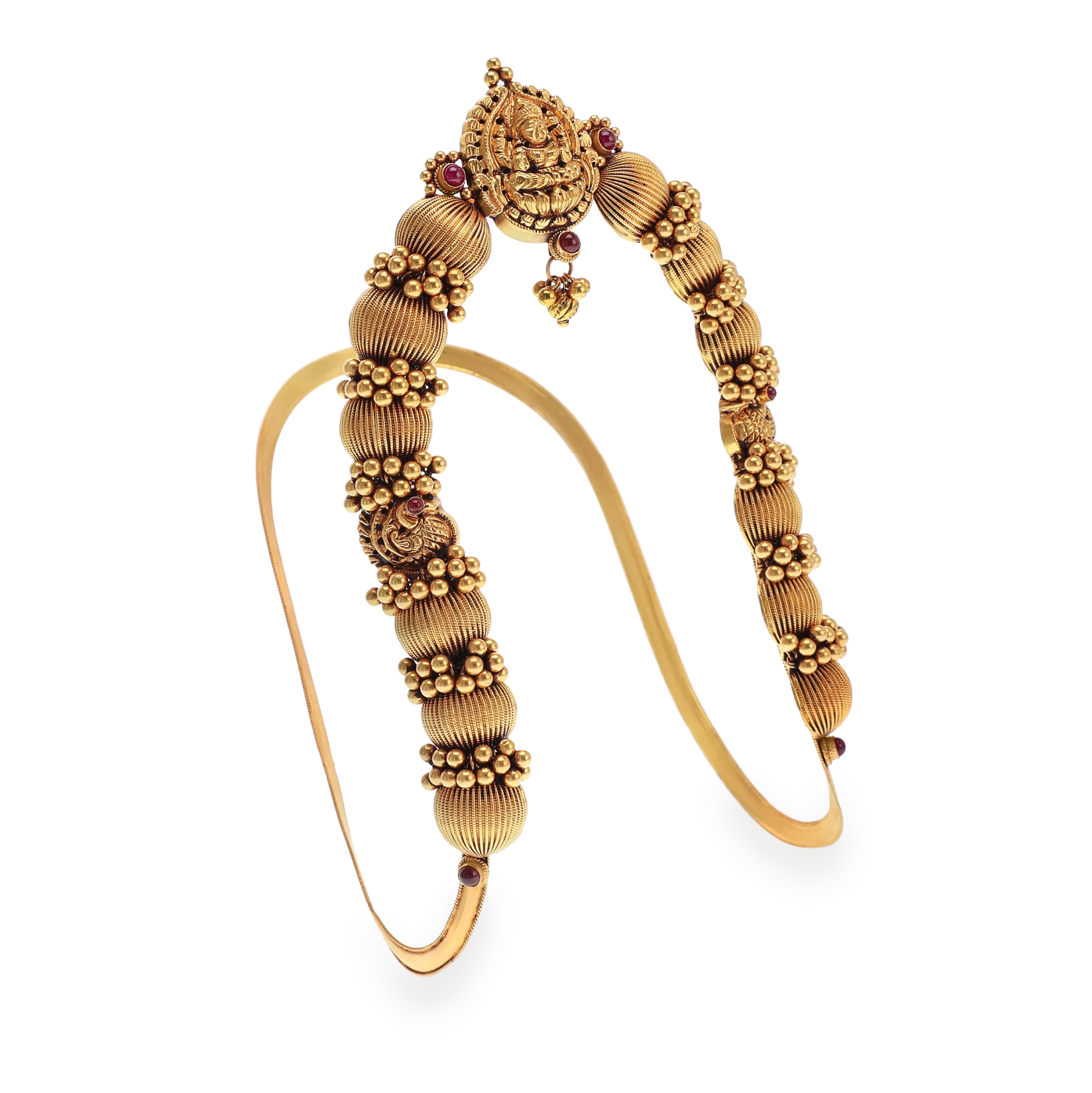
Voluminous skirts, such as traditional lehengas or ball gowns, call for pieces that possess a similar grandeur. If you plan to wear a large skirt, opt for a combination of waist belts or traditional arm accessories to help redistribute the visual weight throughout your silhouette. This balance prevents the lower half of your ensemble from appearing disconnected from your upper body and head, maintaining a sense of uniformity.
Navigating traditional jewellery for different event types
Different milestones require distinct approaches to how you display your jewellery. Daytime events often benefit from lighter, more delicate pieces that reflect the natural light, whereas evening weddings provide the perfect setting for larger, more glimmering stones. Managing your comfort during long, multi-day celebrations is perhaps the most practical portion of your styling.
Selecting understated pieces for daytime ceremonies
Daytime weddings favor materials like polished pearls or delicate gold filigree. These materials catch the natural morning and afternoon light without causing the harsh reflections that heavier, polished diamonds might create in direct sunlight. Keep the designs simple and focus on the craftsmanship of the items rather than extreme size or heavy stone concentrations.
Choosing elaborate, heavy-set items for evening weddings
Evening events are where you can embrace the drama of heavier, ornate sets. Under soft, warm, or artificial lighting, faceted stones and elaborate metalwork flourish, becoming the center of attention. This is the time to prioritize volume and intricacy, as these settings comfortably accommodate more elaborate adornments that would feel excessive during a garden or morning ceremony.
Managing styling comfort for multi-day festive events
Festive events often last for many hours, meaning your comfort is paramount. Choose items that allow you to move freely without constant adjustments or heavy pulling on your lobes. Consider these tips for long-duration wear:
- Opt for lightweight materials like thread-work or hollow gold designs.
- Test all fastennings for security and ease of removal before the main event.
- Avoid overly sharp or pointed metal edges that could snag on your clothing.
- Keep a small pouch of soft cloth for cleaning and maintaining your precious pieces during a busy weekend.
If you plan carefully, you can rotate your collection to ensure you remain both comfortable and stylish throughout the entire wedding season.
Conclusion
Curating your traditional wedding look is an exercise in balancing timeless heritage with your unique personal style, ensuring that every piece tells a story you will cherish for decades. By focusing on proportion, color harmony, and event-appropriate selection, you can navigate the path of traditional jewellery styling with confidence and grace. Ultimately, your choice of jewellery serves as a celebration of your identity, allowing you to walk down the aisle feeling radiant, comfortable, and beautifully connected to the traditions that make your wedding day truly special.
Frequently Asked Questions
Can I mix metals like gold, silver, and rose gold in my wedding ensemble?
Yes, mixing metals is a modern way to add visual interest to your bridal look, provided you choose pieces that share a similar finish or design language. The goal is to create a sense of intentionality where the contrast between metals feels like a deliberate design choice rather than an accidental clash.
How do I store traditional jewellery to prevent tarnishing?
Store each piece in its own individual, soft-lined box or cloth pouch to prevent scratching against other jewellery. Ensure your storage area is cool and dry, away from direct sunlight and humidity, which can accelerate the natural oxidation process of precious metals over time.
Should I prioritize my engagement ring or my wedding set when styling?
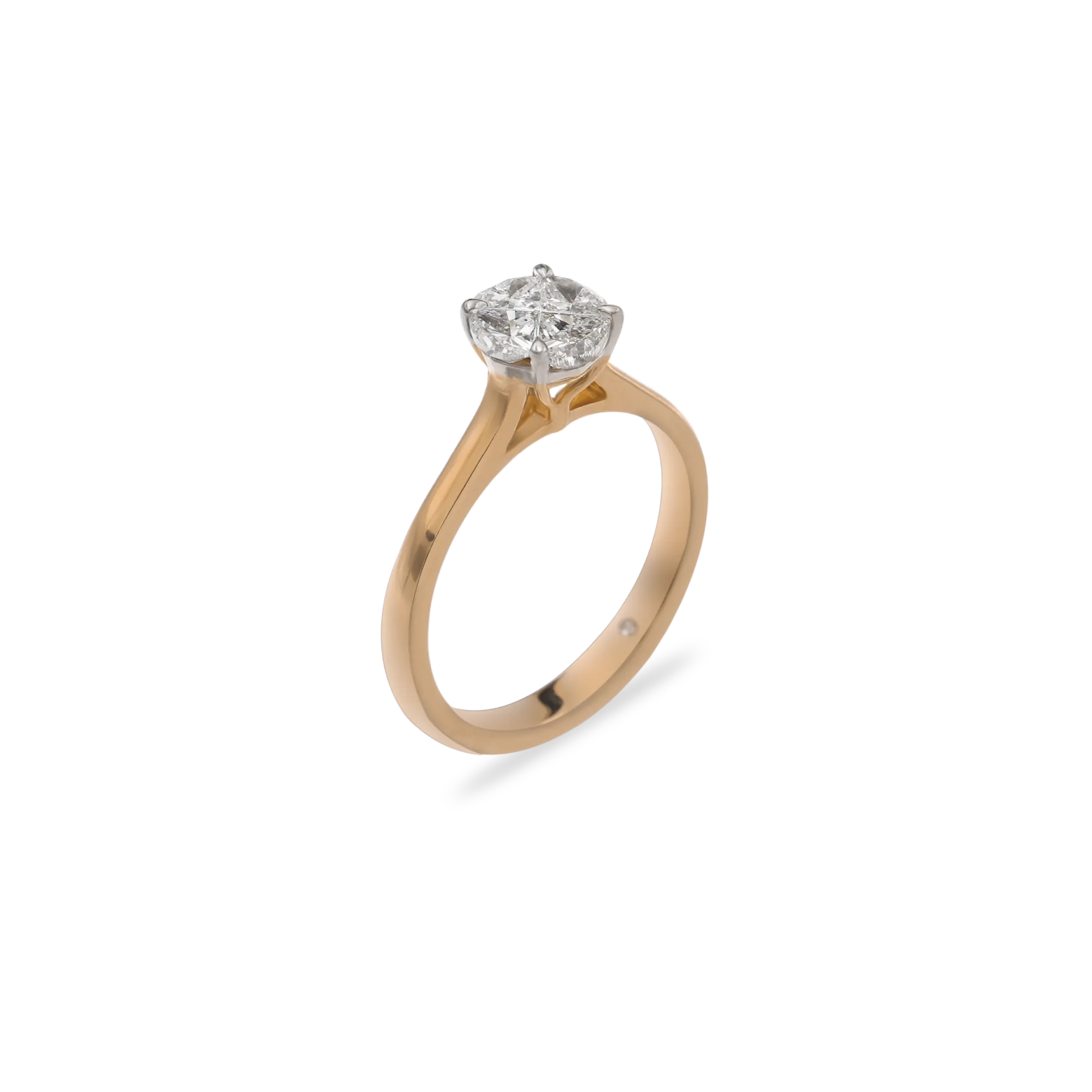
Your engagement ring is usually the cornerstone of your bridal hand jewellery, so coordinate the metal and stone settings of your other pieces to complement it. While they do not need to match perfectly, they should ideally share a similar color palette to ensure they do not compete visually for attention.
How often should I have my heirloom jewellery checked for wear?
Ideally, have your jewellery professionally inspected and cleaned by a trusted jeweller at least once a year, or a few months before a major event. This ensures that stones are secure and that any cleaning residue or everyday buildup can be safely removed without damaging the metalwork.
Is it acceptable to wear traditional jewellery with a western bridal gown?
Absolutely, many brides now embrace a fusion aesthetic by incorporating elements of heritage jewellery into a classic western bridal silhouette. A statement piece like a traditional choker can beautifully elevate the minimalist aesthetic of a modern white or ivory gown, creating a unique and personal fashion statement.
How do I ensure heavy temple jewellery remains comfortable for hours?
Select items featuring balanced weight distribution and make sure the clasps are secure enough to minimize movement on the neck or ears. If you find a piece is particularly heavy, consider using clear adhesive earring supports or switching to a lighter version of the design if the weight causes physical fatigue.
Can I resize traditional jewellery if it doesn't fit correctly?
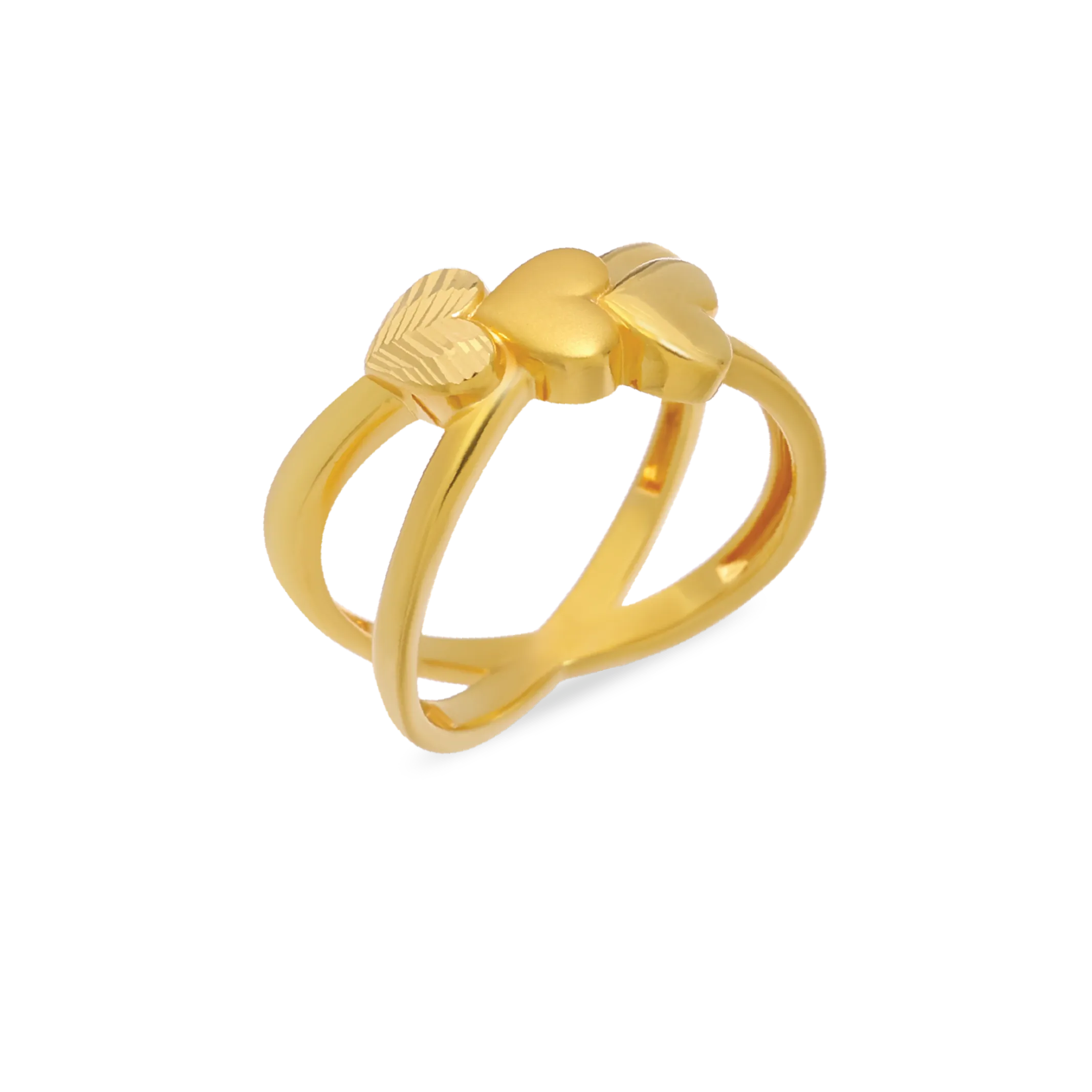
Many types of traditional ring and bracelet designs can be resized by a skilled professional, though it depends on the complexity of the intricate motifs or engravings. Consult a professional jeweller early in your planning, as some complex pieces may require specialized techniques to maintain their integrity or pattern during the resizing process.
Related blogs:
November 20, 2025
The Timeless Elegance of the Tennis Bracelet: A Comprehensive Guide
Read More
November 20, 2025
The Ultimate Guide to Styling and Wearing a Choker Necklace
Read More
November 20, 2025
Find Your Perfect Engagement Ring: A Comprehensive Guide to Styles and Diamonds
Read More
November 20, 2025
The Timeless Elegance of a Diamond Tennis Bracelet: A Buyer's Guide
Read More









.webp)

.webp)