How to pick jewellery for neckline: a guide to choosing the right pieces
October 17, 2026 | 10 minutes read
Key Takeaways
A necklace feels most natural when its shape and length work with the garment rather than compete with it. A few small choices can bring the whole look into balance.
- Let the neckline’s shape guide the necklace’s shape and length.
- Consider fabric, color, and embellishment before adding a statement piece.
- Balance a bold necklace with simpler earrings, or let bold earrings stand alone.
- Leave clear space between layered chains and the garment’s edge.
- Try on the complete outfit and adjust for comfort and occasion.
Read the neckline before choosing jewellery
Before reaching for a favorite necklace, take a moment to see what the garment is already doing. Its neckline sets the visible space for jewellery, while fabric and details influence how much decoration feels right. This quick read makes it easier to decide whether a piece should blend in or become the focal point.
Identify the neckline’s shape and depth
Start with the outline: is it rounded, angular, narrow, or wide? Then notice how far it falls, since a deep opening offers a different amount of space from a high, closed collar. The aim is not to match every line exactly, but to choose a piece that sits comfortably within the shape without interrupting it.
Notice where the fabric draws the eye
A neckline can direct attention toward the collarbone, shoulders, or center of the chest. A strong horizontal edge, such as a boat neck, already carries the eye across the upper body; a pendant can add a gentle vertical counterpoint. With a detailed or unusual cut, keeping jewellery quiet may be the more considered choice.
Consider the garment’s color, texture, and embellishment
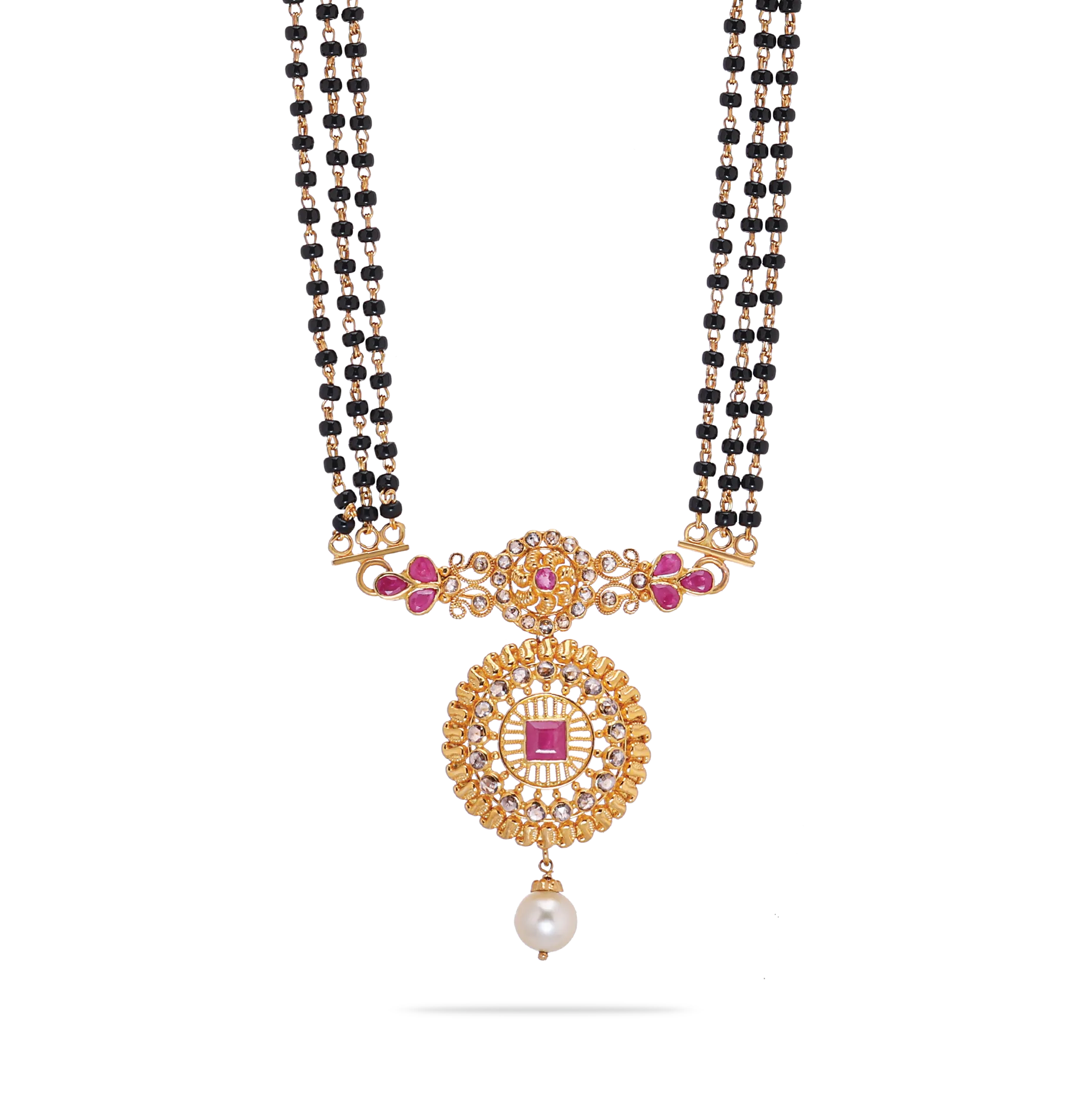
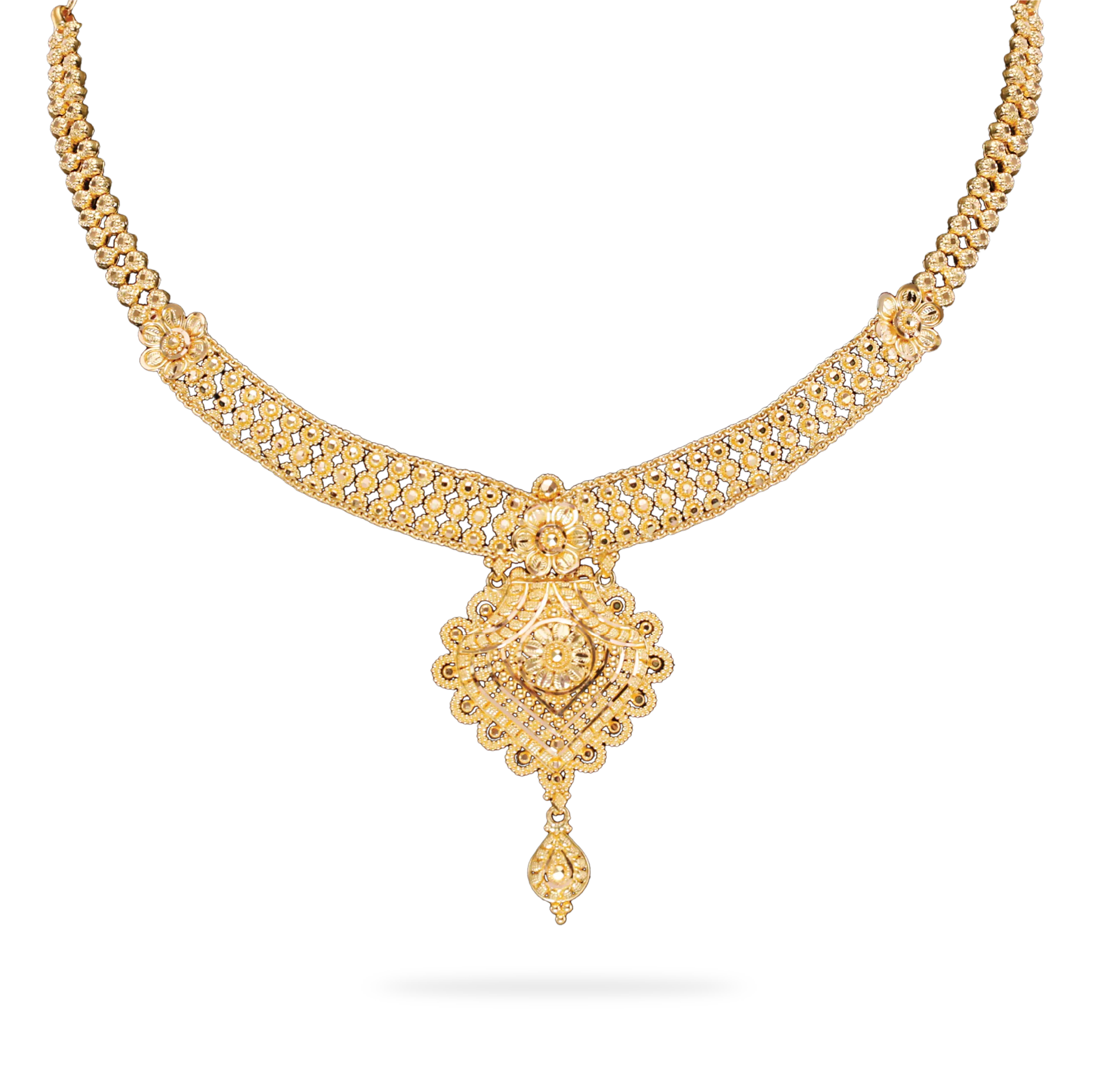
Smooth, plain fabric leaves room for texture or a more noticeable jewel, while lace, embroidery, sequins, and gathered details add their own visual interest. Color matters too: a necklace can echo a garment’s tone or provide a restrained contrast. If you are choosing jewellery for a wedding outfit, these bridal necklace proportions can help you think through neckline, length, and comfort together.
Decide whether jewellery should complement or contrast
Matching the neckline’s lines creates a calm, cohesive effect; contrast can bring energy, as when a soft curved neckline meets a crisp geometric pendant. Neither approach is automatically better. Think about the overall impression you want, then make one clear focal point the priority so the pieces do not compete for attention.
Match necklace length and shape to the neckline
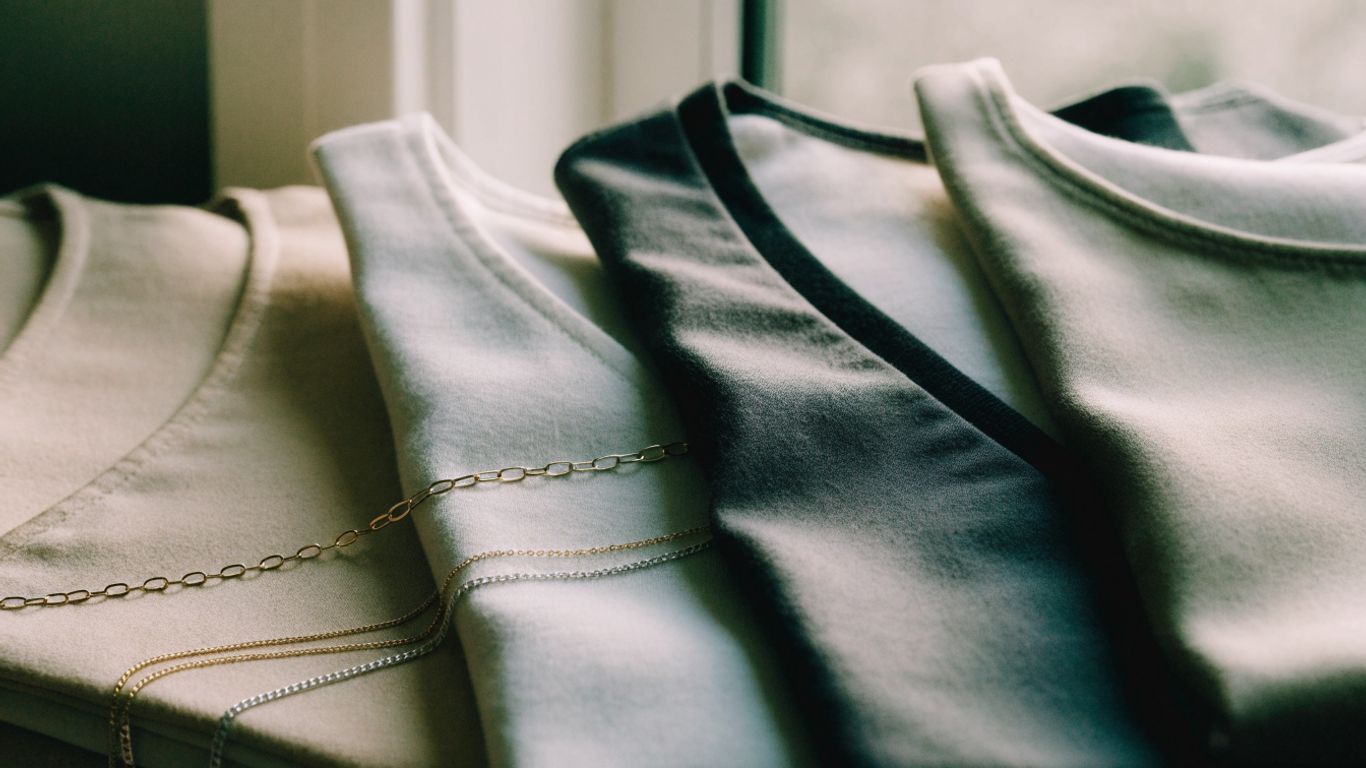
Once you have read the garment, consider where a necklace will fall and how its outline will sit against the fabric. A piece that ends at the neckline’s edge can feel crowded, while one with a little breathing room often looks intentional. These neckline pairing ideas are useful when you are weighing shape and proportion across different cuts.
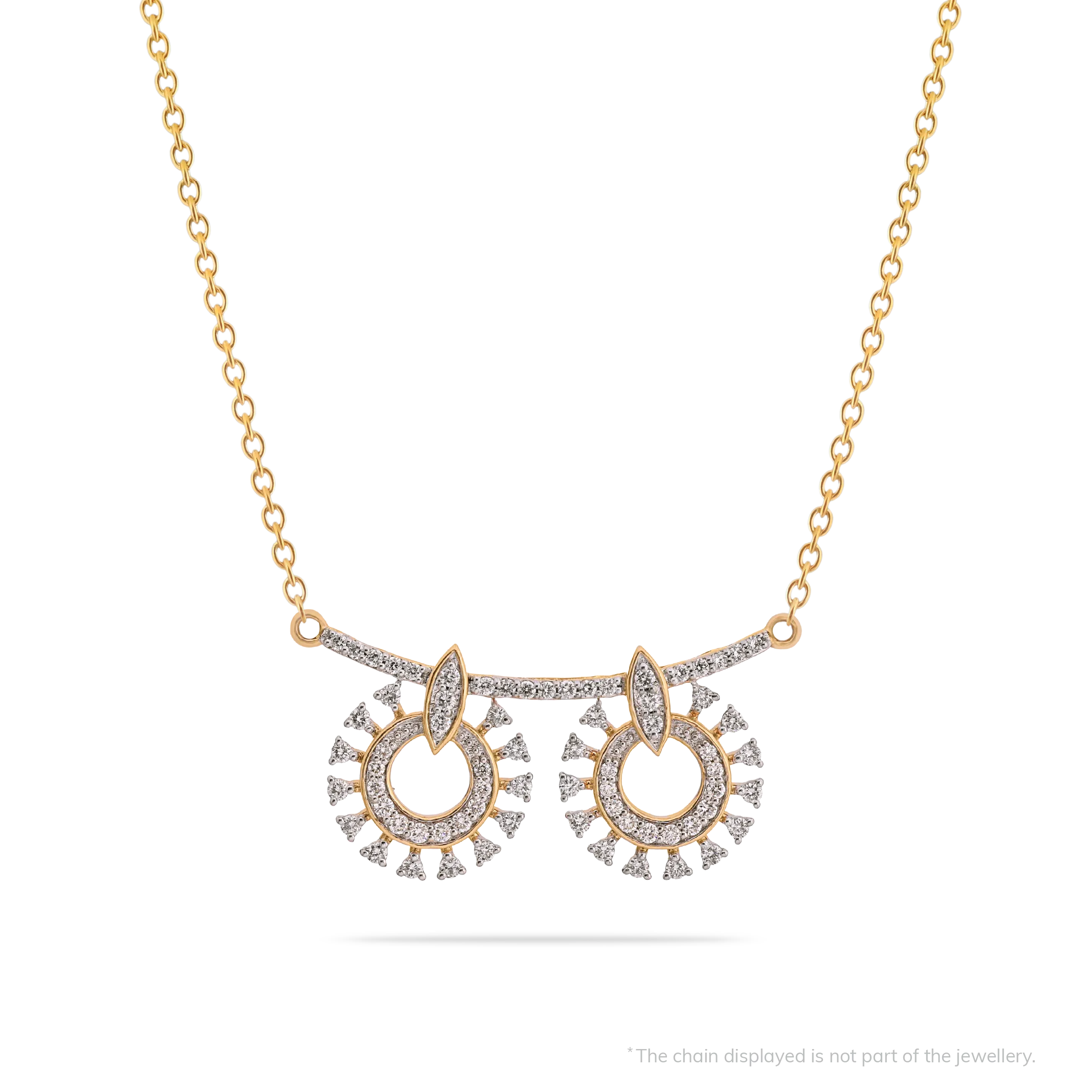
Use short necklaces with open necklines
Open necklines create visible space around the collarbone, making shorter chains and close-fitting necklaces a natural option. The most useful length depends on the garment’s edge: the necklace should sit clear of it rather than disappear against it. Use this simple guide as a starting point, then adjust for your own proportions and the fit of the top.
| Neckline | Starting point | What to check |
|---|---|---|
| Scoop | Short chain or pendant | Keep the necklace inside the curve |
| V-neck | Pendant or Y-shaped style | Let the point follow the opening |
| Strapless | Choker or collar-length piece | Leave the neckline visible |
| Boat neck | Longer chain | Add a vertical line below the edge |
These pairings are suggestions, not strict rules. Try the necklace on with the garment, since small differences in neckline depth can change where the piece rests.
Choose longer pendants for high or simple necklines
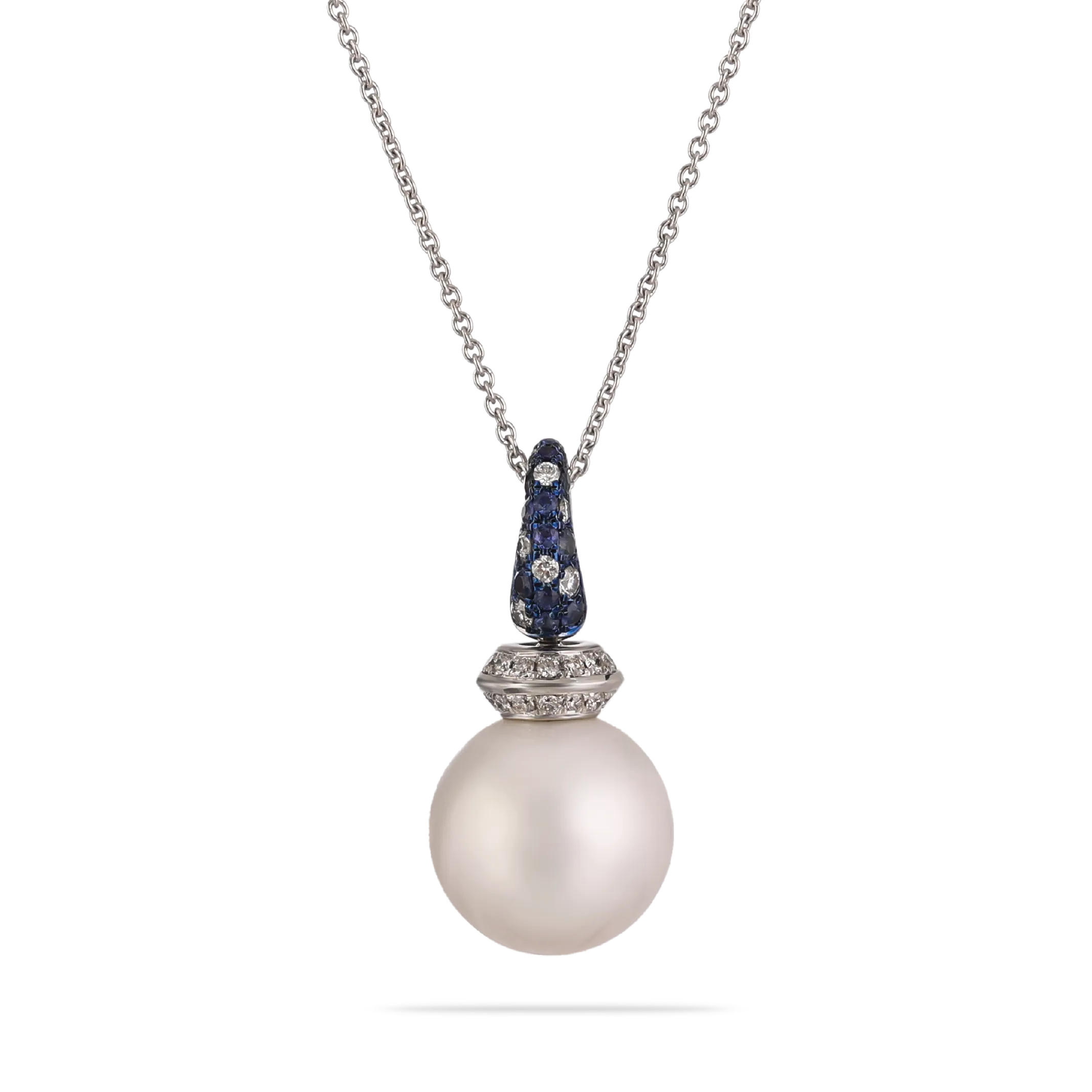
High necklines leave little room near the collarbone, so a longer necklace can create a distinct line below the fabric. On a simple knit or blouse, a pendant adds detail without crowding the collar. Check that the pendant falls where it can move freely, rather than landing awkwardly at the garment’s hem or another visual boundary.
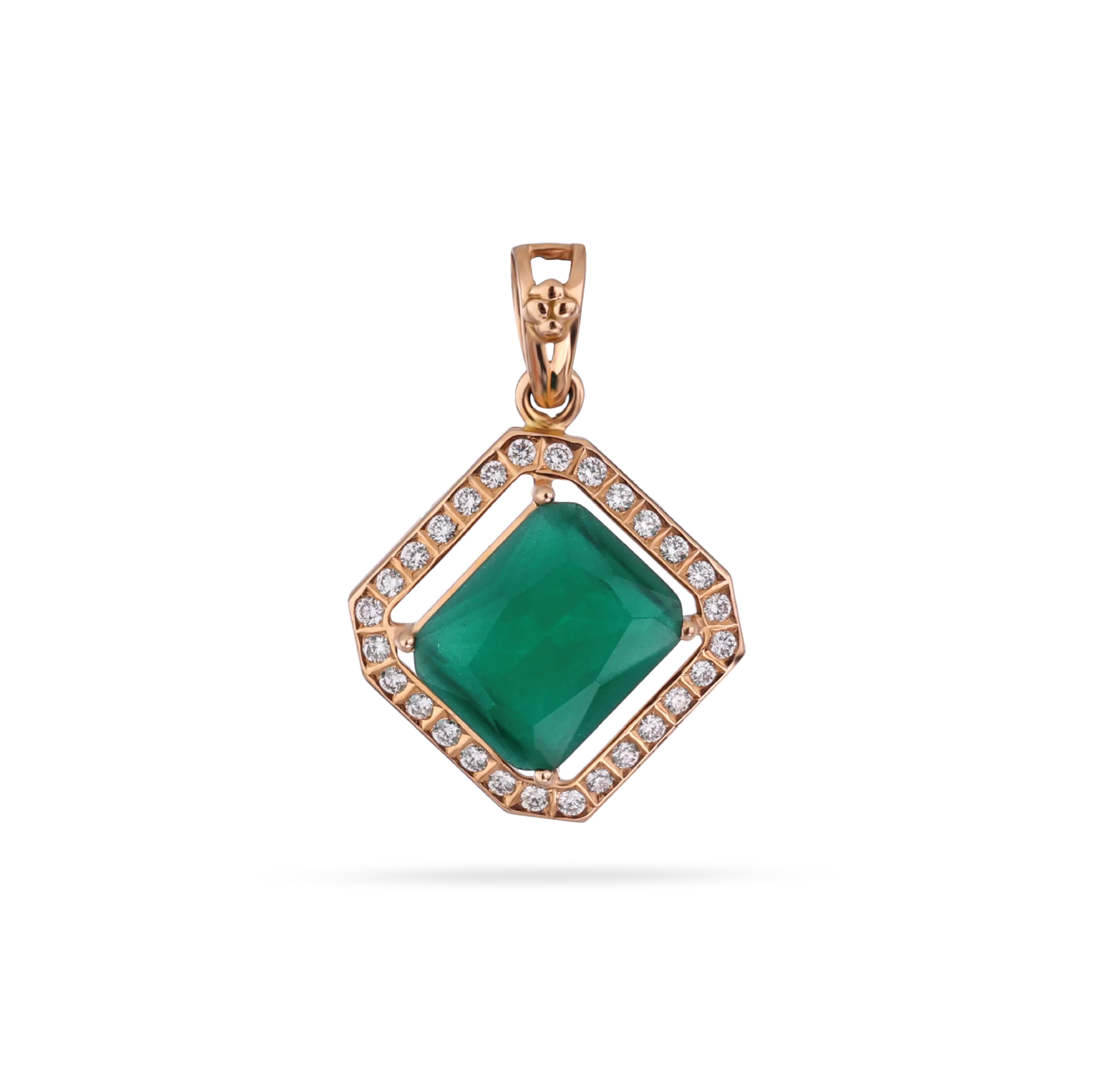
Echo angular lines with geometric designs
Square and sharply cut necklines have a clear structure. A geometric pendant or a necklace with defined edges can feel in tune with that structure, while a rounded design offers a softer contrast. Keep the scale in proportion: a clean neckline may support a larger shape, but a delicate garment can call for a lighter touch.
Balance curved necklines with soft shapes
Rounded necklines pair easily with curved links, beads, and pendants that echo their gentle outline. A necklace does not have to trace the neckline precisely; it simply needs to sit without forming an awkward tangency at the edge. When in doubt, shift the chain slightly shorter or longer and see which position gives the curve room to breathe.
Choose jewellery for common neckline styles
A few familiar cuts offer a useful place to begin, but fabric and fit still matter. A V-neck directs attention downward, while a strapless neckline leaves the shoulders and collarbone open. Use the garment’s shape as a guide, then choose the amount of jewellery that feels comfortable and true to your style.
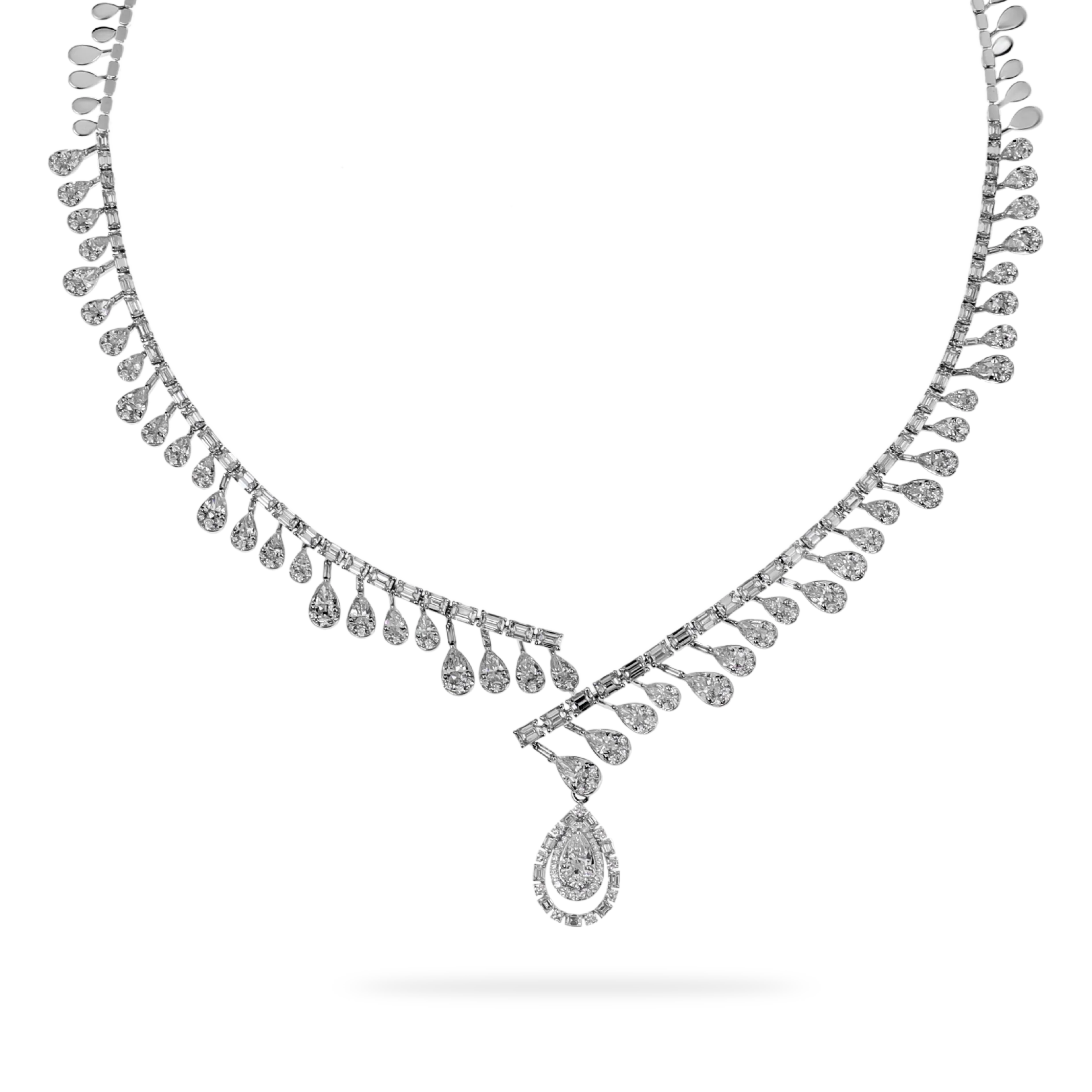
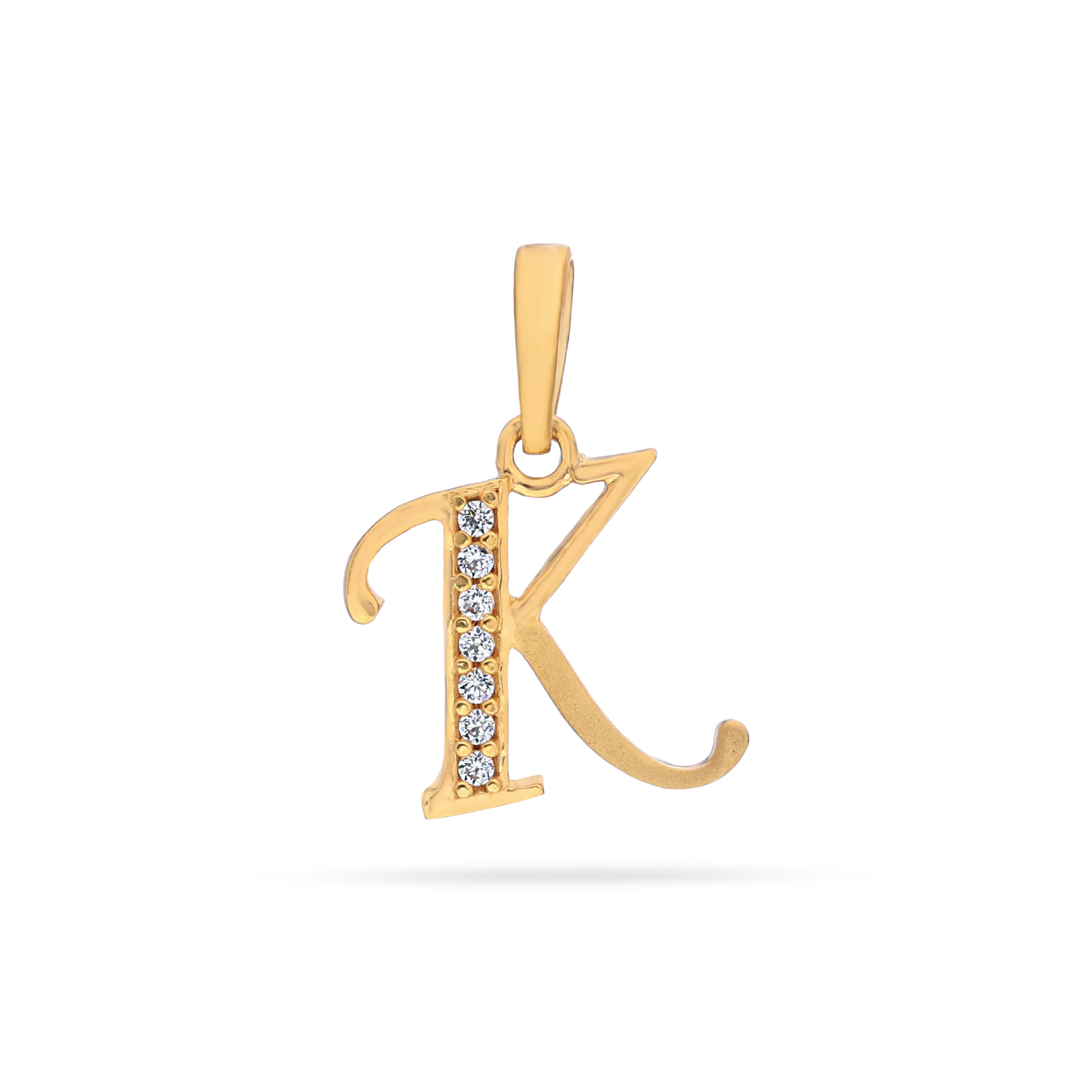
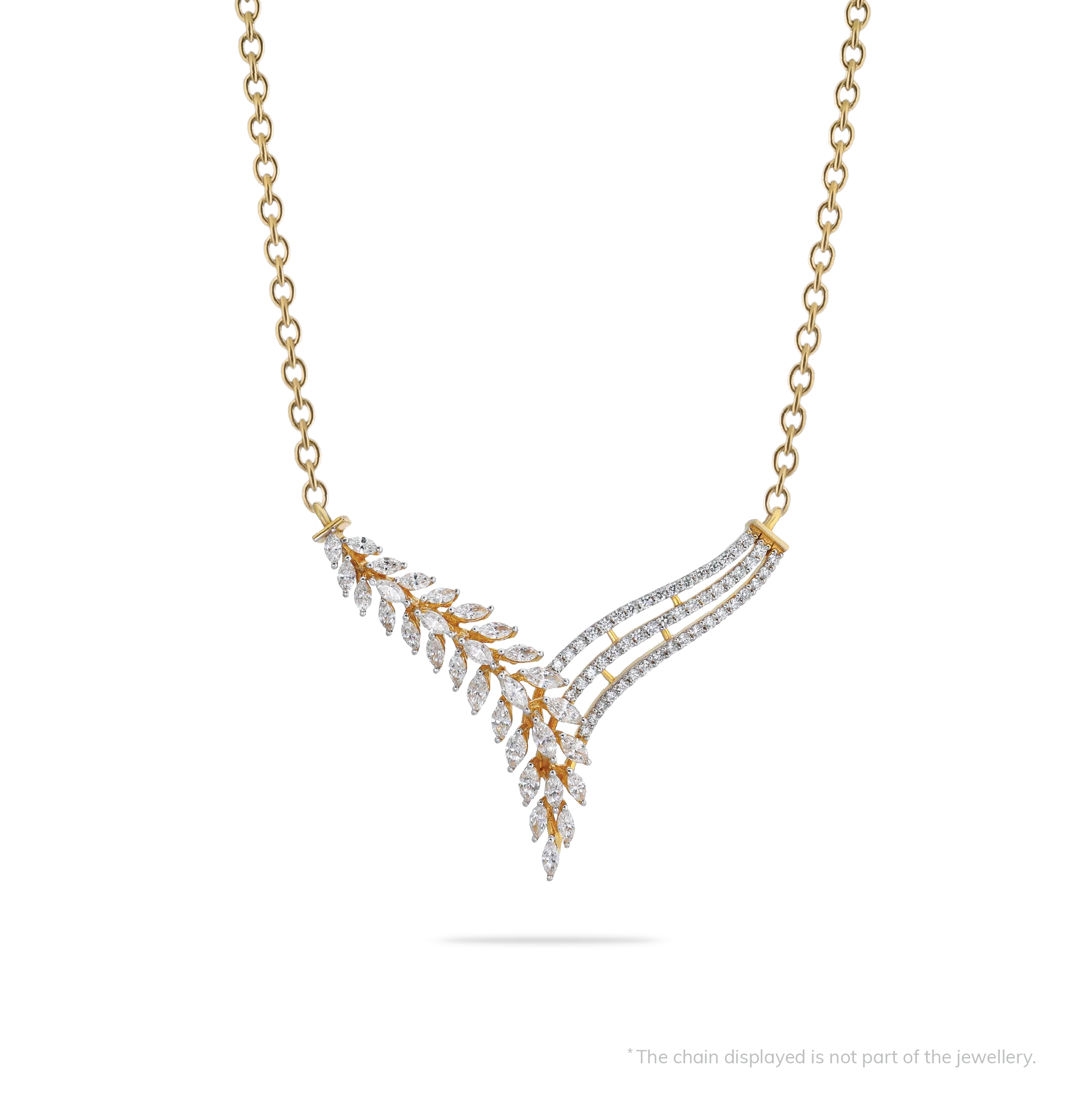
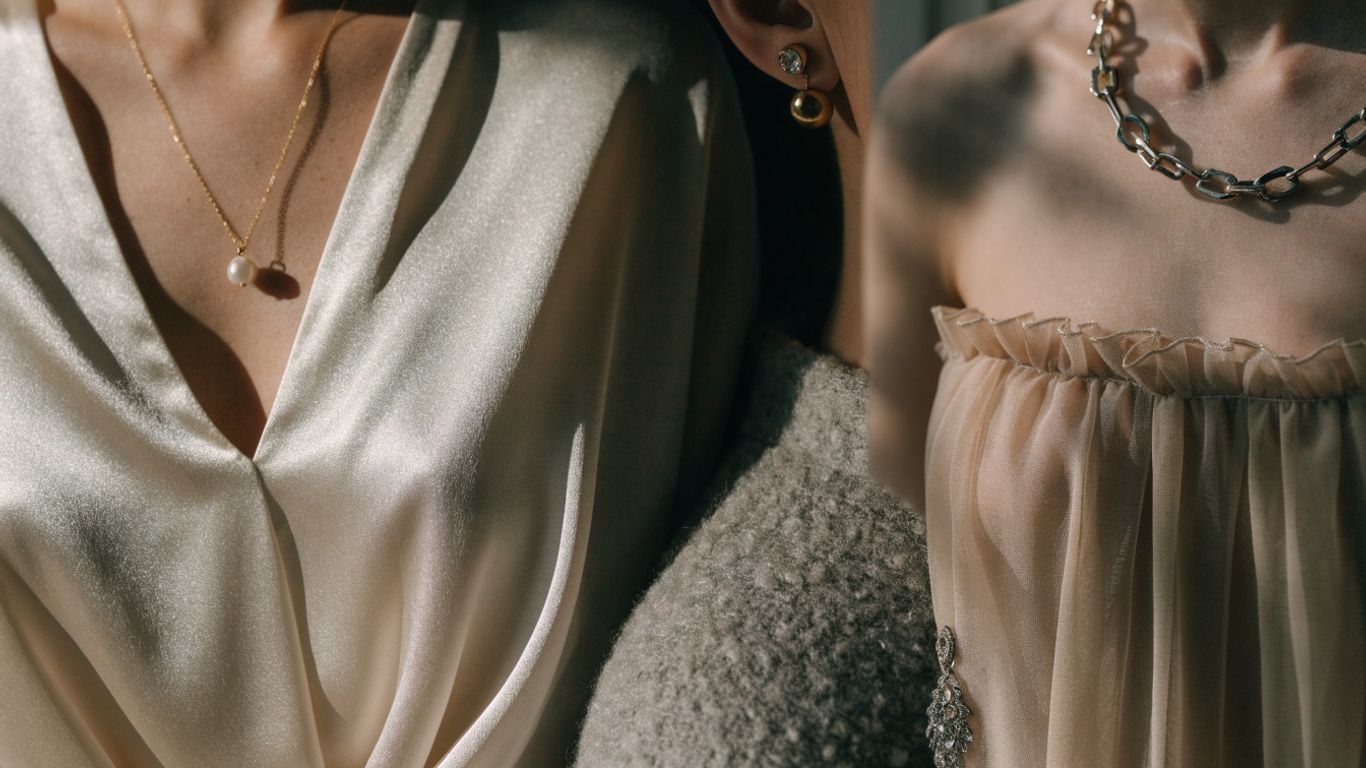
Pair V-necks with pendants that follow the V
A pendant that falls within the V can extend the neckline’s direction and keep the look visually connected. Choose a chain long enough to clear the fabric, but not so long that the pendant sits far below the opening. If the V is shallow, a small pendant may be enough; a deeper cut can accommodate a longer line.
Style strapless and sweetheart necklines with close-fitting pieces
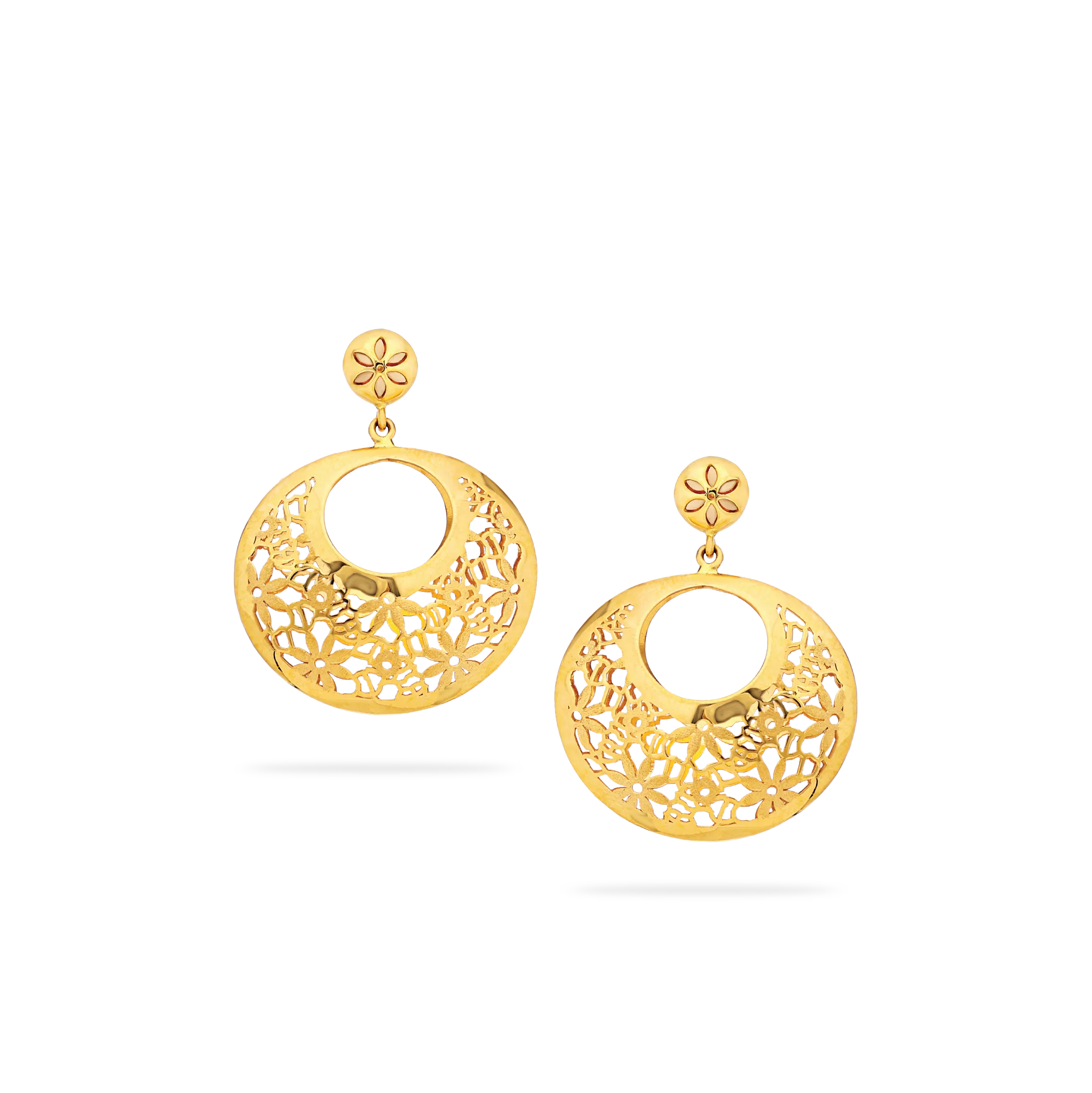
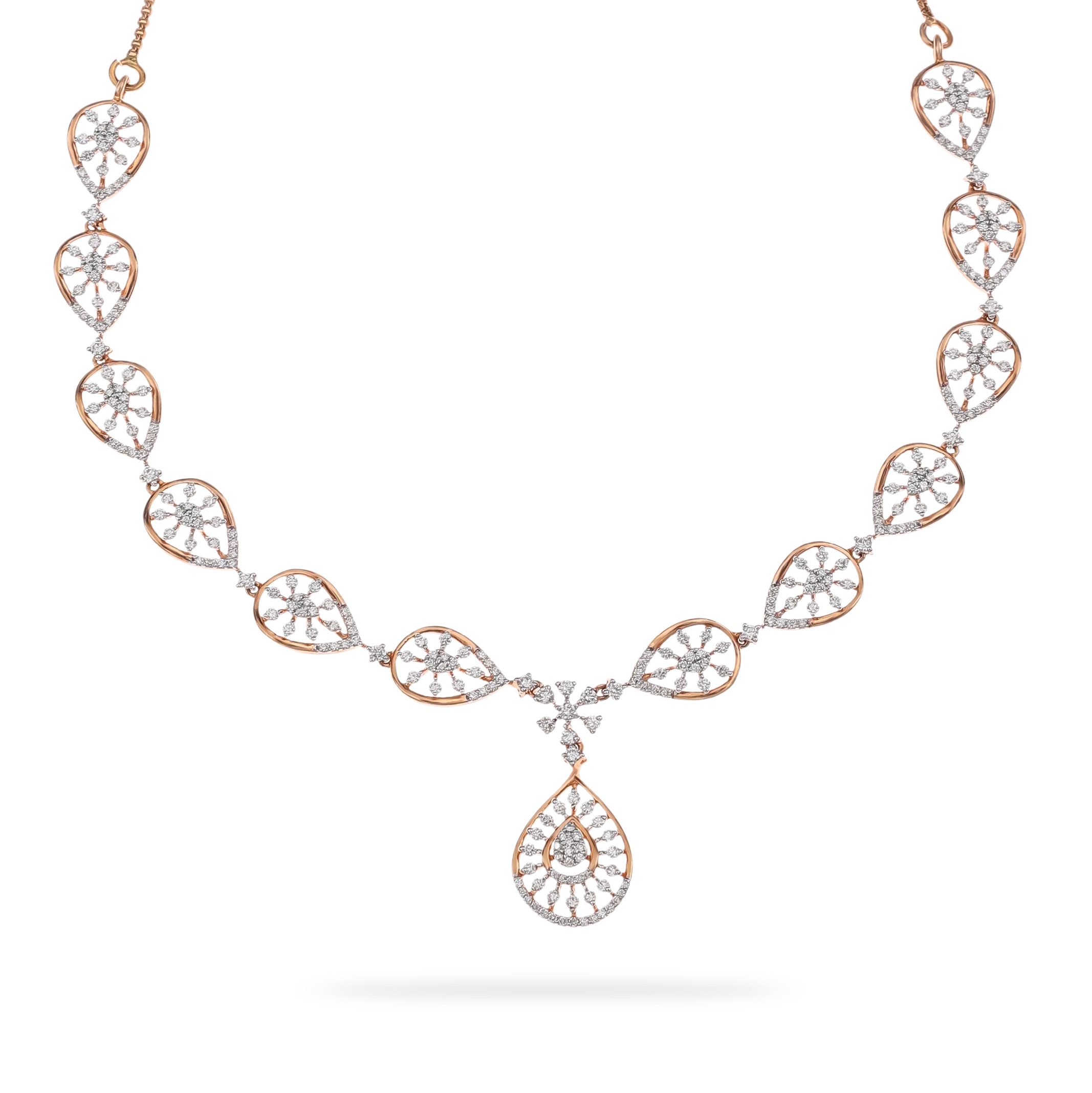
With the shoulders uncovered, a close-fitting necklace can frame the neckline without taking over the whole outfit. A sweetheart shape has a soft dip at the center, so a curved or gently pointed piece can sit comfortably with it. You can also skip a necklace and let earrings do the work, especially when the garment has visible detail around the bodice.
Wear statement necklaces with crew and boat necks
A crew neckline can provide a simple backdrop for a statement necklace, particularly when the fabric is plain. A boat neck is broader and more horizontal, so a longer necklace can introduce a contrasting vertical line. Keep the necklace’s scale in mind: if it rests directly on a high edge, it may look crowded rather than deliberate.
Keep halter and one-shoulder necklines visually balanced
Halter and one-shoulder cuts already create strong lines, so a necklace may not be necessary. When you do wear one, a fine chain or small pendant can add detail without obscuring the design. Alternatively, use earrings to bring a little focus upward while leaving the garment’s distinctive outline clear.
Coordinate earrings with the neckline and necklace
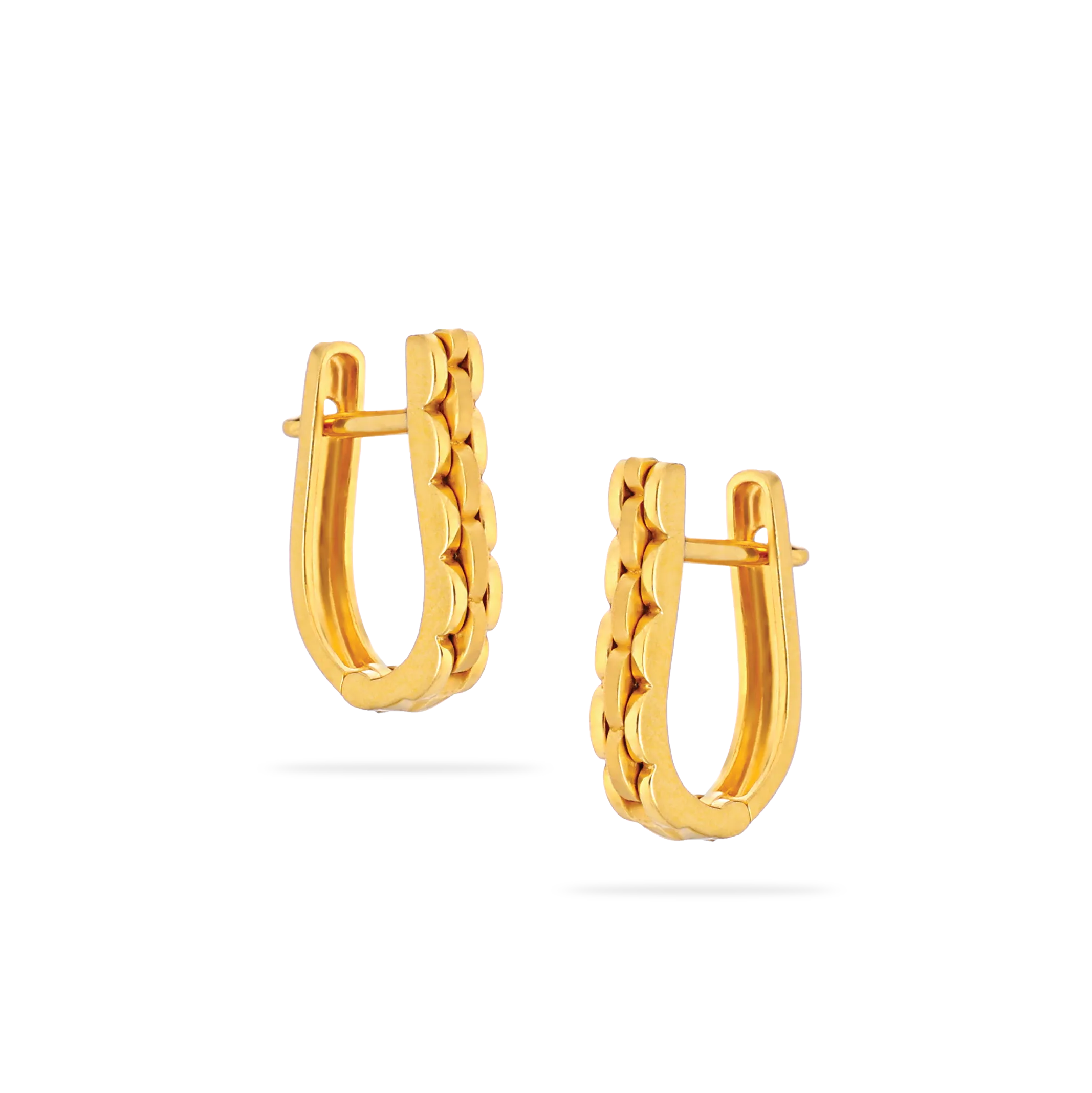
Earrings share visual space with both the neckline and the necklace, so consider them as part of the same composition. Start with the most noticeable element and let the other pieces support it. A balanced pairing need not be perfectly matched; it should simply feel like each piece has room to be seen.
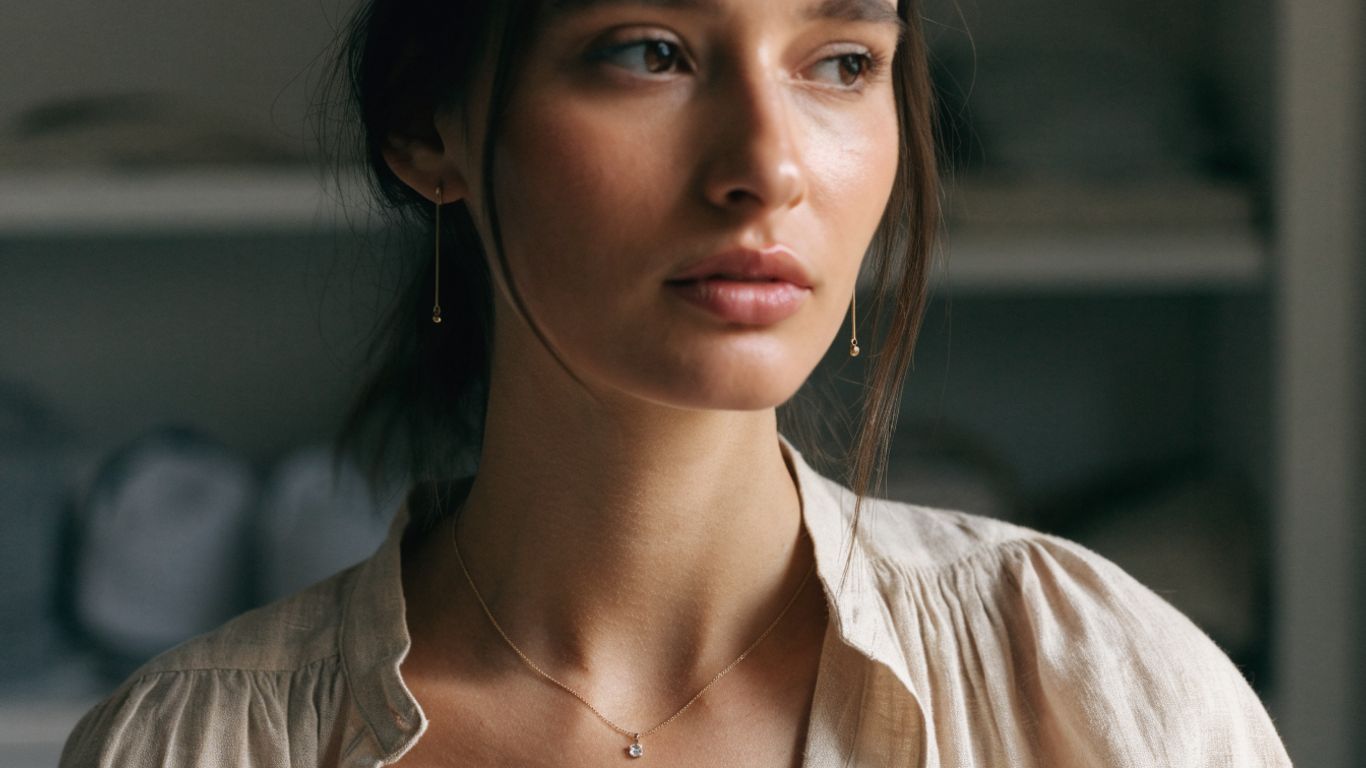
Let bold earrings stand alone when the neckline is detailed
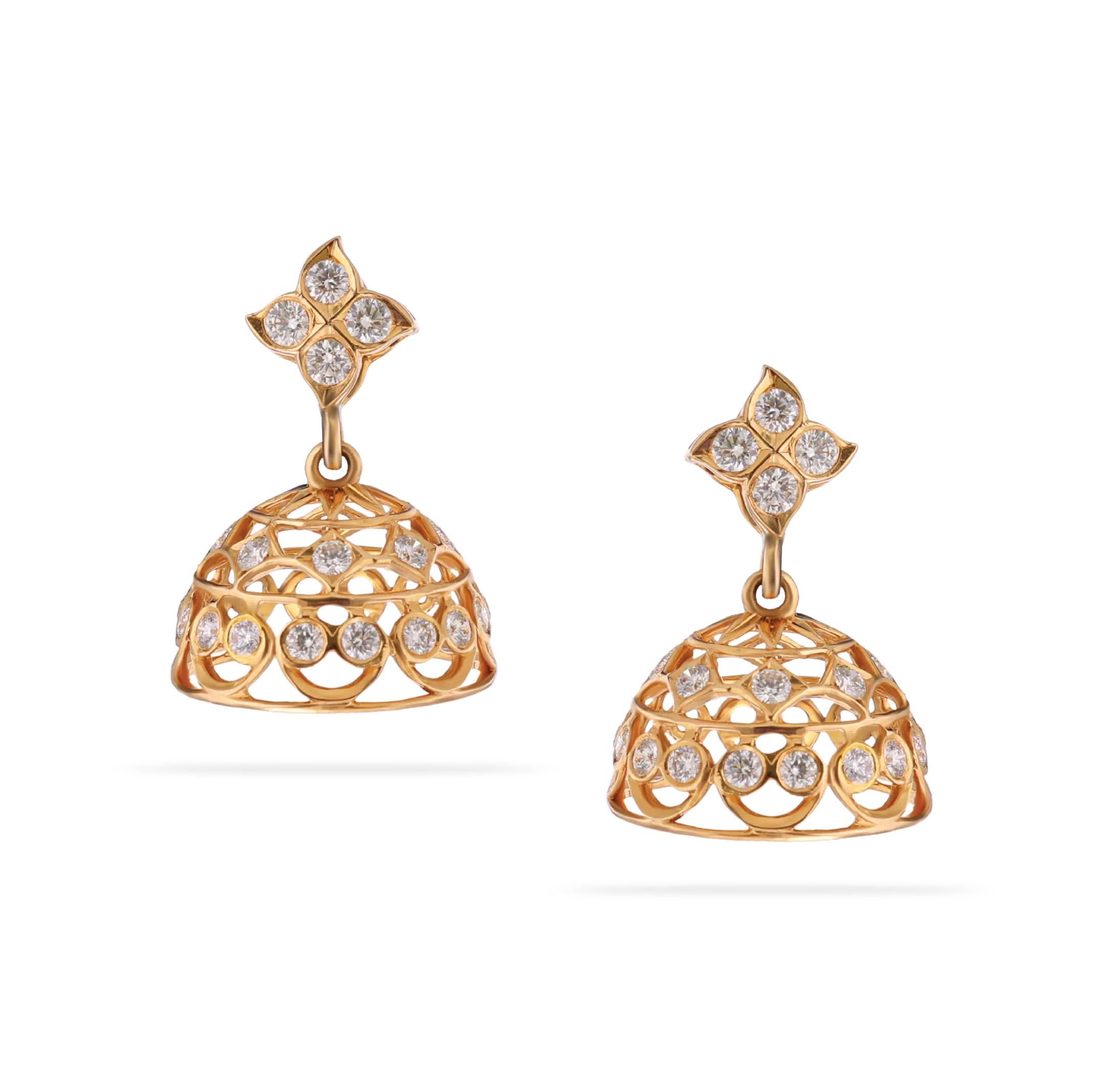
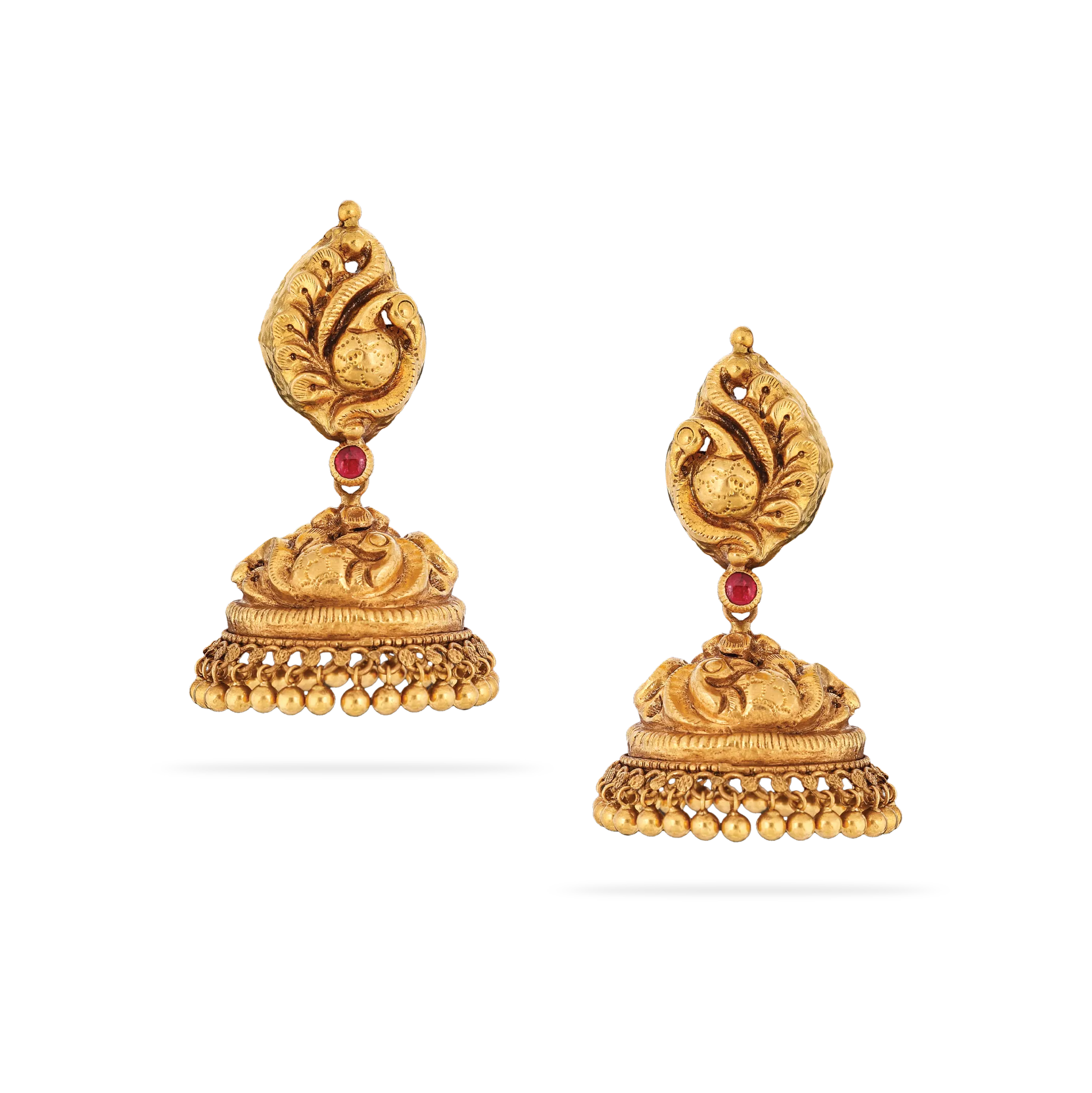
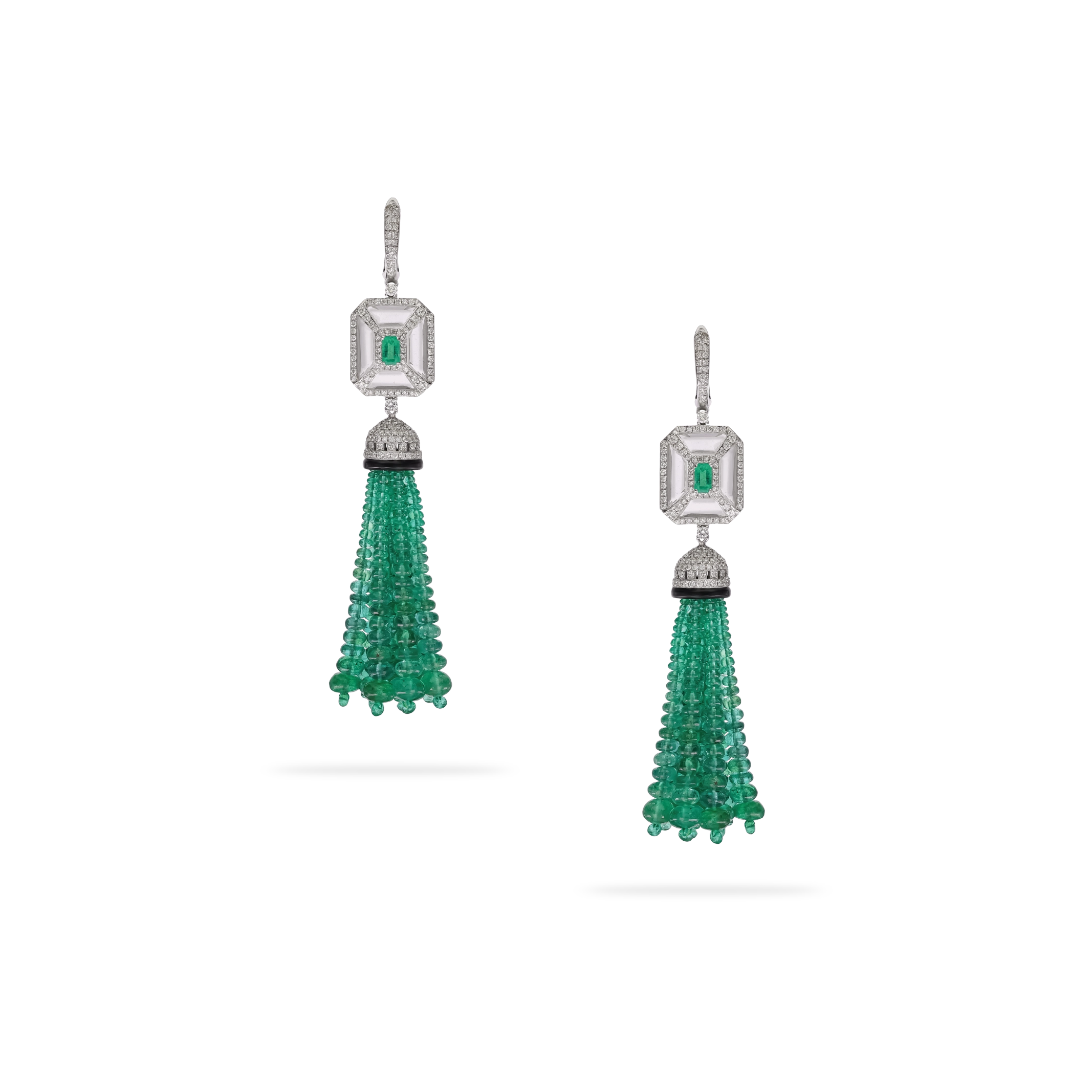
If the garment has an intricate collar, unusual cut, or heavy embellishment, bold earrings may be all the jewellery it needs. They draw attention toward the face while keeping the neckline uncluttered. A necklace can still work, but choose one that is quiet enough not to compete with the garment and earrings at once.
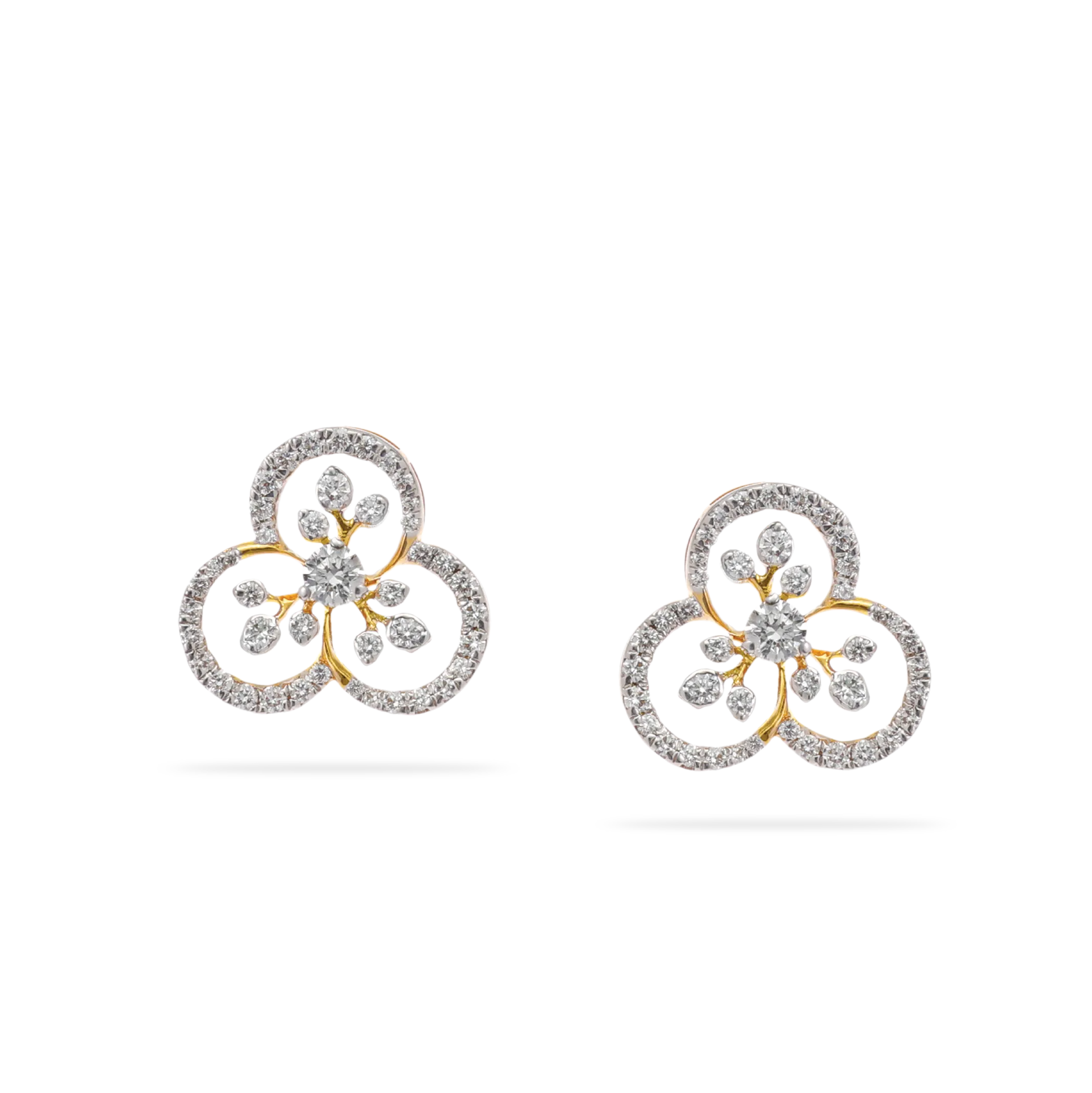
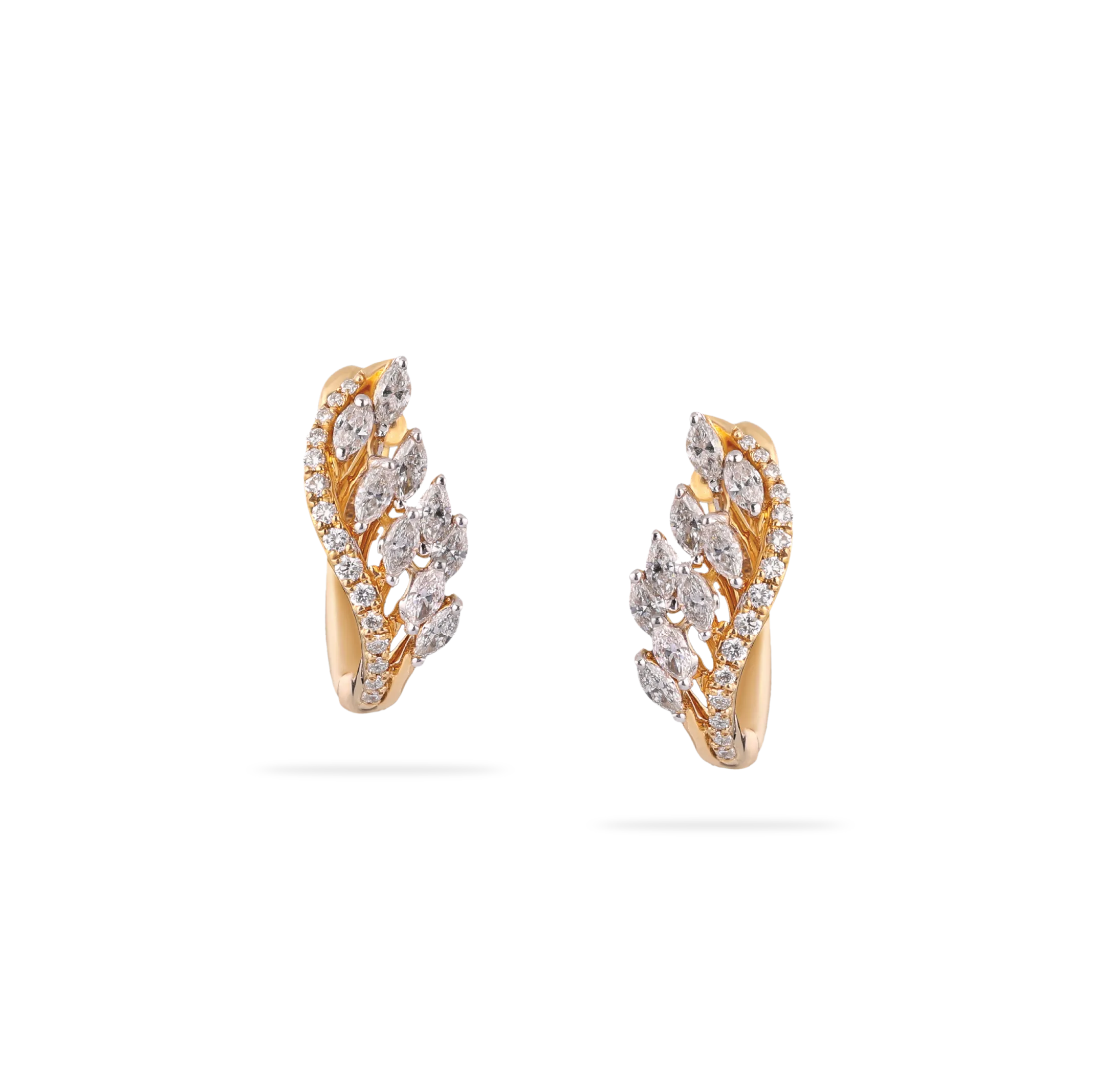
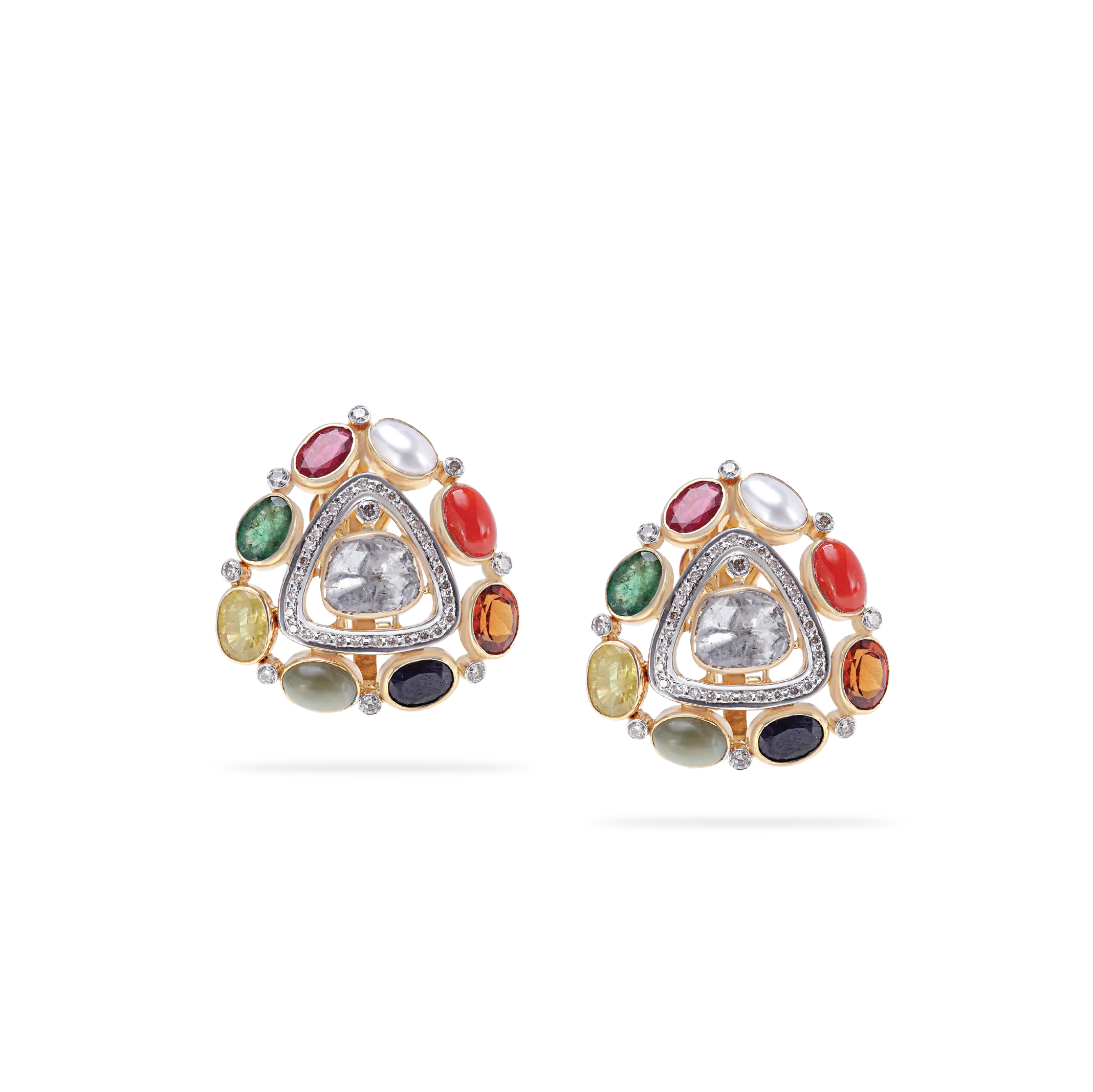
Pair delicate earrings with a statement necklace
When the necklace is the focal point, small studs or slim drops keep the overall look from feeling overworked. The earrings can repeat a metal tone or a simple shape without becoming a second centerpiece. This is especially useful when the necklace sits near the face or has a broad, noticeable silhouette.
Use earrings to balance asymmetrical necklines
A one-shoulder neckline creates visual weight on one side. Earrings can help shift attention upward and toward the face, but oversized pieces may add more imbalance than they solve. Try a simple pair first, then check the outfit from the front and side before deciding whether more detail is needed.
Consider hairstyle and visible space around the face
Hair changes how much of an earring is visible and how it relates to a necklace. With hair worn up, a drop earring may have more presence; loose hair can soften or partly cover it. Notice the open space around your face and collar, then choose pieces that remain visible without tangling or feeling intrusive.
Layer necklaces without crowding the neckline
Layers can add dimension, but they work best when each chain has a clear place to sit. The neckline, pendants, and chain lengths all affect how much space is available. A little editing often makes a layered arrangement look more effortless than adding one more piece.
Vary chain lengths to create clear spacing
Choose lengths with enough difference that the chains do not bunch together. Pendants need extra room, since they can overlap even when their chains are slightly different. Try the layers while standing and moving; a combination that looks separated in a still image may shift as you wear it.
Combine pieces with a consistent style or metal
A shared metal tone or a similar level of delicacy can make different chains feel related. You can mix styles, too, but give them one point of connection, such as a repeated shape or a balance of fine and substantial links. The result should look gathered with intention rather than assembled at random.
Keep layers simple around embellished or high necklines
An ornate collar or high neckline already fills much of the space where layered necklaces would sit. A single longer chain, or no necklace at all, can let the garment’s details remain visible. If you do layer, keep the pieces light and check that they do not catch on textured fabric.
Check that pendants sit above the garment’s edge
A pendant that rests partly under a neckline can look accidental and may shift throughout the day. Before settling on a combination, check where every pendant lands when you stand naturally. If one falls across the garment edge, change the chain length or remove it; a clean separation usually reads more clearly.
Adapt your jewellery to the occasion and outfit
The same neckline can call for different jewellery depending on where you are going and how long you will wear it. A relaxed daytime outfit may feel right with one quiet detail, while an evening look can carry a more noticeable piece. Comfort and personal taste still matter more than following a formula.
Adjust statement size for casual and formal looks
For everyday wear, a smaller pendant or a simple pair of earrings can feel easy and complete. Formal clothing may invite a bolder piece, though a heavily embellished outfit might already have enough presence. Use these quick checks to set the scale before choosing the final combination:
- Keep one piece as the main focal point.
- Let embellished fabric guide you toward simpler jewellery.
- Match statement size to the openness and scale of the neckline.
- Choose a more understated option when you want the outfit to lead.
These are starting points, not rules. If a piece feels like you and sits comfortably with the garment, it can be the right choice for the occasion.
Coordinate metals with garment details and accessories
Metal tones can echo buttons, buckles, or other visible details, but they do not need to match every accessory exactly. A consistent tone creates a quiet, connected look; mixing tones can work when the contrast feels deliberate. Consider the complete outfit rather than judging a necklace in isolation.
Choose comfortable pieces for all-day wear
A beautiful piece is less enjoyable if it pulls, catches, or needs constant adjustment. Check the clasp, weight, and chain length before wearing it for a long event. For jewellery that will be worn for hours, comfort is part of the styling decision, not an afterthought.
Try the complete outfit in a mirror before deciding
Put on the full outfit, including earrings and any layers, and look at it from more than one angle. The mirror often reveals a chain that disappears into the fabric or earrings that compete with a detailed collar. If something feels off, remove one piece at a time until the overall balance feels easy.
Conclusion
Choosing jewellery for a neckline is less about strict rules than noticing shape, space, and detail. Start with the garment, decide what deserves attention, and try the pieces together before you head out. When each element has room to breathe, the finished look feels considered without feeling overdone.
Frequently Asked Questions
What necklace works best with a V-neck?
A pendant that follows the V’s direction is a reliable starting point. Choose a length that sits within the opening without resting awkwardly against the garment’s edge.
Should I wear a necklace with a high neckline?
You can, but it is not essential. A longer pendant can add a clear vertical line, while earrings alone may be enough when the neckline has texture or embellishment.
Can I wear a statement necklace with a crew neck?
Yes. A plain crew-neck top can provide a simple background for a statement necklace. Consider its scale and make sure it does not crowd the neckline.
What earrings should I wear with a statement necklace?
Delicate earrings, such as small studs or slim drops, usually let the necklace remain the focal point. Choose a pair that feels comfortable and does not compete for attention.
How do I layer necklaces without tangling them?
Use chains with noticeably different lengths and allow enough space between pendants. Try the layers while moving, since chains can shift and overlap during wear.
Can I mix metal tones in one outfit?
Yes. Mixing tones can look intentional when there is a clear connection, such as a repeated shape or a balanced mix of pieces. You do not need every accessory to match exactly.
Should my necklace match the neckline exactly?
Not necessarily. Echoing the neckline creates a harmonious effect, while a contrasting shape can add interest. The best choice is the one that sits comfortably and keeps the outfit balanced.
Related blogs:
October 30, 2026
Best time to buy gold jewellery: a practical guide to timing your purchase
Read More
October 30, 2026
When to buy wedding jewellery: A timeline for every piece
Read More
October 29, 2026
How to insure diamond jewellery: A step-by-step guide
Read More
October 29, 2026
How to travel with expensive jewellery safely
Read More