How to choose earrings for face shape: A guide to flattering styles
October 17, 2026 | 10 minutes read
Key Takeaways
Earring choices can help shape the impression of balance, but there is no single style that everyone with the same face shape must wear. Use proportions as a starting point, then trust what feels comfortable and like you.
- Compare face length and width, then notice the forehead, cheekbones, and jaw.
- Treat face-shape labels as flexible styling guides, not rules.
- Try curves, vertical lines, and geometric shapes to explore different effects.
- Consider earring scale alongside your hairstyle, glasses, and neckline.
- Test a pair in a mirror and in photos, and pay attention to comfort.
Understand how face shape affects earring choice
When you wonder how to choose earrings for face shape, begin with the overall impression of your features rather than trying to find a perfect category. Earrings sit close to the face, so their shape, width, and length can change the way its proportions read. Think of that as a styling tool, not a correction to make.
Look at the balance between face length and width
Pull your hair back and look at your face straight on, noticing whether it reads as nearly as wide as it is long or clearly longer than it is wide. This broad comparison can guide your first experiments: a vertical drop creates a different line from a short, wide hoop. Neither effect is automatically more flattering; the useful question is whether you like the balance it gives you.
Notice where your cheekbones, forehead, and jaw are widest
The widest point of your face can be as helpful as its outline. Cheekbones that stand out, a broader forehead, or a jaw with strong width each create a different visual emphasis, and earrings can echo or offset that emphasis. If you enjoy a more balanced look, try shapes that add interest in a less prominent area; if you prefer to highlight your cheekbones, choose a silhouette that draws the eye there.
Treat face-shape categories as flexible styling guides
Common labels such as round, oval, square, heart-shaped, and elongated can help you describe what you see, but most faces have a mix of traits. A face-shape earring guide offers another way to think through those proportions while treating the suggestions as adaptable. Keep the categories loose: a style that breaks the usual advice may still be the one that feels most natural on you.
Identify your face shape
A quick check can give you a useful starting point without turning the mirror into a measuring exercise. Sweep your hair away from your face and look at your forehead, cheekbones, jawline, and overall length together. You are looking for the strongest pattern, not a perfect match to a diagram.

Compare your forehead, cheekbones, and jawline
Notice which area seems widest, then compare the other two rather than judging each feature in isolation. A simple table can help you keep those observations straight as you look at your reflection or a front-facing photo.
| Feature | What to notice | A possible clue |
|---|---|---|
| Forehead | Width compared with the cheeks and jaw | A broader forehead may narrow toward the chin |
| Cheekbones | Whether they are the widest point | Prominent cheekbones can suggest a diamond-like outline |
| Jawline | Width and the way it meets the chin | A strong, broad jaw can read as more angular |
| Overall outline | The shape made by the sides of the face | Soft, even curves may read as round or oval |
These are clues, not a scoring system. Look for the combination that feels most noticeable, and remember that hairstyle, expression, and camera angle can make the same face look a little different.
Use face length to distinguish round from oval shapes
A round face often appears close to equal in length and width, with soft contours, while an oval face tends to read longer than it is wide. Those descriptions are broad rather than exact, and a face can sit somewhere between the two. If you are uncertain, compare a mirror view with a straight-on photo instead of relying on a single glance.
Check whether your jawline is rounded, tapered, or angular
The jawline offers another useful distinction. A rounded jaw has softer curves, a tapered one narrows toward the chin, and an angular jaw has more defined corners or width. Pair that observation with your forehead and cheekbones before settling on a label; the full outline matters more than one feature alone.
Match earring designs to your face shape
Once you have a rough sense of your proportions, try thinking in terms of visual effects. Curves can soften a strong line, while longer silhouettes draw the eye downward and wider designs add presence beside the face. These are possibilities to test, not prescriptions tied to a category.
Soften angular features with curves and rounded edges
If your jaw or forehead has a strong, angular outline, rounded earrings can introduce a softer line near the face. Hoops, circular studs, and curved drops are all worth trying, though you do not need to avoid geometric styles altogether. A rounded edge in one part of a design may be enough to create the effect you want.
Add length or width to balance round and elongated faces
For a face that reads as round, an elongated drop or a narrow shape can add a vertical line. If your face is already long and narrow, a wider hoop or a shorter, fuller design may bring more visual width. Start with a small change in silhouette and see whether it gives you the balance you prefer; bold proportions are not required.
Balance a wider forehead or cheekbones with thoughtful shapes
When the upper face or cheekbones feel most prominent, look at how an earring’s width and detail sit beside those areas. A design that gains visual presence lower down can draw the eye toward the jaw, while a compact style keeps attention closer to the ear. Try different placements and lengths rather than assuming that one face-shape label determines the answer.
Choose an earring silhouette and length
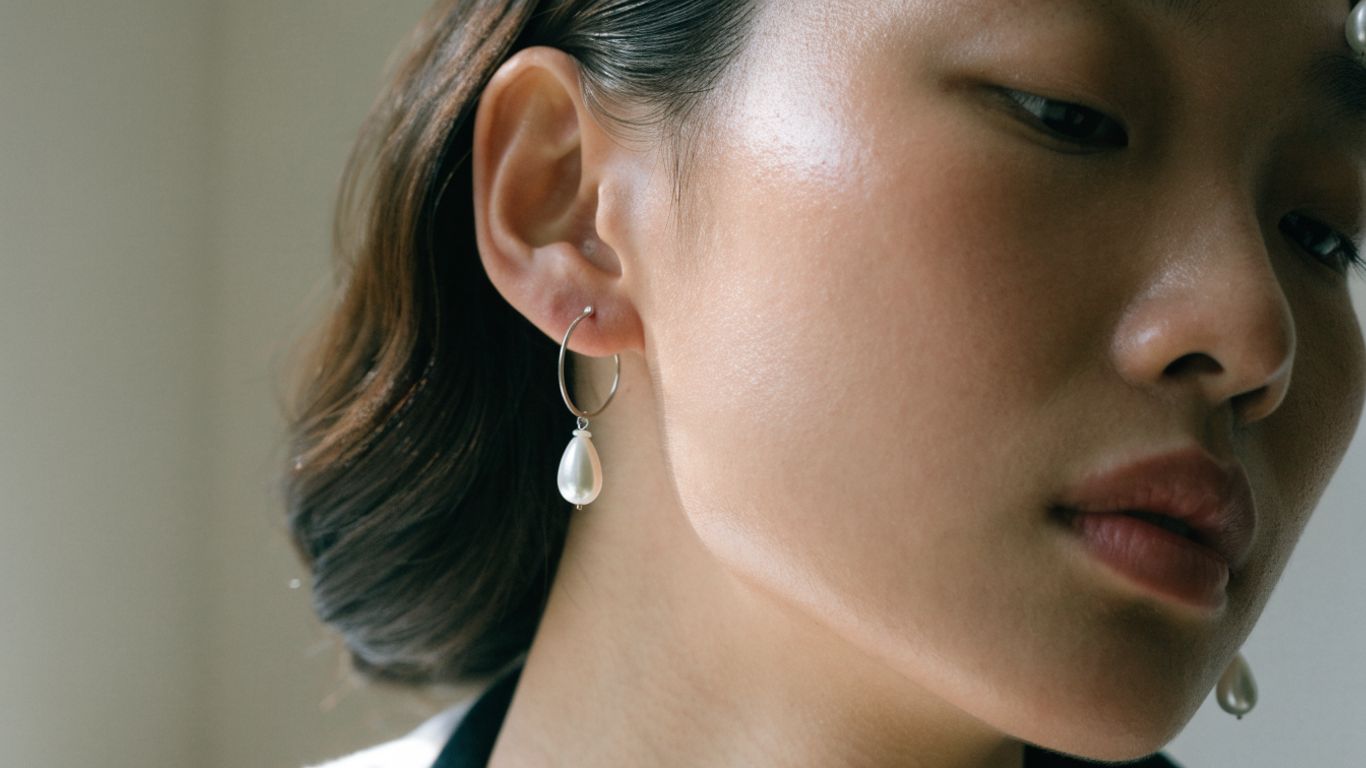
Silhouette is often easier to compare than small details such as finish or setting. A stud stays close to the ear, a hoop draws a curve, and a drop creates a line that extends below the lobe. In front of a mirror, notice what each shape adds to your outline and whether that effect suits the way you want to dress.
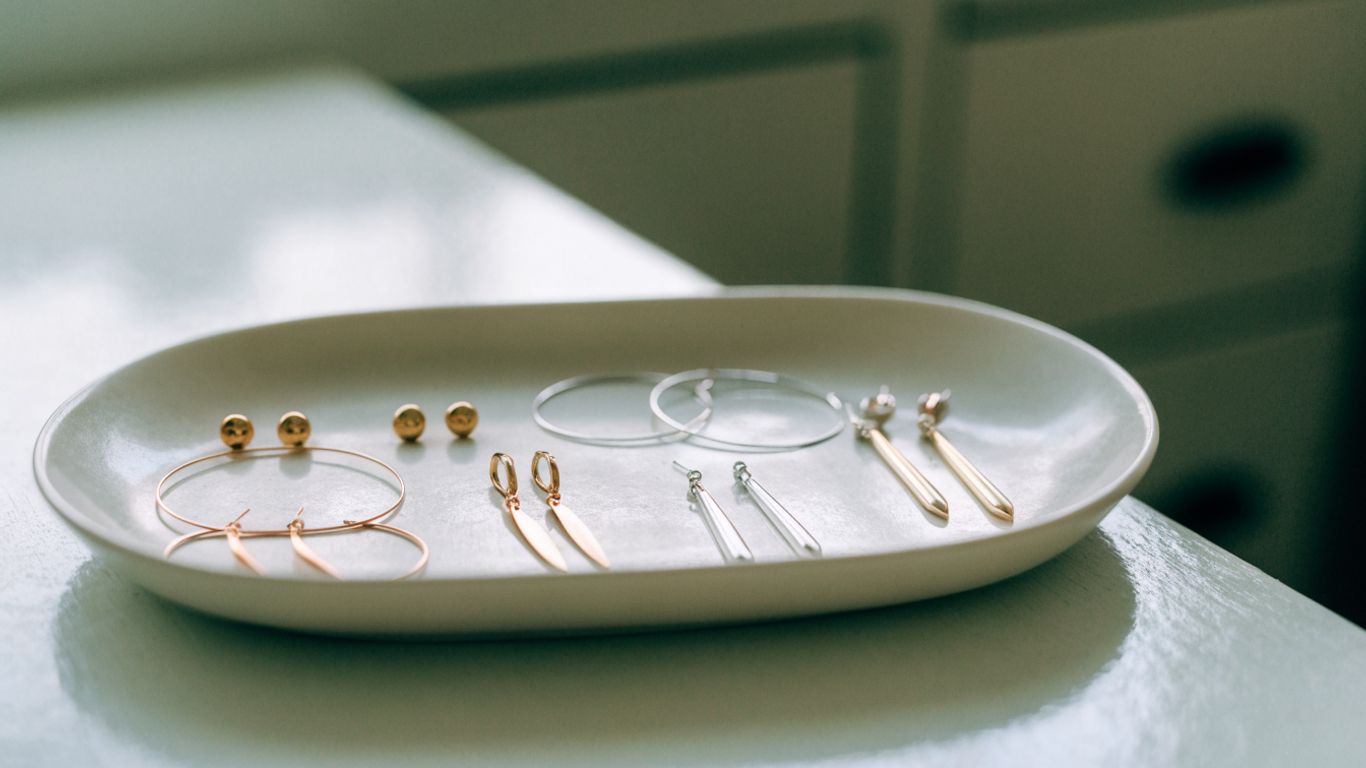
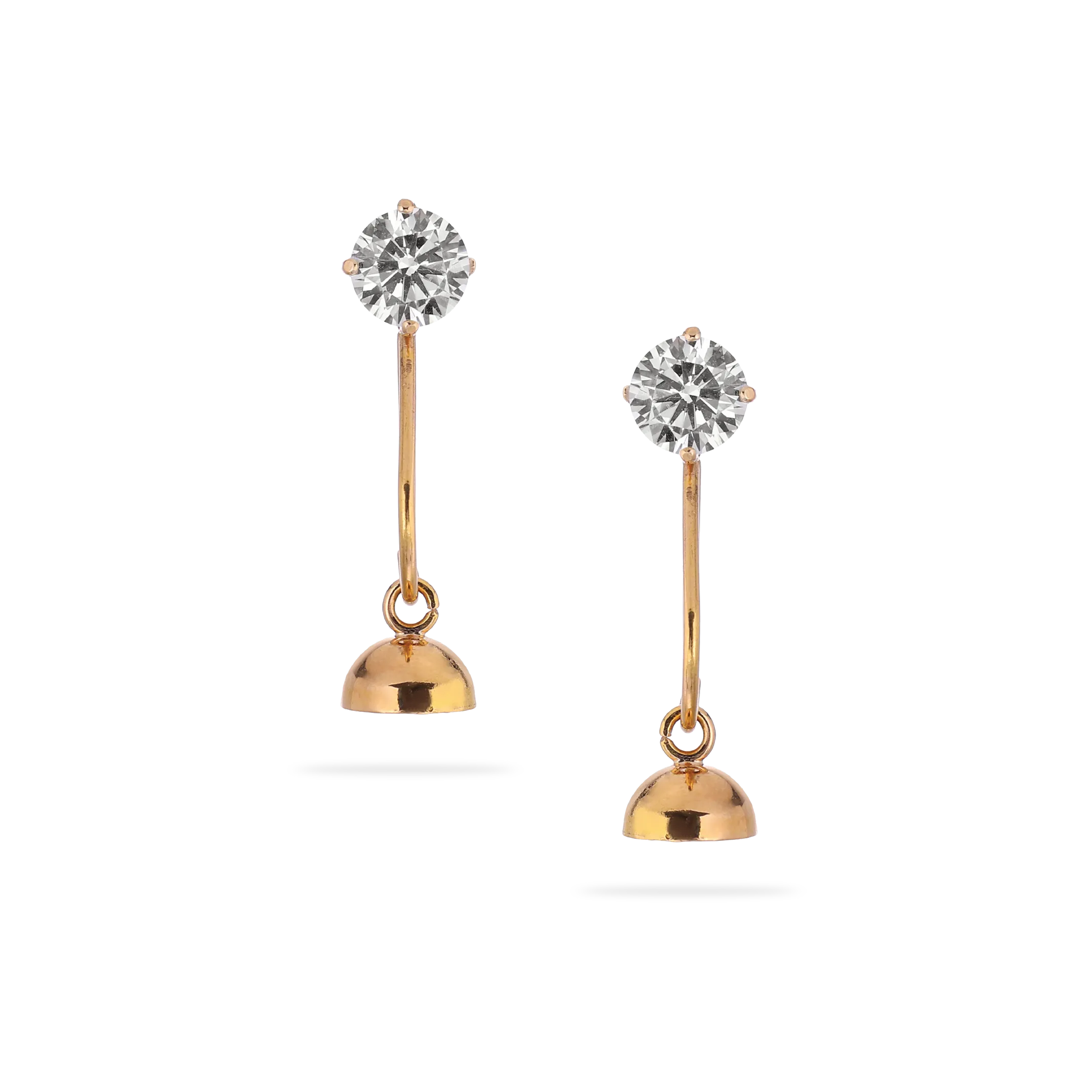
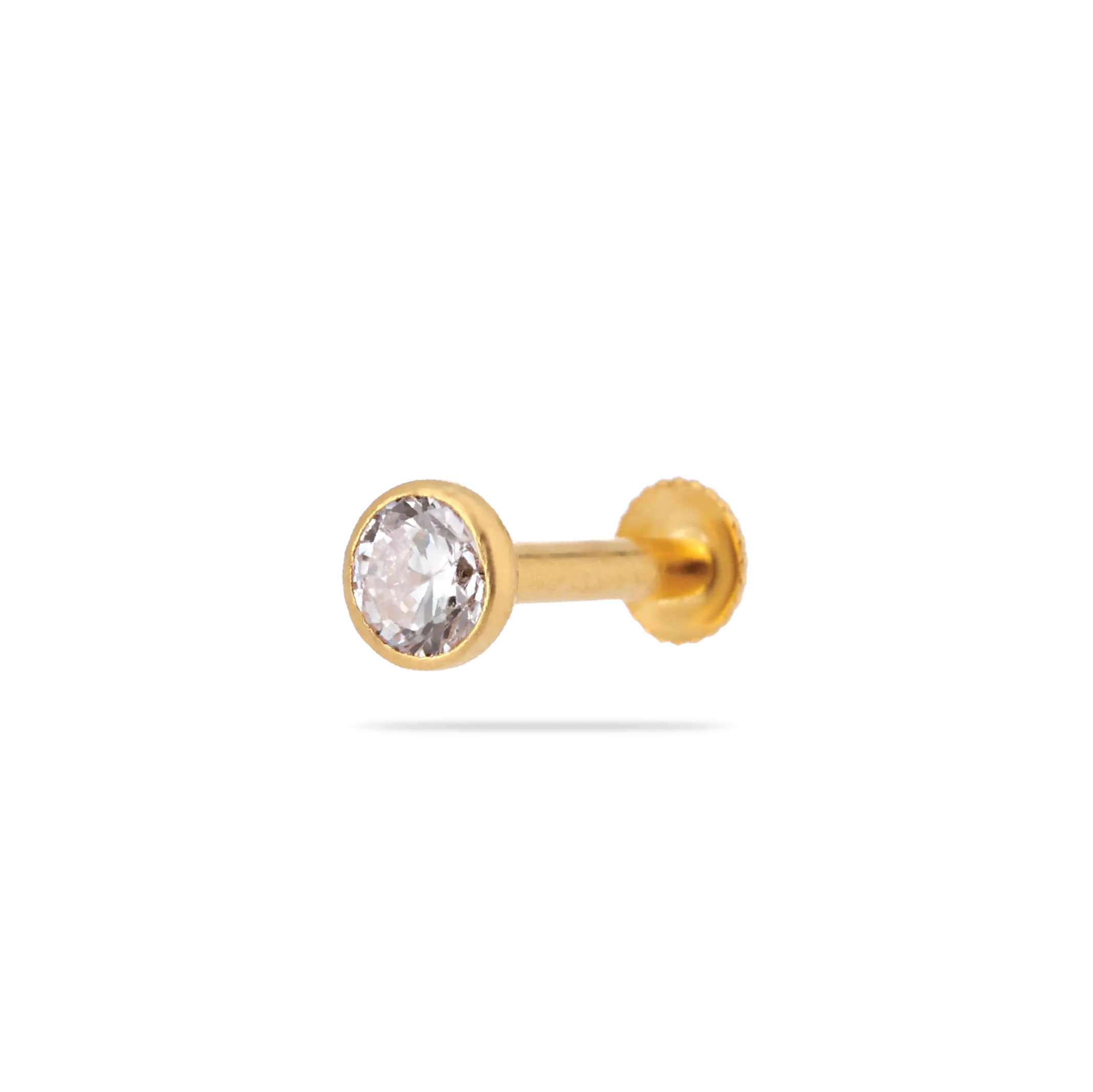
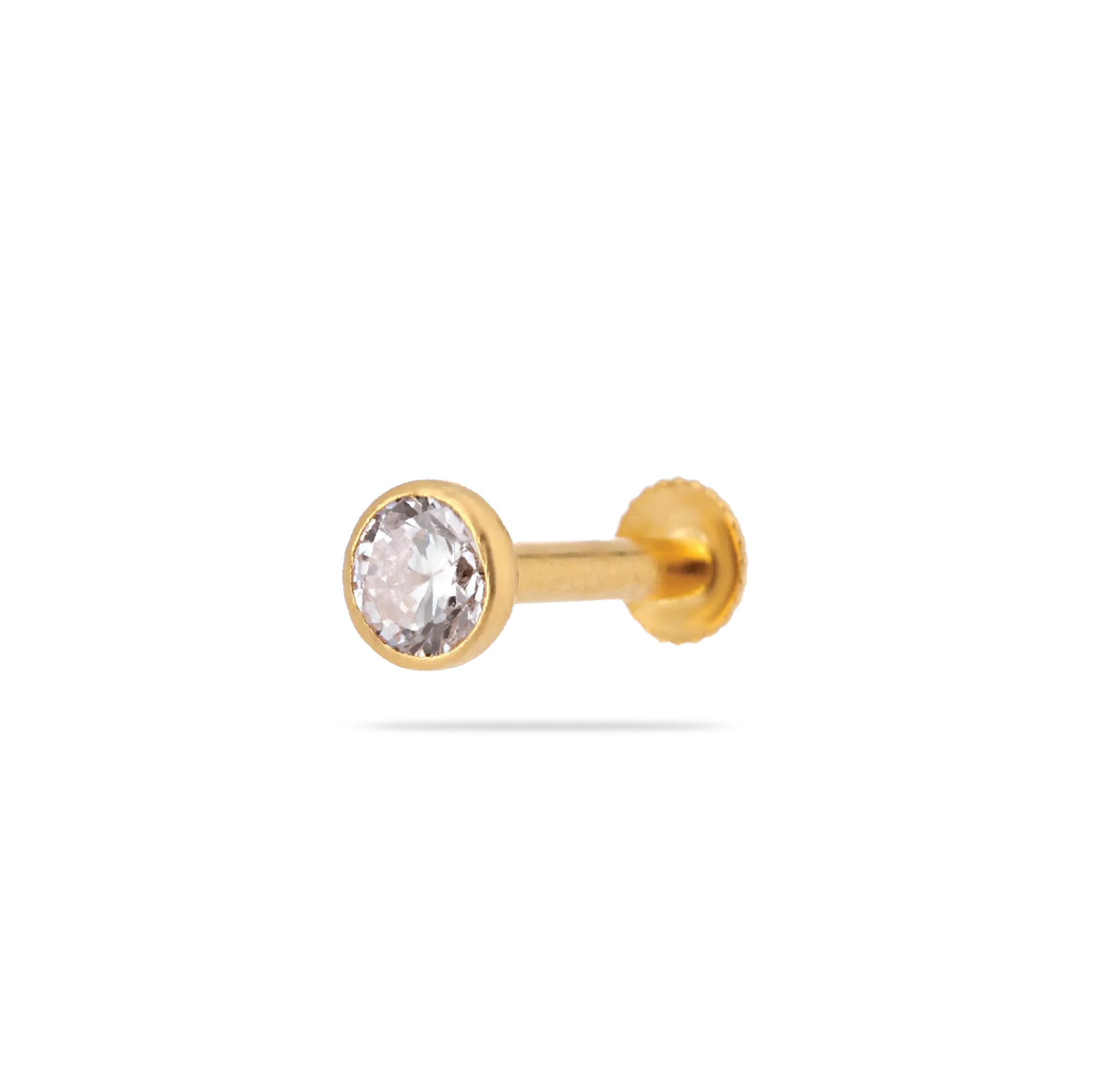
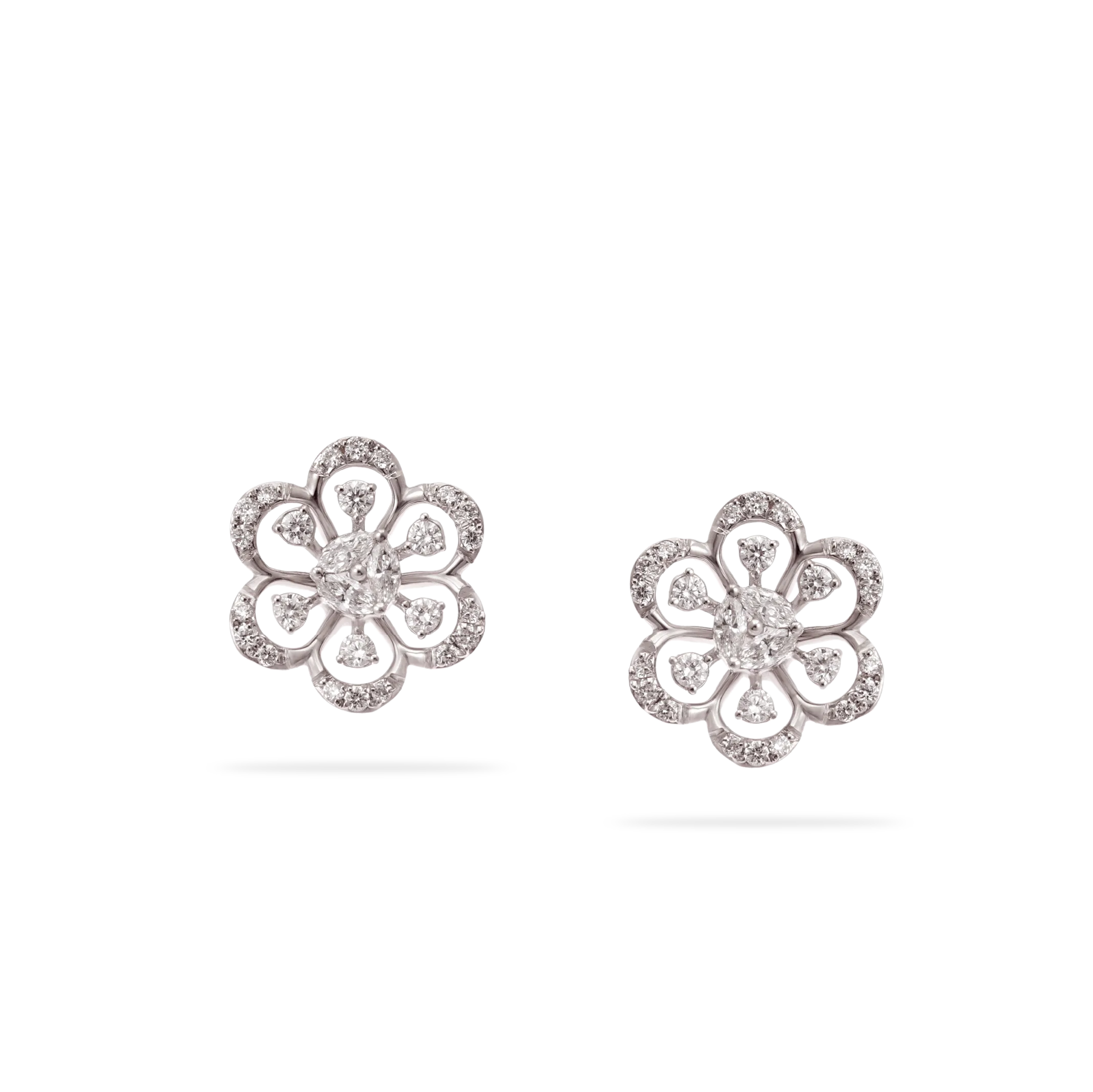
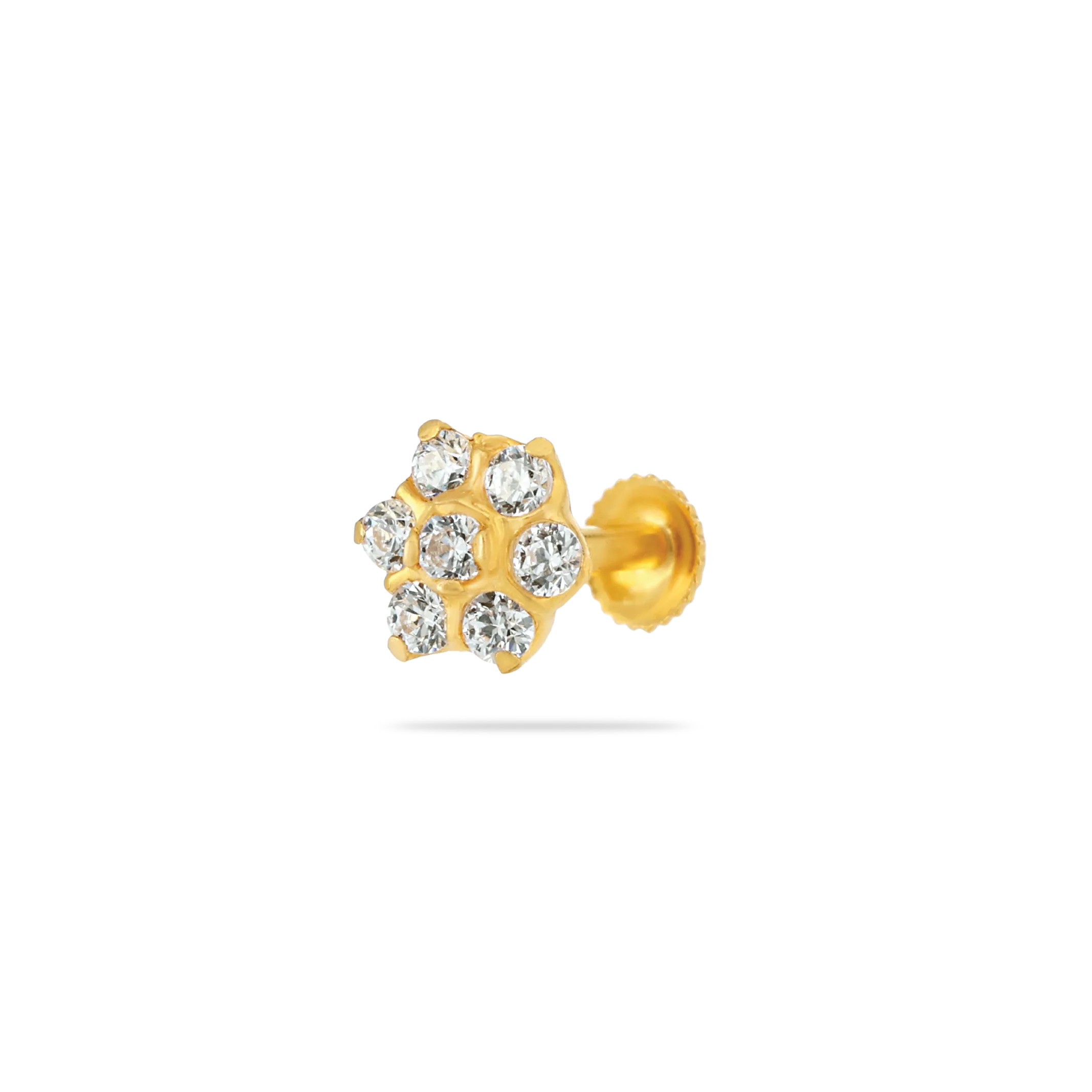
Use studs and compact shapes for subtle definition
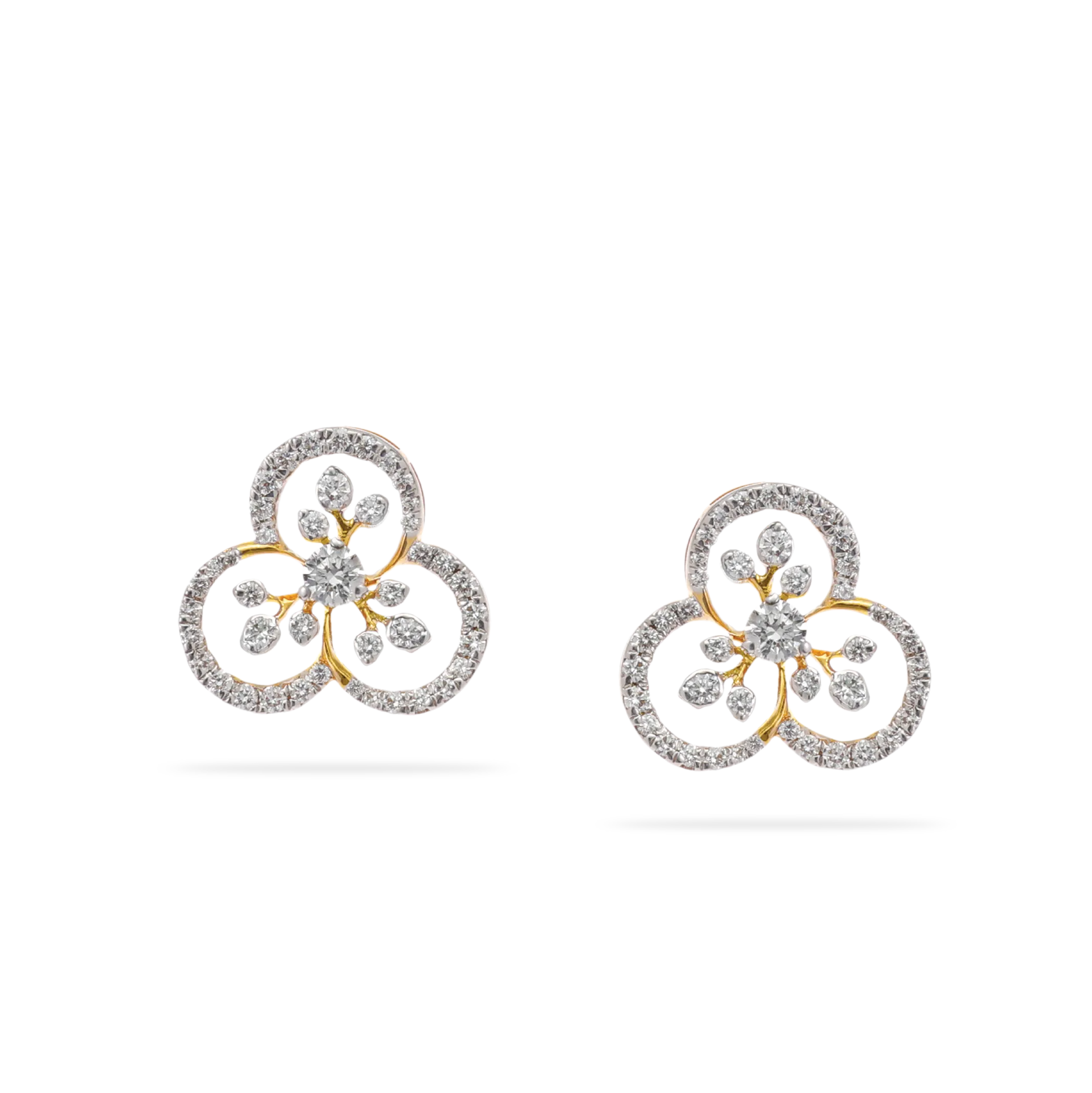
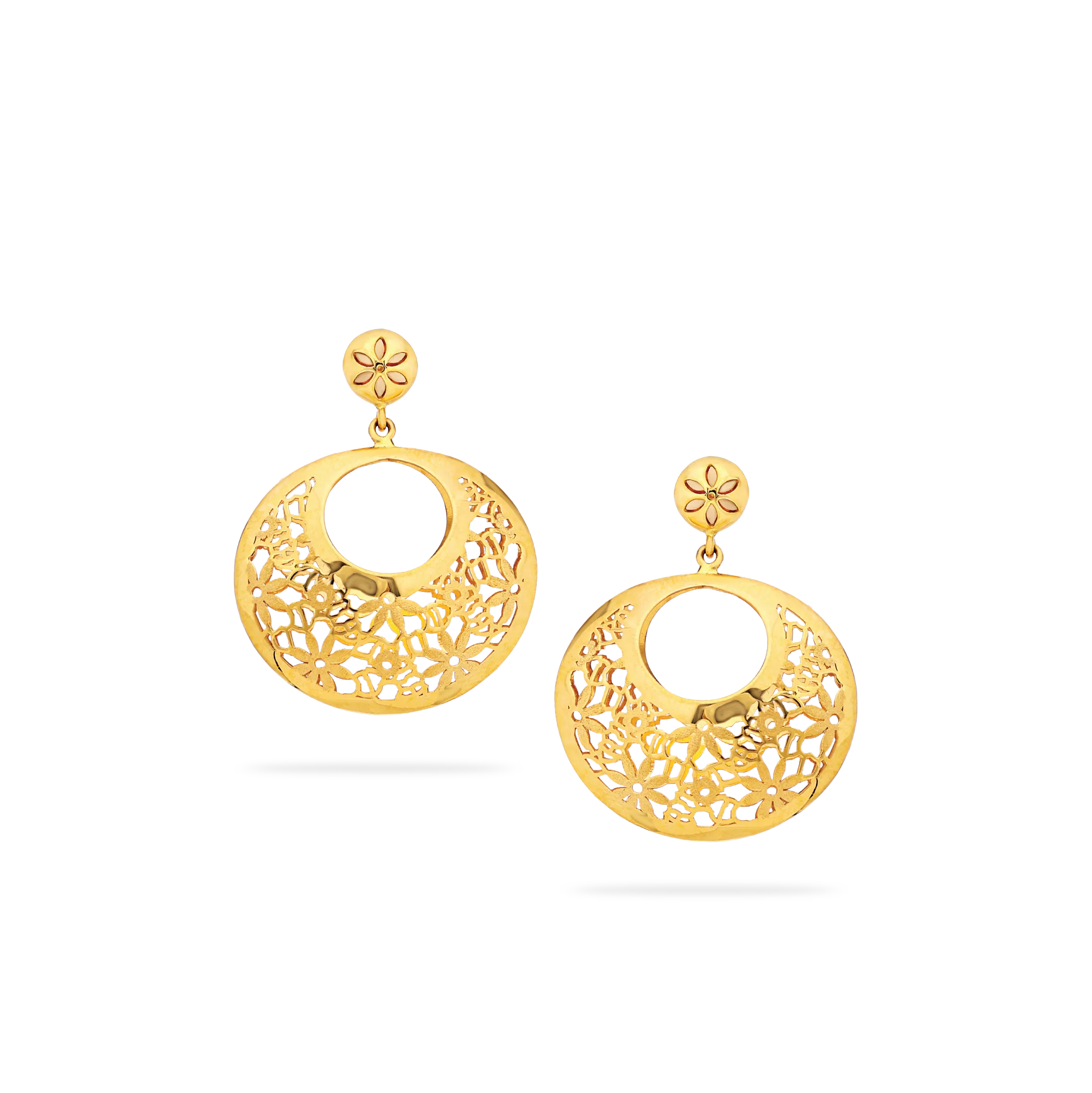
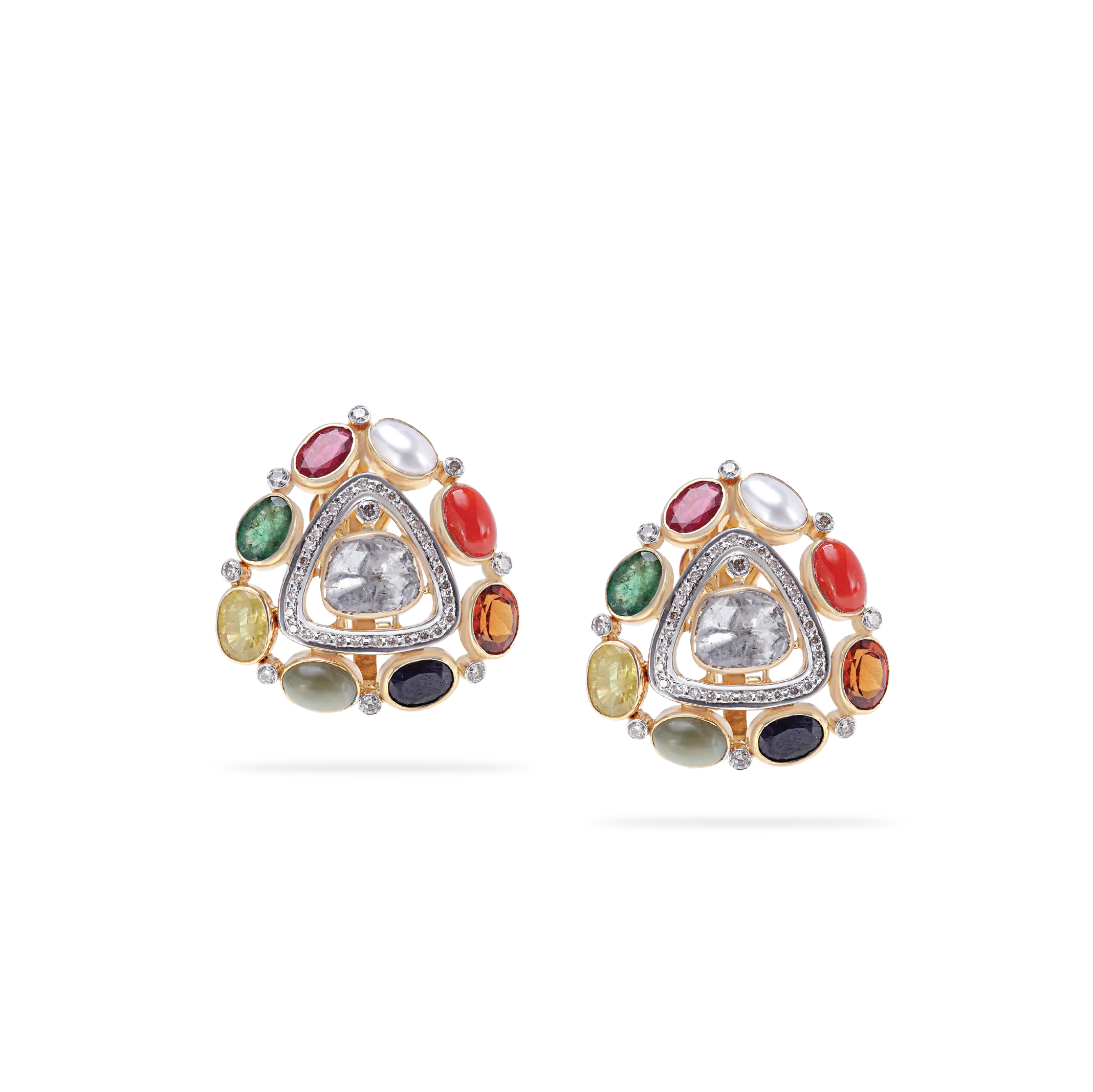
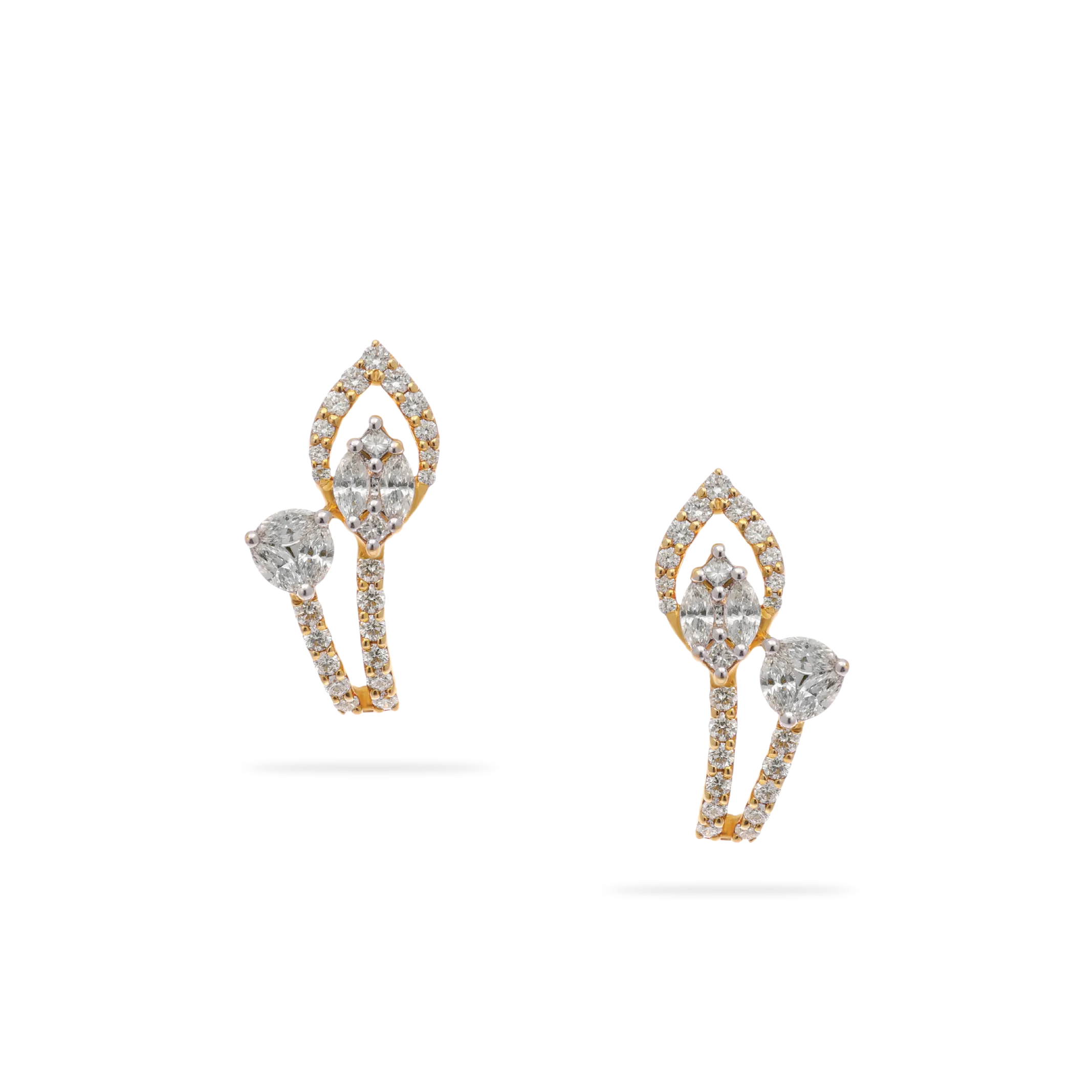
Studs and other compact styles offer a small point of detail without extending far down the face. They can be a comfortable place to start if you prefer a quieter look, or if a neckline, glasses, or hairstyle already adds plenty of visual interest. C Krishniah Chetty & Co lists gold earring styles including hoops, everyday studs, elegant drops, huggies, and geometric designs; its gold earring styles show how varied even a compact category can be.
Try hoops to add curves or emphasize width
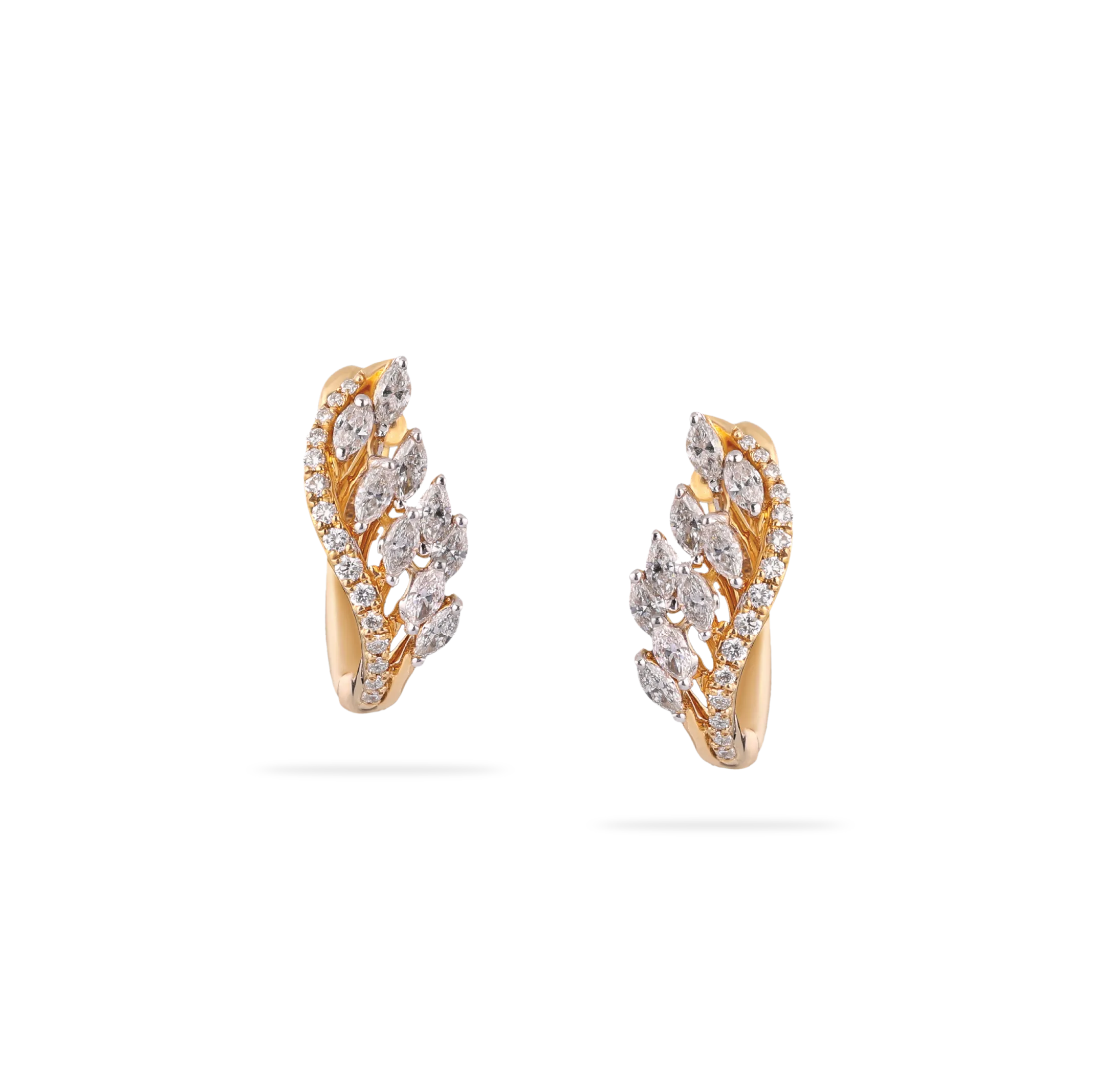
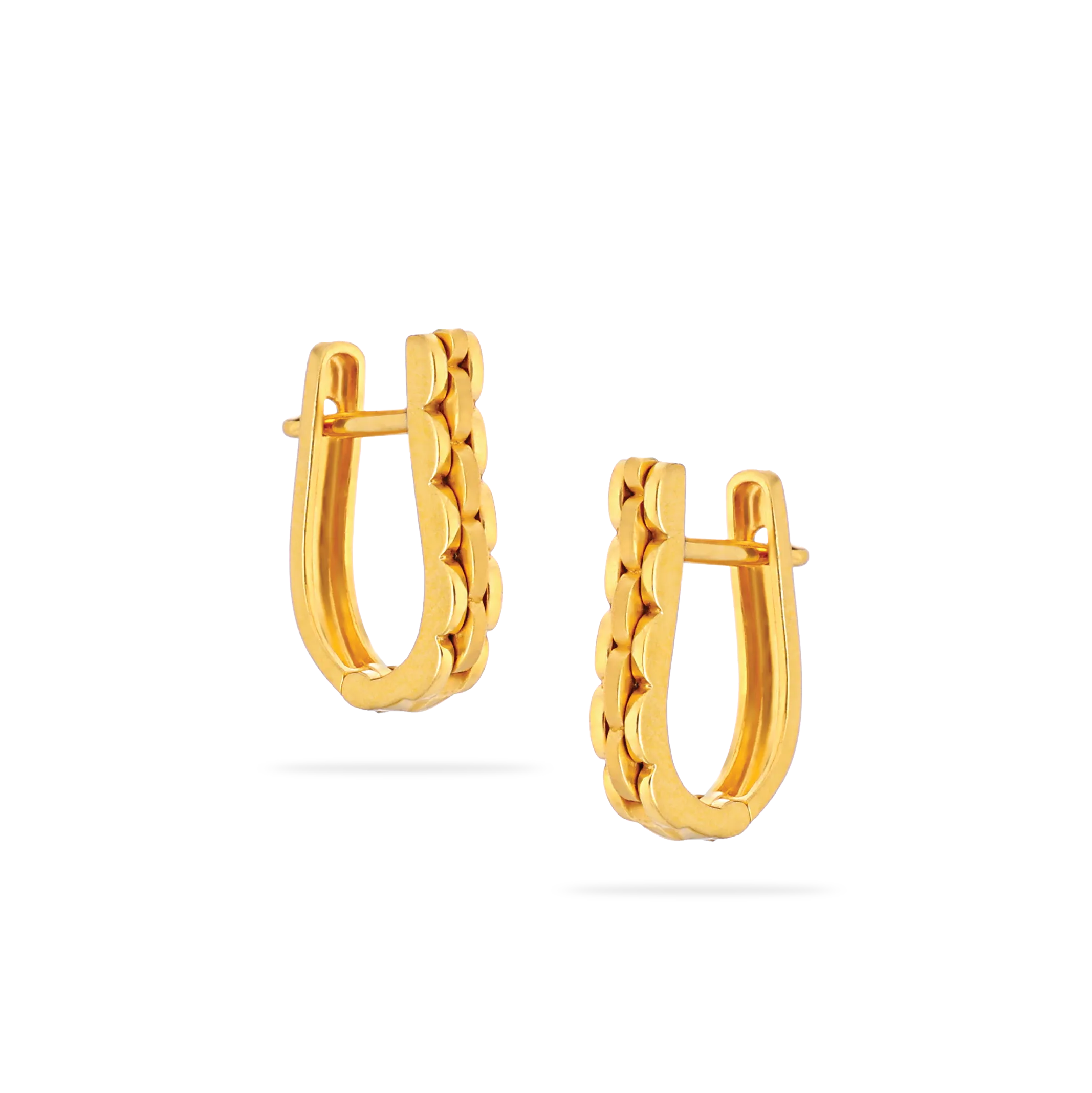
Hoops create a visible curve and come in sizes that range from close-fitting to more prominent. A wider hoop can add presence beside the face, while a smaller one keeps the effect subtle. The hoop size and style guide from C Krishniah Chetty & Co covers choosing designs for face shape, personal style, and comfort, a useful reminder that fit matters alongside appearance.
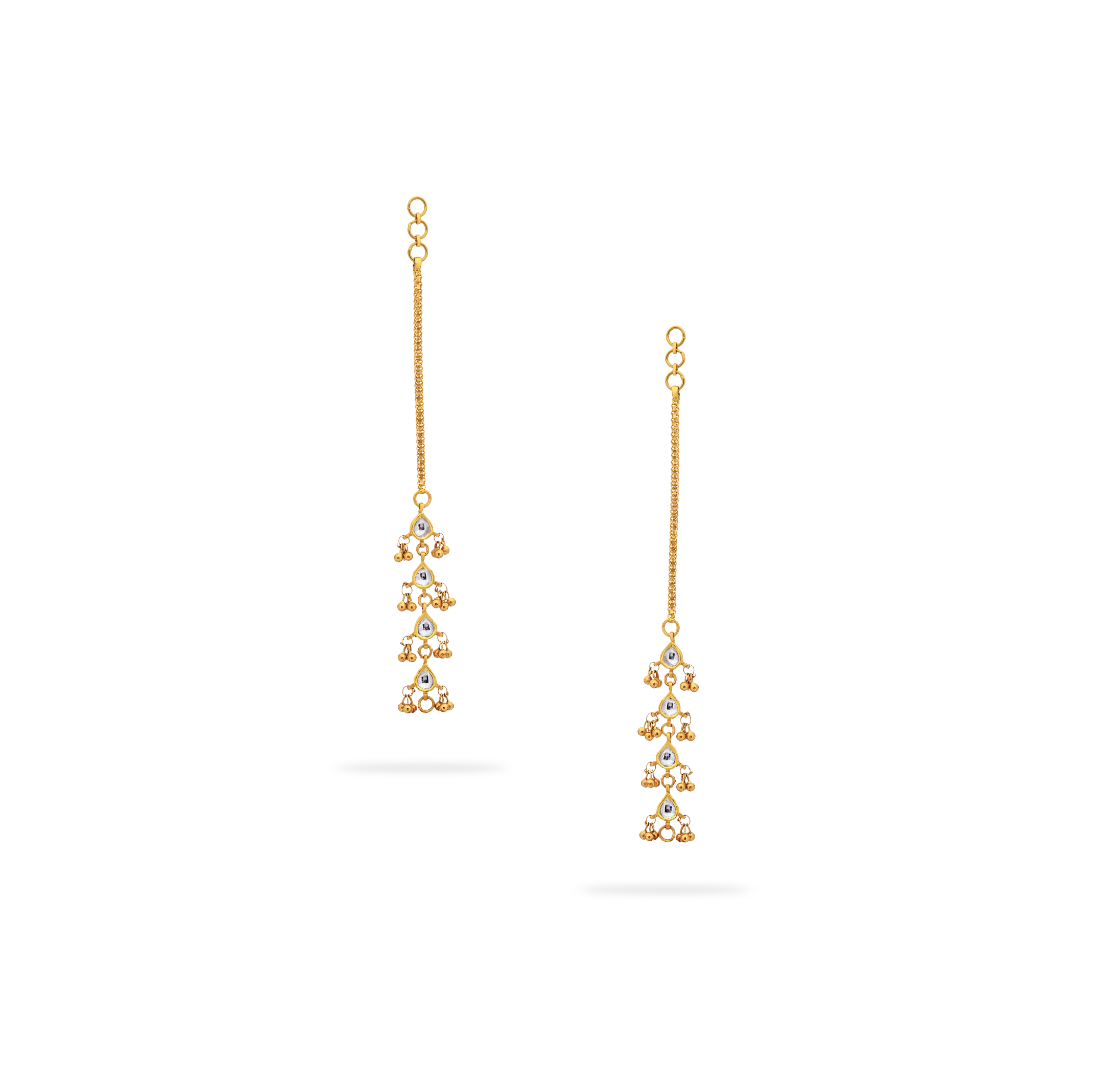
Consider drops and dangles to create vertical lines
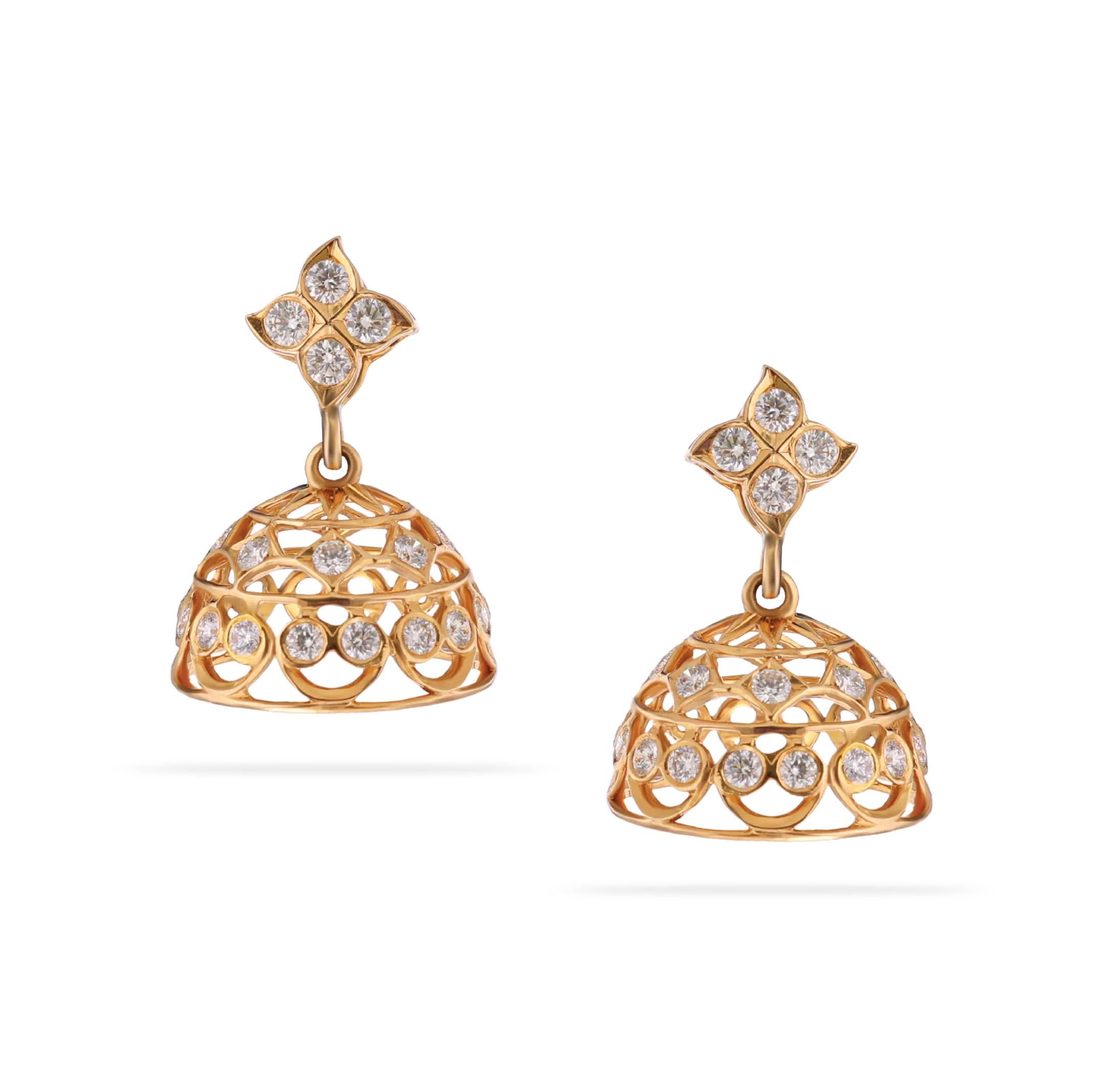
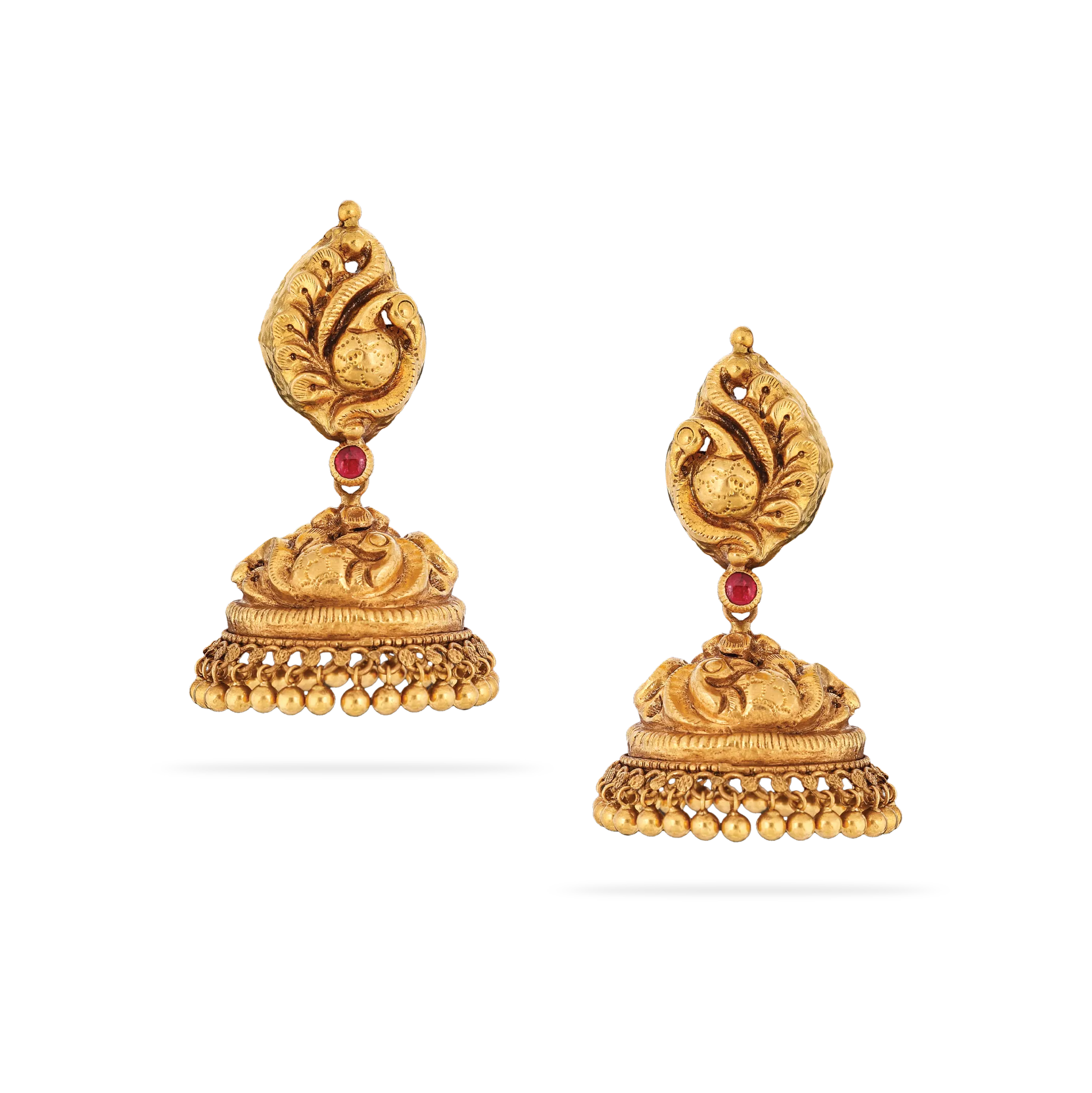
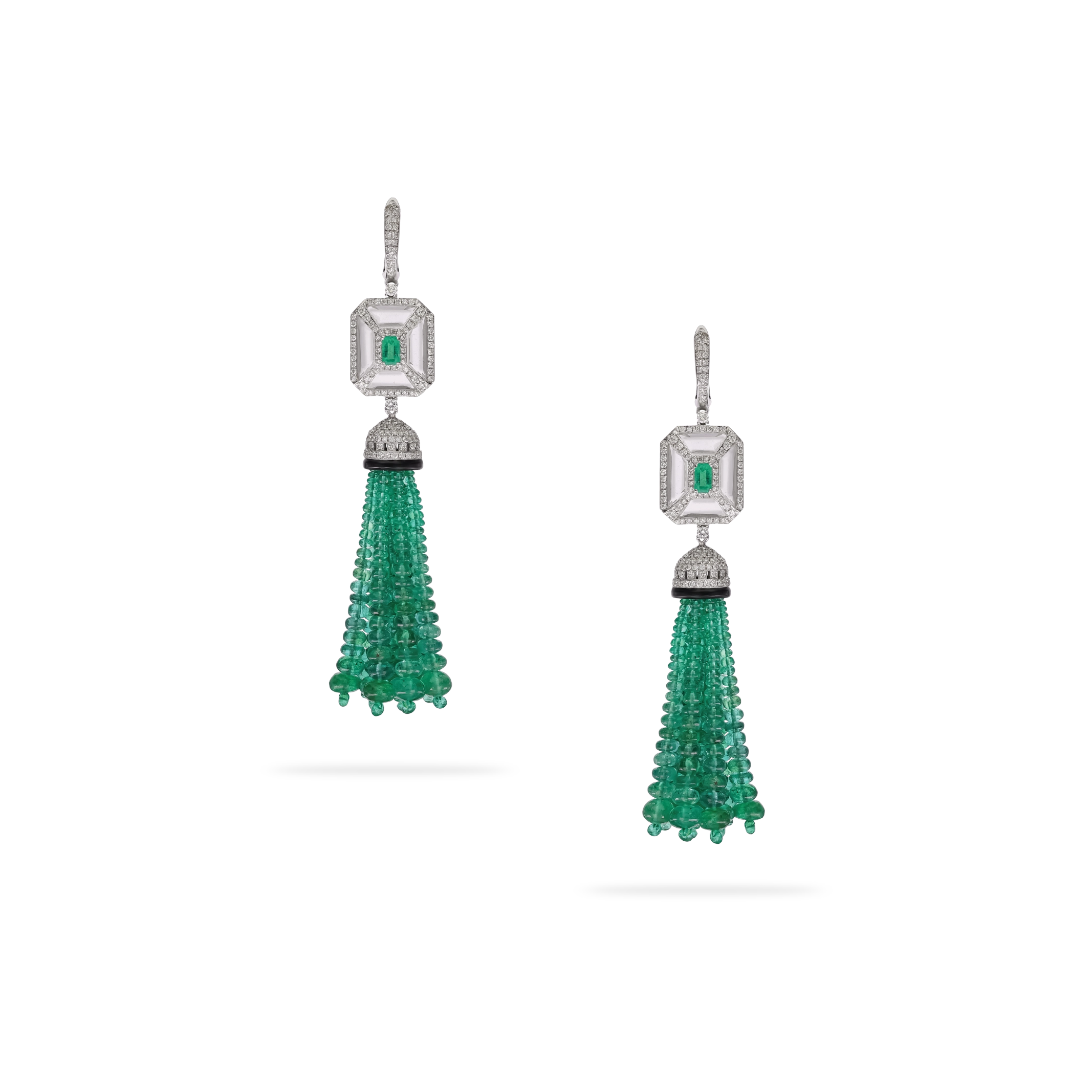
Drops and dangles extend below the earlobe, creating a line that can lengthen the overall impression. Shorter drops offer that effect gently; longer ones make it more pronounced and may suit a more dressed-up outfit. For occasion styling, C Krishniah Chetty & Co’s drop earring guide discusses simple daily designs as well as formal and statement styles, so you can consider the setting as well as the silhouette.
Use geometric designs to introduce structure or contrast
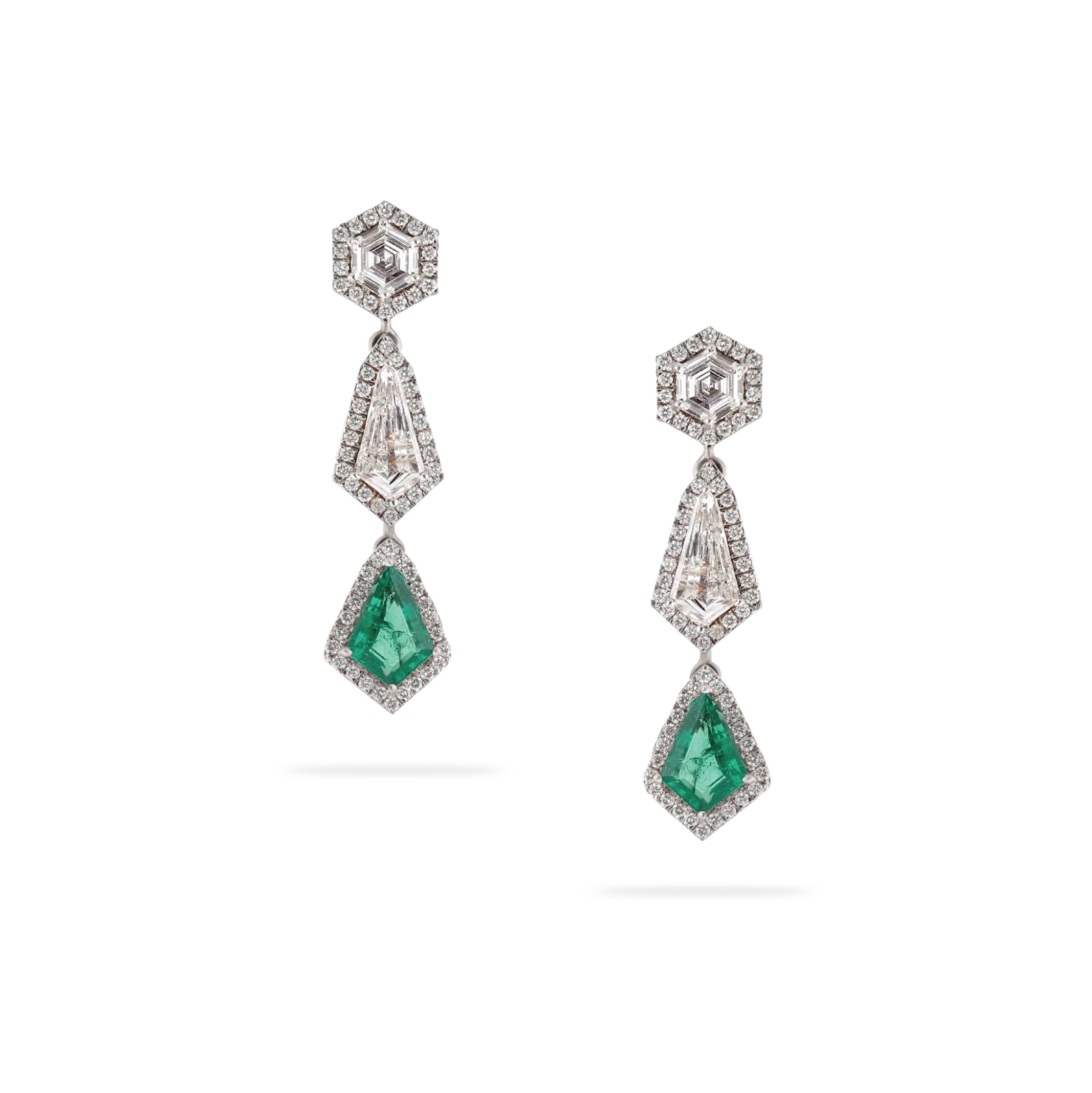
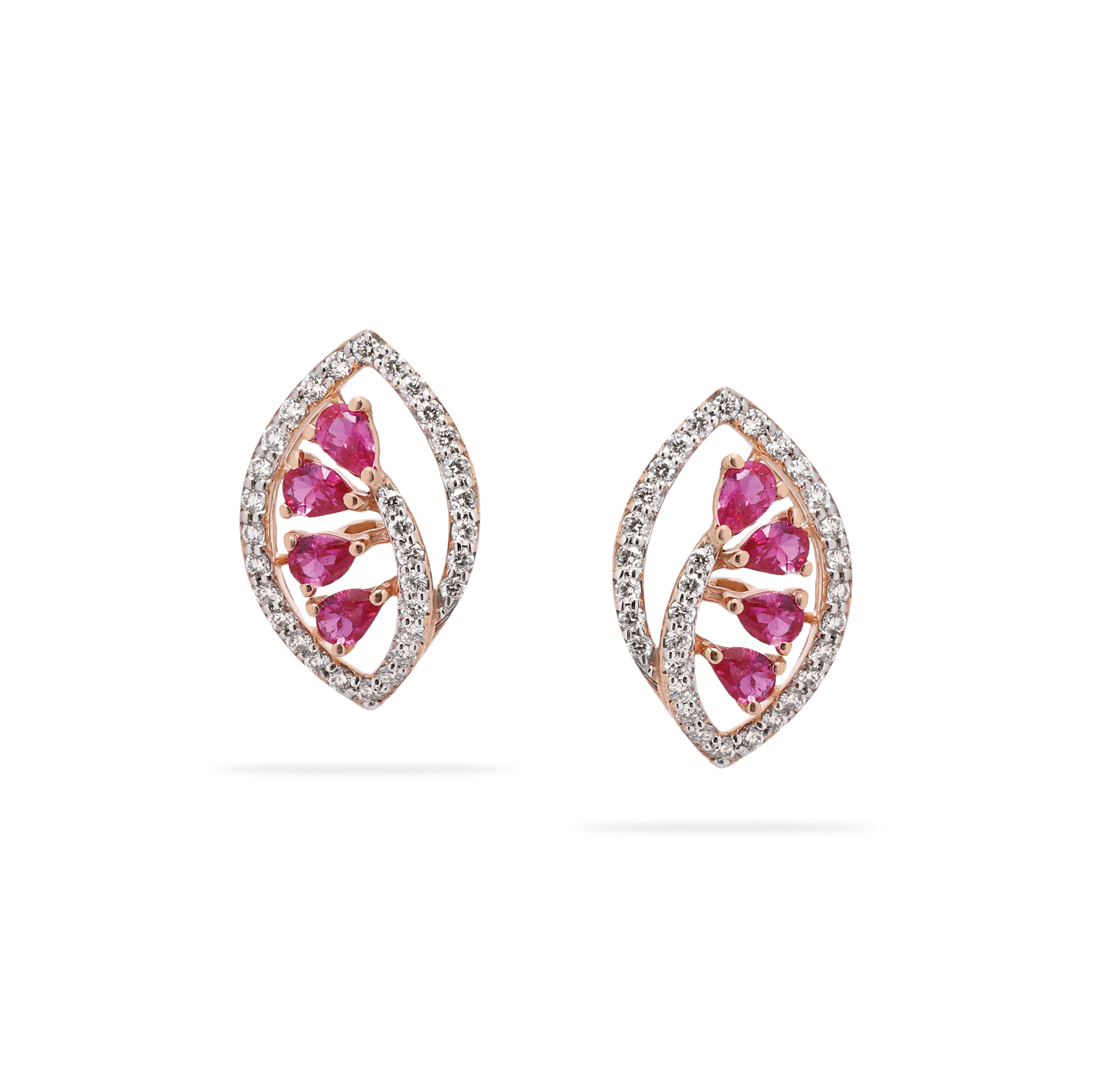
Geometric earrings can echo a defined jawline or create a deliberate contrast with softer features. Circles, squares, and angular drops each make a different impression, and their scale changes the effect considerably. If a sharp shape feels too strong, look for a design that mixes straight edges with curves rather than ruling the whole category out.
Adjust earring scale and visual balance
A shape that suits your proportions in theory can still feel wrong if its scale is off. Consider how much space the earring takes up beside your cheek and jaw, and whether it draws attention away from the rest of your look. Small adjustments often matter more than finding a supposedly perfect face-shape match.
Choose proportions that feel balanced beside your features
Start by comparing the earring’s size with the features around it. Petite pieces may get lost beside a bold hairstyle or prominent frames, while oversized designs can become the first thing you notice. Comfortable visual balance is personal: some people want an earring to blend in, and others want it to be the focal point.
Consider how earring width and length affect your look
Length tends to draw the eye down, while width gives an earring more presence from side to side. You can use those qualities separately or together: a slim, long drop creates a different impression from a broad, short design. When shopping, compare the approximate length and width of a pair with earrings you already enjoy wearing.
Account for hairstyles, glasses, and necklines
An earring is part of a larger frame around the face. Hair worn down may partly cover a small stud, glasses can add a strong line near the cheekbones, and a high neckline can make long drops feel crowded. If you are coordinating jewelry with clothing, a neckline and jewelry guide can help you consider the relationship between earrings, fabric, and other accessories.
Try earrings on and refine your choice
A quick try-on can reveal things that a style description cannot. Check the overall effect from the front and side, then notice whether the pair still feels like you after a few minutes. It is fine to change your mind; experimenting is part of finding a style you will actually reach for.
Compare styles in a mirror or in photos
Try two or three different silhouettes with your hair arranged as you usually wear it. A mirror shows movement and how an earring sits at conversational distance; a photo can make it easier to compare proportions without switching back and forth. Keep the rest of your outfit similar during the comparison so you can focus on the earrings themselves.
To make the comparison useful, change one factor at a time rather than swapping everything at once. You might compare:
- A compact stud with a short drop.
- A narrow hoop with a wider one.
- A rounded outline with a geometric shape.
- A subtle pair with a more noticeable statement style.
Notice which option draws your eye in a way you enjoy, and whether it works with your everyday hairstyle and glasses. A favorite may not be the one that seems most “correct” on paper; the point is to find a pair you want to wear.
Check weight, closure, and comfort for all-day wear
A pair can look lovely and still be uncomfortable after a few hours. Pay attention to weight, how securely the closure fastens, and whether the earring catches on hair or clothing when you move. If you are unsure, wear it briefly at home before choosing it for a long day or special event.
Choose designs that suit your personal style and occasion
The same face can carry many different styles, and the best choice depends on more than proportions. A quiet stud may feel right for everyday wear, while a more noticeable hoop or drop may suit an event or an outfit that needs a focal point. Let face shape inform your options, then choose the pair that feels comfortable and genuinely yours.
Conclusion
Choosing earrings for your face shape is less about following a rulebook than noticing what different lines and proportions do near your features. Use your face shape as a starting point, try a range of silhouettes, and keep the pair that feels balanced, comfortable, and true to your style.
Frequently Asked Questions
How do I figure out my face shape?
Pull your hair back and compare the width of your forehead, cheekbones, and jawline with the overall length of your face. Look for the strongest pattern rather than trying to fit every detail into one category.
Which earrings are best for a round face?
Longer, narrow styles can create a vertical line, while the effect of a hoop or compact earring depends on its width and scale. Try a few shapes and choose the look you prefer.
What earrings suit a square face?
Curved or rounded designs can soften the impression of angular features, but geometric earrings can also create an appealing contrast. Proportion and personal taste matter more than a strict rule.
Can people with oval faces wear any earring style?
Oval proportions work with many silhouettes, but no face shape has to follow a particular set of rules. Consider the earring’s size, your hairstyle, and the overall effect you want.
Do long earrings make a face look longer?
Long earrings can create a vertical line and may make the face appear more elongated. Shorter or wider designs can offer a different balance if that is what you prefer.
Should earrings match my hairstyle and glasses?
They do not need to match, but it can help to consider how all three sit around your face. Try the earrings with your usual hairstyle and frames to see whether the combination feels balanced.
How can I tell whether earrings are comfortable enough to wear all day?
Check their weight and closure, and notice whether they tug, catch, or feel irritating as you move. A short trial at home can help you decide before wearing them for a full day.
How to choose a necklace for an outfit: a guide to neckline, length, and style
10 minute read
Related blogs:
November 20, 2025
The Timeless Elegance of the Tennis Bracelet: A Comprehensive Guide
Read More
November 20, 2025
The Ultimate Guide to Styling and Wearing a Choker Necklace
Read More
November 20, 2025
Find Your Perfect Engagement Ring: A Comprehensive Guide to Styles and Diamonds
Read More
November 20, 2025
The Timeless Elegance of a Diamond Tennis Bracelet: A Buyer's Guide
Read More