How to invest in gold jewellery: A practical guide for building wealth
August 23, 2026 | 10 minutes read
Key Takeaways
Gold jewellery can preserve wealth, but it is not the same as buying bullion or a fund that tracks gold prices. The outcome depends on purity, weight, purchase costs, resale demand, and how carefully you manage the piece.
- Treat jewellery as a blend of precious metal and personal property, not as pure bullion.
- Check karat, fineness, weight, hallmarks, and documentation before paying.
- Compare the total price with the underlying gold value and current spot price.
- Buy pieces that are wearable, durable, and reasonably easy to resell.
- Keep records, protect the jewellery, and decide in advance how you may sell it.
Understand whether gold jewellery is the right investment
Learning how to invest in gold jewellery starts with setting realistic expectations. A necklace or ring can hold metal value, offer years of use, and sometimes attract a premium for design or provenance. It also carries costs that do not apply in quite the same way to financial products. The right purchase therefore depends on whether you want an investment first, a wearable asset, or both.
How jewellery differs from bullion and gold ETFs
Bullion is generally bought for its metal content, while a gold ETF is designed to give investors exposure to gold through a financial market product. Jewellery is more complicated because its price includes the gold, labor, design, retail overhead, and sometimes gemstones or a designer reputation. When you sell, a buyer may focus mainly on recoverable metal rather than the full amount you paid.
That difference affects the break-even point. A simple, heavy chain bought close to its metal value may be easier to assess than an elaborate piece with a large design premium. Before committing, compare jewellery with other forms of gold exposure and make sure you understand what you actually own.
For a broader overview of physical gold, ETFs, premiums, and taxes, this gold investment guide offers useful background, although local rules and products may differ.
The role of gold in a diversified portfolio
Gold can serve as one diversifying asset among cash, bonds, stocks, property, and other holdings. Jewellery should usually be treated as a small, carefully considered part of that allocation because it is less transparent and less liquid than many financial investments. Its value may not move in line with the spot price once workmanship and resale spreads are included.
A sensible approach is to decide what job gold is meant to do. If you want a readily priced hedge or a convenient way to rebalance, jewellery may be inconvenient. If you value an asset that can be worn, gifted, or passed through a family, its practical usefulness may matter alongside its investment potential.
Investment benefits and key drawbacks
The strongest benefit is that a well-made solid-gold piece combines a tangible material with everyday enjoyment. Gold is widely recognized, and a piece with clear purity and a familiar form can be easier to explain to a future buyer. Jewellery may also carry sentimental or cultural value that bullion does not.
The drawbacks are just as real. Retail markups can be substantial, styles can fall out of favor, and stones or intricate settings may not be valued at their original retail price. Theft, damage, storage, insurance, and selling costs also reduce the net return. The purchase price matters most when judging whether the piece has investment merit.
When jewellery may be better viewed as a luxury purchase
If you are choosing a piece primarily for its appearance, emotional meaning, or occasion, call it a luxury purchase rather than forcing it into an investment calculation. That framing is not negative. It helps you set a budget based on enjoyment and affordability instead of assuming that every dollar will be recovered later.
A useful test is to ask whether you would still want the piece if the gold price stayed flat for several years. If the answer is yes, the purchase may be worthwhile as personal property. If the answer is no, focus more strictly on weight, purity, premiums, and likely resale demand.
Evaluate gold content and purity
Gold jewellery is valuable only in proportion to the amount and quality of gold it contains, though craftsmanship can add a separate layer of worth. The first job is to distinguish solid gold from plated or filled products, then establish the karat and net weight. Ask for clear documentation rather than relying on color or a sales description alone.
Small differences in purity can make a meaningful difference across a heavy item. Yet higher purity is not automatically better for every design: softer gold may scratch or deform more easily, while alloys can improve durability. A careful buyer weighs purity against intended use, construction, and price.
What karat ratings mean for value
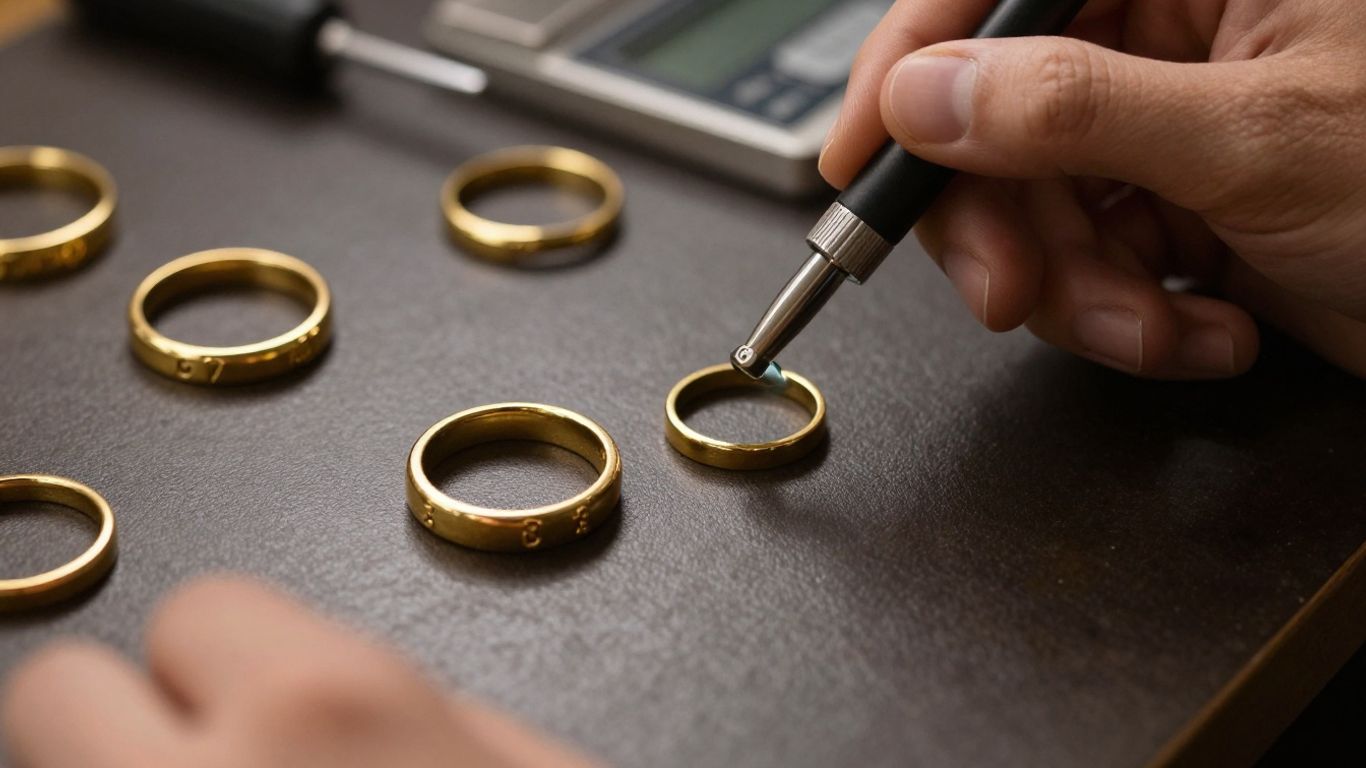
Karat describes the share of pure gold in an alloy. Twenty-four-karat gold is considered nearly pure, while 18-karat gold contains 18 parts gold out of 24, or 75%. Fourteen-karat gold contains 14 parts gold out of 24, or about 58.5%. The remaining material consists of other metals that affect hardness and color.
Do not confuse karat with carat, which is normally used for gemstone weight. A higher karat rating generally means more gold per gram, but the final price can still be driven by design, labor, stones, taxes, and the seller’s margin. A lower-karat item can be perfectly appropriate for daily wear if the construction and price make sense.
How weight and fineness determine gold content
A simple estimate of fine-gold content uses the item’s relevant metal weight multiplied by its fineness. For example, a 20-gram 18-karat piece has an estimated fine-gold content of 15 grams before accounting for non-gold parts, stones, clasps, or hollow construction. The calculation is a starting point, not a substitute for professional testing.
Ask whether the stated weight includes gemstones or other materials. A diamond, bead, enamel section, or heavy setting may add to the scale reading without adding gold value. For mixed-metal or hollow designs, the actual recoverable amount can be lower than a casual estimate suggests.
Reading hallmarks, stamps, and certification
Hallmarks and karat stamps can indicate purity, but a stamp alone does not prove that every part of a complicated piece meets the claimed standard. Look for a clear mark, a seller invoice, and any applicable assay or certification information. On older or unusual jewellery, independent testing can be especially helpful.
Keep photographs of the marks and match them to the purchase documents. A practical gold purity and hallmark guide can help you understand what to inspect before buying. If the seller avoids specific answers about fineness, weight, or documentation, pause rather than treating uncertainty as a bargain.
Comparing solid gold with gold-plated and vermeil pieces
Solid gold jewellery has gold throughout the relevant component, whereas plated jewellery has a thin layer of gold over another material. Vermeil is sterling silver with a gold coating, so it may be attractive and useful but should not be priced as solid gold. Gold-filled products also require their own labeling and construction standards.
These alternatives can suit a fashion or gifting budget, but their resale economics are different. Ask precisely what metal lies beneath the surface, how thick the coating is, and whether the item is being sold for wearability rather than metal value. A bright yellow finish is not evidence of high gold content.
Calculate the true cost before buying
The sticker price is only one part of the investment decision. Start with the approximate metal value, then separate design, labor, stones, taxes, and other charges. This makes it easier to compare two pieces that look similar but have very different economics.
Calculations do not need to be perfect to be useful. Their purpose is to reveal whether a quoted price is broadly reasonable and whether you are paying for something you genuinely value. Keep the estimate alongside the invoice so that you can later judge the result honestly.
Estimating the melt value of a jewellery piece
Melt value is an estimate of what the gold content might be worth if the piece were refined, based on its weight, fineness, and the current market price. In practice, a refiner or dealer will also account for testing, processing, and margin. The amount offered to you can therefore be below a headline calculation.
To estimate it, identify the net gold weight, convert the karat into fineness, and multiply by the relevant gold price per gram. Subtract the likely buying spread when thinking about a sale. The calculation is most informative for plain, solid pieces with reliable documentation.
Accounting for craftsmanship and retail markups
Craftsmanship is not automatically an unfair cost. A secure setting, careful finishing, distinctive design, and skilled labor can make a piece more durable and enjoyable. The issue is whether the premium is clear and proportionate to what you want from the purchase.
Ask for an itemized price when possible. Separate the metal charge from making charges, stones, brand or design premiums, and taxes. A piece with a large premium may still be a good personal purchase, but it needs a stronger resale case to function as an investment.
Comparing prices with the spot price of gold
The spot price is a market reference for gold, not the retail price of a finished bracelet or ring. Jewellery is quoted by weight and design, while spot prices may be quoted per troy ounce and then converted into a local currency and unit. Check that you are comparing like with like.
Use a current, reputable price source and record the date of your comparison. Prices can change during the day, and dealers may use different spreads. A price close to spot is not automatically a bargain if the stated weight includes non-gold material or if the item has repair issues.
Identifying hidden fees, commissions, and sales taxes
Before paying, ask whether the quote includes sales tax, resizing, delivery, appraisal, payment surcharges, insurance, or import costs. Also ask about return conditions and whether a promotional discount applies only to the workmanship rather than the metal. These details can alter the effective price more than expected.
A short written checklist keeps the conversation concrete. Confirm the following before finalizing the purchase:
- Karat or fineness and the tested metal weight.
- The price assigned to gold, workmanship, stones, and taxes.
- Any commission, delivery, resizing, or certification fee.
- The return period and conditions for refunds or exchanges.
Once these figures are visible, you can compare offers on their total cost rather than on a large, attention-grabbing discount. That is the number that matters when estimating your future break-even point.
Choose the right gold jewellery to buy
The best investment-oriented jewellery is usually understandable, wearable, and easy to describe to another buyer. Plain forms often make the metal content clearer, while unusual pieces may depend more heavily on taste or specialist demand. None of this means you should ignore style; a piece that stays in a drawer is unlikely to deliver much practical value.
Think about durability, comfort, repairability, and how often you will wear the item. A modest piece bought carefully may serve you better than a dramatic purchase made under pressure. Personal use also gives you a benefit while you wait for a favorable selling opportunity.
Selecting coins, chains, bracelets, and rings
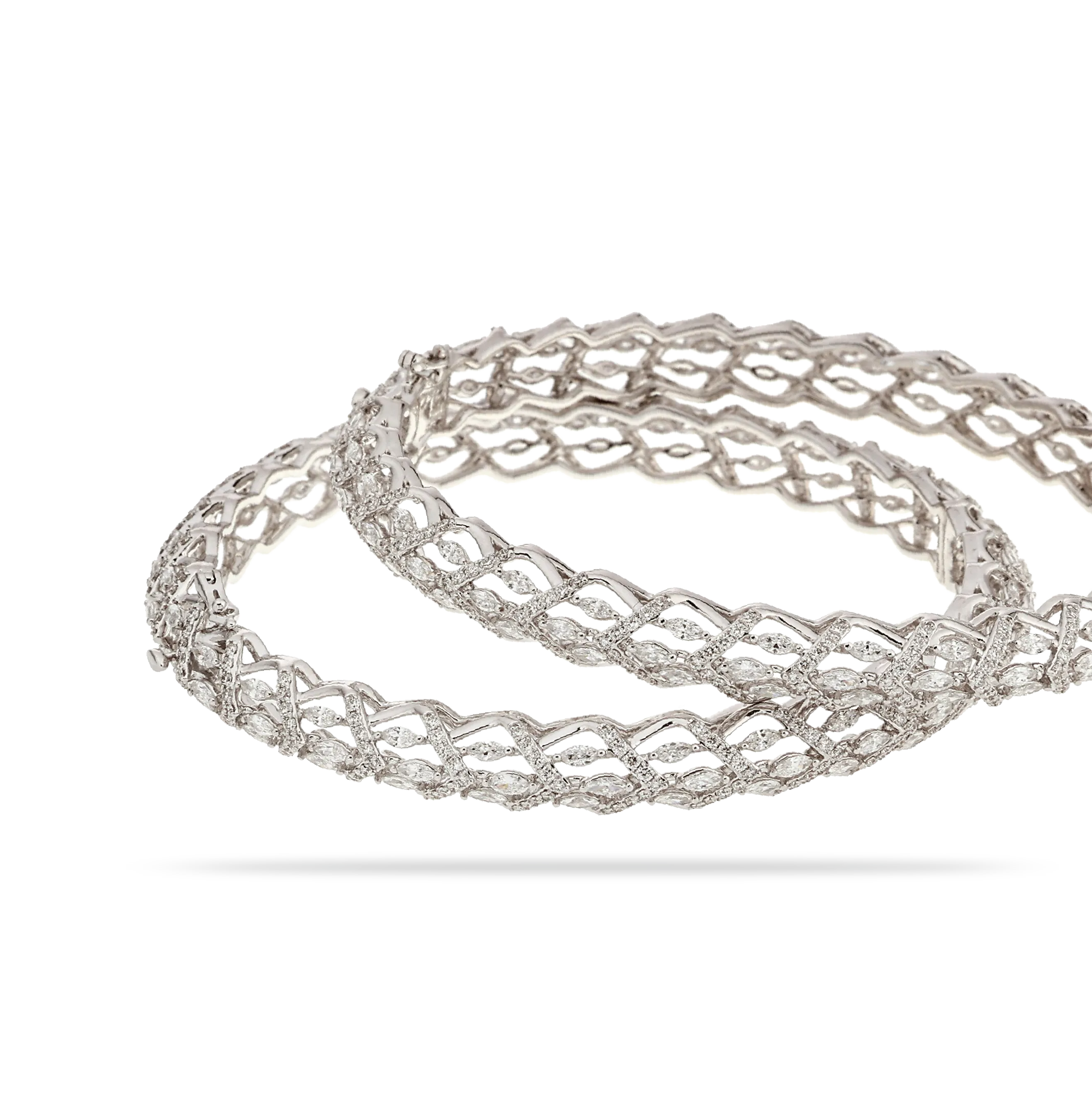
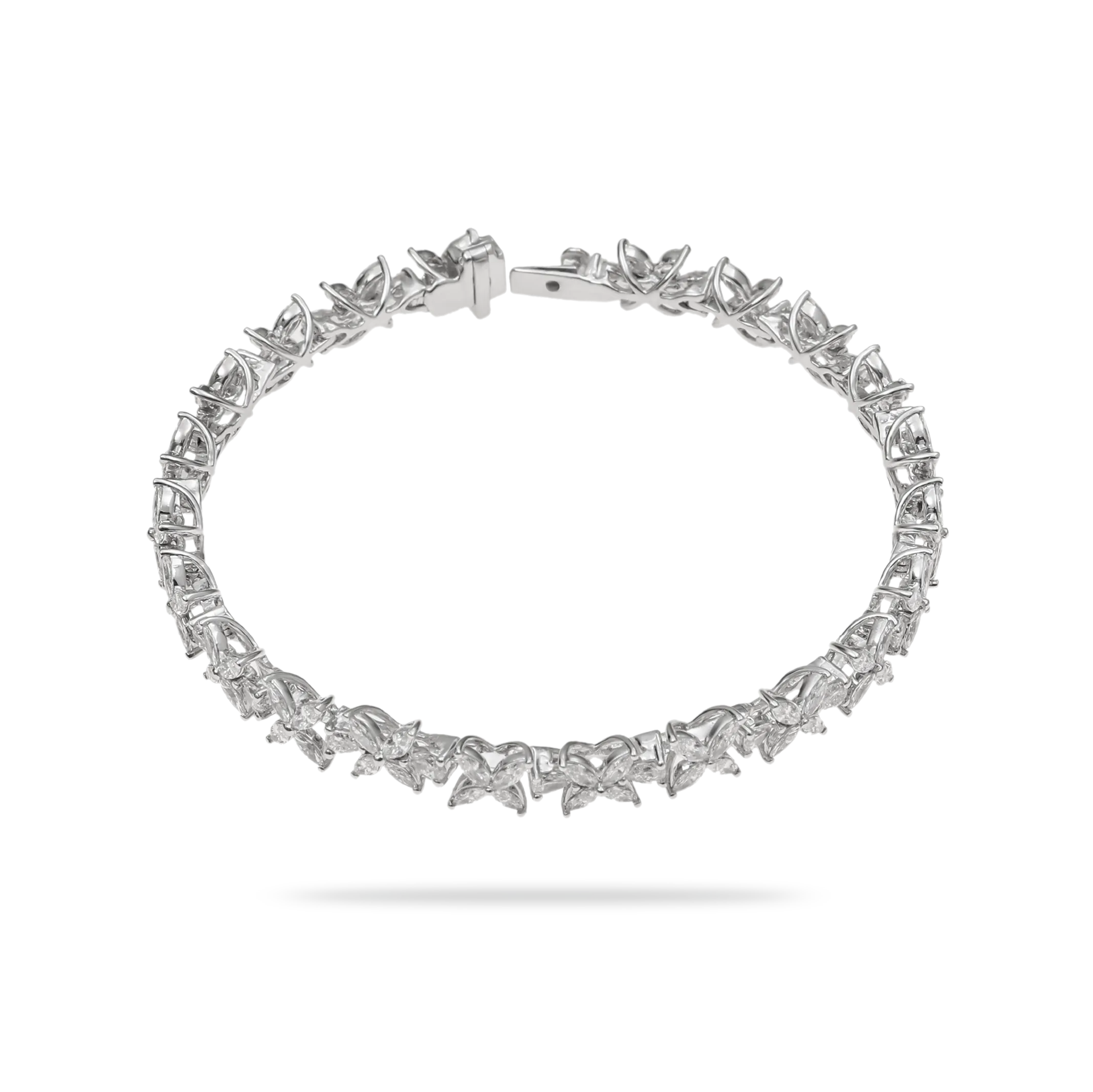
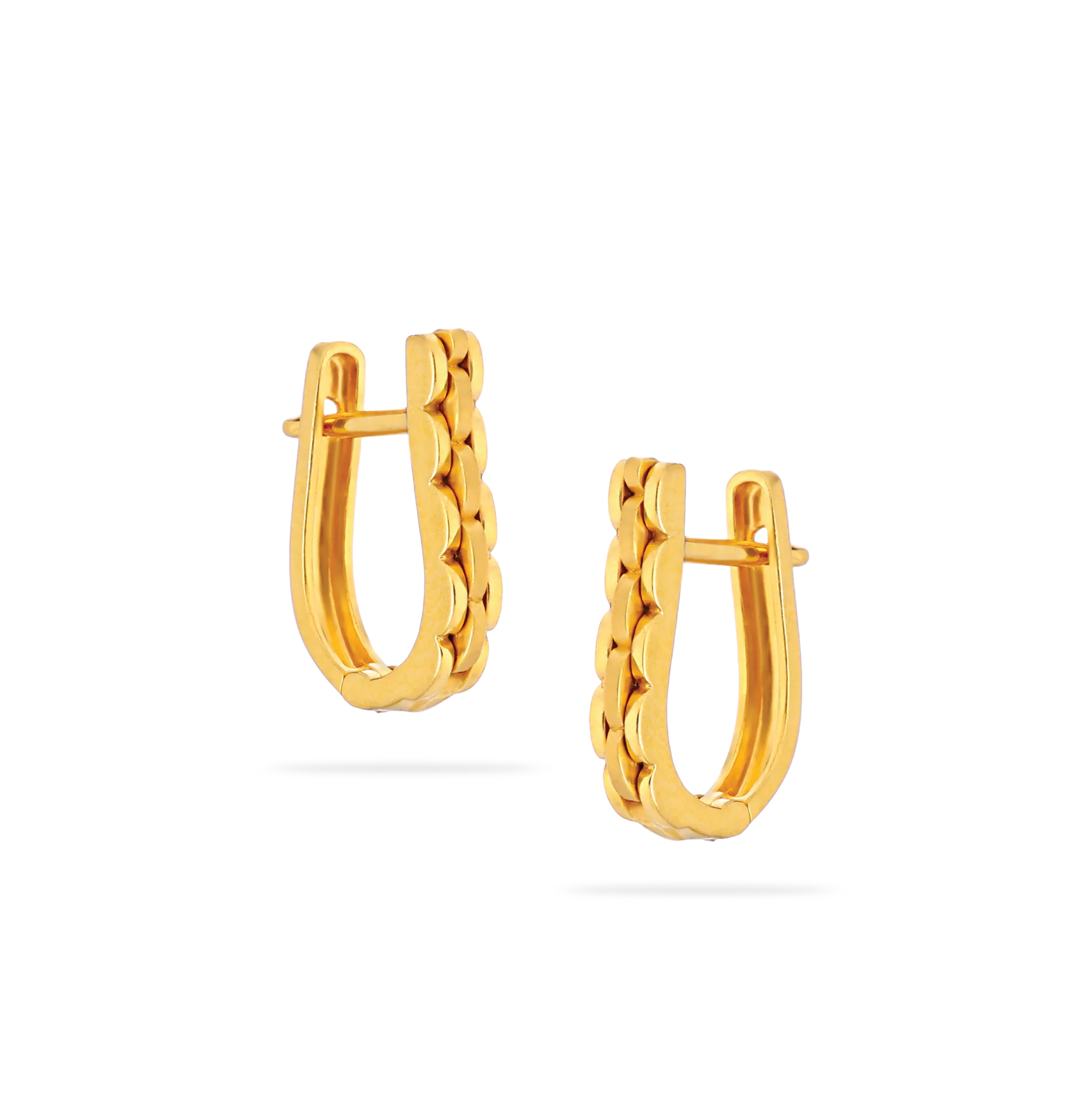
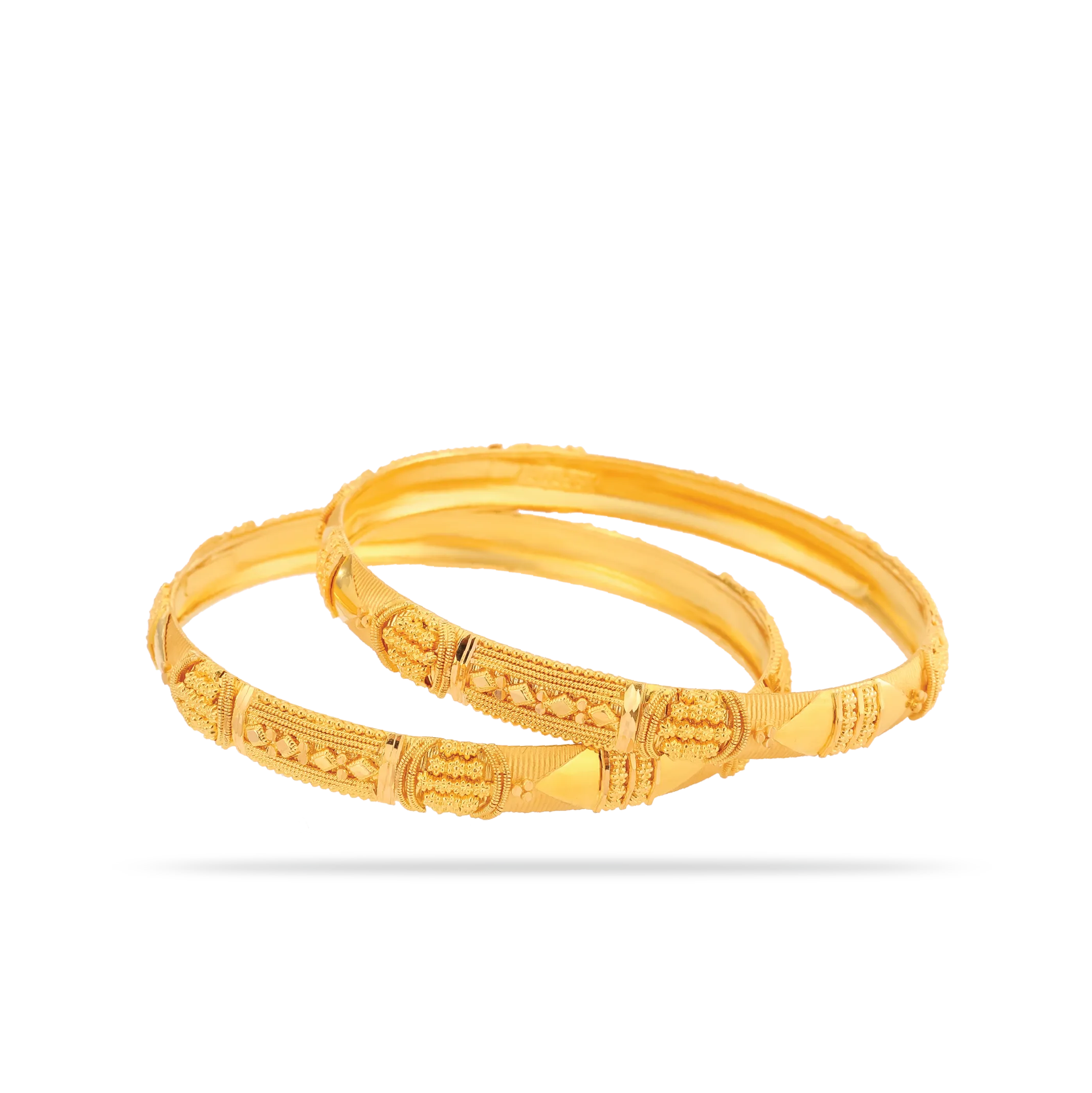
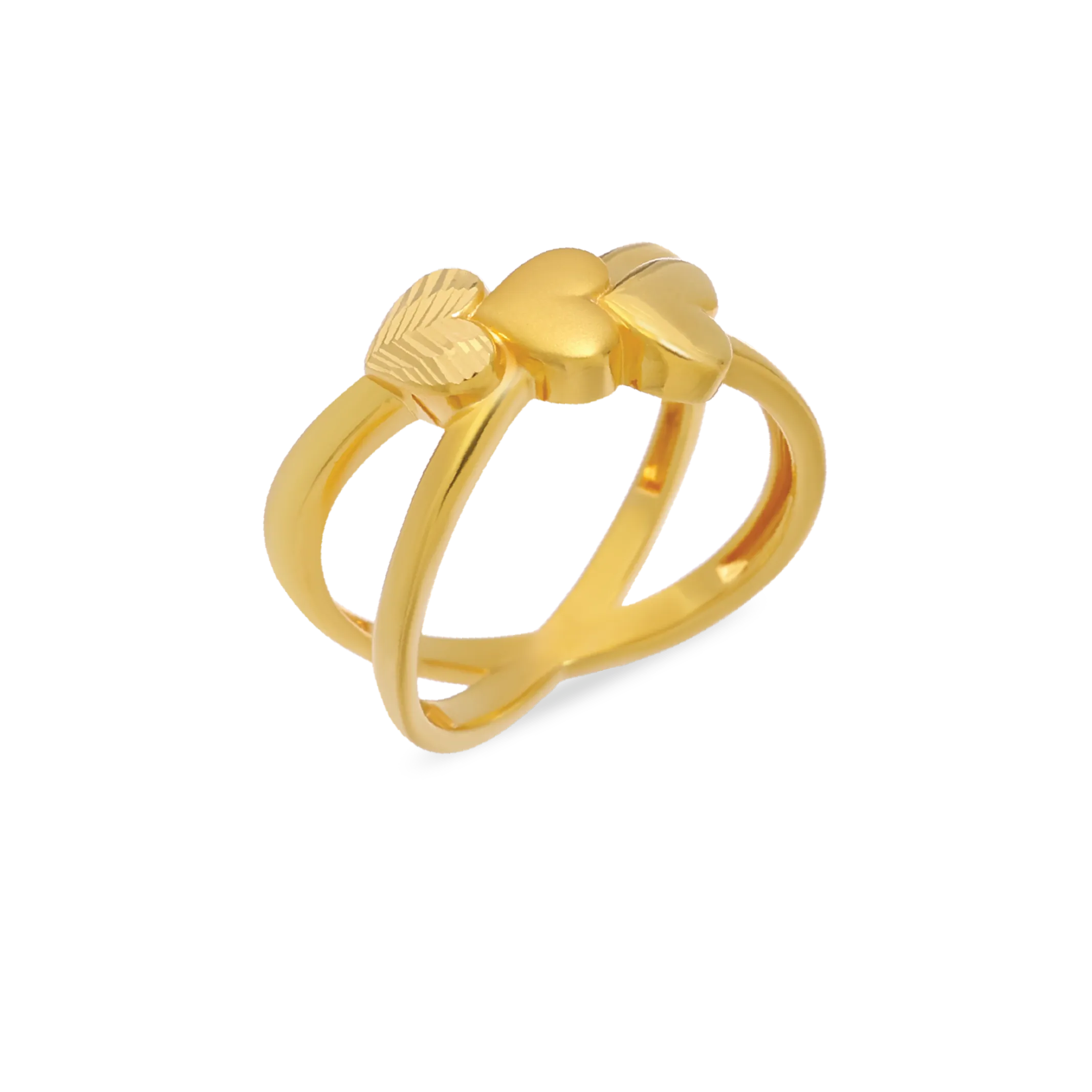
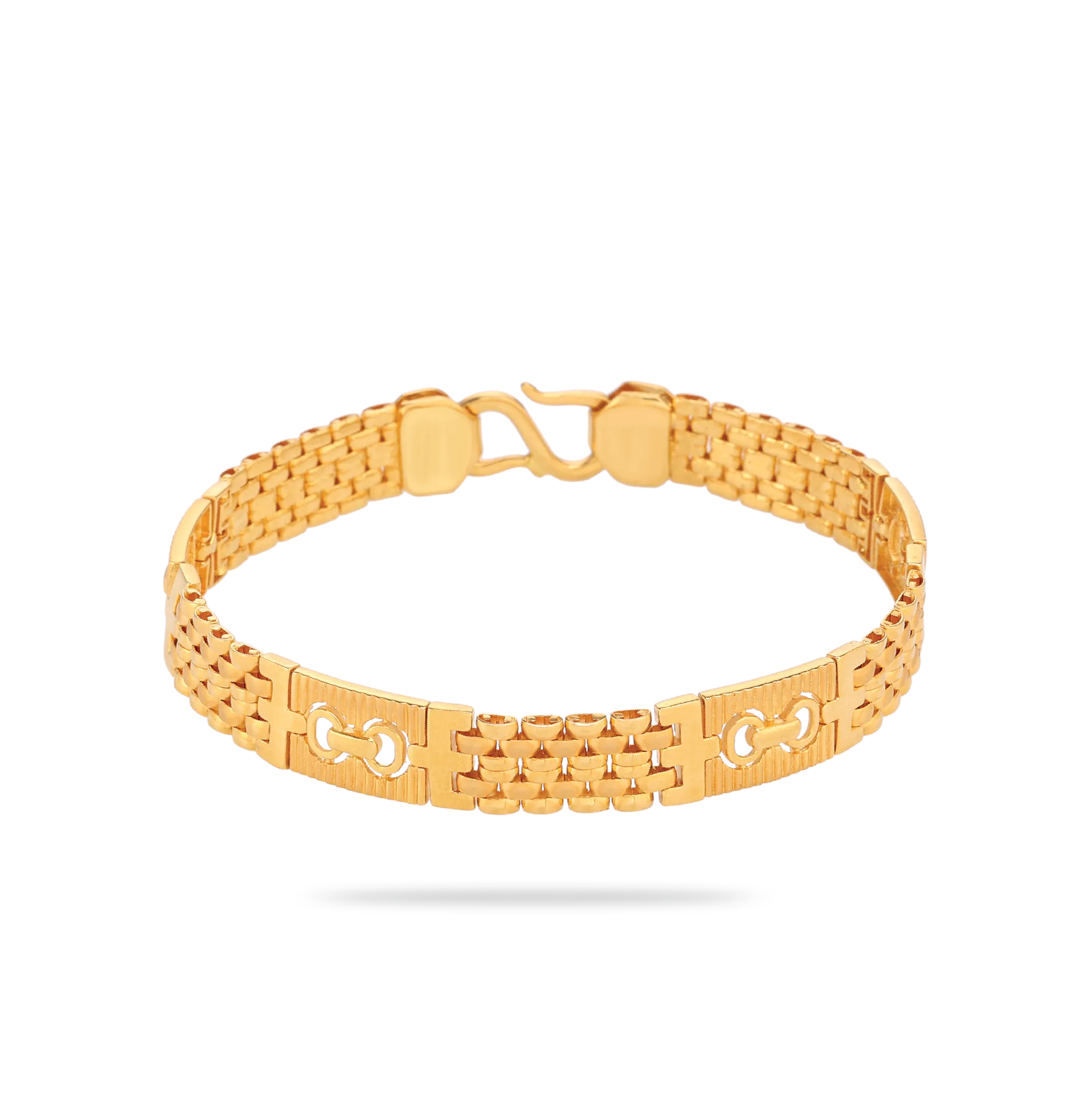
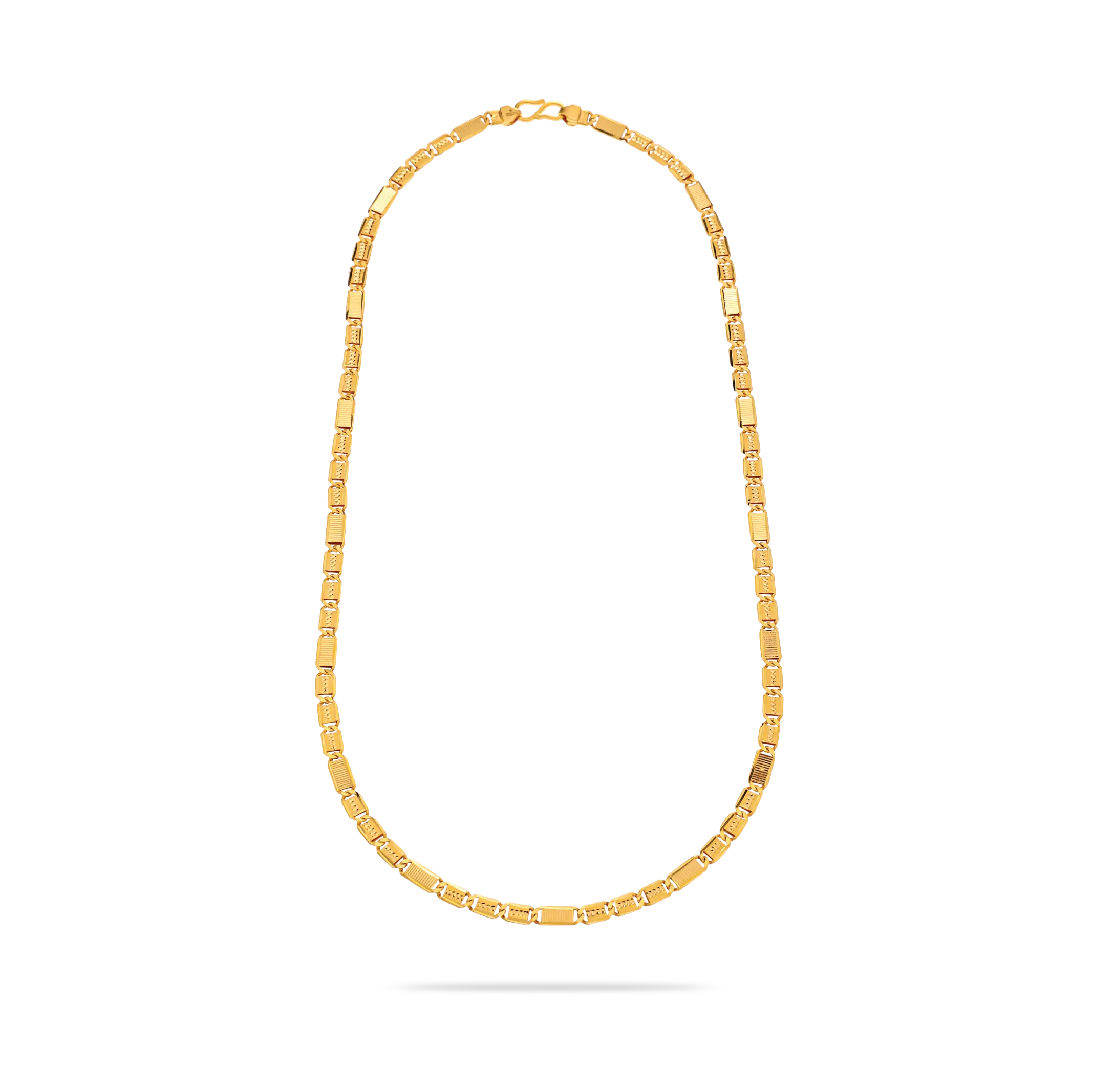
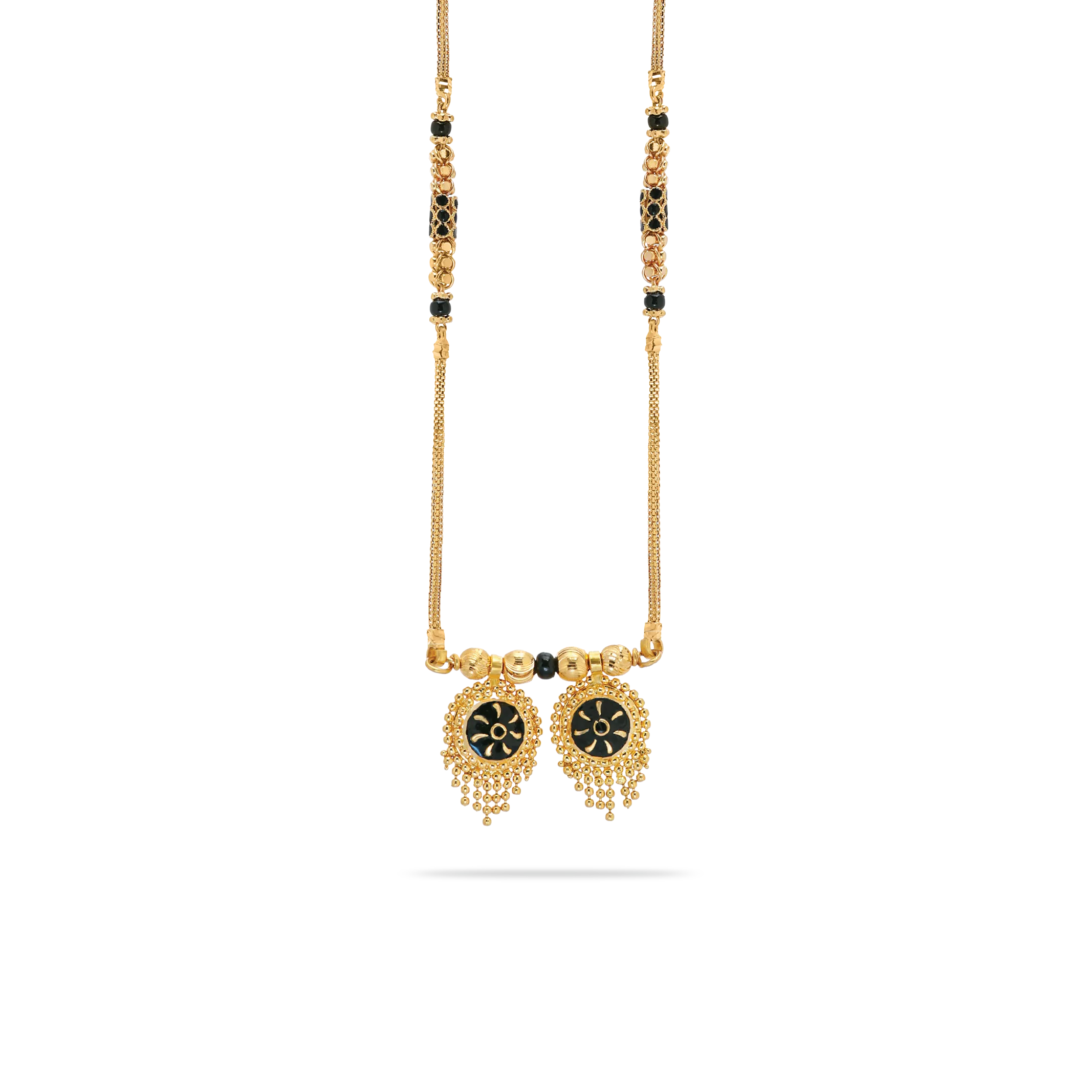
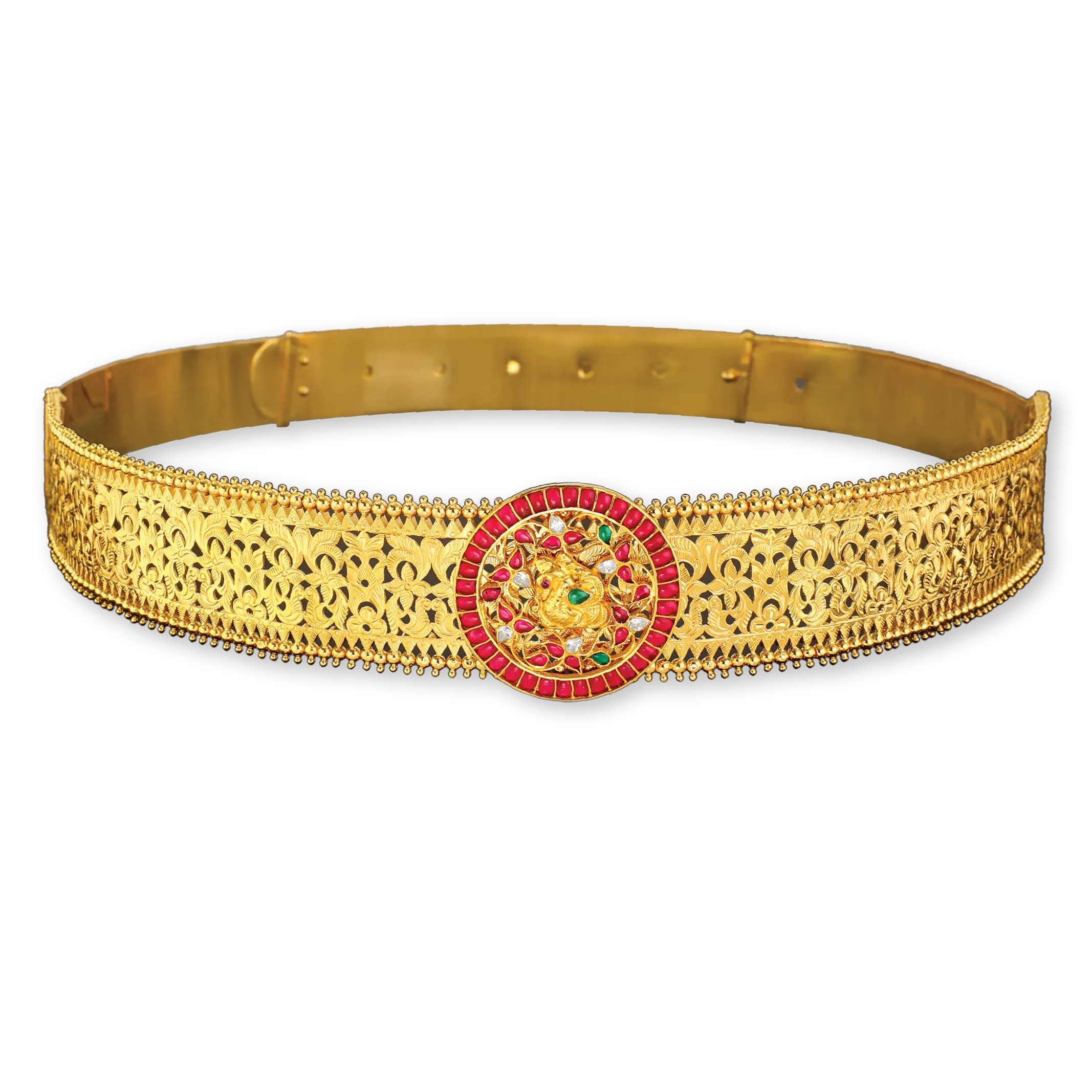
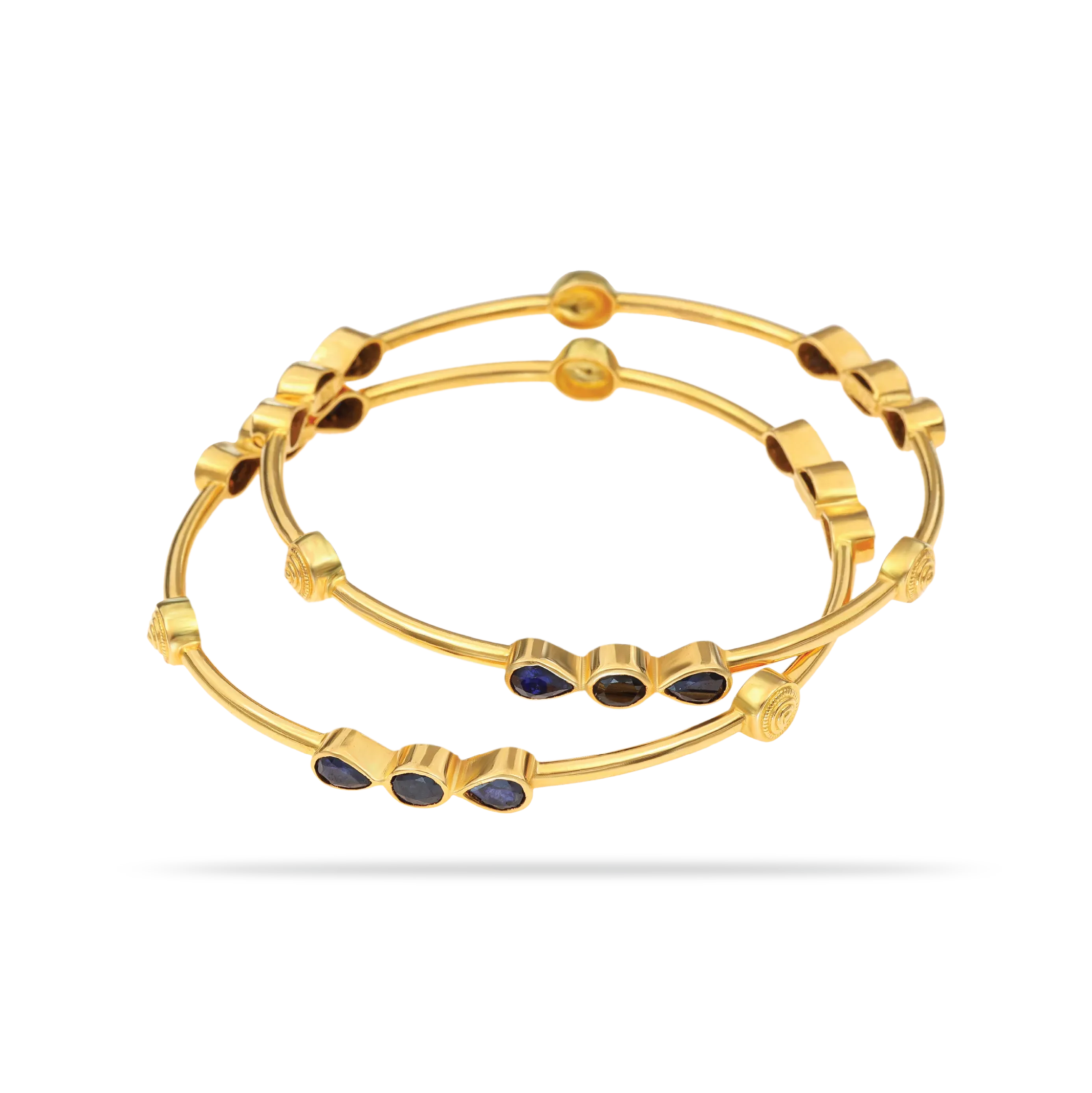
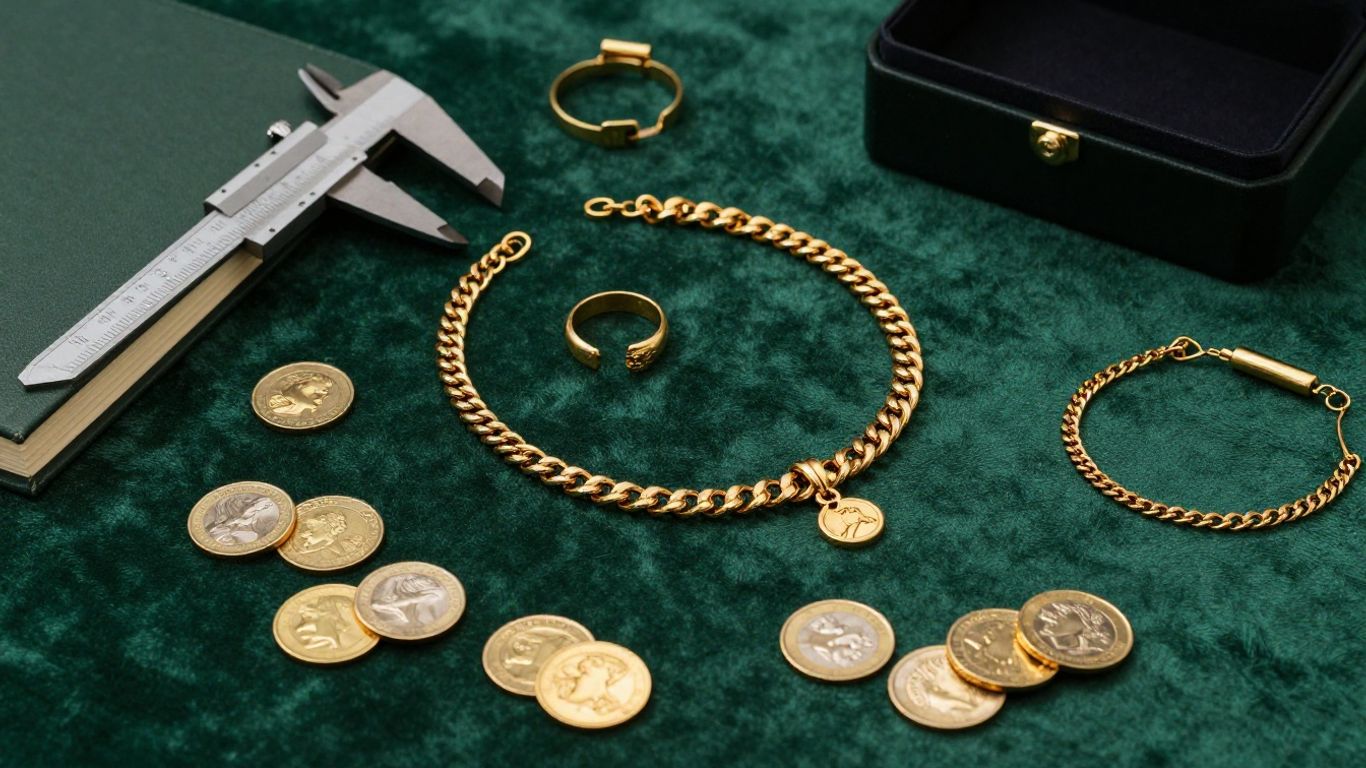
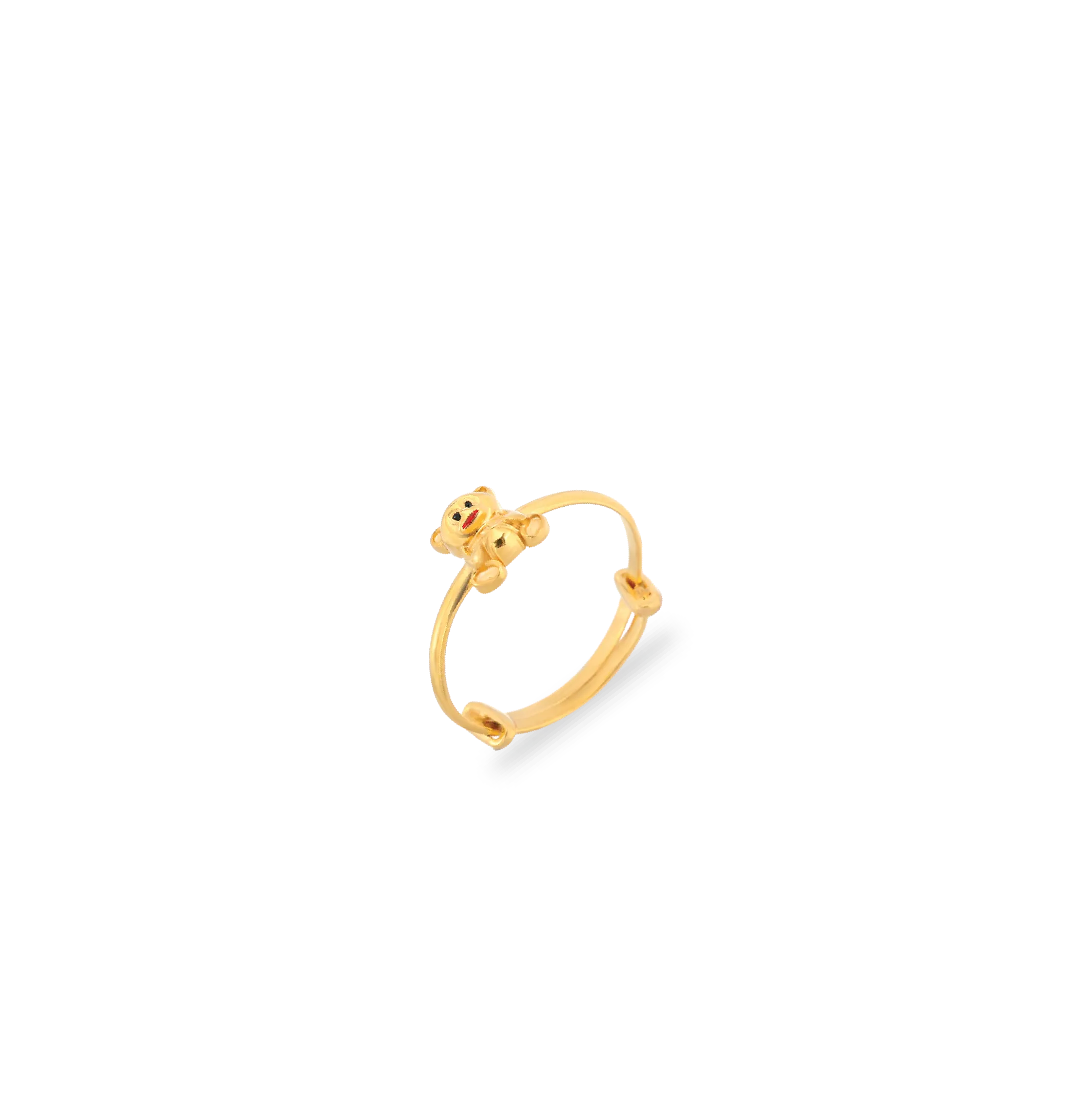
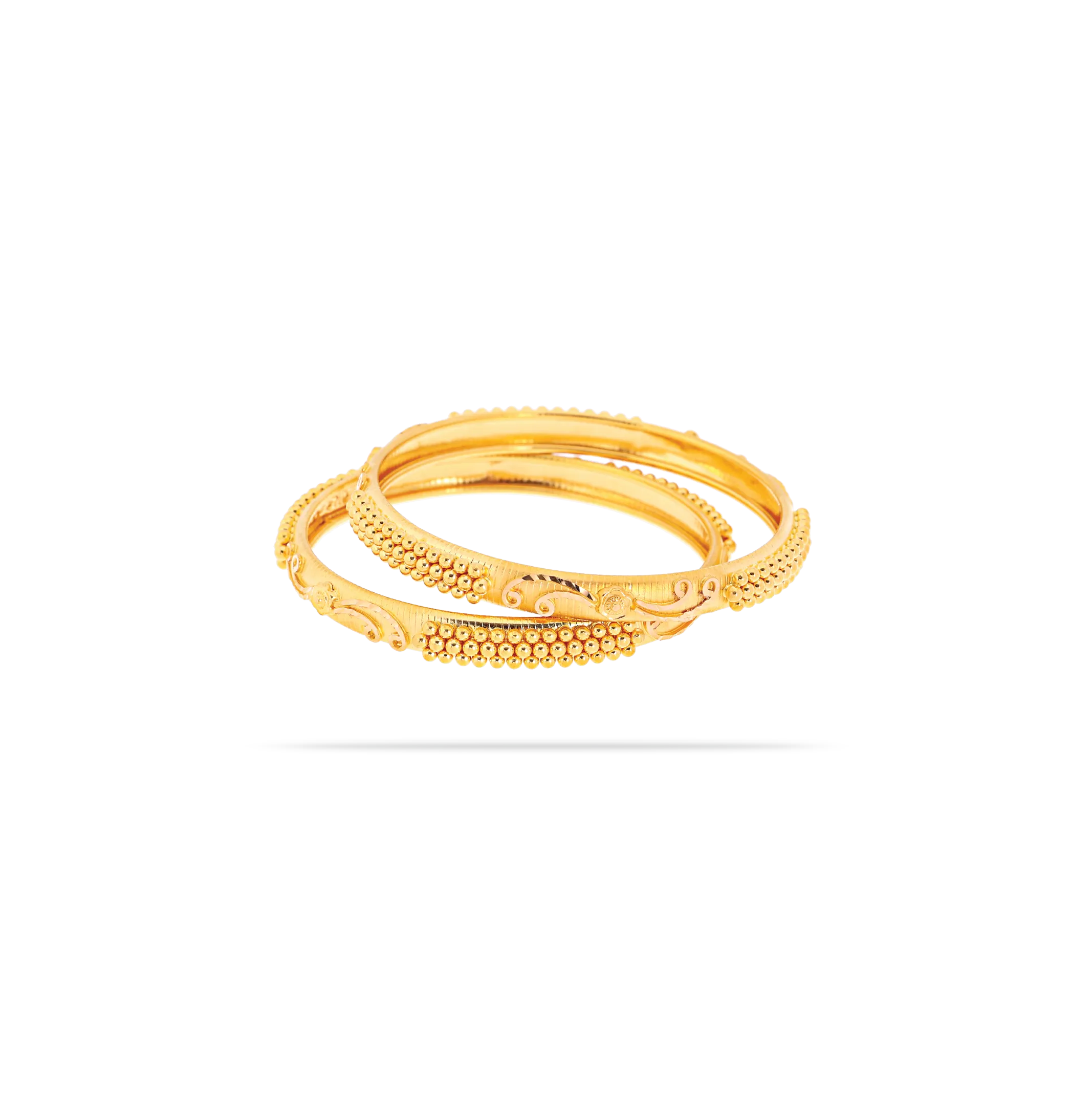
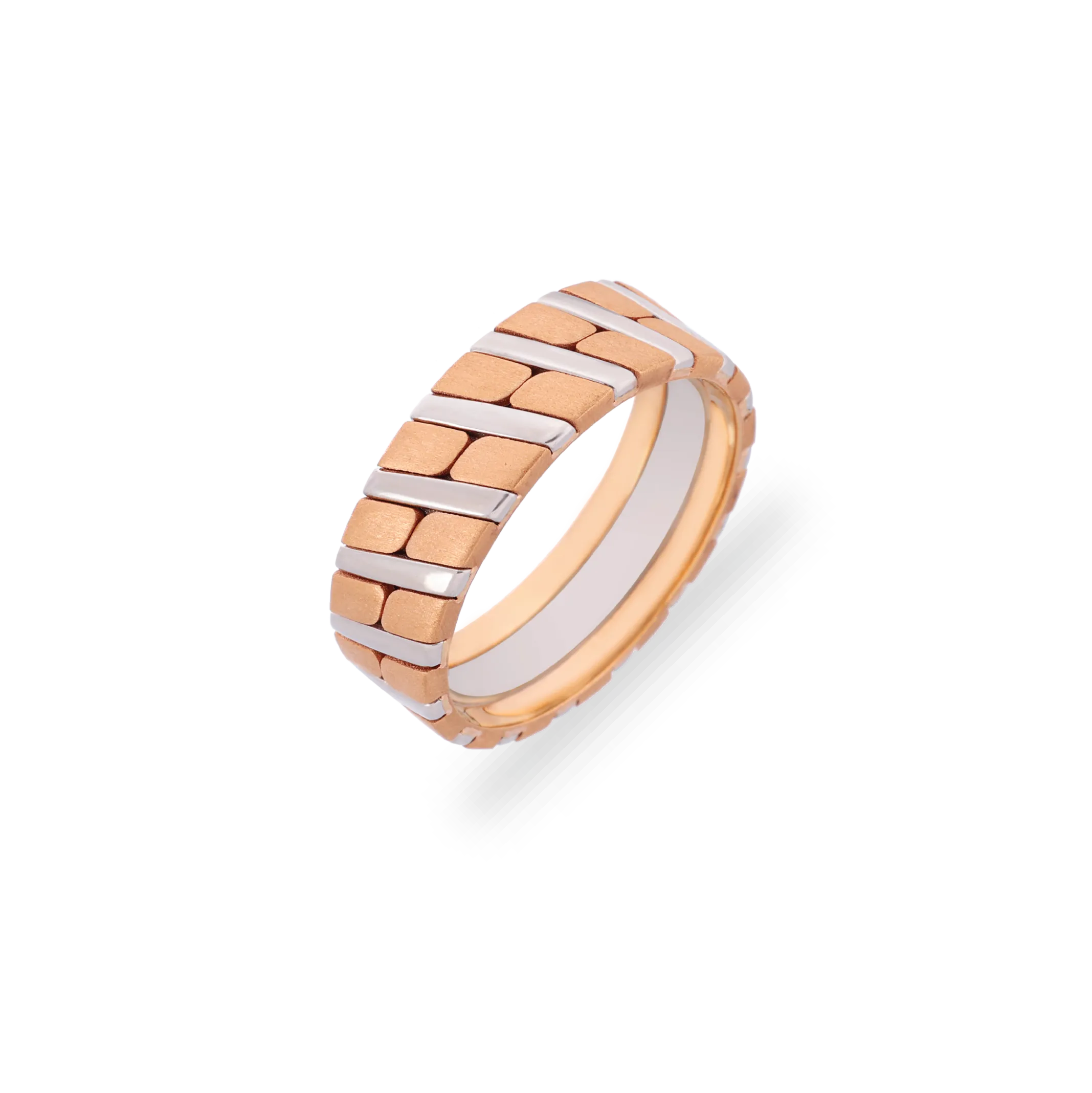
Coins and plain chains can be relatively straightforward to weigh and compare, though coins may have collectable premiums and chains may be hollow. Bracelets and bangles can offer substantial metal weight but should be checked for thin sections, loose clasps, and difficult repairs. Rings are wearable and familiar, yet stones and settings make their value harder to isolate.
Choose the format according to your priorities. If transparency is central, favor pieces with documented weight and uncomplicated construction. If daily wear matters, accept that strength, comfort, and design may justify some premium beyond the melt value.
Balancing resale appeal with personal style
Resale appeal comes from more than a fashionable appearance. Recognizable forms, classic proportions, good condition, and clear paperwork can help a future buyer assess the item quickly. A personal style can still be part of the decision, but avoid assuming that your taste will be shared by the market.
Consider whether the piece can be worn across settings and whether it can be repaired without replacing much gold. Gold jewellery buying guidance can help organize questions about purity, types, pricing, and hallmarks. Use such guidance to improve your process, not to replace inspection of the specific item.
Assessing new, pre-owned, and vintage jewellery
New jewellery often comes with clearer documentation and return terms, but its retail premium may be higher. Pre-owned pieces can offer a better relationship between price and metal content, although condition, authenticity, and repair history need closer attention. Vintage or antique jewellery may have design or historical value, but that value is specialized and not guaranteed.
Inspect worn edges, clasps, solder points, stone settings, and signs of previous resizing. Ask whether any parts have been replaced or plated. For older pieces, seek an independent opinion before paying a premium based on age alone; age is a feature, not proof of rarity or quality.
Checking seller reputation, documentation, and return policies
A reputable seller should be willing to explain purity, weight, pricing, and after-sale terms without rushing you. Read the invoice before payment and make sure it describes the actual item, not just a collection name. Check how returns work if the piece is resized, engraved, or tested after purchase.
Avoid making a major purchase during a countdown sale or under emotional pressure. Compare at least a few like-for-like examples, and retain receipts, certificates, photographs, and correspondence. Those records help with insurance, future appraisal, and resale.
Build an investment strategy
A strategy gives the purchase a place in your wider finances. Decide how much uncertainty you can accept, how long you can hold the jewellery, and what would cause you to sell. This prevents a beautiful piece from quietly becoming an oversized and unplanned bet on gold prices.
The strategy can be simple. Buy only with money you do not need for near-term expenses, spread purchases over time, and review the holding when your circumstances change. Gold jewellery should not crowd out emergency savings or more liquid investments.
Deciding how much to allocate to gold jewellery
There is no universal percentage that suits every household. Your allocation should reflect income stability, debts, emergency reserves, existing exposure to gold, and comfort with price and resale risk. Jewellery deserves a more conservative limit than a low-cost, easily traded asset because its total cost and liquidity are harder to measure.
Set a maximum budget before browsing. Include future insurance, storage, maintenance, and possible selling costs. If a purchase would require debt or reduce your ability to meet essentials, it is not an investment decision that needs to happen now.
Using gradual purchases to manage price risk
Buying gradually can reduce the risk of committing all your money immediately before a price decline. It also gives you time to learn which sellers, designs, and purity levels offer sensible value. The method does not guarantee a profit, and it can create more transaction costs if purchases are too small.
A practical schedule might be quarterly or tied to a defined savings goal. Keep the criteria consistent: minimum purity, acceptable premium, documented weight, and a price you can explain. Patience is useful here because a pressured purchase is often an expensive purchase.
Setting a holding period and exit plan
Choose a likely holding period before buying, even if you expect to keep the jewellery for many years. The plan should identify circumstances that might trigger a sale, such as a financial need, a change in insurance costs, or a price level that makes the return attractive after spreads and taxes.
Decide where you would obtain quotes and how you would compare them. Do not assume the original seller will offer the best buyback price, and do not base your target solely on the spot price. Your actual result is the sale proceeds minus the purchase premium, upkeep, selling costs, and applicable taxes.
Keeping records for performance and tax reporting
Record the date, seller, item description, purity, net weight, purchase price, taxes, certificates, and photographs. If there are gemstones or non-gold components, note those separately. Update the file after repairs, resizing, independent appraisals, or insurance changes.
For performance, compare the eventual net sale proceeds with the full cost basis, not just the gold price movement. Tax treatment varies by jurisdiction and by the reason for ownership, so consult a qualified tax professional when a sale may create a reporting obligation.
Protect, appraise, and sell your jewellery
An investment is not finished when the receipt is filed away. Storage, insurance, documentation, and valuation all affect what you can recover later. Good care also preserves the personal benefit of wearing the piece while you hold it.
Keep expectations practical when selling. Retail price, insurance value, auction estimate, and scrap or dealer offer are different figures designed for different purposes. Knowing which number you are looking at prevents disappointment and makes comparisons fairer.
Storing and insuring valuable gold pieces
Store each item separately in a clean, dry, soft-lined compartment to reduce scratches and tangles. Remove jewellery before bathing, swimming, exercising, or applying cosmetics when those activities could expose it to moisture, chemicals, or friction. Check clasps and settings periodically, especially on pieces worn often.
For a collection of meaningful value, review your homeowners or renters policy and ask about limits, exclusions, proof of ownership, and required security. A care resource on maintaining gold jewellery offers practical guidance on storage, cleaning, moisture, and when professional attention is appropriate. Follow the material-specific instructions for pieces that include gemstones or plating.
Obtaining independent appraisals and updated valuations
An appraisal should state its purpose. An insurance appraisal may estimate replacement cost, while a resale valuation is more concerned with what a realistic buyer might pay. Neither should be treated as a guaranteed offer. Ask the appraiser about qualifications, methods, assumptions, and any relationship with the seller.
Update valuations when the collection changes or after a meaningful movement in precious-metal prices. Keep the report with dated photographs and purchase records. For unusual, vintage, or signed pieces, a specialist opinion may be more useful than a generic metal-only estimate.
Comparing jewelers, dealers, auctions, and private sales
Different sales channels reach different buyers. A dealer may offer speed and convenience but build in a buying spread. An auction can expose distinctive jewellery to a wider audience, though commissions, reserves, timing, and uncertain final prices matter. A private sale may produce a stronger price but requires more effort and careful safeguards.
Obtain multiple written estimates where practical and ask exactly what each offer includes. Compare the net amount after commissions, shipping, authentication, and other charges. Never surrender the piece without a clear receipt and agreed terms, particularly when a buyer wants to test or hold it before making an offer.
Understanding liquidity, buyback spreads, and taxes when selling
Jewellery is liquid in the broad sense that it can be sold, but it is not necessarily quick to sell at a price close to what you paid. The buyer must cover testing, refining, overhead, and risk, while design premiums may disappear in a metal-focused transaction. This gap between buying and selling prices is the buyback spread.
Ask whether the offer is based on scrap value, resale value, or a particular market for the design. Compare the net proceeds rather than the headline bid. Finally, check local tax rules before selling; gains, inherited property, and personal-use assets can receive different treatment, and professional advice may be worthwhile.
Conclusion
Gold jewellery can be a thoughtful way to combine enjoyment with exposure to a tangible asset, but it rewards careful buying more than optimistic predictions. Verify the gold content, calculate the full cost, choose pieces with durable and understandable value, and protect your records and property. With a modest allocation and a clear exit plan, jewellery can occupy a sensible place in a broader wealth-building approach.
Frequently Asked Questions
Is gold jewellery a good investment?
It can be, particularly when a solid-gold piece is bought at a reasonable premium and held for a suitable period. It is usually less efficient than bullion for pure metal exposure because workmanship, retail margins, and selling spreads affect the return.
What karat of gold is best for investing?
Higher-karat gold contains more pure gold by weight, but the best choice depends on durability, intended use, price, and resale demand. Always verify the fineness and net gold weight rather than relying on karat alone.
How do I calculate the value of gold jewellery?
Estimate the fine-gold content from the net metal weight and fineness, then compare it with a current gold price. Allow for testing, refining, dealer margins, workmanship, stones, taxes, and other costs before treating the estimate as a likely sale value.
Should I buy new or pre-owned gold jewellery?
Pre-owned jewellery may have a lower premium, while new jewellery may offer clearer documentation and return protections. Either can be suitable if you inspect the condition, verify authenticity, and understand the complete price.
Is gold-plated jewellery a good investment?
Gold-plated jewellery is generally purchased for appearance and wearability rather than recoverable gold content. Its thin coating means it should not be valued like solid gold, and resale prices are usually driven more by design and condition.
How long should I hold gold jewellery?
A multi-year holding period is often more realistic than expecting a quick profit because purchase premiums and selling spreads take time to overcome. Set the period according to your finances, intended use, and exit plan.
Do I need insurance for gold jewellery?
Insurance may be worthwhile when the replacement cost or sentimental value is significant. Review coverage limits, exclusions, security requirements, and documentation rules, and keep dated photographs and receipts to support a claim.
Is diamond jewellery worth buying? Value, quality, and smart buying decisions
10 minute read
Related blogs:
November 20, 2025
The Timeless Elegance of the Tennis Bracelet: A Comprehensive Guide
Read More

November 20, 2025
The Ultimate Guide to Styling and Wearing a Choker Necklace
Read More
November 20, 2025
Find Your Perfect Engagement Ring: A Comprehensive Guide to Styles and Diamonds
Read More
November 20, 2025
The Timeless Elegance of a Diamond Tennis Bracelet: A Buyer's Guide
Read More









.webp)


.webp)