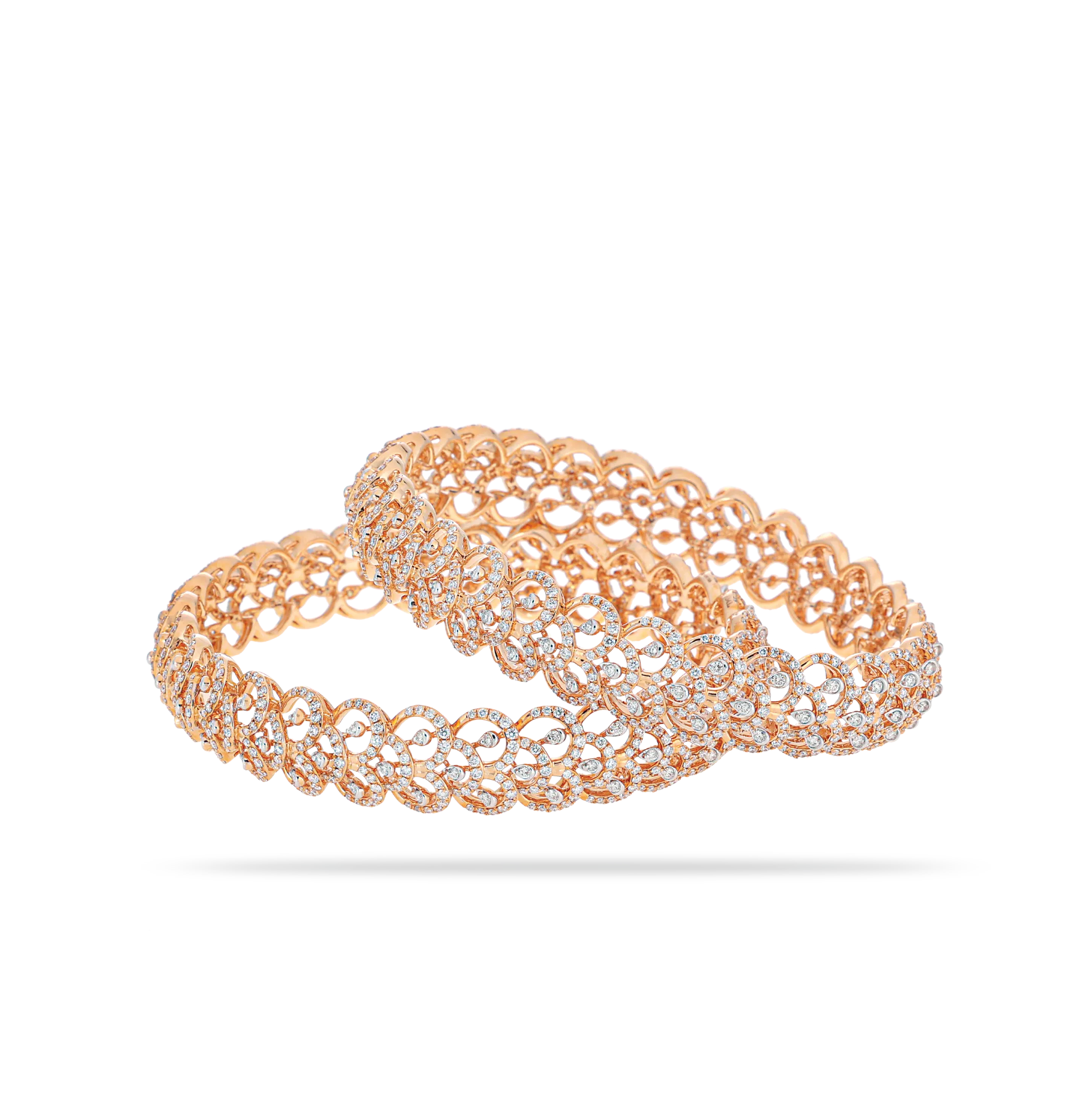
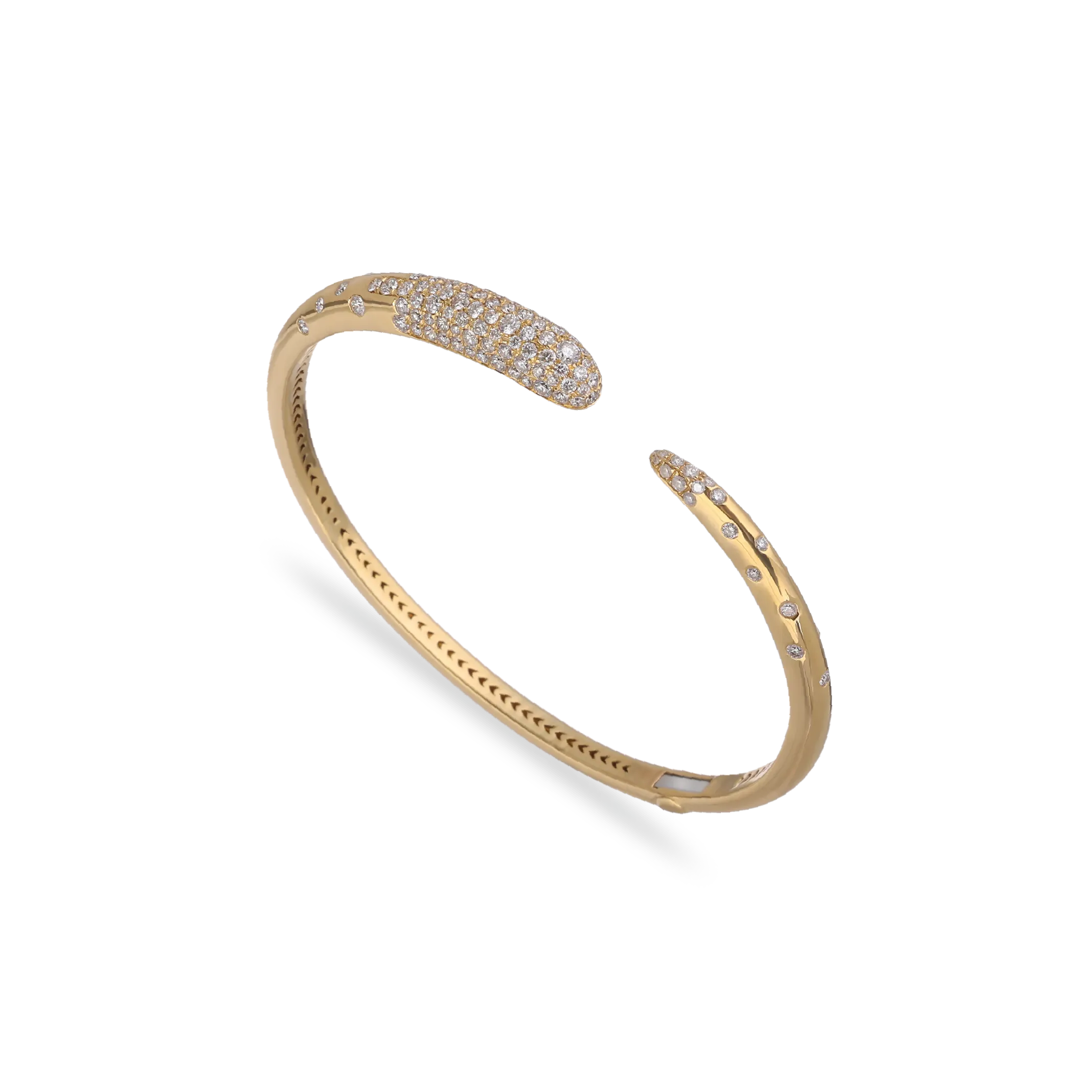
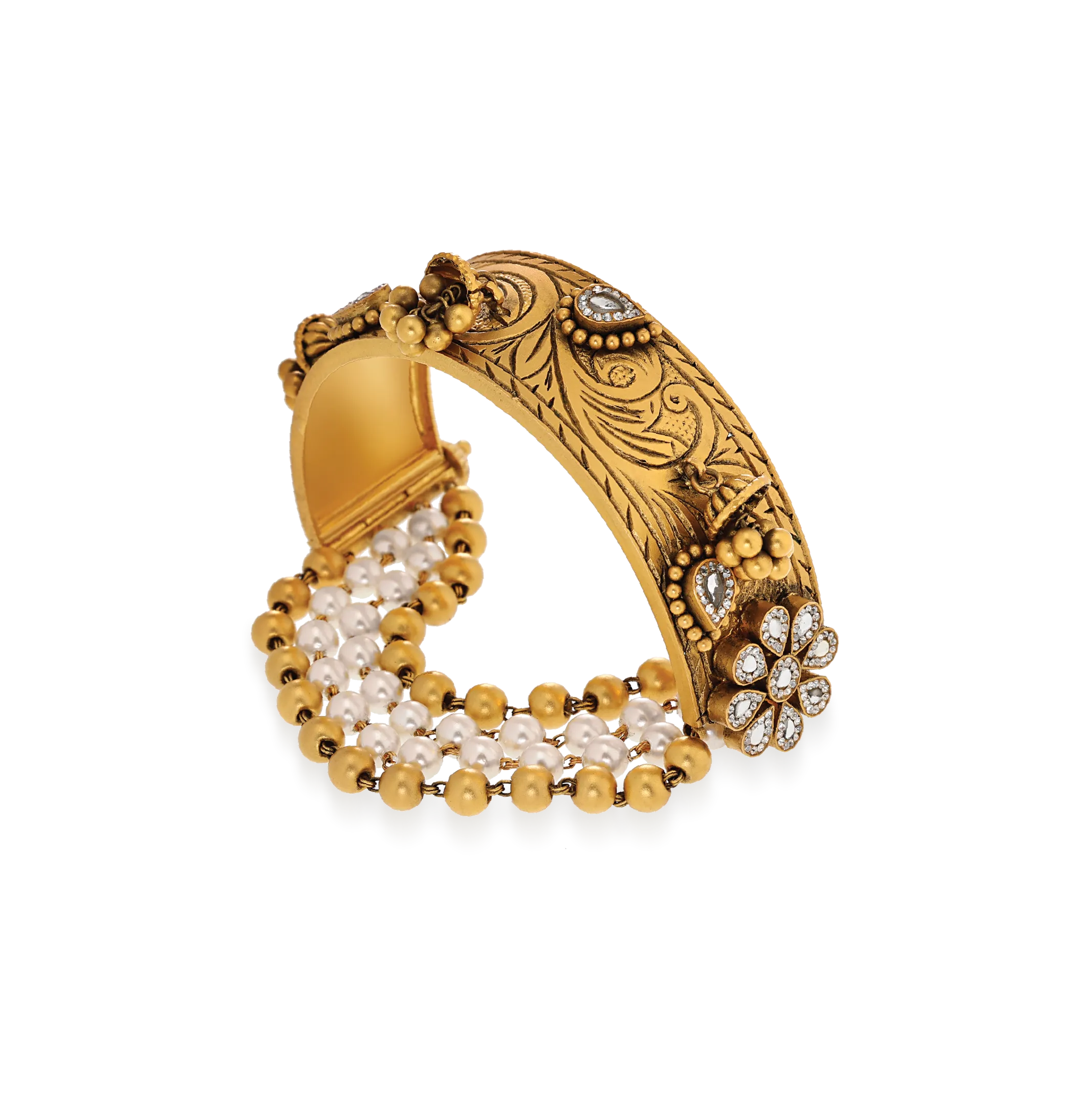
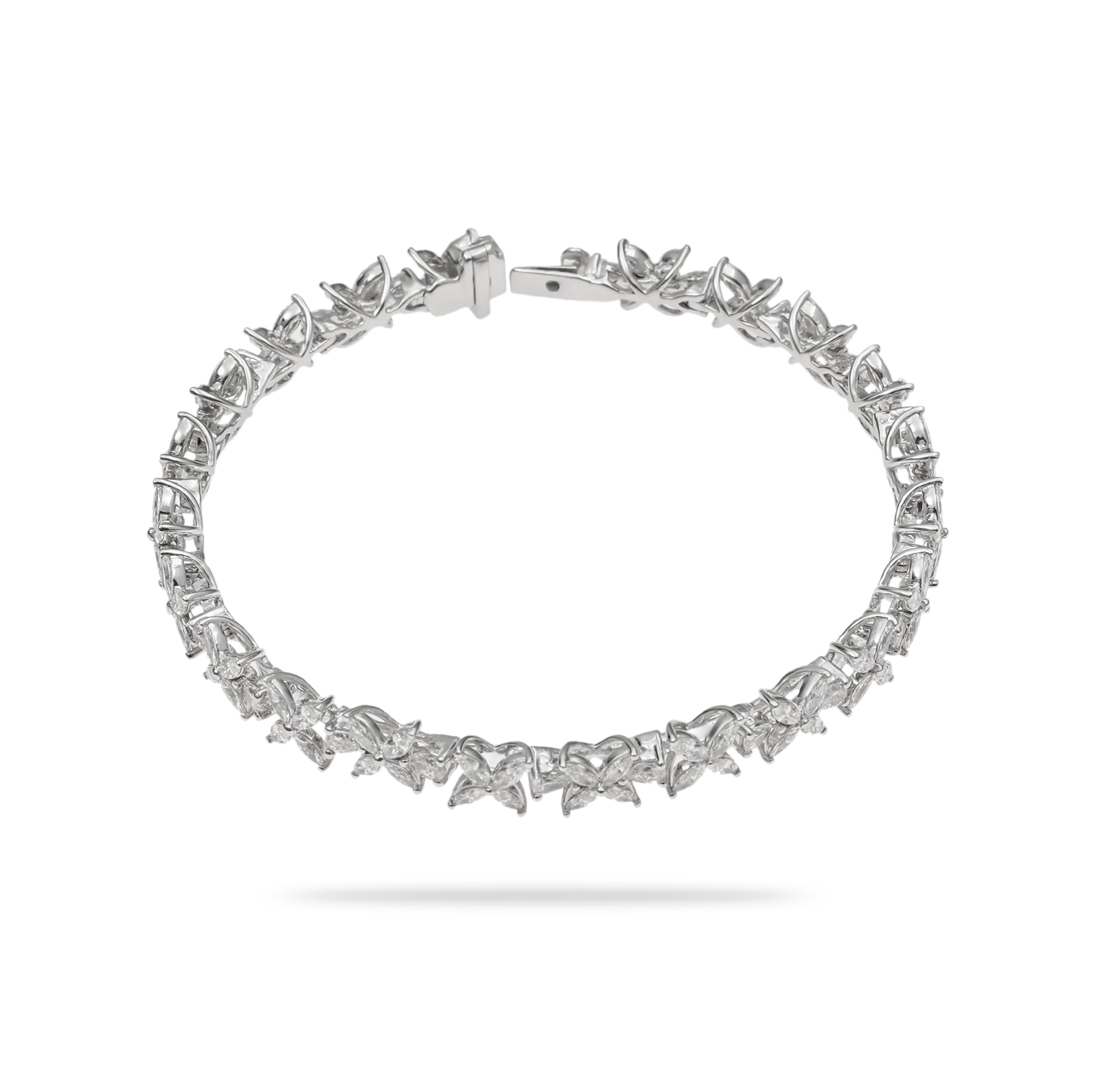
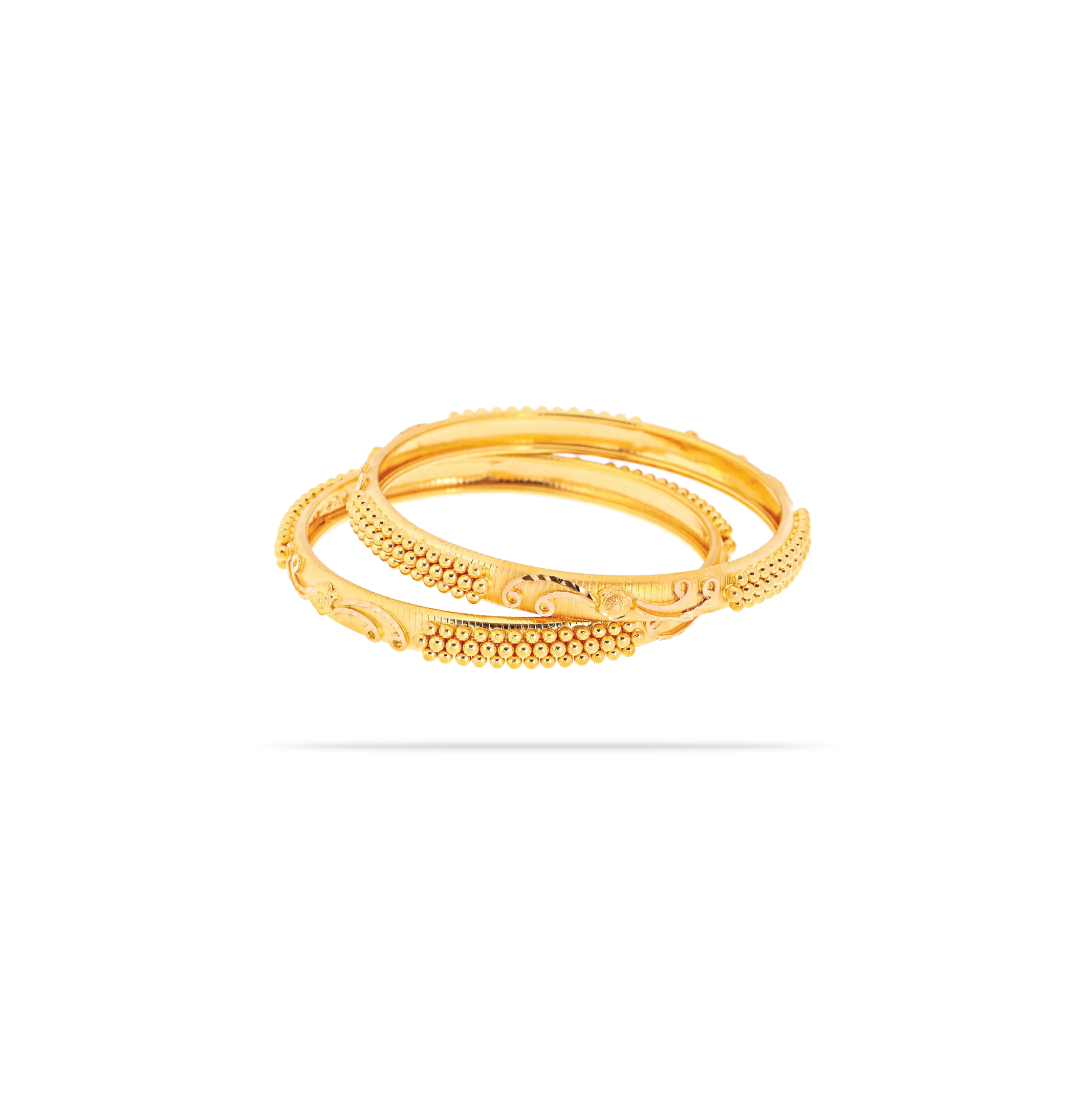
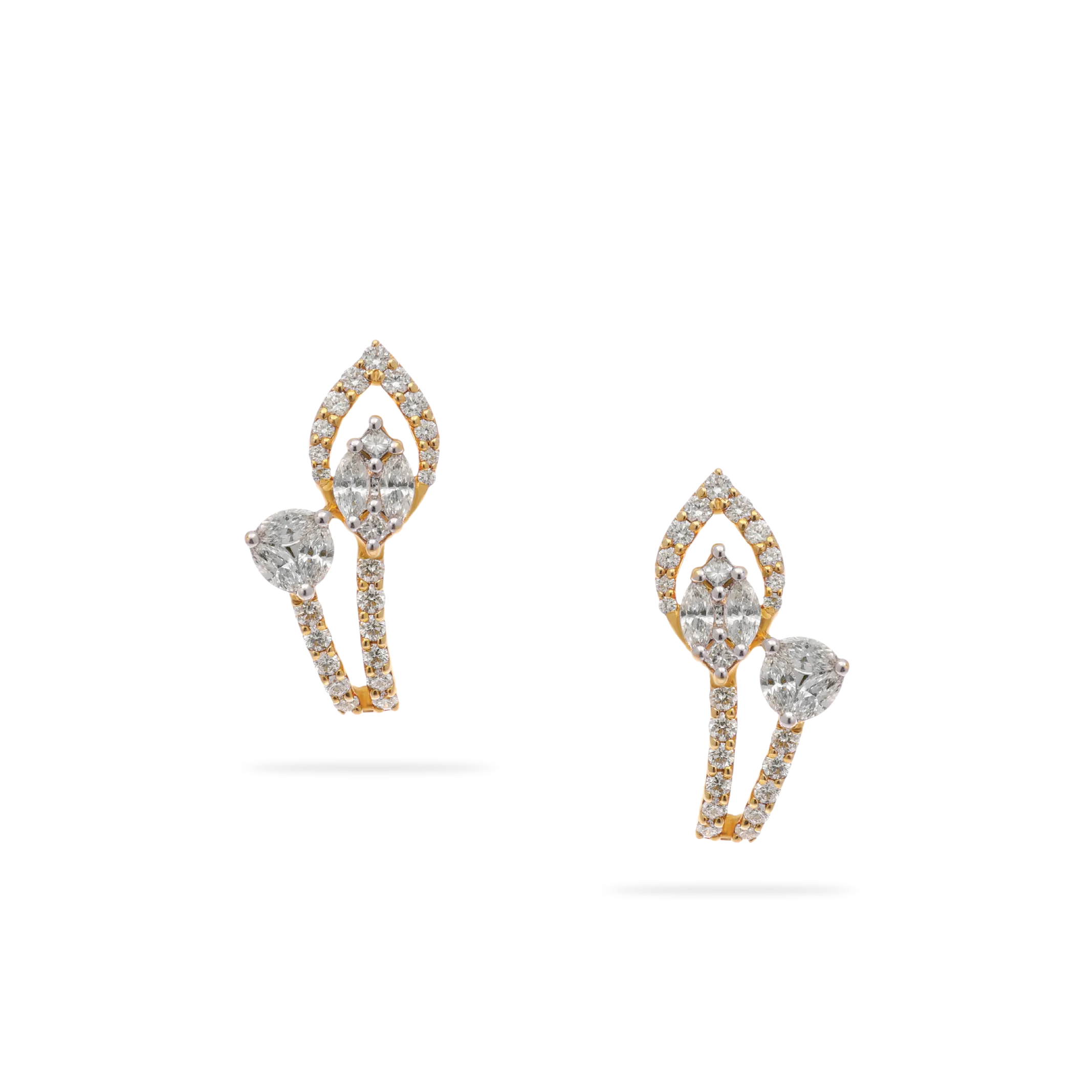
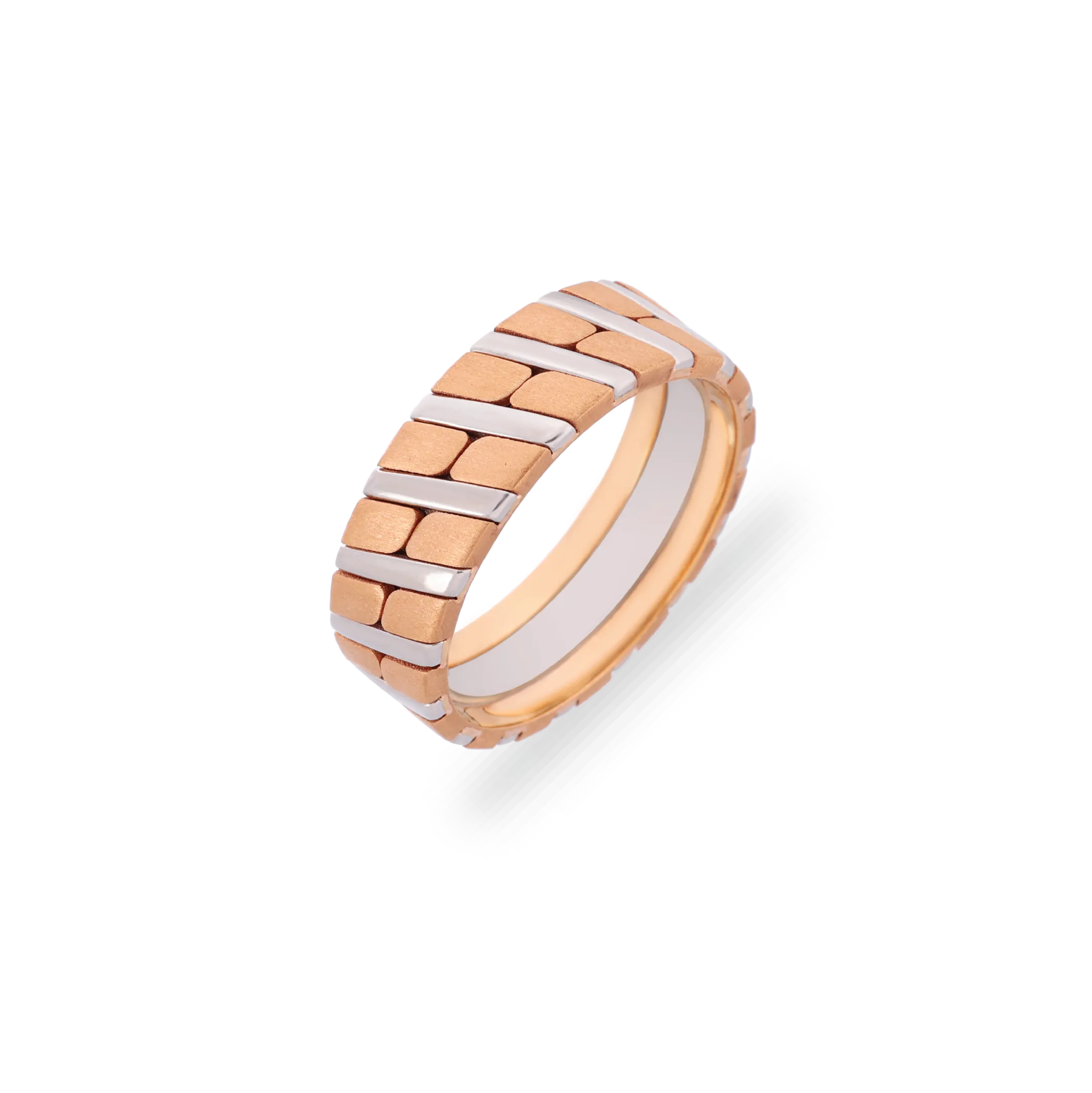
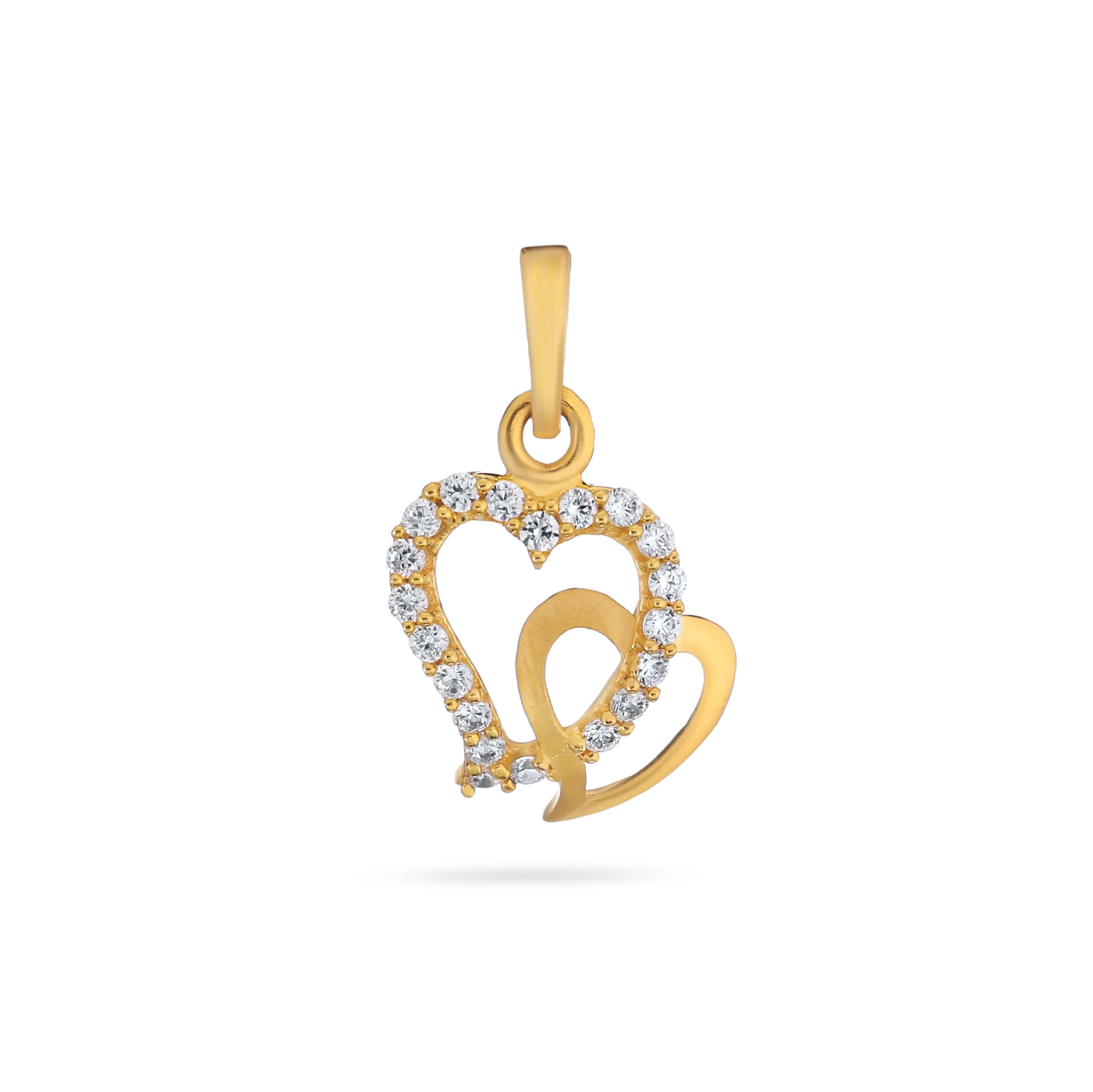
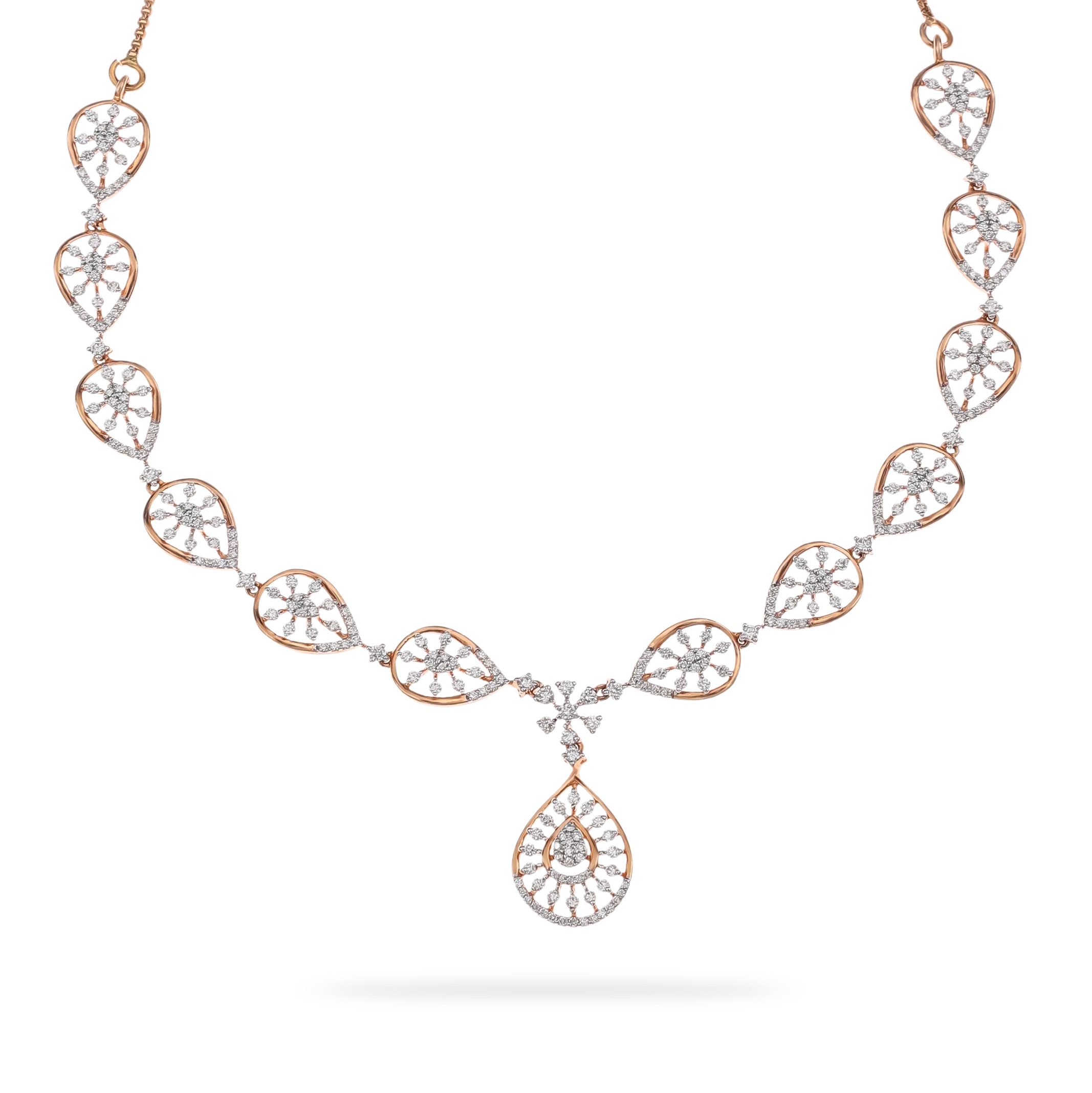
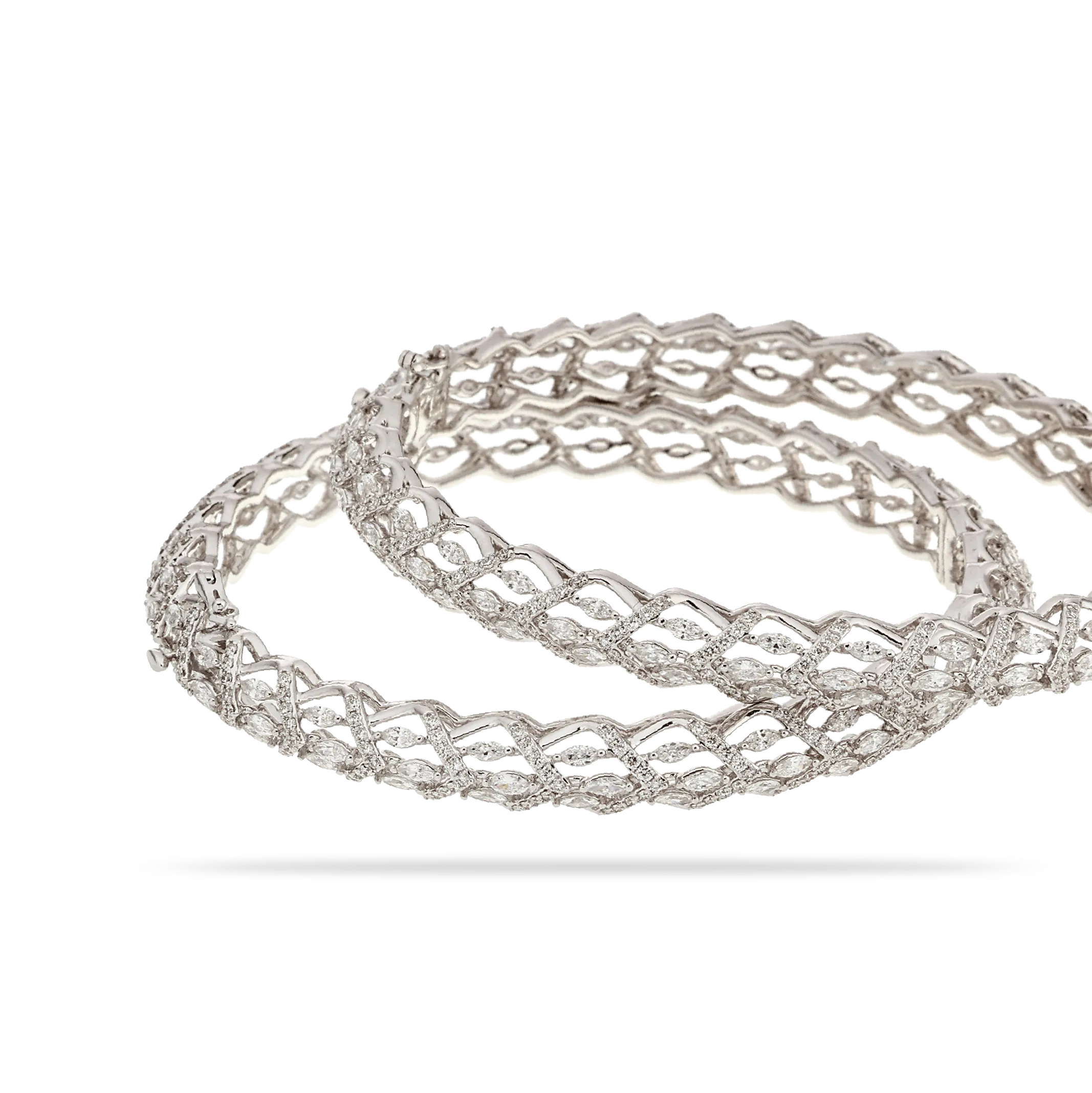
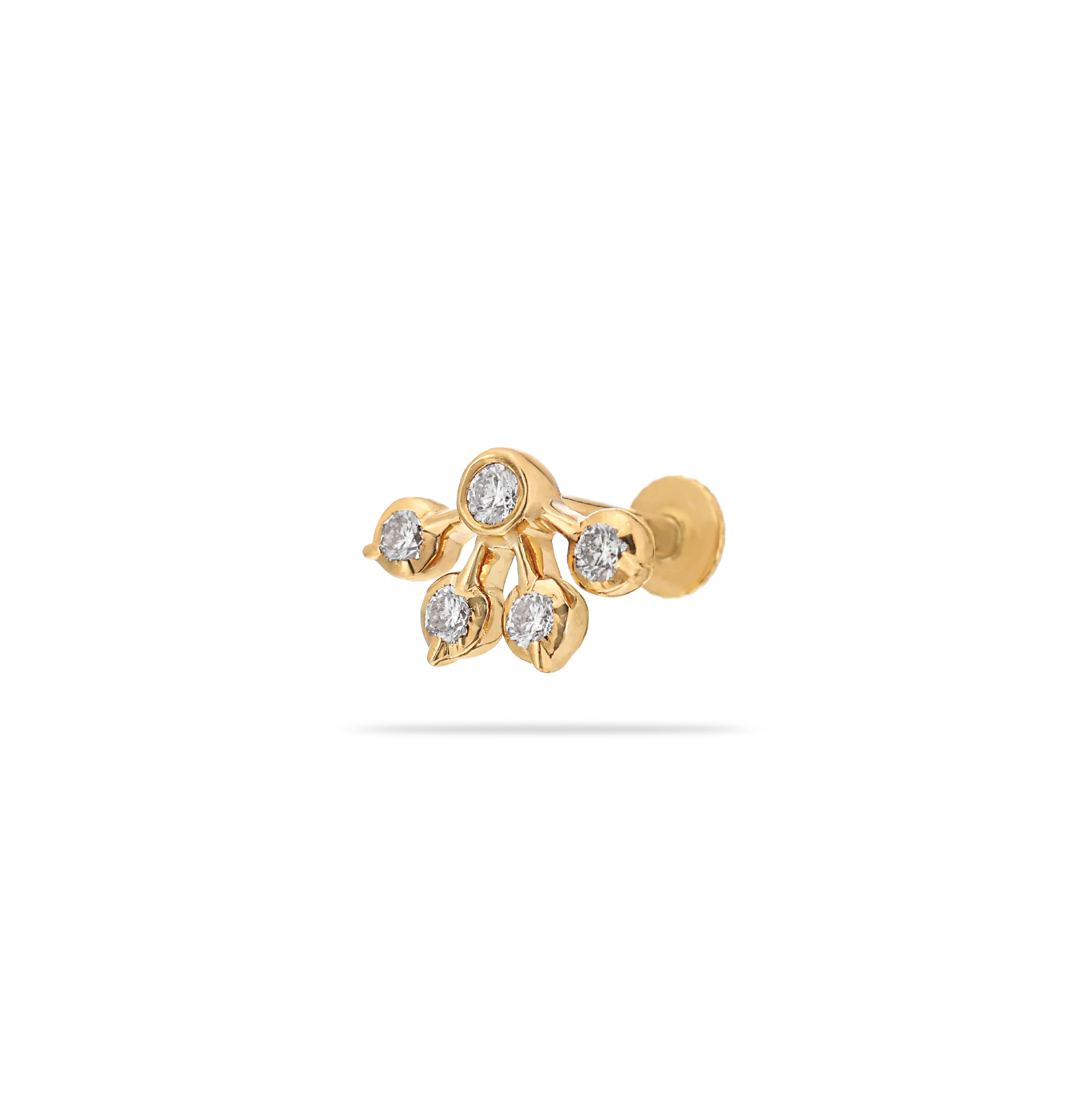
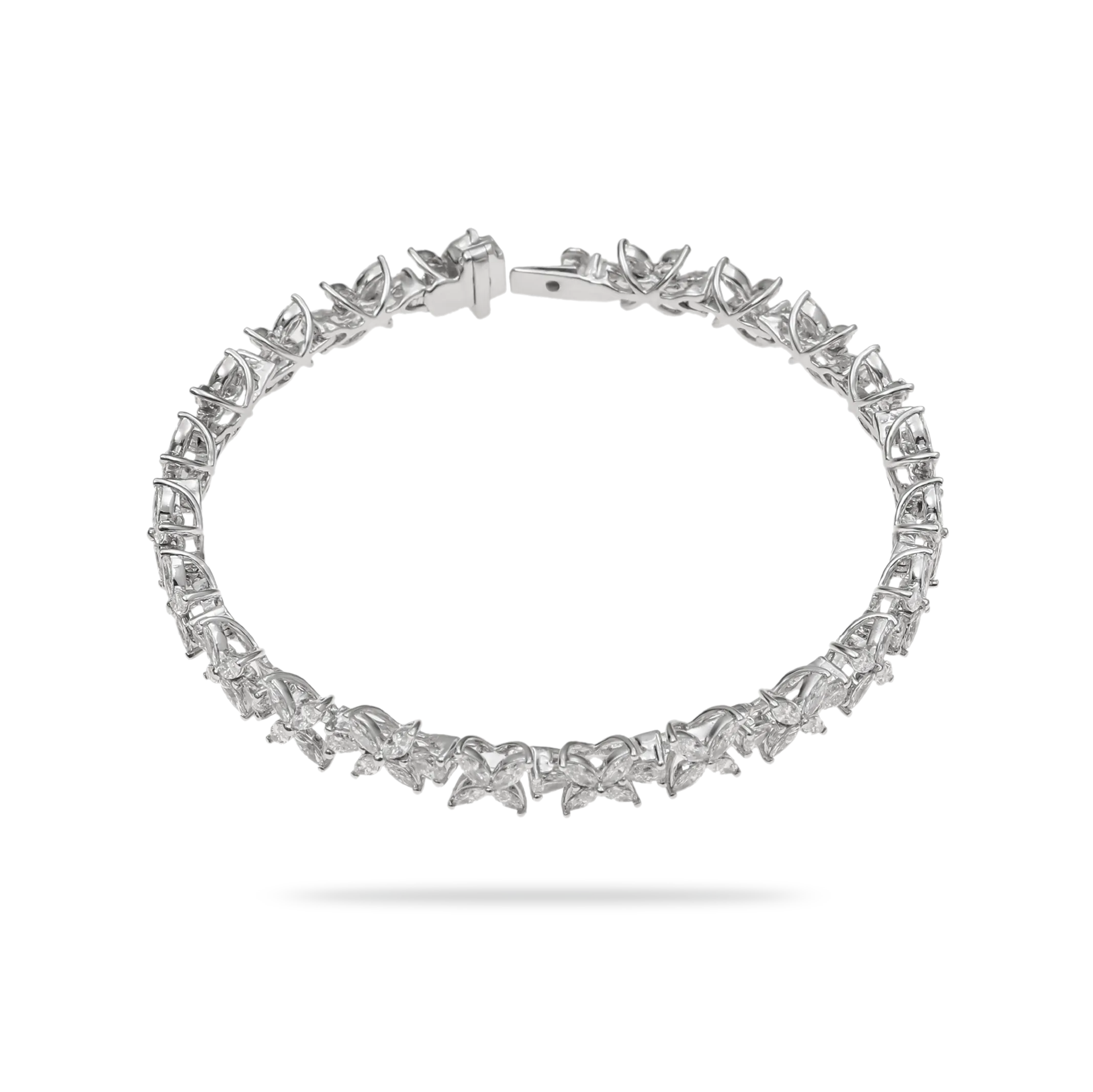
How to choose daily wear luxury gold jewellery for everyday style
September 28, 2026 | 10 minutes read
Key Takeaways
Everyday gold jewellery should feel comfortable, suit your routine, and hold up to the way you wear it. A little attention to material, fit, and care can make choosing easier.
- Compare gold purity and construction before you buy.
- Choose pieces that work with your schedule and wardrobe.
- Check comfort, closures, and fit, not just appearance.
- Build a small collection of pieces you will reach for often.
- Follow sensible care habits and review repair terms before purchasing.
Understand gold purity and construction
Gold jewellery can look similar at a glance while differing in purity, construction, and care needs. For daily wear , think about how a piece will be used as well as how it looks in the case. The right choice is the one that suits your budget and routine without leaving you uncertain about what you are buying.
Compare 14k, 18k, and 22k gold for regular wear
Karat describes the proportion of gold in an alloy: 14k is about 58.3% gold, 18k is 75%, and 22k is about 91.7%. The remaining material consists of other metals, and the exact mix can vary. Higher karat means a greater gold content, but it does not by itself tell you whether a particular design is sturdy or comfortable.
A quick comparison can help clarify the trade-offs without treating one karat as right for every person. Keep in mind that construction and the demands of your routine matter alongside the number stamped on a piece.
| Karat | Approximate gold content | A useful point to consider |
|---|---|---|
| 14k | 58.3% | A lower gold proportion than 18k or 22k |
| 18k | 75% | A higher gold proportion than 14k |
| 22k | 91.7% | A high gold proportion; consider the design and intended use |
For pieces you rarely remove, ask how the design is made and what care it needs, rather than relying on karat alone. The whole construction matters: the thickness of a band, the shape of a link, and the way a setting is secured can all affect everyday suitability.
Know the difference between solid gold, gold-filled, and plated pieces
Solid gold refers to an item made of gold alloy throughout, rather than a base material covered with a gold surface. Gold-filled jewellery has a layer of gold bonded to a base metal, while plated jewellery has a thinner gold layer applied over another material. Those construction differences affect what you are paying for and how the piece may respond to frequent wear.
When product descriptions use unfamiliar terms, pause to confirm what the item is made of and what the seller means by each label. This guide to gold construction terms offers another way to compare common descriptions before deciding. Clear wording is useful, especially if you plan to wear a piece often or have sensitivities to particular metals.
Check for hallmarks and reliable purity documentation
Look for a karat mark or other hallmark, but treat it as one part of the check rather than the whole story. Ask whether the seller can explain the mark and provide documentation identifying the material and stated purity. If an item includes stones or mixed materials, the description should make those details clear too.
For an expensive purchase, keep the paperwork and receipt together with any care or repair information. It gives you a record to refer to later and makes it easier to ask informed questions if you need service.
Choose pieces that suit your daily routine
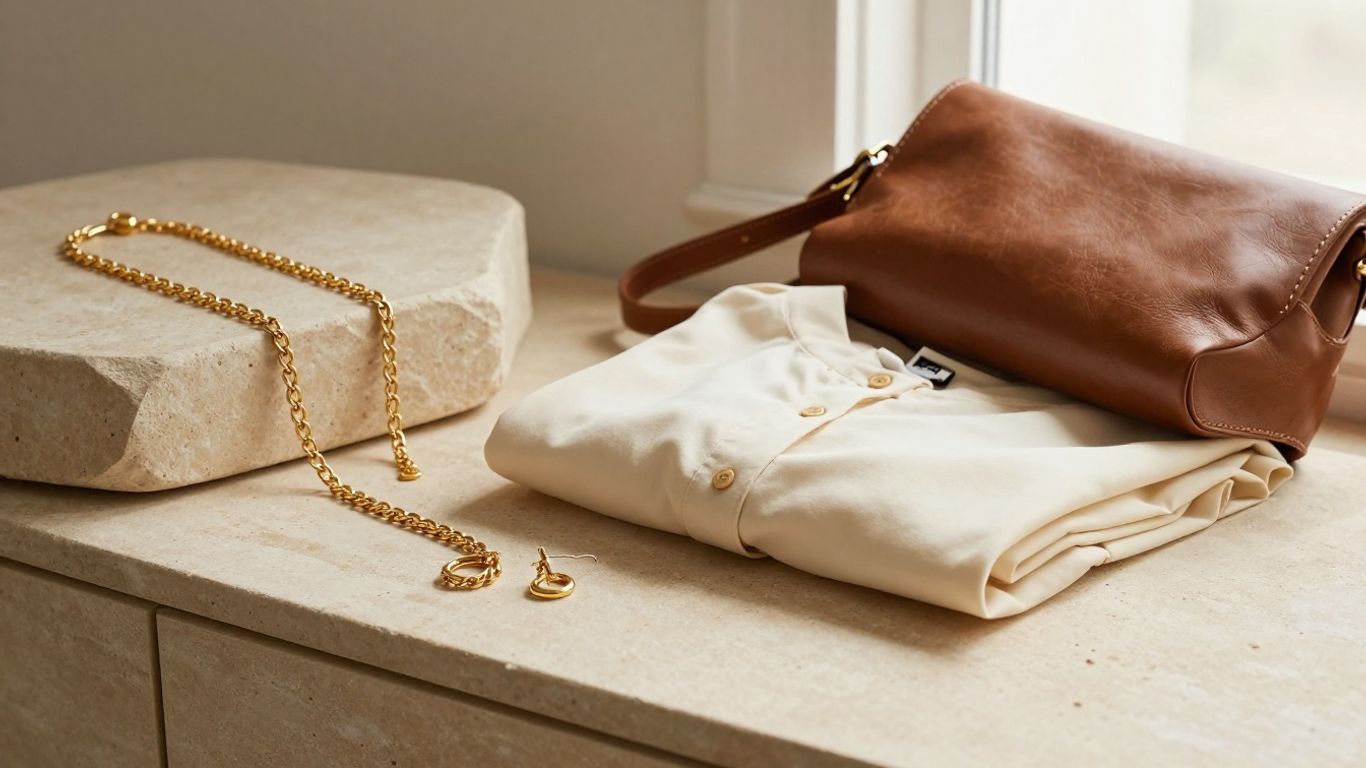
The most wearable jewellery is often the jewellery that fits naturally into the day you actually have. Consider your work environment, commute, hobbies, and whether you prefer to keep accessories on from morning to evening. A lovely piece that repeatedly catches on clothing or feels out of place may spend more time in a box than on you.
Match jewellery to work, travel, and leisure
Different settings call for different levels of ease. A fine chain or small earrings may suit a quiet workday, while travel can make simple closures and low-profile shapes more appealing. For exercise, swimming, or hands-on tasks, it may be more practical to remove jewellery and store it safely rather than wear it through the activity.
A few simple questions can help you picture how a piece will fit into a normal week:
- Will it feel appropriate in the places I go most often?
- Could it catch on a bag, knitwear, or work equipment?
- Can I take it off and store it securely when needed?
- Does it work with the clothes I wear regularly?
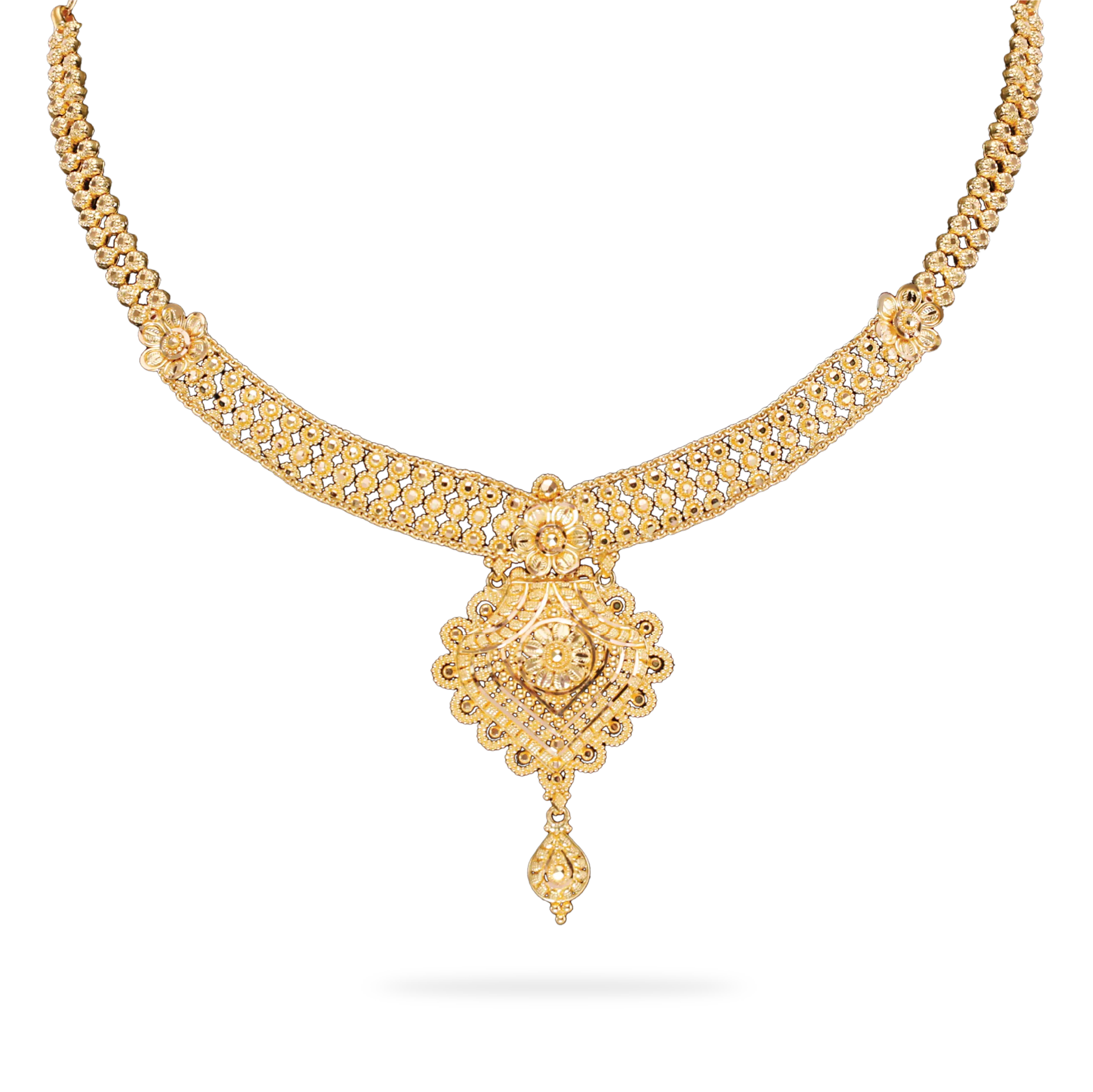
Those answers are more useful than buying for an imagined version of your routine. A gold chain for office outfits can offer ideas for matching chain length and finish to work clothes, while the same practical thinking applies to less formal days.
Consider how often you’ll remove each piece
Jewellery that stays on for long stretches needs to feel unobtrusive and have closures you can manage with ease. If you take a piece off every evening, choose a design that is simple to fasten and store. Small habits matter: a chain left on a bathroom counter or a ring removed in a hurry is easier to misplace or damage.
Think through the moments when you normally remove accessories—before a workout, while cooking, or when washing up. If a piece will come off often, decide in advance where it will go so it does not become a daily search.
Look for designs that pair easily with your wardrobe
A versatile piece should feel at home with several outfits, not just the one you pictured at purchase. Pay attention to neckline, sleeve length, and the other jewellery you already enjoy wearing. For a starting point, this capsule jewellery approach can help you think about essentials that mix and match rather than collecting near-duplicates.
You do not need every piece to be plain. A distinctive shape or texture can still be versatile if its scale and colour work with much of your wardrobe. Try combinations together before buying; a chain that sits neatly with your usual neckline may be more useful than one that looks striking only on its own.
Prioritize comfort and secure construction
A piece intended for everyday use should feel good after the first few minutes, not only in the mirror. Weight, edges, fastening, and fit all affect whether you forget you are wearing it or keep adjusting it. Give these details a proper check before deciding, particularly if you are sensitive to pressure or movement.
Choose lightweight shapes for all-day wear
Lightweight designs can be easier to wear for long stretches, especially in earrings and necklaces. Still, light should not mean flimsy: look closely at the piece and ask how it is constructed. Larger shapes can be comfortable too if their weight is balanced and the contact points do not press or pull.
Try earrings on, if possible, and notice whether they tug at the lobe. For a necklace, check how the links sit and whether the pendant flips or pulls the chain out of place. Small comfort issues tend to become more noticeable over a full day.
Check clasps, posts, hinges, and chain links
Closures deserve attention because they are handled repeatedly and can be the first part to frustrate you. Open and close a clasp gently; it should operate without awkward force, and it should feel secure when fastened. For earrings, inspect the posts and backs, and for hoops or cuffs, check that the hinge moves smoothly without feeling loose.
Look over chain links for even joining and signs of sharp edges. Ask how a clasp or hinge can be repaired if it loosens over time. A careful check in the shop can help you decide whether the piece feels well finished and practical for regular use.
Consider fit and snag resistance for rings and bracelets
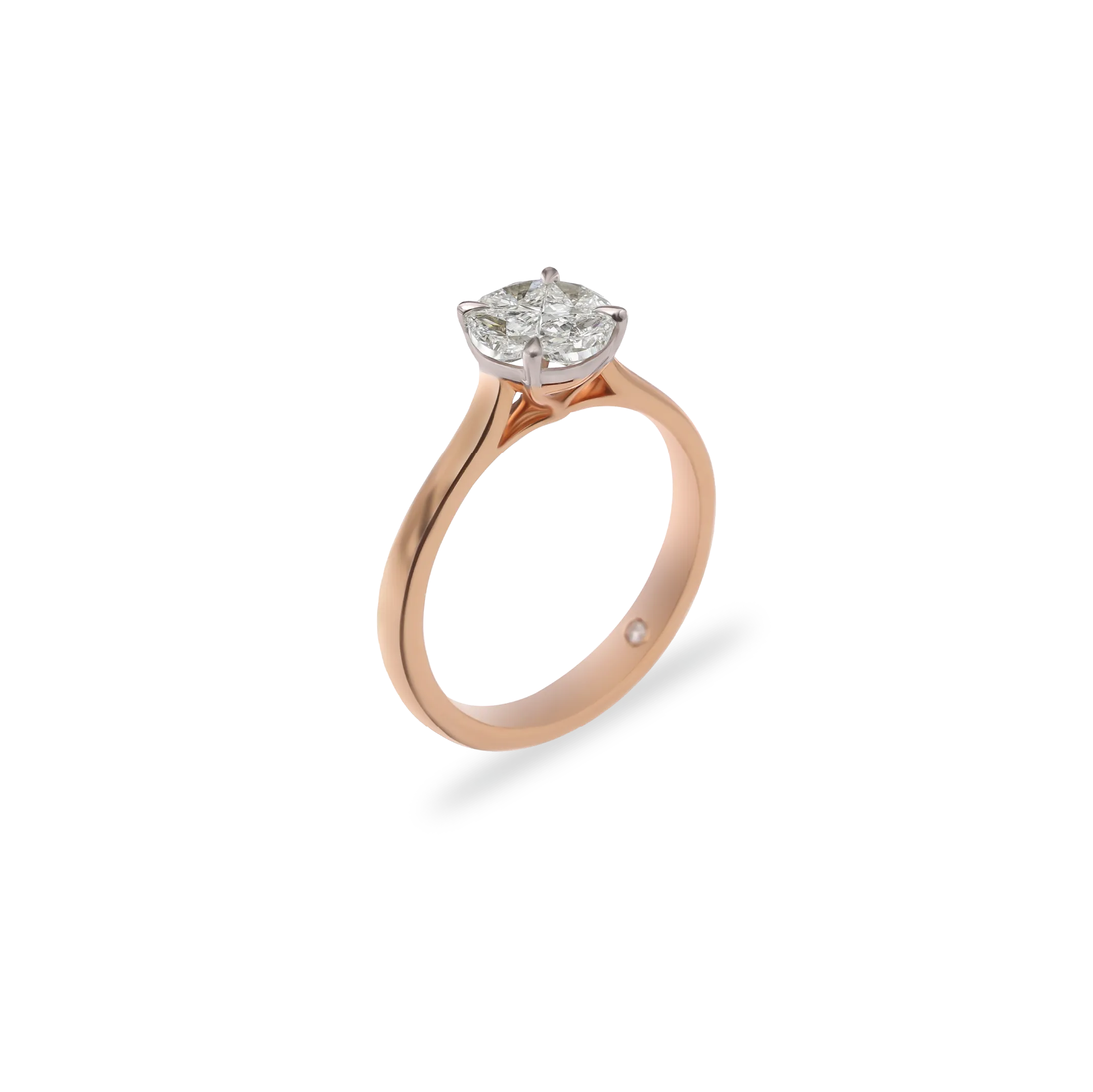
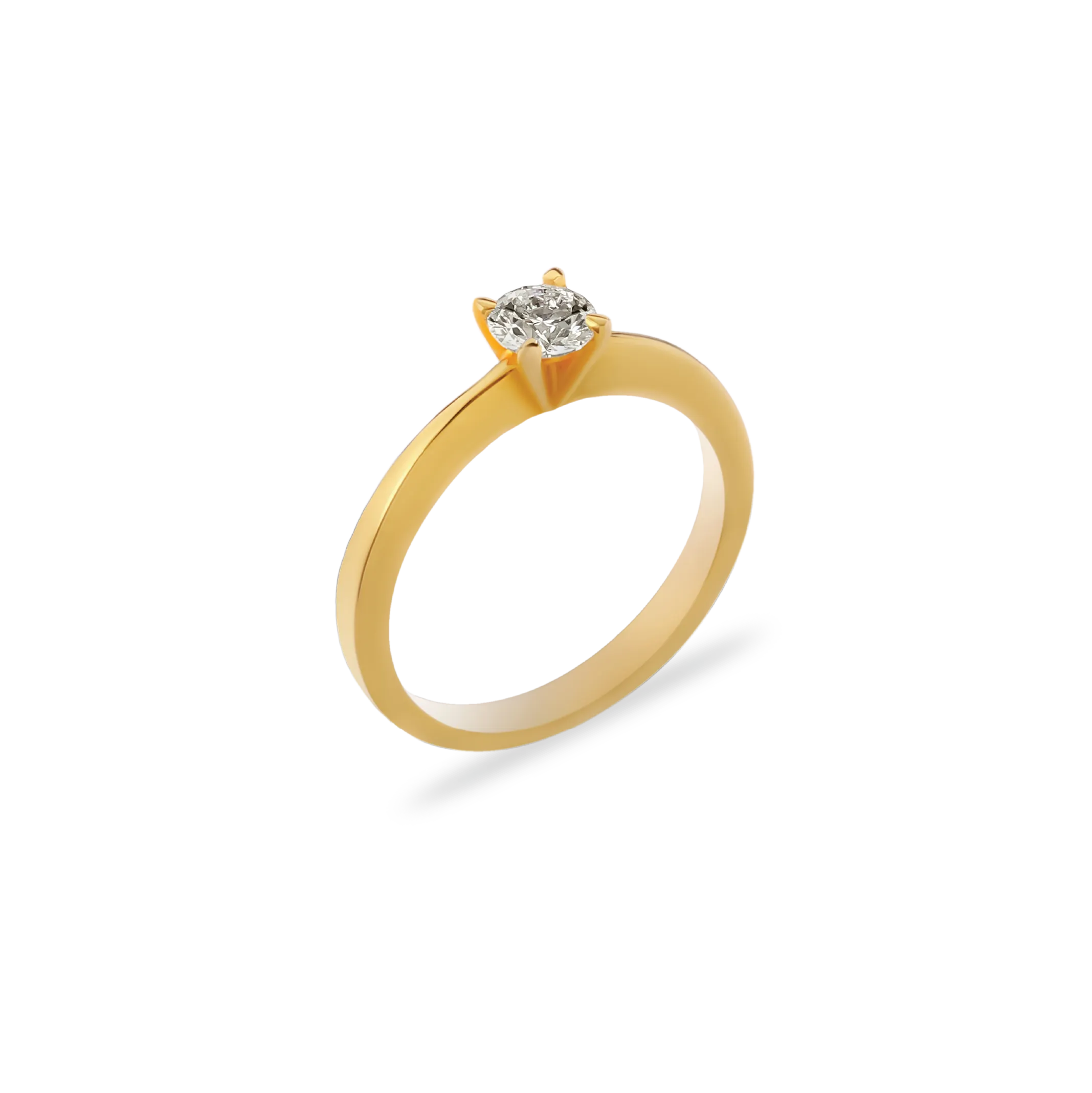
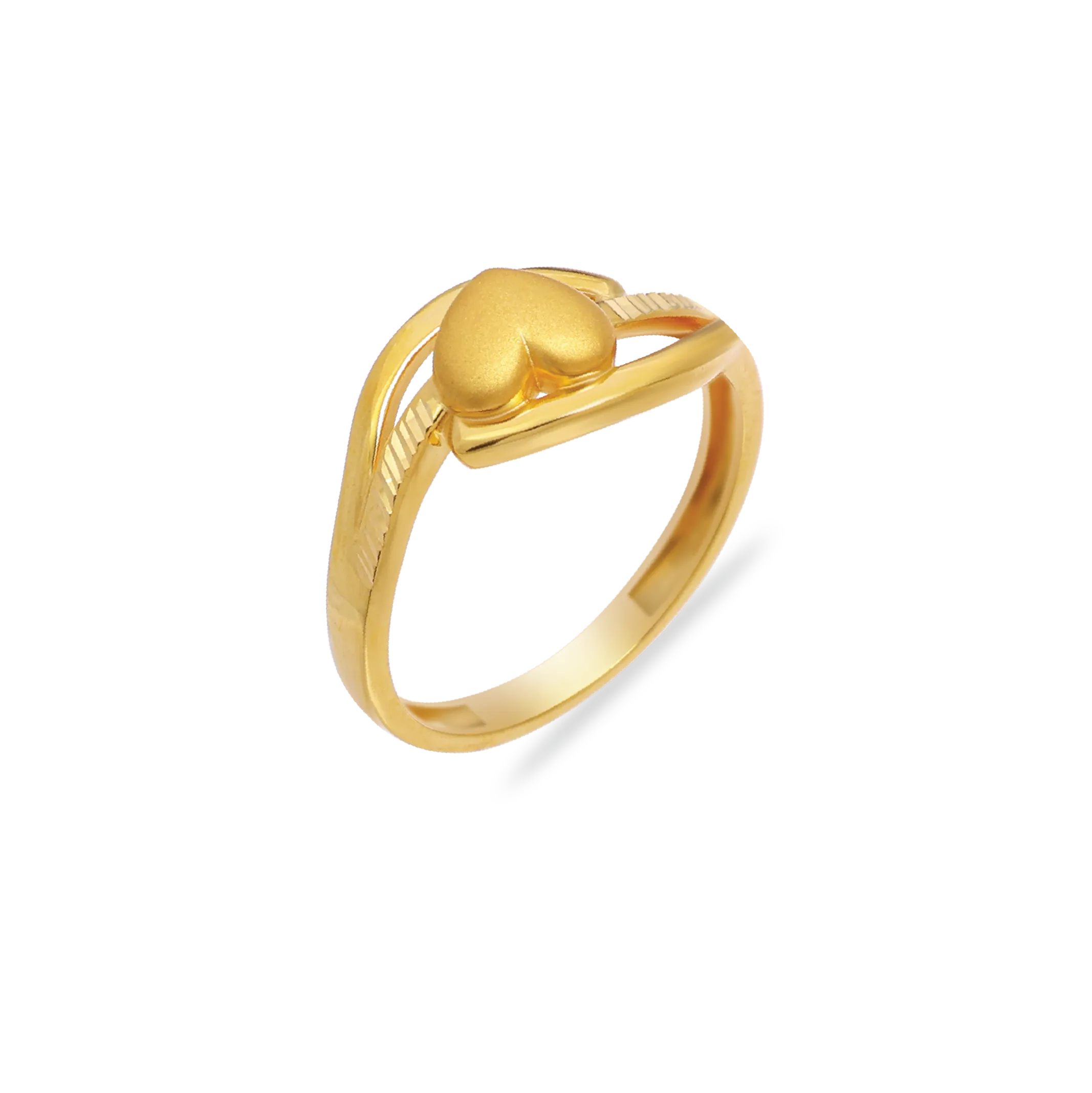
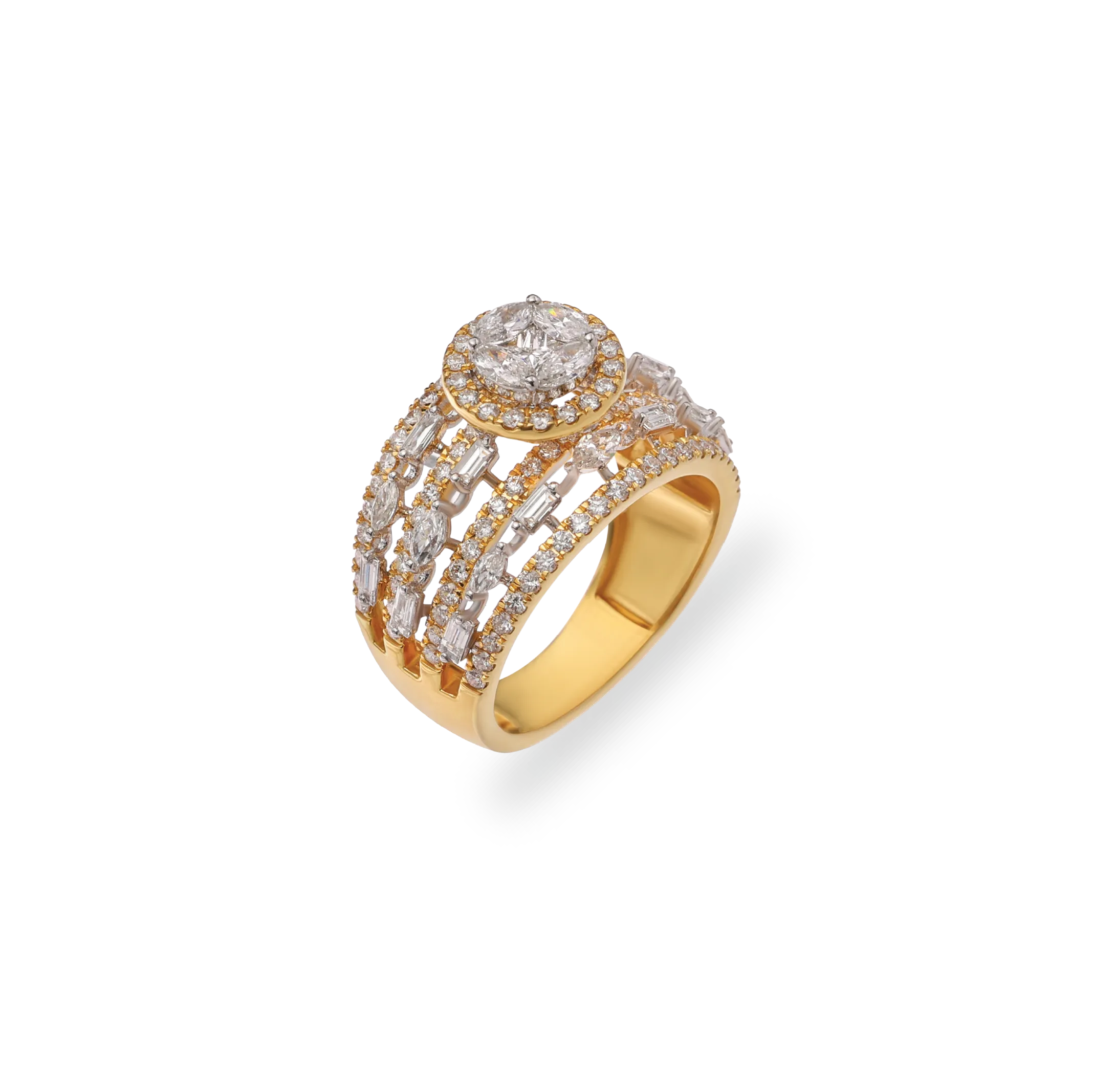
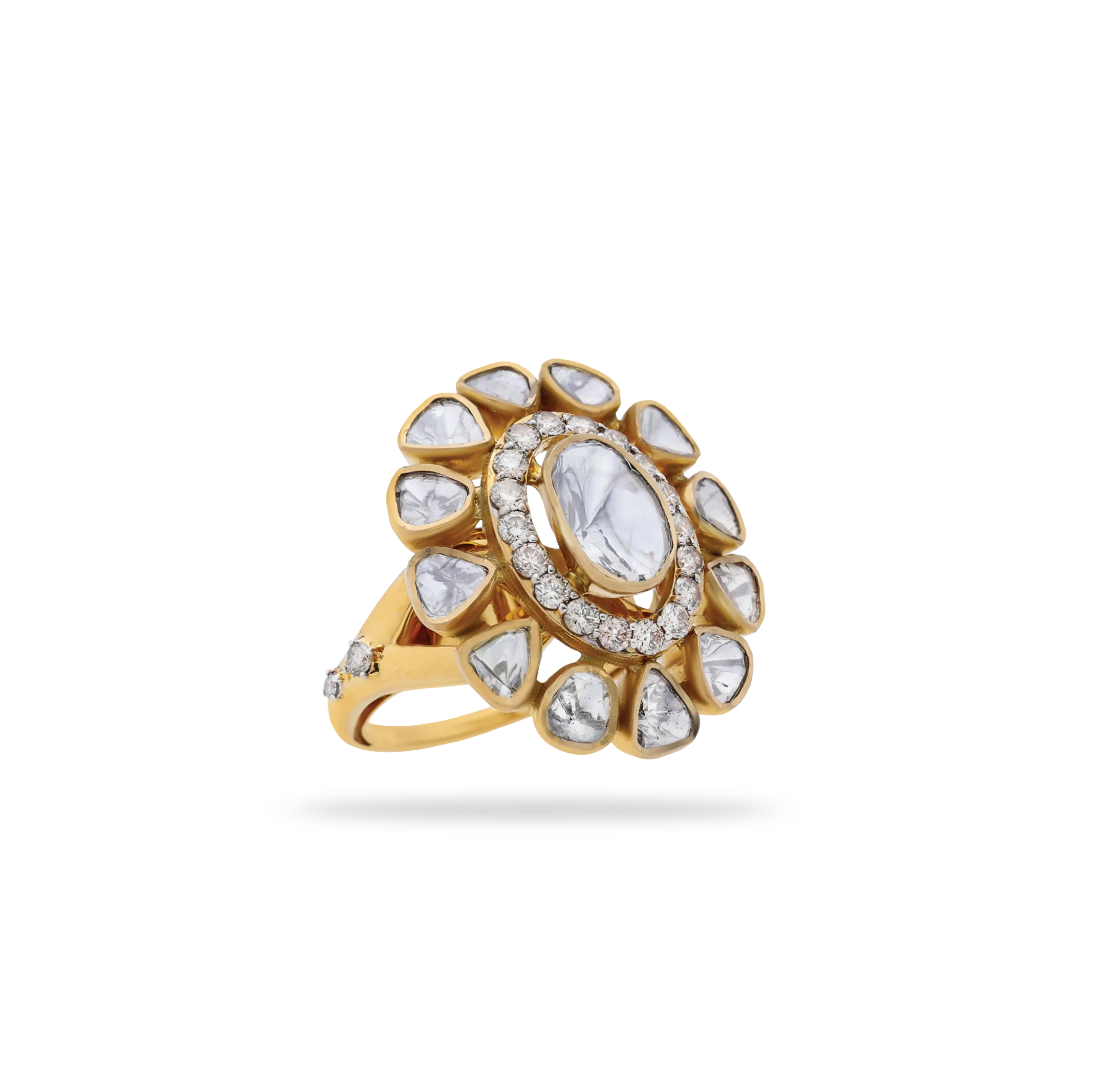
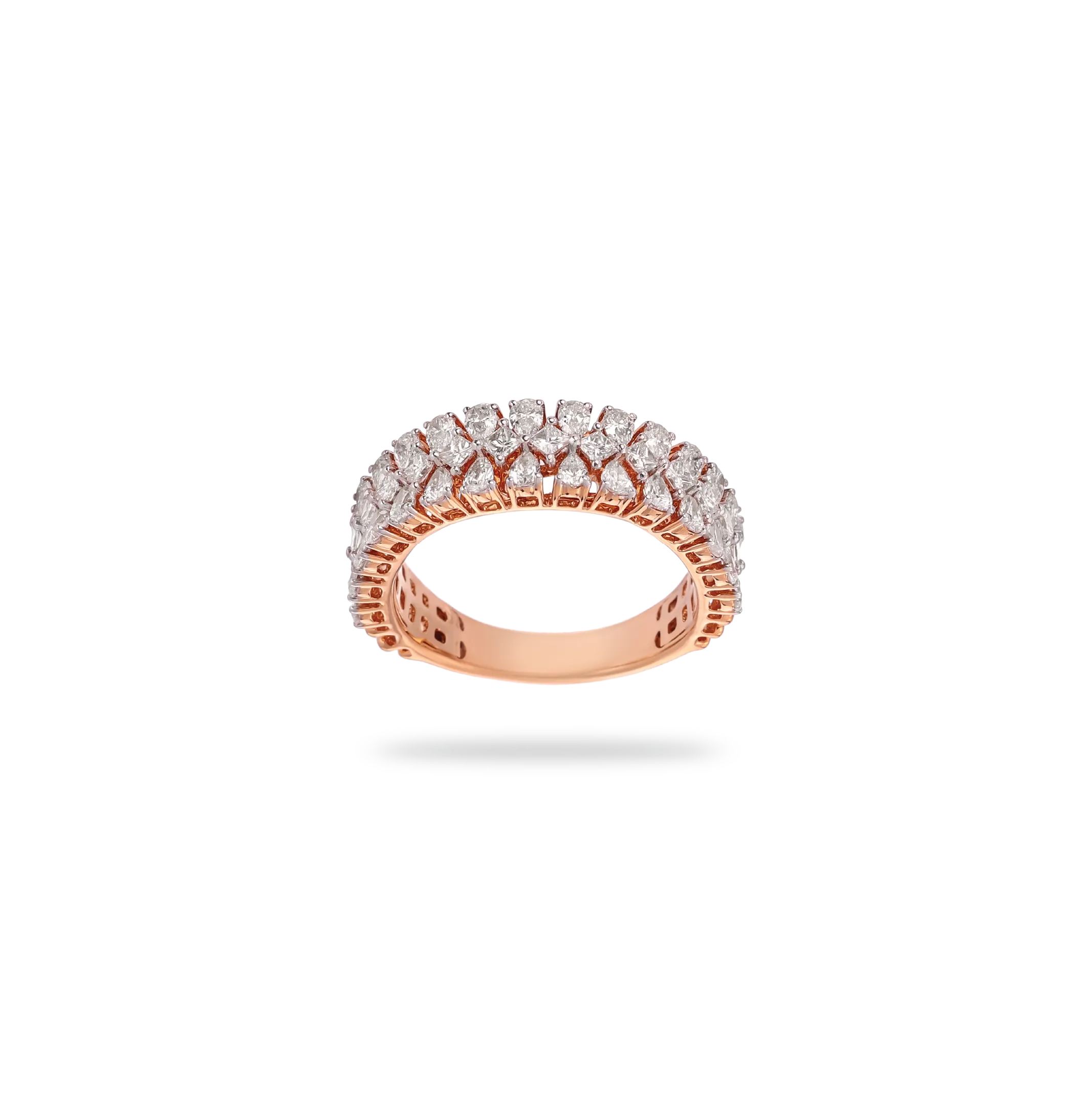
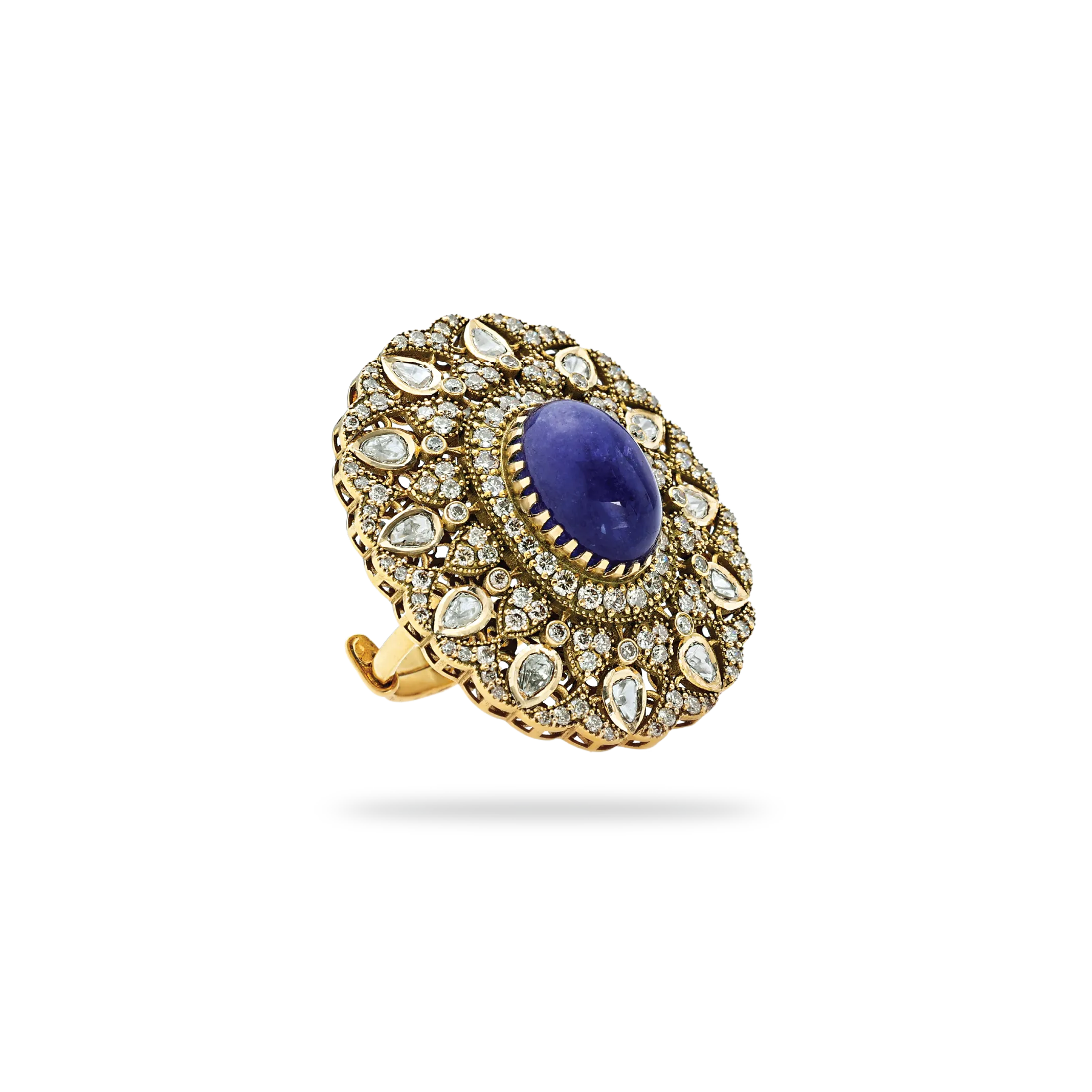
Rings should sit comfortably without pinching or spinning excessively, and their fit may feel different as your fingers change with temperature. A bracelet should move without sliding off easily or pressing into the wrist. If you stack pieces, make sure their shapes do not rub together in a way that feels irritating.
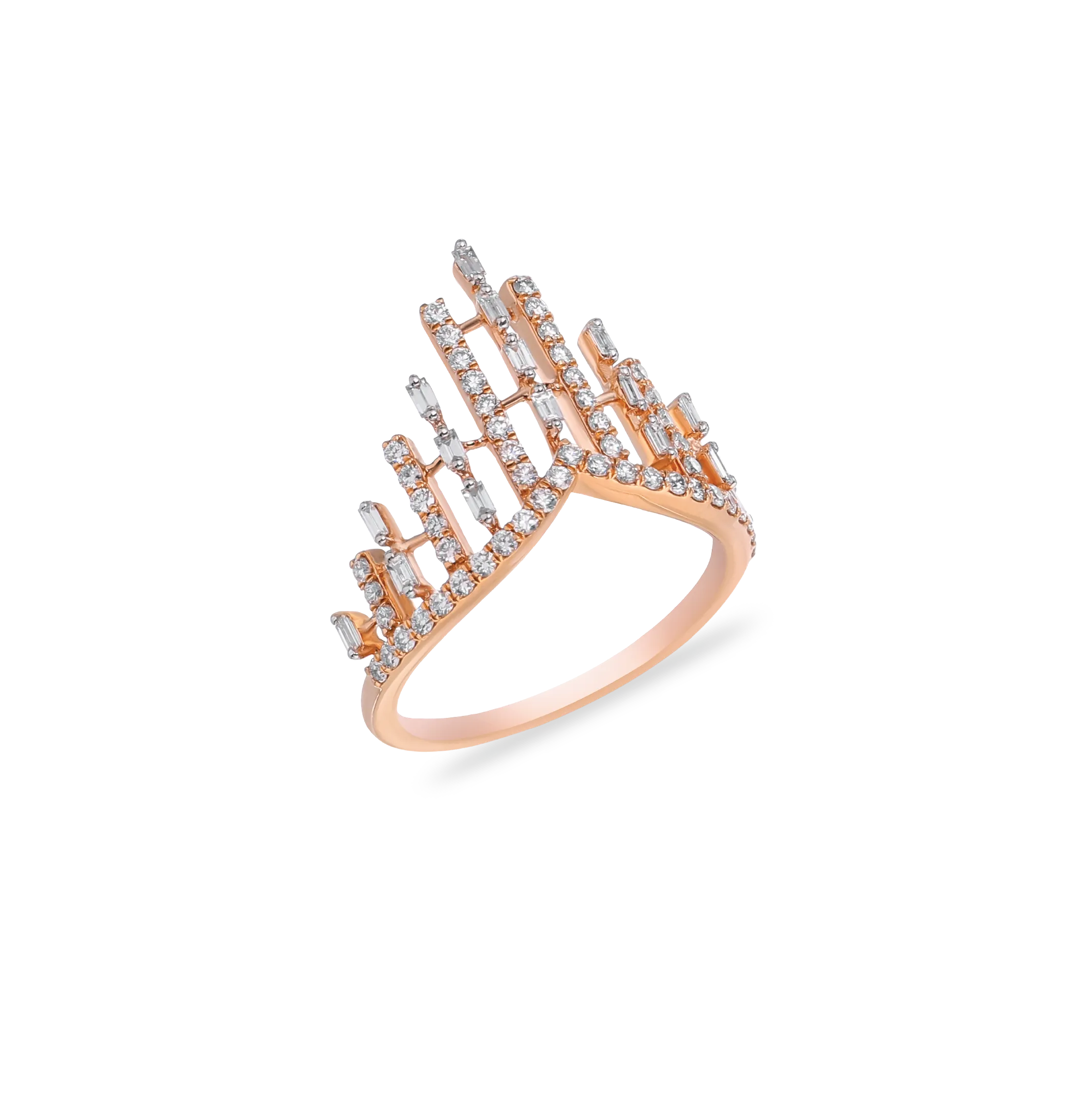
Pay attention to raised details and open spaces that could catch on fabric or hair. If you wear a ring or bracelet while working with your hands, choose a lower-profile design or plan to remove it for tasks where it could snag or take a knock.
Build a versatile everyday collection
A useful collection does not have to be large. Start with pieces that earn their place by working with your clothes and habits, then add more only when you see a real gap. That keeps purchases intentional and makes it easier to combine what you already own.
Start with a necklace or chain that layers easily
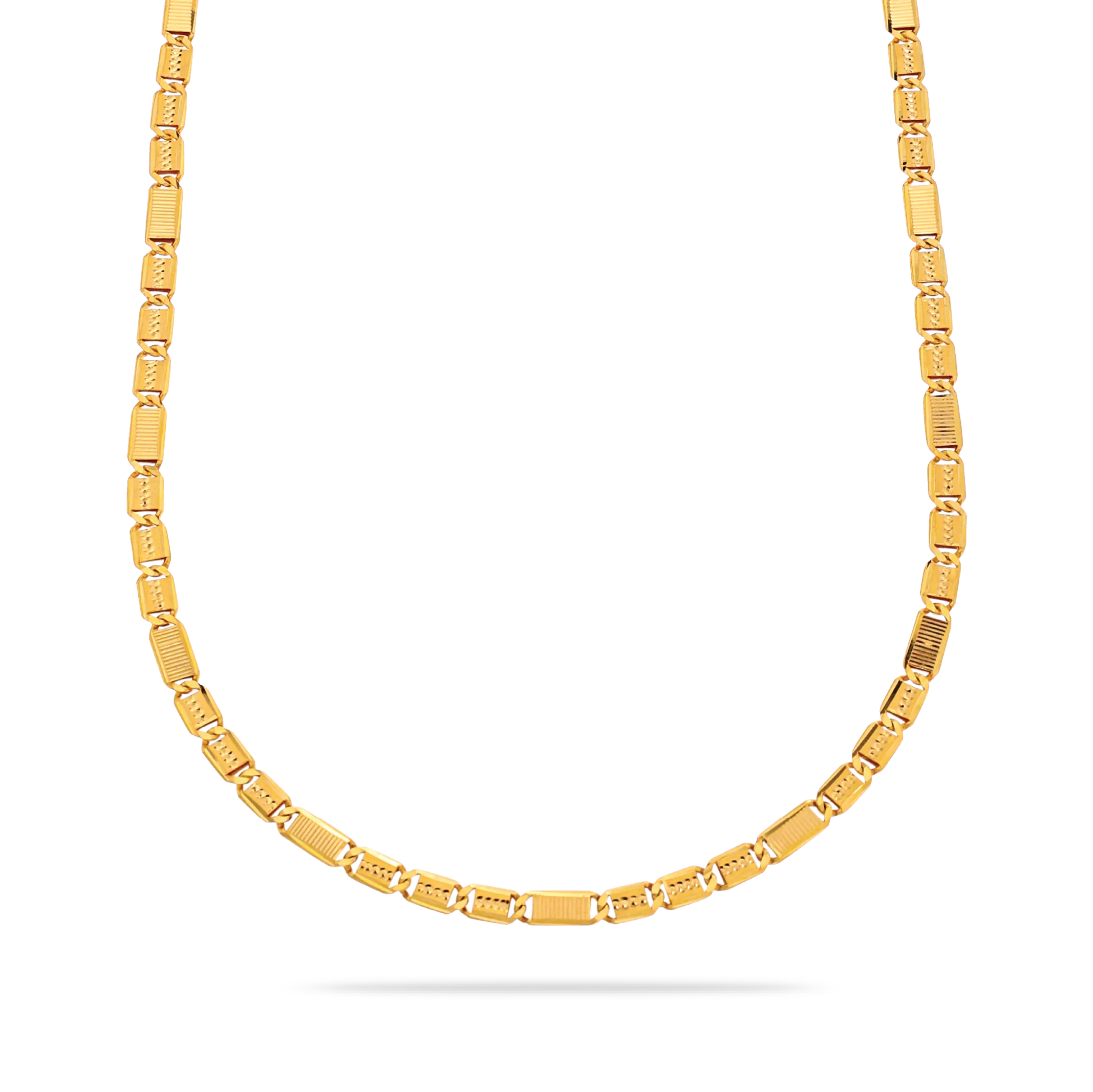
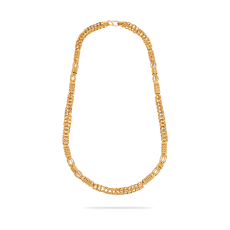
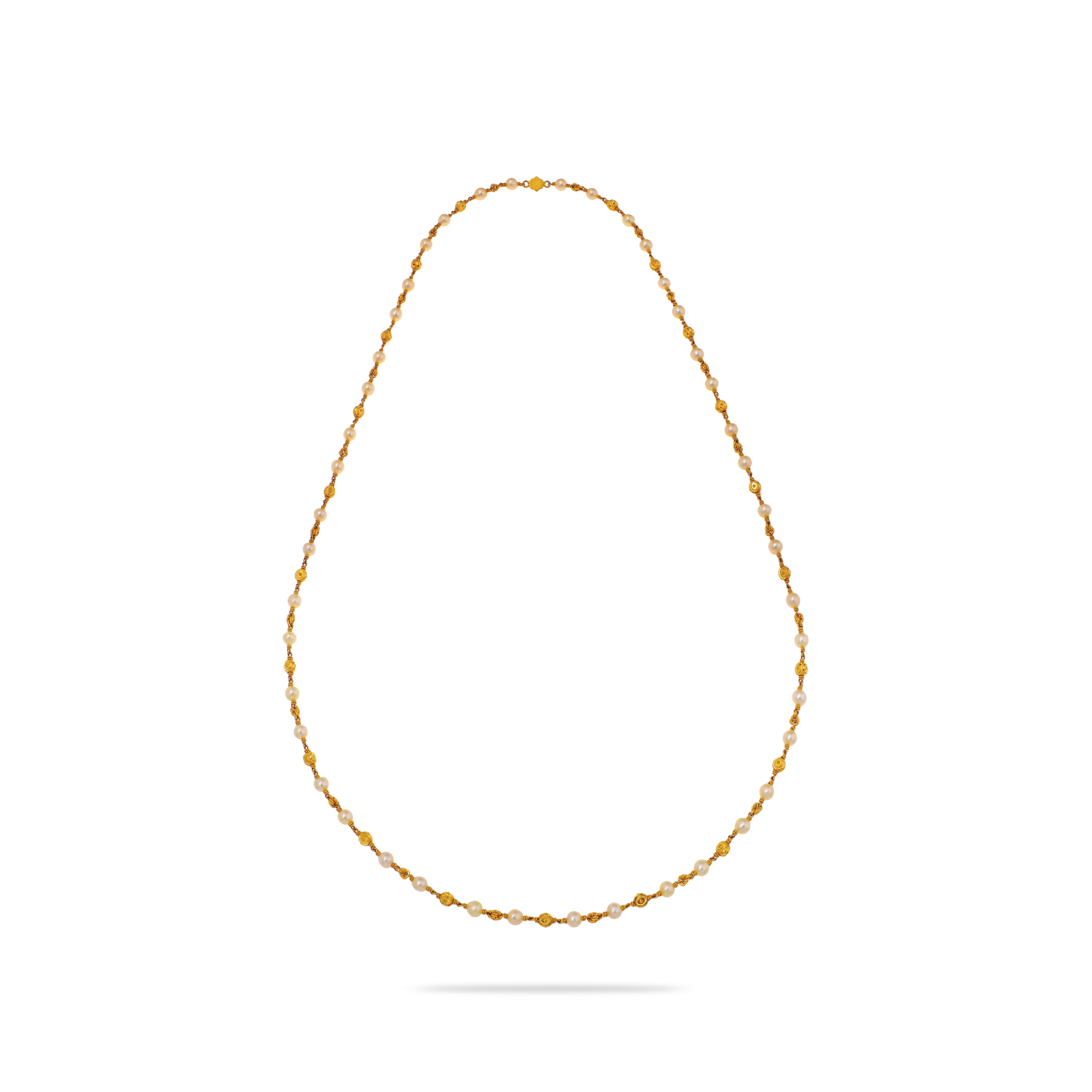
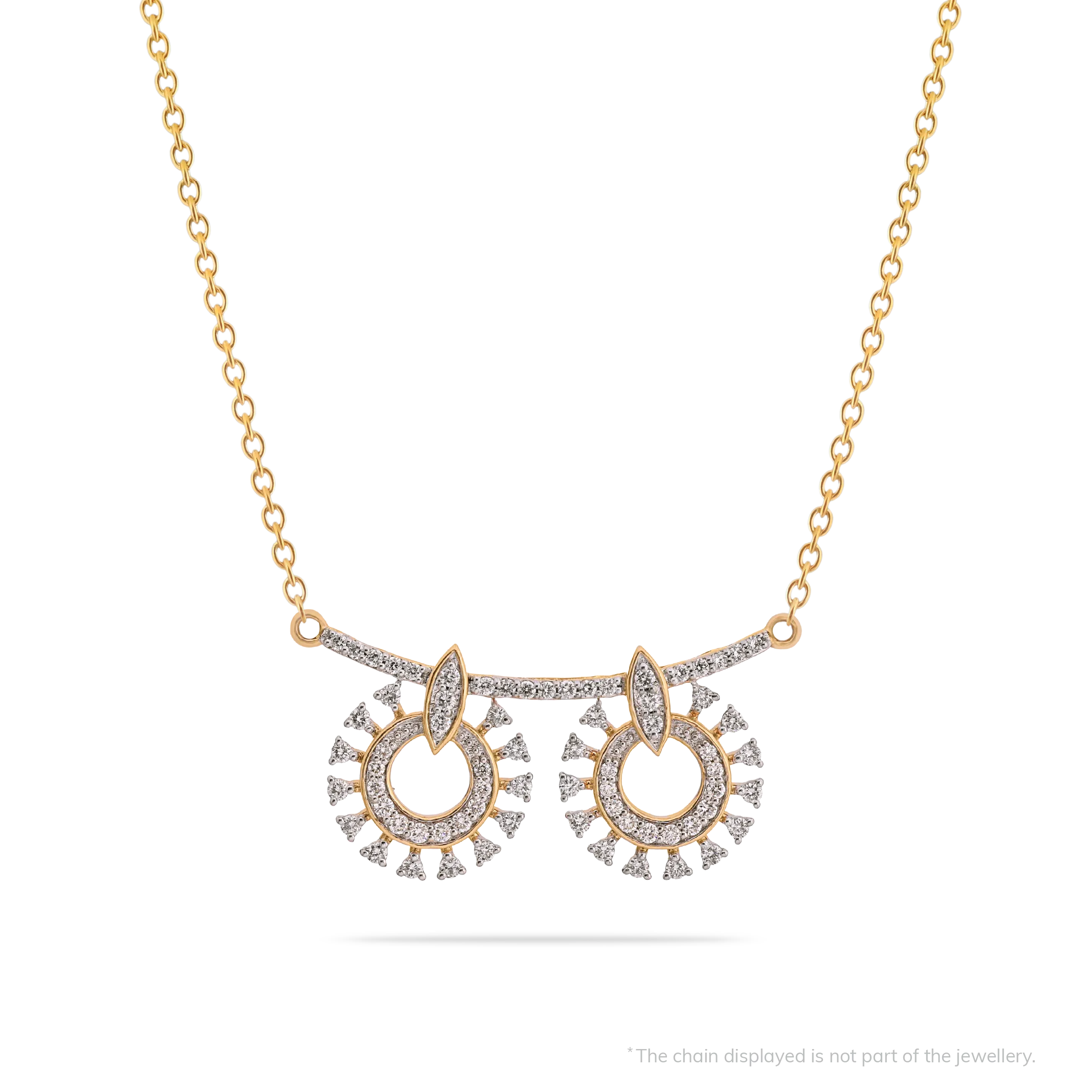
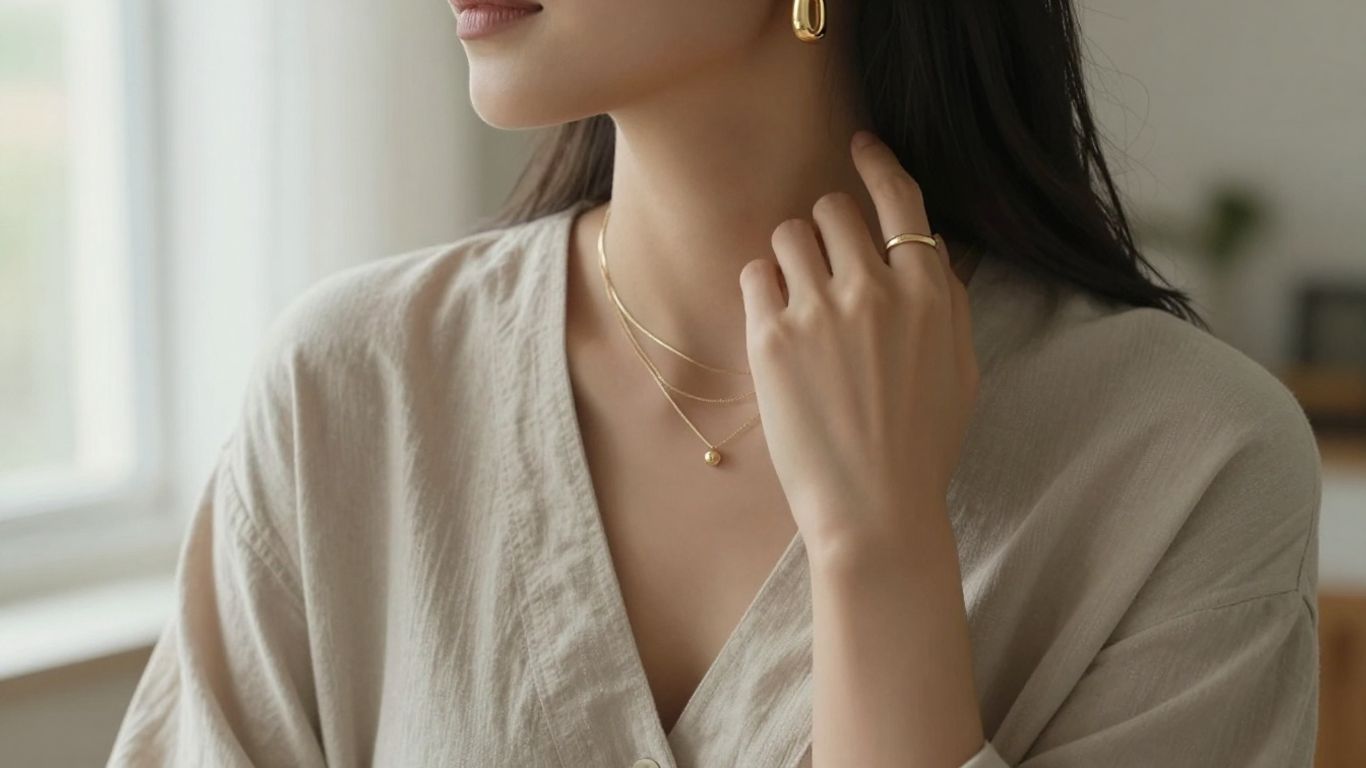
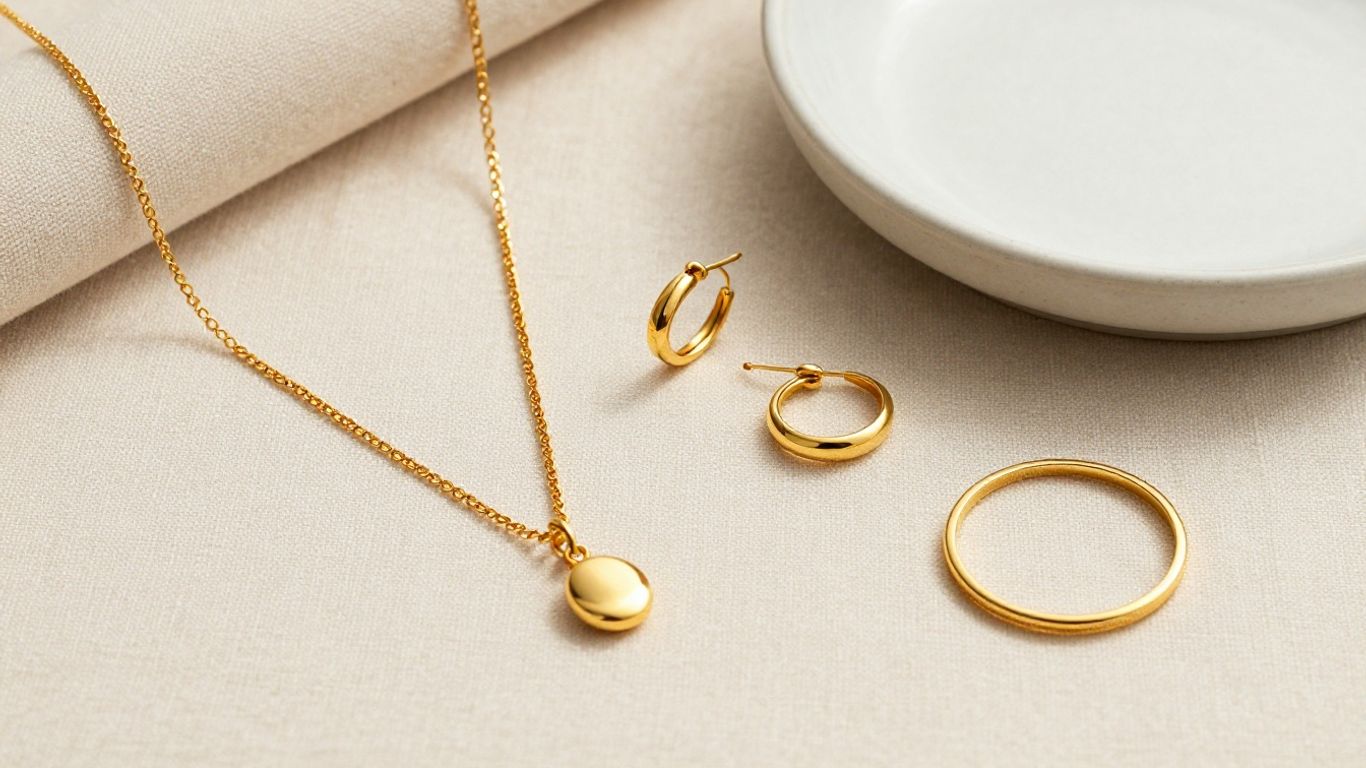
A simple chain can be worn alone or paired with a pendant, so consider length and how it sits with the necklines you wear most. If you like layering, choose lengths that leave space between the chains and make sure their links do not catch on one another. A comfortable chain is one you can put on without fuss and reach for repeatedly.
Try it with a few outfits before settling on a length. A chain that works over a crew neck may sit differently with an open collar, and the pendant, if any, can change how the necklace moves through the day.
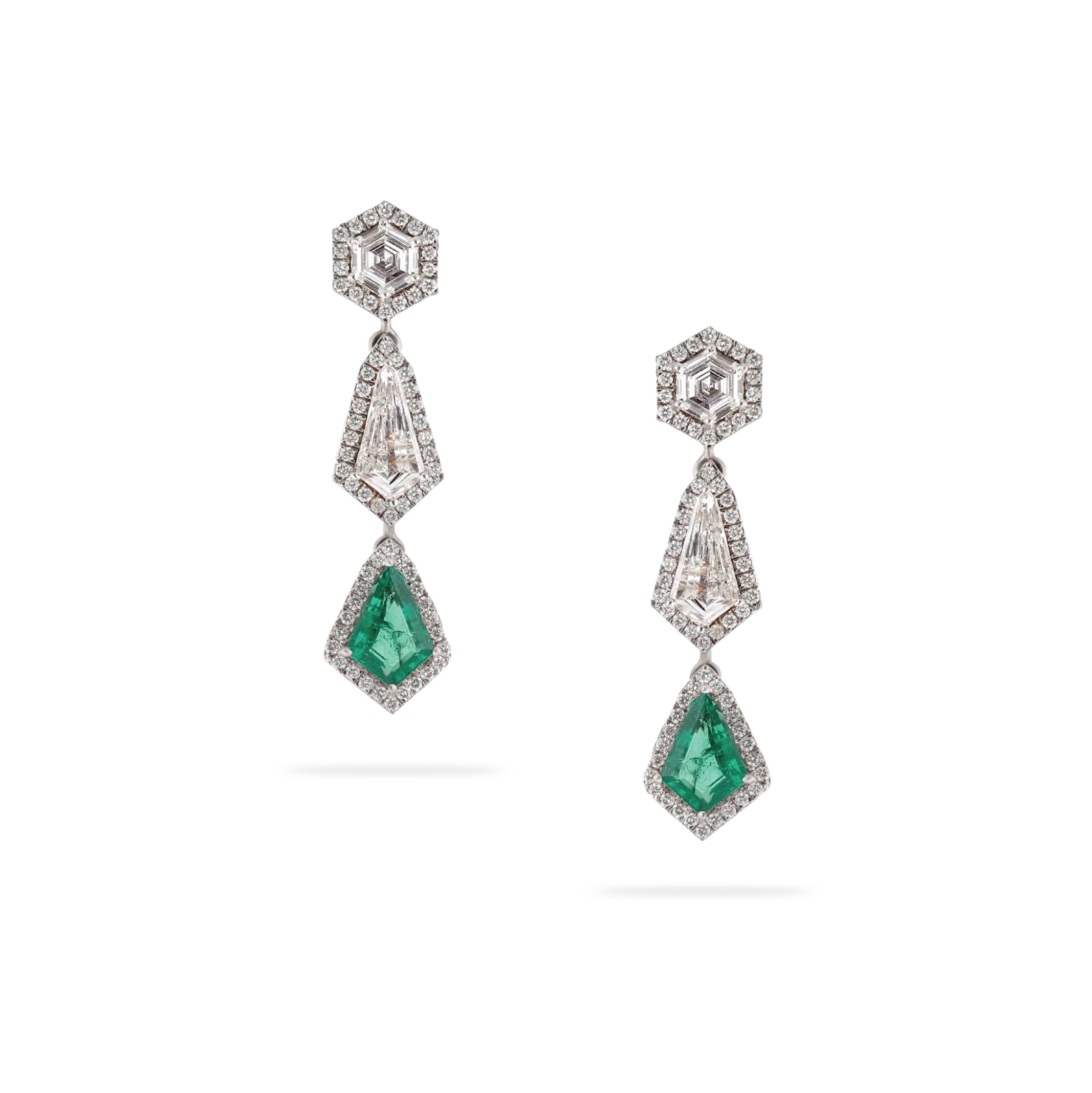
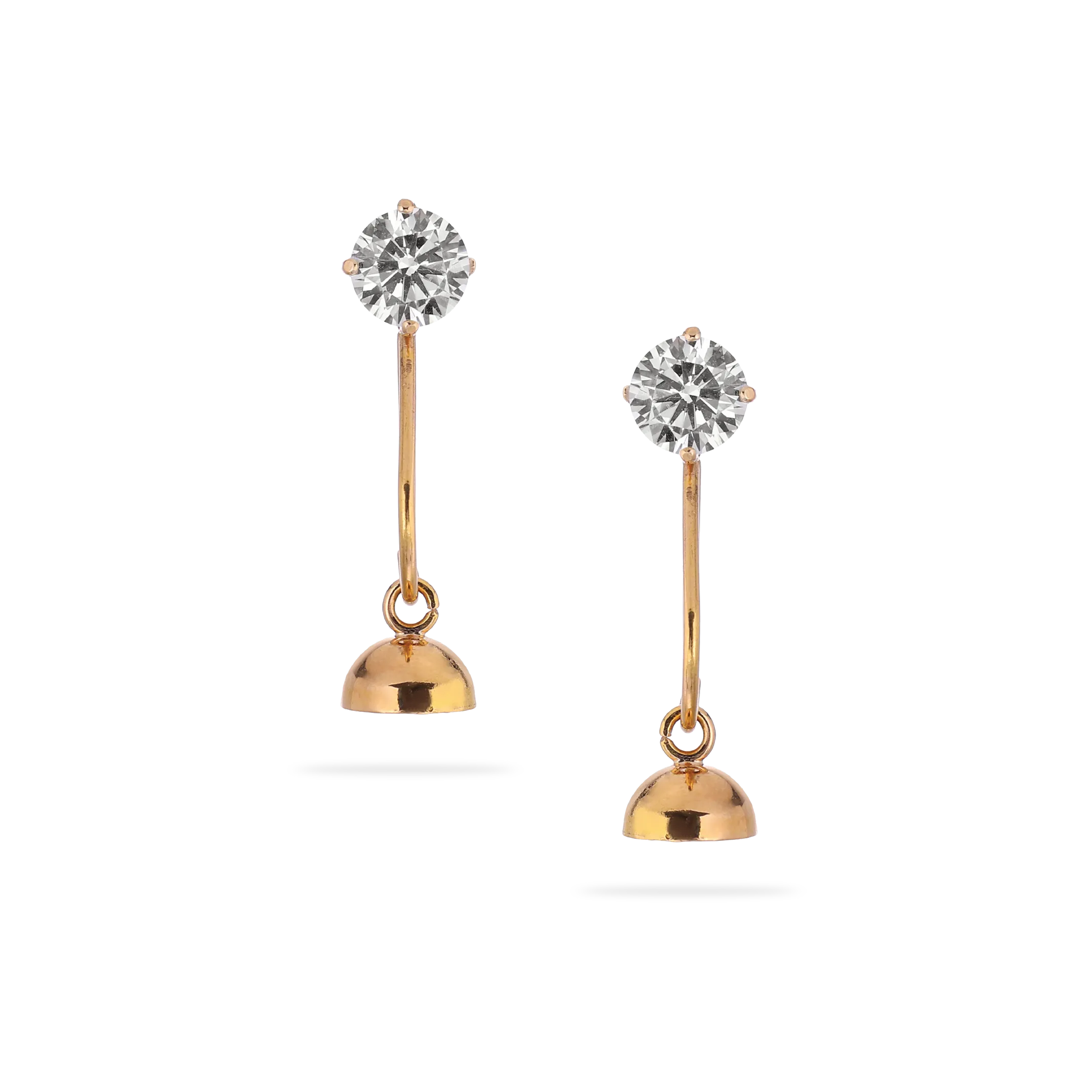
Select earrings suited to frequent wear
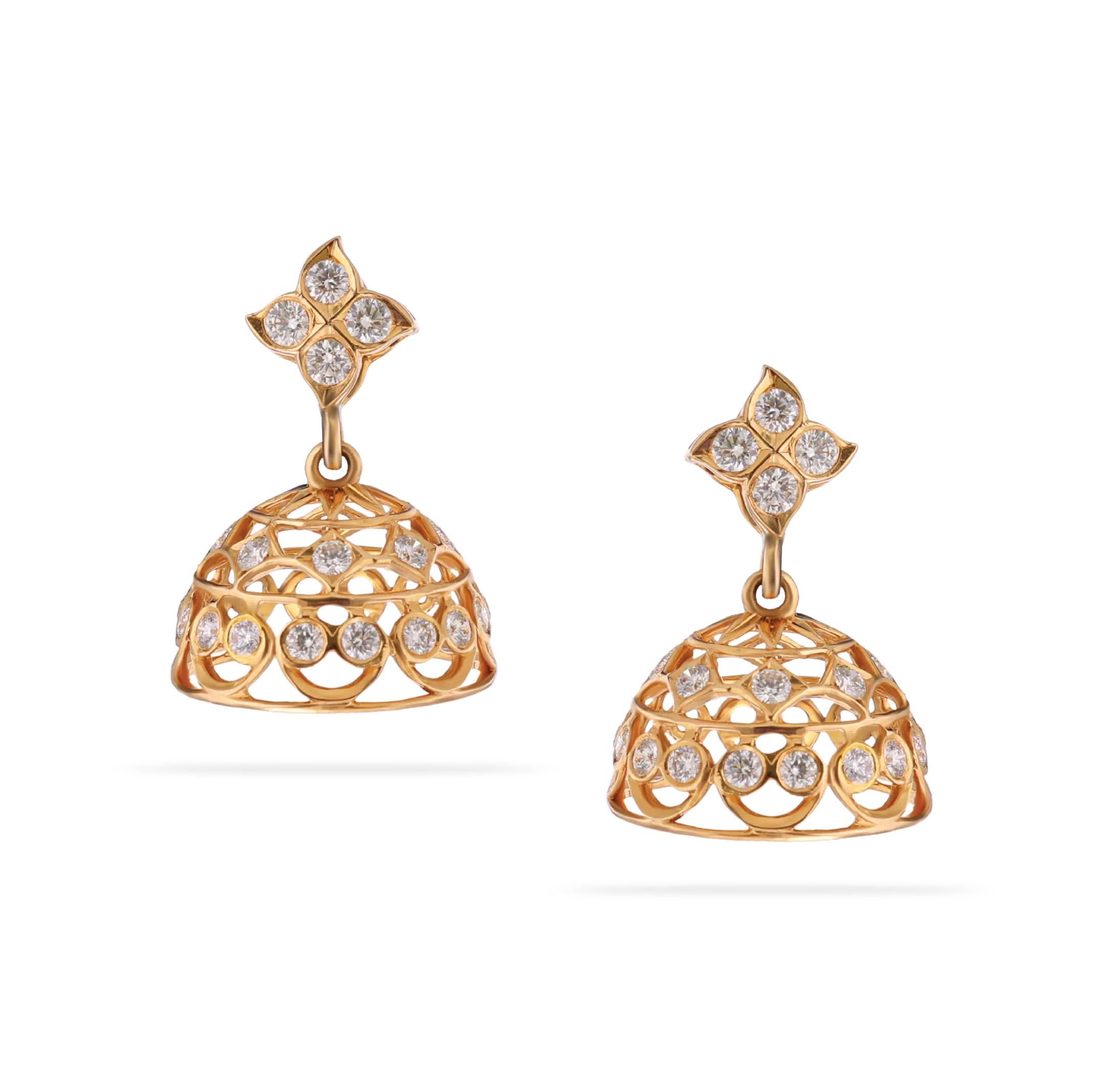
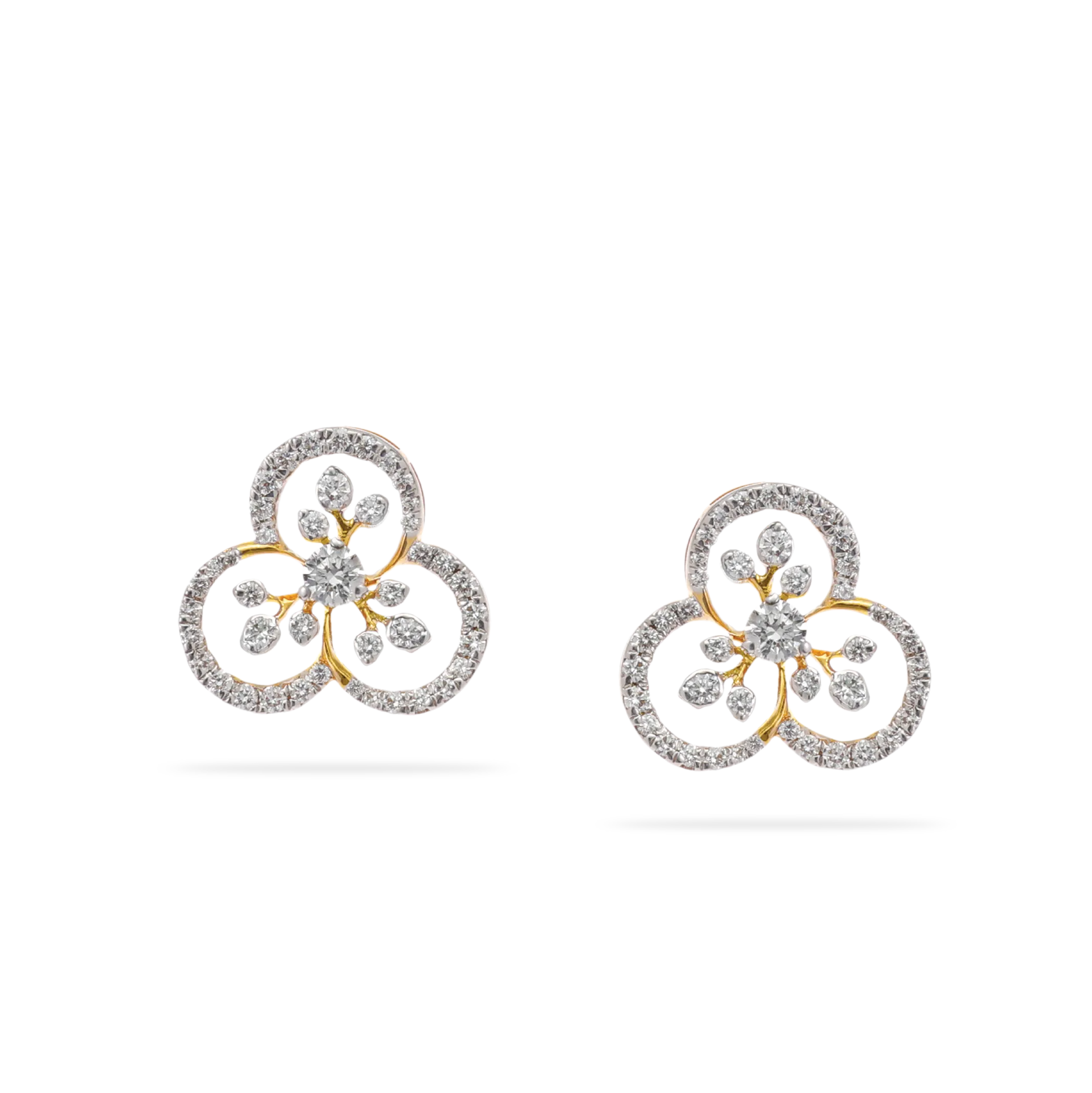
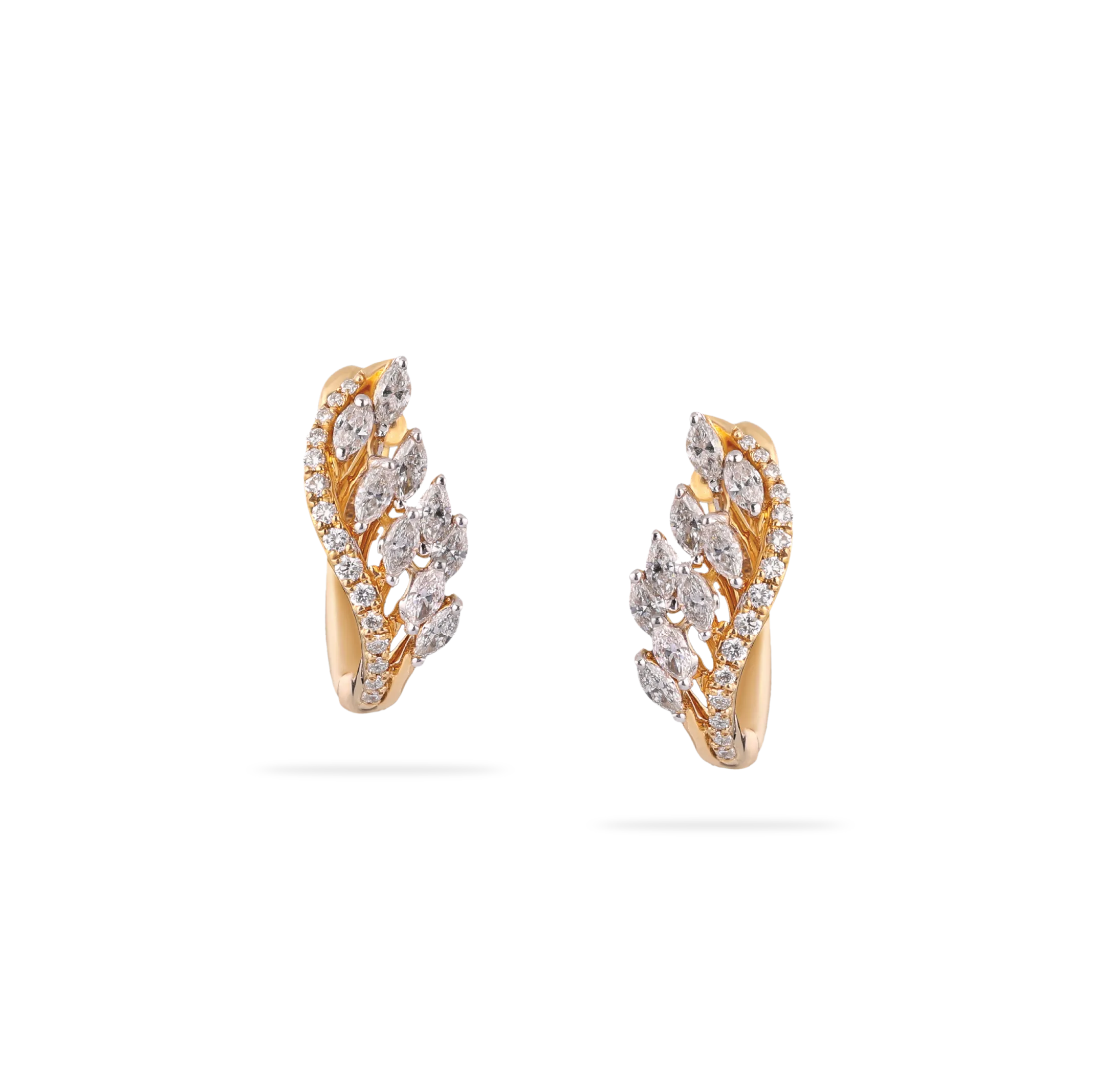
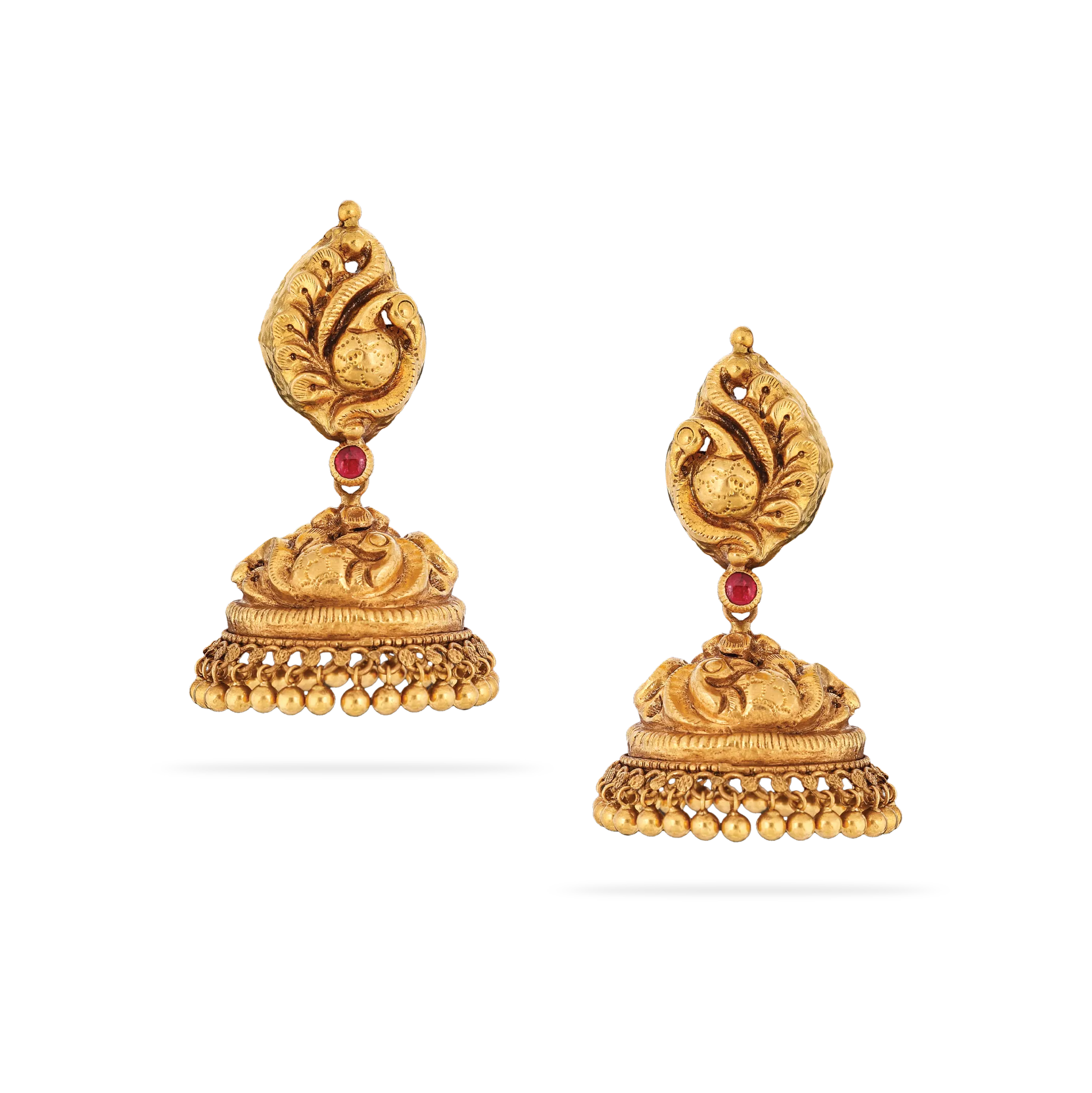
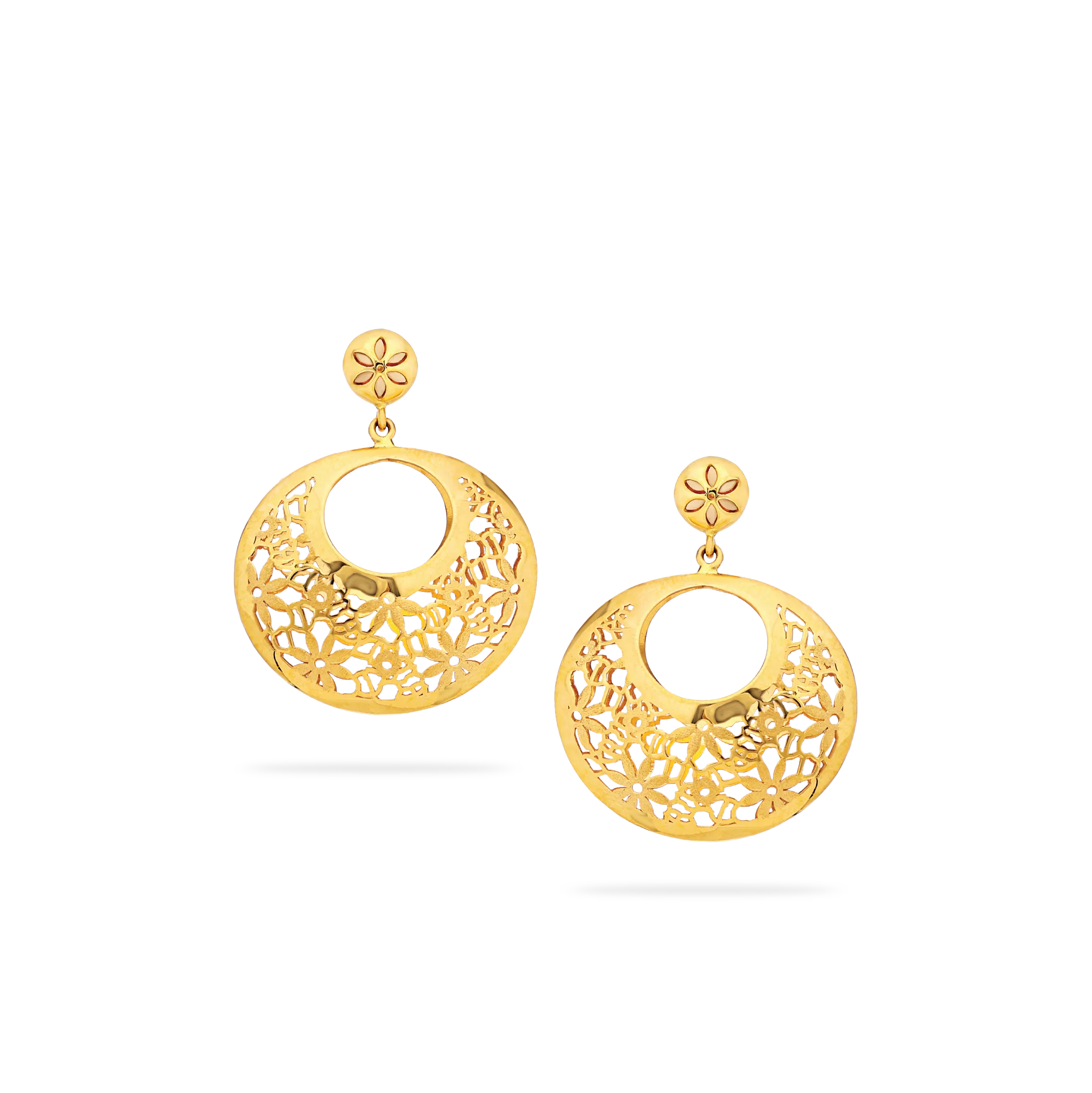
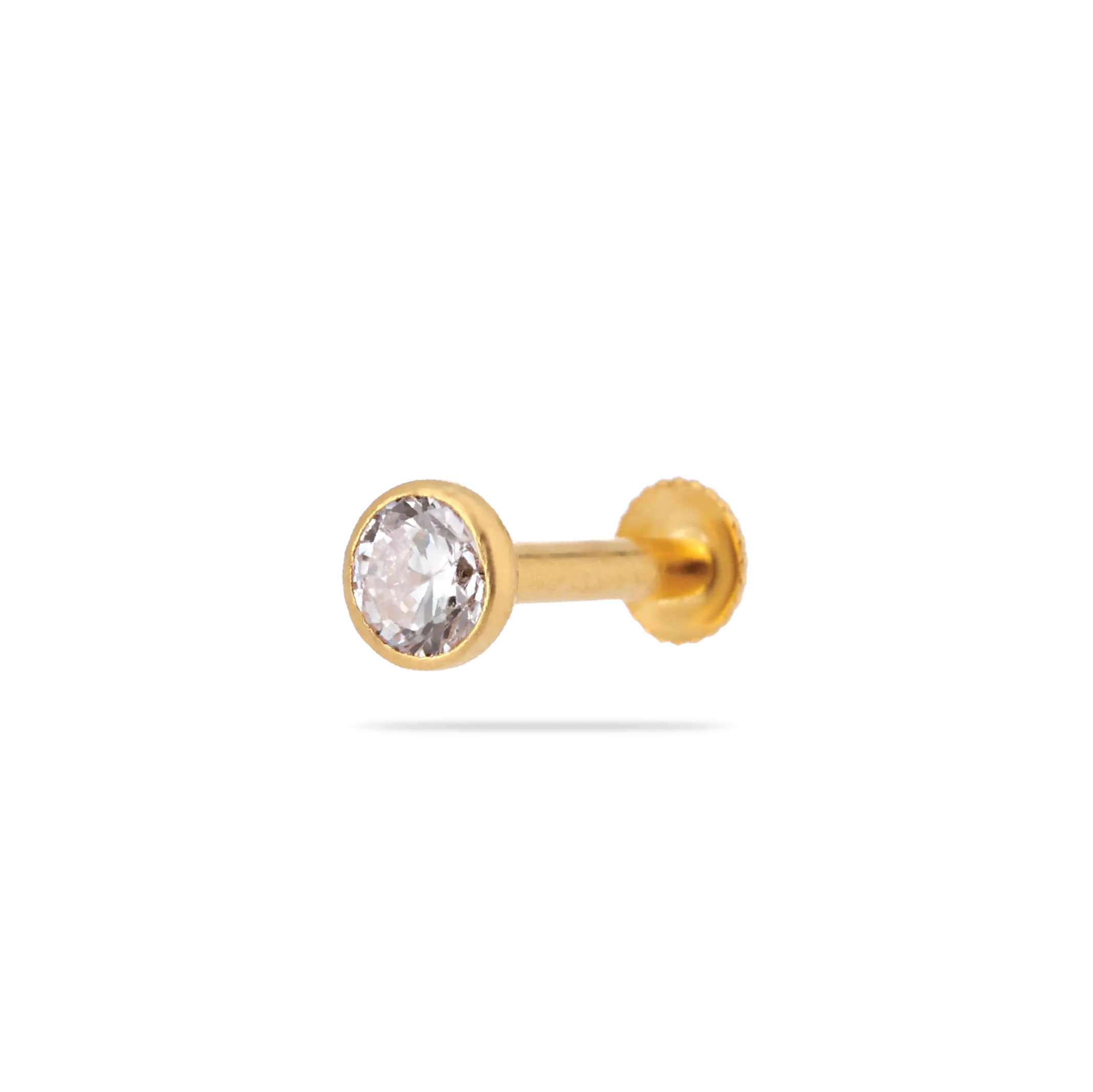
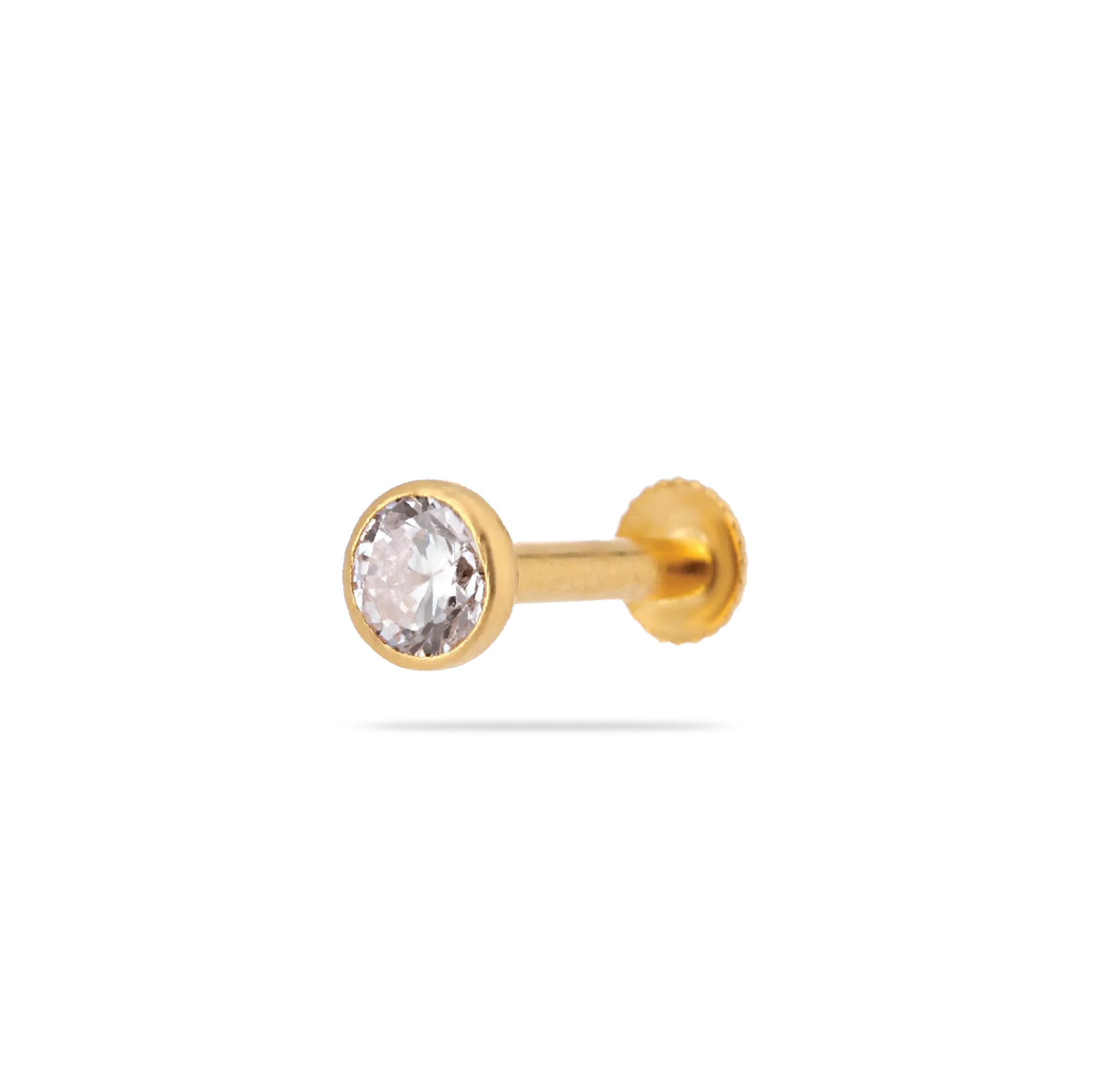
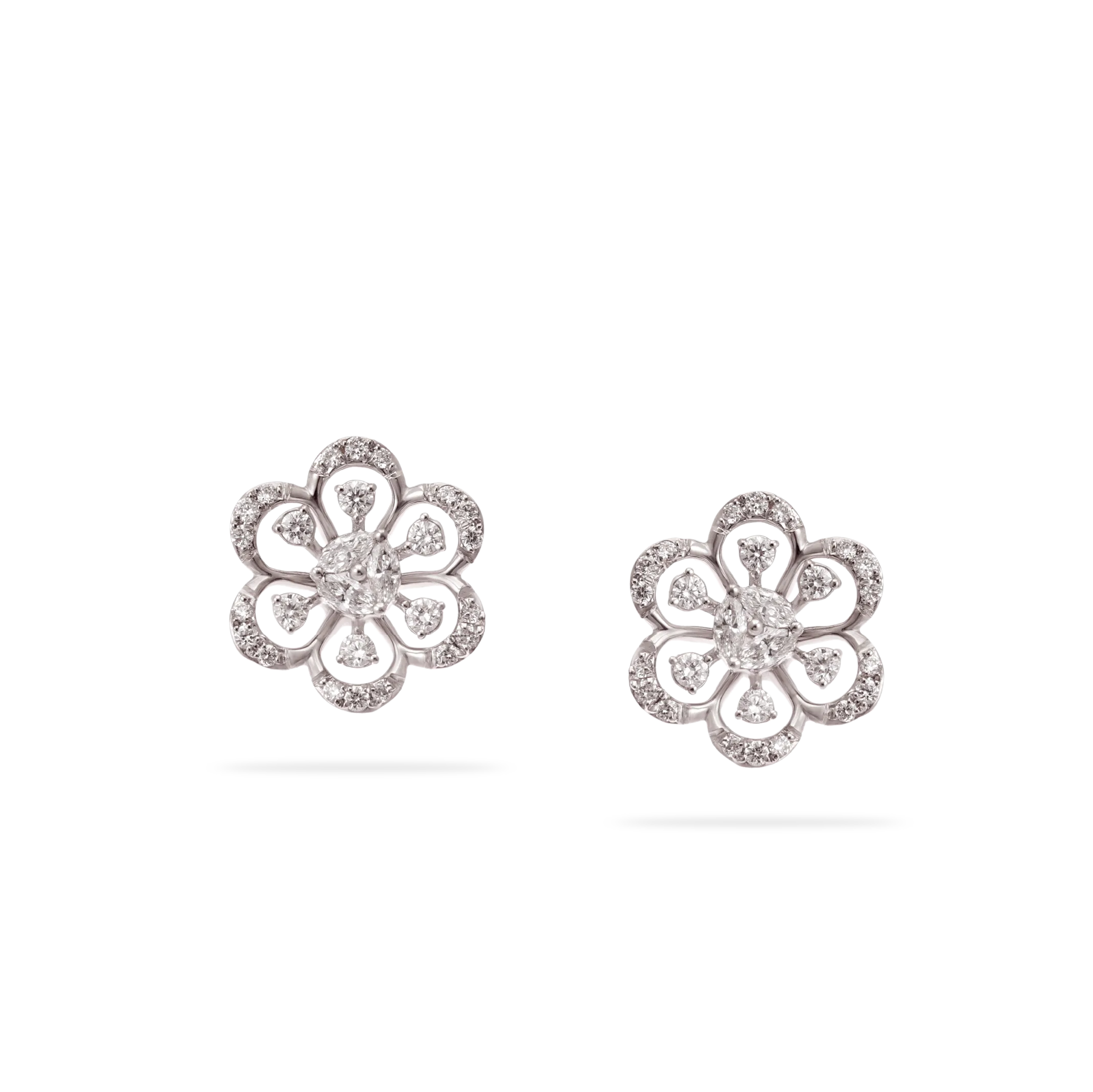
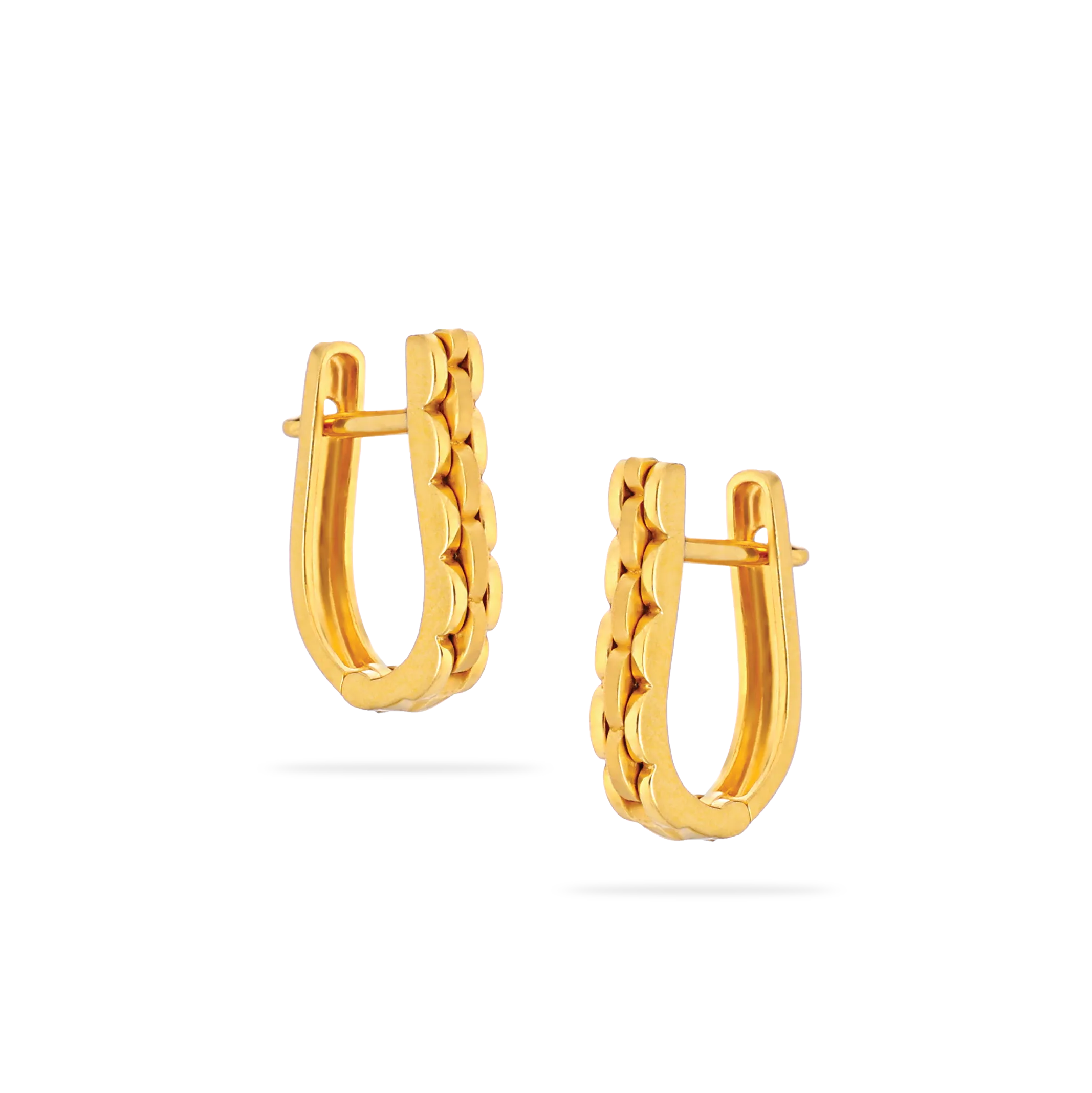
Studs, small hoops, and other modest shapes can be easy to style across different settings, but comfort and secure backs still matter. Consider how the earrings feel against your ears and whether their shape works with headphones, glasses, or your hairstyle. If you have multiple piercings, choose a pair that sits comfortably alongside the others.
For more ideas on balancing everyday comfort and style, explore gold earrings for daily wear . Think about the pairs you already wear most; their size, weight, and shape can help you identify what feels right for a new addition.
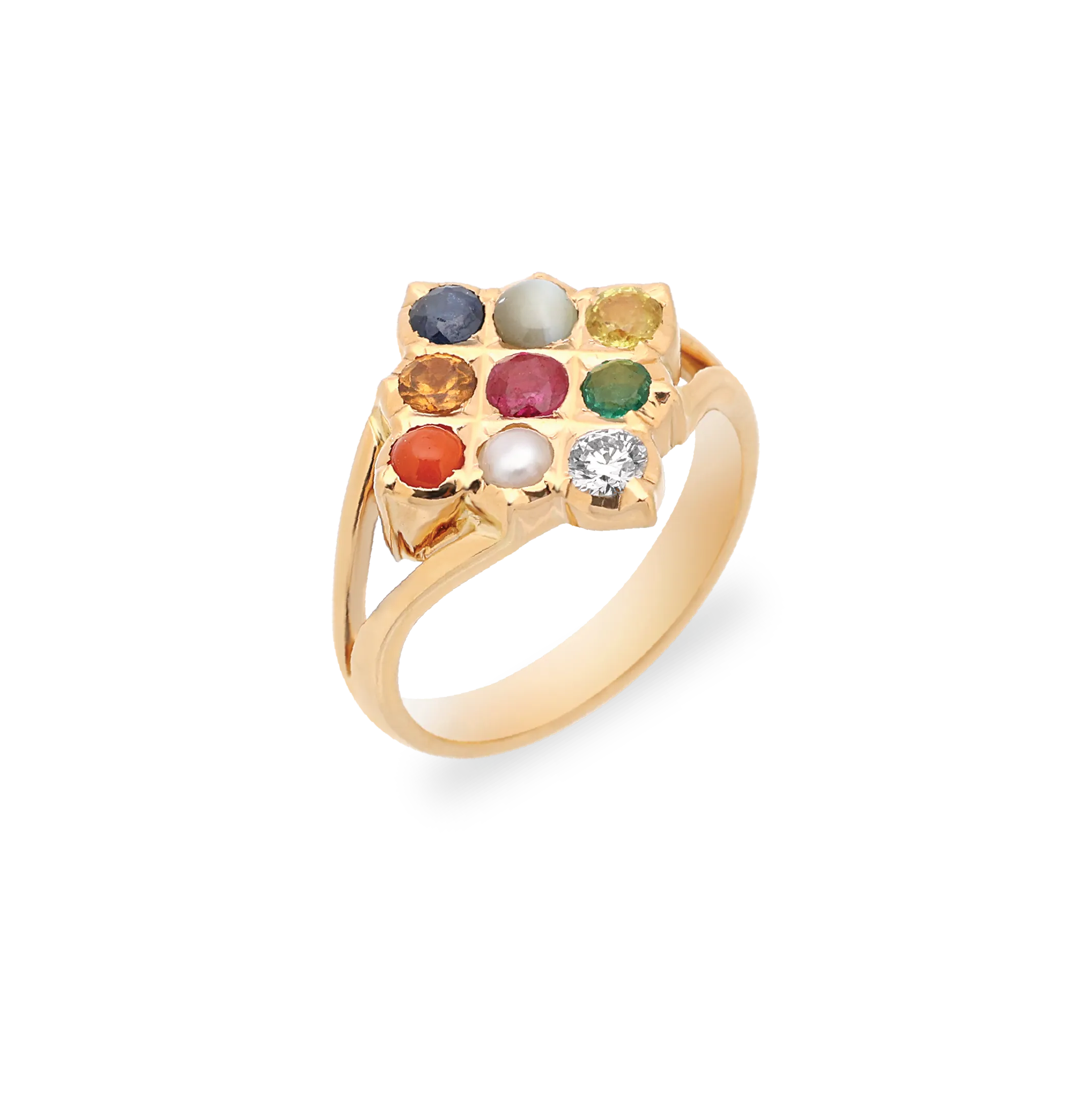
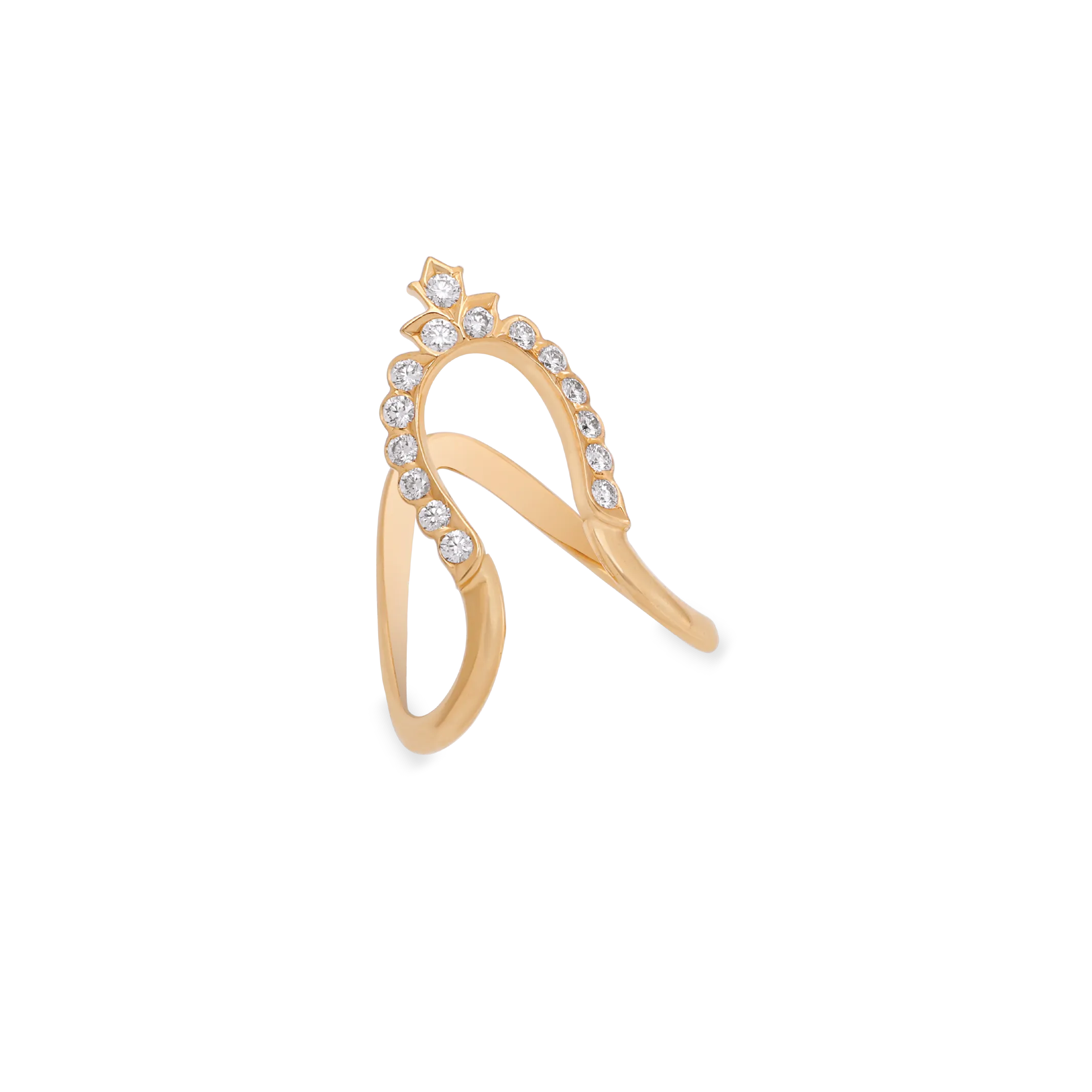
Add rings and bracelets that work well together
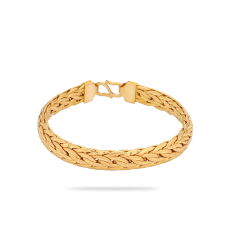
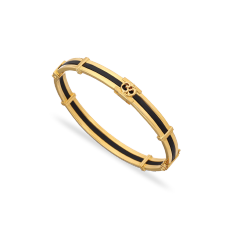
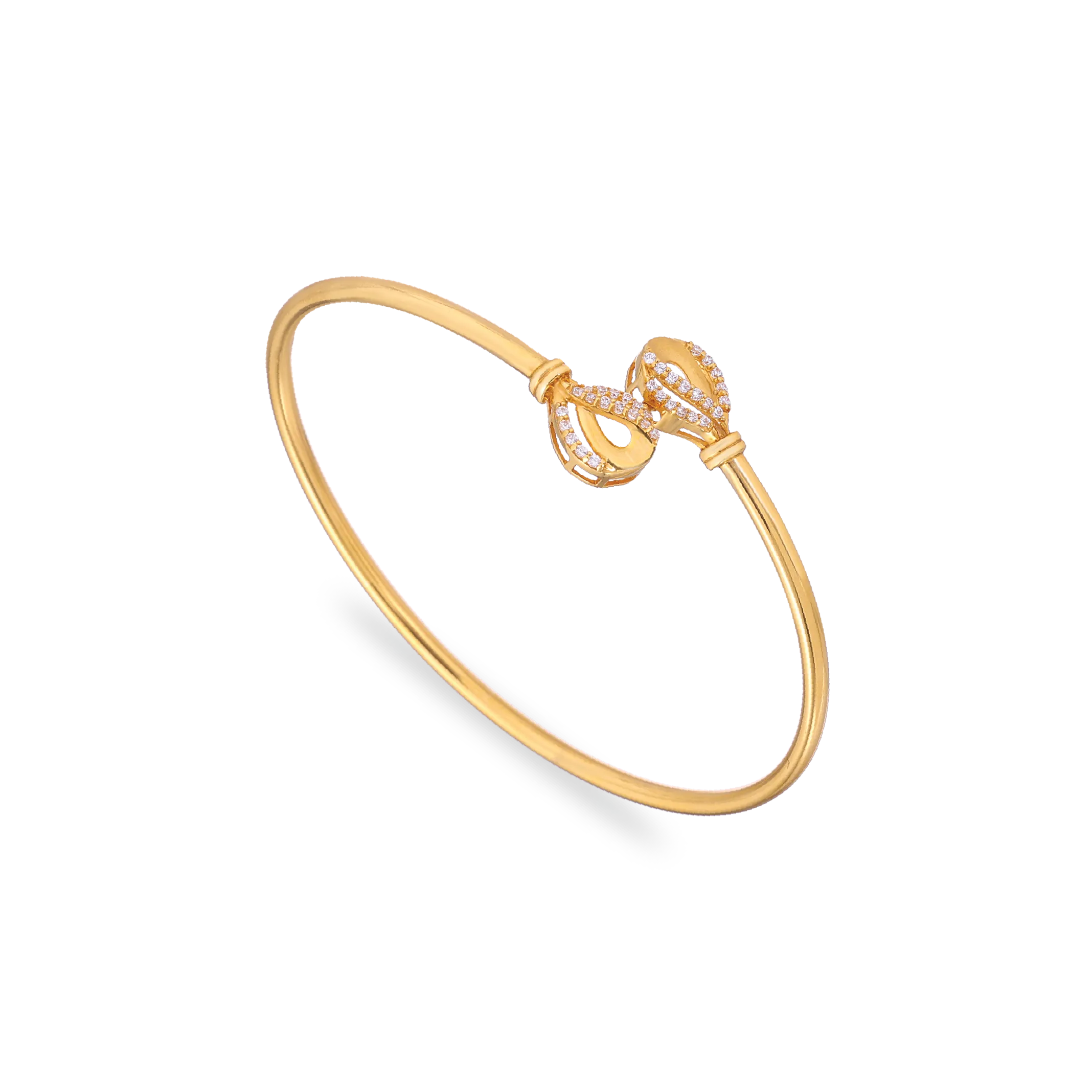
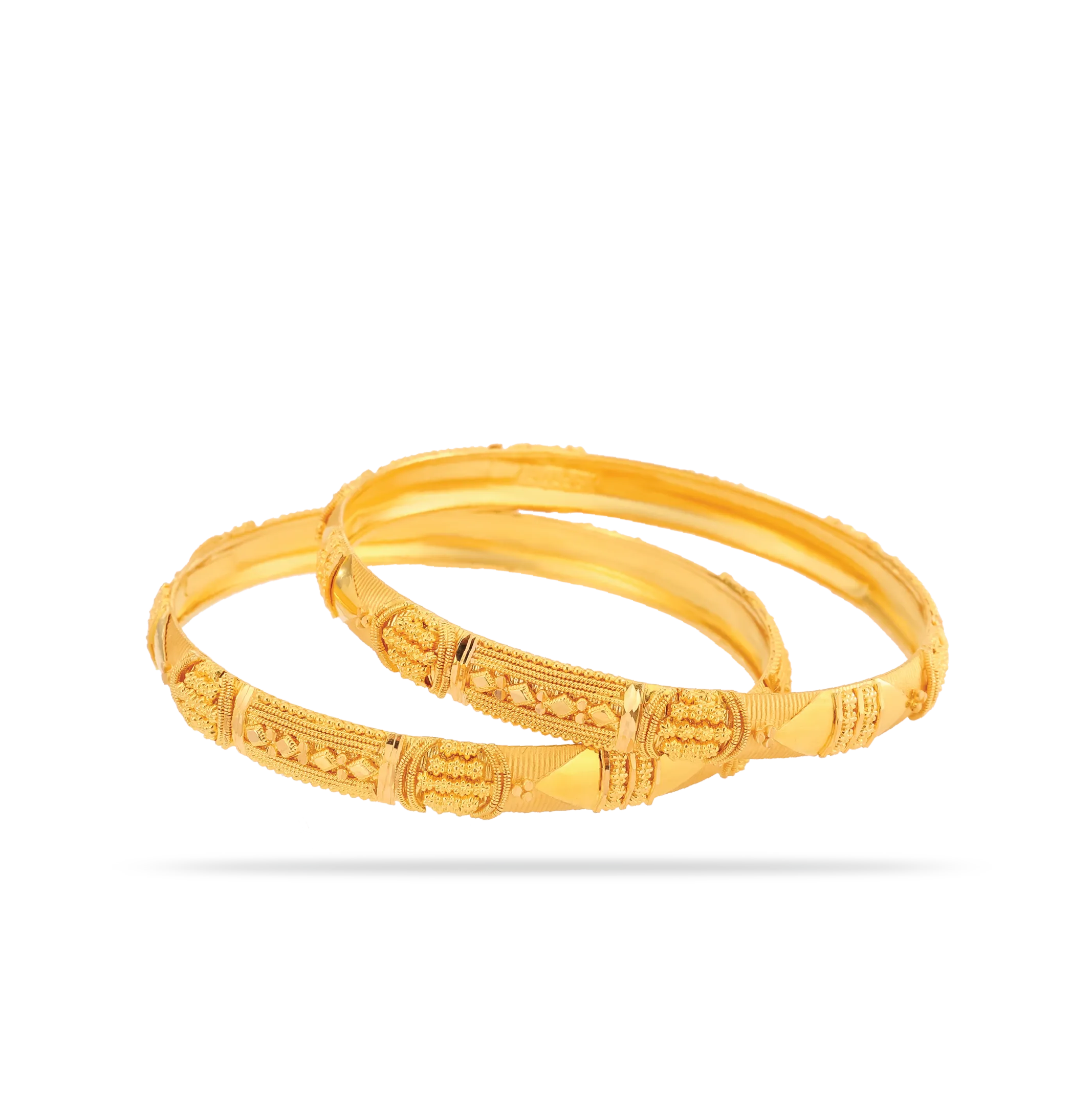
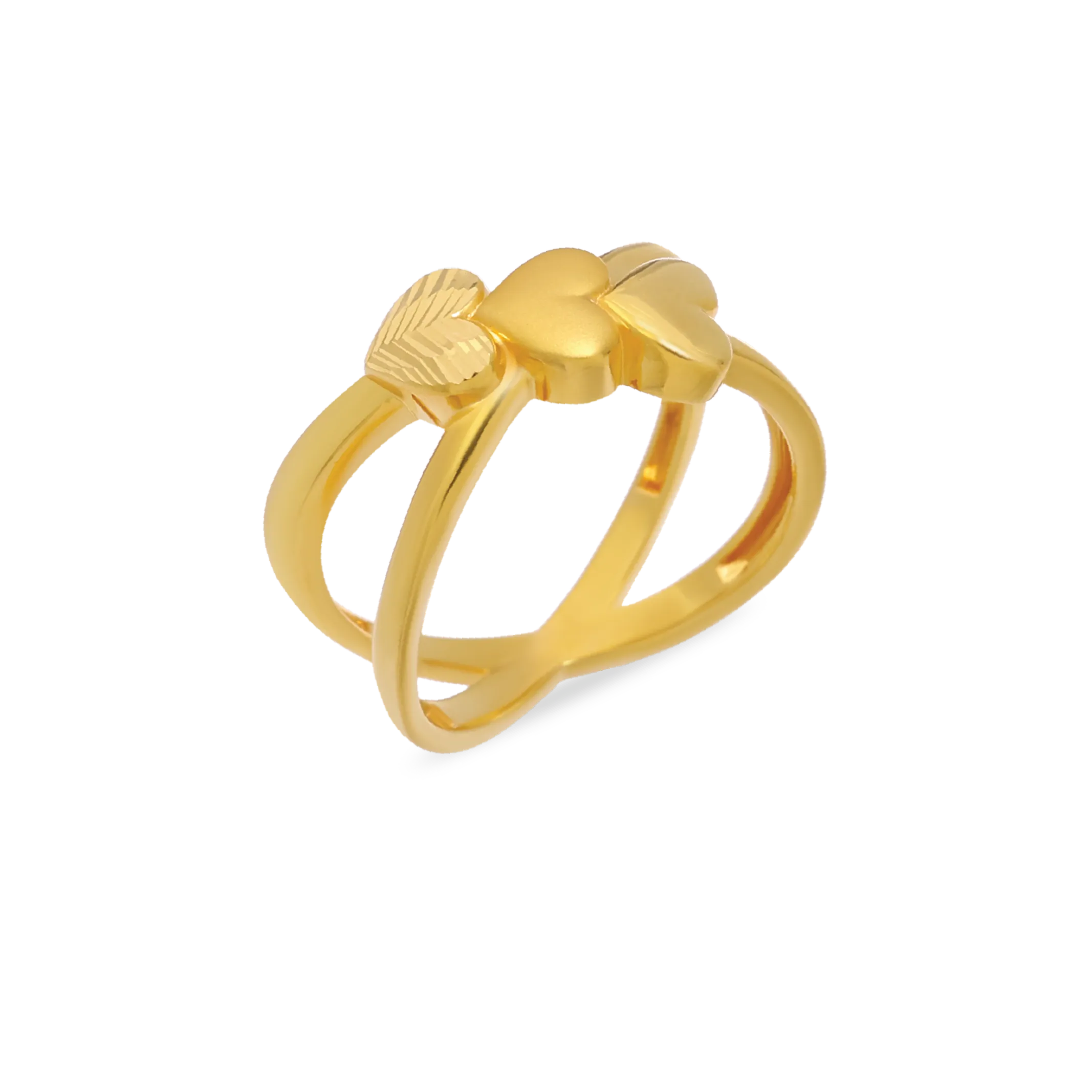
Rings and bracelets are easy to notice throughout the day, so the way they move and sit together matters. A slim band can pair with a favourite ring, while a delicate bracelet may work beside a watch if the pieces do not rub. Try combinations on your own hand and wrist rather than judging each item separately.
A timeless gold jewellery collection can be built around pieces that match personal style and daily habits. Add slowly, and leave room for the collection to evolve; a few comfortable favourites will often be more useful than a drawer of pieces that rarely leave the house.
Balance craftsmanship, price, and longevity
A higher price does not automatically mean a piece is a better fit for daily wear . Consider materials, finishing, design, and the support offered after purchase together. When you compare options, focus on what you can verify and on how you expect to use the item over time.
Evaluate finishing and setting quality
Examine the piece from several angles in good light. Surfaces should feel smooth where they touch skin, links should move freely, and settings should hold stones without obvious looseness or sharp edges. Ask a jeweller to explain any construction detail you cannot assess yourself, especially on a piece you expect to wear frequently.
For set stones, look for even alignment and a setting that does not catch easily on fabric. No quick visual check can promise a piece will never need attention, but noticing finish and construction can help you ask better questions before buying.
Compare solid-gold value with lower-cost alternatives
Solid gold generally contains gold throughout, while gold-filled and plated pieces use a different construction. Lower-cost alternatives may suit an occasional accessory or a style you are still trying out, but compare material descriptions carefully and consider how often you plan to wear the item. Cost alone does not determine comfort or value.
Ask about care, expected wear, and whether the piece can be repaired. The best choice depends on how often you will use it, how you feel about maintenance, and what fits your budget without overextending it.
Review warranties, repairs, and return policies
Before purchasing, read the terms for returns, resizing, cleaning, and repairs. Check whether normal wear is treated differently from accidental damage, and whether service is available locally or must be arranged elsewhere. Keep the policy with your receipt so you can find it when needed.
If a piece is a significant purchase, ask who to contact with a future concern and what documentation to bring. Clear answers are part of a thoughtful buying experience, even if you never need to make a claim.
Care for gold jewellery between wears
Regular care can help keep jewellery looking its best, but the safest approach depends on how each piece is made. Be gentle, avoid improvising with strong household chemicals, and follow any care instructions supplied by the seller. A simple routine is usually enough for pieces worn often.
Clean pieces safely at home
For many plain gold pieces, a soft cloth and mild soap diluted in warm water can lift everyday residue. Use a soft brush only when appropriate, rinse carefully, and dry the piece completely with a clean, soft cloth. Avoid harsh cleaners and abrasive materials, especially on jewellery that includes stones, coatings, or delicate components.
If you are unsure whether a piece can be immersed or brushed, check its care instructions or ask a jeweller first. Gentle cleaning is preferable to experimenting with a treatment that could affect a finish or setting.
Store jewellery to prevent scratches and tangles
Store pieces separately so chains do not knot and harder surfaces do not scratch softer ones. A divided jewellery box or individual soft pouches can help, and clasping a chain before putting it away may reduce tangles. Keep jewellery in a dry place and avoid leaving it loose on a countertop.
When you remove a piece during the day, return it to the same safe spot. That small habit protects the jewellery and makes it less likely to disappear among everyday items.
Know when professional inspection or cleaning is worthwhile
A jeweller can check for loose settings, worn clasps, or links that need attention. Consider an inspection if a stone seems to move, a closure no longer catches securely, or a chain has a damaged link. Do not wait for a small fault to become a lost stone or a broken piece.
Professional cleaning may also be useful for designs that are difficult to clean safely at home. Ask what the service involves and whether it is suitable for the materials in your jewellery before leaving a treasured item for care.
Conclusion
Choosing daily wear luxury gold jewellery is less about assembling a perfect set than finding pieces that fit your real life. Compare purity and construction, take comfort and security seriously, and build a collection at a pace that feels right. With careful buying and simple maintenance, everyday favourites can remain part of your routine for years.
Frequently Asked Questions
What gold karat is best for everyday jewellery?
There is no single best karat for everyone. Compare gold content, design, construction, and how you plan to wear the piece, then choose what suits your needs and budget.
Is solid gold better for daily wear than plated jewellery?
They are made differently, so the right choice depends on your budget, expected frequency of wear, and care preferences. Check the materials and construction details rather than relying on a label alone.
How can I tell whether gold jewellery is genuine?
Look for a hallmark and ask the seller to explain it. For a significant purchase, request documentation that identifies the material and stated purity.
Should I take gold jewellery off before exercising?
Removing jewellery for exercise can help reduce the chance of snagging, impact, or loss. Consider the activity and follow any care advice for the specific piece.
How often should I clean gold jewellery?
It depends on how often you wear it and whether it collects residue. Clean gently when needed, follow the piece’s care instructions, and ask a jeweller if you are unsure about stones or finishes.
How should I store gold chains to prevent tangles?
Store chains separately, clasped, and in a pouch or divided jewellery box. Keeping them apart from other pieces can also help prevent scratches.
What should I check before buying a gold ring or bracelet?
Check the fit, finish, and any moving parts or settings. Consider whether the design catches on clothing, whether it feels comfortable through a normal day, and what repair or return terms apply.
Related blogs:
November 20, 2025
The Timeless Elegance of the Tennis Bracelet: A Comprehensive Guide
Read More
November 20, 2025
The Ultimate Guide to Styling and Wearing a Choker Necklace
Read More
November 20, 2025
Find Your Perfect Engagement Ring: A Comprehensive Guide to Styles and Diamonds
Read More
November 20, 2025
The Timeless Elegance of a Diamond Tennis Bracelet: A Buyer's Guide
Read More