How to Choose and Style a Minimal Gold Bracelet
September 27, 2026 | 10 minutes read
Key Takeaways
A minimal gold bracelet can be understated without feeling plain. Start with the material and fit, then choose details that feel natural with the jewelry and clothes you already wear.
- Decide whether you prefer a delicate chain, a slim bangle, or an open cuff.
- Compare solid gold, vermeil, and plated pieces by checking their material details.
- Measure your wrist and consider how much movement feels comfortable.
- Keep styling simple by balancing the bracelet with your outfit and other jewelry.
- Check construction and care instructions before buying, especially for frequent wear.
Explore popular minimal gold bracelet styles
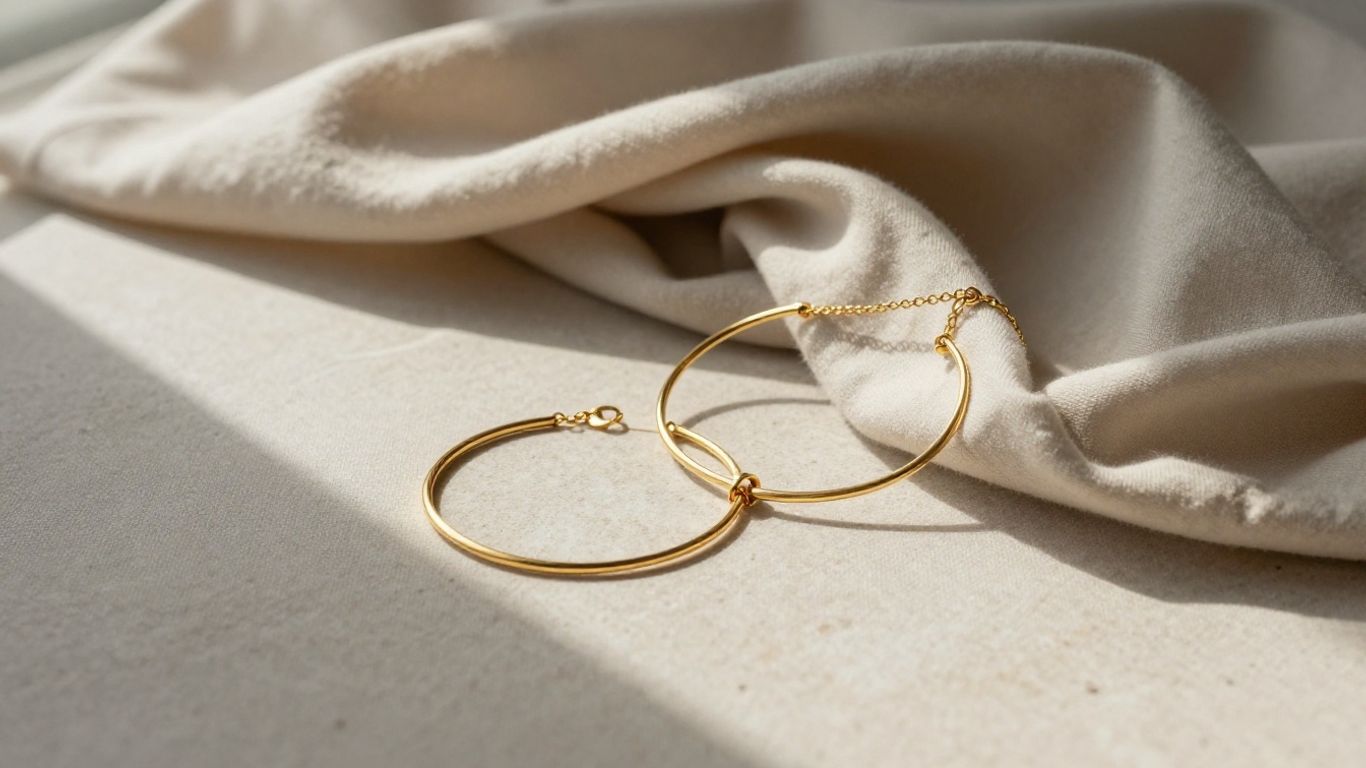
Minimal designs rely on proportion and small details rather than a large silhouette. The right shape depends on whether you want a bracelet that moves with your wrist or one that holds a more defined line. Consider how you plan to wear it, then look closely at the construction and any decorative accents.
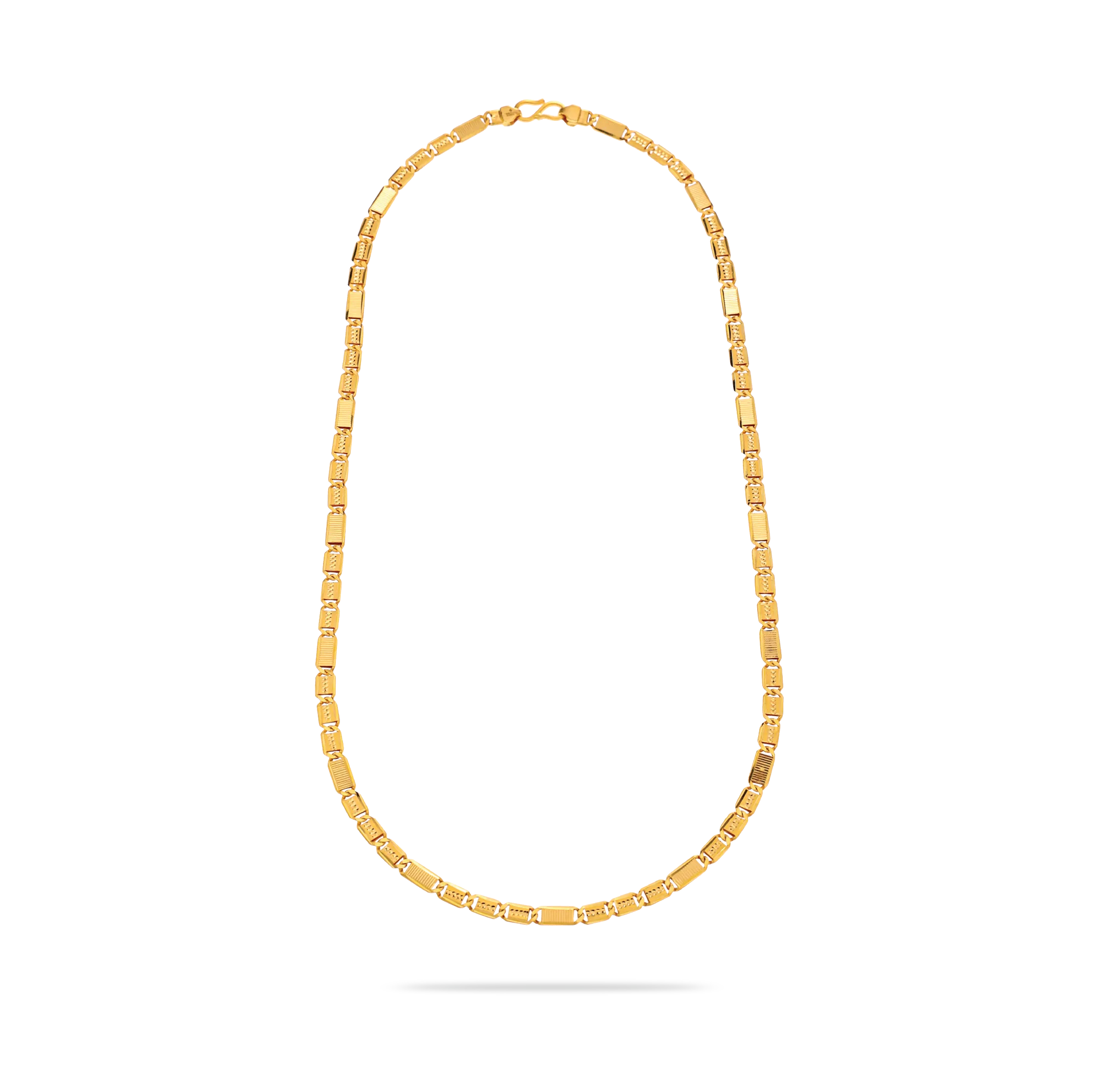
Delicate chains for a barely-there look
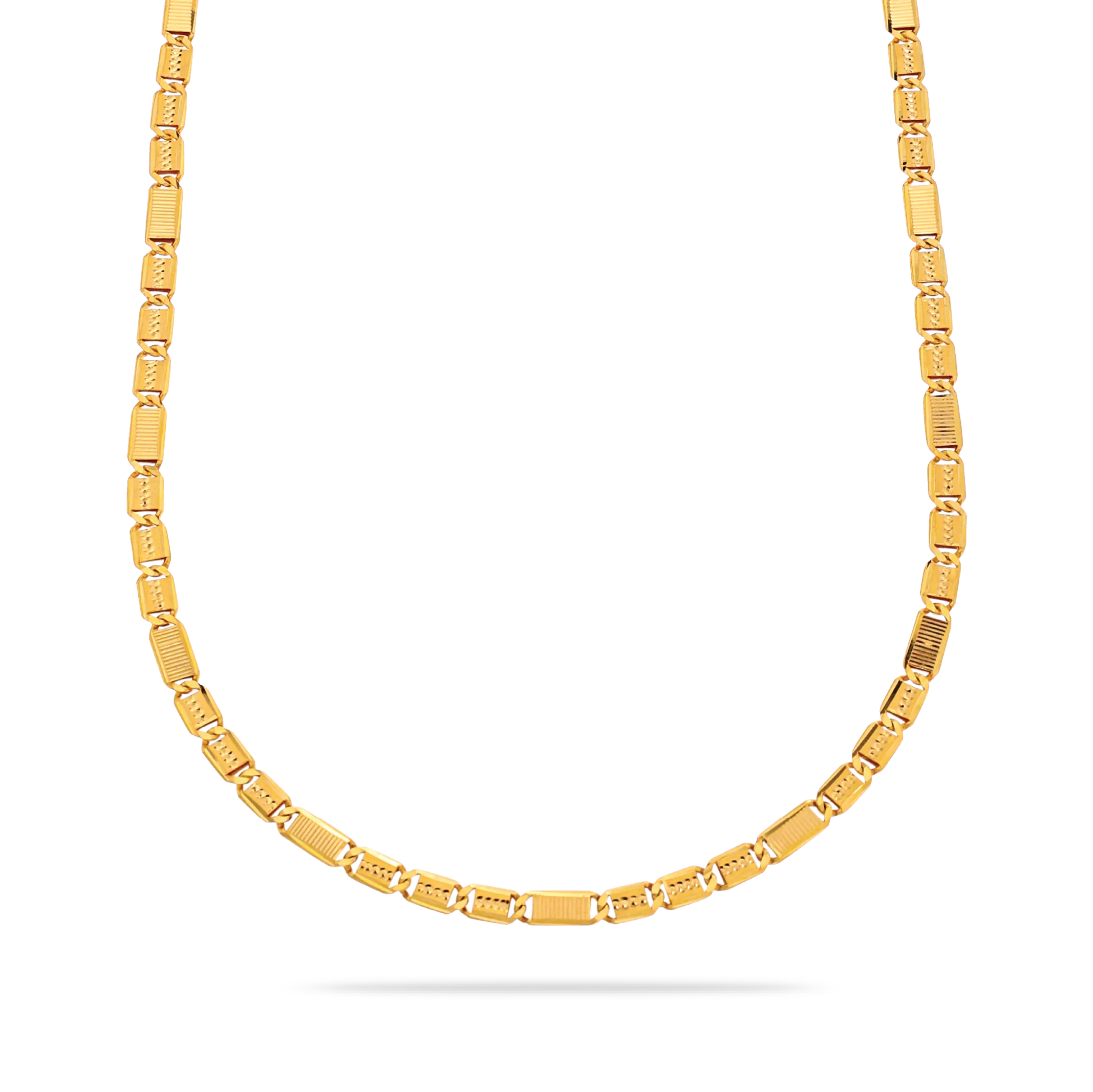
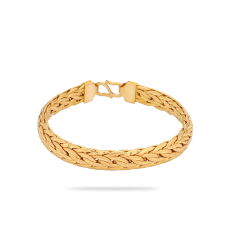
A fine chain sits lightly on the wrist and can be easy to wear on its own. Link styles vary: some have a fluid, fine appearance, while others look more defined because of their link shape. Check that the chain feels smooth against your skin and that its clasp is not difficult to handle.
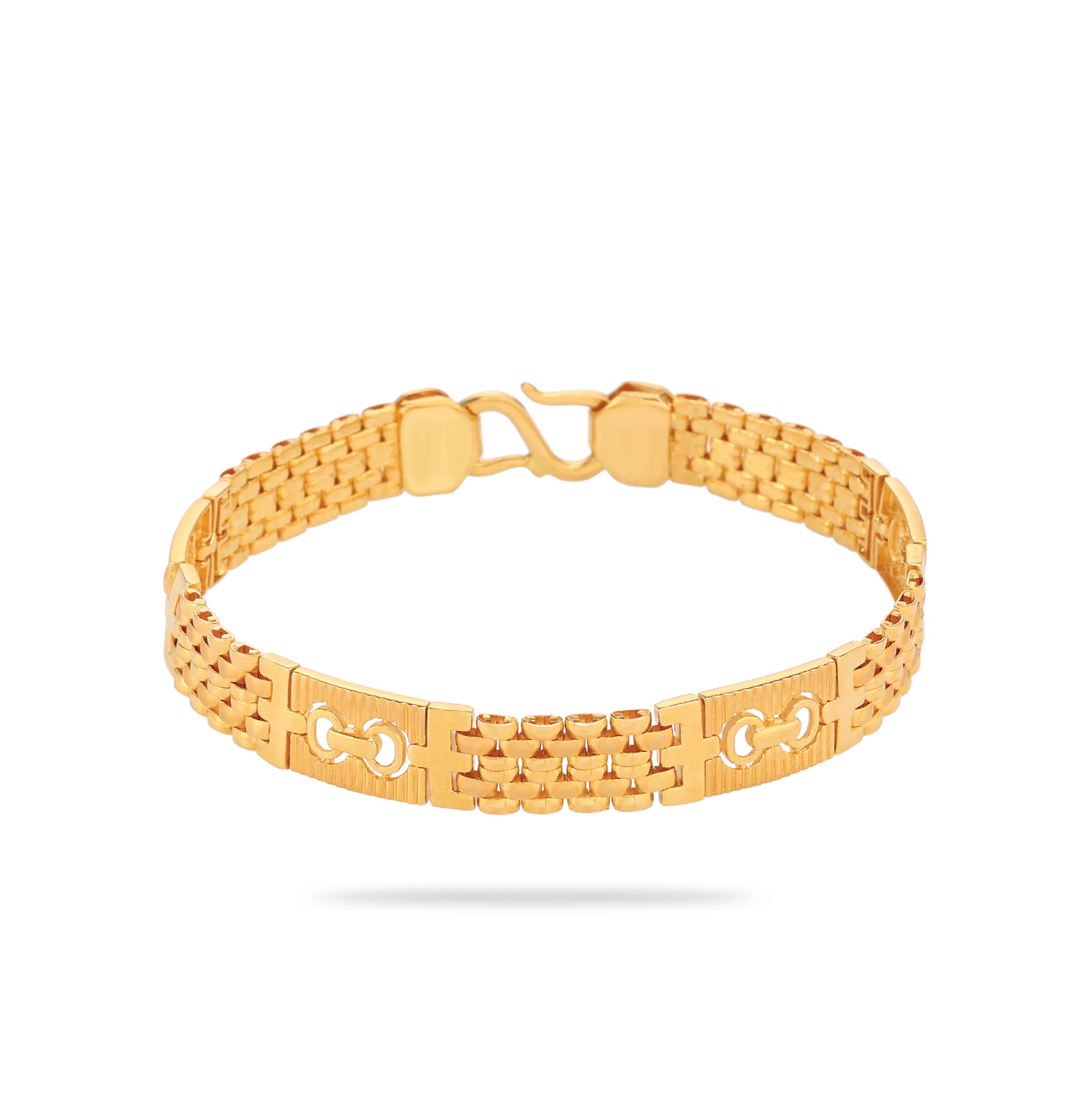
Slim bangles for a clean, structured finish
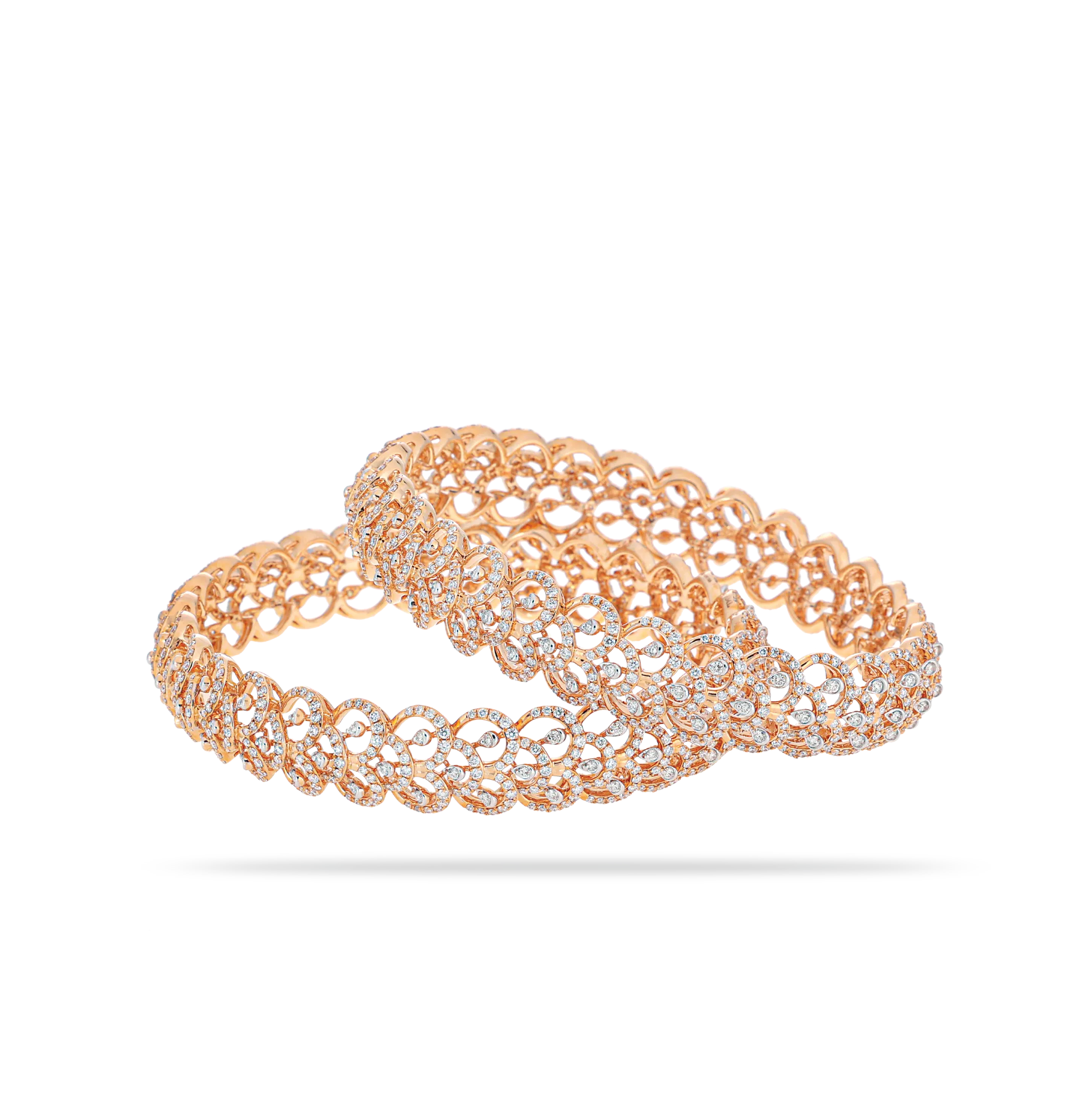
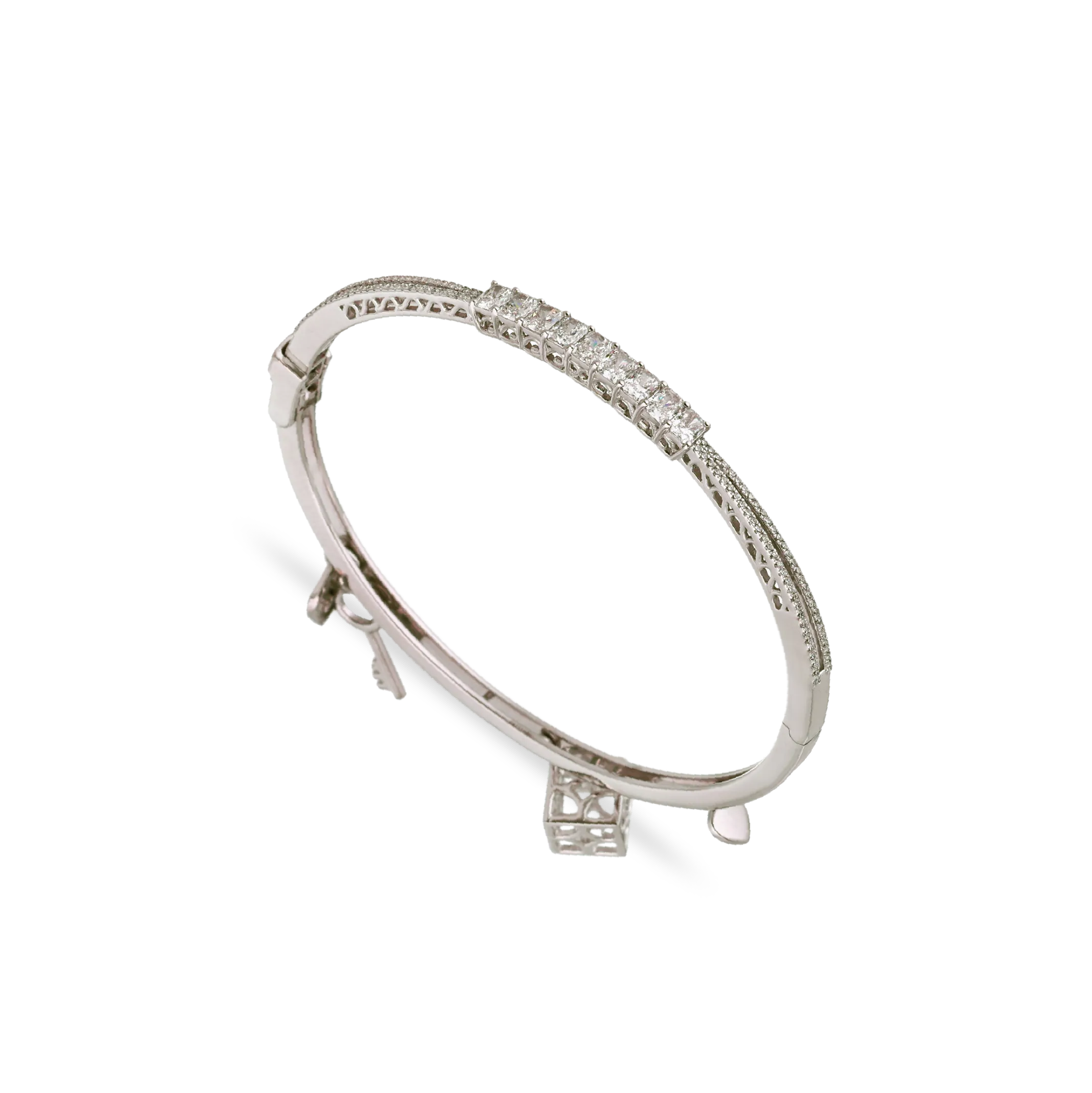
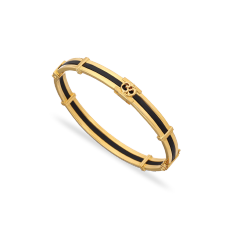
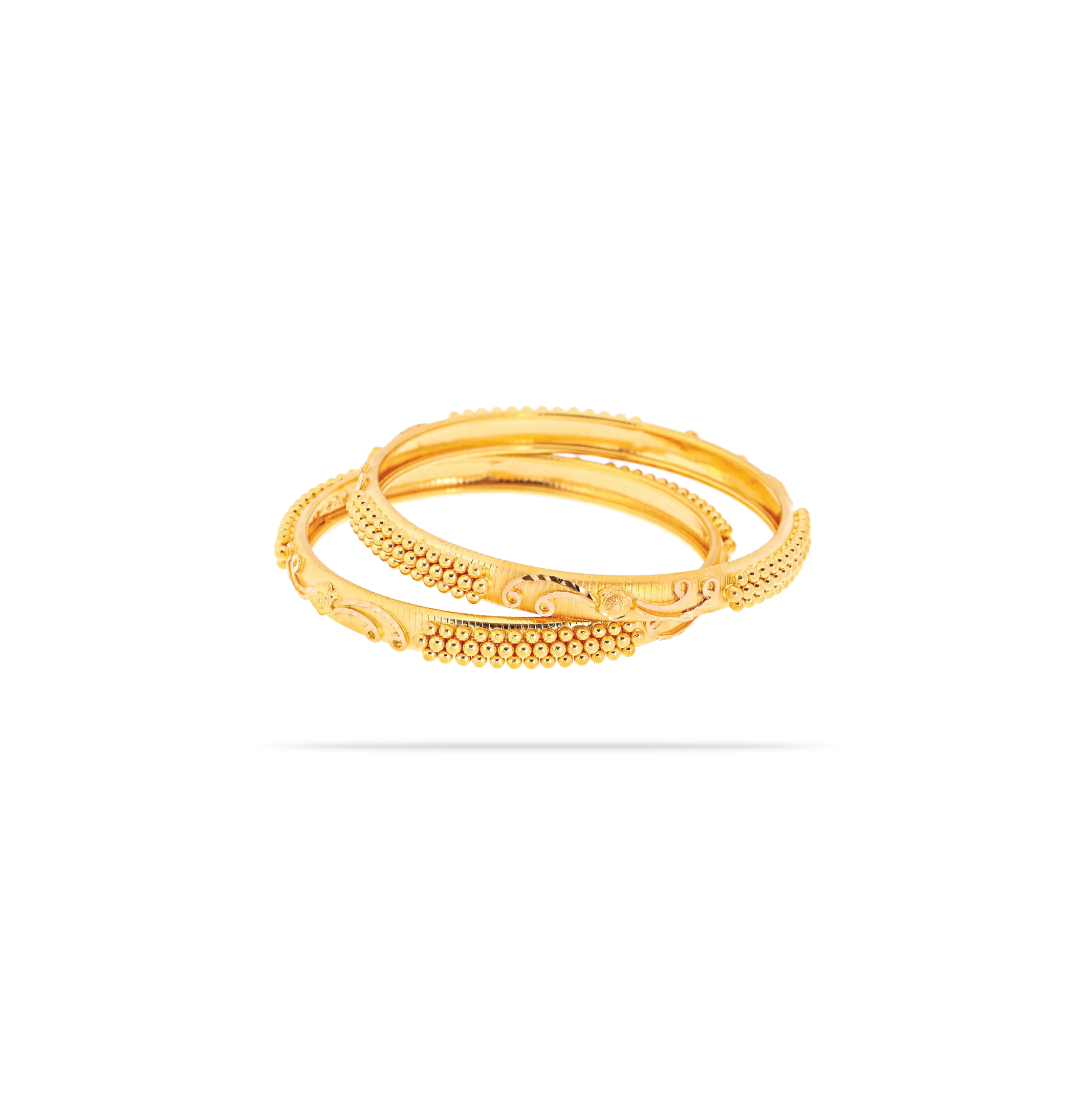
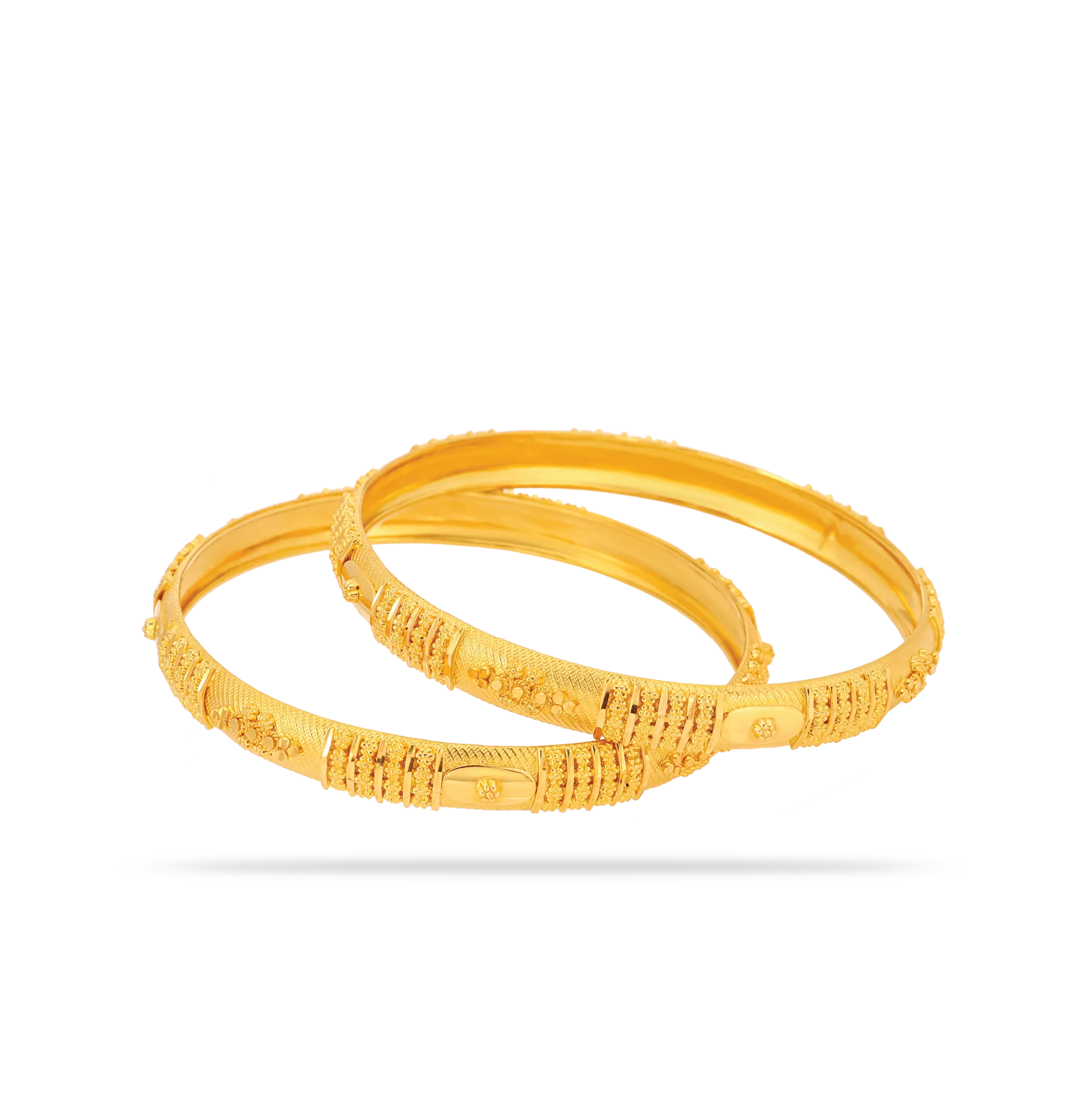
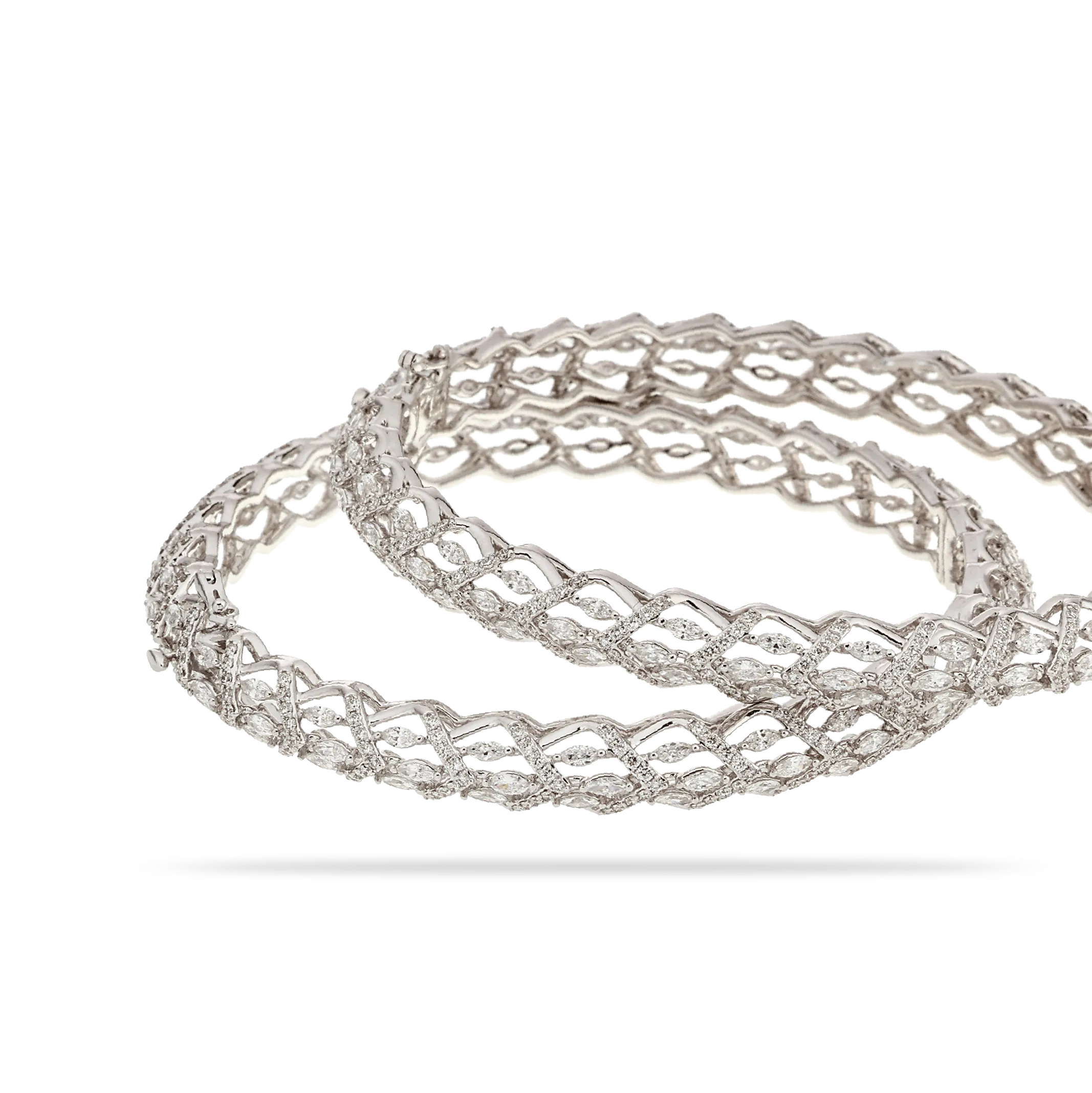
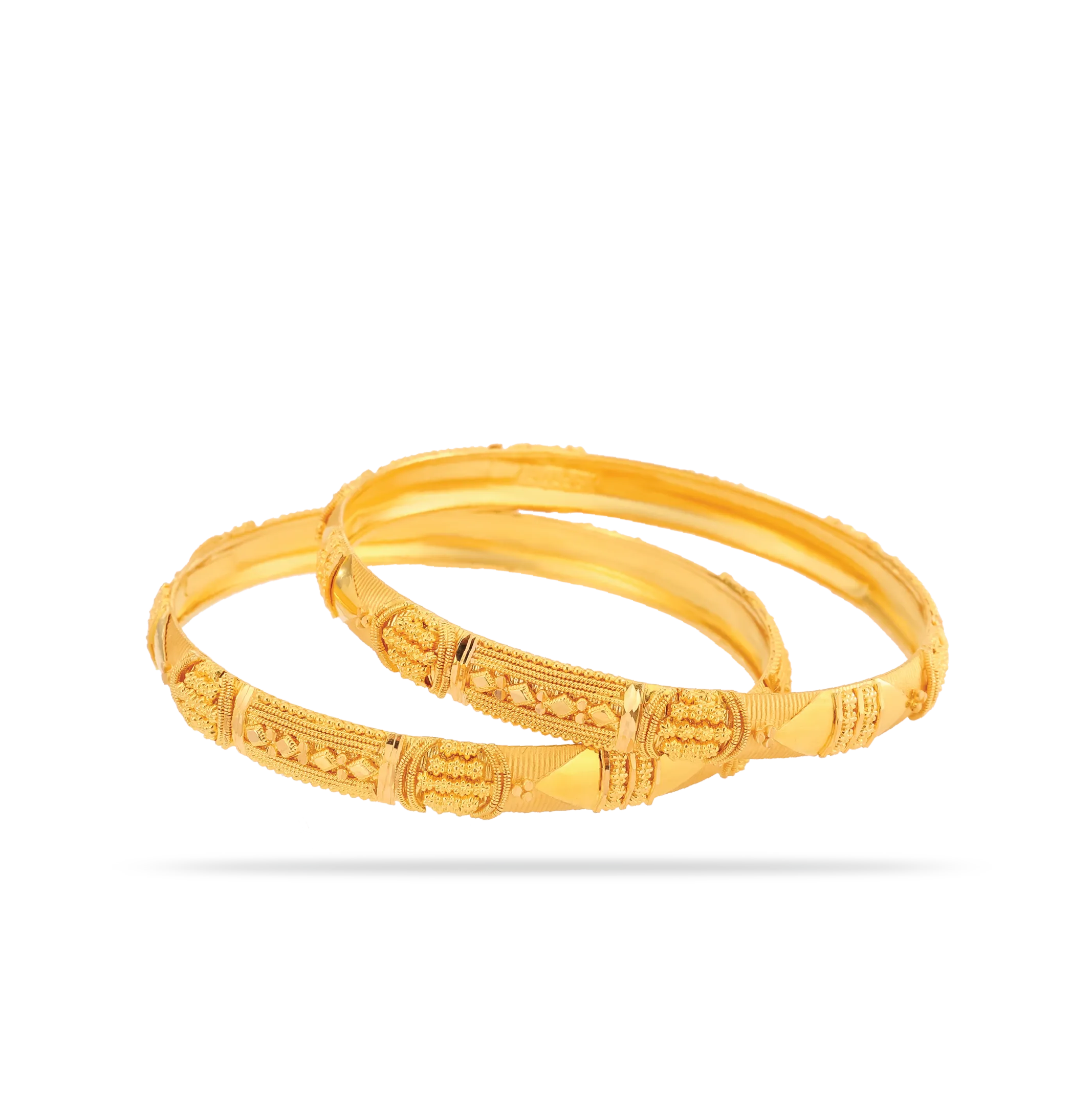
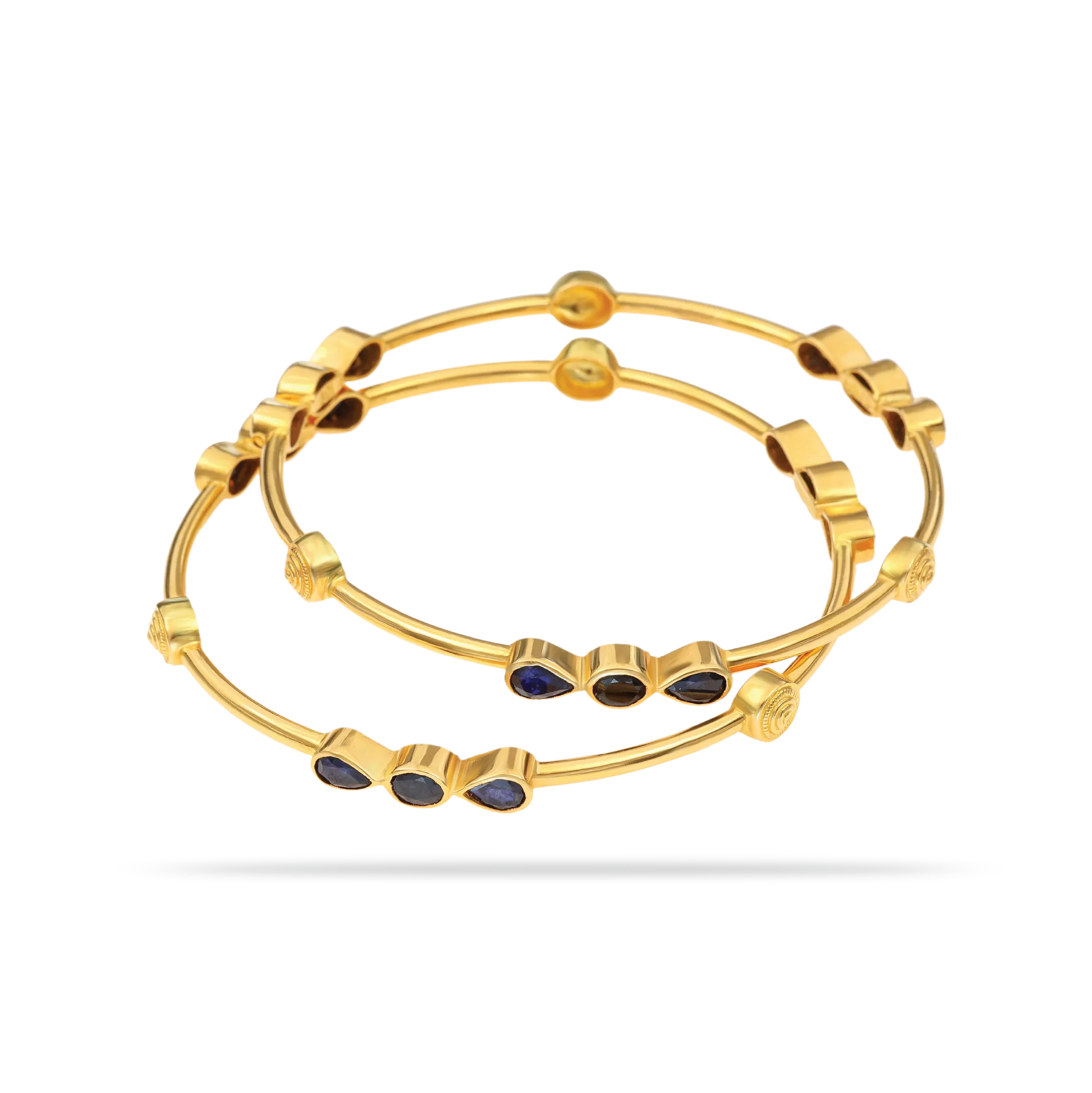
A narrow bangle keeps a consistent outline rather than draping like a chain. Some are hinged or clasped, while others are rigid and slip over the hand, so the way you put one on matters as much as its appearance. If you like a crisp, uncluttered look, a slim profile can make a quiet accent without taking over an outfit.
Cuffs and open designs for easy wear
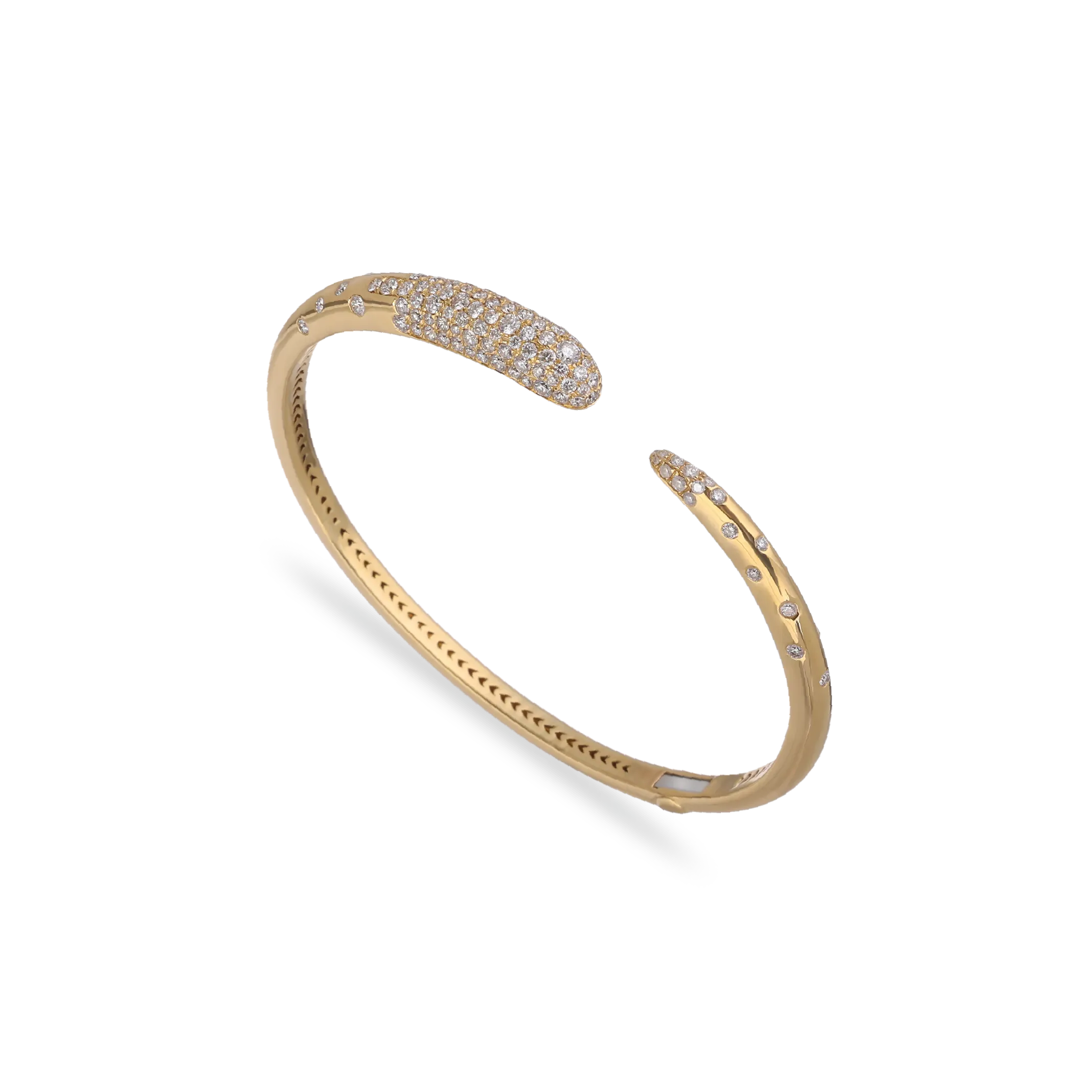
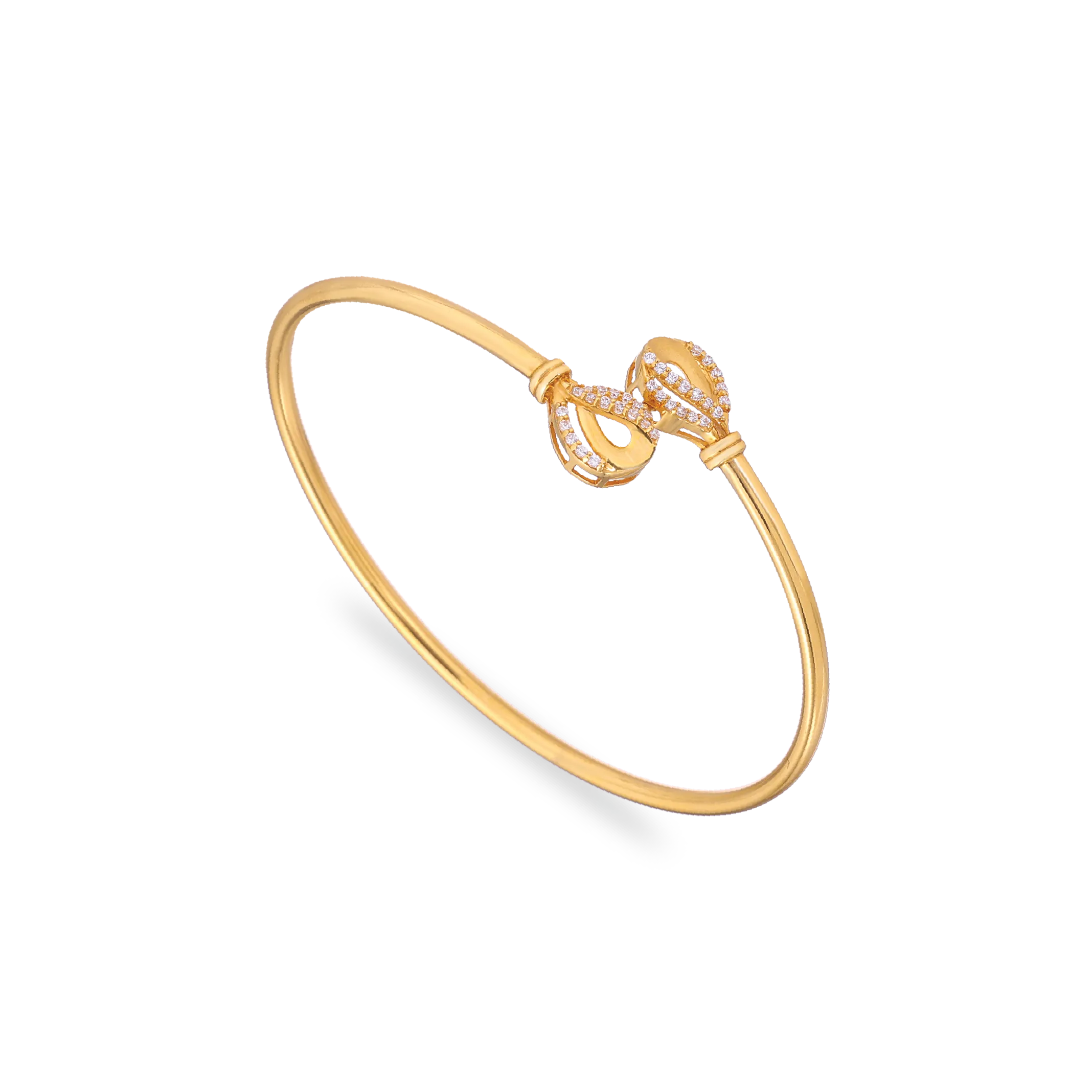
An open cuff has a gap that lets you slide it onto the wrist, which may make it simpler to put on than a clasped chain. The opening and edges should feel comfortable, with no sharp points that catch on sleeves. Since cuffs can shift as you move, try one on if possible and check that it stays in a position you like.
Subtle details such as charms and small gemstones
A tiny charm or a small gemstone adds a point of interest while keeping the overall shape restrained. Look for a detail that feels balanced with the chain: a large focal element can make a fine bracelet feel less minimal. For a little more inspiration, browse bracelet and bangle styles and notice how shape and detail change the overall impression.
Understand gold types and finishes
A bracelet’s look and upkeep depend on more than its color. The metal beneath the surface, the gold content, and the finish all affect what you are buying and how you may want to care for it. Read the description carefully, since the words used for gold options can signal very different materials.
Solid gold, gold vermeil, and gold-plated options
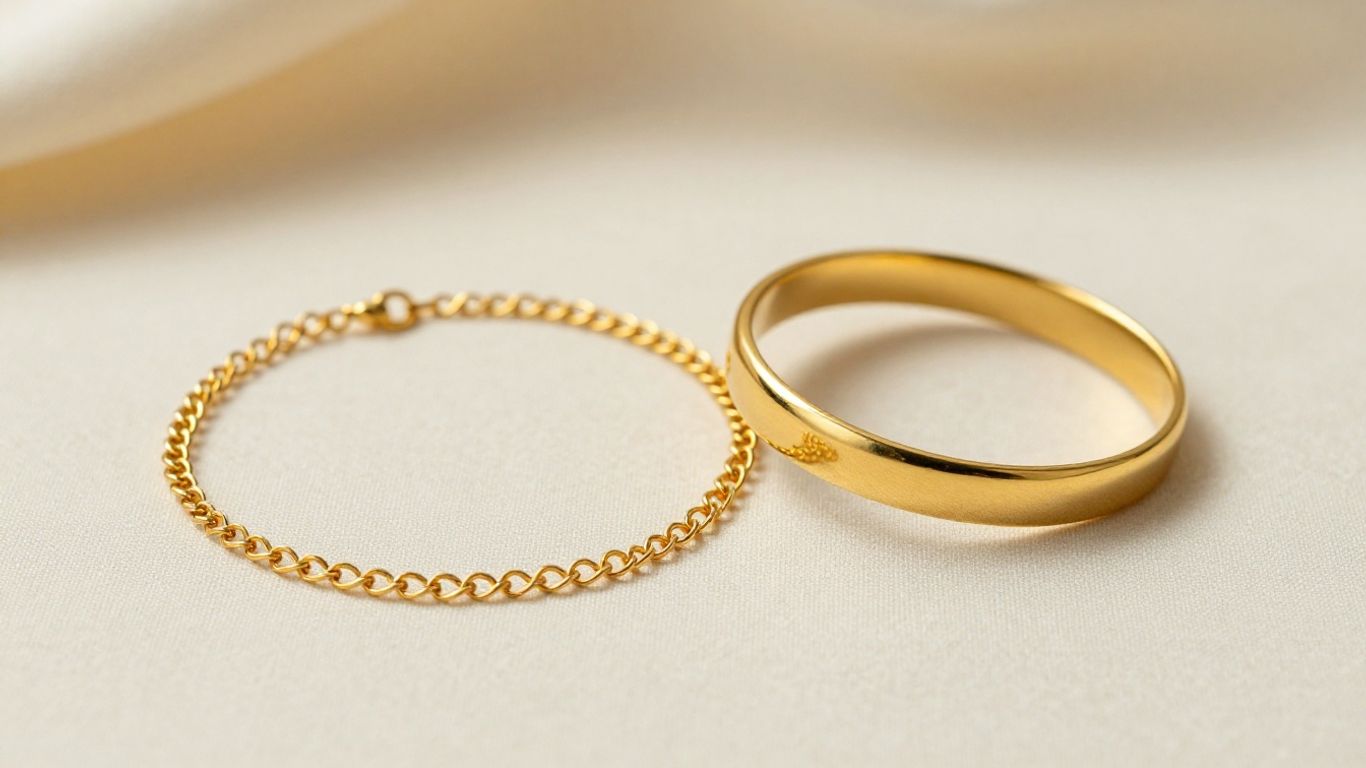
Solid gold refers to an alloy made with gold throughout, while gold vermeil and gold-plated jewelry have a gold layer over a different base metal. Vermeil commonly uses sterling silver as its base, but product definitions and details can vary, so check the listing. This comparison can help you identify the questions to ask before choosing:
| Option | What to check | Useful consideration |
|---|---|---|
| Solid gold | Karat and alloy details | Gold is part of the material throughout |
| Gold vermeil | Base metal and gold-layer details | Commonly described as gold over sterling silver |
| Gold-plated | Base metal and plating information | The surface layer can wear with use |
The table is a starting point, not a substitute for a full product description. A clear listing should explain the base metal and, where available, the plating details so you can compare like with like.
Common karat choices and what they mean
Karat describes the proportion of gold in an alloy out of 24 parts. For example, 14-karat gold is 14 parts gold, and 18-karat gold is 18 parts gold; the remaining portion consists of other metals. C Krishniah Chetty & Co’s anniversary ring guide also discusses 14-karat and 18-karat gold in the context of choosing jewelry, offering a related point of reference.
Yellow, white, and rose gold tones
Yellow, white, and rose gold differ in appearance because of the metals used in their alloys and, for some white gold pieces, surface treatments. The same color name can look slightly different from one piece to another, so photographs and in-person viewing can be helpful. If you already wear jewelry in a particular tone, compare the bracelet beside it rather than relying on memory.
Polished, brushed, and hammered finishes
A polished finish reflects light clearly, while a brushed surface has a softer, less reflective appearance. A hammered finish has small surface variations that make the metal look more textured. The finish can change how visible a simple shape feels, so consider whether you want a crisp glint or a subtler surface before settling on a design.
Find the right size and fit
A bracelet that looks delicate in a product photo can feel very different once it is on your wrist. Fit affects comfort, how much the piece moves, and whether it catches on clothing. Measure your wrist before shopping, then use the seller’s sizing information to choose a length or diameter that suits your preference.
Measure your wrist accurately
Wrap a flexible tape measure around the wrist where you expect the bracelet to sit, keeping it comfortably close rather than tight. If you do not have a tape measure, use a strip of paper or string, mark the meeting point, and measure that length against a ruler. Before adding any extra room, check whether the product’s size guide recommends a particular allowance.
For a consistent measurement, make sure the tape or string is not twisted. It can help to measure twice and compare the results, especially if you are ordering a rigid bangle that must pass over your hand. A wrist measurement alone may not tell you whether a bangle will slip on comfortably.
Choose between a close fit and a looser drape
A close-fitting chain tends to stay near the wrist, while a looser one moves more as you gesture. Neither is automatically better; consider whether you like to feel a bracelet shift or prefer it to remain in place. If you are choosing between two sizes, check the seller’s sizing guidance and account for the style of closure.
Check clasp and adjustability options
A clasp should close securely and be manageable for you to fasten. Extender chains offer more than one wearing length, while a fixed-length bracelet gives fewer fit options. If you have trouble handling small clasps, look closely at the closure style and ask whether it can be tried on before purchase.
Account for comfort during everyday activities
Think about the small movements that make up an ordinary day: typing, carrying a bag, washing your hands, or pulling on a sleeve. A dangling element or loose chain may feel different during those tasks than it does while standing still. If you want frequent wear, comfort through daily movement matters just as much as a delicate appearance.
Match a bracelet to your personal style
A simple bracelet can work across different outfits, but the best choice still feels like yours. Pay attention to sleeve length, the formality of the occasion, and how much jewelry you usually wear. A restrained piece can blend in quietly or become a small focal point, depending on what surrounds it.
Pair a minimal design with casual outfits
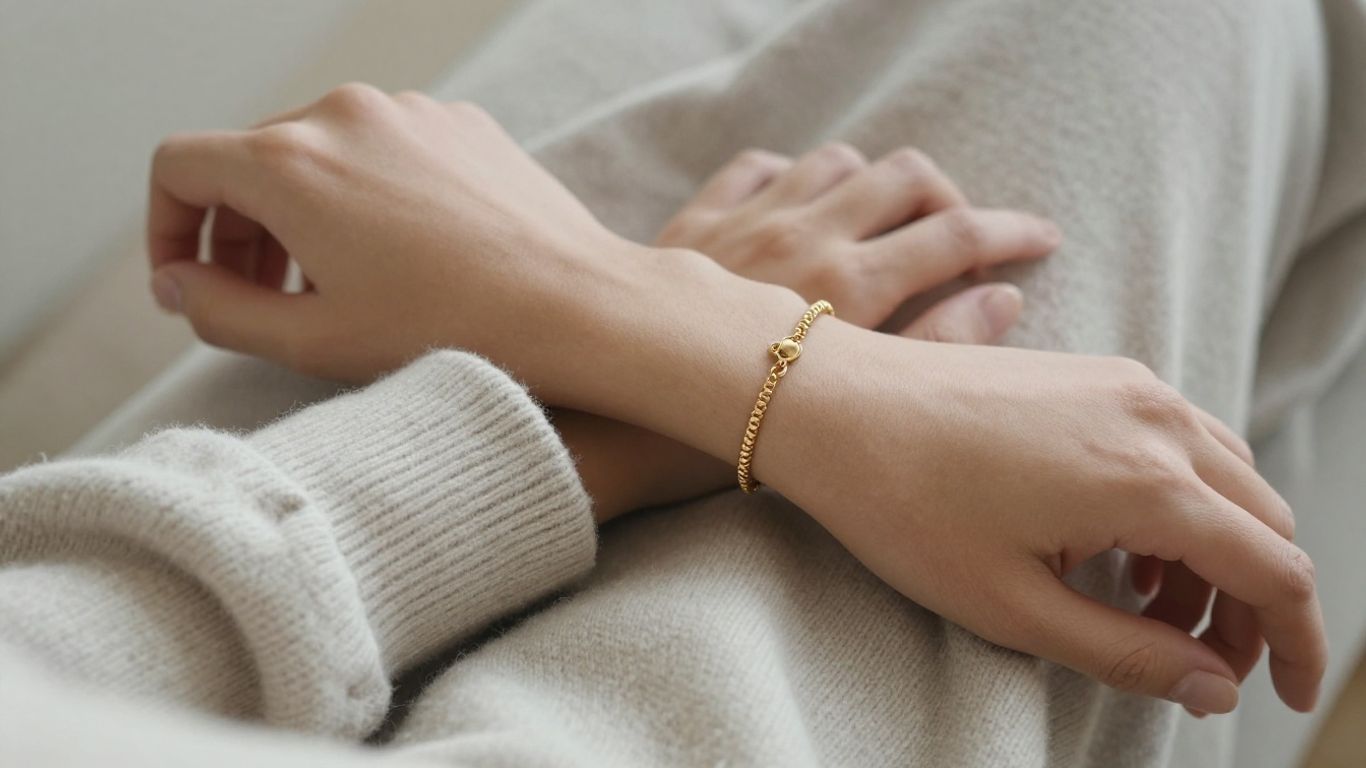
With casual clothes, a fine chain or slim bangle can add a warm glint without making an outfit feel dressed up. A small charm may feel personal with a plain T-shirt or knit, while a clean, unadorned design can sit comfortably alongside relaxed layers. C Krishniah Chetty & Co’s jewelry wardrobe guide explores choosing pieces around personal style and everyday occasions, a useful way to think about how one bracelet fits into a larger collection.
Wear it with workwear and dressier looks
For workwear, consider how the bracelet sits beside cuffs and whether it makes noise or catches as you move. A fine chain can peek out from a sleeve; a narrow bangle gives a more defined line. C Krishniah Chetty & Co’s gold-chain office guide discusses coordinating gold jewelry with work clothes, including tone, finish, and layering, which can help when planning a polished overall look.
Layer bracelets without overwhelming a simple style
When layering, vary the shapes or textures slightly so the pieces do not disappear into one another. A delicate chain can sit beside a smooth bangle, for example, while several pieces with similar width and shine may read as one dense cluster. Leave enough room for each bracelet to move without rubbing heavily against the others.
Coordinate metals with other jewelry
Matching every metal is not essential, but a deliberate relationship can make a combination feel cohesive. You might repeat one tone across your earrings and bracelet, or let a single contrasting piece stand apart. If you are mixing tones, keeping the shapes similarly simple can help the combination feel considered rather than busy.
Assess quality before you buy
A minimal bracelet has few details to hide behind, so the links, edges, and finish are easy to notice. Look beyond the product image and read the material description, sizing information, and return terms. If you are weighing understated rings alongside a bracelet, C Krishniah Chetty & Co’s minimal diamond ring guide explores choosing a simple style, stone, and setting—related considerations for judging a pared-back piece.
Inspect links, clasps, and connection points
Look for links that sit evenly and connection points that appear secure. The clasp should meet its counterpart cleanly, and any charm or small stone should feel firmly attached rather than loose. If photographs do not show those areas clearly, ask the seller for a closer image or additional details before deciding.
Compare materials, gold content, and plating thickness
Compare listings using the same questions: What is the base metal? What karat is stated, if the piece is solid gold? For a plated option, does the seller provide information about the gold layer? These details make it easier to distinguish a clear product description from one that leaves important material information unspecified.
Review seller policies and product details
Read the size, material, and care information together rather than relying on a short product name. Check the return or exchange policy, including any conditions that apply to jewelry, and find out what happens if a clasp needs attention. Clear terms make it easier to decide whether a piece suits your expectations before you buy.
Balance price with durability and intended wear
Price is only one part of the decision. Consider how often you expect to wear the bracelet, whether you are comfortable with the care required, and how much detail the seller provides about its materials. A piece intended for occasional wear may meet different needs from one you plan to keep on through a busy routine.
Care for a minimal gold bracelet
Regular, gentle care can help a bracelet stay attractive, but the right approach depends on its materials and construction. Check any care instructions supplied by the seller before cleaning or wearing it in water. When in doubt, a cautious approach is better than using a strong cleaner or an abrasive cloth on a delicate piece.
Clean it safely based on its materials
For many pieces, a soft, clean cloth is a sensible first step after wear. If the bracelet needs more cleaning, use guidance suited to its specific metal and any gemstones or surface coating; methods that suit solid gold may not be appropriate for plated jewelry. Avoid scrubbing small links or settings, since they can be delicate.
Protect it from moisture, chemicals, and scratches
Remove jewelry before using household cleaners, applying lotions, or taking part in activities that may expose it to chemicals or knocks. Moisture and friction can affect some finishes, particularly a plated surface. If you are unsure how a particular piece will respond, follow its care instructions rather than testing it with a product or cleaning method.
Store it separately to prevent tangling
A fine chain can knot easily when it is placed in a shared jewelry dish. Fasten the clasp and store the bracelet in its own soft pouch or compartment, away from pieces that might scratch it. Keeping the chain laid out rather than bunched together can also make it easier to put on next time.
Know when professional repair or replating may help
If a clasp no longer closes securely, a link looks damaged, or the surface has worn unevenly, stop wearing the bracelet until you have assessed it. A jeweler can advise whether a repair is appropriate or whether replating is an option for a plated piece. Ask what work is involved and whether it suits the bracelet’s construction before authorizing service.
Conclusion
Choosing a minimal gold bracelet comes down to a few thoughtful decisions: the shape and metal you like, a fit that feels comfortable, and materials that suit the way you intend to wear it. Take time to check the construction and care information, then style the piece in a way that feels easy and personal.
Frequently Asked Questions
What makes a gold bracelet minimal?
A minimal bracelet usually has a simple silhouette, restrained decoration, or a fine profile. It can still include a small charm or gemstone as long as the detail does not dominate the overall design.
How do I choose the right bracelet length?
Measure your wrist where you plan to wear the bracelet, then compare that measurement with the seller’s size guide. The amount of extra room you want depends on whether you prefer a close fit or a looser drape.
Is solid gold better than gold-plated jewelry?
Neither is automatically the right choice for everyone. Solid gold has gold throughout the alloy, while plated jewelry has a gold surface layer; compare materials, cost, and intended wear before deciding.
What is the difference between 14-karat and 18-karat gold?
Karat indicates how many parts out of 24 are gold. 14-karat gold contains 14 parts gold, while 18-karat gold contains 18 parts gold, with the remaining parts made up of other metals.
Can I wear a minimal gold bracelet every day?
That depends on its materials, construction, and your routine. Read the care guidance, take it off for activities that could expose it to chemicals or impact, and check the clasp and links regularly.
How can I layer a minimal bracelet?
Pair pieces with some variation in shape or texture, such as a fine chain with a narrow bangle. Keep the number of bracelets comfortable and leave enough space for them to move without bunching together.
How should I store a delicate gold bracelet?
Fasten the clasp and place the bracelet in a separate soft pouch or compartment. This helps prevent a fine chain from tangling with other jewelry or getting scratched.
How to choose a minimal diamond ring: a guide to style, stones, and settings
10 minute read
Related blogs:
November 20, 2025
The Timeless Elegance of the Tennis Bracelet: A Comprehensive Guide
Read More
November 20, 2025
The Ultimate Guide to Styling and Wearing a Choker Necklace
Read More
November 20, 2025
Find Your Perfect Engagement Ring: A Comprehensive Guide to Styles and Diamonds
Read More
November 20, 2025
The Timeless Elegance of a Diamond Tennis Bracelet: A Buyer's Guide
Read More