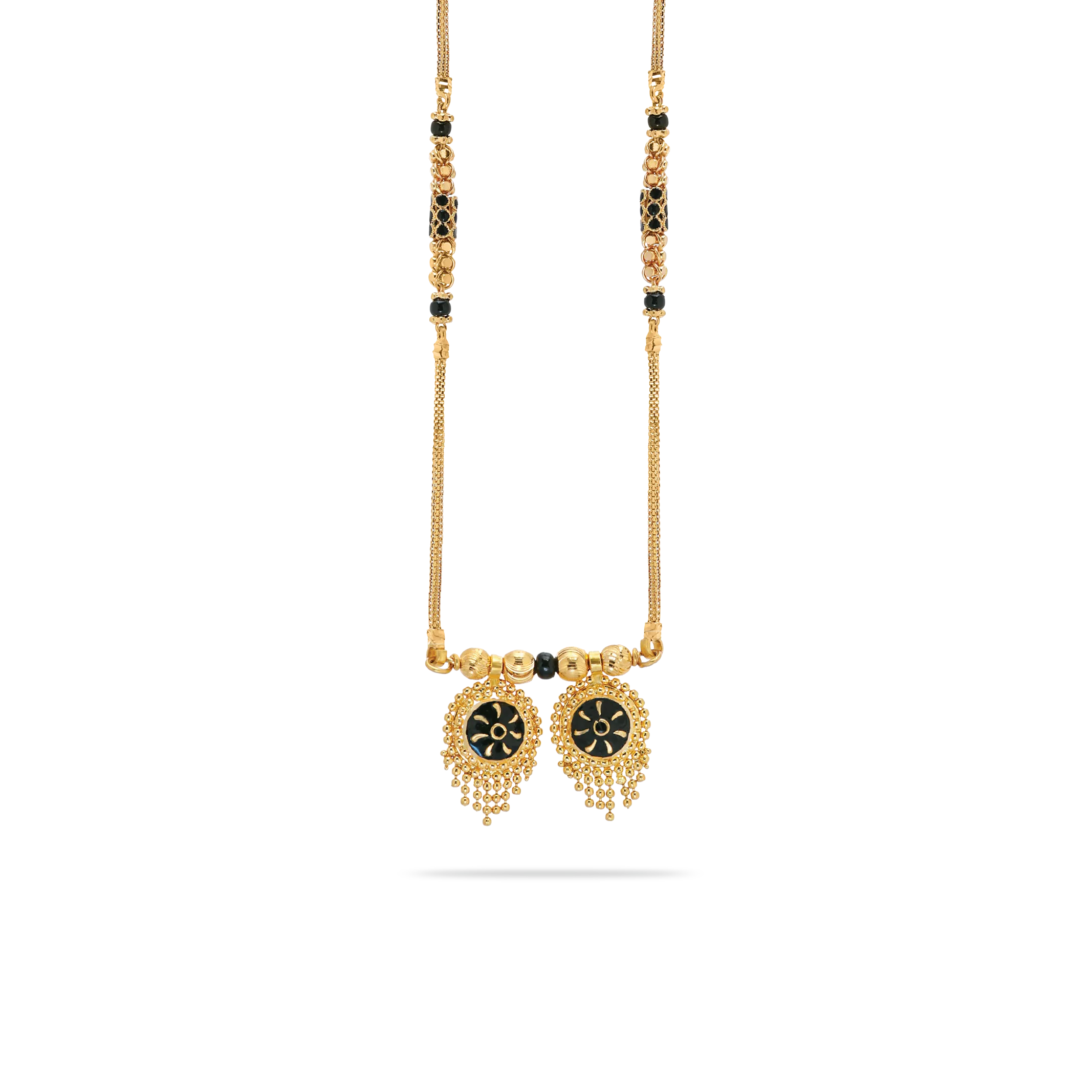
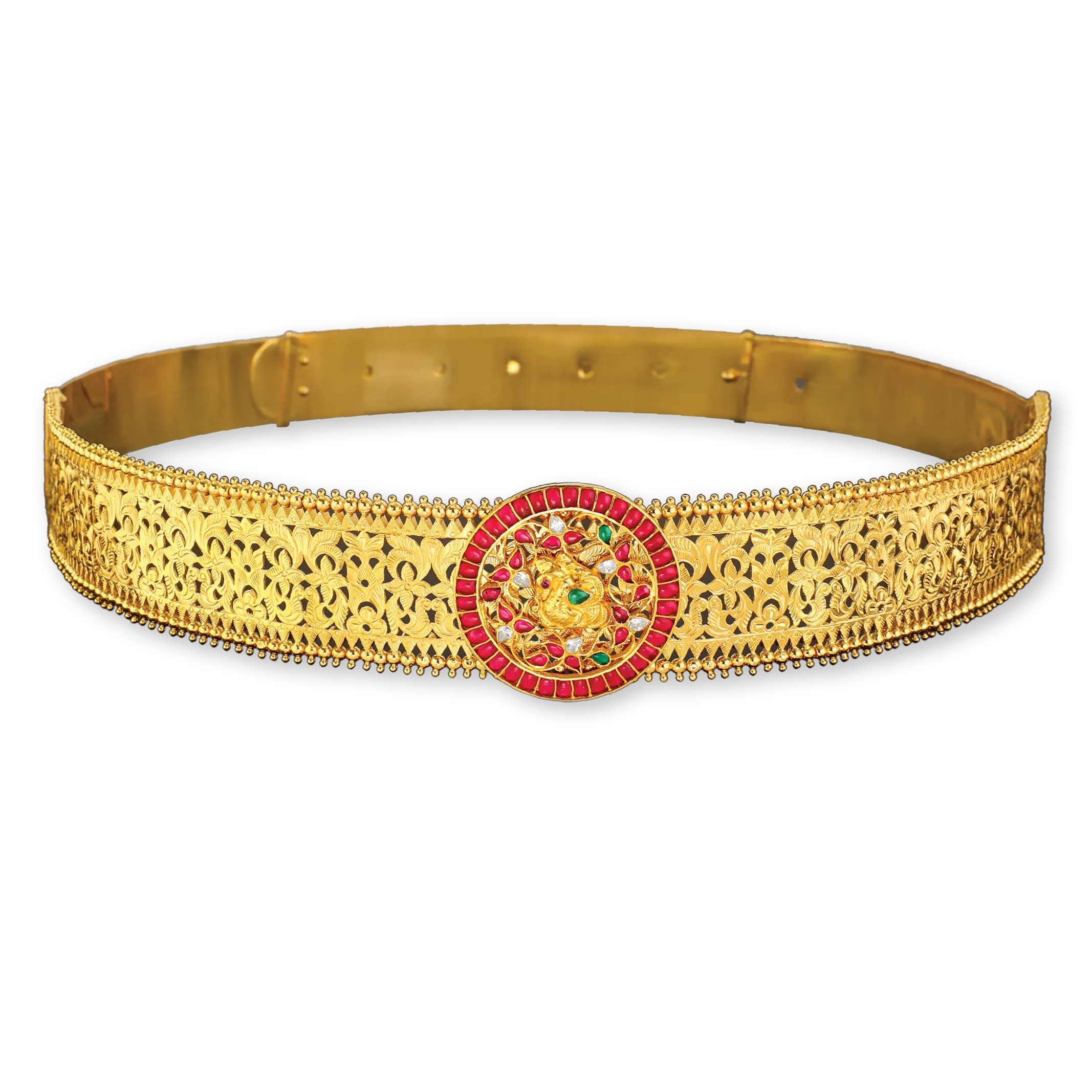
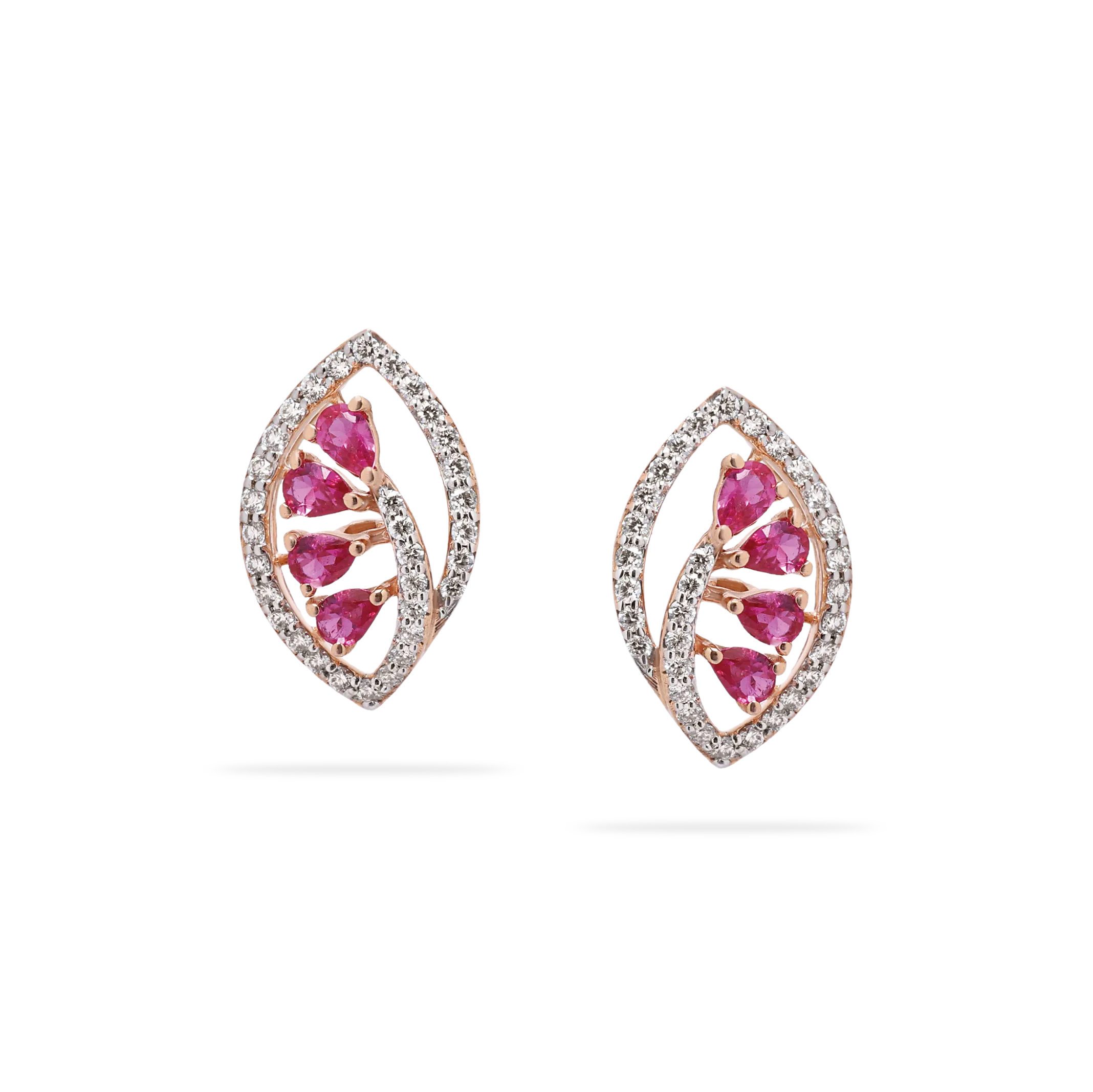
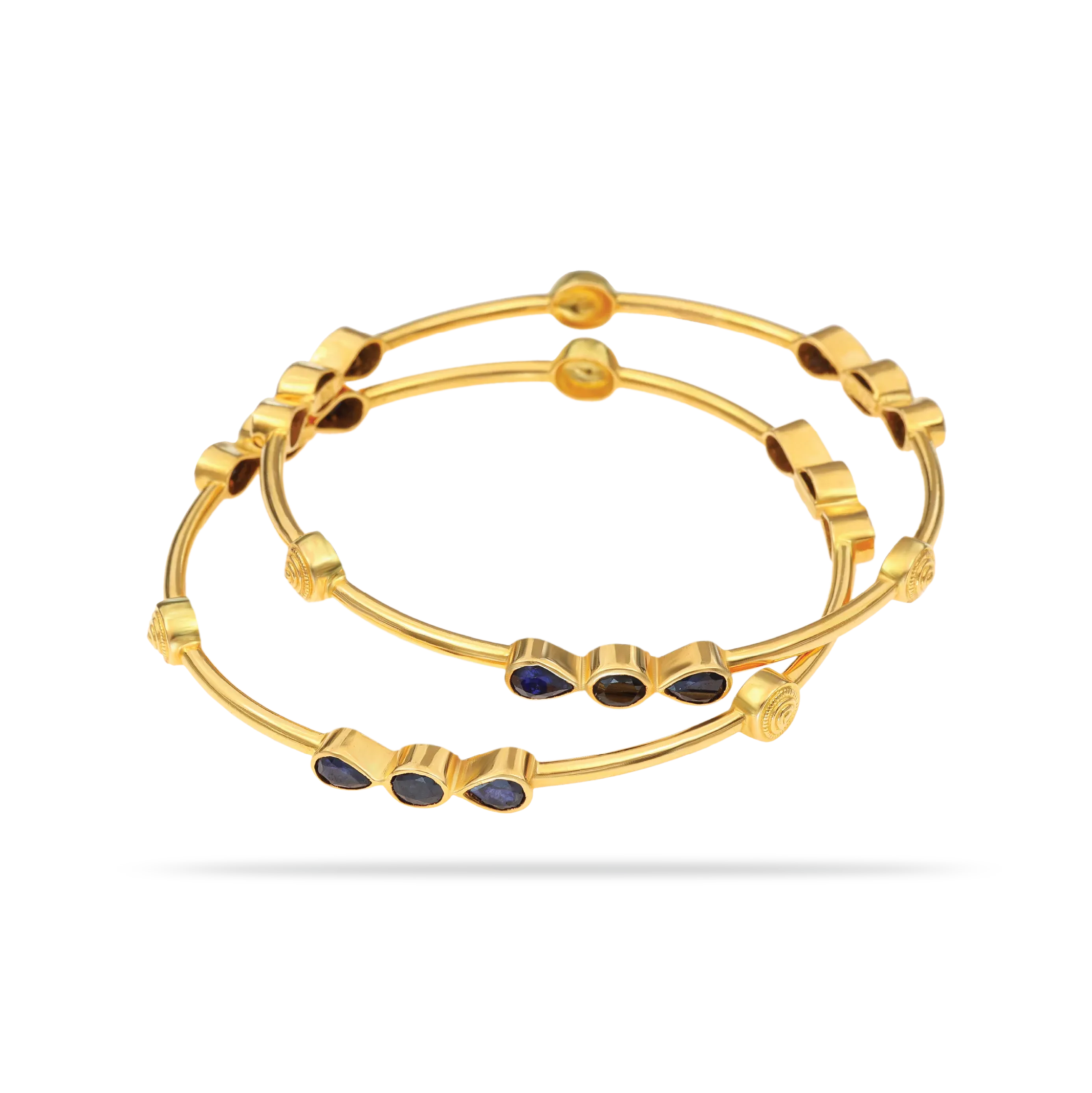
How to choose bridal jewellery for destination wedding celebrations
August 30, 2026 | 10 minutes read
Key Takeaways
Destination wedding jewellery should feel beautiful, comfortable, and easy to manage while traveling. Choose a cohesive set that suits the setting, your clothing, and each celebration rather than relying on one oversized look.
- Start with the wedding location, overall mood, and bridal outfit.
- Favor lightweight, secure pieces for warm or outdoor celebrations.
- Coordinate necklaces, earrings, headpieces, and bracelets as one look.
- Plan separate but related jewellery combinations for each event.
- Pack, insure, and organize valuable pieces well before departure.
Define your destination wedding jewellery style
Your jewellery sets the tone for the bridal look before anyone notices the smallest details. A seaside ceremony may call for luminous pearls and fine chains, while a historic venue can carry richer gold, colored stones, or heirloom-inspired work. Begin by deciding how you want the complete look to feel in photographs and in person.
Match jewellery to the wedding setting
Let the venue guide the scale and finish of your pieces. An airy outdoor ceremony usually benefits from movement and sparkle, whereas a grand ballroom can support a more elaborate necklace or layered design. Think about the colors already present in the space—stone, water, greenery, flowers, or dramatic architecture—and choose jewellery that complements rather than competes with them.
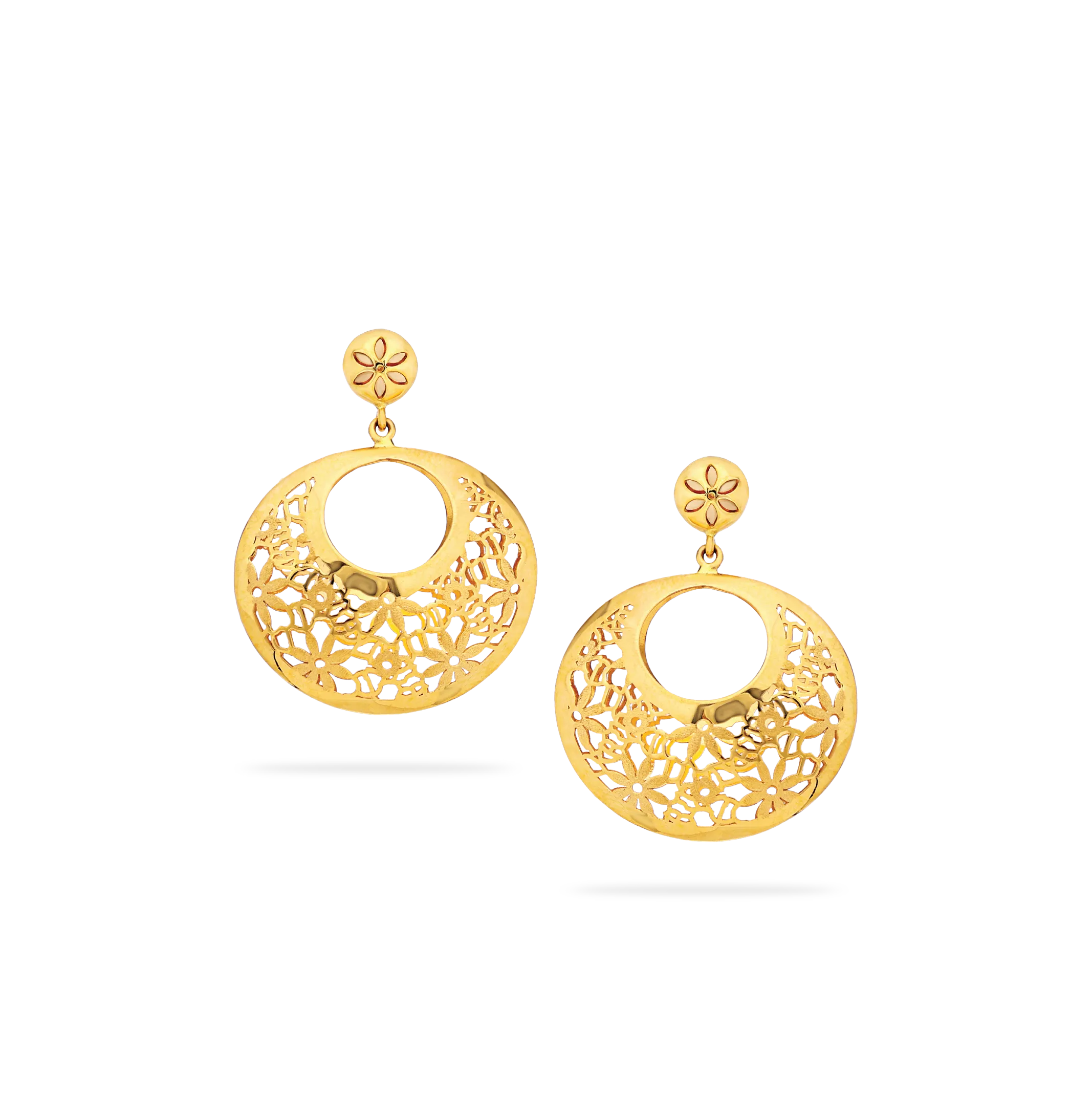
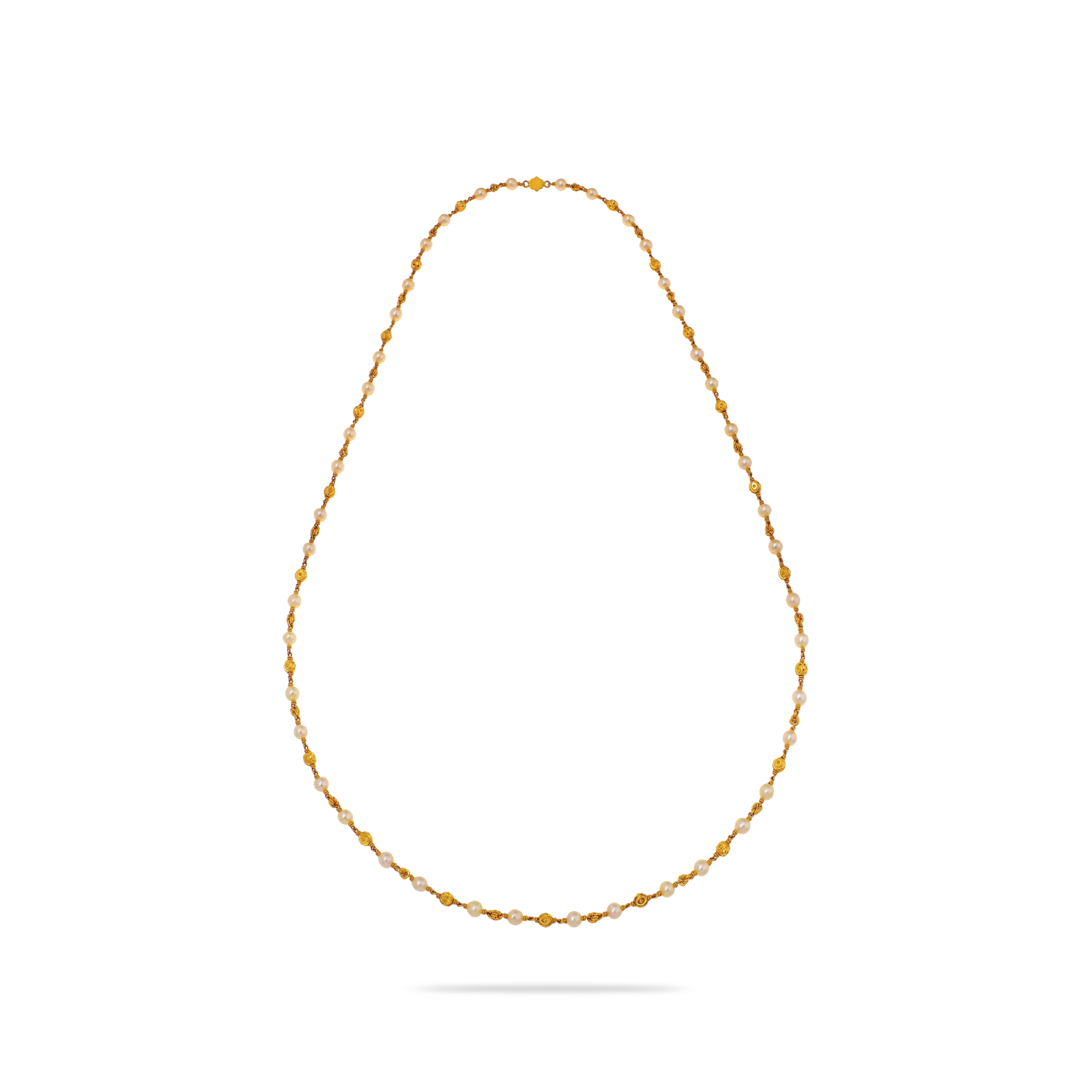
A beach celebration often suits pearls, delicate drops, and motifs with a natural rhythm. For a formal city wedding, geometric lines or polished metal may look more intentional. If you are gathering ideas, browsing destination jewellery inspiration can help you compare silhouettes for coastal, tropical, and mountain settings.
Choose between traditional, modern, and fusion designs
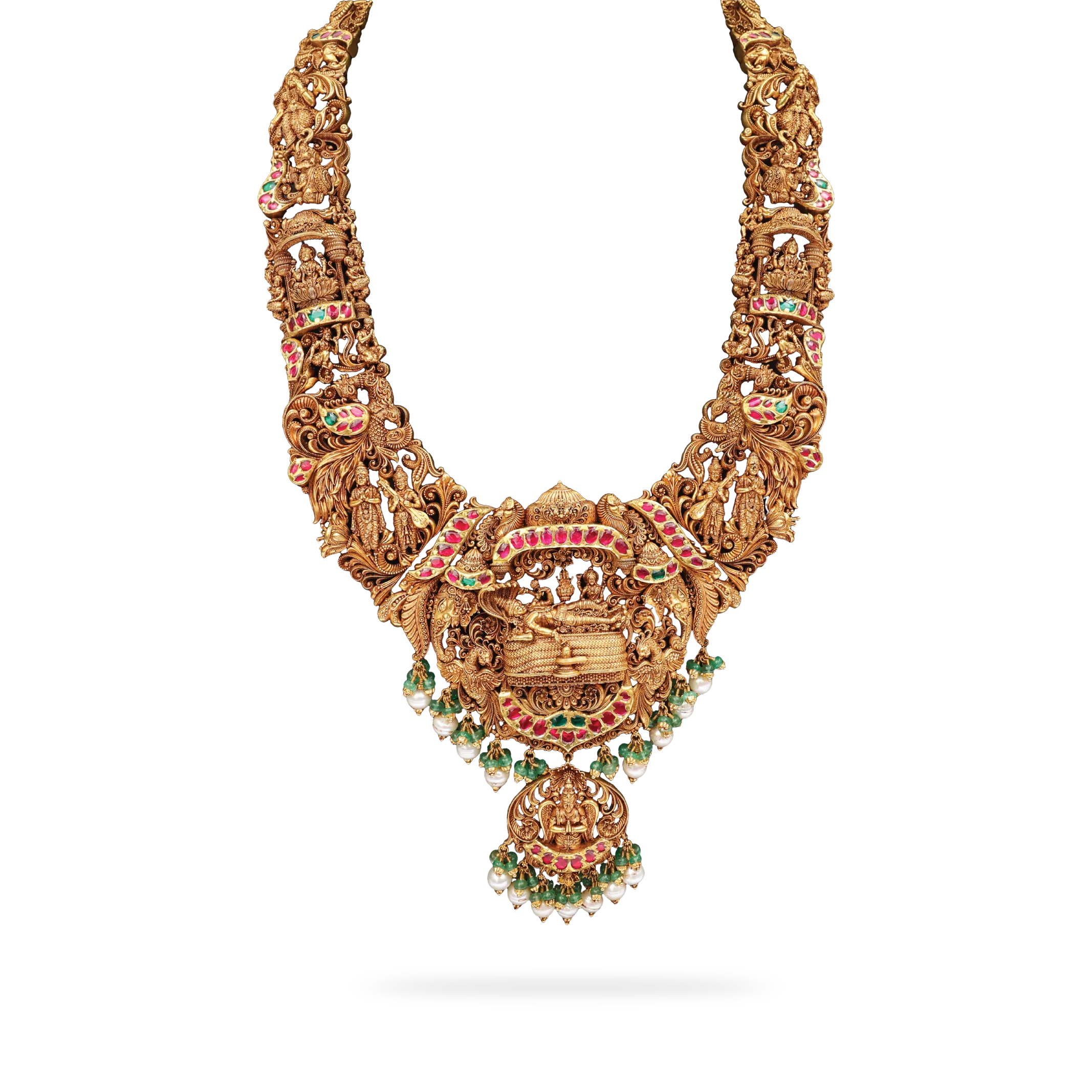
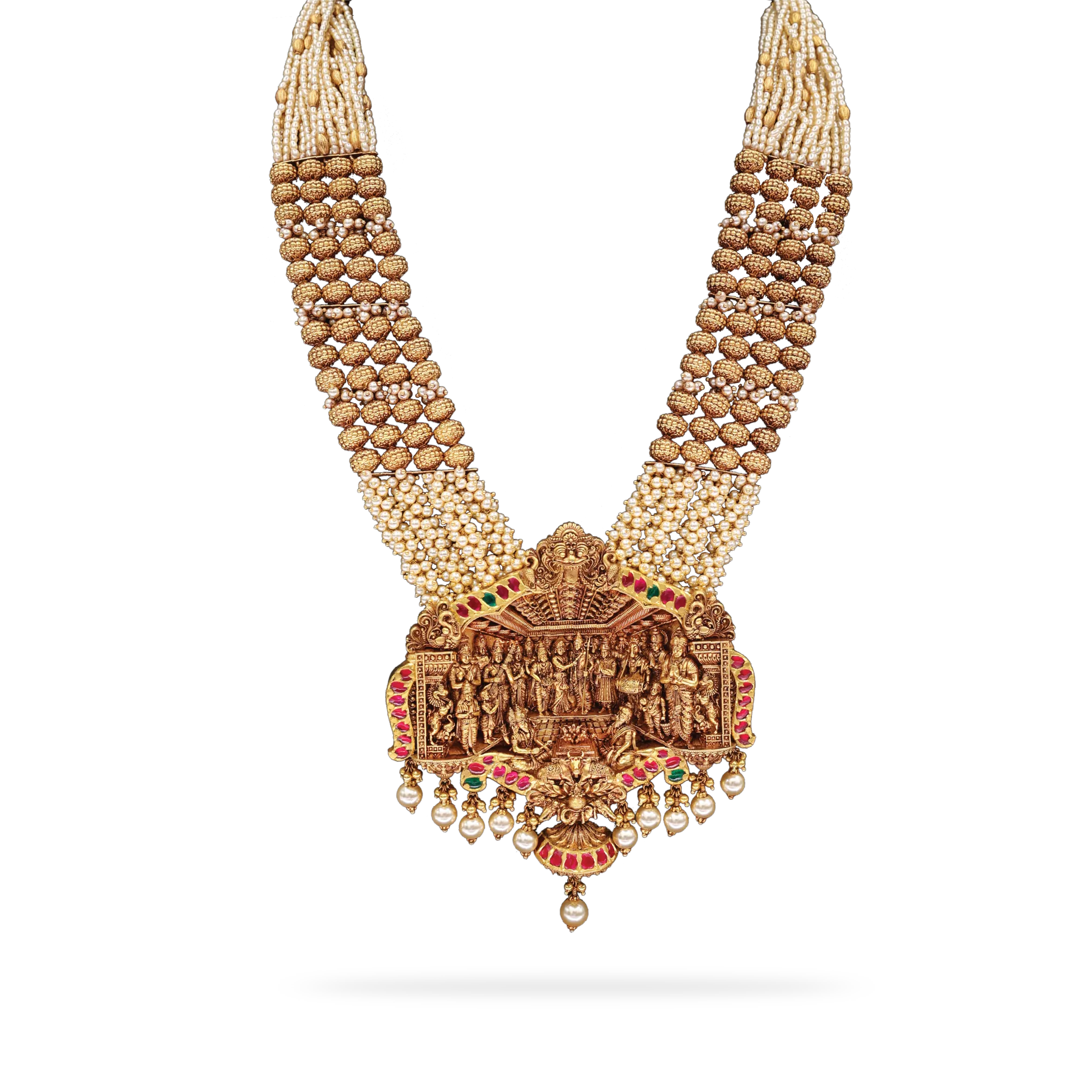
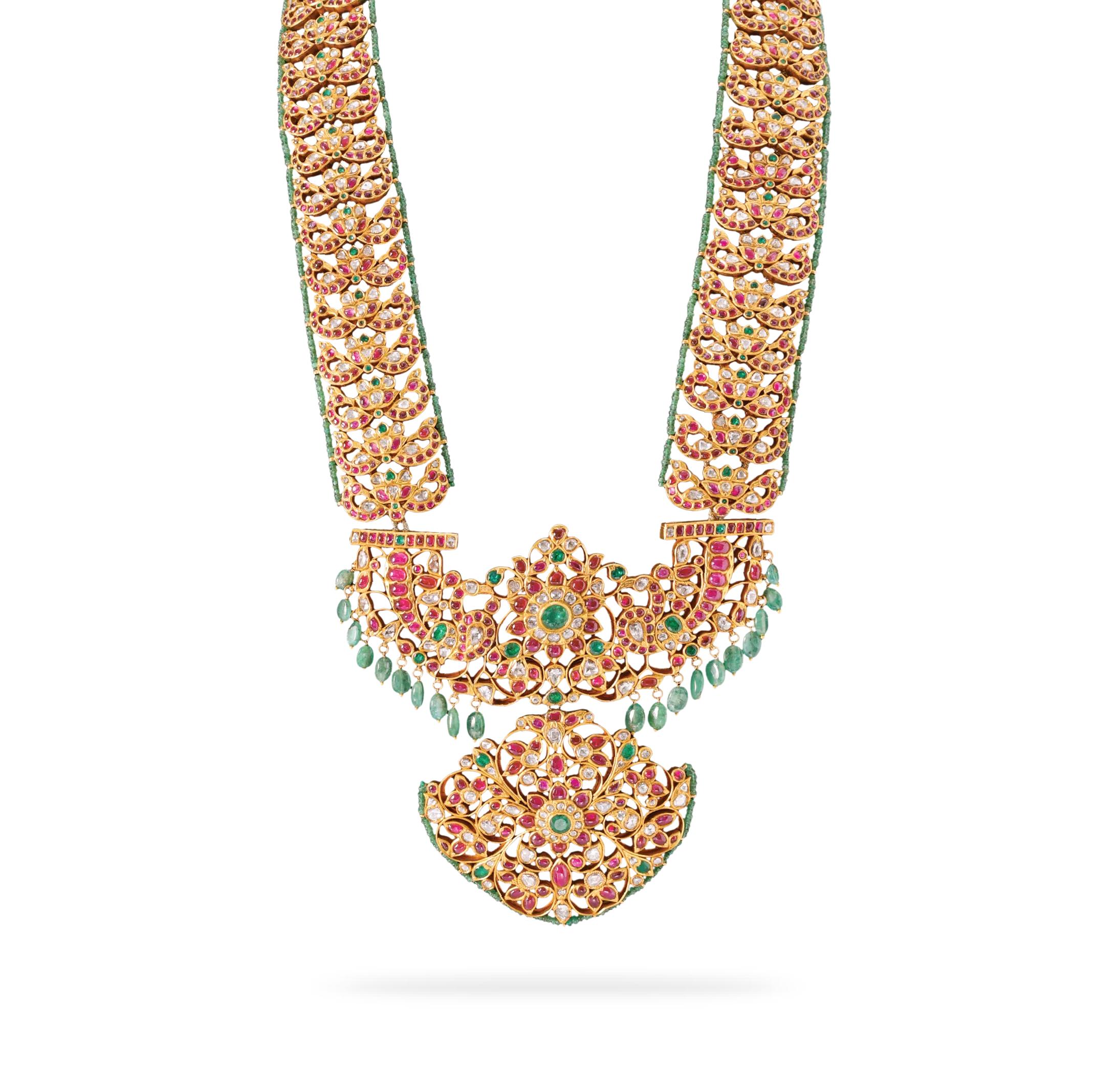
Traditional jewellery can connect the wedding to family heritage through familiar shapes, detailed workmanship, or ceremonial pieces. Modern designs tend to use cleaner lines, fewer stones, and a lighter visual footprint. Fusion jewellery sits between the two, pairing a classic form with a restrained finish or an unexpected gemstone.
Choose the direction that feels like you, not simply the style that photographs well on a mood board. One traditional piece can anchor a contemporary outfit, while a modern pair of earrings can keep a heavily embroidered ensemble from feeling too busy.
Coordinate jewellery with your bridal outfit
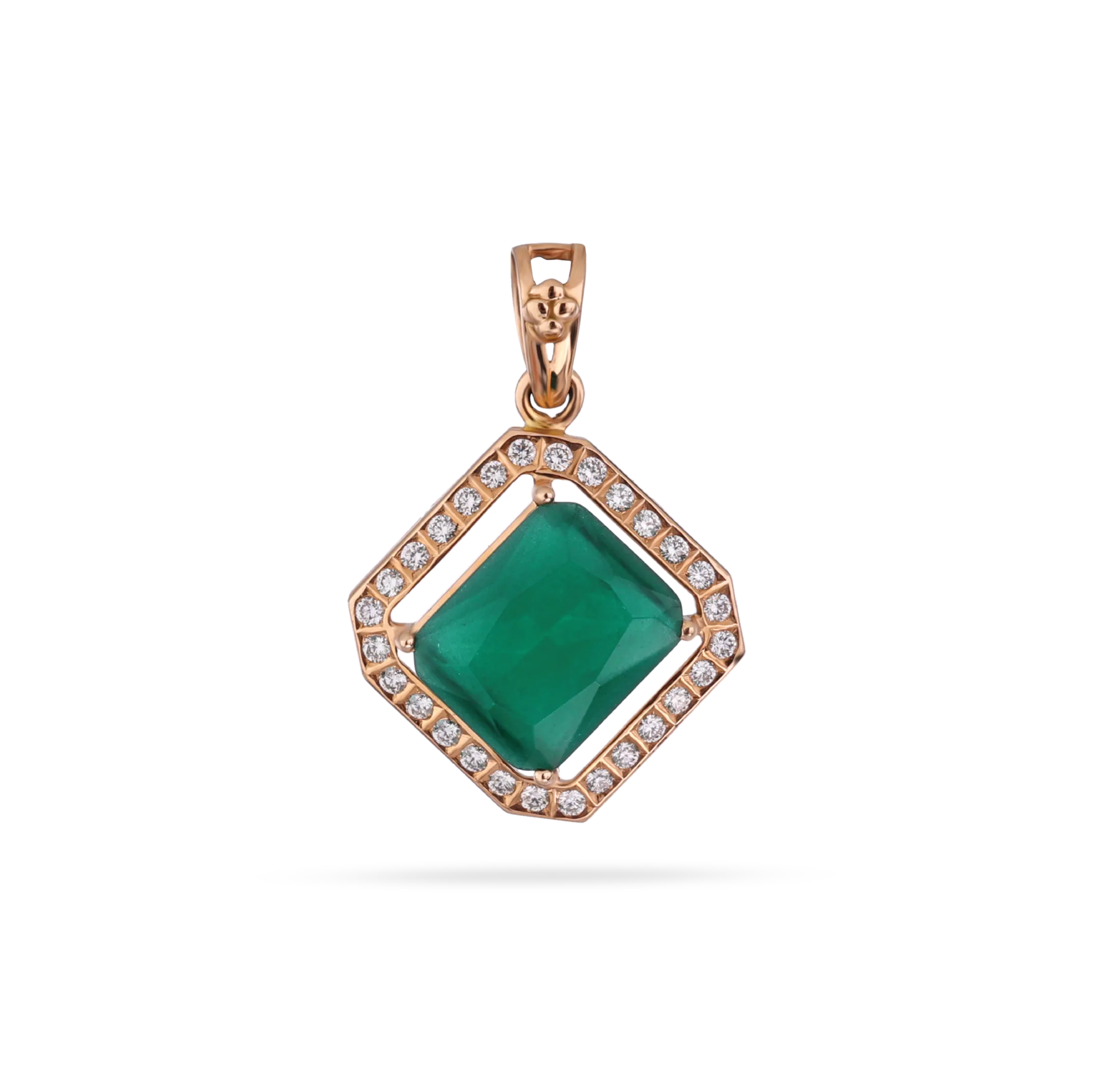
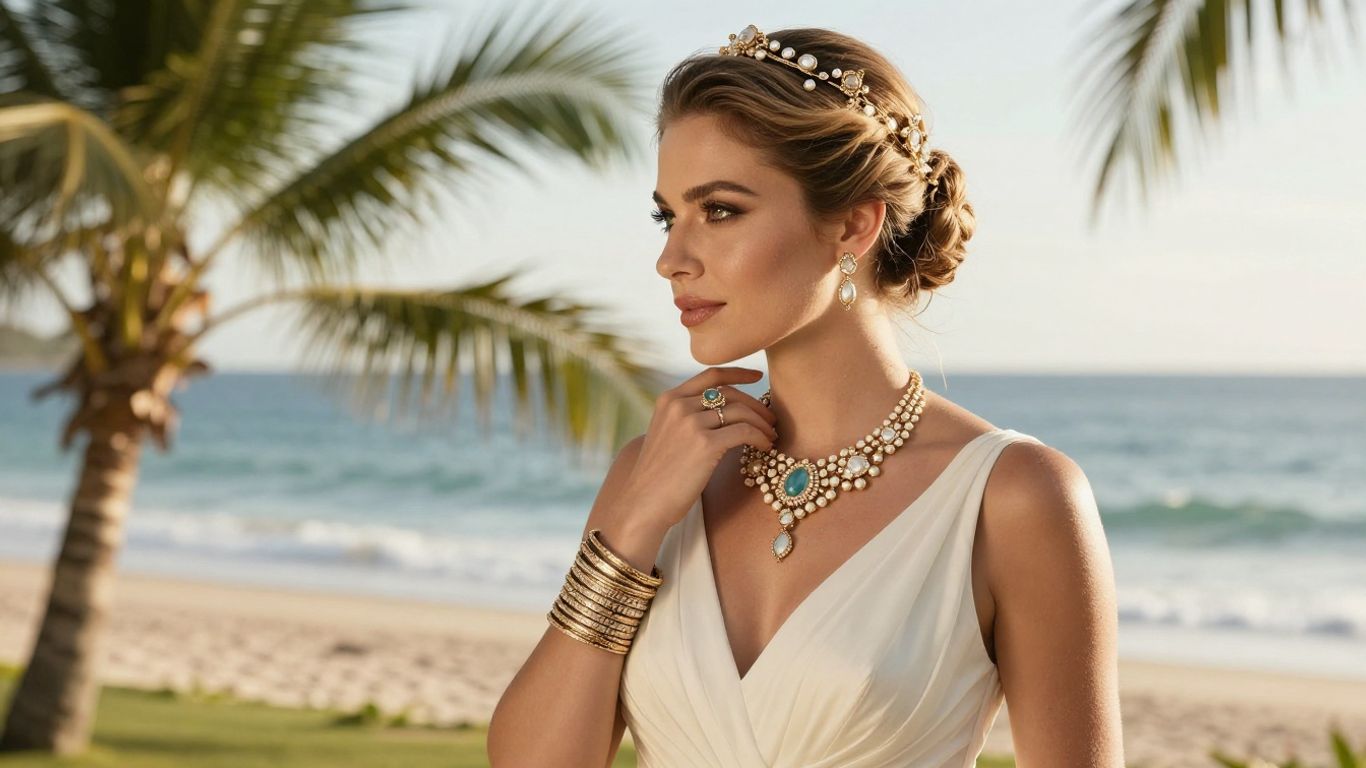
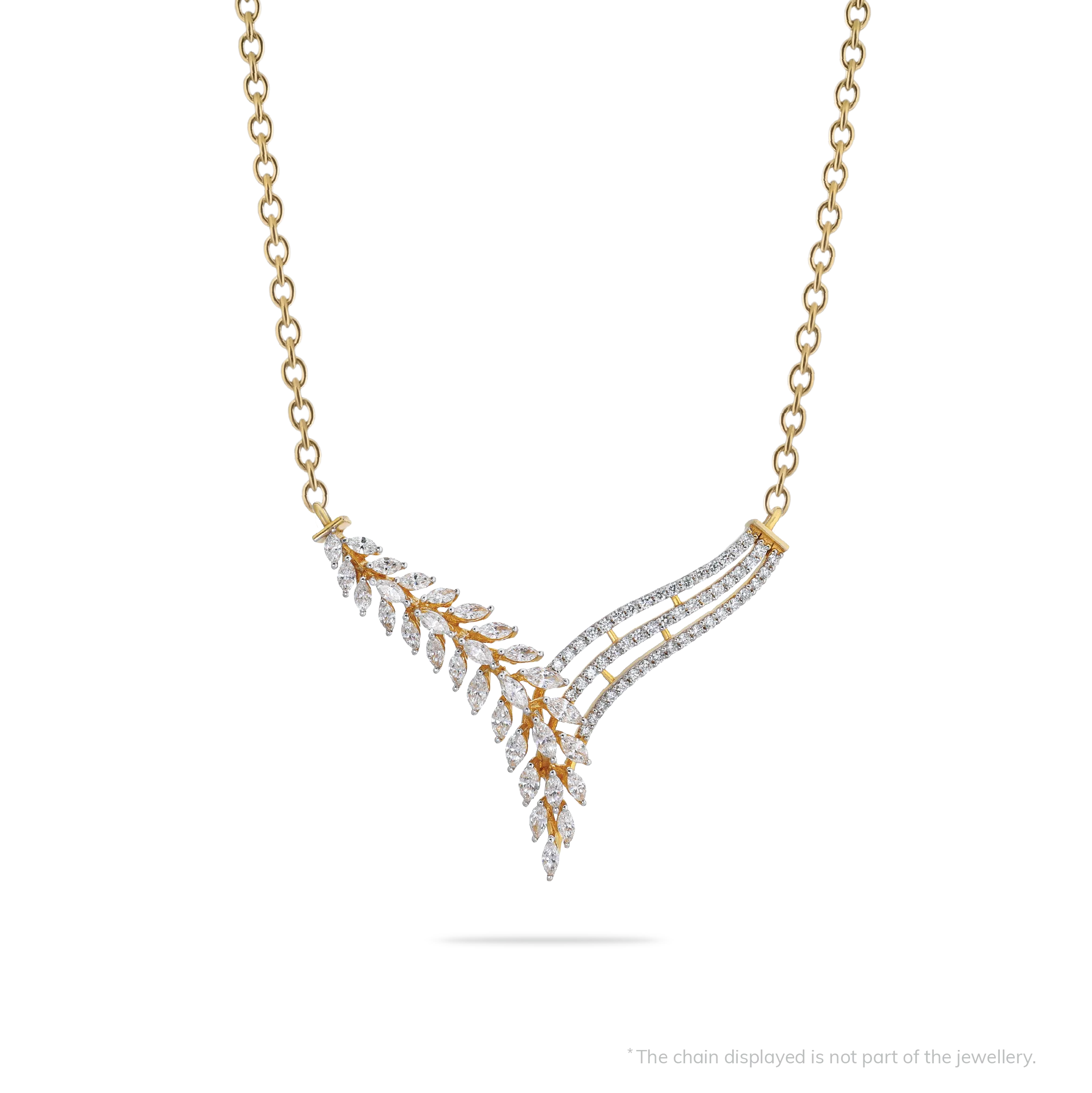
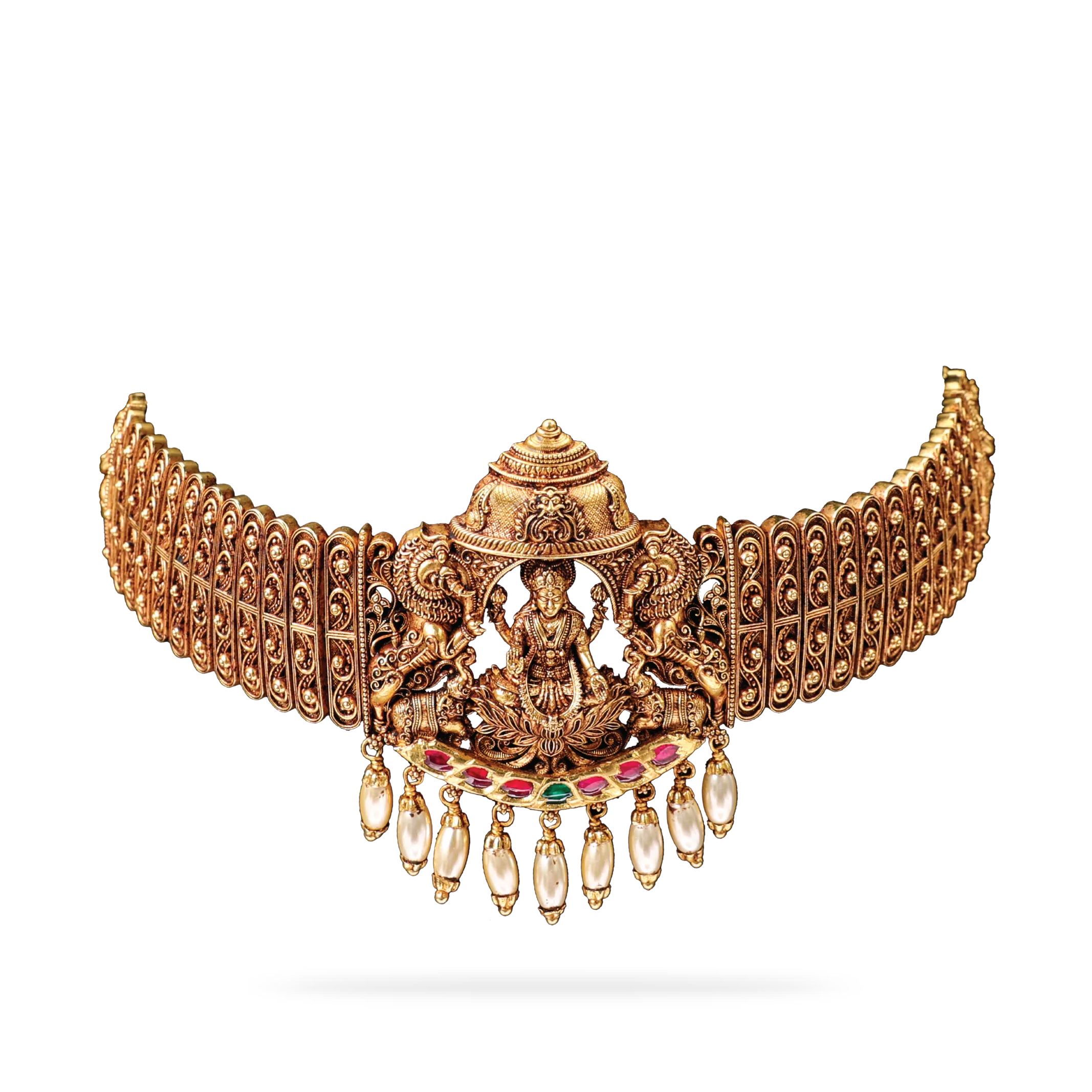
Treat the dress, veil, hairstyle, and jewellery as a single composition. A high neckline may need only earrings and a headpiece, while a deep or open neckline can provide room for a pendant or choker . Match the visual temperature of the outfit too: warm ivory often works beautifully with yellow or rose gold , while crisp white can suit platinum, silver, or cool-toned stones.
Use one recurring detail to connect the elements, such as a pearl surface, a floral shape, or the same metal finish. This creates a polished result without requiring every item to be part of a matching set.
Balance statement pieces with a polished look
A statement necklace, dramatic earrings, or elaborate headpiece can each become the focal point. Wearing all three at full scale may hide your face and overwhelm the dress, especially in close portraits. Select one primary piece, then let the remaining accessories support its shape and brightness.
The goal is intentional visual balance. If the necklace is ornate, consider smaller earrings; if the outfit is richly embellished, fine bracelets and a few carefully chosen rings may be enough. Leave some visual space around the face so your expression remains central.
Select jewellery for the climate and location
Destination weddings add weather, travel, and movement to the jewellery decision. Heat can make metal feel heavier, humidity can affect storage, and wind can catch loose earrings or long chains. The best bridal jewellery for destination wedding celebrations is not merely attractive; it remains wearable from the first photograph through the final dance.
Choose lightweight pieces for hot destinations
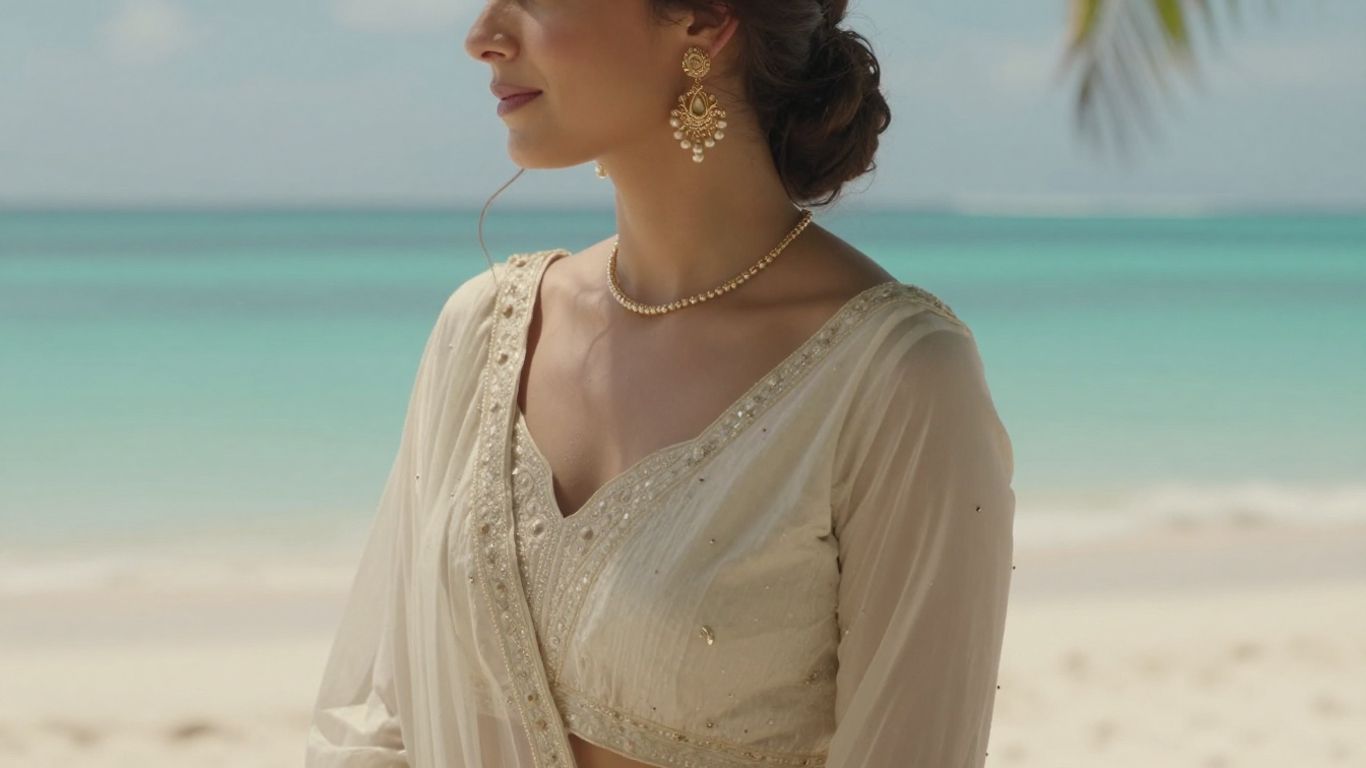
Warm climates make weight noticeable very quickly. Choose hollow or finely constructed designs where appropriate, slim bangles, secure studs, and earrings with comfortable backs. A lighter necklace can also prevent pressure at the nape of the neck when hair is pinned up for several hours.
Try on the full combination before leaving home. Wear it while standing, sitting, walking, and turning your head. A piece that feels fine for ten minutes may become distracting during a long ceremony in direct sun.
Protect jewellery from humidity, sand, and saltwater
Moisture, sunscreen, salt, and fine sand can dull surfaces or collect around settings. Keep jewellery away from the beach until you are dressed, and avoid applying lotion or fragrance immediately before putting on delicate pieces. After wearing them, wipe them gently with a soft, dry cloth and return them to their individual storage.
Do not rinse valuable jewellery casually at a destination. Some stones, finishes, and adhesives need specific care, and an unfamiliar hotel bathroom is a poor place to discover a loose setting. Ask the jeweler for cleaning instructions before departure.
Adapt your choices for beach, mountain, and city weddings
Each location changes both the visual language and the practical demands of your accessories. A useful comparison can prevent you from selecting pieces only for their appearance.
| Setting | Jewellery direction | Practical priority | Useful detail |
|---|---|---|---|
| Beach or coastal | Pearls, slim chains, soft color | Secure closures and moisture care | Keep pieces away from saltwater |
| Mountain | Textured metal, deeper stones, layered warmth | Comfort beneath wraps or sleeves | Avoid snags on knitted fabrics |
| City or formal venue | Polished metal, architectural shapes | Coordination with evening lighting | Consider a stronger statement piece |
The table is a starting point, not a rulebook. A bride can wear colorful stones at a city wedding or delicate gold at a mountain ceremony; the strongest choice is the one that feels connected to the setting and easy to wear.
Consider comfort during outdoor ceremonies
Outdoor ceremonies often involve uneven ground, wind, heat, and long periods of standing. Check that earring backs are firm, necklace lengths do not catch on hair or embroidery, and bracelets will not interfere with bouquets or sleeves. If you plan to wear a veil, test how its fastening interacts with your headpiece.
Comfort also affects your expression. When jewellery sits securely and does not pinch, tug, or swing unpredictably, you can focus on the ceremony and move naturally through photographs.
Build a complete bridal jewellery set
A complete set does not have to mean wearing every category of jewellery at once. It means making thoughtful decisions about the areas visible in the final look: the neckline, ears, hair, hands, and sometimes the ankles. Work outward from the most important piece, then add accessories that repeat its proportions or finish.
Choose the right necklace and neckline pairing
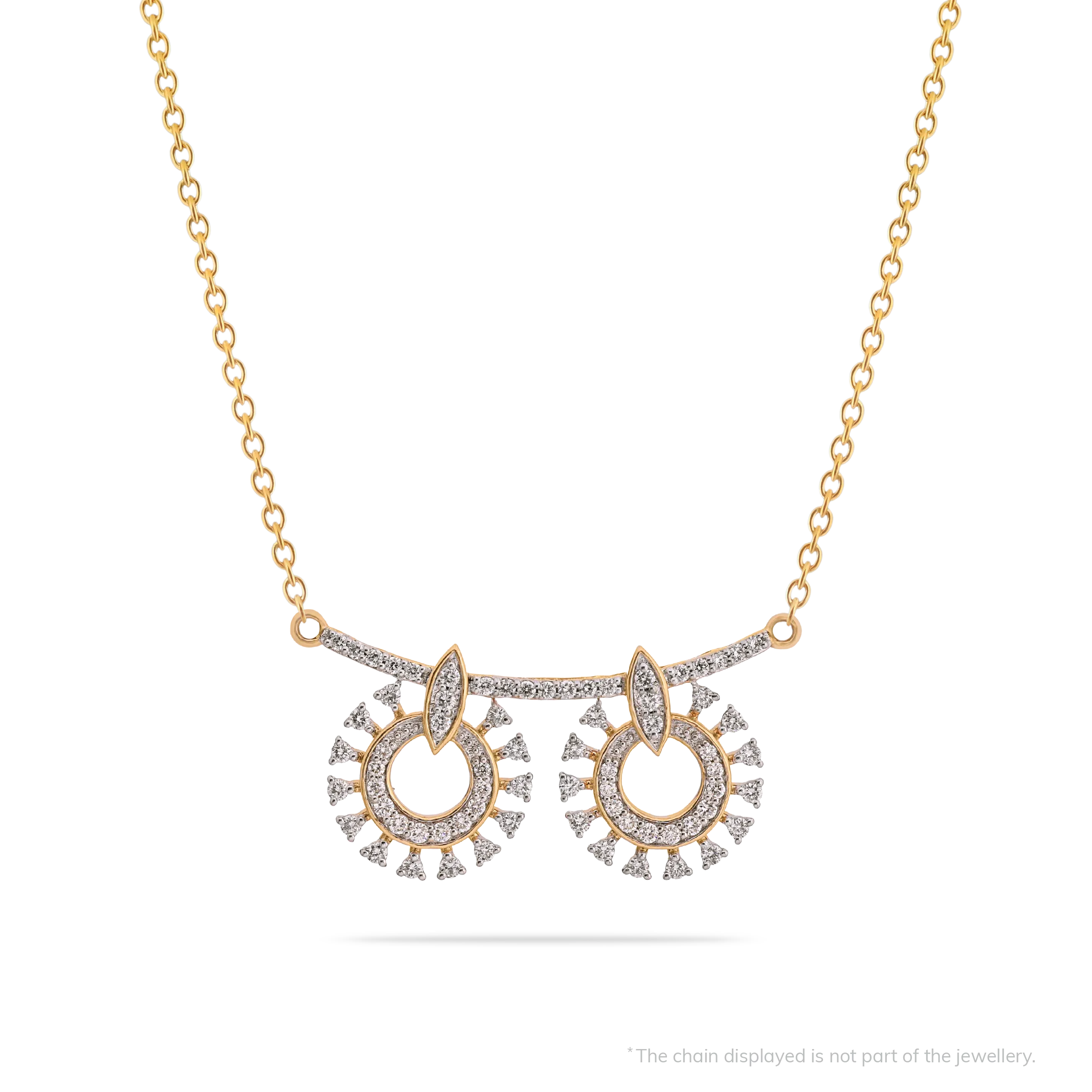
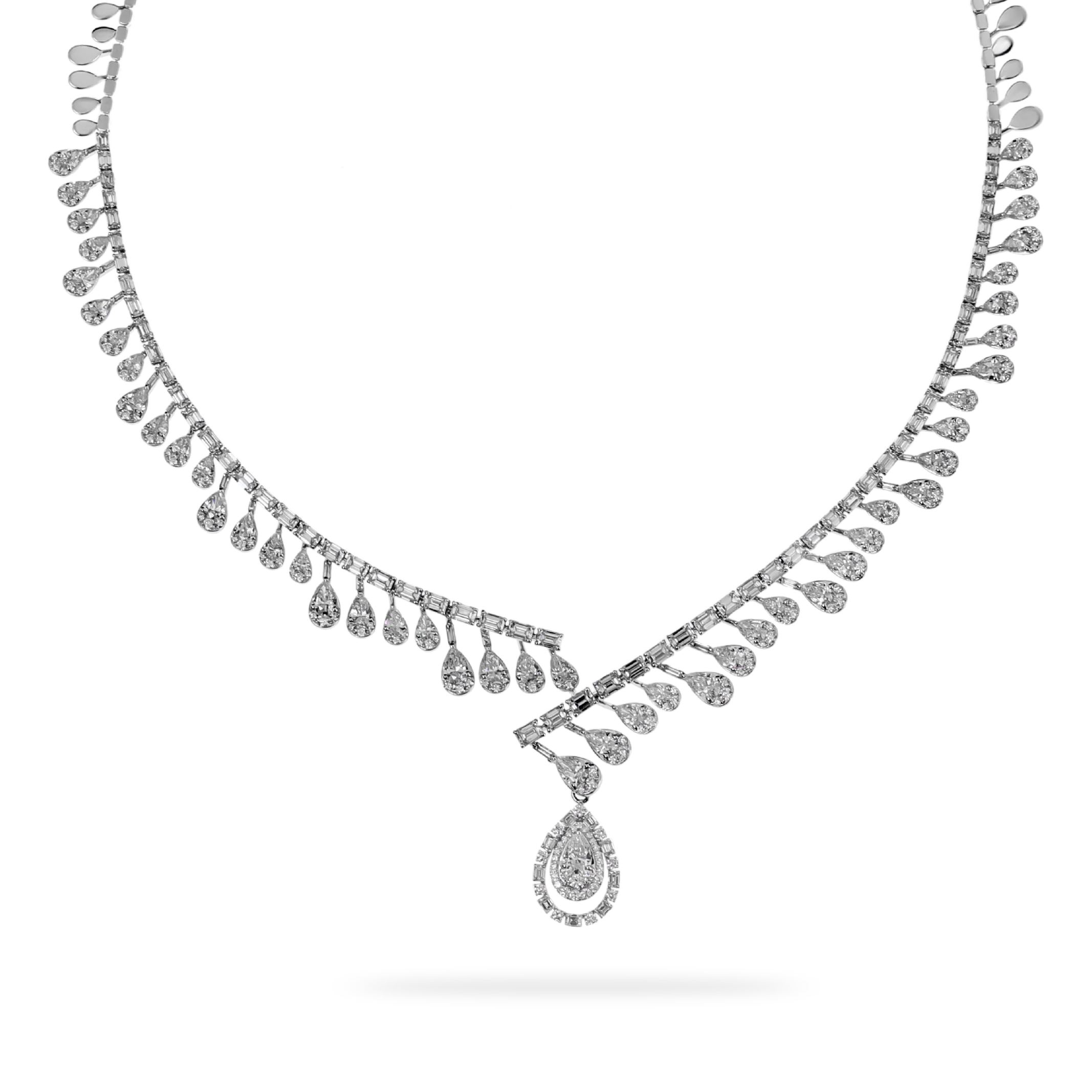
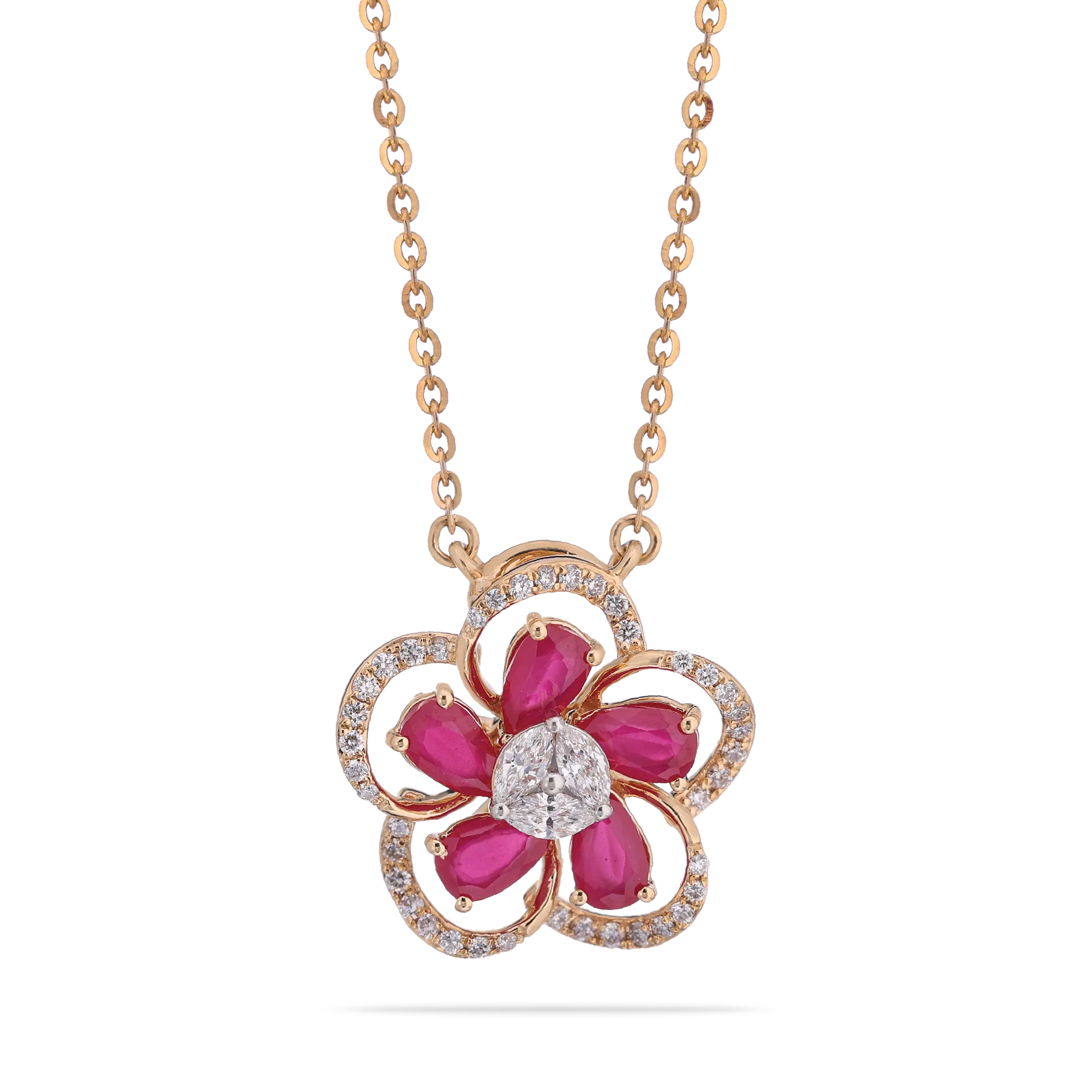
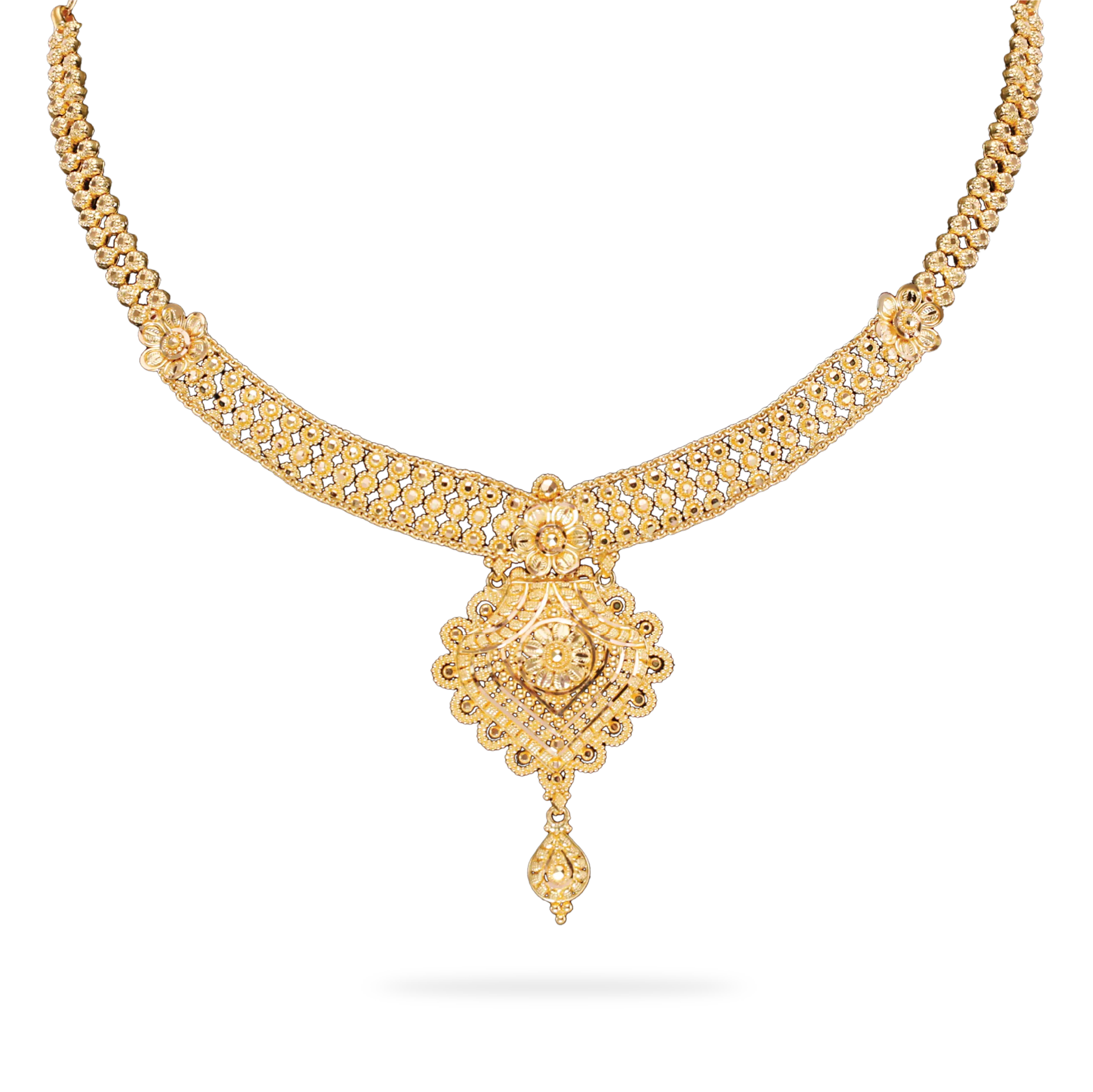
Start with the neckline rather than the necklace itself. A choker can frame a sweetheart or open neckline, a pendant can echo a V shape, and a longer chain may suit a simpler dress with room through the bodice. High necklines often look elegant with earrings alone or with a short, refined necklace that does not crowd the fabric.
Photograph the pairing from the front and side. The necklace should sit where you expect it to sit after movement, not only when you are standing perfectly still during a fitting.
Select earrings that complement your face shape
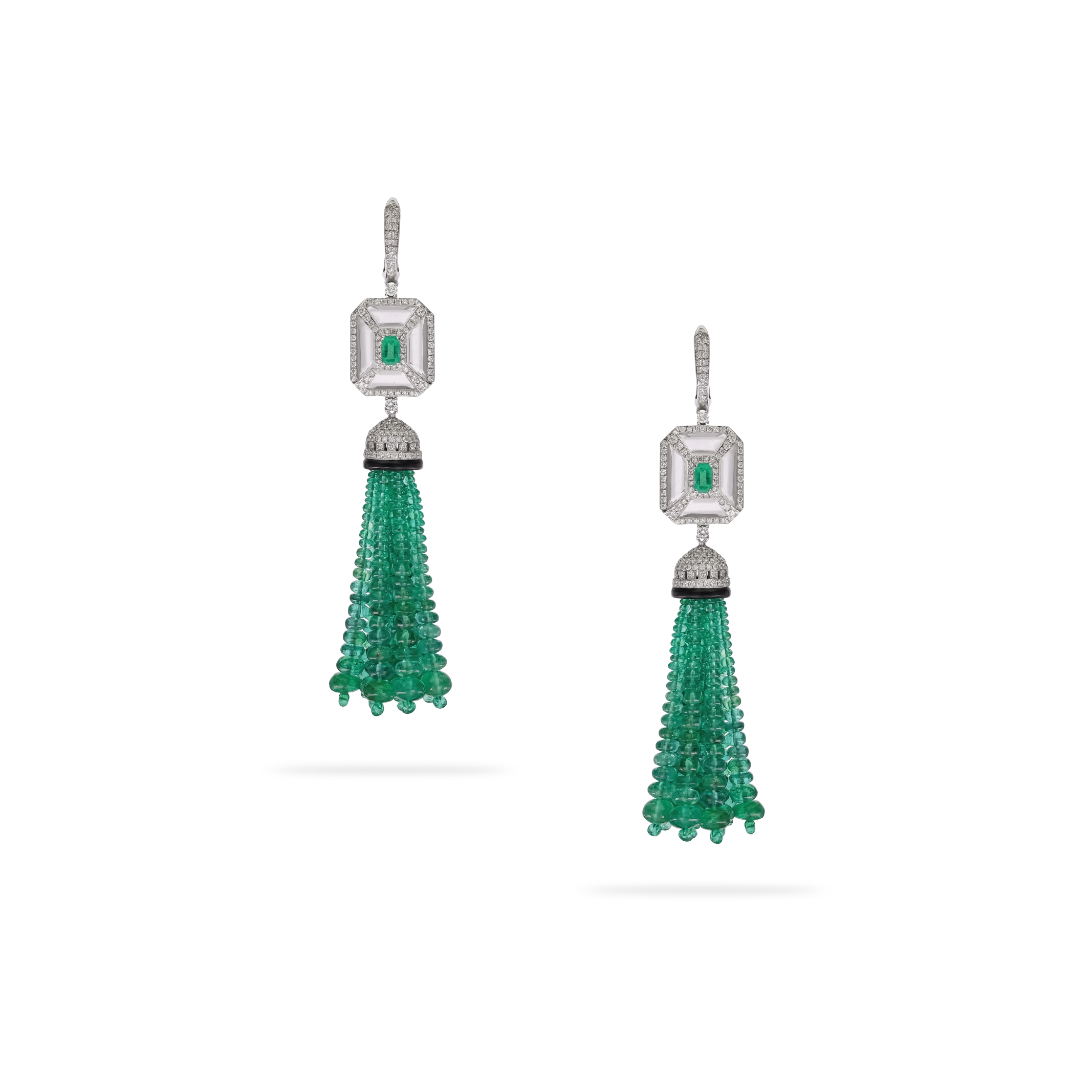
Earrings frame the face and are especially visible in portraits. Long drops can add length to a rounder face, while rounded or wider shapes can soften a longer outline. Oval faces can usually carry a broad range of silhouettes, so hairstyle and neckline may be more useful deciding factors.
Scale matters as much as shape. Test the earrings with your hairstyle, veil, and headpiece, and check that the design remains visible without touching the shoulder or catching in loose hair.
Decide whether to wear a maang tikka or other headpiece
A maang tikka, tiara, comb, vine, or jeweled pin can complete the hairstyle and give the bridal look a clear focal point. Choose one according to the parting, volume, and placement of your hair, as well as the profile you want in side photographs. Fine pieces can disappear in thick curls, while an elaborate headpiece may need a simpler necklace.
Secure the piece during a full hair trial, then walk and turn your head. Destination celebrations may include breezes or outdoor transitions, so hidden pins and a comfortable fastening are worth planning rather than improvising.
Add bangles, bracelets, rings, and anklets thoughtfully
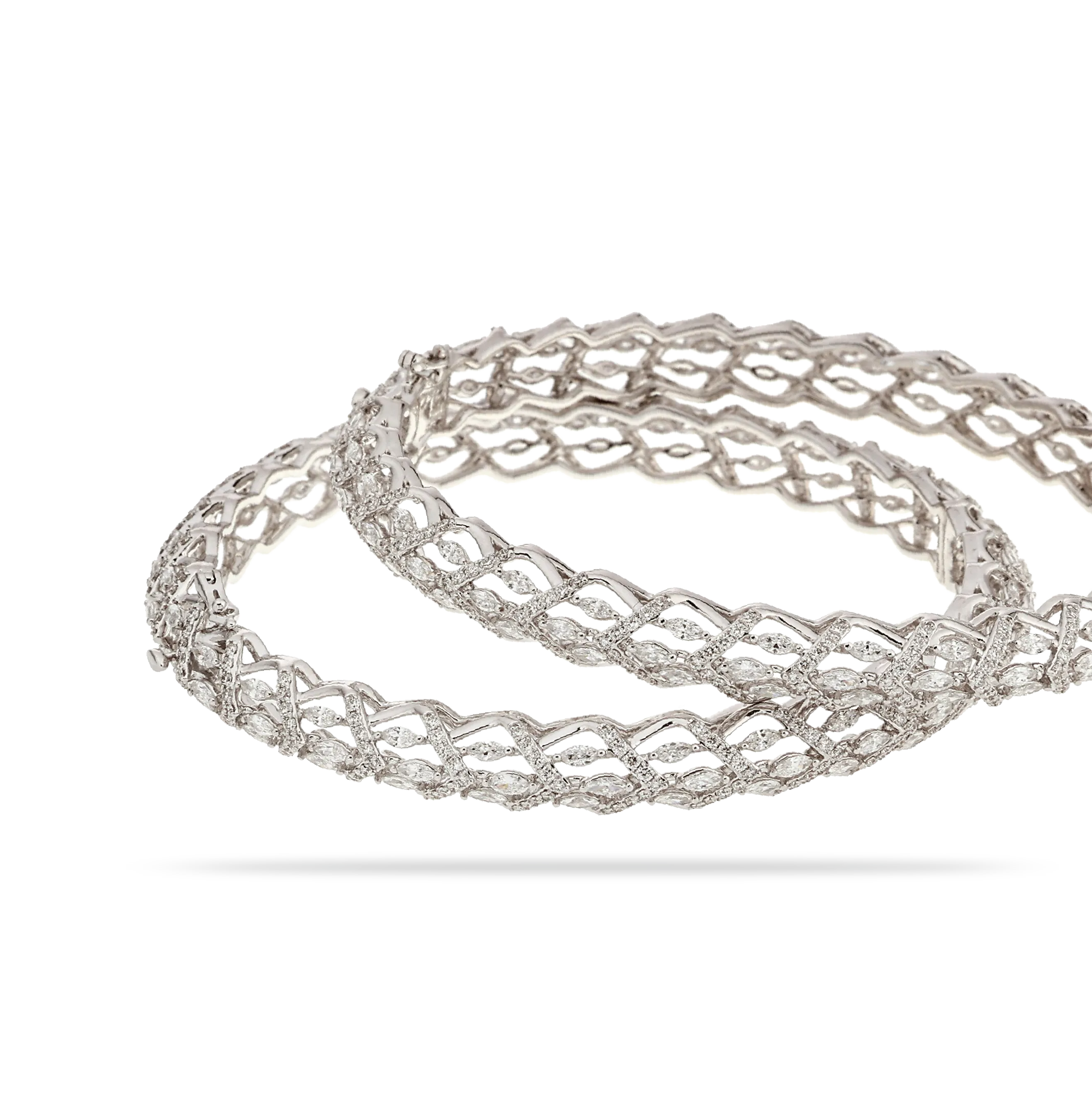
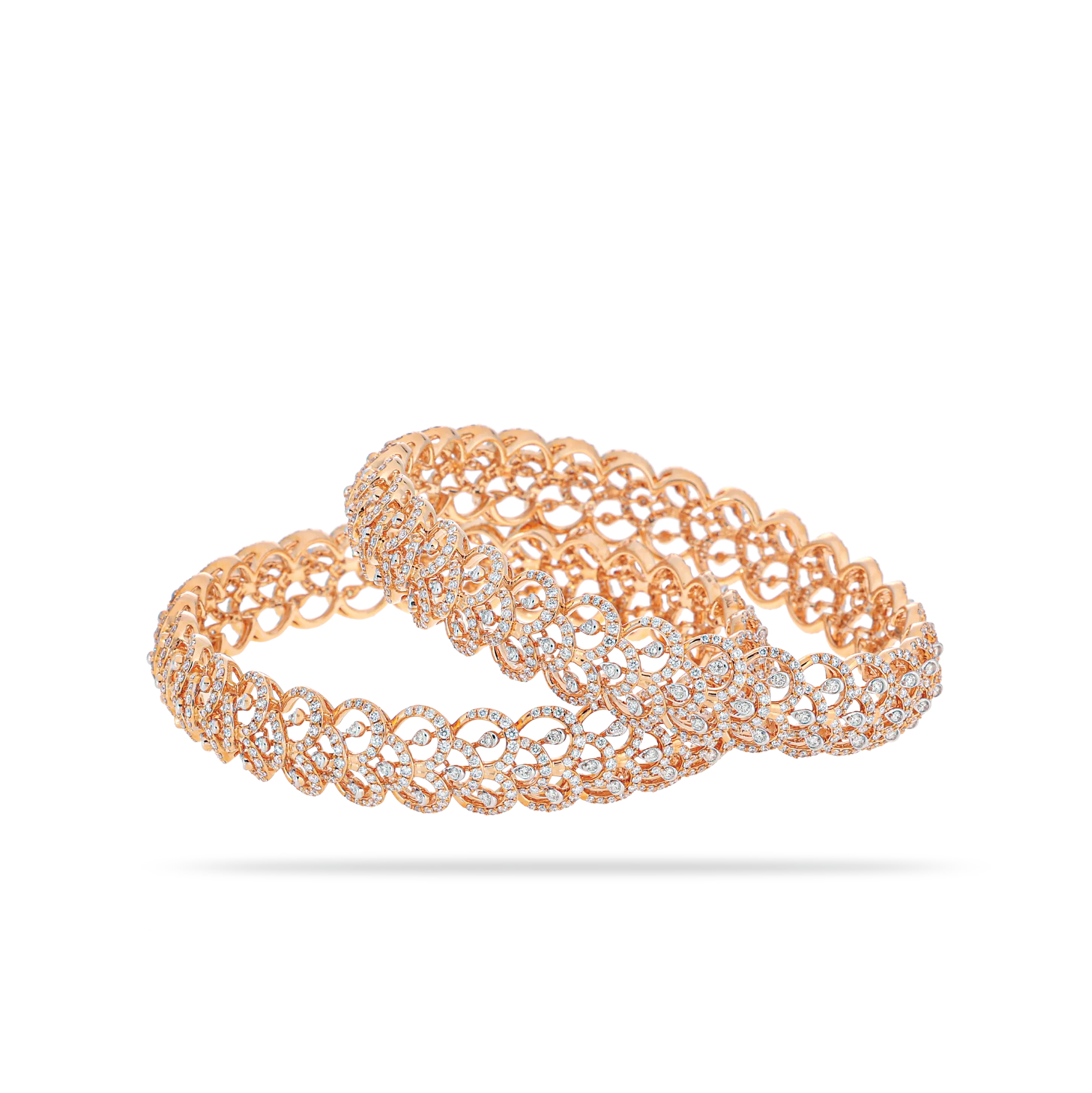
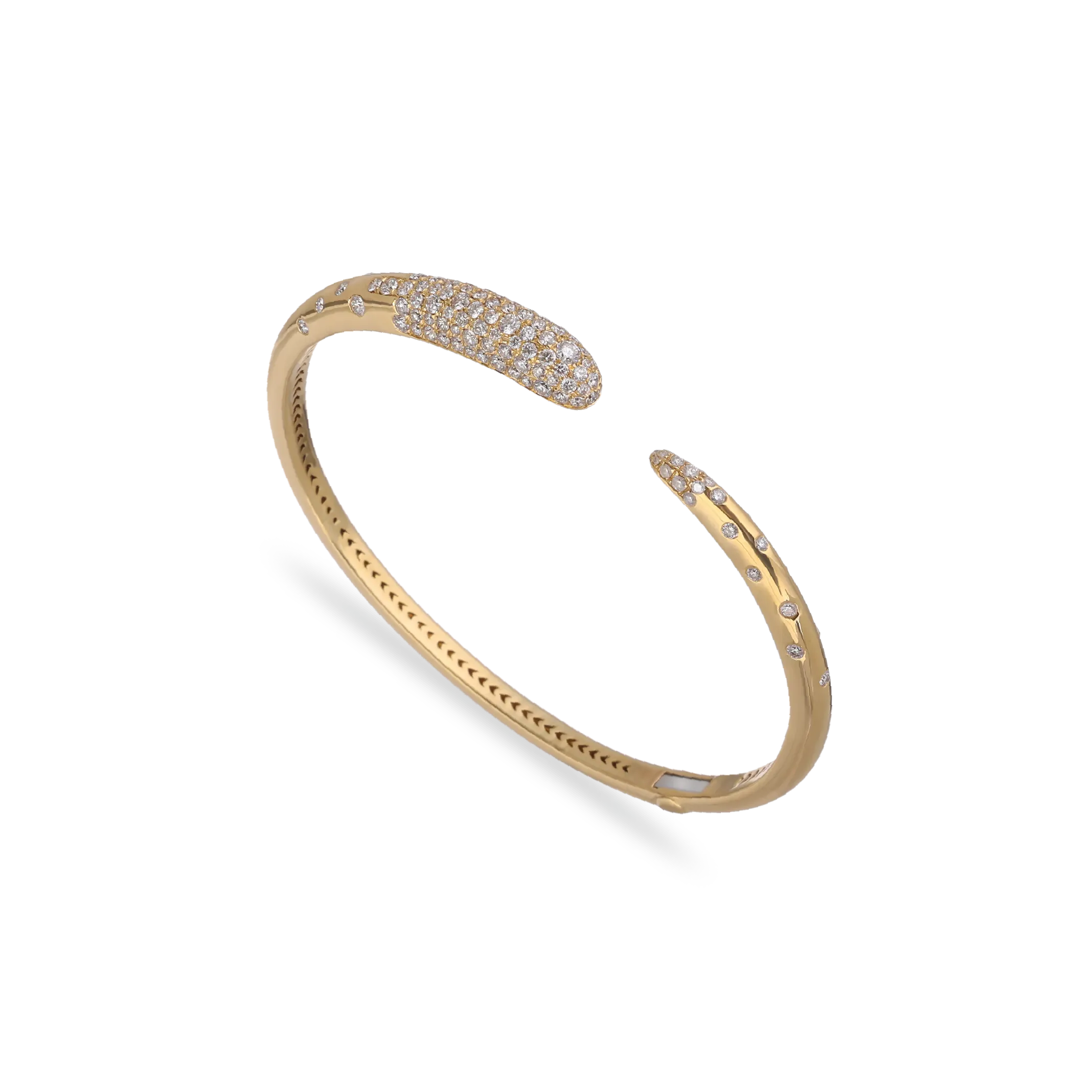
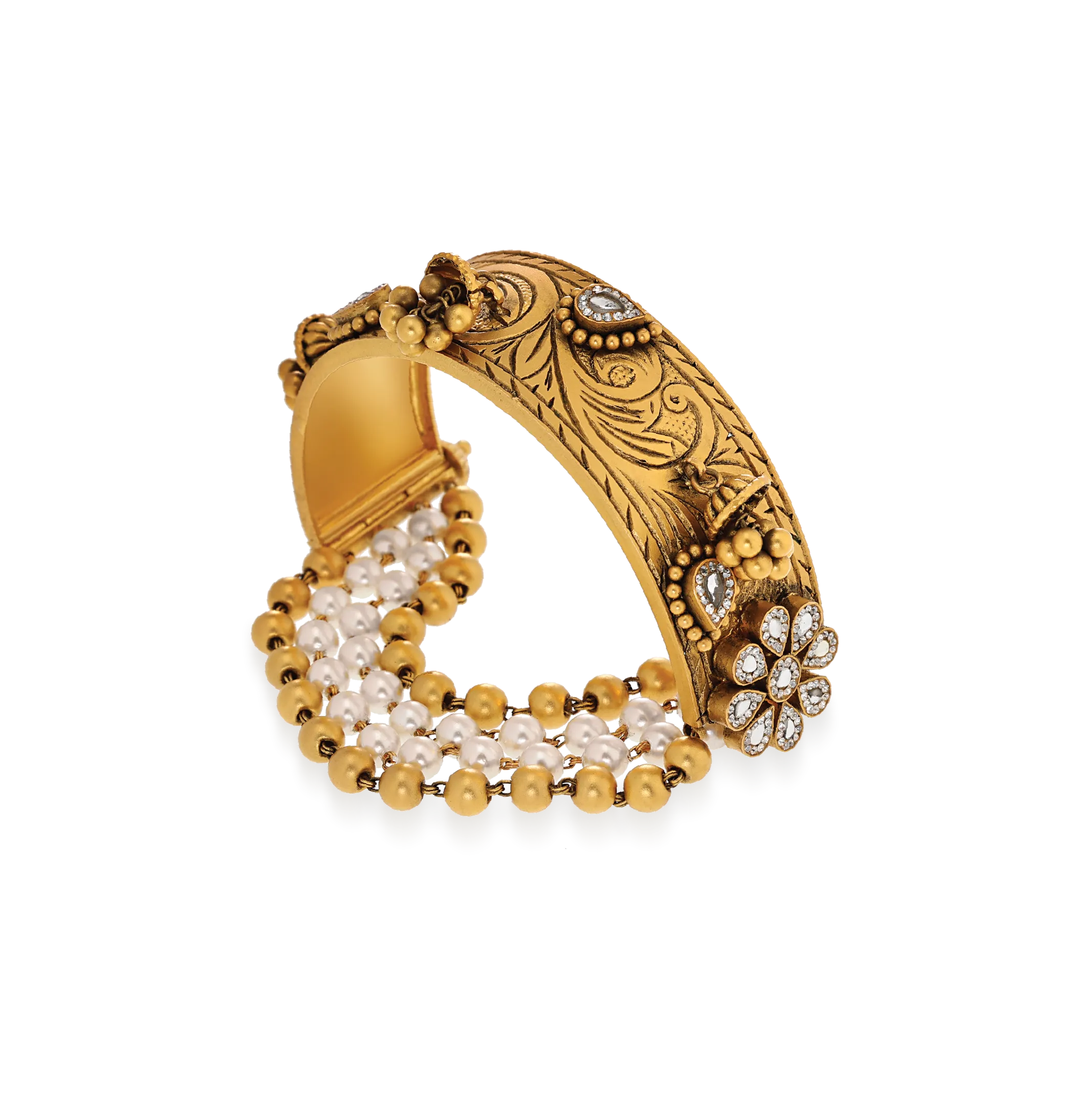
Hand jewellery should work with the bouquet, sleeves, and wedding ring rather than making those details difficult to see. Select bangles that sit comfortably and do not clatter against one another, especially if you will be greeting guests or signing documents. Rings should leave enough room for natural swelling in warm weather.
Anklets can be lovely for barefoot or relaxed celebrations, but they need to suit the ground and the dress length. Keep the collection edited. A few pieces with a shared finish will look more considered than many unrelated accents.
Choose metals, gemstones, and finishes
Metal and gemstone choices influence the mood, longevity, and comfort of the entire collection. They also determine how jewellery interacts with the dress under daylight, candlelight, flash, and evening venue lighting. Consider the complete set at once so the pieces do not look as though they were chosen for separate occasions.
Compare gold, platinum, silver, and mixed metals
Yellow gold brings warmth and traditional richness, while white metals offer a cooler, cleaner impression. Platinum is often chosen for its pale finish and substantial feel; silver can create a similar cool visual direction at a different price point, though care requirements vary by piece. Rose gold adds softness and can sit beautifully beside blush, champagne, or warm ivory clothing.
Mixed metals can look deliberate when one finish clearly leads and the second appears in small connecting details. Repeat the combination in at least two areas, such as earrings and bracelets, so it reads as a design choice rather than an accident.
Select gemstones that suit your colour palette
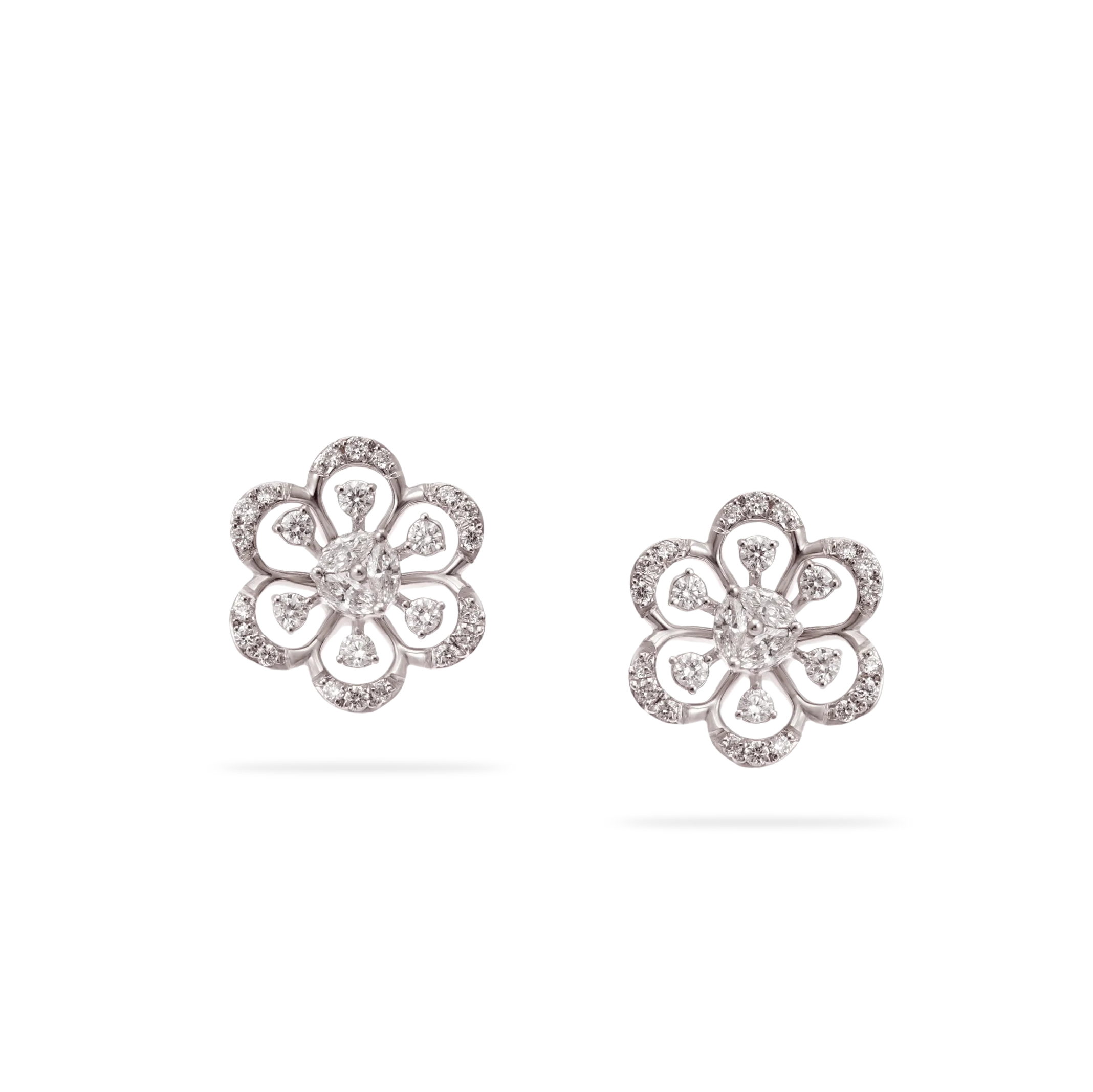
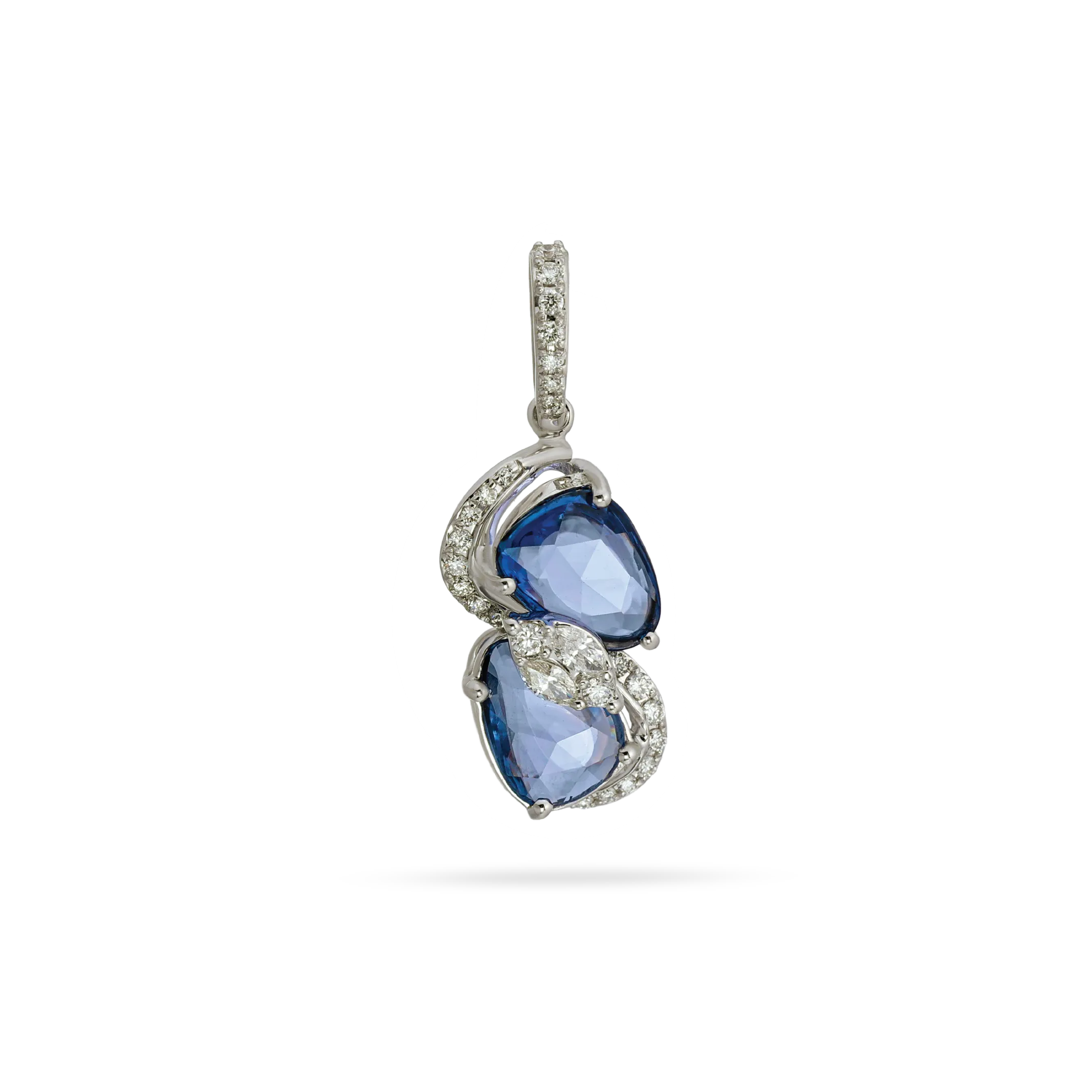
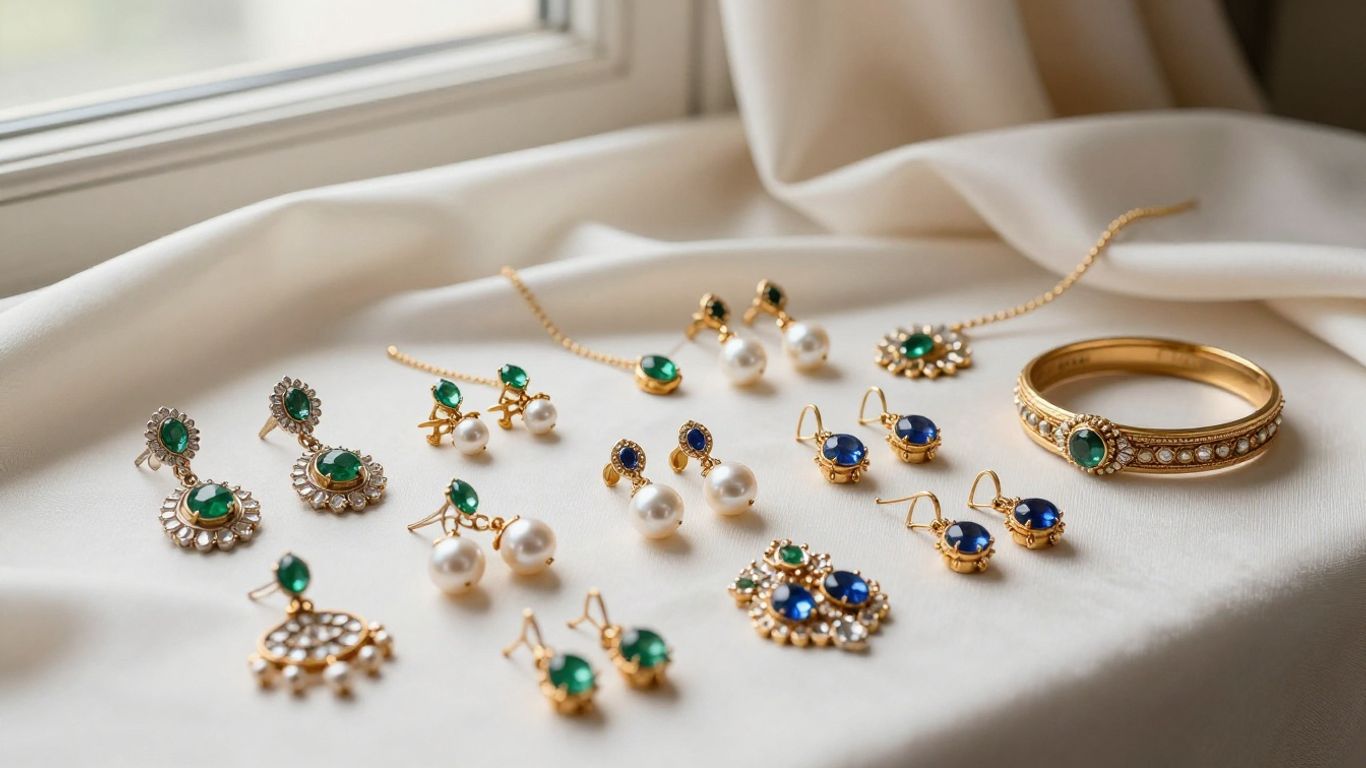
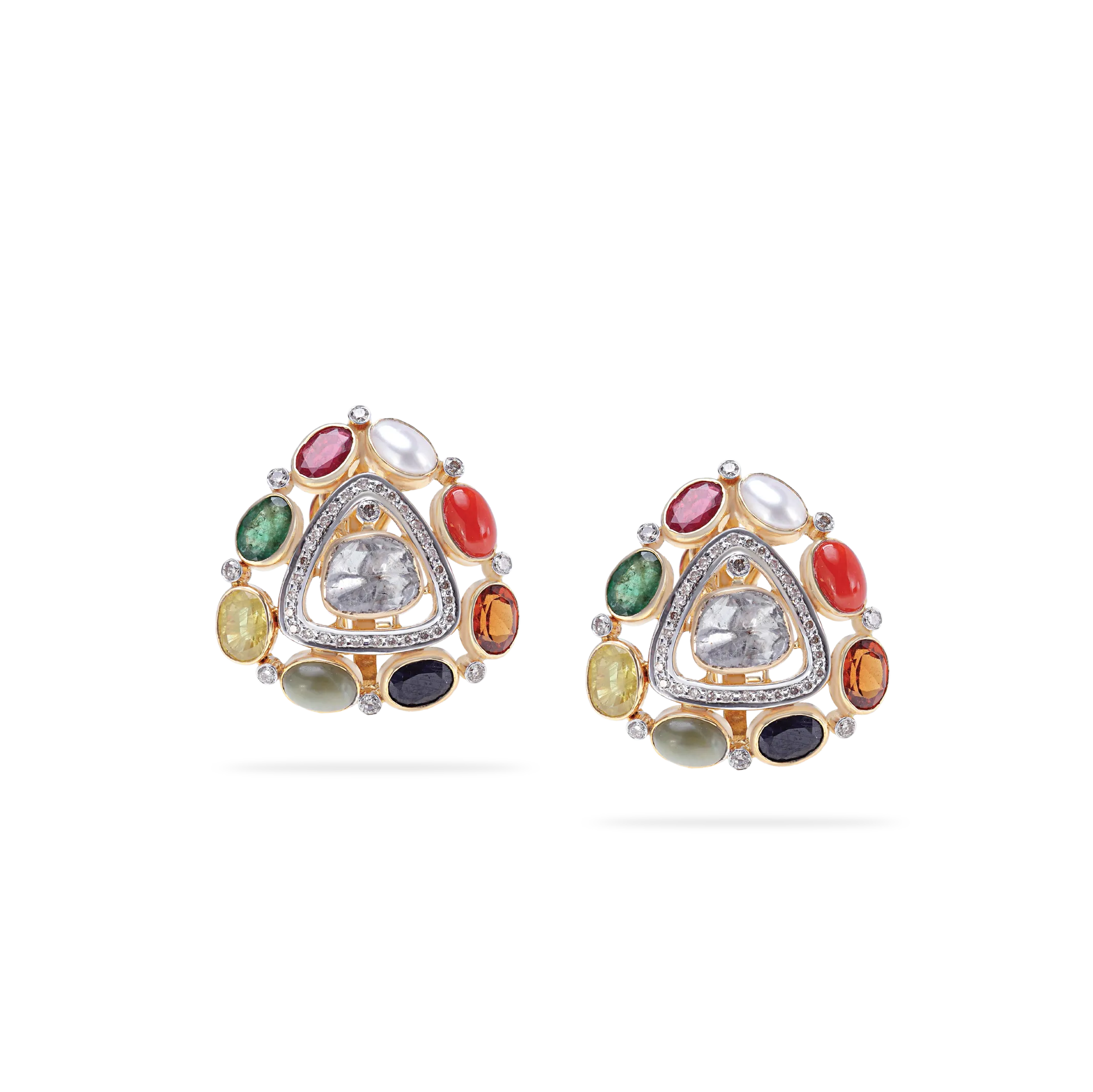
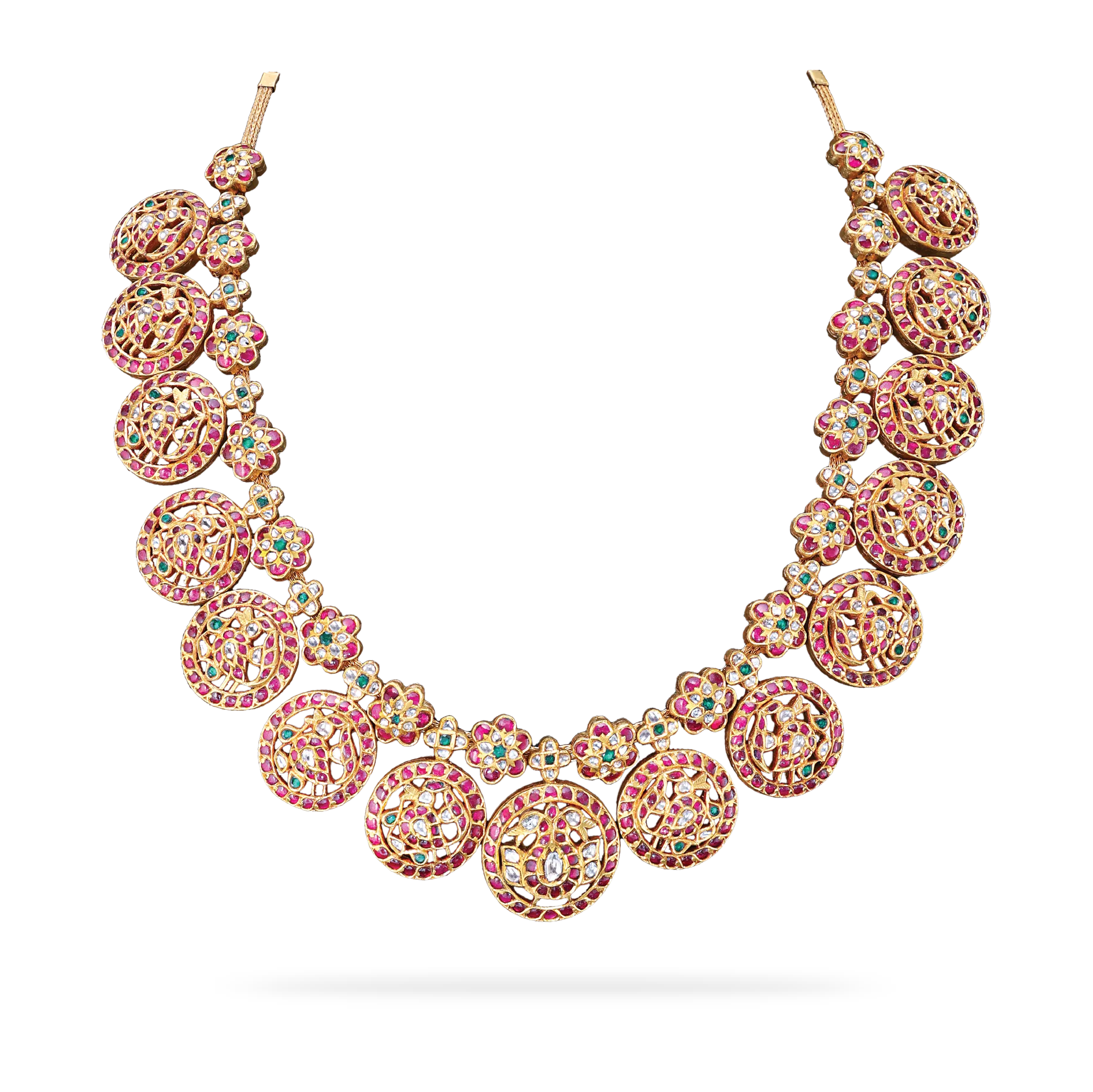
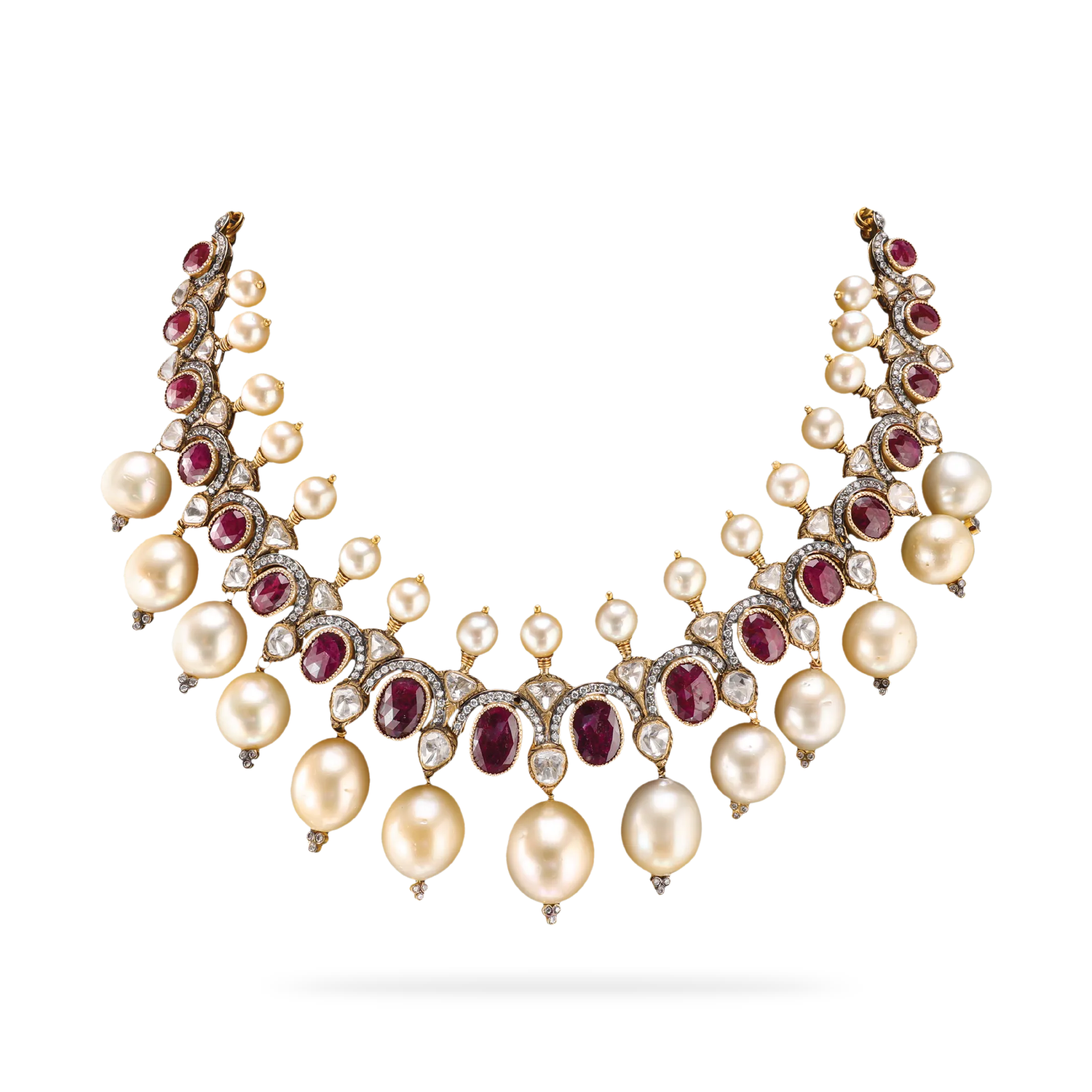
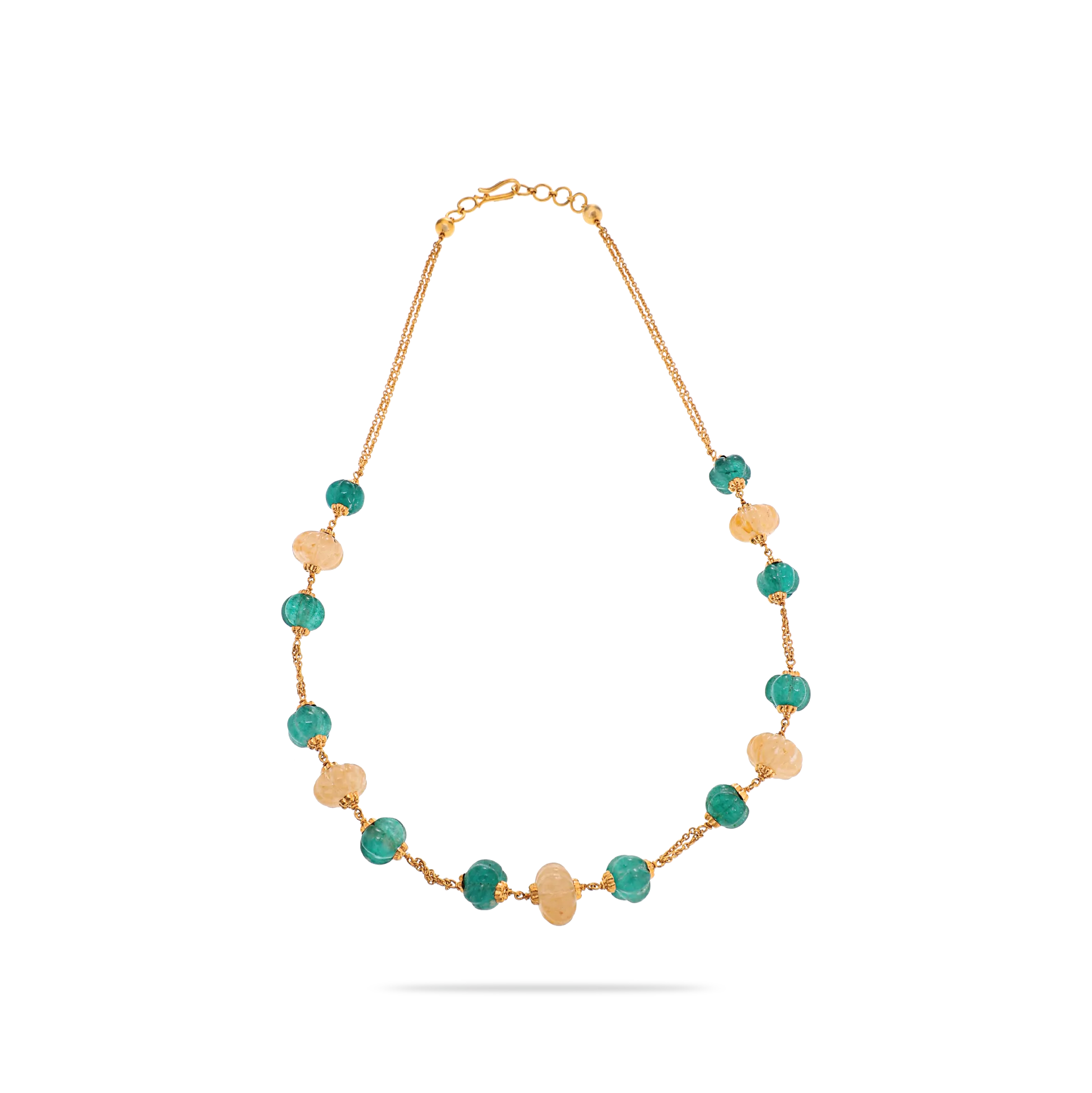
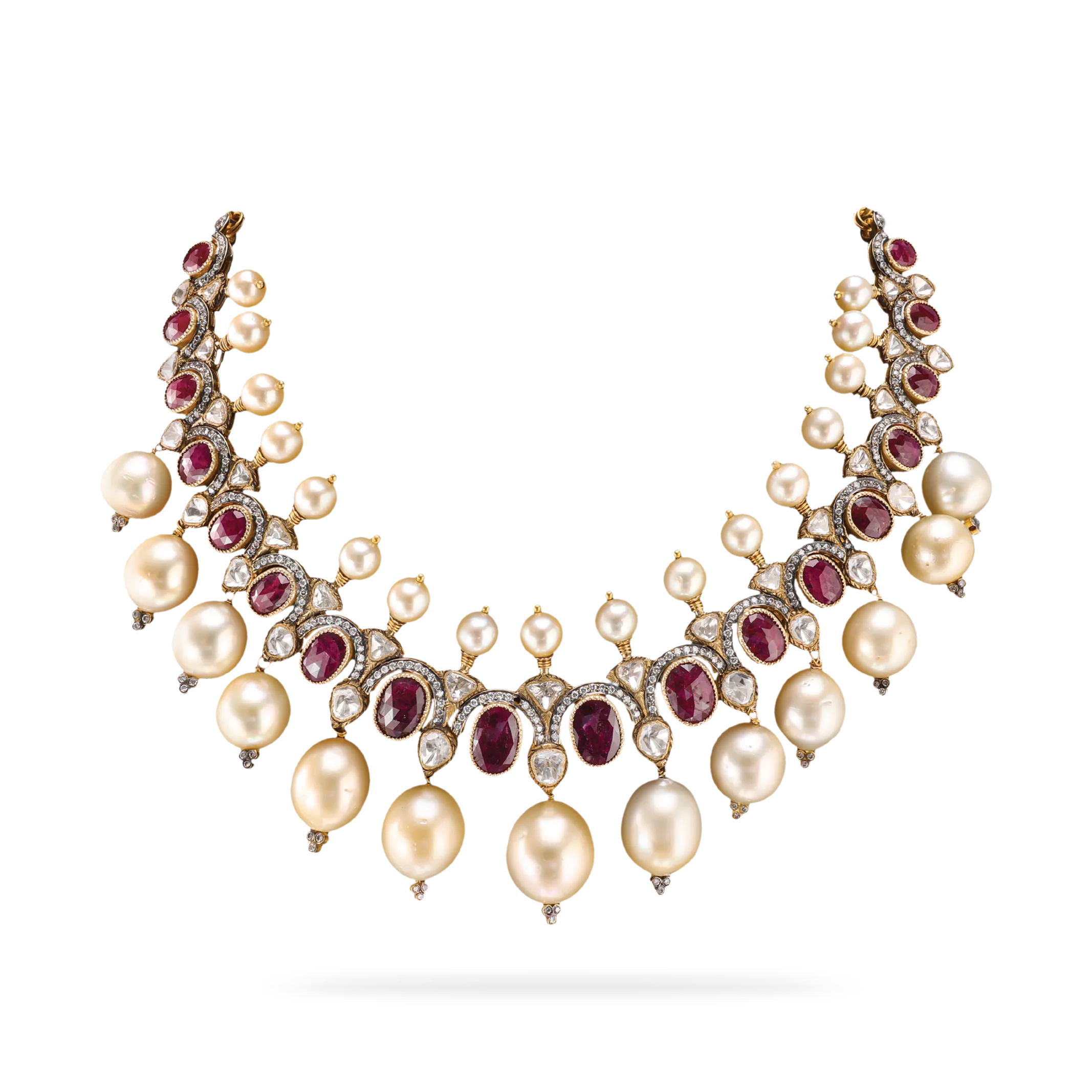
Choose stones by considering the flowers, textiles, bridesmaid colors, and venue surroundings. Pearls offer a quiet glow, while emerald, ruby, sapphire, or other saturated stones can create a stronger focal point. Neutral stones are versatile across several events, which can be useful when luggage space is limited.
Color should support the outfit rather than match it exactly. A slight contrast often gives portraits more depth, particularly when the dress and backdrop are both pale.
Coordinate jewellery with ivory, white, and coloured dresses
Ivory dresses generally flatter warmer metals and creamy pearls, though cool stones can create a graceful contrast. Bright white can make yellow gold look especially luminous, while silver, platinum, and clear stones maintain a crisp effect. Coloured dresses need a little more restraint: identify whether the fabric leans warm, cool, muted, or saturated before choosing gemstones.
If the dress includes metallic thread or beadwork, bring a fabric swatch to the jeweler or appointment. Matching the finish is usually more successful than matching every individual color.
Evaluate durability, weight, and skin sensitivity
Ask how the pieces should be stored, cleaned, and worn before you buy. Check the weight of earrings, the smoothness of chain edges, and whether clasps can be operated without assistance. If you have reacted to particular metals before, confirm the composition rather than assuming a finish tells the whole story.
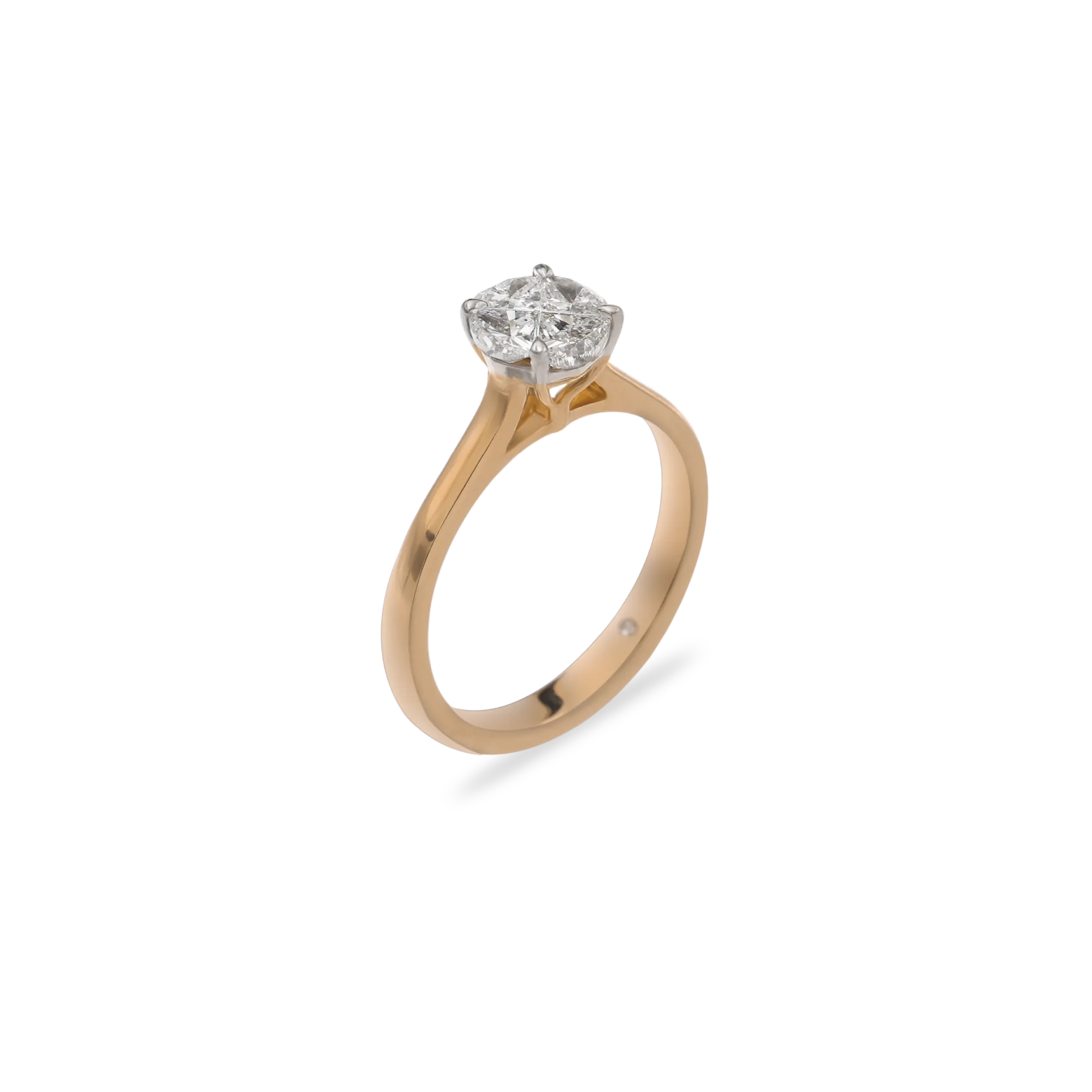
Durability is particularly relevant when a piece will travel through several events. A secure setting, strong clasp, and comfortable fit may matter more than a small difference in sparkle. For broader ideas about adaptable pieces, lightweight luxury jewellery is a useful direction to explore.
Plan jewellery for every wedding event
A destination wedding often unfolds over several days, each with its own dress code and atmosphere. Repeating one treasured piece can create continuity, but changing the earrings or bracelet may give each event a distinct character. Plan the looks beside the outfits so you can see where accessories are genuinely needed.
Create separate looks for the ceremony and reception
The ceremony may call for the most meaningful or traditional pieces, while the reception can allow more movement and shine. Consider changing earrings, removing a veil, or replacing a long necklace after the formal photographs. A lighter reception combination can make dancing and conversation much easier.
Keep the transition simple. If a piece requires complicated fastening or a full hairstyle change, arrange help and allow more time than you think you need.
Style jewellery for welcome parties and mehndi events
Welcome parties invite a more relaxed interpretation of bridal style. Colorful stones, playful earrings, or a smaller necklace can complement printed fabrics and informal silhouettes. For mehndi events, choose pieces that leave the hands and wrists comfortable while designs are being applied and while they dry.
Avoid accessories that snag on temporary designs, embroidery, or loose scarves. The best choice for these events usually has personality without competing with the social energy of the celebration.
Choose versatile pieces for rehearsal dinners
A rehearsal dinner piece should work with an outfit you might wear again, such as simple drops, a slim bracelet, or a pendant with an adjustable chain. Versatility is helpful when the dinner location changes or the dress becomes more casual than expected.
A coordinated pair of earrings can also travel well between events. Changing the necklace or hairstyle around them creates variety without adding a large amount of luggage.
Pack backup accessories for unexpected changes
A broken clasp, changed neckline, or sudden weather shift should not derail the look. Set aside a small backup group that is attractive enough to wear on its own and compatible with more than one outfit.
Useful backups may include:
- A second pair of secure earrings.
- Small, neutral studs for a simpler outfit.
- An extra necklace extender or clasp.
- A few discreet hairpins for headpieces.
Pack these items with the main jewellery, not in checked luggage or a separate suitcase. A little redundancy can make an otherwise stressful change feel manageable.
Pack, transport, and secure your bridal jewellery
Jewellery deserves its own travel plan, particularly when pieces are sentimental or expensive. Keep it close, document what you are carrying, and decide who is responsible for it at every stage. Good organization also makes the wedding morning calmer because each accessory can be found without unpacking everything.
Use protective cases and individual pouches
Store necklaces separately so chains do not knot around earrings or brooches. Soft individual pouches protect surfaces from scratching, while a structured travel case keeps pieces from being crushed. Fasten clasps before packing and use a small card or straw to keep delicate chains straight if needed.
Do not place all valuables in one loose compartment. Divide them by event or category, then label the pouches discreetly so the contents remain easy to identify.
Prepare jewellery for air travel
Carry valuable jewellery in your personal cabin baggage rather than checked luggage. Keep it concealed when moving through busy terminals, and avoid opening the case unnecessarily in public areas. If you are traveling with family members, decide in advance who will hold the case and when it will be transferred.
Make a simple inventory with photographs before leaving. It helps you check the collection after travel and provides useful documentation for insurance or a claim.
Insure valuable pieces before departure
Ask your insurer what is covered away from home, including loss, theft, accidental damage, and temporary storage at a venue. Coverage can depend on valuation documents, receipts, security arrangements, and the destination. Arrange any appraisal or updated paperwork early enough for the policy to be active before the trip.
For inherited jewellery, record its condition as well as its value. Clear photographs of clasps, stones, and distinctive marks can be helpful if a piece is misplaced.
Organize accessories for easy venue-day access
Create one small event-day kit for each look. Include the jewellery, its pouch, a photograph of the intended styling, and any fastening tools or spare backs. Give the kit to a trusted person who will be present while you dress.
Keep the main storage case in a secure room or venue safe when it is not in use. Jewellery should never be left on a bathroom counter, beside an open window, or in an unattended getting-ready area.
Buy or customize bridal jewellery for a destination wedding
The buying process should leave room for fittings, revisions, delivery, and a calm trial at home. Whether you choose one heirloom-quality piece or assemble a modest collection, compare the complete cost and practical requirements. A beautiful item is only a good destination choice if it arrives on time and suits the way you will actually wear it.
Compare bespoke, rental, and ready-to-wear options
Bespoke jewellery allows you to refine proportions, stones, and metal finishes around a specific outfit. Ready-to-wear pieces are usually simpler to assess and replace, while rental can provide access to a dramatic look without purchasing every item. Consider how often you expect to wear the jewellery after the wedding.
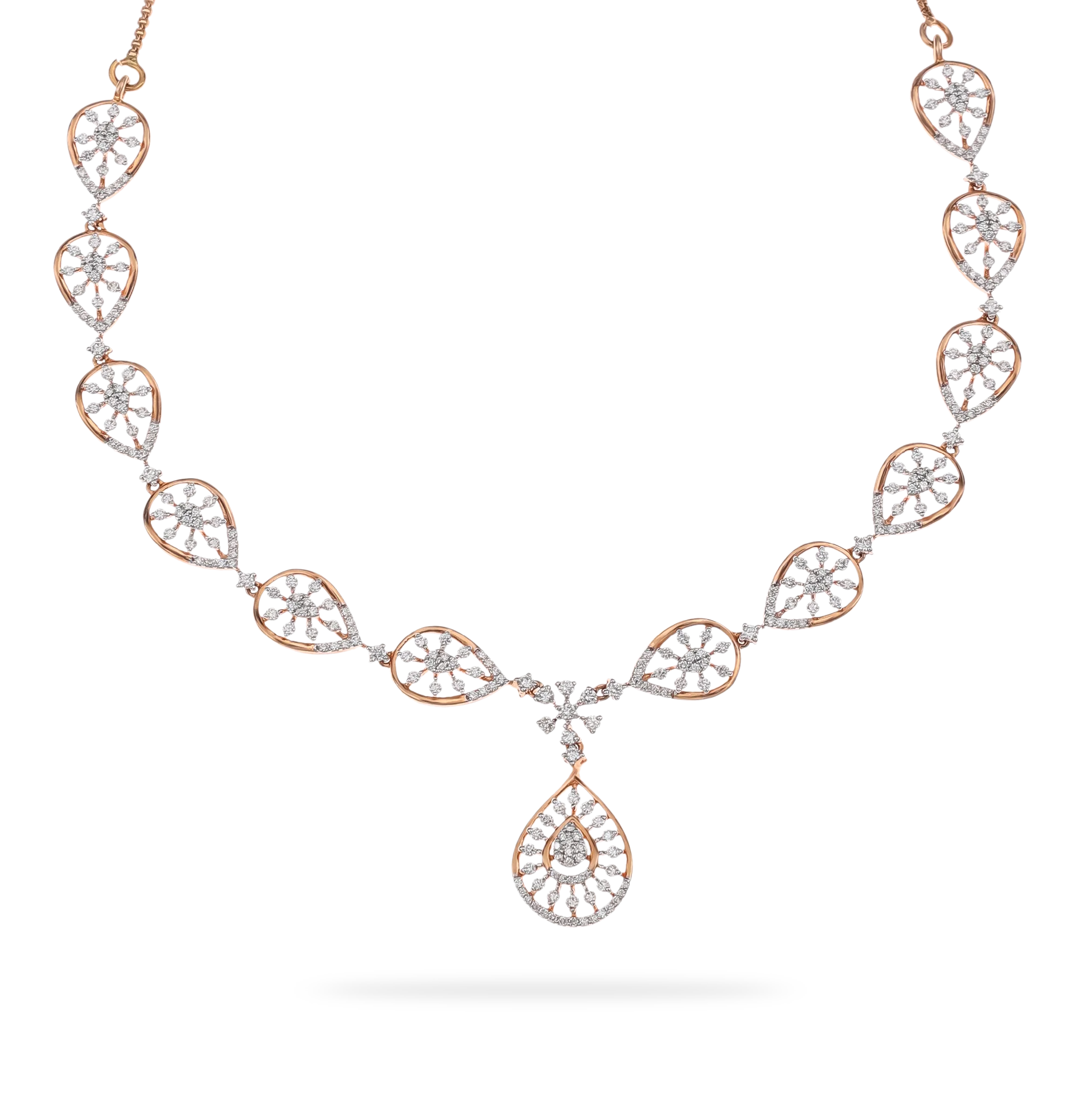
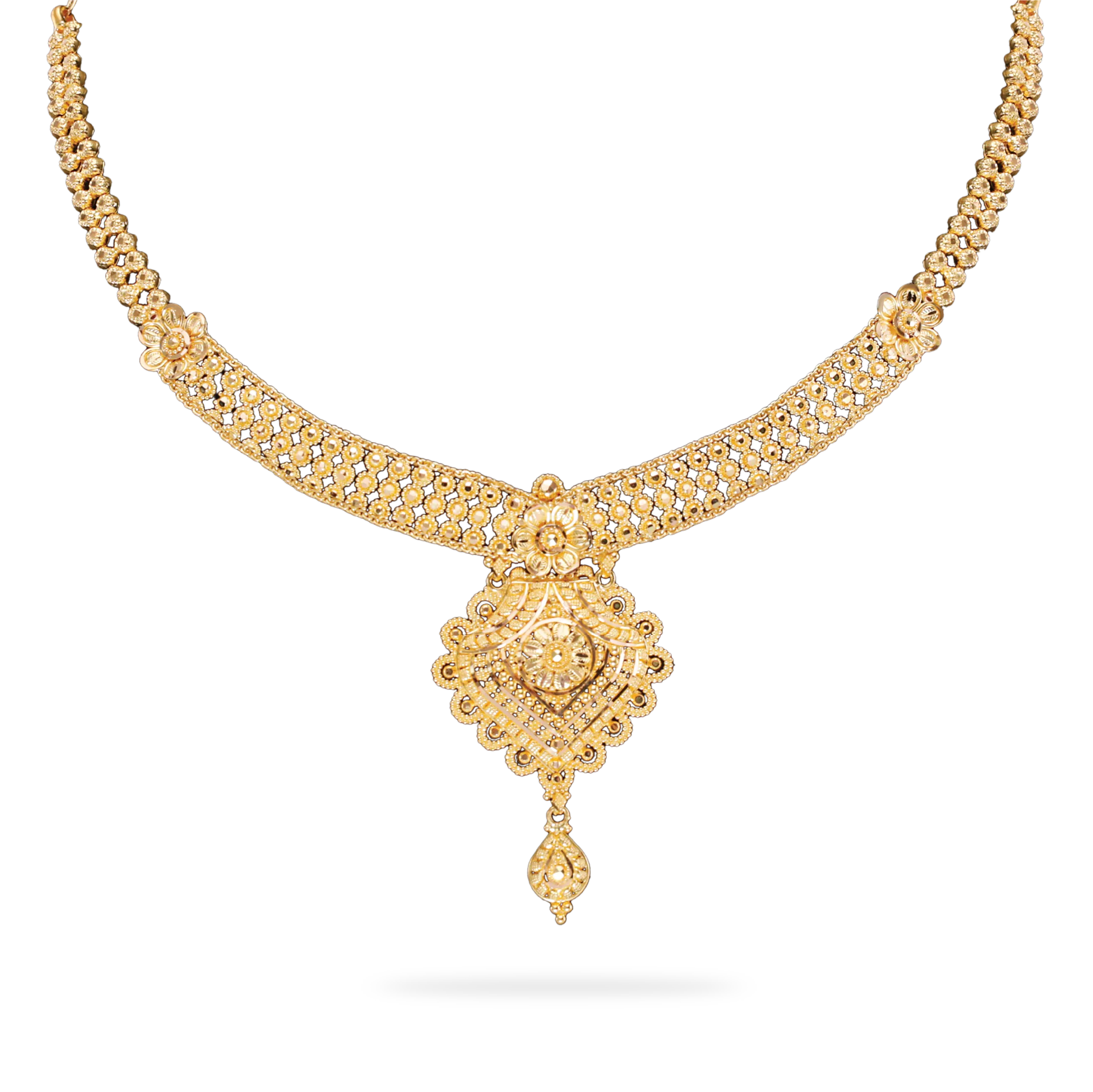
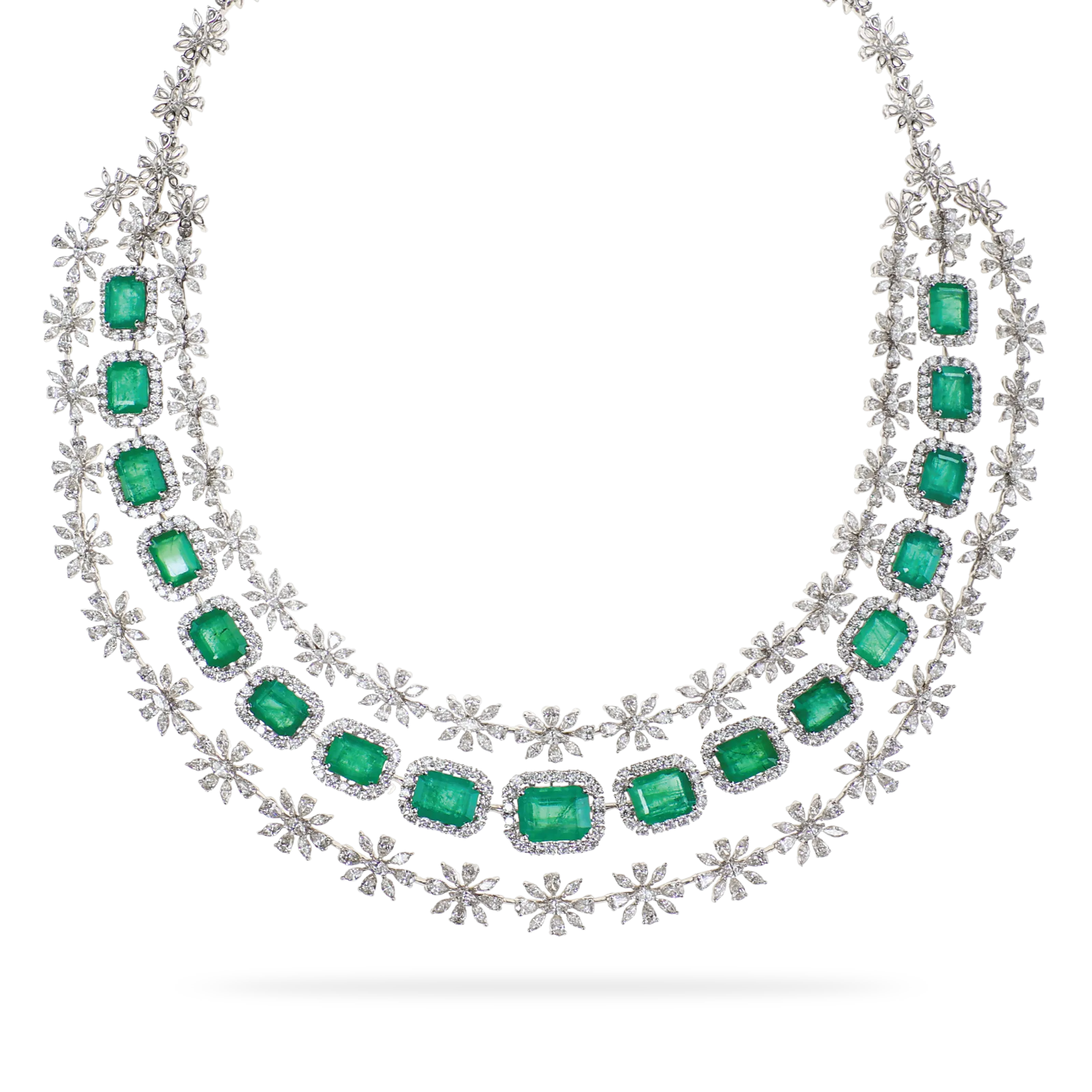
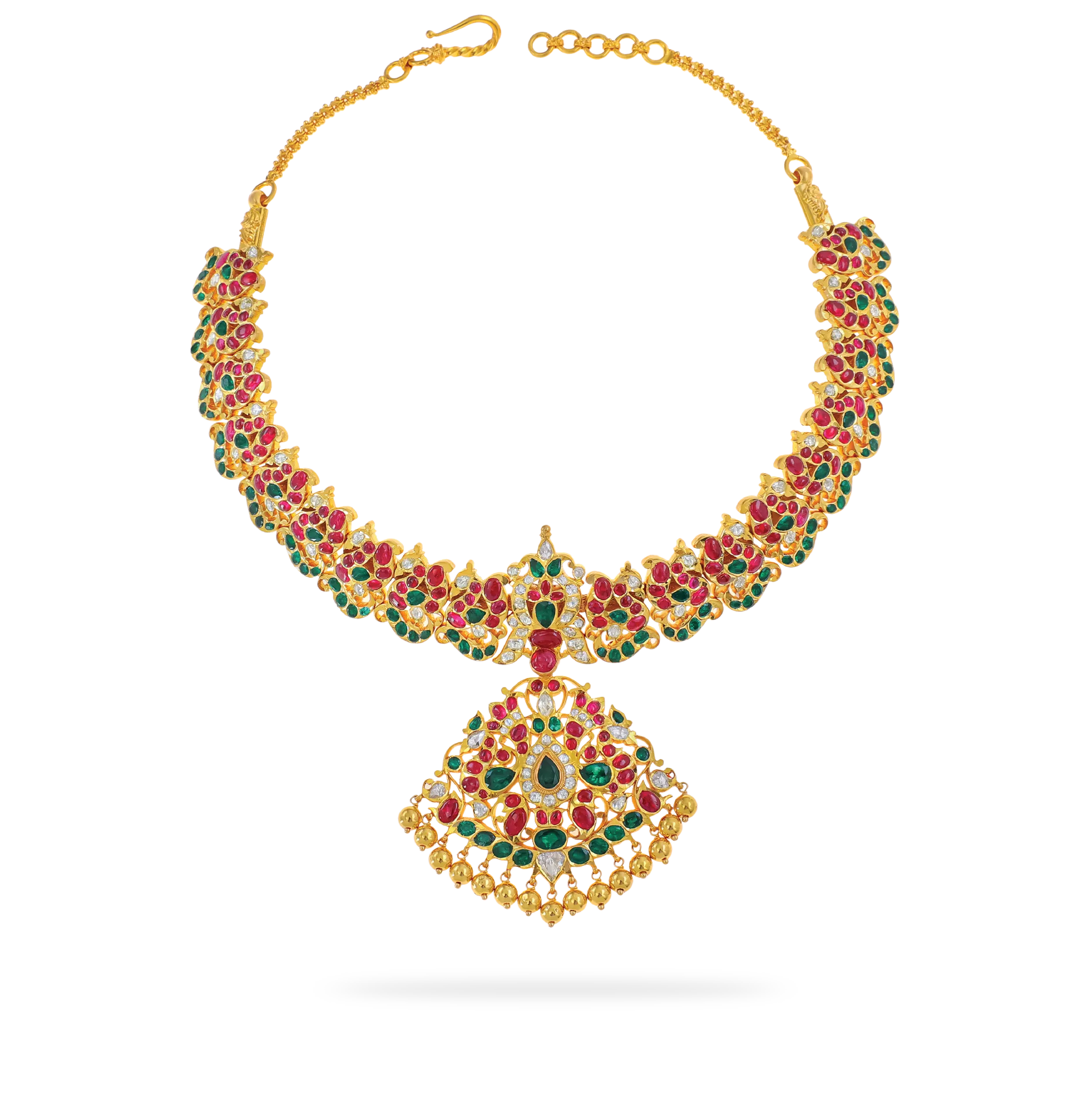
For a broad look at necklace silhouettes and coordinated earrings, bridal statement necklace sets can help you compare styles and delivery windows. If your celebration is coastal or resort-based, bridal hair accessories may also offer ideas for pairing jewellery with a veil or relaxed hairstyle.
Check craftsmanship, authenticity, and return policies
Inspect settings, clasps, soldered joins, backs, and the finish on every visible surface. Ask for written details about metal purity, gemstone treatment, and what documentation accompanies the purchase. Read the return and exchange policy carefully, especially if the item is made to order or altered for you.
Allow time to try the piece with the actual outfit. Keep tags and packaging until you are certain the fit, scale, and comfort are right.
Order custom designs with enough lead time
Custom work needs time for consultation, design approval, sourcing, production, quality checks, and possible alterations. Give the maker the wedding date, travel date, and the date you need the final piece in hand. Build in a buffer for shipping delays and a home fitting rather than planning delivery just before departure.
Request progress photographs or a written milestone schedule when appropriate. That small amount of communication can reveal a mismatch in scale or color while there is still time to correct it.
Set a realistic budget for the complete collection
Start with the total collection, not only the centerpiece. Include alterations, storage, insurance, shipping, taxes, cleaning, and any accessories needed to secure the pieces. Then decide where spending matters most: a meaningful necklace, comfortable earrings, a custom headpiece, or jewellery you will wear long after the wedding.
A useful budget should also leave room for practical quality. Strong clasps, comfortable backs, and reliable documentation are not glamorous line items, but they protect the experience you are paying for.
Conclusion
Choosing bridal jewellery for a destination wedding is an exercise in proportion, comfort, and preparation. Let the setting and outfit establish the direction, build a coordinated set rather than an overloaded one, and give every piece a safe route from home to the celebration. With thoughtful planning, your jewellery can feel personal on the day and remain easy to treasure afterward.
Frequently Asked Questions
How much jewellery should a destination bride wear?
There is no fixed amount. Choose one focal piece and add supporting accessories that suit the neckline, hairstyle, ceremony length, and personal comfort.
What jewellery is best for a beach wedding?
Lightweight pieces with secure fastenings are practical choices. Pearls, refined metal designs, and durable finishes can work well, provided they are kept away from saltwater, sand, sunscreen, and excessive moisture.
Should bridal jewellery match the wedding dress exactly?
No. It should coordinate with the dress’s undertone, embellishment, and overall mood. A gentle contrast in metal or gemstone color can create more dimension than an exact match.
How can I stop necklaces from tangling while traveling?
Fasten each clasp and place necklaces in separate pouches or compartments. A structured case and simple chain supports can provide extra protection during transit.
Can I wear heirloom jewellery at a destination wedding?
Yes, if it is inspected, documented, insured when appropriate, and transported securely. Have the clasp and settings checked before the trip, especially for pieces that will be worn outdoors.
Should I choose different jewellery for each wedding event?
Related looks often work better than completely unrelated sets. Keep one recurring detail, then vary the scale, color, or focal piece to suit the ceremony, party, dinner, or reception.
When should I order custom bridal jewellery?
Order early enough to allow design approval, production, shipping, a home fitting, and corrections. The exact timing depends on the maker and complexity, but leaving a generous buffer is safer than relying on a last-minute delivery.
Bridal jewellery for intimate wedding: A thoughtful guide to choosing meaningful pieces
10 minute read
Related blogs:
November 20, 2025
The Timeless Elegance of the Tennis Bracelet: A Comprehensive Guide
Read More
November 20, 2025
The Ultimate Guide to Styling and Wearing a Choker Necklace
Read More
November 20, 2025
Find Your Perfect Engagement Ring: A Comprehensive Guide to Styles and Diamonds
Read More
November 20, 2025
The Timeless Elegance of a Diamond Tennis Bracelet: A Buyer's Guide
Read More









.webp)

.webp)