Fine diamond boutique in Bangalore: how to choose the right jeweler
October 23, 2026 | 10 minutes read
Key Takeaways
Choosing a diamond boutique is easier when you know what matters to you before you begin comparing. Focus on the diamond, the documentation, the design, and the terms that will matter after purchase.
- Set a realistic budget and decide what the piece is for.
- Compare diamonds using the same quality criteria and reliable grading reports.
- Ask how prices, taxes, sourcing, and return terms are explained.
- Consider the setting, metal, customization process, and fit for everyday wear.
- Keep certificates, invoices, and service details together after you buy.
Define what you want from a diamond boutique
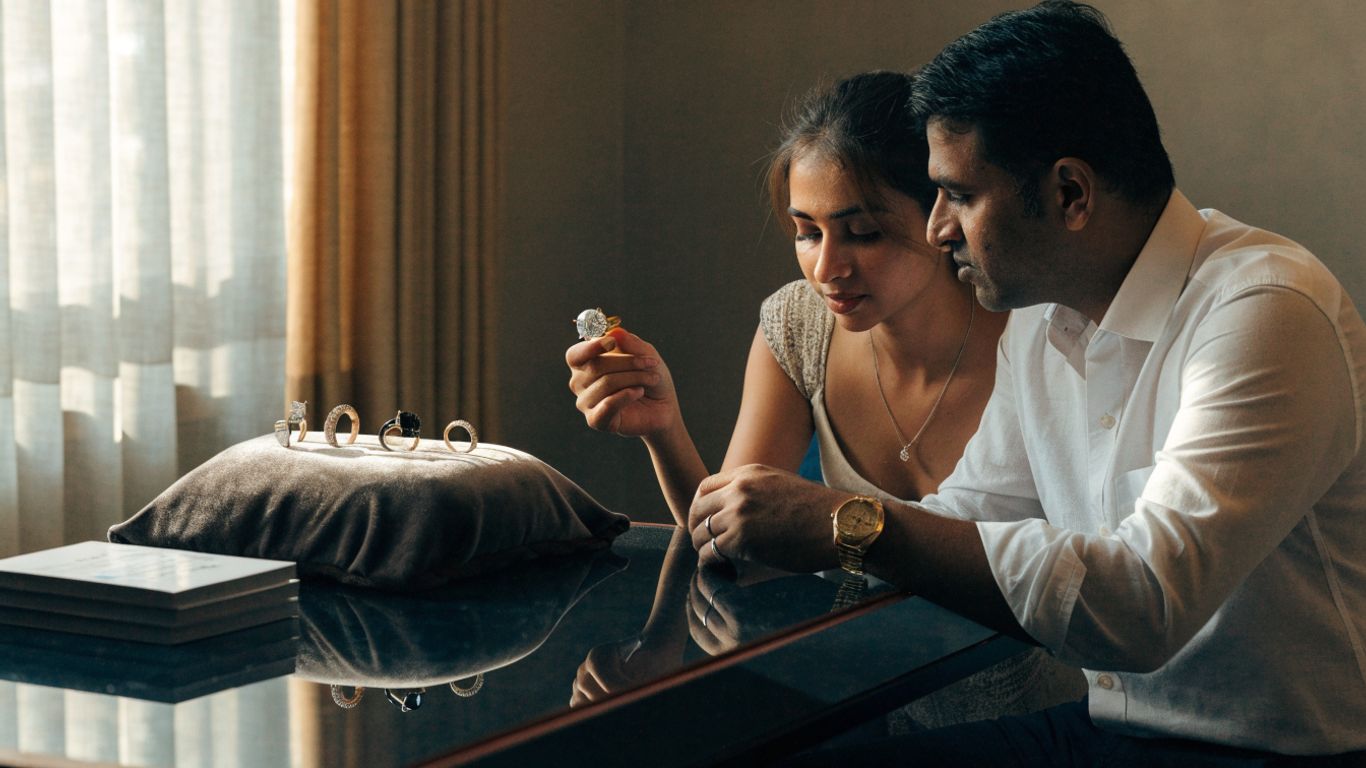
A good starting point is not a store name but a clear idea of what you hope to find. Think about the occasion, how often the piece will be worn, and the amount you are comfortable spending. A fine diamond boutique bangalore shopper can make better comparisons when those priorities are set before the first appointment. From there, look for a jeweler whose range and approach fit the kind of decision you need to make.
Match the boutique to your occasion and budget
An engagement ring, a milestone gift, and a piece for regular wear can call for different designs and levels of practicality. Set a comfortable budget, then tell the jeweler whether you want to prioritize a larger stone, a particular setting, or a durable design. It can also help to read a fine jewellery boutique guide before visiting, especially if you want a sense of the questions to ask about craftsmanship, pricing, and after-sales care. A clear budget gives the conversation useful boundaries without requiring you to settle on a specific design too early.
Decide between ready-to-wear and custom designs
Ready-to-wear pieces make it easier to see the finished proportions and compare several designs during one visit. Custom work may suit you better if you have a specific idea about the setting, stone shape, or details that are hard to find in an existing piece. Ask what parts of the process can be adjusted and whether you can review a design before work begins. If you are browsing online first, online design filters can help you narrow choices by style, metal, occasion, and budget before an in-person conversation.
Compare natural and lab-grown diamonds
Natural and lab-grown diamonds are distinct options, and the right choice depends on your preferences, budget, and comfort with each origin. Ask the boutique to explain what is being offered, how it is identified in the documentation, and how the price is determined. Compare stones with similar grading characteristics rather than assuming that origin alone tells you how a diamond will look. You should feel able to weigh the options without pressure to treat one as the automatic choice.
Understand diamond quality before you shop
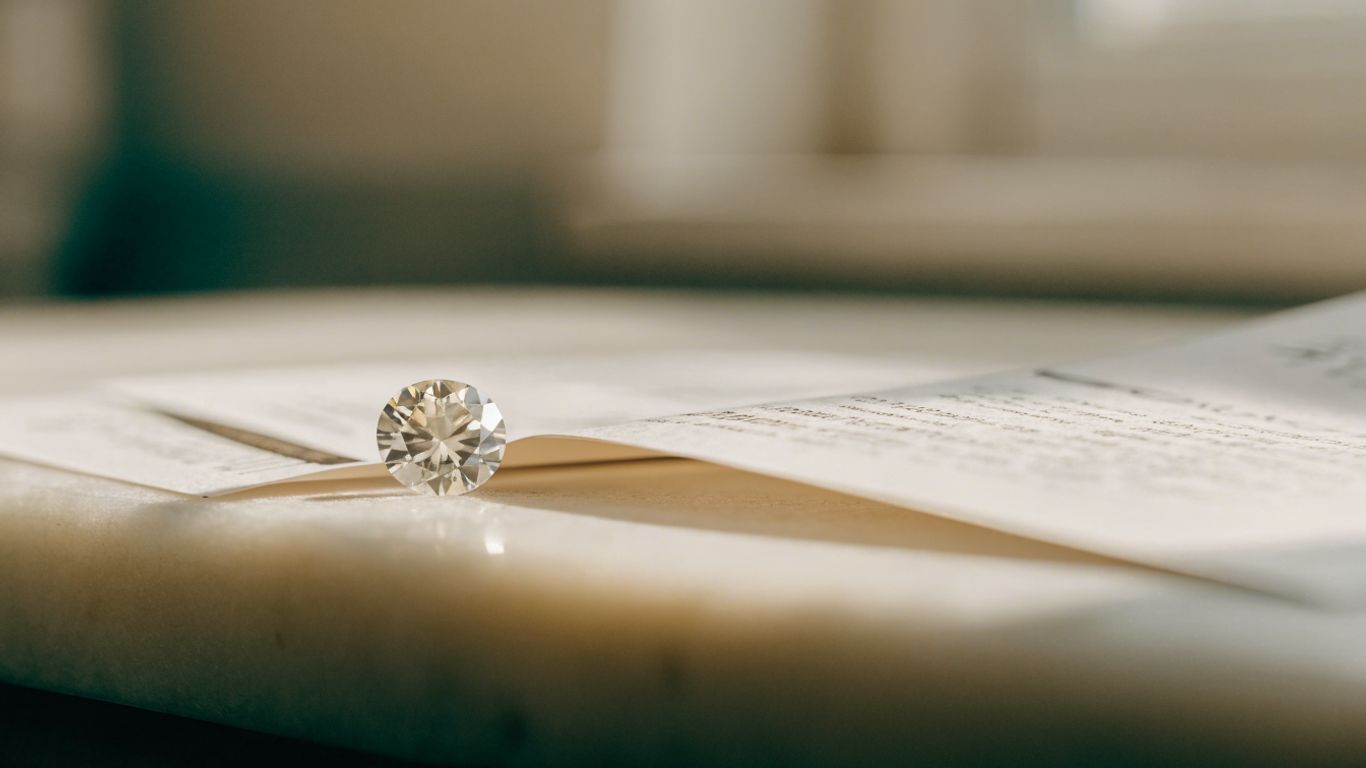
A little familiarity with diamond grading makes a store visit more useful, even if you are not planning to become an expert. The familiar 4Cs—cut, color, clarity, and carat—describe different qualities, and no single grade tells the whole story. Ask to compare stones directly and to see the details on their grading reports. Looking closely at these factors helps you decide which differences matter to your eye and which may not justify a higher price.
Evaluate cut, color, clarity, and carat
The 4Cs give you a shared vocabulary for comparing stones, but they are not interchangeable. Cut relates to how a diamond handles light; color and clarity describe other graded characteristics, while carat is a measure of weight rather than a complete description of visible size. Use a table as a starting point for asking focused questions, not as a substitute for seeing the stone.
| Factor | What to ask | What to compare |
|---|---|---|
| Cut | What cut information appears on the report? | How lively the stone looks in different lighting |
| Color | What color grade is stated? | Whether any difference is visible beside another stone |
| Clarity | What clarity grade and characteristics are documented? | Whether inclusions are noticeable to you at normal viewing distance |
| Carat | What is the exact carat weight? | Face-up dimensions as well as weight |
A direct comparison can reveal that two stones with similar grades look different in person. Decide which qualities matter most to you, then compare within that priority rather than chasing the highest number in every category.
Read diamond grading certificates
A grading report records information about a particular diamond and gives you details to check against the stone being offered. Confirm that the report refers to the diamond you are examining, and ask the jeweler to explain any terms that are unfamiliar. Review the stated grades and identifying details rather than relying on a verbal summary alone. If something on the report is unclear, take time to resolve it before making a decision.
Consider how quality affects appearance and price
Higher grades can affect price, but the difference may or may not be noticeable to you in the finished piece. Lighting, setting, and the way a stone is viewed can influence its appearance, so take time to look at it outside a single display angle. A useful comparison is one that balances documented quality with what you actually see and value. The aim is not to maximize every grade; it is to understand the trade-offs behind the price.
Assess the boutique’s trust and transparency
Trust is built through clear answers, consistent documentation, and time to make a decision. Notice whether the jeweler explains the piece in plain language and is comfortable discussing both its strengths and its limits. You can also read customer feedback, but treat it as one source of context rather than a guarantee of your own experience. A careful buyer should be able to leave with the details needed to compare options elsewhere or return later.
Check credentials and customer reviews
Ask what credentials or business documentation the boutique can provide, and check whether the details match the name and location you are dealing with. Reviews may offer clues about communication, delivery, and after-sales service, especially when several customers describe similar experiences. Keep in mind that a review is an individual account, not proof that every purchase will follow the same path. A trusted diamond store guide offers another set of practical points to consider when evaluating certification, pricing, and service.
Ask about sourcing and certification
Ask what information is available about the diamond’s origin and which documents accompany it. The boutique should be able to explain what is certified, who issued the report, and how the paperwork corresponds to the stone. If you are comparing natural and lab-grown options, confirm that the documentation clearly identifies the type being offered. Keep the answer specific: a general assurance is less useful than a document you can review.
Clarify pricing, taxes, and return policies
Before agreeing to a purchase, request an itemized breakdown and ask which taxes or additional charges apply. Confirm the return or exchange window, any conditions on eligibility, and whether the policy differs for customized pieces. Written terms are easier to rely on than a hurried explanation at the counter. A transparent conversation should leave you knowing the final amount and what choices remain if the piece does not meet expectations.
Explore designs and customization options
A diamond’s setting affects the look and feel of the finished piece as much as the stone itself. Consider how the design will sit, whether it suits the wearer’s daily habits, and how the metal color works with existing jewelry. If you are considering a custom order, learn how the idea moves from discussion to finished piece. Clear expectations about design revisions and timing can prevent avoidable surprises later.
Compare settings, metals, and styles
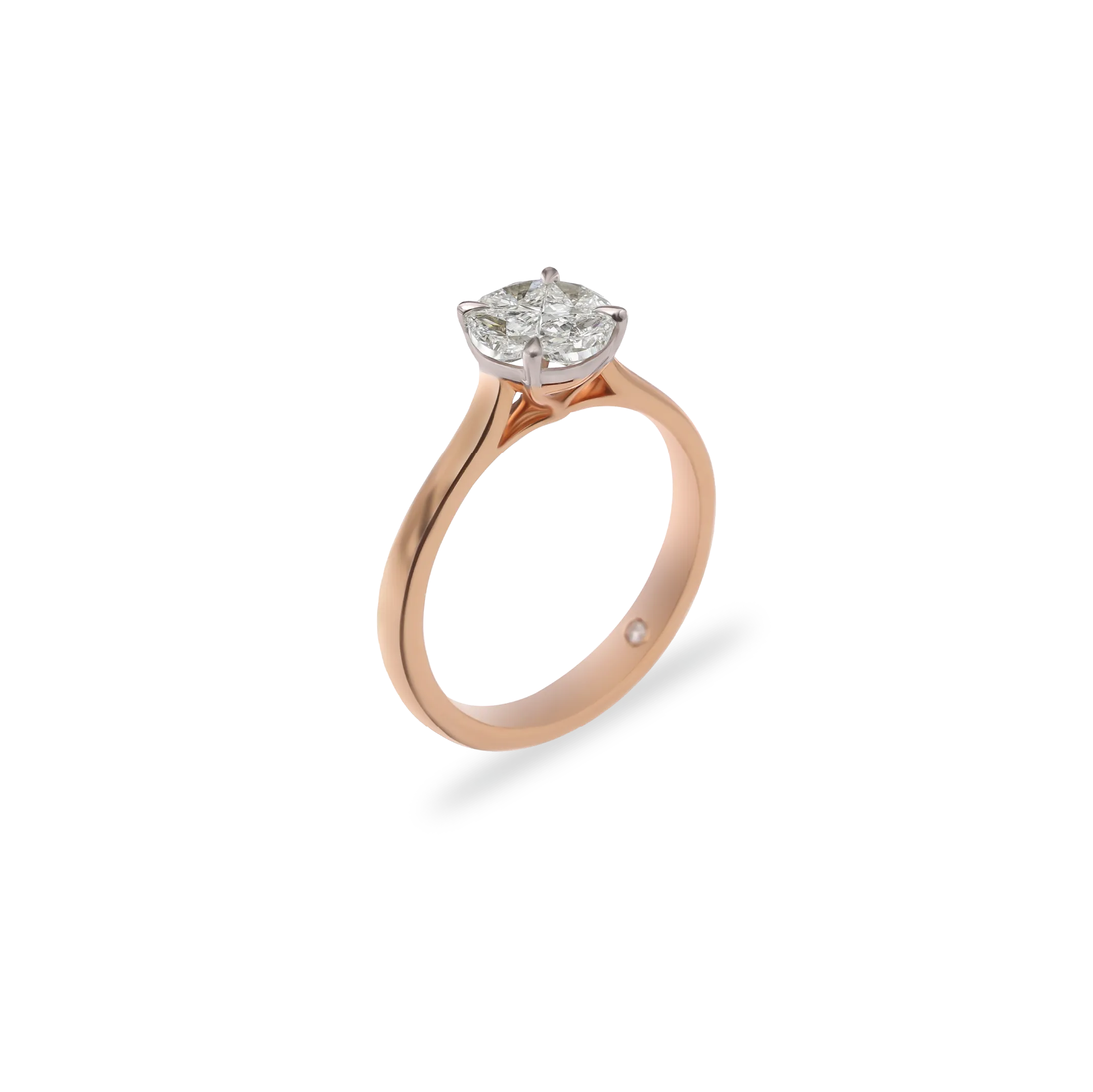
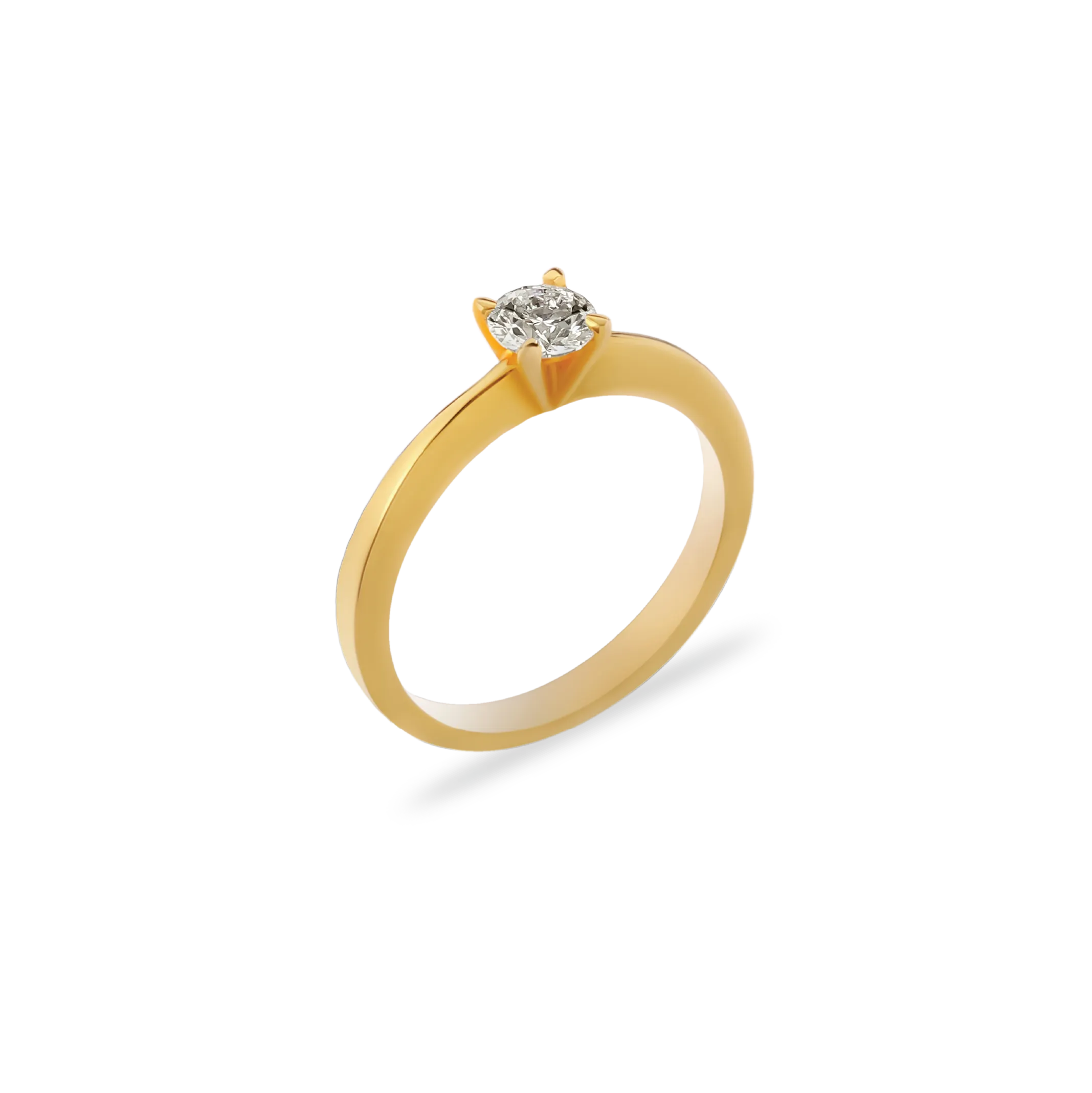
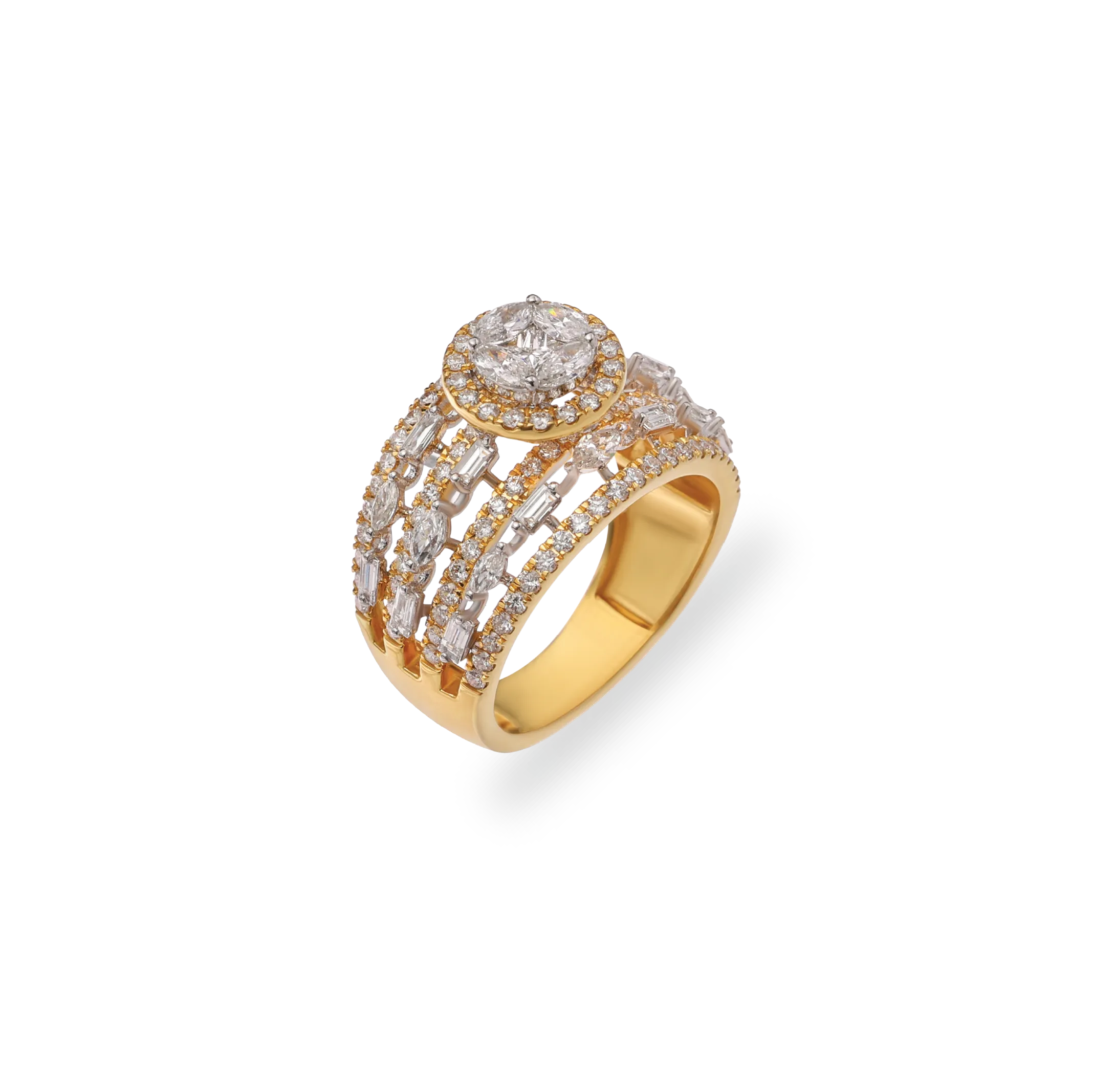
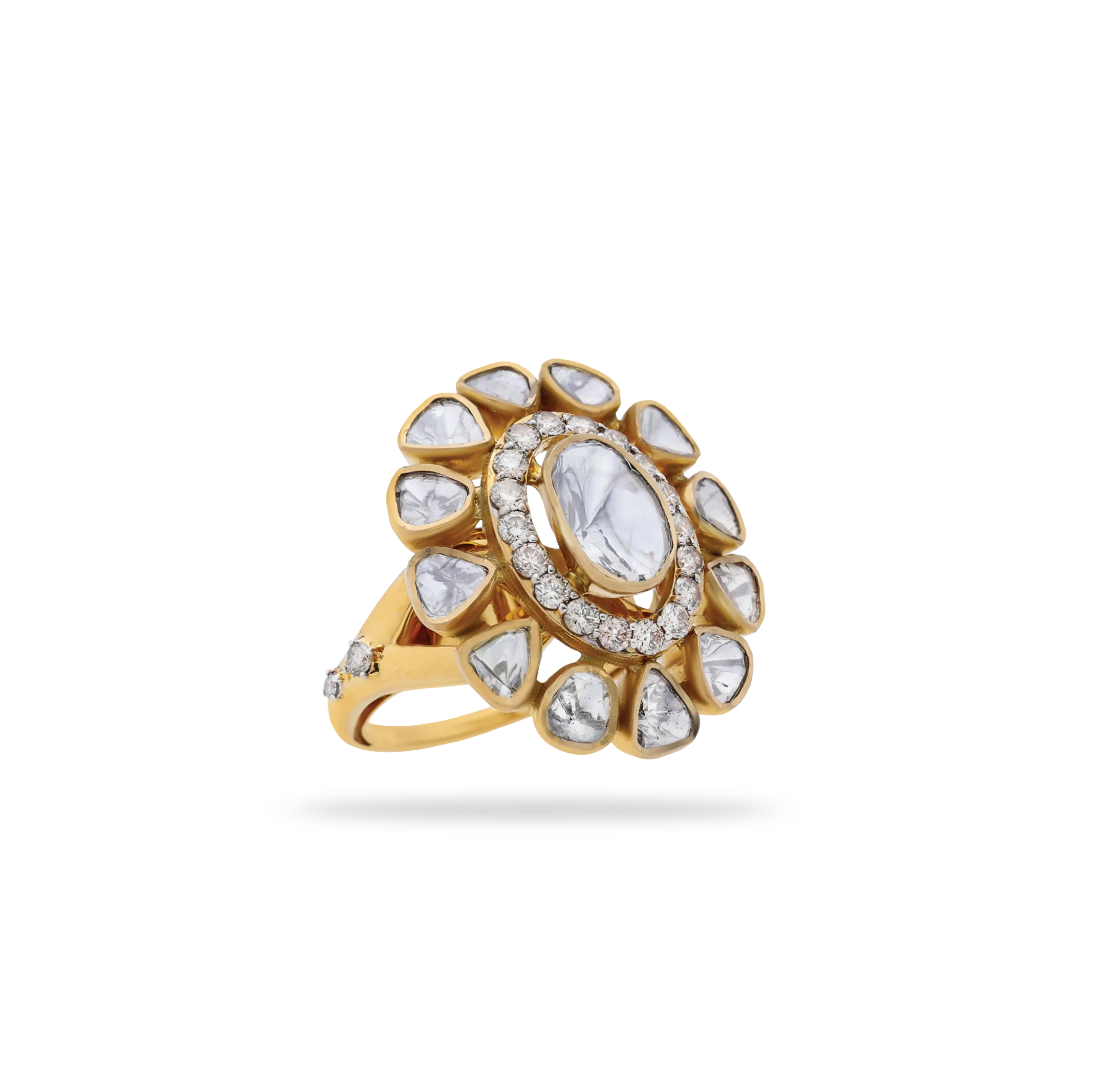
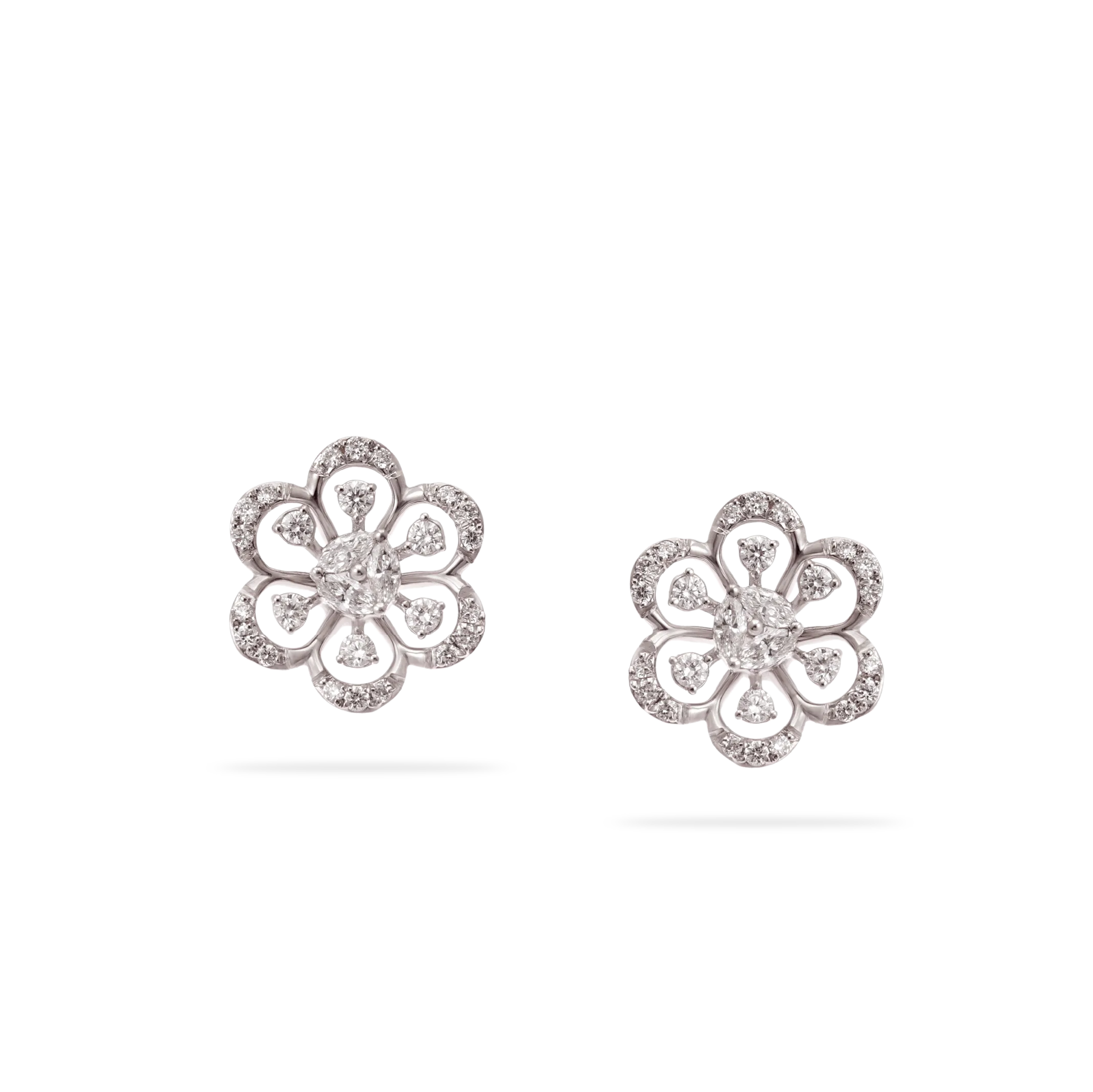
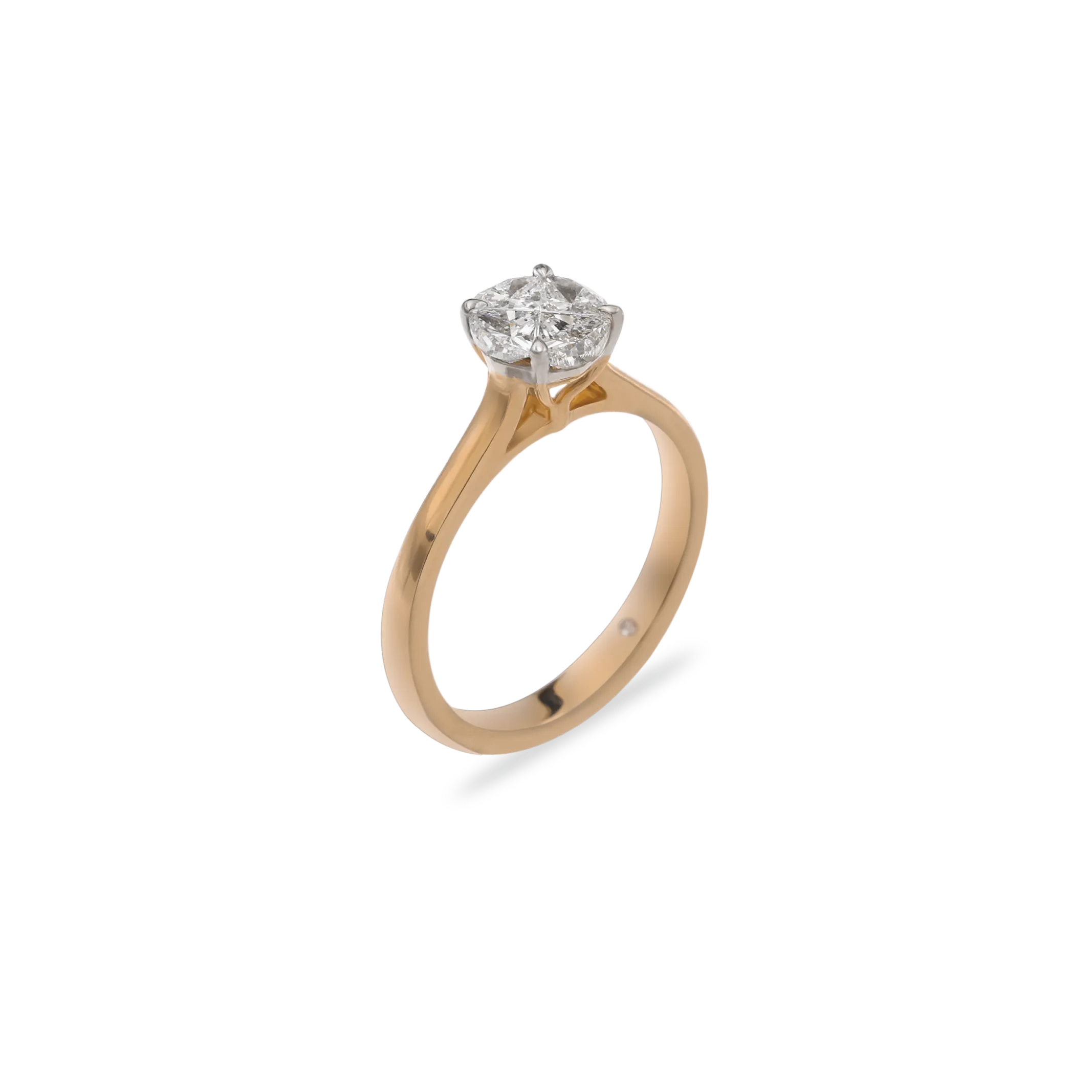
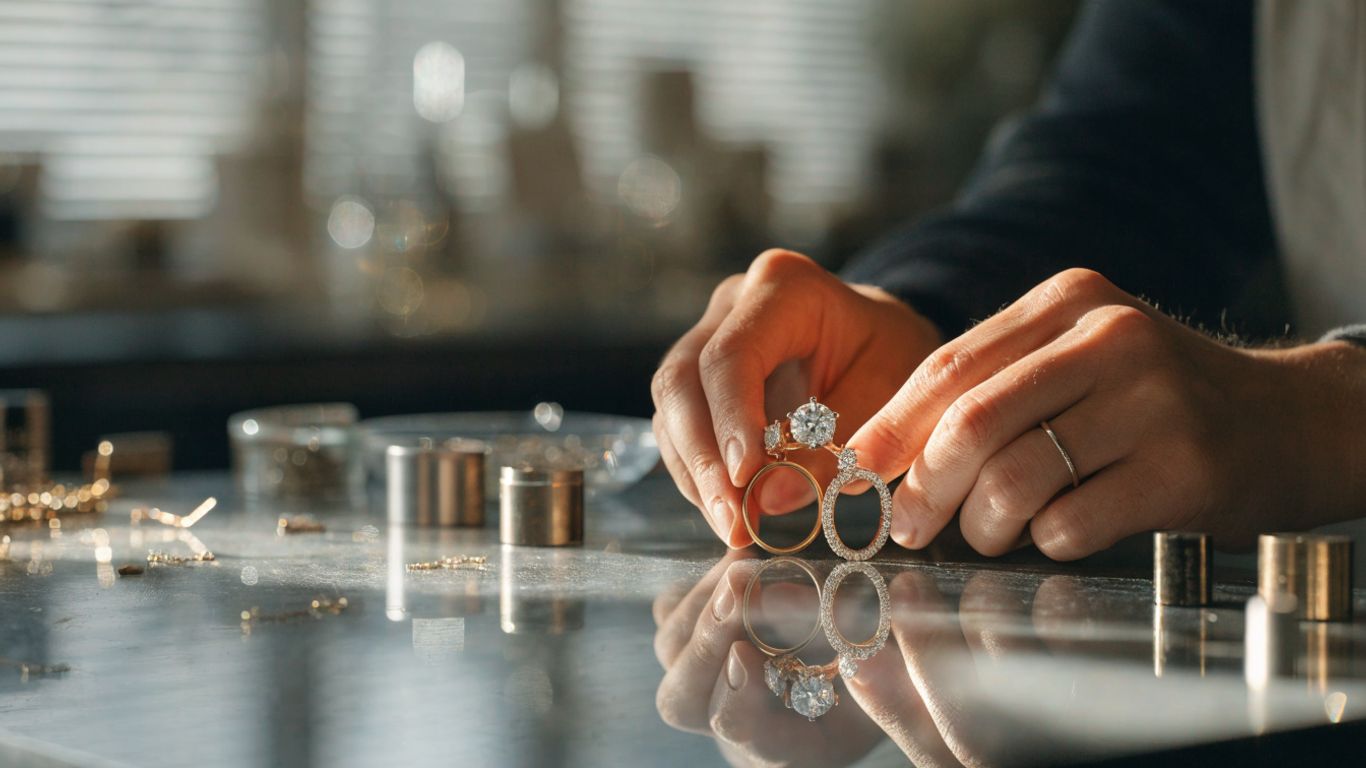
Look at how different settings hold the diamond and how much of the stone remains visible from the side and above. The choice of metal also changes the overall character of a piece, while band width and profile can affect comfort. Try on designs where possible, since a ring or pendant can look different in a display case than it does when worn. Choose a style that feels like something you will reach for, not just one that photographs well.
Ask how custom orders are designed and made
A custom brief can be simple: a preferred stone shape, metal, setting style, and any details you want included or avoided. Ask how the boutique records those choices and what you will be shown before the final piece is made. Find out which aspects can still change at each stage and whether a revision affects the price. The clearer the agreement, the easier it is to judge whether the final result matches the original idea.
Confirm timelines, resizing, and design changes
Before placing an order, ask for an estimated completion date and how you will be updated if timing changes. Clarify whether resizing is available, what it costs, and whether the setting limits how much adjustment is possible. For custom designs, confirm the deadline for requesting changes and whether alterations after approval are treated differently. These practical details are part of choosing a design you can wear with confidence.
Compare value beyond the listed price
The listed price is only one part of the decision. Two pieces can appear similar but differ in diamond documentation, metal, finishing, or the services included with the sale. Ask for enough detail to compare like with like, and give yourself time to read it. Value is easier to assess when you understand both what you are paying for and what support is available afterward.
Review what the price includes
Ask whether the quoted amount includes the setting, the stated metal, applicable taxes, and any other charges. If a service such as resizing or cleaning is mentioned, ask whether it is included, limited, or billed separately. Check that the invoice describes the piece clearly enough to match it with the certificate and any written terms. This makes the final price more meaningful than a headline figure alone.
Compare similar diamonds on consistent criteria
When you compare stones, use the same criteria for each one: grading details, carat weight, shape, setting, and total price. A small comparison table can help you keep the details straight, particularly after visiting more than one boutique. Avoid comparing a loose stone’s price with the total price of a finished piece unless you account for what each amount includes. Consistency reveals the trade-offs more clearly than a quick glance at the totals.
Ask about warranties, repairs, and buyback terms
Ask what support is available after purchase, including repair processes, warranty coverage, and any stated buyback or exchange conditions. Request the terms in writing and look for exclusions, time limits, and fees. Do not assume that a service mentioned in conversation applies to every design or remains available indefinitely. Understanding the conditions beforehand lets you decide how much that support contributes to the piece’s overall value.
Make a confident purchase in Bangalore
A thoughtful visit does not need to end in an immediate purchase. Give yourself time to compare the piece, the paperwork, and the service terms while the details are fresh. In-store, use the opportunity to view the diamond under more than one light and to test the fit and finish. A little preparation helps you ask direct questions and leave with the documents you need.
Prepare questions for an in-store consultation
A short set of questions can keep the appointment focused without making it feel like an interview. Note your budget and intended use, then ask about the diamond, the final price, and what happens after the sale. You might bring questions such as these:
- Which diamond details are shown on its grading report?
- What exactly is included in the itemized price?
- What are the return, resizing, and repair terms?
- How long would a custom order or adjustment take?
Use the answers to compare options later, rather than feeling obliged to decide on the spot. If an answer is vague, ask for clarification or written details before moving forward.
Inspect the diamond and craftsmanship in person
View the stone from different angles and, if possible, in more than one lighting condition. Look at the setting closely for symmetry, secure stone placement, and a finish that feels comfortable against the skin. Try the piece on and consider how it moves or sits during ordinary wear. A careful inspection can help you notice details that are difficult to judge from photographs alone.
Keep certificates and purchase documents safe
Store the grading report, itemized invoice, warranty, and any written service or return terms together. Check that the invoice describes the piece and stone clearly, and that identifying details correspond with the certificate. Keep digital copies as a backup, but retain the original documents in a safe place as well. Good records make future servicing, insurance discussions, or resale questions easier to handle.
Conclusion
Choosing a diamond boutique in Bangalore comes down to knowing your priorities, asking clear questions, and comparing the details that matter to you. When the diamond, design, documentation, price, and after-sales terms all make sense together, you can make a decision that feels considered rather than rushed.
Frequently Asked Questions
What should I look for in a diamond boutique in Bangalore?
Look for clear answers, verifiable documentation, itemized pricing, designs that fit your needs, and written policies for returns and after-sales service.
How do I choose a diamond within my budget?
Set a comfortable spending limit first, then compare stones and settings using the qualities you value most. Ask for an itemized final price so you can judge the complete piece.
What are the 4Cs of diamond quality?
The 4Cs are cut, color, clarity, and carat. They describe different aspects of a diamond, so consider them together and compare the actual stones as well as their grading information.
Should I choose a natural or lab-grown diamond?
The choice depends on your preferences, budget, and priorities. Ask for clear identification and documentation, then compare stones on similar grading characteristics and appearance.
Why should I ask for a diamond grading report?
A grading report documents details about a particular diamond. Checking its information against the stone can help you understand what is being offered and compare options more consistently.
What should I ask before ordering a custom diamond piece?
Ask how the design is approved, which changes are possible, how the price may change, and what timeline, resizing, and return terms apply to the finished piece.
What documents should I keep after buying diamond jewelry?
Keep the itemized invoice, diamond grading report, warranty information, and written service, return, or exchange terms together in a secure place.
Related blogs:
October 30, 2026
Best time to buy gold jewellery: a practical guide to timing your purchase
Read More
October 30, 2026
When to buy wedding jewellery: A timeline for every piece
Read More
October 29, 2026
How to insure diamond jewellery: A step-by-step guide
Read More

October 29, 2026
How to travel with expensive jewellery safely
Read More