Engagement Ring Trends 2026: The Definitive Guide to Choosing a Ring That Feels Current
August 17, 2026 | 10 minutes read
Key Takeaways
The most compelling engagement ring trends 2026 are less about one universally desired style and more about choosing details that feel personal, wearable, and thoughtfully made.
- Individuality is taking precedence over predictable, interchangeable designs.
- Elongated stones, colored gems, and diamond alternatives offer fresh ways to make a center stone distinctive.
- East-west, bezel, sculptural, and low-profile settings combine visual character with practical benefits.
- Yellow gold , platinum, white gold , and mixed metals each create a different mood.
- The best trend-led ring is one that suits the wearer’s daily life as well as their taste.
The biggest engagement ring trends shaping 2026
The engagement ring trends 2026 conversation is moving away from a single ideal ring. Couples are looking for pieces with a clearer point of view, whether that comes from an unusual stone shape, a warmer metal, or a setting that feels made rather than mass-selected. Classic designs are not disappearing; they are being adjusted with more individual details. A useful overview of 2026 bridal jewelry trends makes the same broader point, placing personal style alongside vintage influence, mixed metals, and versatile wearability.
Why individuality is replacing traditional uniformity
For years, the safest engagement ring choice was often a bright, symmetrical solitaire with a slender band and familiar proportions. That look remains beautiful, but it no longer feels like the only acceptable answer. Shoppers are increasingly asking whether a ring reflects their own clothing, architecture, travel memories, or family history instead of simply matching a bridal template.
Individuality does not require extravagance. It might mean an antique-inspired cut with a slightly irregular outline, a substantial band, or a small color accent tucked beneath the center stone. The strongest designs usually have one or two distinctive decisions rather than a collection of unrelated flourishes.
How social media and celebrity styles influence demand
Social platforms make unusual rings visible almost instantly. A silhouette that once appeared only in a specialist jeweler’s case can become familiar after a few widely shared photographs, while celebrity proposals can send particular shapes, settings, or proportions into the public conversation. That visibility can be useful for discovery, but it can also make a personal choice feel strangely compulsory.
Use images as a vocabulary, not as instructions. Save rings for their individual details—perhaps the orientation of a stone or the shape of a shoulder—and then ask whether that detail works with your hand, wardrobe, and routine. Trends are most helpful when they expand the range of possibilities rather than narrow it.
The balance between timeless design and modern details
Timelessness is not the same as plainness. A well-proportioned center stone, a sound setting, and a comfortable band can provide a lasting foundation, while a contemporary detail gives the ring its current character. A slim hidden halo, an east-west orientation, or a contrasting metal edge can modernize a familiar outline without making it feel tied to one particular year.
The balance is personal. Someone drawn to quiet jewelry may want only a softly brushed finish , while another wearer may prefer a sculptural split shank. One memorable detail is often enough to make a traditional ring feel unmistakably yours.
Which trends are likely to have lasting appeal
Trends tend to endure when they answer a real need. Secure settings, comfortable profiles, meaningful personalization, and metal choices that complement a wearer’s existing jewelry are more likely to remain satisfying than details chosen only because they photograph well for a season.
That does not mean every ring needs to be conservative. A marquise, pear, or emerald shape can feel both distinctive and enduring when the proportions are right. The practical diamond jewelry trends guide is a useful source of inspiration because it places current styles alongside a wide range of classic and antique directions.
Modern center stones and diamond alternatives
The center stone establishes the ring’s scale, movement, and emotional tone before the setting is even considered. In 2026, the conversation includes elongated diamonds, lab-grown and natural stones, sapphires, emeralds, and other colored gems. Each option brings a different combination of brilliance, durability, symbolism, and price. Choosing well means looking beyond a photograph and considering how the stone will behave in everyday life.
The growing appeal of elongated diamond shapes
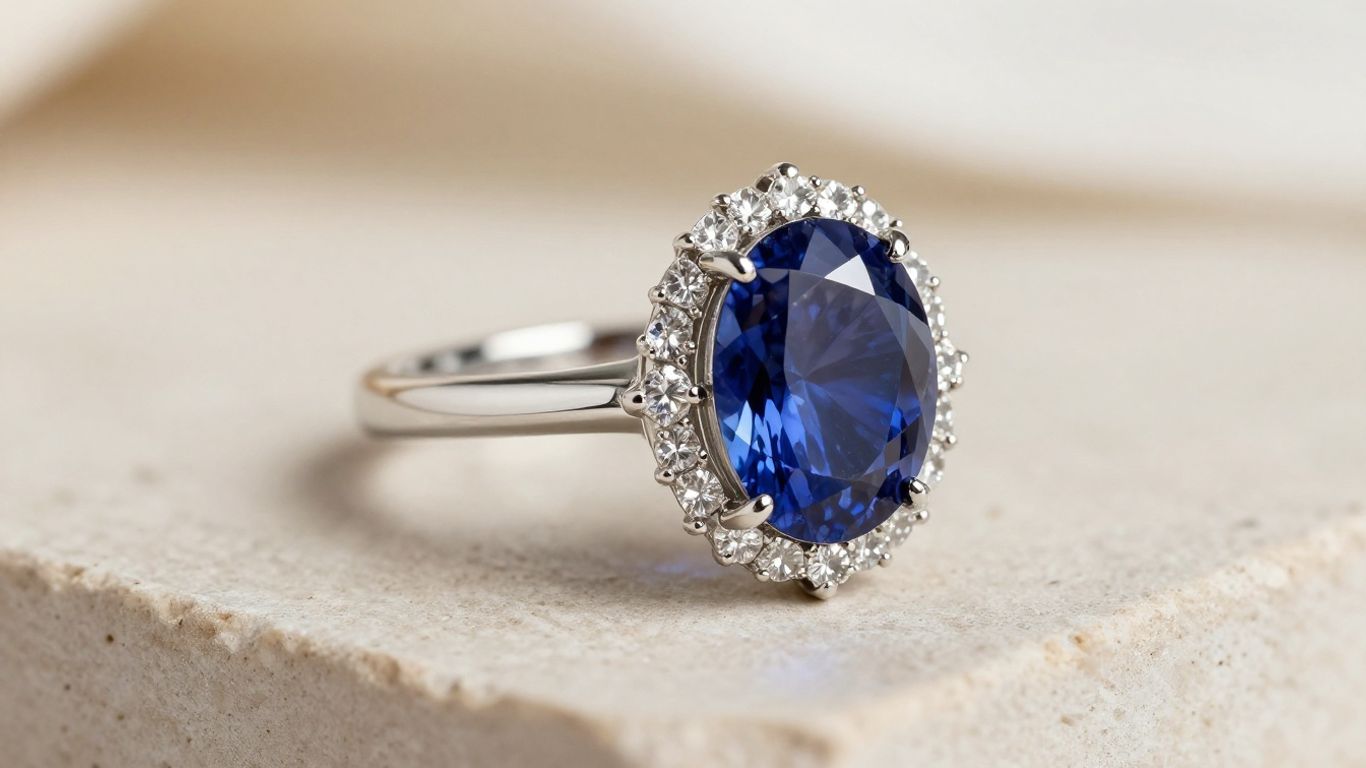
Oval, pear, marquise, elongated cushion, and emerald-cut stones all create a lengthened visual line across the finger. Some offer lively brilliance, while others have broader facets and a quieter, glassier appearance. Their outlines can make a ring feel elegant without relying on a large halo or heavily decorated band.
Orientation also changes the mood. A marquise or oval set east-west feels more graphic and contemporary, while the same stone placed north-south leans traditionally romantic. Look closely at the ends of pointed shapes and the symmetry of elongated stones, since small differences can become especially visible in a simple setting.
Lab-grown diamonds versus natural diamonds
Lab-grown and natural diamonds are distinct purchasing paths, and neither choice determines whether a ring feels luxurious or meaningful. Compare the stone’s cut, proportions, color, clarity, documentation, and overall appearance rather than treating origin as the only decision. The setting and craftsmanship still shape much of the ring’s character.
A buyer may also weigh personal values, budget, resale expectations, and the story they want the ring to carry. It helps to compare like with like: a similar shape and quality range in both categories will make the conversation more useful than comparing unrelated stones.
Sapphires, emeralds, and other colored gemstones
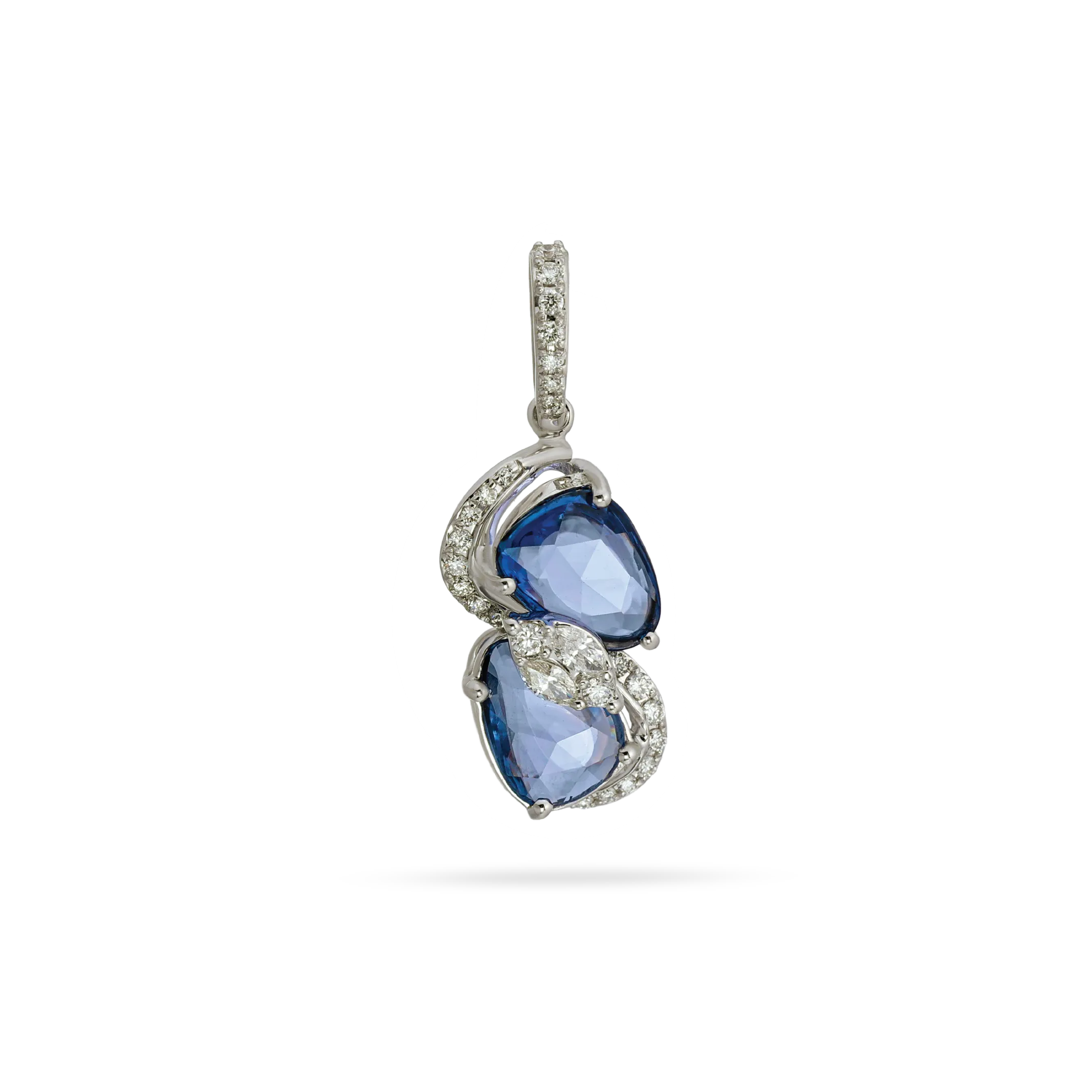
Colored gemstones bring immediate personality to an engagement ring. Blue sapphire can feel traditional while remaining visibly different from diamond; green emerald offers a softer, more painterly impression; and stones such as ruby or tourmaline introduce stronger saturation. A colored center can also connect the ring to a birth month, a favorite place, or an heirloom.
Color deserves careful inspection in different lighting. Look for the shade you enjoy at arm’s length, not only under bright showroom lights. A restrained side-stone detail may be a better fit for someone who wants a hint of color, while a vivid center gem can become the entire design language.
How stone choice affects durability, symbolism, and cost
The center stone should suit the wearer’s habits as much as their aesthetic. Someone who works with their hands or rarely removes jewelry may prefer a particularly protective setting and a stone selected with daily wear in mind. Someone who treats the ring as occasional jewelry may have more freedom to prioritize softness, unusual cuts, or delicate detailing.
These questions can make the comparison more grounded:
- Will the ring be worn during work, exercise, travel, and household tasks?
- Does the stone’s color or clarity matter more than its size?
- Is the symbolism personal, traditional, or simply visual?
- Which maintenance requirements feel reasonable over many years?
After those answers are clear, cost becomes easier to evaluate. A smaller, beautifully cut stone in a carefully designed setting may feel more satisfying than a larger center chosen at the expense of comfort or craftsmanship.
Ring settings and silhouettes to watch
The setting determines how a stone sits on the hand, how much metal is visible, and how easily the ring works with a wedding band. Current designs are exploring direction, structure, and protection rather than treating the setting as a secondary choice. That shift is especially useful for couples who want an expressive ring that still feels practical. The right silhouette can change the entire impression of the same center stone.
East-west settings for a contemporary look
An east-west setting turns an elongated stone sideways across the finger. The result is immediate but not necessarily loud: a horizontal oval can look clean and architectural, while a sideways marquise has a playful, slightly unexpected quality. This approach also makes a familiar shape feel less like a standard solitaire.
Consider the width of the finger and the desired relationship with a wedding band. A horizontal center may sit beautifully alone but require a contoured or curved band if a close fit is important. Trying the ring with several band shapes can prevent a visually appealing setting from becoming an awkward pairing.
Bezel and half-bezel settings for security and style
A bezel surrounds some or all of the stone’s edge with metal. Full bezels create a smooth, graphic outline and help protect vulnerable edges, while half-bezels leave more of the stone exposed and can allow additional light into the design. Both options have a distinctly modern clarity.
The profile matters as much as the top view. A carefully proportioned bezel can make a small stone appear purposeful and substantial, while an overly heavy rim may hide the shape that attracted you in the first place. Ask how the edge will feel against neighboring fingers and whether the stone can be inspected and cleaned easily.
Sculptural, split-shank, and bypass designs
Sculptural settings treat the band as part of the main composition. Split shanks can open around the center stone, bypass bands can create movement, and sweeping shoulders can make a ring look almost like a small piece of wearable architecture. These designs are particularly effective when the metal lines remain clear from every angle.
Because the structure is more visible, proportion is crucial. The shoulders should support the center rather than compete with it, and the underside should feel finished rather than merely functional. A bold silhouette can still be graceful when the curves follow the hand naturally.
Low-profile settings for everyday comfort
A low-profile ring keeps the center stone closer to the finger. This can reduce snagging on knitwear and pockets, make the ring easier to wear at work, and create a quieter outline when paired with a wedding band. It is a practical choice that does not have to look plain.
The compromise is that some low settings leave less room beneath the center stone for a straight band. Before deciding, try the engagement ring with a band of comparable width. Comfort includes both the feeling of the ring during movement and the way the two rings sit together.
Metal colors, finishes, and mixed-metal designs
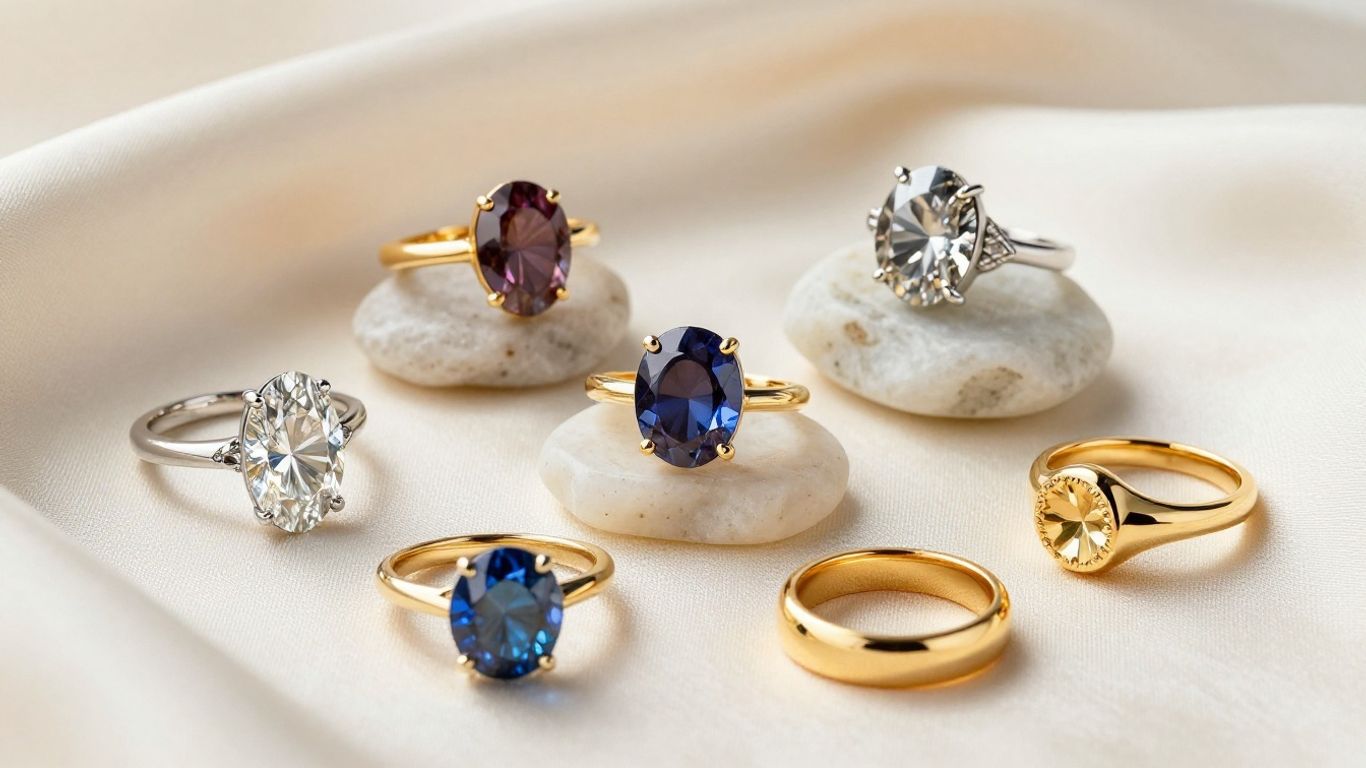
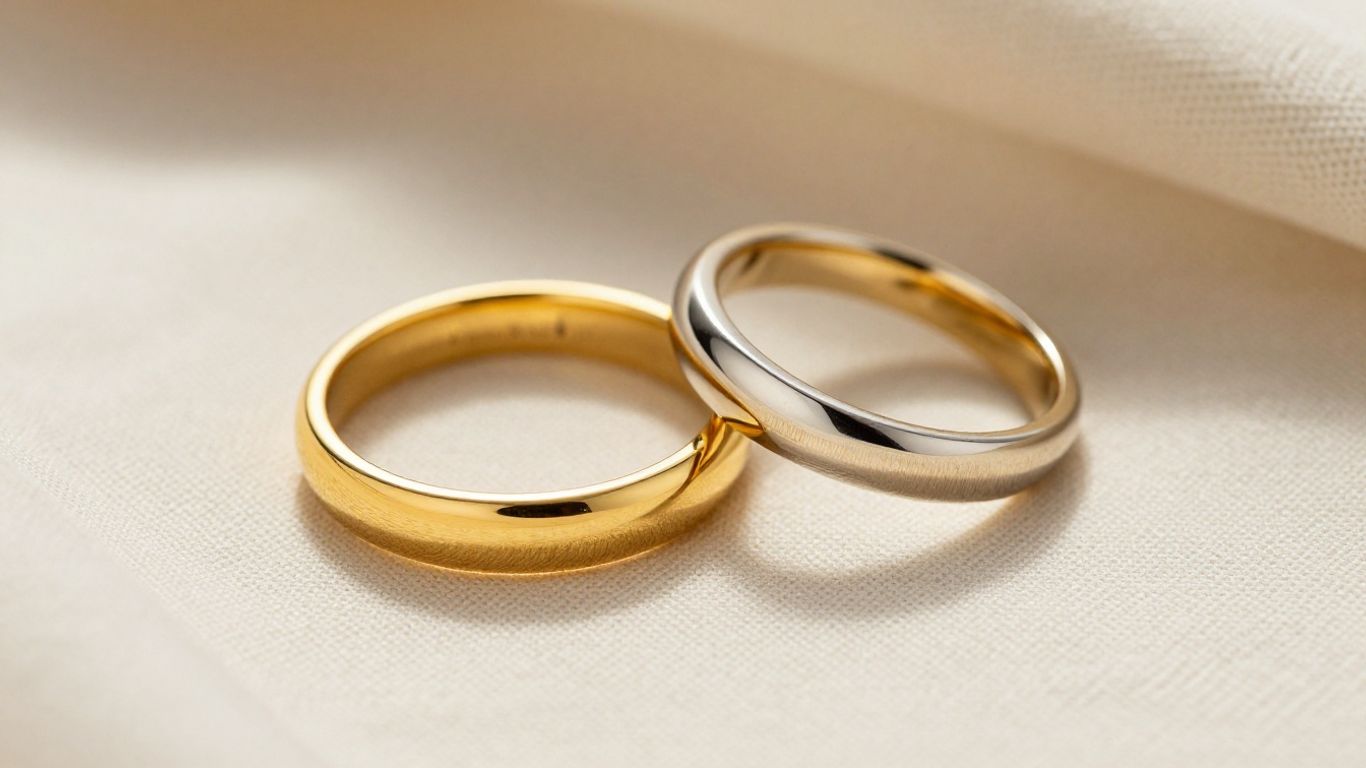
Metal sets the emotional temperature of a ring. Yellow gold feels warm and familiar, platinum and white gold create a cool, crisp frame, and mixed metals can bridge different pieces already in a jewelry collection. Finish adds another layer, from reflective polish to a tactile matte surface. These choices deserve as much attention as the stone because they affect how the ring looks in daylight, photographs, and ordinary use.
 Yellow gold and platinum rings on linen" >
Yellow gold ’s continued resurgence
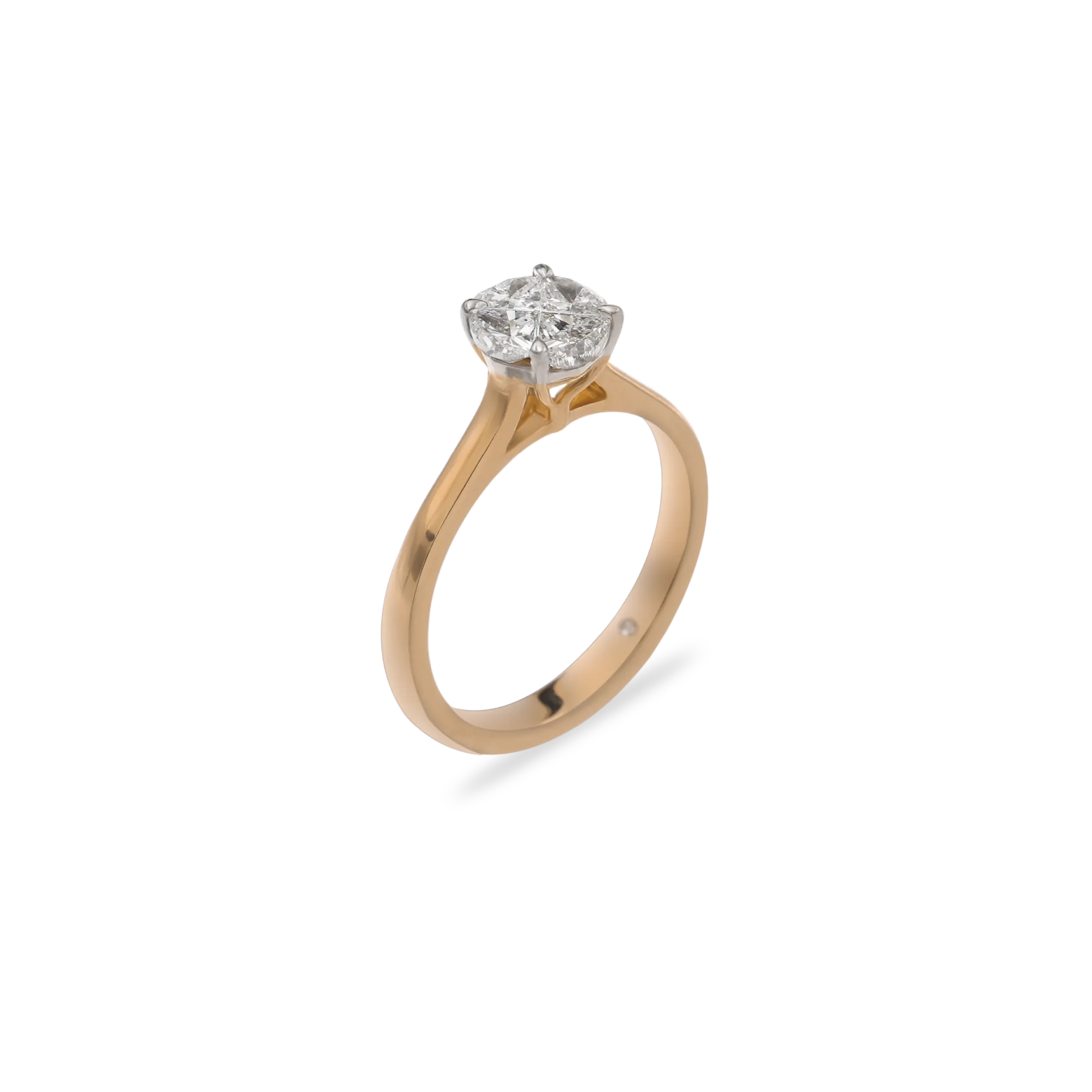
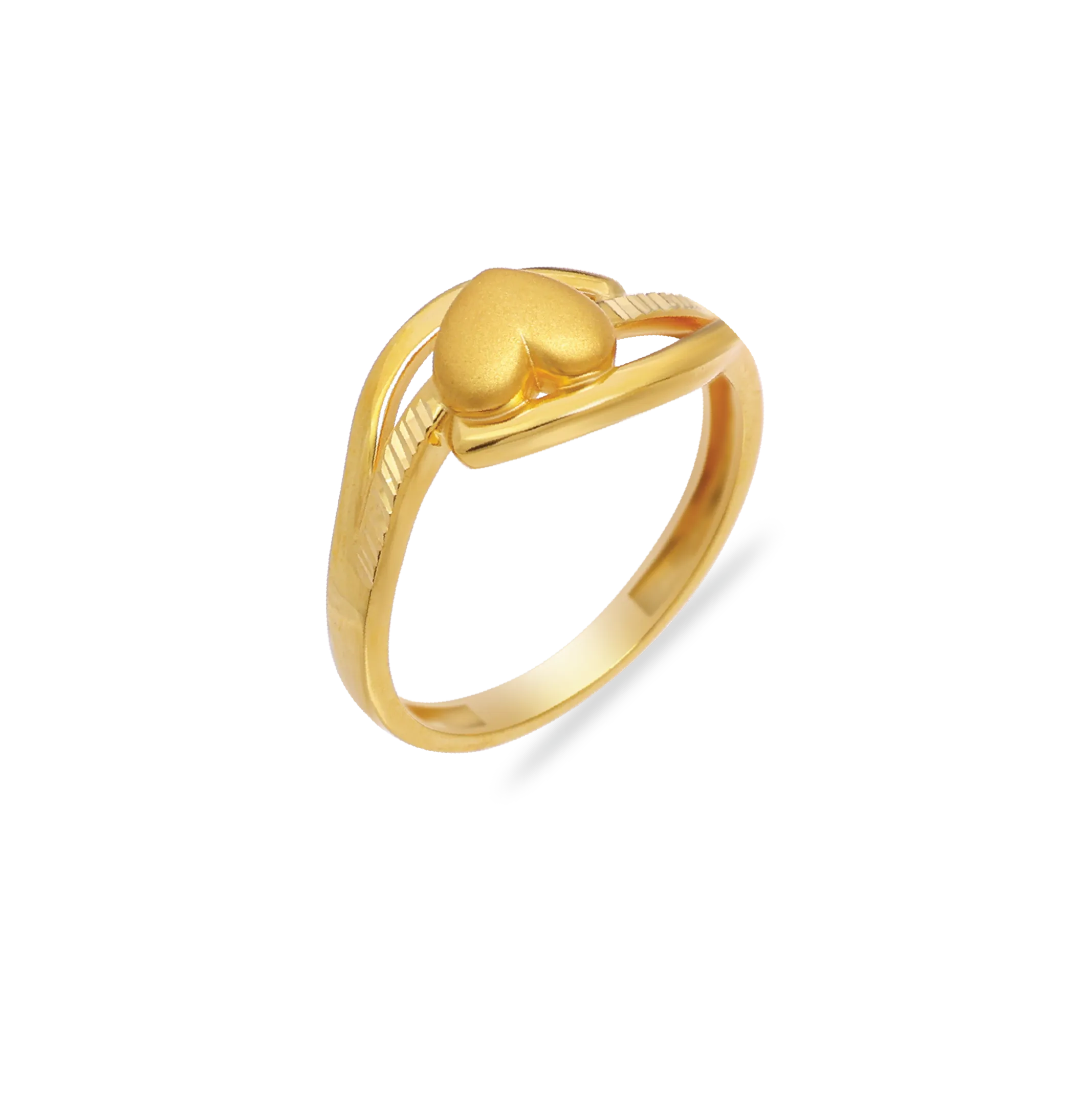
Yellow gold has returned as a confident choice for engagement rings, particularly when paired with antique-inspired cuts, substantial bands, or minimal settings. Its warmth can soften a geometric stone and give a traditional solitaire a more relaxed, lived-in mood. It also works naturally with existing gold jewelry.
The exact alloy and finish influence the result. A bright yellow tone feels more classic, while a softer or brushed surface can appear understated. Think about whether the wearer wants the metal to stand out or serve as a warm background for the center stone.
Platinum and white gold for a clean, classic finish
Platinum and white gold provide a cooler frame that keeps attention on the stone. They suit crisp solitaires, contemporary bezels, and designs where the contrast between bright metal and shadowed facets is part of the appeal. Their appearance can be especially effective with colorless or near-colorless diamonds.
They are not identical materials, so the jeweler should explain differences in weight, care, alloy, and surface changes over time. The best choice is the one whose maintenance and feel make sense for the wearer, not simply the metal that looks brightest in a display case.
Two-tone and mixed-metal combinations
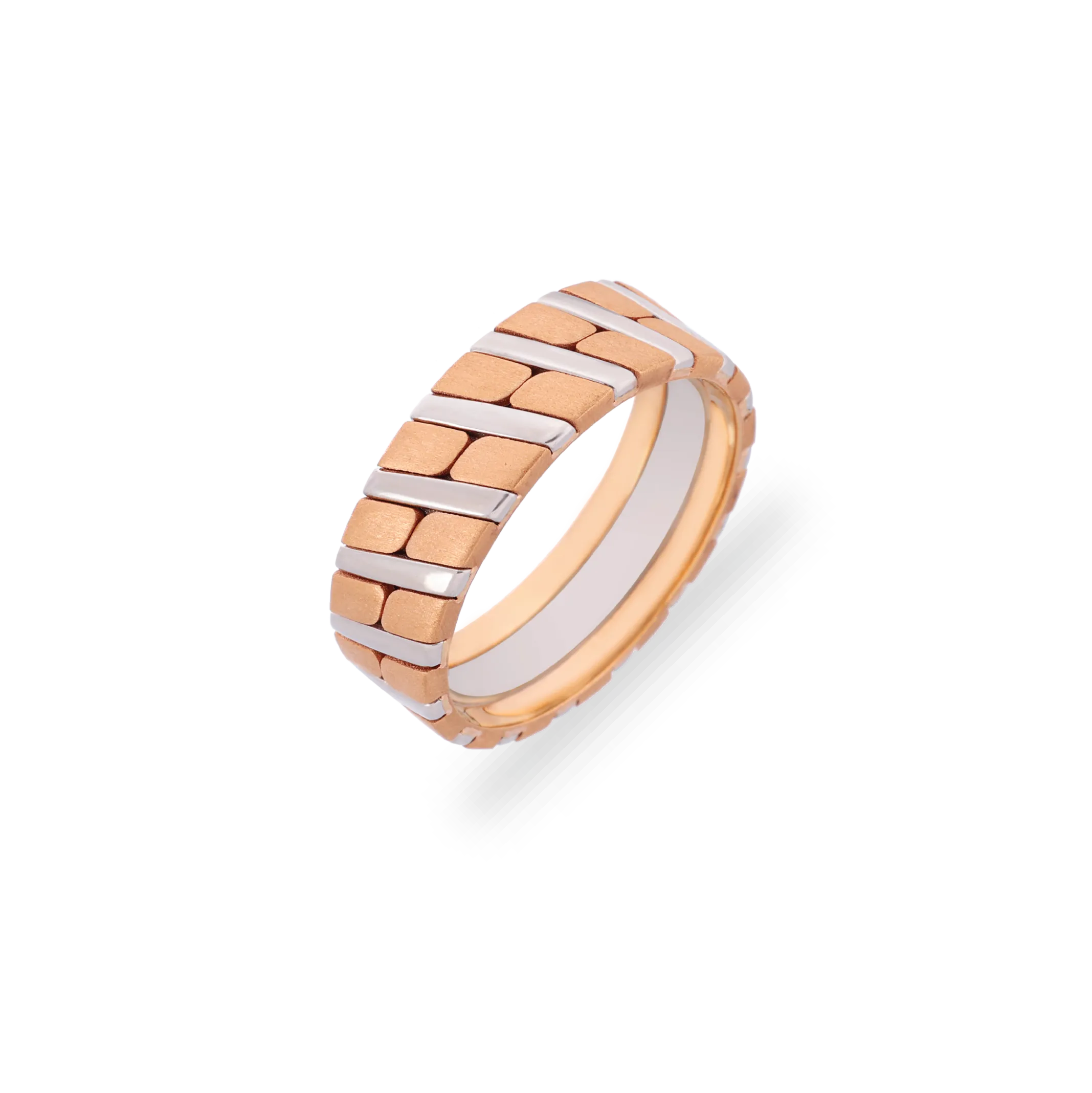
Mixed-metal rings create a deliberate connection between warm and cool jewelry. A yellow gold band with a platinum center frame can separate the stone visually, while a narrow white-metal accent can make a yellow gold ring feel lighter. The combination can also make future stacking easier when a couple does not wear only one metal color.
A guide to wedding jewelry styling offers a wider perspective on expressive silhouettes and coordinating metals across a celebration. For an engagement ring, the same principle applies: repeat one metal subtly elsewhere, or let one finish remain the clear focal point.
Brushed, matte, hammered, and high-polish textures
Surface texture changes how a ring catches light and how quickly everyday marks become visible. High polish is bright and formal, brushed and matte finishes are quieter, and hammered surfaces bring a handcrafted irregularity. None is automatically more durable; each simply ages in a different visual way.
Texture can be used strategically. A matte band may make a polished bezel stand out, while a polished edge can give a brushed ring a crisp outline. Ask to see samples in natural light and run a finger over them, since photographs rarely communicate the tactile difference.
Personalization and meaningful design details
Personalization works best when it is integrated rather than added as an afterthought. The detail may be invisible to everyone else—a date inside the band—or it may shape the entire ring through a custom silhouette. In either case, the goal is not to make the ring explain the relationship to strangers. It is to make the wearer recognize something of their own story in it.
Hidden halos, birthstones, and engraved messages
A hidden halo places accent stones beneath the center, where they can be discovered from the side without changing the top view too dramatically. Birthstones can add a private color note, and engraving turns the inner band into a quiet place for initials, coordinates, or a phrase with meaning.
These details should be planned early because they affect available space and construction. Keep the message short enough to remain legible, and consider whether the hidden stones or engraving can be inspected and maintained without difficulty.
Custom-designed rings that reflect a couple’s story
A custom ring can translate a shared memory into proportion, texture, or shape rather than relying on literal symbols. A shoreline might inspire a soft contour; an architectural landmark might become a stepped shoulder; a family ring might contribute its metal or a small inherited stone. The most successful custom designs usually begin with a clear feeling and a practical brief.
Bring reference images, but do not stop there. Explain what you like about each image—the scale, negative space, movement, or color—so the designer can combine those qualities into something original. A design conversation should also cover wear, cleaning, resizing, and future band compatibility.
Nature-inspired motifs and organic shapes
Leaves, petals, branches, and waves lend themselves to softened edges and flowing shoulders. Organic design can be subtle, appearing in claw shapes or a gently irregular band, or more visible through sculpted side stones and botanical contours. It is an appealing route for anyone who wants romance without a conventional halo.
The key is restraint and structural clarity. Fine leaf details need enough definition to remain readable, while deep recesses should not become difficult to clean. Ask how the motif will look from above, from the side, and after years of normal contact with clothing and other jewelry.
Vintage details and heirloom-inspired settings
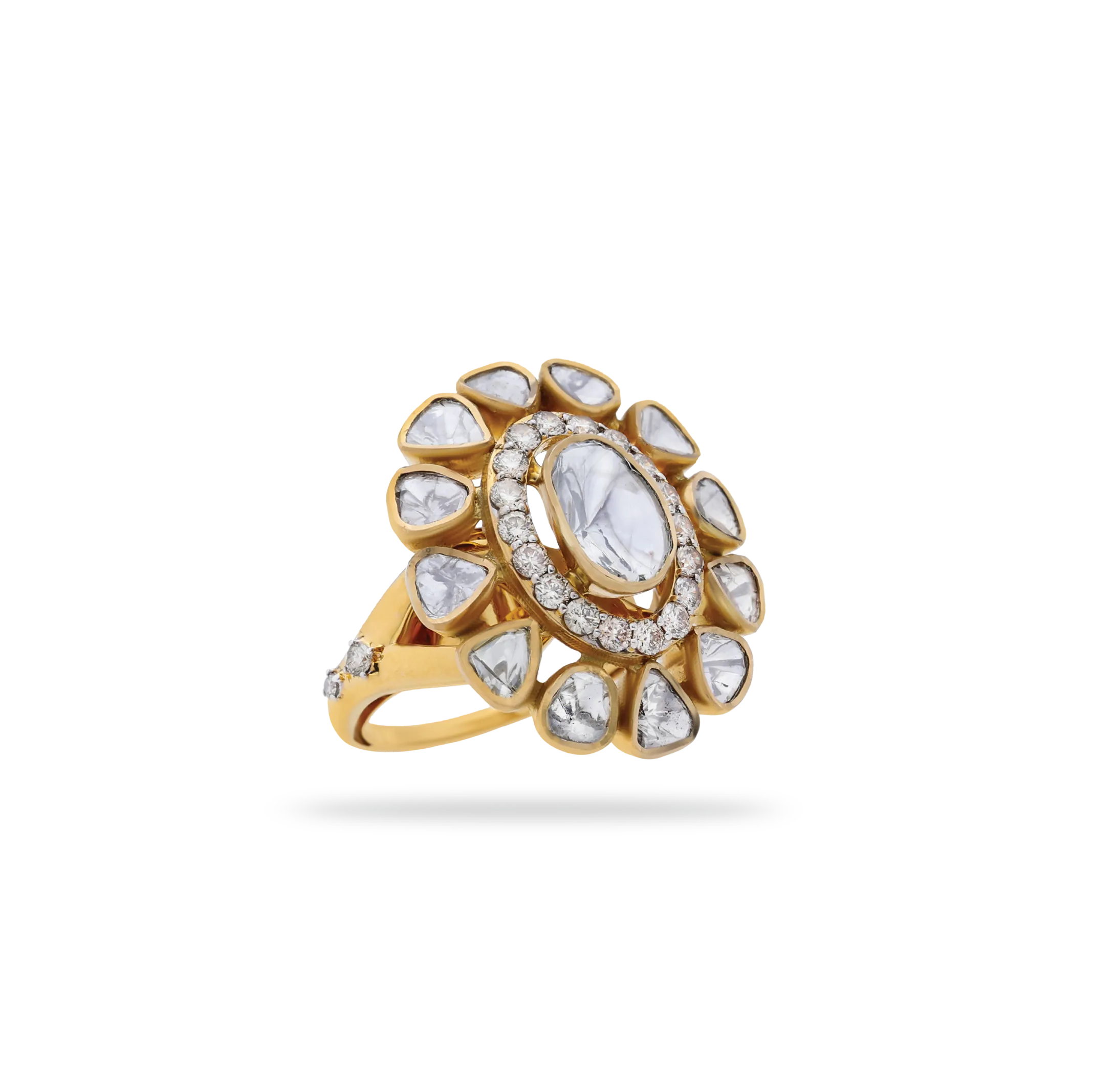
Vintage influence is returning through milgrain edges, engraved shoulders, old-style facet patterns, and antique-cut stones. These touches can make a new ring feel connected to a longer history without requiring an exact reproduction. They are also a way to capture the warmth of an heirloom while choosing a scale and profile suited to contemporary life.
A ring inspired by the past should still be assessed like any modern purchase. Check the security of fine details, the accessibility of the stone for cleaning, and whether the setting can be repaired by a jeweler familiar with its construction. Character is valuable, but so is dependable workmanship.
How to choose a 2026 engagement ring trend wisely
A trend is a starting point, not a test of taste. The right ring should make sense on the wearer’s hand, beside their other jewelry, and within the rhythms of their life. Set aside a little time to try contrasting styles rather than only variations of the first ring that caught your eye. A practical engagement ring trend guide is useful here because it connects personality with wearability and longevity.
Matching the ring to personal style and lifestyle
Start with the jewelry already worn most often. Someone who prefers simple gold pieces may feel happiest with a warm metal and a clean bezel, while someone drawn to architectural clothing might enjoy a split shank or east-west stone. Work, hobbies, travel, and comfort preferences are equally relevant.
Notice what happens when you move your hand. Does the ring catch on fabric, feel top-heavy, or disappear in a way you dislike? A ring can be beautiful in a still photograph and wrong for the person who will wear it every day.
Considering maintenance, durability, and daily wear
Ask how often the ring should be cleaned, which parts need inspection, and how the chosen stone responds to impact or abrasion. Prongs, fine pavé, delicate engraving, and exposed pointed ends may require more regular attention than a simpler, protected design. That does not make them poor choices; it makes the care commitment part of the choice.
The setting should match the wearer’s willingness to remove the ring for certain activities. If that is unlikely, favor a design that protects the center and does not create unnecessary snag points. Comfort and maintenance are not dull technicalities—they are what allow the ring to remain enjoyable.
Setting a realistic budget without sacrificing priorities
A useful budget begins by ranking priorities. Perhaps the most important element is a beautifully cut center stone, or perhaps the ring’s custom metalwork matters more. Once those priorities are stated, it becomes easier to adjust size, color, clarity, or decorative accents without feeling that every compromise is a failure.
Compare complete rings, not isolated prices. A lower-priced center may require a more elaborate setting, while a simple setting may show the stone more clearly. Leave room for resizing, insurance, future maintenance, and a wedding band if those costs are not already included.
Comparing trend-led details with long-term versatility
Before committing, imagine the ring in ordinary settings: a winter coat, a workday, a formal dinner, and photographs taken years from now. Ask whether the distinctive feature is the part you truly love or merely the part that currently appears most often online. Versatility does not mean the ring must be anonymous.
Use this comparison to separate passing decoration from durable design choices:
| Ring decision | Current appeal | Long-term question |
|---|---|---|
| Elongated center stone | A graceful, distinctive outline | Do you love the shape without the trend context? |
| Bezel or half-bezel | Clean lines and added edge protection | Does it suit your preferred profile and band pairing? |
| Yellow or mixed metal | Warmth and a more personal color story | Will it work with the jewelry you already wear? |
| Vintage-inspired detail | Character and a sense of history | Can the fine workmanship be comfortably maintained? |
The answer does not have to be completely practical or completely fashion-forward. A ring can include a current silhouette and still feel enduring when its proportions, comfort, and construction are right. Choose the trend that helps express the person, not the trend that asks the person to disappear inside it.
Conclusion
The best engagement ring trends 2026 offer more freedom rather than a new uniform. Whether the final choice is an elongated diamond, a colored gemstone, a warm mixed-metal setting, or a quietly personalized band, the ring should feel considered from every angle. Let current ideas open the search, then let personal style, daily comfort, budget, and lasting affection make the final decision.
Frequently Asked Questions
What are the biggest engagement ring trends for 2026?
Individual silhouettes, elongated center stones, yellow gold , mixed metals, bezel settings, sculptural bands, and personal details are all prominent directions. The broader movement is toward rings with more character and practical wearability.
Are oval and marquise diamonds still popular in 2026?
Yes, both remain appealing because their elongated outlines feel elegant and distinctive. Their orientation, proportions, and setting can make the same shape look either classic or distinctly contemporary.
Is yellow gold a good choice for a modern engagement ring?
Yellow gold can look very modern when paired with a clean bezel, substantial band, geometric stone, or restrained finish. It also creates a warm contrast with many diamond and gemstone colors.
What is an east-west engagement ring setting?
An east-west setting places an elongated center stone horizontally across the finger rather than vertically. It gives familiar shapes such as ovals and marquises a more graphic, unexpected appearance.
Are bezel settings practical for everyday wear?
A bezel or half-bezel can help protect the stone’s edges and create a smooth profile. The design should still be assessed for cleaning access, band compatibility, and the wearer’s preferred amount of visible metal.
How can I personalize an engagement ring without making it too unusual?
Consider one private or restrained detail, such as an engraving, birthstone, hidden halo, contrasting metal edge, or subtly organic shoulder. A focused detail often feels more coherent than many decorative features competing at once.
How do I choose a trend that will still feel right years from now?
Try the trend in relation to your existing jewelry, daily routine, preferred colors, and desired comfort. If you love the underlying shape or material—not just its current popularity—it is more likely to remain satisfying over time.
Solitaire ring trends 2026: The styles, settings, and details defining modern proposals
10 minute read
Gold jewellery trends 2026: The definitive guide to styles, metals, and how to wear them
10 minute read
Related blogs:
September 17, 2026
How to Choose the Perfect Diamond Necklace for Bride on Her Wedding Day
Read More
September 17, 2026
Wedding jewellery for modern brides: how to choose timeless pieces with contemporary style
Read More
September 17, 2026
Wedding jewellery for traditional brides: A complete guide to choosing timeless bridal pieces
Read More
September 17, 2026
Wedding jewellery for minimalist brides: A complete guide to choosing timeless pieces
Read More









.webp)
.webp)