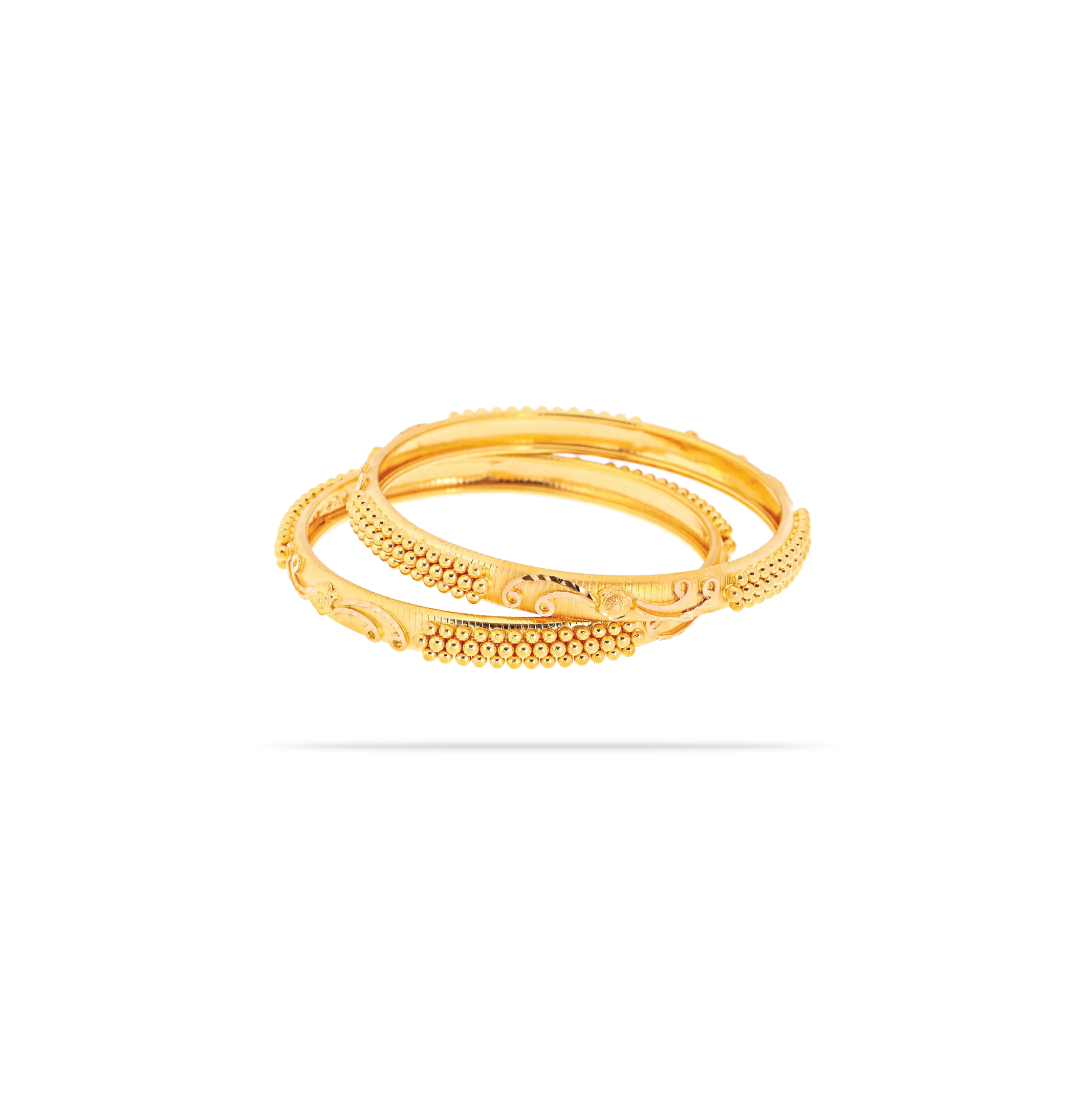
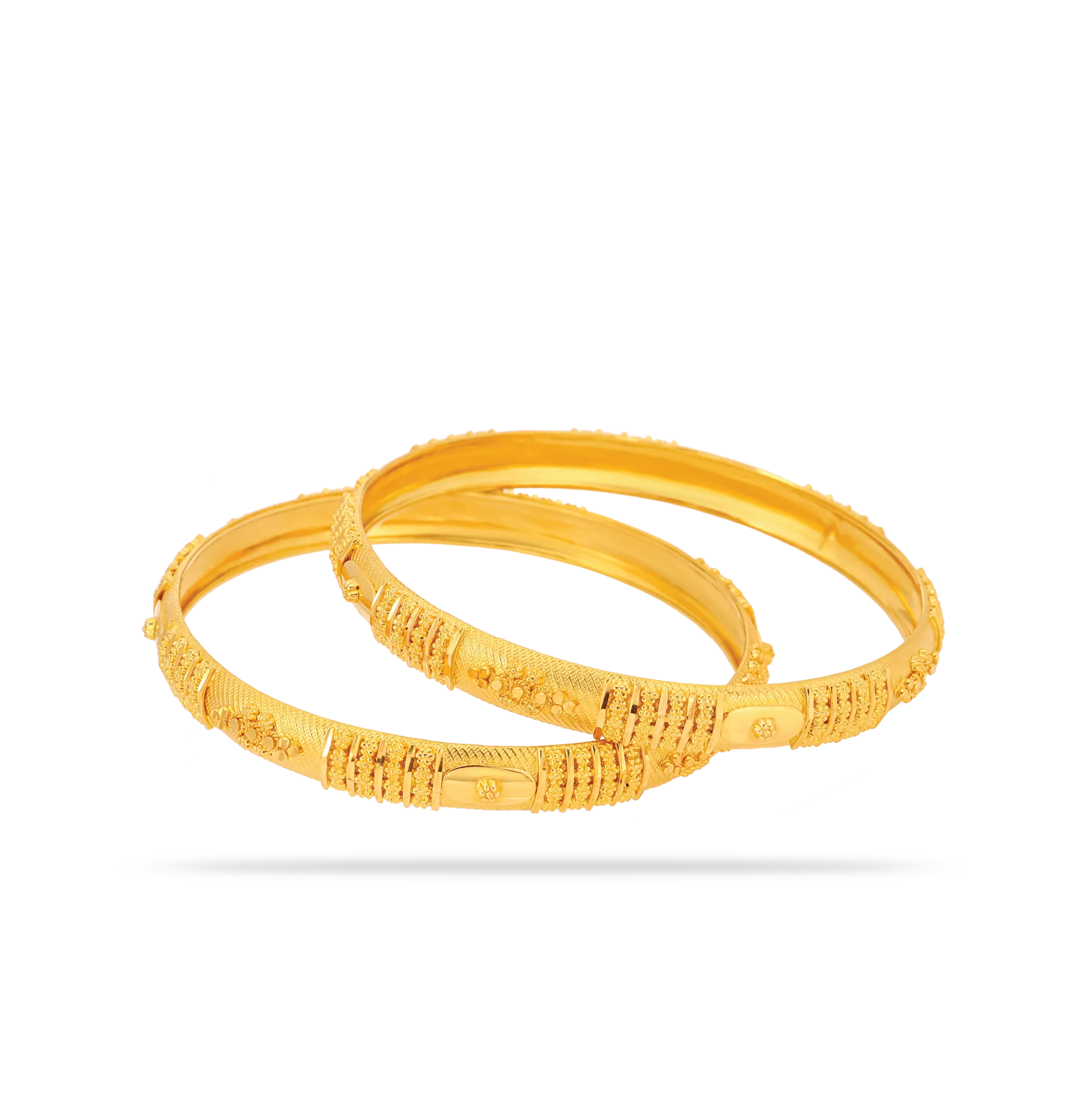
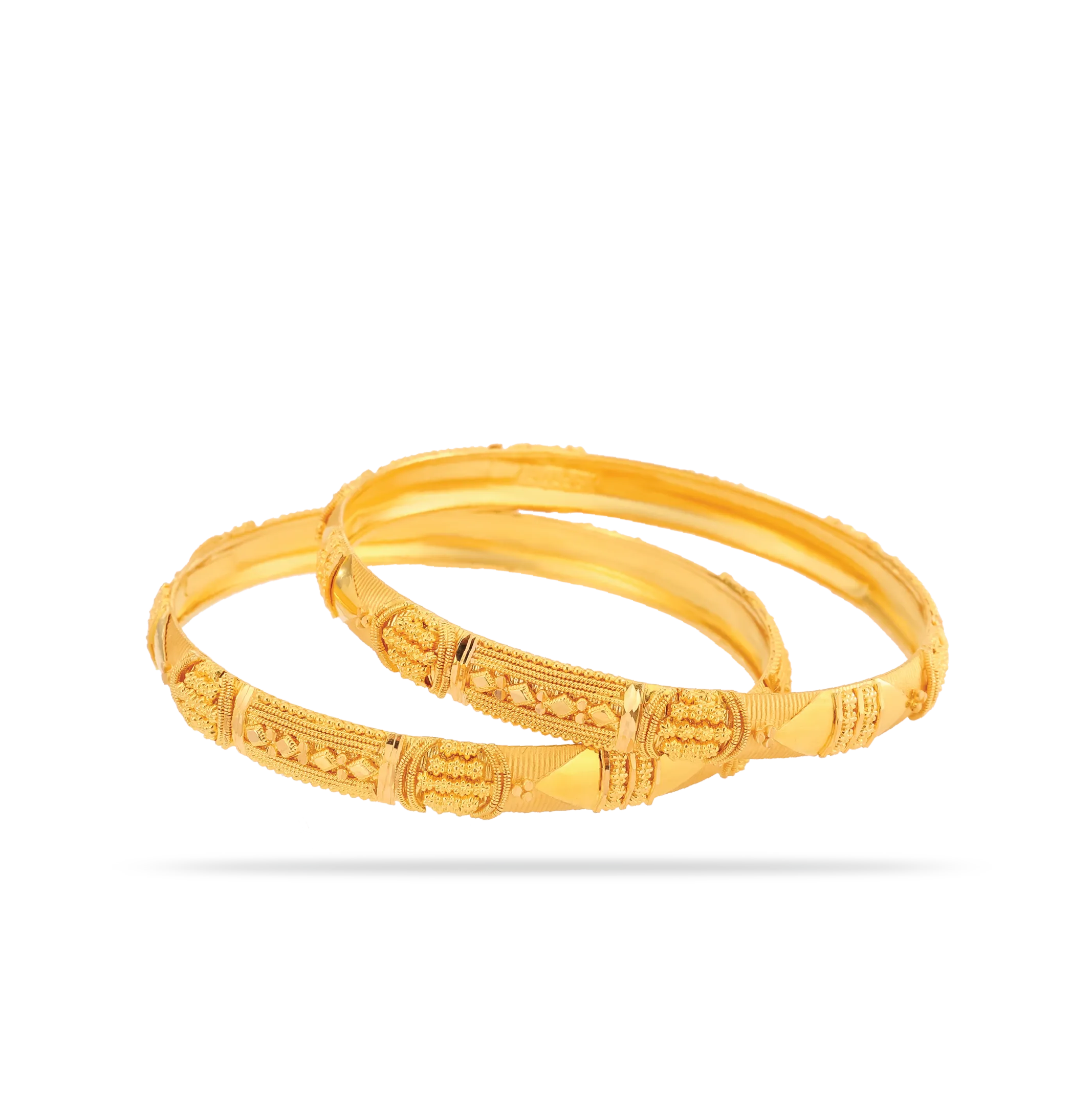
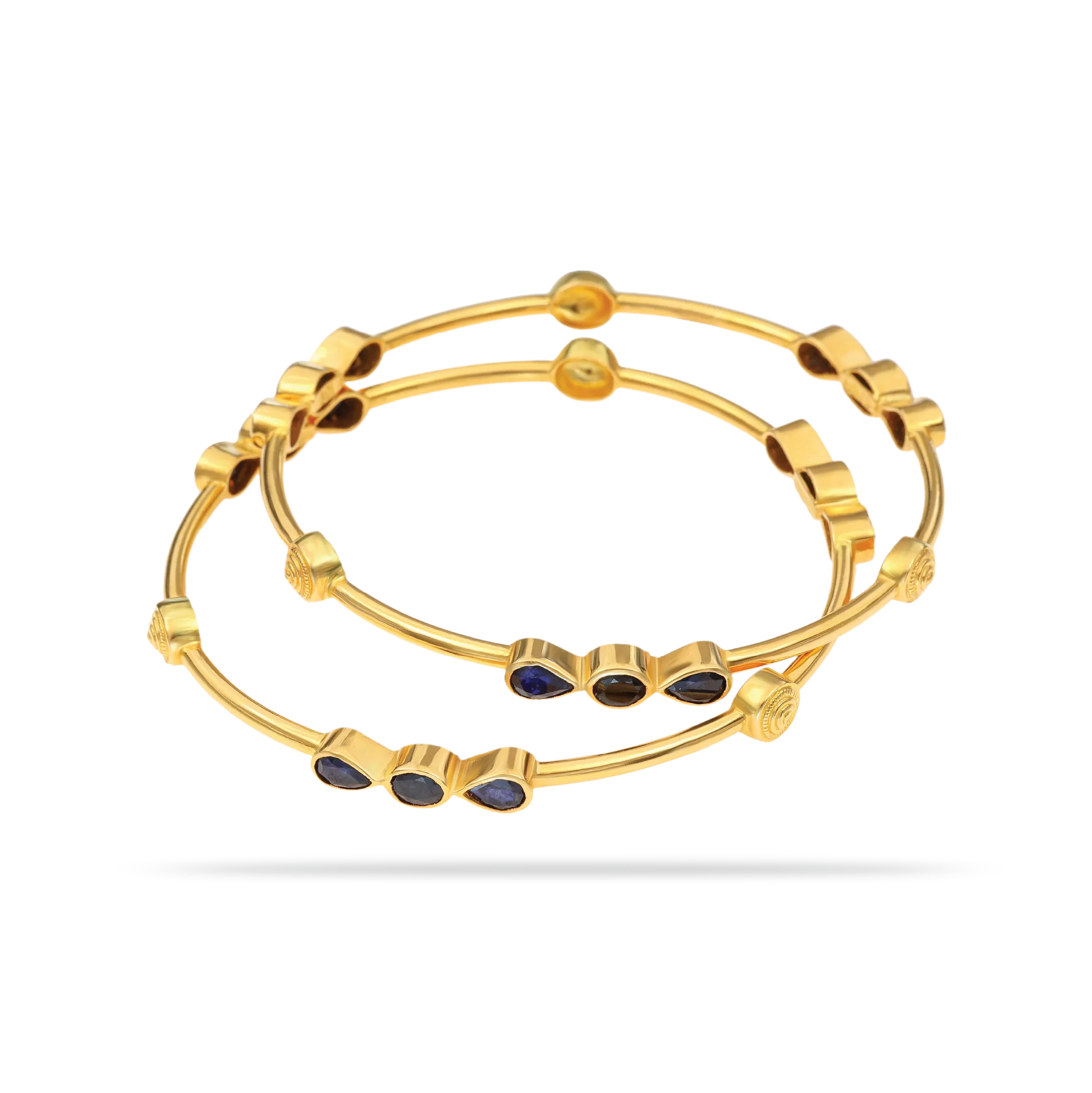
How to store gold bangles: A practical guide to keeping them safe
October 29, 2026 | 10 minutes read
Key Takeaways
A little care before and after wearing gold bangles can help keep them clean, easy to find, and protected from avoidable wear.
- Wipe bangles gently and make sure they are dry before storing them.
- Use a soft pouch or lined compartment to keep each piece separate.
- Store rigid bangles flat or in individual slots, especially when they have stones.
- Choose a cool, dry, secure place away from bathroom humidity and direct sun.
- Pack bangles separately for travel and check stored pieces from time to time.
Prepare bangles before storing them
A few quiet moments of care before putting bangles away can make them easier to wear next time. The aim is to remove what has collected during the day without using a cleaning method that might not suit the piece. A simple routine also gives you a chance to notice damage while the bangle is still in hand. Keep the process gentle, and ask a jeweler about cleaning if a design is especially delicate.
Remove oils, makeup, and residue with a soft cloth
After wearing a bangle, use a clean, soft cloth to wipe its surface and remove fingerprints, skin oils, or traces of makeup. Move lightly over the metal rather than rubbing hard, and take care around any stones or decorative details. Avoid reaching for household cleaners or rough fabrics; they may be too harsh for a particular finish or setting. A quick wipe is often all that is needed before the piece goes into its storage place.
Make sure each bangle is completely dry
If a bangle has been wiped with a damp cloth or exposed to moisture, dry it thoroughly before storing it. Use a soft, lint-free cloth and check the inside as well as the outer surface, especially around joints or decorative details. Putting a damp piece away can leave moisture trapped in its compartment. Wait a little longer if you are unsure; the bangle should feel dry all over before it is stored.
Check clasps and settings for damage before putting them away
Take a moment to look over the clasp, hinges, and any stone settings before closing the box or pouch. Notice whether a clasp closes securely, a joint feels unusually loose, or a stone appears to move. Do not tug at a setting to test it, since that could worsen a problem. If something seems faulty, set the piece aside and have a jeweler assess it before wearing or storing it with other jewelry.
Choose protective storage materials
A suitable container gives each bangle a clean, cushioned place to rest. It need not be elaborate: what matters is that the lining is soft and the pieces are not left to knock against one another. The same basic approach works for a small everyday collection or a larger box of occasion pieces. For broader advice on caring for jewelry between wears, these gold jewelry storage tips offer a related perspective.
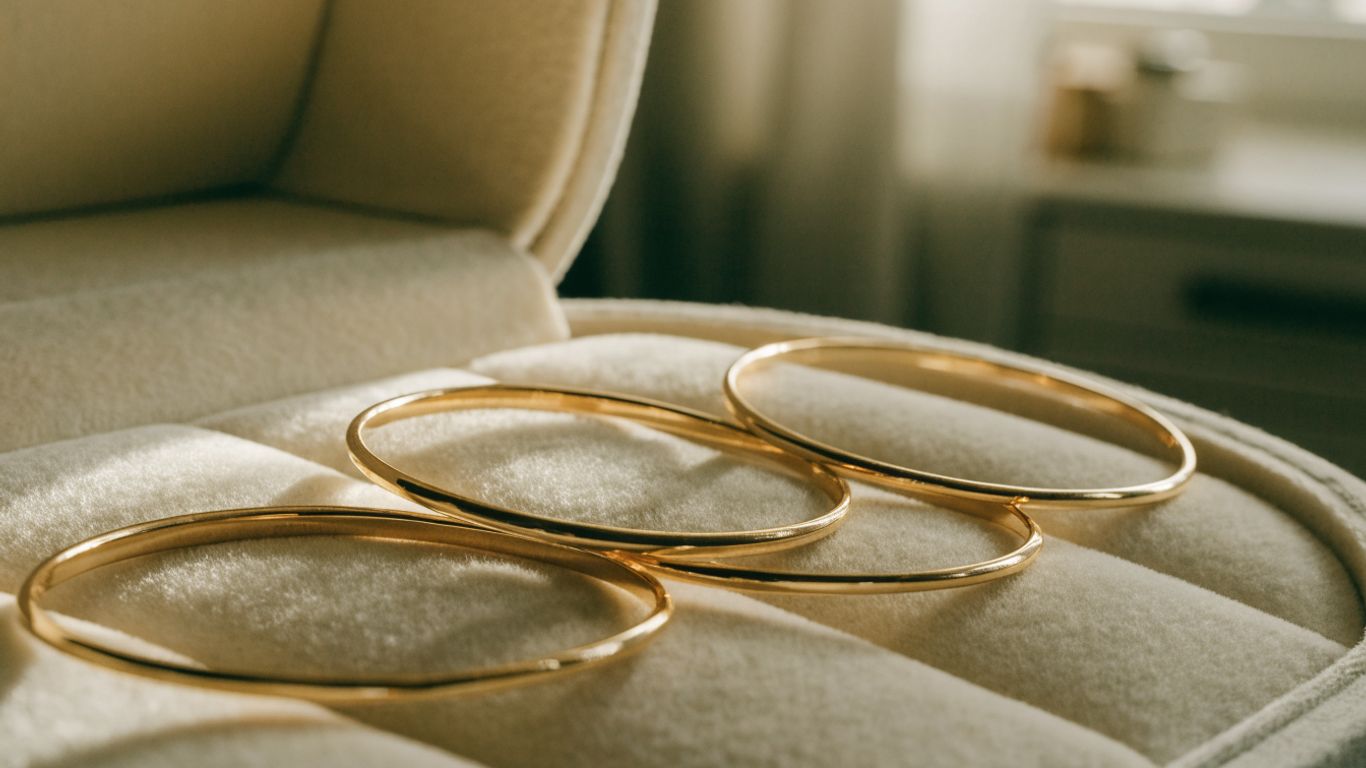
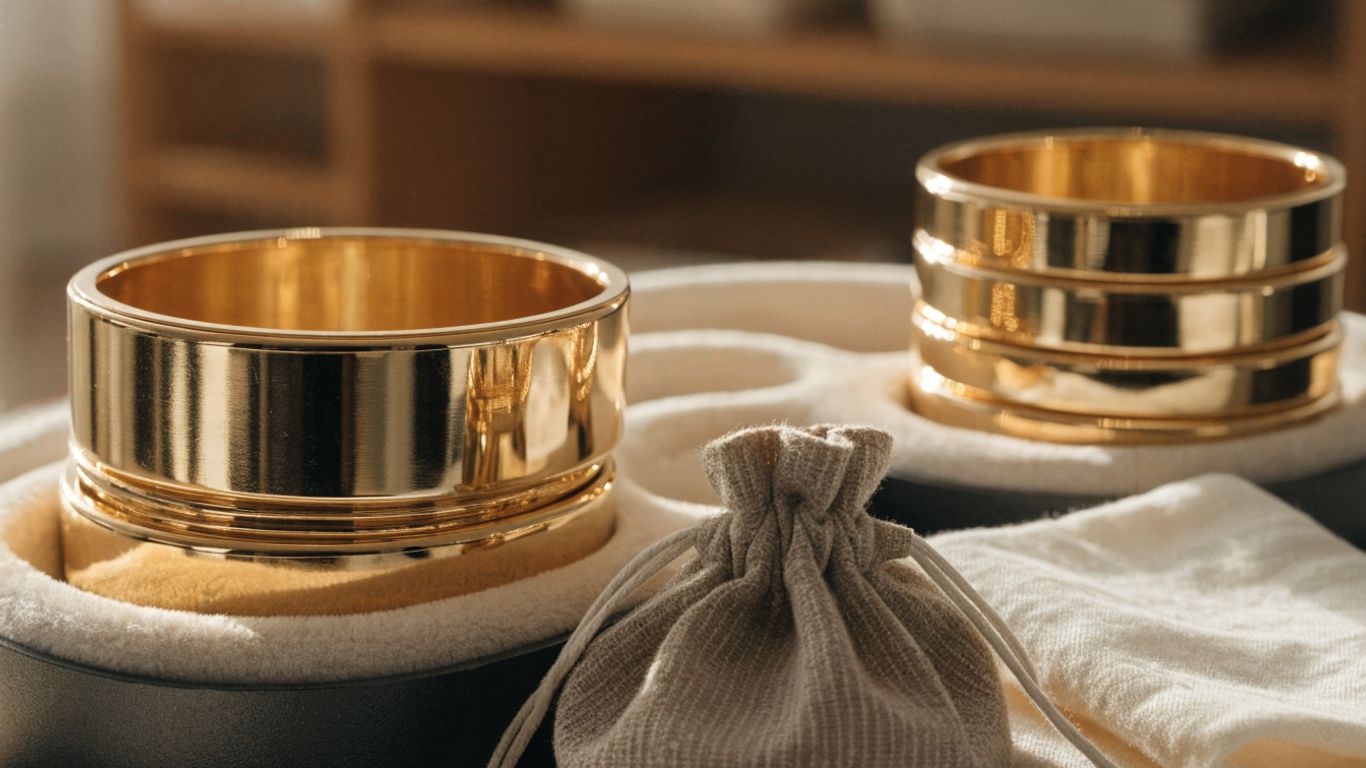
Use a lined jewelry box or a soft fabric pouch
A lined jewelry box or a clean fabric pouch can help shield bangles from hard surfaces and nearby pieces. Choose an option that feels soft inside and is roomy enough to avoid squeezing a bangle into place. These common choices have slightly different uses, so consider how often you reach for each piece:
| Storage option | Works well for | What to check |
|---|---|---|
| Lined jewelry box | Pieces kept at home | The lining is clean and soft |
| Fabric pouch | One bangle or a small set | The pouch closes without pressing on the piece |
| Individual box compartment | Several bangles stored together | Each bangle has its own space |
Whichever you choose, keep the bangle from rubbing against hard edges or other jewelry. A well-fitting space should hold it in place without forcing the clasp, hinge, or ornament against the lining.
Select compartments that keep bangles from touching
When several bangles share a box, choose compartments that keep them apart rather than letting them roll together. A divider or a separate slot makes it easier to lift out one piece without scraping another. If a box has a broad, open section, soft individual pouches can create a simple barrier between pieces. For delicate chains stored nearby, this necklace storage guide also discusses keeping jewelry separate and reducing tangles.
Avoid rough, dyed, or chemically treated materials
A surface that looks soft may still be rough enough to rub against a bangle, so feel the lining before using it. Avoid fabrics that shed, have loose threads, or transfer color when handled. Strongly scented or chemically treated materials are best kept away from jewelry unless their suitability is clear. If you are uncertain about a pouch or liner, choose a clean, plain fabric or a jewelry box made for storing small pieces.
Organize bangles to prevent scratches and tangles
A little organization protects the pieces and saves time when you are getting dressed. Give each bangle a consistent place so that it does not end up loose in a drawer or mixed with pieces that could catch on it. Consider the bangle’s shape and any added details as you arrange the collection. The goal is simple: each piece should be easy to put away and retrieve without disturbing the others.
Store rigid bangles flat or in individual slots
Rigid bangles are easiest to manage when they lie flat in a lined compartment or sit in a slot sized for them. Avoid stacking them in a way that lets their edges press or slide against one another. If a bangle has a clasp or hinge, position it so the closure is not bearing weight from other pieces. An orderly arrangement also makes it easier to see what is in the box at a glance.
Keep bangles with stones separate from plain gold pieces
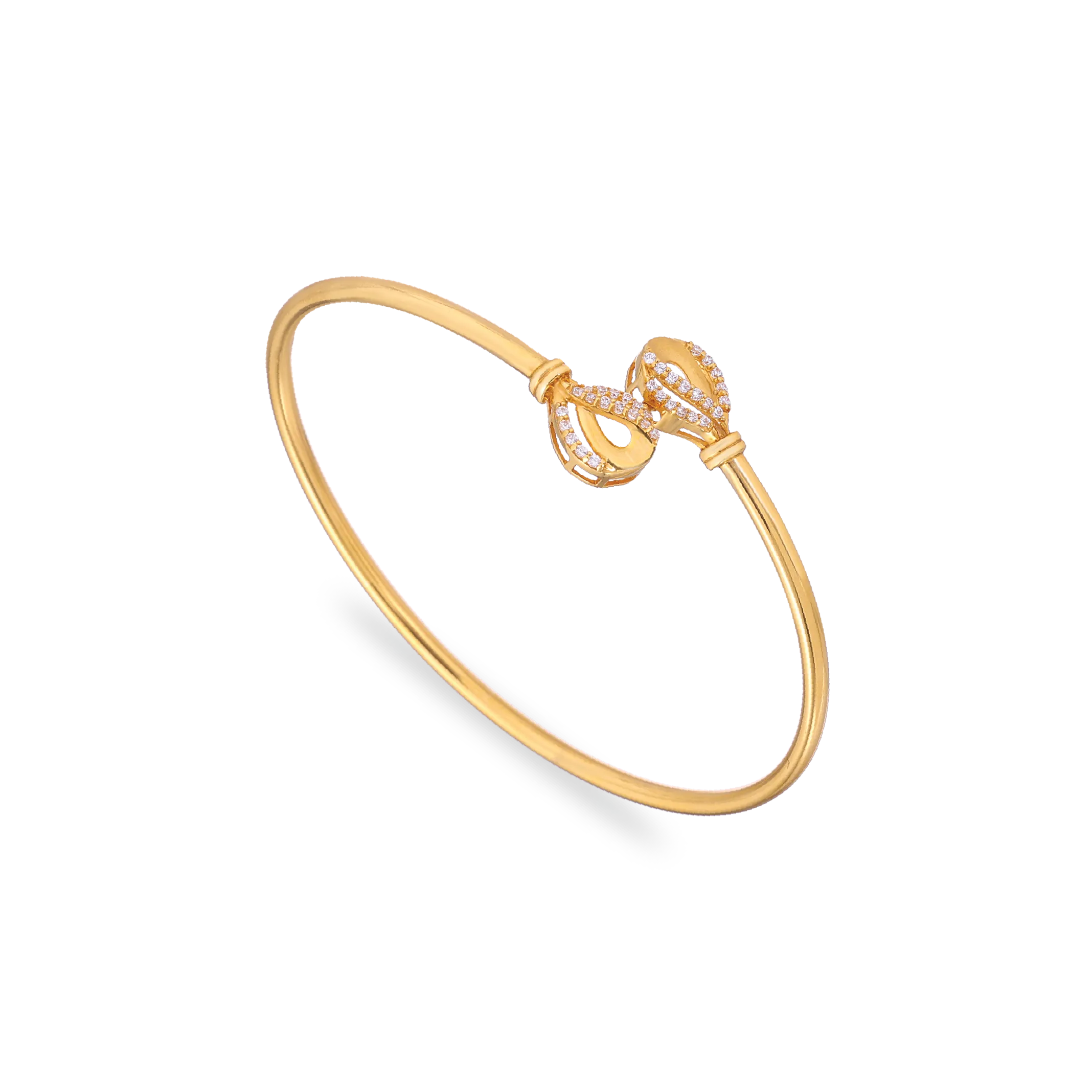
Bangles with stones, raised details, or textured settings need their own space, apart from plain gold pieces. Decorative edges can catch on nearby jewelry, and contact can leave marks on either item. Store each piece in a separate compartment or pouch rather than relying on careful stacking. Keep clasps closed where appropriate, but do not force a closure that feels stiff or misaligned.
Label compartments to make everyday pairs easy to find
If you keep several pairs or similar-looking bangles, a small label on the outside of a compartment can make the right set easier to find. Keep labels simple and use them only where they are genuinely helpful; the arrangement itself should still protect each piece. You might group everyday bangles separately from occasional or heirloom pieces. That way, reaching for one set does not mean handling the rest of the collection.
Pick a suitable storage location
Where a bangle is stored matters as much as what it is stored in. Pick a place with steady, dry conditions and keep the container away from spots where it may be knocked over or handled casually. A regular location helps make putting jewelry away part of the routine rather than an afterthought. If you are storing an especially valuable piece, choose somewhere secure without making it difficult to check on.
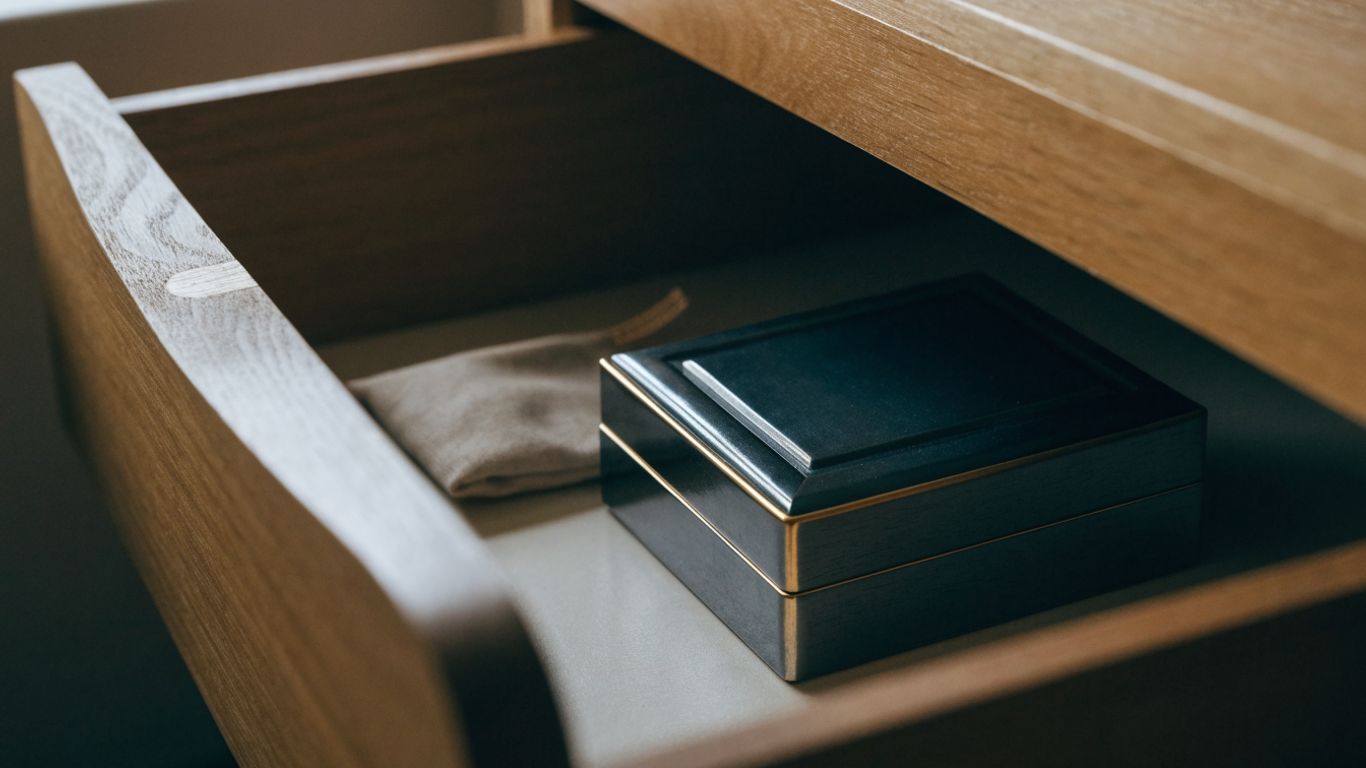
Keep jewelry in a cool, dry place away from direct sunlight
Choose a dry spot away from direct sun, such as a drawer or shelf where the storage box can sit undisturbed. Avoid placing bangles on a windowsill or near a heat source, where conditions may change during the day. Keep them inside their pouch or compartment rather than loose on a hard surface. A steady location also makes it easier to remember where each piece belongs.
Avoid bathrooms and other areas with frequent humidity changes
Bathrooms often experience shifts in humidity, so they are not an ideal place for long-term jewelry storage. The same goes for other areas where steam or moisture regularly collects. Pick a room or drawer that stays comparatively dry, and close the container after returning a bangle. If you are deciding where to keep other pieces as well, the same dry-storage habit can simplify the whole routine.
Use a secure, discreet location for valuable pieces
For bangles you wear less often or consider especially valuable, choose a secure, discreet place rather than leaving the container in view. Keep the storage spot consistent, but avoid announcing where it is or leaving the box in an exposed area. A secure location should still let you inspect the pieces now and then. That balance makes it easier to protect the jewelry without forgetting what you have stored.
Store gold bangles while traveling
Travel brings more movement and more chances for jewelry to get pressed against other belongings. Plan a separate place for bangles before packing, rather than slipping them loose into a purse or suitcase at the last minute. Keep the storage small and secure, but do not pack so tightly that a piece is under pressure. A little preparation can make unpacking just as calm as packing.
Pack each piece in its own padded pouch or compartment
Wrap or place each bangle in its own soft pouch or in a separate compartment in a travel jewelry case. Keeping pieces apart reduces contact with one another and makes it easier to account for them when you arrive. If a bangle has stones or a raised design, make sure the pouch does not press directly against those details. Close the pouch or case fully before placing it among your belongings.
Cushion bangles so they cannot shift during transit
Once each bangle is separated, arrange the pouches so they cannot slide freely around the bag. Use soft clothing or the padded sections of a travel case to cushion the container, without crushing it. Do not put heavy items on top of the jewelry. When you reach your destination, check that the pouches are still closed and return the bangles to their individual spaces.
Keep valuable jewelry in your carry-on rather than checked luggage
Keep valuable bangles with you in a carry-on bag rather than packing them in checked luggage. Put the jewelry case somewhere secure and easy for you to keep track of, not loose in an outside pocket. For a short trip, consider whether you need to bring every piece at all. Taking only what you plan to wear can make the rest of the collection easier to leave safely at home.
Maintain bangles during long-term storage
Even a well-stored bangle benefits from an occasional check. Set a reminder to look over pieces that are not worn often, especially those with clasps, hinges, or stone settings. This does not need to become a lengthy inspection; a careful look and a clean, dry storage space go a long way. If you notice a change, address it before returning the piece to the box.
Inspect stored pieces periodically for residue or damage
When you take out a bangle for a check, look for residue, new marks, or anything that seems loose or out of place. A short routine can help you cover the main points without handling the piece more than necessary:
- Check the outside and inside surfaces for residue.
- Look over clasps, hinges, and settings for visible changes.
- Confirm that the bangle is dry before returning it to storage.
- Make sure its pouch or compartment is clean and intact.
If the piece looks sound, place it back in its own space and close the container. If you see a loose stone or a faulty clasp, keep it separate from other bangles until a jeweler can examine it.
Air out storage boxes occasionally to reduce trapped moisture
From time to time, open the jewelry box in a dry room and let the compartments air briefly. This gives the interior a chance to air out instead of remaining closed indefinitely. Keep the bangles out of direct sunlight while the box is open, and make sure everything is dry before putting the pieces back. There is no need to leave the box open for long; a brief airing is enough to refresh the storage space.
Have loose stones or faulty clasps checked by a jeweler
If a stone looks loose, a clasp will not close properly, or a hinge feels unreliable, have the bangle checked by a jeweler before wearing it again. Avoid trying to tighten or repair small settings yourself, since an improvised adjustment could make the problem worse. Store the piece separately while you arrange an assessment. Once it has been checked, you can return it to its usual compartment with more confidence.
Conclusion
Storing gold bangles well comes down to a handful of steady habits: wipe them gently, let them dry, keep them separate, and choose a clean, dry, secure place. A little organization makes daily wear easier and gives you a chance to catch small issues before they become bigger concerns. Whether the bangles are worn often or saved for special occasions, returning each one to a suitable space is a simple way to care for the collection.
Frequently Asked Questions
Should I clean gold bangles before storing them?
A gentle wipe with a clean, soft cloth can remove oils or residue after wear. If the bangle needs more than that, check suitable care advice for its materials or ask a jeweler.
Can I store several gold bangles together?
It is better to give each bangle its own compartment or pouch so the pieces do not rub against one another. This is especially useful for bangles with stones, raised details, or clasps.
Is a fabric pouch suitable for storing a gold bangle?
A clean, soft pouch can be a practical option for an individual bangle. Make sure it is roomy enough that the piece is not squeezed and that the fabric does not shed or transfer color.
Where should I keep gold bangles at home?
Choose a dry, secure place away from direct sunlight and frequent humidity changes. A drawer or shelf where the storage container can remain undisturbed is often convenient.
Can I stack bangles in a jewelry box?
Avoid stacking them if the pieces can slide or press against one another. Separate slots or individual pouches help keep them apart and make it easier to remove one without shifting the rest.
How should I pack gold bangles for a trip?
Place each bangle in its own padded pouch or compartment, then cushion the case so it cannot move freely in transit. Keep valuable jewelry in your carry-on rather than checked luggage.
How often should I check bangles in long-term storage?
Check them periodically, particularly if they have not been worn for a long time or have delicate settings. Look for residue or visible damage, and have a jeweler assess any loose stones or faulty clasps.
Jewellery maintenance tips for brides: A complete guide to keeping your pieces wedding-ready
10 minute read
Related blogs:
November 20, 2025
The Timeless Elegance of the Tennis Bracelet: A Comprehensive Guide
Read More
November 20, 2025
The Ultimate Guide to Styling and Wearing a Choker Necklace
Read More
November 20, 2025
Find Your Perfect Engagement Ring: A Comprehensive Guide to Styles and Diamonds
Read More
November 20, 2025
The Timeless Elegance of a Diamond Tennis Bracelet: A Buyer's Guide
Read More