How to choose office wear diamond studs for a polished workday
September 26, 2026 | 10 minutes read
Key Takeaways
Office wear diamond studs feel polished when their scale and setting suit both your routine and your workplace. Comfort and security matter just as much as sparkle.
- Choose a diameter that feels balanced with your features and dress code.
- Consider how the cut, setting, and metal work with your everyday wardrobe.
- Check the backing, post, and overall weight before committing to all-day wear.
- Compare diamond quality and matching stones in light of your priorities and budget.
- Clean and store your studs carefully, and have their settings checked when needed.
Find a size that suits the office
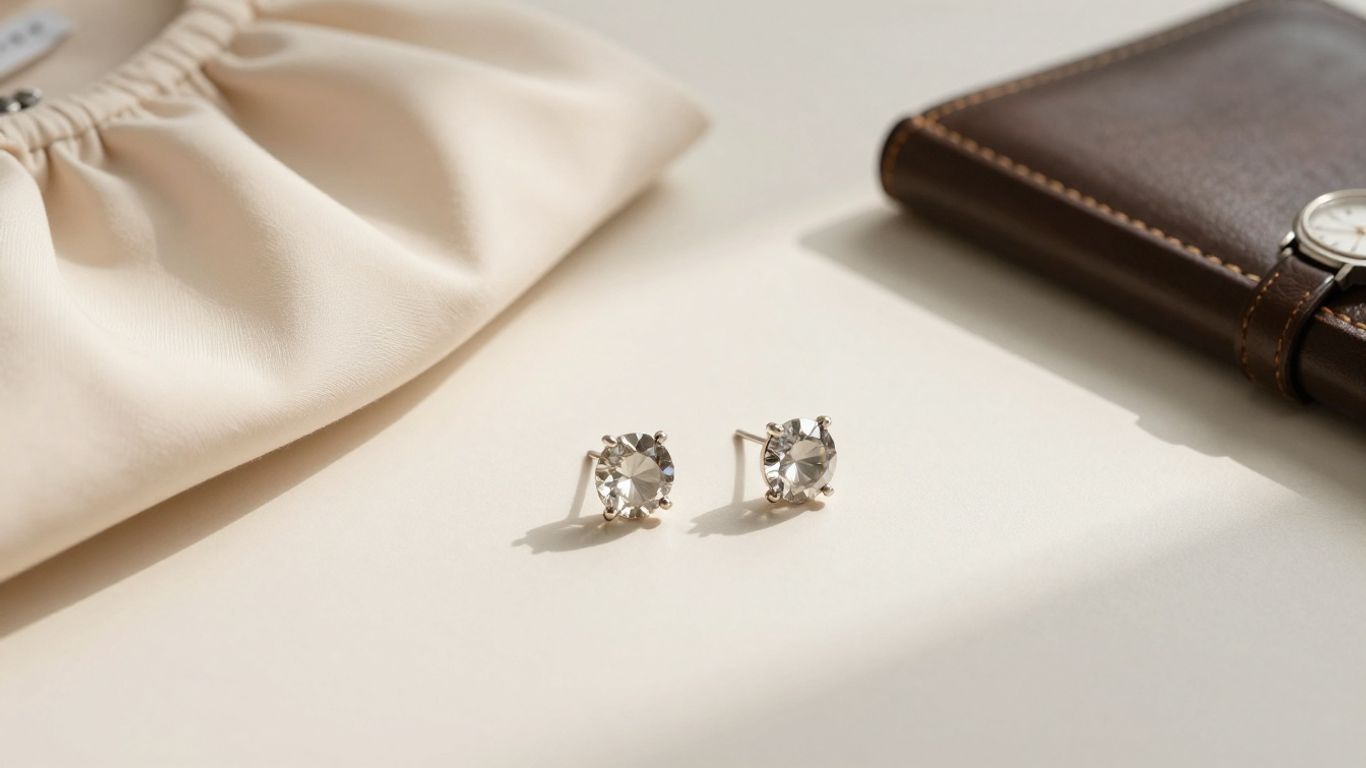
The right size is less about a single number than how the earrings look and feel over a full workday. Think about the room’s dress code, how often you move between meetings, and whether you want your studs to be a quiet finishing touch or a noticeable detail. A modest pair can still catch the light without competing with the rest of your outfit.
How diamond diameter affects appearance
Diameter gives a useful sense of how much space a diamond will occupy on the ear, while carat weight describes its weight. Two stones with the same weight can look different depending on their proportions and setting. If you are comparing options, view them in person or use clear size references; a size and comfort guide can also help you think through diameter alongside everyday wear.
A simple comparison can make the choice feel less abstract. These descriptions are relative rather than fixed measurements, since the setting and the wearer’s ear can change the impression.
| Relative appearance | What you may notice | A good question to ask |
|---|---|---|
| Very subtle | A small point of light close to the lobe | Does this suit a conservative dress code? |
| Balanced | Visible sparkle without dominating the ear | Does it feel right with my usual work clothes? |
| More noticeable | A stronger focal point, especially in bright light | Will I enjoy wearing it through a full day? |
Use the comparison as a starting point, not a rule. The most comfortable choice is the one that looks intentional with your usual clothes and still feels like you.
Choosing a subtle size for conservative dress codes
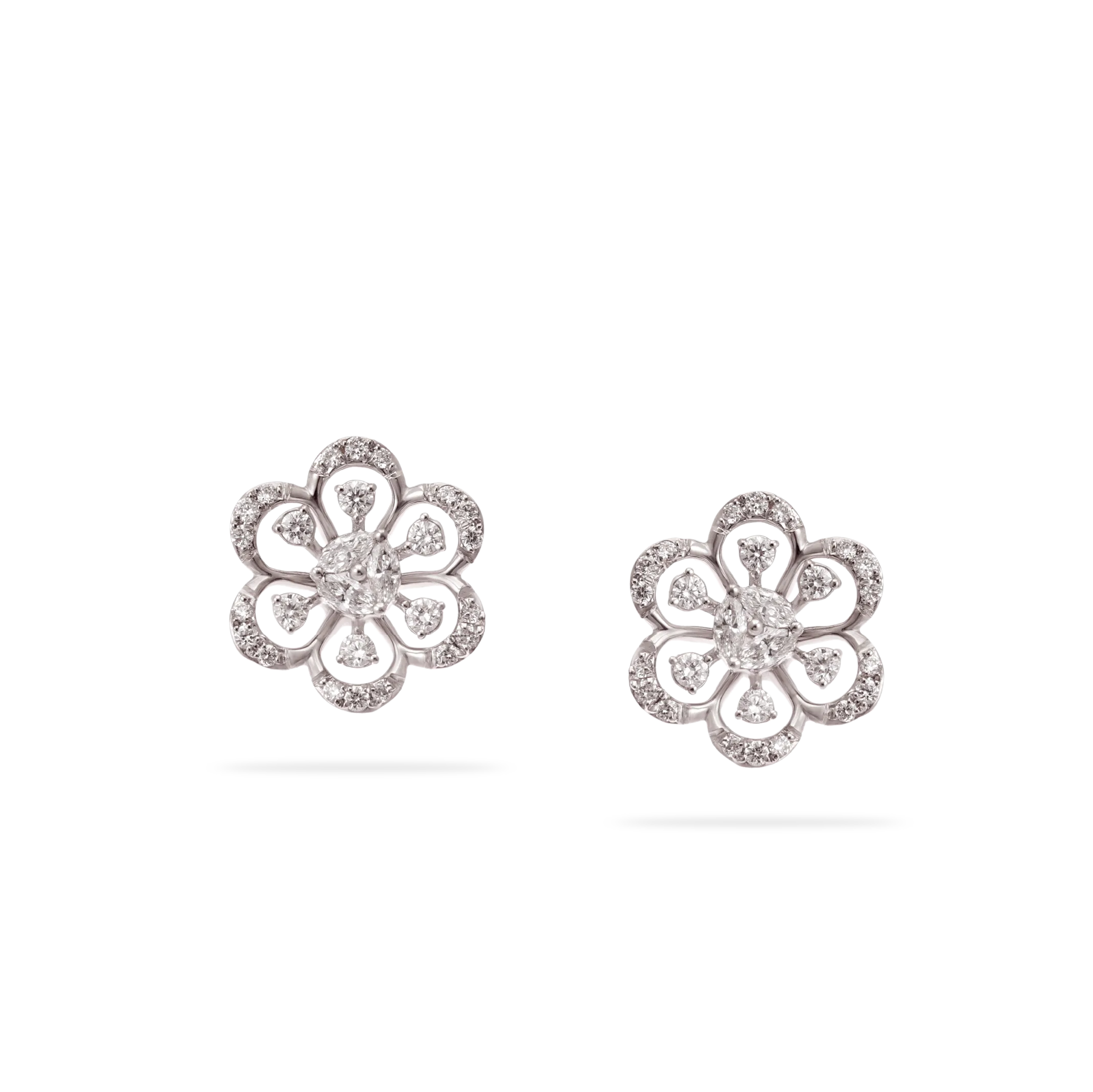
In a formal workplace, a smaller stud often reads as neat and considered, especially when the design is simple. If you are unsure what is appropriate, notice the general level of jewelry worn by colleagues and start on the understated side. A Blue Nile selection of diamond stud earrings includes classic solitaire styles as well as more detailed designs, offering a reference for how setting details can change the overall impression.
Balancing visibility with comfort for all-day wear
A stud should feel easy to forget once you have put it on. Larger stones or heavier settings may become noticeable over time, particularly if you wear headphones or glasses, so try a pair for a few minutes and move your head naturally. Comfort is part of polish: an earring that needs constant adjusting can distract from an otherwise effortless look.
Choose a shape and setting for everyday style
The cut and setting shape the character of a stud before anyone notices its size. Round diamonds tend to feel familiar and versatile, while a square outline or another shape can add a more defined note. Look at the profile as well as the front: an earring that sits close to the ear may work more smoothly with your daily routine.
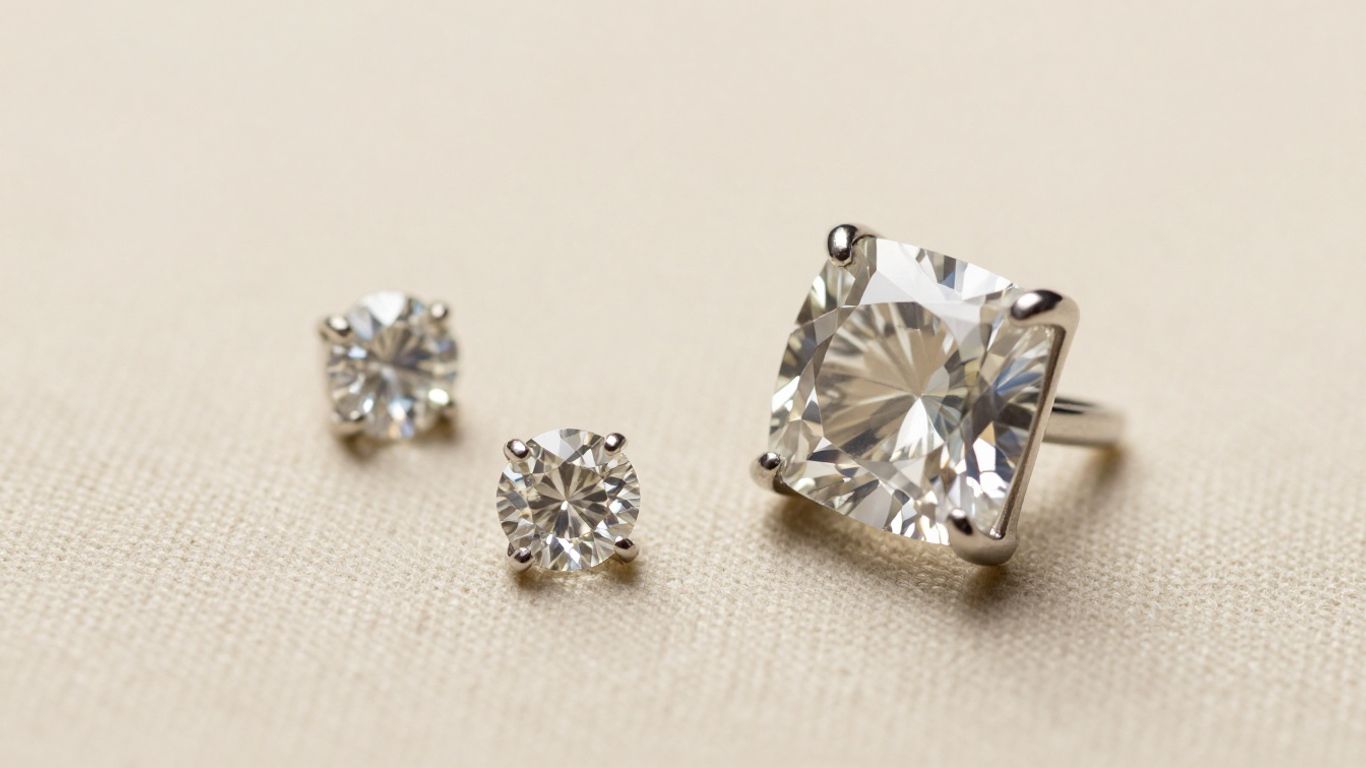
Comparing round, princess, and other diamond cuts
Round diamonds have a classic outline that pairs easily with many styles of clothing. Princess cuts bring a crisp, square look, while other shapes can feel softer or more distinctive depending on their silhouette. When choosing between them, consider whether you want the earrings to blend into your daily rotation or add a small point of personal character.
How prong and bezel settings change the look
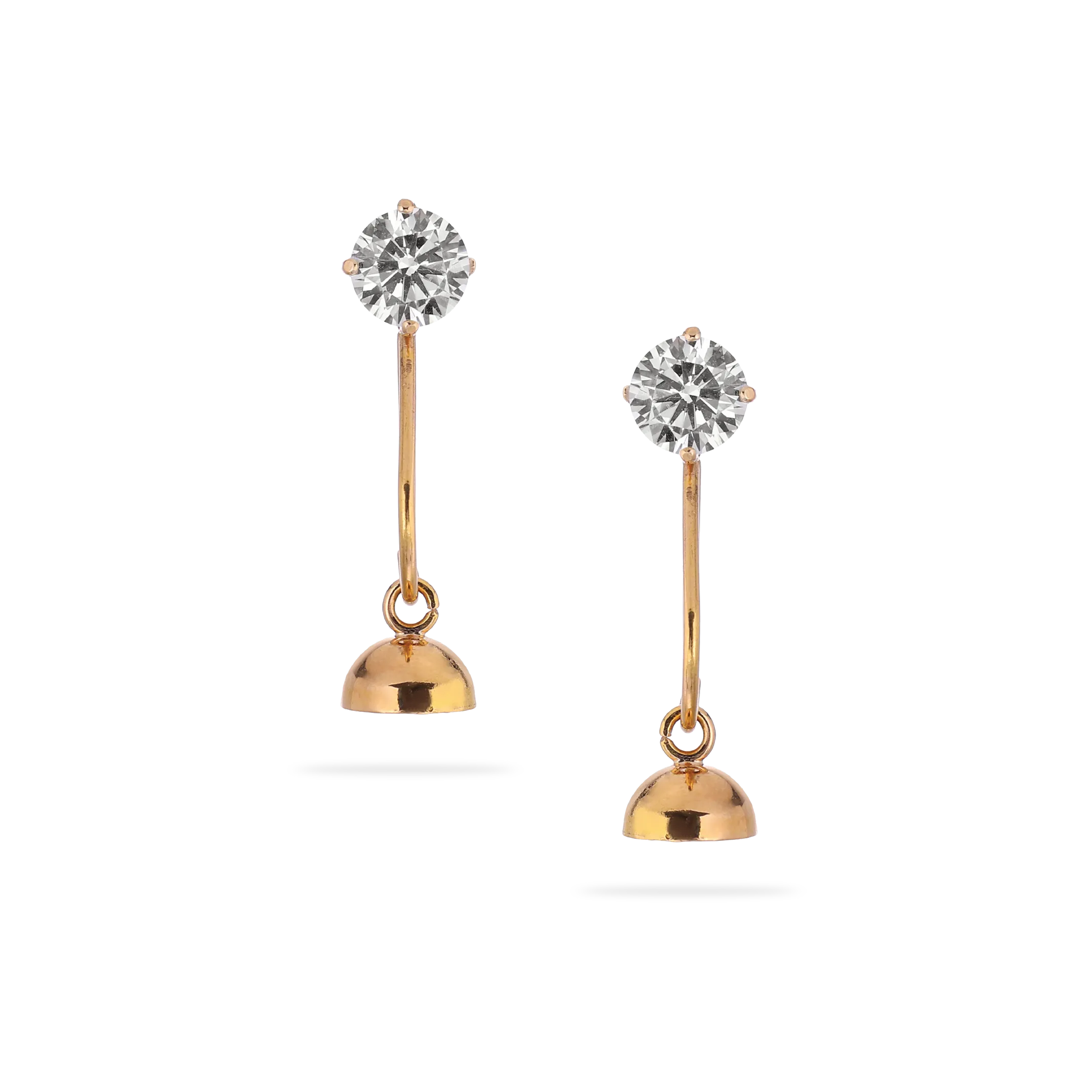
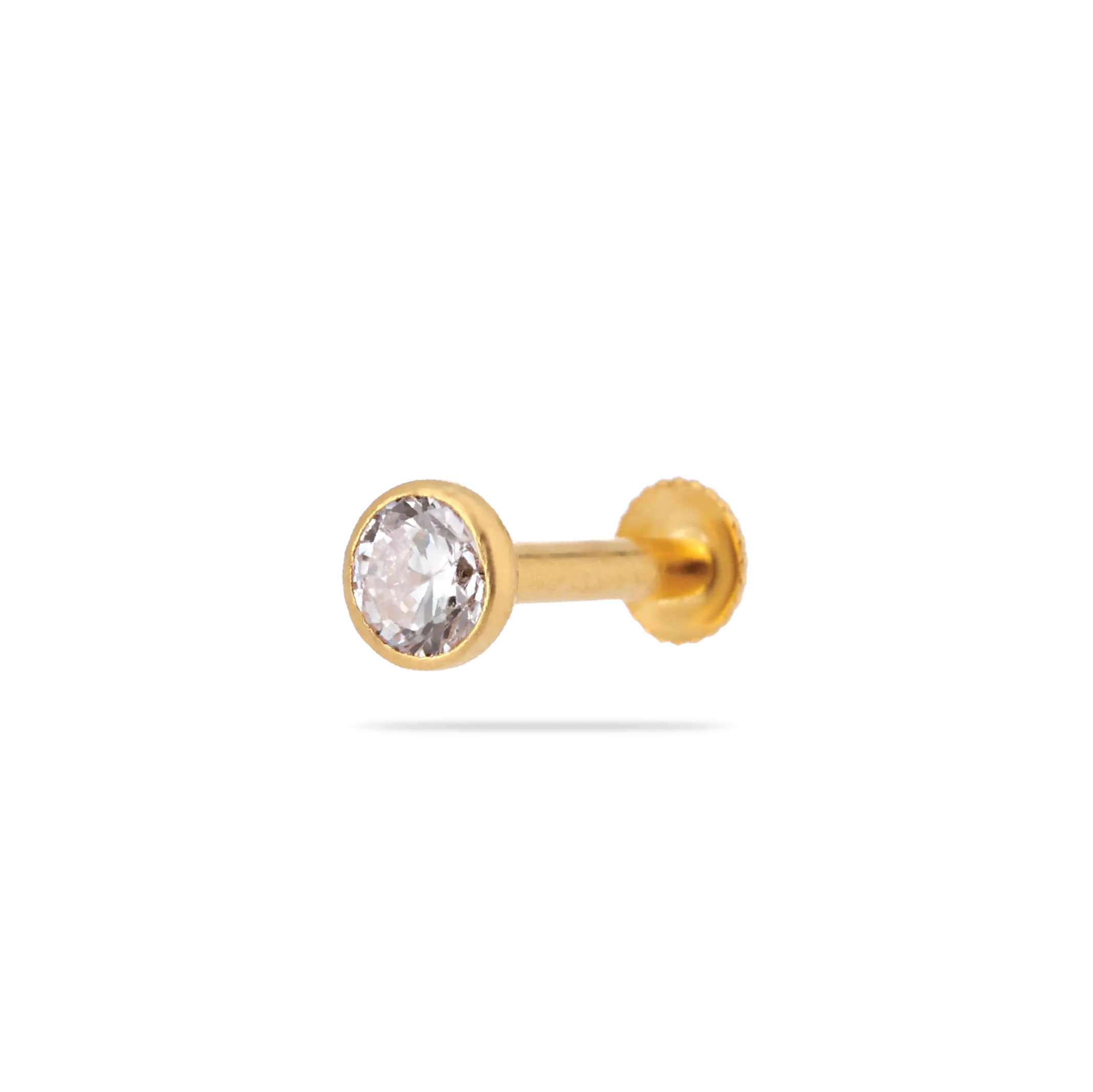
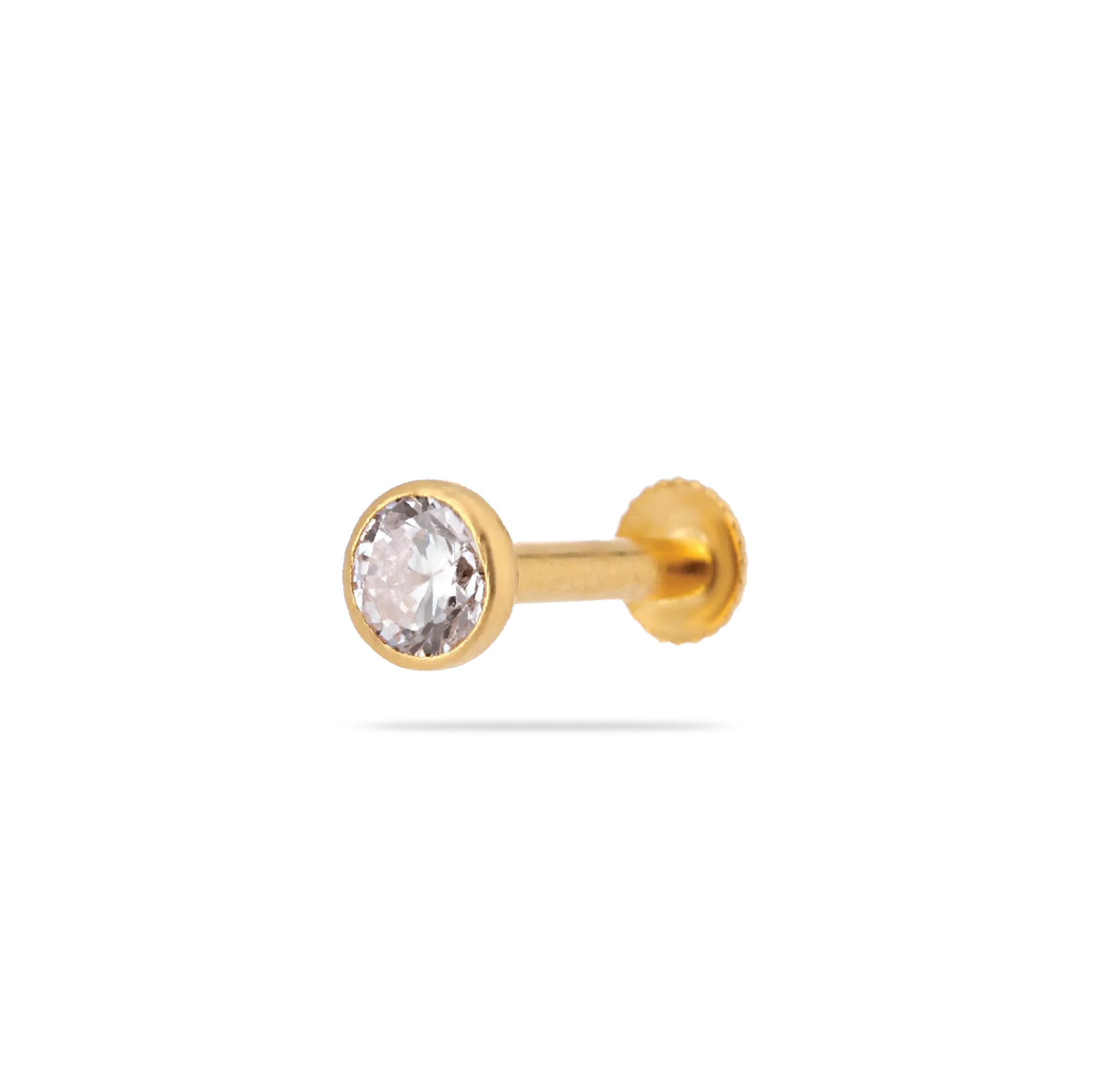
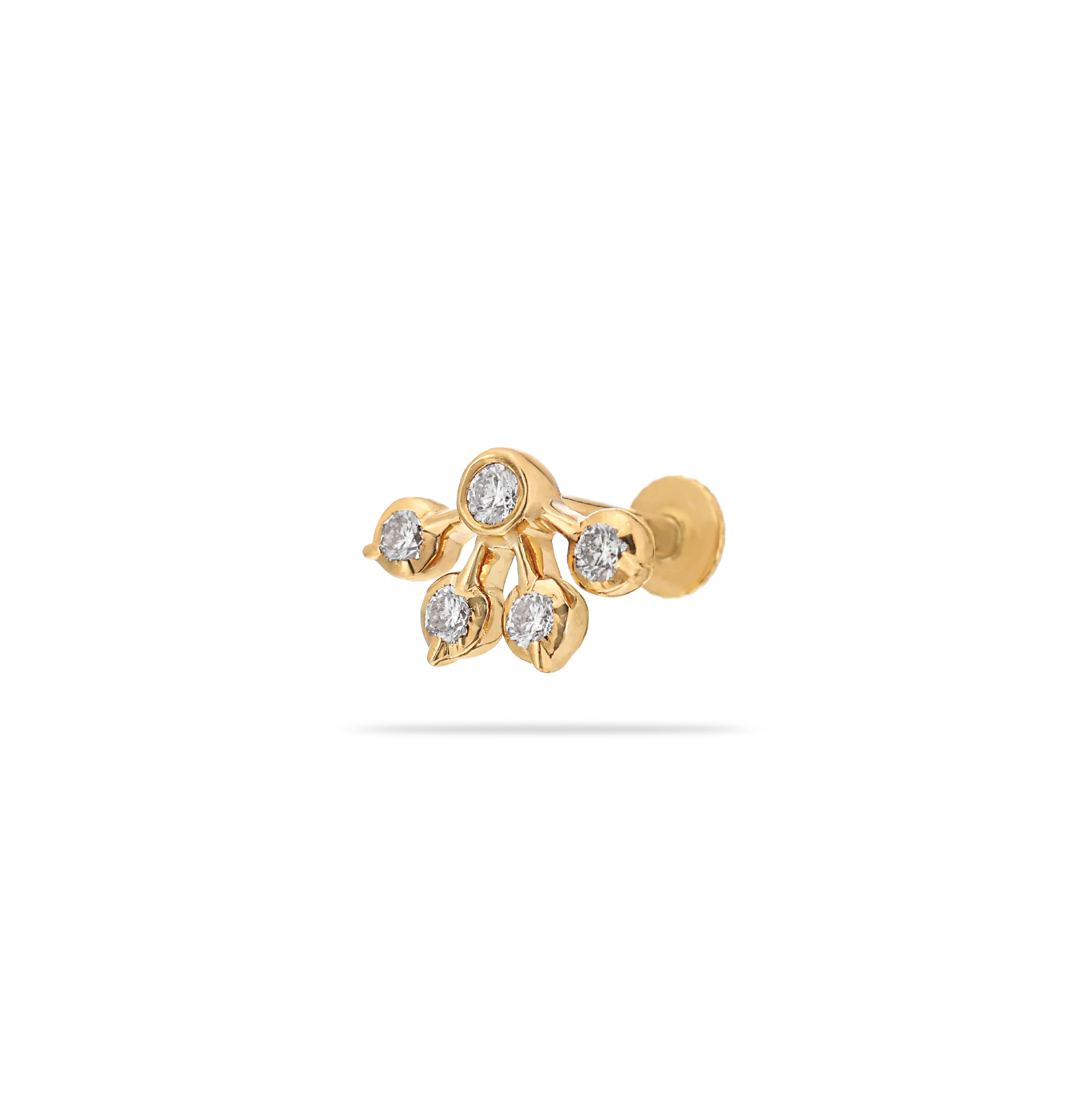
Prongs leave more of the diamond visible from the sides and create a traditional, open look. A bezel surrounds the stone with a rim of metal, giving the stud a cleaner outline. Neither style is automatically right for every wearer; compare how each looks against your ear and how securely the stone appears to sit within its setting.
Selecting a setting that won’t snag on clothing or hair
Setting height and edges affect how an earring behaves around collars, scarves, and loose hair. A lower-profile design may be easier to live with if you often pull sweaters over your head or tuck hair behind your ears, though the exact feel depends on the individual piece. Check the sides and back of the setting, not just the front, and notice whether anything catches when you move gently around your hair or clothing.
Match the metal to your wardrobe
Metal color can either blend with your everyday accessories or give the earrings a quiet contrast. Look at the jewelry you already reach for, including watch cases and necklaces, but do not feel obliged to match every piece exactly. The goal is a combination that feels natural with your work clothes and comfortable against your skin.
Comparing white gold , yellow gold , and platinum
White gold and platinum have a cool-toned appearance, while yellow gold brings warmth and a familiar golden color. Their look, care needs, and cost can differ, so consider the whole piece rather than choosing by color alone. A versatile jewelry wardrobe guide from C Krishniah Chetty & Co discusses everyday pieces and personal style, a useful reminder to think about how new studs will fit into what you already wear.
Coordinating earrings with other everyday jewelry
Matching every metal is not essential, but repeating one detail can make a mix feel deliberate. For example, you might pair warm-toned studs with a gold necklace, or let a cool-toned pair sit alongside a steel watch. If your jewelry is mixed, keep the earrings simple and let their shape or setting provide continuity rather than trying to make every finish identical.
Choosing a metal tone that complements your skin tone
Skin tone can offer a helpful starting point, but personal preference matters more than a strict rule. Try the metal against your skin in daylight and notice whether you like the overall effect. Your usual clothing colors also matter: a metal that feels right with your most-worn shirts and jackets is likely to get more use than one chosen by a chart alone.
Style diamond studs for different work settings
A polished pair should fit the atmosphere of the workplace rather than follow a universal office formula. In a formal setting, simplicity can make the earrings feel appropriate without drawing focus; in a more relaxed environment, shape or scale may leave room for personality. Think about how the studs look both across a desk and up close.

Keeping the look understated in formal offices
In conservative offices, a small, classic stud is an easy match for tailored clothing and restrained accessories. Consider whether the earrings will compete with a patterned blouse, a statement necklace, or other details near your face. A styling guide from Nolita Diamonds covers diamond studs across casual and professional looks, which can be a useful reference when you are deciding how much sparkle feels right for your own setting.
Wearing studs in creative and business-casual workplaces
More relaxed dress codes can make room for a distinctive cut, a warmer metal, or a slightly more noticeable stone. Keep the rest of the outfit in mind; one considered detail often looks more composed than several competing accents. If your workplace shifts between casual days and client meetings, choose a pair that feels comfortable in both situations rather than one that only works for a particular outfit.
Pairing earrings with glasses, hairstyles, and necklines
Glasses, hair, and collars all shape the space around the ear. A low-profile stud can sit neatly beside glasses, while hair worn up makes even a small stone more visible. Try your usual hairstyles and work tops together before deciding, especially if a high neckline or long hair tends to brush the setting.
Prioritize fit, comfort, and security
Even beautiful earrings are a poor fit if they press, twist, or feel unstable by midday. Try to assess the complete earring, including the post and backing, rather than focusing only on the diamond. A few practical checks before buying can make daily wear feel much less fussy.
Choosing a backing that feels comfortable throughout the day
Backings vary in how they close and how much pressure they place behind the ear. Try fastening and removing the pair yourself, and notice whether the backing sits comfortably against the lobe. A design that feels secure without pinching is usually easier to wear through a long stretch at a desk or on the move.
Checking post length and earring weight
Post length can affect how the backing sits, while overall weight influences how the earring feels over time. If you can, wear the pair for several minutes and move naturally rather than judging it from a quick try-on. Four checks are especially useful before settling on a pair:
- Make sure the backing closes without discomfort.
- Notice whether the stone tilts or droops on the lobe.
- Check that the post does not feel tight or overly long.
- Wear the earrings long enough to notice their weight.
These small tests can reveal problems that are easy to miss in a mirror. When the fit feels natural and the earrings stay in position, you are less likely to spend the day adjusting them.
Reducing the risk of losing a stud during a busy workday
A secure-feeling backing and a properly fitting post help reduce the chance of a stud coming loose, but no backing makes loss impossible. Make a habit of checking that each earring is fastened before leaving home, especially after changing clothes. When you are not wearing the pair, place both studs and their backings together in a dedicated case rather than setting them down separately.
Assess diamond quality and value
A thoughtful purchase balances appearance, workmanship, and budget rather than chasing the highest grade in every category. For small studs, the differences between stones may be subtle when worn, so direct comparison can be more informative than focusing on a single number. Decide which qualities matter most to you, then compare complete pairs on those terms.
Understanding the 4Cs when shopping for small studs
The 4Cs are cut, color, clarity, and carat weight. Cut relates to how a diamond’s proportions interact with light; color and clarity describe characteristics graded on their respective scales, and carat is a measure of weight. With small studs, look at the stones together and consider how they appear in ordinary lighting, alongside any grading information available for the pair.
Deciding when matching stones matter most
Because studs are worn as a pair, similarities in size, shape, color, and overall brightness can matter more than achieving a particular grade on each individual stone. Small differences may be hard to notice from a distance, but a visibly mismatched pair can feel unbalanced. Compare the earrings side by side under consistent light and decide whether their combined appearance meets your expectations.
Comparing natural and lab-grown diamond options
Natural and lab-grown diamonds can both be considered when comparing appearance, grading information, and price. Ask what documentation accompanies the stones and compare like with like where possible. Your choice can come down to budget, personal preference, and the details you value in a diamond; there is no need to treat one option as the automatic choice for every buyer.
Keep office wear diamond studs looking their best
Regular care helps everyday earrings stay clean and gives you a chance to spot changes before they become bigger concerns. A gentle routine is usually preferable to experimenting with strong cleaners or rough tools. Pay attention to the setting as well as the diamond, since dust and residue can collect around the stone.
Cleaning away everyday residue safely
Follow the care instructions supplied with your earrings, since appropriate cleaning can depend on the metal and setting. For routine upkeep, use a soft cloth and avoid harsh products unless a jeweler confirms they are suitable. If you use water or a gentle cleaning method recommended for the piece, work over a closed drain and dry the studs carefully before putting them away.
Storing studs to protect the stones and settings
Keep the earrings together in a clean, dry jewelry case so that the posts, backings, and stones are easier to account for. Separate compartments help reduce contact with other jewelry that might scratch the metal or catch on a setting. Before storing them, check that both backings are present and that the studs are not tangled with a chain or other small pieces.
Knowing when to schedule a professional inspection
If a stone seems loose, a prong looks bent, or a backing no longer fits as it should, stop wearing the earrings until they can be checked. Periodic professional inspection can also be useful if the studs are worn frequently or have taken a knock. A jeweler can assess the setting and advise whether repair or adjustment is needed.
Conclusion
The best office wear diamond studs feel like a natural part of your workday: well sized, comfortable, secure, and in step with your wardrobe. Compare how they look and feel in real conditions, then care for them gently so they remain ready for the next morning.
Frequently Asked Questions
What size diamond studs are appropriate for work?
The right size depends on your workplace, personal style, and comfort. If you are unsure, start with a subtle pair and consider how it looks with your usual work clothes.
Are round diamond studs a good choice for the office?
Round studs are a classic option that pairs easily with many outfits. Other shapes can work just as well if their size and setting suit your routine.
Which setting is best for everyday diamond studs?
Prong and bezel settings have different looks and profiles. Compare how each sits on your ear, how secure the stone appears, and whether the setting feels comfortable around hair and clothing.
Should my diamond studs match my other jewelry?
They do not have to match exactly. Repeating a metal tone or choosing a simple design can help mixed pieces feel intentional.
How can I tell if diamond studs are comfortable?
Try them on and check the post, backing, and weight together. Wear them for a few minutes and notice whether they pinch, tilt, or feel heavy.
What should I compare when buying diamond studs?
Consider the 4Cs, how well the stones match as a pair, the setting, the metal, and the available documentation. Comparing the earrings side by side can help you judge their overall appearance.
How often should diamond studs be cleaned or inspected?
Clean them as needed using care instructions suited to the piece, and have them checked if a stone or backing feels loose. Frequent wear or an impact may also be a reason to arrange an inspection.
Related blogs:
November 20, 2025
The Timeless Elegance of the Tennis Bracelet: A Comprehensive Guide
Read More
November 20, 2025
The Ultimate Guide to Styling and Wearing a Choker Necklace
Read More
November 20, 2025
Find Your Perfect Engagement Ring: A Comprehensive Guide to Styles and Diamonds
Read More
November 20, 2025
The Timeless Elegance of a Diamond Tennis Bracelet: A Buyer's Guide
Read More