How to choose a gold jewellery showroom in Bangalore
October 21, 2026 | 10 minutes read
Key Takeaways
A little preparation makes showroom visits easier to compare and less pressured. Focus on the piece, its documented purity, the full invoice, and the service terms you may need later.
- Decide the occasion, jewellery type, style, and budget before you visit.
- Check karatage, BIS hallmark details, and the HUID on the piece.
- Compare the final price, including making charges and taxes.
- Ask how stones, customization, sizing, and availability affect your choices.
- Read return, exchange, repair, and buyback terms before paying.
Define what you need before you visit
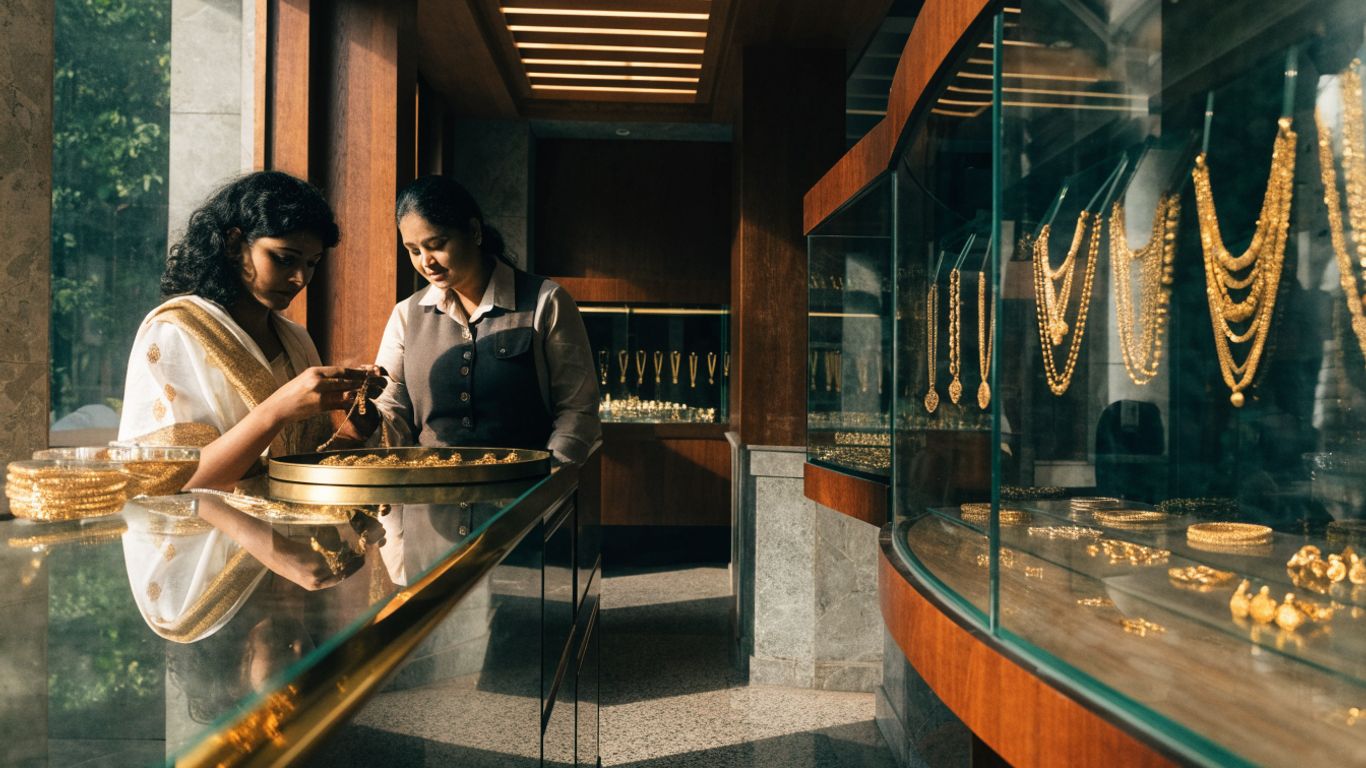
A clear brief helps you make better use of time at a gold jewellery showroom bangalore. Think about how often you expect to wear the piece, what it needs to go with, and whether comfort or visual impact matters more. You can also use this jewellery store guide to think through shopping districts, styles, and practical checks before setting out.
Match the jewellery type to the occasion
Start with the purpose rather than a particular display case. A daily-wear chain or small earrings may call for a lighter, simpler design, while a wedding or milestone gift might lead you to compare more detailed pieces. If you are buying for someone else, note their usual preferences and whether they are likely to wear the jewellery often.
Set a budget that includes making charges and taxes
The displayed gold value is only one part of the amount you may pay. Ask for an estimate that separates the metal value from workmanship, any other fees, and applicable taxes. This simple breakdown makes it easier to set a realistic total budget instead of choosing a piece based on its gold weight alone.
| Cost element | What to ask about |
|---|---|
| Gold value | What rate and weight are used in the calculation? |
| Making charges | Is the charge a percentage, a per-gram amount, or a fixed fee? |
| Other fees | Are there additional charges for stones or services? |
| Taxes | Which taxes are included in the quoted total? |
Once you have the full estimate, decide whether you have room to adjust the design or weight if the price is higher than expected. Keep the estimate so you can compare it with the final invoice later.
Decide which styles and gold colors to compare
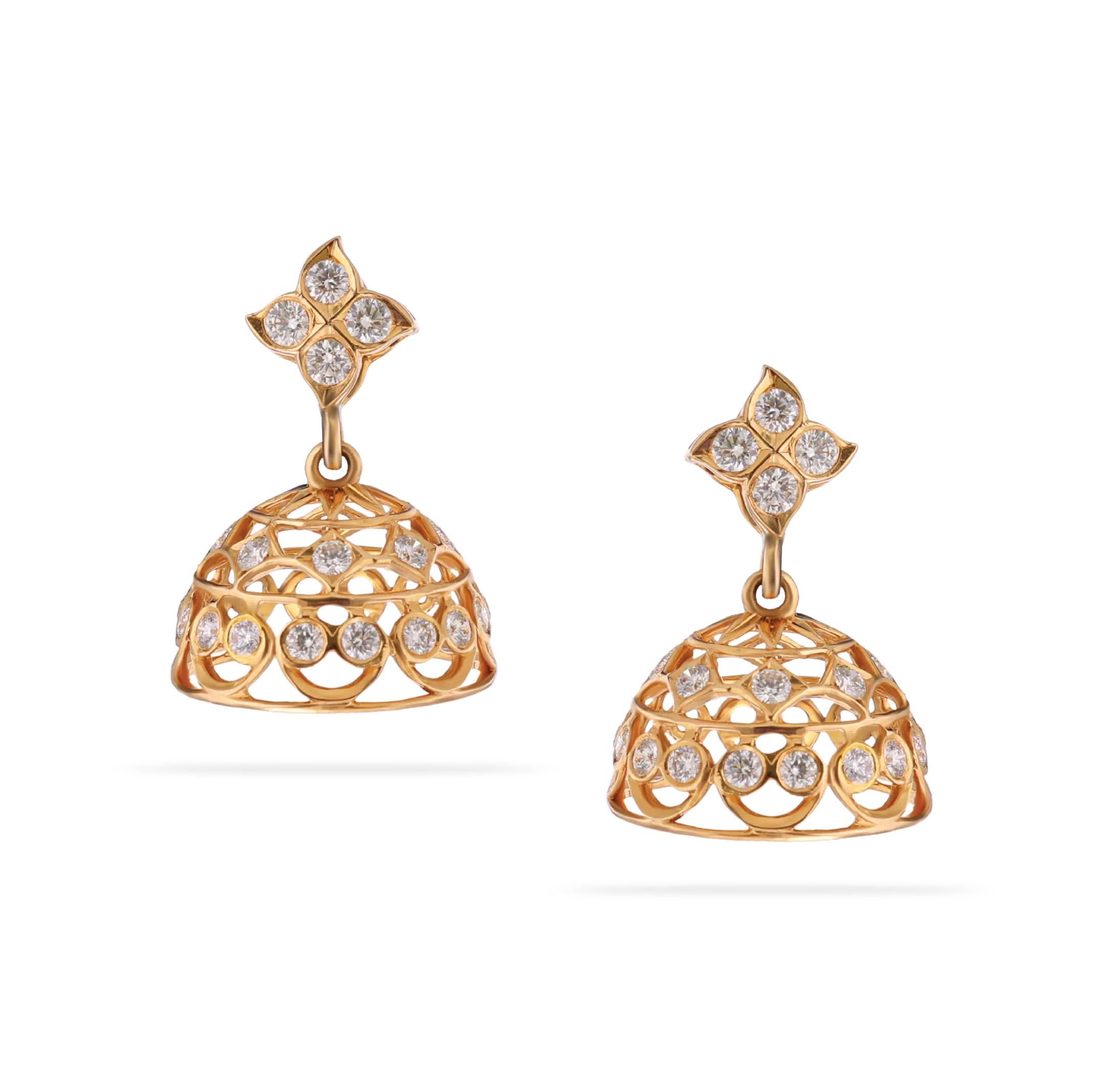
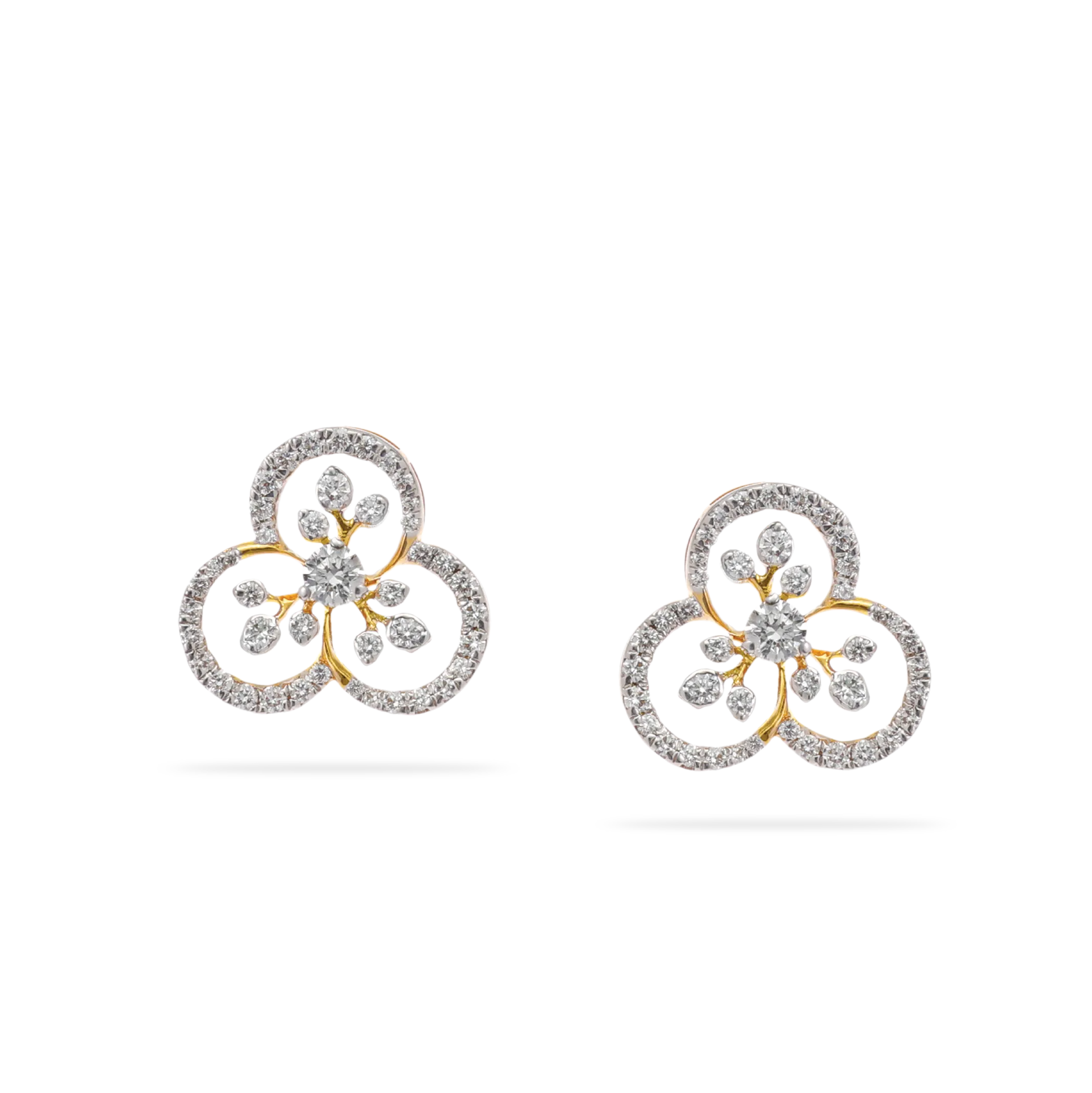
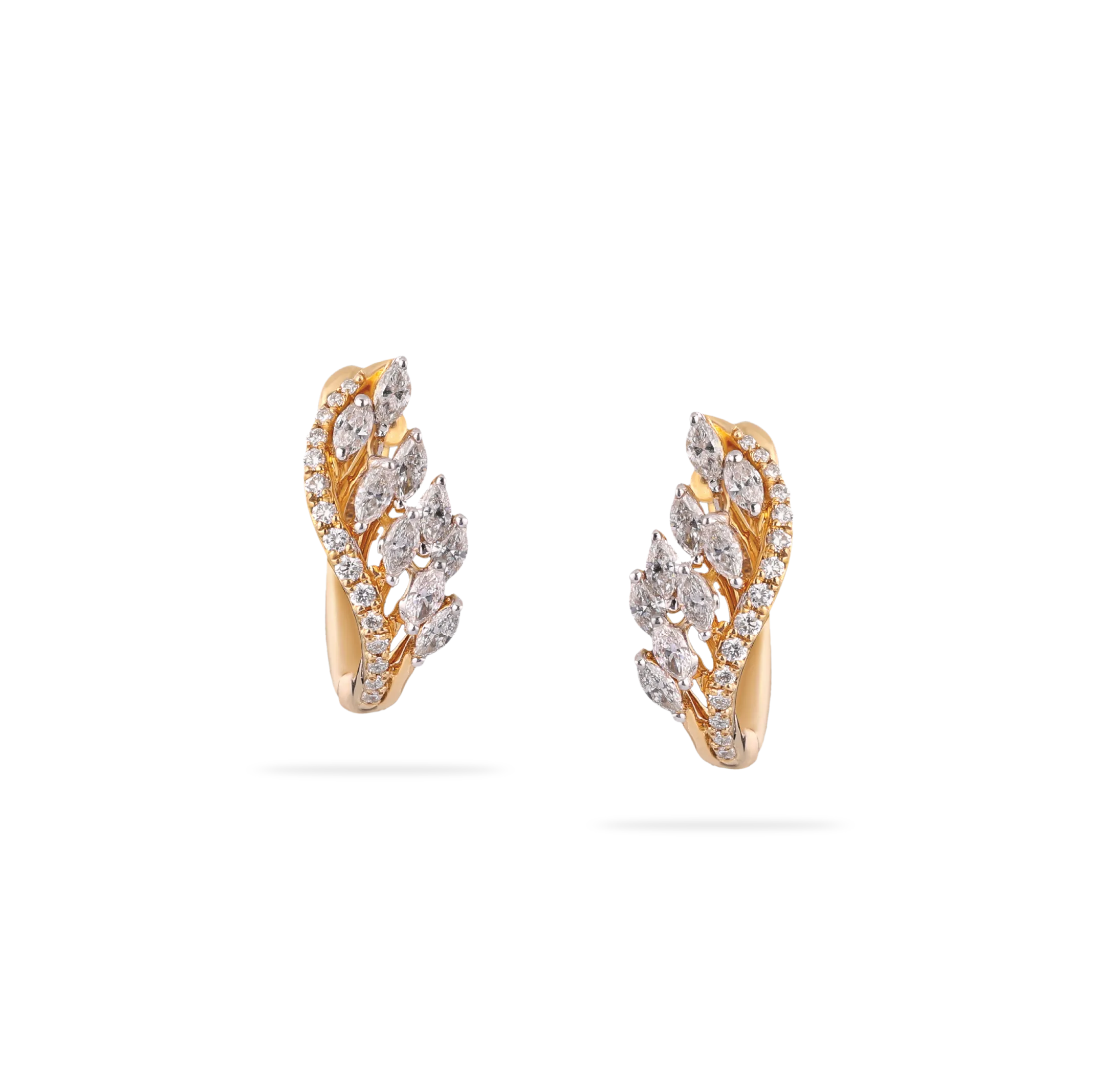
Choose a manageable range before you browse: perhaps a traditional look beside a contemporary one, or yellow gold alongside another gold color the showroom carries. Looking at a few comparable pieces helps you notice differences in finish, proportions, and comfort. Avoid comparing a very ornate piece with a minimal one solely by price; their design and workmanship may differ substantially.
Check gold purity and authenticity
Purity is one of the details you should be able to verify rather than take on trust. Ask staff to show you the markings and explain what each one means for the specific piece. Take a moment to check that the physical item, its tag, and its paperwork refer to the same jewellery.
Understand karatage and fineness markings
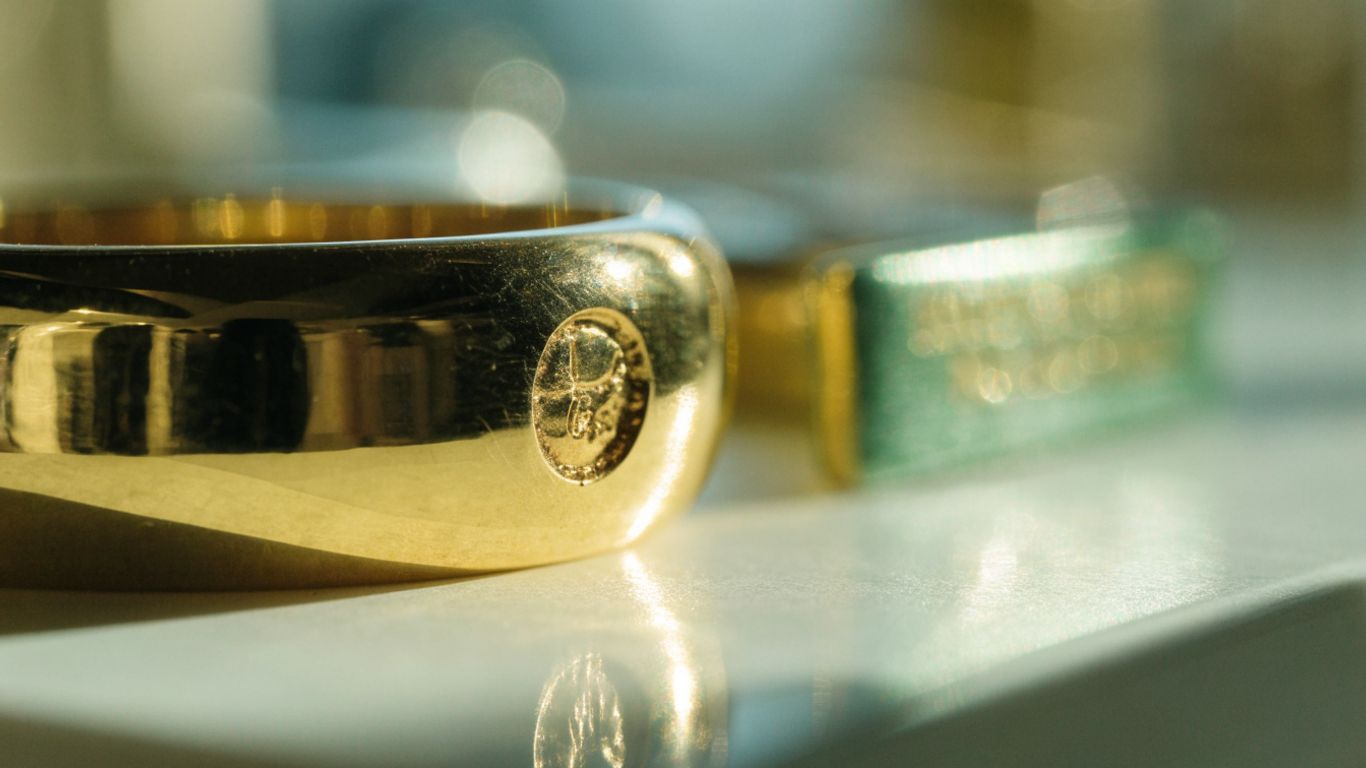
Karatage describes the proportion of gold in an alloy, while fineness expresses that proportion in parts per thousand. For example, 22-karat gold is commonly associated with a fineness marking of 916, but confirm the marking on the actual item and its documentation. A clear explanation should connect the number to the piece in front of you, not just describe a general standard.
Look for BIS hallmarking and HUID details
Ask to see the BIS hallmark and the HUID details on the item, then check that the number can be read and matches the accompanying documentation. The Bureau of Indian Standards provides official information about hallmarking; use current official guidance if you need to confirm what marks to expect. Regal Jewellers describes its gold jewellery as BIS 916-hallmarked, a claim to verify on the particular piece and its paperwork rather than assume it applies to every item.
Ask how purity is verified for exchange or resale
If you may exchange or resell the jewellery later, ask what process the showroom uses to assess purity and what documentation it expects you to retain. Policies can differ, and a future assessment may depend on the item’s condition, markings, and records. Ask whether stones or other materials are treated separately in the valuation, and request the terms in writing.
Compare prices and charges
Gold prices can move, so compare quotes from the same day and make sure they use the same basis. Ask how the showroom arrives at the gold rate and whether the quoted amount is for the relevant purity. A low starting figure tells you little until you understand the complete calculation.
Check the day’s gold rate and how it is calculated
Ask which rate is being applied, when it was set, and how it relates to the purity and net gold weight of the item. Rates can be presented in different ways, so check the unit and karat before comparing one quote with another. Make a note of the quoted rate and time; it helps keep later comparisons fair.
Review making charges, wastage, and other fees
Ask for each charge to be explained separately, including whether making charges are calculated by weight, percentage, or a fixed amount. If a quote includes a wastage charge or another fee, ask what it covers and whether it applies to the chosen design. Regal Jewellers describes a wholesale making-charges policy; regardless of a showroom’s pricing approach, compare the actual charges on the specific item and invoice.
Compare final invoice prices across showrooms
The most useful comparison is the amount payable for similar pieces, with the same purity and a clear breakdown of charges. A quick written record can prevent confusion when quotes use different labels or units. Compare like with like: differences in weight, stone content, workmanship, or service terms may explain a price gap.
Explore designs and product options
Once the budget and authenticity checks are clear, give yourself time to compare the actual designs. Try pieces on where possible, and consider how they feel as well as how they look in a display. A good shortlist reflects the occasion, your taste, and what you can realistically maintain and wear.
Compare traditional, contemporary, and regional styles
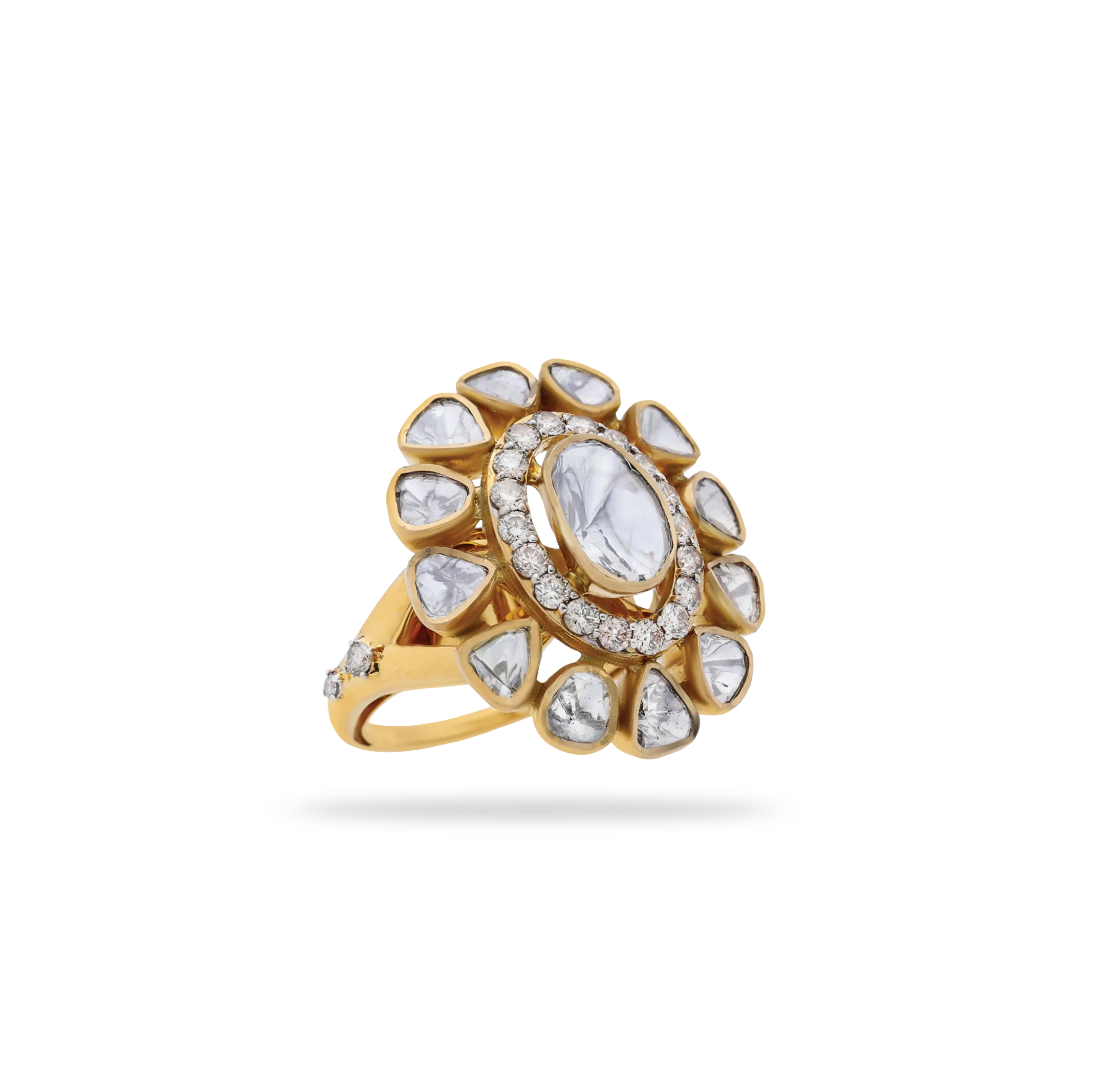
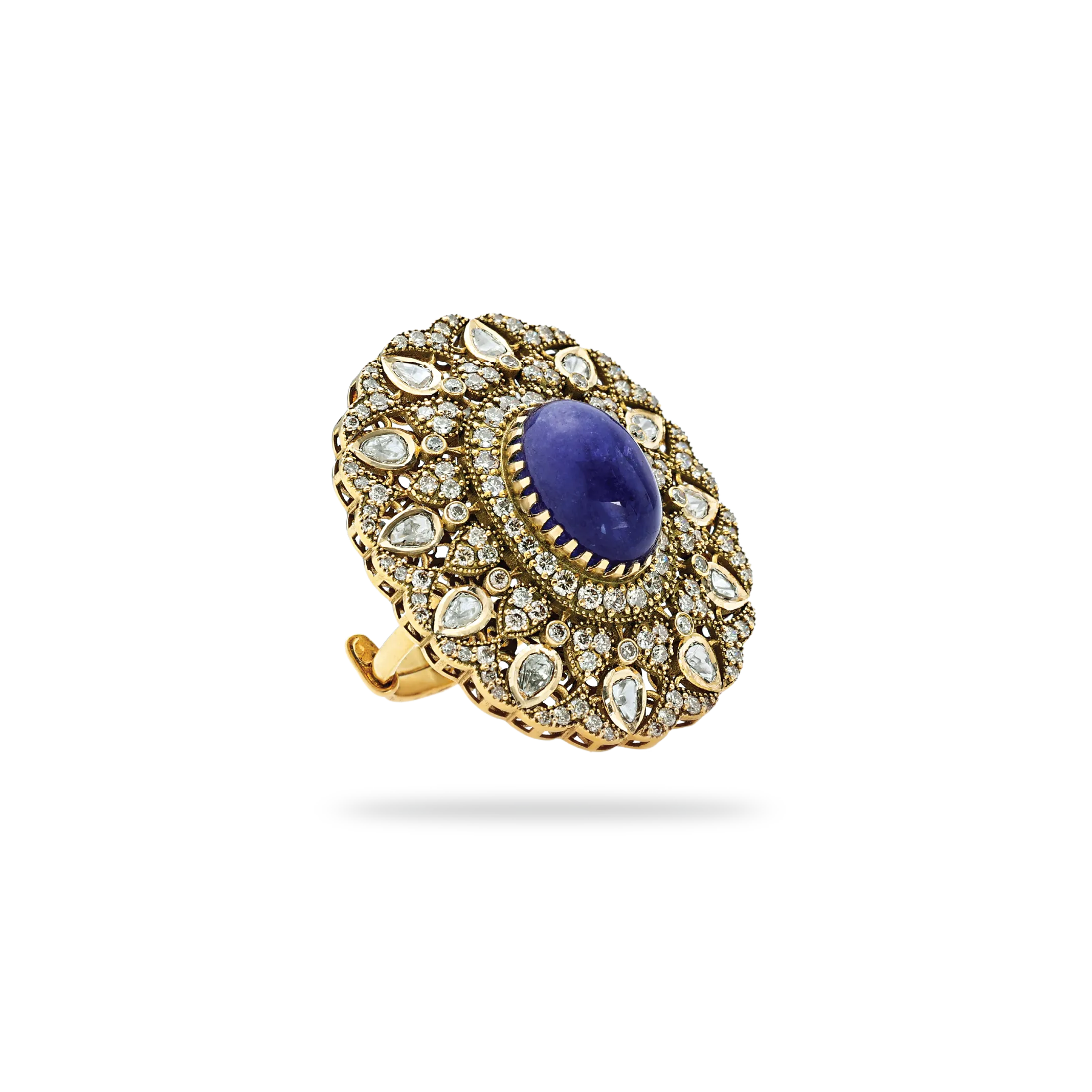
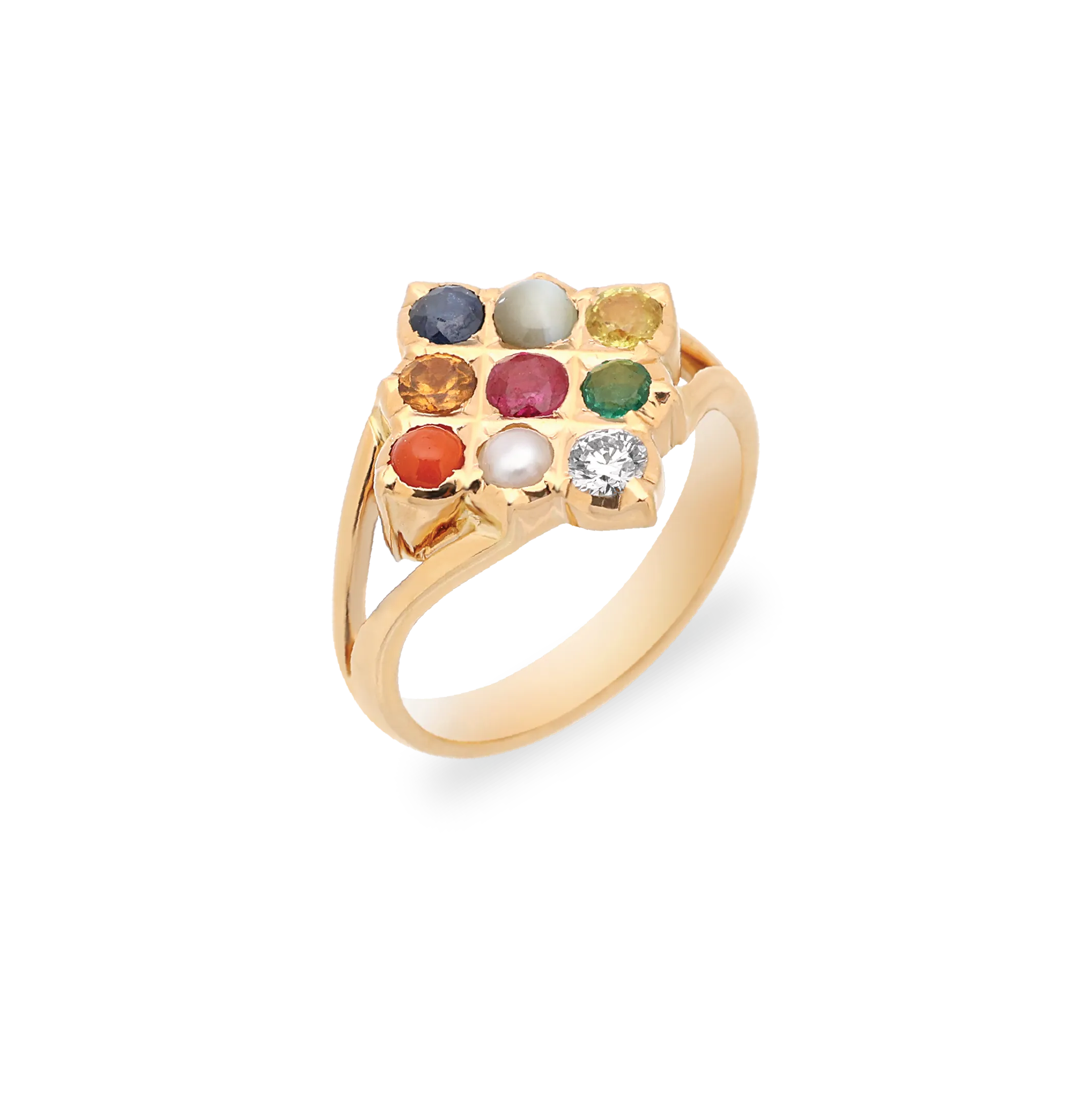
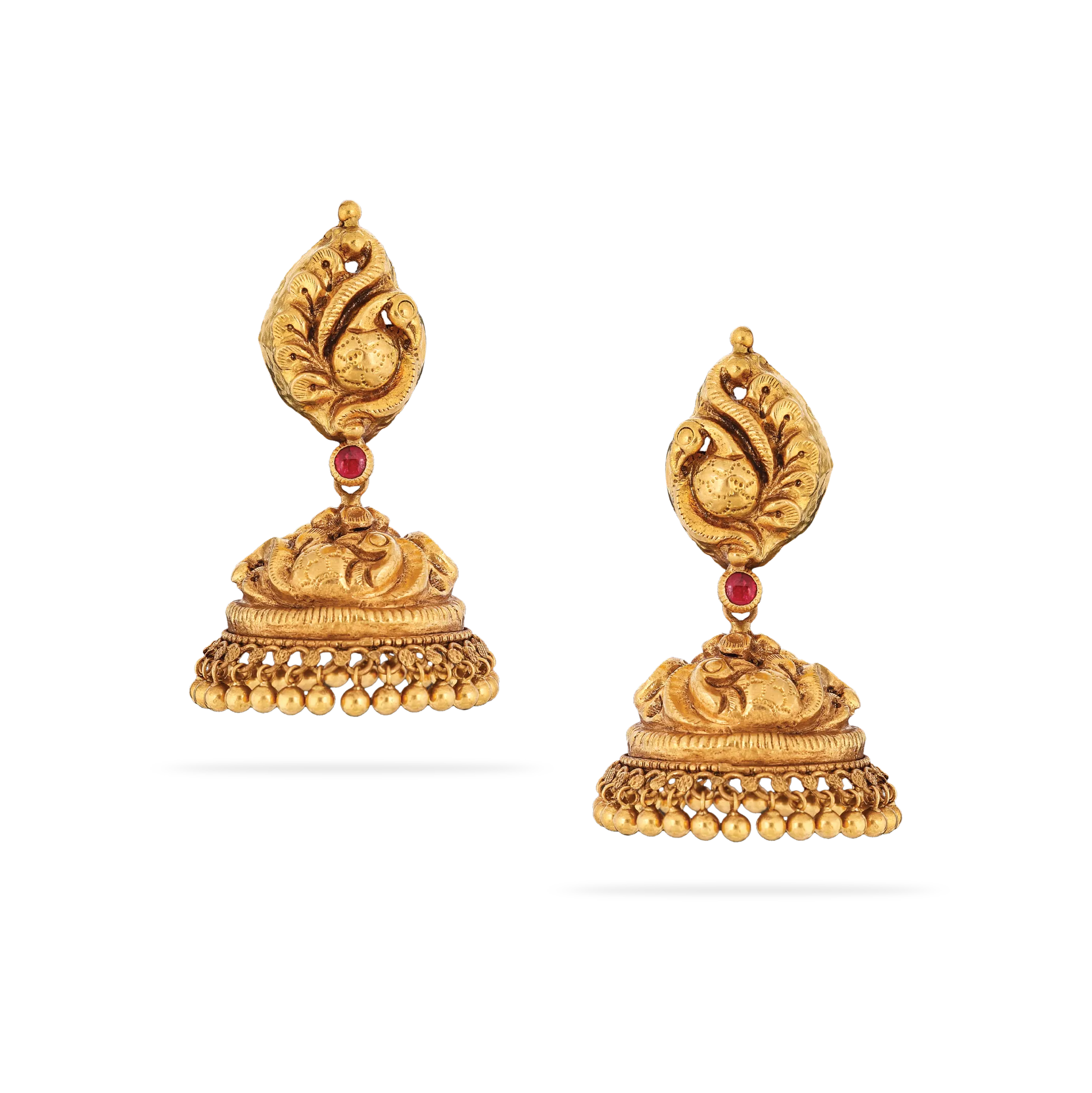
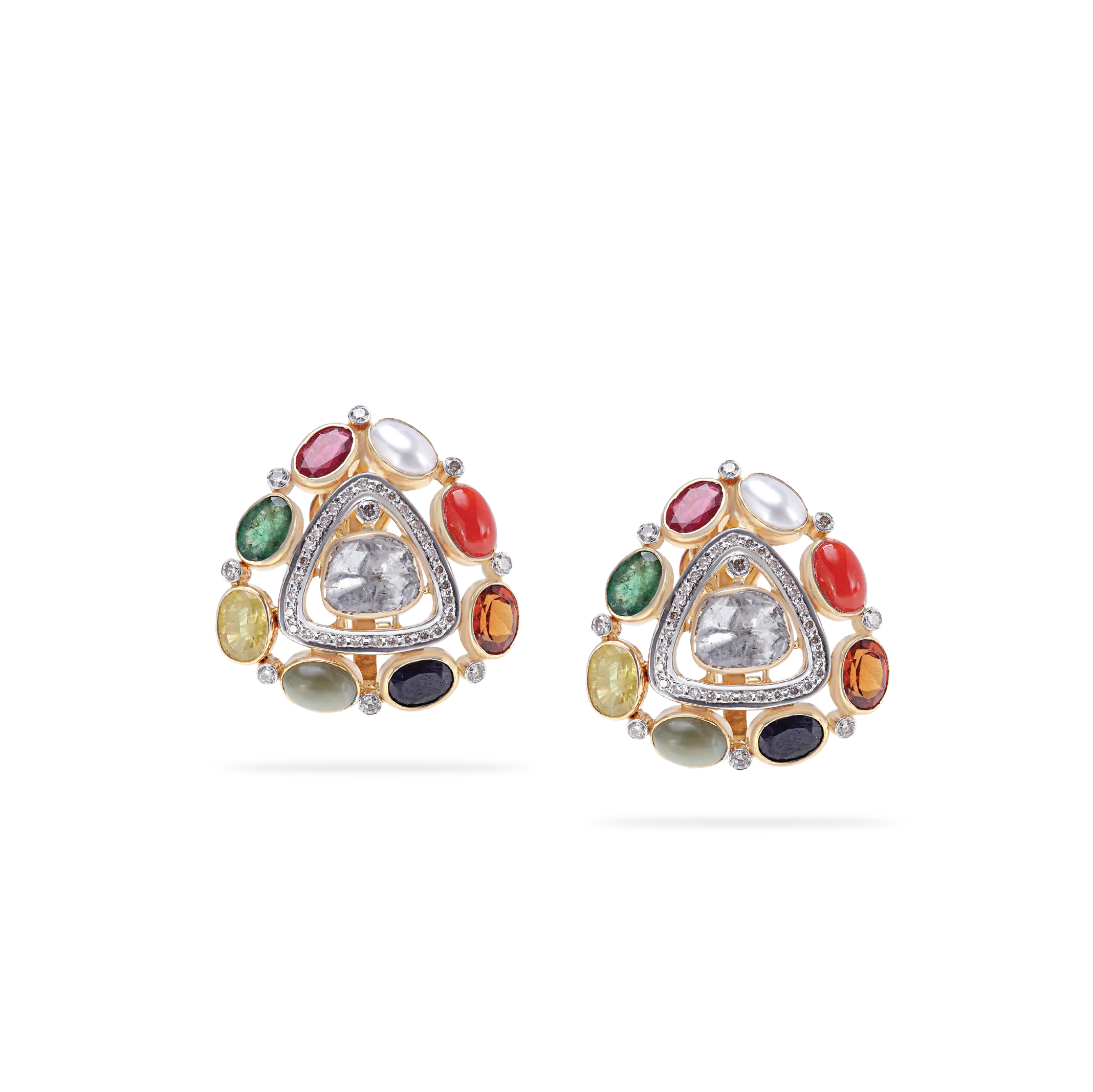
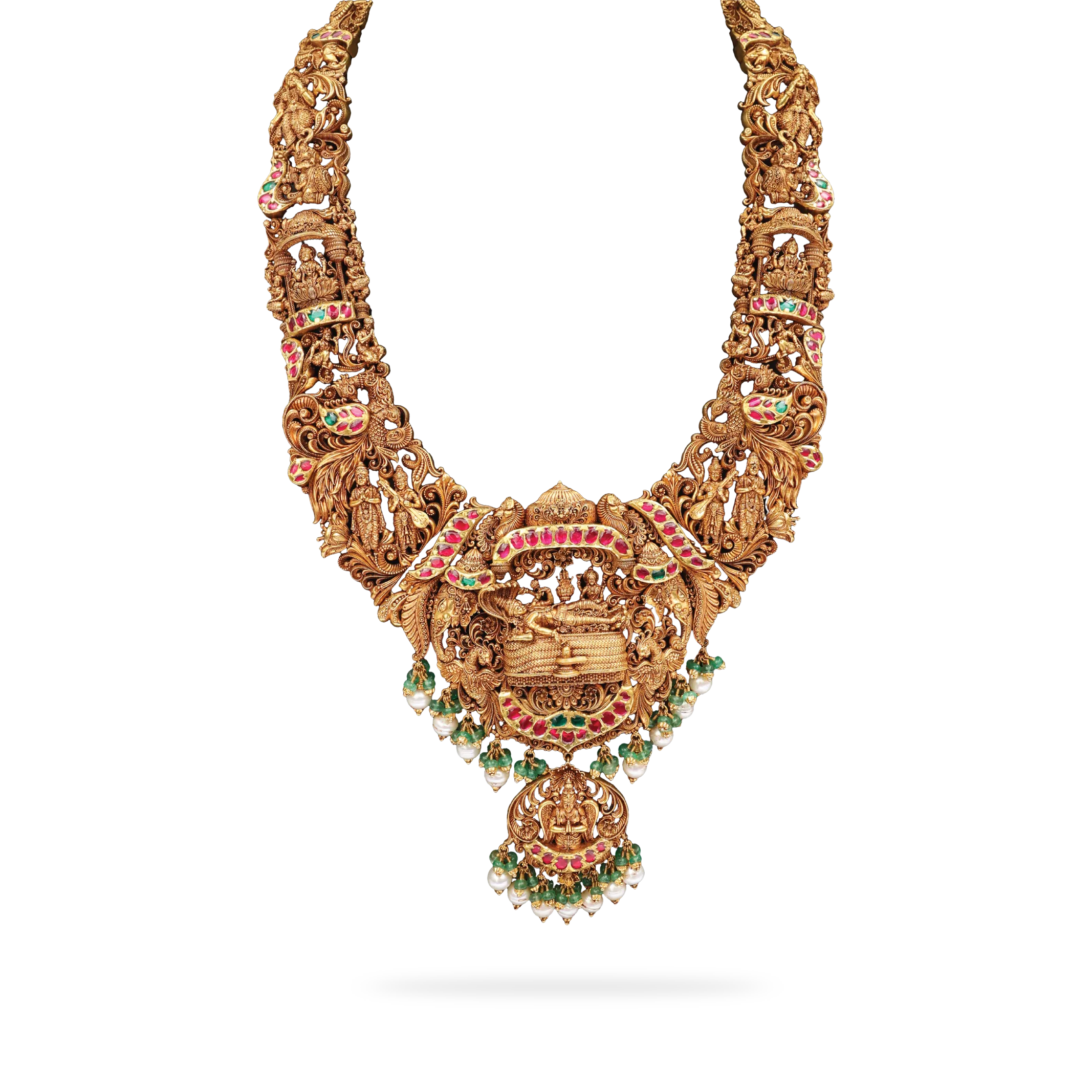
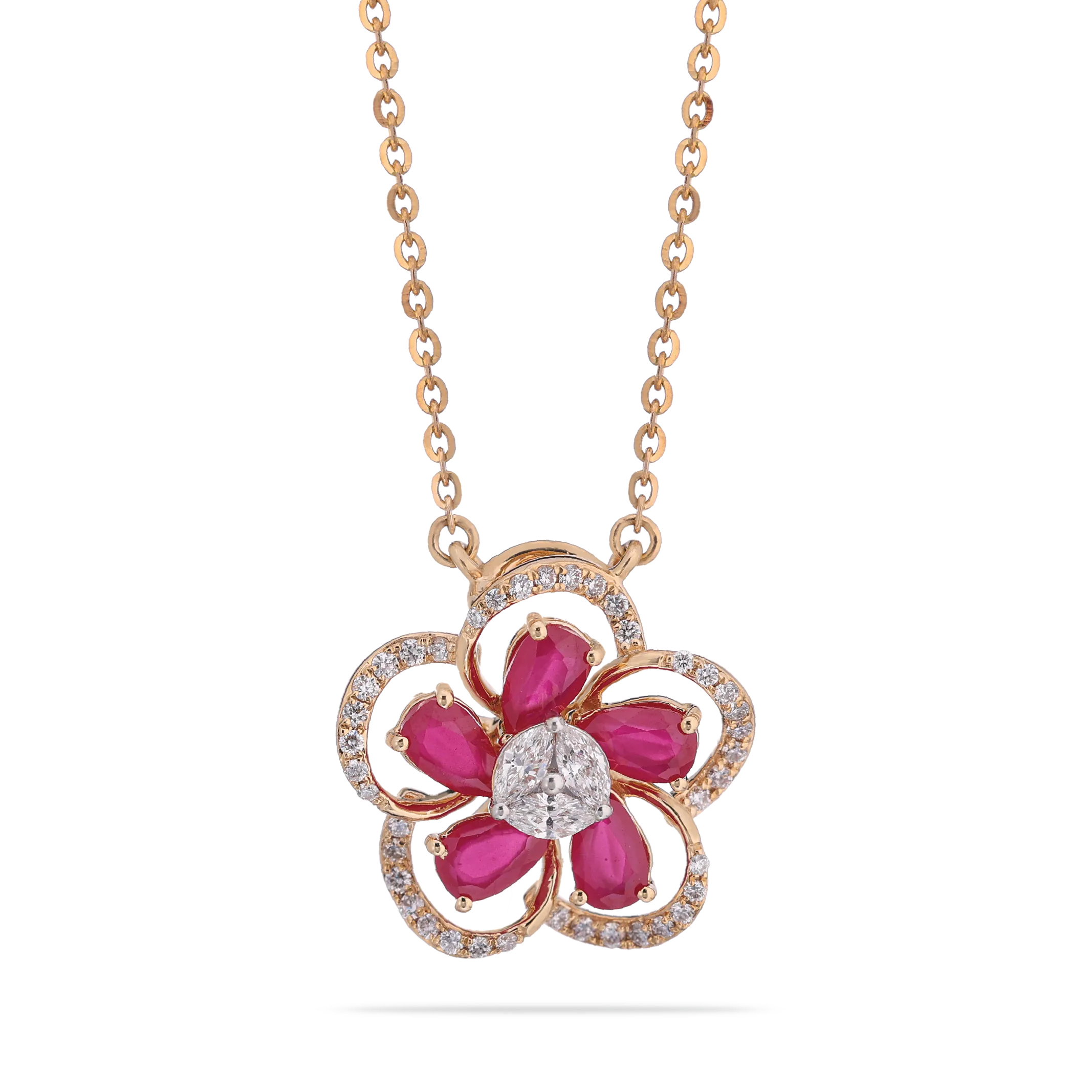
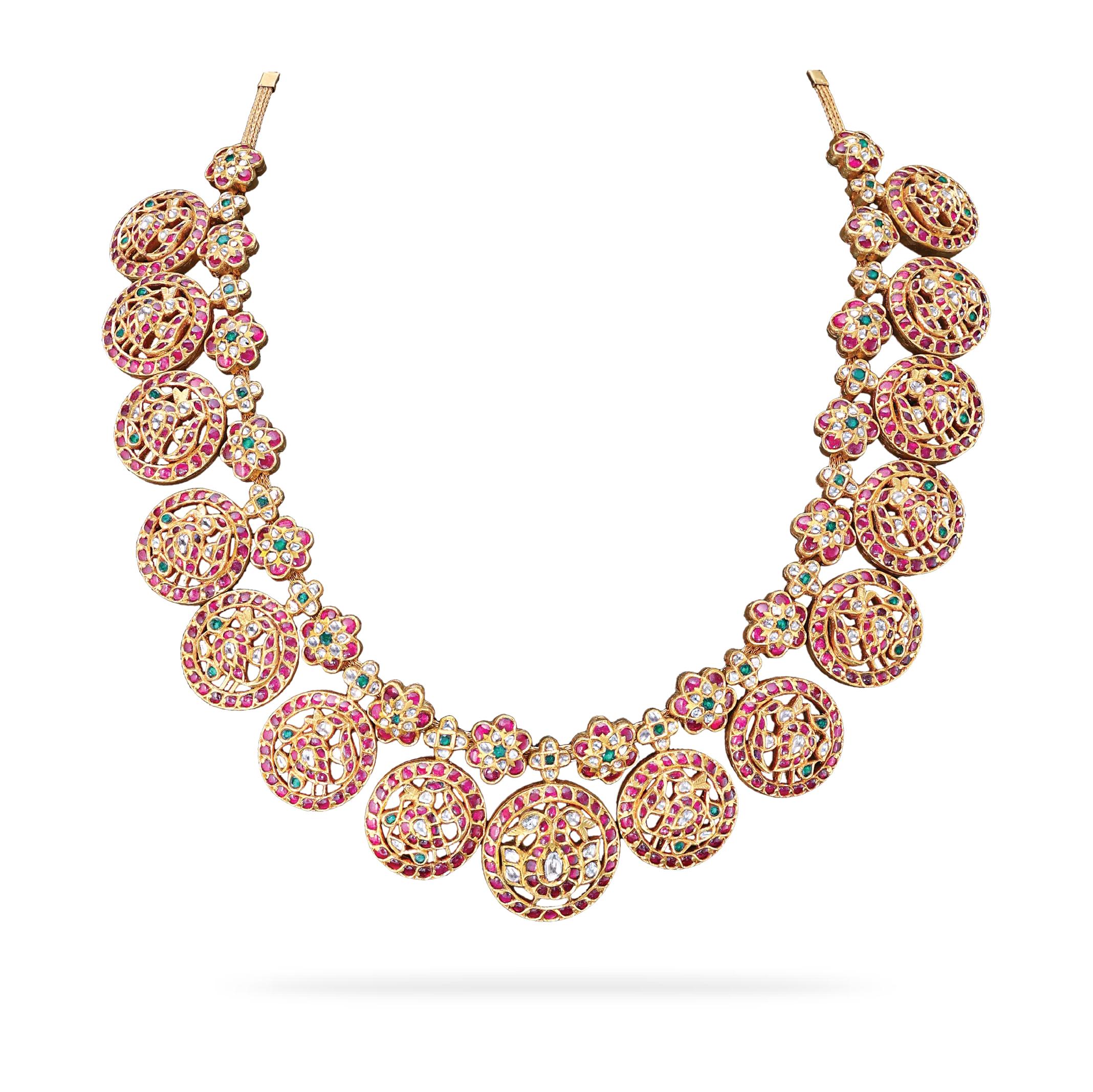
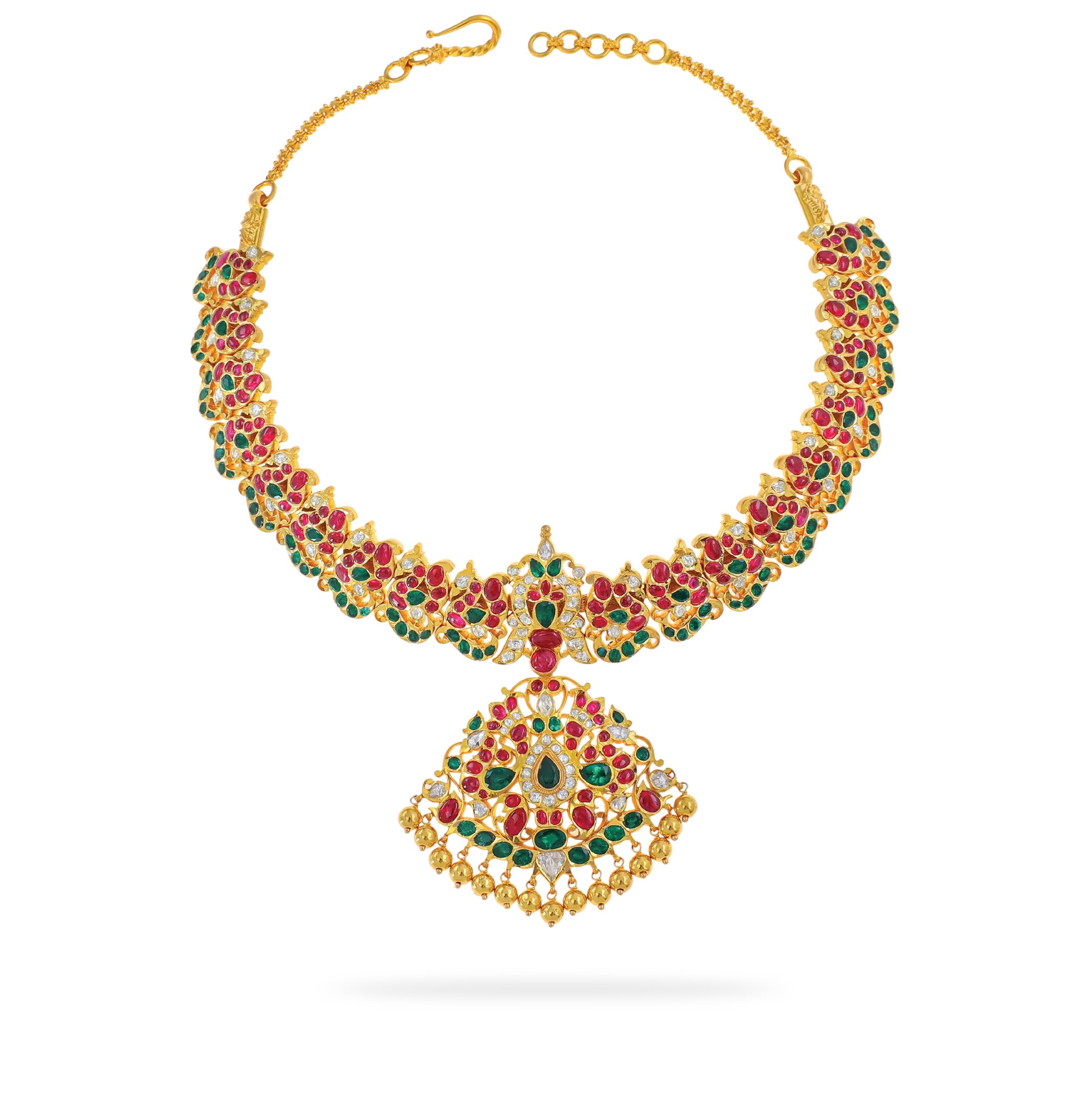
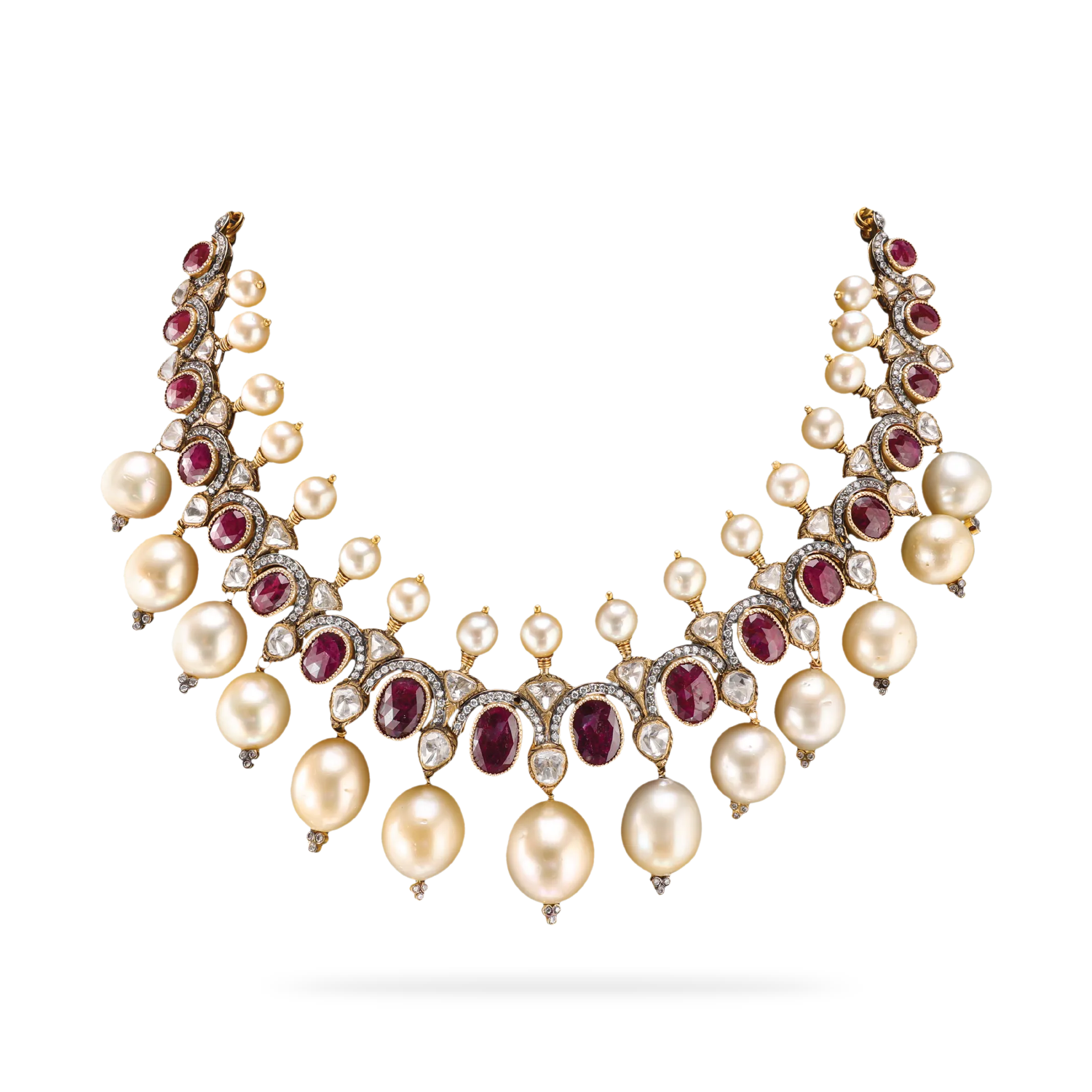
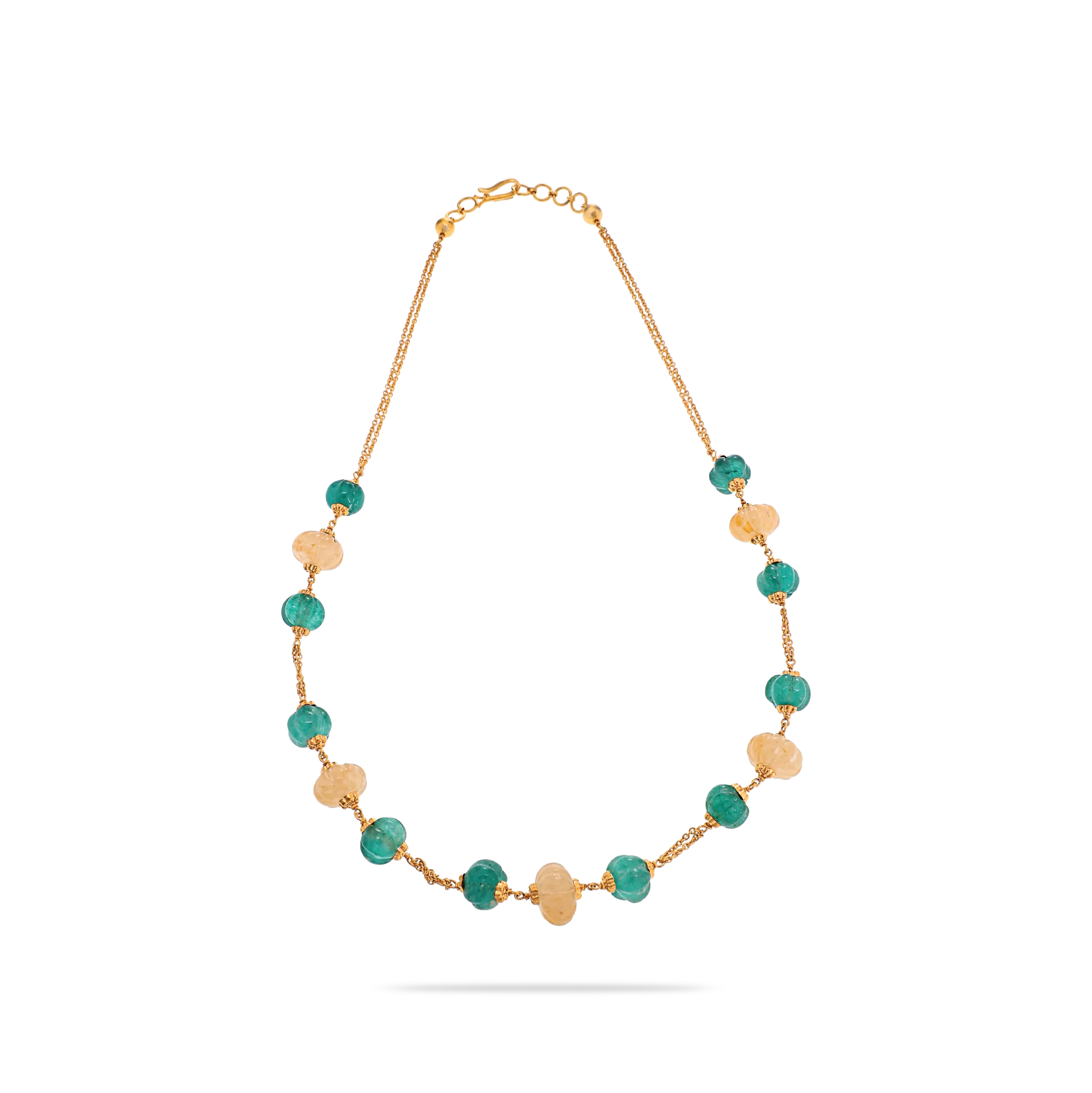
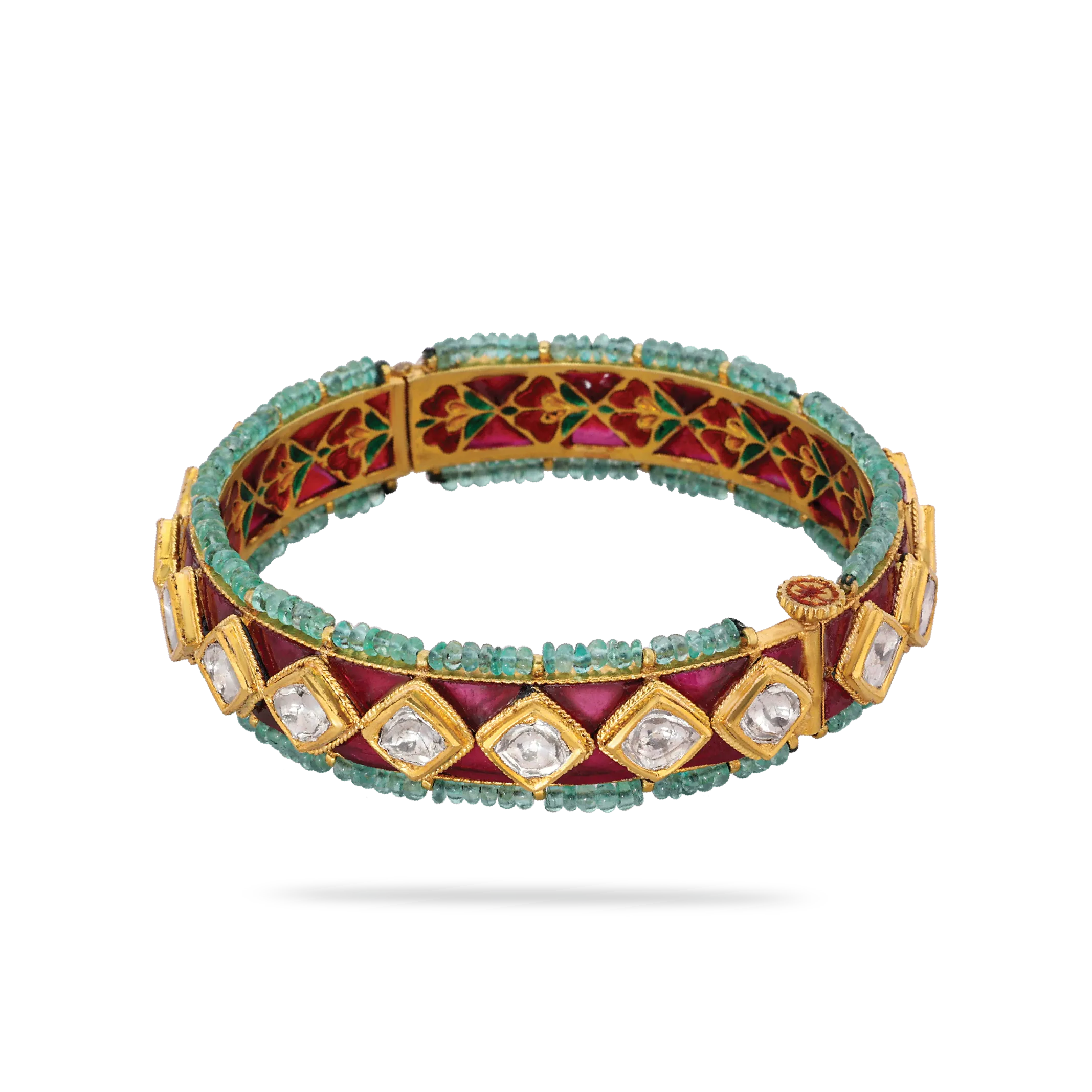
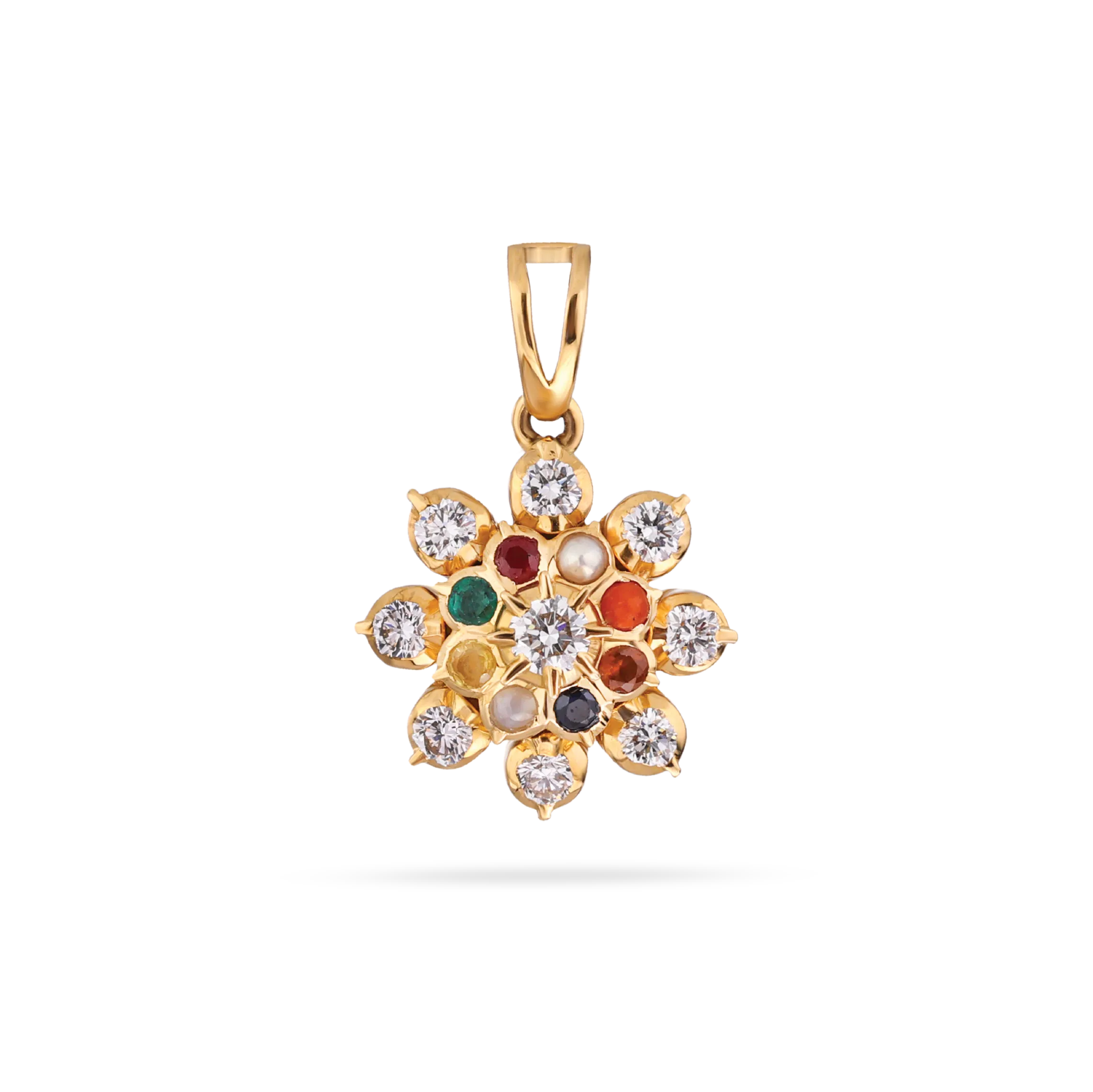
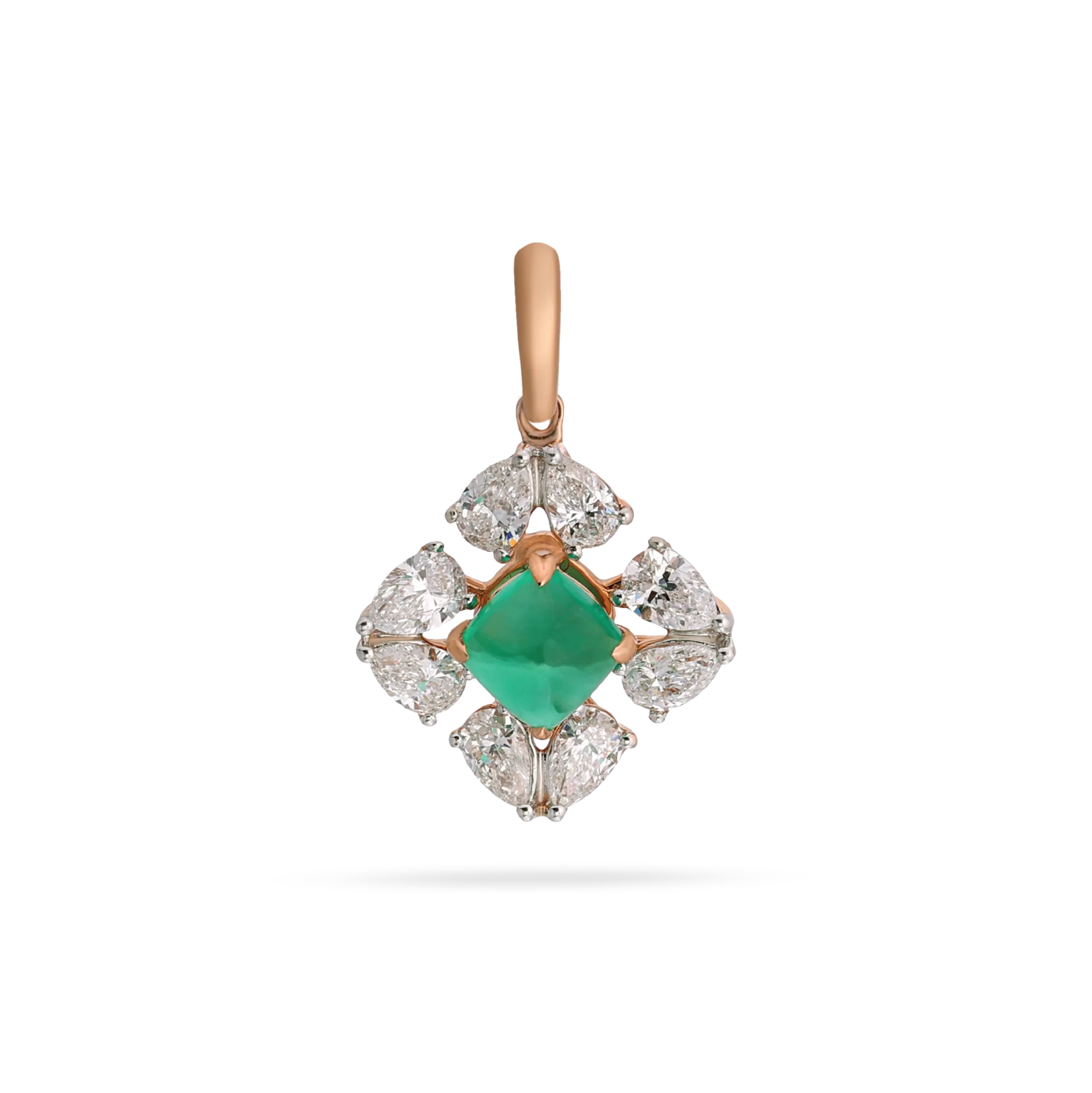
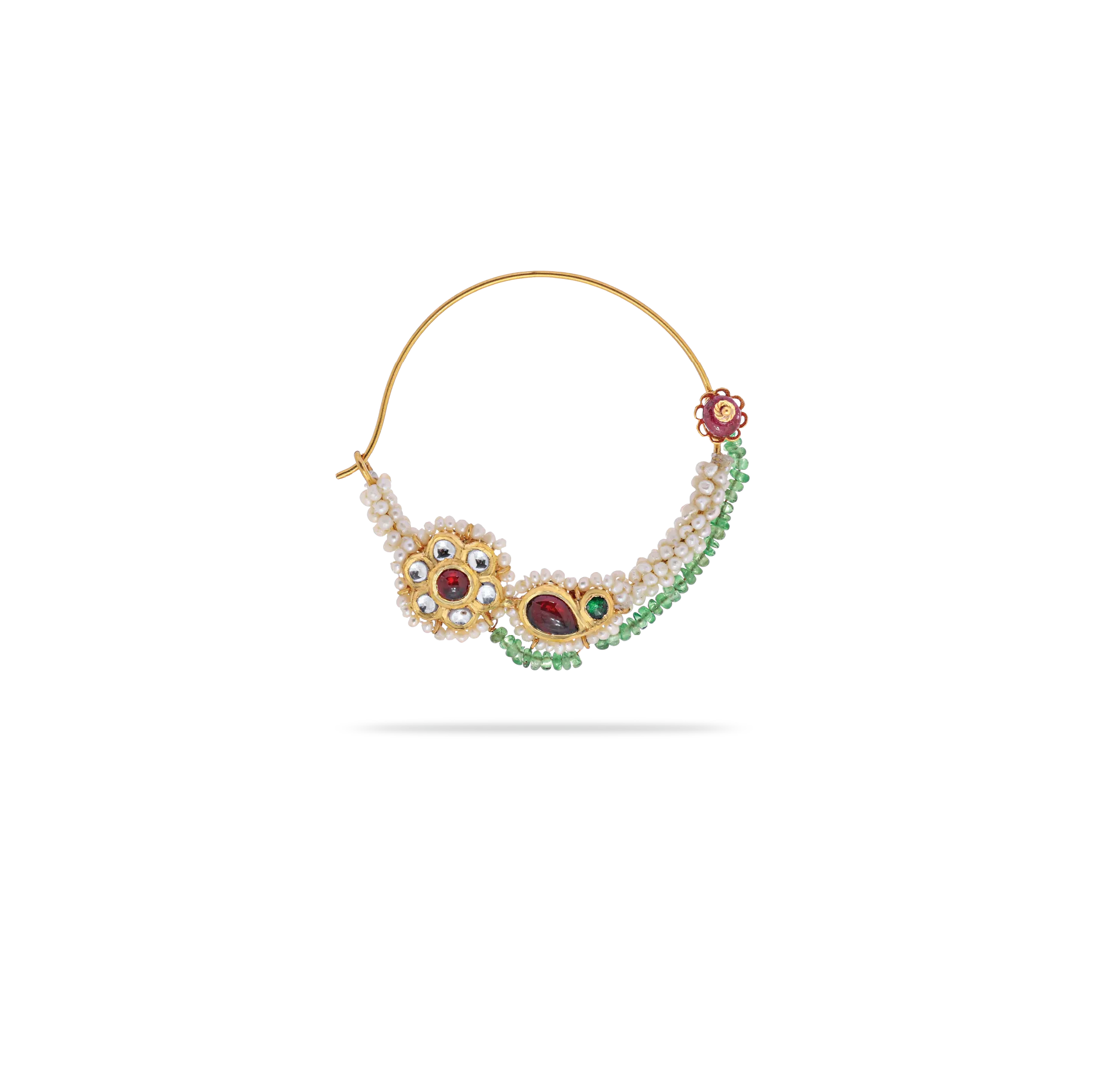
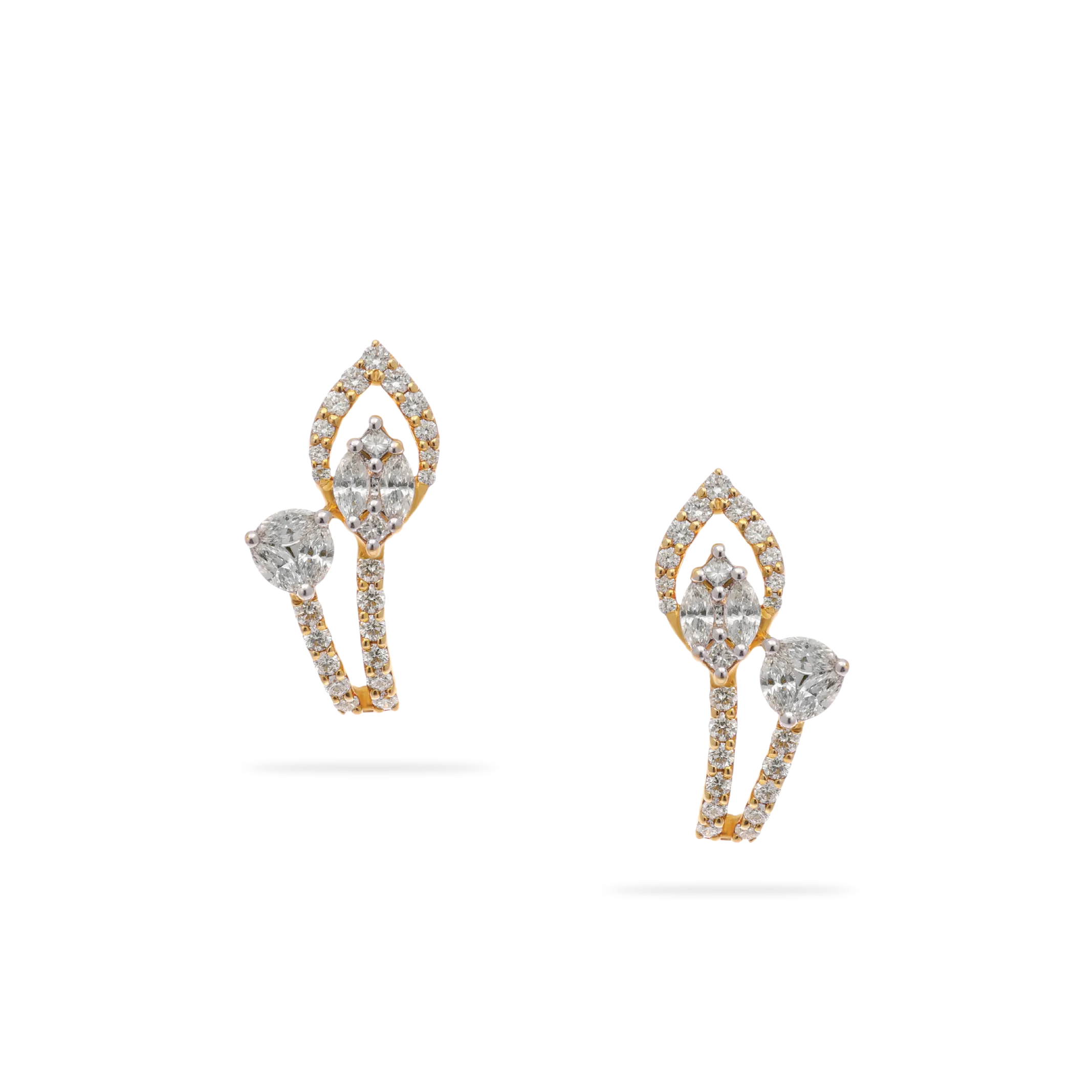
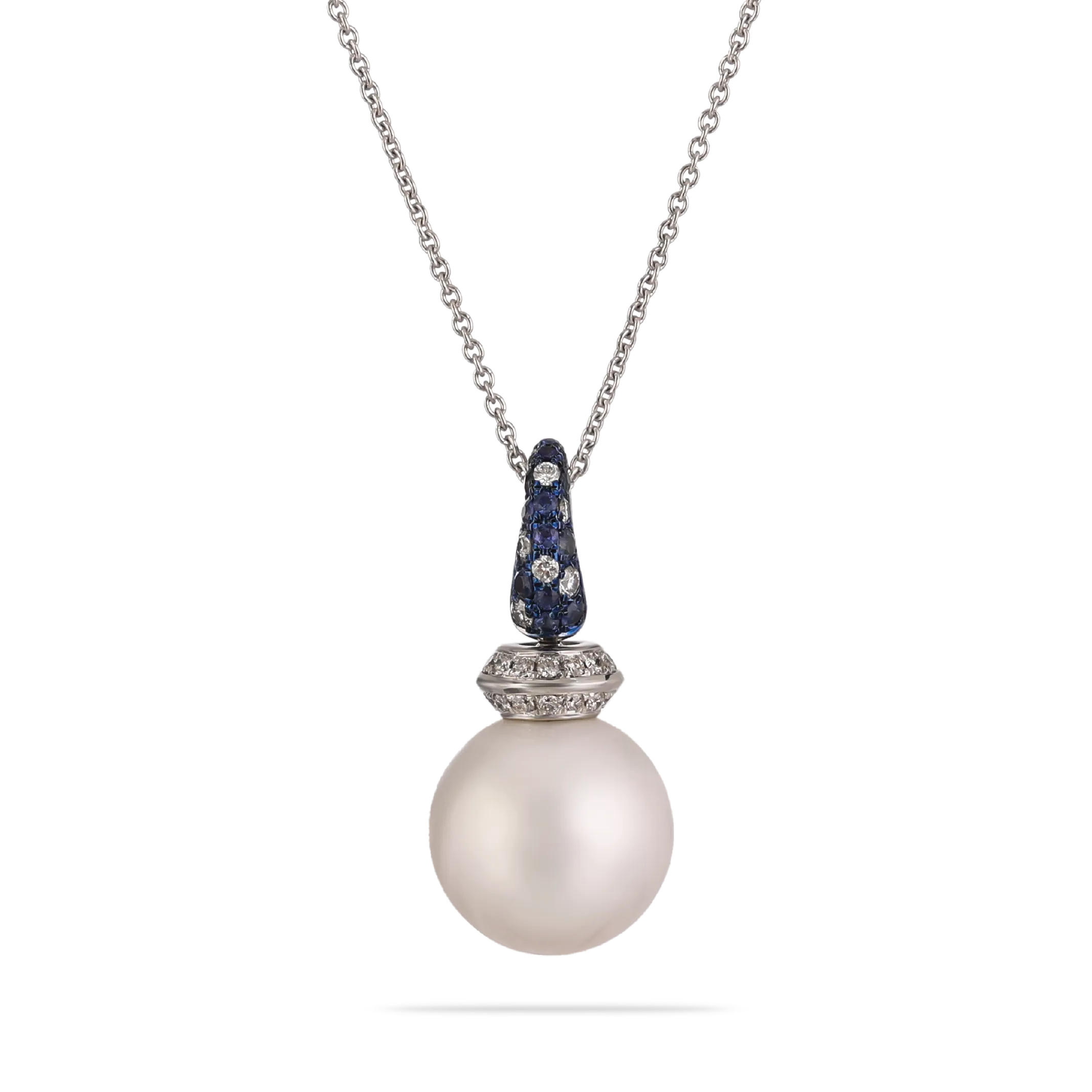
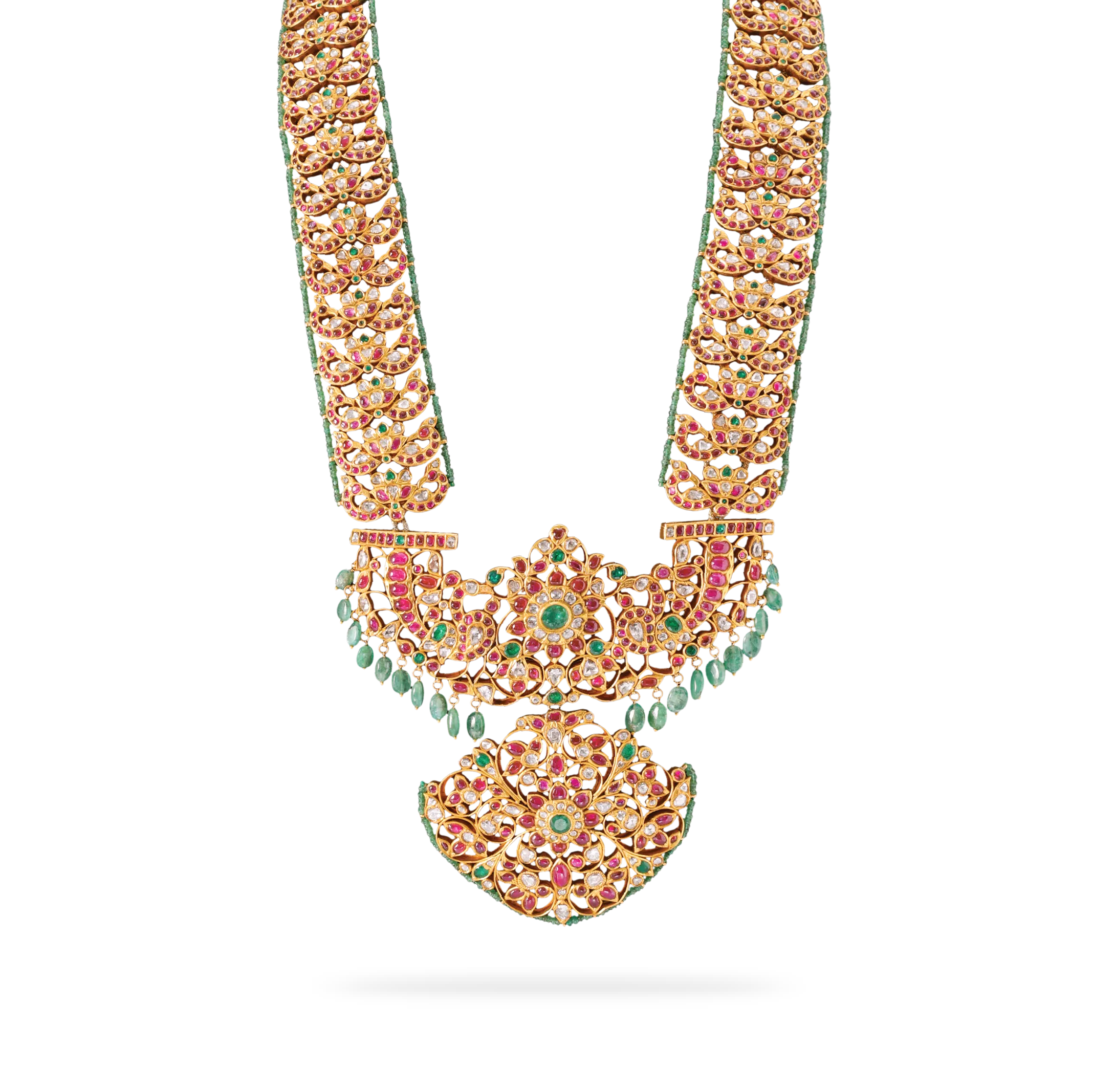
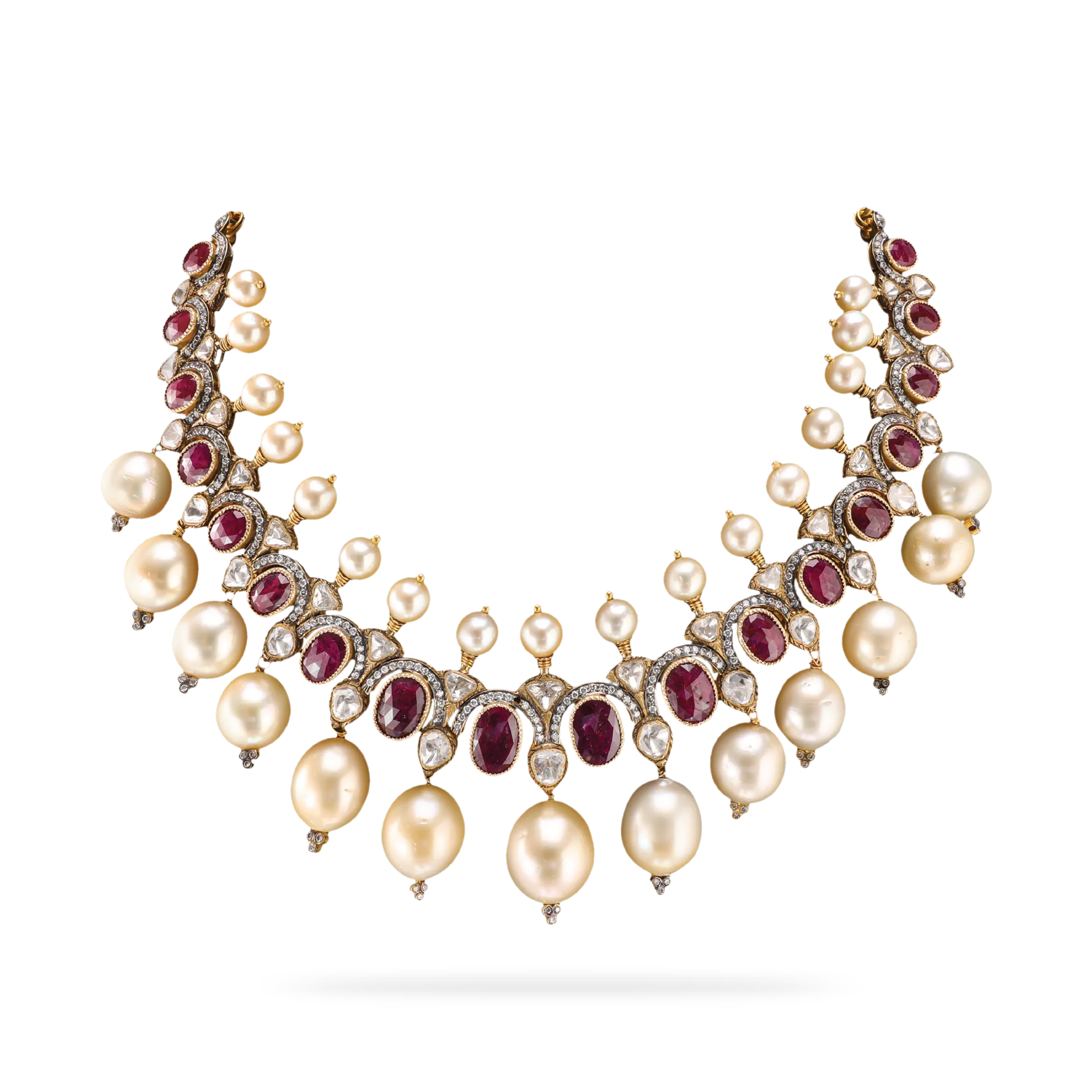
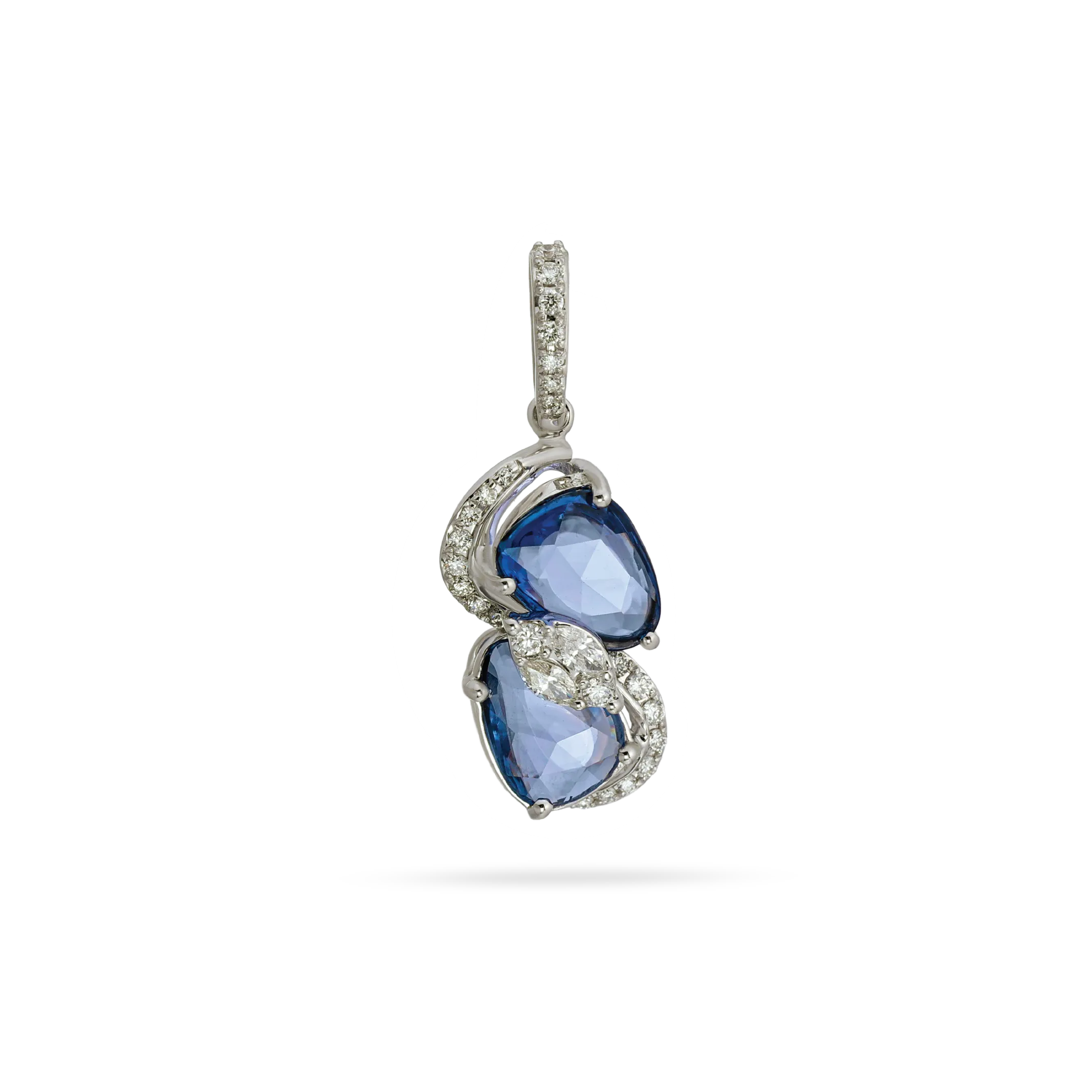
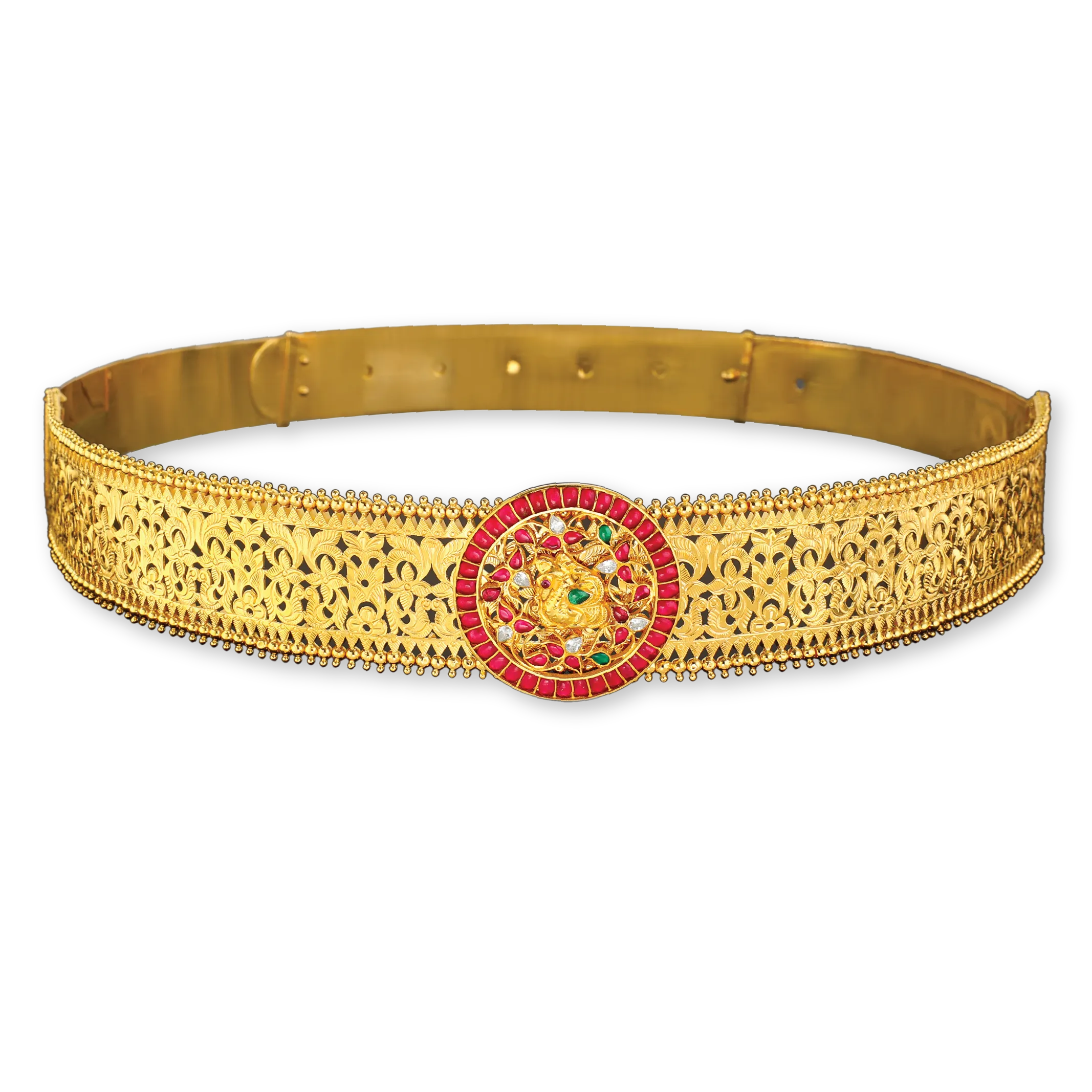
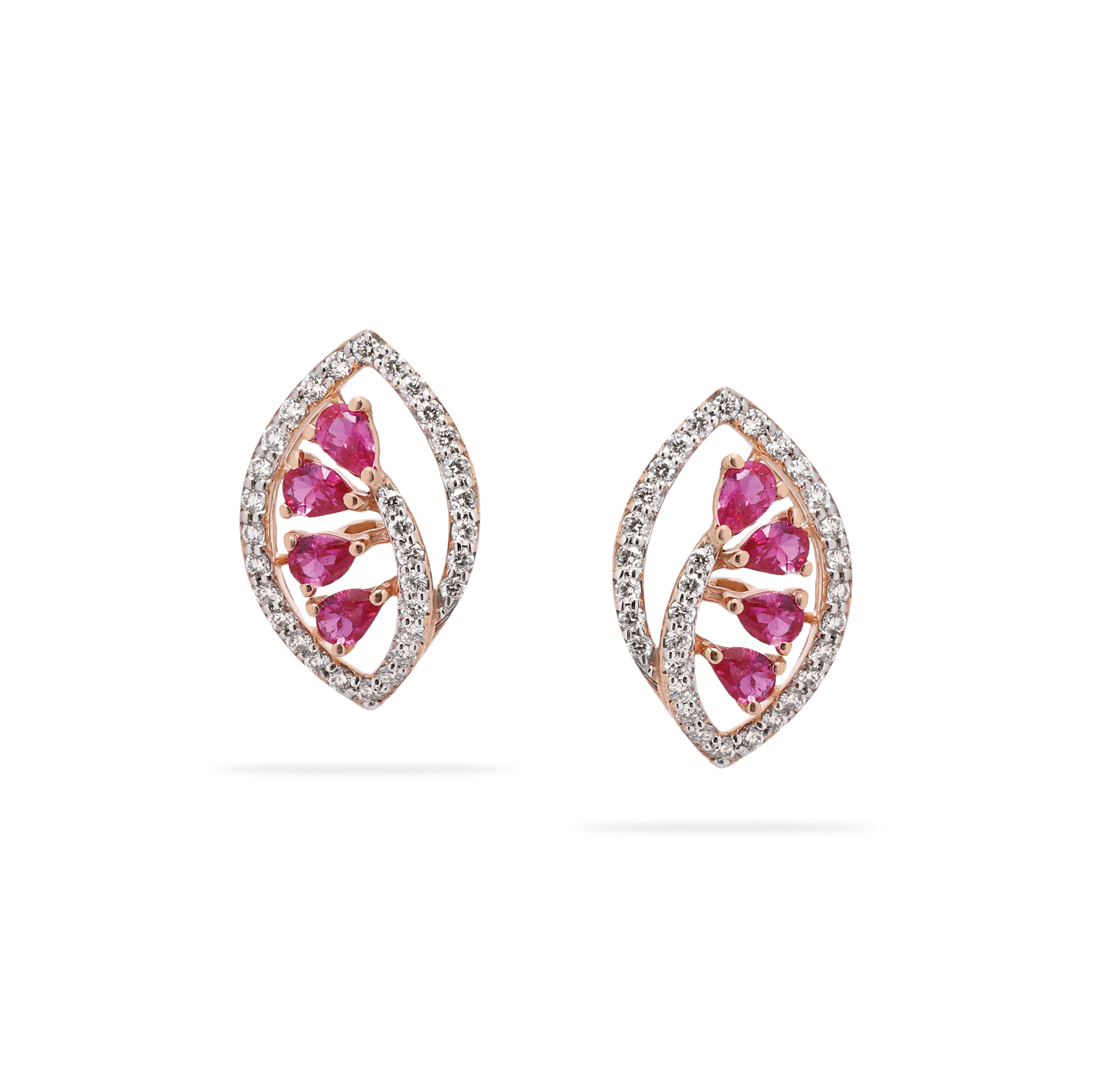
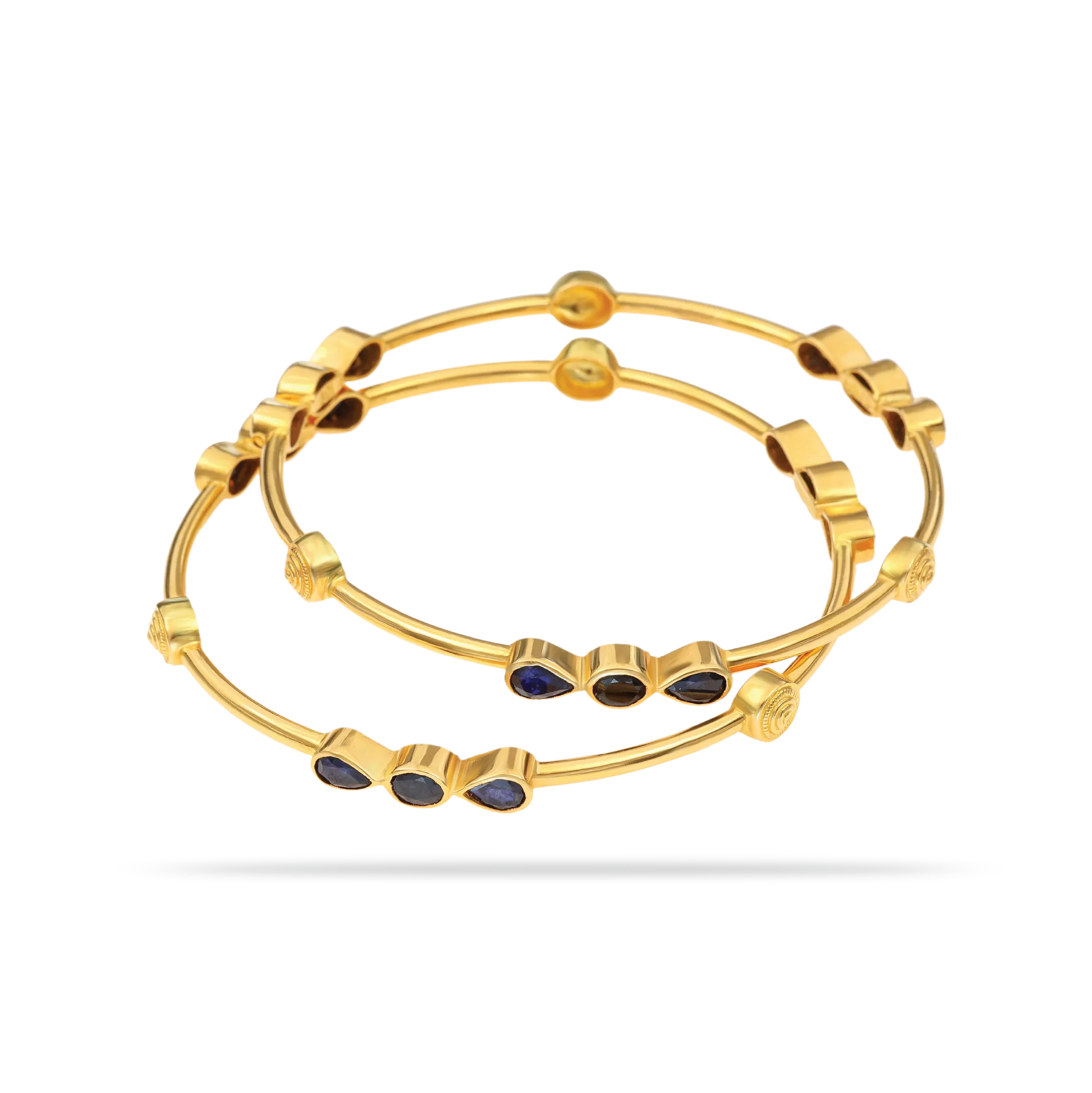
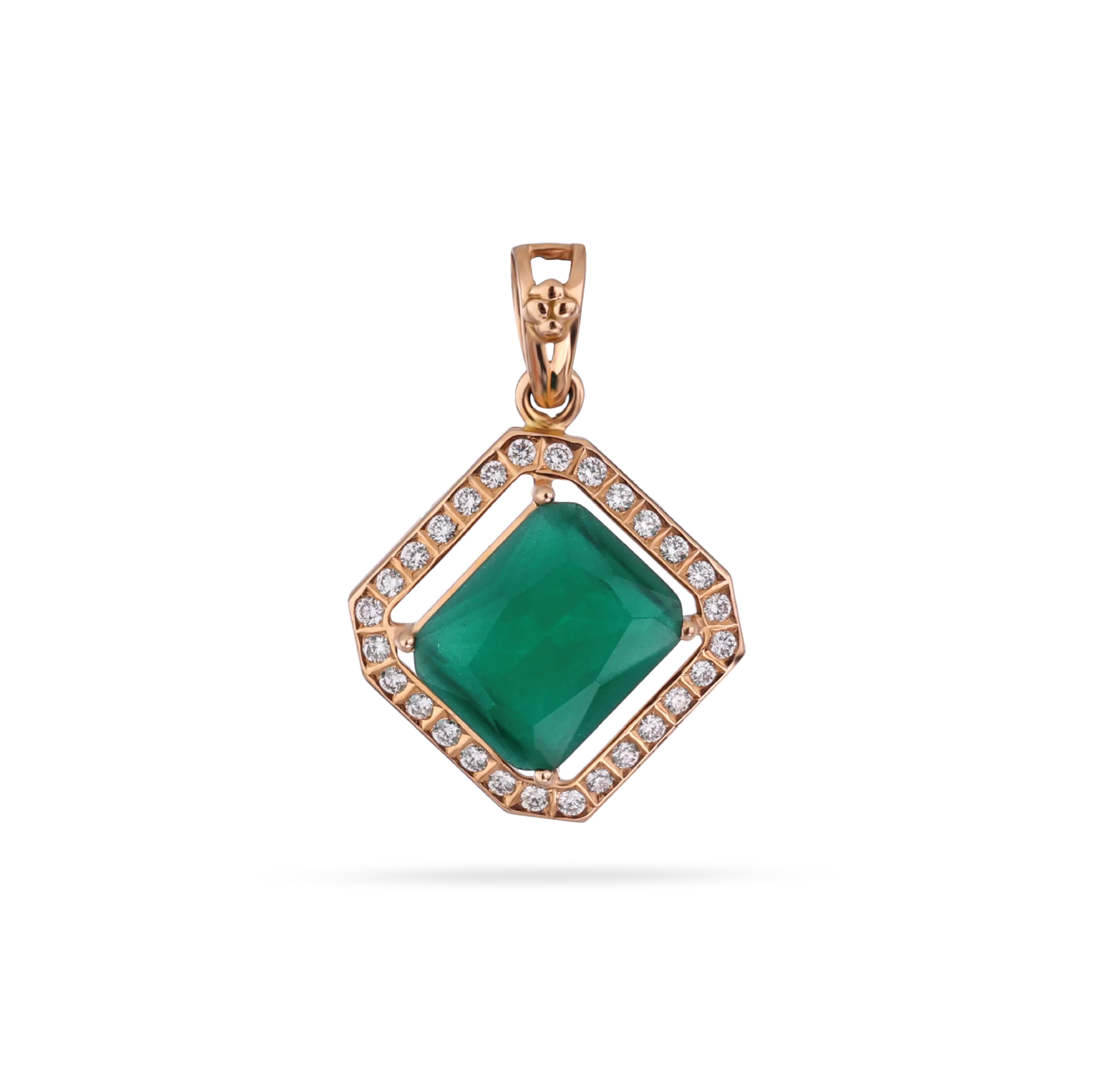
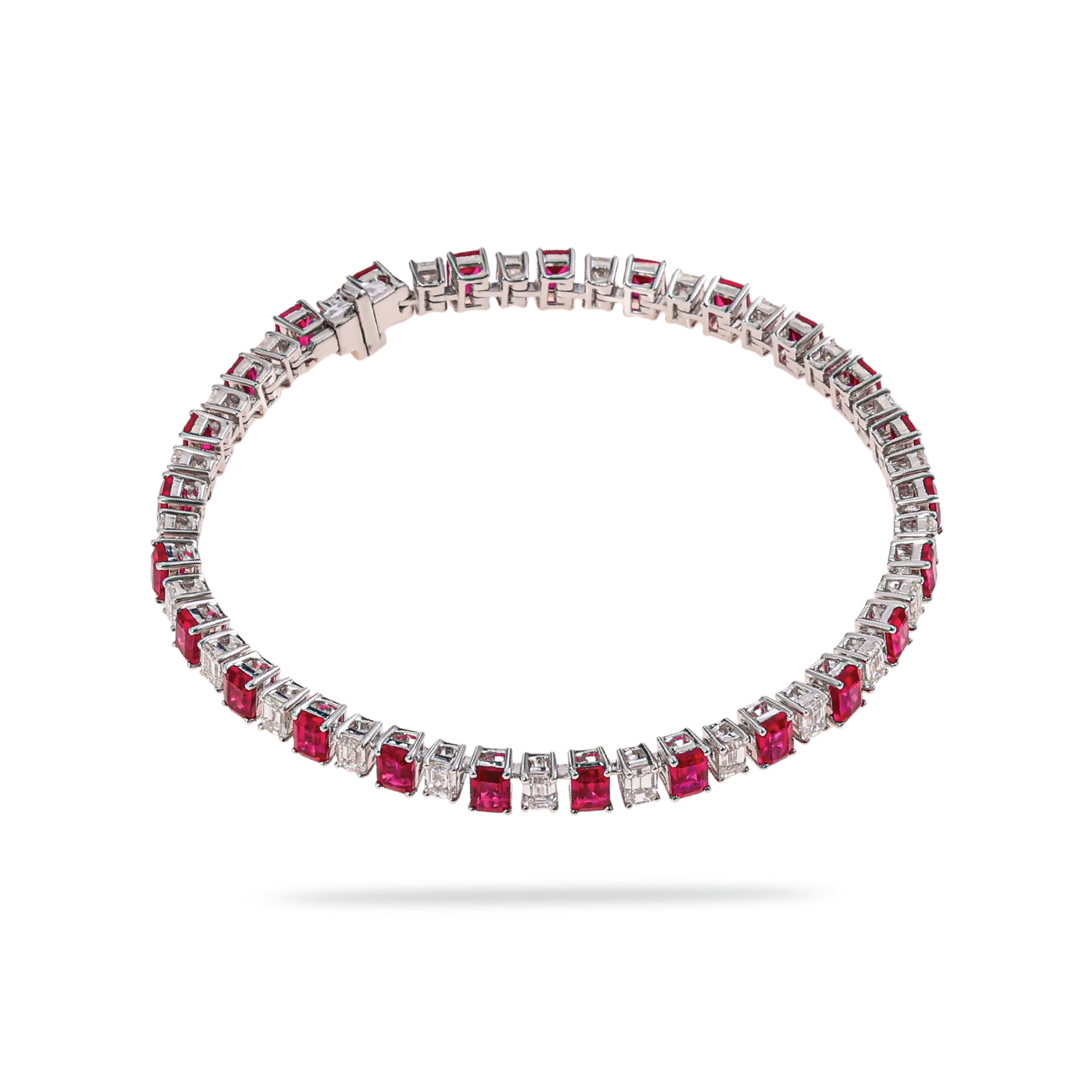
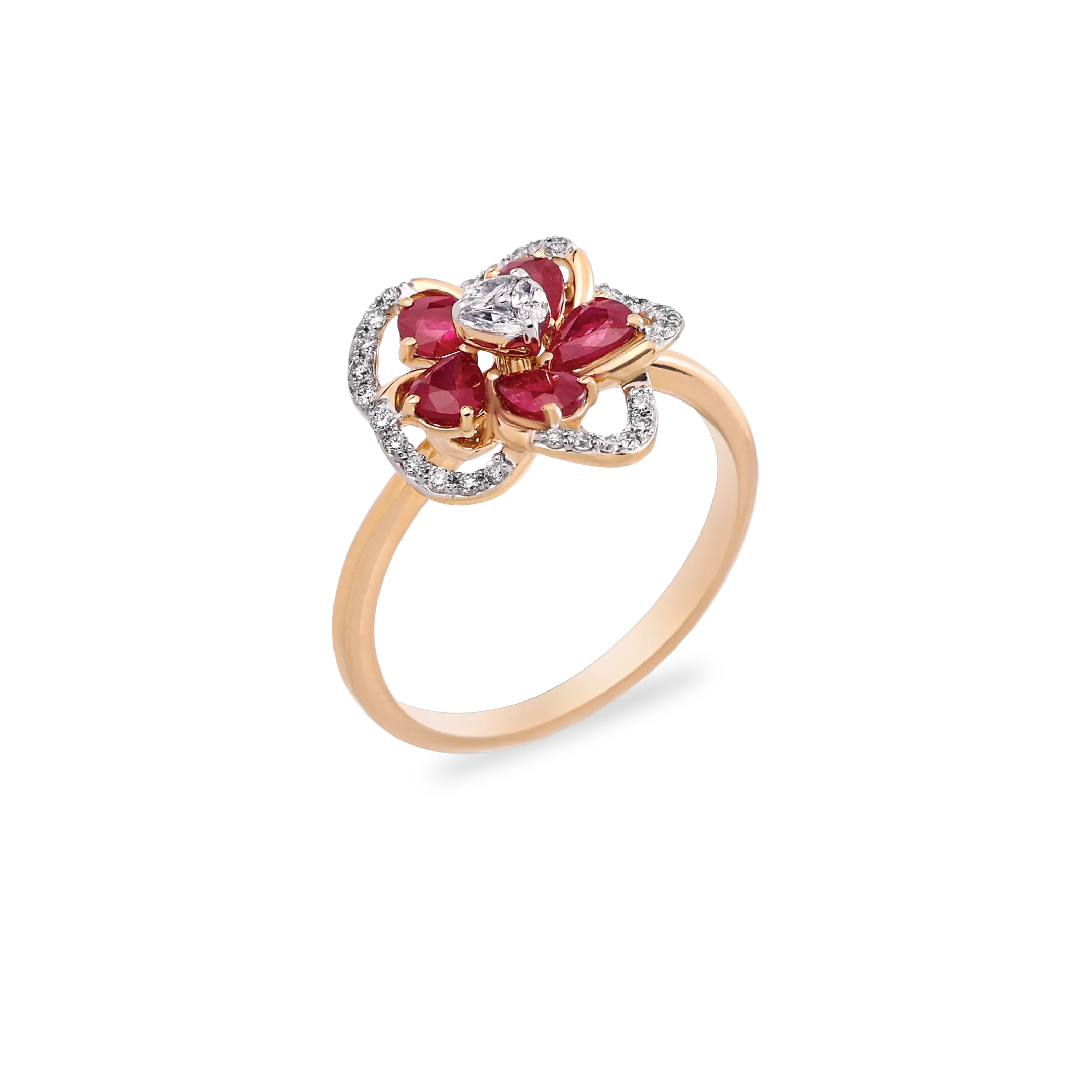
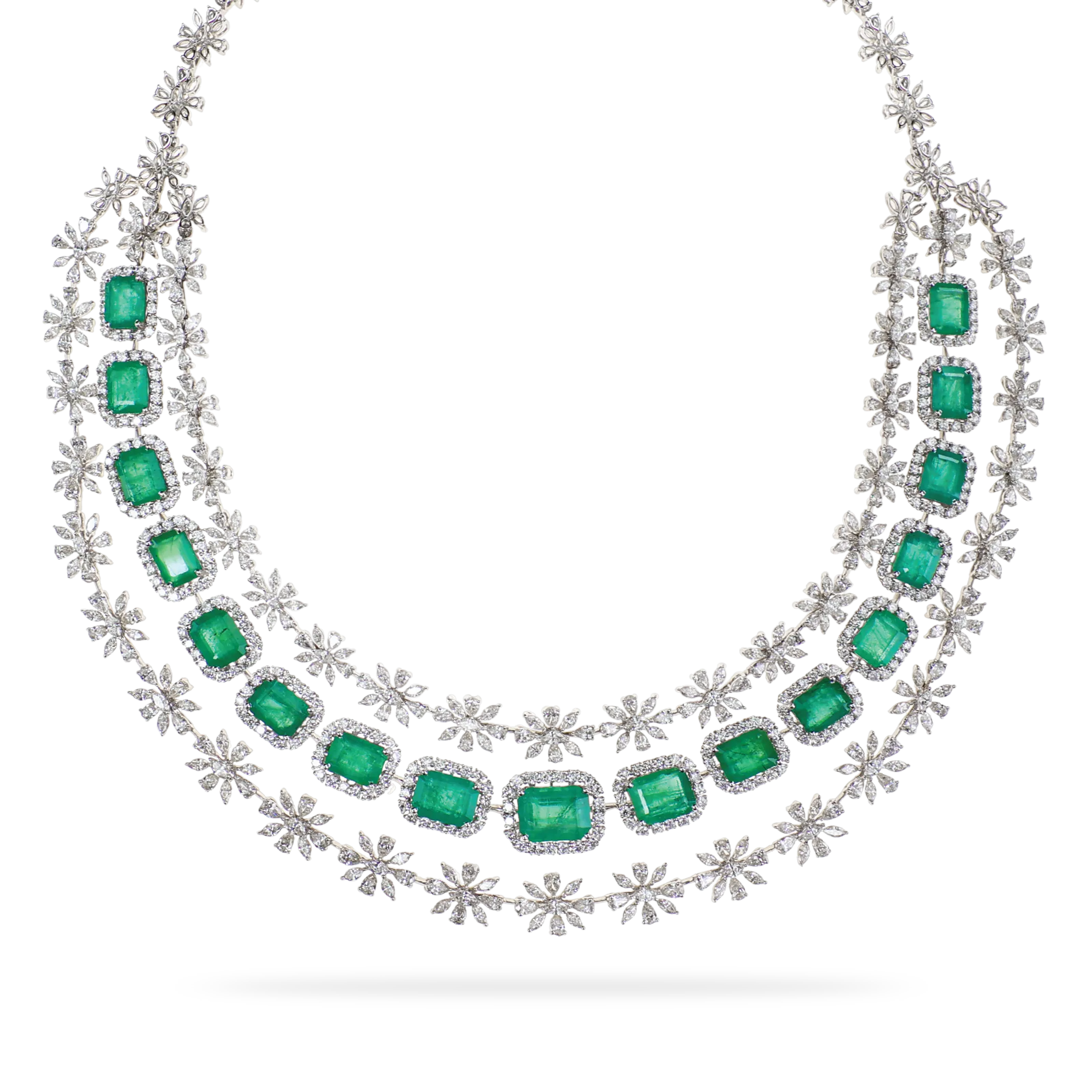
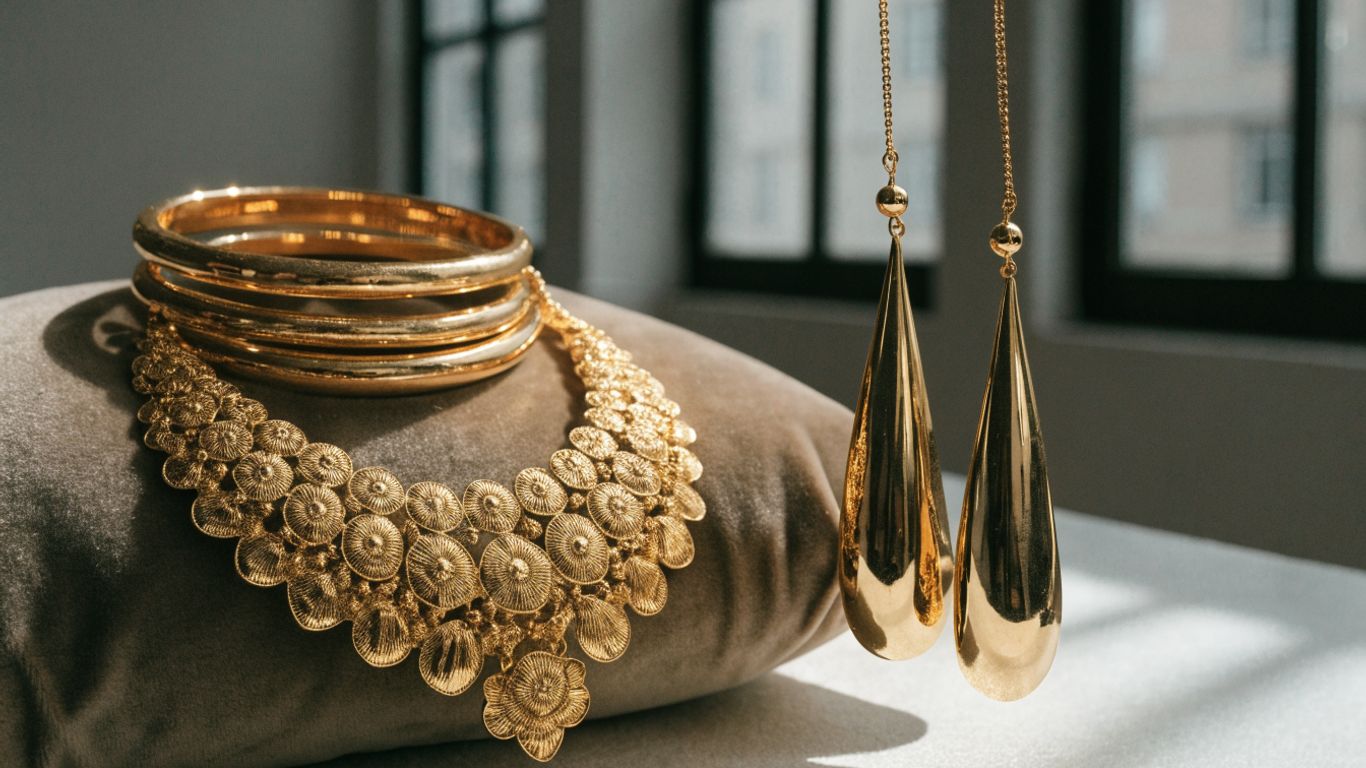
A traditional motif can feel very different from a clean, contemporary silhouette, even when both suit the same occasion. Regional influences may also shape the motifs and finish, so ask what details distinguish the designs you are considering. P.C. Chandra Jewellers presents gemstone jewellery set in gold; examples like this can help you think about how a focal stone changes the overall look, but assess each piece on its own terms.
Check stone details and how they affect the gold weight
When a piece includes stones, ask which materials are used and how their weight is recorded in the price calculation. The gross weight of an item is not necessarily the net gold weight, so request both figures where applicable. Check whether the invoice or product documentation identifies the stones and explains how they are treated in any exchange or valuation policy.
Ask about customization, sizing, and availability
If you want a different length, fit, or design detail, ask what can be changed and whether changes affect price or delivery time. Confirm whether the specific item is available to try on or must be ordered, and get an expected date in writing. For another example of how a retailer presents its offerings, Jos Alukkas lists custom-crafted pieces alongside gold and other jewellery for online shopping; ask any showroom directly about the options available for the item you like.
Evaluate the showroom and customer service
A showroom visit is also a chance to assess how clearly staff answer questions and provide written terms. Consider whether you can reach the location conveniently, take your time examining pieces, and return for service later if needed. These practical details can matter as much as the first impression of the display.
Consider location, accessibility, and appointment options
Check the location, opening hours, parking or transit options, and whether an appointment is useful for the kind of purchase you have in mind. If several family members are involved, ask whether there is space and time for a considered visit. A less rushed appointment can make it easier to compare items and review their documentation.
Ask about return, exchange, and buyback policies
Request the policy for returns, exchanges, and buyback before you commit. Ask about time limits, deductions, eligibility, and whether the original invoice and tags are required. Do not rely on a verbal summary when the exact conditions may affect a future decision; get the written policy and read it alongside your receipt.
Review repair, cleaning, and after-sales services
Ask what repair or cleaning services are available, whether they carry a fee, and how long they generally take. Find out how the showroom handles resizing or damage, especially for pieces with stones or delicate settings. Clear after-sales terms are useful even if you hope not to need them.
Make an informed purchase
When you have narrowed the choices, pause to check the piece and its paperwork together. A careful final review can catch mismatched weights, unclear charges, or missing details before payment. Take the time you need; a genuine purchase decision does not have to happen in a hurry.
Inspect the item and verify its tags and documentation
Examine the piece in good light and check its finish, clasps, settings, and comfort. Confirm that the tag details correspond to the item and ask staff to resolve any difference between a displayed label and the written record. Before moving forward, use a short inspection routine:
- Match the item’s description and purity marking to its tag.
- Check the stated gross and net gold weights where shown.
- Look over stones, settings, clasps, and visible workmanship.
- Confirm the HUID and other details against the documentation.
If something remains unclear, ask for an explanation or a corrected document before paying. A few minutes spent checking is easier than trying to reconstruct the details later.
Confirm the invoice includes itemized charges and hallmark details
Read the invoice before leaving and ensure it identifies the item, purity, weight, applicable hallmark details, and each charge. Check that the total matches the amount you agreed to pay, including taxes and any additional fees. Keep the invoice and related documents together, since they may be relevant to care, repair, exchange, or resale.
Compare shortlisted pieces before making a decision
Lay your final options side by side in your notes: compare fit, design, purity, net gold weight, total price, and the showroom’s written terms. A piece that looks striking may not be the one you will wear most, and a lower quoted price may not mean a lower final cost. Choose the option that fits your purpose and budget after all the details are clear.
Conclusion
Choosing a gold jewellery showroom in Bangalore is easier when you prepare a brief, verify the item, and compare complete prices rather than relying on first impressions. Ask direct questions, read the policies, and keep the documentation; then choose the piece that feels right for your occasion, budget, and everyday life.
Frequently Asked Questions
What should I compare when choosing a gold jewellery showroom in Bangalore?
Compare purity and hallmark details, the day’s gold rate, itemized charges, available designs, written service policies, and how clearly staff answer your questions.
How can I check the purity of gold jewellery?
Look for the purity marking and BIS hallmark details, ask to see the HUID, and confirm that the information matches the piece’s tag and documentation.
What does 916 mean on gold jewellery?
A 916 fineness marking indicates 916 parts of gold per 1,000 parts, commonly associated with 22-karat gold. Check the marking on the specific item and ask the showroom to explain its documentation.
Should I compare making charges between showrooms?
Yes. Ask how each charge is calculated and compare the final invoice price for pieces with similar purity, weight, design, and stone details.
What should I ask about jewellery with stones?
Ask what stones are used, how their weight is recorded, how the net gold weight is calculated, and whether the invoice documents those details.
What documents should I keep after buying gold jewellery?
Keep the itemized invoice, product details, hallmark and HUID information, and any written exchange, buyback, repair, or warranty terms provided by the showroom.
Can I ask for a custom size or design change?
You can ask what modifications are available, whether they affect cost or delivery time, and whether the changed piece can be returned or exchanged under the showroom’s policy.
Related blogs:
October 30, 2026
Best time to buy gold jewellery: a practical guide to timing your purchase
Read More

October 30, 2026
When to buy wedding jewellery: A timeline for every piece
Read More
October 29, 2026
How to insure diamond jewellery: A step-by-step guide
Read More

October 29, 2026
How to travel with expensive jewellery safely
Read More