Finding the Best Diamond Necklace for Your Wedding: A Comprehensive Guide
March 25, 2026 | 10 minutes read
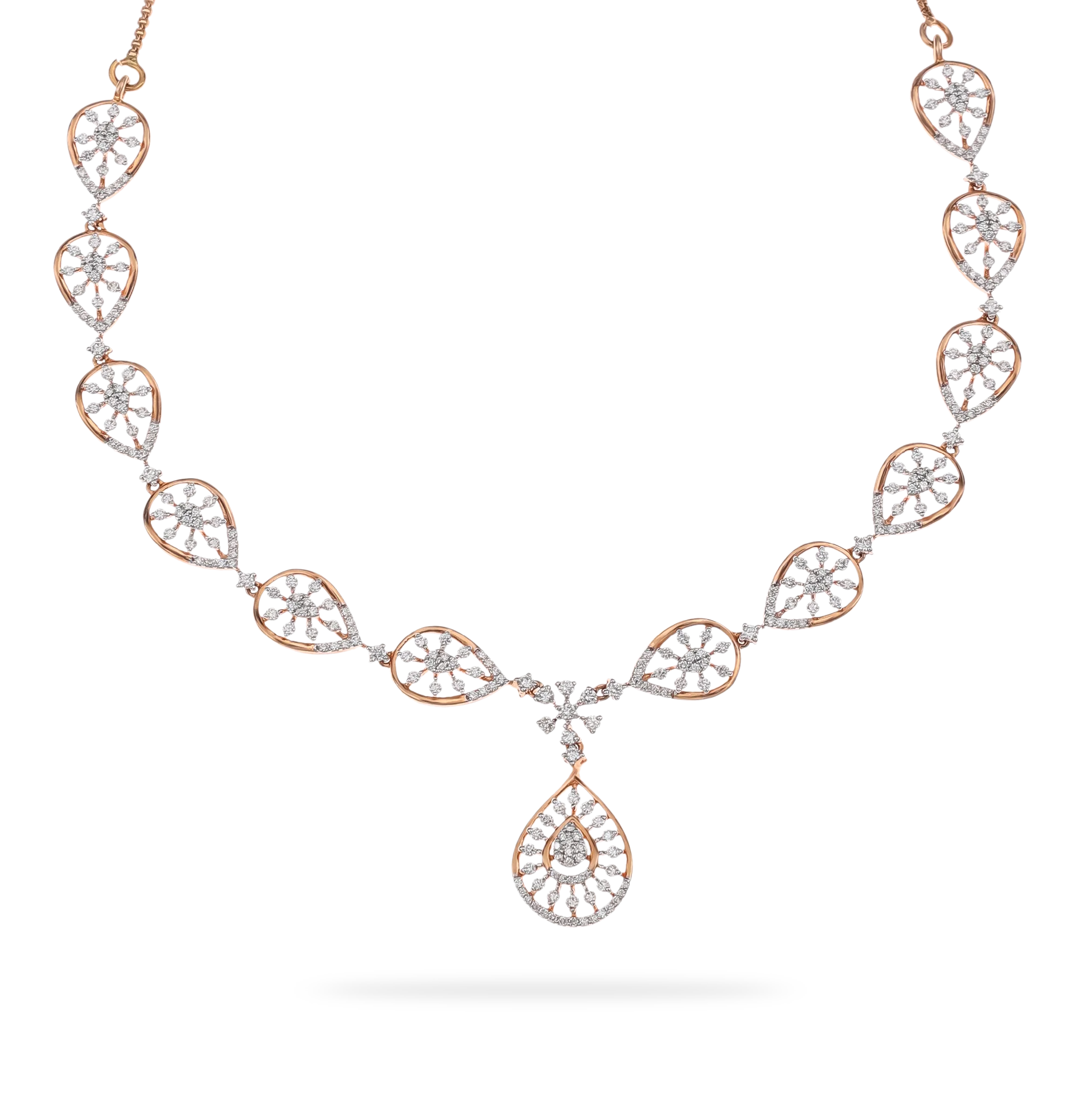
Finding the best diamond necklace for your wedding can feel like a big deal. You want something that sparkles just right and makes you feel amazing on your big day. It’s not just about picking something pretty; it's about finding a piece that fits your dress, your style, and your budget. We're going to break down all the things to think about, from the diamonds themselves to how the necklace will look with your gown.
Key Takeaways
- When looking for the best diamond necklace for your wedding, pay attention to the 'Four Cs' – Carat, Cut, Clarity, and Color – as they determine the diamond's quality and price.
- Consider various necklace styles, like timeless solitaires, elegant halos, or symbolic pendants, to match your personal taste and wedding theme.
- The metal choice (gold, platinum, silver) and necklace length should complement your skin tone and your wedding dress neckline for a harmonious look.
- Lab-grown diamond necklaces offer a more affordable and ethically sourced alternative, allowing for larger stones or more intricate designs within your budget.
- Proper care, including regular cleaning and safe storage, will keep your wedding day diamond necklace sparkling for years to come.
Understanding Diamond Necklace Essentials
Picking out a diamond necklace for your wedding day is a big deal, right? It's not just about picking something sparkly; it's about finding a piece that feels right, looks amazing with your dress, and maybe even holds some special meaning. Let's break down what you need to know before you start shopping.
The Allure of Natural Diamond Necklaces
Natural diamonds, the ones mined from the earth, have been symbols of love and commitment for ages. They're famous for their unique sparkle and lasting value. When you're looking at natural diamond necklaces, you're looking at something that took millions of years to form. It's pretty wild when you think about it. These diamonds are chosen for their beauty and then cut and polished to perfection. The beauty of a natural diamond lies in its journey from deep within the earth to becoming a centerpiece of your wedding day. If you're curious about how to pick the best one, checking out guides on bridal necklace selection can be super helpful.
Key Factors: The Four Cs Explained
When people talk about diamond quality, they usually mention the 'Four Cs'. These are the main things that determine how a diamond looks and how much it costs. They're pretty straightforward once you know what they mean:
- Carat: This is just the weight of the diamond. More weight usually means a bigger diamond, but not always. Two diamonds can look different sizes even if they weigh the same.
- Cut: This isn't about the shape (like round or princess), but how well the diamond's angles and facets are made. A good cut makes the diamond sparkle its best.
- Clarity: This looks at any tiny imperfections or 'inclusions' inside the diamond. Most diamonds have some, and often they're so small you can't see them without a magnifier.
- Color: Diamonds are graded on a scale from D (colorless) to Z (light yellow or brown). The less color a diamond has, the more rare and usually, the more expensive it is.
Understanding these four factors is your first step to knowing what you're actually buying. It helps you compare diamonds fairly and make sure you're getting good value for your money.
Certification and Jeweler Reputation
Buying a diamond is an investment, so you want to be sure you're getting what you pay for. That's where certification comes in. Reputable labs grade diamonds and provide a report detailing all the Four Cs, plus other things like fluorescence. It's like a diamond's report card. Always ask for a certificate from a well-known grading lab, like GIA or AGS.
Beyond the diamond itself, the jeweler you buy from matters a lot. Look for jewelers who have been around for a while and have good reviews. A trustworthy jeweler will be happy to answer all your questions and show you the diamond certificates. They should also have a clear return policy and stand behind their products. It's worth spending a little extra time finding a jeweler you feel comfortable with.
Exploring Diamond Necklace Styles
When it comes to wedding day jewelry, a diamond necklace can add that perfect touch of sparkle. But with so many options out there, where do you even begin? Let's break down some of the most popular styles to help you find the one that feels just right for you.
Timeless Solitaire Pendants
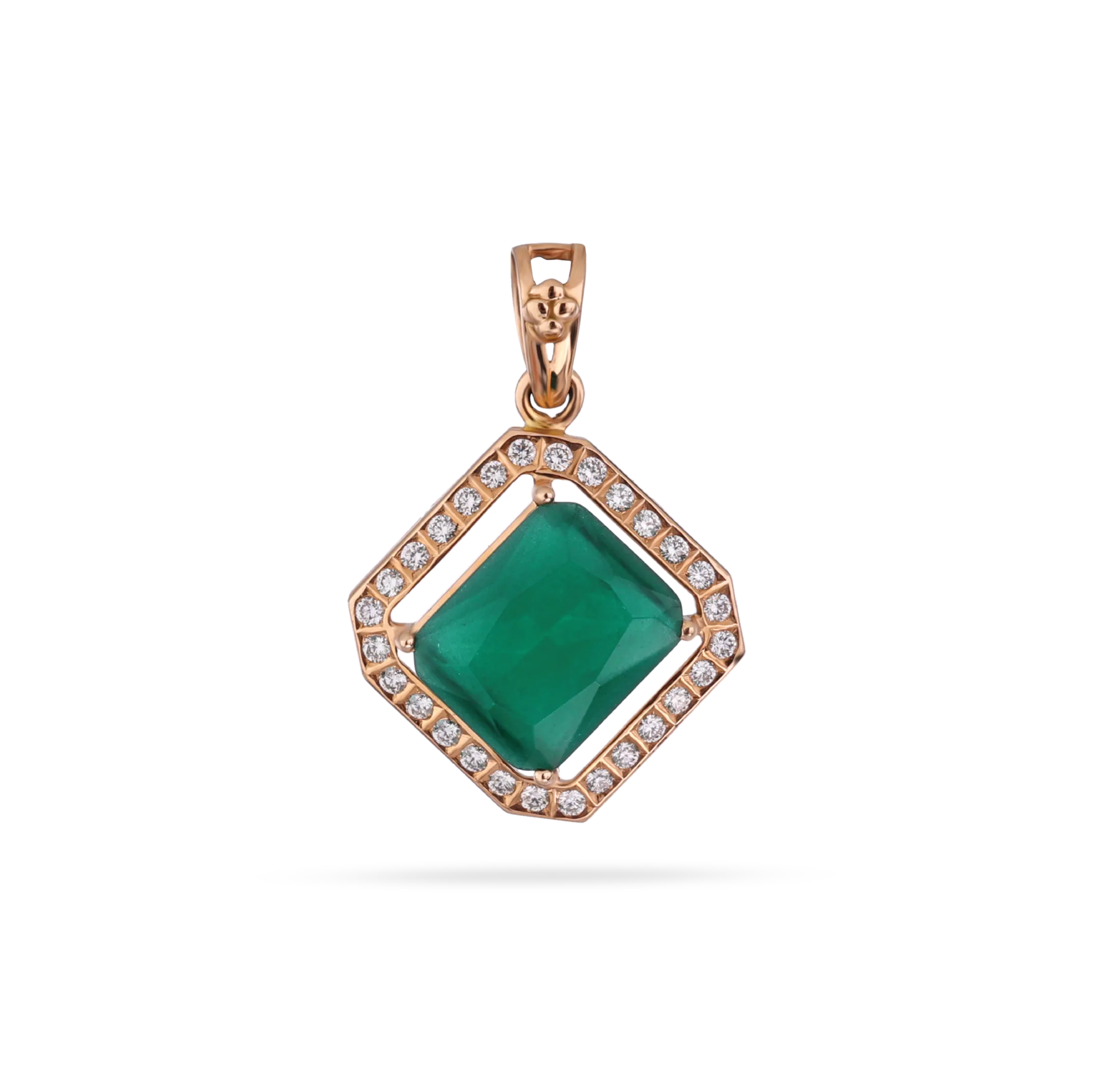
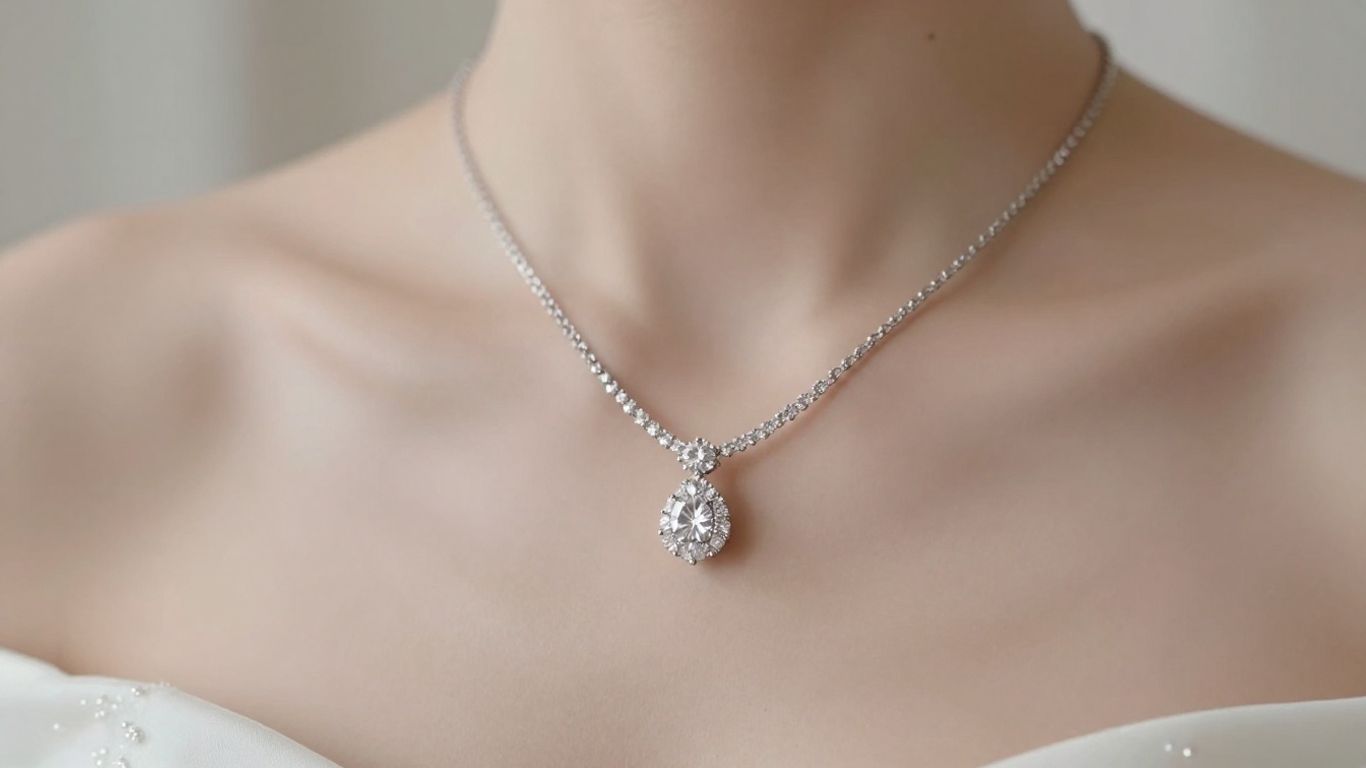
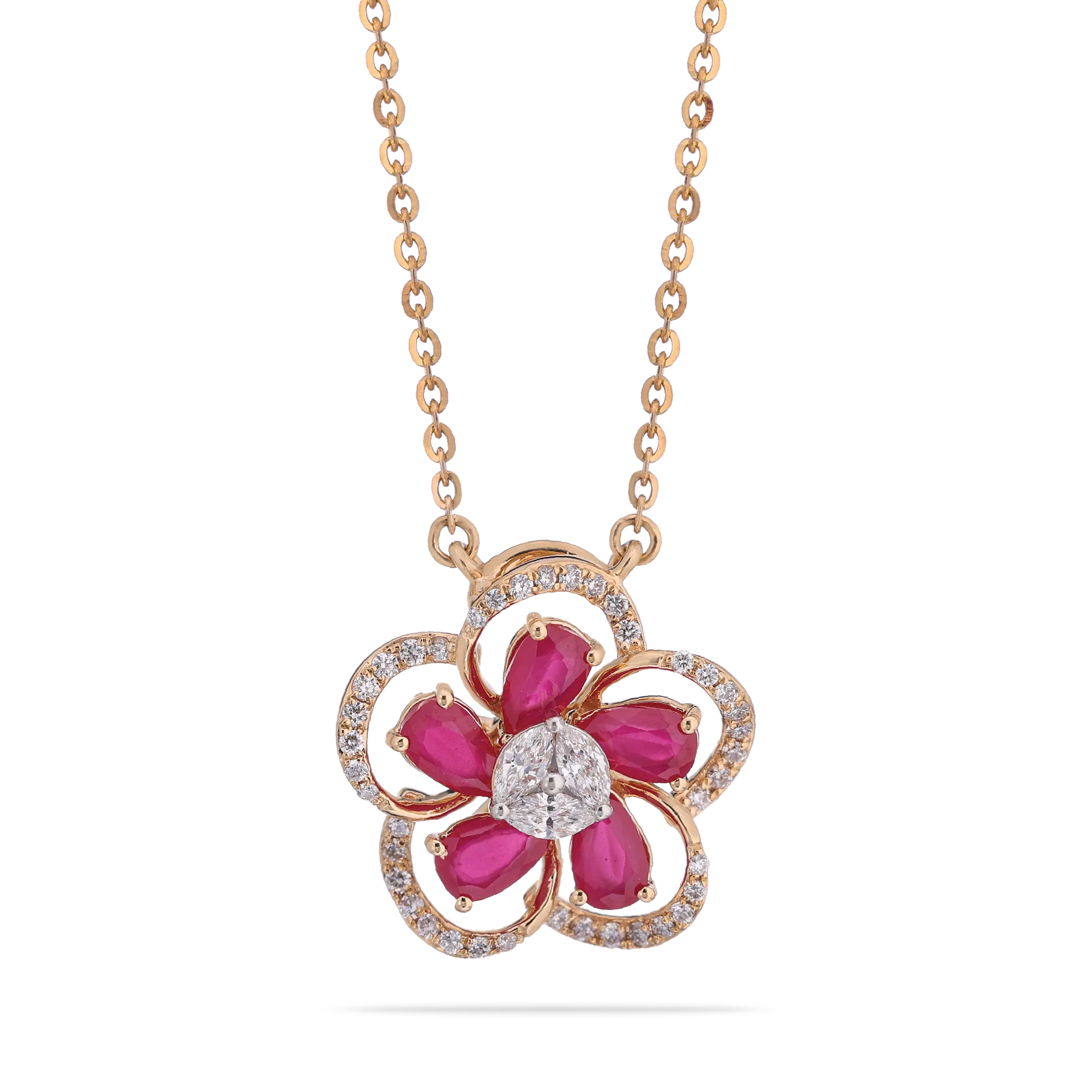
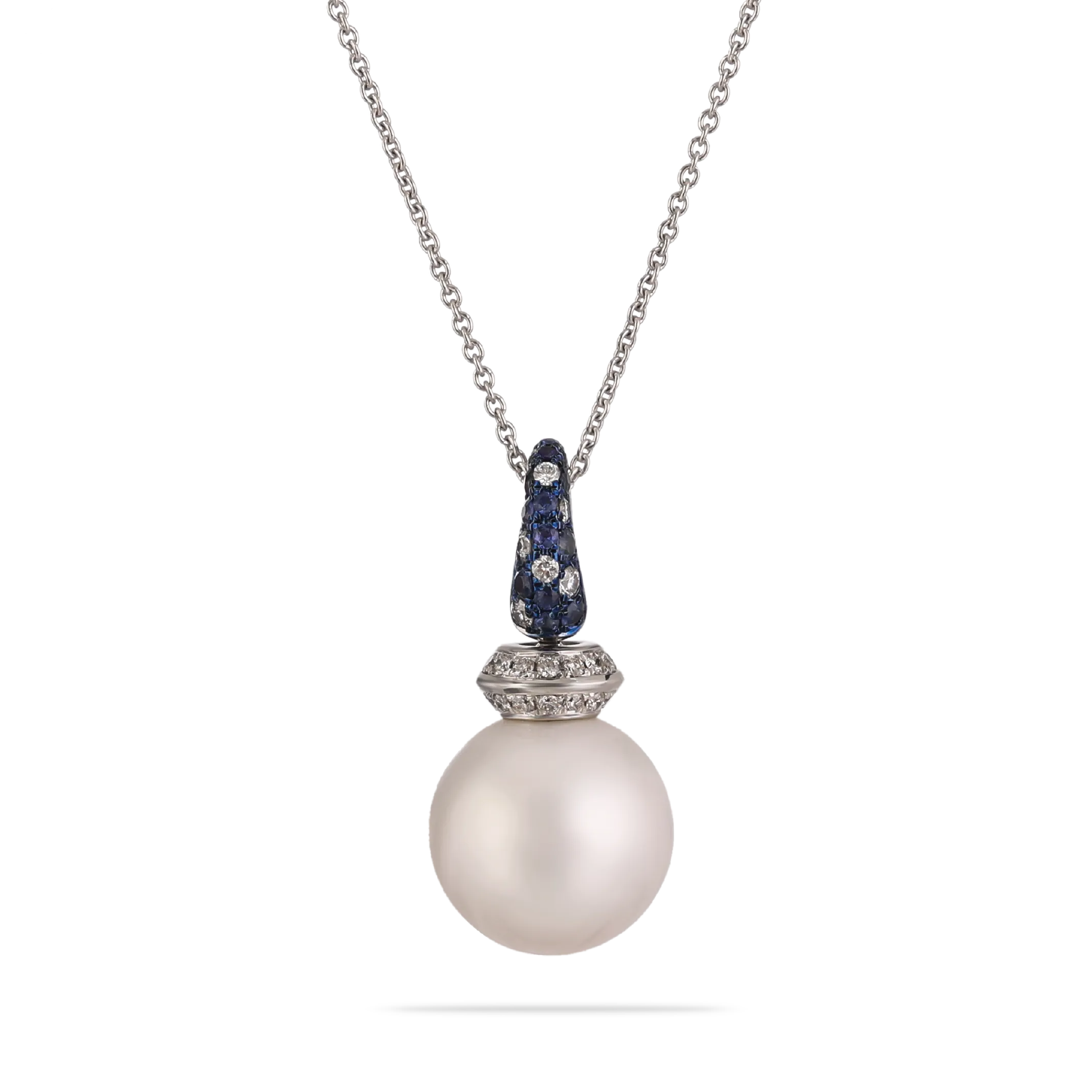
This is the classic for a reason. A solitaire pendant features a single, beautiful diamond as the star of the show. It's simple, elegant, and really lets the diamond's brilliance shine through. Whether it's a round brilliant, princess cut, or pear shape, a solitaire is a safe bet that never goes out of style. It's versatile enough to wear every day, long after the wedding day is over.
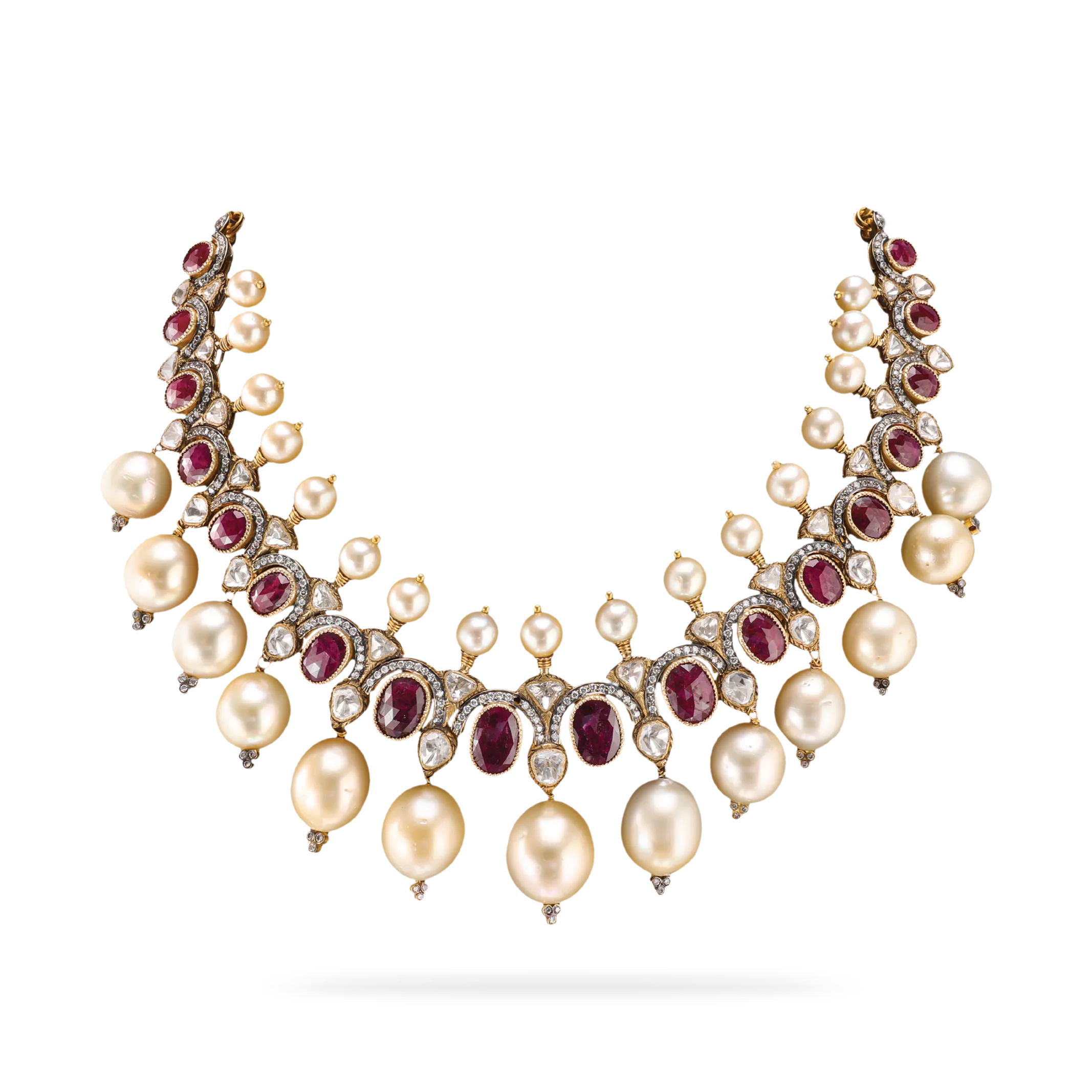
Elegant Halo and Cluster Designs
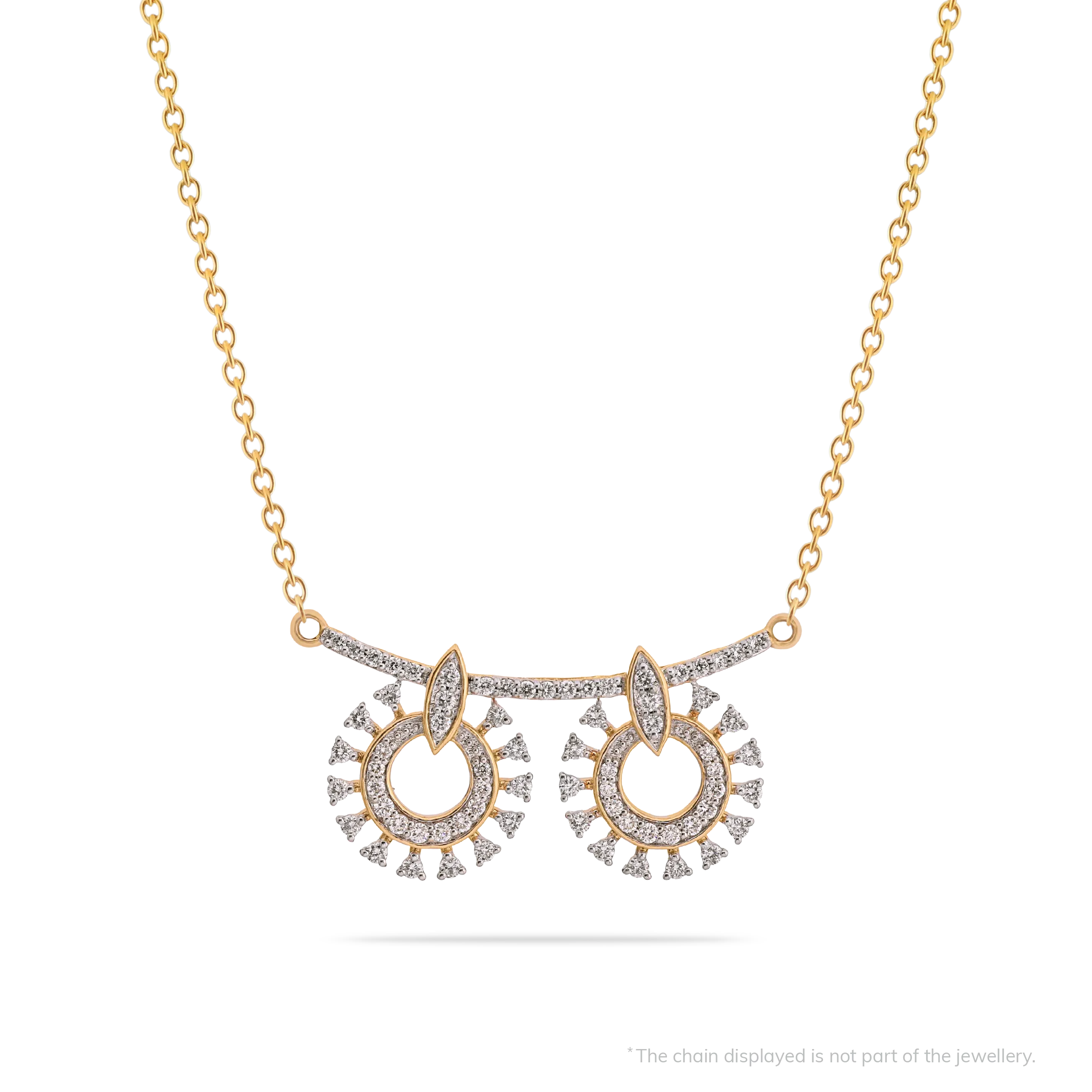
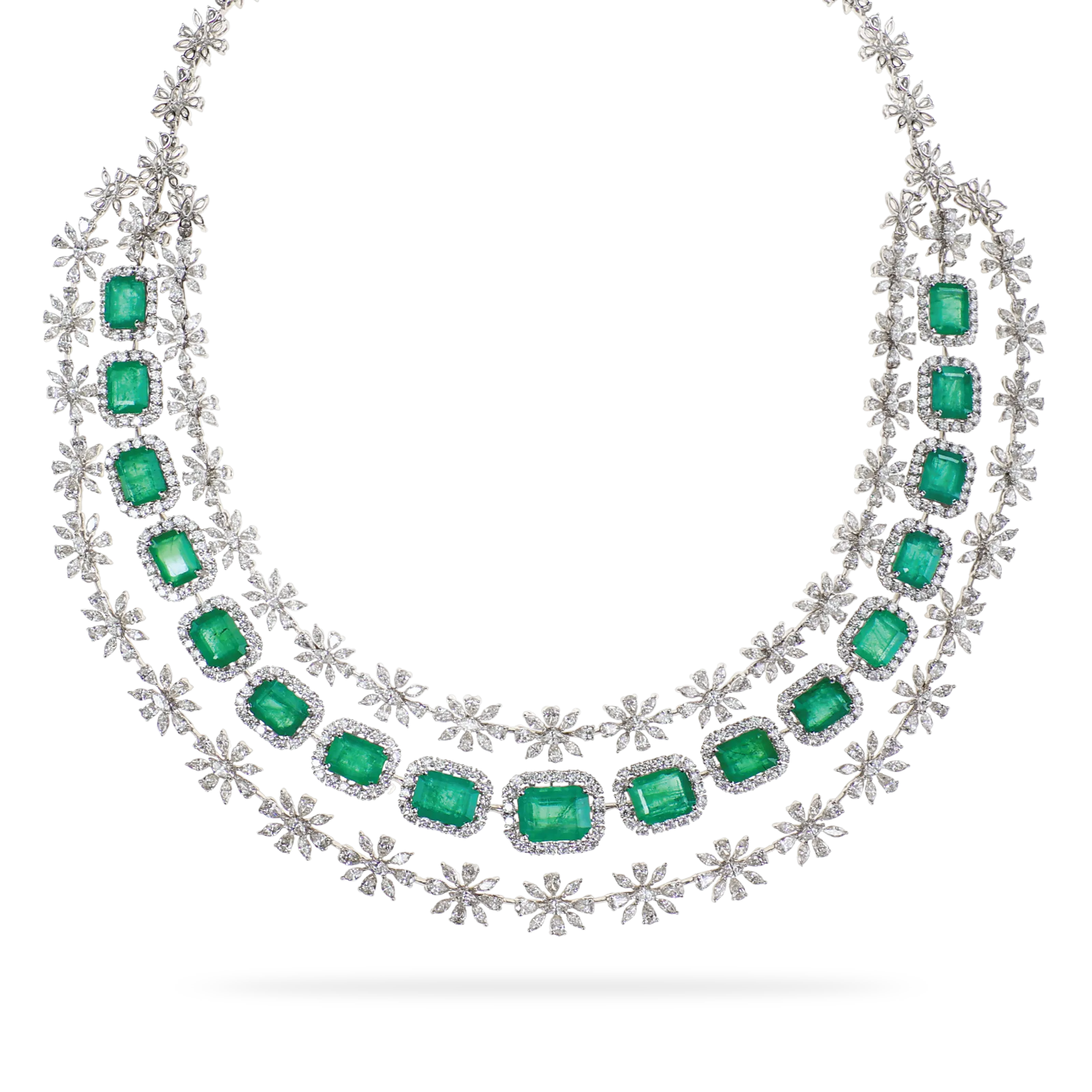
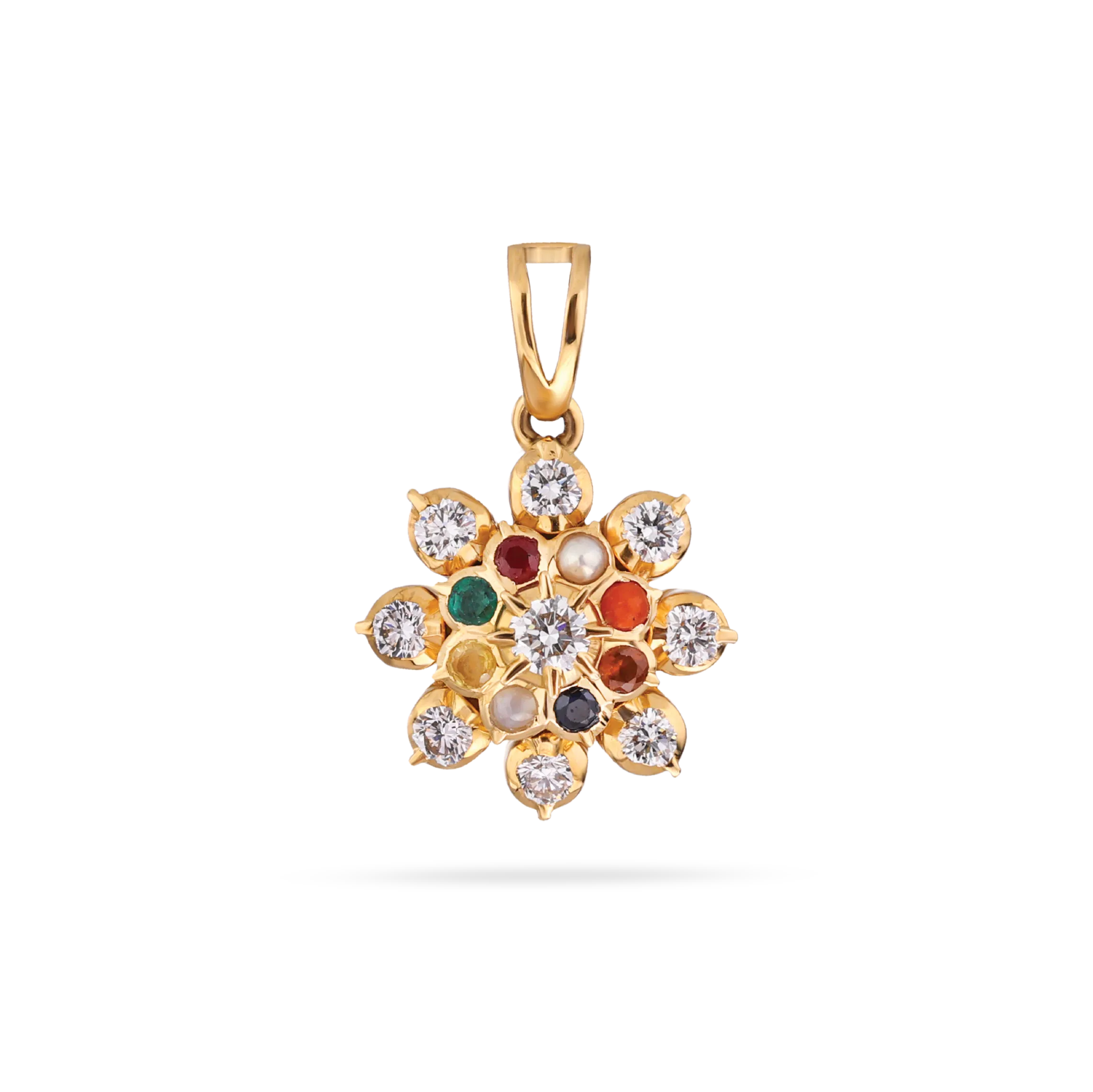
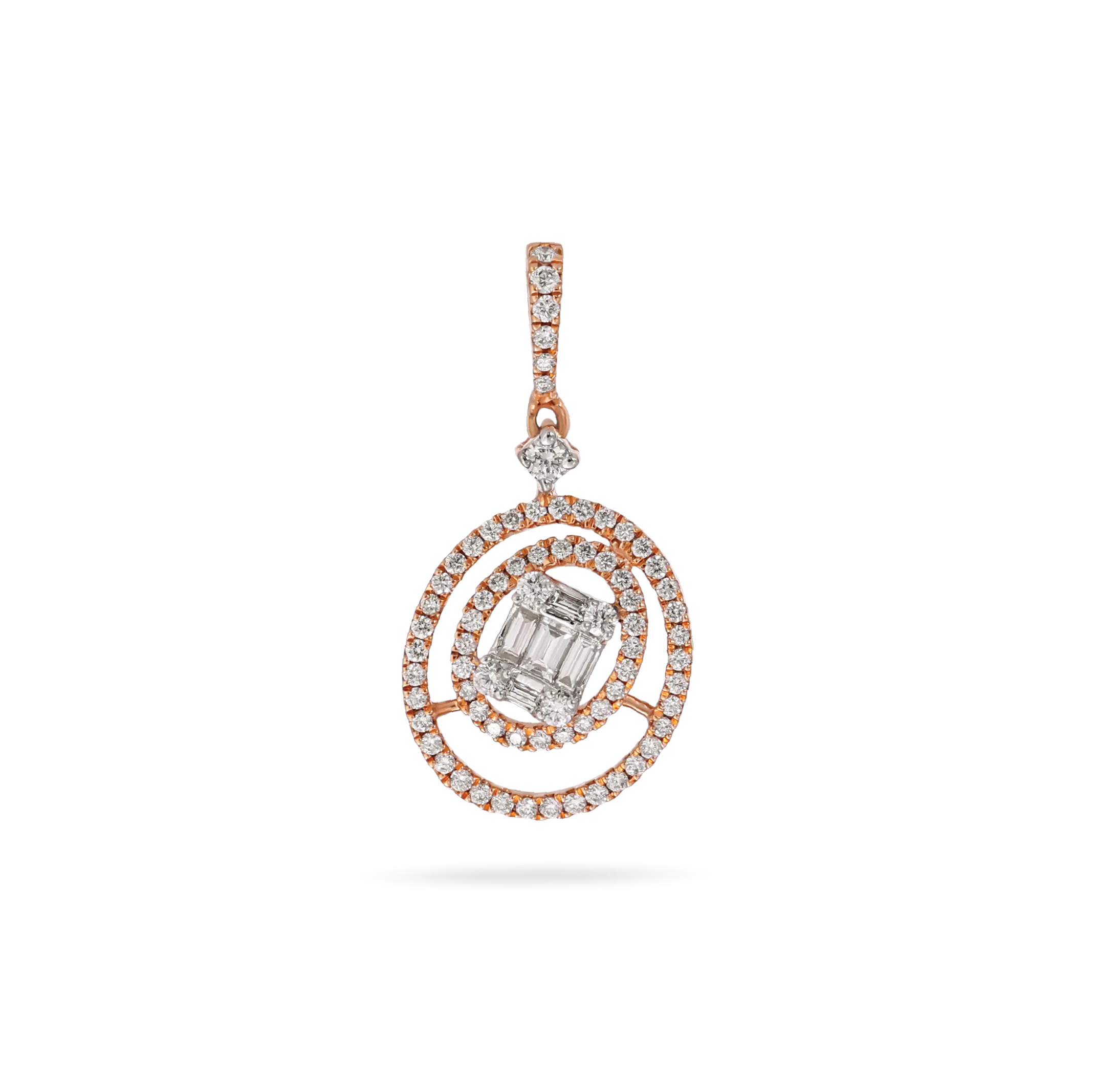
Want a bit more sparkle? A halo design takes a central diamond and surrounds it with a circle of smaller diamonds. This makes the main stone look bigger and adds extra shimmer. Cluster designs are similar, using multiple smaller diamonds placed close together to create a larger, dazzling effect. These styles can be really eye-catching and add a touch of glamour.
Symbolic Heart and Cross Pendants
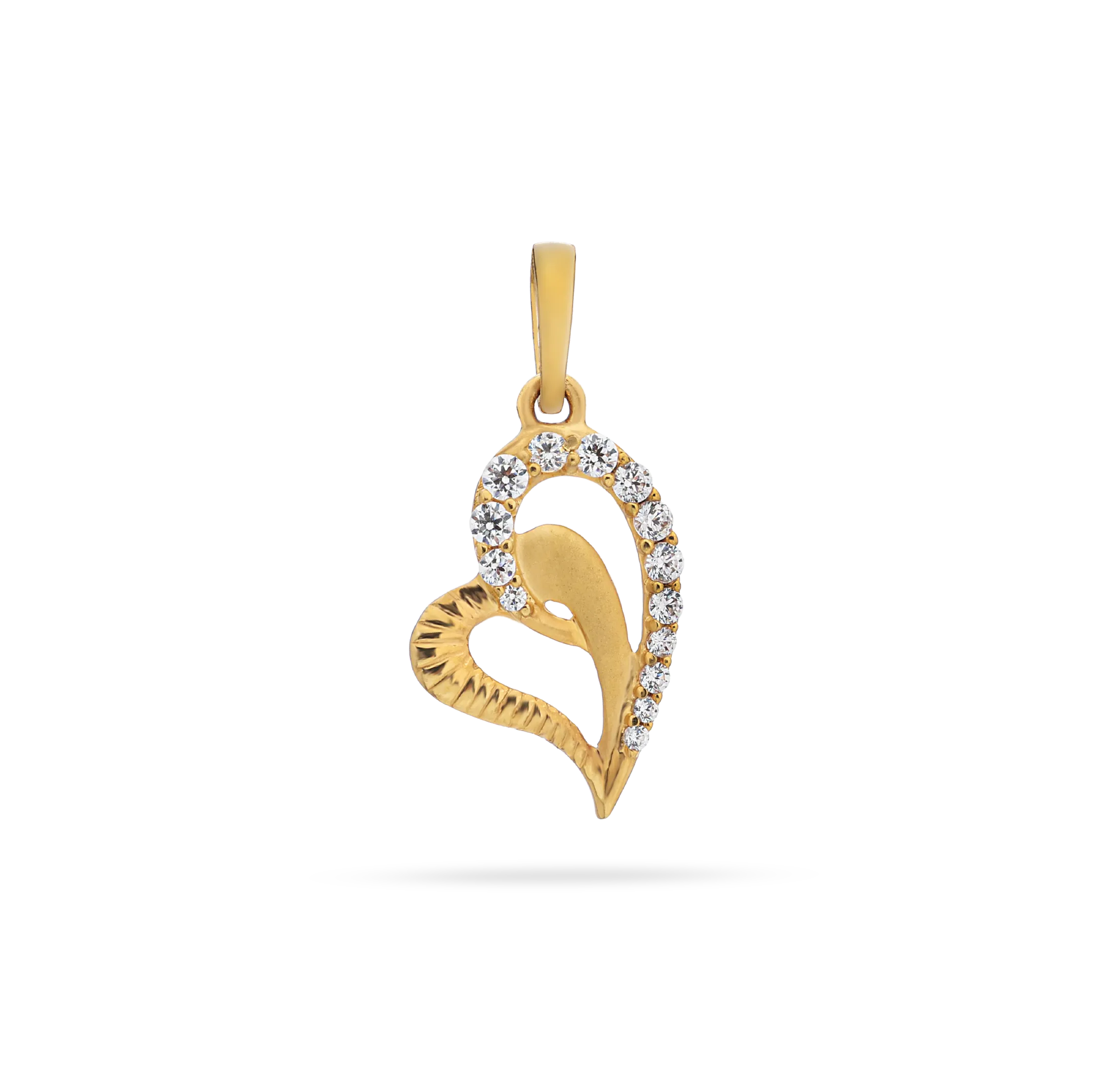
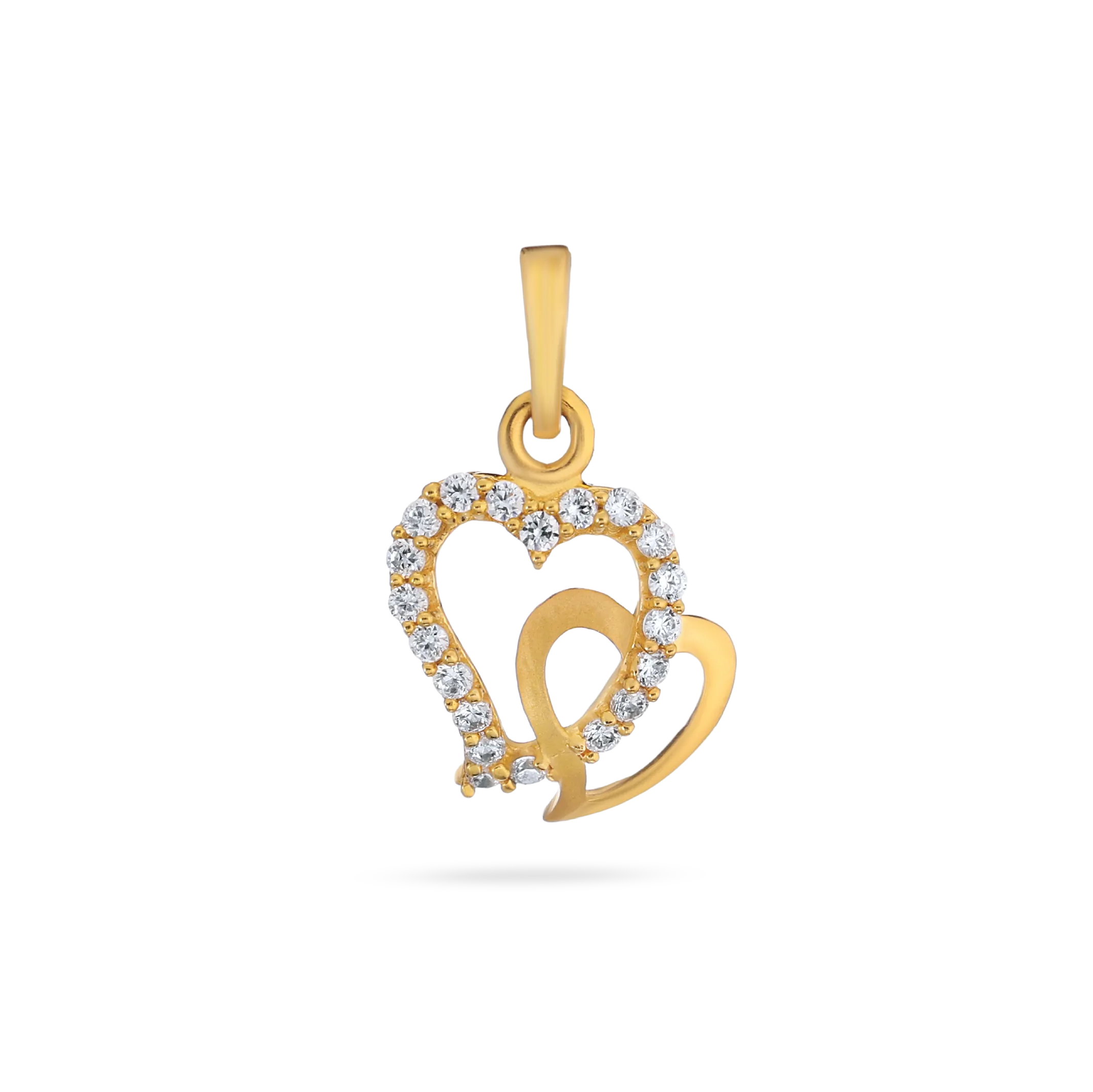
Sometimes, a necklace carries a deeper meaning. Heart pendants are a sweet way to symbolize love and commitment, making them a popular choice for weddings. Cross pendants can represent faith and personal beliefs. These styles often have a very personal significance and can be a beautiful reminder of your vows or your journey together.
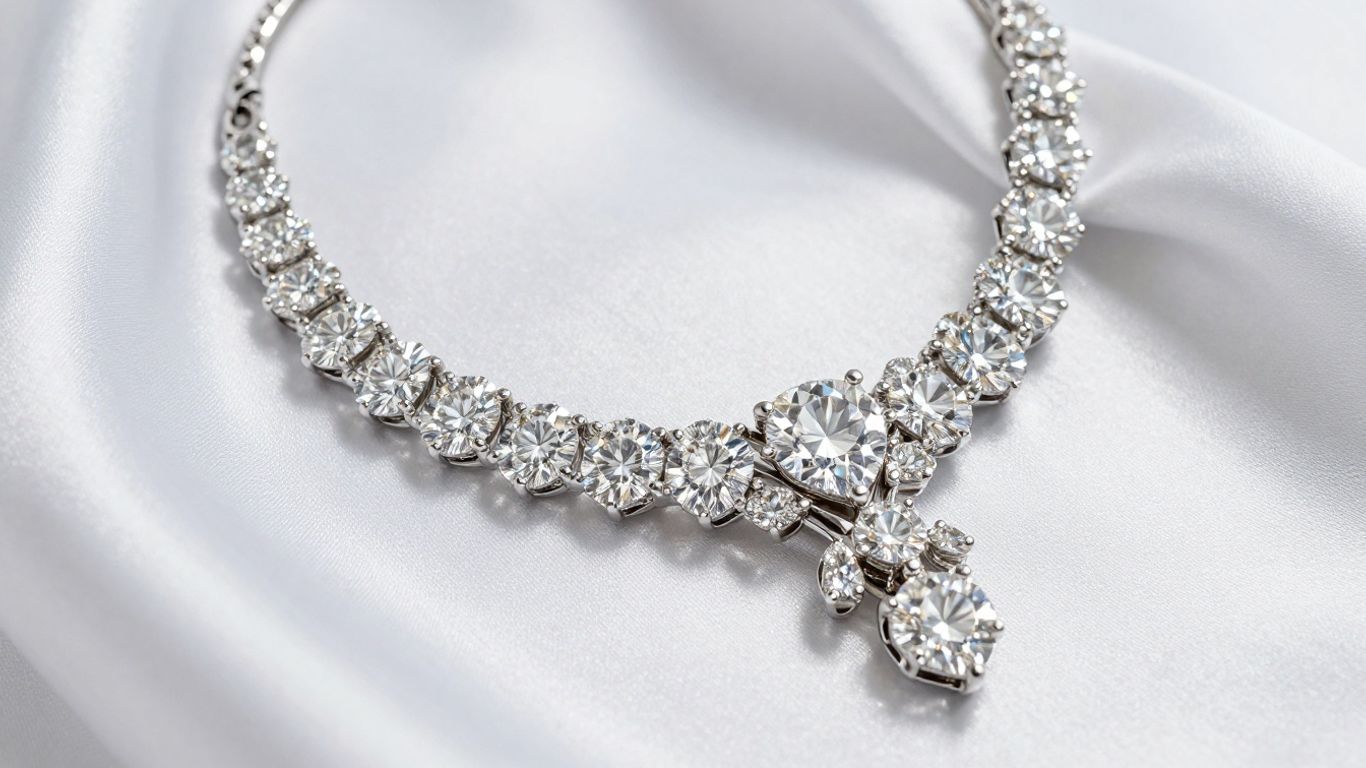
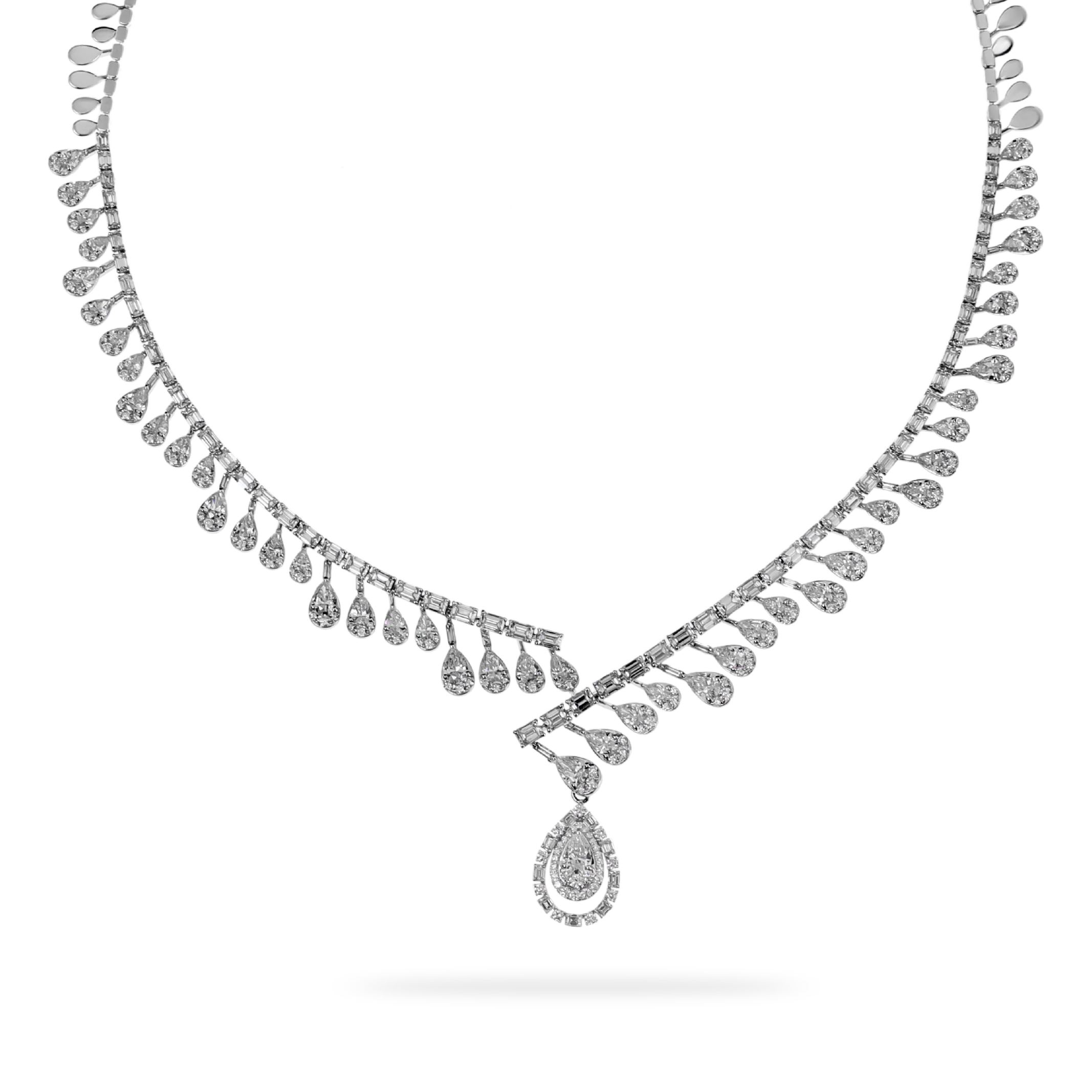
Glamorous Diamond Line Necklaces
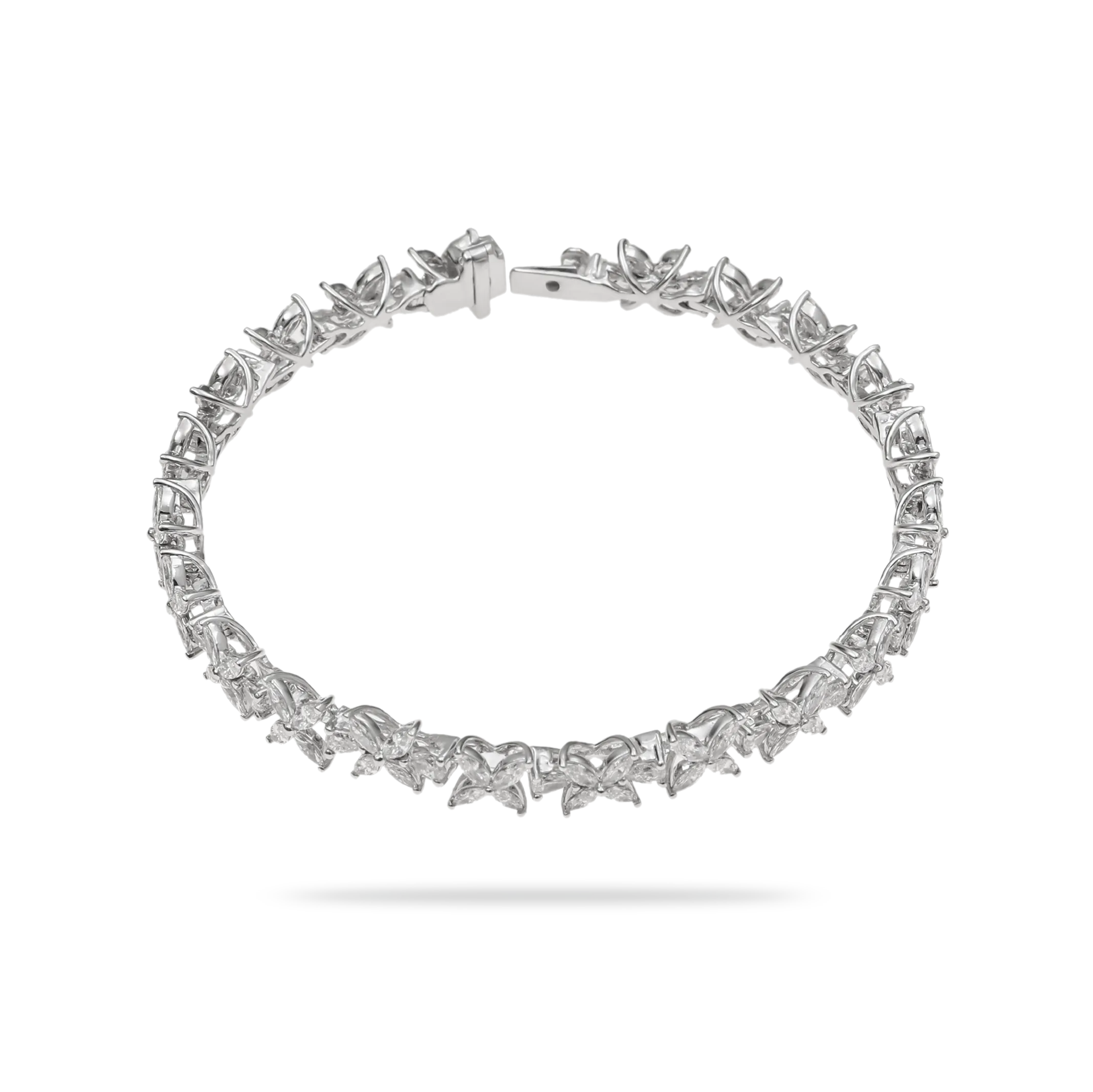
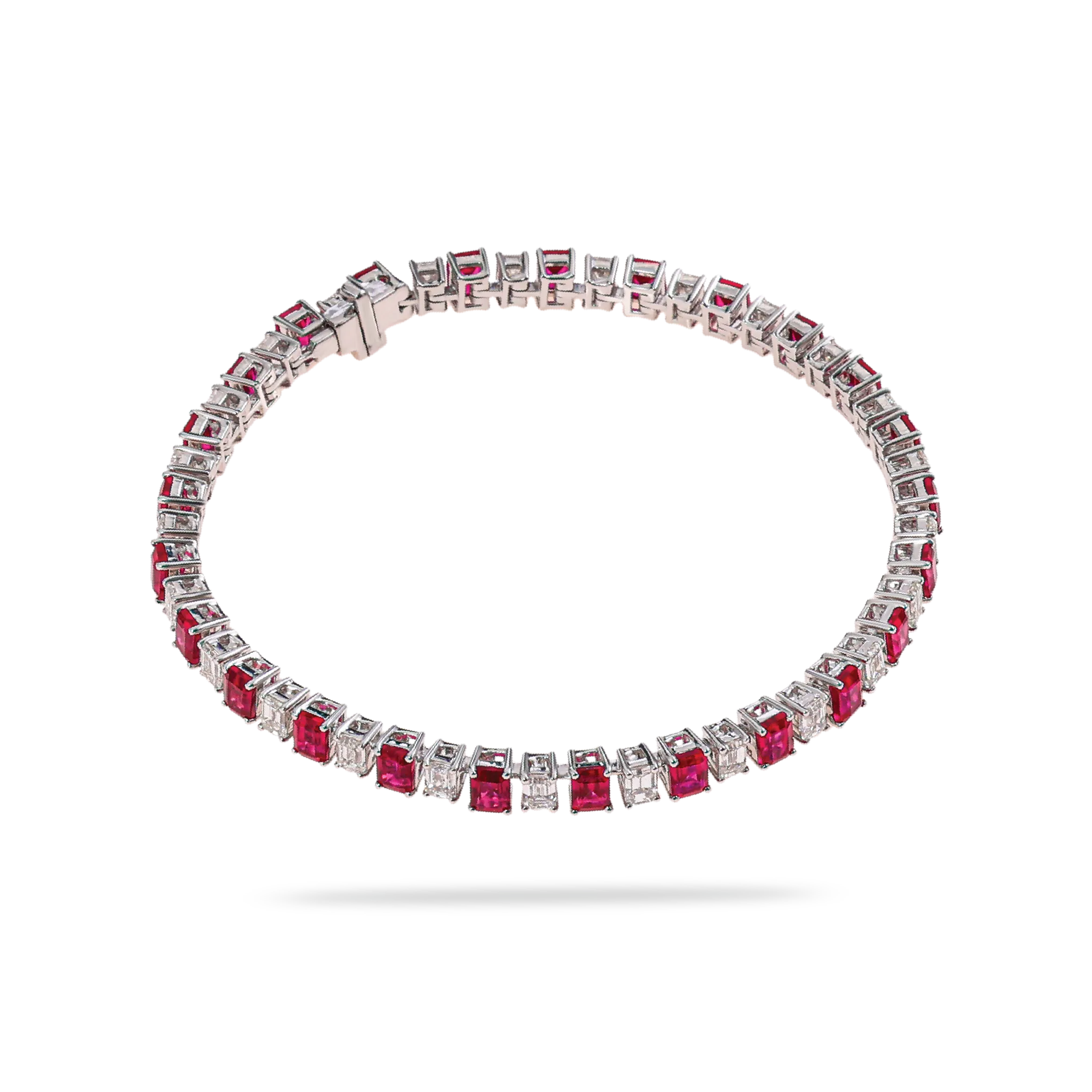
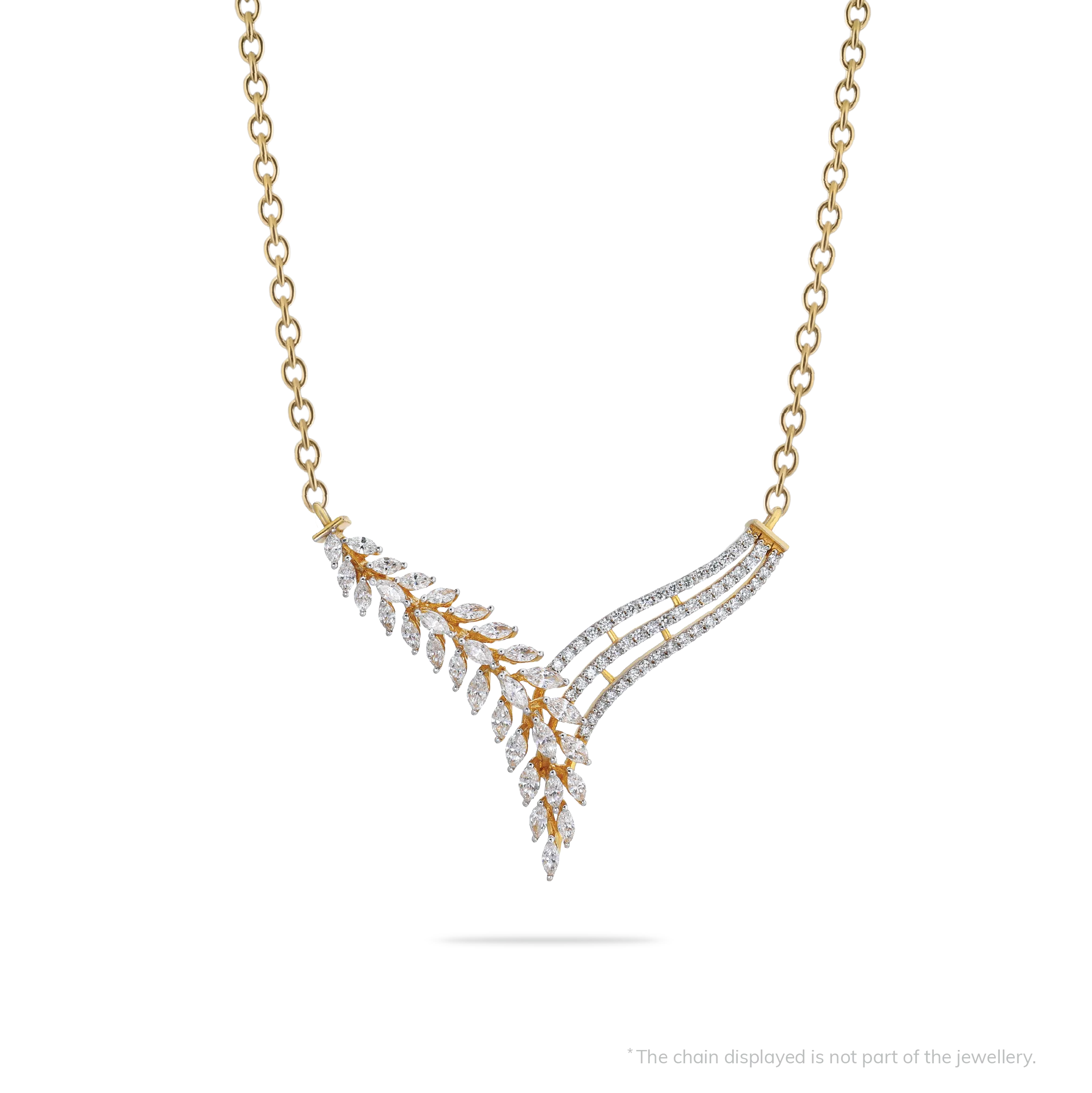
For a truly luxurious look, consider a diamond line necklace, often called a "tennis necklace." These feature a continuous line of diamonds all the way around, or sometimes just a demi-strand that goes partway. They offer a sophisticated sparkle that's hard to beat. It’s a statement piece that can really make your wedding day look unforgettable. You can find a variety of diamond necklace styles that fit these categories.
Choosing the right necklace style is all about what makes you feel beautiful and confident on your big day. Think about your personal taste and what will best complement your wedding dress and overall look.
Choosing the Perfect Metal and Length
Metal Options: Gold, Platinum, and Silver
When picking out your wedding day necklace, the metal it's made from really matters. It's not just about looks; it affects the overall feel and even how it pairs with other jewelry you might wear. You've got a few main choices, and each has its own vibe.
- White Gold : This is super popular for a reason. It's got that clean, bright look that really makes diamonds pop. It's a good pick if you're going for a modern or classic style. Plus, it tends to work well with most skin tones.
- Yellow Gold : If you love a warmer, more traditional feel, yellow gold is the way to go. It has this timeless charm that can feel really romantic. It's especially nice if your dress has an ivory or cream tone, or if you have warmer skin tones.
- Rose Gold : This one's been trending for a while, and it's easy to see why. It has a soft, pinkish hue that's really romantic and a bit unique. It looks fantastic with blush-colored dresses and can be really flattering on many skin tones.
- Platinum: This is the premium choice. It's incredibly durable, naturally hypoallergenic, and has a beautiful, bright white finish that's similar to white gold but often a bit richer. It's a heavier metal, which can feel substantial and luxurious.
The metal you choose should ideally complement the other jewelry you plan to wear, like earrings or bracelets, and also harmonize with the color of your wedding dress.
Complementing Your Skin Tone
Thinking about your skin tone can help narrow down your metal choices. It's not a hard and fast rule, but it's a good guideline.
- Cool Undertones: If your skin tends to look more pink or blue in the light, you might find that silver, white gold , or platinum look particularly striking. These cooler metals often create a nice contrast.
- Warm Undertones: For those whose skin has more of a yellow or golden cast, yellow gold and rose gold can be really beautiful. They tend to blend in a lovely way, adding warmth to your overall look.
- Neutral Undertones: If you're not sure or feel like you fall somewhere in between, you're in luck! Most metals will look great on you, so you have a lot of freedom to choose based on your personal preference or dress color.
Selecting the Ideal Necklace Length
Necklace length is more important than you might think. It can change how your dress looks and draw attention to different parts of your neckline. Here’s a quick rundown of common lengths and what they typically work best with:
| Length (Inches) | Common Name | Best For |
|---|---|---|
| 14-16 | Choker/Princess | Strapless, V-neck, or scoop necklines; sits close to the base of the neck. |
| 17-19 | Matinee | Most necklines, including sweetheart and boat necks; rests on the collarbone. |
| 20-24 | Opera | Deeper V-necks or higher necklines; falls below the collarbone. |
| 28+ | Rope | Very deep necklines or worn layered; can be quite dramatic. |
When deciding on length, hold a measuring tape up to your neck and visualize where each length would fall with your specific dress. It's also worth considering if you'll be wearing your hair up or down, as this can affect how the necklace is seen.
Ultimately, the best metal and length are the ones that make you feel most confident and beautiful. Don't be afraid to try on different options to see what feels right for you and your wedding day look.
Harmonizing Your Necklace with Your Wedding Attire
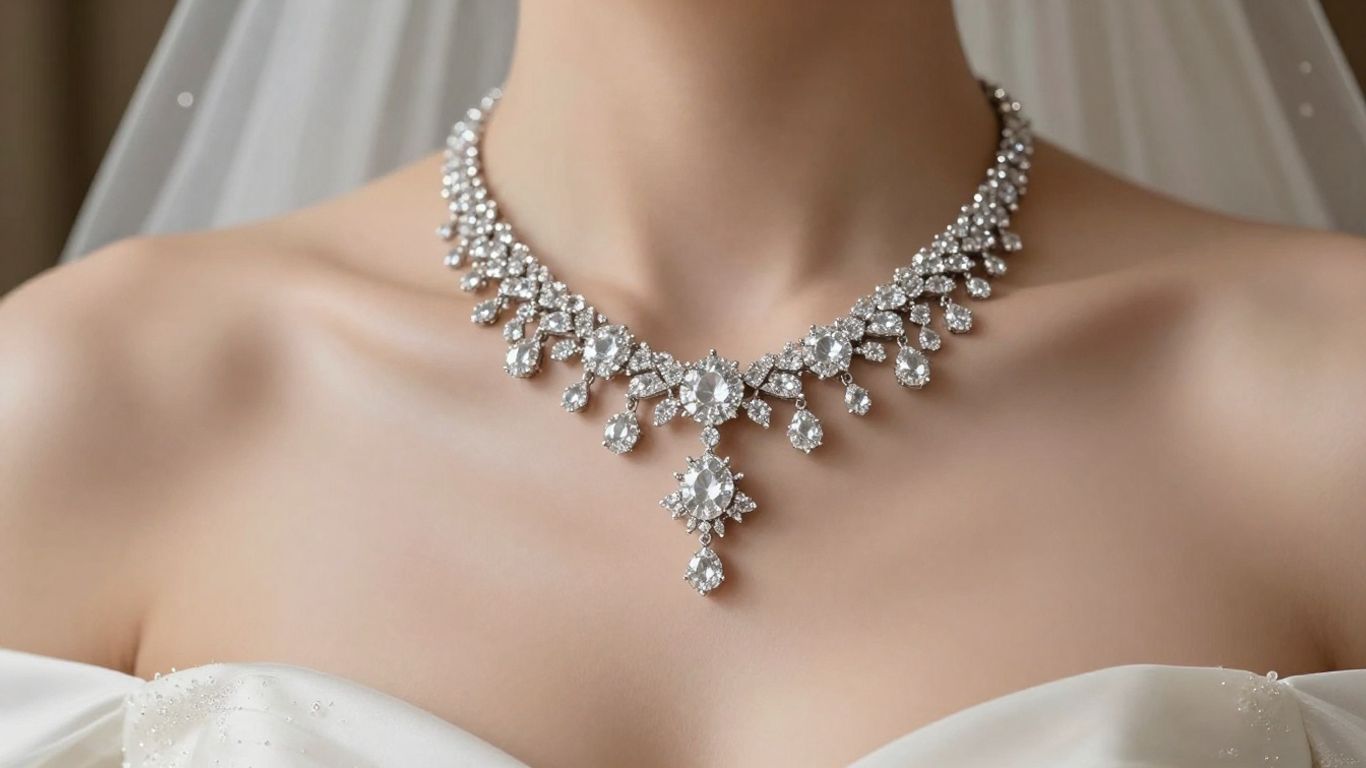
Okay, so you've picked out the perfect diamond necklace, but now comes the part where you have to make sure it actually looks good with your wedding dress. It's not just about picking a pretty necklace; it's about making sure it fits with everything else you're wearing. Think of it like putting together a puzzle – each piece needs to complement the others.
Matching Necklaces to Dress Necklines
The neckline of your dress is probably the biggest clue for picking your necklace. It's like the frame for your face and décolletage, so the necklace needs to work with it, not against it.
- Strapless or Off-the-Shoulder: These are super versatile. You can go with a delicate pendant that sits just below your collarbone, a choker that hugs your neck, or even a slightly longer chain that drapes nicely. A simple solitaire pendant is a classic choice here.
- Sweetheart Neckline: Similar to strapless, a shorter necklace or a pendant that follows the curve of the neckline works well. It highlights the romantic shape without overwhelming it.
- V-Neck: A V-shaped pendant or a longer chain that creates a V-shape can really complement this neckline. It draws the eye downwards and elongates the neck.
- High Neck or Illusion Neckline: Honestly, for these, you might want to skip the necklace altogether. The dress is already making a statement up top. Instead, focus on beautiful earrings or a bracelet. Sometimes, less is more, and you don't want to compete with the dress's details.
Considering Dress Embellishments
Next up, look at your dress itself. Is it covered in beads, lace, or intricate embroidery? Or is it more of a simple, clean design? This will guide your necklace choice.
- Heavily Embellished Dresses: If your dress is already a showstopper with lots of detail, a simpler, more understated necklace is usually the way to go. Think a delicate chain with a small diamond or a very fine solitaire. You don't want to add more visual clutter.
- Simple Dresses: On the flip side, if your dress is plain and sleek, you have more freedom to choose a bolder necklace. A statement piece, like a halo design or a cluster of diamonds, can add that perfect touch of sparkle and personality.
- Matching Details: Sometimes, you can find a necklace that echoes a detail on your dress. If your dress has delicate beading, a necklace with a similar subtle sparkle can tie everything together beautifully. For example, if you chose a Monique Lhuillier Baby's Breath gown, you might look for something equally delicate and airy.
Balancing Simplicity and Statement Pieces
Ultimately, it's all about balance. You want your necklace to be a beautiful addition, not a distraction. Think about the overall vibe you're going for on your wedding day.
Your wedding day jewelry should feel like a natural extension of your personal style and your dress. It's about adding that extra sparkle and making you feel amazing, not about overpowering your look. Consider what makes you feel most confident and beautiful.
If your dress is very elaborate, a simple diamond pendant might be perfect. If your dress is minimalist, a more intricate necklace could be the statement piece you need. Don't be afraid to try on a few different styles with your dress to see what feels right. It's your day, so wear what makes you shine!
Budgeting for Your Dream Diamond Necklace
Okay, so you've got your heart set on a diamond necklace for the big day. That's awesome! But before you get lost in all the sparkle, let's talk about the not-so-glamorous, but super important, part: the budget. It's easy to get carried away, but having a clear idea of what you can spend will make the whole process way less stressful.
Factors Influencing Diamond Necklace Prices
So, what makes one diamond necklace cost a fortune and another, well, a bit less? It really comes down to a few key things. The biggest players are the famous "Four Cs": Carat (that's the weight), Cut (how well it's shaped to sparkle), Clarity (any little imperfections inside), and Color (how white or yellow it is). The better the diamond is in each of these Cs, the higher the price tag. Beyond the diamond itself, the metal it's set in matters too – platinum usually costs more than gold, for instance. And don't forget about the design; a complex, intricate piece will naturally cost more than a simple solitaire.
Here's a quick look at how those Cs can affect things:
| Factor | Description | Price Impact |
|---|---|---|
| Carat | Diamond weight | Higher weight generally means higher price |
| Cut | How well the diamond is shaped and faceted | Excellent cut maximizes sparkle, increasing value |
| Clarity | Internal and external imperfections | Fewer inclusions mean a higher price |
| Color | The absence of color (graded D-Z) | Colorless diamonds (D-F) are the most expensive |
The Value of Lab-Grown Diamond Necklaces
Now, let's chat about lab-grown diamonds. These are real diamonds, just made in a lab instead of mined from the earth. They have the same physical and chemical properties as natural diamonds, but here's the kicker: they often cost significantly less. We're talking potentially 60% to 80% less than a mined diamond of similar quality. This means you could get a bigger stone, a higher quality stone, or a more elaborate design for the same amount of money. It's a really smart way to get that dream necklace without breaking the bank. Many jewelers now offer beautiful lab-grown diamond necklaces that are indistinguishable from their mined counterparts to the naked eye.
Setting Realistic Budgetary Goals
So, how do you actually set a budget that works? First, be honest with yourself about what you can comfortably afford. Think about your overall wedding expenses and where this necklace fits in. It's a special piece, but it shouldn't cause financial stress later on. A good starting point is to research prices for the styles and diamond qualities you like. This will give you a realistic range. Remember, you don't have to go for the biggest or the most expensive to have something beautiful and meaningful. Sometimes, a smaller, perfectly cut diamond in a classic setting is far more impactful than a large, lower-quality stone.
Don't forget to factor in potential taxes and any resizing or customization fees. These little extras can add up, so it's better to be prepared.
Consider these steps when setting your budget:
- Determine your total spending limit. How much can you realistically allocate?
- Research average prices. Look at different styles, metals, and diamond qualities to get a feel for costs.
- Prioritize what's most important. Is it the size of the diamond, the metal, or the specific design?
- Build in a small buffer. Unexpected costs can pop up, so having a little wiggle room is wise.
- Explore financing options if needed, but only if you're comfortable with the terms.
Caring for Your Wedding Day Diamond Necklace
Your wedding day diamond necklace is more than just an accessory; it's a keepsake, a symbol of your special day. Keeping it looking its best means a little bit of attention now and then. It’s not complicated, honestly.
Routine Cleaning for Lasting Sparkle
Over time, lotions, hairspray, and even just everyday dust can dull your diamond's sparkle. A simple cleaning routine can bring back that dazzling shine. The most effective way to clean your diamond necklace is with a gentle, at-home method.
Here’s what you can do:
- Mix a Solution: Get a small bowl and fill it with warm water. Add just a tiny drop of mild dish soap – think like, one or two drops. Nothing harsh, okay?
- Soak It: Place your necklace in the soapy water and let it sit for about 20 minutes. This helps loosen up any gunk that's built up.
- Gentle Scrub: Use a very soft-bristled toothbrush, like a baby toothbrush, to gently brush around the diamond and the setting. Be careful not to scrub too hard, especially if your necklace has delicate details.
- Rinse and Dry: Rinse the necklace thoroughly under warm running water. Then, pat it dry with a soft, lint-free cloth. Avoid paper towels, as they can leave little fibers behind.
This method is great for restoring the brilliance of your diamond jewelry without any risk.
Proper Storage Techniques
When you're not wearing your necklace, storing it correctly is key to preventing scratches and damage. Diamonds are hard, yes, but they can still scratch other jewelry, and their settings can get bent.
- Individual Pouches: The best way to store your necklace is in a soft fabric pouch. This keeps it separate from other pieces and protects it from scratches.
- Jewelry Box Compartments: If you have a jewelry box, make sure each item has its own compartment or slot. This prevents tangling and accidental bumps.
- Avoid Moisture: Don't store your necklace in a humid place, like a bathroom. Moisture can tarnish some metals over time.
Keeping your necklace in a dedicated, soft pouch is a simple step that makes a big difference in preserving its condition for years to come.
Professional Maintenance and Inspections
While at-home cleaning is great, a professional check-up is also a good idea, especially for a piece as important as your wedding necklace. Jewelers can spot issues you might miss.
- Prong Check: A jeweler can check if the prongs holding your diamond are secure. Loose prongs are a common cause of lost stones.
- Deep Cleaning: They have specialized tools for a more thorough cleaning than you can do at home.
- Polishing: If the metal has minor scratches, a jeweler can often polish it to look like new.
It’s a good idea to have your necklace inspected at least once a year, especially after the wedding day hustle. Many jewelers offer free yearly cleaning and inspections, so it’s worth asking about.
Your Perfect Sparkle Awaits
So, finding that dream diamond necklace for your big day doesn't have to be a huge headache. We've gone over the different styles, from simple solitaires to dazzling halos, and talked about how the metal choice and necklace length can really change the whole look. Remember to think about your dress's neckline and any fancy details it has, too. Whether you're leaning towards a classic mined diamond or a more budget-friendly and ethically sourced lab-grown one, the most important thing is that it makes you feel amazing. Take your time, consider what we've discussed, and you'll find a necklace that adds just the right amount of sparkle to your wedding day and for years to come.
Frequently Asked Questions
What are the 'Four Cs' and why are they important for diamond necklaces?
The 'Four Cs' stand for Carat (how much the diamond weighs), Cut (how well it's shaped to sparkle), Clarity (how clear it is inside), and Color (how white or yellow it looks). These are super important because they tell you about the diamond's quality and how much it's worth. Think of them like a report card for the diamond!
What's the difference between a natural diamond and a lab-grown diamond necklace?
Natural diamonds are dug out of the earth, which takes a lot of time and effort. Lab-grown diamonds are made in a lab, kind of like growing crystals. They look the same and have the same sparkle, but lab-grown ones are usually less expensive and better for the environment.
How do I choose the right length for my diamond necklace?
Necklace length can really change how it looks. Shorter necklaces, like chokers, sit right on your neck, while longer ones, like opera length, can hang down lower. Think about your height and the style of your outfit. A good rule of thumb is to try on different lengths to see what looks best on you and with your dress.
Should my diamond necklace match the metal of my wedding dress?
It's a good idea to have your necklace metal match your dress color for a smooth look. If your dress is bright white, silver or white gold often looks best. For dresses that are more of an off-white or ivory color, yellow gold or rose gold can be a beautiful choice. It helps everything tie together nicely.
What kind of diamond necklace style works best with different dress necklines?
The neckline of your dress is a big clue! For dresses with a V-neck or scoop neck, a pendant necklace that falls into the 'V' looks great. If your dress has a high neckline or a lot of detail around the neck, you might want to skip the necklace and focus on beautiful earrings instead. Strapless dresses are super versatile and can work with almost any necklace style.
How can I keep my diamond necklace looking shiny and new?
Taking care of your necklace is pretty simple! You can clean it gently with warm water, a little bit of mild soap, and a soft toothbrush. Just be sure to rinse it well and pat it dry. Storing it in a soft pouch when you're not wearing it will stop it from getting scratched. For a really deep clean or to check if everything is secure, a jeweler can help.
The Ultimate Guide to the Best Bridal Jewellery for Saree: Stunning Combinations
10 minute read
Shine Bright Daily: Your Guide to Effortless Gold Jewellery for Everyday Wear
10 minute read
Related blogs:
November 20, 2025
The Timeless Elegance of the Tennis Bracelet: A Comprehensive Guide
Read More
November 20, 2025
The Ultimate Guide to Styling and Wearing a Choker Necklace
Read More
November 20, 2025
Find Your Perfect Engagement Ring: A Comprehensive Guide to Styles and Diamonds
Read More
November 20, 2025
The Timeless Elegance of a Diamond Tennis Bracelet: A Buyer's Guide
Read More









.webp)
.webp)