Discover Timeless Elegance: The Ultimate Guide to Diamond Jewellery
March 9, 2026 | 10 minutes read
So, you're thinking about diamond jewellery, huh? It's a pretty big topic, and honestly, it can feel a little overwhelming at first. Diamonds are beautiful, no doubt about it, and they've been a symbol of special things for ages. Whether you're looking to buy a ring, a necklace, or just curious about what makes a diamond, well, a diamond, this guide is for you. We'll break down the important stuff, like what those '4 Cs' actually mean, what kinds of diamond jewellery are out there, and where you can even find them. Think of this as your friendly chat about all things sparkly.
Key Takeaways
- Understanding the '4 Cs' – Carat, Color, Clarity, and Cut – is the first step to appreciating diamond jewellery.
- Diamond jewellery comes in many forms, from engagement rings to everyday earrings, each with its own charm.
- Finding the right place to buy, whether online or in a physical store, is important for getting quality diamond jewellery.
- Consider your budget, lifestyle, and personal style when picking out diamond jewellery.
- Taking good care of your diamond jewellery will keep it looking great for years to come.
Understanding The Four Cs Of Diamond Jewellery
Carat: The Weight And Size Of Diamonds
When we talk about diamonds, the word 'carat' often comes up. It's basically a way to measure how much a diamond weighs. One carat is the same as 200 milligrams. You might also hear about 'points,' where one carat is divided into 100 points. So, a 50-point diamond is half a carat. But here's the thing: carat weight doesn't tell the whole story about how big a diamond looks. A diamond that's cut really well can appear larger than another diamond of the same weight that wasn't cut as skillfully. It's all about how the light plays off the stone.
Color: The Spectrum Of Diamond Beauty
Diamonds aren't always perfectly clear. They can have a slight yellow or brown tint. The less color a diamond has, the more valuable it generally is. The Gemological Institute of America (GIA) has a scale for this, going from D (totally colorless) down to Z (light yellow or brown). Diamonds graded D, E, and F are considered the top tier – they're super rare and pricey. Grades G, H, I, and J are 'near colorless,' and honestly, most people can't tell the difference without a trained eye and special equipment. The color difference can be really subtle, so it's graded under specific lighting conditions.
Clarity: The Window Into Diamond Perfection
Clarity is about the little imperfections, called inclusions, that are inside a diamond. Think of them as natural birthmarks. These happen when the diamond is forming deep in the earth. The clarity scale goes from 'Flawless' (meaning no inclusions at all, which is incredibly rare) all the way down to 'Included.' When a gemologist looks at a diamond, they use a magnifying glass that makes things look 10 times bigger. They check the size, shape, location, and color of any inclusions. Some tiny inclusions don't really affect how the diamond looks to the naked eye, but bigger or more noticeable ones can make it less sparkly and less valuable.
Cut: Unleashing The Sparkle And Brilliance
This is probably the most important 'C' when it comes to how a diamond looks. The cut isn't about the shape (like round or princess), but how well the diamond's angles and facets are proportioned, polished, and placed. A good cut lets light enter the diamond, bounce around inside, and then come back out, creating that amazing sparkle and fire we all love. If a diamond is cut too deep or too shallow, the light can escape from the sides or bottom, making it look dull. It's like a well-designed mirror – the better the angles, the brighter the reflection.
The way a diamond is cut has a huge impact on its overall beauty. It's not just about making it shiny; it's about how the stone interacts with light to create brilliance, fire, and scintillation. A diamond with a fantastic cut can look more impressive than a larger diamond of the same weight but with a poorer cut.
Exploring The Diverse World Of Diamond Jewellery
Engagement Rings: Symbolizing Love and Commitment
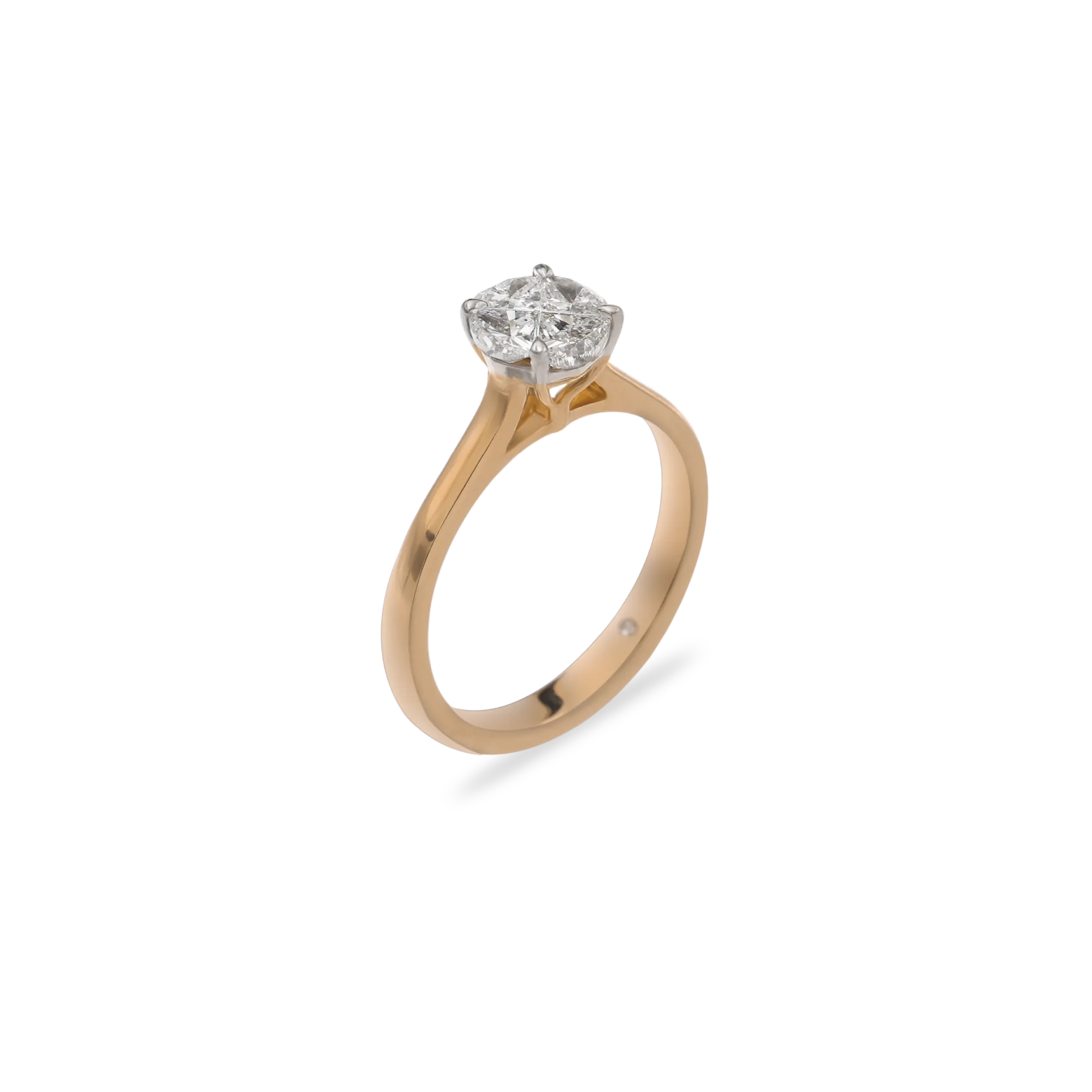
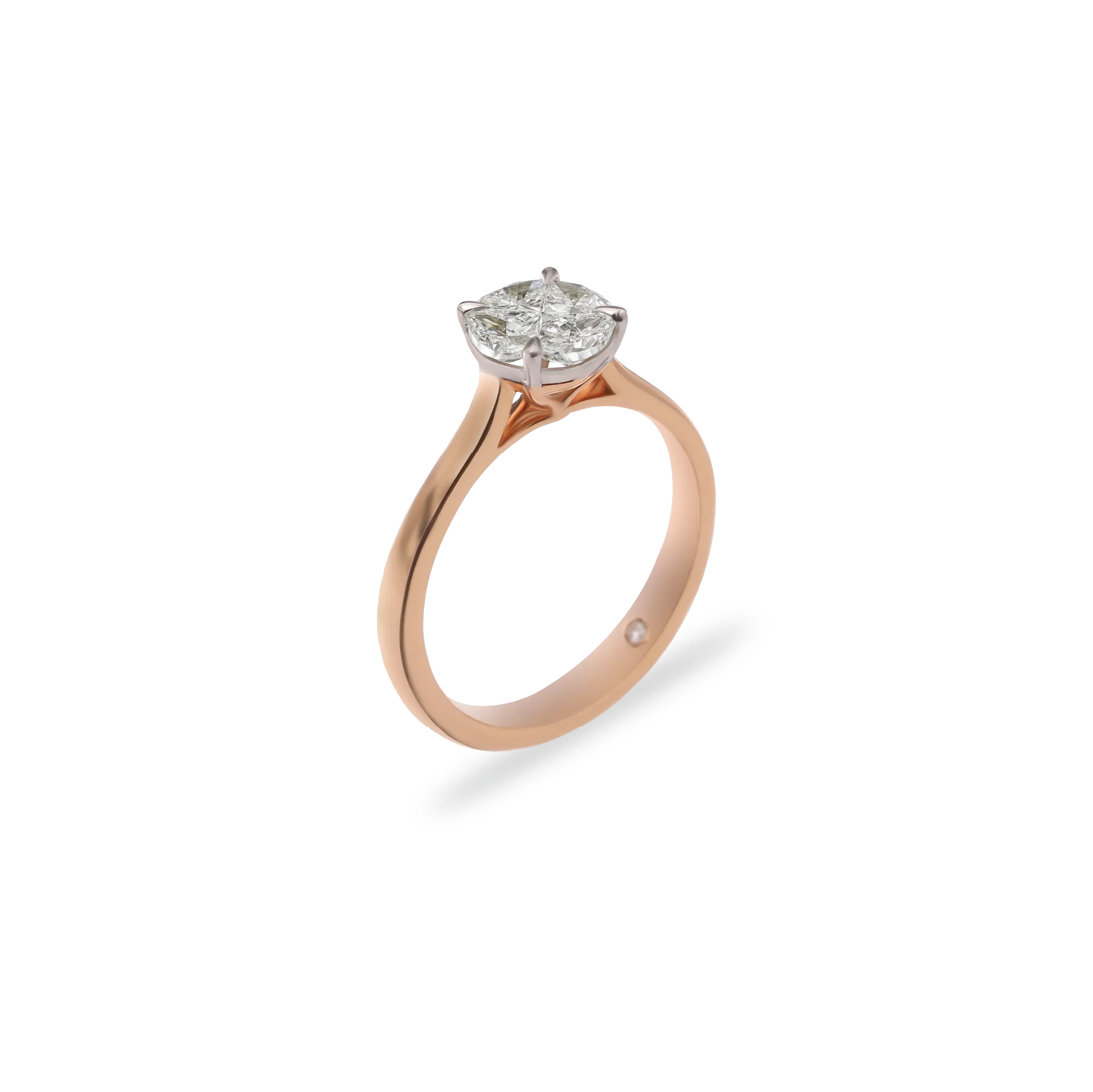
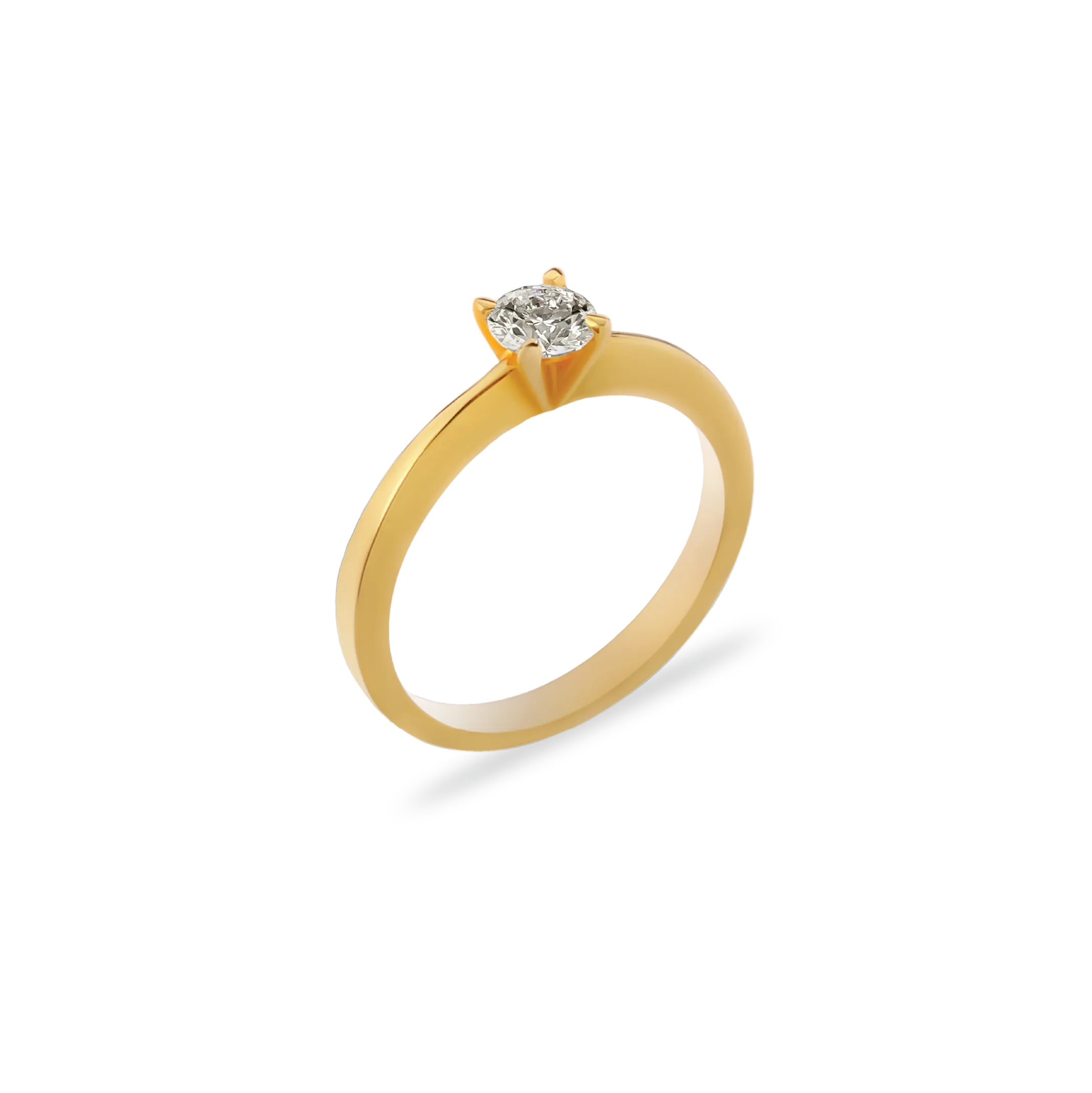
Engagement rings are probably the most talked-about diamond pieces. They're more than just pretty accessories; they represent a big promise, a commitment to a future together. Most of the time, you'll see a diamond front and center, but the styles can really vary. You've got your simple solitaires, which are super classic, and then there are the more elaborate halo designs where smaller diamonds surround the main stone. Picking the right one is a big deal, and it really should feel like it belongs to the person who's going to wear it.
Necklaces: Adorning Elegance and Sophistication
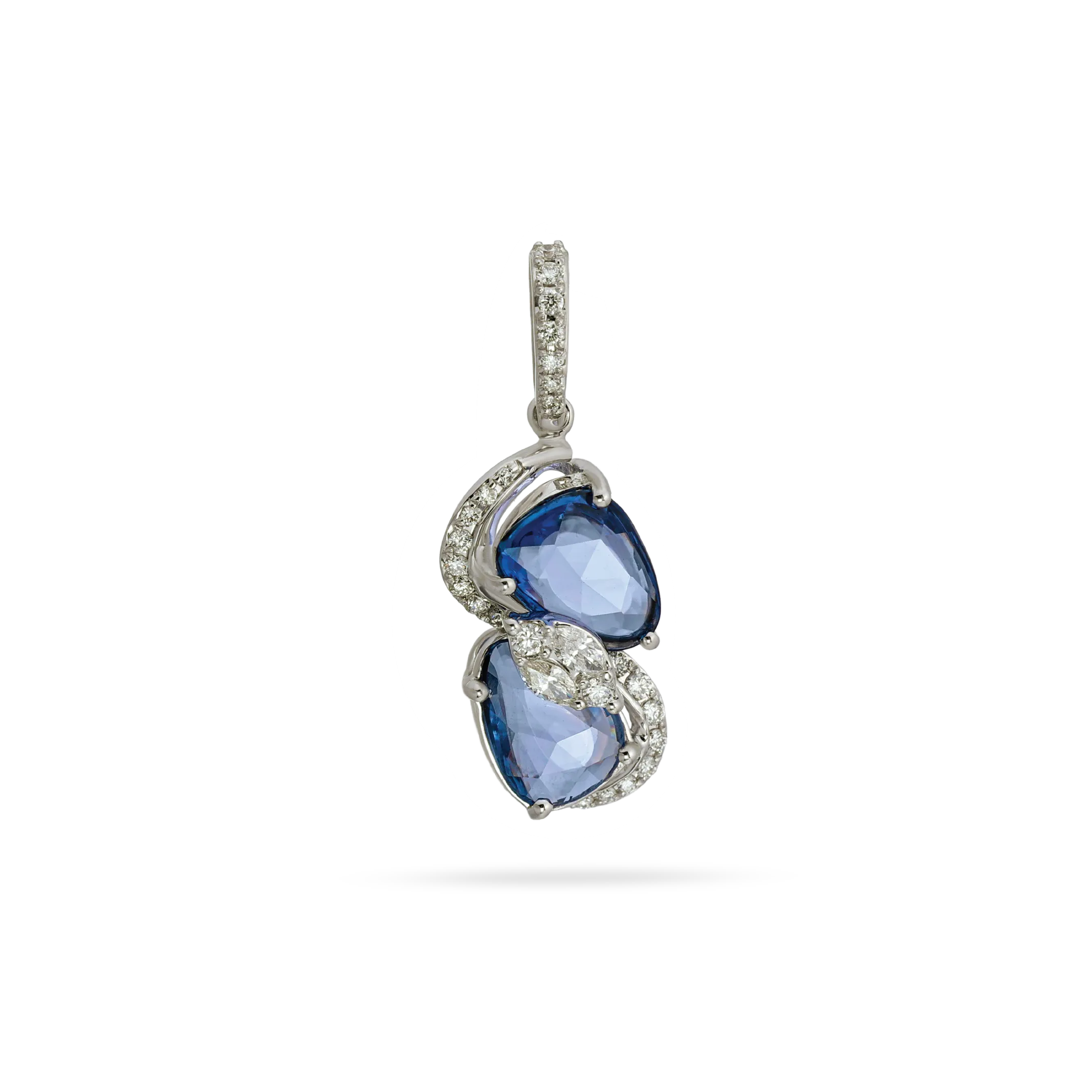
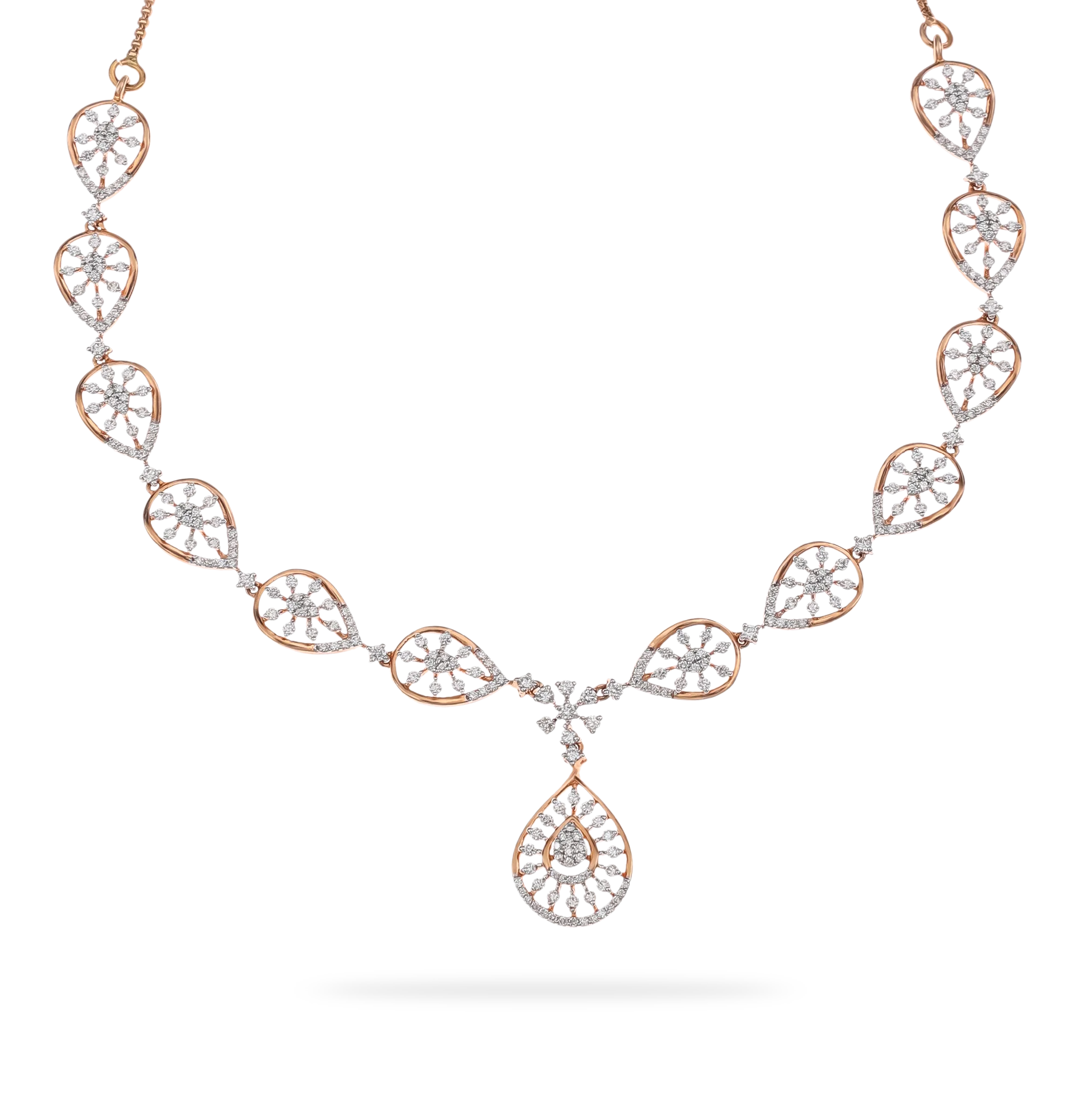
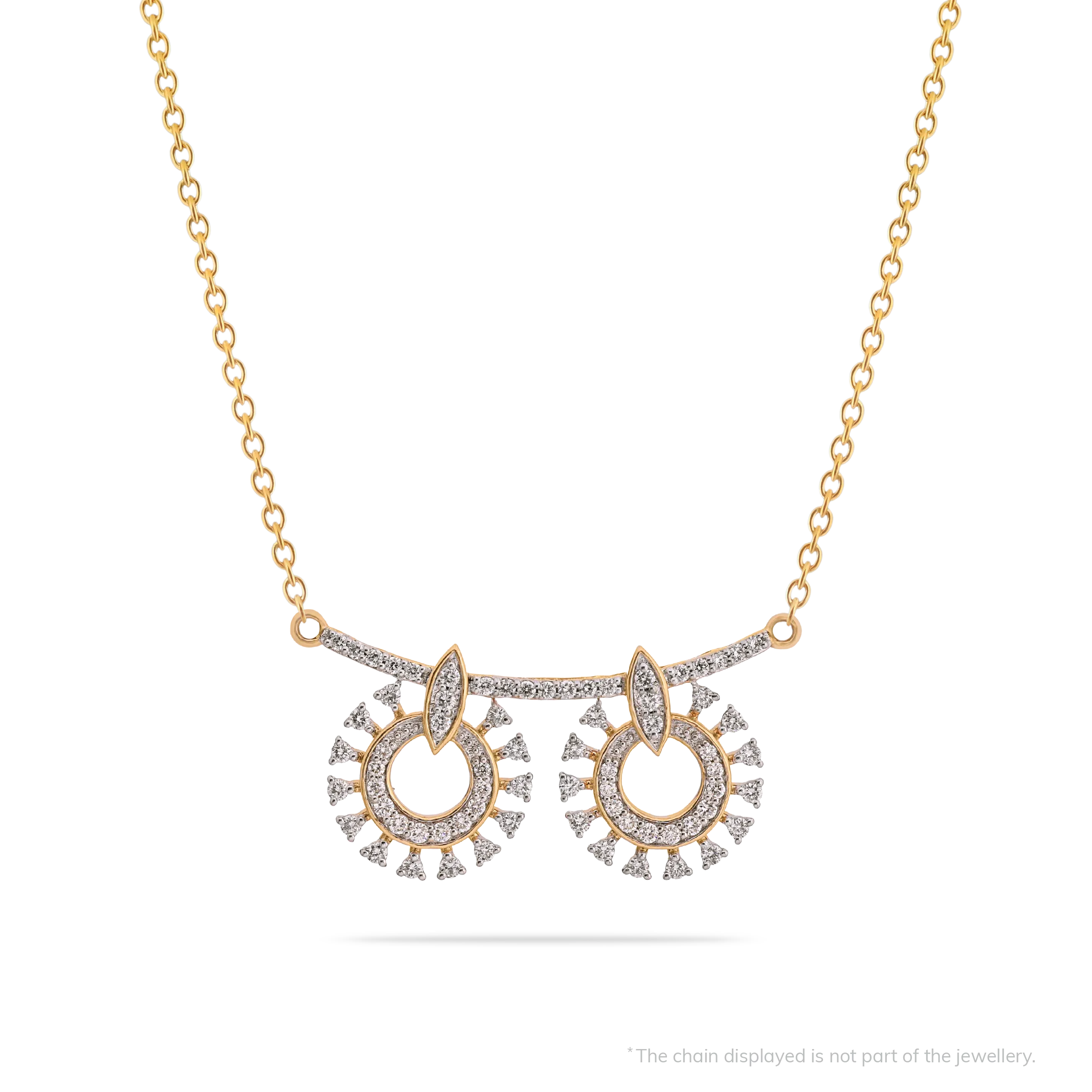
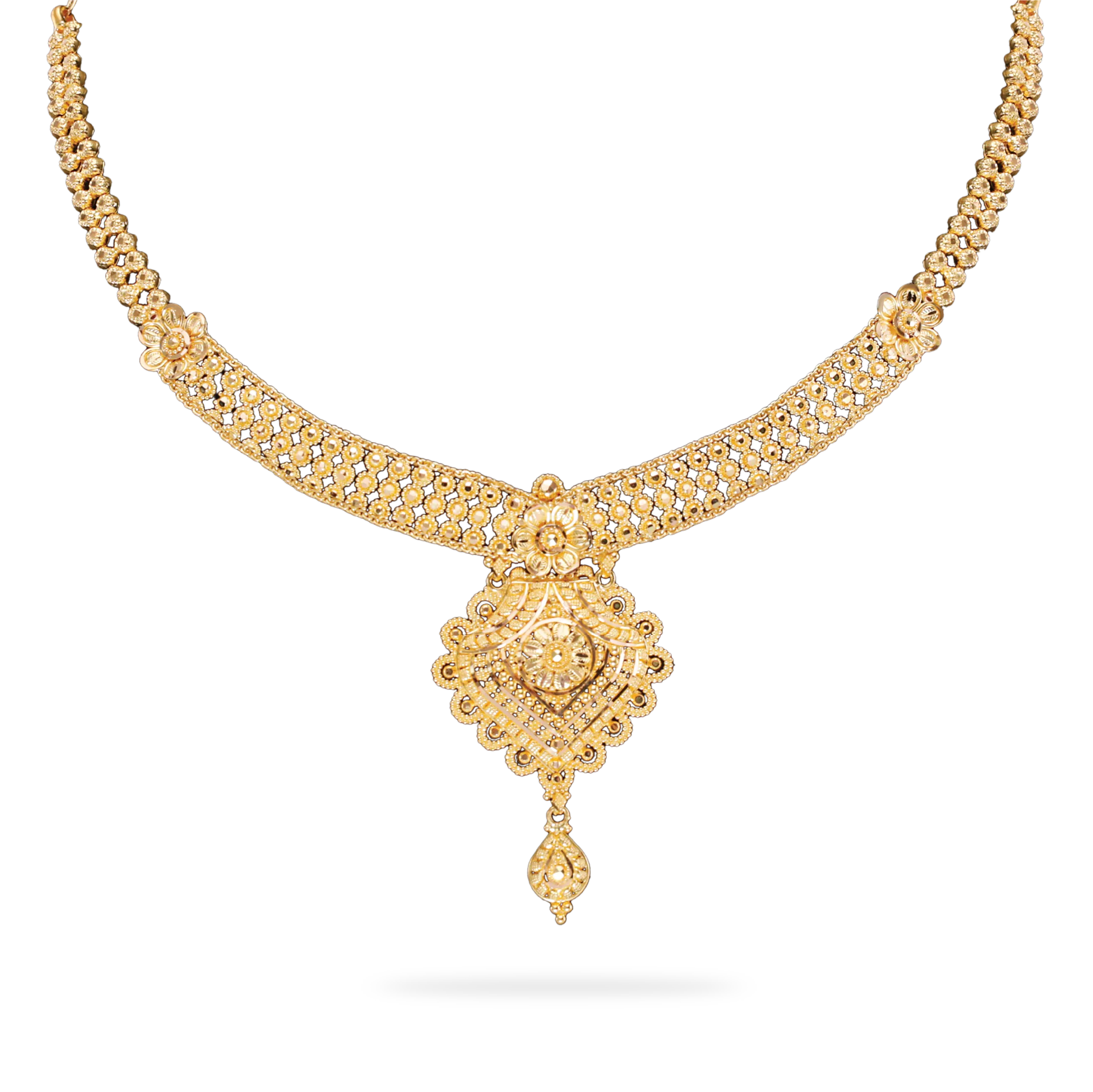
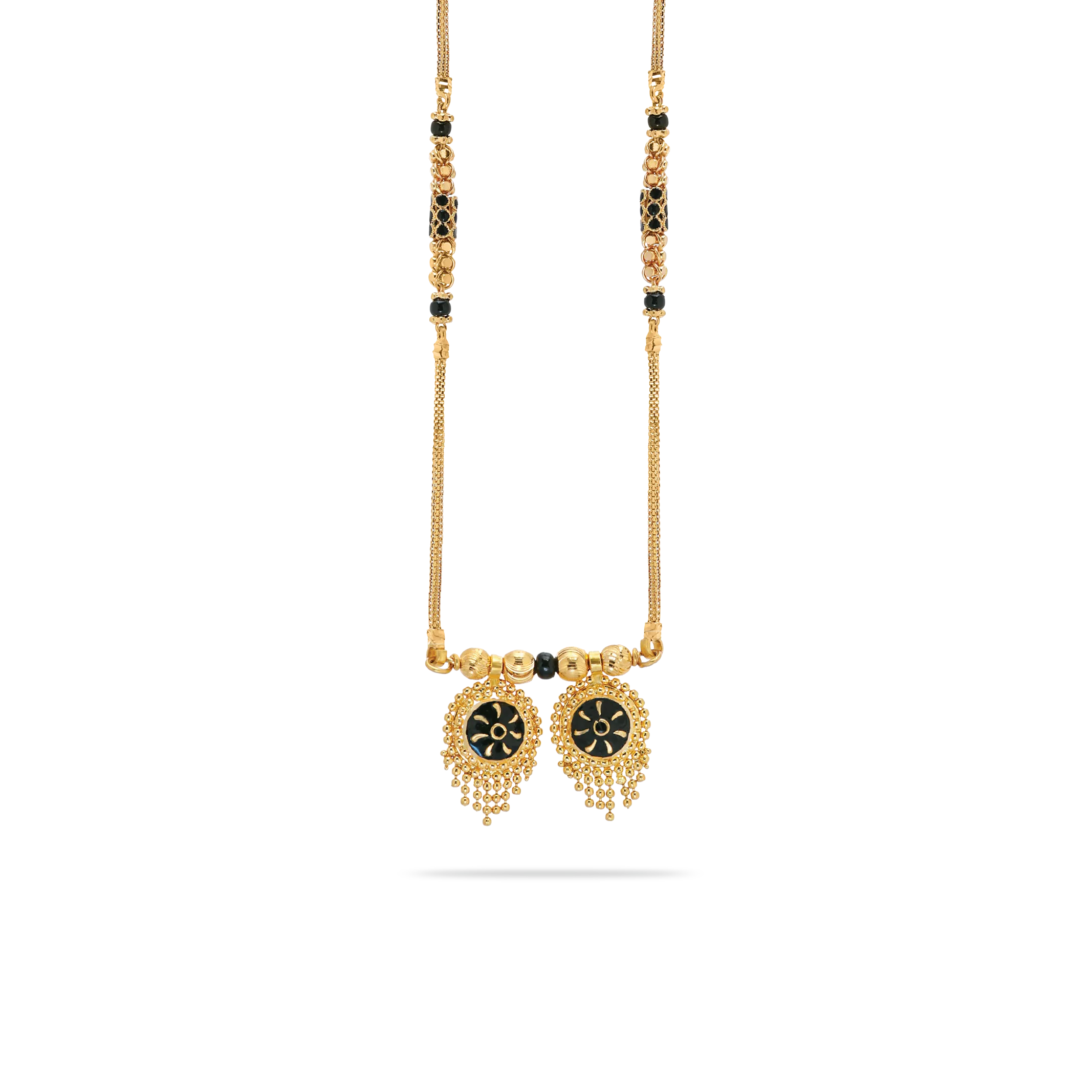
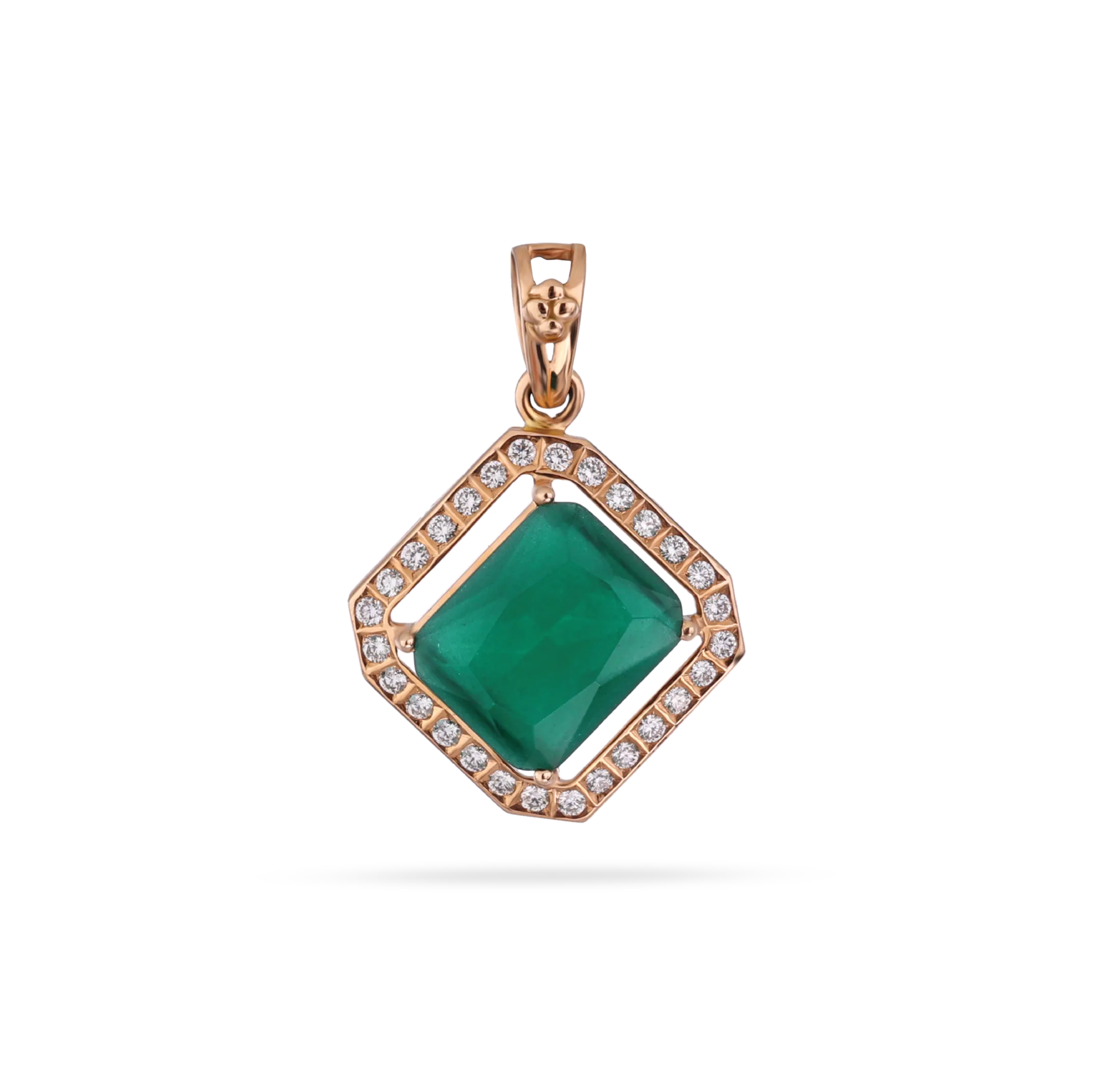
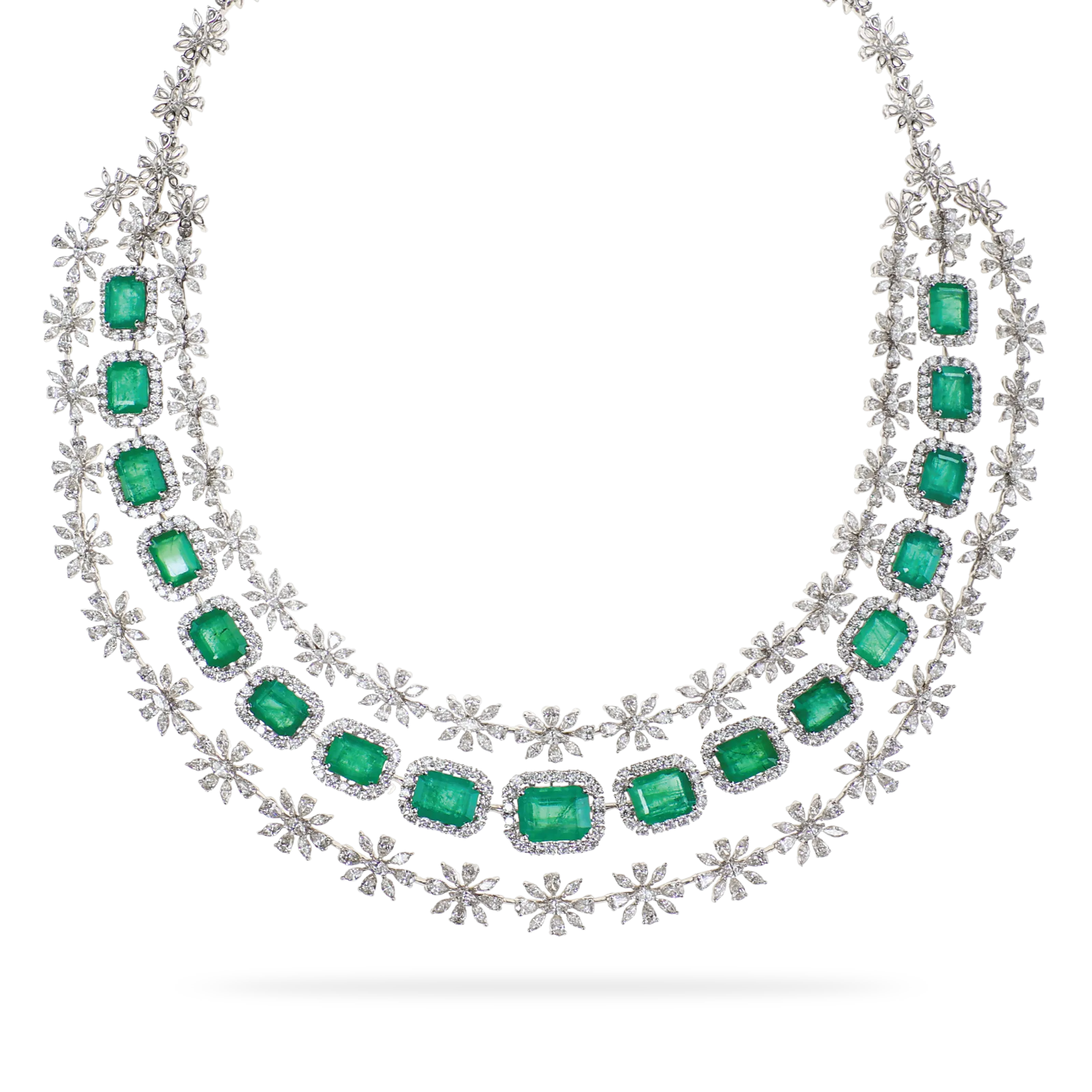
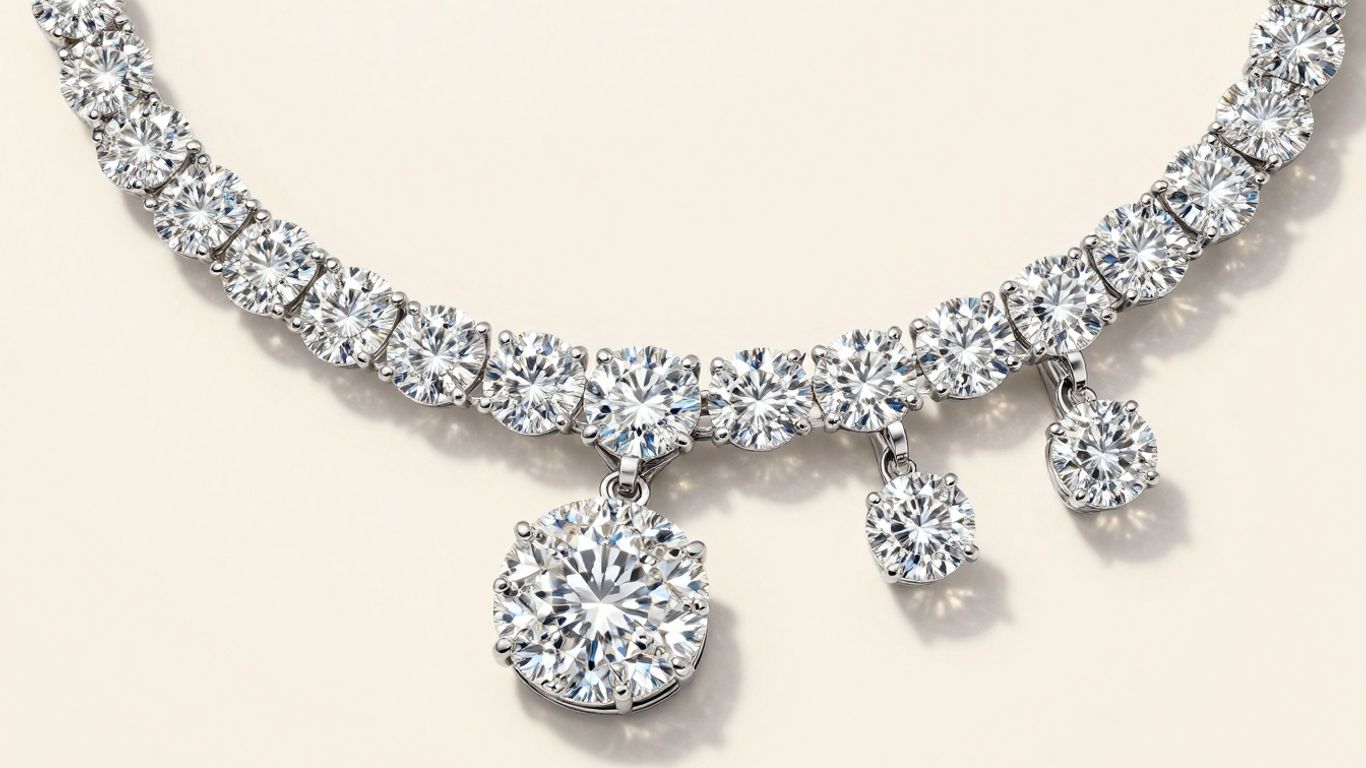
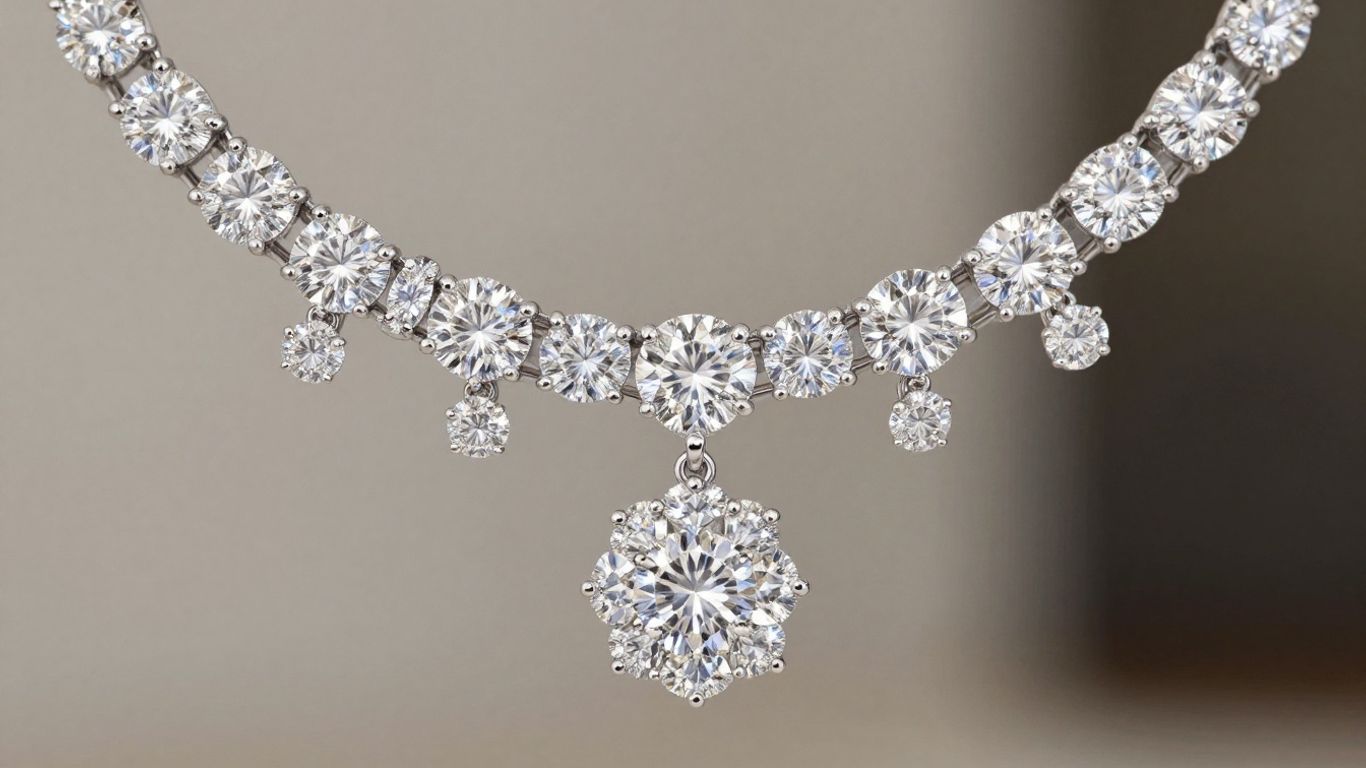
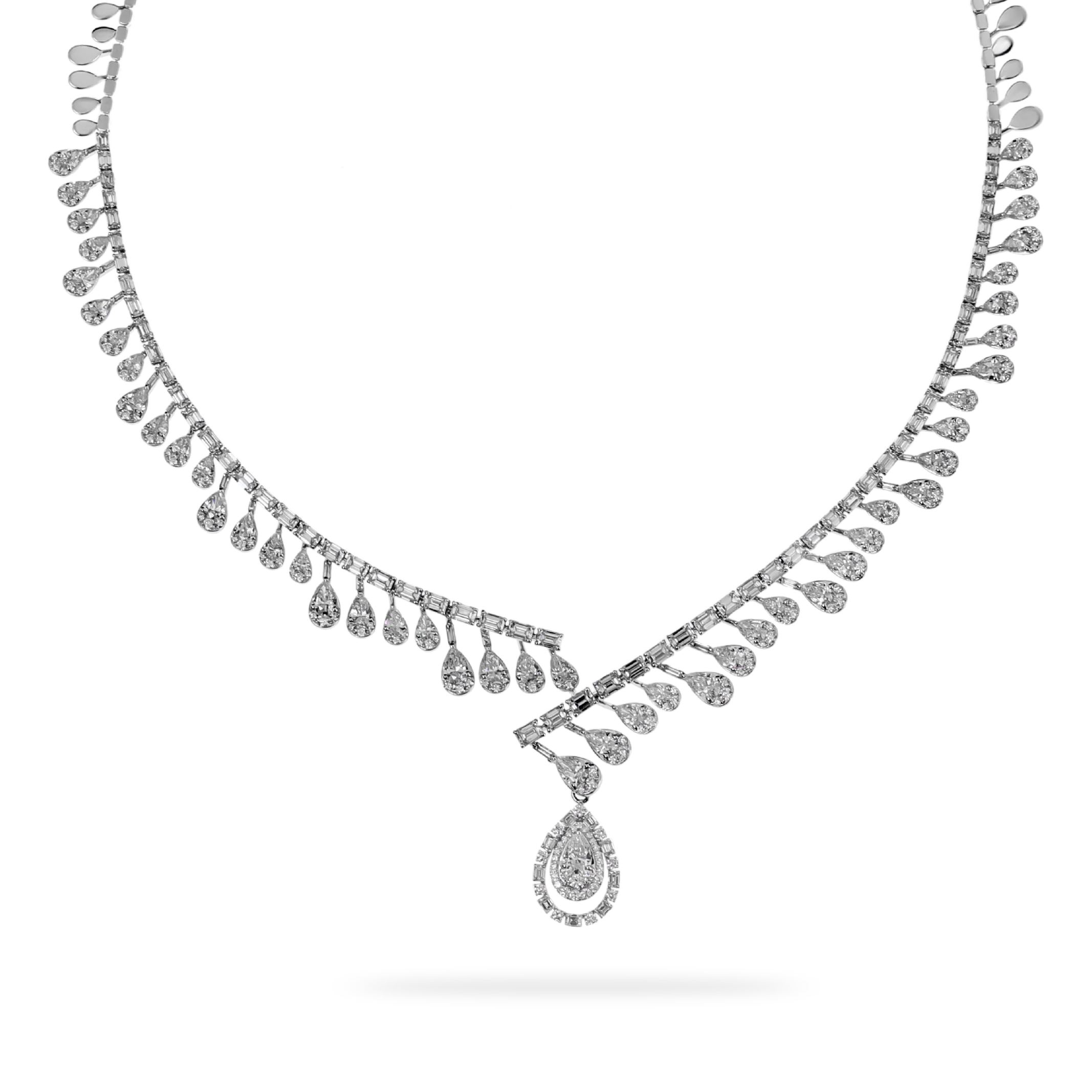
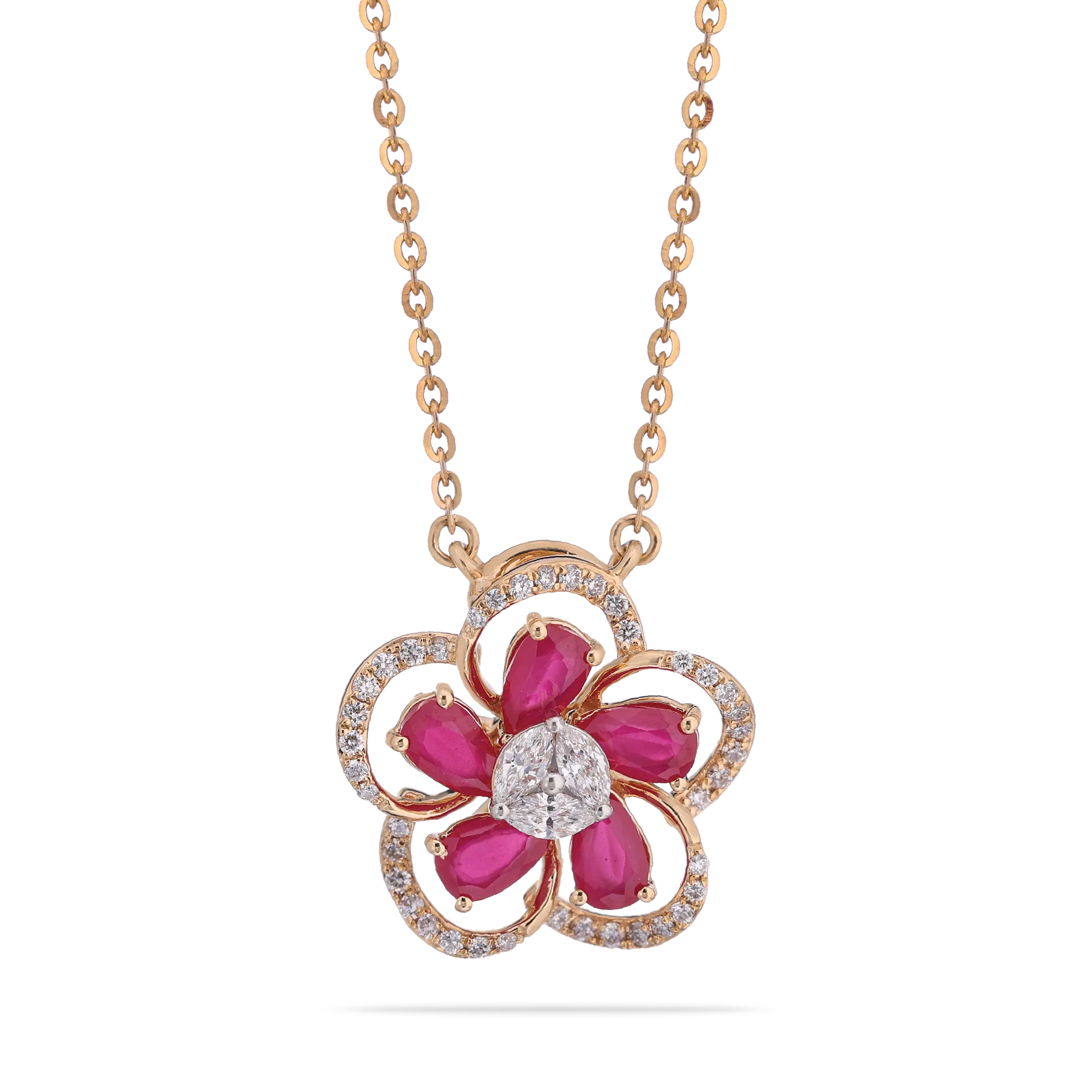
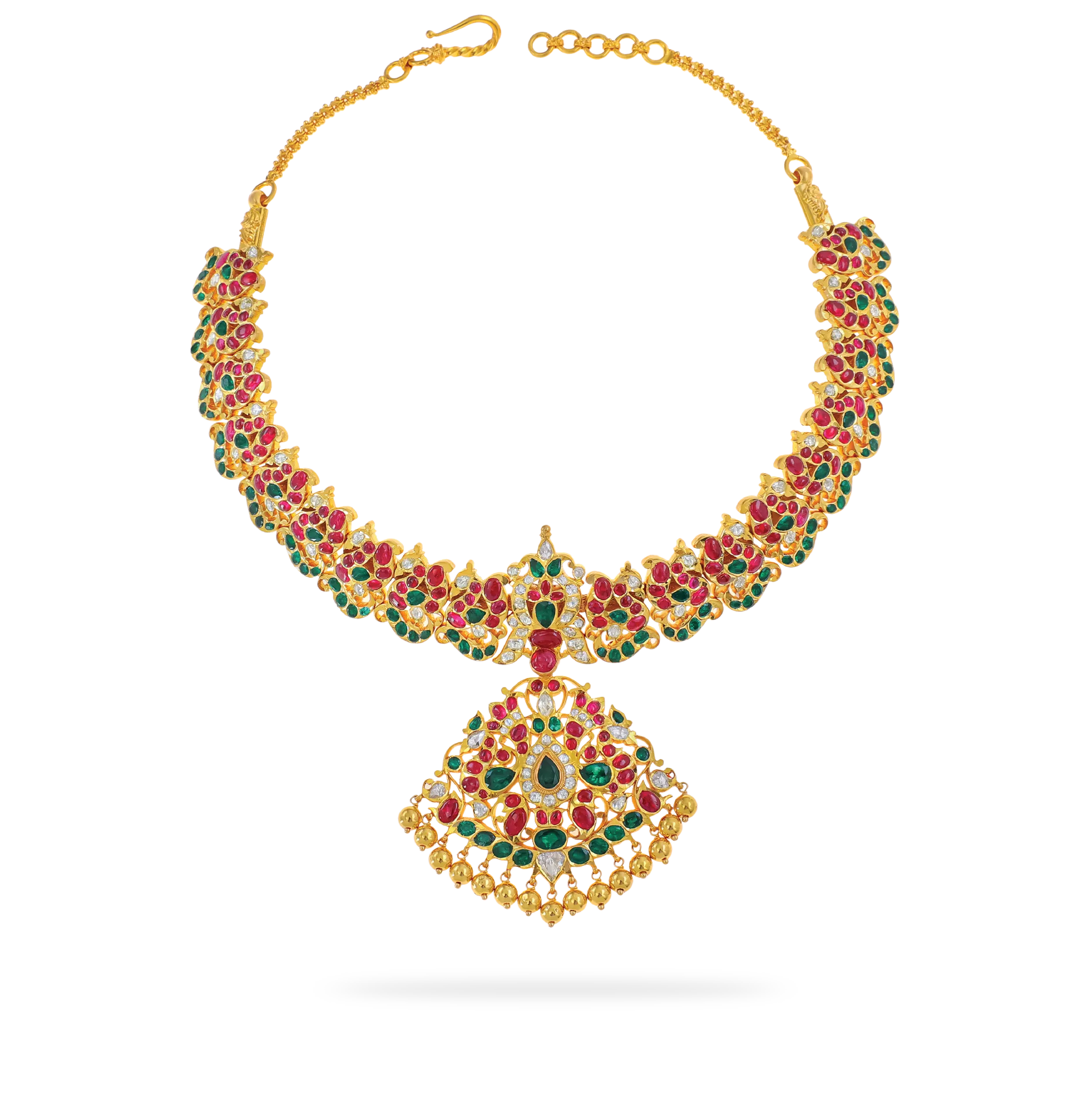
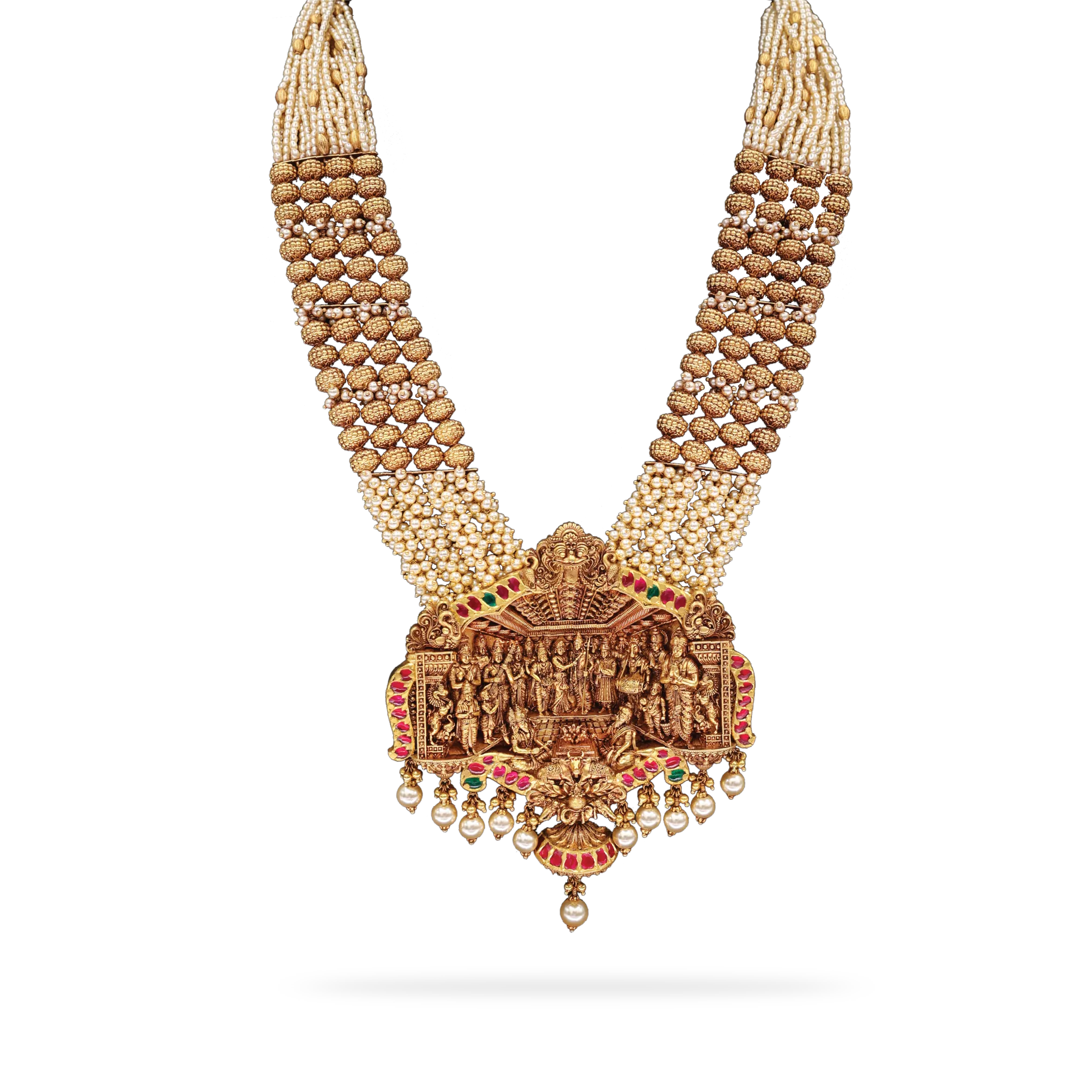
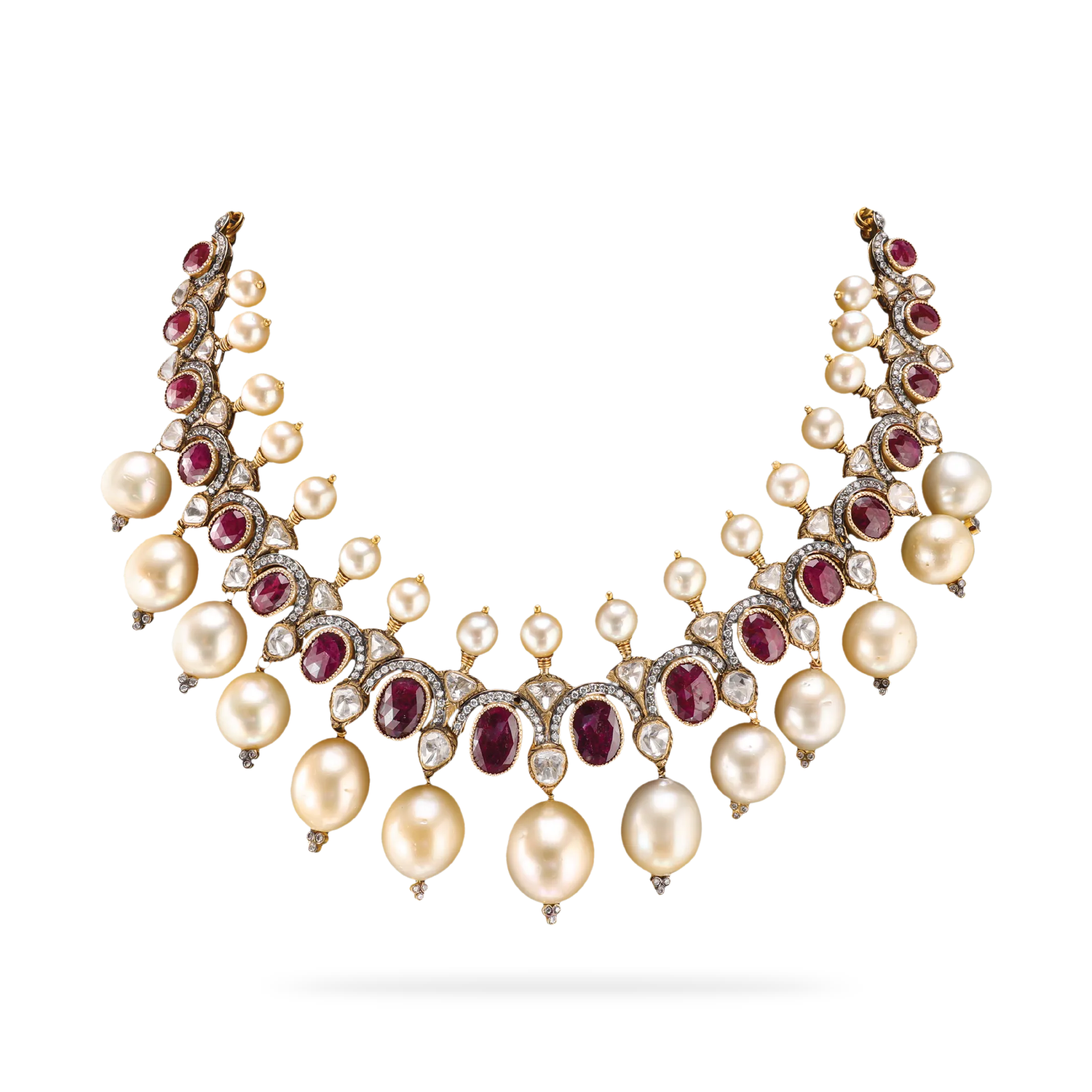
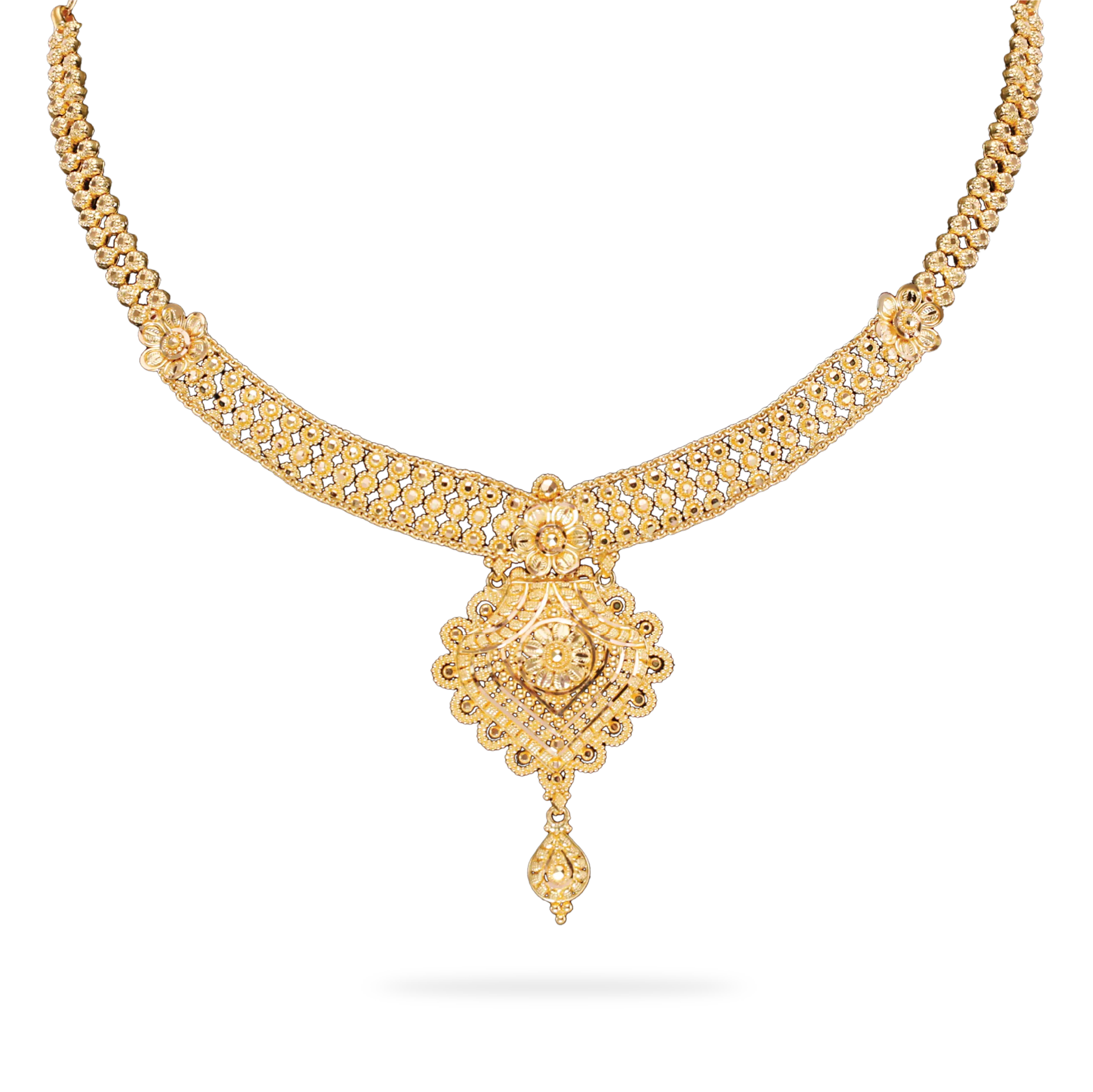
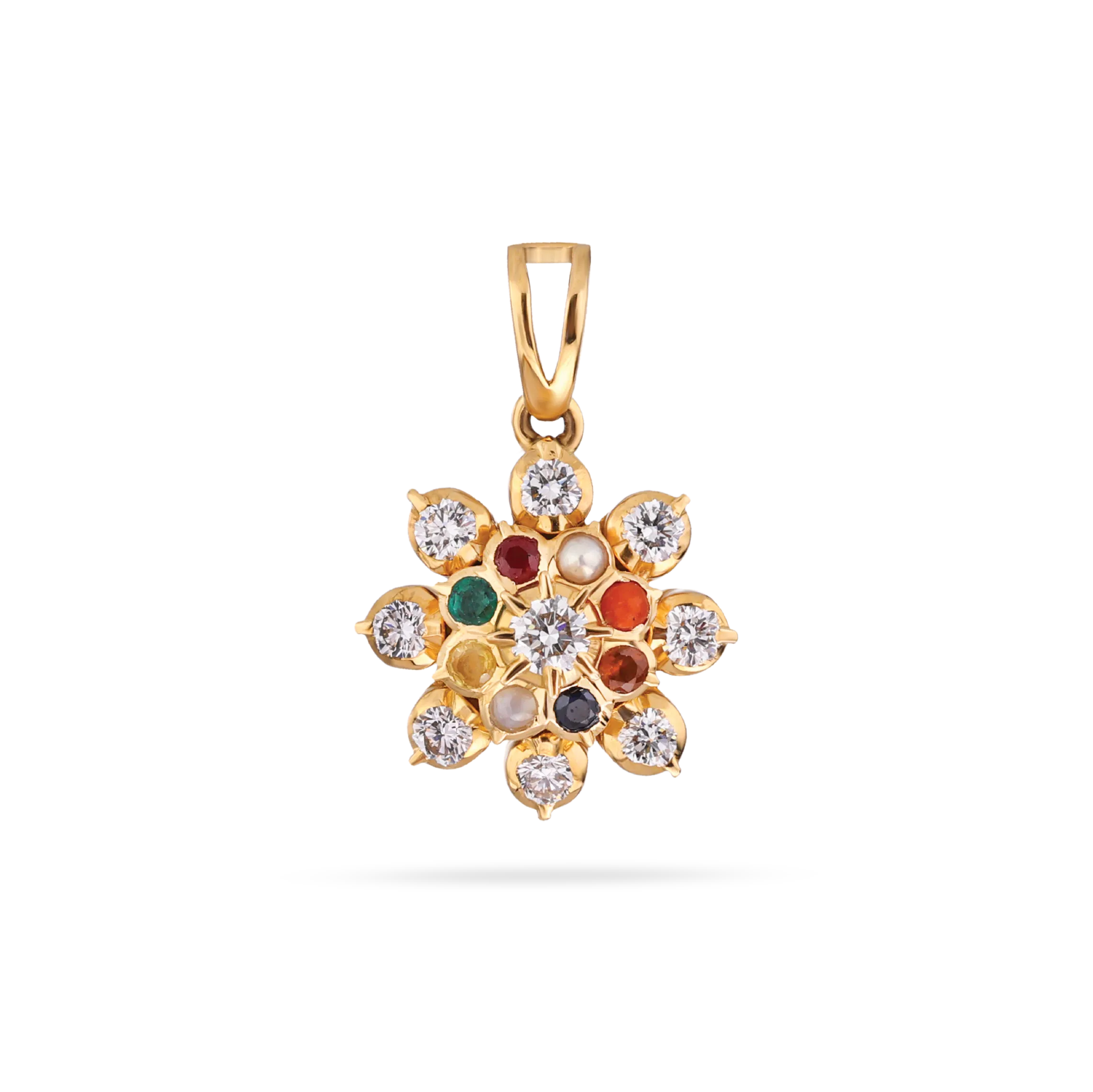
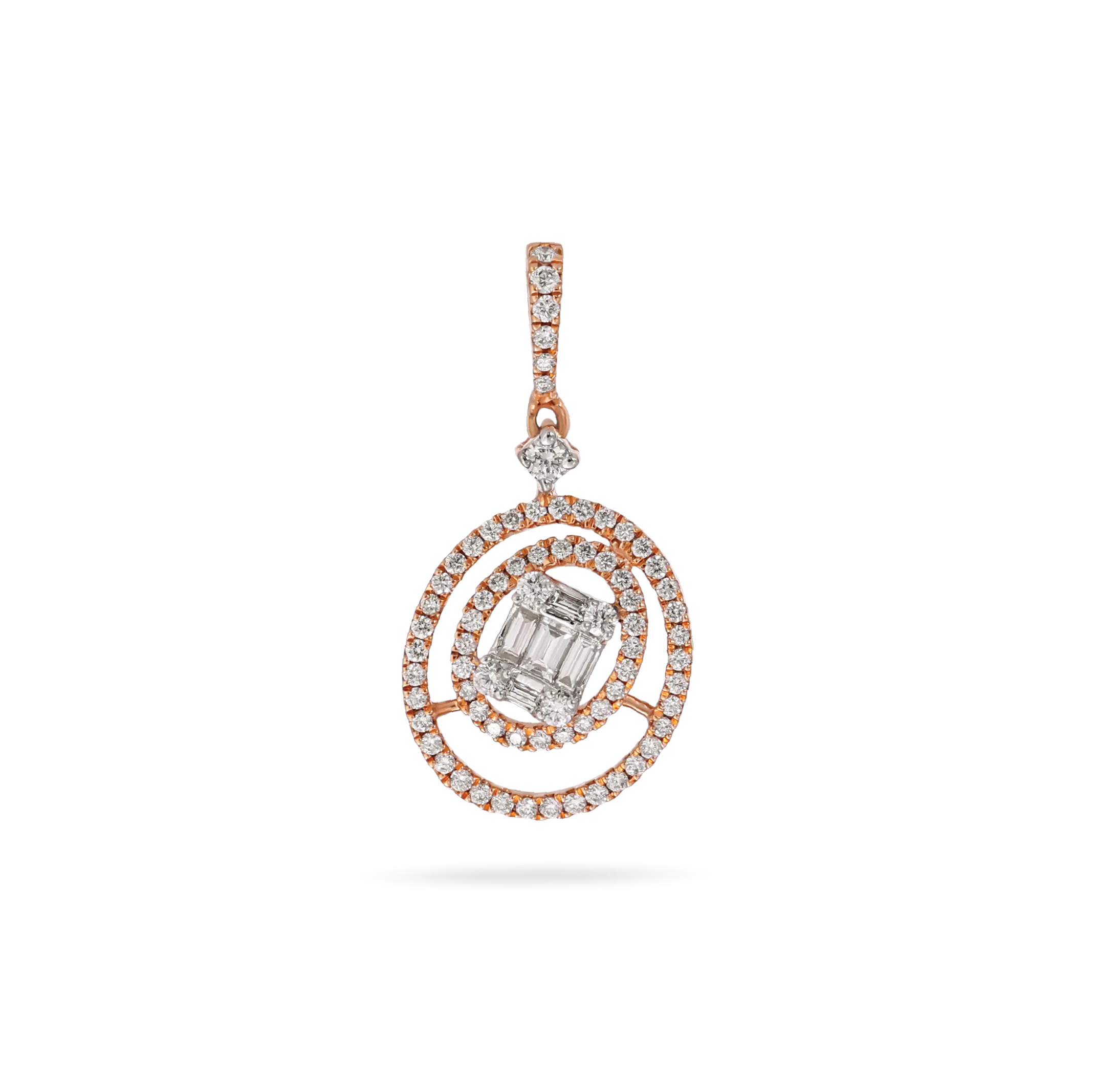
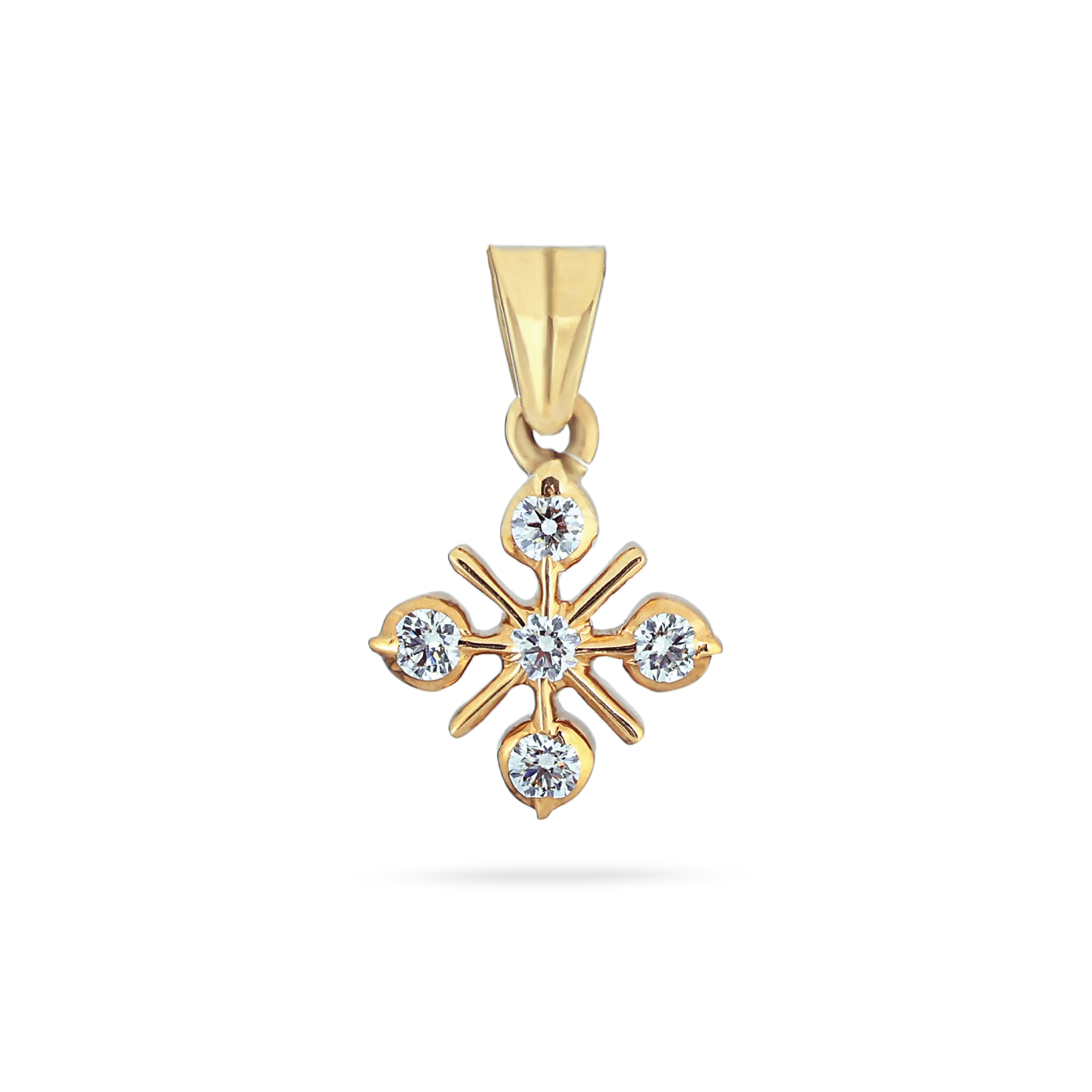
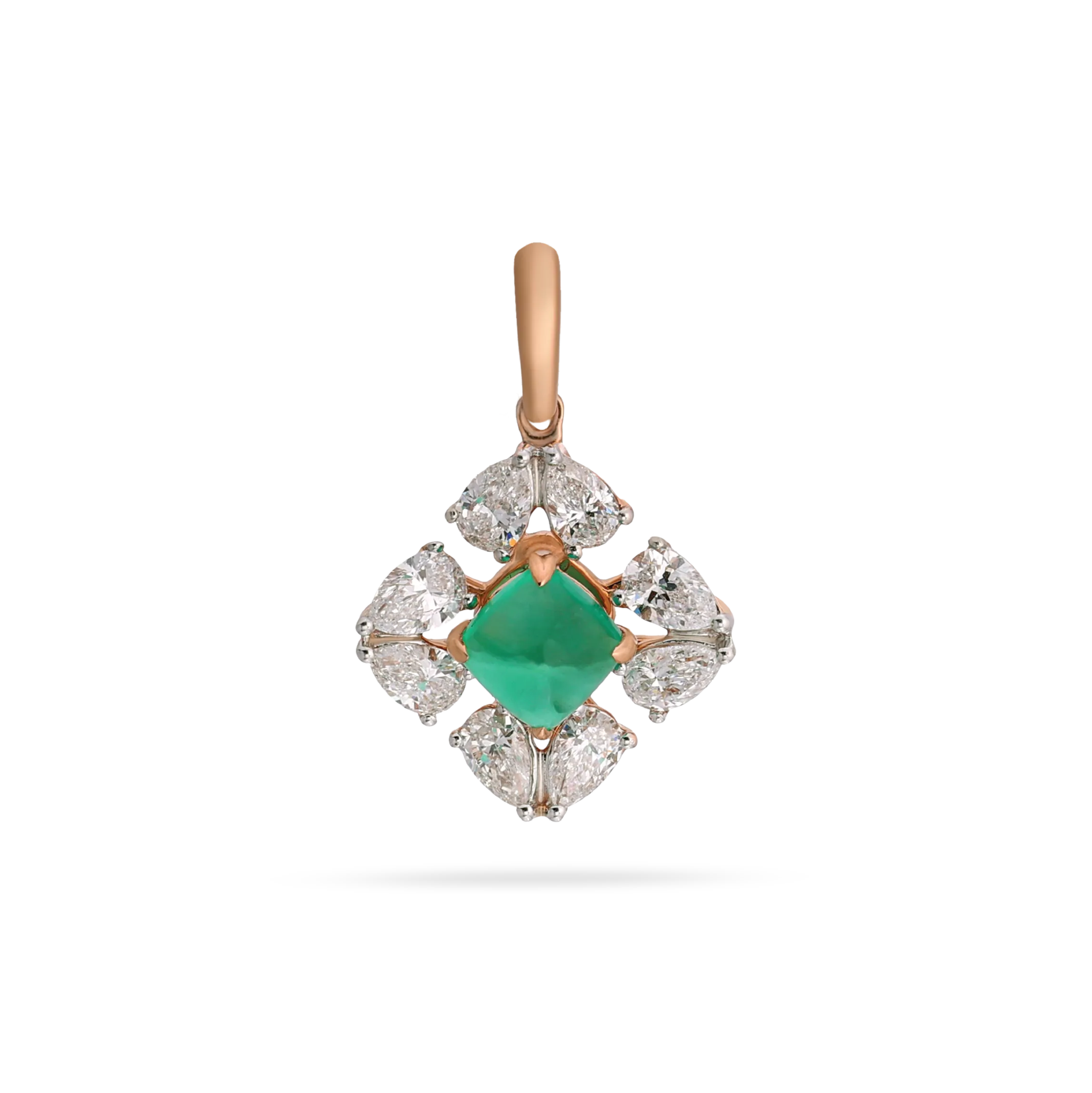
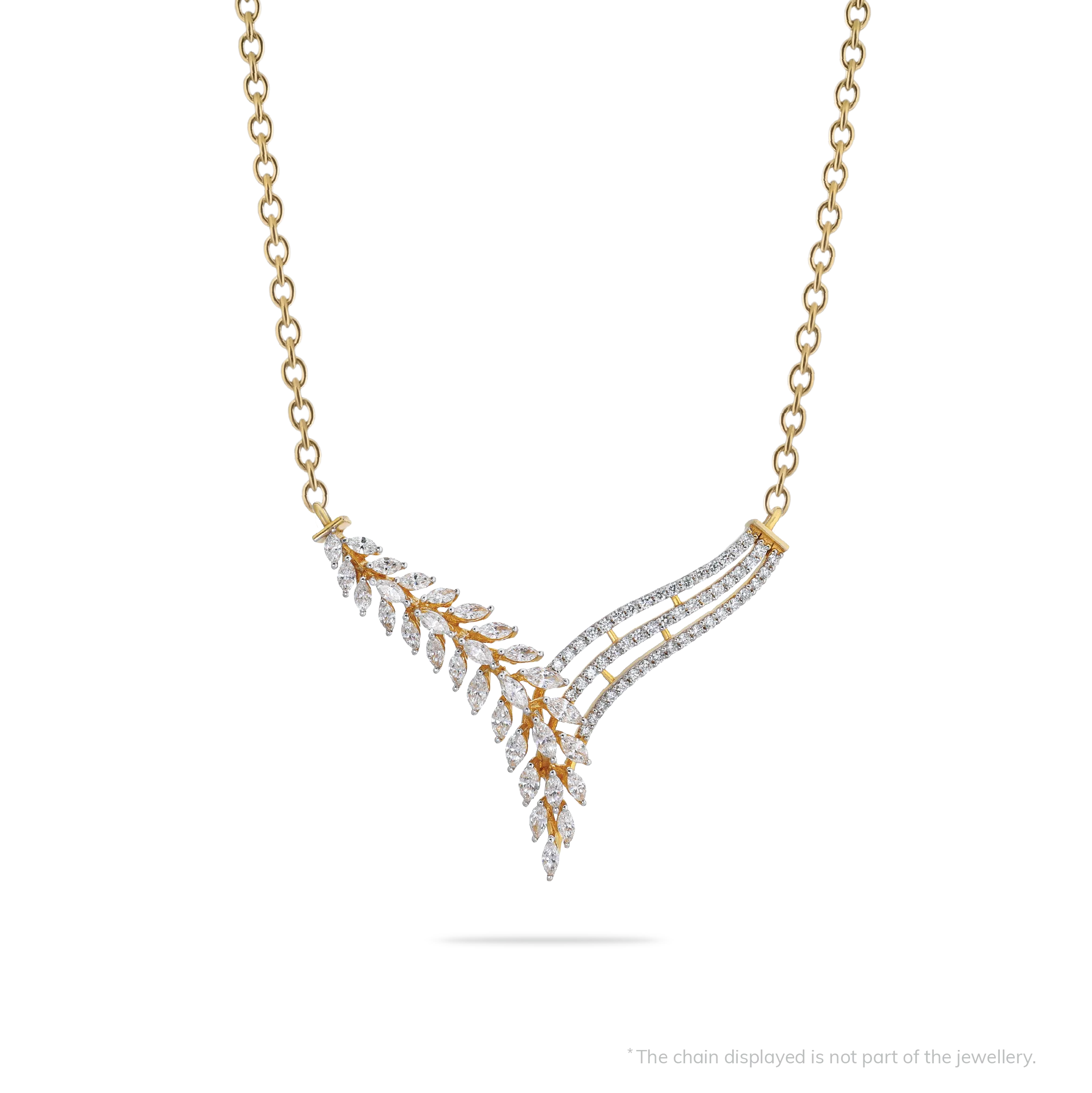
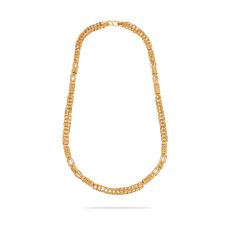
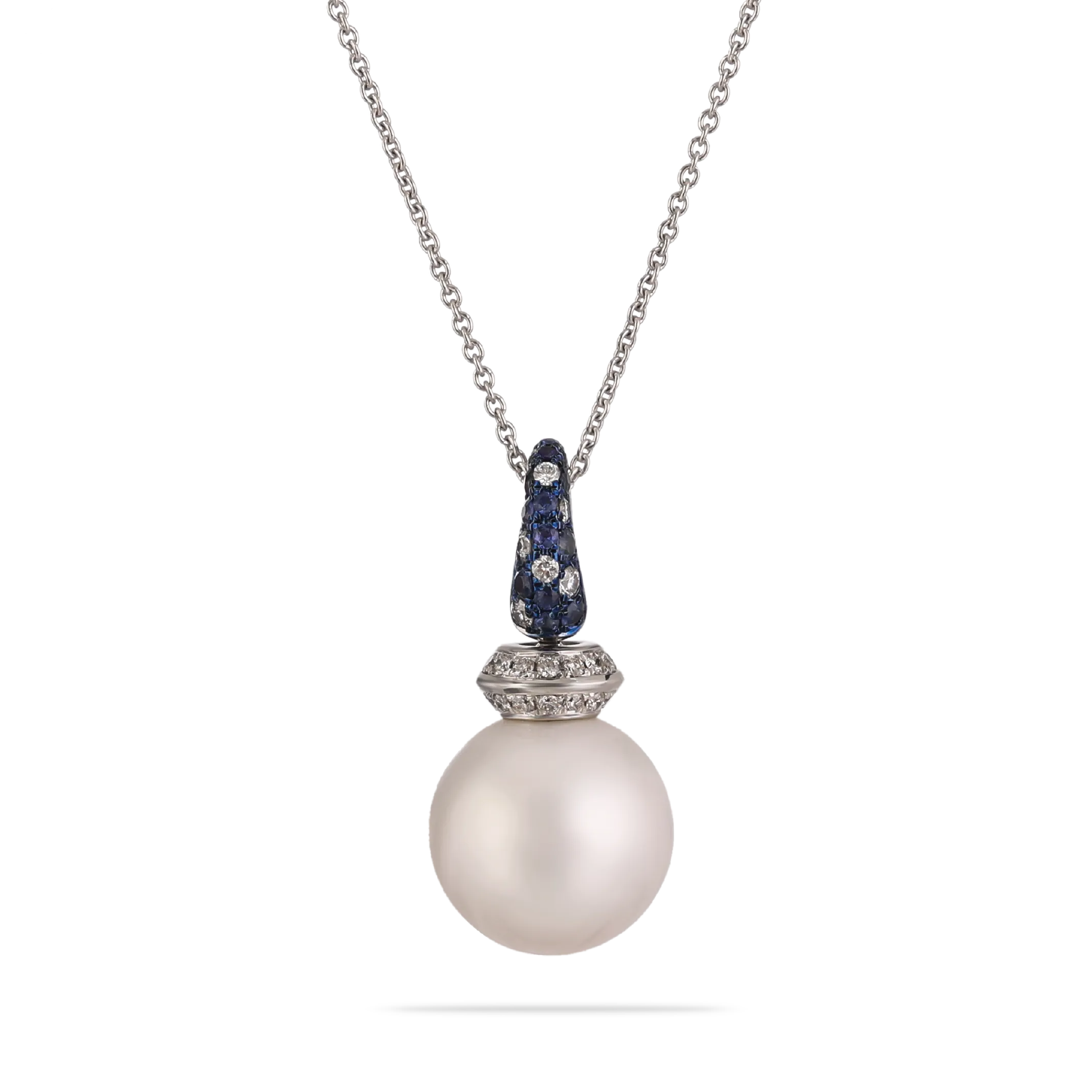
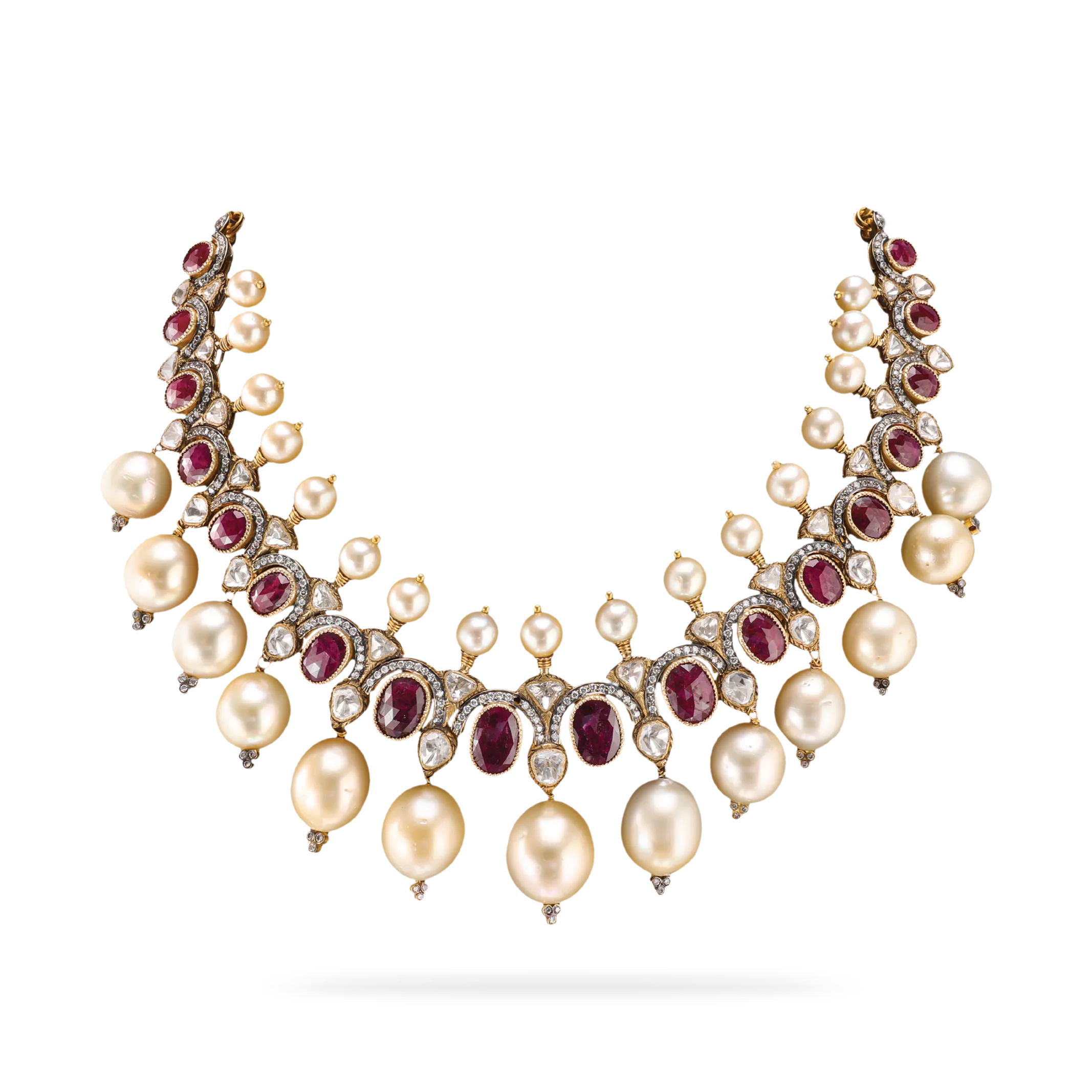
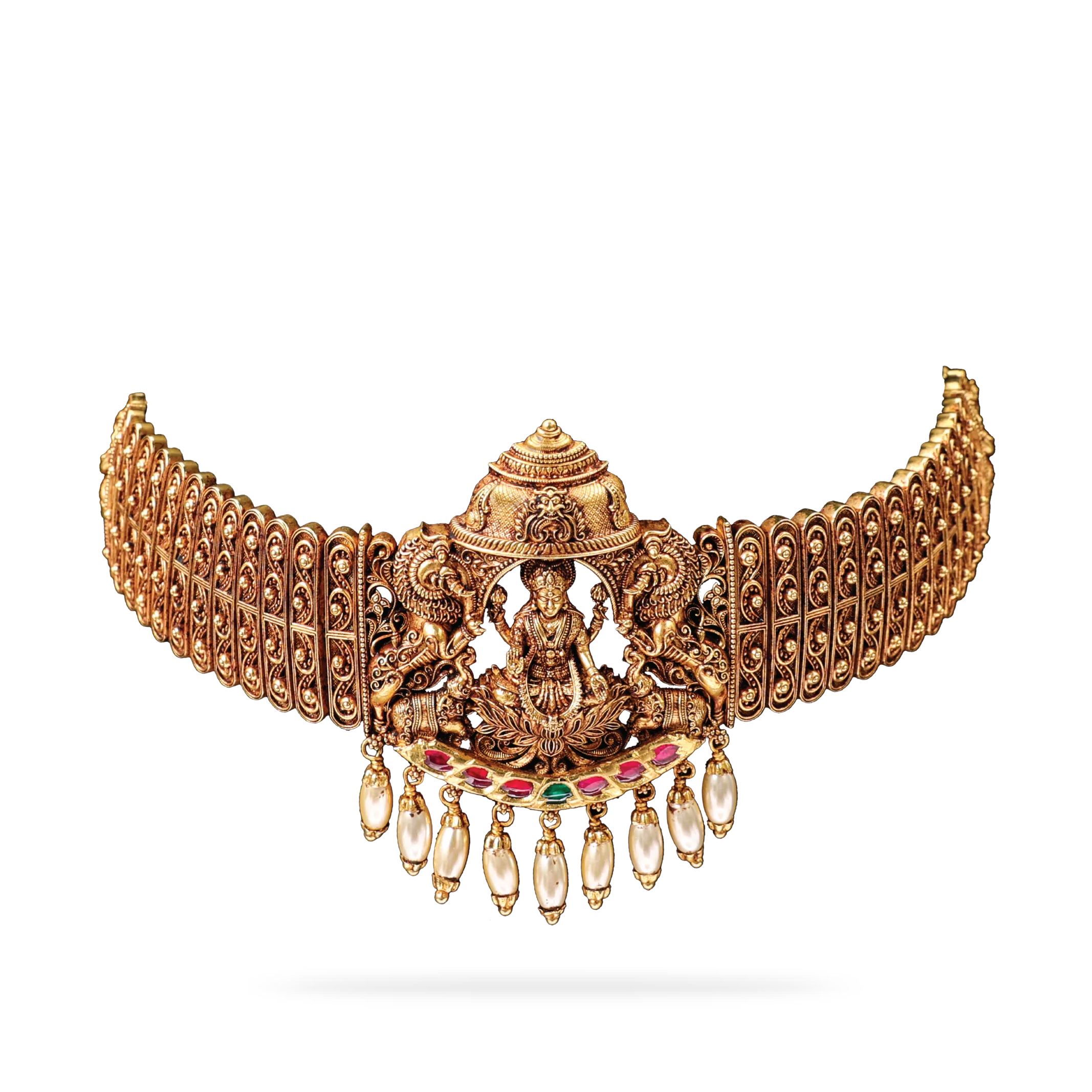
When you want to add a touch of class to your look, a diamond necklace is a go-to. They can dress up anything, whether you're heading to a fancy event or just out for a casual dinner. Styles range from really delicate pendants that just sit nicely on your collarbone to bolder chokers that make more of a statement. A diamond necklace can be something you pass down through the family or a modern piece that just feels right for today. It’s a versatile choice, for sure.
Earrings: Enhancing Beauty and Sparkle
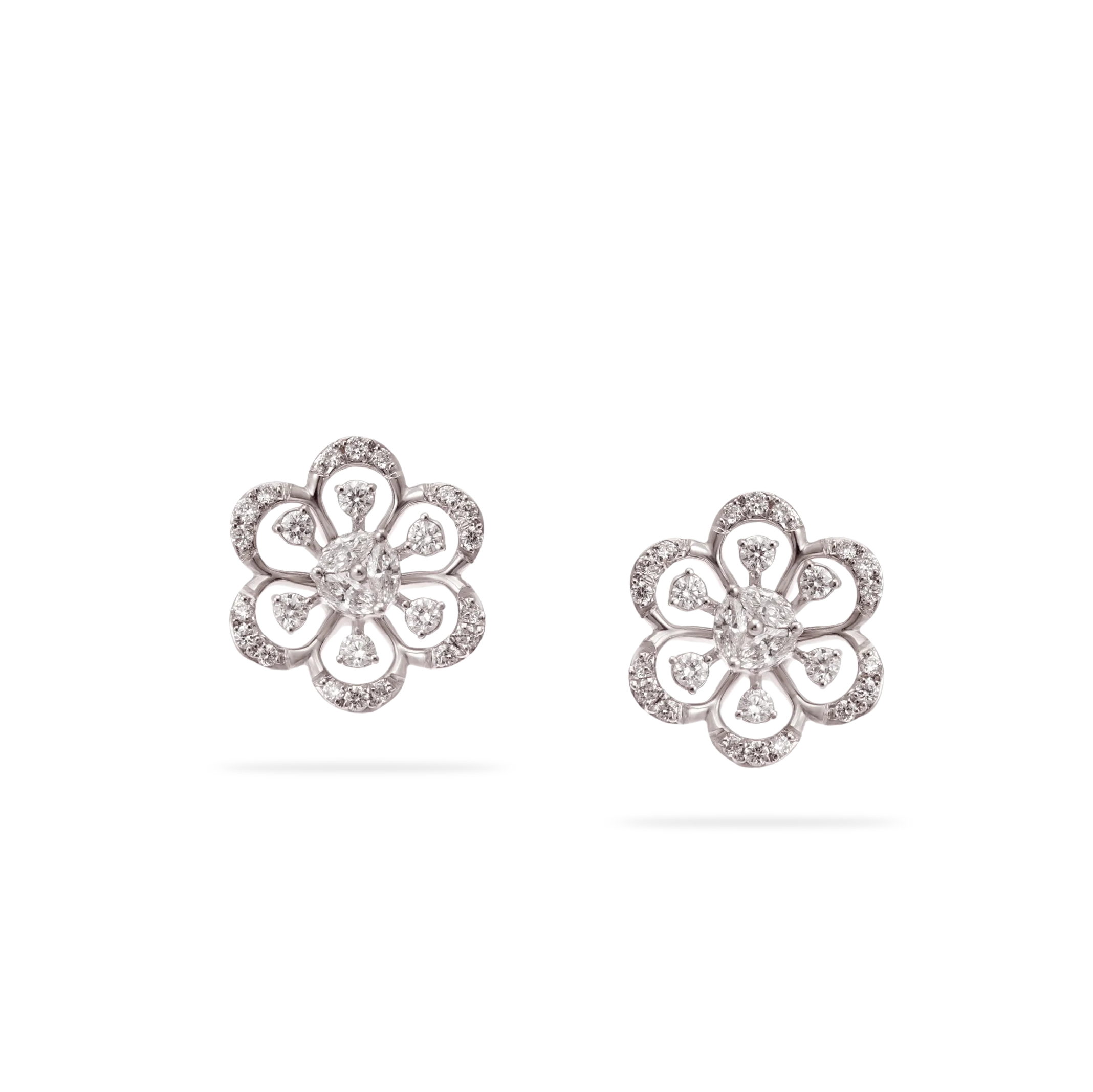
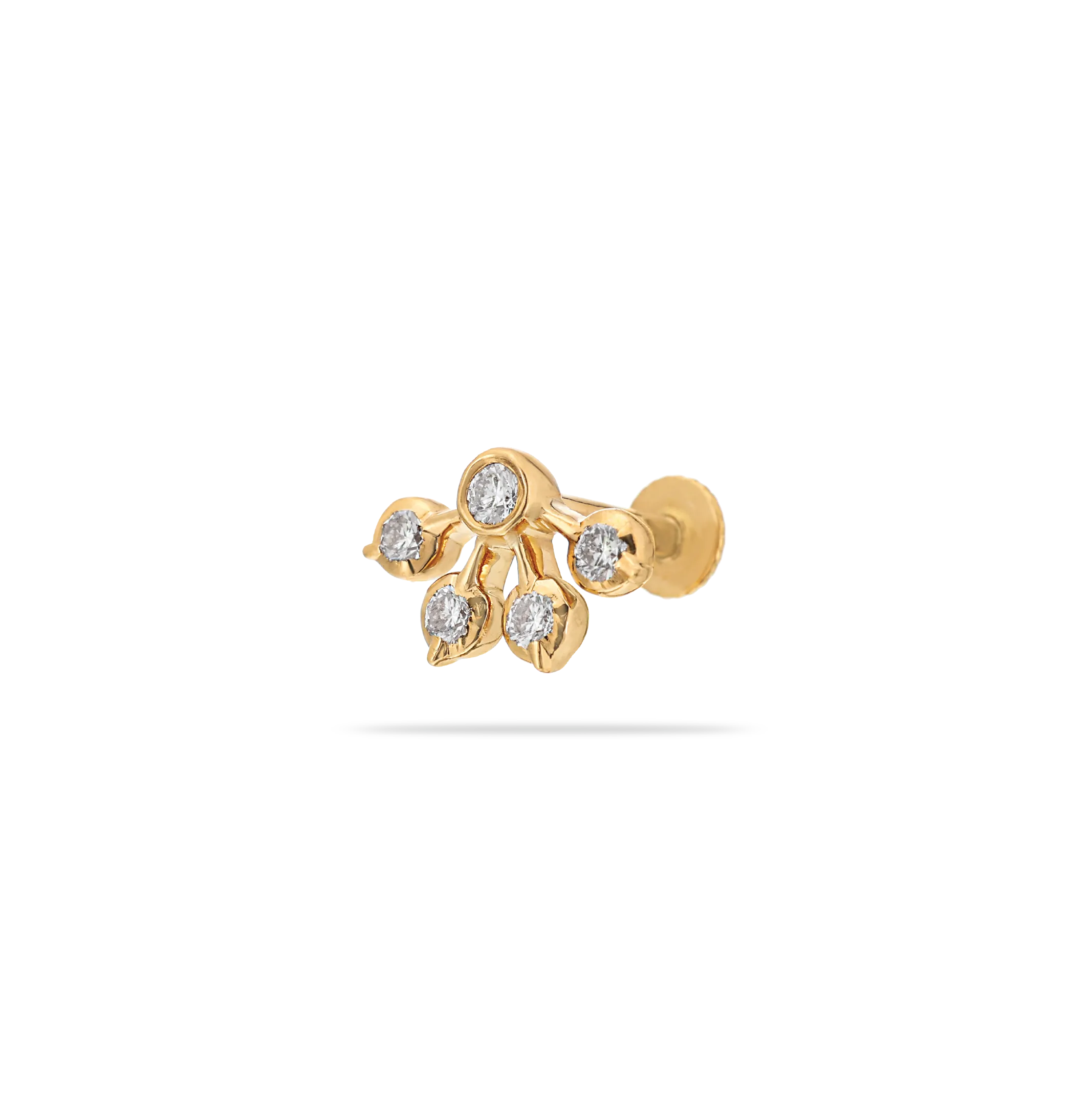
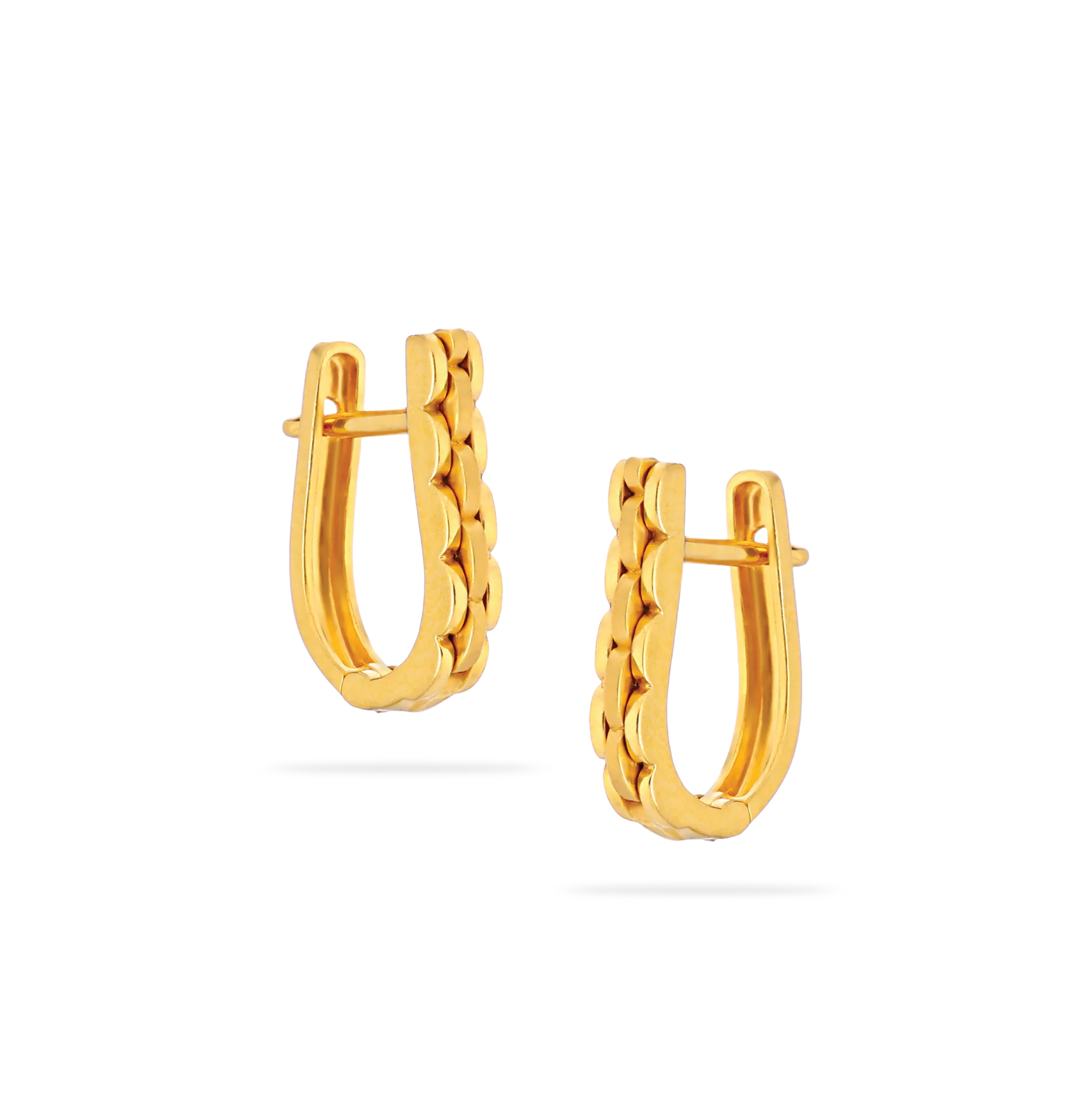
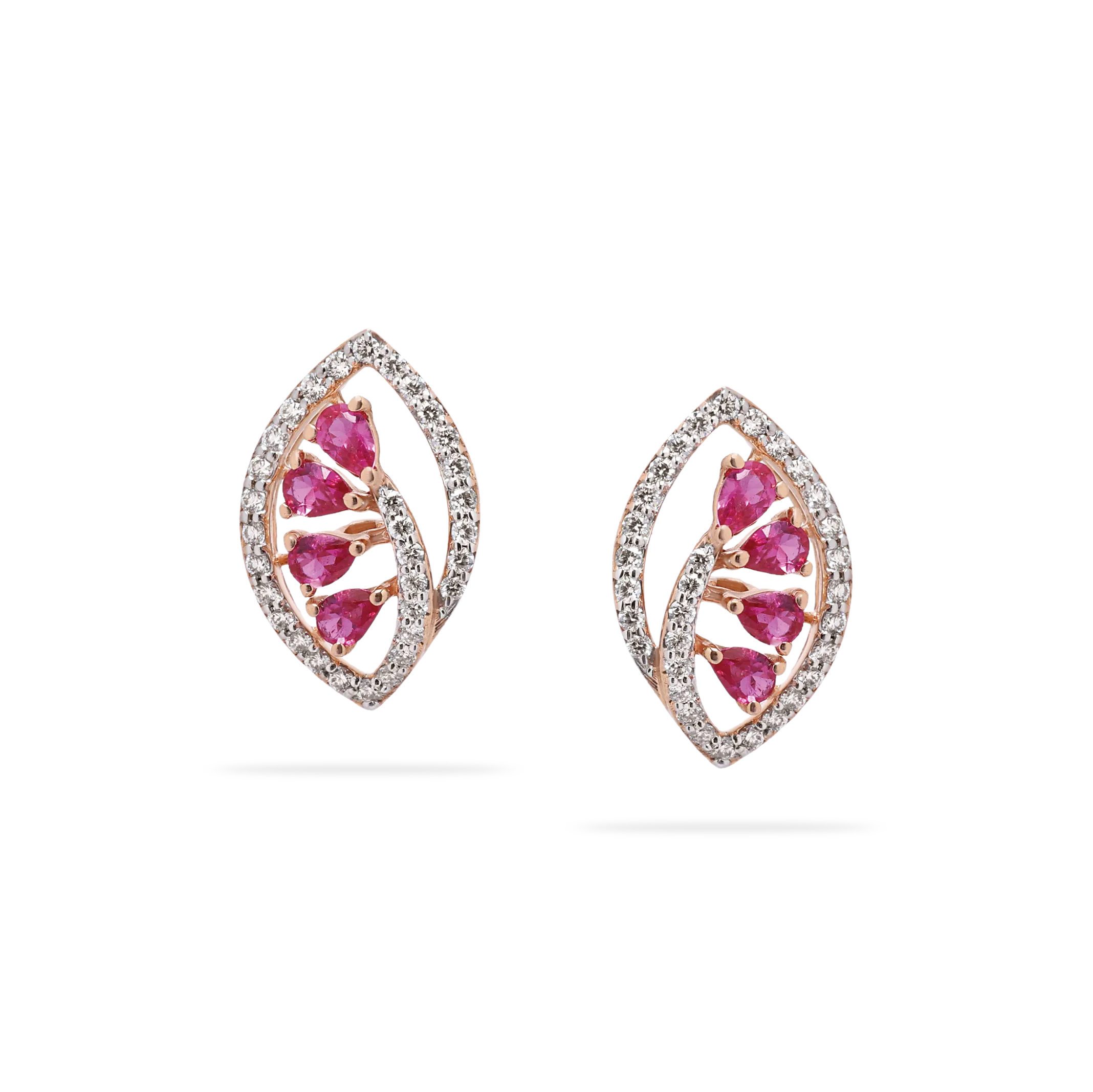
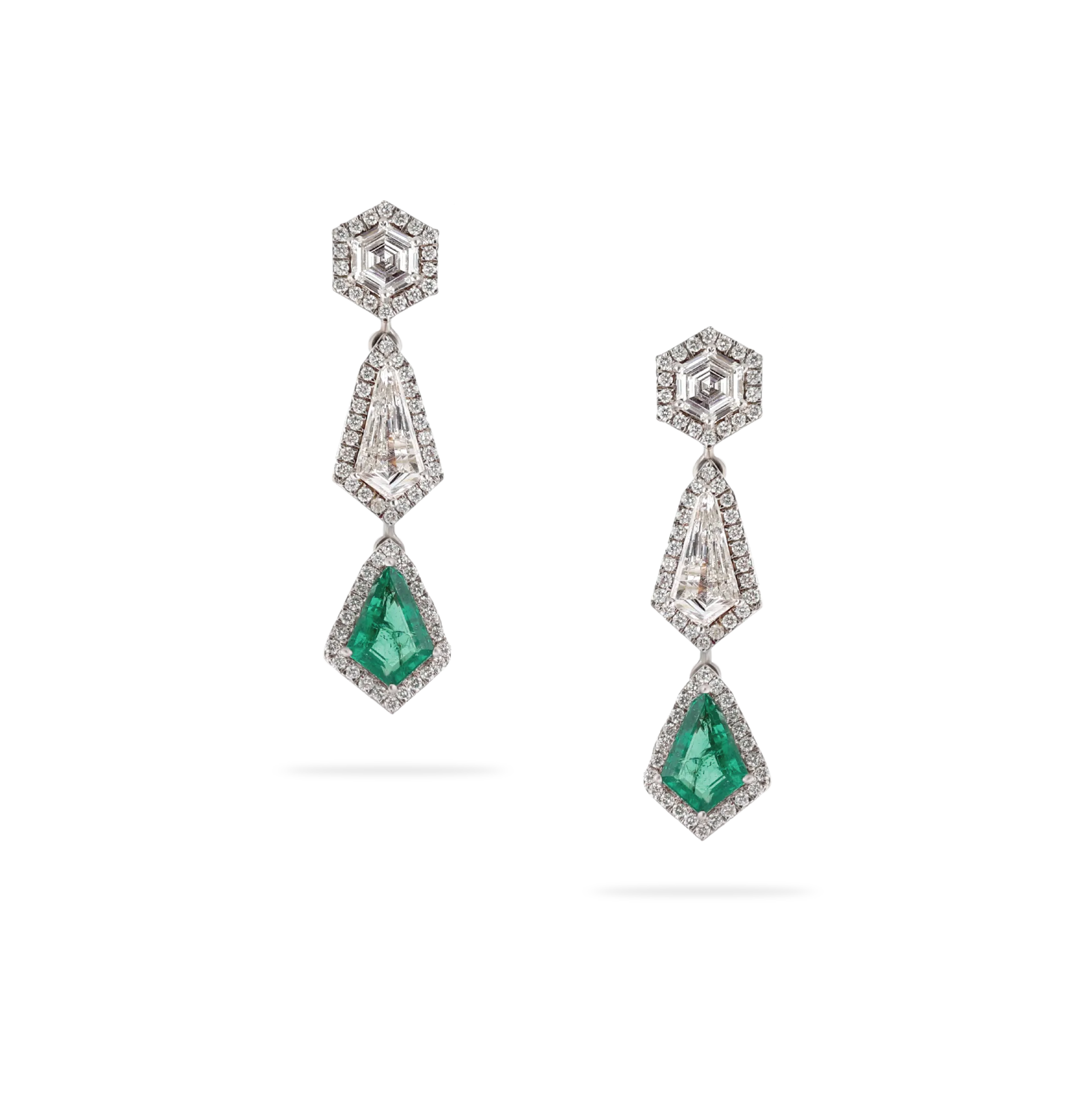
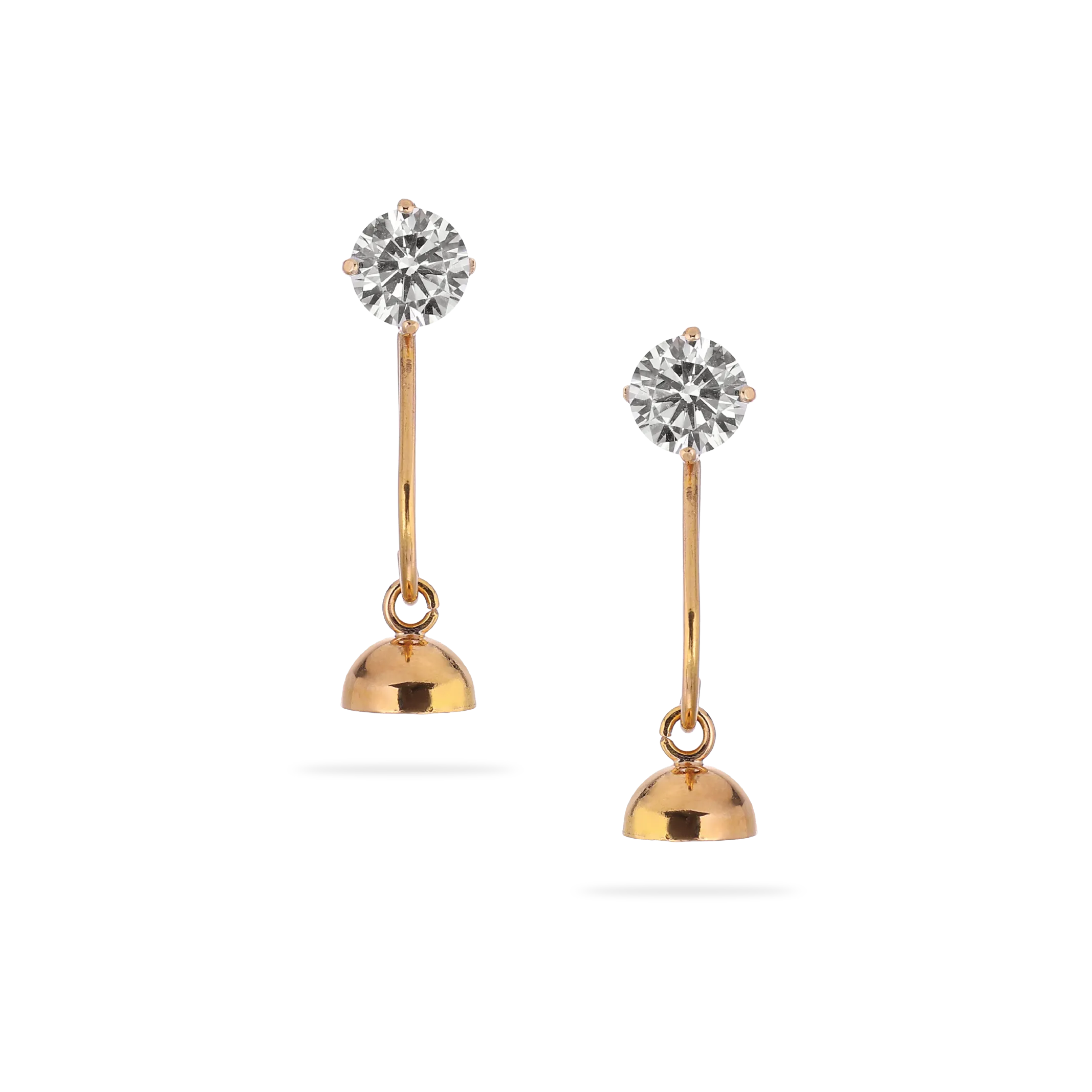
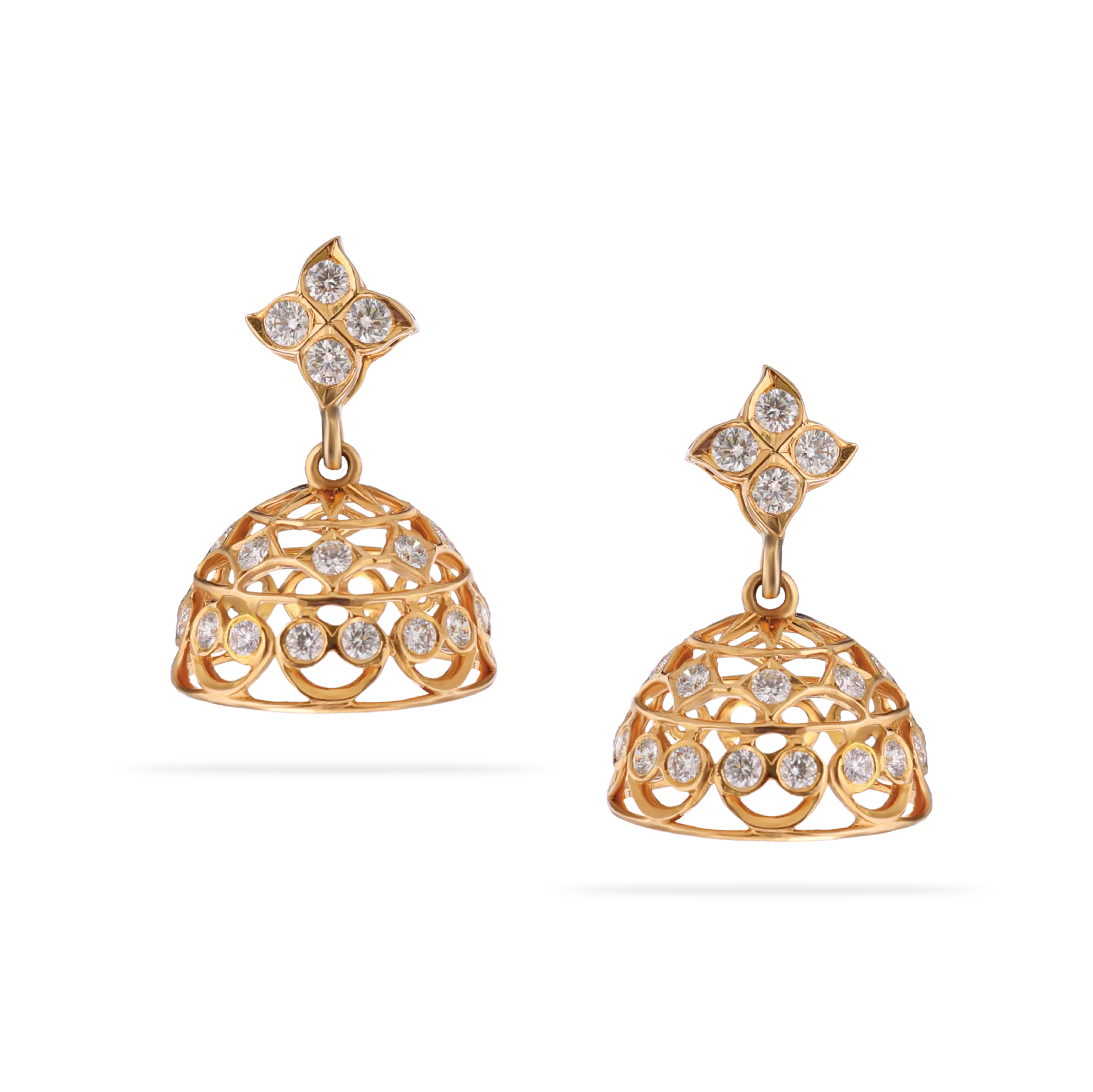
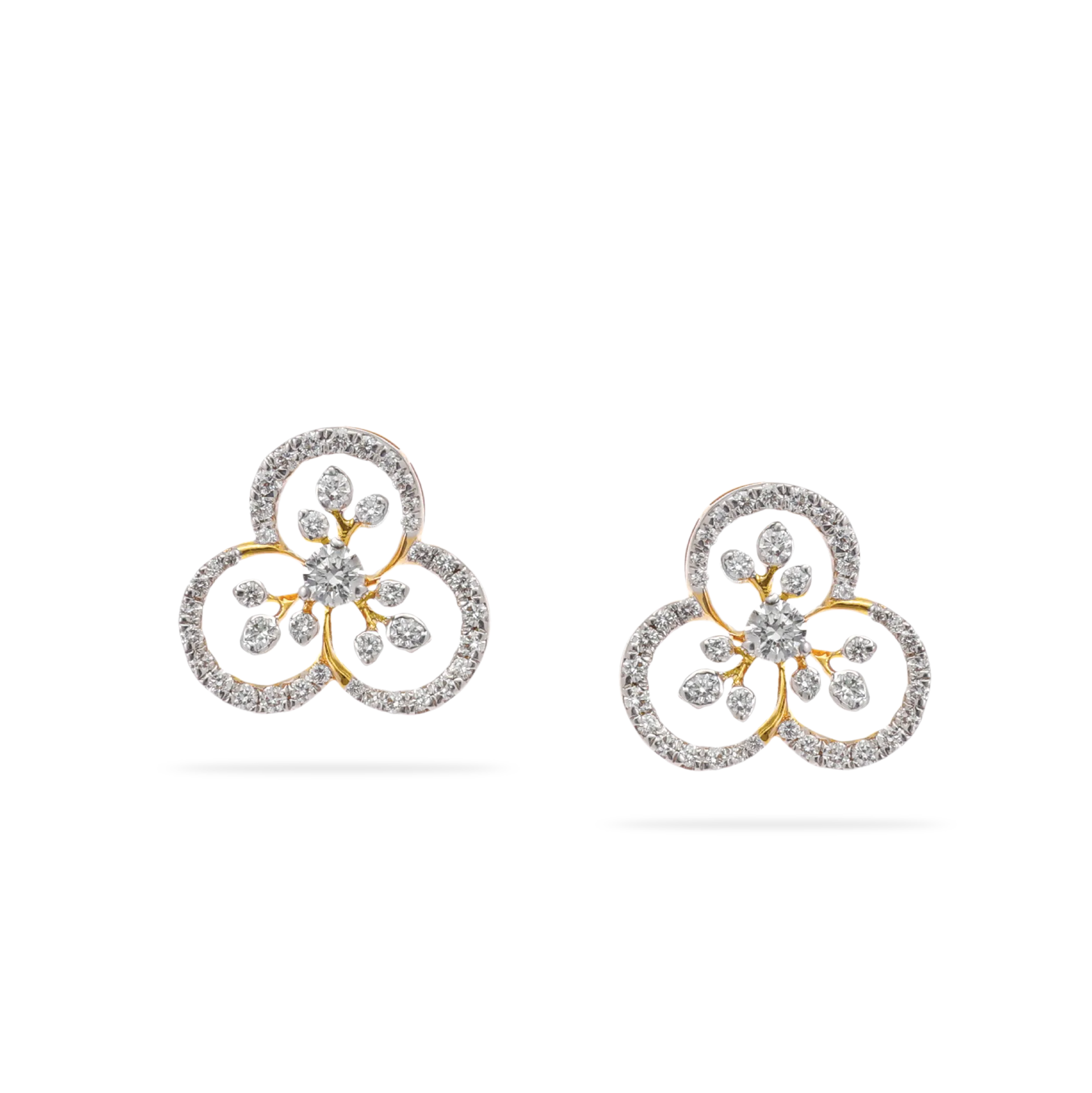
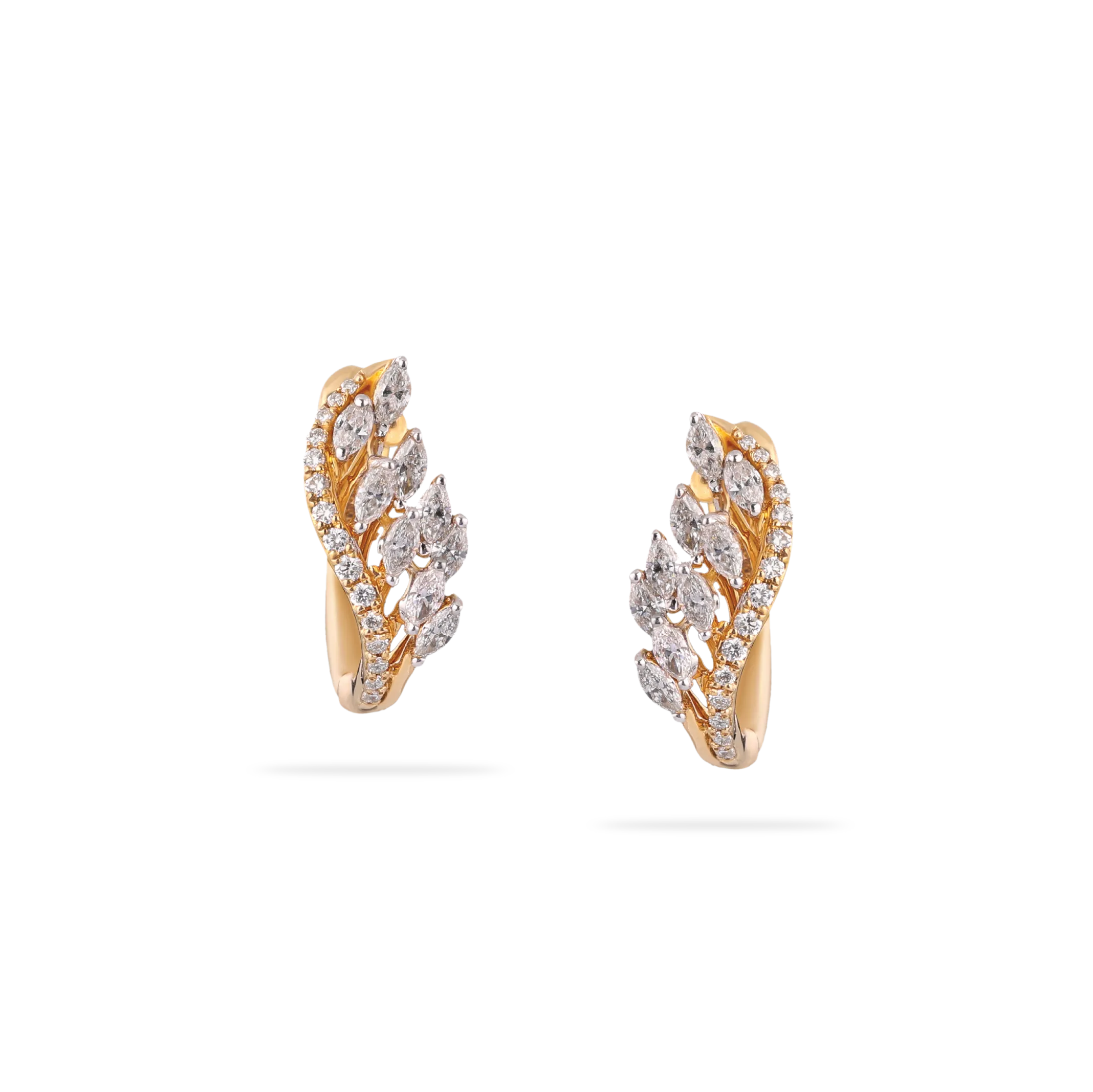
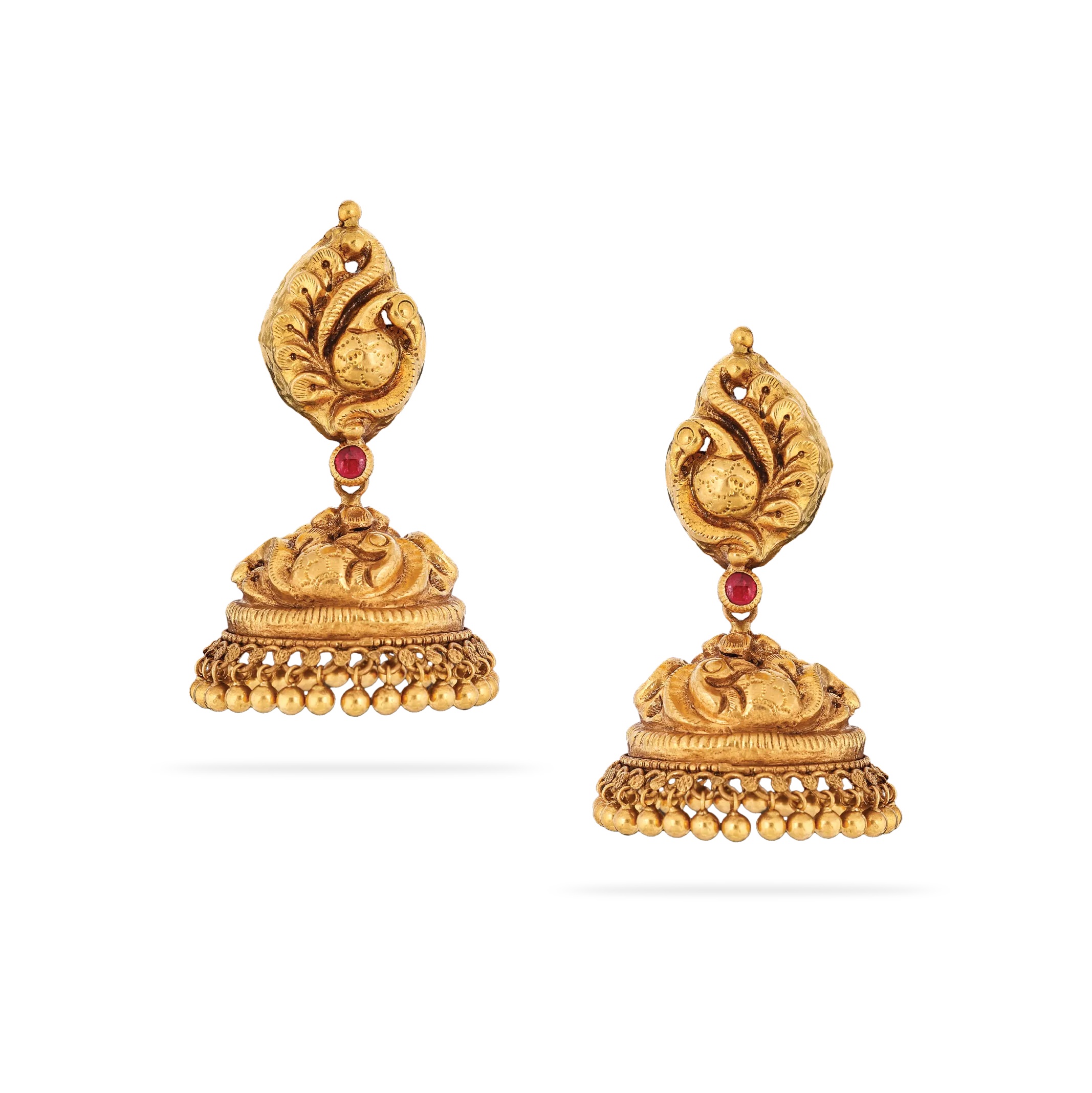
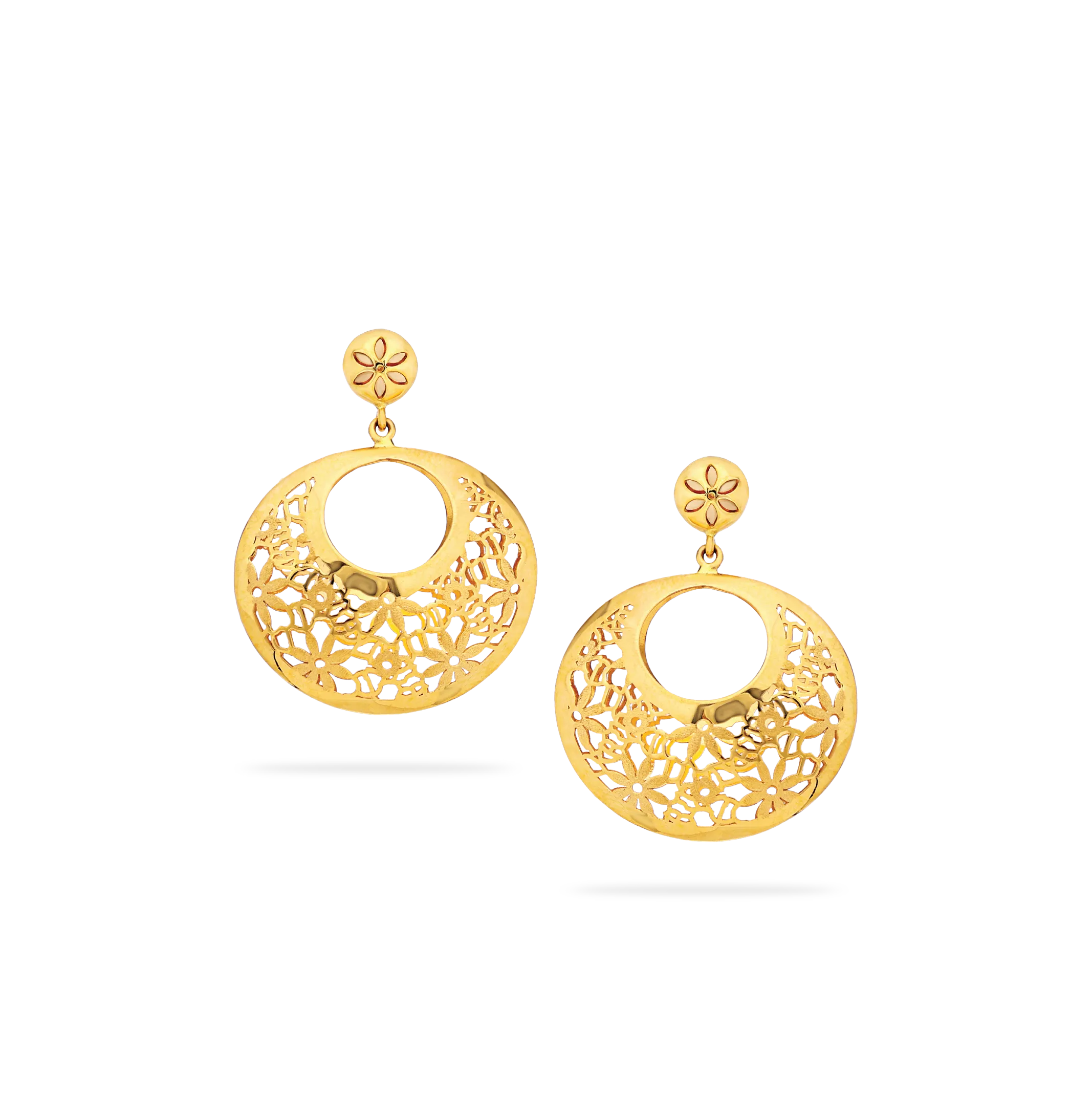
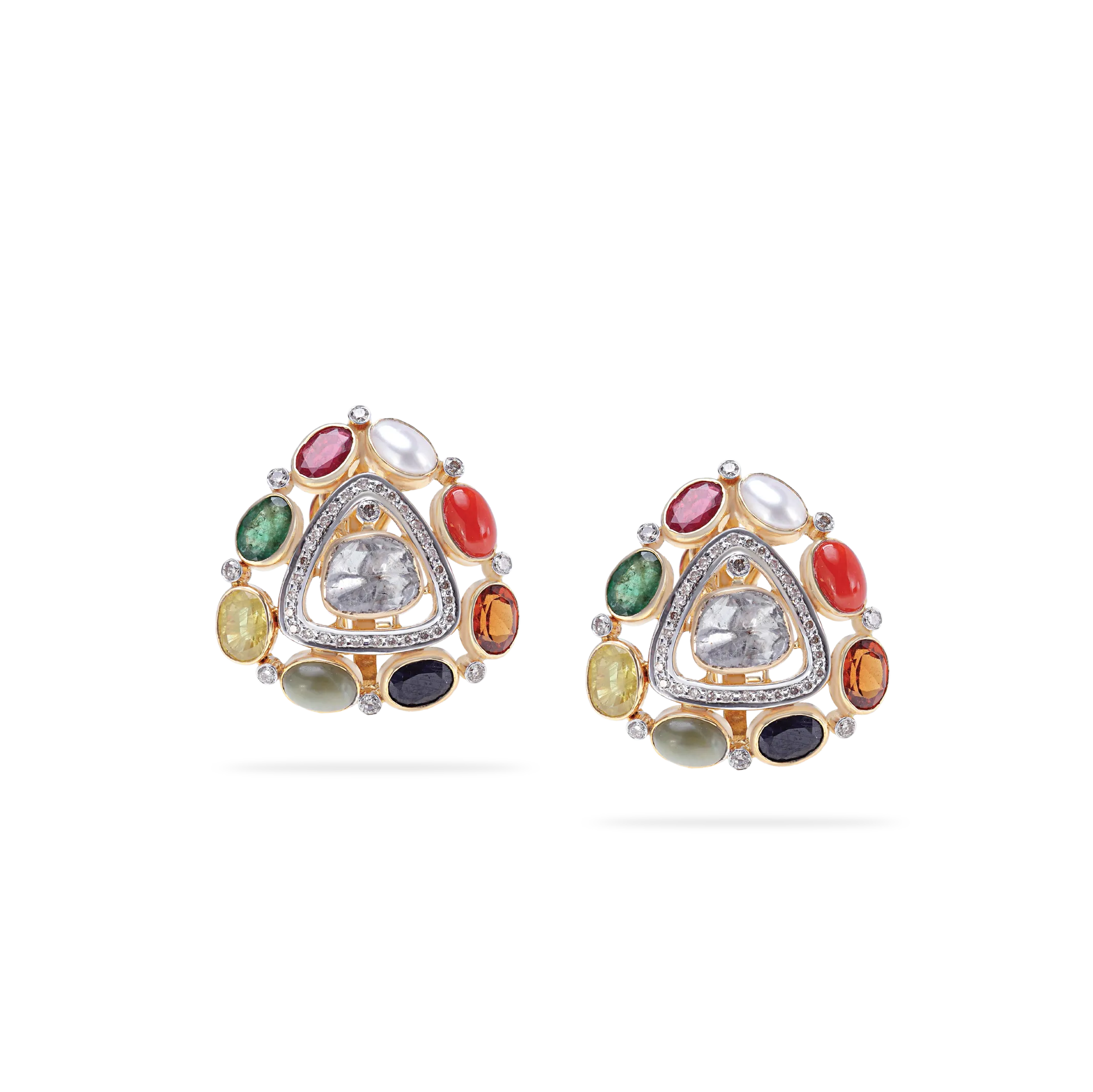
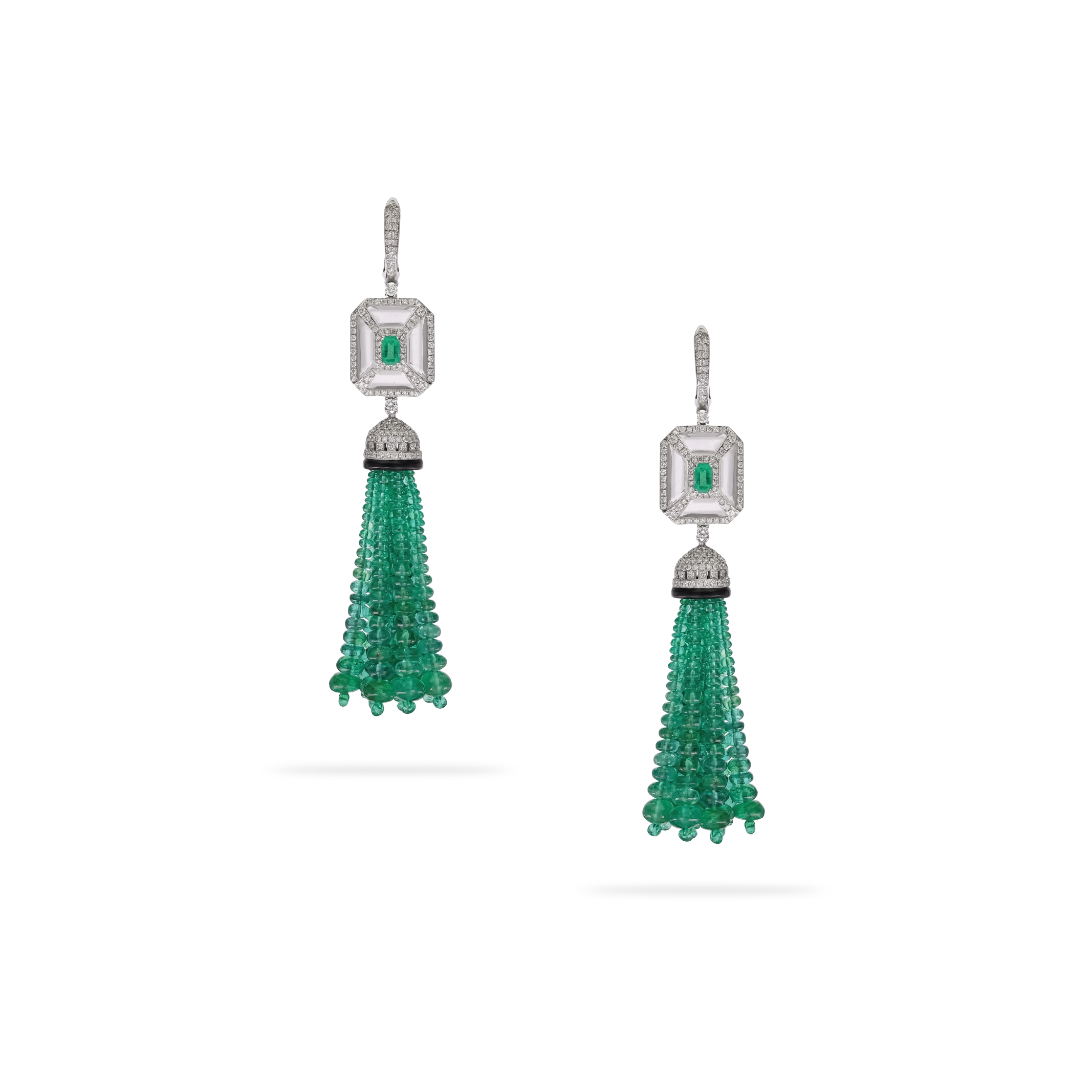
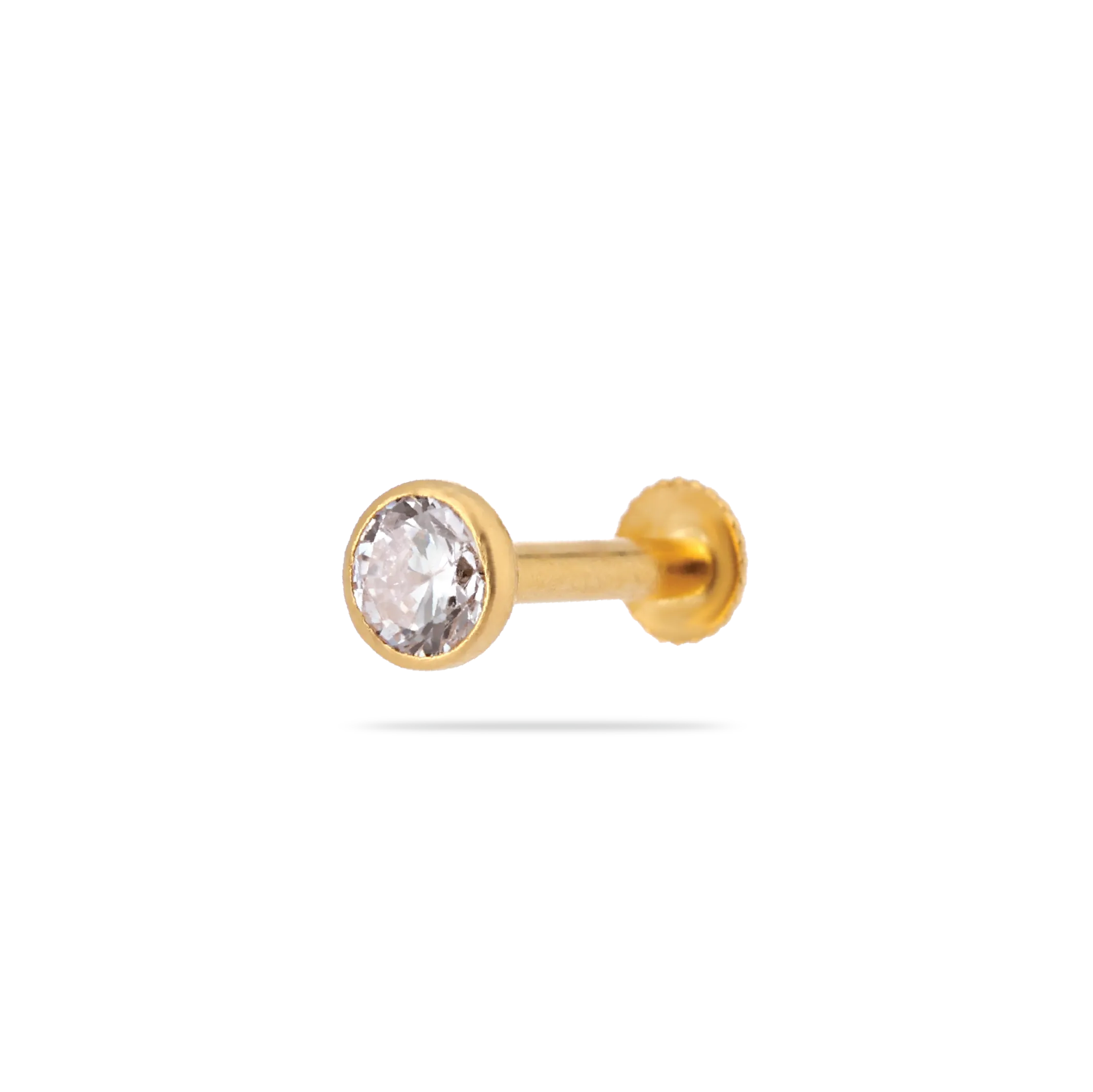
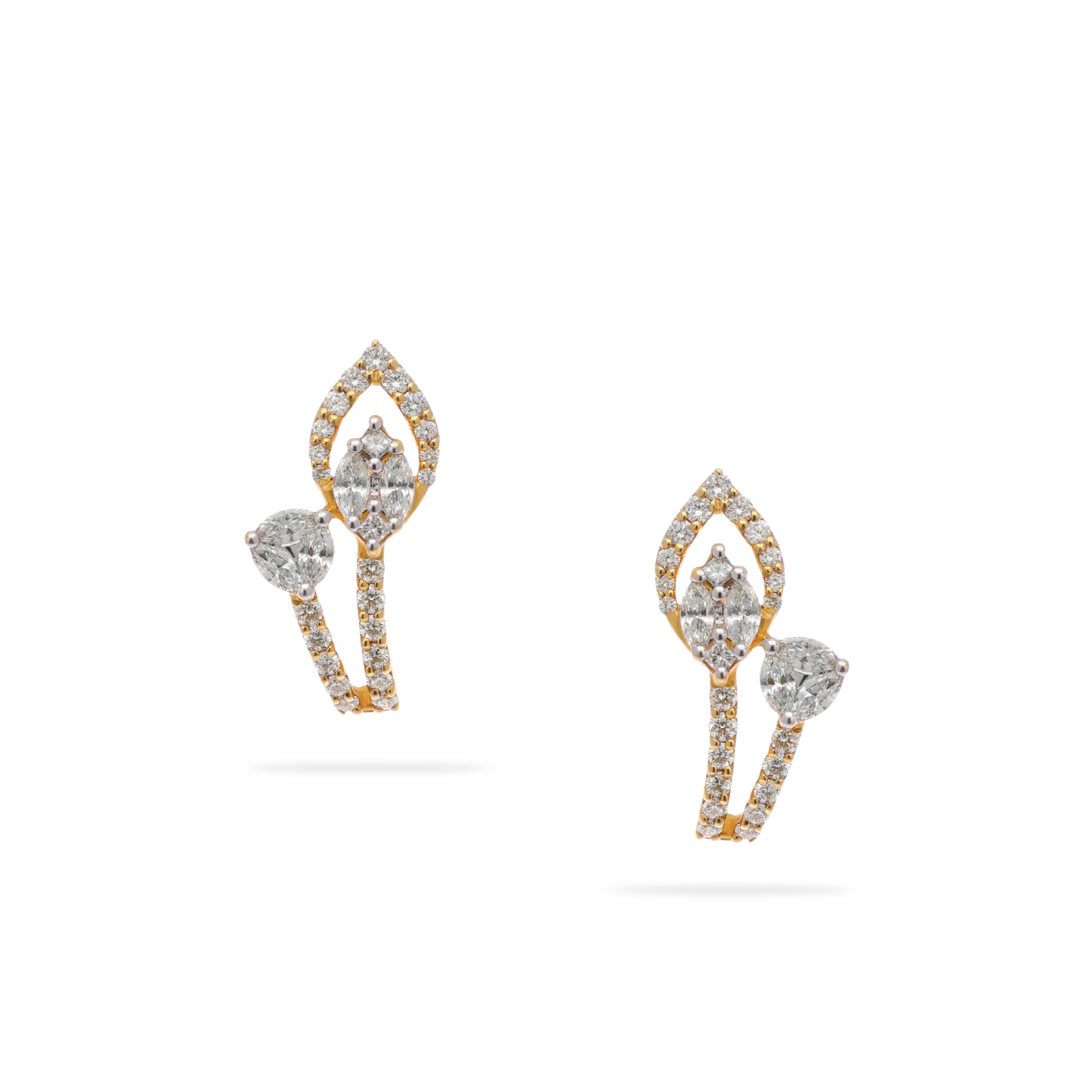
Diamond earrings are a staple for a reason. They just seem to catch the light and add a bit of sparkle to your face. Whether you prefer simple studs that you can wear every day or more dramatic drop earrings for special nights out, they add that little bit of luxury. They’re great for making your everyday outfits feel a bit more special or for really standing out at a party. There are so many options, from subtle to really eye-catching.
Bracelets: Wrapping Luxury Around Your Wrist
| Bracelet Type | Description |
|---|---|
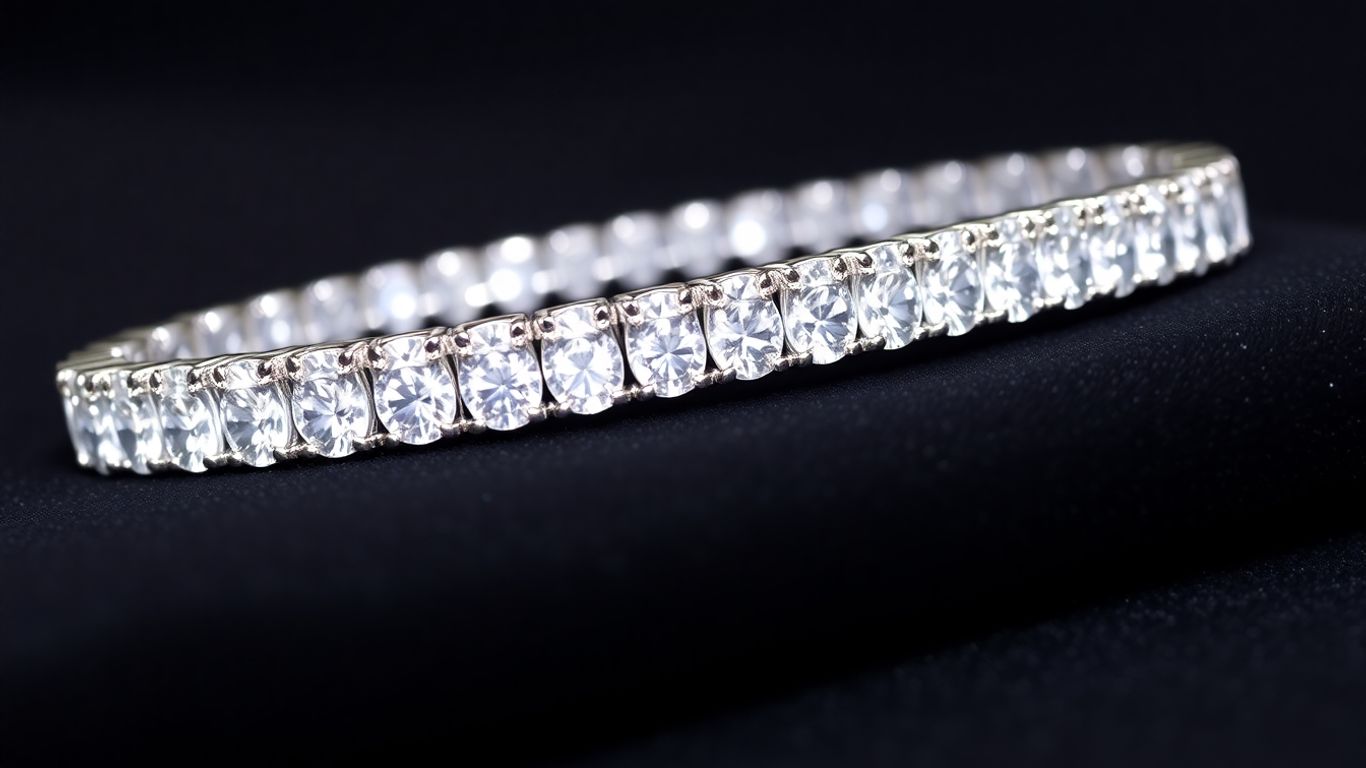
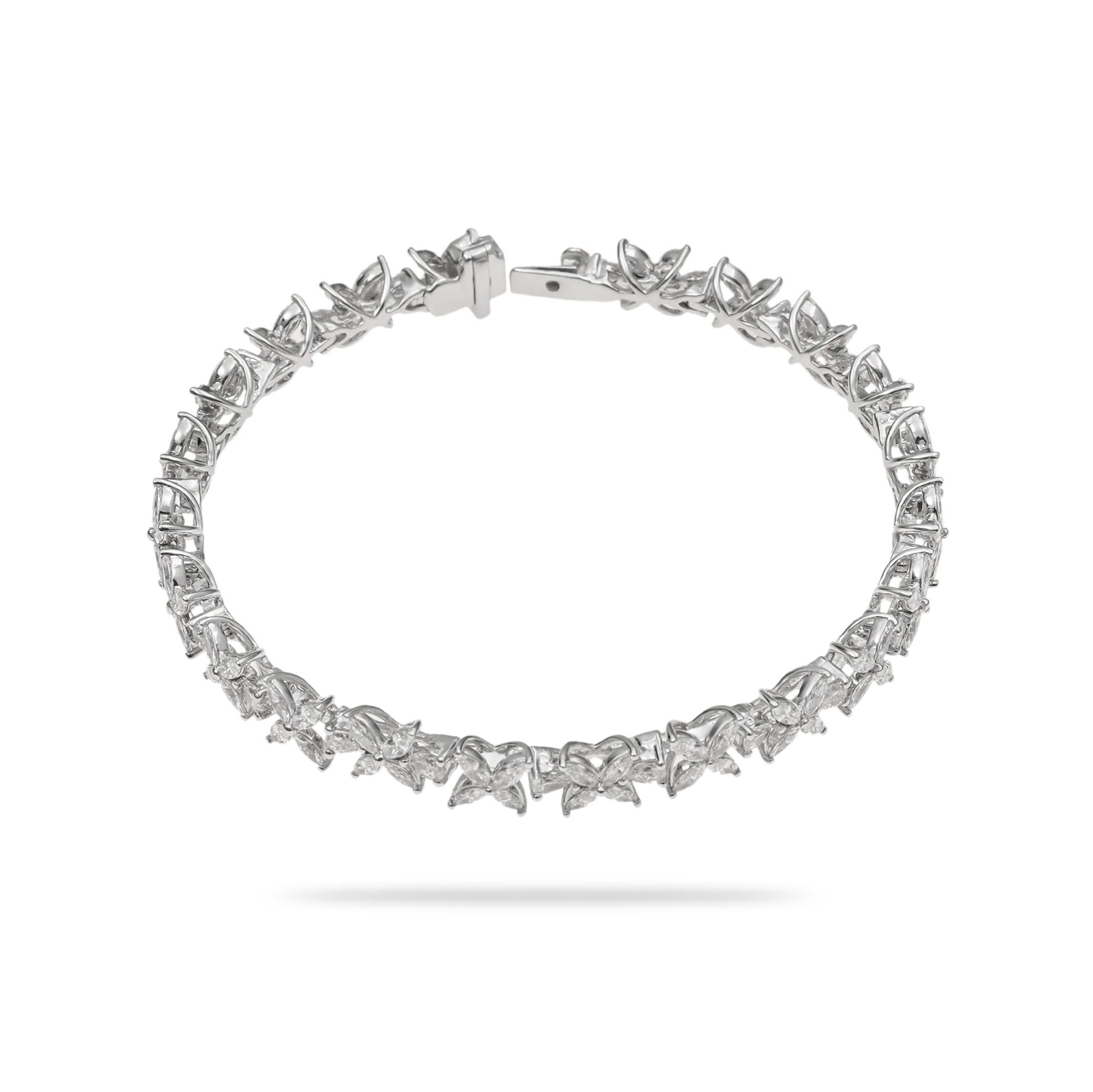
| Tennis Bracelet | A continuous line of diamonds, often flexible and comfortable for daily wear . |
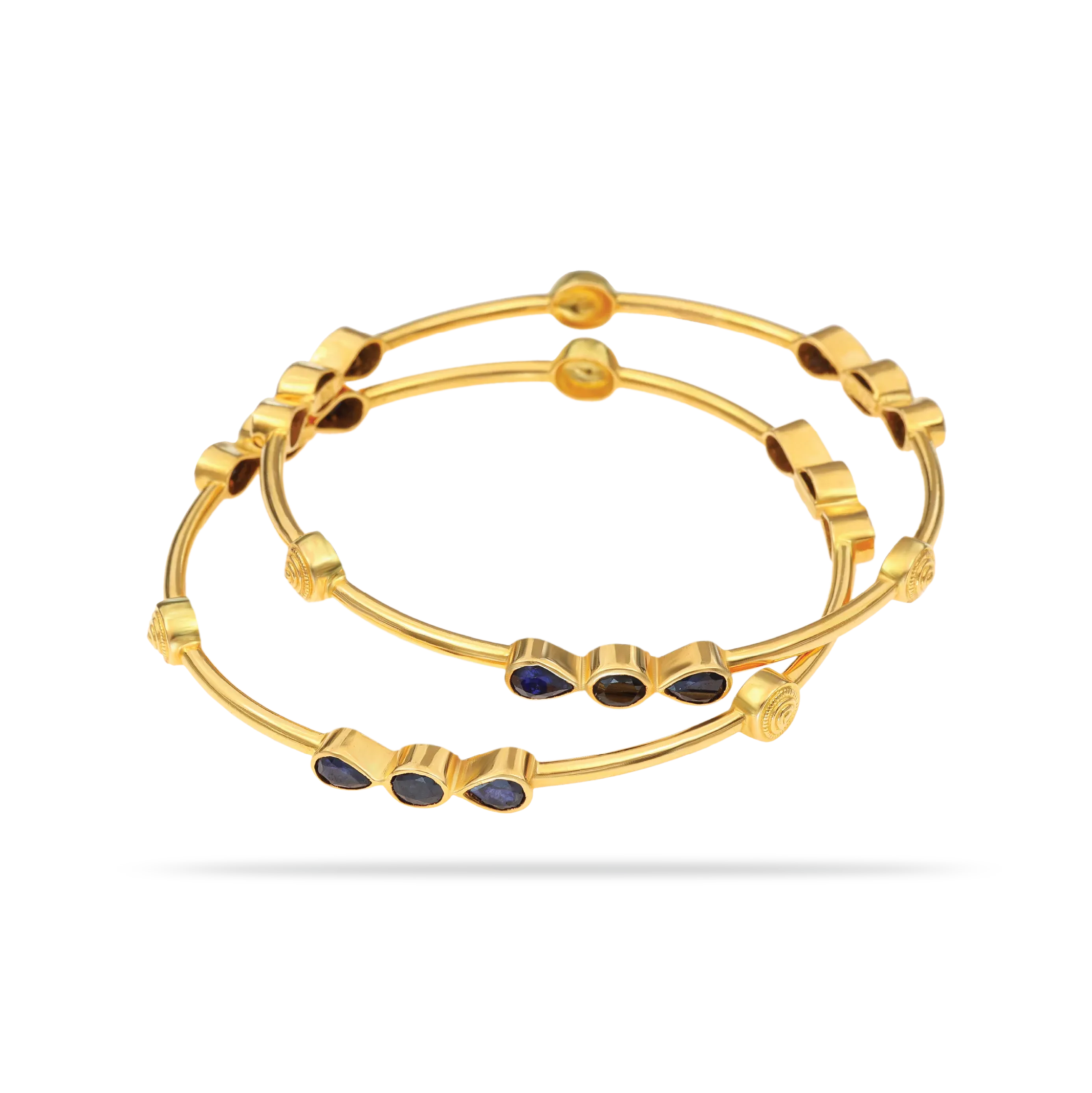
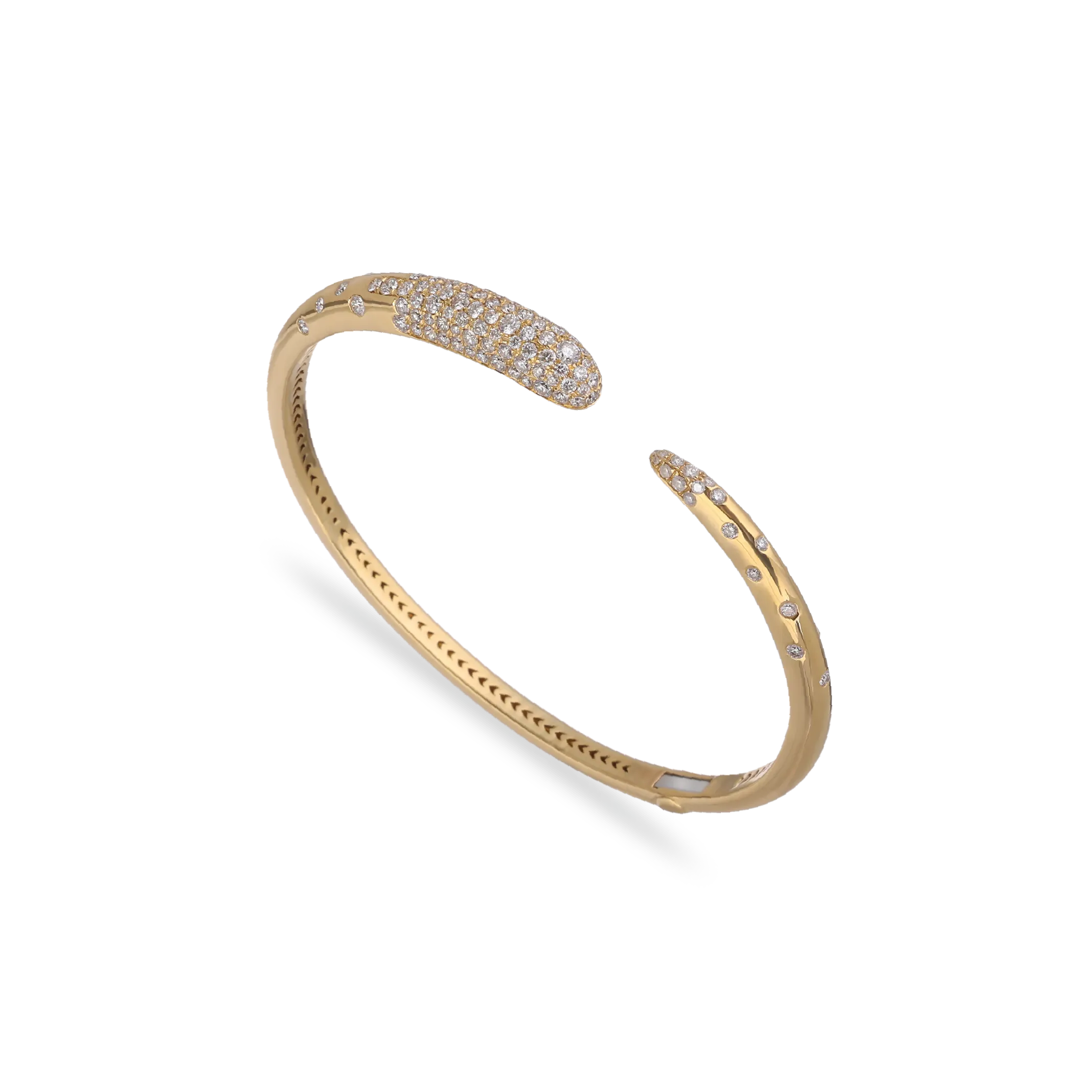
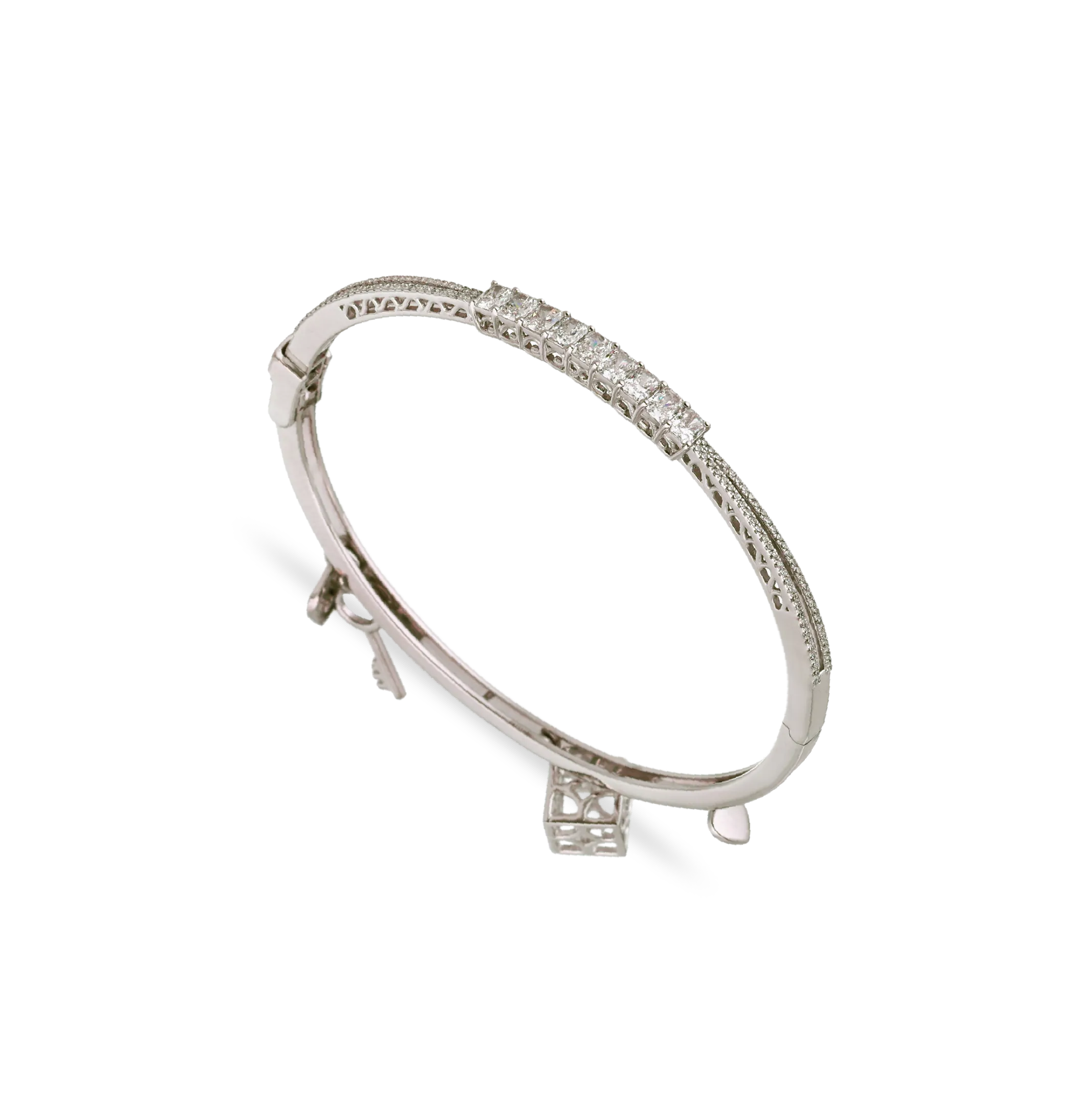
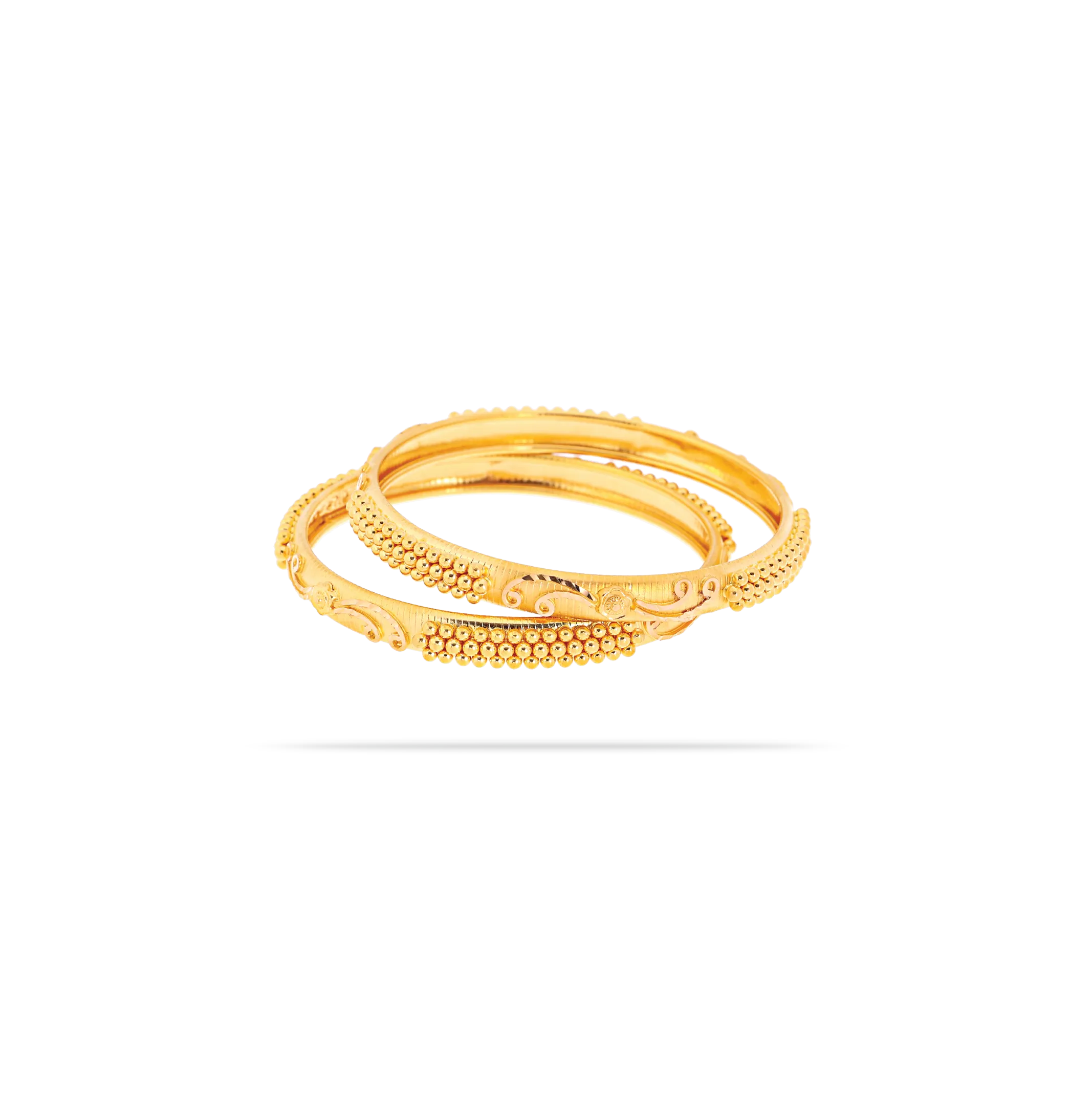
| Bangle Bracelet | A rigid, circular bracelet, sometimes featuring a single diamond or a pattern. |
| Charm Bracelet | A bracelet where small decorative charms, potentially including diamonds, can be added. |
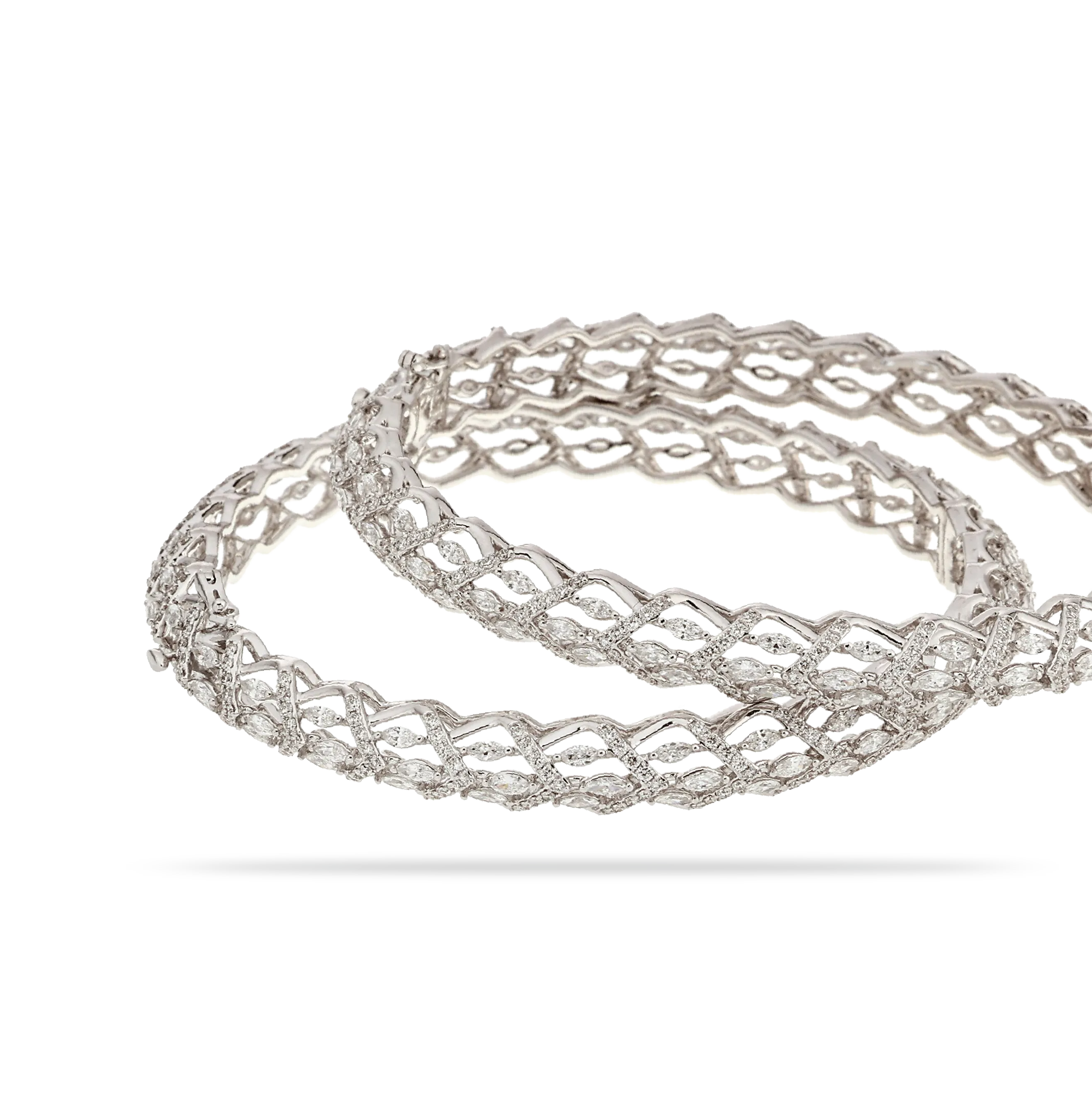
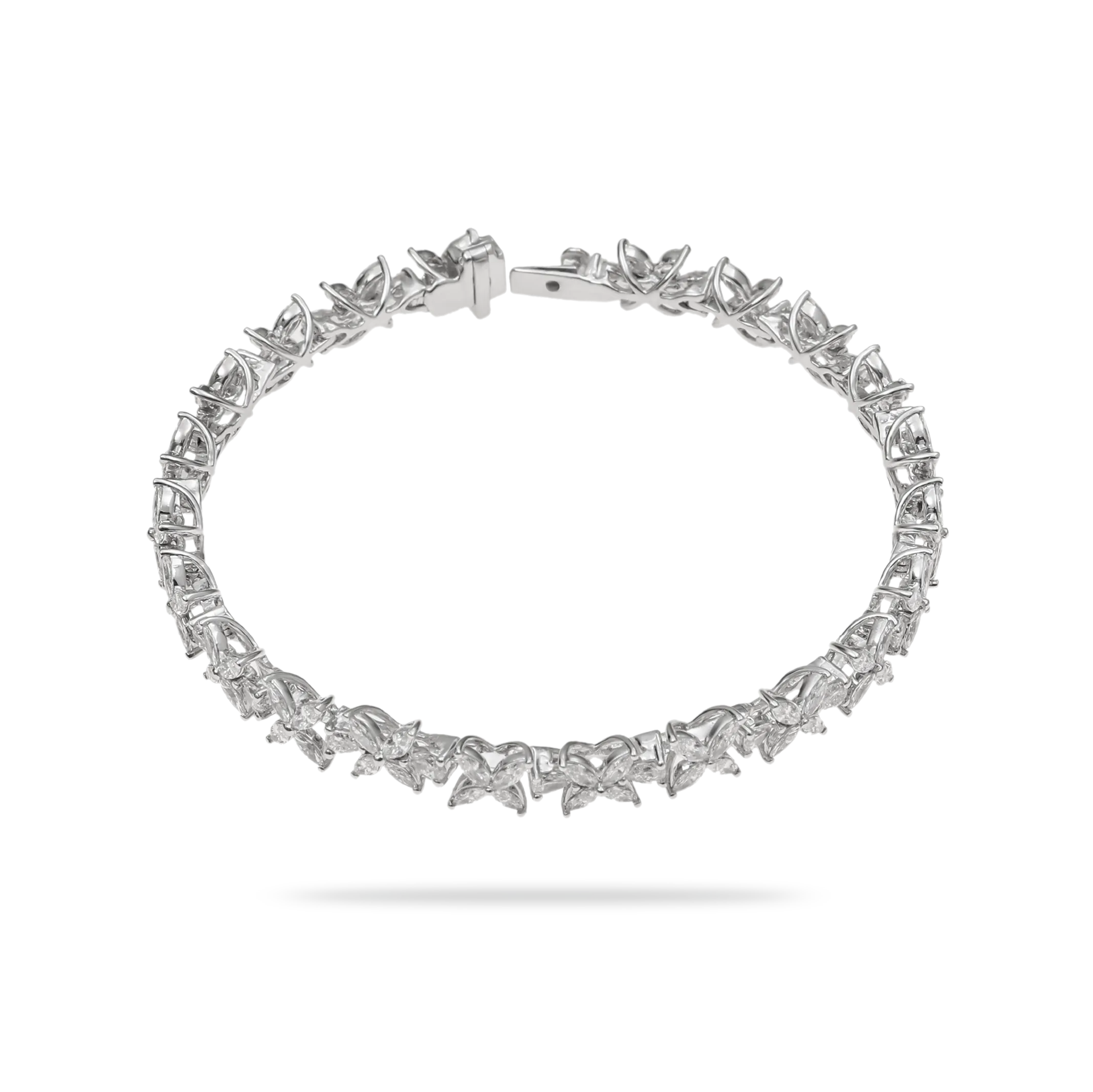
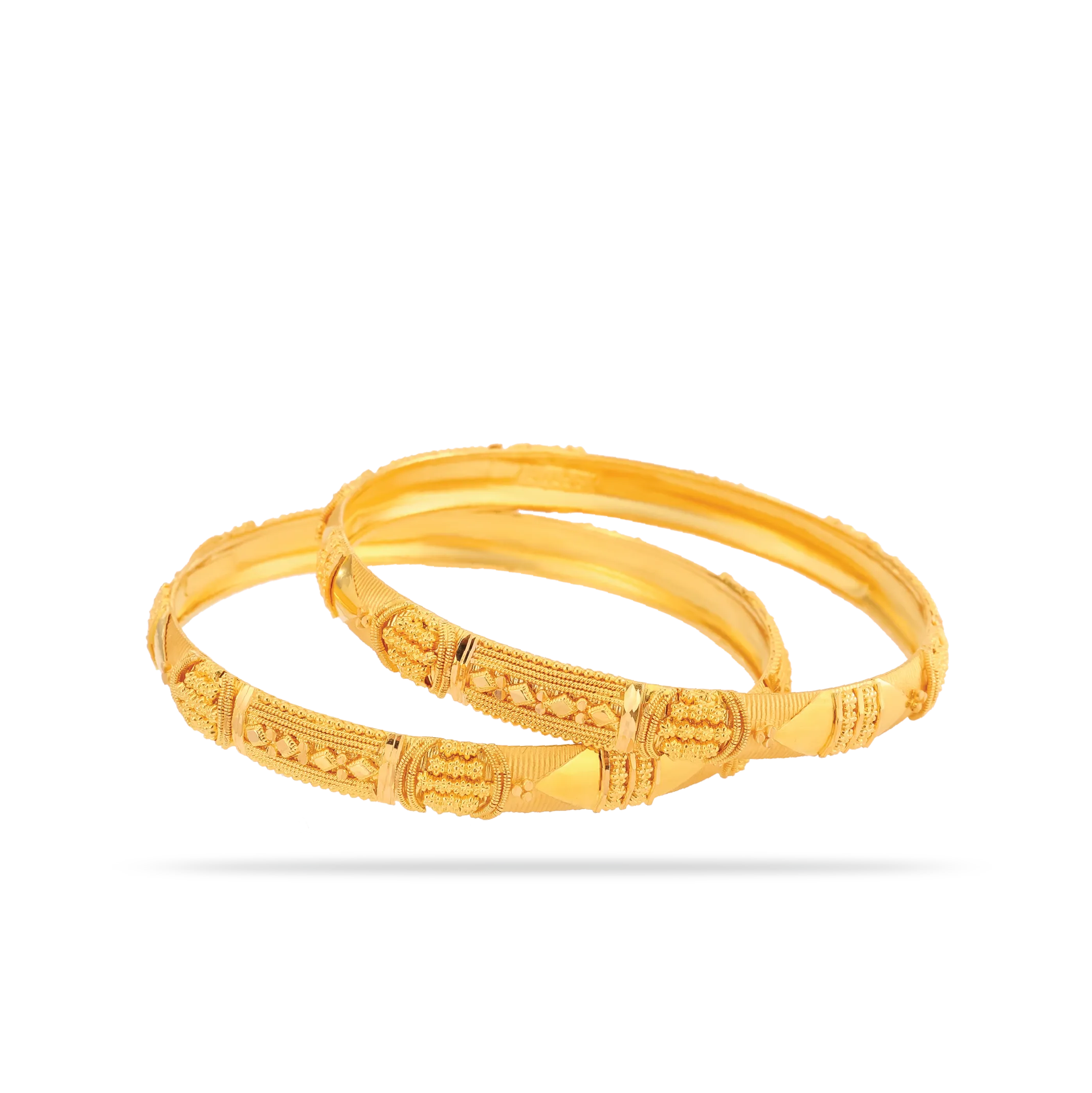
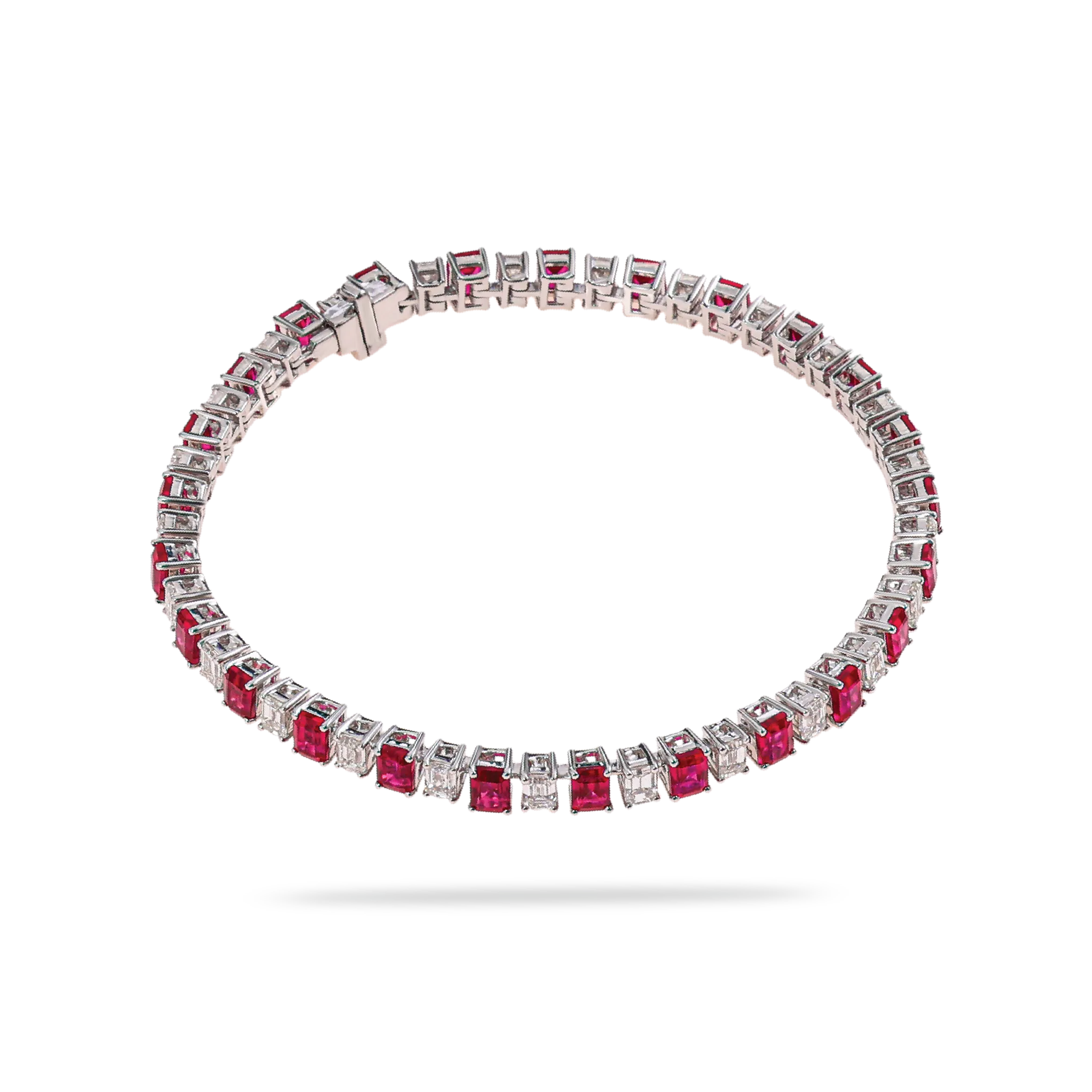
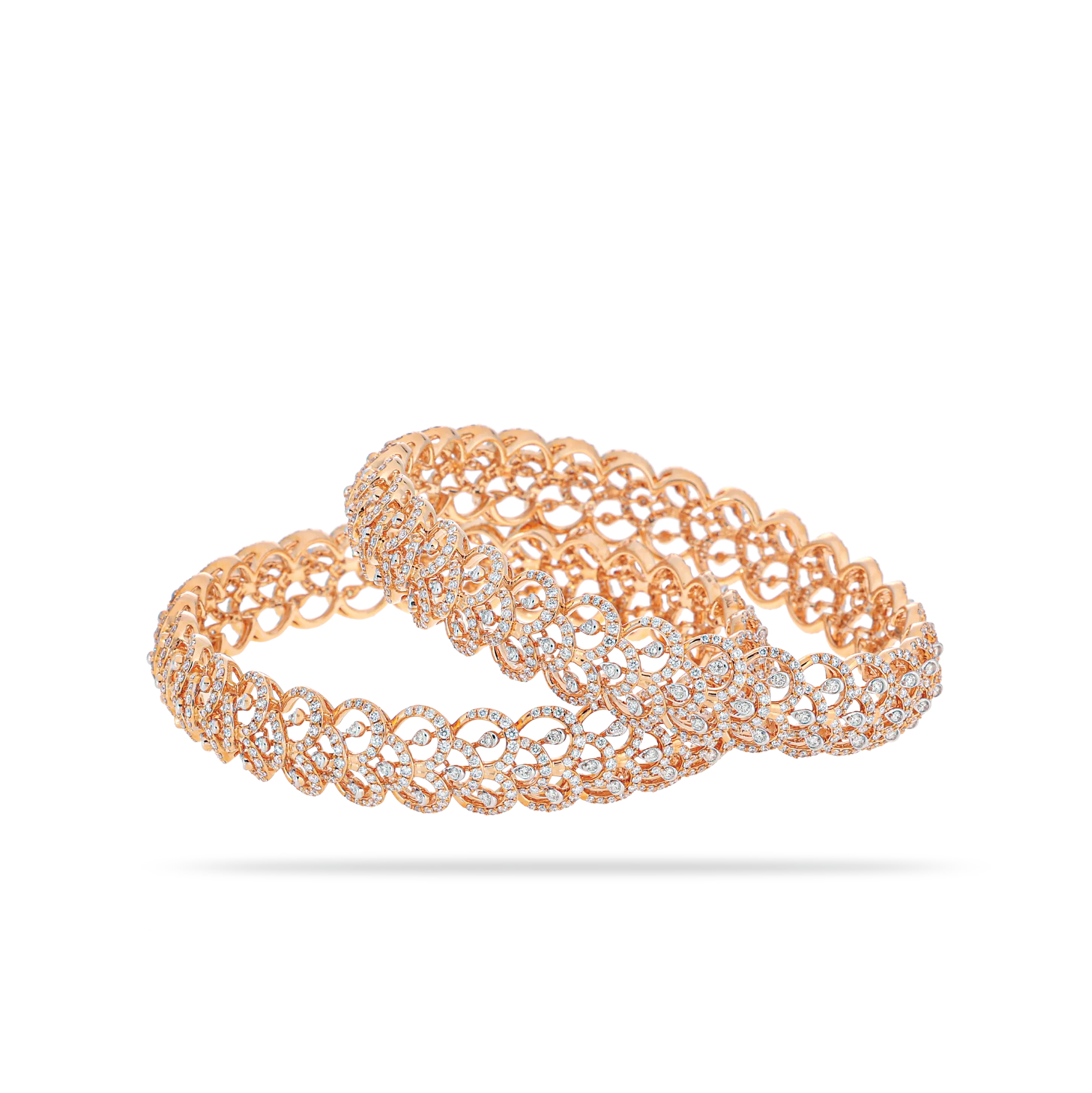
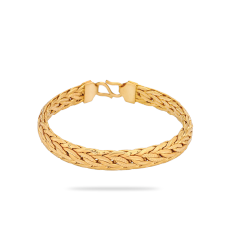
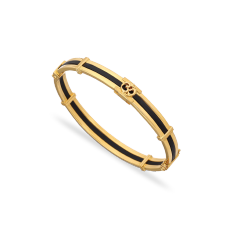
A diamond bracelet is a fantastic way to add a touch of glamour that's visible with every movement. It’s a piece that sits right there on your wrist, catching the eye. From the classic tennis bracelet, which is basically a line of diamonds all the way around, to more solid bangles that might have a diamond accent, there’s a style for different tastes. They’re great for marking milestones or just because.
Rings: Celebrating Special Moments
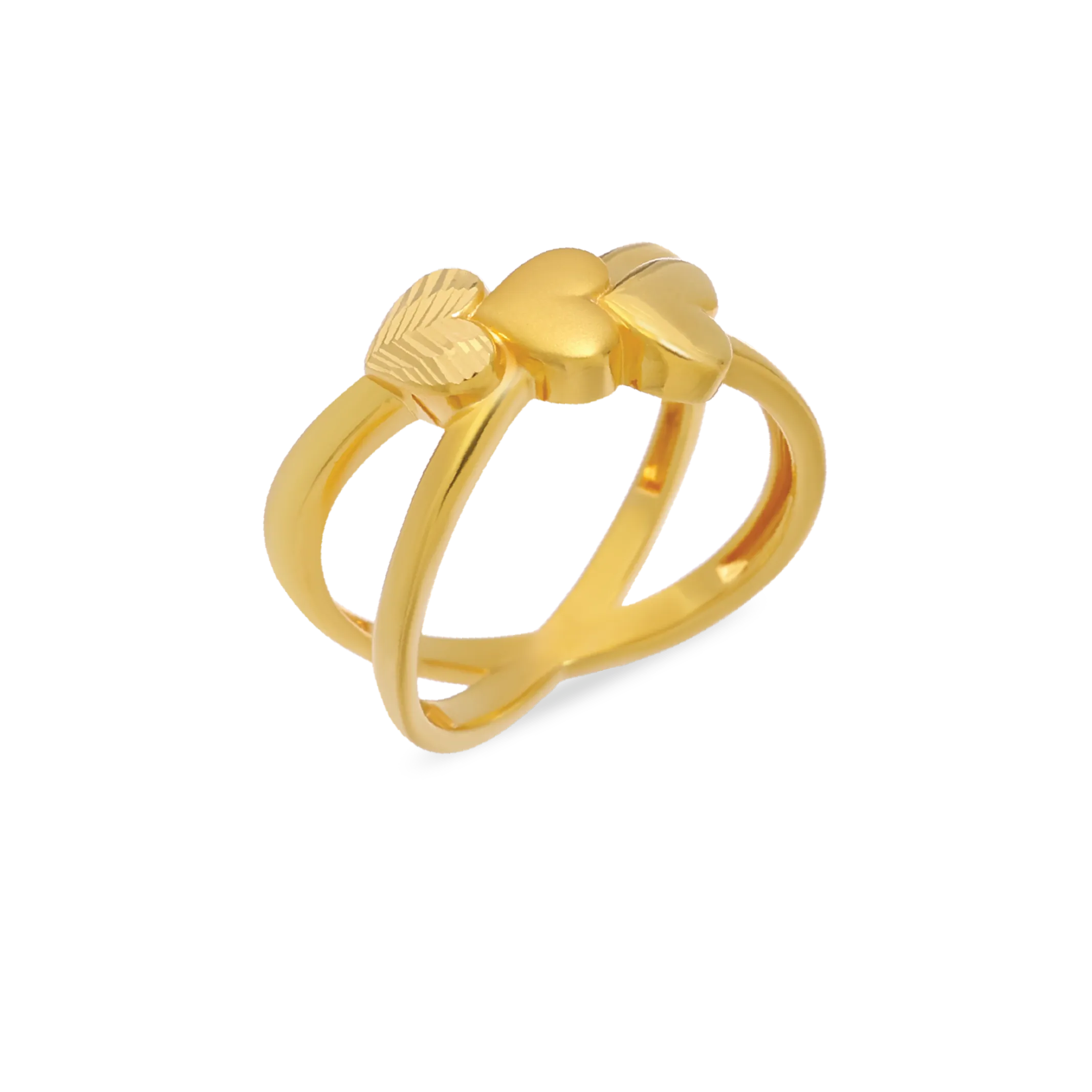
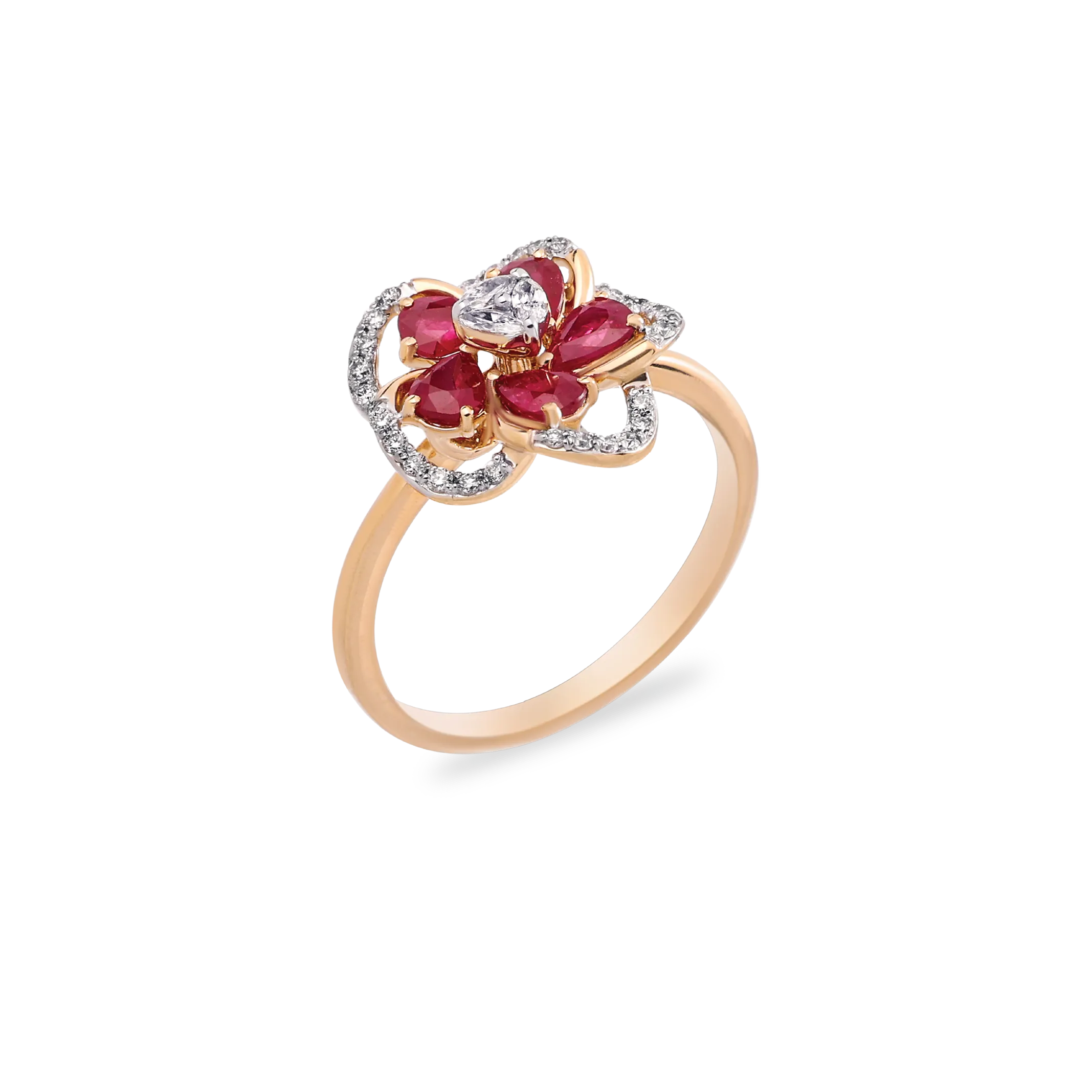
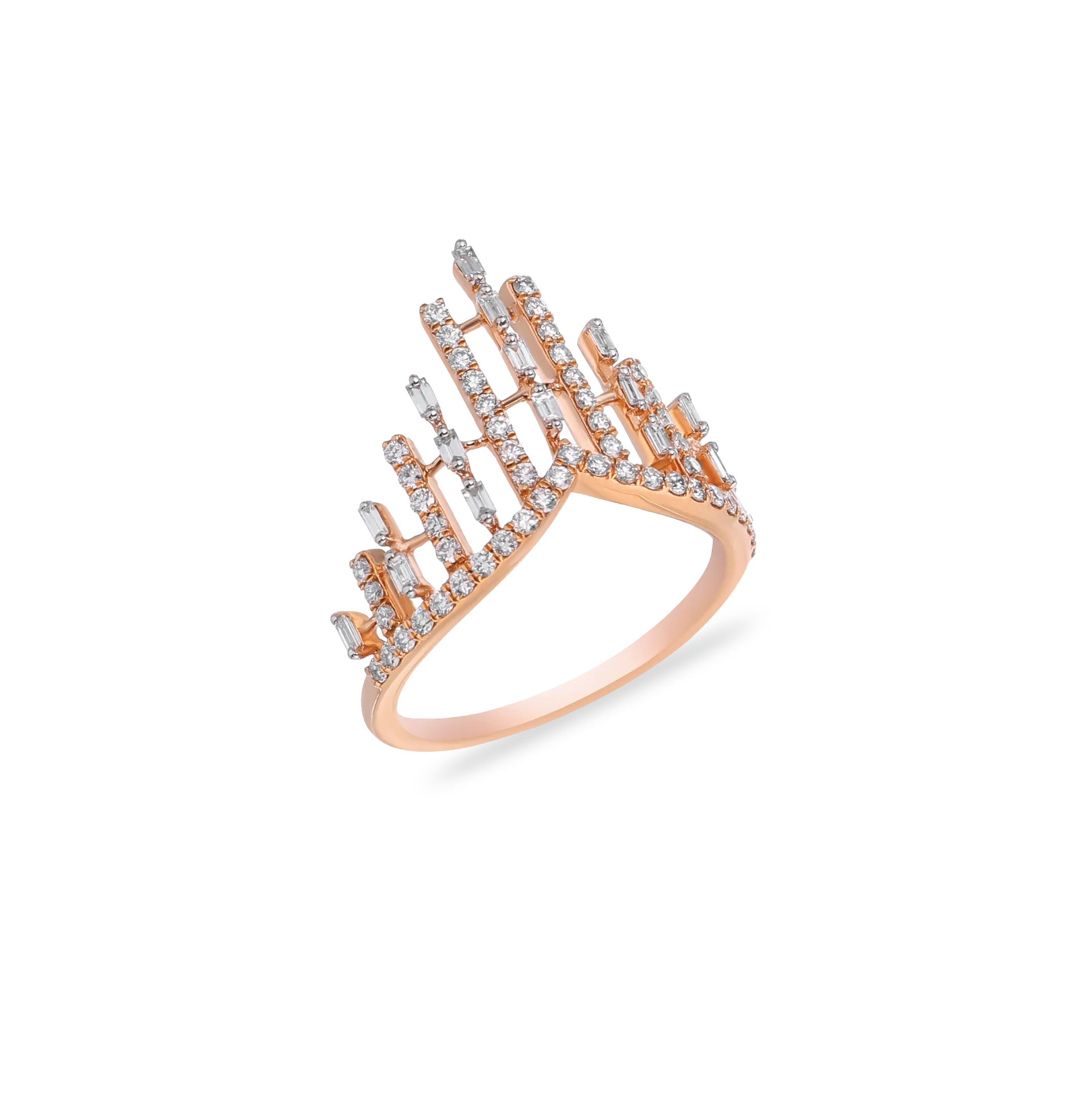
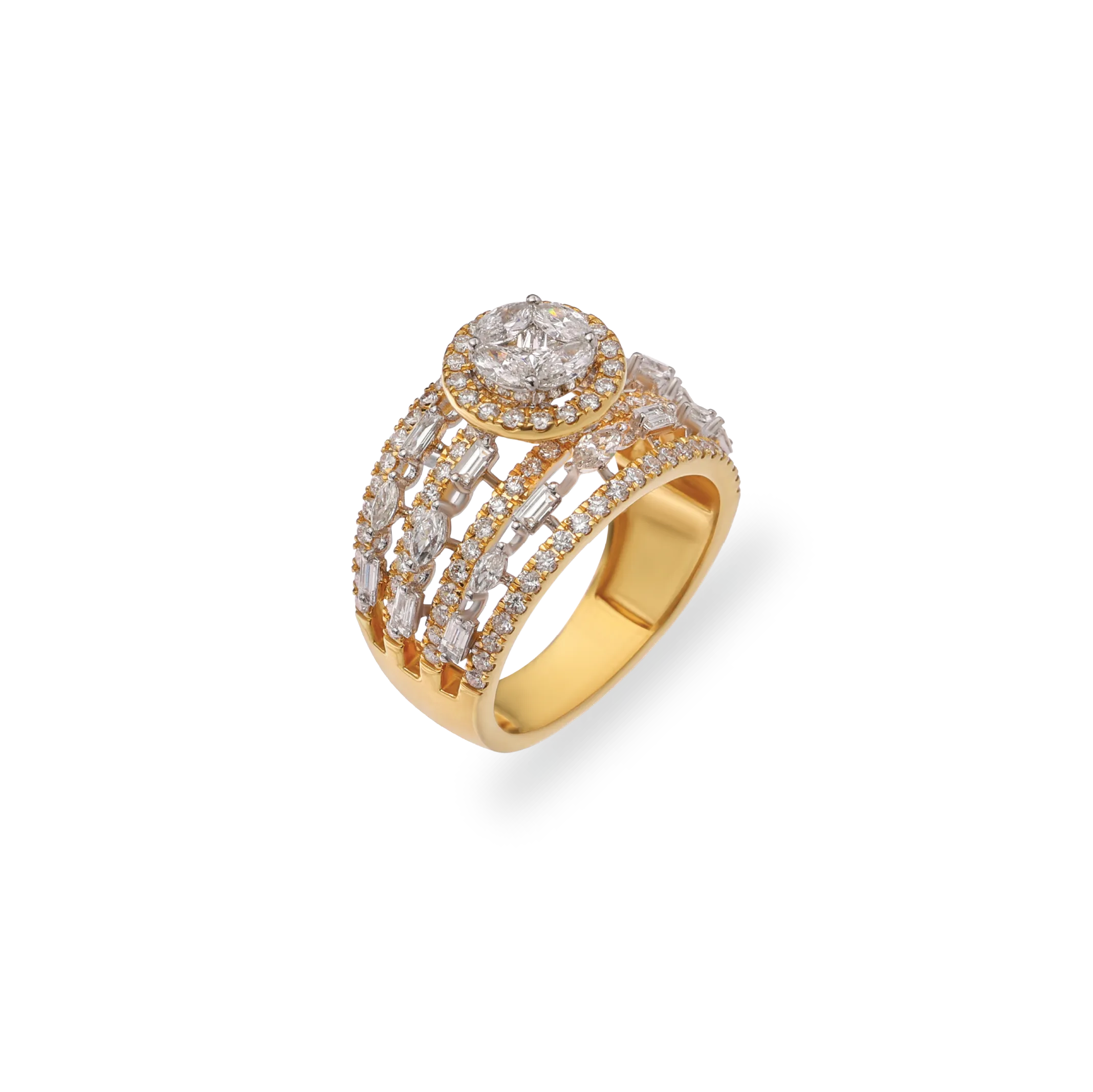
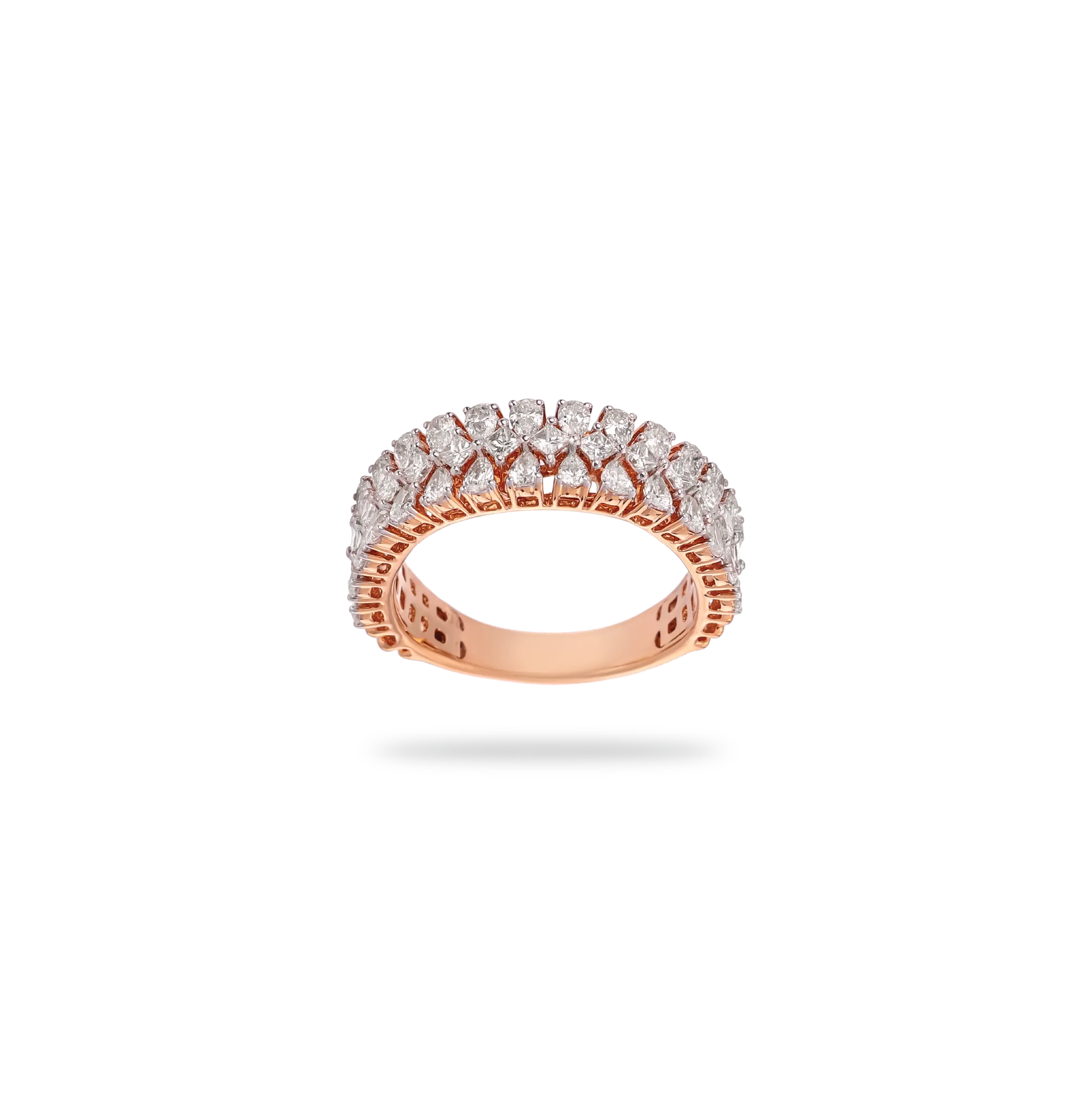
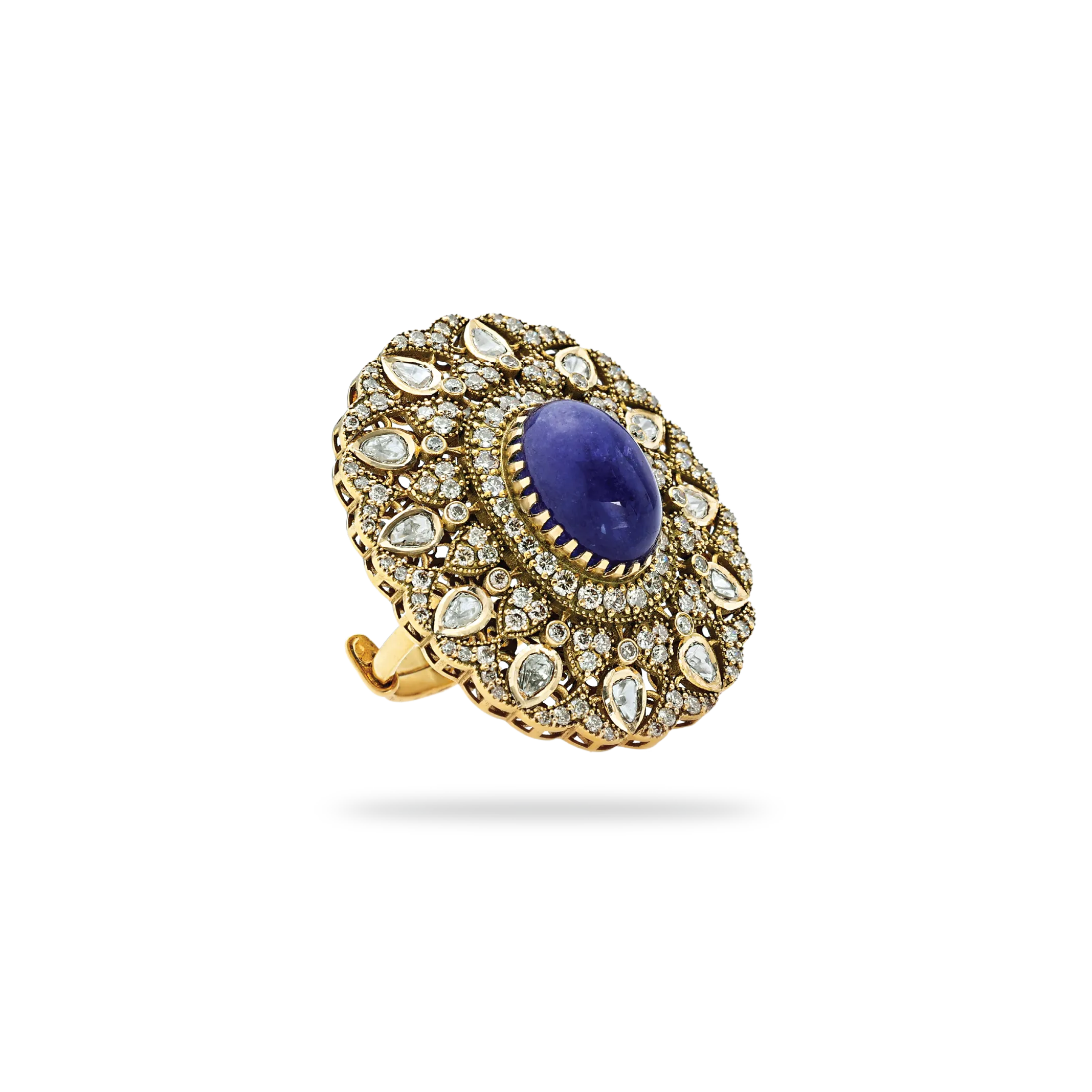
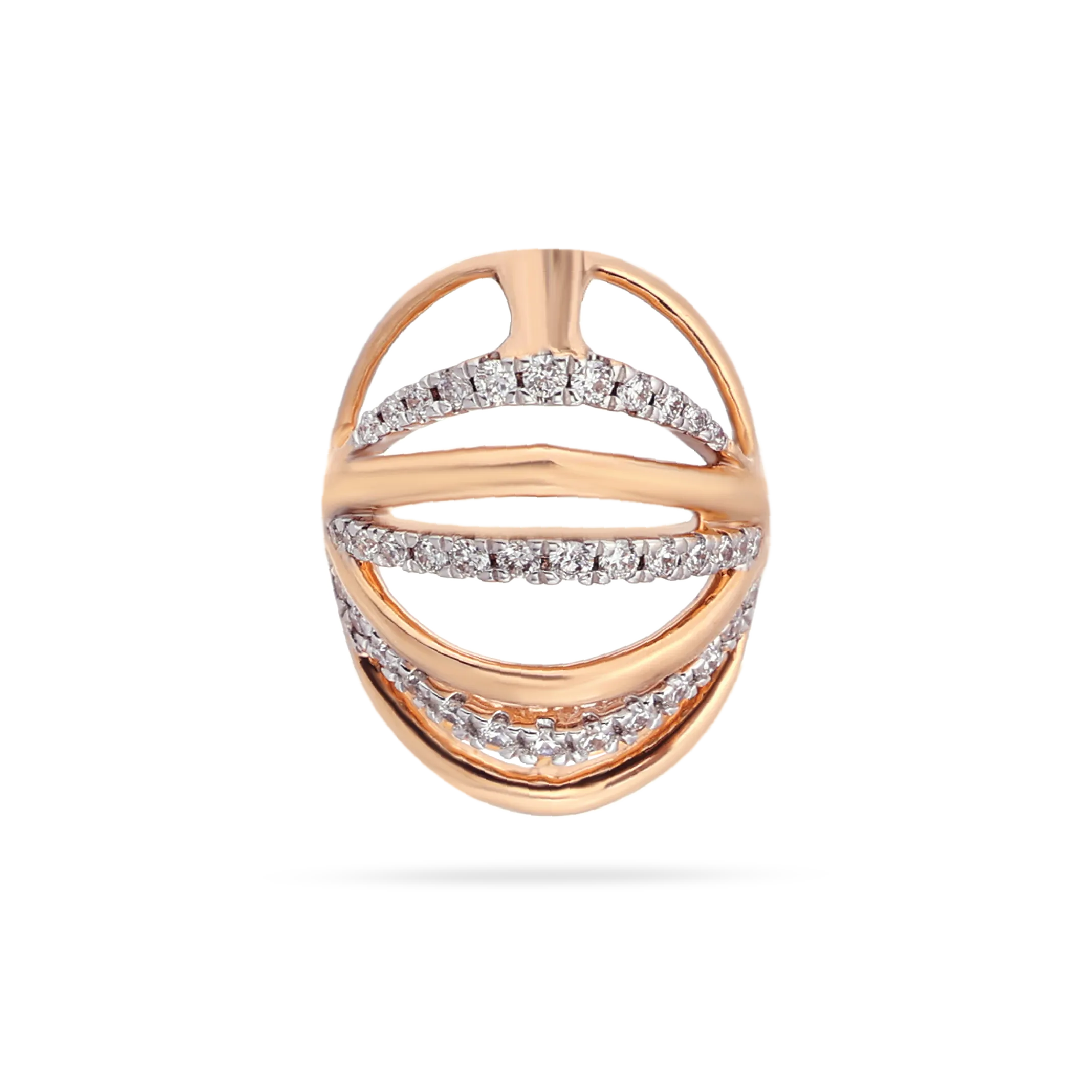
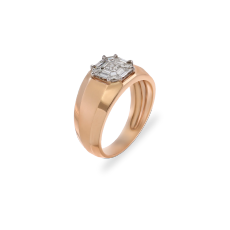
Beyond engagement rings, other diamond rings are perfect for marking significant life events. Think anniversaries, birthdays, or even just a personal treat. These can be eternity bands with diamonds all around, or statement cocktail rings designed to be a focal point. They’re a way to commemorate a special time or simply to enjoy the beauty of a diamond on your finger.
Choosing the right type of diamond jewelry really depends on what you're looking for. Is it a symbol of love, a daily dose of elegance, or a special treat for yourself? Each type of jewelry has its own way of making a statement and adding sparkle to your life.
Where To Find Exquisite Diamond Jewellery
Finding the perfect diamond piece can feel like a treasure hunt, but luckily, there are some fantastic places to look. Each spot offers something a little different, so you can really zero in on what you're after.
London: A Haven for Diamond Enthusiasts
London is a big deal when it comes to diamonds. You've got areas like Hatton Garden, which is practically legendary for its diamond dealers and workshops. It's a place where you can really see the craftsmanship up close. Then there's Mayfair, known for its more upscale boutiques and designer showrooms. Walking through these areas gives you a real feel for the history and the sheer variety available. It’s not just about buying; it’s about the experience of being surrounded by so much sparkle.
Online Retailers: Convenience and Variety
Let's be real, shopping online is just easier sometimes. You can browse through tons of options without leaving your couch. Reputable online stores usually have detailed descriptions, lots of photos, and often provide diamond certificates, which is super important. It’s a great way to compare prices and styles from different sellers all at once. Just make sure you’re buying from a site that has good reviews and secure payment options.
High-End Boutiques: Exquisite Craftsmanship
If you're looking for something truly special and want that personal touch, a high-end boutique is the way to go. These places often focus on unique, handcrafted pieces. Think custom engagement rings or one-of-a-kind necklaces. The attention to detail is usually incredible, and the service makes you feel like you're getting something truly exclusive. It’s more about the artistry and the bespoke nature of the jewellery.
Auction Houses: Uniqueness and Rarity
For those hunting for something rare or with a bit of history, auction houses are fascinating. They often have curated sales featuring exceptional diamonds and jewellery from collectors or famous designers. It’s a chance to potentially snag a unique piece that you won’t find anywhere else. The bidding can be exciting, and you might just find a real gem with a story.
When you're looking for diamond jewellery, remember that the place you buy from matters. Whether it's a well-known street in London, a trusted website, a small, fancy shop, or even an auction, each has its own advantages for finding that special piece.
Choosing The Right Diamond Jewellery For You
Every piece of diamond jewellery tells a story, so finding the right one is worth some real thought. Whether it's your first splurge or a special milestone, making the right choice means balancing taste, practicality, and budget. Here are some steps and tips to help you sift through your options and come home with something you'll want to wear every day—or cherish forever.
Setting a Budget: Finding the Perfect Balance
Setting how much you want to spend from the start helps keep things simple. Diamonds are, without a doubt, a serious purchase—but that doesn't mean you should blow your savings. Here are some common budget-setting practices:
- Decide your maximum spend. Don't forget about taxes or extras (like resizing or insurance).
- Prioritize what matters most to you: size, sparkle, or setting? Adjust your budget accordingly.
- If it's a gift, consider future use, like whether you'll be adding matching pieces later on.
- Keep in mind that you don't have to buy the most expensive piece for it to be special.
| Budget Range | Common Purchases | Typical Carat Range |
|---|---|---|
| Under $1,000 | Classic studs, pendants | 0.10-0.25 ct per stone |
| $1,000-$5,000 | Engagement rings, bracelets | 0.25-0.75 ct center stones |
| $5,000+ | Luxury necklaces, larger stones | 1.00 ct and above |
It always feels better to pick something you adore and can afford, rather than feel burdened by buyer's remorse down the road.
Understanding Diamond Certifications
When you buy diamonds, always look at the certification. The big names in grading—like GIA, IGI, and AGS—give you a breakdown of what you're getting.
- Certification = proof of quality. Don't accept any diamond without one.
- The report covers the Four Cs: carat, color, clarity, and cut.
- It can help you resell or insure the piece in the future if needed.
If you're confused by all the acronyms, don't hesitate to ask your jeweler for an explanation. It's your right as a buyer.
Considering Your Lifestyle and Personal Style
No point in buying jaw-dropping diamonds if they never leave the box. Think about how (and where) you'll wear the piece:
- If you work with your hands or lead an active life, smaller, lower settings withstand bumps better.
- For everyday wear, less ornate designs are both practical and timeless.
- If you love to stand out or want something unique, look for statement pieces or modern settings.
- Match metals and stones to your current style—are you gold or silver? Do you like subtle or daring?
The best diamond jewellery blends naturally into your daily routine and feels like an extension of your personality.
Custom-Made Jewellery: Adding a Personal Touch
Custom pieces are becoming more popular for a reason. You can create something truly your own.
- Meet with a jeweler who specializes in bespoke work.
- Sketch out ideas or bring inspiration photos.
- Select your stone, metal, and details (think engraving or unusual settings).
- Review wax models or digital renderings before approving the final go-ahead.
- Expect a wait—good things take time, especially with custom orders.
Personalized touches, like birthstones or engraved dates, really make the piece meaningful for years to come.
In short, think long term and trust your instincts. Whether you stick to timeless classics or go bold with a modern twist, the right diamond jewellery is the one that feels just right for you.
Caring For Your Cherished Diamond Jewellery
Keeping your diamond jewellery looking its best isn't complicated, but it does take a little attention. Think of it like maintaining a classic car – a bit of regular upkeep makes a huge difference in how it performs and looks over the years. You wouldn't just leave a beautiful painting out in the sun, right? Your diamonds deserve similar consideration.
Cleaning: Keeping Your Diamonds Sparkling
Over time, lotions, soaps, and even natural skin oils can build up on your diamonds, making them look dull. A simple cleaning routine can bring back that amazing sparkle. The easiest way to clean your diamonds at home is with warm water and a few drops of mild dish soap.
Here’s a quick method:
- Mix a small bowl of warm water with a gentle dish soap. Avoid anything with harsh chemicals or abrasive particles.
- Let your jewellery soak for about 20-40 minutes. This helps loosen any grime.
- Use a very soft toothbrush (like one you'd use for a baby) to gently scrub around the stones and settings. Be careful not to snag any delicate parts.
- Rinse the jewellery thoroughly under warm running water. Make sure all the soap is gone.
- Pat it dry with a soft, lint-free cloth. Avoid paper towels, as they can leave fibers behind.
For really stubborn dirt or if you're nervous about doing it yourself, a professional cleaning from your jeweller is always a good idea. They have special tools and solutions that can get your pieces looking like new.
Storage: Protecting Your Precious Gems
How you store your diamond jewellery when you're not wearing it is pretty important for preventing damage. Diamonds are hard, yes, but they can still scratch other things, and they can be chipped if hit hard enough. Plus, delicate settings can get bent.
- Store each piece separately. This is the golden rule. Use individual soft pouches or the compartments in a jewellery box. This stops pieces from scratching each other.
- Keep them away from other hard gemstones. While your diamond won't scratch easily, it can scratch softer stones like pearls or opals.
- Find a cool, dry spot. Avoid places with extreme temperature changes or direct sunlight, which can sometimes affect certain metals or finishes over time.
Proper storage is your first line of defense against accidental damage. It might seem like a small thing, but taking a moment to put your jewellery away correctly can save you from a lot of potential headaches down the road.
Regular Maintenance: Ensuring Longevity
Beyond cleaning and storage, a little professional check-up now and then goes a long way. Think of it like getting an oil change for your car.
- Have your jewellery inspected by a jeweller at least once a year. They can check if any stones are loose, if the prongs holding them are secure, or if there are any signs of wear on the metal.
- This is also a good time for them to give it a professional polish if needed.
- Catching small issues early, like a slightly bent prong, can prevent a much bigger problem, like losing a diamond, later on.
Navigating Diamond Jewellery Trends
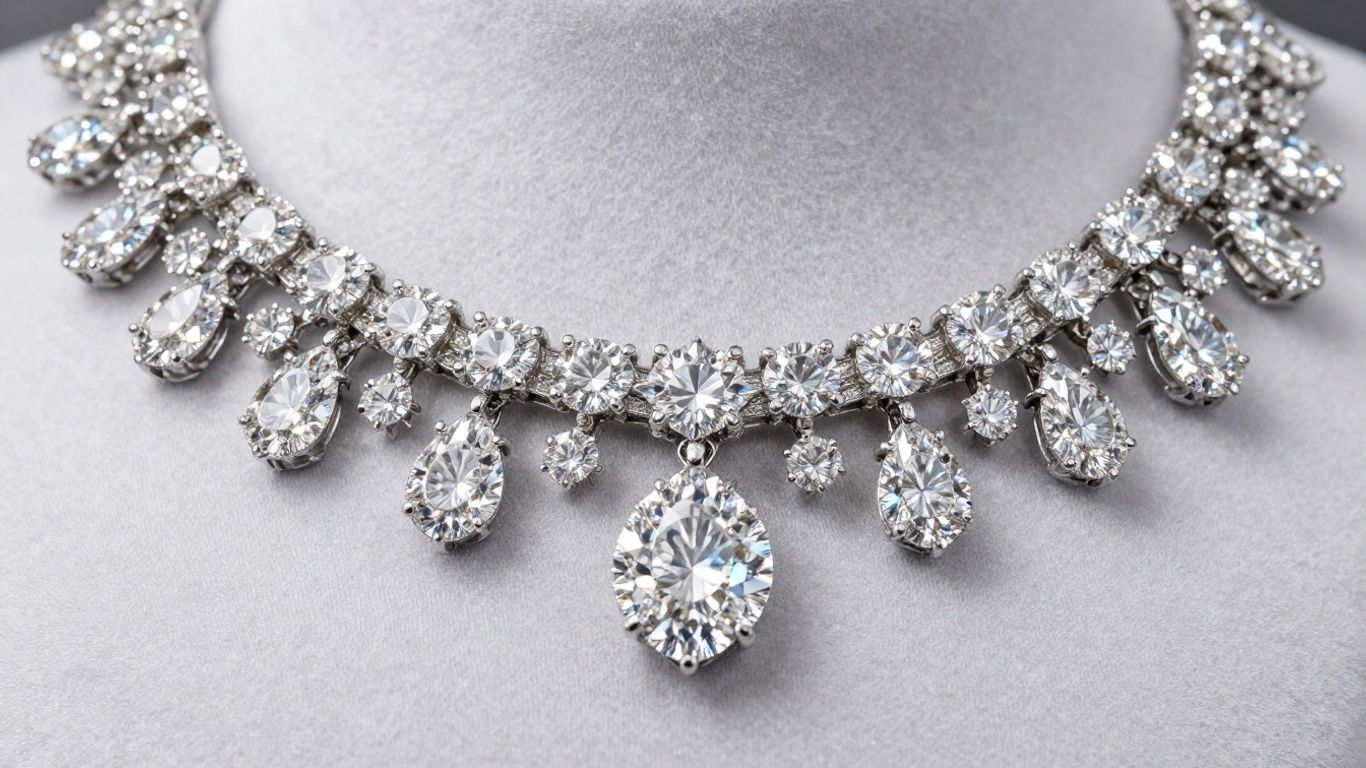
Vintage-Inspired Designs: Timeless Elegance
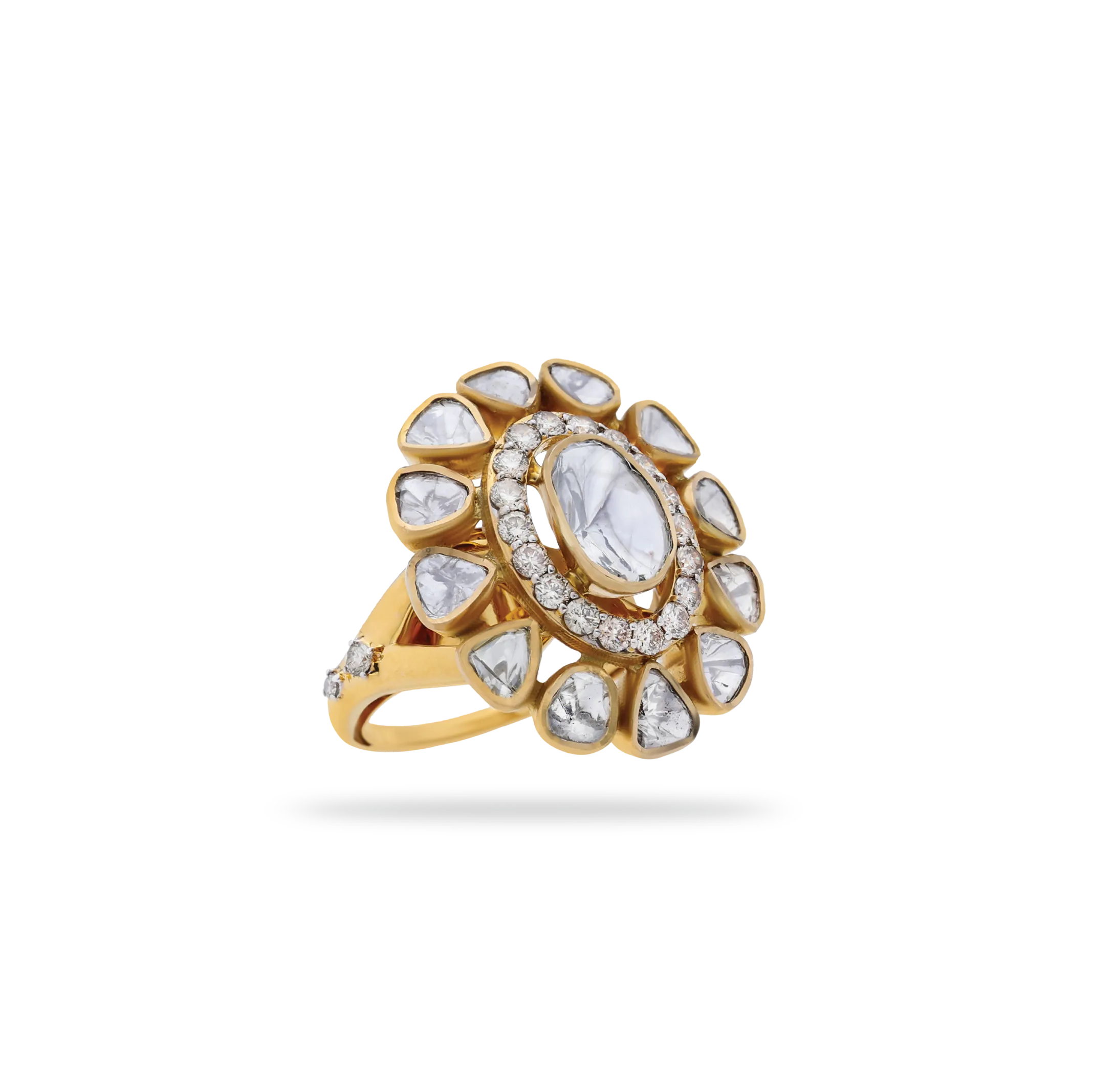
It feels like everyone's looking back these days, and diamond jewellery is no exception. We're seeing a huge comeback for styles that remind us of past eras. Think intricate details like milgrain, which adds a lovely texture, or delicate filigree work that shows off serious craftsmanship. Art Deco patterns with their geometric shapes and step cuts are also super popular, as are those romantic halo settings that were big in the Edwardian period. It's not just about buying old pieces, though. Jewelers are creating new designs that borrow heavily from these vintage looks. You can even mix and match – maybe a vintage-inspired engagement ring with a modern wedding band. It’s a cool way to honor tradition while still having something that feels totally you.
Colored Diamonds: Adding a Splash of Vibrancy
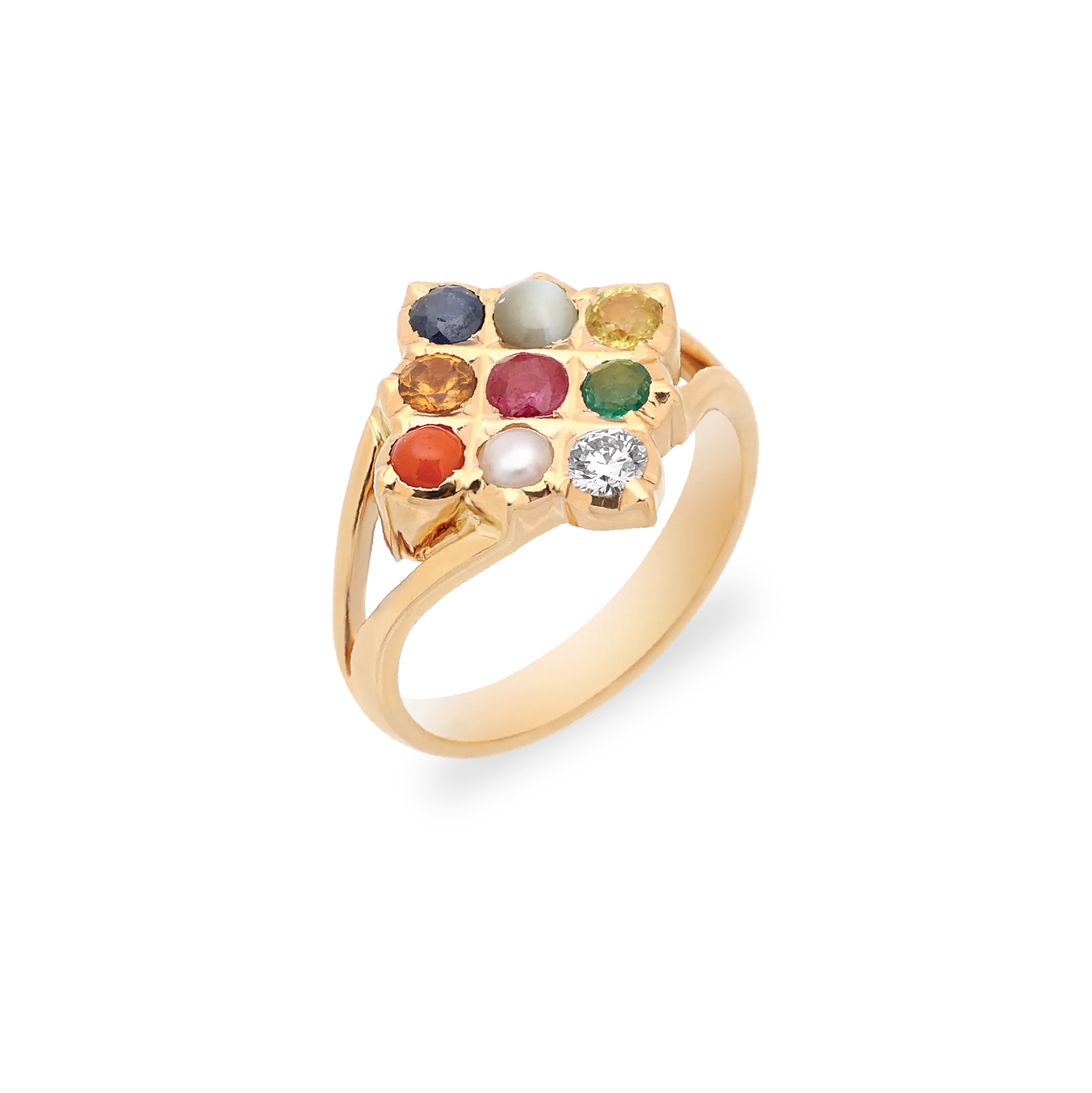
While classic white diamonds will always have their place, colored diamonds are really having a moment. We're talking about stones in shades of pink, blue, yellow, and even green. These aren't just for the super-rich anymore; while they can be pricey, they offer a unique way to express personality. A colored diamond can make a piece truly stand out. Whether it's a subtle hint of color in a halo or a bold, single stone , these gems add a vibrant twist to traditional designs. They're a fantastic choice if you want something a little different and eye-catching.
Minimalist Styles: Understated Sophistication
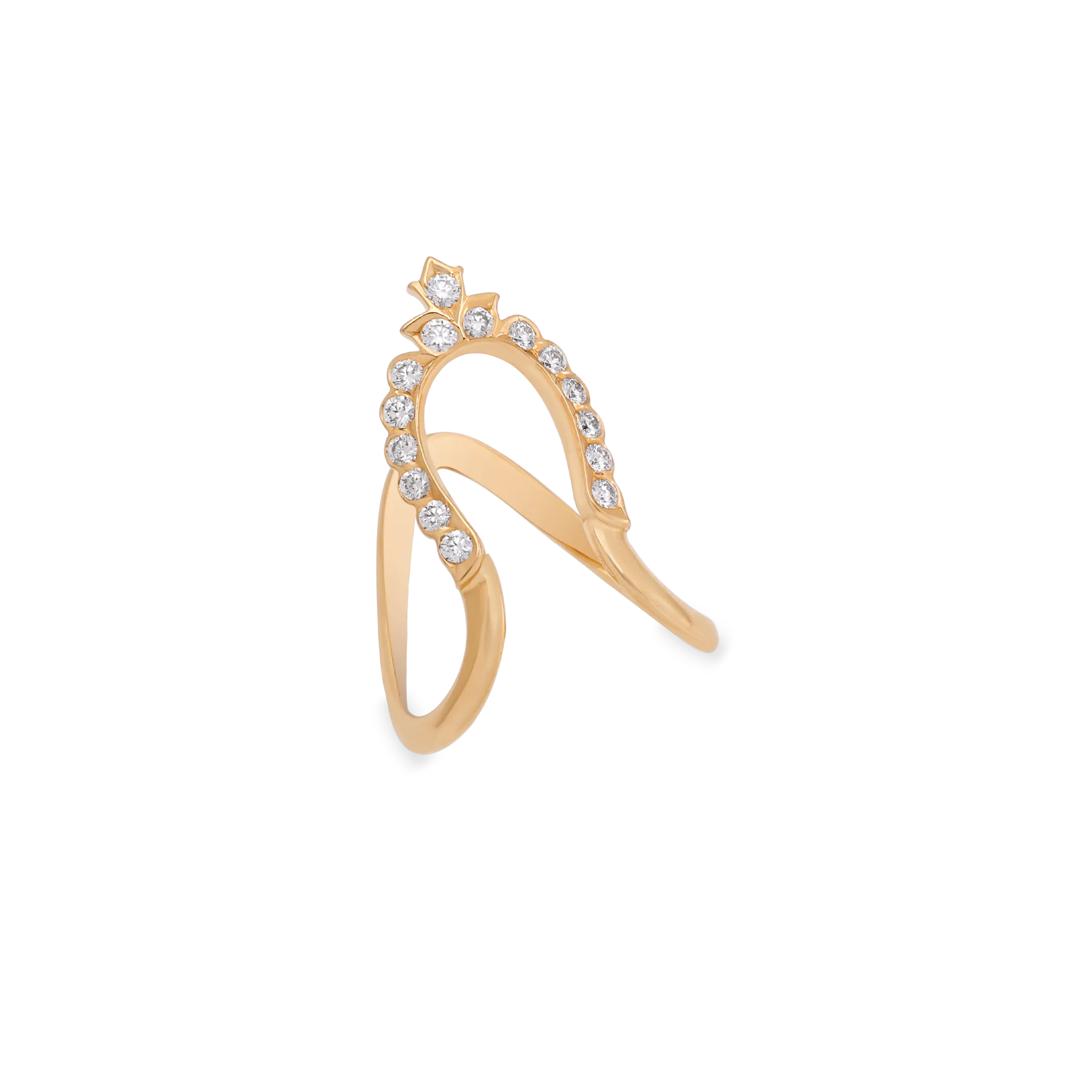
On the flip side of bold statements, there's a strong trend towards minimalist diamond jewellery. These are the pieces you can wear every single day, no matter the occasion. Think delicate chains with a single, small diamond pendant that looks like it's floating, or tiny diamond stud earrings that add just a touch of sparkle. Pavé-set bands, where tiny diamonds are set very closely together, are also big, especially for stacking. These subtle pieces are all about understated elegance. They're easy to wear, don't demand too much attention, and pair well with pretty much anything in your wardrobe. It’s a sophisticated look that’s hard to get wrong.
The beauty of current diamond trends is how personal they allow you to be. Whether you're drawn to the charm of the past, a pop of color, or a simple, clean design, there are options that let your individual style shine through. It's less about following strict rules and more about choosing pieces that genuinely make you happy and feel like you.
A Sparkle That Lasts
So, we've gone through a lot about diamonds, right? From figuring out what makes one diamond different from another with the 4 C's, to looking at all the cool types of jewellery you can get. It’s a lot to take in, but hopefully, it makes picking out that perfect piece feel a little less daunting. Whether you're buying for yourself or someone special, remember that diamond jewellery is more than just pretty; it’s about marking moments and making memories that stick around. Take your time, enjoy the process, and find that sparkle that feels just right for you. It’s going to shine for a long, long time.
Frequently Asked Questions
What are the 4 Cs of diamonds?
The 4 Cs are the main things to look at when you're buying a diamond. They stand for Carat (how much it weighs), Color (how clear it is, with 'D' being the most clear), Clarity (how many tiny flaws it has), and Cut (how well it's shaped to sparkle).
What's the difference between carat and karat?
Carat is about the weight of a diamond. Karat is about the purity of gold. So, a 1-carat diamond weighs a certain amount, while 14-karat gold means it's 14 out of 24 parts pure gold.
Are engagement rings always made with diamonds?
Diamonds are super popular for engagement rings because they're seen as a symbol of forever love. But you can totally choose other gemstones too! It's all about what you and your partner like best.
How do I clean my diamond jewelry at home?
You can clean your diamonds easily at home! Mix some warm water with a little bit of mild dish soap. Let your jewelry soak for a bit, then gently scrub it with a soft toothbrush. Rinse it well and pat it dry with a soft cloth. It'll be sparkling again in no time!
What does a diamond certificate mean?
A diamond certificate, like one from the GIA, is like a report card for a diamond. It tells you all about its 4 Cs – its weight, color, clarity, and cut. It helps make sure you know exactly what you're buying.
Are vintage-style diamond jewelry pieces still popular?
Yes, absolutely! Designs that look like they're from older times are really in style. They have a special charm and often have cool details like fancy patterns or unique ways the diamonds are set. They feel both classic and new at the same time.
Elevate Your Look: The Ultimate Guide to Choosing the Perfect Bridal Jewellery
10 minute read
Related blogs:
November 20, 2025
The Timeless Elegance of the Tennis Bracelet: A Comprehensive Guide
Read More
November 20, 2025
The Ultimate Guide to Styling and Wearing a Choker Necklace
Read More
November 20, 2025
Find Your Perfect Engagement Ring: A Comprehensive Guide to Styles and Diamonds
Read More
November 20, 2025
The Timeless Elegance of a Diamond Tennis Bracelet: A Buyer's Guide
Read More









.webp)
.webp)