Beyond the Court: Exploring the Cultural Impact of 'Hoops'
November 21, 2025 | 10 minutes read
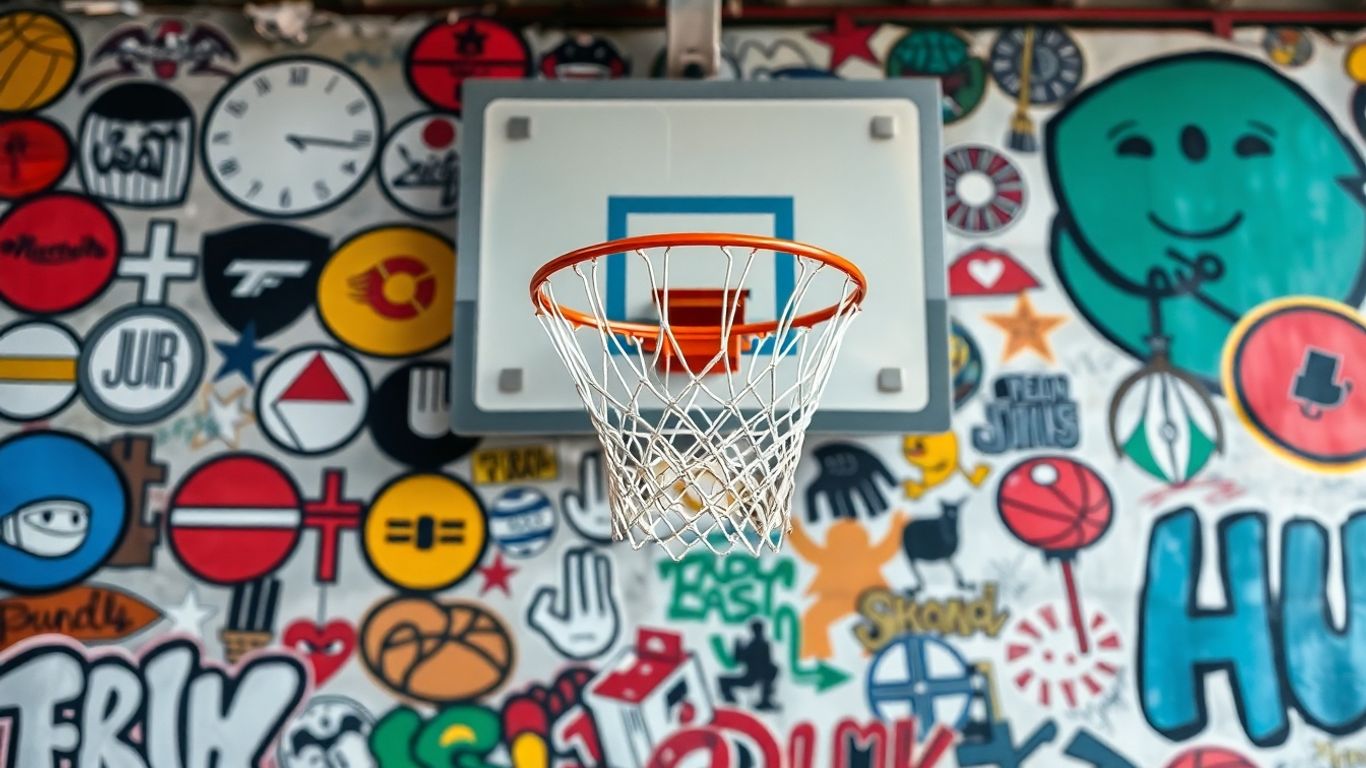
When you think about basketball, or 'hoops' as many call it, it's easy to just focus on the game itself – the dunks, the buzzer-beaters, the championships. But honestly, the impact of hoops goes way, way beyond the court. It's woven into our fashion, our music, and even how we talk about important stuff. This article is going to look at how this sport has become such a big part of our culture, shaping trends and influencing people all over the world.
Key Takeaways
- The global reach of hoops is massive, with the NBA influencing fashion, music, and social discussions worldwide.
- Hoops culture has become a major driver in fashion, especially in streetwear and the booming sneaker scene.
- The connection between hoops and music, particularly hip-hop, is deep, with athletes and artists often influencing each other.
- Basketball players are increasingly using their platform to speak out on social issues, making hoops a space for commentary.
- The legacy of teams like the Fab Five shows how hoops can disrupt norms and influence generations of athletes in style and attitude.
The Global Reach of Hoops
The NBA's Worldwide Cultural Footprint
The National Basketball Association, or NBA, isn't just a sports league anymore. It's become a massive cultural force that reaches pretty much everywhere. Think about it – people all over the planet know about the NBA, even if they don't play basketball themselves. This global spread didn't happen by accident. The league has worked hard to connect with fans everywhere, using things like broadcasting deals and even playing games in different countries. It's amazing how a game played on a court can become such a big part of so many different cultures.
Basketball Diplomacy and International Relations
Basketball has a surprising role in how countries interact. When teams and players travel internationally, it's more than just a game. It's a chance for people from different backgrounds to connect. The famous 'Dream Team' back in the 90s really showed this. Suddenly, the NBA was on the map globally, and it helped build bridges between nations. It’s like a friendly handshake across borders, all thanks to a basketball.
Global Stars and Their National Impact
Some players become huge stars not just in the US, but in their home countries too. Think of Dirk Nowitzki from Germany or Yao Ming from China. When they played in the NBA, they brought the game to millions back home. Their success inspired a whole new generation of fans and players. It’s pretty cool to see how one person’s journey can have such a big effect.
Here’s a look at how some international stars boosted the game:
- Yao Ming (China): His presence in the NBA dramatically increased the league's popularity in China, leading to massive viewership and merchandise sales.
- Dirk Nowitzki (Germany): A long and successful career made him a national hero in Germany, popularizing basketball significantly.
- Pau Gasol (Spain): His success in the NBA inspired many young Spanish players and boosted the sport's profile in Europe.
The NBA's expansion is a masterclass in cultural export. It shows how sports can transcend language and borders, creating shared experiences and fostering a sense of global community. It’s a powerful example of soft power in action, where athletic achievement translates into international goodwill and understanding.
Hoops as a Fashion Catalyst
Player Style Influencing Streetwear
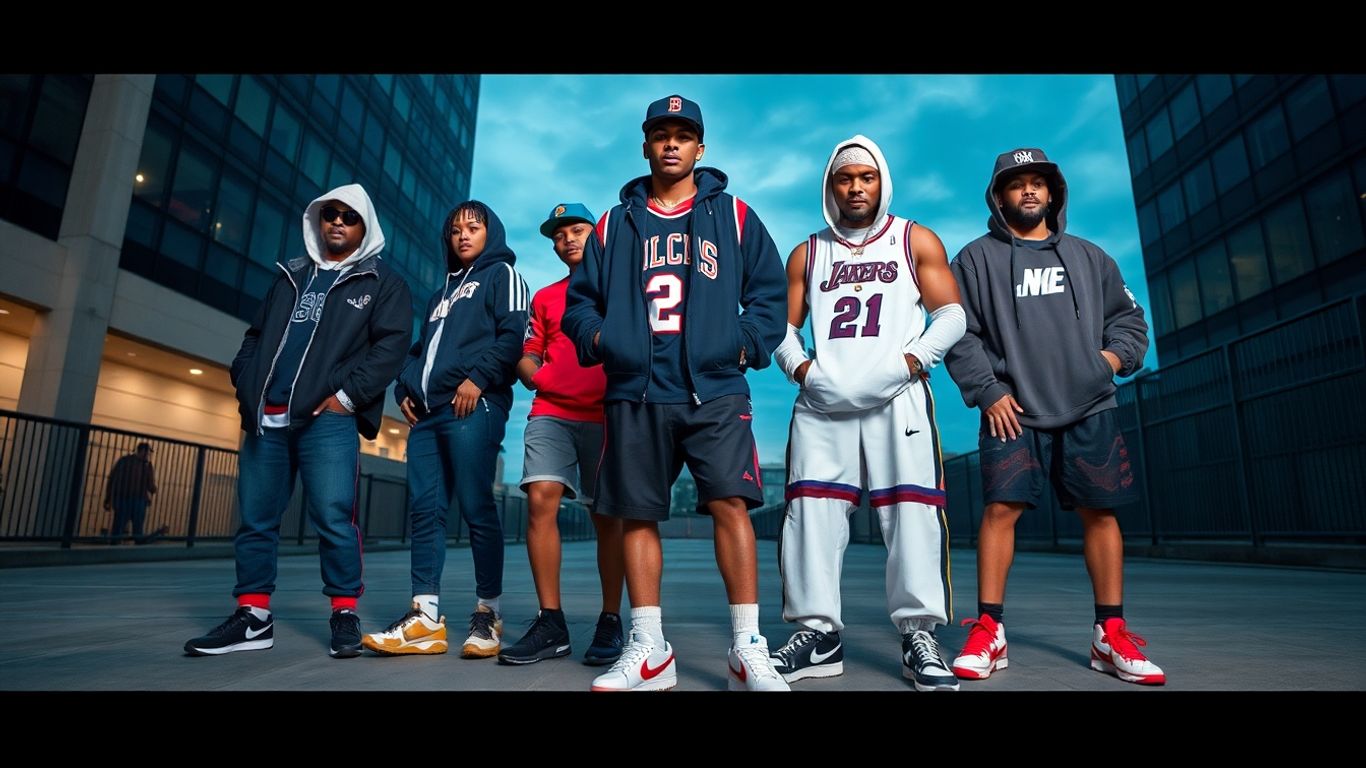
It's pretty wild how much basketball players have changed the way we all dress. Think about it – those pre-game tunnel walks? They're basically fashion shows now. Players aren't just showing up in sweats anymore; they're making statements. This shift has turned athletic gear into everyday wear, blurring the lines between the gym and the street. Guys like Allen Iverson really kicked this off, mixing baggy jeans and flashy jerseys with his kicks. It wasn't just about looking good; it was a whole vibe, a way of expressing yourself that caught on like wildfire.
The Rise of Sneaker Culture
Basketball and sneakers are practically inseparable these days. It all started with players needing good shoes for the court, but it quickly became so much more. Brands saw this and started making special editions, often tied to specific players. Suddenly, owning a pair of Jordans or Nikes wasn't just about playing ball; it was about being part of a movement. This whole sneaker thing has gotten huge, with limited releases and collectors paying big money for rare pairs. It's a whole economy built around shoes that started on the court.
Here's a quick look at how some iconic player-shoe connections took off:
- Michael Jordan & Air Jordan: The OG. This partnership basically created modern sneaker culture.
- Allen Iverson & Reebok: "The Answer" brought a rebellious, hip-hop influenced style that resonated with a generation.
- LeBron James & Nike: A massive, long-term deal that continues to produce popular and innovative designs.
Athletic Wear Merging with Everyday Fashion
Remember when athletic wear was strictly for sports? Those days are long gone. Basketball has played a massive role in making things like tracksuits, hoodies, and even basketball shorts totally acceptable for just hanging out or going to class. It's all about comfort and a relaxed style that feels authentic. This trend shows no signs of slowing down, with more and more brands incorporating athletic silhouettes into their main collections. It's a comfortable, practical look that just works for a lot of people.
The influence of basketball on fashion goes beyond just clothing items. It's about an attitude, a way of carrying yourself that's confident and bold. This swagger, often seen on the court, has translated into how people choose to present themselves through their style choices, making basketball a significant cultural force in how we define 'cool'.
The Intersection of Hoops and Music
Hip-Hop's Influence on Basketball Culture
It’s pretty wild how much basketball and hip-hop have grown up together, right? They’re practically intertwined. Back in the day, hip-hop wasn't just background noise for the game; it was the soundtrack to a whole culture. Players started rocking certain styles, talking a certain way, and it all felt connected to the beats and rhymes coming out of the speakers. This fusion created a whole new vibe, a way for athletes to express themselves beyond just what they did on the court. Think about it – the swagger, the confidence, the individual flair – it all mirrors what you hear in a lot of classic hip-hop tracks.
Athletes and Artists: A Synergistic Relationship
This connection isn't just a one-way street. Artists have been dropping bars about ballers for ages, and players have been showing up in music videos and even collaborating on tracks. It’s like they feed off each other. You see players wearing gear from their favorite artists, and artists wearing jerseys. It’s a mutual admiration society that’s pretty cool to watch. This partnership has really blurred the lines between sports and entertainment, making both feel more accessible and relatable to a wider audience.
Music as a Form of Expression for Players
For a lot of players, music is more than just something to listen to while they travel. It’s a way to get in the zone, to express their personality, and sometimes, to even make a statement. You’ll see guys with headphones on before a game, and it’s not just about blocking out the noise. It’s about tuning into their own frequency. Some players even get into making their own music, showing off another side of their creativity that fans might not expect. It’s another layer to who they are, proving they’re more than just athletes.
Here’s a look at how this relationship has played out:
- Early Days: Hip-hop artists often referenced basketball in their lyrics, celebrating the game and its stars.
- Player Style: Athletes began adopting fashion trends popularized by hip-hop culture, influencing streetwear.
- Collaborations: We now see frequent partnerships between players and musicians, from endorsements to joint creative projects.
- Soundtracks: Video game soundtracks, like the legendary NBA Live 2003, became platinum-selling albums, cementing music’s role in the basketball experience.
The way music and basketball have grown together is a testament to how culture evolves. It shows how different art forms can influence and shape each other, creating something new and exciting that connects with people on multiple levels. It’s not just about the game or the music; it’s about the shared experience and the identity that comes with it.
Hoops and Social Commentary
Athletes Amplifying Social Justice Conversations
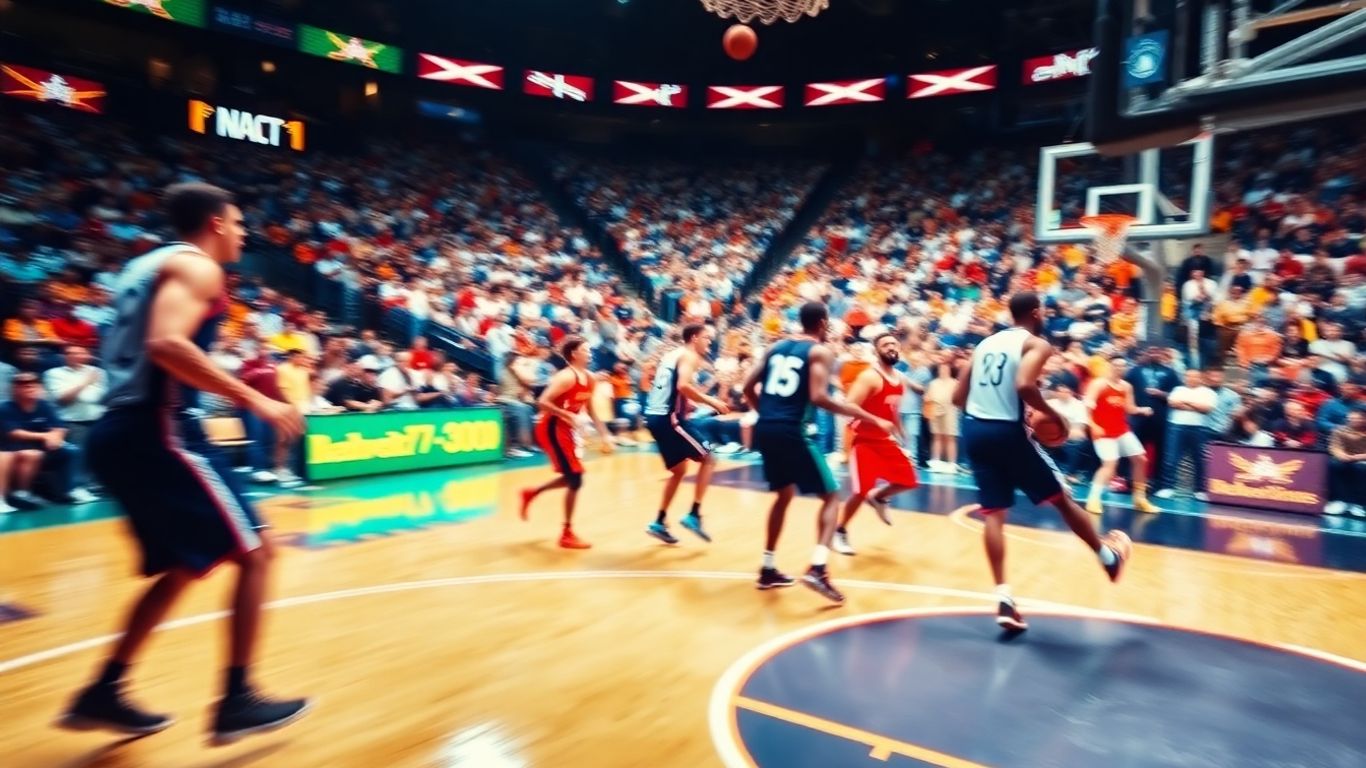
Basketball, especially at the professional level, has become a huge platform for athletes to speak out on important social issues. It's not just about the game anymore; players are using their visibility to talk about things that matter in the world. Think about it, millions of people are watching these games, and when a player decides to use that spotlight for something beyond the score, it gets noticed. This isn't new, but it feels like it's become even more prominent lately. Players are finding their voices and using them to push for change, whether it's about racial inequality, police brutality, or other societal problems. It's a powerful way to get messages out there.
Challenging Racial Constructs Through the Game
For a long time, basketball has been a space where racial dynamics have played out, both on and off the court. African American athletes, in particular, have often found themselves navigating a system that sometimes seems built on older, less inclusive ideas. The way players express themselves, their style of play, even their fashion choices, have sometimes been misunderstood or criticized because they didn't fit a traditional mold. This clash of cultures is a big part of the story. It's about how the game itself can be a battleground for different cultural perspectives, and how athletes are pushing back against stereotypes and expectations. They're showing that there's more than one way to be a great player and that individuality is something to be celebrated, not suppressed. It's a constant push and pull, and the game is definitely evolving because of it. The way athletes express themselves, like through their unique styles of play or their fashion, often challenges what some might consider the 'norm' in sports. This can lead to misunderstandings, but it also opens up conversations about identity and acceptance. It's a complex mix of cultural backgrounds clashing and finding new ways to coexist within the sport.
The Athlete's Voice in Contemporary Society
It's pretty clear that athletes today have a much louder voice than they used to. They're not just seen as entertainers; they're influencers, role models, and sometimes, activists. This shift means that when they speak up about social justice or other issues, people tend to listen. This increased influence comes with a lot of responsibility, of course. Athletes are becoming more aware of the impact they can have and are actively seeking ways to use their platforms for good. Whether it's through statements, protests, or community work, their actions can spark important discussions and even lead to real-world change. It's a fascinating evolution to watch, and it shows how sports and society are more connected than ever. The impact of college athletes facing online harassment is also a growing concern, showing the darker side of this increased visibility.
The game itself has become a stage where cultural differences are not just present but are actively negotiated. Athletes are not just playing for wins; they are often embodying and expressing cultural identities that challenge established norms, leading to a richer, albeit sometimes contentious, evolution of the sport and its surrounding culture.
The Fab Five's Enduring Legacy
Disrupting College Basketball Norms
When the Fab Five burst onto the college basketball scene in the early 1990s, they didn't just play the game; they redefined it. These five freshmen – Chris Webber, Jalen Rose, Juwan Howard, Jimmy King, and Ray Jackson – arrived at the University of Michigan with an unprecedented level of hype. They were talented, confident, and unapologetically themselves. Their arrival marked a significant shift in how college athletes presented themselves, challenging the traditional, more conservative image expected in NCAA basketball. They embraced a style that was both flashy on the court and bold off it, influencing a generation of players who followed. It was a cultural moment that went far beyond wins and losses, impacting the very fabric of the sport.
Pioneering Fashion and 'Smack Talk'
The Fab Five's influence wasn't limited to their gameplay. Their fashion choices were as talked about as their dunks. Think baggy shorts, black socks pulled high, and a swagger that was totally new to the college game. This look, heavily influenced by hip-hop culture, became iconic. They also weren't afraid to talk trash, a move that ruffled some feathers but also added a new layer of personality and intensity to college matchups. This blend of style and attitude was a stark contrast to the prevailing norms, and it caught the attention of fans and media alike. It showed that athletes could be both fierce competitors and trendsetters.
Cultural Impact on Modern Athletes
It's hard to overstate the lasting impact of the Fab Five. They paved the way for athletes to express their individuality, both in their appearance and their demeanor. Their willingness to challenge the status quo opened doors for future generations. We see echoes of their influence in today's game, from the way players dress to their comfort in speaking out on social issues. The conversations they sparked about athlete compensation and the commercialization of college sports also laid groundwork for later changes, like the Name, Image, and Likeness (NIL) rules that allow athletes to profit from their own brand. The Fab Five proved that athletes could be more than just players; they could be cultural icons and agents of change. Their story is a key part of understanding the evolution of basketball culture and the modern athlete's identity.
Beyond the Game: Hoops as a Lifestyle
Hoops Dictating Trends and Coolness
Basketball isn't just a sport anymore; it's practically a way of life for a huge number of people. Think about it – the way players carry themselves, the clothes they wear, even the music they listen to, it all spills over into what's considered cool. The NBA has become a massive trendsetter, influencing everything from fashion to how we talk. It’s not just about watching the game; it’s about adopting the whole vibe. This cultural takeover means that what happens on the court, or even in the pre-game tunnel, can dictate what you see on the streets months later. It’s a constant cycle of inspiration and adoption, making basketball a huge part of modern culture.
The Commodification of Athlete Likeness
It’s wild how much athletes are worth beyond their stats. Companies know this, and they’ve gotten really good at using a player’s image to sell stuff. Think about all the video games, the signature shoes, the clothing lines – it’s all about that athlete’s brand. This isn't new, of course. Legends like Michael Jordan basically invented this whole system, turning themselves into global icons. But now, it’s on a whole other level. Every player with a decent following has their own merch, their own social media presence that’s carefully managed. It’s a business, for sure, but it also shows how much people connect with these athletes as personalities, not just players.
Basketball as a Universal Language
What’s really cool about basketball is that it’s something almost anyone can understand, no matter where they’re from. You don’t need to speak the same language to appreciate a sick crossover or a buzzer-beater. It’s a game that brings people together, creating connections across different cultures and backgrounds. You see this everywhere, from pickup games in local parks to massive international tournaments. It’s a way for people to communicate and bond, sharing a common passion. This shared experience is a big reason why the NBA has such a massive global reach.
The game itself is simple enough to grasp, but the artistry and strategy involved offer endless depth. This accessibility makes it a powerful tool for connection, allowing individuals from diverse walks of life to find common ground and build communities around a shared love for the sport.
Here’s a look at how basketball’s influence spreads:
- Fashion Forward: Player styles, from baggy shorts to unique sneakers, have become mainstream streetwear. Think about the impact of players like Allen Iverson and his influence on urban fashion.
- Musical Vibes: Hip-hop and basketball have always gone hand-in-hand, with artists frequently referencing the game and players often appearing in music videos or collaborating on tracks.
- Cultural Exchange: International players bring their own styles and perspectives, enriching the game and influencing global trends both on and off the court.
- Community Hubs: Basketball courts often serve as gathering places, fostering a sense of belonging and providing a space for social interaction and friendly competition.
The Game That Keeps on Giving
So, yeah, basketball is way more than just a game played on a court. It's become this huge thing that touches so many parts of our lives, from the clothes we wear to the music we jam to. Think about how players influence fashion, or how the sport itself has inspired whole music genres. It’s pretty wild when you stop and think about it. The way athletes express themselves, the conversations they start, and how the game itself keeps changing – it all adds up to something bigger than just wins and losses. It’s a cultural force, plain and simple, and it’s definitely not going anywhere anytime soon. It’s cool to see how it connects people all over the world, too. Pretty neat stuff.
Frequently Asked Questions
How has basketball, or 'hoops,' become popular all over the world?
The NBA has done a great job of spreading basketball everywhere. They have games in other countries and many famous players from all over the world. This makes people in those countries want to play and watch the game, connecting people from different backgrounds.
How do basketball players influence fashion?
Basketball stars often set fashion trends. They wear cool clothes on and off the court, like stylish sneakers and comfortable athletic wear. This has made these items popular for everyday use, creating a big market for sneakers and sports-inspired clothing.
What is the connection between basketball and music?
Basketball and hip-hop music have a strong link. Many players enjoy hip-hop, and this music is often played during games and in player interviews. This mix has made basketball feel more connected to popular culture and music.
Do basketball players use their fame to talk about important issues?
Yes, many athletes use their platform to speak out about social justice and other important topics. They can reach a large audience and encourage conversations about fairness and equality, using their voice to make a difference.
What was the impact of the 'Fab Five' on college basketball?
The 'Fab Five' from the University of Michigan changed college basketball in the 90s. They were known for their bold style, unique fashion, and confident attitude. They brought a new energy and challenged the old ways, influencing how players express themselves today.
Is basketball just a sport, or is it a way of life?
For many, basketball is more than just a game; it's a lifestyle. It influences fashion, music, and how people see themselves. The game's popularity and the stars who play it make it a universal language that brings people together across the globe.
Related blogs:

November 20, 2025
The Timeless Elegance of the Tennis Bracelet: A Comprehensive Guide
Read More

November 20, 2025
The Ultimate Guide to Styling and Wearing a Choker Necklace
Read More
November 20, 2025
Find Your Perfect Engagement Ring: A Comprehensive Guide to Styles and Diamonds
Read More

November 20, 2025
The Timeless Elegance of a Diamond Tennis Bracelet: A Buyer's Guide
Read More




















.webp)

























.webp)