Unpacking the Difference Between Gold and Diamond Jewellery: A Comprehensive Guide
March 24, 2026 | 10 minutes read
When you're looking at jewelry, you'll notice it's usually made of gold or features diamonds. But what's the real difference between gold and diamond jewelry? It's not just about looks; it's about the materials, how they're made, and what they're worth. This guide breaks down the basics so you can pick pieces you'll love.
Key Takeaways
- Gold jewelry uses precious metals like 10k, 14k, or 18k gold, with higher karats meaning more pure gold but also being softer. Different alloys create yellow, white, and rose gold colors.
- Diamonds are valued based on the Four Cs: Cut, Color, Clarity, and Carat weight. Certification from labs like GIA provides an objective measure of a diamond's quality.
- Fine jewelry, whether gold or diamond, is about quality materials and good craftsmanship. This means solid precious metals and genuine stones, built to last.
- Ethical considerations are becoming more important. Look for jewelry made with recycled metals and conflict-free diamonds to make more responsible choices.
- Understanding hallmarks (like '14k') on gold and gemstone certifications for diamonds helps you confirm authenticity and value, making your purchase a confident one.
Understanding The Core Materials: Gold Versus Diamonds
When you're looking at jewelry, especially the fancy stuff, it all comes down to two main things: the metal it's made from and any stones it holds. For fine jewelry, we're usually talking about precious metals and real gemstones. These are the bits that give jewelry its actual worth, its sparkle, and make it last. Getting a handle on what these materials are is pretty important if you want to appreciate the work that goes into it and maybe even think about it as an investment.
The Intrinsic Value of Precious Metals
Precious metals are rare elements that have been valued for ages. Think gold, platinum, and silver. They're used in jewelry because they look good, are easy to shape, and don't corrode easily. Gold, for instance, has been a symbol of wealth forever. Pure gold, or 24-karat, is super soft though, so it's not really practical for everyday rings or bracelets that might get banged around. That's why most gold jewelry is actually a mix of gold and other metals, like copper or silver. This mix, called an alloy, makes the gold tougher.
The karat system tells you how much pure gold is in the mix. It's based on 24 parts:
- 24k: 100% pure gold.
- 18k: 18 parts gold, 6 parts other metals (75% pure gold).
- 14k: 14 parts gold, 10 parts other metals (58.3% pure gold).
- 10k: 10 parts gold, 14 parts other metals (41.7% pure gold).
The higher the karat number, the more pure gold you're getting. Fine jewelry usually has to be at least 10k.
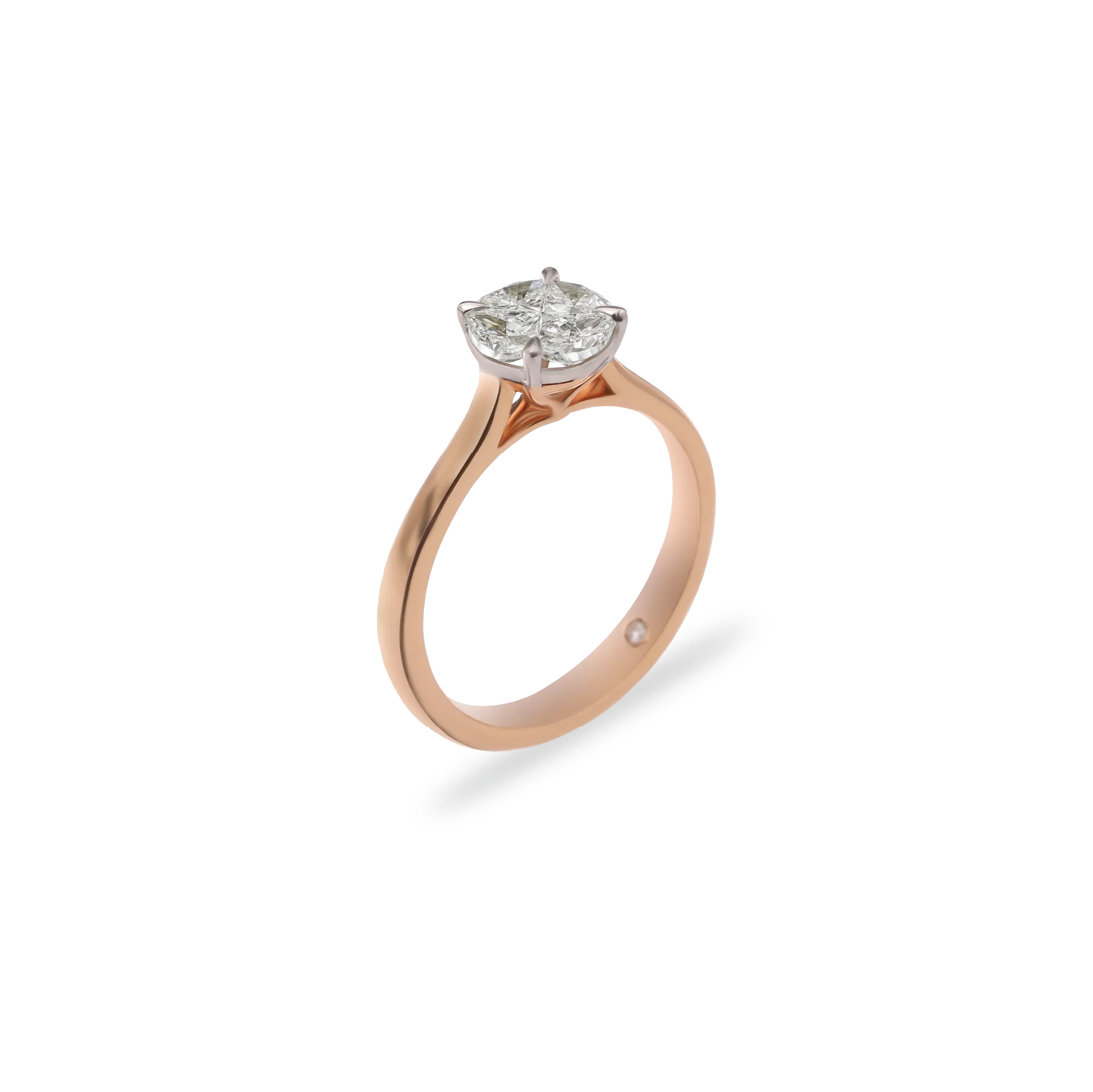
Different alloys give gold different colors too. You've got your classic yellow gold , white gold (often mixed with palladium or nickel and then plated with rhodium), and rose gold (made with more copper for that pinkish look). Platinum is another popular choice. It's naturally white, really dense, and super durable. It's a bit pricier than gold but holds up incredibly well, often developing a nice patina over time instead of wearing down.
Precious metals are the backbone of fine jewelry, providing both aesthetic appeal and lasting substance. Their rarity and inherent qualities make them a store of value, distinct from the more variable nature of gemstones.
The Allure and Significance of Diamonds
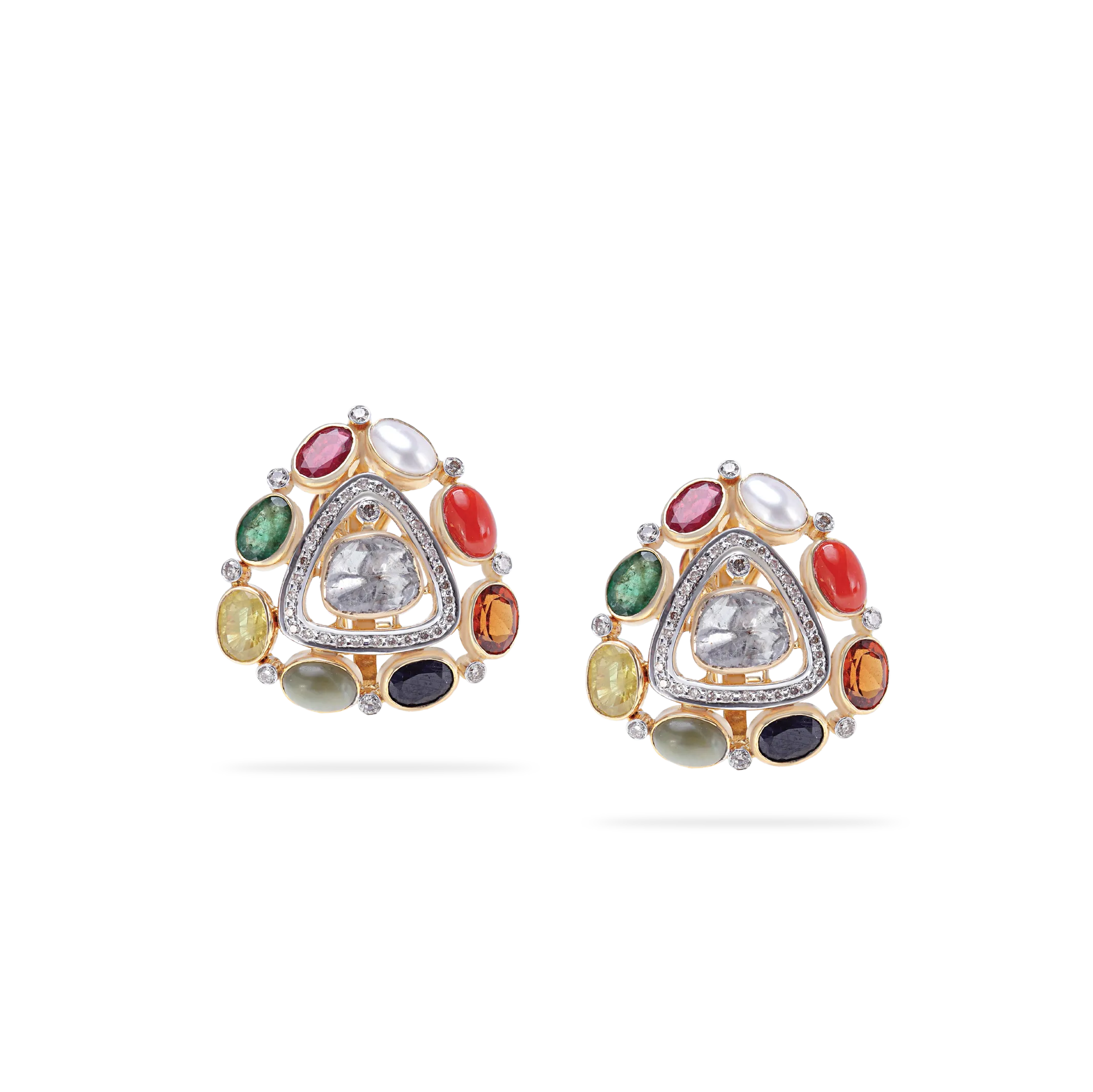
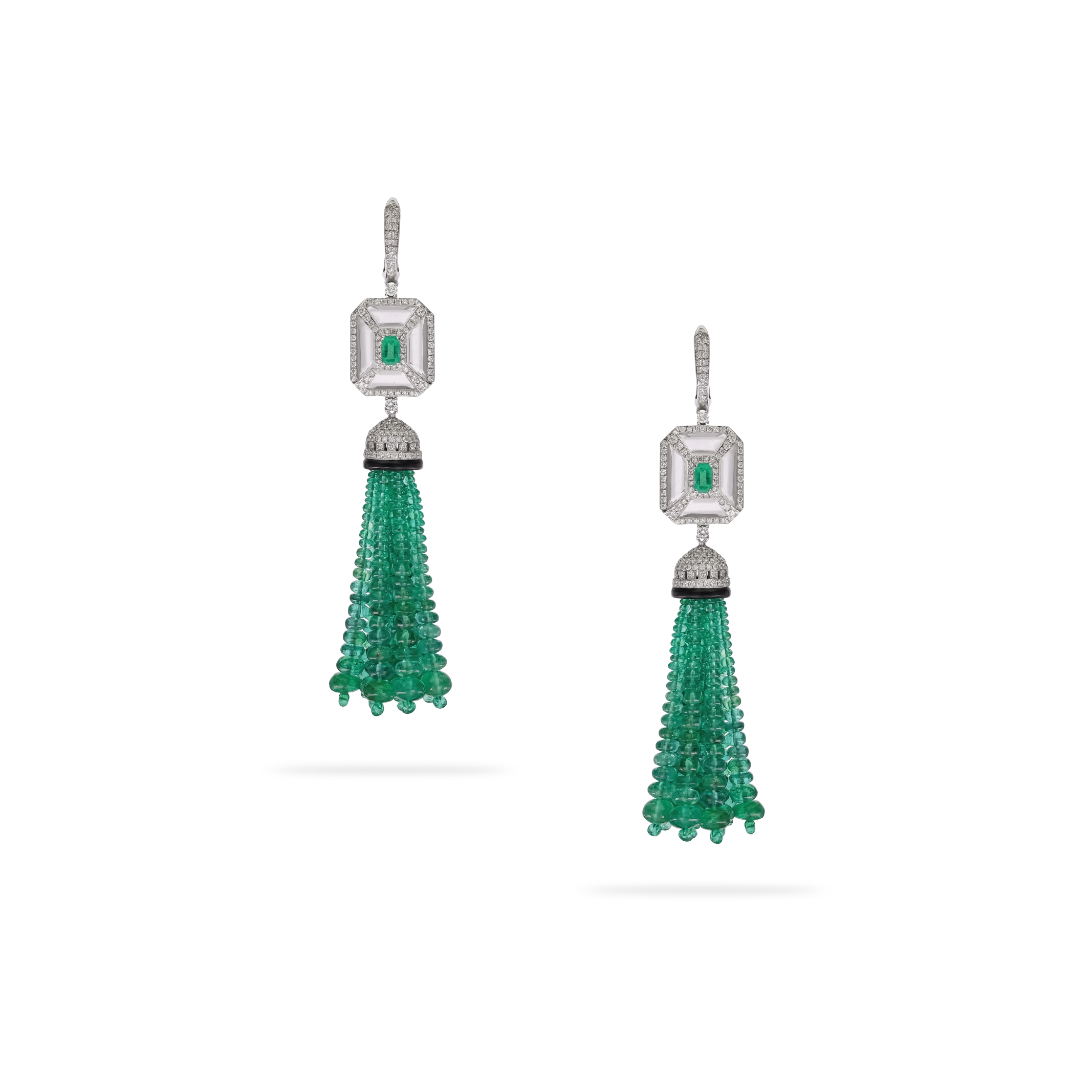
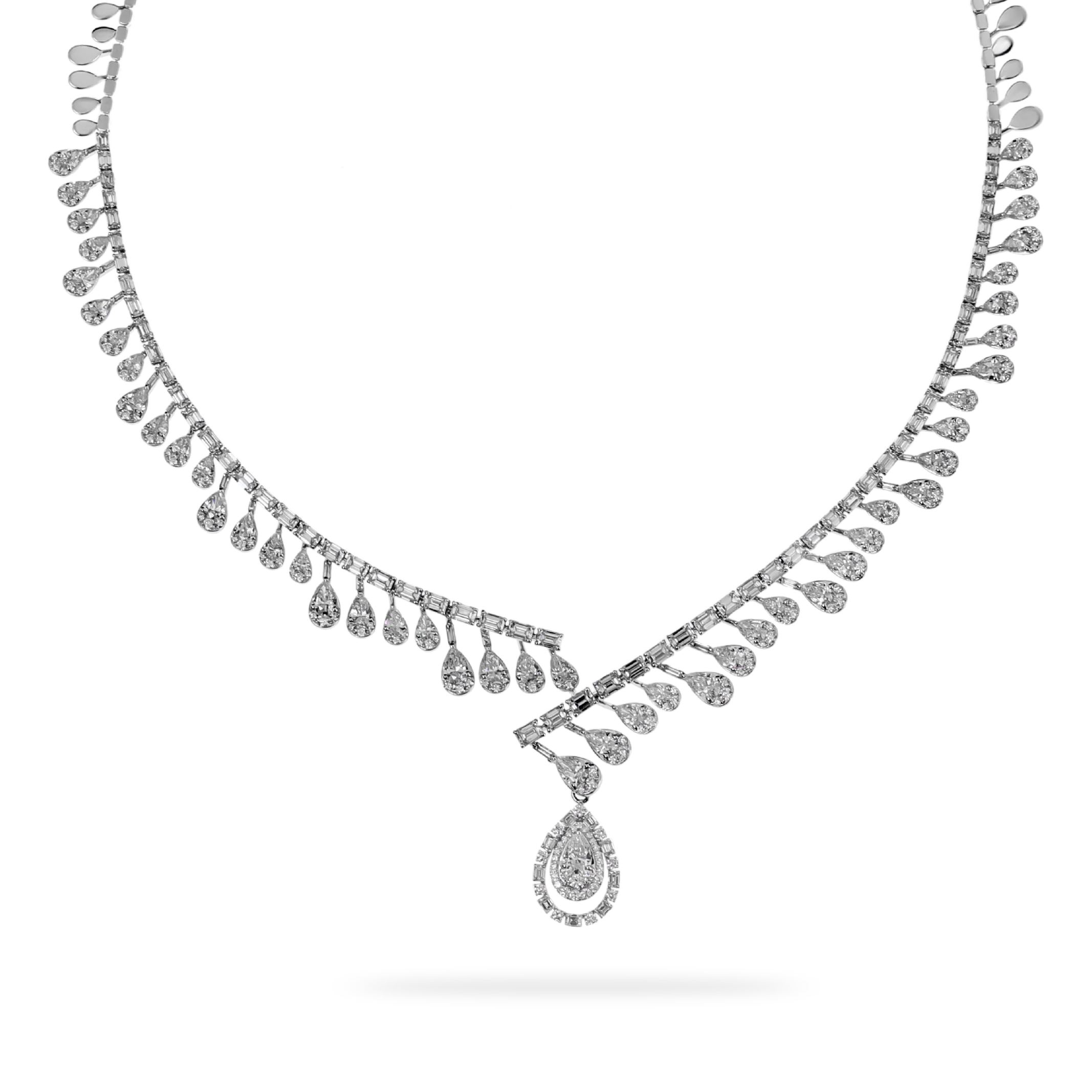
Diamonds are in a whole different category. They're gemstones, and their value isn't standardized like gold. A diamond's worth is all about its individual characteristics. These are famously known as the 'Four Cs': cut, color, clarity, and carat weight. A diamond's cut affects how it sparkles, its color ranges from colorless to yellow, clarity refers to any internal or external imperfections, and carat is simply its weight. Because each diamond is unique, valuing them can be more complex than valuing a piece of gold. This uniqueness is part of their appeal, making each diamond special. For centuries, diamonds have symbolized love, commitment, and luxury. Their hardness makes them incredibly durable, perfect for jewelry that's meant to be worn daily, like engagement rings. The way a diamond is cut and how it interacts with light is what gives it that signature fire and brilliance. It's not just about size; the quality of the cut plays a massive role in how beautiful a diamond looks. Understanding the Four Cs is key to appreciating diamond value.
Distinguishing Fine Jewelry From Fashion Jewelry
It's pretty important to know the difference between fine jewelry and fashion jewelry. Fine jewelry is made with precious metals and genuine gemstones. It's built to last, often becoming an heirloom. Think solid gold, platinum, and real diamonds or other precious stones . Fashion jewelry, on the other hand, is usually made from less expensive metals, sometimes plated, and might use synthetic or imitation stones. It's designed to be trendy and is generally not expected to last for generations. Fine jewelry is an investment in quality and lasting beauty, while fashion jewelry is more about current style and affordability. The materials used are the biggest giveaway:
- Fine Jewelry: Solid gold (10k+), platinum, sterling silver, natural or lab-grown diamonds, sapphires, emeralds, rubies.
- Fashion Jewelry: Base metals (like brass or copper), plated metals, cubic zirconia, glass stones, or other simulated gems.
Fine jewelry is crafted with superior skill and attention to detail, meant to withstand daily wear and hold its value over time. It's the kind of piece you'd pass down. Fashion jewelry is more about the look for a season or a specific occasion.
Exploring Gold's Properties and Variations
Gold. It's been a symbol of wealth and status for ages, right? But when you're looking at jewelry, not all gold is created equal. Understanding what makes gold tick is pretty important if you want to get something that looks good and lasts.
Understanding Gold Karats and Purity
So, you see "14K" or "18K" on a piece of jewelry. What does that actually mean? It's all about how much pure gold is in the mix. Pure gold, or 24K, is super soft – like, really soft. You can bend it with your fingers. That's why jewelers mix it with other metals like copper, silver, or zinc to make it tougher for everyday wear. This mix is called an alloy, and the "karat" number tells you the percentage of pure gold.
Here's a quick rundown:
- 24K Gold: 100% pure gold. Beautiful, but too soft for most jewelry.
- 18K Gold: 75% pure gold, 25% other metals. It's got a richer color and is still quite durable.
- 14K Gold: 58.3% pure gold, 41.7% other metals. This is a really popular choice because it's tougher and a bit more affordable than 18K.
- 10K Gold: 41.7% pure gold, 58.3% other metals. It's the most durable but has the least amount of pure gold.
The karat system is basically a way to measure gold's purity. Higher karats mean more pure gold, which usually means a higher price tag and a softer metal.
The Spectrum of Gold Colors
Gold isn't just yellow anymore. The other metals mixed in with the pure gold totally change its color. This is where things get interesting.
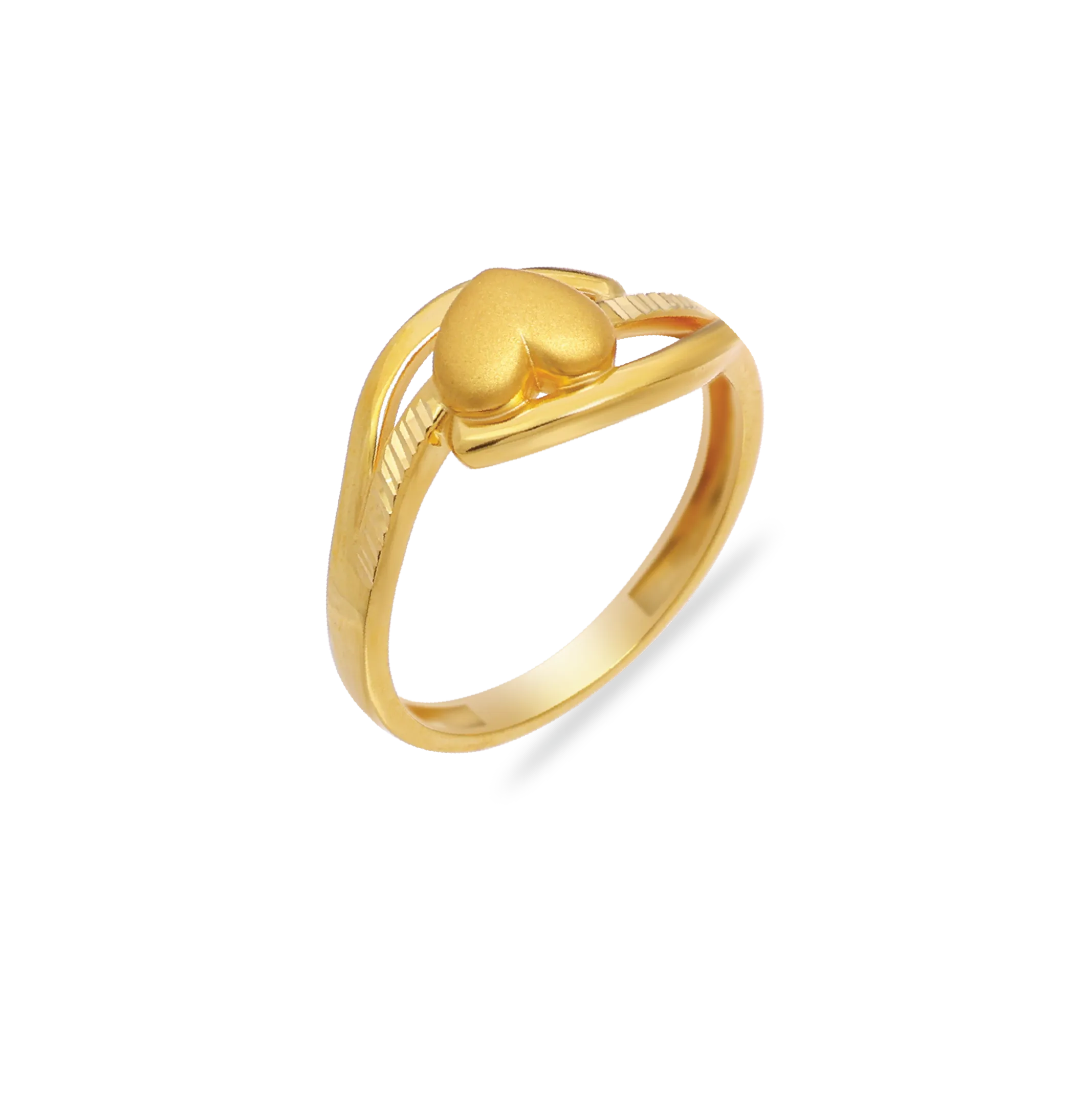
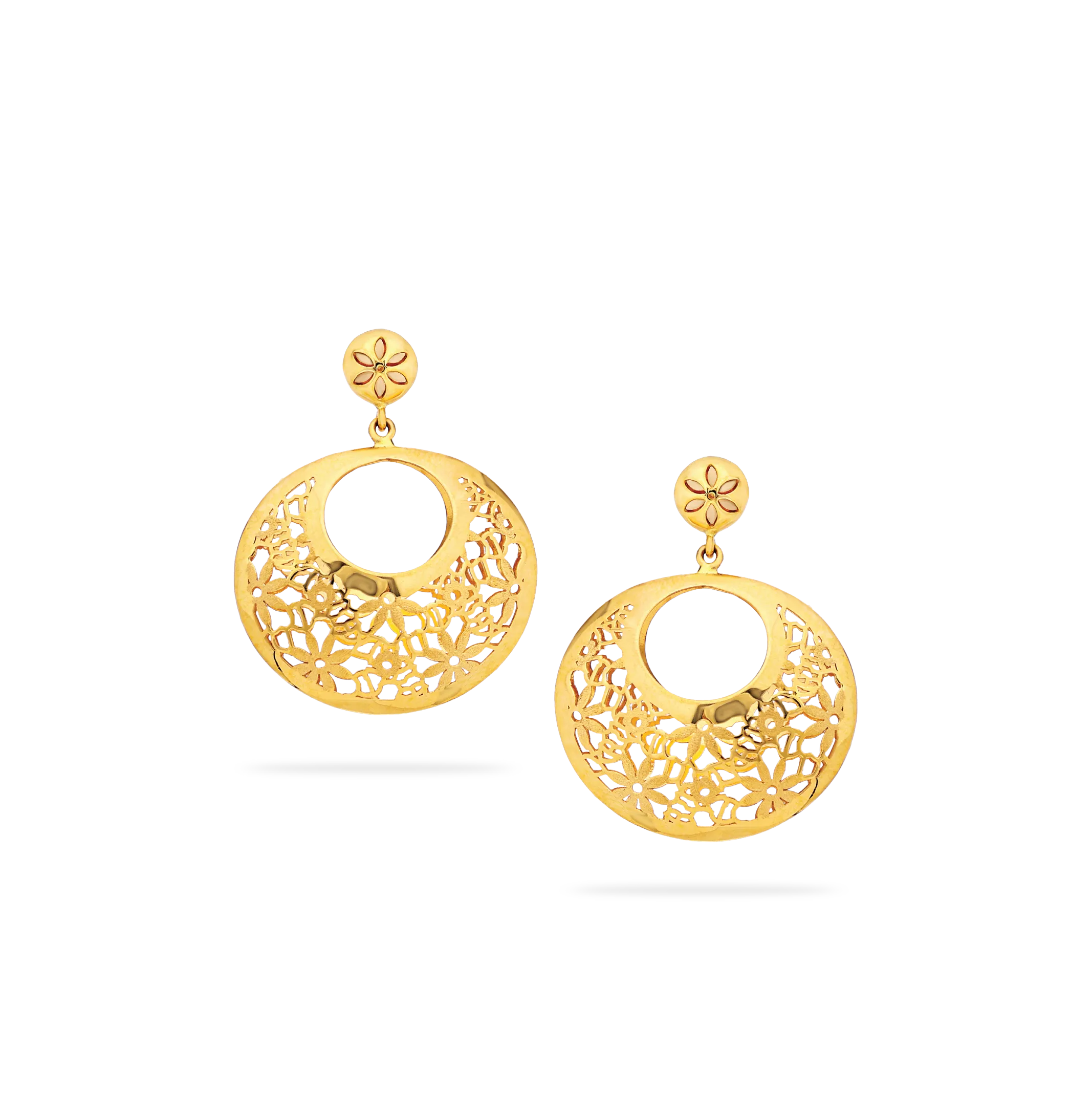
- Yellow Gold : This is the classic. It's made by mixing pure gold with silver and copper. The exact ratio can change the shade from a bright, lemony yellow to a deeper, warmer tone.
- White Gold : To get that silvery-white look, pure gold is mixed with white metals like palladium or nickel. Because gold naturally has a yellowish tint, white gold is usually plated with rhodium, a shiny, white metal, to make it look extra bright. This plating can wear off over time, though, revealing a slightly warmer tone underneath.
- Rose Gold : This one's all about copper. When you mix pure gold with a good amount of copper, you get that beautiful pinkish-red hue. The more copper, the redder the gold.
Gold's Durability and Wearability
When you're picking out jewelry, especially for something you'll wear a lot, how it holds up is a big deal. Gold's durability really depends on its karat.
- 14K and 18K gold are pretty tough. They can handle daily wear without scratching too easily. The alloys added make them strong enough for rings, bracelets, and necklaces that see a lot of action.
- 10K gold is even stronger, making it a good choice if you're really worried about dents and scratches, though it has less of that pure gold look.
- 24K gold , while stunning, is really best for pieces you won't wear often, like special occasion items or even just as a pure gold investment.
Scratches can happen to any metal, but on gold, they tend to show up as little marks where the metal has been displaced. White gold , because of its rhodium plating, might show the underlying warmer color if the plating wears thin. Platinum, on the other hand, is denser and tends to displace metal rather than lose it, developing a unique patina over time instead of looking scratched.
Delving Into Diamond Characteristics and Value
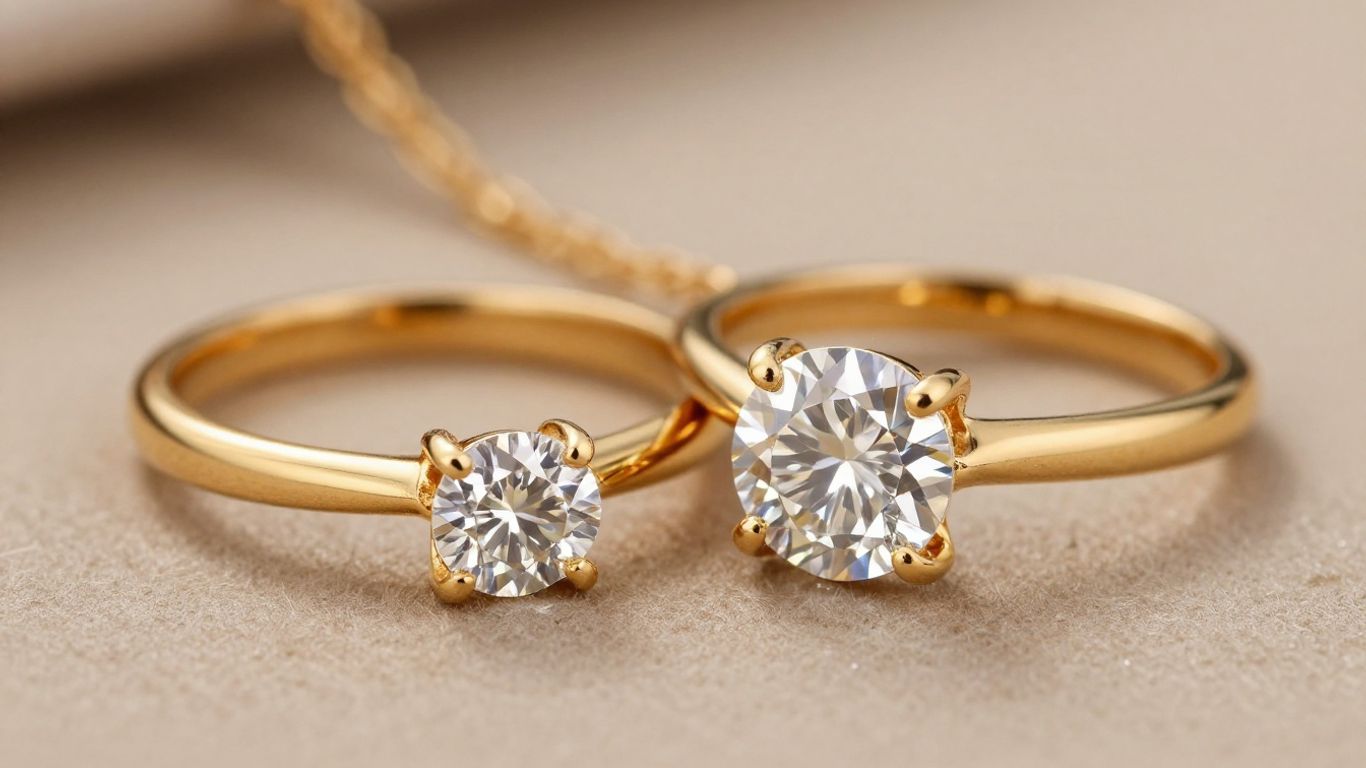
So, you're looking at diamonds. They're pretty amazing, right? But what actually makes one diamond different from another, and more importantly, more valuable? It all comes down to a few key things, often called the 'Four Cs'. Understanding these will help you figure out what you're really looking at when you see a sparkly stone.
The Four Cs: Cut, Color, Clarity, and Carat
These four factors are the standard way jewelers and gemologists talk about diamonds. They're not just random terms; they directly impact how a diamond looks and how much it costs. The combination of these Cs is what gives a diamond its unique identity and price tag.
- Cut: This isn't about the shape (like round or princess), but how well the diamond has been faceted. A good cut means the diamond reflects light really well, making it sparkle. Think of it like a mirror – the better it's polished and angled, the more it shines.
- Color: For white diamonds, the less color, the better. They're graded on a scale from D (totally colorless) to Z (light yellow or brown). A truly colorless diamond is rare and usually more expensive.
- Clarity: This looks at any tiny imperfections, called inclusions, inside the diamond, or blemishes on its surface. The fewer and smaller these are, the clearer the diamond is, and generally, the higher its value. Most inclusions are only visible under magnification.
- Carat: This is simply the diamond's weight. One carat is equal to 0.2 grams. Bigger diamonds are rarer, so the price usually goes up significantly with carat weight, but only if the other Cs are also good.
Here's a quick look at how these can affect price, though remember this is just a general idea:
| Characteristic | Description | Impact on Value | Example Price Range (approx.) |
|---|---|---|---|
| Cut | How well facets reflect light (sparkle) | High | Varies greatly |
| Color | Absence of color (D=colorless, Z=light yellow) | High | Varies greatly |
| Clarity | Internal/external flaws (Flawless to Included) | High | Varies greatly |
| Carat | Diamond's weight (1 carat = 0.2 grams) | High | Starts around $829 for 1 carat* |
*Note: This is a baseline and highly dependent on the other Cs.
The Role of Gemstone Certification
When you're buying a diamond, especially a larger or more expensive one, you want proof of what you're getting. That's where certification comes in. Reputable labs, like the Gemological Institute of America (GIA), examine diamonds and provide a detailed report. This report covers all the Four Cs and other important details. It's like an unbiased report card for the diamond, giving you confidence in its quality. You can find out more about diamond pricing from resources that explain the diamond value calculator.
Getting a diamond certified by a trusted lab means you're not just taking someone's word for it. It's a professional assessment that backs up the claims about the stone's characteristics. This is super important for making sure you're getting what you pay for and that the diamond will hold its value.
Lab-Grown Diamonds: A Modern Alternative
It's worth mentioning lab-grown diamonds too. These are chemically and physically the same as natural diamonds, but they're created in a lab instead of mined from the earth. They often cost less than natural diamonds of similar quality. While they have the same sparkle and durability, some people prefer natural diamonds for their perceived rarity and traditional appeal. It's a personal choice, and both options have their place in the jewelry world today.
Comparing Gold and Diamond Jewelry Craftsmanship
When you're looking at jewelry, it's not just about the shiny bits. The way a piece is put together, the actual skill involved in making it, that's a huge part of what makes it special. Think of it like a really good meal – the ingredients matter, sure, but the chef's technique is what turns them into something amazing.
The Importance of Superior Craftsmanship
Good craftsmanship means a piece feels right in your hand. The metal is smooth, there are no rough edges, and everything just fits together perfectly. It's about attention to detail. For gold jewelry, this means the links in a chain are well-formed and connect smoothly, or that a ring band is comfortable and even. For diamond pieces, it's about how the stone sits – is it secure? Does it catch the light just right?
- Smoothness: No sharp edges or rough spots on the metal.
- Balance: The piece feels well-weighted and sits correctly when worn.
- Finish: A consistent polish or texture across the entire item.
- Durability: Joints are strong, and settings are robust.
Secure Stone Setting Techniques
This is super important, especially with diamonds. A poorly set stone isn't just ugly; it's a risk. You don't want your precious diamond falling out, right? Jewelers use different methods to hold stones in place. The most common ones you'll see are:
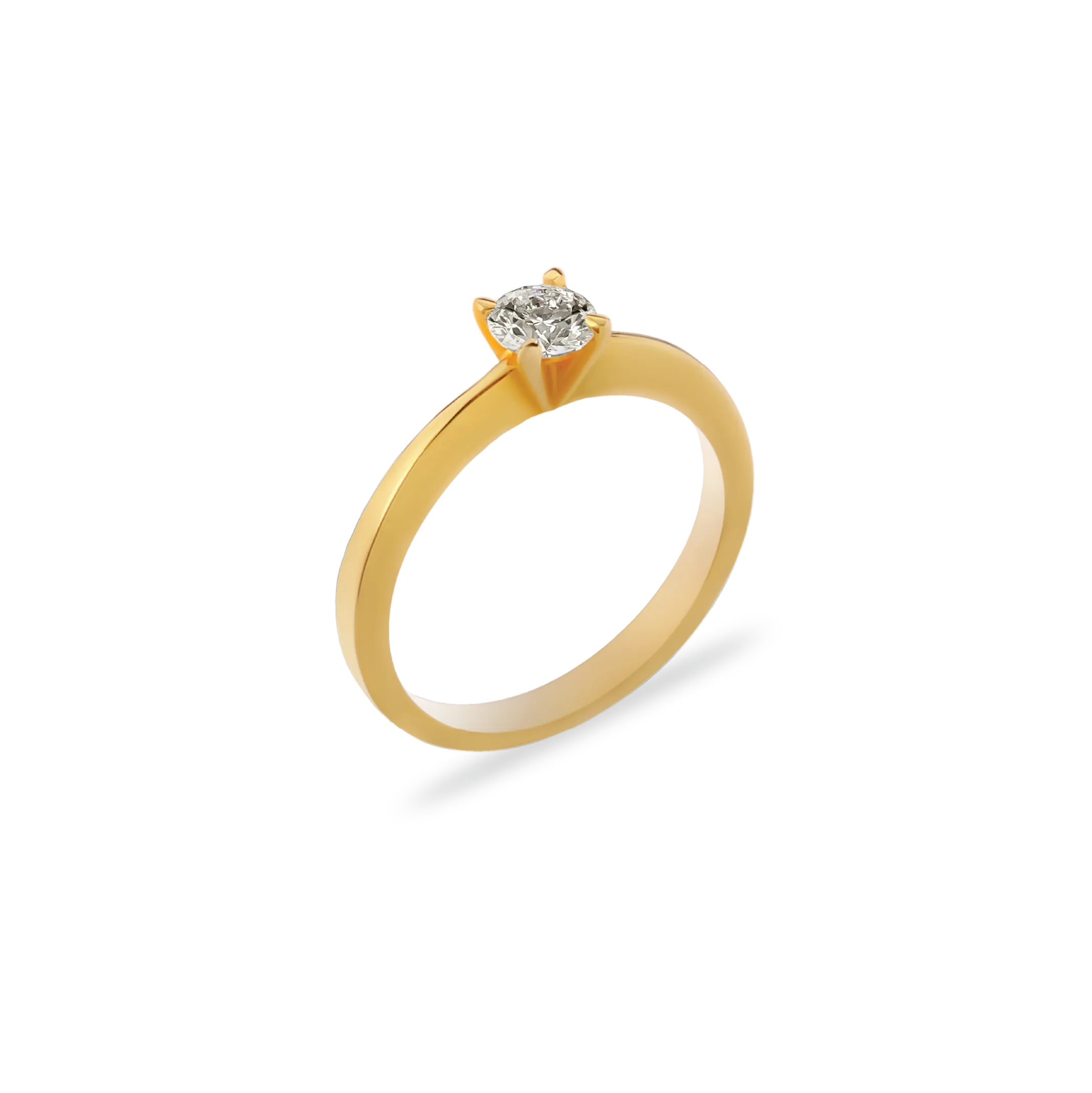
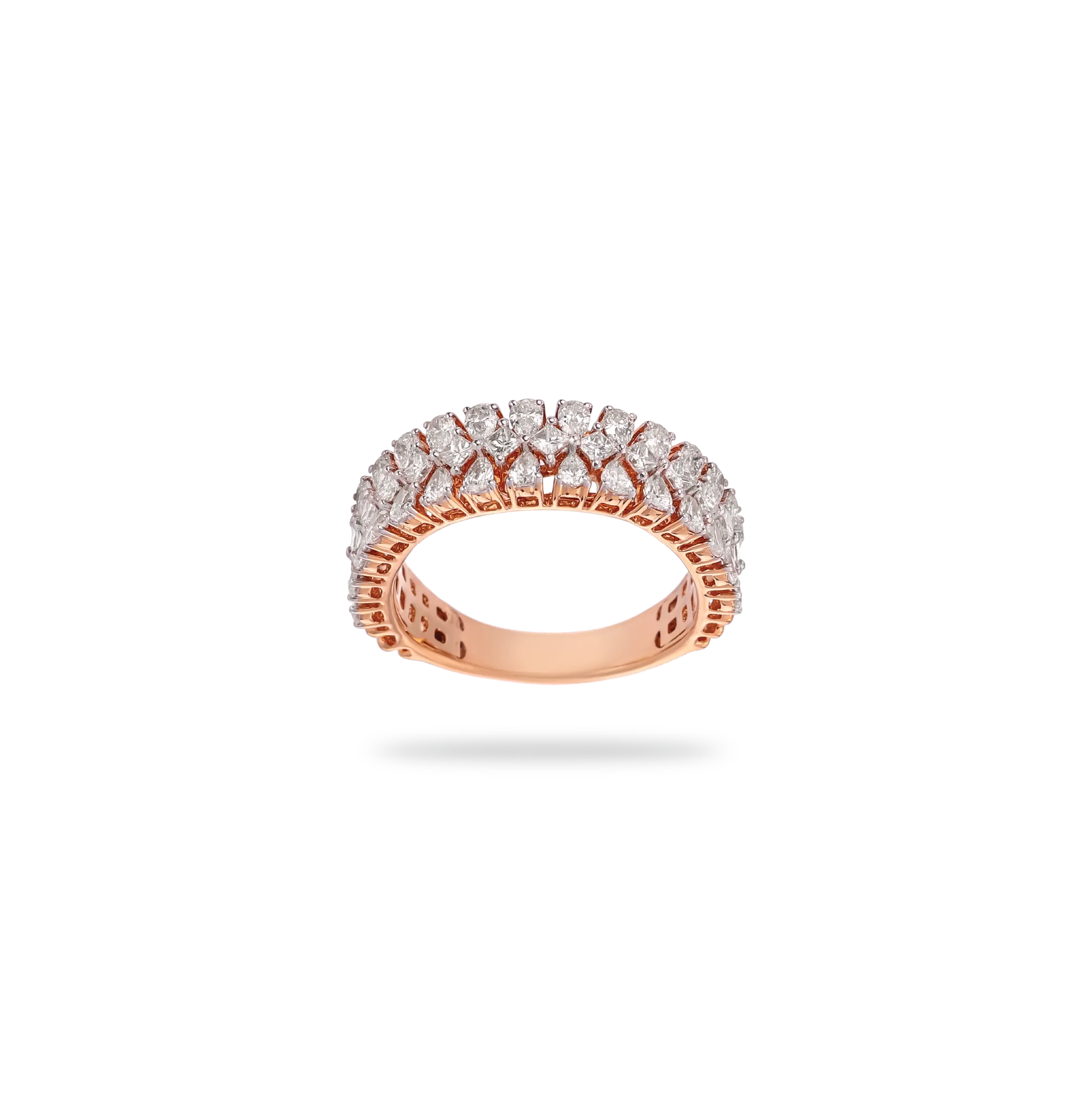
- Prong Setting: Little metal claws grip the edges of the stone. This is popular because it lets a lot of light into the diamond, making it sparkle more. The number of prongs can vary, usually from three to six.
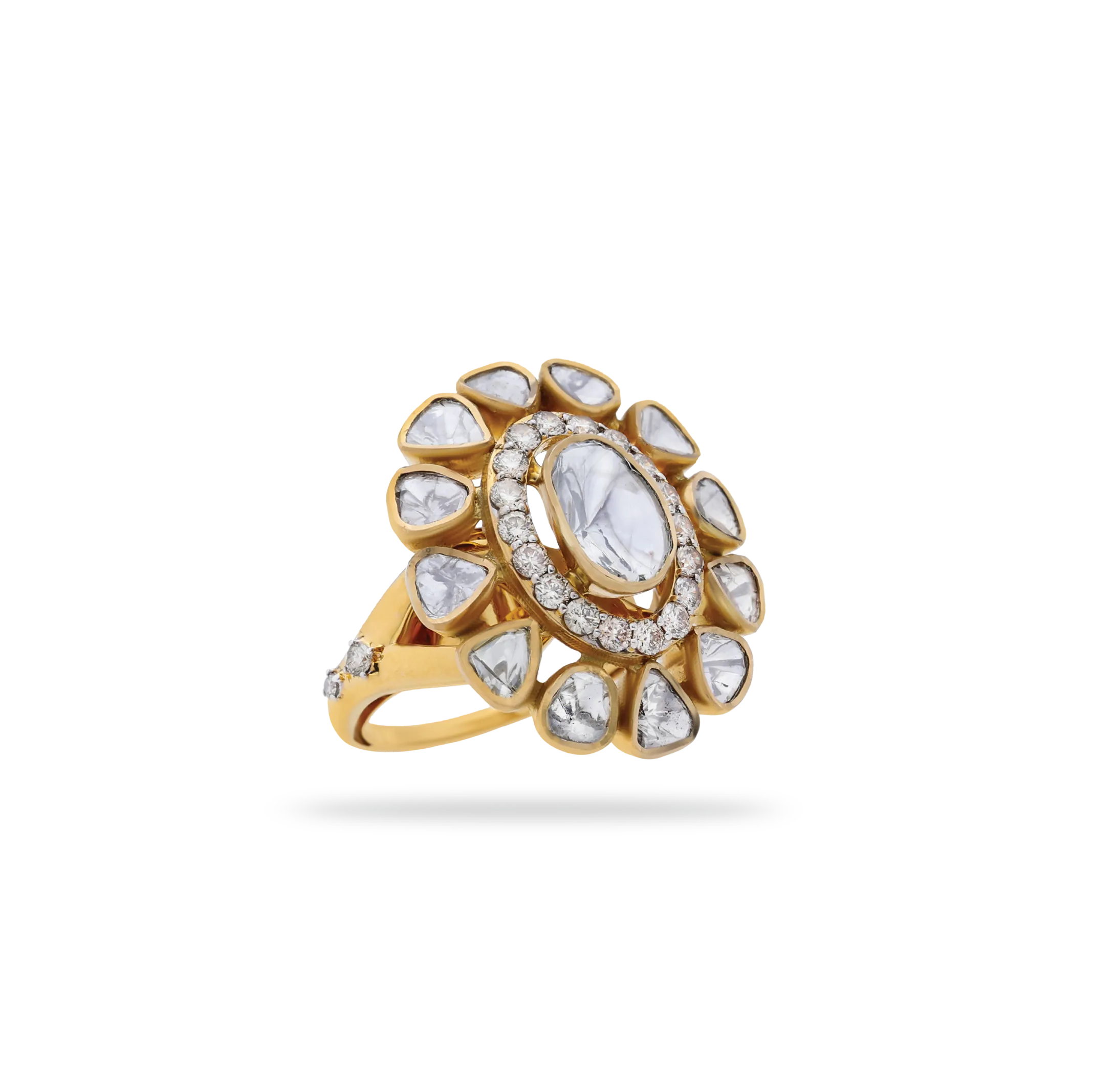
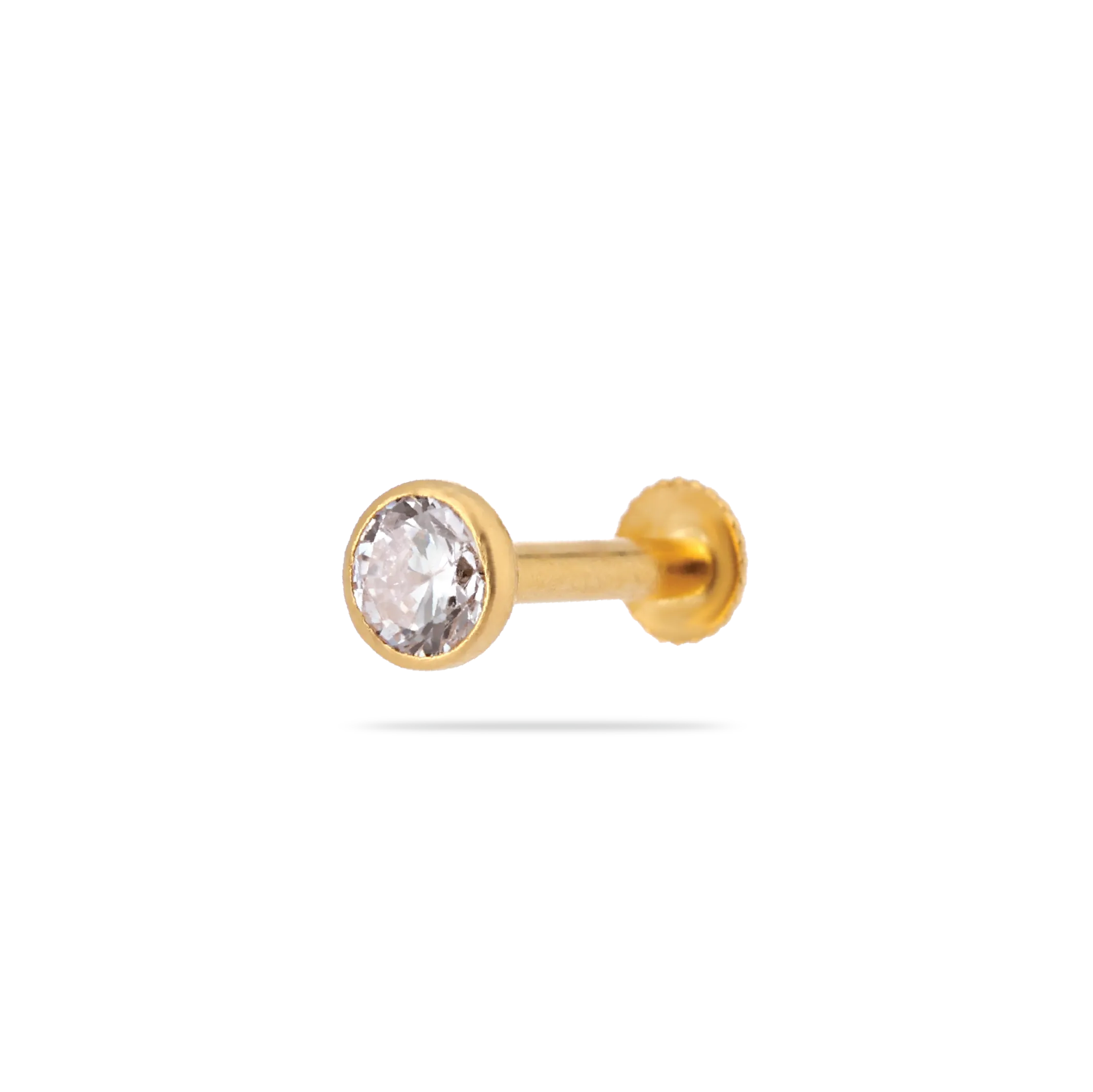
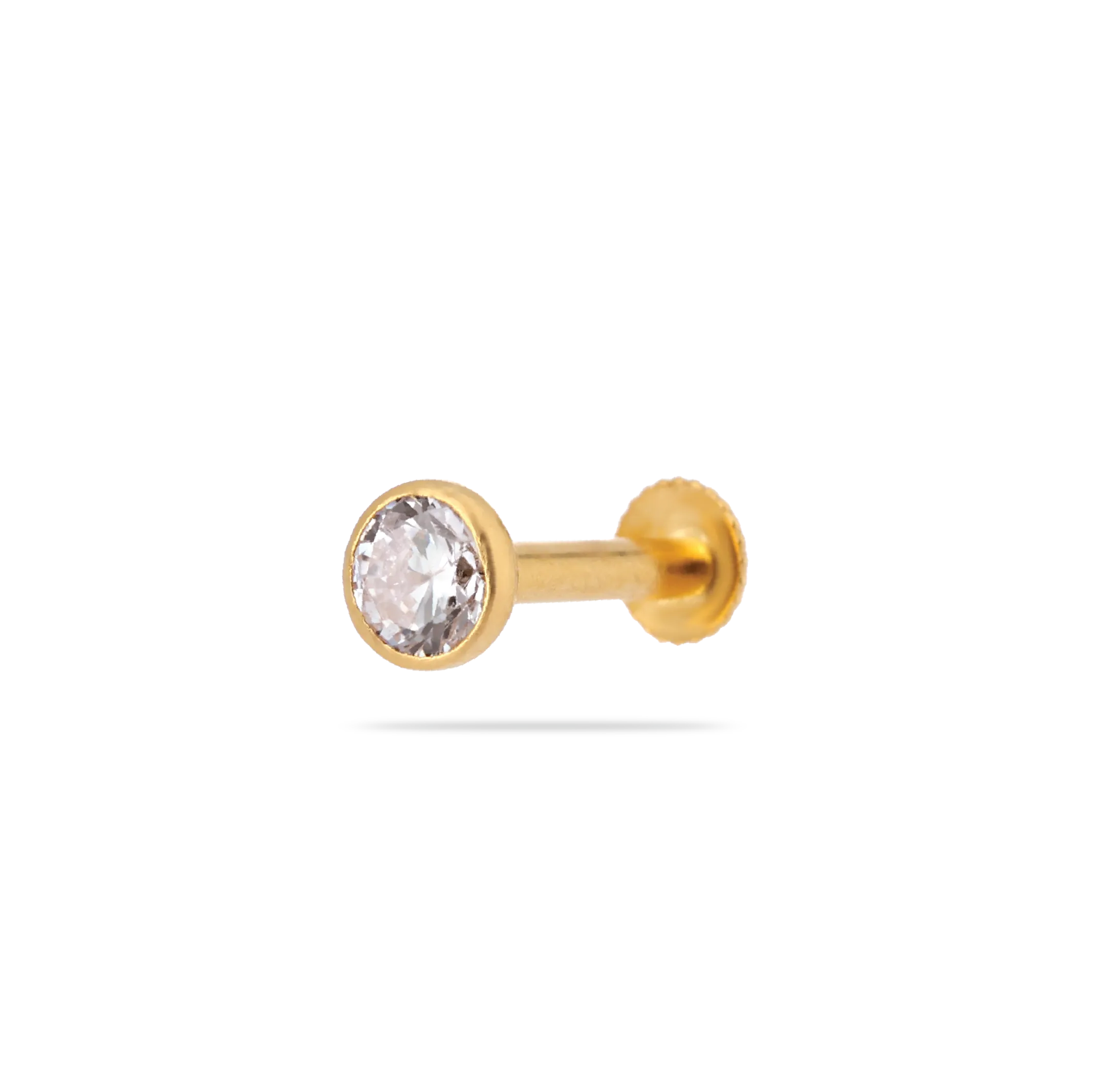
- Bezel Setting: A thin metal rim completely surrounds the stone, holding it securely. This offers excellent protection for the diamond's edges and is a good choice for active lifestyles.
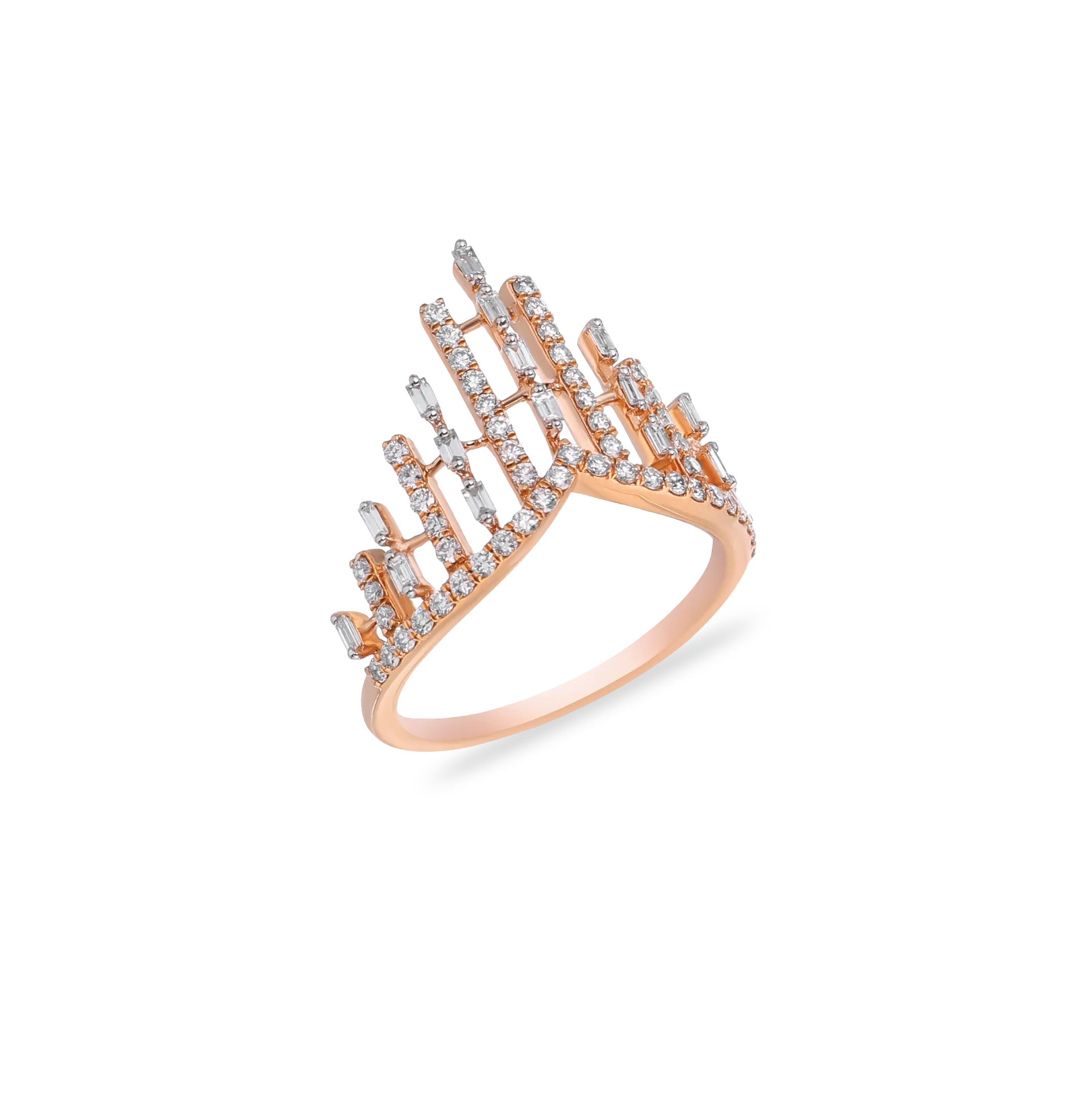
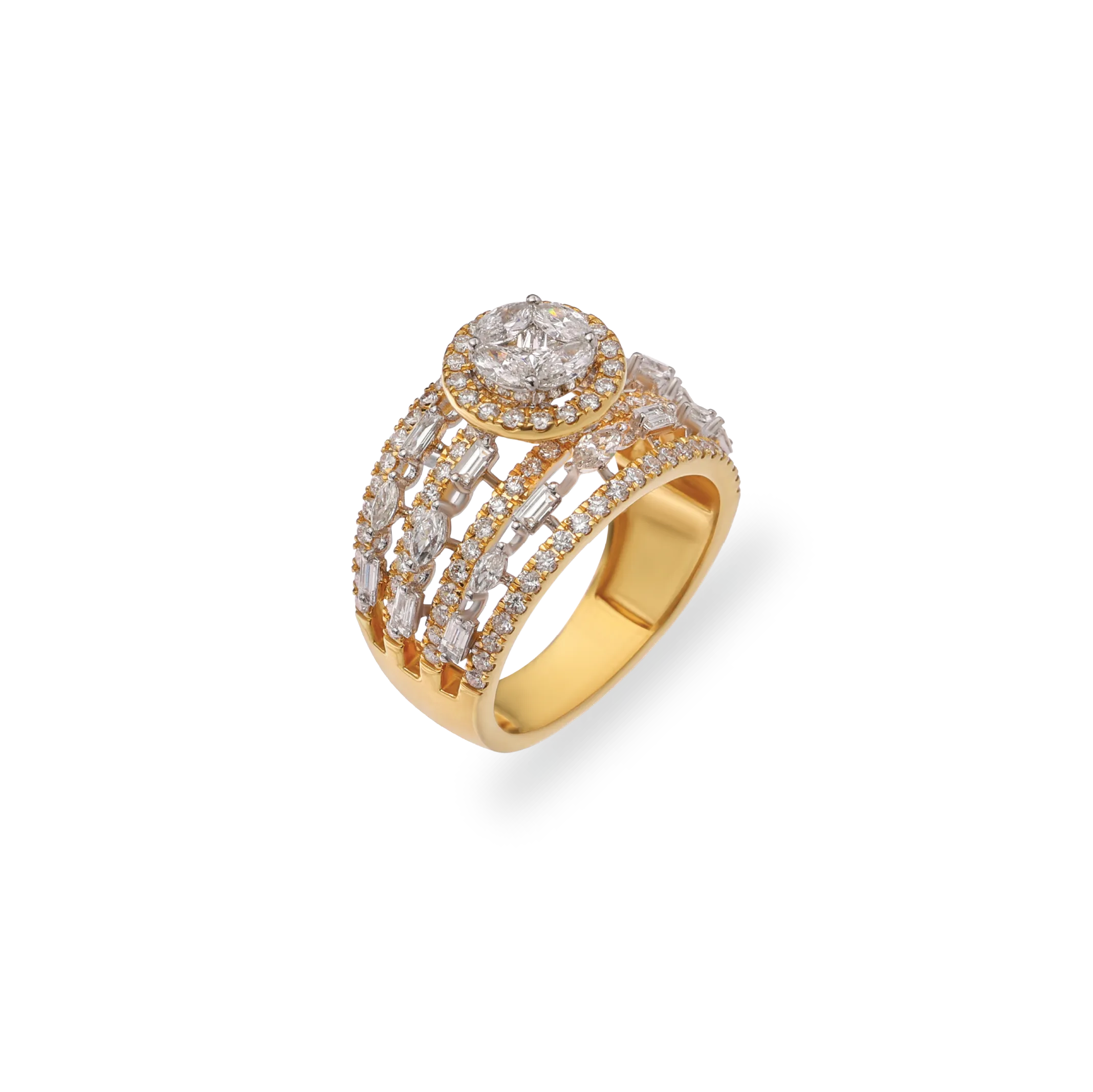
- Pave Setting: Tiny diamonds are set very close together, with small beads of metal holding them in place, giving the look of a solid, sparkling surface.
- Channel Setting: Stones are set in a row within a groove or channel of metal, with no metal in between the stones themselves. This is a very secure method, often used for wedding bands.
Finishing and Design Considerations
Beyond just setting the stones, the final touches make a big difference. This includes how the metal is polished, whether there are any engravings, and the overall structure of the design. A well-finished piece looks and feels luxurious. For gold, you might see intricate filigree work or detailed engraving. For diamond pieces, the design might be minimalist to let the stone shine, or it could be an elaborate setting that complements the diamond's shape and size.
The difference between a mass-produced item and a handcrafted piece often comes down to these finishing details. It's the subtle polish, the perfectly aligned prongs, or the smooth closure on a clasp that speaks to the maker's care and skill.
When you're comparing gold and diamond jewelry, remember that the craftsmanship is just as important as the materials themselves. It's what transforms raw metal and stones into something truly beautiful and lasting.
Ethical Considerations in Jewelry Selection
These days, it feels like everyone's thinking more about where their stuff comes from, and jewelry is no different. It's not just about how pretty a piece is anymore; people want to know it was made responsibly. This means looking into how the metals were mined and where the gemstones were found.
The Rise of Ethical and Sustainable Sourcing
This whole movement towards ethical sourcing is pretty big. It's all about making sure that the materials used in jewelry, like gold and diamonds, are obtained in ways that are fair to people and don't mess up the environment too much. It’s a way to make sure the beauty you're buying doesn’t come with a hidden cost.
Understanding Conflict-Free Diamonds
When we talk about diamonds, "conflict-free" is a term you'll hear a lot. Basically, it means the diamond wasn't used to fund wars or violent groups. It's a way to try and keep the diamond trade from causing more harm. You can find small jewelry brands committed to ethical practices that offer beautiful pieces crafted with recycled gold, ethically sourced diamonds, and other sustainable materials, ensuring fair trade from start to finish. This commitment helps ensure that the sparkle of your diamond doesn't come with a dark side.
The Impact of Recycled Metals
Using recycled gold and other metals is a really smart move for the planet. Mining new metals can be pretty tough on the environment, so using what's already out there cuts down on that impact. It's a big step towards making jewelry production more sustainable. Many jewelers are now proud to use recycled gold, which is a good sign.
Making conscious choices about jewelry means considering the entire journey of the materials, from the earth to your jewelry box. It's about supporting practices that value both people and the planet, ensuring that the pieces we cherish are made with integrity.
Making An Informed Choice: Gold or Diamond
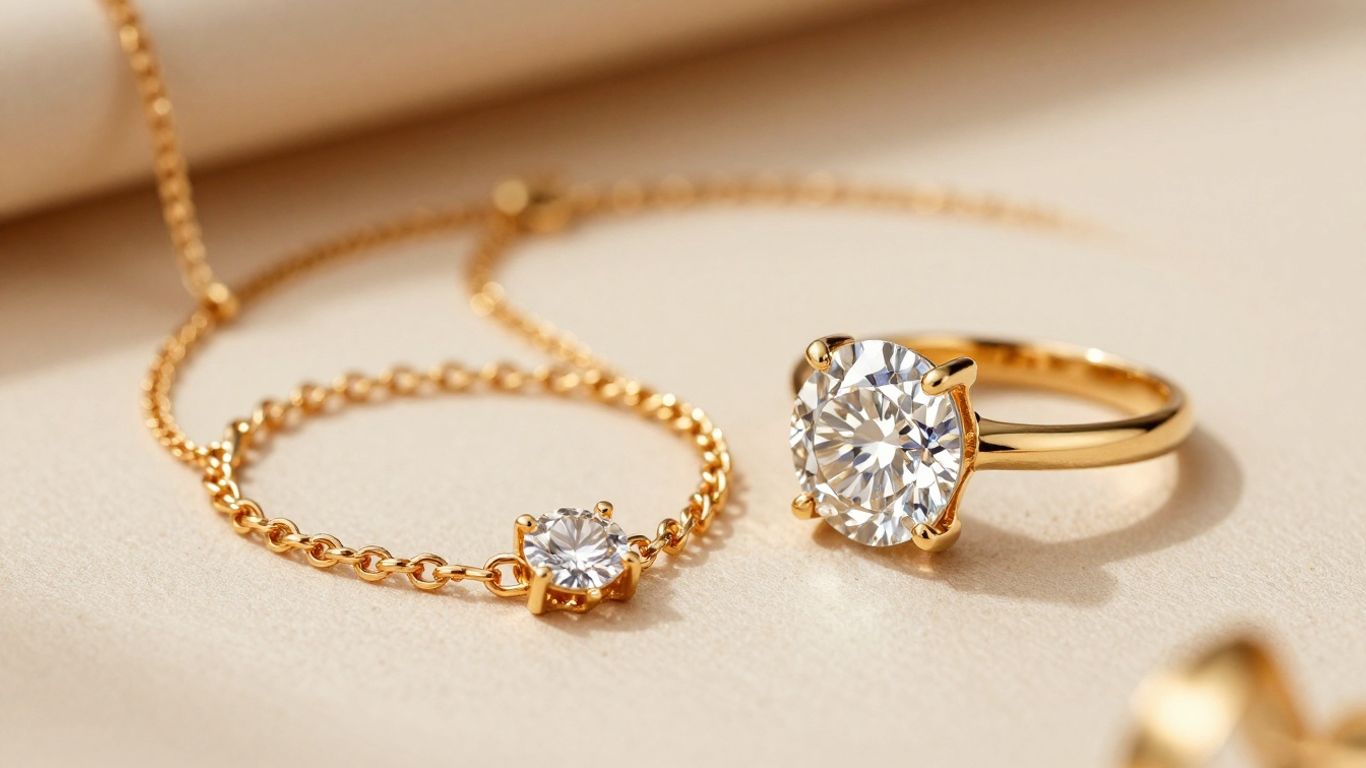
So, you've learned a bit about gold and diamonds separately. Now comes the part where you actually pick something. It can feel like a big decision, right? You want it to be right for you, or the person you're buying it for. Let's break down how to actually make that choice.
Assessing Long-Term Value and Investment
When we talk about jewelry as an investment, it's a bit different from stocks or bonds. Gold, being a precious metal, generally holds its value over time. Its price can fluctuate based on global markets, but it's a tangible asset. Think of it like a store of value. If you're looking at a piece of jewelry primarily for its potential to retain or even increase in worth, the gold content and its purity (like 18K or 24K) are big factors. The craftsmanship also plays a role here; a well-made piece in a significant karat of gold is more likely to be desirable down the line.
Diamonds, on the other hand, are a bit trickier as an investment. While a large, high-quality diamond can be a significant asset, their resale value often doesn't match the initial purchase price, especially for smaller stones or those with lower grades on the 4 Cs. The market for diamonds is also influenced by trends and supply. However, a truly exceptional diamond, certified and rare, can certainly hold and grow in value. It's more about the specific stone's characteristics and market demand than a general rule.
Here's a quick look at what influences value:
| Factor | Gold Jewelry | Diamond Jewelry |
|---|---|---|
| Primary Value | Metal purity (karat), weight, market price | The 4 Cs (Cut, Color, Clarity, Carat), rarity, demand |
| Investment | Generally stable, tied to commodity prices | Can appreciate, but often depreciates initially |
| Craftsmanship | Adds to desirability and resale potential | Crucial for beauty, less impact on raw material value |
When considering jewelry as an investment, it's important to be realistic. While gold has a more predictable value retention, diamonds are more about personal significance and potential for appreciation based on unique qualities and market conditions.
Matching Jewelry to Lifestyle and Preferences
This is where it really gets personal. What looks amazing on someone else might not feel right for you. Think about your daily life. Are you someone who's always on the go, maybe working with your hands a lot? If so, a softer metal like 18K gold or platinum might get scratched more easily than a more durable 14K gold. A ring with a large, prominent diamond might snag on things. You might prefer a simpler gold band or a piece with a flush-set stone.
On the flip side, if you love making a statement and your lifestyle allows for it, a dazzling diamond ring or a more intricate gold design could be perfect. Consider the color preferences too. Do you lean towards the warm glow of yellow gold , the cool tone of white gold or platinum, or the romantic blush of rose gold ? And for diamonds, are you drawn to the classic sparkle, or perhaps a unique colored diamond?
Here are some things to ponder:
- Activity Level: High activity might mean opting for more durable metals like 14K gold or platinum, and perhaps simpler stone settings.
- Style Aesthetic: Do you prefer minimalist, classic, modern, or vintage looks? This will guide both metal and stone choices.
- Color Palette: Consider your skin tone and existing jewelry. Do you look better in warm metals or cool tones? Do you prefer the white sparkle of diamonds or the rich hues of colored gemstones?
- Occasion: Is this for everyday wear, a special event, or a significant milestone like an engagement?
Navigating Hallmarks and Purity Stamps
Don't let those tiny marks on your jewelry intimidate you! They're actually your best friends when it comes to knowing what you've got. Hallmarks are like a secret code that tells you about the metal's quality and origin. You'll usually find them on the inside of a ring band or on the clasp of a necklace or bracelet.
For gold, you'll see stamps like "14K" or "18K." This tells you the purity – 14K means it's 58.5% pure gold, and 18K means it's 75% pure gold. The rest is usually other metals mixed in to make it stronger. You might also see "24K," which is pure gold, but it's very soft and not common for everyday jewelry.
Platinum jewelry will often be stamped "PLAT" or "950," indicating it's 95% pure platinum. These stamps are your guarantee that you're getting what you're paying for. It's always a good idea to check for these marks, especially when making a significant purchase. They're a sign of a reputable maker and a quality piece.
Wrapping It Up
So, we've gone through the basics of gold and diamonds, looking at what makes them special. It's not just about how they look, but also about the materials, how they're made, and what they mean. Whether you're drawn to the warm glow of gold or the sparkle of a diamond, understanding these details helps you pick something you'll really love. It’s about finding a piece that feels right for you, something that can be a part of your story for years to come. Think of it as an investment in something beautiful that holds meaning, something you can even pass down. Choosing jewelry is personal, and knowing the difference between gold and diamonds just makes that choice a little easier and a lot more satisfying.
Frequently Asked Questions
What's the main difference between fine jewelry and fashion jewelry?
Fine jewelry is made with real precious metals like gold or platinum and genuine gemstones, like diamonds. It's built to last forever and often becomes a special family keepsake. Fashion jewelry, on the other hand, is usually made with less expensive metals and fake stones, and it's more about following trends than being a lasting treasure.
Are lab-grown diamonds real diamonds?
Yes, they are! Lab-grown diamonds are exactly the same as diamonds mined from the earth in terms of their look, hardness, and sparkle. They are real diamonds, just made in a lab instead of deep underground. They're a great, often more affordable, and ethical choice for fine jewelry.
How can I tell if jewelry is real fine jewelry?
Look for small stamps called hallmarks on the metal, like '14k' or '18k' for gold, which show its purity. For important stones like diamonds, always ask for a certificate from a trusted lab, such as the GIA. Buying from a reputable jeweler you trust is also key.
What does 'karat' mean for gold?
Karat tells you how much pure gold is in an item. Pure gold is 24 karats (24k), but it's too soft for most jewelry. So, gold is mixed with other metals to make it stronger. For example, 14k gold means 14 out of 24 parts are pure gold (about 58.3%), and 18k gold means 18 out of 24 parts are pure gold (75%).
Why are diamonds valued based on the '4 Cs'?
The 4 Cs – Cut, Color, Clarity, and Carat – are the standard way to judge a diamond's quality and worth. 'Cut' is about how well it sparkles, 'Color' is about how clear it is (less color is better), 'Clarity' is about tiny flaws inside or on the surface, and 'Carat' is its weight. Together, they help explain why one diamond costs more than another.
What does 'ethical sourcing' mean for jewelry?
Ethical sourcing means making sure the metals and gems used in jewelry are obtained in a way that's fair to people and the planet. This includes things like ensuring diamonds aren't funding wars ('conflict-free') and using recycled metals to reduce the need for new mining. It's about choosing jewelry that you can feel good about wearing.
Related blogs:
November 20, 2025
The Timeless Elegance of the Tennis Bracelet: A Comprehensive Guide
Read More
November 20, 2025
The Ultimate Guide to Styling and Wearing a Choker Necklace
Read More
November 20, 2025
Find Your Perfect Engagement Ring: A Comprehensive Guide to Styles and Diamonds
Read More
November 20, 2025
The Timeless Elegance of a Diamond Tennis Bracelet: A Buyer's Guide
Read More









.webp)

.webp)