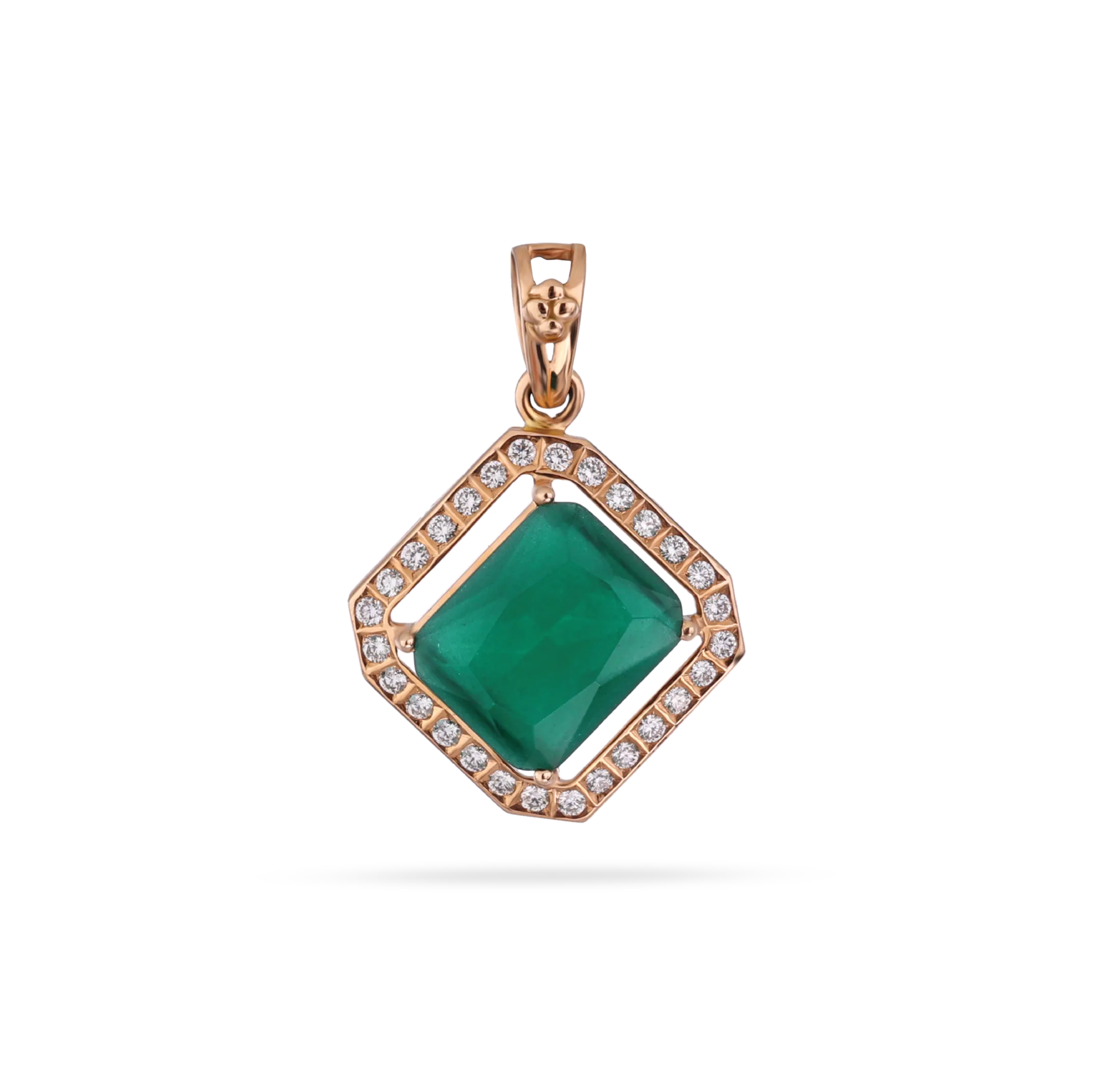
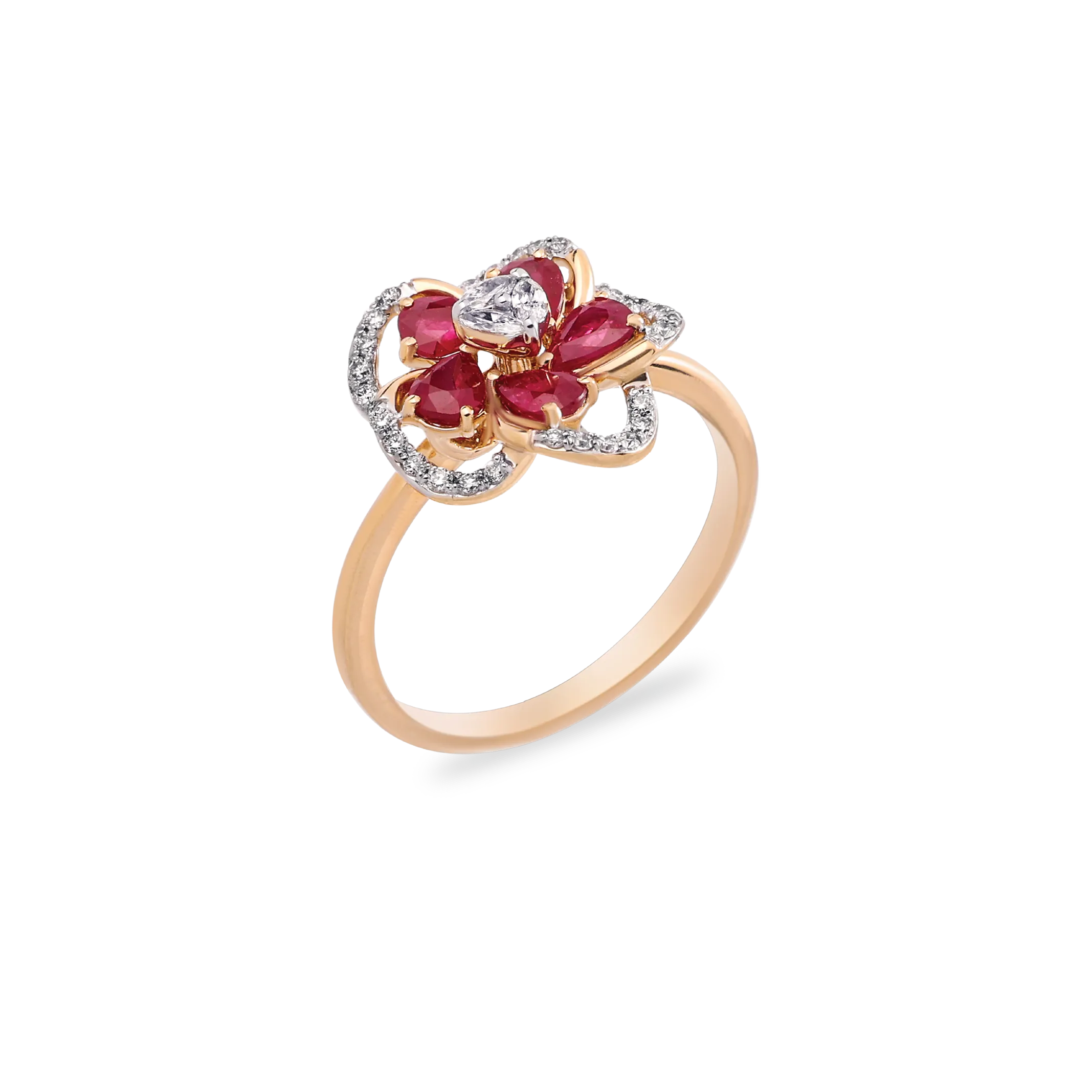
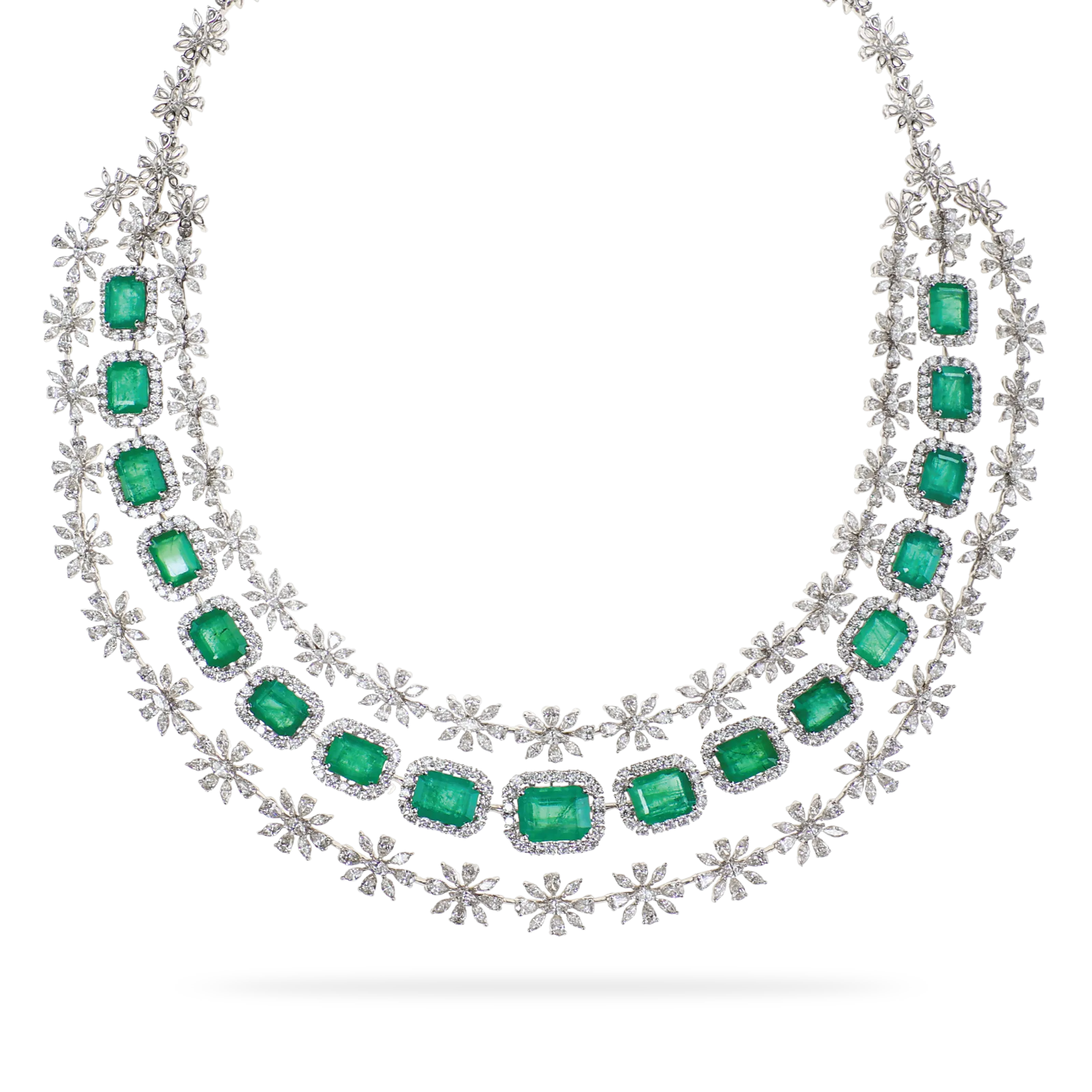
Unlock Your Sparkle: Mastering the Art of How to Style Diamond Jewellery
March 24, 2026 | 10 minutes read
So, you've got some diamond jewelry, maybe a ring or a necklace, and you're wondering how to make it work with everything else you wear. It's not as complicated as it might seem! Think of your diamonds as the stars of your personal style show. Learning how to style diamond jewellery is all about mixing and matching, finding pieces that feel right for you, and making sure everything looks put together. Whether you're dressing for work or a casual day out, there are simple ways to make your diamonds shine without looking overdone. Let's explore some ideas to help you get the most out of your sparkly treasures.
Key Takeaways
- Start building a versatile diamond jewelry collection by choosing essential pieces like solitaires and bar pendants, and consider adding symbolic items that hold personal meaning.
- Master layering necklaces by playing with different lengths, textures, and metals to create depth, using pendants as focal points, and mixing finishes for visual interest.
- For professional settings, opt for understated diamond pieces such as small studs, plain bands, or delicate chains that complement your ring without distracting.
- Don't be afraid to mix metals like gold and silver, or rose and white gold , to create modern contrast and visual appeal in your diamond jewelry looks.
- Personalize your diamond style through custom design options, consider lab-created diamonds for affordability, and choose pieces that genuinely tell your story.
Building Your Diamond Jewellery Wardrobe
Think of your diamond jewelry like any other wardrobe staple – you need a solid foundation before you start adding the really fun, statement pieces. Building a collection that works for you means starting with versatile items that can be mixed and matched. It’s not about having a million things, but about having the right things.
Selecting Essential Diamond Pieces
When you're just starting out, or even if you're looking to round out your collection, focus on pieces that offer maximum wearability. These are the items that can go from a casual coffee run to a fancy dinner without missing a beat. The goal is to have a few go-to diamond pieces that feel like a natural extension of your personal style.
Here are some ideas for foundational diamond pieces:
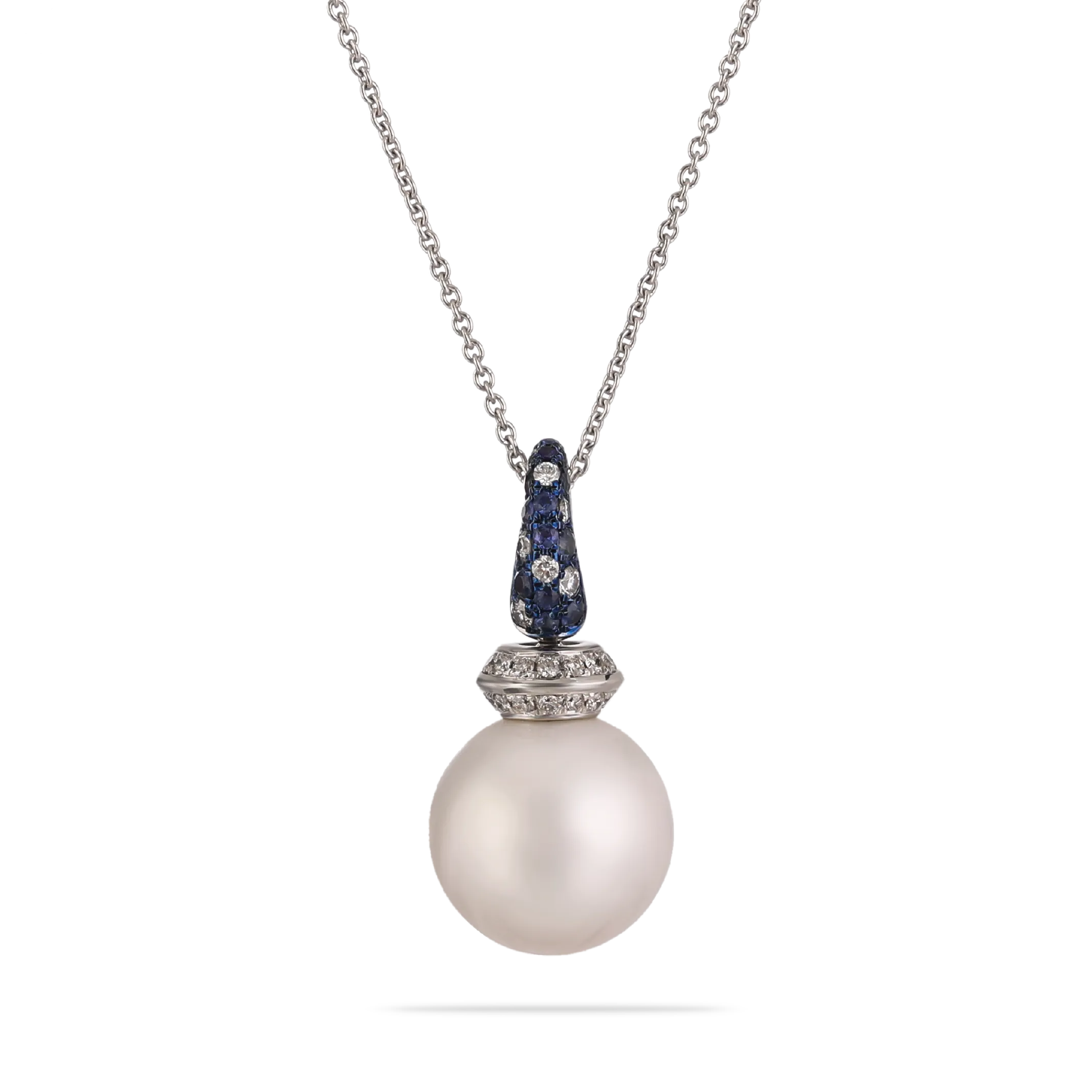
- The Delicate Solitaire Necklace: A small, brilliant diamond on a fine chain is your best friend. It’s perfect for layering or wearing solo. Aim for a chain length that sits nicely just below your collarbone, usually around 16-18 inches.
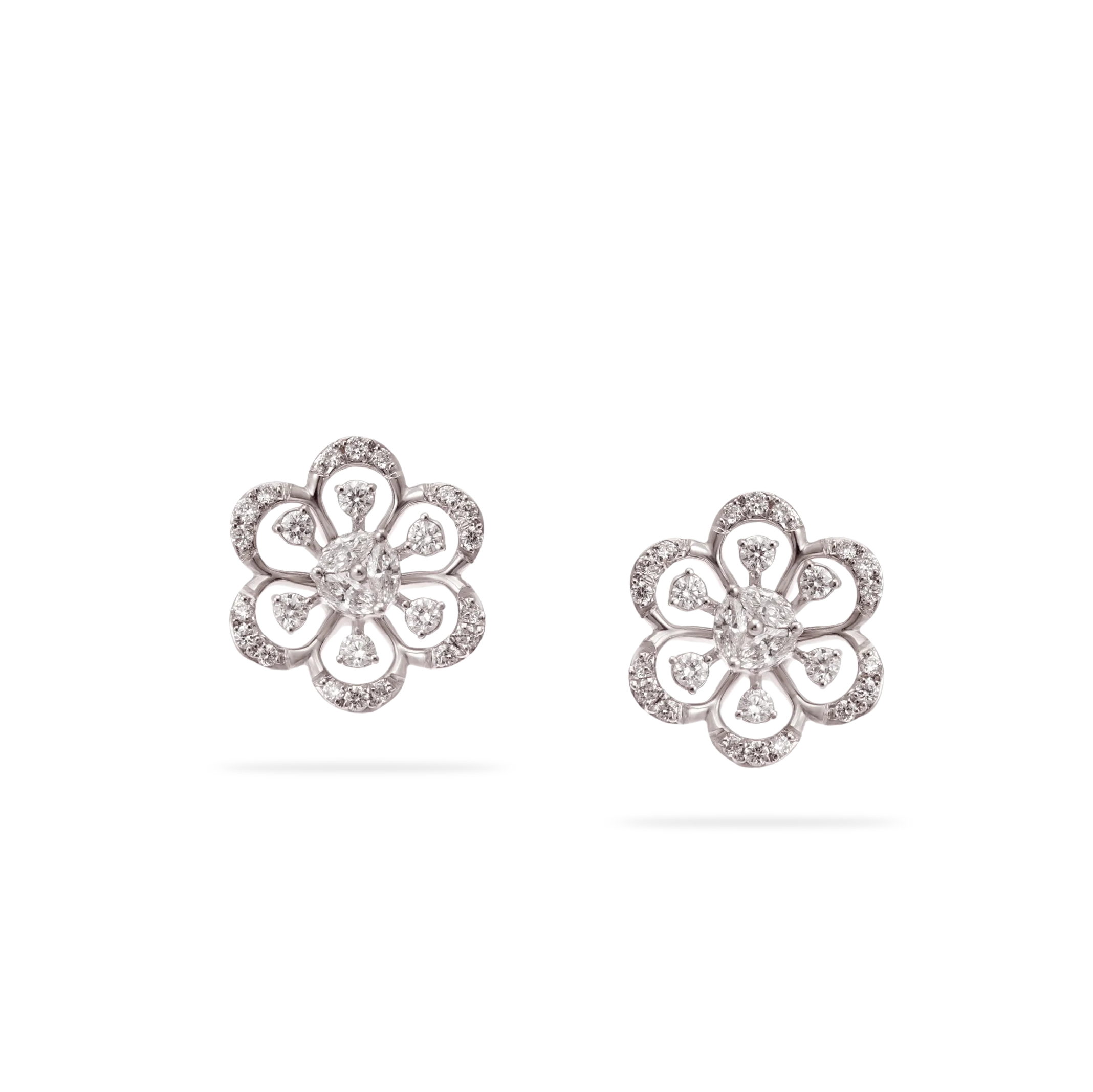
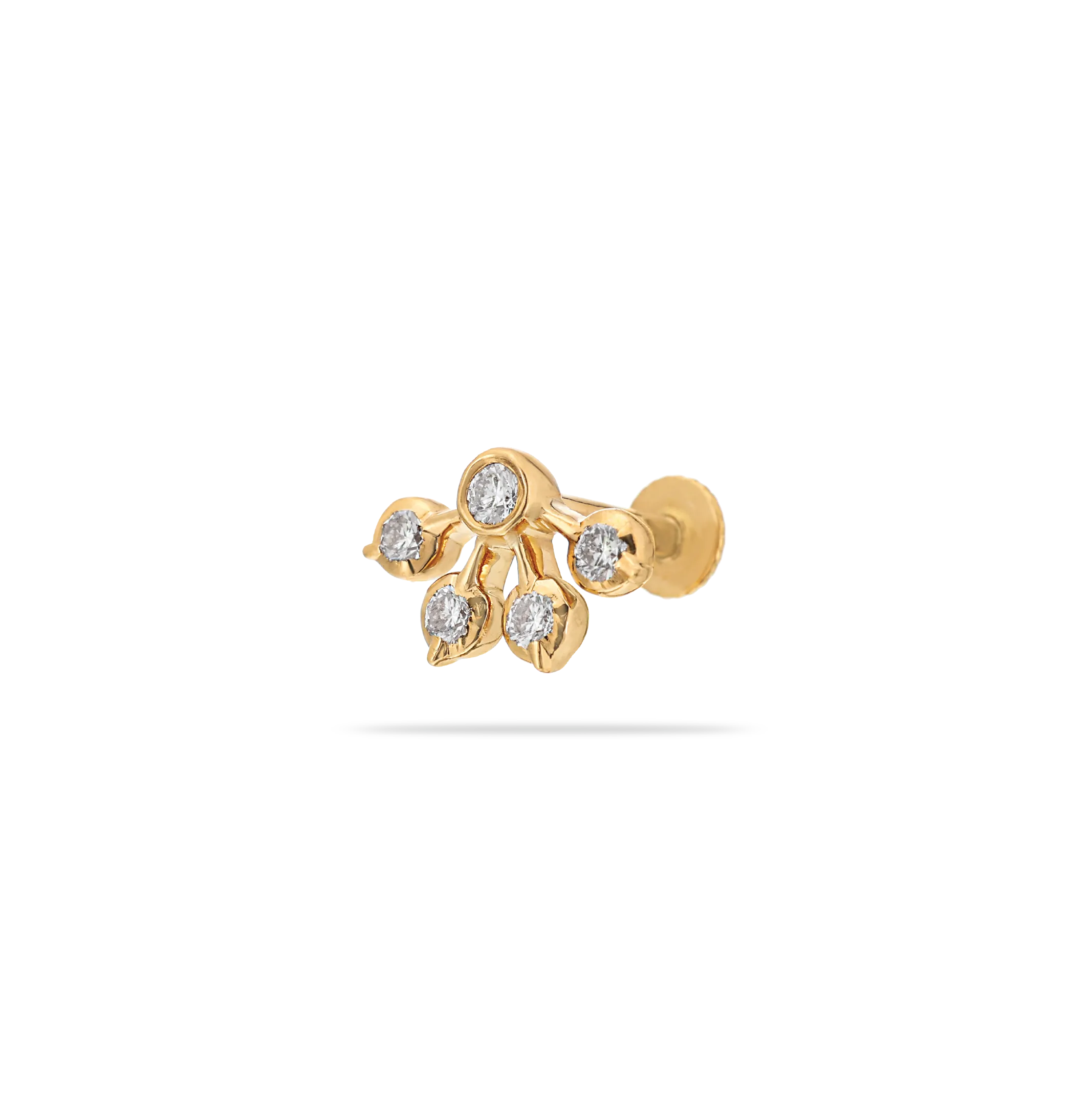
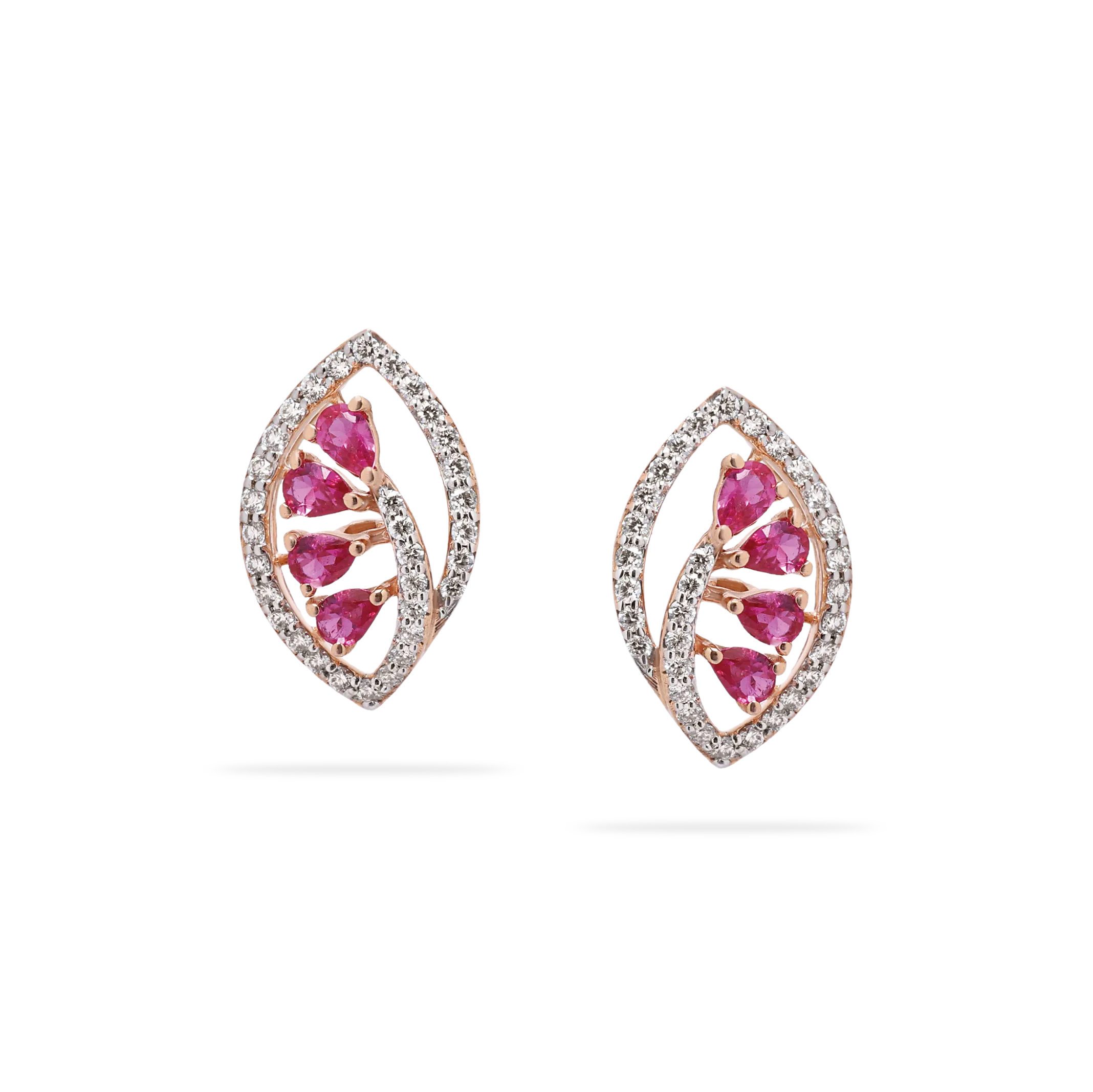
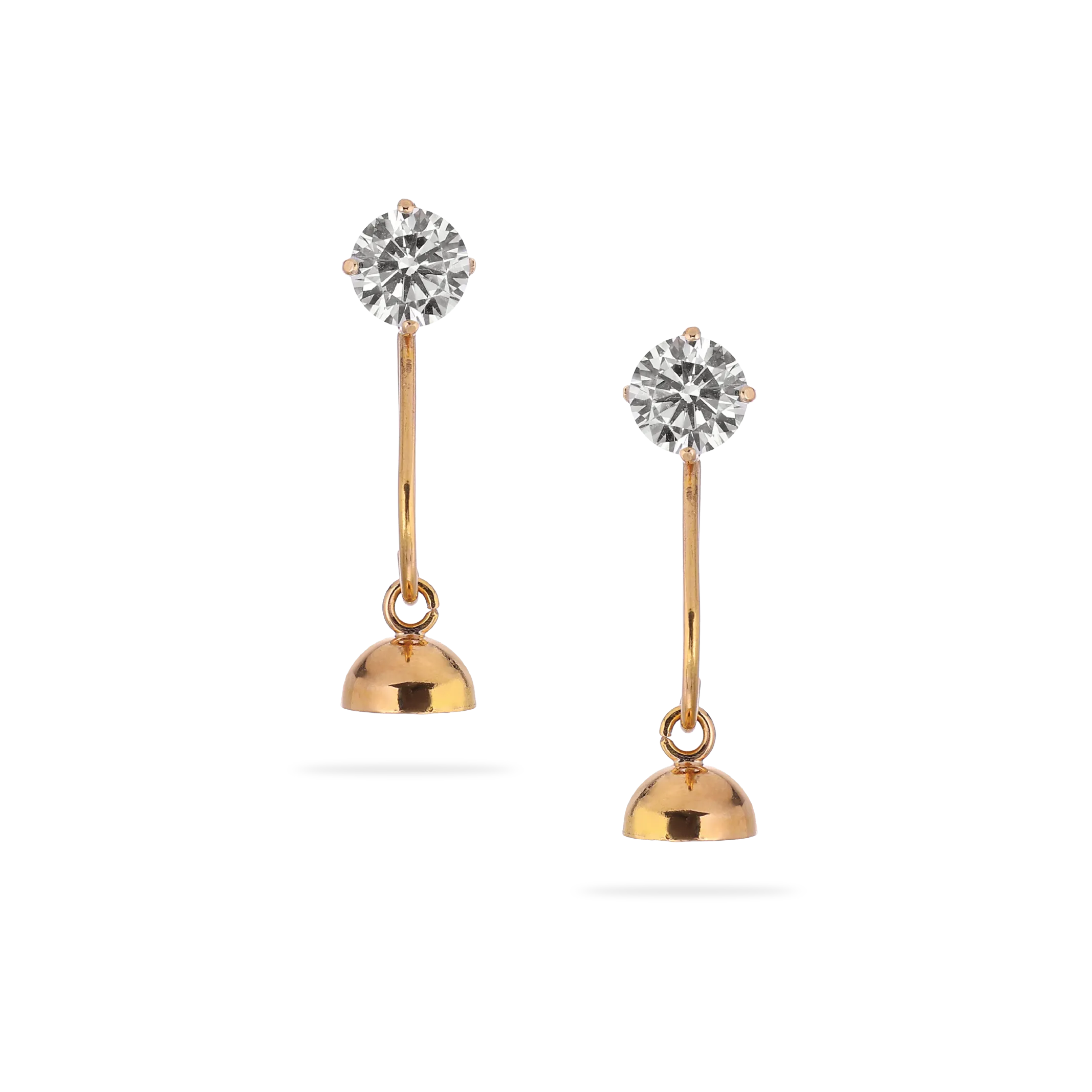
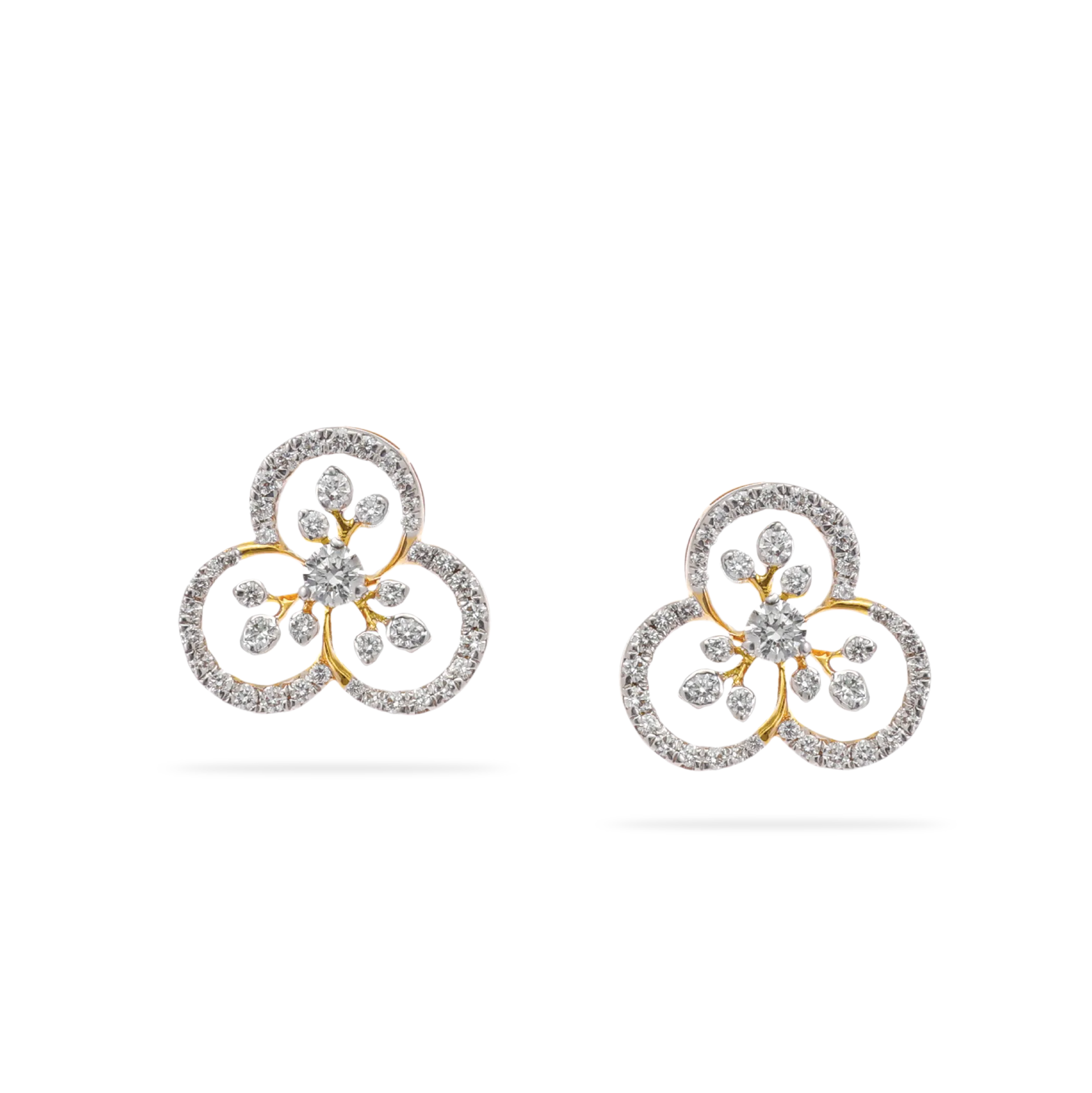
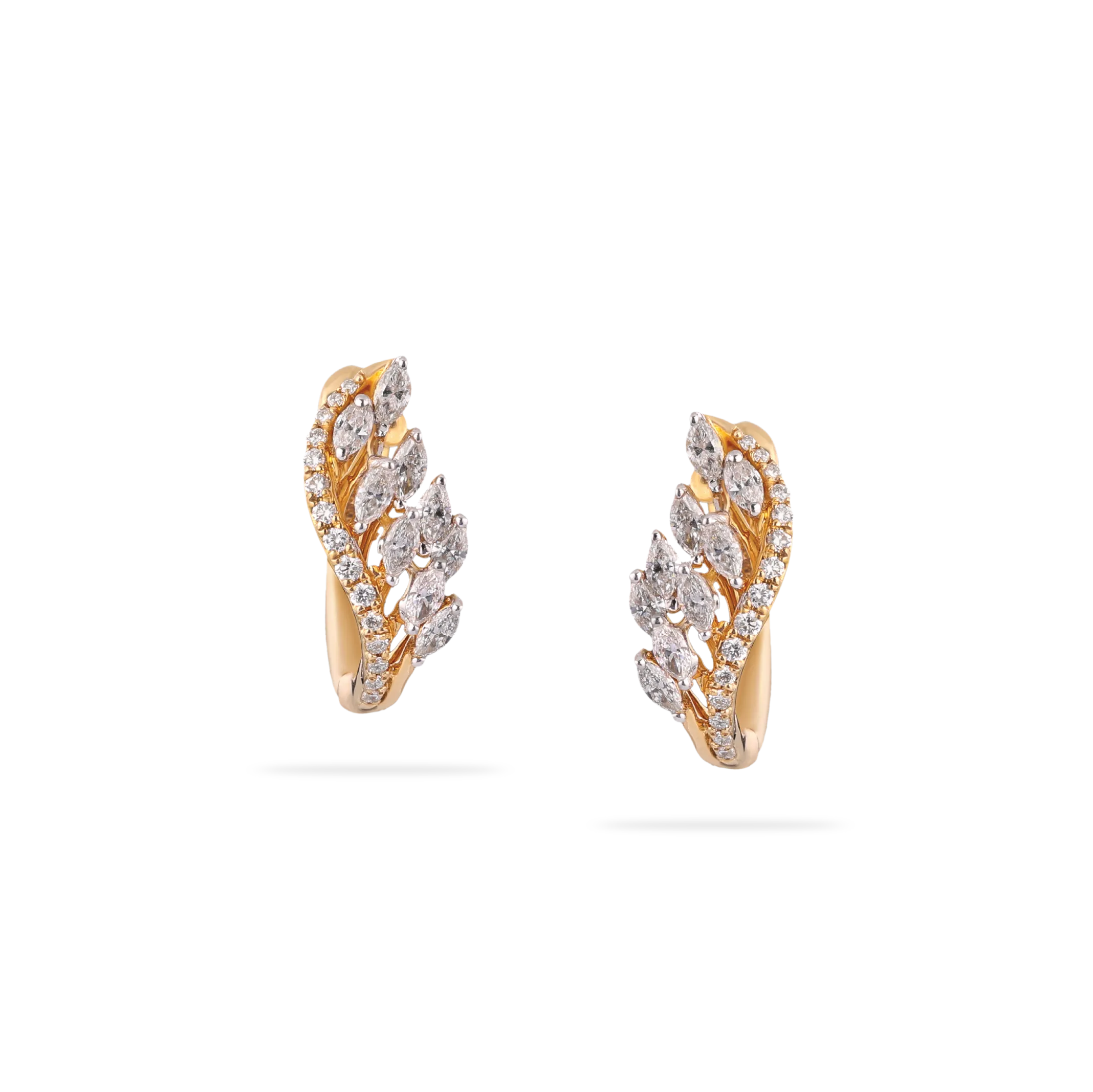
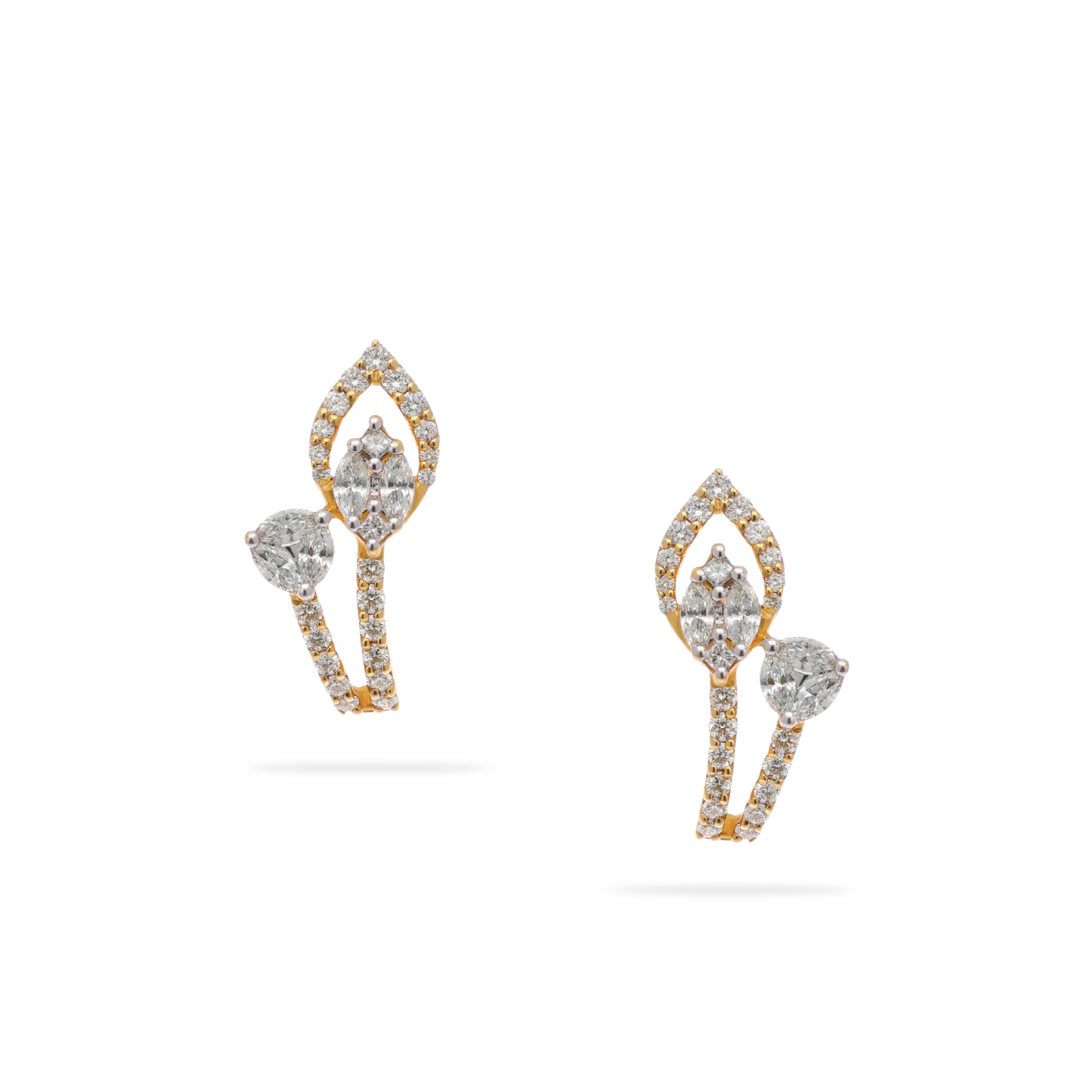
- Simple Diamond Studs or Huggies: A classic pair of diamond studs is a no-brainer. If you prefer something a bit more modern, small diamond-set huggie hoops are fantastic for everyday wear.
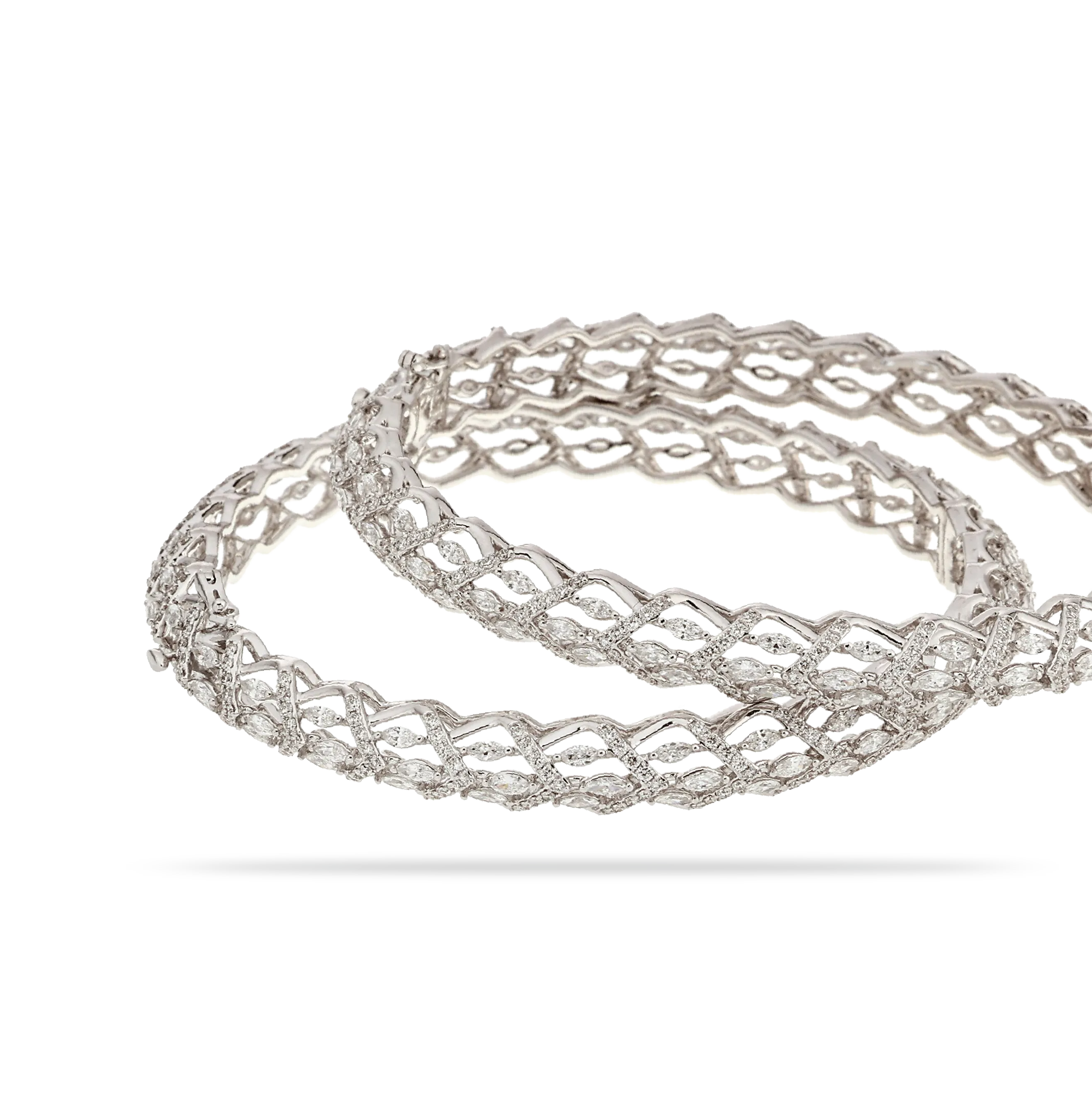
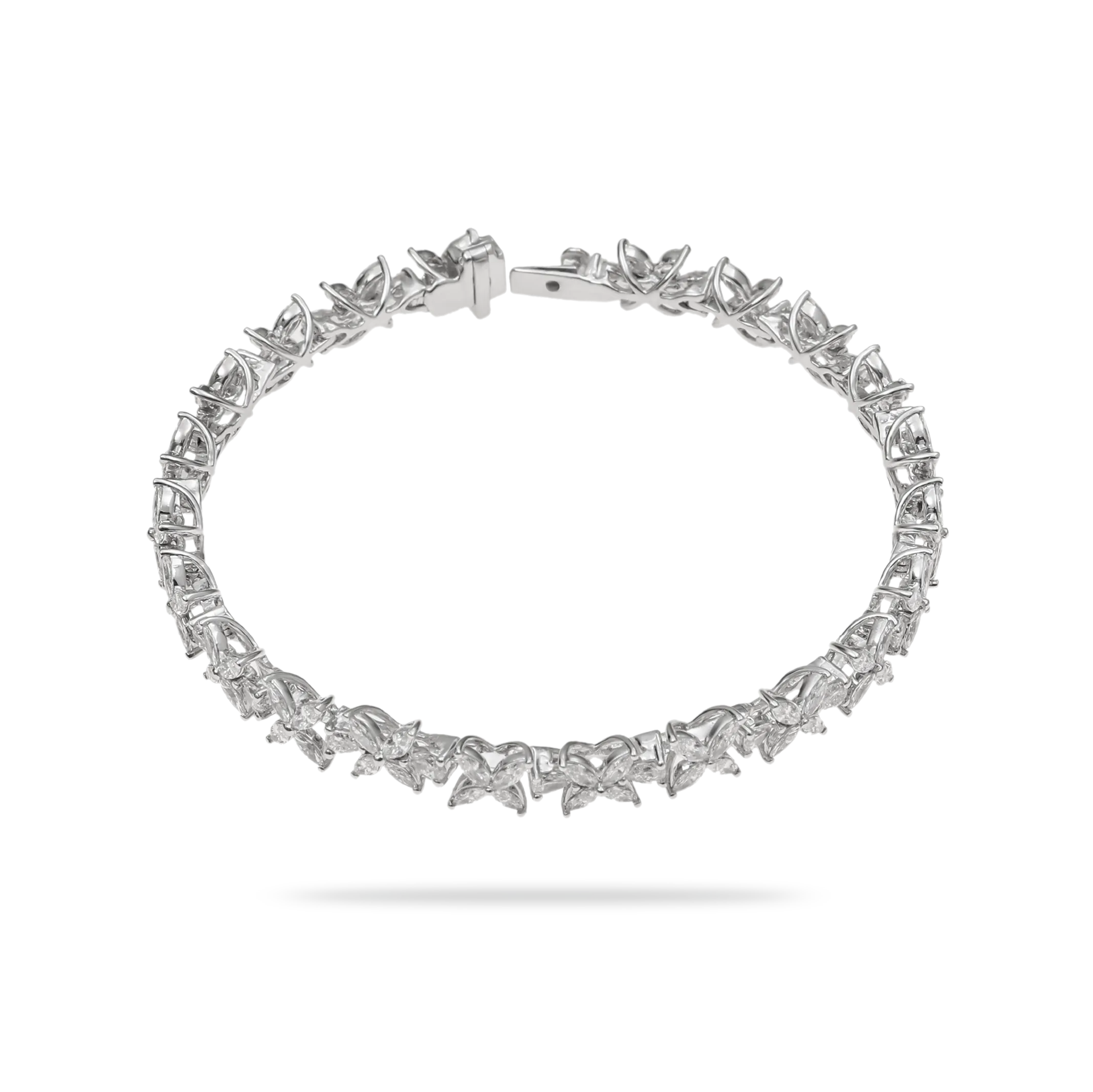
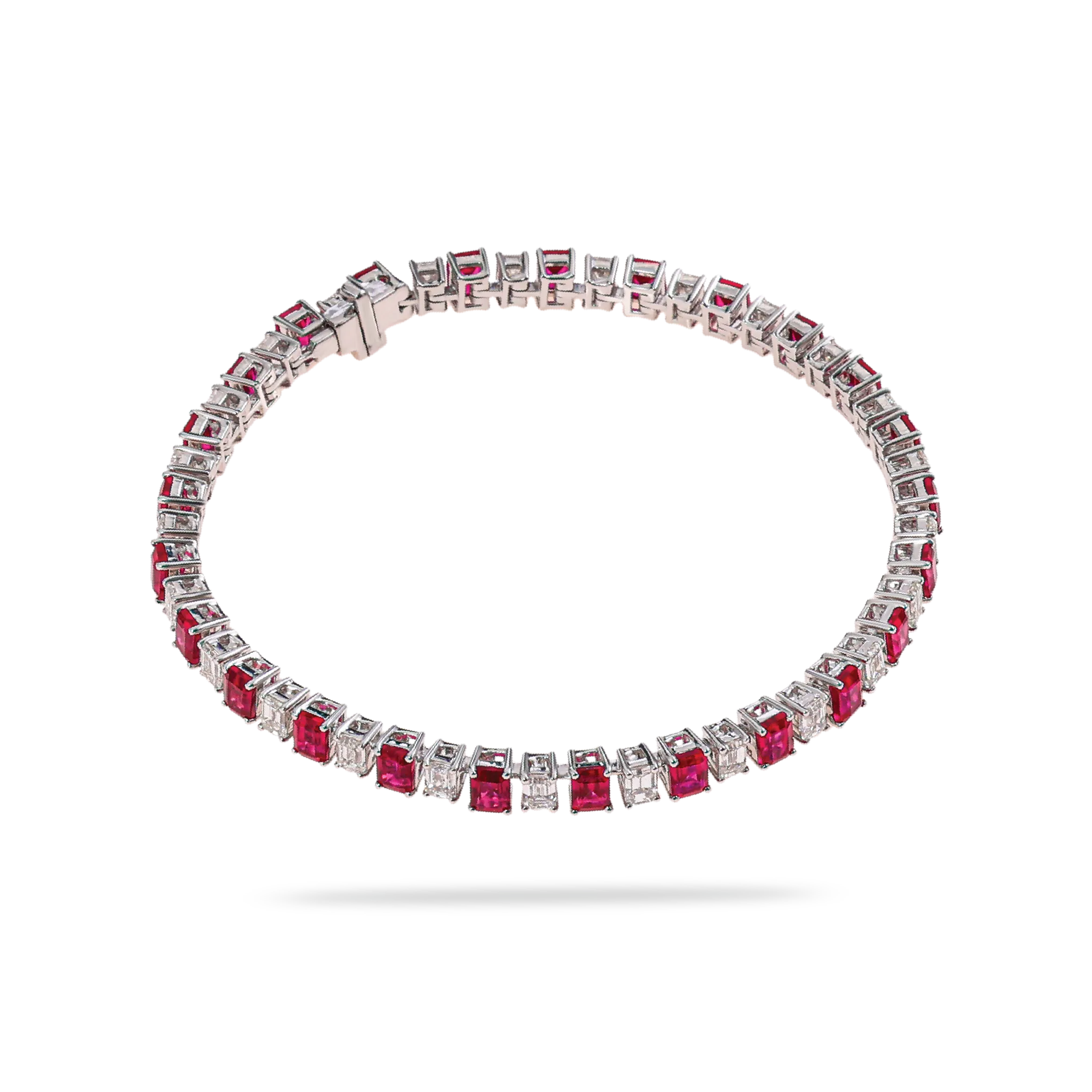
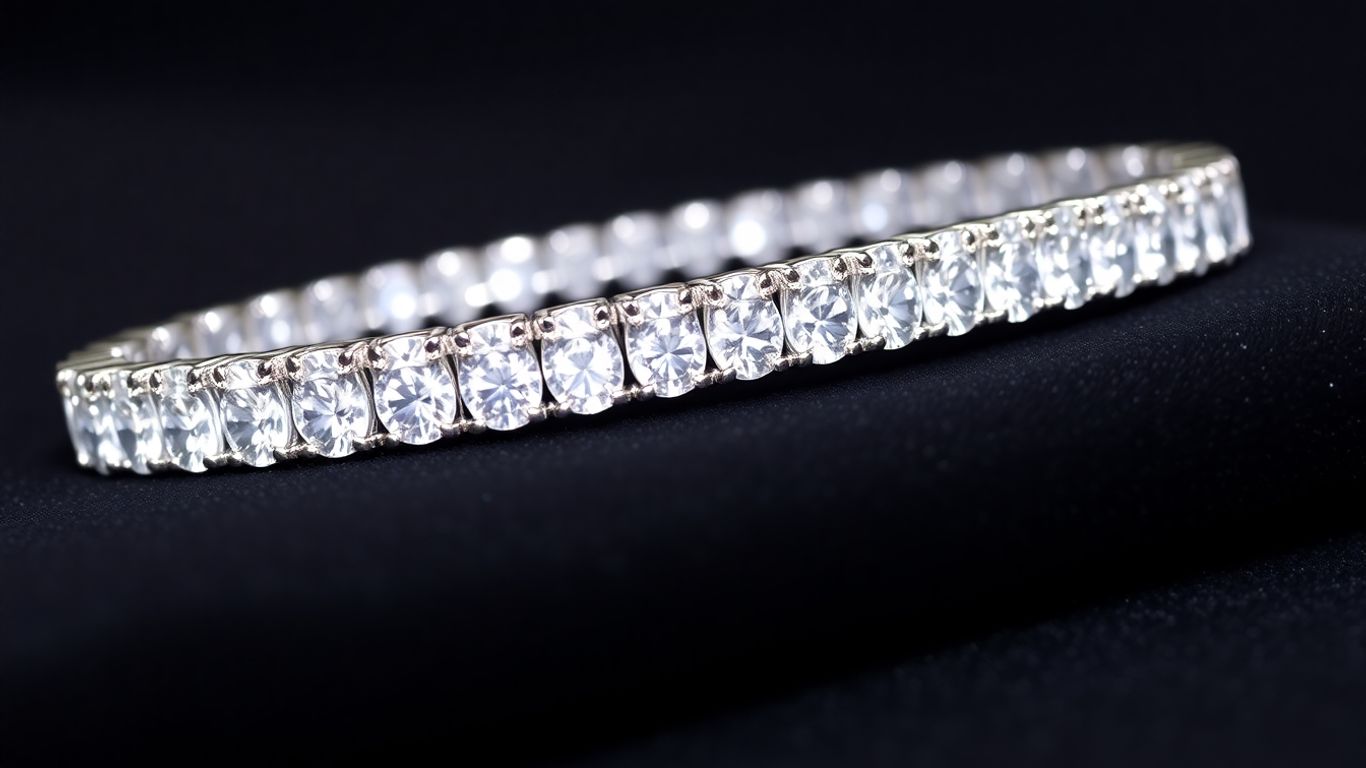
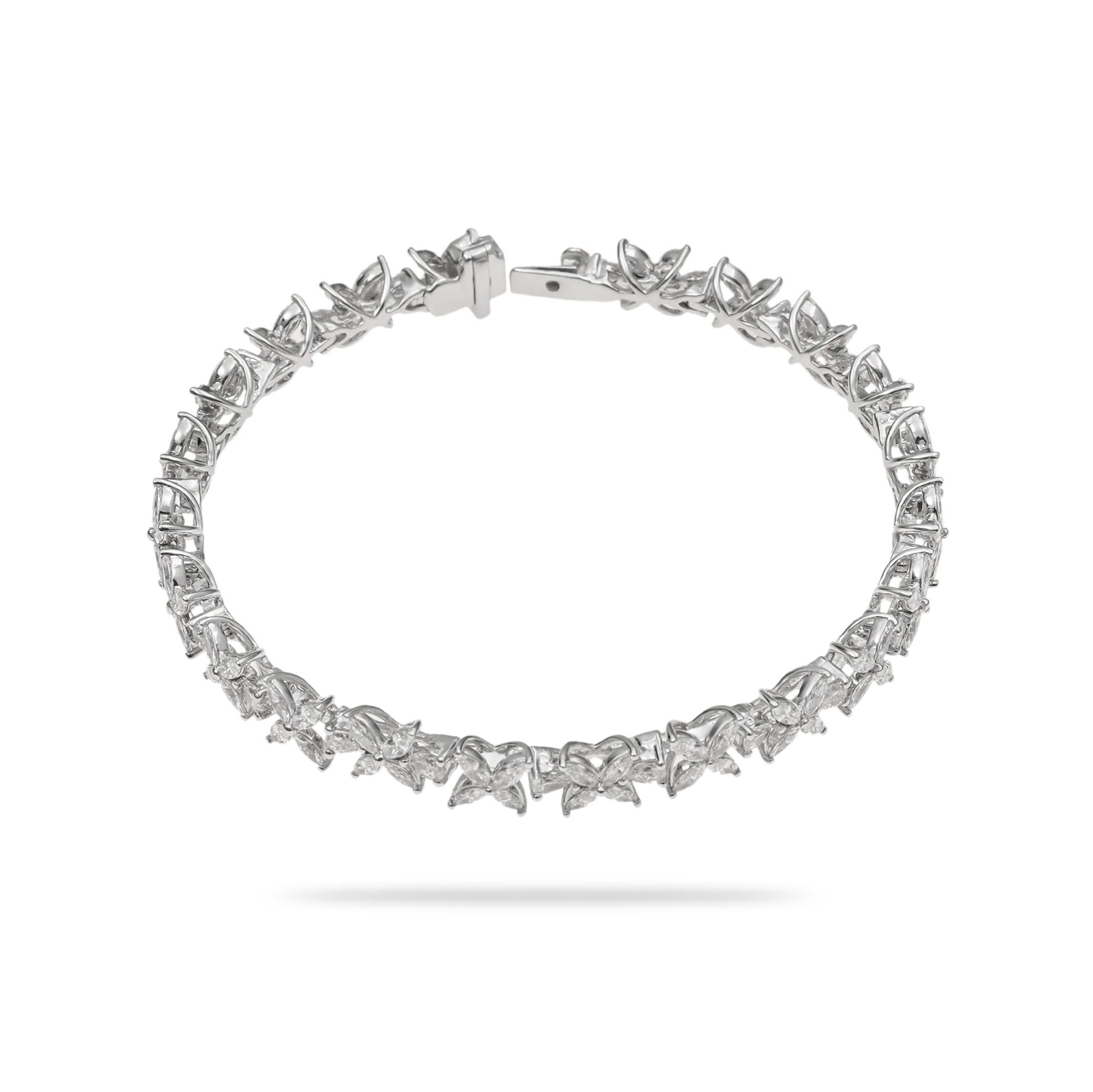
- A Classic Diamond Band or Tennis Bracelet: A thin diamond band can be worn alone or stacked with other rings. Similarly, a delicate diamond tennis bracelet adds just the right amount of sparkle to your wrist without being over the top.
Building a jewelry wardrobe is a marathon, not a sprint. Start with a few key pieces that you absolutely love and that fit your lifestyle. You can always add more over time as your tastes evolve and you discover new favorites.
Incorporating Symbolic Jewellery
Jewelry gets a whole lot more special when it tells a story. Adding pieces that have personal meaning can really make your collection feel unique to you. It’s about more than just sparkle; it’s about sentiment.
Consider these types of symbolic pieces:
- Heirloom Pieces: Anything passed down from family carries a lot of history and love. Even if it’s not diamonds, it can be a beautiful contrast.
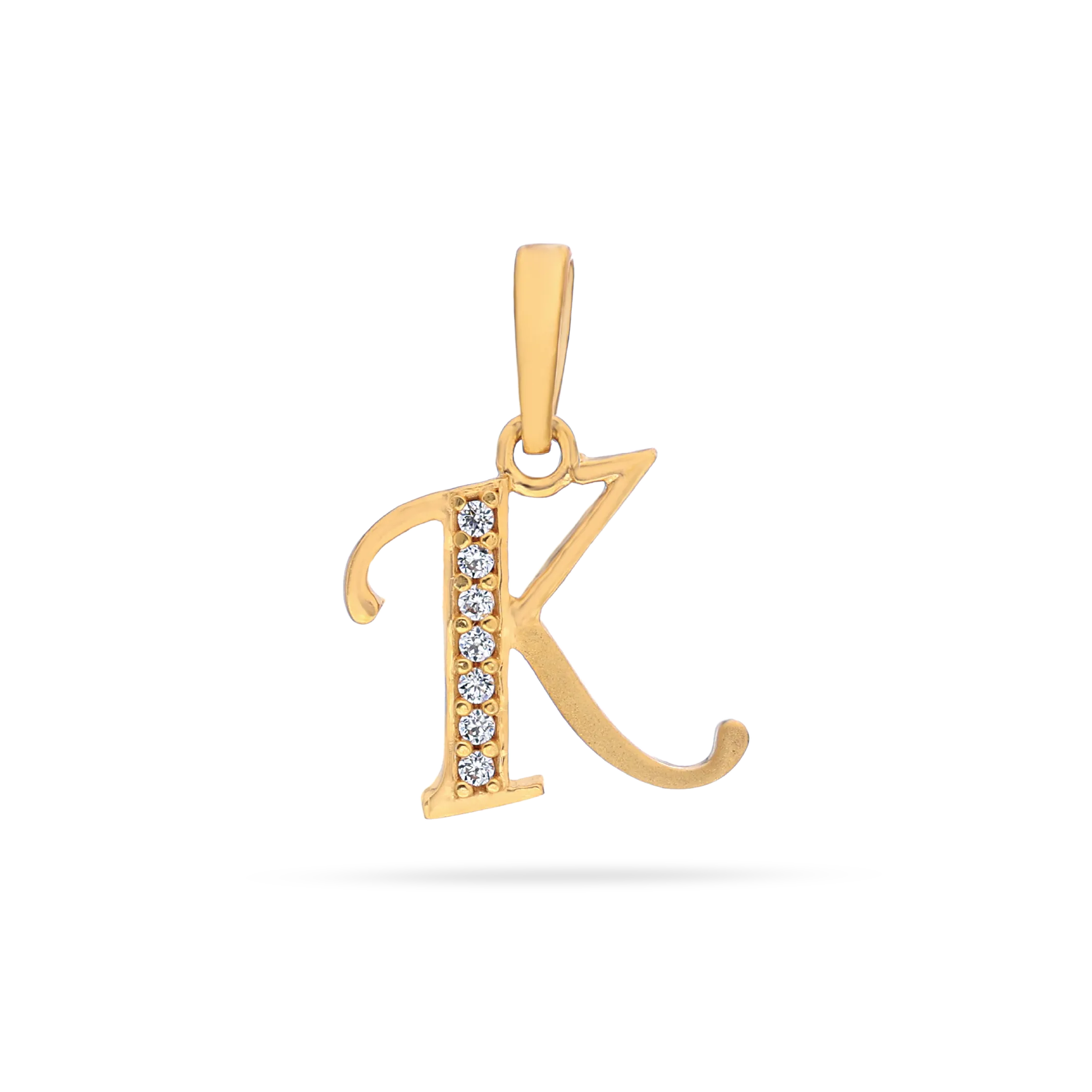
- Initial or Monogram Jewelry: A pendant or ring featuring your initial, or those of loved ones, adds a personal touch.
- Birthstone Accents: Incorporating birthstones, perhaps alongside diamonds, can represent important people or moments.
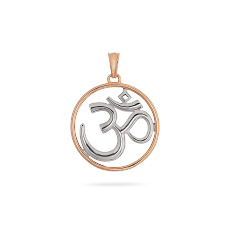
- Meaningful Symbols: Think about charms or pendants that represent your hobbies, beliefs, or important life events.
Thoughtful Diamond Gifting
When it comes to gifting diamond jewelry, thinking about the recipient’s style is key. You want to choose something they’ll not only appreciate but also wear regularly. It’s the thought behind the gift that truly counts.
Some gift ideas that tend to be well-loved and versatile include:
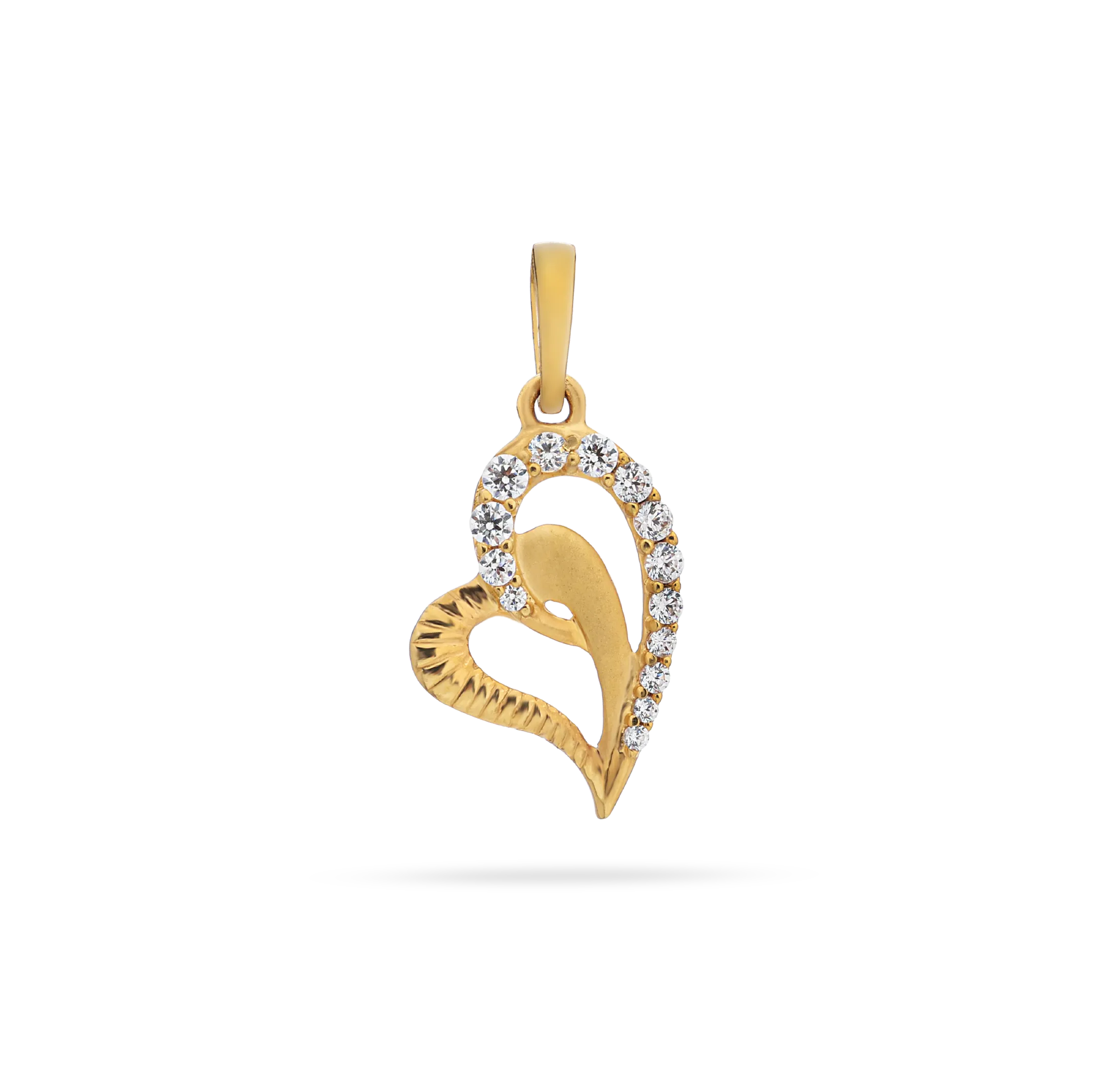
- Diamond Pendant Necklaces: A simple solitaire or a modern bar pendant is often a safe and elegant bet.
- Diamond Stud Earrings: You can rarely go wrong with classic diamond studs. They suit almost everyone.
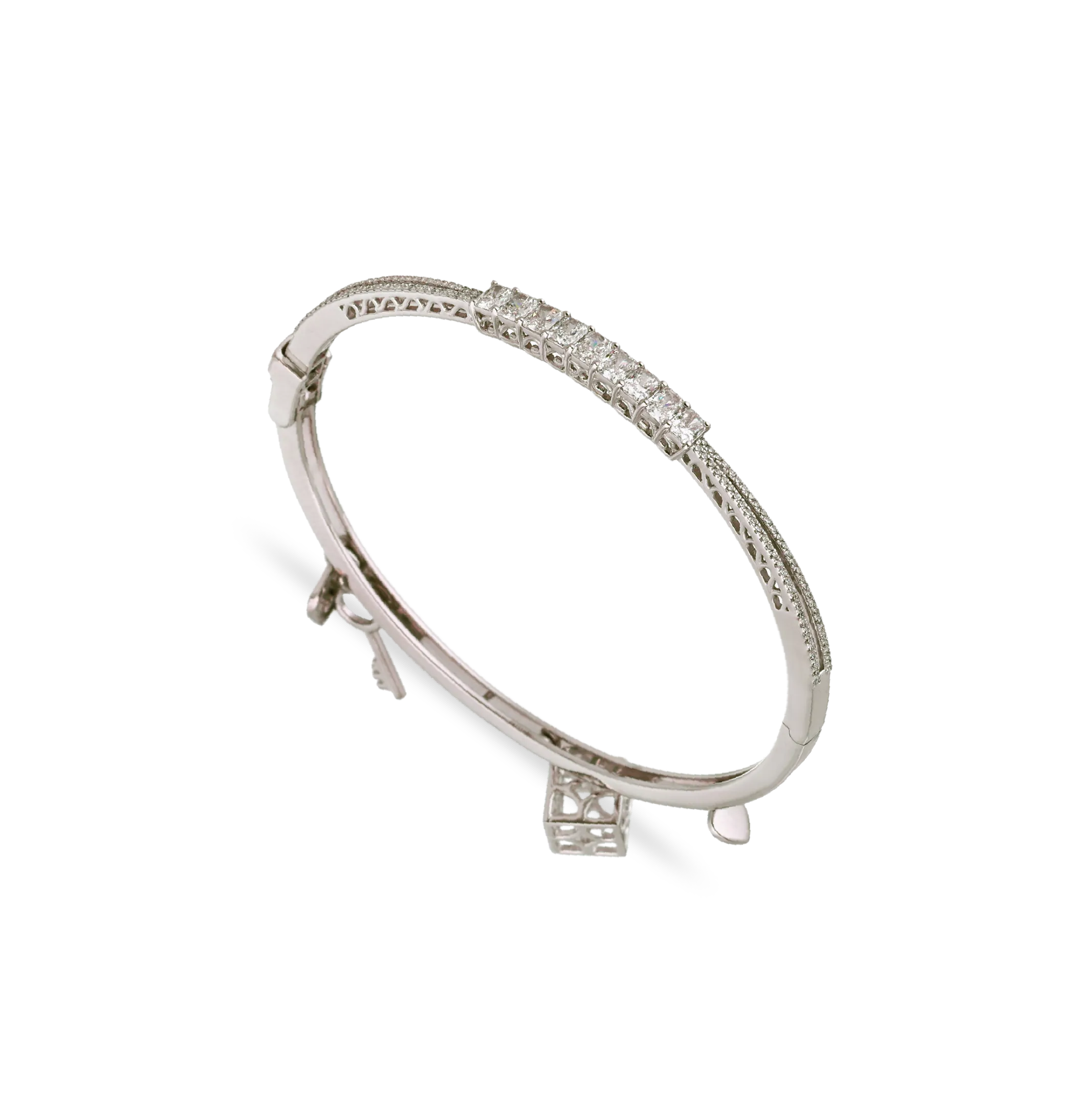
- Delicate Diamond Bracelets: A fine chain bracelet with a small diamond accent is a lovely, understated piece for the wrist.
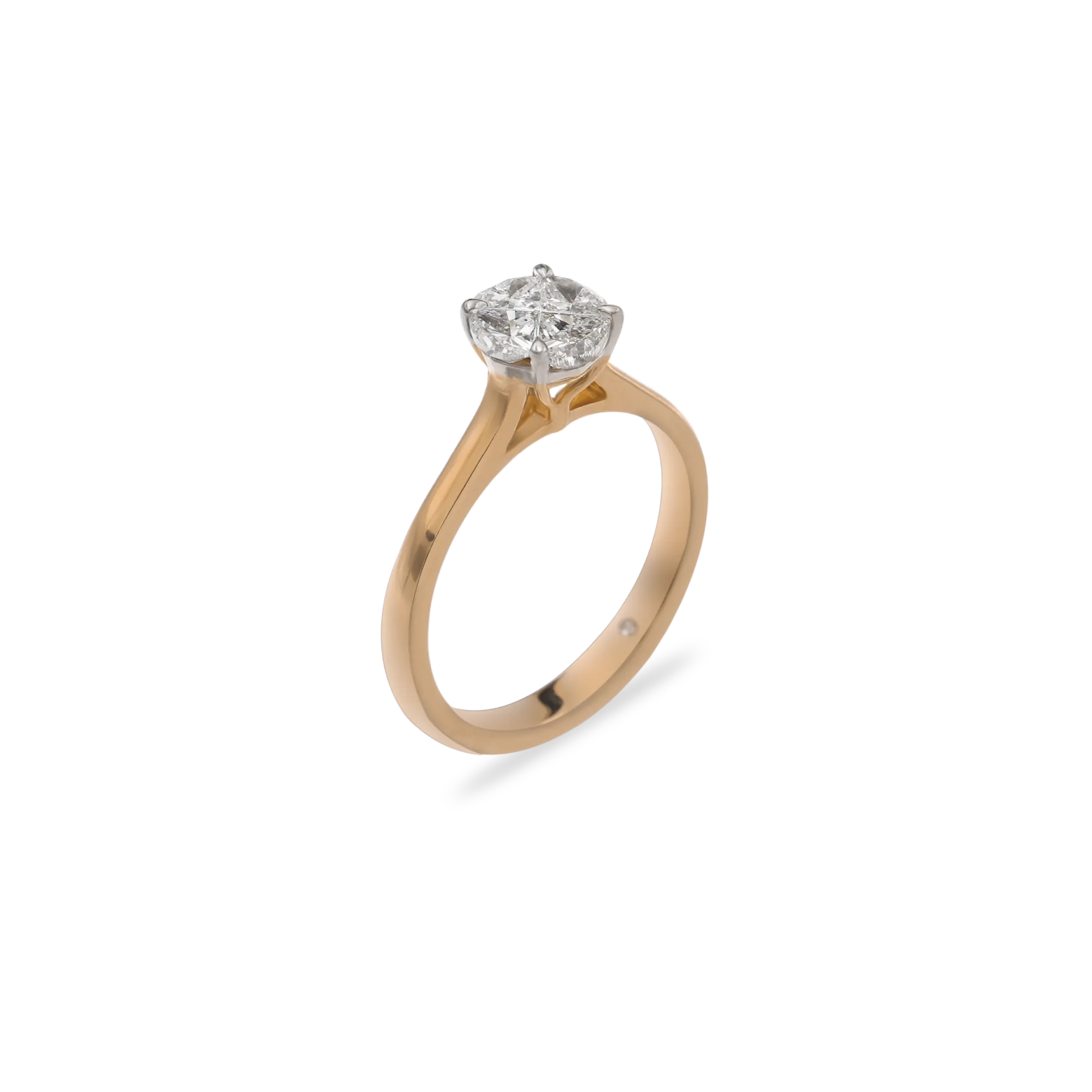
- Diamond Rings (Non-Engagement): Consider a stackable diamond band or a small, unique diamond ring that can be worn on any finger.
Mastering Diamond Jewellery Layering Techniques
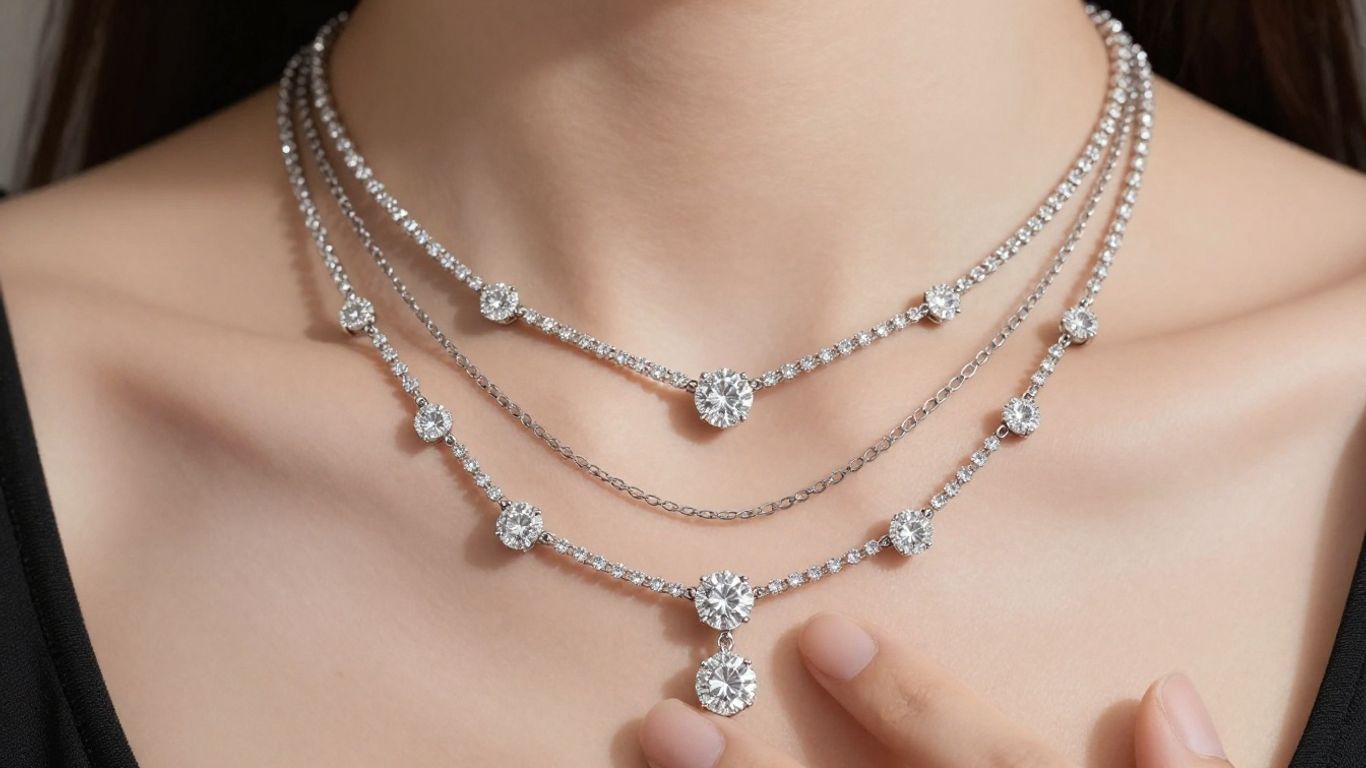
Layering necklaces is a fantastic way to add depth and personality to your look. It’s not just about throwing on a few chains; it’s an art form that lets you play with different lengths, textures, and even metals to create something uniquely yours. Think of your jewelry box as a palette, and your necklaces as your brushes.
Advanced Layering Strategies
Getting layering right means being a little bold and willing to try things out. Don't stick to what seems obvious right away. The real magic happens when you mix and match in ways that feel authentic to you. It’s all about expressing your personal style.
- Vary your lengths significantly. Aim for at least a 1-2 inch difference between each necklace. This stops them from getting tangled and creates a nice visual flow.
- Mix up chain styles. A classic cable chain next to a modern paperclip chain or a textured snake chain adds subtle interest.
- Consider a layering clasp. These handy gadgets let you connect multiple necklaces to one clasp, keeping them perfectly spaced and tangle-free.
The goal is to create a look that feels intentional and stylish, not like you just grabbed a handful of jewelry. It’s about building a narrative with your pieces.
Creating Focal Points with Pendants
Pendants are your best friends when it comes to layering. They give your eyes something to rest on and can really define your look. You might have a small, sentimental pendant on a shorter chain, a slightly more noticeable one in the middle, and a longer, simpler chain without a pendant. This creates a nice balance.
- The Delicate Solitaire: A small diamond on a fine chain is your perfect base layer. It goes with everything.
- The Modern Bar or Pave: These add a contemporary sparkle without being too much.
- The Symbolic Charm: A pendant that means something to you – an initial, a birthstone, or a special symbol – adds a personal touch.
Embracing Textures and Finishes
Don't be afraid to mix things up when it comes to how your jewelry looks and feels. Combining different textures can make your layered look much more interesting. Think about how smooth metal contrasts with something a bit more rough, or how shiny surfaces play off matte ones.
- Smooth vs. Textured: Pair a polished chain with one that has a hammered finish or a delicate filigree detail.
- Shiny vs. Matte: A bright, shiny gold chain can look great with a pendant that has a more subdued, matte finish.
- Diamond Brilliance: Even a single, small diamond pendant can add a dazzling contrast to simpler metal chains. The way light hits different surfaces is key.
Styling Diamonds for Professional Settings
Understated Pieces for the Office
When you're heading into the office, the goal is usually to look polished and put-together without being distracting. Diamonds can absolutely play a role here, but it's all about choosing the right pieces. Think subtle sparkle, not a disco ball effect. Small diamond studs are a classic for a reason; they catch the light just enough to add a touch of elegance. Similarly, a delicate diamond pendant on a fine chain can add a nice detail without being over the top. For bracelets, a single-row diamond tennis bracelet or a simple chain bracelet works well. The key is to keep the overall look refined.
- Diamond Stud Earrings: Classic, versatile, and always appropriate.
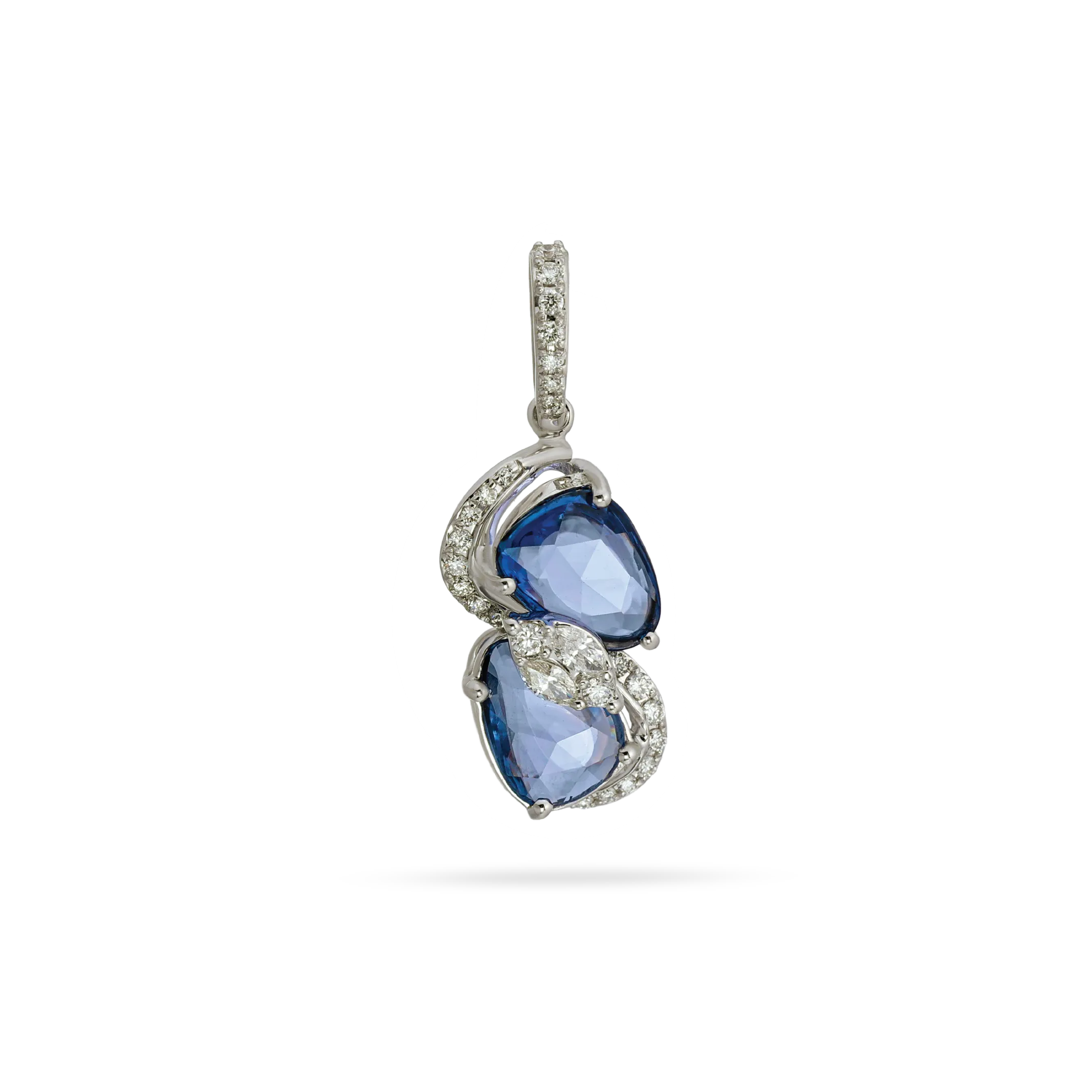
- Delicate Pendant Necklace: A small solitaire or a subtle diamond bar adds a touch of sparkle.
- Simple Chain Bracelet: A thin band with a few diamonds or a plain metal chain is a safe bet.
The right diamond jewelry for work should complement your professional attire, adding a subtle gleam that signals attention to detail and personal style. It's about quiet confidence, not loud statements.
Polished Looks to Enhance Your Ring
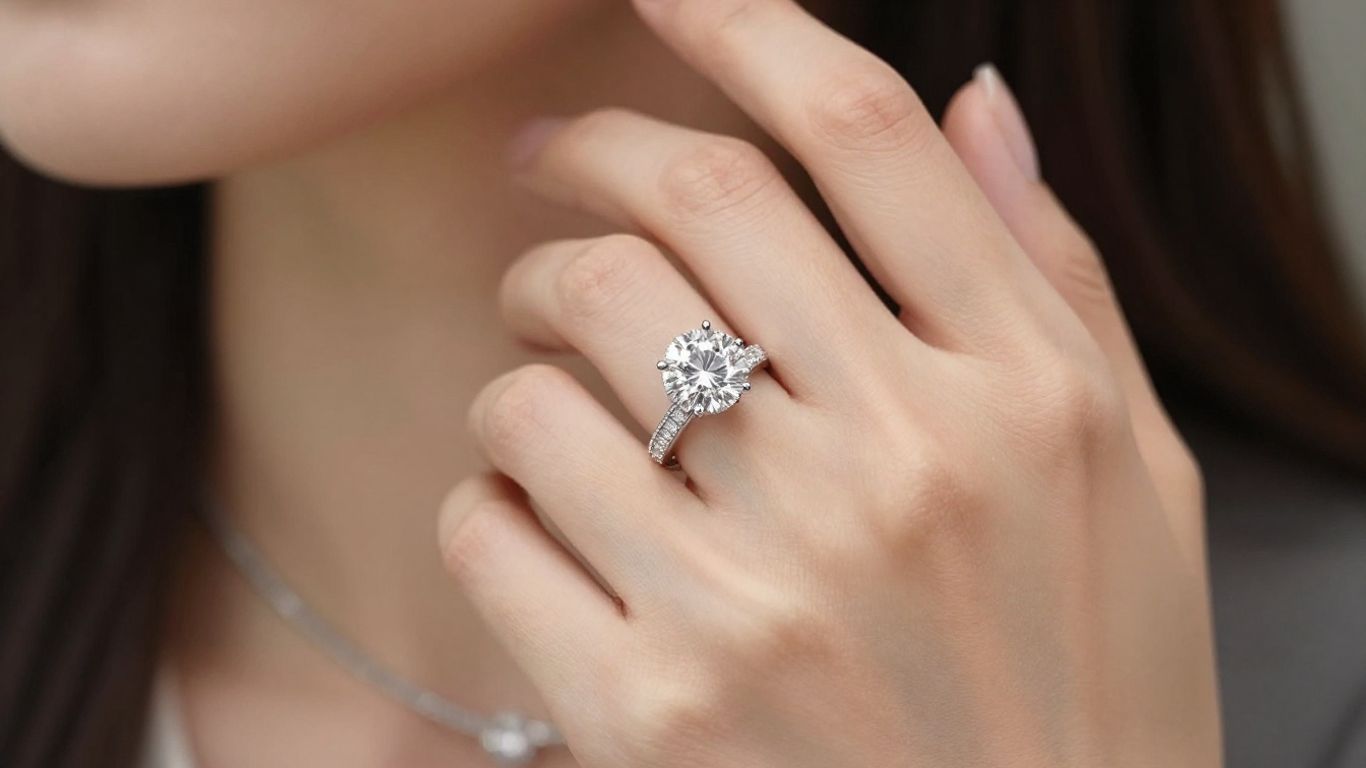
If you wear a diamond ring, especially an engagement or wedding ring, to work, you might want to style your other jewelry in a way that makes your ring stand out. This doesn't mean you can't wear other pieces, but you should be mindful of how they interact. For instance, if you have a prominent diamond ring, you might opt for simpler earrings or a less flashy necklace. Mixing metals can also be done thoughtfully; perhaps a white gold ring paired with a rose gold bracelet can create a nice contrast. The aim is to create a cohesive look where your ring remains a focal point, supported by other pieces that add to its brilliance rather than competing with it. Consider diamond hoop earrings if you wear your hair up; they add a lovely shimmer. You can also try stacking thin, plain metal bands alongside your ring for a bit more presence without taking away from the main stone.
The Art of Mixing Metals with Diamonds
For ages, the fashion world had this strict rule: never mix your metals. You had to stick to all gold, or all silver. But honestly, that’s pretty boring, right? The good news is, those days are long gone. Mixing metals, especially with diamonds, is now a super stylish way to show off your personal flair. It adds a modern, interesting twist to your look.
Combining Gold and Silver Tones
This is probably the most popular way people start mixing metals. Think about the warmth of yellow gold paired with the cool, clean look of silver or platinum. You don't have to go for a perfect 50/50 split. You could have a mostly gold outfit with just one silver bracelet, or vice versa. It’s all about creating a look that feels balanced and intentional. A simple silver chain can look amazing layered with a gold pendant necklace, for example. It’s a great way to style mixed metal jewelry without feeling like you’re trying too hard.
Creating Contrast with Rose and White Gold
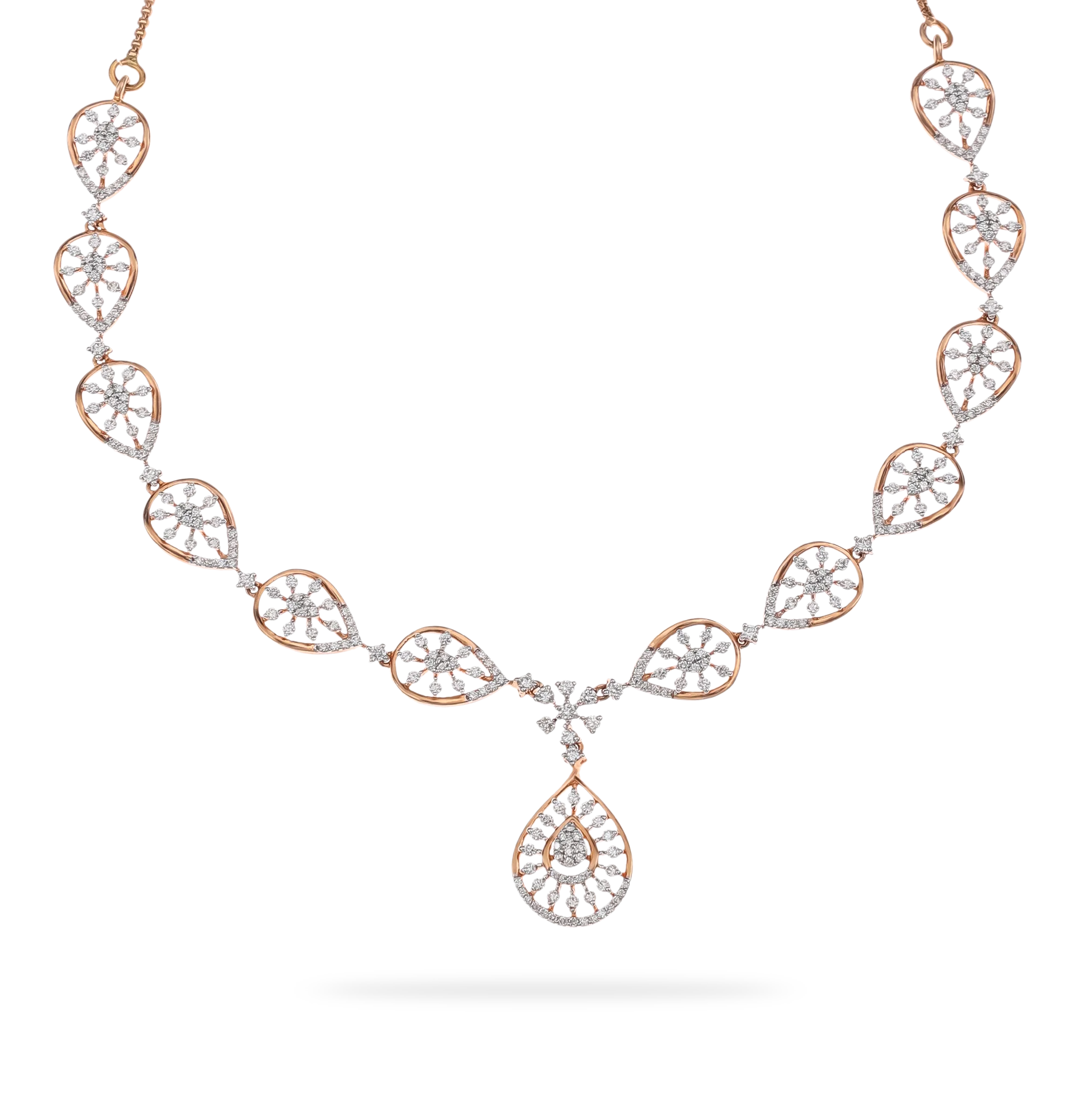
Rose gold brings this lovely, soft, romantic vibe. It plays really well with both classic yellow gold and bright white gold . Imagine a delicate rose gold diamond ring paired with a white gold bracelet, or maybe some rose gold earrings with a white gold pendant. The contrast isn't harsh; it's more of a gentle, sophisticated blend that adds a unique color palette to your jewelry collection.
Embracing Tri-Color Combinations
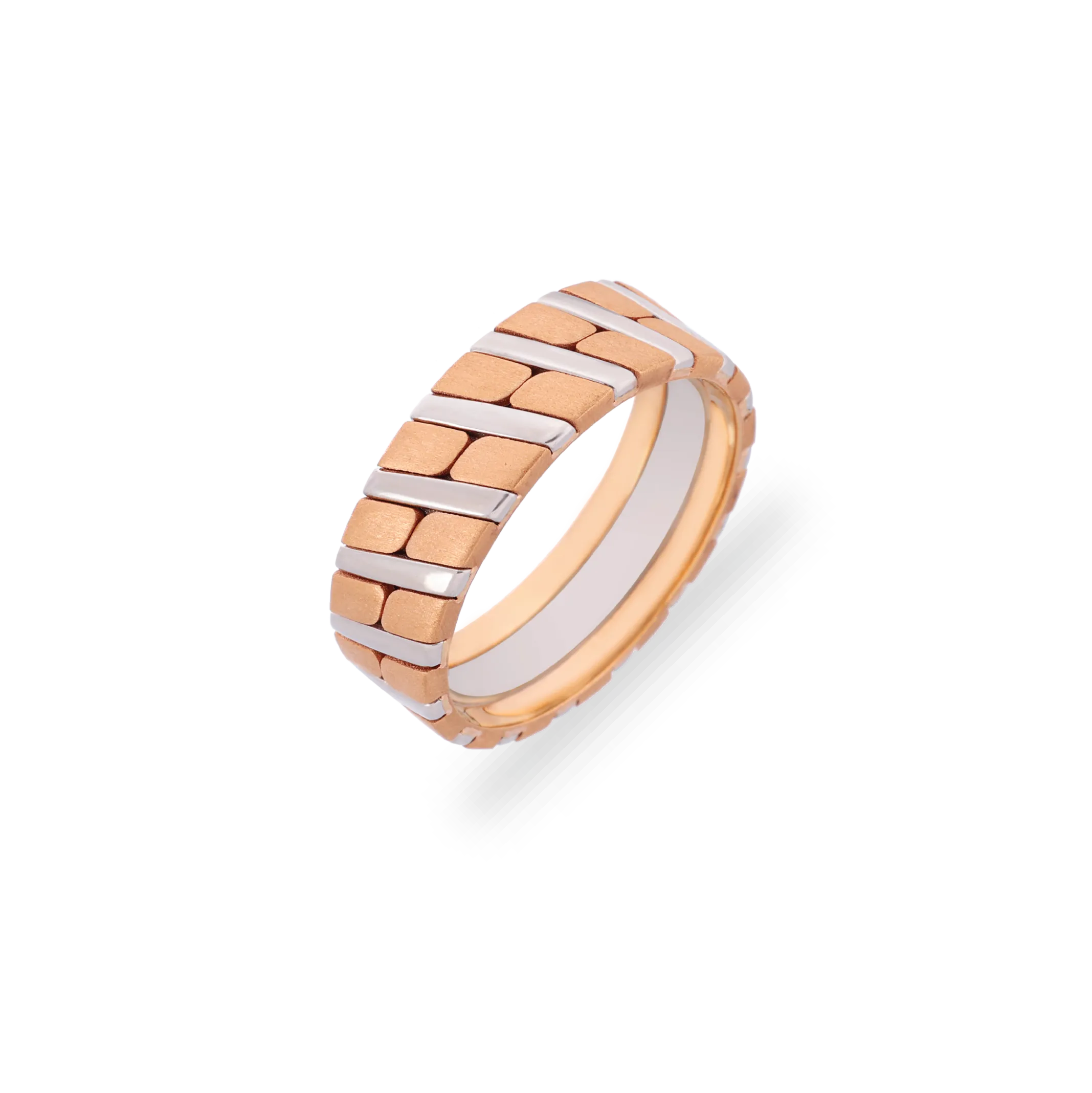
Ready to go a step further? Tri-color pieces, which combine white, yellow, and rose gold all in one, are fantastic. They automatically add depth and visual interest. Even if you don't have a single tri-color piece, you can achieve a similar effect by layering necklaces or stacking rings that feature all three metal tones. It looks deliberate and chic, showing you've really thought about your style.
The key to successful metal mixing is making it look intentional. It’s not about throwing random pieces together; it’s about creating a deliberate, harmonious blend that reflects your personal taste. Think about the overall color story you want to tell with your jewelry.
Here are a few ideas to get you started:
- Start Small: If you’re new to mixing metals, begin with just two pieces. Try a yellow gold watch with a silver bracelet.
- Consider Your Dominant Metal: Decide which metal you want to be the main focus and then add accents of another.
- Vary Textures: Mixing smooth finishes with more textured ones (like hammered or brushed metals) adds another layer of visual appeal.
- Let Diamonds Be the Bridge: Diamonds themselves are neutral and sparkle beautifully in any metal. This makes them the perfect element to tie different metal tones together in a single piece or across multiple pieces.
Elevating Your Look with Diamond Necklaces
Necklaces are like the punctuation marks of your outfit, and diamond necklaces? They're the exclamation points! But how do you wear them without looking like you're drowning in sparkle? It's all about picking the right styles and knowing how to put them together. Let's break down some of the most popular diamond necklace types and how to make them work for you.
The Delicate Diamond Solitaire
This is your go-to, everyday kind of necklace. Think of a single, small diamond, maybe a round brilliant or a princess cut, hanging from a fine chain. It's subtle, it's classic, and honestly, it goes with everything. You can wear it alone for a touch of understated elegance, or it's the perfect base layer if you plan on adding more necklaces.
- Length: Usually 16 to 18 inches, sitting right at the collarbone.
- Metal: White gold , yellow gold , or platinum all work well.
- Vibe: Minimalist, timeless, and super versatile.
This is the piece you can literally wear every single day, from your morning coffee run to a fancy dinner.
Modern Diamond Bar and Pave Pendants
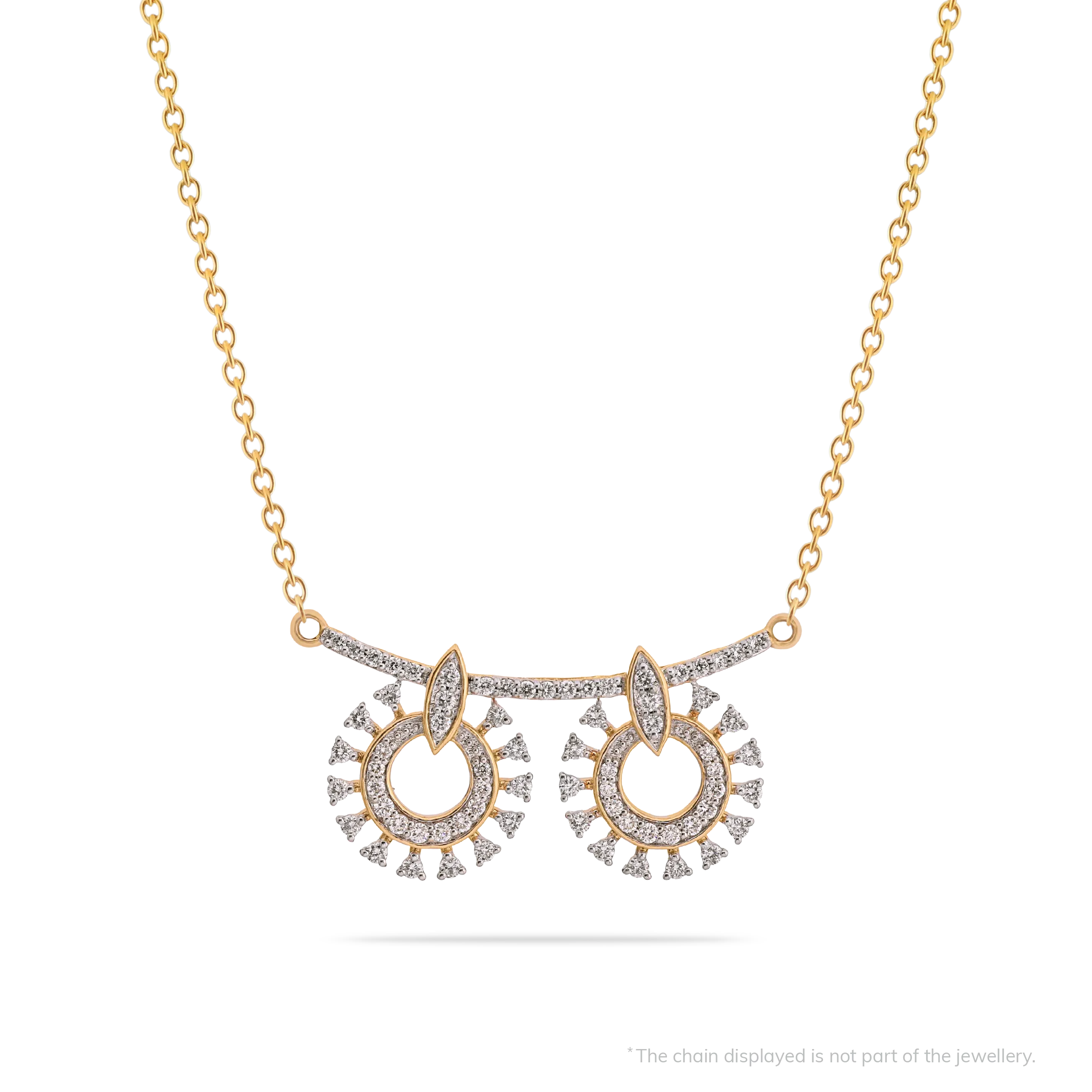
If you're looking for something a bit more contemporary than a solitaire, a diamond bar or pave pendant is a great choice. A bar necklace can be horizontal, vertical, or even angled, often set with a line of small diamonds (pave). Pave pendants are usually a cluster of tiny diamonds set closely together, creating a surface of pure sparkle. These add a nice, modern shimmer without being too flashy.
- Diamond Bar: Great for a clean, geometric look. Can be worn alone or layered.
- Pave Pendant: Offers a more diffused, starry sparkle. Works well as a middle layer.
- Length: Often 18 to 20 inches, sitting just below the collarbone.
These modern styles are fantastic for adding a bit of contemporary flair. They bridge the gap between a super simple chain and a more elaborate piece, making them ideal for building layered looks.
The Edgy Diamond Choker
Chokers are back, and with diamonds? They're seriously chic. We're not talking about the stretchy tattoo chokers from the 90s here. Think a thin metal band, a delicate chain, or even a few small diamonds set closely together, sitting right at the base of your neck. It's a bold choice that can really frame your face and add a cool, modern edge to your style. It's also the perfect first layer if you're stacking necklaces.
- Placement: Sits snugly around the neck, usually 14 to 16 inches.
- Style: Can be a simple chain, a thin band, or feature a few small diamonds.
- Impact: Creates a strong neckline statement and is great for layering.
When choosing a diamond choker , consider the width of the band or the spacing of the diamonds. A super thin, delicate chain choker will feel very different from a slightly wider, more substantial one. Both can be stunning, but they offer different levels of impact.
Personalizing Your Diamond Style
Your diamond jewelry is more than just sparkle; it's a reflection of you. Making it truly yours means choosing pieces that speak to your personal journey and style. It’s about creating a collection that feels authentic, whether you're starting from scratch or adding to what you already own.
Custom Design Options
If you're looking for something completely unique, custom design is the way to go. You can work with a jeweler to bring your vision to life, picking out every detail. Think about the diamond shape, the metal, and even adding special engravings. It’s a really personal process.
- Preset Designs: These are ready-made options that offer great quality and style without the full custom process. Good if you like established looks.
- Semi-Custom: You pick a setting and then choose the diamond that fits your taste and budget. A nice middle ground.
- Fully Bespoke: This is where you collaborate from start to finish. You can select specific diamond cuts, unique settings, and add personal touches. This is the ultimate way to create a one-of-a-kind piece.
Creating custom jewelry is a journey. It's about translating your ideas into a tangible piece that you'll cherish. Don't be afraid to share your inspirations, even if they seem a little out there. Jewelers are there to help guide you.
Lab-Created Diamonds for Affordability
Want that big diamond look without the big price tag? Lab-created diamonds are a fantastic option. They have the same physical and chemical properties as natural diamonds, but they cost less. This means you can often get a larger stone or a more intricate setting for your budget. It's a smart way to get more sparkle.
| Diamond Type | Approximate Cost Difference | Notes |
|---|---|---|
| Natural Diamond | Standard Pricing | Mined from the earth |
| Lab-Created Diamond | 30-40% Less | Chemically identical, made in a lab |
Choosing Pieces That Tell Your Story
Jewelry becomes extra special when it has meaning. Think about incorporating pieces that represent important people, events, or beliefs in your life. This could be anything from a family heirloom to a piece with a birthstone or a symbol that's significant to you.
- Heirlooms: Pieces passed down through generations carry history and sentiment.
- Birthstones: Incorporating gems that represent loved ones or important dates.
- Symbols: Religious icons, initial pendants, or cultural designs that hold personal meaning.
- Milestones: Jewelry marking achievements, anniversaries, or other life events.
Mixing these meaningful items with your diamond pieces creates a look that's uniquely yours and full of personal history.
Balancing Diamond Pieces for Cohesive Style
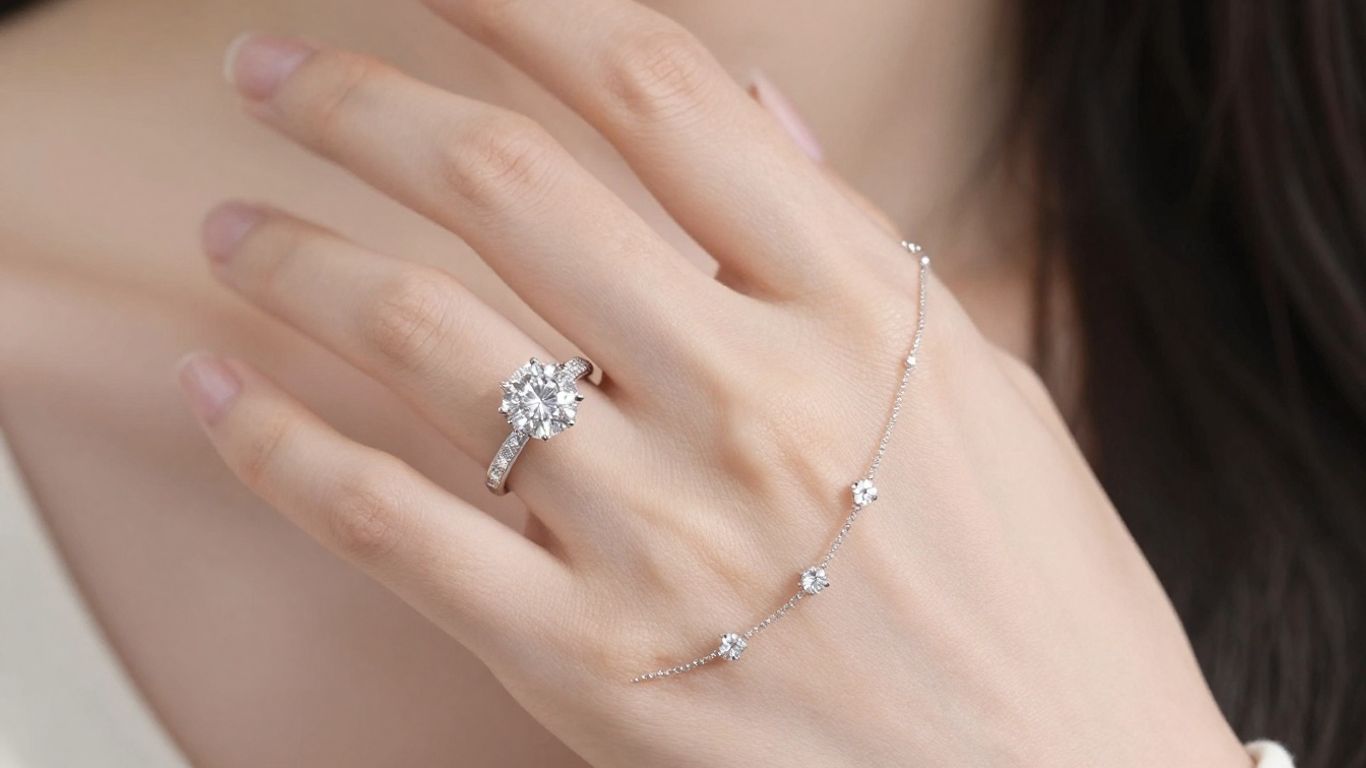
So, you've got your favorite diamond ring, maybe a sparkly bracelet, and perhaps some elegant earrings. Now, how do you make them all play nicely together? It’s all about creating a look that feels put-together, not like you just grabbed whatever was closest. The goal is harmony, where each piece complements the others without competing for attention.
The Role of Metal Combinations
Forget the old rule that everything has to be the exact same metal. Mixing metals can actually add a really cool, modern vibe to your look. Think about pairing a white gold diamond ring with a yellow gold chain or some rose gold earrings. It gives your collection some depth.
Here are some popular metal mixes that tend to work well:
- White Gold & Yellow Gold : This combo offers a nice contrast and looks sophisticated, especially for layered necklaces or stacked rings.
- Rose Gold & White Gold : The soft pink of rose gold pairs beautifully with the bright, clean look of white metal.
- Tri-Color: Pieces that already have white, yellow, and rose gold mixed in can tie everything together and add a lot of visual interest.
When mixing metals, try to have one metal be the dominant one in your overall look. This keeps it from feeling too chaotic. For instance, if you're wearing two yellow gold necklaces, a single rose gold bracelet can be a nice accent.
Complementary Designs and Proportions
Think about the style of your main diamond piece, like your ring. Does it have a vintage feel with intricate details? Or is it super modern and minimalist? Try to pick other pieces that echo those design elements. If your ring has a lot of tiny diamonds set close together (that's called pavé), then maybe a bracelet with a similar delicate sparkle would work well. It’s about creating a visual connection.
Consider the size and weight too. If you have a big, bold diamond pendant, you might want to pair it with simpler stud earrings rather than dangly ones that could clash. It’s like balancing flavors in a meal – you don’t want everything to be too strong.
Harmony Between Statement and Subtle Pieces
It’s a good idea to have a mix of bolder pieces and more understated ones. Your diamond ring might be your statement piece, and that’s great! Then, you can add in more subtle items like a delicate diamond chain necklace, thin metal bands, or simple stud earrings. This way, your main piece gets to shine without being overshadowed by too many other flashy items.
- For everyday wear: Delicate diamond studs (think 0.25 to 0.5 carats) are usually a safe bet. They add just a touch of sparkle.
- Necklaces: A thin chain with a small solitaire pendant can complement your ring without competing.
- Bracelets: A single-row diamond tennis bracelet or a simple chain bracelet often works well.
When you get this balance right, your diamond jewelry looks intentional and chic, not overdone. It’s about letting your personal style come through in a way that feels just right.
Your Sparkle, Your Style
So, we've gone over a bunch of ways to make your diamond jewelry really pop. It's not just about the bling itself, but how you put it all together with what you already own. Think about mixing metals, choosing pieces that mean something to you, or even just picking the right chain length. It's all about making your personal style shine through. Don't be afraid to try different things and see what feels right for you. Your jewelry should be fun and reflect who you are, so go ahead and experiment. Happy styling!
Frequently Asked Questions
What are the best diamond pieces to start with for a new jewelry collection?
If you're just beginning to build your diamond jewelry collection, it's smart to pick a few key items that go with almost anything. A simple diamond pendant necklace that sits close to your neck is a great start. Also, consider a classic diamond stud earrings or a delicate diamond bracelet. These pieces are timeless and can be worn every day, making them super versatile.
How can I layer necklaces without them getting tangled?
Layering necklaces can be tricky, but there are ways to make it work! First, make sure your necklaces are different lengths. A good rule of thumb is to have at least a 1.5 to 2-inch difference between each one. You can also try using necklaces with different chain styles, like a smooth chain mixed with a more textured one. Some people even use special clasps that connect multiple necklaces together to keep them in place.
Is it okay to mix different metal colors, like gold and silver, with diamond jewelry?
Absolutely! Gone are the days when you had to stick to just one metal color. Mixing metals like yellow gold , white gold , and rose gold can create a really cool, modern look. Try pairing a gold necklace with silver earrings, or choose a piece that already has multiple metals in it. The key is to make it look intentional, not accidental.
What kind of diamond jewelry is suitable for wearing to work?
For a professional setting, it's best to choose diamond pieces that are subtle and elegant. Think small diamond stud earrings, a delicate diamond pendant, or a simple diamond tennis bracelet. These add a touch of sparkle without being too flashy. Avoid anything too large or attention-grabbing, and focus on pieces that enhance your outfit rather than overpower it.
What's the difference between natural and lab-created diamonds?
Lab-created diamonds are real diamonds, just like natural ones. They have the same sparkle and are just as strong because they're made of the same stuff! The main difference is how they're made and their cost. Natural diamonds form deep in the Earth over millions of years, while lab-created diamonds are grown in a lab, which usually makes them more affordable. This means you can often get a bigger or more diamond pieces for your money with lab-created options.
How can I make my diamond jewelry feel more personal?
Making your diamond jewelry personal is all about choosing pieces that mean something to you. You could get a custom-designed piece made, perhaps with your initial or a special symbol. Another idea is to choose jewelry that features birthstones or incorporates elements from family heirlooms. The most important thing is that your jewelry tells your unique story and makes you feel good when you wear it.
Unlock Your Radiance: Expert Tips on How to Style Gold Jewellery for Any Occasion
10 minute read
Unpacking the Difference Between Gold and Diamond Jewellery: A Comprehensive Guide
10 minute read
Related blogs:
November 20, 2025
The Timeless Elegance of the Tennis Bracelet: A Comprehensive Guide
Read More
November 20, 2025
The Ultimate Guide to Styling and Wearing a Choker Necklace
Read More
November 20, 2025
Find Your Perfect Engagement Ring: A Comprehensive Guide to Styles and Diamonds
Read More
November 20, 2025
The Timeless Elegance of a Diamond Tennis Bracelet: A Buyer's Guide
Read More









.webp)
.webp)