Essential Jewellery Care Tips for a Lasting Sparkle
March 23, 2026 | 10 minutes read
Jewelry adds a special touch to any outfit, whether it's a cherished heirloom or your favorite everyday piece. But over time, even the finest jewelry can lose its shine without proper care. Learning how to care for jewelry is essential to maintaining its beauty and longevity. From tarnishing to scratches, many common issues are preventable with just a few simple habits. In this post, we’ll walk you through five easy, effective tips to help you protect your collection. Whether you wear your pieces daily or only on special occasions, these practical care and storage tips will keep them looking their best.
Key Takeaways
- Understand the specific needs of your jewelry's materials, whether metal, gemstone, or pearl, to apply the right care.
- Develop daily habits like removing jewelry during activities and wiping it down after wear to prevent damage and dullness.
- Employ gentle cleaning techniques suited to each material, using mild soaps and soft cloths, and avoiding harsh chemicals.
- Store your jewelry separately in a cool, dry place, using pouches or lined boxes to prevent scratches, tangles, and moisture damage.
- Recognize when to seek professional help for cleaning, repairs, or inspections to maintain your jewelry's integrity and value.
Understanding Your Jewelry Materials
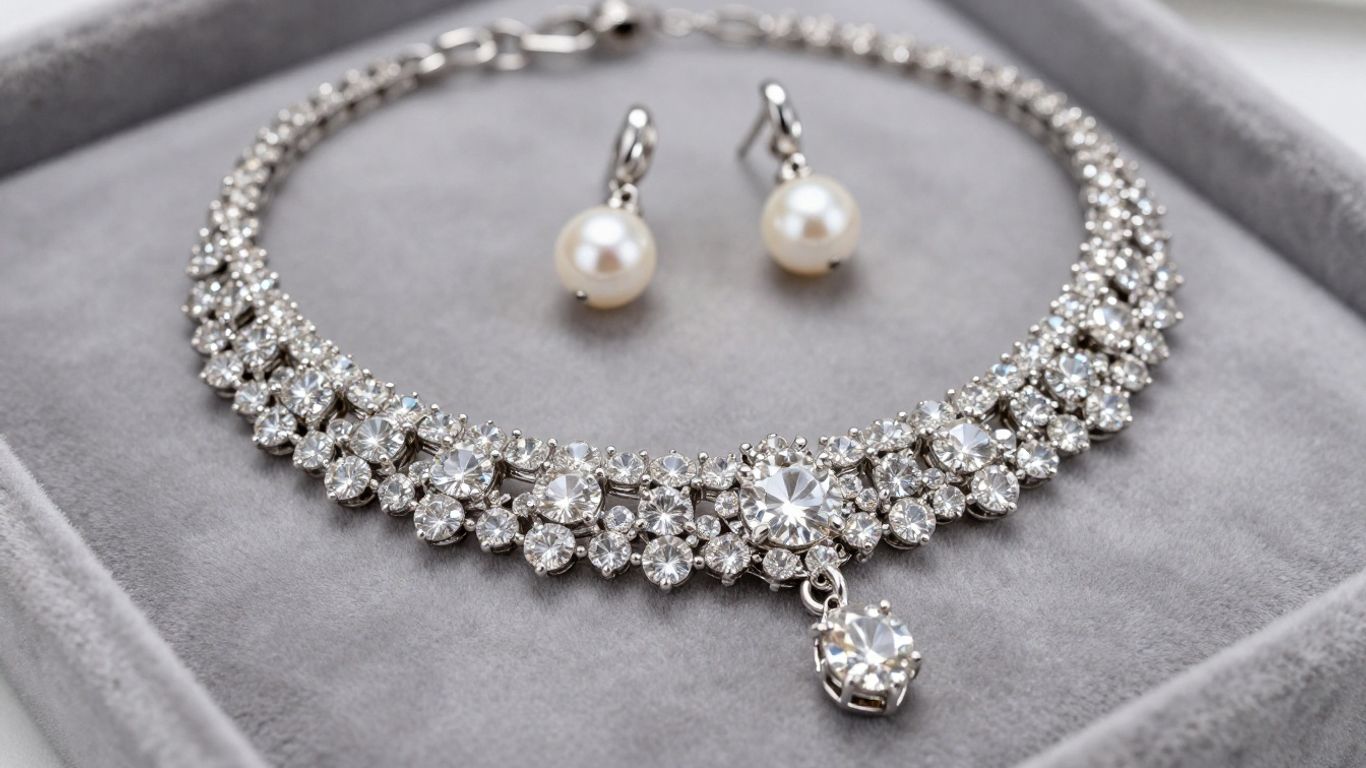
Think of your jewelry like a little ecosystem. Each piece, whether it's a chunky silver bracelet or a delicate gold ring with a tiny stone, has its own needs. Knowing what your jewelry is made of is the absolute first step to keeping it looking good. It's not just about knowing if it's gold or silver; it's about understanding the specifics that make each material unique.
Know Your Jewelry Materials
Every piece you own has a story, and part of that story is its composition. Understanding the metals and gemstones involved helps you avoid common pitfalls like scratches, discoloration, or even losing a stone. It's like knowing your car needs unleaded gas – you wouldn't put diesel in it, right? The same applies here. Paying attention to what your jewelry is made of means you can pick the right cleaning methods and storage solutions, making sure those treasures stay dazzling for years.
Understanding Common Metals Used
Metals are the backbone of most jewelry. You've got your precious metals like gold, silver, and platinum, and then there are other metals used too. Gold, for instance, comes in different purities, usually measured in karats (like 14k or 18k). The higher the karat, the more pure gold it is, but also, the softer it can be. This means higher karat gold scratches more easily. Silver, especially sterling silver (marked 925), is beautiful but has a tendency to tarnish, which is that dull, dark coating that shows up when it reacts with air and moisture. Platinum is a real workhorse – it's dense, strong, and doesn't tarnish, but it can still get fine scratches over time. It's also quite heavy, which adds to its cost.
Here's a quick rundown:
- Gold: Softer in higher karats (like 18k or 24k), prone to scratches. Lower karats (like 10k or 14k) are more durable but contain more alloy metals.
- Silver: Tarnishes easily when exposed to air and moisture. Needs regular polishing and dry storage.
- Platinum: Very durable and resistant to tarnish, but can develop fine scratches. It's also significantly denser and heavier than gold.
Identifying Different Gemstone Needs
Gemstones are where things can get really interesting, and sometimes, a bit tricky. Their hardness is measured on the Mohs scale. Diamonds are at the top with a 10, making them super tough. Sapphires and rubies are right behind them at a 9. Emeralds, however, are a bit softer, around a 7.5 to 8. This difference matters a lot when it comes to cleaning and wear. Softer stones, or those that have been treated (like emeralds often are with oil to fill tiny cracks), need a gentler touch. You can't just toss them in an ultrasonic cleaner like you might a diamond; the vibrations could actually damage them or loosen their settings.
- Diamonds, Sapphires, Rubies: Generally quite durable. Can usually be cleaned with mild soap and water, and a soft brush around the settings.
- Emeralds, Opals, Pearls: Much more delicate. Avoid harsh chemicals, ultrasonic cleaners, and even prolonged soaking. A gentle wipe with a damp cloth is often best.
Always remember that even hard gemstones can chip if they take a sharp blow. It's not just about scratching; impact is a real concern for all stones.
Special Handling for Pearls
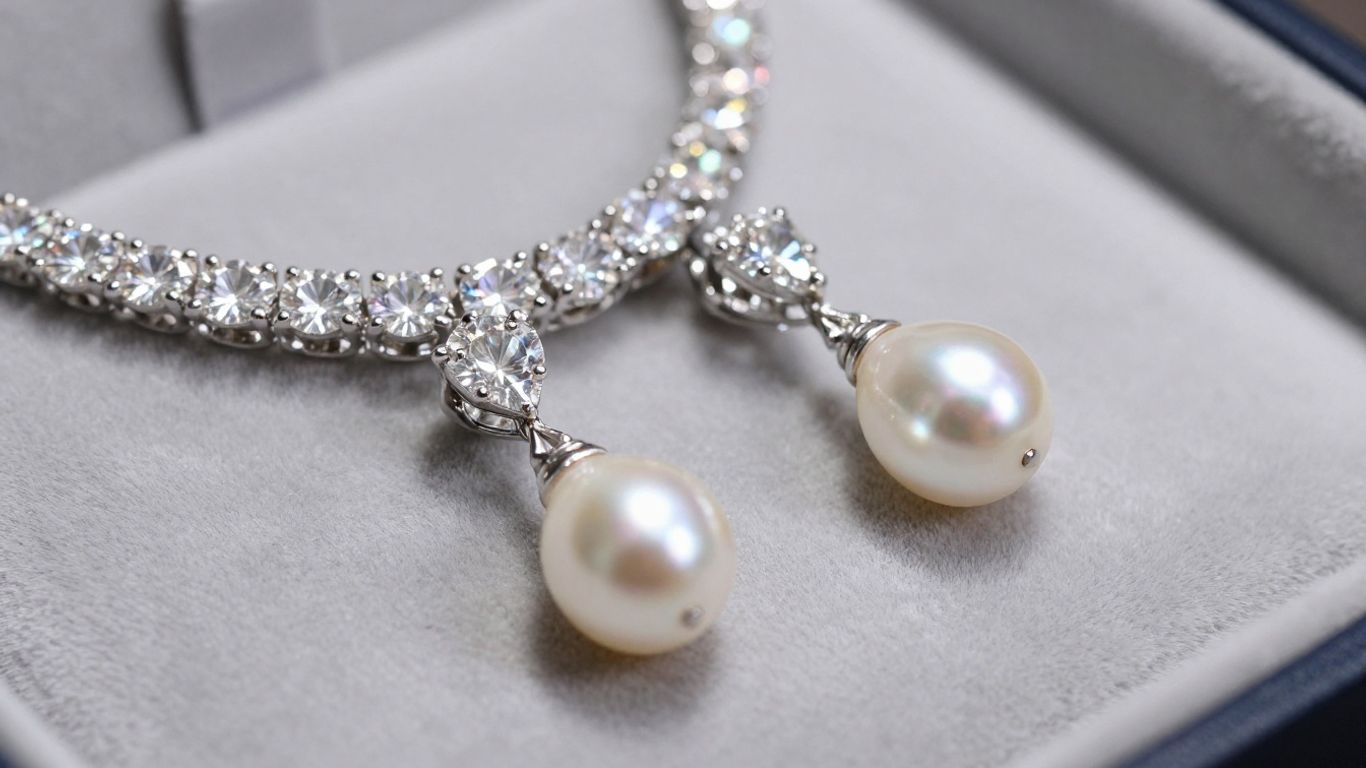
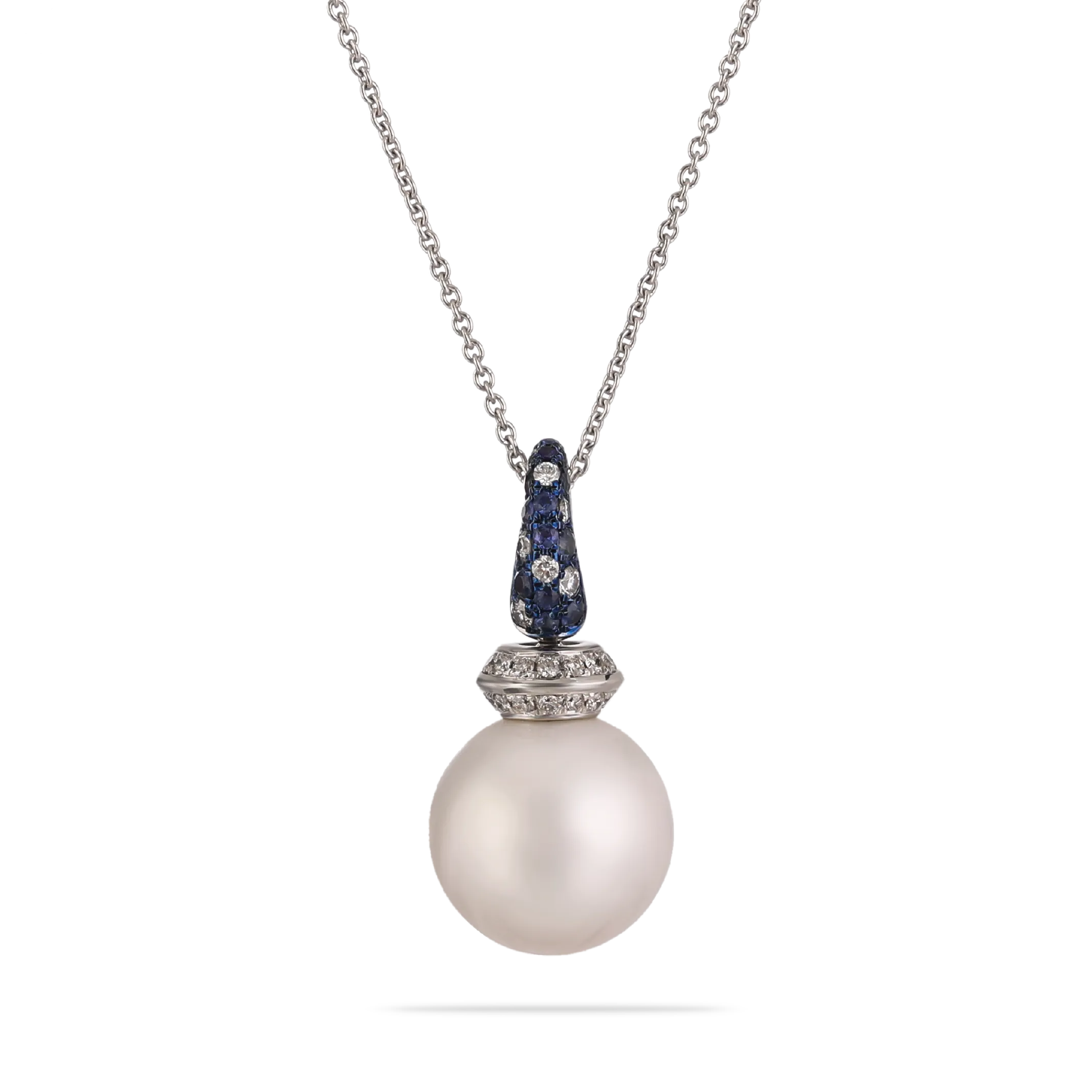
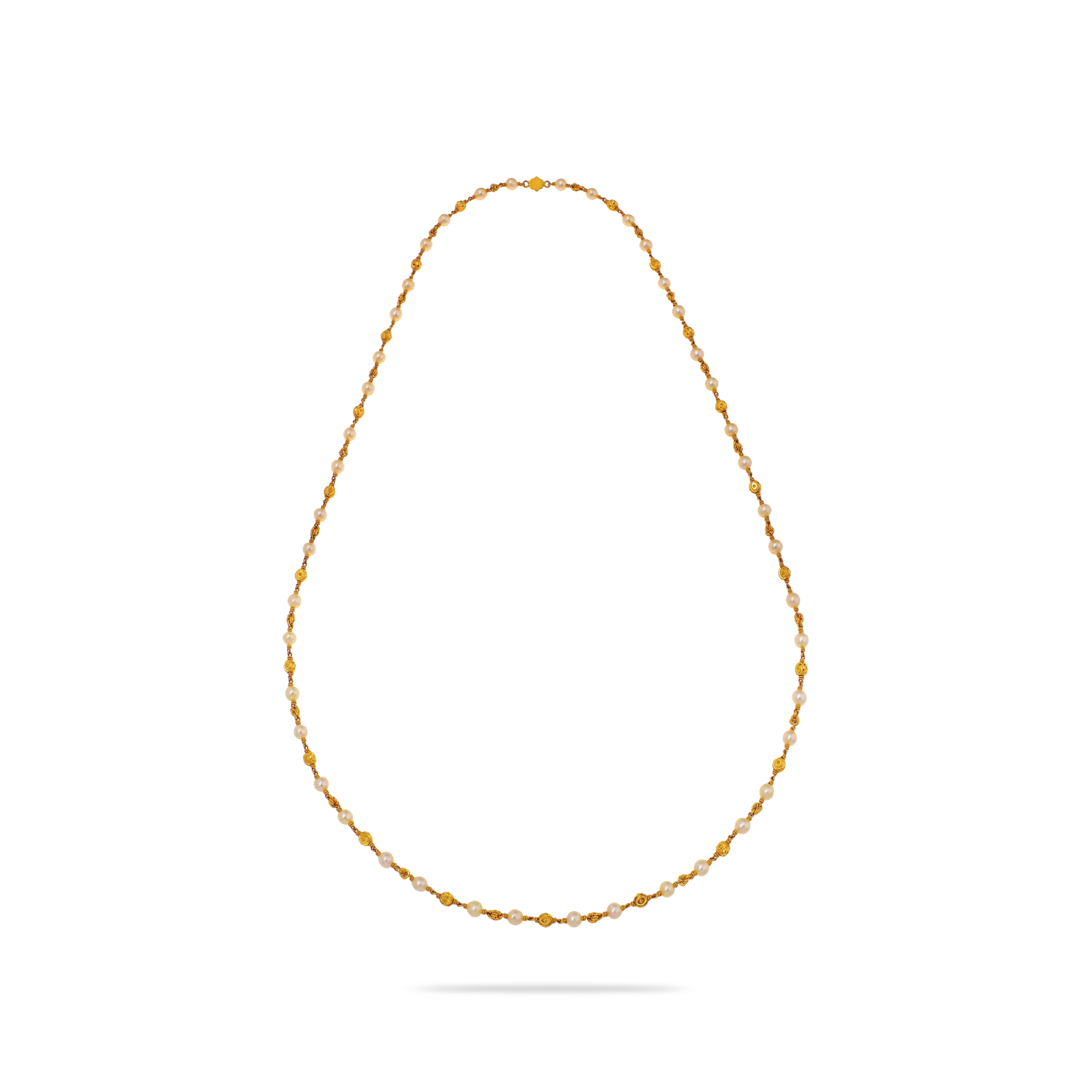
Pearls are in a category all their own. They're organic, which means they're softer and more sensitive than most gemstones. They can be damaged by acids, perfumes, hairspray, and even just the oils from your skin over time. After wearing pearls, it's a good idea to give them a gentle wipe with a soft, damp cloth to remove any residue. Storing them separately from other jewelry is also key, as their nacre (the shiny outer layer) can be scratched by harder materials. If you have a pearl necklace, make sure the silk thread is checked periodically, as it can stretch or fray, especially if it gets wet.
Daily Jewelry Care Practices
Taking care of your jewelry doesn't have to be a huge chore. Honestly, it's mostly about building a few simple habits into your routine. These little actions can make a massive difference in keeping your favorite pieces looking great for ages. Think of it like this: you wouldn't wear your best clothes to do yard work, right? Your jewelry deserves a similar level of consideration.
Remove Jewelry During Activities
This is a big one. Before you start anything that might put your jewelry at risk, take it off. This includes:
- Household chores: Cleaning products, especially bleach and ammonia, can seriously damage metals and stones. Even just scrubbing a pot can scratch a ring.
- Exercising: Sweat can be acidic and can dull metals over time. Plus, you don't want your necklace catching on gym equipment or your ring getting dinged during a heavy lift.
- Swimming: Chlorine in pools and salt in the ocean are harsh. They can cause discoloration and even pit certain metals. And don't even get me started on losing a ring in the ocean!
- Sleeping: While it might seem harmless, tossing and turning can snag delicate chains or loosen settings, especially on rings and earrings.
It's a good idea to have a designated spot, like a small dish or tray, near your sink or bedside table. This way, you have a safe place to put your jewelry down quickly without just leaving it on a counter where it could get knocked off or exposed to something.
Handle with Clean Hands
It sounds obvious, but think about it – your hands touch all sorts of things throughout the day. Before you put on your rings, necklaces, or bracelets, give your hands a quick wash and dry them thoroughly. Lotions, hand sanitizers, and even just the natural oils on your skin can build up on your jewelry over time. This buildup can make metals look dull and can even affect certain gemstones. Applying makeup, hairspray, or perfume after you put on your jewelry is also a good move, as these products can leave a residue that dulls the sparkle.
Making a habit of clean hands before jewelry contact is a simple step that prevents a lot of dullness and grime buildup. It’s a small effort that pays off in shine.
Wipe After Wearing
This is probably the easiest habit to adopt, and it's incredibly effective. After you take off your jewelry for the day, give each piece a quick wipe-down with a soft, lint-free cloth. This removes any sweat, oils, or tiny bits of dust that might have accumulated. For metals like gold and platinum, a simple microfiber cloth works wonders. For sterling silver, a dedicated silver polishing cloth is even better as it helps prevent tarnish. Even a quick swipe can stop that dull film from setting in, keeping your pieces looking brighter for longer. It takes maybe ten seconds per piece, but it really does help maintain that initial sparkle.
Effective Cleaning Techniques
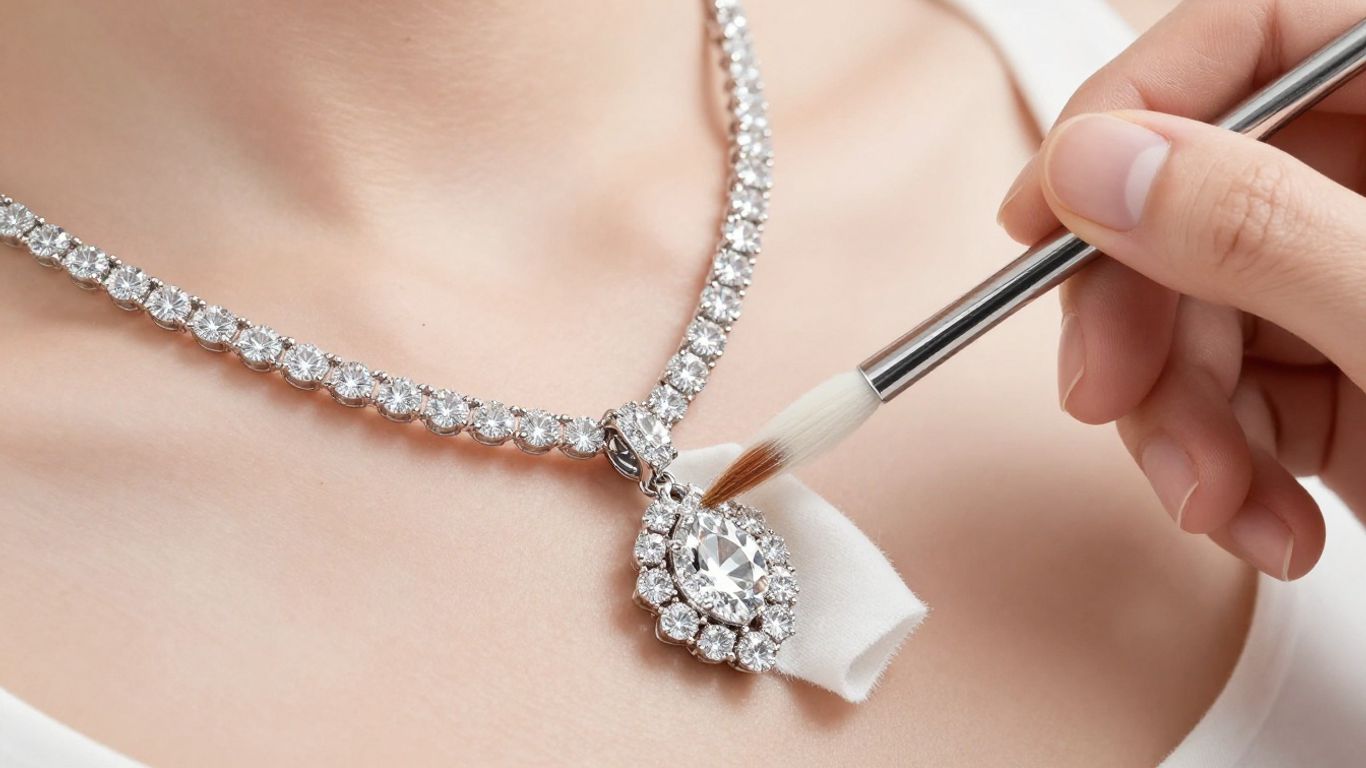
Keeping your jewelry sparkling doesn't have to be a chore. With the right approach, you can bring back that shine without causing any damage. It's all about knowing what works for different materials.
Gentle Cleaning for Gold and Platinum
Gold and platinum pieces, while durable, can lose their luster over time due to everyday grime. A simple, effective method involves warm water and a mild dish soap. Mix a few drops of soap into a bowl of warm water and let your gold or platinum jewelry soak for about 5 to 10 minutes. For those hard-to-reach spots, like around the settings or intricate designs, a very soft toothbrush can be used gently. After a light scrub, rinse the piece thoroughly under cool running water. The key is to pat it dry with a soft, lint-free cloth – never rub, and definitely avoid paper towels, which can leave tiny scratches.
Polishing Silver for Lasting Shine
Silver has a tendency to tarnish, but don't worry, it's usually reversible. For regular upkeep, a specialized silver polishing cloth is your best friend. These cloths have a built-in polish that gently buffs away tarnish. Use a clean section of the cloth and rub the silver piece lightly. If the tarnish is more stubborn, you can use a silver polish specifically made for jewelry. Apply a small amount to a soft cloth and gently rub the silver. After polishing, you can give it a quick rinse with mild, soapy water and dry it thoroughly. Aim to polish your silver at least once a month, or even before wearing a special piece, to keep it looking its best.
Caring for Delicate Gemstones
Gemstones, especially softer ones like emeralds, require a gentler touch. For most durable gemstones like diamonds, sapphires, and rubies, the warm, soapy water method mentioned for gold and platinum is usually safe. However, for emeralds and other more delicate stones, it's best to stick to wiping them with a slightly damp, soft cloth. Avoid soaking emeralds or any porous gemstones, as this can damage them or loosen their settings. Always check with your jeweler if you're unsure about a specific stone's needs. Harsh chemicals and ultrasonic cleaners are generally a no-go for most gemstones, as they can cause discoloration or even crack the stones.
When cleaning your jewelry at home, always remember that mild is usually best. Harsh chemicals can strip finishes, weaken settings, and damage delicate stones. A little bit of gentle care goes a long way in preserving the beauty of your treasured pieces.
Here's a quick guide for common gemstones:
- Diamonds, Sapphires, Rubies: Warm, mild soapy water and a soft toothbrush for crevices. Rinse and pat dry.
- Emeralds, Opals, Pearls: Wipe gently with a slightly damp, soft cloth. Avoid soaking and harsh cleaners.
- Turquoise, Lapis Lazuli: Similar to emeralds, use a damp cloth and avoid soaking. These are quite porous.
Always dry your jewelry completely after cleaning to prevent water spots or further damage.
Smart Storage Solutions
Alright, let's talk about keeping your precious bling safe and sound when you're not wearing it. Proper storage isn't just about tidiness; it's a big deal for preventing damage and keeping things looking their best. Think of it as giving your jewelry a comfy, safe home.
Separate Each Piece
This is probably the most important rule. Never just toss all your jewelry into one big pile. Why? Because different pieces can scratch, chip, or tangle with each other. Imagine a delicate gold chain getting all knotted up with a chunky silver bracelet – nightmare fuel, right? It’s best to give each item its own little space. For earrings, keep studs separate from dangles. Bracelets, especially fine chains, need their own spot away from rings or other bangles. Little ring dishes or small, divided boxes are perfect for keeping smaller items organized and preventing them from banging into each other.
Avoid Moisture and Humidity
Moisture is like kryptonite for many types of jewelry. It can make silver tarnish super fast, cause other metals to rust, and even dull the sparkle of certain gemstones over time. You know how sometimes you open a jewelry box and it just feels damp? That's bad news. Try to store your jewelry in a cool, dry place. Think about a dresser drawer or a closet shelf, not the bathroom where it's always steamy. If you live in a really humid area, consider popping a few of those little silica gel packets (the kind you find in new shoe boxes) into your jewelry storage to soak up extra moisture.
Utilize Protective Pouches and Boxes
When you're buying jewelry, you often get a little pouch or a nice box with it. Don't just throw those away! They're usually designed with your jewelry in mind. Soft, fabric-lined compartments are fantastic because they cushion your pieces and prevent scratches. Velvet and felt are great materials for this. If you have a lot of jewelry, investing in a jewelry organizer with lots of little sections or drawers can make a huge difference. It helps you see what you have and keeps everything from getting jumbled. For necklaces, hanging them up can be a game-changer to prevent tangles, especially for those really fine chains.
When to Seek Professional Help
Even with the best intentions and careful daily habits, some jewelry issues are best left to the pros. Think of it like this: you wouldn't try to perform surgery on yourself, right? The same logic applies to your precious adornments. Sometimes, you just need a trained eye and specialized tools to keep things looking their best and, more importantly, to prevent bigger problems down the line.
Recognizing Signs of Wear
Your jewelry will give you hints when it needs a little extra attention. It's all about paying attention to the details. You might notice a slight looseness in a stone that wasn't there before, or maybe a clasp feels a bit wobbly. These aren't usually emergencies, but they are definitely signals to get things checked out.
Here are some common signs to watch for:
- Loose or missing stones: This is probably the most obvious one. If a gem feels like it's shifting, or if you notice an empty spot where a stone should be, get it to a jeweler ASAP.
- Bent prongs or settings: The little metal bits holding your stones in place can get bent out of shape, especially if you're active. This leaves stones vulnerable.
- Worn or thinning chains/clasps: If you wear necklaces or bracelets a lot, check the links and clasps. Sometimes they can wear down over time, making them prone to breaking.
- Discoloration or dullness: While some tarnish can be cleaned at home, persistent or unusual discoloration might indicate a deeper issue with the metal or a reaction to something it's been exposed to.
Don't ignore these subtle changes. A small fix now can prevent the loss of a valuable stone or a broken piece of jewelry later on.
Benefits of Professional Cleaning
Sure, you can wipe down your rings with a soft cloth, but a professional cleaning is a whole different ballgame. Jewelers have access to specialized equipment, like ultrasonic cleaners, that can get into all the nooks and crannies. They can remove built-up grime, oils, and lotions that home methods just can't touch. This not only makes your jewelry sparkle like new but also helps prevent damage from long-term buildup.
Think about it: a professional cleaning every six months or so can really make a difference. It's a chance for them to give your pieces a thorough once-over, checking for any hidden issues you might have missed. It's a bit like a spa day for your bling, keeping it looking vibrant and structurally sound.
Trusting Your Jeweler's Expertise
Finding a jeweler you trust is key. They're the experts, after all. When you bring in a piece, they can spot problems you might not even know exist. They understand the nuances of different metals and gemstones and know the best way to handle repairs or cleaning without causing further damage. Don't be afraid to ask questions! A good jeweler will explain what they're doing and why. They can also offer advice tailored to your specific pieces, like how often to get that pearl necklace restrung or what to do about a slightly loose earring back. Building a relationship with a local jeweler, like those found in Winchester, VA, can be incredibly beneficial for the long-term care of your collection.
Regular check-ins are a smart move. They can tighten settings, polish out minor scratches, and generally ensure everything is secure. It's an investment in keeping your cherished items looking beautiful and lasting for generations.
Preventing Common Jewelry Damage
It’s easy to forget that even our favorite, seemingly sturdy pieces of jewelry can be quite delicate. Little everyday actions can lead to scratches, dents, or even broken parts if we're not careful. Thinking ahead and being mindful can save your jewelry from a lot of unnecessary wear and tear. It’s not about being overly cautious, but more about making smart choices that help your pieces last.
Avoiding Harsh Chemicals
Lots of things we use daily can be really tough on jewelry. Think about household cleaners, bleach, even some soaps. These can mess with the metals, making them look dull or even causing damage that’s hard to fix. Perfumes, lotions, and hairsprays can also leave a film that dulls the shine over time, especially on softer stones. It’s best to put your jewelry on after you’ve applied these products and let them dry a bit. And when you’re cleaning around the house, wearing gloves is a good idea – it protects your hands and your rings!
Protecting Against Physical Impact
Jewelry can get banged up pretty easily. Taking off rings before doing dishes or gardening, or removing necklaces before a workout, makes a big difference. Even just tossing a bracelet into your bag without a pouch can lead to scratches from keys or other items. It’s a good habit to have a small dish or tray near your sink or bedside table for when you need to take jewelry off quickly. This way, it’s not just left lying around where it could get knocked, stepped on, or caught on something.
Understanding Material Vulnerabilities
Different materials need different kinds of care. For instance, pearls are quite soft and can scratch easily, so they shouldn't rub against harder gems. Plated jewelry, which has a thin layer of metal over a base, can wear away if you're too rough with cleaning or wear. Even certain gemstones can be sensitive to light or temperature changes. Knowing what your jewelry is made of helps you know how to handle it best. For example, silver can tarnish faster when exposed to air and moisture, so storing it properly is key.
A simple rule of thumb is to make your jewelry the last thing you put on in the morning and the first thing you take off at night. This one habit alone can prevent a surprising amount of damage from everyday activities and products.
Keep Your Treasures Shining
So, there you have it. Taking care of your jewelry doesn't have to be a huge chore. A little bit of attention here and there, like wiping down your pieces after wearing them or storing them properly, can really make a difference. It's not just about keeping them looking good, though that's a big part of it. It's also about making sure those special pieces, the ones with memories attached, last for years and years. Don't forget that your local jeweler is always there to help with the trickier stuff or just to give things a good professional clean. A bit of regular care means your jewelry can keep sparkling and telling its story for a long, long time.
Frequently Asked Questions
How often should I clean my jewelry at home?
For jewelry you wear a lot, try to clean it about once a month. This keeps it looking shiny and stops dirt, sweat, and lotions from building up and making it look dull.
Can I use regular cleaning supplies on my jewelry?
It's best not to use strong household cleaners. Things like bleach can damage metal finishes and make colorful stones look cloudy. Stick to mild soap and warm water for most cleaning.
What's the best way to store my jewelry so it doesn't get damaged?
Keep each piece separate! Use little bags or compartments in a jewelry box. This stops them from scratching each other and getting tangled, especially if it's humid where you live.
How can I tell if my jewelry needs a professional cleaning?
If your jewelry looks dull even after you clean it, or if you notice any stones are loose, it's time to see a jeweler. They have special tools to get it really clean and make sure everything is secure.
Are there any special tips for cleaning gold jewelry?
Gold is pretty soft, so it can scratch easily. It's a good idea to take off gold jewelry before exercising or doing anything that might bump it. Also, keep it away from chlorine, as it can cause damage over time.
Why is it important to take off jewelry before certain activities?
Taking off your jewelry before swimming, cleaning, or exercising helps protect it. Chlorine in pools, harsh chemicals in cleaners, and even sweat can dull the shine, weaken parts, or damage gemstones.
Mastering the Sparkle: Your Ultimate Guide on How to Choose Diamond Jewellery
10 minute read
Related blogs:
November 20, 2025
The Timeless Elegance of the Tennis Bracelet: A Comprehensive Guide
Read More
November 20, 2025
The Ultimate Guide to Styling and Wearing a Choker Necklace
Read More
November 20, 2025
Find Your Perfect Engagement Ring: A Comprehensive Guide to Styles and Diamonds
Read More
November 20, 2025
The Timeless Elegance of a Diamond Tennis Bracelet: A Buyer's Guide
Read More









.webp)




.webp)