Decoding Hallmarked Gold Jewellery: What Every Mark Means
March 23, 2026 | 10 minutes read
So, you've got some gold jewelry and you're wondering what all those tiny little marks mean? It's not as complicated as it looks, honestly. These little stamps, called hallmarks, are basically a secret code that tells you all about your piece. They can tell you how pure the gold is, who made it, and even where it was tested. Understanding these marks on your hallmarked gold jewellery is super helpful, whether you're buying, selling, or just curious about what you own. Let's break it down.
Key Takeaways
- Hallmarks on gold jewellery are official stamps that verify the metal's purity and authenticity.
- Purity marks, like karat (K) or millesimal fineness (numbers like 750), tell you how much real gold is in the piece.
- Maker's marks identify the company or person who created the jewellery, adding to its story and potential value.
- Assay office symbols and date letters (common in the UK) show where and when the gold was tested, offering historical context.
- Learning to read these marks helps you understand the true value and origin of your hallmarked gold jewellery.
Understanding The Core Components Of Hallmarked Gold Jewellery
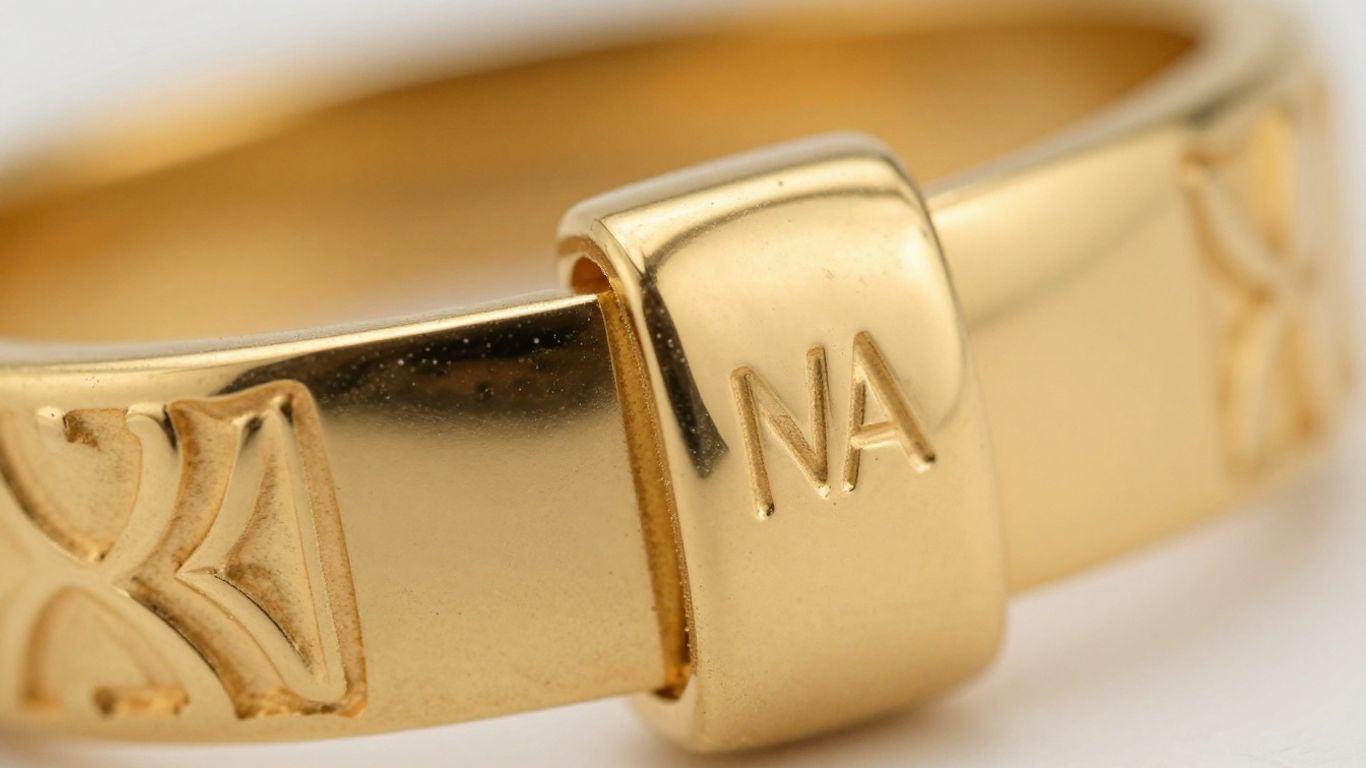
When you look at a piece of gold jewelry, especially something a bit older or more valuable, you might notice tiny little stamps on it. These aren't just random marks; they're actually like a secret code that tells you a lot about the item. Understanding these marks is your first step to knowing what you're really looking at. It’s like a little history lesson and a quality report all rolled into one, right there on the metal.
Decoding Metal Purity Marks
This is probably the most important mark you'll find. It tells you exactly how much real gold is in the piece. Gold jewelry isn't usually pure gold because pure gold is super soft and would get damaged easily. So, other metals are mixed in to make it stronger. These marks let you know the ratio.
Here’s a quick rundown of common gold purity marks:
- 24K (or 999): This means it's pure gold, or very close to it. You won't see this much in everyday jewelry because it's too soft.
- 18K (or 750): This means 18 out of 24 parts are gold, so it's 75% pure gold. It's a good balance of color and durability.
- 14K (or 585): This is 14 out of 24 parts gold, making it 58.3% pure gold. It's really popular, especially in the US, because it holds up well.
- 10K (or 417): This is 10 out of 24 parts gold, so it's 41.7% pure gold. It's harder and usually less expensive.
- 9K (or 375): This is 9 out of 24 parts gold, meaning 37.5% pure gold. You'll see this more often in places like the UK.
These purity marks are your primary guide to the actual gold content. They directly influence the item's intrinsic value and how it will wear over time. Don't just assume; always look for these numbers.
Identifying The Maker's Mark
Besides the gold content, you'll often find a mark that identifies who made the piece. This is called the maker's mark, or sometimes a sponsor's mark if it was submitted for hallmarking by a company other than the manufacturer. It's like a signature from the company or artisan who created the jewelry. For well-known brands or designers, this mark can add significant value and historical interest. It helps confirm the item's origin and can be a clue to its authenticity, especially if you're dealing with vintage or antique pieces.
Recognizing Assay Office Symbols
These symbols are like the official stamp of approval. An assay office is a place that tests precious metals to make sure they meet certain standards of purity. Different countries and even different cities within countries have their own unique assay office symbols. In the UK, for example, you might see a lion for London, an anchor for Birmingham, or a thistle for Edinburgh. These marks not only confirm that the metal purity marks are accurate but can also tell you where and when the piece was tested. This adds another layer of information, especially for collectors interested in the provenance and history of a piece.
Navigating The Nuances Of Gold Purity Standards
The Karat System Explained
So, you've seen numbers like 10K, 14K, or 18K on your gold jewelry, but what do they actually mean? This is where the karat system comes in. Think of it as a way to measure how much pure gold is mixed with other metals, called alloys, to make the jewelry stronger and more durable. Pure gold, or 24K, is super soft and not really practical for everyday wear. So, jewelers mix it with things like silver, copper, or zinc.
Here's a quick rundown:
- 24K (24 karat): This is as pure as it gets, about 99.9% gold. It's very yellow and soft, so you won't see it much in rings or bracelets.
- 18K (18 karat): This means 18 out of 24 parts are gold, so it's 75% pure gold. It's a popular choice for high-end jewelry because it has a rich color but is still strong enough for regular wear.
- 14K (14 karat): This is 14 out of 24 parts gold, making it 58.3% pure gold. It's a really common choice, especially in the US, because it balances that nice gold look with good durability.
- 10K (10 karat): This is 10 out of 24 parts gold, so it's 41.7% pure gold. It's the most affordable and also the hardest, making it great for active lifestyles.
Remember, the higher the karat number, the more pure gold is in the piece, and generally, the higher its value. But don't forget that alloys add strength, which is super important for jewelry you plan to wear often.
Understanding Millesimal Fineness
While karats are common, especially in North America, many other parts of the world use a different system called millesimal fineness. This system is pretty straightforward: it tells you the amount of pure gold in parts per thousand. It's often seen as a three-digit number stamped on the jewelry.
Here's how it lines up with karats:
| Millesimal Fineness | Karat Equivalent | Percentage of Gold |
|---|---|---|
| 999 | 24K | 99.9% |
| 750 | 18K | 75.0% |
| 585 | 14K | 58.3% |
| 417 | 10K | 41.7% |
| 375 | 9K | 37.5% |
So, if you see a "750" stamp, you know it's the same as 18K gold. It's just a different way of saying the same thing, and you'll see it a lot on jewelry from Europe and other international markets.
Interpreting Gold Plated And Filled Marks
It's not always about solid gold, though. Sometimes, jewelry might have just a thin layer of gold on top of a base metal. You'll see different marks for these, and they're important to know because they significantly affect the value and quality.
- GP (Gold Plated): This means there's a very thin layer of gold electroplated onto a base metal. It's the most basic form of gold coating. You might see something like "18K GP," which means it's plated with 18K gold, not that it is 18K gold.
- GF (Gold Filled): This is a thicker layer of gold mechanically bonded to a base metal. It has at least 5% gold by weight and is much more durable than plated items. You might see "1/20 10K GF," meaning 1/20th of the item's weight is 10K gold.
- HGE (Heavy Gold Electroplate) or GE (Gold Electroplate): Similar to GP, but "HGE" suggests a slightly thicker plating than standard gold plating. Still, it's a plating, not solid gold.
Knowing these distinctions helps you understand what you're really buying. A "14K" stamp means solid gold, while "14K GP" means it's just a base metal with a thin gold coating.
The Significance Of Hallmarks In Valuing Gold
When you're looking at a piece of gold jewelry, those tiny marks stamped on it aren't just decorative scribbles. They're actually super important for figuring out what the item is worth. Think of them as a secret code that tells you about the gold itself, who made it, and even when it was made. This information can really change how much a piece is worth, especially if you're thinking about buying, selling, or even just insuring it.
How Purity Marks Influence Value
The most direct way hallmarks affect value is through the purity marks. These tell you exactly how much pure gold is in the item. The higher the purity, generally the higher the value. It's pretty straightforward, but knowing the specifics helps a lot.
Here's a quick look at common purity levels:
- 24K (99.9% pure gold): The highest purity, very soft, and usually found in bullion or special items, not everyday jewelry.
- 18K (75% pure gold): A popular choice for fine jewelry, offering a good balance of color and durability.
- 14K (58.3% pure gold): Very common, especially in the US, known for its durability and affordability.
- 10K (41.7% pure gold): The minimum standard for
Locating And Verifying Hallmarks On Your Jewellery
So, you've got a piece of gold jewelry and you're wondering about those tiny little marks on it. Where do you even find them, and how do you know if they're legit? It's not always obvious, but with a little know-how, you can become a pro at spotting these important details.
Finding Hidden Hallmarks
Most jewelry has hallmarks stamped in places that won't mess with the look of the piece. Think of it like a secret signature. For rings, the inside of the band is the usual spot. You'll need to take the ring off and turn it around to see it clearly. Chains and necklaces often have their marks near the clasp, or sometimes on a tiny tag attached right there. Bracelets are similar, usually by the clasp, but if it's a solid bangle, check the inner surface or the edges. Earrings can be a bit trickier. For studs, look on the post or the back. Hoop earrings might have marks on the inside curve or any flat part where a stamp could go without being too noticeable.
Here's a quick rundown of common spots:
- Rings: Inside the band.
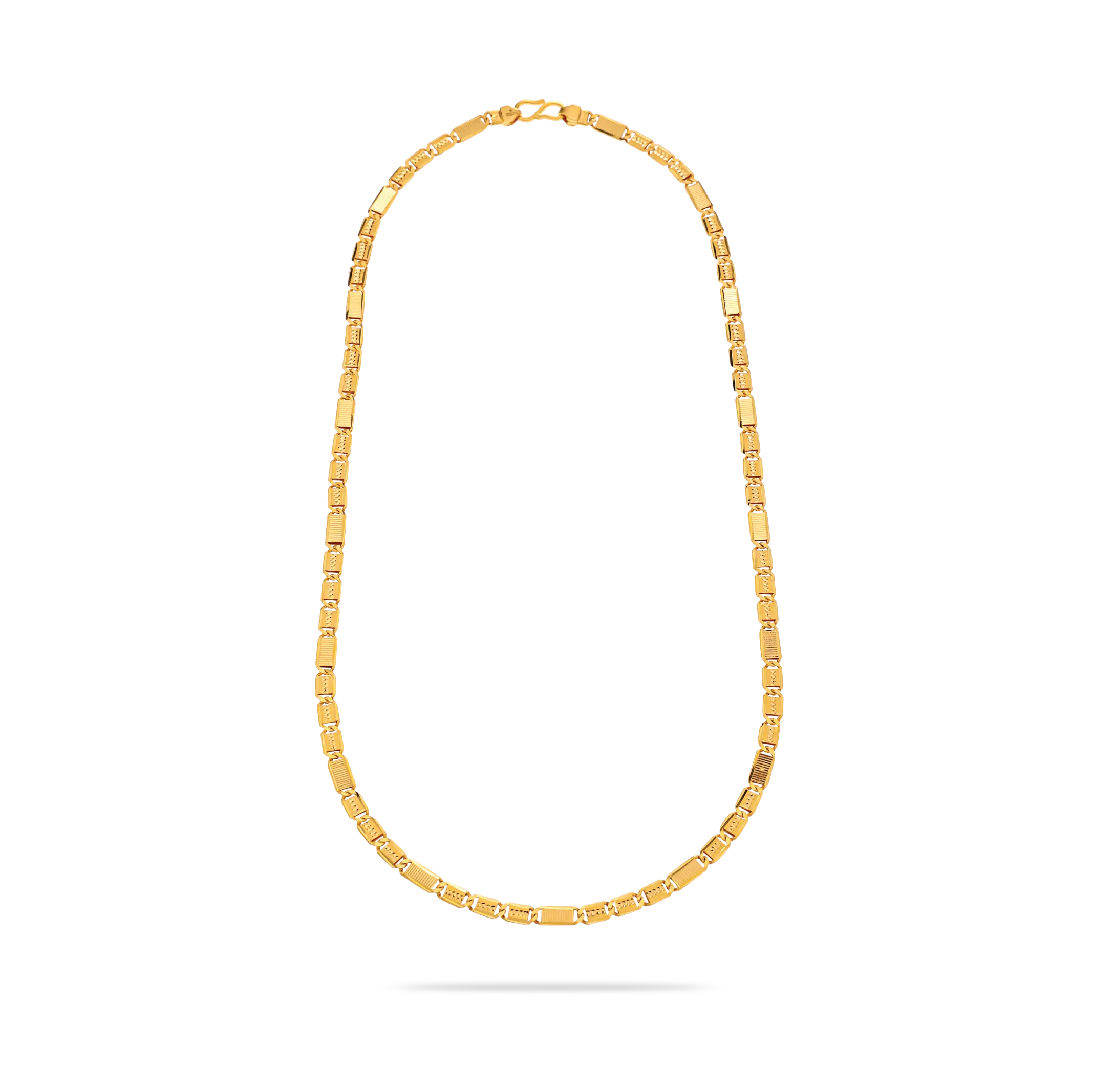
- Necklaces/Chains: Near the clasp or on a small tag.
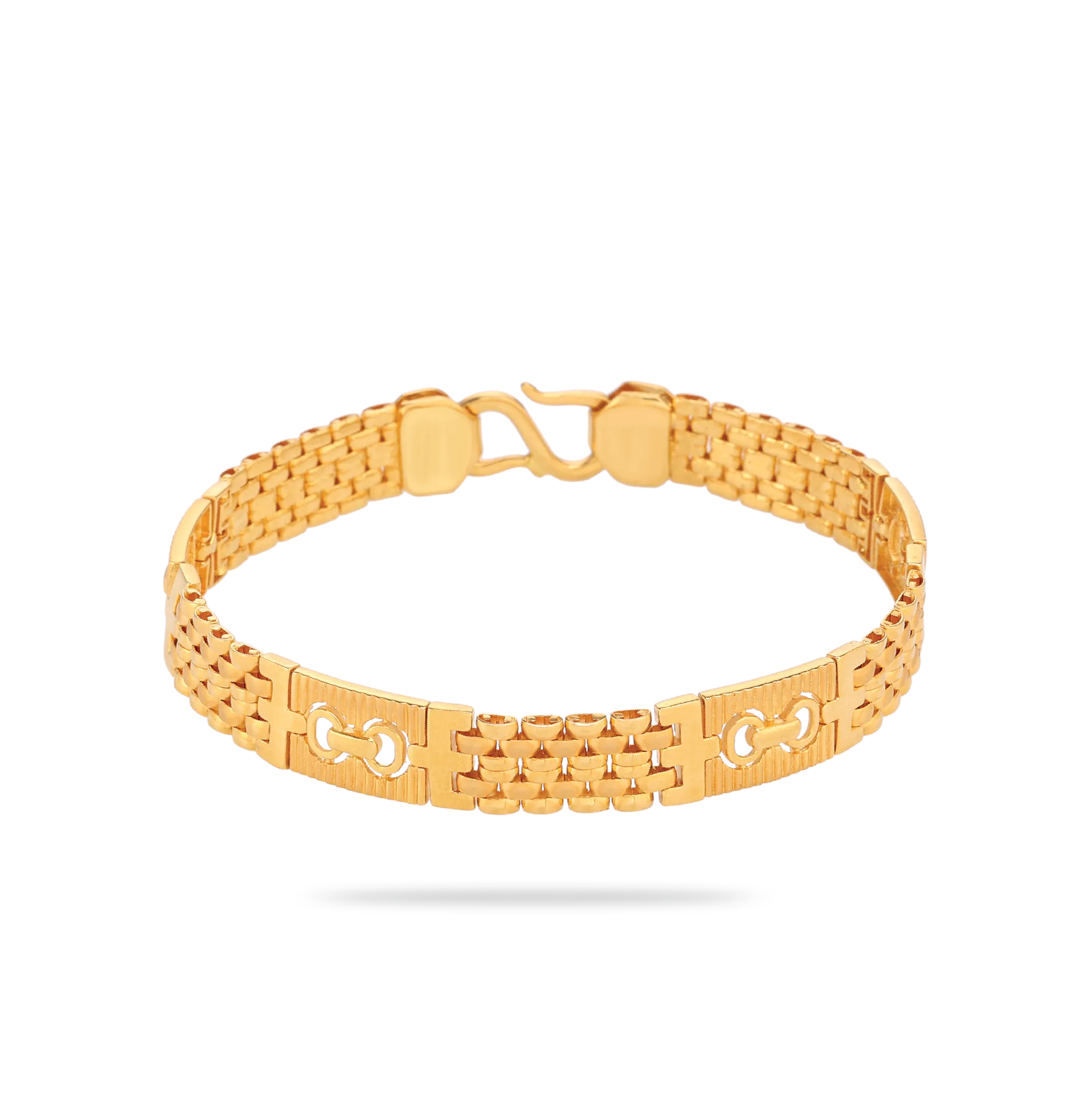
- Bracelets: Near the clasp, or on the inner surface/edges for bangles.
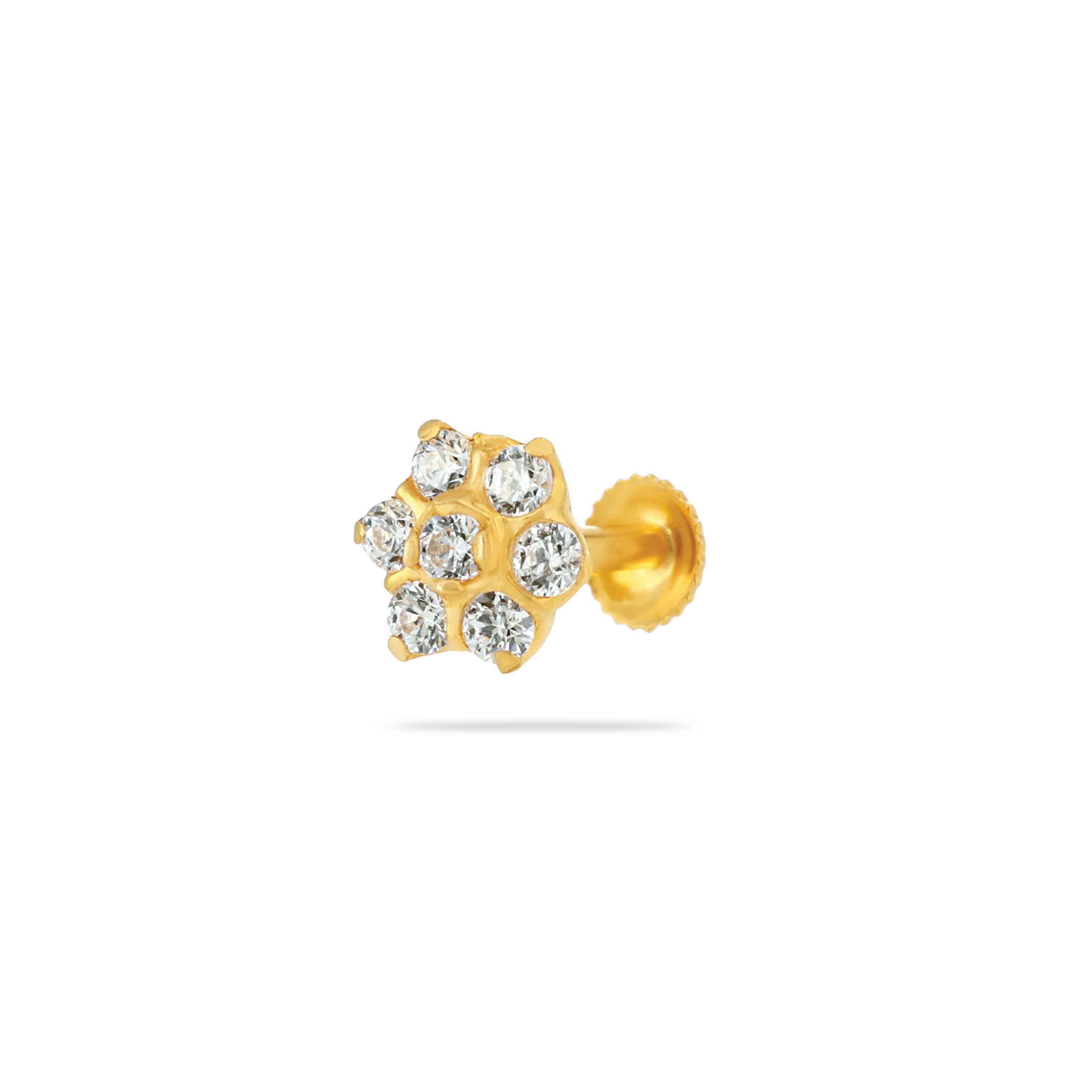
- Earrings: On the post, back, or inner side of hoops.
Tools For Clearer Identification
Those little marks can be seriously tiny, especially on older or well-worn items. Trying to see them with the naked eye is usually a lost cause. A magnifying loupe, like the kind jewelers use, is your best friend here. It's a small, powerful lens that makes those faint stamps pop into view. You can find these online or at craft stores pretty easily. Sometimes, a good desk lamp with a bright light can help too, just to get a better look at the surface where the mark should be. If you're serious about checking your jewelry, a jeweler's glass is a worthwhile investment.
Spotting Potentially Fake Hallmarks
It's a bummer, but not every mark you see is the real deal. Scammers sometimes try to pass off fake jewelry, and that includes fake hallmarks. One big clue is if the font or size of the letters and numbers looks off – authentic marks are usually pretty uniform and clean. If a mark doesn't seem to match the style or known markings of a particular brand, that's another red flag. For example, a Tiffany & Co. piece should have a hallmark that looks like other known Tiffany marks. Also, many genuine pieces have more than just a purity mark; they might have a maker's mark or a serial number too. If those are missing, be suspicious. The best way to be sure, though? If you're really unsure, take it to a professional jeweler or an appraiser. They have the tools and experience to tell you for sure if a hallmark is authentic.
Sometimes, the simplest approach is the most effective. Don't be afraid to use a magnifying glass to get a closer look. If the mark looks smudged, uneven, or just plain weird, it's worth investigating further. Trust your gut, but also back it up with a closer inspection.
If you're looking at a piece and the hallmark seems questionable, here's what you can do:
- Compare: Look up known hallmarks for that brand or country online. See if yours matches.
- Check for consistency: Are there other marks present that should be there?
- Seek expert advice: A jeweler can perform tests to confirm metal content and authenticity.
Beyond Purity: Additional Marks On Gold Pieces
So, you've figured out the karat or millesimal fineness, and you know who made the piece. Pretty good, right? But sometimes, there's more to the story stamped onto your gold jewelry. These extra marks aren't just random scribbles; they can tell you about legal protections, brand identity, and even the design's originality. It's like finding hidden clues that add another layer of appreciation to your treasure.
Understanding Trademark Symbols
Think of a trademark symbol as a brand's signature. For jewelry, it's a way for a company to say, "Yep, this came from us!" It's not just about knowing who made it, but also about associating the piece with a certain level of quality or style that the brand represents. For example, seeing a well-known luxury brand's mark instantly tells you something about the piece's pedigree and potential value. It’s a quick way to confirm authenticity and brand association.
The Importance Of Design Patents
Sometimes, a piece of jewelry isn't just made well; it looks completely unique. That's where design patents come in. A patent mark, often showing a patent number and a date, means the specific look of that jewelry is legally protected. It shows that the designer put a lot of thought into its appearance, making it a protected original. This can add a sense of exclusivity and historical interest, especially for vintage pieces where the patent might have long expired but still signifies an innovative design for its time.
Recognizing Copyright Marks
Similar to design patents, copyright marks protect the artistic elements of a jewelry piece. You'll often see a "©" symbol, followed by the year and the owner's name or company. This mark signifies that the specific artistic expression – maybe an intricate engraving or a unique motif – is protected by law. It's a way for creators to safeguard their intellectual property. While it might not directly impact the gold's value, it speaks to the artistry and originality of the piece, which can be important for collectors who appreciate the design aspect as much as the materials.
These additional marks, while sometimes overlooked, contribute significantly to a piece's narrative. They speak to the legal and creative frameworks surrounding its creation, offering insights into its authenticity, originality, and the brand's commitment to its designs. They are part of the complete picture of what makes a piece of jewelry special.
A Historical Perspective On Hallmarked Gold Jewellery
The Origins Of Hallmarking
Believe it or not, the idea of stamping precious metals to show what they're made of isn't new. We're talking way back, like the 4th century in Byzantium, where they had early ways to mark gold quality. But things really started to get organized in medieval Europe. Back in 1238, France's King Louis IX made goldsmiths put their own mark on their work, so you knew who made it. England followed suit in 1300 with King Edward I, setting up a system that's still pretty impressive today. These early marks were basically the first consumer protection for gold buyers.
Evolution Of Vintage Hallmarks
Over the centuries, hallmarking changed a lot. From the 14th to the 17th centuries, different countries started developing their own unique symbols for assay offices and metal purity. Then, the Industrial Revolution in the 19th century really sped things up. More jewelry was being made, and countries like Germany, Italy, and Russia got their own hallmarking systems going. Vintage pieces, say from the 1920s to the 1980s, often show signs of this industrial shift. You'll see more uniform stamps, sometimes with cool stylized fonts from the Art Deco or Retro periods. Maker's marks might just be initials or registered trademarks instead of fancy pictures.
Characteristics Of Modern Hallmarks
Today, hallmarking is all about precision. Modern marks are often super crisp and easy to read, thanks to laser engraving. You'll see international standards like "750" for 18K gold becoming pretty standard everywhere. While British pieces might still have date letters, many modern hallmark sets are a bit simpler. It's a far cry from those early leopard's head marks, but the goal is still the same: to tell you what you're really getting.
Understanding the history behind these marks can give you a real appreciation for the piece you're holding. It's not just metal; it's a bit of history stamped right in.
Here's a quick look at how hallmarking has evolved:
- Early Days (4th Century - 1300s): Basic quality indicators, often tied to royal decrees.
- Medieval & Renaissance (1300s - 1700s): Standardization begins, with maker's marks and assay office symbols becoming more common across Europe.
- Industrial Era (1800s - early 1900s): Mass production influences stamp uniformity; new countries establish systems.
- Modern Age (late 1900s - Present): International standards, laser technology, and streamlined marking practices.
Putting It All Together
So, there you have it. Those tiny marks on your gold jewelry aren't just random scribbles; they're like a secret code telling you exactly what you're holding. Knowing what those numbers and symbols mean can really help you figure out if you're getting a good deal or if that piece is the real deal. It’s not super complicated once you get the hang of it. Just remember to look closely, maybe grab a magnifying glass, and compare what you see to some of the guides out there. It’s pretty neat how much history and value can be packed into such small stamps. Next time you’re looking at jewelry, take a moment to check those marks – you might be surprised by what you discover.
Frequently Asked Questions
What exactly is a gold hallmark?
Think of a gold hallmark as a tiny stamp on your jewelry that tells you important stuff. It's like a secret code that shows how pure the gold is, who made the piece, and sometimes even where and when it was made. It's a way to guarantee the quality and authenticity of your gold.
Where can I find these hallmarks on my jewelry?
Hallmarks are usually stamped in hidden spots so they don't mess up the look of the jewelry. On rings, check the inside of the band. For necklaces and bracelets, look near the clasp or on the inside. Earrings usually have them on the post or the back.
How do hallmarks help tell me how much my gold is worth?
The purity mark on the hallmark is super important for value. For example, a piece marked '18K' has more pure gold than one marked '10K', so it's generally worth more. Also, if a famous designer made the piece, their mark can make it more valuable too.
What's the difference between '14K' and '750' on gold jewelry?
These are just two different ways of saying the same thing about gold's purity! '14K' means the gold is 14 out of 24 parts pure (about 58.3% gold). '750' is another system that means the gold is 750 out of 1000 parts pure, which is the same as 18K gold. So, '750' is 18K, and '585' would be 14K.
Are all hallmarks real, or can they be faked?
Sadly, some hallmarks can be faked. Real hallmarks are usually very neat and consistent. If a stamp looks messy, the font is weird, or it doesn't match what you'd expect from a brand, it might be fake. It's always a good idea to get a professional opinion if you're unsure.
Besides purity, what other information can hallmarks give me?
Hallmarks can tell you a lot! You might see a maker's mark, which is like a signature from the company that made the jewelry. Some marks show where the jewelry was tested (assay office), and older pieces might even have a date letter that tells you when it was made. There can also be marks for things like gold plating, which means it's not solid gold.
Related blogs:
November 20, 2025
The Timeless Elegance of the Tennis Bracelet: A Comprehensive Guide
Read More

November 20, 2025
The Ultimate Guide to Styling and Wearing a Choker Necklace
Read More
November 20, 2025
Find Your Perfect Engagement Ring: A Comprehensive Guide to Styles and Diamonds
Read More
November 20, 2025
The Timeless Elegance of a Diamond Tennis Bracelet: A Buyer's Guide
Read More









.webp)




.webp)