Mastering the Sparkle: Your Ultimate Guide on How to Choose Diamond Jewellery
March 23, 2026 | 10 minutes read
So, you're looking to buy some diamond jewelry. Maybe it's for a special occasion , or maybe you just want to treat yourself. Whatever the reason, picking out the right diamond can feel a bit overwhelming. There are so many things to think about, from the sparkle to the price tag. But don't worry, this guide is here to help you figure out exactly how to choose diamond jewelry that you'll love and that will last. We'll break down what really matters, so you can shop with confidence.
Key Takeaways
- Focus on the diamond's cut first. A good cut makes the biggest difference in how much a diamond sparkles, often more than its size or color.
- You don't need the top grades for color and clarity. Diamonds that look great to the naked eye are usually in the middle grades, saving you money without sacrificing looks.
- Carat weight is about size, but it's also about value. Look for weights just below the popular full carat marks for better deals.
- Always check for a diamond report or certificate from a trusted lab. It proves the diamond's quality and protects your purchase.
- Don't forget the jewelry setting and overall craftsmanship. Well-made settings keep your diamond secure and ensure the piece looks good for years.
Understanding The Four Cs Of Diamond Quality
So, you're looking to buy some diamond jewelry. Maybe it's a ring, or perhaps some earrings. It can feel a bit overwhelming trying to figure out what makes one diamond better than another, right? Well, the industry has a pretty standard way of breaking it down, and it all comes down to something called the 'Four Cs'. Think of these as the main ingredients that determine a diamond's look and worth. Getting a handle on these will make you a much smarter shopper.
The Importance of Diamond Cut for Sparkle
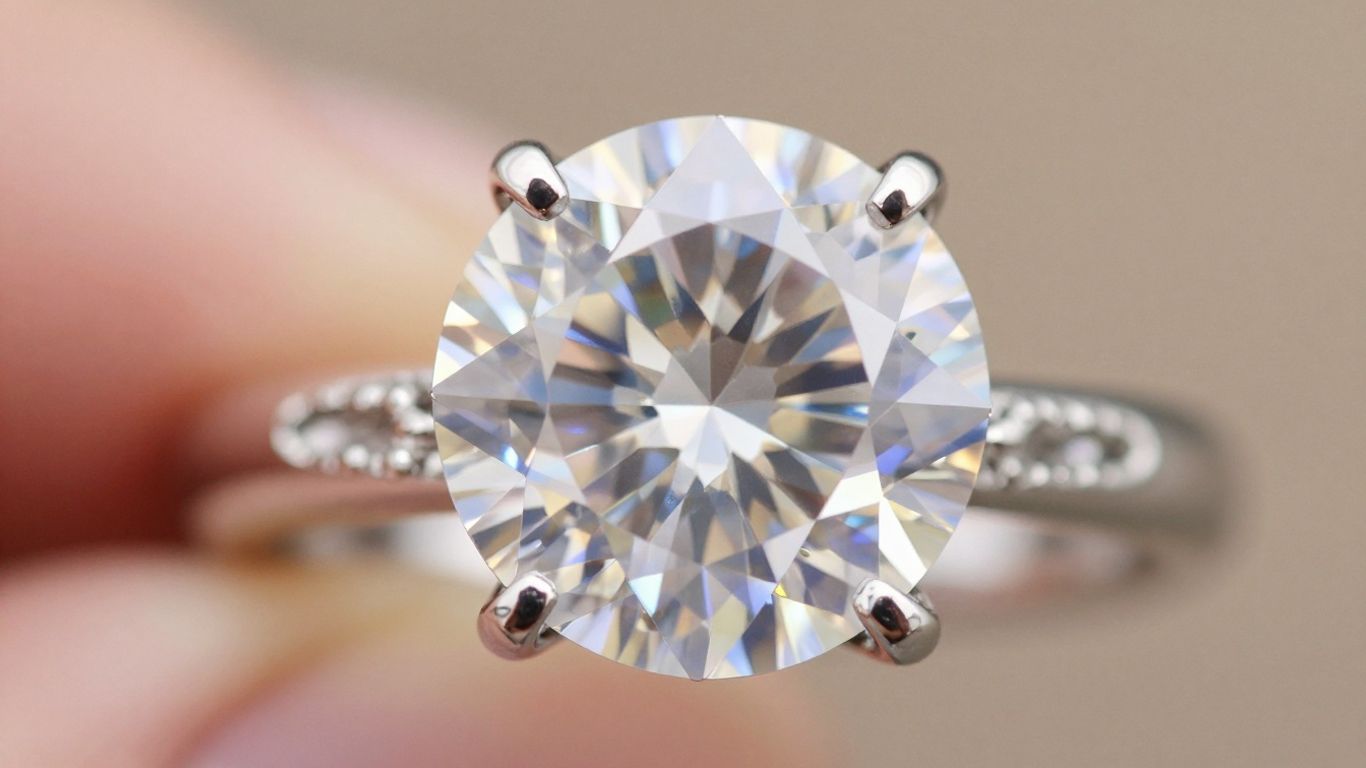
When people talk about how much a diamond sparkles, they're usually talking about its cut. This isn't about the shape, like round or princess. It's about how well the diamond has been shaped and polished. A good cut means the diamond's facets (those flat surfaces) are angled just right to bounce light around inside the stone and send it back out to your eyes. This is what creates that dazzling brilliance and fire. A poorly cut diamond, even if it's big and clear, can look dull because the light just escapes instead of reflecting.
Navigating Diamond Color and Clarity Grades
Diamond color actually refers to the lack of color. The most valuable diamonds are completely colorless, and they get a grade of 'D'. As you go down the alphabet, diamonds start to show a little bit of yellow or brown tint. For most people, the difference between a 'D' and a 'G' or 'H' color diamond isn't really noticeable without a trained eye and special tools. Clarity is about the little imperfections, called inclusions, that happen naturally when diamonds form deep inside the earth. Some are tiny and invisible, while others are more obvious. The fewer and smaller these imperfections, the higher the clarity grade.
Understanding Diamond Carat Weight
Carat is simply a measure of a diamond's weight, not its size directly, though heavier diamonds are usually larger. One carat is equal to 200 milligrams. It's often divided into 100 'points' for smaller stones. While a bigger carat weight might sound better, it's not the only thing that matters. A large diamond with a poor cut or lots of color might not look as good as a smaller diamond that's been cut well and is more colorless. It's about finding a balance that works for your budget and what you want the diamond to look like.
The Four Cs work together. A diamond might have a great cut but a noticeable yellow tint, or it could be perfectly colorless but have many inclusions. The goal is to understand how each 'C' affects the overall appearance and value, so you can make choices that give you the most sparkle and beauty for your money.
Prioritizing Diamond Cut for Maximum Brilliance
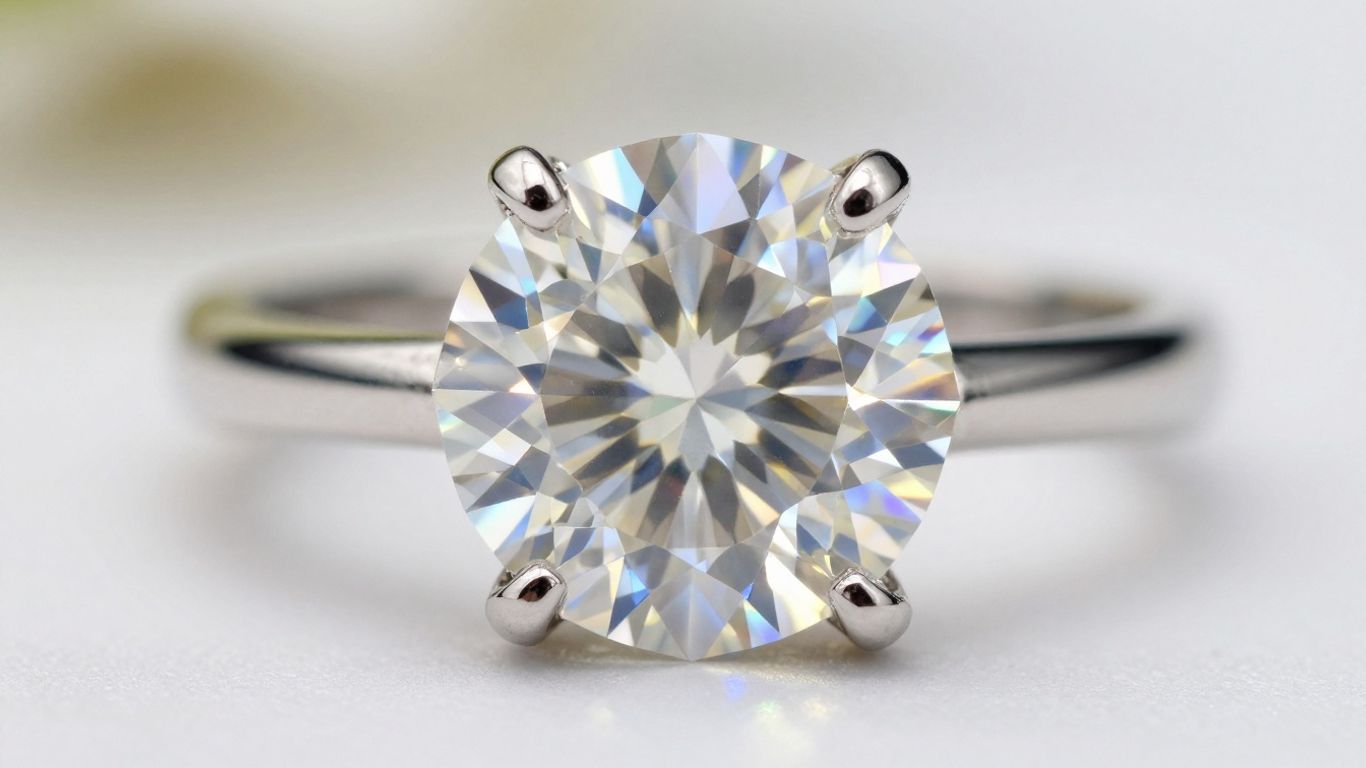
When you're looking at diamonds, the cut is probably the most important thing to think about if you want that amazing sparkle. Seriously, a diamond can be big and have a great color grade, but if it's cut poorly, it'll just look dull. It's all about how the diamond is shaped and how its little surfaces, called facets, are put together. A good cut makes the diamond reflect light really well, bouncing it back out at you as brilliance (that bright white light), fire (the flashes of rainbow colors), and scintillation (the sparkle when it moves). Even a smaller diamond can look way more impressive than a larger one if it's cut perfectly.
How Cut Affects Light Performance
The way a diamond is cut dictates how light travels through it. When light hits a well-cut diamond, it enters through the top, bounces around inside off the facets, and then comes back out the top. This internal reflection is what gives a diamond its sparkle. If the diamond is cut too deep, the light escapes out the sides or bottom. If it's cut too shallow, the light also escapes before it can be reflected back. It's a delicate balance that makes all the difference.
Choosing Ideal Proportions for Eye-Catching Diamonds
Getting the proportions just right is key. Think of it like this: you want the diamond to be shaped so that it catches and reflects as much light as possible. For round brilliant diamonds, this often means looking for what's sometimes called a "Triple Excellent" or "Triple X" cut. This means the diamond scores top marks in three areas: cut, polish, and symmetry. These diamonds are designed to maximize brilliance and fire, making them incredibly eye-catching. You can often see this in how the light plays off the stone – it just seems to dance.
Understanding Diamond Cut Grading Scales
Different organizations grade diamond cuts, but they generally use a similar scale. The Gemological Institute of America (GIA) is a big one, and their scale goes from Excellent (EX) down to Poor (P). For the most sparkle, you'll want to aim for diamonds graded as Excellent. Sometimes you'll see "Very Good" grades, which can still be quite beautiful and might offer a bit more value if you're trying to stick to a budget. It's worth looking at the specific grading report to see how the diamond scored.
The difference between a diamond that truly dazzles and one that just sits there is almost entirely down to its cut. Don't underestimate its power to make a diamond look bigger, brighter, and more beautiful.
Here's a quick look at a common grading scale:
| Grade | Description |
|---|---|
| Excellent | Maximum brilliance, fire, and sparkle |
| Very Good | Very good light performance |
| Good | Decent sparkle, but some light is lost |
| Fair | Noticeable light leakage, less sparkle |
| Poor | Significant light loss, appears dull |
When you're shopping, especially for something like a diamond engagement ring, focusing on a great cut can really help you get the most bang for your buck. It's one of the best ways to ensure long-term value and visual appeal.
Making Smart Choices for Diamond Color and Clarity
Identifying Visible Differences in Diamond Color
When you're looking at diamonds, color is graded on a scale from D (totally colorless) to Z (light yellow or brown). Honestly, the difference between grades can be super subtle, especially to the untrained eye. Most people can't tell the difference between a diamond in the D-F range (colorless) and one in the G-H range (near colorless) without a jeweler's loupe and a side-by-side comparison. Even going down to I-J (faintly colored) might not be obvious once the diamond is set in jewelry, as the metal can sometimes mask a slight yellow tint. The real sweet spot for value and appearance is often in the G to J color range. You get a diamond that looks bright and white to most people, but you're not paying that premium price for the absolute top grades.
Assessing Diamond Clarity for Eye-Cleanliness
Clarity refers to the tiny imperfections, called inclusions, that are inside a diamond, and blemishes on its surface. These are graded from Flawless (FL) down to Included (I). Now, you might think you need a Flawless diamond, but that's usually not the case for everyday wear. Most inclusions are microscopic and invisible without magnification. The goal here is to find a diamond that is "eye-clean," meaning you can't see any flaws just by looking at it. Diamonds graded VS1 or VS2 (Very Slightly Included) are often eye-clean and offer a fantastic balance of quality and price. SI1 (Slightly Included) can also be eye-clean, but you'll want to look at them closely to be sure. It's all about what looks good to you, not just what the certificate says.
Where to Save Without Sacrificing Visual Appeal
So, how do you actually save money here? It's all about smart compromises. Instead of going for a D color and Flawless clarity, which will cost a fortune, consider these options:
- Color: Aim for the G to J range. These diamonds appear colorless or near-colorless to the naked eye and are significantly more affordable than D-F grades.
- Clarity: Look for VS1, VS2, or even some eye-clean SI1 diamonds. The inclusions are tiny and won't detract from the diamond's sparkle when it's set.
- Setting: The metal of the setting can influence how the diamond's color appears. A white gold or platinum setting can make a near-colorless diamond (like an H or I) look whiter. Yellow gold can complement warmer-toned diamonds.
The key is to focus on the visual impact. If you can't see the difference in color or clarity with your own eyes, you're likely getting great value. Don't get caught up in chasing the highest grades on paper if they don't translate to a visibly better diamond for you.
Considering Diamond Carat Weight Strategically
So, we've talked about how a diamond looks and how it sparkles, but what about its size? That's where carat weight comes in. It's easy to think bigger is always better, but when it comes to diamonds, it's a bit more nuanced than that.
Understanding Carat as a Measure of Weight
First off, let's clear something up: carat isn't a measure of size, it's a measure of weight. One carat is equal to 0.2 grams. You'll often see diamonds broken down into 'points,' where 100 points make up a single carat. So, a 50-point diamond is half a carat. This might seem straightforward, but prices don't go up in a perfectly straight line. They tend to jump significantly at certain 'magic' numbers, like 1.00 carat, 1.50 carats, or 2.00 carats. This means a diamond weighing just under one of these popular weights can be a lot less expensive, even if it looks almost identical to the naked eye.
Choosing Carat Weights That Offer Value
This is where you can really be smart with your budget. Instead of aiming for exactly 1.00 carat, consider a diamond that's, say, 0.90 carats. The visual difference is often imperceptible, but the price difference can be substantial. That saved money can then be put towards a better cut or a more secure setting, which ultimately makes the whole piece look more impressive. It's about getting the most visual impact for your money.
Here's a little trick:
- Look at diamonds just below the popular weight thresholds (e.g., 0.90 ct instead of 1.00 ct).
- Consider fancy shapes like ovals or pears, which can appear larger than round diamonds of the same weight.
- Prioritize cut quality; a well-cut smaller diamond can outshine a poorly cut larger one.
The Impact of Carat on Diamond Appearance
While carat weight is a significant factor, it's not the only thing that determines how large a diamond appears. The shape of the diamond plays a big role. For instance, elongated shapes like oval, marquise, and pear cuts tend to face up larger than round diamonds of the same carat weight. This means you can get more visual presence without necessarily increasing the weight (and cost). The setting also matters; a slim, delicate band can make a diamond look bigger than a thick, ornate one. When you're looking at different options, remember that Telayne Designs can help you find that perfect balance between weight, appearance, and your budget.
Don't get too caught up in the carat number alone. Think about the overall look and how the diamond's shape and cut contribute to its perceived size and brilliance. Sometimes, a slightly smaller diamond with a superior cut and a flattering shape can be far more striking than a larger stone that lacks these qualities.
Ultimately, choosing the right carat weight is about making informed decisions that align with your priorities, whether that's maximizing size, getting the best sparkle, or staying within budget. It's a strategic part of the diamond-buying process that can lead to a more satisfying purchase.
Evaluating Diamond Reports and Craftsmanship
The Significance of Diamond Certificates
So, you've picked out a diamond that really speaks to you. That's awesome! But before you hand over your hard-earned cash, there's something super important to check: the diamond report, also known as a certificate. Think of it like a diamond's birth certificate and report card all rolled into one. It's a document from a reputable lab, like the Gemological Institute of America (GIA) or the American Gem Society (AGS), that details all the important stuff about your stone – the famous Four Cs: cut, color, clarity, and carat weight. This report is your best friend in making sure you know exactly what you're buying and that it's the real deal. It’s not just about fancy words; it’s about objective, scientific documentation that backs up the diamond's quality. Without one, you're basically just taking someone's word for it, and that's a risky game when you're talking about something as significant as a diamond. You can find out more about what a GIA grading report tells you to compare it with an appraisal.
Assessing the Quality of Jewelry Settings
Okay, so you've got a killer diamond, but what about the ring, necklace, or earrings it's set in? The setting is just as important as the stone itself, believe it or not. A poorly made setting can make even the most brilliant diamond look dull, and worse, it can be a safety hazard for your precious gem. You want to look for solid metal – think 14K or 18K gold, or platinum. Check out the prongs holding the diamond; they should be smooth and secure, not jagged or loose. Also, pay attention to the overall finish. Are there rough edges? Does the metal look thin or flimsy? A good setting feels substantial and looks polished, even in the spots you don't see right away, like under the diamond. It's the little details that show real craftsmanship.
Ensuring Fine Craftsmanship in Diamond Pieces
When you're looking at diamond jewelry, it's not just about the diamond itself, but how the whole piece is put together. Think about it: a stunning diamond set in a wobbly, poorly finished piece of metal just doesn't cut it. You want to see that the jeweler paid attention to every little detail.
Here’s what to keep an eye out for:
- Smooth Surfaces: Run your finger (gently!) over the metal. It should feel smooth, with no rough spots or burrs.
- Secure Settings: The prongs or bezels holding the diamond should be snug and even. No loose stones allowed!
- Clean Lines: The overall shape and design should be well-defined and symmetrical.
- Underside Details: Sometimes, the real quality shows in the parts you don't see immediately, like the gallery beneath the main stone. Look for neat construction there too.
The difference between a piece of jewelry that feels good and looks great for years, and one that starts to look tired after a few months, often comes down to the quality of the craftsmanship. It’s about how well the metalwork supports and complements the diamond, creating a harmonious and durable final product.
Ultimately, well-made jewelry feels balanced and looks polished from every angle. It’s the kind of quality that you might not consciously notice at first, but you'd definitely notice if it wasn't there.
Seeking Expert Guidance for Your Diamond Purchase
Buying a diamond can feel like a big deal, right? It's often a significant purchase, both emotionally and financially. You might find yourself staring at a screen, wondering if you're making the right choice, or if you're getting good value. It’s totally normal to feel a bit overwhelmed with all the options out there – different shapes, sizes, and those famous 4Cs we've talked about. This is where bringing in a pro can really make a difference.
The Value of Consulting Diamond Specialists
Think of a diamond specialist as your personal guide through the glittering world of gemstones. They’ve seen it all and know the ins and outs of what makes a diamond truly special. They can help you understand the subtle differences that might not be obvious to the untrained eye, pointing out why one stone might sparkle more than another, even if their specs look similar on paper. Getting advice from someone who lives and breathes diamonds can save you a lot of guesswork and potential disappointment. They can also help you find that perfect piece that fits your budget without compromising on the look you want. It’s like having a cheat sheet for making a smart purchase.
Finding Jewelers Who Prioritize Quality
When you’re looking for a jeweler, it’s not just about finding a place to buy. You want a jeweler who genuinely cares about helping you find the right diamond, not just making a sale. Look for shops that are transparent about their diamonds, perhaps those that offer detailed reports or have gemologists on staff. A good jeweler will take the time to explain things, answer your questions patiently, and show you different options. They should be able to guide you on where you can save without sacrificing the visual appeal you’re after. It’s about building trust and knowing you’re in good hands. You can often get a sense of this by reading reviews or asking friends for recommendations. Finding a jeweler who prioritizes quality means you're more likely to walk away with a piece you'll love for years to come. You can start by looking at diamond buying tips to get a better idea of what to ask.
Understanding the Role of Jewelry Advisors
Beyond the diamond itself, there’s the jewelry piece it will become a part of. A jewelry advisor can be incredibly helpful here. They understand how different settings affect a diamond’s appearance and how to choose a style that suits your taste and lifestyle. They can also advise on the overall craftsmanship of the piece, making sure the metalwork is solid and the design is well-executed. Sometimes, the setting can make or break the look of a diamond, and an advisor can help you make informed decisions about that too. They can also help you understand how to care for your jewelry so it stays beautiful. It’s about the complete package – the stone, the setting, and the lasting impression it makes.
So, Go Find Your Sparkle!
Alright, we've gone through a lot, from the 4Cs to how the setting can make or break a piece. Choosing diamond jewelry doesn't have to be this big, scary thing. Remember, the cut really makes it shine, and you don't always need the top grades for color and clarity to get something that looks amazing. Think about what's important to you and your budget. Whether it's a gift or something for yourself, taking a little time to understand these things means you'll end up with a piece you'll love for ages. Happy hunting for that perfect sparkle!
Frequently Asked Questions
What are the '4 Cs' of diamonds?
The 4 Cs stand for Cut, Color, Clarity, and Carat Weight. These are the main things jewelers look at to decide how good a diamond is and how much it's worth. Think of them as the diamond's report card!
Which 'C' makes a diamond sparkle the most?
The Cut is super important for sparkle! A well-cut diamond bounces light around inside and sends it back out, making it shine really bright. Even a smaller diamond can look more dazzling than a bigger one if it has a great cut.
Do I need the most expensive color and clarity grades?
Not necessarily! For most people, the difference between top color grades (like D) and slightly lower ones (like G or H) is hard to see without a special magnifying glass. The same goes for clarity; diamonds with tiny flaws you can't see with your own eyes often look just as good and cost less.
What's the best way to choose diamond size (carat weight)?
Carat is just a measure of weight. Sometimes, buying a diamond that's just a little bit under a popular weight (like 0.95 carats instead of 1 full carat) can save you money without looking much smaller. It's all about finding good value.
Why is a diamond report or certificate important?
A diamond certificate, like one from the GIA, is like a diamond's birth certificate. It tells you all about its quality (the 4 Cs) and proves it's real. It's a way to make sure you know exactly what you're buying and that it's worth the price.
How can I be sure the jewelry setting is good quality?
Look at how the diamond is held in place (the prongs), if the metal looks smooth and well-finished, and if the overall piece feels sturdy. Good craftsmanship means the jewelry will last and the diamond will stay secure, even with everyday wear.
Related blogs:
November 20, 2025
The Timeless Elegance of the Tennis Bracelet: A Comprehensive Guide
Read More
November 20, 2025
The Ultimate Guide to Styling and Wearing a Choker Necklace
Read More
November 20, 2025
Find Your Perfect Engagement Ring: A Comprehensive Guide to Styles and Diamonds
Read More
November 20, 2025
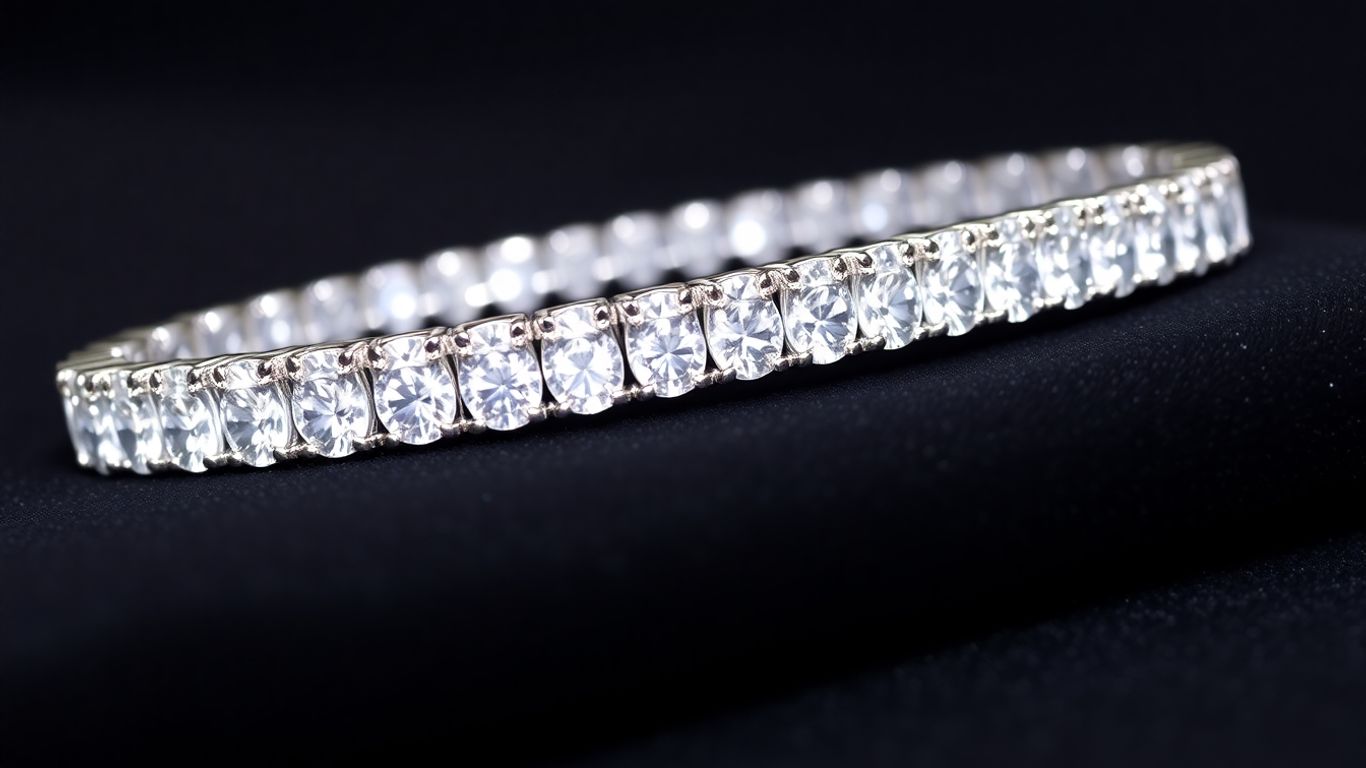
The Timeless Elegance of a Diamond Tennis Bracelet: A Buyer's Guide
Read More









.webp)
.webp)