Create Your Dream Piece: A Guide to Designing Custom Jewellery
June 18, 2026 | 10 minutes read
Embarking on the journey to create custom jewellery can seem daunting, but it's a rewarding process. Here are the main points to remember to make your experience smooth and successful:
Key Takeaways
- Clearly define what you want your custom jewellery to represent and why you want it.
- Find a jeweler or designer whose style and past work you admire and trust.
- Communicate openly with your designer, providing feedback at each stage.
- Carefully choose your metals and gemstones, thinking about look, feel, and durability.
- Be patient during the crafting process; quality takes time.
Embarking On Your Custom Jewellery Journey
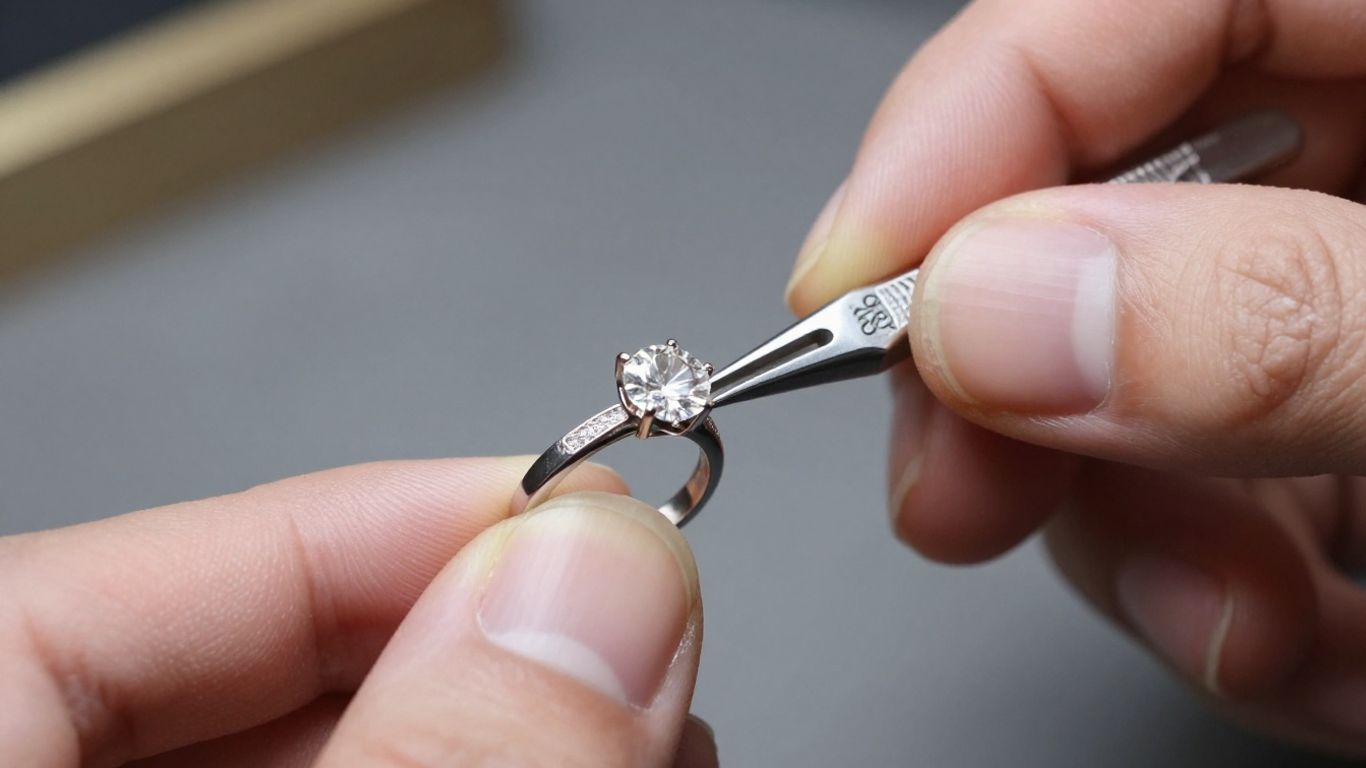
So, you're thinking about getting something custom-made, huh? It’s a pretty cool idea, turning something you imagine into a real, shiny thing you can wear. Forget just picking something off the shelf; this is about making a piece that’s totally you. Whether it’s for a big moment, a gift, or just because, starting this process is exciting. The first step is really about figuring out what you want. It sounds simple, but it’s the foundation for everything else.
Define Your Vision and Purpose
Before you even think about metals or stones, sit down and really consider why you want this piece. Is it an engagement ring that needs to scream 'forever'? A necklace to remember a special trip? Or maybe a bracelet to celebrate a personal achievement? Knowing the purpose helps guide all the other decisions. Think about what it should feel like when you wear it. Does it need to be subtle for everyday wear, or a bold statement piece for special nights out? Jotting down these thoughts can be super helpful.
Gathering Inspiration and Ideas
Now for the fun part – looking for ideas! This is where you can let your imagination run wild. Browse through magazines, scroll through Pinterest, or even look at nature for patterns and colors. Don't limit yourself to just jewelry; inspiration can come from anywhere. Maybe a certain architectural detail catches your eye, or a color palette from a painting speaks to you. It’s a good idea to save anything that sparks your interest. You can create a mood board, either physically or digitally, to collect all these bits and pieces. This visual collection will be a lifesaver when you start talking to a designer. You might even find some great ideas for unique travel companions if you're planning a trip where this piece will be worn.
Understanding Your Personal Style
This is where you get honest with yourself. What do you usually wear? Are you drawn to clean, modern lines, or do you prefer something more ornate and vintage-inspired? Do you like a lot of sparkle, or are you more into understated elegance? Consider the metals you usually gravitate towards – do you wear more yellow gold , white gold , or silver? Think about your lifestyle too. If you’re very active, a delicate, intricate piece might not be the most practical choice. Understanding your own style helps ensure the final piece won't just be beautiful, but something you'll actually want to wear all the time. It’s about creating something that feels like an extension of yourself, not just a pretty object.
The journey to a custom piece is as much about self-discovery as it is about design. It’s a chance to reflect on what truly matters to you and translate those feelings into something tangible and lasting.
Here’s a quick way to think about your style:
- Classic: Timeless designs, clean lines, often featuring traditional gemstones like diamonds or pearls.
- Modern/Minimalist: Simple shapes, geometric forms, often with a focus on the metal itself.
- Bohemian/Artistic: Unique shapes, mixed metals, natural stones, and often a more organic feel.
- Vintage-Inspired: Drawing from past eras, featuring intricate details, filigree, or antique cuts.
Choosing a jeweler is the next big step, and finding the right fit is important. You want someone who gets your vision and can help bring it to life. It’s a collaborative process, and finding a good partner makes all the difference. You can start looking for jewelers who specialize in custom work; many have websites where you can see examples of their past projects. This can give you a feel for their aesthetic and skill level. Remember, this is your dream piece, so take your time in these initial stages.
Selecting Your Creative Partner
Finding the right person to help you create your dream jewelry is a big deal. It’s not just about picking someone who can make pretty things; it’s about finding someone you can actually talk to and who gets what you’re going for. Think of them as your co-pilot on this creative adventure.
Finding the Right Jeweler or Designer
When you're looking for a jeweler or designer, start by asking around. Friends, family, or even other local businesses might have recommendations. You can also look online, but be sure to check out their websites and social media. What kind of work do they usually do? Does it match the style you have in mind? It’s important to find someone whose past work genuinely excites you.
Here are a few things to consider:
- Specialization: Some jewelers focus on engagement rings, while others are great with custom pendants or repairs. Make sure they have experience with the type of piece you want.
- Communication Style: Do they seem approachable? Do they listen well? You’ll be talking a lot, so you want someone you feel comfortable with.
- Location and Logistics: Will you be able to meet in person if needed? Or are they set up for remote consultations? Think about what works best for you.
Evaluating Portfolios and Expertise
Once you've got a shortlist, it's time to dig into their portfolios. This is where you see what they've actually made. Look for:
- Quality of Work: Are the finishes clean? Are the stones set well? Does the overall construction look solid?
- Style Alignment: Does their portfolio show a range of styles, or do they stick to one look? If you like their aesthetic, that’s a good sign.
- Custom Projects: Pay special attention to any custom pieces they’ve done. This shows they can take a unique idea and make it real. You can even collaborate with master designers to bring your unique vision to life.
Don't be afraid to ask questions. A good designer will be happy to explain their process and show you examples of their skill. They should also be able to talk about the materials they use and why.
The Importance of Collaboration
Custom jewelry is a team effort. The designer brings their technical skills and artistic eye, but you bring the vision and the personal meaning. Your input is what makes the piece truly yours.
The best custom jewelry experiences happen when there's a strong back-and-forth. You share your ideas, the designer offers suggestions based on their knowledge, and together you refine the concept. It’s a partnership where both sides contribute to the final outcome.
This collaborative spirit is key to making sure you end up with a piece that not only looks amazing but also feels right. It’s about creating something that tells your story, and that requires open communication and trust between you and your chosen artisan. For example, when designing bridal jewelry, a jeweler acts as a partner, guiding you through options and helping you find pieces that fit your vision and budget, creating future heirlooms that tell your story.
Bringing Your Custom Jewellery Design To Life
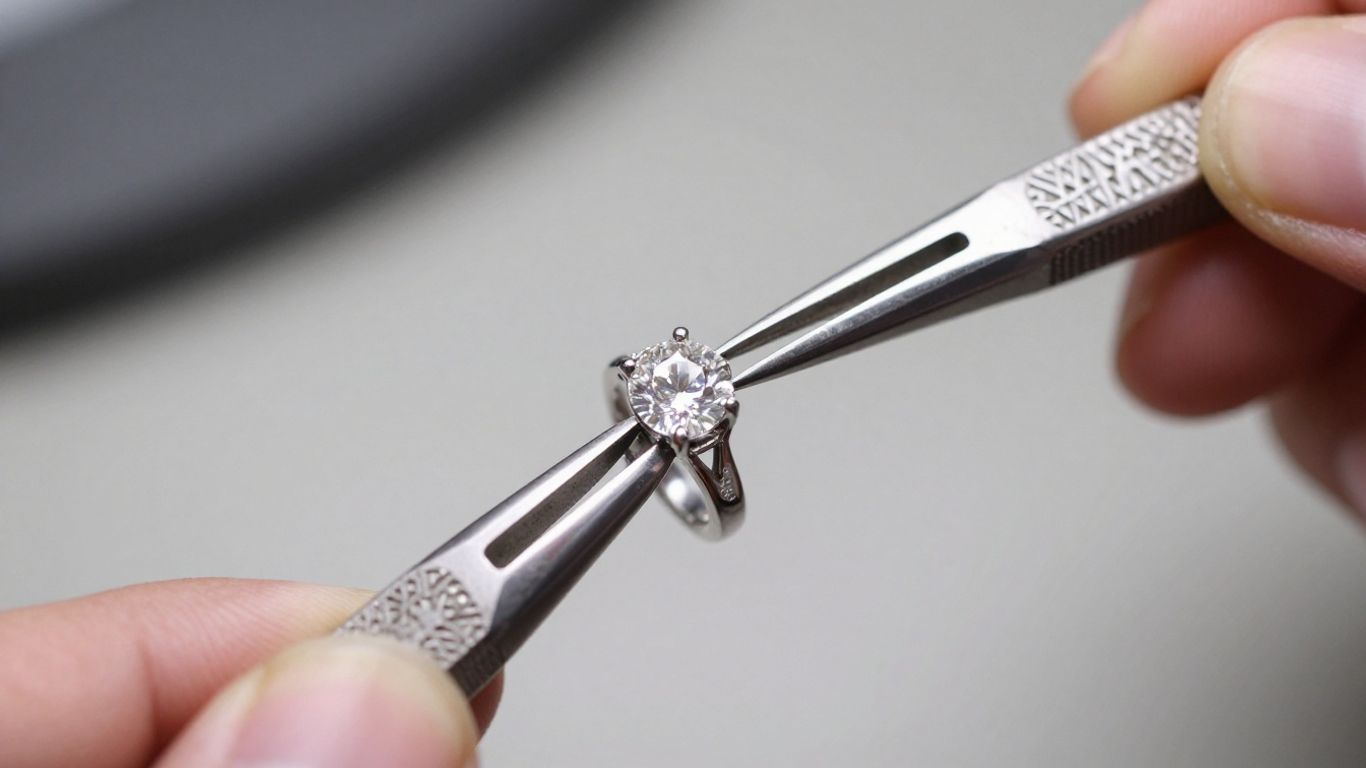
Collaborative Design Refinement
So, you've got a vision, maybe even a rough sketch or a Pinterest board full of ideas. That's fantastic! Now comes the really fun part: working with your chosen jeweler to actually shape that concept into something real. This isn't a one-way street; it's a partnership. Your designer is there to translate your dreams into a tangible piece, but they also bring a ton of knowledge about what's possible, what works structurally, and what will look amazing once it's made.
Think of this stage as a detailed conversation. You'll talk about everything – the exact shade of blue you want for that sapphire, how thick the band should be, or if a particular clasp will be more comfortable for daily wear . The jeweler will likely show you different options for metals and stones, explaining the pros and cons of each. They might even suggest small tweaks that could make a big difference in the final look or durability. This back-and-forth is where your initial idea truly starts to solidify.
Digital Renderings and Wax Models
Before any metal is melted or any stones are set, you'll usually get to see a preview of your design. Often, this starts with digital renderings. These are like realistic computer drawings that show you exactly what your piece will look like from different angles. It’s a great way to catch any details you might have overlooked or to confirm that the proportions are just right. If you're designing something intricate, like a custom engagement ring, these visuals are incredibly helpful.
Sometimes, especially for more complex designs, a wax model or a 3D print might be created. This gives you a physical representation to hold and examine. You can see how it feels, check the scale against your hand, and really get a sense of the finished product. It’s a tangible step that makes the whole process feel even more real.
Feedback and Design Adjustments
This is your moment to chime in! Look at those renderings or models critically. Does it match what you imagined? Is there anything you'd change? Maybe the stone looks a little too big, or you want the engraving to be a bit deeper. Don't be shy about speaking up. Your designer wants you to be absolutely thrilled with the final piece, so they expect feedback. They'll guide you on what's feasible, but your honest input is what makes it your custom jewelry.
| Aspect | Considerations |
|---|---|
| Proportions | Does the size and scale feel right? |
| Details | Are engravings, textures, or settings as desired? |
| Gemstone Placement | Is the main stone centered and secure? |
| Overall Feel | Does it capture the aesthetic you envisioned? |
It's important to remember that while the designer is the expert in execution, you are the expert on your own taste and what this piece means to you. Trust your gut, but also be open to their professional advice. They’ve likely made hundreds of custom pieces and can anticipate issues you might not even think of.
Making small adjustments now is much easier and less costly than trying to change things once the piece is already being made. This iterative process of review and refinement is key to getting your custom design exactly right before it moves into the actual crafting phase. You can explore different design concepts to get a better feel for what you might want.
Choosing The Perfect Materials
Picking the right stuff for your custom jewelry is a big deal. It's not just about how it looks, but how it feels, how it holds up over time, and what it means to you. Let's break down the main things to think about.
Exploring Metal Options
Metals are the backbone of any jewelry piece. You've got a few popular choices, and each has its own vibe and practical side. Gold is always a classic, coming in yellow, white, and rose shades. It's pretty durable and holds its color well. Platinum is super strong and has a naturally white look that doesn't fade, making it a great choice for people who are tough on their jewelry. Silver is a more budget-friendly option that still looks fantastic, though it can tarnish over time if not cared for. The metal you choose will affect the overall feel and longevity of your piece.
| Metal | Pros | Cons |
|---|---|---|
| Gold | Timeless, durable, various colors | Can be scratched, price varies |
| Platinum | Very strong, hypoallergenic, stays white | Higher cost, heavier |
| Silver | Affordable, bright shine | Tarnishes, softer than gold/platinum |
Selecting Gemstones and Their Significance
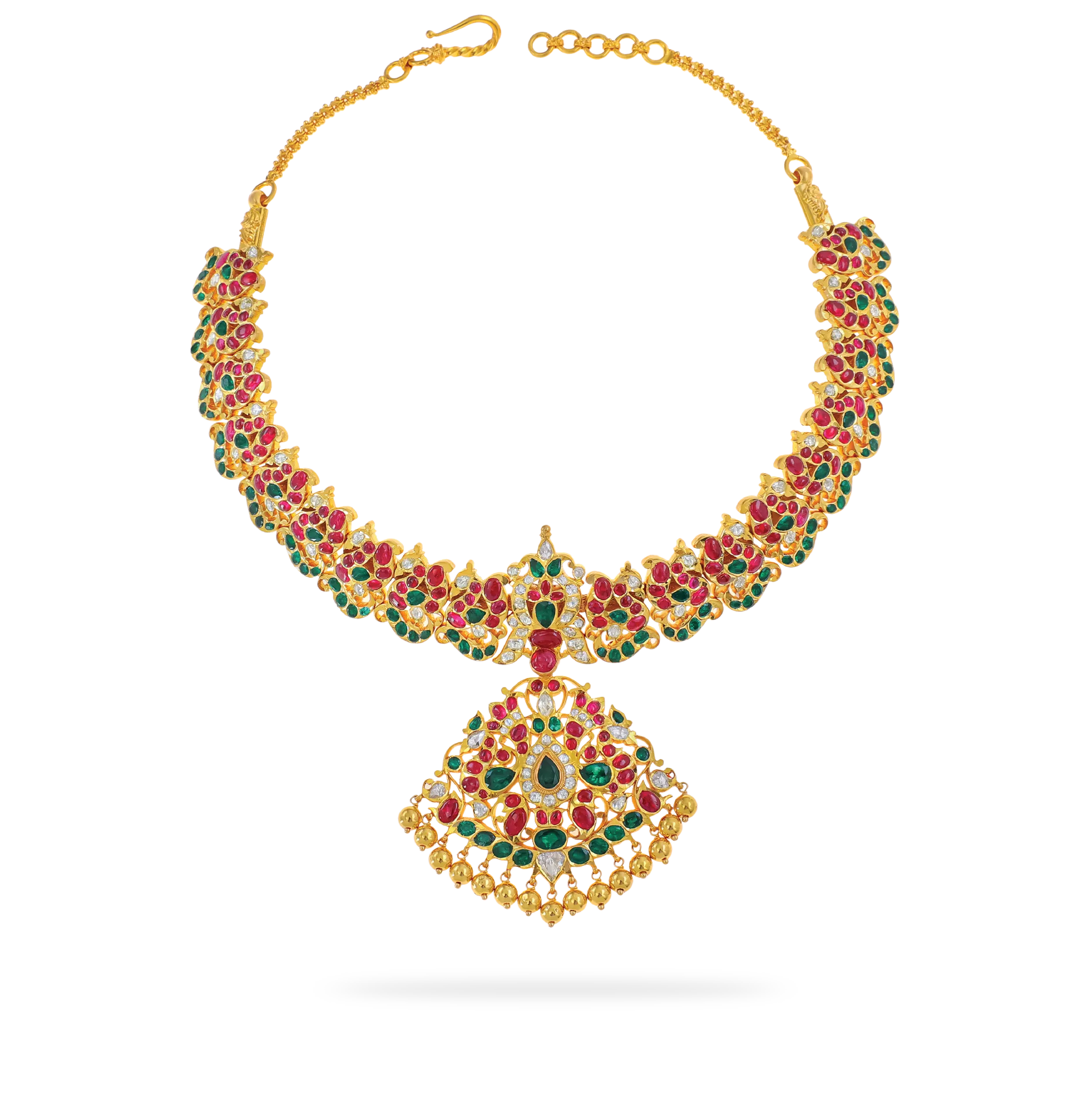
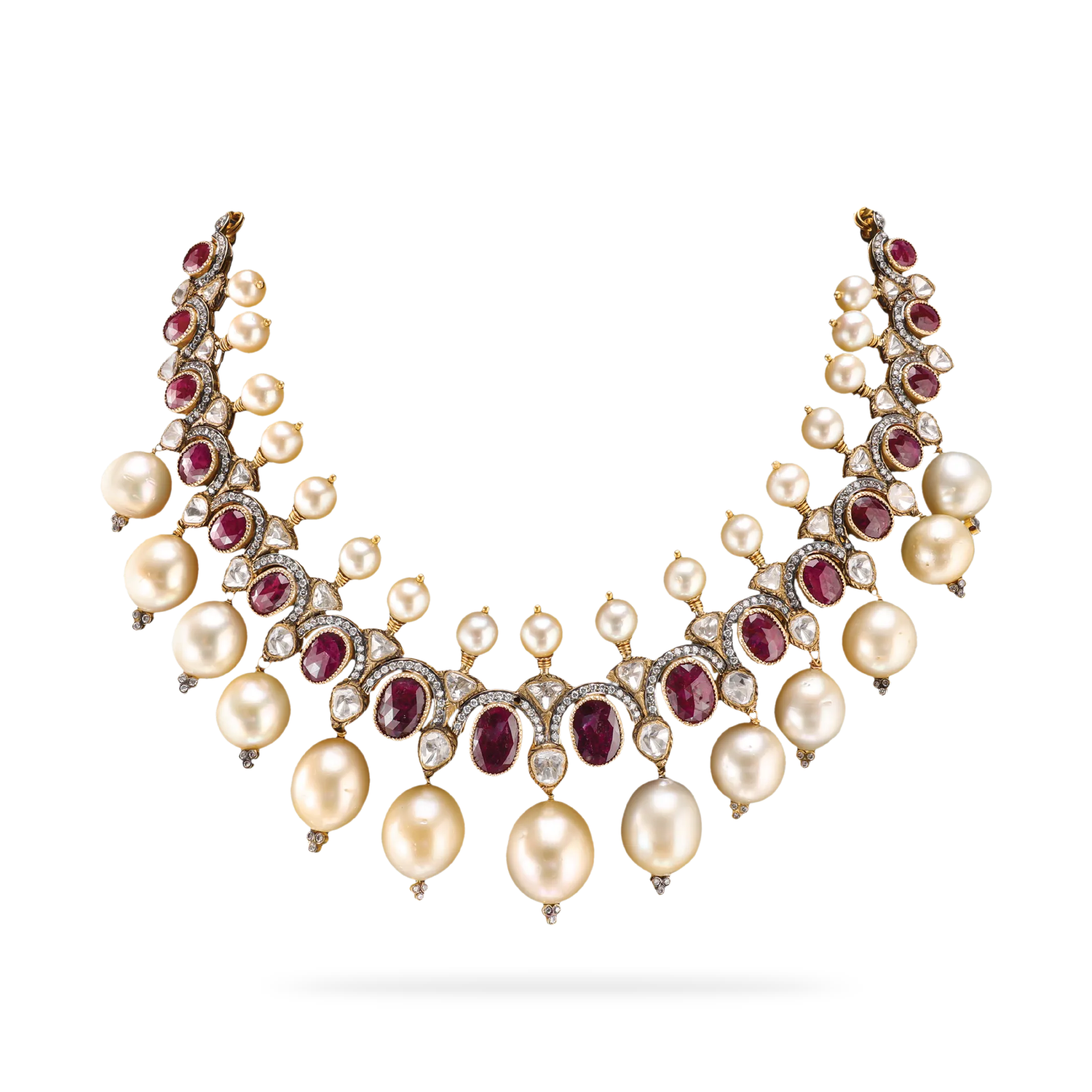
Gemstones are where you can really add personality and meaning. Diamonds are the go-to for sparkle and hardness, but don't stop there! Sapphires come in a rainbow of colors, emeralds offer that deep green richness, and rubies bring a vibrant red. Each stone can have its own symbolism, too. Maybe you want a birthstone, or a stone that represents a certain quality like love or strength. It's worth looking into gemstone meanings if that appeals to you.
- Diamonds: Known for hardness and brilliance.
- Sapphires: Available in many colors, symbolizing wisdom and loyalty.
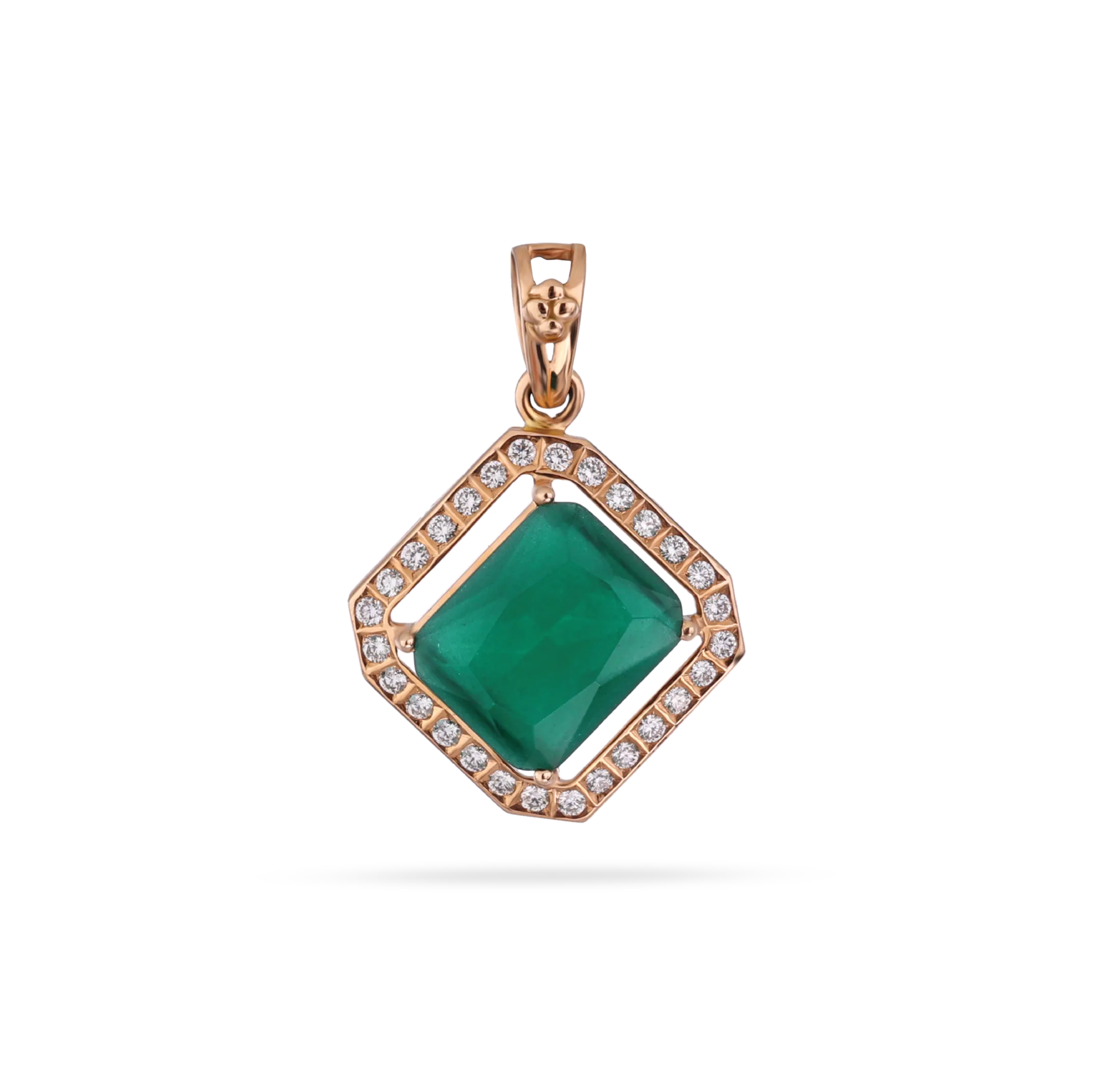
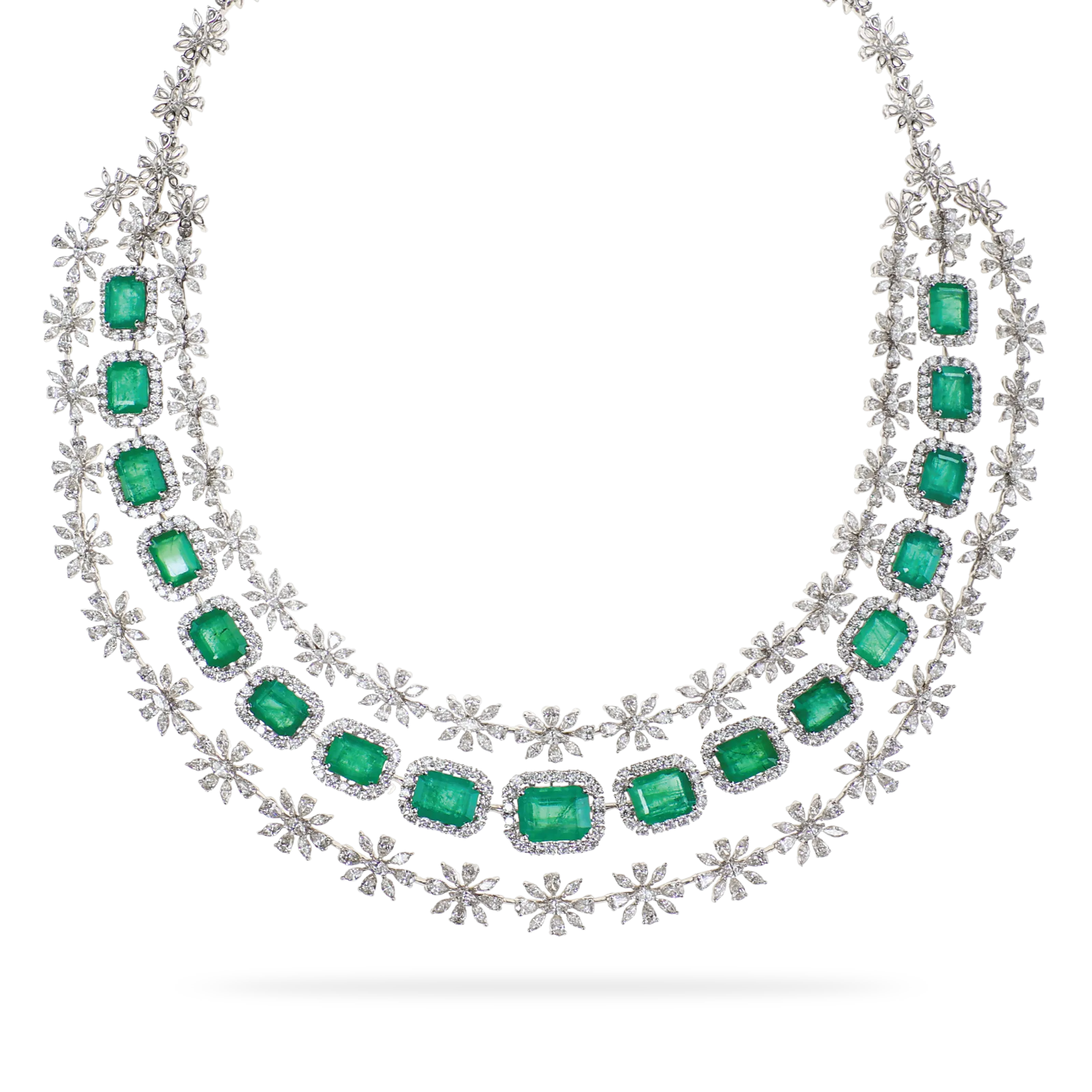
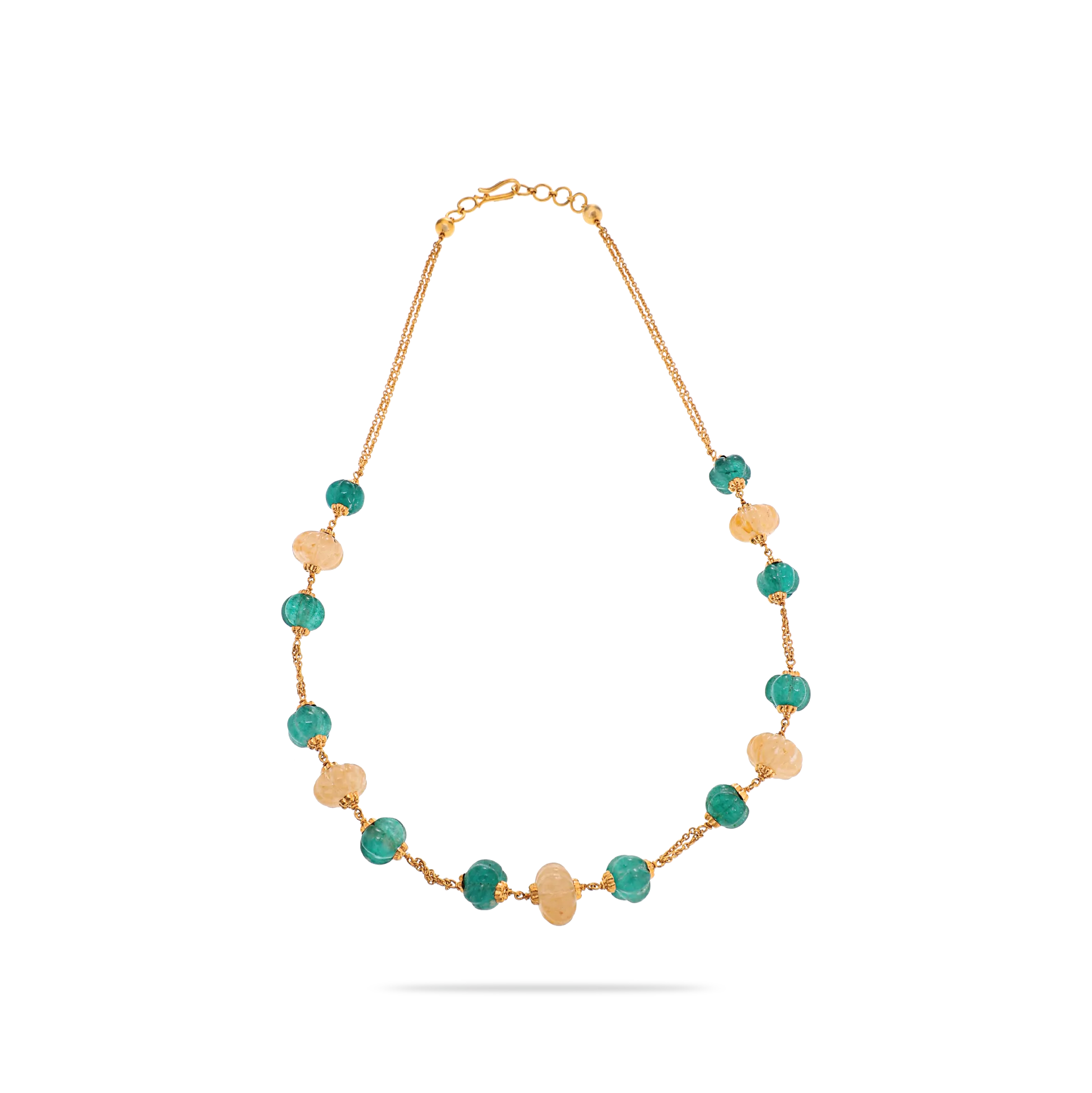
- Emeralds: Prized for their deep green hue, representing hope and new beginnings.
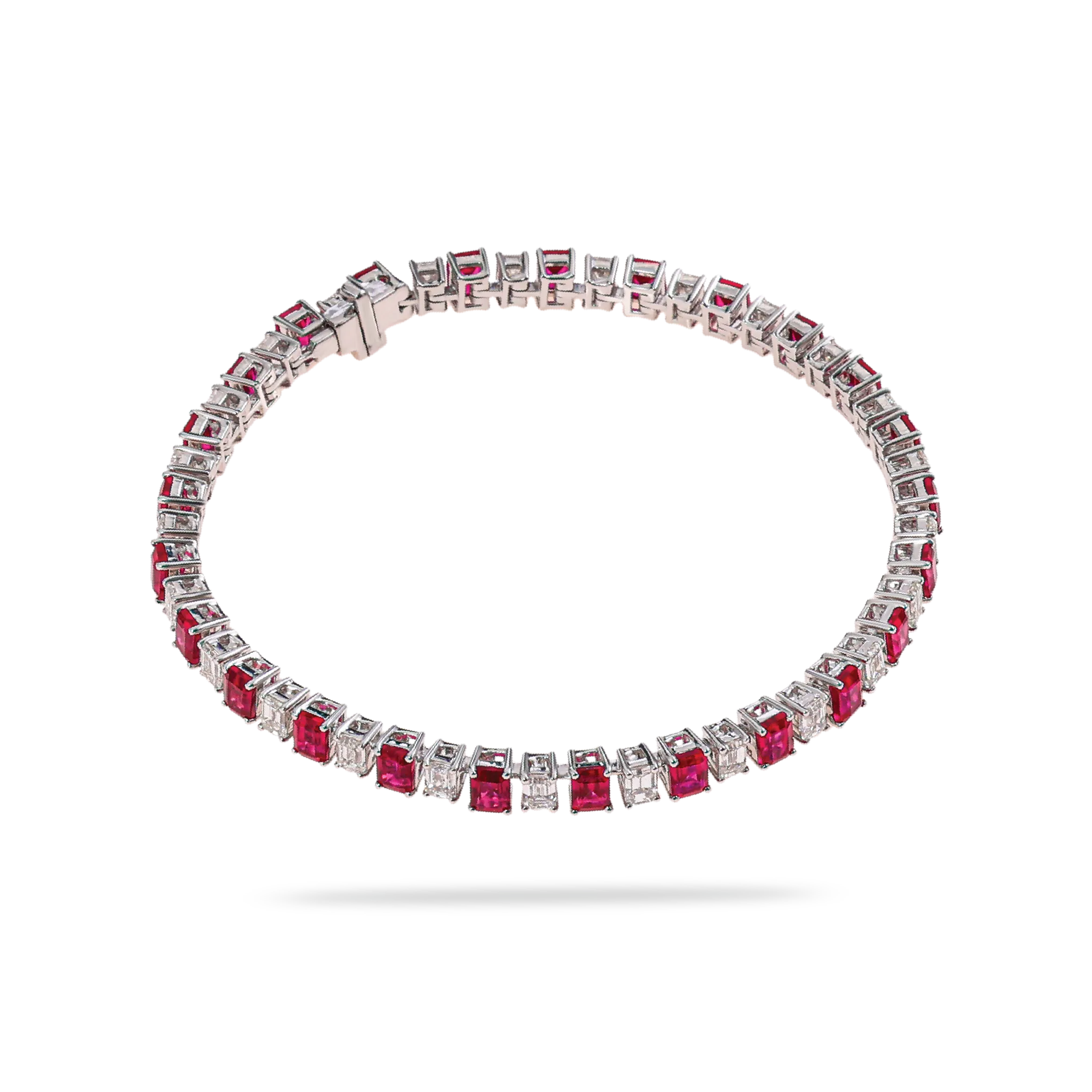
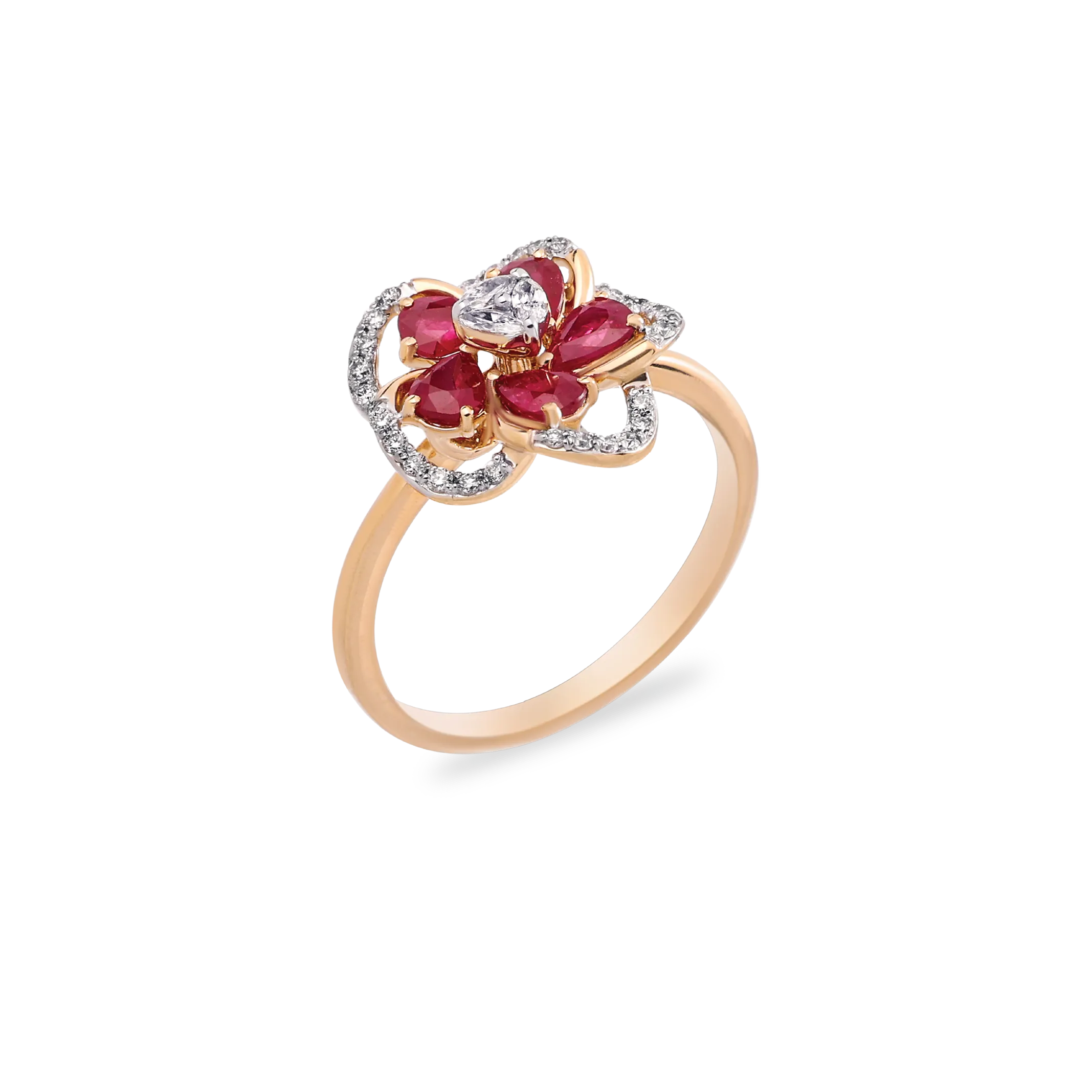
- Rubies: A vibrant red, often associated with passion and courage.
Considering Durability and Ethical Sourcing
When you're picking materials, think about how you'll wear the piece. If it's an everyday ring, you'll want something tough that can handle bumps and scrapes. Softer stones might not be the best bet for constant wear unless they're set very securely. Also, these days, a lot of people care about where their materials come from. Many jewelers are happy to show you options for ethically sourced gems and recycled metals. It feels good to know your beautiful piece didn't come at a cost to the planet or people.
Making thoughtful material choices means your custom jewelry will not only look amazing but also stand the test of time and align with your values.
The Art Of Crafting Custom Jewellery
So, you've got this amazing idea, a clear vision, and you've picked the perfect designer. Now comes the really exciting part: watching your custom piece come to life. This isn't like picking something off a shelf; it's a whole process, and understanding it helps you appreciate the final result even more. It takes time, skill, and a whole lot of attention to detail.
Understanding the Creation Process
Creating custom jewelry is a journey with several distinct stages. It starts with the initial design concept, which then moves into creating a physical representation, often through a wax model or a digital rendering. This lets you see exactly what you're getting before any precious metal is touched. After you give the green light, the actual crafting begins. This involves techniques like casting, where metal is poured into a mold, or fabrication, where pieces are shaped and joined. Gemstones are then meticulously set, and the piece undergoes polishing and finishing touches. It's a step-by-step approach that ensures your vision becomes reality.
The Role of Meticulous Craftsmanship
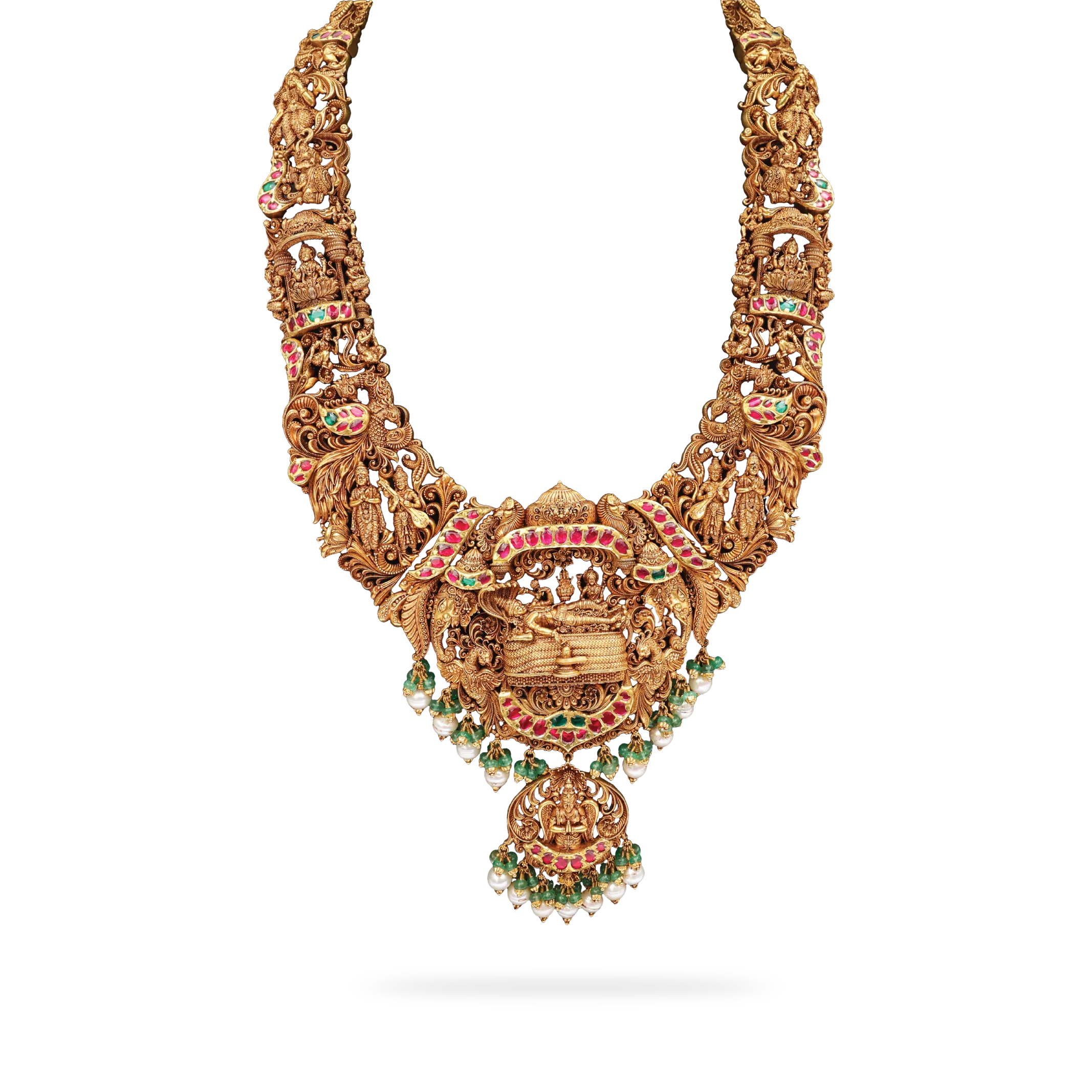
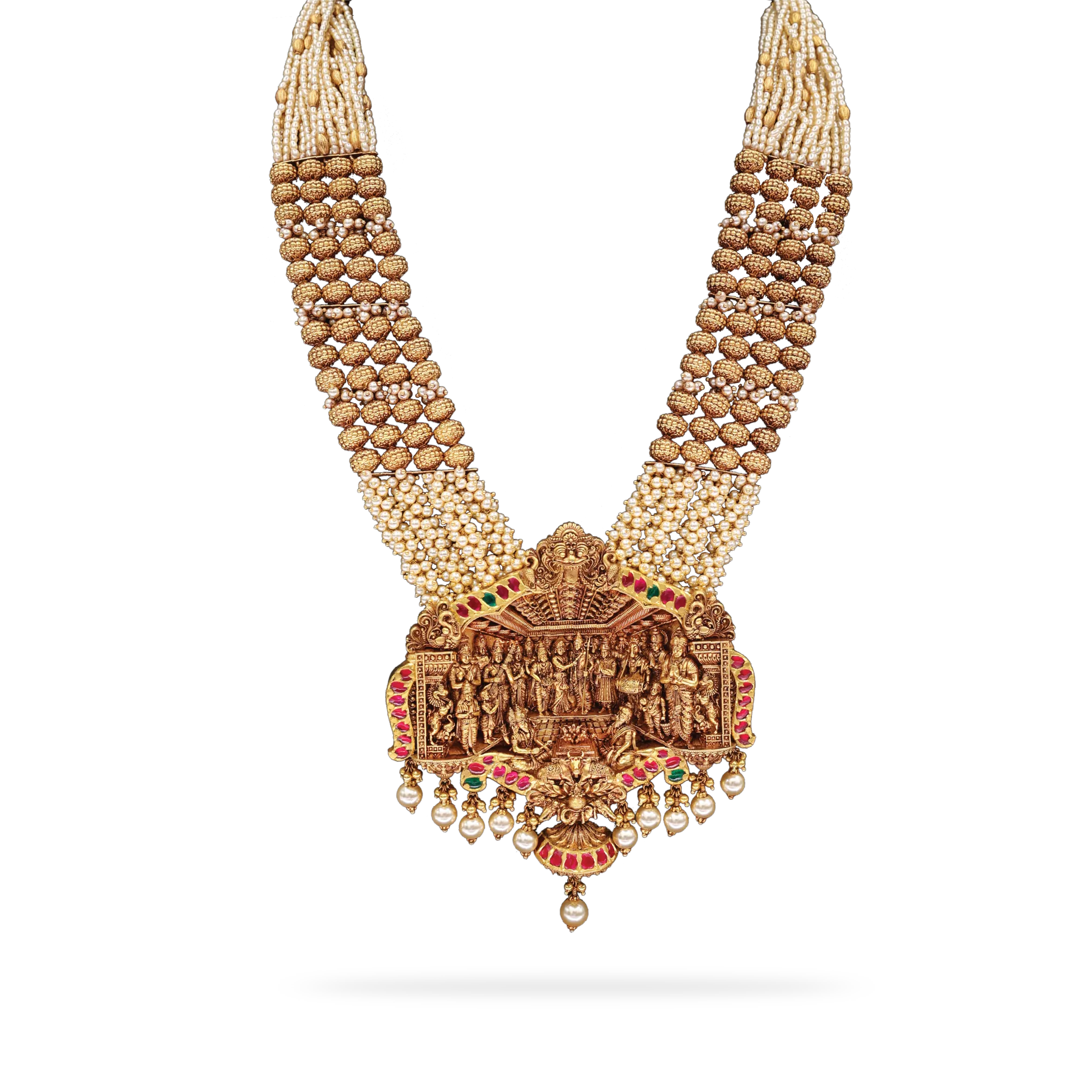
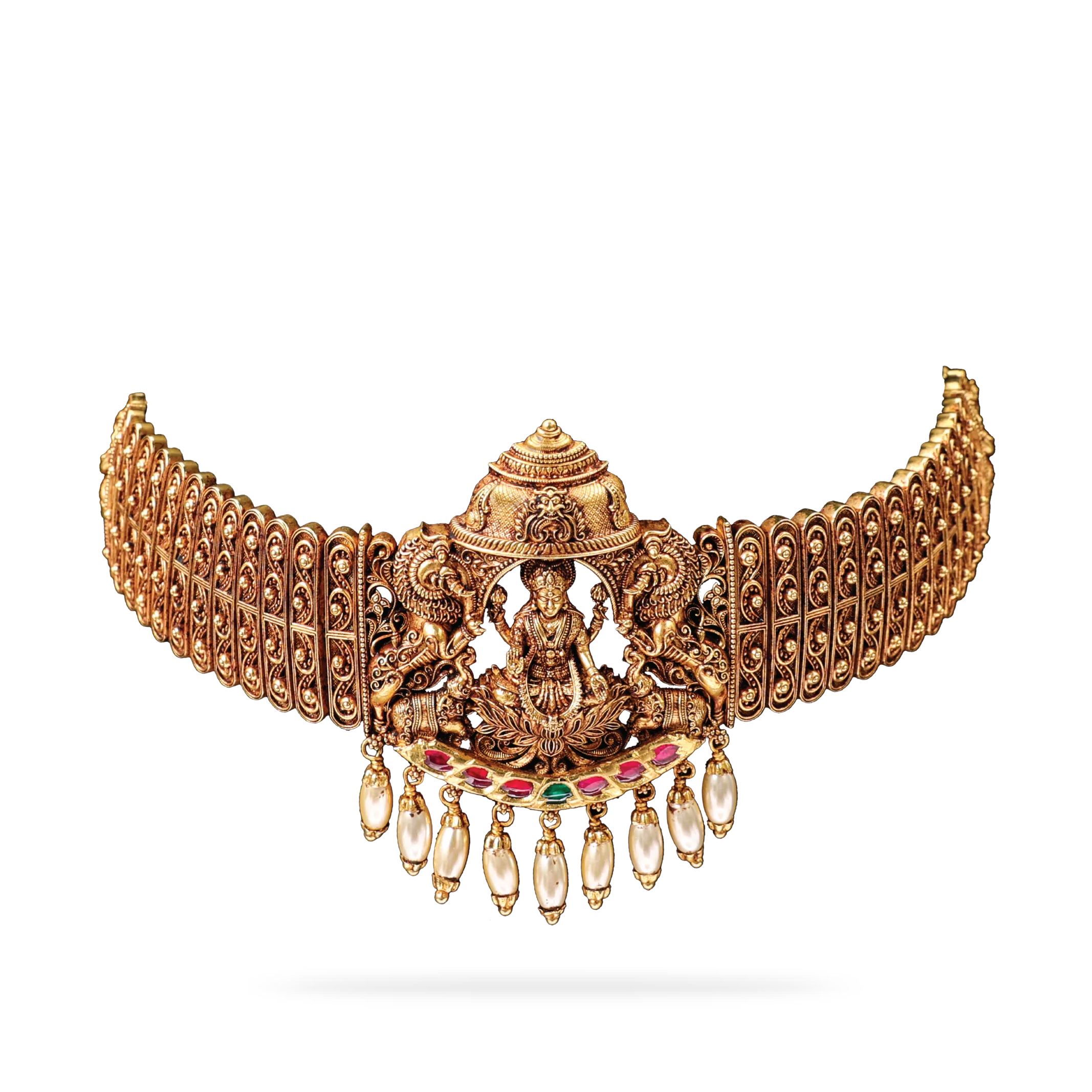
This is where the magic really happens. Skilled artisans use a variety of tools and techniques, some passed down through generations, to shape and perfect your jewelry. Think of traditional methods like those used in Nakshi jewellery, where intricate details are hammered and etched by hand. Even with modern technology, the human touch is irreplaceable. Every curve, every setting, every polish is done with precision. It’s this dedication to detail that separates a mass-produced item from a truly unique, handcrafted treasure.
Managing Expectations for Timelines
Because custom jewelry is made specifically for you, it naturally takes longer than buying something ready-made. The complexity of the design, the materials chosen, and the jeweler's current workload all play a part. A simple pendant might take a few weeks, while an elaborate engagement ring could take several months. It's always best to have an open conversation with your designer about realistic timelines right from the start. This way, you can anticipate when your masterpiece will be ready without any surprises.
The creation of custom jewelry is a collaborative dance between your vision and the artisan's skill. Patience during this phase is key, as each step is deliberate and contributes to the final, unique piece.
Finalizing and Unveiling Your Masterpiece
So, you've gone through the whole design process, picked out your materials, and maybe even seen a digital rendering or a wax model. Now comes the really exciting part: seeing your idea turn into something real. It’s the moment where all those decisions and conversations finally come together.
Approving the Final Design
Before the actual making begins, you'll get one last look at the complete design. This is your chance to give it the official thumbs-up. Think of it like a final check before a big trip – you want to make sure everything is in order. It’s important to review every little detail, from the exact placement of stones to any engraving you might have requested. Changes after this point can get tricky and might add to the cost, so it's best to be absolutely sure now. This is where you confirm that the design truly matches what you've been picturing.
Ensuring the Perfect Fit
Once the piece is crafted, the jeweler will want you to try it on. This isn't just a formality; it's super important. Whether it's a ring, bracelet, or necklace, the fit needs to be just right. You want it to feel comfortable and secure, not too tight or too loose. Jewelers are usually really good at making small adjustments on the spot if needed. They'll check how it sits on your finger, how the clasp works, or how the chain drapes. Getting the fit perfect makes a huge difference in how you'll feel wearing it every day.
The Joy of Your Unique Creation
And then, it's time. The unveiling. It’s that feeling you get when you finally see the finished product, and it’s even better than you imagined. The jeweler will present your piece, often with an appraisal and some tips on how to care for it. This is the culmination of your creative journey, a tangible representation of your personal style and story. It’s not just jewelry; it’s a piece of art that’s uniquely yours, something you can cherish and perhaps even pass down. It’s a pretty special feeling to wear something that was made just for you, reflecting your individuality. You can explore different styles of intricate jewelry making, like Nakshi jewelry, to appreciate the detailed craftsmanship that goes into custom pieces.
This final stage is where your vision solidifies into a treasured possession. It’s a blend of the jeweler’s skill and your personal taste, resulting in something truly one-of-a-kind.
Here’s a quick look at what to expect:
- Final Design Approval: Confirm all details are as envisioned.
- Fit Check: Try on the piece for comfort and security.
- Adjustments: Minor tweaks made for the perfect fit.
- Presentation: Receiving your finished masterpiece, often with care instructions.
- Appraisal: Documentation of your unique item's value.
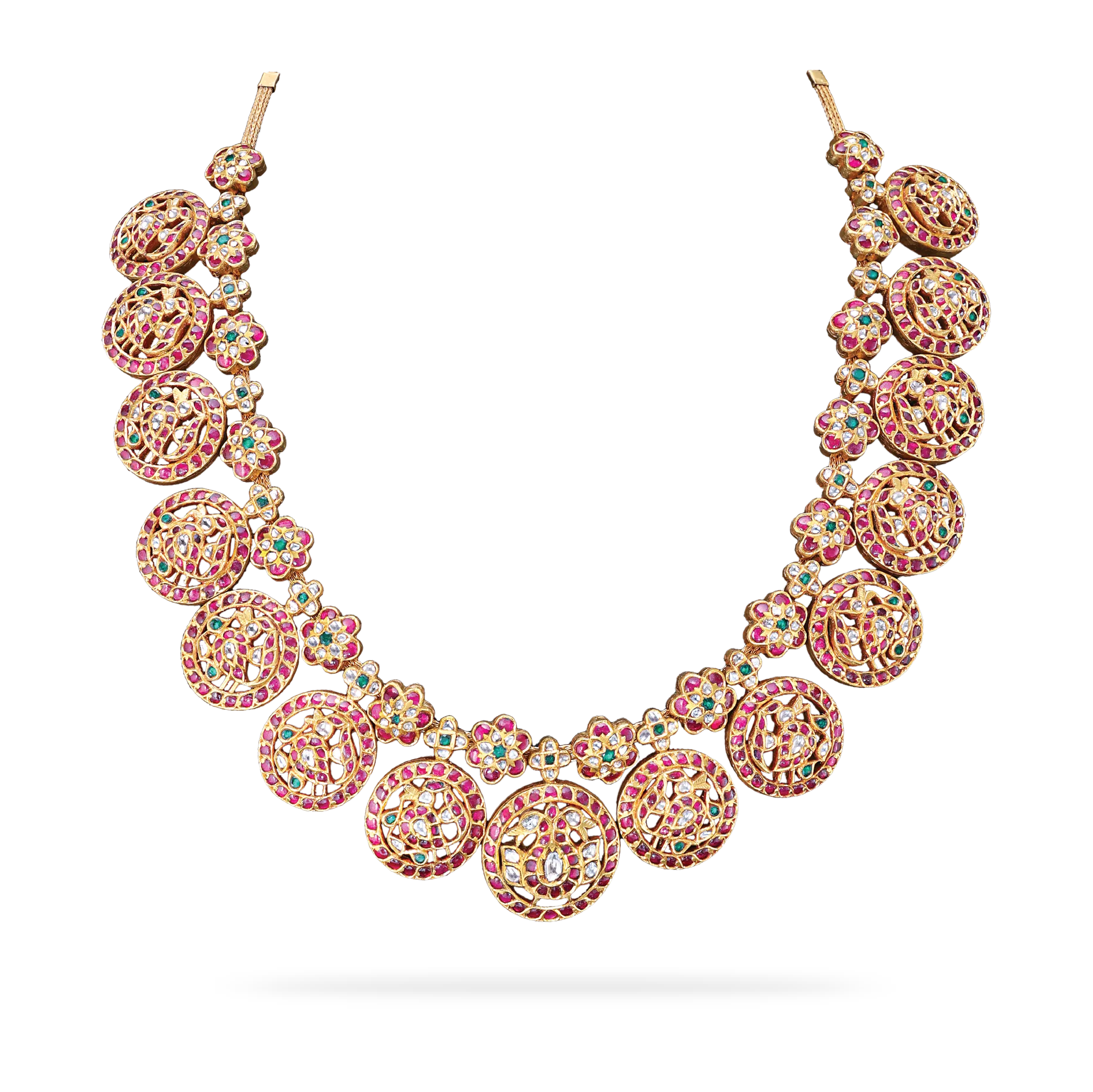
Remember, the process of creating custom jewelry, much like the detailed steps in Royal Kundan bridal jewellery, is about bringing a personal vision to life with meticulous attention to detail.
Conclusion
Creating your own custom jewellery is a special way to make something that truly means something to you. It's not just about owning a pretty item; it's about telling your story, celebrating moments, and wearing something that's uniquely yours. While it takes some planning and teamwork with a designer, the end result is a treasure you'll love for a long, long time. So go ahead, start dreaming up that perfect piece!
Frequently Asked Questions
What's the first thing I should do if I want custom jewellery?
Start by thinking about what you want. Is it for a special event, a gift, or just something you've always wanted? Jot down ideas and look for pictures of styles you like. This helps you explain your vision later.
How do I find a good jeweler for custom work?
Look for jewelers who specifically mention custom design. Check out their past projects online or in their shop. Reading reviews from other customers can also give you a good idea of their skills and how they work with people.
What if I don't know much about gemstones or metals?
Don't worry! A good designer will explain all the options to you. They can tell you about different metals like gold or silver, and various gems like diamonds or sapphires, explaining their pros and cons, like how they look and how tough they are.
How long does it take to make custom jewellery?
It really depends on how complex the design is and how busy the jeweler is. It can take anywhere from a few weeks to a couple of months. It's best to ask your designer for a timeline early on.
Can I see what my jewellery will look like before it's made?
Yes, most designers will create a sketch or a 3D model of your piece. Some even make a wax model. This lets you see exactly how it will turn out and make any small changes before they start the final work.
What if I don't like the final piece?
This is why the design and approval steps are so important! By giving feedback during the design process and approving the final plans, you greatly reduce the chances of not liking it. If there are minor issues with craftsmanship, the jeweler should fix them.
Related blogs:
November 20, 2025
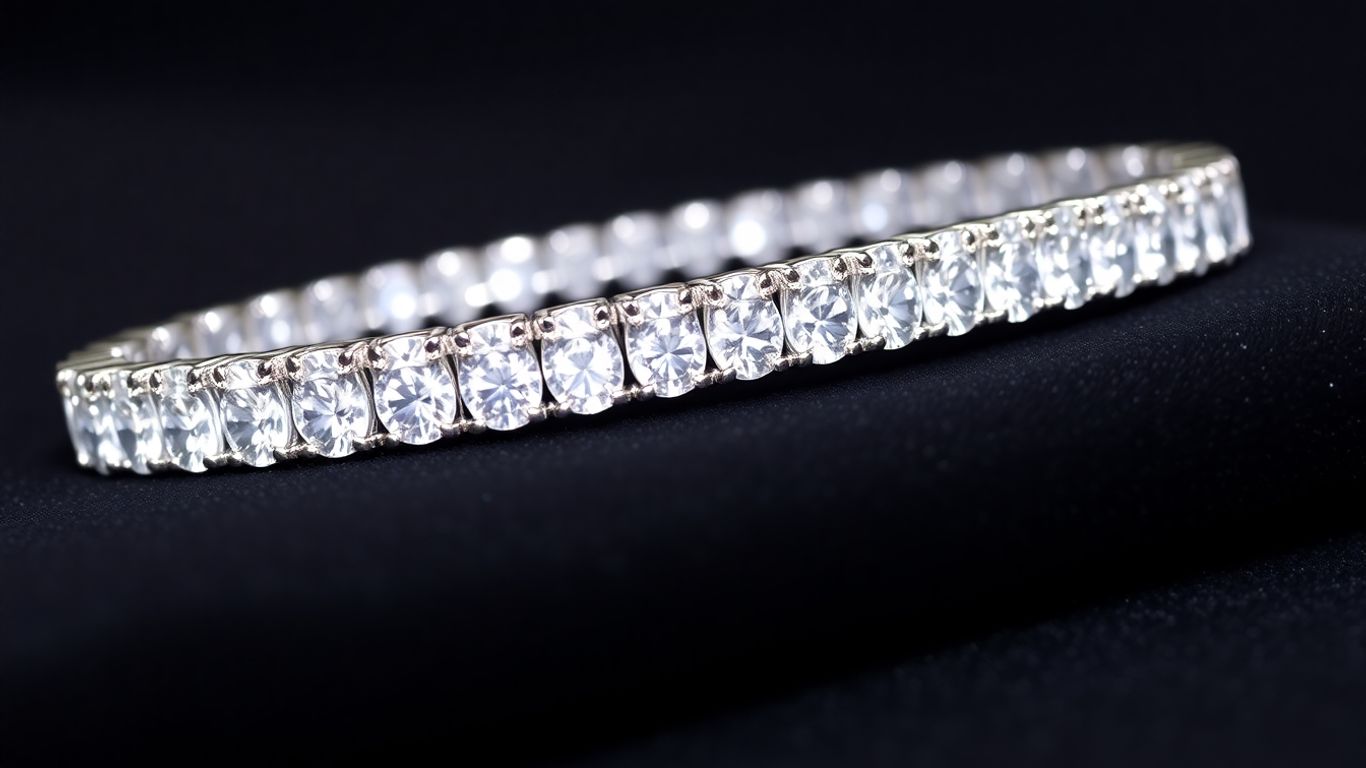
The Timeless Elegance of the Tennis Bracelet: A Comprehensive Guide
Read More
November 20, 2025
The Ultimate Guide to Styling and Wearing a Choker Necklace
Read More
November 20, 2025
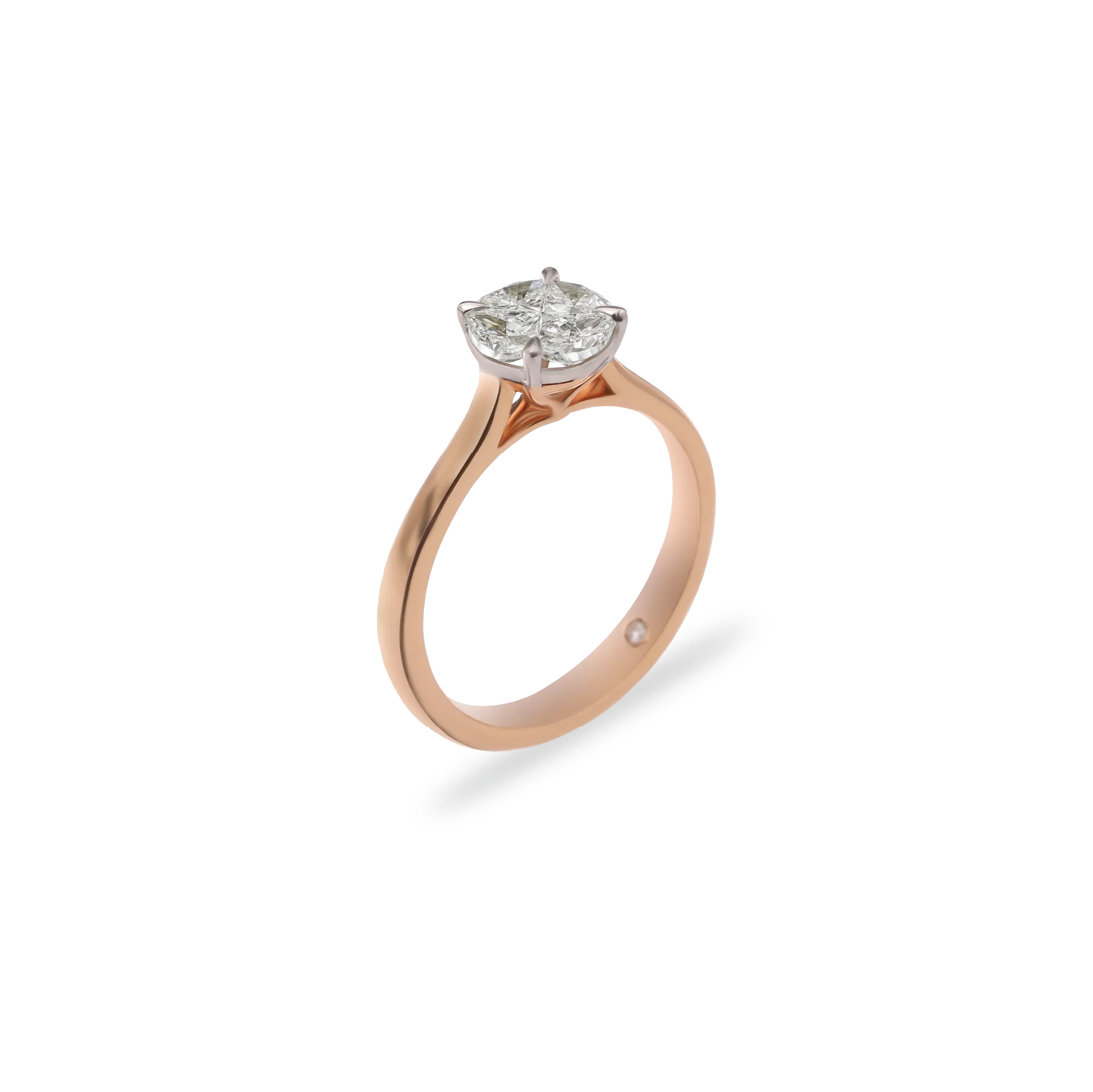
Find Your Perfect Engagement Ring: A Comprehensive Guide to Styles and Diamonds
Read More
November 20, 2025
The Timeless Elegance of a Diamond Tennis Bracelet: A Buyer's Guide
Read More









.webp)

.webp)