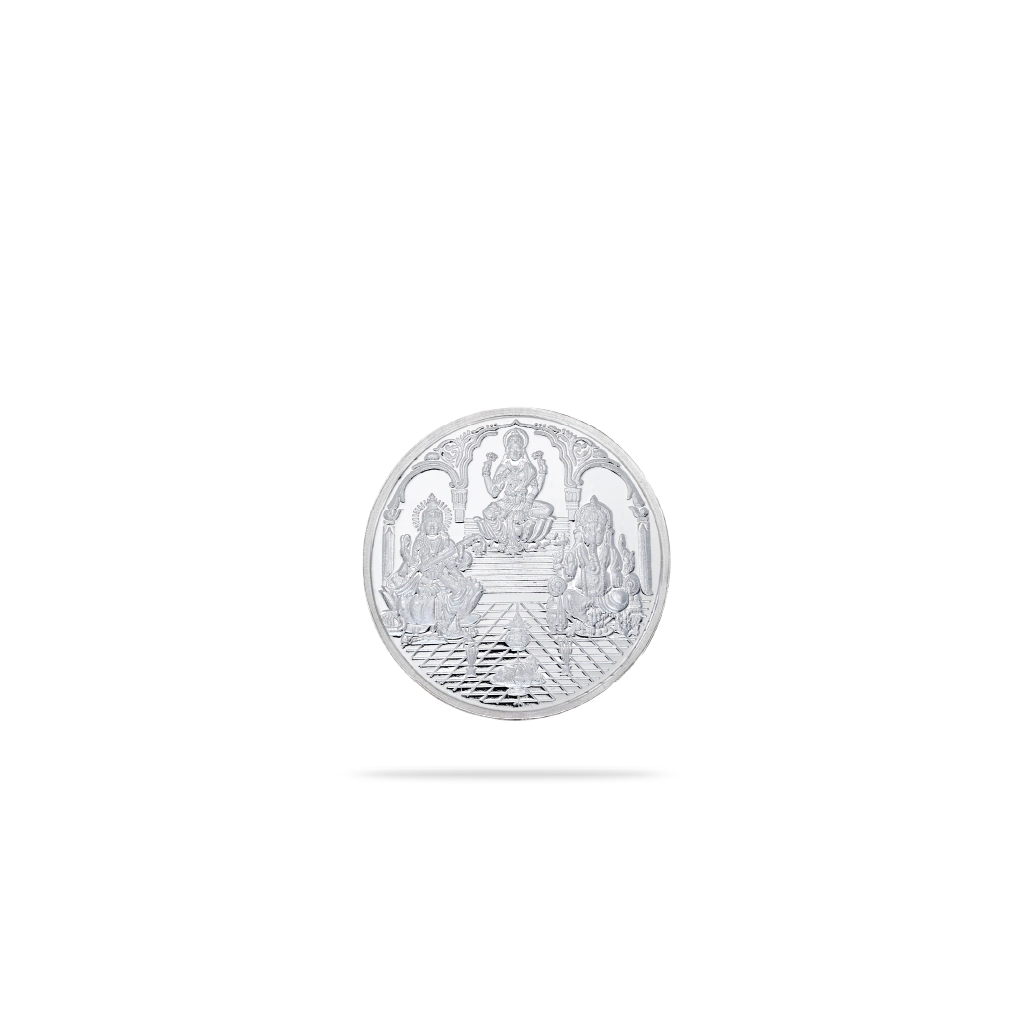
Explore the Intricate Beauty of Nakshi Jewelry: Designs and Trends
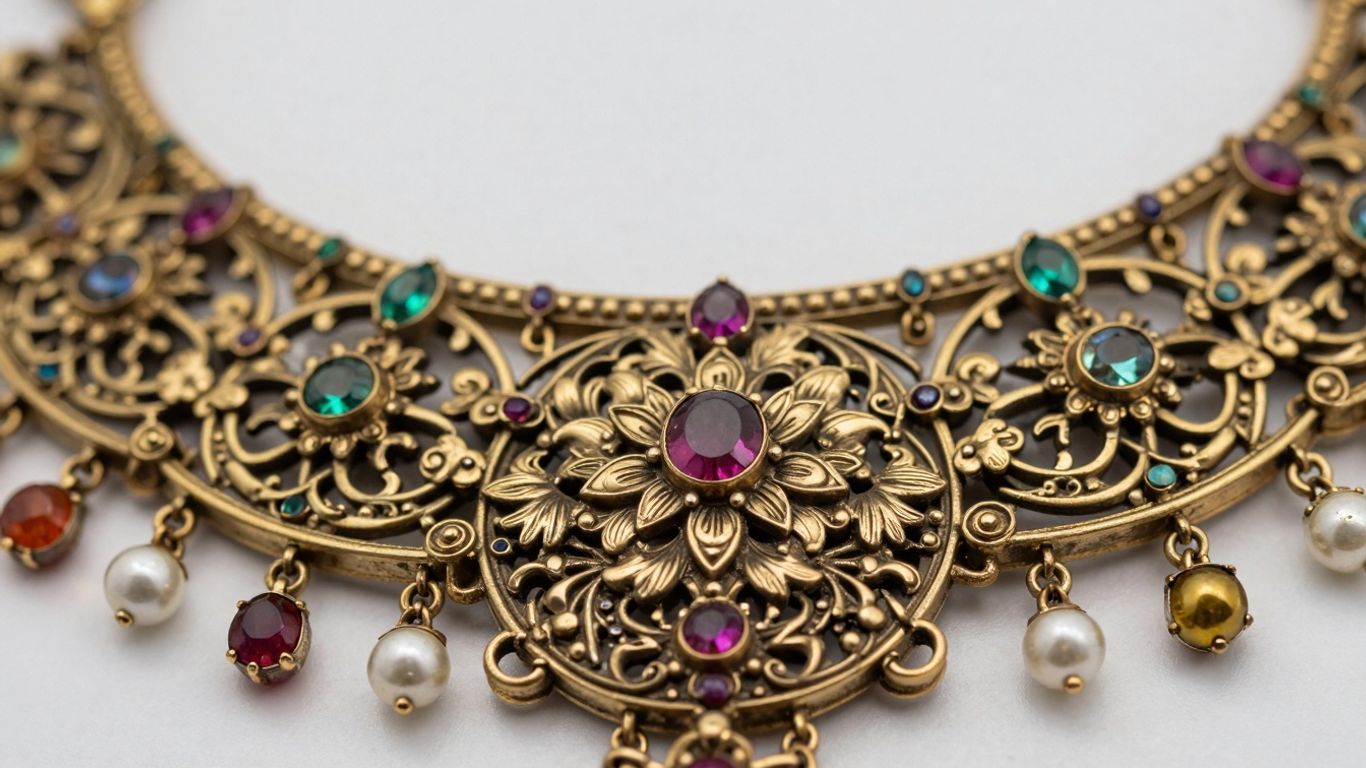
December 9, 2025 | 10 minutes read
Nakshi jewelry, a style that feels both old and new, has a beauty all its own. It's like looking at a piece of history that you can actually wear. This kind of jewelry has been around for ages, originally made for gods and temples, but now it's something many people love to wear for special events or just to feel a bit more elegant. We're going to explore what makes nakshi jewelry so special, from its detailed designs to how it's made, and why it's still so popular today.
Key Takeaways
- Nakshi jewelry has a long history, starting as adornments for deities in ancient temples.
- The designs often feature religious figures, floral patterns, and animals, each with symbolic meanings.
- Creating nakshi jewelry is a detailed process passed down through generations, often seen as a form of worship.
- This style is deeply connected to the cultural heritage of regions like Tamil Nadu, especially Coimbatore.
- Today, nakshi jewelry blends traditional artistry with modern trends, making it popular for both everyday wear and special occasions like weddings.
The Enduring Charm of Nakshi Jewelry
Nakshi jewelry, it’s got this timeless appeal, you know? It’s not just about shiny metal; it’s like wearing a piece of history. This style has been around for ages, and it’s seen a huge comeback lately. It really makes you wonder what makes it so special that people keep coming back to it, generation after generation.
A Glimpse into Ancient Craftsmanship
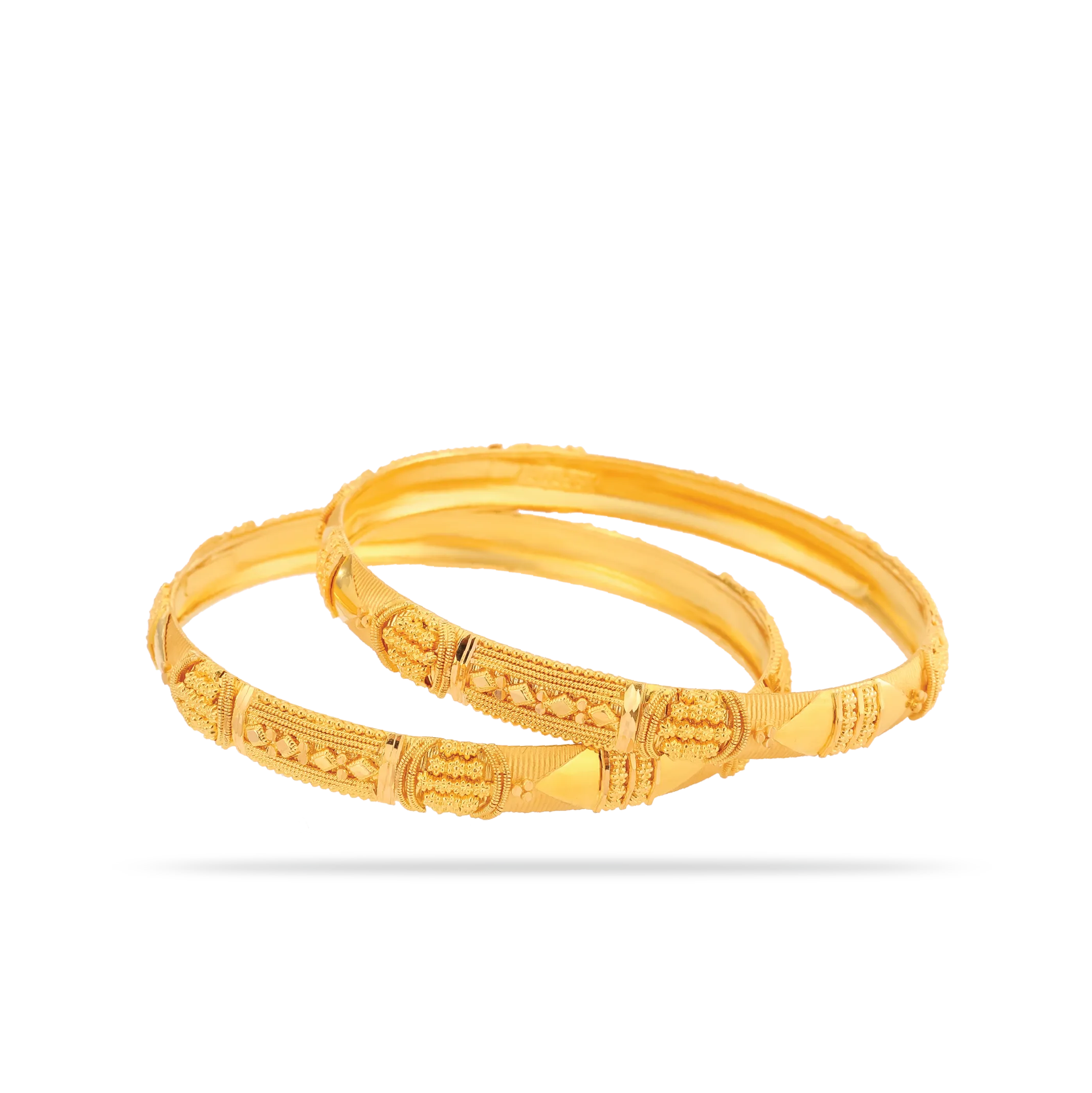
This kind of jewelry really takes you back. We’re talking about techniques that have been passed down through families for centuries. Artisans would meticulously work with sheets of gold and silver, hammering and shaping them into these incredibly detailed designs. It wasn't just about making something pretty; it was a whole process, a real dedication to the craft. The intricate patterns often told stories or represented important beliefs. It’s amazing to think about the skill involved, especially without all the fancy tools we have today. It’s a direct link to the past, a tangible piece of ancient artistry.
From Divine Adornment to Personal Treasures
Interestingly, a lot of early Nakshi work was actually made for religious purposes. Think about temple jewelry – these pieces were often created to adorn deities. They were seen as offerings, imbued with spiritual significance. Over time, though, this sacred art form started to find its way into everyday life and special occasions for people. It transitioned from being solely for the gods to becoming cherished personal treasures, passed down through families. It’s pretty cool how something so divine became so personal, like that Hyderabad royal connection.
The Revival of a Cherished Art Form
Lately, Nakshi jewelry has been making a big splash. It’s not just a niche thing anymore; you see it everywhere, from bridal collections to everyday wear. This revival is all about appreciating the old ways while giving them a fresh spin. People are drawn to the detailed craftsmanship and the unique stories these pieces tell. It’s a way to connect with cultural roots and heritage in a really beautiful, wearable way. It’s like we’re remembering something precious and bringing it back to life for today's world.
The beauty of Nakshi lies in its ability to connect us to our past. Each piece is a testament to the skill of artisans and the enduring power of tradition, making it more than just an accessory – it's a legacy.
Intricate Motifs and Symbolism in Nakshi Designs
Divine Depictions: Gods and Goddesses
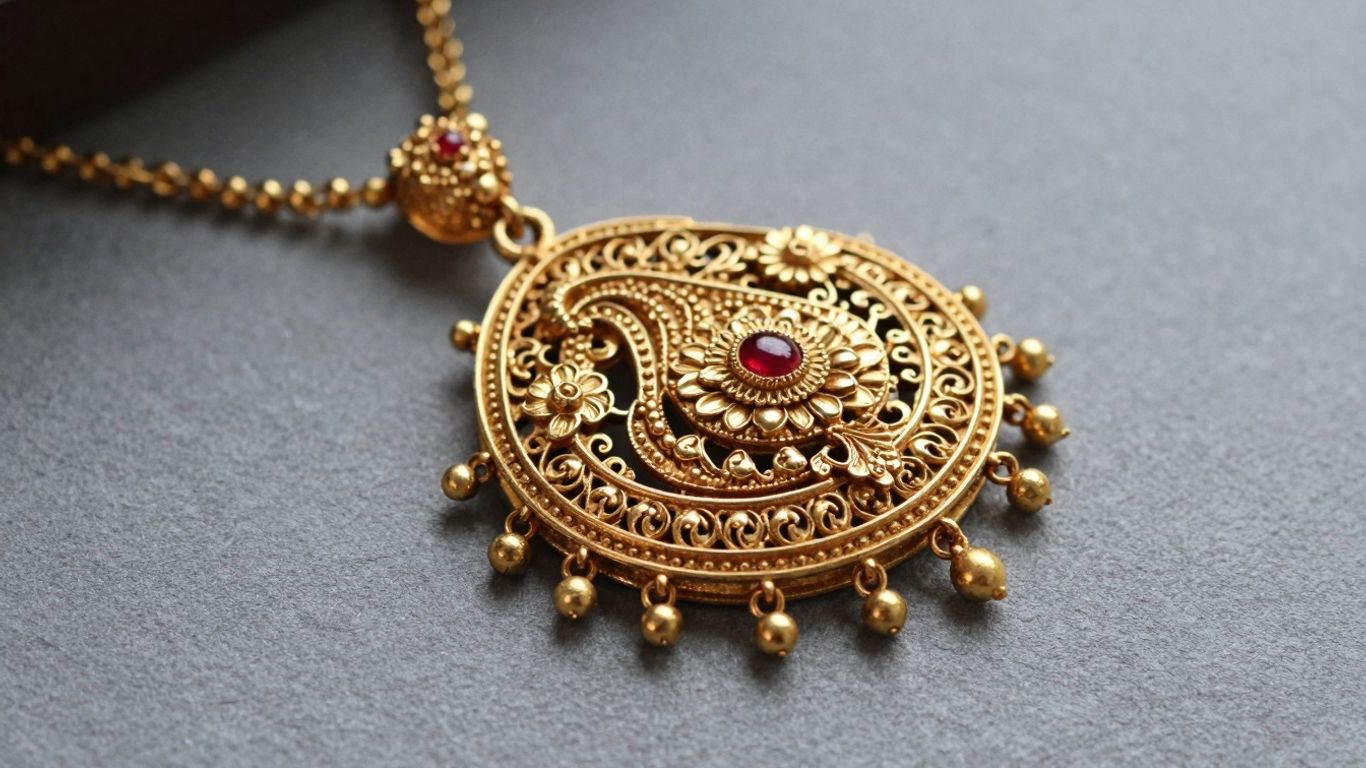
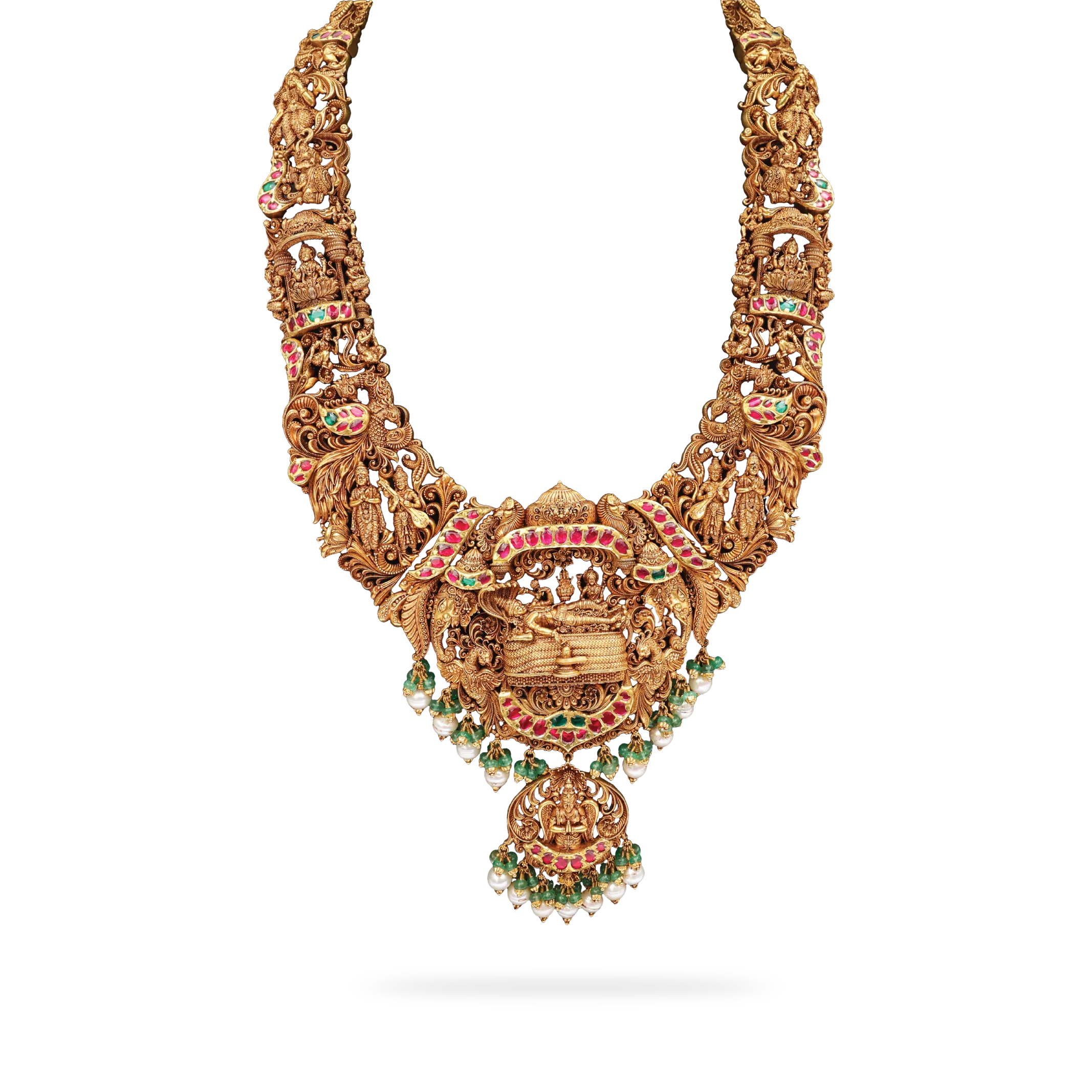
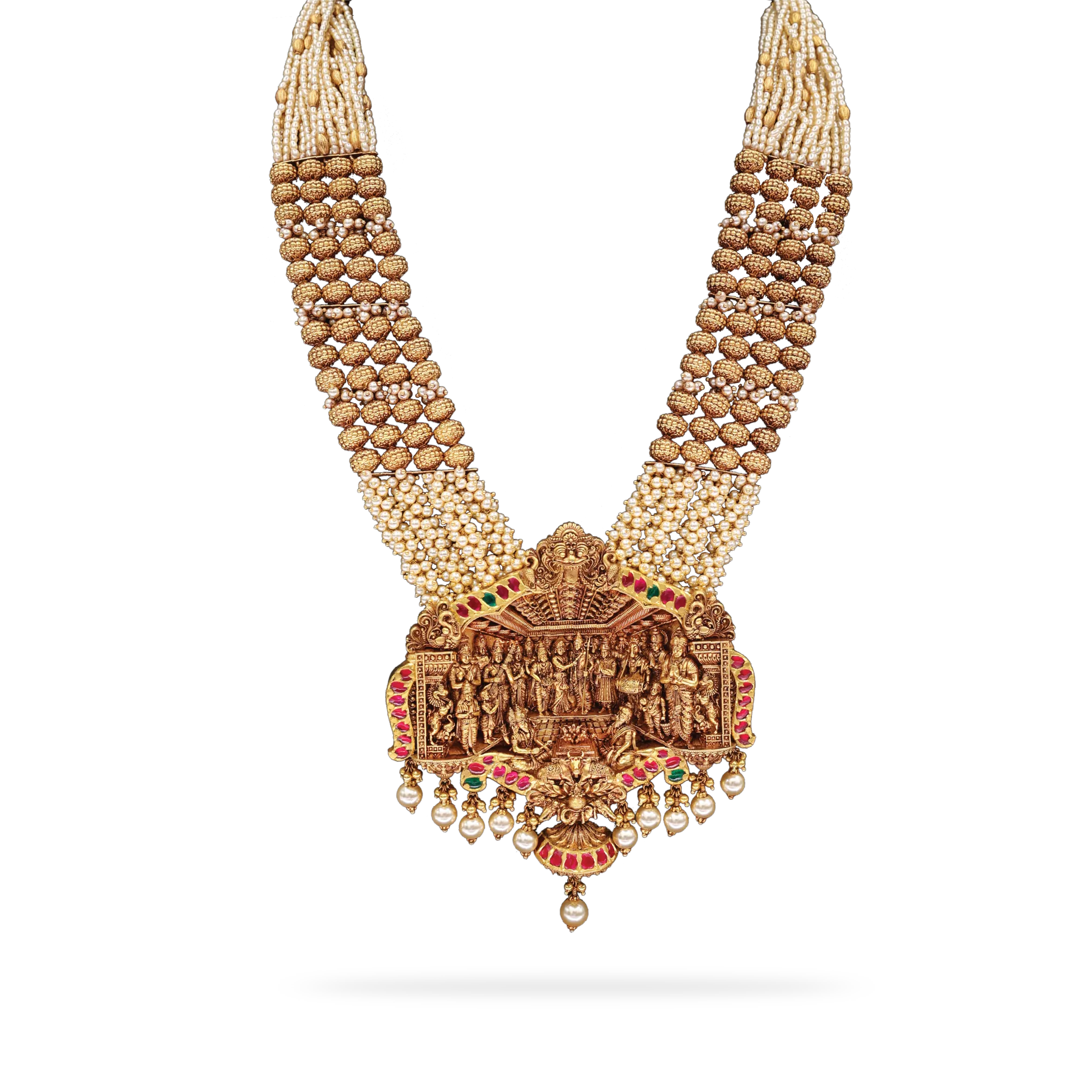
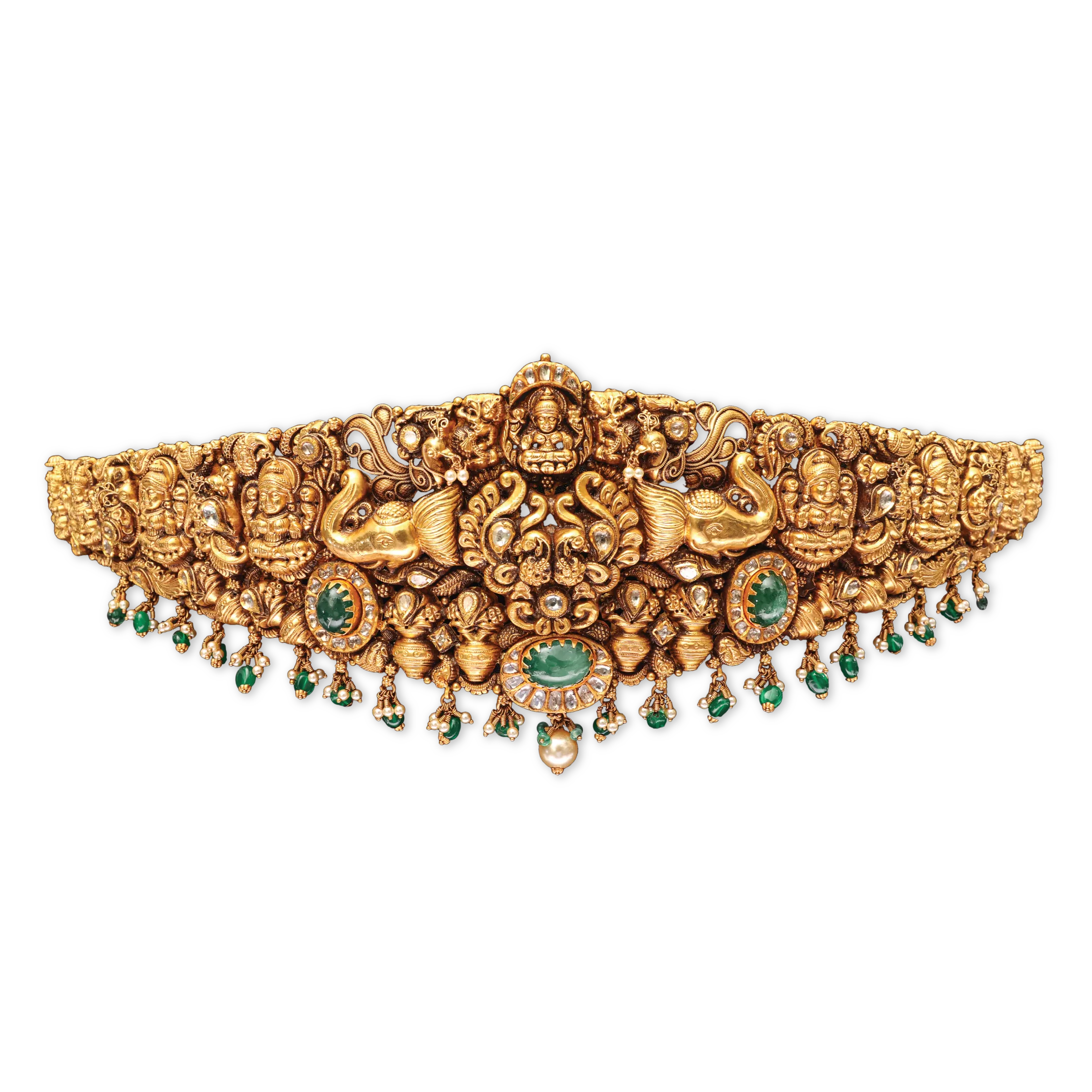
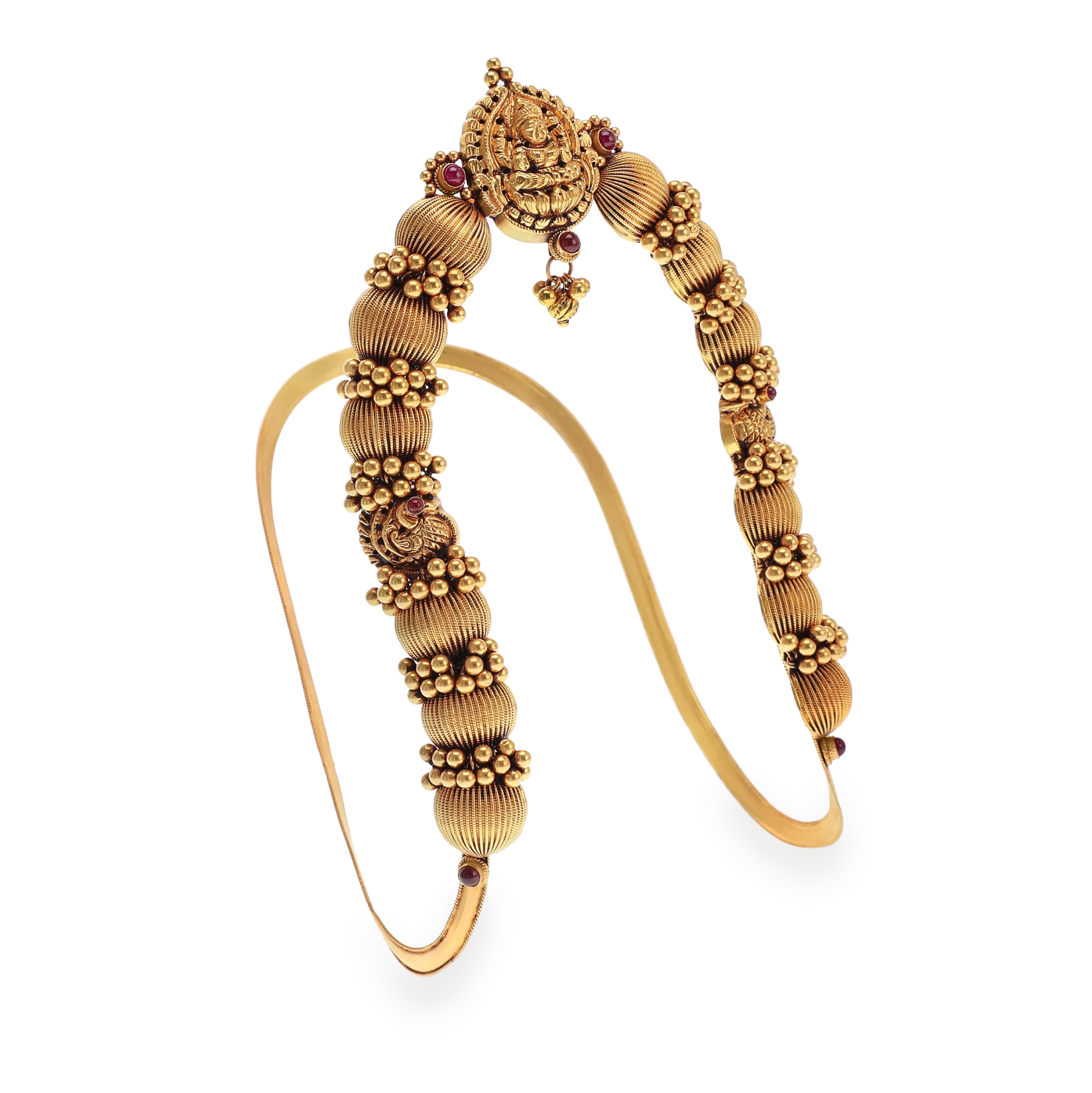
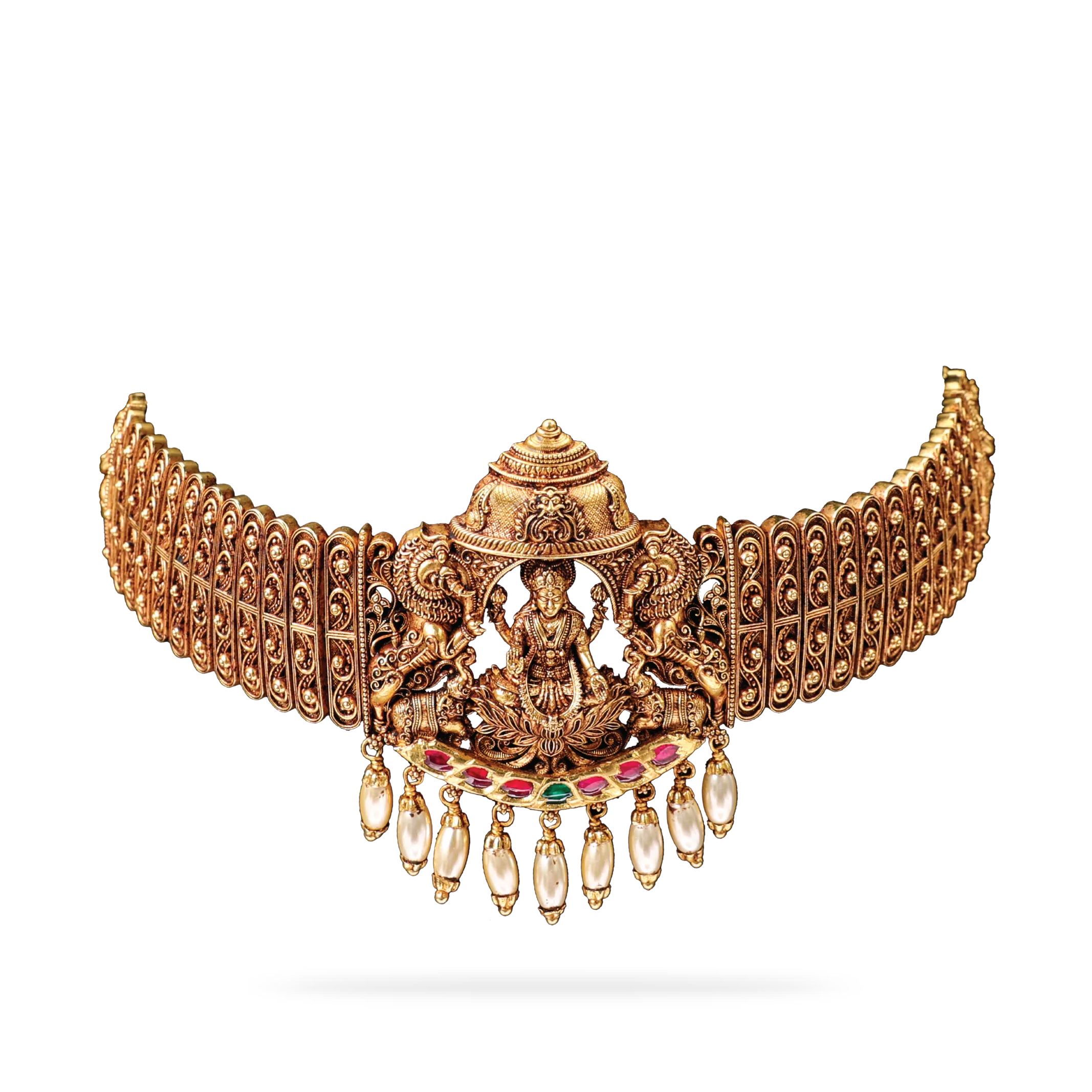
Nakshi jewelry, often originating from temple traditions, is rich with imagery of deities. You'll frequently see figures like Goddess Lakshmi, who represents wealth and good fortune, a very popular choice for those seeking blessings. Then there are motifs of Lord Shiva and Goddess Parvati, symbolizing the powerful union and balance in the universe. It's not uncommon to find depictions of Lord Krishna or Vishnu, too, adding a touch of grace and elegance to the piece. These aren't just pretty pictures; they're meant to invoke divine protection and good vibes.
Nature's Embrace: Floral and Animal Motifs
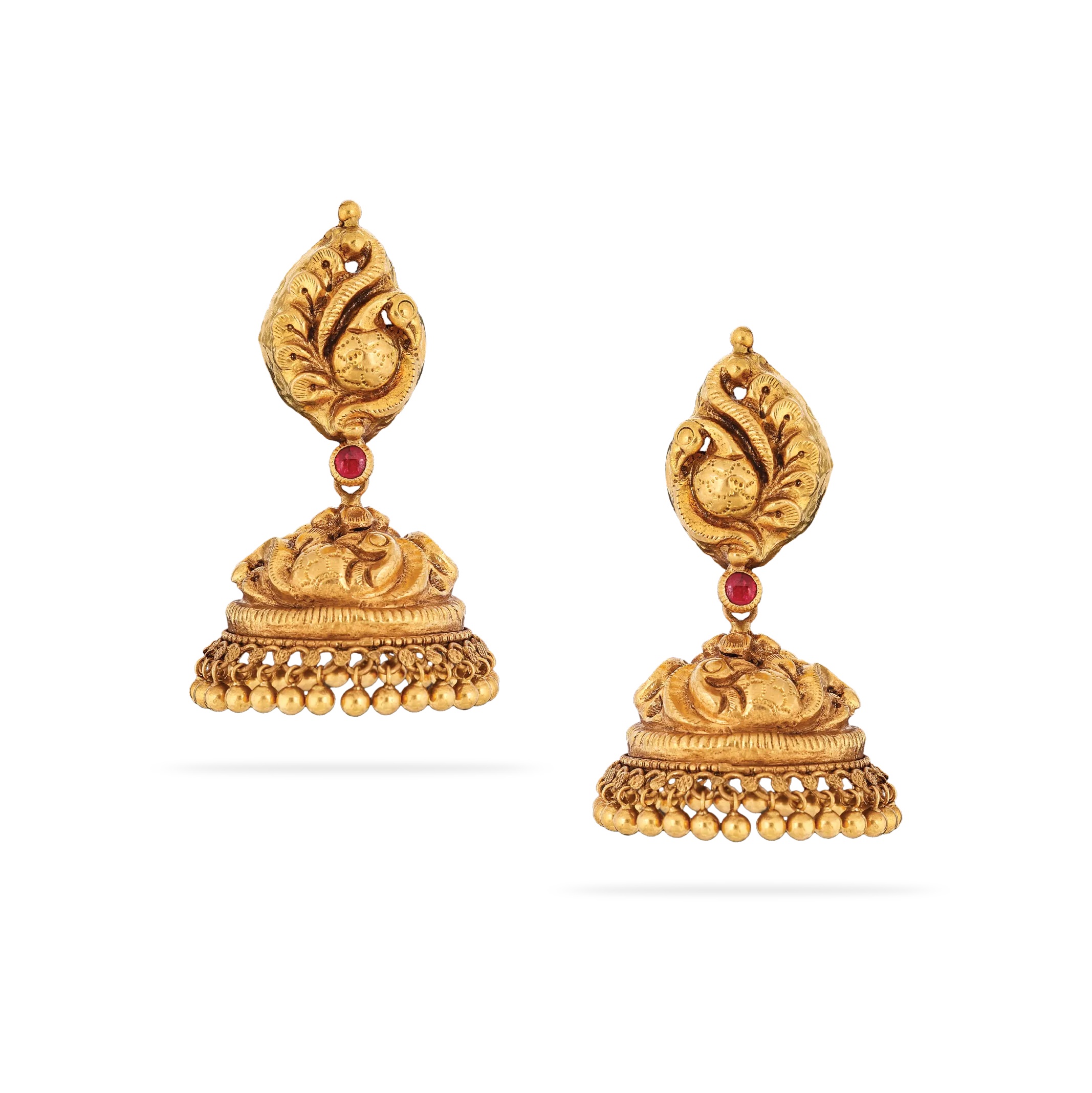
Beyond the divine, Nakshi designs also draw heavily from the natural world. Think delicate floral patterns, a nod to the beauty found in gardens and forests, which became more prominent with influences from Mughal art. You might also spot animals like peacocks, known for their stunning beauty, or lions, representing strength and courage. These natural elements add a layer of earthly charm and connect the wearer to the beauty of the world around them.
Symbolic Meanings Woven into Metal
Every swirl, every line in Nakshi jewelry tells a story. The motifs aren't just decorative; they carry deep meanings passed down through generations. It's like wearing a piece of history and belief. These designs are a way to carry blessings and cultural narratives close to your heart.
Here's a quick look at some common symbols:
- Lakshmi: Wealth, prosperity, good fortune.
- Shiva & Parvati: Divine union, balance, cosmic power.
- Krishna/Vishnu: Grace, elegance, divine protection.
- Peacock: Beauty, royalty.
- Lion: Strength, courage, power.
- Floral Motifs: Nature's beauty, growth, abundance.
The creation of these pieces is often seen as a sacred act by the artisans. They pour their devotion into each hammer strike, making the jewelry not just an adornment but a spiritual offering. It's a craft that honors both the divine and the natural world, weaving stories and blessings into precious metal.
The Artisanal Process Behind Nakshi Jewelry
Conceptualization and Divine Inspiration
The journey of a Nakshi jewelry piece begins long before any metal is touched. Artisans often draw inspiration from the intricate carvings found on ancient temple walls, stories of gods and goddesses, and the natural world. This initial phase is about capturing a vision, a sacred narrative that will be translated into a tangible form. It's not just about making something pretty; it's about imbuing it with meaning and a connection to something larger.
The Art of Embossing and Detailing
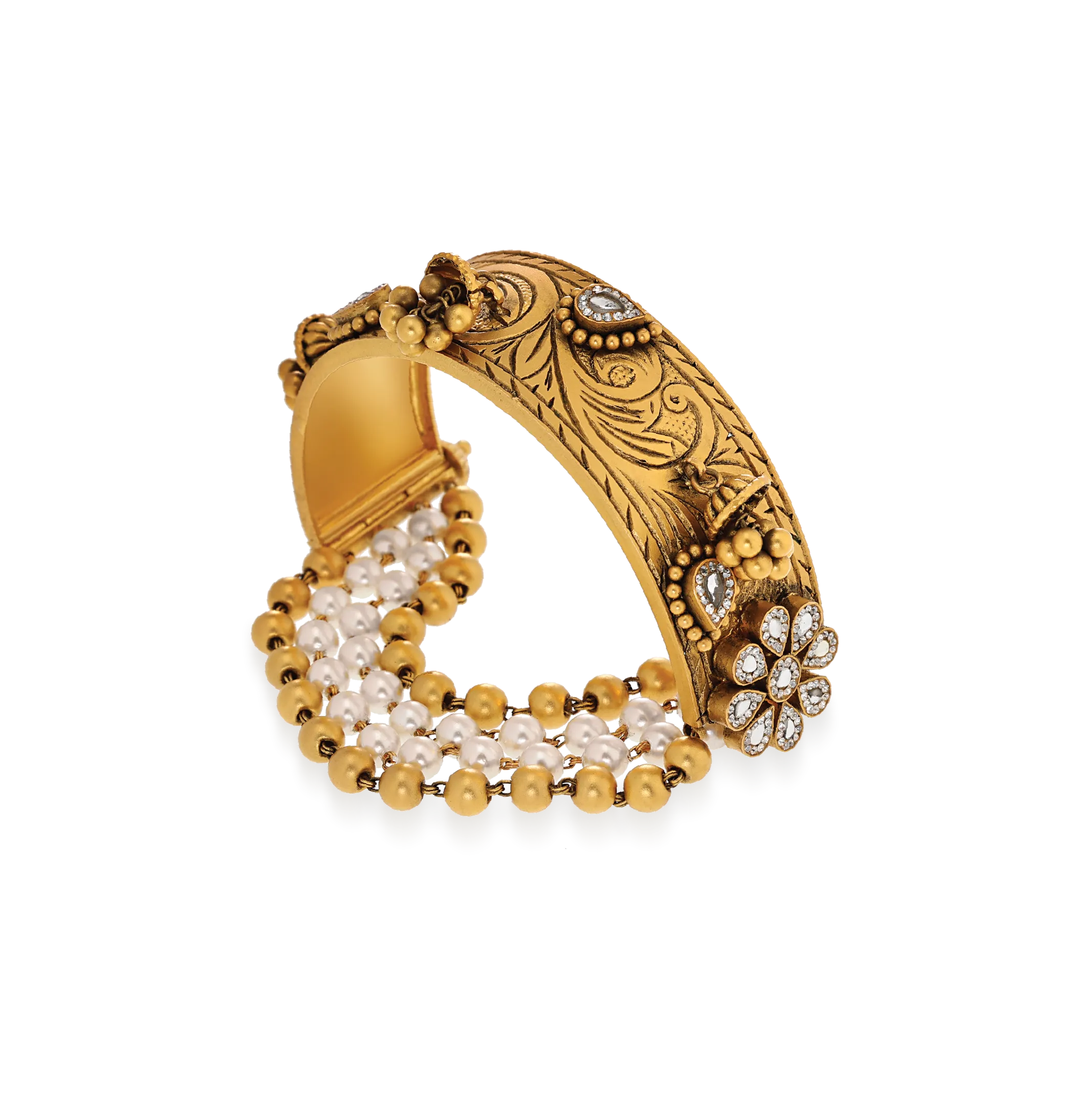
Once the design is sketched out, the real work begins. A sheet of gold is prepared, and the design is carefully transferred onto it. Then comes embossing, where the metal is hammered to create raised patterns, giving the piece its basic structure. This is followed by the incredibly detailed work of engraving and chasing. Using tiny tools and a steady hand, artisans meticulously refine the embossed lines, adding depth, texture, and life to the motifs. This stage requires immense patience and a deep respect for the craft.
Soldering, Polishing, and the Final Flourish
With the individual elements meticulously detailed, they are then carefully soldered together to form the complete piece. This is where the jewelry truly takes shape. After assembly, the piece undergoes a thorough polishing process. Artisans use various compounds and techniques to bring out the luster of the gold and make any embedded stones sparkle. The final result is a breathtaking work of art, ready to be worn and cherished.
The creation of Nakshi jewelry is often viewed as a spiritual practice by the artisans, passed down through generations. It's a process that honors tradition, skill, and devotion, turning raw metal into wearable stories.
Here's a look at the typical steps involved:
- Design & Conceptualization: Drawing inspiration from ancient art, mythology, and nature.
- Embossing: Transferring the design onto gold sheets and creating raised patterns.
- Detailing: Meticulously engraving and chasing the embossed patterns with fine tools.
- Assembly: Soldering the detailed elements together to form the final piece.
- Finishing: Polishing the jewelry to a brilliant shine.
Exploring the Rich Heritage of Nakshi Jewelry
Coimbatore's Golden Legacy
Coimbatore has a special place in the story of Nakshi jewelry, with a history stretching back over 2,000 years. Gold has always meant good fortune and wealth in many parts of India, and this idea really shaped how jewelry was made here. Think about ancient stories like the Samudra Manthan – these tales influenced the art of jewelry making, especially in Coimbatore. This tradition started with artwork meant for the gods, often crafted from 22-karat gold. The designs themselves drew inspiration from the grand temple towers, called gopurams, and the sacred halls, known as mandappams, found in Tamil Nadu's temples. It's a legacy that connects wealth, devotion, and incredible artistry.
The Vishwakarma Community's Devotion
The creation of Nakshi jewelry is deeply tied to the Vishwakarma community. For many artisans in this group, making these pieces isn't just a job; it's seen as a form of worship. This reverence shows in every step of the process. They believe they are continuing a sacred tradition passed down through generations. This dedication means each piece is made with immense care and respect, turning the act of creation into a spiritual practice.
A Testament to Tamil Nadu's Cultural Heritage
Nakshi jewelry is more than just adornment; it's a reflection of Tamil Nadu's rich cultural tapestry. Evolving from ancient temple jewelry designed to honor deities, these pieces carry stories and symbols that have been passed down for centuries. The intricate motifs, often inspired by nature and divine figures, are like visual narratives from Hindu mythology and local traditions. Wearing Nakshi jewelry connects the wearer to this deep cultural history, making it a symbol of identity and pride.
- Early Influences: The Chola dynasty, starting around the 9th century, was known for supporting art and architecture, including temple jewelry featuring Hindu deities.
- Evolution: This tradition continued and developed further under the Vijayanagar Empire, leading to the distinct style we recognize as Nakshi jewelry today.
- Modern Significance: Today, women often choose Nakshi jewelry not just for its beauty but also to seek blessings for prosperity and well-being, continuing its spiritual connection.
The journey of Nakshi jewelry from divine adornment to personal treasure highlights its lasting appeal. Its intricate designs and symbolic meanings continue to be cherished, bridging the gap between ancient traditions and contemporary tastes.
Contemporary Trends in Nakshi Jewelry
Bridal Elegance and Statement Pieces
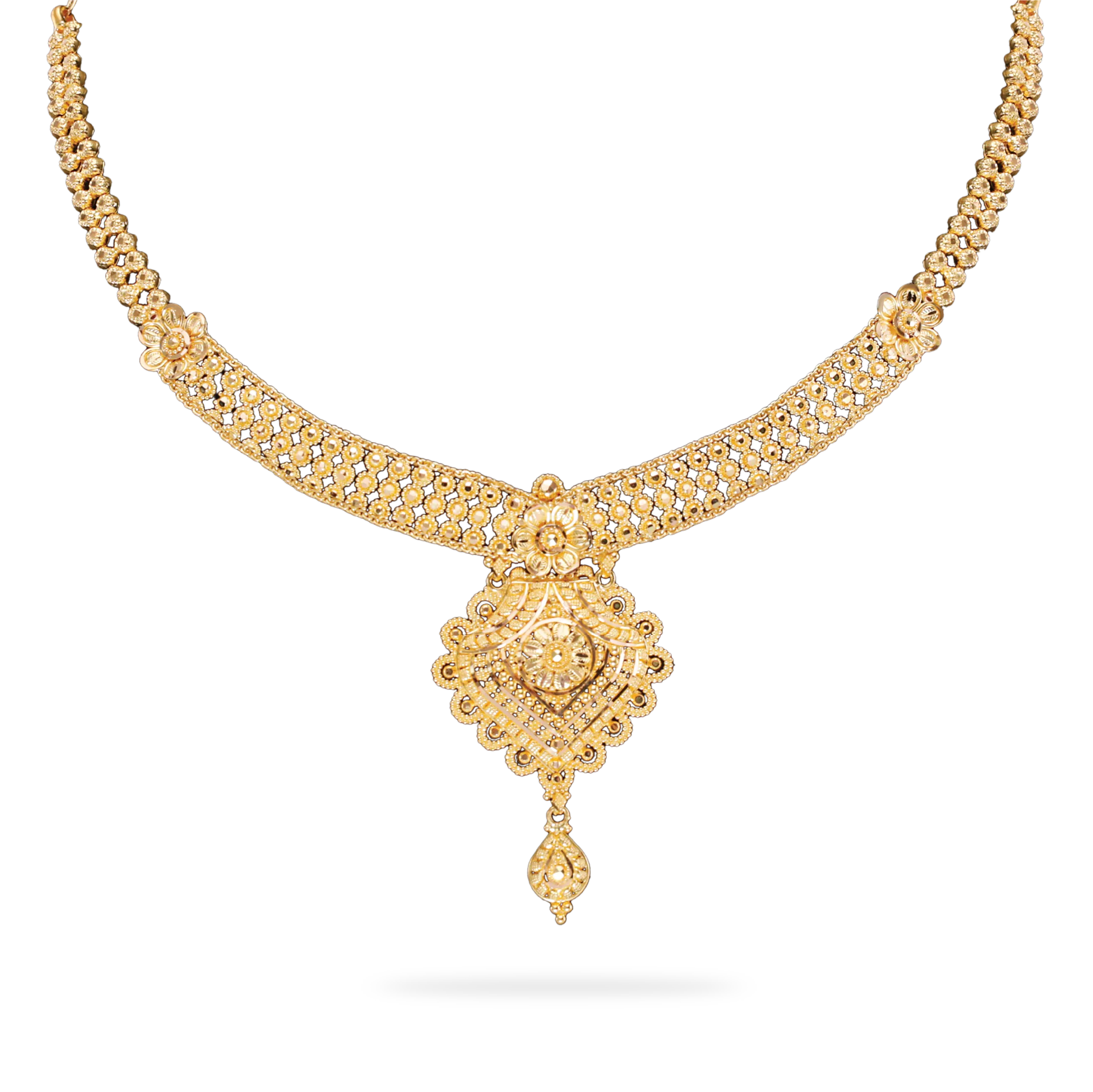
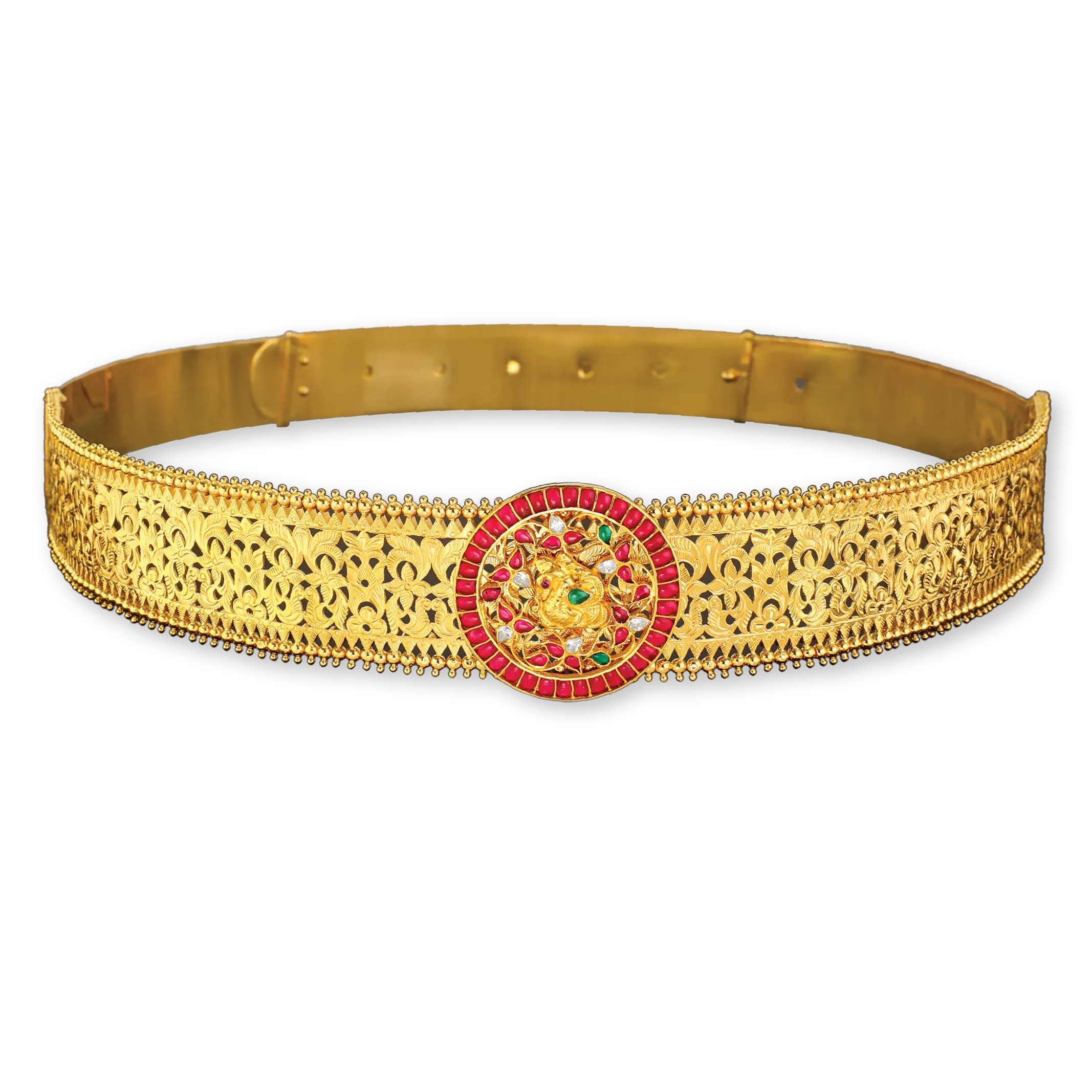
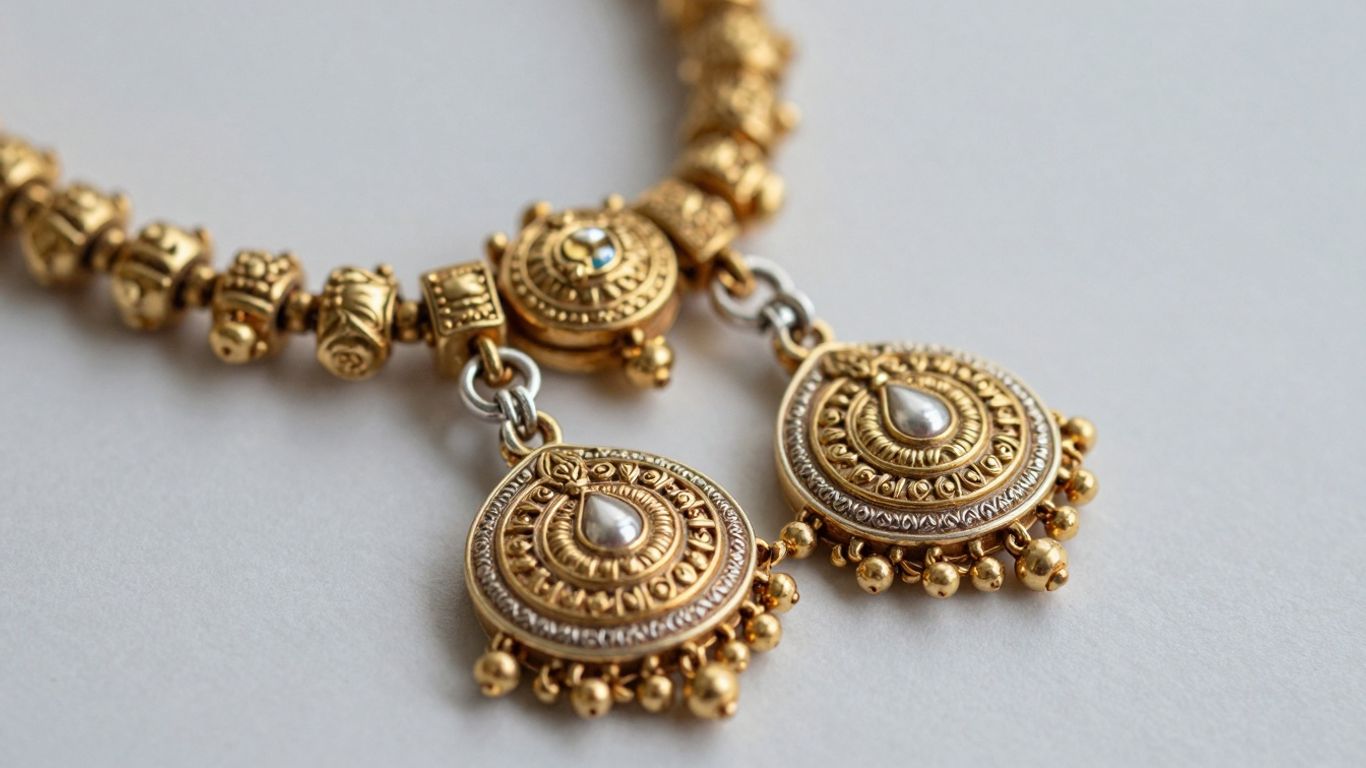
Nakshi jewelry is really making a comeback, especially for weddings. Think big, bold necklaces and matching earrings that just scream 'special occasion .' These aren't your everyday pieces; they're designed to be noticed. Brides are loving how these intricate designs add a touch of old-world charm to their modern wedding attire. It’s like wearing a piece of history on your big day, but with all the sparkle and grandeur you’d expect.
Fusion of Tradition and Modern Aesthetics
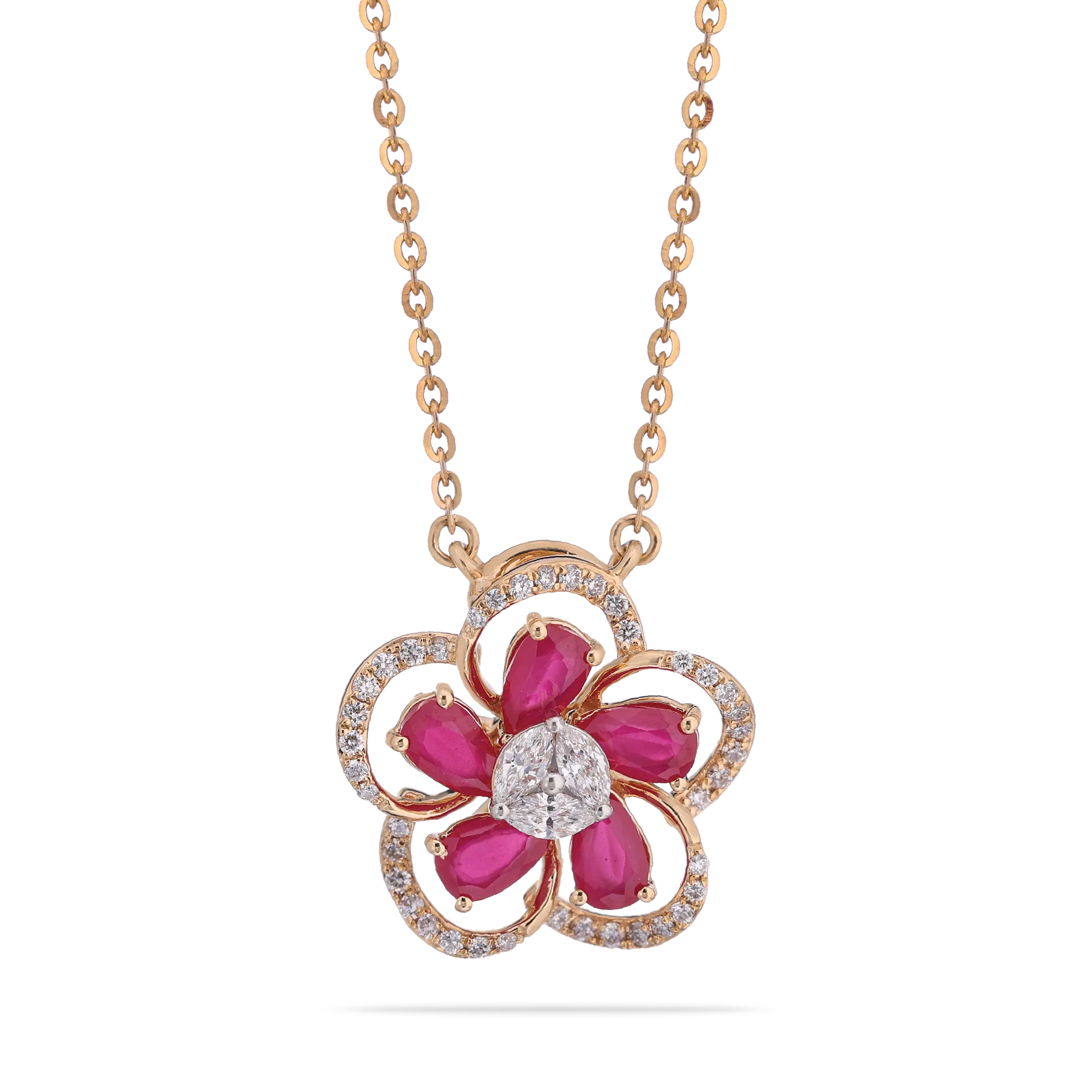
What's cool is how designers are mixing old Nakshi techniques with new styles. You'll see classic motifs like flowers and peacocks, but maybe on a more minimalist pendant or a bracelet that’s easier to wear daily. It’s about keeping the soul of the craft alive while making it fit into our busy lives. This blend means you get the best of both worlds – the intricate beauty of tradition with the practicality of modern design.
The Allure of Silver and Gold-Plated Nakshi
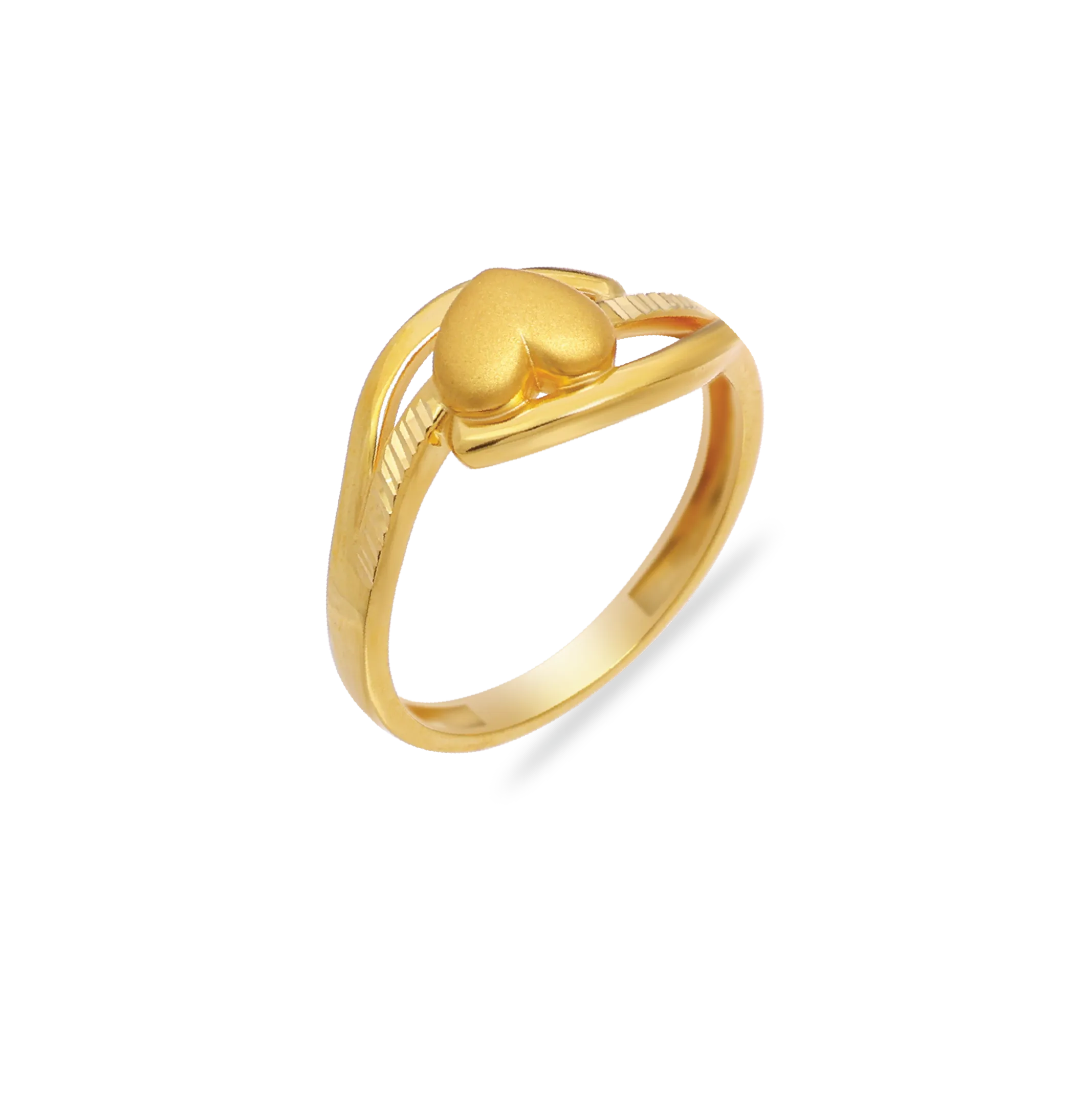
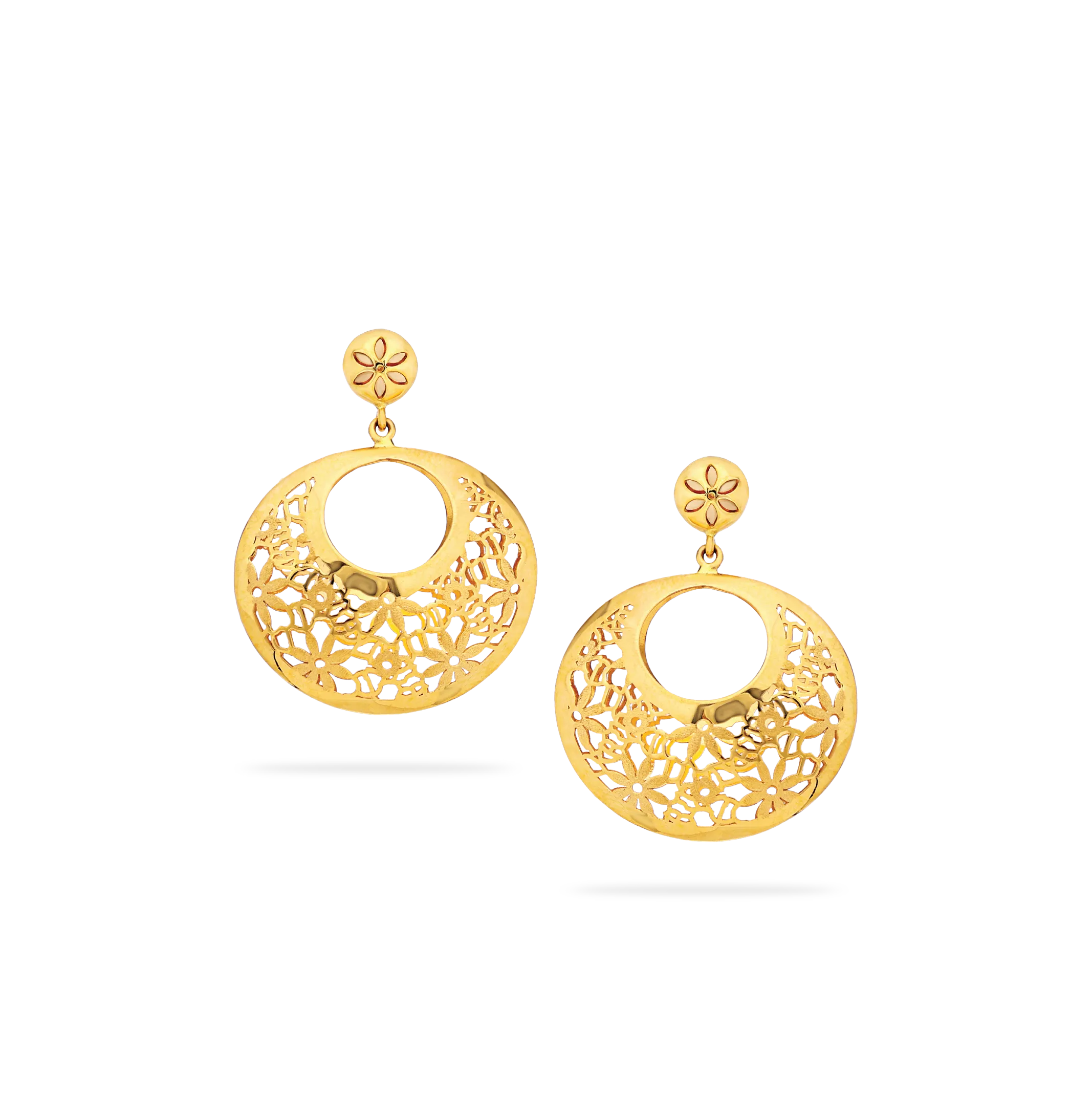
While gold has always been a favorite, there's a growing trend towards silver and gold-plated Nakshi pieces. These options are often more accessible, making this beautiful art form available to more people. They offer a similar intricate look without the hefty price tag of solid gold. Plus, silver and gold plating can be styled in so many ways, from casual chic to more dressed-up looks, proving that Nakshi jewelry isn't just for grand events anymore.
The beauty of Nakshi jewelry lies in its ability to connect us to the past while remaining relevant today. Each piece tells a story, a whisper from generations gone by, now reinterpreted for the modern wearer.
Here are some ways Nakshi jewelry is showing up:
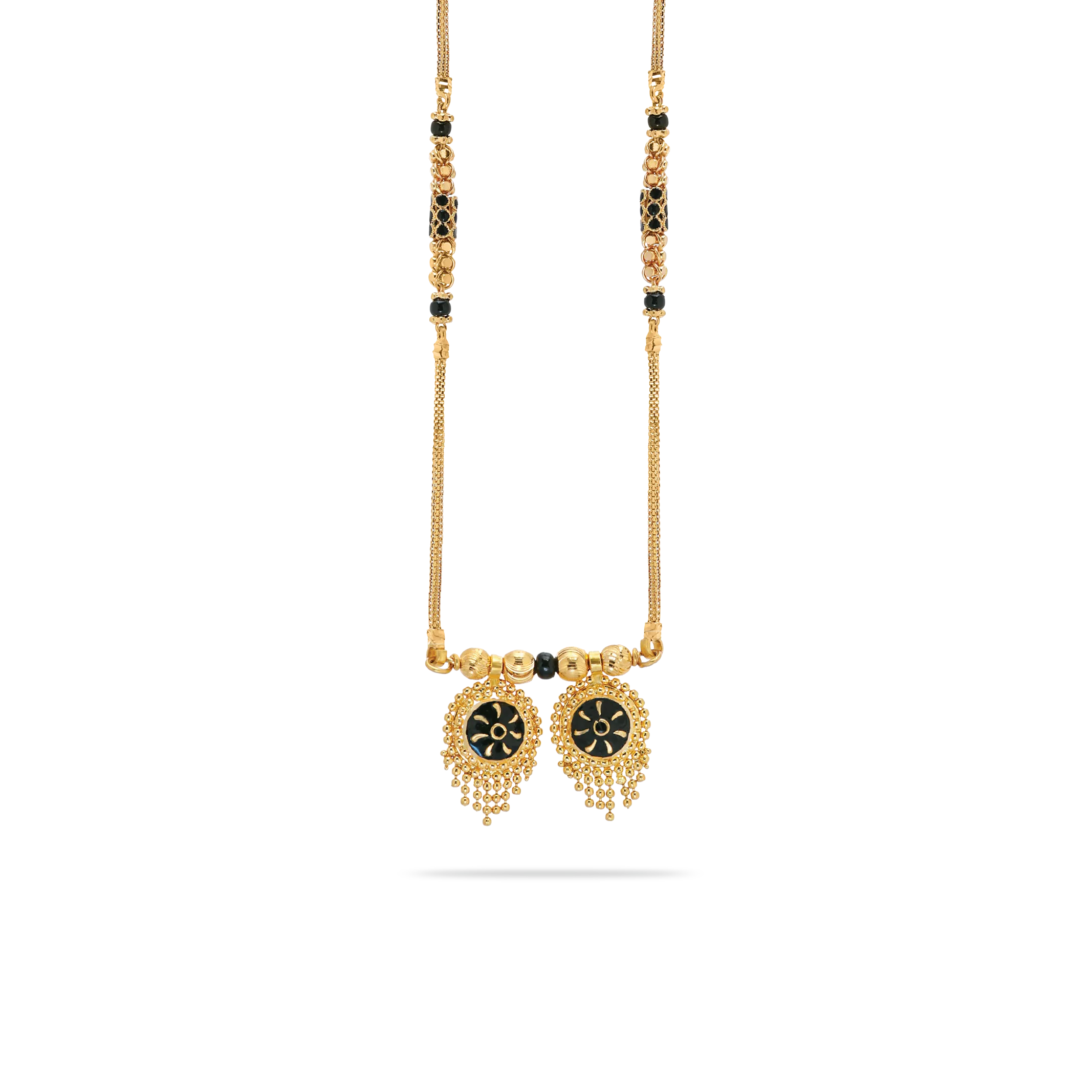
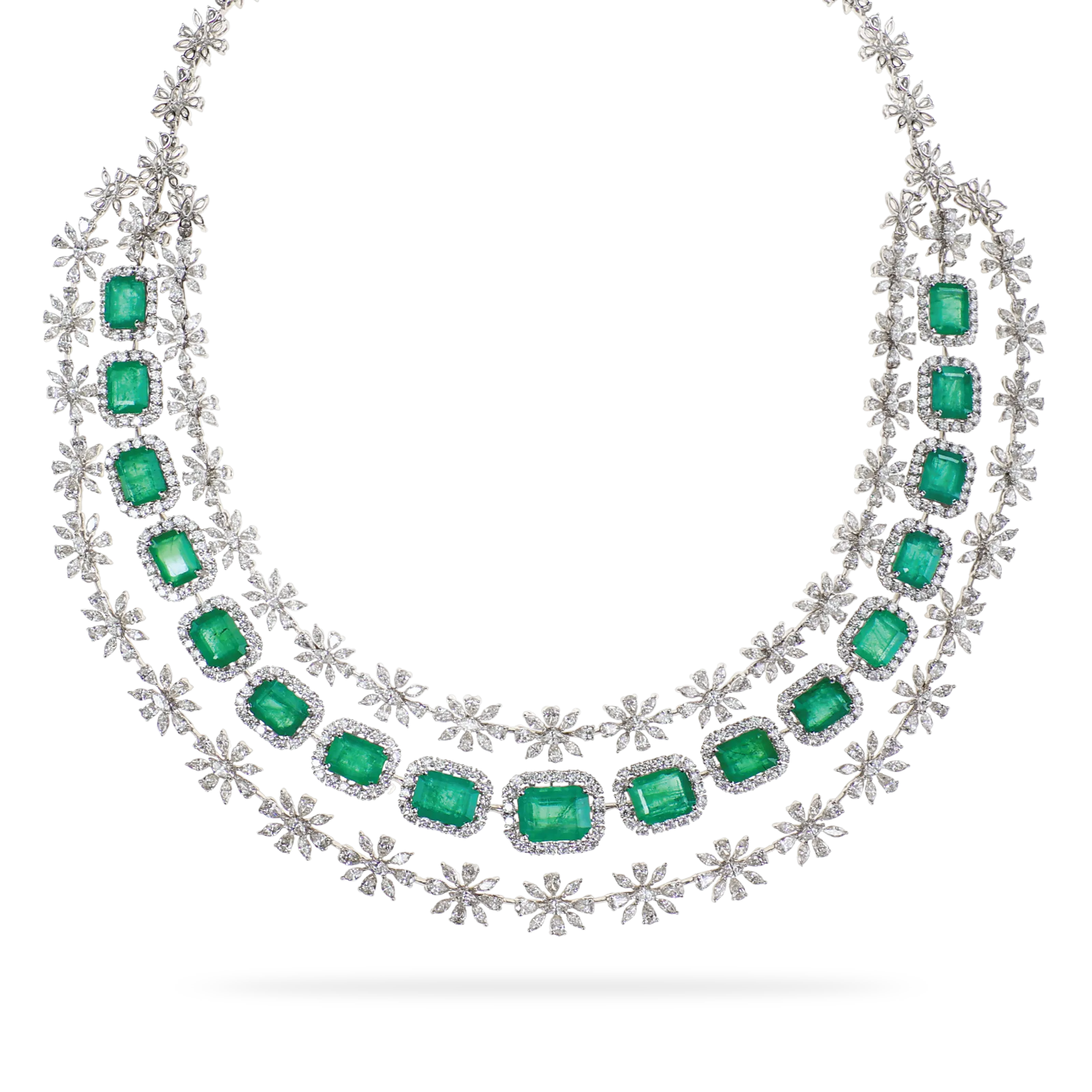
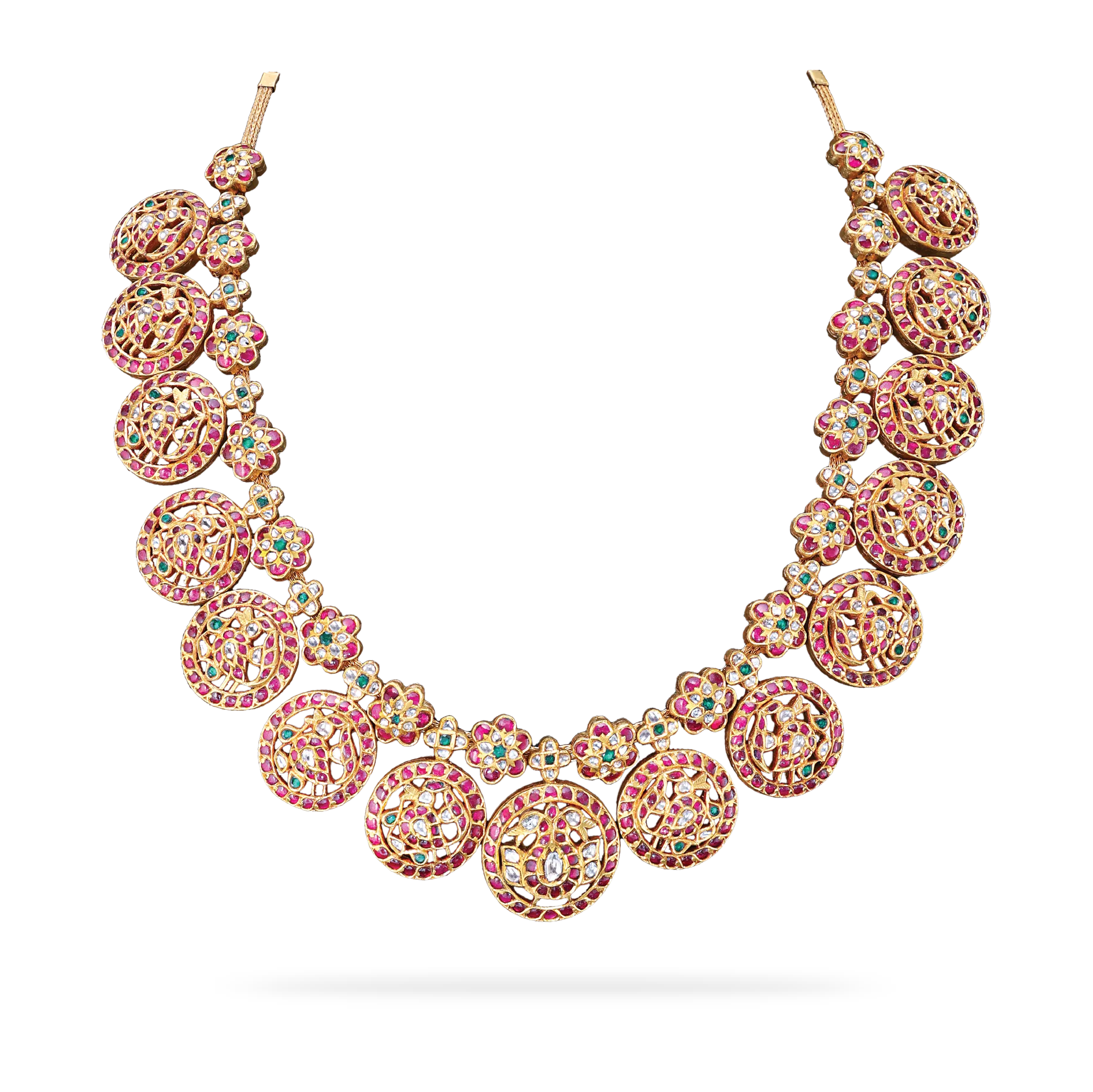
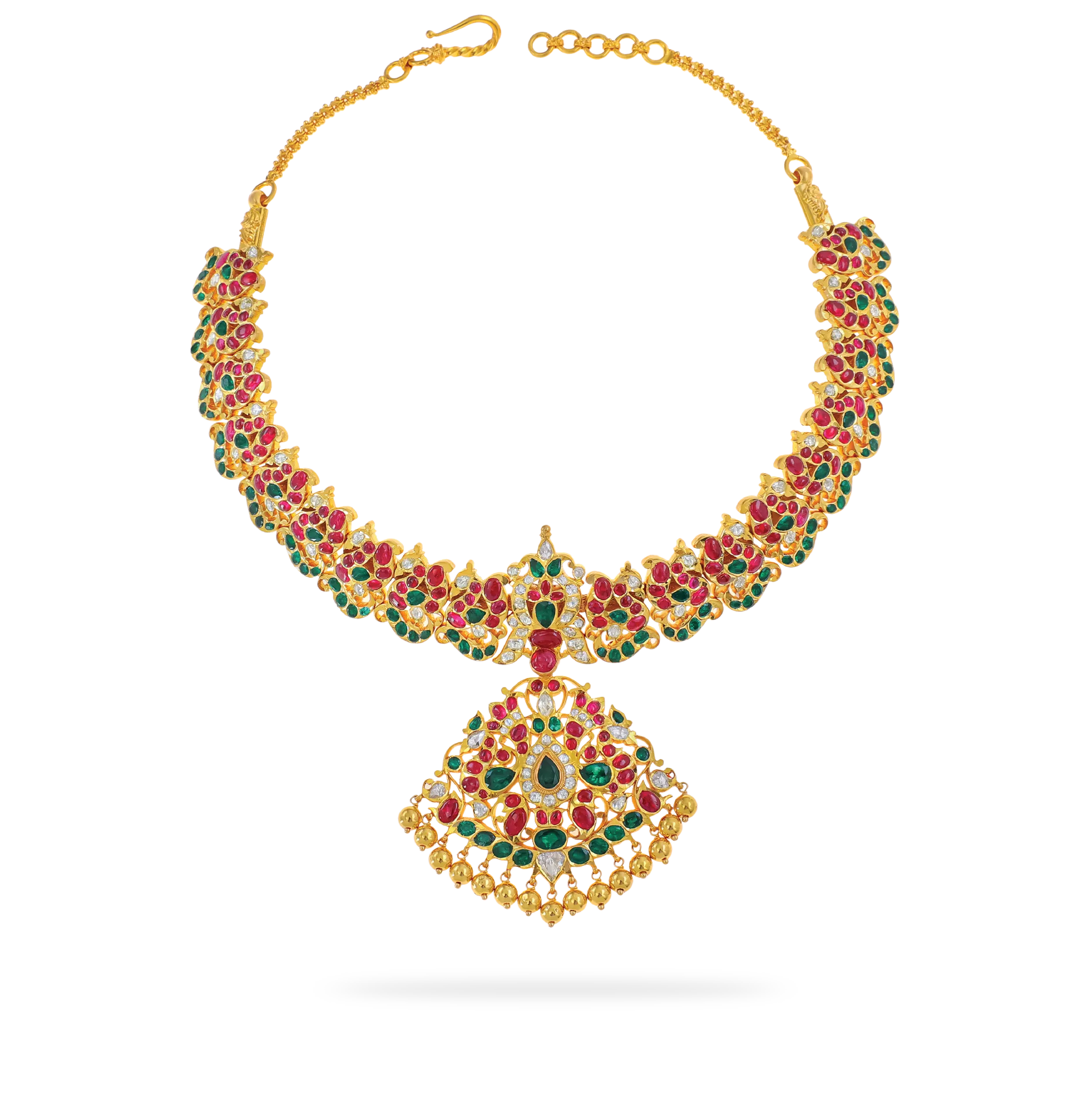
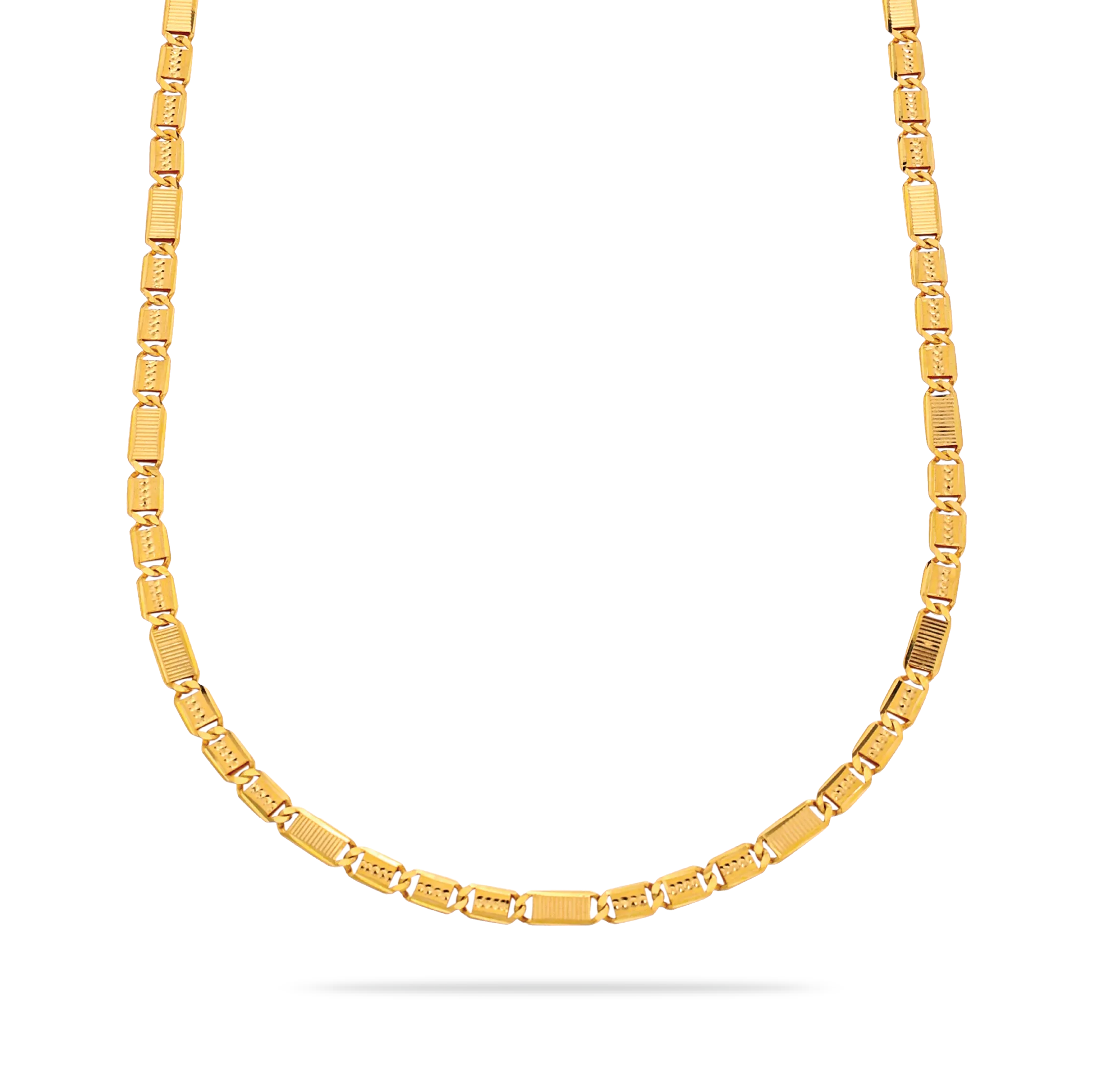
- Statement Necklaces: Often featuring elaborate designs with deities or floral patterns, perfect for making a grand entrance.
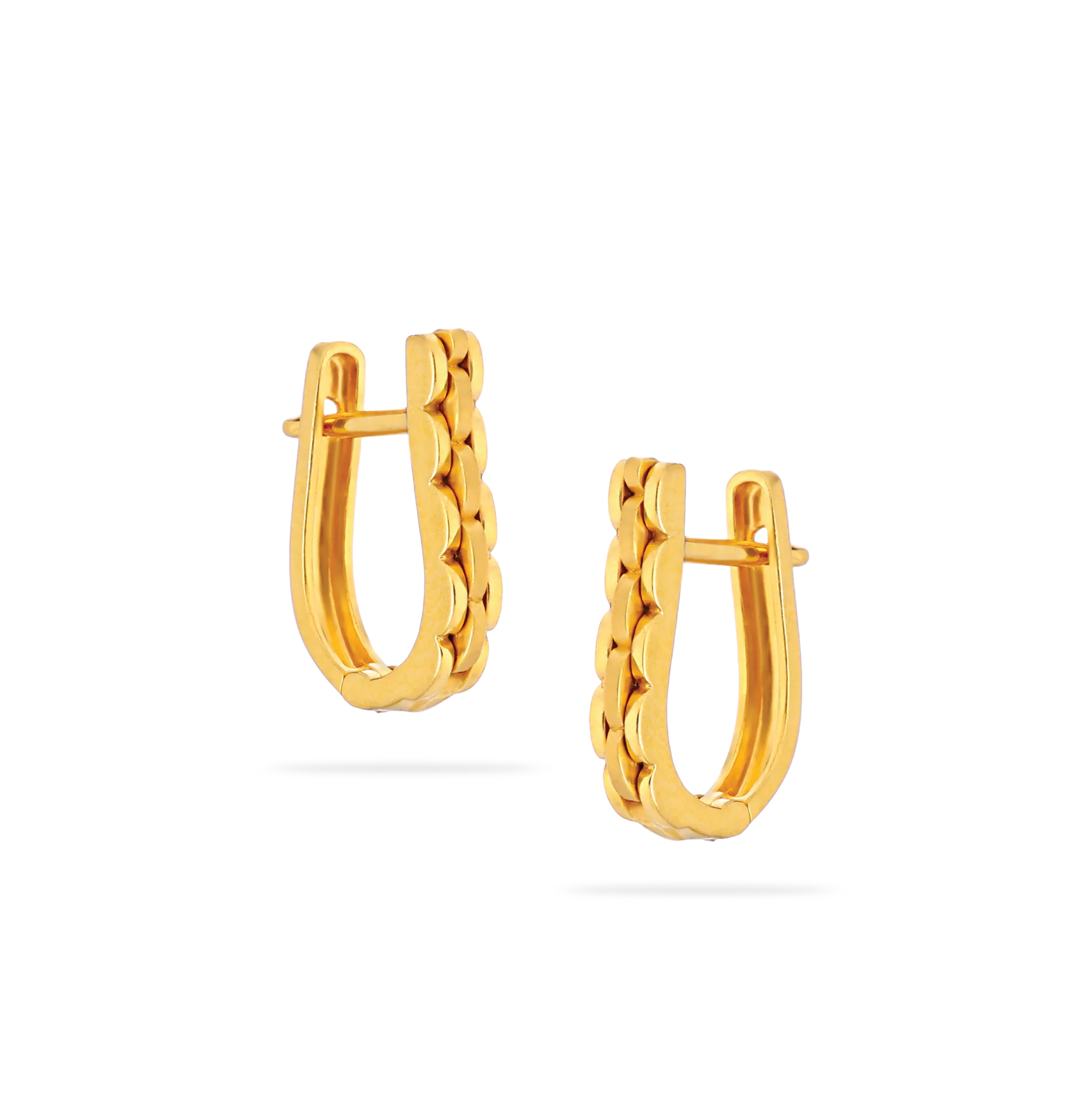
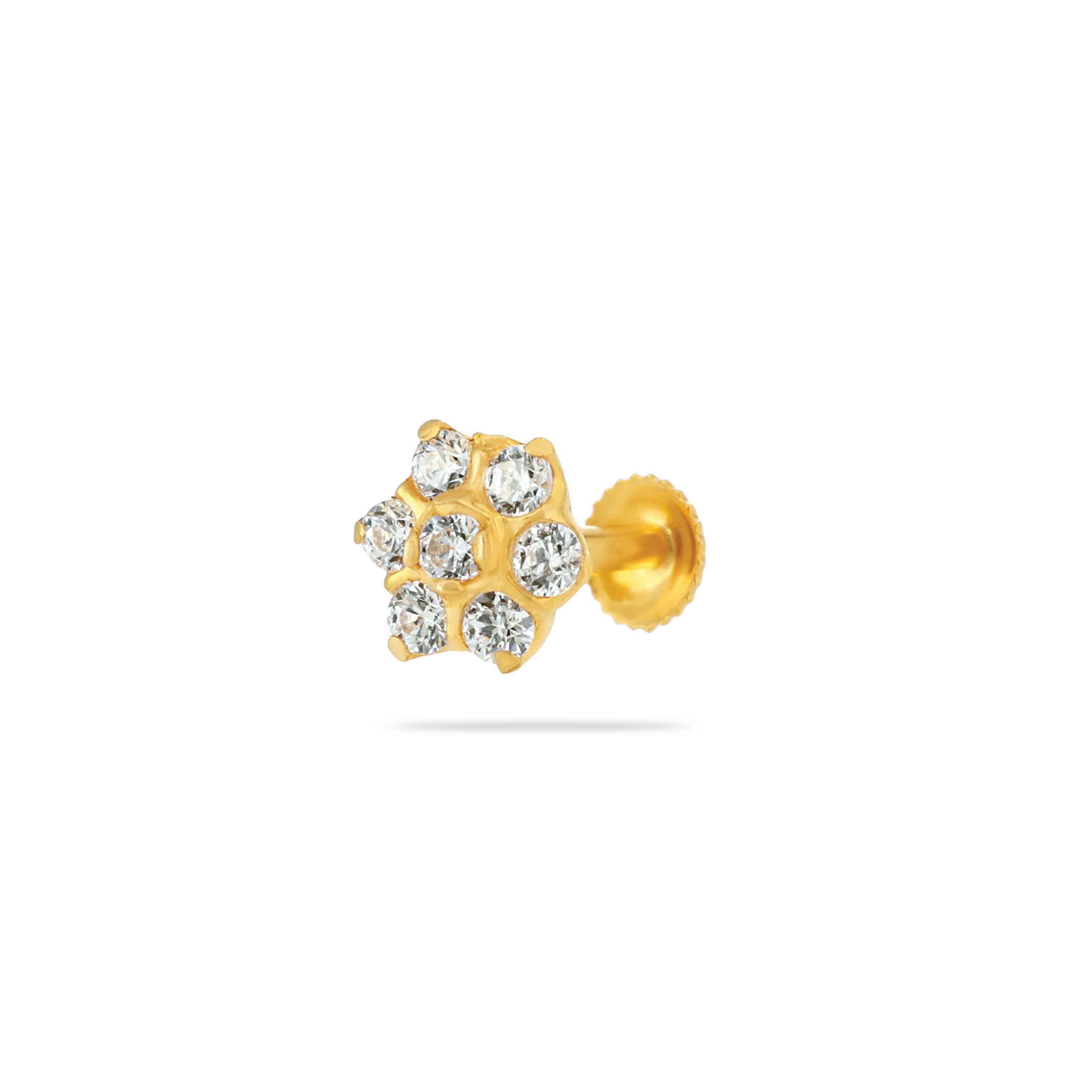
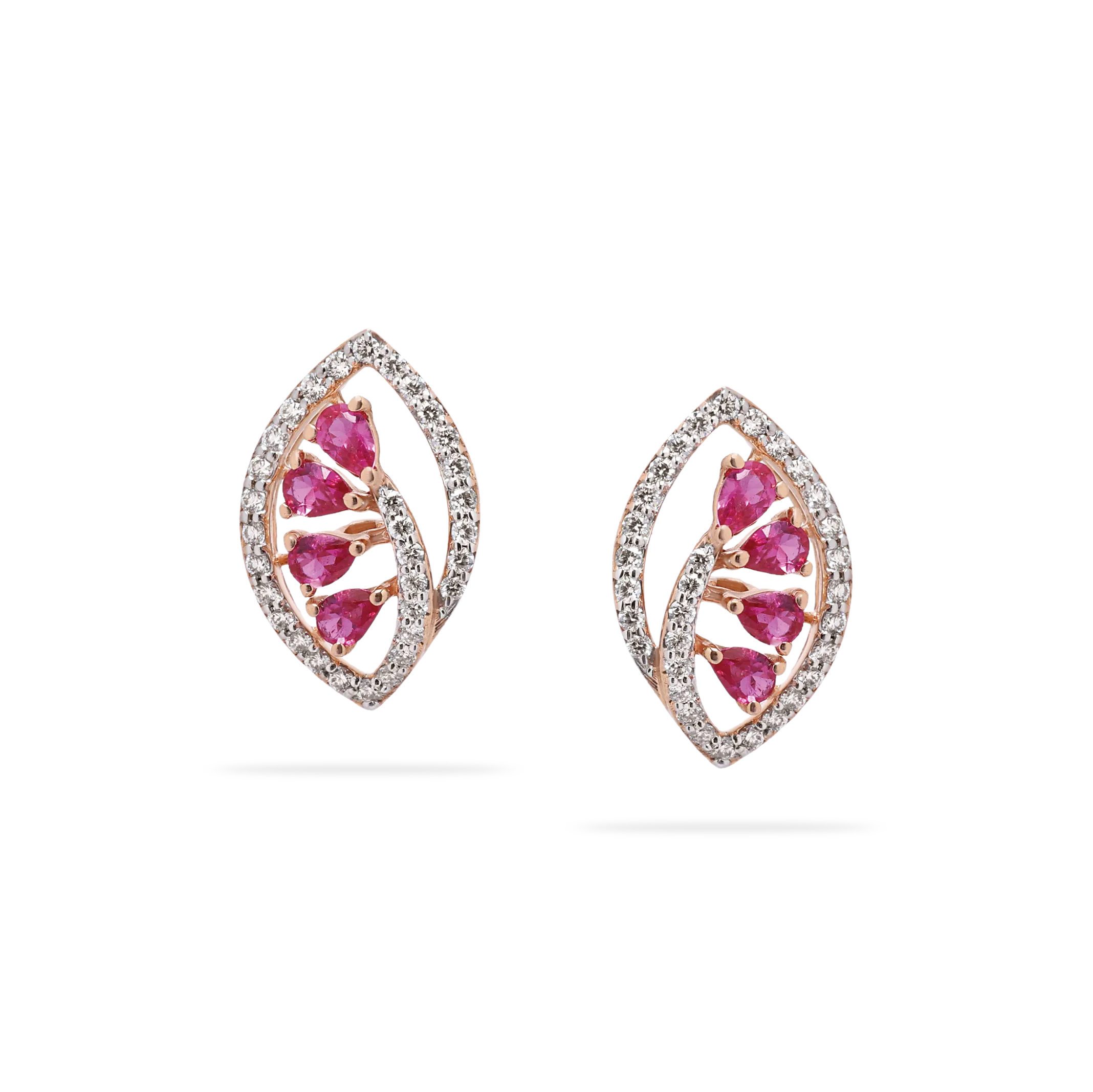
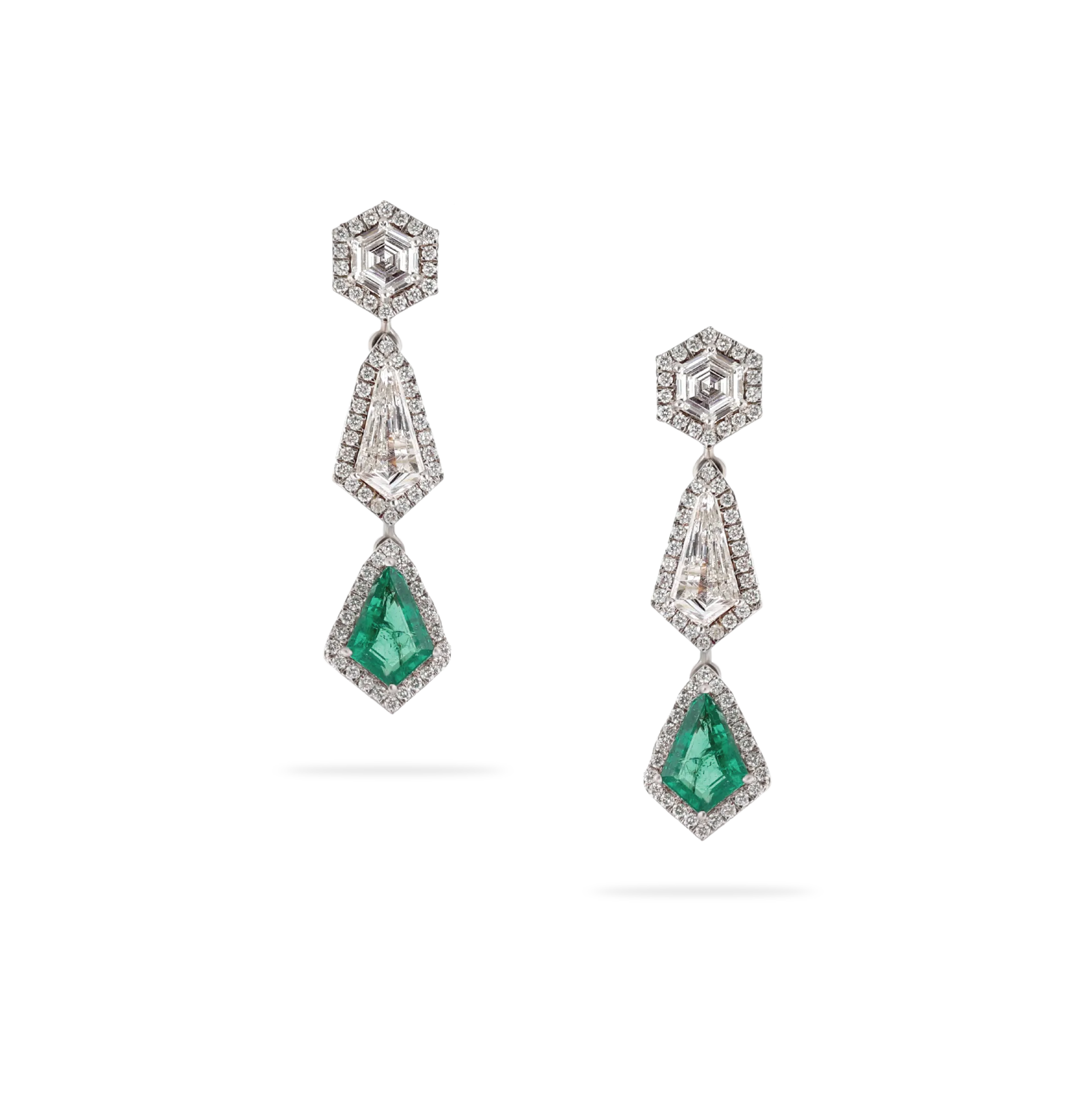
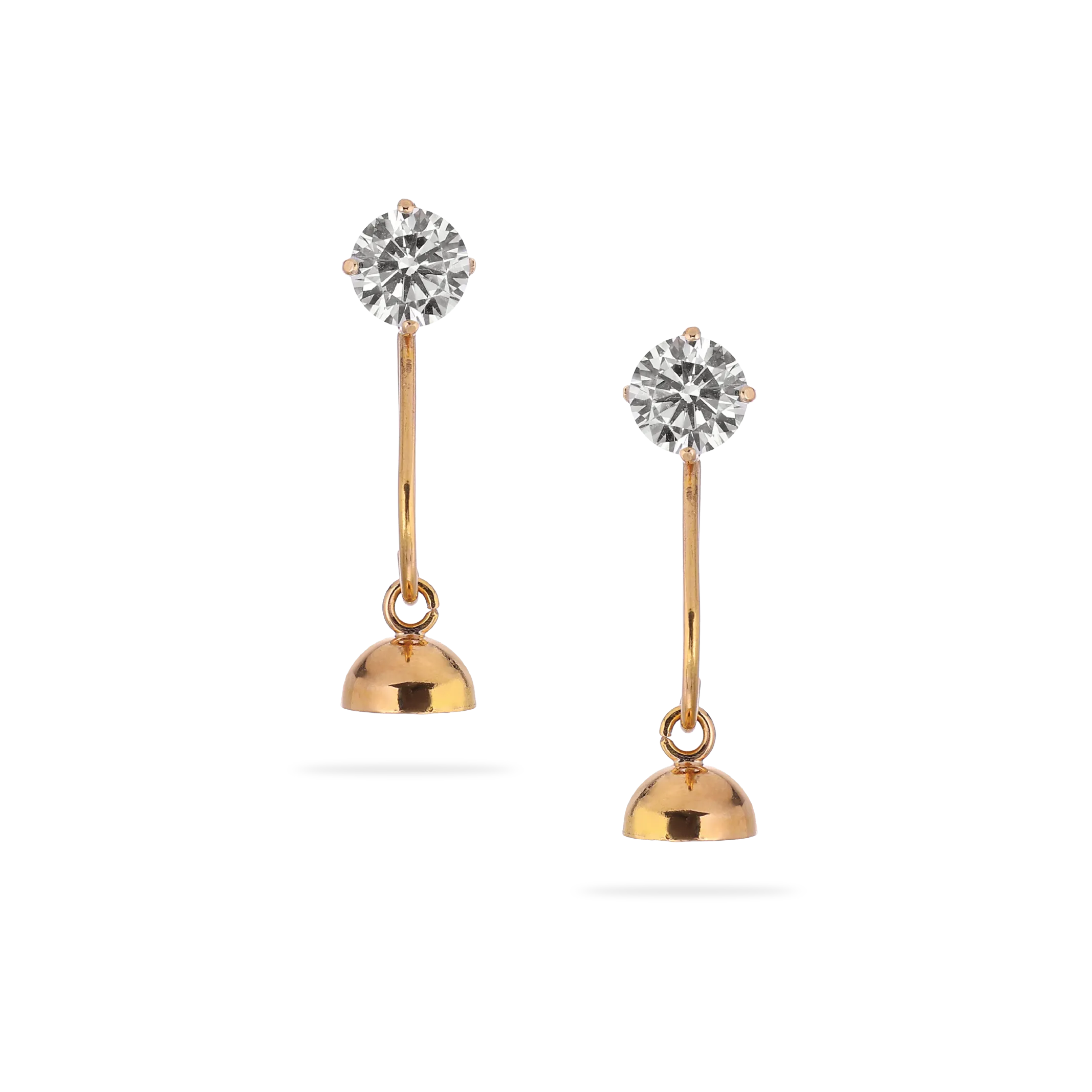
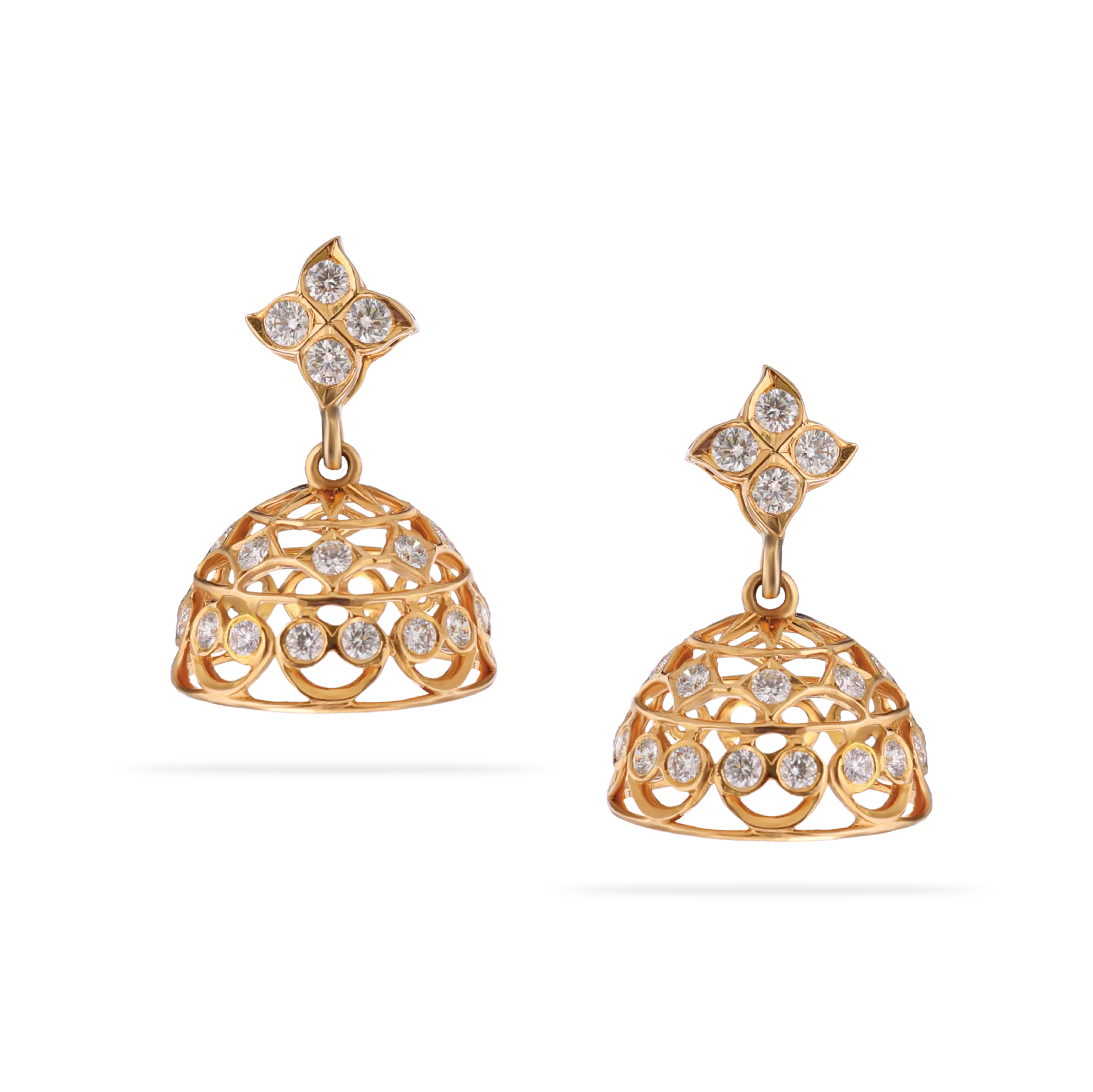
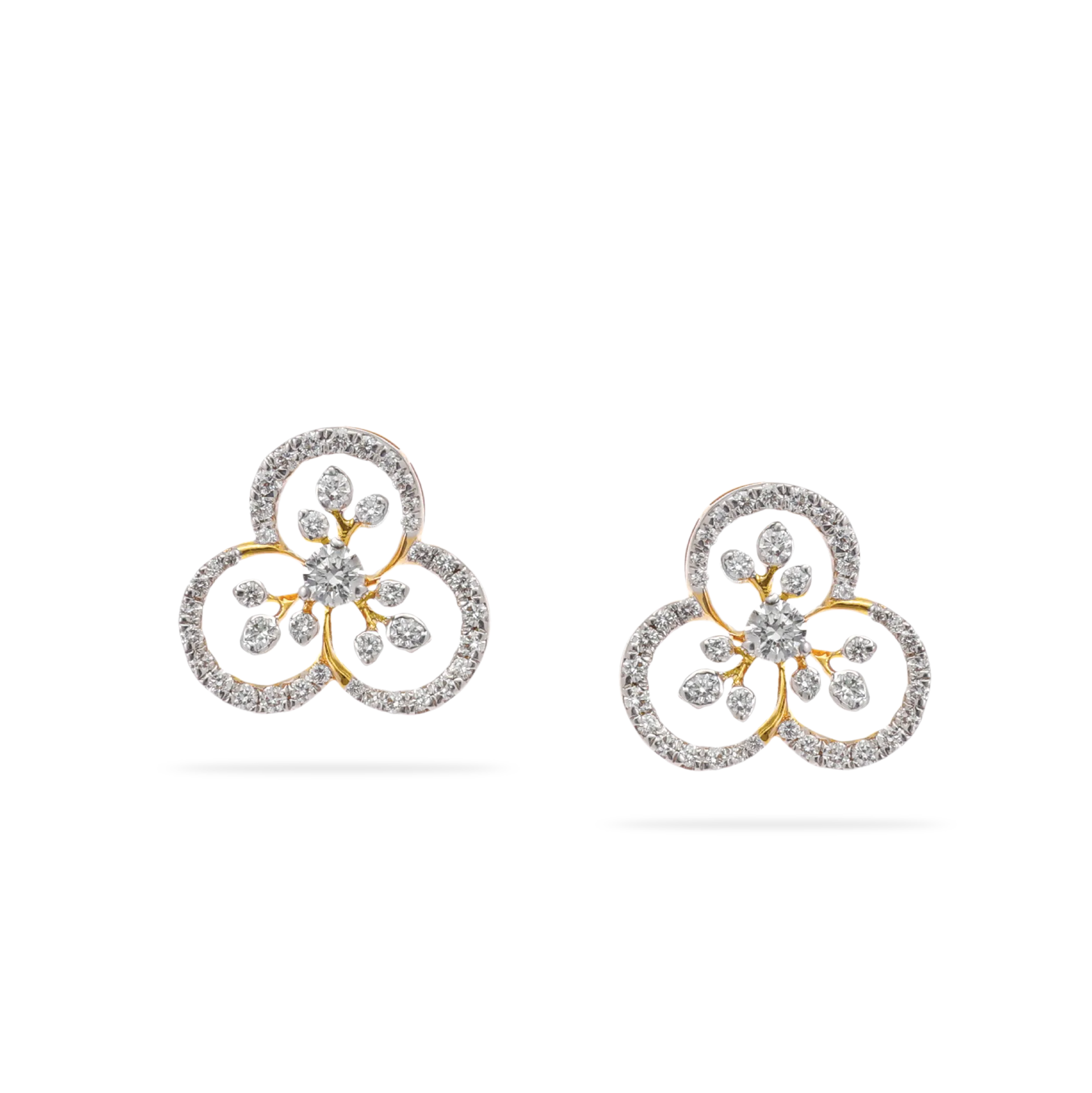
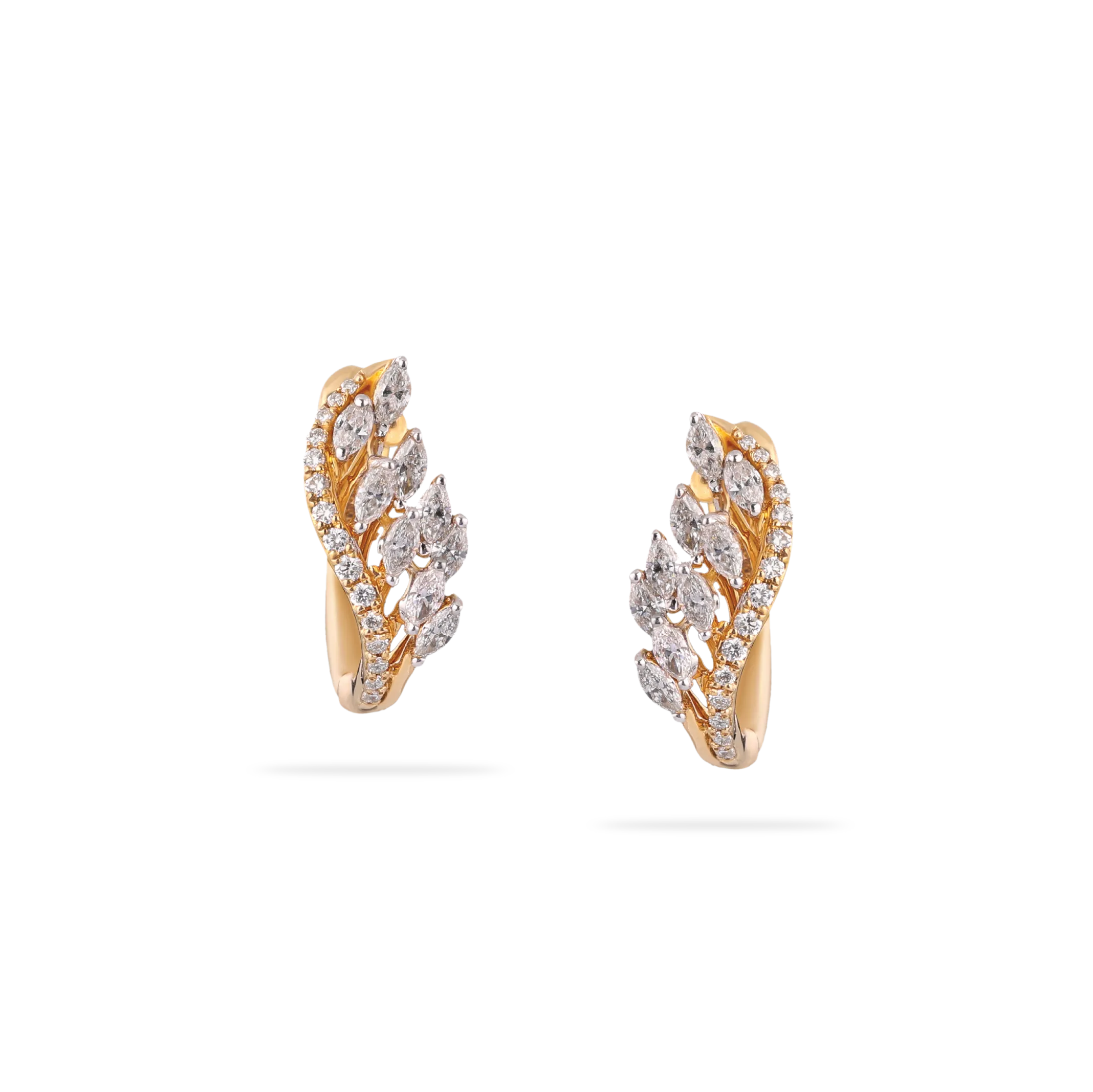
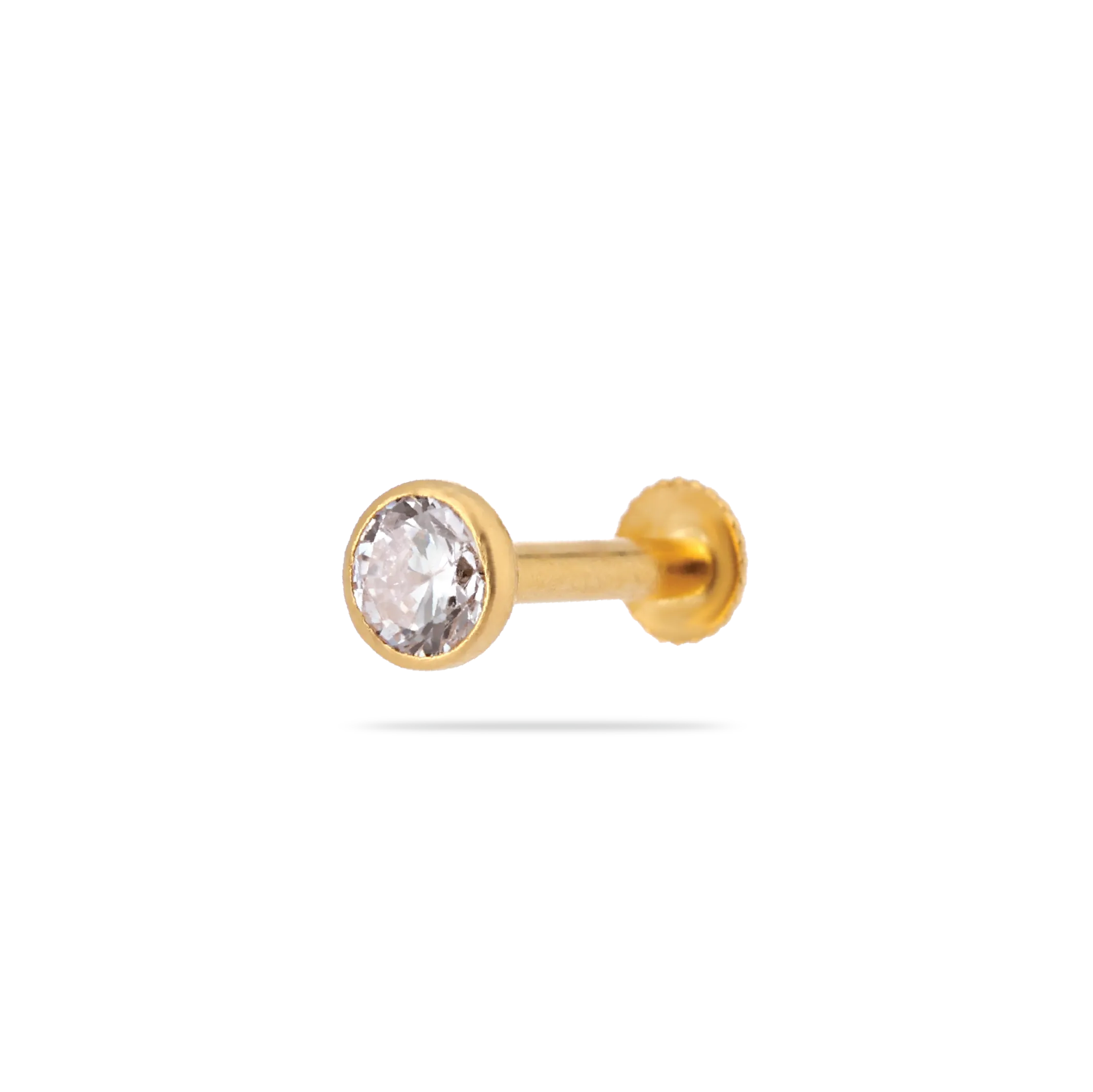
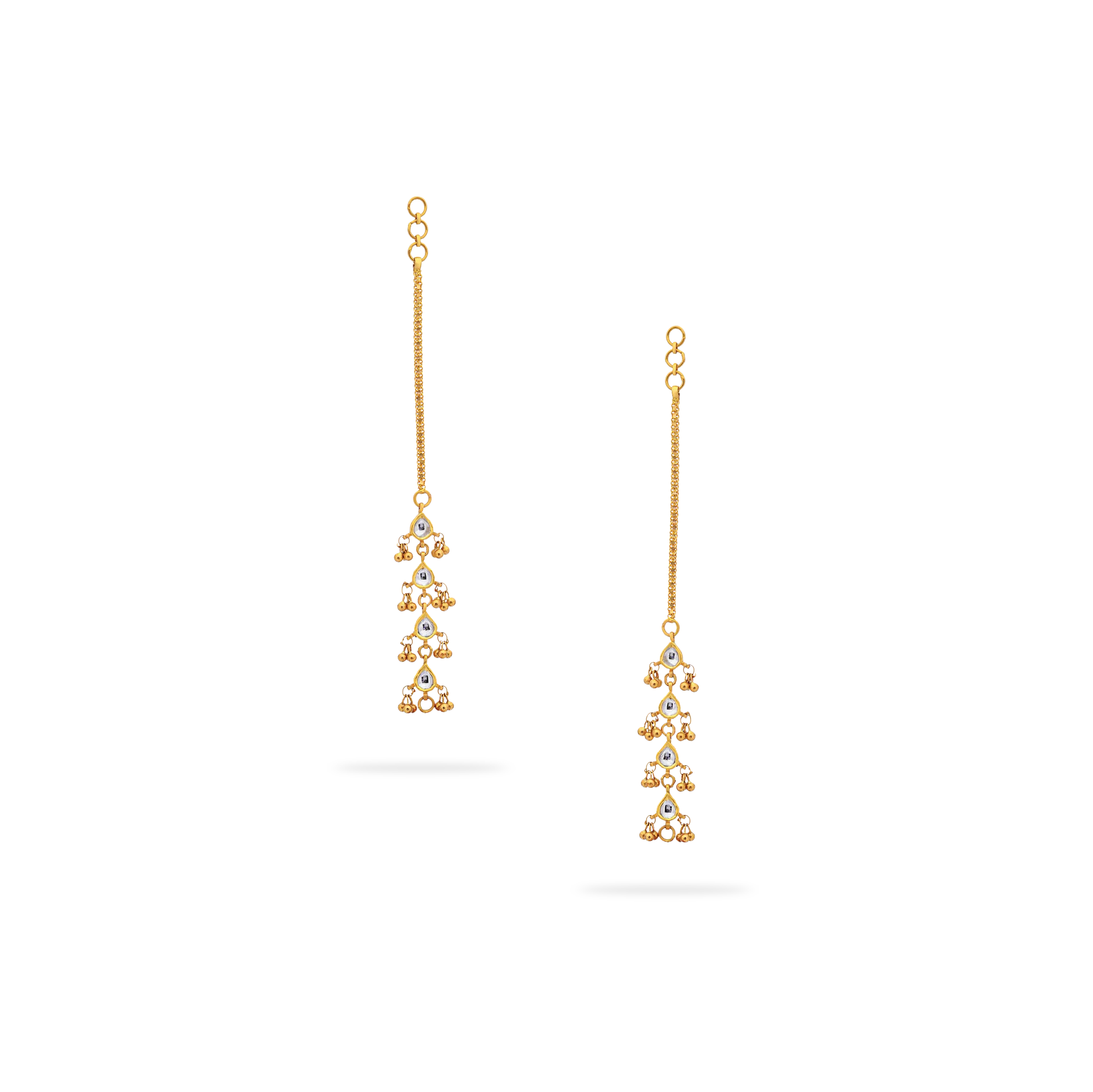
- Intricate Earrings: From simple studs with detailed work to dramatic chandelier styles, they add a touch of elegance.
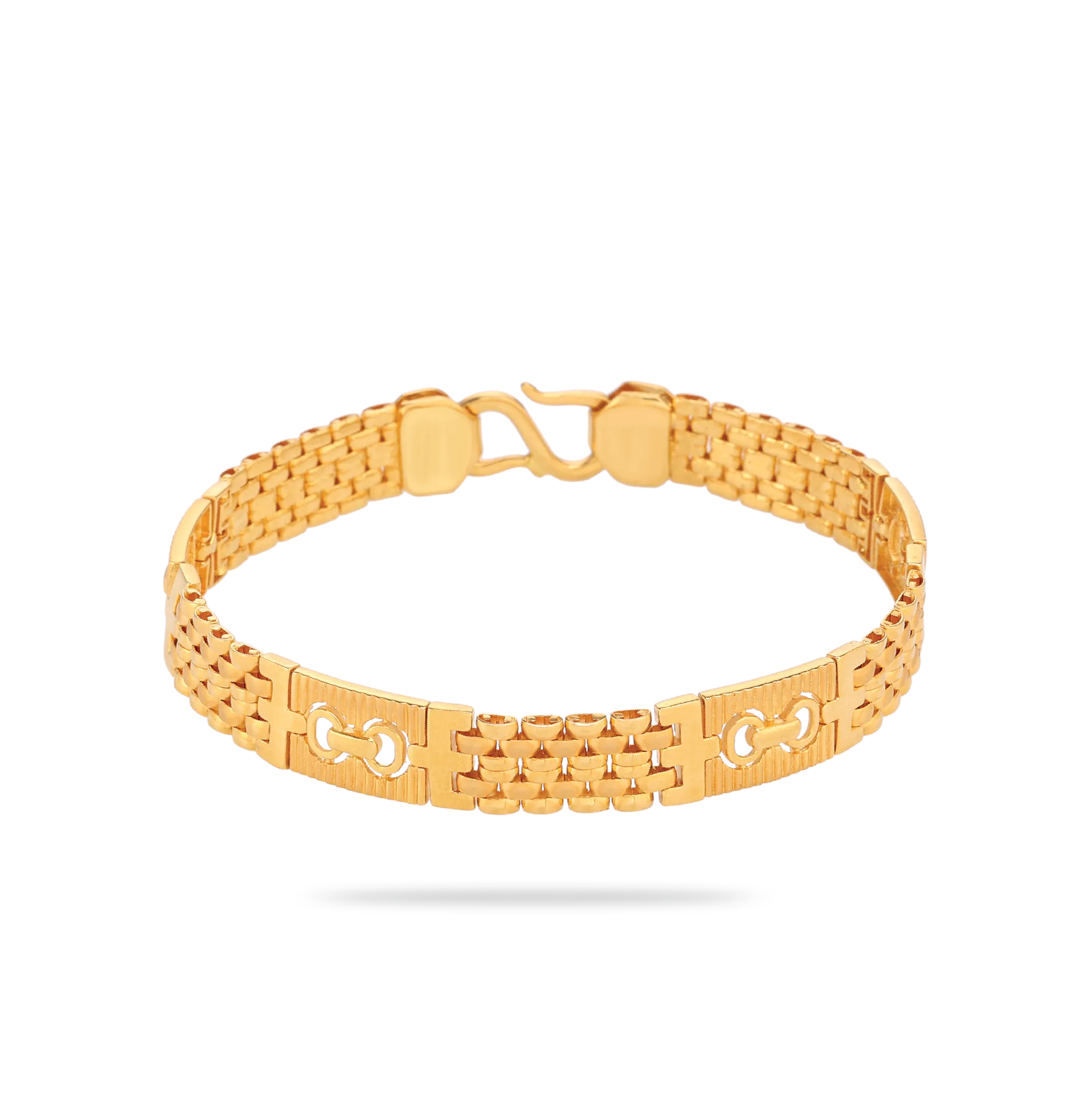
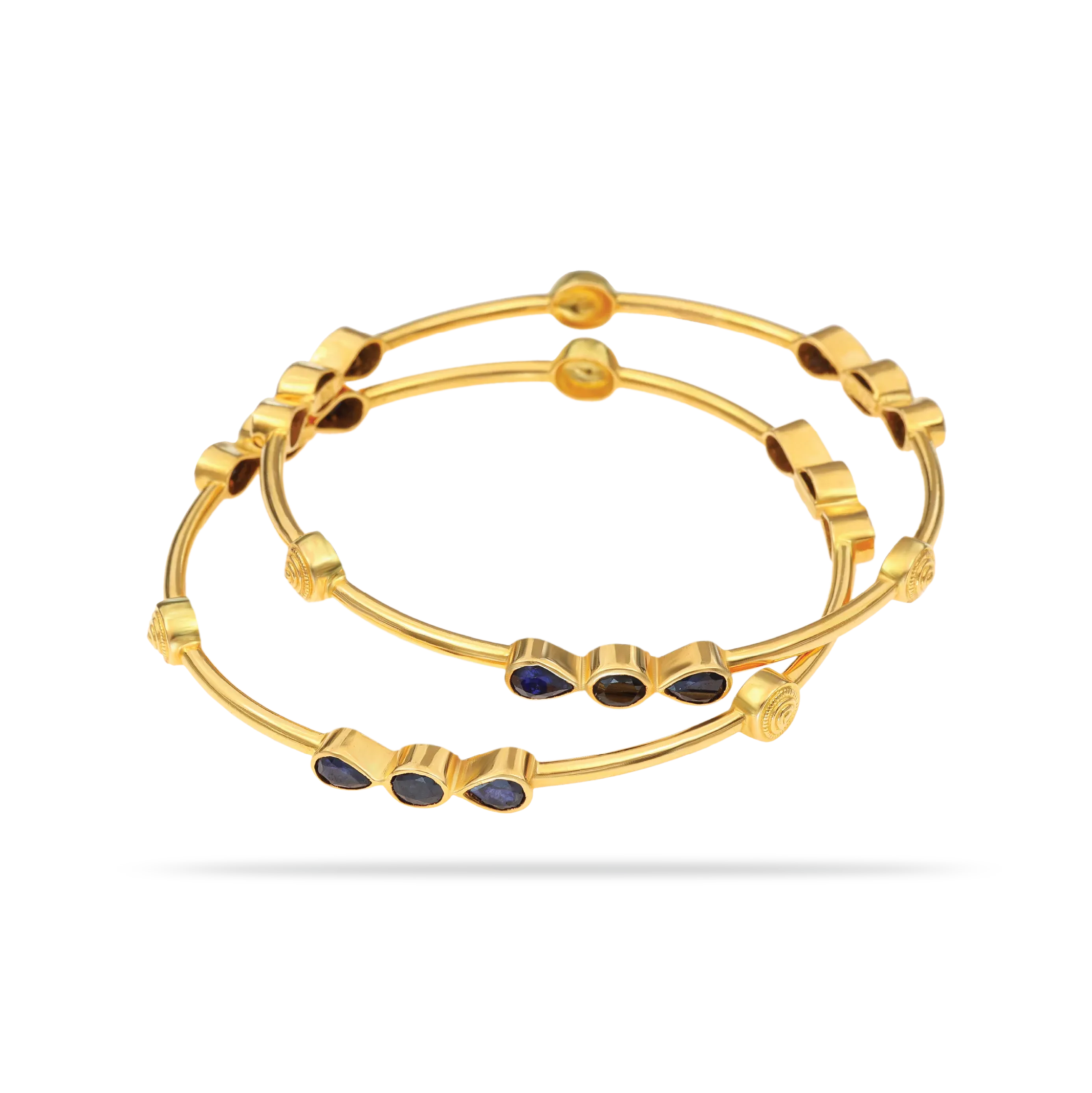
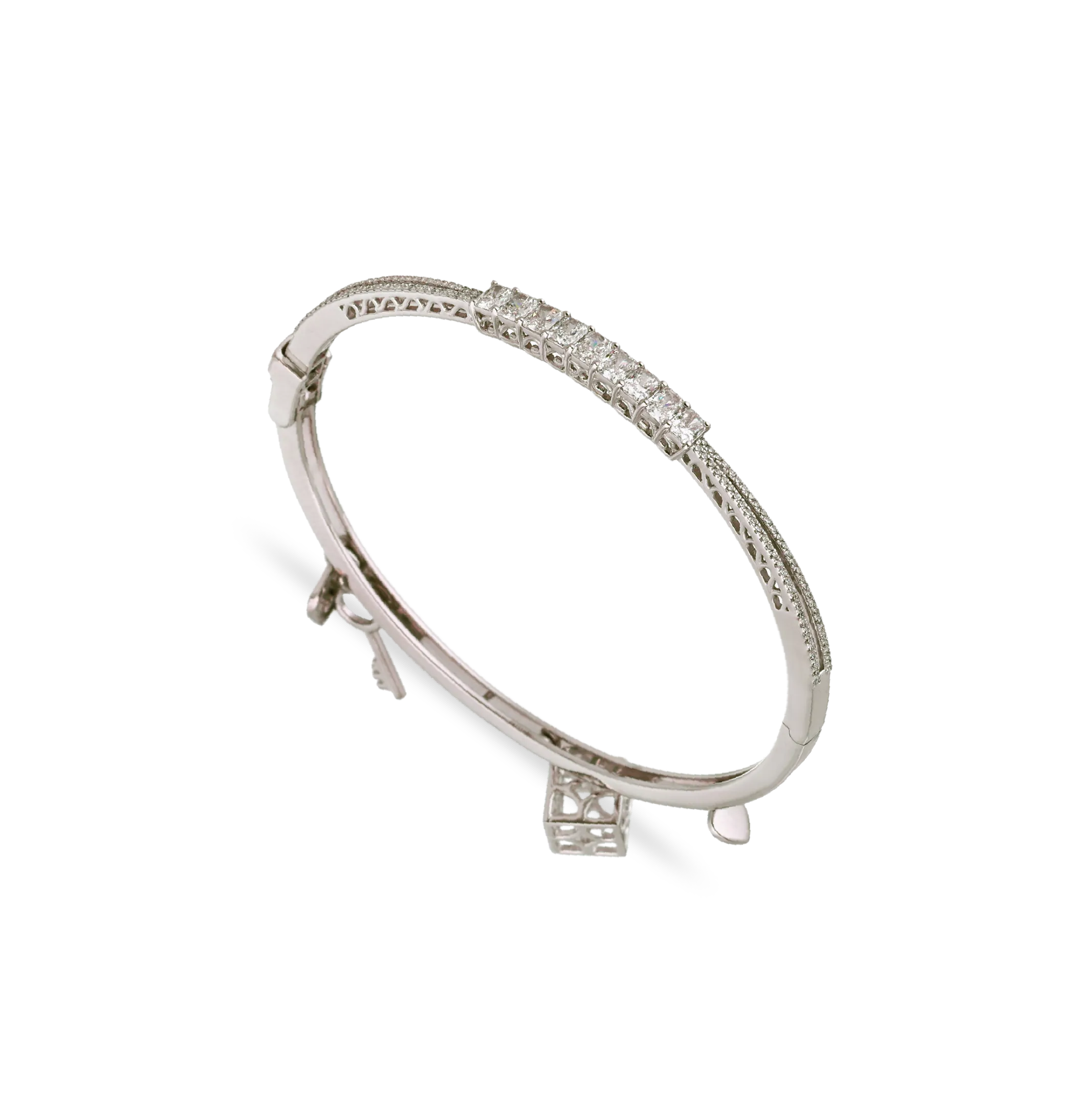
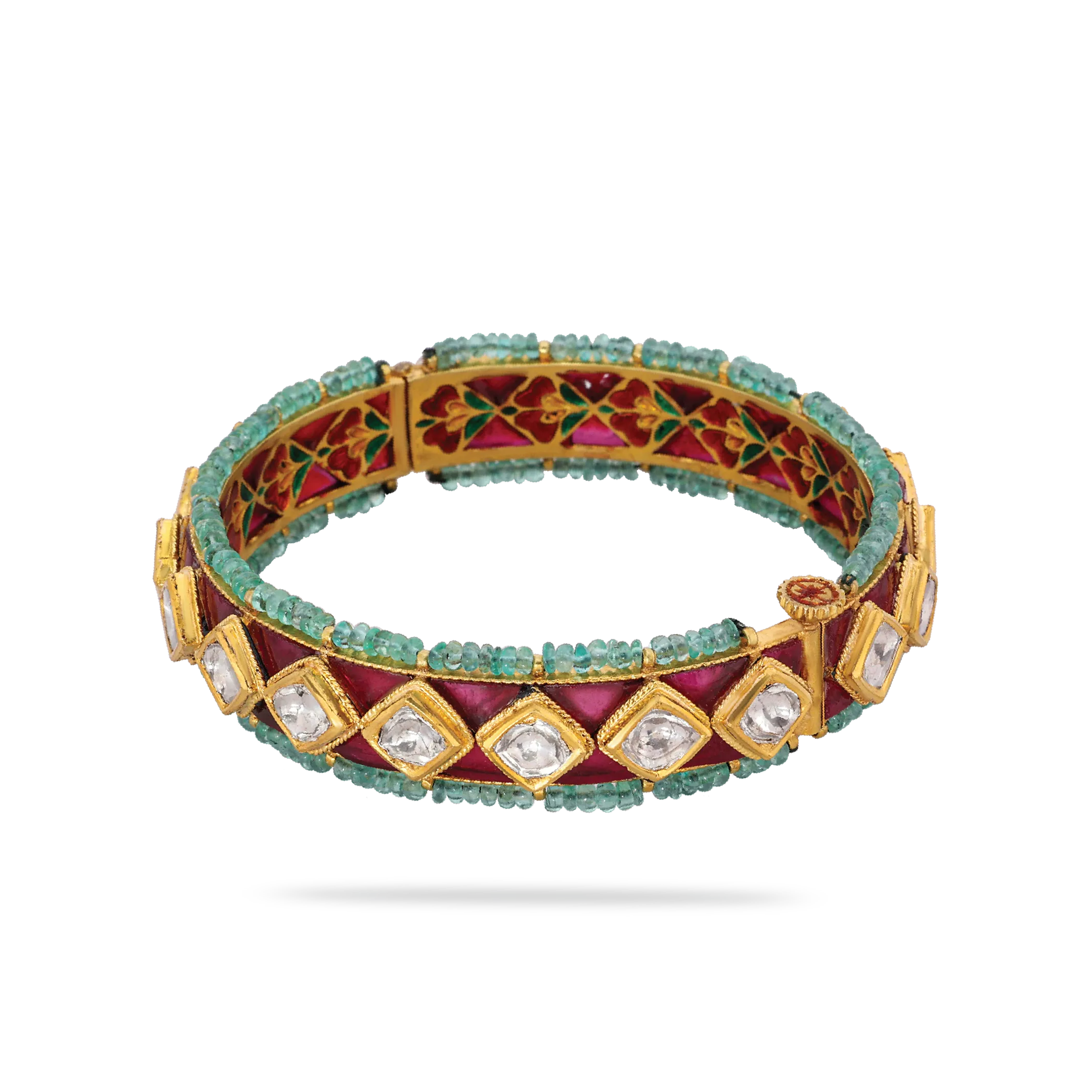
- Fusion Bracelets: Combining traditional Nakshi motifs with contemporary chain styles for everyday wear.
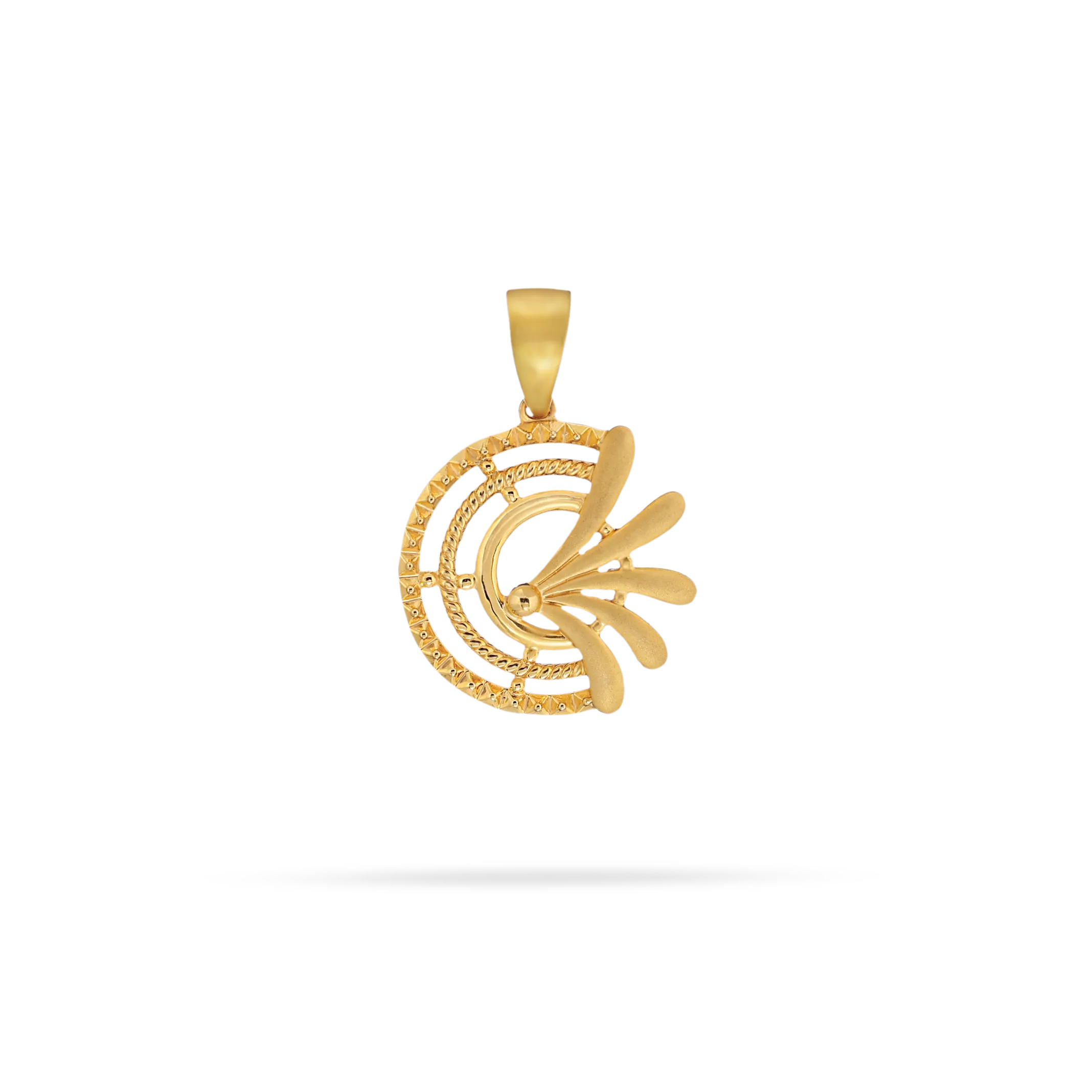
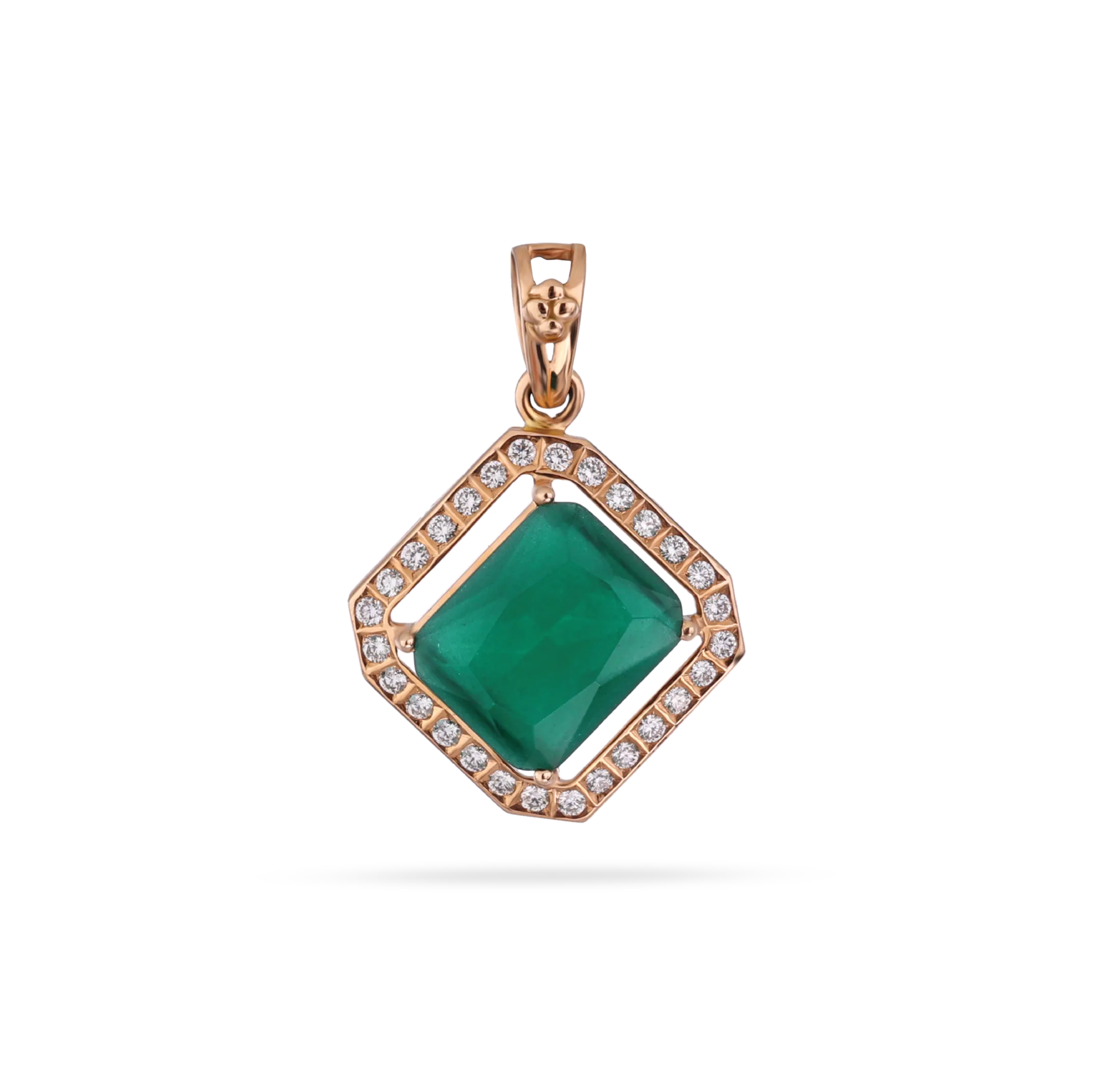
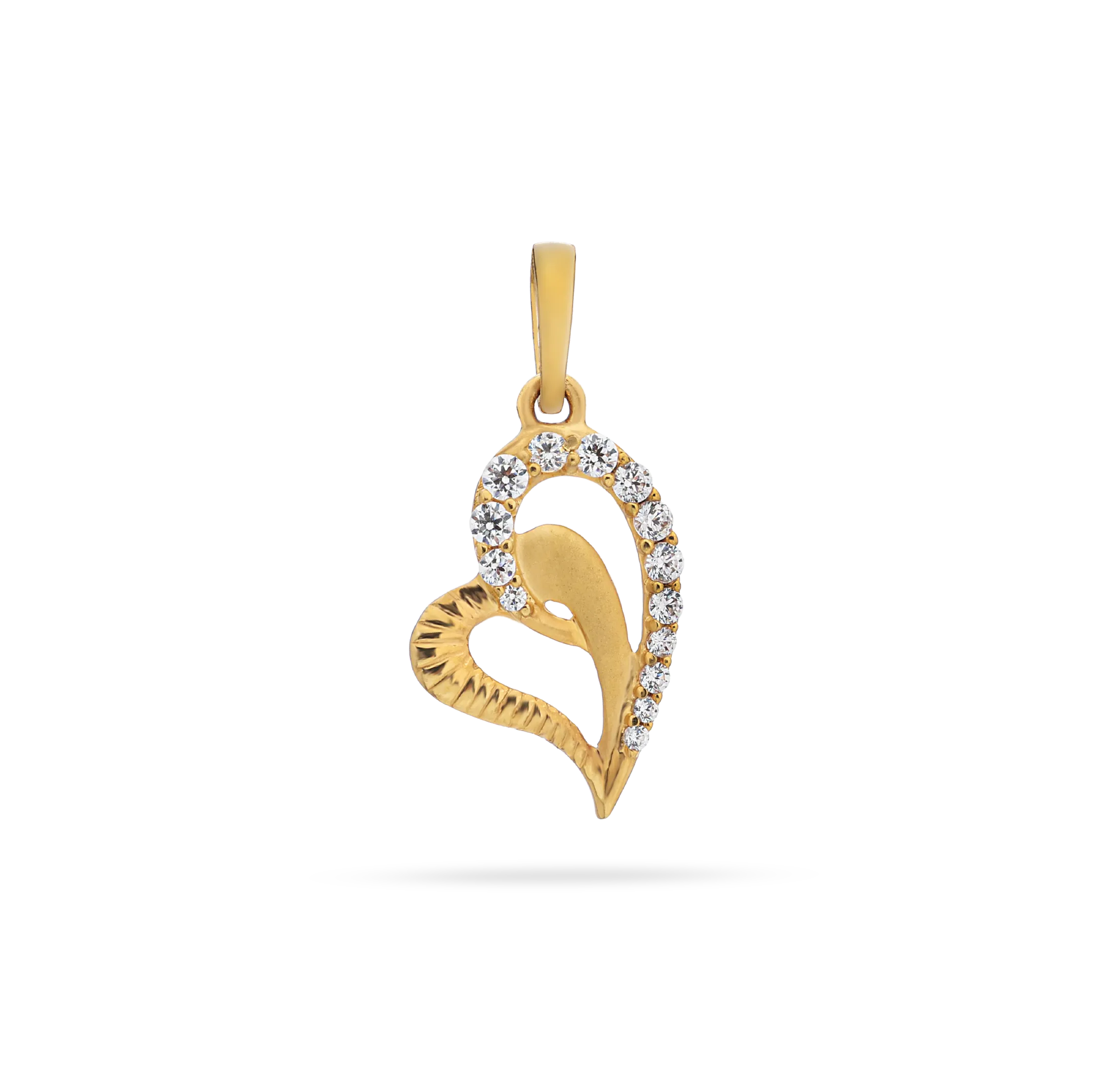
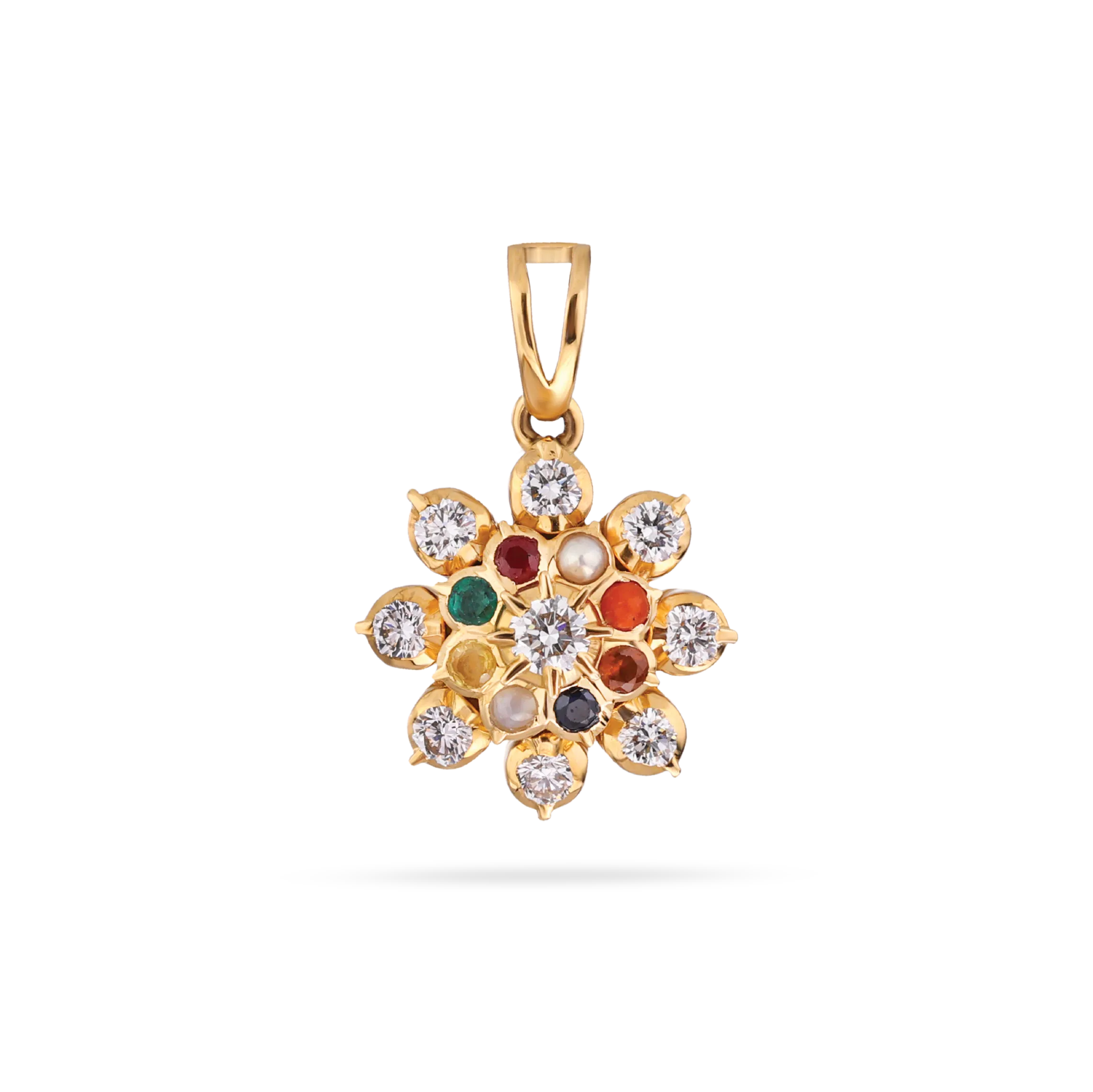
- Pendants with a Story: Small to medium-sized pendants that carry symbolic meanings, easy to pair with any outfit.
A Timeless Craft
So, that's a little look into the world of Nakshi jewelry. It's pretty amazing how these designs, some of them thousands of years old, are still being made and worn today. From the detailed work that goes into each piece, often inspired by gods and nature, to the way it connects us to family history, Nakshi jewelry is more than just pretty things to wear. It's a piece of art, a story, and a tradition all rolled into one. Whether you're drawn to the classic temple jewelry vibes or the more modern takes, there's definitely something special about Nakshi that keeps people coming back.
Frequently Asked Questions
What exactly is Nakshi jewelry?
Nakshi jewelry is a special kind of jewelry that's made by hand. Artisans take thin sheets of gold or silver and carefully shape them into beautiful, detailed designs. It's like they're telling a story with metal!
Where did Nakshi jewelry come from?
This art form is super old! It started a long time ago, and people used to make this jewelry to give to the gods. Later, it became popular for everyone to wear, especially in places like Tamil Nadu in India.
What kinds of pictures or symbols are in Nakshi designs?
You'll often see pictures of gods and goddesses, like Lakshmi, because the jewelry was first made for temples. You might also see pretty flowers, animals like peacocks, and other symbols that have special meanings.
How is Nakshi jewelry made?
It's a careful process! First, an artist draws a design, often inspired by old temples. Then, they press the design onto a metal sheet. After that, they use tiny tools and a hammer to add all the fine details. Finally, they put all the pieces together and polish them until they shine.
Is Nakshi jewelry only made in gold?
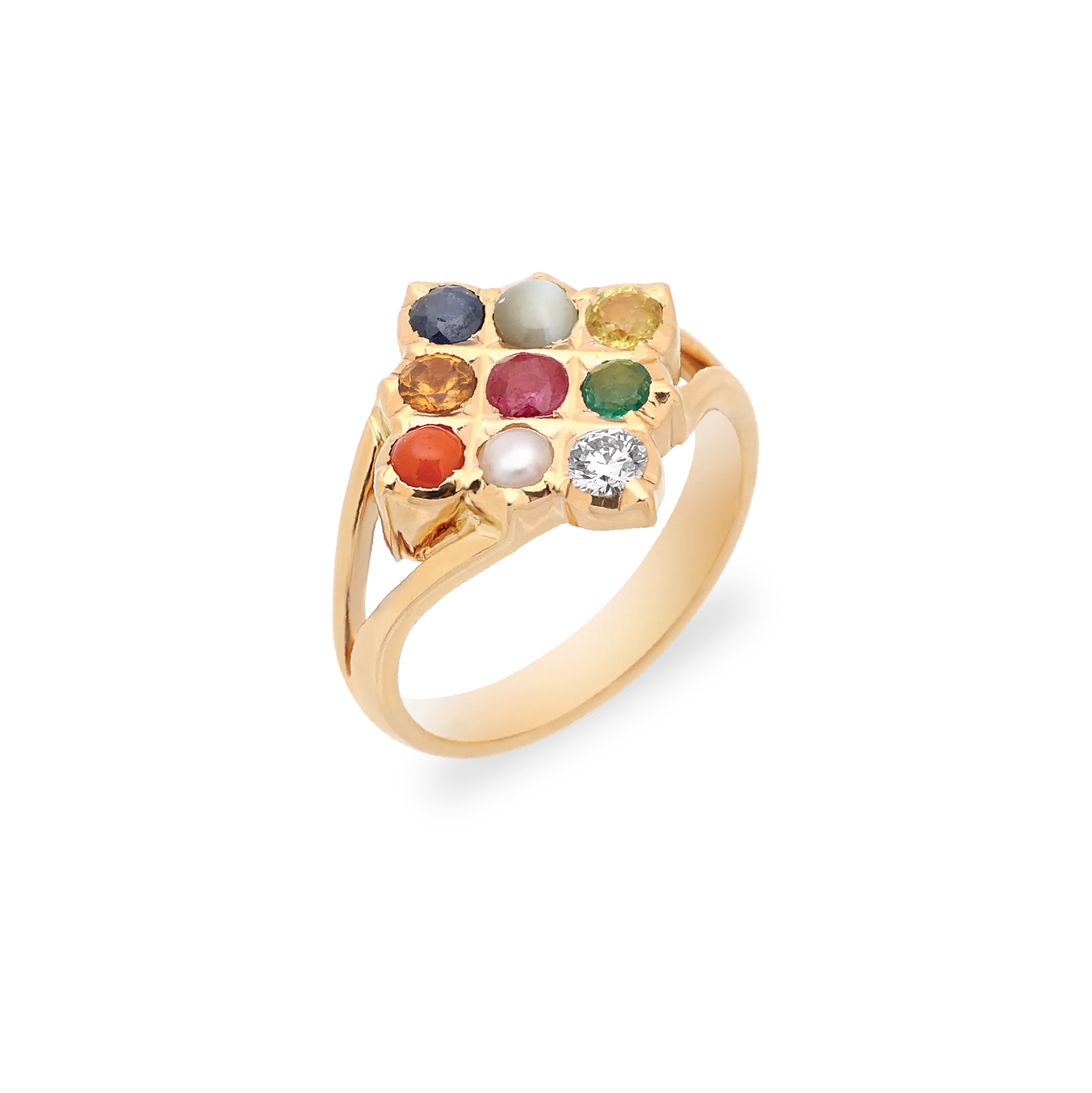
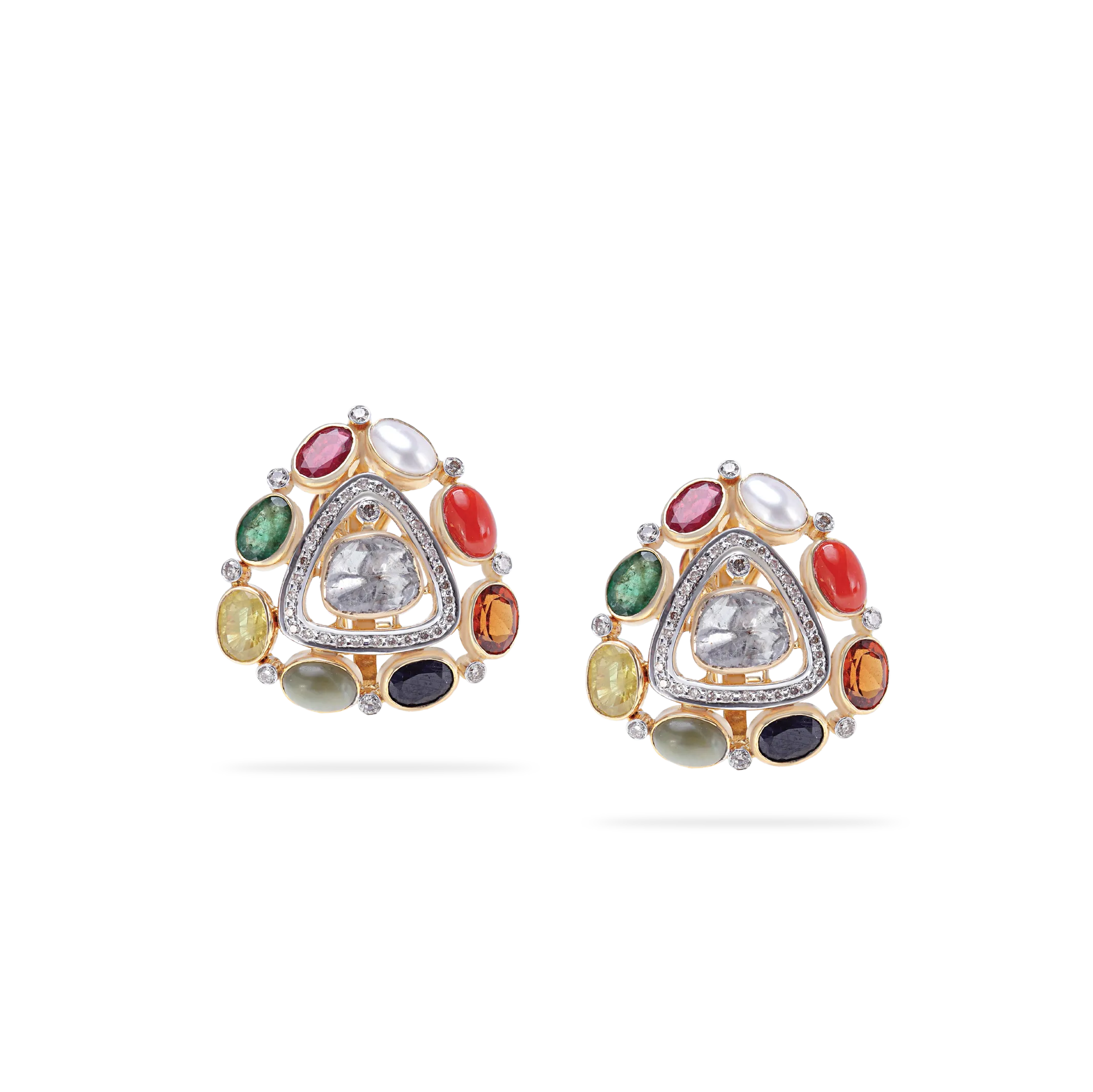
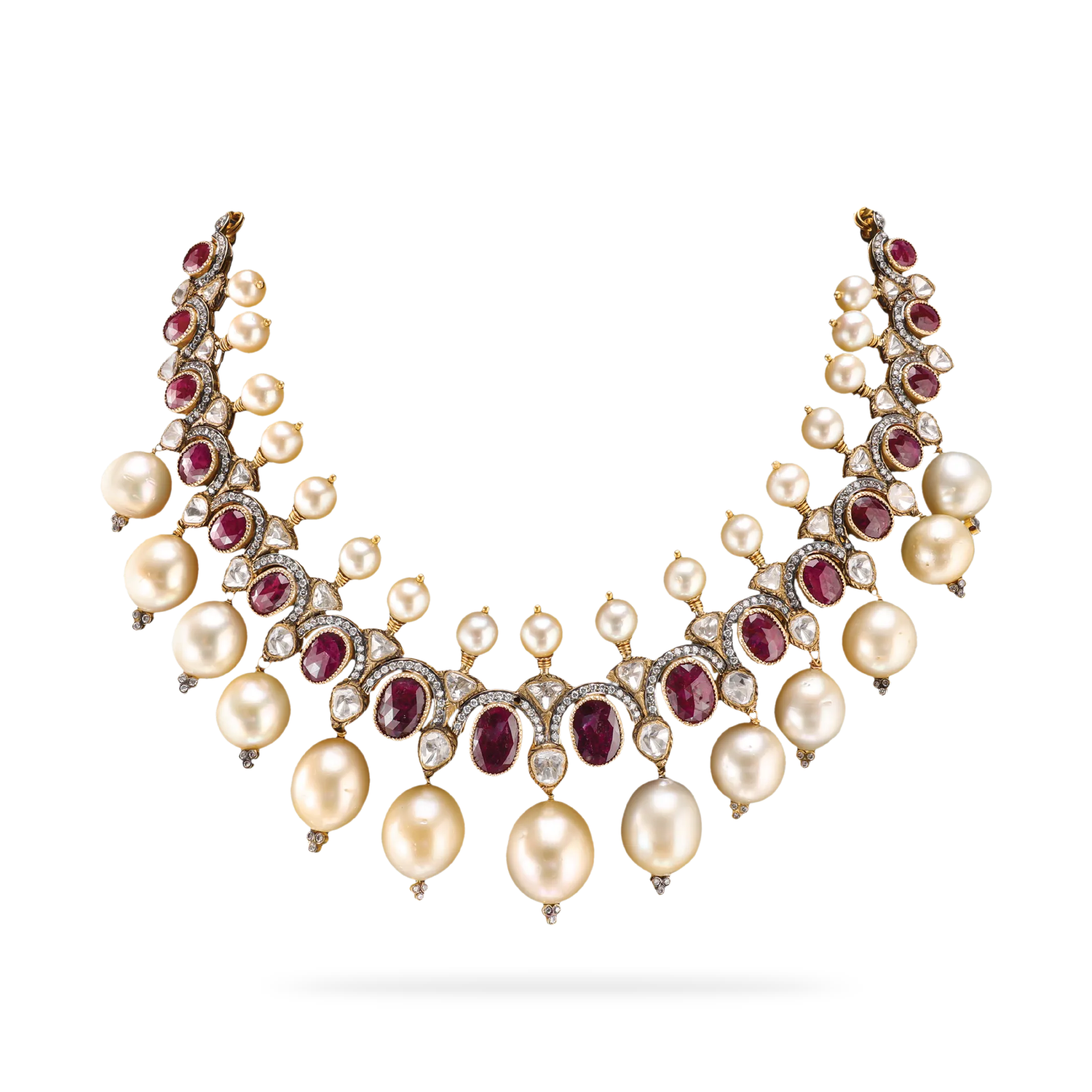
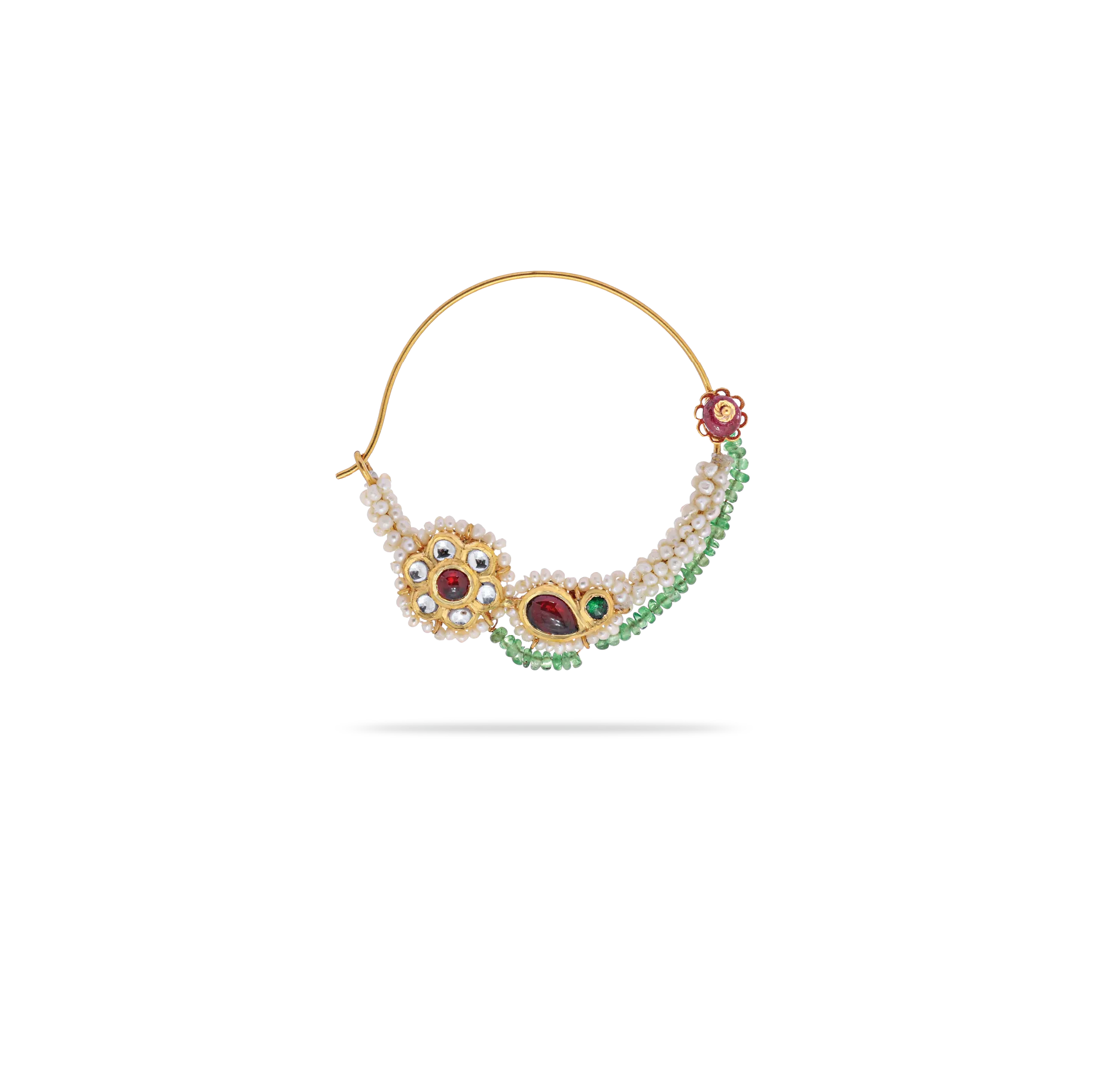
While gold is very popular for Nakshi jewelry, you can also find beautiful pieces made with silver. Sometimes, silver jewelry is plated with gold to give it a rich look. You might also see colorful stones added to the designs.
Can I wear Nakshi jewelry today?
Absolutely! Nakshi jewelry is very popular right now. People love it for weddings, special parties, or just to add a touch of tradition to their everyday style. It's a wonderful way to connect with history and wear something truly unique.
Related blogs:
November 20, 2025
The Timeless Elegance of the Tennis Bracelet: A Comprehensive Guide
Read More
November 20, 2025
The Ultimate Guide to Styling and Wearing a Choker Necklace
Read More
November 20, 2025
Find Your Perfect Engagement Ring: A Comprehensive Guide to Styles and Diamonds
Read More
November 20, 2025
The Timeless Elegance of a Diamond Tennis Bracelet: A Buyer's Guide
Read More









.webp)

.webp)