Understanding Uncut Diamond Price: A Comprehensive Guide
December 12, 2025 | 10 minutes read
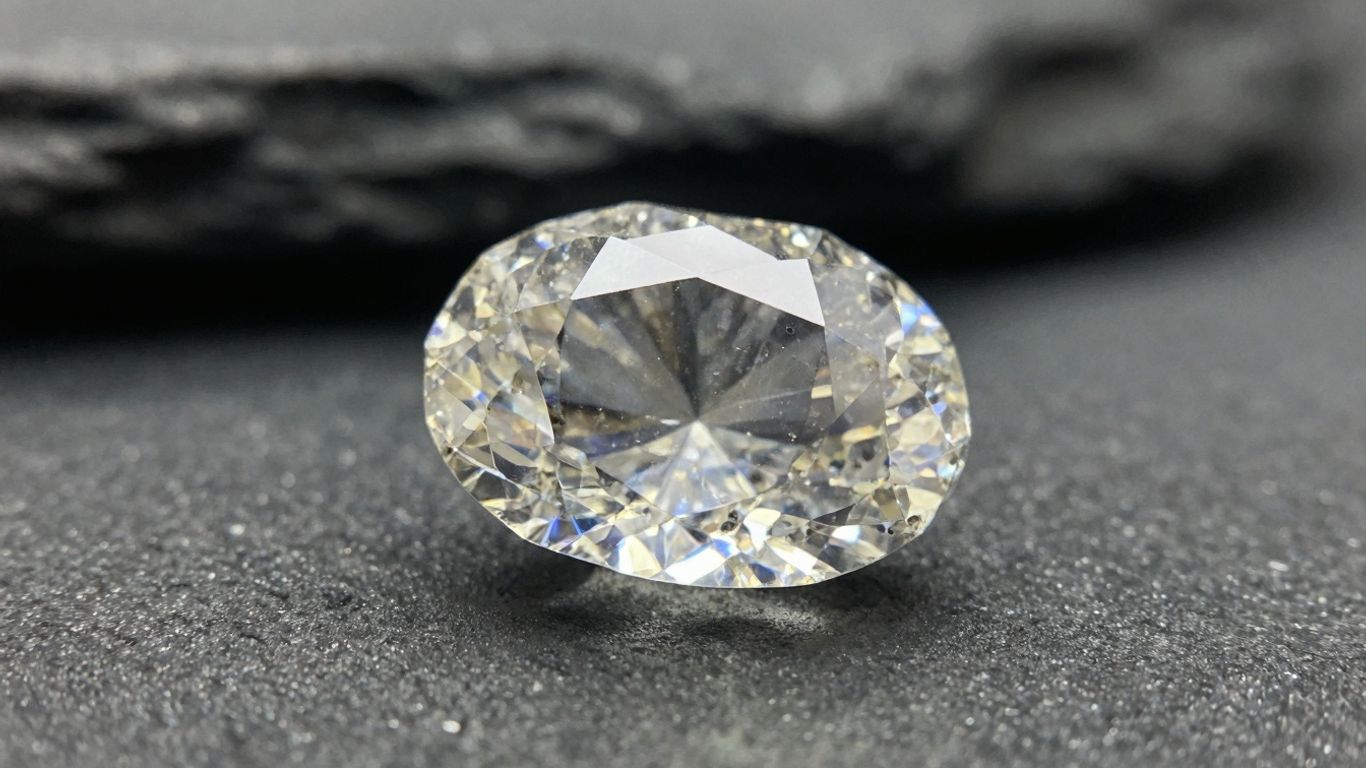
So, you're curious about how much an uncut diamond costs? It's not as straightforward as you might think. These rough gems, straight from the earth, have a whole different set of rules when it comes to pricing. We're going to break down what makes one rough diamond more expensive than another, looking at everything from its size to its potential. It’s a bit of a puzzle, but understanding the pieces helps a lot.
Key Takeaways
- The uncut diamond price is determined by factors like carat weight, potential shape after cutting, color, and clarity.
- The cutting process itself adds significant value, transforming a rough stone into a sparkling gem.
- The cost of cutting depends on the chosen shape, the skill of the cutter, and how much of the original stone is used.
- Understanding price per carat and how the 'matrix' of diamond qualities affects cost is important for rough diamonds.
- Lab-grown diamonds offer a more affordable and ethical alternative, with their own pricing structures.
Understanding Uncut Diamond Price Factors
When you're looking at uncut diamonds, figuring out what they're worth can seem a bit like a puzzle. It's not just about size; a bunch of things come into play. These factors work together to determine the final price of a rough gem. Let's break down the main elements that appraisers and buyers consider.
The Significance of Carat Weight
Carat weight is probably the first thing most people think of when discussing diamond value. It's a measure of how much a diamond weighs, with one carat being equal to 0.2 grams. Generally, as a diamond gets heavier, its price goes up. This isn't always a straight line, though. A two-carat diamond isn't just twice as expensive as a one-carat diamond of similar quality; it can be significantly more. This is because larger rough diamonds are much rarer in nature.
How Diamond Shape Influences Value
Even in its rough state, the potential shape a diamond can be cut into matters. While the rough crystal might not look like a finished gem, experienced cutters can often see the possibilities. Certain shapes are more popular than others. For instance, the classic round brilliant cut is always in high demand, which can make rough diamonds with the potential for this shape more valuable. Other shapes, like princess or cushion cuts, also have their own market appeal. The rough's internal structure and external form give clues about how much waste there will be when cutting it into a specific shape, and this directly affects its potential value.
The Role of Color in Diamond Pricing
Color in diamonds is graded on a scale, usually from D (completely colorless) to Z (light yellow or brown). For uncut diamonds, color is assessed based on how much natural tinting is present. Colorless or near-colorless rough diamonds are typically more sought after because they can yield the most brilliant finished stones. Any noticeable yellow, brown, or even greenish hues in the rough can lower its price, unless it's a rare fancy color diamond like a vivid blue or pink, which are valuable for their unique coloration.
Assessing Diamond Clarity
Clarity refers to the natural imperfections, called inclusions, and surface flaws, called blemishes, found within a diamond. These are like birthmarks for the gem. The fewer and less noticeable these are, the higher the clarity grade. For uncut diamonds, assessing clarity involves looking for internal flaws that might weaken the stone or be visible in the finished gem. A rough diamond that appears internally clean and free of significant inclusions will command a higher price than one with many visible flaws. This is because these flaws can affect the beauty and durability of the final polished diamond.
The journey from a rough, unpolished stone to a sparkling gem involves a complex interplay of natural characteristics and human skill. Understanding these initial factors is key to appreciating the value of the raw material before any cutting even begins.
The Diamond Cutting Process and Its Impact
Diamonds, as we know them, don't start out looking like the sparkly gems in jewelry. They begin as rough, uncut crystals dug from the earth. The transformation from that raw stone to a polished diamond is a whole process, and it really matters for how the final stone looks and, of course, how much it costs.
From Rough Crystal to Polished Gem
Getting a diamond from the ground to a finished piece involves several stages. It's not just about chipping away; it's a careful journey.
- Planning: First, experts look at the rough diamond. They use special tools and sometimes imaging tech to figure out the best way to cut it. The goal is to get the most beautiful diamond possible while wasting as little of the original stone as they can. They have to think about any natural flaws or inclusions inside the rough diamond and how to work around them.
- Cleaving or Sawing: Once they have a plan, the rough diamond is split. This can be done by cleaving, which is like using a precise hammer and chisel, or by sawing, often with a very fine diamond-edged saw or a laser. This step breaks the rough stone into smaller pieces that are easier to work with.
- Bruting: After the initial splitting, the diamonds are shaped into a more rounded form. This is done by grinding the stones against each other. It's a way to get the basic outline before the finer details are added.
- Faceting: This is where the magic really starts to happen for the sparkle. Cutters meticulously create flat surfaces, called facets, on the diamond. The number, size, and angle of these facets are super important for how the diamond reflects light. More facets, arranged just right, mean more sparkle and brilliance.
- Polishing: The final step is polishing each facet. This makes the surfaces smooth and shiny, which is what gives the diamond its final gleam. A well-polished diamond looks much brighter and more attractive.
The journey from a dull rock to a dazzling gem is a testament to human skill and technology. Each step is designed to bring out the inherent beauty locked within the rough diamond, transforming it into an object of desire.
Precision Cutting for Optimal Brilliance
When we talk about a diamond's 'cut,' we're not just talking about its shape. We're talking about how well it's been cut and polished. A diamond's cut grade is one of the most important factors in its appearance. A well-cut diamond will reflect light in a way that makes it look bright, fiery, and full of life.
Achieving this level of brilliance often means more material from the original rough diamond has to be removed. Cutters might sacrifice some carat weight to get the proportions, symmetry, and polish just right. This focus on quality over quantity is what separates a good diamond from a great one. Think of it like sculpting; the artist removes material to reveal the form within.
The Art of Polishing and Faceting
Polishing and faceting are the final stages, and they require incredible attention to detail. A standard round brilliant diamond usually has 58 facets. Each one needs to be placed at a precise angle and polished to a mirror-like finish. These facets are like tiny mirrors that bounce light around inside the diamond and send it back out to your eye, creating that signature sparkle. The better the polish and the more accurate the facet placement, the more beautiful the diamond will be. It's a blend of science and artistry, where tiny adjustments can make a huge difference in the final look of the gem.
Here's a quick look at what goes into making a diamond shine:
- Planning: Deciding the best way to cut the rough stone.
- Shaping: Getting the basic form, often round.
- Faceting: Creating the flat surfaces that catch light.
- Polishing: Making those surfaces smooth and shiny.
- Inspection: Checking every detail along the way.
Factors Affecting the Cost of Diamond Cutting
So, you've got a rough diamond, and now it's time to turn it into something sparkly. But how much does that transformation actually cost? It's not just a simple chop and polish; a lot goes into it.
Type of Cut and Material Waste
Different diamond shapes need different approaches. Some cuts, like the classic round brilliant, are super popular, but they also mean more of the original rough stone gets ground away. This waste directly adds to the cost because you're essentially paying for the skill to get the best possible gem from a smaller starting point. Other shapes might be more efficient with the rough material, leading to lower cutting costs.
- Round Brilliant: Often results in the most waste, potentially increasing cost.
- Princess Cut: Generally more material-efficient than round.
- Emerald Cut : Requires precise angles, which can impact waste and cost.
Quality of Craftsmanship
This is where the real artistry comes in. A master cutter can take a decent rough diamond and make it absolutely sing with light. They understand proportions, symmetry, and polish like nobody's business. The skill of the person doing the cutting is probably the biggest factor in how beautiful the final diamond looks and, therefore, how much it's worth. A poorly cut diamond, no matter how good the rough stone was, just won't have that fire and sparkle. You're paying for years of training and a keen eye for detail.
Labor Costs and Expertise
Skilled diamond cutters aren't just anyone off the street. They've spent years honing their craft. Think about it – working with something as hard as a diamond requires specialized tools and a deep understanding of crystallography. The more experienced and reputable the cutter, the higher their rates will be. This is especially true for complex cuts or very large stones where mistakes are costly. It's a bit like hiring a surgeon versus a general practitioner; you pay for specialized knowledge and a proven track record.
Market Demand for Specific Cuts
Just like anything else, what's popular drives prices. If everyone suddenly wants cushion-cut diamonds, the demand for cutters who specialize in that shape goes up, and so do their prices. The round brilliant has been a favorite for ages, and that consistent demand keeps its cutting costs relatively high. It’s a balancing act between what the rough material allows, what the cutter can achieve, and what buyers are actually looking for. Understanding the current market demand is key.
The process of transforming a rough diamond into a polished gem is a delicate balance of science and art. It involves careful planning to maximize brilliance while minimizing material loss, directly influencing the final cost.
Navigating Uncut Diamond Pricing
So, you're looking at rough diamonds and wondering how their price is actually figured out. It's not as straightforward as picking something off a shelf, that's for sure. Unlike polished diamonds where you have the 4Cs (Carat, Cut, Color, Clarity) pretty much laid out, rough diamonds are a bit more of a puzzle. The price you see for a rough diamond is often a starting point, and it depends heavily on what the cutter thinks they can get out of it.
Understanding Price Per Carat
When you're looking at rough diamonds, the price is usually given per carat. This is a standard way to compare stones, but with rough diamonds, it's more about potential than a finished product. A larger rough diamond doesn't automatically mean a larger, more valuable polished diamond. A lot of the rough material can be lost during the cutting and polishing process. So, while carat weight is a big factor, it's not the only one. You have to consider what kind of polished diamond can be made from it.
Here's a rough idea of how price per carat can vary, though remember this is just a general guide and actual prices fluctuate a lot:
| Rough Diamond Quality | Price Per Carat (USD) |
|---|---|
| Industrial Grade | $1 - $10 |
| Low Gem Quality | $10 - $50 |
| Medium Gem Quality | $50 - $200 |
| High Gem Quality | $200 - $1,000+ |
The Matrix Breakdown of Diamond Costs
Think of diamond pricing like a matrix. You've got the raw material (the rough diamond), and then you have the added value from the work done to it. For rough diamonds, the price is mostly about the raw material itself, but with an educated guess about its future value after cutting. Factors like the diamond's internal structure, any visible flaws, and its color all play a part in how much a cutter is willing to pay. The cleaner and more perfectly shaped the rough crystal, the higher its potential value.
The journey from a dull, unpolished rock to a sparkling gem involves a lot of guesswork and skill. Cutters have to predict how much usable diamond they'll get and what quality it will be. This uncertainty is a big part of why pricing rough diamonds is so complex.
Price Ranges for Different Diamond Cuts
When we talk about price ranges for different diamond cuts in the rough stage, it's a bit different from polished diamonds. You're not really buying a 'cut' yet, but rather the potential for one. Here's what influences the price based on what a cutter might aim for:
- Round Brilliant Potential: These are the most popular, so rough diamonds that look like they'll yield a good round brilliant often command a higher price. Cutters know they can get a good return on these.
- Fancy Shape Potential: Shapes like ovals, pears, or emerald cuts might come from rough diamonds that aren't perfectly suited for a round cut, or where the cutter wants to preserve more weight. The price can be lower if the rough isn't ideal for the most sought-after shapes.
- Inclusions and Color: If a rough diamond has significant inclusions or a strong color tint, it might be priced lower because the final polished stone will have limitations. This could steer it towards industrial use or lower-quality jewelry.
- Yield vs. Quality: Sometimes, a cutter might choose a less-than-perfect cut to maximize the carat weight of the final stone, or they might sacrifice weight for a higher quality, more brilliant finish. The rough diamond's price reflects this decision-making process.
Sourcing and Purchasing Rough Diamonds
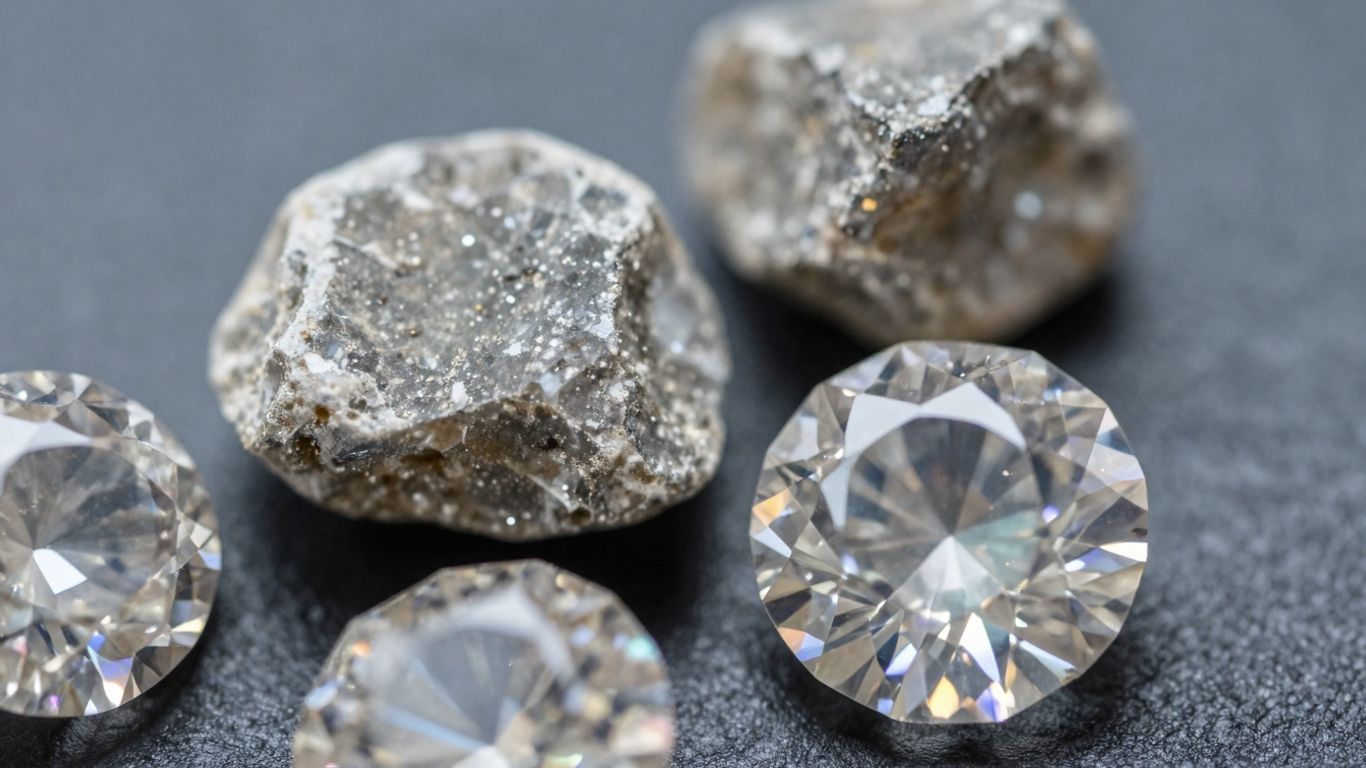
So, you're thinking about getting your hands on some rough diamonds, huh? It's a bit like going on a treasure hunt, but instead of a map, you need to know where to look and who to trust. These aren't your sparkly, finished gems yet; they're the raw material, straight from the earth. Understanding how they're found and where to buy them is the first step.
Methods of Rough Diamond Extraction
Rough diamonds come out of the ground in a couple of main ways. It's pretty wild to think about where they start their journey.
- Pipe Mining: This is when diamonds are dug out directly from volcanic pipes. Think of these as ancient, underground conduits where diamonds formed. They're often found closer to the surface initially, but miners dig deeper to get more.
- Alluvial Mining: This method is all about diamonds that have been moved from their original spot by natural forces like water. They end up in riverbeds, on coastlines, or even in ancient dried-up river channels. It's a lot of sifting and searching, and sometimes you find really good quality stones this way.
Purchasing Loose Rough Diamonds
Can you just buy a rough diamond? Yep, you sure can. It's not as common as buying a cut stone, but it's definitely an option if you're interested in the raw material.
- Direct from Mining Companies: Sometimes, you can buy directly from the source, though this is usually for larger operations or specific deals.
- Licensed Diamond Dealers: This is more common for individuals. These dealers trade in rough diamonds and can sell them to you. It's important to find dealers who are reputable and have a good track record.
- Secondary Market: You might also find rough diamonds being sold by individuals or companies that have acquired them previously.
Buying loose rough diamonds gives you the chance to be involved in the cutting and polishing process yourself, or to work with a cutter to get exactly what you want. It's a way to have more control over the final gem.
Choosing Reputable Sources
This is probably the most important part. You don't want to end up with something that isn't what it's supposed to be, or worse, something that came from questionable origins. Always do your homework on the seller.
When buying rough diamonds, especially if you're new to it, it's wise to start small and work with sellers who are transparent about the origin and characteristics of their stones. Building a relationship with a trusted dealer can make a big difference in the long run.
It's a bit of a learning curve, but getting rough diamonds from a good source means you're starting with a stone that has real potential, and you can feel good about where it came from.
The Value of Lab-Grown Diamonds
Ethical and Sustainable Diamond Choices
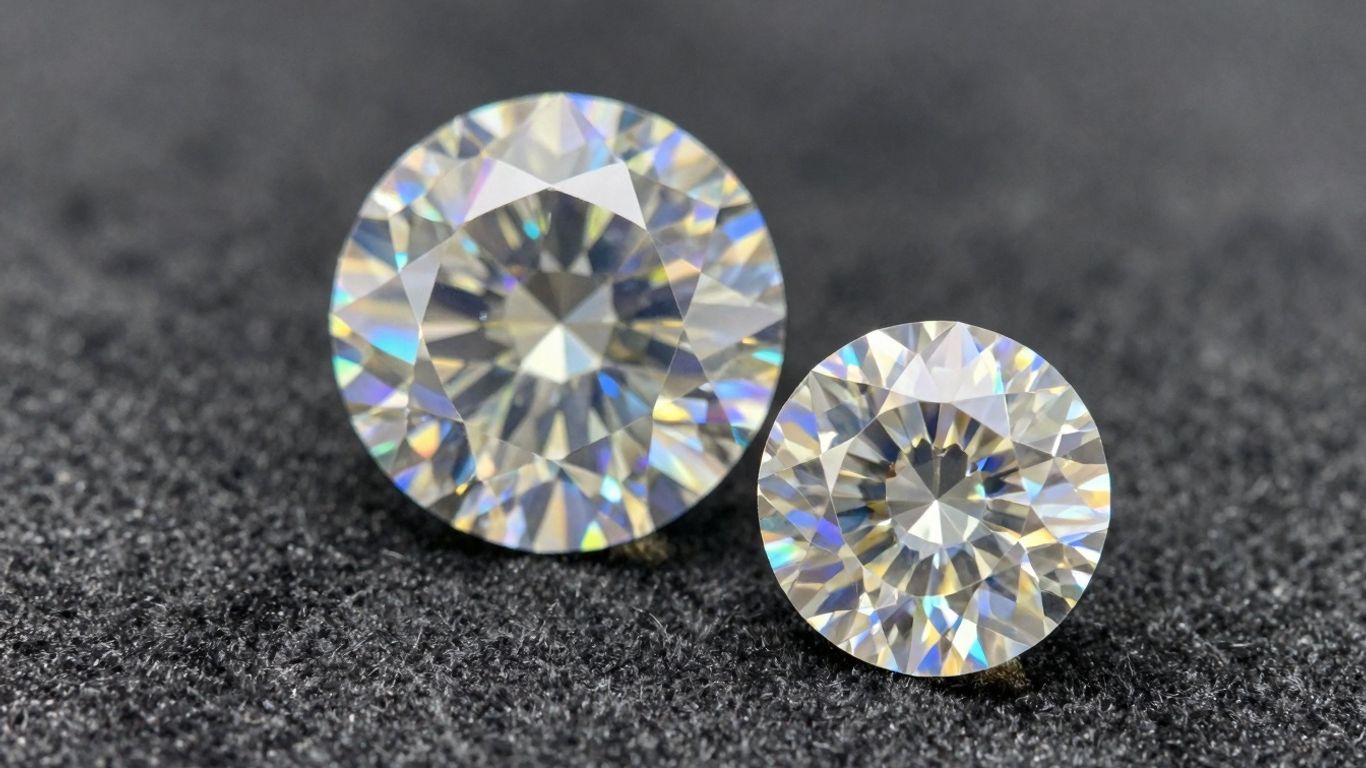
So, you're thinking about diamonds, but maybe the whole mining thing gives you pause. Totally understandable. That's where lab-grown diamonds really shine. They're made in a controlled environment, which means no sketchy mining practices, no conflict zones, and a much smaller environmental footprint. It's like getting all the sparkle without the baggage. Plus, they're just as real as mined diamonds – same chemical makeup, same physical properties. It's a win-win for your conscience and your jewelry box.
Cost Efficiency Compared to Mined Diamonds
Let's talk money. Lab-grown diamonds are generally a lot more affordable than their mined counterparts. We're talking potentially 30-40% less for a diamond of similar size and quality. This price difference is pretty significant. It means you can often get a bigger stone, or one with better color and clarity, for the same budget you might have allocated for a smaller mined diamond. It really opens up possibilities for engagement rings or other special pieces without breaking the bank.
Here's a rough idea of how prices can stack up:
| Diamond Type | Typical Price Range (per carat) | Notes |
|---|---|---|
| Mined Diamond | $5,000 - $15,000+ | Varies greatly by the 4Cs |
| Lab-Grown Diamond | $2,000 - $6,000+ | Often 30-40% less than mined equivalents |
Customization and Personalization
This is where things get really fun. Because lab-grown diamonds are more accessible price-wise, they're perfect for custom designs. You can really get creative and design a piece that's uniquely you. Think about:
- Unique Settings: Pairing a lab-grown diamond with a distinctive metal setting.
- Personalized Engravings: Adding a special message or date.
- Bespoke Shapes: Working with a jeweler to create a one-of-a-kind diamond cut.
The ability to customize allows for a deeply personal connection to your jewelry. It's not just a diamond; it's a story you've helped create from the ground up.
It's pretty cool that you can have a diamond that not only looks amazing but also aligns with your values and allows for a truly personal expression. They're becoming a really popular choice for a reason.
Wrapping It Up
So, we've gone over a lot about what makes an uncut diamond cost what it does. It's not just about size, but also how it's shaped, its color, and if it's got any little marks inside. Think of it like buying a car – you look at the make, model, features, and condition, right? Diamonds are kind of the same, but with their own special language like carats and clarity grades. Knowing these things helps you figure out if you're getting a good deal and what you're really paying for. It’s a bit of a puzzle, but once you get the hang of it, you can make a much smarter choice when you're looking to buy.
Frequently Asked Questions
What makes uncut diamonds cost different amounts?
The price of an uncut diamond depends on several things. The size, which we call 'carat weight,' is a big one. Bigger diamonds usually cost more. Also, how clear the diamond is (if it has tiny spots or lines inside) and its color matter a lot. Even the shape it has the potential to be cut into can affect its starting price.
How does cutting a diamond change its price?
Cutting a diamond is where its sparkle really comes alive, but it's a careful process. The way it's cut, like into a round or a fancy shape, affects how much of the original stone is used. A skilled cutter can make a diamond look amazing, which adds to its value. Sometimes, the cutting process can waste part of the diamond, which also influences the final cost.
Are round diamonds always the most expensive?
Round diamonds are often the most popular and usually cost more than other shapes. This is because they are cut to show off the most sparkle, and this process often means more of the original rough diamond is removed. Other shapes might be less expensive because they waste less of the stone during cutting.
What are the '4Cs' and why are they important for diamond prices?
The '4Cs' stand for Carat (weight), Cut (how well it's shaped and polished), Color (how colorless it is), and Clarity (how free it is from flaws). These four things are super important because they tell you about the diamond's quality. A diamond that scores high in all four Cs will be much more valuable than one that doesn't.
Can I buy rough diamonds directly?
Yes, you can buy rough diamonds. People often get them from mining companies or from dealers who specialize in them. Buying rough diamonds lets you have a say in how they'll be cut and polished later, which can be exciting if you want something really unique. Just make sure you buy from a trusted seller.
Are lab-grown diamonds a good alternative?
Lab-grown diamonds are a fantastic choice for many reasons! They are made in a lab, so they are guaranteed to be conflict-free and are made in a more eco-friendly way. Plus, they often cost less than diamonds mined from the earth, meaning you can get a bigger or higher-quality diamond for your money. You can also get them made into exactly the style you want.
Shine Bright on Your Big Day: Exquisite Bridal Jewellery Set Gold Collections
10 minute read
Timeless Elegance: Discover Stunning Kundan Bridal Jewellery for Your Big Day
10 minute read
Related blogs:
November 20, 2025
The Timeless Elegance of the Tennis Bracelet: A Comprehensive Guide
Read More
November 20, 2025
The Ultimate Guide to Styling and Wearing a Choker Necklace
Read More
November 20, 2025
Find Your Perfect Engagement Ring: A Comprehensive Guide to Styles and Diamonds
Read More
November 20, 2025
The Timeless Elegance of a Diamond Tennis Bracelet: A Buyer's Guide
Read More









.webp)
.webp)