Unveiling the Enduring Allure of Victorian Jewellery: A Timeless Collection
December 7, 2025 | 10 minutes read
Stepping back in time, the Victorian era wasn't just about corsets and crinolines; it was also a golden age for jewelry. Queen Victoria's long reign saw a huge shift in how people thought about and wore adornments. From delicate lockets to grand statement pieces, Victorian jewellery tells a story. It’s more than just pretty things; it’s history you can wear. Let's take a look at why this style is still so popular today.
Key Takeaways
- Victorian jewellery, spanning 1837-1901, reflects the era's changing styles, from romantic and sentimental to opulent and individualistic.
- Sentimental pieces, like mourning jewellery, were very important, often using materials like jet or incorporating hair as tokens of remembrance.
- The craftsmanship of Victorian jewellery was outstanding, with skilled artisans working with precious metals, detailed gemstone settings, and intricate enameling.
- The value of Victorian jewellery comes from its detailed craftsmanship, the rarity of well-kept items, and the historical context each piece holds.
- Victorian designs significantly influenced later styles, notably Art Nouveau and the Arts and Crafts movement, showing a lasting impact on jewellery making.
The Enduring Allure of Victorian Jewellery
A Glimpse into the Victorian Era
The Victorian era, stretching from 1837 to 1901, was a time of massive change, and Queen Victoria herself was a huge influence on everything from fashion to social norms. It was a period where art, culture, and personal style really started to blend in new ways. You can see this reflected in the jewelry of the time, which often featured really detailed designs and symbols that meant something. Different parts of the era had their own looks, too. Early on, things were more delicate and romantic, then it got really grand and opulent, and later, there was a move towards more unique, artistic pieces. It’s fascinating how much the jewelry tells us about the different moods and developments of those decades.
Why Victorian Jewellery Continues to Captivate
There's just something about Victorian jewelry that keeps drawing people in, even today. Maybe it's the way each piece feels like a little piece of history you can actually hold. It’s not just about the shiny materials; it’s about the stories they carry. Think about it: a ring or a brooch from that time has seen so much. It connects us directly to the people who wore it, the events they lived through, and the general vibe of that era. It’s like a tangible link to the past, making history feel much more personal and real. Plus, the sheer skill involved in making these pieces is pretty amazing.
The Timeless Appeal of Sentimental Pieces
One of the biggest reasons Victorian jewelry remains so popular is its focus on sentiment. This wasn't just about looking good; it was about expressing feelings. Pieces often had hidden meanings or were made to commemorate important people or events.
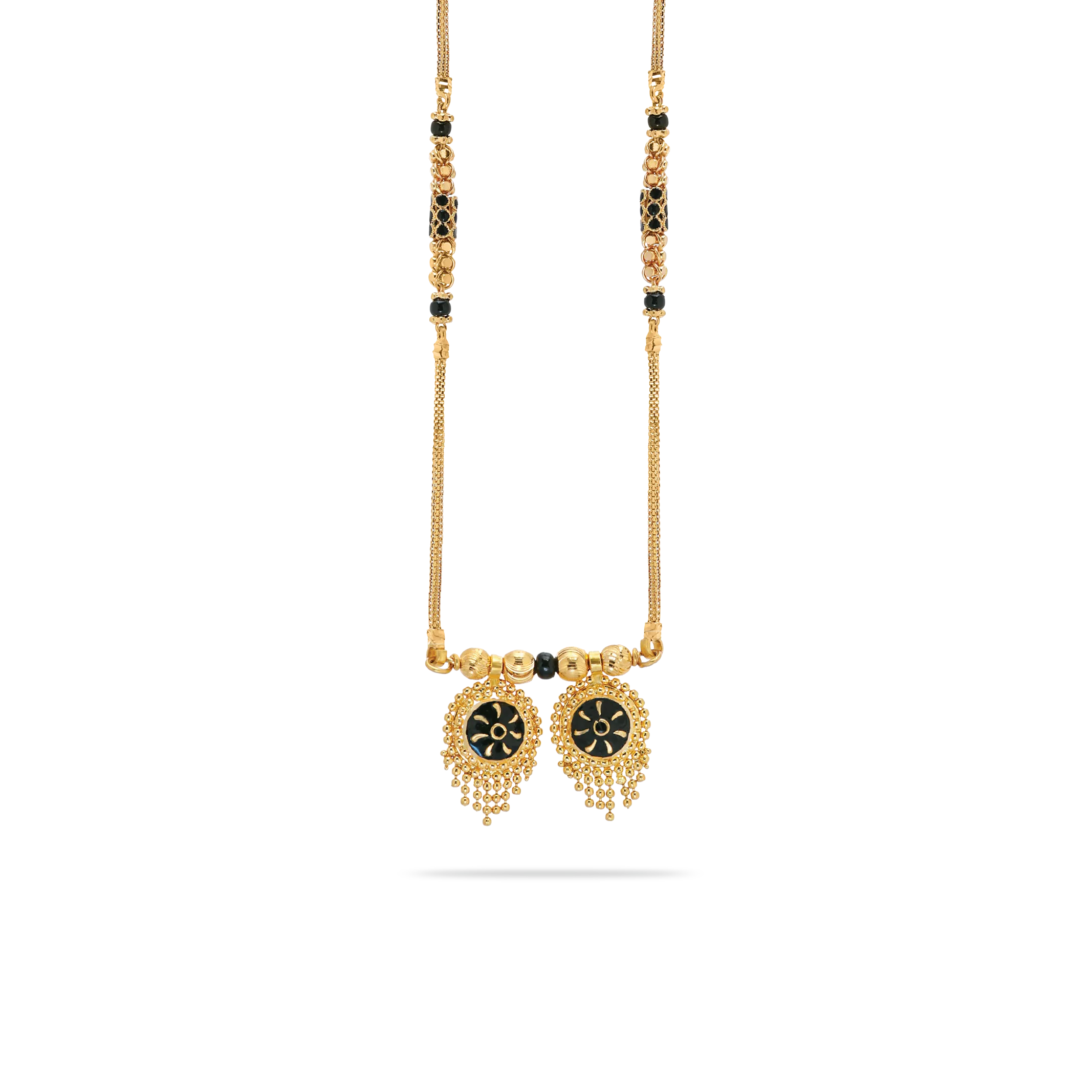
- Mourning jewelry became a significant trend, often using dark materials like jet or enamel , and sometimes even incorporating a lock of hair from a loved one. These were wearable memorials, a way to keep someone close.
- Lover's knots, hearts, and floral motifs were common, symbolizing affection, commitment, and beauty.
- Serpent designs, with their continuous form, represented eternal love and devotion.
These pieces weren't just decorative objects; they were deeply personal talismans, imbued with emotion and memory. They served as constant reminders of love, loss, and connection in a way that modern jewelry rarely does.
Historical Significance and Sub-Periods
The Victorian era wasn't just one long, consistent style. It was a whole century, after all, and things changed a lot during that time. Think of it as having different chapters, each with its own vibe. These shifts in design really tell a story about what people were thinking and feeling back then.
The Romantic Period's Delicate Motifs
This part of the Victorian age, roughly the earlier years, was all about feelings and symbols. You'd see lots of hearts, flowers, birds, and even snakes – the snake was a big deal for representing eternal love, kind of like a promise ring today. It was a time when jewelry was meant to be personal and express affection. Think delicate gold chains, lockets with tiny portraits inside, and pieces that felt light and sweet.
- Symbolism: Heavy use of motifs like hearts, arrows, and flowers.
- Materials: Often featured gold, pearls, and sometimes enamel .
- Sentimental Value: Pieces were frequently given as gifts to express love or friendship.
The Romantic Period really leaned into sentimentality. It was less about showing off wealth and more about conveying a message of love, devotion, or remembrance. These pieces often feel very intimate.
The Grand Period's Opulence
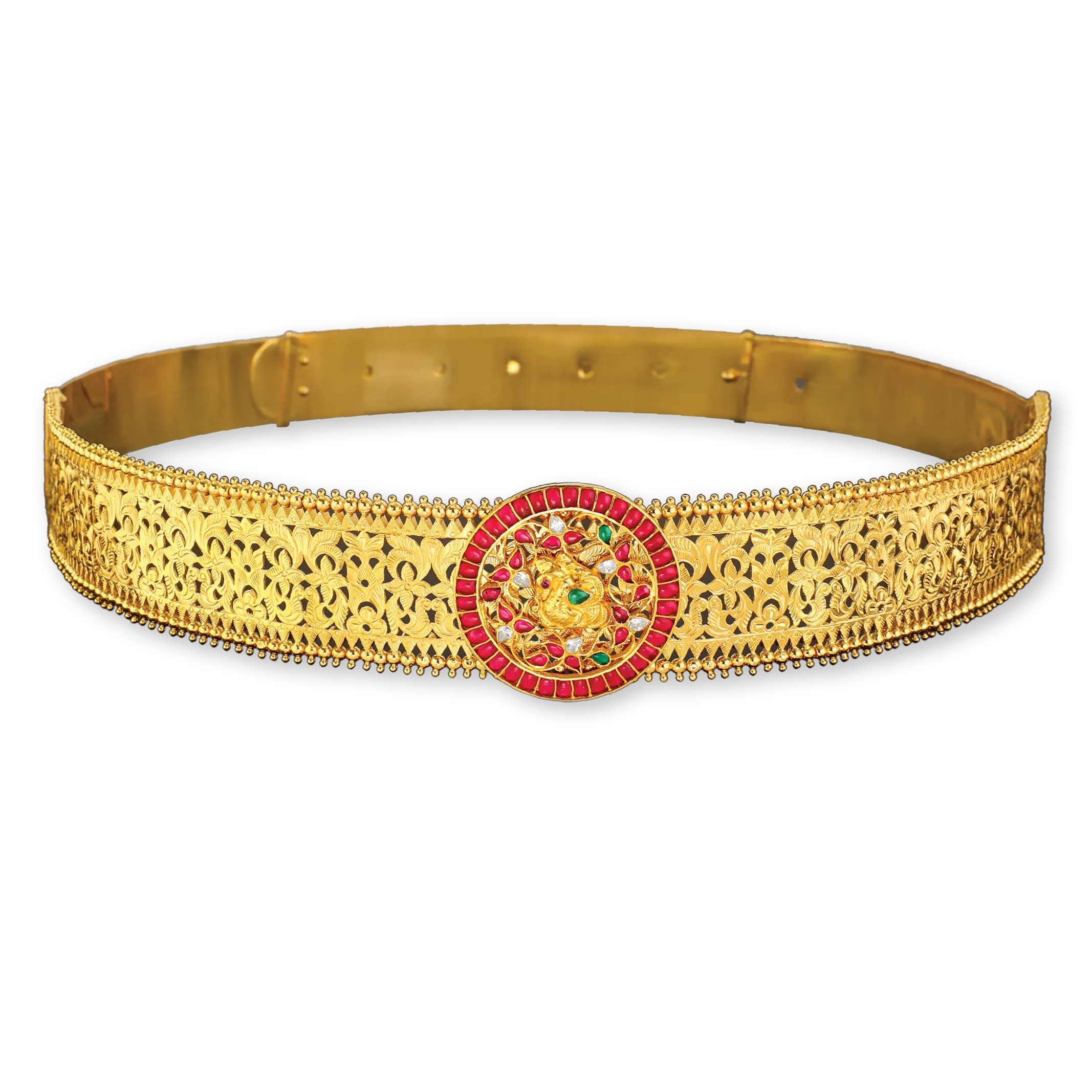
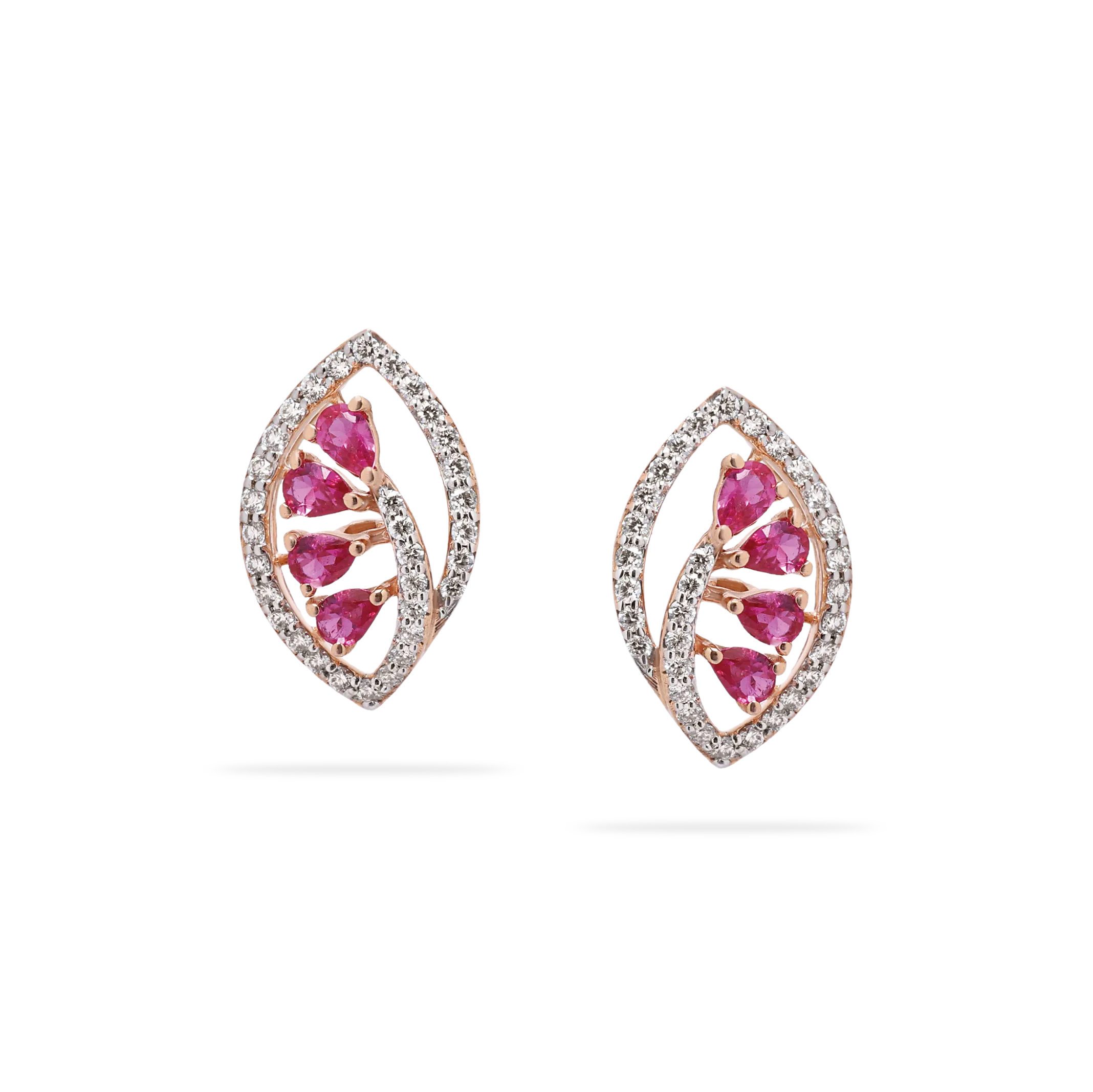
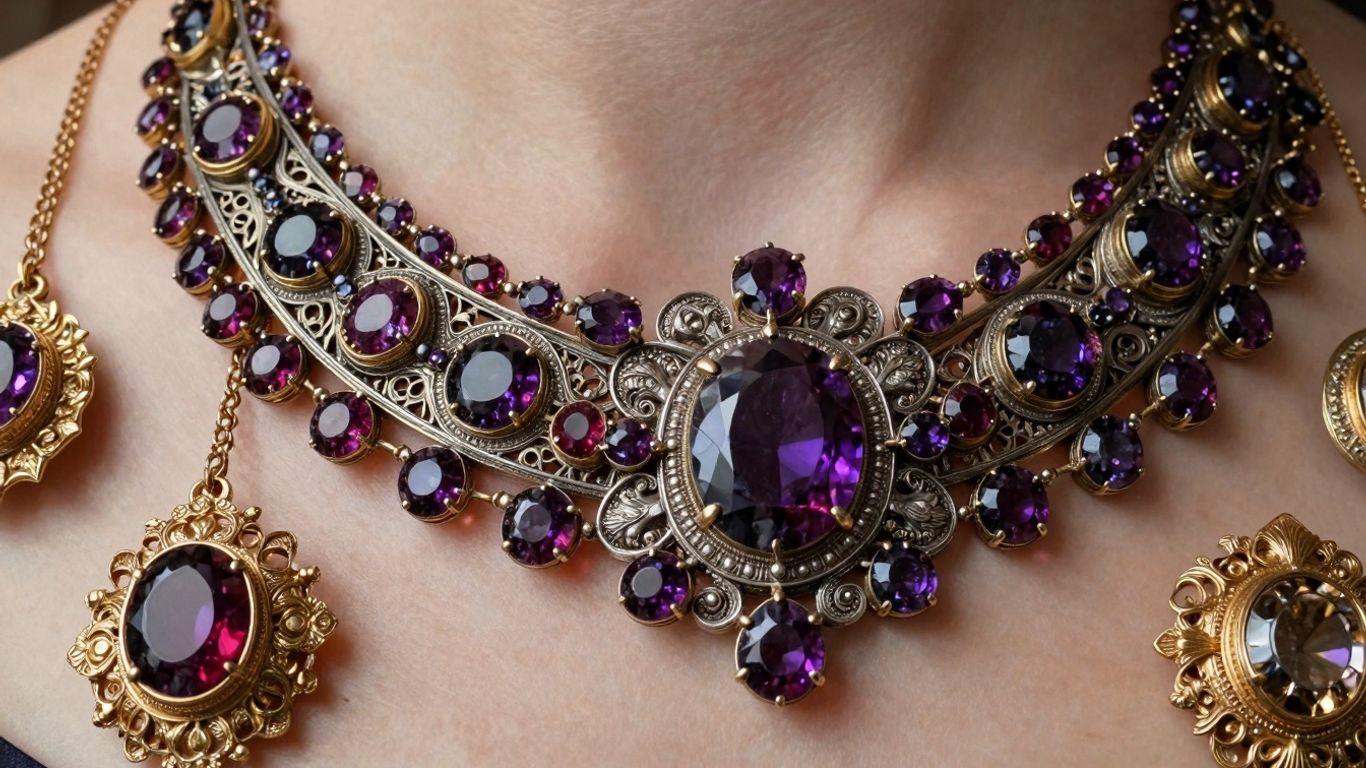
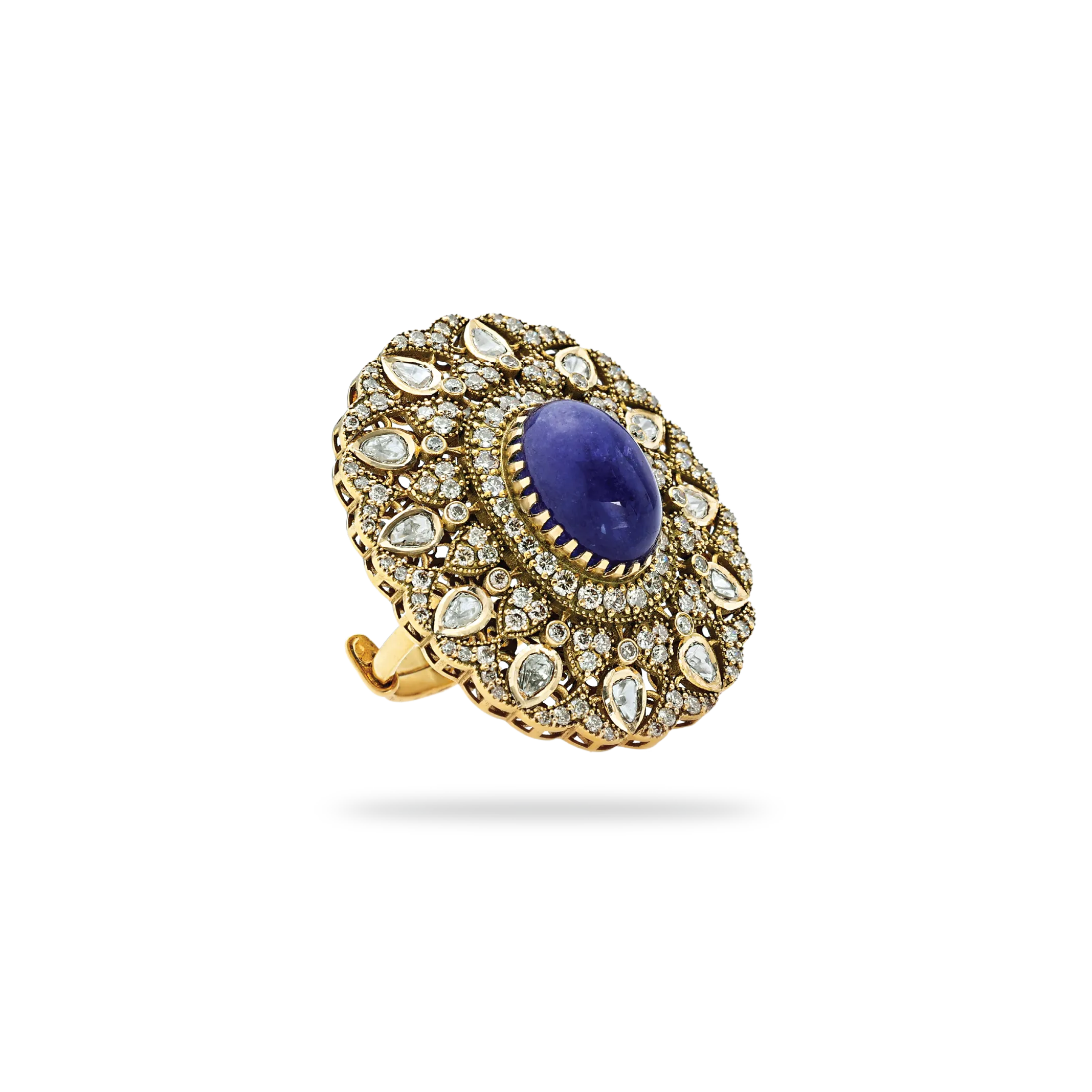
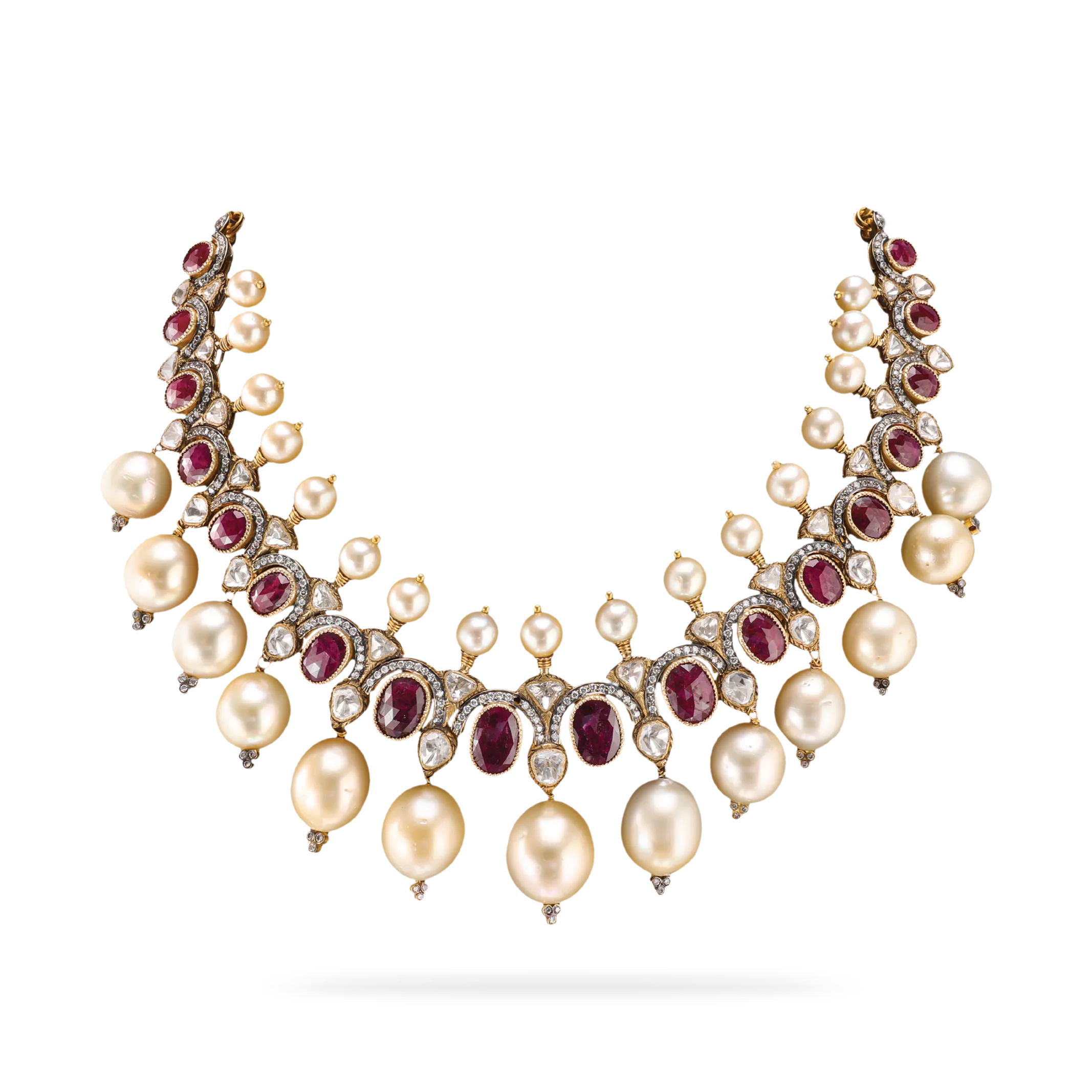
As the era moved on, things got bigger and bolder. This was the time of grand balls, elaborate fashion, and a general sense of prosperity, especially with new discoveries from archaeological digs influencing design. Jewelry became more substantial, featuring larger gemstones like diamonds, rubies, and emeralds. You'd see more elaborate settings, heavier gold work, and pieces designed to make a statement. It was about showing status and embracing a more dramatic aesthetic.
- Key Features: Large gemstones, intricate metalwork, and often bolder designs.
- Influences: Archaeological discoveries (like Pompeii) and a general rise in wealth.
- Examples: Statement necklaces, large brooches, and elaborate tiaras.
The Aesthetic Period's Individualism
Towards the end of the Victorian era, there was a move towards more artistic and individual expression. This period was influenced by Japanese art and a general appreciation for nature and craftsmanship. Designs became more refined, often featuring intricate enamel work, natural motifs like insects and leaves, and a focus on the artistry of the piece itself, sometimes even using less precious materials if the design was exceptional. It was a bit of a reaction against the heavy opulence of the previous phase, favoring a more artistic and sometimes even understated elegance.
- Focus: Nature-inspired designs, intricate details, and artistic merit.
- Motifs: Butterflies, dragonflies, flowers, and leaves were common.
- Techniques: Plique-à-jour enamel and detailed metalwork were popular.
Iconic Victorian Jewellery Pieces and Their Stories
Victorian jewelry isn't just about pretty things; it's packed with stories. Some pieces are super famous, while others are a bit more low-key but just as interesting. It’s like looking at tiny history books you can wear.
Sentimental Mourning Jewellery
Mourning jewelry really took off during the Victorian era, especially after Prince Albert died and Queen Victoria went into deep mourning for years. People wanted a way to remember their loved ones, and jewelry became a popular choice. These pieces weren't just sad reminders; they were often beautifully made and very personal.
- Materials: Black was the go-to color. Jet, a type of fossilized wood, was super popular because it’s lightweight and can be carved into intricate shapes. Black enamel was also common, as were dark gemstones like onyx. Sometimes, even hair from the deceased was incorporated into the design, often woven into intricate patterns under glass.
- Motifs: Common symbols included weeping willows, urns, and broken columns, all representing grief and loss. Sometimes, the jewelry would have inscriptions with names and dates.
- Purpose: These pieces served as wearable memorials, allowing people to keep their departed loved ones close. They were a way to publicly display grief and respect.
These pieces offer a really poignant look into how Victorians dealt with death and remembrance. It wasn't something to shy away from; it was a significant part of life, and jewelry helped them navigate those feelings.
The Devonshire Parure: An Emerald Extravaganza
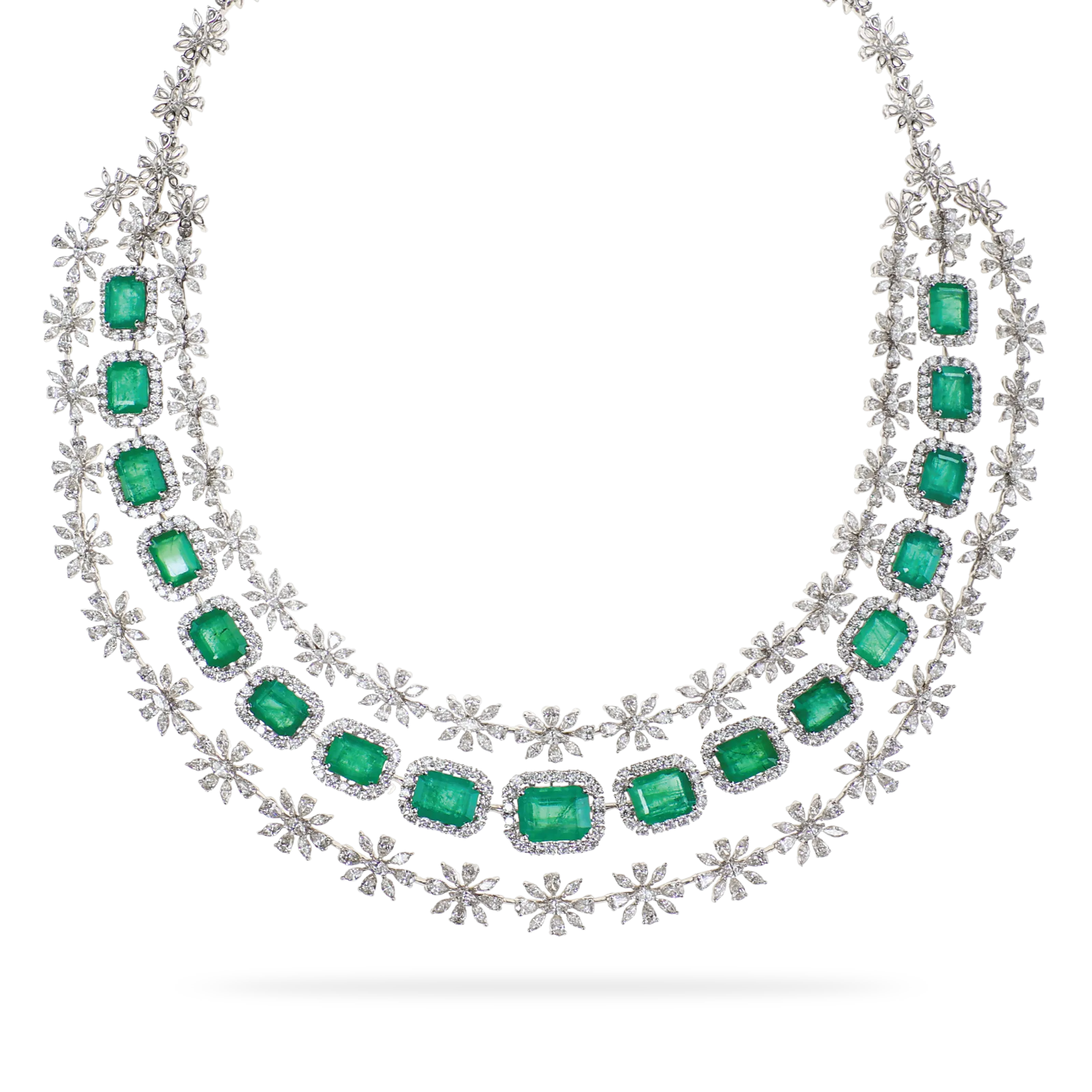
When you think of Victorian opulence, the Devonshire Parure comes to mind. This isn't just one piece; it's a whole set of jewelry, and it's absolutely stunning. It was made for the Duchess of Devonshire back in the mid-1800s, and it really shows off the era's love for big, impressive gemstones.
- What's in it: A parure is a matched set. This one typically included a necklace, earrings, and a brooch, all featuring huge, vibrant emeralds. These emeralds are thought to be from Colombia and are just incredible in terms of color and size.
- The Sparkle: The emeralds are surrounded by tons of diamonds, set in silver and gold. The combination of the deep green and the bright sparkle is just breathtaking.
- Why it Matters: This set is a prime example of Victorian grandeur. It screams wealth and status, but it also shows off the amazing skill of the jewelers who put it all together. It’s a real statement piece.
The Napoleon Diamond Necklace: Imperial Power
This necklace is another showstopper, but its story is more about power and history. It was a gift from Napoleon I to his second wife, Empress Marie-Louise, in 1811. The occasion? The birth of their son, the King of Rome. This necklace isn't just beautiful; it's a symbol of imperial ambition and a significant historical artifact.
- The Gem: It's a diamond necklace, and you can bet it's spectacular. Diamonds were, and still are, a symbol of enduring love and wealth, but in this context, they also represented Napoleon's power and the dynasty he was trying to build.
- Historical Weight: Owning or even seeing a piece like this connects you directly to one of the most famous figures in European history. It’s a tangible link to the Napoleonic era and the royal courts of the time.
- Craftsmanship: Like most high-end Victorian jewelry, the craftsmanship is top-notch. Every detail would have been meticulously executed, reflecting the importance of the recipient and the giver.
These iconic pieces, from the deeply personal mourning jewelry to the grand displays of wealth and power, really give us a window into the Victorian world. They show us what people valued, how they expressed their emotions, and the incredible artistry of the time.
The Art of Victorian Jewellery Craftsmanship
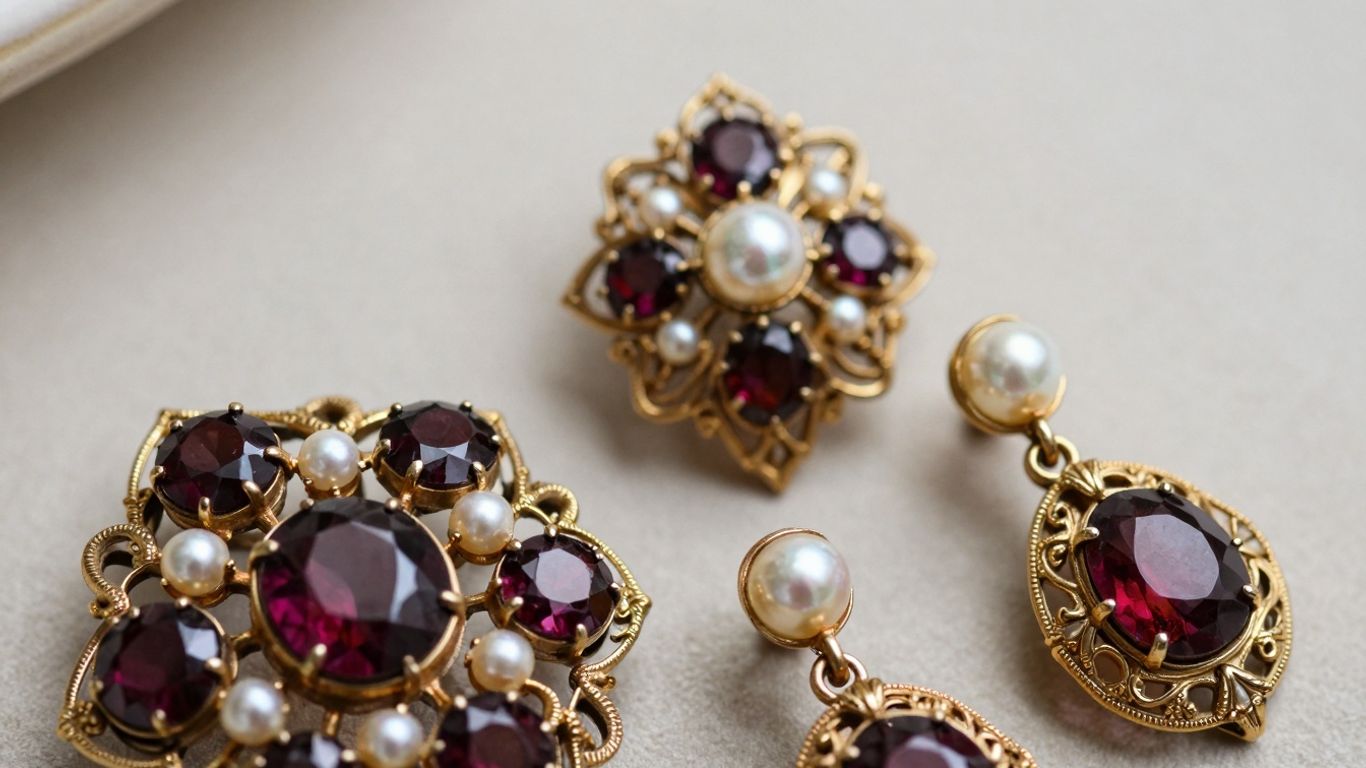
When you look at Victorian jewelry, it's easy to get caught up in the sparkle and the history. But honestly, the real magic is in how these pieces were actually made. The artisans of the Victorian era were seriously skilled, and their work really shows it. They weren't just slapping things together; they were creating tiny works of art.
Mastery of Precious Metals
Gold was king, of course, but they used it in all sorts of ways. You'd see rich yellow gold , softer rose gold , and sometimes even white gold alloys. Silver was also a big deal, especially for settings that needed to really make gemstones pop. They were masters at working these metals, whether it was shaping them into delicate forms or creating a smooth, polished finish. The way they handled metals is a huge part of why these pieces still look so good today.
Exquisite Gemstone Settings
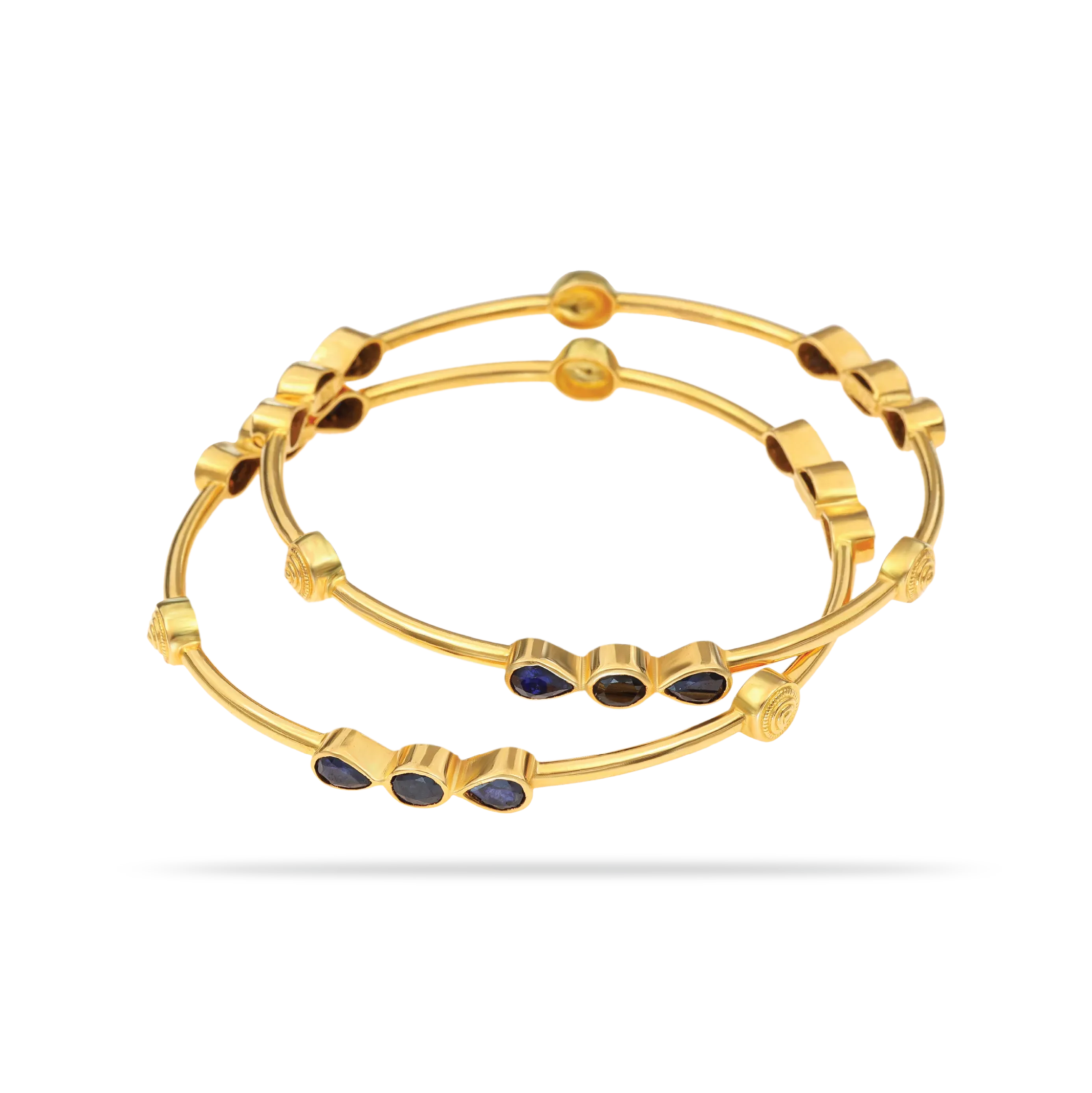
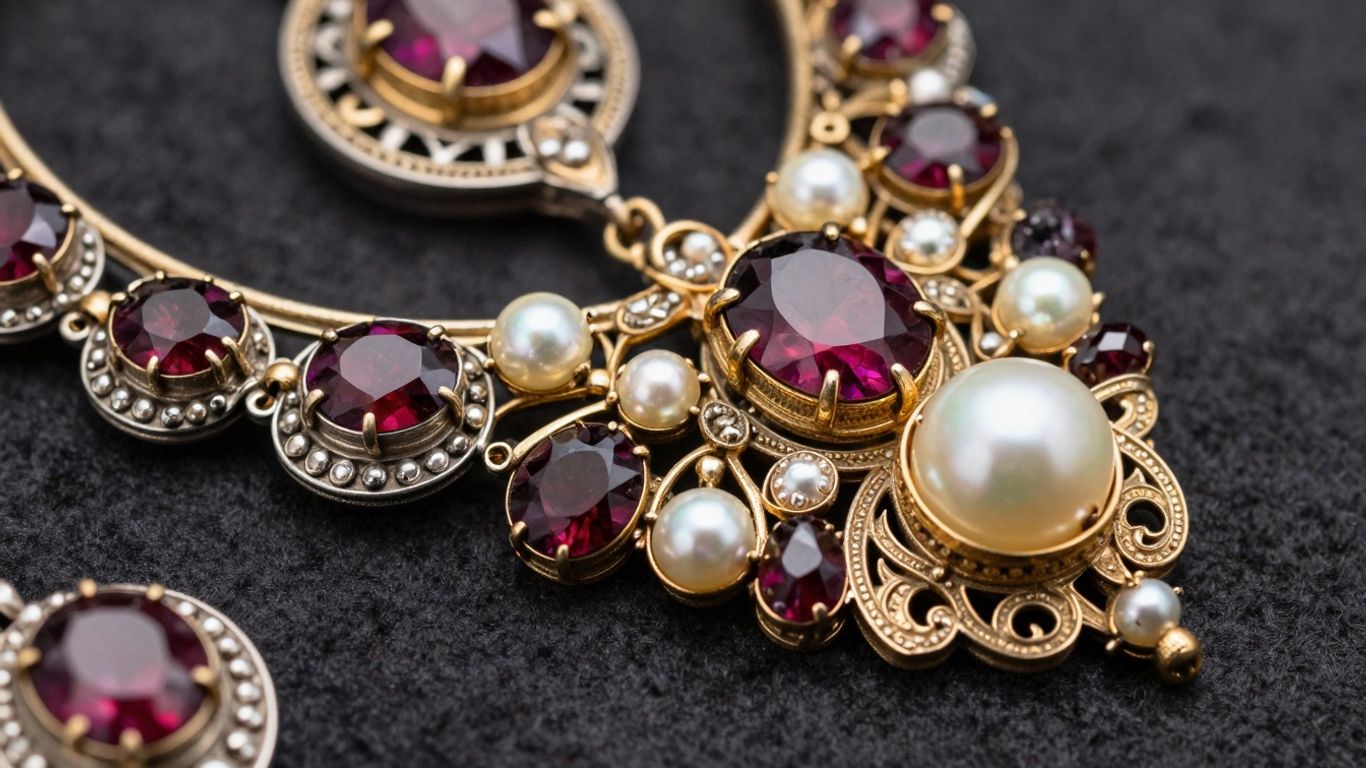
Setting stones was a whole other level of skill. They often used a technique called closed-back setting. This meant they'd back the gemstone with a thin layer of metal, usually foil, to make it look brighter and more brilliant. It was a clever trick before modern cutting techniques really took off. You'll see everything from tiny seed pearls to big, bold garnets and amethysts, all set with incredible precision. It wasn't just about putting a stone in a hole; it was about making that stone look its absolute best.
Intricate Enameling Techniques
Enameling was another area where Victorian jewelers really shone. They could apply enamel in thin layers, creating vibrant colors and detailed patterns. Think of those beautiful floral motifs or the deep, rich blues and greens you see on some pieces. It required a steady hand and a good understanding of how the enamel would behave when fired. This technique added another layer of visual interest and complexity, making each piece even more special. It's amazing to think about the patience and skill involved in creating such detailed work, especially when you consider the tools they had available back then. It really makes you appreciate the craftsmanship of Victorian jewelry.
The dedication to detail was astounding. Even on pieces that weren't meant to be super fancy, you'd find tiny decorative elements or perfectly finished edges. It speaks volumes about the pride these craftspeople took in their work.
Value and Rarity in Victorian Jewellery
When you look at Victorian jewelry, it's not just about pretty things; there's a real depth to why these pieces are so sought after. It really comes down to a few key things: how well they were made, how unique they are, and the stories they carry.
Meticulous Craftsmanship and Detail
Victorian jewelers were absolute artists. They spent ages on each piece, paying attention to the tiniest details. Think about the intricate metalwork, the way gemstones were set just so, or the delicate enamel work. This wasn't mass-produced stuff; it was often made by hand with incredible skill. This dedication to quality is a huge part of what makes Victorian jewelry so special and valuable today.
The Rarity of Well-Preserved Pieces
Let's be honest, a lot of jewelry from over a century ago didn't survive in great shape. Pieces that have been kept carefully, without too much wear and tear, are much harder to find. The fact that a brooch or a necklace from the 1800s can still look amazing is pretty remarkable. This scarcity of items in good condition naturally drives up their desirability and price.
Historical Context Enhancing Value
Each piece of Victorian jewelry is like a little time capsule. It tells us about the person who wore it, the events of the era, and the social customs of the time. For example:
- Mourning jewelry: These pieces, often made with jet or incorporating hair, are poignant reminders of Victorian attitudes towards death and remembrance. Their emotional weight adds to their value.
- Sentimental pieces: Rings with hidden compartments, lockets, or jewelry featuring symbols of love and friendship speak volumes about personal relationships in the era.
- Revival styles: Jewelry inspired by archaeological finds or historical periods reflects the intellectual curiosity and romanticism of the age.
The sheer artistry involved in creating these pieces, often without the modern tools we have today, is astounding. Jewelers had to be masters of their craft, working with precious metals and stones with a precision that is truly impressive. This level of skill is not easily replicated and contributes significantly to the enduring appeal and worth of these historical treasures.
So, when you're looking at a Victorian piece, you're not just buying an accessory; you're investing in a piece of history, a testament to incredible craftsmanship, and a rare survivor from a fascinating period.
Influence on Subsequent Jewellery Styles
Inspiration for Art Nouveau
The Victorian era didn't just end; it left a pretty big mark on what came next, especially in jewelry. Think about the Art Nouveau movement that popped up around the turn of the 20th century. It really took cues from the flowing, organic lines and nature-inspired designs that were already popular in Victorian pieces. Designers started playing more with graceful curves, floral motifs, and even the female form, often using softer materials like enamel and horn alongside gold and silver. It was like they took the delicate details of Victorian jewelry and gave them a more fluid, artistic twist. This focus shifted jewelry from being solely about the preciousness of the materials to celebrating the artistry of the design itself.
Revival of Techniques in Arts and Crafts
Then there's the Arts and Crafts movement. This whole thing was a bit of a reaction against the industrialization of the time, and they really admired the hand-crafted quality of earlier periods, including the Victorian era. Victorian artisans were known for their meticulous work, whether it was intricate metalwork or detailed enameling. The Arts and Crafts folks looked at that and thought, 'Yeah, that's the way to do it!' They championed traditional techniques, valuing the skill and time that went into each piece. You see this in their revival of things like hand-tooling metals and careful stone setting, moving away from mass-produced items.
Bridging Ancient Forms with Victorian Design
It's also interesting how Victorian jewelry itself was influenced by older styles, and that, in turn, influenced later designers. For instance, the Victorian fascination with archaeological discoveries led to pieces that mimicked ancient Greek and Roman designs. This blending of historical elements with contemporary aesthetics created a rich visual language. Later movements, like Art Deco, while very modern, still sometimes referenced these historical revivals, showing a continuous thread of inspiration running through jewelry history. It’s a constant conversation between the past and the present, with each era picking up on what came before and putting its own spin on it.
Here's a quick look at how some styles built upon Victorian foundations:
- Art Nouveau: Embraced flowing lines, nature motifs, and artistic expression, often using enamel and less conventional materials.
- Arts and Crafts: Championed hand-craftsmanship, traditional techniques, and the inherent beauty of materials, inspired by Victorian artisanal skill.
- Art Deco: While distinctly modern with geometric shapes, it sometimes incorporated historical references that had been popularized during the Victorian era.
The legacy of Victorian jewelry is undeniable. It wasn't just a collection of pretty objects; it was a reflection of societal changes, personal sentiments, and evolving artistic sensibilities. This rich heritage provided a fertile ground for future generations of designers to explore, adapt, and innovate, ensuring that the art of jewelry making continued to evolve in fascinating ways.
A Legacy That Shines On
So, as we wrap up our look at Victorian jewelry, it's pretty clear why these pieces still catch our eye. They're more than just old trinkets; they're like little time capsules, full of stories and made with such care. It’s amazing how something from so long ago can still feel so special today. Whether you're a collector or just someone who appreciates beautiful things, there's a real charm to these Victorian treasures that just doesn't fade. They remind us that good design and heartfelt meaning can truly last.
Frequently Asked Questions
What makes Victorian jewelry so special?
Victorian jewelry is special because it tells stories from a long time ago. Each piece was made with great care and often has a meaning, like showing love or remembering someone. It's like wearing a little piece of history that looks beautiful too.
Are all Victorian jewelry pieces very expensive?
Not always! While some very fancy pieces with big jewels can be costly, many Victorian items are affordable. Their value often comes from how well they were made and the history they hold, not just the materials.
What kinds of things did Victorians put in their jewelry?
Victorians loved to put meaningful things in their jewelry. They sometimes used locks of hair from loved ones, especially in mourning jewelry. They also used symbols like flowers or initials, and sometimes even tiny paintings or written messages inside lockets.
Why is mourning jewelry a big part of Victorian style?
During the Victorian era, people were very open about showing grief and remembering those they lost. Mourning jewelry, often made with dark materials like jet or black enamel , was a way to keep a loved one close and show respect, even in public.
How can I tell if a piece of jewelry is truly Victorian?
Look for signs of hand-craftsmanship, like slight imperfections that show it wasn't made by a machine. Also, check the style – does it have delicate details, sentimental symbols, or the rich look common in that era? Old markings or signs of wear can also be clues.
Does Victorian jewelry still influence jewelry today?
Yes, it absolutely does! Many modern jewelry designers get ideas from Victorian styles. The focus on detailed work, nature themes, and meaningful symbols seen in Victorian pieces can still be found in jewelry made now.
Timeless Elegance: Discover Exquisite Pearl Bridal Jewellery for Your Special Day
10 minute read
Related blogs:
November 20, 2025
The Timeless Elegance of the Tennis Bracelet: A Comprehensive Guide
Read More
November 20, 2025
The Ultimate Guide to Styling and Wearing a Choker Necklace
Read More
November 20, 2025
Find Your Perfect Engagement Ring: A Comprehensive Guide to Styles and Diamonds
Read More
November 20, 2025
The Timeless Elegance of a Diamond Tennis Bracelet: A Buyer's Guide
Read More









.webp)
.webp)