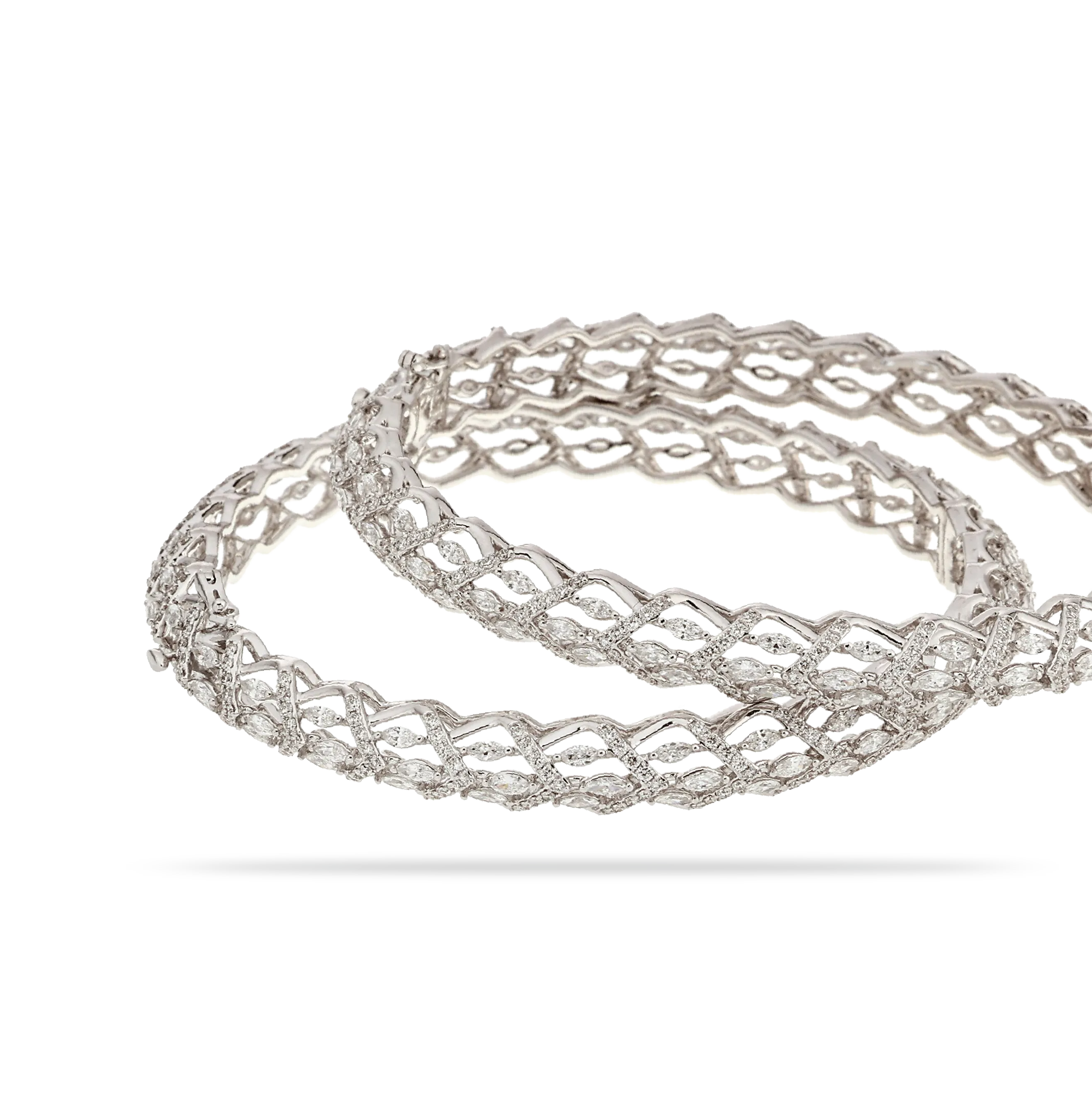
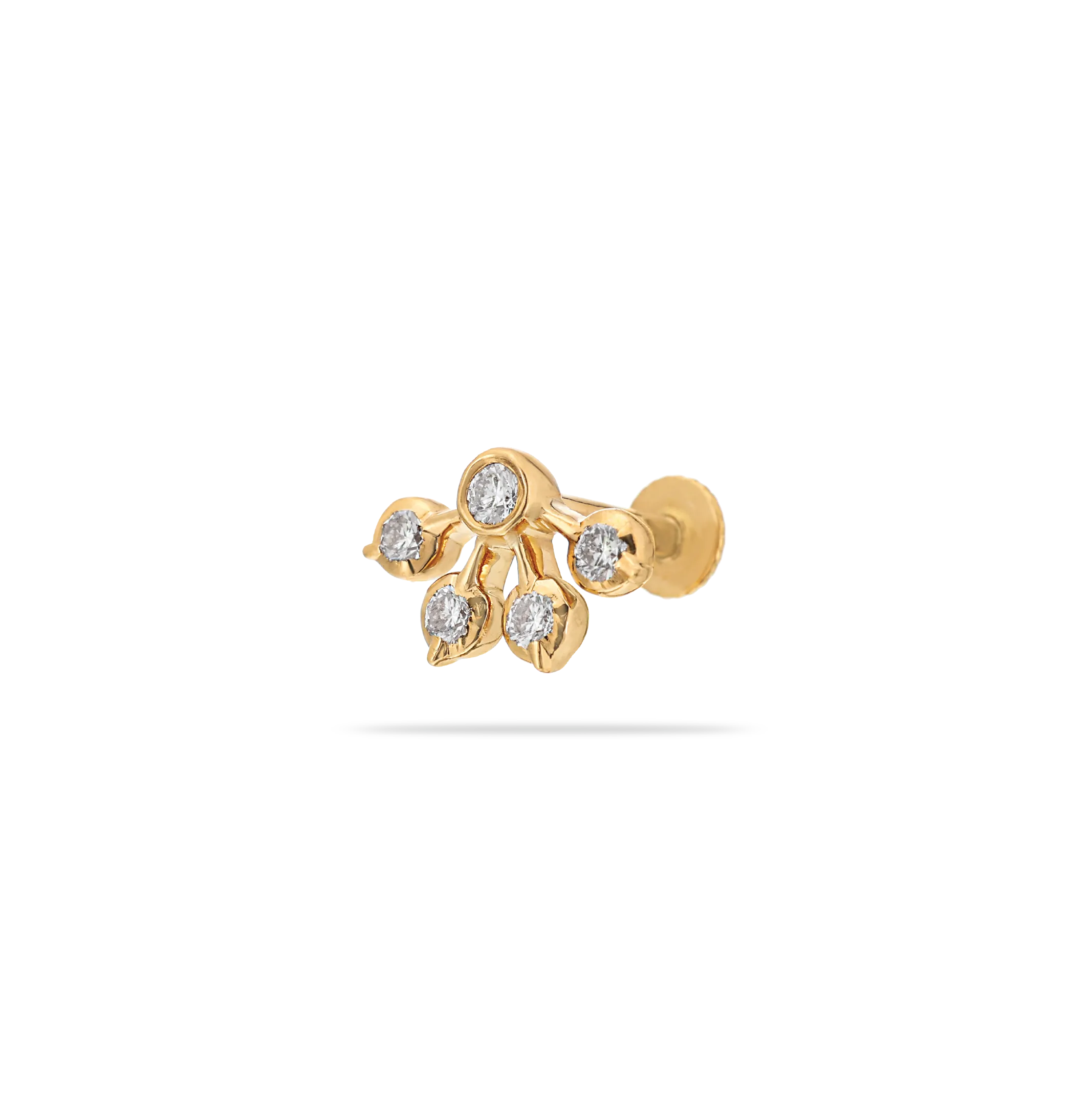
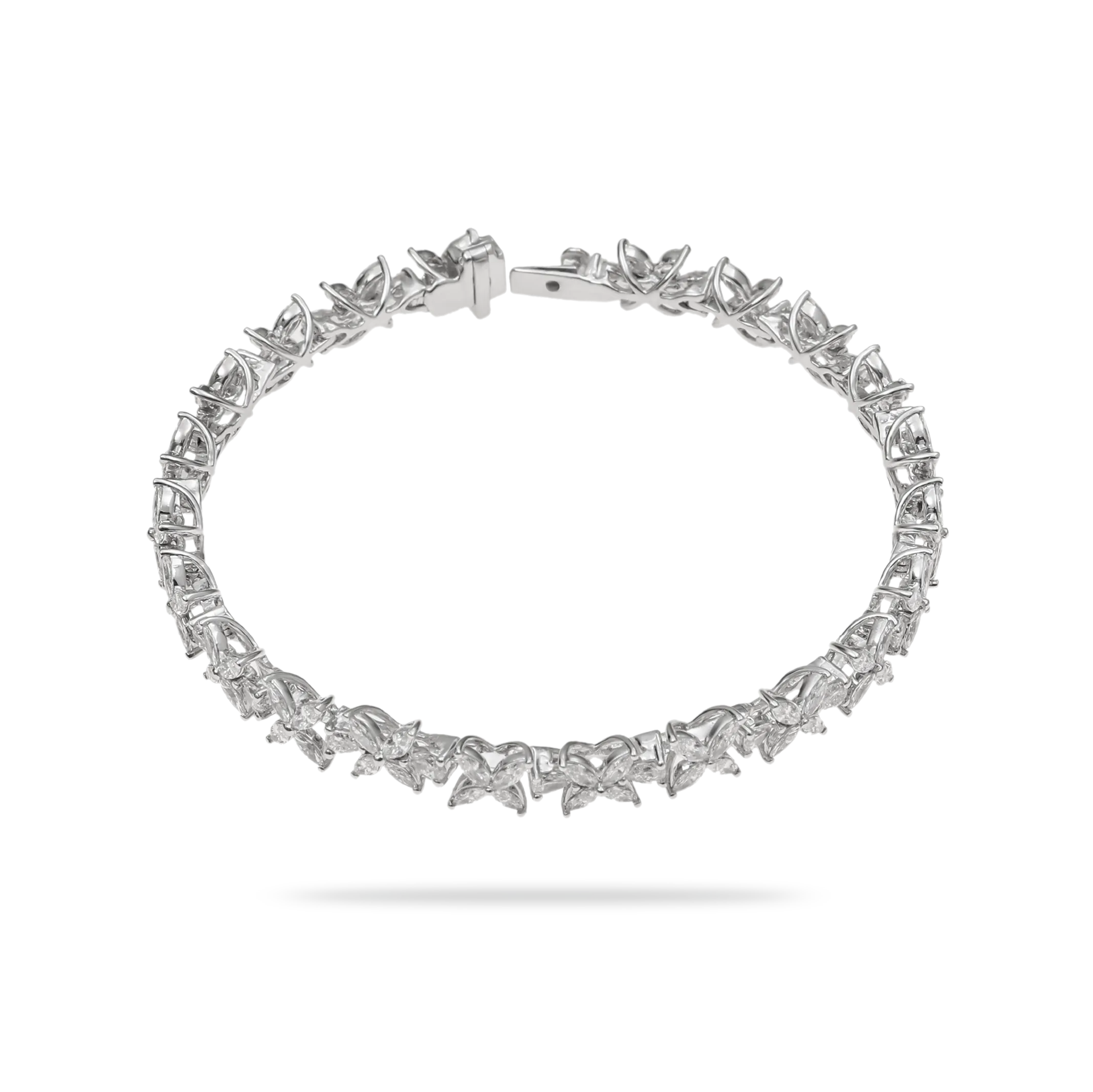
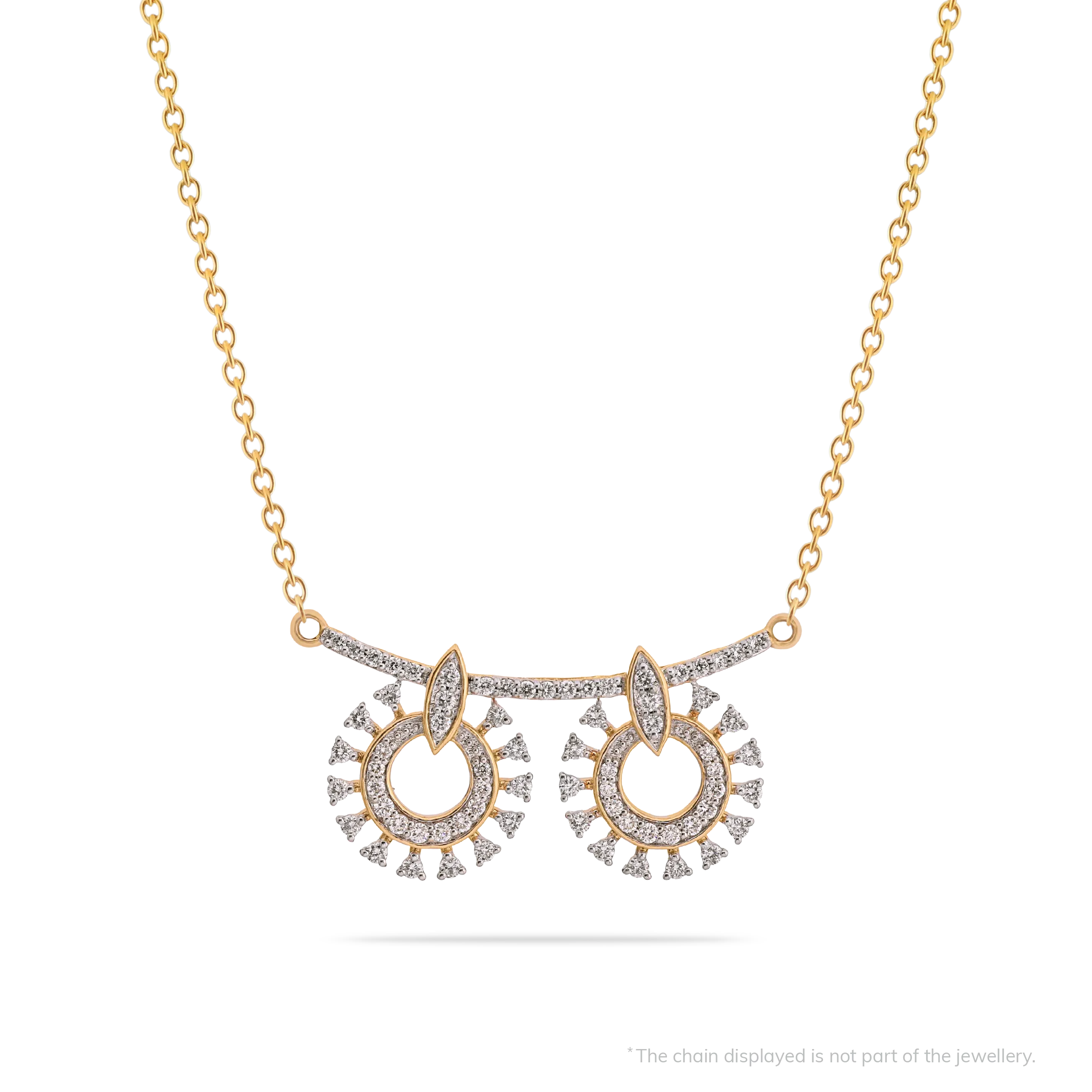
Unveiling Polki Diamonds: A Guide to Their History and Value
December 4, 2025 | 10 minutes read
When you think of diamonds, you probably picture those super sparkly, multi-faceted gems you see in jewelry stores. But what if I told you there's a whole other kind of diamond out there? We're talking about polki diamonds, which are basically diamonds in their more natural, raw state. They haven't been cut and polished like the ones we're all used to. These gems have a really cool history, especially in India, and they offer a unique look that's totally different from your typical diamond. If you're curious about something a bit more unusual and full of old-world charm, then polki diamonds might just be your thing.
Key Takeaways
- Polki diamonds are real diamonds that are left in their natural, uncut, and unpolished state, differing from modern faceted diamonds.
- These gems have deep historical roots, originating in ancient India and gaining prominence during the Mughal era.
- The value of a polki diamond is assessed based on its natural shape, luster, and surface texture, not the traditional 4Cs.
- Polki diamonds offer a unique, organic aesthetic and are often more affordable than their polished counterparts.
- Caring for polki diamonds involves gentle cleaning with mild soap and water, and storing them separately to protect their natural beauty.
Understanding Polki Diamonds: A Unique Gemstone
What Defines a Polki Diamond?
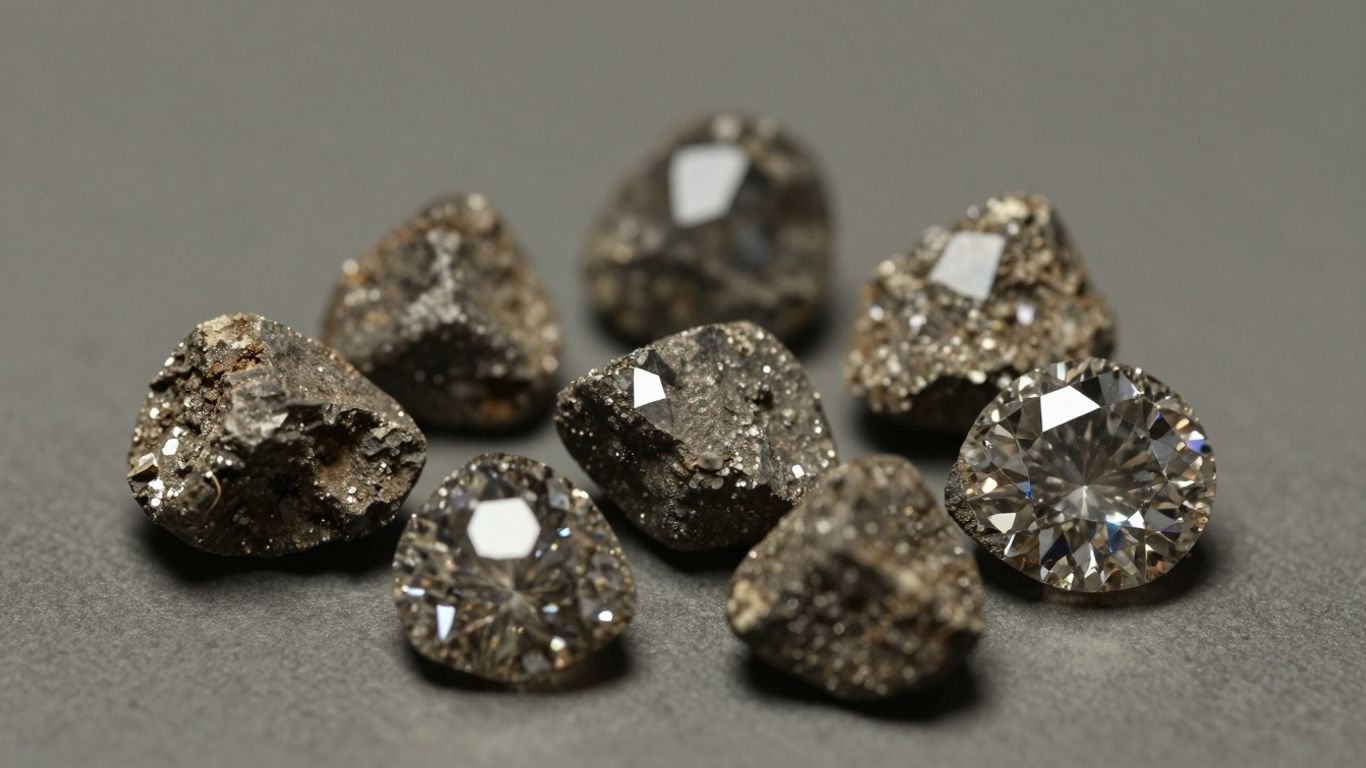
So, what exactly makes a Polki diamond different from the ones you see everywhere else? Well, the main thing is that Polki diamonds are essentially uncut and unpolished. Think of them as diamonds in their most natural state, straight from the earth, with just enough smoothing to make them comfortable to wear. They don't have those precise, sharp facets that catch the light and create that dazzling sparkle we usually associate with diamonds. Instead, they have a more organic, raw beauty. This lack of faceting is what truly defines a Polki diamond. They showcase the diamond's inherent form, rather than a cutter's artistry.
Polki Diamonds Versus Traditional Cuts
It's a bit like comparing a wild, natural landscape to a perfectly manicured garden. Traditional diamonds are cut and polished to specific shapes – like round brilliant, princess, or emerald – with many facets designed to maximize sparkle and brilliance. This process is all about controlling how light enters and exits the stone. Polki diamonds, on the other hand, are left much closer to how they were found. They don't have that intense fire and brilliance. Their appeal lies in their unique, irregular shapes and their subtle, natural glow. They offer a different kind of beauty, one that's more about texture and natural form than dazzling light shows.
Here's a quick look at the differences:
| Feature | Polki Diamond | Traditional Cut Diamond |
|---|---|---|
| State | Uncut, unpolished, natural form | Cut and polished with facets |
| Appearance | Organic, rustic, subtle luster | Brilliant, fiery, high sparkle |
| Value Focus | Natural shape, historical appeal | Cut, clarity, color, carat (4Cs) |
| Light Performance | Soft glow, less fire and brilliance | Intense brilliance and fire |
The Allure of Uncut Beauty
Why would someone choose a diamond that doesn't sparkle like crazy? It's about appreciating something different, something with a story. Polki diamonds have a historical connection, originating from India and often associated with royal jewelry. Their natural shapes mean that each stone is unique, like a fingerprint. This individuality is a big part of their charm. They offer a more understated elegance, a connection to the earth, and a sense of authenticity that polished diamonds, with their manufactured perfection, sometimes lack. It’s a choice for those who value history, natural artistry, and a look that stands out precisely because it’s not trying too hard to be brilliant.
Polki diamonds represent a return to a more natural aesthetic in jewelry. They celebrate the raw beauty of the gemstone, offering a unique character that polished stones simply cannot replicate. Their appeal is in their history, their organic form, and the quiet confidence they exude.
The Rich History of Polki Diamonds
Origins in Ancient India
Polki diamonds have a history that stretches way back, originating in India. We're talking about a time when diamonds were first being discovered and used in jewelry, likely around the 16th century. Back then, the idea of cutting and polishing diamonds to make them super sparkly wasn't really a thing yet. So, people used diamonds in their natural, rough state, just polished a bit so they weren't sharp. These early pieces were all about showcasing the diamond as nature made it, with its unique shape and character.
The Mughal Era and Royal Adornment
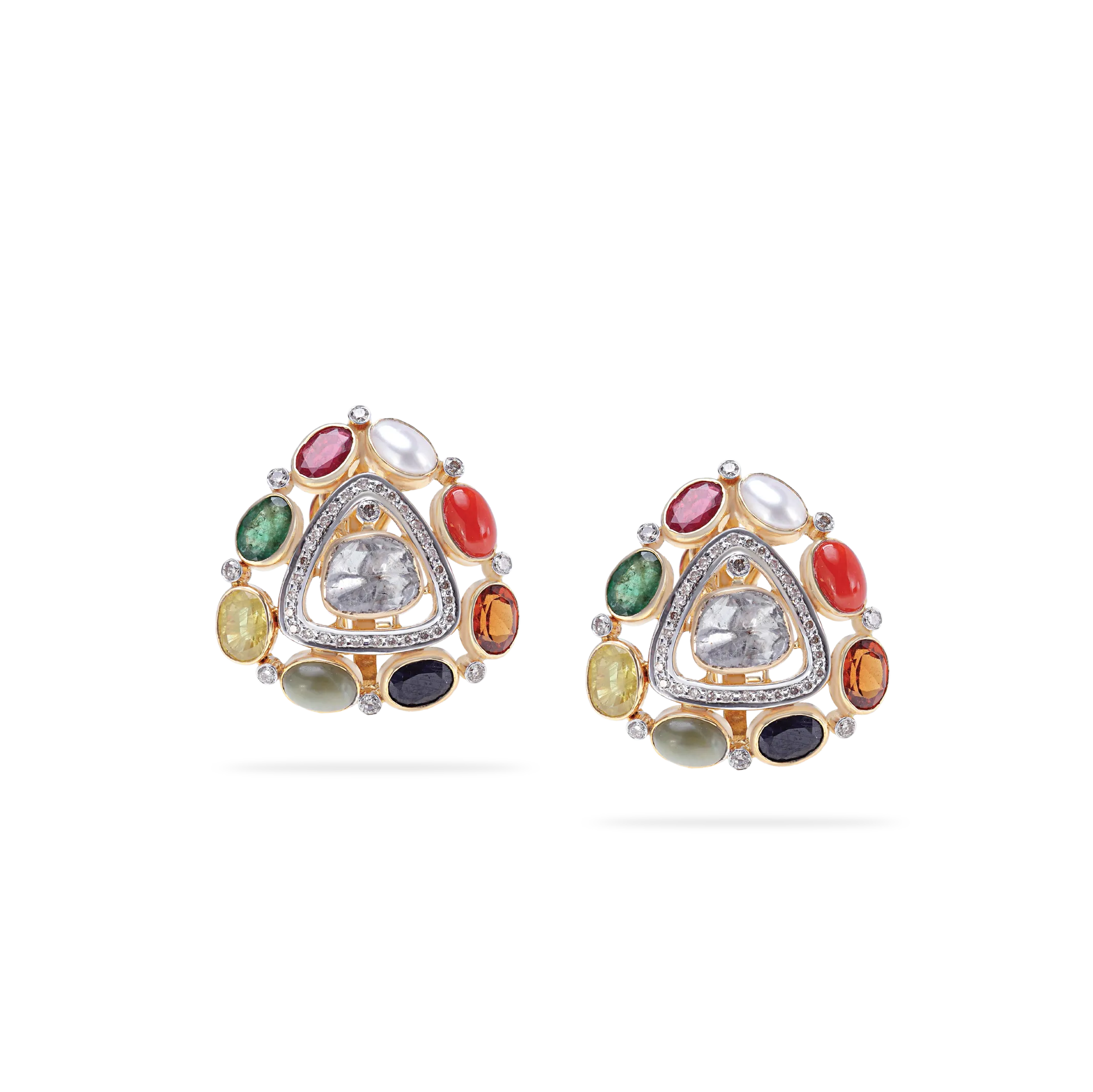
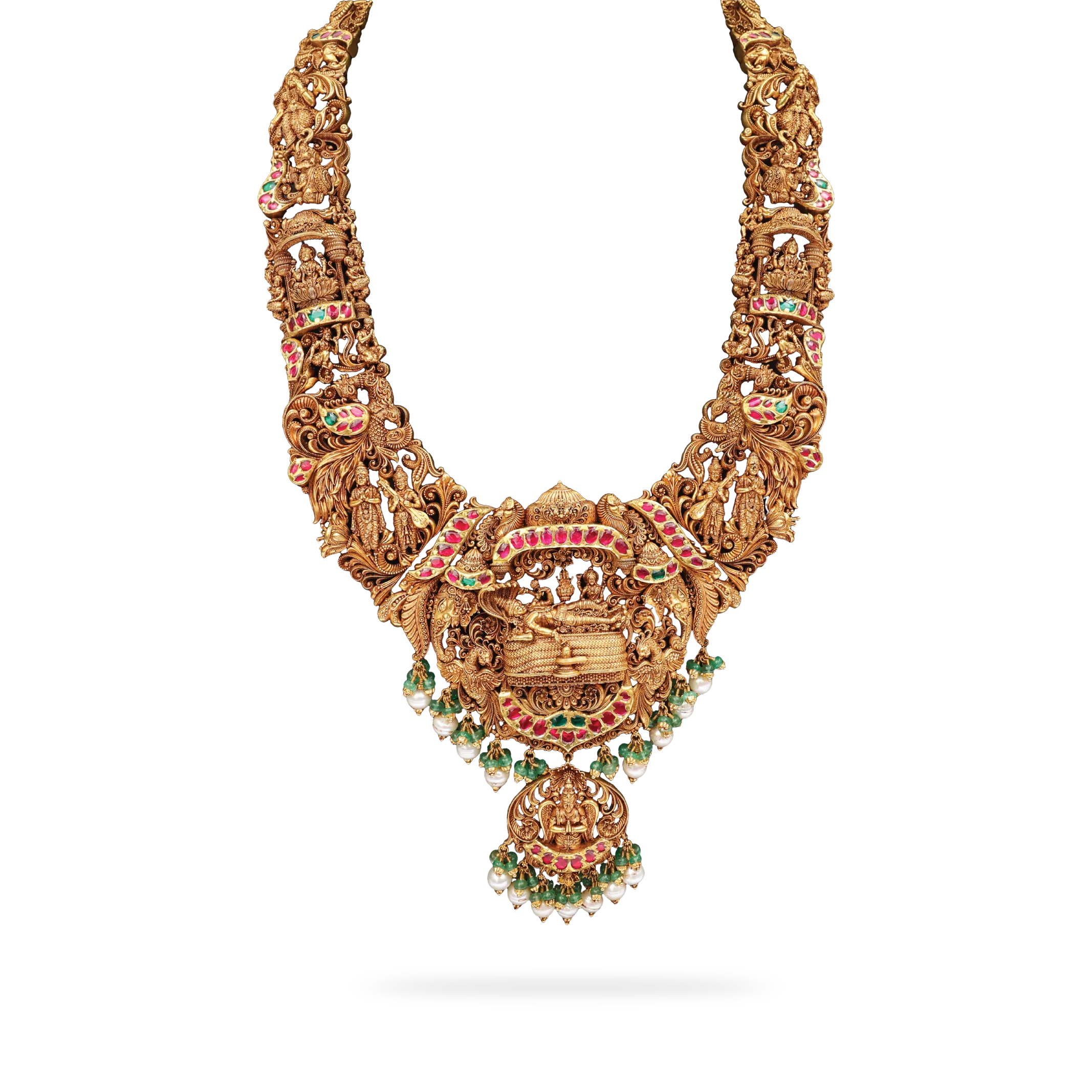
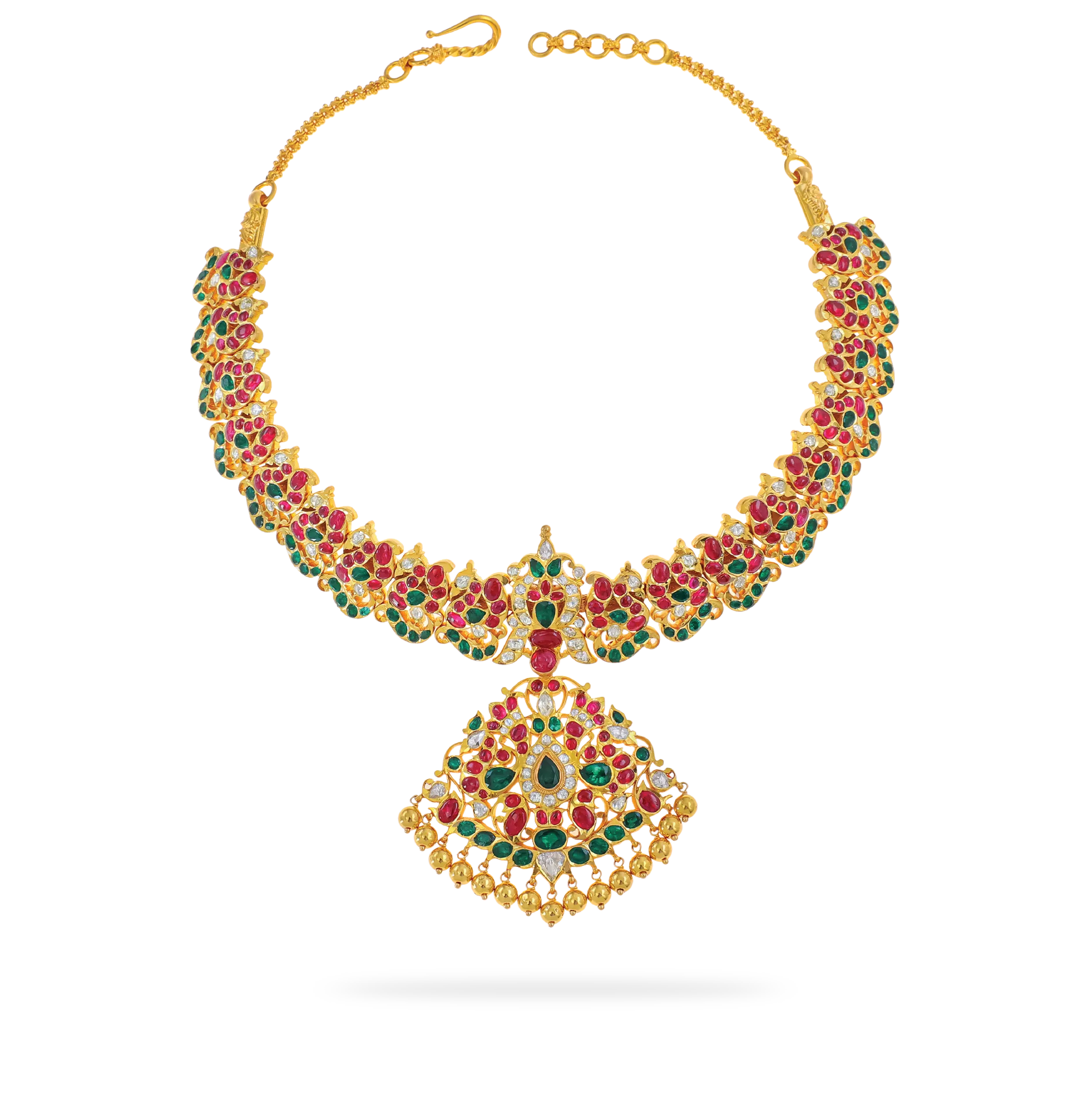
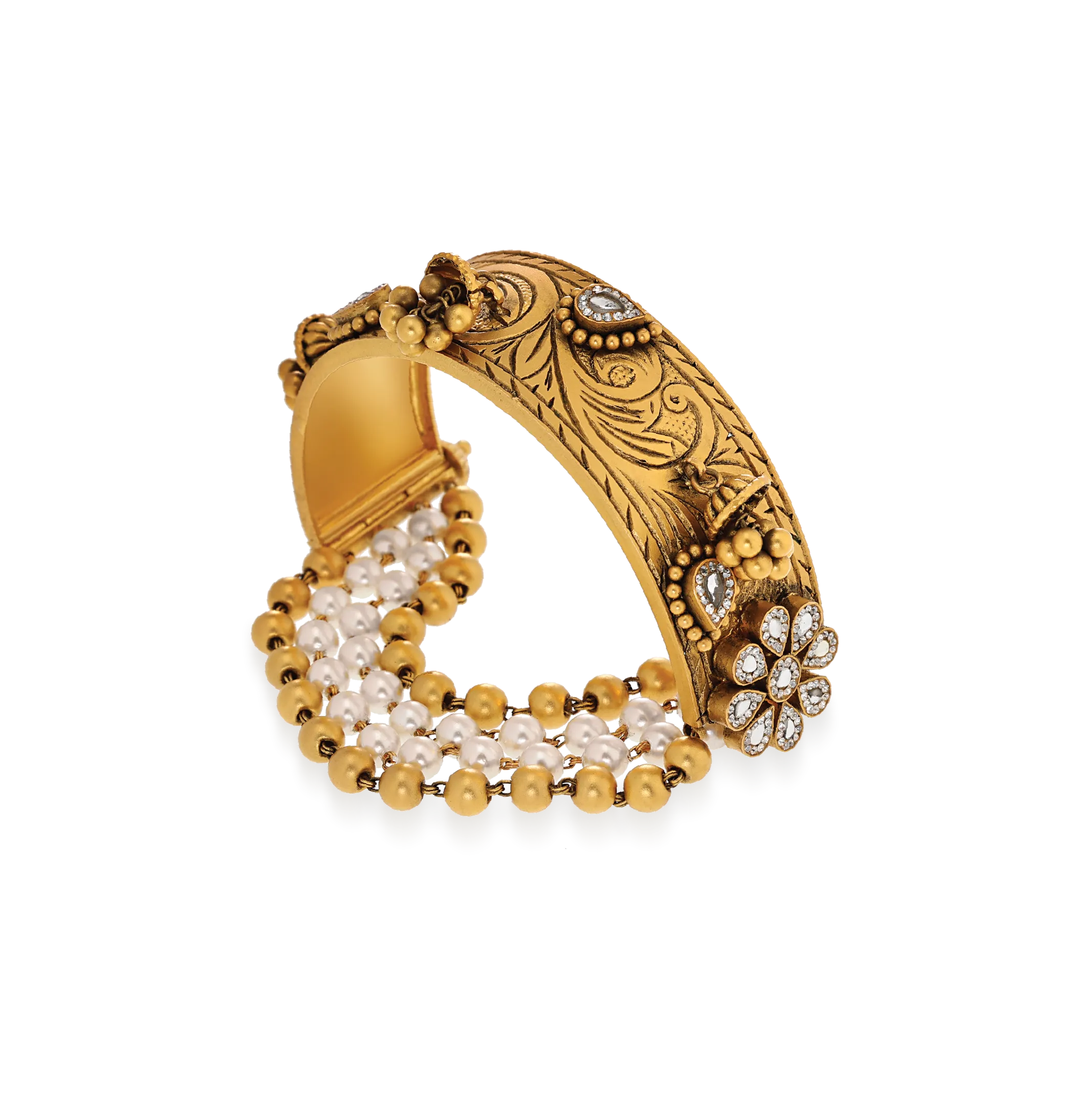
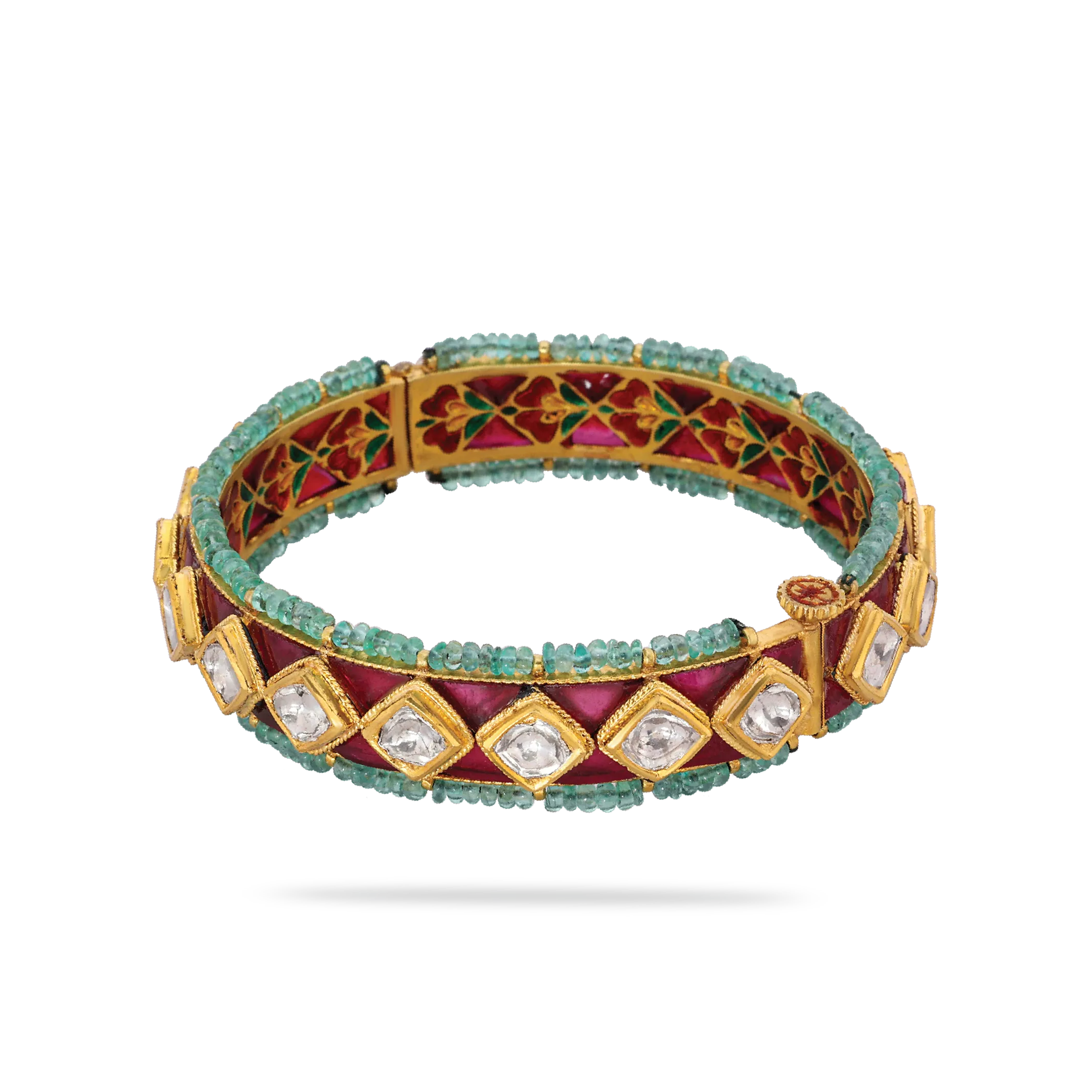
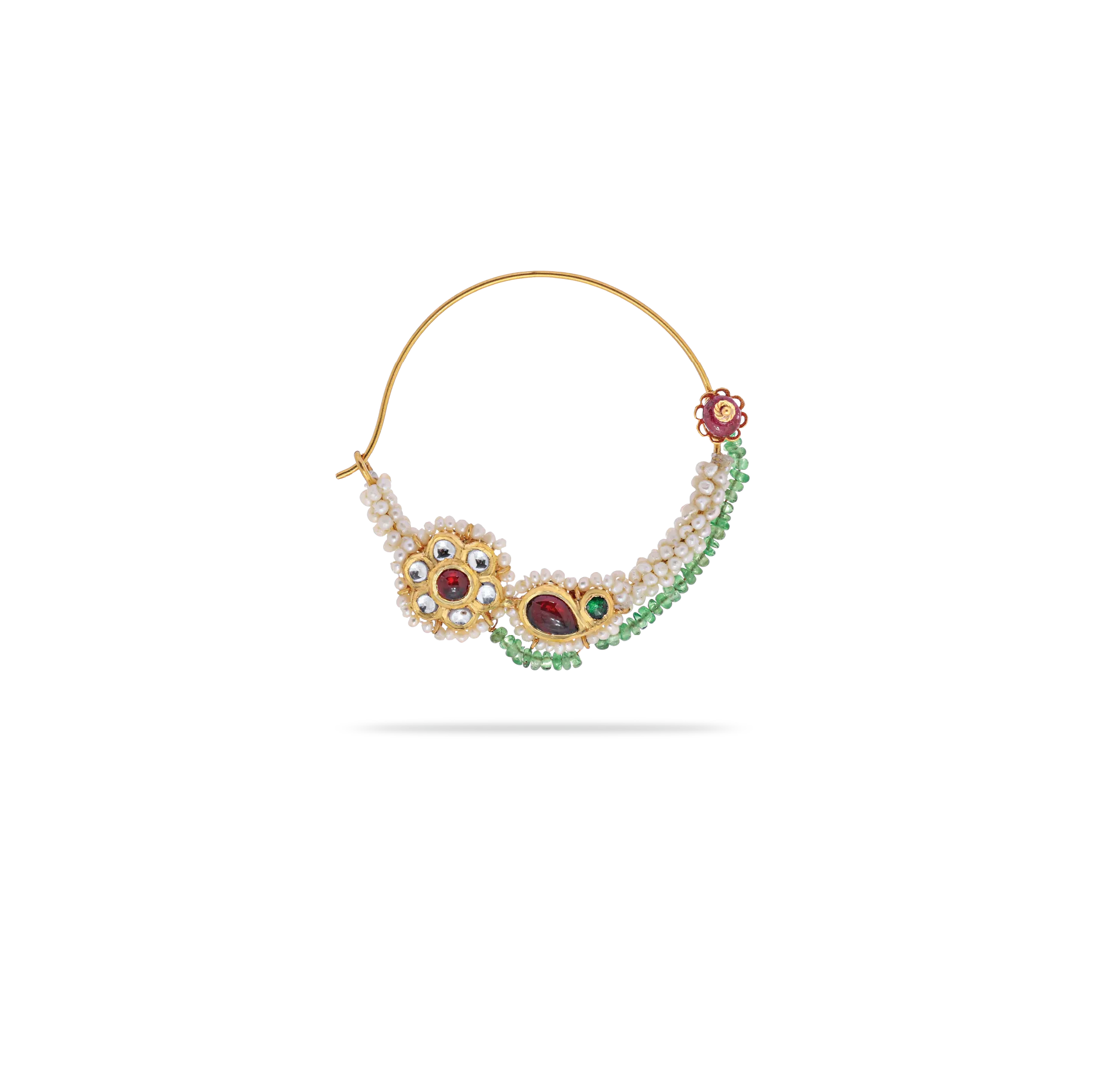
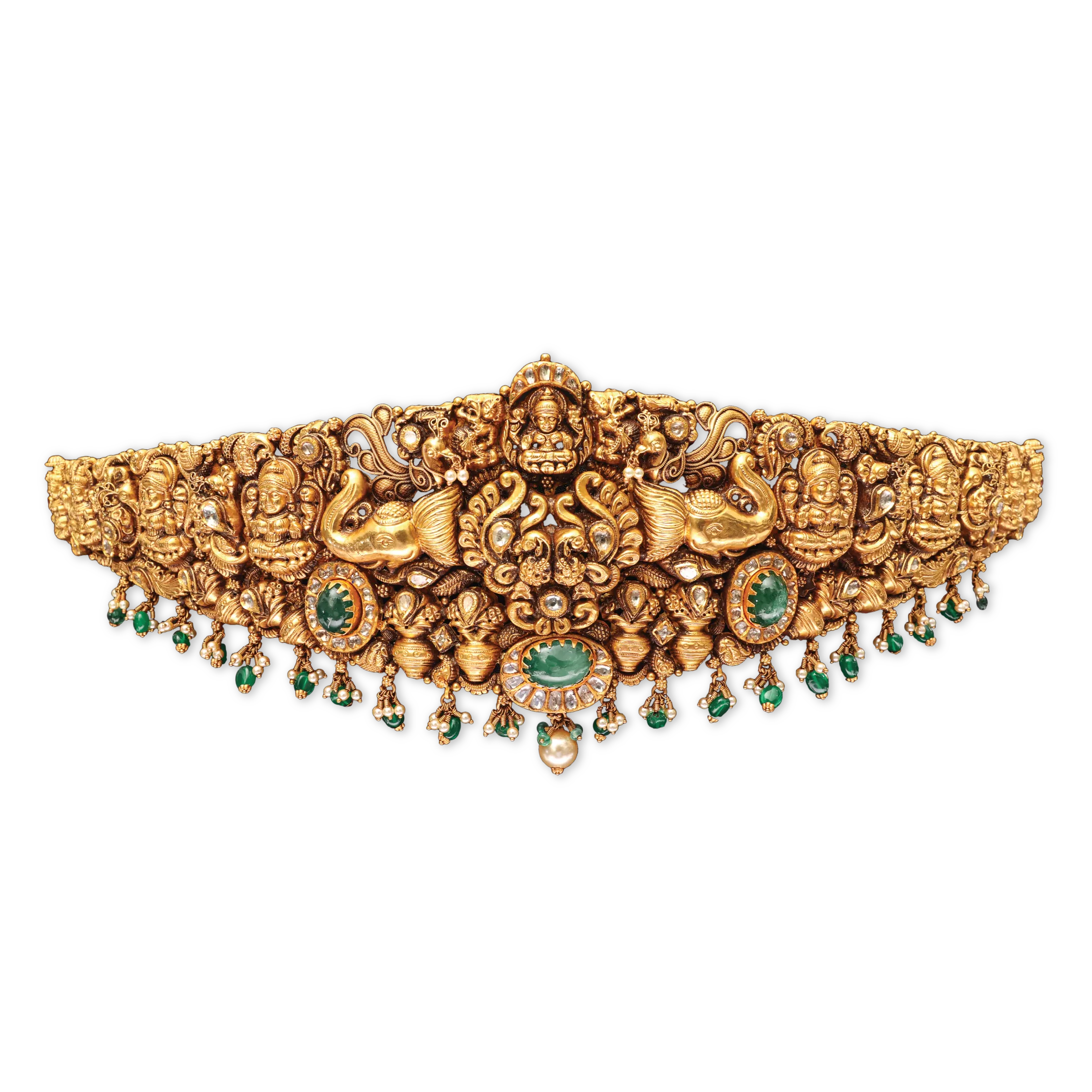
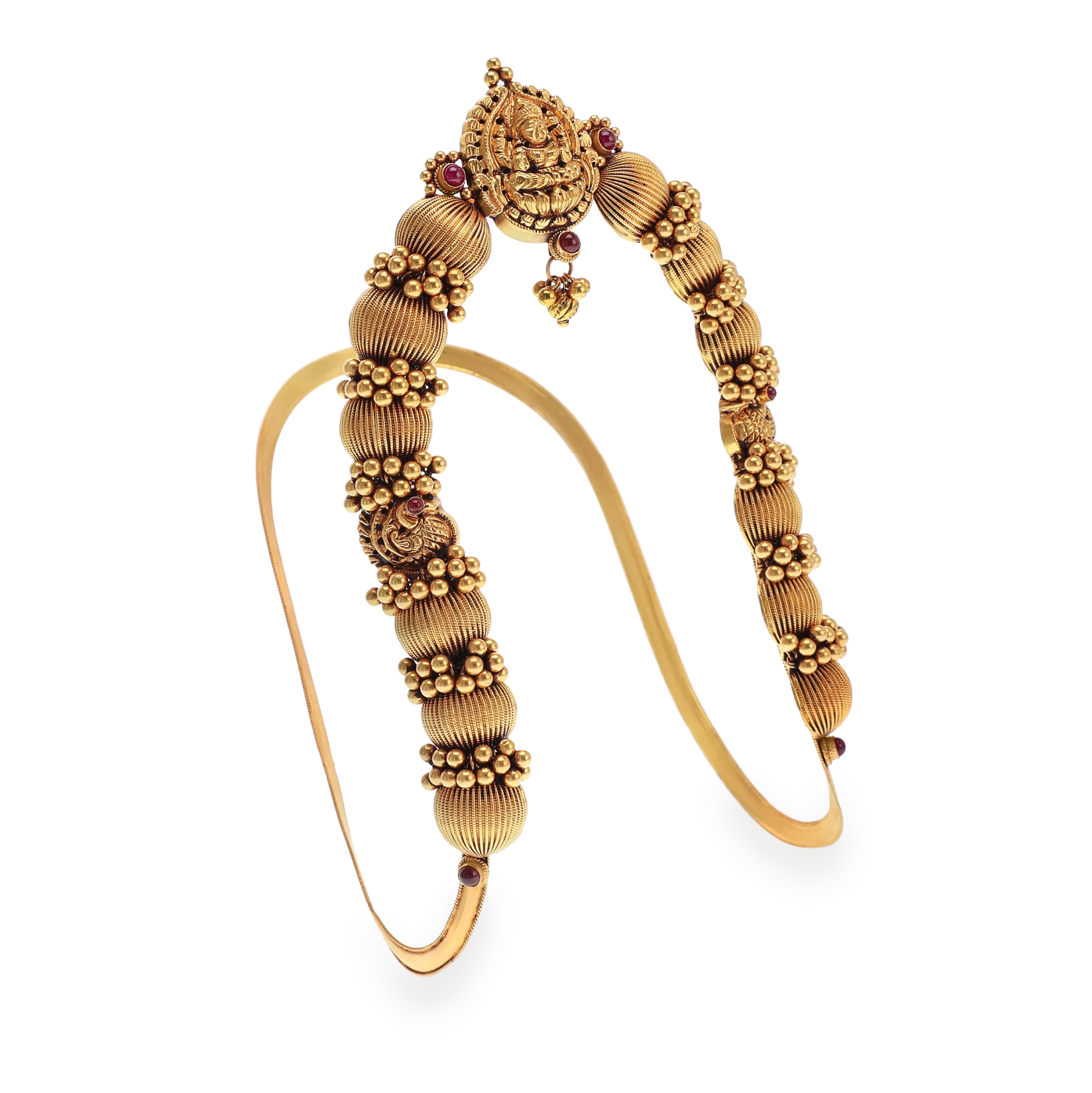
Things really took off for polki diamonds during the Mughal Empire. This was a period when art, culture, and luxury flourished in India. The emperors and their families, along with the wealthy elite, absolutely loved jewelry. Polki diamonds became a staple in royal adornment. Think intricate necklaces, elaborate earrings, and stunning bracelets, all featuring these uncut gems. The craftsmanship was incredible, often setting the polki diamonds against gold or silver, sometimes with enamel work, creating pieces that were both beautiful and a symbol of immense status and wealth.
Evolution of Diamond Cutting Techniques
As time went on, the way people thought about diamonds started to change. Diamond cutters got better and better at their craft. They figured out how to facet diamonds, creating all those little surfaces that catch and reflect light. This led to the brilliant, sparkly diamonds we're so familiar with today. While this evolution meant that faceted diamonds became the norm for many, polki diamonds never completely disappeared. They held onto their place, especially in traditional Indian jewelry, offering a different kind of beauty – one that celebrated the diamond's natural form and its historical roots, rather than just its sparkle.
Appreciating the Value of Polki Diamonds
Factors Influencing Polki Diamond Value
When we talk about the value of polki diamonds, it's a bit different from the usual diamond talk. You know, the 4Cs – cut, color, clarity, and carat – they don't really apply here in the same way. Polki diamonds are all about their natural state. So, what makes one polki diamond more sought after than another? Well, it's a mix of things. The original shape and how interesting that shape is plays a big part. A really unique or pleasing natural form can really bump up the desirability. Then there's the luster; even though they don't have that sharp sparkle of cut diamonds, a good polki stone will have a beautiful, soft glow. The color is also important, with rarer, lighter colors often being more prized. And, of course, the size matters, just like with any diamond. But perhaps most significantly, the history and the story behind the stone, or the piece of jewelry it's in, adds a layer of value that's hard to quantify.
Polki Diamonds as Cultural Art
It's easy to see polki diamonds as just, well, diamonds. But they're really more than that. They're like little pieces of history you can wear. Think about it – these stones have been around for centuries, used in royal jewelry in India, passed down through families. Each one has a story, a connection to a specific time and place. When you're looking at a piece of polki jewelry, you're not just buying a gemstone; you're investing in a piece of cultural art. It's about appreciating the craftsmanship that went into setting it, the tradition it represents, and the natural beauty of the diamond in its most original form. It’s a connection to the past, really.
Affordability Compared to Polished Diamonds
Here's a bit of good news for anyone drawn to the unique charm of polki diamonds: they often come with a more accessible price tag compared to their highly polished counterparts. Because they haven't undergone the extensive cutting and faceting process that dramatically increases the labor and material cost of traditional diamonds, polki diamonds can be a more budget-friendly option. This doesn't mean they're cheap, mind you. The value is still there, derived from the natural diamond itself, its unique characteristics, and the artistry of the jewelry. But if you're looking for that raw, organic diamond aesthetic without the premium price of a perfectly cut, high-clarity, large polished diamond, polki might just be your sweet spot. It's a way to own a piece of natural diamond history that's often more attainable.
The value of a polki diamond isn't just in its weight or its lack of inclusions; it's in its journey from the earth to your hand, retaining the essence of its natural formation and the cultural significance it carries through generations.
Characteristics and Appearance of Polki Diamonds
Natural Shape and Organic Form
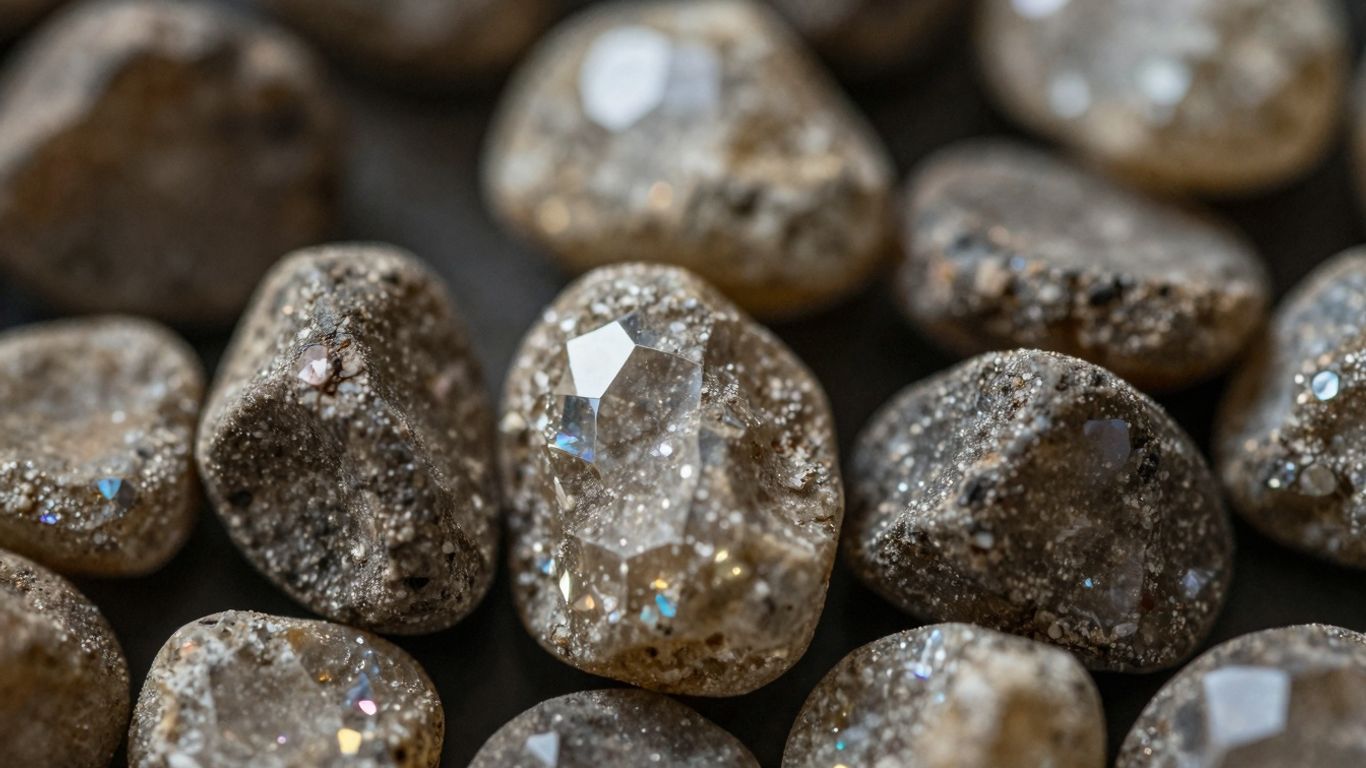
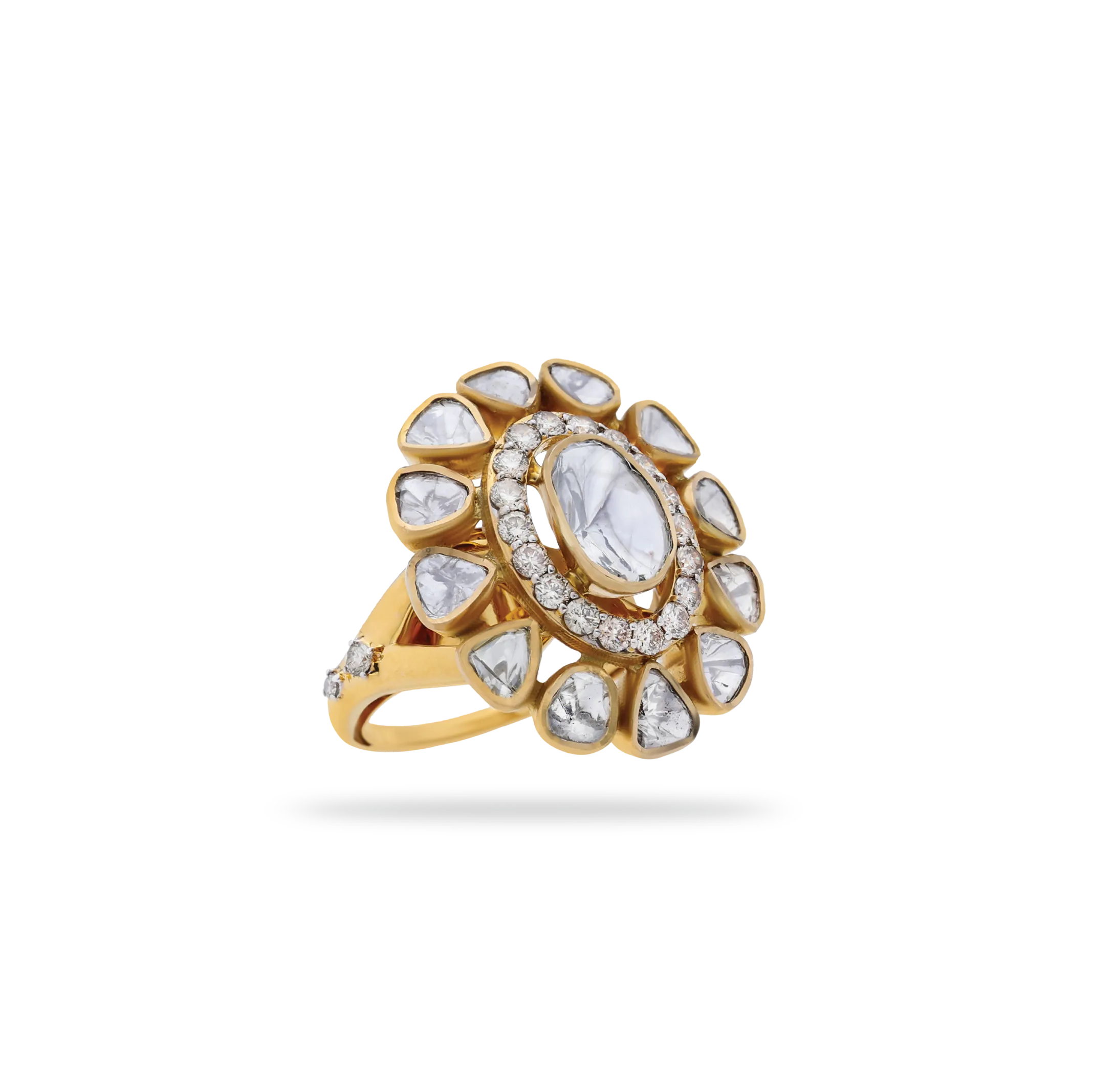
Polki diamonds are pretty unique because they're basically diamonds in their most natural state. Unlike the perfectly cut stones you usually see, Polki diamonds keep their original, rough shape. This means each one is totally different, with its own quirks and character. They aren't smooth like pebbles, mind you; they have a texture that reminds you they came straight from the earth. This organic form is a big part of their charm, making them stand out from the usual symmetrical gems. It's this very irregularity that jewelers have to work with, designing pieces that embrace the stone's natural contours, leading to some really one-of-a-kind jewelry.
Luster and Light Performance
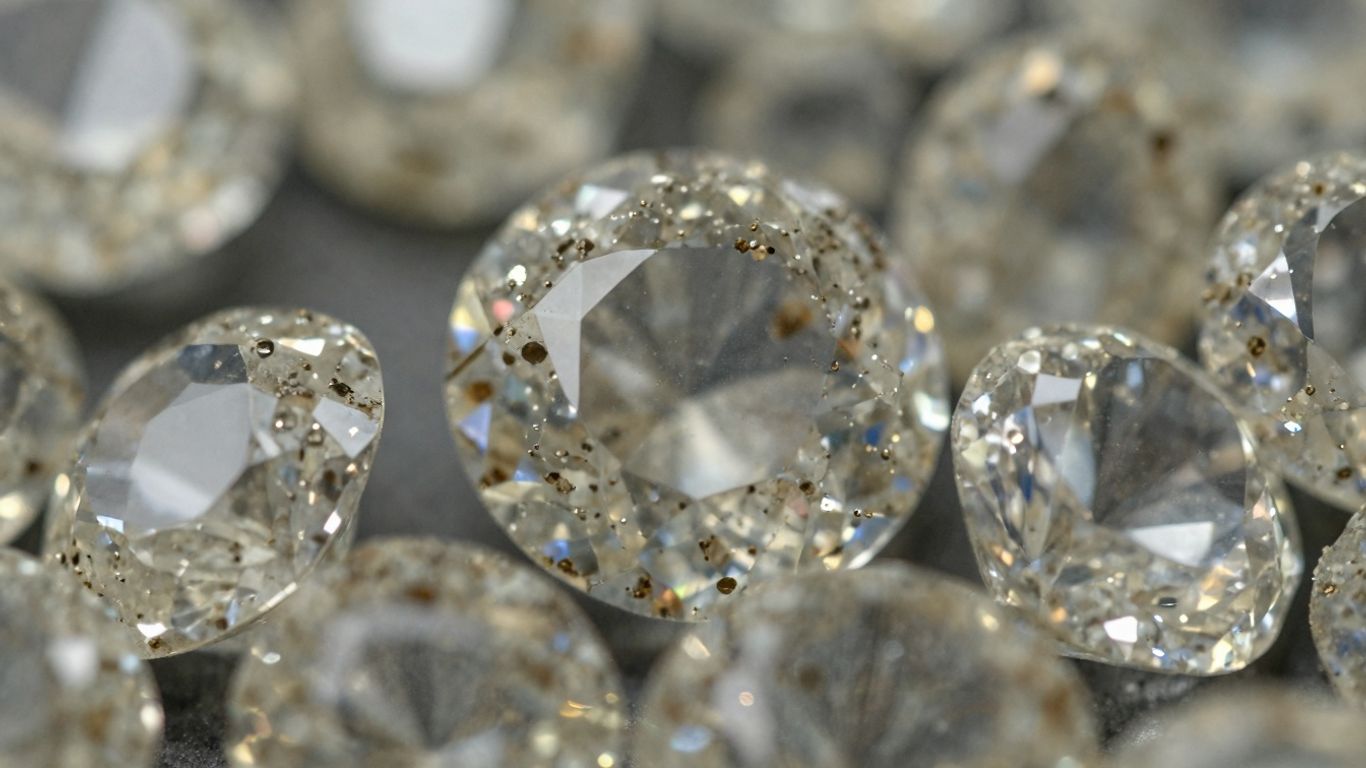
Don't expect the dazzling sparkle of a traditional diamond from Polki stones. Instead, they offer a softer, more subdued glow. They have a bright quality that catches the eye, and when they're polished a bit, they can look almost luminous. However, they don't produce the intense fire and brilliance you'd get from a faceted diamond. Think of it as a gentle reflection of light, a subtle shimmer rather than a full-on disco ball effect. It’s a beautiful, understated look that feels very natural. This subdued light performance is a direct result of their lack of facets, which are key to how traditional diamonds sparkle. You can see an echo of how light plays on a cut diamond, but it's much more muted.
Surface Texture and Imperfections
When you touch a Polki diamond, you'll notice it's not perfectly smooth. They have a distinct surface texture, a reminder of their journey from the earth. These aren't flaws to be hidden; they're part of what makes each Polki diamond special and authentic. Jewelers often work with these natural characteristics, incorporating them into the design rather than trying to eliminate them. This approach respects the diamond's history and results in jewelry that feels more personal and less manufactured. It’s this raw, imperfect beauty that appeals to many people looking for something different from the standard polished gems. The natural shape and texture are what give Polki diamonds their distinctive character.
The appeal of Polki diamonds lies in their raw, unadulterated form. They showcase the diamond's natural shape and surface, offering a unique aesthetic that celebrates imperfections as part of their inherent beauty. This approach allows for jewelry designs that are truly one-of-a-kind, reflecting the stone's origin and character.
Polki Diamonds in Contemporary Jewelry
Designing Around Unique Shapes
Polki diamonds are all about embracing the imperfectly perfect. Because they aren't cut into standard shapes like rounds or squares, each Polki stone has its own distinct personality. This means jewelry designers have to get a little creative. Instead of forcing a stone into a pre-set mold, they often design the piece around the diamond itself. Think organic settings that follow the natural contours of the stone, or asymmetrical arrangements that highlight the individuality of each gem. It’s a bit like working with a puzzle piece that’s already unique – you build the picture around it. This approach leads to jewelry that feels incredibly personal and one-of-a-kind, a far cry from mass-produced items.
Metal Pairings and Setting Techniques
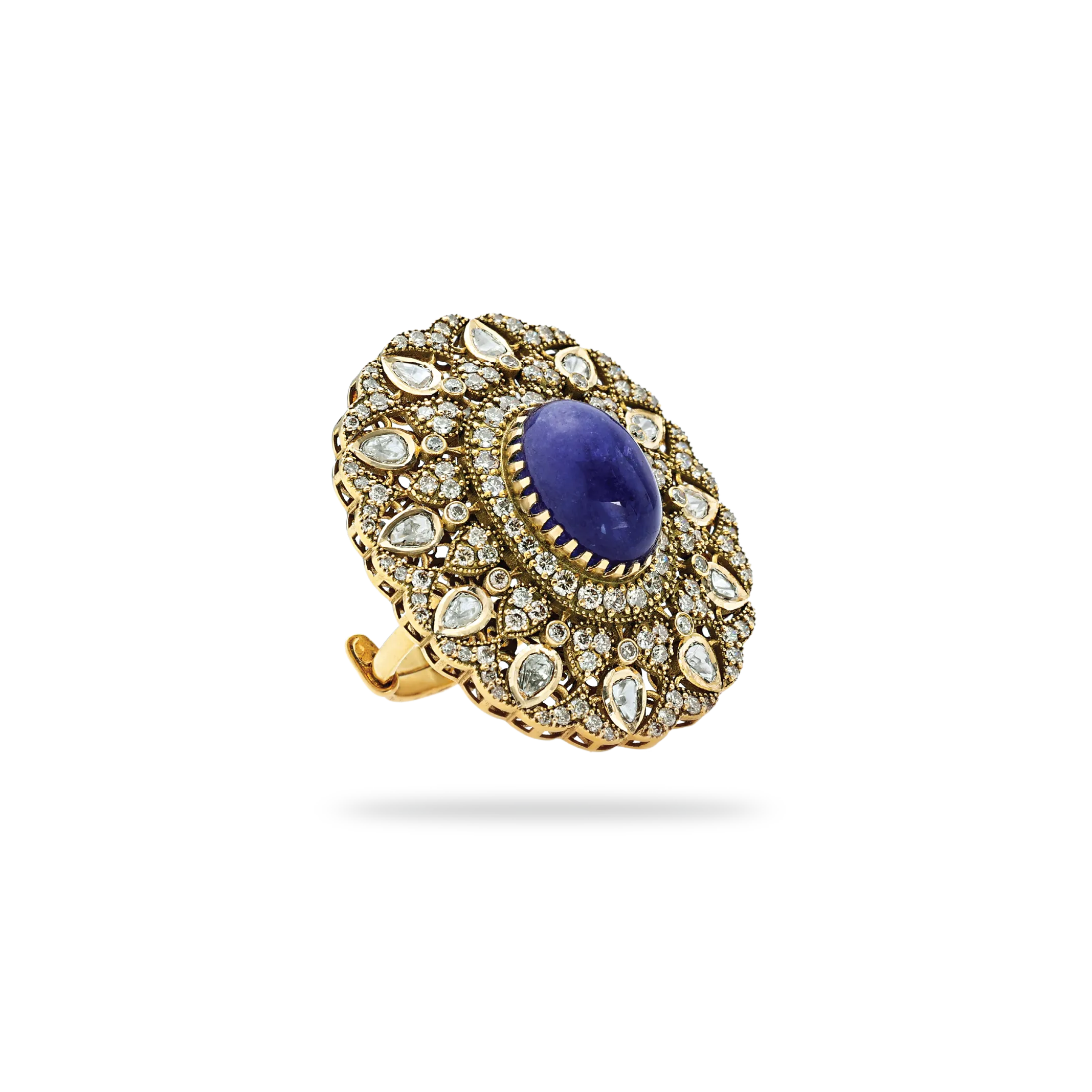
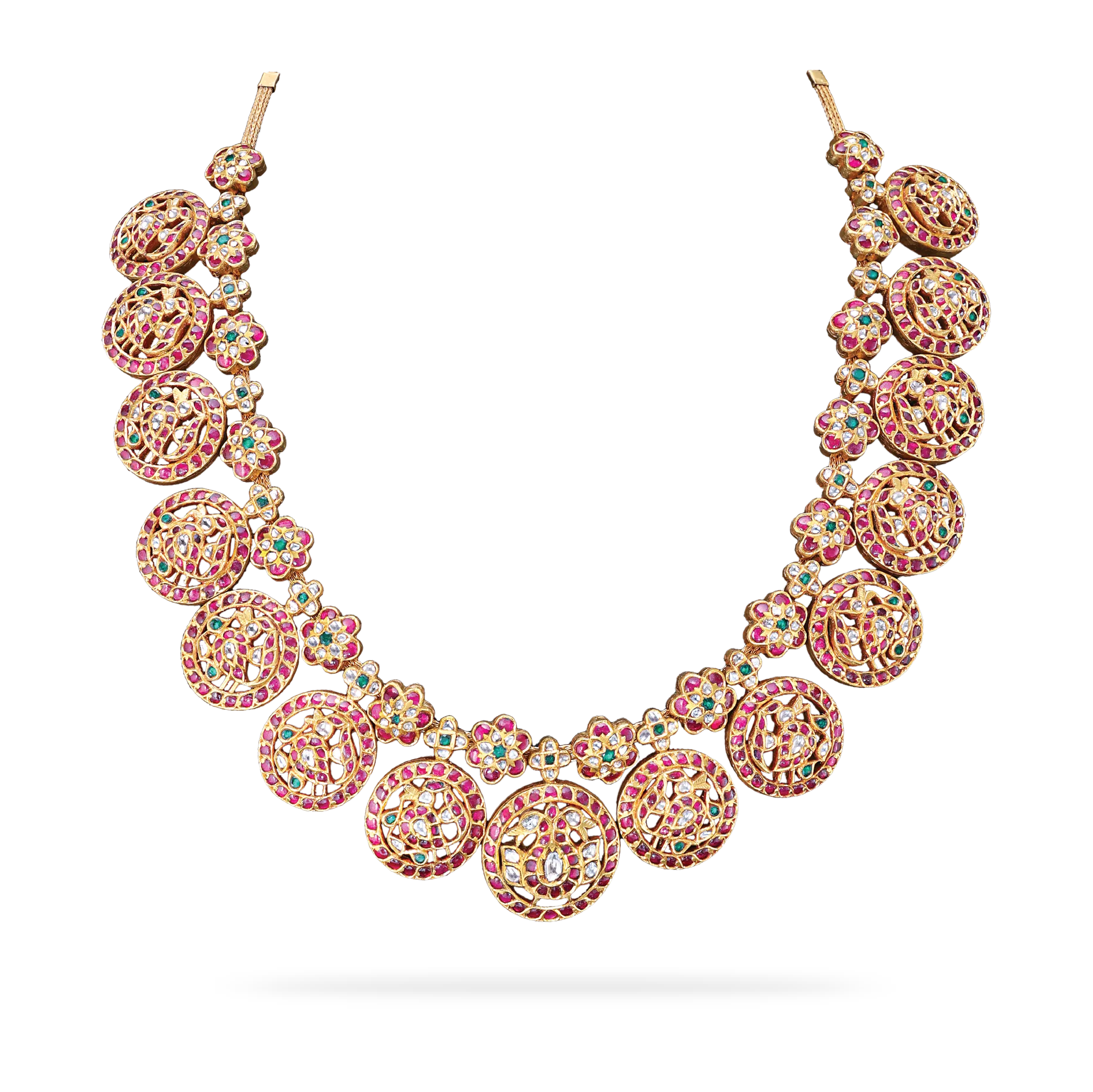
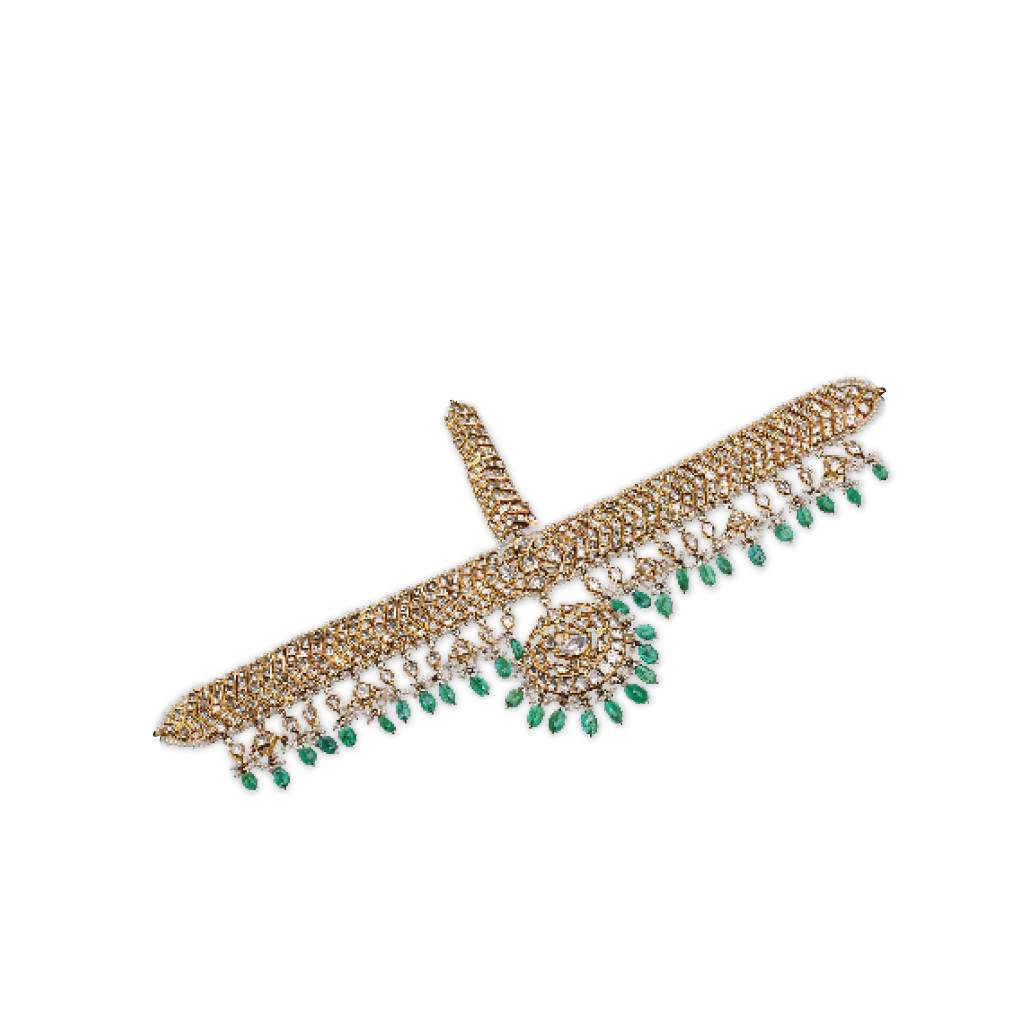
When it comes to setting these raw beauties, traditional methods often get a twist. Because Polki diamonds are usually flat on one side and domed on the other, and they don't have the sharp edges of faceted stones, they need a bit of special care. Often, you'll see them set with a foil backing, usually in gold or silver. This foil not only helps secure the stone but also adds a subtle shimmer that complements the diamond's natural luster. The settings themselves tend to be more open, allowing light to interact with the stone from different angles, and they often have a handcrafted feel, with intricate metalwork that echoes the historical roots of Polki jewelry. It’s a blend of old-world charm and modern craftsmanship.
Polki Diamond Engagement Rings
While not as common as their faceted counterparts in Western markets, Polki diamond engagement rings are gaining traction for couples looking for something truly unique and meaningful. They offer a different kind of sparkle – more of a soft glow than a dazzling flash. This makes them ideal for those who appreciate a more understated elegance or a connection to history and culture. Plus, they often come with a more accessible price point compared to traditional engagement diamonds of similar size, which can be a big plus. Choosing a Polki engagement ring is a statement; it says you value individuality, history, and a beauty that doesn't conform to the usual standards.
Polki diamonds bring a sense of history and raw beauty to modern designs. They challenge conventional ideas of what a diamond should look like, offering a more organic and personal connection to the wearer. This makes them a compelling choice for those seeking jewelry with a story.
Here's a quick look at what makes them stand out in modern pieces:
- Unique Aesthetic: No two Polki diamonds are alike, leading to truly individual jewelry.
- Historical Connection: Wearing Polki connects you to centuries of Indian jewelry-making traditions.
- Subtle Luster: They offer a gentle glow rather than intense sparkle, appealing to a different taste.
- Potential Affordability: Often less expensive than comparable cut and polished diamonds.
Authenticating and Caring for Polki Diamonds
So, you've fallen for the old-world charm of Polki diamonds. That's great! But before you go showing off your new treasure, it's smart to know how to spot the real deal and keep it looking its best. It’s not always super obvious, you know?
Identifying Genuine Polki Stones
Spotting a fake Polki can be tricky because they're meant to look natural. But there are clues. Genuine Polki diamonds have irregular, hand-carved facets, not the perfect symmetry you see in machine-cut stones. Look closely, and you might even see tiny polish lines from when they were shaped with traditional tools. Machine-made fakes just can't replicate that subtle human touch. Also, pay attention to how the light plays. Real Polkis have this lively, dancing fire that copies just don't have. They shimmer in a way that feels alive. Under magnification, you'll see natural imperfections on real Polkis, which is a good sign. Fakes often have bubbles or look too perfect, like they were churned out of a factory.
Authenticity often comes down to appreciating the subtle imperfections that tell a story of human craftsmanship. These aren't flaws; they're hallmarks of a unique, hand-worked gem.
Maintenance and Preservation Tips
Taking care of your Polki jewelry is pretty straightforward, thankfully. Diamonds are tough, after all. You can clean them with a bit of mild, soapy water and a soft cloth or a gentle toothbrush. Just be gentle, especially around the setting. Because Polkis don't have that super smooth, glassy finish of polished diamonds, they can pick up dust and oils a little faster. So, it's a good idea to try and avoid getting makeup, lotions, or perfumes directly on them. It just helps keep them looking cleaner for longer. Think of it like keeping any nice piece of jewelry looking its best.
Proper Storage for Polki Jewelry
When you're not wearing your Polki pieces, storing them properly is key to preventing scratches and damage. You don't want them banging around together in a drawer. The best approach is to keep each piece separate. A good jewelry box with individual compartments is ideal. If you don't have one, you can wrap each item carefully in a soft cloth, like muslin, before placing it in a safe spot. This stops them from scratching each other and keeps them protected. It’s a small step that makes a big difference in preserving the beauty of your unique Polki jewelry.
Wrapping Up Your Polki Journey
So, that's the lowdown on Polki diamonds. They're not your typical sparkly stones, but they've got this whole other kind of charm, right? From their ancient roots in India to how they look today, Polki diamonds really tell a story. They're a bit more laid-back than the super-faceted diamonds you see everywhere, and that's kind of their thing. If you're looking for something with history, something a little different, and something that feels more connected to nature, Polki might just be your jam. They're a cool way to wear a piece of history and stand out a bit from the crowd.
Frequently Asked Questions
What exactly are Polki diamonds?
Polki diamonds are real diamonds that haven't been cut or polished into fancy shapes. They keep their original, natural form, looking much like they did when they were first found. Think of them as diamonds in their most natural state, with just a little smoothing so they feel nice to touch.
How are Polki diamonds different from the diamonds I usually see?
The diamonds you typically see in jewelry stores have been cut and polished to have many small, flat surfaces called facets. These facets make them sparkle a lot. Polki diamonds, on the other hand, don't have these facets. They have a more natural, sometimes bumpy surface, and they have a softer glow rather than a sharp sparkle.
Are Polki diamonds valuable even though they aren't cut and polished?
Yes, Polki diamonds are valuable! Their worth comes from their natural beauty, their history, and the unique way they are set in jewelry. Because they don't require the expensive cutting and polishing process, they can sometimes be more affordable than traditional diamonds, but they are still real diamonds and can be quite precious.
Where do Polki diamonds come from?
Polki diamonds have a very long history that started in ancient India. They were especially popular during the time of the Mughal emperors, who used them in beautiful royal jewelry. This style of using natural diamonds has been passed down through generations.
Can I use Polki diamonds for an engagement ring?
Absolutely! Polki diamonds make for very unique and meaningful engagement rings. If you like the idea of a ring that tells a story and has a connection to history, a Polki diamond can be a wonderful choice. It's a way to have a diamond that's truly one-of-a-kind.
How should I take care of jewelry with Polki diamonds?
Taking care of Polki diamond jewelry is pretty simple. You can clean them gently with mild soap and water using a soft brush. It's also important to store them carefully, perhaps wrapped separately or in their own little spots in a jewelry box, so they don't get scratched by other jewelry.
Related blogs:
November 20, 2025
The Timeless Elegance of the Tennis Bracelet: A Comprehensive Guide
Read More
November 20, 2025
The Ultimate Guide to Styling and Wearing a Choker Necklace
Read More
November 20, 2025
Find Your Perfect Engagement Ring: A Comprehensive Guide to Styles and Diamonds
Read More
November 20, 2025
The Timeless Elegance of a Diamond Tennis Bracelet: A Buyer's Guide
Read More









.webp)

.webp)