Timeless Elegance: Exploring the Rich Traditions of South Indian Bridal Jewellery
December 13, 2025 | 10 minutes read
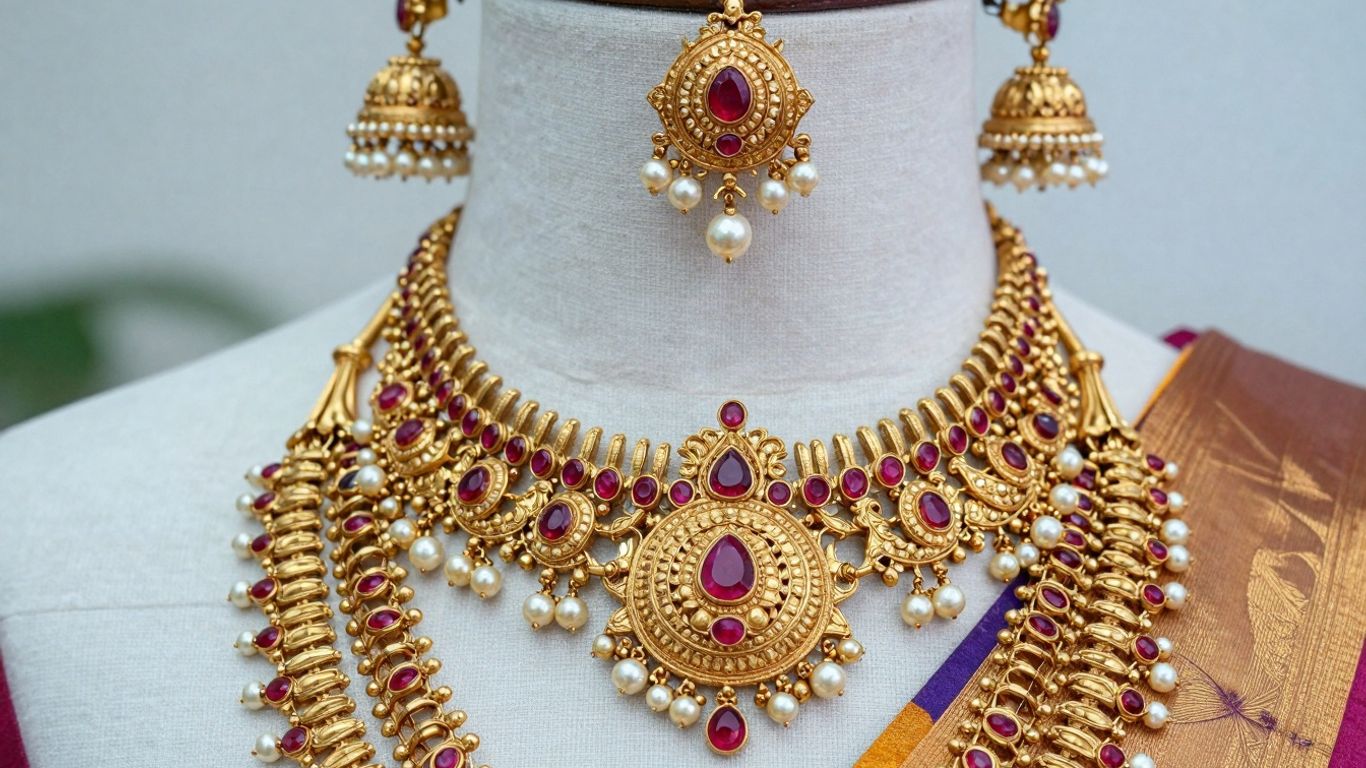
South Indian weddings are known for their vibrant colors and deep-rooted traditions. A big part of this celebration is the stunning bridal jewellery. It's not just about looking pretty; these pieces tell a story of culture, heritage, and family blessings. From elaborate necklaces to delicate anklets, the south indian bridal jewellery worn by a bride is truly special. Let's explore some of the most beautiful and meaningful pieces that make a South Indian bride shine.
Key Takeaways
- South Indian bridal jewellery is deeply tied to culture and heritage, symbolizing more than just decoration.
- Long necklaces like the Haram and Manga Malai add grandeur and tradition to a bride's look.
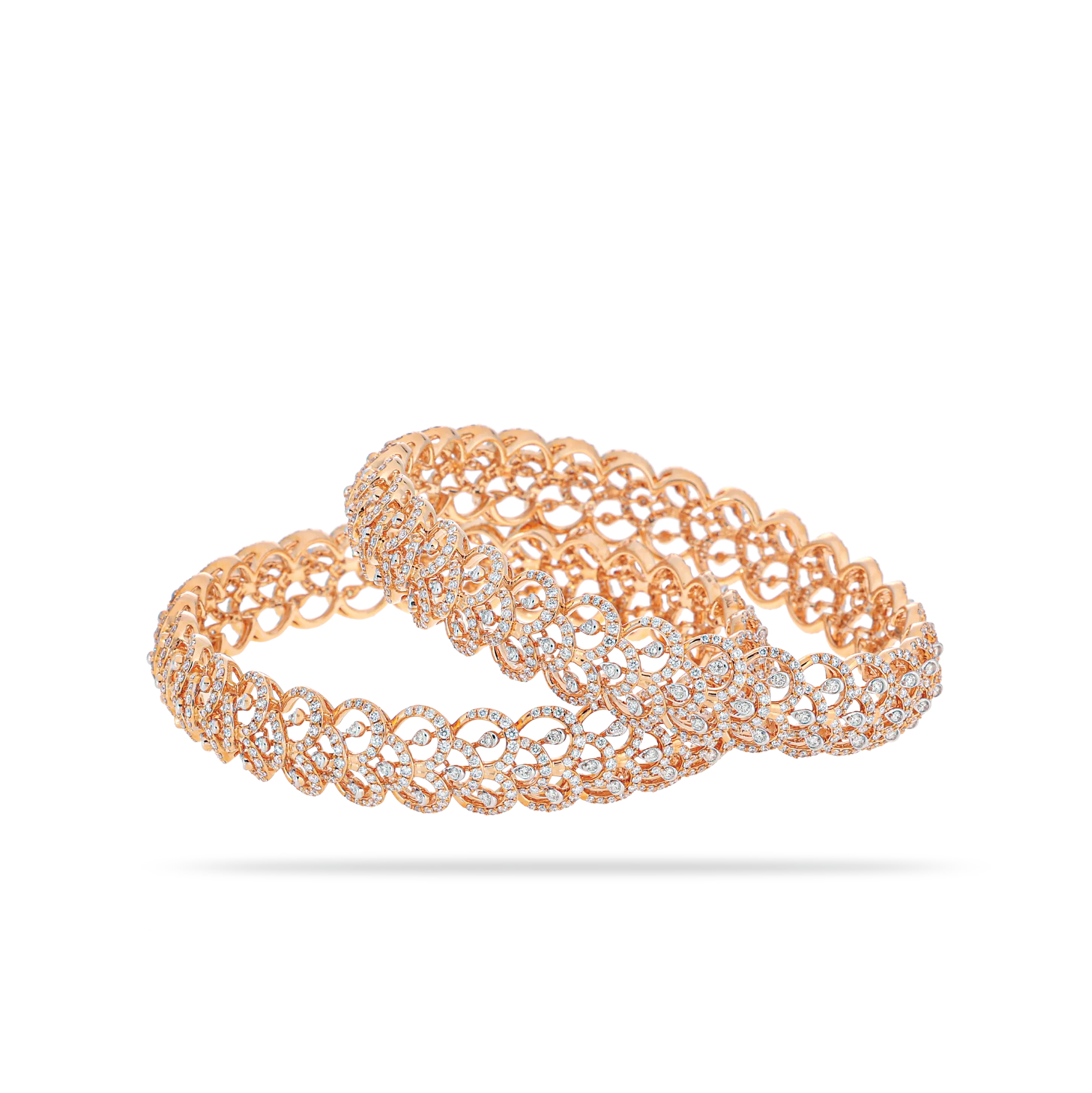
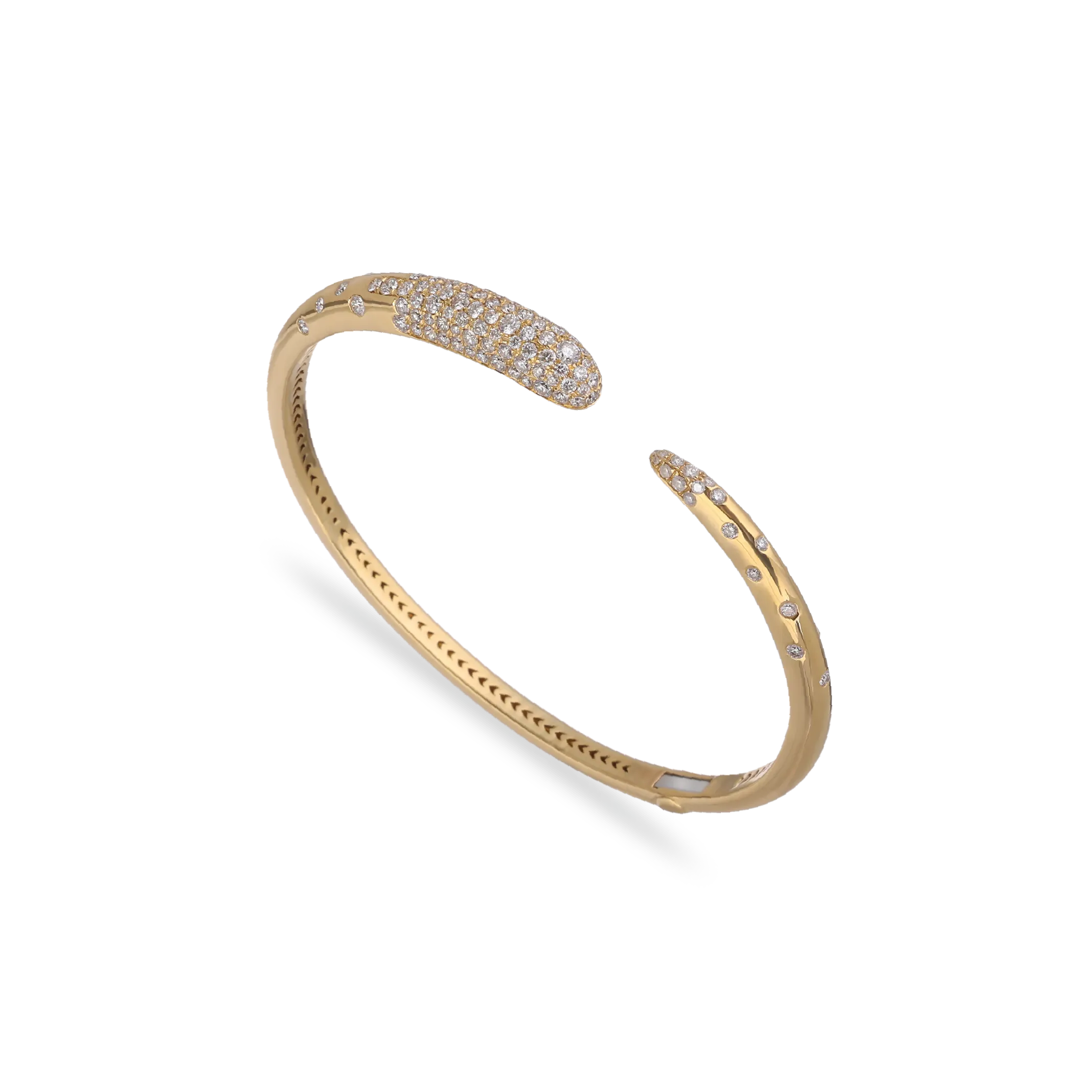
- Bangles, especially Kada and gemstone styles, are essential for adorning a South Indian bride's hands.
- Waistbands (Odiyanam) and forehead ornaments like the Maang Tikka complete the traditional bridal ensemble.
- The intricate craftsmanship of south indian bridal jewellery showcases generations of artistry and cultural legacy.
The Enduring Significance Of South Indian Bridal Jewellery
A Reflection Of Culture And Heritage
South Indian bridal jewellery is way more than just pretty things to wear. It's like a wearable history book, telling stories of traditions passed down through generations. Think of it as a visual language that speaks volumes about a family's status, cultural roots, and the specific region the bride comes from. Each piece, whether it's a grand necklace or a delicate pair of earrings, is crafted with deep respect for these customs. It’s not just about looking good; it’s about honoring where you come from.
Symbolism Beyond Adornment
These aren't just shiny objects; they carry a lot of meaning. For instance, certain motifs might represent fertility, prosperity, or divine blessings. The materials themselves often have significance – gold, for example, is seen as pure and auspicious. It’s believed that wearing these specific pieces can bring good luck and ward off evil. It’s a beautiful blend of aesthetics and deeply held beliefs.
Here are some common symbolic elements:
- Peacock Motifs: Often represent beauty, grace, and royalty.
- Mango Motifs (Manga): Symbolize prosperity, fertility, and new beginnings.
- Lotus Motifs: Associated with purity, beauty, and spiritual awakening.
- Goddess Lakshmi: Depictions of the goddess of wealth and prosperity are common, seeking blessings for abundance.
The intricate details in South Indian bridal jewellery often tell stories of mythology, nature, and auspicious symbols, making each piece a narrative in itself. This deep-rooted symbolism transforms the jewellery from mere decoration into a sacred part of the wedding ceremony.
Timeless Elegance For The Modern Bride
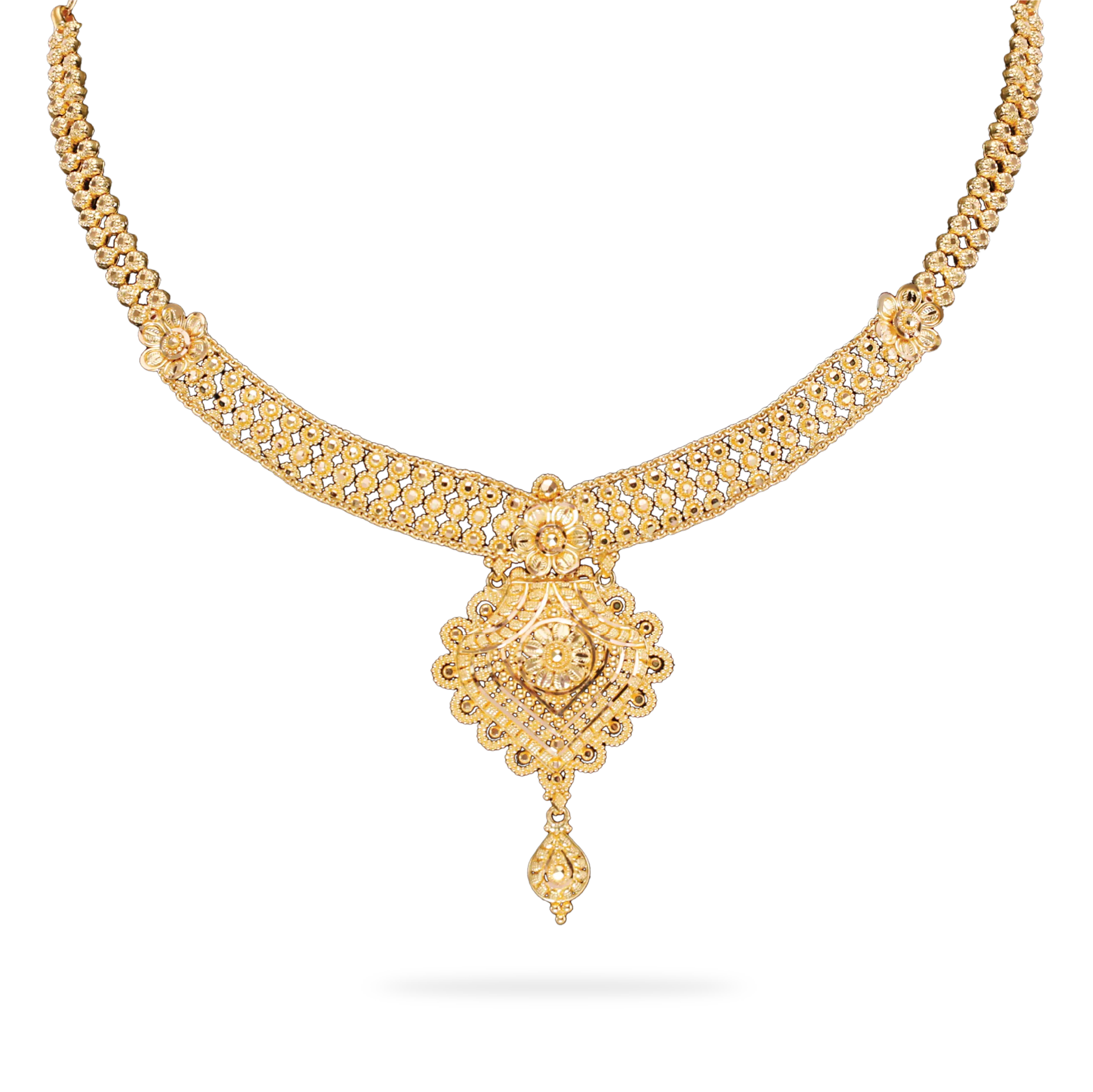
While tradition is key, South Indian bridal jewellery isn't stuck in the past. Designers are constantly finding ways to blend classic designs with modern sensibilities. This means you can find pieces that feel both timeless and fresh, perfect for today's bride. Whether you prefer a traditional heavy set or something a bit more minimalist, there’s a style out there that captures that enduring elegance. It’s about finding that perfect balance between heritage and your personal style for the big day.
Iconic Necklaces That Define South Indian Bridal Style
The Grandeur Of Long Necklaces (Haram)
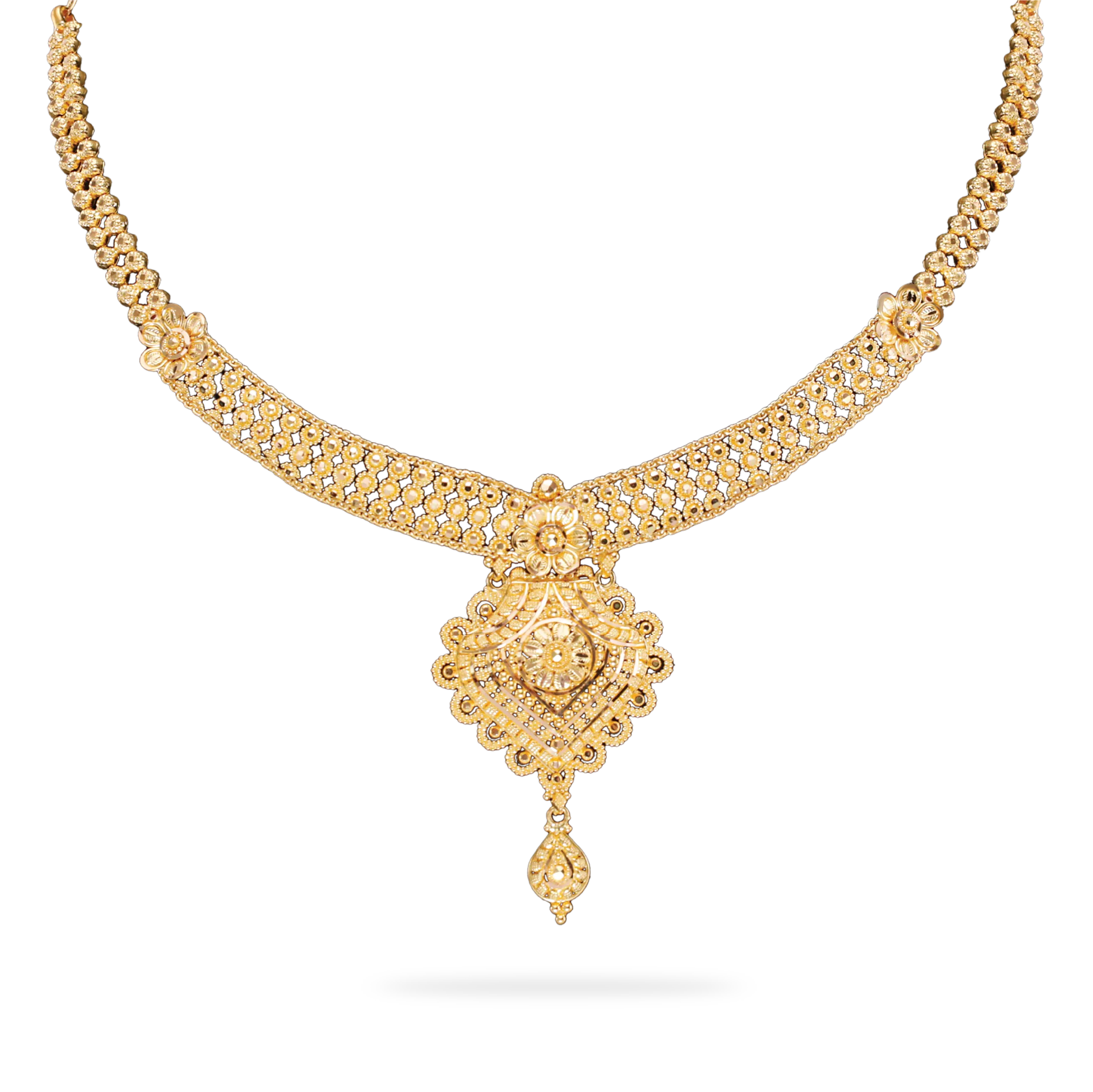
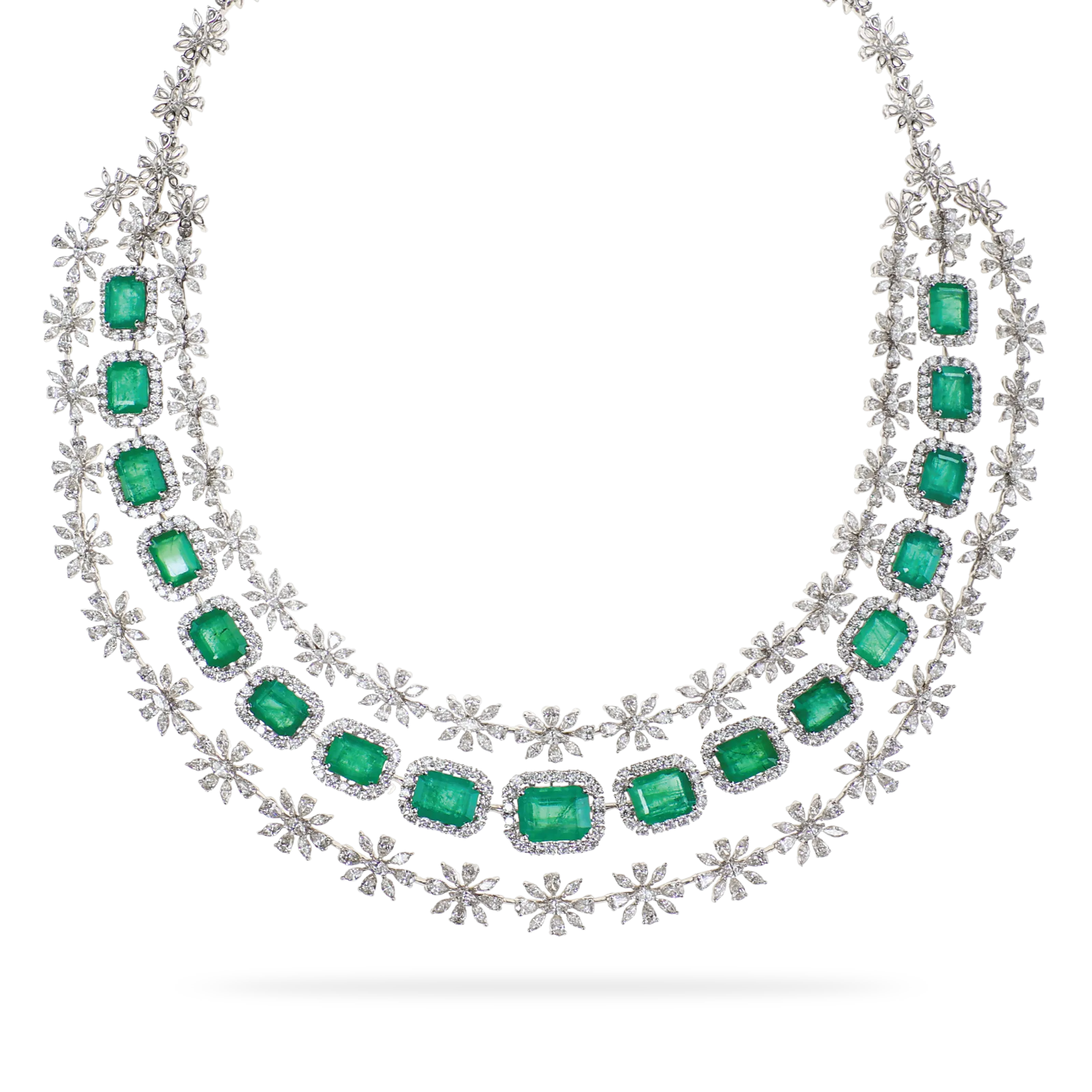
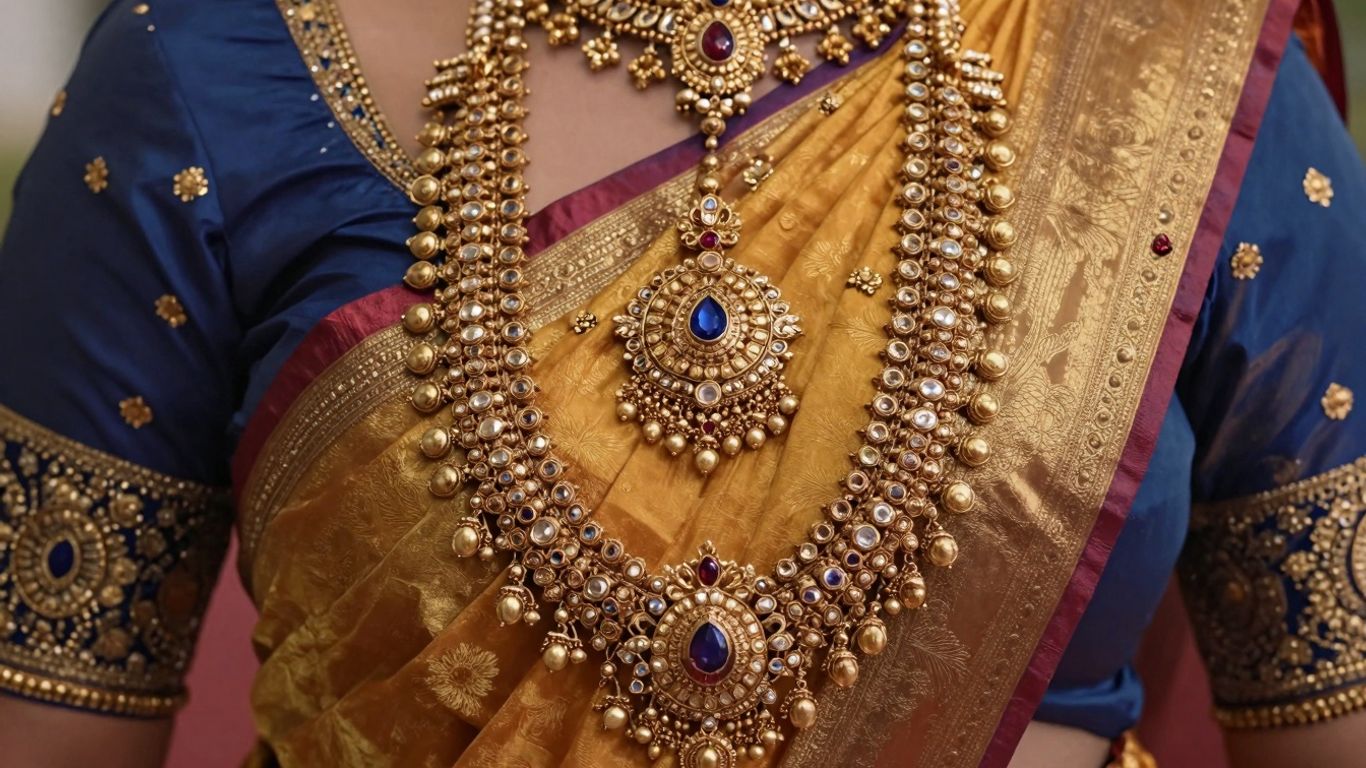
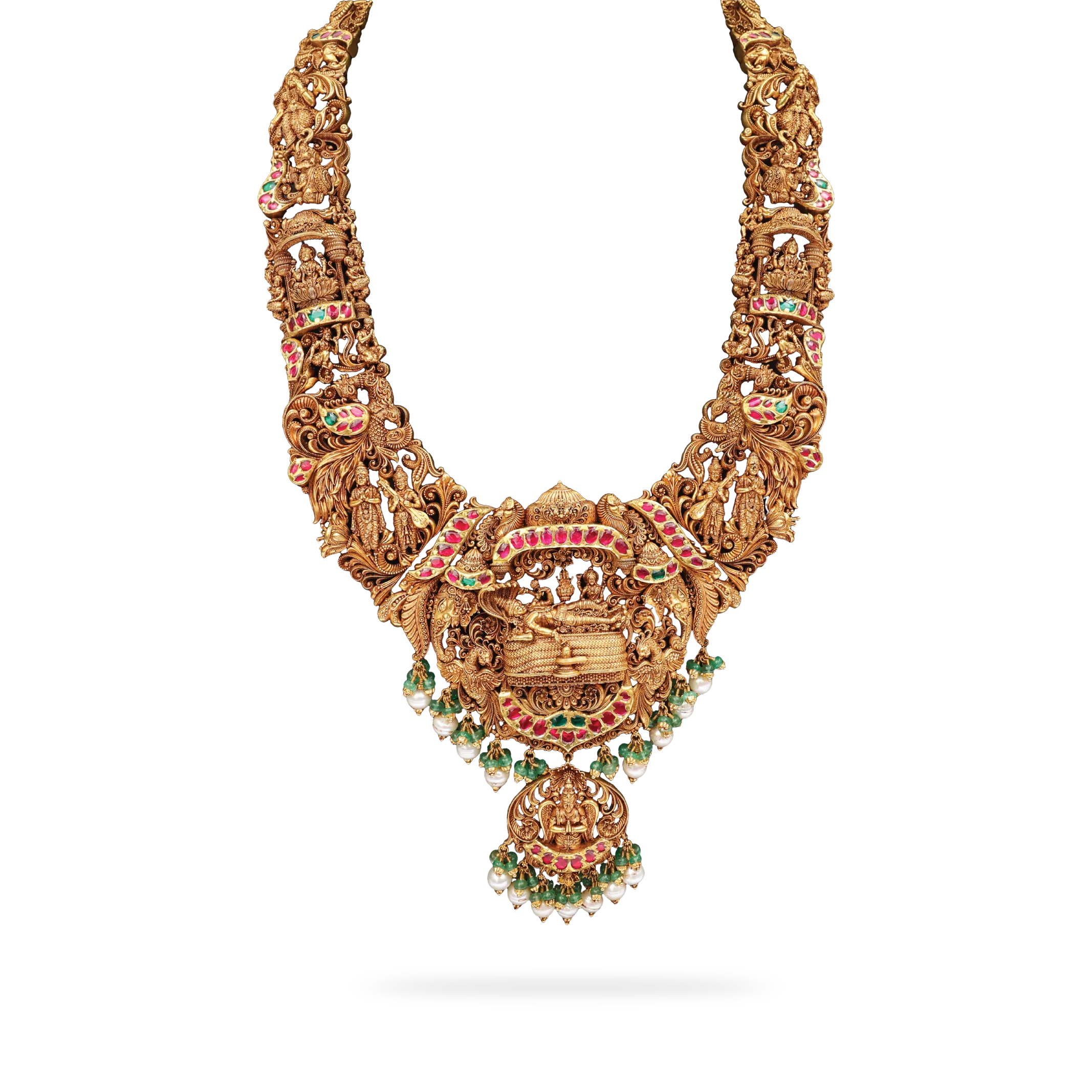
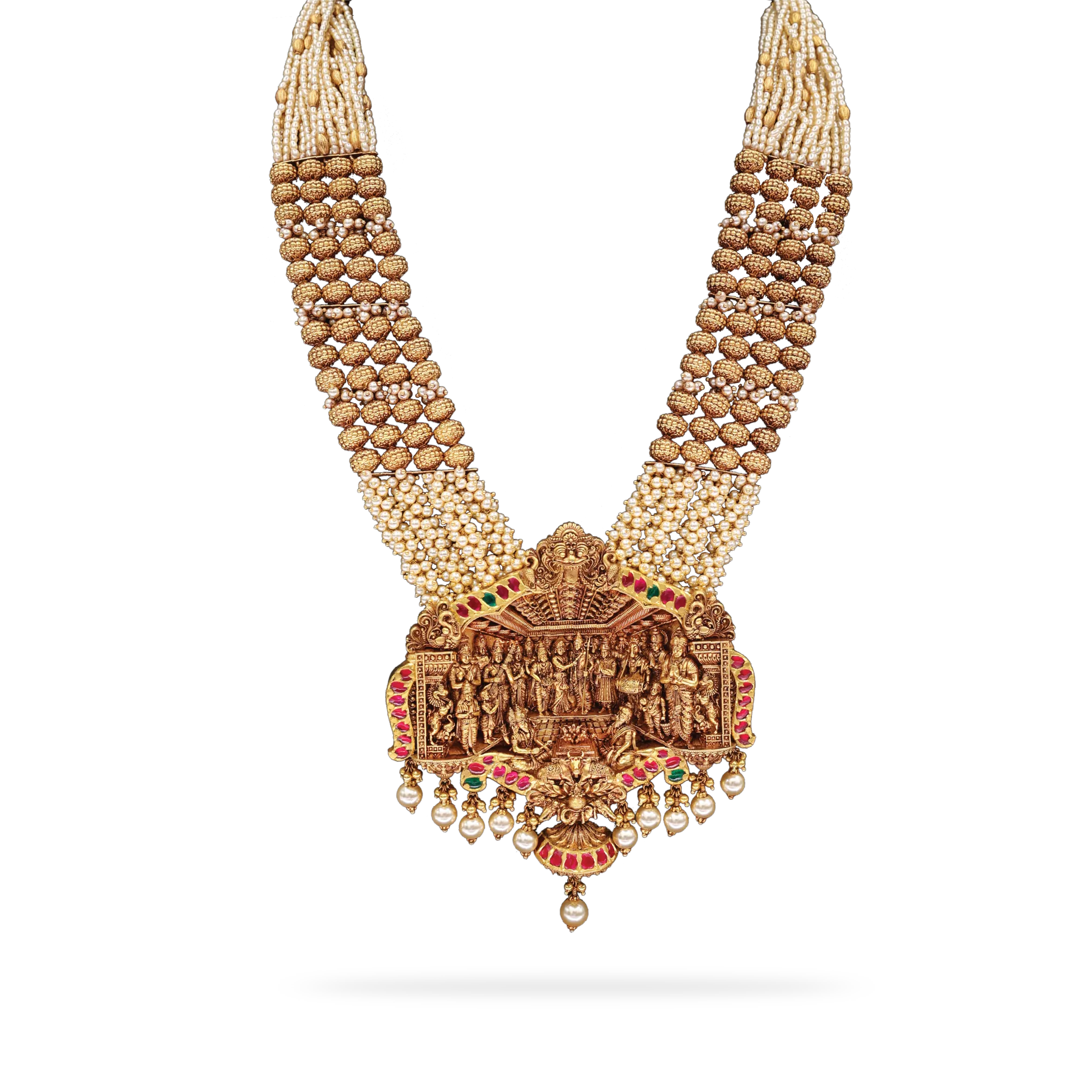
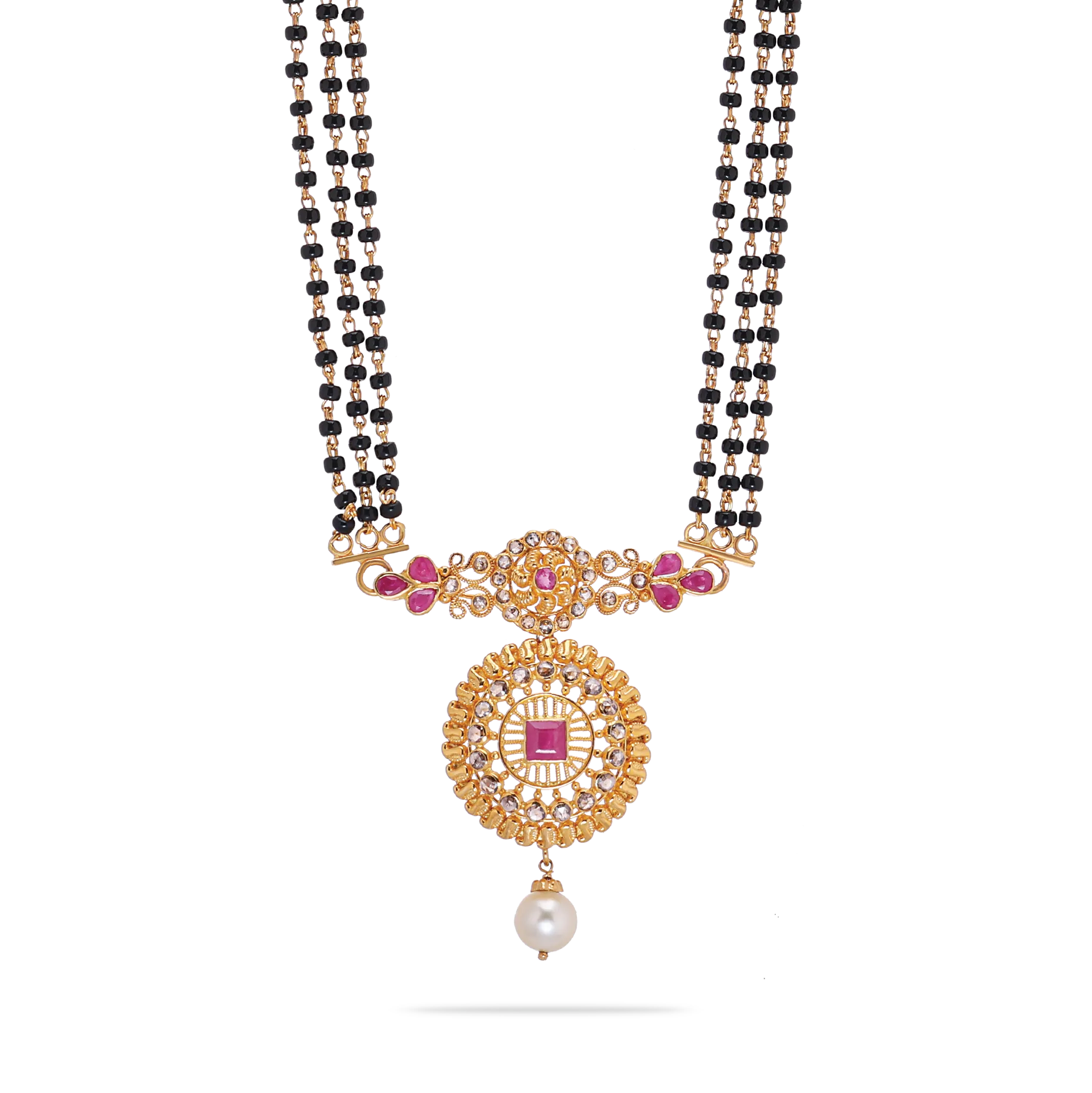
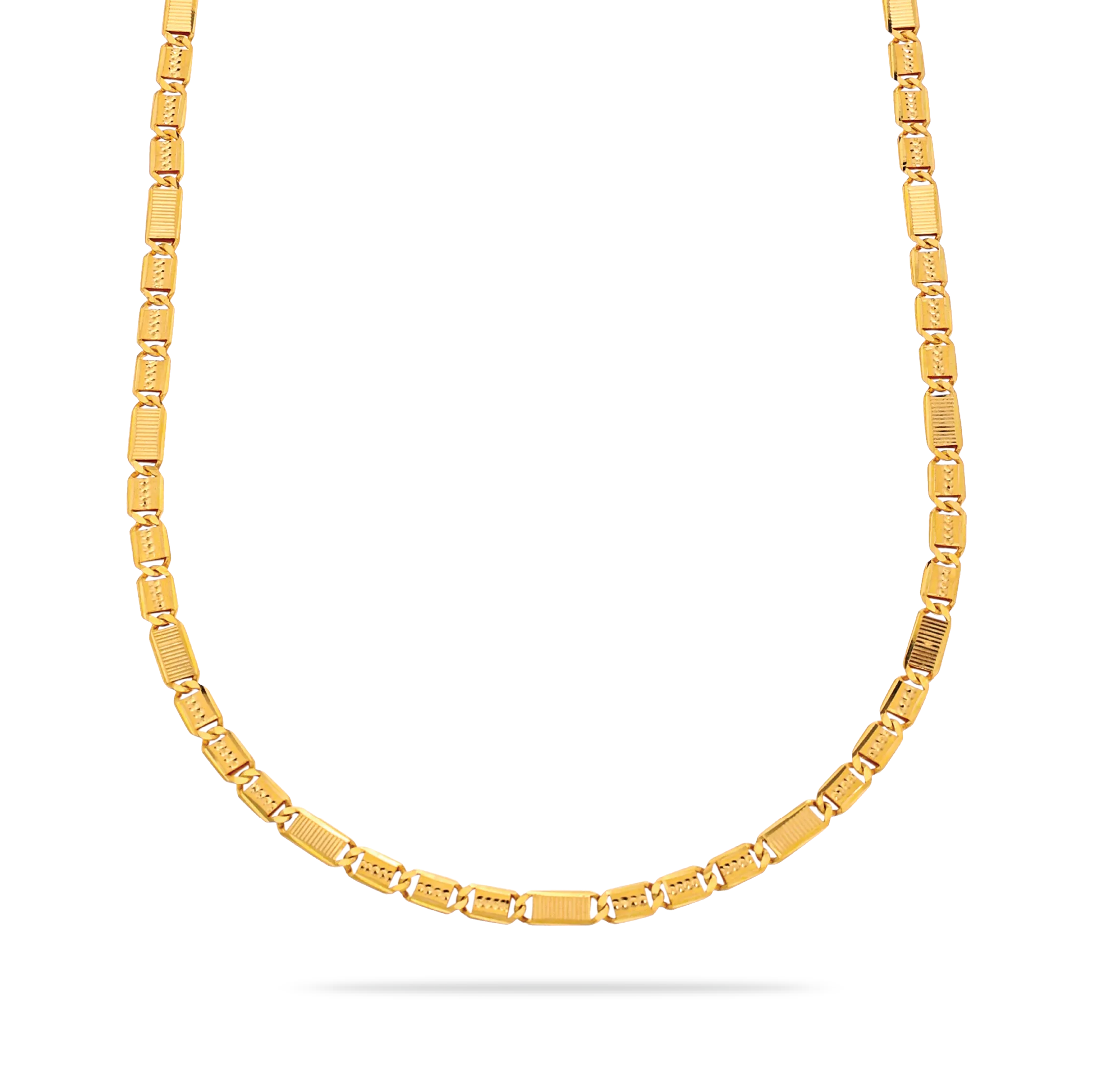
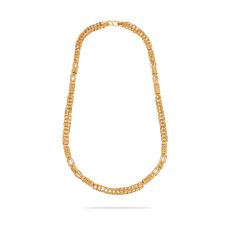
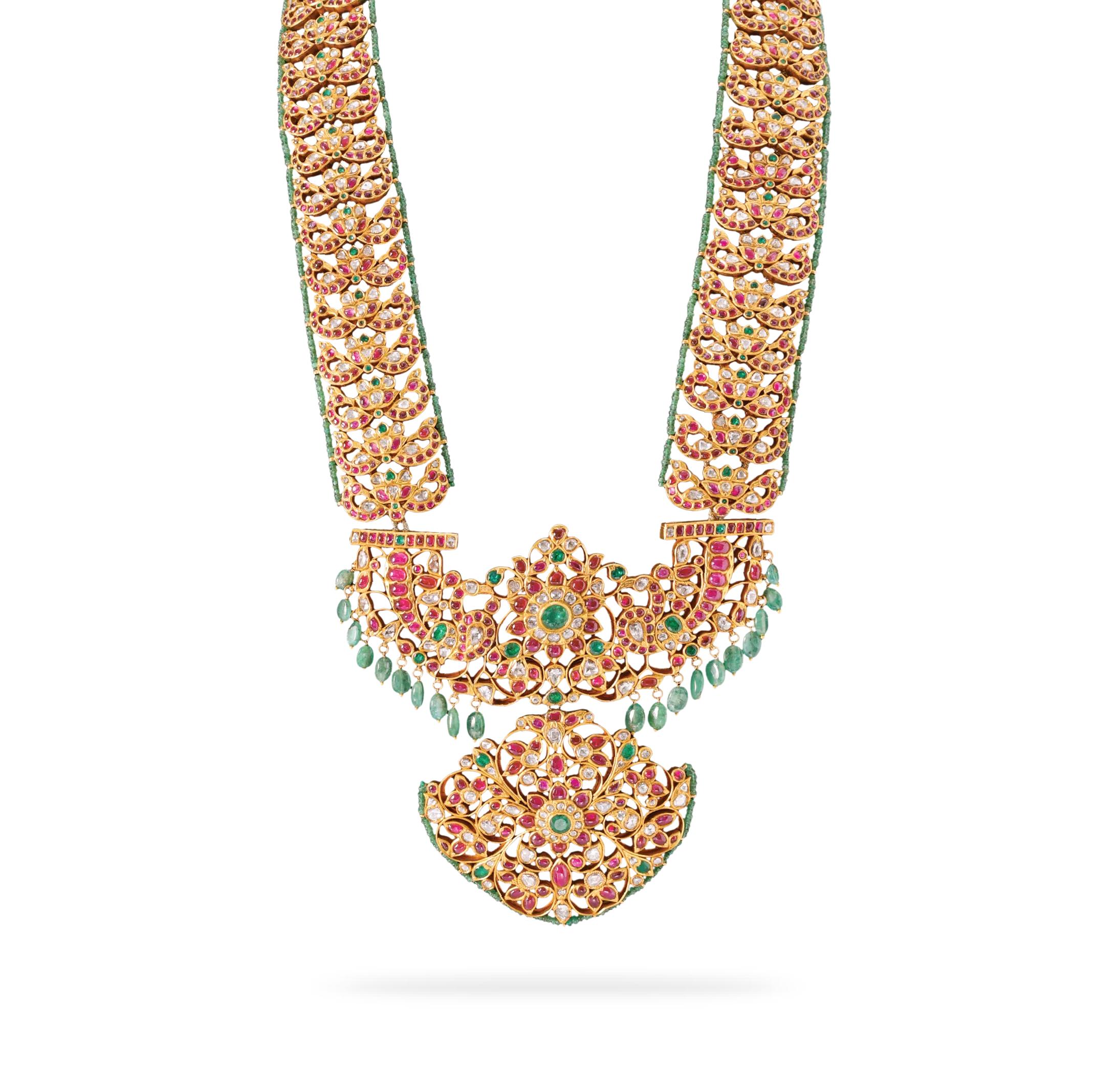
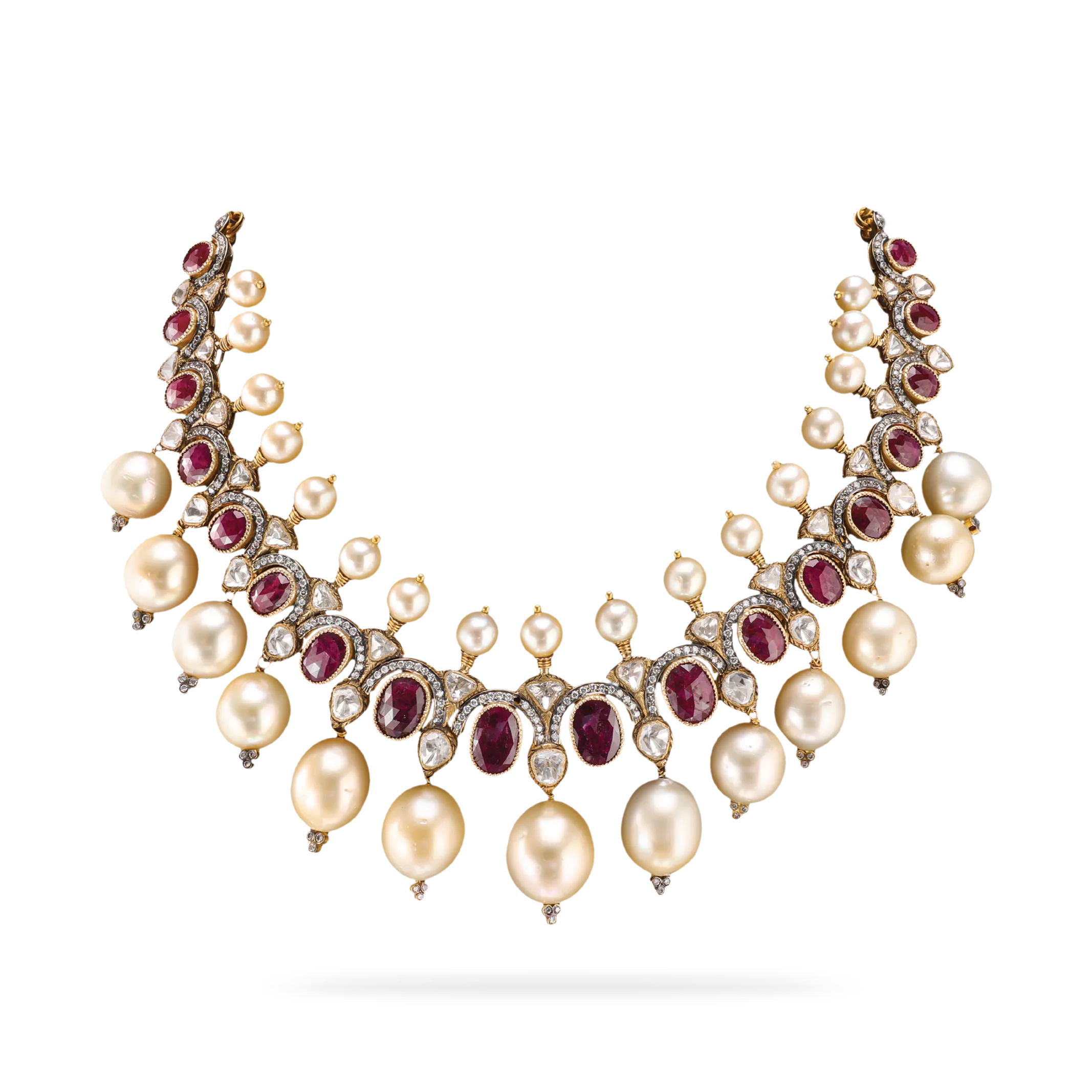
Long necklaces, often called 'harams', are a cornerstone of South Indian bridal adornment. These aren't just simple chains; they are elaborate pieces that drape beautifully, adding a majestic feel to the bride's overall look. Think multiple strands, often heavy with gold, sometimes adorned with intricate pendants featuring deities or floral patterns. They are designed to be seen, to command attention, and to complement the rich silks typically worn by brides.
The sheer weight and artistry of a well-crafted haram speak volumes about tradition and status. It’s a statement piece that has been passed down through generations, carrying stories and blessings. While traditional designs often feature gold beads or Lakshmi motifs, modern interpretations might incorporate precious stones or a more contemporary pendant style, but the essence of grandeur remains.
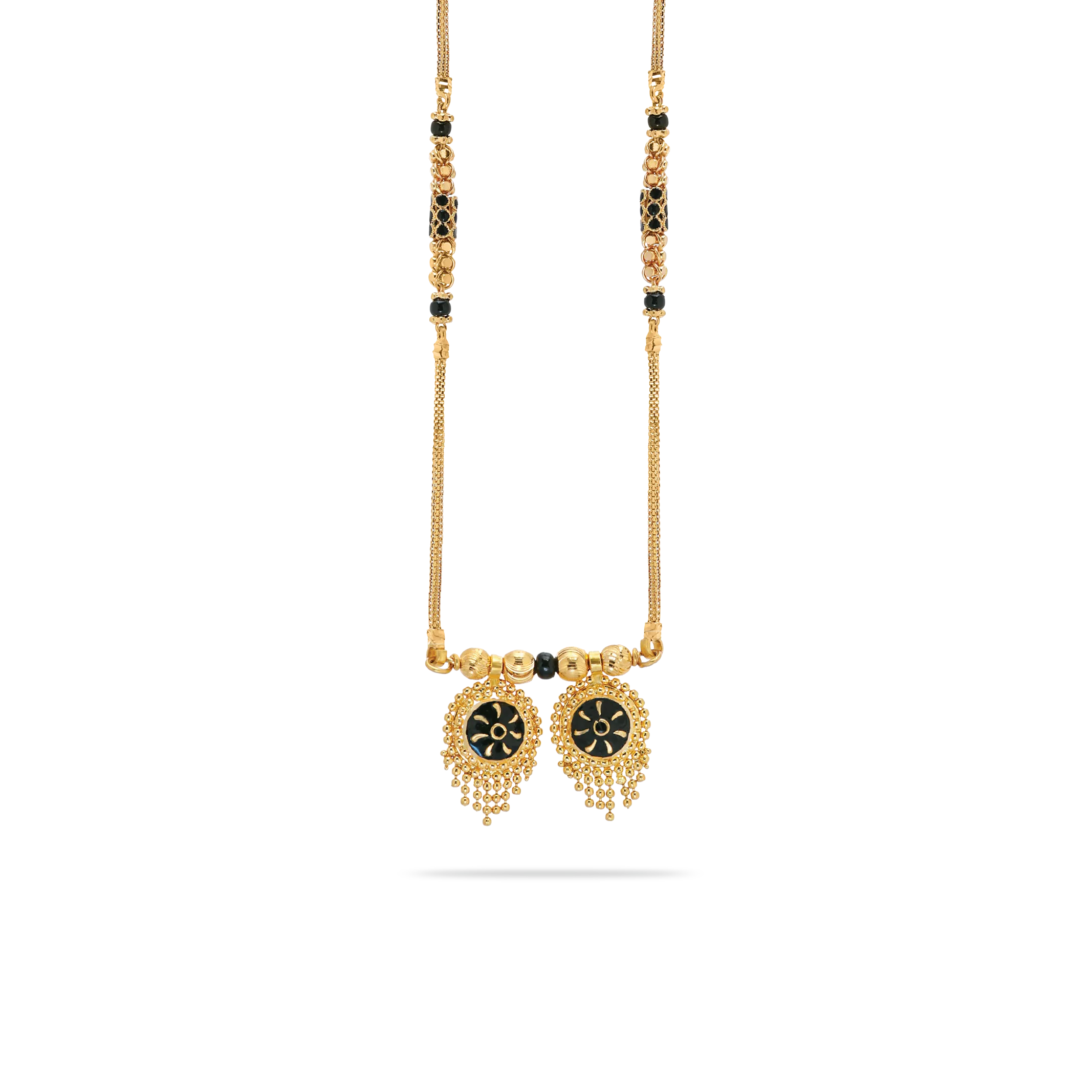
The Charm Of Mango-Motif Necklaces (Manga Malai)
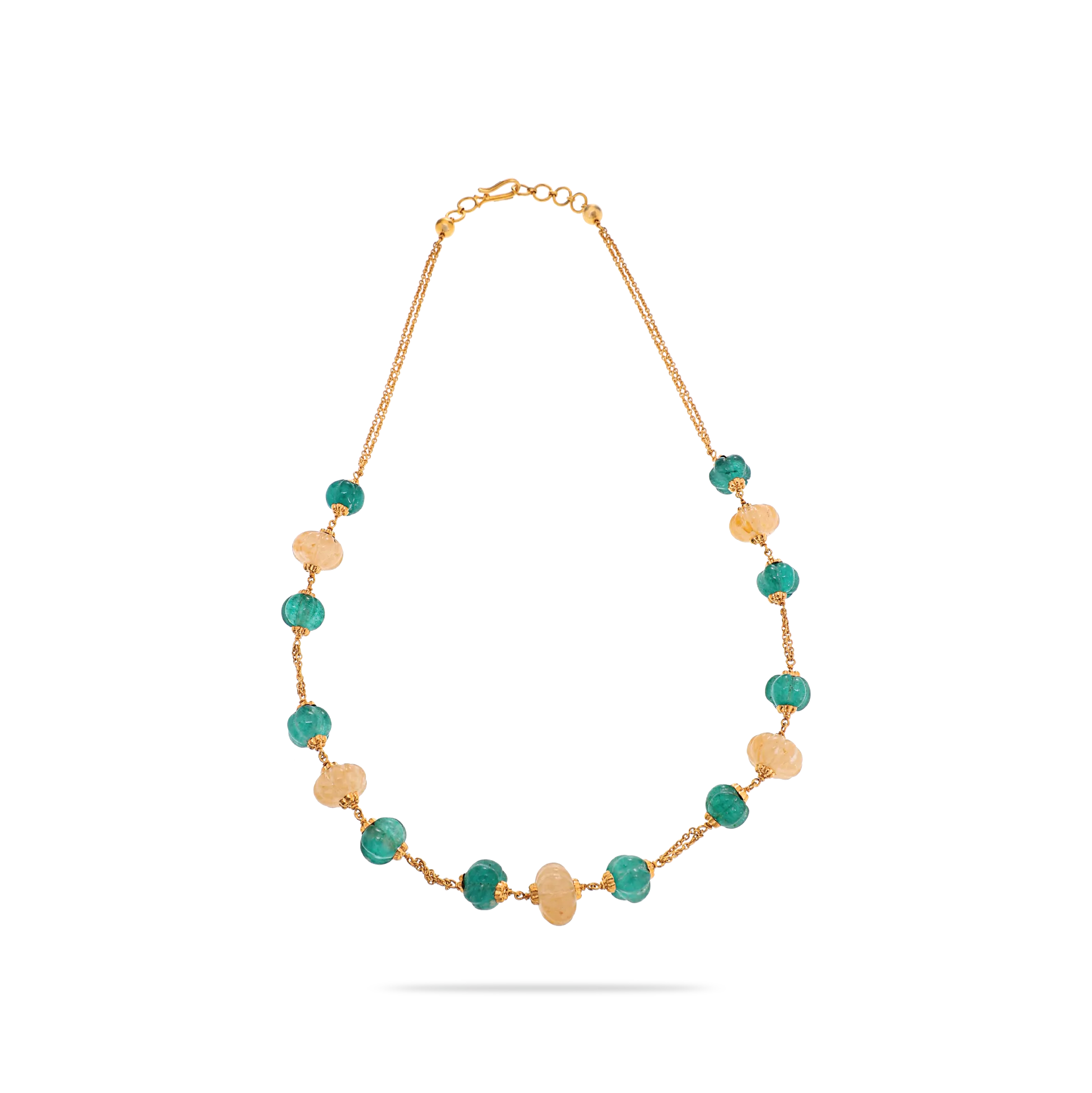
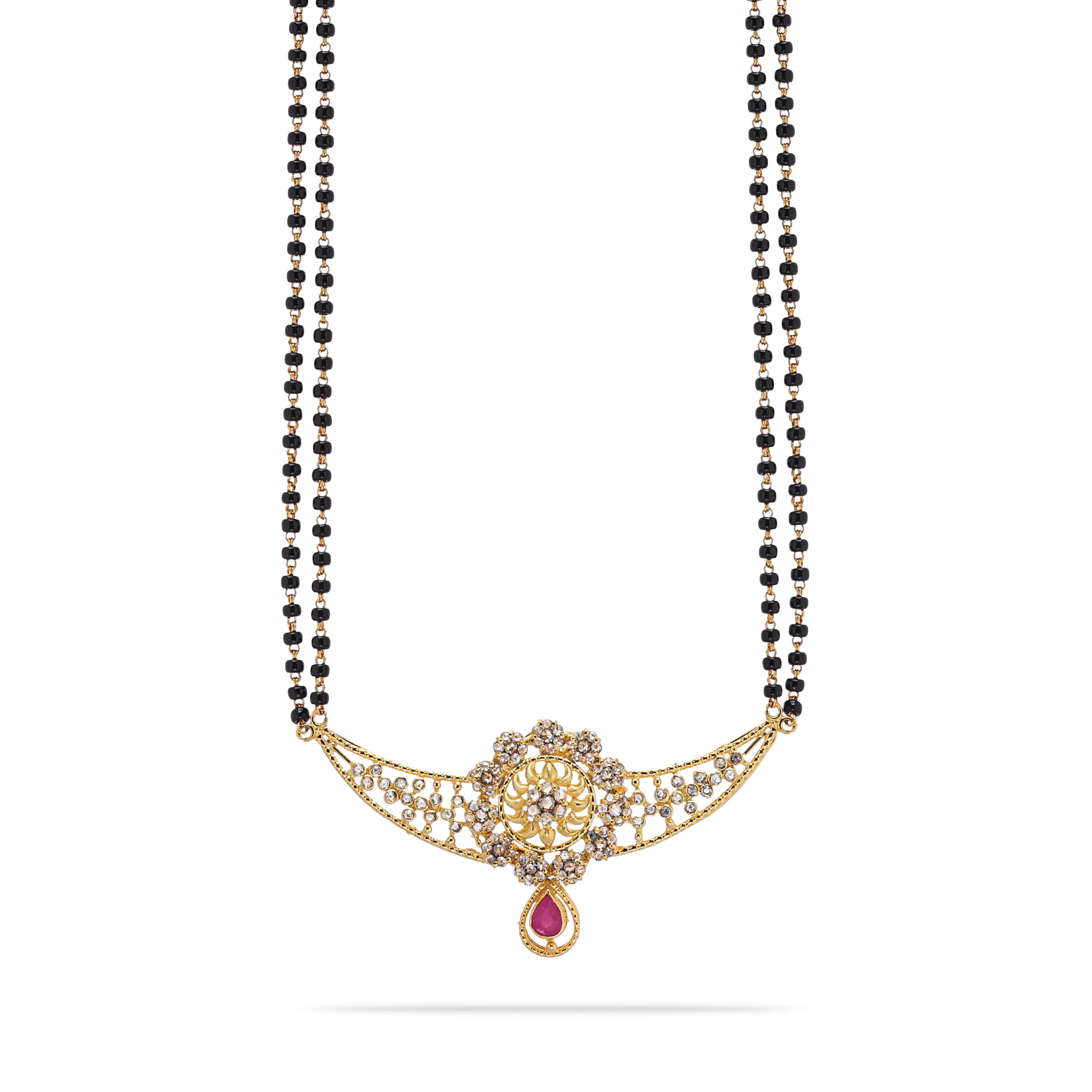
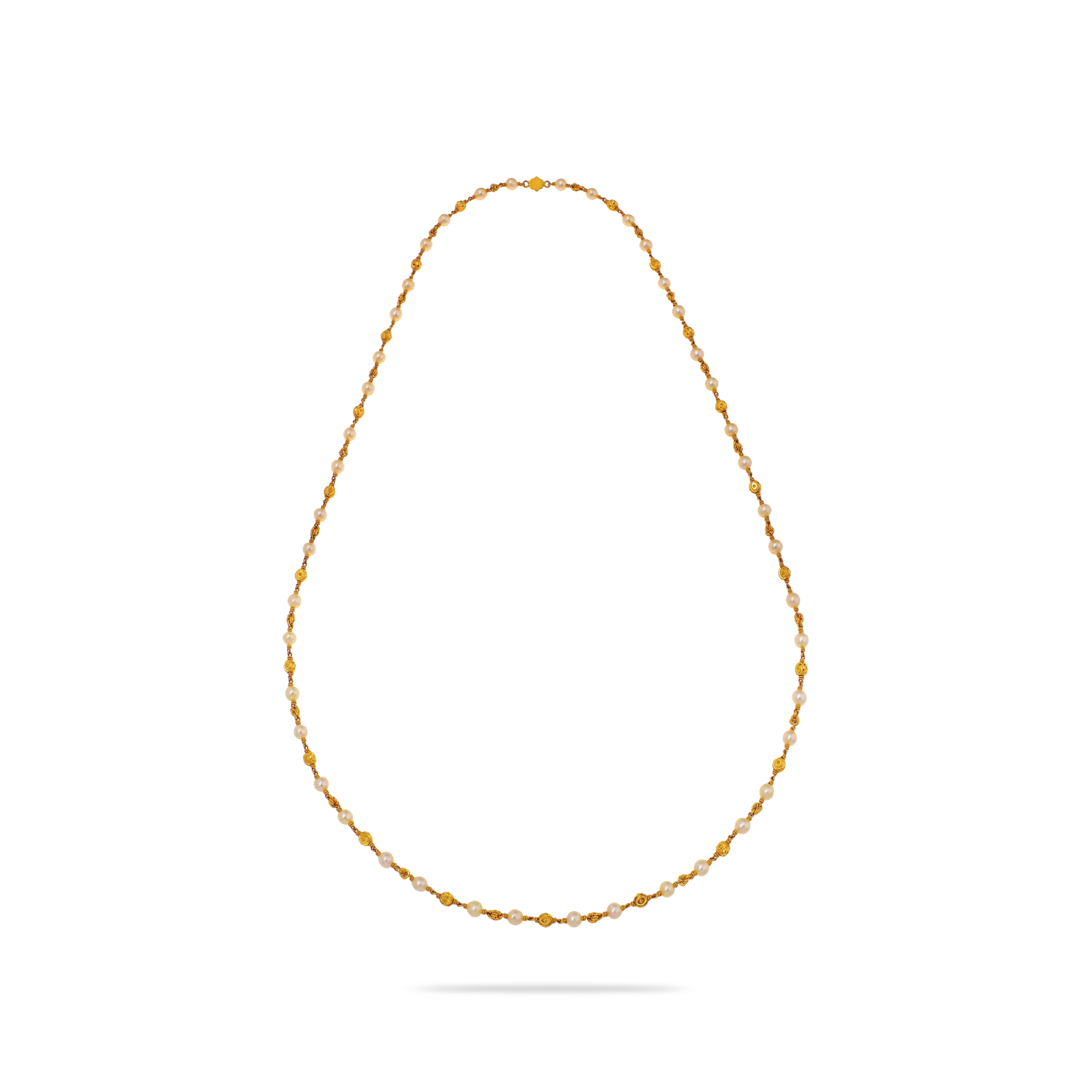
The 'manga malai', or mango-shaped necklace, is a beloved classic. Its design features a series of small, stylized mango motifs strung together, often on a delicate gold chain. The mango is a symbol of prosperity and fertility in Indian culture, making this necklace particularly auspicious for a bride. It’s a design that feels both traditional and charmingly sweet.
It’s versatile too. You can find manga malais that are quite simple and elegant, perfect for a bride who prefers a more understated look, or more elaborate versions with added beadwork or small gemstones. It pairs wonderfully with traditional silk sarees, its delicate design peeking out from the rich fabric.
The Royal Appeal Of Coin Necklaces (Kasumala)
Another distinctive South Indian bridal necklace is the 'kasumala', or coin necklace. This style is characterized by a string of small, antique-looking gold coins, often embossed with images of deities like Lakshmi or historical figures. The coins are typically linked together, creating a beautiful, rhythmic drape around the neck.
The kasumala evokes a sense of historical royalty and divine blessing. Each coin is a tiny work of art, and the collective effect is one of opulence and deep cultural connection. It’s a piece that feels ancient and incredibly special.
These necklaces are often quite substantial and are a popular choice for brides who want to embrace a truly traditional and regal aesthetic. They look particularly striking against the deep colours of Kanjeevaram silk sarees.
Adorning The Bride's Hands With Exquisite Bangles
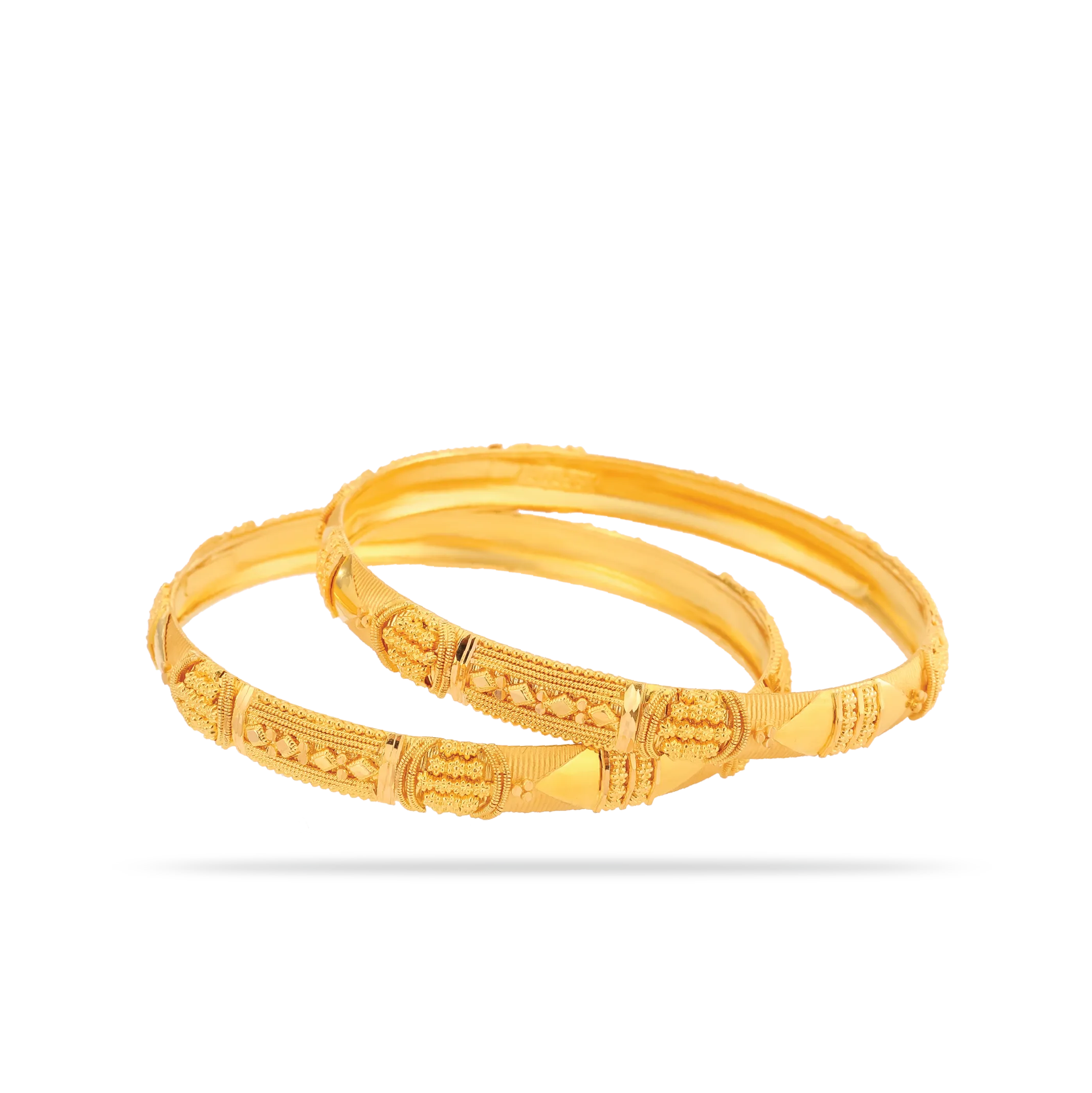
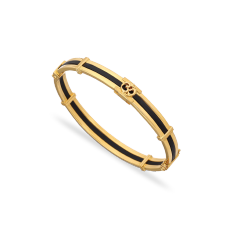
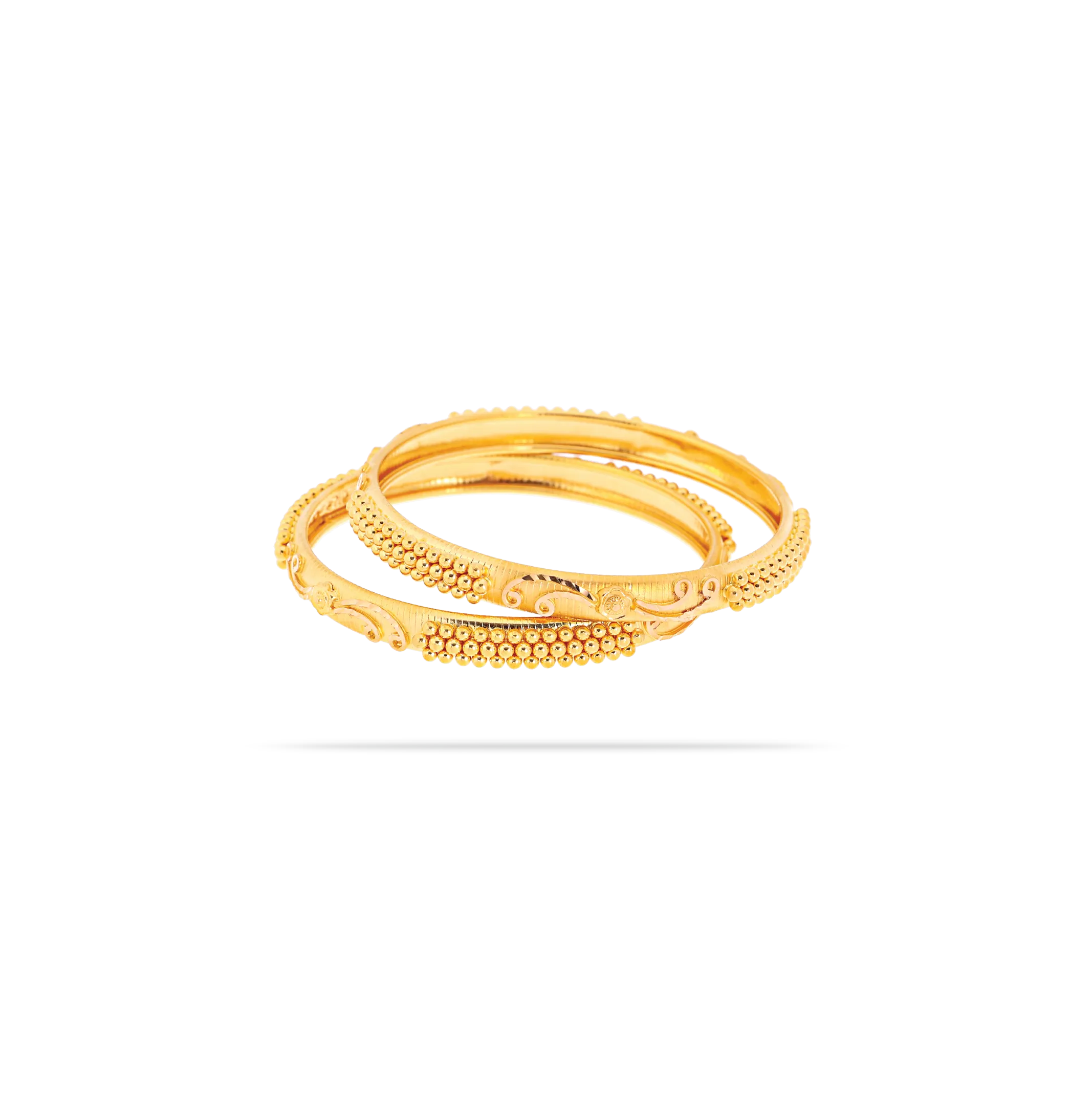
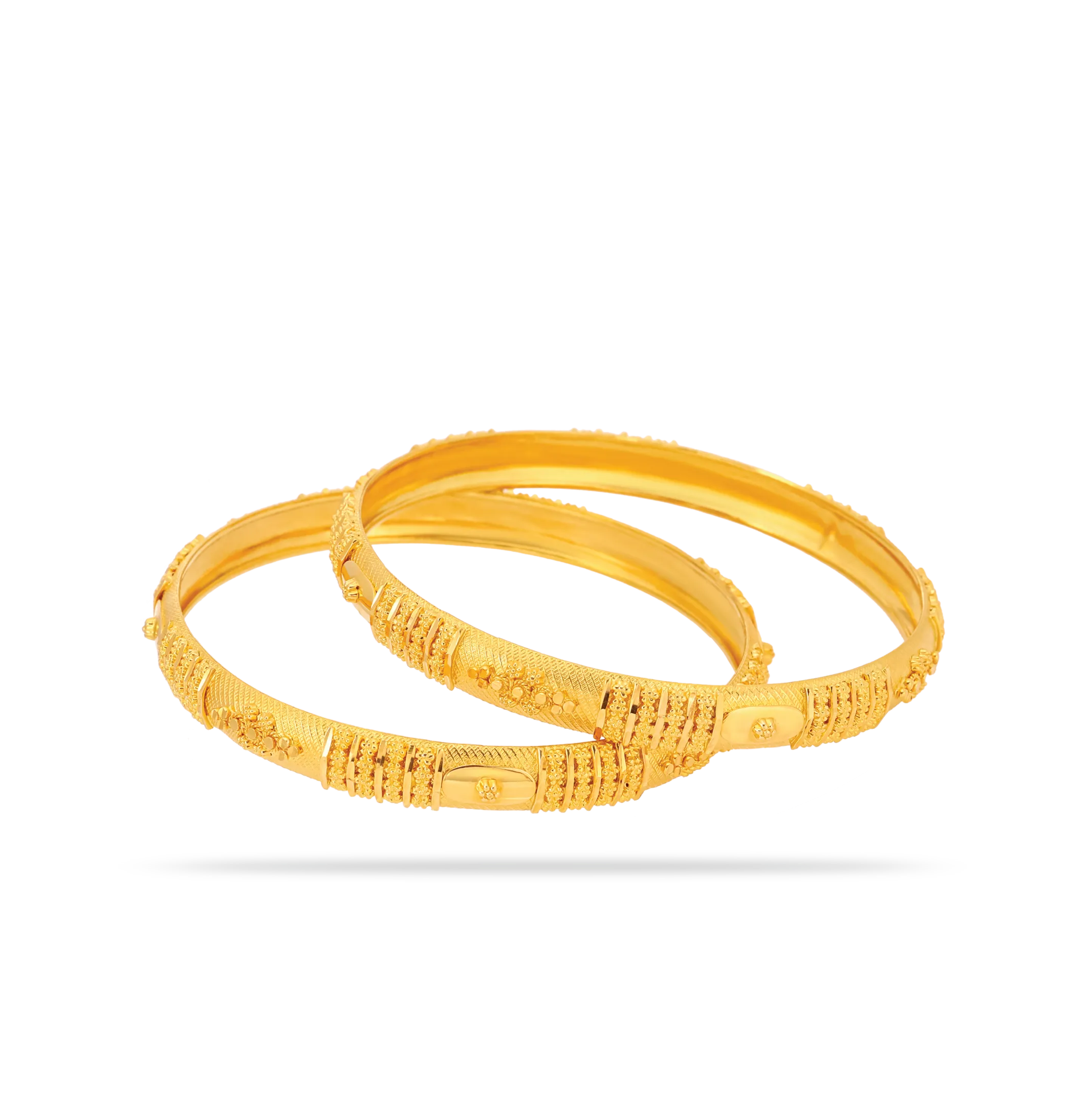
Bangles are more than just accessories for a South Indian bride; they're a vital part of her adornment, adding both visual appeal and a gentle rhythm to her movements. These circular ornaments, traditionally crafted in gold, are a cornerstone of bridal jewellery, symbolizing marital status and prosperity. Brides often choose to wear a mix of bangles, from a few thick, statement pieces to a cascade of delicate ones. The way they jingle and catch the light as the bride moves is truly captivating.
The Versatility Of Kada Bangles
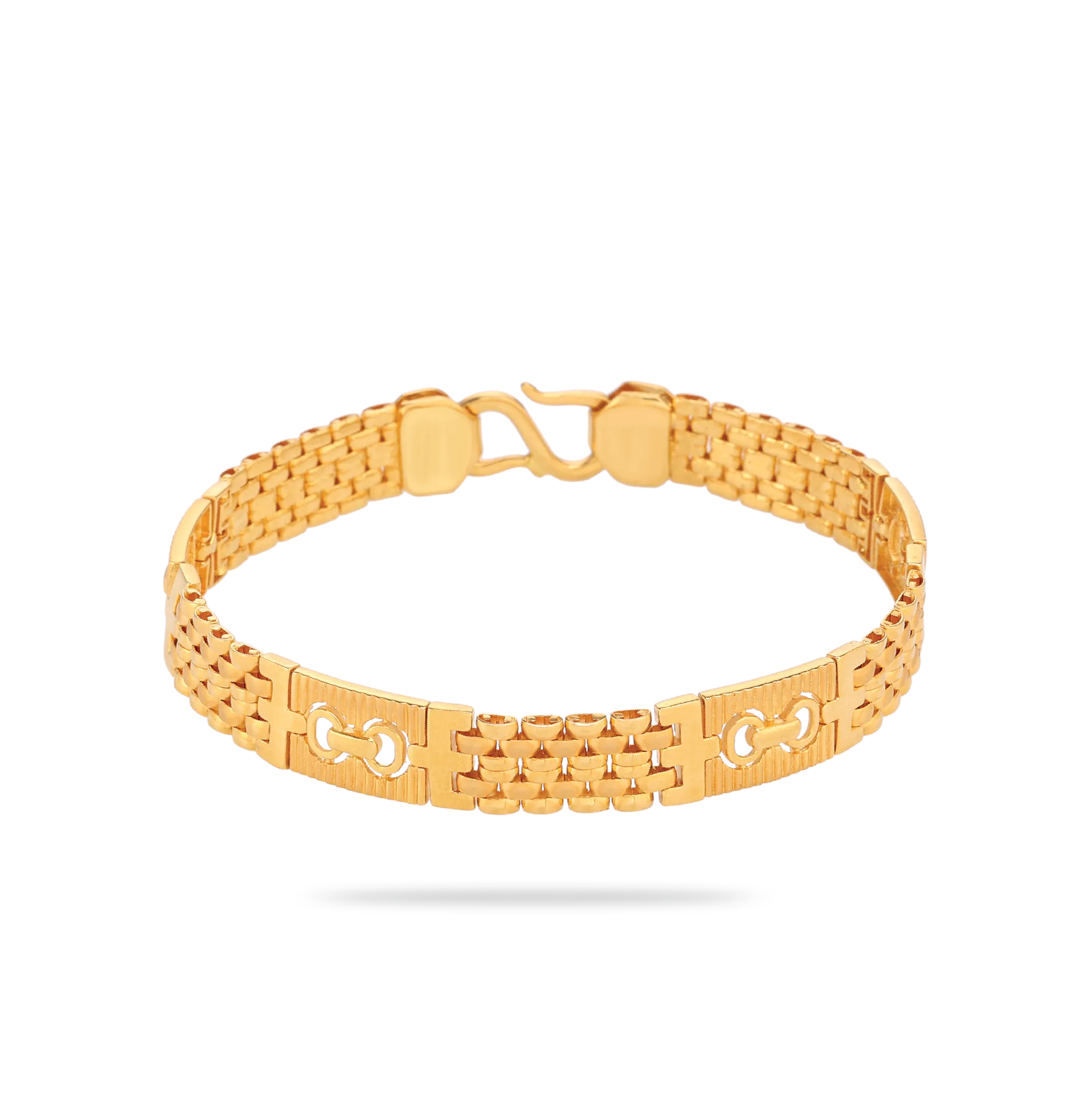
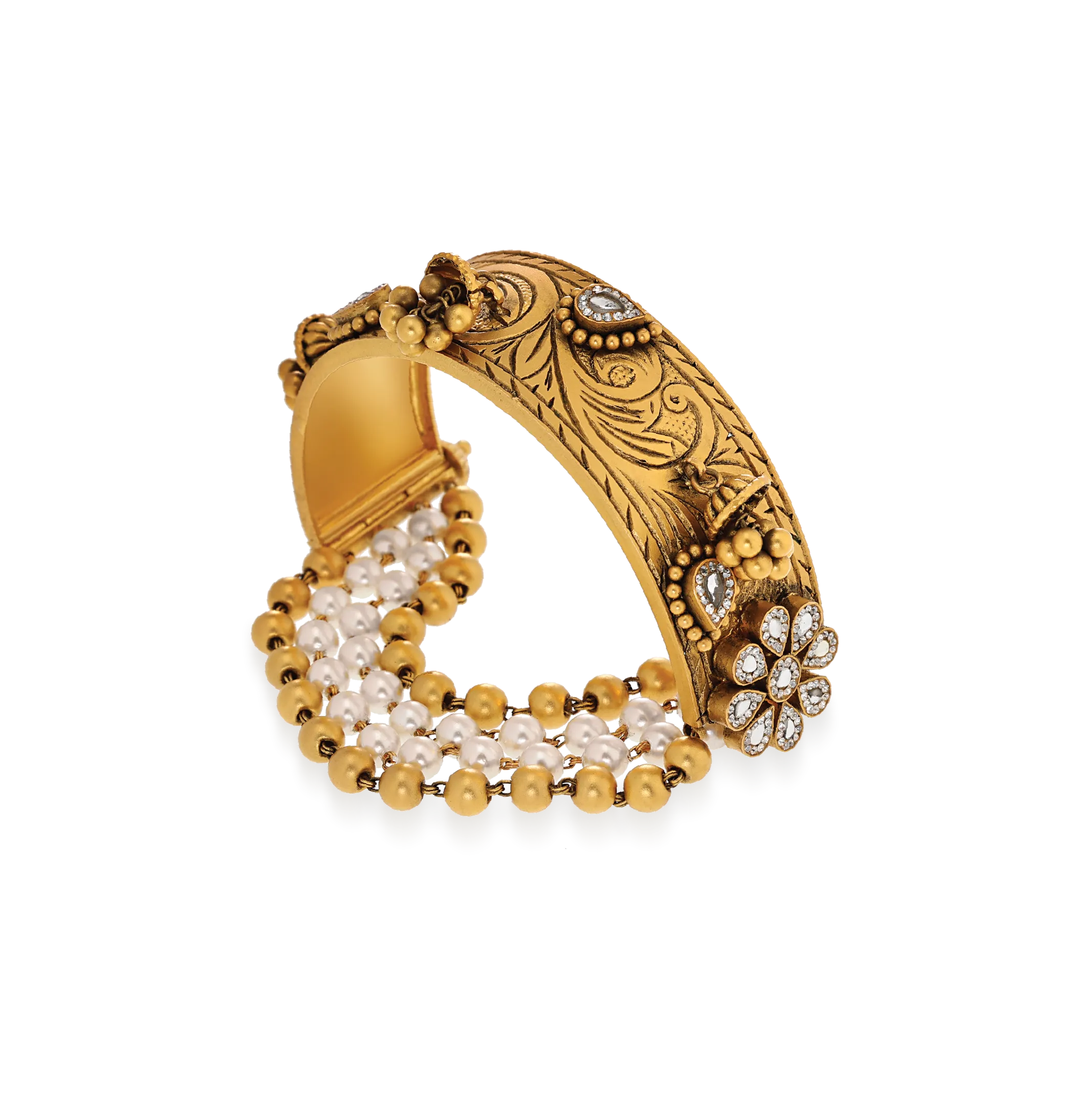
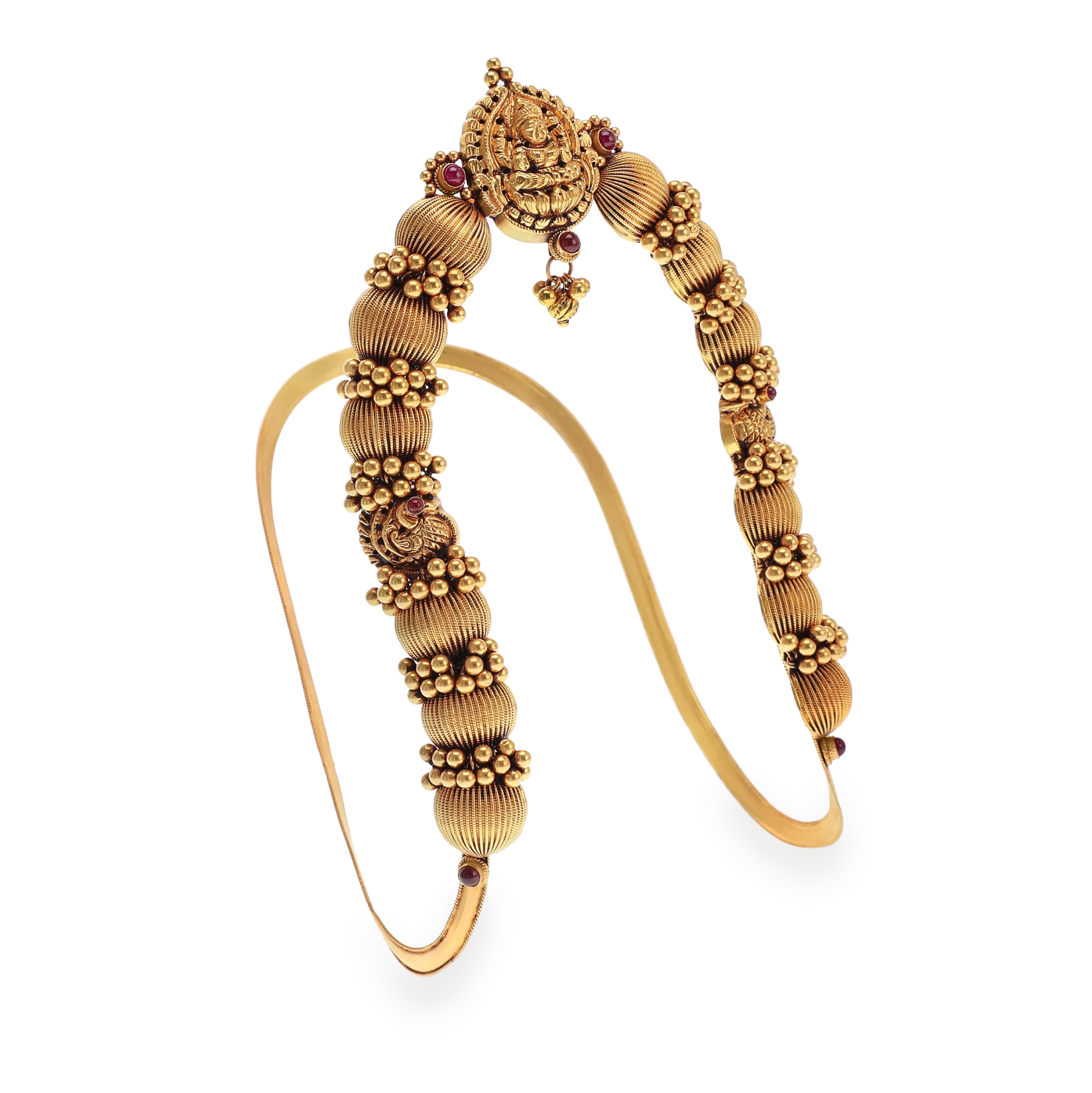
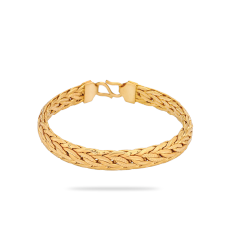
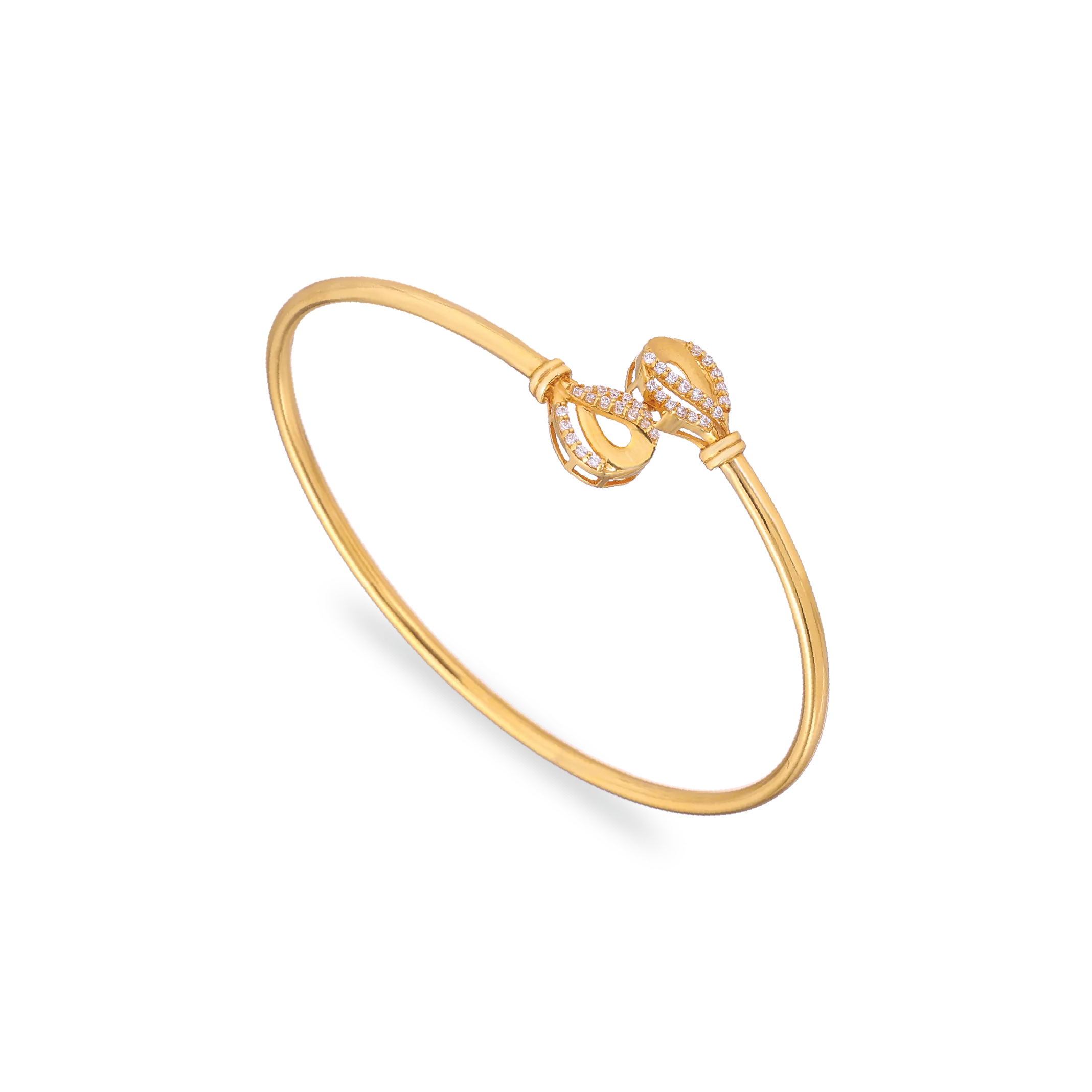
Kadas are essentially thick, bracelet-like bangles that make a statement on their own. They often feature elaborate carvings, intricate patterns, or even precious stones embedded within the gold. A bride might wear a single, magnificent kada on each wrist, or pair them with thinner bangles for a more layered look. They offer a sense of regal elegance and are a testament to the detailed artistry involved in their creation.
Gemstone Bangles For Vibrant Hues
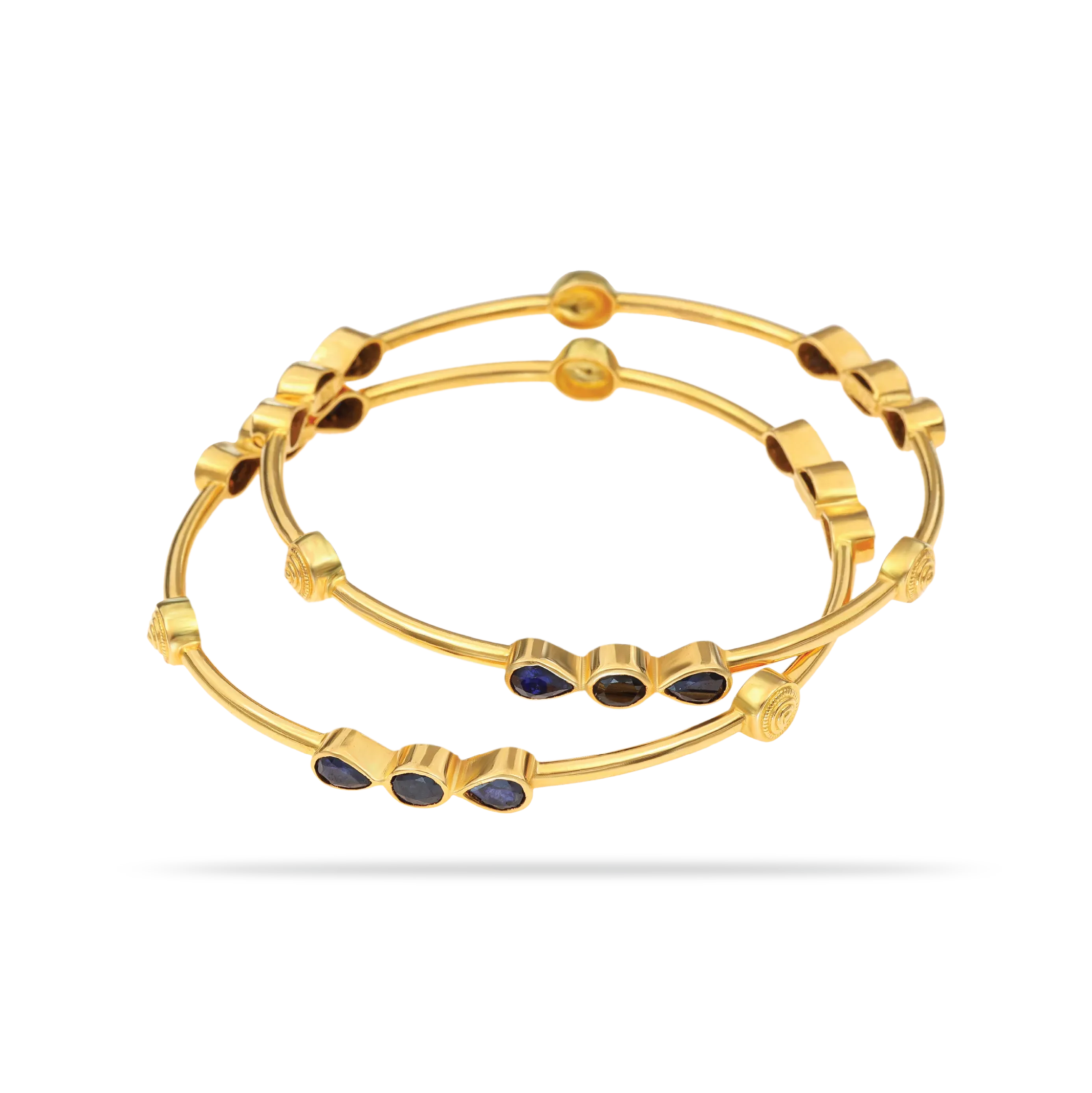
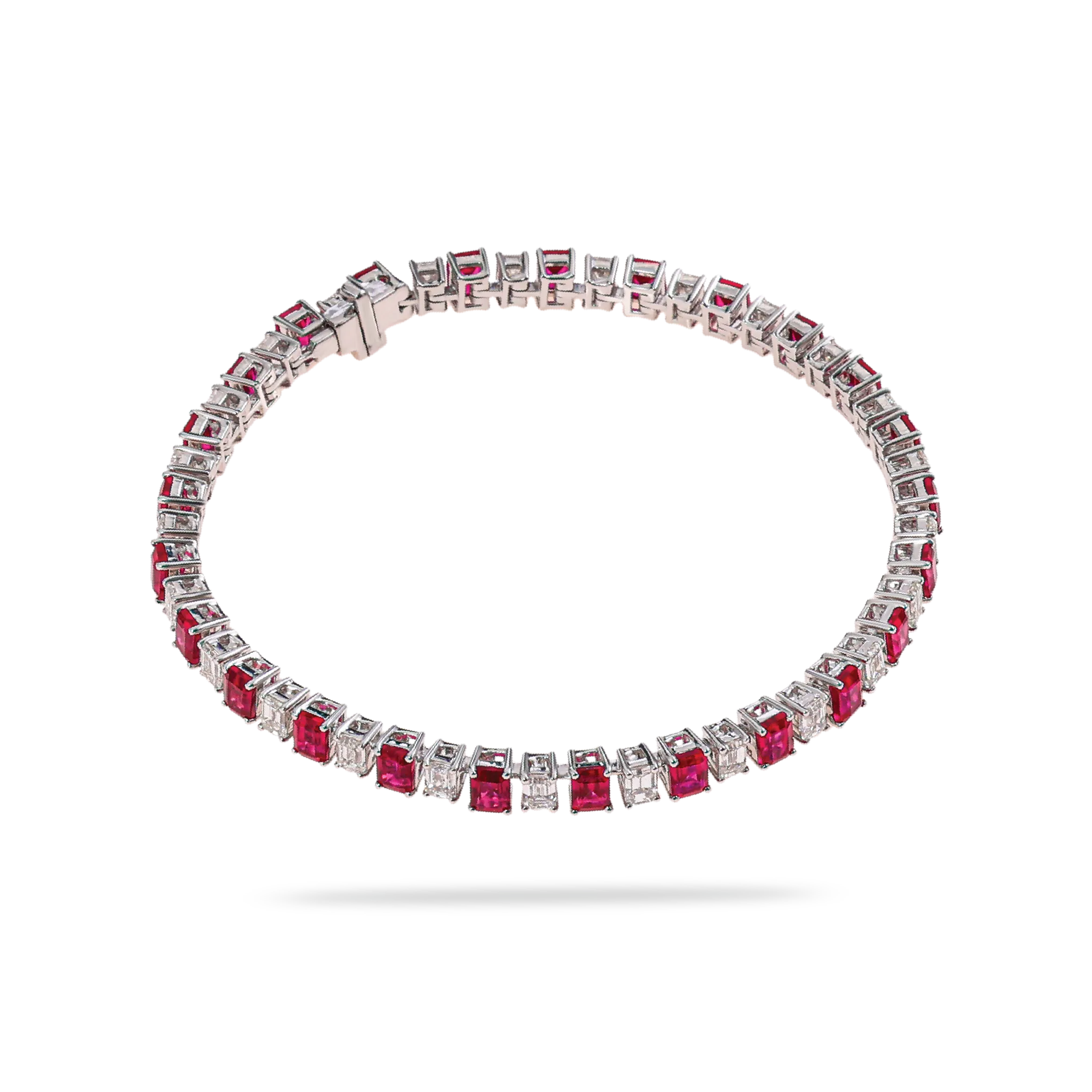
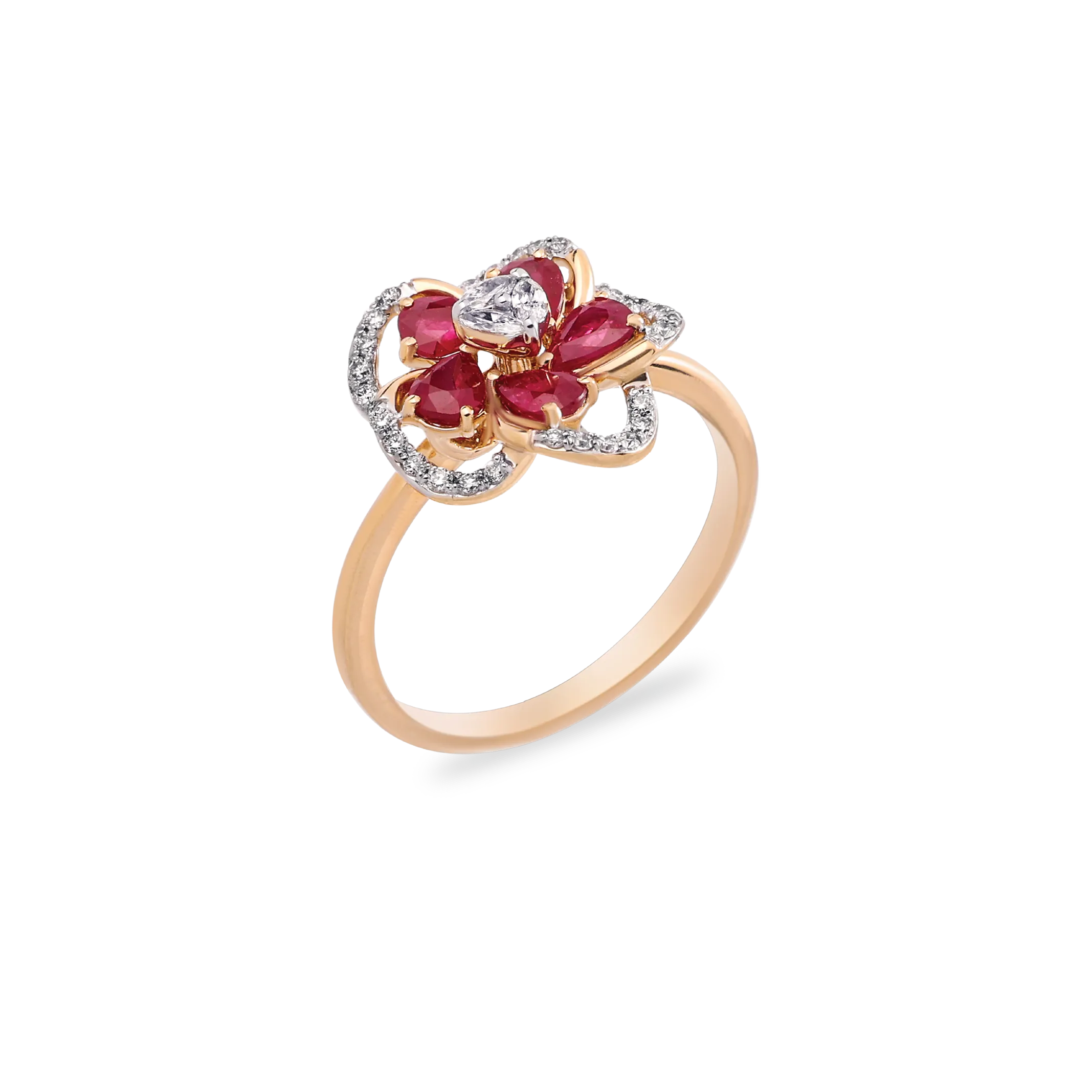
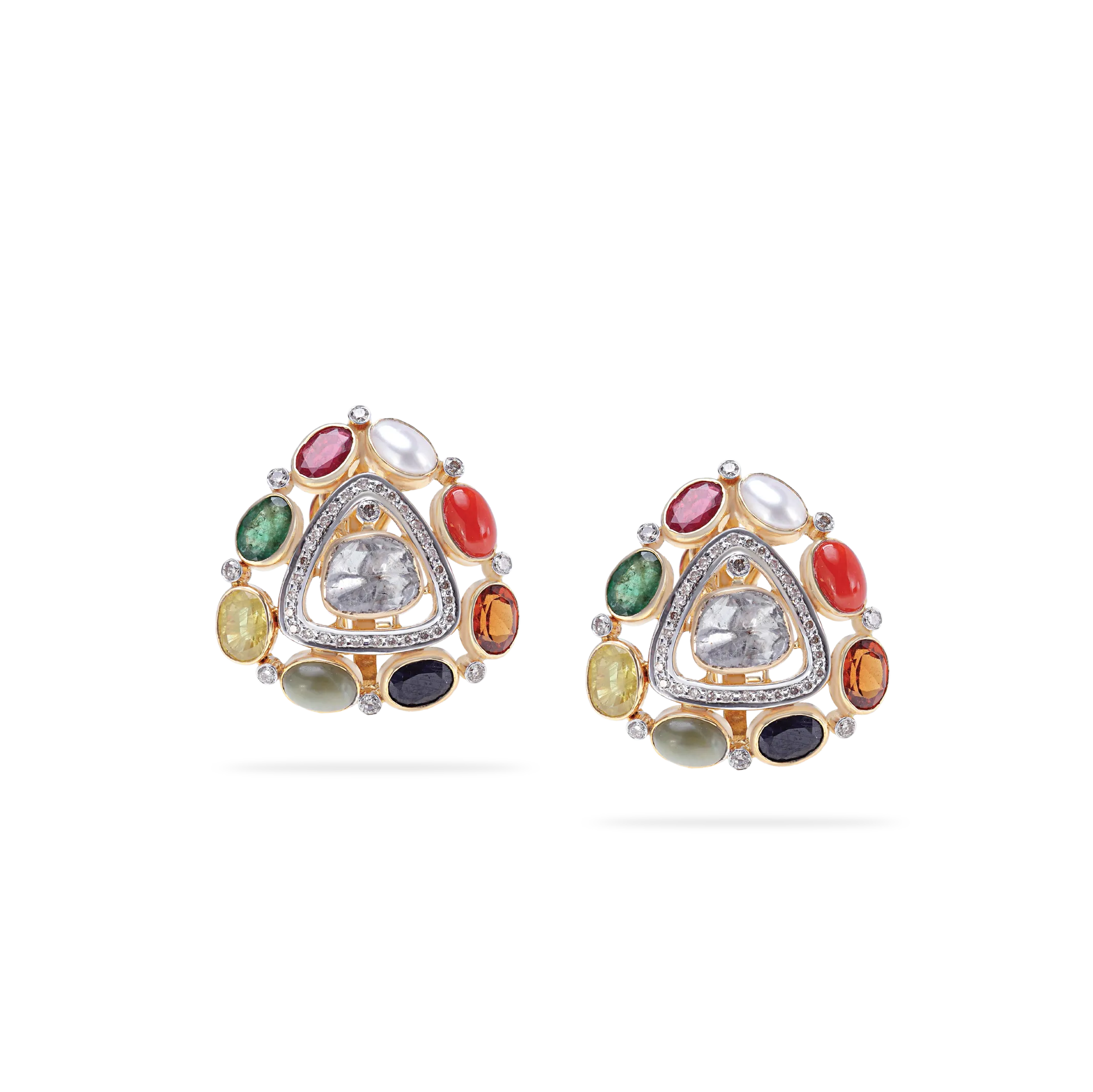
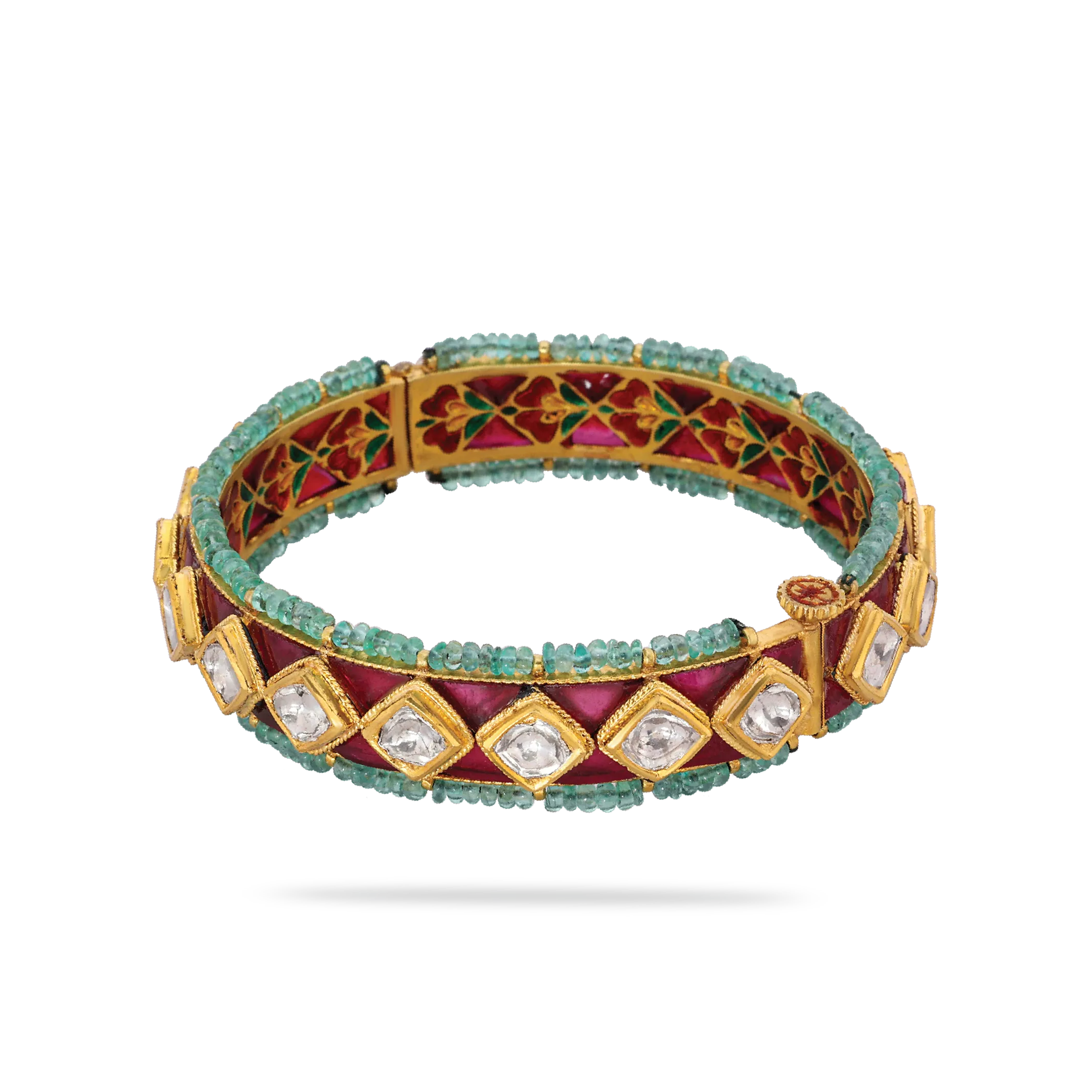
For brides who want to inject a splash of color into their bridal ensemble, gemstone bangles are a perfect choice. These bangles incorporate a variety of vibrant stones like rubies, emeralds, or sapphires, each chosen for its beauty and often, its symbolic meaning. The interplay of gold and colorful gemstones creates a lively and personalized touch, making each bangle unique.
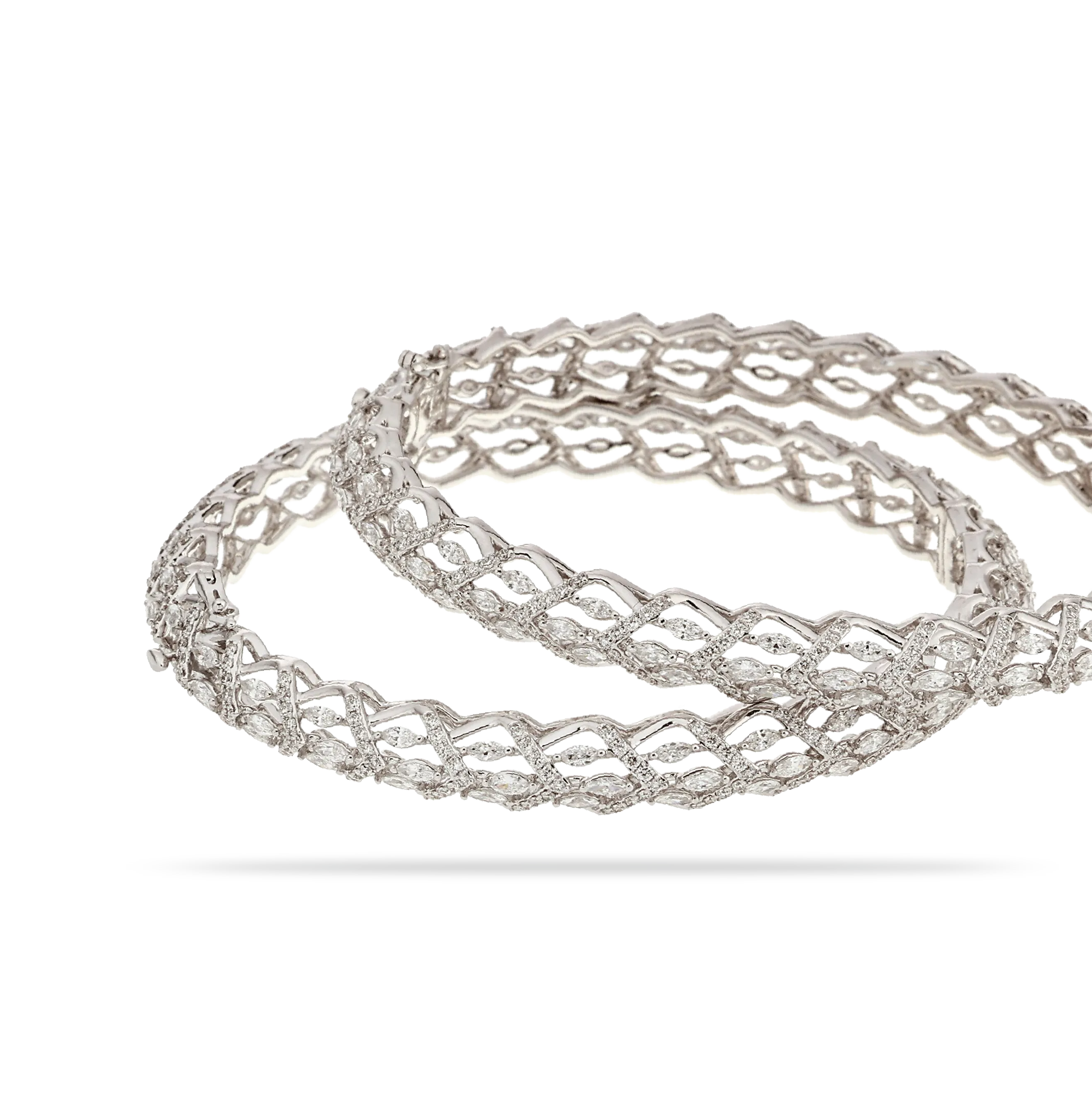
Diamond Bangles For Added Sparkle
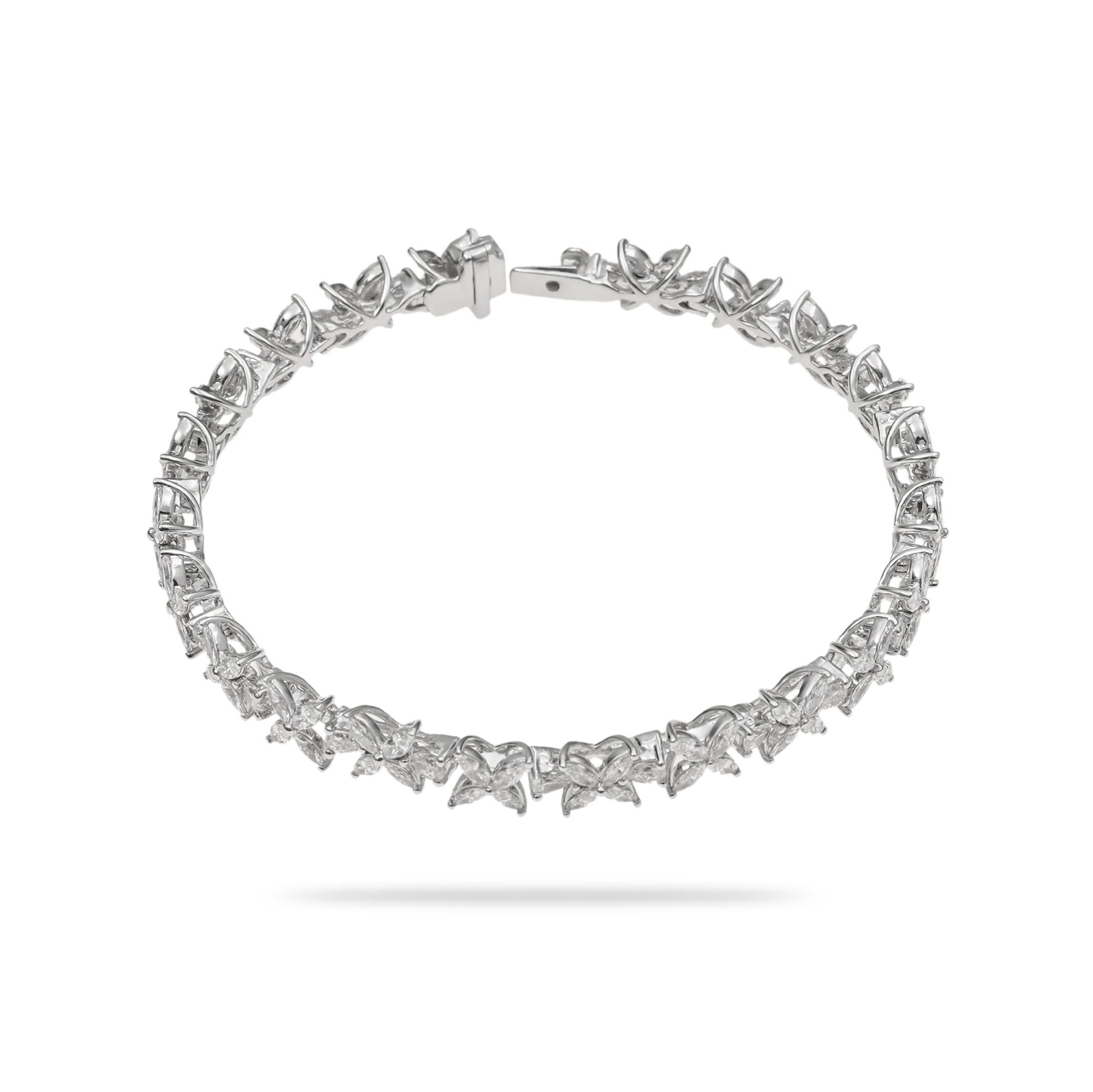
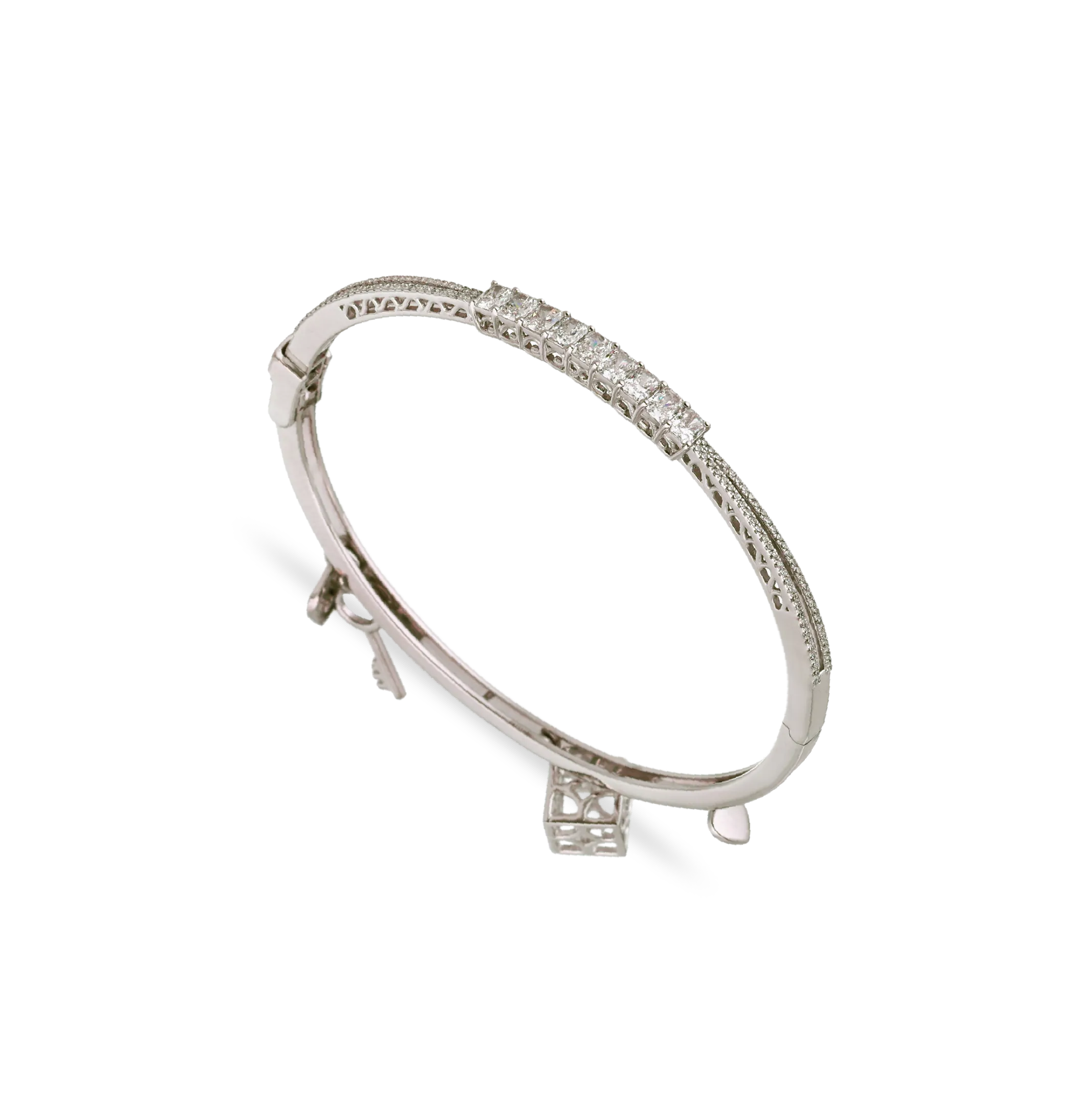
And then there are the diamond bangles. These are for the bride who desires that extra bit of glamour and sparkle on her special day. Often, diamond bangles are paired with traditional gold ones, creating a stunning contrast between classic warmth and brilliant shine. They add a touch of modern luxury to the traditional bridal look, ensuring the bride truly dazzles.
The selection and layering of bangles are deeply personal, allowing each bride to express her individual style while honoring age-old traditions. It's a beautiful way to add both elegance and a sense of completeness to the bridal attire.
Waistbands And Forehead Ornaments: Completing The Look
Beyond the necklaces and bangles, a few key pieces really tie the whole South Indian bridal look together. These aren't just accessories; they're statements of tradition and beauty.
The Majestic Odiyanam (Waistband)
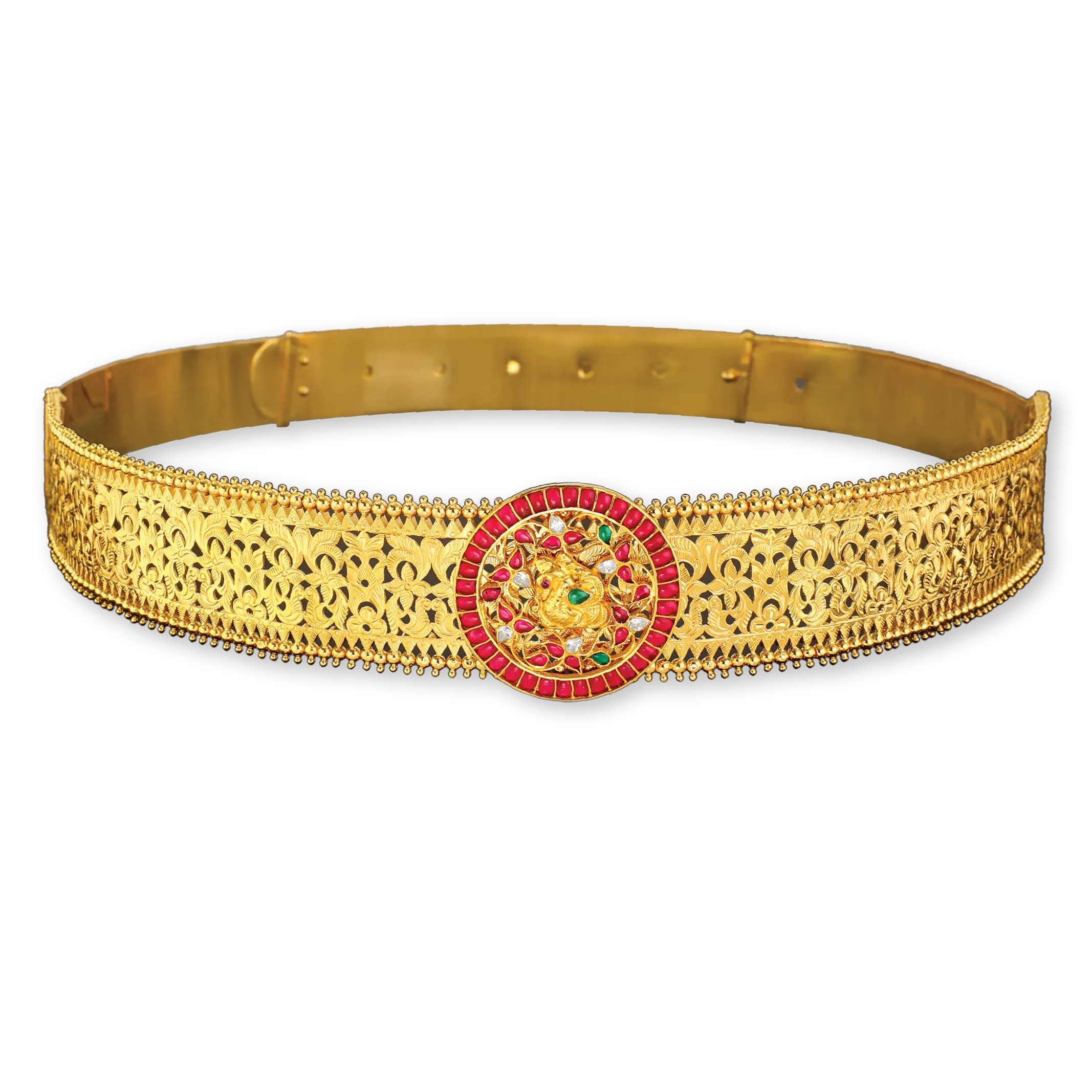
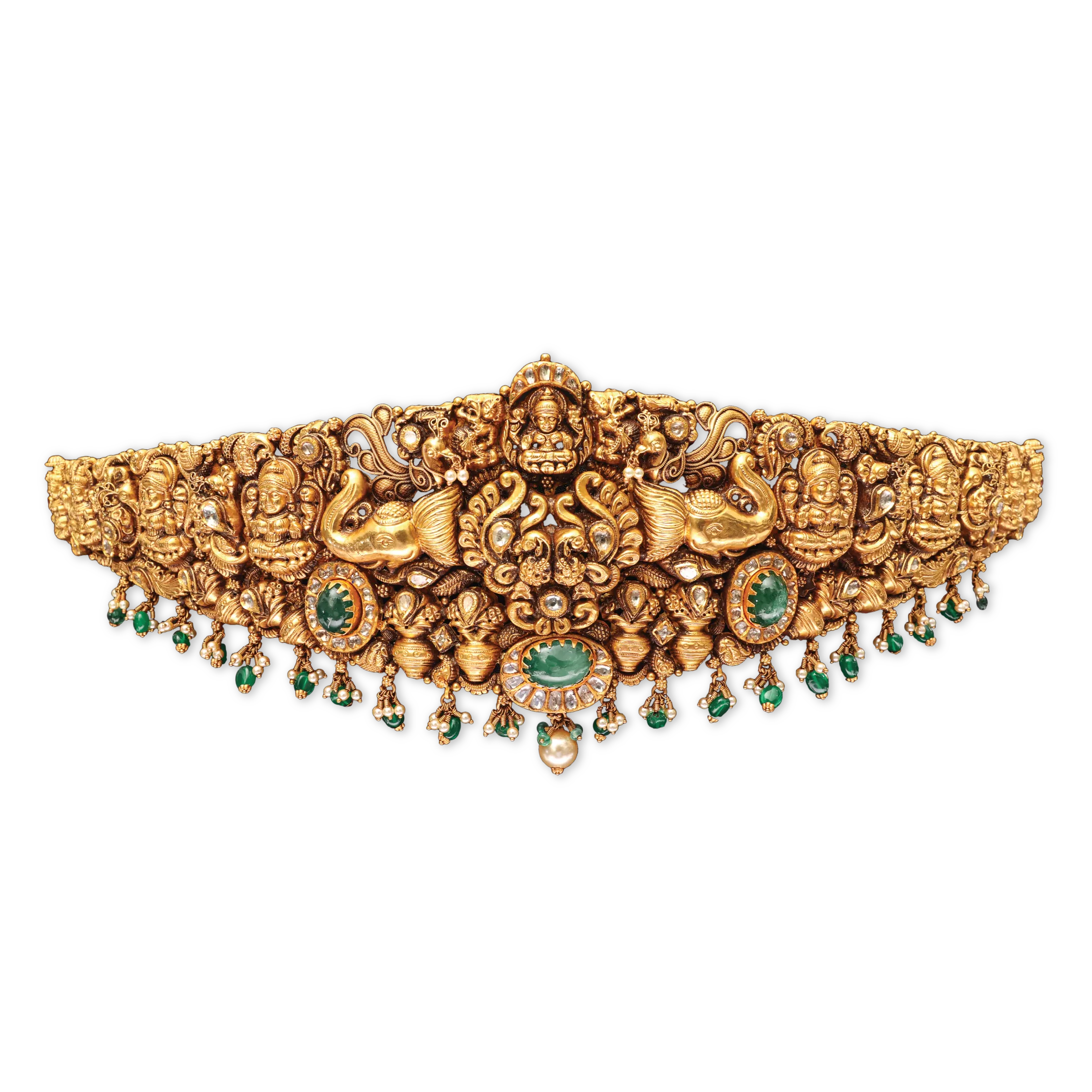
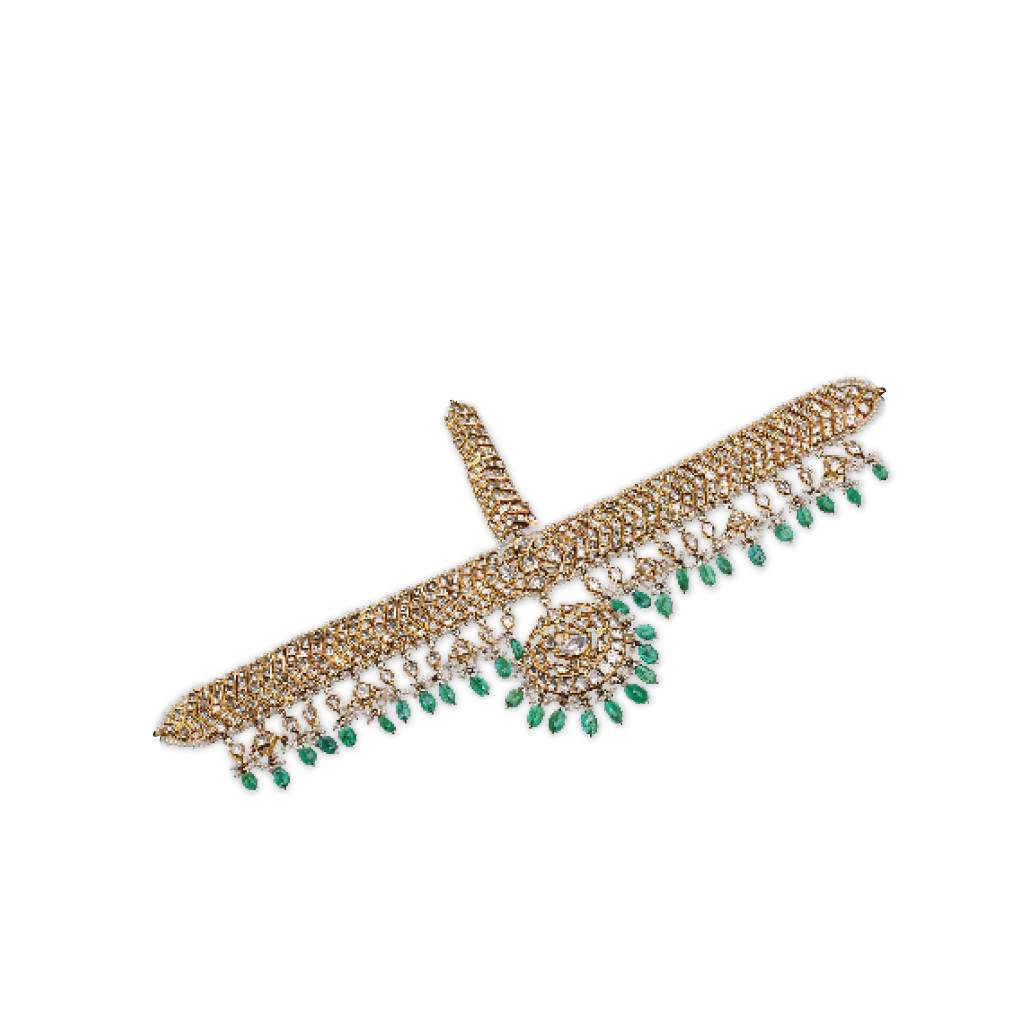
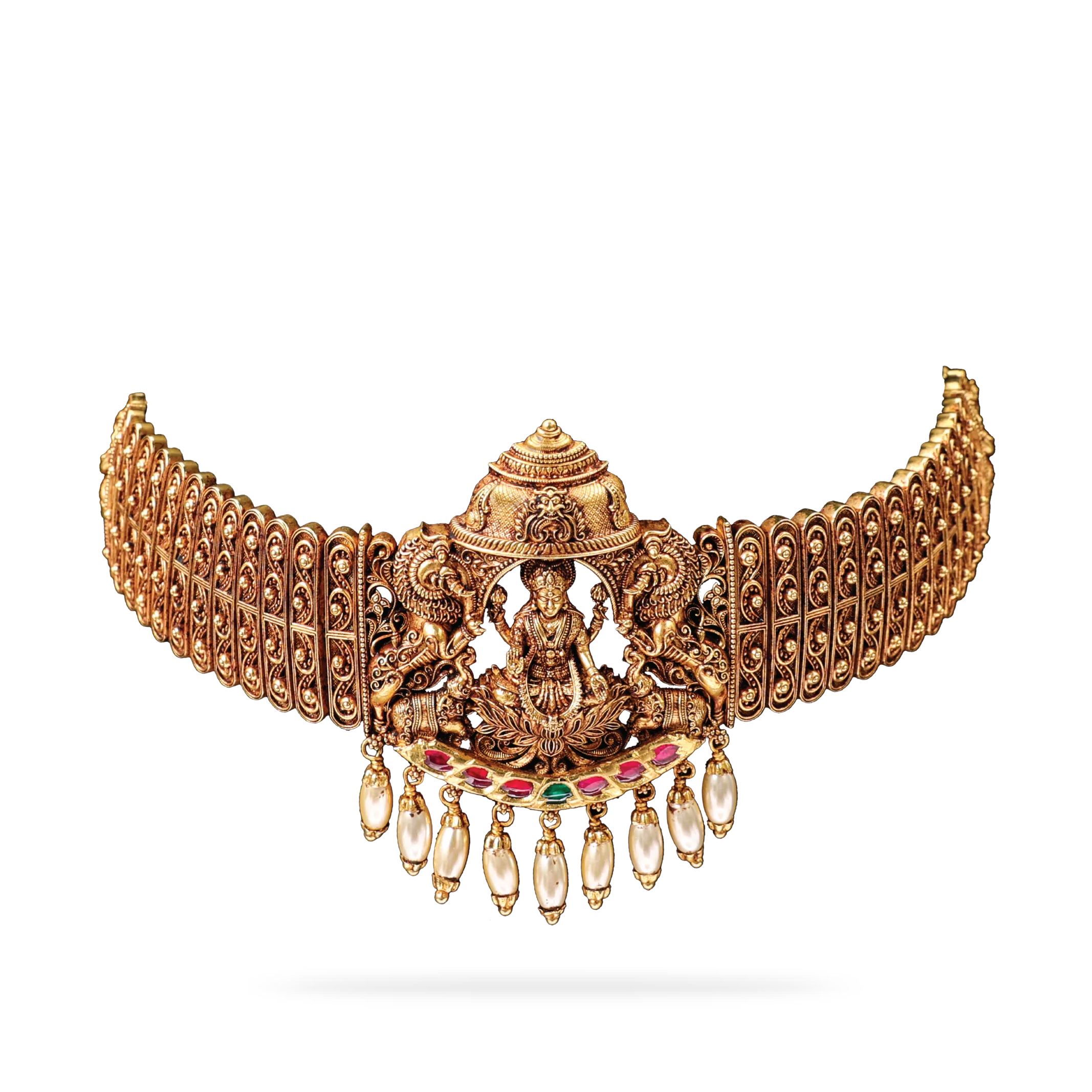
The Odiyanam, or kamarbandh, is a stunning waistband that cinches the bride's waist, adding a regal touch to her attire. It's often crafted from gold and can be quite elaborate, featuring intricate carvings, floral patterns, or even depictions of deities. This piece doesn't just look good; it accentuates the bride's silhouette, making her saree or lehenga drape just right. Historically, these were worn by royalty, and you can still feel that sense of grandeur when you see one.
- Materials: Typically gold, sometimes with embedded precious or semi-precious stones .
- Designs: Can range from simple, elegant chains to heavily ornate pieces with intricate motifs.
- Significance: Adds a royal flair and completes the traditional bridal silhouette.
This oxidized Indian waist belt offers a vintage aesthetic that complements ethnic wear beautifully.
The Significance Of The Maang Tikka
This forehead ornament is a true showstopper. The Maang Tikka sits right in the center of the hairline, with a pendant that drapes down the forehead. It's believed to draw the focus to the bride's eyes and forehead, adding an aura of mystique. The designs vary widely, from simple, single pendants to elaborate, multi-layered pieces that extend across the forehead. It's a symbol of marital bliss and is often passed down through generations.
The Maang Tikka is more than just a pretty accessory; it's often seen as a spiritual focal point, representing the third eye and bestowing blessings upon the bride.
Nose Rings: A Touch of Tradition
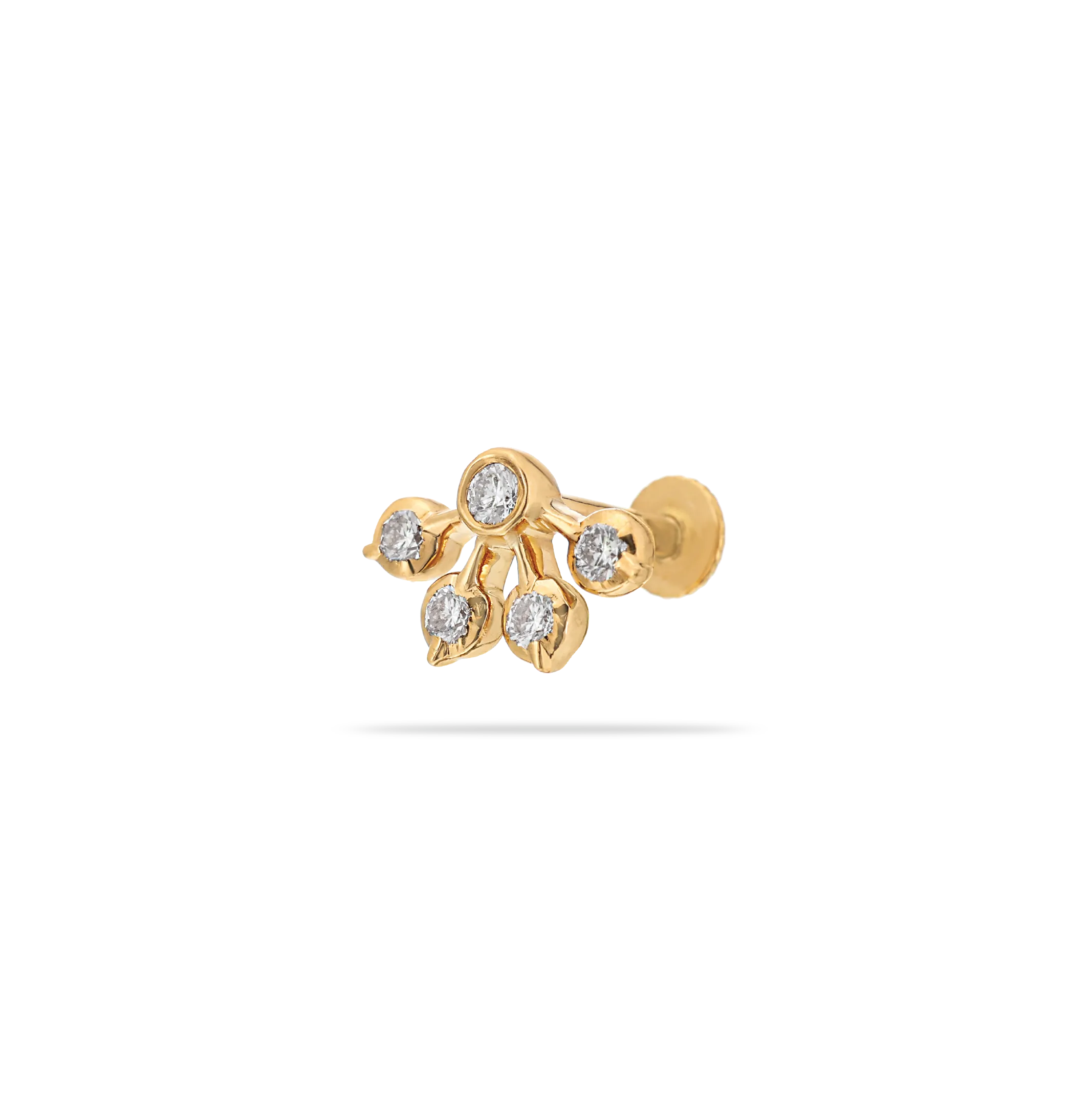
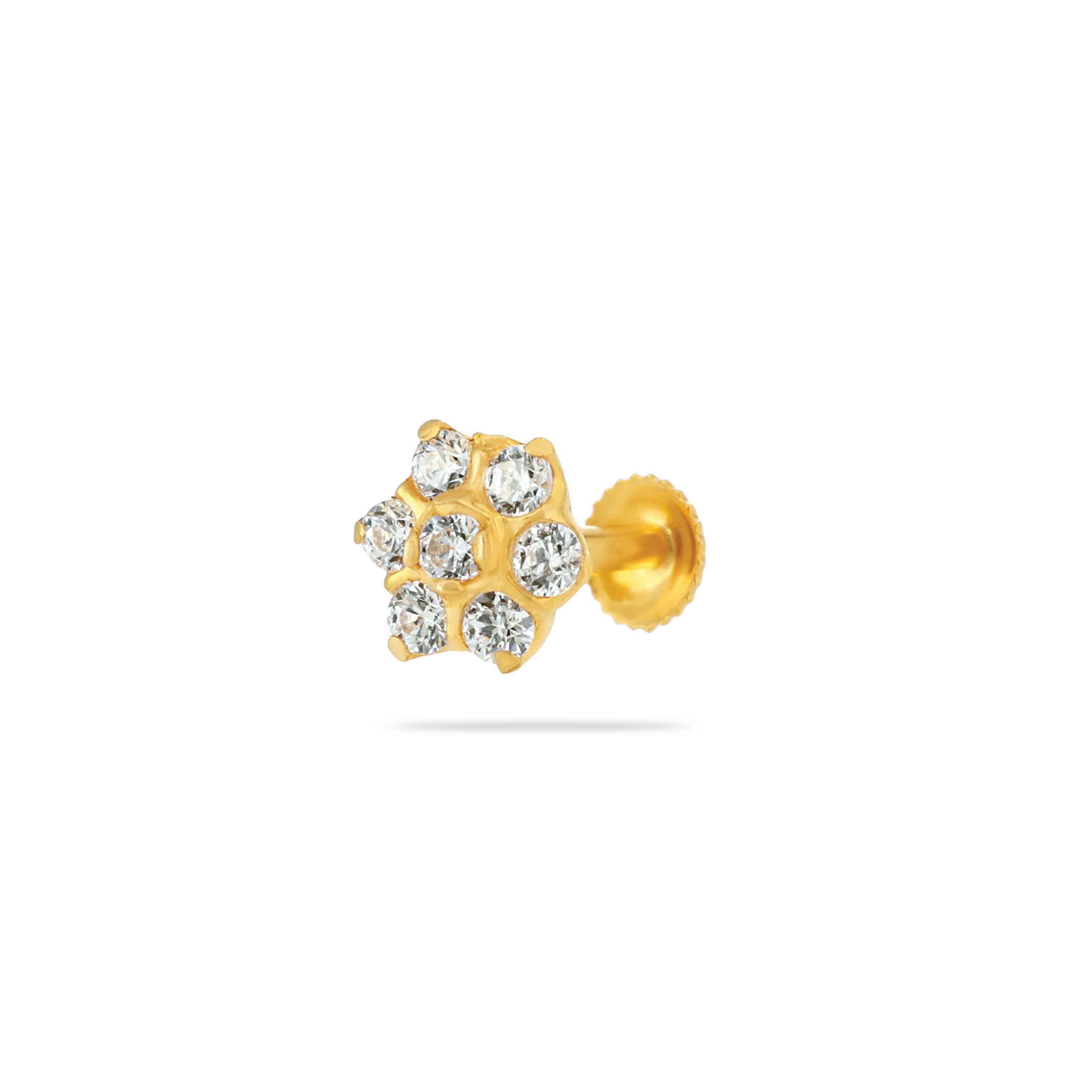
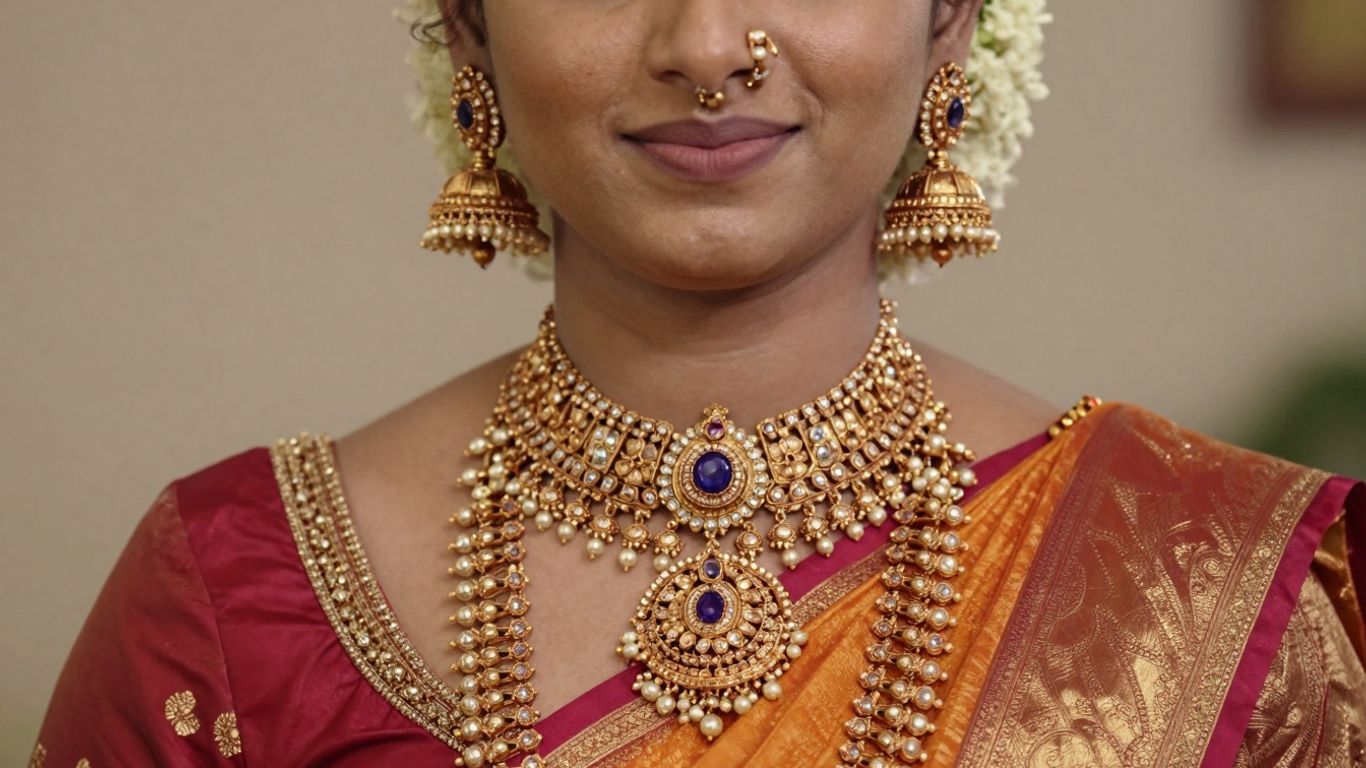
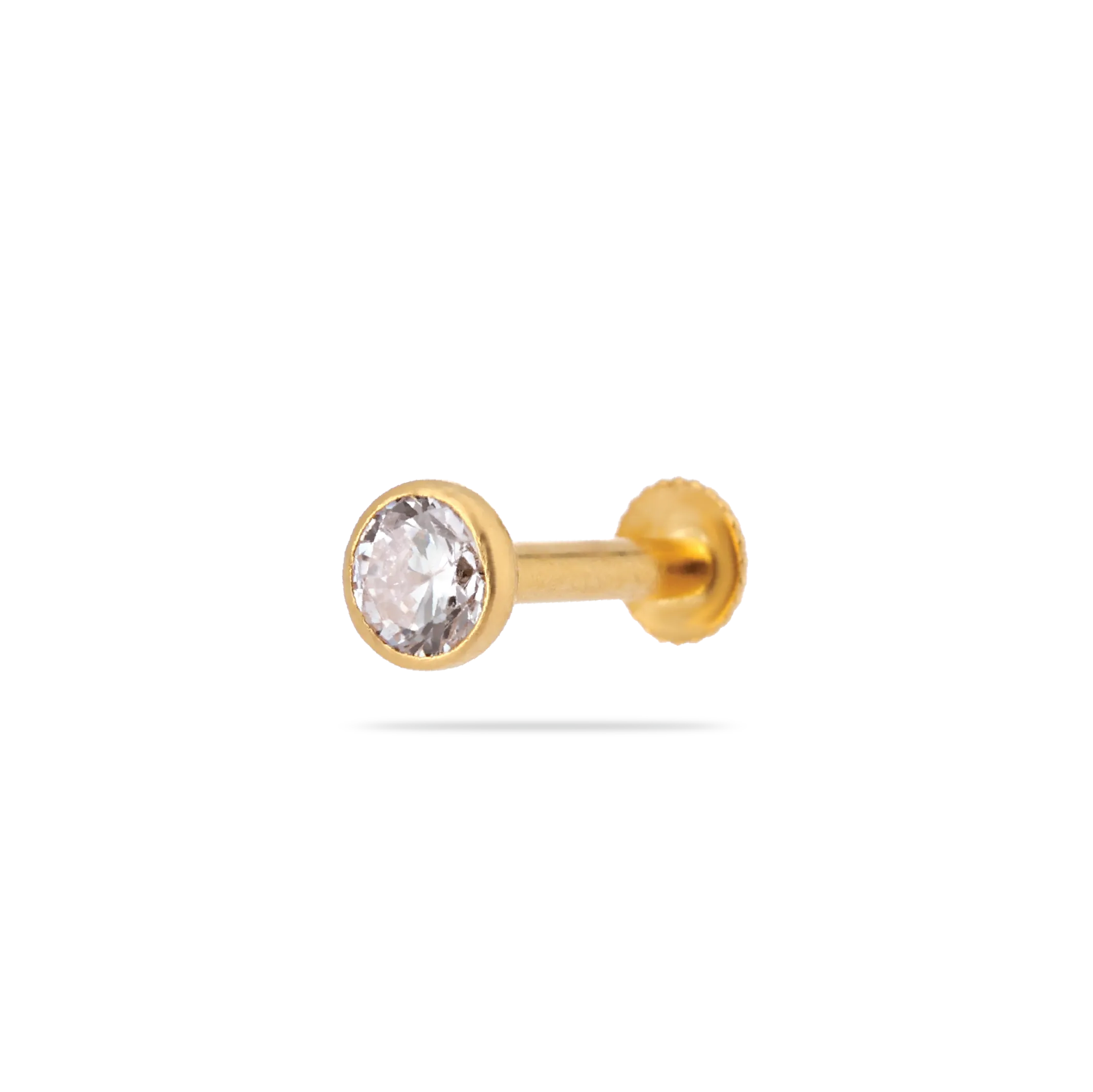
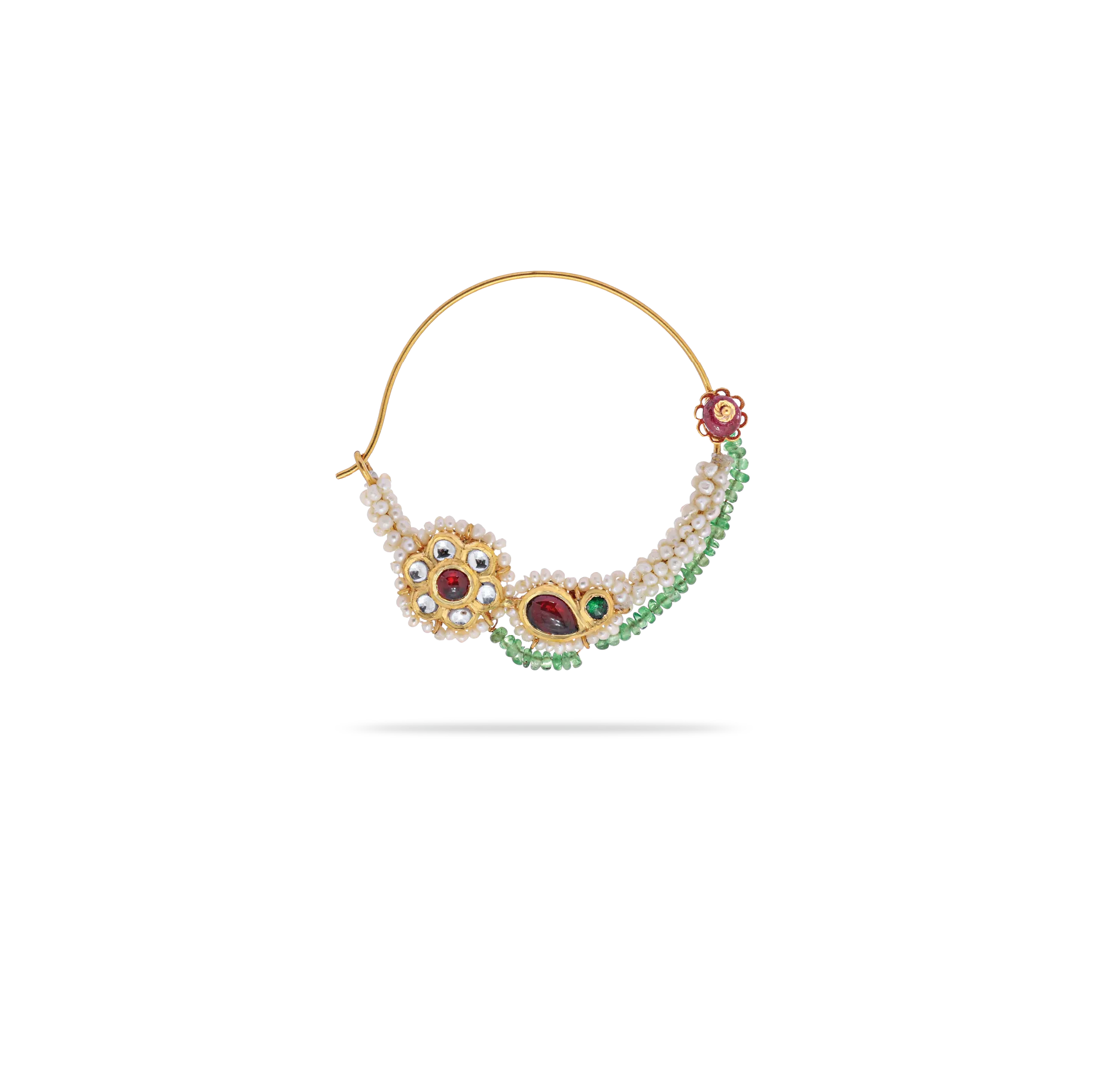
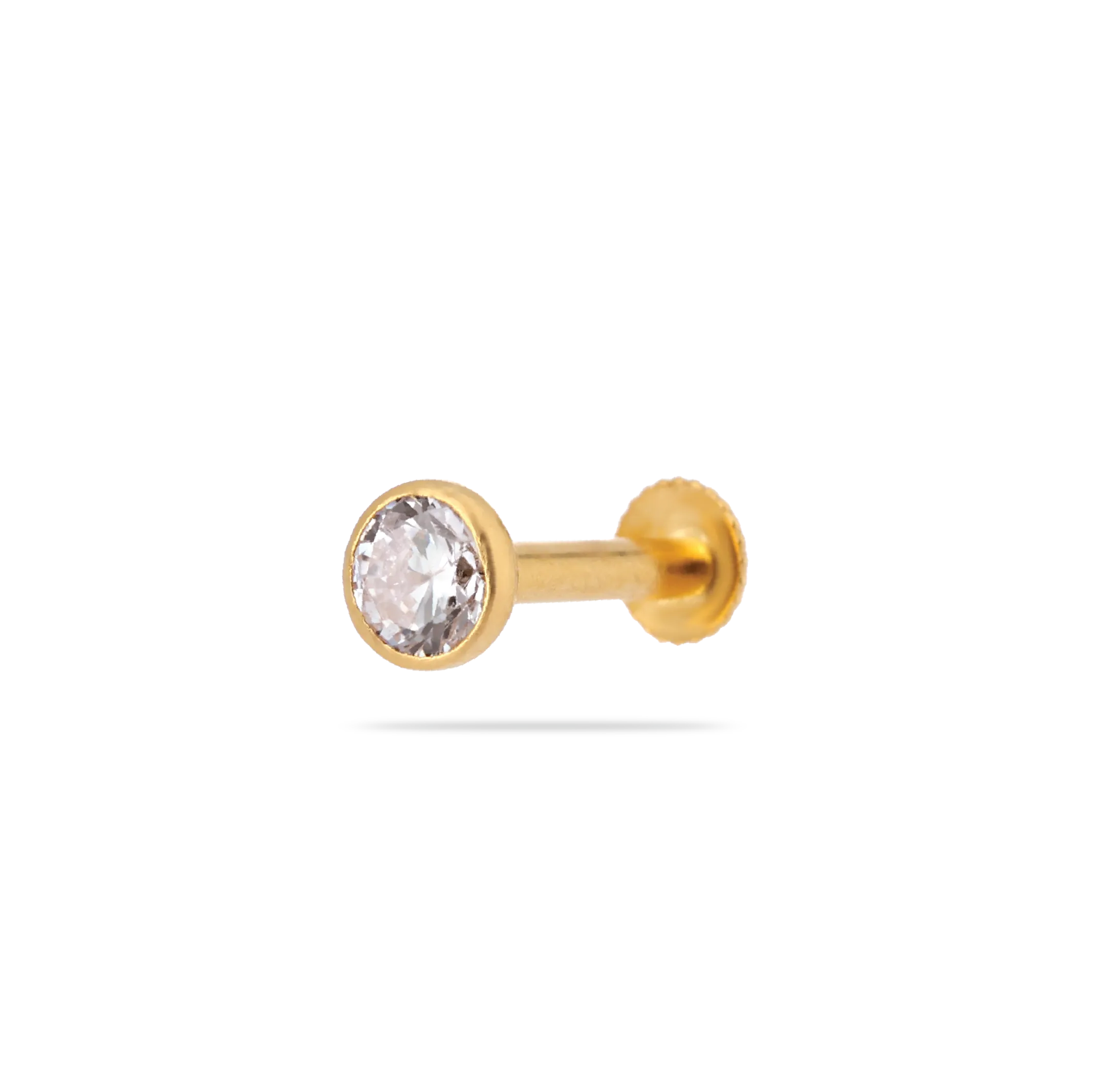
While not every bride opts for one, a traditional nose ring, or nath, is a significant part of many South Indian bridal ensembles. These can be anything from a delicate stud to a more ornate ring that might be attached to the hair with a fine chain. They add a subtle yet distinct touch of tradition and elegance, framing the bride's face in a unique way. The style often complements the rest of the jewelry, creating a harmonious look.
Earrings And Anklets: Framing The Bride With Grace
When it comes to South Indian bridal adornment, the details around the face and feet are just as important as the grand necklaces and bangles. Earrings and anklets aren't just afterthoughts; they're carefully chosen pieces that frame the bride's features and add a melodic touch to her movements.
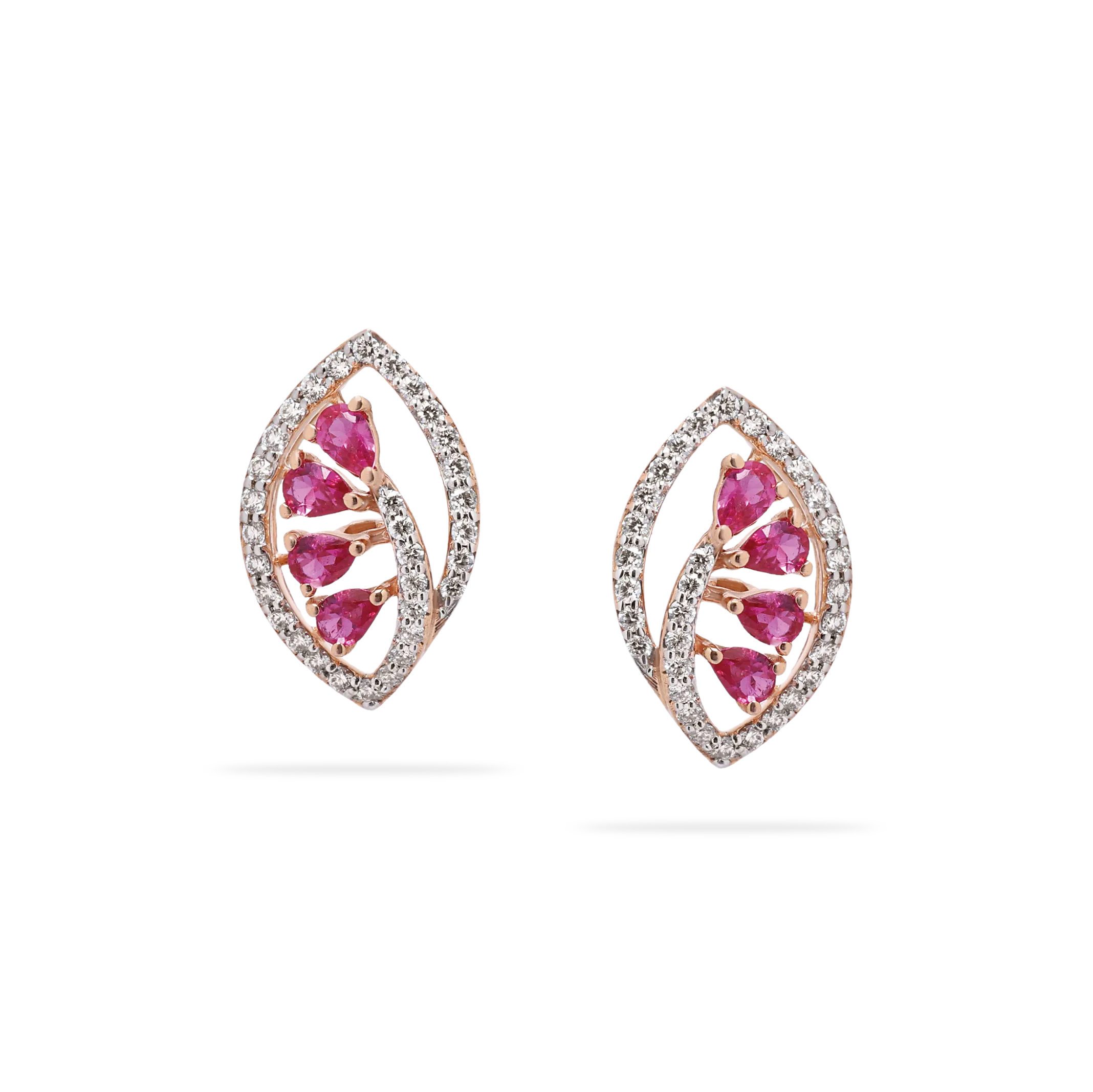
Dangling Jimiki Earrings
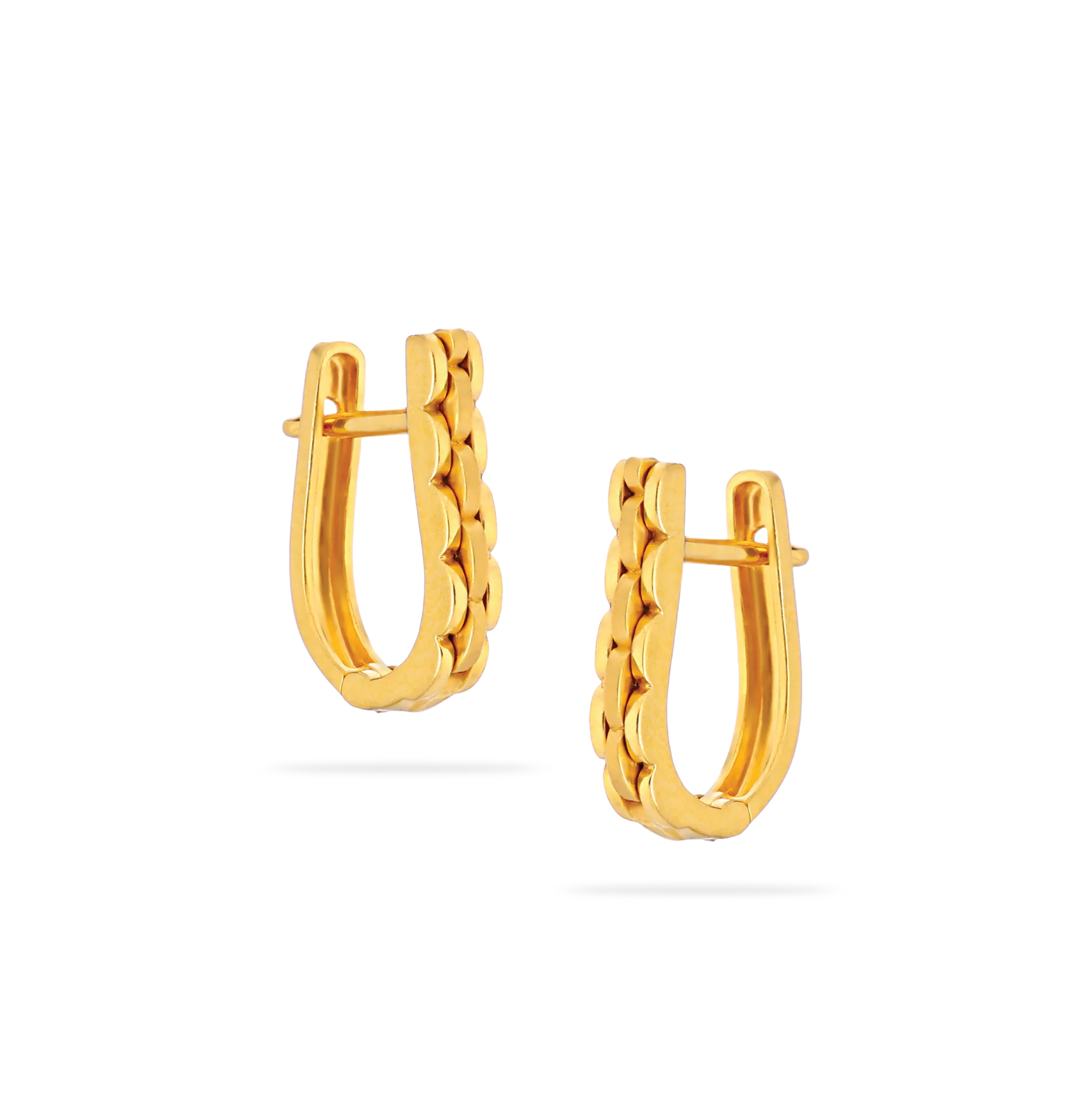
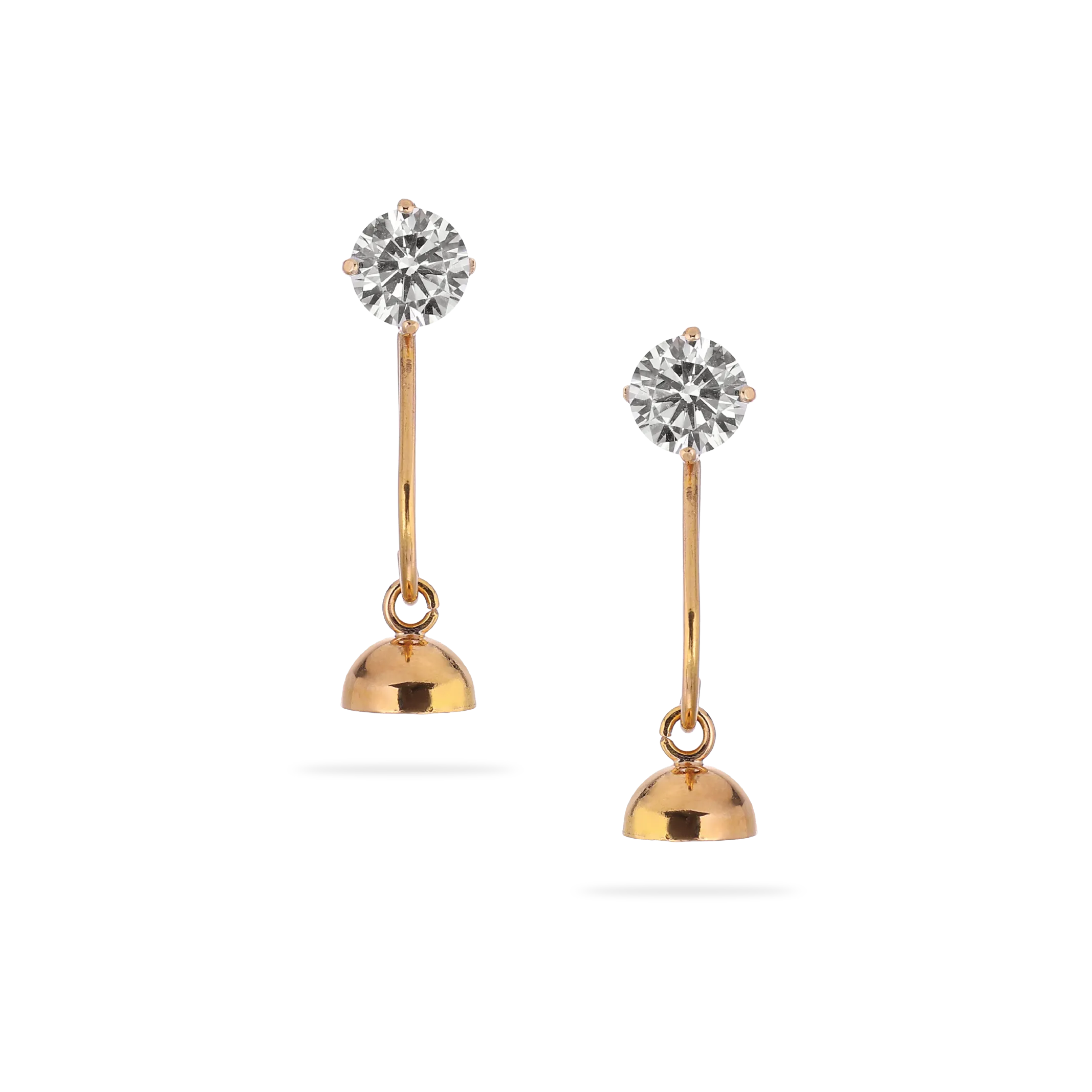
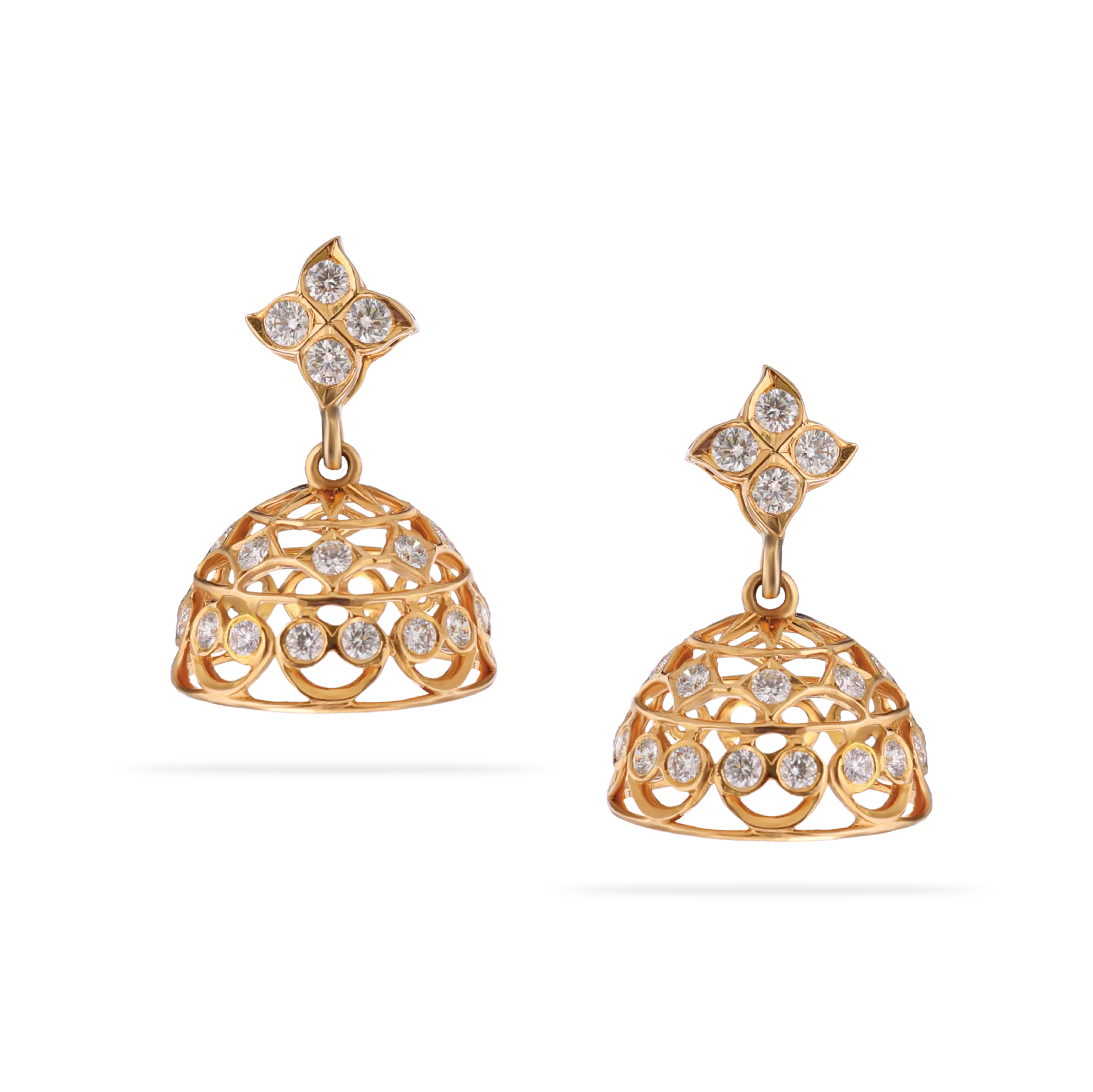
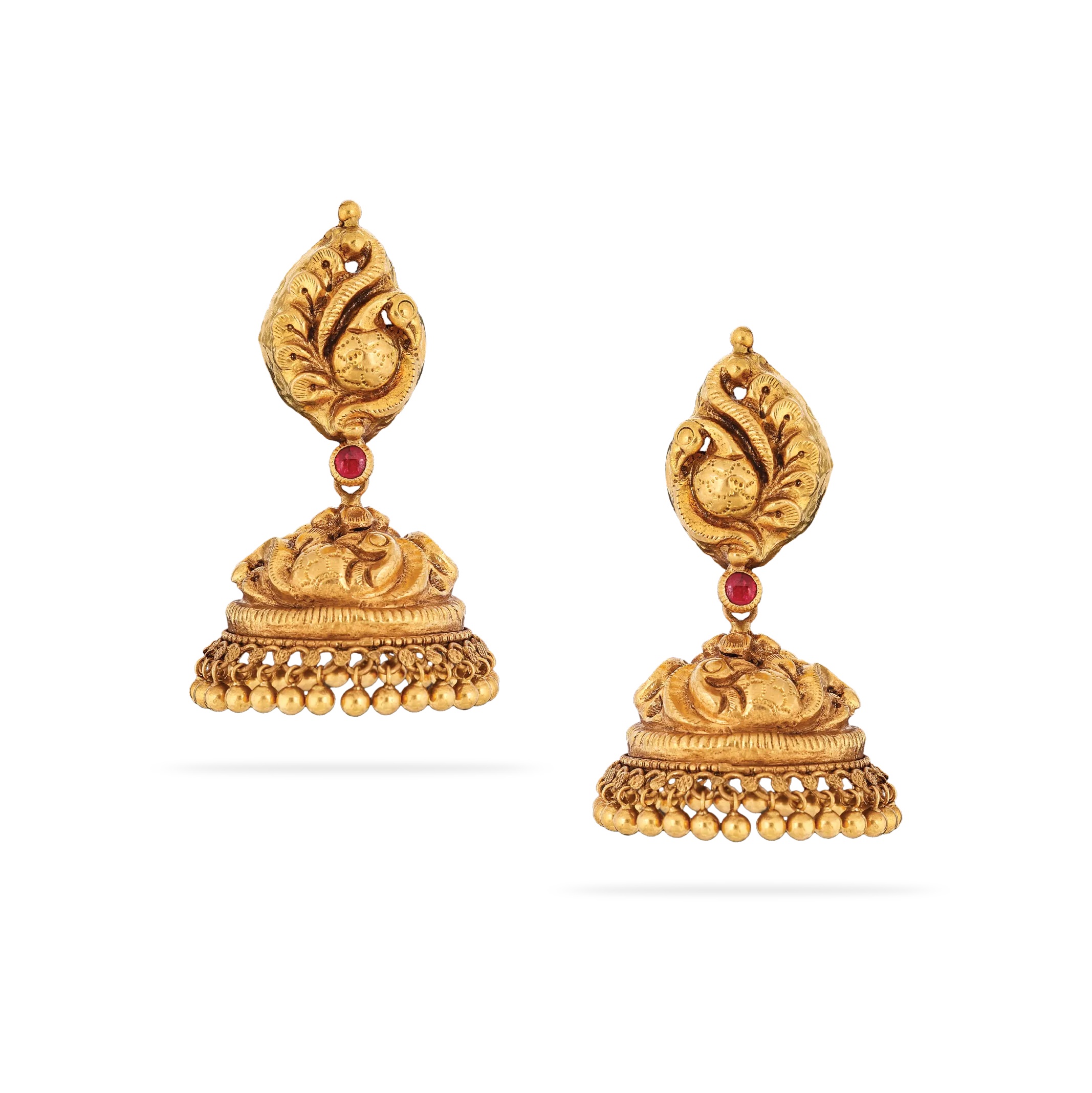
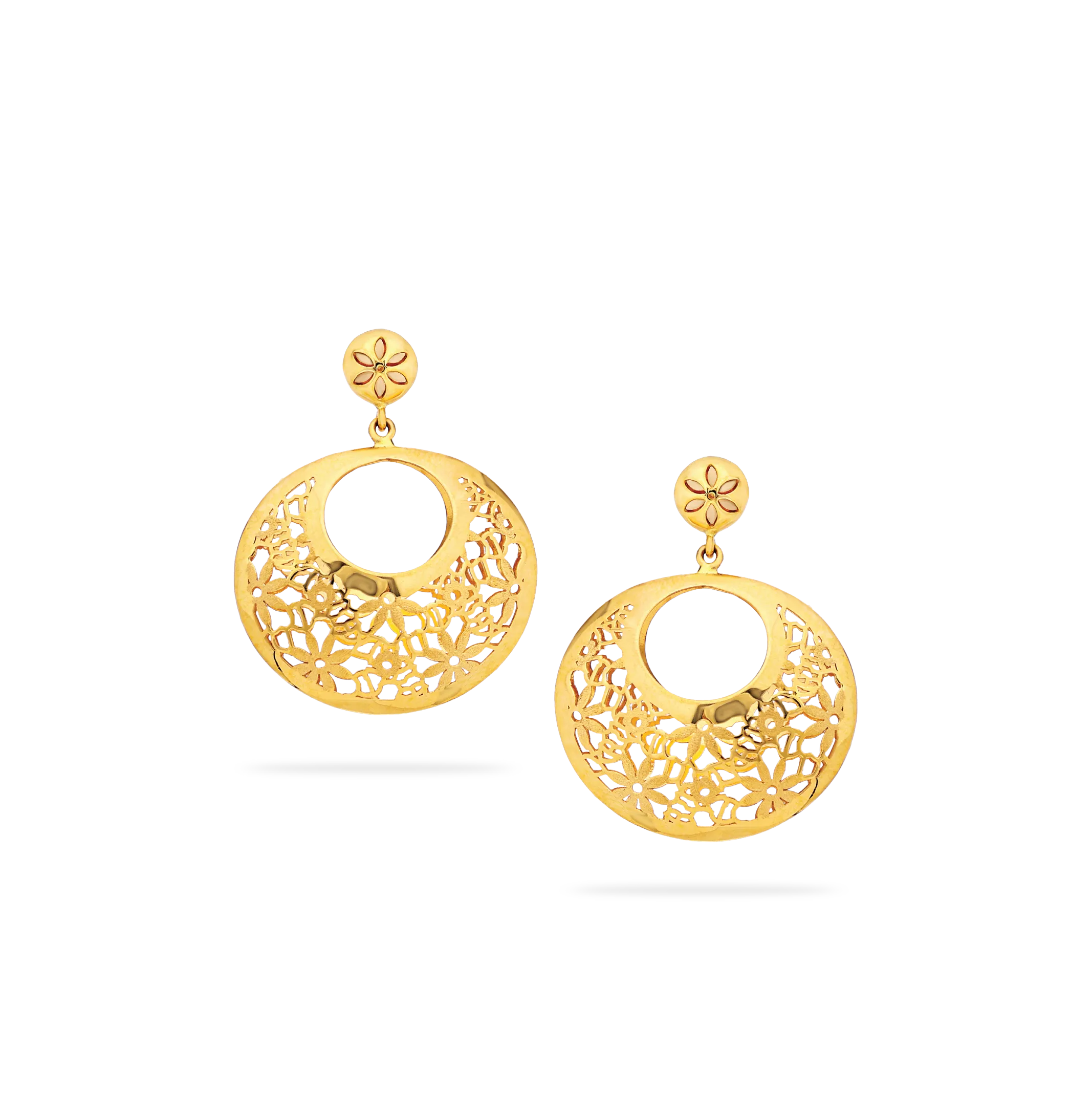
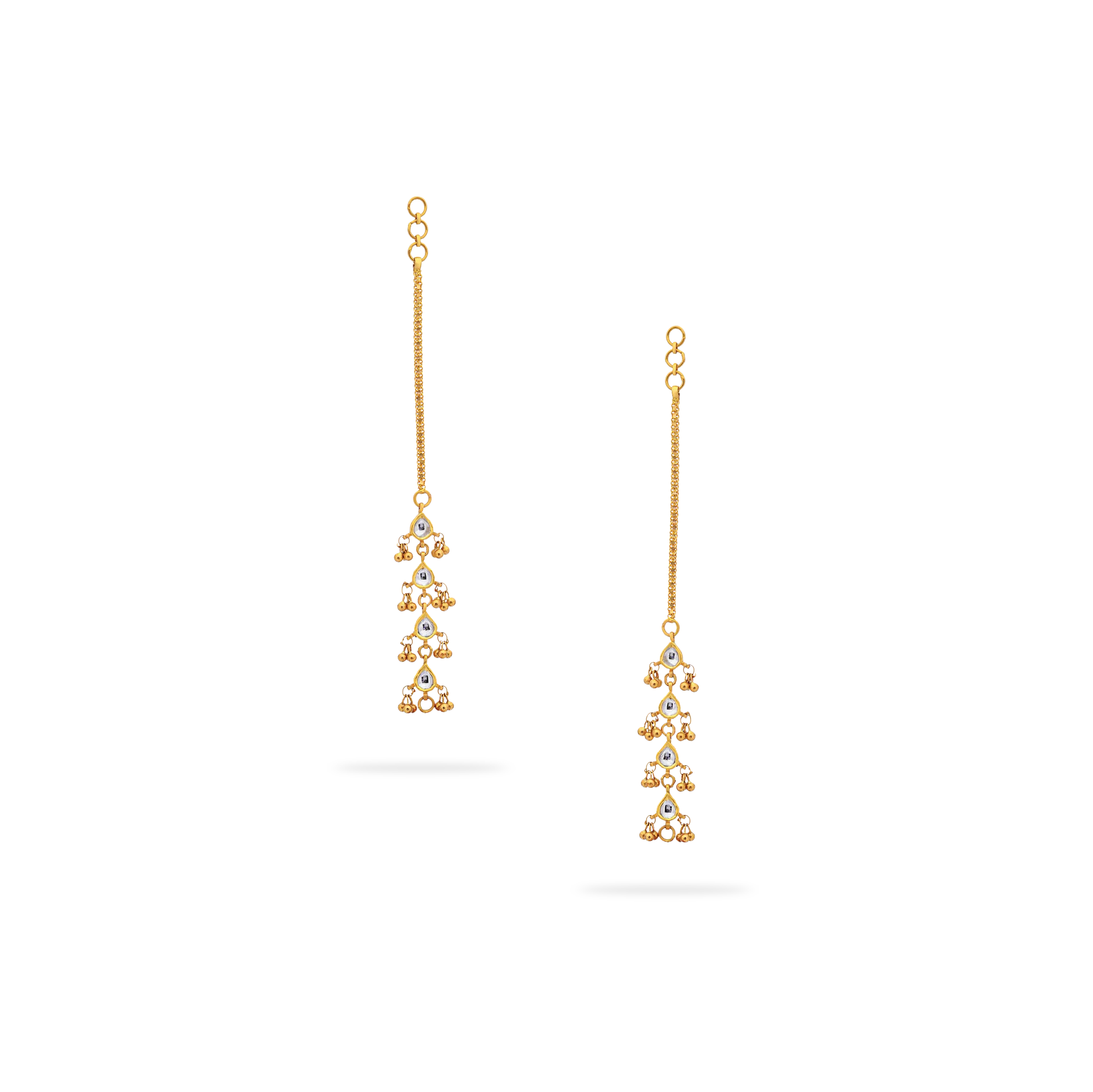
Jhumkas, often called Jimiki in South India, are the quintessential bridal earring. These bell-shaped beauties are instantly recognizable and come in a huge variety of sizes and intricate designs. They're often inspired by temple architecture, featuring delicate filigree work, tiny pearls, or small gemstones. The gentle sway of a well-crafted Jimiki adds a captivating rhythm to the bride's every turn. They can be simple and elegant for a more understated look, or grand and elaborate to match a heavily embellished bridal outfit. It's common to see designs that echo the motifs found in the bride's necklace, creating a harmonious overall appearance.
Melodious Anklets (Payals)
Anklets, or payals, are more than just foot jewelry; they're a traditional element that adds a subtle yet significant charm. Traditionally made of gold or silver, these pieces often feature small bells or charms that create a soft, musical sound with each step. This gentle jingle is thought to be auspicious and adds a unique sensory dimension to the bridal experience. The designs can range from simple, delicate chains to more ornate pieces with intricate patterns and dangling elements. They complete the bridal look from head to toe, ensuring that even the smallest details are considered.
| Type of Ornament | Common Materials | Typical Motifs |
|---|---|---|
| Jimiki Earrings | Gold, Pearls, Small Gemstones | Temple architecture, floral patterns, deities |
| Payals (Anklets) | Gold, Silver, Small Bells | Simple chains, intricate patterns, floral designs |
Craftsmanship And Legacy In South Indian Jewellery
South Indian bridal jewellery isn't just about pretty things to wear; it's a whole story of skill passed down through families. Think about it, these aren't mass-produced items. Each piece is a labor of love, often taking weeks, sometimes months, to finish. The artisans, many of whom have been doing this their whole lives, use techniques that have been around for ages. It’s pretty amazing when you consider the detail involved.
Generations Of Intricate Artistry
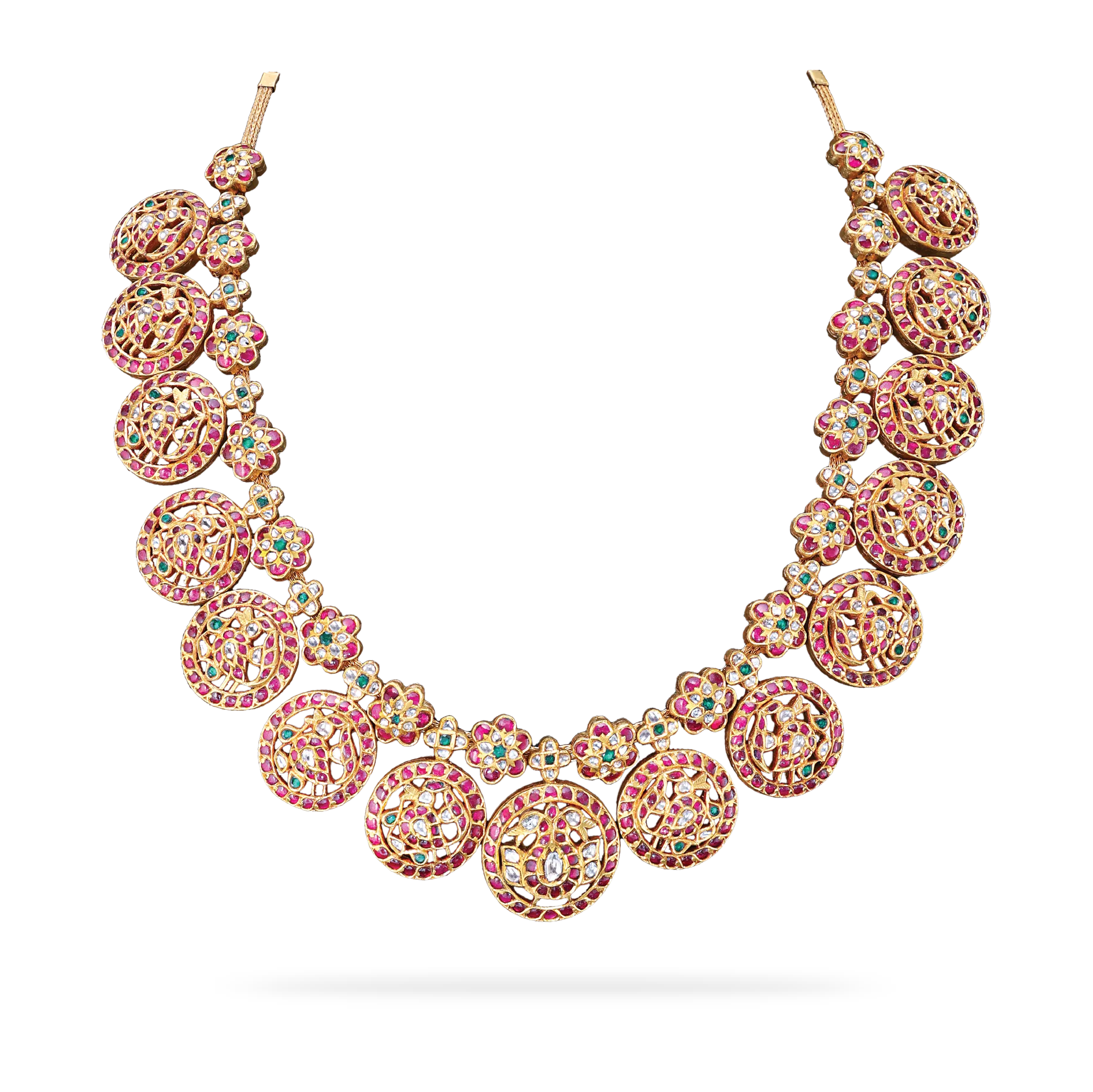
The artistry you see in South Indian jewellery is truly something else. It’s not just about making something shiny; it’s about preserving traditions. Techniques like Kundan, where gemstones are set into gold using heat and lac, or Meenakari, which involves adding vibrant enamel colors, require incredible precision. These aren't new fads; they're methods perfected over centuries. You can see this in the detailed carvings and delicate filigree work that adorn many pieces. It’s a connection to the past, a tangible link to the generations who came before.
- Kundan: Gemstones set with lac and heat.
- Meenakari: Colorful enamel work applied to metal.
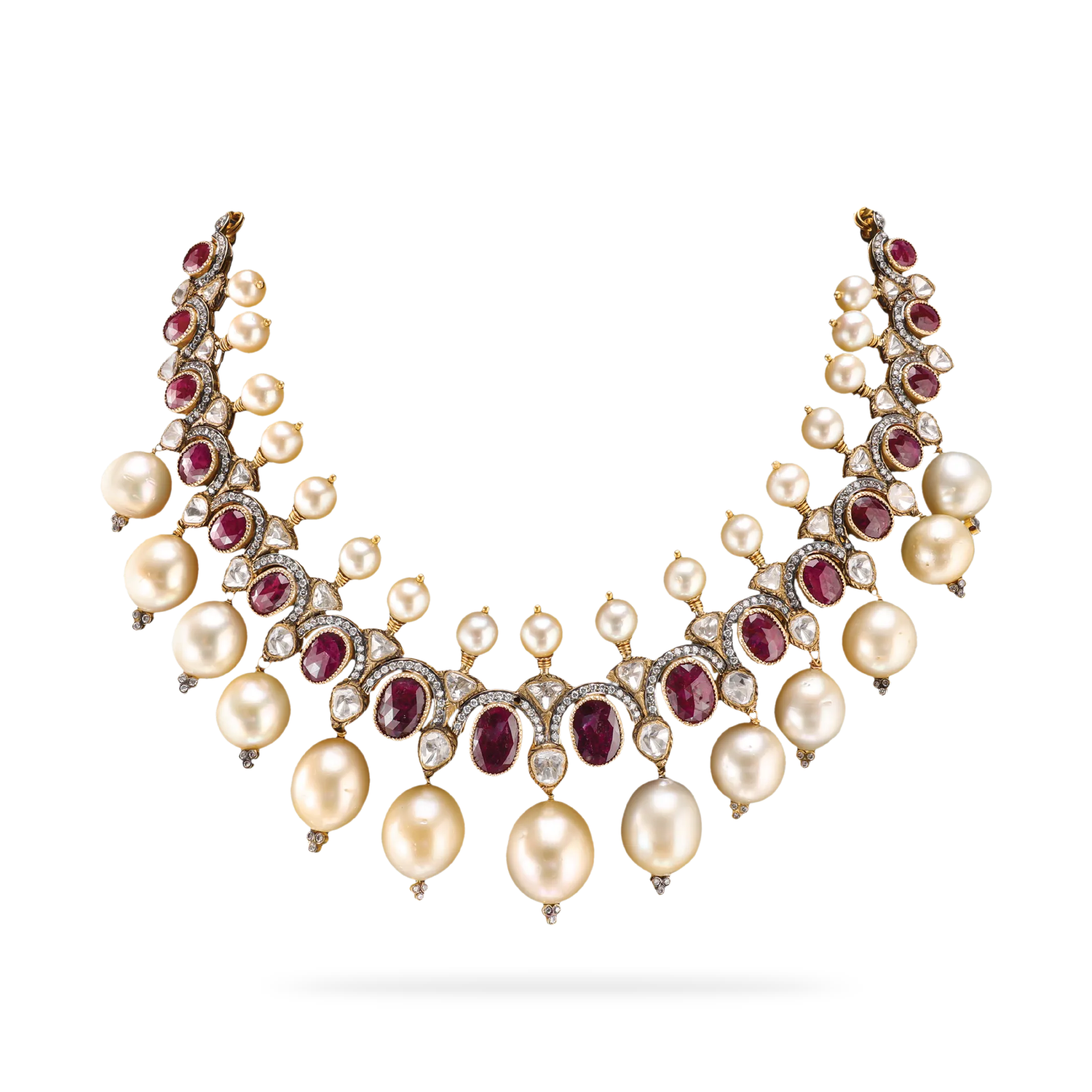
- Polki: Uncut diamonds set in gold.
- Jadau: A combination of Kundan and Polki techniques.
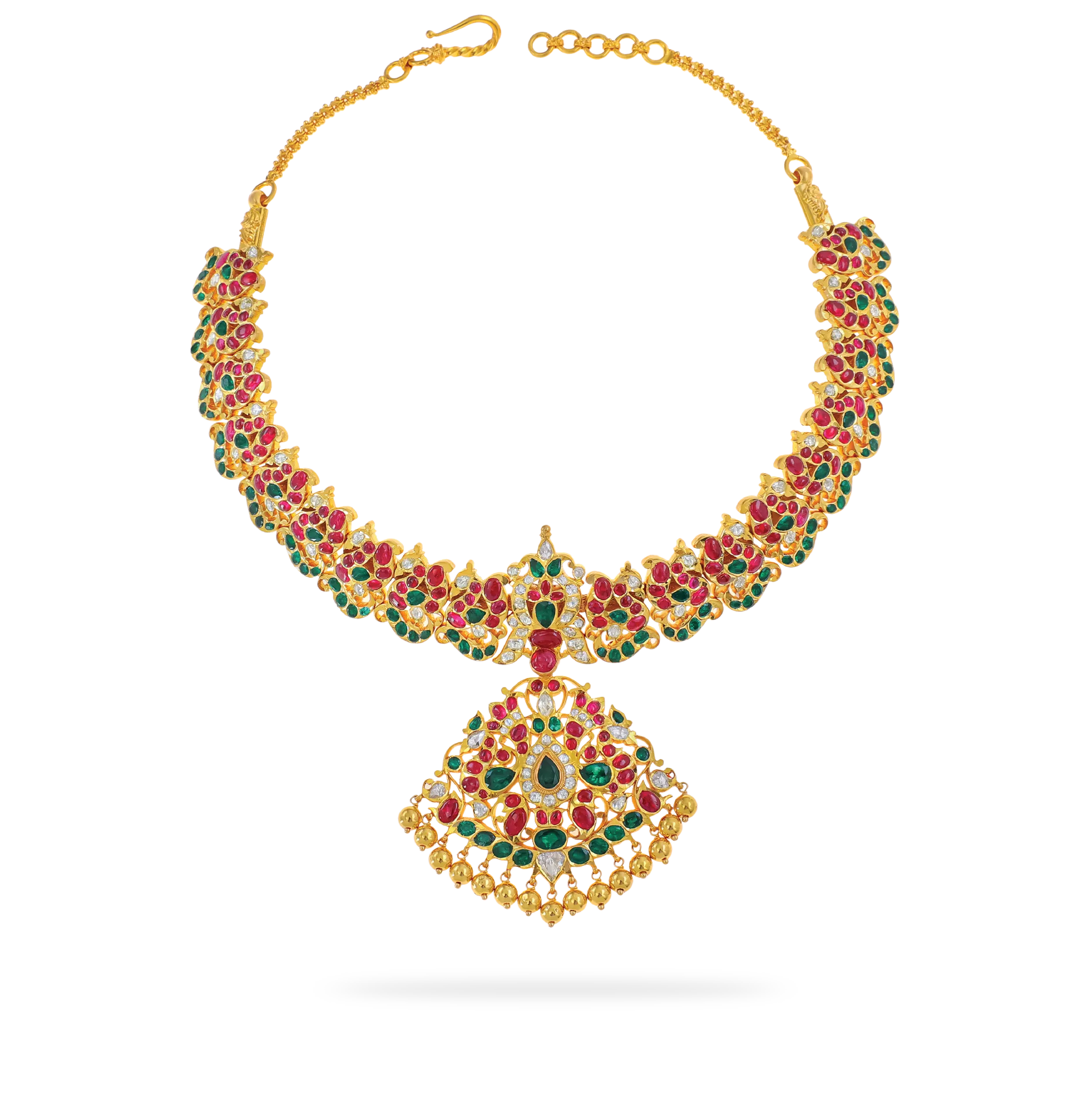
The enduring appeal of temple jewellery lies in its unique blend of artistry, spirituality, and cultural significance. Every piece is handcrafted by skilled artisans, often taking weeks or months to complete. Intricate carvings, filigree work, and gemstone settings reflect the mastery of generations of goldsmiths.
Renowned Jewellers And Their Collections
When you look at the famous jewellery houses in South India, you're often looking at businesses that have been around for a long time. They've seen trends come and go, but they've stuck to their roots, creating pieces that are both traditional and, surprisingly, still feel relevant. Many of these collections are inspired by ancient temple architecture or mythological stories, giving them a depth that goes beyond just aesthetics. These aren't just ornaments; they're wearable art with a rich history. It’s this blend of heritage and quality that makes Indian bridal gold jewelry so special and sought after.
A Legacy Adorned
So, we've looked at some really beautiful South Indian bridal jewelry. It's clear that these pieces are way more than just pretty things to wear. They carry so much history and meaning, passed down from generation to generation. Each necklace, bangle, and earring tells a story of tradition and family. While styles might change a bit over time, the heart of this jewelry stays the same – celebrating a bride's special day with elegance and cultural pride. It’s a wonderful way to connect with the past while stepping into a new future.
Frequently Asked Questions
What makes South Indian bridal jewelry so special?
South Indian bridal jewelry is special because it's not just pretty; it tells a story about culture and tradition. Each piece, like necklaces or bangles, often has deep meanings and is made with amazing skill passed down through families.
What are some popular types of South Indian necklaces?
Some very popular necklaces are the 'Haram,' which are long and grand; the 'Manga Malai,' shaped like mangoes; and the 'Kasumala,' which has coin-like designs. They all add a lot of beauty to a bride's look.
Why are bangles so important for South Indian brides?
Bangles are a must-have! Brides often wear many, sometimes thick ones called 'Kada,' or ones with colorful gems. They add sparkle and sound to a bride's hands and are a big part of her wedding outfit.
What is an 'Odiyanam' and why do brides wear it?
An Odiyanam is like a fancy belt worn around the waist. It helps hold up the saree and makes the bride look even more elegant. Many have beautiful designs with gods or animals.
Are there specific earrings that are common?
Yes, 'Jimiki' earrings are very popular. They are bell-shaped and dangle, adding a lovely movement and grace to the bride's face, perfectly matching her other jewelry.
How should I take care of my valuable bridal jewelry?
To keep your jewelry safe, store each piece separately in a soft cloth bag to avoid scratches. Keep them in a dry box away from moisture. It's also good to separate delicate items with tissue paper.
The Ultimate Guide to Selecting Exquisite Indian Bridal Jewellery for Your Big Day
10 minute read
Related blogs:
November 20, 2025
The Timeless Elegance of the Tennis Bracelet: A Comprehensive Guide
Read More
November 20, 2025
The Ultimate Guide to Styling and Wearing a Choker Necklace
Read More
November 20, 2025
Find Your Perfect Engagement Ring: A Comprehensive Guide to Styles and Diamonds
Read More
November 20, 2025
The Timeless Elegance of a Diamond Tennis Bracelet: A Buyer's Guide
Read More









.webp)

.webp)