Discover Your Perfect Wedding Rings: A Guide to Styles and Trends
March 12, 2026 | 10 minutes read
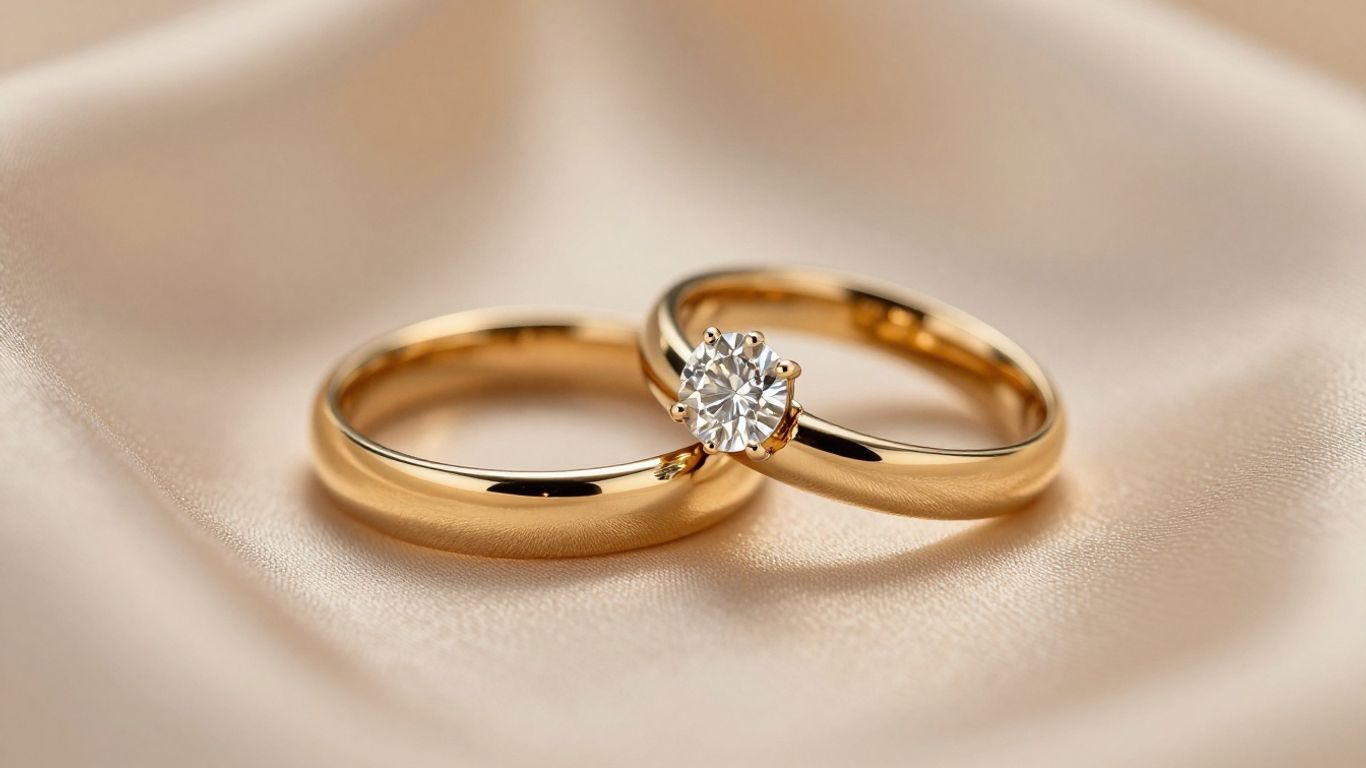
Picking out wedding rings can feel like a big deal, right? It's not just about finding something pretty; it's about finding a symbol that represents your commitment, something you'll wear every single day. With so many styles out there, from classic gold bands to modern designs with gemstones, it’s easy to get a little lost. This guide is here to help you figure out what works best for you and your partner, making the whole process a bit less overwhelming and a lot more fun. Let's find those perfect wedding rings!
Key Takeaways
- Wedding bands are meant for daily wear , so think about comfort and durability just as much as looks. They’re different from engagement rings, which often have a center stone and are worn less constantly.
- Consider your lifestyle when picking your wedding rings. If you work with your hands a lot, simpler, more durable designs might be a better fit than delicate ones with lots of small stones.
- Metals like gold and platinum are popular choices for wedding rings, offering a balance of beauty and toughness. There are also alternative metals that give unique looks and properties.
- The width of the band, the metal it's made from, and any added details like diamonds or gemstones all play a part in how the ring looks and feels on your finger.
- Think about how your wedding ring will look and feel with your engagement ring. Sometimes a perfectly straight band works, other times a curved or 'tracer' style is needed to sit just right.
Exploring Wedding Ring Styles
So, you're on the hunt for the perfect wedding rings. It's a big deal, right? It's not just about picking something pretty; it's about finding a symbol that represents your commitment. With so many options out there, it can feel a little overwhelming, but that's what we're here for. Let's break down the different styles so you can find what truly speaks to you.
Understanding Wedding Bands vs. Engagement Rings
First things first, let's clear up a common point of confusion: the difference between an engagement ring and a wedding band. While engagement rings are typically given to propose and often feature a prominent center stone, wedding bands are exchanged during the ceremony as a symbol of marriage. They can be simple metal bands, or they can be adorned with diamonds or other gemstones. Think of the engagement ring as the prelude and the wedding band as the main act, though many couples now opt for rings that complement each other beautifully, blurring the lines a bit.
Timeless Classics and Vintage-Inspired Designs
Some styles just never go out of fashion. Classic wedding bands, often plain metal like gold or platinum, offer a clean and enduring look. Then there are the vintage-inspired designs. These rings often feature intricate details like engraving, milgrain (tiny beaded edges), and sometimes smaller accent stones. They have a certain charm and history to them, making them a popular choice for couples who appreciate old-world craftsmanship and romantic aesthetics. These designs often have a more substantial feel, reflecting current engagement ring trends for 2026.
Modern and Unique Wedding Ring Creations
If you're looking for something a little different, the world of modern wedding rings is vast and exciting. This category includes everything from sleek, minimalist bands to bold, architectural designs. You'll find rings with unique metal finishes, unusual shapes, and creative stone placements. Some couples even opt for alternative materials or custom-made pieces that tell their specific story. The key here is personalization and stepping outside the traditional box to find a ring that feels uniquely yours.
Here are a few popular modern and unique styles:
- Tracer Bands: These are designed to curve around the center stone of an engagement ring, creating a seamless look without any gaps.
- Geometric Designs: Rings featuring sharp lines, angles, and unique shapes that stand out.
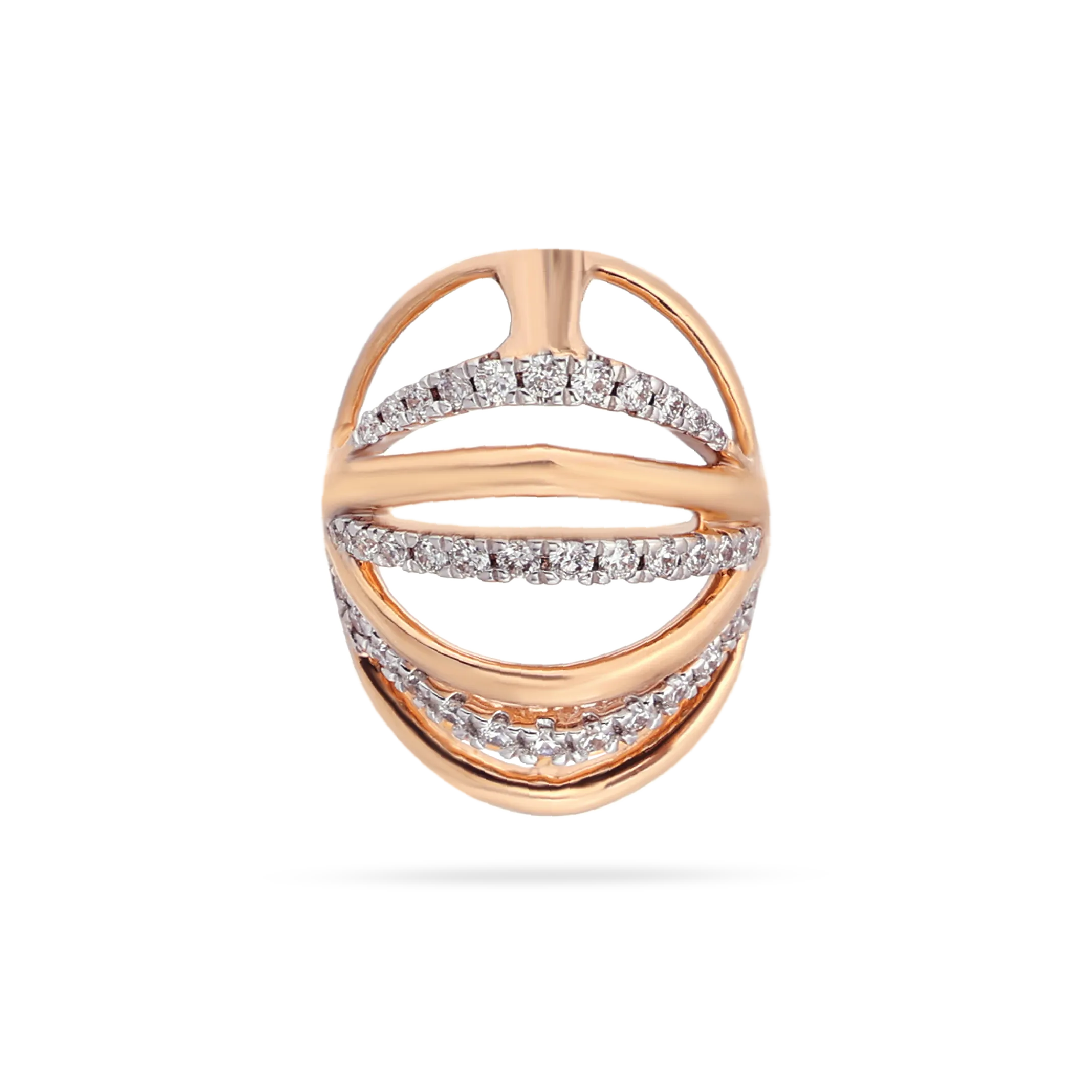
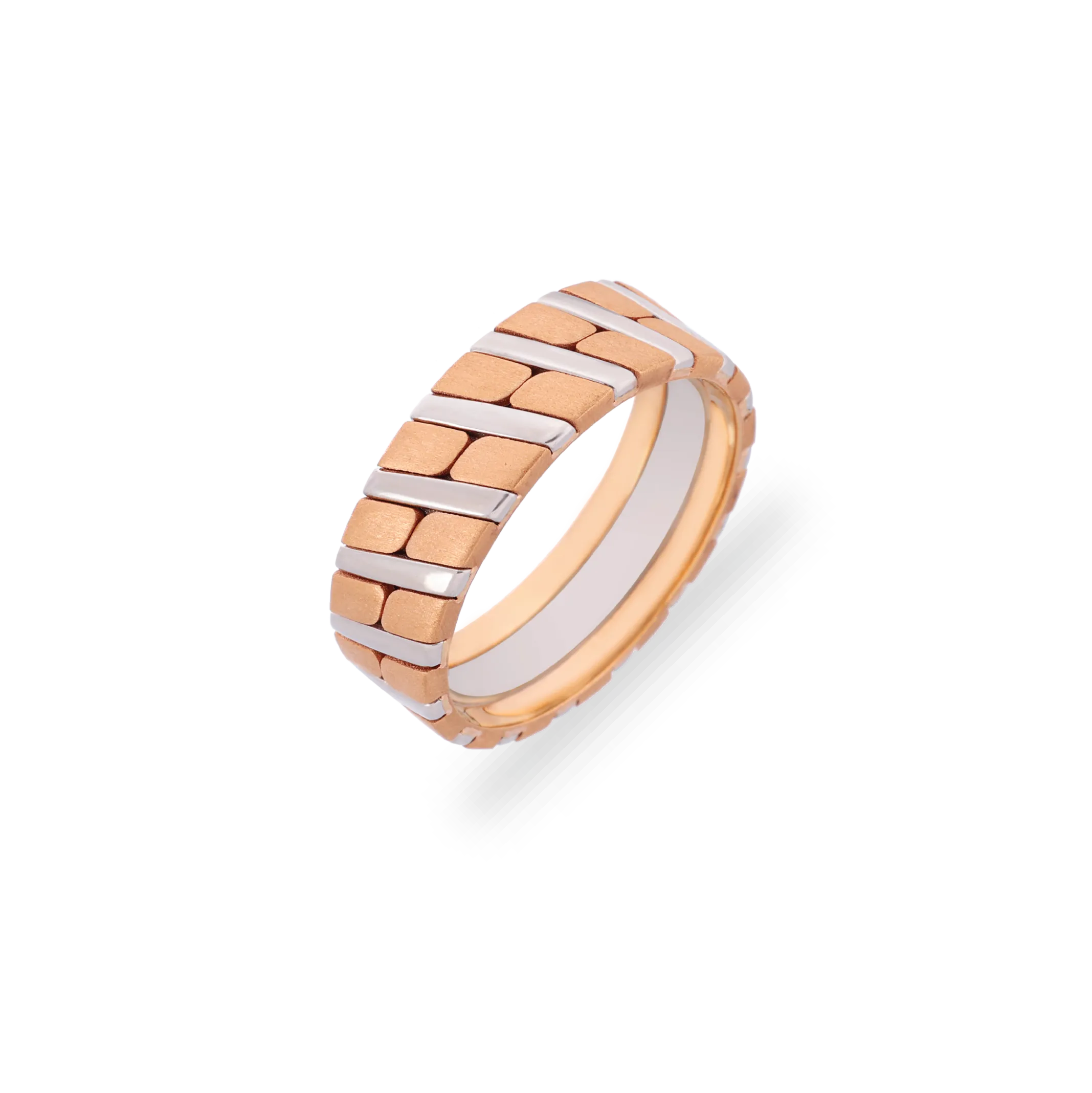
- Mixed Metal Bands: Combining different colored metals, like yellow and rose gold , in a single band for a contemporary twist.
- Textured Finishes: Bands with hammered, brushed, or other unique surface textures that add visual interest.
When choosing your wedding band, think about how it will feel on your finger day-to-day. Comfort is just as important as how it looks, especially since you'll be wearing it all the time. Consider the band's width and how it sits alongside your engagement ring, if you have one.
Choosing the Right Metal for Your Wedding Rings
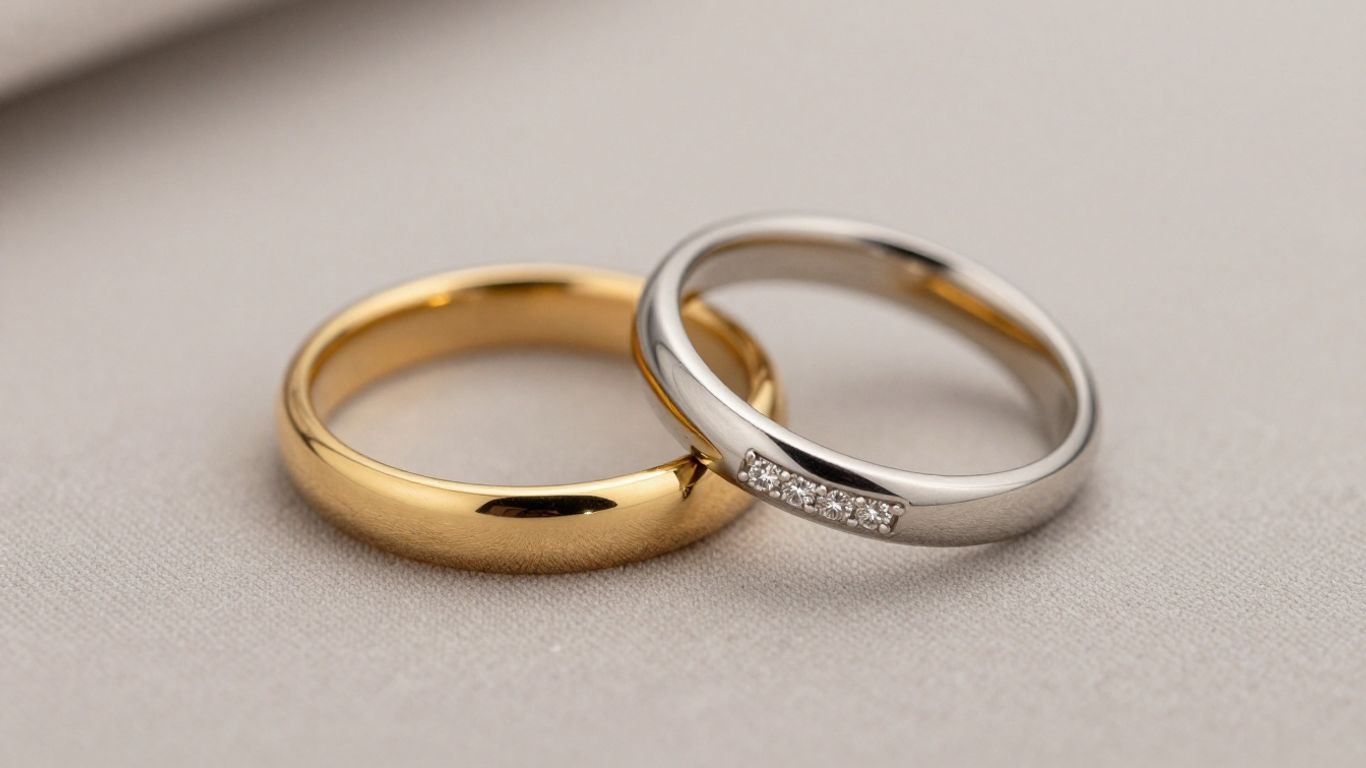
Every couple finds themselves staring at display cases, wondering, “Which metal is really going to work best for us?” Metals not only affect how your wedding ring looks, but also how it holds up to your everyday routines and how it feels over time. Let’s break down some top options, how they fit into different lifestyles, and what you actually need to know before you pick one.
The Enduring Appeal of Gold Wedding Rings
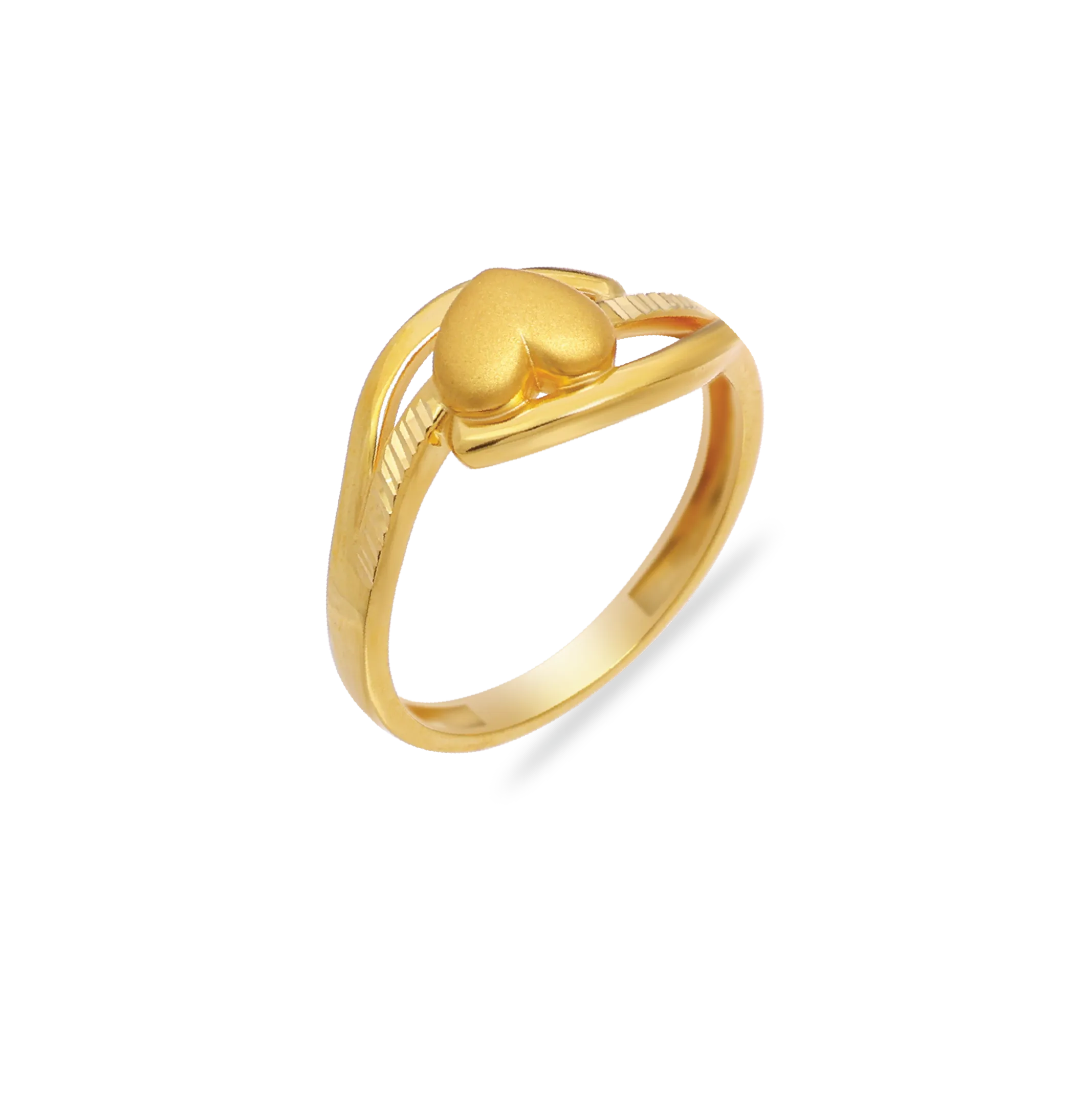
Gold rings are so common for a reason — they’re timeless, easy on the eyes, and come in a handful of colors:
- Yellow Gold : That classic, warm shine. Almost everyone recognizes it instantly.
- White Gold : A silvery, bright look — often found with a rhodium finish.
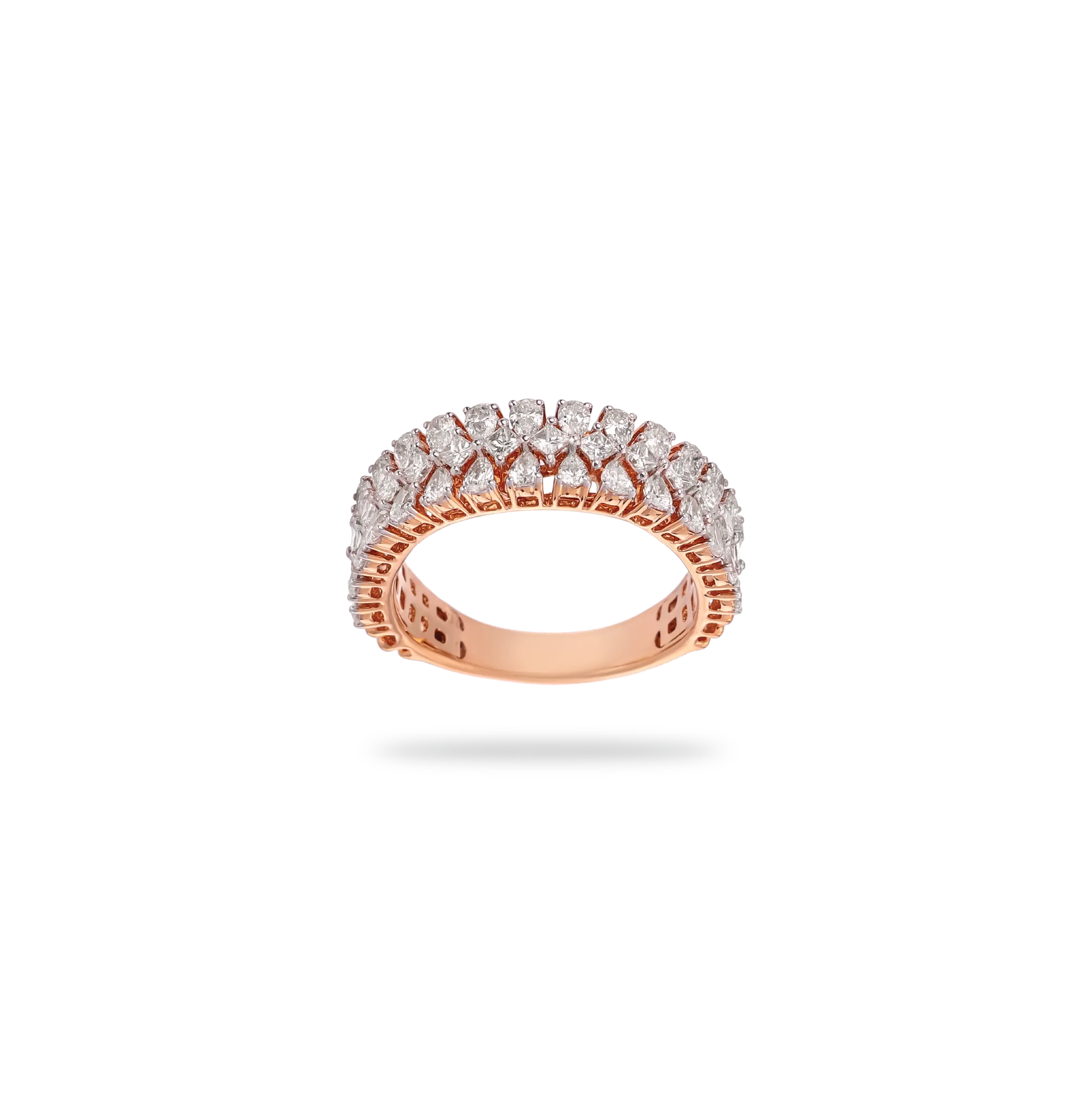
- Rose Gold : Romantic, pinkish hue that’s becoming more and more popular.
| Type | Hardness | Maintenance Needs | Common Karats |
|---|---|---|---|
| Yellow Gold | Medium | Low to Medium | 14k, 18k |
| White Gold | Medium | Higher (re-plating) | 14k, 18k |
| Rose Gold | Medium | Low | 14k, 18k |
Don’t forget: White gold rings need to be re-plated every so often to keep that shiny finish. If you want something totally hassle-free, classic yellow gold or rose gold might be better.
The Durability and Shine of Platinum Wedding Rings
Platinum’s got a reputation: it’s super tough, heavier than gold, and never loses its white color. You’ll feel the solid weight the moment you try one on, and many love how it just feels more substantial on the hand.
Reasons to go with platinum:
- It’s naturally hypoallergenic.
- Platinum rings never need re-plating — their color is real, all the way through.
- It stands up well to nicks and dings over time (great for daily wearers who use their hands a lot).
Platinum’s matte patina is a badge of honor for a lot of people—it’s not damage, just proof that you’re living life with your ring.
Exploring Alternative Metal Wedding Rings
Who says you have to stick with tradition? More couples are picking alternative metals because they offer different shades, lower prices, and sometimes, higher strength.
- Tungsten: Almost impossible to scratch, but pretty much impossible to resize. Super modern look.
- Titanium: Feels light and tough; really popular if you’re worried about dents or if you’re always moving.
- Cobalt: Bright white color, looks like platinum but is cheaper.
Here’s a quick glance:
| Metal | Durability | Weight | Can Be Resized? |
|---|---|---|---|
| Tungsten | Very High | Heavy | No |
| Titanium | High | Light | Usually Not |
| Cobalt | High | Moderate | Usually Not |
When you’re trying to choose, think about how much effort you want to put into upkeep, whether you need a ring that can stand up to a little rough treatment, and what kind of vibe you want your ring to give off. Bottom line? There is no wrong answer, just what works for you and your daily life.
Wedding Ring Designs and Embellishments
The Sparkle of Diamond Wedding Bands
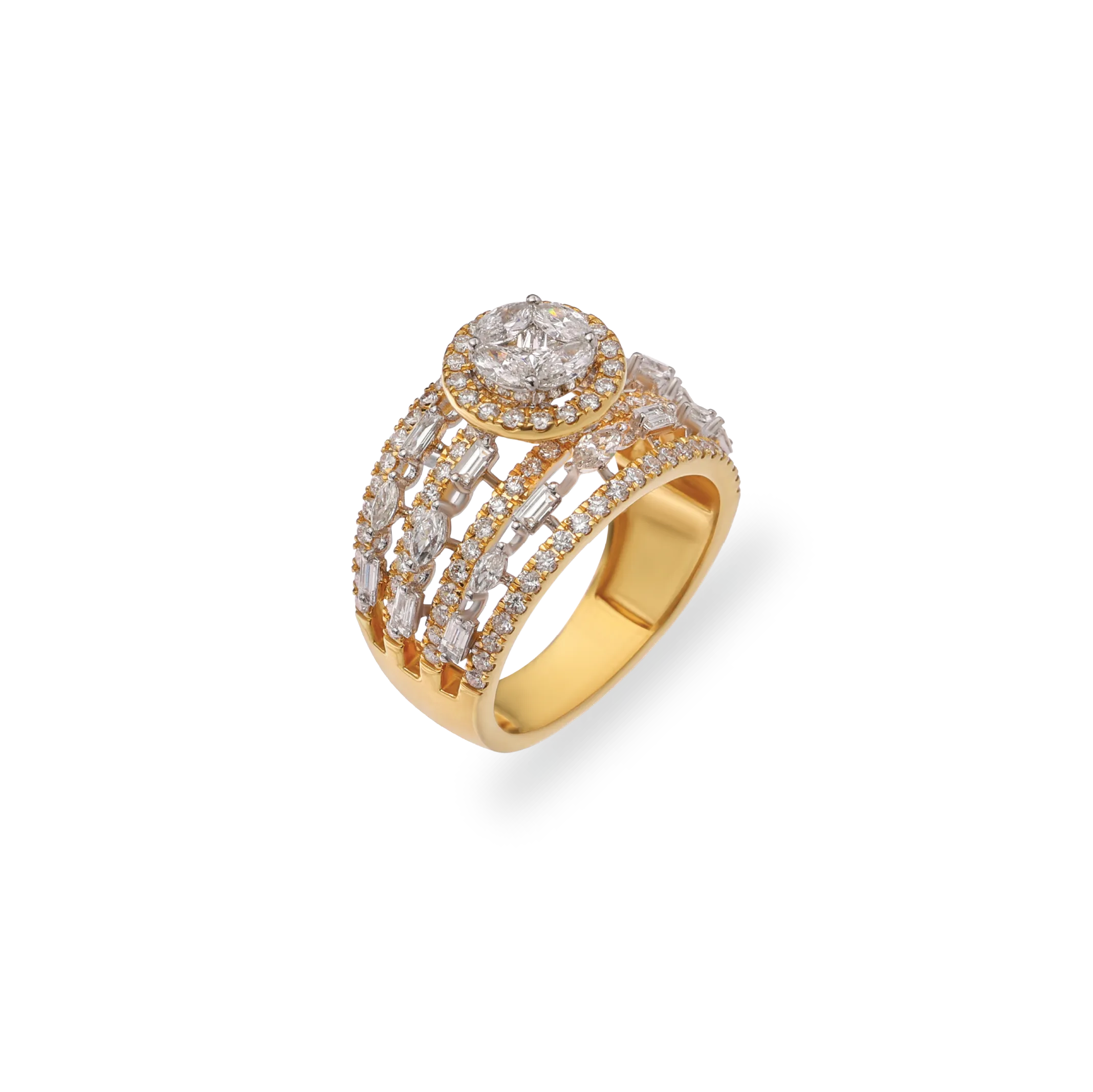
Diamonds aren't just for engagement rings, you know. Adding diamonds to your wedding band is a fantastic way to amp up the sparkle. There are a few ways jewelers do this. You've got prong settings, where little metal claws hold each diamond. Then there's pavé, which is like paving a road with tiny diamonds, set close together with little metal beads. And don't forget channel settings, where diamonds are nestled between two strips of metal. When picking a diamond band, think about your daily life. If you're super active or work with your hands a lot, a channel or bezel setting might be sturdier than delicate pavé. You can find some really beautiful diamond wedding bands that fit any lifestyle.
Adding Color with Gemstone Wedding Rings
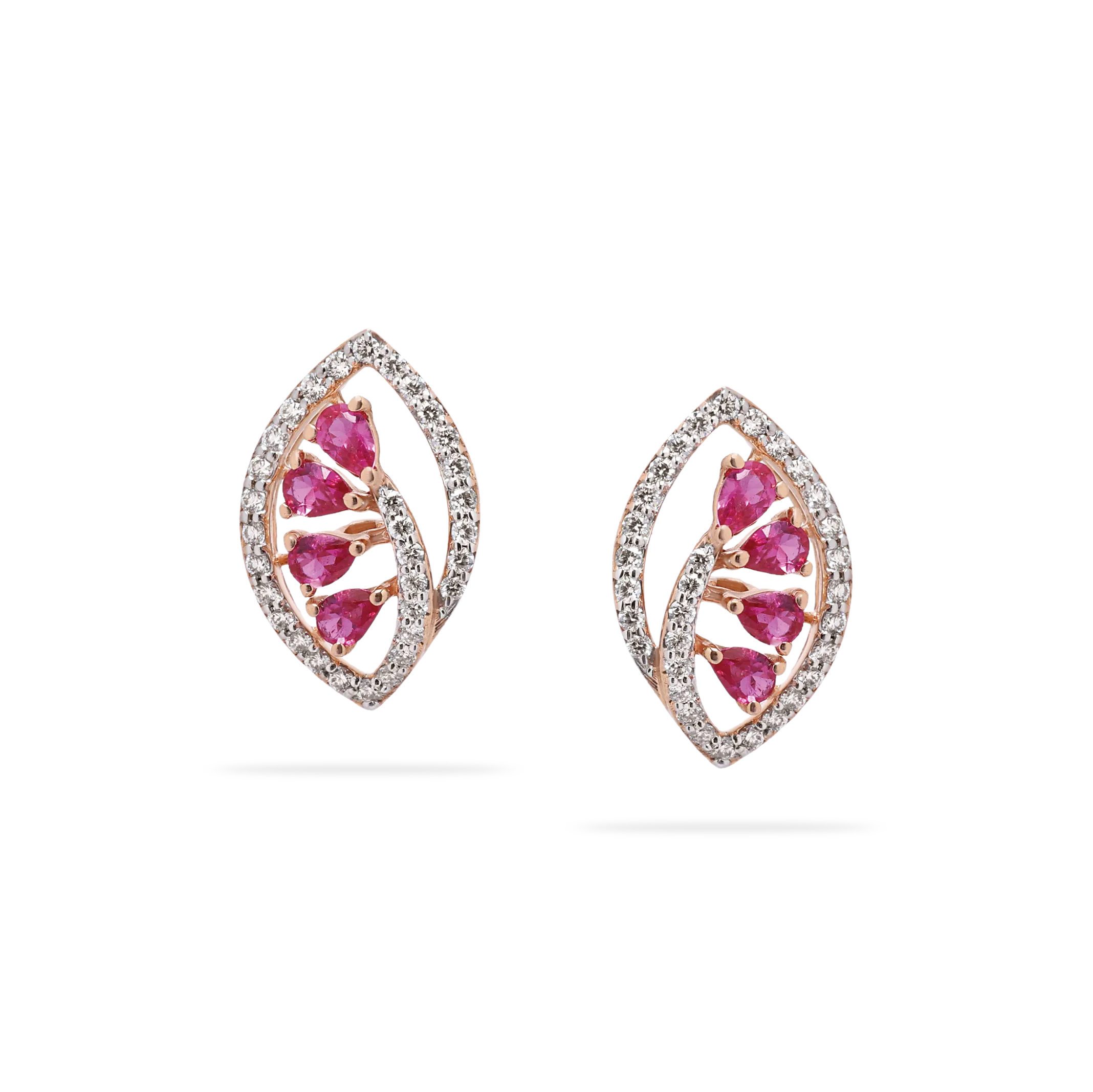
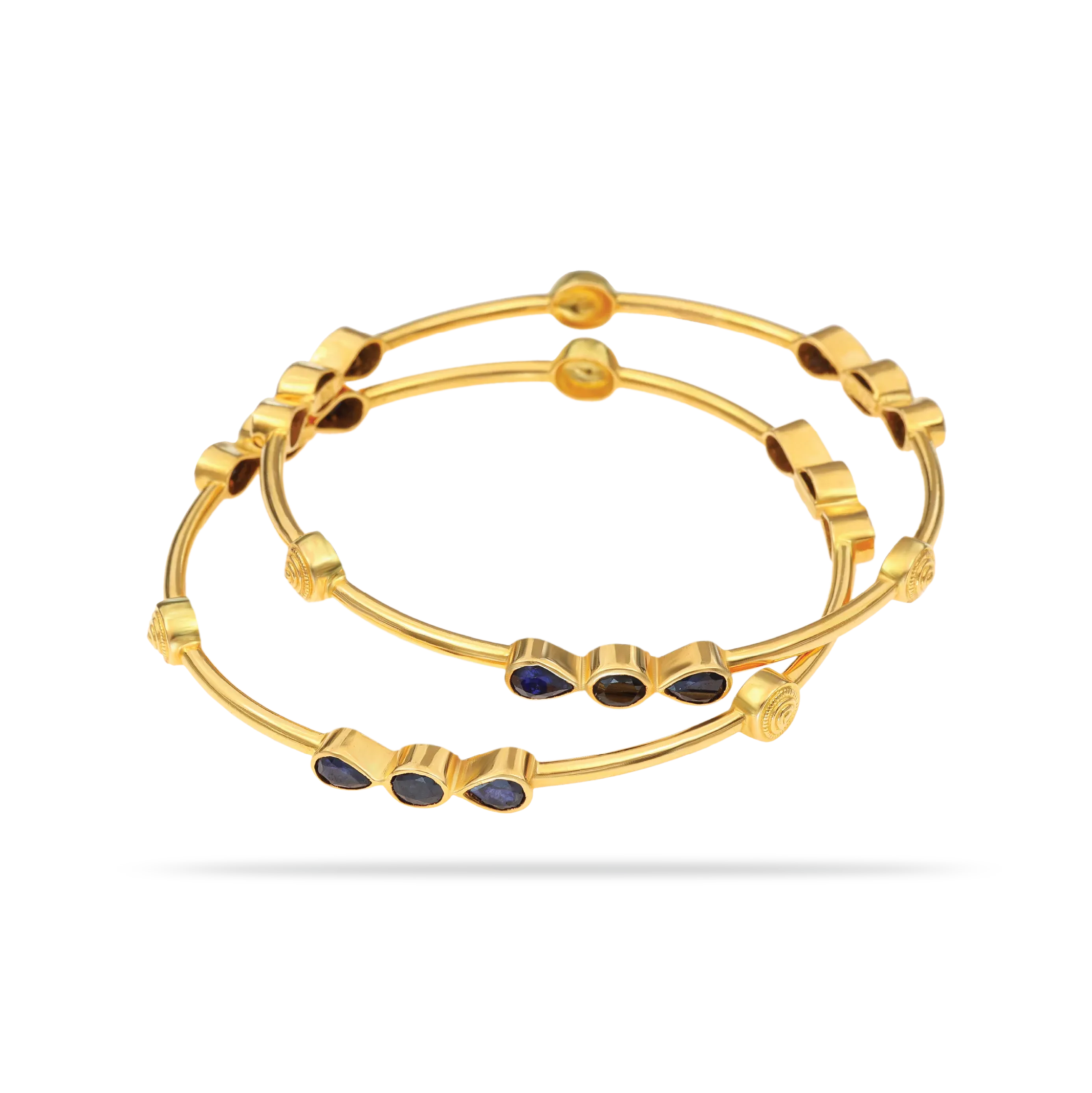
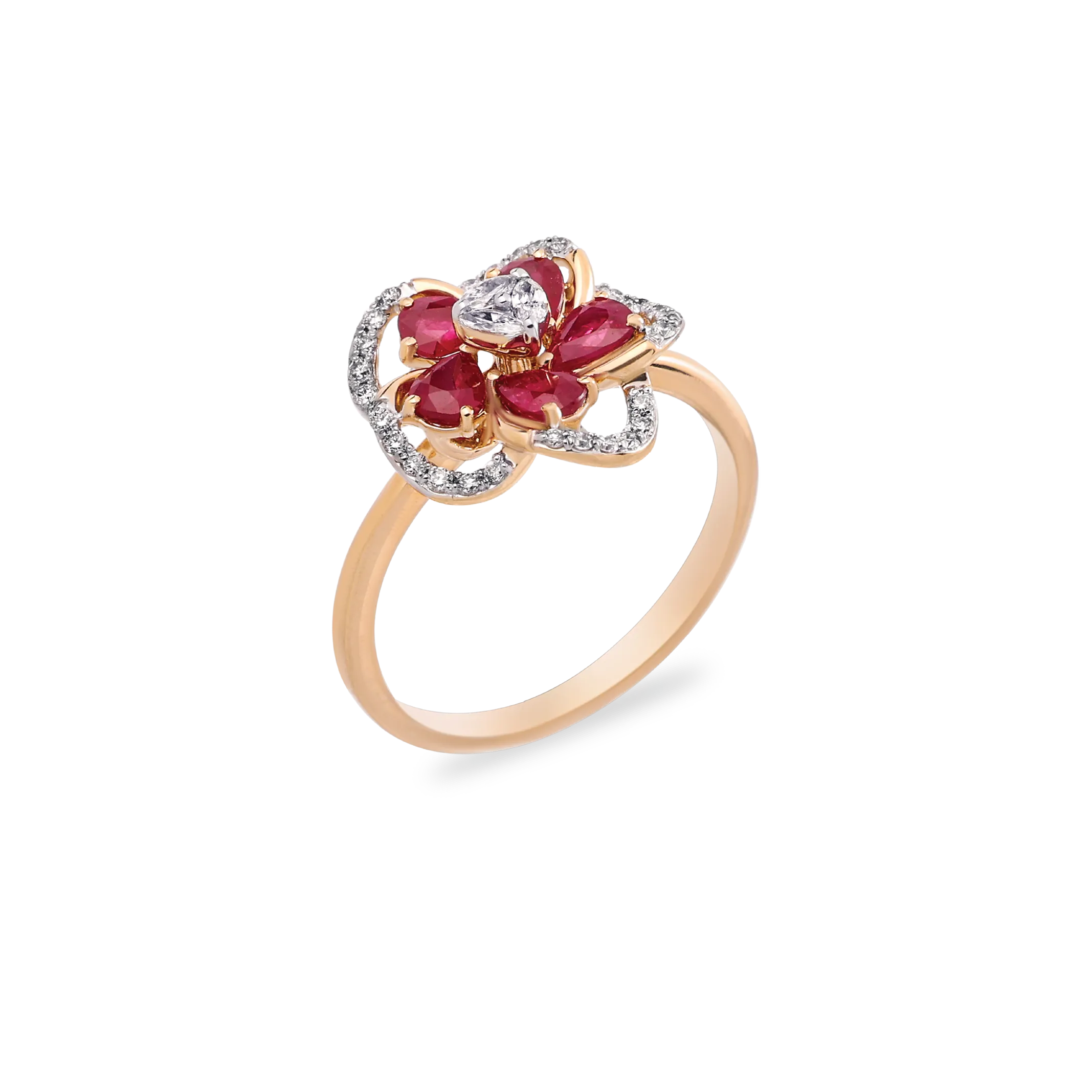
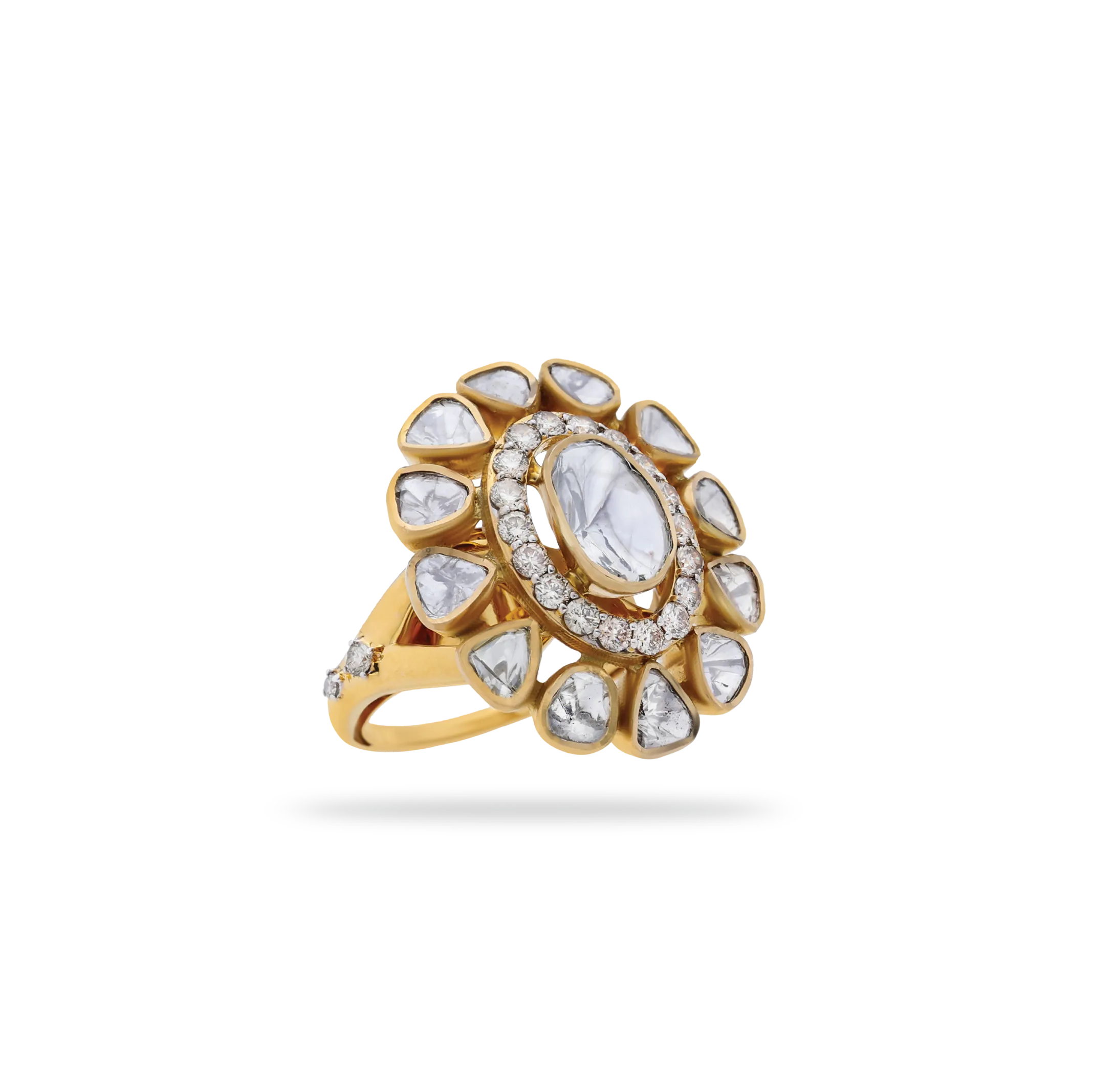
Want a pop of color or something with a bit more personal meaning? Gemstone wedding bands are a great option. Sapphires, emeralds, rubies – you name it. These can be set in all the same ways as diamonds, so you can get that secure channel setting or the sparkly pavé look, just with your favorite colored stones. It’s a way to make your ring truly unique.
Intricate Details: Engraving and Milgrain
Sometimes, it's the little things that make a ring special. Engraving adds a personal touch, whether it's a date, initials, or a tiny message. Milgrain is another detail that adds a vintage feel. It's those delicate, beaded edges that give a ring a classic, handcrafted look. These details can transform a simple band into a work of art.
Here are some popular embellishment styles:
- Milgrain: Tiny beaded edges for a vintage touch.
- Engraving: Personalize with dates, initials, or symbols.
- Filigree: Delicate, ornamental metalwork, often lace-like.
- Cut-outs: Open spaces in the band for a unique look.
Choosing the right embellishments is all about balancing personal style with practicality. What looks beautiful on display might snag or wear down faster with daily use, so it's worth considering how the details will hold up over time.
Key Considerations for Wedding Ring Selection
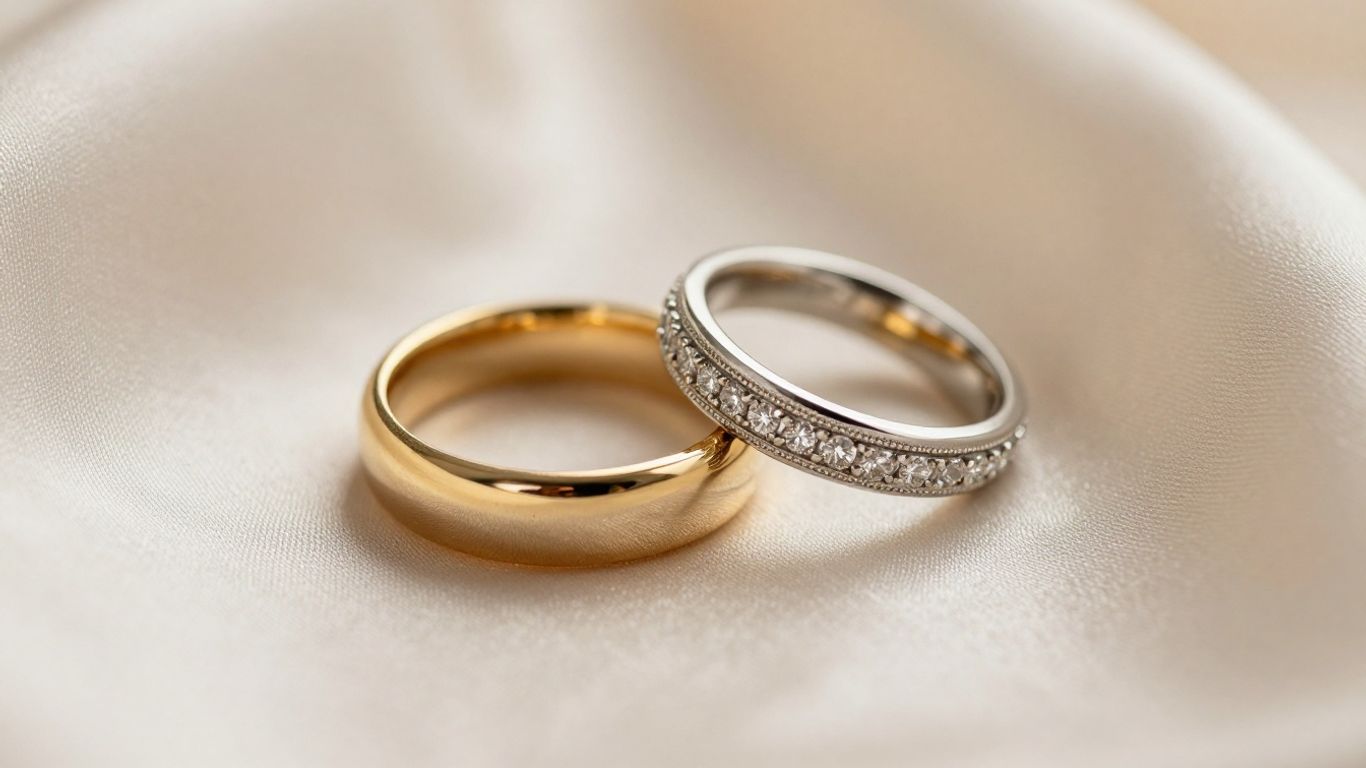
Picking out wedding rings is a bit different from choosing an engagement ring. You're looking for something that feels good on your finger day in and day out, not just for special occasions. It’s about finding a piece that fits your life, not the other way around. So, let's talk about what really matters when you're making this choice.
Band Width and Finger Coverage
The width of your wedding band makes a big difference in how it looks and feels. A super thin band might get lost, especially if you have larger hands, while a really wide one could feel a bit much for some. Think about your engagement ring too; you don't want the bands to look like they're fighting for attention. Sometimes a delicate band is perfect for letting an engagement ring shine, or maybe you want a wider band that makes a statement all on its own. It’s also worth noting that a wider band can look different on smaller fingers compared to larger ones, even if they're the same actual width.
Comfort Fit and Profile
This is a big one. You're going to be wearing this ring constantly, so it needs to be comfortable. Many rings come with a "comfort fit" interior, which means the inside is slightly rounded. This makes a huge difference, especially with wider bands, as it helps the ring slide on and off more easily and reduces pressure. The profile, or how high the ring sits off your finger, also plays a role. A lower profile ring is less likely to snag on things, which is a plus if your hands are always busy. Trying rings on is way more important than just looking at measurements. Two rings that are the exact same size can feel totally different on your finger.
Durability for Everyday Wear
Your wedding ring will likely see more action than your engagement ring. Think about your daily routine. If you work with your hands a lot, play sports, or are constantly washing them, you'll want a ring that can handle it. Metals like platinum and 18k gold are known for being tough and lasting a long time. The way the ring is made also matters. For example, a ring with a bezel setting, where the metal wraps around the stone, is generally more durable than one with high prongs that can catch on things. Simple bands, without a lot of intricate details or stones, are often the easiest to care for and the most resilient over time.
Choosing a wedding ring is about finding something that feels right for everyday life, not just the ceremony. When you focus on comfort, durability, and personal preference, the decision becomes clearer and far less overwhelming.
Pairing Your Wedding Rings
So, you've found the perfect engagement ring, and now it's time to think about its partner – the wedding band. This isn't just about picking another pretty piece of jewelry; it's about creating a cohesive look that feels right for you, every single day. The goal is to have both rings complement each other, not compete.
Complementing Your Engagement Ring
When you're looking at wedding bands to go with your engagement ring, think about how they'll sit together. Sometimes, a straight band will fit perfectly flush against the engagement ring, and that's a clean, classic look. Other times, the shape of your engagement ring might mean a straight band leaves a little gap. In those cases, a curved or contoured band can be a real game-changer, fitting snugly and looking like they were made for each other. It's not just about looks, though. The height of the bands matters too. You want them to feel comfortable when stacked, not like they're digging into your finger or creating an awkward edge.
Matching Wedding Bands for Couples
Now, about matching with your partner. This is where things can get fun and personal. Some couples love the idea of identical bands, a clear symbol of their union. Others prefer to pick bands that are different but have a shared element – maybe the same metal, a similar engraving, or a complementary stone. And hey, if you both love completely different styles? That's totally fine too! The most important thing is that you both love what you're wearing.
Here are a few ideas to consider:
- Identical Bands: Simple, classic, and a strong visual statement of togetherness.
- Complementary Styles: Choose bands with a shared metal, stone type, or design motif.
- Contrasting but Cohesive: Select bands that are different but share an overall aesthetic or feel.
- Completely Unique: Each partner chooses a band that speaks to their individual style.
Creating Unique Band Combinations
Don't be afraid to get creative with your ring stack! You don't have to stop at just two rings. Many people add more bands over time to mark special occasions or simply because they love the look. You can play with different textures, like mixing a smooth band with one that has tiny diamonds all around (called pavé). Or, try contrasting shapes – maybe your engagement ring has a square-ish diamond, and you pair it with a band that has diamonds set in a line. Even mixing metals, like a rose gold band with a white gold engagement ring, can create a really cool, modern vibe. It’s all about building a stack that tells your story.
When choosing your wedding bands, think about how they'll feel on your finger day in and day out. Comfort and durability are just as important as how they look next to your engagement ring. A ring that feels good and holds up to daily life will be a joy to wear for years to come.
Understanding Wedding Ring Settings
When you're picking out your wedding rings, the way the stones are set is a pretty big deal. It's not just about how sparkly it looks, but also how well the ring holds up over time, especially if you're wearing it every single day. Think of it like building a house – the foundation and how things are put together really matter for the long haul.
Secure Settings for Durability
Basically, a secure setting means your precious stones are held in place firmly. This is super important because wedding bands tend to get bumped around more than you might think. You don't want to be constantly worried about a diamond popping out, right? Different settings offer different levels of protection. Some are designed to keep stones tucked away and safe, while others might leave them a bit more exposed. Choosing a setting that matches your lifestyle is key to avoiding unexpected repairs down the road.
Here are a few common ways stones are set:
- Channel Setting: Stones sit down inside a groove of metal, almost flush with the band. This is great for protection and gives a smooth feel, making it a good choice if you're active.
- Bezel Setting: A thin metal rim completely encircles each stone, offering maximum security. It's a very sturdy option.
- Pavé Setting: Tiny diamonds are set very close together, with little beads of metal holding them in. It looks like the band is paved with diamonds, but the stones are more exposed than in channel or bezel settings.
- Bar Setting: Stones are held in place by vertical metal bars, leaving the top and sides of the stones visible while still offering good protection.
The Aesthetics of Different Stone Settings
Beyond just security, the setting dramatically changes the look of your ring. It affects how much light hits the stones and the overall style. A pavé setting, for instance, creates a continuous shimmer, while a bezel setting gives a clean, modern look. The way the metal interacts with the stones is a big part of the ring's personality.
Halo vs. Hidden Halo Designs
This is a popular trend, especially when pairing a wedding band with an engagement ring. A traditional halo setting surrounds your center stone with a circle of smaller diamonds. This makes the center stone appear larger and adds a lot of sparkle. A hidden halo, on the other hand, places these smaller diamonds underneath the center stone, often visible from the side. It adds a subtle, unexpected flash of brilliance without making the overall ring look much bigger or potentially snagging on things as easily.
When you're looking at settings, think about both how the ring will look and how it will hold up. A setting that looks amazing but constantly needs attention might not be the best fit for everyday wear. It's a balance between beauty and practicality that makes a wedding ring truly special and wearable for a lifetime.
Your Forever Symbol
So, finding the perfect wedding ring is kind of a big deal, right? It’s not just another piece of jewelry; it’s this symbol of your whole journey together. We’ve talked about all sorts of styles, from classic gold bands to rings with cool gemstones, and how to make sure it fits your life, whether you’re always on the go or prefer something a bit more low-key. Remember, the most important thing is that it feels right to you. It should be comfortable, durable, and most importantly, something you’ll love looking at every single day for years to come. Don't stress too much about trends; focus on what truly represents your unique love story. Happy ring hunting!
Frequently Asked Questions
What's the difference between an engagement ring and a wedding ring?
Think of an engagement ring as the ring that pops the question, often with a sparkly center stone. A wedding ring is the one you both exchange during the wedding ceremony to show you're married. Wedding bands are built for everyday wear, so they're usually simpler and tougher.
How do I pick the right metal for my wedding ring?
Metals like gold and platinum are popular because they look great and last a long time. Gold comes in yellow, white, and rose colors. Platinum is super strong and keeps its color. There are also other metals like titanium or tungsten that are really durable and can look very modern.
Should my wedding ring match my engagement ring?
It's not a strict rule! Your wedding ring should look good with your engagement ring, but they don't have to be a perfect match. Sometimes, mixing different styles or metals can create a really cool, unique look that's all your own.
How important is comfort when choosing a wedding ring?
Super important! Since you'll wear your wedding ring every day, it needs to feel good. Look for rings with a 'comfort fit' inside, which means they're rounded to feel smooth. Also, think about how wide you want the band to be – thinner bands are lighter, while wider ones make more of a statement.
What if I have an active lifestyle? What kind of wedding ring is best?
If you're always on the go, you'll want a tough ring. Simple bands with no raised stones or stones set low in the metal (like channel or bezel settings) are less likely to snag or get damaged. Super strong metals like platinum or even titanium can also be great choices.
Can I add diamonds or gemstones to my wedding ring?
Absolutely! You can add sparkle with diamonds set in different ways, like pavé (tiny diamonds set close together) or channel (diamonds set in a groove). You can also add color and meaning with gemstones like sapphires or emeralds. Just consider how these might affect the ring's durability for everyday wear.
Beyond the Sparkle: Finding the Perfect Engagement Rings for Your Love Story
10 minute read
Related blogs:
November 20, 2025
The Timeless Elegance of the Tennis Bracelet: A Comprehensive Guide
Read More
November 20, 2025
The Ultimate Guide to Styling and Wearing a Choker Necklace
Read More
November 20, 2025
Find Your Perfect Engagement Ring: A Comprehensive Guide to Styles and Diamonds
Read More
November 20, 2025
The Timeless Elegance of a Diamond Tennis Bracelet: A Buyer's Guide
Read More









.webp)
.webp)