Discover Your Perfect Pair: A Guide to Choosing Wedding Bands
June 7, 2026 | 10 minutes read
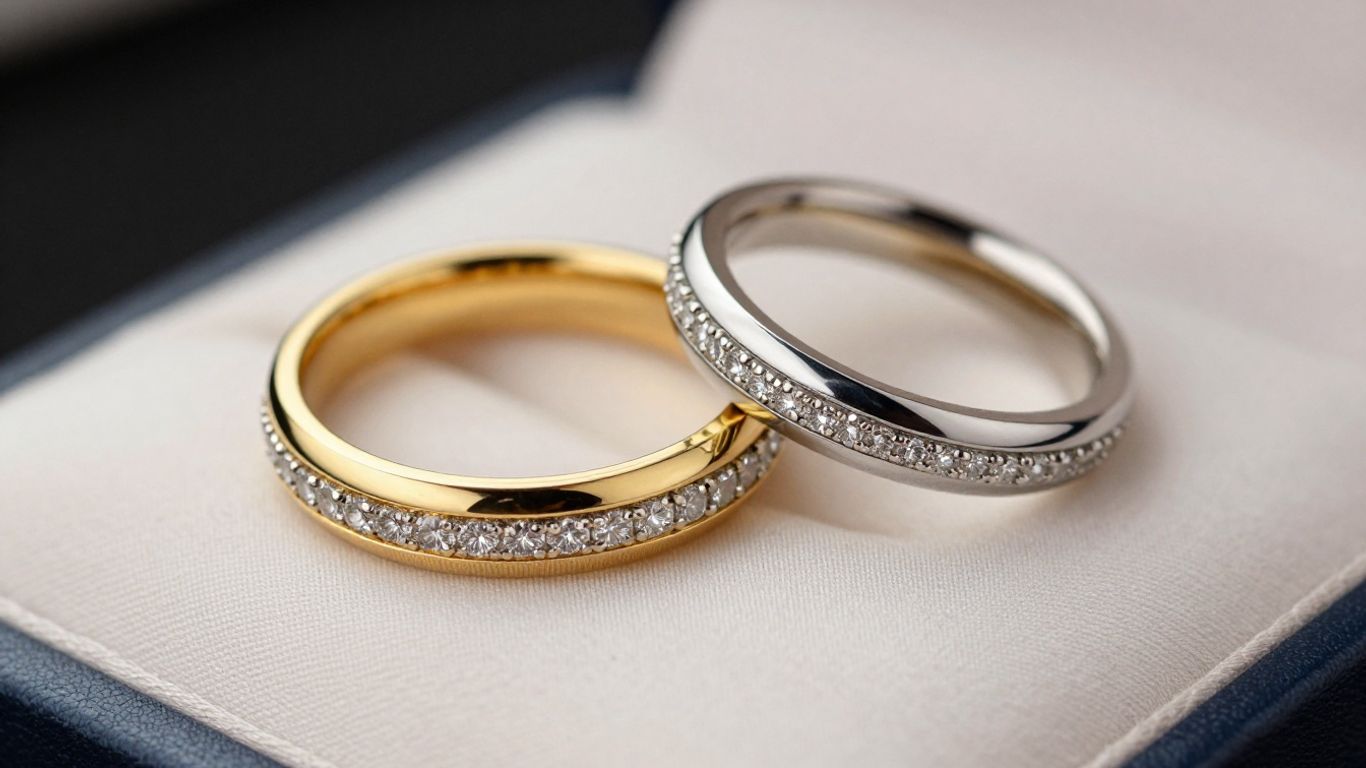
Picking out wedding bands can feel like a big deal, right? It's not just another piece of jewelry; it's something you'll wear every single day, a constant reminder of your commitment. With so many options out there, from the metal to the style, it's easy to get a little lost. But don't worry, we're here to help you find that perfect wedding band that feels just right for you and your partner.
Key Takeaways
- When choosing wedding bands, consider the materials like gold, platinum, or alternative metals, thinking about how they'll hold up with your daily life.
- Make sure your wedding band looks good with your engagement ring, whether that means matching metals or choosing a style that complements it.
- There are tons of wedding band styles, from simple classic bands to ones with diamonds or unique shapes, so find one that fits your personal taste.
- Adding a personal touch, like an engraving or a special finish, can make your wedding band truly one-of-a-kind.
- Getting the right fit is super important for comfort since you'll be wearing your wedding band all the time, so try them on with your engagement ring.
Understanding Wedding Band Materials
Choosing the right material for your wedding band is a big decision. It's not just about looks; it's about how it will hold up over time, how it feels on your finger, and what fits your budget. Think of it as picking the foundation for a symbol that will represent your commitment every single day.
Exploring Precious Metals: Gold and Platinum
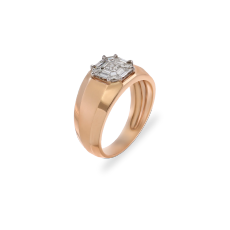
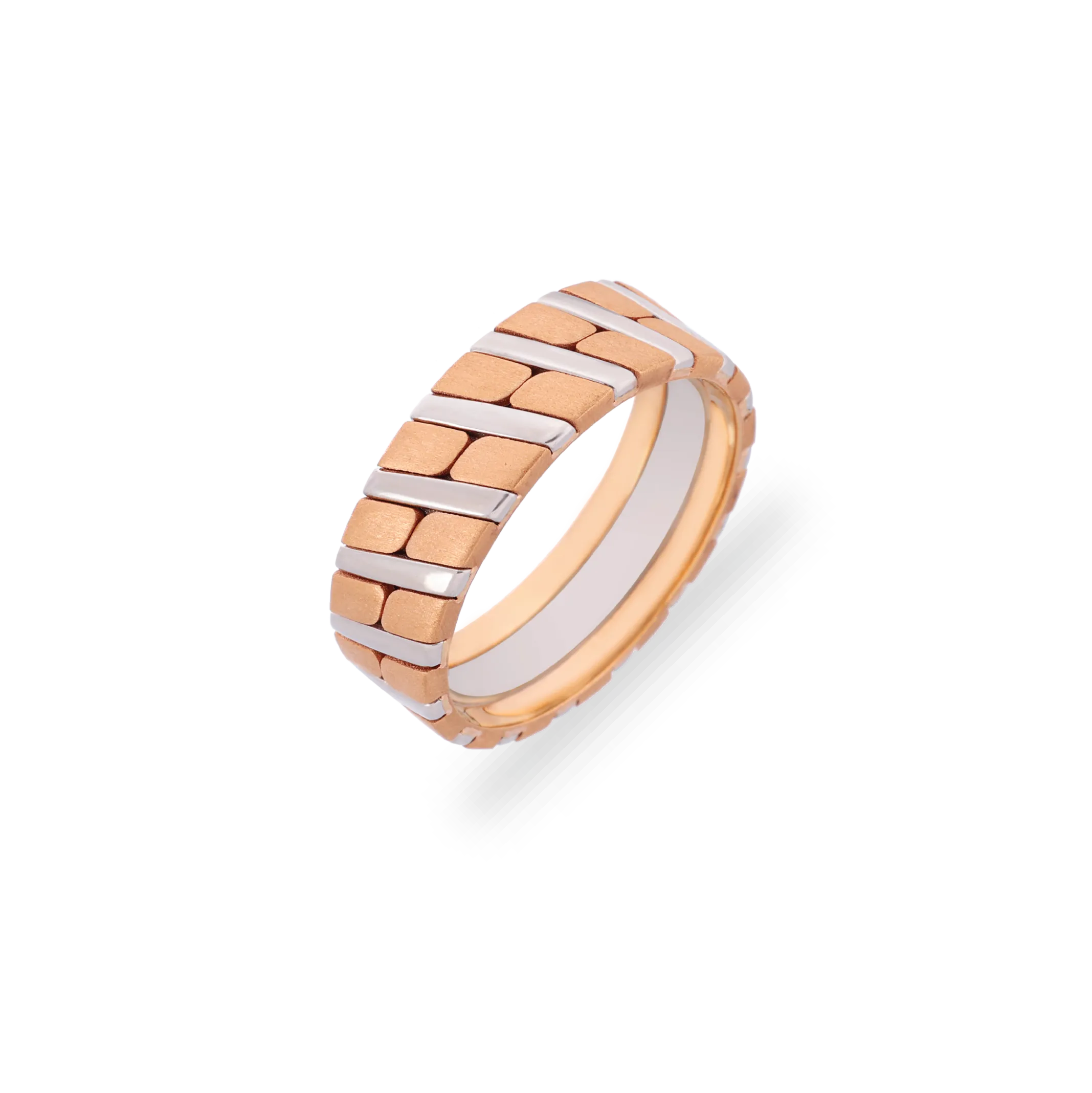
Gold and platinum are the traditional go-to's for wedding bands, and for good reason. They're classic, they last, and they have a certain prestige. Gold comes in a few colors: yellow, white, and rose. Yellow gold is the timeless choice, always in style. White gold offers a sleek, modern look, but it's usually plated with rhodium, so you might need to get that redone every so often to keep it looking bright. Rose gold has a warm, romantic hue that's really popular right now. It's also a bit tougher than other golds because of its copper content.
Platinum is a bit of a different beast. It's naturally white, super strong, and hypoallergenic, which is great if you have sensitive skin. Because it's denser than gold, platinum bands tend to feel heavier and are very durable for daily wear . It often comes with a higher price tag, but many people feel its longevity and natural beauty are worth the investment. You can find out more about different jewelry materials and their properties here.
The Appeal of Alternative Metals
Beyond the precious metals, there's a whole world of alternative metals that have become super popular, especially for men's bands. Think tungsten, titanium, cobalt, and even ceramic. These materials are often incredibly durable and scratch-resistant, meaning they can take a beating. They're also usually more budget-friendly than gold or platinum, which is a big plus for many couples.
However, there's a trade-off. Many alternative metals can't be resized. If your finger size changes down the road, or if the ring gets damaged, it can be really tricky, sometimes impossible, to fix. Precious metals, on the other hand, offer more flexibility for resizing and repairs over the years. It's a good idea to weigh the pros and cons based on your lifestyle and how long you plan to wear the ring.
Considering Durability and Lifestyle
Your wedding band is going to be with you for a long, long time, so its durability really matters. Think about your daily routine and what your hands go through. If you work with your hands a lot, play sports, or just tend to be a bit rough on things, a super-durable metal like platinum, tungsten, or titanium might be your best bet. These are less likely to scratch or dent.
On the flip side, if you're looking for something that can be easily adjusted or repaired, gold or even palladium (which is similar to platinum but lighter and more affordable) might be a better fit. It's all about finding that sweet spot between the look you love and the practicality you need. Here's a quick rundown:
- Gold: Classic, comes in various colors, can be resized. White gold needs occasional rhodium plating.
- Platinum: Very strong, naturally white, hypoallergenic, heavier, more expensive, can be resized.
- Tungsten/Titanium: Extremely durable, scratch-resistant, often more affordable, but usually cannot be resized.
- Palladium: Similar to platinum but lighter and less expensive, can be resized.
Choosing a wedding band material is a personal journey. It's about balancing aesthetics with practicality, ensuring the ring you choose not only looks beautiful but also fits comfortably into your everyday life for years to come. Consider what matters most to you – be it the timeless gleam of gold, the robust nature of platinum, or the modern resilience of alternative metals. Each material offers distinct advantages for your special ring.
Harmonizing Your Wedding Bands
Choosing your wedding band isn't just about picking a pretty ring; it's about finding something that feels right, both on its own and next to your engagement ring. Think of it like a duet – each part is beautiful, but together they create something even more special. The goal is for your rings to look like they belong together, even if they aren't identical twins.
Complementing Your Engagement Ring
Your engagement ring is usually the starting point. You want your wedding band to sit nicely with it, not bump into it or look out of place. If your engagement ring has a lower setting, a curved or shaped band might hug it perfectly. For a more standard solitaire, a straight band often creates a clean, classic look. It’s about making sure the two rings feel balanced and comfortable when worn together. The best pairings feel intentional, like they were made for each other.
Matching Metals for a Cohesive Look
While you don't have to match your metals exactly, it often creates a really pleasing, unified appearance. If your engagement ring is white gold , a white gold band will have a consistent color. The same goes for yellow gold , rose gold , or platinum. Mixing metals can work, but it's a bit more of an advanced style choice. If you're unsure, sticking to the same metal family is a safe bet for a harmonious set. You can explore different metal options to see what appeals to you.
Balancing Proportions and Fit
Consider the width of your wedding band in relation to your engagement ring. A super wide band might overwhelm a delicate engagement ring, while a very thin band could get lost next to a larger stone. You also want to think about how they'll feel on your finger. Some bands are designed to sit flush against the engagement ring, while others might leave a small gap. This isn't necessarily a bad thing, but it's something to be aware of. Trying them on together is the best way to see how they look and feel.
Finding that perfect balance between your engagement ring and wedding band is key. It's about creating a set that feels complete and comfortable for everyday wear, reflecting your unique style as a couple.
Styles of Wedding Bands
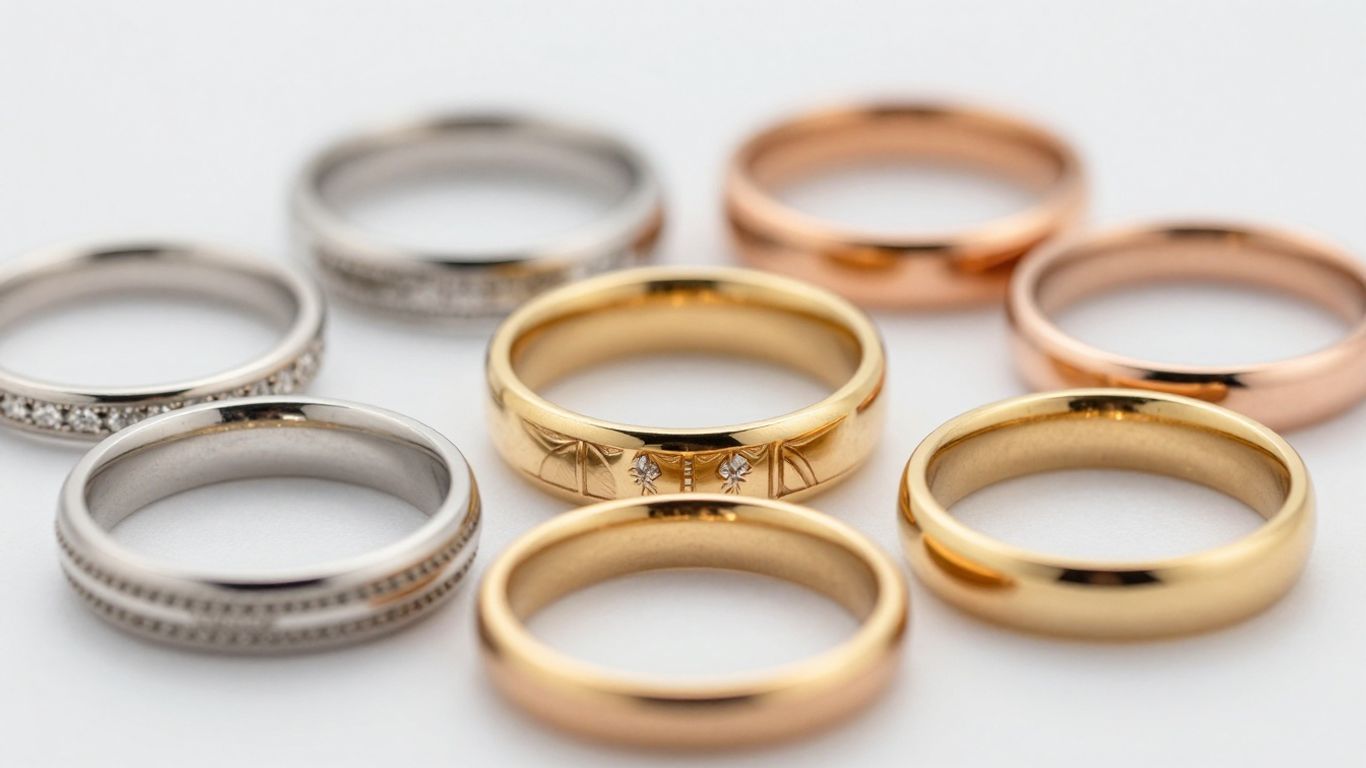
When it comes to picking out your wedding band, it's not just about the metal or the sparkle. The actual style of the band plays a huge role in how it looks, feels, and fits with your engagement ring. Think of it like choosing the perfect frame for a masterpiece – it needs to complement, not compete. There are tons of options out there, from super simple to incredibly detailed, so let's break down some of the most popular choices.
Timeless Classic Bands
These are the bands that never go out of style. We're talking about smooth, polished rings, usually made from precious metals like gold or platinum. They're the definition of understated elegance. If you appreciate tradition and want something that will look just as good fifty years from now as it does today, a classic band is probably your jam. They're also super versatile and tend to pair well with almost any engagement ring style, making them a safe bet if you're unsure. Plus, they're generally easy to wear every day without snagging on things. It's a solid choice for a reason.
Sparkling Diamond and Gemstone Bands
Want a little more pizzazz? Bands with diamonds or other gemstones are where it's at. You've got options here, too. Eternity bands, for example, have stones all the way around, symbolizing endless love – talk about romantic! Then there are bands with just a few strategically placed stones, maybe to echo the center stone of your engagement ring. You can also find bands with colored gemstones if you want to add a pop of color or represent something special. These bands are fantastic for adding that extra bit of sparkle and personality to your ring stack. Just be mindful of the setting; a lower profile setting might be better for everyday wear to avoid chips.
Unique Curved and Stackable Designs
Sometimes, a straight band just doesn't sit right with a unique engagement ring. That's where curved or contoured bands come in. They're designed to hug the shape of your engagement ring, creating a really snug and cohesive look. It's like they were made for each other! On the flip side, stackable bands are super popular right now. These are usually thinner bands that you can wear alone, with your engagement ring, or even mix and match with other stackable bands. This gives you a lot of flexibility to change up your look over time. You could start with a simple band and add more decorative ones later on. It’s a fun way to keep your jewelry fresh and personal. You can explore different wedding band styles to see what catches your eye.
Personalizing Your Wedding Bands
Your wedding band is more than just a ring; it’s a symbol of your commitment, a daily reminder of your vows, and a piece of jewelry you’ll wear forever. While classic styles are beautiful, making your band uniquely yours can add an extra layer of meaning. Think about how you can infuse your personality and your love story into this special piece.
Adding Sentimental Engravings
Engraving the inside of your wedding band is a popular way to add a personal touch. It’s a hidden message, just for you and your partner to know. You could engrave your wedding date, your initials, or even a short, meaningful phrase. Some couples opt for coordinates of where they met or got engaged, or perhaps a pet name only they use. The possibilities are pretty vast, and it’s a simple way to make the ring feel extra special. For some inspiration, you can explore creative wedding band engraving ideas.
Customizing Finishes and Textures
Beyond engravings, the finish of your band can also say a lot about your style. Most bands come with a standard high-polish finish, which is bright and shiny. But you can also choose other textures that give the ring a different feel. A brushed finish offers a softer, more matte look, which can be great for hiding minor scratches. Hammered finishes add a bit of texture and visual interest, giving the band a more rustic or artisanal vibe. There are also satin or sandblasted finishes for a subtle matte effect. Choosing a finish that suits your lifestyle and aesthetic is key to loving your ring every day.
Creating a Truly Custom Band
If you’re looking for something truly one-of-a-kind, a custom-designed band might be the way to go. This involves working closely with a jeweler to bring your specific vision to life. You might want to incorporate a unique design element, use a specific combination of metals, or even integrate a small gemstone that holds special meaning. It’s a more involved process, but the result is a ring that is absolutely unique to you and your partner. It’s about creating a piece that perfectly reflects your journey together, not just a ring that looks nice.
A wedding band is a daily reminder of your commitment. Personalizing it makes it a tangible piece of your shared history, a story told in metal and inscription.
The Importance of Fit and Comfort
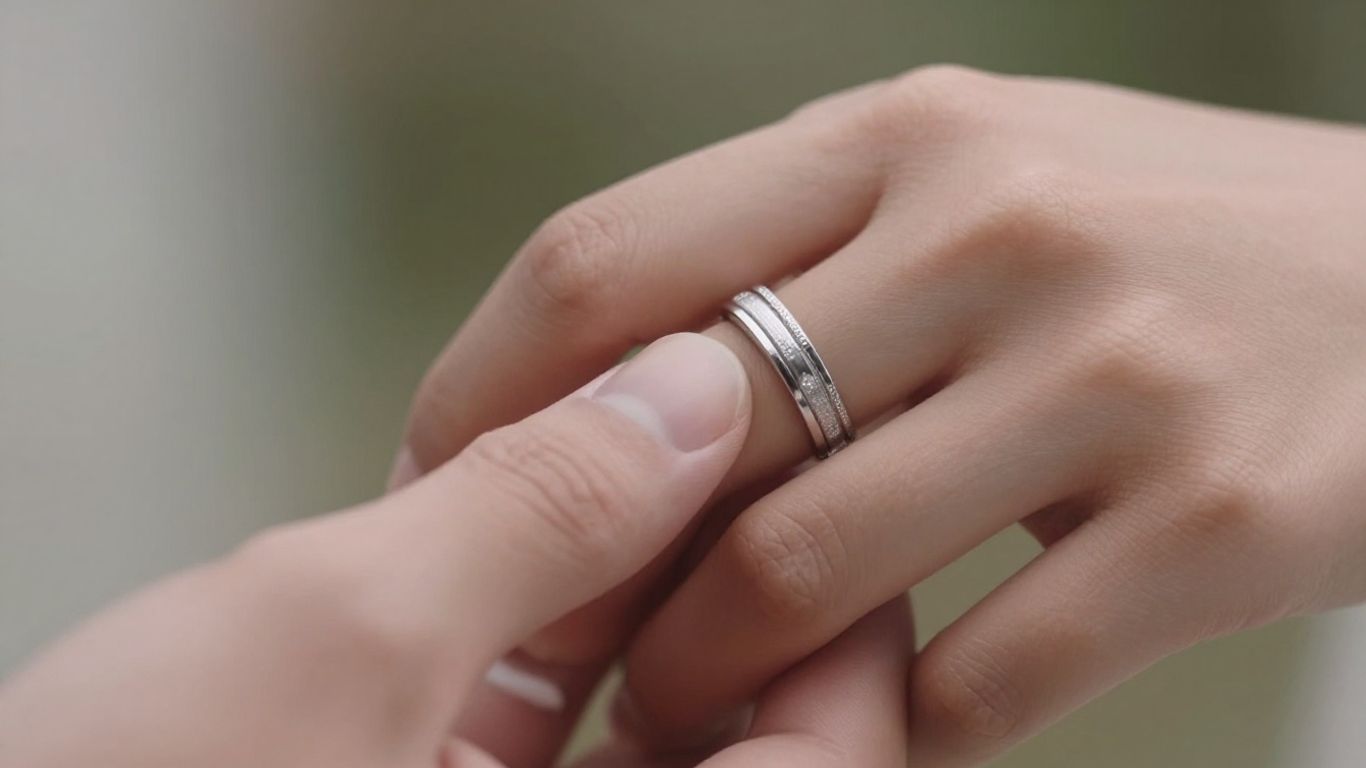
So, you’ve picked out the perfect style and material for your wedding band. Awesome! But before you say 'I do' to that ring, let's talk about something super important: how it actually feels. A wedding band is something you'll wear every single day, possibly for the rest of your life. If it's not comfortable, it's going to be a constant, annoying reminder, and nobody wants that.
Ensuring a Comfortable Everyday Wear
Think about your daily routine. Do you work with your hands a lot? Are you constantly typing, gardening, or maybe playing a musical instrument? The way your band fits can make a huge difference. A ring that's too tight can be uncomfortable, especially if your fingers swell throughout the day. On the flip side, a ring that's too loose is a recipe for disaster – you could lose it, or it could just feel awkward and unstable on your finger. The goal is a snug, secure feel that you barely notice is there.
Trying On Bands with Your Engagement Ring
This is a big one. Your wedding band isn't going to live alone on your finger; it's going to be right next to your engagement ring. You absolutely need to try them on together. Sometimes, a band that looks great on its own can feel clunky or awkward when paired with your engagement ring. The settings can bump into each other, or the proportions might just feel off. It’s like trying on an outfit – sometimes pieces look good separately but don't quite work as a set. You want them to sit nicely together, without pinching or creating awkward gaps. Some people find that a comfort fit wedding band feels much better when worn with another ring.
Accurate Sizing for the Perfect Fit
Getting the right size is more than just a number; it's about how the ring interacts with your finger. Factors like the width of the band and the shape of your finger can affect sizing. Wider bands, for instance, often need to be sized slightly larger than thinner bands because they cover more of your finger. It's also worth noting that finger size can change due to temperature, humidity, and even time of day. Most jewelers will measure your finger multiple times and in different conditions to get the most accurate reading. Don't be afraid to ask questions and take your time during the sizing process. It’s better to be a little too cautious now than to have an ill-fitting ring later.
When you're choosing your wedding band, think about how it will feel after a long day, not just when you first put it on. A ring that feels good is a ring you'll love to wear.
Coordinating Wedding Bands as a Couple
Unity Through Matching Sets
Some couples really dig the idea of having identical wedding bands. It’s like a visual cue, a constant reminder that you’re a team, a pair. Think matching metals, same width, maybe even the same finish. It’s a straightforward way to show you’re on the same page, a unified front. This approach works great if you both lean towards classic styles or if you just want that undeniable sense of togetherness reflected in your rings. It’s simple, elegant, and speaks volumes about your shared journey.
Individual Style with Complementary Designs
But hey, not everyone wants to be carbon copies, right? And that’s totally cool. You can still have rings that feel connected without being twins. The trick here is to find elements that echo each other. Maybe you both go for yellow gold , but one band is wider or has a different texture. Or perhaps one of you loves diamonds and the other prefers a plain band, but they’re both the same metal and have a similar overall vibe. It’s about creating a subtle dialogue between the rings, showing that while you’re individuals, you definitely belong together. This way, each ring still feels like 'you,' but they look fantastic side-by-side. It’s a bit like a well-coordinated outfit – distinct pieces that just work. You can achieve a cohesive look by matching the metal and general profile, even if individual bands have different widths or finishes. This approach ensures a harmonious pairing that suits both partners. This approach ensures a harmonious pairing.
Creating a Dialogue Between Bands
So, how do you actually make this happen? It’s less about strict rules and more about a feeling. Start by thinking about the overall tone you want. Do you both like a sleek, modern look, or are you more into vintage vibes? Consider the metal color – white gold and platinum can look really similar, for instance. You might also play with finishes. A high polish on one band can contrast nicely with a brushed or matte finish on the other, but if they’re the same width and metal, they’ll still feel connected. It’s about finding those little threads that tie them together.
The goal isn't for your rings to look identical, but rather for them to feel like they belong to the same story. They should complement each other, like two notes in a beautiful melody.
Here are a few ideas to get you started:
- Metal Match: Stick to the same metal color (e.g., all yellow gold , or white gold and platinum). This is probably the easiest way to ensure they look good together. You might find that similar metal colors work well even if they aren't exactly the same shade.
- Profile Play: Decide on a similar band profile – are they both rounded, or both flat? This gives a sense of structural harmony.
- Width Whisper: You can have different widths, but keeping them somewhat proportional can help. A super chunky band next to a delicate one might feel a bit off balance, but it really depends on your personal style.
- Finish Fusion: Mix finishes like polished and matte, or add subtle engraving to one band if the other is plain. It adds personality without breaking the connection.
Your Ring, Your Story
So, picking out your wedding band is kind of a big deal, right? It’s not just another piece of bling; it’s something you’ll wear every single day, a little reminder of your commitment. We’ve talked about metals, styles, and how to make sure it looks good with your engagement ring. But honestly, the most important thing is that it feels like you. Whether you go for something super simple or totally decked out, make sure it’s comfortable and feels right. It’s your story, and your ring should totally fit into it, becoming a familiar part of your life as the years go by. Happy hunting!
Frequently Asked Questions
What are the most common metals used for wedding bands?
Wedding bands are often made from precious metals like gold (in yellow, white, or rose colors) and platinum. You'll also find bands made from alternative metals such as titanium, tungsten, and palladium, which are known for being super strong and sometimes more affordable.
Should my wedding band match my engagement ring?
It's not a strict rule, but many couples like their wedding band to look good with their engagement ring. You can match the metal color, or choose a band style that fits nicely next to your engagement ring, like a curved band for a ring with a large stone.
What's the difference between a plain band and a diamond band?
A plain band is simple and smooth, letting your engagement ring shine. A diamond band has small diamonds set all around it, adding extra sparkle. Both are beautiful choices, depending on whether you like a more subtle or a more dazzling look.
How important is the fit of a wedding band?
Fit is super important because you'll wear your wedding band every single day! It needs to be comfortable, not too tight or too loose, and should feel good next to your engagement ring without rubbing or catching.
Can I add something special to my wedding band?
Absolutely! Many people choose to engrave their wedding bands with important dates, initials, or a short, meaningful message. You can also pick different finishes, like a shiny polish or a softer matte look, to make it unique.
Do wedding bands for couples have to look exactly the same?
Not at all! Some couples like matching rings to show they're a team, but others prefer bands that complement each other rather than being identical. You might pick the same metal but different styles, or rings that have a similar vibe. The most important thing is that they feel right for both of you.
Discover Timeless Elegance: Your Guide to Beautiful Gold Engagement Rings
10 minute read
Related blogs:
November 20, 2025
The Timeless Elegance of the Tennis Bracelet: A Comprehensive Guide
Read More
November 20, 2025
The Ultimate Guide to Styling and Wearing a Choker Necklace
Read More
November 20, 2025
Find Your Perfect Engagement Ring: A Comprehensive Guide to Styles and Diamonds
Read More
November 20, 2025
The Timeless Elegance of a Diamond Tennis Bracelet: A Buyer's Guide
Read More









.webp)

.webp)