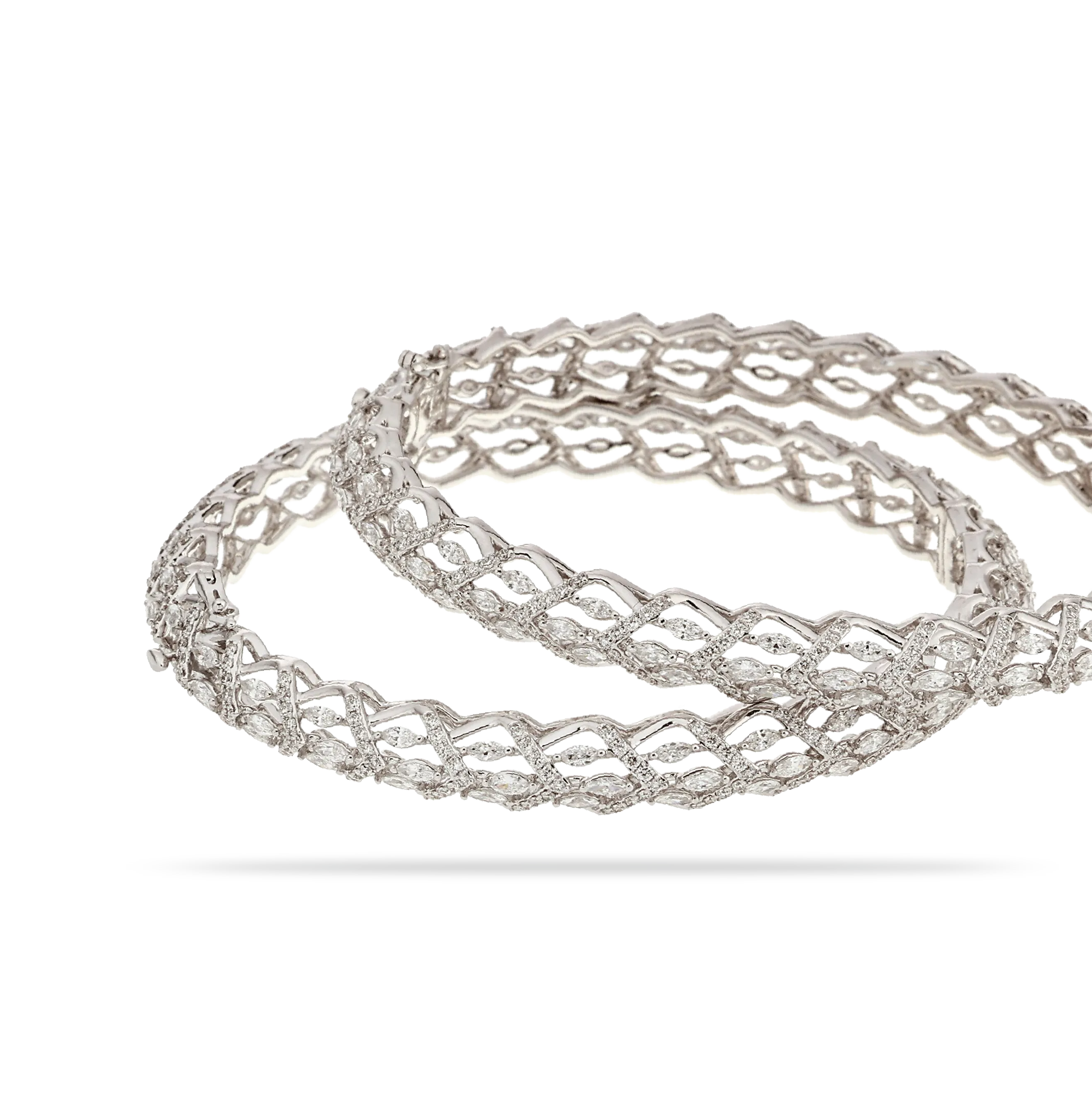
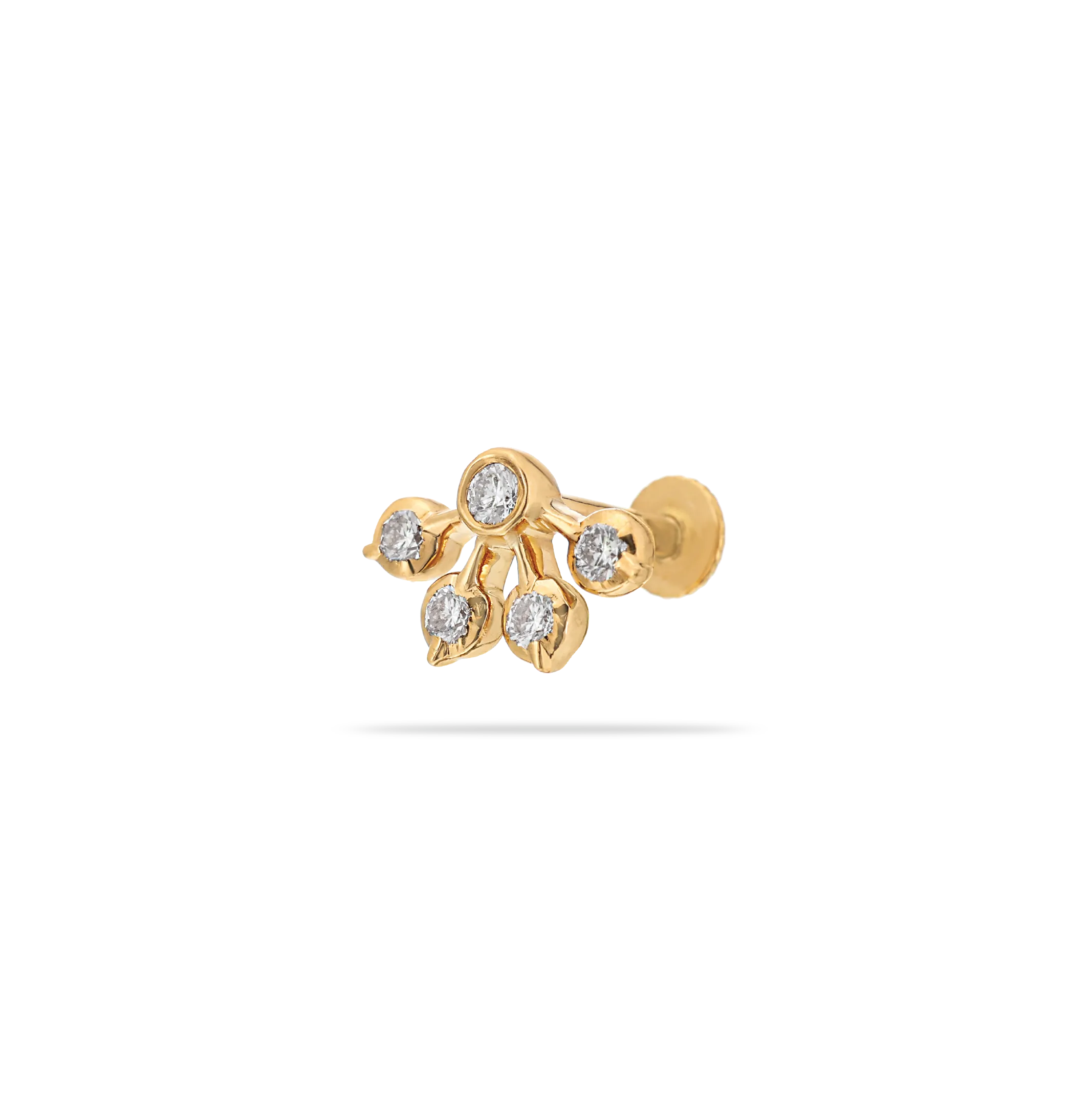
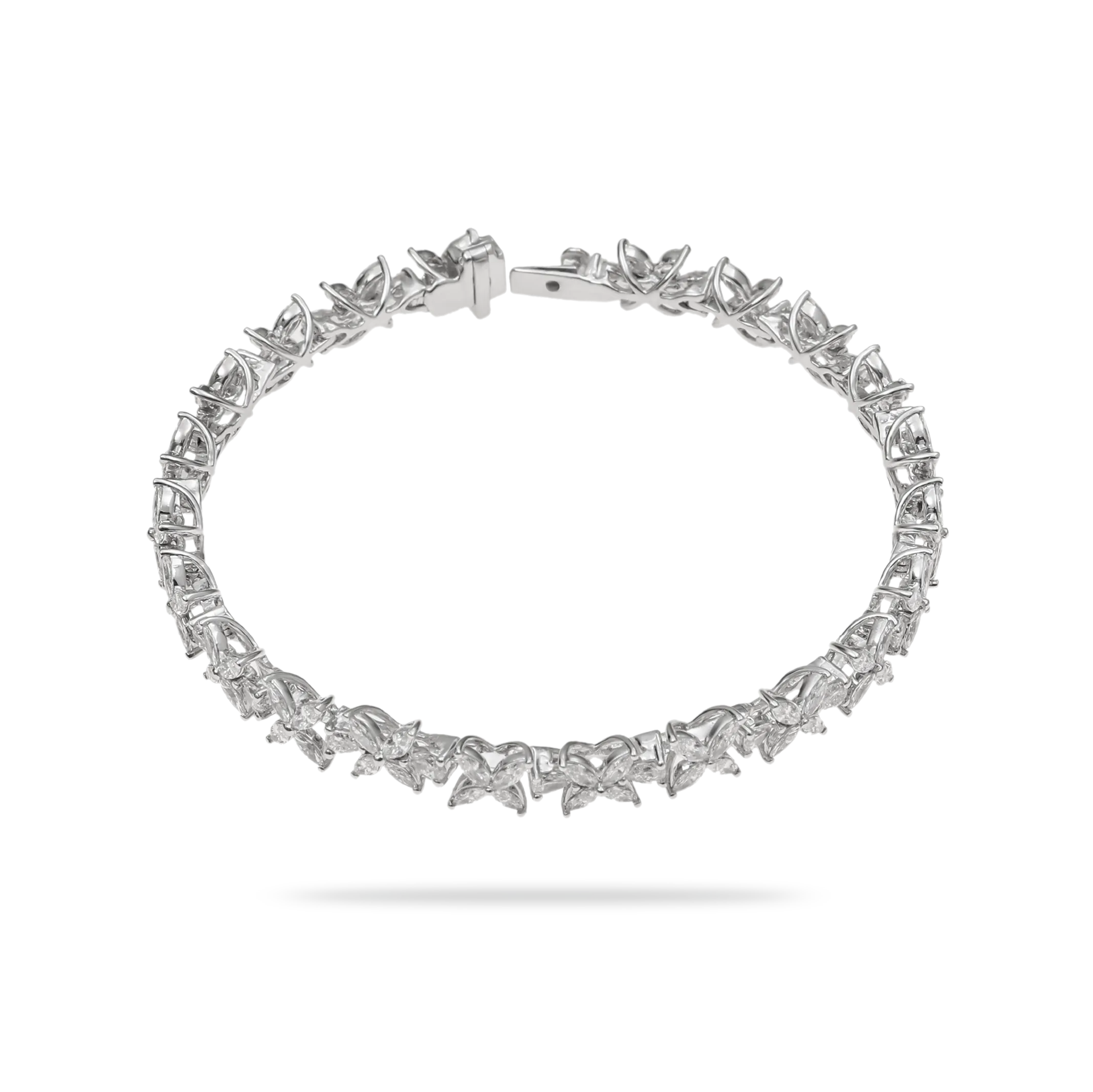
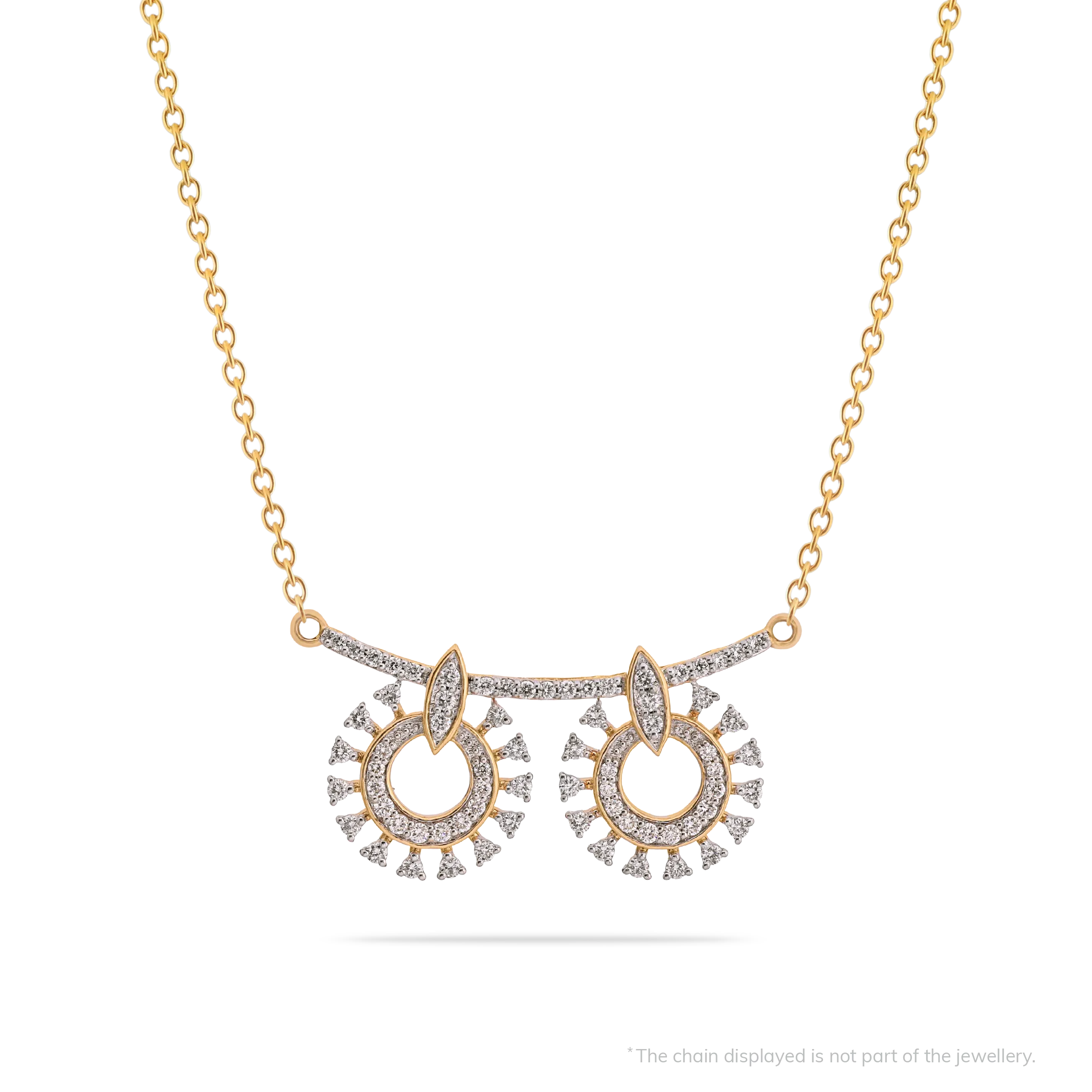
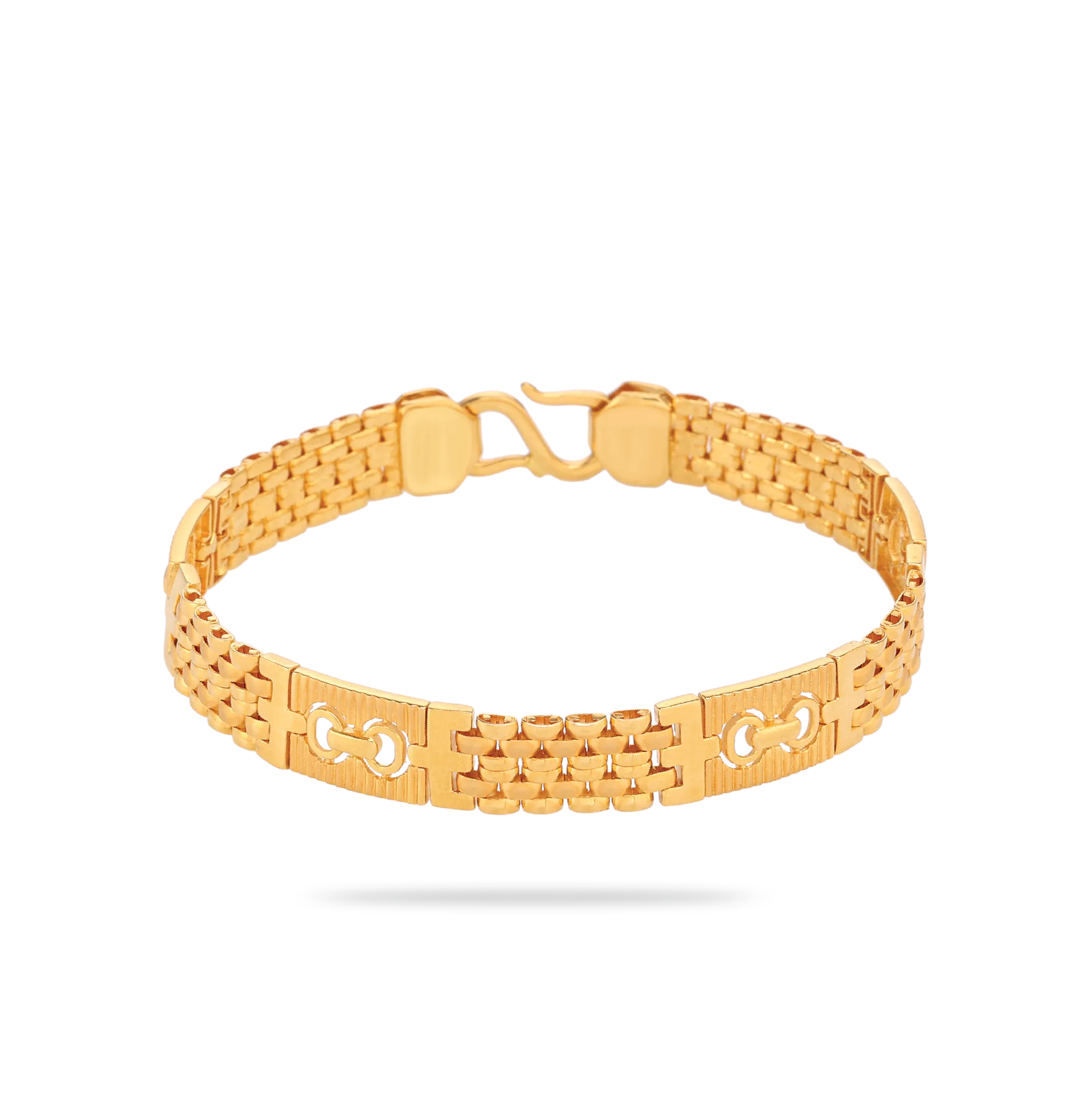
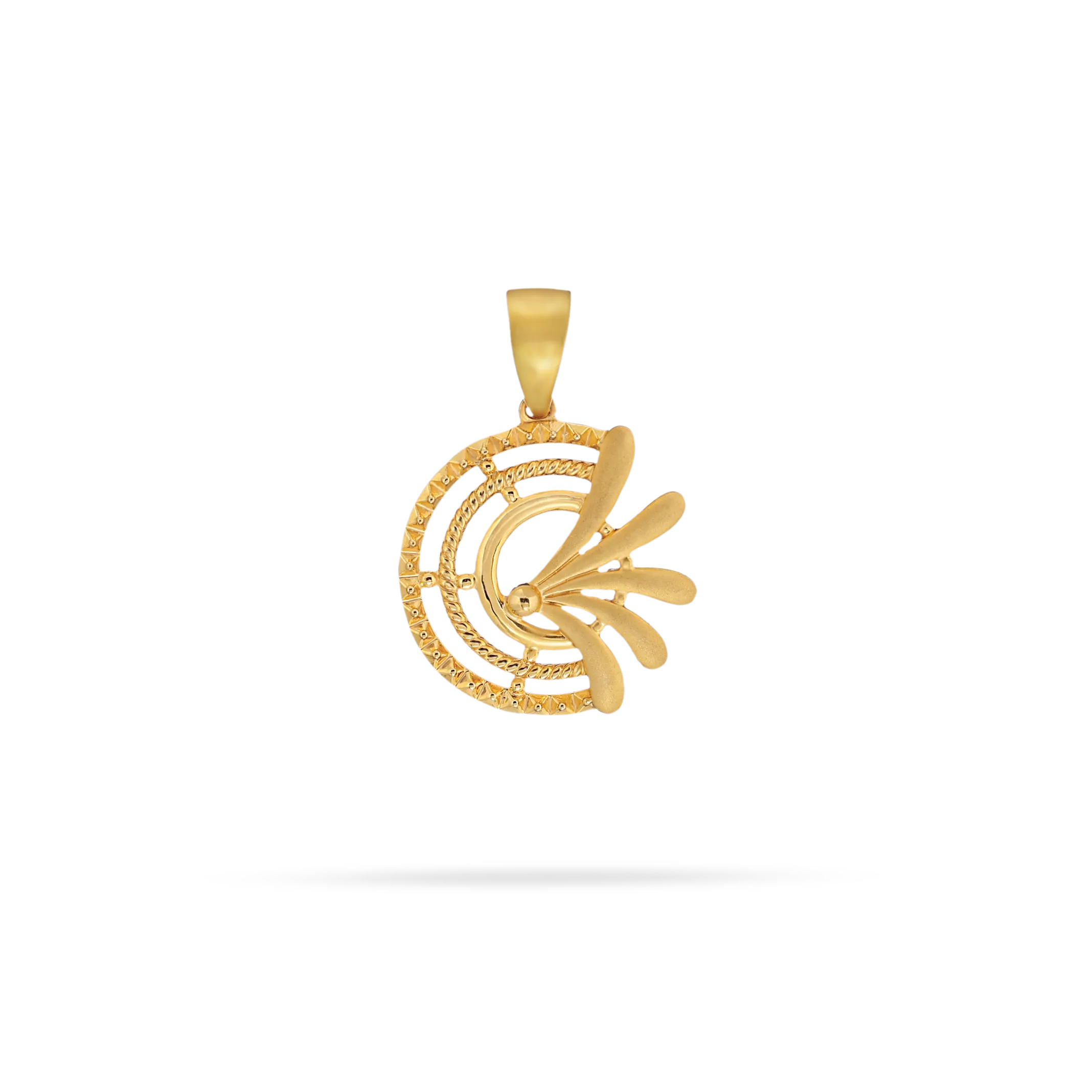
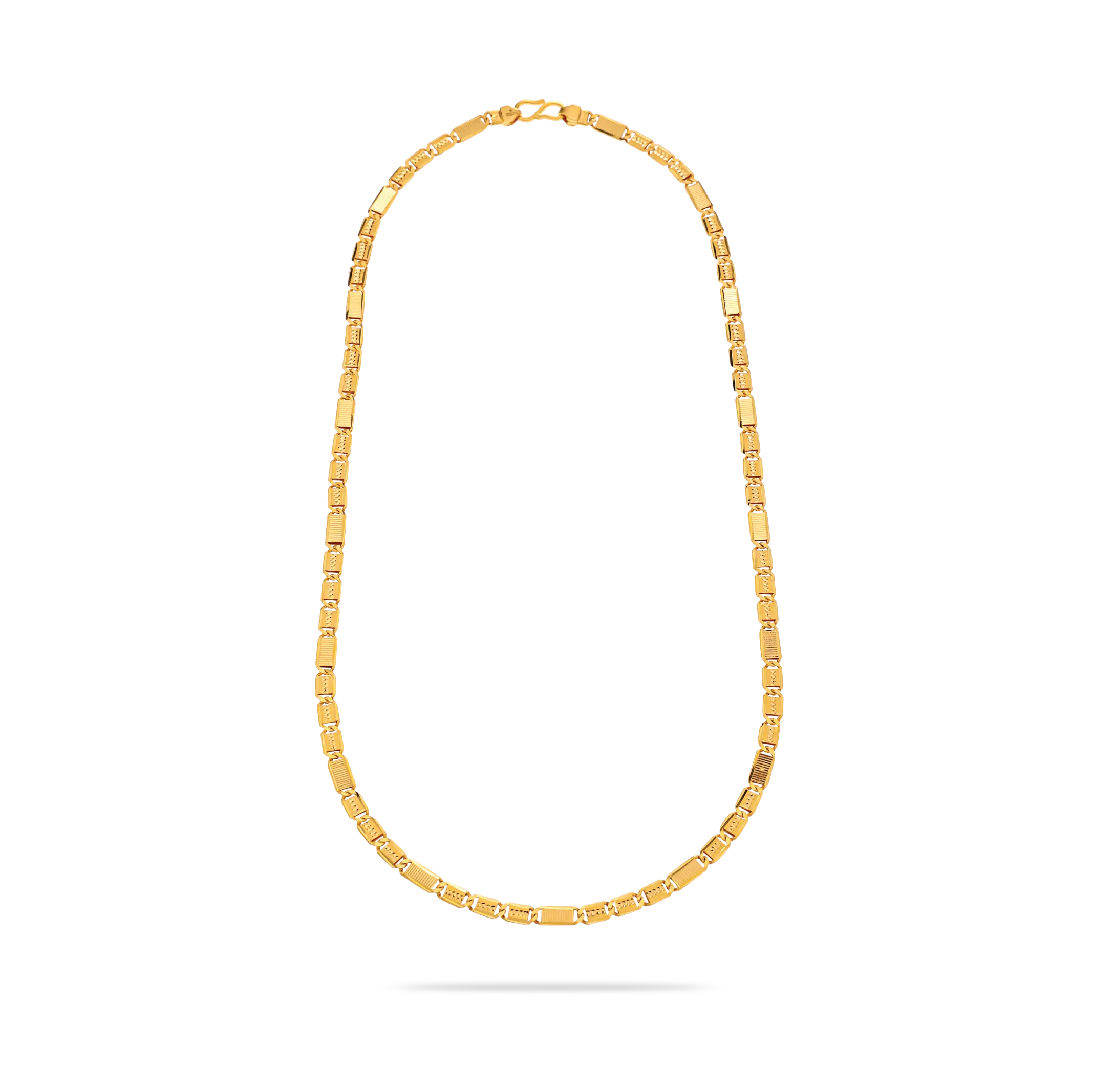
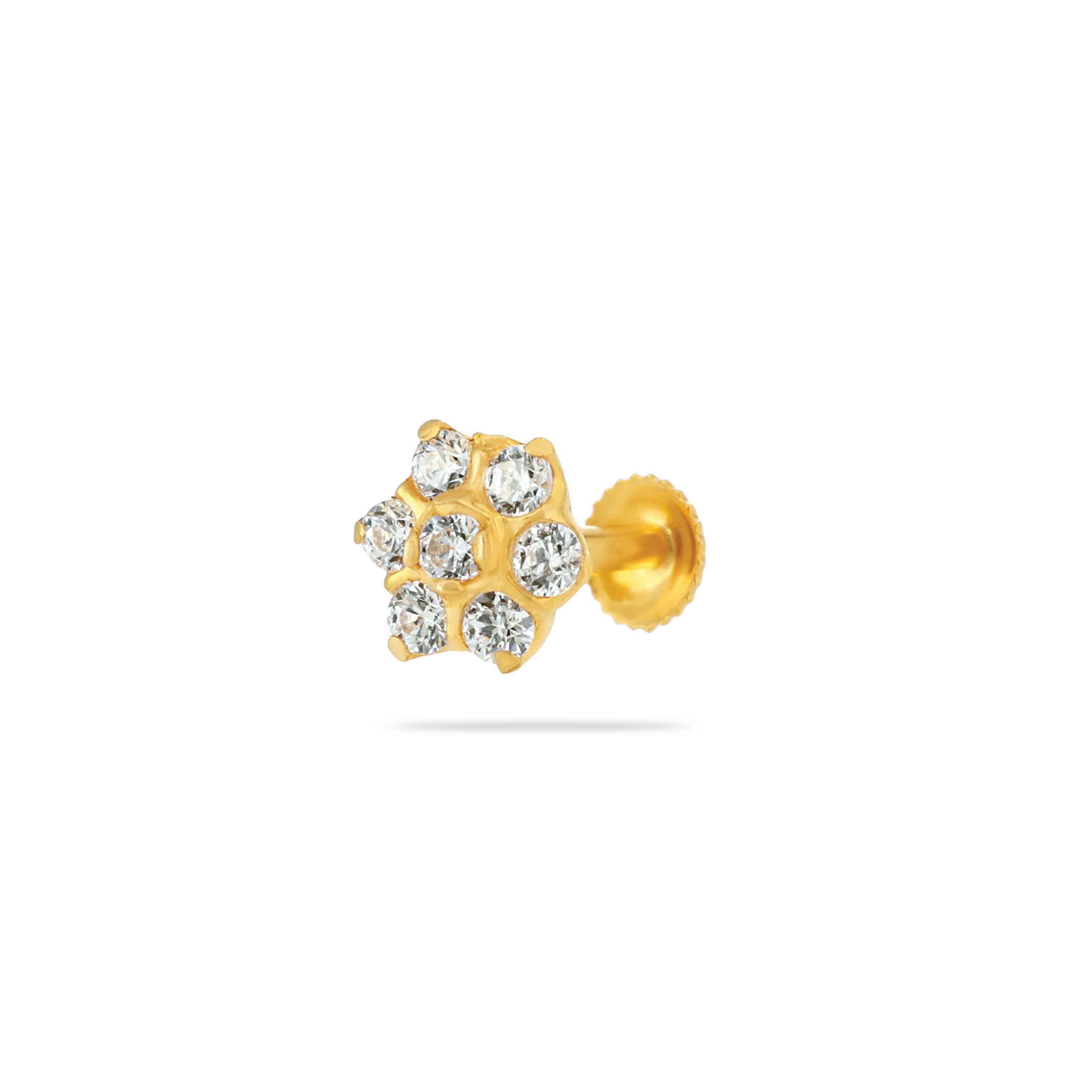
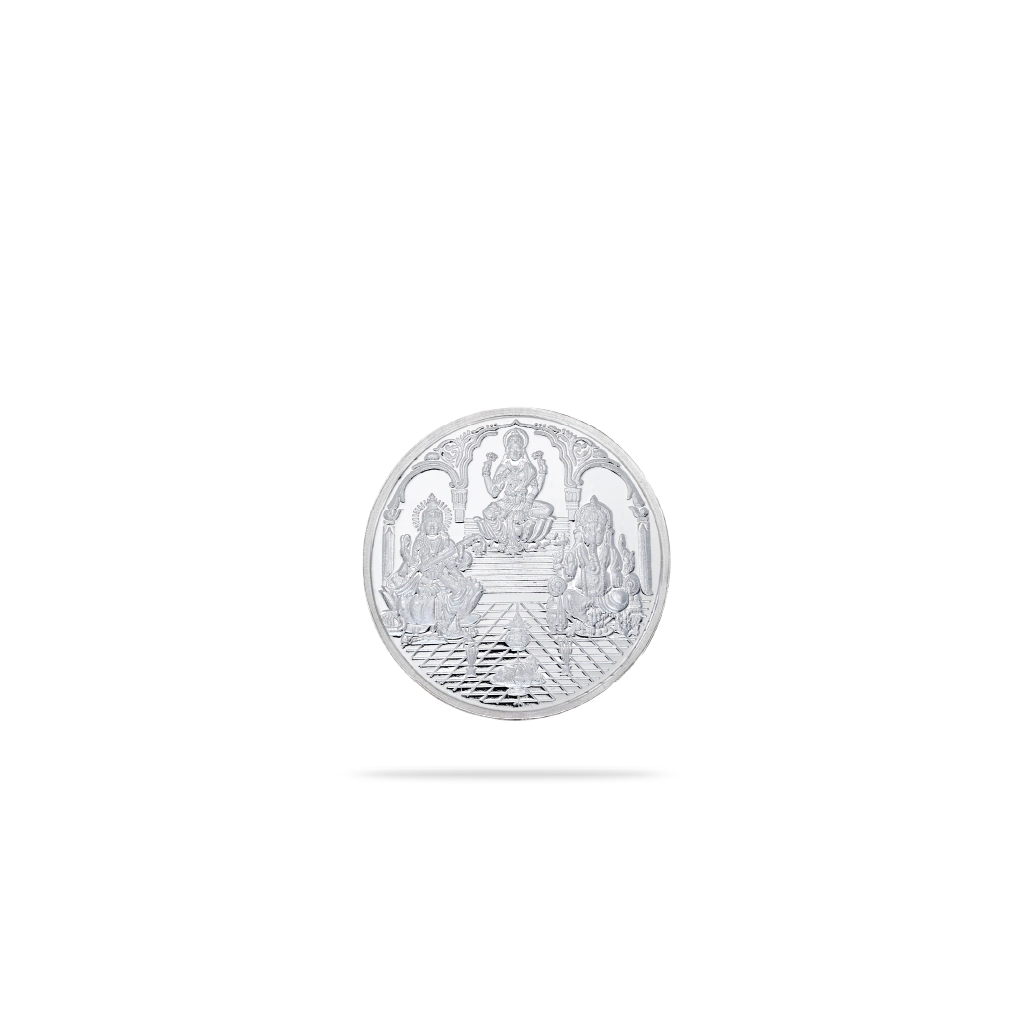
Discover Timeless Elegance: The Enduring Appeal of Heritage Jewellery
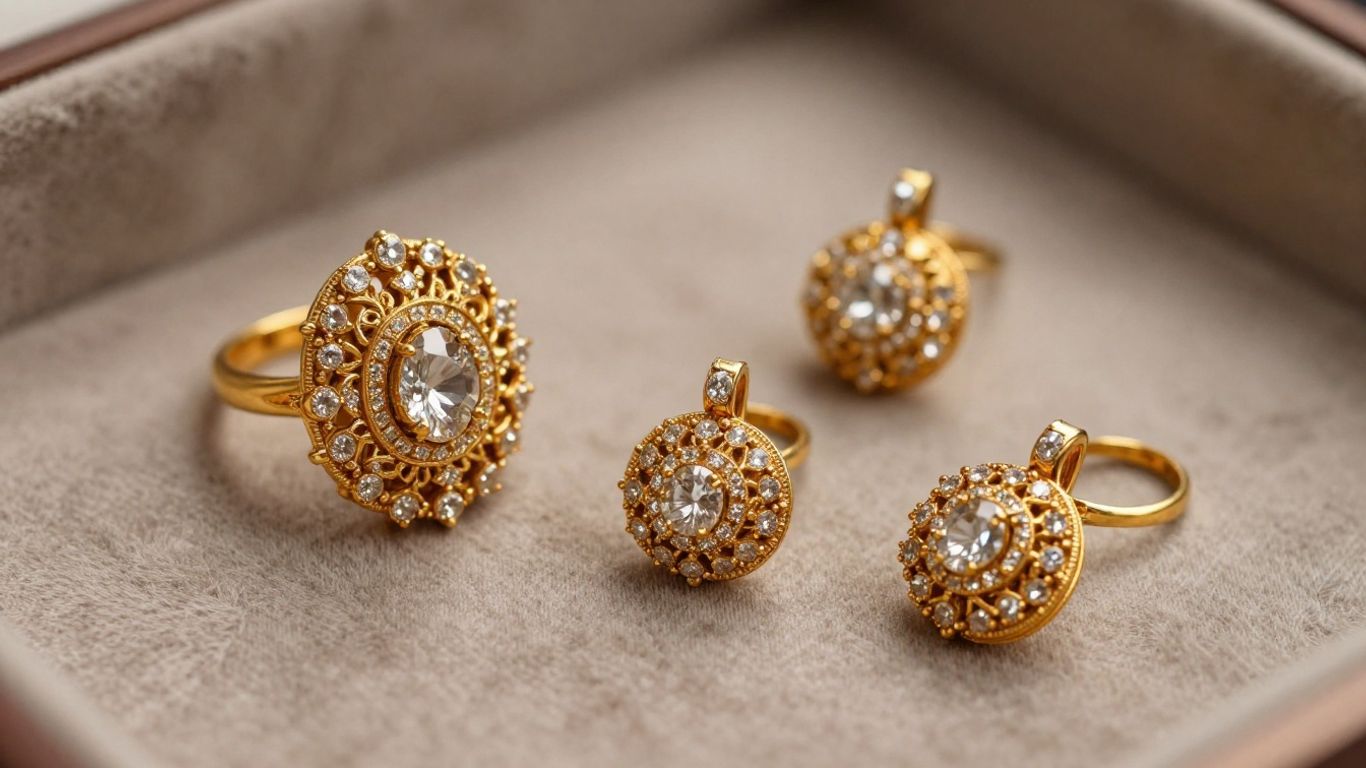
March 10, 2026 | 10 minutes read
There's something special about old jewelry, isn't there? It's not just sparkly stuff; it feels like it has a story. This article is all about heritage jewellery, those pieces that have been around for a while and still look amazing. We'll chat about why they're so appealing, what makes them different from new pieces, and how to find and care for them. Think of it as a guide to appreciating the history and beauty that comes with owning a bit of the past.
Key Takeaways
- Heritage jewellery connects us to past eras through unique artisan craftsmanship and distinct design styles like Art Nouveau, Art Deco, and Retro.
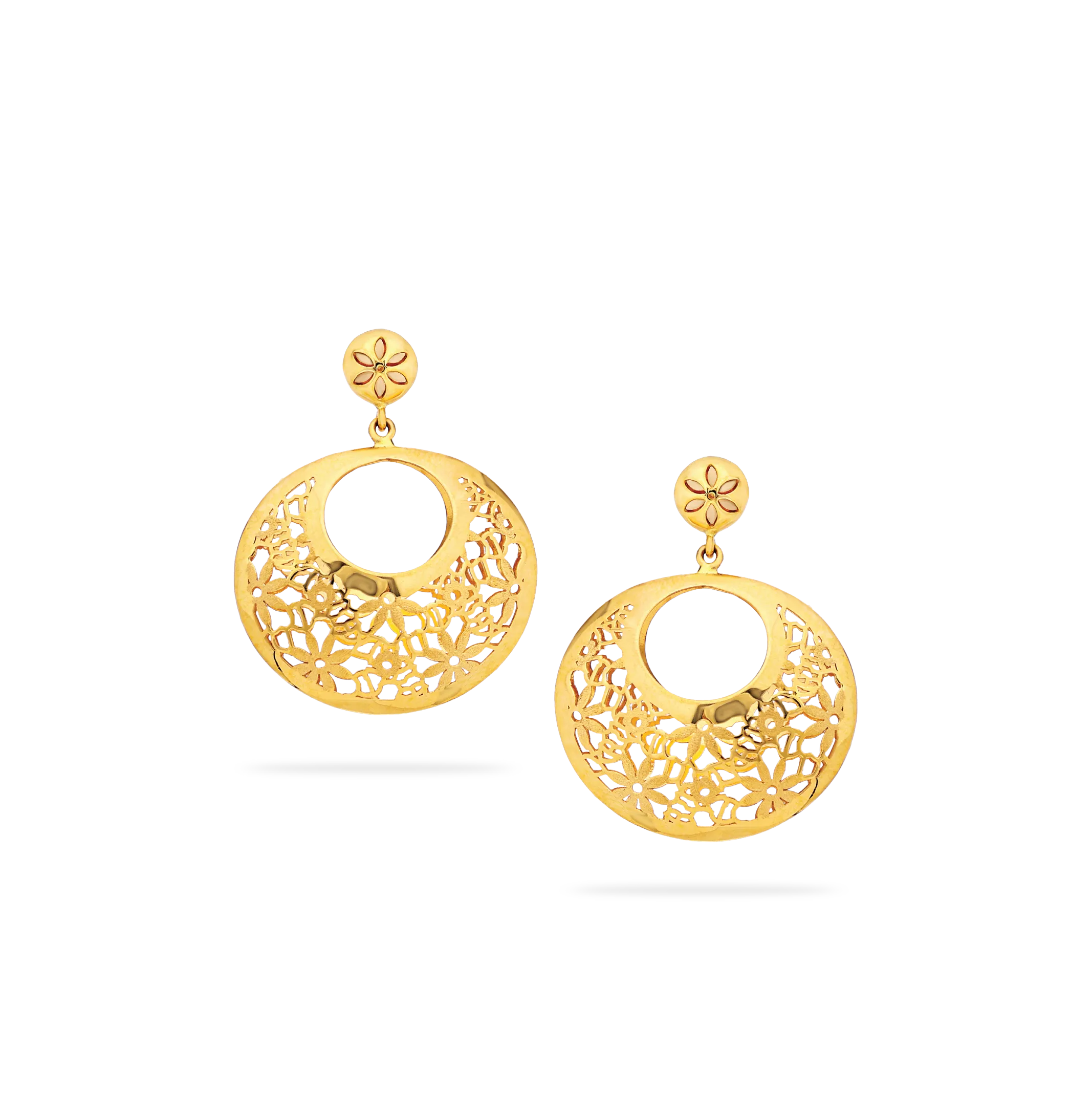
- Gold's durability, symbolic value, and versatility make it a cornerstone of heritage jewellery, representing lasting bonds and generational wealth.
- Authenticity is key; understanding hallmarks, maker's marks, and materials, with expert guidance, ensures you're acquiring genuine pieces.
- Proper care, including safe storage and avoiding harsh conditions, is vital for preserving the beauty and integrity of cherished heritage jewellery.
- Discovering heritage jewellery involves exploring reputable antique dealers, auction houses, and estate sales, offering a chance to own wearable history and a lasting legacy.
The Enduring Allure of Heritage Jewellery
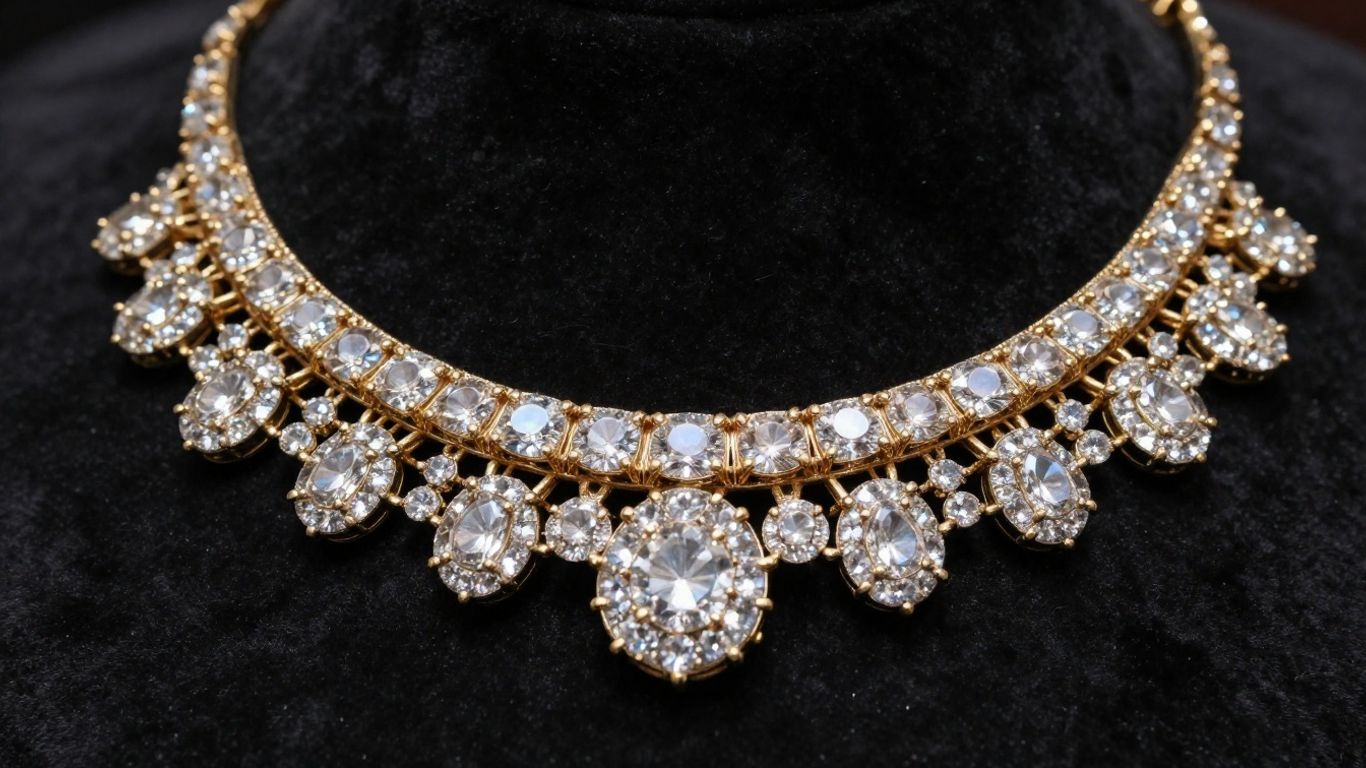
In a world that moves so fast, there's something special about things that stick around. Heritage jewelry is like that. It's not just about pretty things you wear; it's about history you can touch. Think about it – a necklace or a ring that someone wore fifty, maybe even a hundred years ago. It’s seen things, been part of celebrations, maybe even quiet moments. That's a connection you just don't get with something made last week.
Defining Vintage Versus Antique Pieces
People often use "vintage" and "antique" like they mean the same thing when it comes to jewelry, but there's a difference. It mostly comes down to age.
- Antique: Generally, this means a piece is 100 years old or older. We're talking about jewelry from way back, like the Georgian or Victorian times.
- Vintage: This usually covers items that are between 20 and 99 years old. So, think of designs from the Art Deco period, the Retro era, or even the mid-20th century.
Knowing this helps you understand the story and the style of the piece you're looking at.
A Tangible Connection to Past Eras
Wearing a piece of heritage jewelry is like holding a little piece of history. It’s a direct link to the people who wore it before and the times they lived in. The styles, the way it was made – it all tells a story about that period. It’s a way to connect with the past that feels very real, much more so than just reading about it in a book.
These pieces have survived for a reason. They were often made with better materials and more care than a lot of things today. They were built to last, and they have.
The Uniqueness of Artisan Craftsmanship
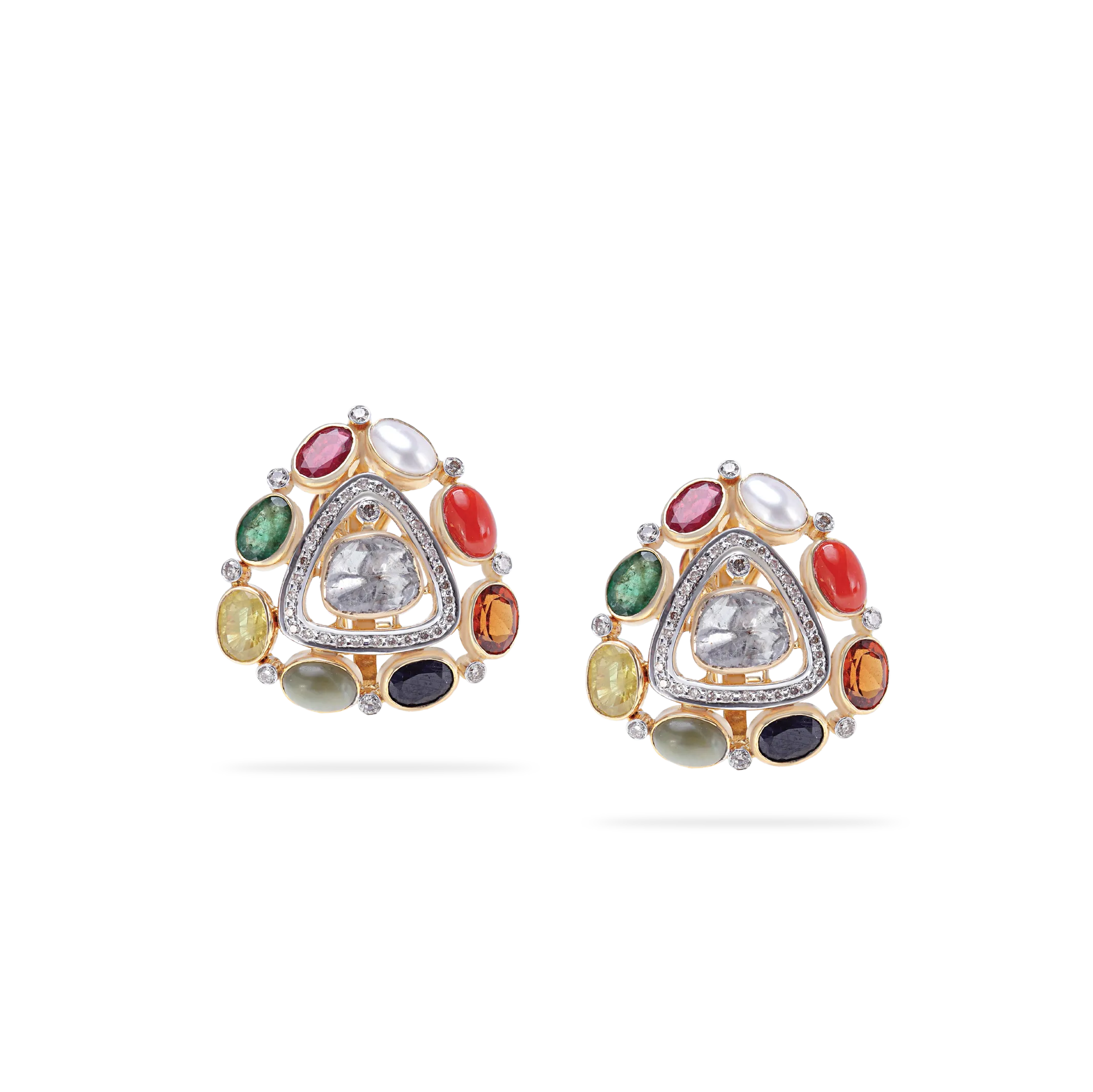
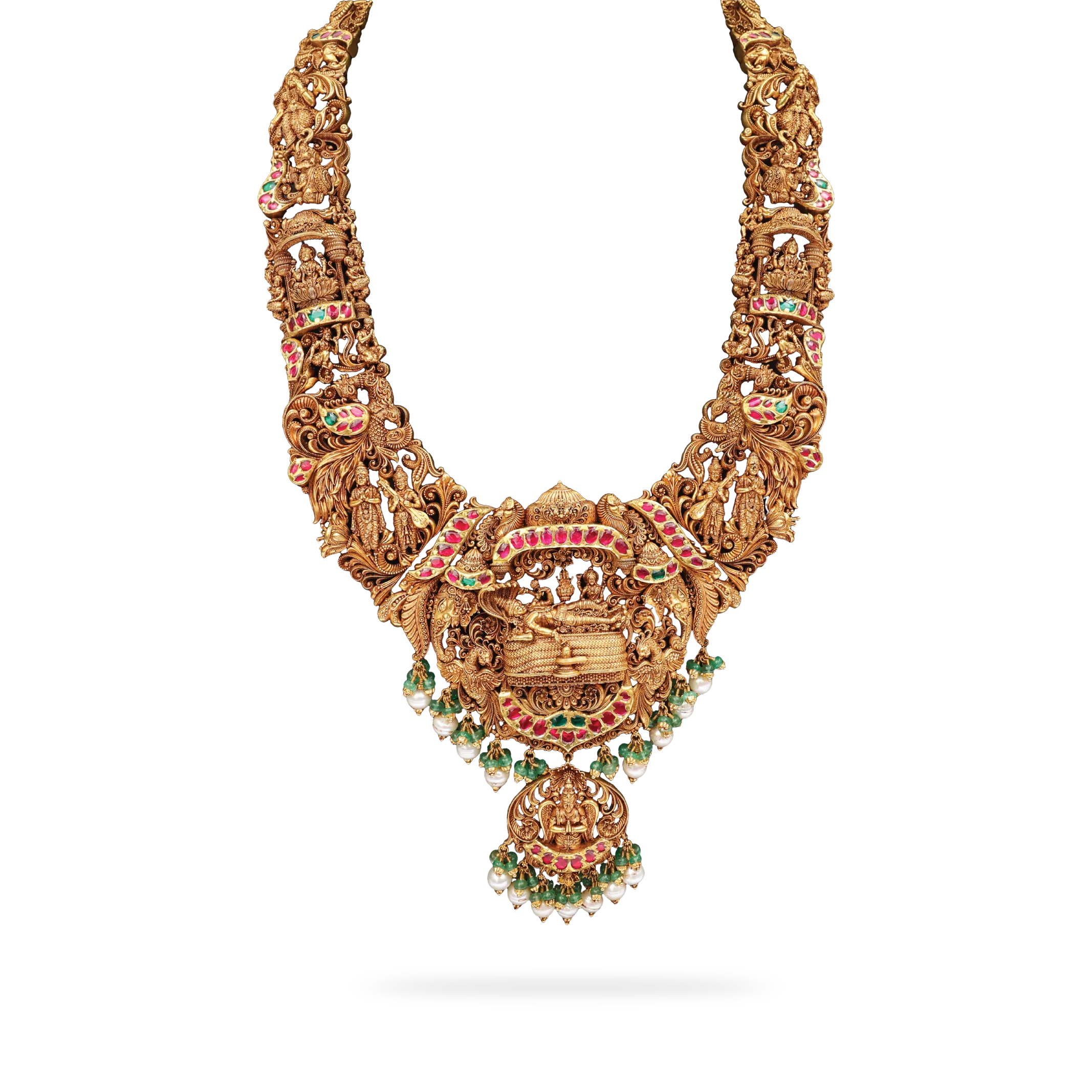
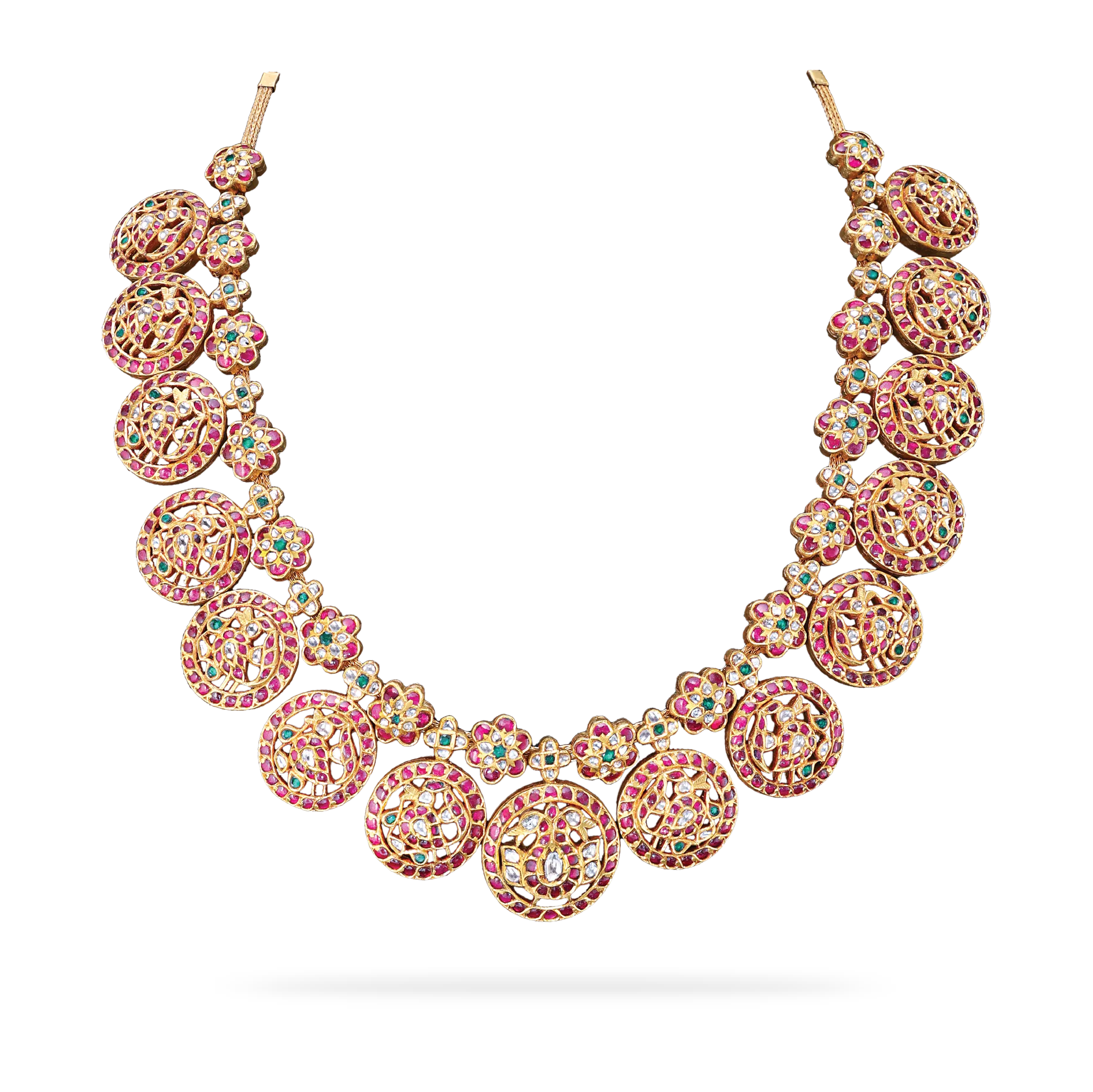
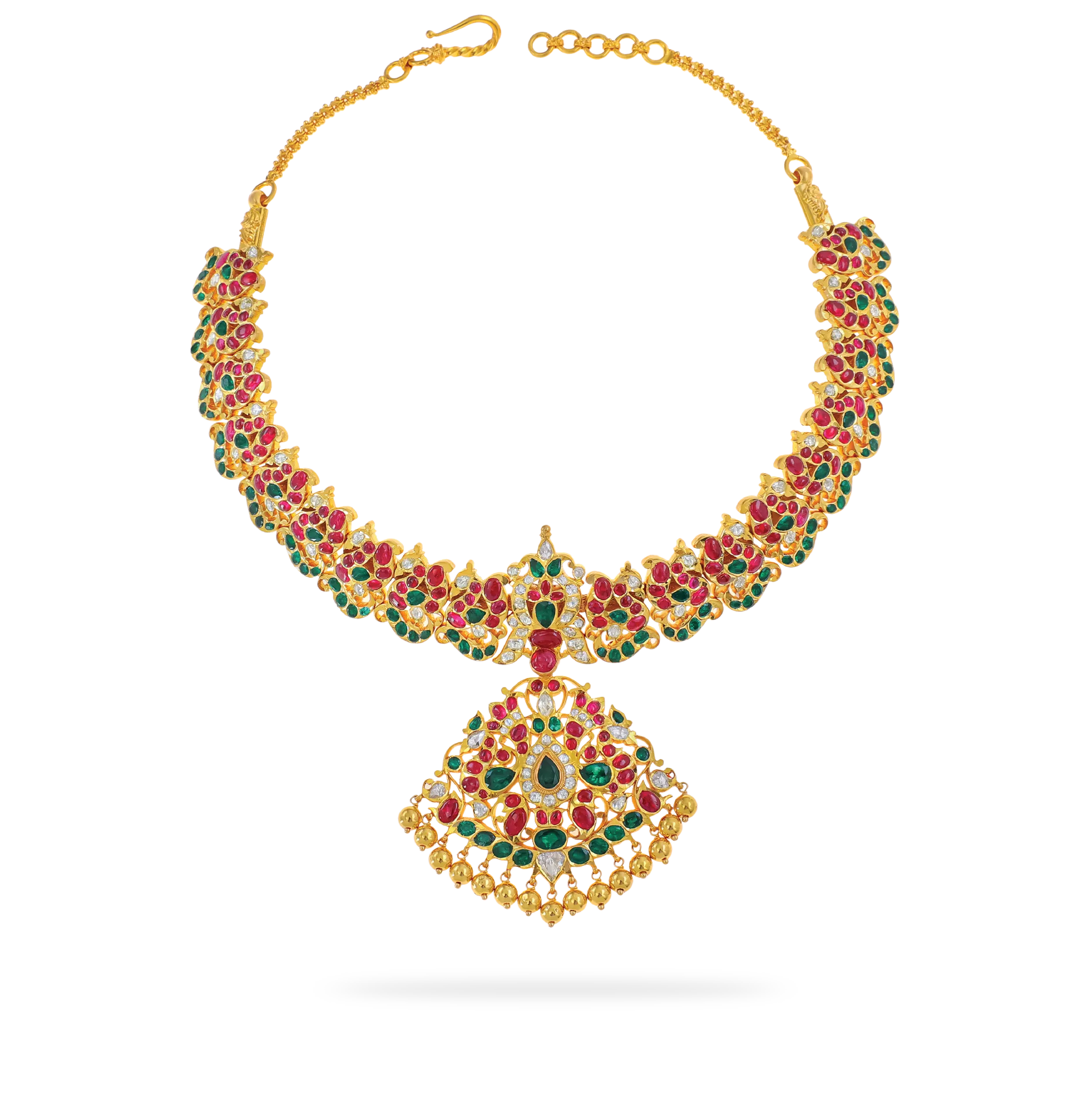
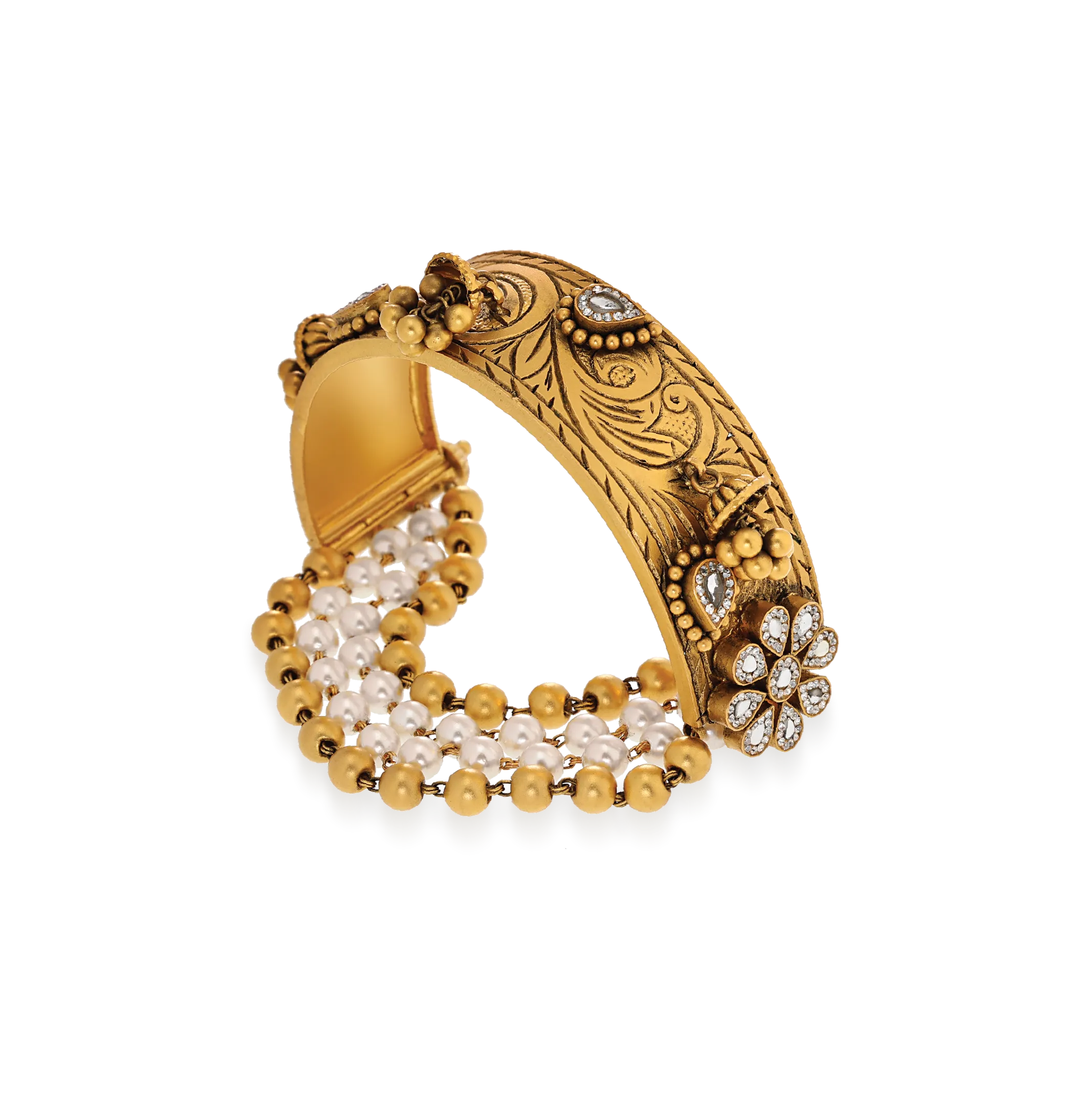
Before everything became mass-produced, jewelry was often made by hand by skilled craftspeople. These artisans poured their skill and creativity into each piece. You can often see the difference in the details, the way stones are set, or the intricate metalwork. This kind of craftsmanship is rare now, and it makes each heritage piece truly one-of-a-kind. You’re not just buying jewelry; you’re acquiring a work of art made with dedication.
Exploring Key Eras in Jewellery Design
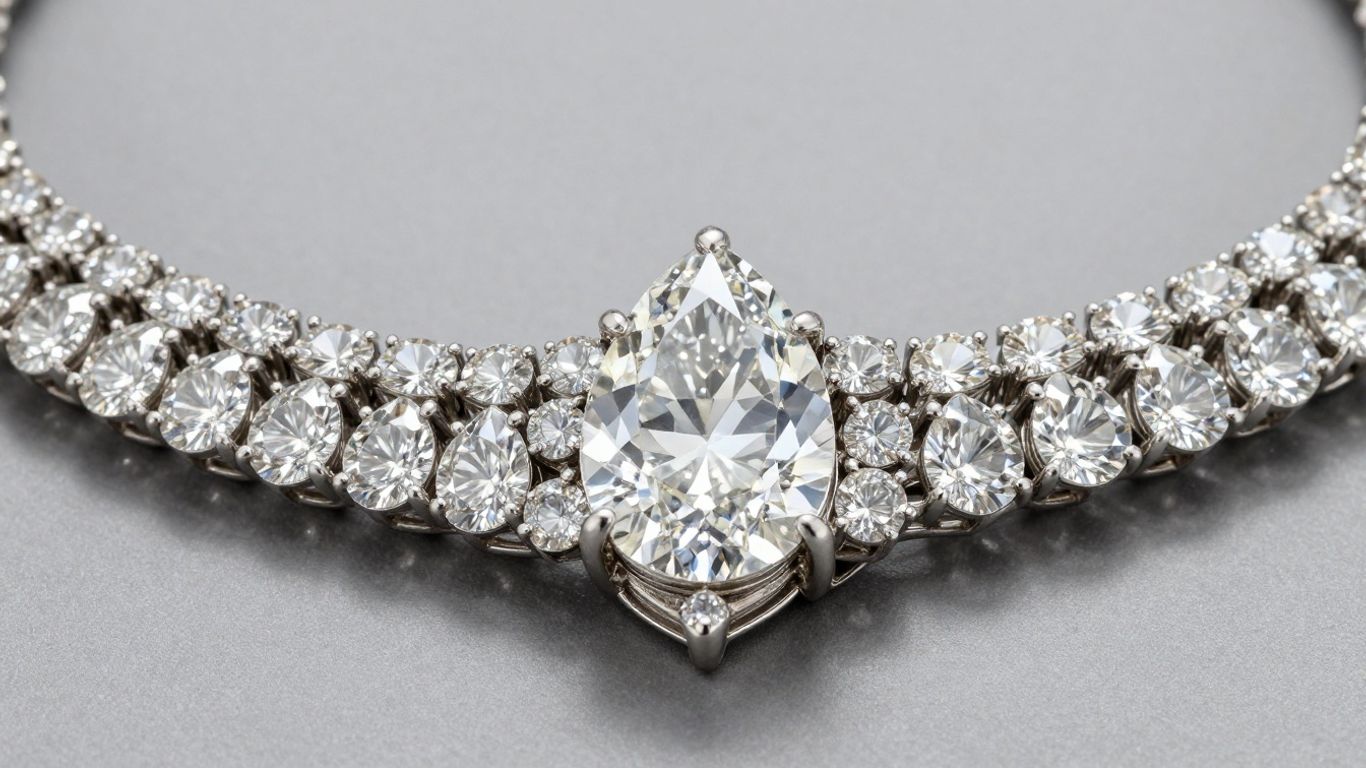
Jewellery isn't just about shiny things; it's like a wearable history book. Each period has its own vibe, its own way of doing things. Understanding these different eras helps you appreciate what makes a piece special.
The Organic Flow of Art Nouveau
Think late 1800s to early 1900s. This was all about nature. You'll see lots of flowing lines, like vines or flower petals, and motifs inspired by insects, birds, and mythical creatures. Materials like silver and softer gemstones such as opals and moonstones were popular. It was less about showing off wealth and more about artistic expression.
Geometric Precision of the Art Deco Era
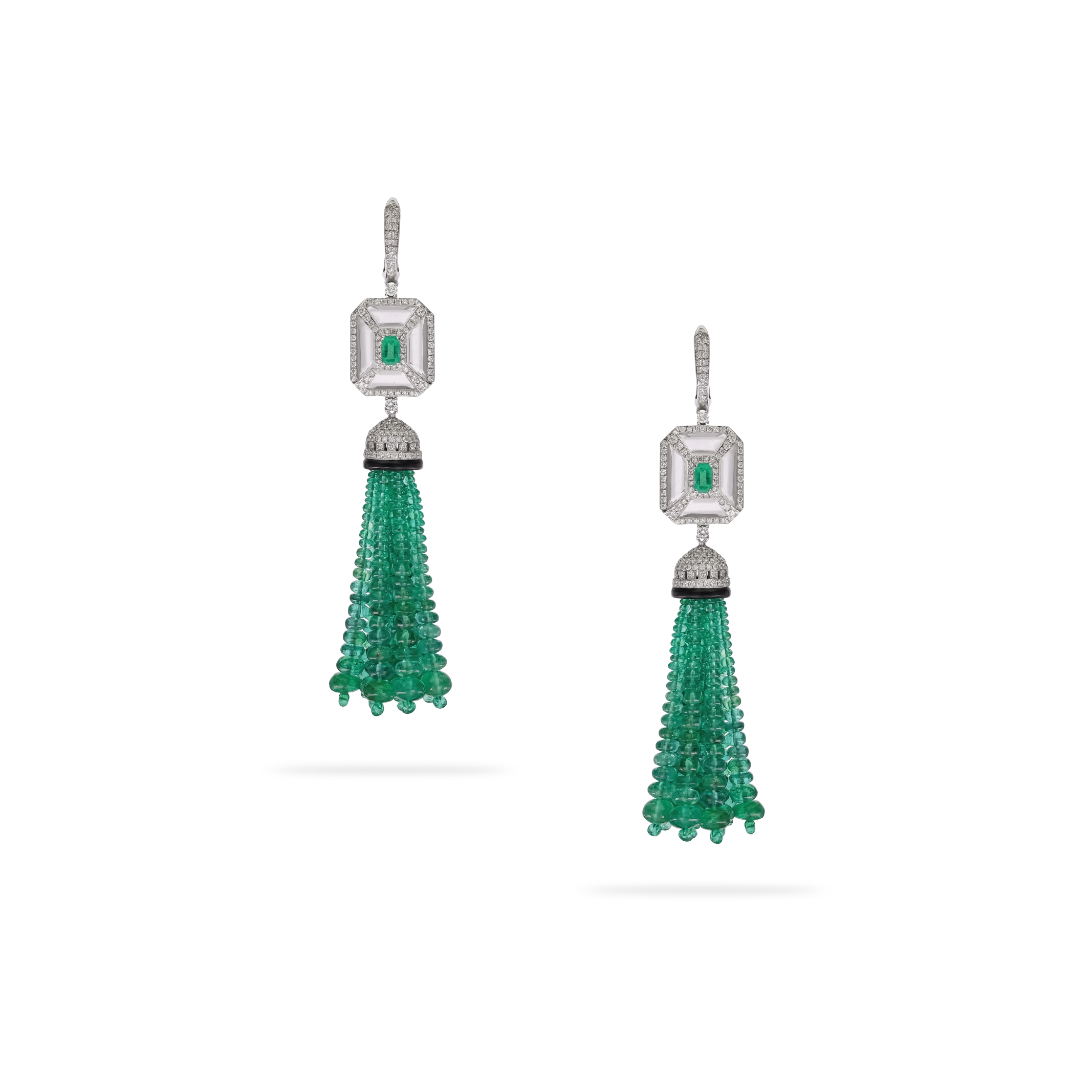
Fast forward to the 1920s and 30s. Art Deco was a total shift. Everything became sharp, geometric, and symmetrical. Think straight lines, chevrons, and bold color contrasts. Platinum was the go-to metal, often set with diamonds and vibrant gemstones like sapphires and emeralds. This style was modern, sleek, and very much of its time.
Bold Statements of the Retro Period
Then came the 1930s and 40s, the Retro period. World War II meant platinum was hard to come by, so jewelers used a lot more yellow and rose gold . The designs got bigger, bolder, and more sculptural. You'll see chunky pieces, often with stylized bows, ribbons, or abstract shapes. It was all about making a statement.
Each era left its mark on jewellery, creating distinct styles that are instantly recognizable. These periods weren't just about aesthetics; they reflected the social, technological, and economic changes of their times.
The Intrinsic Value of Gold in Heritage Jewellery
Gold. It's a metal that's captivated people for ages, and for good reason. When you look at heritage jewelry, gold is often the star, and it’s not just about looking pretty. There's a real substance to why it's been used for so long.
Gold's Unmatched Durability and Longevity
One of the biggest draws of gold, especially in older pieces, is how well it holds up. Think about it – jewelry that's survived decades, even centuries, and still looks fantastic. That's gold for you. It doesn't really rust or corrode like other metals might. This means that a gold necklace or ring from your grandmother's time can still be worn today, looking pretty much as it did back then. It’s this toughness that makes heritage pieces so special; they’ve literally stood the test of time.
- Resists Tarnish: Unlike silver, gold doesn't easily get that dull, dark coating.
- Stands Up to Wear: While pure gold is soft, alloys used in jewelry (like 14k or 18k) add strength, making it suitable for daily wear .
- Hypoallergenic Qualities: For many people with sensitive skin, gold is a much kinder option than other metals.
A Symbol of Heritage and Generational Bonds
Beyond its physical traits, gold carries a lot of emotional weight, especially in heritage jewelry. These pieces often represent more than just wealth; they're about family history and connection. When you inherit a gold locket or a pair of earrings, you're not just getting a beautiful object. You're getting a tangible link to the people who wore it before you. It’s like holding a piece of their story.
Wearing a piece of jewelry that has been passed down connects you to a lineage. It’s a way of keeping memories alive and feeling close to loved ones, even when they’re not around. This continuity is a big part of why heritage gold jewelry is so cherished.
Versatility Across Styles and Occasions
What’s also great about gold is how adaptable it is. Whether it’s a simple gold band or an elaborate brooch, gold just seems to work. Its warm color looks good on pretty much everyone, and it can be styled in so many ways. You can wear a delicate gold chain with a t-shirt for a casual look, or pair a statement gold necklace with an evening gown. This flexibility means heritage gold pieces aren't just for special events; they can be part of your everyday style, adding a touch of timeless elegance no matter the setting.
| Gold Karat | Purity (% Gold) | Common Alloys | Typical Use |
|---|---|---|---|
| 24K | 99.9% | None | Investment, some fine jewelry |
| 22K | 91.67% | Silver, Copper | Traditional jewelry, especially in South Asia |
| 18K | 75.0% | Silver, Copper, Zinc | Fine jewelry, engagement rings |
| 14K | 58.3% | Copper, Zinc, Silver | Everyday jewelry, durable pieces |
Authenticity and Quality Verification
When you're looking at heritage jewelry, making sure it's the real deal and well-made is super important. It's not always obvious, and sometimes you need to look a bit closer. The marks on the metal are often your first clue.
Understanding Hallmarks and Maker's Marks
Think of hallmarks as a little passport for your jewelry. They're tiny stamps or engravings that tell you a lot about the piece. They usually tell you about the metal's purity – like if it's 14-karat gold or platinum. You'll also often find a maker's mark, which is like a signature from the person or workshop that made it. These marks are key for figuring out where a piece came from and who made it, which can really affect its value.
Here's a quick rundown of what you might see:
- Fineness Marks: These tell you the exact percentage of precious metal. For example, '750' means 75% pure gold (which is 18K).
- Country Marks: Sometimes, there's a mark indicating where the piece was made or tested.
- Maker's Marks: These are unique to the manufacturer or designer. Finding a known maker can add a lot to a piece's story and worth.
The Importance of Materials and Construction
Beyond the marks, how the piece is put together and the quality of the materials used really matter. Older pieces were often made with a lot of care. You might notice things like hand-engraving or intricate metalwork that you just don't see in mass-produced items today. The way stones are set, the weight of the metal, and the overall finish all speak to the quality.
Pay attention to how the piece feels. Does it have a good weight to it? Are the stones set securely? Look for signs of wear that are consistent with age, rather than damage from poor construction or neglect.
Seeking Expert Guidance for Verification
Honestly, sometimes it's best to get a professional opinion. If you're looking at a significant piece, or if you're just not sure, a qualified gemologist or an experienced antique jewelry dealer can be a lifesaver. They have the trained eye and the tools to spot fakes, assess the quality of gemstones, and confirm the authenticity of the metalwork. It's a small price to pay for peace of mind and to make sure you're getting a genuine piece of history.
Caring for Your Cherished Heritage Pieces
So, you've got this amazing piece of history sitting on your dresser. It's beautiful, it's old, and you want it to stay that way, right? Well, taking care of heritage jewelry isn't quite like tossing your everyday stuff in a jewelry box. These pieces have seen a lot, and they need a bit of extra TLC.
Proper Storage to Prevent Damage
First things first: storage. You can't just pile everything together. Think of it like giving each piece its own little bed. Keeping them separate stops scratches and tangles, which is super important for delicate settings or older metals.
- Individual Pouches: For really special or intricate items, a soft cloth pouch is a good idea. It adds an extra layer of protection.
- Compartmentalized Boxes: A jewelry box with dividers is your best friend here. Each ring, bracelet, or earring gets its own space.
- Soft Linings: Make sure whatever you store them in has a soft lining. Avoid hard plastic or rough surfaces.
Avoiding Harsh Chemicals and Activities
This one's a biggie. You know how dish soap can be tough on your hands? Imagine that on a hundred-year-old brooch. You've got to be mindful of what your jewelry is exposed to.
- Household Chores: Take off your heritage pieces before you start cleaning the house. Bleach, ammonia, and even some furniture polish can do real damage.
- Swimming and Hot Tubs: Chlorine is a big no-no for most metals and stones. Plus, the risk of losing a piece in the water is just too high.
- Exercise: Sweat can be surprisingly corrosive over time. It's best to leave your precious items safely stored while you're working up a sweat.
Remember, these pieces were often made with materials and techniques that are more sensitive than what we use today. A little bit of caution goes a long way in preserving their integrity for years to come.
The Role of Professional Cleaning and Inspection
While you can do some gentle cleaning at home, sometimes you just need to call in the pros. They have the tools and the know-how to handle older, more fragile items.
- Gentle Cleaning Solutions: Professionals know which mild soaps or solutions are safe for specific metals and gemstones.
- Checking Settings: They can spot loose stones or weakened prongs before they become a problem.
- Deep Cleaning: For that extra sparkle, a professional clean can often bring back the original luster without risking damage.
Where to Discover Timeless Heritage Jewellery
Finding those special pieces of heritage jewelry can feel like a treasure hunt, and honestly, it's part of the fun. You're not just buying an accessory; you're picking up a piece of history. So, where do you even start looking?
Navigating Reputable Antique Dealers
These folks are usually the go-to for serious collectors. They know their stuff, from the tiny hallmarks to the different design periods. A good dealer will be happy to tell you the story behind a piece and will stand by its authenticity. It's worth spending time getting to know a few dealers you trust. They often have pieces that aren't widely advertised yet.
- Look for specialists: Dealers who focus specifically on antique and estate jewelry are your best bet.
- Ask questions: Don't be shy about asking about the piece's history, materials, and any repairs.
- Check their reputation: See if they have good reviews or are members of any professional associations.
Exploring Major Auction Houses
If you're after something truly significant, like a piece from a famous maker or a historically important design, the big auction houses are the place to go. They handle some incredible items. The cataloging is usually very detailed, and they have experts who verify everything. It can be competitive, though, and prices can climb quickly.
The process at auction houses is quite structured, often involving:
- Catalog Review: Browse their listings online or in print to see what's coming up.
- Pre-Sale Viewings: Attend these to see the jewelry in person and get a feel for its condition.
- Bidding: Whether in person, by phone, or online, you place your bid.
The Potential of Estate Sales and Private Collections
This is where you might find some real bargains or unique, unexpected finds. Estate sales happen when someone's belongings are sold off, often after they've passed away. Private collections are usually sold directly by the owner or through an intermediary. It can be a bit more hit-or-miss here. You really need to know what you're looking at, or at least have an expert with you, because there's often less formal verification.
Sometimes the most exciting discoveries are made when you least expect them, in places that aren't the usual high-end shops. It requires a bit more legwork and a keen eye, but the reward can be immense.
It's all about doing your homework and trusting your instincts. Happy hunting!
Heritage Jewellery as a Lasting Investment
The Appreciation of Gold's Value Over Time
Gold has always held its ground as a valuable commodity, and historically, its worth tends to climb over the years. This isn't just about owning something pretty; it's also about making a sensible financial choice. When you invest in heritage jewelry, especially pieces made from solid gold, you're not just adding a beautiful item to your collection. You're also acquiring something that has the potential to grow in value, offering both visual delight and a sense of financial security. It's a tangible asset that carries a story and a promise of enduring worth.
Investing in Wearable History
Think about it: each piece of heritage jewelry has already lived a life. It's seen different eras, perhaps been part of significant moments for previous owners, and carries the marks of craftsmanship from a time when things were made to last. Buying these pieces means you're not just getting jewelry; you're getting a piece of history you can wear. It connects you to the past in a very personal way. Unlike mass-produced items that might fade in style or quality, these older pieces often boast superior construction and unique designs that stand out. Plus, in a world increasingly focused on sustainability, choosing vintage or antique jewelry is a more eco-friendly option than buying new.
Passing Down a Beautiful Legacy
Heritage jewelry is perfect for becoming a family heirloom. There's a deep sentimental value in wearing something that a loved one, or even generations before them, once cherished. These pieces are designed with durability in mind, meaning they can withstand the test of time and daily wear . When you choose heritage jewelry, you're selecting items that are not just accessories but potential keepsakes. They can carry memories and stories, creating a link between you, your children, and their children. It’s a way to pass down not just an object, but a connection to family history and a beautiful tradition.
Caring for these special items is key to their longevity. Proper storage, like keeping each piece separate in a soft-lined box, prevents scratches and tangles. It's also wise to remove jewelry during strenuous activities or when using harsh cleaning chemicals. Regular check-ups with a jeweler can catch small issues before they become big problems, ensuring your investment remains in top condition for years to come.
Here’s a quick look at why gold is such a smart choice for lasting jewelry:
- Durability: Gold is tough and resists wear and tear, making it ideal for pieces meant to be worn often.
- Malleability: It can be shaped into incredibly detailed and intricate designs, allowing for unique artistry.
- Timeless Appeal: Gold's warm color suits everyone and never really goes out of style.
- Intrinsic Value: Gold itself is a precious metal with a market value that tends to hold or increase over time.
A Legacy You Can Wear
So, as we wrap things up, it's pretty clear why heritage jewelry just keeps calling to us. It's more than just shiny stuff; it's like wearing a piece of history, a story passed down. Whether it's the intricate details from a bygone era or the solid feel of gold that's meant to last forever, these pieces connect us to something bigger. They're not just accessories; they're heirlooms in the making, carrying memories and style that just don't fade. Choosing heritage jewelry is a way to own something truly special, something with a soul, and honestly, who wouldn't want that?
Frequently Asked Questions
What's the difference between vintage and antique jewelry?
Think of antique jewelry as being really old, usually 100 years or more. Vintage jewelry is a bit younger, typically between 20 and 99 years old. Both are special because they come from different times and have unique styles.
Why is heritage jewelry so appealing today?
Heritage jewelry is cool because it's like owning a piece of history. Each item has a story and was made with great skill by artisans, often using better quality materials than what we see in mass-produced items today. It's also a way to be more eco-friendly by choosing something old instead of new.
How can I tell if a piece of heritage jewelry is real and good quality?
Look for tiny stamps called hallmarks or maker's marks on the metal. These tell you about the metal's purity and who made it. Also, check the materials used and how well it's put together. It's always a good idea to ask an expert if you're unsure.
What are some famous styles from different jewelry eras?
You've got the Art Nouveau style with its nature-inspired, flowing designs. Then there's Art Deco, which is all about sharp lines and geometric shapes. The Retro period often features bolder, more dramatic pieces, sometimes using colorful gold.
How should I take care of my old jewelry?
Keep your special pieces safe by storing them separately so they don't get scratched. Avoid wearing them when you're doing tough chores, swimming, or exercising, as chemicals and sweat can damage them. Sometimes, it's best to let a professional clean and check them.
Where can I find beautiful heritage jewelry?
You can look for these treasures at antique shops that specialize in jewelry, at big auction houses, or sometimes at estate sales where people sell belongings from their homes. Always try to buy from places you trust.
Elevate Your Bridal Look: A Guide to Choosing the Perfect Wedding Jewellery
10 minute read
Discover the Timeless Allure of Solitaire Jewellery: A Guide to Classic Styles
10 minute read
Related blogs:
November 20, 2025
The Timeless Elegance of the Tennis Bracelet: A Comprehensive Guide
Read More
November 20, 2025
The Ultimate Guide to Styling and Wearing a Choker Necklace
Read More
November 20, 2025
Find Your Perfect Engagement Ring: A Comprehensive Guide to Styles and Diamonds
Read More
November 20, 2025
The Timeless Elegance of a Diamond Tennis Bracelet: A Buyer's Guide
Read More









.webp)

.webp)