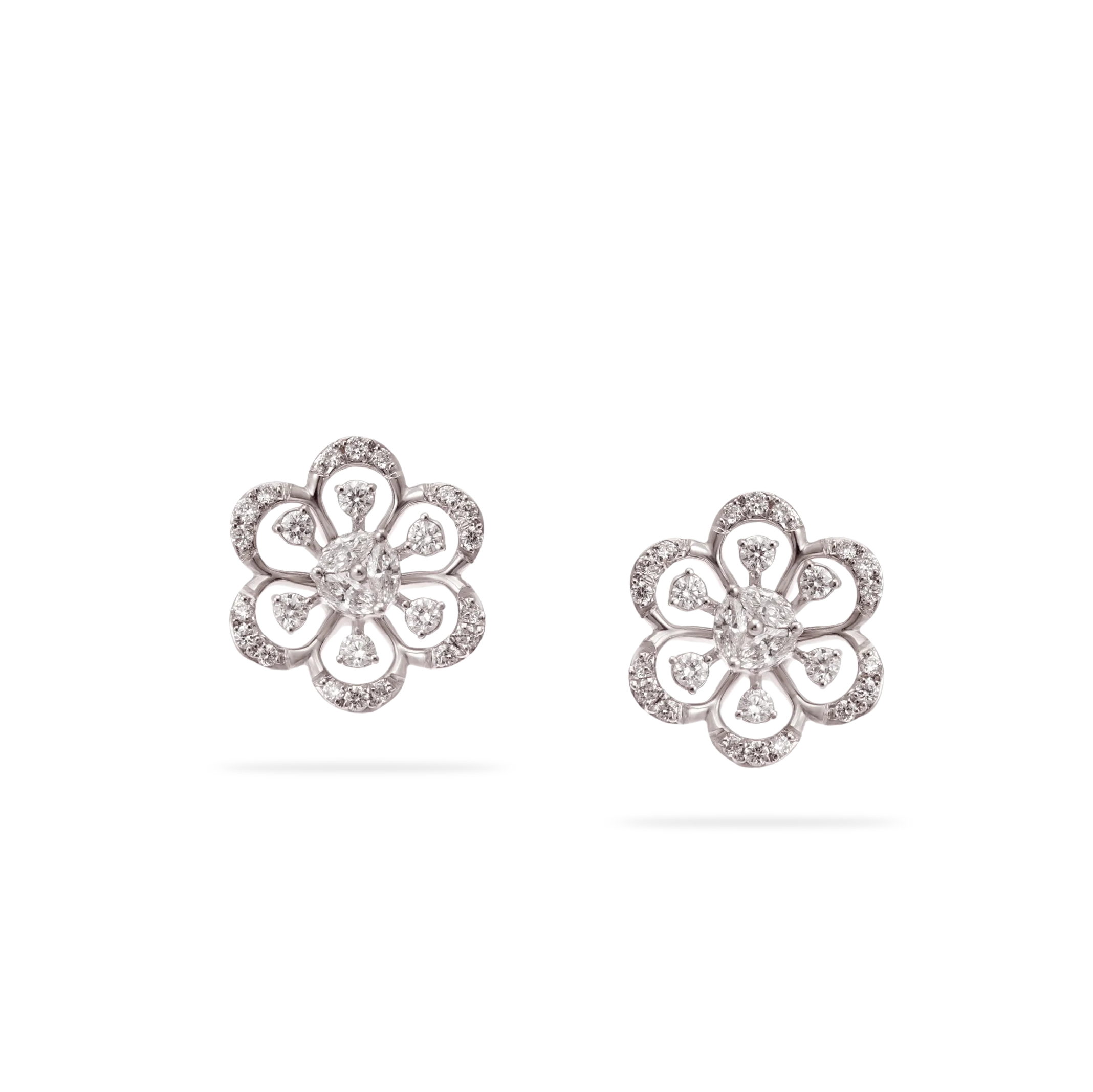
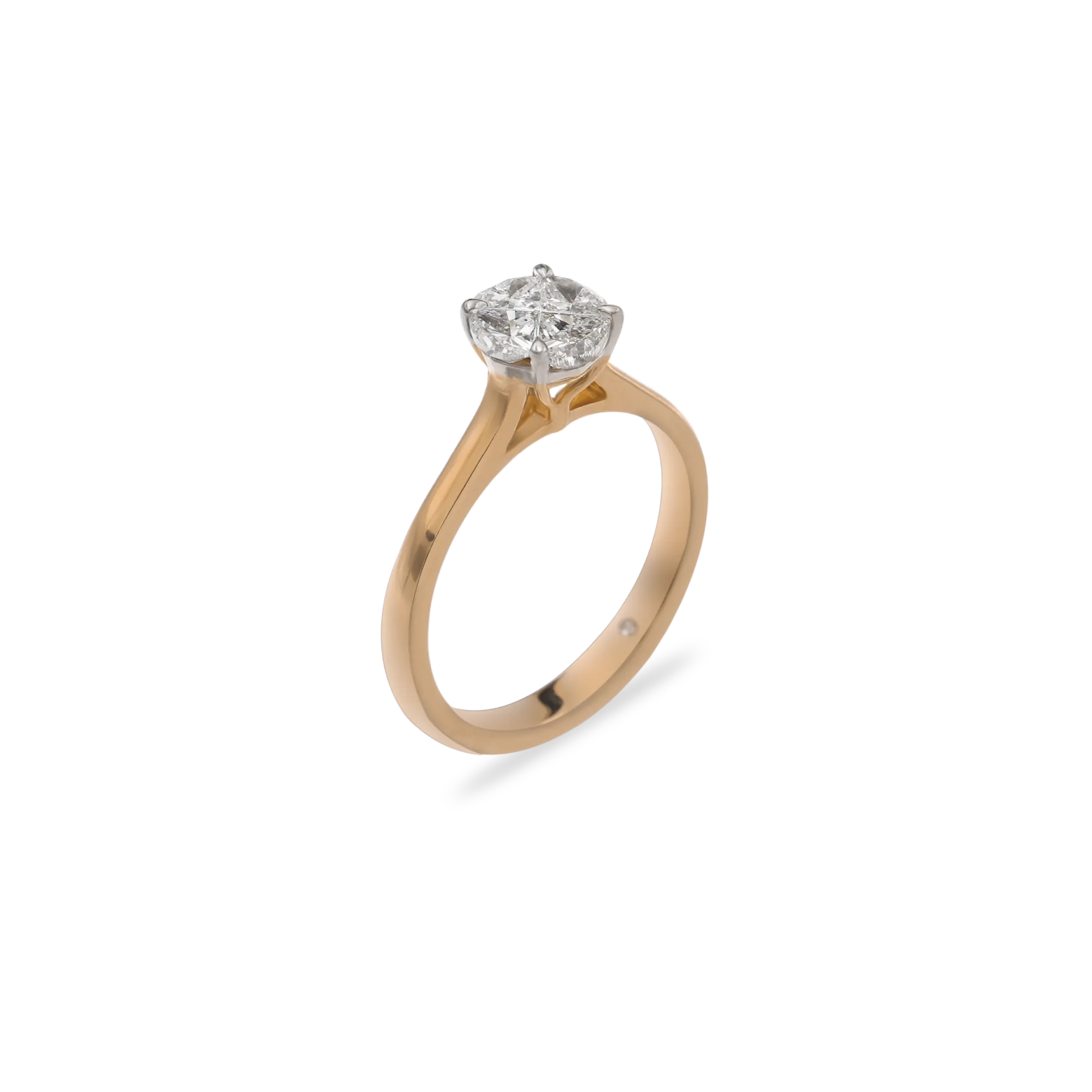
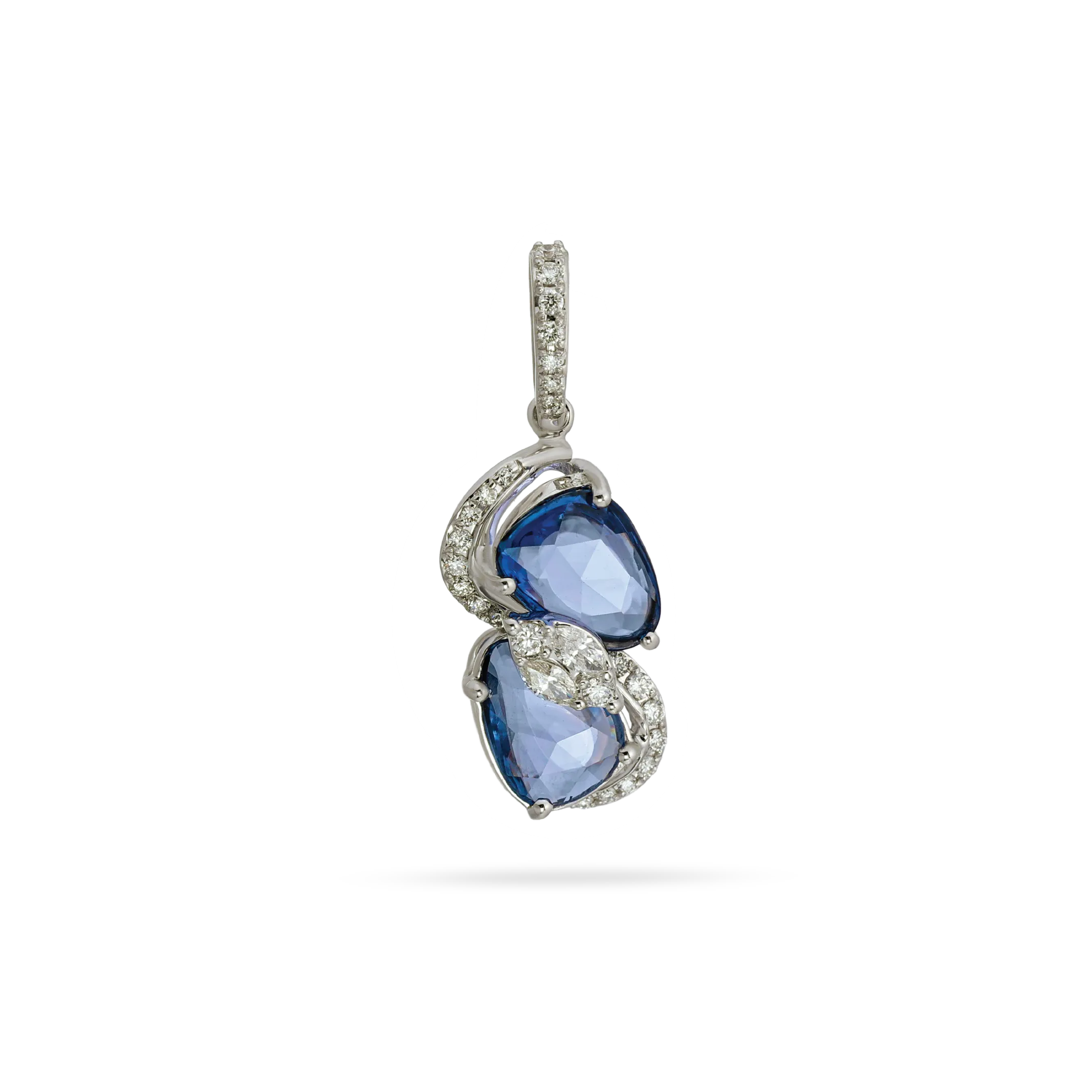
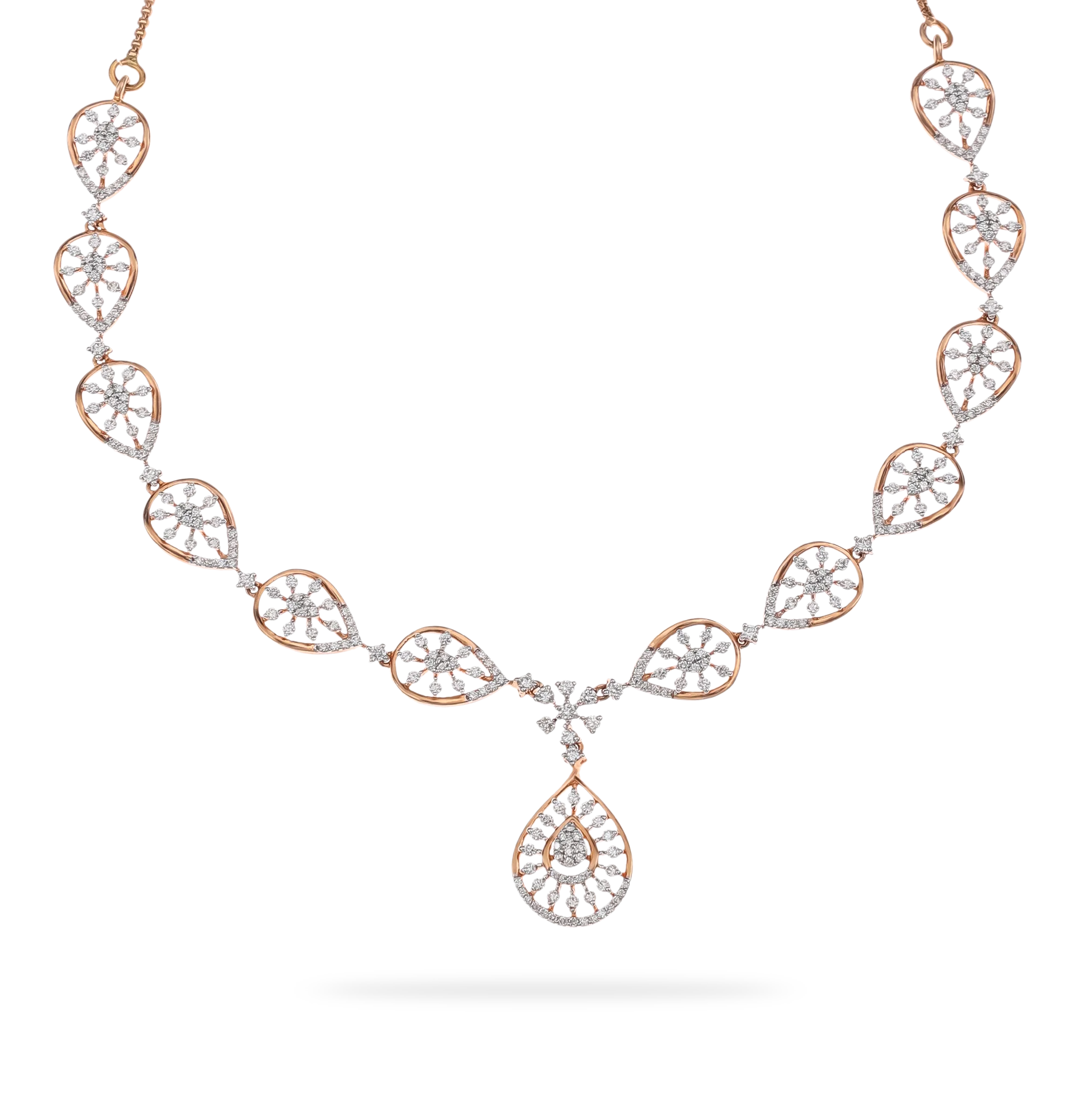
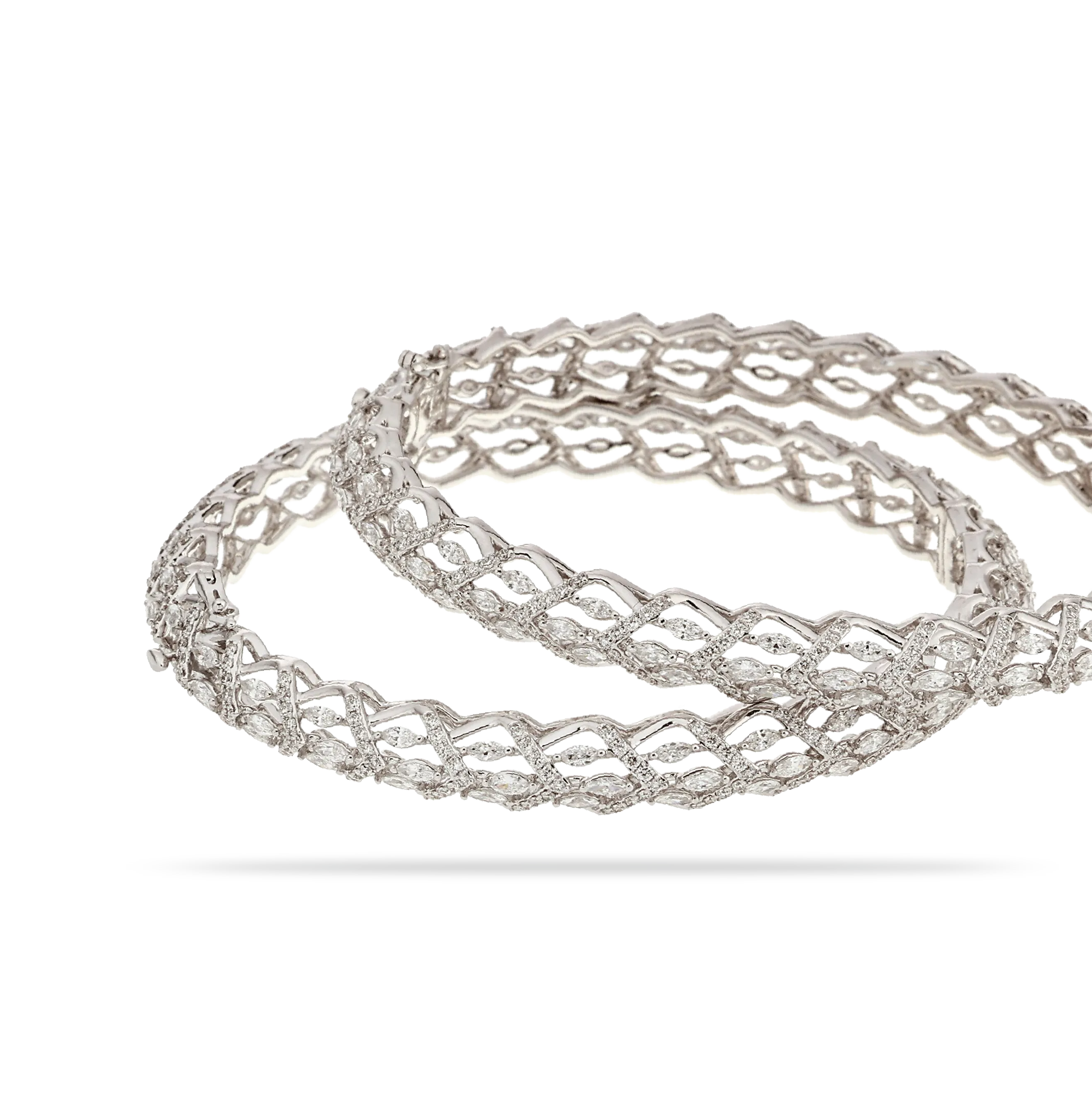
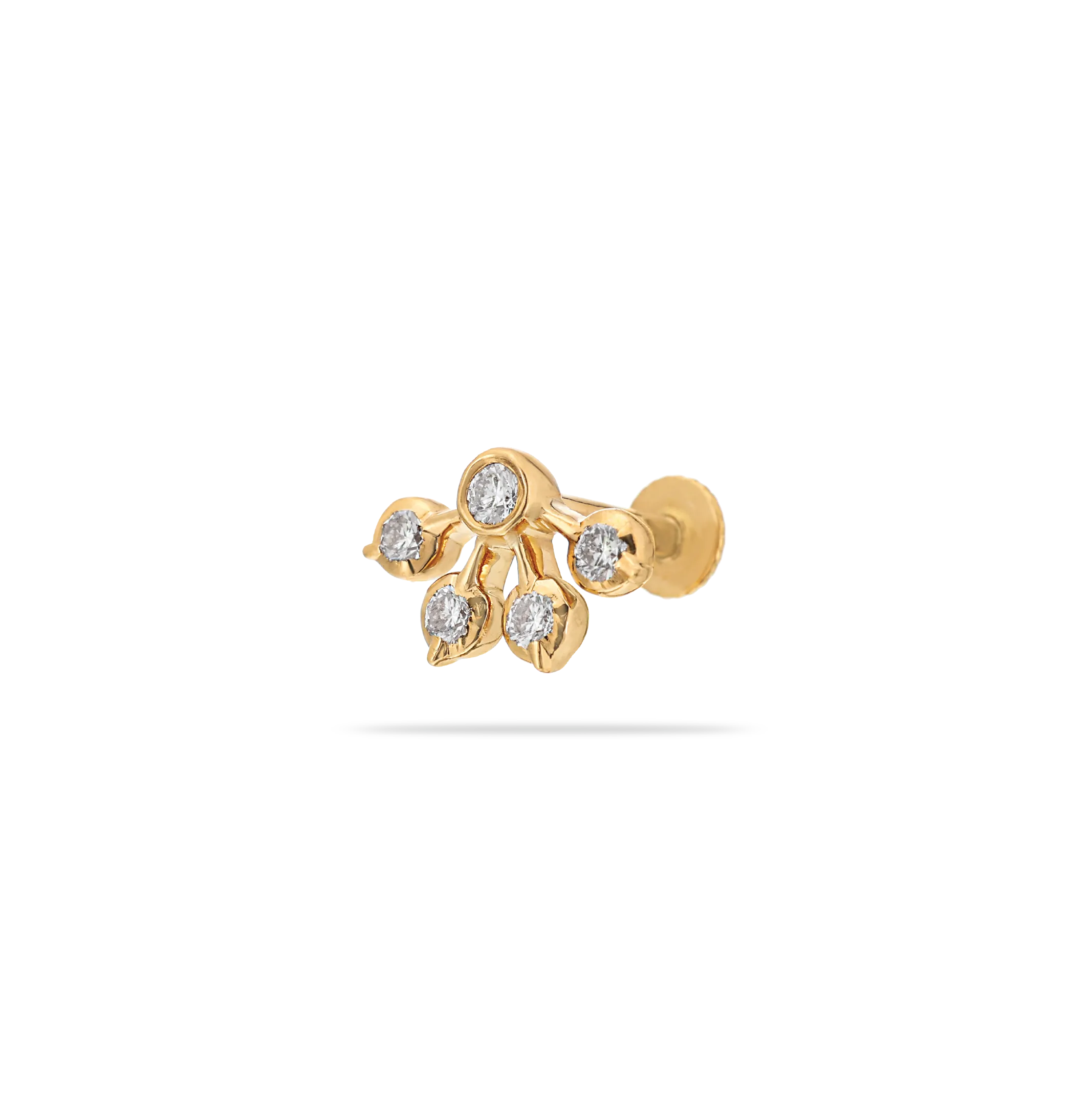
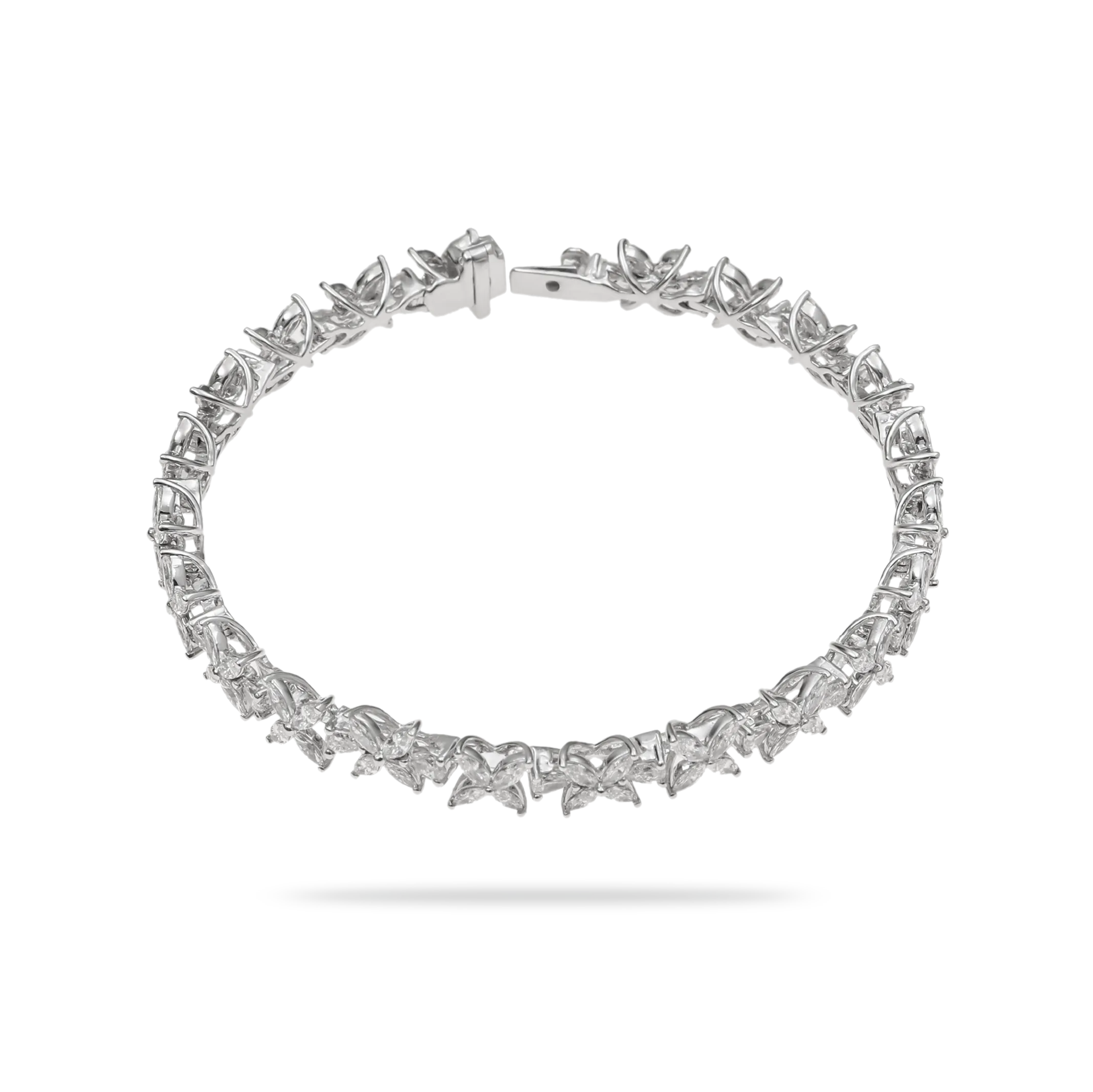
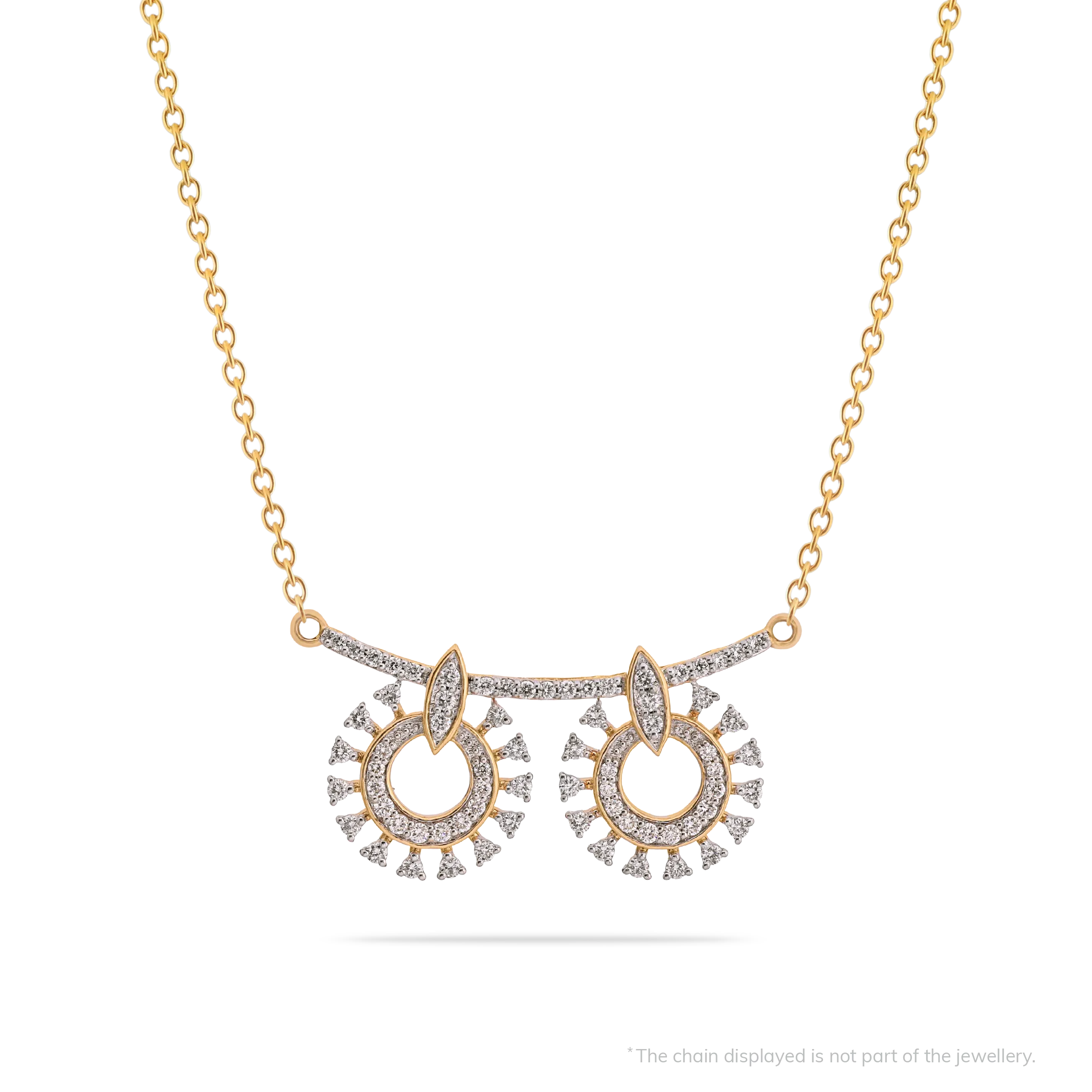
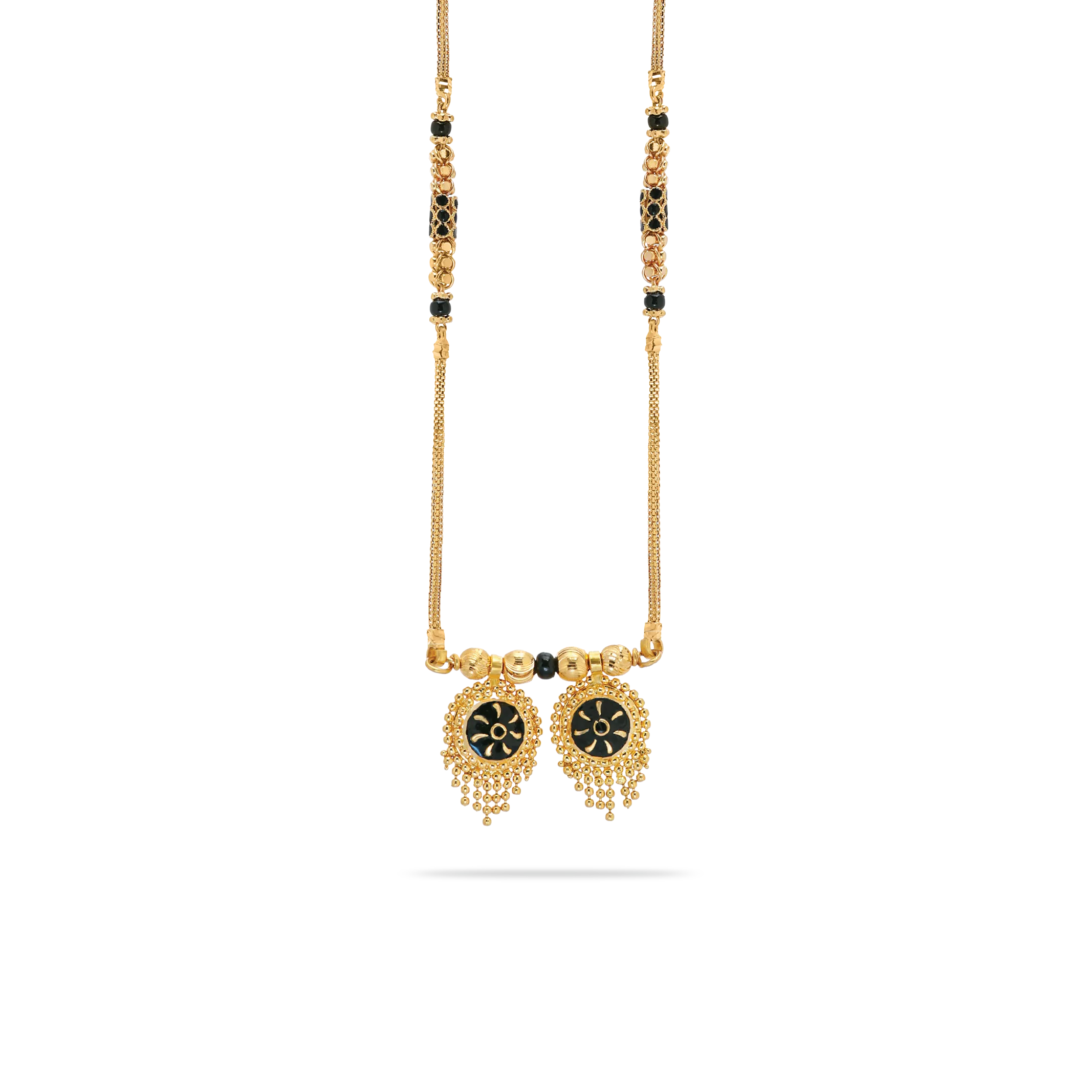
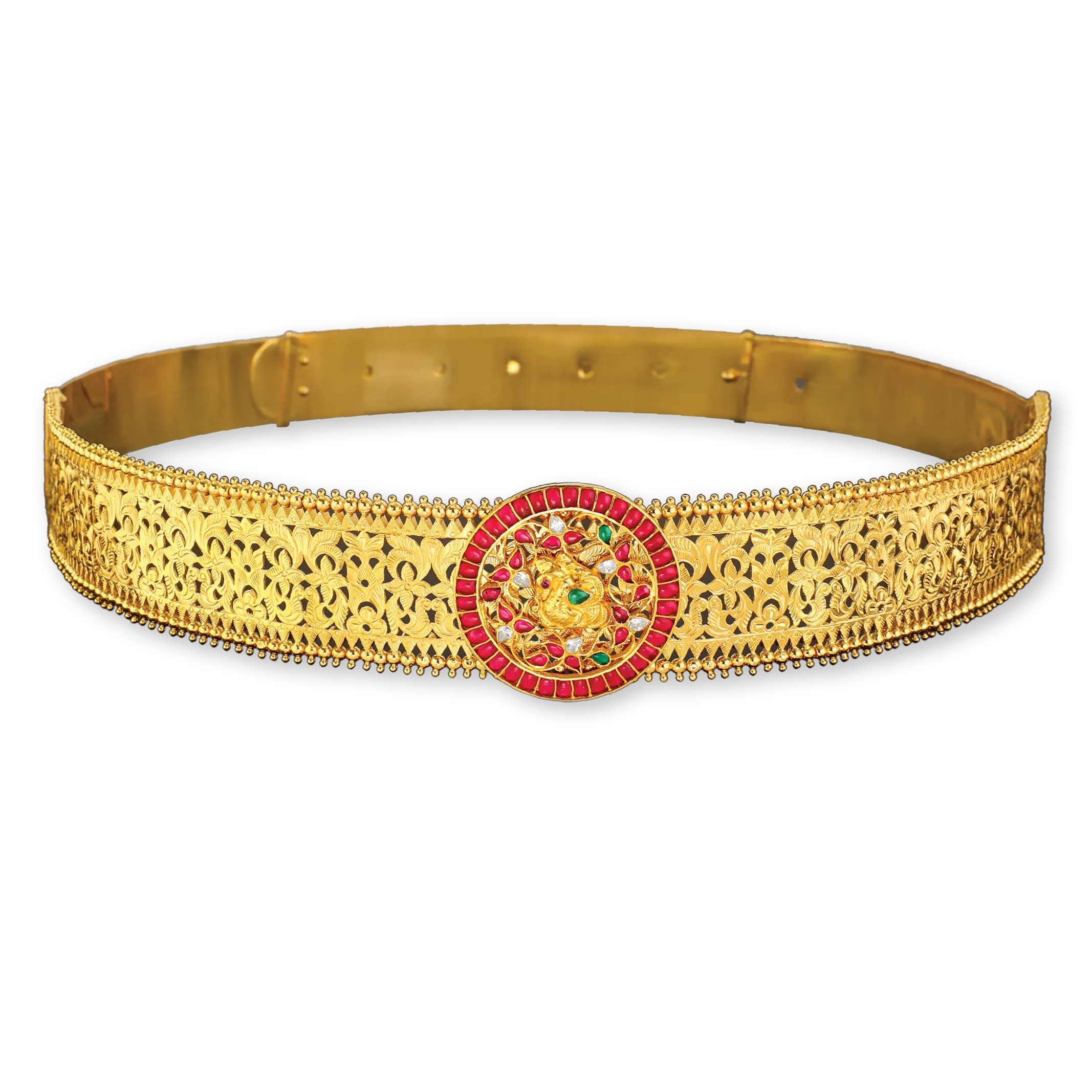
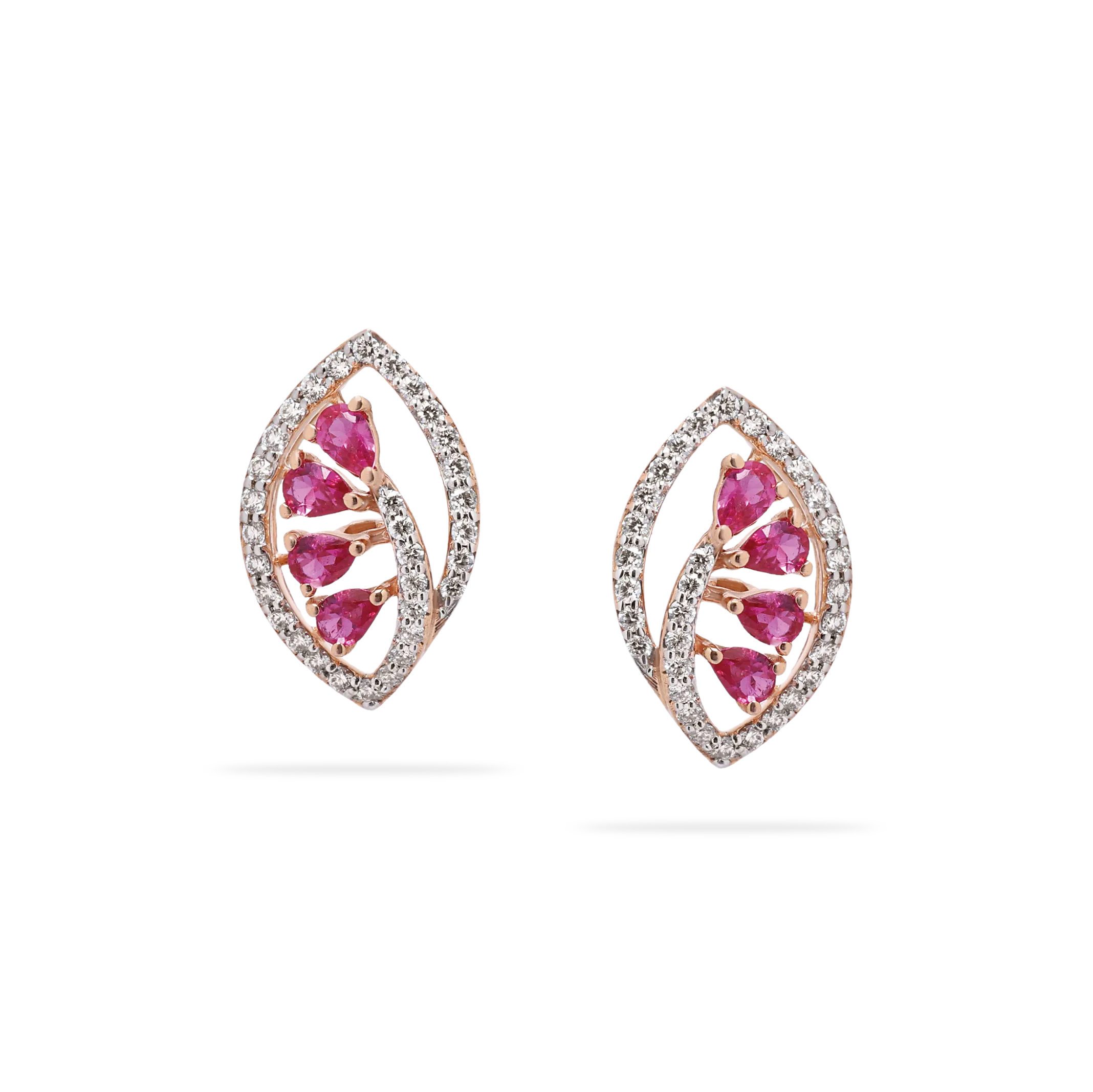
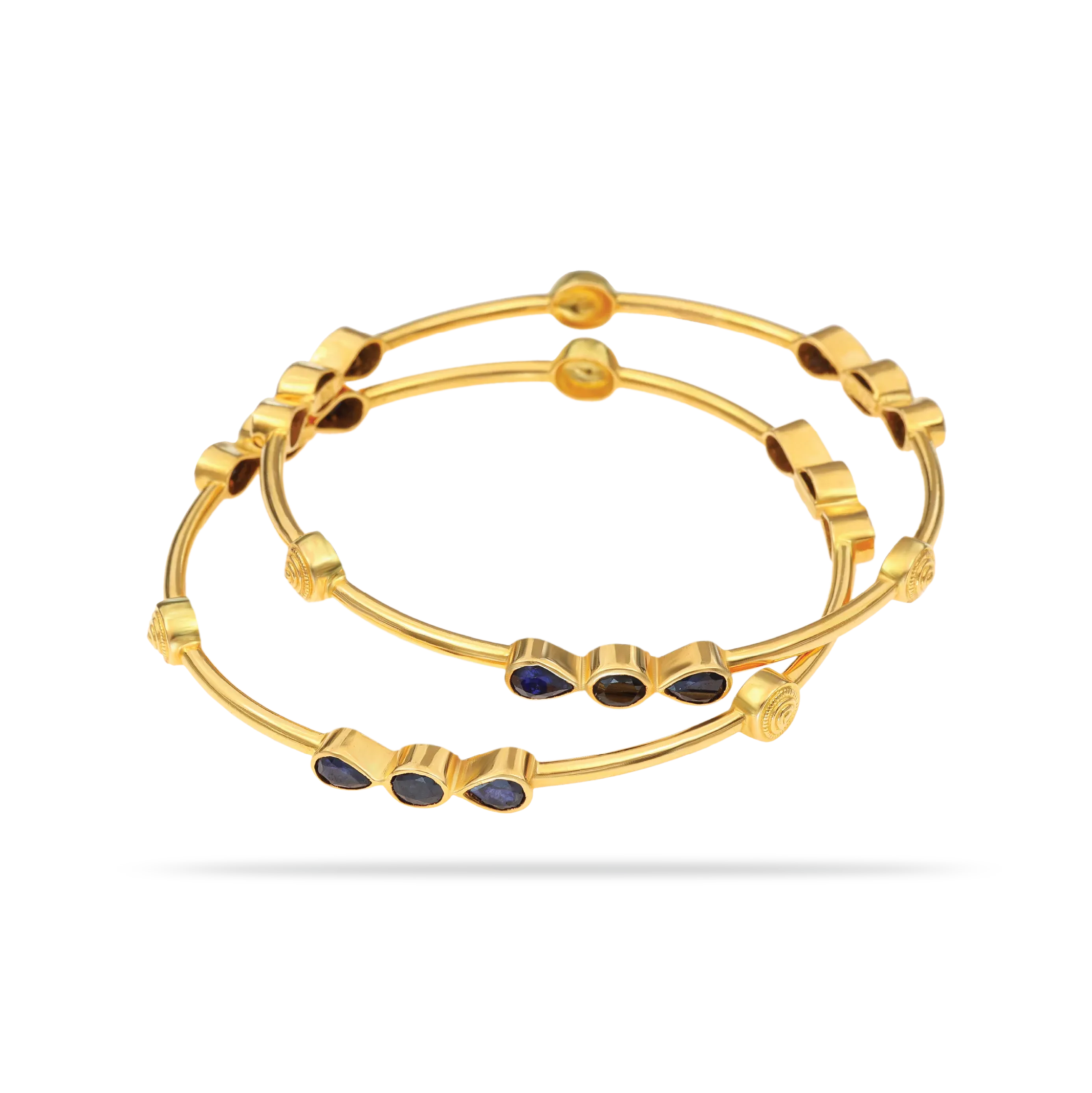
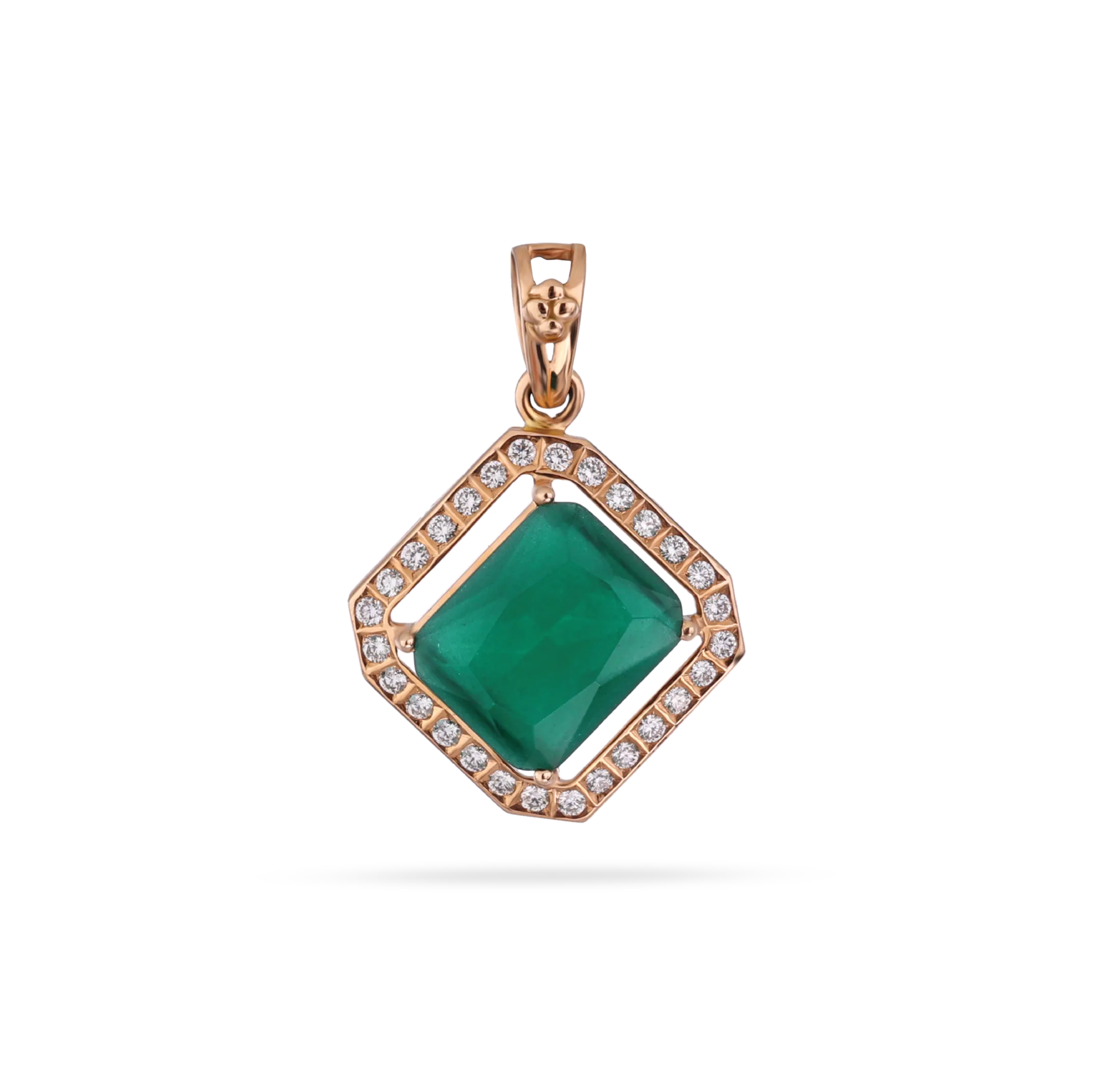
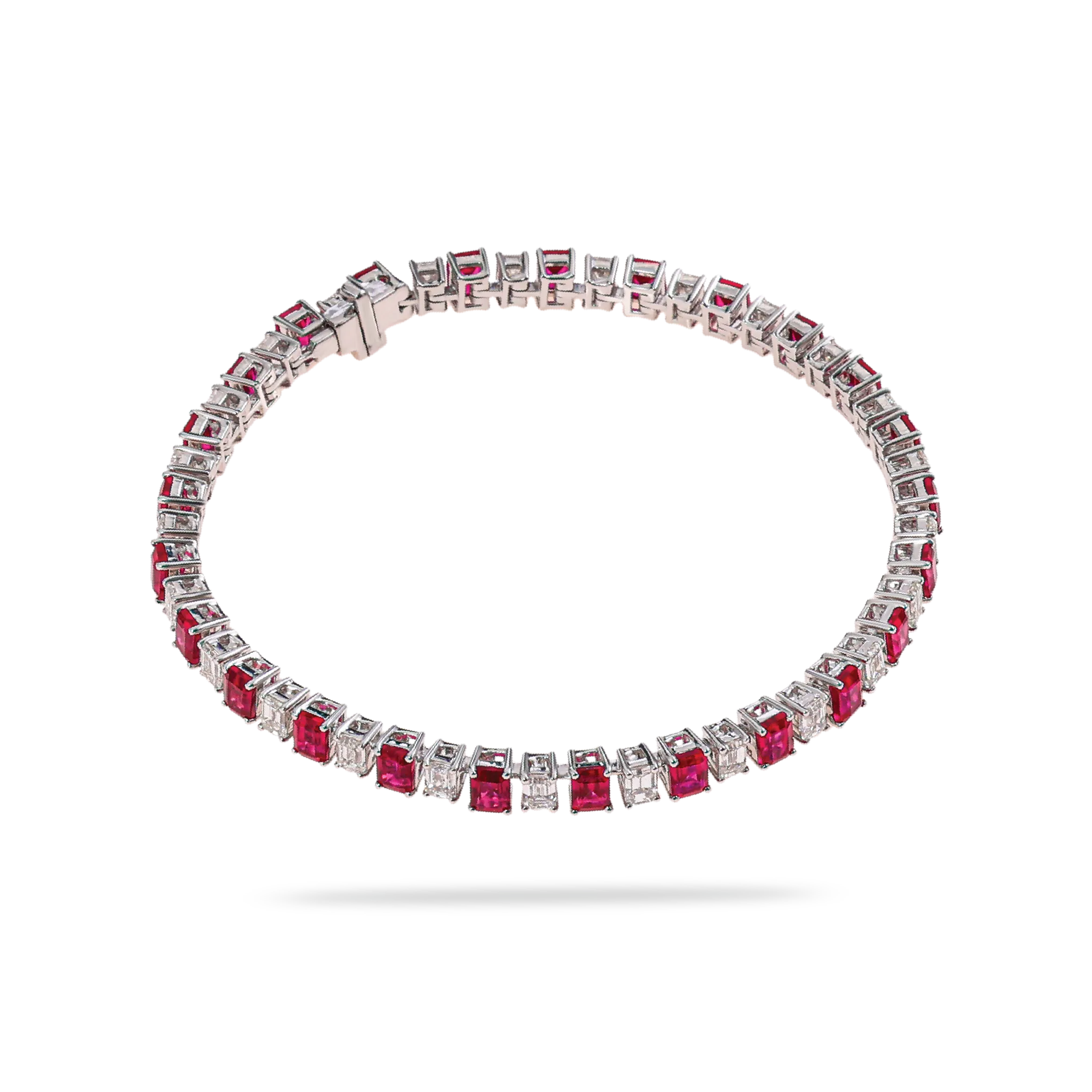
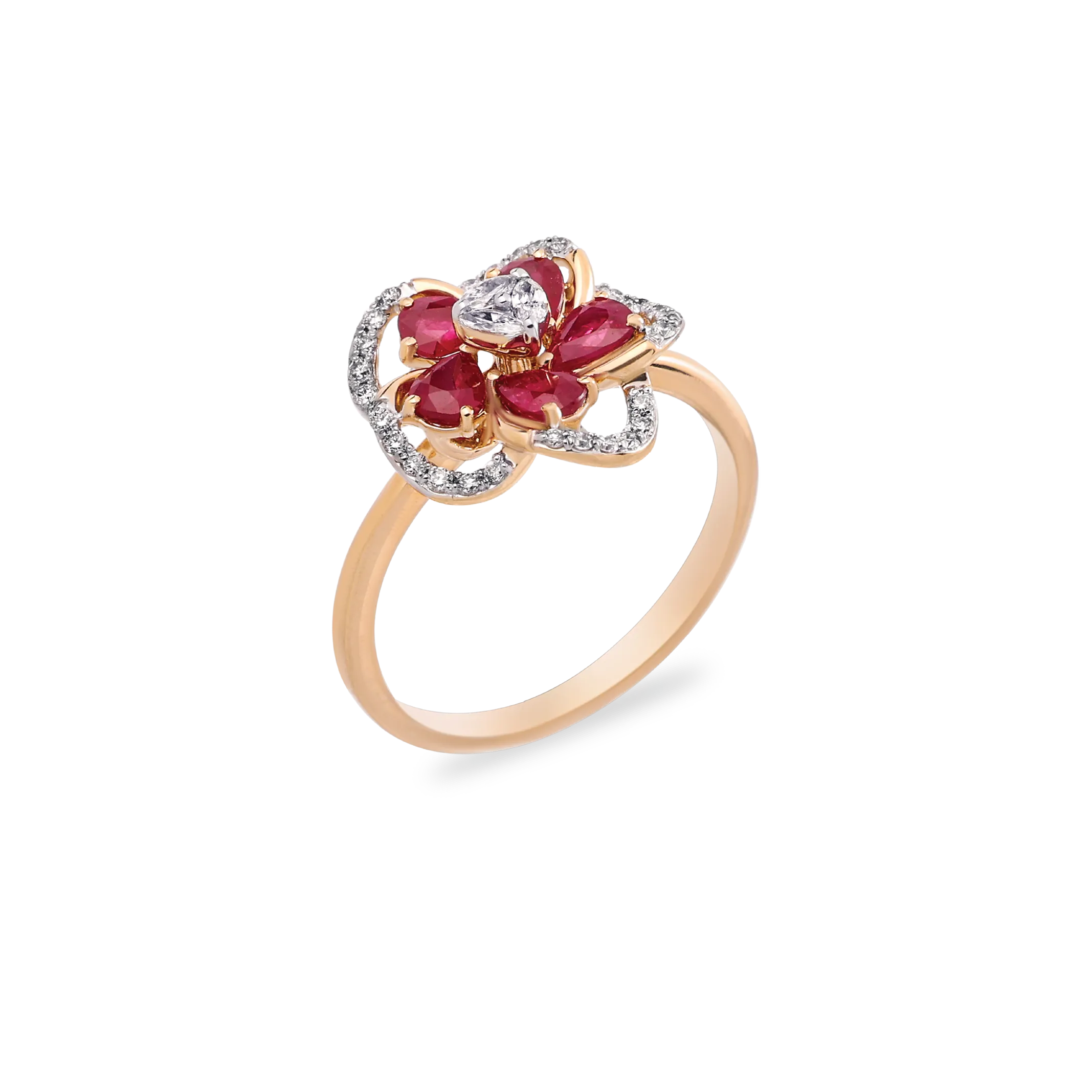
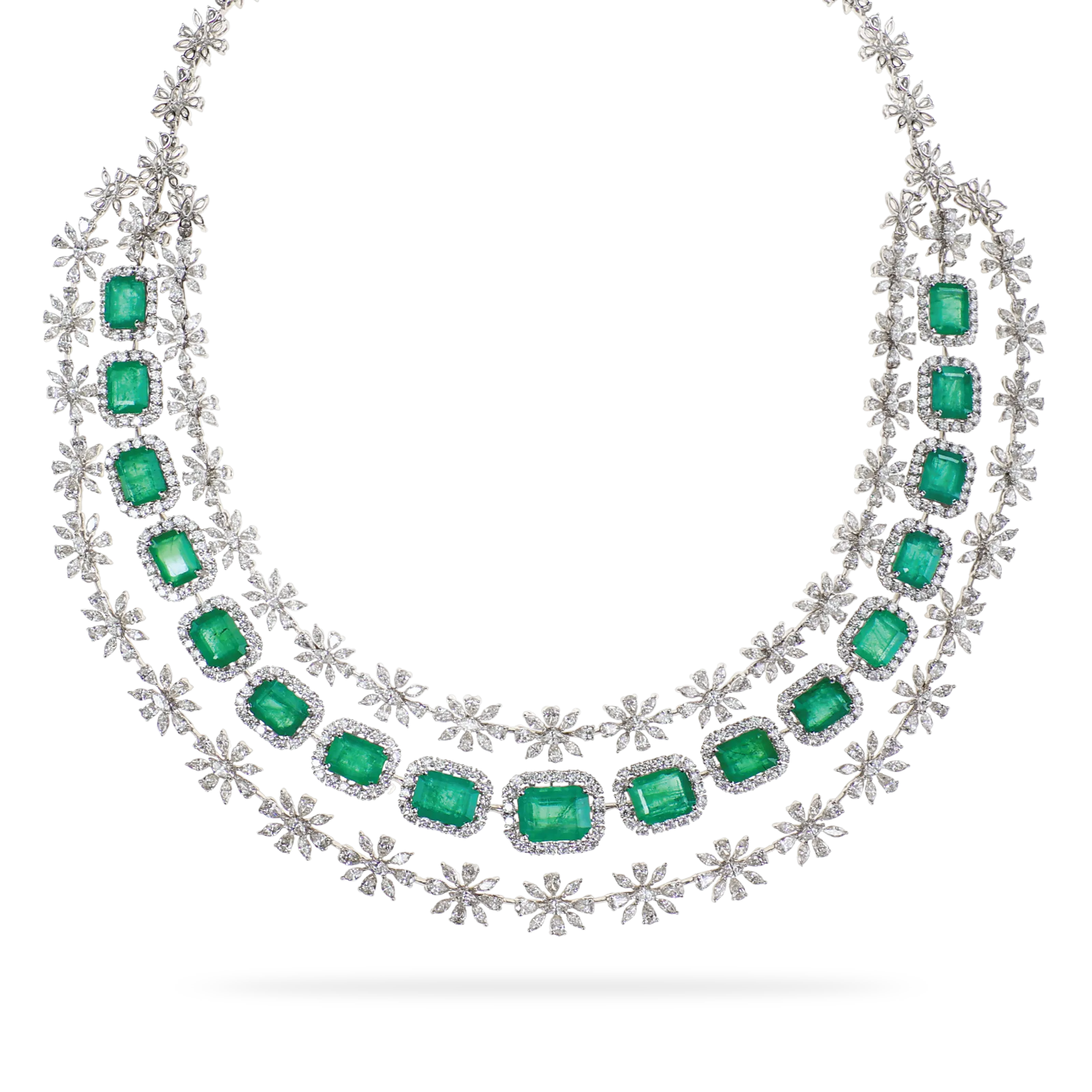
Discover Timeless Elegance: Crafting Your Own Heirloom Jewellery Legacy
March 21, 2026 | 10 minutes read
In a world that's always rushing forward, there's something really special about slowing down and thinking about what lasts. Heirloom jewelry is like that – pieces that don't just look good now, but carry stories and meaning from the past into the future. It's more than just pretty things; it's about connection, family, and creating a legacy that can be passed down. This article is all about how to find, create, and care for your own heirloom jewelry, making sure those special pieces keep telling your family's story for years to come.
Key Takeaways
- Heirloom jewelry connects us to our past, holding personal stories and family history. It's about the meaning, not just the material value.
- Choosing pieces with lasting significance, like those made from 18k gold or with timeless designs, helps ensure they'll be cherished for generations.
- Updating inherited pieces through remodeling can make them wearable for today's style while still honoring their original history.
- Building traditions around heirloom jewelry, like specific gifting rituals or storytelling, strengthens family bonds and passes on legacy.
- Proper care and storage are vital for preserving heirloom jewelry, ensuring these tangible links to our ancestry can be enjoyed by future generations.
Understanding The Enduring Appeal Of Heirloom Jewellery
The Significance Of Heirloom Jewellery
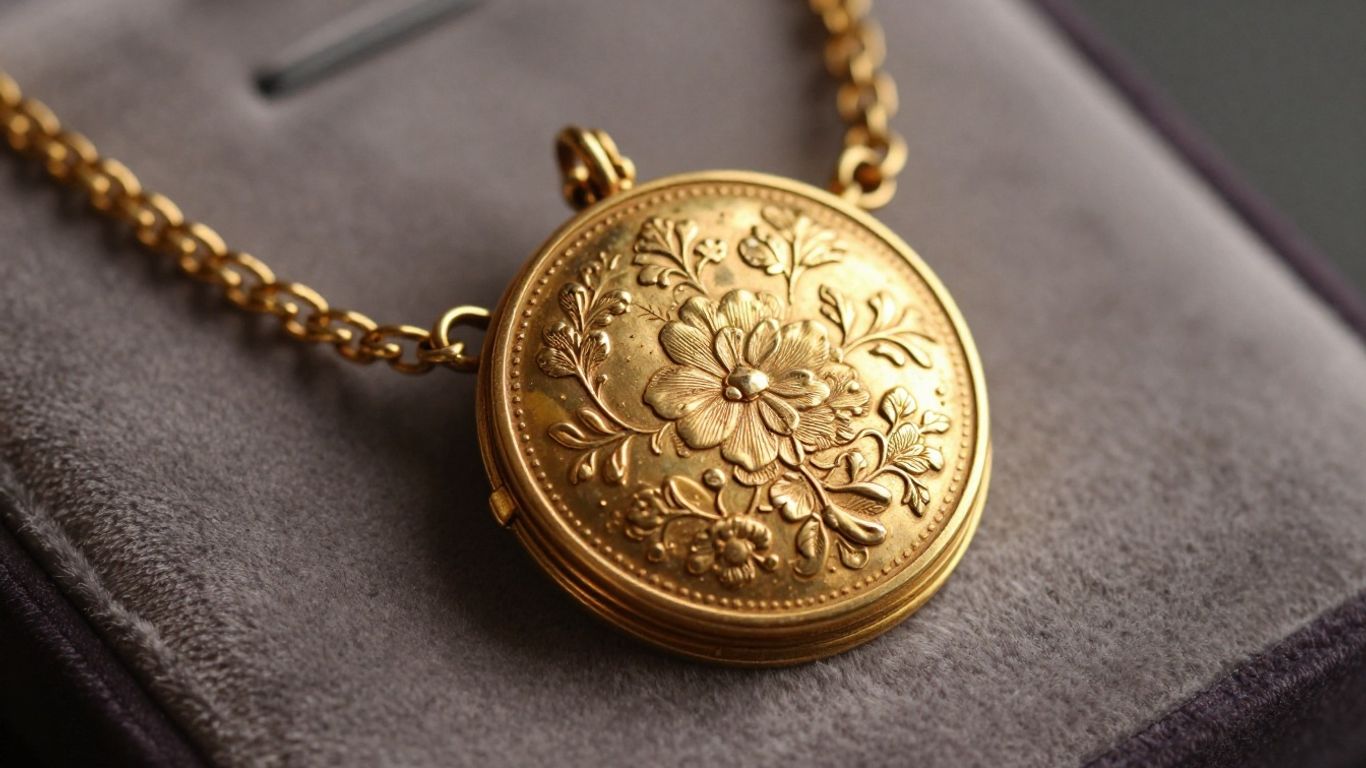
Heirloom jewelry is more than just pretty things to wear. It’s like a physical link to the people who came before us. Think about it – a ring that your grandmother wore on her wedding day, or a necklace your mother received for a special birthday. These aren't just objects; they're carriers of memories, stories, and a whole lot of love. They connect us to our past in a way that few other possessions can. When you hold an heirloom piece, you're holding a piece of your family's history, a tangible reminder of the lives lived and the experiences shared. It’s this deep sentimental value that makes heirloom jewelry so special, far beyond its material worth.
A Glimpse Into History And Tradition
Jewelry has always been a way for people to mark important moments and express themselves. For centuries, intricate pieces have been passed down, each one telling a story of its time. From the detailed metalwork of older eras to the styles that were popular during different decades, these pieces reflect the craftsmanship and artistry of their creators. They’re like little time capsules, showing us how people lived and what they valued. Imagine a brooch from the early 1900s or a bracelet from the 1950s; each has its own unique style that speaks to its historical context.
- Victorian Era: Known for its intricate designs, often featuring dark stones like garnets and jet, and symbolic motifs.
- Art Nouveau Period: Characterized by flowing lines, nature-inspired designs, and the use of enamel and semi-precious stones .
- Mid-20th Century: Saw a rise in bold, geometric designs and the popularization of diamonds and platinum.
Embracing Sentimental Value
What really makes heirloom jewelry stand out is the emotional connection. It’s not about how much something costs, but what it represents. A locket that held tiny photos of loved ones, or earrings that were a gift from a grandparent, carry immense personal meaning. Wearing these pieces can bring a sense of comfort and continuity, like having a piece of that person with you. It’s a way to keep their memory alive and feel connected to them, no matter where you are or what you’re doing.
The true value of heirloom jewelry lies not in the sparkle of its stones or the gleam of its metal, but in the silent stories it whispers across generations. It’s a physical manifestation of love, commitment, and shared history, making each piece a unique treasure.
These pieces often become central to family traditions, marking milestones and celebrations. They are the silent witnesses to life's most important moments, and by passing them on, we ensure those memories and connections continue.
Crafting Your Own Heirloom Jewellery Legacy
Creating heirlooms isn't just about buying expensive things; it's about making thoughtful choices that build a story over time. It’s about selecting pieces that have a chance to become more than just jewelry – they can become tangible links to your life and values for future generations. Think about what makes a piece special to you right now. Will it hold a memory of a significant event, a personal achievement, or a deep connection?
Choosing Pieces With Lasting Significance
When you're picking out jewelry with the idea of it becoming an heirloom, it helps to ask a few questions. Does this piece have a design that feels timeless, something that won't look out of style in a few decades? Is it made with good quality materials that can withstand regular wear? Most importantly, does it carry a personal meaning for you? It could be a piece you bought to celebrate a milestone, a gift from someone special, or something that reminds you of a particular time in your life. These are the kinds of details that give jewelry its soul and make it worth passing down.
- Quality of Materials: Opt for durable metals like platinum or 14k/18k gold. These stand up to daily wear much better than softer metals.
- Timeless Design: Avoid overly trendy styles. Classic settings, simple bands, and universally appealing gemstone cuts tend to age gracefully.
- Personal Connection: The strongest heirlooms are those tied to significant life events or relationships. A wedding band, a push present, or a piece commemorating a career goal all carry deep personal weight.
- Craftsmanship: Look for well-made pieces. Good construction means the jewelry is less likely to break or wear out prematurely.
The Allure of 18k Gold: A Time-Honored Tradition
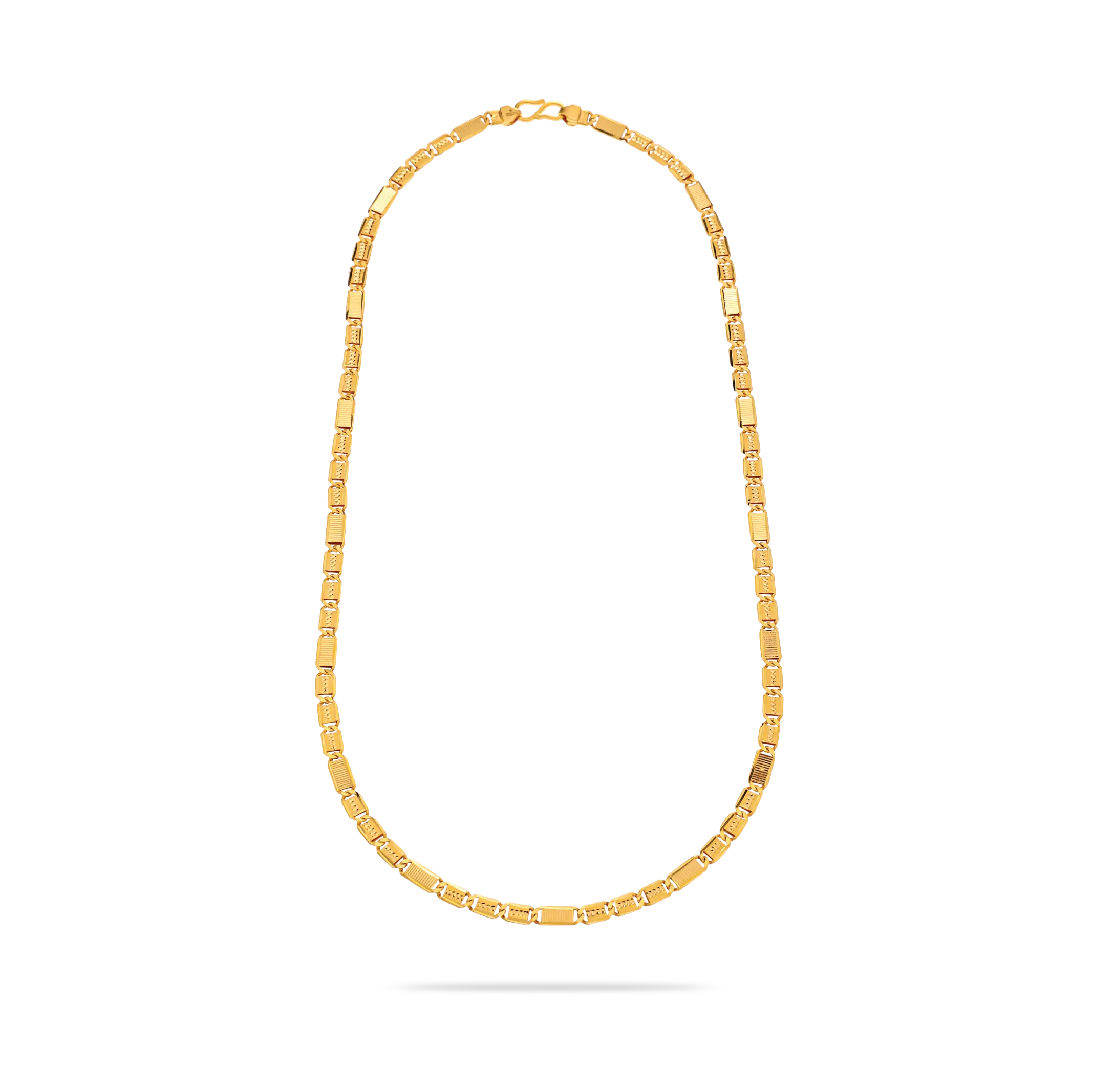
When we talk about jewelry that lasts, 18k gold often comes up. It’s a popular choice for a reason. It’s got a beautiful, rich color and it’s made of 75% pure gold, mixed with other metals for strength. This balance makes it durable enough for everyday wear while still feeling luxurious. For centuries, gold has been a symbol of wealth, status, and permanence. Choosing 18k gold for a piece you intend to pass down connects you to a long history of valuing enduring beauty and quality. It’s a metal that has proven its worth over generations, making it a solid foundation for any future heirloom.
Modern Interpretations and Contemporary Relevance
Heirloom jewelry doesn't have to look like it belongs in a museum. Today, there's a wonderful blend happening between classic styles and modern tastes. You can find designers who take traditional elements – like intricate filigree or vintage-inspired settings – and give them a fresh, contemporary twist. This means you can create or choose pieces that feel both connected to the past and perfectly suited for your own life and style. It’s about making the old new again, so that these pieces are not just stored away but are actively worn and enjoyed, adding their own stories to the legacy.
The true value of a future heirloom lies not just in its material worth, but in the narrative it carries. By selecting or creating pieces with intention, you are weaving your own chapter into a continuing story, ensuring that your legacy is not just remembered, but lived.
Breathing New Life Into Family Treasures
Sometimes, you inherit jewelry that holds a lot of history, maybe from a grandmother or great-aunt, but the style just isn't you. It's a common dilemma. You want to honor the past and the person who owned it, but you also want to wear and enjoy the piece. Letting it sit in a box feels like a missed opportunity, right?
The Art Of Remodeling Inherited Pieces
This is where remodeling comes in. It's not about erasing the past; it's about making the piece relevant for today. Think of the stones and the metal as the core of the heirloom. The setting, the design – that's like the outfit it's wearing. And just like you might update your wardrobe, you can update a jewelry setting. It's a way to keep the story going, not end it.
- Preserve the core: Always keep the original stones. If there are any unique engravings or special design elements, try to keep those too. These are the parts that truly connect the piece to its history.
- Consider your life: How do you actually dress and live? If you're not a fancy cocktail ring person, maybe that ring can become a more everyday pendant or a pair of earrings.
- Find the right jeweler: Look for someone who understands the sentimental side of things. They can help you figure out what's possible and what will look best, respecting the original piece.
Preserving Stones While Updating Settings
Updating a setting is a really popular way to make old jewelry feel new again. For example, a heavy, ornate ring from the 1950s might have beautiful diamonds. You could take those diamonds and have them reset into a simpler, more modern band that you'll actually wear. Or maybe a brooch can be transformed into a pair of elegant stud earrings. The goal is to keep the precious gems and the metal, but change the look so it fits your style and your daily life. It's about making the heirloom a part of your story, not just a relic of someone else's.
Remodeling is a thoughtful process that bridges generations. It allows the tangible elements of a piece to continue their journey, adapted for a new era while still carrying the echoes of their origin. It’s about honoring memory through wearability.
Documenting The Transformation For Future Generations
Once you've decided to remodel, it's a great idea to keep a record of what you did. Take pictures before and after the changes. Write down what the original piece looked like, who it belonged to, and why you decided to update it. This story is just as important as the jewelry itself. When you pass it down, your children or grandchildren will appreciate knowing the journey the piece has taken. It adds another layer of meaning to the heirloom, showing how it has lived and evolved through different generations.
Building Meaningful Traditions Around Heirloom Jewellery
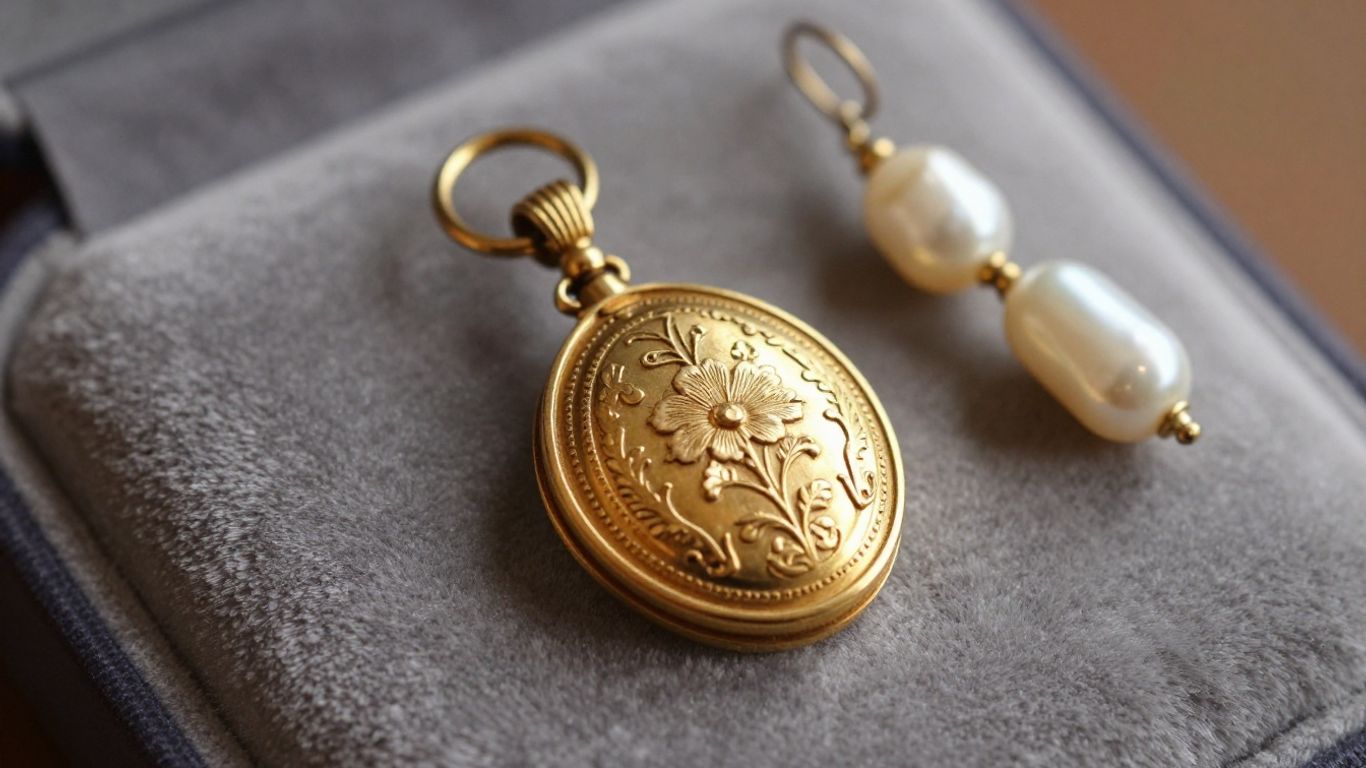
Heirloom jewelry is more than just pretty things to wear; it's about the stories we weave around them and the connections they create. It’s about making sure these special pieces don't just sit in a box but become part of our lives and the lives of those who come after us. Think of it as building a bridge between generations, one beautiful piece at a time.
Creating Mother-Daughter Traditions
Passing down jewelry from mother to daughter, or grandmother to granddaughter, carries a special kind of magic. It’s not just about handing over a necklace or a ring; it’s about sharing a piece of your identity, your experiences, and the unique bond that connects women across time. These traditions can be simple, like giving a bracelet for a significant birthday, or more elaborate, marking milestones like graduation or a first job. The key is to imbue the act of giving with meaning.
- Marking Milestones: Choose specific life events – coming of age, finishing school, starting a career – to present a piece. This makes the jewelry a tangible reminder of that achievement.
- Sharing Stories: When you give a piece, tell its history. Who wore it before? What was happening in their life? This context transforms an object into a narrative.
- Creating New Rituals: Start a new tradition. Perhaps a special tea ceremony when the heirloom is gifted, or a yearly dinner where the jewelry is worn and its story retold.
The most cherished heirlooms are those that have been actively loved and worn, not just preserved. They carry the warmth of the skin that touched them and the echoes of laughter and conversations they witnessed.
Establishing Legacy Pieces for Sons
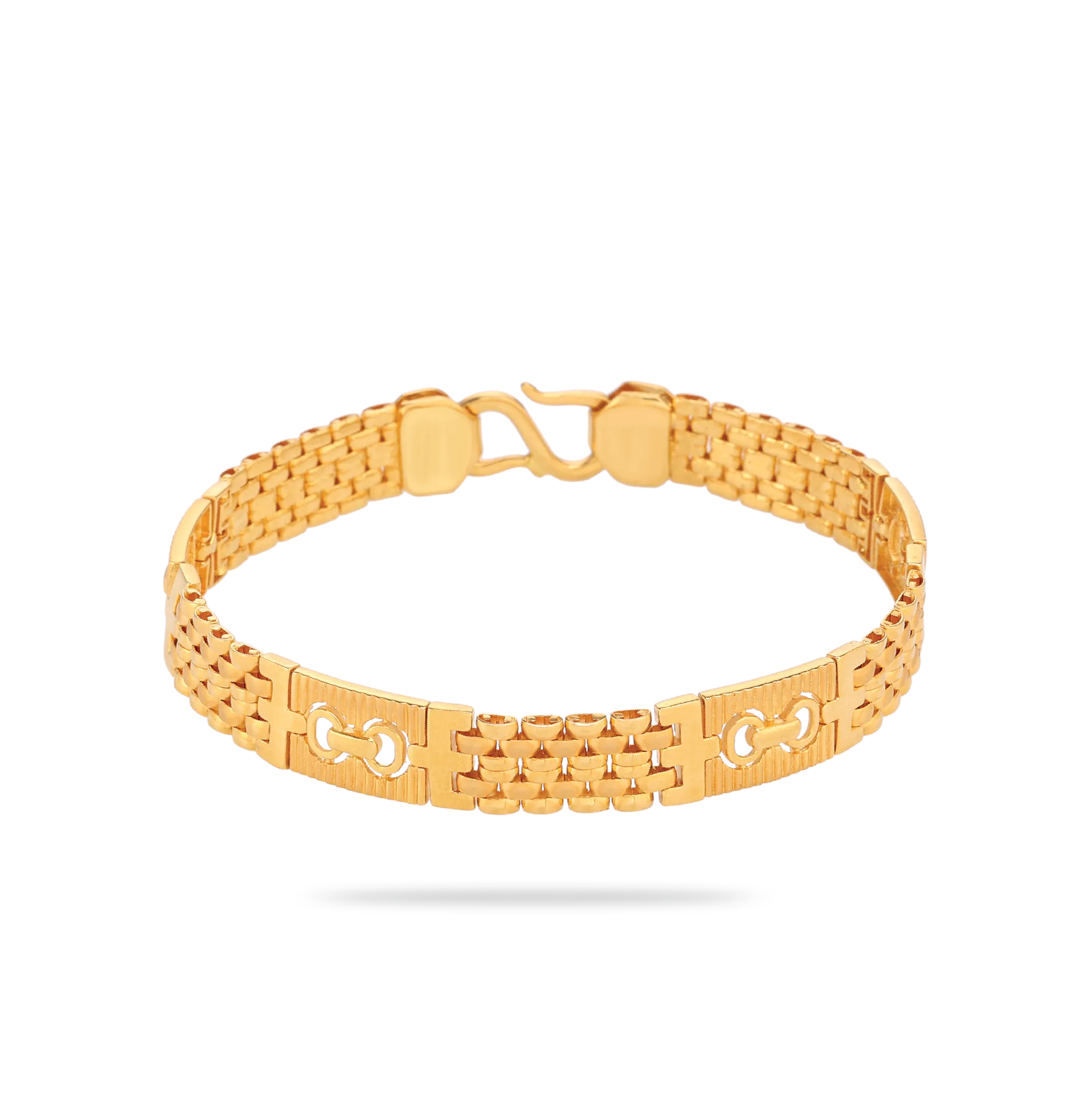
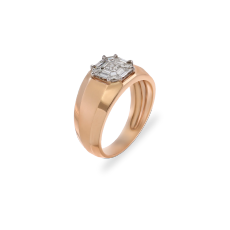
While much of heirloom tradition has historically focused on women, creating meaningful legacy pieces for sons is equally important. The approach might differ, focusing on pieces that align with their interests and life stages. A grandfather's watch, a signet ring, or even a sturdy, classic bracelet can carry immense significance. The goal is to connect them to their male lineage and provide a touch of enduring style.
- Symbolic Gifts: Consider items like a classic watch that belonged to a grandfather, or a tie clip that was a favorite of an uncle. These pieces can represent strength and continuity.
- Celebrating Achievements: Similar to daughters, mark significant moments for sons – graduation, a first major career move, or even a wedding – with a piece that signifies their journey.
- Personalized Meaning: A piece doesn't have to be old to become an heirloom. A custom-made item, perhaps incorporating a family crest or a significant date, can be designed with the intention of being passed down. You can find beautiful handmade heirloom jewelry designed for this very purpose.
Rituals of Giving and Storytelling
At the heart of any heirloom tradition lies the ritual of giving and the power of storytelling. It’s not just about the object itself, but the narrative that surrounds it. When a piece is passed on, it carries with it the memories, values, and love of those who owned it before. This act of sharing stories creates a deeper connection to our past and strengthens the bonds within the family. It’s about ensuring that the legacy lives on, not just in metal and stone, but in the hearts and minds of future generations.
Caring For Your Cherished Heirloom Jewellery
Gentle Cleaning Methods For Longevity
Taking care of heirloom jewelry means being gentle. Think of it like caring for old photographs; you want to preserve them without causing damage. For most pieces, a soft, lint-free cloth is your best friend. Gently wipe away any dust or smudges. If a piece has a bit more grime, especially on intricate metalwork, you can try a very mild soap solution – like a drop of dish soap in a bowl of lukewarm water. Use a soft brush, maybe an old, clean makeup brush or a baby toothbrush, to carefully get into crevices. Rinse thoroughly with clean water and pat it dry with a soft cloth. Avoid harsh chemicals, abrasive cleaners, or ultrasonic cleaners for most vintage pieces, as they can be too aggressive and damage delicate settings or stones. Always test any cleaning method on an inconspicuous spot first if you're unsure.
Proper Storage To Prevent Damage
Where you keep your heirlooms matters a lot. The goal is to protect them from scratches, tarnishing, and accidental knocks. Individual pouches made of soft fabric, like velvet or felt, are great for keeping pieces separate. If you have a jewelry box, make sure it has compartments or dividers. For items prone to tarnishing, like silver, consider adding anti-tarnish strips to the storage area. Keep your jewelry in a cool, dry place, away from direct sunlight and extreme temperature changes. Humidity can be a real enemy, so avoid storing jewelry in bathrooms or damp basements. Think of it as giving each piece its own safe little haven.
When To Seek Professional Restoration
Sometimes, despite our best efforts, heirlooms need a little extra help. If you notice a stone is loose, a clasp is broken, or the metal is showing significant wear, it's time to call in the pros. A qualified jeweler who specializes in antique or vintage pieces can assess the damage and recommend the best course of action. They have the tools and knowledge to repair settings, polish metal without removing too much material, and even replace missing stones with ones that match as closely as possible. It's always better to entrust these delicate repairs to someone experienced rather than risk causing more harm.
Remember, the goal of care and restoration is to maintain the integrity and story of the piece. It's not about making it look brand new, but about preserving its history and ensuring it can be passed on safely to the next generation. Sometimes, a little wear is part of its charm and history.
Here's a quick guide for common materials:
| Material | Gentle Cleaning Method |
|---|---|
| Gold | Soft cloth, mild soap and water (rinse and dry well) |
| Silver | Soft cloth, specialized silver polish (use sparingly) |
| Pearls | Damp cloth, mild soap (wipe clean, dry thoroughly) |
| Colored Stones | Soft cloth, avoid chemicals, consult jeweler if unsure |
| Platinum | Soft cloth, mild soap and water (rinse and dry well) |
Investing In Memories: The True Value Of Heirloom Jewellery
Beyond Material Worth: The Power Of Stories
It's easy to get caught up in the sparkle of diamonds or the gleam of gold when we think about jewelry. But with heirlooms, the real magic isn't in the carat weight or the metal's purity. It's in the narrative. Think about that locket your great-aunt always wore, or the ring your grandmother received on her wedding day. These aren't just pretty objects; they're vessels carrying decades of laughter, tears, triumphs, and quiet moments. Each scratch, each subtle patina, tells a part of a story that connects you directly to the people who came before. The true value of heirloom jewelry lies in the memories it holds and the emotional threads it weaves through your family.
Heirlooms As Tangible Links To Ancestry
Sometimes, history books and old photographs only tell part of the story. Heirloom jewelry offers a different kind of connection – a physical one. Holding a piece that has been passed down for generations is like holding a piece of your own history. It’s a way to feel close to ancestors you may never have met, understanding their lives and their style in a very personal way. These items can anchor us, reminding us of where we come from and the journey our family has taken.
- A Ring: Perhaps it was worn by a grandparent during significant life events.
- A Brooch: Maybe it was a gift from a distant relative, representing a specific cultural heritage.
- A Watch: It could have been a father's or grandfather's daily companion, ticking away through important milestones.
Living Your Legacy Through Intentional Choices
Creating your own heirloom legacy isn't just about what you inherit; it's also about what you choose to pass on. It’s about making conscious decisions today that will hold meaning for your family tomorrow. This means selecting pieces that not only appeal to you now but also have the potential to tell a story for future generations. Consider the quality of the piece, its design, and most importantly, the personal significance it carries.
When you choose or create a piece with intention, you're not just buying jewelry. You're investing in future memories, crafting a tangible piece of your family's ongoing story. It's about building a bridge between your present and your descendants' future, filled with personal meaning and connection.
Think about the jewelry you wear daily or the pieces you've acquired to mark special occasions. Will these items carry a narrative? Will they evoke a sense of connection for someone thirty, fifty, or even a hundred years from now? By thoughtfully curating or creating these pieces, you're actively shaping the legacy you'll leave behind, ensuring that memories and connections endure.
Your Legacy, Beautifully Crafted
So, we've talked about how jewelry can be more than just pretty things. It's about the stories they hold, the memories they bring back, and the connections they make between us and the people who came before. Whether you're looking at old family pieces or thinking about creating something new, remember that these items are like little time capsules. They carry love and history forward. By choosing or making these special pieces with care, you're not just adding to a collection; you're building a story that will keep going. It’s a way to keep loved ones close and to pass on something truly meaningful to those who come after you. Think of it as weaving your own thread into the family tapestry, making it richer and more beautiful for everyone.
Frequently Asked Questions
What makes a piece of jewelry an heirloom?
An heirloom isn't just about how much it costs or how rare it is. It's about the stories and memories tied to it. A simple ring can become a treasured heirloom if it represents a lifelong marriage or special family moments. It's the meaning it holds, not just its material value, that makes it special for generations.
Can I change or update old family jewelry?
Absolutely! If you have inherited jewelry that you love for its history but not its style, you can update it. Think of the stones and metals as the main part of the heirloom. You can change the settings to make it something you'll actually wear. This keeps the jewelry alive and part of your story, rather than letting it sit unworn.
How should I care for my heirloom jewelry?
Caring for these special pieces involves gentle cleaning methods to keep them shiny and proper storage to prevent damage. Keep them in a cool, dry place, perhaps in a jewelry box. For any repairs or deep cleaning, it's best to seek help from a professional jeweler who understands how to handle delicate, older pieces.
Is 18k gold a good choice for heirloom jewelry?
Yes, 18k gold is a wonderful choice for jewelry meant to last. It's a strong and beautiful metal that holds its shine over time. Many traditional and modern designs look stunning in 18k gold, making it a perfect foundation for pieces that you want to pass down through your family.
How can I create new traditions with heirloom jewelry?
You can build new traditions by giving heirloom pieces to mark important life events, like graduations or birthdays. When you give a piece, share the stories and history behind it. This helps the next person understand its value and feel connected to the family's past, turning the jewelry into a symbol of shared memories.
What's the real value of heirloom jewelry?
The true value of heirloom jewelry goes far beyond its price tag. It's about the connection it provides to your family's history, the love it represents, and the stories it carries. These pieces act as tangible links to those who came before us, reminding us of our roots and the enduring bonds of family.
Related blogs:
November 20, 2025
The Timeless Elegance of the Tennis Bracelet: A Comprehensive Guide
Read More
November 20, 2025
The Ultimate Guide to Styling and Wearing a Choker Necklace
Read More
November 20, 2025
Find Your Perfect Engagement Ring: A Comprehensive Guide to Styles and Diamonds
Read More
November 20, 2025
The Timeless Elegance of a Diamond Tennis Bracelet: A Buyer's Guide
Read More









.webp)
.webp)