Discover Exquisite Antique Victorian Jewellery: A Timeless Collection
December 13, 2025 | 10 minutes read
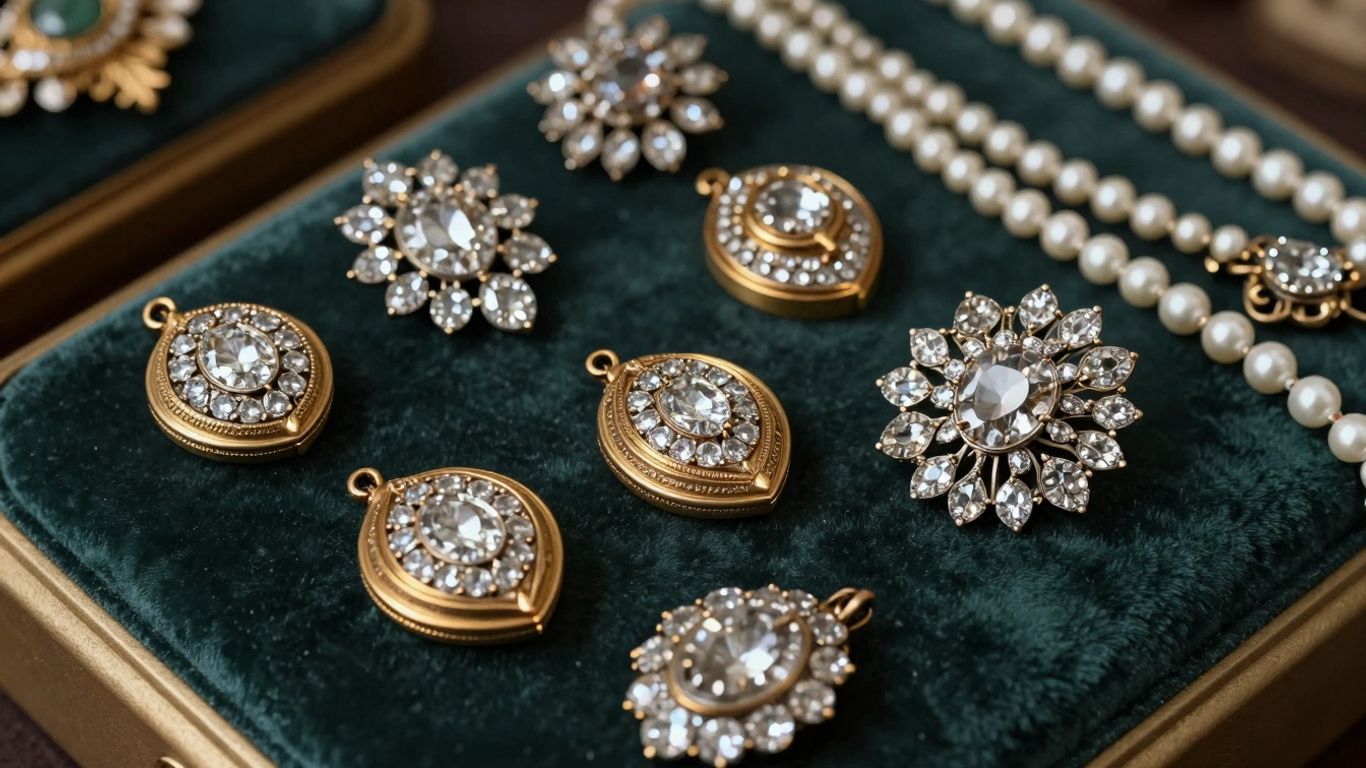
Antique Victorian jewellery is more than just pretty trinkets; it's like wearing a piece of history. Queen Victoria's long reign saw so many changes, and you can really see that reflected in the jewellery made back then. From super sentimental pieces to grander designs, there's a whole story behind each item. If you're into unique finds and appreciate good old-fashioned craftsmanship, this stuff is definitely worth a look.
Key Takeaways
- Victorian jewellery, made during Queen Victoria's reign (1837-1901), is known for its detailed work and romantic symbols.
- Key styles include sentimental pieces, mourning jewellery often made of jet, and nature-inspired designs.
- Look for specific motifs like snakes (eternity) or acrostic rings (gemstones spelling words) to understand their meaning.
- Authenticity can be checked by looking at hallmarks, signs of wear, and the quality of craftsmanship, not just the marks themselves.
- Genuine antique Victorian jewellery is valuable due to its rarity, the skill involved in making it, historical significance, and the materials used.
The Enduring Allure of Antique Victorian Jewellery
A Glimpse into Bygone Eras
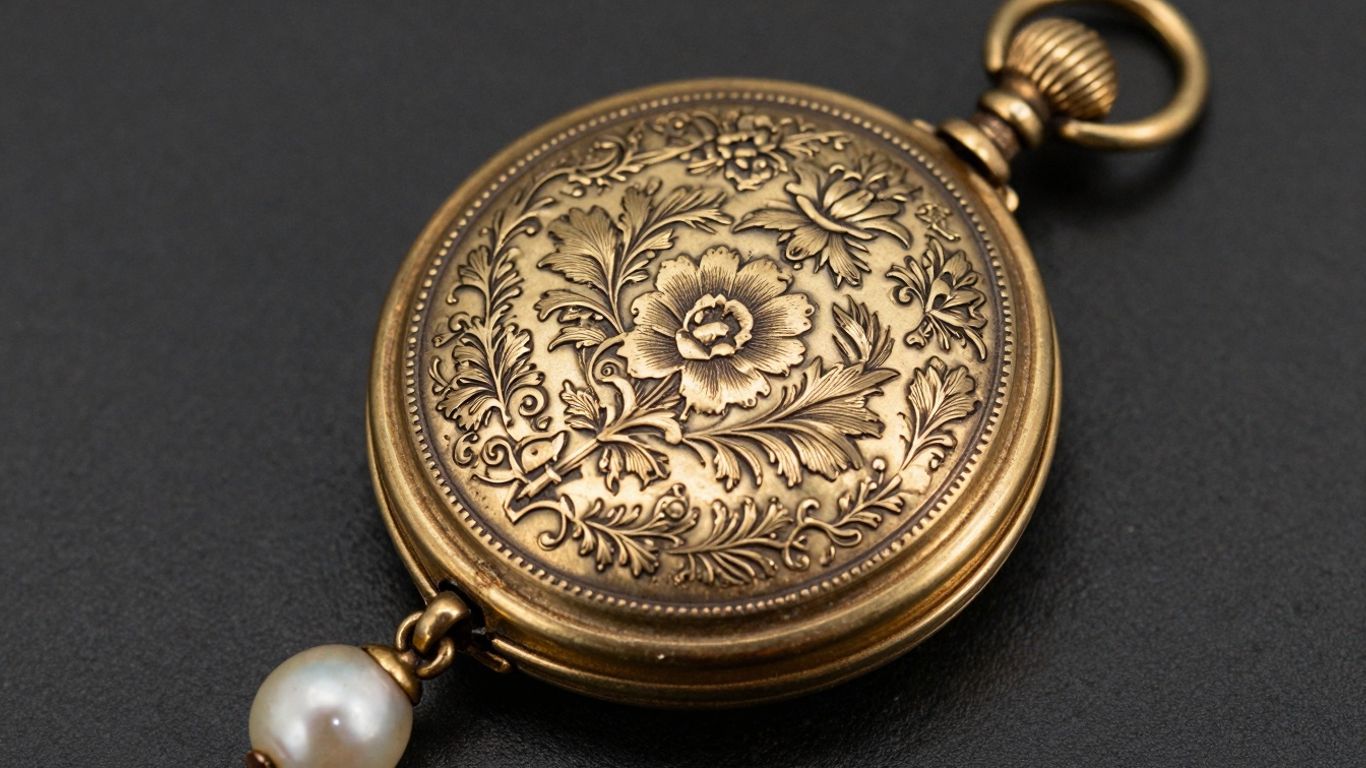
Stepping into the world of antique Victorian jewellery is like opening a history book, but way more sparkly. These pieces aren't just old; they're like little time capsules, each one whispering stories from a different time. Think about it – a brooch worn to a grand ball, a locket holding a tiny portrait of a loved one, or a ring exchanged during a time of great change. It’s pretty amazing to hold something that has seen so much history. The Victorian era, spanning a good chunk of the 19th century, was a time of huge shifts, from new inventions to big social changes, and you can really see all of that reflected in the jewellery made back then. It’s a tangible connection to the people and events that shaped our world.
Timeless Elegance and Craftsmanship
What really sets Victorian jewellery apart is the sheer quality of the work. Back then, things were made by hand, with incredible attention to detail. You won't find the mass-produced feel of modern items here. Instead, you get intricate metalwork, carefully set gemstones, and designs that have a certain weight and presence. Even simple pieces often have a level of artistry that’s hard to match today. This dedication to craftsmanship is a big part of why these pieces still look so good and feel so special, even after all these years. It’s a kind of elegance that doesn’t fade with trends.
The Uniqueness of Each Antique Piece
Because everything was made by hand, no two Victorian pieces are exactly alike. You might find similar styles, but each item has its own little quirks and character. Maybe there's a slight variation in the engraving, or a gemstone that has a unique inclusion, or even just the way the metal has aged over time, developing a soft patina. These aren't flaws; they're marks of authenticity and history. It means that when you own a piece of Victorian jewellery, you're not just wearing something beautiful; you're wearing something truly one-of-a-kind, a little piece of art with its own story to tell. It’s like owning a tiny, wearable sculpture that carries the echoes of its past.
Hallmarks of Victorian Jewellery Style
Romantic Symbolism and Storytelling Motifs
Victorian jewelry wasn't just about looking pretty; it was often a way to communicate. Think of it like a secret language worn on your sleeve, or rather, your décolletage or finger. Pieces from this era are packed with symbols that told stories of love, friendship, and even loss. Snakes, for instance, became super popular after Prince Albert gave Queen Victoria a serpent engagement ring. They represented eternal love and fidelity. Hearts and hands were pretty straightforward symbols for love and friendship. You'd also see flowers, like forget-me-nots, which obviously meant 'don't forget me,' or ivy for everlasting life. It's fascinating how much meaning could be packed into a single brooch or ring.
- Serpents: Symbolizing eternity and devotion.
- Hearts and Hands: Representing love and friendship.
- Floral Motifs: Each flower had its own meaning, like forget-me-nots for remembrance.
- Acrostic Jewellery: Gemstones arranged so their first letters spelled out words like "DEAREST" (Diamond, Emerald, Amethyst, Ruby, Emerald, Sapphire, Topaz).
These pieces often served as personal keepsakes, carrying deep emotional significance for their wearers, making each item a unique narrative.
Precious Metals and Gemstone Palettes
When it came to materials, Victorian jewelers really knew their stuff. Gold was a big player, often in rich yellow hues. Sometimes, they'd use silver on top of gold, especially for setting diamonds, to make them look brighter. For mourning jewelry, which was a huge trend after Prince Albert's death, they turned to materials like jet (a type of fossilized wood) and onyx. These dark stones had a somber elegance. Gemstone-wise, you'll see a lot of garnets, amethysts, opals, and seed pearls, especially in the earlier part of the era. Later on, diamonds became more common again. The way they set these stones, often with closed or foiled backs, really made their colors pop.
| Metal/Material | Common Uses |
|---|---|
| Gold (18k, 15k, 9k) | Rings, brooches, necklaces, bracelets |
| Silver | Often used for diamond settings (silver-topped gold) |
| Jet | Mourning jewelry, lockets, beads |
| Onyx | Mourning jewelry, cameos, inlay work |
| Seed Pearls | Necklaces, earrings, embellishments |
| Garnets | Rings, pendants, often in clusters |
| Amethysts | Rings, brooches, popular for their purple hue |
Intricate Techniques: Enameling and Filigree
The craftsmanship during the Victorian era was just incredible. Jewelers were masters of detail. Enameling was a big deal, where they'd fuse powdered glass onto metal to create vibrant colors and intricate designs. Think of those beautiful floral patterns or detailed scenes on lockets and brooches. Then there's filigree, which is this super delicate metalwork made from tiny threads or grains of gold or silver, twisted and soldered together to look almost like lace. It gave pieces a really light, airy, and intricate feel. You also see techniques like repoussé, where the metal is hammered from the back to create a raised design. These detailed techniques are a huge part of what makes Victorian jewelry so special and collectible today.
Exploring the Three Victorian Periods
The Victorian era, spanning from 1837 to 1901, wasn't just one long, consistent style. It actually went through some pretty distinct phases, each with its own vibe and popular designs. Thinking about these periods helps you really appreciate the evolution of Victorian jewelry.
Early Romantic Designs (1837–1860)
This first phase was all about love, sentiment, and a generally lighthearted feel. Think delicate pieces, often featuring symbols of affection. Queen Victoria herself set the tone with her marriage to Prince Albert, and jewelry reflected that romantic ideal. You'd see lots of yellow gold , often paired with softer gemstones like turquoise and seed pearls. Floral motifs were huge, as was the language of flowers, where different blooms represented specific sentiments. Hairwork, where a lock of hair from a loved one was incorporated into a piece, was also a very popular and personal touch. Acrostic rings, where the first letter of each gemstone spelled out a word like 'DEAREST' or 'REGARDS', were a clever way to send a secret message. It was all about personal connection and sweet gestures.
Mid-Century Grandeur and Mourning (1861–1880)
Everything changed dramatically with the death of Prince Albert in 1861. Queen Victoria entered a long period of mourning, and this deeply personal grief profoundly influenced the jewelry of the time. Mourning jewelry became a significant category. Instead of bright colors, designers turned to materials like jet (a type of fossilized wood), onyx, and black enamel . These dark, somber materials were used to create pieces that commemorated the deceased. Beyond mourning, this period also saw a fascination with archaeological discoveries, leading to bolder, more elaborate designs inspired by ancient Egyptian, Etruscan, and Renaissance styles. Gold was still popular, but the overall aesthetic became more substantial and sometimes quite grand.
Late Aesthetic Revivals (1880–1901)
As the era drew to a close, the style lightened up again, embracing a more artistic and diverse approach. This period, often called the Aesthetic Movement, saw a return to more intricate patterns and a wider range of gemstones. Diamonds became more prominent, often set in a 'star-setting' or 'gypsy setting' style. There was a noticeable influence from Japanese art, with motifs like dragons and pagodas appearing. Nature-inspired designs continued, but with a more refined and detailed execution. This era really celebrated craftsmanship and a broader artistic palette, bringing us to the end of Queen Victoria's long reign with a flourish of creativity. The transition between these periods shows how jewelry wasn't just adornment but a reflection of personal lives, societal events, and artistic trends.
Here's a quick look at the general timeline:
- Early Romantic: 1837–1860
- Mid-Century Grandeur/Mourning: 1861–1880
- Late Aesthetic: 1880–1901
Understanding these phases helps you spot the subtle differences and appreciate the historical context behind each beautiful piece. It's like reading chapters in a story, each with its own unique characters and plot twists.
Iconic Types of Victorian Jewellery
Victorian jewellery isn't just about pretty things; it's like a secret diary you can wear. Each piece often tells a story, whether it's about love, remembrance, or just a fascination with the world around them. You'll see a lot of common themes and types that really define the era.
Sentimental Brooches and Lockets
Brooches were huge back then, like the ultimate accessory. They weren't just for pinning on a jacket; they were often elaborate pieces meant to be a focal point. Many of these brooches and lockets were designed to hold something personal. Think tiny portraits of loved ones, a lock of hair (which was super common, even a bit of a trend), or even a small keepsake. These were really intimate items, meant to keep someone close to your heart, literally.
- Lockets: Often oval or heart-shaped, these could be plain or heavily decorated. Inside, you'd find space for miniature portraits or woven hair. Some even had tiny compartments for a bit of perfume.
- Hairwork Brooches: These are fascinating. Skilled artisans would take human hair and weave or braid it into intricate patterns, often set under glass. It was a way to memorialize someone or show deep affection.
- Cameos: These carved pieces, usually featuring profiles of people, were often set into brooches or pendants. They had a classical feel and were quite popular for their artistry.
These sentimental pieces were more than just adornment; they were tangible connections to people and memories, especially important in a time when travel was difficult and families were often separated.
Symbolic Rings and Bracelets
When it came to rings and bracelets, the Victorians really got creative with symbolism. They weren't just for decoration; they often carried hidden messages or represented significant life events. You might see rings with gemstones arranged to spell out words, or bracelets that coiled around the wrist like a snake, which had a very specific meaning.
- Acrostic Rings: These are clever! Gemstones were chosen so their first letters spelled out a word. For example, DEAREST might be represented by Diamond, Emerald, Amethyst, Ruby, Emerald, Sapphire, Topaz. It was a secret language of love.
- Snake Motifs: After Prince Albert gave Queen Victoria a snake engagement ring, these became incredibly popular. Snakes, especially the ouroboros (a snake eating its tail), symbolised eternal love and commitment.
- Mourning Bracelets: Often made from jet or onyx, these were worn to remember a deceased loved one. They could be simple bands or more elaborate pieces, sometimes incorporating woven hair.
Nature-Inspired Masterpieces
The Victorians were really into nature, science, and exploration, and this definitely showed up in their jewelry. You'll find tons of pieces that look like they were plucked straight from a garden or a forest. It was a way to connect with the beauty of the natural world, which was seen as a source of comfort and inspiration.
- Floral Designs: Flowers were everywhere – roses, forget-me-nots, ivy. Each flower often had its own meaning, adding another layer of symbolism.
- Insects and Birds: Butterflies, dragonflies, and birds were popular motifs, representing transformation, freedom, and beauty.
- Leaves and Vines: These elements were used to create delicate and intricate designs, often appearing on brooches, pendants, and rings.
The sheer variety and detail in these nature-inspired pieces are just astounding, showcasing incredible craftsmanship.
Identifying Authentic Antique Victorian Jewellery
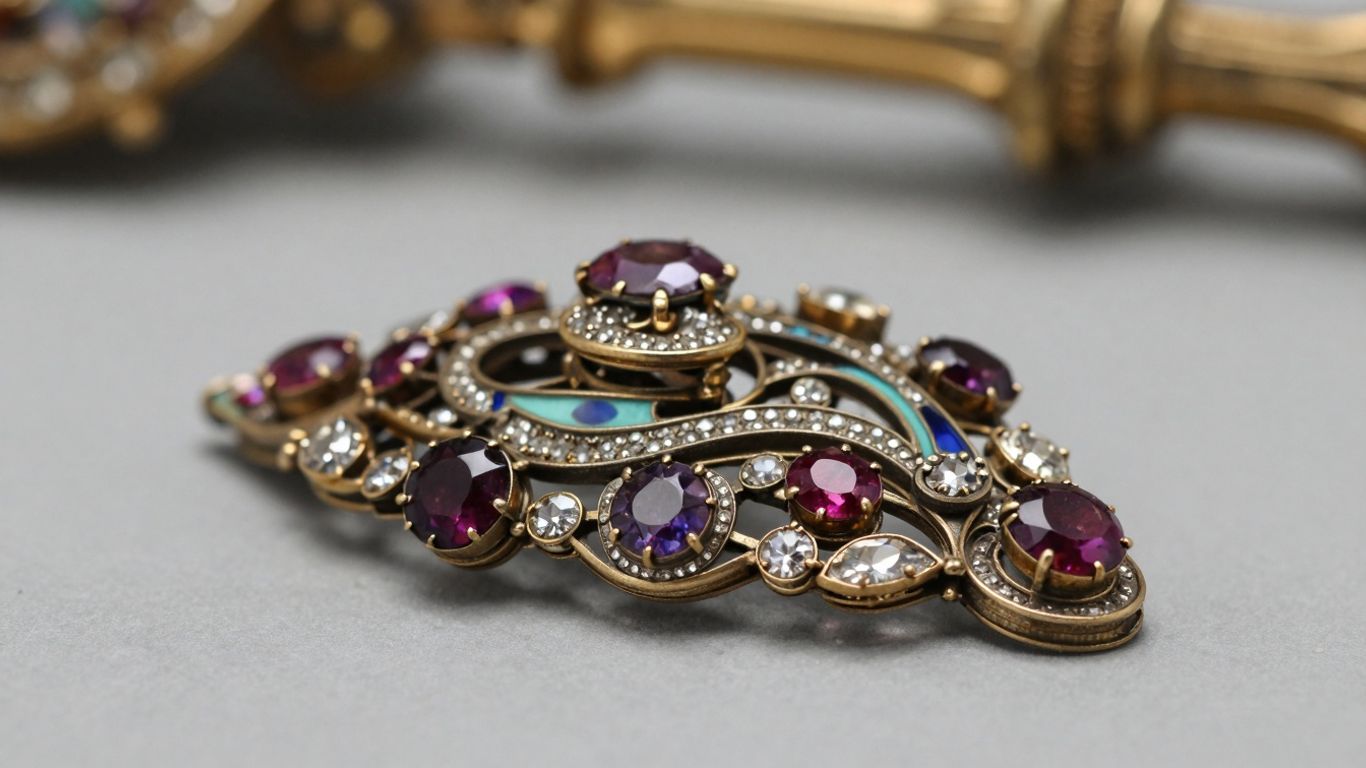 enamel ." >
So, you've fallen for the charm of Victorian jewelry, but how do you know if that sparkly piece is the real deal? It's not always as simple as it looks. Lots of beautiful reproductions exist, and while they can be lovely, they don't carry the same history. Authenticating Victorian jewelry is a bit like being a detective, piecing together clues from its construction, materials, and markings.
Understanding Hallmarks and Maker's Marks
Hallmarks are like a little passport for your jewelry. In Britain, for instance, they could tell you where it was made, the metal purity (like 18-karat gold, often marked "750"), and even the year it was stamped. However, it's important to remember that not every single Victorian piece was hallmarked. Smaller items or pieces that have been repaired or altered over time might be missing these official stamps. Maker's marks are also super helpful, giving credit to the artisan who created the piece. You'll often find these alongside the hallmarks. If you're looking at a piece with a "750" mark, it's a good indicator of 18K gold, and genuine Van Cleef & Arpels pieces will have this consistently engraved near the signature.
Recognizing Wear and Patina
Genuine antique jewelry tells a story, and that story often includes signs of wear. Think about it – these pieces have been loved and worn for over a century! You might see slight softening of sharp edges, minor scratches that are consistent with age, or a lovely, mellow patina on the metal. This patina isn't dirt; it's a natural oxidation that happens over time and actually adds to the character of an antique. Be wary of pieces that look suspiciously pristine, as if they just came out of the factory yesterday. That said, significant damage like deep gouges or bent prongs might indicate a piece that's been mistreated rather than just well-loved.
Distinguishing Real Pieces from Reproductions
Spotting a fake involves looking at the whole picture. Here are some things to keep an eye out for:
- Craftsmanship: Look for signs of hand-finishing. Engraving should be crisp but might have tiny imperfections that show a human hand was involved, not a laser. Settings should be secure, and fittings like C-clasps, tube hinges, and period pin assemblies are good indicators of age.
- Materials and Stones: Victorian jewelry often used specific stone cuts, like old mine or rose cuts. Colored stones might have closed or foiled backs, especially in earlier pieces. If you see silver-topped gold, particularly for diamond work, that's a good sign of the era.
- Design Details: Does the design feel right for the period? While Victorian styles varied, certain motifs and techniques like intricate enameling or delicate filigree are hallmarks of the time. Reproductions might get the look right but miss the subtle nuances.
Authenticity isn't just about a single mark or feature; it's about the convergence of evidence. A piece that feels right, looks right, and has consistent details is usually a good bet. When in doubt, consulting with a reputable dealer or a jewelry historian is always a wise move.
Buying from specialists who understand the nuances of antique jewelry can give you peace of mind. They can help you understand the history and verify the authenticity of each unique find. [Explore authentic Victorian pieces](Vintage Tom) that have been carefully curated for their story and craftsmanship.
The Value and Investment of Victorian Pieces
Rarity and Unmatched Craftsmanship
So, why do these old pieces fetch a pretty penny? Well, a big part of it is simply how rare they are. Think about it – these jewels have survived over a century, sometimes much longer. Many were made using techniques that are just too time-consuming and delicate for today's mass-produced market. We're talking about hand-finished settings, intricate filigree work, and detailed enameling that you just don't see every day anymore. The sheer artistry involved is a major factor in their worth. It’s not just about the gold and the stones; it’s about the skill of the person who made it, a skill that’s becoming increasingly hard to find.
Historical Significance and Enduring Materials
Beyond the craftsmanship, Victorian jewelry is valuable because it's a tangible piece of history. Each item tells a story, reflecting the social customs, personal sentiments, and even the major events of the era. Whether it's a mourning brooch carrying a lock of hair or a ring with a secret message spelled out in gemstones, these pieces connect us to the past in a very personal way. Plus, they were often made with high-quality materials – think solid gold, natural pearls, and old-cut diamonds. These materials have held their value over time, and when combined with historical importance, it really adds to the appeal. It's like owning a little piece of a bygone world.
Buying with Confidence from Specialists
When you're looking to invest in Victorian jewelry, it really pays to buy from people who know their stuff. Specialists and reputable dealers are your best bet. They can help you spot the real deal, understand the hallmarks, and tell you about the piece's history. They'll also be able to point out the condition, like whether the settings are secure or if there's any significant damage. It's always a good idea to ask questions and get as much information as you can. Remember, authenticity and condition are key. Buying from a trusted source means you're more likely to get a genuine piece that will hold its value and bring you joy for years to come. It's worth checking out places that focus on authentic Victorian pieces to get a feel for what's out there.
Here are a few things to keep in mind when you're looking:
- Originality: Look for pieces that haven't been heavily altered. Original clasps, hinges, and settings are a good sign.
- Condition: While some wear is expected and even desirable, check for secure stones, stable enamel , and no major cracks or repairs.
- Wearability: Consider how you might wear the piece. Some Victorian rings, for example, are surprisingly comfortable for daily wear .
Investing in antique Victorian jewelry is about more than just acquiring beautiful objects; it's about preserving history and owning a piece of artistry that transcends time. The combination of unique craftsmanship, historical narrative, and enduring materials makes these pieces a compelling choice for collectors and enthusiasts alike.
A Timeless Legacy
So, there you have it. Victorian jewelry isn't just old stuff; it's like wearing a little piece of history. Each ring, necklace, or brooch has its own story, made by hand with a lot of care. It’s pretty cool to think about who wore it before and what it meant to them. Unlike today's fast fashion, these pieces were built to last and have this unique charm that you just don't see anymore. If you're looking for something special, something with real character, then antique Victorian jewelry is definitely worth checking out. You're not just buying jewelry; you're getting a connection to the past.
Frequently Asked Questions
What makes Victorian jewelry so special?
Victorian jewelry is special because each piece tells a story from a long time ago. It was made with great care by hand, using beautiful materials and often carrying secret meanings through symbols like hearts or snakes. It's like owning a tiny piece of history that someone loved and wore.
How can I tell if a piece of Victorian jewelry is real?
To know if it's real, look for signs of age, like a gentle wear or a soft shine called 'patina.' Check for tiny marks called hallmarks, which can tell you where and when it was made. Also, the way it's put together, like the type of clasp or how the stones are cut, can show if it's from that time.
What were some popular symbols used in Victorian jewelry?
Victorians loved using symbols! Snakes often meant eternal love, especially after the queen got a snake ring for her engagement. Hearts and hands meant love and friendship. Flowers and leaves showed their love for nature. Sometimes, they even used the first letter of each gem to spell out secret messages like 'LOVE' or 'DEAREST'.
Why is Victorian jewelry often so valuable?
These pieces are valuable because they are rare – many old ones didn't survive. The skill used to make them by hand is hard to copy today. Plus, they are made with real gold, beautiful old gemstones, and they carry a lot of history and personal meaning, making them more than just pretty things.
What is 'mourning jewelry' and why was it common?
After Queen Victoria's husband passed away, she wore black for many years, and so did many others. Mourning jewelry was made to remember loved ones who had died. It was often made from black materials like jet or onyx, and sometimes even included a bit of the person's hair.
Are there different styles within Victorian jewelry?
Yes! Early Victorian jewelry was often light and romantic with pretty colors. The middle part of the era, especially after the queen's mourning, saw bolder styles and darker materials. Later on, designs became more inspired by nature and art from other cultures, bringing back lighter, more detailed looks.
The Ultimate Guide to Selecting Exquisite Indian Bridal Jewellery for Your Big Day
10 minute read
Related blogs:
November 20, 2025
The Timeless Elegance of the Tennis Bracelet: A Comprehensive Guide
Read More
November 20, 2025
The Ultimate Guide to Styling and Wearing a Choker Necklace
Read More
November 20, 2025
Find Your Perfect Engagement Ring: A Comprehensive Guide to Styles and Diamonds
Read More
November 20, 2025
The Timeless Elegance of a Diamond Tennis Bracelet: A Buyer's Guide
Read More









.webp)
.webp)